EP0787801B1 - Method for increasing storage lipid content in plant seed - Google Patents
Method for increasing storage lipid content in plant seed Download PDFInfo
- Publication number
- EP0787801B1 EP0787801B1 EP97101622A EP97101622A EP0787801B1 EP 0787801 B1 EP0787801 B1 EP 0787801B1 EP 97101622 A EP97101622 A EP 97101622A EP 97101622 A EP97101622 A EP 97101622A EP 0787801 B1 EP0787801 B1 EP 0787801B1
- Authority
- EP
- European Patent Office
- Prior art keywords
- plant
- pyruvate kinase
- seed
- dna
- sequence
- Prior art date
- Legal status (The legal status is an assumption and is not a legal conclusion. Google has not performed a legal analysis and makes no representation as to the accuracy of the status listed.)
- Expired - Lifetime
Links
Images

Classifications
-
- C—CHEMISTRY; METALLURGY
- C12—BIOCHEMISTRY; BEER; SPIRITS; WINE; VINEGAR; MICROBIOLOGY; ENZYMOLOGY; MUTATION OR GENETIC ENGINEERING
- C12N—MICROORGANISMS OR ENZYMES; COMPOSITIONS THEREOF; PROPAGATING, PRESERVING, OR MAINTAINING MICROORGANISMS; MUTATION OR GENETIC ENGINEERING; CULTURE MEDIA
- C12N15/00—Mutation or genetic engineering; DNA or RNA concerning genetic engineering, vectors, e.g. plasmids, or their isolation, preparation or purification; Use of hosts therefor
- C12N15/09—Recombinant DNA-technology
- C12N15/11—DNA or RNA fragments; Modified forms thereof; Non-coding nucleic acids having a biological activity
- C12N15/113—Non-coding nucleic acids modulating the expression of genes, e.g. antisense oligonucleotides; Antisense DNA or RNA; Triplex- forming oligonucleotides; Catalytic nucleic acids, e.g. ribozymes; Nucleic acids used in co-suppression or gene silencing
- C12N15/1137—Non-coding nucleic acids modulating the expression of genes, e.g. antisense oligonucleotides; Antisense DNA or RNA; Triplex- forming oligonucleotides; Catalytic nucleic acids, e.g. ribozymes; Nucleic acids used in co-suppression or gene silencing against enzymes
-
- C—CHEMISTRY; METALLURGY
- C12—BIOCHEMISTRY; BEER; SPIRITS; WINE; VINEGAR; MICROBIOLOGY; ENZYMOLOGY; MUTATION OR GENETIC ENGINEERING
- C12N—MICROORGANISMS OR ENZYMES; COMPOSITIONS THEREOF; PROPAGATING, PRESERVING, OR MAINTAINING MICROORGANISMS; MUTATION OR GENETIC ENGINEERING; CULTURE MEDIA
- C12N15/00—Mutation or genetic engineering; DNA or RNA concerning genetic engineering, vectors, e.g. plasmids, or their isolation, preparation or purification; Use of hosts therefor
- C12N15/09—Recombinant DNA-technology
- C12N15/63—Introduction of foreign genetic material using vectors; Vectors; Use of hosts therefor; Regulation of expression
- C12N15/79—Vectors or expression systems specially adapted for eukaryotic hosts
- C12N15/82—Vectors or expression systems specially adapted for eukaryotic hosts for plant cells, e.g. plant artificial chromosomes (PACs)
- C12N15/8241—Phenotypically and genetically modified plants via recombinant DNA technology
- C12N15/8242—Phenotypically and genetically modified plants via recombinant DNA technology with non-agronomic quality (output) traits, e.g. for industrial processing; Value added, non-agronomic traits
- C12N15/8243—Phenotypically and genetically modified plants via recombinant DNA technology with non-agronomic quality (output) traits, e.g. for industrial processing; Value added, non-agronomic traits involving biosynthetic or metabolic pathways, i.e. metabolic engineering, e.g. nicotine, caffeine
- C12N15/8247—Phenotypically and genetically modified plants via recombinant DNA technology with non-agronomic quality (output) traits, e.g. for industrial processing; Value added, non-agronomic traits involving biosynthetic or metabolic pathways, i.e. metabolic engineering, e.g. nicotine, caffeine involving modified lipid metabolism, e.g. seed oil composition
-
- C—CHEMISTRY; METALLURGY
- C12—BIOCHEMISTRY; BEER; SPIRITS; WINE; VINEGAR; MICROBIOLOGY; ENZYMOLOGY; MUTATION OR GENETIC ENGINEERING
- C12N—MICROORGANISMS OR ENZYMES; COMPOSITIONS THEREOF; PROPAGATING, PRESERVING, OR MAINTAINING MICROORGANISMS; MUTATION OR GENETIC ENGINEERING; CULTURE MEDIA
- C12N9/00—Enzymes; Proenzymes; Compositions thereof; Processes for preparing, activating, inhibiting, separating or purifying enzymes
- C12N9/10—Transferases (2.)
- C12N9/12—Transferases (2.) transferring phosphorus containing groups, e.g. kinases (2.7)
- C12N9/1205—Phosphotransferases with an alcohol group as acceptor (2.7.1), e.g. protein kinases
-
- C—CHEMISTRY; METALLURGY
- C12—BIOCHEMISTRY; BEER; SPIRITS; WINE; VINEGAR; MICROBIOLOGY; ENZYMOLOGY; MUTATION OR GENETIC ENGINEERING
- C12Y—ENZYMES
- C12Y207/00—Transferases transferring phosphorus-containing groups (2.7)
- C12Y207/01—Phosphotransferases with an alcohol group as acceptor (2.7.1)
- C12Y207/0104—Pyruvate kinase (2.7.1.40)
Definitions
- the present invention lies in a method for the foregoing plant, further comprising the step of substantially lowering a value of activity of phosphoenolpyruvate carboxylase as compared with an activity of the endogenous phosphoenolpyruvate carboxylase in the seed of the plant.
- Sequences of pyruvate kinase genes are highly homologous to be not less than 65 % among plant species for which the sequences of cDNAs are known for their entire lengths. Among them, the region coding for pyruvate kinase protein has high homology of 70 %.
- transformation is preferably performed in accordance with Agrobacterium -mediated transformation ( Bio/technology , 6 , 915-922, 1988; Bio/technology , 5 , 1201-1204, 1987) and with the electroporation ( Plant Cell Rep., 10 , 106-110, 1991; Plant Cell Rep., 9 , 55-60).
- transformation may be performed in accordance with ordinary transformation such as the particle-acceleration transformation or gene gun method ( Theor. Appl. Genet., 79 , 337-341, 1990; Plant Cell Rep. , 14 , 81-86) and the PEG.
- the plasmid which contains the DNA sequence coding for pyruvate kinase or the part thereof in the form to suppress the transcription and/or translation of the cytosolic pyruvate kinase gene in the cell as described above, and preferably further contains the selection marker gene, is introduced into lower hypocotyl of rapeseed, and a plant body is reproduced.
- rapeseed which provides a varied storage lipid content, is created.
- Lower hypocotyl which is 10 to 14 days old after germination, can be used for the Agrobacterium -mediated transformation.
- Westar are suspended in a liquid medium containing 30 to 200 mM potassium chloride, 0 to 50 mM magnesium chloride, and 0.2 to 0.6 M mannitol with the pyruvate kinase antisense DNA expression vector (for example, 40 to 80 ⁇ g/ml) prepared as described above and the neomycin phosphotransferase gene (for example, 40 to 80 ⁇ g/ml) as the selection gene.
- Electric pulse is applied to the suspension so that the plasmid is introduced into the protoplasts.
- a probe is prepared by digesting the plasmid used for the transformation with Eco RI and Hind III in the same manner as described above, performing ethanol precipitation, washing with 70 % ethanol, and drying, and dissolving the digested product in redistilled water (5 ⁇ l). An obtained preparation is added with a dye for electrophoresis (1 ⁇ l) to perform fractionation by means of 0.8 % agarose gel electrophoresis (GTG agarose gel produced by FMC Seachem, TBE buffer) so that a DNA fragment containing the pyruvate kinase antisense DNA is recovered from the agarose gel.
- GTG agarose gel produced by FMC Seachem, TBE buffer
- the DNA sequence coding for pyruvate kinase and the DNA sequence coding for phosphoenolpyruvate carboxylase may be introduced into cell by using an identical vector or by using different vectors.
- cDNA was synthesized from the obtained mRNA.
- respective cDNA's were synthesized in accordance with a protocol for cDNA Synthesis Kit (produced by Takara Shuzo) by using 1 to 2 ⁇ g of mRNA, 1 ⁇ g of oligo (dT) primer, and a sequence of a complementary strand of 5'-CATTGATTCAAGCATCTGAGTNGC-3' (SEQ ID NO: 3) for cytosolic pyruvate kinase or a sequence of a complementary strand of 5'-AAGCACTACATAGAATTTTGGA-3' (SEQ ID NO: 7) for phosphoenolpyruvate carboxylase.
- p85 a plasmid was selected, in which the amplified cDNA fragment of pyruvate kinase was inserted in a direction opposite to that of the original sequence of the enzyme. This plasmid is hereinafter referred to as p85.
- plasmid in which the amplified DNA fragment of phosphoenolpyruvate carboxylase was inserted in a direction opposite to that of the original sequence of the enzyme.
- This plasmid is hereinafter referred to as p84.
- DNA fragment of phosphoenolpyruvate carboxylase and cDNA of pyruvate kinase were ligated as follows.
- p84 was treated with Xbal and Spe I to recover a DNA fragment containing the phosphoenolpyruvate carboxylase gene which was ligated with a plasmid obtained by treating p85 with Xba I and BAP.
- This plasmid is hereinafter referred to as p845.
- These plasmids (p85, p845) were used when transformation was performed in accordance with the electroporation method.
- plasmids to be used for the Agrobacterium method were constructed as follows.
- a plasmid (pMM444) having a tetracycline resistance gene and a spectinomycin resistance gene as selection markers for Escherichia coli , and a kanamycin resistance gene as a selection marker for the plant was digested with Xba I and Hpa I, and the vector DNA was purified by means of phenol treatment and ethanol precipitation.
- p85 and p845 were treated with Pst I, and then blunt-ended by means of a Klenow treatment. Then the fragments were further digested with XbaI and purified in the same manner as the vector DNA fragment.
- a colony of Agrobacterium having the p95 of p945 plasmid was cultivated in 5 ml of YEB liquid medium at 30 °C overnight. An obtained culture medium was centrifuged at 3,000 rpm for 10 minutes. Bacterial cells were washed with MS liquid medium containing 3 % sucrose, and then suspended in the same MS medium. This suspension of Agrobacterium was added with the pre-cultivated hypocotyl, followed by cultivation with shaking at 25 °C for 5 to 20 minutes. This solution was filtrated to take out only the hypocotyl. Excessive Agrobacterium was removed on a sterilized paper towel, followed by simultaneous cultivation on the original pre-cultivation medium for 2 days so that the hypocotyl was infected with Agrobacterium.
- the kanamycin-resistant plant (50 to 100 mg) was ground in buffer (15 % sucrose, 50 mM Tris-HCl (pH 8), 50 mM NaEDTA, 500 mM sodium chloride), and a nucleus fraction was separated by centrifugation. The obtained fraction was treated with a detergent solution (1.5 % sodium dodecyl sulfate, 20 mM Tris-HCl (pH 8), 10 mM EDTA). Extracts of nucleus fraction were precipitated with a 0.6 volume of isopropanol to obtain nucleic acid which was washed with 70 % ethanol, followed by drying to prepare a genome fraction. This fraction (300 ng) was subjected to the PCR.
- buffer 15 % sucrose, 50 mM Tris-HCl (pH 8), 50 mM NaEDTA, 500 mM sodium chloride
- a nucleus fraction was separated by centrifugation.
- the obtained fraction was treated with a detergent solution (1.5 %
- Self-propagation seeds were obtained from transformant with p95 and with p-945 in which the lipid content was increased at the regenerants.
- the self-propagated seeds were germinated to obtain individuals (progenies) with their leaves from which genome DNAs were prepared to confirm heredity, to progenies, of the antisense DNA of pyruvate kinase or the antisense DNAs of both pyruvate kinase and phosphoenolpyruvate carboxylase by means of PCR. Further, the lipid content was measured for self-propagated seeds born by the progeny plant in the same manner as described in the item (4). Results are shown in Table 3.
Landscapes
- Health & Medical Sciences (AREA)
- Life Sciences & Earth Sciences (AREA)
- Genetics & Genomics (AREA)
- Engineering & Computer Science (AREA)
- Chemical & Material Sciences (AREA)
- Organic Chemistry (AREA)
- Zoology (AREA)
- Wood Science & Technology (AREA)
- Bioinformatics & Cheminformatics (AREA)
- Biotechnology (AREA)
- Molecular Biology (AREA)
- Biomedical Technology (AREA)
- General Engineering & Computer Science (AREA)
- General Health & Medical Sciences (AREA)
- Biochemistry (AREA)
- Microbiology (AREA)
- Biophysics (AREA)
- Plant Pathology (AREA)
- Physics & Mathematics (AREA)
- Cell Biology (AREA)
- Nutrition Science (AREA)
- Oil, Petroleum & Natural Gas (AREA)
- Virology (AREA)
- Medicinal Chemistry (AREA)
- Breeding Of Plants And Reproduction By Means Of Culturing (AREA)
- Enzymes And Modification Thereof (AREA)
Description
- The present invention relates to a method for increasing a storage lipid content in a plant seed. The present invention also relates to a plant with an increased storage lipid content in its seeds. Further, the present invention relates to seeds with an increased storage lipid content.
- Plants belonging to the genus Brassica, which bear seeds containing lipid in an amount of about 40 % by weight, are now cultivated as oil plants at many places in the world. As for rapeseed, a variety has been created by means of a cross breeding method in order to decrease the content of harmful substances such as erucic acid and glucosinolate. Until the present, a lipid content of about 40 % based on the weight of seed has been achieved by means of cross breeding. However, the amount of vegetable oil consumption is increasing as compared with animal oil because people are interested in healthy life. Therefore, achievement of a high lipid content is ranked to be a first target in the breeding for rapeseed, and it is desired to further increase the lipid content.
- However, the following problems have arisen. Namely, there is no variety to be used as a genetic source having a high lipid content for mating. The conventional breeding involves an extremely laborious and time-consuming process in which a species having an objective character is selected from random variations, which is non-oriented mutation so that a pure line is established. Therefore, the increase in lipid content achieved by the breeding based on mating has a certain limit in the present circumstances.
- On the contrary, the process to create a recombinant plant based on the use of gene manipulation can provide a breeding method associated with extremely high orientation, because only a gene concerning an objective character is dealt with to make artificial modification and introduction. For example, the lipid composition in a plant has been modified by introducing antisense DNA, i.e., a DNA sequence coding for antisense RNA (antisense oligonucleotide). Those known for such modification include, for example, the fact that the oleic acid content is decreased and the stearic acid content is increased by introducing, into rapeseed, an antisense gene of stearate desaturase (Proc. National Acad. Sci. USA, 89, 2624, 1992).
- Storage compounds in seeds are different in quantitative ratio depending on plants which accumulate the storage compounds. However, the storage compounds principally include lipid, protein, and carbohydrate. It is known that these substances are produced and accumulated in an approximately simultaneous period during the development period of seed, i.e., cell division and cell elongation stage, and their biosynthetic pathways are closely correlated with each other. Namely, an assimilated product produced by photosynthesis is used as a starting material to proceed biosynthesis of the respective substances. Lipid, protein, and carbohydrate are synthesized and accumulated as final products. Pyruvic acid is one of intermediate products of the biosynthesis of the storage compounds in seed. Pyruvic acid can be a substrate for synthesizing lipid, protein, and carbohydrate. In the case of rapeseed, lipid and protein are principally accumulated as storage compounds, and carbohydrate is scarcely accumulated. Accordingly, lipid synthesis is possibly affected if any one of reactions in the biosynthesis pathway for storage protein in seed is inhibited. Those conceived as a method to achieve such a situation include inhibition of biosynthesis of storage protein in seed based on the use of an antisense gene directed to pyruvate kinase which synthesizes pyruvic acid and ATP from phosphoenolpyruvate and ADP, and an antisense gene directed to phosphoenolpyruvate carboxylase which uses, as a substrate, phosphoenolpyruvate to serve as a substrate for pyruvate kinase.
- In all eukaryotes, pyruvate kinase is found within the cytosol. However, in plants, pyruvate kinase is located also in plastids. These two types of pyruvate kinase differ significantly in their molecular and kinetic characteristics and are immunologically unrelated proteins. Among them, those determined and reported for the former include a complete nucleotide sequence of cDNA of castor oil seed (Plant Physiol., 96, 1238-1288, 1991) and a nucleotide sequence of a cDNA of a tobacco cDNA (Plant Mol. Biol.. 27 (1) 79-89, 1995). Those determined and reported for the latter include a complete nucleotide sequence of potato cDNA and an amino acid sequence for castor pyruvate kinase (Plant Mol. Biol., 15, pp. 665-669, 1990), a nucleotide sequence of soybean cDNA (Plant Physiol., 102, 1345, 1993; it has been registered in Genbank under a number of L08632), and a part of a nucleotide sequence for rice pyruvate kinase (EMBL OSAD 11727). However, the relation between the genes and distribution of storage compounds has not been clarified. In addition, in the case of the use of transformation based on the antisense method, homology of the sequence is especially important. Accordingly, it is desirable to use a gene obtained from an objective to be utilized. It has been desired to isolate a gene of pyruvate kinase originating from an oil plant.
- As a result of repeated investigations in order to increase the storage lipid content in seed, the present inventors have noticed that lipid and protein are principally biosynthesized and accumulated from assimilated products by photosynthesis in plants which accumulate storage protein and storage lipid in embryo, such as rape seed, soybean, sunflower, and sesame. The present inventors have found that the amount of the assimilated product to be used for the synthesis of storage protein is decreased, and consequently the synthesis of lipid is apparently enhanced by inhibiting any of reactions in the amino acid biosynthesis pathway included in the biosynthesis pathways for the storage compounds in seed, especially effectively by inhibiting early reactions included in the diverse amino acid biosynthesis pathway. Thus the present invention has been completed.
- Namely, the gist of the present invention lies in a method for increasing a storage lipid content in a seed of a plant, comprising the step of substantially lowering a value of activity of cytosolic pyruvate kinase in the seed of the plant as compared with an activity of endogenous cytosolic pyruvate kinase in the seed of the plant.
- In another aspect, the present invention lies in a method for the foregoing plant, further comprising the step of substantially lowering a value of activity of phosphoenolpyruvate carboxylase as compared with an activity of the endogenous phosphoenolpyruvate carboxylase in the seed of the plant.
- In still another aspect, the present invention lies in a plant obtained by the foregoing method, which provides an increased storage lipid content in its seed.
- In still another aspect, the present invention lies in a seed of a plant obtained by the foregoing method, which provides an increased storage lipid content in the seed.
- The plant includes plants which accumulate storage compounds in embryo thereof. More specifically, the plant includes oilseed plants such as rapeseed, soybean, sunflower, and sesame.
- As for the method of the present invention, the means for lowering the activity of cytosolic pyruvate kinase includes introduction of a DNA sequence coding for pyruvate kinase or a part thereof in a form to suppress expression of cytosolic pyruvate kinase in seed cell, into the objective plant. The means for introducing, into the objective plant, the DNA sequence coding for pyruvate kinase or the part thereof in the form to suppress expression of cytosolic pyruvate kinase in the seed cell includes an antisense method, a co-suppression method, a ribozyme method, and a gene targeting method.
- The DNA sequence coding for pyruvate kinase specifically includes cytosolic pyruvate kinase genes of rapeseed, castor bean, potato, soybean and rice, pyruvate kinase genes of rat and yeast, and the part thereof. The DNA sequence coding for pyruvate kinase specifically exemplified by the following (a) and (b):
- (a) a sequence defined in any one of SEQ ID NOs:1 and SEQ ID NOs: 11 to 15 in Sequence Listing;
- (b) DNA hybridizable under a physiological condition with DNA having the sequence as defined in (a) or RNA having a sequence homologous thereto, and a part thereof.
-
- The present invention will be explained in detail below.
- The plant used in the present invention may be any one provided that the plant which synthesizes and accumulates storage protein and storage lipid almost simultaneously as storage compounds of seed in its embryo. Specifically, the plant includes oil plants such as rapeseed, soybean, sunflower, and sesame. The plant is preferably exemplified by rapeseed.
- The cytosolic pyruvate kinase of plant seed can be extracted and measured for its activity in accordance with, for example, a method described in Plant Physiol., 86, 1064-1069 (1988) as mentioned in Example described later on. The extraction and the measurement of activity can be appropriately modified in conformity with the species of the objective plant, the part of the objective plant, and the growth period of the objective plant. In the present invention, the value of the activity of the cytosolic pyruvate kinase of the objective plant seed is measured in accordance with the method as described above. The activity is substantially lowered as compared with an endogenous activity in the plant previously measured in accordance with the method as described above. Thus the storage lipid content in the seed of the plant can be increased.
- The method for lowering the activity of pyruvate kinase includes, for example, a method for introducing, into the objective plant, all or a part of the DNA sequence coding for pyruvate kinase in a form to suppress expression of pyruvate kinase in the seed cell, for example, in a form to suppress transcription and/or translation of the gene. Such a method includes, for example, an antisense method, a co-suppression method, a ribozyme method, and a gene targeting method as described in detail later on.
- Those already known as the DNA sequence coding for pyruvate kinase is exemplified by cytosolic pyruvate kinase genes such as a gene deduced from an amino acid sequence of enzyme of castor bean and a gene of potato (SEQ ID NO: 11), both of which are described in Plant Mol. Biol., 15, 665-669 (1990), a gene of soybean (SEQ ID NO: 12 in Sequence Listing, refer to Plant Physiol., 102, 1345 (1993)) registered in Genbank under a number of L08632, and a gene of rice plant (SEQ ID NO: 13 in Sequence Listing, registered in EMBL under a number of OSAD 11727, a pyruvate kinase gene of rat (SEQ ID NO: 14 in Sequence Listing) described in FEBS Lett., 195, 97-100 (1986), and a pyruvate kinase gene of yeast (SEQ ID NO: 15 in Sequence Listing) described in J.B.C., 258, 2193-2201 (1983). DNA sequences coding for pyruvate kinase other than those known can be isolated from mRNA's of various plants in accordance with the PCR method by using primers prepared on the basis of the nucleotide sequence of the known gene coding for pyruvate kinase as described above. For example, when a gene coding for cytosolic pyruvate kinase of rapeseed is isolated, mRNA is extracted, for example, from developing seed of B. napus cv. Westar in accordance with the method described in "Molecular Cloning", and cDNA is synthesized by using the extracted mRNA as a template. The obtained DNA is used as a template, and primers are selected and designed from portions having high homology among the gene sequences on the basis of the known gene sequences so that amplification is performed in accordance with the PCR method.
- In the process to arrive at completion of the present invention, the gene was amplified by the PCR method twice while changing primers in order to certainly amplify the target DNA region. However, the PCR method may be performed only once. The PCR method (Saiki, Science, 239, pp. 487-491, 1988) is a method for amplifying a target DNA region by repeating a series of steps comprising thermal denaturation of a template, annealing between primers and the template, and elongation with heat-resistant polymerase. Especially in the present invention, it is desirable to repeat a series of steps 20 to 40 times to amplify complementary strand DNA, the series of steps comprising thermally denaturating the template DNA and the primers at 94 °C for about 0 to 20 seconds to achieve dissociation into single strands of (+) strand and (-) strand, performing annealing with the primers at 40 to 50 °C for 15 to 30 seconds, and then synthesizing DNA with heat-resistant polymerase (72 °C for about 1 minute). The amplified DNA region may be confirmed, for example, as follows. Namely, the obtained DNA is cloned into pBluescriptII phagemid vectors produced by STRATAGENE, followed by sequencing by using "ABI 373A Sequencer" in accordance with its protocol. It is assumed that the nucleotide sequence described in SEQ ID NO: 1 covers about 30 % of a transcription region, according to comparison with other reported nucleotide sequences of pyruvate kinase.
- Those usable as the DNA sequence coding for pyruvate kinase to be used in the present invention include entire of the natural gene coding for pyruvate kinase as described above, preferably its coding region, and a part of thereof prepared properly according to a plant cell which is to be introduced the DNA sequence. Further, even DNA sequences having, for example, substitution, deletion, insertion, and transposition in the natural type gene sequence described above may be used as the DNA sequence coding for pyruvate kinase to be used in the present invention, provided that the DNA sequences can hybridize with a cytosolic pyruvate kinase gene in the plant cell or a transcription product thereof under a physiological condition, i.e., under a condition equivalent to that in the plant cell to suppress transcription and/or translation of the cytosolic pyruvate kinase gene. Moreover, the DNA sequence coding for pyruvate kinase to be used in the present invention may originate from cDNA or from genomic DNA containing intron.
- A procedure to use the antisense method will be specifically described below. In the antisense method, DNA (antisense DNA), which codes for a sequence homologous to a (-) strand of a target gene, i.e., RNA having a sequence complementary to a sequence of mRNA or a part thereof (antisense RNA), is introduced into cell and expressed therein. In this method, a hybrid between the antisense RNA and mRNA is formed to suppress transcription and/or translation. Therefore, the inhibiting efficiency increases as the homology between mRNA and the nucleotide sequence of the antisense RNA becomes high.
- The plant has two types of pyruvate kinases, i.e., the cytosolic and the plastidic pyruvate kinase. It is suggested that a common precursor biosynthesized in cytoplasm is then distributed for amino acid synthesis caused in cytoplasm and for fatty acid synthesis caused in chloroplast. Accordingly, the pathway destined for chloroplast is possibly facilitated by inhibiting any of the amino acid biosynthesis pathways for allowing the substrate to flow into the TCA cycle operated in cytoplasm. Of the two types of pyruvate kinases, it is assumed that the cytosolic pyruvate kinase participates in the distribution to arrive at the protein synthesis in cytoplasm. Therefore, it is preferred to use antisense DNA of the cytosolic pyruvate kinase gene. The cytosolic pyruvate kinase may be hereinafter referred to as simply "pyruvate kinase".
- Sequences of pyruvate kinase genes are highly homologous to be not less than 65 % among plant species for which the sequences of cDNAs are known for their entire lengths. Among them, the region coding for pyruvate kinase protein has high homology of 70 %.
- According to analysis for the secondary structure assumed to participate in stability and completion of transcription of transcribed antisense RNA, it is preferred to avoid, as less as possible, a sequence which may form a hairpin structure at a probability of not less than 75 %. Based on consideration for the foregoing conditions, a preferred embodiment of the present invention uses, as the antisense DNA, a sequence of rapeseed corresponding to a portion of 345 to 898 bp of a published sequence of potato. Other than this sequence, sequences which satisfy the foregoing conditions can be also used for the present invention.
- In general, in order to introduce the DNA sequence coding for pyruvate kinase into the plant cell, a recombinant vector obtained by inserting the DNA sequence into a vector is used. Those usable as the vector in the present invention include vectors which are generally used for transformation for plant cells, depending on methods for introduction into plant cells. For example, plasmids of the plan series are exemplified for the Agrobacterium mediated transformation. Plasmids which are replicable in Escherichia coli such as pUC series, pBR322 and those derivatives are exemplified for the electroporation method. The construction of the recombinant vector varies depending on the procedure to stop expression of pyruvate kinase. However, in order to decrease an amount of pyruvate kinase or amounts of both pyruvate kinase and phosphoenolpyruvate carboxylase, and efficiently increase the storage lipid content in seed, it is preferred to use a seed-specific expression promoter. In the case of the use of the antisense method, for example, such a recombinant vector is obtained by introducing the DNA sequence (antisense DNA) coding for antisense RNA for mRNA of pyruvate kinase into a position downstream from the promoter to be expressed seed-specifically.
- The seed-specific expression promoter specifically includes, for example, promoters for genes of napin (Plant Mol. Biol., 26, pp. 1115-1124, 1994; Eur. J. Biochem., 227, pp. 316-321, 1995), cruciferin (Plant Cell Rep., 14, pp. 123-130, 1994), phaseolin (Plant Cell, 1, pp. 839-853, 1989), legumin (Mol. Gen. Genet., 215, pp. 326-331, 1989; Mol. Gen. Genet., 225, pp. 148-157, 1991), glutenin (Plant Cell, 1, pp. 569-578, 1989; EMBO J., 6, pp. 3559-3564, 1987), helianthinin (Mol. Gen. Genet., 222, pp. 49-57, 1990), glutelin (Plant Mol. Biol., 16, pp. 49-58, 1991), and zein (EMBO J., 7, pp. 1249-1255, 1988). However, other promoters having seed-specific expression properties may be used.
- Further, in order to efficiently terminate transcription of the gene and stabilize produced RNA, a terminator is used in the case of plant. Specifically, a terminator of a nopaline synthase gene, NOS, is exemplified (pBI221, Jefferson, EMBO J., 6, 3901-3907, 1987). However, other ones which function as a terminator in plant cell may be used.
- The form to suppress transcription and/or translation of the gene refers to a DNA sequence for expressing antisense RNA of the target gene (pyruvate kinase gene inherent in cell) in the case of the use of the antisense method, or it refers to a DNA sequence for expressing sense RNA of the target gene in the case of the use of the co-suppression method. The term "suppress" refers to the fact that the transcription and/or translation of the pyruvate kinase gene is inhibited, the value of activity of the cytosolic pyruvate kinase in a seed is made substantially lower than the endogenous acitivity of cytosolic pyruvate kinase in the plant seed, and consequently the storage lipid content in the seed of the plant can be increased. On the foregoing condition, the degree of suppression is not especially specified. Namely, the transcription and/or translation of the target gene may be suppressed completely, or suppressed partially.
- The method for introduction into the objective crop in the form to suppress the transcription and/or translation of the gene is not specifically limited, provided that it resides in any one of methods to be generally used, such as the antisense method, the co-suppression method, the ribozyme method, and the gene targeting method.
- The co-suppression method is a method in which DNA coding for RNA having a sequence homologous to an entire sequence of mRNA of the target gene or a part thereof (sense RNA) is introduced into cell, and it is expressed therein to suppress transcription and/or translation of the gene. The co-suppression method is also called transwich method. The co-suppression method is exemplified by those applied to petunia (Plant Cell, 2, 279-289, 1990), tomato (Mol. Gen. Genet., 224, 477-481, 1990), and tobacco (Proc. Natl. Acad. Sci. USA, 88, 1770-1774, 1991).
- The ribozyme method is a method in which translation is suppressed by allowing small RNA motif of a hammer head form to digest a specified portion of RNA ("Antisens Research and Applications", Crooke, S. T. and Lebleu B. eds., CRC Press, Inc., pp. 83-96, 1933).
- The gene targeting method is a method in which a sequence of an objective genome gene is destroyed to suppress transcription of the gene by means of transposon movable on the genome or by means of homologous recombination ("Homologous Recombination and Gene Silencing in Plants", Paszkowski J. ed., Kluwer Academic Publishers, 1994). In this case, those usable as the DNA sequence to be introduced into cell include, for example, a DNA sequence deficient in a part of a coding region of pyruvate kinase, and a promoter sequence modified not to function.
- In the present invention, transformation is preferably performed in accordance with Agrobacterium-mediated transformation (Bio/technology, 6, 915-922, 1988; Bio/technology, 5, 1201-1204, 1987) and with the electroporation (Plant Cell Rep., 10, 106-110, 1991; Plant Cell Rep., 9, 55-60). However, transformation may be performed in accordance with ordinary transformation such as the particle-acceleration transformation or gene gun method (Theor. Appl. Genet., 79, 337-341, 1990; Plant Cell Rep., 14, 81-86) and the PEG.
- In a preferred embodiment of the present invention, a plasmid of the plan type is used when the Agrobacterium-mediated transformation is used as the method for transforming the plant. However, plasmids of other types may be used. It is preferred to introduce, into the plasmid, a so-called selection marker gene effective to select an objective transformant, in addition to the foreign gene to be used for transformation. The selection marker gene is not specifically limited provided that the marker gene is generally used. Specifically, the selection marker gene includes, for example, neomycin phosphotransferase gene, hygromycin phosphotransferase gene, chloramphenicol acetyltransferase gene, and β-glucuronidase gene.
- The plasmid, which contains the DNA sequence coding for pyruvate kinase or the part thereof in the form to suppress the transcription and/or translation of the cytosolic pyruvate kinase gene in the cell as described above, and preferably further contains the selection marker gene, is introduced into lower hypocotyl of rapeseed, and a plant body is reproduced. Thus rapeseed, which provides a varied storage lipid content, is created. Lower hypocotyl, which is 10 to 14 days old after germination, can be used for the Agrobacterium-mediated transformation.
- Electroporation can be performed in accordance with an ordinary method. Protoplasts to be used for the electroporation can be prepared in accordance with an ordinary method. However, when protoplasts originating from a plant belonging to the genus Brassica are prepared, for example, they can be efficiently obtained in accordance with a method described in Japanese Patent Laid-open No. 4-276069. For example, B. napus is transformed by introducing antisense DNA of the pyruvate kinase gene as follows. Namely, protoplasts (6 x 10⁵ individuals/ml) originating from B. napus cv. Westar are suspended in a liquid medium containing 30 to 200 mM potassium chloride, 0 to 50 mM magnesium chloride, and 0.2 to 0.6 M mannitol with the pyruvate kinase antisense DNA expression vector (for example, 40 to 80 µg/ml) prepared as described above and the neomycin phosphotransferase gene (for example, 40 to 80 µg/ml) as the selection gene. Electric pulse is applied to the suspension so that the plasmid is introduced into the protoplasts.
- After that, cells are selected in accordance with a method described, for example, in Plant Molecular Biology, 26, pp. 1115-1124, 1994 in the case of the Agrobacterium-mediated transformation, or in accordance with a method described, for example, in Plant Tissue Culture Lett., 11, 199-205, 1994 in the case of the electroporation method so that regenerated plants are obtained. Genome DNA is isolated from leaves of the regenerated plants in accordance with, for example, a method described in Mol. Gen. Gent., 211, 27-34, 1988. The genome DNA (300 ng) is subjected to the PCR. Thus it is possible to perform secondary selection for a transformant which incorporates antisense DNA of pyruvate kinase or phosphoenolpyruvate carboxylase. In this procedure, for example, primers to be used are selected from a region ranging from the seed-specific expression promoter described above to the partial sequence of pyruvate kinase. Introduction of the antisense DNA of pyruvate kinase and/or the antisense DNAs of both pyruvate kinase and phosphoenolpyruvate carboxylase is confirmed for transformants which are then acclimatized and conditioned. After that, the transformants are allowed to grow in a greenhouse so that seeds are set after 3 to 6 months.
- Existence of the introduced gene can be confirmed by Southern analysis for genomic DNA (Southern, J., Mol. Biol., 98, 503-517, 1975). For example, genome DNA is prepared in accordance with a method described by Wolbot et al. (Mol. Gen. Gent., 211, 27-34, 1988), 10 µg of which is digested with EcoRI in a reaction system (100 µl, produced by Toyobo). A digested product is subjected to ethanol precipitation, subsequently washed with 70 % ethanol, and dried. The obtained product is dissolved in redistilled water (10 µl), to which a dye for electrophoresis (2 µl) is added to perform fractionation by means of 0.8 % agarose gel electrophoresis (GTG agarose gel produced by FMC Seachem, TBE buffer). The gel is subjected to partial acid degradation and alkali denaturation in accordance with a method described in a manual for Hybond N membrane produced by Amersham to perform blotting to the Hybond N membrane. The membrane is subjected to prehybridization at 42 °C for 1 hour or more (50 % formamide, 4 x SSCP containing 1 % SDS, 0.5 % skim milk, and 0.25 mg/ml bovine sperm DNA). A probe is prepared by digesting the plasmid used for the transformation with EcoRI and HindIII in the same manner as described above, performing ethanol precipitation, washing with 70 % ethanol, and drying, and dissolving the digested product in redistilled water (5 µl). An obtained preparation is added with a dye for electrophoresis (1 µl) to perform fractionation by means of 0.8 % agarose gel electrophoresis (GTG agarose gel produced by FMC Seachem, TBE buffer) so that a DNA fragment containing the pyruvate kinase antisense DNA is recovered from the agarose gel. An aliquot of the DNA fragment (25 ng) is prepared by using [α-32P]dCTP and Multiprime Labeling Kit produced by Amersham. The thermally denatured probe is mixed with a hybridization solution (0.1 g dextran sulfate/ml prehybridization solution). The hybridization solution is scattered and spread on the cut membrane from which removed prehybridization solution, followed by being left to stand at 42 °C overnight. Shaking is performed at room temperature for 15 minutes in 2 x SSC solution (100 ml) containing 0.1 % SDS, and this operation is repeated twice. Further, washing is performed for 15 minutes in the same manner as described above in 1 x SSC solution (100 ml) containing 0.1 % SDS, and this operation is repeated twice. Specific binding formed by the probe is detected by autoradiography. Expression of the pyruvate kinase antisense DNA in a seed is inspected by extracting total RNA of the seed in accordance with an ordinary method, for example, in accordance with a method described in "Molecular Cloning", and performing Northern analysis by using the introduced antisense portion as a probe. Further, the degree of expression of the pyruvate kinase antisense DNA can be judged by measuring the enzyme activity of pyruvate kinase.
- In the present invention, not only the activity of pyruvate kinase is lowered as described above, but also the activity of phosphoenolpyruvate carboxylase can be simultaneously lowered. Thus the storage lipid content in seed of the plant can be further increased. The activity of phosphoenolpyruvate carboxylase can be also lowered in the same manner as described above for the case of pyruvate kinase in accordance with a method for introducing, into the objective plant, the DNA sequence coding for phosphoenolpyruvate carboxylase or a part thereof in a form to suppress transcription and/or translation of the phosphoenolpyruvate carboxylase gene.
- Those known as the DNA sequence coding for phosphoenolpyruvate carboxylase include genes of tobacco (Plant Mol. Biol., 17, 535-539, 1991), sorghum (Gene, 99, 87-94, 1991), ice plant (Nuc. Acids Res., 17, 6743-6741, 1989), corn (Plant Mol. Biol., 12, 579-589, 1989), and Escherichia coli (Plant Mol. Biol., 21, 487-502, 1993). It is also possible to use those isolated from mRNA of a plant body in accordance with the PCR by using primers prepared on the basis of the foregoing known gene sequences in the same manner as the case of pyruvate kinase described above. The DNA sequence coding for phosphoenolpyruvate carboxylase or the part thereof can be introduced into the plant in accordance with a method similar to those used for pyruvate kinase described above, i.e., the antisense method, the co-suppression method, the ribozyme method, and the gene targeting method.
- The DNA sequence coding for pyruvate kinase and the DNA sequence coding for phosphoenolpyruvate carboxylase may be introduced into cell by using an identical vector or by using different vectors.
- The plant has been transformed by using the vector having the seed-specific expression promoter introduced with the pyruvate kinase antisense DNA or simultaneously introduced with the pyruvate kinase antisense DNA and the phosphoenolpyruvate carboxylase antisense DNA. Thus the lipid content in seed can be increased more conveniently and reliably than those obtained by the conventional method.
- Fig. 1 shows construction of vectors according to the present invention.
- The present invention will be explained below with reference to Examples. However, the present invention is not limited to the following Examples provided that the gist the present invention is not exceeded.
- At first, mRNA was extracted from seeds of B. napus cv. Westar in accordance with a method described in "Molecular Cloning". Namely, an appropriate amount of liquid nitrogen was added to about 750 mg of the immature seeds placed in a mortar, and the seeds were well ground by using a pestle. A mRNA-extracting solution (3 ml, Tris-HCl buffer containing 1 % (w/v) SDS) and an equal amount of phenol were added thereto, followed by further grinding. Extracted matters were transferred to a tube to perform centrifugation at 4,000 rpm for 10 minutes. An aqueous layer was recovered, to which phenol and chloroform in a half amount of the aqueous layer respectively were added to perform agitation, followed by centrifugation again. An aqueous layer was obtained, to which an equal amount of chloroform was added, followed by agitation and centrifugation. An aqueous layer was recovered, to which a 1/100 amount of 10 M lithium chloride aqueous solution and 2-fold amount of ethanol were added, followed by being left to stand at -20 °C for not less than 1 hour. Centrifugation was performed at 10,000 x g for 5 minutes to obtain a precipitate which was washed with 70 % ethanol and then dried to be dissolved in 1 ml of sterilized water. A 1/5 amount of 10 M lithium chloride aqueous solution was added to the obtained solution, which was left to stand in ice overnight, followed by centrifugation at 10,000 x g for 10 minutes to recover a precipitate. The precipitate was dissolved in sterilized water again to be used as total RNA. The total RNA was applied to an oligo dT cellulose column to purify mRNA.
- Next, cDNA was synthesized from the obtained mRNA. Namely, respective cDNA's were synthesized in accordance with a protocol for cDNA Synthesis Kit (produced by Takara Shuzo) by using 1 to 2 µg of mRNA, 1 µg of oligo (dT) primer, and a sequence of a complementary strand of 5'-CATTGATTCAAGCATCTGAGTNGC-3' (SEQ ID NO: 3) for cytosolic pyruvate kinase or a sequence of a complementary strand of 5'-AAGCACTACATAGAATTTTGGA-3' (SEQ ID NO: 7) for phosphoenolpyruvate carboxylase.
- A half amount of obtained cDNA was subjected to the PCR. Sequences of portions having high homology selected from sequences of cytosolic pyruvate kinase and phosphoenolpyruvate carboxylase having been published for other plants were used for primers. Namely, 5'-CTTGACACCAAGGGGCCTGAA(G)AT-3' (SEQ ID NO: 2) and a sequence of a complementary strand for the sequence described in SEQ ID NO: 3 were used for pyruvate kinase, and 5'-TTTCATGAAACTATTTGGAAGGG-3' (SEQ ID NO: 6) and a sequence of a complementary strand for the sequence described in SEQ ID NO: 7 were used for phosphoenolpyruvate carboxylase. The PCR was carried out by using DNA Thermal Cycler produced by Perkin Elmer Ceuts and using a reaction solution (100 µl) prepared by mixing reagents in accordance with a protocol for Gene-Amp Kit produced by Perkin Elmer Ceuts. The reaction was performed for pyruvate kinase by repeating a cycle 25 to 30 times, each cycle comprising thermal denaturation at 94 °C for 20 seconds, annealing at 42 °C for 30 seconds, and elongation reaction with heat-resistant polymerase at 72 °C for 1 minute. The reaction was performed for phosphoenolpyruvate carboxylase by repeating a cycle 35 times, each cycle comprising annealing at 46 °C for 15 seconds and elongation reaction at 72 °C for 30 seconds without thermal denaturation.
- In order to ensure that the DNA fragments obtained as described above were those concerning pyruvate kinase and phosphoenolpyruvate carboxylase, the second PCR was performed. In this procedure, thermal denaturation was not performed for pyruvate kinase, and a cycle was repeated 25 to 30 times, each cycle comprising annealing at 44 °C for 15 seconds and elongation reaction with heat-resistant polymerase at 72 °C for 1 minute. Primers used were sequences of complementary strands of 5'-CTTGACACCAAGGGGCCTG-3' (SEQ ID NO: 4) and 5'-GAGATCACCTCGAGCAACCAT-3' (SEQ ID NO: 4). In order to increase reliability, this procedure was designed such that amplification was performed by using the primer used for the 3'-side (SEQ ID NO: 5) which was a different primer sequence corresponding to a portion located inside as compared with the primer (SEQ ID NO: 3) used for the first PCR. The same primer as that used for the first PCR was used for phosphoenolpyruvate carboxylase, and a cycle was performed 35 times, each cycle comprising annealing at 50 °C for 5 seconds and elongation reaction at 72 °C for 30 seconds without thermal denaturation. In this case, the reaction was designed so that reliability is increased by raising the annealing temperature.
- A 1/20 amount of the final PCR reaction solution was separated by means of agarose gel electrophoresis to detect amplified bands. The antisense DNA of pyruvate kinase corresponded to a band of 555 bp, and the antisense DNA of phosphoenolpyruvate carboxylase corresponded to a band of 343 bp. These DNA fragments were separated by using 1 % GTG agarose gel produced by FMC Seachem. Band portions of the objective sizes were excised respectively, followed by melting by means of a treatment at 55 °C for 15 seconds. After that, the DNA fragments were purified with phenol and a mixed solution of phenol and chloroform (1: 1), and then recovered by means of ethanol precipitation. The obtained two DNA fragments were subjected to a Klenow treatment respectively to convert them into blunt-ended DNA fragments, followed by a treatment with T4 polynucleotide kinase. The DNA fragments were purified again with a mixed solution of phenol and chloroform (1: 1), and they were inserted into an EcoRV site of pBluescript plasmid (produced by STRATAGENE) respectively.
- The sequence (SEQ ID NO: 1) obtained by sequencing the cDNA insert fragment of cytosolic pyruvate kinase was compared for homology with sequences of cytosolic pyruvate kinases reported for other plants. Thus the obtained sequence was confirmed to be cDNA coding for the cytosolic pyruvate kinase expressing in rapeseed. This plasmid was digested at an XhoI site, followed by a Klenow treatment to convert it to have blunt ends. After that, the plasmid was digested at a SacI site. The DNA fragment containing the amplified DNA fragment was inserted into SmaI, SacI sites of an expression vector (pNap, Japanese Patent No. 5-073806) for seed-specifically expressing the DNA fragment. In this procedure, a plasmid was selected, in which the amplified cDNA fragment of pyruvate kinase was inserted in a direction opposite to that of the original sequence of the enzyme. This plasmid is hereinafter referred to as p85.
- Sequences of complementary strands, i.e., 5'-GTGTTCCTTACAACGCTCCTCTC-3' (SEQ ID NO: 8) for a 5'-side primer and 5'-CAGAAGCTCAAAGGTGTGCCAAA-3' (SEQ ID NO: 9) for a 3'-side primer were selected from a sequence obtained by sequencing the cDNA insert fragment of phosphoenolpyruvate carboxylase. The sequences were used as primers, and genome DNA of rapeseed (10 ng) was used as a temperate so that a cycle was repeated 35 times, each cycle comprising annealing at 52 °C for 10 seconds and elongation reaction at 72 °C for 1 minute without thermal denaturation. An amplified fragment of about 340 bp thus obtained was separated by using 1 % GTG agarose gel produced by FMC Seachem. A band portion of the objective size was excised, followed by melting by means of a treatment at 55 °C for 15 seconds. After that, the DNA fragment was purified with phenol and a mixed solution of phenol and chloroform (1: 1), and the DNA fragment was recovered by means of ethanol precipitation. The obtained DNA fragment was subjected to a Klenow treatment to convert it into a blunt-ended DNA fragment, followed by a treatment with T4 polynucleotide kinase. The DNA fragment was purified again with a mixed solution of phenol and chloroform (1: 1), and it was inserted into an EcoRV site of pBluescript plasmid.
- The sequence (SEQ ID NO: 10) obtained by sequencing the DNA insert fragment of phosphoenolpyruvate carboxylase was compared for homology with sequences of phosphoenolpyruvate carboxylase reported for other plants. Thus the obtained sequence was confirmed to be DNA fragment coding for phosphoenolpyruvate carboxylase of rapeseed containing two introns. This plasmid was digested at a HindIII site, followed by a Klenow treatment to convert it to have blunt ends. After that, the plasmid was digested at a SacI site. The DNA fragment containing the amplified DNA fragment was inserted into SmaI, SacI sites of an expression vector for seed-specifically expressing the DNA fragment. In this procedure, a plasmid was selected, in which the amplified DNA fragment of phosphoenolpyruvate carboxylase was inserted in a direction opposite to that of the original sequence of the enzyme. This plasmid is hereinafter referred to as p84.
- Next, DNA fragment of phosphoenolpyruvate carboxylase and cDNA of pyruvate kinase were ligated as follows. p84 was treated with Xbal and SpeI to recover a DNA fragment containing the phosphoenolpyruvate carboxylase gene which was ligated with a plasmid obtained by treating p85 with XbaI and BAP. This plasmid is hereinafter referred to as p845. These plasmids (p85, p845) were used when transformation was performed in accordance with the electroporation method.
- Next, plasmids to be used for the Agrobacterium method were constructed as follows. A plasmid (pMM444) having a tetracycline resistance gene and a spectinomycin resistance gene as selection markers for Escherichia coli, and a kanamycin resistance gene as a selection marker for the plant was digested with XbaI and HpaI, and the vector DNA was purified by means of phenol treatment and ethanol precipitation. p85 and p845 were treated with PstI, and then blunt-ended by means of a Klenow treatment. Then the fragments were further digested with XbaI and purified in the same manner as the vector DNA fragment. A DNA fragment containing cDNA of pyruvate kinase, or a DNA fragment containing DNA coding for phosphoenolpyruvate carboxylase and cDNA of pyruvate kinase was recovered and ligated with the foregoing pMM444. These plasmids are hereinafter referred to as p95, p945.
- These plasmids (p95, p945) were used to transform Agrobacterium EHA101 strain in accordance with a method described in "DNA Cloning".
- A single colony of EHA101 was cultivated overnight in YEB medium (0.1 % Yeast extract, 0.5 % Beef extract, 0.5 % peptone, and 0.5 % sucrose, pH 7.0). An aliquot (1 ml) of an obtained culture was added to YEB medium containing 25 µg/ml of kanamycin, 12.5 µg/ml of chloramphenicol, 25 µg/ml of spectinomycin, and 1 µg/ml of tetracycline, followed by cultivation at 30 °C for 5 to 6 hours. An obtained culture liquid was centrifuged at 4,000 rpm for 5 minutes to obtain a precipitate to which 20 ml of 10 mM Tris-HCl buffer (pH 8) was added to perform washing. The recovered precipitate was suspended in 400 µl of YEB medium. An aliquot (90 µl) of the suspension was combined with the foregoing p95 of p945 plasmid (10 ng/10 µl), followed by treatments at -110 °C for 5 minutes and subsequently at 37 °C for 25 minutes. The treated suspension was added with 400 µl of YEB medium to perform cultivation with shaking at 30 °C overnight. An aliquot (50 µl) of an obtained culture liquid was spread over YEB agar medium containing 50 µg/ml of kanamycin, 25 µg/ml of chloramphenicol, 50 µg/ml of spectinomycin, and 2 µg/ml of tetracycline, followed by cultivation at 30 °C for 2 days to select colonies containing the plasmid. Culture liquids (each 1 ml) originating from these colonies were prepared, from which DNA's were prepared by means of the alkali SDS method in accordance with a method described in "Molecular Cloning". Total amounts of DNA's were digested with a restriction enzyme EcoRI (for p95) or BglII (for p945) respectively by using 10 µl of a reaction system containing 0.5 µg/ml of RNase at 37 °C for 30 minutes. Thus a clone harboring the plasmid was selected.
- Seeds of B. napus cv. Westar were treated with 10 % aqueous hydrogen peroxide solution for 25 minutes washed with sterilized distilled water in several times, and dried. The seeds were cultivated on MS agar medium under illumination (1,000 to 4,000 luxes) for 2 to 3 weeks. An obtained aseptic hypocotyl was cut into pieces having lengths of 2 to 5 mm which were placed on a pre-cultivation medium (medium obtained by spreading an appropriate amount of cultured tobacco cells BY-2 all over MS agar medium containing B-5 vitamin, 1 mg/l 2,4-dichlorophenoxyacetic acid, 3 % sucrose, and 0.7 % agarose, covered with sterilized filter paper) to perform pre-cultivation overnight at a light place. A colony of Agrobacterium having the p95 of p945 plasmid was cultivated in 5 ml of YEB liquid medium at 30 °C overnight. An obtained culture medium was centrifuged at 3,000 rpm for 10 minutes. Bacterial cells were washed with MS liquid medium containing 3 % sucrose, and then suspended in the same MS medium. This suspension of Agrobacterium was added with the pre-cultivated hypocotyl, followed by cultivation with shaking at 25 °C for 5 to 20 minutes. This solution was filtrated to take out only the hypocotyl. Excessive Agrobacterium was removed on a sterilized paper towel, followed by simultaneous cultivation on the original pre-cultivation medium for 2 days so that the hypocotyl was infected with Agrobacterium.
- After that, the pieces of hypocotyl were transferred to a medium for removing the bacterium (MS agar medium containing B-5 vitamin, 1 mg/l 2,4-dichlorophenoxyacetic acid, 3 % sucrose, 0.7 % agarose, and 500 mg/l carbenicillin), followed by cultivation for 3 days to suppress proliferation of Agrobacterium. Next, the pieces of hypocotyl were transferred onto a primary selection medium (MS agar medium containing B-5 vitamin, 3 mg/l benzylaminopurine, 1 mg/ml zeatin, 2 % sucrose, 0.7 % agarose, 30 mg/ml kanamycin, and 500 mg/l carbenicillin), followed by cultivation for 2 weeks. Thus only transformed plant cells having the p95, p945 plasmids brought about by the infection with Agrobacterium were allowed to divide and proliferate, making it possible to form green calluses. Further, the pieces of hypocotyl were transferred onto a secondary selection medium (the same medium as the primary selection medium except that the sucrose content was decreased from 2 % to 1 %), followed by cultivation for 3 weeks. At this stage, the transformed calluses further grew. Accordingly, only the callus portions were then transferred onto a germination medium (the same medium as the secondary selection medium except that kanamycin was removed, and carbenicillin was decreased from 500 mg/l to 250 mg/l). The reproduced buds were allowed to grow on a growth medium (B5 agar medium containing 0.1 mg/l benzylaminopurine, 250 mg/l carbenicillin, and 0.7 % agarose), followed by transfer onto a rooting medium (MS agar medium containing 0.1 mg/l 1-naphthalene acetic acid, 0.01 mg/l benzylaminopurine, 3 % sucrose, and 0.8 % agarose), and then they were acclimatized and conditioned.
- Asceptically germinated hypocotyl was cut into pieces of about 1 mm in an enzyme solution (MS medium-inorganic salt solution containing 2 % cellulase RS, 0.01 % pectolyase Y-23, 0.5 M sucrose, and 0.01 % MES, pH 5.7), followed by gentle shaking at 25 °C for 6 hours. After completion of the enzyme treatment, undigested matters were removed by filtration to obtain a filtrate which was transferred to a centrifugation tube. A 1/20 amount of washing solution (125 mM calcium chloride, 156 mM sodium chloride, 5 mM potassium chloride, and 5 mM glucose, pH 5.8) was layered thereon, followed by centrifugation at 300 rpm for 5 minutes. An obtained protoplast fraction was transferred to a new centrifugation tube, to which an appropriate amount of the washing solution was added, followed by centrifugation at 300 rpm for 5 minutes again to obtain protoplasts.
- Next, the obtained protoplasts were suspended at a concentration of 6 x 10⁵ individuals/ml in an electroporation suspension solution (0.4 M mannitol, 5 mM magnesium chloride, 70 mM potassium chloride, 0.1 % MES, pH 5.5). This suspension (0.5 ml) was added with the plasmid (p85 or p845) containing the antisense DNA of pyruvate kinase, and bovine sperm gene, so that the former had a concentration of 40 µg/ml and the latter had a concentration of 40 µg/ml. After that, electric pulse was applied (electric capacitance: 400 µF, voltage: 600 V/cm, time: 7.5 milliseconds) by using X-Cell 450 (produced by Promega) to perform transformation.
- The protoplasts subjected to the electroporation treatment were cultivated for 1 week in KM8p medium containing 0.4 M glucose, 1 mg/l 2,4-dichlorophenoxyacetic acid, 0.1 mg/l naphthalene acetic acid, and 0.4 mg/l benzylaminopurine. After that, transformed cells were selected by adding 10 mg/l kanamycin. Transformed calluses obtained after 3 weeks were transferred to CN medium, DN medium, K3 medium, B5 medium, and MS medium each containing 10 mg/l kanamycin at every 3 weeks to obtain reproduced individuals.
- Genome DNA's were prepared from the regenerated plant obtained by the foregoing both transformation methods. PCR was performed by using parts of the introduced plasmids as primers. Thus the plant was further selected, in which the antisense DNA of pyruvate kinase or the antisense DNA's of both pyruvate kinase and phosphoenolpyruvate carboxylase were introduced. Genome DNA was prepared as follows in accordance with a method described in Mol. Gen. Genet., 211, pp. 27-34, 1988. The kanamycin-resistant plant (50 to 100 mg) was ground in buffer (15 % sucrose, 50 mM Tris-HCl (pH 8), 50 mM NaEDTA, 500 mM sodium chloride), and a nucleus fraction was separated by centrifugation. The obtained fraction was treated with a detergent solution (1.5 % sodium dodecyl sulfate, 20 mM Tris-HCl (pH 8), 10 mM EDTA). Extracts of nucleus fraction were precipitated with a 0.6 volume of isopropanol to obtain nucleic acid which was washed with 70 % ethanol, followed by drying to prepare a genome fraction. This fraction (300 ng) was subjected to the PCR. In this procedure, the following primers were used to perform amplification. Namely, a part of the sequence of the seed-specific expression promoter portion was used for the 5'-side, and a part of the antisense DNA sequence of pyruvate kinase (SEQ ID NO: 3) or a part of the antisense DNA sequence of phosphoenolpyruvate carboxylase (SEQ ID NO: 9) was used for the 3'-side. PCR was performed by repeating a cycle 30 times, each cycle comprising thermal denaturation at 94 °C for 15 seconds, annealing at 42 °C for 30 seconds, and elongation reaction at 72 C for 1 minute. After the reaction, the reaction solution (10 µl) was analyzed by means of agarose gel electrophoresis to detect amplified bands. The plants were allowed to undergo potting respectively in order that plant for which the introduced gene was confirmed by the PCR were used as transformants, and plant for which no introduced gene was confirmed were used as controls. Thus self-propagation seeds were obtained after 3 to 6 months.
- Pyruvate kinase was extracted and measured for its activity as follows in accordance with a method established for castor bean (Plant Physiol., 86, 1064-1069, 1988).
- Immature seeds of non-transformed B. napus cv. Westar were used as a control. Ten individuals of the transgenic immature seeds with the increased lipid content and ten individuals of the control immature seeds were used, to which 0.5 ml of an enzyme extraction solution (100 mM sodium phosphate buffer containing 0.5 M sucrose, 0.5 mM EDTA, 0.5 mM dithioerythritol, 1 mM manganese chloride, and 1 mM PMSF, pH 7.5) was added respectively, followed by grinding. Each of obtained samples was centrifuged at 3,000 rpm for 5 minutes. An obtained supernatant was further centrifuged at 14,000 rpm for 10 minutes, and its supernatant was heat-treated at 60 °C for 4 minutes to prepare a crude enzyme solution of the cytosolic pyruvate kinase.
- The protein content was measured by using 1 µl of the crude enzyme solution in accordance with a method described for Bio Rad Protein Assay Kit (produced by Bio Rad). The pyruvate kinase activity was measured as follows. Namely, the crude enzyme solution was added so that an amount of 50 µg of protein was contained in 1 ml of an enzyme reaction solution (0.5 M Hepes-water-sodium hydroxide buffer containing 10 mM magnesium chloride, 50 mM potassium chloride, 0.2 mg/ml bovine serum albumin, 2 mM dithioerythritol, 2 U lactate dehydrogenase, 0.15 mM NADH, 2 mM ADP, and 2 mM phosphoenolpyruvic acid, pH 6.9). Thus the change in absorbance at 340 nm was measured for 30 seconds. Measurement was performed in the same manner as described above except that the same amount of the enzyme solution was added to an enzyme reaction solution not containing 2 mM ADP to obtain a background value for each crude enzyme solution. The obtained value was subtracted from a value obtained by measurement with the foregoing reaction solution containing ADP to determine a true pyruvate kinase activity. The activity was represented such that 1 Unit corresponded to consumption of 1 µmol of NADH per 1 mg of protein and 1 minute of reaction time. Results are shown in Table 1. According to the results, it was confirmed that the activity of the cytosolic pyruvate kinase was decreased by introducing the antisense gene of the cytosolic pyruvate kinase.
Measured plant individual Cytosolic pyruvate kinase activity 24 days after fertilization 28 day after fertilization control 1.94 1.26 p95-introduced individual 0.92 0.64 - Reproduced individual having no introduced gene and mature seed of non-transformed B. napus cv. Westar were used as controls. The obtained transformant and the controls (each about 2 g) were heated at 100 °C for 2 hours to remove water content. After that, the samples were disrupted by using a mill or the like, followed by division into approximately equal amounts to measure their weights. Each of a half amount of the disrupted matter was used to extract crude lipid with a solvent of diethyl ether by using Soxhlet extractor. The extracted crude lipid was dried, and its mass was measured. The lipid content was determined in % by weight. The measurement was performed twice for one individual. An obtained average value was regarded as a lipid content of the individual. Results are shown in Table 2. According to the results, it was confirmed that the lipid content was increased by introducing the antisense DNA of pyruvate kinase or the antisense DNA's of both pyruvate kinase and phosphoenolpyruvate carboxylase.
Measured plant Total lipid content (%) control 36.1 ± 3.5 p95-introduced plant #1 42.0 p95-introduced plant #2 41.9 p95-introduced plant #3 39.6 p945-introduced plant #1 46.6 p945-introduced plant #1 44.8 - Self-propagation seeds were obtained from transformant with p95 and with p-945 in which the lipid content was increased at the regenerants. The self-propagated seeds were germinated to obtain individuals (progenies) with their leaves from which genome DNAs were prepared to confirm heredity, to progenies, of the antisense DNA of pyruvate kinase or the antisense DNAs of both pyruvate kinase and phosphoenolpyruvate carboxylase by means of PCR. Further, the lipid content was measured for self-propagated seeds born by the progeny plant in the same manner as described in the item (4). Results are shown in Table 3. According to the results, it was confirmed that the lipid content was increased in the progenies having the antisense gene of pyruvate kinase or the antisense genes of both pyruvate kinase and phosphoenolpyruvate carboxylase.
Measured plant individual Total lipid content (%) progeny with no gene 36.1 ± 3.5 p95-harboring selfed progeny plant #1 44.3 p-945-harboring selfed progeny plant #2 47.0 -
- (1) GENERAL INFORMATION:
- (i) APPLICANT: Mitsubishi Corporation Mitsubishi Chemical Corporation
- (ii) TITLE OF INVENTION: Method for Increasing Storage Lipid Content in Plant Seed
- (iii) NUMBER OF SEQUENCES: 15
- (iv) COMPUTER READABLE FORM:
- (A) MEDIUM TYPE: Floppy disk
- (B) COMPUTER: IBM PC compatible
- (C) OPERATING SYSTEM: PC-DOS/MS-DOS
- (D) SOFTWARE: PatentIn Release #1.0, Version #1.30 (EPO)
- (2) INFORMATION FOR SEQ ID NO: 1:
- (i) SEQUENCE CHARACTERISTICS:
- (A) LENGTH: 498 base pairs
- (B) TYPE: nucleic acid
- (C) STRANDEDNESS: double
- (D) TOPOLOGY: linear
- (ii) MOLECULE TYPE: cDNA to mRNA
- (iv) ANTI-SENSE: NO
- (vi) ORIGINAL SOURCE:
- (A) ORGANISM: B. napus cv. Westar
- (xi) SEQUENCE DESCRIPTION: SEQ ID NO: 1:

- (2) INFORMATION FOR SEQ ID NO: 2:
- (i) SEQUENCE CHARACTERISTICS:
- (A) LENGTH: 23 base pairs
- (B) TYPE: nucleic acid
- (C) STRANDEDNESS: single
- (D) TOPOLOGY: linear
- (ii) MOLECULE TYPE: other nucleic acid
- (A) DESCRIPTION: /desc = "Synthetic DNA"
- (xi) SEQUENCE DESCRIPTION: SEQ ID NO: 2:

- (2) INFORMATION FOR SEQ ID NO: 3:
- (i) SEQUENCE CHARACTERISTICS:
- (A) LENGTH: 24 base pairs
- (B) TYPE: nucleic acid
- (C) STRANDEDNESS: single
- (D) TOPOLOGY: linear
- (ii) MOLECULE TYPE: other nucleic acid
- (A) DESCRIPTION: /desc = "Synthetic DNA"
- (xi) SEQUENCE DESCRIPTION: SEQ ID NO: 3:

- (2) INFORMATION FOR SEQ ID NO: 4:
- (i) SEQUENCE CHARACTERISTICS:
- (A) LENGTH: 19 base pairs
- (B) TYPE: nucleic acid
- (C) STRANDEDNESS: single
- (D) TOPOLOGY: linear
- (ii) MOLECULE TYPE: other nucleic acid
- (A) DESCRIPTION: /desc = "Synthetic DNA"
- (xi) SEQUENCE DESCRIPTION: SEQ ID NO: 4:

- (2) INFORMATION FOR SEQ ID NO: 5:
- (i) SEQUENCE CHARACTERISTICS:
- (A) LENGTH: 21 base pairs
- (B) TYPE: nucleic acid
- (C) STRANDEDNESS: single
- (D) TOPOLOGY: linear
- (ii) MOLECULE TYPE: other nucleic acid
- (A) DESCRIPTION: /desc = "Synthetic DNA"
- (xi) SEQUENCE DESCRIPTION: SEQ ID NO: 5:

- (2) INFORMATION FOR SEQ ID NO: 6:
- (i) SEQUENCE CHARACTERISTICS:
- (A) LENGTH: 23 base pairs
- (B) TYPE: nucleic acid
- (C) STRANDEDNESS: single
- (D) TOPOLOGY: linear
- (ii) MOLECULE TYPE: other nucleic acid
- (A) DESCRIPTION: /desc = "Synthetic DNA"
- (xi) SEQUENCE DESCRIPTION: SEQ ID NO: 6:

- (2) INFORMATION FOR SEQ ID NO: 7:
- (i) SEQUENCE CHARACTERISTICS:
- (A) LENGTH: 22 base pairs
- (B) TYPE: nucleic acid
- (C) STRANDEDNESS: single
- (D) TOPOLOGY: linear
- (ii) MOLECULE TXPE: other nucleic acid
- (A) DESCRIPTION: /desc = "Synthetic DNA"
- (xi) SEQUENCE DESCRIPTION: SEQ ID NO: 7:

- (2) INFORMATION FOR SEQ ID NO: 8:
- (i) SEQUENCE CHARACTERISTICS:
- (A) LENGTH: 23 base pairs
- (B) TYPE: nucleic acid
- (C) STRANDEDNESS: single
- (D) TOPOLOGY: linear
- (ii) MOLECULE TYPE: other nucleic acid
- (A) DESCRIPTION: /desc = "Synthetic DNA"
- (xi) SEQUENCE DESCRIPTION: SEQ ID NO: 8:

- (2) INFORMATION FOR SEQ ID NO: 9:
- (i) SEQUENCE CHARACTERISTICS:
- (A) LENGTH: 23 base pairs
- (B) TYPE: nucleic acid
- (C) STRANDEDNESS: single
- (D) TOPOLOGY: linear
- (ii) MOLECULE TYPE: other nucleic acid
- (A) DESCRIPTION: /desc = "Synthetic DNA"
- (xi) SEQUENCE DESCRIPTION: SEQ ID NO: 9:

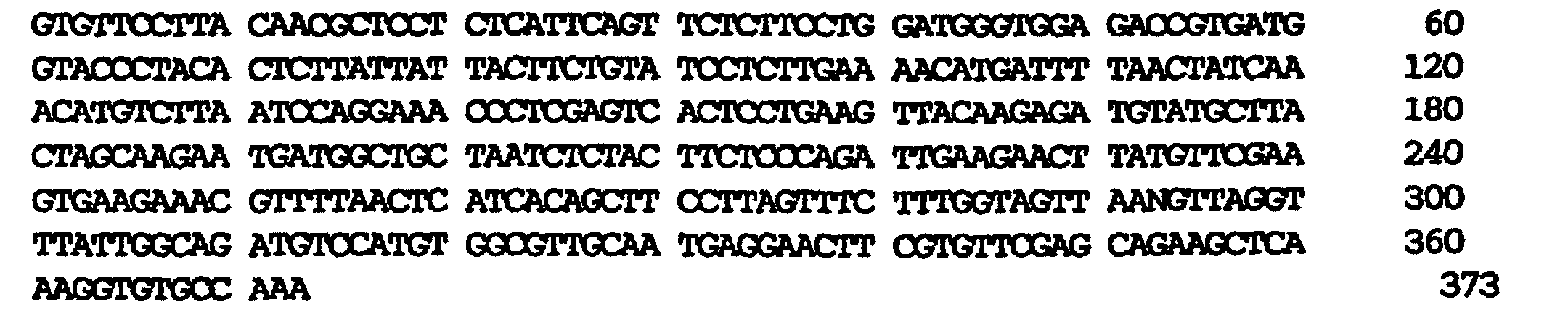
- (2) INFORMATION FOR SEQ ID NO: 10:
- (i) SEQUENCE CHARACTERISTICS:
- (A) LENGTH: 373 base pairs
- (B) TYPE: nucleic acid
- (C) STRANDEDNESS: double
- (D) TOPOLOGY: linear
- (ii) MOLECULE TYPE: DNA (genomic)
- (iv) ANTI-SENSE: NO
- (vi) ORIGINAL SOURCE:
- (A) ORGANISM: B. napus cv. Westar
- (xi) SEQUENCE DESCRIPTION: SEQ ID NO: 10:
- (2) INFORMATION FOR SEQ ID NO: 11:
- (i) SEQUENCE CHARACTERISTICS:
- (A) LENGTH: 2006 base pairs
- (B) TYPE: nucleic acid
- (C) STRANDEDNESS: double
- (D) TOPOLOGY: linear
- (ii) MOLECULE TYPE: cDNA to mRNA
- (iv) ANTI-SENSE: NO
- (vi) ORIGINAL SOURCE:
- (A) ORGANISM: potato (Solanum tuberisum)
- (ix) FEATURE:
- (A) NAME/KEY: CDS
- (B) LOCATION: 99..1628
- (xi) SEQUENCE DESCRIPTION: SEQ ID NO: 11:


- (2) INFORMATION FOR SEQ ID NO: 12:
- (i) SEQUENCE CHARACTERISTICS:
- (A) LENGTH: 1795 base pairs
- (B) TYPE: nucleic acid
- (C) STRANDEDNESS: double
- (D) TOPOLOGY: linear
- (ii) MOLECULE TYPE: cDNA to mRNA
- (iv) ANTI-SENSE: NO
- (vi) ORIGINAL SOURCE:
- (A) ORGANISM: soybean (Glycine max)
- (xi) SEQUENCE DESCRIPTION: SEQ ID NO: 12:


- (2) INFORMATION FOR SEQ ID NO: 13:
- (i) SEQUENCE CHARACTERISTICS:
- (A) LENGTH: 240 base pairs
- (B) TYPE: nucleic acid
- (C) STRANDEDNESS: double
- (D) TOPOLOGY: linear
- (ii) MOLECULE TYPE: cDNA to mRNA
- (iv) ANTI-SENSE: NO
- (vi) ORIGINAL SOURCE:
- (A) ORGANISM: rice (Oryza sativa)
- (xi) SEQUENCE DESCRIPTION: SEQ ID NO: 13:

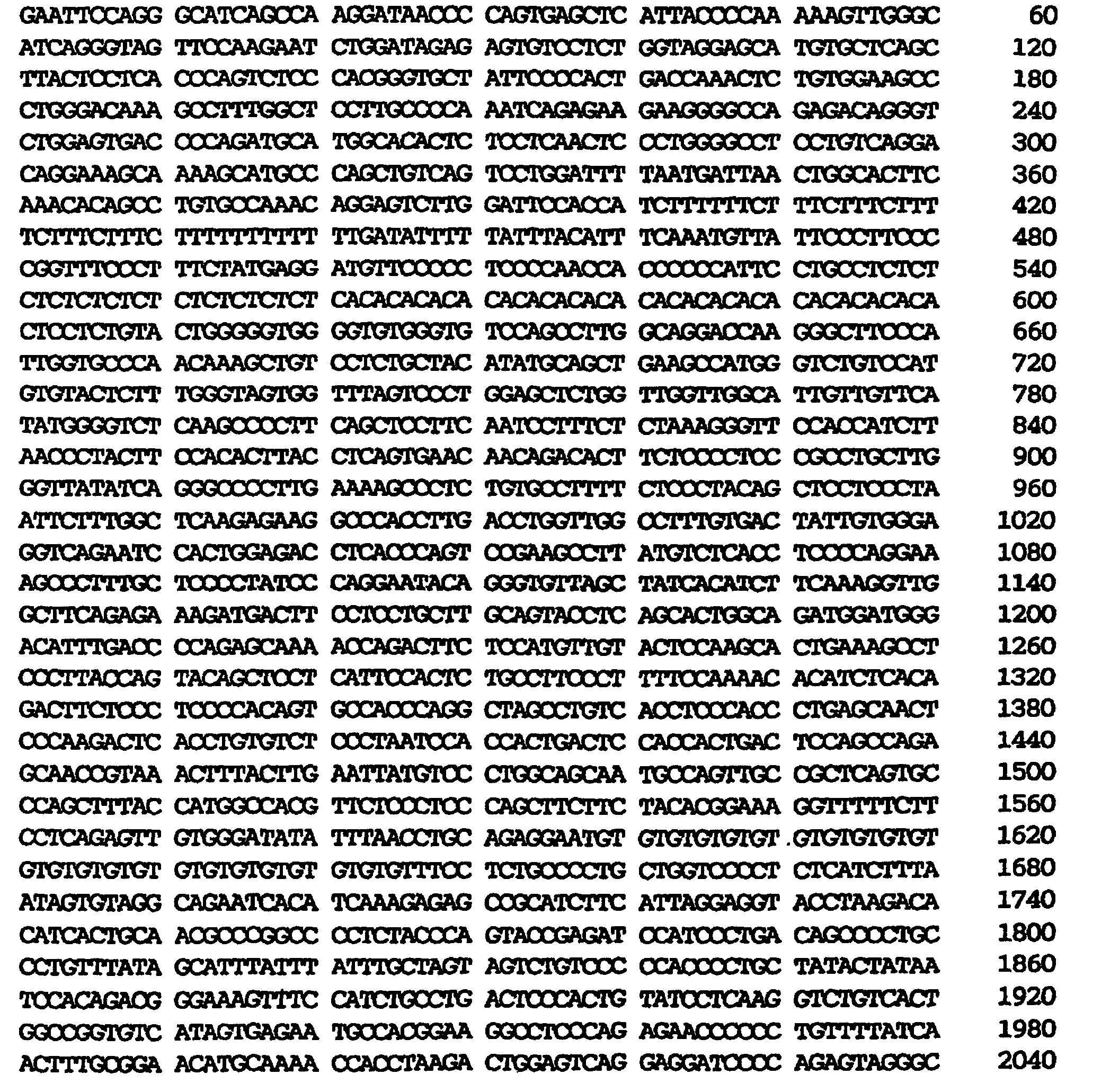
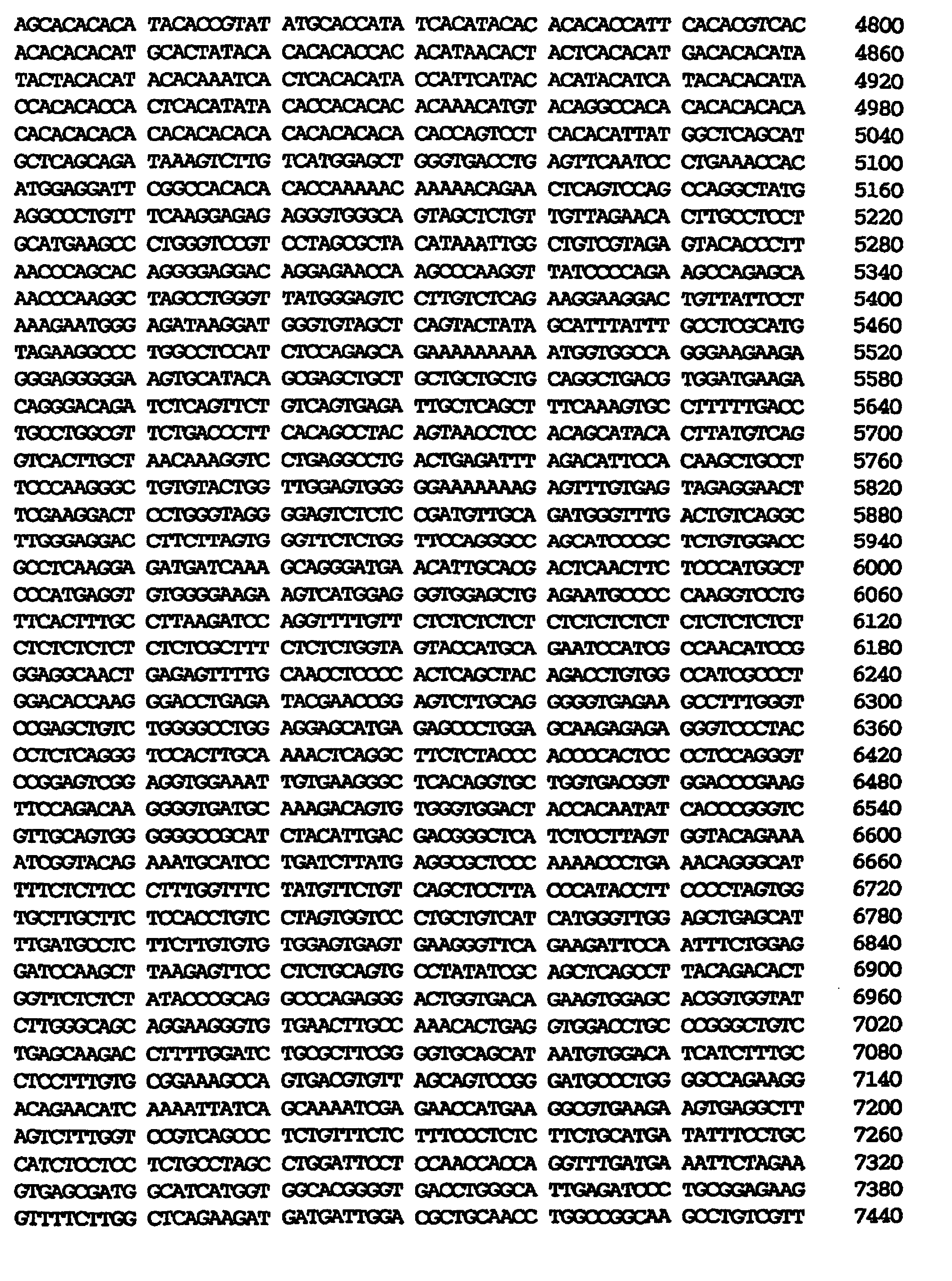
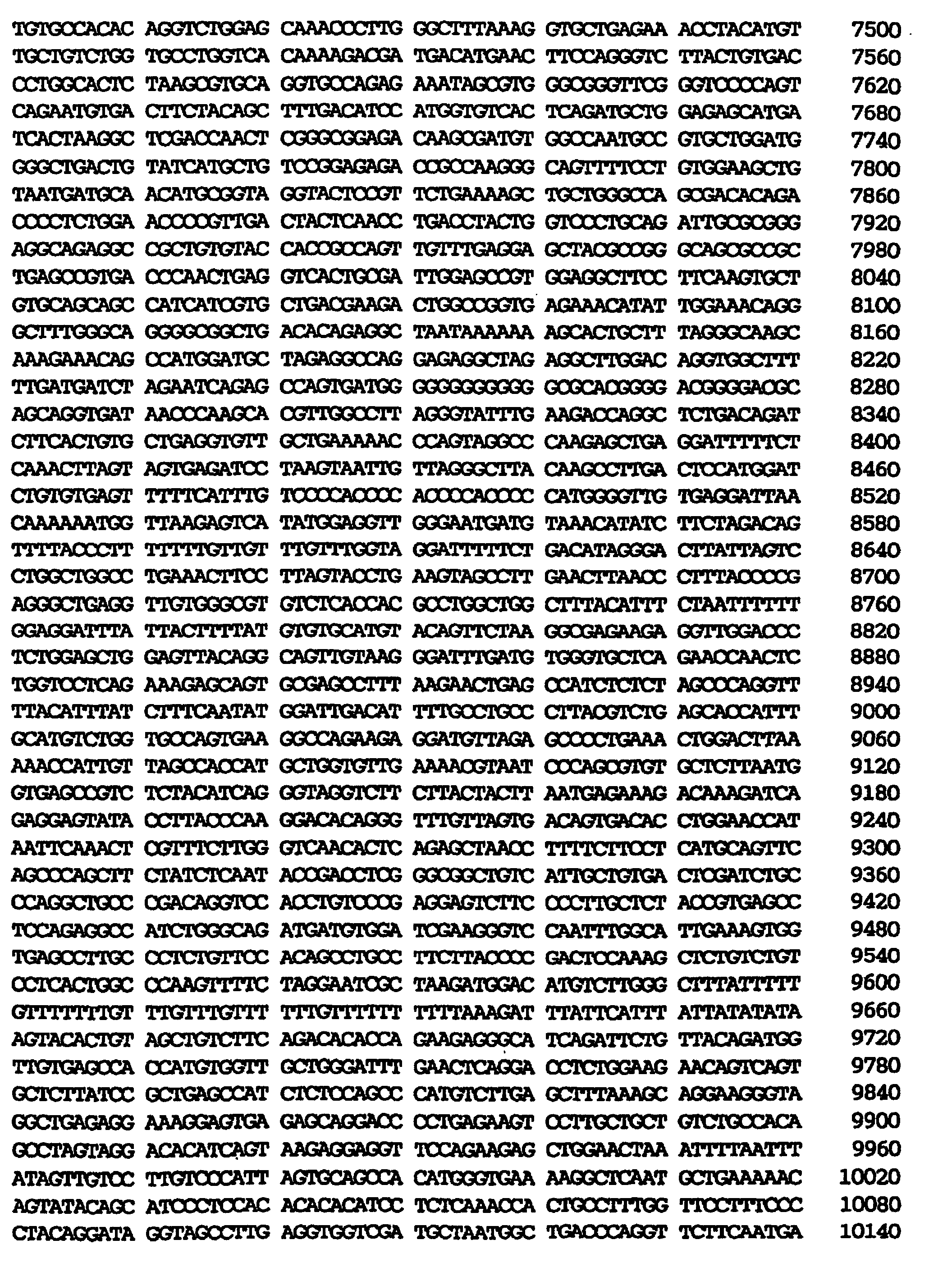
- (2) INFORMATION FOR SEQ ID NO: 14:
- (i) SEQUENCE CHARACTERISTICS:
- (A) LENGTH: 13011 base pairs
- (B) TYPE: nucleic acid
- (C) STRANDEDNESS: double
- (D) TOPOLOGY: linear
- (ii) MOLECULE TYPE: DNA (genomic)
- (iv) ANTI-SENSE: NO
- (vi) ORIGINAL SOURCE:
- (A) ORGANISM: rat (Rattus norvegicus)
- (ix) FEATURE:
- (A) NAME/KEY: CDS
- (B) LOCATION: join(3212..3218, 3766..3948, 5917..6008, 6152..6283, 6418..6604, 6921..7191, 7302..7452, 7665..7817, 7911..8077, 9298..9479, 10163.,10269)
- (ix) FEATURE:
- (A) NAME/KEY: exon
- (B) LOCATION: join(3194..3218, 3766..3948, 5917..6008, 6152..6283, 6418..6604, 6921..7191, 7302..7452, 7665..7817, 7911..8077, 9298..9479, 10163..11594)
- (ix) FEATURE:
- (A) NAME/KEY: intron
- (B) LOCATION: join(3219..3765, 3949..5916, 6009..6151, 6284..6417, 6605..6920, 7191..7301, 7453..7664, 7818..7910, 8078..9297, 9480..10162)
- (xi) SEQUENCE DESCRIPTION: SEQ ID NO: 14:



- (2) INFORMATION FOR SEQ ID NO: 15:
- (i) SEQUENCE CHARACTERISTICS:
- (A) LENGTH: 2885 base pairs
- (B) TYPE: nucleic acid
- (C) STRANDEDNESS: double
- (D) TOPOLOGY: linear
- (ii) MOLECULE TYPE: DNA (genomic)
- (iv) ANTI-SENSE: NO
- (vi) ORIGINAL SOURCE:
- (A) ORGANISM: Saccharomyces cerevisiae
- (xi) SEQUENCE DESCRIPTION: SEQ ID NO: 14:


-
Claims (14)
- A method for increasing a storage lipid content in a seed of a plant, comprising the step of substantially lowering an activity of cytosolic pyruvate kinase in the seed of the plant as compared with an endogenous activity of cytosolic pyruvate kinase in the seed of the plant.
- The method according to claim 1, wherein the plant is a plant which accumulates storage protein and storage lipid in its embryo.
- The method according to claim 1, wherein the plant is an oilseed plant.
- The method according to claim 3, wherein the plant is rapeseed, soybean, sunflower, or sesame.
- The method according to claim 4, wherein the plant is rapeseed.
- The method according to claim 1, wherein the activity of cytosolic pyruvate kinase is lowered by introducing, into the objective plant, a DNA sequence coding for pyruvate kinase or a part thereof in a form to suppress expression of cytosolic pyruvate kinase in seed cell.
- The method according to claim 6, wherein the DNA sequence coding for pyruvate kinase or the part thereof is introduced into the objective plant in the form to suppress expression of cytosolic pyruvate kinase in the seed cell in accordance with a method selected from an antisense method, a co-suppression method, a ribozyme method, and a gene targeting method.
- The method according to claim 1, wherein the DNA sequence coding for pyruvate kinase is selected from the group consisting of cytosolic pyruvate kinase genes of rapeseed, castor bean, potato, soybean and rice, pyruvate kinase genes of rat and yeast, and the part thereof.
- The method according to claim 8, wherein the DNA sequence coding for pyruvate kinase is selected from the group consisting of DNA represented by the following (a) and (b):and a part thereof.(a) a sequence defined in any one of SEQ ID NOs:1 and SEQ ID NOs: 11 to 15 in Sequence Listing;(b) DNA hybridizable under a physiological condition with DNA having the sequence as defined in (a) or RNA having a sequence homologous thereto,
- The method according to claim 1, further comprising the step of substantially lowering an activity of phosphoenolpyruvate carboxylase as compared with the endogenous activity of phosphoenolpyruvate carboxylase in the seed of the plant.
- A plant obtained by the method as defined in claim 1 or 10, which provides an increased storage lipid content in its seed, and which has a decreased activity of pyruvate kinase.
- A seed of a plant obtained by the method as defined in claim 1 or 10, which provides an increased storage lipid content in the seed, and which has a decreased activity of pyruvate kinase.
- A plant with an increased storage lipid content in its seed characterized in that the plant has been genetically modified to lower cytosolic pyruvate kinase activity.
- A seed of a plant with an increased storage lipid content in the seed characterized in that the seed of plant has been genetically modified to lower cytosolic pyruvate kinase activity.
Applications Claiming Priority (3)
| Application Number | Priority Date | Filing Date | Title |
|---|---|---|---|
| JP1659096 | 1996-02-01 | ||
| JP1659096 | 1996-02-01 | ||
| JP16590/96 | 1996-02-01 |
Publications (3)
| Publication Number | Publication Date |
|---|---|
| EP0787801A2 EP0787801A2 (en) | 1997-08-06 |
| EP0787801A3 EP0787801A3 (en) | 1998-05-06 |
| EP0787801B1 true EP0787801B1 (en) | 2003-04-02 |
Family
ID=11920503
Family Applications (1)
| Application Number | Title | Priority Date | Filing Date |
|---|---|---|---|
| EP97101622A Expired - Lifetime EP0787801B1 (en) | 1996-02-01 | 1997-01-31 | Method for increasing storage lipid content in plant seed |
Country Status (5)
| Country | Link |
|---|---|
| US (1) | US5914449A (en) |
| EP (1) | EP0787801B1 (en) |
| CA (1) | CA2196519A1 (en) |
| DE (1) | DE69720308D1 (en) |
| ES (1) | ES2191126T3 (en) |
Families Citing this family (12)
| Publication number | Priority date | Publication date | Assignee | Title |
|---|---|---|---|---|
| AU5756800A (en) * | 1999-06-21 | 2001-01-09 | Pioneer Hi-Bred International, Inc. | Enhanced floral sink strength and increased stability of seed set in plants |
| CN1154745C (en) * | 1999-11-09 | 2004-06-23 | 浙江省农业科学院 | Method for Regulating Grain Oil Content by Using Antisense Gene |
| US20040019931A1 (en) * | 2000-08-18 | 2004-01-29 | Pioneer Hi-Bred International, Inc. | Methods and compositions for modifying oil and protein content in plants |
| US7790690B2 (en) | 2000-10-11 | 2010-09-07 | U.S. Department Of Veterans Affairs | Glucose sensitive regulator of insulin transcription |
| DE10212893A1 (en) * | 2002-03-20 | 2003-10-16 | Basf Plant Science Gmbh | Process for increasing the oil content in plants |
| WO2008135467A2 (en) * | 2007-05-04 | 2008-11-13 | Basf Plant Science Gmbh | Enhancement of seed oil / amino acid content by combinations of pyruvate kinase subunits |
| AU2008332277B2 (en) | 2007-12-05 | 2012-10-25 | Toyota Jidosha Kabushiki Kaisha | Genes that increase plant oil and method for using the same |
| JP5527654B2 (en) * | 2007-12-05 | 2014-06-18 | トヨタ自動車株式会社 | Genes for increasing production of plant oils and methods of use thereof |
| JP5299886B2 (en) * | 2008-03-04 | 2013-09-25 | トヨタ自動車株式会社 | Genes for increasing production of plant oils and methods of use thereof |
| JP5718554B2 (en) | 2009-06-04 | 2015-05-13 | トヨタ自動車株式会社 | Gene for increasing plant weight of plant and method for using the same |
| JP5847991B2 (en) | 2009-06-04 | 2016-01-27 | トヨタ自動車株式会社 | Gene for improving substance productivity in seed and method for using the same |
| JP5519192B2 (en) | 2009-06-04 | 2014-06-11 | トヨタ自動車株式会社 | Gene for increasing protein content of seed and method for using the same |
Family Cites Families (3)
| Publication number | Priority date | Publication date | Assignee | Title |
|---|---|---|---|---|
| JP3002735B2 (en) * | 1991-09-27 | 2000-01-24 | 農林水産省食品総合研究所長 | Soybean phosphoenolpyruvate carboxylase gene |
| EP0620281A3 (en) * | 1993-03-31 | 1995-05-03 | Mitsubishi Corp | Oilseed plants producing valuable seeds with modified amino acid and fatty acid compositions. |
| US5767362A (en) * | 1993-06-08 | 1998-06-16 | Calgene, Inc. | Methods and compositions for modulating lipid content of plant tissues |
-
1997
- 1997-01-30 US US08/791,849 patent/US5914449A/en not_active Expired - Fee Related
- 1997-01-31 ES ES97101622T patent/ES2191126T3/en not_active Expired - Lifetime
- 1997-01-31 EP EP97101622A patent/EP0787801B1/en not_active Expired - Lifetime
- 1997-01-31 DE DE69720308T patent/DE69720308D1/en not_active Expired - Lifetime
- 1997-01-31 CA CA002196519A patent/CA2196519A1/en not_active Abandoned
Also Published As
| Publication number | Publication date |
|---|---|
| CA2196519A1 (en) | 1997-08-02 |
| EP0787801A3 (en) | 1998-05-06 |
| US5914449A (en) | 1999-06-22 |
| ES2191126T3 (en) | 2003-09-01 |
| DE69720308D1 (en) | 2003-05-08 |
| EP0787801A2 (en) | 1997-08-06 |
Similar Documents
| Publication | Publication Date | Title |
|---|---|---|
| US5530192A (en) | Oilseed crops producing valuable seeds having altered amino acid composition and fatty acid composition | |
| US7205457B1 (en) | Altered linolenic and linoleic acid content in plants | |
| US7166771B2 (en) | Coordinated decrease and increase of gene expression of more than one gene using transgenic constructs | |
| RU2185439C2 (en) | Method of preparing sunflower plant, method of producing sunflower seeds and recombinant plasmid | |
| US7109392B1 (en) | Methods for increasing oleic acid content in seeds from transgenic plants containing a mutant delta 12 desaturase | |
| US7067722B2 (en) | Nucleic acid sequences and methods of use for the production of plants with modified polyunsaturated fatty acids | |
| US8921652B2 (en) | Vegetable oils and uses therefor | |
| JP2001512687A (en) | Use of mixed double-stranded oligonucleotides to generate localized genetic changes in plants | |
| US20040221335A1 (en) | Method for Increasing Total Oil Levels in Plants | |
| JPH07501446A (en) | β-ketoacyl-ACP synthetase 11 genes from plants | |
| EP0787801A2 (en) | Method for increasing storage lipid content in plant seed | |
| WO2012115697A1 (en) | Materials and method for modifying a biochemical component in a plant | |
| US20080260933A1 (en) | Certain Plants with "No Saturate" or Reduced Saturate Levels of Fatty Acids in Seeds, and Oil Derived from the Seeds | |
| TW201525136A (en) | Production of omega-3 long-chain polyunsaturated fatty acids in oilseed crops by a thraustochytrid PUFA synthase | |
| AU737823B2 (en) | Strong early seed-specific gene regulatory region | |
| CN113423837A (en) | Brassica plants producing increased levels of polyunsaturated fatty acids | |
| EP2338328B1 (en) | Certain plants with no saturate or reduced saturate levels of fatty acids in seeds, and oil derived from the seeds | |
| CN110997704B (en) | Plants with modified lipid metabolism and methods for preparing them | |
| JPH09313059A (en) | Method for increasing the storage lipid content of plant seeds | |
| CZ2002344A3 (en) | Process for preparing isotransgenic lines and plants prepared in such a manner | |
| KR100559155B1 (en) | Synthetic protoporpynogen oxidase gene and method for increasing herbicide resistance of plants using the same | |
| AU2005244560B2 (en) | Fatty acid desaturases and mutant sequences thereof | |
| JPH06335334A (en) | Oil crop with modified amino acid composition and fatty acid composition and method for producing the same | |
| Arcioni et al. | Gene transfer for alfalfa improvement |
Legal Events
| Date | Code | Title | Description |
|---|---|---|---|
| PUAI | Public reference made under article 153(3) epc to a published international application that has entered the european phase |
Free format text: ORIGINAL CODE: 0009012 |
|
| AK | Designated contracting states |
Kind code of ref document: A2 Designated state(s): DE ES FR GB IT |
|
| PUAL | Search report despatched |
Free format text: ORIGINAL CODE: 0009013 |
|
| AK | Designated contracting states |
Kind code of ref document: A3 Designated state(s): DE ES FR GB IT |
|
| 17P | Request for examination filed |
Effective date: 19980616 |
|
| 17Q | First examination report despatched |
Effective date: 20010914 |
|
| GRAG | Despatch of communication of intention to grant |
Free format text: ORIGINAL CODE: EPIDOS AGRA |
|
| GRAG | Despatch of communication of intention to grant |
Free format text: ORIGINAL CODE: EPIDOS AGRA |
|
| GRAH | Despatch of communication of intention to grant a patent |
Free format text: ORIGINAL CODE: EPIDOS IGRA |
|
| GRAH | Despatch of communication of intention to grant a patent |
Free format text: ORIGINAL CODE: EPIDOS IGRA |
|
| GRAA | (expected) grant |
Free format text: ORIGINAL CODE: 0009210 |
|
| RIN1 | Information on inventor provided before grant (corrected) |
Inventor name: IWABUCHI, MARI Inventor name: IMAMURA, JUN, C/O PLANTECH RES. INST., Inventor name: HAYAKAWA, TAKAHIKO C/O PLANTECH RES. INST., Inventor name: MURASE, JUNKOC/O PLANTECH RES. INST., RES. CENT. Inventor name: MURASE, MAKOTO |
|
| AK | Designated contracting states |
Designated state(s): DE ES FR GB IT |
|
| PG25 | Lapsed in a contracting state [announced via postgrant information from national office to epo] |
Ref country code: IT Free format text: LAPSE BECAUSE OF FAILURE TO SUBMIT A TRANSLATION OF THE DESCRIPTION OR TO PAY THE FEE WITHIN THE PRESCRIBED TIME-LIMIT;WARNING: LAPSES OF ITALIAN PATENTS WITH EFFECTIVE DATE BEFORE 2007 MAY HAVE OCCURRED AT ANY TIME BEFORE 2007. THE CORRECT EFFECTIVE DATE MAY BE DIFFERENT FROM THE ONE RECORDED. Effective date: 20030402 |
|
| REG | Reference to a national code |
Ref country code: GB Ref legal event code: FG4D |
|
| REF | Corresponds to: |
Ref document number: 69720308 Country of ref document: DE Date of ref document: 20030508 Kind code of ref document: P |
|
| PG25 | Lapsed in a contracting state [announced via postgrant information from national office to epo] |
Ref country code: DE Free format text: LAPSE BECAUSE OF FAILURE TO SUBMIT A TRANSLATION OF THE DESCRIPTION OR TO PAY THE FEE WITHIN THE PRESCRIBED TIME-LIMIT Effective date: 20030703 |
|
| REG | Reference to a national code |
Ref country code: ES Ref legal event code: FG2A Ref document number: 2191126 Country of ref document: ES Kind code of ref document: T3 |
|
| ET | Fr: translation filed | ||
| PG25 | Lapsed in a contracting state [announced via postgrant information from national office to epo] |
Ref country code: GB Free format text: LAPSE BECAUSE OF NON-PAYMENT OF DUE FEES Effective date: 20040131 |
|
| PG25 | Lapsed in a contracting state [announced via postgrant information from national office to epo] |
Ref country code: ES Free format text: LAPSE BECAUSE OF NON-PAYMENT OF DUE FEES Effective date: 20040202 |
|
| PLBE | No opposition filed within time limit |
Free format text: ORIGINAL CODE: 0009261 |
|
| STAA | Information on the status of an ep patent application or granted ep patent |
Free format text: STATUS: NO OPPOSITION FILED WITHIN TIME LIMIT |
|
| 26N | No opposition filed |
Effective date: 20040105 |
|
| GBPC | Gb: european patent ceased through non-payment of renewal fee |
Effective date: 20040131 |
|
| PG25 | Lapsed in a contracting state [announced via postgrant information from national office to epo] |
Ref country code: FR Free format text: LAPSE BECAUSE OF NON-PAYMENT OF DUE FEES Effective date: 20040930 |
|
| REG | Reference to a national code |
Ref country code: FR Ref legal event code: ST |
|
| REG | Reference to a national code |
Ref country code: ES Ref legal event code: FD2A Effective date: 20040202 |