EP0774137B1 - Dynamic device matching using driver candidate lists - Google Patents
Dynamic device matching using driver candidate lists Download PDFInfo
- Publication number
- EP0774137B1 EP0774137B1 EP96915495A EP96915495A EP0774137B1 EP 0774137 B1 EP0774137 B1 EP 0774137B1 EP 96915495 A EP96915495 A EP 96915495A EP 96915495 A EP96915495 A EP 96915495A EP 0774137 B1 EP0774137 B1 EP 0774137B1
- Authority
- EP
- European Patent Office
- Prior art keywords
- driver
- drivers
- name
- particular device
- families
- Prior art date
- Legal status (The legal status is an assumption and is not a legal conclusion. Google has not performed a legal analysis and makes no representation as to the accuracy of the status listed.)
- Expired - Lifetime
Links
Images






Classifications
-
- G—PHYSICS
- G06—COMPUTING OR CALCULATING; COUNTING
- G06F—ELECTRIC DIGITAL DATA PROCESSING
- G06F9/00—Arrangements for program control, e.g. control units
- G06F9/06—Arrangements for program control, e.g. control units using stored programs, i.e. using an internal store of processing equipment to receive or retain programs
- G06F9/44—Arrangements for executing specific programs
- G06F9/4401—Bootstrapping
- G06F9/4411—Configuring for operating with peripheral devices; Loading of device drivers
-
- G—PHYSICS
- G06—COMPUTING OR CALCULATING; COUNTING
- G06F—ELECTRIC DIGITAL DATA PROCESSING
- G06F13/00—Interconnection of, or transfer of information or other signals between, memories, input/output devices or central processing units
- G06F13/10—Program control for peripheral devices
- G06F13/102—Program control for peripheral devices where the program performs an interfacing function, e.g. device driver
Definitions
- the present invention relates to the field of device operability with regard to devices of a computer system. More specifically, the present invention relates to the field of device and driver compatibility within a computer system for device configuration.
- Computer systems are composed of a variety of different components or “devices” that operate together to form the resultant system.
- some of the devices are supplied with the computer system initially, such as a central processing unit and a communication bus, and some devices can be installed into the computer system after the initial configuration of the system.
- each device has an associated driver that, among other functions, configures the device and allows the device to be operable within the overall system.
- Drivers are typically software instructions that can be loaded into the computer system's memory and when executed will communicate with the device to properly configure the device for operation. The driver may initialize the device so that the device can function and the driver may also allow the device to communicate normally within the overall system.
- Normal communication within the overall system typically includes input/output (I/O) of information between a device and another part of the system; this communication includes I/O requests such as the I/O requests described in patent US-A-5 815 131, which was filed on May 5, 1995, and is entitled: Method and Apparatus for Handling I/O Requests. Since installed devices can be altered and since new devices can be inserted into a configured computer system, it becomes important to match the proper driver to the proper device for reliable operation of the computer system.
- a PCI Peripheral Component Interconnect
- a device driver name can be associated with a device. This name can be placed inside the device's memory.
- the PCI standard does not require that each device provide a name for the its associated driver. Therefore, there is not a guaranteed one to one correspondence between a device name and its associated driver for all system devices. If a driver does not provide its own driver name, then the system constructs a pseudo name using the device vender information and also the device type. However, this vender information and device type might correspond to more than one device. In such case, a driver might correspond to more than one device but will only operate with one device. This unfortunate case increases the difficulty in properly assigning a device to its driver. What is needed is a mechanism and method that overcomes the above problem. The present invention provides such solution.
- EP-A-0 636 972 discloses a method for booting a computer using a last known good set of configuration data, where said configuration data could include device drivers.
- a method and mechanism are described for automatically correlating a device to its appropriate driver within a computer system utilizing candidate matching.
- a device tree indicating devices coupled to a computer system is available from an operating system. Within the device tree are device nodes which specify a particular device's name (device name) and a property which indicates compatible device names (compatible names) to the particular device.
- Drivers for devices can be located in RAM, ROM, or in another storage media (such as disk drive). Drivers can include a data field indicating a driver name indicative of a corresponding device with which they operate and a data field indicating a service category of the family with which they belong.
- the system constructs a candidate list of drivers by comparing the device name and the compatible names from the device tree against all the driver names of data fields of all known drivers.
- the corresponding family code which provides an interface to the driver code, is determined for each driver candidate by comparing the service category contained in the category information of the driver to a set of family names indicative of the available families.
- the candidate list is sorted so that matches by device name and proper version number are higher priority.
- the system then sequentially attempts installation of the drivers from the candidate list to the particular device (based on priority order) to determine the appropriate driver (e.g., probing the device using diagnostic operations). Drivers are skipped that cause an error or that do not properly configure the device.
- the process can be repeated for all devices in the computer system.
- the process is dynamic in that it is operable on boot up and upon any system change that allows more drivers to be recognized by the computer system.
- Alternative embodiments of the present invention include, in a computer system having a processor coupled to a communication bus, a memory unit coupled to the communication bus, and devices coupled to the communication bus, a method for configuring a particular device of the devices, the method comprising the computer implemented steps of: reporting a set of device names associated with the particular device; scanning a first set of available drivers within the computer system to determine a second set of drivers individually having a driver name that matches with any name of the set of device names (including a compatible device name); sorting the second set of drivers by a priority of compatibility with the particular device; sequentially attempting installation of individual drivers of the second set of drivers with the particular device to determine a first matching driver of the second set of drivers that properly configures the particular device; and installing the first matching driver with the particular device upon an indication by the step of sequentially attempting installation.
- the a set of device names associated with the particular device comprises a device name of the particular device and a set of compatible device names indicating devices compatible with the
- Alternative embodiments of the present invention include the above and wherein the step of sorting the second set of drivers by a priority of compatibility with the particular device comprises the computer implemented steps of: sorting the second set of drivers such that an individual driver matching with the device name is given higher priority over an individual driver matching with a compatible device name of the set of compatible device names; and sorting the second set of drivers according to driver version information.
- the step of sequentially attempting installation comprises the computer implemented steps of: probing the particular device with a particular driver of the second set of drivers; performing a diagnostic test with respect to the particular driver and the particular device; and reporting a status indicating whether or not the particular driver and the particular device are compatible.
- Alternative embodiments of the present invention include the above and further comprising the computer implemented steps of: scanning a third set of available drivers within the computer system to determine a fourth set of drivers having a driver name that matches with either the device name or any name of the set of compatible names, the forth set larger than the second set; and sorting the forth set of drivers by a priority of compatibility with the particular device; sequentially attempting installation of individual drivers of the forth set of drivers with the particular device to determine a second matching driver of the forth set of drivers that properly configures the particular device, the second matching driver being more compatible with the device over the first matching driver; removing the first matching driver from the particular device; and installing the second matching driver with the particular device.
- Embodiments of the present invention also include a computer system implemented in accordance with the above.
- the present invention includes an apparatus and method for automatically determining a driver and corresponding family for a particular device coupled within a computer system.
- numerous specific details are set forth in order to provide a thorough understanding of the present invention. However, it will be obvious to one skilled in the art that the present invention may be practiced without these specific details. In other instances well known methods, procedures, components, and circuits have not been described in detail as not to unnecessarily obscure aspects of the present invention. Some portions of the detailed descriptions which follow are presented in terms of procedures and symbolic representations of operations on data bits within a computer memory. These procedure descriptions and representations are the means used by those skilled in the data processing arts to most effectively convey the substance of their work to others skilled in the art.
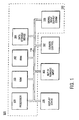
- Procedures of the present invention to be described to follow operate within the environment of a computer system 120 as shown with reference to Figure 1.
- An exemplary computer system is of the Macintosh line by Apple Computer, Inc. of Cupertino, California, however any number of other commercially available computer systems can effectively operate the procedures of the present invention and therefore come within the scope of the present invention.
- the computer system 120 comprises a bus 100 for communicating information, a central processor (CPU) 101 coupled with the bus for processing information and command instructions, a random access memory (RAM) 102 coupled with the bus 100 for storing information and instructions for the central processor 101, a read only memory (ROM) 103 coupled with the bus 100 for storing static information and command instructions for the processor 101, a data storage device 104 such as a magnetic disk or optical and disk drive coupled with the bus 100 for storing information and command instructions, and a display device 105 coupled to the bus 100 for displaying information to the computer user.
- a portion of the ROM 103 contains "firmware" utilized by the computer system for performing certain system tasks.
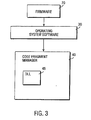
- the computer system's operating system software 30 (figure 3) can reside in the RAM 102, in the ROM 103 or within both. Portions of the operating system 30 can also reside in other data storage mediums such as the data storage device 104.
- an alphanumeric input device 106 in the system 120 in Figure 1 including alphanumeric and function keys coupled to the bus 100 for communicating information and command selections to the central processor 101, a cursor control device 107 coupled to the bus for communicating user input information and command selections to the central processor 101 based on hand movement, and an input and output device 108 coupled to the bus 100 for communicating information to and from the computer system 120.
- the signal generation device 108 includes, as an input device, a high speed communication port configured to receive and transmit information.
- the display device 105 utilized with the computer system 120 of the present invention may be a liquid crystal device, cathode ray tube, or other display device suitable for creating graphic images and alphanumeric characters recognizable to the user.
- the cursor control device 107 allows the computer user to dynamically signal the two dimensional movement of a visible symbol or cursor on a display screen of the display device 105.
- Many implementations of the cursor control device are known in the art including a trackball, mouse, joystick or special keys on the alphanumeric input device 105 capable of signaling movement of a given direction or manner of displacement.
- the computer chassis 110 may include the following components of the present invention: the processor 101, the ROM 103, the RAM 102, the data storage device 104, and the signal input and output communication device 108 and optionally a hard copy printing device.
- FIG. 2 illustrates a logical representation of a simplified and exemplary device tree 10 database recognized by the present invention.
- This device tree 10 is a database stored in computer memory as is a hierarchical tree composed of device nodes such as noes 10a-10k.
- This device tree 10 is constructed during the initialization of the operation system 30 (e.g., during "boot") and may be altered thereafter.
- a number of different procedures can be used within the present invention to generate a listing of devices coupled within the computer system 120.
- One such procedure is the IEEE P.1275 firmware procedure that is used by one embodiment of the present invention.
- the device tree 10 database begins as a single root node 10a that represents the CPU's memory bus. All I/O buses and attached devices are assumed to descend from this single root or "node" 10a.
- Layers descending the device tree 10 database are dependent on the operation of devices associated with nodes above them.
- Buses are parent nodes and devices for the leaf nodes of the device tree 10.
- a complete device tree 10 represents the device topology of the computer system 20.
- a bus node in the device tree represents an I/O address space. Each device on a bus operates within the address space supported by its parent bus. Buses also contain information regarding interrupts, so that a device can request service from a driver. It is appreciated that drivers of the present invention are matched to devices, but not to buses. In the device tree 10, buses can lead to other buses.
- a node of the device tree 10 that corresponds to a device is called a "device node.”
- Devices added to the computer system 120 will be added to the device tree 10 upon initialization of the computer system 120.
- Devices can contain drives, such as the disk drive 104 can store drives in a device driver folder.
- the present invention used information described above in a Name registry which is essentially a copy of pertinent information obtained from the device tree 10 database. Therefore, discussions herein refer to the name registry 10 and the device tree 10 synonymously.
- an exemplary device tree 10 that can be used by the present invention is generated by firmware 20 upon the initialization of the computer system 120. While a portion of the information contained in the device tree 10 is utilized by the present invention, the actual (complete) copy of the device tree 10 as generated by the firmware need to be used. At system initialization, devices communicate their presence to firmware 20 which cooperates with the operating system 30 to construct the device tree 10. Information of the device tree 10 used by the present invention can be constructed under the IEEE P.1275 Standard which is well known in the art and is not described herein. The device tree 10 database can be modified by the computer system's operating system 30 from time to time as required or instructed.
- each device node 10a-10k of the device tree 10 database is presented to the operating system 30 and drivers by associated descriptive pieces of data called properties that are within each node.
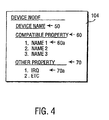
- a representative device node 10f is illustrated.
- All device nodes of the device tree 10 database have a property that indicates the name 50 of the particular device (e.g., device name).
- Figure 4 illustrates the name property as "Device Name" 50. It is this name 50 property that form a primary basis for matching a driver to a device under embodiments of the present invention.
- a name property 50 consists of a null-terminated string of characters.
- Device nodes may also contain a property that indicates compatible devices 60a to device name 50.
- Figure 4 illustrates this property as "Compatible Property” 60 which provides a listing 60a of compatible names (e.g., name1, name2, and name3) of devices that are compatible with the "device name” 50. These names 60a represent devices that are compatible with the device indicated by the device name 50. These compatible names 60a are also used by the present invention to match drivers with devices should no driver match to a device name 50 for a particular device node 10f. Device nodes 10f can also contain other properties, for instance "Other Property” 70 includes information regarding interrupts (IRQ) 70a associated with the device indicated by the "device name” 50 as stored in the node 10f.
- IRQ interrupts
- device driver 80 or "native device drivers” and families with respect to a particular, exemplary, implementation of one embodiment of the present invention within an exemplary environment. It is appreciated that the present invention may operate on a variety of environments within a variety of different hardware and software platforms and to this extent, the disclosed particular embodiment should not be construed as limiting the scope present invention to any particular environment or platform.
- native device drivers 80 are stored in several locations within the computer system 120.
- a driver 80 ( Figure 5a) can be located in RAM 102, ROM 103 (e.g., within expansion ROM located on the device itself), in a file system (e.g., on a disk drive 104), or may be directly located within a device node 10a-10k in the device tree 10 database. In the latter case device matching is not typically required for a device node having the driver associated therewith unless a more compatible driver is located elsewhere. For the majority of cases the device node does not have the driver associated with it in the device tree 10. The present invention automatically matches up a device of the device tree 10 with its appropriate driver.
- the drivers located in the device tree 10 are sometimes called default drivers and are said to exist within device driver property for the node.
- Drivers located in the file system 104 are referred to as drivers in a "device driver folder" and can override the default driver under the present invention by use of candidate list matching and candidate list priority sorting as described to follow.
- a driver 80 within the present invention contain two sections: (1) a data section 80a; and (2) a code section 80b.
- the data section 80a contains a driver description data structure which does contain a "driver name" 80c.
- This driver name 80c can be specific to a particular device or can contain a generic name applicable to a class or group of devices.
- Also contained within the driver description data structure are (1) version information regarding the version of the driver code 80b and also (2) category information indicating type of device for which the driver is to be used (e.g., disk driver, video card, etc.). As will be discussed below, the category information is used to select the corresponding family.
- the driver name 80c of the driver description data structure 80a can be a generic driver name (e.g., NDRV) in the event the driver is compatible with a number of different devices. Also included in the driver 80 is a code section 80b containing the instructions that are used to properly configure the associated device for integration within the computer system 120.
- NDRV generic driver name
- the operating system 30 or firmware 20 will generate a pseudo name for the device that consists of (1) a vender indicator known by the driver and (2) the driver type indicating the use of the device used by the driver (e.g., video card, disk drive, etc.).
- the driver type indicating the use of the device used by the driver (e.g., video card, disk drive, etc.).
- devices not having device names generally communicate this pseudo name to the IEEE P.1275 procedure so the device tree 10 database will create a device node having the pseudo name.
- the present invention provides candidate list matching procedures to account for the condition wherein more than one coupled device communicates the same pseudo name to the device tree 10 database and more than one driver in the system also contains this name.
- Native device drivers 80 are Code Fragment Manager 40 (CFM) fragments with the following general features: (1) CFM container format; (2) CFM programming interfaces exported from the driver to Mac OS; and (3) CFM programming interfaces imported by the driver from an operating system, such as the Mac OS (Macintosh Operating System).
- CFM Code Fragment Manager 40
- Generic drivers are CFM fragments that work with the Device Manager 90 ( Figure 6) and the Driver Loader Library 45.
- the container format for native PowerPC device drivers 80 is the container format supported by the Code Fragment Manager 40 ( Figure 7).
- the CFM format provides all mechanisms necessary for drivers, is integrated with Mac OS, and is documented in a publication entitled Inside Macintosh: PowerPC System Software.
- Native drivers both generic and family, export a data symbol that characterizes the driver's functionality and origin.
- a family is a collection of devices that provide the same kind of functionality.
- a family can also be "generic" (e.g., Device Manager).
- This symbol, called TheDriverDescription 80a is exported through the CFM's symbol mechanism.
- Driver Description information helps match drivers with devices. It also permits the Device Manager 95 to pick the best driver among multiple candidates. For example, it lets a newer driver on disk override a ROM-based driver.
- Native generic drivers 80 export a single code entry point, called DoDriverIO, that handles all Device Manager 95 operations. It is a selector-based entry point with command codes that specify the I/O action to be performed.
- the device driver can determine the nature of the I/O request from the command code (Initialize, Finalize, Open, Close, Read, Write, Control, Status, KillIO, Replace, or Superseded) and command kind (Synchronous, Asynchronous, or Immediate).
- the CFM 40 requires that fragment imports be identified in some manner. With generic drivers, this is done by linking the device driver fragment code to the Driver Services Library. The linking lets the fragment's symbols be bound at execution time.
- the Driver Services Library should be used instead of a Toolbox-based library when linking a device driver.
- Native device drivers 80 can use the CFM's import library mechanism to share code or data.
- the CFM 40 creates an import library fragment when the first driver is loaded. When another driver is loaded, it establishes a connection to the existing library, letting the two drivers share code or data.
- the Device Manager 95 is part of a system software 30 that provides communication between applications and devices.
- the Device Manager 95 calls generic device drivers and it does not manipulate devices directly. Generic drivers accept calls from the Device Manager 95 and either cause device actions or respond by sending back data generated by devices. For further general information about drivers and the Device Manager 95, see Inside Macintosh: Devices, by Apple Computer, Inc.
- the Device Manager 95 has traditionally been the gateway for device drivers to use the Macintosh Toolbox, for example.
- a native driver 80 of the present invention receives its parameters through the single DoDriverIO entry point, subject to the calling conventions specified by the PowerPC runtime architecture, in one embodiment. If a DoDriverIO procedure is written in C (for example), the correct behavior is guaranteed. A native driver does not have access to its Driver Control Entry (DCE) in the Unit Table. ImmediateIOCommandKind is passed in the ioKind parameter to specify that a request must be executed immediately. If so, the driver must process the request completely and the result of the process must be reflected in the return value from the driver.
- DCE Driver Control Entry
- Initialize, Finalize, Open, Close, KillIO, Replace, and Superseded calls are always immediate. If the ioKind parameter is either SynchronousIOCommandKind or AsynchronousIOCommandKind, the return value from the driver is ignored.
- the driver calls IOCommandIsComplete at some future time.
- the Initialize and Finalize commands are sent to the driver as its first and last commands. Initialize gives the driver information it needs to start up. Finalize informs the driver that the system needs to unload it.
- Drivers receive all Open and Close calls, which connect the driver independently of initialization and finalization. Native drivers accept and respond to all command codes. The Read_Enable, Write_Enable, Control_Enable, and Status_Enable bits in the DCE are ignored. Native drivers must keep track of I/O permissions for each instance of multiple open actions and return error codes if the permissions are violated.
- the Device Manager 95 processes zero-length reads and writes on behalf of the driver.
- the Code Fragment Manager 40 sends CFM initialization and termination calls to a driver when the driver is loaded and unloaded.
- the CFM initialization procedure if present, will run prior to the driver being initialized by the Device Manager. It is possible that the driver will be loaded and its CFM initialization procedure run even though it is never opened and, therefore, never closed. It is important that any processing done by a CFM initialization procedure be undone by the CFM termination procedure.
- the Device Manager 90 may load a number of drivers looking for the best candidate for a particular device. Only the best driver is opened and remains loaded. All other CFM connections are closed, causing the CFM termination procedure to run. Native drivers 80 do not jump to the IODone procedure. To finish processing an I/O request, a generic native driver calls IOCommandIsComplete to notify the Device Manager 90 that a given request has been completed.
- the Device Manager 95 parameter block has procedure parameters called theCode and theKind.
- a native driver is reentrant to the extent that during any call from the driver to IOCommandIsComplete the driver may be reentered with another request.
- a native device driver does not have any sort of header. It will however, export a data symbol called TheDriverDescription.
- a driver uses this data structure to give header-like information to the Device Manager.
- the Device Manager 90 uses the information in TheDriverDescription to set the dCtlFlags field in the driver's DCE.
- a native device driver cannot make use of the dCtlEMask and dCtlMenu fields of its driver control block. Native drivers 80 are not used for creating desk accessories.
- the Native Driver package is a CFM code fragment. It can reside in RAM or in a device tree 10 as a property. In one exemplary implementation it may reside in the Macintosh ROM 103, in a PCI expansion ROM 103, or in the data fork of a file 104. File-based native driver code fragments contain no resource fork and have a file type of 'ndrv'.
- the Native Driver package may house various types of drivers. The driver is expected to support services defined for the particular device family. One predefined driver type is a generic type and is called 'ndrv' (not to be confused with the Native Driver file type 'ndrv').
- the Native Driver package requires that at least one symbol be defined and exported by the CFM's export mechanism. This symbol must be named TheDriverDescription 80a and it is a data structure that describes the driver's type, functionality, and characteristics.
- DoDriverIO which passes all driver I/O requests.
- DoDriverIO must respond to the Open, Close, Read, Write, Control, Status, KillIO, Initialize, Finalize, Replace, and Superseded commands.
- Native drivers must also keep track of I/O permissions for each instance of multiple open actions and return error codes if permissions are violated.
- Other driver types that support device families must export the symbols and entry points defined by the device family or device expert.
- a device driver presents the operating system 30 with a self-describing data structure called a driver description ("DriverDescription") 80a.
- the driver description (“DriverDescription”) 80a is used by matching mechanism of the DLL 45 of the present invention to (1) match devices to drivers; (2) identify devices by category of functionality; (3) provide driver name information; (4) provide driver version information; (5) provide driver initialization information; and (6) allow replacement of currently installed driver.
- the operating system 30 is able to regularize the mechanisms used to locate, load, initialize, and replace them.
- the operation system 30 treats any code fragment that exports a DriverDescrption structure as a driver within the present invention.
- DriverDescription 80a is used to match drivers with devices, set up and maintain a driver's runtime environment and declare a driver's supported services.
- An exemplary structure is shown below wherein the "driver name” 80c ( Figure 5) is located within the driverType information:
- the DriverType structure contains the driver name 80c and version information about a driver, which is used by the present invention to match the driver to a specific device.
- a driver type structure is shown below:
- the DriverOSRuntime structure contains information that controls how the driver is used at run time as shown below:
- the DriverOSService structure describes the services supported by the driver that are available to applications and other software. Each device family has a particular set of required and supported services. A driver may support more than one set of services. In such cases, nServices should be set to indicate the number of different sets of services that the driver supports, see below: typedef UInt32 ServiceCount; typedef struct DriverOSService DriverOSService; typedef struct DriverOSService *DriverOSServicePtr;
- the DriverServiceInfo structure describes the category, type, and version of a driver's programming interface services.
- Generic 'ndrv' drivers must provide a single code entry point DoDriverIO, which responds to Open, Close, Read, Write, Control, Status, KillIO, Initialize, Finalize, Replace, and Superseded commands.
- Native drivers 80 respond to Device Manager 95 requests by handling a single call, doDriverIO. Native drivers 80 must also keep track of I/O permissions for each instance of multiple open actions and return error codes if permissions are violated.
- the DoDriverIO call interface is described in the above discussion. The following sections discuss some of the internal procedures a driver 80 uses to service DoDriverIO requests.
- the Device Manager 95 sends Initialize and Finalize commands to a native driver as its first and last commands.
- the Initialize command gives the driver startup information and the Finalize command informs the driver that the system would like to unload it.
- Open and Close actions are separate from initialization and finalization rather than using Open and Close calls as the initialization and finalization mechanism.
- a typical framework for a generic driver handler for Device Manager 95 finalization and CFM initialization and termination commands is shown below:
- the driver's initialization procedure first check the device's AAPL, address property to see that needed resources have been allocated.
- the initialization code also allocates any private storage the driver requires and place a pointer to it in the static data area that the Code Fragment Manager 40 provides for each instance of the driver. After allocating memory, the initialization procedure performs any other preparation required by the driver. If the handler fails to allocate memory for private storage it returns an appropriate error code to notify the Device Manager 95 that the driver did not initialize itself.
- the initialization procedure checks that the device is the correct one for the driver. If the driver has been incorrectly matched, the initialization procedure must return an error code so the Device Manager 95 can attempt to make a match.
- the driver's finalization procedure must reverse the effects of the initialization procedure by releasing any memory allocated by the driver, removing interrupt handlers, and canceling outstanding timers. If the finalization procedure cannot complete the finalization request it can return an error result code. In any event, however, the driver will be removed.
- a native device driver 80 utilizes both an open procedure and a close procedure.
- the current system software does not require that these procedures perform any specific tasks, however, the driver should keep track of open calls to match them with close calls.
- Open and close procedures are immediate. Typical code for keeping track of open and close commands is shown below:
- Driver read and write procedures implement I/O requests. These procedures can execute synchronously or asynchronously.
- a synchronous read or write procedure must complete an entire I/O request before returning to the Device Manager 95, an asynchronous read or write procedure can begin an I/O transaction and then return to the Device Manager 95 before the request is complete.
- the I/O request continues to be executed, typically when more data is available, by other procedures such as interrupt handlers or completion procedures.
- Control and status procedures are normally used to send and receive driver-specific information. Control and status procedures can execute synchronously or asynchronously. Below shows a sample control procedure. The status procedure should work in a similar manner.
- the Device Manager 95 uses the csCode field to specify the type of status information requested.
- the status procedure should respond to whatever requests are appropriate for the driver and return the error code statusErr for any unsupported csCode value.
- the Device Manager 95 interprets a status request with a csCode value of 1 as a special case. When the Device Manager 95 receives such a status request, it returns a handle to the driver's device control entry. The driver's status procedure never receives this request.
- Native driver killIO procedures take the following form: When the Device Manager 95 receives a KillIO request, it removes the specified parameter block from the driver I/O queue. If the driver responds to any requests asynchronously, the part of the driver that completes asynchronous requests (for example, an interrupt handler) might expect the parameter block for the pending request to be at the head of the queue. The Device Manager 95 notifies the driver of KillIO requests so it can take the appropriate actions to stop work on any pending requests. The driver must return control to the Device Manager 95 by calling IOCommandIsComplete.
- a display card may use a temporary driver during system startup and then replace it with a better version from disk once the file system is running and initialized.
- Replacing an installed driver is a two-step process. First, the driver to be replaced is requested to give up control of the device. Second, the new driver is installed and directed to take over management of the device. In one embodiment, two native driver commands are reserved for these tasks.
- the kSupersededCommand selector tells the outgoing driver to begin the replacement process. The command contents are the same as with kFinalizeCommand.
- the outgoing driver should take the following actions: (1) If it is a concurrent driver, it should wait for current I/O actions to finish.
- the incoming driver should take the following actions: (1) Retrieve the state stored in the Name Registry and delete the properties stored by the Superseded command. (2) Install interrupt handlers. (3) Place the device in an active state. (4) Return noErr to indicate that the driver is ready to be used.
- families can be stored in several locations within the computer system 120.
- a family can be located in RAM 102 or in a file system (e.g. on a disk drive 104).
- the present invention automatically matches a device of the device tree 10 with a corresponding family.
- a family consists of code which, when executed, provides a universal interface for software, such as an application program, to interface with the selected device driver of that family. Families include storage devices, sounds, display devices, etc.
- a family consists of a data section 90a and a code section 90b.
- the data section 90a contains a family description data structure which includes version information 90c regarding the version of the family code 90b and family service category information (i.e., category name) 90e indicating the type of device for which the family is to be used (e.g., disk, video card, etc.)
- Families 90 are preferably Code Fragment Manager 40 (CFM) fragments with the following general features: (1) CFM container format; (2) CFM programming interfaces exported from the family of Mac OS; and (3) CFM programming interfaces imported by the family from an operating system, such as the Mac OS (Macintosh Operating System).
- the container format for families 90 is the container format supported by the Code Fragment Manager 40 ( Figure 7).
- the CFM format provides all mechanisms necessary for families, it integrated with Mac OS, and is documented in a publication entitled Inside Macintosh: PowerPC System Software.
- the families are part of a system of software 30 that provides communication between application programs and devices.
- the family 90 calls device drivers and it does not manipulate devices directly.
- Drivers accept calls from the family 90 and either cause device actions or respond by sending back data generated by devices.
- a family presents the operating system 30 with a self-describing data structure called a family description ("FamilyDescription") 90a.
- family description (“familyDescription”) 90a is used by matching mechanism of the DLL 45 of the present invention to match devices to families.
- the operating system 30 is able to regularize the mechanisms used to locate, load and initialize them.
- the operation system 30 treats any code fragment that exports a FamilyDescrption structure as a family within the present invention.
- the structure family description 90a is used to match families with devices, set up and maintain a family's runtime environment and declare a family's supported services.
- An exemplary structure is shown below wherein the family name, or category name 90e ( Figure 5b) is located within the familyType information.
- the family type structure contains the family name or category type 90e, which is used to match the driver to a corresponding family.
- the Family OS Run Time structure contains information that controls how the family is used at run time.
- the family description describes a number of elements including version and type information for the family.
- the Driver Loader Library 45 (DLL) of the present invention is further discussed.
- Figure 6 illustrates the relationships of the DLL 45, ROM 103, the Device Manager 95, and a driver 80 of the present invention.
- the Device Manager 95 communicates with a native driver 80 (for example, open, close, read, write, control, status, killIO, Replace, and Superceded commands).
- the Device Manager 95 also communicates with the DLL 45.
- the DLL 45 gives commands to the native driver 80 such as Initialize and finalize commands.
- the DLL 45 is a CFM shared-library extension of the Device Manager 95 and provides services to locate, install, and remove drivers.
- the DLL 45 utilizes procedures of the CFM 40 for operation.
- the DLL 45 provides services that control aspects of driver to device matching under the present invention and also driver loading and installation. Under the present invention, driver and family loading is an automatic processes that frees drivers from having to perform device matching themselves.
- Figure 7 illustrates functions of the DLL 45 of the present invention.
- the present invention performs driver matching and family loading which includes determination of a particular driver and family for a particular device of the device tree 10 database.
- logic block 200 interfaces with the name registry (also called device tree 10 database) and also with RAM unit 102 and ROM unit 103. Drivers and families may be located in these memory units.
- the file storage 104 (where drivers may be located in the device driver and families folder) is also coupled to communicate with the logic block 200.
- the CFM 40 is also coupled with block 200.
- the DLL 45 performs driver matching and family loading in block 200 as well as device installation 210 once an appropriate driver is selected for a device.
- information retrieval is performed which allows a user to retrieve particular information about a recognized driver.
- the DLL 45 of the present invention performs driver removal at block 240.
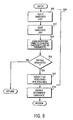
- FIG 8 illustrates a flow diagram of processing performed by the DLL 45 of the present invention for automatically matching device drivers 80 to a particular identified or selected device of the devices reported in the device tree 10 database using candidate lists and sorting. This process is repeated for each device of the device tree 10 starting from the top and continuing downward through the tree 10.
- Processing 200 is invoked upon a request to locate a driver and associated family for a given or "selected" device.
- Processing logic 200 starts at block 305 wherein a candidate list is constructed and is associated with the selected device. This list contains a grouping of those drivers having a driver name that matches with the given device's device name or compatible device name. These drivers represent a set of drivers that perhaps will properly configure the given device.
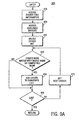
- Figure 9a illustrates the steps performed by logic block 305 in more detail.
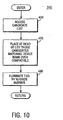
- the present invention flows to logic block 310 wherein the candidate list is sorted by priority ranking as to which members of the candidate list are more than likely to match with the selected device and those drivers that are less likely to match with the selected device.
- the steps performed by logic block 310 are further described with reference to Figure 10.
- the present invention flows to logic block 600 wherein DLL determines the list of families required and installs them. Exemplary steps performed by logic block is shown in Figure 9b.
- the present invention determines family requested to the DLL 45 to actually install a driver to the selected device. If installation request is made, the DLL installs the requested drives in block 210.
- the present invention instructs the operating system 30 to scan the devices of the computer system 120 to determine if all of the devices that the selected device needs to operate (the "parent devices") are present within the computer system 120. If the parent devices are present, then the selected driver can be installed. Since devices of the device tree 10 database are processed through the DLL 45 of the present invention from top to bottom, the parent devices for a particular selected device should be operational (e.g., processed through blocks 200 and 210) before the selected device is processed by the present invention. If the required parent devices are not operational yet or not present, then block 210 is avoided. If the required resources are available, then at block 210 the present invention performs an installation wherein the determined driver is installed with respect to the selected device and the device becomes active. It is appreciated that the processing of logic blocks 200 and 210 are typically performed at initialization for each device of the device tree 10 database, starting with the top node and working down the device tree 10 so that parent devices are configured first before their child devices are configured.
- Logic 305 starts at block 410 wherein pertinent information regarding the device nodes of the device tree 10 database are accessed for the particular device. If the particular device has an associated driver within its node of the device tree 10 (e.g., a "default driver"), processing continues because this default driver can become replaced by an updated driver depending on the priority of the drivers in the candidate list built for the selected device.
- the present invention obtains the following properties: (1) the device name 50; and (2) the compatible names 60a of the selected device (see Figure 4) located within the compatible property 60.
- the present invention After the information of logic block 410 is accessed, the present invention at logic block 420 then access the available drivers recognized in the system to construct a first set of drivers. These drivers may reside in the device tree 10 database, in the ROM 103, in RAM 102 and in the extensions folder (e.g., device driver folder) of the disk drive 104.
- the present invention selects a first driver for comparison. This driver is the "given driver.”
- the candidate list for the selected device is then cleared so the new list can be created.
- the present invention examines the DriverDescription 80a information for this given driver to determine the driver name 80c ( Figure 5) of the given driver which is stored in the DriverDescription, in one embodiment, as the "nameinfostr field" of the deviceType structure for the given driver. Importantly, at logic block 440, the present invention performs a comparison between: (1) the device name 50 of the selected device and the driver name 80c of the given driver; and also between (2) each compatible name 60a of the selected device against the driver name 80c of the given driver.
- the match characteristics are recorded (e.g., was it match by (1) or by (2)) and at logic block 450, the given driver is added to the candidate list for the selected device if a match in 440 happened. It is appreciated the candidate list can be stored in RAM 102.
- the processing of the present invention then flows to logic block 460. If there was not a match at block 440, then the present invention flows to block 460 without adding the given driver to the candidate list.
- the present invention determines if the given driver is the last driver of the drivers discovered in block 420 (e.g., those drivers recognized by the computer system 120). If so, then the process 305 exits from block 460. If not, then logic block 460 is exited and processing flows to block 470 wherein the present invention selects the next driver of the set of drivers discovered in block 420. This next driver is then the "given driver” and processing returns to block 440 to determine if this next given driver should be added to the selected device's candidate list. As with any driver, the next driver selected at block 470 can reside in RAM 102, in an extension ROM 103 within the device tree 10, or within a file on the disk 104. At the completion of process 305, an unsorted candidate list is then constructed for the selected driver and is stored in RAM 102.
- the next driver selected at block 470 can reside in RAM 102, in an extension ROM 103 within the device tree 10, or within a file on the disk 104.
- Block 310 performs the candidate list sorting for a particular candidate list associated with the selected driver.
- the candidate list for the selected device is accessed in RAM 102. This is a candidate list generated by logic 305 and is particular to the selected driver.
- the present invention sorts the candidate list and places those drivers at the top or head of the candidate list that have a driver name 80c that matched with the device name 50 of the selected device.
- block 480 resolves any prioritization ties by using version information stored in the driver description between drivers of the candidate list. Those drivers with a more appropriate version (e.g., highest version or version closest to the selected driver) are placed higher in the candidate list priority.
- Block 470 places in lower priority those drivers having a driver name 80c that matched with the selected driver's compatible names 60a. Again, version information (in logic block 480) with respect to these drivers is used to perform prioritization the same as discussed above.
- the candidate list for the selected device is sorted by priority of most likely for validation (e.g., most likely to be compatible with the selected device).
- Block 600 performs a procedure to find suitable families for the matching drivers and installing them. Once the families are installed, the installation of drivers in the sorted candidate list is attempted.
- the present invention accesses the sorted candidate list for a particular device.
- the present invention accesses or "gets" the first driver of this candidate list.
- the present invention reads the category information from the driver descriptor 80a.
- the present invention checks if the category is already required by the drivers processed previously. If the test return "yes", the present invention flows to block 660 otherwise it goes to block 650.
- the present invention adds the category information to the list of categories required in flows to block 660.
- the present invention determines if the selected driver was the last driver of a selected candidate list of the selected device. If not, the processing flows to block 670 wherein the present invention selects the next driver in sequential order from the sorted candidate list of the selected device. Processing then flows back to block 630.
- the DLL compares the category information read in block 650 to the category name of the family 90a. If more than one family for the same category is present, DLL selects the family with the higher version number in 90a ( Figure 5b).
- the present invention loads and installs the families found in block 680. During the installation phase, families attempt to install the best driver candidate for the particular device. The steps performed to select the best driver are further defined in Figure 9c.
- Block 690 performs a procedure of attempted installation of the drivers of the candidate list for the particular device (e.g., a trial and error approach based on the prior information compiled by the present invention).
- the present invention accesses the sorted candidate list for the particular device.
- the present invention accesses or "gets" the first driver of this candidate list.
- the present invention attempts to install this selected driver with the selected device to validate the match.
- the selected driver validates the match by probing the device and performing some diagnostic operations between the selected driver and the device. Any number of different diagnostic operations can be used within the scope of the present invention for this step.
- the selected driver confirms the validation by returning a "no error” status flag to the DLL 45. If an error status was returned, or the "no error” status fails to return, then processing flows to logic block 570 wherein the present invention determines if the selected driver was the last driver of the selected candidate list for the selected device. If not, processing flows to block 560 wherein the present invention selects the next driver in sequential (e.g., priority) order from the sorted candidate list of the selected device. Processing then flows back to block 530 to determine if the next driver will validate the match with the selected device.
- logic block 570 the present invention determines if the selected driver was the last driver of the selected candidate list for the selected device. If not, processing flows to block 560 wherein the present invention selects the next driver in sequential (e.g., priority) order from the sorted candidate list of the selected device. Processing then flows back to block 530 to determine if the next driver will validate the match with the selected device.
- the present invention returns an error code indicating that no compatible driver could be found for the selected device.
- the present invention flows to logic 550 if the selected driver did indeed match with the selected device.
- the selected driver's category information is then compared against the category information of the selected device which is stored in the device tree 10 as property information. If no match is performed between the categories, then the match is not validated, so processing returns to logic block 570. If the categories match, then at block 555, the selected driver is said to be determined and a proper validation of the match occurs between it and the selected device. This information is then returned from block 320.
- the operating system 30 can utilize the above logic of the present invention at various times, but in one embodiment it is used during the boot phase and at any time a new device is added to the device tree 10 (which can also add new drivers to the available list of drivers used by the present invention). It is appreciated that as the system boots and new devices are configured and "wake up" and are added to the device tree 10 (by IEEE P.1275), it is possible for a device to be assigned a driver via the present invention and then re-assigned a newer or more appropriate driver later as they become available during the boot phase. In other words, drivers located on the hard disk are not available until the hard disk itself becomes configured as a device.
- the scope of drivers available at block 420 ( Figure 9a) of the present invention is dynamic during the boot phase and will increase as soon the as hard drive is properly configured.
- a particular device can be initially configured with a driver from ROM and subsequently can be reconfigured with a more appropriate driver from the driver folder of the hard drive because the new driver will become higher in the candidate list (over the old driver) upon subsequent processing of the particular device by the present invention. Therefore, the candidate lists for a particular device are dynamic in that they will grow depending on the set of drivers that are available within the computer system 120 and recognized by the present invention.
- the processing for matching a driver with a particular device can operate at a first time given a first set of drivers recognized by the system.
- a high priority driver from a first candidate list can then be determined from the present information.
- a new, larger set of device drivers can become available that will lead the present invention to generate a second, updated candidate list which will indicate a new, more updated high priority driver. If this occurs, the present invention will remove the original high priority driver from the particular device and replace it with the updated high priority driver, see below under "Driver Replacement.”
- open firmware creates the device tree ( Figure 2) describing the hardware devices present in the computer system.
- This device tree is imported in the system name registry 10 defined in Figure 7.
- the system of the present invention uses the device tree in the name registry to find the devices present in the system, locate the drivers available to drive present devices and families required to control those device drivers.
- a driver 80 of the present invention may be loaded from any CFM container (in memory, files, or resources) as well as from a device's driver property in the Name Registry 10.
- the following services are provided for this purpose: (1) GetDriverMemoryFragment loads a driver from a memory range; (2) GetDriverDiskFragment loads a driver from a file; (3) FindDriverCandidates and ScanDriverCandidates prepare a list of file-based drivers that potentially match a device; (4) FindDriversForDevice finds the "best" drivers for a device, searching both ROM and disk, without making a CFM connection; (5) GetDriverForDevice finds the "best” driver for a device and returns its CFM connection ID; (6) SetDriverClosureMemory determines whether or not memory is held for a driver.
- FindDriversForDevice or GetDriverForDevice is required is when there is a device node in the device tree 10 that does not have an associated driver.
- a PCI card is entered in the device tree 10 after system startup.
- FindDriversForDevice does not create a CFM connection for the driver it finds. This service is useful if there is a need to browse potential drivers for a device without loading them. GetDriverForDevice finds the driver and creates a CFM connection for it.
- the successful load of a driver yields the following results: (1) a CFM ConnectionID; (2) a pointer to the Driver Description; (3) a pointer to the DoDriverIO entry point. If the driver has a CFM initialization procedure, it will be executed. The initialization procedure should return noErr to indicate a successful load. Note that multiple drivers may be loaded in order to determine the best device to driver match. Therefore, a driver's CFM initialization procedure should not allocate resources that cannot be released in its termination procedure.
- GetDriverMemoryPragment loads a code fragment driver from an area of memory.
- GetDriverDiskFragment loads a code fragment driver from a file using the CFM search path.
- FindDriverCandidates constructs a candidate list of file-based drivers that match the device name 50 or one of the device-compatible names 60a. The list is sorted from best match to least favorable match. In one embodiment, drivers 80 that match the device name are listed before drivers that match a compatible name. Each of these groups are further sorted by version numbers, using the HigherDriverVersion service. Property-based drivers are always matched using the device name and are returned separately from file-based drivers. An I/O expert can determine a property-based driver's randing using the HigherDriverVersion service. If a property-based driver is not found, all outputs are zeroed.
- a nil list output buffer is passed, only the count of matched file-based drivers is returned.
- An I/O expert can call FindDriverCandidates first with a nil buffer, allocate a buffer large enough for the list, and then call FindDriverCandidates again with the appropriately-sized buffer. If a nil value is passed in deviceID, all drivers from the Extensions folder are returned. When using this option, pass nil values for all parameters except fileBasedDrivers and nFileBasedDrivers.
- the list of matched drivers consists of an array of file-based driver records: A file-based driver consists of a file specification, the driver's type, and whether the driver was matched using the device name or a compatible device name.
- An I/O expert can use the program logic summarized below to cycle through a list of file-based candidates.
- FindDriversForDevice finds the driver from a file or from a device tree property that represents the "best" driver for a device that is, the latest version of the most appropriate driver. The procedure for determining a best driver is described with reference to Figure 11 of the present invention.
- FindDriversForDevice Given a pointer to the RegEntrvID value of a device, FindDriversForDevice finds the most suitable driver for that device. If the driver is located in a file, it returns a pointer to the driver's CFM file system specification in fragmentSpec and a pointer to its Driver Description in fileDriverDesc. If the driver is a fragment located in memory, FindDriversForDevice returns a pointer to its address in memAddr, its length in length, its name in fragName, and a pointer to its Driver Description in memDriverDesc.FindDriversForDevice initializes all outputs to nil before searching for drivers.
- GetDriverForDevice loads the "best" driver for a device from memory. The procedure for determining the best driver for a selected device is described in with reference to Figure 11.
- GetDriverForDevice loads from memory the most suitable driver for that device. It returns the loaded driver's CFM connectionID value in fragmentConnID, a pointer to its DoDriverIO entry point in fragmentMain, and a pointer to its Driver Description.
- a driver 80 and all its libraries is called a driver closure.
- memory for its closure may be held as the final step in implementing GetDriverMemoryFragment and GetDriverDiskFragment.
- SetDriverClosureMemory lets one do this by setting the holdDriverMemory parameter true.
- SetDriverClosureMemory can also be use to free memory held for a driver closure by setting the holdDriverMemory parameter false.
- a driver Once loaded, a driver must be installed in a Unit Table (stored in memory) to become available to Device Manager clients ("applications"). This process begins with a CFM fragment connection ID and results in a refNum.
- the installing software can specify a desired range of unit numbers in the Unit Table. For example, SCSI drivers use the range 32 to 38 as a convention to their clients. If the driver cannot be installed within that range, an error is returned. The Unit Table grows to accommodate the new driver as well.
- the unit table may grow only if the unit number is between some defined number (for example 48) and the current highest unit number as returned by the HighestUnitNuntber procedure.
- the caller also passes the RegEntryIDPtr of the device which the driver is to manage. This pointer (along with the refNum) is given to the driver as a parameter in the initialization command.
- the driver may use this pointer to iterate through a device's property list, as an aid to initialization.
- the native driver should return noErr to indicate a successful initialization command.
- VerifyFragmentAsDriver guarantees that there is a driver in a given fragment.
- VerifyFragmentAsDriver Given a CFM connectionID value for a code fragment, VerifyFragmentAsDriver verifies that the fragment is a driver. It returns a pointer to the driver's DoDriverIO entry point in fragmentMain and a pointer to its Driver Description in driverDesc.
- InstallDriverFromFragment installs a driver fragment in the Unit Table.
- InstallDriverFromDisk locates a file in the Extensions folder that is in the Mac OS System folder, verifies that the file's contents are a native driver, and loads and installs the driver.
- OpenInstalledDriver opens a driver that is already installed in the Unit Table.
- InstallDriverFromFile loads a driver from a file and installs it.
- InstallDriverEromMemory loads a driver from a range of memory and installs it.
- InstallDriverFromMemory installs a driver that is located in a CFM code fragment, using the standard code fragment search path, anywhere within the specified unit number range of the Unit Table. It invokes the driver's Initialize command, passing the RegEntryIDPtr to it.
- the driver's initialization code must return noErr for InstallDriverFromMemory to complete successfully. This function returns the driver's refNum but it does not open the driver. If the requested Unit Table range is from the determined number (e.g., 48) to the highest unit number currently available, as returned by the HighestUnitNumber procedure, and if that range is currently filled, the Unit Table will expand to accept the new driver. If the Device Manager has already enlarged the Unit Table to its maximum possible size, however, InstallDriverFromMemory will return unitTblFullErr.
- InstallDriverForDevice and HigherDriverVersion may be used to compare a driver's functionality with a device's needs as discussesd above.
- the Driver Loader Library picks the best driver for the device by looking for drivers in the Extensions folder (device driver folder) and comparing those against drivers in the device's property list.
- InstallDriverForDevice installs the "best" driver for a device. The procedure for determining the best driver is described in Figure 11.
- HigherDriverVersion compares two driver version numbers, normally the values in their DriverDescription structures. It returns a value that indicates which driver is later. This service may be used by any software that loads or evaluates drivers. short HigherDriverVersion (NumVersion *V1, NumVersion *V2);
- RemoveDriver Appendix wishing to remove an installed driver can use RemoveDriver, see block 240 of Figure 7.
- RemoveDriver removes an installed driver.
- GetDriverInformation returns a number of pieces of information about an installed driver, see block 220 of Figure 7.
- the exemplary procedures described in this section help clients iterate through the Unit Table, locating installed drivers.
- HighestUnitNumber returns the currently highest valid unit number in the Unit Table.
- UnitNumber HighestUnitNumber (void); HighestUnitNumber takes no parameters. It returns a UnitNumber value that represents the highest unit number in the Unit Table.
- LookupDrivers is used to iterate through the contents of the Unit Table.
- the native driver framework tolerate a wide range of variations in system configuration. Although drivers and expansion cards may be designed and updated independently, the system autoconfiguration firmware offers several techniques for making them work together. This section discusses what PCI driver and card designers can do to improve the compatibility of their products.
- a PCI device is required to provide a set of properties in its PCI configuration space. These properties can be used in the device tree 10 database for a particular device. It may optionally supply FCode and runtime driver code in its expansion ROM. PCI devices without FCode and runtime driver code in ROM may not be used during system startup.
- the required device properties in PCI configuration space are: (1) vendor- ID; (2) device-ID; (3) class-code; and (4) revision-number.
- driver-reg AAPL, MacOS, PowerPC. This property contains a pointer to the boot driver's image in the PCI card's expansion ROM. It is used in conjunction with the f code-rom-of f set property.
- the OpenFirmware FCode in a PCI device's expansion ROM (e.g., ROM 103) must provide and install a driver-reg property, as shown above, to have its driver appear in the Name Registry and be useful to the system during startup. It must also add its expansion ROM's base register to the reg property, so that system firmware can allocate address space when installing the driver.
- a PCI ROM device driver is marked as kdriverIsLoadedUponDiscovery, the driver is installed in the Device Manager Unit Table. 9. If a PCI ROM device driver is marked as kdriverIsOpenedUponLoad, the driver is initialized and opened, and the driver-ref property is created for the driver's device node. 10. The Display Manager is irritated. 11. The SCSI Manager is initiated. 12. The File Manager and Resource Manager are initialized. 13. Device properties that are persistent across system startups and located in the folder System Folder. Preferences are restored to their proper location in the Name Registry device tree.
- Device drivers that fall under Family Expert control are processed next.
- the following steps load disk-based experts and disk-based drivers: 1. Scan the extensions folder for drivers, (file type 'ndrv'), updating the Registry with new versions of drivers as appropriate. For each driver added or updated in the tree, a driver-description property is added or updated as well. 2. For each driver that is replaced, and already open, use the driver replacement mechanism. 3. Run 'init' resources for virtual devices. 4. Scan the extensions folder for experts, (file type 'expt'); load, initialize, and run the expert. 5. Run experts to scan the registry, using the driver-description property associated with each node to determine which devices are of the appropriate family. 6. Load and initialize appropriate devices based on family characteristics. At that point all devices in use by the system and family subsystems are initialized. Uninitialized and unopened devices or services that may be used by client applications are located, initialized, and opened at the time that a client makes a request for the devices or services.
- the DLL 45 procedures GetDriverForDevice, InstallDriverForDevice, and FindDriversForDevice use the following procedure to match or install the "best" driver for a device under the present invention: 1. Find all candidate drivers for the device to build a candidate list. A driver 80 is a candidate if its nameInfoStr value 80c matches either the device's name 50 or one of the names 60a found in the device's compatible property. 2. Sort this list based on whether the driver 80 matched using the device's name 50 or a compatible name 60a. Those matched with the device name 50 are put at the head of the candidate list. Tie are broke using the driver's version number information.
- DeviceProbe is used to determine if a hardware device is present at the indicated address. This process can operate during block 530 of Figure 11.
- a device opening action is a connection-oriented response to client requests
- Device drivers should expect to run with multiple Open and Close commands. This means that each driver is responsible for counting open requests from clients, and must not close itself until all clients have issued close requests.
- Initialization can occur independently of client requests; for example at startup time, or (in the case of PCMCIA devices), when a device is hot-swapped into or out of the system. Initialization of native device driver controlled devices is handled in phases as described in the previous section. It is necessary to make a distinction here between PCI drivers and 68K drivers because the 68K driver initialization path has not changed.
- the first phase of native driver initialization consists of searching the device portion of the Name Registry looking for boot devices.
- Boot device nodes should be flagged as kdriverIsOpenedUponLoad in the DriverDescriptor property associated with the device node. These devices are loaded, initialized, and opened by the system. These drivers must be in ROM 103 and must be of service category 'ndrv'. Drivers should be passive code controlled by a client in this case, the system starting up.
- PCI bridges are tagged kDriverIsLoadedUponDiscovery and kDriverIsOpenedUponLoad.
- the second phase of startup comes after the file system is available.
- the device driver folder e.g., extensions folder
- Family Experts which are run as they are located. Their job is to locate and initialize all devices of their particular service category in the Name Registry 10.
- the Family experts are initialized and run before their service category devices are initialized because the Family expert extends the system facilities to provide services to their service category devices.
- the DisplayManager extends the system to provide VBL capabilities to 'disp' service category drivers.
- VBL services have been provided by the Slot Manager; but with native drivers, family-specific services such as VBL services move from being a part of bus software to being a part of family software.
- This section describes the mechanism to allow update of a ROM-based driver with an newer disk-based version.
- the startup sequence initializes the devices. For every device node in the Registry there are two questions that require answers before the system can complete a client request to use the device. The client may be the system itself or an application. The questions are: (1) Is there a driver for this node? (2) Where is the most current version of the driver for this node?
- the driver AAPL, MacOS, PowerPC property is available in the Name Registry 10 whenever a client request is made to use that device.
- the ROM driver may not be the driver of choice. In this case, the ROM-based driver is replaced with a newer version of the driver on disk.
- the operating system 30 searches the device driver folder (e.g., Extensions folder) and matches drivers in that folder with device nodes in the Name Registry.
- the driverInfoStr and version fields of the DriverType field of the two DriverDescriptors 80a are compared, and the newer version of the driver is installed in the tree.
- the DriverDescriptor property and all other properties associated with the node whose names begin with Driver are updated in the Name Registry 10.
- the system must first close the open driver, using the driver-ref property in the Name Registry 10 to locate it. The system must then update the Registry and reinstall and reopen the driver. If the close or finalize action fails, the driver will not be replaced.
- the native driver model does not provide automatic replacement of 68K drivers (type 'DRVR'). If an application needs to replace a 68K driver with a native driver dynamically, the open 68K driver is closed and its state information is extracted, and load and install the native driver using the Driver Loader Library. The native driver will occupy the same DCE slot as the 68K driver and use the same refNum. After being opened, it will start running with the state information that was extracted from the 68K driver.
- ReplaceDriverWithFragment replaces a driver that is already installed with a new driver contained in a CFM fragment. It sends replace and superseded calls to the drivers.
- RenameDriver changes the name of a driver.
Landscapes
- Engineering & Computer Science (AREA)
- Theoretical Computer Science (AREA)
- Software Systems (AREA)
- Physics & Mathematics (AREA)
- General Engineering & Computer Science (AREA)
- General Physics & Mathematics (AREA)
- Computer Security & Cryptography (AREA)
- Stored Programmes (AREA)
Description
Further advantageous features, aspects and details of the invention are set forth in the dependent claims, the description and the drawings. The claims are to be understood as a first non-limiting approach to defining the invention in general terms.


- driverDescSignature
- Signature of this DriverDescription structure; currently 'mtej'.
- driverDescVersion
- Version of this Driver Description structure, used to distinguish different versions of DriverDescription that have the same driverDescSignature.
- driverType
- Structure that contains driver name and version.
- driverOSRuntimeInfo
- Structure that contains driver runtime information, which determines how a driver is handled when Mac OS finds it. This structure also provides the driver's name to Mac OS and specifies the driver's ability to support concurrent requests.
- driverServices
- Structure used to declare the driver's supported programming interfaces.

- nameInfoStr
- Name used to identify the driver and distinguish between various versions of the driver when an expert is searching for drivers. This string of type Str31 is used to match the PCI name property in the Name Registry.
- version
- Version resource used to obtain the newest driver when several identically-named drivers (that is, drivers with the same value of nameInfoStr) are available on disk.


- driverRuntime
- Options used to determine runtime behavior of the driver. The bits
in this field have these meanings:
- Bit Meaning
- 0 system loads driver when driver is discovered
1 system opens driver when driver is loaded
2 device family expert handles driver loads and opens
3 driver is capable of handling concurrent requests
4 theDevice Manager 90 does not queue the IOPB to the DCE request before calling the driver.
- driverName
- Driver name used by Mac OS if driver type is ndrv. Mac OS copies this name to the name field of the DCE. This field is unused for other driver types.
- driverDescReserved
- Reserved for future use.

typedef struct DriverOSService DriverOSService;
typedef struct DriverOSService *DriverOSServicePtr;
- nServices
- The number of services supported by this driver. This field is used to determine the size of the service array that follows.
- service
- An array of DriverServiceInfo structures that specifies the supported programming interface sets.
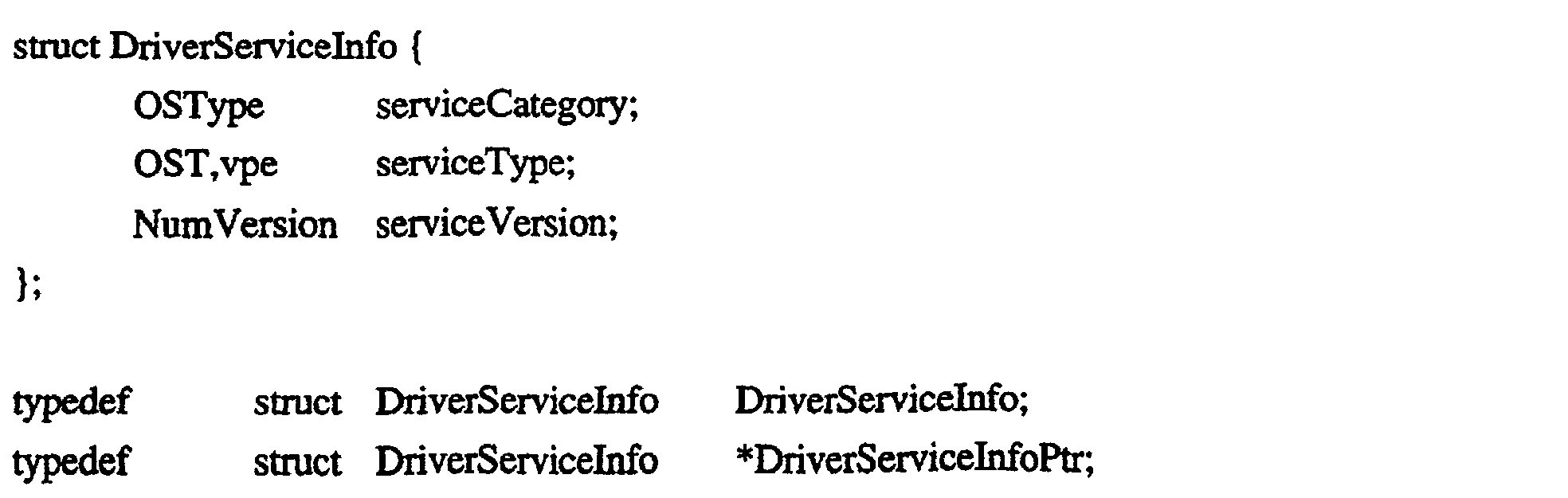

- serviceCategory
- Specifies driver support services for given device family.
Some examples of device families are:
Name Supports services defined for:- 'blok'
- block drivers family
- 'disp'
- video display family
- 'ndrv'
- gneric native driver devices
- 'otan'
- Open Transport
- 'scsi'
- SCSI interface module
- serviceType
- Subcategory (meaningful only in a given service category).
- serviceVersion
- Version resource ('vers') used to specify the version of a set of services. It lets interfaces be modified over time.
- OSErr DoDriverIO
- (AddressSpaceID spaceID
IOCommandID ID,
IOCommandContents contents,
IOCommandCode code,
IOCommandKind kind);
- spaceID
- The address space containing the buffer to be prepared. Mac OS 7.5 provides only one address space, so this field must be specified as kCurrentAddressSpaceID.
- ID
- CommandID
- contents
- An IOCommandContents I/O parameter block. Use the InitializationInfo union member when calling to initialize the driver, FinalizationInfo when removing the driver, DriverReplaceInfo when replacing, DriverSupersededInfo when superseding, and ParmBlkPtr for all other I/O actions.
- code
- Selector used to determine I/O actions.
- kind
- Options used to determine how I/O actions are performed. The bits in this field have these meanings:
| Bit | Meaning |
| 0 | synchronous I/ |
| 1 | asynchronous I/ |
| 2 | immediate I/O |
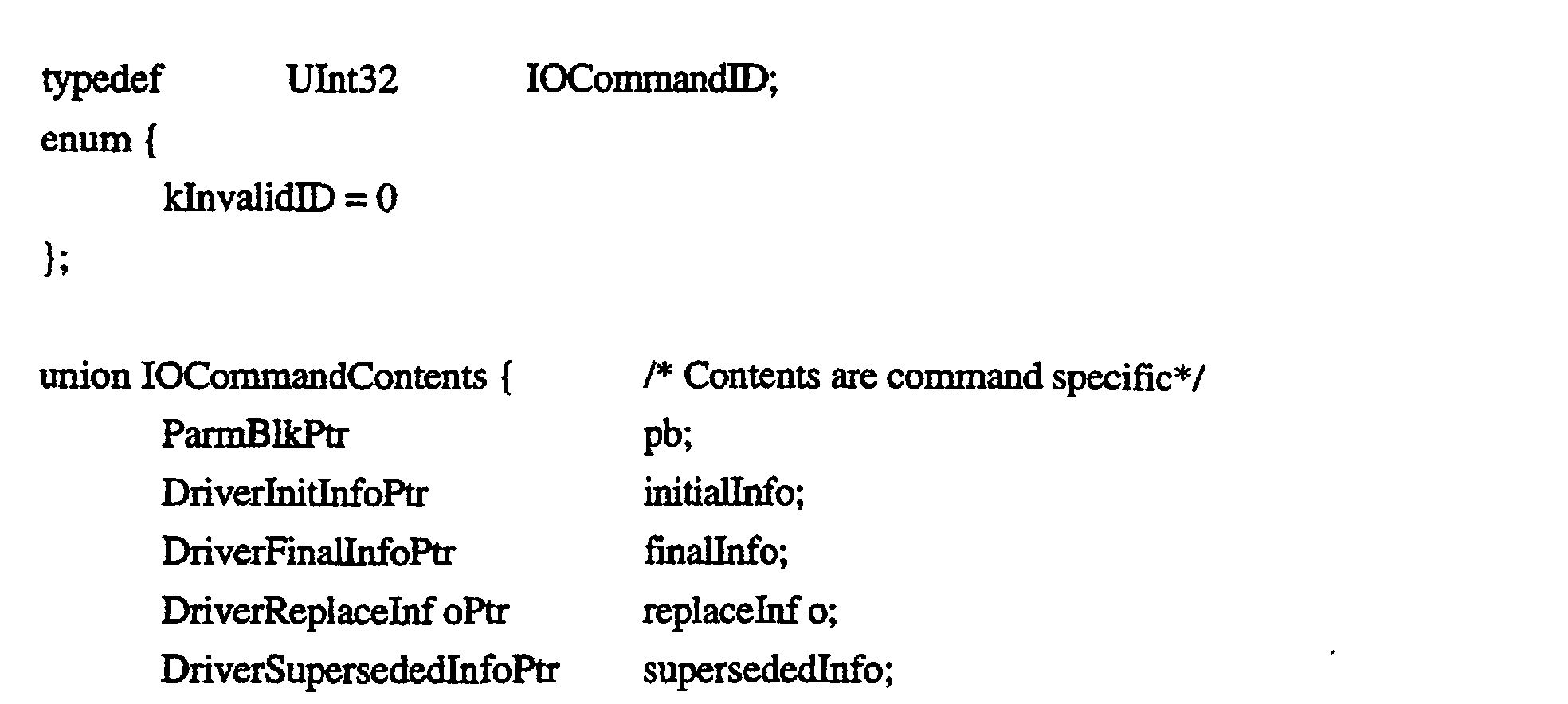


- OSErr GetIOCommandInfo
- (IOCommandID theID,
IOCommandContents *theContents,
IOCommandCode *theCommand,
IOCommandKind *theKind); - theID
- Command ID
- theContents
- Pointer to the IOPB or Initialize/Finalize contents
- theCommand
- Command code
- theKind
- Command kind (synchronous, asynchronous, or immediate)
| typedef | struct | InitializationInfo | InitializationInfo; |
| typedef | struct | InitializationInfo | *InitializationInfoPtr; |
| typedef | struct | FinalizationInfo | FinalizationInfo; |
| typedef | struct | FinalizationInfo | *FinalizationInfoPtr; |
- refNum
- MyReferenceNumber;
- RegEntryID
- MyDeviceID;


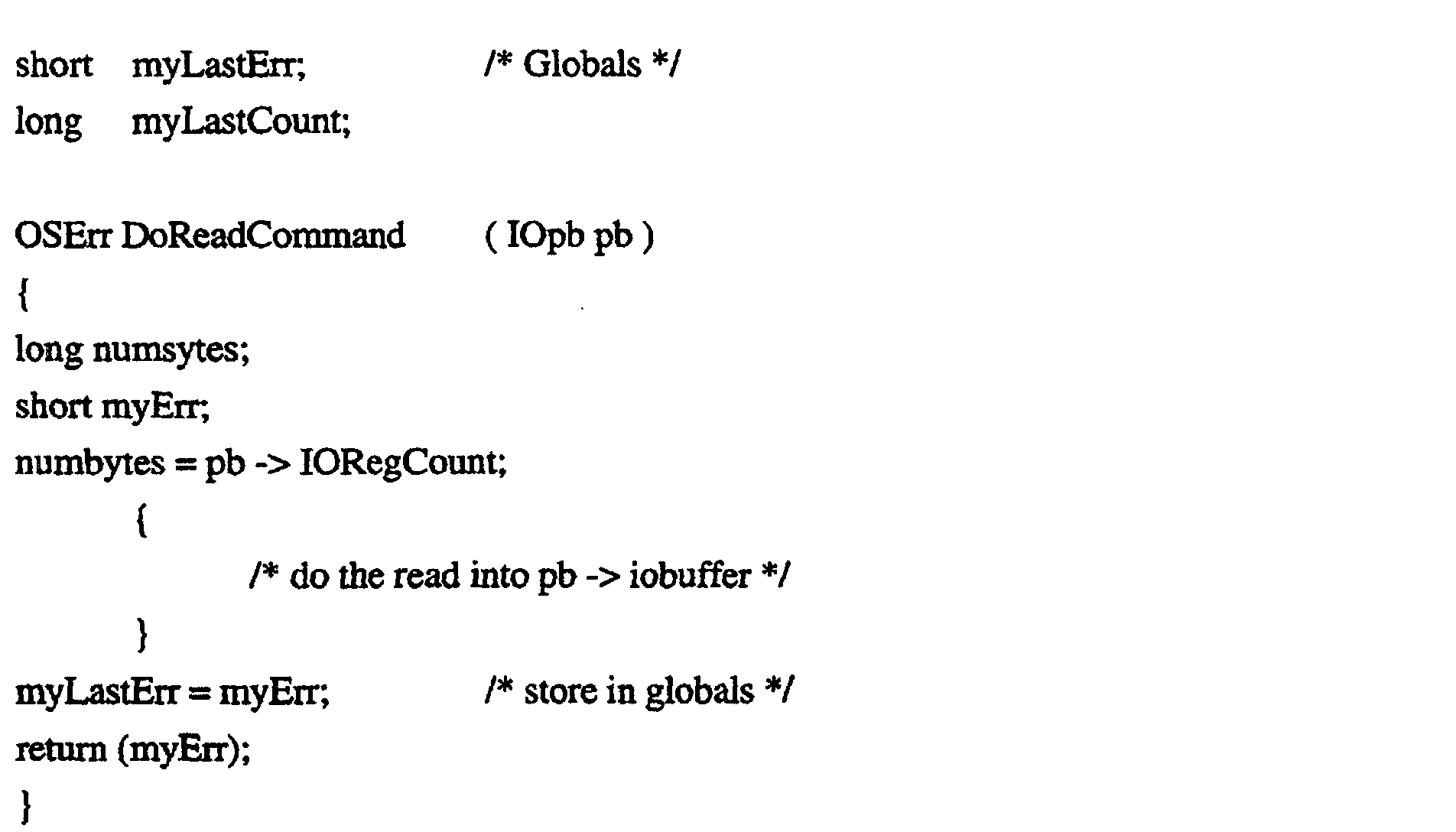
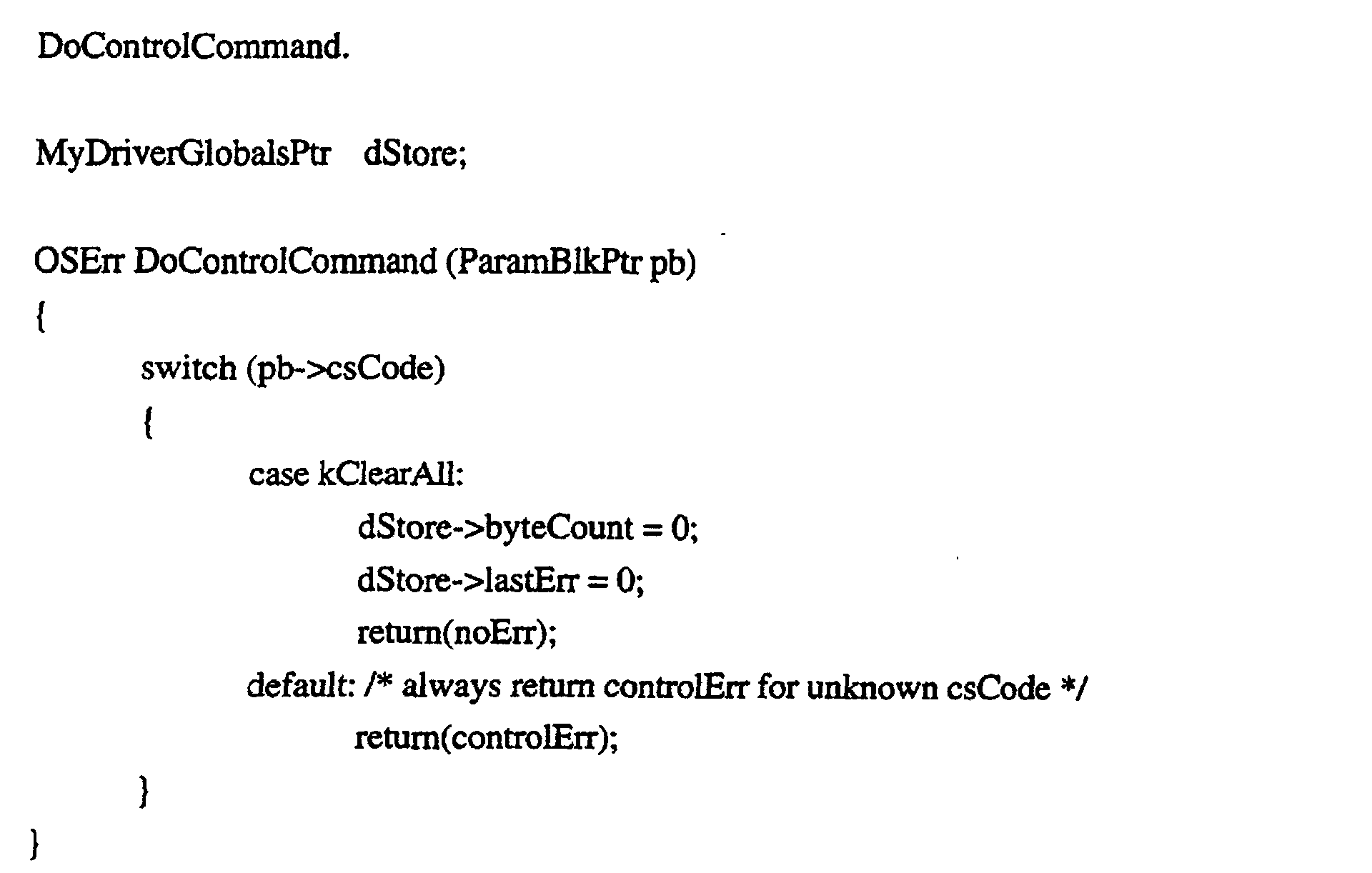

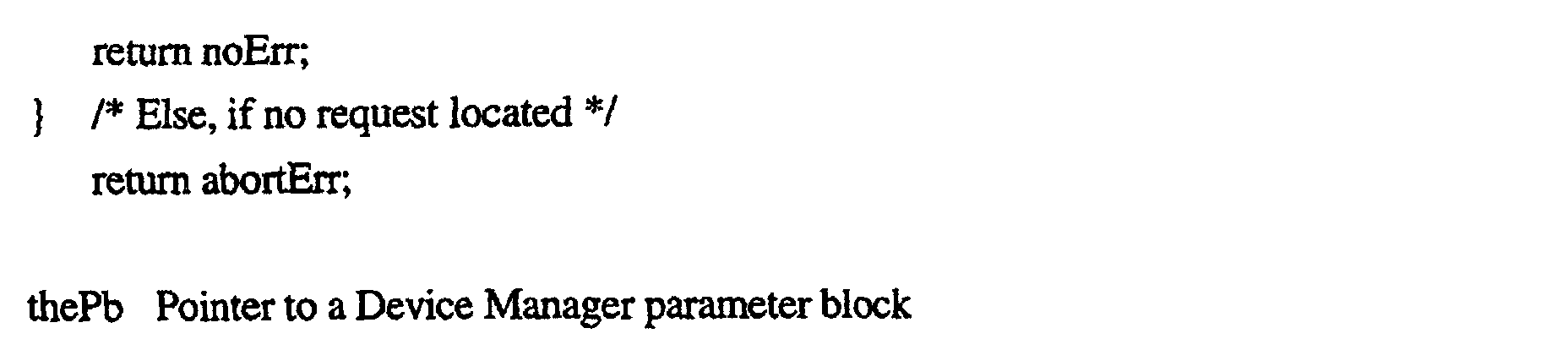


- (Ptr
- memAddr,
- long
- length,
- Str63
- fragName,
- ConnectionID
- *fragmentConnID,
- NuDriverEntryPointPtr
- *fragmentMain,
- DriverDescriptionPtr
- *theDriverDesc);
- memAddr
- pointer to the beginning of the fragment in memory
- length
- length of the fragment in memory
- fragName
- optional name of the fragment (primarily used by debugger)
- fragmentConnID
- resulting CFM connectionID
- fragmentMain
- resulting pointer to DoDriverIO (may be nil)
- theDriverDesc
- resulting pointer to DriverDescription
| noErr | 0 | No error |
| All CFM errors |
- OSErr GetDriverDiskFragment
- (FSSpecPtr theFragmentSpec,
ConnectionID *fragmentConnID,
NuDriverEntryPointPtr *fragmentMain,
DriverDescriptionPtr theDriverDesc); - fragmentSpec
- pointer to a file system specification
- fragmentConnID
- resultingCFM connectionID
- fragmentMain
- resulting pointer to DoDriverIO
- driverDesc
- resulting pointer to DriverDescription
| noErr | 0 | No error |
| fnfErr | -43 | File not found |
| All CFM errors |
- OSErr FindDriverCandidates
- RegEntryIDPtr deviceID,
Ptr *propBasedDriver,
RegPropertyValueSize *propBasedDriverSize,
StringPtr deviceName,
DriverType *propBasedDriverType,
Boolean *gotPropBasedDriver,
FileBasedDriverRecordPtr fileBasedDrivers,
ItemCount *nFileBasedDrivers); - deviceID
- Name Registry ID of target device
- propBasedDriver
- Address of property-based driver
- propBasedDriverSize
- Size of property-based driver
- deviceName
- Name of device
- propBasedDriverType
- Type of property-based driver
- gotPropBasedDriver
- True if property-based driver was found
- fileBasedDrivers
- List of sorted file-based driver records
- nFileBasedDrivers
- Count of file-based driver records

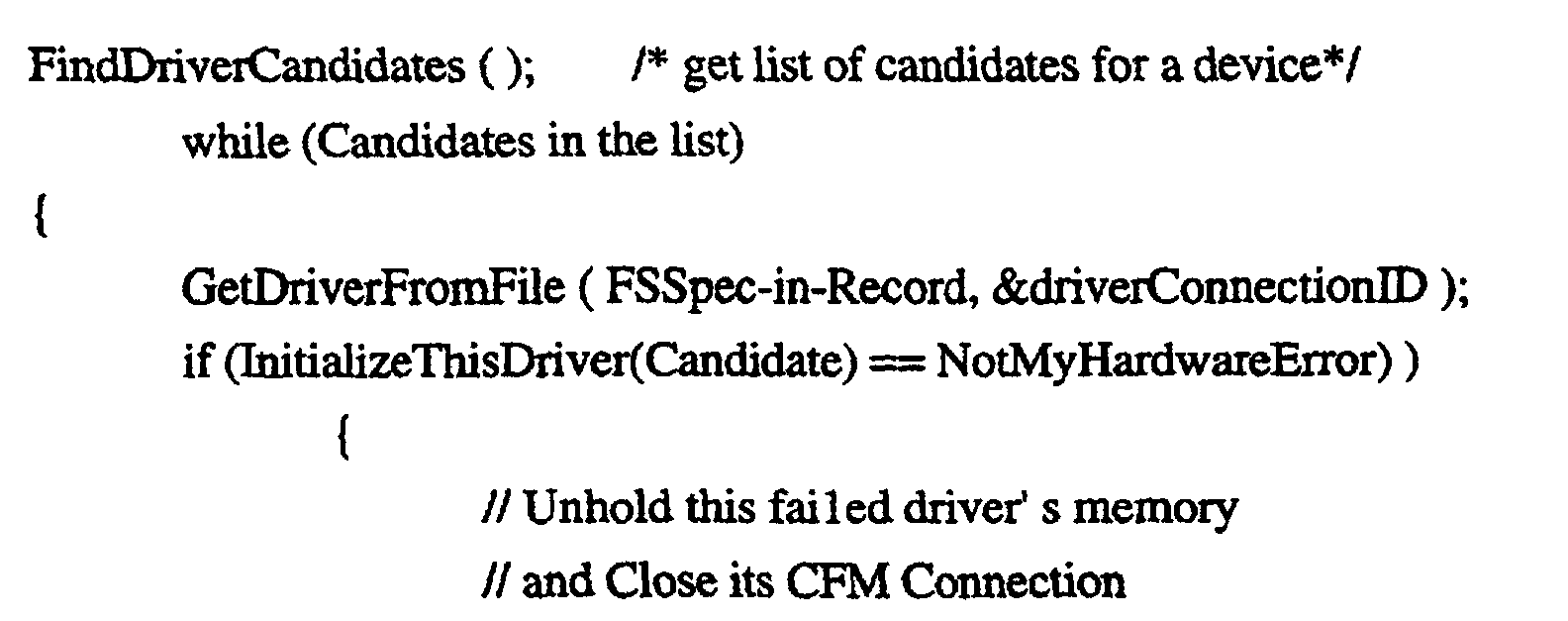

| noErr | 0 | No error |
| fnfErr | -43 | File not found |
| All CFM errors |
- OSErr ScanDriverCandidates
- (RegEntryIDPtr deviceID,
FileBasedDriverRecordPtr fileBasedDrivers,
ItemCount nFileBasedDrivers,
FileBasedDriverRecordPtr matchingDrivers,
ItemCount *nMatchingDrivers); - deviceID
- Name Registry ID of target device
- fileBasedDrivers
- List of sorted file-based driver records
- nFileBasedDrivers
- Count of file-based driver records
- matchingDrivers
- File-based driver records (a subset of fileBasedDrivers)
- nMatchingDrivers
- Count of driver records (<= nFileBasedDrivers)
| noErr | 0 | No error |
| fnfErr | -43 | File not found |
| All CFM errors |
- OSErr FindDriversForDevice
- (RegEntryIDPtr device,
FSSpec *fragmentSpec,
DriverDescription *fileDriverDesc,
Ptr *memAddr,
long *length,
StringPtr fragName,
DriverDescription *memDriverDesc); - device
- device ID
- fragmentSpec
- pointer to a file system specification
- fileDriverDesc
- pointer to the Driver Description of driver in a file
- memAddr
- pointer to driver address
- length
- length of driver code
- fragName
- name of driver fragment
- memDriverDesc
- pointer to the Driver Description of driver in memory
| noErr | 0 | No error |
| fnfErr | -43 | File not found |
| All CFM errors |
- OSErr GetDriverForDevice
- (RegEntrvIDPtr device,
ConnectionID *fragmentConnID,
DriverEntrvPointPtr *fragmentMain
DriverDescriptionPtr *driverDesc); - device
- device ID
- fragmentConnID
- pointer to a fragment connection ID
- fragmentMain
- pointer to DoDriverIO
- driverDesc
- pointer to the Driver Description of driver
| noErr | 0 | No error |
| fnfErr | -43 | Filenotfound |
| All CFM errors |
- OSErr SetDriverClosureMemory
- (CFragConnectionID fragmentConnID,
Boolean holdDriverMemory); - fragmentConnID
- ID of driver closure (returned from other DLL loading services)
- holdDriverMemory
- true to hold the memory of a driver closure; false to unhold.
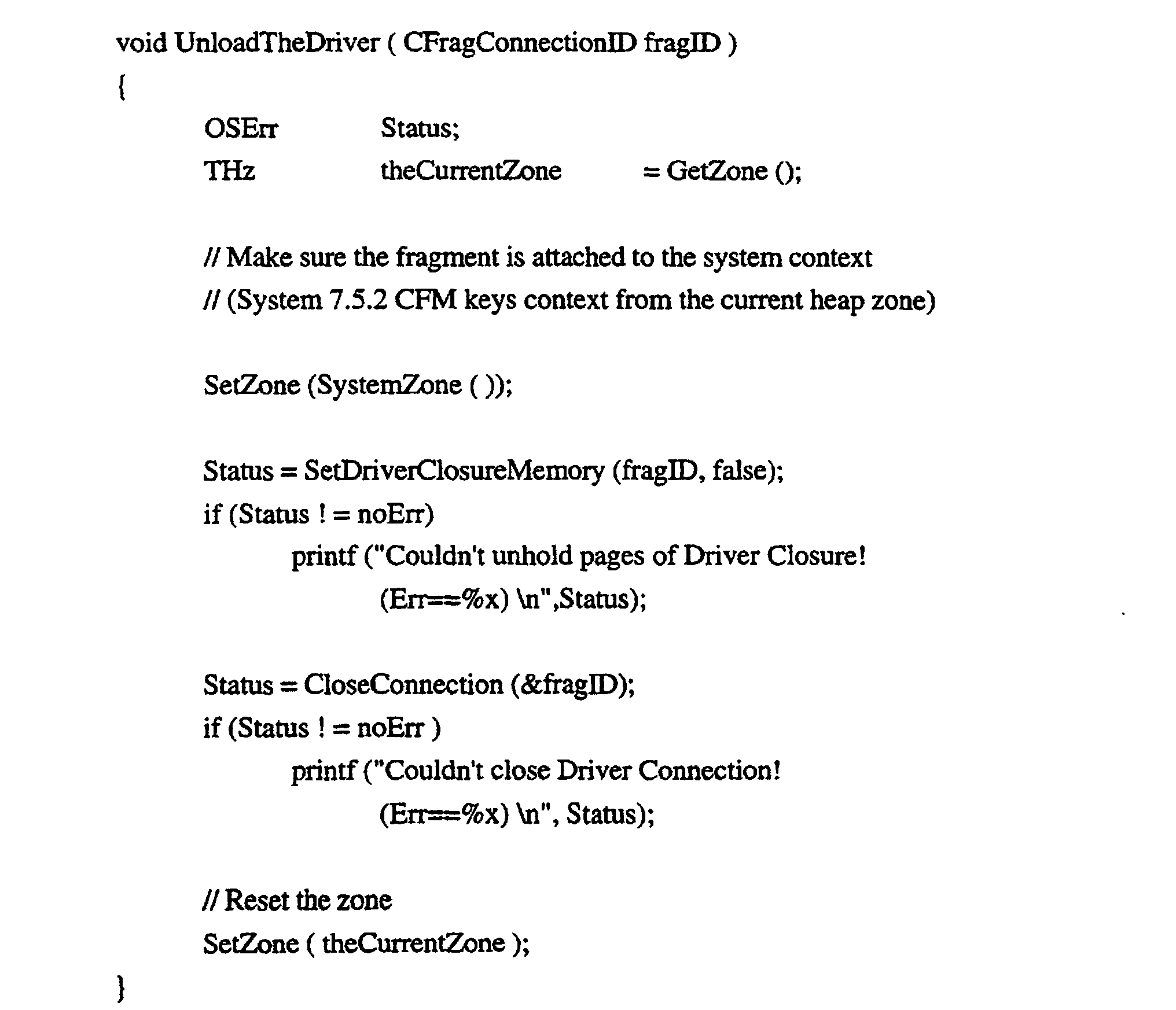
- OSErr VerifyFragmentAsDriver
- (ConnectionID fragmentConnID,
NuDriverEntryPointPtr * fragmentMain,
DriverDescriptionPtr *driverDesc); - fragmentConnID
- CFM connectionID
- fragmentMain
- resulting pointer to DoDriverIO
- driverDesc
- resulting pointer to DriverDescription
| noErr | 0 | No error |
| All CFM errors |
- OSErr InstallDriverFromFragment
- (ConnectionID fragmentConnID,
RegEntryIDPtr device,
UnitNumber beginningUnit,
UnitNumber endingUnit,
refNum *refNum); - fragmentConnID
- CFM connectionID
- device
- pointer to Name Registry specification
- beginningUnit
- low unit number in Unit Table range
- endingUnit
- high unit number in Unit Table range
- refNum
- resulting Unit Table refNum
| noErr | 0 | No error |
| badUnitErr | -21 | Bad unit number |
| unitTblFullErr | -29 | Unit table or requested range full |
| Specific returns Initialize, Replace, Superseded | ||
| All CFM errors |
- OSErr InstallDriverFromDisk
- ( Ptr driverName,
RegEntryIDPtr device,
UnitNumber beginningUnit,
UnitNumber endingUnit,
DriverRefNum *refNum); - driverName
- Name of a disk file containing a driver
- device
- Pointer to entry in the Name Registry
- beginningUnit
- First Unit Table number of range acceptable for installation
- endingUnit
- Last Unit Table number of range acceptable for installation
- refNum
- Reference number returned by InstallDriverFromDisk
| noErr | 0 | No error |
| fnfErr | -43 | File not found |
| badUnitErr | -21 | Bad unit number |
| unitTblFullErr | -29 | Unit table or requested range full |
| All CFM errors |
- OSErr OpenInstalledDriver
- (DriverRefNum refNum,
SInt8 ioPermission); - refNum
- Unit Table reference number
- ioPermission
- I/O permission code:
- fsCurPerm
- 0 retain current permission
- fsRdPerm
- 1 allow read actions only
- fsWrPerm
- 2 allow write actions only
- fsRdWrPerm
- 3 allow both read and write actions
| noErr | 0 | No error |
| badUnitErr | -21 | Bad unit number |
| unitEmptyErr | -22 | Empty unit number |
- OSErr InstallDriverFromFile
- (FSSpecPtr fragmentSpec,
RegEntryIDPtr device,
UnitNumber beginningUnit,
UnitNumber endingUnit,
refNum *refNum); - fragmentSpec
- pointer to a file system specification
- device
- pointer to Name Registry Specification
- beginningUnit
- low unit number in Unit Table Range
- endingUnit
- high unit number in Unit Table Range
- refNum
- resulting Unit Table refNum
| noErr | 0 | No error |
| fnfErr | -43 | File not found |
| badUnitErr | -21 | Bad unit number |
| unitTblFullErr | -29 | Unit table or requested range full |
| All CFM errors |
- OSErr InstallDriverEromMemory
- (Ptr memory,
long length,
Str63 fragName,
RegEntryIDPtr device,
UnitNumber beginningUnit,
UnitNumber endingUnit,
refNum *refNum); - memory
- pointer to beginning of fragment in memory
- length
- length of fragment in memory
- fragName
- An optional name of the fragment (primarily used by debugger)
- device
- pointer to Name Registry specification
- beginningUnit
- low unit number in Unit Table range
- endingUnit
- high unit number in Unit Table range
- refNum
- resulting Unit Table refNum
| noErr | 0 | No error |
| badUnitErr | -21 | Bad unit number |
| unitTblFullErr | -29 | Unit table or requested range full |
| All CFM errors |
- OSErr InstallDriverForDevice
- (RegEntryIDPtr device,
UnitNumber beginningUnit,
UnitNumber endingUnit,
refNum *refNum); - device
- pointer to Name Registry specification
- beginningUnit
- low unit number in Unit Table range
- endingUnit
- high unit number in Unit Table range
- refNum
- resulting Unit Table refNum
| noErr | 0 | No error |
| fnf Err | -43 | File not found |
| badUnitErr | -21 | Bad unit number |
| unitTblFullErr | -29 | Unit table or requested range full |
| All CFM errors |
short HigherDriverVersion (NumVersion *V1, NumVersion *V2);
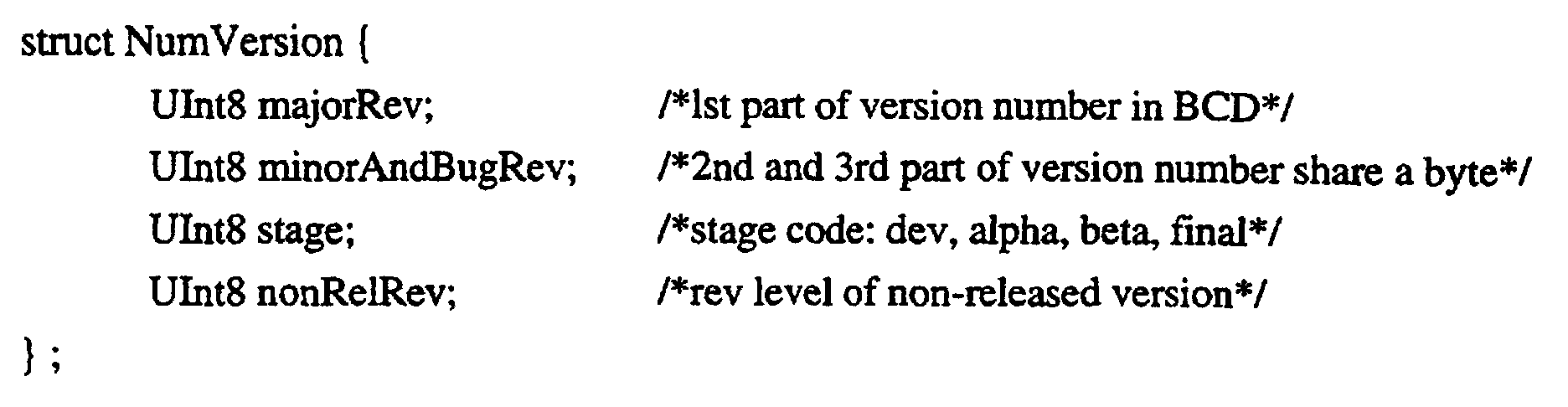
- V1
- First version number being compared
- V2
- Second version number being compared
| developStage | = 0x20 |
| alphaStage | = 0x40 |
| betaStage | = 0x60 |
| finalStage | = 0x80 |
- OSErr
- RemoveDriver (refNum refNum,
Boolean Immediate); - refNum
- refNum of driver to remove
- Immediate
- true means don't wait for driver to become idle
| noErr | 0 | No error |
| badUnitErr | -21 | Bad unit number |
| unitEmptyErr | -22 | Empty unit number |
- OSErr GetDriverInformation
- (DriverRefNum refNum,
UnitNumber *unitNum,
DriverFlags *flags,
DriverOpenCount *count,
StringPtr name,
RegEntryID *device,
CFragHFSLocator *driverLoadLocation,
CFragConnect ionID *fragmentConnID,
DriverEntryPointPtr *fragmentMain,
DriverDescription *driverDesc); - refNum
- refNum of driver to examine
- unit
- resulting unit number
- flags
- resulting DCE flag bits
- count
- number of times driver has been opened
- name
- resulting driver name
- device
- resulting Name Registry device specification
- driverLocation
- resulting CFM fragment locator (from which the driver was loaded)
- fragmentConnID
- resulting CFM connection ID
- fragmentMain
- resulting pointer to DoDriverIO
- driverDesc
- resulting pointer to DriverDescription
| noErr | 0 | No error |
| badUnitErr | -21 | Bad unit number |
| unitEmptyEir | -22 | Empty unit number |
UnitNumber HighestUnitNumber (void);
HighestUnitNumber takes no parameters. It returns a UnitNumber value that represents the highest unit number in the Unit Table.
- OSErr LookupDrivers
- (UnitNumber beginningUnit,
UnitNumber endingUnit,
Boolean emptyUnits,
ItemCount *returnedRefNums,
DriverRefNum *refNums ); - beginningUnit
- First unit in range of units to scan
- endingUnit
- Last unit in range of units to scan
- emptyUnits
- true: return available units false: return allocated units
- returnedRefNums
- Maximum number of reference numbers to return; on
completion,
contains actual number of refNums returned - refNums
- resulting array of returned refNums
| noErr | 0 | No error |
| paramErr | -50 | Bad parameter |


- OSStatus
- DeviceProbe (void *theSrc,
void *theDest,
UInt32 AccessType); - theSrc
- The address of the device to be accessed
- theDest
- The destination of the contents of theSrc
- AccessType
- How theSrc is to be accessed:
k8BitAccess
k16BitAccess,
k32BitAccess
| noErr | 0 | Device present |
| noHardwareErr | Device not present |
- OSErr ReplaceDriverWithFragment
- (DriverRefNum theRefNum,
ConnectionID fragmentConnID); - theRefNum
- Reference number of the driver to be replaced
- fragment ConnID
- CFM connection ID for the new driver fragment
| noErr | 0 | No error |
| All CFM errors |
- OSErr RenameDriver
- {DriverRefNum theRefNum,
StringPtr name);
- theRefNum
- Reference number of the driver to be renamed
- name
- Pointer to the driver's new name
| noErr | 0 | No error |
| badUnitErr | -21 | Bad unit number |
| unitEmptyErr | -22 | Empty unit number |
Claims (22)
- A method for configuring a particular device with a device driver, said method being for use in a computer system having a processor (101) coupled to a communication bus (101), a memory unit (102, 103, 104) coupled to said communication bus, and devices coupled to said communication bus, characterized in that it comprises the following steps :reporting a device name associated with said particular device;scanning a first set of available drivers within said computer system to determine a second set of drivers individually having a driver name that matches with said device name;for each individual driver of the second set of drivers, scanning a first set of families available within the computer system to determine a second set of families comprising at least one family, each family of the second set of families having category information which matches category information associated with the individual driver of the second set of drivers;installing at least one family of the second set of families;sequentially attempting installation of individual drivers of said second set of drivers with said particular device to determine a matching driver of said second set of drivers that properly configures said particular device; andreporting said matching driver of said set of drivers that properly configures said particular device upon an indication by said step of sequentially attempting installation.
- A method as described in claim 1 further comprising the computer implemented sorting said second set of drivers and families by a priority of compatibility with said particular device and wherein said step of sorting further comprises :sorting said second set of drivers such that an individual driver matching with said device name is given higher priority over an individual driver matching with at least one compatible device name which is associated with said particular device;sorting said second set of drivers according to driver version information; andselecting a family having a highest version number of the families of the second set of families.
- A method as described in claim 1 wherein said sequentially attempting installation comprises:probing said particular device with a particular driver of said second set of drivers,performing a diagnostic test with respect to said particular driver and said particular device; andreporting a status indicating whether or not said particular driver and said particular device are compatible.
- A method as described in claim 1 wherein said reporting comprises :accessing information derived from a device tree database containing information regarding said devices of said computer system;selecting said particular device from among said devices; andaccessing said device name and said at least one compatible device name associated with said particular device from said information derived from said device tree database.
- A method as described in claim 1 further comprising the computer implemented installing said matching driver with said particular device, if resources required for the operation of said particular device are available within said computer system.
- A method as described in claim 1 further comprising :scanning a third set of available drivers within said computer system to determine a fourth set of drivers individually having a driver name that matches with said device name, said third set being more current over said first set of available drivers; andfor each individual driver of the fourth set of drivers, scanning the first set of families available within the computer system to determine a third set of families comprising at least one family, each family of the third set of families having category information which matches category information associated with the individual driver of the fourth set of drivers.
- A method as described in claim 6 further comprising:sequentially attempting installation of individual drivers of said fourth set of drivers and said third set of families with said particular device to determine another matching driver of said fourth set of drivers that properly configures said particular device, said another matching driver being more compatible with said device compared to said matching driver; andreporting said another matching driver upon an indication by said step of sequentially attempting installation of individual drivers of said forth set of drivers.
- The method of claim 1, further comprising:reporting a set of device names associated with said particular device,scanning a first set of available drivers within said computer system to determine a second set of drivers individually having a driver name that matches with any name of said set of device names,sorting said second set of drivers by a priority of compatibility with said particular device, andinstalling said first matching driver with said particular device upon an indication by said sequentially attempting installation.
- A method as described in claim 8 wherein said a set of device names associated with said particular device comprises a device name of said particular device and a set of compatible device names indicating devices compatible with said particular device.
- A method as described in claim 9 wherein said sorting said second set of drivers by a priority of compatibility with said particular device further comprises :sorting said second set of drivers such that an individual driver matching with said device name is given higher priority over an individual driver matching with a compatible device name of said set of compatible device names,sorting said second set of drivers according to driver version information, andselecting a family having a highest version number of the families of the second set of families.
- A method as described in claim 8 wherein said step of sequentially attempting installation comprises:probing said particular device with a particular driver of said second set of drivers,performing a diagnostic test with respect to said particular driver and said particular device, andreporting a status indicating whether or not said particular driver and said particular device are compatible.
- A method as described in claim 9 wherein said reporting further comprises :accessing information derived from a device tree database containing information regarding said devices of said computer system,selecting said particular device from among said devices, andaccessing said device name and said set of compatible device names associated with said particular device from said information derived from said device tree database.
- A method as described in claim 8 further wherein said installing said first matching driver further comprises :determining that said computer system contains resources required by said particular device for proper operation, andinstalling said first matching driver with said particular device provided said resources required by said particular device are present within said computer system.
- A method as described in claim 9 further comprising :scanning a third set of available drivers within said computer system to determine a fourth set of drivers individually having a driver name that matches with either said device name or any name of said set of compatible device names, said forth set larger than said second set,sorting said fourth set of drivers by a priority of compatibility with said particular device, andfor each individual driver of the fourth set of drivers, scanning the first set of families available within the computer system to determine a third set of families comprising at least one family, each family of the third set of families having category information which matches category information associated with the individual driver of the fourth set of drivers.
- A method as described in claim 14 further comprising :sequentially attempting installation of individual drivers of said forth set of drivers with said particular device to determine a second matching driver of said forth set of drivers that properly configures said particular device, said second matching driver being more compatible with said device over said first matching driver,removing said first matching driver from said particular device, andinstalling said second matching driver with said particular device.
- A computer readable medium storing instructions for a digital processing system having a processor (101) coupled to a bus (110) and a particular device coupled to said bus, characterized in that when said instructions are executed by said processor, said system is caused to perform :reporting a device name associate with said particular device,scanning a first set of available drivers within said system to determine a second set of drivers individually having a driver name that matches with said device name,for each individual driver of the second set of drivers, scanning a first set of families available within the system to determine a second set of families comprising at least one family, each family of the second set of families having category information which matches category information associated with the individual driver of the second set of drivers,installing at least one family of the second set of families,sequentially attempting installation of individual drivers of said second set of drivers with said particular device to determine a matching driver that properly configures said particular device, andreporting said matching driver of said set of drivers that properly configures said particular device upon an indication by said step of sequentially attempting installation.
- A computer readable medium as in claim 16 wherein when said instructions are executed, said system is caused to further perform :sorting said second set of drivers and families by a priority of compatibility with said particular device and wherein said sorting comprises:sorting said second set of drivers such that an individual driver matching with said device name is given higher priority over an individual driver matching with at least one compatible device name which is associated with said particular device; sorting said second set of drivers according to driver version information; andselecting a family having a highest version number of the families of the second set of families.
- A computer readable medium as in claim 16 wherein said sequentially attempting installation comprises :probing said particular device with a particular driver of said second set of drivers,performing a diagnostic test with respect to said particular driver and said particular, andreporting a status indicating whether or not said particular driver and said particular device are compatible.
- A computer readable medium as in claim 16 wherein said reporting comprises:accessing information derived from a device tree database containing information regarding said devices of said computer system,selecting said particular device from among said devices, andaccessing said device name and said at least one compatible device name associated with said particular device from said information derived from said device tree database.
- A computer readable medium as in claim 16 wherein said computer readable medium comprises at least one of RAM, ROM and a disk drive.
- A digital processing system comprising: a bus (110); a processor (101) coupled to said bus; a particular device coupled to said bus and a memory (102,103,104) coupled to said bus, characterized in that said memory stores a first set of drivers and stores a first set of families, said processor is capable of scanning said first set of drivers to determine a second set of drivers comprising at least one driver that has a driver name that matches a device name associated with said particular device, said processor is capable of scanning said first set of families to determine a second set of families comprising at least one family having a category information which matches category information associated with said one driver, said processor is capable of installing said at least one family and attempting installation of said at least one driver with said particular device to determine a matching driver that properly configures said particular device.
- A digital processing system as in claim 21 wherein said processor sorts said second set of drivers and families by a priority of compatibility with said particular device such that an individual driver matching with said device name is given higher priority over an individual driver matching with at least one compatible device name which is associated with said particular device;67and wherein said processor sorts said second set of drivers according to driver version information and selects a family having a highest version number of the families of the second set of families.
Priority Applications (1)
| Application Number | Priority Date | Filing Date | Title |
|---|---|---|---|
| EP02025174A EP1296235B1 (en) | 1995-05-05 | 1996-05-03 | Dynamic device matching using driver candidate lists |
Applications Claiming Priority (6)
| Application Number | Priority Date | Filing Date | Title |
|---|---|---|---|
| US435676 | 1995-05-05 | ||
| US08/435,676 US5630076A (en) | 1995-05-05 | 1995-05-05 | Dynamic device matching using driver candidate lists |
| US08/648,305 US5802365A (en) | 1995-05-05 | 1996-05-02 | Dynamic device matching using driver candidate lists |
| PCT/US1996/006266 WO1996035170A1 (en) | 1995-05-05 | 1996-05-03 | Dynamic device matching using driver candidate lists |
| US648305 | 2000-08-25 | ||
| 2003-03-28 |
Related Child Applications (1)
| Application Number | Title | Priority Date | Filing Date |
|---|---|---|---|
| EP02025174A Division EP1296235B1 (en) | 1995-05-05 | 1996-05-03 | Dynamic device matching using driver candidate lists |
Publications (3)
| Publication Number | Publication Date |
|---|---|
| EP0774137A1 EP0774137A1 (en) | 1997-05-21 |
| EP0774137A4 EP0774137A4 (en) | 1998-09-02 |
| EP0774137B1 true EP0774137B1 (en) | 2003-10-15 |
Family
ID=28457340
Family Applications (1)
| Application Number | Title | Priority Date | Filing Date |
|---|---|---|---|
| EP96915495A Expired - Lifetime EP0774137B1 (en) | 1995-05-05 | 1996-05-03 | Dynamic device matching using driver candidate lists |
Country Status (3)
| Country | Link |
|---|---|
| US (1) | US5802365A (en) |
| EP (1) | EP0774137B1 (en) |
| DE (1) | DE69630355T2 (en) |
Families Citing this family (134)
| Publication number | Priority date | Publication date | Assignee | Title |
|---|---|---|---|---|
| US6847611B1 (en) | 1990-12-10 | 2005-01-25 | At&T Corp. | Traffic management for frame relay switched data service |
| US20060206219A1 (en) * | 1995-05-30 | 2006-09-14 | Brown David W | Motion control systems and methods |
| US7139843B1 (en) | 1995-05-30 | 2006-11-21 | Roy-G-Biv Corporation | System and methods for generating and communicating motion data through a distributed network |
| US5691897A (en) | 1995-05-30 | 1997-11-25 | Roy-G-Biv Corporation | Motion control systems |
| US7137107B1 (en) | 2003-04-29 | 2006-11-14 | Roy-G-Biv Corporation | Motion control systems and methods |
| US6446199B1 (en) * | 1995-06-06 | 2002-09-03 | International Business Machines Corporation | Disk drive incompatible firmware recovery |
| US5964872A (en) * | 1996-03-15 | 1999-10-12 | Novell, Inc. | Method and system for tailoring common environments |
| JP3274604B2 (en) * | 1996-04-26 | 2002-04-15 | インターナショナル・ビジネス・マシーンズ・コーポレーション | How to enable peripheral devices automatically |
| US6263378B1 (en) * | 1996-06-03 | 2001-07-17 | Sun Microsystems, Inc. | System and method for rapid development of bootstrap device detection modules |
| US6041364A (en) * | 1996-12-19 | 2000-03-21 | Intel Corporation | Method and system for adding a device entry to a device tree upon detecting the connection of a device |
| US6138178A (en) * | 1997-01-29 | 2000-10-24 | Fuji Photo Film Co., Ltd. | Controlled device storing multiple drivers that judges and downloads a particular driver corresponding to a controller's operating system having an identical or greater version number |
| US5958049A (en) * | 1997-03-17 | 1999-09-28 | International Business Machines Corporation | Operating system debugger using kernel and dynamic extension with debugger drivers to support different output devices |
| US6081524A (en) | 1997-07-03 | 2000-06-27 | At&T Corp. | Frame relay switched data service |
| US20010032278A1 (en) * | 1997-10-07 | 2001-10-18 | Brown Stephen J. | Remote generation and distribution of command programs for programmable devices |
| US6189050B1 (en) * | 1998-05-08 | 2001-02-13 | Compaq Computer Corporation | Method and apparatus for adding or removing devices from a computer system without restarting |
| US6351751B1 (en) * | 1998-05-14 | 2002-02-26 | Sun Microsystems, Inc. | Persistent storage managers for configuring client/server environments |
| US6562076B2 (en) | 1998-08-31 | 2003-05-13 | Xerox Corporation | Extending application behavior through active properties attached to a document in a document management system |
| US6266670B1 (en) * | 1998-08-31 | 2001-07-24 | Xerox Corporation | User level accessing of low-level computer system operations. |
| US6266682B1 (en) | 1998-08-31 | 2001-07-24 | Xerox Corporation | Tagging related files in a document management system |
| US6385668B1 (en) * | 1999-04-08 | 2002-05-07 | Lucent Technologies Inc. | Method and apparatus for compound hardware configuration control |
| US20040030768A1 (en) * | 1999-05-25 | 2004-02-12 | Suban Krishnamoorthy | Unified system and method for downloading code to heterogeneous devices in distributed storage area networks |
| US6628607B1 (en) | 1999-07-09 | 2003-09-30 | Apple Computer, Inc. | Method and apparatus for loop breaking on a serial bus |
| US6967728B1 (en) * | 1999-07-23 | 2005-11-22 | Electronics For Imaging, Inc. | Reusable and transferable printer driver preference system |
| US7421711B2 (en) * | 1999-07-26 | 2008-09-02 | Microsoft Corporation | System, method and apparatus for supporting a kernel mode driver |
| US6704824B1 (en) | 1999-07-27 | 2004-03-09 | Inline Connection Corporation | Universal serial bus adapter with automatic installation |
| IL137503A0 (en) * | 1999-07-27 | 2001-07-24 | Inline Connection Corp | Universal serial bus adapter with automatic installation |
| US8032605B2 (en) | 1999-10-27 | 2011-10-04 | Roy-G-Biv Corporation | Generation and distribution of motion commands over a distributed network |
| US6691096B1 (en) | 1999-10-28 | 2004-02-10 | Apple Computer, Inc. | General purpose data container method and apparatus for implementing AV/C descriptors |
| US6671768B1 (en) | 1999-11-01 | 2003-12-30 | Apple Computer, Inc. | System and method for providing dynamic configuration ROM using double image buffers for use with serial bus devices |
| US6581094B1 (en) * | 1999-11-02 | 2003-06-17 | Sun Microsystems, Inc. | Apparatus and method for identifying a digital device based on the device's uniform device descriptor file that specifies the attributes of the device in a XML document in a networked environment |
| US6618750B1 (en) * | 1999-11-02 | 2003-09-09 | Apple Computer, Inc. | Method and apparatus for determining communication paths |
| US6813663B1 (en) | 1999-11-02 | 2004-11-02 | Apple Computer, Inc. | Method and apparatus for supporting and presenting multiple serial bus nodes using distinct configuration ROM images |
| US6587904B1 (en) | 1999-11-05 | 2003-07-01 | Apple Computer, Inc. | Method and apparatus for preventing loops in a full-duplex bus |
| US6636914B1 (en) | 1999-11-05 | 2003-10-21 | Apple Computer, Inc. | Method and apparatus for arbitration and fairness on a full-duplex bus using dual phases |
| US6457086B1 (en) * | 1999-11-16 | 2002-09-24 | Apple Computers, Inc. | Method and apparatus for accelerating detection of serial bus device speed signals |
| US7401113B1 (en) * | 1999-12-09 | 2008-07-15 | Microsoft Corporations | Printer driver identification for a remote printer |
| US6789111B1 (en) * | 1999-12-09 | 2004-09-07 | Microsoft Corporation | Automatic detection and installation of client peripheral devices by a server |
| EP1238333A1 (en) * | 1999-12-15 | 2002-09-11 | Sun Microsystems, Inc. | Computer system with an improved device and driver framework |
| US6639918B1 (en) | 2000-01-18 | 2003-10-28 | Apple Computer, Inc. | Method and apparatus for border node behavior on a full-duplex bus |
| US7266617B1 (en) | 2000-01-18 | 2007-09-04 | Apple Inc. | Method and apparatus for border node behavior on a full-duplex bus |
| US7050453B1 (en) | 2000-02-17 | 2006-05-23 | Apple Computer, Inc. | Method and apparatus for ensuring compatibility on a high performance serial bus |
| US7036129B1 (en) * | 2000-03-06 | 2006-04-25 | Pc-Doctor, Inc. | Diagnostic system integrated with device drivers of an operating system |
| US6513159B1 (en) * | 2000-03-28 | 2003-01-28 | Intel Corporation | Platform intelligent installer |
| US6658489B1 (en) * | 2000-03-29 | 2003-12-02 | International Business Machines Corporation | Method for replacing a device driver during system operation |
| US6618785B1 (en) | 2000-04-21 | 2003-09-09 | Apple Computer, Inc. | Method and apparatus for automatic detection and healing of signal pair crossover on a high performance serial bus |
| US6718497B1 (en) | 2000-04-21 | 2004-04-06 | Apple Computer, Inc. | Method and apparatus for generating jitter test patterns on a high performance serial bus |
| US7017075B1 (en) * | 2000-05-12 | 2006-03-21 | Intel Corporation | Recovering from video driver errors |
| JP3927761B2 (en) * | 2000-07-31 | 2007-06-13 | 株式会社ソニー・コンピュータエンタテインメント | Electronic device communication system and electronic device communication method |
| US7631054B2 (en) * | 2000-12-07 | 2009-12-08 | International Business Machines Corporation | Method and system for generating list of operating systems for a target device |
| US7904194B2 (en) | 2001-02-09 | 2011-03-08 | Roy-G-Biv Corporation | Event management systems and methods for motion control systems |
| US6671749B2 (en) * | 2001-03-07 | 2003-12-30 | Hewlett-Packard Development Company, L.P. | Peripheral driver installation method and system |
| US20020152336A1 (en) * | 2001-04-17 | 2002-10-17 | Frank Tso | System and method of installing a driver of an expansion card on a portable electronic device |
| US8214849B2 (en) * | 2001-07-13 | 2012-07-03 | Advanced Micro Devices, Inc. | System for loading device-specific code and method thereof |
| US7178141B2 (en) * | 2001-07-30 | 2007-02-13 | International Business Machines Corporation | Method and system for identifying compatibility between firmware images |
| US7191261B2 (en) * | 2001-08-20 | 2007-03-13 | International Business Machines Corporation | System and method to use unmodified operating system on diskless computer |
| US20030097552A1 (en) * | 2001-11-19 | 2003-05-22 | Lewis Robert E. | Resilient boot prom loader |
| KR100980793B1 (en) * | 2001-11-28 | 2010-09-10 | 에볼루션 로보틱스, 인크. | Sensor and Actuator Abstraction and Grouping in the Hardware Abstraction Layer for Robots |
| US6993643B2 (en) * | 2001-12-03 | 2006-01-31 | International Business Machines Corporation | Method and system of dynamic video driver selection on a bootable CD via symbolic links |
| US6950964B1 (en) * | 2002-03-22 | 2005-09-27 | Microsoft Corporation | Driver protection |
| US7165240B2 (en) * | 2002-06-20 | 2007-01-16 | International Business Machines Corporation | Topological best match naming convention apparatus and method for use in testing graphical user interfaces |
| US6961813B2 (en) * | 2002-06-21 | 2005-11-01 | Hewlett-Packard Development Company, L.P. | System and method for providing multi-initiator capability to an ATA drive |
| US6948036B2 (en) * | 2002-06-21 | 2005-09-20 | Hewlett-Packard Development Company, L.P. | System and method for providing multi-initiator capability to an ATA drive |
| US7100032B2 (en) * | 2002-06-28 | 2006-08-29 | Intel Corporation | Method and apparatus for identifying hardware compatibility and enabling stable software images |
| US7149820B2 (en) * | 2002-07-30 | 2006-12-12 | Sun Microsystems, Inc. | Enhanced VPD (Vital Product Data) structure |
| KR100464349B1 (en) * | 2002-08-08 | 2005-01-03 | 삼성전자주식회사 | Common control implement method for device driver |
| US7035945B2 (en) * | 2003-03-27 | 2006-04-25 | Sun Microsystems Inc. | Method and apparatus for identifying computer expansion cards |
| US7457831B2 (en) * | 2003-03-31 | 2008-11-25 | Microsoft Corporation | Peripheral device driver maintenance scheme for networked peripheral device clients |
| US20040199899A1 (en) * | 2003-04-04 | 2004-10-07 | Powers Richard Dickert | System and method for determining whether a mix of system components is compatible |
| EP1473630A3 (en) * | 2003-04-11 | 2007-10-10 | Samsung Electronics Co., Ltd. | Computer system and method of setting an interface card therein |
| US7089411B2 (en) * | 2003-04-25 | 2006-08-08 | International Business Machines Corporation | Method and apparatus for providing device information during runtime operation of a data processing system |
| US20040221146A1 (en) * | 2003-04-30 | 2004-11-04 | International Business Machines Corporation | Build time dynamic installation of drivers on cloned systems |
| US7680957B1 (en) | 2003-05-09 | 2010-03-16 | Symantec Operating Corporation | Computer system configuration representation and transfer |
| US7353284B2 (en) | 2003-06-13 | 2008-04-01 | Apple Inc. | Synchronized transmission of audio and video data from a computer to a client via an interface |
| US20040255338A1 (en) * | 2003-06-13 | 2004-12-16 | Apple Computer, Inc. | Interface for sending synchronized audio and video data |
| US7668099B2 (en) * | 2003-06-13 | 2010-02-23 | Apple Inc. | Synthesis of vertical blanking signal |
| US8275910B1 (en) | 2003-07-02 | 2012-09-25 | Apple Inc. | Source packet bridge |
| US7257734B2 (en) * | 2003-07-17 | 2007-08-14 | International Business Machines Corporation | Method and apparatus for managing processors in a multi-processor data processing system |
| US6931456B2 (en) * | 2003-09-09 | 2005-08-16 | Transact Technologies Incorporated | Standard configurable universal serial bus (USB) device identifier |
| US7200745B2 (en) * | 2003-09-12 | 2007-04-03 | Microsoft Corporation | System and method for specifying and utilizing hardware functionality by executing a common hardware register pseudo-language |
| US20060064503A1 (en) | 2003-09-25 | 2006-03-23 | Brown David W | Data routing systems and methods |
| US8027349B2 (en) | 2003-09-25 | 2011-09-27 | Roy-G-Biv Corporation | Database event driven motion systems |
| US7788567B1 (en) | 2003-11-18 | 2010-08-31 | Apple Inc. | Symbol encoding for tolerance to single byte errors |
| US7995606B1 (en) | 2003-12-03 | 2011-08-09 | Apple Inc. | Fly-by and ack-accelerated arbitration for broadcast packets |
| KR100607958B1 (en) * | 2003-12-15 | 2006-08-03 | 삼성전자주식회사 | Driver automatic installation method and system |
| US20050138563A1 (en) * | 2003-12-18 | 2005-06-23 | International Business Machines Corporation | Method and system for providing computer system software images |
| US7502338B1 (en) | 2003-12-19 | 2009-03-10 | Apple Inc. | De-emphasis training on a point-to-point connection |
| US7876469B2 (en) * | 2003-12-26 | 2011-01-25 | Panasonic Corporation | Image forming apparatus and updating method |
| US7308517B1 (en) | 2003-12-29 | 2007-12-11 | Apple Inc. | Gap count analysis for a high speed serialized bus |
| US7237135B1 (en) | 2003-12-29 | 2007-06-26 | Apple Inc. | Cyclemaster synchronization in a distributed bridge |
| US7322010B1 (en) | 2004-02-06 | 2008-01-22 | Symantec Operating Corporation | Graphical user interface for mapping computer resources |
| US7313719B1 (en) | 2004-02-06 | 2007-12-25 | Symantec Operating Corporation | Restore of backup to computer system with filesystem/volume attribute modification |
| US7293272B1 (en) | 2004-02-26 | 2007-11-06 | Veritas Operating Corporation | Device driver processing for automated system restores |
| US7334157B1 (en) | 2004-02-26 | 2008-02-19 | Symantec Operating Corporation | Restore of data to a computer system having different hardware |
| US7343375B1 (en) * | 2004-03-01 | 2008-03-11 | The Directv Group, Inc. | Collection and correlation over time of private viewing usage data |
| US7216344B2 (en) * | 2004-03-02 | 2007-05-08 | Microsoft Corporation | Side-by-side drivers |
| US20050231358A1 (en) * | 2004-04-19 | 2005-10-20 | Company Steven L | Search engine for singles with (GPS) position data |
| WO2005124540A1 (en) * | 2004-06-15 | 2005-12-29 | T1 Technologies Limited | Method and apparatus for booting a computer system |
| US7424719B2 (en) * | 2004-08-02 | 2008-09-09 | Hewlett-Packard Development Company, L.P. | Application with multiple embedded drivers |
| SG119377A1 (en) * | 2004-08-06 | 2006-02-28 | Yamaha Corp | Electrical music apparatus capable of connecting with external device |
| US7650435B2 (en) * | 2004-10-22 | 2010-01-19 | International Business Machines Corporation | Apparatus and method to install a component in an information storage and retrieval system |
| US7934215B2 (en) * | 2005-01-12 | 2011-04-26 | Microsoft Corporation | Smart scheduler |
| CN100419702C (en) * | 2005-04-22 | 2008-09-17 | 鸿富锦精密工业(深圳)有限公司 | Apparatus and method for verifying assembly correctness of peripheral component interconnection equipment |
| US7484040B2 (en) * | 2005-05-10 | 2009-01-27 | International Business Machines Corporation | Highly available removable media storage network environment |
| TWI286702B (en) * | 2005-07-22 | 2007-09-11 | Mitac Technology Corp | Method of executing computer programs following a predetermined priority order |
| US20070101328A1 (en) * | 2005-10-31 | 2007-05-03 | Microsoft Corporation | Sequencing a single task sequence across multiple operating environments |
| US20070101342A1 (en) * | 2005-10-31 | 2007-05-03 | Microsoft Corporation | Automated device driver management |
| US8483108B2 (en) * | 2006-07-24 | 2013-07-09 | Apple Inc. | Apparatus and methods for de-emphasis training on a point-to-point connection |
| US20080059266A1 (en) * | 2006-08-30 | 2008-03-06 | Felix Freimann | Resource managing method and device for managing drivers |
| US8312449B2 (en) * | 2006-10-31 | 2012-11-13 | International Business Machines Corporation | Viral installation of operating systems in a network |
| US7769990B1 (en) | 2007-03-23 | 2010-08-03 | Symantec Corporation | Using a monitoring process to update system configuration settings during restore operations |
| US7886185B1 (en) | 2007-03-23 | 2011-02-08 | Symantec Corporation | Creation of a device database and synthesis of device driver information during dissimilar system restore |
| US8132186B1 (en) | 2007-03-23 | 2012-03-06 | Symantec Corporation | Automatic detection of hardware and device drivers during restore operations |
| US8671166B2 (en) * | 2007-08-09 | 2014-03-11 | Prowess Consulting, Llc | Methods and systems for deploying hardware files to a computer |
| US8010636B2 (en) * | 2008-12-02 | 2011-08-30 | Verizon Patent And Licensing Inc. | Generic broadband application and plug-ins |
| FR2964812B1 (en) * | 2010-09-09 | 2013-04-12 | Mobilegov France | AUTHENTICATION METHOD FOR ACCESSING A WEB SITE |
| DE102010064279A1 (en) * | 2010-12-28 | 2012-06-28 | Endress + Hauser Flowtec Ag | Field device with long-term firmware compatibility |
| US8683428B2 (en) * | 2011-03-23 | 2014-03-25 | Microsoft Corporation | Automated generation of client/driver communication interfaces |
| US9122711B1 (en) | 2012-05-24 | 2015-09-01 | Symantec Corporation | Simplified system backup protection and recovery |
| US8972973B2 (en) | 2012-06-27 | 2015-03-03 | Microsoft Technology Licensing, Llc | Firmware update discovery and distribution |
| US9235404B2 (en) | 2012-06-27 | 2016-01-12 | Microsoft Technology Licensing, Llc | Firmware update system |
| US9110761B2 (en) | 2012-06-27 | 2015-08-18 | Microsoft Technology Licensing, Llc | Resource data structures for firmware updates |
| GB2506181A (en) | 2012-09-25 | 2014-03-26 | Ibm | Generating customised program logic for hardware devices |
| US9292463B2 (en) * | 2012-09-26 | 2016-03-22 | Intel Corporation | Communication of device presence between boot routine and operating system |
| US10089117B2 (en) * | 2013-03-29 | 2018-10-02 | Dell Products, Lp | System and method for matching drivers to devices |
| US9032423B2 (en) | 2013-06-21 | 2015-05-12 | Microsoft Technology Licensing, Llc | Dependency based configuration package activation |
| CN103617091B (en) * | 2013-12-18 | 2017-06-16 | 深圳市道通科技股份有限公司 | Method and device for realizing dynamic allocation of hardware resources |
| US11223537B1 (en) | 2016-08-17 | 2022-01-11 | Veritas Technologies Llc | Executing custom scripts from the host during disaster recovery |
| CN108008914B (en) * | 2016-10-27 | 2019-09-13 | 华为技术有限公司 | Method, device and ARM device for disk management in ARM device |
| US10855800B2 (en) * | 2017-02-15 | 2020-12-01 | Dell Products, L.P. | Managing device profiles in the Internet-of-Things (IoT) |
| US10732868B2 (en) * | 2018-08-02 | 2020-08-04 | Red Hat, Inc. | Implementing a base set of data storage features for containers across multiple cloud computing environments |
| WO2023283872A1 (en) * | 2021-07-15 | 2023-01-19 | Intel Corporation | System management mode runtime resiliency manager |
| CN115630005A (en) * | 2022-10-25 | 2023-01-20 | 麒麟软件有限公司 | Multi-platform using method suitable for biological feature recognition driving on domestic operating system |
| US12277422B2 (en) * | 2023-01-27 | 2025-04-15 | VMware LLC | Device tree runtime mechanism |
| CN120762769B (en) * | 2025-09-10 | 2025-11-07 | 厦门紫光展锐科技有限公司 | Sensor drive loading method, device, chip, product and medium |
Family Cites Families (11)
| Publication number | Priority date | Publication date | Assignee | Title |
|---|---|---|---|---|
| US4974151A (en) * | 1985-02-21 | 1990-11-27 | International Business Machines Corporation | Configuration capability for devices in an open system having the capability of adding or changing devices by user commands |
| US5014193A (en) * | 1988-10-14 | 1991-05-07 | Compaq Computer Corporation | Dynamically configurable portable computer system |
| EP0419064A3 (en) * | 1989-09-22 | 1992-08-05 | International Business Machines Corporation | Computer system having apparatus for providing pointing device independent support in an operating environment |
| CA2010591C (en) * | 1989-10-20 | 1999-01-26 | Phillip M. Adams | Kernels, description tables and device drivers |
| GB2245726B (en) * | 1990-06-29 | 1994-08-24 | Sun Microsystems Inc | Accessing an option board in a computer system |
| US5319751A (en) * | 1991-12-27 | 1994-06-07 | Intel Corporation | Device driver configuration in a computer system |
| US5317695A (en) * | 1992-04-03 | 1994-05-31 | International Business Machines Corporation | Method and system for permitting communication between a data processing system and input pointing devices of multiple types |
| EP0584909A1 (en) * | 1992-08-26 | 1994-03-02 | Sun Microsystems, Inc. | Self configuring device system |
| US5339432A (en) * | 1992-10-13 | 1994-08-16 | Microsoft Corporation | Method and system for providing user control of device driver configuration |
| US5432941A (en) * | 1992-10-13 | 1995-07-11 | Microsoft Corporation | Method and system for dynamically configuring a software system using configuration groups |
| CA2126950A1 (en) * | 1993-07-30 | 1995-01-31 | Bryan M. Willman | Booting a computer system using a last known good set of configuration data |
-
1996
- 1996-05-02 US US08/648,305 patent/US5802365A/en not_active Expired - Lifetime
- 1996-05-03 DE DE69630355T patent/DE69630355T2/en not_active Expired - Lifetime
- 1996-05-03 EP EP96915495A patent/EP0774137B1/en not_active Expired - Lifetime
Also Published As
| Publication number | Publication date |
|---|---|
| DE69630355D1 (en) | 2003-11-20 |
| US5802365A (en) | 1998-09-01 |
| EP0774137A1 (en) | 1997-05-21 |
| DE69630355T2 (en) | 2004-08-12 |
| EP0774137A4 (en) | 1998-09-02 |
Similar Documents
| Publication | Publication Date | Title |
|---|---|---|
| US5802365A (en) | Dynamic device matching using driver candidate lists | |
| EP1296235B1 (en) | Dynamic device matching using driver candidate lists | |
| US6314567B1 (en) | Apparatus and method for transferring state data when performing on-line replacement of a running program code and data | |
| US7971047B1 (en) | Operating system environment and installation | |
| US6732265B2 (en) | Computer operating system using compressed ROM image in RAM | |
| KR100868410B1 (en) | Managed file system filter model and architecture | |
| US6272674B1 (en) | Method and apparatus for loading a Java application program | |
| CN101329636B (en) | Method and apparatus for virtualizing window information | |
| US5555416A (en) | Automated software installation and operating environment configuration for a computer system based on classification rules | |
| US6269442B1 (en) | Apparatus and method for on-line replacement of a running program code and data using checkpoints | |
| EP1224543B1 (en) | Fixing applications that are incompatible to the operating system by providing stubs for apis | |
| US5948101A (en) | Methods and systems for booting a computer in a distributed computing system | |
| US6279109B1 (en) | Computing system and operating method for booting and running a graphical user interface (GUI) with r/w hard drive partition unavailable | |
| US20100205604A1 (en) | Systems and methods for efficiently running multiple instances of multiple applications | |
| US5748980A (en) | System for configuring a computer system | |
| US5537596A (en) | Method and apparatus for overriding resource maps in a computer system | |
| US7458074B2 (en) | Method and apparatus for installing and upgrading an application in a computer system | |
| AU773769B2 (en) | Method and apparatus for dispatch table construction | |
| US6591417B1 (en) | Method of and system for testing compatibility with an external API upgrade | |
| US6081879A (en) | Data processing system and virtual partitioning method for creating logical multi-level units of online storage | |
| US6973447B1 (en) | System apparatus and method for supporting multiple partitions including multiple systems in boot code | |
| JPH0644056A (en) | Method for loading program | |
| EP0532643A1 (en) | Method for optimizing software for any one of a plurality of variant architectures | |
| JPS63174135A (en) | Self-configuration of node for decentralized type message base operating system | |
| JP2004526257A (en) | System and method for restoring and restoring user environment data in a computer system |
Legal Events
| Date | Code | Title | Description |
|---|---|---|---|
| PUAI | Public reference made under article 153(3) epc to a published international application that has entered the european phase |
Free format text: ORIGINAL CODE: 0009012 |
|
| AK | Designated contracting states |
Kind code of ref document: A1 Designated state(s): DE FR GB |
|
| 17P | Request for examination filed |
Effective date: 19970505 |
|
| A4 | Supplementary search report drawn up and despatched |
Effective date: 19980721 |
|
| AK | Designated contracting states |
Kind code of ref document: A4 Designated state(s): DE FR GB |
|
| 17Q | First examination report despatched |
Effective date: 20010321 |
|
| GRAH | Despatch of communication of intention to grant a patent |
Free format text: ORIGINAL CODE: EPIDOS IGRA |
|
| GRAH | Despatch of communication of intention to grant a patent |
Free format text: ORIGINAL CODE: EPIDOS IGRA |
|
| GRAA | (expected) grant |
Free format text: ORIGINAL CODE: 0009210 |
|
| AK | Designated contracting states |
Kind code of ref document: B1 Designated state(s): DE FR GB |
|
| REG | Reference to a national code |
Ref country code: GB Ref legal event code: FG4D |
|
| REF | Corresponds to: |
Ref document number: 69630355 Country of ref document: DE Date of ref document: 20031120 Kind code of ref document: P |
|
| ET | Fr: translation filed | ||
| PLBE | No opposition filed within time limit |
Free format text: ORIGINAL CODE: 0009261 |
|
| STAA | Information on the status of an ep patent application or granted ep patent |
Free format text: STATUS: NO OPPOSITION FILED WITHIN TIME LIMIT |
|
| 26N | No opposition filed |
Effective date: 20040716 |
|
| REG | Reference to a national code |
Ref country code: FR Ref legal event code: CD |
|
| REG | Reference to a national code |
Ref country code: DE Ref legal event code: R082 Ref document number: 69630355 Country of ref document: DE Representative=s name: KILIAN KILIAN & PARTNER, DE |
|
| REG | Reference to a national code |
Ref country code: FR Ref legal event code: PLFP Year of fee payment: 20 |
|
| PGFP | Annual fee paid to national office [announced via postgrant information from national office to epo] |
Ref country code: GB Payment date: 20150429 Year of fee payment: 20 Ref country code: DE Payment date: 20150428 Year of fee payment: 20 |
|
| PGFP | Annual fee paid to national office [announced via postgrant information from national office to epo] |
Ref country code: FR Payment date: 20150508 Year of fee payment: 20 |
|
| REG | Reference to a national code |
Ref country code: DE Ref legal event code: R071 Ref document number: 69630355 Country of ref document: DE |
|
| REG | Reference to a national code |
Ref country code: GB Ref legal event code: PE20 Expiry date: 20160502 |
|
| PG25 | Lapsed in a contracting state [announced via postgrant information from national office to epo] |
Ref country code: GB Free format text: LAPSE BECAUSE OF EXPIRATION OF PROTECTION Effective date: 20160502 |