EP0774002B1 - Dna encoding ovine adenovirus (oav287) and its use as a viral vector - Google Patents
Dna encoding ovine adenovirus (oav287) and its use as a viral vector Download PDFInfo
- Publication number
- EP0774002B1 EP0774002B1 EP95925667A EP95925667A EP0774002B1 EP 0774002 B1 EP0774002 B1 EP 0774002B1 EP 95925667 A EP95925667 A EP 95925667A EP 95925667 A EP95925667 A EP 95925667A EP 0774002 B1 EP0774002 B1 EP 0774002B1
- Authority
- EP
- European Patent Office
- Prior art keywords
- nucleic acid
- ovine adenovirus
- recombinant
- oav287
- acid sequence
- Prior art date
- Legal status (The legal status is an assumption and is not a legal conclusion. Google has not performed a legal analysis and makes no representation as to the accuracy of the status listed.)
- Expired - Lifetime
Links
- 241001503524 Ovine adenovirus Species 0.000 title claims description 84
- 239000013603 viral vector Substances 0.000 title abstract description 12
- 239000013612 plasmid Substances 0.000 claims abstract description 56
- 108020004414 DNA Proteins 0.000 claims abstract description 55
- 229920001184 polypeptide Polymers 0.000 claims abstract description 25
- 102000004196 processed proteins & peptides Human genes 0.000 claims abstract description 25
- 108090000765 processed proteins & peptides Proteins 0.000 claims abstract description 25
- 102000053602 DNA Human genes 0.000 claims abstract description 20
- 241001465754 Metazoa Species 0.000 claims abstract description 19
- 238000000034 method Methods 0.000 claims abstract description 19
- 238000009304 pastoral farming Methods 0.000 claims abstract description 5
- 241000700605 Viruses Species 0.000 claims description 46
- 150000007523 nucleic acids Chemical group 0.000 claims description 28
- 241000701161 unidentified adenovirus Species 0.000 claims description 26
- 239000002773 nucleotide Substances 0.000 claims description 20
- 125000003729 nucleotide group Chemical group 0.000 claims description 20
- 108091032973 (ribonucleotides)n+m Proteins 0.000 claims description 19
- 108091028043 Nucleic acid sequence Proteins 0.000 claims description 18
- 108091007433 antigens Proteins 0.000 claims description 14
- 239000000427 antigen Substances 0.000 claims description 13
- 102000036639 antigens Human genes 0.000 claims description 13
- 230000010076 replication Effects 0.000 claims description 12
- 241001494479 Pecora Species 0.000 claims description 11
- 102000039446 nucleic acids Human genes 0.000 claims description 8
- 108020004707 nucleic acids Proteins 0.000 claims description 8
- 239000003550 marker Substances 0.000 claims description 7
- 238000000338 in vitro Methods 0.000 claims description 6
- 241000894006 Bacteria Species 0.000 claims description 4
- 241000702670 Rotavirus Species 0.000 claims description 4
- 244000045947 parasite Species 0.000 claims description 4
- 241000243796 Trichostrongylus colubriformis Species 0.000 claims description 3
- 239000004599 antimicrobial Substances 0.000 claims description 3
- 108020005544 Antisense RNA Proteins 0.000 claims description 2
- 108090000994 Catalytic RNA Proteins 0.000 claims description 2
- 102000053642 Catalytic RNA Human genes 0.000 claims description 2
- 241000206602 Eukaryota Species 0.000 claims description 2
- 239000003184 complementary RNA Substances 0.000 claims description 2
- 108091092562 ribozyme Proteins 0.000 claims description 2
- 241000188266 Ovine adenovirus 7 Species 0.000 abstract 1
- 108090000623 proteins and genes Proteins 0.000 description 60
- 210000004027 cell Anatomy 0.000 description 56
- 239000012634 fragment Substances 0.000 description 31
- 230000014509 gene expression Effects 0.000 description 31
- 208000015181 infectious disease Diseases 0.000 description 20
- 102000004169 proteins and genes Human genes 0.000 description 19
- 239000013615 primer Substances 0.000 description 12
- 230000003612 virological effect Effects 0.000 description 12
- 108700026244 Open Reading Frames Proteins 0.000 description 10
- 238000003780 insertion Methods 0.000 description 10
- 230000037431 insertion Effects 0.000 description 10
- 101710193132 Pre-hexon-linking protein VIII Proteins 0.000 description 9
- 239000000835 fiber Substances 0.000 description 9
- 101710172711 Structural protein Proteins 0.000 description 8
- 230000002458 infectious effect Effects 0.000 description 8
- 238000001890 transfection Methods 0.000 description 8
- 241000283690 Bos taurus Species 0.000 description 7
- 230000029087 digestion Effects 0.000 description 7
- 238000012163 sequencing technique Methods 0.000 description 7
- 238000010276 construction Methods 0.000 description 6
- 108020004999 messenger RNA Proteins 0.000 description 6
- 108091008146 restriction endonucleases Proteins 0.000 description 6
- 239000013598 vector Substances 0.000 description 6
- 239000006145 Eagle's minimal essential medium Substances 0.000 description 5
- 241000598171 Human adenovirus sp. Species 0.000 description 5
- 229960000723 ampicillin Drugs 0.000 description 5
- AVKUERGKIZMTKX-NJBDSQKTSA-N ampicillin Chemical group C1([C@@H](N)C(=O)N[C@H]2[C@H]3SC([C@@H](N3C2=O)C(O)=O)(C)C)=CC=CC=C1 AVKUERGKIZMTKX-NJBDSQKTSA-N 0.000 description 5
- 230000000295 complement effect Effects 0.000 description 5
- 238000012217 deletion Methods 0.000 description 5
- 230000037430 deletion Effects 0.000 description 5
- 238000002703 mutagenesis Methods 0.000 description 5
- 231100000350 mutagenesis Toxicity 0.000 description 5
- 230000035772 mutation Effects 0.000 description 5
- 210000001944 turbinate Anatomy 0.000 description 5
- JKMHFZQWWAIEOD-UHFFFAOYSA-N 2-[4-(2-hydroxyethyl)piperazin-1-yl]ethanesulfonic acid Chemical compound OCC[NH+]1CCN(CCS([O-])(=O)=O)CC1 JKMHFZQWWAIEOD-UHFFFAOYSA-N 0.000 description 4
- HEDRZPFGACZZDS-UHFFFAOYSA-N Chloroform Chemical compound ClC(Cl)Cl HEDRZPFGACZZDS-UHFFFAOYSA-N 0.000 description 4
- 241000588724 Escherichia coli Species 0.000 description 4
- 241000701024 Human betaherpesvirus 5 Species 0.000 description 4
- 102100021244 Integral membrane protein GPR180 Human genes 0.000 description 4
- 238000010367 cloning Methods 0.000 description 4
- 201000010099 disease Diseases 0.000 description 4
- 208000037265 diseases, disorders, signs and symptoms Diseases 0.000 description 4
- ZDXPYRJPNDTMRX-UHFFFAOYSA-N glutamine Natural products OC(=O)C(N)CCC(N)=O ZDXPYRJPNDTMRX-UHFFFAOYSA-N 0.000 description 4
- 229960005486 vaccine Drugs 0.000 description 4
- 108020004635 Complementary DNA Proteins 0.000 description 3
- 108010067770 Endopeptidase K Proteins 0.000 description 3
- 108091034117 Oligonucleotide Proteins 0.000 description 3
- 241000283973 Oryctolagus cuniculus Species 0.000 description 3
- ISWSIDIOOBJBQZ-UHFFFAOYSA-N Phenol Chemical compound OC1=CC=CC=C1 ISWSIDIOOBJBQZ-UHFFFAOYSA-N 0.000 description 3
- 108020005202 Viral DNA Proteins 0.000 description 3
- 239000002299 complementary DNA Substances 0.000 description 3
- 238000012869 ethanol precipitation Methods 0.000 description 3
- 239000012678 infectious agent Substances 0.000 description 3
- 238000004519 manufacturing process Methods 0.000 description 3
- 239000002609 medium Substances 0.000 description 3
- 238000004806 packaging method and process Methods 0.000 description 3
- 238000012545 processing Methods 0.000 description 3
- 230000001681 protective effect Effects 0.000 description 3
- 239000000243 solution Substances 0.000 description 3
- 230000009466 transformation Effects 0.000 description 3
- 238000011144 upstream manufacturing Methods 0.000 description 3
- 102000040650 (ribonucleotides)n+m Human genes 0.000 description 2
- 230000004543 DNA replication Effects 0.000 description 2
- 102000016928 DNA-directed DNA polymerase Human genes 0.000 description 2
- 108010014303 DNA-directed DNA polymerase Proteins 0.000 description 2
- RTZKZFJDLAIYFH-UHFFFAOYSA-N Diethyl ether Chemical compound CCOCC RTZKZFJDLAIYFH-UHFFFAOYSA-N 0.000 description 2
- 108020005350 Initiator Codon Proteins 0.000 description 2
- ZDXPYRJPNDTMRX-VKHMYHEASA-N L-glutamine Chemical compound OC(=O)[C@@H](N)CCC(N)=O ZDXPYRJPNDTMRX-VKHMYHEASA-N 0.000 description 2
- 101710192606 Latent membrane protein 2 Proteins 0.000 description 2
- 241000257166 Lucilia cuprina Species 0.000 description 2
- TWRXJAOTZQYOKJ-UHFFFAOYSA-L Magnesium chloride Chemical compound [Mg+2].[Cl-].[Cl-] TWRXJAOTZQYOKJ-UHFFFAOYSA-L 0.000 description 2
- 241000701168 Murine adenovirus 1 Species 0.000 description 2
- FAPWRFPIFSIZLT-UHFFFAOYSA-M Sodium chloride Chemical compound [Na+].[Cl-] FAPWRFPIFSIZLT-UHFFFAOYSA-M 0.000 description 2
- 241000244154 Taenia ovis Species 0.000 description 2
- 101710109576 Terminal protein Proteins 0.000 description 2
- 239000011543 agarose gel Substances 0.000 description 2
- 238000000376 autoradiography Methods 0.000 description 2
- 230000003115 biocidal effect Effects 0.000 description 2
- 230000004071 biological effect Effects 0.000 description 2
- 239000000872 buffer Substances 0.000 description 2
- 239000013592 cell lysate Substances 0.000 description 2
- 239000003795 chemical substances by application Substances 0.000 description 2
- 229960005091 chloramphenicol Drugs 0.000 description 2
- WIIZWVCIJKGZOK-RKDXNWHRSA-N chloramphenicol Chemical compound ClC(Cl)C(=O)N[C@H](CO)[C@H](O)C1=CC=C([N+]([O-])=O)C=C1 WIIZWVCIJKGZOK-RKDXNWHRSA-N 0.000 description 2
- 239000003623 enhancer Substances 0.000 description 2
- 238000000605 extraction Methods 0.000 description 2
- 238000011049 filling Methods 0.000 description 2
- 230000012447 hatching Effects 0.000 description 2
- 230000028993 immune response Effects 0.000 description 2
- 238000001114 immunoprecipitation Methods 0.000 description 2
- 238000011534 incubation Methods 0.000 description 2
- 210000003292 kidney cell Anatomy 0.000 description 2
- 210000005265 lung cell Anatomy 0.000 description 2
- 238000012986 modification Methods 0.000 description 2
- 230000004048 modification Effects 0.000 description 2
- 230000036961 partial effect Effects 0.000 description 2
- 238000002264 polyacrylamide gel electrophoresis Methods 0.000 description 2
- 230000000644 propagated effect Effects 0.000 description 2
- 238000011160 research Methods 0.000 description 2
- 238000012216 screening Methods 0.000 description 2
- 241000894007 species Species 0.000 description 2
- 230000001225 therapeutic effect Effects 0.000 description 2
- 230000005030 transcription termination Effects 0.000 description 2
- DGVVWUTYPXICAM-UHFFFAOYSA-N β‐Mercaptoethanol Chemical compound OCCS DGVVWUTYPXICAM-UHFFFAOYSA-N 0.000 description 2
- NCMVOABPESMRCP-SHYZEUOFSA-N 2'-deoxycytosine 5'-monophosphate Chemical compound O=C1N=C(N)C=CN1[C@@H]1O[C@H](COP(O)(O)=O)[C@@H](O)C1 NCMVOABPESMRCP-SHYZEUOFSA-N 0.000 description 1
- QKNYBSVHEMOAJP-UHFFFAOYSA-N 2-amino-2-(hydroxymethyl)propane-1,3-diol;hydron;chloride Chemical compound Cl.OCC(N)(CO)CO QKNYBSVHEMOAJP-UHFFFAOYSA-N 0.000 description 1
- QTBSBXVTEAMEQO-UHFFFAOYSA-M Acetate Chemical compound CC([O-])=O QTBSBXVTEAMEQO-UHFFFAOYSA-M 0.000 description 1
- 229920000936 Agarose Polymers 0.000 description 1
- 241000701098 Bovine adenovirus 7 Species 0.000 description 1
- 239000003155 DNA primer Substances 0.000 description 1
- KCXVZYZYPLLWCC-UHFFFAOYSA-N EDTA Chemical compound OC(=O)CN(CC(O)=O)CCN(CC(O)=O)CC(O)=O KCXVZYZYPLLWCC-UHFFFAOYSA-N 0.000 description 1
- 108090000790 Enzymes Proteins 0.000 description 1
- 102000004190 Enzymes Human genes 0.000 description 1
- 108700024394 Exon Proteins 0.000 description 1
- 101710145505 Fiber protein Proteins 0.000 description 1
- 241000282412 Homo Species 0.000 description 1
- 241000701109 Human adenovirus 2 Species 0.000 description 1
- 101150032643 IVa2 gene Proteins 0.000 description 1
- 206010061217 Infestation Diseases 0.000 description 1
- 108091029795 Intergenic region Proteins 0.000 description 1
- 108010052285 Membrane Proteins Proteins 0.000 description 1
- 102000018697 Membrane Proteins Human genes 0.000 description 1
- 108010086093 Mung Bean Nuclease Proteins 0.000 description 1
- 238000010222 PCR analysis Methods 0.000 description 1
- 241000590419 Polygonia interrogationis Species 0.000 description 1
- 108700008625 Reporter Genes Proteins 0.000 description 1
- 108020004682 Single-Stranded DNA Proteins 0.000 description 1
- 101100289792 Squirrel monkey polyomavirus large T gene Proteins 0.000 description 1
- 101000744236 Taenia ovis 45 kDa antigen Proteins 0.000 description 1
- 239000007983 Tris buffer Substances 0.000 description 1
- 108091034131 VA RNA Proteins 0.000 description 1
- 108010067390 Viral Proteins Proteins 0.000 description 1
- JLCPHMBAVCMARE-UHFFFAOYSA-N [3-[[3-[[3-[[3-[[3-[[3-[[3-[[3-[[3-[[3-[[3-[[5-(2-amino-6-oxo-1H-purin-9-yl)-3-[[3-[[3-[[3-[[3-[[3-[[5-(2-amino-6-oxo-1H-purin-9-yl)-3-[[5-(2-amino-6-oxo-1H-purin-9-yl)-3-hydroxyoxolan-2-yl]methoxy-hydroxyphosphoryl]oxyoxolan-2-yl]methoxy-hydroxyphosphoryl]oxy-5-(5-methyl-2,4-dioxopyrimidin-1-yl)oxolan-2-yl]methoxy-hydroxyphosphoryl]oxy-5-(6-aminopurin-9-yl)oxolan-2-yl]methoxy-hydroxyphosphoryl]oxy-5-(6-aminopurin-9-yl)oxolan-2-yl]methoxy-hydroxyphosphoryl]oxy-5-(6-aminopurin-9-yl)oxolan-2-yl]methoxy-hydroxyphosphoryl]oxy-5-(6-aminopurin-9-yl)oxolan-2-yl]methoxy-hydroxyphosphoryl]oxyoxolan-2-yl]methoxy-hydroxyphosphoryl]oxy-5-(5-methyl-2,4-dioxopyrimidin-1-yl)oxolan-2-yl]methoxy-hydroxyphosphoryl]oxy-5-(4-amino-2-oxopyrimidin-1-yl)oxolan-2-yl]methoxy-hydroxyphosphoryl]oxy-5-(5-methyl-2,4-dioxopyrimidin-1-yl)oxolan-2-yl]methoxy-hydroxyphosphoryl]oxy-5-(5-methyl-2,4-dioxopyrimidin-1-yl)oxolan-2-yl]methoxy-hydroxyphosphoryl]oxy-5-(6-aminopurin-9-yl)oxolan-2-yl]methoxy-hydroxyphosphoryl]oxy-5-(6-aminopurin-9-yl)oxolan-2-yl]methoxy-hydroxyphosphoryl]oxy-5-(4-amino-2-oxopyrimidin-1-yl)oxolan-2-yl]methoxy-hydroxyphosphoryl]oxy-5-(4-amino-2-oxopyrimidin-1-yl)oxolan-2-yl]methoxy-hydroxyphosphoryl]oxy-5-(4-amino-2-oxopyrimidin-1-yl)oxolan-2-yl]methoxy-hydroxyphosphoryl]oxy-5-(6-aminopurin-9-yl)oxolan-2-yl]methoxy-hydroxyphosphoryl]oxy-5-(4-amino-2-oxopyrimidin-1-yl)oxolan-2-yl]methyl [5-(6-aminopurin-9-yl)-2-(hydroxymethyl)oxolan-3-yl] hydrogen phosphate Polymers Cc1cn(C2CC(OP(O)(=O)OCC3OC(CC3OP(O)(=O)OCC3OC(CC3O)n3cnc4c3nc(N)[nH]c4=O)n3cnc4c3nc(N)[nH]c4=O)C(COP(O)(=O)OC3CC(OC3COP(O)(=O)OC3CC(OC3COP(O)(=O)OC3CC(OC3COP(O)(=O)OC3CC(OC3COP(O)(=O)OC3CC(OC3COP(O)(=O)OC3CC(OC3COP(O)(=O)OC3CC(OC3COP(O)(=O)OC3CC(OC3COP(O)(=O)OC3CC(OC3COP(O)(=O)OC3CC(OC3COP(O)(=O)OC3CC(OC3COP(O)(=O)OC3CC(OC3COP(O)(=O)OC3CC(OC3COP(O)(=O)OC3CC(OC3COP(O)(=O)OC3CC(OC3COP(O)(=O)OC3CC(OC3COP(O)(=O)OC3CC(OC3CO)n3cnc4c(N)ncnc34)n3ccc(N)nc3=O)n3cnc4c(N)ncnc34)n3ccc(N)nc3=O)n3ccc(N)nc3=O)n3ccc(N)nc3=O)n3cnc4c(N)ncnc34)n3cnc4c(N)ncnc34)n3cc(C)c(=O)[nH]c3=O)n3cc(C)c(=O)[nH]c3=O)n3ccc(N)nc3=O)n3cc(C)c(=O)[nH]c3=O)n3cnc4c3nc(N)[nH]c4=O)n3cnc4c(N)ncnc34)n3cnc4c(N)ncnc34)n3cnc4c(N)ncnc34)n3cnc4c(N)ncnc34)O2)c(=O)[nH]c1=O JLCPHMBAVCMARE-UHFFFAOYSA-N 0.000 description 1
- 230000004075 alteration Effects 0.000 description 1
- 150000001413 amino acids Chemical class 0.000 description 1
- 101150073130 ampR gene Proteins 0.000 description 1
- 230000003321 amplification Effects 0.000 description 1
- 210000004102 animal cell Anatomy 0.000 description 1
- 238000013459 approach Methods 0.000 description 1
- 230000001580 bacterial effect Effects 0.000 description 1
- 238000010804 cDNA synthesis Methods 0.000 description 1
- 244000309466 calf Species 0.000 description 1
- 210000000234 capsid Anatomy 0.000 description 1
- 230000001413 cellular effect Effects 0.000 description 1
- 239000003153 chemical reaction reagent Substances 0.000 description 1
- 238000004440 column chromatography Methods 0.000 description 1
- 230000000120 cytopathologic effect Effects 0.000 description 1
- SUYVUBYJARFZHO-RRKCRQDMSA-N dATP Chemical compound C1=NC=2C(N)=NC=NC=2N1[C@H]1C[C@H](O)[C@@H](COP(O)(=O)OP(O)(=O)OP(O)(O)=O)O1 SUYVUBYJARFZHO-RRKCRQDMSA-N 0.000 description 1
- SUYVUBYJARFZHO-UHFFFAOYSA-N dATP Natural products C1=NC=2C(N)=NC=NC=2N1C1CC(O)C(COP(O)(=O)OP(O)(=O)OP(O)(O)=O)O1 SUYVUBYJARFZHO-UHFFFAOYSA-N 0.000 description 1
- 230000001419 dependent effect Effects 0.000 description 1
- 238000011161 development Methods 0.000 description 1
- 230000018109 developmental process Effects 0.000 description 1
- 230000000694 effects Effects 0.000 description 1
- 238000001962 electrophoresis Methods 0.000 description 1
- 238000001976 enzyme digestion Methods 0.000 description 1
- 238000002474 experimental method Methods 0.000 description 1
- 239000013604 expression vector Substances 0.000 description 1
- 238000001476 gene delivery Methods 0.000 description 1
- 210000003128 head Anatomy 0.000 description 1
- 230000036541 health Effects 0.000 description 1
- 230000005802 health problem Effects 0.000 description 1
- 229940088597 hormone Drugs 0.000 description 1
- 239000005556 hormone Substances 0.000 description 1
- 210000005260 human cell Anatomy 0.000 description 1
- 230000036039 immunity Effects 0.000 description 1
- 238000010166 immunofluorescence Methods 0.000 description 1
- 210000003734 kidney Anatomy 0.000 description 1
- 230000007774 longterm Effects 0.000 description 1
- 229910001629 magnesium chloride Inorganic materials 0.000 description 1
- 238000013508 migration Methods 0.000 description 1
- 230000005012 migration Effects 0.000 description 1
- 239000000203 mixture Substances 0.000 description 1
- 238000000329 molecular dynamics simulation Methods 0.000 description 1
- 230000016379 mucosal immune response Effects 0.000 description 1
- 210000003205 muscle Anatomy 0.000 description 1
- 238000003199 nucleic acid amplification method Methods 0.000 description 1
- 239000002245 particle Substances 0.000 description 1
- 230000007918 pathogenicity Effects 0.000 description 1
- 230000008488 polyadenylation Effects 0.000 description 1
- 238000012809 post-inoculation Methods 0.000 description 1
- 239000002243 precursor Substances 0.000 description 1
- 230000002035 prolonged effect Effects 0.000 description 1
- 238000000746 purification Methods 0.000 description 1
- 238000011084 recovery Methods 0.000 description 1
- 230000002829 reductive effect Effects 0.000 description 1
- 208000023504 respiratory system disease Diseases 0.000 description 1
- 230000004044 response Effects 0.000 description 1
- 230000000717 retained effect Effects 0.000 description 1
- 238000010839 reverse transcription Methods 0.000 description 1
- 238000003757 reverse transcription PCR Methods 0.000 description 1
- 210000002966 serum Anatomy 0.000 description 1
- 238000002741 site-directed mutagenesis Methods 0.000 description 1
- 239000011780 sodium chloride Substances 0.000 description 1
- 238000002415 sodium dodecyl sulfate polyacrylamide gel electrophoresis Methods 0.000 description 1
- 239000007787 solid Substances 0.000 description 1
- 230000009885 systemic effect Effects 0.000 description 1
- 238000012360 testing method Methods 0.000 description 1
- 210000001519 tissue Anatomy 0.000 description 1
- LENZDBCJOHFCAS-UHFFFAOYSA-N tris Chemical compound OCC(N)(CO)CO LENZDBCJOHFCAS-UHFFFAOYSA-N 0.000 description 1
- 238000002255 vaccination Methods 0.000 description 1
- 239000011592 zinc chloride Substances 0.000 description 1
- JIAARYAFYJHUJI-UHFFFAOYSA-L zinc dichloride Chemical compound [Cl-].[Cl-].[Zn+2] JIAARYAFYJHUJI-UHFFFAOYSA-L 0.000 description 1
Images









Classifications
-
- C—CHEMISTRY; METALLURGY
- C07—ORGANIC CHEMISTRY
- C07K—PEPTIDES
- C07K14/00—Peptides having more than 20 amino acids; Gastrins; Somatostatins; Melanotropins; Derivatives thereof
- C07K14/005—Peptides having more than 20 amino acids; Gastrins; Somatostatins; Melanotropins; Derivatives thereof from viruses
-
- C—CHEMISTRY; METALLURGY
- C07—ORGANIC CHEMISTRY
- C07K—PEPTIDES
- C07K14/00—Peptides having more than 20 amino acids; Gastrins; Somatostatins; Melanotropins; Derivatives thereof
- C07K14/435—Peptides having more than 20 amino acids; Gastrins; Somatostatins; Melanotropins; Derivatives thereof from animals; from humans
- C07K14/43504—Peptides having more than 20 amino acids; Gastrins; Somatostatins; Melanotropins; Derivatives thereof from animals; from humans from invertebrates
- C07K14/43536—Peptides having more than 20 amino acids; Gastrins; Somatostatins; Melanotropins; Derivatives thereof from animals; from humans from invertebrates from worms
- C07K14/4355—Peptides having more than 20 amino acids; Gastrins; Somatostatins; Melanotropins; Derivatives thereof from animals; from humans from invertebrates from worms from cestodes
- C07K14/43554—Peptides having more than 20 amino acids; Gastrins; Somatostatins; Melanotropins; Derivatives thereof from animals; from humans from invertebrates from worms from cestodes from Taenia
-
- C—CHEMISTRY; METALLURGY
- C07—ORGANIC CHEMISTRY
- C07K—PEPTIDES
- C07K14/00—Peptides having more than 20 amino acids; Gastrins; Somatostatins; Melanotropins; Derivatives thereof
- C07K14/435—Peptides having more than 20 amino acids; Gastrins; Somatostatins; Melanotropins; Derivatives thereof from animals; from humans
- C07K14/43504—Peptides having more than 20 amino acids; Gastrins; Somatostatins; Melanotropins; Derivatives thereof from animals; from humans from invertebrates
- C07K14/43563—Peptides having more than 20 amino acids; Gastrins; Somatostatins; Melanotropins; Derivatives thereof from animals; from humans from invertebrates from insects
- C07K14/43577—Peptides having more than 20 amino acids; Gastrins; Somatostatins; Melanotropins; Derivatives thereof from animals; from humans from invertebrates from insects from flies
-
- C—CHEMISTRY; METALLURGY
- C12—BIOCHEMISTRY; BEER; SPIRITS; WINE; VINEGAR; MICROBIOLOGY; ENZYMOLOGY; MUTATION OR GENETIC ENGINEERING
- C12N—MICROORGANISMS OR ENZYMES; COMPOSITIONS THEREOF; PROPAGATING, PRESERVING, OR MAINTAINING MICROORGANISMS; MUTATION OR GENETIC ENGINEERING; CULTURE MEDIA
- C12N15/00—Mutation or genetic engineering; DNA or RNA concerning genetic engineering, vectors, e.g. plasmids, or their isolation, preparation or purification; Use of hosts therefor
- C12N15/09—Recombinant DNA-technology
- C12N15/63—Introduction of foreign genetic material using vectors; Vectors; Use of hosts therefor; Regulation of expression
- C12N15/79—Vectors or expression systems specially adapted for eukaryotic hosts
- C12N15/85—Vectors or expression systems specially adapted for eukaryotic hosts for animal cells
- C12N15/86—Viral vectors
-
- C—CHEMISTRY; METALLURGY
- C12—BIOCHEMISTRY; BEER; SPIRITS; WINE; VINEGAR; MICROBIOLOGY; ENZYMOLOGY; MUTATION OR GENETIC ENGINEERING
- C12N—MICROORGANISMS OR ENZYMES; COMPOSITIONS THEREOF; PROPAGATING, PRESERVING, OR MAINTAINING MICROORGANISMS; MUTATION OR GENETIC ENGINEERING; CULTURE MEDIA
- C12N2710/00—MICROORGANISMS OR ENZYMES; COMPOSITIONS THEREOF; PROPAGATING, PRESERVING, OR MAINTAINING MICROORGANISMS; MUTATION OR GENETIC ENGINEERING; CULTURE MEDIA dsDNA viruses
- C12N2710/00011—Details
- C12N2710/10011—Adenoviridae
- C12N2710/10111—Atadenovirus, e.g. ovine adenovirus D
- C12N2710/10122—New viral proteins or individual genes, new structural or functional aspects of known viral proteins or genes
-
- C—CHEMISTRY; METALLURGY
- C12—BIOCHEMISTRY; BEER; SPIRITS; WINE; VINEGAR; MICROBIOLOGY; ENZYMOLOGY; MUTATION OR GENETIC ENGINEERING
- C12N—MICROORGANISMS OR ENZYMES; COMPOSITIONS THEREOF; PROPAGATING, PRESERVING, OR MAINTAINING MICROORGANISMS; MUTATION OR GENETIC ENGINEERING; CULTURE MEDIA
- C12N2710/00—MICROORGANISMS OR ENZYMES; COMPOSITIONS THEREOF; PROPAGATING, PRESERVING, OR MAINTAINING MICROORGANISMS; MUTATION OR GENETIC ENGINEERING; CULTURE MEDIA dsDNA viruses
- C12N2710/00011—Details
- C12N2710/10011—Adenoviridae
- C12N2710/10111—Atadenovirus, e.g. ovine adenovirus D
- C12N2710/10141—Use of virus, viral particle or viral elements as a vector
- C12N2710/10143—Use of virus, viral particle or viral elements as a vector viral genome or elements thereof as genetic vector
-
- C—CHEMISTRY; METALLURGY
- C12—BIOCHEMISTRY; BEER; SPIRITS; WINE; VINEGAR; MICROBIOLOGY; ENZYMOLOGY; MUTATION OR GENETIC ENGINEERING
- C12N—MICROORGANISMS OR ENZYMES; COMPOSITIONS THEREOF; PROPAGATING, PRESERVING, OR MAINTAINING MICROORGANISMS; MUTATION OR GENETIC ENGINEERING; CULTURE MEDIA
- C12N2720/00—MICROORGANISMS OR ENZYMES; COMPOSITIONS THEREOF; PROPAGATING, PRESERVING, OR MAINTAINING MICROORGANISMS; MUTATION OR GENETIC ENGINEERING; CULTURE MEDIA dsRNA viruses
- C12N2720/00011—Details
- C12N2720/12011—Reoviridae
- C12N2720/12311—Rotavirus, e.g. rotavirus A
- C12N2720/12334—Use of virus or viral component as vaccine, e.g. live-attenuated or inactivated virus, VLP, viral protein
Definitions
- the present invention relates to new viral vectors derived from a benign adenovirus (OAV287) isolated from sheep in Australia and also discloses the use of these vectors for the delivery and expression of nucleic acid sequences encoding functional RNA molecules or polypeptides to animals.
- OAV287 benign adenovirus
- adenoviruses have been given orally to vaccinate against respiratory disease (1). As this involves protection at mucosal surfaces adenoviruses clearly have potential in this regard.
- Human adenovirus vectors have also been used to deliver genes to muscle (2) and other tissues. Although adenoviruses do not generally integrate their DNA into the cellular genome, nevertheless, the DNA persists and long term protein expression is observed. Expression of an appropriate antigen from such cells can generate a systemic immune response which may be protective against the homologous disease causing agent.
- adenovirus genomes are linear double-stranded DNA molecules which have an inverted terminal repeat sequence (ITR) at each end and a protein covalently bound to the 5'-terminal C residue (3).
- ITR inverted terminal repeat sequence
- Human adenovirus type 2 was the first genome to be sequenced but broadly speaking its genome arrangement is conserved among other characterized adenoviruses i.e. early regions E1-E4 and the structural protein homologues can be recognized in similar locations in the genome.
- E1A/E1B region is located at the left hand end of the genome and region E4 is always located at the right hand end of the genome.
- Early region E3 is always located between the genes for structural proteins pVIII and fiber, although its size and complexity varies between species e.g. from 3kb with at least 10 open reading frames in human adenoviruses to approximately 0.7kb with only two significant open reading frames in murine adenovirus (4, 5).
- E3 is a key region for the construction of recombinant viruses as it is non-essential for replication in vitro (6).
- the late, L region is expressed from the major late promoter, MLP and complex splicing generates families of mRNAs which code for most of the structural viral proteins. Proteins IVa2 and IX appear to have their own promoters.
- ovine adenovirus (OAV287) isolated from sheep in Western Australia.
- This ovine adenovirus is serologically related to bovine adenovirus type 7 but is genetically distinct from the bovine adenoviruses and other Australian ovine isolates, as shown by comparisons between the ovine and bovine adenoviruses, based on restriction enzyme profiles (8),
- the genome arrangement of the virus according to the present invention varies significantly from all other known adenoviruses.
- the adenoviral DNA molecule of the present invention is suitable for use in viral vectors capable of expressing a variety of polypeptides when used for veterinary applications.
- the present invention provides a recombinant ovine adenovirus comprising at least one nucleic acid sequence encoding a non-adenoviral polypeptide, wherein the recombinant adenovirus comprises the nucleic acid sequence as shown in Figure 1 .
- the nucleic acid sequence encoding the non-adenoviral polypeptide may encode a polypeptide derived from bacteria, viruses, parasites or eukaryotes.
- the non-adenoviral polypeptide may be rotavirus VP7sc antigen or Trichostrongylus colubriformis 17 kD antigen.
- the functional element of the ovine adenovirus may be selected from the group consisting of promoter, gene, inverted terminal repeat, viral packaging signal and RNA processing signal.
- the present invention provides a method of delivering a nucleic acid encoding a non-adenoviral polypeptide to a target cell in vitro, the method comprising infecting the target cell with the recombinant ovine adenovirus of the first aspect of the present invention such that the nucleic acid sequence encoding the non-adenoviral polypeptide is expressed by the target cell.
- the present invention provides the recombinant ovine adenovirus of the first aspect of the present invention for use in delivery of the non-adenoviral polypeptide to an animal.
- the animal may be a grazing animal, preferably a sheep.
- the present invention provides a recombinant ovine adenovirus (OAV287) of the first aspect of the present invention comprising at least one nucleic acid sequence encoding a functional RNA molecule.
- the functional RNA molecule may be an antisense RNA molecule, a ribozyme or a messenger RNA molecule.
- the present invention provides a method of delivering a functional RNA molecule to a target cell in vitro, the method comprising infecting the target cell with a recombinant ovine adenovirus of the fourth aspect of the present invention such that the functional RNA molecule is expressed by the target cell.
- the present invention provides the recombinant ovine adenovirus of the fourth aspect of the present invention for use in delivery of the functional RNA molecule to a target cell.
- the present invention provides an isolated DNA molecule derived from an ovine adenovirus of the first aspect of the present invention wherein a non-essential region is deleted or altered.
- the present invention provides an isolated DNA molecule derived from an ovine adenovirus of the first aspect of the present invention, wherein the DNA molecule comprises at least one nucleic acid sequence encoding a non-adenoviral polypeptide, or at least one functional RNA molecule, inserted in a region of the DNA molecule corresponding to the SalI site between nucleotides 28,643 and 28,648 as shown in Figure 1 .
- the present invention provides an isolated DNA comprising an inverted terminal repeat having the nucleic acid base sequence of 1 to 46 as shown in Figure 1 .
- the present invention provides a plasmid comprising the DNA molecule of the seventh, eighth or ninth aspects of the present invention.
- the plasmid further comprises a nucleic acid sequence encoding an origin of replication and a further nucleic acid sequence encoding a marker.
- the marker encodes for resistance to an antimicrobial agent. More preferably the antimicrobial agent is ampicillin. Sequences encoding inverted terminal repeats of the adenovirus may be joined.
- the present invention provides the recombinant ovine adenovirus of the first aspect of the invention for use in delivering a nucleic acid encoding a non-adenoviral polypeptide to a target cell.
- the invention encompasses functionally equivalent nucleic acid sequences to OAV287.
- functionally equivalent nucleic acid sequence is intended to cover minor variations in the ovine adenovirus (OAV287) DNA molecule which, due to degeneracy in the DNA code, does not result in the molecule encoding different viral polypeptides. Further, this term is intended to cover alterations in the DNA code which lead to changes in the encoded polypeptides, but in which such changes do not substantially affect the biological activities of these viral polypeptides.
- the term "functional element” is intended to cover nucleic acid sequences that encode promoters, genes, inverted terminal repeats, viral packaging signals and RNA processing signals. It will be appreciated by one skilled in the art that unique sequences from ovine adenovirus (OAV287) that encode these functional elements may be useful in other systems including plasmids and non-ovine adenoviral vectors.
- OAV287 ovine adenovirus
- the virus isolated from sheep in 1985, was obtained from R.L. Peet, Animal Health Laboratory, Department of Agriculture, Western Australia. The virus isolate was grown in sheep foetal lung cells (line CSL503) and twice plaque-purified under solid overlay before stocks were prepared. Virus was purified from CSL503 cells as described previously (18, 22). DNA was extracted from the virus by digestion with proteinase K (23). Cloning of Genome Fragments
- OAV287 DNA was digested with various restriction endonucleases including BamHI, SphI, SmaI and SalI to deduce the location of these sites (18).
- the adenovirus genome has a protein covalently linked to each end of the linear dsDNA (24).
- the BamHI A and D fragments of approximately 8kb and 4kb, respectively, were identified as the terminal genomic fragments because their migration into agarose gels was dependent on the pre-digestion of viral DNA with proteinase K.
- the internal BamHI fragments B, C, E and F estimated at 6.2, 5.1, 3.4 and 1.1kb in size respectively, were separated on an agarose gel, recovered and cloned into BamHI-digested pUC13 using standard ligation and transformation procedures (9).
- viral DNA (10 ⁇ g) was digested with proteinase K (50 ⁇ g/ml in 10mM Tris/HCL, pH8.0, containing 1mM EDTA and 0.5% SDS) at 65°C for 60min to remove the terminal protein.
- the DNA was extracted twice with phenol/chloroform, once with ether and recovered by ethanol precipitation.
- the 3'ends (of unknown sequence) were then digested exo-nucleolytically with T 4 DNA polymerase (5 units, Toyobo, Tokyo, Japan) in the presence of dATP (100 ⁇ M) in buffer containing Tris HCL (50mM), pH8.0, MgCl 2 (7mM), 2-mercaptoethanol (7mM) and BSA (10 ⁇ g/ml) for 15min at 37°C.
- T 4 DNA polymerase 5 units, Toyobo, Tokyo, Japan
- dATP 100 ⁇ M
- buffer containing Tris HCL (50mM), pH8.0, MgCl 2 (7mM), 2-mercaptoethanol (7mM) and BSA (10 ⁇ g/ml) for 15min at 37°C.
- the DNA was again purified by phenol extraction and ethanol precipitation described above.
- the DNA was digested with 1 unit of mung bean nuclease (Pharmacia, North Ryde, Australia) for 10 min at 37°C in buffer containing Na acetate (30mM), pH4.6, NaCl (50mM) and ZnCl 2 (1mM) before extraction with phenol/chloroform and recovery by ethanol precipitation. Finally the DNA was digested with BamHI (Pharmacia) and the fragments were separated by electrophoresis in low-melting-point agarose.
- the complete sequence of the OAV287 genome was determined by sequencing the BamHI fragments A-F using the Sanger method (25) and various kits provided by commercial suppliers. Nested deletions were constructed for the five largest fragments using a double-stranded nested deletion kit (Pharmacia). These were sequenced using standard primers. Based on newly determined sequence other nucleotide primers were synthesised using a DNA synthesizer (AB1, Model 391). In this way both strands of the entire genome and the junctions between the fragments were sequenced. Mutagenesis of the OAV287 genome
- the terminal BamHI A and D fragments (cloned in Bluescribe M13 + ) were each modified by mutagenesis to add the nucleotides lost during cloning and a KpnI site.
- the last base of the KpnI site incorporated the C at the 5' end of each genomic ITR sequence. This produced plasmids pAK and pDK ( Figure 6 ).
- the left hand approximately 21.5kb of the genome was constructed from the BamHI D and B fragments and the SphI A fragment of approximately 13kb.
- the genomic BamHI B fragment cloned in pUC13 was modified by mutagenesis (GCATGC to GCATCC) to remove the SphI site at position 8287 producing pUC13B.
- the modified fragment was released by BamHI digestion and cloned into pDK which had been cut with BamHI and dephosphorylated.
- Colonies carrying the recombinant plasmid pDBM ( Figure 6 ) were identified by screening with an oligonucleotide which spanned the BamHI B/D junction.
- the SphI A fragment (approximately 13kb) was cloned into the SphI site of pSELECT (Promega) to form pSESPH.
- This fragment contains a SmaI site near its left hand end which is common to pDBM.
- the KpnI/SmaI fragment from pDBM was subcloned into pSESPH which had also been cut with KpnI/SmaI to produce pSELLH, a plasmid based on pSELECT which now contained the left-hand approximately 21.5kb of OAV287 DNA.
- the right-hand end of the genome was constructed from pAK which contains the right-hand approximately 8.6kb of the genome and overlaps the SphI A fragment.
- pAK was cut with SalI and ligated with SalI-cut pACYC184, a plasmid of 4.24kb which contains a gene encoding chloramphenicol (Cm) resistance and an origin for DNA replication, to form a pACm ( Figure 6 ).
- This plasmid was cut with SphI and KpnI to produce the right-hand genomic fragment incorporating the pACYC184 sequences.
- plasmid pOAV287Cm This was ligated with the left-hand KpnI/SphI fragment of approximately 21.5kb prepared from pSELLH to produce the final plasmid pOAV287Cm ( Figure 6 ).
- This plasmid replicates stably in E. coli and therefore removes the need to propagate the virus to obtain genomic DNA for further study.
- the recombinant genome in plasmid pOAV287Cm differs from the wild-type viral genome by the single point mutation in the SphI site (base 8287), by the presence of pACYC184 sequences in the SalI site and by the addition of a GTAC sequence between the ITRs.
- plasmid Bluescribe M13- (Stratagene, La Jolla, Ca.) was cut with HindIII and end-filled. The linear plasmid was then cut with SmaI, blunt-end ligated and transformed. The resulting plasmid contained an ampicillin resistance gene and origin of replication and lacked SalI and SphI sites but retained a unique KpnI site.
- This plasmid was cut with KpnI and ligated with KpnI-cut pOAV287Cm. Plasmids which were doubly resistant to ampicillin and chloramphenicol were selected and grown. One of these was cut with SalI to release the pACYC184 sequences, religated and transformed. The resulting plasmid pOAV100 contained the AmpR gene and replication Ori inserted in the KpnI site between the ITR's of the genome ( Figure 7 ). This plasmid replicated stably in E. coli strain JM109 when maintained in the presence ampicillin (200 ⁇ g/ml). Large quantities of plasmid were grown for transfection studies. Transfection of DNA and Virus rescue
- pOAV100 was cut with KpnI to release the linear viral genome and DNA was transfected into CSL503 sheep foetal lung cells using lipofectamine (GibcoBRL).
- Subconfluent CSL503 cells in a 60mm petri dish were rinsed with 3ml EMEM (plus hepes and glutamine) lacking FCS.
- EMEM plus hepes and glutamine
- FCS 2.4ml
- Cells were incubated for 5 hours at 37°C in 5% CO 2 .
- the incubation medium was changed using complete EMEM plus FCS (10%) and cells were incubated at 37°C in 5% CO 2 until virus plaques or cytopathic effect was visible (7-15 days).
- OAV100 and OAV200 viruses were amplified by PCR.
- OAV100 a primer pair spanning the region of the mutated SphI site at bases 8287-8292 was used.
- OAV200 the primer pair spanned the insertion site for the ApaI/NotI polylinker between the pVIII and fiber genes.
- Wild-type OAV287 DNA was amplified as a control in each case. DNA amplified from wild-type OAV287 was cut with SphI whereas the DNA amplified from OAV100 was not ( Figure 8A ).
- OAV200 DNA was cut with ApaI, EcoRV and NotI whereas OAV287 DNA was not ( Figure 8B ).
- Other viruses were similarly characterised by restriction enzyme digestion. Identification of MLP/TLS elements and Construction of pMT
- OAV287 TLS elements were identified as follows and as described (17). mRNAs present in OAV287-infected CSL503 cells were copied into cDNA by reverse transcription using primers complementary to the IIIa or fiber genes. A primer thought to fall within TLS exon 1 was then paired with each cDNA primer for PCR. DNA was successfully amplified, cloned and sequenced. This identified TLS exons 2 and 3 (which correspond to bases 8083-8145 and 8350-8412 of Figure 1 , respectively) and the 3' boundary of TLS exon 1 which occurs at base 5044 of Figure 1 . A second PCR strategy was then used to obtain MLP and TLS fragments suitable for assembly into pMT.
- the region in Figure 1 between nucleotides 4861 and 5023, thought to contain the MLP was amplified by PCR using a plus sense primer which added an ApaI sequence at the 5' end and a 3' minus sense primer which introduced an NdeI site by point mutation at base 5012.
- the TLS was amplified using a plus sense primer which introduced the NdeI site at base 5012 and a minus sense primer which was complementary to bases 8396-8412 and which added a HindIII site at the 3' end of the PCR product.
- PCR fragments were digested with ApaI/NdeI and NdeI/HindIII, respectively and the fragments were cloned into Bluescript SK+ (Stratagene) cut with ApaI/HindIII.
- the resulting plasmid was then digested with HindIII/NotI and a synthetic oligonucleotide with HindIII/NotI termini and the sequence shown in Figure 9 was cloned to produce plasmid pMT.
- Genes of interest were then cloned into convenient restriction sites in the NCS.
- Gene expression cassettes were subcloned as ApaI/NotI fragments into pOAV200 or rescued into infectious virus.
- CSL503 and other cells were infected with viruses at a multiplicity of infection of 20pfu/cell as described previously (21). Infection was allowed to proceed for 24-60 hr. Cells were then incubated in methionine-free medium in the presence of 35 S-methionine to label newly synthesized proteins.
- the protein of interest was recovered from cell lysates by immunoprecipitation using a specific antiserum against the expressed protein (21). Recovered proteins were analysed by polyacrylamide gel electrophoresis and detected by autoradiography or using a phophorimager (Molecular Dynamics).
- BamHI restriction fragments representing the entire OAV287 genome were cloned into various plasmids and sequenced using methods described in Sambrook (9) and similar publications. Sequences were determined on both strands by using nested sets of deletion mutants together with synthetic oligonucleotide primers which were synthesized from newly determined sequences.
- the present inventors have produced a plasmid containing a full length infectious copy of an ovine adenovirus genome in which the ITR sequences are linked by a short sequence which creates a unique restriction enzyme site.
- a plasmid containing a full length infectious copy of an ovine adenovirus genome linked to a bacterial origin for DNA replication and a marker gene has been produced. Partial clones of OAV287 genomic DNA were specifically modified and initially linked to a gene encoding antibiotic resistance and origin of replication inserted into the unique SalI site of the genome ( Figure 6 and see Methods). Such a plasmid can be grown in bacteria and more easily manipulated.
- the circular genomic clone differs from the naturally occurring circles that occur in Ad5-infected cells (10) and that might exist in OAV287-infected cells in that the 40 base pair ITRs are joined by a GTAC linker. Together with the last and first nucleotides of the genome (G and C, respectively, see Figure 1 ), this sequence forms a unique KpnI site (GGTACC) when the ITRs are joined head to tail.
- Other sites such as EcoRI, BamHI, SalI, KasI etc which have recognition sequences beginning with G and ending with C are suitable if they are unique as the 3' and 5' terminal nucleotides of other adenovirus genomes are G and C, respectively.
- a plasmid with a suitable antibiotic resistance gene e.g. ampR and origin of replication can be inserted at the unique site or elsewhere in the genome to form a plasmid which can be propagated in bacteria. Plasmids propagated in the presence of 200 ⁇ g/ml ampicillin in E.coli strains JM109 and DH5-alpha retain the KpnI sites and inserted sequences, indicating that the OAV287 ITR sequences are stable when linked in this manner. This approach may therefore be used to engineer other adenovirus genomes. If desired the GTAC linker sequence can be removed and the authentic termini regenerated prior to transfection by digestion with KpnI (or another appropriate enzyme) and incubation with T4 DNA polymerase to create blunt ends (9).
- KpnI or another appropriate enzyme
- a method for generating linear infectious genomes from circular plasmids involved digesting the circular plasmid containing the full length copy of the OAV287 genome with restriction enzyme KpnI to generate a genome with the authentic 5' nucleotide dCMP.
- the linear DNA is then introduced into CSL503 cells using lipofectamine as the transfecting reagent.
- adenovirus genome DNA has been substituted or inserted into the E1 and E3 regions (13, 14, 15) and at the extreme right-hand end of the genome between E4 and ITR, usually with the concomitant deletion of non-essential regions to facilitate packaging of the genome (16).
- Adenoviruses will package genomes up to ⁇ 6% larger than the wild-type, probably due to physical constraints dictated by the capsid structure (11).
- Non-essential sites in the OAV287 genome were identified by insertion of a polylinker sequence containing ApaI and NotI restriction sites.
- This linker was introduced into the genome copy in pOAV100 between nucleotides 22,139 and 22,130 of Figure 1 by site directed mutagenesis to create plasmid pOAV200 ( Figure 7 ).
- a transcription termination site for the L4 family of RNAs maps 26 nucleotides upstream and the splice junction between the tripartite leader sequences and fiber mRNA maps 144 nucleotides downstream of the insertion site, respectively (17).
- the above insertion strategy identified two regions of the genome which can be interrupted and created sites for subcloning gene expression cassettes.
- a further non-essential site was identified using the unique SalI site located at bases 28644-28649 of Figure 1 .
- the site was cut with SalI, end-filled and religated to disrupt the reading frames which spanned the site.
- a plasmid pOAV600S ( Figure 7 ), which had lost the site was identified by digestion with SalI.
- virus OAV600S was recovered. The loss of the SalI site in this virus was confirmed by digesting the viral genome with SalI.
- OAV287 does not replicate productively in heterologous cell types (18), the only exception so far being bovine nasal turbinate cells in which viral titres are significantly reduced compared with the CSL503 cells. Recombinant forms of OAV287 have been constructed to determine whether expression of a reporter gene under the control of an appropriate promoter occurs.
- Foreign gene expression requires that the gene be functionally linked to a promoter. This may be a viral promoter inherent in the genome, or a foreign promoter subcloned together with the gene of interest into a suitable site.
- the promoter driving gene expression must function in CSL503 and preferably a range of other cell types. In this work an OAV287 genomic promoter was used initially. Subsequently an heterologous promoter was also used.
- MLP major late promoter
- Families of RNA transcripts derived from the MLP contain a common sequence element, the tripartite leader sequence (TLS) at their 5' ends.
- TLS tripartite leader sequence
- the present inventors have identified those nucleotides in the OAV287 genome which comprise the TLS by using RT-PCR amplification of late mRNA transcripts present in OAV287-infected cells and sequencing of cloned cDNAs (17).
- a candidate MLP was expected to be present just to the left of TLS exon 1 ( Figure 2 ).
- the MLP and TLS elements were subcloned using PCR techniques into a separate plasmid pMT ( Figure 9 ) and linked with genes of interest. These promoter/gene cassettes were subcloned as ApaI/NotI fragments into the polylinker ApaI/NotI sites of pOAV200.
- Plasmid pOAV202 contained the 17kD antigen but lacked the MLP/TLS elements. These plasmids were transfected into CSL503 cells and rescued as viruses OAV202, OAV203, OAV204, OAV205 and OAV210, respectively ( Figure 10 ).
- the human cytomegalovirus immediate early IE94 promoter plus enhancer which functions in a range of human and animal cell types (21), was also linked to the rotavirus VP7sc antigen gene.
- This cassette was assembled by replacing the MLP/TLS elements in pMT/VP7sc with the HCMV enhancer-promoter region. The cassette was inserted in pOAV200 to create pOAV206. pOAV206 was transfected into CSL503 cells and virus OAV206 was rescued ( Figure 10 ).
- CSL503 and other cells were infected with the viruses described above and at various times post-infection the cells were radiolabelled with 35 S-methionine.
- Proteins of interest were recovered from cell lysates by immunoprecipitation using an appropriate antiserum. Recovered proteins were analysed by polyacrylamide gel electrophoresis and detected by autoradiography.
- Virus OAV206 containing the HCMV enhancer/promoter element linked to the VP7sc gene was used to examine the function of a heterologous promoter in the context of the OAV287 genome.
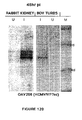
- CSL503 cells infected with this virus readily expressed VP7sc antigen at 24-48hr post infection ( Figure 12A ). With this virus VP7sc expression was also observed in the non-permissive rabbit kidney cell line and in bovine nasal turbinate cells ( Figure 12B ).
- One recombinant virus was also administered to sheep.
- Five sheep were vaccinated intraconjunctivally and intranasally with 0.7x10 8 pfu of OAV203.
- post-inoculation virus was recovered from the nasal swab of one sheep and from the conjunctival swabs of two sheep and confirmed as the recombinant virus by PCR analysis. Animals showed no obvious ill effects from such vaccination.
- the viral vectors of the present invention can be used for the delivery and expression of therapeutic genes in grazing animals.
- the genes may encode vaccine antigens, molecules which promote growth in production animals, molecules which modify production traits by manipulating hormone responses and other biologically active or therapeutic molecules.
- the virus does not replicate productively in many non-ovine cells but the use of heterologous promoters allows the delivery and expression of genes while minimising the possibility of virus spread to a non-target host.
- DNA of adenovirus vectors can persist in cells in an unintegrated form, with the appropriate choice of promoter, expression over a prolonged period can be achieved.
Landscapes
- Health & Medical Sciences (AREA)
- Life Sciences & Earth Sciences (AREA)
- Chemical & Material Sciences (AREA)
- Organic Chemistry (AREA)
- Genetics & Genomics (AREA)
- Zoology (AREA)
- General Health & Medical Sciences (AREA)
- Molecular Biology (AREA)
- Biochemistry (AREA)
- Biophysics (AREA)
- Proteomics, Peptides & Aminoacids (AREA)
- Engineering & Computer Science (AREA)
- Medicinal Chemistry (AREA)
- Gastroenterology & Hepatology (AREA)
- Tropical Medicine & Parasitology (AREA)
- Biomedical Technology (AREA)
- Wood Science & Technology (AREA)
- Virology (AREA)
- Insects & Arthropods (AREA)
- Toxicology (AREA)
- Biotechnology (AREA)
- General Engineering & Computer Science (AREA)
- Bioinformatics & Cheminformatics (AREA)
- Plant Pathology (AREA)
- Microbiology (AREA)
- Physics & Mathematics (AREA)
- Medicines Containing Material From Animals Or Micro-Organisms (AREA)
- Micro-Organisms Or Cultivation Processes Thereof (AREA)
- Medicines That Contain Protein Lipid Enzymes And Other Medicines (AREA)
Abstract
Description
- The present invention relates to new viral vectors derived from a benign adenovirus (OAV287) isolated from sheep in Australia and also discloses the use of these vectors for the delivery and expression of nucleic acid sequences encoding functional RNA molecules or polypeptides to animals.
- Diseases caused by infectious agents and parasite infestations cause health problems and production losses in domestic animals but for many infectious agents no vaccine exists. Consequently, there are major research efforts worldwide to develop new vaccines which can protect against disease.
- While some protective antigens from infectious agents and parasites have been identified, their successful use as vaccines requires the development of systems which can effectively deliver the antigen to the host. A variety of recombinant gene expression vectors derived principally from the pox virus family have been employed as these are generally of low pathogenicity. Expression of the foreign protein following infection by the recombinant viral vector may stimulate a protective immune response in the host.
- However, no viral vector has all the attributes desirable for all situations. Some vectors are better suited to particular tasks than others because of their biological properties. For example, it has often proved difficult to stimulate an effective mucosal immune response which can protect against disease. In humans, adenoviruses have been given orally to vaccinate against respiratory disease (1). As this involves protection at mucosal surfaces adenoviruses clearly have potential in this regard. Human adenovirus vectors have also been used to deliver genes to muscle (2) and other tissues. Although adenoviruses do not generally integrate their DNA into the cellular genome, nevertheless, the DNA persists and long term protein expression is observed. Expression of an appropriate antigen from such cells can generate a systemic immune response which may be protective against the homologous disease causing agent.
- Known adenovirus genomes are linear double-stranded DNA molecules which have an inverted terminal repeat sequence (ITR) at each end and a protein covalently bound to the 5'-terminal C residue (3). The genome sequence and structure has now been completely determined for
human adenoviruses types Human adenovirus type 2 was the first genome to be sequenced but broadly speaking its genome arrangement is conserved among other characterized adenoviruses i.e. early regions E1-E4 and the structural protein homologues can be recognized in similar locations in the genome. In particular, the E1A/E1B region is located at the left hand end of the genome and region E4 is always located at the right hand end of the genome. Early region E3 is always located between the genes for structural proteins pVIII and fiber, although its size and complexity varies between species e.g. from 3kb with at least 10 open reading frames in human adenoviruses to approximately 0.7kb with only two significant open reading frames in murine adenovirus (4, 5). E3 is a key region for the construction of recombinant viruses as it is non-essential for replication in vitro (6). The late, L region is expressed from the major late promoter, MLP and complex splicing generates families of mRNAs which code for most of the structural viral proteins. Proteins IVa2 and IX appear to have their own promoters. - Although there are some human viral vectors available for medical use there are few animal viral vectors suitable for use in veterinary applications. In order to obtain a more suitable animal viral vector the present inventors have purified an ovine adenovirus (OAV287) isolated from sheep in Western Australia. This ovine adenovirus is serologically related to
bovine adenovirus type 7 but is genetically distinct from the bovine adenoviruses and other Australian ovine isolates, as shown by comparisons between the ovine and bovine adenoviruses, based on restriction enzyme profiles (8), The genome arrangement of the virus according to the present invention varies significantly from all other known adenoviruses. The adenoviral DNA molecule of the present invention is suitable for use in viral vectors capable of expressing a variety of polypeptides when used for veterinary applications. - According to the first aspect, the present invention provides a recombinant ovine adenovirus comprising at least one nucleic acid sequence encoding a non-adenoviral polypeptide, wherein the recombinant adenovirus comprises the nucleic acid sequence as shown in
Figure 1 . The nucleic acid sequence encoding the non-adenoviral polypeptide may encode a polypeptide derived from bacteria, viruses, parasites or eukaryotes. The non-adenoviral polypeptide may be rotavirus VP7sc antigen or Trichostrongylus colubriformis 17 kD antigen. The functional element of the ovine adenovirus may be selected from the group consisting of promoter, gene, inverted terminal repeat, viral packaging signal and RNA processing signal. - In a second aspect, the present invention provides a method of delivering a nucleic acid encoding a non-adenoviral polypeptide to a target cell in vitro, the method comprising infecting the target cell with the recombinant ovine adenovirus of the first aspect of the present invention such that the nucleic acid sequence encoding the non-adenoviral polypeptide is expressed by the target cell.
- In a third aspect, the present invention provides the recombinant ovine adenovirus of the first aspect of the present invention for use in delivery of the non-adenoviral polypeptide to an animal. The animal may be a grazing animal, preferably a sheep.
- In a fourth aspect, the present invention provides a recombinant ovine adenovirus (OAV287) of the first aspect of the present invention comprising at least one nucleic acid sequence encoding a functional RNA molecule. The functional RNA molecule may be an antisense RNA molecule, a ribozyme or a messenger RNA molecule.
- In a fifth aspect, the present invention provides a method of delivering a functional RNA molecule to a target cell in vitro, the method comprising infecting the target cell with a recombinant ovine adenovirus of the fourth aspect of the present invention such that the functional RNA molecule is expressed by the target cell.
- In a sixth aspect, the present invention provides the recombinant ovine adenovirus of the fourth aspect of the present invention for use in delivery of the functional RNA molecule to a target cell.
- In a seventh aspect, the present invention provides an isolated DNA molecule derived from an ovine adenovirus of the first aspect of the present invention wherein a non-essential region is deleted or altered.
- In an eighth aspect, the present invention provides an isolated DNA molecule derived from an ovine adenovirus of the first aspect of the present invention, wherein the DNA molecule comprises at least one nucleic acid sequence encoding a non-adenoviral polypeptide, or at least one functional RNA molecule, inserted in a region of the DNA molecule corresponding to the SalI site between nucleotides 28,643 and 28,648 as shown in
Figure 1 . - In a ninth aspect, the present invention provides an isolated DNA comprising an inverted terminal repeat having the nucleic acid base sequence of 1 to 46 as shown in
Figure 1 . - In a tenth aspect, the present invention provides a plasmid comprising the DNA molecule of the seventh, eighth or ninth aspects of the present invention. Preferably, the plasmid further comprises a nucleic acid sequence encoding an origin of replication and a further nucleic acid sequence encoding a marker. Preferably the marker encodes for resistance to an antimicrobial agent. More preferably the antimicrobial agent is ampicillin. Sequences encoding inverted terminal repeats of the adenovirus may be joined.
- In an eleventh aspect, the present invention provides the recombinant ovine adenovirus of the first aspect of the invention for use in delivering a nucleic acid encoding a non-adenoviral polypeptide to a target cell.
- The invention encompasses functionally equivalent nucleic acid sequences to OAV287. As used herein the term "functionally equivalent nucleic acid sequence" is intended to cover minor variations in the ovine adenovirus (OAV287) DNA molecule which, due to degeneracy in the DNA code, does not result in the molecule encoding different viral polypeptides. Further, this term is intended to cover alterations in the DNA code which lead to changes in the encoded polypeptides, but in which such changes do not substantially affect the biological activities of these viral polypeptides.
- As used herein the term "functional element" is intended to cover nucleic acid sequences that encode promoters, genes, inverted terminal repeats, viral packaging signals and RNA processing signals. It will be appreciated by one skilled in the art that unique sequences from ovine adenovirus (OAV287) that encode these functional elements may be useful in other systems including plasmids and non-ovine adenoviral vectors.
- In order that the nature of the present invention may be more clearly understood preferred forms thereof will be described with reference to the following examples and the accompanying drawings.
-
-
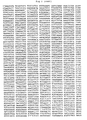
Figure 1 is the nucleic acid sequence of the OAV287 genome beginning atbase 1 of the left-hand ITR. -
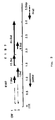
Figure 2 shows the arrangement of OAV287 genes based on homologies detected with Ad2. Regions with question marks are tentative identifications because of the lack of obvious homology. -
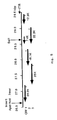
Figure 3 indicates the major open reading frames in the proposed E1 region of OAV287. Asterisks show the location of possible initiation codons. A previously unidentified gene (p28kD) which codes for a processed structural protein is encoded on the complementary strand. -
Figure 4 shows open reading frames in the region of the OAV287 expected to contain E3. However, E3 is missing as the gap between the pVIII and fiber genes is only 197 nucleotides. The site at which the ApaI/NotI polylinker was later inserted is indicated. -
Figure 5 shows the major open reading frames in the probable E3 region of OAV287. Asterisks show the location of potential initiation codons. The SalI site which was modified by end-filling and re-ligation and the alternative site at which a polylinker sequence was later inserted into the genome without loss of infectivity is indicated. -
Figure 6 is a scheme describing the construction of a plasmid (pOAV287Cm) containing a full-length clone of the OAV287 genome with pACYC184 sequences inserted in the SalI site. Filled in regions show OAV287 sequences. Cross-hatched sequences are derived from plasmids pUC13 or Bluescribe M13+ (AmpR), stippled regions from pSELECT (TetR) and open regions from pACYC184(CmR). Only the key restriction sites used for plasmid construction are indicated. -
Figure 7 shows a map of the plasmids pOAV100, pOAV200, pOAV600 and pOAV600S. Arrowheads indicate the ITRs and the approximate location of the major late promoter (MLP). The mutated SalI site and sites at which the ApaI/NotI polylinker sequences were inserted are indicated. Light hatching signifies modified Bluescribe sequences inserted in the KpnI site. Linear, infectious genomes (dark hatching) are released by digestion with KpnI. -
Figure 8 shows the results of screening ovine adenoviruses OAV100 and OAV200 rescued by transfection of recombinant plasmids pOAV100 and pOAV200 into CSL503 cells. Portions of the genome spanning (A) the mutated SphI site in OAV100 and (B) the ApaI/EcoRV/NotI polylinker insertion site in OAV200 were amplified by PCR together with the corresponding regions from wild-type OAV287. The products were digested with SphI (A,lanes 3 & 5) and ApaI, EcoRV or NotI (B, lanes 3-5, and 8-10, respectively). (U) indicates undigested samples. -
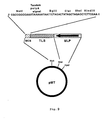
Figure 9 is a map of a plasmid pMT used for the assembly of gene expression cassettes. Fragments containing the OAV287 major late promoter and tripartite leader sequences are linked and precede a multiple cloning site for the insertion of genes of interest. A tandem polyadenylation signal (AATAAA) follows. -
Figure 10 shows a summary of recombinant viruses which have been rescued from the corresponding infectious plasmids and the gene expression cassettes they carry. Cassettes were inserted into the OAV genome between the pVIII and fibre genes as indicated. -
Figure 11 shows the expression of (A) the T. ovis 45W and L. cuprina PM95 antigens in CSL503 cells following infection of these cells with OAV205 and OAV210 viruses, respectively and (B) VP7sc expression in CSL503 and bovine nasal turbinate cells following infection with virus OAV204. (I) Infected cells (U) Uninfected cells. (M) indicates marker proteins of the sizes shown. -
Figure 12 shows expression of VP7sc in (A) CSL503 cells and (B) rabbit kidney and bovine nasal turbinate cells following infection with OAV206 virus. (I) Infected cells. (U) uninfected cells. (M) indicates marker proteins of the sizes shown. - The virus, isolated from sheep in 1985, was obtained from R.L. Peet, Animal Health Laboratory, Department of Agriculture, Western Australia. The virus isolate was grown in sheep foetal lung cells (line CSL503) and twice plaque-purified under solid overlay before stocks were prepared. Virus was purified from CSL503 cells as described previously (18, 22). DNA was extracted from the virus by digestion with proteinase K (23). Cloning of Genome Fragments
- Molecular techniques for manipulation, modification and transformation of plasmid DNA which were used in the work described below are described in (9) and similar publications. OAV287 DNA was digested with various restriction endonucleases including BamHI, SphI, SmaI and SalI to deduce the location of these sites (18).
- The adenovirus genome has a protein covalently linked to each end of the linear dsDNA (24). The BamHI A and D fragments of approximately 8kb and 4kb, respectively, were identified as the terminal genomic fragments because their migration into agarose gels was dependent on the pre-digestion of viral DNA with proteinase K. The internal BamHI fragments B, C, E and F, estimated at 6.2, 5.1, 3.4 and 1.1kb in size respectively, were separated on an agarose gel, recovered and cloned into BamHI-digested pUC13 using standard ligation and transformation procedures (9). To clone the terminal BamHI A and D fragments, viral DNA (10µg) was digested with proteinase K (50µg/ml in 10mM Tris/HCL, pH8.0, containing 1mM EDTA and 0.5% SDS) at 65°C for 60min to remove the terminal protein. The DNA was extracted twice with phenol/chloroform, once with ether and recovered by ethanol precipitation. The 3'ends (of unknown sequence) were then digested exo-nucleolytically with T4 DNA polymerase (5 units, Toyobo, Tokyo, Japan) in the presence of dATP (100µM) in buffer containing Tris HCL (50mM), pH8.0, MgCl2 (7mM), 2-mercaptoethanol (7mM) and BSA (10µg/ml) for 15min at 37°C. The DNA was again purified by phenol extraction and ethanol precipitation described above. To remove the single-stranded terminal regions and create blunt ends the DNA was digested with 1 unit of mung bean nuclease (Pharmacia, North Ryde, Australia) for 10 min at 37°C in buffer containing Na acetate (30mM), pH4.6, NaCl (50mM) and ZnCl2 (1mM) before extraction with phenol/chloroform and recovery by ethanol precipitation. Finally the DNA was digested with BamHI (Pharmacia) and the fragments were separated by electrophoresis in low-melting-point agarose. The BamHI A and D fragments were excised, recovered by NACS column chromatography (BRL, Gaithersburg, Md) and ligated with BamHI/HincII-cut plasmid Bluescribe M13+ (Stratagene, La Jolla, Ca) prior to transformation into E. coli JM109. Positive clones carrying fragments of the expected size were identified, restriction digested and confirmed as correct by nucleotide sequencing and comparison with partial sequence determined directly from genomic DNA. This revealed that three 3'-terminal nucleotides were removed during the cloning procedure. Nucleotide Sequencing of the OAV287 Genome
- The complete sequence of the OAV287 genome was determined by sequencing the BamHI fragments A-F using the Sanger method (25) and various kits provided by commercial suppliers. Nested deletions were constructed for the five largest fragments using a double-stranded nested deletion kit (Pharmacia). These were sequenced using standard primers. Based on newly determined sequence other nucleotide primers were synthesised using a DNA synthesizer (AB1, Model 391). In this way both strands of the entire genome and the junctions between the fragments were sequenced. Mutagenesis of the OAV287 genome
- For the construction of a full length OAV287 clone and subsequent modification of it to create plasmids such as pOAV200 and pOAV600 certain mutations were required. A relevant portion of the genome was subcloned into Bluescribe (Stratagene, La Jolla, Ca) or a similar plasmid which allowed rescue of single stranded DNA. Later it became possible to use dsDNA for mutagenesis. Oligonucleotides of the desired sequence were synthesized, phosphorylated and used as primers as described by the manufacturers of Muta-gene Phagemid (Biorad Labs, Ca) or Altered sites II (Promega, Wi) mutagenesis kits. Mutations were generally identified by digestion with the appropriate restriction enzyme or by nucleotide sequencing, or both. Genome fragments containing introduced mutations were subcloned to create larger plasmids such as pOAV200 using appropriate unique restriction sites.
- The terminal BamHI A and D fragments (cloned in Bluescribe M13+) were each modified by mutagenesis to add the nucleotides lost during cloning and a KpnI site. The last base of the KpnI site incorporated the C at the 5' end of each genomic ITR sequence. This produced plasmids pAK and pDK (
Figure 6 ). - The left hand approximately 21.5kb of the genome was constructed from the BamHI D and B fragments and the SphI A fragment of approximately 13kb. The genomic BamHI B fragment cloned in pUC13 was modified by mutagenesis (GCATGC to GCATCC) to remove the SphI site at position 8287 producing pUC13B. The modified fragment was released by BamHI digestion and cloned into pDK which had been cut with BamHI and dephosphorylated. Colonies carrying the recombinant plasmid pDBM (
Figure 6 ) were identified by screening with an oligonucleotide which spanned the BamHI B/D junction. The SphI A fragment (approximately 13kb) was cloned into the SphI site of pSELECT (Promega) to form pSESPH. This fragment contains a SmaI site near its left hand end which is common to pDBM. The KpnI/SmaI fragment from pDBM was subcloned into pSESPH which had also been cut with KpnI/SmaI to produce pSELLH, a plasmid based on pSELECT which now contained the left-hand approximately 21.5kb of OAV287 DNA. - The right-hand end of the genome was constructed from pAK which contains the right-hand approximately 8.6kb of the genome and overlaps the SphI A fragment. pAK was cut with SalI and ligated with SalI-cut pACYC184, a plasmid of 4.24kb which contains a gene encoding chloramphenicol (Cm) resistance and an origin for DNA replication, to form a pACm (
Figure 6 ). This plasmid was cut with SphI and KpnI to produce the right-hand genomic fragment incorporating the pACYC184 sequences. This was ligated with the left-hand KpnI/SphI fragment of approximately 21.5kb prepared from pSELLH to produce the final plasmid pOAV287Cm (Figure 6 ). This plasmid replicates stably in E. coli and therefore removes the need to propagate the virus to obtain genomic DNA for further study. The recombinant genome in plasmid pOAV287Cm differs from the wild-type viral genome by the single point mutation in the SphI site (base 8287), by the presence of pACYC184 sequences in the SalI site and by the addition of a GTAC sequence between the ITRs. However, insertion of pACYC184 sequences in the SalI site disrupts two significant open reading frames whose functions are unknown. If either of the gene products was essential for replication, then pOAV287Cm could not produce infectious virus following transfection. To circumvent this potential problem pOAV287Cm was modified further. First, plasmid Bluescribe M13- (Stratagene, La Jolla, Ca.) was cut with HindIII and end-filled. The linear plasmid was then cut with SmaI, blunt-end ligated and transformed. The resulting plasmid contained an ampicillin resistance gene and origin of replication and lacked SalI and SphI sites but retained a unique KpnI site. This plasmid was cut with KpnI and ligated with KpnI-cut pOAV287Cm. Plasmids which were doubly resistant to ampicillin and chloramphenicol were selected and grown. One of these was cut with SalI to release the pACYC184 sequences, religated and transformed. The resulting plasmid pOAV100 contained the AmpR gene and replication Ori inserted in the KpnI site between the ITR's of the genome (Figure 7 ). This plasmid replicated stably in E. coli strain JM109 when maintained in the presence ampicillin (200µg/ml). Large quantities of plasmid were grown for transfection studies. Transfection of DNA and Virus rescue - To determine whether the recombinant genomic clone was infectious, pOAV100 was cut with KpnI to release the linear viral genome and DNA was transfected into CSL503 sheep foetal lung cells using lipofectamine (GibcoBRL). Solution (A) containing plasmid DNA (2-10µg) and 300µl EMEM (containing hepes + glutamine), but lacking foetal calf serum (FCS) and solution (B) containing lipofectamine (10µl) + 300µl EMEM (containing hepes + glutamine), but lacking FCS were combined, mixed gently and incubated for 45 minutes at room temperature. Subconfluent CSL503 cells in a 60mm petri dish were rinsed with 3ml EMEM (plus hepes and glutamine) lacking FCS. EMEM (plus hepes and glutamine) but lacking FCS (2.4ml) was added to the mixture of solutions A and B, mixed gently and added to the rinsed CSL503 cells. Cells were incubated for 5 hours at 37°C in 5% CO2. The incubation medium was changed using complete EMEM plus FCS (10%) and cells were incubated at 37°C in 5% CO2 until virus plaques or cytopathic effect was visible (7-15 days).
- To confirm that viruses rescued from transfection of pOAV100 and pOAV200 were derived from those plasmids a portion of the genome of wild-type OAV287, OAV100 and OAV200 viruses was amplified by PCR. For OAV100 a primer pair spanning the region of the mutated SphI site at bases 8287-8292 was used. For OAV200 the primer pair spanned the insertion site for the ApaI/NotI polylinker between the pVIII and fiber genes. Wild-type OAV287 DNA was amplified as a control in each case. DNA amplified from wild-type OAV287 was cut with SphI whereas the DNA amplified from OAV100 was not (
Figure 8A ). Similarly OAV200 DNA was cut with ApaI, EcoRV and NotI whereas OAV287 DNA was not (Figure 8B ). Other viruses were similarly characterised by restriction enzyme digestion. Identification of MLP/TLS elements and Construction of pMT - OAV287 TLS elements were identified as follows and as described (17). mRNAs present in OAV287-infected CSL503 cells were copied into cDNA by reverse transcription using primers complementary to the IIIa or fiber genes. A primer thought to fall within
TLS exon 1 was then paired with each cDNA primer for PCR. DNA was successfully amplified, cloned and sequenced. This identifiedTLS exons 2 and 3 (which correspond to bases 8083-8145 and 8350-8412 ofFigure 1 , respectively) and the 3' boundary ofTLS exon 1 which occurs at base 5044 ofFigure 1 . A second PCR strategy was then used to obtain MLP and TLS fragments suitable for assembly into pMT. The region inFigure 1 between nucleotides 4861 and 5023, thought to contain the MLP was amplified by PCR using a plus sense primer which added an ApaI sequence at the 5' end and a 3' minus sense primer which introduced an NdeI site by point mutation at base 5012. Similarly, the TLS was amplified using a plus sense primer which introduced the NdeI site at base 5012 and a minus sense primer which was complementary to bases 8396-8412 and which added a HindIII site at the 3' end of the PCR product. The PCR fragments were digested with ApaI/NdeI and NdeI/HindIII, respectively and the fragments were cloned into Bluescript SK+ (Stratagene) cut with ApaI/HindIII. The resulting plasmid was then digested with HindIII/NotI and a synthetic oligonucleotide with HindIII/NotI termini and the sequence shown inFigure 9 was cloned to produce plasmid pMT. Genes of interest were then cloned into convenient restriction sites in the NCS. Gene expression cassettes were subcloned as ApaI/NotI fragments into pOAV200 or rescued into infectious virus. - CSL503 and other cells were infected with viruses at a multiplicity of infection of 20pfu/cell as described previously (21). Infection was allowed to proceed for 24-60 hr. Cells were then incubated in methionine-free medium in the presence of 35S-methionine to label newly synthesized proteins. The protein of interest was recovered from cell lysates by immunoprecipitation using a specific antiserum against the expressed protein (21). Recovered proteins were analysed by polyacrylamide gel electrophoresis and detected by autoradiography or using a phophorimager (Molecular Dynamics).
- To characterise the genome in molecular terms, BamHI restriction fragments representing the entire OAV287 genome were cloned into various plasmids and sequenced using methods described in Sambrook (9) and similar publications. Sequences were determined on both strands by using nested sets of deletion mutants together with synthetic oligonucleotide primers which were synthesized from newly determined sequences.
- The viral sequence of 29,544 nucleotides (
Figure 1 ) is considerably shorter (by approximately 6.5kb) than the sequence for human adenoviruses but many genes encoding structural proteins are identified by their homology with their Ad2 homologues (Figure 2 ). It is clear, however, that the ovine adenovirus genome shows major structural and sequence variations compared with all other adenoviruses studied to date (Figure 2 ), in the regions encoding both structural and non-structural proteins. In particular, - (a) the reading frames tentatively identified as forming the E1A/B regions are named principally on the basis of their location in the genome. Very limited homology can be detected between the 44.5kD open reading frame (orf) and the large T E1B protein of other adenoviruses. Homology in the putative E1A region of OAV287 has not so far been detected;
- (b) in other adenoviruses the E4 region is normally located at the right-hand end of the genome. The OAV287 E4? region is tentatively identified based only on the presence of a protein sequence motif HCHC..PGSLQC which is found in 18.8kD and 30.85kD orfs in this region. Identical or very similar motifs are found in the E4 34kD protein of human Ad2 and Ad40 and mouse adenoviruses;
- (c) the distance between the end of pVIII and the beginning of fiber, which in other viruses defines the E3 region, is only 197 nucleotides (
Figure 4 ). The E3 region equivalent, if it exists in ovine adenovirus, may consist of the cluster of open reading frames which are present in the right to left orientation on the complementary DNA strand, at the right-hand end of the genome (Figures 2 and5 ). However, these sequences show no detectable homology with any other adenovirus and the functions of these proteins cannot be deduced from such comparisons; - (d) there is a region of approximately 1kb which lies between E3? and E4? which has a very high A/T content (70.2%) (
Figure 1 ). As there are no open reading frames encoding greater than approximately 30 amino acids in length on either DNA strand it is unlikely that the region codes for any proteins, unless mRNAs are generated by very complex splicing events. This region has no known equivalent in any other adenovirus; - (e) other differences are apparent in the structural proteins of the virus. OAV287 lacks homologues of Ad2 proteins V and IX. However, OAV287 has a completely new gene coding for p28kD which is located on the complementary strand of the E1A? region (
Figure 2 and3 ). This is a structural protein with an apparent size of 28kD by SDS PAGE which, according to N-terminal sequencing data, is cleaved from a larger precursor. No homology between this protein and others in the databases has been detected; - (f) in most other genomes the VA RNA genes are located between the Terminal protein and the 52/55k genes. In OAV287 there is no room for them as the reading frames overlap.
- These differences serve to emphasize the unique character of the OAV287 isolate compared with other human and animal adenoviruses. In addition, since the OAV287 non-structural regions show little or no homology with equivalent regions in other adenoviruses, sequence comparisons do not reveal the identity of likely non-essential regions of the genome. Moreover the viral DNA cannot easily be manipulated to test for dispensable sequences.
- The present inventors have produced a plasmid containing a full length infectious copy of an ovine adenovirus genome in which the ITR sequences are linked by a short sequence which creates a unique restriction enzyme site. A plasmid containing a full length infectious copy of an ovine adenovirus genome linked to a bacterial origin for DNA replication and a marker gene has been produced. Partial clones of OAV287 genomic DNA were specifically modified and initially linked to a gene encoding antibiotic resistance and origin of replication inserted into the unique SalI site of the genome (
Figure 6 and see Methods). Such a plasmid can be grown in bacteria and more easily manipulated. - The circular genomic clone differs from the naturally occurring circles that occur in Ad5-infected cells (10) and that might exist in OAV287-infected cells in that the 40 base pair ITRs are joined by a GTAC linker. Together with the last and first nucleotides of the genome (G and C, respectively, see
Figure 1 ), this sequence forms a unique KpnI site (GGTACC) when the ITRs are joined head to tail. Other sites such as EcoRI, BamHI, SalI, KasI etc which have recognition sequences beginning with G and ending with C are suitable if they are unique as the 3' and 5' terminal nucleotides of other adenovirus genomes are G and C, respectively. A plasmid with a suitable antibiotic resistance gene e.g. ampR and origin of replication can be inserted at the unique site or elsewhere in the genome to form a plasmid which can be propagated in bacteria. Plasmids propagated in the presence of 200 µg/ml ampicillin in E.coli strains JM109 and DH5-alpha retain the KpnI sites and inserted sequences, indicating that the OAV287 ITR sequences are stable when linked in this manner. This approach may therefore be used to engineer other adenovirus genomes. If desired the GTAC linker sequence can be removed and the authentic termini regenerated prior to transfection by digestion with KpnI (or another appropriate enzyme) and incubation with T4 DNA polymerase to create blunt ends (9). - A method for generating linear infectious genomes from circular plasmids involved digesting the circular plasmid containing the full length copy of the OAV287 genome with restriction enzyme KpnI to generate a genome with the authentic 5' nucleotide dCMP. The linear DNA is then introduced into CSL503 cells using lipofectamine as the transfecting reagent.
- To develop a viral genome as a vector it is essential to identify region(s) of the genome which are non-essential for function. These regions can be then substituted or deleted to make room for foreign DNA (11, 12), or they may be the site for insertion of foreign DNA. In the human adenovirus genome DNA has been substituted or inserted into the E1 and E3 regions (13, 14, 15) and at the extreme right-hand end of the genome between E4 and ITR, usually with the concomitant deletion of non-essential regions to facilitate packaging of the genome (16). Adenoviruses will package genomes up to ~6% larger than the wild-type, probably due to physical constraints dictated by the capsid structure (11).
- Non-essential sites in the OAV287 genome were identified by insertion of a polylinker sequence containing ApaI and NotI restriction sites. This linker was introduced into the genome copy in pOAV100 between nucleotides 22,139 and 22,130 of
Figure 1 by site directed mutagenesis to create plasmid pOAV200 (Figure 7 ). This corresponds to a site located in the intergenic region between genes for the pVIII and fiber proteins which was chosen because it avoids disruption of RNA processing signals in the region. A transcription termination site for the L4 family of RNAs maps 26 nucleotides upstream and the splice junction between
the tripartite leader sequences and fiber mRNA maps 144 nucleotides downstream of the insertion site, respectively (17). Transfection of pOAV200 into CSL503 cells resulted in the rescue of virus OAV200. The second site at which the polylinker was inserted was located between bases 26,645 and 26,646 ofFigure 1 . This created plasmid pOAV600 (Figure 7 ). This insertion site corresponds to the right hand end of the A/T-rich region (Figure 2 ) whose function and precise boundaries are unknown. The site was chosen as it is six nucleotides to the left of the transcription termination point for RNAs transcribed from right to left from the E3? region (Figure 2 ). This was determined by sequencing cloned RT-PCR-amplified cDNAs derived from the region using methods similar to those described for the pVIII/fiber region (17). Transfection of pOAV600 into CSL503 cells yielded virus OAV600. - The above insertion strategy identified two regions of the genome which can be interrupted and created sites for subcloning gene expression cassettes.
- A further non-essential site was identified using the unique SalI site located at bases 28644-28649 of
Figure 1 . The site was cut with SalI, end-filled and religated to disrupt the reading frames which spanned the site. A plasmid pOAV600S (Figure 7 ), which had lost the site was identified by digestion with SalI. When pOAV600S was transfected into CSL503 cells, virus OAV600S was recovered. The loss of the SalI site in this virus was confirmed by digesting the viral genome with SalI. As the SalI site falls within two significant open reading frames (which extend on the complementary strand between bases 28457 and 29014 and between 28511 and 28699), which were disrupted by end-filling and religation, the gene products derived from the reading frames are probably also dispensable. This group of reading frames may therefore constitute the E3 region of OAV287 as no other gene products in any adenovirus are dispensable for replication, in vitro. This implies that it should be possible to delete the whole region labelled as E3? inFigure 2 . In addition, in other experiments a 1kb NdeI fragment was deleted from the region marked as E4? inFigure 2 . This deletion disrupted several reading frames in the region. No virus has been rescued from a such a plasmid, suggesting that it is not dispensable and accordingly, it may be E4. - Many viruses replicate incompletely in heterologous hosts, often entering cells but being unable to produce mature virus particles because of a block in the replication cycle. In the context of recombinant viral vectors, this represents a desirable safety feature, provided that replication is not blocked before appropriate and effective expression of the foreign gene occurs. OAV287 does not replicate productively in heterologous cell types (18), the only exception so far being bovine nasal turbinate cells in which viral titres are significantly reduced compared with the CSL503 cells. Recombinant forms of OAV287 have been constructed to determine whether expression of a reporter gene under the control of an appropriate promoter occurs.
- Foreign gene expression requires that the gene be functionally linked to a promoter. This may be a viral promoter inherent in the genome, or a foreign promoter subcloned together with the gene of interest into a suitable site. The promoter driving gene expression must function in CSL503 and preferably a range of other cell types. In this work an OAV287 genomic promoter was used initially. Subsequently an heterologous promoter was also used. In adenoviruses, expression of the structural proteins is driven by the major late promoter (MLP). Families of RNA transcripts derived from the MLP contain a common sequence element, the tripartite leader sequence (TLS) at their 5' ends. The present inventors have identified those nucleotides in the OAV287 genome which comprise the TLS by using RT-PCR amplification of late mRNA transcripts present in OAV287-infected cells and sequencing of cloned cDNAs (17). A candidate MLP was expected to be present just to the left of TLS exon 1 (
Figure 2 ). The MLP and TLS elements were subcloned using PCR techniques into a separate plasmid pMT (Figure 9 ) and linked with genes of interest. These promoter/gene cassettes were subcloned as ApaI/NotI fragments into the polylinker ApaI/NotI sites of pOAV200. Using this strategy plasmids pOAV203, pOAV204, pOAV205 and pOAV210 were constructed. These incorporate genes encoding a 17kD soluble protein from T. colubriformis, a rotavirus VP7sc gene (19), the 45W antigen from Taenia ovis (20) and a membrane protein (PM95) from Lucilia cuprina, respectively. Plasmid pOAV202, contained the 17kD antigen but lacked the MLP/TLS elements. These plasmids were transfected into CSL503 cells and rescued as viruses OAV202, OAV203, OAV204, OAV205 and OAV210, respectively (Figure 10 ). - The human cytomegalovirus immediate early IE94 promoter plus enhancer, which functions in a range of human and animal cell types (21), was also linked to the rotavirus VP7sc antigen gene. This cassette was assembled by replacing the MLP/TLS elements in pMT/VP7sc with the HCMV enhancer-promoter region. The cassette was inserted in pOAV200 to create pOAV206. pOAV206 was transfected into CSL503 cells and virus OAV206 was rescued (
Figure 10 ). - CSL503 and other cells were infected with the viruses described above and at various times post-infection the cells were radiolabelled with 35S-methionine. Proteins of interest were recovered from cell lysates by immunoprecipitation using an appropriate antiserum. Recovered proteins were analysed by polyacrylamide gel electrophoresis and detected by autoradiography.
- When virus OAV202 was used, no expression of the T. coulbriformis 17kD antigen was observed by immunofluorescence. As this virus lacks the MLP/TLS elements and carries only the 17kD gene this result demonstrates that there is no viral promoter upstream or adjacent to the insertion point between the pVIII and fiber genes which is capable of driving gene expression. As the E3 region is also missing from this site there is no requirement for a nearby promoter. This situation contrasts with observations made using a human Ad5 E3 recombinant (21). In this case a promoterless gene inserted 3' proximal to the pVIII gene was expressed, probably from the adjacent E3 promoter or the upstream MLP (15, 21). This result further emphasizes the unique nature of the OAV287 genome. Recombinant OAV287 viruses carrying the MLP/TLS elements were tested for expression in CSL503 cells. With OAV204, expression was easily detected in infected, but not in uninfected cells at 24hr post-infection (
Figure 11A ). Similarly, when viruses OAV205, and OAV210 were tested, gene products of 24kD and approximately 95kD, respectively were detected (Figure 11B ). Therefore it is clear that MLP/TLS elements contain the necessary information to drive gene expression in the homologous cell line under replication-permissive conditions. However, when OAV204 was tested in a heterologous rabbit kidney cell line in which the virus does not replicate productively, no VP7sc expression was observed. Some replication occurs in bovine nasal turbinate cells, although to a lower titre than in CSL503 cells. In the latter cells, expression of VP7sc was detected following infection with OAV204 (Figure 11B ). - Virus OAV206 containing the HCMV enhancer/promoter element linked to the VP7sc gene was used to examine the function of a heterologous promoter in the context of the OAV287 genome. CSL503 cells infected with this virus readily expressed VP7sc antigen at 24-48hr post infection (
Figure 12A ). With this virus VP7sc expression was also observed in the non-permissive rabbit kidney cell line and in bovine nasal turbinate cells (Figure 12B ). These results suggest that the HCMV or a similar constitutive promoter may be preferred over the MLP to drive gene expression in OAV recombinants in non-permissive cells. - One recombinant virus was also administered to sheep. Five sheep were vaccinated intraconjunctivally and intranasally with 0.7x10⁸ pfu of OAV203. At three days post-inoculation virus was recovered from the nasal swab of one sheep and from the conjunctival swabs of two sheep and confirmed as the recombinant virus by PCR analysis. Animals showed no obvious ill effects from such vaccination.
- The viral vectors of the present invention can be used for the delivery and expression of therapeutic genes in grazing animals. In species which are not normally infected by ovine adenoviruses the lack of pre-existing immunity should allow efficient infection, gene delivery and expression. The genes may encode vaccine antigens, molecules which promote growth in production animals, molecules which modify production traits by manipulating hormone responses and other biologically active or therapeutic molecules. The virus does not replicate productively in many non-ovine cells but the use of heterologous promoters allows the delivery and expression of genes while minimising the possibility of virus spread to a non-target host. As the DNA of adenovirus vectors can persist in cells in an unintegrated form, with the appropriate choice of promoter, expression over a prolonged period can be achieved.
-
- 1. R. B. Couch, et al., Am Rev Resp Dis 88, 394-403 (1963).
- 2. T. Ragot, et al., Nature 361, 647-650 (1993).
- 3. M. S. Horwitz, in Virology B. N. Fields, D. M. Knipe, Eds. (Raven Press, New York, 1990) pp. 1679-1721.
- 4. W. S. M. Wold, L. R. Gooding, Virology 184, 1-8 (1991).
- 5. K. S. Raviprakash, A. Grunhaus, M. A. El Kholy, M. S. Horwitz, J Virol 63, 5455-5458 (1989).
- 6. A. M. Lewis, et al., J Virol 11, 655-664 (1973).
- 7. R. L. Peet, W. Coackley, D. A. Purcell, C. W. Robartson, B. M. Micke, ).
- 8. M. Benko, A. Bartha, G. Wadell, Intervirol 29, 346-350 (1988).
- 9. J. Sambrook, E. F. Fritsch, T. Maniatis, Eds., Molecular Cloning: A Laboratory Manual (Cold Spring Harbor Laboratory Press, Cold Spring Harbor, 1989).
- 10. F. L. Graham, ).
- 11. F. L. Graham, L. Prevec, in Methods in Molecular Biology E. J. Murray, J. M. Walker, Eds. (Humana Press, Clifton, NJ, 1991), vol. 7, pp. 1-19.
- 12. F. L. Graham, L. Prevec, in Vaccines: New approaches to immunological problems R. W. Ellis, Ed. (Butterworth-Heinemann, Stoneham, Ma, 1992) pp. 363-390.
- 13. M. Levrero, et al., GENE (Amst) 101, 195-202 (1991).
- 14. J. E. Morin, et al., Proc. Natl. Acad. Sci. USA 84, 4626-4630 (1987).
- 15. G. W. Both, et al., Virology 193, 940-950 (1993).
- 16. P. K. Chanda, et al., Virology 175, 535-547 (1990).
- 17. S. V. Vrati, D. B. Boyle, R. Koekerhans, G. W. Both, Virology 209, In press, (1995).
- 18. D. B. Boyle, et al., Vet Microbiol 41, 281-291 (1994).
- 19. M. E. Andrew, et al., J Virol 64, 4776-4783 (1990).
- 20. K. S. Johnson, et al., Nature 338, 505-587 (1989).
- 21. Z. Z. Xu, V. Krougliak, L. Prevec, F. L. Graham, G. W. Both, J gen Virol In Press, (1995).
- 22. S. H. Larsen, H. D, Virology 82, 182-195 (1977).
- 23. E. Nakano, D. Panicali, E. Paoletti, Proc Natl Acad Sci USA 79, 1593-1596 (1982).
- 24. D. M. K. Rekosh, W. C. Russell, A. J. D. Bellet, A. J. Robinson, Cell 11, 2B3-295 (1977).
- 25. F. Sanger, S. Nicklen, A. R. Coulson, Proc Natl Acad Sci USA 74, 5463-5467 (1977).
-
- (1) GENERAL INFORMATION:
- (i) APPLICANT: Commonwealth Scientific and Industrial Research Organisation
- (ii) TITLE OF INVENTION: DNA encoding ovine adinovirus (OAV287) and its use as a viral vector
- (iii) NUMBER OF SEQUENCES: 1
- (iv) CORRESPONDENCE ADDRESS:
- (A) ADRESSEE: Kilburn & Strode
- (B) STREET: 30 John Street
- (C) CITY: London
- (E) COUNTRY: United Kingdom
- (F) ZIP: WC1N 2DD
- (v) COMPUTER READABLE FORM:
- (A) MEDIUM TYPE: Floppy disk
- (B) COMPUTER: IBM PC compatible
- (C) OPERATING SYSTEM :PC-DOS/MS-DOS
- (D) SOFTWARE: PatentIn Release #1.24
- (vi) CURRENT APPLICATION DATA:
- (A) APPLICATION NUMBER
- (B) FILING DATE/ 26-JUL-1995
- (C) CLASSIFICATION:
- (viii) ATTORNEY/AGENT INFORMATION:
- (A) NAME:
- (C) REFERENCE/DOCKET NUMBER: P20032EP
- (ix) TELECOMMUNICATION INFORMATION:
- (A) TELEPHONE: 44171 242 8291
- (2) INFORMATION FOR SEQ ID NO:1:
- (i) SEQUENCE CHARACTERISTICS:
- (A) LENGHT: 29544 base pairs
- (B) TYPE: nucleic acid
- (C) STRANDEDNESS: single
- (D) TOPOLOGY: linear
- (ii) MOLECULE TYPE: DNA (genomic)
- (xi) SEQUENCE DESCRIPTION: SEQ ID NO:1:


- (i) SEQUENCE CHARACTERISTICS:
Claims (18)
- A recombinant ovine adenovirus comprising at least one nucleic acid sequence encoding a non-adenoviral polypeptide, wherein the recombinant adenovirus comprises the nucleic acid sequence as shown in Figure 1.
- A recombinant ovine adenovirus according to claim 1, wherein the nucleic acid sequence encoding the non-adenoviral polypeptide encodes a polypeptide derived from bacteria, viruses, parasites or eukaryotes.
- A recombinant ovine adenovirus according to claim 2, wherein the non-adenoviral polypeptide is rotavirus VP7sc antigen or Trichostrongylus colubriformis 17 kD antigen.
- A method of delivering a nucleic acid encoding a non-adenoviral polypeptide to a target cell in vitro, the method comprising infecting the target cell with a recombinant ovine adenovirus according to any one of claims 1 to 3 such that the nucleic acid sequence encoding the non-adenoviral polypeptide is expressed by the target cell.
- A recombinant ovine adenovirus according to any one of claims 1 to 3 for use in delivery of the non-adenoviral polypeptide to an animal.
- The recombinant ovine adenovirus according to claim 5, wherein the animal is a grazing animal.
- The recombinant ovine adenovirus according to claim 6, wherein the grazing animal is a sheep.
- A recombinant ovine adenovirus according to claim 1 comprising at least one nucleic acid sequence encoding a functional RNA molecule.
- A recombinant ovine adenovirus according to claim 8, wherein the functional RNA molecule is an antisense RNA molecule or a ribozyme.
- A method of delivering a functional RNA molecule to a target cell in vitro, the method comprising infecting the target cell with a recombinant ovine adenovirus according to claim 8 or claim 9 such that the functional RNA molecule is expressed by the target cell.
- A recombinant ovine adenovirus according to claim 8 or claim 9 for use in delivery of the functional RNA molecule to a target cell.
- An isolated DNA molecule derived from an ovine adenovirus as claimed in claim 1, wherein a non-essential region is deleted or altered.
- An isolated DNA molecule derived from an ovine adenovirus as claimed in claim 1, wherein the DNA molecule comprises at least one nucleic acid sequence encoding a non-adenoviral polypeptide, or at least one functional RNA molecule, inserted in a region of the DNA molecule corresponding to the SalI site between nucleotides 28,643 and 28,648 as shown in Figure 1.
- An isolated DNA molecule comprising an inverted terminal repeat having the nucleic acid base sequence of 1 to 46 as shown in Figure 1.
- A plasmid comprising the DNA molecule according to any one of claims 12 to 14.
- A plasmid according to claim 15 which further comprises a nucleic acid sequence encoding an origin of replication and a further nucleic acid sequence encoding a marker.
- A plasmid according to claim 16, wherein the marker encodes for resistance to an antimicrobial agent.
- A recombinant ovine adenovirus according to any one of claims 1 to 3 for use in delivering a nucleic acid encoding a non-adenoviral polypeptide to a target cell.
Applications Claiming Priority (3)
| Application Number | Priority Date | Filing Date | Title |
|---|---|---|---|
| AUPM7101/94 | 1994-07-26 | ||
| AUPM7101A AUPM710194A0 (en) | 1994-07-26 | 1994-07-26 | Virus vector |
| PCT/AU1995/000453 WO1996003508A1 (en) | 1994-07-26 | 1995-07-26 | Dna encoding ovine adenovirus (oav287) and its use as a viral vector |
Publications (3)
| Publication Number | Publication Date |
|---|---|
| EP0774002A1 EP0774002A1 (en) | 1997-05-21 |
| EP0774002A4 EP0774002A4 (en) | 1999-01-13 |
| EP0774002B1 true EP0774002B1 (en) | 2008-07-02 |
Family
ID=3781624
Family Applications (1)
| Application Number | Title | Priority Date | Filing Date |
|---|---|---|---|
| EP95925667A Expired - Lifetime EP0774002B1 (en) | 1994-07-26 | 1995-07-26 | Dna encoding ovine adenovirus (oav287) and its use as a viral vector |
Country Status (9)
| Country | Link |
|---|---|
| EP (1) | EP0774002B1 (en) |
| CN (1) | CN100392083C (en) |
| AT (1) | ATE399864T1 (en) |
| AU (1) | AUPM710194A0 (en) |
| CA (1) | CA2195539A1 (en) |
| DE (1) | DE69535784D1 (en) |
| DK (1) | DK0774002T3 (en) |
| NZ (1) | NZ289785A (en) |
| WO (1) | WO1996003508A1 (en) |
Families Citing this family (10)
| Publication number | Priority date | Publication date | Assignee | Title |
|---|---|---|---|---|
| AU2002313348B2 (en) * | 1995-02-13 | 2006-12-07 | Centelion S.A.S. | Method for preparing a recombinant adenovirus genome |
| AUPN477695A0 (en) * | 1995-08-14 | 1995-09-07 | Commonwealth Scientific And Industrial Research Organisation | Gene therapy |
| JP2000507449A (en) * | 1996-03-29 | 2000-06-20 | ユニバーシティ オブ オタゴ | Parapox virus vector |
| IL124567A (en) * | 1998-05-20 | 2008-08-07 | Abic Biolog Lab Ltd | Hemorrhagic enteritis virus dna sequences, proteins encoded thereby and various uses thereof |
| CA2364492C (en) * | 1999-03-01 | 2014-08-19 | Commonwealth Scientific And Industrial Research Organisation | Regulatory constructs comprising intron 3 of prostate specific membrane antigen gene |
| DE10001390A1 (en) | 2000-01-14 | 2001-07-19 | Hepavec Ag Fuer Gentherapie | Cell line for the production and production of sheep adenovirus vectors |
| AUPR426801A0 (en) * | 2001-04-06 | 2001-05-17 | Commonwealth Scientific And Industrial Research Organisation | Improved ovine adenovirus vector |
| AUPR518501A0 (en) | 2001-05-22 | 2001-06-14 | Unisearch Limited | Yin yang-1 |
| CA2469623C (en) | 2001-12-12 | 2012-05-29 | F H Faulding & Co Limited | Composition for the preservation of viruses |
| AUPS145602A0 (en) * | 2002-03-28 | 2002-05-09 | Commonwealth Scientific And Industrial Research Organisation | Composition and method for killing tumours |
Family Cites Families (2)
| Publication number | Priority date | Publication date | Assignee | Title |
|---|---|---|---|---|
| US4888169A (en) * | 1986-10-14 | 1989-12-19 | Norden Laboratories, Inc. | Bordetella Bronchiseptica vaccine |
| GB9003791D0 (en) * | 1990-02-20 | 1990-04-18 | Ludwig Inst Cancer Res | Transgenic animals,cell lines therefrom,and their use |
-
1994
- 1994-07-26 AU AUPM7101A patent/AUPM710194A0/en not_active Abandoned
-
1995
- 1995-07-26 WO PCT/AU1995/000453 patent/WO1996003508A1/en not_active Ceased
- 1995-07-26 EP EP95925667A patent/EP0774002B1/en not_active Expired - Lifetime
- 1995-07-26 DK DK95925667T patent/DK0774002T3/en active
- 1995-07-26 DE DE69535784T patent/DE69535784D1/en not_active Expired - Lifetime
- 1995-07-26 CA CA002195539A patent/CA2195539A1/en not_active Abandoned
- 1995-07-26 NZ NZ289785A patent/NZ289785A/en not_active IP Right Cessation
- 1995-07-26 AT AT95925667T patent/ATE399864T1/en not_active IP Right Cessation
- 1995-07-26 CN CNB951952684A patent/CN100392083C/en not_active Expired - Fee Related
Non-Patent Citations (3)
| Title |
|---|
| BOYLE B. ET AL: 'Characterization of Australian ovine adenovirus isolates', Vet. Microbiol. 1994 41(3) p 281-91 * |
| LEMARCHAND P. ET AL: 'In vivo adenovirus-mediated gene transfer to lungs via pulmonary artery', J. appl.Physiol. 1994 76(6) p.2840-2845 * |
| NICHOLSON B.H.: 'Synthetic vaccines', 1994 Blackwell Scientific Publ (Oxford) p. 346-361 * |
Also Published As
| Publication number | Publication date |
|---|---|
| AUPM710194A0 (en) | 1994-08-18 |
| EP0774002A4 (en) | 1999-01-13 |
| CN1161715A (en) | 1997-10-08 |
| WO1996003508A1 (en) | 1996-02-08 |
| CA2195539A1 (en) | 1996-02-08 |
| CN100392083C (en) | 2008-06-04 |
| NZ289785A (en) | 1998-06-26 |
| DE69535784D1 (en) | 2008-08-14 |
| DK0774002T3 (en) | 2008-10-20 |
| ATE399864T1 (en) | 2008-07-15 |
| EP0774002A1 (en) | 1997-05-21 |
Similar Documents
| Publication | Publication Date | Title |
|---|---|---|
| US6020172A (en) | Nucleic acid delivery with ovine adenoviral vectors | |
| AU623913B2 (en) | Fowlpox virus non-essential regions | |
| EP0736100B1 (en) | Recombinant protein production in bovine adenovirus expression vector system | |
| US5182210A (en) | Fowlpox virus promoters | |
| KR101006594B1 (en) | Stable adenovirus vector and its propagation method | |
| US6083716A (en) | Chimpanzee adenovirus vectors | |
| Vrati et al. | Unique genome arrangement of an ovine adenovirus: identification of new proteins and proteinase cleavage sites | |
| Parker et al. | Protection of cattle from BHV-1 infection by immunization with recombinant glycoprotein gIV | |
| PT919627E (en) | NEW CELLULAR LINES OF COMPLEMENTATION FOR DEFECTIVE ADENOVARY VECTORS | |
| US7037712B2 (en) | DNA encoding ovine adenovirus (OAV287) and its use as a viral vector | |
| Ostrove et al. | Transcription mapping of the varicella-zoster virus genome | |
| EP0774002A1 (en) | Dna encoding ovine adenovirus (oav287) and its use as a viral vector | |
| Kowalski et al. | Heat-shock promoter-driven synthesis of secreted bovine herpesvirus glycoproteins in transfected cells | |
| EP0397560A2 (en) | Spheroidin DNA isolate and recombinant entomopoxvirus expression vectors | |
| KR950001993B1 (en) | Method for preparing hepatitis B surface antigen | |
| AU770005B2 (en) | Selective regulation of adenovirus production | |
| AU686844B2 (en) | DNA encoding ovine adenovirus (OAV287) and its use as a viral vector | |
| Baxi et al. | Transcription map and expression of bovine herpesvirus-1 glycoprotein D in early region 4 of bovine adenovirus-3 | |
| Sheppard et al. | The major late promoter and bipartite leader sequence of fowl adenovirus | |
| Baxi et al. | Mutational analysis of early region 4 of bovine adenovirus type 3 | |
| US5338679A (en) | Vertebrate poxvoris expression vector under the control of entomopoxvirus spheroidin gene promoter | |
| Asselbergs et al. | Analysis of expression of adenovirus DNA (fragments) by microinjection in Xenopus oocytes: Independent synthesis of minor early region 2 proteins | |
| HUP0103871A2 (en) | Recombinent celo virus and celo virus dna | |
| Vos et al. | Characterization of adenovirus type 5 insertion and deletion mutants encoding altered DNA binding proteins | |
| Hall et al. | TheAmsacta mooreiEntomopoxvirus Spheroidin Gene Is Improperly Transcribed in Vertebrate Poxviruses |
Legal Events
| Date | Code | Title | Description |
|---|---|---|---|
| PUAI | Public reference made under article 153(3) epc to a published international application that has entered the european phase |
Free format text: ORIGINAL CODE: 0009012 |
|
| 17P | Request for examination filed |
Effective date: 19970206 |
|
| AK | Designated contracting states |
Kind code of ref document: A1 Designated state(s): AT BE CH DE DK FR GB IT LI NL SE |
|
| A4 | Supplementary search report drawn up and despatched |
Effective date: 19981127 |
|
| AK | Designated contracting states |
Kind code of ref document: A4 Designated state(s): AT BE CH DE DK FR GB IT LI NL SE |
|
| 17Q | First examination report despatched |
Effective date: 20010330 |
|
| GRAP | Despatch of communication of intention to grant a patent |
Free format text: ORIGINAL CODE: EPIDOSNIGR1 |
|
| GRAC | Information related to communication of intention to grant a patent modified |
Free format text: ORIGINAL CODE: EPIDOSCIGR1 |
|
| GRAF | Information related to payment of grant fee modified |
Free format text: ORIGINAL CODE: EPIDOSCIGR3 |
|
| GRAS | Grant fee paid |
Free format text: ORIGINAL CODE: EPIDOSNIGR3 |
|
| GRAA | (expected) grant |
Free format text: ORIGINAL CODE: 0009210 |
|
| AK | Designated contracting states |
Kind code of ref document: B1 Designated state(s): AT BE CH DE DK FR GB IT LI NL SE |
|
| REG | Reference to a national code |
Ref country code: GB Ref legal event code: FG4D |
|
| REG | Reference to a national code |
Ref country code: CH Ref legal event code: EP |
|
| REF | Corresponds to: |
Ref document number: 69535784 Country of ref document: DE Date of ref document: 20080814 Kind code of ref document: P |
|
| REG | Reference to a national code |
Ref country code: CH Ref legal event code: NV Representative=s name: E. BLUM & CO. AG PATENT- UND MARKENANWAELTE VSP |
|
| REG | Reference to a national code |
Ref country code: SE Ref legal event code: TRGR |
|
| PGFP | Annual fee paid to national office [announced via postgrant information from national office to epo] |
Ref country code: NL Payment date: 20080803 Year of fee payment: 14 Ref country code: DK Payment date: 20080815 Year of fee payment: 14 |
|
| PGFP | Annual fee paid to national office [announced via postgrant information from national office to epo] |
Ref country code: AT Payment date: 20080814 Year of fee payment: 14 |
|
| PG25 | Lapsed in a contracting state [announced via postgrant information from national office to epo] |
Ref country code: BE Free format text: LAPSE BECAUSE OF FAILURE TO SUBMIT A TRANSLATION OF THE DESCRIPTION OR TO PAY THE FEE WITHIN THE PRESCRIBED TIME-LIMIT Effective date: 20080702 |
|
| PGFP | Annual fee paid to national office [announced via postgrant information from national office to epo] |
Ref country code: SE Payment date: 20080807 Year of fee payment: 14 |
|
| PLBE | No opposition filed within time limit |
Free format text: ORIGINAL CODE: 0009261 |
|
| STAA | Information on the status of an ep patent application or granted ep patent |
Free format text: STATUS: NO OPPOSITION FILED WITHIN TIME LIMIT |
|
| 26N | No opposition filed |
Effective date: 20090403 |
|
| REG | Reference to a national code |
Ref country code: DK Ref legal event code: EBP |
|
| EUG | Se: european patent has lapsed | ||
| NLV4 | Nl: lapsed or anulled due to non-payment of the annual fee |
Effective date: 20100201 |
|
| PG25 | Lapsed in a contracting state [announced via postgrant information from national office to epo] |
Ref country code: AT Free format text: LAPSE BECAUSE OF NON-PAYMENT OF DUE FEES Effective date: 20090726 |
|
| PG25 | Lapsed in a contracting state [announced via postgrant information from national office to epo] |
Ref country code: DK Free format text: LAPSE BECAUSE OF NON-PAYMENT OF DUE FEES Effective date: 20090731 |
|
| PG25 | Lapsed in a contracting state [announced via postgrant information from national office to epo] |
Ref country code: SE Free format text: LAPSE BECAUSE OF NON-PAYMENT OF DUE FEES Effective date: 20090727 |
|
| PGFP | Annual fee paid to national office [announced via postgrant information from national office to epo] |
Ref country code: CH Payment date: 20110712 Year of fee payment: 17 Ref country code: FR Payment date: 20110727 Year of fee payment: 17 |
|
| PGFP | Annual fee paid to national office [announced via postgrant information from national office to epo] |
Ref country code: GB Payment date: 20110720 Year of fee payment: 17 Ref country code: DE Payment date: 20110720 Year of fee payment: 17 |
|
| PGFP | Annual fee paid to national office [announced via postgrant information from national office to epo] |
Ref country code: IT Payment date: 20110714 Year of fee payment: 17 |
|
| PG25 | Lapsed in a contracting state [announced via postgrant information from national office to epo] |
Ref country code: NL Free format text: LAPSE BECAUSE OF NON-PAYMENT OF DUE FEES Effective date: 20100201 |
|
| REG | Reference to a national code |
Ref country code: CH Ref legal event code: PL |
|
| GBPC | Gb: european patent ceased through non-payment of renewal fee |
Effective date: 20120726 |
|
| REG | Reference to a national code |
Ref country code: FR Ref legal event code: ST Effective date: 20130329 |
|
| PG25 | Lapsed in a contracting state [announced via postgrant information from national office to epo] |
Ref country code: DE Free format text: LAPSE BECAUSE OF NON-PAYMENT OF DUE FEES Effective date: 20130201 Ref country code: FR Free format text: LAPSE BECAUSE OF NON-PAYMENT OF DUE FEES Effective date: 20120731 Ref country code: LI Free format text: LAPSE BECAUSE OF NON-PAYMENT OF DUE FEES Effective date: 20120731 Ref country code: CH Free format text: LAPSE BECAUSE OF NON-PAYMENT OF DUE FEES Effective date: 20120731 Ref country code: GB Free format text: LAPSE BECAUSE OF NON-PAYMENT OF DUE FEES Effective date: 20120726 |
|
| REG | Reference to a national code |
Ref country code: DE Ref legal event code: R119 Ref document number: 69535784 Country of ref document: DE Effective date: 20130201 |
|
| PG25 | Lapsed in a contracting state [announced via postgrant information from national office to epo] |
Ref country code: IT Free format text: LAPSE BECAUSE OF NON-PAYMENT OF DUE FEES Effective date: 20120726 |