EP0763131B1 - Assay of tetanus- and botulinum toxins - Google Patents
Assay of tetanus- and botulinum toxins Download PDFInfo
- Publication number
- EP0763131B1 EP0763131B1 EP95921033A EP95921033A EP0763131B1 EP 0763131 B1 EP0763131 B1 EP 0763131B1 EP 95921033 A EP95921033 A EP 95921033A EP 95921033 A EP95921033 A EP 95921033A EP 0763131 B1 EP0763131 B1 EP 0763131B1
- Authority
- EP
- European Patent Office
- Prior art keywords
- assay
- peptide
- antibody
- toxin
- substrate
- Prior art date
- Legal status (The legal status is an assumption and is not a legal conclusion. Google has not performed a legal analysis and makes no representation as to the accuracy of the status listed.)
- Expired - Lifetime
Links
Images




Classifications
-
- C—CHEMISTRY; METALLURGY
- C12—BIOCHEMISTRY; BEER; SPIRITS; WINE; VINEGAR; MICROBIOLOGY; ENZYMOLOGY; MUTATION OR GENETIC ENGINEERING
- C12Q—MEASURING OR TESTING PROCESSES INVOLVING ENZYMES, NUCLEIC ACIDS OR MICROORGANISMS; COMPOSITIONS OR TEST PAPERS THEREFOR; PROCESSES OF PREPARING SUCH COMPOSITIONS; CONDITION-RESPONSIVE CONTROL IN MICROBIOLOGICAL OR ENZYMOLOGICAL PROCESSES
- C12Q1/00—Measuring or testing processes involving enzymes, nucleic acids or microorganisms; Compositions therefor; Processes of preparing such compositions
- C12Q1/34—Measuring or testing processes involving enzymes, nucleic acids or microorganisms; Compositions therefor; Processes of preparing such compositions involving hydrolase
- C12Q1/37—Measuring or testing processes involving enzymes, nucleic acids or microorganisms; Compositions therefor; Processes of preparing such compositions involving hydrolase involving peptidase or proteinase
-
- C—CHEMISTRY; METALLURGY
- C07—ORGANIC CHEMISTRY
- C07K—PEPTIDES
- C07K16/00—Immunoglobulins [IG], e.g. monoclonal or polyclonal antibodies
- C07K16/40—Immunoglobulins [IG], e.g. monoclonal or polyclonal antibodies against enzymes
-
- G—PHYSICS
- G01—MEASURING; TESTING
- G01N—INVESTIGATING OR ANALYSING MATERIALS BY DETERMINING THEIR CHEMICAL OR PHYSICAL PROPERTIES
- G01N33/00—Investigating or analysing materials by specific methods not covered by groups G01N1/00 - G01N31/00
- G01N33/48—Biological material, e.g. blood, urine; Haemocytometers
- G01N33/50—Chemical analysis of biological material, e.g. blood, urine; Testing involving biospecific ligand binding methods; Immunological testing
- G01N33/53—Immunoassay; Biospecific binding assay; Materials therefor
- G01N33/569—Immunoassay; Biospecific binding assay; Materials therefor for microorganisms, e.g. protozoa, bacteria, viruses
- G01N33/56911—Bacteria
Definitions
- This invention relates to assays for toxins, in particular botulinum neurotoxins and tetanus toxins, that have peptidase activity.
- the invention also relates to antibodies useful in the assays and to solid-phase peptides useful in the assays.
- the botulinum neurotoxins are a family of structurally similar, but antigenically different protein neurotoxins which act on the peripheral nervous system to block neuromuscular transmission. These neurotoxins are extremely potent, with a human lethal dose in the order of micrograms, and give rise to the rare but frequently fatal disease, botulism. Assays for the botulinum neurotoxins are currently used in both the food and pharmaceutical industry. The food industry employs assays for the botulinum neurotoxins to validate new food packaging methods and to ensure food safety. With the growing clinical use of the botulinum toxins, the pharmaceutical industry requires accurate assays for these toxins for both product formulation and quality control.
- ELISA enzyme-linked immunoassays
- botulinum neurotoxins have recently been shown to possess highly specific zinc-endopeptidase activities within their light sub-units. Depending on the neurotoxin type these act to cleave small proteins within the nerve cell which are involved in neurotransmitter release.
- Botulinum types A and E toxins cleave protein SNAP-25.
- Botulinum types B, D, F and G and tetanus toxins cleave vesicle-associated membrane protein (VAMP-also called synaptobrevin).
- Botulinum type C toxin cleaves the protein syntaxin.
- the present invention describes a novel assay system for toxins, using novel reagents.
- the assay aims to overcome or at least mitigate many of the drawbacks of present in vitro assays for these toxins.
- a first aspect of the invention provides a toxin assay comprising the steps:-
- the assay is capable of distinguishing between active and inactive toxin - as inactive toxin will have reduced or no activity. Also, antigenic variation between toxins of the same group will not significantly affect the working of the assay, because it is toxin activity (ability to cleave the substrate) that is being measured and not the precise antigenic make-up of the toxin.
- cleavage of the substrate by toxin present in the test compound generates a product that is recognised by and binds to the antibodies of the assay, which antibodies do not bind to the uncleaved substrate. It is preferred that the toxin cleaves the substrate at a single location so as to generate two products, one of which binds to the antibodies.
- the substrate is a peptide or protein that contains a cleavage site for the toxin and cleavage of the substrate generates new peptides having N- and C- terminal ends.
- the antibody binds to one of these newly formed peptides.
- a particular assay of the invention is for assay of a botulinum toxin or tetanus toxin and the assay determines whether amounts of one of these toxins are present in the test compound.
- the substrate of the invention is a peptide or a protein that is cleaved by endopeptidase activity of the botulinum toxin or tetanus toxin.
- An advantage of the assay is that it distinguishes between active and inactive toxin, as the assay is a measurement of the peptidase activity present in the sample.
- a further embodiment of the assay of the invention comprises:-
- the antibody is adapted to bind selectively to a peptide selected from SEQ ID NO:s 1-7.
- Another embodiment of the assay comprises:-
- a suitable incubation period is from twenty minutes to 3 hours, at 35-39°C.
- the antibody can be linked to an enzyme and antibody on the plate measured by adding a substrate and observing conversion into a detectable, e.g. coloured, product.
- the assay of the invention detects active toxin in a compound under investigation.
- Some toxins notably botulinum toxins, exist also in an inactive conformation, and as such would not be identified by the assay.
- a further embodiment of the assay includes pre-treatment of the test compound, to convert inactive toxin into active toxin. This is achieved for example by a protease, such as trypsin.
- the assay incorporates a substrate attached to a solid phase, for example covalently linked, such as via a terminal cysteine residue, to a solid phase of the assay.
- the assay procedure of the invention thus typically represents a solid-phase microtitre based assay which can be applied to a number of specific toxins such as the botulinum neurotoxins and tetanus toxin.
- the procedure of the invention can be easily automated and can be applied to very crude or particulate preparations of toxin endopeptidases.
- the procedure is also relatively inexpensive and easy to use.
- the antibodies For detection of antibodies bound to the cleaved substrate it is optional for the antibodies to be linked to a marker molecule or an enzyme.
- the marker is horse radish peroxidase which can be detected using conventional and well-known techniques.
- synthetic peptide substrates for the botulinum toxins are prepared and used as the solid-phase endopeptidase substrate component in an assay system that follows the procedure:-
- the assay of this latter embodiment has two main components.
- the first component is an endopeptidase substrate component which contains or consists of a protein or peptide that is cleaved by the toxin endopeptidase to be assayed. This will typically be incorporated into the solid-phase component of the assay.
- the endopeptidase substrate component may be, for example, the protein target of the endopeptidase (such as syntaxin, VAMP or SNAP-25) or a fragment of these proteins that is cleaved by the toxin endopeptidase.
- the endopeptidase substrate component may alternatively be a fusion protein comprising the above linked to another protein.
- the solid-phase may be an ELISA plate, bead, dip-stick or any other matrix that can be used for immobilizing the endopeptidase substrate component.
- the solid-phase component may also be a nitrocellulose membrane or the equivalent as used in the Western blotting technique.
- the second component is the antibody component which is an antibody raised against a short polypeptide (typically 6-8 amino acid residues in length) representing the sequence of either the newly generated N- or the newly generated C-terminal peptide obtained after cleavage of the endopeptidase substrate component by the toxin endopeptidase.
- the antibody has the properties that it does not recognise the endopeptidase substrate component but instead recognise only the cleaved peptide product.
- the antibody may be linked to an enzyme, or a radioactive or fluorescent marker.
- the antibody may be the free protein and a second anti-antibody used in the assay procedure.
- the antibody may further be polyclonal or monoclonal in make up, an antibody fragment, or an antibody or antibody-fragment fused or linked to another protein.
- the antibody for use in the assay of the first aspect characterised by the following properties:
- the antibody does not bind to the substrate, which is linked covalently or otherwise to a carrier molecule.
- the substrate is a peptide, more preferably a nerve cell peptide, that is cleavable by a toxin according to the first aspect of the invention.
- the peptide is preferably selected from syntaxin, VAMP and SNAP-25.
- the peptide substrate is cleaved by the toxin endopeptidase at a limited number of locations, and preferably at two, or more preferably one, location so as to generate a limited number of cleavage products, and that the antibody binds selectively to one of these products.
- the antibody recognises one of the following peptide sequences:- 1. KAASSEF-n terminal (SEQ ID NO:1) 2. LQAGASQ-c terminal (SEQ ID NO:2) 3. RIDEANQ-c terminal (SEQ ID NO:3) 4. GLMKTAR-n terminal (SEQ ID NO:4) 5. QNRQIDR-c terminal (SEQ ID NO:5) 6. SDAKEMI-n terminal. (SEQ ID NO:6) 7. KAASTEF-n terminal. (SEQ ID NO:7)
- the preferred antibodies do not recognise the one of the sequences 1-7 immediately above when that sequence is part of an intact, uncleaved peptide and that sequence does not contain the free N- or C-terminal ends shown immediately above.
- the antibody for use in a toxin assay may be obtained by a method comprising: Identifying a macromolecule that is cleaved by a toxin into cleavage products, immunizing an animal against one of the cleavage products, isolating antibodies that bind to said one of the cleavage products and checking the antibody does not cross-react with the macromolecule.
- An embodiment of this method comprises:-
- the macromolecule is preferably a peptide or a protein. It is particularly preferred that the peptide or protein is cleaved into two fragments.
- the method enables production of antibodies that possess a surprising and advantageous property, in particular for performing assays for toxin.
- the property of interest is the binding affinity for the shortened cleavage product, enabling binding to this product, uncontaminated by an affinity of any significance to the intact, uncleaved macromolecule.
- the method comprises:-
- carrier molecules are known in the art, and preferred carriers include keyhole limpet hemocyanin, bovine serum albumin and ovalbumin.
- the invention provides a component of a toxin assay which is a peptide substrate attached to a solid phase of a toxin assay, the peptide substrate being a target for cleavage by toxin endopeptidase.
- a component of a toxin assay which is a peptide substrate attached to a solid phase of a toxin assay, the peptide substrate being a target for cleavage by toxin endopeptidase.
- the peptide is selected from the intact peptide and fragments of:-
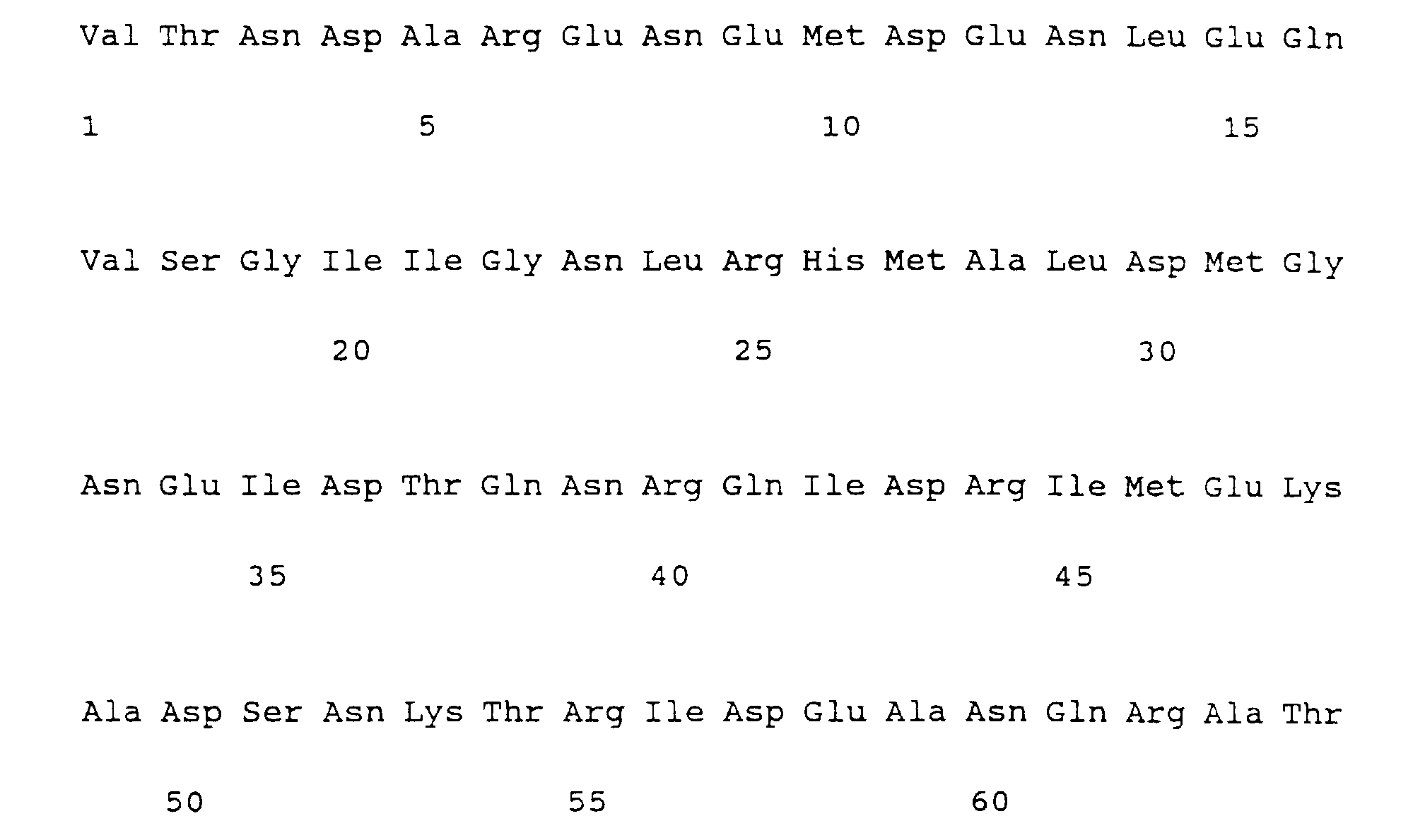
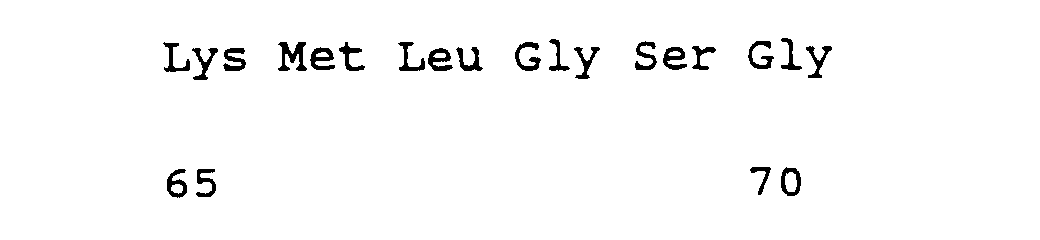
- target peptide sequences for use in the assay are selected from SEQ ID NOs. 8-11 illustrated below.
- peptides that include a sequence selected from SEQ ID NO:s 1-7.
- the solid-phase peptides of the assay are stable and suitable for incorporation into test kits that provide for convenient and efficient toxin assays.
- a feature of the invention is that antibodies used to detect cleaved peptide do not bind to uncleaved peptide; for, clearly, such binding would generate false positives and compromise assay accuracy.
- a convenient means of determining that antibodies do not cross-react with intact peptide is to screen antibodies using two plates. The first contains intact peptide attached to a solid phase. The second contains cleaved peptide attached to a solid phase, a free end of the cleaved peptide being, for example, one of SEQ ID NO:s 1-7 or another sequence recognised by assay antibodies.
- Antibodies under screening are added to both plates, allowed to incubate for a period and the plates are then washed and subsequently tested for the presence of bound antibody.
- Suitable antibodies i.e. non cross-reacting ones, generate a large signal on the second plate, indicating the presence of bound antibody and a weak signal, preferably virtually no signal, on the first plate.
- this ratio is at least 10:1, preferably at least 20:1 and more preferably at least 50:1.
- a particularly preferred ratio would be 100:1 or higher, reflecting an affinity for cleaved peptide at least 2 orders of magnitude greater than affinity for intact peptide.
- the invention is of advantage in that it provides an assay that measures biological activity of the toxins, e.g. botulinum neurotoxin, tetanus toxin, and with a sensitivity comparable to that of a conventional ELISA system.
- the inventors have observed that the assay is capable of detecting less than 1 ng of toxin per ml in the case of botulinum A and B toxins. For many workers, accurate quantification of toxin would be highly desirable for use in risk assessment. Also, false negatives are unlikely as the assay is a direct measurement of toxin endopeptidase activity.
- the observations by the inventors are that assay noise levels in serum and other samples are significantly lower than those obtainable in conventional immunoassay systems.
- the inventors have to date had no false negatives or false positives with the assay for botulinum B toxin and the noise levels were lower in toxin samples containing serum than the noise levels that can be obtained with a conventional ELISA. Further, the peptide solid-phase assay component is stable with a very long shelf life.
- the assay and assay components of the invention described are particularly sensitive for toxin and have been found by the inventors to have comparable and improved sensitivity to ELISAs for toxin.
- a further advantage of the invention is that it has potential to be more sensitive, as further specific antibodies are identified for use in the assay. Contrast this situation with that for ELISAs, which rely on antibody affinity for toxin. As this affinity is already optimal due to extensive work in isolating high affinity antibodies, few increases in ELISA sensitivity are expected.
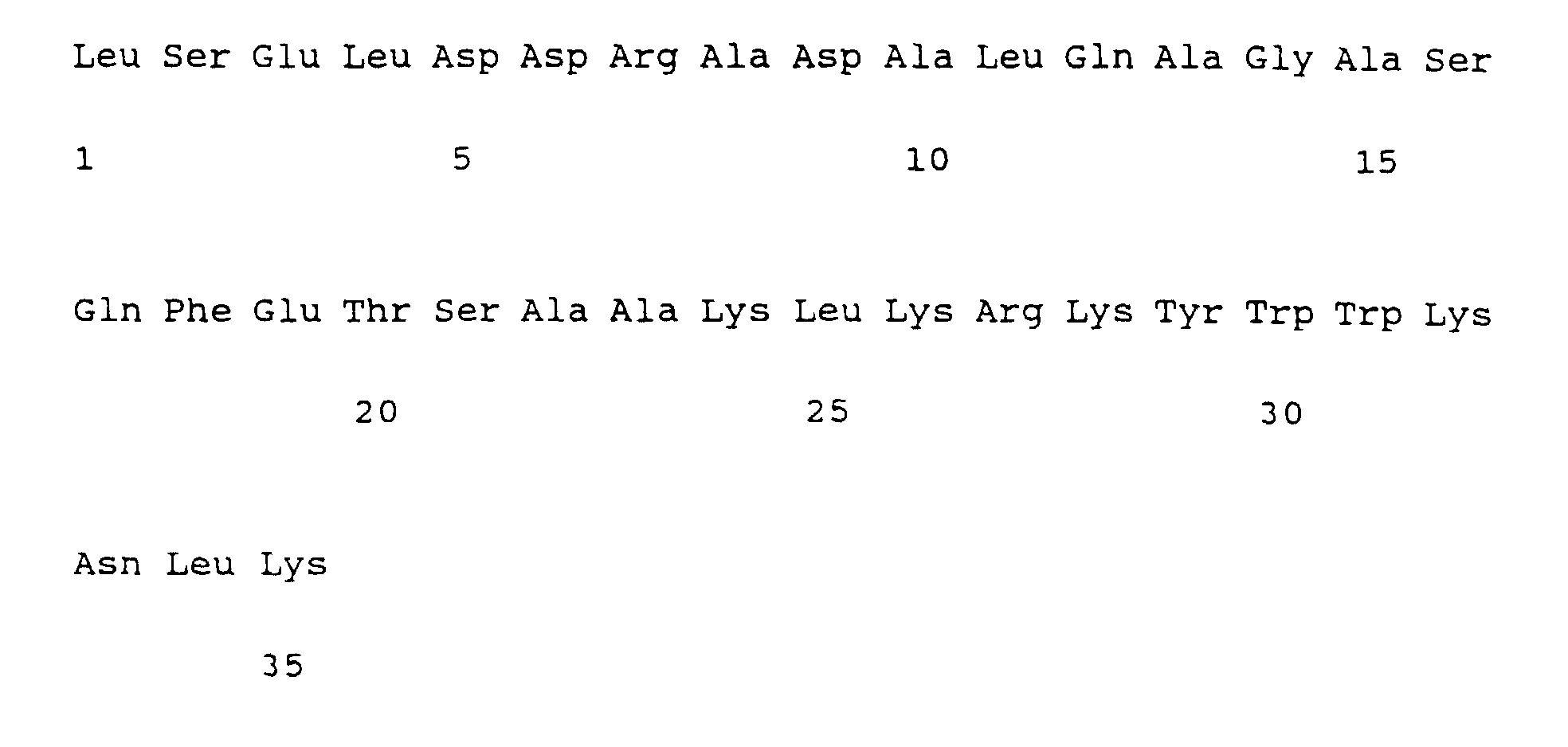
- Microtitre assay plates were prepared as follows:- The above peptide was diluted to a final concentration of 10 ⁇ gml -1 in 0.05 M sodium phosphate buffer, pH 6.5 containing 1mM EDTA and added (100 ⁇ l/well) to a Sulphydryl Binding Plate (Costar). After incubation for 1 hour at room temperature the peptide solution was removed and the plates washed 3 times with phosphate buffered saline (PBS), pH 7.4 (no detergent is used at this stage in the washing). Any remaining binding sites on the plates were then blocked by the addition (100 ⁇ l/well) of a PBS buffer containing 0.1% Tween 20 and 5% Foetal bovine serum. The plates were then incubated for one hour at 37°C with continuous shaking after which the blocking solution was removed.
- PBS phosphate buffered saline
- Assay of Clostridium botulinum type B neurotoxin - Toxin solutions were diluted in an assay buffer (e.g. 0.05M Hepes buffer, pH 7.4 containing 10 ⁇ M ZnCl 2 and 1% foetal bovine serum) containing 10 mM dithiothreitol (or an equivalent reagent to provide reducing conditions for the endopeptidase activity of the toxins) and added (100 ⁇ l/well) to peptide coated microtitre plates. The plate is then incubated for one hour at 37°C with continuous shaking. After this period in which BoNT/B cleaves the peptide as depicted in Fig 1, the plates were washed 3 times with PBS containing 0.1% Tween 20®.
- an assay buffer e.g. 0.05M Hepes buffer, pH 7.4 containing 10 ⁇ M ZnCl 2 and 1% foetal bovine serum
- dithiothreitol or an equivalent reagent to provide reducing conditions
- Antibody specific to the newly cleaved peptide is then added.
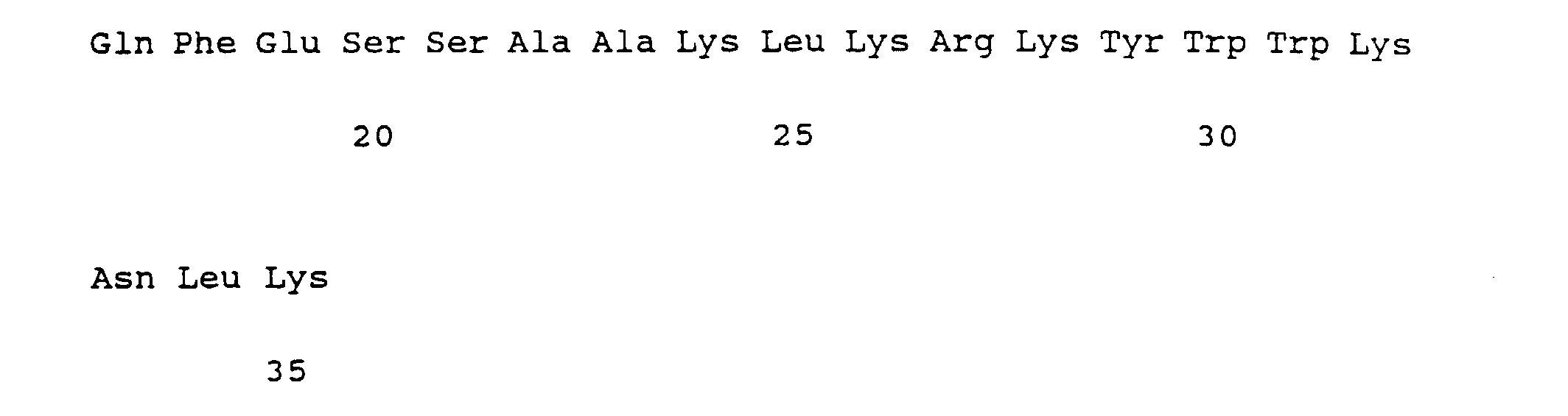
- the antibody is specific to the following cleaved sequence of VAMP (SEQ ID NO:1 plus C-terminal cysteine):-
- the antibody (diluted in PBS buffer containing 0.1% Tween 20® and 5% foetal bovine serum) is added (100 ⁇ l/well) and incubated for one hour at 37°C with continuous shaking. The plates were then washed 3 times with PBS containing 0.1% Tween 20.
- the antibody is in its free form, in which case the addition of a commercially available second antibody is required.
- this second antibody is an antiguinea-pig peroxidase conjugate.
- the second antibody conjugate (diluted in PBS buffer containing 0.1% Tween 20® and 5% foetal bovine serum) is added (100 ⁇ l/well) and incubated for one hour at 37°C with continuous shaking. After washing off the second antibody (x3 with PBS containing 0.1% Tween 20®), appropriate peroxidase substrates may be added at this stage to develop the colour and provide the results of the assay.
- Figure 2 illustrates the results of a typical assay for BoNT/B using the two antibody detection system described above.
- the data illustrate the use of two different VAMP peptides as the solid-phase peptide in the assay.
- the sequences of these peptides near the cleavage site for BoNT/B represent the two isoforms of human VAMP.
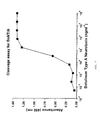
- Figure 3 illustrates the specificity of the assay system for BoNT/B.
- Zero absorbance was recorded for (1) BoNT/F, (2) Tetanus toxin and (3) BoNT/B plus EDTA.
- BoNT/F BoNT/F
- Tetanus toxin Tetanus toxin
- BoNT/B BoNT/B plus EDTA.
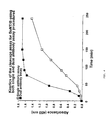
- Figure 4 illustrates the assay kinetics of solid-phase peptide cleavage by BoNT/B using both the single antibody (i.e. antipeptide antibody directly conjugated to peroxidase) and dual antibody (i.e. in which the free antipeptide antibody is used in conjunction with a anti-species peroxidase conjugate) detection systems.
- the concentration of BoNT/B was fixed at 100ng/ml and the assay signal measured at various times. The data show that the dual antibody assay system provides the more rapid and sensitive means with which to measure solid-phase peptide cleavage by BoNT/B .
- Figure 5 illustrates the increase in sensitivity of an assay for BoNT/B when an amplification system such as the ELAST system is applied to a typical assay as described in Example 1.
- the data show that, at an arbitrary cut-off point of 0.3 absorbance units above background, the sensitivity for the detection of BoNT/B in the non-amplified assay was approximately 1 ng/ml while that in the amplified assay system was almost 10-fold higher giving a sensitivity close to 0.1 ng/ml.
- Figure 6 illustrates the effect of limited trypsin treatment of BoNT/B on the sensitivity of the neurotoxin assay.
- BoNT/B samples (1 mg/ml) were treated with trypsin (final concentration of 2.5 ⁇ g/ml) for 30min at 37°C and the reaction stopped using a 5-10 molar excess of trypsin inhibitor.
- Figure 6 shows that, for both the amplified and non-amplified forms of the assay (see Fig.), the effect of the trypsin treatment is to increase the sensitivity of the assay system for BoNT/B.
- Tetanus toxin cleaves the protein VAMP at an identical site to that of BoNT/B.
- the specificities of the endopeptidase activities of the two toxins however differ in the minimum peptide substrate size required for cleavage. While BoNT/B requires peptide substrates of 30-35 residues in length for optimal cleavage, the requirement for tetanus toxin is peptide substrates of > 50 residues in length.
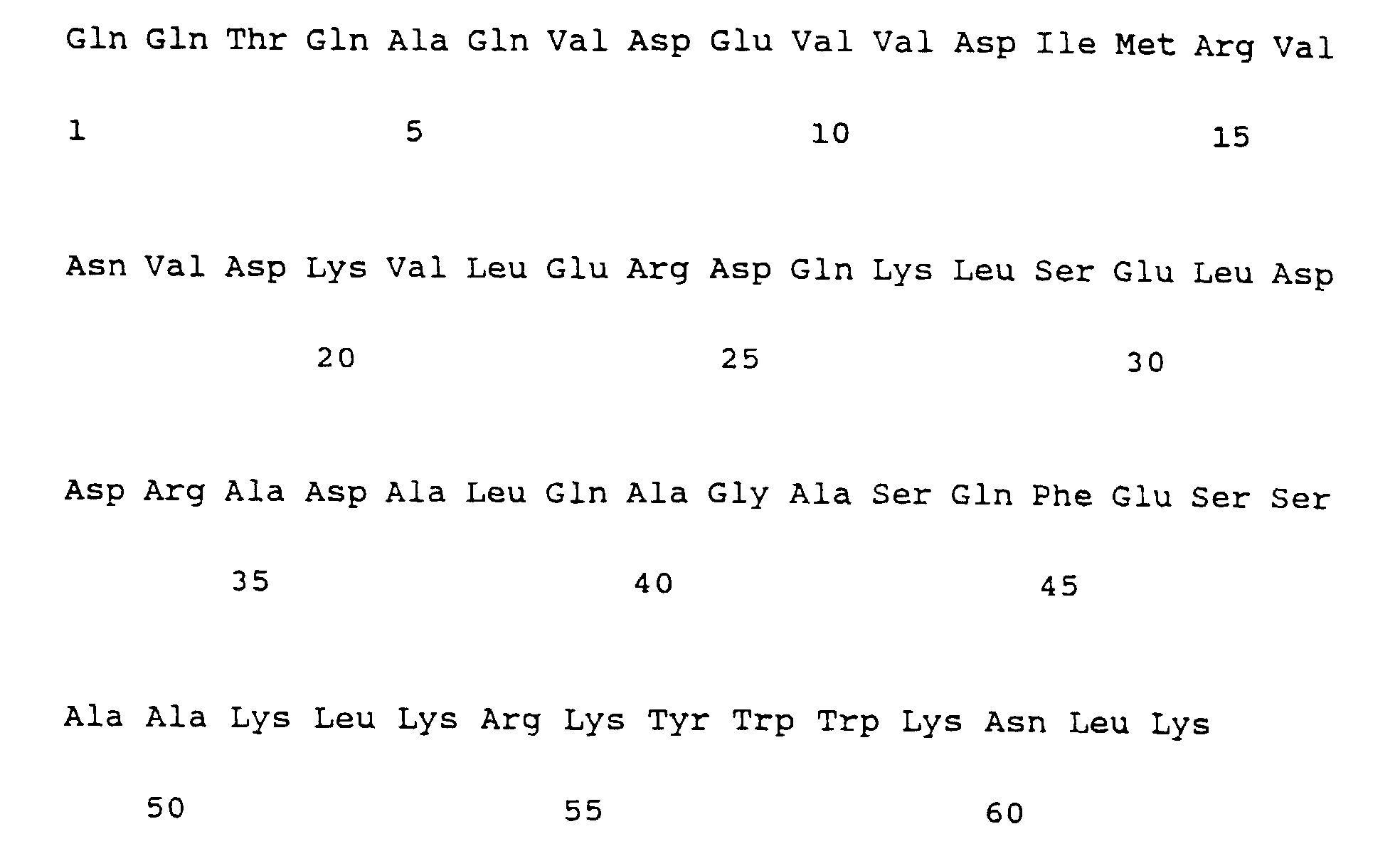
- Tetanus toxin cleavage assays are therefore carried out in an identical manner to those for BoNT/B with the exception that the solid-phase peptide is a peptide of human VAMP-1 isoform-1, residues 33-94 (SEQ ID NO:8).
- the solid-phase peptide is a peptide of human VAMP-1 isoform-1, residues 33-94 (SEQ ID NO:8).
- Example of the invention described for BoNT/B are equally applicable to tetanus toxin.
- microtitre plates are coated (10 ⁇ g/ml) with the following peptide representing a sequence taken from protein SNAP-25 (aas 137-206).
- Toxin test solutions buffered with 0.05M HEPES pH 7.2 containing 10 ⁇ M ZnCl 2 and 10mM 2-mercaptoethanol are then added and the plate incubated at 37°C for 1h.
- the antibody is specific to either of the following cleaved sequences of SNAP-25:-
- Figure 7 shows the results of a typical assay for BoNT/A.
- the solid-phase peptide was SNAP-25 (137-206) as depicted above, used in conjunction with antisera specific to the cleaved sequence of SNAP-25:-
- Assay protocol was as described for BoNT/B in the Example 1.
- the assay detected BoNT/A at a concentration of approximately 1 ng/ml (using an arbitrary absorbance cut-off point of 0.3 units above background).
- Example 1 The amplification systems described in Example 1 may also be applied to assays for BoNT/A.
- microtitre plates are coated (10 ⁇ g/ml) with the following peptide representing a sequence taken from protein SNAP-25 (aas 137-206).
- Toxin test solutions buffered with 0.05M HEPES pH 7.2 containing 10 ⁇ M ZnCl 2 and 10mM 2-mercaptoethanol are then added and the plate incubated at 37°C for 1h.
- the antibody is specific to either of the following cleaved sequences of SNAP-25:-
- Microtitre plate or dip-sticks are prepared by a number of different methods:-
- PBS phosphate buffered saline
- Plates in this condition are suitable to be stored frozen for many months (or even years).
- test solutions of toxin are buffered with 0.25M Hepes pH 7.4 buffer containing 10 ⁇ M ZnCl 2 and 20mM 2-dithiothreitol (toxin solution: buffer ratio of 4:1) and then added to microtitre plates and incubated for 1hr at 37°C.
- the toxin test solution is then washed with PBS/tween and then an antibody-peroxidase conjugate added.
- the antibody is specific to one exposed end of the cleavage product and is added at a pre-determined dilution depending on the batch). After incubation for 1hr at 37°C the antibody-peroxidase conjugate is washed off the plate with PBS/tween and then peroxidase substrates added to develop the colour.
- the peptides to which antibodies are to be raised are synthesised with a cysteine residue at the opposite end of interest.
- the two peptides synthesised are as follows:
- the peptide is then linked to a carrier protein (e.g. Keyhole Limpet Hemocyanin or Bovine Serum Albumin) via the cysteine residue.
- a carrier protein e.g. Keyhole Limpet Hemocyanin or Bovine Serum Albumin
- This is achieved by mixing the peptide with the maleimide-activated carrier protein (commercially available from Pierce Warriner, U.K.) as detailed by the suppliers.
- the conjugated peptide is then injected in the presence of an adjuvant (e.g. Freund's adjuvant) into animals (e.g. guinea-pigs or rabbits).
- an adjuvant e.g. Freund's adjuvant
- animals e.g. guinea-pigs or rabbits.
- an adjuvant e.g. Freund's adjuvant
- One immunisation schedule is to give animals 50 ⁇ g of the peptide-protein at times 0, 4 weeks and 8 weeks; animals are then bled after 10 weeks.
- Antibody in serum is purified by any one of the published methods for purifying IgG from sera.
- Anti-peptide specific antibody is optionally further purified by affinity chromatography using the immunising peptide immobilised onto chromatography medium (kit and method commercially available from Pierce Warriner, U.K.).
- Antibodies with the desired binding characteristics are assessed as describe in Example 6.
- the assay should not give a colour in the absence of toxin and should give a strong colour in the presence of 1 ⁇ g/ml of the desired toxin.
- the assay is made quantitative by incorporating a toxin standard.
- the colour produced by various concentrations of the toxin is measured by a microtitre plate reader and a standard curve produced from which the toxin concentration in unknown samples may be assessed.
- the invention provides a novel and efficient toxin assay and provides novel reagents for use in the assay.
- the assay is inexpensive compared to existing assays, for example those using a mouse lethality test, and is suitable for industrial application. Further advantages of the assay and its reagents have been described above.
Landscapes
- Health & Medical Sciences (AREA)
- Life Sciences & Earth Sciences (AREA)
- Chemical & Material Sciences (AREA)
- Organic Chemistry (AREA)
- Immunology (AREA)
- Engineering & Computer Science (AREA)
- Molecular Biology (AREA)
- Proteomics, Peptides & Aminoacids (AREA)
- General Health & Medical Sciences (AREA)
- Biochemistry (AREA)
- Hematology (AREA)
- Genetics & Genomics (AREA)
- Urology & Nephrology (AREA)
- Zoology (AREA)
- Wood Science & Technology (AREA)
- Medicinal Chemistry (AREA)
- Physics & Mathematics (AREA)
- Analytical Chemistry (AREA)
- Biotechnology (AREA)
- Biomedical Technology (AREA)
- Microbiology (AREA)
- Biophysics (AREA)
- Bioinformatics & Cheminformatics (AREA)
- General Engineering & Computer Science (AREA)
- Virology (AREA)
- Tropical Medicine & Parasitology (AREA)
- Food Science & Technology (AREA)
- Cell Biology (AREA)
- General Physics & Mathematics (AREA)
- Pathology (AREA)
- Measuring Or Testing Involving Enzymes Or Micro-Organisms (AREA)
- Peptides Or Proteins (AREA)
- Medicines That Contain Protein Lipid Enzymes And Other Medicines (AREA)
- Medicines Containing Antibodies Or Antigens For Use As Internal Diagnostic Agents (AREA)
- Micro-Organisms Or Cultivation Processes Thereof (AREA)
- Preparation Of Compounds By Using Micro-Organisms (AREA)
- Medicines Containing Material From Animals Or Micro-Organisms (AREA)
Abstract
Description
| 1. | KAASSEF-n terminal | (SEQ ID NO:1) |
| 2. | LQAGASQ-c terminal | (SEQ ID NO:2) |
| 3. | RIDEANQ-c terminal | (SEQ ID NO:3) |
| 4. | GLMKTAR-n terminal | (SEQ ID NO:4) |
| 5. | QNRQIDR-c terminal | (SEQ ID NO:5) |
| 6. | SDAKEMI-n terminal. | (SEQ ID NO:6) |
| 7. | KAASTEF-n terminal. | (SEQ ID NO:7) |
- identifying a peptide that is cleaved by the toxin to generate a cleavage product,
- immunizing an animal, such as a rabbit, with the cleavage product,
- isolating antibodies to the cleavage product from the animal, and
- checking that the antibodies do not cross react with the peptide.




- Fig. 1
- shows a schematic representation of a botulinum toxin assay;
- Figs. 2-4
- show results achieved using the botulinum toxin assay of Example 1;
- Figs. 5-6
- show results in which the botulinum toxin assay of Example 1 is further improved and made more sensitive by signal amplification and toxin activation procedures described in Example 2; and
- Fig. 7
- shows results achieved using the botulinum toxin assay of Example 4.












- (A) NAME: SHONE, Clifford Charles
- (B) STREET: 44 Oakwood Grove
- (C) CITY: Alderbury, Salisbury
- (D) STATE: Wiltshire
- (E) COUNTRY: UK
- (F) POSTAL CODE (ZIP): SP5 3BN
- (A) NAME: HALLIS, Bassam
- (B) STREET: 3 Avon Terrace
- (C) CITY: Salisbury
- (D) STATE: Wiltshire
- (E) COUNTRY: UK
- (F) POSTAL CODE (ZIP): SP2 7BT
- (A) NAME: JAMES, Benjamin, Arthur, Frederick
- (B) STREET: 22 Priory CLose
- (C) CITY: Alderbury, Salisbury
- (D) STATE: Wiltshire
- (E) COUNTRY: UK
- (F) POSTAL CODE (ZIP): SP5 3TE
- (A) NAME: QUINN, Conrad, Padraig
- (B) STREET: 36 St Fancis Road
- (C) CITY: Salisbury
- (D) STATE: Wiltshire
- (E) COUNTRY: UK
- (F) POSTAL CODE (ZIP): SP1 3QS








Claims (17)
- An assay for botulinum toxin or tetanus toxin comprising the steps of:-(a) combining a test compound with a substrate and with antibody, wherein the substrate has a cleavage site for the toxin and when cleaved by toxin forms a product, and wherein the antibody binds to the product but not to the substrate; and(b) testing for the presence of antibody bound to the product wherein,(i) product if present is attached to a solid phase assay component and binds the antibody; and(ii) substrate if present is similarly attached to a solid phase assay component.
- An assay according to Claim 1 in which the toxin is a botulinum toxin.
- An assay according to Claim 1 or 2 comprising combining a test compound with a peptide substrate which is attached to a solid phase component of the assay.
- An assay according to any previous claim utilizing assay components (a) and (b):and wherein the assay comprises the steps of:(a) a peptide linked to a solid-phase, the peptide being cleavable by the toxin to generate a cleavage product,(b) an antibody that binds to the cleavage product but not to the peptide,(i) combining a test compound that may contain or consist of the toxin with the solid-phase peptide to form an assay mixture,(ii) subsequently or simultaneously combining the assay mixture with the antibody, and(iii) subsequently or simultaneously determining whether there has been formed any conjugate between the antibody and the cleavage product.
- An assay according to Claim 4 in which step (i) is carried out in the presence of a zinc compound.
- An assay according to Claim 5 in which the peptide is selected from intact peptides or fragments thereof selected from VAMP, SNAP-25 and syntaxin.
- . An assay according to Claim 6 comprising:-(i) combining the test compound with a solid phase comprising a peptide selected from VAMP, SNAP-25, syntaxin and fragments thereof,(ii) washing the test compound from the solid phase,(iii) combining the solid phase with an antibody adapted for binding selectively with peptide cleaved by toxin,(iv) detecting a conjugate of the antibody with cleaved peptide.
- An assay according to any previous claim wherein the antibody is adapted to bind selectively to a peptide selected from SEQ ID NO:s 1-7.
- An assay according to Claim 8 comprising:-(i) adding a test solution to an assay plate comprising immobilized peptide, the peptide being selected from VAMP, SNAP-25, syntaxin and fragments thereof,(ii) incubating the assay plate,(iii) washing the plate with a buffer,(iv) adding to the plate an antibody solution, said solution comprising an antibody adapted selectively to bind to a peptide selected from (1) a peptide the C-terminal end of which is selected from SEQ ID NO:s 1, 3 and 5, and (2) a peptide the N-terminal end of which is selected from SEQ ID NO:s 2, 4 and 6,(v) incubating the assay plate,(vi) washing the plate with a buffer,(vii) measuring the presence of antibody on the assay plate.
- An assay according to Claim 9 wherein the antibody is linked to an enzyme and the presence of antibody on the plate is measured by adding an enzyme substrate and measuring the conversion of the substrate into detectable product.
- An assay according to Claim 10 wherein the detectable product is coloured and is measured by absorbance at a selected wavelength.
- An assay according to any previous claim comprising converting inactive toxin present in the test compound to active toxin.
- An assay according to Claim 12 comprising adding a protease to the test compound.
- An assay according to any previous claim comprising detecting antibody-peptide conjugate using a further antibody specific to the first antibody and linked to an enzyme.
- A component for a toxin assay comprising (a) a substrate for botulinum toxin or tetanus toxin, such as a peptide selected from intact peptide and fragments of VAMP, SNAP-25 and syntaxin, immobilized on (b) a solid phase, wherein said component is capable of being cleaved by botulinum toxin or tetanus toxin.
- An assay component according to Claim 15 wherein the solid phase is selected from an assay plate, an assay well, a nitrocellulose membrane, a bead, a dipstick and a component of an elution column.
- A toxin assay kit comprising an assay component according to Claims 15 or 16.
Applications Claiming Priority (3)
| Application Number | Priority Date | Filing Date | Title |
|---|---|---|---|
| GB9411138A GB9411138D0 (en) | 1994-06-03 | 1994-06-03 | Toxin assay |
| GB9411138 | 1994-06-03 | ||
| PCT/GB1995/001279 WO1995033850A1 (en) | 1994-06-03 | 1995-06-02 | Toxin assay |
Publications (2)
| Publication Number | Publication Date |
|---|---|
| EP0763131A1 EP0763131A1 (en) | 1997-03-19 |
| EP0763131B1 true EP0763131B1 (en) | 1999-08-25 |
Family
ID=10756143
Family Applications (1)
| Application Number | Title | Priority Date | Filing Date |
|---|---|---|---|
| EP95921033A Expired - Lifetime EP0763131B1 (en) | 1994-06-03 | 1995-06-02 | Assay of tetanus- and botulinum toxins |
Country Status (9)
| Country | Link |
|---|---|
| EP (1) | EP0763131B1 (en) |
| JP (1) | JP4246259B2 (en) |
| AT (1) | ATE183779T1 (en) |
| AU (1) | AU687564B2 (en) |
| CA (1) | CA2191895C (en) |
| DE (1) | DE69511693T2 (en) |
| DK (1) | DK0763131T3 (en) |
| GB (1) | GB9411138D0 (en) |
| WO (1) | WO1995033850A1 (en) |
Cited By (1)
| Publication number | Priority date | Publication date | Assignee | Title |
|---|---|---|---|---|
| CN109844130A (en) * | 2016-10-18 | 2019-06-04 | 益普生生物制药有限公司 | Cellular vamp cleavage assay |
Families Citing this family (42)
| Publication number | Priority date | Publication date | Assignee | Title |
|---|---|---|---|---|
| AU2334897A (en) * | 1996-03-18 | 1997-10-10 | Regents Of The University Of California, The | Peptide inhibitors of neurotransmitter secretion by neuronal cells |
| US7192596B2 (en) | 1996-08-23 | 2007-03-20 | The Health Protection Agency Ipsen Limited | Recombinant toxin fragments |
| US5965699A (en) * | 1996-11-06 | 1999-10-12 | The United States Of America As Represented By The Secretary Of The Army | Assay for the proteolytic activity of serotype a from clostridium botulinum |
| GB9721189D0 (en) | 1997-10-08 | 1997-12-03 | Speywood Lab The Limited | Analgesic conjugates |
| GB9818548D0 (en) | 1998-08-25 | 1998-10-21 | Microbiological Res Authority | Treatment of mucas hypersecretion |
| US20040071736A1 (en) | 1998-08-25 | 2004-04-15 | Health Protection Agency | Methods and compounds for the treatment of mucus hypersecretion |
| US8790897B2 (en) | 1998-08-25 | 2014-07-29 | Syntaxin Ltd. | Treatment of mucus hypersecretion |
| AU781608B2 (en) * | 1999-05-14 | 2005-06-02 | U.S. Army Medical Research And Materiel Command | Buforin I as a specific inhibitor and therapeutic agent for botulinum toxin B and tetanus neurotoxins |
| US6143513A (en) * | 1999-06-23 | 2000-11-07 | Biacore Ab | Method and kit for detecting betalactam-containing compounds |
| GB9922554D0 (en) * | 1999-09-23 | 1999-11-24 | Microbiological Res Authority | Inhibition of secretion from non-neuronal cells |
| FR2809733B1 (en) | 2000-06-02 | 2004-04-30 | Inst Nat Sante Rech Med | PEPTIDE SUBSTRATE RECOGNIZED BY BONT / B TYPE BOTULINUM TOXIN AND ITS USE FOR DETERMINING AND / OR DETECTING SAID TOXIN OR CORRESPONDING INHIBITORS |
| ATE378596T1 (en) * | 2000-09-25 | 2007-11-15 | U S Medical Res Inst Of Infect | HIGH-THROUGHPUT ASSAY FOR PROTEOLYTIC ACTIVITIES OF CLOSTRIDIUM NEUROTOXINS |
| US7208285B2 (en) | 2001-08-28 | 2007-04-24 | Allergan, Inc. | Fret protease assays for botulinum serotype A/E toxins |
| US7374896B2 (en) | 2001-08-28 | 2008-05-20 | Allergan, Inc. | GFP-SNAP25 fluorescence release assay for botulinum neurotoxin protease activity |
| US8022172B2 (en) | 2001-08-28 | 2011-09-20 | Allergan, Inc. | Luminescence resonance energy transfer (LRET) assays for clostridial toxin activity |
| US7332567B2 (en) | 2001-08-28 | 2008-02-19 | Allergan, Inc. | Fret protease assays for clostridial toxins |
| US7183066B2 (en) | 2002-09-27 | 2007-02-27 | Allergan, Inc. | Cell-based fluorescence resonance energy transfer (FRET) assays for clostridial toxins |
| GB0311961D0 (en) | 2003-05-23 | 2003-06-25 | Health Prot Agency | Mass-based toxin assay and substrates therefor |
| US7399607B2 (en) | 2004-09-22 | 2008-07-15 | Allergan, Inc. | Fluorescence polarization assays for determining clostridial toxin activity |
| GB0426394D0 (en) | 2004-12-01 | 2005-01-05 | Health Prot Agency | Fusion proteins |
| US8198034B2 (en) | 2008-03-14 | 2012-06-12 | Allergan, Inc. | Immuno-based botulinum toxin serotype A activity assays |
| KR101604515B1 (en) | 2008-03-14 | 2016-03-17 | 알러간, 인코포레이티드 | Immuno-Based Botulinum Toxin Serotype A Activity Assays |
| FR2930447B1 (en) | 2008-04-25 | 2010-07-30 | Sod Conseils Rech Applic | THERAPEUTIC USE OF AT LEAST ONE BOTULINUM NEUROTOXIN FOR THE TREATMENT OF PAIN IN THE CASE OF DIABETIC NEUROPATHY |
| WO2010085473A1 (en) | 2009-01-20 | 2010-07-29 | Trustees Of Tufts College | Methods for the delivery of toxins or enzymatically active portions thereof |
| CN102439138B (en) | 2009-03-13 | 2018-03-30 | 阿勒根公司 | Available for the cell based on immune botulin toxin serum A type determinations of activity |
| WO2010105236A1 (en) | 2009-03-13 | 2010-09-16 | Allergan, Inc. | Immuno-based retargeted endopeptidase activity assays |
| CA2757637C (en) * | 2009-04-27 | 2017-10-24 | Merz Pharma Gmbh & Co. Kgaa | Means and methods for the determination of the amount of neurotoxin polypeptide and of its catalytic and proteolytic activities |
| US8129139B2 (en) | 2009-07-13 | 2012-03-06 | Allergan, Inc. | Process for obtaining botulinum neurotoxin |
| BR112012011675A2 (en) * | 2009-11-18 | 2016-07-05 | Merz Pharma Gmbh & Co Kgaa | method of measuring an effect induced on a cell tissue and muscle tissue by a clostridial neurotoxin, its use and computer program product |
| KR101640694B1 (en) * | 2011-09-29 | 2016-07-18 | 셀스냅, 엘엘씨 | Compositions and methods for toxigenicity testing |
| EP2798077A2 (en) | 2011-12-31 | 2014-11-05 | Allergan, Inc. | Highly Sensitive Cell-Based Assay to Detect the Presence of Active Botulinum Neurotoxin Serotype-A |
| PT2854840T (en) | 2012-05-30 | 2018-03-02 | Harvard College | GENETICALLY MODIFIED BOTULINAL NEUROTOXIN |
| GB201219024D0 (en) | 2012-10-23 | 2012-12-05 | Syntaxin Ltd | Assay |
| US20160289731A1 (en) | 2012-11-21 | 2016-10-06 | Merz Pharma Gmbh & Co, Kgaa | Means and methods for determination of botulinum neurotoxin biological activity |
| JP6608357B2 (en) | 2013-06-28 | 2019-11-20 | メルツ ファルマ ゲーエムベーハー ウント コンパニー カーゲーアーアー | Means and methods for determining biological activity of neurotoxin polypeptides in cells |
| EP3567055A1 (en) | 2014-07-07 | 2019-11-13 | Allergan, Inc. | Method of detecting cleaved snap25 in tissue samples |
| AU2015367329B2 (en) | 2014-12-19 | 2021-02-18 | Merz Pharma Gmbh & Co. Kgaa | Means and methods for the determination of the biological activity of BoNT/E in cells |
| HK1248737A1 (en) | 2015-03-26 | 2018-10-19 | 哈佛大学校长及研究员协会 | Engineered botulinum neurotoxin |
| AU2017236163B2 (en) | 2016-03-25 | 2024-07-18 | Ipsen Biopharm Limited | Collecting physical therapy information to enhance treatment efficacy of botulinum toxin |
| ES2904269T3 (en) | 2016-05-16 | 2022-04-04 | Harvard College | Method for the purification and activation of botulinum neurotoxin |
| EP3504226A1 (en) | 2016-08-24 | 2019-07-03 | President and Fellows of Harvard College | Engineered botulinum neurotoxin |
| IL265109B2 (en) | 2016-09-13 | 2024-05-01 | Allergan Inc | Stabilized Clostridium toxin preparations without protein |
Family Cites Families (2)
| Publication number | Priority date | Publication date | Assignee | Title |
|---|---|---|---|---|
| US5171662A (en) * | 1990-09-13 | 1992-12-15 | The Upjohn Company | Method of detecting HIV protease activity |
| EP0529719A1 (en) * | 1991-08-26 | 1993-03-03 | Merck & Co. Inc. | Assay for evaluating inhibition of PMN elastase by N-Substituted Azetidinones |
-
1994
- 1994-06-03 GB GB9411138A patent/GB9411138D0/en active Pending
-
1995
- 1995-06-02 AU AU26240/95A patent/AU687564B2/en not_active Expired
- 1995-06-02 WO PCT/GB1995/001279 patent/WO1995033850A1/en not_active Ceased
- 1995-06-02 DE DE69511693T patent/DE69511693T2/en not_active Expired - Lifetime
- 1995-06-02 JP JP50054496A patent/JP4246259B2/en not_active Expired - Lifetime
- 1995-06-02 CA CA002191895A patent/CA2191895C/en not_active Expired - Lifetime
- 1995-06-02 EP EP95921033A patent/EP0763131B1/en not_active Expired - Lifetime
- 1995-06-02 AT AT95921033T patent/ATE183779T1/en active
- 1995-06-02 DK DK95921033T patent/DK0763131T3/en active
Non-Patent Citations (1)
| Title |
|---|
| J.Cell.Biol., vol.109, p.3039-3052, (1989) * |
Cited By (3)
| Publication number | Priority date | Publication date | Assignee | Title |
|---|---|---|---|---|
| CN109844130A (en) * | 2016-10-18 | 2019-06-04 | 益普生生物制药有限公司 | Cellular vamp cleavage assay |
| US11193931B2 (en) | 2016-10-18 | 2021-12-07 | Ipsen Biopharm Limited | Cellular vamp cleavage assay |
| US12493035B2 (en) | 2016-10-18 | 2025-12-09 | Ipsen Biopharm Limited | Cellular vamp cleavage assay |
Also Published As
| Publication number | Publication date |
|---|---|
| CA2191895A1 (en) | 1995-12-14 |
| EP0763131A1 (en) | 1997-03-19 |
| AU687564B2 (en) | 1998-02-26 |
| GB9411138D0 (en) | 1994-07-27 |
| AU2624095A (en) | 1996-01-04 |
| ATE183779T1 (en) | 1999-09-15 |
| CA2191895C (en) | 2009-03-17 |
| DE69511693D1 (en) | 1999-09-30 |
| JP4246259B2 (en) | 2009-04-02 |
| DE69511693T2 (en) | 2000-03-09 |
| WO1995033850A1 (en) | 1995-12-14 |
| DK0763131T3 (en) | 1999-12-13 |
| JPH10504801A (en) | 1998-05-12 |
Similar Documents
| Publication | Publication Date | Title |
|---|---|---|
| AU687564B2 (en) | Toxin assay | |
| US6337386B1 (en) | Toxin Assay | |
| Rivera et al. | Rapid detection of Clostridium botulinum toxins A, B, E, and F in clinical samples, selected food matrices, and buffer using paramagnetic bead-based electrochemiluminescence detection | |
| JP7127019B2 (en) | Cellular VAMP cleavage assay | |
| US20040146963A1 (en) | High throughput assays for the proteotytic activities of clostridial neurotoxins | |
| von Berg et al. | Functional detection of botulinum neurotoxin serotypes A to F by monoclonal neoepitope-specific antibodies and suspension array technology | |
| US20140134643A1 (en) | Means and methods for the determination of the amount of neurotoxin polypeptide and of its catalytic and proteolytic activities | |
| Doellgast et al. | Sensitive assay for measurement of antibodies to Clostridium botulinum neurotoxins A, B, and E: use of hapten-labeled-antibody elution to isolate specific complexes | |
| AU2004241365B2 (en) | Mass-based toxin assay and substrates therefor | |
| Wang et al. | Subtyping botulinum neurotoxins by sequential multiple endoproteases in-gel digestion coupled with mass spectrometry | |
| Volland et al. | A sensitive sandwich enzyme immunoassay for free or complexed Clostridium botulinum neurotoxin type A | |
| US7160982B2 (en) | Peptide substrate identified by type BoNT/B botulinus toxin and use thereof for assaying and/or detecting said toxin or corresponding inhibitors | |
| Kegel et al. | An in vitro assay for detection of tetanus neurotoxin activity: Using antibodies for recognizing the proteolytically generated cleavage product | |
| da Silva et al. | Performance evaluation of the polyclonal anti-rabies virus ribonucleoprotein IgG antibodies produced in-house for use in direct fluorescent antibody test | |
| Ekong | Immunological detection of botulinum neurotoxins | |
| Perpetuo et al. | Development of an operational synaptobrevin‐based fluorescent substrate for tetanus neurotoxin quantification | |
| Kalb et al. | Clostridium botulinum strain Af84 produces three enzymatically active neurotoxins: BoNT/A2, BoNT/F4, and BoNT/F5 | |
| HK40008973B (en) | Cellular vamp cleavage assay | |
| HK1169171B (en) | Means and methods for the determination of the amount of neurotoxin polypeptide and of its catalytic and proteolytic activities |
Legal Events
| Date | Code | Title | Description |
|---|---|---|---|
| PUAI | Public reference made under article 153(3) epc to a published international application that has entered the european phase |
Free format text: ORIGINAL CODE: 0009012 |
|
| 17P | Request for examination filed |
Effective date: 19961027 |
|
| AK | Designated contracting states |
Kind code of ref document: A1 Designated state(s): AT BE CH DE DK FR GB IT LI NL SE |
|
| 17Q | First examination report despatched |
Effective date: 19970326 |
|
| GRAG | Despatch of communication of intention to grant |
Free format text: ORIGINAL CODE: EPIDOS AGRA |
|
| GRAG | Despatch of communication of intention to grant |
Free format text: ORIGINAL CODE: EPIDOS AGRA |
|
| GRAH | Despatch of communication of intention to grant a patent |
Free format text: ORIGINAL CODE: EPIDOS IGRA |
|
| GRAH | Despatch of communication of intention to grant a patent |
Free format text: ORIGINAL CODE: EPIDOS IGRA |
|
| GRAA | (expected) grant |
Free format text: ORIGINAL CODE: 0009210 |
|
| AK | Designated contracting states |
Kind code of ref document: B1 Designated state(s): AT BE CH DE DK FR GB IT LI NL SE |
|
| REF | Corresponds to: |
Ref document number: 183779 Country of ref document: AT Date of ref document: 19990915 Kind code of ref document: T |
|
| REG | Reference to a national code |
Ref country code: CH Ref legal event code: EP |
|
| ITF | It: translation for a ep patent filed | ||
| REF | Corresponds to: |
Ref document number: 69511693 Country of ref document: DE Date of ref document: 19990930 |
|
| REG | Reference to a national code |
Ref country code: CH Ref legal event code: NV Representative=s name: ISLER & PEDRAZZINI AG |
|
| ET | Fr: translation filed | ||
| REG | Reference to a national code |
Ref country code: DK Ref legal event code: T3 |
|
| PLBE | No opposition filed within time limit |
Free format text: ORIGINAL CODE: 0009261 |
|
| STAA | Information on the status of an ep patent application or granted ep patent |
Free format text: STATUS: NO OPPOSITION FILED WITHIN TIME LIMIT |
|
| 26N | No opposition filed | ||
| REG | Reference to a national code |
Ref country code: GB Ref legal event code: IF02 |
|
| NLS | Nl: assignments of ep-patents |
Owner name: HEALTH PROTECTION AGENCY |
|
| REG | Reference to a national code |
Ref country code: FR Ref legal event code: TP |
|
| REG | Reference to a national code |
Ref country code: GB Ref legal event code: 732E |
|
| REG | Reference to a national code |
Ref country code: FR Ref legal event code: TP |
|
| REG | Reference to a national code |
Ref country code: CH Ref legal event code: PUE Owner name: HEALTH PROTECTION AGENCY Free format text: MICROBIOLOGICAL RESEARCH AUTHORITY#CAMR(CENTRE FOR APPLIED MICROBIOLOGY & RESEARCH), PORTON DOWN#SALISBURY, WILTSHIRE SP4 0JG (GB) -TRANSFER TO- HEALTH PROTECTION AGENCY#PORTON DOWN#SALISBURY, WILTSHIRE SP4 0JG (GB) Ref country code: CH Ref legal event code: PFA Owner name: HEALTH PROTECTION AGENCY Free format text: HEALTH PROTECTION AGENCY#PORTON DOWN#SALISBURY, WILTSHIRE SP4 0JG (GB) -TRANSFER TO- HEALTH PROTECTION AGENCY#PORTON DOWN#SALISBURY, WILTSHIRE SP4 0JG (GB) $ HEALTH PROTECTION AGENCY "NON-DEPARTMENTAL PUBLIC BODY"#PORTON DOWN#SALISBURY, WILTSHIRE SP4 0JG (GB) |
|
| REG | Reference to a national code |
Ref country code: CH Ref legal event code: PCAR Free format text: ISLER & PEDRAZZINI AG;POSTFACH 1772;8027 ZUERICH (CH) |
|
| REG | Reference to a national code |
Ref country code: GB Ref legal event code: 732E |
|
| REG | Reference to a national code |
Ref country code: CH Ref legal event code: PK |
|
| REG | Reference to a national code |
Ref country code: FR Ref legal event code: TP Ref country code: FR Ref legal event code: CA |
|
| REG | Reference to a national code |
Ref country code: CH Ref legal event code: PUE Owner name: SYNTAXIN LIMITED Free format text: HEALTH PROTECTION AGENCY "NON-DEPARTMENTAL PUBLIC BODY"#PORTON DOWN#SALISBURY, WILTSHIRE SP4 0JG (GB) -TRANSFER TO- SYNTAXIN LIMITED#UNITS 4-10 THE QUADRANT BARTON LANE#ABINGDON, OXFORDSHIRE OX14 3YS (GB) |
|
| BECA | Be: change of holder's address |
Owner name: SYNTAXIN LTDUNITS 4-10, THE QUADRANT, BARTON LANE, Effective date: 20090428 |
|
| NLS | Nl: assignments of ep-patents |
Owner name: SYNTAXIN LIMITED Effective date: 20090212 |
|
| PGFP | Annual fee paid to national office [announced via postgrant information from national office to epo] |
Ref country code: GB Payment date: 20140630 Year of fee payment: 20 |
|
| PGFP | Annual fee paid to national office [announced via postgrant information from national office to epo] |
Ref country code: AT Payment date: 20140624 Year of fee payment: 20 Ref country code: DE Payment date: 20140619 Year of fee payment: 20 Ref country code: SE Payment date: 20140627 Year of fee payment: 20 Ref country code: CH Payment date: 20140610 Year of fee payment: 20 Ref country code: NL Payment date: 20140613 Year of fee payment: 20 Ref country code: IT Payment date: 20140618 Year of fee payment: 20 |
|
| PGFP | Annual fee paid to national office [announced via postgrant information from national office to epo] |
Ref country code: DK Payment date: 20140611 Year of fee payment: 20 |
|
| PGFP | Annual fee paid to national office [announced via postgrant information from national office to epo] |
Ref country code: BE Payment date: 20140626 Year of fee payment: 20 |
|
| PGFP | Annual fee paid to national office [announced via postgrant information from national office to epo] |
Ref country code: FR Payment date: 20140626 Year of fee payment: 20 |
|
| REG | Reference to a national code |
Ref country code: DE Ref legal event code: R071 Ref document number: 69511693 Country of ref document: DE |
|
| REG | Reference to a national code |
Ref country code: DK Ref legal event code: EUP Effective date: 20150602 |
|
| REG | Reference to a national code |
Ref country code: NL Ref legal event code: V4 Effective date: 20150602 |
|
| REG | Reference to a national code |
Ref country code: CH Ref legal event code: PL |
|
| REG | Reference to a national code |
Ref country code: GB Ref legal event code: PE20 Expiry date: 20150601 |
|
| REG | Reference to a national code |
Ref country code: AT Ref legal event code: MK07 Ref document number: 183779 Country of ref document: AT Kind code of ref document: T Effective date: 20150602 |
|
| PG25 | Lapsed in a contracting state [announced via postgrant information from national office to epo] |
Ref country code: GB Free format text: LAPSE BECAUSE OF EXPIRATION OF PROTECTION Effective date: 20150601 |
|
| REG | Reference to a national code |
Ref country code: SE Ref legal event code: EUG |