EP0759075B1 - Apoptosis regulating gene - Google Patents
Apoptosis regulating gene Download PDFInfo
- Publication number
- EP0759075B1 EP0759075B1 EP96907773A EP96907773A EP0759075B1 EP 0759075 B1 EP0759075 B1 EP 0759075B1 EP 96907773 A EP96907773 A EP 96907773A EP 96907773 A EP96907773 A EP 96907773A EP 0759075 B1 EP0759075 B1 EP 0759075B1
- Authority
- EP
- European Patent Office
- Prior art keywords
- bcl
- gene
- bfl
- acid sequence
- nucleic acid
- Prior art date
- Legal status (The legal status is an assumption and is not a legal conclusion. Google has not performed a legal analysis and makes no representation as to the accuracy of the status listed.)
- Expired - Lifetime
Links
Images




Classifications
-
- C—CHEMISTRY; METALLURGY
- C07—ORGANIC CHEMISTRY
- C07K—PEPTIDES
- C07K14/00—Peptides having more than 20 amino acids; Gastrins; Somatostatins; Melanotropins; Derivatives thereof
- C07K14/82—Translation products from oncogenes
-
- A—HUMAN NECESSITIES
- A61—MEDICAL OR VETERINARY SCIENCE; HYGIENE
- A61P—SPECIFIC THERAPEUTIC ACTIVITY OF CHEMICAL COMPOUNDS OR MEDICINAL PREPARATIONS
- A61P35/00—Antineoplastic agents
-
- C—CHEMISTRY; METALLURGY
- C12—BIOCHEMISTRY; BEER; SPIRITS; WINE; VINEGAR; MICROBIOLOGY; ENZYMOLOGY; MUTATION OR GENETIC ENGINEERING
- C12N—MICROORGANISMS OR ENZYMES; COMPOSITIONS THEREOF; PROPAGATING, PRESERVING, OR MAINTAINING MICROORGANISMS; MUTATION OR GENETIC ENGINEERING; CULTURE MEDIA
- C12N1/00—Microorganisms; Compositions thereof; Processes of propagating, maintaining or preserving microorganisms or compositions thereof; Processes of preparing or isolating a composition containing a microorganism; Culture media therefor
- C12N1/20—Bacteria; Culture media therefor
-
- C—CHEMISTRY; METALLURGY
- C12—BIOCHEMISTRY; BEER; SPIRITS; WINE; VINEGAR; MICROBIOLOGY; ENZYMOLOGY; MUTATION OR GENETIC ENGINEERING
- C12N—MICROORGANISMS OR ENZYMES; COMPOSITIONS THEREOF; PROPAGATING, PRESERVING, OR MAINTAINING MICROORGANISMS; MUTATION OR GENETIC ENGINEERING; CULTURE MEDIA
- C12N15/00—Mutation or genetic engineering; DNA or RNA concerning genetic engineering, vectors, e.g. plasmids, or their isolation, preparation or purification; Use of hosts therefor
- C12N15/09—Recombinant DNA-technology
- C12N15/11—DNA or RNA fragments; Modified forms thereof; Non-coding nucleic acids having a biological activity
-
- A—HUMAN NECESSITIES
- A01—AGRICULTURE; FORESTRY; ANIMAL HUSBANDRY; HUNTING; TRAPPING; FISHING
- A01K—ANIMAL HUSBANDRY; AVICULTURE; APICULTURE; PISCICULTURE; FISHING; REARING OR BREEDING ANIMALS, NOT OTHERWISE PROVIDED FOR; NEW BREEDS OF ANIMALS
- A01K2217/00—Genetically modified animals
- A01K2217/05—Animals comprising random inserted nucleic acids (transgenic)
-
- A—HUMAN NECESSITIES
- A61—MEDICAL OR VETERINARY SCIENCE; HYGIENE
- A61K—PREPARATIONS FOR MEDICAL, DENTAL OR TOILETRY PURPOSES
- A61K38/00—Medicinal preparations containing peptides
Definitions
- the present invention is related to a new apoptosis regulating gene, a plasmid containing the same, and a peptide encoded by the same.
- Apoptosis plays an important role in many physiological processes, such as embryonic development, deletion of self-reactive T-cells (Williams, 1991; Williams and Smith, 1993), and in many diseases such as cancer or neurodegenerative disorders. Apoptosis also plays a critical role in maintaining homeostasis in many adult tissues. It is widely accepted that cell death and cell proliferation are precisely balanced to maintain the proper types of cells or tissues, and disruption of this balance can result in several pathological phenotypes (Williams, 1991).
- Apoptosis is regulated by multiple factors, either the appearance of a stimulus such as glucocorticoid hormones for immature thymocyte (Trauth et al ., 1989), or the disappearance of a stimulus such as IL-2 withdrawal from mature T lymphocyte (Duke and Cohen, 1986).
- apoptosis can also be induced by the removal of growth factors from hemopoietic lineage cells and neuronal cells (Williams et al ., 1990; Garcia et al ., 1992).
- Apoptosis is induced by inactivation of Rb in the lens (Morgentress et al ., 1994; Williams et al ., 1994) and by ⁇ -irradiation in the lymphocytes (Clarke et al ., 1993; Lowe et al ., 1993), respectively in the presence of tumor suppressor p53.
- Overexpression of p53 can induce either growth arrest or apoptosis depending on the cell type, whereas loss of p53 function can produce resistance to apoptotic cell death, leading to aggressive tumors (Williams, 1994).
- Mutation of p53 is associated with the human malignancies, including lung, breast, colorectal, prostate and multiple hemopoietic tumors (Fisher, 1994), revealing a correlation between a perturbation of apoptosis and carcinogenesis.
- Bcl-2 is homologous to the C. elegans ced-9 gene, an apoptosis-blocking gene (Hengartner and Horvitz, 1994), and is abundantly expressed in follicular lymphoma that is resulted from the t(14;18) chromosomal translocation (Tsujimoto et al ., 1985). It has been known that deaths of a variety of cell types can be prevented by Bcl-2 overexpression, although not all forms of cell death are inhibited (Williams, 1991).
- Thymocyte overexpressing Bcl-2 were resistant to the induction of apoptosis by glucocorticoid, radiation or anti-CD3 treatments (Sentman et al ., 1991; Strasser et al ., 1991). Overexpression of Bcl-2 in B cell compartments increases the number of mature resting B cells (Strasser et al ., 1991, due to extended cell survival rather than increases proliferation. The action mechanism of the Bcl-2 is not clear yet.
- Bcl-2 21 kDa protein
- Bcl-2-Bax complex Bcl-2-Bax complex
- Bcl-x was reported to have a high-level homology to Bcl-2 and like Bcl-2 prevents apoptotic cell death in IL3-dependent cells following growth factor deprivation (Boise et al., 1993).
- Bak was recently identified by yeast two-hybrid system, or polymerase chain reaction(PCR) using degenerate oligonucleotide primers corresponding to the most conserved domains among known Bcl-2 related genes, referred to as BH1 and BH2 (Chittenden and Gulld, 1995; Farrow et al ., 1995; Kiefer et al., 1995 ). Bak was reported to bind to E1B 19K and the Bcl-xL and, like Bax, to induce apoptosis under certain conditions. NR-13 was activated by p60 v-src and inhibited apoptosis in quail embryos (Gillet et al ., 1995).
- A1 gene a hemopoietic specific early response gene, has been reported to have a sequence homology with Bcl-2, and its expression is increased by the action of GM-CSF (Lin et al ., 1993).
- Bcl-2 cooperatively interacts with c- myc in tumorigenesis (Bissonnette et al ., 1992; Fanidi et al ., 1992).
- the overexpression of c-myc proto-oncogene implicated in cell transformation and cell-cycle progression also induces some forms of apoptosis.
- the discrepancy in the function of c -myc can be explained as a result of an interaction with other genes, including Bcl-2: Bcl-2 prevents apoptotic death of CHO cells, which induced by overexpression of c- myc .
- a finding of a new gene involved in the regulation of apoptosis can accelerate or help an understanding of the mechanism.
- the new gene can be used to develop a useful diagnostic agent or cancer therapy.
- the present invention pertains to a new Bcl-2 related genes.
- One object of the present invention is to provide Bfl-1 gene, a Bcl-2 related gene from a human fetal liver, comprising bases in SEQ ID NO:1 or equivalents thereof.
- Another object of the present invention is to provide a plasmid containing the Bfl-1 gene.
- Another object of the present invention is to provide a transformant bearing the plasmid.
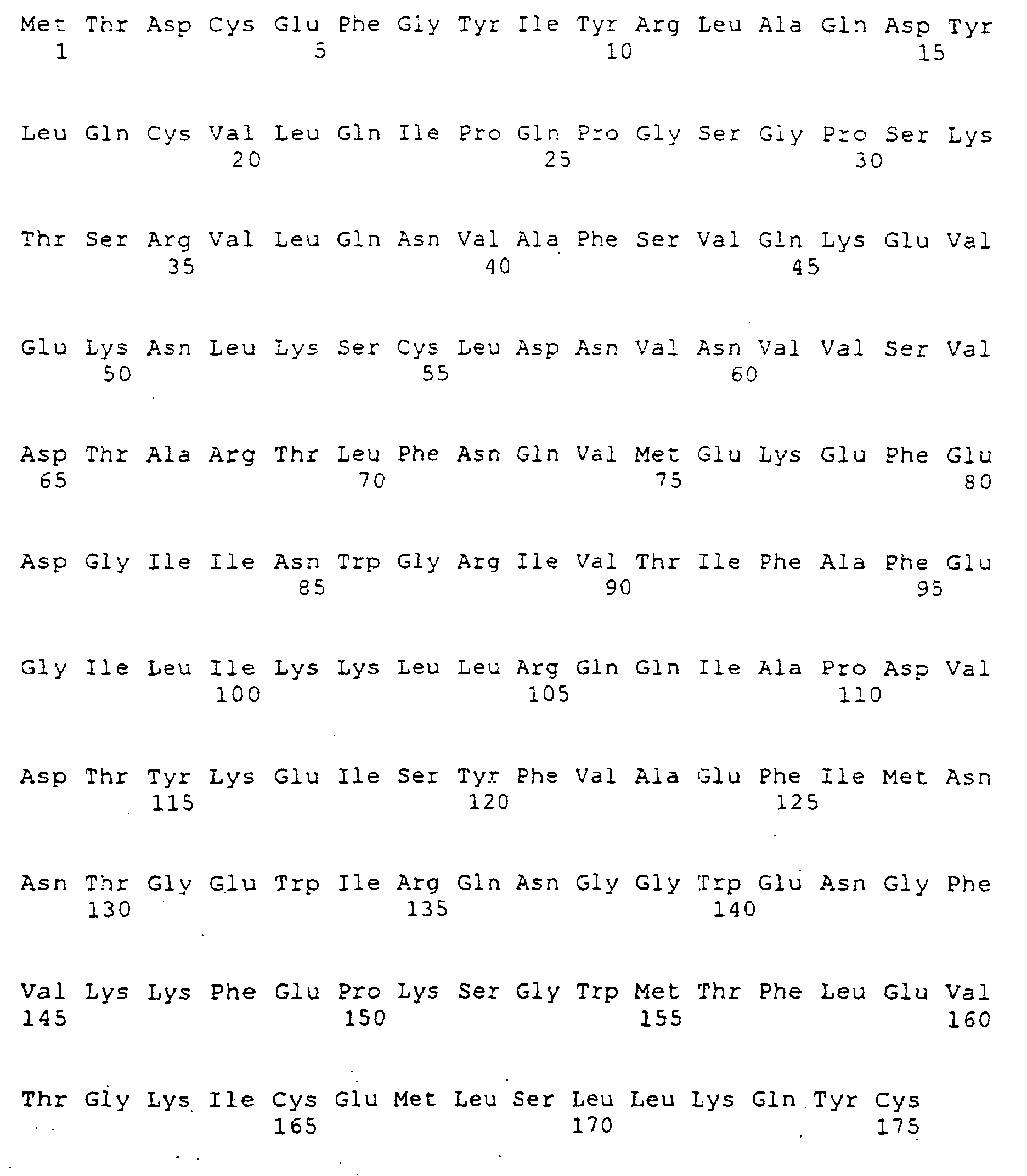
- Still another object of the present invention is to provide a polypeptide comprising amino acids 1 - 175 of SEQ ID NO:2.
- Each set consisted of a normal stomach, tumor tissue and metastatic tumor nodule. Photograph of the corresponding ethidium bromide-stained gel is shown below each autoradiogram. M: metastatic nodule, T:tumor tissue, N: normal stomach tissue.
- the new gene according to the present invention was originally isolated from a human fetal liver at 22 week of gestation and identified by computer analysis of expressed sequenced tag (EST) databases constructed by single-pass sequencing of random cDNA clones (Choi et al ., 1995).
- EST expressed sequenced tag
- a directional cDNA library was constructed from total RNA from a 22 week old human fetal liver, and used for its amplification by using competent cells. The DNAs were sequenced and each clone was identified. Among the sequenced clones, a clone showing a homology with murine Al gene was selected and designated as "fl-383d.” The fl-383d clone proved to be a new member of the Bcl-2 related gene family, and the new Bcl-2 related gene was named "Bfl-1" ("Bcl-2 related gene expressed in fetal liver”).
- Bfl-1 gene has a homology with Bcl-2, especially within the BH1 and BH2 domains.
- Bcl-2 has been shown to prevent apoptotic cell death in cultured cells deprived of growth factors (Vaus et al ., 1988; Hockenbery et al ., 1990; Nunez et al ., 1990; Garcia et al ., 1992).
- Bcl-2 is not able to block apoptosis in all cells induced by cytokine deprivation or receptor-mediated signaling in vivo or in vitro (Nunez et al ., 1990; Strasser et al ., 1991).
- Bcl-2 related proteins The homology among the Bcl-2 related proteins is concentrated in two regions, termed BH1 and BH2 (Oltvai et al ., 1993).
- the BH1 and BH2 domains are likely to play an important role in regulation of apoptosis, perhaps by modulating the activity of Bcl-2.
- Bcl-x isolated by low stringency hybridization to the Bcl-2 probe has two transcripts of different sizes generated by alternative splicing.
- Bcl-xL containing BH1 and BH2 domains prevents apoptosis following growth factor deprivation, whereas Bcl-xSS lacking the internal region of 63 amino acids corresponding to BH1 and BH2 facilitates apoptosis by inhibiting the activity of Bcl-2 (Boise et al ., 1993).
- Bax was identified by coimmunoprecipitation with Bcl-2, perhaps due to interaction within BH1 and BH2 domains, and appeared to inhibit the function of Bcl-2 by forming hetercdimers, Bcl-2-Bax complexes (Oltvai et al ., 1993).
- Blf-1 contains BH1 and BH2 domains strongly suggests that the gene may also be involved in the regulation of apoptosis.
- the Bfl-1 gene is highly expressed in bone marrow and present in hemopoietic lineages such as Raji and HL60 and in some normal adult tissues, including lung, spleen, and esophagus.
- the expression patterns of other Bcl-2 related genes are very distinctive.
- Bcl-2 is expressed in bone marrow progenitors or long-lived cells in hormonally responsive epithelia that undergo cycles of hyperplasis and in neurons of the peripheral neuronal system (Veis et al ., 1993).
- Bcl-x is highly expressed in the thymus and the central nervous system (Boise et al ., 1993).
- Bax expression was not lymphoid restricted but was widely expressed in a variety of tissues, including lung, stomach, kidney, thymus, bone marrow and spleen (Oltvai et al ., 1993). Like Bax, Bak is ubiquitously expressed. A1 is a hemopoietic-specific gene expressed in several hemopoietic cell lineages (Lin et al ., 1993).
- apoptosis-accelerating genes such as Bax and Bak
- apoptosis-blocking genes such as Bcl-2, Bcl-x and A1
- Bfl-1 appears to be correlated with the development of stomach cancer as shown in FIG. 5, suggesting the possibility that Bfl-1 may be involved in the tumorigenesis or progression of stomach cancer.
- Bcl-2 is prevalent in human colorectal adenomas and carcinomas (Hague et al ., 1994) and the Bcl-2 expression has been associated with a poor prognosis in prostate cancer, colon cancer and neuroblastoma (McDonnel et al ., 1992; Castle et al , 1993; Hague et al ., 1994; Thomson, 1995).
- Bfl-1 is most homologous to A1 in the amino acid level and has a similar expression pattern, Bfl-1 may be the human homolog of the mouse A1 gene.
- the present invention also provides equivalent DNA constructs that encode various additions or substitutions of amino acid residues or sequences, or deletions of terminal or internal residues or sequences not needed for biological activity of the polypeptide comprising the amino acids 1 - 175 of SEQ ID NO:2.
- Nucleic acid sequences within the scope of the invention include isolated DNA and RNA sequences that hybridize to the cDNA nucleotide sequences disclosed herein under conditions of moderate or severe stringency, which encode the polypeptide comprising the amino acids 1 - 175 of SEQ ID NO:2.
- Conditions of moderate stringency as defined by Sambrook et al ., Molecular Cloning : A Laboratory Manual, 2nd ed, Vol. 1, pp.1.101-104, Cold Spring Harbor Laboratory Press, (1989), include use of a prewashing solution of 5 X SSC, 1.0 mM EDTA (pH 8.0) and hybridization conditions of about 55°C, 5 X SSC, overnight.
- Conditions of severe stringency include higher temperatures of hybridization and washing. The skilled artisan will recognize that the temperature and wash solution salt concentration may be adjusted as necessary according to factors such as the length of the probe.
- a DNA sequence may vary from that shown in SEQ ID NO:1 and still encode the polypeptide having the amino acid sequence of SEQ ID NO:2.
- a directional cDNA library was constructed by using the cDNA synthesis kit purchased from Stratagene. Briefly, the first strand cDNAs were synthesized using moloney murine leukemia virus reverse transcriptase from 4 ⁇ g of poly(A) + RNA using a primer consisting of a Xho I site followed by oligo(dT).
- the cDNAs of constructed library were transfected into XL1-blue MRF' competent cells purchased from Stratagene. Double-stranded plasmid DNAs were prepared using alkaline lysis protocols, and sequenced by dideoxy-chain termination method following the manufacturer's recommendation (USB Biochemicals). That is to say, denatured templates were primed with T3 primer, labeled with 35 S-dATP, and terminated. After reaction, samples were run in a 4.5% polyacrylamide gel. The gel was soaked in a solution consisting of 10% of methanol and 10% of acetic acid for 15 to 30 min, dried, and exposed to an X-ray film at room temperature for 12 to 14 hours.
- RNA of tissues and cell lines was isolated using guanidine thiocyanate protocol (Sambrook et al ., 1989). About 20-30 ⁇ g of total RNA was loaded per lane of 1% denaturing formaldehyde agarose gel and run at 40V for 16 hours. The RNA was transferred to a nylon membrane (Schleicher and Schuell) using 10 X SSC.
- Radioactivity labeled probes (2 x 10 5 c.p.m. per ml) were hybridized to the blots at 65°C in a buffer as described by Church and Gilbert (1984). After 18 h hybridization, the filters were washed in a buffer containing 0.1 X SSC, 0.1% SDS at 65°C for 15 min. The autoradiogram was taken for 1-7 days (Kang et al ., 1994).
- fl-383d The fl-383d clone was ligated into the EcoRI-XhoI site of pBluescript II SK(-) (available from Stratagene) to produce a recombinant plasmid pBfl-1. Then the plasmid pBfl-1 was transformed into E. coli and designated as "383-E.
- the transformant was deposited with Korean Culture Collection of Microorganisms (Korean Foundation of Culture Collection) of Department of Food Engineering, College of Engineering, Yonsei University, Sodaemun-gu, Seoul 120-749 Korea on March 20, 1995 under the Budapest Treaty on the International Recognition of the Deposit of Microorganisms for the Purposes of Patent Procedure, and received an accession number "KCCM 10061.”
- FIG. 1(A) shows the partial base sequence of Bfl-1 gene determined by random cDNA sequencing
- FIG. 1(B) shows the results of evaluating the amino acid homology with other polypeptides stored in Genbank databases.
- the term “reading frame” means a frame used for the translation of base sequence
- the term “high score smallest poisson probability” is a computerized value by a sequence search program "BLAST (Basic Local Alignment Sequence Search Tool).”
- the score of "+5" is given when the amino acids compared are the same, while the score of "-4" is given when the amino acids compared are the different from each other. Therefore, the higher the score, the more homologous the amino acid sequences.
- the "p-value” also is a computerized value and indicates the possibility of an accidental match. Accordingly, the lower the value, the more specific the match.
- Bfl-1 gene shows similarity throughout the partially sequenced bases from its first amino acid, Met.
- the size of cDNA insert is about 750bp, which is similar to that of A1 transcript.
- Bfl-1 Bcl-2 related gene expressed in fetal liver.
- the A1 gene is a Bcl-2 related gene in the mouse and is known as a hemopoietic specific dearly response gene whose transcription is rapidly and transiently induced by GM-CSF in murine bone marrow-derived macrophage (Lin et al ., 1993). Since the Bcl-2 related genes play an important role in the regulation of apoptosis, the present inventors have determined the full DNA sequence of the novel cDNA gene and deduced the amino acid sequence of a potential open reading frame (SEQ ID NO:1). Bfl-1 is consisted of. 734 bp and Kozak consensus sequence ("A" and "G" at -3 and -4 positions.
- a purine nucleotide, adenine is located at -3 position from the putative translation initiation codon, ATG, which is preceded by an inframe stop codon, TGA indicating that the initiation codon seems to be a functioning one.
- the entire open reading frame from this start codon can potentially encode a protein of 175 amino acids, and a potential polyadenylation signal, AATAAA, was located in 18 base pairs upstream of the poly(A) tail.
- the putative start codon, ATG initiates the coding region which is translated into the three-letter code for the amino acid.
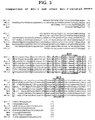
- FIG. 3 Comparison of the deduced amino acid sequence of the gene Bfl-1 with several Bcl-2 related genes including Bcl-2, Bax, Bcl-x, MCL1, A1, NR-13 and Bak was shown in FIG. 3.
- the deduced amino acid sequence of the Bfl-1 clone is aligned with several Bcl-2 related genes using alignment program (IntelliGenetic software package). The numbers in the right side indicate the positions of the amino acid in each sequence. Identical residues are indicated with bold face. The position where five or more proteins share the same residue are boxed. The BH1 and BH2 domains are marked by bold line.
- the gene Bfl-1 had the highest homology to the mouse A1 with a 72% amino acid identity.
- the Bfl-1 gene is abundantly expressed in bone marrow and at a low level in some other tissues
- FIG. 5 To examine the expression pattern of Bfl-1, northern blot analysis was performed on various human tissues and cell lines (FIG. 5). Because Bfl-1 was initially identified from a human fetal liver at 22 weeks of gestation, which consists of hepatic and hemopoietic cells, the present inventors performed northern analysis of fetal liver, hemopoietic lineage cells such as HL60 and Raji, and primary acute lymphocyte leukemia (ALL) cells. The results are shown in FIG. 4. Bfl-1 was highly expressed in bone marrow, but not detected in fetal liver, indicating that the level of Bfl-1 expression is not high in the fetal liver (FIG. 4A).
- ALL primary acute lymphocyte leukemia
- the Raji cell line derived from Burkitt's lymphoma expressed Bfl-1, whereas the other cell lines did not express Bfl-1, or did very little, if any.
- Bfl-1 message was detected at low levels in lung, spleen, and esophagus (FIG. 4B). No Bfl-1 message was detected in several other nonhemopoietic tissues including heart, testis, thyroid, cerebellum and cerebrum.
- Bcl-2 related genes may be involved in tumor cell survival (McDonnell et al ., 1992; Thomson, 1995).
- the present inventors examined whether the expression of Bfl-1 is correlated with tumorigenesis. They analyzed tumor tissues for the expression of Bfl-1 by northern analysis. No correlation was observed in one set of hepatoma tissue(FIG. 4A). They then examined whether the expression of Bfl-1 is correlated with stomach cancer development. Northern analysis was carried out with eight sets of stomach tissue samples obtained from eight different stomach cancer patients (FIG. 5). Each set consisted of metastatic, tumorous, and normal stomach tissues from a single patient.
- the expression level of the gene was dramatically increased in tumorous and metastatic tissues, whereas normal stomach did not express the gene at a detectable level under the experimental conditions used. No apparent pathological or clinical difference was noted among the cancer samples, however, which could be correlated with the presence or the absence of the Bfl-1 expression.
Landscapes
- Health & Medical Sciences (AREA)
- Chemical & Material Sciences (AREA)
- Life Sciences & Earth Sciences (AREA)
- Organic Chemistry (AREA)
- Genetics & Genomics (AREA)
- Engineering & Computer Science (AREA)
- General Health & Medical Sciences (AREA)
- Wood Science & Technology (AREA)
- Biomedical Technology (AREA)
- Medicinal Chemistry (AREA)
- Molecular Biology (AREA)
- Biotechnology (AREA)
- Biochemistry (AREA)
- Zoology (AREA)
- Bioinformatics & Cheminformatics (AREA)
- General Engineering & Computer Science (AREA)
- Biophysics (AREA)
- Proteomics, Peptides & Aminoacids (AREA)
- Microbiology (AREA)
- Oncology (AREA)
- Gastroenterology & Hepatology (AREA)
- Nuclear Medicine, Radiotherapy & Molecular Imaging (AREA)
- General Chemical & Material Sciences (AREA)
- Virology (AREA)
- Veterinary Medicine (AREA)
- Public Health (AREA)
- Animal Behavior & Ethology (AREA)
- Pharmacology & Pharmacy (AREA)
- Tropical Medicine & Parasitology (AREA)
- Chemical Kinetics & Catalysis (AREA)
- Physics & Mathematics (AREA)
- Plant Pathology (AREA)
- Peptides Or Proteins (AREA)
- Medicines That Contain Protein Lipid Enzymes And Other Medicines (AREA)
- Micro-Organisms Or Cultivation Processes Thereof (AREA)
- Measuring Or Testing Involving Enzymes Or Micro-Organisms (AREA)
- Preparation Of Compounds By Using Micro-Organisms (AREA)
Description
The DNAs were sequenced and each clone was identified. Among the sequenced clones, a clone showing a homology with murine Al gene was selected and designated as "fl-383d." The fl-383d clone proved to be a new member of the Bcl-2 related gene family, and the new Bcl-2 related gene was named "Bfl-1" ("Bcl-2 related gene expressed in fetal liver").
Like Bax, Bak is ubiquitously expressed. A1 is a hemopoietic-specific gene expressed in several hemopoietic cell lineages (Lin et al., 1993). It is notable that the expression of apoptosis-accelerating genes such as Bax and Bak is widespread in different tissues, whereas the expression of apoptosis-blocking genes such as Bcl-2, Bcl-x and A1 is restricted in some tissues, suggesting that the activity of apoptosis-acceleratng genes may be regulated by death inhibitory genes.
Finally, the small fragments were ligated into EcoRI-XhoI site of pBluescript II SK(-) vector (available from Stratagene).
- (A) NAME: Postech Foundation
- (B) STREET: San 31, Hyoja-dong, Nam-ku
- (C) CITY: Pohang
- (D) STATE: Kyoungbuk
- (E) COUNTRY: Republic of Korea
- (F) POSTAL CODE (ZIP): 790-330

Claims (11)
- A polypeptide comprising amino acids 1 - 175 of SEQ ID NO: 2.
- An isolated Bcl-2-related nucleic acid sequence characterised in that it encodes a polypeptide according to claim 1.
- A nucleic acid sequence according to claim 2, comprising the DNA sequence 35 - 559 of SEQ ID NO: 1.
- A nucleic acid sequence according to claim 2, comprising the DNA sequence of SEQ ID NO: 1.
- A Bcl-2-related nucleic acid sequence according to any of claims 2 to 4, which is originated from human.
- A Bcl-2-related nucleic acid sequence according to any of claims 2 to 4, which is originated from human foetal liver.
- A Bcl-2-related nucleic acid sequence according to claims 5 or 6, which is a Bfl-1 gene contained in the microorganism deposited at the Korean Foundation of Culture Collection under accession member KCCM 10061.
- A plasmid comprising a Bcl-2-related nucleic acid sequence of any of claims 2 to 7.
- A host cell transformed with a plasmid of claim 8.
- The use of a Bcl-2-related nucleic acid sequence according to any of claims 2 to 7 in a in vitro method for diagnosing cancer.
- The use of a Bcl-2-related nucleic acid sequence according to claim 10, wherein the cancer is stomach cancer.
Applications Claiming Priority (3)
| Application Number | Priority Date | Filing Date | Title |
|---|---|---|---|
| KR1019950006266A KR960034413A (en) | 1995-03-24 | 1995-03-24 | Apoptosis regulatory genes |
| KR9506266 | 1995-03-24 | ||
| PCT/KR1996/000040 WO1996030513A1 (en) | 1995-03-24 | 1996-03-25 | Apoptosis regulating gene |
Publications (2)
| Publication Number | Publication Date |
|---|---|
| EP0759075A1 EP0759075A1 (en) | 1997-02-26 |
| EP0759075B1 true EP0759075B1 (en) | 2005-07-20 |
Family
ID=19410458
Family Applications (1)
| Application Number | Title | Priority Date | Filing Date |
|---|---|---|---|
| EP96907773A Expired - Lifetime EP0759075B1 (en) | 1995-03-24 | 1996-03-25 | Apoptosis regulating gene |
Country Status (7)
| Country | Link |
|---|---|
| US (1) | US5843773A (en) |
| EP (1) | EP0759075B1 (en) |
| JP (1) | JPH10504975A (en) |
| KR (2) | KR960034413A (en) |
| CA (1) | CA2191214A1 (en) |
| DE (1) | DE69634939D1 (en) |
| WO (1) | WO1996030513A1 (en) |
Families Citing this family (10)
| Publication number | Priority date | Publication date | Assignee | Title |
|---|---|---|---|---|
| US6001992A (en) * | 1999-01-07 | 1999-12-14 | Isis Pharmaceuticals Inc. | Antisense modulation of novel anti-apoptotic bcl-2-related proteins |
| US7157098B1 (en) * | 1998-01-06 | 2007-01-02 | Roman Perez-Soler | Gene therapy of tumors using non-viral delivery system |
| US6221600B1 (en) | 1999-10-08 | 2001-04-24 | Board Of Regents, The University Of Texas System | Combinatorial oligonucleotide PCR: a method for rapid, global expression analysis |
| KR100426455B1 (en) * | 2000-04-25 | 2004-04-13 | 김진우 | Human cancer suppressor gene, protein encoding by same, expression vector containing same, and cell transformed by said vector |
| US6465187B1 (en) | 2000-05-08 | 2002-10-15 | Innoventus Project Ab | Method of treatment |
| KR100426457B1 (en) * | 2001-09-18 | 2004-04-14 | 김진우 | Human cancer suppressor gene, protein encoded therein, expression vector containing same, and cell transformed by said vector |
| KR100434591B1 (en) * | 2002-04-16 | 2004-06-04 | 김진우 | Human cancer suppressor gene, protein encoded therein, expression vector containing same, and cell transformed by said vector |
| US7115370B2 (en) | 2002-06-05 | 2006-10-03 | Capital Genomix, Inc. | Combinatorial oligonucleotide PCR |
| KR100577512B1 (en) * | 2003-06-16 | 2006-05-10 | 주식회사 바이오인프라 | Pharmaceutical composition for inducing apoptosis comprising a fusion protein of green fluorescent protein and 과 l-1 or a gene encoding the same |
| CN105061580B (en) | 2006-10-03 | 2020-06-05 | 罗格斯新泽西州立大学 | Polypeptides and pharmaceutical compositions and their applications |
Family Cites Families (2)
| Publication number | Priority date | Publication date | Assignee | Title |
|---|---|---|---|---|
| US4889806A (en) * | 1987-04-15 | 1989-12-26 | Washington University | Large DNA cloning system based on yeast artificial chromosomes |
| EP0633934A1 (en) * | 1992-04-02 | 1995-01-18 | Imperial Cancer Research Technology Limited | Modified cells and method of treatment |
-
1995
- 1995-03-24 KR KR1019950006266A patent/KR960034413A/en active Pending
-
1996
- 1996-03-25 EP EP96907773A patent/EP0759075B1/en not_active Expired - Lifetime
- 1996-03-25 JP JP8529196A patent/JPH10504975A/en not_active Ceased
- 1996-03-25 CA CA002191214A patent/CA2191214A1/en not_active Abandoned
- 1996-03-25 KR KR1019960008132A patent/KR100302057B1/en not_active Expired - Fee Related
- 1996-03-25 US US08/737,980 patent/US5843773A/en not_active Expired - Fee Related
- 1996-03-25 WO PCT/KR1996/000040 patent/WO1996030513A1/en not_active Ceased
- 1996-03-25 DE DE69634939T patent/DE69634939D1/en not_active Expired - Lifetime
Also Published As
| Publication number | Publication date |
|---|---|
| DE69634939D1 (en) | 2005-08-25 |
| JPH10504975A (en) | 1998-05-19 |
| EP0759075A1 (en) | 1997-02-26 |
| CA2191214A1 (en) | 1996-10-03 |
| KR960034413A (en) | 1996-10-22 |
| KR960034416A (en) | 1996-10-22 |
| KR100302057B1 (en) | 2001-10-22 |
| US5843773A (en) | 1998-12-01 |
| WO1996030513A1 (en) | 1996-10-03 |
Similar Documents
| Publication | Publication Date | Title |
|---|---|---|
| US6124104A (en) | Chromosome 13-linked breast cancer susceptibility gene | |
| Lu et al. | The tcl‐3 proto‐oncogene altered by chromosomal translocation in T‐cell leukemia codes for a homeobox protein. | |
| EP1260520B1 (en) | Chromosome 13-linked breast cancer susceptibility gene | |
| US6100031A (en) | Methods for diagnosis of colon cancer by detecting Roch083 mRNA | |
| WO1995013292A9 (en) | Bcl-2-associated proteins | |
| AU1174295A (en) | Bcl-2-associated proteins | |
| WO1997022689A9 (en) | Chromosome 13-linked breast cancer susceptibility gene | |
| CN101541960A (en) | Partial fragment of REIC/Dkk-3 gene and cancer therapeutic agent comprising the same | |
| US6300110B1 (en) | Peptides related to TPC2 and TPC3, two proteins that are coexpressed with telomerase activity | |
| US5843773A (en) | Apoptosis regulating gene | |
| US6077685A (en) | Tumor suppressor merlin and antibodies thereof | |
| US7176294B2 (en) | Transcription factor, BP1 | |
| US6255464B1 (en) | Mad-related genes in the human | |
| US20030054446A1 (en) | Novel retina-specific human proteins C7orf9, C12orf7, MPP4 and F379 | |
| JPH11215987A (en) | TSA305 gene | |
| US20030026793A1 (en) | Hypoxia inducing factors and uses thereof for inducing angiogenesis and improving muscular functions | |
| US6503502B1 (en) | Nucleotide sequences, proteins, drugs and diagnostic agents of use in treating cancer | |
| US6794139B2 (en) | Breast carcinoma-associated gene | |
| US6136953A (en) | Smooth muscle cell LIM protein | |
| US6537766B1 (en) | Ikaros isoforms and mutants | |
| JP2002503466A (en) | Retinoblastoma protein complex and retinoblastoma interacting protein | |
| KR100503566B1 (en) | Human protooncogene hlc-4 and protein encoded therein | |
| AU773601B2 (en) | Chromosome 13-linked breast cancer susceptibility gene | |
| EP0897001A1 (en) | Polypeptide having a GTPase regulator activity, nucleic acids coding therefore and their use in diagnostics and therapy |
Legal Events
| Date | Code | Title | Description |
|---|---|---|---|
| PUAI | Public reference made under article 153(3) epc to a published international application that has entered the european phase |
Free format text: ORIGINAL CODE: 0009012 |
|
| AK | Designated contracting states |
Kind code of ref document: A1 Designated state(s): CH DE DK ES FR GB IT LI NL SE |
|
| 17P | Request for examination filed |
Effective date: 19970319 |
|
| 17Q | First examination report despatched |
Effective date: 20020403 |
|
| GRAP | Despatch of communication of intention to grant a patent |
Free format text: ORIGINAL CODE: EPIDOSNIGR1 |
|
| RAP1 | Party data changed (applicant data changed or rights of an application transferred) |
Owner name: POSTECH FOUNDATION Owner name: KOREA GREEN CROSS CORPORATION |
|
| GRAS | Grant fee paid |
Free format text: ORIGINAL CODE: EPIDOSNIGR3 |
|
| GRAA | (expected) grant |
Free format text: ORIGINAL CODE: 0009210 |
|
| AK | Designated contracting states |
Kind code of ref document: B1 Designated state(s): CH DE DK ES FR GB IT LI NL SE |
|
| PG25 | Lapsed in a contracting state [announced via postgrant information from national office to epo] |
Ref country code: NL Free format text: LAPSE BECAUSE OF FAILURE TO SUBMIT A TRANSLATION OF THE DESCRIPTION OR TO PAY THE FEE WITHIN THE PRESCRIBED TIME-LIMIT Effective date: 20050720 Ref country code: LI Free format text: LAPSE BECAUSE OF FAILURE TO SUBMIT A TRANSLATION OF THE DESCRIPTION OR TO PAY THE FEE WITHIN THE PRESCRIBED TIME-LIMIT Effective date: 20050720 Ref country code: IT Free format text: LAPSE BECAUSE OF FAILURE TO SUBMIT A TRANSLATION OF THE DESCRIPTION OR TO PAY THE FEE WITHIN THE PRESCRIBED TIME-LIMIT;WARNING: LAPSES OF ITALIAN PATENTS WITH EFFECTIVE DATE BEFORE 2007 MAY HAVE OCCURRED AT ANY TIME BEFORE 2007. THE CORRECT EFFECTIVE DATE MAY BE DIFFERENT FROM THE ONE RECORDED. Effective date: 20050720 Ref country code: CH Free format text: LAPSE BECAUSE OF FAILURE TO SUBMIT A TRANSLATION OF THE DESCRIPTION OR TO PAY THE FEE WITHIN THE PRESCRIBED TIME-LIMIT Effective date: 20050720 |
|
| REG | Reference to a national code |
Ref country code: GB Ref legal event code: FG4D |
|
| REG | Reference to a national code |
Ref country code: CH Ref legal event code: EP |
|
| REF | Corresponds to: |
Ref document number: 69634939 Country of ref document: DE Date of ref document: 20050825 Kind code of ref document: P |
|
| PG25 | Lapsed in a contracting state [announced via postgrant information from national office to epo] |
Ref country code: SE Free format text: LAPSE BECAUSE OF FAILURE TO SUBMIT A TRANSLATION OF THE DESCRIPTION OR TO PAY THE FEE WITHIN THE PRESCRIBED TIME-LIMIT Effective date: 20051020 Ref country code: DK Free format text: LAPSE BECAUSE OF FAILURE TO SUBMIT A TRANSLATION OF THE DESCRIPTION OR TO PAY THE FEE WITHIN THE PRESCRIBED TIME-LIMIT Effective date: 20051020 |
|
| PG25 | Lapsed in a contracting state [announced via postgrant information from national office to epo] |
Ref country code: DE Free format text: LAPSE BECAUSE OF FAILURE TO SUBMIT A TRANSLATION OF THE DESCRIPTION OR TO PAY THE FEE WITHIN THE PRESCRIBED TIME-LIMIT Effective date: 20051021 |
|
| PG25 | Lapsed in a contracting state [announced via postgrant information from national office to epo] |
Ref country code: ES Free format text: LAPSE BECAUSE OF FAILURE TO SUBMIT A TRANSLATION OF THE DESCRIPTION OR TO PAY THE FEE WITHIN THE PRESCRIBED TIME-LIMIT Effective date: 20051031 |
|
| REG | Reference to a national code |
Ref country code: CH Ref legal event code: PL |
|
| NLV1 | Nl: lapsed or annulled due to failure to fulfill the requirements of art. 29p and 29m of the patents act | ||
| RIN2 | Information on inventor provided after grant (corrected) |
Inventor name: PARK, IN CHUL Inventor name: CHOI, EUN KYOUNG Inventor name: YUN, JIN WON Inventor name: CHOI, SUN SIM Inventor name: HONG, SEOK IL Inventor name: SUNG, YOUNG CHUL Inventor name: SHIN, HEE SUP |
|
| PG25 | Lapsed in a contracting state [announced via postgrant information from national office to epo] |
Ref country code: GB Free format text: LAPSE BECAUSE OF NON-PAYMENT OF DUE FEES Effective date: 20060325 |
|
| PLBE | No opposition filed within time limit |
Free format text: ORIGINAL CODE: 0009261 |
|
| STAA | Information on the status of an ep patent application or granted ep patent |
Free format text: STATUS: NO OPPOSITION FILED WITHIN TIME LIMIT |
|
| 26N | No opposition filed |
Effective date: 20060421 |
|
| EN | Fr: translation not filed | ||
| PG25 | Lapsed in a contracting state [announced via postgrant information from national office to epo] |
Ref country code: FR Free format text: LAPSE BECAUSE OF FAILURE TO SUBMIT A TRANSLATION OF THE DESCRIPTION OR TO PAY THE FEE WITHIN THE PRESCRIBED TIME-LIMIT Effective date: 20060915 |
|
| GBPC | Gb: european patent ceased through non-payment of renewal fee |
Effective date: 20060325 |
|
| PG25 | Lapsed in a contracting state [announced via postgrant information from national office to epo] |
Ref country code: FR Free format text: LAPSE BECAUSE OF FAILURE TO SUBMIT A TRANSLATION OF THE DESCRIPTION OR TO PAY THE FEE WITHIN THE PRESCRIBED TIME-LIMIT Effective date: 20050720 |