EP0743955B1 - Cyclic nerve growth factor (ngf) structural analogs and their uses - Google Patents
Cyclic nerve growth factor (ngf) structural analogs and their uses Download PDFInfo
- Publication number
- EP0743955B1 EP0743955B1 EP95907525A EP95907525A EP0743955B1 EP 0743955 B1 EP0743955 B1 EP 0743955B1 EP 95907525 A EP95907525 A EP 95907525A EP 95907525 A EP95907525 A EP 95907525A EP 0743955 B1 EP0743955 B1 EP 0743955B1
- Authority
- EP
- European Patent Office
- Prior art keywords
- ngf
- seq
- compound
- receptor
- analogs
- Prior art date
- Legal status (The legal status is an assumption and is not a legal conclusion. Google has not performed a legal analysis and makes no representation as to the accuracy of the status listed.)
- Expired - Lifetime
Links
- 108010025020 Nerve Growth Factor Proteins 0.000 title claims description 191
- 102000015336 Nerve Growth Factor Human genes 0.000 title claims description 161
- 229940053128 nerve growth factor Drugs 0.000 title description 155
- 125000004122 cyclic group Chemical group 0.000 title description 12
- 102000007339 Nerve Growth Factor Receptors Human genes 0.000 claims abstract description 40
- 150000001875 compounds Chemical class 0.000 claims abstract description 25
- 108010032605 Nerve Growth Factor Receptors Proteins 0.000 claims abstract description 22
- 230000004071 biological effect Effects 0.000 claims abstract description 12
- 238000001727 in vivo Methods 0.000 claims abstract description 9
- 238000000338 in vitro Methods 0.000 claims abstract description 4
- 102000005962 receptors Human genes 0.000 claims description 39
- 108020003175 receptors Proteins 0.000 claims description 39
- 108090000765 processed proteins & peptides Proteins 0.000 claims description 32
- 102000007072 Nerve Growth Factors Human genes 0.000 claims description 30
- 101710187830 Tumor necrosis factor receptor superfamily member 1B Proteins 0.000 claims description 23
- 101100222854 Bacillus subtilis (strain 168) czcO gene Proteins 0.000 claims description 20
- 101100537961 Methanosarcina mazei (strain ATCC BAA-159 / DSM 3647 / Goe1 / Go1 / JCM 11833 / OCM 88) trkA2 gene Proteins 0.000 claims description 20
- 150000001413 amino acids Chemical class 0.000 claims description 20
- 230000005764 inhibitory process Effects 0.000 claims description 20
- 101150025395 trkA gene Proteins 0.000 claims description 20
- 101150113435 trkA1 gene Proteins 0.000 claims description 20
- 150000001923 cyclic compounds Chemical class 0.000 claims description 18
- 235000001014 amino acid Nutrition 0.000 claims description 17
- 230000014511 neuron projection development Effects 0.000 claims description 14
- 230000002401 inhibitory effect Effects 0.000 claims description 13
- 238000000034 method Methods 0.000 claims description 10
- 108090000715 Brain-derived neurotrophic factor Proteins 0.000 claims description 7
- 102000004219 Brain-derived neurotrophic factor Human genes 0.000 claims description 7
- 206010028980 Neoplasm Diseases 0.000 claims description 7
- 208000005890 Neuroma Diseases 0.000 claims description 7
- 208000015114 central nervous system disease Diseases 0.000 claims description 7
- 239000003795 chemical substances by application Substances 0.000 claims description 7
- 238000002360 preparation method Methods 0.000 claims description 7
- 238000007363 ring formation reaction Methods 0.000 claims description 7
- 125000003088 (fluoren-9-ylmethoxy)carbonyl group Chemical group 0.000 claims description 6
- 108090000742 Neurotrophin 3 Proteins 0.000 claims description 6
- 241000124008 Mammalia Species 0.000 claims description 5
- 102100033857 Neurotrophin-4 Human genes 0.000 claims description 5
- 230000003053 immunization Effects 0.000 claims description 5
- 230000003647 oxidation Effects 0.000 claims description 5
- 238000007254 oxidation reaction Methods 0.000 claims description 5
- 208000027232 peripheral nervous system disease Diseases 0.000 claims description 5
- 101000996663 Homo sapiens Neurotrophin-4 Proteins 0.000 claims description 4
- 125000000151 cysteine group Chemical group N[C@@H](CS)C(=O)* 0.000 claims description 4
- 239000003937 drug carrier Substances 0.000 claims description 4
- 230000000295 complement effect Effects 0.000 claims description 3
- 238000002649 immunization Methods 0.000 claims description 3
- 230000002163 immunogen Effects 0.000 claims description 3
- 238000002347 injection Methods 0.000 claims description 3
- 239000007924 injection Substances 0.000 claims description 3
- 125000006239 protecting group Chemical group 0.000 claims description 3
- 230000006641 stabilisation Effects 0.000 claims description 3
- 238000011105 stabilization Methods 0.000 claims description 3
- 230000009885 systemic effect Effects 0.000 claims description 3
- 101100127166 Escherichia coli (strain K12) kefB gene Proteins 0.000 claims description 2
- 101100532553 Escherichia coli (strain K12) sapD gene Proteins 0.000 claims description 2
- 125000002777 acetyl group Chemical group [H]C([H])([H])C(*)=O 0.000 claims description 2
- 238000011065 in-situ storage Methods 0.000 claims description 2
- 239000008194 pharmaceutical composition Substances 0.000 claims description 2
- 230000004962 physiological condition Effects 0.000 claims description 2
- 102000047459 trkC Receptor Human genes 0.000 claims description 2
- 108010064892 trkC Receptor Proteins 0.000 claims description 2
- 102100032889 Sortilin Human genes 0.000 claims 1
- 108091008039 hormone receptors Proteins 0.000 claims 1
- 230000002452 interceptive effect Effects 0.000 claims 1
- 238000013507 mapping Methods 0.000 claims 1
- 229920000642 polymer Polymers 0.000 claims 1
- 210000004027 cell Anatomy 0.000 description 70
- 102000015533 trkA Receptor Human genes 0.000 description 24
- 108010064884 trkA Receptor Proteins 0.000 description 24
- 102100033733 Tumor necrosis factor receptor superfamily member 1B Human genes 0.000 description 22
- 102000004196 processed proteins & peptides Human genes 0.000 description 20
- 108091008604 NGF receptors Proteins 0.000 description 18
- 230000000694 effects Effects 0.000 description 18
- 239000003446 ligand Substances 0.000 description 18
- 229940024606 amino acid Drugs 0.000 description 15
- 210000002569 neuron Anatomy 0.000 description 12
- 230000001404 mediated effect Effects 0.000 description 11
- 230000003042 antagnostic effect Effects 0.000 description 10
- 108090000379 Fibroblast growth factor 2 Proteins 0.000 description 9
- 102000003974 Fibroblast growth factor 2 Human genes 0.000 description 9
- 230000003278 mimic effect Effects 0.000 description 9
- 208000037265 diseases, disorders, signs and symptoms Diseases 0.000 description 8
- 238000004458 analytical method Methods 0.000 description 7
- 239000005557 antagonist Substances 0.000 description 7
- 238000003556 assay Methods 0.000 description 7
- 238000006471 dimerization reaction Methods 0.000 description 7
- 230000033300 receptor internalization Effects 0.000 description 7
- 210000002966 serum Anatomy 0.000 description 7
- WEVYAHXRMPXWCK-UHFFFAOYSA-N Acetonitrile Chemical compound CC#N WEVYAHXRMPXWCK-UHFFFAOYSA-N 0.000 description 6
- 239000000556 agonist Substances 0.000 description 6
- 230000015572 biosynthetic process Effects 0.000 description 6
- 229940077737 brain-derived neurotrophic factor Drugs 0.000 description 6
- 201000010099 disease Diseases 0.000 description 6
- 230000007246 mechanism Effects 0.000 description 6
- 230000004044 response Effects 0.000 description 6
- 230000002441 reversible effect Effects 0.000 description 6
- 230000004083 survival effect Effects 0.000 description 6
- 238000003786 synthesis reaction Methods 0.000 description 6
- 102100029268 Neurotrophin-3 Human genes 0.000 description 5
- 230000001270 agonistic effect Effects 0.000 description 5
- 230000006907 apoptotic process Effects 0.000 description 5
- 239000003112 inhibitor Substances 0.000 description 5
- 230000003993 interaction Effects 0.000 description 5
- 230000001537 neural effect Effects 0.000 description 5
- 210000002241 neurite Anatomy 0.000 description 5
- 239000004017 serum-free culture medium Substances 0.000 description 5
- 108091003079 Bovine Serum Albumin Proteins 0.000 description 4
- DHMQDGOQFOQNFH-UHFFFAOYSA-N Glycine Chemical compound NCC(O)=O DHMQDGOQFOQNFH-UHFFFAOYSA-N 0.000 description 4
- CKLJMWTZIZZHCS-REOHCLBHSA-N L-aspartic acid Chemical compound OC(=O)[C@@H](N)CC(O)=O CKLJMWTZIZZHCS-REOHCLBHSA-N 0.000 description 4
- 230000004913 activation Effects 0.000 description 4
- 238000004166 bioassay Methods 0.000 description 4
- 230000000903 blocking effect Effects 0.000 description 4
- 239000012091 fetal bovine serum Substances 0.000 description 4
- 210000002950 fibroblast Anatomy 0.000 description 4
- 230000014509 gene expression Effects 0.000 description 4
- 239000003102 growth factor Substances 0.000 description 4
- 229940032018 neurotrophin 3 Drugs 0.000 description 4
- 238000012360 testing method Methods 0.000 description 4
- WHUUTDBJXJRKMK-UHFFFAOYSA-N Glutamic acid Natural products OC(=O)C(N)CCC(O)=O WHUUTDBJXJRKMK-UHFFFAOYSA-N 0.000 description 3
- OUYCCCASQSFEME-QMMMGPOBSA-N L-tyrosine Chemical compound OC(=O)[C@@H](N)CC1=CC=C(O)C=C1 OUYCCCASQSFEME-QMMMGPOBSA-N 0.000 description 3
- 101100404651 Mus musculus Ngf gene Proteins 0.000 description 3
- 230000001413 cellular effect Effects 0.000 description 3
- 230000001419 dependent effect Effects 0.000 description 3
- 231100000673 dose–response relationship Toxicity 0.000 description 3
- 238000002474 experimental method Methods 0.000 description 3
- 230000012010 growth Effects 0.000 description 3
- 230000001939 inductive effect Effects 0.000 description 3
- -1 ionic bonds Chemical compound 0.000 description 3
- 230000004048 modification Effects 0.000 description 3
- 238000012986 modification Methods 0.000 description 3
- 238000003032 molecular docking Methods 0.000 description 3
- 238000010647 peptide synthesis reaction Methods 0.000 description 3
- 125000002924 primary amino group Chemical group [H]N([H])* 0.000 description 3
- 238000000159 protein binding assay Methods 0.000 description 3
- 239000003053 toxin Substances 0.000 description 3
- 231100000765 toxin Toxicity 0.000 description 3
- 108700012359 toxins Proteins 0.000 description 3
- YBJHBAHKTGYVGT-ZKWXMUAHSA-N (+)-Biotin Chemical compound N1C(=O)N[C@@H]2[C@H](CCCCC(=O)O)SC[C@@H]21 YBJHBAHKTGYVGT-ZKWXMUAHSA-N 0.000 description 2
- 102000003886 Glycoproteins Human genes 0.000 description 2
- 108090000288 Glycoproteins Proteins 0.000 description 2
- COLNVLDHVKWLRT-QMMMGPOBSA-N L-phenylalanine Chemical compound OC(=O)[C@@H](N)CC1=CC=CC=C1 COLNVLDHVKWLRT-QMMMGPOBSA-N 0.000 description 2
- 108090000099 Neurotrophin-4 Proteins 0.000 description 2
- 108091000080 Phosphotransferase Proteins 0.000 description 2
- 102000001253 Protein Kinase Human genes 0.000 description 2
- 108010001267 Protein Subunits Proteins 0.000 description 2
- 102000002067 Protein Subunits Human genes 0.000 description 2
- PXIPVTKHYLBLMZ-UHFFFAOYSA-N Sodium azide Chemical compound [Na+].[N-]=[N+]=[N-] PXIPVTKHYLBLMZ-UHFFFAOYSA-N 0.000 description 2
- DTQVDTLACAAQTR-UHFFFAOYSA-N Trifluoroacetic acid Chemical compound OC(=O)C(F)(F)F DTQVDTLACAAQTR-UHFFFAOYSA-N 0.000 description 2
- 230000009471 action Effects 0.000 description 2
- 235000004279 alanine Nutrition 0.000 description 2
- 230000008485 antagonism Effects 0.000 description 2
- 239000003242 anti bacterial agent Substances 0.000 description 2
- 229940088710 antibiotic agent Drugs 0.000 description 2
- 238000013459 approach Methods 0.000 description 2
- 235000003704 aspartic acid Nutrition 0.000 description 2
- OQFSQFPPLPISGP-UHFFFAOYSA-N beta-carboxyaspartic acid Natural products OC(=O)C(N)C(C(O)=O)C(O)=O OQFSQFPPLPISGP-UHFFFAOYSA-N 0.000 description 2
- 239000012148 binding buffer Substances 0.000 description 2
- 238000004113 cell culture Methods 0.000 description 2
- 230000030833 cell death Effects 0.000 description 2
- 238000003776 cleavage reaction Methods 0.000 description 2
- 230000002860 competitive effect Effects 0.000 description 2
- 238000002447 crystallographic data Methods 0.000 description 2
- 235000018417 cysteine Nutrition 0.000 description 2
- XUJNEKJLAYXESH-UHFFFAOYSA-N cysteine Natural products SCC(N)C(O)=O XUJNEKJLAYXESH-UHFFFAOYSA-N 0.000 description 2
- 230000034994 death Effects 0.000 description 2
- 239000000539 dimer Substances 0.000 description 2
- 208000035475 disorder Diseases 0.000 description 2
- 230000006334 disulfide bridging Effects 0.000 description 2
- 238000004128 high performance liquid chromatography Methods 0.000 description 2
- 150000002500 ions Chemical class 0.000 description 2
- 108020004999 messenger RNA Proteins 0.000 description 2
- 239000000203 mixture Substances 0.000 description 2
- 230000010807 negative regulation of binding Effects 0.000 description 2
- 238000003522 neurite outgrowth assay Methods 0.000 description 2
- 208000028591 pheochromocytoma Diseases 0.000 description 2
- 102000020233 phosphotransferase Human genes 0.000 description 2
- 229920001184 polypeptide Polymers 0.000 description 2
- 230000008569 process Effects 0.000 description 2
- 108060006633 protein kinase Proteins 0.000 description 2
- 235000018102 proteins Nutrition 0.000 description 2
- 102000004169 proteins and genes Human genes 0.000 description 2
- 108090000623 proteins and genes Proteins 0.000 description 2
- 230000009467 reduction Effects 0.000 description 2
- 230000007017 scission Effects 0.000 description 2
- 230000019491 signal transduction Effects 0.000 description 2
- 241000894007 species Species 0.000 description 2
- 238000006467 substitution reaction Methods 0.000 description 2
- 230000002889 sympathetic effect Effects 0.000 description 2
- 210000004881 tumor cell Anatomy 0.000 description 2
- VZQHRKZCAZCACO-PYJNHQTQSA-N (2s)-2-[[(2s)-2-[2-[[(2s)-2-[[(2s)-2-amino-5-(diaminomethylideneamino)pentanoyl]amino]propanoyl]amino]prop-2-enoylamino]-3-methylbutanoyl]amino]propanoic acid Chemical compound OC(=O)[C@H](C)NC(=O)[C@H](C(C)C)NC(=O)C(=C)NC(=O)[C@H](C)NC(=O)[C@@H](N)CCCNC(N)=N VZQHRKZCAZCACO-PYJNHQTQSA-N 0.000 description 1
- 108091032973 (ribonucleotides)n+m Proteins 0.000 description 1
- 208000024827 Alzheimer disease Diseases 0.000 description 1
- ATRRKUHOCOJYRX-UHFFFAOYSA-N Ammonium bicarbonate Chemical compound [NH4+].OC([O-])=O ATRRKUHOCOJYRX-UHFFFAOYSA-N 0.000 description 1
- 229910000013 Ammonium bicarbonate Inorganic materials 0.000 description 1
- 239000004475 Arginine Substances 0.000 description 1
- DCXYFEDJOCDNAF-UHFFFAOYSA-N Asparagine Natural products OC(=O)C(N)CC(N)=O DCXYFEDJOCDNAF-UHFFFAOYSA-N 0.000 description 1
- OBMZMSLWNNWEJA-XNCRXQDQSA-N C1=CC=2C(C[C@@H]3NC(=O)[C@@H](NC(=O)[C@H](NC(=O)N(CC#CCN(CCCC[C@H](NC(=O)[C@@H](CC4=CC=CC=C4)NC3=O)C(=O)N)CC=C)NC(=O)[C@@H](N)C)CC3=CNC4=C3C=CC=C4)C)=CNC=2C=C1 Chemical compound C1=CC=2C(C[C@@H]3NC(=O)[C@@H](NC(=O)[C@H](NC(=O)N(CC#CCN(CCCC[C@H](NC(=O)[C@@H](CC4=CC=CC=C4)NC3=O)C(=O)N)CC=C)NC(=O)[C@@H](N)C)CC3=CNC4=C3C=CC=C4)C)=CNC=2C=C1 OBMZMSLWNNWEJA-XNCRXQDQSA-N 0.000 description 1
- 101150013553 CD40 gene Proteins 0.000 description 1
- 241001227713 Chiron Species 0.000 description 1
- 102000008186 Collagen Human genes 0.000 description 1
- 108010035532 Collagen Proteins 0.000 description 1
- 208000020406 Creutzfeldt Jacob disease Diseases 0.000 description 1
- 208000003407 Creutzfeldt-Jakob Syndrome Diseases 0.000 description 1
- 208000010859 Creutzfeldt-Jakob disease Diseases 0.000 description 1
- 102000008130 Cyclic AMP-Dependent Protein Kinases Human genes 0.000 description 1
- 108010049894 Cyclic AMP-Dependent Protein Kinases Proteins 0.000 description 1
- 102000001189 Cyclic Peptides Human genes 0.000 description 1
- 108010069514 Cyclic Peptides Proteins 0.000 description 1
- IVOMOUWHDPKRLL-KQYNXXCUSA-N Cyclic adenosine monophosphate Chemical compound C([C@H]1O2)OP(O)(=O)O[C@H]1[C@@H](O)[C@@H]2N1C(N=CN=C2N)=C2N=C1 IVOMOUWHDPKRLL-KQYNXXCUSA-N 0.000 description 1
- 206010012559 Developmental delay Diseases 0.000 description 1
- 201000010374 Down Syndrome Diseases 0.000 description 1
- 239000006144 Dulbecco’s modified Eagle's medium Substances 0.000 description 1
- 208000001730 Familial dysautonomia Diseases 0.000 description 1
- 239000004471 Glycine Substances 0.000 description 1
- 239000012981 Hank's balanced salt solution Substances 0.000 description 1
- 208000023105 Huntington disease Diseases 0.000 description 1
- 108700005091 Immunoglobulin Genes Proteins 0.000 description 1
- ONIBWKKTOPOVIA-BYPYZUCNSA-N L-Proline Chemical compound OC(=O)[C@@H]1CCCN1 ONIBWKKTOPOVIA-BYPYZUCNSA-N 0.000 description 1
- QNAYBMKLOCPYGJ-REOHCLBHSA-N L-alanine Chemical compound C[C@H](N)C(O)=O QNAYBMKLOCPYGJ-REOHCLBHSA-N 0.000 description 1
- DCXYFEDJOCDNAF-REOHCLBHSA-N L-asparagine Chemical compound OC(=O)[C@@H](N)CC(N)=O DCXYFEDJOCDNAF-REOHCLBHSA-N 0.000 description 1
- AGPKZVBTJJNPAG-WHFBIAKZSA-N L-isoleucine Chemical compound CC[C@H](C)[C@H](N)C(O)=O AGPKZVBTJJNPAG-WHFBIAKZSA-N 0.000 description 1
- ROHFNLRQFUQHCH-YFKPBYRVSA-N L-leucine Chemical compound CC(C)C[C@H](N)C(O)=O ROHFNLRQFUQHCH-YFKPBYRVSA-N 0.000 description 1
- FFEARJCKVFRZRR-BYPYZUCNSA-N L-methionine Chemical compound CSCC[C@H](N)C(O)=O FFEARJCKVFRZRR-BYPYZUCNSA-N 0.000 description 1
- QIVBCDIJIAJPQS-VIFPVBQESA-N L-tryptophane Chemical compound C1=CC=C2C(C[C@H](N)C(O)=O)=CNC2=C1 QIVBCDIJIAJPQS-VIFPVBQESA-N 0.000 description 1
- ROHFNLRQFUQHCH-UHFFFAOYSA-N Leucine Natural products CC(C)CC(N)C(O)=O ROHFNLRQFUQHCH-UHFFFAOYSA-N 0.000 description 1
- UGTZHPSKYRIGRJ-YUMQZZPRSA-N Lys-Glu Chemical group NCCCC[C@H](N)C(=O)N[C@H](C(O)=O)CCC(O)=O UGTZHPSKYRIGRJ-YUMQZZPRSA-N 0.000 description 1
- 239000004472 Lysine Substances 0.000 description 1
- KDXKERNSBIXSRK-UHFFFAOYSA-N Lysine Natural products NCCCCC(N)C(O)=O KDXKERNSBIXSRK-UHFFFAOYSA-N 0.000 description 1
- 231100000002 MTT assay Toxicity 0.000 description 1
- 238000000134 MTT assay Methods 0.000 description 1
- 208000001089 Multiple system atrophy Diseases 0.000 description 1
- 101150111783 NTRK1 gene Proteins 0.000 description 1
- 206010029260 Neuroblastoma Diseases 0.000 description 1
- 102000003683 Neurotrophin-4 Human genes 0.000 description 1
- 208000018737 Parkinson disease Diseases 0.000 description 1
- 101710176384 Peptide 1 Proteins 0.000 description 1
- 239000004698 Polyethylene Substances 0.000 description 1
- ONIBWKKTOPOVIA-UHFFFAOYSA-N Proline Natural products OC(=O)C1CCCN1 ONIBWKKTOPOVIA-UHFFFAOYSA-N 0.000 description 1
- 102000004022 Protein-Tyrosine Kinases Human genes 0.000 description 1
- 108090000412 Protein-Tyrosine Kinases Proteins 0.000 description 1
- 101000596898 Rattus norvegicus High affinity nerve growth factor receptor Proteins 0.000 description 1
- 201000001638 Riley-Day syndrome Diseases 0.000 description 1
- 239000006146 Roswell Park Memorial Institute medium Substances 0.000 description 1
- MTCFGRXMJLQNBG-UHFFFAOYSA-N Serine Natural products OCC(N)C(O)=O MTCFGRXMJLQNBG-UHFFFAOYSA-N 0.000 description 1
- AYFVYJQAPQTCCC-UHFFFAOYSA-N Threonine Natural products CC(O)C(N)C(O)=O AYFVYJQAPQTCCC-UHFFFAOYSA-N 0.000 description 1
- 239000004473 Threonine Substances 0.000 description 1
- 206010044688 Trisomy 21 Diseases 0.000 description 1
- QIVBCDIJIAJPQS-UHFFFAOYSA-N Tryptophan Natural products C1=CC=C2C(CC(N)C(O)=O)=CNC2=C1 QIVBCDIJIAJPQS-UHFFFAOYSA-N 0.000 description 1
- 239000006035 Tryptophane Substances 0.000 description 1
- 108060008683 Tumor Necrosis Factor Receptor Proteins 0.000 description 1
- 102100040245 Tumor necrosis factor receptor superfamily member 5 Human genes 0.000 description 1
- IVOMOUWHDPKRLL-UHFFFAOYSA-N UNPD107823 Natural products O1C2COP(O)(=O)OC2C(O)C1N1C(N=CN=C2N)=C2N=C1 IVOMOUWHDPKRLL-UHFFFAOYSA-N 0.000 description 1
- 230000002159 abnormal effect Effects 0.000 description 1
- 239000008186 active pharmaceutical agent Substances 0.000 description 1
- 230000006978 adaptation Effects 0.000 description 1
- 239000000654 additive Substances 0.000 description 1
- 230000000996 additive effect Effects 0.000 description 1
- 125000003295 alanine group Chemical group N[C@@H](C)C(=O)* 0.000 description 1
- 125000000539 amino acid group Chemical group 0.000 description 1
- 235000012538 ammonium bicarbonate Nutrition 0.000 description 1
- 239000001099 ammonium carbonate Substances 0.000 description 1
- 206010002026 amyotrophic lateral sclerosis Diseases 0.000 description 1
- ODKSFYDXXFIFQN-UHFFFAOYSA-N arginine Natural products OC(=O)C(N)CCCNC(N)=N ODKSFYDXXFIFQN-UHFFFAOYSA-N 0.000 description 1
- 235000009582 asparagine Nutrition 0.000 description 1
- 229960001230 asparagine Drugs 0.000 description 1
- 150000001540 azides Chemical class 0.000 description 1
- 229960002685 biotin Drugs 0.000 description 1
- 235000020958 biotin Nutrition 0.000 description 1
- 239000011616 biotin Substances 0.000 description 1
- 210000004899 c-terminal region Anatomy 0.000 description 1
- 125000003178 carboxy group Chemical group [H]OC(*)=O 0.000 description 1
- 230000003197 catalytic effect Effects 0.000 description 1
- 230000011712 cell development Effects 0.000 description 1
- 230000024245 cell differentiation Effects 0.000 description 1
- 230000010261 cell growth Effects 0.000 description 1
- 239000006285 cell suspension Substances 0.000 description 1
- 210000003169 central nervous system Anatomy 0.000 description 1
- 230000008859 change Effects 0.000 description 1
- 238000012512 characterization method Methods 0.000 description 1
- 239000002738 chelating agent Substances 0.000 description 1
- 125000003636 chemical group Chemical group 0.000 description 1
- 210000002932 cholinergic neuron Anatomy 0.000 description 1
- 210000002806 clathrin-coated vesicle Anatomy 0.000 description 1
- 238000010367 cloning Methods 0.000 description 1
- 230000004186 co-expression Effects 0.000 description 1
- 229920001436 collagen Polymers 0.000 description 1
- 230000006957 competitive inhibition Effects 0.000 description 1
- 239000002299 complementary DNA Substances 0.000 description 1
- 230000008878 coupling Effects 0.000 description 1
- 238000010168 coupling process Methods 0.000 description 1
- 238000005859 coupling reaction Methods 0.000 description 1
- 239000013078 crystal Substances 0.000 description 1
- 229940095074 cyclic amp Drugs 0.000 description 1
- 230000009089 cytolysis Effects 0.000 description 1
- 230000003436 cytoskeletal effect Effects 0.000 description 1
- 231100000135 cytotoxicity Toxicity 0.000 description 1
- 230000003013 cytotoxicity Effects 0.000 description 1
- 230000007850 degeneration Effects 0.000 description 1
- 230000003412 degenerative effect Effects 0.000 description 1
- 238000013461 design Methods 0.000 description 1
- 238000001514 detection method Methods 0.000 description 1
- 238000011161 development Methods 0.000 description 1
- 230000018109 developmental process Effects 0.000 description 1
- 230000004069 differentiation Effects 0.000 description 1
- 230000008034 disappearance Effects 0.000 description 1
- 239000003814 drug Substances 0.000 description 1
- 229940079593 drug Drugs 0.000 description 1
- 230000000763 evoking effect Effects 0.000 description 1
- 230000004907 flux Effects 0.000 description 1
- 239000012634 fragment Substances 0.000 description 1
- 102000034238 globular proteins Human genes 0.000 description 1
- 108091005896 globular proteins Proteins 0.000 description 1
- 235000013922 glutamic acid Nutrition 0.000 description 1
- 239000004220 glutamic acid Substances 0.000 description 1
- ZDXPYRJPNDTMRX-UHFFFAOYSA-N glutamine Natural products OC(=O)C(N)CCC(N)=O ZDXPYRJPNDTMRX-UHFFFAOYSA-N 0.000 description 1
- 239000001963 growth medium Substances 0.000 description 1
- 201000005787 hematologic cancer Diseases 0.000 description 1
- 208000024200 hematopoietic and lymphoid system neoplasm Diseases 0.000 description 1
- 238000005734 heterodimerization reaction Methods 0.000 description 1
- HNDVDQJCIGZPNO-UHFFFAOYSA-N histidine Natural products OC(=O)C(N)CC1=CN=CN1 HNDVDQJCIGZPNO-UHFFFAOYSA-N 0.000 description 1
- 210000004408 hybridoma Anatomy 0.000 description 1
- 238000003384 imaging method Methods 0.000 description 1
- 238000000099 in vitro assay Methods 0.000 description 1
- 230000006698 induction Effects 0.000 description 1
- AGPKZVBTJJNPAG-UHFFFAOYSA-N isoleucine Natural products CCC(C)C(N)C(O)=O AGPKZVBTJJNPAG-UHFFFAOYSA-N 0.000 description 1
- 229960000310 isoleucine Drugs 0.000 description 1
- 206010023497 kuru Diseases 0.000 description 1
- 201000010901 lateral sclerosis Diseases 0.000 description 1
- 108010009298 lysylglutamic acid Proteins 0.000 description 1
- 229920002521 macromolecule Polymers 0.000 description 1
- 230000000873 masking effect Effects 0.000 description 1
- 238000004949 mass spectrometry Methods 0.000 description 1
- 238000005259 measurement Methods 0.000 description 1
- 201000001441 melanoma Diseases 0.000 description 1
- 230000004060 metabolic process Effects 0.000 description 1
- 229910052751 metal Inorganic materials 0.000 description 1
- 239000002184 metal Substances 0.000 description 1
- 229930182817 methionine Natural products 0.000 description 1
- 239000003226 mitogen Substances 0.000 description 1
- 208000005264 motor neuron disease Diseases 0.000 description 1
- 238000002703 mutagenesis Methods 0.000 description 1
- 231100000350 mutagenesis Toxicity 0.000 description 1
- 230000017074 necrotic cell death Effects 0.000 description 1
- 230000001613 neoplastic effect Effects 0.000 description 1
- 210000005036 nerve Anatomy 0.000 description 1
- 210000000653 nervous system Anatomy 0.000 description 1
- 230000007514 neuronal growth Effects 0.000 description 1
- 230000000508 neurotrophic effect Effects 0.000 description 1
- 229940097998 neurotrophin 4 Drugs 0.000 description 1
- 238000006384 oligomerization reaction Methods 0.000 description 1
- 108091008819 oncoproteins Proteins 0.000 description 1
- 102000027450 oncoproteins Human genes 0.000 description 1
- 230000002093 peripheral effect Effects 0.000 description 1
- 210000001428 peripheral nervous system Anatomy 0.000 description 1
- 230000000144 pharmacologic effect Effects 0.000 description 1
- COLNVLDHVKWLRT-UHFFFAOYSA-N phenylalanine Natural products OC(=O)C(N)CC1=CC=CC=C1 COLNVLDHVKWLRT-UHFFFAOYSA-N 0.000 description 1
- 150000003904 phospholipids Chemical class 0.000 description 1
- 230000035479 physiological effects, processes and functions Effects 0.000 description 1
- 230000035790 physiological processes and functions Effects 0.000 description 1
- 229920000573 polyethylene Polymers 0.000 description 1
- 230000002265 prevention Effects 0.000 description 1
- 230000002062 proliferating effect Effects 0.000 description 1
- 230000035755 proliferation Effects 0.000 description 1
- 230000009822 protein phosphorylation Effects 0.000 description 1
- 238000001243 protein synthesis Methods 0.000 description 1
- 238000000746 purification Methods 0.000 description 1
- 230000006340 racemization Effects 0.000 description 1
- 230000002285 radioactive effect Effects 0.000 description 1
- 239000000700 radioactive tracer Substances 0.000 description 1
- 230000009257 reactivity Effects 0.000 description 1
- 230000002829 reductive effect Effects 0.000 description 1
- 230000010076 replication Effects 0.000 description 1
- 230000000717 retained effect Effects 0.000 description 1
- 238000013391 scatchard analysis Methods 0.000 description 1
- 208000008864 scrapie Diseases 0.000 description 1
- 230000001953 sensory effect Effects 0.000 description 1
- 238000013207 serial dilution Methods 0.000 description 1
- 229910052708 sodium Inorganic materials 0.000 description 1
- 239000011734 sodium Substances 0.000 description 1
- 238000002798 spectrophotometry method Methods 0.000 description 1
- 239000007921 spray Substances 0.000 description 1
- 239000000126 substance Chemical group 0.000 description 1
- 230000002459 sustained effect Effects 0.000 description 1
- 208000011580 syndromic disease Diseases 0.000 description 1
- 230000002195 synergetic effect Effects 0.000 description 1
- 230000008685 targeting Effects 0.000 description 1
- 238000002560 therapeutic procedure Methods 0.000 description 1
- 210000001519 tissue Anatomy 0.000 description 1
- 238000004448 titration Methods 0.000 description 1
- 231100000419 toxicity Toxicity 0.000 description 1
- 230000001988 toxicity Effects 0.000 description 1
- 238000013518 transcription Methods 0.000 description 1
- 230000035897 transcription Effects 0.000 description 1
- 230000026683 transduction Effects 0.000 description 1
- 238000010361 transduction Methods 0.000 description 1
- 230000014616 translation Effects 0.000 description 1
- 208000037956 transmissible mink encephalopathy Diseases 0.000 description 1
- 230000001960 triggered effect Effects 0.000 description 1
- 229960004799 tryptophan Drugs 0.000 description 1
- 102000003298 tumor necrosis factor receptor Human genes 0.000 description 1
- OUYCCCASQSFEME-UHFFFAOYSA-N tyrosine Natural products OC(=O)C(N)CC1=CC=C(O)C=C1 OUYCCCASQSFEME-UHFFFAOYSA-N 0.000 description 1
- XLYOFNOQVPJJNP-UHFFFAOYSA-N water Substances O XLYOFNOQVPJJNP-UHFFFAOYSA-N 0.000 description 1
Images



Classifications
-
- C—CHEMISTRY; METALLURGY
- C07—ORGANIC CHEMISTRY
- C07K—PEPTIDES
- C07K14/00—Peptides having more than 20 amino acids; Gastrins; Somatostatins; Melanotropins; Derivatives thereof
- C07K14/435—Peptides having more than 20 amino acids; Gastrins; Somatostatins; Melanotropins; Derivatives thereof from animals; from humans
- C07K14/475—Growth factors; Growth regulators
- C07K14/48—Nerve growth factor [NGF]
-
- C—CHEMISTRY; METALLURGY
- C07—ORGANIC CHEMISTRY
- C07K—PEPTIDES
- C07K7/00—Peptides having 5 to 20 amino acids in a fully defined sequence; Derivatives thereof
- C07K7/64—Cyclic peptides containing only normal peptide links
-
- A—HUMAN NECESSITIES
- A61—MEDICAL OR VETERINARY SCIENCE; HYGIENE
- A61K—PREPARATIONS FOR MEDICAL, DENTAL OR TOILETRY PURPOSES
- A61K38/00—Medicinal preparations containing peptides
Definitions
- the invention relates to cyclic compounds having a 3-dimensional structure which binds to neurotrophin receptors, their uses for the treatment or prevention of peripheral and central nervous system diseases, neuromas at the end of an amputated limb and neoplastic diseases which express neurotrophin receptors.
- Nerve Growth Factor is a protein which has prominent effects on developing sensory and sympathetic neurons of the peripheral nervous system and cholinergic neurons of the CNS.
- NGF is a polypeptide growth factor member of the neurotrophin family, which includes Brain Derived Neurotrophic Factor (BDNF), Neurotrophin-3 (NT3) and Neurotrophin-4/5 (NT-4/5).
- BDNF Brain Derived Neurotrophic Factor
- NT3 Neurotrophin-3
- NT-4/5 Neurotrophin-4/5
- Two cell surface NGF receptors have been characterized on the basis of binding affinity and signal transduction properties, namely the p75 low affinity NGF receptor (LNGFR) and p140 trkA.
- p75 contains no intrinsic catalytic activity but can associate with the ERK family of soluble kinases (Volonté C. et al. (1993) J. Biol. Chem ., 268 :21410-21415), and plays a role in protection from neuronal apoptotic death (Rabizadeh, S. et al. (1993) Science, 261 :345-348).
- p75 is also the low affinity binding receptor for BDNF and NT-3 (Ibá ⁇ ez, C.F. et al. (1991) Eur. Mol. Biol. Org. J ., 10 :2105-2110) but these latter growth factors each have distinct trk receptors.
- the p140 trkA receptor is a 140 kDa glycoprotein encoded by the trk proto-oncogene (Klein, R. et al. (1991) Cell, 65 :189-197). Scatchard analysis of cells expressing only trkA receptors showed a curvilinear plot with Kd ⁇ 10 -11 M and 10 -9 M (Jing, S. et al. (1992) Neuron, 9 : 1067-1079).
- the trkA receptor has intrinsic tyrosine kinase activity and is capable of evoking cellular neurotrophic responses in vitro in the absence of p75 LNGFR (Hempstead, B.L. et al. (1991) Nature, 350 : 678-683).
- p75 can associate with different trk-receptors to form high affinity binding sites but neurotrophin binding specificity is mediated by distinct trk-receptors (Ip, N.Y. et al. (1993) Neuron, 10 :137-149).
- the molecular nature of the functional receptor remains unknown.
- NGF protein has been purified, cloned and sequenced (Angeletti, R.H. et al. (1973) Biochemistry, 12 : 100-115). Cloning of NGF from different species has shown high amino acid sequence homology, and cross-species biological reactivity.
- mouse NGF has been resolved from crystallographic data at 2.3 ⁇ resolution (McDonald, N.Q. et al. (1991) Nature, 345 : 411-414).
- the NGF molecule is a tightly associated dimer made up of parallel protomers of 118 amino acids. Each protomer has seven ⁇ -strands forming three antiparallel pairs. The ⁇ -strands are linked by four exposed regions: three ⁇ -turns (termed A'-A", A'''-B, and C-D) and one series of three contiguous reverse-turns (termed B-C).
- the ⁇ -turn and reverse-turn regions had been noted for their hydrophilic nature and unlike the mostly conserved buried residues of the ⁇ -strands the ⁇ -turns have little conservation between different neurotrophins (Hallbook, F. et al. (1991) Neuron, 6 : 845-858).
- the variability and hydrophilicity of these ⁇ -turn regions has prompted the hypothesis that they may be involved in determining neurotrophin receptor specificity because several dimeric molecules use ⁇ -turns for critical binding surface(s).
- antibodies and other members of the immunoglobulin gene superfamily Chothia, C. et al. (1987) J. Mol.
- inhibitory activity of these non-structural, linear peptide sequence analogs of NGF was observed at very high, non-pharmacological doses of analog (2 mM), tested versus suboptimal doses of NGF. Further, the inhibitory activity reported did not include an ability to affect either NGF binding, specific receptor binding by NGF, receptor dimerization, neurite extension by NFG responsive cells, or other physiological events associated with NGF function or receptor physiology.
- One aim of the present invention is to provide cyclic compounds having a particular 3-dimensional structure which allows them to be capable of binding to the receptor for neurotrophins, such as NGF, BDNF, NT3 and NT-4/5.
- neurotrophins such as NGF, BDNF, NT3 and NT-4/5.
- Another aim of the present invention is to provide NGF structural analogs which bind to the NGF receptor.
- a cyclic compound having a stabilized 3-dimensional structure which substantially resemble that of at least one neurotrophin and which binds to at least one neurotrphin receptor under physiological conditions in vitro or in vivo said compound comprising at least one 3-D conformation selected from a ⁇ -turn at region 28-36 (A'-A"), 43-49 (A'''-B) and 91-98 (C-D) and three consecutive reserve turns at region 59-65 (B-C), wherein said binding to said receptor at least partially mimics or inhibits said neurotrophin biological activity.
- the cyclic compound of the present invention may be a structural analog of NGF or small monomeric, dimeric or polymeric cyclic compounds that mimic the ⁇ -turn regions of NGF.
- the 3-dimensionalconformation of these cyclic compounds may be stabilized by oxidation of cysteine residues to disulfide bridge or by other means of cyclization that do not require Cys, including ionic bonds, salt bridges, Lys-Glu or any chemical bonding.
- the cyclic compounds may be used in the preparation of an agent for the in vivo inhibition of neurotrophin binding to neurotrophin receptor or internalization or downmodulation of said neurotrophin receptor.
- Such inhibitions may be used for the treatment of central or peripheral nervous system diseases or for the inhibition of neurite outgrowth in situ in cases of neuromas or for targeting the neurotrophin receptor-expressing tumors.
- the cyclic compounds may be used in vivo as neurotrophin agonist to mimic the neurotrophin binding to more then one neurotrophin receptor.
- Such agonists may be used for the treatment of central nervous system diseases or for peripheral nervous system diseases, or for inducing re-innervation, accelerating cellular differentiation, or inducing terminal differentiation of receptor-expressing tumors.
- cyclic compounds of the present invention are active in various forms, as follows:
- the cyclic compounds can be linked to a tracer (metal chelator, radiolabel, biotin or other chemical groups) to follow the fate of the analog in vivo. Also this is useful for imaging or for cytotoxicity of trkA expressing tumours in vivo especially if toxins are linked, or if other therapies are combined.
- a tracer metal chelator, radiolabel, biotin or other chemical groups
- a compound of the present invention in the preparation of an agent for a method for immunization of a mammal against the cyclic compounds of the present invention, which comprises administering by systemic injection an immunizing amount of at least one of the compounds in an immunogenic form in association with a pharmaceutically acceptable carrier.
- a pharmaceutical composition for the treatment of central nervous system diseases and neuromas which comprises an effective amount of a cyclic compound of the present invention in association with a pharmaceutically acceptable carrier.
- neurotrophin refers to any neurotrophins, such as NGF, BDNF, NT3 and NT-4/5 among others.
- neurotrophin receptors refers to trkA, trkB, trkC, trkE and p75 among others.
- Antist refers to a NGF structural analog in accordance with the present invention which binds to a NGF receptor and mimic NGF in that it is capable of at least one biological activity normally associated with NGF.
- Antagonist refers to a NGF structural analog in accordance with the present invention which binds to a NGF receptor and inhibits at least one biological activity normally associated with NGF.
- Substantial homology refers to substantial correspondence between the identity and the sequence of amino acid residues of the native NGF protein and the NGF structural analogs.
- effective amount refers to the amount of NGF structural analogs required to produce a desired agonist or antagonist effect of the neurotrophin biological activity. The precise effective amount will vary with the nature of NGF structural analogs used and may be determined by one of ordinary skill in the art with only routine experimentation.
- neurotrophin-mediated activity or “neurotrophin-associated activity” refers to cellular events triggered by neurotrophin, being of either biochemical or biophysical nature.
- neurotrophins such as NGF: ion flux, phospholipid metabolism, activation of cyclic AMP-dependent protein kinase, activation of cyclic AMP-independent protein kinase and other protein kinases, protein phosphorylation, activation of oncogenic proteins, activation of RNA transcription, stabilization of mRNA species, and enhancement of protein synthesis, receptor stabilization, receptor dimerization or oligomerization, receptor internalization, and eventual protection from cellular apoposis, induction of growth, and differentiation.
- central nervous system diseases refer to a disease state in a mammal which includes degenerative growth, development disorders and disorders of the nervous system. Thus diseases characterized by the loss of function and/or degeneration of neurons and nerves.
- any disease that can respond to treatment of NGF-responsive or NGF-synthesizing cells with the peptides of the present invention is within the scope of the invention.
- Exemplary disorders include without limitation, Alzheimer's disease, Down's syndrome, Creutzfeldt-Jacob disease, kuru, Gerstman-Straussler syndrome, scrapie, transmissible mink encephalopathy, Huntington's disease, Riley-Day familial dysautonomia, multiple system atrophy, ALS (amyotropic lateral sclerosis) or Lou Gehrig's disease, Parkinson's disease and the like.
- neuromas refer to a disease state in a mammal which includes neurite outgrowth or other neural growth of an abnormal sort which causes pain at the end of an amputated limb.
- tumors or tumors refer to a disease state in a mammal which includes tumors of neural origin such as neuroblastomas, or non-neural origin such as melanomas, or hematopoietic tumors.
- the cyclic compounds in accordance with one embodiment of the present invention are derived from 3-dimensional domains of NGF which are identified as binding to neurotrophin receptors, such as NGF receptor. Such neurotrophin receptor binding interactions by these compounds cause or prevent neurotrophin biological effects in vivo.
- the cyclic compounds in accordance with one embodiment of the present invention include a different ⁇ -turn or reverse turn mimic of the NGF. These compounds can be combined dimers or oligomers in any desired combination of the same or different structures to obtain improved affinities and biological effects.
- structural NGF analogs were produced by designing structural constraints in the analogs in order to maintain the desired conformation (Saragovi, H.U. et al. (1991) Science, 253 : 792-795, Saragovi, H.U. et al. (1992) Biotechnology, 10 : 773-778).
- the antagonistic property of the analogs suggests that for agonistic binding the ligand must either engage more than one site on a given receptor, or possess the ability to induce receptor dimerization.
- Mouse NGF analogs were synthesized using standard FMOC synthetic procedures.
- the Multipin Cleavable Peptide Synthesis SystemTM (Chiron Mimotopes, Australia) was used. This method allows simultaneous peptide synthesis of 96 peptides on diketopiperazine-linker-derivatized polyethylene pins. Cleavage is performed under mild base conditions using 0.15 M Ammonium bicarbonate pH 8.4. All peptides were synthesized and tested with the amino-termini acetylated and with the Fmoc group intact, and with the diketopiperazine linker present at the carboxy terminus.
- NH 3 -X-Cys and Cys-X-COO - were added to the termini of the indicated peptides, where X can represent any uncharged or hydropathic amino acid (e.g. Gly when Fmoc-amino termini were present, or Tyr or His when it was absent (see Table I)).
- X can represent any uncharged or hydropathic amino acid (e.g. Gly when Fmoc-amino termini were present, or Tyr or His when it was absent (see Table I)).
- X can represent any uncharged or hydropathic amino acid (e.g. Gly when Fmoc-amino termini were present, or Tyr or His when it was absent (see Table I)).
- oxidation of the Cysteine residues as described by Saragovi et al. (Saragovi, H.U. et al. (1992) Biotechnology, 10 : 773-778). Cyclization efficiency was determined by the Ellman's procedure to be
- Peptides were lyophilized, resuspended in water and purified to greater than 85% in a WatersTM HPLC (0.1% trifluoroacetic acid, 40 min 10-40% acetonitrile (ACN) gradient) using a VydacTM 218TP C18 (1X25 cm) column. Peptides were characterized by aminoacid analysis (Beckman Model 6300 AnalyzerTM) and by Mass Spectrometry (SCIEX API IIITM).
- PC12 pheochromocytoma cells expressing rat p140 trkA and p75 LNGFR were grown in DMEM supplemented with 20% Fetal Bovine Serum (FBS), 10% Horse serum, and antibiotics.
- PC12 cells used for experiments were grown on collagen coated dishes.
- the NIH-3T3 fibroblast transfectants R7 (p75 and trkA double transfectant) and E25 (trkA transfectant) Jing, S. et al. (1992) Neuron, 9 : 1067-1079; kindly provided by Dr. Mariano Barbacid, Bristol-Meyers-Squibb, NJ) were grown in RPMI media supplemented with 5% FBS and antibiotics and the appropriate drug selection.
- NGF primary sequence Four regions of the NGF primary sequence were defined which differ significantly from the primary sequence of other neurotrophins, corresponding to amino acid numbers 28-36 ( ⁇ -turn A'-A"), 42-49 ( ⁇ -turn A'''-B), 59-67 (turn B-C), and 91-99 ( ⁇ -turn C-D) of mouse NGF (Table I). Cyclic peptides (C) were synthesized, and for each a linear (unconstrained sequence) (L) control and a scrambled (randomized sequences) (R) control were also made.
- L linear (unconstrained sequence)
- R scrambled (randomized sequences)
- X is any uncharged amino acid or hydropathic amino acid and Fmoc is the protective group used during synthesis.
- Rat PC12 pheochromocytoma cells in culture can differentiate and produce neurites in response to NGF or bFGF. None of the analogs were able to induce neurite projections when added to PC12 cell cultures, suggesting that by themselves they lacked NGF agonistic activity at the concentrations used in these assays.
- NGF NGF dependent neurite outgrowth
- Cyclic analogs C(92-96) and C(92-97) derived from ⁇ -turn C-D, and C(43-48) and C(44-48) derived from ⁇ -turn A'''-B of NGF demonstrated antagonistic activity and significantly inhibited NGF mediated PC12 cell neurite projections (Fig. 1, C, E), but did not affect bFGF mediated responses (Fig. 1, D, F).
- other cyclic analogs e.g. ⁇ -turn A'-A" analog C(30-35); Fig. 1, G and H
- the linear or randomized analogs did not affect either NGF or bFGF mediated neurite outgrowth (for a summary see Table II).
- the data presented is the first direct demonstration of the involvement of a defined ⁇ -turn region of a polypeptide ligand in binding to a defined neurotrophin receptor. Overall, these data provide support for the notion that ⁇ -turn regions are crucial for certain ligand-receptor interactions and this concept may now be applied to other members of the neurotrophin family.
- neurotrophins This concept is acceptable to the family of neurotrophins because they are highly related in primary sequence and in structure, and their receptors are also highly related.
- the neurotrophin ligands differ mostly in their ⁇ -turns suggesting that specificity of receptor binding is mediated by ⁇ -turns. Replication of this invention with the structure of other neurotrophins would be evident to those skilled in the art.
- 125 I-NGF binding measurements were performed with cell lines expressing both p75 and trkA receptors (PC12 cells and R7 transfectants) or only trkA receptors (E25 transfectants) (Table III). Analogs were used at a concentration of ⁇ 40 ⁇ M.
- Percent inhibition was determined by applying the following formula: 1 - (test binding - background binding) (maximum binding - background binding) X 100%
- Analogs C(30-35) and C(32-35) derived from ⁇ -turn A'-A" region inhibited NGF binding to E25 cells (albeit less efficiently than the C-D region analogs), but did not affect NGF binding to R7 cells. This may suggest that the A'-A" region binds to trkA receptors which are not in association with p75, or that p75 association to trkA changes the conformation of trkA such that the binding site for the analog is not available or stable.
- Analogs derived from ⁇ -turn A'-A" region also inhibited NGF binding to trkA-expressing E25 cells, albeit with lower potency than the C-D region ⁇ -turn analogs.
- A'-A" region analogs did not affect NGF binding to p75/trkA expressing cells at all, suggesting that they only bind trkA receptors which are not in association with p75.
- C-D Region Analogs are competitive inhibitors of NGF by binding trkA receptors
- Saturation binding assays were performed with trkA receptor expressing E25 cells as described above. Increasing concentration of inhibitors were tested for their ability to inhibit a constant amount of 125 I-NGF (200 pM)(Fig. 2A). A constant amount of inhibitors ( ⁇ 45 ⁇ M of C(92-96) analog, or 2000 fold excess unlabeled NGF) were added to increasing concentrations of 125 I-NGF.
- Analogs derived from ⁇ -turn C-D inhibited neurite outgrowth induced by NGF in PC12 cells, and inhibited NGF binding to several receptor expressing cells. Since all neurotrophins (except NGF) have an extra amino acid in ⁇ -turn C-D, binding specificity of NGF for trkA may be partly explained (Ibá ⁇ ez, C.F. et al. (1993) Eur. Mol. Biol. Org. J ., 12 :2281-2293). This region is likely to confer added specificity to NGF in binding to trkA and perhaps to other neurotrophins in binding to their specific high affinity receptors.
- NGF analogs did not behave as agonists of PC12 cells.
- the ligand For agonistic activity the ligand must either engage more than one site on a given receptor, or possess the ability to induce receptor dimerization. Since the analogs are structurally equivalent to only one ⁇ -turn region of NGF they would not induce receptor dimerization and would be expected to behave as antagonists in biological assays.
- Preliminary studies testing combined analogs from NGF ⁇ -turns A'-A" and C-D showed additive (but not synergistic) effects in NGF binding assays. It is expected in accordance with the present invention that appropriate coupling of these analogs as homodimers or heterodimers will likely reveal synergy or agonistic function.
- the inhibitory activity of the compounds of the present invention was tested in more sensitive assays of apoptosis.
- Cells are dependent on the presence of serum for growth and survival. In the absence of serum (i.e. serum-free media) these cells die (apoptosis) but can be rescued from death with NGF.
- the peptide analogs can specifically prevent NGF rescue of these cells from death, indicating that they are true NGF antagonists.
- NGF responsive mouse fibroblasts transfected with human trkA cDNA were studied.
- 5,000 E25 cells/well in serum-free media (SFM) were added to 96 well plates (Costar) containing either serum (final concentration 5% FBS), or SFM with serial dilutions of NGF (Prince Labs, Toronto), or the indicated analogs (final concentration 40 ug/ml) in the presence of optimal concentrations of NGF.
- SFM serum-free media
- Serum and NGF can rescue SFM induced apoptosis.
- Addition of certain NGF analogs of the present invention can prevent NGF-mediated rescue, but not serum-mediated rescue as listed in Table IV.
- Proliferation 5 was calculated as a percent of maximum (serum-induced-100%).
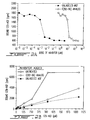
- Fig. 3 is a graph which illustrates the assays results. *indicates significant differences from NGF treated cells.
- the NGF antagonistic activity of the analogs further indicates that they are structural analogs of NGF.
- the importance of these assays is two fold. First, the analogs were effective in bioassays using cells other than PC12 cells, expanding the types of tissues tested. Second, it is shown that lack of NGF availability, due to antagonistic activity of the analogs, can induce an active process of cell death (apoptosis). This antagonism may be desired in cases of neuromas at the end of an amputated limb.
- trkA receptor Some of the peptide analogs are shown to induce internalization of the trkA receptor, which may be one mechanism of downmodulation of receptor.
- E25 single cell suspensions were first treated with NGF analog C(92-97) (Fmoc-YCTDEKQACY-OH) (10 ⁇ M) or with NGF (2 nM) using conditions which allow ligand-induced internalization of surface receptors (37°C, in culture media), or conditions which do not allow internalization (4°C, 0.05% sodium azide) for 30 min..
- NGF analog C(92-97) Fmoc-YCTDEKQACY-OH
- Fig. 4A illustrates FACScan profiles using an anti-trkA specific monoclonal antibody versus control mouse IgG.
- Fig. 4B is a graph of the analysis of the % reduction of cell surface mean fluorescence channel (MFC, using the Lysis (B.D.) software) after receptor internalization.
- NGF and the structural NGF analog C(92-97) induced the disappearance of surface trkA receptors at the permissive conditions only, indicating ligand-induced receptor internalization.
- Ligands are internalized together with the receptors. This knowledge is useful two fold. First, analogs which are coupled to a toxin can be internalized into a receptor-expressing tumor cell whereby the toxin would then destroy the tumor cell. Second, receptor internalization is a means to temporarily downmodulate receptor expression or responses to a ligand.
Landscapes
- Chemical & Material Sciences (AREA)
- Organic Chemistry (AREA)
- Health & Medical Sciences (AREA)
- Life Sciences & Earth Sciences (AREA)
- Proteomics, Peptides & Aminoacids (AREA)
- Molecular Biology (AREA)
- Biochemistry (AREA)
- Biophysics (AREA)
- General Health & Medical Sciences (AREA)
- Genetics & Genomics (AREA)
- Medicinal Chemistry (AREA)
- Gastroenterology & Hepatology (AREA)
- Zoology (AREA)
- Toxicology (AREA)
- Medicines That Contain Protein Lipid Enzymes And Other Medicines (AREA)
- Peptides Or Proteins (AREA)
- Preparation Of Compounds By Using Micro-Organisms (AREA)
- Pharmaceuticals Containing Other Organic And Inorganic Compounds (AREA)
Abstract
Description
- The invention relates to cyclic compounds having a 3-dimensional structure which binds to neurotrophin receptors, their uses for the treatment or prevention of peripheral and central nervous system diseases, neuromas at the end of an amputated limb and neoplastic diseases which express neurotrophin receptors.
- Nerve Growth Factor (NGF) is a protein which has prominent effects on developing sensory and sympathetic neurons of the peripheral nervous system and cholinergic neurons of the CNS. NGF is a polypeptide growth factor member of the neurotrophin family, which includes Brain Derived Neurotrophic Factor (BDNF), Neurotrophin-3 (NT3) and Neurotrophin-4/5 (NT-4/5). NGF controls the survival and development of certain neuronal populations and has been reported to be a mitogen for other cell types. Two cell surface NGF receptors have been characterized on the basis of binding affinity and signal transduction properties, namely the p75 low affinity NGF receptor (LNGFR) and p140 trkA.
- The p75 receptor (Kd=10-9 M; Johnson, D. et al. (1986) Cell, 47: 545-554) is a 75 kDa glycoprotein member of the TNFR/Fas/CD40 family of receptors (Itoh et al., (1991) Cell, 66:233-243). p75 contains no intrinsic catalytic activity but can associate with the ERK family of soluble kinases (Volonté C. et al. (1993) J. Biol. Chem., 268:21410-21415), and plays a role in protection from neuronal apoptotic death (Rabizadeh, S. et al. (1993) Science, 261:345-348). p75 is also the low affinity binding receptor for BDNF and NT-3 (Ibáñez, C.F. et al. (1991) Eur. Mol. Biol. Org. J., 10:2105-2110) but these latter growth factors each have distinct trk receptors.
- The p140 trkA receptor is a 140 kDa glycoprotein encoded by the trk proto-oncogene (Klein, R. et al. (1991) Cell, 65:189-197). Scatchard analysis of cells expressing only trkA receptors showed a curvilinear plot with Kd ~10-11 M and 10-9 M (Jing, S. et al. (1992) Neuron, 9: 1067-1079). The trkA receptor has intrinsic tyrosine kinase activity and is capable of evoking cellular neurotrophic responses in vitro in the absence of p75 LNGFR (Hempstead, B.L. et al. (1991) Nature, 350: 678-683).
- The co-expression of both p75 and p140 allows detection of a higher affinity NGF receptor and affords a Kd ~10-12 M (Jing, S. et al. (1992) Neuron, 9: 1067-1079). Hence, p75 can associate with different trk-receptors to form high affinity binding sites but neurotrophin binding specificity is mediated by distinct trk-receptors (Ip, N.Y. et al. (1993) Neuron, 10:137-149). The molecular nature of the functional receptor remains unknown.
- The NGF protein has been purified, cloned and sequenced (Angeletti, R.H. et al. (1973) Biochemistry, 12: 100-115). Cloning of NGF from different species has shown high amino acid sequence homology, and cross-species biological reactivity.
- The structure of mouse NGF has been resolved from crystallographic data at 2.3Å resolution (McDonald, N.Q. et al. (1991) Nature, 345: 411-414). In the crystals, the NGF molecule is a tightly associated dimer made up of parallel protomers of 118 amino acids. Each protomer has seven β-strands forming three antiparallel pairs. The β-strands are linked by four exposed regions: three β-turns (termed A'-A", A'''-B, and C-D) and one series of three contiguous reverse-turns (termed B-C).
- The β-turn and reverse-turn regions had been noted for their hydrophilic nature and unlike the mostly conserved buried residues of the β-strands the β-turns have little conservation between different neurotrophins (Hallbook, F. et al. (1991) Neuron, 6: 845-858). The variability and hydrophilicity of these β-turn regions has prompted the hypothesis that they may be involved in determining neurotrophin receptor specificity because several dimeric molecules use β-turns for critical binding surface(s). Similarly, antibodies and other members of the immunoglobulin gene superfamily (Chothia, C. et al. (1987) J. Mol. Biol., 196:901-917) and other globular proteins (Sibanda, B.L. et al. (1989) J. Mol. Biol. , 206: 759-777) use β-turns to interact with complementary sequences with high affinity and specificity.
- Experimental evidence using mutagenesis and chimeric molecules has sustained this early hypothesis concerning β-turns of NGF. For example, a chimeric BDNF molecule expressing two β-turns regions of NGF was able to induce neurite outgrowth in NGF responsive sympathetic neurons to the same extent as wild type NGF (Ibáñez, C.F. et al. (1991) Eur. Mol. Biol. Org. J., 10:2105-2110).
- In spite of the structural information obtained, attempts to create analogs which mimic the activity of NGF β-turns have not been equally successful. Longo et al (Longo, F. et al. (1990) Cell Reg., 1:189-195), found a peptide with sequences from NGF residues 23-35 which inhibited NGF activity. However, this linear peptide did not adopt the β-turn structure from which it was derived in NGF and did not affect the binding of radiolabeled NGF to receptor expressing cells. The peptides were sequence analogs rather than structural analogs of NGF. Furthermore, the concentration of peptide at which inhibition of NGF biological activity occurred (2 mM) was well within concentrations at which non-specific effects can also occur.
- Murphy et al (Murphy, R.A. et al. (1993) J. Neuroscience, 13(7): 2853-2862) have used a similar approach to study linear peptides derived from NGF comprising amino acids 23-35, 59-67, 69-79, and 91-100. Some limited biological effects were seen for peptides (59-67) and (91-100) in the in vitro assays of neurite survival when suboptimal concentrations of NGF and a 1,000 fold excess of peptide with respect to NGF were used. However, these peptides did not appear to bind the receptors with high affinity and did not compete with radioactive NGF for binding. In addition, antisera raised against the linear peptides did not effectively cross-react with native NGF, further suggesting that the peptides are simply sequence analogs but not true structural analogs of NGF.
- The above-mentioned prior studies have contributed to defining important regions of the NGF molecule. However, the exact combination of amino acids of NGF and the 3-dimensional structure(s) that participate in binding to p75 or trkA receptors and cause biological effects remains to be determined.
- Frank M. Longo et al. (European Patent Application published under No. EP-A-335,637 on October 4, 1989) have disclosed what are purported to be agonist and antagonist nerve growth factors peptides. These NGF blocking peptides, which are in fact sequence analogs, can be used to inhibit the expression of mRNA and their encoded proteins whose expression is stimulated by NGF. Again, there is no teachings or suggestions of 3-dimensional structures of native NGF or of NGF blocking peptides that participate in binding to p75 or trkA receptors. The linear peptide sequences described by Longo et al. represent synthesized fragments of NGF without teachings or concern with structural motifs, architecture, folding, or bioavailability. The inhibitory activity of these non-structural, linear peptide sequence analogs of NGF was observed at very high, non-pharmacological doses of analog (2 mM), tested versus suboptimal doses of NGF. Further, the inhibitory activity reported did not include an ability to affect either NGF binding, specific receptor binding by NGF, receptor dimerization, neurite extension by NFG responsive cells, or other physiological events associated with NGF function or receptor physiology.
- It would be highly desirable to be provided with a cyclic compound having a 3-dimensional structure which binds to neurotrophin receptors, which would mimic the neurotrophin 3-D conformation.
- One aim of the present invention is to provide cyclic compounds having a particular 3-dimensional structure which allows them to be capable of binding to the receptor for neurotrophins, such as NGF, BDNF, NT3 and NT-4/5.
- Another aim of the present invention is to provide NGF structural analogs which bind to the NGF receptor.
- In accordance with the present invention there is provided a cyclic compound having a stabilized 3-dimensional structure which substantially resemble that of at least one neurotrophin and which binds to at least one neurotrphin receptor under physiological conditions in vitro or in vivo said compound comprising at least one 3-D conformation selected from a β-turn at region 28-36 (A'-A"), 43-49 (A'''-B) and 91-98 (C-D) and three consecutive reserve turns at region 59-65 (B-C), wherein said binding to said receptor at least partially mimics or inhibits said neurotrophin biological activity. The cyclic compound of the present invention may be a structural analog of NGF or small monomeric, dimeric or polymeric cyclic compounds that mimic the β-turn regions of NGF. The 3-dimensionalconformation of these cyclic compounds may be stabilized by oxidation of cysteine residues to disulfide bridge or by other means of cyclization that do not require Cys, including ionic bonds, salt bridges, Lys-Glu or any chemical bonding.
- Also in accordance with the present invention, the cyclic compounds may be used in the preparation of an agent for the in vivo inhibition of neurotrophin binding to neurotrophin receptor or internalization or downmodulation of said neurotrophin receptor. Such inhibitions may be used for the treatment of central or peripheral nervous system diseases or for the inhibition of neurite outgrowth in situ in cases of neuromas or for targeting the neurotrophin receptor-expressing tumors.
- Also in accordance with the present invention, the cyclic compounds may be used in vivo as neurotrophin agonist to mimic the neurotrophin binding to more then one neurotrophin receptor. Such agonists may be used for the treatment of central nervous system diseases or for peripheral nervous system diseases, or for inducing re-innervation, accelerating cellular differentiation, or inducing terminal differentiation of receptor-expressing tumors.
- The following list provides the cyclic compounds in accordance with the present invention, and this is intended to be made without limitation,
- Z-X C K G K E C X;
- SEQ ID NO:1
- Z-X C D I K G K E C X;
- SEQ ID NO:2
- Z-X C T A I K G K E C X;
- SEQ ID NO:3
- Z-X C I K G K E C X;
- SEQ ID NO:4
- Z-X C I N N S V C X;
- SEQ ID NO:7
- Z-X C N I N N S V C X;
- SEQ ID NO:8
- Z-X C N I N N S C X;
- SEQ ID NO:9
- Z-X C S N P V E S C X;
- SEQ ID NO:12
- Z-X C A S N P V E S C X;
- SEQ ID NO:13
- X C A S N P V E C;
- SEQ ID NO:14
- X C A S N P V E C X;
- SEQ ID NO:15
- Z-X C T D E K Q C X;
- SEQ ID NO:18
- Z-X C T D E K Q A C X;
- SEQ ID NO:19
- X is any uncharged amino acid or hydropathic amino acid; and
- Z is a absent or a protective group selected from the group consisting of Fmoc group and acetyl groups.
- The following list provides the preferred cyclic compounds in accordance with the present invention,
- X C K G K E C X;
- SEQ ID NO:1
- X C D I K G K E C X;
- SEQ ID NO:2
- X C I K G KE C X;
- SEQ ID NO:4
- X C I N N S V C X;
- SEQ ID NO:7
- X C N I N N S V C X;
- SEQ ID NO:8
- X C N I N N S C X;
- SEQ ID NO:9
- X C S N P V E S C X;
- SEQ ID NO:12
- X C A S N P V E S C X;
- SEQ ID NO:13
- X C A S N P V E C X;
- SEQ ID NO:15
- X C T D E K Q C X;
- SEQ ID NO:18; and
- X C T D E K Q A C X
- SEQ ID NO:19.
- The cyclic compounds of the present invention are active in various forms, as follows:
- (i) N-terminus can be acetylated or Fmoc protected;
- (ii) next to Cys (C), a Tyr(Y), Phe(F), His(H) or Gly(G) can be
added, for example:
- YCTDEKQCY
- SEQ ID NO: 18
- HCTDEKQCH;
- SEQ ID NO: 18
- (iii) some substitutions of the following amino acid side chains are allowed, Asp (D) for Glu (Q) or Glu (Q) for Asp (D) in A'-A" and C-D turns;
- (iv) racemization of amino acids during synthesis or purification is allowed.
-
- Also in accordance with the present invention, the cyclic compounds can be linked to a tracer (metal chelator, radiolabel, biotin or other chemical groups) to follow the fate of the analog in vivo. Also this is useful for imaging or for cytotoxicity of trkA expressing tumours in vivo especially if toxins are linked, or if other therapies are combined.
- Also in accordance with the present invention, there is provided the use of a compound of the present invention in the preparation of an agent for a method for immunization of a mammal against the cyclic compounds of the present invention, which comprises administering by systemic injection an immunizing amount of at least one of the compounds in an immunogenic form in association with a pharmaceutically acceptable carrier.
- Also in accordance with the present invention, there is provided a pharmaceutical composition for the treatment of central nervous system diseases and neuromas, which comprises an effective amount of a cyclic compound of the present invention in association with a pharmaceutically acceptable carrier.
- Also in accordance with the present invention, there is provided a method for immunization against the structural analogs of the present invention by systemic injection of these compositions in an immunogenic form.
- For the purpose of the present invention the following terms are defined below.
- The term "neurotrophin" refers to any neurotrophins, such as NGF, BDNF, NT3 and NT-4/5 among others.
- The term "neurotrophin receptors" refers to trkA, trkB, trkC, trkE and p75 among others.
- "Agonist" refers to a NGF structural analog in accordance with the present invention which binds to a NGF receptor and mimic NGF in that it is capable of at least one biological activity normally associated with NGF.
- "Antagonist" refers to a NGF structural analog in accordance with the present invention which binds to a NGF receptor and inhibits at least one biological activity normally associated with NGF.
- "Substantial homology" as used herein refers to substantial correspondence between the identity and the sequence of amino acid residues of the native NGF protein and the NGF structural analogs.
- The term "effective amount" refers to the amount of NGF structural analogs required to produce a desired agonist or antagonist effect of the neurotrophin biological activity. The precise effective amount will vary with the nature of NGF structural analogs used and may be determined by one of ordinary skill in the art with only routine experimentation.
- As used herein, the terms "neurotrophin-mediated activity" or "neurotrophin-associated activity" refers to cellular events triggered by neurotrophin, being of either biochemical or biophysical nature. The following list is provided, without limitation, which discloses some of the known activities associated with neurotrophins, such as NGF: ion flux, phospholipid metabolism, activation of cyclic AMP-dependent protein kinase, activation of cyclic AMP-independent protein kinase and other protein kinases, protein phosphorylation, activation of oncogenic proteins, activation of RNA transcription, stabilization of mRNA species, and enhancement of protein synthesis, receptor stabilization, receptor dimerization or oligomerization, receptor internalization, and eventual protection from cellular apoposis, induction of growth, and differentiation.
- The term "central nervous system diseases" as used herein refer to a disease state in a mammal which includes degenerative growth, development disorders and disorders of the nervous system. Thus diseases characterized by the loss of function and/or degeneration of neurons and nerves. In addition, any disease that can respond to treatment of NGF-responsive or NGF-synthesizing cells with the peptides of the present invention is within the scope of the invention. Exemplary disorders include without limitation, Alzheimer's disease, Down's syndrome, Creutzfeldt-Jacob disease, kuru, Gerstman-Straussler syndrome, scrapie, transmissible mink encephalopathy, Huntington's disease, Riley-Day familial dysautonomia, multiple system atrophy, ALS (amyotropic lateral sclerosis) or Lou Gehrig's disease, Parkinson's disease and the like.
- The term "neuromas" as used herein refer to a disease state in a mammal which includes neurite outgrowth or other neural growth of an abnormal sort which causes pain at the end of an amputated limb.
- The terms "neoplasmas or tumors" as used herein refer to a disease state in a mammal which includes tumors of neural origin such as neuroblastomas, or non-neural origin such as melanomas, or hematopoietic tumors.
- In general, the abbreviations used herein for designating the amino acids are based on the conventional one-letter abbreviations as indicated below:
- Alanine
- A
- Arginine
- R
- Asparagine
- N
- Aspartic Acid
- D
- Cysteine
- C
- Glutamine
- Q
- Glutamic Acid
- E
- Glycine
- G
- Histidine
- H
- Isoleucine
- I
- Leucine
- L
- Lysine
- K
- Methionine
- M
- Phenylalanine
- F
- Proline
- P
- Serine
- S
- Threonine
- T
- Tryptophane
- W
- Tyrosine
- Y
- Valine
- V
-
- Fig. 1 illustrates the antagonistic bioactivity of the NGF structural analogs in accordance with the present invention;
- Fig. 2 illustrates the competitive inhibition of 125I-NGF binding to trka by designed NGF structural analogs in accordance with the present invention;
- Fig. 3 is a graph which illustrates the inhibition of NGF-induced cell growth or survival by structural analogs;
- Fig. 4A illustrates FACScan profiles of surface p14 trkA using an anti-trkA specific monoclonal antibody, after binding of structural analogs under different conditions; and
- Fig. 4B is a graph of the analysis of the % reduction of cell surface mean fluorescence channel after receptor internalization.
-
- The cyclic compounds in accordance with one embodiment of the present invention are derived from 3-dimensional domains of NGF which are identified as binding to neurotrophin receptors, such as NGF receptor. Such neurotrophin receptor binding interactions by these compounds cause or prevent neurotrophin biological effects in vivo.
- The cyclic compounds in accordance with one embodiment of the present invention include a different β-turn or reverse turn mimic of the NGF. These compounds can be combined dimers or oligomers in any desired combination of the same or different structures to obtain improved affinities and biological effects.
- It would be clear to those skilled in the art that this approach can be used to derive neurotrophin receptor binding structures from molecules other than neurotrophins themselves, such as the complementary determining region of antibodies directed against the neurotrophin receptors, or from anti-idiotypic antibodies raised against anti-neurotrophin antibodies (Williams et al. (1989) Proc. Natl. Acad. Sci. USA, 86:5537; Saragovi, H.U. et al. (1991) Science, 253: 792-795).
- In accordance with the present invention, structural NGF analogs were produced by designing structural constraints in the analogs in order to maintain the desired conformation (Saragovi, H.U. et al. (1991) Science, 253: 792-795, Saragovi, H.U. et al. (1992) Biotechnology, 10: 773-778).
- It is demonstrated that cyclic analogs which conserve and closely mimic the three-dimensional structure of the β-turn regions bind to NGF receptors. In contrast, their linear counterparts would seldom adopt the appropriate configuration required to fit the ligand docking site.
- Small (average molecular weight ~1,500) structural analogs of β-turns or reverse turns of NGF were designed, synthesized and constrained by cyclization, whereas linear and randomized analogs served as controls. Conformationally constrained analogs had significant NGF antagonistic activity and inhibited NGF mediated neurite outgrowth in p75 LNGFR-p140 trkA expressing PC12 cells grown under optimal conditions. Control linear (not constrained) and randomized sequence analogs did not evidence antagonistic activities at the concentrations tested in the neurite outgrowth assay. Furthermore, some biologically active antagonists were also effective in blocking 125I-NGF binding to PC12 cells. Furthermore, specific receptor-ligand interactions were mapped by testing the ability of the analogs to inhibit 125I-NGF binding to p140 trkA receptor expressing fibroblast transfectants.
- These data further supports the hypothesis that β-turns are critical in NGF binding to the NGF receptors, and elucidates novel features of receptor-NGF interactions. These data demonstrate that a large macromolecule such as NGF can be reduced to small functional units if the 3-dimensional structure of the native molecule is retained or constrained.
- The antagonistic property of the analogs suggests that for agonistic binding the ligand must either engage more than one site on a given receptor, or possess the ability to induce receptor dimerization.
- Mouse NGF analogs were synthesized using standard FMOC synthetic procedures. In order to synthesize the large number of analogs required, the Multipin Cleavable Peptide Synthesis System™ (Chiron Mimotopes, Australia) was used. This method allows simultaneous peptide synthesis of 96 peptides on diketopiperazine-linker-derivatized polyethylene pins. Cleavage is performed under mild base conditions using 0.15 M Ammonium bicarbonate pH 8.4. All peptides were synthesized and tested with the amino-termini acetylated and with the Fmoc group intact, and with the diketopiperazine linker present at the carboxy terminus. For cyclization, NH3-X-Cys and Cys-X-COO- were added to the termini of the indicated peptides, where X can represent any uncharged or hydropathic amino acid (e.g. Gly when Fmoc-amino termini were present, or Tyr or His when it was absent (see Table I)). Following cleavage the peptides were cyclized by oxidation of the Cysteine residues as described by Saragovi et al. (Saragovi, H.U. et al. (1992) Biotechnology, 10: 773-778). Cyclization efficiency was determined by the Ellman's procedure to be greater than 70%. Peptides were lyophilized, resuspended in water and purified to greater than 85% in a Waters™ HPLC (0.1% trifluoroacetic acid, 40 min 10-40% acetonitrile (ACN) gradient) using a Vydac™ 218TP C18 (1X25 cm) column. Peptides were characterized by aminoacid analysis (Beckman Model 6300 Analyzer™) and by Mass Spectrometry (SCIEX API III™).
- All cells were cultured as described. PC12 pheochromocytoma cells expressing rat p140 trkA and p75 LNGFR (American Type Culture Collection, 7th edition, 1992, Catalog of cell lines and hybridomas, R. Hay Editor, accession No. CRL 1721) were grown in DMEM supplemented with 20% Fetal Bovine Serum (FBS), 10% Horse serum, and antibiotics. PC12 cells used for experiments were grown on collagen coated dishes. The NIH-3T3 fibroblast transfectants R7 (p75 and trkA double transfectant) and E25 (trkA transfectant) (Jing, S. et al. (1992) Neuron, 9: 1067-1079; kindly provided by Dr. Mariano Barbacid, Bristol-Meyers-Squibb, NJ) were grown in RPMI media supplemented with 5% FBS and antibiotics and the appropriate drug selection.
- Analogs were tested for their ability to affect NGF induced neurite outgrowth in PC12 cells. PC12 cells were incubated in complete media containing optimal concentrations of NGF (50 ng/ml; approximately 2.0 nM) or basic Fibroblast Growth Factor (bFGF) (50 ng/ml) (Prince Labs, Toronto). NGF analogs or control analogs were then added to a final concentration of 10 µM, cells were incubated and neurite outgrowth was measured every 24 hrs. for three days. Cells without growth factor added served as baseline, whereas cells with growth factor but without analog added were used for maximum neurite outgrowth determination. All analogs were tested in at least three separate assays from three different synthesis. Samples were coded and analysis were performed blind.
- Analogs were tested for their ability to affect binding of 125I-NGF (73.1 µCi/µg NEN, DuPont). 0.4-1
X 106 cells were incubated in binding buffer (HBSS, 1% BSA, 0.05% Na Azide, pH 7.4) at 4°C with the indicated concentration of cyclic NGF analogs, control analogs, a titration of unlabeled NGF, or nothing. After 15 min, 125I-NGF was added to a final concentration of 0.4-2 nM (~40,000 cpm) and the mixtures were further incubated for 40 min at 4°C. Cells were then washed in binding buffer, pelleted, and cell-associated 125I-NGF was determined. Background binding was measured by the addition of ~2000 fold excess unlabeled NGF, which resulted in less than 10% of maximum binding; or by measuring binding to NGF receptor negative NIH3T3 cells (~5%). Assays were performed >4 times, each from at least three different synthesis (inhibitory analogs) or 1-3 times each from 2 different synthesis (non-inhibitory analogs). Receptor saturation experiments were similarly performed with increasing concentrations of 125I-NGF ligand and a constant dose of inhibitor. - Four regions of the NGF primary sequence were defined which differ significantly from the primary sequence of other neurotrophins, corresponding to amino acid numbers 28-36 (β-turn A'-A"), 42-49 (β-turn A'''-B), 59-67 (turn B-C), and 91-99 (β-turn C-D) of mouse NGF (Table I). Cyclic peptides (C) were synthesized, and for each a linear (unconstrained sequence) (L) control and a scrambled (randomized sequences) (R) control were also made.
NGF Derived Structural Analogs REGION NGF SEQUENCE ORIGINAL STRUCTURE/ AMINOACID RESIDUES ANALOG CODE A'-A" Fmoc-X C K G K E C X β turn 32-35 C(32-35) (SEQ ID NO:1) Fmoc-X C D I K G K E C X β turn 30-35 C(30-35) (SEQ ID NO:2) Fmoc-X C T A I K G K E C X β turn 29-35 (ΔD30A) C(29-35ΔD30A) (SEQ ID NO:3) Fmoc-X C I K G K E C X β turn 31-35 C(31-35) (SEQ ID NO:4) A T D I K G K E V linear 28-36 L(28-36) (SEQ ID NO:5) T I G E A D K K V randomized 28-36 R(28-36) (SEQ ID NO:6) A'''-B Fmoc-X C I N N S V C X β turn 44-48 C(44-48) (SEQ ID NO:7) Fmoc-X C N I N N S V C X β turn 43-48 C(43-48) (SEQ ID NO:8) Fmoc-X C N I N N S C X β turn 43-47 C(43-47) (SEQ ID NO:9) V N I N N S V F linear 42-49 L(42-49) (SEQ ID NO:10) N N S F V I N V randomized 42-49 R(42-49) (SEQ ID NO:11) B-C Fmoc-X C S N P V E S C X reverse turn 61-66 C(61-66) (SEQ ID NO:12) Fmoc-X C A S N P V E S C X reverse turn 60-66 C(60-66) (SEQ ID NO:13) X C A S N P V E C reverse turn 60-65 C(60-65) (SEQ ID NO:14) R A S N P V E S G linear 59-67 L(59-67) (SEQ ID NO:16) A N V S R S P E G randomized 59-67 R(59-67) (SEQ ID NO:17) C-D Fmoc-X C T D E K Q C X β turn 92-96 C(92-96) (SEQ ID NO:18) Fmoc-X C T D E K Q A C X β turn 92-97 C(92-97) (SEQ ID NO:19) T T D E K Q A A W linear 91-99 L(91-99) (SEQ ID NO:20) T E Q A T D K A W randomized 91-99 R(91-99) (SEQ ID NO:21) - X is any uncharged amino acid or hydropathic amino acid and Fmoc is the protective group used during synthesis.
- The indicated sequences (shown from amino to carboxy ends) were synthesized and purified. Cysteine residues not found in the NGF sequences selected were incorporated in the peptides to constrain their conformations by intramolecular disulfide bridging. In some cases other designed modifications of the original NGF sequences were necessary to improve analog solubility and to prevent intermolecular disulfide bridging. For cyclic analogs other designed modifications of the original NGF sequences were done. C=cyclic, L= linear, R= randomized. ΔD30A is an Alanine substitution for Aspartic acid at
position 30. - Crystallographic data and modeling of NGF has shown that the conformation of regions 28-36, 43-49, and 91-98 is a β-turns while that of region 59-65 are 3 consecutive reverse turns. In some of our peptides the conformation predicted to exist in NGF was preserved by cyclization, which forces the peptide into a β-turn mimic (Williams et al. (1989) Proc. Natl. Acad. Sci. USA, 86:5537). Cyclization was achieved by introducing Cysteine (Cys) residues in the appropriate positions and subjecting the analogs to oxidation. Oxidation of Cys results in a covalent disulfide bridge which stabilizes the desired conformation. All active peptides were purified by HPLC and characterized by ion spray mass spectrophotometry and amino acid analysis. Inhibition of NGF function in biological assays
- Rat PC12 pheochromocytoma cells in culture can differentiate and produce neurites in response to NGF or bFGF. None of the analogs were able to induce neurite projections when added to PC12 cell cultures, suggesting that by themselves they lacked NGF agonistic activity at the concentrations used in these assays.
- The effect of the analogs on NGF dependent neurite outgrowth were determined. Cells were incubated with 50 ng/ml NGF (A, C, E, G) or with 50 ng/ml bFGF (B, D, F, H). The indicated NGF analogs were added at ~10 µM. Representative results for 3 different analogs are shown. For a summary and complete list of the results from these biological tests see Table II.
- Two of the inhibitory cyclic analogs, C(32-35), and C(44-48) caused enlargement of the cell size and clumping (Table II). However, non-inhibitory analogs L(42-49), and R(59-67) caused a similar effect, suggesting that this was unrelated to activity.
Bioactivity Of NGF Structural Analogs NGF ANALOG TURN REGION OF NGF INHIBITION OF NEURITE OUTGROWTH (1) CHANGES IN CELL SIZE OR APPEARANCE C(32-35) A'-A" ++ LARGER SIZE C(30-35) +± NONE C(31-35) ++ NONE L(28-36) ± NONE R(28-36) ± NONE C(44-48) A'''-B +++ LARGER/ROUNDING C(43-48) +++ NONE C(43-47) + NONE L(42-49) +± LARGER/ROUNDING R(42-49) + NONE C(60-66) B-C ++ NONE C(60-65) ++ NONE L(59-67) + NONE R(59-67) + LARGER SIZE C(92-96) C-D +++± NONE C(92-97) +++ NONE L(91-99) + NONE R(91-99) ± NONE ++++ equivalent to 0 ng/ml NGF (complete inhibition) +++ equivalent to 6.25 ng/ml NGF ++ equivalent to 12.5 ng/ml NGF + equivalent to 25 ng/ml NGF - equivalent to 50 ng/ml NGF (no inhibition). - The analogs were assayed as described for Fig. 1, and NGF mediated PC12 neurite outgrowth measured. The arbitrary units indicating antagonistic activity are the result of direct comparisons with NGF dose response curves done in parallel. Significant inhibition is indicated by +++.
- Cyclic analogs C(92-96) and C(92-97) derived from β-turn C-D, and C(43-48) and C(44-48) derived from β-turn A'''-B of NGF demonstrated antagonistic activity and significantly inhibited NGF mediated PC12 cell neurite projections (Fig. 1, C, E), but did not affect bFGF mediated responses (Fig. 1, D, F). In contrast, other cyclic analogs (e.g. β-turn A'-A" analog C(30-35); Fig. 1, G and H) and the linear or randomized analogs did not affect either NGF or bFGF mediated neurite outgrowth (for a summary see Table II).
- Controls ruled out toxicity and demonstrated the specificity of the analogs as antagonists of NGF. First, no cell death was observed after culture with the compounds (exceptions which did cause necrosis were C(29-35ΔD30A) from β-turn A'-A" and C(61-66) from β-turn B-C, and were not used further). Second, when the analogs were removed PC12 cells responded normally to NGF. Third, and most importantly, the NGF analogs did not affect PC12 cell neurite outgrowth in response to bFGF suggesting that the analogs were specific for NGF receptors.
- The data presented is the first direct demonstration of the involvement of a defined β-turn region of a polypeptide ligand in binding to a defined neurotrophin receptor. Overall, these data provide support for the notion that β-turn regions are crucial for certain ligand-receptor interactions and this concept may now be applied to other members of the neurotrophin family.
- This concept is acceptable to the family of neurotrophins because they are highly related in primary sequence and in structure, and their receptors are also highly related. The neurotrophin ligands differ mostly in their β-turns suggesting that specificity of receptor binding is mediated by β-turns. Replication of this invention with the structure of other neurotrophins would be evident to those skilled in the art.
- To determine the mechanism of biological antagonistic activity by the cyclic analogs, 125I-NGF binding measurements were performed with cell lines expressing both p75 and trkA receptors (PC12 cells and R7 transfectants) or only trkA receptors (E25 transfectants) (Table III). Analogs were used at a concentration of ~40 µM.
- Analogs from the C-D β-turn region were effective in inhibiting 125I-NGF binding to E25, R7 and PC12 cells. Inhibition of binding was roughly comparable to that obtained with 0.1 µM unlabeled NGF (Table III). These analogs were more efficient at inhibiting NGF binding to E25 cells than to R7 cells. Furthermore, while analogs C(92-96) and C(92-97) inhibited NGF binding to E25 cells to a similar degree (71.3% and 64.9% respectively); C(92-96) was more effective than C(92-97) in blocking NGF binding to R7 cells (51.1% versus 24.3% respectively).
INHIBITION OF 125I-NGF BINDING TO NGF RECEPTORS BY NGF STRUCTURAL ANALOGS INHIBITOR % INHIBITION PC12 (trkA-p75) R7 (trkA-p75) E25 (trkA) 0.1 uM NGF 69.5 ± 4.5 80.0 ± 18.9 93.3 ± 8.1 C(92-96) 86.4 ± 10.4 51.1 ± 0.7 71.3 ± 13.5 C(92-97) N.T. 24.3 ± 9.2 64.9 ± 12.4 C(30-35) N.T. 0.44 ± 0.6 51.1 ± 0.7 C(32-35) 9.0 (*) -4.5 ± 6.5 30.7 ± 10.5 C(44-48) N.T. N.T. -12.5 ± 5.4 C(43-48) N.T. 5.0 (*) -2.7 ± 8.5 L(91-99) N.T. 3.8 ± 1.0 2.1 ± 8.5 L(28-36) 5.0 (*) -11.3 (*) 6.4 ± 12.4 L(42-49) N.T. 8.0 (*) -16.0 ± 15.1 L(59-67) N.T. N.T. -9.5 ± 7.5 - The NGF analogs (~40 µM) were tested singly for their ability to inhibit 125I-NGF binding to NGF receptor expressing cells. Data shown represents an average percent inhibition of binding ± 2 standard errors of the mean (2 SEM). Background binding was determined by adding 2000 fold excess unlabelled NGF. n= >4 (inhibitory analogs), or 1-3 (non-inhibitory analogs). NT= not tested. (*) assayed only once.
- Percent inhibition was determined by applying the following formula:
X 100% - Analogs C(30-35) and C(32-35) derived from β-turn A'-A" region inhibited NGF binding to E25 cells (albeit less efficiently than the C-D region analogs), but did not affect NGF binding to R7 cells. This may suggest that the A'-A" region binds to trkA receptors which are not in association with p75, or that p75 association to trkA changes the conformation of trkA such that the binding site for the analog is not available or stable.
- None of the other cyclic, linear or randomized analogs had significant effects in 125I-NGF binding (e.g. C(43-48) or L(91-99), Table III). Note that two biologically active cyclic analogs (A'''-B region analogs C(43-48) and C(44-48), Table II) did not inhibit 125I-NGF binding in these assays and they may function through a different mechanism.
- Analogs derived from β-turn A'-A" region also inhibited NGF binding to trkA-expressing E25 cells, albeit with lower potency than the C-D region β-turn analogs. We have not yet measured the IC50 of A'-A" region analogs, but we expect them to be of lower affinity. A'-A" region analogs did not affect NGF binding to p75/trkA expressing cells at all, suggesting that they only bind trkA receptors which are not in association with p75.
- Lack of inhibition by A'-A" region analogs on cells expressing both p75 and trkA can be the result of higher receptor affinity for the ligand. Additionally, a receptor conformational change or masking of the docking site can occur upon heterodimerization of p75 and trkA (Verdi, J.M. et al. (1994) Neuron, 12: 733-745). Theoretical models of functional NGF receptors (Chao, M.V. (1992) Neuron, 9:583-593; Klein, R. et al. (1991) Cell, 65:189-197; Jing, S. et al. (1992) Neuron, 9: 1067-1079) are consistent with the possibility that the trk-docking site of the analogs may be masked upon association of p75 and trkA, but concomitant p75 binding by the analogs could not be formally ruled out.
- Analogs C(43-48) and C(44-48) derived from NGF β-turn A'''-B were effective in inhibiting biological assays in PC12 cells without being effective at all in binding assays in E25 cells. The biological effects of C(43-48) must be mediated by the NGF receptor because bFGF was not affected. Perhaps this analog can prevent trkA receptor dimerization, trkA receptor internalization or NGF stability without actually affecting NGF binding. Another explanation is that this inconsistency reflects differences between rat and human trkA receptors which are expressed in neuronal or fibroblastoid cell lines respectively. Inconsistencies between biological and binding responses in transfected fibroblasts versus PC12 cells have been reported (Ip, N.Y. et al. (1993) Neuron, 10:137-149). The mechanism of inhibition by NGF β-turn A'''-B analogs will be resolved by further studies.
- In order to determine the nature of the inhibition of 125I-NGF binding to trkA receptors by the C-D region analogs, dose response and saturation studies were performed.
- Dose response studies using increasing amounts of analogs (0.4 µM to 200 µM) or unlabeled NGF (4 nM to 2 µM) were performed in the presence of constant 200 pM concentration of 125I-NGF (Fig. 2A). Averages of similar experiments showed for analog C(92-96) an IC50=23.5 ± 16 µM compared to unlabeled NGF IC50=2.65 ± 0.35 nM (Fig. 2B).
- Saturation binding assays were performed with trkA receptor expressing E25 cells as described above. Increasing concentration of inhibitors were tested for their ability to inhibit a constant amount of 125I-NGF (200 pM)(Fig. 2A). A constant amount of inhibitors (∼45 µM of C(92-96) analog, or 2000 fold excess unlabeled NGF) were added to increasing concentrations of 125I-NGF.
- Saturation analysis using increasing concentrations of 125I-NGF (0-1.13 nM) versus a constant concentration of analog (C(92-96); 45 µM) or a 2,000 fold excess of unlabeled NGF were performed (Fig. 2 B). NGF receptor saturation by 125I-NGF was displaced by both the analog and unlabeled NGF by reducing receptor availability rather than receptor affinity, suggesting that the inhibition is of a competitive nature.
- Taken together, these data demonstrate that cyclic sequence analogs of NGF β-turns C-D and A'-A" likely mimic the native architecture and are therefore able to bind to trkA receptors. Secondary structure requirements for antagonistic activity proved to be absolute because linear and random compounds with primary sequences from all β-turns had no effect at the concentrations tested. Thus, the conformation of the analog must retain some if not many of the features found in the original ligand. This experience is emphasized by previous reports of low affinity or inactive linear analogs of NGF (Longo, F. et al. (1990) Cell Reg., 1:189-195; Murphy, R.A. et al. (1993) J. Neuroscience, 13(7): 2853-2862).
- Analogs derived from β-turn C-D, inhibited neurite outgrowth induced by NGF in PC12 cells, and inhibited NGF binding to several receptor expressing cells. Since all neurotrophins (except NGF) have an extra amino acid in β-turn C-D, binding specificity of NGF for trkA may be partly explained (Ibáñez, C.F. et al. (1993) Eur. Mol. Biol. Org. J., 12:2281-2293). This region is likely to confer added specificity to NGF in binding to trkA and perhaps to other neurotrophins in binding to their specific high affinity receptors.
- It is unlikely that the mechanism of biological antagonism was to hinder NGF but not bFGF signal transduction because transduction is ras-dependent for both ligands (Kremer, N.E. et al. (1991) J. Cell Biol., 115:809-819). Therefore, the analogs mediate their action by directly binding to the extracellular domain of NGF receptors and in this regard they are different than K252 molecules which mediate their action by inhibition of the kinase activity of trkA (Berg, M.M. et al. (1992) J. Biol. Chem., 267:13-16).
- NGF analogs did not behave as agonists of PC12 cells. For agonistic activity the ligand must either engage more than one site on a given receptor, or possess the ability to induce receptor dimerization. Since the analogs are structurally equivalent to only one β-turn region of NGF they would not induce receptor dimerization and would be expected to behave as antagonists in biological assays. Preliminary studies testing combined analogs from NGF β-turns A'-A" and C-D showed additive (but not synergistic) effects in NGF binding assays. It is expected in accordance with the present invention that appropriate coupling of these analogs as homodimers or heterodimers will likely reveal synergy or agonistic function.
- Previous studies have implicated the amino terminus of NGF comprising amino acids 1-9 was also implicated in binding to trkA receptors (Kahle, P. et al. (1992) J. Biol. Chem., 267:22707-22710; Ibáñez, C.F. et al. (1993) Eur. Mol. Biol. Org. J., 12:2281-2293). However, the amino termini was not resolved crystallographically but is not a β-turn (McDonald, N.Q. et al. (1991) Nature, 345: 411-414).
- The study of the mechanism of binding by the analogs to trkA only expressing cells versus p75-trkA expressing cells will provide more information concerning receptor-ligand interactions. Furthermore, by creating homodimeric and heterodimeric forms of the analogs in accordance with the present invention we will be generating agonistic ligands that permit receptor dimerization.
- The present invention will be more readily understood by referring to the following examples which are given to illustrate the invention rather than to limit its scope.
- The inhibitory activity of the compounds of the present invention was tested in more sensitive assays of apoptosis. Cells are dependent on the presence of serum for growth and survival. In the absence of serum (i.e. serum-free media) these cells die (apoptosis) but can be rescued from death with NGF. The peptide analogs can specifically prevent NGF rescue of these cells from death, indicating that they are true NGF antagonists.
- NGF responsive mouse fibroblasts transfected with human trkA cDNA (E25 cells) were studied. 5,000 E25 cells/well in serum-free media (SFM) were added to 96 well plates (Costar) containing either serum (
final concentration 5% FBS), or SFM with serial dilutions of NGF (Prince Labs, Toronto), or the indicated analogs (final concentration 40 ug/ml) in the presence of optimal concentrations of NGF. The proliferative/survival profile of the cells was quantitated using the MTT assay as described over a 36-72 hour period (Fig. 3). - Serum and NGF can rescue SFM induced apoptosis. Addition of certain NGF analogs of the present invention can prevent NGF-mediated rescue, but not serum-mediated rescue as listed in Table IV.
Proliferation 5 was calculated as a percent of maximum (serum-induced-100%).Sequence Code SEQ ID NO: Peptide 1=Fmoc-YCTDEKQCY-OH C(92-96) SEQ ID NO:18 Peptide 2=Acetyl-YCTDEKQCY-OH C(92-96) SEQ ID NO:18 Peptide 3=Fmoc-YCDIKGKECY-OH C(30-35) SEQ ID NO:2 Peptide 4=Acetyl-YCDIKGKECY-OH C(30-35) SEQ ID NO:2 - Fig. 3 is a graph which illustrates the assays results. *indicates significant differences from NGF treated cells.
- The NGF antagonistic activity of the analogs further indicates that they are structural analogs of NGF. The importance of these assays is two fold. First, the analogs were effective in bioassays using cells other than PC12 cells, expanding the types of tissues tested. Second, it is shown that lack of NGF availability, due to antagonistic activity of the analogs, can induce an active process of cell death (apoptosis). This antagonism may be desired in cases of neuromas at the end of an amputated limb.
- Some of the peptide analogs are shown to induce internalization of the trkA receptor, which may be one mechanism of downmodulation of receptor.
- E25 single cell suspensions were first treated with NGF analog C(92-97) (Fmoc-YCTDEKQACY-OH) (10 µM) or with NGF (2 nM) using conditions which allow ligand-induced internalization of surface receptors (37°C, in culture media), or conditions which do not allow internalization (4°C, 0.05% sodium azide) for 30 min.. Expression of surface trkA receptors was quantified by FACScan analysis.
- Fig. 4A illustrates FACScan profiles using an anti-trkA specific monoclonal antibody versus control mouse IgG.
- Fig. 4B is a graph of the analysis of the % reduction of cell surface mean fluorescence channel (MFC, using the Lysis (B.D.) software) after receptor internalization.
- NGF and the structural NGF analog C(92-97) induced the disappearance of surface trkA receptors at the permissive conditions only, indicating ligand-induced receptor internalization.
- Induced internalization of receptors by their ligands at 37°C (permissive conditions) is a well-known process. Internalization requires receptor association with cytoskeletal structures, and clathrin-coated vesicles upon ligand binding (Corvera, S. et al. (1989) J. Biol. Chem., 264:12568-12572). The ability of the analogs to induce internalization is strong evidence of their binding to NGF receptors and inducing biophysical changes in the receptor and biological changes in the cell.
- Ligands are internalized together with the receptors. This knowledge is useful two fold. First, analogs which are coupled to a toxin can be internalized into a receptor-expressing tumor cell whereby the toxin would then destroy the tumor cell. Second, receptor internalization is a means to temporarily downmodulate receptor expression or responses to a ligand.
- While the invention has been described in connection with specific embodiments thereof, it will be understood that it is capable of further modifications and this application is intended to cover any variations, uses, or adaptations of the invention following, in general, the principles of the invention and including such departures from the present disclosure as come within known or customary practice within the art to which the invention pertains and as may be applied to the essential features hereinbefore set forth, and as follows in the scope of the appended claims.
Claims (13)
- A cyclic compound of a defined β-turn stabilised 3-dimensional structure which substantially resemble that of at least one neutrophin and which binds to at least one neurotrophin receptor under physiological conditions in vitro or in vivo, said compound comprising at least one 3-D conformation selected from a β-turn at region 28-36 (A'-A"), 43-49 (A'''-B) and 91-98 (C-D) of NGF and three consecutive reserve turns at region 59-65 (B-C) of NGF and wherein said binding to said receptor at least partially mimics or inhibits said neurotrophin biological activity.
- A compound as claimed in claim 1, which comprises a compound derived from a complementary determining region of antibodies directed against the neurotrophin receptors or derived from anti-idiotypic antibodies raised against anti-neurotrophin antibodies.
- A compound as claimed in claim 1 or claim 2, wherein said neurotrophin is selected from the group consisting of NGF, BDNF, NT3 and NT-4/5.
- A compound as claimed in any one of claims 1 to 3, wherein said neurotrophin receptor is selected from the group consisting of trkA, trkB, trkC, trkE and p75.
- A compound as claimed in any one of claims 1 to 4, which comprises a structural analog of NGF.
- A compound as claimed in any one of claims 1 to 5, wherein said stabilization is effected by oxidation of cysteine residues to disulfide bridge or other cyclization procedures.
- A compound as claimed in claim 6, which is a monomeric or a polymeric compound comprising at least one peptide selected from the group consisting of:
- Z-X C K G K E C X;
- SEQ ID NO: 1
- Z-X C D I K G K E C X;
- SEQIDNO:2
- Z-X C T A I K G K E C X;
- SEQ ID NO: 3
- Z-X C I K G K E C X;
- SEQ ID NO: 4
- Z-X C I N N S V C X;
- SEQ ID NO: 7
- Z-X C N I N N S V C X;
- SEQ ID NO: 8
- Z-X C N I N N S C X;
- SEQ ID NO: 9
- Z-X C S N P V E S C X;
- SEQ ID NO: 12
- Z-X C A S N P V E S C X;
- SEQ ID NO: 13
- X C A S N P V E C;
- SEQ ID NO: 14
- X C A S N P V E C X;
- SEQ ID NO: 15
- Z-X C T D E K Q C X ;
- SEQ ED NO: 18, and
- Z-X C T D E K Q A C X;
- SEQ ID NO: 19
X is any uncharged amino acid or hydropathic amino acid; andZ is an absent or a protective group selected from the group consisting of Fmoc group and acetyl groups. - The use of a compound as defined in any one of claims 1 to 7, in the preparation of an agent for the in vivo inhibition of neurotrophin binding to neurotrophin receptor or the internalization or downmodulaton of said neurotrophin receptor.
- The use of a compound as defined in any one of claims 1 to 7, in the preparation of an agent for inhibiting neurite outgrowth in situ.
- The use of a compound as defined in any one of claims 1 to 7, in the preparation of an agent for the treatment of central or peripheral nervous system diseases, tumours and neuromas.
- The use of a compound as defined in any one of claims 1 to 7, in the preparation of an agent for mapping hormone-receptor interactive sites and receptor domain- function correlation.
- A pharmaceutical composition for the treatment of central or peripheral nervous system diseases, tumours and neuromas, which comprises an effective amount of a compound as defined in any one of claims 1 to 7, in association with a pharmaceutically acceptable carrier.
- The use of a compound as defined in any one of claims 1 to 7, in the preparation of an agent for a method for immunization of a mammal against a compound as defined in any one of claims 1 to 7, which method comprises administering by systemic injection an immunizing amount of at least one of the compounds in an immunogenic form in association with a pharmaceutically acceptable carrier.
Applications Claiming Priority (3)
| Application Number | Priority Date | Filing Date | Title |
|---|---|---|---|
| GB9402331 | 1994-02-07 | ||
| GB9402331A GB9402331D0 (en) | 1994-02-07 | 1994-02-07 | Nerve growth factor structural analogs and their uses |
| PCT/CA1995/000059 WO1995021193A1 (en) | 1994-02-07 | 1995-02-07 | Nerve growth factor structural analogs and their uses |
Publications (2)
| Publication Number | Publication Date |
|---|---|
| EP0743955A1 EP0743955A1 (en) | 1996-11-27 |
| EP0743955B1 true EP0743955B1 (en) | 2005-09-28 |
Family
ID=10750001
Family Applications (1)
| Application Number | Title | Priority Date | Filing Date |
|---|---|---|---|
| EP95907525A Expired - Lifetime EP0743955B1 (en) | 1994-02-07 | 1995-02-07 | Cyclic nerve growth factor (ngf) structural analogs and their uses |
Country Status (7)
| Country | Link |
|---|---|
| US (1) | US6017878A (en) |
| EP (1) | EP0743955B1 (en) |
| AT (1) | ATE305479T1 (en) |
| AU (1) | AU1572695A (en) |
| DE (1) | DE69534485D1 (en) |
| GB (1) | GB9402331D0 (en) |
| WO (1) | WO1995021193A1 (en) |
Families Citing this family (57)
| Publication number | Priority date | Publication date | Assignee | Title |
|---|---|---|---|---|
| US6291247B1 (en) | 1994-05-11 | 2001-09-18 | Queen's University At Kingston | Methods of screening for factors that disrupt neurotrophin conformation and reduce neurotrophin biological activity |
| US6103689A (en) * | 1994-08-31 | 2000-08-15 | Trustees Of Boston University | Methods of inducing hair growth and coloration |
| US7196055B2 (en) | 1994-08-31 | 2007-03-27 | Trustees Of Boston University | Inhibition of apoptosis in keratinocytes by a ligand of p75 nerve growth factor receptor |
| US6867179B1 (en) | 1994-08-31 | 2005-03-15 | Trustees Of Boston University | Methods of inducing hair growth and coloration |
| AU3695295A (en) * | 1995-10-25 | 1997-05-15 | Queen's University At Kingston | Neurotrophin antagonists |
| AU723585B2 (en) * | 1996-03-28 | 2000-08-31 | Trustees Of Boston University | Methods of modulating melanin synthesis |
| US5958875A (en) * | 1996-03-29 | 1999-09-28 | The Regents Of The University Of California | Synthetic peptides derivatives with nerve growth factor-like neurotrophic activity |
| AU719038B2 (en) | 1996-03-29 | 2000-05-04 | Trustees Of Boston University | Methods for diagnosing and treating Alzheimer's disease |
| EP0844252A3 (en) * | 1996-11-15 | 1998-07-08 | Remacle, José | Cyclic peptides bearing a tail designed for subsequent chemical coupling and process for preparing same |
| US6265535B1 (en) * | 1997-05-30 | 2001-07-24 | The Trustees Of The University Of Pennsylvania | Peptides and peptide analogues designed from binding sites of tumor necrosis factor receptor superfamily and their uses |
| ATE406907T1 (en) * | 1998-10-28 | 2008-09-15 | Cornell Res Foundation Inc | METHODS FOR REGULATION OF ANGIOGENESIS AND VASCULAR INTEGRITY USING TRK RECEPTOR LIGANDS BDNF, NT-3 AND NT-4 |
| AUPQ084899A0 (en) * | 1999-06-08 | 1999-07-01 | University Of Melbourne, The | Neurotrophin agonists |
| AU780408B2 (en) * | 1999-06-08 | 2005-03-17 | Calibre Biotechnology Pty Limited | Small cyclic mimics of brain-derived neurotrophic factor (BDNF) |
| WO2001052843A1 (en) * | 2000-01-18 | 2001-07-26 | Mcgill University | β-TURN PEPTIDOMIMETIC CYCLIC COMPOUNDS |
| CA2500901A1 (en) * | 2002-10-04 | 2004-04-22 | Rinat Neuroscience Corp. | Methods for treating cardiac arrhythmia and preventing death due to cardiac arrhythmia using ngf antagonists |
| EP1556083B1 (en) * | 2002-10-08 | 2011-02-02 | Rinat Neuroscience Corp. | Methods for treating post-surgical pain by admisnistering an antibody against nerve growth factor and compositions containing the same |
| US7255860B2 (en) * | 2002-10-08 | 2007-08-14 | Rinat Neuroscience Corp. | Methods for treating post-surgical pain by administering an anti-nerve growth factor antagonist antibody |
| UA80447C2 (en) | 2002-10-08 | 2007-09-25 | Methods for treating pain by administering nerve growth factor antagonist and opioid analgesic | |
| EP2270048B1 (en) * | 2002-12-24 | 2015-11-11 | Rinat Neuroscience Corp. | Anti-NGF antibodies and methods using same |
| US7569364B2 (en) | 2002-12-24 | 2009-08-04 | Pfizer Inc. | Anti-NGF antibodies and methods using same |
| US9498530B2 (en) | 2002-12-24 | 2016-11-22 | Rinat Neuroscience Corp. | Methods for treating osteoarthritis pain by administering a nerve growth factor antagonist and compositions containing the same |
| KR20050111598A (en) | 2003-02-19 | 2005-11-25 | 리나트 뉴로사이언스 코퍼레이션 | Methods for treating pain by administering a nerve growth factor antagonist and an nsaid and compositions containing the same |
| PL2248899T3 (en) | 2003-03-19 | 2015-10-30 | Biogen Ma Inc | NOGO receptor binding protein |
| EP1500399A1 (en) * | 2003-07-24 | 2005-01-26 | Institut Pasteur | Active or passive immunization against proapoptotic neurotrophins for the treatment or prevention of neurodegenerative deseases |
| US7196061B2 (en) | 2003-09-10 | 2007-03-27 | Wyeth | Compounds that modulate neuronal growth and their uses |
| WO2005044293A2 (en) * | 2003-11-07 | 2005-05-19 | Lay Line Genomics S.P.A. | Compositions able to prevent neurodegenerative processes and methods of assaying the same |
| ITRM20030601A1 (en) * | 2003-12-24 | 2005-06-25 | Lay Line Genomics Spa | METHOD FOR THE HUMANIZATION OF HUMANIZED ANTIBODIES AND ANTIBODIES WITH IT OBTAINED. |
| AU2005243247B2 (en) | 2004-04-07 | 2012-03-01 | Regents Of The University Of Minnesota | Methods for treating bone cancer pain by administering a nerve growth factor antagonist |
| KR101239542B1 (en) | 2004-06-24 | 2013-03-07 | 바이오겐 아이덱 엠에이 인코포레이티드 | Treatment of conditions involving demyelination |
| US20110230479A1 (en) * | 2005-04-15 | 2011-09-22 | Longo Frank M | Neurotrophin mimetics and uses thereof |
| EP1871420A4 (en) * | 2005-04-15 | 2010-09-22 | Univ North Carolina | METHOD FOR FACILITATING CELL SURVIVAL USING NEUROTROPHIN MIMETICS |
| ITRM20050290A1 (en) * | 2005-06-07 | 2006-12-08 | Lay Line Genomics Spa | USE OF MOLECULES ABLE TO INHIBIT THE BOND BETWEEN NGF AND ITS TRKA RECEPTOR AS AN EXTENDED EFFECT ANALGESICS. |
| ES2569881T3 (en) * | 2005-06-08 | 2016-05-12 | The University Of North Carolina At Chapel Hill | Procedures to facilitate the survival of neuronal cells using peptide and non-peptide BDNF neurotrophin mimetics |
| EP1734052B1 (en) * | 2005-06-13 | 2009-02-18 | Primm S.R.L. | Heterodimeric peptide compounds displaying NGF activity and their use to treat neurodegenerative disorders |
| CA2902070A1 (en) | 2005-07-08 | 2007-01-18 | Biogen Idec Ma Inc. | Sp35 antibodies and uses thereof |
| WO2008013782A2 (en) | 2006-07-24 | 2008-01-31 | Biogen Idec Ma Inc. | Methods for promoting myelination, neuronal survival and oligodendrocyte differentiation via administration of sp35 or trka antagonists |
| JP2011527572A (en) | 2008-07-09 | 2011-11-04 | バイオジェン・アイデック・エムエイ・インコーポレイテッド | Composition comprising a LINGO antibody or fragment |
| RU2410392C2 (en) | 2009-02-16 | 2011-01-27 | Учреждение Российской академии медицинских наук Научно-исследовательский институт фармакологии имени В.В. Закусова РАМН | Dipeptide mimetics of ngf and bdnf neurotrophins |
| KR20120088550A (en) | 2009-05-04 | 2012-08-08 | 애보트 리서치 비.브이. | Antibodies against nerve growth factor (ngf) with enhanced in vivo stability |
| US10273219B2 (en) | 2009-11-12 | 2019-04-30 | Pharmatrophix, Inc. | Crystalline forms of neurotrophin mimetic compounds and their salts |
| CN102740856B (en) | 2009-11-12 | 2015-02-18 | 特罗菲克斯制药股份有限公司 | Crystal forms of neurotrophin mimetic compounds and salts thereof |
| WO2012024650A2 (en) | 2010-08-19 | 2012-02-23 | Abbott Laboratories | Anti-ngf antibodies and their use |
| US9884909B2 (en) | 2010-12-01 | 2018-02-06 | Alderbio Holdings Llc | Anti-NGF compositions and use thereof |
| US11214610B2 (en) | 2010-12-01 | 2022-01-04 | H. Lundbeck A/S | High-purity production of multi-subunit proteins such as antibodies in transformed microbes such as Pichia pastoris |
| US9067988B2 (en) | 2010-12-01 | 2015-06-30 | Alderbio Holdings Llc | Methods of preventing or treating pain using anti-NGF antibodies |
| US9078878B2 (en) | 2010-12-01 | 2015-07-14 | Alderbio Holdings Llc | Anti-NGF antibodies that selectively inhibit the association of NGF with TrkA, without affecting the association of NGF with p75 |
| NZ611076A (en) | 2010-12-01 | 2015-09-25 | Alderbio Holdings Llc | Anti-ngf compositions and use thereof |
| US9539324B2 (en) | 2010-12-01 | 2017-01-10 | Alderbio Holdings, Llc | Methods of preventing inflammation and treating pain using anti-NGF compositions |
| MX381731B (en) | 2012-05-14 | 2025-03-13 | Biogen Ma Inc | Leucine-rich repeat-containing immunoglobulin domain (LINGO-2) receptor-interacting protein antagonists for the treatment of conditions involving motor neurons. |
| JP6629069B2 (en) | 2012-06-06 | 2020-01-15 | ゾエティス・エルエルシー | Canine anti-NGF antibody and method thereof |
| JP2016516044A (en) | 2013-03-15 | 2016-06-02 | ファーマトロフィックス, インコーポレイテッド | Non-peptide BDNF neurotrophin mimetic compound |
| AU2014228017B2 (en) | 2013-03-15 | 2018-08-30 | Pharmatrophix, Inc. | Non-peptide BDNF Neurotrophin mimetics |
| JP2018504400A (en) | 2015-01-08 | 2018-02-15 | バイオジェン・エムエイ・インコーポレイテッドBiogen MA Inc. | LINGO-1 antagonist and use for treatment of demyelinating disorders |
| MX2020009526A (en) | 2018-03-12 | 2020-10-28 | Zoetis Services Llc | Anti-ngf antibodies and methods thereof. |
| US20230348608A1 (en) | 2022-04-27 | 2023-11-02 | Regeneron Pharmaceuticals, Inc. | Treatment Of Arthropathy Based Upon Stratification Of Osteoarthritis Polygenic Risk Score |
| AU2024238259A1 (en) | 2023-03-17 | 2025-08-21 | Regeneron Pharmaceuticals, Inc. | Proteomic risk score for osteoarthritis (oa) |
| WO2026054762A1 (en) | 2024-09-05 | 2026-03-12 | Regeneron Pharmaceuticals, Inc. | Proteomic risk score for adjudicated arthropathy (aa) |
Family Cites Families (2)
| Publication number | Priority date | Publication date | Assignee | Title |
|---|---|---|---|---|
| WO1989009225A1 (en) * | 1988-03-28 | 1989-10-05 | The Regents Of The University Of California | Nerve growth factor peptides |
| US5169764A (en) * | 1990-08-08 | 1992-12-08 | Regeneron Pharmaceuticals, Inc. | Multitrophic and multifunctional chimeric neurotrophic factors, and nucleic acids and plasmids encoding the chimeras |
-
1994
- 1994-02-07 GB GB9402331A patent/GB9402331D0/en active Pending
-
1995
- 1995-02-07 EP EP95907525A patent/EP0743955B1/en not_active Expired - Lifetime
- 1995-02-07 AT AT95907525T patent/ATE305479T1/en not_active IP Right Cessation
- 1995-02-07 DE DE69534485T patent/DE69534485D1/en not_active Expired - Lifetime
- 1995-02-07 AU AU15726/95A patent/AU1572695A/en not_active Abandoned
- 1995-02-07 WO PCT/CA1995/000059 patent/WO1995021193A1/en not_active Ceased
- 1995-02-07 US US08/696,854 patent/US6017878A/en not_active Expired - Fee Related
Also Published As
| Publication number | Publication date |
|---|---|
| WO1995021193A1 (en) | 1995-08-10 |
| AU1572695A (en) | 1995-08-21 |
| ATE305479T1 (en) | 2005-10-15 |
| EP0743955A1 (en) | 1996-11-27 |
| GB9402331D0 (en) | 1994-03-30 |
| US6017878A (en) | 2000-01-25 |
| DE69534485D1 (en) | 2006-02-09 |
Similar Documents
| Publication | Publication Date | Title |
|---|---|---|
| US6017878A (en) | Nerve growth factor structural analogs and their uses | |
| EP1265605B1 (en) | Pharmaceutical compositions comprising beta-turn peptidomimetic cyclic compounds | |
| KR100459984B1 (en) | Compounds and Peptides that Bind Erythropoietin Receptor (EPO-R) | |
| EP1575477B1 (en) | HIGH AFFINITY LIGAND FOR p75 NEUROTROPHIN RECEPTOR | |
| EP2709650B1 (en) | Hepatocyte growth factor mimics as therapeutic agents | |
| US8618043B2 (en) | Use of ADNF polypeptides for treating anxiety and depression | |
| AU2008243270A1 (en) | Tumor necrosis factor receptor-derived peptide analogues | |
| Strydom et al. | Amino acid sequence of bovine brain derived class 1 heparin-binding growth factor | |
| Kuter | New drugs for familiar therapeutic targets: thrombopoietin receptor agonists and immune thrombocytopenic purpura | |
| Saragovi et al. | Small molecule peptidomimetic ligands of neurotrophin receptors, identifying binding sites, activation sites and regulatory sites | |
| ES2259458T3 (en) | HUMAN PERSEFINE. | |
| US20070287665A1 (en) | Urotensin-II agonists and antagonists | |
| JP2003503019A (en) | Peptide having preptin function | |
| LENFERINK et al. | The linear C-terminal regions of epidermal growth factor (EGF) and transforming growth factor-α bind to different epitopes on the human EGF receptor | |
| AU2002232903A1 (en) | Urotensin-II agonists and antagonists | |
| EP1001810B1 (en) | Pharmaceutical composition with neurotrophic-like biological activity | |
| KR20210136063A (en) | Pharmaceutical composition comprising anti-LINGO-1 antibody | |
| LeSauteur et al. | Development and Uses of Small Molecule Ligands of TrkA Receptors | |
| CA2376479A1 (en) | Retro-inverso peptides derived from interleukin-6 | |
| HK1196075B (en) | Hepatocyte growth factor mimics as therapeutic agents | |
| CA2204906A1 (en) | Neurotrophin antagonists | |
| HK1107571A (en) | Urotensin-ii agonists and antagonists | |
| NZ616210B2 (en) | Hepatocyte growth factor mimics as therapeutic agents | |
| EP1878743A2 (en) | Urotensin-II agonists and antagonists |
Legal Events
| Date | Code | Title | Description |
|---|---|---|---|
| PUAI | Public reference made under article 153(3) epc to a published international application that has entered the european phase |
Free format text: ORIGINAL CODE: 0009012 |
|
| 17P | Request for examination filed |
Effective date: 19960904 |
|
| AK | Designated contracting states |
Kind code of ref document: A1 Designated state(s): AT BE CH DE DK ES FR GB GR IE IT LI LU MC NL PT SE |
|
| 17Q | First examination report despatched |
Effective date: 20020919 |
|
| RTI1 | Title (correction) |
Free format text: CYCLIC NERVE GROWTH FACTOR (NGF) STRUCTURAL ANALOGS AND THEIR USES |
|
| GRAP | Despatch of communication of intention to grant a patent |
Free format text: ORIGINAL CODE: EPIDOSNIGR1 |
|
| GRAS | Grant fee paid |
Free format text: ORIGINAL CODE: EPIDOSNIGR3 |
|
| GRAA | (expected) grant |
Free format text: ORIGINAL CODE: 0009210 |
|
| AK | Designated contracting states |
Kind code of ref document: B1 Designated state(s): AT BE CH DE DK ES FR GB GR IE IT LI LU MC NL PT SE |
|
| PG25 | Lapsed in a contracting state [announced via postgrant information from national office to epo] |
Ref country code: NL Free format text: LAPSE BECAUSE OF FAILURE TO SUBMIT A TRANSLATION OF THE DESCRIPTION OR TO PAY THE FEE WITHIN THE PRESCRIBED TIME-LIMIT Effective date: 20050928 Ref country code: LI Free format text: LAPSE BECAUSE OF FAILURE TO SUBMIT A TRANSLATION OF THE DESCRIPTION OR TO PAY THE FEE WITHIN THE PRESCRIBED TIME-LIMIT Effective date: 20050928 Ref country code: IT Free format text: LAPSE BECAUSE OF FAILURE TO SUBMIT A TRANSLATION OF THE DESCRIPTION OR TO PAY THE FEE WITHIN THE PRESCRIBED TIME-LIMIT;WARNING: LAPSES OF ITALIAN PATENTS WITH EFFECTIVE DATE BEFORE 2007 MAY HAVE OCCURRED AT ANY TIME BEFORE 2007. THE CORRECT EFFECTIVE DATE MAY BE DIFFERENT FROM THE ONE RECORDED. Effective date: 20050928 Ref country code: CH Free format text: LAPSE BECAUSE OF FAILURE TO SUBMIT A TRANSLATION OF THE DESCRIPTION OR TO PAY THE FEE WITHIN THE PRESCRIBED TIME-LIMIT Effective date: 20050928 Ref country code: BE Free format text: LAPSE BECAUSE OF FAILURE TO SUBMIT A TRANSLATION OF THE DESCRIPTION OR TO PAY THE FEE WITHIN THE PRESCRIBED TIME-LIMIT Effective date: 20050928 Ref country code: AT Free format text: LAPSE BECAUSE OF FAILURE TO SUBMIT A TRANSLATION OF THE DESCRIPTION OR TO PAY THE FEE WITHIN THE PRESCRIBED TIME-LIMIT Effective date: 20050928 |
|
| REG | Reference to a national code |
Ref country code: GB Ref legal event code: FG4D |
|
| REG | Reference to a national code |
Ref country code: CH Ref legal event code: EP |
|
| REG | Reference to a national code |
Ref country code: IE Ref legal event code: FG4D |
|
| PG25 | Lapsed in a contracting state [announced via postgrant information from national office to epo] |
Ref country code: SE Free format text: LAPSE BECAUSE OF FAILURE TO SUBMIT A TRANSLATION OF THE DESCRIPTION OR TO PAY THE FEE WITHIN THE PRESCRIBED TIME-LIMIT Effective date: 20051228 Ref country code: GR Free format text: LAPSE BECAUSE OF FAILURE TO SUBMIT A TRANSLATION OF THE DESCRIPTION OR TO PAY THE FEE WITHIN THE PRESCRIBED TIME-LIMIT Effective date: 20051228 Ref country code: DK Free format text: LAPSE BECAUSE OF FAILURE TO SUBMIT A TRANSLATION OF THE DESCRIPTION OR TO PAY THE FEE WITHIN THE PRESCRIBED TIME-LIMIT Effective date: 20051228 |
|
| PG25 | Lapsed in a contracting state [announced via postgrant information from national office to epo] |
Ref country code: DE Free format text: LAPSE BECAUSE OF FAILURE TO SUBMIT A TRANSLATION OF THE DESCRIPTION OR TO PAY THE FEE WITHIN THE PRESCRIBED TIME-LIMIT Effective date: 20051229 |
|
| PG25 | Lapsed in a contracting state [announced via postgrant information from national office to epo] |
Ref country code: ES Free format text: LAPSE BECAUSE OF FAILURE TO SUBMIT A TRANSLATION OF THE DESCRIPTION OR TO PAY THE FEE WITHIN THE PRESCRIBED TIME-LIMIT Effective date: 20060108 |
|
| PG25 | Lapsed in a contracting state [announced via postgrant information from national office to epo] |
Ref country code: IE Free format text: LAPSE BECAUSE OF NON-PAYMENT OF DUE FEES Effective date: 20060207 Ref country code: GB Free format text: LAPSE BECAUSE OF NON-PAYMENT OF DUE FEES Effective date: 20060207 |
|
| REF | Corresponds to: |
Ref document number: 69534485 Country of ref document: DE Date of ref document: 20060209 Kind code of ref document: P |
|
| PG25 | Lapsed in a contracting state [announced via postgrant information from national office to epo] |
Ref country code: PT Free format text: LAPSE BECAUSE OF FAILURE TO SUBMIT A TRANSLATION OF THE DESCRIPTION OR TO PAY THE FEE WITHIN THE PRESCRIBED TIME-LIMIT Effective date: 20060228 Ref country code: MC Free format text: LAPSE BECAUSE OF NON-PAYMENT OF DUE FEES Effective date: 20060228 Ref country code: LU Free format text: LAPSE BECAUSE OF NON-PAYMENT OF DUE FEES Effective date: 20060228 |
|
| NLV1 | Nl: lapsed or annulled due to failure to fulfill the requirements of art. 29p and 29m of the patents act | ||
| RIN2 | Information on inventor provided after grant (corrected) |
Inventor name: CUELLO, A. CLAUDIO Inventor name: LESAUTEUR, LYNNE Inventor name: SARAGOVI, URI H. |
|
| REG | Reference to a national code |
Ref country code: CH Ref legal event code: PL |
|
| PLBE | No opposition filed within time limit |
Free format text: ORIGINAL CODE: 0009261 |
|
| STAA | Information on the status of an ep patent application or granted ep patent |
Free format text: STATUS: NO OPPOSITION FILED WITHIN TIME LIMIT |
|
| 26N | No opposition filed |
Effective date: 20060629 |
|
| GBPC | Gb: european patent ceased through non-payment of renewal fee |
Effective date: 20060207 |
|
| REG | Reference to a national code |
Ref country code: IE Ref legal event code: MM4A |
|
| EN | Fr: translation not filed | ||
| PG25 | Lapsed in a contracting state [announced via postgrant information from national office to epo] |
Ref country code: FR Free format text: LAPSE BECAUSE OF FAILURE TO SUBMIT A TRANSLATION OF THE DESCRIPTION OR TO PAY THE FEE WITHIN THE PRESCRIBED TIME-LIMIT Effective date: 20061124 |
|
| PG25 | Lapsed in a contracting state [announced via postgrant information from national office to epo] |
Ref country code: FR Free format text: LAPSE BECAUSE OF FAILURE TO SUBMIT A TRANSLATION OF THE DESCRIPTION OR TO PAY THE FEE WITHIN THE PRESCRIBED TIME-LIMIT Effective date: 20050928 |