EP0725798B1 - Type i angiotensin ii receptor specific monoclonal antibodies and hybridoma - Google Patents
Type i angiotensin ii receptor specific monoclonal antibodies and hybridoma Download PDFInfo
- Publication number
- EP0725798B1 EP0725798B1 EP94927727A EP94927727A EP0725798B1 EP 0725798 B1 EP0725798 B1 EP 0725798B1 EP 94927727 A EP94927727 A EP 94927727A EP 94927727 A EP94927727 A EP 94927727A EP 0725798 B1 EP0725798 B1 EP 0725798B1
- Authority
- EP
- European Patent Office
- Prior art keywords
- receptor
- monoclonal antibody
- angiotensin
- peptide
- amino acid
- Prior art date
- Legal status (The legal status is an assumption and is not a legal conclusion. Google has not performed a legal analysis and makes no representation as to the accuracy of the status listed.)
- Expired - Lifetime
Links
Images


Classifications
-
- C—CHEMISTRY; METALLURGY
- C07—ORGANIC CHEMISTRY
- C07K—PEPTIDES
- C07K16/00—Immunoglobulins [IG], e.g. monoclonal or polyclonal antibodies
- C07K16/18—Immunoglobulins [IG], e.g. monoclonal or polyclonal antibodies against material from animals or humans
- C07K16/28—Immunoglobulins [IG], e.g. monoclonal or polyclonal antibodies against material from animals or humans against receptors, cell surface antigens or cell surface determinants
- C07K16/2869—Immunoglobulins [IG], e.g. monoclonal or polyclonal antibodies against material from animals or humans against receptors, cell surface antigens or cell surface determinants against hormone receptors
-
- A—HUMAN NECESSITIES
- A61—MEDICAL OR VETERINARY SCIENCE; HYGIENE
- A61P—SPECIFIC THERAPEUTIC ACTIVITY OF CHEMICAL COMPOUNDS OR MEDICINAL PREPARATIONS
- A61P13/00—Drugs for disorders of the urinary system
- A61P13/02—Drugs for disorders of the urinary system of urine or of the urinary tract, e.g. urine acidifiers
-
- A—HUMAN NECESSITIES
- A61—MEDICAL OR VETERINARY SCIENCE; HYGIENE
- A61P—SPECIFIC THERAPEUTIC ACTIVITY OF CHEMICAL COMPOUNDS OR MEDICINAL PREPARATIONS
- A61P15/00—Drugs for genital or sexual disorders; Contraceptives
-
- A—HUMAN NECESSITIES
- A61—MEDICAL OR VETERINARY SCIENCE; HYGIENE
- A61P—SPECIFIC THERAPEUTIC ACTIVITY OF CHEMICAL COMPOUNDS OR MEDICINAL PREPARATIONS
- A61P15/00—Drugs for genital or sexual disorders; Contraceptives
- A61P15/04—Drugs for genital or sexual disorders; Contraceptives for inducing labour or abortion; Uterotonics
-
- A—HUMAN NECESSITIES
- A61—MEDICAL OR VETERINARY SCIENCE; HYGIENE
- A61P—SPECIFIC THERAPEUTIC ACTIVITY OF CHEMICAL COMPOUNDS OR MEDICINAL PREPARATIONS
- A61P9/00—Drugs for disorders of the cardiovascular system
-
- A—HUMAN NECESSITIES
- A61—MEDICAL OR VETERINARY SCIENCE; HYGIENE
- A61P—SPECIFIC THERAPEUTIC ACTIVITY OF CHEMICAL COMPOUNDS OR MEDICINAL PREPARATIONS
- A61P9/00—Drugs for disorders of the cardiovascular system
- A61P9/08—Vasodilators for multiple indications
-
- A—HUMAN NECESSITIES
- A61—MEDICAL OR VETERINARY SCIENCE; HYGIENE
- A61P—SPECIFIC THERAPEUTIC ACTIVITY OF CHEMICAL COMPOUNDS OR MEDICINAL PREPARATIONS
- A61P9/00—Drugs for disorders of the cardiovascular system
- A61P9/12—Antihypertensives
-
- A—HUMAN NECESSITIES
- A61—MEDICAL OR VETERINARY SCIENCE; HYGIENE
- A61K—PREPARATIONS FOR MEDICAL, DENTAL OR TOILETRY PURPOSES
- A61K38/00—Medicinal preparations containing peptides
Definitions
- the present invention relates to a novel hybri cell line, in particular it relates to a novel hybridoma cell line which secretes monoclonal antibodies capable of binding to the AT 1 subtype of the Angiotensin II receptor (AT 1 receptor).
- the invention also relates to monoclonal antibodies secreted by the hybridoma, which antibodies may be used in a test kit having several diagnostic and monitoring applications. It also relates to the use of the monoclonal antibodies in therapeutic applications such as the control of smooth muscle stimulation.
- the hormone angiotensin II forms part of the renin - angiotensin system which helps to control electrolyte balance and blood pressure within the body.
- Ang II angiotensin II
- tissues within the body upon which Ang II acts include the adrenal gland, uterus, liver, brain and kidney.
- angiotensin II it is known to stimulate smooth (unstriated) muscle cell contraction. It stimulates the contraction of smooth muscle cells in the blood vessel wall thus causing vaso-constriction, which leads to hypertension. Most treatments for high blood pressure will include blockage of angiotensin function in one way or another. Smooth muscle also occurs in other locations, for example in the uterus and in the gastrointestinal tract, and elsewhere.
- Aldosterone is a potent hormone which acts primarily on the kidney to promote sodium retention and thus inter alia, heightens the hypertensive effects of angiotensin acting directly on the vasculature.
- Ang II is known to act on various sites in the brain, and one of its actions in animals is the regulation of thirst and drinking.
- Angiotensin also has trophic effects on the vasculature, promoting growth of the muscles in the arterial wall. It is also thought to be angiogenic, i.e. it causes vascularisation of newly developing tissue.
- angiotensin II in cells are mediated through two important intracellular signalling mechanisms.
- the hormone binds to its receptor, it activates a specific enzyme, phospholipase C, which acts upon a constituent of the cell membrane called phosphatidyl inositol.
- phosphatidyl inositol This is split by the enzyme into two moieties, called inositol trisphosphate (IP3), and diacylglycerol (DAG). Both of these are involved in eliciting further effects within the target cell.
- IP3 stimulates increased cellular cytosolic calcium concentrations, which in turn evokes other cellular responses, whereas DAG stimulates another specific enzyme called protein kinase C (PKC).
- PKC protein kinase C
- Ang II Ang II receptor
- AT 1 subtype of the Ang II receptor which is a seven transmembrane domain receptor.
- This receptor has been cloned and sequenced from a variety of tissues, and has been found to be a 359 amino acid polypeptide with a predicted molecular weight of around 40kD (Bernstein and Alexander, (1992), Endocr. Rev., 13 , 381-386).
- Photo-affinity labelling and crosslinking agents have suggested molecular weights for mature receptor of approximately 65kD and 116 kD, respectively, which may reflect glycosylation of asparagine residues within the extra-cellular domain.
- hybridoma cell line which produces monoclonal antibodies capable of binding to the AT 1 subtype of the angiotensin II receptor.
- a hybridoma cell line that secretes such monoclonal antibodies was deposited on 21 July 1993 with the European Collection of Animal Cell Cultures, Porton Down, United Kingdom, under the Budapest Treaty, and designated accession No. 93072117.
- hybridoma cell line produces antibodies which bind specifically to amino acid residues 8 to 17 of the rat vascular smooth muscle AT 1 receptor. It was found, however, that the monoclonal antibodies would bind to the AT 1 receptor in bovine and human tissue, as well as in rat tissue. To date this sequence of amino acid residues has been found, and is therefore conserved, in all mammalian AT 1 receptors so far cloned. Thus the hybridoma cell line produces antibodies that bind specifically to a peptide having the following amino acid sequence:-
- a monoclonal antibody that binds to the AT 1 subtype of the angiotensin II receptor.
- Such monoclonal antibodies bind specifically to amino acid residues 8-17 of the mammalian AT 1 receptor, that is they bind specifically to a peptide having the amino acid sequence given above.
- a hybridoma cell line can be prepared by immunising inbred mice by techniques well known in the art (Kohler and Milstein, (1975), Nature, 256, 495-497).
- a peptide was synthesised which corresponds to amino acid residues 8-17 (extracellular) of the published rat vascular smooth muscle AT 1 receptor. The peptide was then conjugated to bovine serum albumin (BSA) and used to immunise mice.
- BSA bovine serum albumin
- mice spleens Following a booster injection of the peptide-BSA conjugate the mouse spleens were removed, and the spleenocytes were combined with mouse myeloma cells. Mixed myeloma - lymphocyte hybrids were selected by growth in hypoxanthine, thymidine and aminopterin in an appropriate cell culture medium.
- hybridoma cell lines producing monoclonal antibodies to the AT 1 subtype of the angiotensin II receptor was first detected by screening the hybridoma conditioned medium for binding to a rat liver cell suspension. Such positive binding was detected using peroxidase - conjugated rabbit anti-mouse immunoglobulin (IgG) antibody. Following the initial screening, cell cultures showing positive results were expanded and tested for specific binding to rat adrenal glomerulosa on both frozen sections and dispersed cell smears, using a fluorescein-conjugated rabbit anti-mouse (IgG) antibody. The integrity of the anti-AT 1 receptor monoclonal antibodies produced by the hybridoma was confirmed by binding to rat AT 1A receptor transiently expressed by transfected Cos-7 cells.
- IgG peroxidase - conjugated rabbit anti-mouse immunoglobulin
- the monoclonal antibodies of the present invention may be tagged with compounds that fluoresce at various wavelengths, so that the location and distribution of AT 1 receptors in body tissues can be determined by immunohistological techniques. For example, using this monoclonal antibody AT 1 receptors have been found in breast tumours, thus the antibody may be useful in the cancer diagnostic field.
- the monoclonal antibody of the present invention may thus be used in a standard radioimmuno-assay or enzyme-linked immunosorbant assay to study, and possibly measure, sperm motility, as well having a use in contraception.
- a diagnostic test kit comprising the monoclonal antibodies of the present invention attached to a detectable label.
- detectable labels include radioisotopes, enzymes and fluorescent compounds.
- the monoclonal antibodies according to the present invention inhibits the angiotensin II-generated IP3 response, but it has no action on PKC activation.
- the antibody interacts highly specifically with just one of the two major signalling pathways stimulated by angiotensin II. This property can be used experimentally to discriminate between the effects of these two pathways, as well as in therapeutic applications.
- the monoclonal antibodies may be used in controlling vaso-constriction and therefore used to treat hypertension, as well as for the regulation of menstruation and the control of uterine contractions to prevent miscarriage.
- monoclonal antibodies can be used in both immunohistochemistry and immunoelectron-miscroscopy, and may have applications in immunoblotting and immunocytological staining.
- the invention is illustrated by the following example.
- a peptide was synthesised corresponding to amino acid residues 8-17 (extracellular) of the published rat vascular smooth muscle AT 1 receptor, with the addition of a cysteine residue to facilitate subsequent conjugation to bovine serum albumin (BSA) at either the carboxy-terminal end or the amino terminal end respectively, via an N-Succinimidyl 3-(2-pyridyldithio) proprionate (SPDP) bridge.
- BSA bovine serum albumin
- SPDP N-Succinimidyl 3-(2-pyridyldithio) proprionate
- peptide-BSA conjugates a 0.22mM solution of BSA, in degassed 100mM sodium phosphate buffer containing 100mM sodium chloride (SPSC buffer; pH 7.5), was 'activated' by incubation for 60 min at room temperature with 20mM SPDP (in absolute ethanol) at a ratio of 9:1 (v/v) followed by dialysis in SPSC buffer. 3mg of peptide in 1.2ml SPSC buffer was then incubated with 6ml of 'activated' BSA for 60 min at room temperature, followed by further dialysis in SPSC buffer.
- SPSC buffer pH 7.5
- mice (8 weeks old) were then immunised by subcutaneous injection with 0.2 ml of a 1:1 emulsion of peptide-BSA conjugate in SPSC buffer (representing approximately 400 ⁇ g/ml peptide) and Freund's complete adjuvant. This was followed by a booster injection four weeks later using a similar emulsion of peptide conjugate in Freund's Incomplete adjuvant. Four days later the mouse spleens were removed.
- Sp2/0-Ag-14 mouse myeloma cells were cultured in RPMI 1640 medium supplemented with 20% (v/v) fetal bovine serum (FBS). These myeloma cells were combined with spleen cells obtained from the immunised mice, and the formation of fused hybrids was aided using 40% (v/v) polyethylene glycol.
- Mixed myeloma-lymphocyte hybrids were selected by culture in 96- well plates using RPMI containing 20% FBS and hypoxanthine (13.6 mg/l), aminopterin (0.19 mg/1) and thymidine (3.88mg/l) (HAT) (Galfre and Milstein, (1981), Methods Enzymol., 73 , 3-46).
- hybridoma conditioned medium was removed and screened for binding to a rat liver cell suspension, which had been washed thoroughly with serum-free medium and fixed, using 3.7% (v/v) formaldehyde in 10mM phosphate buffered saline (PBS; pH 7.3), on to poly-L-lysine coated 96-well plates.
- PBS phosphate buffered saline
- a peroxidase-conjugated rabbit anti-mouse immunoglobin (IgG) antibody was used to detect positive binding, and this was visualised, as a brown colouration, with diaminobenzidine (DAB) reagent containing imidazole.
- DAB diaminobenzidine
- Rat AT 1A receptors were transiently expressed in COS-7 cells as described by Barker, S., et al in Biochem Biophys. Res. Commun., (1993), 192, 392-398. Cells were sonicated, on ice, in 50mM Tris-HC buffer (pH 7.4) containing aprotinin (1 ⁇ g/ml), soybean trypsin inhibitor (1 ⁇ g/ml), phenyl methyl sulfonyl fluoride (30 ⁇ g/ml and ethylene diamine tetra-acetic acid EDTA (300 ⁇ g/ml), and centrifuged at 800g for 5 min at 4°C.
- the resultant supernatant was centrifuged at 100 000g for 1 hour at 4°C.
- the particulate fraction was then resuspended in the above buffer and diluted to give 100 ⁇ g protein/25 ⁇ l.
- the Screening and Cloning preparation was then incubated for 30 min at 4°C in the presence of 1% (v/v) Triton x100 (Trade Mark) to solubilise membrane proteins. Sham-transfected COS-7 cells were treated similarly.
- solubilised proteins obtained from the membrane fraction of COS-7 cells, prepared as described above, was loaded in each well and proteins were separated by sodium dodecyl sulphate-polyacrylamide gel electrophoresis (SDS-PAGE) on an 8% gel, running at 200v for approximately 4 hours. Molecular weight markers (106 kD-18.5 kD) were also loaded. Proteins were then electro transferred to Hybond-Enhanced chemiluminescence (ECL) nitrocellulose membranes overnight at 200mA. The membranes were blocked using PBS containaing 10% (w/v) milk protein for 1 hour at room temperature.
- ECL Hybond-Enhanced chemiluminescence
- hybridoma clones of interest was one which secreted antibody, and which has been deposited as cell line accession No. 93072117 with the European Collection of Animal Cell Cultrues, Porton Down, UK.
- cell line accession No. 93072117 with the European Collection of Animal Cell Cultrues, Porton Down, UK.
- SDS-PAGE and immunoblotting of solubilised proteins obtained from the membrane fraction of COS-7 cells transfected with rat adrenal AT 1A receptor cDNA were carried out as described above.
- Figure 1 shows that the antibody produced by this cell line identified two prominent protein species with approximate molecular weights of 40 and 60 kG. These were not detected in parallel samples from sham-transfected COS-7 cell controls.
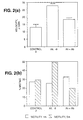
- Percentage motility was estimated on playback of the video tapes by freezing the frame to count all of the sperm within a field and then, in forward mode, by counting immotile sperm, i.e. those which within the period of observation did not move to an adjacent square (100 ⁇ metre) on the Makler Chamber grid. In practice, rigid use of this definition was rarely necessary as sperm were either completely immotile or progressed freely.
- Angiotensin II amide (10 nmole/l) was added.
- a third series was treated with monoclonal antibody to the AT 1 receptor before angiotensin was added.
- Velocity was measured by timing forwardly progressive sperm traversing the grid on the Makler Chamber and timing them manually.
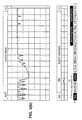
- the uterus was excised from a Wistar rat (350g), and placed in minimum essential medium (MEM) and kept at room temperature.
- the organ was cleared of fat and a piece of tissue 3cm long was cut from one horn and tied, using sutures, on to a basal isotonic transducer, which was linked to an analogue to digital converter.
- the resultant signal was analysed by computer using Chart software.
- a small weight (Approx. lg) was applied to take up tissue slack.
- the tissue was then totally immersed in incubation medium (MEM) in an isolated organ bath maintained at 37°C, and incubated until regular contractions of constant amplitude were observed. Fresh medium was applied and the tissue was once again allowed to equilibrate.
- Fresh medium was applied and the tissue was once again allowed to equilibrate.
- the effects of angiotensin II, and monoclonal antibody on the rate and amplitude of contraction was assessed by adding these agents directly to the organ bath.
Landscapes
- Health & Medical Sciences (AREA)
- Chemical & Material Sciences (AREA)
- Organic Chemistry (AREA)
- Medicinal Chemistry (AREA)
- Engineering & Computer Science (AREA)
- General Health & Medical Sciences (AREA)
- Life Sciences & Earth Sciences (AREA)
- Veterinary Medicine (AREA)
- Nuclear Medicine, Radiotherapy & Molecular Imaging (AREA)
- Chemical Kinetics & Catalysis (AREA)
- Pharmacology & Pharmacy (AREA)
- Animal Behavior & Ethology (AREA)
- Public Health (AREA)
- Bioinformatics & Cheminformatics (AREA)
- Immunology (AREA)
- General Chemical & Material Sciences (AREA)
- Endocrinology (AREA)
- Heart & Thoracic Surgery (AREA)
- Cardiology (AREA)
- Reproductive Health (AREA)
- Proteomics, Peptides & Aminoacids (AREA)
- Molecular Biology (AREA)
- Biomedical Technology (AREA)
- Genetics & Genomics (AREA)
- Neurology (AREA)
- Biochemistry (AREA)
- Biophysics (AREA)
- Gynecology & Obstetrics (AREA)
- Urology & Nephrology (AREA)
- Pregnancy & Childbirth (AREA)
- Preparation Of Compounds By Using Micro-Organisms (AREA)
- Peptides Or Proteins (AREA)
- Micro-Organisms Or Cultivation Processes Thereof (AREA)
- Medicines Containing Antibodies Or Antigens For Use As Internal Diagnostic Agents (AREA)
Abstract
Description

- (A) NAME: VINSON, Gavin Paul-Queen Mary & Westfield College
- (B) STREET: Mile End Road
- (C) CITY: London
- (E) COUNTRY: United Kingdom
- (F) POSTAL CODE (ZIP): E1 4NS
- (A) NAME: BARKER, Stewart- Queen Mary & Westfield College
- (B) STREET: Mile End Road
- (C) CITY: London
- (E) COUNTRY: United Kingdom
- (F) POSTAL CODE (ZIP): E1 4NS
APPLICATION NUMBER: PCT/GB94/
(H) CELLINE: Hybridoma

Claims (11)
- A hybridoma cell line which produces a monoclonal antibody raised against a peptide from the AT1 subtype of the angiotensin II receptor, wherein said peptide corresponds to the amino acid residues 8-17 (extracellular) of the rat vascular smooth muscle AT, receptor and which monoclonal antibody is capable of binding to said AT1 subtype of the angiotensin II receptor.
- A hybridoma cell line according to claim 1 which produces a monoclonal antibody that binds specifically to amino acid residues 8-17 of the mammalian AT1 receptor.
- A hybridoma cell line which produces a monoclonal antibody that binds specifically to a peptide having the amino acid sequence

- A hybridoma cell line according to claim 1 being characterised by cell line accession No. 93072117 deposited at European Collection of Animal Cell Cultures, Porton Down, UK.
- A monoclonal antibody raised against a peptide from the AT1 subtype of the angiotensin II receptor, wherein said peptide corresponds to the amino acid residues 8-17 (extracellular) of the rat vascular smooth muscle AT, receptor and which monoclonal antibody is capable of binding to said AT1 subtype of the angiotensin II receptor.
- A monoclonal antibody according to claim 5 that binds to amino acid residues 8-17 of the mammalian AT1 receptor.
- A monoclonal antibody that binds specifically to a peptide having the amino acid sequence

- Use of the monoclonal antibody according to any one of claims 5 to 7 in the making of an antibody preparation for the detection of AT1 subtype of angiotensin II receptor.
- Use of the monoclonal antibody according to any one of claims 5 to 7 in the making of an antibody preparation for the control of vaso-constriction or hypertension.
- Use of the monoclonal antibody according to any one of claims 5 to 7 in the making of an antibody preparation for the control of uterine contractions.
- A diagnostic test kit comprising the monoclonal antibody of according to any one of claims 5 to 7 attached to a detectable label.
Applications Claiming Priority (3)
| Application Number | Priority Date | Filing Date | Title |
|---|---|---|---|
| GB939319877A GB9319877D0 (en) | 1993-09-27 | 1993-09-27 | Novel hybridoma & monoclonal antibodies produced thereby |
| GB9319877 | 1993-09-27 | ||
| PCT/GB1994/002100 WO1995009186A1 (en) | 1993-09-27 | 1994-09-27 | Type i angiotensin ii receptor specific monoclonal antibodies and hybridomas |
Publications (2)
| Publication Number | Publication Date |
|---|---|
| EP0725798A1 EP0725798A1 (en) | 1996-08-14 |
| EP0725798B1 true EP0725798B1 (en) | 2001-06-13 |
Family
ID=10742573
Family Applications (1)
| Application Number | Title | Priority Date | Filing Date |
|---|---|---|---|
| EP94927727A Expired - Lifetime EP0725798B1 (en) | 1993-09-27 | 1994-09-27 | Type i angiotensin ii receptor specific monoclonal antibodies and hybridoma |
Country Status (9)
| Country | Link |
|---|---|
| US (2) | US6063620A (en) |
| EP (1) | EP0725798B1 (en) |
| JP (1) | JP3727946B2 (en) |
| AT (1) | ATE202117T1 (en) |
| AU (1) | AU695074B2 (en) |
| CA (1) | CA2170606C (en) |
| DE (1) | DE69427484T2 (en) |
| GB (1) | GB9319877D0 (en) |
| WO (1) | WO1995009186A1 (en) |
Families Citing this family (12)
| Publication number | Priority date | Publication date | Assignee | Title |
|---|---|---|---|---|
| GB9319877D0 (en) * | 1993-09-27 | 1993-11-10 | Queen Mary | Novel hybridoma & monoclonal antibodies produced thereby |
| GB9410639D0 (en) * | 1994-05-27 | 1994-07-13 | Queen Mary & Westfield College | Method of improving fertilization |
| CA2314811A1 (en) * | 2000-08-02 | 2002-02-02 | Brian Archibald Macvicar | Autoimmunity to angiotensin at1 receptors in schizophrenia |
| US20030187495A1 (en) | 2002-04-01 | 2003-10-02 | Cully Edward H. | Endoluminal devices, embolic filters, methods of manufacture and use |
| GB0219524D0 (en) * | 2002-08-21 | 2002-10-02 | Queen Mary & Westfield College | Therapeutic uses of monoclonal antibodies to the angiotensin-II type-1 receptor |
| US20040093012A1 (en) | 2002-10-17 | 2004-05-13 | Cully Edward H. | Embolic filter frame having looped support strut elements |
| US9149609B2 (en) * | 2006-10-16 | 2015-10-06 | Embolitech, Llc | Catheter for removal of an organized embolic thrombus |
| US9827084B2 (en) | 2007-10-26 | 2017-11-28 | Embolitech, Llc | Intravascular guidewire filter system for pulmonary embolism protection and embolism removal or maceration |
| GB0802931D0 (en) * | 2008-02-18 | 2008-03-26 | Queen Mary & Westfield College | Synthetic scFv analogue to the 6313/G2 (anti angiotensin II type 1 receptor) monoclonal anitbody variable regions |
| JP2011111422A (en) * | 2009-11-27 | 2011-06-09 | Sekisui Chem Co Ltd | Monoclonal antibody |
| CA3029186C (en) | 2015-07-24 | 2022-03-15 | Ichor Vascular Inc. | Embolectomy system and methods of making and using same |
| CN115838425B (en) * | 2022-08-31 | 2024-06-18 | 首都医科大学 | Antibody targeting angiotensin II type 1 receptor extracellular second loop and application thereof |
Family Cites Families (2)
| Publication number | Priority date | Publication date | Assignee | Title |
|---|---|---|---|---|
| US4911909A (en) * | 1987-01-02 | 1990-03-27 | E. I. Du Pont De Nemours And Company | Method of controlling hypertension using monoclonal antibodies to angiotensin-II |
| GB9319877D0 (en) * | 1993-09-27 | 1993-11-10 | Queen Mary | Novel hybridoma & monoclonal antibodies produced thereby |
-
1993
- 1993-09-27 GB GB939319877A patent/GB9319877D0/en active Pending
-
1994
- 1994-09-27 WO PCT/GB1994/002100 patent/WO1995009186A1/en not_active Ceased
- 1994-09-27 CA CA002170606A patent/CA2170606C/en not_active Expired - Lifetime
- 1994-09-27 AU AU77032/94A patent/AU695074B2/en not_active Expired
- 1994-09-27 AT AT94927727T patent/ATE202117T1/en not_active IP Right Cessation
- 1994-09-27 US US08/624,374 patent/US6063620A/en not_active Expired - Fee Related
- 1994-09-27 JP JP51017795A patent/JP3727946B2/en not_active Expired - Fee Related
- 1994-09-27 EP EP94927727A patent/EP0725798B1/en not_active Expired - Lifetime
- 1994-09-27 DE DE69427484T patent/DE69427484T2/en not_active Expired - Lifetime
-
2000
- 2000-03-31 US US09/540,816 patent/US6805864B1/en not_active Expired - Lifetime
Also Published As
| Publication number | Publication date |
|---|---|
| GB9319877D0 (en) | 1993-11-10 |
| CA2170606A1 (en) | 1995-04-06 |
| US6063620A (en) | 2000-05-16 |
| US6805864B1 (en) | 2004-10-19 |
| CA2170606C (en) | 2005-09-20 |
| WO1995009186A1 (en) | 1995-04-06 |
| AU7703294A (en) | 1995-04-18 |
| ATE202117T1 (en) | 2001-06-15 |
| AU695074B2 (en) | 1998-08-06 |
| DE69427484D1 (en) | 2001-07-19 |
| DE69427484T2 (en) | 2002-09-12 |
| JP3727946B2 (en) | 2005-12-21 |
| JPH09509563A (en) | 1997-09-30 |
| EP0725798A1 (en) | 1996-08-14 |
Similar Documents
| Publication | Publication Date | Title |
|---|---|---|
| CN111777681B (en) | Antibody combined with tight junction protein-18.2 and application thereof | |
| JP3560344B2 (en) | Protocadherin proteins and uses thereof | |
| US7060271B2 (en) | Inhibitory immunoglobulin polypeptides to human PDGF beta receptor | |
| Cianfriglia et al. | P‐glycoprotein epitope mapping. I. Identification of a linear human‐specific epitope in the fourth loop of the P‐glycoprotein extracellular domain by MM4. 17 murine monoclonal antibody to human multi‐drug‐resistant cells | |
| Yip et al. | Localization of the insulin-binding site to the cysteine-rich region of the insulin receptor α-subunit | |
| US5597725A (en) | Cadherin-specific antibodies and hybridoma cell lines | |
| TRAISH et al. | Monoclonal and polyclonal antibodies to human progesterone receptor peptide-(533-547) recognize a specific site in unactivated (8S) and activated (4S) progesterone receptor and distinguish between intact and proteolyzed receptors | |
| CA2170606C (en) | Type i angiotensin ii receptor specific monoclonal antibodies and hybridomas | |
| JPH07505528A (en) | Antibodies against αvβ3 integrin | |
| Nicholson et al. | Monoclonal antibodies to the human TSH receptor: epitope mapping and binding to the native receptor on the basolateral plasma membrane of thyroid follicular cells | |
| JP2004065243A (en) | Binding domains in Notch and Delta proteins | |
| EP0619738B1 (en) | Inhibitory immunoglobulin polypeptides to human pdgf beta receptor | |
| EP1074618A2 (en) | Cadherin materials and methods | |
| US5686073A (en) | Polyclonal and monoclonal antibodies against a 43 KDA dystrophin associated protein | |
| KR20080099248A (en) | Antibodies to antiperiostin, and pharmaceutical compositions containing them for the prevention or treatment of diseases involving periostin | |
| JPH0742320B2 (en) | Methods and compositions for identifying metastatic human tumors | |
| JPH05506435A (en) | Merosin, nucleic acids encoding it, fragments and uses thereof | |
| Hoffman et al. | A haptoglobin-like glycoprotein is produced by implantation-stage rabbit endometrium | |
| US20020009443A1 (en) | Inhibitory immunoglobulin polypeptides to human pdgf beta receptor | |
| EP0462111A1 (en) | Homing sequences and their uses | |
| JP2002538772A (en) | Compositions and Methods for Producing Representative Monoclonal Antibodies of Specific Cell Types | |
| WO1994007143A1 (en) | Diagnosis of autosomal muscular dystrophy | |
| EP0759943A1 (en) | Monoclonal antibody specific for vascular endothelial cell antigen endoglyx-1, the antigen itself, and uses thereof | |
| JPH06211898A (en) | Neural alpha-catenin | |
| Déry et al. | A monoclonal antibody to the ligand-binding domain of the neurokinin 1 receptor (NK1-R) for the neuropeptide substance P |
Legal Events
| Date | Code | Title | Description |
|---|---|---|---|
| PUAI | Public reference made under article 153(3) epc to a published international application that has entered the european phase |
Free format text: ORIGINAL CODE: 0009012 |
|
| 17P | Request for examination filed |
Effective date: 19960424 |
|
| AK | Designated contracting states |
Kind code of ref document: A1 Designated state(s): AT BE CH DE DK ES FR GB GR IE IT LI LU MC NL PT SE |
|
| 17Q | First examination report despatched |
Effective date: 19980107 |
|
| GRAG | Despatch of communication of intention to grant |
Free format text: ORIGINAL CODE: EPIDOS AGRA |
|
| RTI1 | Title (correction) |
Free format text: TYPE I ANGIOTENSIN II RECEPTOR SPECIFIC MONOCLONAL ANTIBODIES AND HYBRIDOMA |
|
| GRAG | Despatch of communication of intention to grant |
Free format text: ORIGINAL CODE: EPIDOS AGRA |
|
| GRAH | Despatch of communication of intention to grant a patent |
Free format text: ORIGINAL CODE: EPIDOS IGRA |
|
| GRAH | Despatch of communication of intention to grant a patent |
Free format text: ORIGINAL CODE: EPIDOS IGRA |
|
| GRAA | (expected) grant |
Free format text: ORIGINAL CODE: 0009210 |
|
| AK | Designated contracting states |
Kind code of ref document: B1 Designated state(s): AT BE CH DE DK ES FR GB GR IE IT LI LU MC NL PT SE |
|
| PG25 | Lapsed in a contracting state [announced via postgrant information from national office to epo] |
Ref country code: NL Free format text: LAPSE BECAUSE OF FAILURE TO SUBMIT A TRANSLATION OF THE DESCRIPTION OR TO PAY THE FEE WITHIN THE PRESCRIBED TIME-LIMIT Effective date: 20010613 Ref country code: LI Free format text: LAPSE BECAUSE OF FAILURE TO SUBMIT A TRANSLATION OF THE DESCRIPTION OR TO PAY THE FEE WITHIN THE PRESCRIBED TIME-LIMIT Effective date: 20010613 Ref country code: GR Free format text: LAPSE BECAUSE OF NON-PAYMENT OF DUE FEES Effective date: 20010613 Ref country code: CH Free format text: LAPSE BECAUSE OF FAILURE TO SUBMIT A TRANSLATION OF THE DESCRIPTION OR TO PAY THE FEE WITHIN THE PRESCRIBED TIME-LIMIT Effective date: 20010613 Ref country code: BE Free format text: LAPSE BECAUSE OF FAILURE TO SUBMIT A TRANSLATION OF THE DESCRIPTION OR TO PAY THE FEE WITHIN THE PRESCRIBED TIME-LIMIT Effective date: 20010613 Ref country code: AT Free format text: LAPSE BECAUSE OF FAILURE TO SUBMIT A TRANSLATION OF THE DESCRIPTION OR TO PAY THE FEE WITHIN THE PRESCRIBED TIME-LIMIT Effective date: 20010613 |
|
| REF | Corresponds to: |
Ref document number: 202117 Country of ref document: AT Date of ref document: 20010615 Kind code of ref document: T |
|
| REF | Corresponds to: |
Ref document number: 69427484 Country of ref document: DE Date of ref document: 20010719 |
|
| REG | Reference to a national code |
Ref country code: IE Ref legal event code: FG4D |
|
| ITF | It: translation for a ep patent filed | ||
| PG25 | Lapsed in a contracting state [announced via postgrant information from national office to epo] |
Ref country code: SE Free format text: LAPSE BECAUSE OF FAILURE TO SUBMIT A TRANSLATION OF THE DESCRIPTION OR TO PAY THE FEE WITHIN THE PRESCRIBED TIME-LIMIT Effective date: 20010913 Ref country code: DK Free format text: LAPSE BECAUSE OF FAILURE TO SUBMIT A TRANSLATION OF THE DESCRIPTION OR TO PAY THE FEE WITHIN THE PRESCRIBED TIME-LIMIT Effective date: 20010913 |
|
| PG25 | Lapsed in a contracting state [announced via postgrant information from national office to epo] |
Ref country code: PT Free format text: LAPSE BECAUSE OF FAILURE TO SUBMIT A TRANSLATION OF THE DESCRIPTION OR TO PAY THE FEE WITHIN THE PRESCRIBED TIME-LIMIT Effective date: 20010917 |
|
| PG25 | Lapsed in a contracting state [announced via postgrant information from national office to epo] |
Ref country code: MC Free format text: LAPSE BECAUSE OF NON-PAYMENT OF DUE FEES Effective date: 20010927 Ref country code: LU Free format text: LAPSE BECAUSE OF NON-PAYMENT OF DUE FEES Effective date: 20010927 Ref country code: IE Free format text: LAPSE BECAUSE OF NON-PAYMENT OF DUE FEES Effective date: 20010927 |
|
| NLV1 | Nl: lapsed or annulled due to failure to fulfill the requirements of art. 29p and 29m of the patents act | ||
| ET | Fr: translation filed | ||
| PG25 | Lapsed in a contracting state [announced via postgrant information from national office to epo] |
Ref country code: ES Free format text: LAPSE BECAUSE OF FAILURE TO SUBMIT A TRANSLATION OF THE DESCRIPTION OR TO PAY THE FEE WITHIN THE PRESCRIBED TIME-LIMIT Effective date: 20011220 |
|
| REG | Reference to a national code |
Ref country code: CH Ref legal event code: PL |
|
| REG | Reference to a national code |
Ref country code: GB Ref legal event code: IF02 |
|
| PLBE | No opposition filed within time limit |
Free format text: ORIGINAL CODE: 0009261 |
|
| STAA | Information on the status of an ep patent application or granted ep patent |
Free format text: STATUS: NO OPPOSITION FILED WITHIN TIME LIMIT |
|
| 26N | No opposition filed | ||
| REG | Reference to a national code |
Ref country code: IE Ref legal event code: MM4A |
|
| PGFP | Annual fee paid to national office [announced via postgrant information from national office to epo] |
Ref country code: DE Payment date: 20130925 Year of fee payment: 20 |
|
| PGFP | Annual fee paid to national office [announced via postgrant information from national office to epo] |
Ref country code: GB Payment date: 20130925 Year of fee payment: 20 |
|
| PGFP | Annual fee paid to national office [announced via postgrant information from national office to epo] |
Ref country code: FR Payment date: 20130930 Year of fee payment: 20 |
|
| PGFP | Annual fee paid to national office [announced via postgrant information from national office to epo] |
Ref country code: IT Payment date: 20130927 Year of fee payment: 20 |
|
| REG | Reference to a national code |
Ref country code: DE Ref legal event code: R071 Ref document number: 69427484 Country of ref document: DE |
|
| REG | Reference to a national code |
Ref country code: DE Ref legal event code: R071 Ref document number: 69427484 Country of ref document: DE |
|
| REG | Reference to a national code |
Ref country code: GB Ref legal event code: PE20 Expiry date: 20140926 |
|
| PG25 | Lapsed in a contracting state [announced via postgrant information from national office to epo] |
Ref country code: DE Free format text: LAPSE BECAUSE OF EXPIRATION OF PROTECTION Effective date: 20140930 |
|
| PG25 | Lapsed in a contracting state [announced via postgrant information from national office to epo] |
Ref country code: GB Free format text: LAPSE BECAUSE OF EXPIRATION OF PROTECTION Effective date: 20140926 |