EP0705279B1 - Topologically segregated, encoded solid phase libraries - Google Patents
Topologically segregated, encoded solid phase libraries Download PDFInfo
- Publication number
- EP0705279B1 EP0705279B1 EP94919294A EP94919294A EP0705279B1 EP 0705279 B1 EP0705279 B1 EP 0705279B1 EP 94919294 A EP94919294 A EP 94919294A EP 94919294 A EP94919294 A EP 94919294A EP 0705279 B1 EP0705279 B1 EP 0705279B1
- Authority
- EP
- European Patent Office
- Prior art keywords
- test compound
- library
- coding
- acid
- fmoc
- Prior art date
- Legal status (The legal status is an assumption and is not a legal conclusion. Google has not performed a legal analysis and makes no representation as to the accuracy of the status listed.)
- Expired - Lifetime
Links
- 239000007790 solid phase Substances 0.000 title claims description 47
- 150000001875 compounds Chemical class 0.000 claims abstract description 338
- 238000012360 testing method Methods 0.000 claims abstract description 310
- -1 urethane) Chemical class 0.000 claims abstract description 110
- 229920000642 polymer Polymers 0.000 claims abstract description 28
- 150000001408 amides Chemical class 0.000 claims abstract description 12
- 239000002062 molecular scaffold Substances 0.000 claims abstract description 12
- 150000003431 steroids Chemical group 0.000 claims abstract description 12
- XSQUKJJJFZCRTK-UHFFFAOYSA-N Urea Chemical compound NC(N)=O XSQUKJJJFZCRTK-UHFFFAOYSA-N 0.000 claims abstract description 11
- 150000001336 alkenes Chemical class 0.000 claims abstract description 7
- 239000004202 carbamide Substances 0.000 claims abstract description 7
- 150000002148 esters Chemical class 0.000 claims abstract description 7
- 125000000623 heterocyclic group Chemical group 0.000 claims abstract description 7
- 235000000346 sugar Nutrition 0.000 claims abstract description 6
- 150000001335 aliphatic alkanes Chemical class 0.000 claims abstract description 5
- JOYRKODLDBILNP-UHFFFAOYSA-N Ethyl urethane Chemical compound CCOC(N)=O JOYRKODLDBILNP-UHFFFAOYSA-N 0.000 claims abstract description 4
- 108090000765 processed proteins & peptides Proteins 0.000 claims description 169
- 235000001014 amino acid Nutrition 0.000 claims description 156
- 239000003446 ligand Substances 0.000 claims description 60
- 102000004196 processed proteins & peptides Human genes 0.000 claims description 60
- 239000002253 acid Substances 0.000 claims description 42
- 229920002647 polyamide Polymers 0.000 claims description 39
- 239000004952 Polyamide Substances 0.000 claims description 38
- 125000000524 functional group Chemical group 0.000 claims description 31
- KDXKERNSBIXSRK-UHFFFAOYSA-N Lysine Natural products NCCCCC(N)C(O)=O KDXKERNSBIXSRK-UHFFFAOYSA-N 0.000 claims description 30
- KDXKERNSBIXSRK-YFKPBYRVSA-N L-lysine Chemical compound NCCCC[C@H](N)C(O)=O KDXKERNSBIXSRK-YFKPBYRVSA-N 0.000 claims description 28
- 239000000126 substance Substances 0.000 claims description 26
- 239000004472 Lysine Substances 0.000 claims description 24
- 150000001412 amines Chemical class 0.000 claims description 23
- 235000018977 lysine Nutrition 0.000 claims description 22
- 150000007513 acids Chemical class 0.000 claims description 18
- 125000003118 aryl group Chemical group 0.000 claims description 18
- 125000002924 primary amino group Chemical group [H]N([H])* 0.000 claims description 12
- RGHHSNMVTDWUBI-UHFFFAOYSA-N 4-hydroxybenzaldehyde Chemical compound OC1=CC=C(C=O)C=C1 RGHHSNMVTDWUBI-UHFFFAOYSA-N 0.000 claims description 10
- 230000010933 acylation Effects 0.000 claims description 10
- 238000005917 acylation reaction Methods 0.000 claims description 10
- 150000001732 carboxylic acid derivatives Chemical class 0.000 claims description 10
- FJJYHTVHBVXEEQ-UHFFFAOYSA-N 2,2-dimethylpropanal Chemical compound CC(C)(C)C=O FJJYHTVHBVXEEQ-UHFFFAOYSA-N 0.000 claims description 8
- BYGQBDHUGHBGMD-UHFFFAOYSA-N 2-methylbutanal Chemical compound CCC(C)C=O BYGQBDHUGHBGMD-UHFFFAOYSA-N 0.000 claims description 8
- ISDBWOPVZKNQDW-UHFFFAOYSA-N 4-phenylbenzaldehyde Chemical compound C1=CC(C=O)=CC=C1C1=CC=CC=C1 ISDBWOPVZKNQDW-UHFFFAOYSA-N 0.000 claims description 8
- RGSFGYAAUTVSQA-UHFFFAOYSA-N Cyclopentane Chemical compound C1CCCC1 RGSFGYAAUTVSQA-UHFFFAOYSA-N 0.000 claims description 8
- AHLPHDHHMVZTML-BYPYZUCNSA-N L-Ornithine Chemical compound NCCC[C@H](N)C(O)=O AHLPHDHHMVZTML-BYPYZUCNSA-N 0.000 claims description 8
- 235000008206 alpha-amino acids Nutrition 0.000 claims description 8
- HUMNYLRZRPPJDN-UHFFFAOYSA-N benzaldehyde Chemical compound O=CC1=CC=CC=C1 HUMNYLRZRPPJDN-UHFFFAOYSA-N 0.000 claims description 8
- WGQKYBSKWIADBV-UHFFFAOYSA-N benzylamine Chemical compound NCC1=CC=CC=C1 WGQKYBSKWIADBV-UHFFFAOYSA-N 0.000 claims description 8
- 229920002635 polyurethane Polymers 0.000 claims description 8
- SMQUZDBALVYZAC-UHFFFAOYSA-N salicylaldehyde Chemical compound OC1=CC=CC=C1C=O SMQUZDBALVYZAC-UHFFFAOYSA-N 0.000 claims description 8
- AZWHPGZNOIYGFB-UHFFFAOYSA-N 1,3,5-trimethylcyclohexane-1,3,5-tricarboxylic acid Chemical compound OC(=O)C1(C)CC(C)(C(O)=O)CC(C)(C(O)=O)C1 AZWHPGZNOIYGFB-UHFFFAOYSA-N 0.000 claims description 7
- WHUUTDBJXJRKMK-VKHMYHEASA-N L-glutamic acid Chemical compound OC(=O)[C@@H](N)CCC(O)=O WHUUTDBJXJRKMK-VKHMYHEASA-N 0.000 claims description 7
- 150000001371 alpha-amino acids Chemical class 0.000 claims description 7
- WPYMKLBDIGXBTP-UHFFFAOYSA-N benzoic acid group Chemical group C(C1=CC=CC=C1)(=O)O WPYMKLBDIGXBTP-UHFFFAOYSA-N 0.000 claims description 7
- 229920000728 polyester Polymers 0.000 claims description 7
- HZAXFHJVJLSVMW-UHFFFAOYSA-N 2-Aminoethan-1-ol Chemical compound NCCO HZAXFHJVJLSVMW-UHFFFAOYSA-N 0.000 claims description 6
- FTZILAQGHINQQR-UHFFFAOYSA-N 2-Methylpentanal Chemical compound CCCC(C)C=O FTZILAQGHINQQR-UHFFFAOYSA-N 0.000 claims description 6
- GOUHYARYYWKXHS-UHFFFAOYSA-N 4-formylbenzoic acid Chemical compound OC(=O)C1=CC=C(C=O)C=C1 GOUHYARYYWKXHS-UHFFFAOYSA-N 0.000 claims description 6
- WHUUTDBJXJRKMK-UHFFFAOYSA-N Glutamic acid Natural products OC(=O)C(N)CCC(O)=O WHUUTDBJXJRKMK-UHFFFAOYSA-N 0.000 claims description 6
- XUJNEKJLAYXESH-REOHCLBHSA-N L-Cysteine Chemical compound SC[C@H](N)C(O)=O XUJNEKJLAYXESH-REOHCLBHSA-N 0.000 claims description 6
- UCKMPCXJQFINFW-UHFFFAOYSA-N Sulphide Chemical compound [S-2] UCKMPCXJQFINFW-UHFFFAOYSA-N 0.000 claims description 6
- KVFDZFBHBWTVID-UHFFFAOYSA-N cyclohexane-carboxaldehyde Natural products O=CC1CCCCC1 KVFDZFBHBWTVID-UHFFFAOYSA-N 0.000 claims description 6
- 235000018417 cysteine Nutrition 0.000 claims description 6
- XUJNEKJLAYXESH-UHFFFAOYSA-N cysteine Natural products SCC(N)C(O)=O XUJNEKJLAYXESH-UHFFFAOYSA-N 0.000 claims description 6
- ZRSNZINYAWTAHE-UHFFFAOYSA-N p-methoxybenzaldehyde Chemical compound COC1=CC=C(C=O)C=C1 ZRSNZINYAWTAHE-UHFFFAOYSA-N 0.000 claims description 6
- 239000000816 peptidomimetic Substances 0.000 claims description 6
- 239000004814 polyurethane Substances 0.000 claims description 6
- LFQSCWFLJHTTHZ-UHFFFAOYSA-N EtOH Substances CCO LFQSCWFLJHTTHZ-UHFFFAOYSA-N 0.000 claims description 5
- CKLJMWTZIZZHCS-REOHCLBHSA-N L-aspartic acid Chemical compound OC(=O)[C@@H](N)CC(O)=O CKLJMWTZIZZHCS-REOHCLBHSA-N 0.000 claims description 5
- 229920002396 Polyurea Polymers 0.000 claims description 5
- 239000002184 metal Substances 0.000 claims description 5
- 229910052751 metal Inorganic materials 0.000 claims description 5
- 229920001021 polysulfide Polymers 0.000 claims description 5
- 239000005077 polysulfide Substances 0.000 claims description 5
- 150000008117 polysulfides Polymers 0.000 claims description 5
- 150000003141 primary amines Chemical class 0.000 claims description 5
- JDVPQXZIJDEHAN-UHFFFAOYSA-N succinamic acid Chemical compound NC(=O)CCC(O)=O JDVPQXZIJDEHAN-UHFFFAOYSA-N 0.000 claims description 5
- 239000001893 (2R)-2-methylbutanal Substances 0.000 claims description 4
- KKTUQAYCCLMNOA-UHFFFAOYSA-N 2,3-diaminobenzoic acid Chemical compound NC1=CC=CC(C(O)=O)=C1N KKTUQAYCCLMNOA-UHFFFAOYSA-N 0.000 claims description 4
- OGNSCSPNOLGXSM-UHFFFAOYSA-N 2,4-diaminobutyric acid Chemical compound NCCC(N)C(O)=O OGNSCSPNOLGXSM-UHFFFAOYSA-N 0.000 claims description 4
- ZDVRPKUWYQVVDX-UHFFFAOYSA-N 2-(trifluoromethyl)benzaldehyde Chemical compound FC(F)(F)C1=CC=CC=C1C=O ZDVRPKUWYQVVDX-UHFFFAOYSA-N 0.000 claims description 4
- MRLGCTNJRREZHZ-UHFFFAOYSA-N 3-phenoxybenzaldehyde Chemical compound O=CC1=CC=CC(OC=2C=CC=CC=2)=C1 MRLGCTNJRREZHZ-UHFFFAOYSA-N 0.000 claims description 4
- PIICEJLVQHRZGT-UHFFFAOYSA-N Ethylenediamine Chemical compound NCCN PIICEJLVQHRZGT-UHFFFAOYSA-N 0.000 claims description 4
- DZLNHFMRPBPULJ-VKHMYHEASA-N L-thioproline Chemical class OC(=O)[C@@H]1CSCN1 DZLNHFMRPBPULJ-VKHMYHEASA-N 0.000 claims description 4
- AHLPHDHHMVZTML-UHFFFAOYSA-N Orn-delta-NH2 Natural products NCCCC(N)C(O)=O AHLPHDHHMVZTML-UHFFFAOYSA-N 0.000 claims description 4
- UTJLXEIPEHZYQJ-UHFFFAOYSA-N Ornithine Natural products OC(=O)C(C)CCCN UTJLXEIPEHZYQJ-UHFFFAOYSA-N 0.000 claims description 4
- 235000003704 aspartic acid Nutrition 0.000 claims description 4
- OQFSQFPPLPISGP-UHFFFAOYSA-N beta-carboxyaspartic acid Natural products OC(=O)C(N)C(C(O)=O)C(O)=O OQFSQFPPLPISGP-UHFFFAOYSA-N 0.000 claims description 4
- CNUDBTRUORMMPA-UHFFFAOYSA-N formylthiophene Chemical compound O=CC1=CC=CS1 CNUDBTRUORMMPA-UHFFFAOYSA-N 0.000 claims description 4
- 235000013922 glutamic acid Nutrition 0.000 claims description 4
- 239000004220 glutamic acid Substances 0.000 claims description 4
- DMEGYFMYUHOHGS-UHFFFAOYSA-N heptamethylene Natural products C1CCCCCC1 DMEGYFMYUHOHGS-UHFFFAOYSA-N 0.000 claims description 4
- NBZBKCUXIYYUSX-UHFFFAOYSA-N iminodiacetic acid Chemical class OC(=O)CNCC(O)=O NBZBKCUXIYYUSX-UHFFFAOYSA-N 0.000 claims description 4
- 230000000269 nucleophilic effect Effects 0.000 claims description 4
- 229960003104 ornithine Drugs 0.000 claims description 4
- QNGNSVIICDLXHT-UHFFFAOYSA-N para-ethylbenzaldehyde Natural products CCC1=CC=C(C=O)C=C1 QNGNSVIICDLXHT-UHFFFAOYSA-N 0.000 claims description 4
- 229920000768 polyamine Polymers 0.000 claims description 4
- GJAWHXHKYYXBSV-UHFFFAOYSA-N quinolinic acid Chemical compound OC(=O)C1=CC=CN=C1C(O)=O GJAWHXHKYYXBSV-UHFFFAOYSA-N 0.000 claims description 4
- 238000005932 reductive alkylation reaction Methods 0.000 claims description 4
- MAHAMBLNIDMREX-UHFFFAOYSA-N 1-methylindole-2-carboxylic acid Chemical compound C1=CC=C2N(C)C(C(O)=O)=CC2=C1 MAHAMBLNIDMREX-UHFFFAOYSA-N 0.000 claims description 3
- ROGHUJUFCRFUSO-UHFFFAOYSA-N 1h-indole-4-carboxylic acid Chemical compound OC(=O)C1=CC=CC2=C1C=CN2 ROGHUJUFCRFUSO-UHFFFAOYSA-N 0.000 claims description 3
- UNNGUFMVYQJGTD-UHFFFAOYSA-N 2-Ethylbutanal Chemical compound CCC(CC)C=O UNNGUFMVYQJGTD-UHFFFAOYSA-N 0.000 claims description 3
- VHMICKWLTGFITH-UHFFFAOYSA-N 2H-isoindole Chemical compound C1=CC=CC2=CNC=C21 VHMICKWLTGFITH-UHFFFAOYSA-N 0.000 claims description 3
- PECYZEOJVXMISF-UHFFFAOYSA-N 3-aminoalanine Chemical class [NH3+]CC(N)C([O-])=O PECYZEOJVXMISF-UHFFFAOYSA-N 0.000 claims description 3
- BXRFQSNOROATLV-UHFFFAOYSA-N 4-nitrobenzaldehyde Chemical compound [O-][N+](=O)C1=CC=C(C=O)C=C1 BXRFQSNOROATLV-UHFFFAOYSA-N 0.000 claims description 3
- QKDLQFSLLCQTOH-UHFFFAOYSA-N Trichodonin Natural products C1C(O)C2C3(COC(=O)C)C(C=O)C(C)(C)CCC3OC(=O)C22C(=O)C(=C)C1C2 QKDLQFSLLCQTOH-UHFFFAOYSA-N 0.000 claims description 3
- UJMDYLWCYJJYMO-UHFFFAOYSA-N benzene-1,2,3-tricarboxylic acid Chemical compound OC(=O)C1=CC=CC(C(O)=O)=C1C(O)=O UJMDYLWCYJJYMO-UHFFFAOYSA-N 0.000 claims description 3
- 125000003236 benzoyl group Chemical group [H]C1=C([H])C([H])=C(C([H])=C1[H])C(*)=O 0.000 claims description 3
- 238000006073 displacement reaction Methods 0.000 claims description 3
- BXRNXXXXHLBUKK-UHFFFAOYSA-N piperazine-2,5-dione Chemical compound O=C1CNC(=O)CN1 BXRNXXXXHLBUKK-UHFFFAOYSA-N 0.000 claims description 3
- 229920000515 polycarbonate Polymers 0.000 claims description 3
- 239000004417 polycarbonate Substances 0.000 claims description 3
- 229920000098 polyolefin Polymers 0.000 claims description 3
- 229920001184 polypeptide Polymers 0.000 claims description 3
- ZUCRGHABDDWQPY-UHFFFAOYSA-N pyrazine-2,3-dicarboxylic acid Chemical compound OC(=O)C1=NC=CN=C1C(O)=O ZUCRGHABDDWQPY-UHFFFAOYSA-N 0.000 claims description 3
- NIPZZXUFJPQHNH-UHFFFAOYSA-N pyrazine-2-carboxylic acid Chemical compound OC(=O)C1=CN=CC=N1 NIPZZXUFJPQHNH-UHFFFAOYSA-N 0.000 claims description 3
- BGUWFUQJCDRPTL-UHFFFAOYSA-N pyridine-4-carbaldehyde Chemical compound O=CC1=CC=NC=C1 BGUWFUQJCDRPTL-UHFFFAOYSA-N 0.000 claims description 3
- MWOOGOJBHIARFG-UHFFFAOYSA-N vanillin Chemical compound COC1=CC(C=O)=CC=C1O MWOOGOJBHIARFG-UHFFFAOYSA-N 0.000 claims description 3
- FGQOOHJZONJGDT-UHFFFAOYSA-N vanillin Natural products COC1=CC(O)=CC(C=O)=C1 FGQOOHJZONJGDT-UHFFFAOYSA-N 0.000 claims description 3
- 235000012141 vanillin Nutrition 0.000 claims description 3
- LJRDOKAZOAKLDU-UDXJMMFXSA-N (2s,3s,4r,5r,6r)-5-amino-2-(aminomethyl)-6-[(2r,3s,4r,5s)-5-[(1r,2r,3s,5r,6s)-3,5-diamino-2-[(2s,3r,4r,5s,6r)-3-amino-4,5-dihydroxy-6-(hydroxymethyl)oxan-2-yl]oxy-6-hydroxycyclohexyl]oxy-4-hydroxy-2-(hydroxymethyl)oxolan-3-yl]oxyoxane-3,4-diol;sulfuric ac Chemical compound OS(O)(=O)=O.N[C@@H]1[C@@H](O)[C@H](O)[C@H](CN)O[C@@H]1O[C@H]1[C@@H](O)[C@H](O[C@H]2[C@@H]([C@@H](N)C[C@@H](N)[C@@H]2O)O[C@@H]2[C@@H]([C@@H](O)[C@H](O)[C@@H](CO)O2)N)O[C@@H]1CO LJRDOKAZOAKLDU-UDXJMMFXSA-N 0.000 claims description 2
- UTQNKKSJPHTPBS-UHFFFAOYSA-N 2,2,2-trichloroethanone Chemical group ClC(Cl)(Cl)[C]=O UTQNKKSJPHTPBS-UHFFFAOYSA-N 0.000 claims description 2
- YQTCQNIPQMJNTI-UHFFFAOYSA-N 2,2-dimethylpropan-1-one Chemical group CC(C)(C)[C]=O YQTCQNIPQMJNTI-UHFFFAOYSA-N 0.000 claims description 2
- MVRGLMCHDCMPKD-UHFFFAOYSA-N 3-amino-1h-1,2,4-triazole-5-carboxylic acid Chemical compound NC1=NNC(C(O)=O)=N1 MVRGLMCHDCMPKD-UHFFFAOYSA-N 0.000 claims description 2
- 125000004080 3-carboxypropanoyl group Chemical group O=C([*])C([H])([H])C([H])([H])C(O[H])=O 0.000 claims description 2
- 125000000242 4-chlorobenzoyl group Chemical group ClC1=CC=C(C(=O)*)C=C1 0.000 claims description 2
- 108010049175 N-substituted Glycines Proteins 0.000 claims description 2
- 125000002777 acetyl group Chemical group [H]C([H])([H])C(*)=O 0.000 claims description 2
- 125000004063 butyryl group Chemical group O=C([*])C([H])([H])C([H])([H])C([H])([H])[H] 0.000 claims description 2
- 125000000268 heptanoyl group Chemical group O=C([*])C([H])([H])C([H])([H])C([H])([H])C([H])([H])C([H])([H])C([H])([H])[H] 0.000 claims description 2
- 125000002801 octanoyl group Chemical group C(CCCCCCC)(=O)* 0.000 claims description 2
- 229960001639 penicillamine Drugs 0.000 claims description 2
- 125000001501 propionyl group Chemical group O=C([*])C([H])([H])C([H])([H])[H] 0.000 claims description 2
- 150000005846 sugar alcohols Polymers 0.000 claims description 2
- 125000003774 valeryl group Chemical group O=C([*])C([H])([H])C([H])([H])C([H])([H])C([H])([H])[H] 0.000 claims description 2
- QUSNBJAOOMFDIB-UHFFFAOYSA-N Ethylamine Chemical compound CCN QUSNBJAOOMFDIB-UHFFFAOYSA-N 0.000 claims 4
- HQABUPZFAYXKJW-UHFFFAOYSA-N butan-1-amine Chemical compound CCCCN HQABUPZFAYXKJW-UHFFFAOYSA-N 0.000 claims 4
- PAFZNILMFXTMIY-UHFFFAOYSA-N cyclohexylamine Chemical compound NC1CCCCC1 PAFZNILMFXTMIY-UHFFFAOYSA-N 0.000 claims 4
- DZGWFCGJZKJUFP-UHFFFAOYSA-N tyramine Chemical compound NCCC1=CC=C(O)C=C1 DZGWFCGJZKJUFP-UHFFFAOYSA-N 0.000 claims 4
- YGZJTYCCONJJGZ-UHFFFAOYSA-N (3,5-dimethoxyphenyl)methanamine Chemical compound COC1=CC(CN)=CC(OC)=C1 YGZJTYCCONJJGZ-UHFFFAOYSA-N 0.000 claims 2
- CRCVBQVTWSZZQS-UHFFFAOYSA-N 1,4-dimethylpyrrole-2,3-dicarboxylic acid Chemical compound CC1=CN(C)C(C(O)=O)=C1C(O)=O CRCVBQVTWSZZQS-UHFFFAOYSA-N 0.000 claims 2
- IDPURXSQCKYKIJ-UHFFFAOYSA-N 1-(4-methoxyphenyl)methanamine Chemical compound COC1=CC=C(CN)C=C1 IDPURXSQCKYKIJ-UHFFFAOYSA-N 0.000 claims 2
- HXKKHQJGJAFBHI-UHFFFAOYSA-N 1-aminopropan-2-ol Chemical compound CC(O)CN HXKKHQJGJAFBHI-UHFFFAOYSA-N 0.000 claims 2
- PNHGJPJOMCXSKN-UHFFFAOYSA-N 2-(1-methylpyrrolidin-2-yl)ethanamine Chemical compound CN1CCCC1CCN PNHGJPJOMCXSKN-UHFFFAOYSA-N 0.000 claims 2
- ASUDFOJKTJLAIK-UHFFFAOYSA-N 2-methoxyethanamine Chemical compound COCCN ASUDFOJKTJLAIK-UHFFFAOYSA-N 0.000 claims 2
- PDJZOFLRRJQYBF-UHFFFAOYSA-N 4-(aminomethyl)-n,n-dimethylaniline Chemical compound CN(C)C1=CC=C(CN)C=C1 PDJZOFLRRJQYBF-UHFFFAOYSA-N 0.000 claims 2
- WUGQZFFCHPXWKQ-UHFFFAOYSA-N Propanolamine Chemical compound NCCCO WUGQZFFCHPXWKQ-UHFFFAOYSA-N 0.000 claims 2
- PRDBLLIPPDOICK-UHFFFAOYSA-N [4-(trifluoromethyl)phenyl]methanamine Chemical compound NCC1=CC=C(C(F)(F)F)C=C1 PRDBLLIPPDOICK-UHFFFAOYSA-N 0.000 claims 2
- NISGSNTVMOOSJQ-UHFFFAOYSA-N cyclopentanamine Chemical compound NC1CCCC1 NISGSNTVMOOSJQ-UHFFFAOYSA-N 0.000 claims 2
- KDSNLYIMUZNERS-UHFFFAOYSA-N isobutyl amine Natural products CC(C)CN KDSNLYIMUZNERS-UHFFFAOYSA-N 0.000 claims 2
- JJWLVOIRVHMVIS-UHFFFAOYSA-N isopropylamine Chemical compound CC(C)N JJWLVOIRVHMVIS-UHFFFAOYSA-N 0.000 claims 2
- NVSYANRBXPURRQ-UHFFFAOYSA-N naphthalen-1-ylmethanamine Chemical compound C1=CC=C2C(CN)=CC=CC2=C1 NVSYANRBXPURRQ-UHFFFAOYSA-N 0.000 claims 2
- ULSIYEODSMZIPX-UHFFFAOYSA-N phenylethanolamine Chemical compound NCC(O)C1=CC=CC=C1 ULSIYEODSMZIPX-UHFFFAOYSA-N 0.000 claims 2
- 229960003732 tyramine Drugs 0.000 claims 2
- LCJLFGSKHBDOAY-UHFFFAOYSA-N 1-acetylindole-3-carboxaldehyde Chemical compound C1=CC=C2N(C(=O)C)C=C(C=O)C2=C1 LCJLFGSKHBDOAY-UHFFFAOYSA-N 0.000 claims 1
- BVKZGUZCCUSVTD-UHFFFAOYSA-L Carbonate Chemical compound [O-]C([O-])=O BVKZGUZCCUSVTD-UHFFFAOYSA-L 0.000 claims 1
- 125000000113 cyclohexyl group Chemical group [H]C1([H])C([H])([H])C([H])([H])C([H])(*)C([H])([H])C1([H])[H] 0.000 claims 1
- 150000003918 triazines Chemical class 0.000 claims 1
- 239000011324 bead Substances 0.000 abstract description 209
- 238000003786 synthesis reaction Methods 0.000 abstract description 117
- 230000015572 biosynthetic process Effects 0.000 abstract description 115
- 238000000034 method Methods 0.000 abstract description 109
- 239000012071 phase Substances 0.000 abstract description 39
- 238000010532 solid phase synthesis reaction Methods 0.000 abstract description 11
- KXDHJXZQYSOELW-UHFFFAOYSA-M Carbamate Chemical compound NC([O-])=O KXDHJXZQYSOELW-UHFFFAOYSA-M 0.000 abstract description 9
- 230000002194 synthesizing effect Effects 0.000 abstract description 7
- BWGNESOTFCXPMA-UHFFFAOYSA-N Dihydrogen disulfide Chemical compound SS BWGNESOTFCXPMA-UHFFFAOYSA-N 0.000 abstract description 5
- 239000011203 carbon fibre reinforced carbon Substances 0.000 abstract description 5
- CREMABGTGYGIQB-UHFFFAOYSA-N carbon carbon Chemical compound C.C CREMABGTGYGIQB-UHFFFAOYSA-N 0.000 abstract description 4
- 235000014633 carbohydrates Nutrition 0.000 abstract description 3
- QAWTYRYXDYHQNU-UHFFFAOYSA-N diazathiane Chemical compound NSN QAWTYRYXDYHQNU-UHFFFAOYSA-N 0.000 abstract description 2
- 125000002950 monocyclic group Chemical group 0.000 abstract description 2
- 150000008163 sugars Chemical group 0.000 abstract description 2
- ZMXDDKWLCZADIW-UHFFFAOYSA-N N,N-Dimethylformamide Chemical compound CN(C)C=O ZMXDDKWLCZADIW-UHFFFAOYSA-N 0.000 description 360
- 229940024606 amino acid Drugs 0.000 description 157
- 150000001413 amino acids Chemical class 0.000 description 134
- 229920005989 resin Polymers 0.000 description 132
- 239000011347 resin Substances 0.000 description 132
- YMWUJEATGCHHMB-UHFFFAOYSA-N Dichloromethane Chemical compound ClCCl YMWUJEATGCHHMB-UHFFFAOYSA-N 0.000 description 119
- 238000005859 coupling reaction Methods 0.000 description 114
- 230000008878 coupling Effects 0.000 description 113
- 238000010168 coupling process Methods 0.000 description 113
- 125000003088 (fluoren-9-ylmethoxy)carbonyl group Chemical group 0.000 description 110
- 238000010511 deprotection reaction Methods 0.000 description 86
- 239000000203 mixture Substances 0.000 description 82
- 125000005647 linker group Chemical group 0.000 description 74
- 238000006243 chemical reaction Methods 0.000 description 54
- 125000006239 protecting group Chemical group 0.000 description 52
- 239000000370 acceptor Substances 0.000 description 51
- 238000012163 sequencing technique Methods 0.000 description 51
- BDNKZNFMNDZQMI-UHFFFAOYSA-N 1,3-diisopropylcarbodiimide Chemical compound CC(C)N=C=NC(C)C BDNKZNFMNDZQMI-UHFFFAOYSA-N 0.000 description 50
- BGRWYRAHAFMIBJ-UHFFFAOYSA-N diisopropylcarbodiimide Natural products CC(C)NC(=O)NC(C)C BGRWYRAHAFMIBJ-UHFFFAOYSA-N 0.000 description 50
- NPZTUJOABDZTLV-UHFFFAOYSA-N hydroxybenzotriazole Substances O=C1C=CC=C2NNN=C12 NPZTUJOABDZTLV-UHFFFAOYSA-N 0.000 description 47
- 230000027455 binding Effects 0.000 description 45
- 229940088598 enzyme Drugs 0.000 description 45
- WSNDAYQNZRJGMJ-UHFFFAOYSA-N 2,2,2-trifluoroethanone Chemical compound FC(F)(F)[C]=O WSNDAYQNZRJGMJ-UHFFFAOYSA-N 0.000 description 44
- 238000003776 cleavage reaction Methods 0.000 description 44
- 230000007017 scission Effects 0.000 description 44
- 125000003277 amino group Chemical group 0.000 description 43
- JGFZNNIVVJXRND-UHFFFAOYSA-N N,N-Diisopropylethylamine (DIPEA) Chemical compound CCN(C(C)C)C(C)C JGFZNNIVVJXRND-UHFFFAOYSA-N 0.000 description 42
- 239000007787 solid Substances 0.000 description 41
- 102000004190 Enzymes Human genes 0.000 description 40
- 108090000790 Enzymes Proteins 0.000 description 40
- DHMQDGOQFOQNFH-UHFFFAOYSA-N Glycine Chemical compound NCC(O)=O DHMQDGOQFOQNFH-UHFFFAOYSA-N 0.000 description 40
- 239000000243 solution Substances 0.000 description 40
- XLYOFNOQVPJJNP-UHFFFAOYSA-N water Substances O XLYOFNOQVPJJNP-UHFFFAOYSA-N 0.000 description 38
- RTZKZFJDLAIYFH-UHFFFAOYSA-N Diethyl ether Chemical compound CCOCC RTZKZFJDLAIYFH-UHFFFAOYSA-N 0.000 description 37
- 239000002904 solvent Substances 0.000 description 36
- ROHFNLRQFUQHCH-YFKPBYRVSA-N L-leucine Chemical compound CC(C)C[C@H](N)C(O)=O ROHFNLRQFUQHCH-YFKPBYRVSA-N 0.000 description 35
- NQRYJNQNLNOLGT-UHFFFAOYSA-N Piperidine Chemical compound C1CCNCC1 NQRYJNQNLNOLGT-UHFFFAOYSA-N 0.000 description 34
- 230000015556 catabolic process Effects 0.000 description 34
- 238000012216 screening Methods 0.000 description 34
- 238000006731 degradation reaction Methods 0.000 description 33
- JMTMSDXUXJISAY-UHFFFAOYSA-N 2H-benzotriazol-4-ol Chemical compound OC1=CC=CC2=C1N=NN2 JMTMSDXUXJISAY-UHFFFAOYSA-N 0.000 description 31
- 108020003175 receptors Proteins 0.000 description 31
- 102000005962 receptors Human genes 0.000 description 31
- 238000004458 analytical method Methods 0.000 description 30
- 239000000047 product Substances 0.000 description 29
- 238000005406 washing Methods 0.000 description 26
- 210000004027 cell Anatomy 0.000 description 24
- WEVYAHXRMPXWCK-UHFFFAOYSA-N Acetonitrile Chemical compound CC#N WEVYAHXRMPXWCK-UHFFFAOYSA-N 0.000 description 23
- QTBSBXVTEAMEQO-UHFFFAOYSA-N Acetic acid Chemical compound CC(O)=O QTBSBXVTEAMEQO-UHFFFAOYSA-N 0.000 description 22
- 239000003814 drug Substances 0.000 description 22
- 239000012508 resin bead Substances 0.000 description 22
- 230000000694 effects Effects 0.000 description 21
- 108090000623 proteins and genes Proteins 0.000 description 21
- 241000894007 species Species 0.000 description 21
- DTQVDTLACAAQTR-UHFFFAOYSA-N Trifluoroacetic acid Chemical compound OC(=O)C(F)(F)F DTQVDTLACAAQTR-UHFFFAOYSA-N 0.000 description 20
- 150000001299 aldehydes Chemical group 0.000 description 20
- 108091026890 Coding region Proteins 0.000 description 19
- 238000013459 approach Methods 0.000 description 19
- 230000000875 corresponding effect Effects 0.000 description 19
- 238000004128 high performance liquid chromatography Methods 0.000 description 19
- 125000003412 L-alanyl group Chemical group [H]N([H])[C@@](C([H])([H])[H])(C(=O)[*])[H] 0.000 description 18
- 150000008064 anhydrides Chemical class 0.000 description 18
- RDOXTESZEPMUJZ-UHFFFAOYSA-N anisole Chemical compound COC1=CC=CC=C1 RDOXTESZEPMUJZ-UHFFFAOYSA-N 0.000 description 18
- 239000003153 chemical reaction reagent Substances 0.000 description 18
- 239000002245 particle Substances 0.000 description 18
- 238000010647 peptide synthesis reaction Methods 0.000 description 16
- 235000018102 proteins Nutrition 0.000 description 16
- 102000004169 proteins and genes Human genes 0.000 description 16
- 239000000758 substrate Substances 0.000 description 16
- XEKOWRVHYACXOJ-UHFFFAOYSA-N Ethyl acetate Chemical compound CCOC(C)=O XEKOWRVHYACXOJ-UHFFFAOYSA-N 0.000 description 15
- VEXZGXHMUGYJMC-UHFFFAOYSA-N Hydrochloric acid Chemical compound Cl VEXZGXHMUGYJMC-UHFFFAOYSA-N 0.000 description 15
- 238000002474 experimental method Methods 0.000 description 15
- 239000000463 material Substances 0.000 description 15
- 238000006722 reduction reaction Methods 0.000 description 15
- WTKQMHWYSBWUBE-UHFFFAOYSA-N (3-nitropyridin-2-yl) thiohypochlorite Chemical compound [O-][N+](=O)C1=CC=CN=C1SCl WTKQMHWYSBWUBE-UHFFFAOYSA-N 0.000 description 14
- ASOKPJOREAFHNY-UHFFFAOYSA-N 1-Hydroxybenzotriazole Chemical compound C1=CC=C2N(O)N=NC2=C1 ASOKPJOREAFHNY-UHFFFAOYSA-N 0.000 description 14
- LINBWYYLPWJQHE-UHFFFAOYSA-N 3-(9h-fluoren-9-ylmethoxycarbonylamino)propanoic acid Chemical compound C1=CC=C2C(COC(=O)NCCC(=O)O)C3=CC=CC=C3C2=C1 LINBWYYLPWJQHE-UHFFFAOYSA-N 0.000 description 14
- IJGRMHOSHXDMSA-UHFFFAOYSA-N Atomic nitrogen Chemical compound N#N IJGRMHOSHXDMSA-UHFFFAOYSA-N 0.000 description 14
- IAZDPXIOMUYVGZ-WFGJKAKNSA-N Dimethyl sulfoxide Chemical compound [2H]C([2H])([2H])S(=O)C([2H])([2H])[2H] IAZDPXIOMUYVGZ-WFGJKAKNSA-N 0.000 description 14
- 238000010265 fast atom bombardment Methods 0.000 description 14
- FEMOMIGRRWSMCU-UHFFFAOYSA-N ninhydrin Chemical compound C1=CC=C2C(=O)C(O)(O)C(=O)C2=C1 FEMOMIGRRWSMCU-UHFFFAOYSA-N 0.000 description 14
- 108090000317 Chymotrypsin Proteins 0.000 description 13
- 229910020889 NaBH3 Inorganic materials 0.000 description 13
- 238000003556 assay Methods 0.000 description 13
- 229960002376 chymotrypsin Drugs 0.000 description 13
- 239000000032 diagnostic agent Substances 0.000 description 13
- 229940039227 diagnostic agent Drugs 0.000 description 13
- 239000012636 effector Substances 0.000 description 13
- 239000002243 precursor Substances 0.000 description 13
- 230000009467 reduction Effects 0.000 description 13
- SNDPXSYFESPGGJ-UHFFFAOYSA-N L-norVal-OH Natural products CCCC(N)C(O)=O SNDPXSYFESPGGJ-UHFFFAOYSA-N 0.000 description 12
- COLNVLDHVKWLRT-QMMMGPOBSA-N L-phenylalanine Chemical compound OC(=O)[C@@H](N)CC1=CC=CC=C1 COLNVLDHVKWLRT-QMMMGPOBSA-N 0.000 description 12
- 230000004913 activation Effects 0.000 description 12
- IVHKZGYFKJRXBD-UHFFFAOYSA-N amino carbamate Chemical class NOC(N)=O IVHKZGYFKJRXBD-UHFFFAOYSA-N 0.000 description 12
- 238000010276 construction Methods 0.000 description 12
- 238000004949 mass spectrometry Methods 0.000 description 12
- 229940124597 therapeutic agent Drugs 0.000 description 12
- URLZCHNOLZSCCA-VABKMULXSA-N Leu-enkephalin Chemical compound C([C@@H](C(=O)N[C@@H](CC(C)C)C(O)=O)NC(=O)CNC(=O)CNC(=O)[C@@H](N)CC=1C=CC(O)=CC=1)C1=CC=CC=C1 URLZCHNOLZSCCA-VABKMULXSA-N 0.000 description 11
- 230000004071 biological effect Effects 0.000 description 11
- 239000003795 chemical substances by application Substances 0.000 description 11
- 238000012986 modification Methods 0.000 description 11
- 230000004048 modification Effects 0.000 description 11
- 238000006268 reductive amination reaction Methods 0.000 description 11
- 238000007423 screening assay Methods 0.000 description 11
- 239000011877 solvent mixture Substances 0.000 description 11
- 108010090804 Streptavidin Proteins 0.000 description 10
- 125000003178 carboxy group Chemical group [H]OC(*)=O 0.000 description 10
- 125000004122 cyclic group Chemical group 0.000 description 10
- 229940079593 drug Drugs 0.000 description 10
- FUOOLUPWFVMBKG-UHFFFAOYSA-N 2-Aminoisobutyric acid Chemical compound CC(C)(N)C(O)=O FUOOLUPWFVMBKG-UHFFFAOYSA-N 0.000 description 9
- 108010010803 Gelatin Proteins 0.000 description 9
- AGPKZVBTJJNPAG-WHFBIAKZSA-N L-isoleucine Chemical compound CC[C@H](C)[C@H](N)C(O)=O AGPKZVBTJJNPAG-WHFBIAKZSA-N 0.000 description 9
- FAPWRFPIFSIZLT-UHFFFAOYSA-M Sodium chloride Chemical compound [Na+].[Cl-] FAPWRFPIFSIZLT-UHFFFAOYSA-M 0.000 description 9
- 150000001735 carboxylic acids Chemical class 0.000 description 9
- 238000001212 derivatisation Methods 0.000 description 9
- 239000008273 gelatin Substances 0.000 description 9
- 229920000159 gelatin Polymers 0.000 description 9
- 235000019322 gelatine Nutrition 0.000 description 9
- 235000011852 gelatine desserts Nutrition 0.000 description 9
- UZKWTJUDCOPSNM-UHFFFAOYSA-N methoxybenzene Substances CCCCOC=C UZKWTJUDCOPSNM-UHFFFAOYSA-N 0.000 description 9
- 238000006386 neutralization reaction Methods 0.000 description 9
- 229910052757 nitrogen Inorganic materials 0.000 description 9
- 239000003208 petroleum Substances 0.000 description 9
- 238000002360 preparation method Methods 0.000 description 9
- 238000006467 substitution reaction Methods 0.000 description 9
- 239000004471 Glycine Substances 0.000 description 8
- OAKJQQAXSVQMHS-UHFFFAOYSA-N Hydrazine Chemical compound NN OAKJQQAXSVQMHS-UHFFFAOYSA-N 0.000 description 8
- LRQKBLKVPFOOQJ-YFKPBYRVSA-N L-norleucine Chemical compound CCCC[C@H]([NH3+])C([O-])=O LRQKBLKVPFOOQJ-YFKPBYRVSA-N 0.000 description 8
- 238000005481 NMR spectroscopy Methods 0.000 description 8
- 230000001965 increasing effect Effects 0.000 description 8
- 230000003993 interaction Effects 0.000 description 8
- 239000011159 matrix material Substances 0.000 description 8
- FJKROLUGYXJWQN-UHFFFAOYSA-N papa-hydroxy-benzoic acid Natural products OC(=O)C1=CC=C(O)C=C1 FJKROLUGYXJWQN-UHFFFAOYSA-N 0.000 description 8
- 230000009257 reactivity Effects 0.000 description 8
- 230000002829 reductive effect Effects 0.000 description 8
- 125000000999 tert-butyl group Chemical group [H]C([H])([H])C(*)(C([H])([H])[H])C([H])([H])[H] 0.000 description 8
- 108010067902 Peptide Library Proteins 0.000 description 7
- 150000008065 acid anhydrides Chemical class 0.000 description 7
- 125000000539 amino acid group Chemical group 0.000 description 7
- UCMIRNVEIXFBKS-UHFFFAOYSA-N beta-alanine Chemical class NCCC(O)=O UCMIRNVEIXFBKS-UHFFFAOYSA-N 0.000 description 7
- 230000000903 blocking effect Effects 0.000 description 7
- 239000012948 isocyanate Substances 0.000 description 7
- 150000002513 isocyanates Chemical class 0.000 description 7
- 125000004044 trifluoroacetyl group Chemical group FC(C(=O)*)(F)F 0.000 description 7
- RYHBNJHYFVUHQT-UHFFFAOYSA-N 1,4-Dioxane Chemical compound C1COCCO1 RYHBNJHYFVUHQT-UHFFFAOYSA-N 0.000 description 6
- QOSSAOTZNIDXMA-UHFFFAOYSA-N Dicylcohexylcarbodiimide Chemical compound C1CCCCC1N=C=NC1CCCCC1 QOSSAOTZNIDXMA-UHFFFAOYSA-N 0.000 description 6
- IAZDPXIOMUYVGZ-UHFFFAOYSA-N Dimethylsulphoxide Chemical compound CS(C)=O IAZDPXIOMUYVGZ-UHFFFAOYSA-N 0.000 description 6
- PEDCQBHIVMGVHV-UHFFFAOYSA-N Glycerine Chemical compound OCC(O)CO PEDCQBHIVMGVHV-UHFFFAOYSA-N 0.000 description 6
- OUYCCCASQSFEME-QMMMGPOBSA-N L-tyrosine Chemical compound OC(=O)[C@@H](N)CC1=CC=C(O)C=C1 OUYCCCASQSFEME-QMMMGPOBSA-N 0.000 description 6
- 108010020346 Polyglutamic Acid Proteins 0.000 description 6
- VYPSYNLAJGMNEJ-UHFFFAOYSA-N Silicium dioxide Chemical compound O=[Si]=O VYPSYNLAJGMNEJ-UHFFFAOYSA-N 0.000 description 6
- ZMANZCXQSJIPKH-UHFFFAOYSA-N Triethylamine Chemical compound CCN(CC)CC ZMANZCXQSJIPKH-UHFFFAOYSA-N 0.000 description 6
- 238000009833 condensation Methods 0.000 description 6
- 230000005494 condensation Effects 0.000 description 6
- LJOODBDWMQKMFB-UHFFFAOYSA-N cyclohexylacetic acid Chemical compound OC(=O)CC1CCCCC1 LJOODBDWMQKMFB-UHFFFAOYSA-N 0.000 description 6
- 238000011161 development Methods 0.000 description 6
- 230000006870 function Effects 0.000 description 6
- TWBYWOBDOCUKOW-UHFFFAOYSA-N isonicotinic acid Chemical compound OC(=O)C1=CC=NC=C1 TWBYWOBDOCUKOW-UHFFFAOYSA-N 0.000 description 6
- 230000014759 maintenance of location Effects 0.000 description 6
- 238000002156 mixing Methods 0.000 description 6
- 238000007254 oxidation reaction Methods 0.000 description 6
- 229920002643 polyglutamic acid Polymers 0.000 description 6
- 230000008569 process Effects 0.000 description 6
- 239000011541 reaction mixture Substances 0.000 description 6
- 238000010186 staining Methods 0.000 description 6
- AOCSUUGBCMTKJH-UHFFFAOYSA-N tert-butyl n-(2-aminoethyl)carbamate Chemical compound CC(C)(C)OC(=O)NCCN AOCSUUGBCMTKJH-UHFFFAOYSA-N 0.000 description 6
- 230000001225 therapeutic effect Effects 0.000 description 6
- OJBNDXHENJDCBA-QFIPXVFZSA-N (2s)-2-(9h-fluoren-9-ylmethoxycarbonylamino)-6-(prop-2-enoxycarbonylamino)hexanoic acid Chemical compound C1=CC=C2C(COC(=O)N[C@@H](CCCCNC(=O)OCC=C)C(=O)O)C3=CC=CC=C3C2=C1 OJBNDXHENJDCBA-QFIPXVFZSA-N 0.000 description 5
- UMRUUWFGLGNQLI-QFIPXVFZSA-N (2s)-2-(9h-fluoren-9-ylmethoxycarbonylamino)-6-[(2-methylpropan-2-yl)oxycarbonylamino]hexanoic acid Chemical compound C1=CC=C2C(COC(=O)N[C@@H](CCCCNC(=O)OC(C)(C)C)C(O)=O)C3=CC=CC=C3C2=C1 UMRUUWFGLGNQLI-QFIPXVFZSA-N 0.000 description 5
- BLCJBICVQSYOIF-UHFFFAOYSA-N 2,2-diaminobutanoic acid Chemical compound CCC(N)(N)C(O)=O BLCJBICVQSYOIF-UHFFFAOYSA-N 0.000 description 5
- QNAYBMKLOCPYGJ-REOHCLBHSA-N L-alanine Chemical compound C[C@H](N)C(O)=O QNAYBMKLOCPYGJ-REOHCLBHSA-N 0.000 description 5
- 108091005804 Peptidases Proteins 0.000 description 5
- 239000004365 Protease Substances 0.000 description 5
- 102100037486 Reverse transcriptase/ribonuclease H Human genes 0.000 description 5
- 230000021736 acetylation Effects 0.000 description 5
- 238000006640 acetylation reaction Methods 0.000 description 5
- 230000009471 action Effects 0.000 description 5
- 239000000556 agonist Substances 0.000 description 5
- 229960003767 alanine Drugs 0.000 description 5
- 235000004279 alanine Nutrition 0.000 description 5
- 239000005557 antagonist Substances 0.000 description 5
- 238000004166 bioassay Methods 0.000 description 5
- 239000000872 buffer Substances 0.000 description 5
- 238000006482 condensation reaction Methods 0.000 description 5
- 150000004985 diamines Chemical class 0.000 description 5
- 238000006460 hydrolysis reaction Methods 0.000 description 5
- 230000001939 inductive effect Effects 0.000 description 5
- 239000002773 nucleotide Substances 0.000 description 5
- 125000003729 nucleotide group Chemical group 0.000 description 5
- 244000045947 parasite Species 0.000 description 5
- 238000000746 purification Methods 0.000 description 5
- 239000000523 sample Substances 0.000 description 5
- 239000002356 single layer Substances 0.000 description 5
- 239000011780 sodium chloride Substances 0.000 description 5
- YBJHBAHKTGYVGT-ZKWXMUAHSA-N (+)-Biotin Chemical compound N1C(=O)N[C@@H]2[C@H](CCCCC(=O)O)SC[C@@H]21 YBJHBAHKTGYVGT-ZKWXMUAHSA-N 0.000 description 4
- DHBXNPKRAUYBTH-UHFFFAOYSA-N 1,1-ethanedithiol Chemical compound CC(S)S DHBXNPKRAUYBTH-UHFFFAOYSA-N 0.000 description 4
- OBKXEAXTFZPCHS-UHFFFAOYSA-N 4-phenylbutyric acid Chemical compound OC(=O)CCCC1=CC=CC=C1 OBKXEAXTFZPCHS-UHFFFAOYSA-N 0.000 description 4
- SLXKOJJOQWFEFD-UHFFFAOYSA-N 6-aminohexanoic acid Chemical compound NCCCCCC(O)=O SLXKOJJOQWFEFD-UHFFFAOYSA-N 0.000 description 4
- 102000002260 Alkaline Phosphatase Human genes 0.000 description 4
- 108020004774 Alkaline Phosphatase Proteins 0.000 description 4
- XKRFYHLGVUSROY-UHFFFAOYSA-N Argon Chemical compound [Ar] XKRFYHLGVUSROY-UHFFFAOYSA-N 0.000 description 4
- 108010016626 Dipeptides Proteins 0.000 description 4
- 102000004160 Phosphoric Monoester Hydrolases Human genes 0.000 description 4
- 108090000608 Phosphoric Monoester Hydrolases Proteins 0.000 description 4
- 239000004743 Polypropylene Substances 0.000 description 4
- 239000002262 Schiff base Substances 0.000 description 4
- 150000004753 Schiff bases Chemical class 0.000 description 4
- CDBYLPFSWZWCQE-UHFFFAOYSA-L Sodium Carbonate Chemical compound [Na+].[Na+].[O-]C([O-])=O CDBYLPFSWZWCQE-UHFFFAOYSA-L 0.000 description 4
- HEDRZPFGACZZDS-MICDWDOJSA-N Trichloro(2H)methane Chemical compound [2H]C(Cl)(Cl)Cl HEDRZPFGACZZDS-MICDWDOJSA-N 0.000 description 4
- 241000700605 Viruses Species 0.000 description 4
- 125000000217 alkyl group Chemical group 0.000 description 4
- 150000004982 aromatic amines Chemical class 0.000 description 4
- 125000002915 carbonyl group Chemical group [*:2]C([*:1])=O 0.000 description 4
- 230000008859 change Effects 0.000 description 4
- 238000012512 characterization method Methods 0.000 description 4
- 238000013461 design Methods 0.000 description 4
- 238000001514 detection method Methods 0.000 description 4
- 201000010099 disease Diseases 0.000 description 4
- 208000037265 diseases, disorders, signs and symptoms Diseases 0.000 description 4
- 238000004992 fast atom bombardment mass spectroscopy Methods 0.000 description 4
- 239000003102 growth factor Substances 0.000 description 4
- 230000007062 hydrolysis Effects 0.000 description 4
- 238000010348 incorporation Methods 0.000 description 4
- 239000007788 liquid Substances 0.000 description 4
- 238000013507 mapping Methods 0.000 description 4
- 230000001404 mediated effect Effects 0.000 description 4
- 230000009871 nonspecific binding Effects 0.000 description 4
- 230000003647 oxidation Effects 0.000 description 4
- COLNVLDHVKWLRT-UHFFFAOYSA-N phenylalanine Natural products OC(=O)C(N)CC1=CC=CC=C1 COLNVLDHVKWLRT-UHFFFAOYSA-N 0.000 description 4
- 238000006303 photolysis reaction Methods 0.000 description 4
- 230000015843 photosynthesis, light reaction Effects 0.000 description 4
- 229920005862 polyol Polymers 0.000 description 4
- 150000003077 polyols Chemical class 0.000 description 4
- 229920001155 polypropylene Polymers 0.000 description 4
- 229920000136 polysorbate Polymers 0.000 description 4
- SMNDYUVBFMFKNZ-UHFFFAOYSA-N pyromucic acid Natural products OC(=O)C1=CC=CO1 SMNDYUVBFMFKNZ-UHFFFAOYSA-N 0.000 description 4
- MGCGJBXTNWUHQE-UHFFFAOYSA-N quinoline-4-carbaldehyde Chemical compound C1=CC=C2C(C=O)=CC=NC2=C1 MGCGJBXTNWUHQE-UHFFFAOYSA-N 0.000 description 4
- 238000004007 reversed phase HPLC Methods 0.000 description 4
- 238000000926 separation method Methods 0.000 description 4
- KDYFGRWQOYBRFD-UHFFFAOYSA-N succinic acid Chemical compound OC(=O)CCC(O)=O KDYFGRWQOYBRFD-UHFFFAOYSA-N 0.000 description 4
- 229910052717 sulfur Inorganic materials 0.000 description 4
- UGNWTBMOAKPKBL-UHFFFAOYSA-N tetrachloro-1,4-benzoquinone Chemical compound ClC1=C(Cl)C(=O)C(Cl)=C(Cl)C1=O UGNWTBMOAKPKBL-UHFFFAOYSA-N 0.000 description 4
- 238000004809 thin layer chromatography Methods 0.000 description 4
- HNKJADCVZUBCPG-UHFFFAOYSA-N thioanisole Chemical compound CSC1=CC=CC=C1 HNKJADCVZUBCPG-UHFFFAOYSA-N 0.000 description 4
- 150000003573 thiols Chemical class 0.000 description 4
- 210000001519 tissue Anatomy 0.000 description 4
- 239000003643 water by type Substances 0.000 description 4
- SPEUIVXLLWOEMJ-UHFFFAOYSA-N 1,1-dimethoxyethane Chemical compound COC(C)OC SPEUIVXLLWOEMJ-UHFFFAOYSA-N 0.000 description 3
- WMFATTFQNRPXBQ-UHFFFAOYSA-N 2-bromopentanoic acid Chemical compound CCCC(Br)C(O)=O WMFATTFQNRPXBQ-UHFFFAOYSA-N 0.000 description 3
- TUHVEAJXIMEOSA-UHFFFAOYSA-N 4-guanidinobutanoic acid Chemical compound NC(=[NH2+])NCCCC([O-])=O TUHVEAJXIMEOSA-UHFFFAOYSA-N 0.000 description 3
- 229940090248 4-hydroxybenzoic acid Drugs 0.000 description 3
- LAPJNCZOPDCMKT-UHFFFAOYSA-N 9h-fluoren-1-ylmethyl n-(2-aminoethyl)carbamate;2,2,2-trifluoroacetic acid Chemical compound OC(=O)C(F)(F)F.C1C2=CC=CC=C2C2=C1C(COC(=O)NCCN)=CC=C2 LAPJNCZOPDCMKT-UHFFFAOYSA-N 0.000 description 3
- 108020004705 Codon Proteins 0.000 description 3
- 108010059378 Endopeptidases Proteins 0.000 description 3
- 102000005593 Endopeptidases Human genes 0.000 description 3
- 239000007836 KH2PO4 Substances 0.000 description 3
- ZDXPYRJPNDTMRX-VKHMYHEASA-N L-glutamine Chemical compound OC(=O)[C@@H](N)CCC(N)=O ZDXPYRJPNDTMRX-VKHMYHEASA-N 0.000 description 3
- 241001465754 Metazoa Species 0.000 description 3
- YGYAWVDWMABLBF-UHFFFAOYSA-N Phosgene Chemical compound ClC(Cl)=O YGYAWVDWMABLBF-UHFFFAOYSA-N 0.000 description 3
- HEMHJVSKTPXQMS-UHFFFAOYSA-M Sodium hydroxide Chemical compound [OH-].[Na+] HEMHJVSKTPXQMS-UHFFFAOYSA-M 0.000 description 3
- KZSNJWFQEVHDMF-UHFFFAOYSA-N Valine Natural products CC(C)C(N)C(O)=O KZSNJWFQEVHDMF-UHFFFAOYSA-N 0.000 description 3
- 125000001931 aliphatic group Chemical group 0.000 description 3
- 238000005804 alkylation reaction Methods 0.000 description 3
- 125000003275 alpha amino acid group Chemical group 0.000 description 3
- 229960002684 aminocaproic acid Drugs 0.000 description 3
- 150000003931 anilides Chemical class 0.000 description 3
- 239000003146 anticoagulant agent Substances 0.000 description 3
- 239000002585 base Substances 0.000 description 3
- 229940049706 benzodiazepine Drugs 0.000 description 3
- 150000001557 benzodiazepines Chemical class 0.000 description 3
- WQZGKKKJIJFFOK-VFUOTHLCSA-N beta-D-glucose Chemical compound OC[C@H]1O[C@@H](O)[C@H](O)[C@@H](O)[C@@H]1O WQZGKKKJIJFFOK-VFUOTHLCSA-N 0.000 description 3
- 229940000635 beta-alanine Drugs 0.000 description 3
- 150000004657 carbamic acid derivatives Chemical class 0.000 description 3
- 239000003054 catalyst Substances 0.000 description 3
- 239000003638 chemical reducing agent Substances 0.000 description 3
- 238000004132 cross linking Methods 0.000 description 3
- 238000003745 diagnosis Methods 0.000 description 3
- IRDLUHRVLVEUHA-UHFFFAOYSA-N diethyl dithiophosphate Chemical compound CCOP(S)(=S)OCC IRDLUHRVLVEUHA-UHFFFAOYSA-N 0.000 description 3
- 238000010790 dilution Methods 0.000 description 3
- 239000012895 dilution Substances 0.000 description 3
- BNIILDVGGAEEIG-UHFFFAOYSA-L disodium hydrogen phosphate Chemical compound [Na+].[Na+].OP([O-])([O-])=O BNIILDVGGAEEIG-UHFFFAOYSA-L 0.000 description 3
- 229910000397 disodium phosphate Inorganic materials 0.000 description 3
- 238000009826 distribution Methods 0.000 description 3
- 150000002019 disulfides Chemical class 0.000 description 3
- GUVUOGQBMYCBQP-UHFFFAOYSA-N dmpu Chemical compound CN1CCCN(C)C1=O GUVUOGQBMYCBQP-UHFFFAOYSA-N 0.000 description 3
- 239000012154 double-distilled water Substances 0.000 description 3
- 239000003937 drug carrier Substances 0.000 description 3
- 238000001704 evaporation Methods 0.000 description 3
- 230000008020 evaporation Effects 0.000 description 3
- UHBYWPGGCSDKFX-VKHMYHEASA-N gamma-carboxy-L-glutamic acid Chemical compound OC(=O)[C@@H](N)CC(C(O)=O)C(O)=O UHBYWPGGCSDKFX-VKHMYHEASA-N 0.000 description 3
- 229960000789 guanidine hydrochloride Drugs 0.000 description 3
- PJJJBBJSCAKJQF-UHFFFAOYSA-N guanidinium chloride Chemical compound [Cl-].NC(N)=[NH2+] PJJJBBJSCAKJQF-UHFFFAOYSA-N 0.000 description 3
- 229910052736 halogen Chemical class 0.000 description 3
- 150000002367 halogens Chemical class 0.000 description 3
- 239000005556 hormone Substances 0.000 description 3
- 229940088597 hormone Drugs 0.000 description 3
- 125000002887 hydroxy group Chemical group [H]O* 0.000 description 3
- 238000002955 isolation Methods 0.000 description 3
- 150000002632 lipids Chemical class 0.000 description 3
- 229920002521 macromolecule Polymers 0.000 description 3
- 230000005291 magnetic effect Effects 0.000 description 3
- 238000005259 measurement Methods 0.000 description 3
- 238000012544 monitoring process Methods 0.000 description 3
- 239000000178 monomer Substances 0.000 description 3
- 229910000402 monopotassium phosphate Inorganic materials 0.000 description 3
- 108020004707 nucleic acids Proteins 0.000 description 3
- 102000039446 nucleic acids Human genes 0.000 description 3
- 150000007523 nucleic acids Chemical class 0.000 description 3
- IWDCLRJOBJJRNH-UHFFFAOYSA-N p-cresol Chemical compound CC1=CC=C(O)C=C1 IWDCLRJOBJJRNH-UHFFFAOYSA-N 0.000 description 3
- 230000036961 partial effect Effects 0.000 description 3
- LCPDWSOZIOUXRV-UHFFFAOYSA-N phenoxyacetic acid Chemical compound OC(=O)COC1=CC=CC=C1 LCPDWSOZIOUXRV-UHFFFAOYSA-N 0.000 description 3
- WLJVXDMOQOGPHL-UHFFFAOYSA-N phenylacetic acid Chemical compound OC(=O)CC1=CC=CC=C1 WLJVXDMOQOGPHL-UHFFFAOYSA-N 0.000 description 3
- 229910052698 phosphorus Inorganic materials 0.000 description 3
- IUGYQRQAERSCNH-UHFFFAOYSA-N pivalic acid Chemical compound CC(C)(C)C(O)=O IUGYQRQAERSCNH-UHFFFAOYSA-N 0.000 description 3
- 125000003367 polycyclic group Chemical group 0.000 description 3
- 150000004291 polyenes Chemical class 0.000 description 3
- 229920000570 polyether Polymers 0.000 description 3
- GNSKLFRGEWLPPA-UHFFFAOYSA-M potassium dihydrogen phosphate Chemical compound [K+].OP(O)([O-])=O GNSKLFRGEWLPPA-UHFFFAOYSA-M 0.000 description 3
- 238000001556 precipitation Methods 0.000 description 3
- 238000002953 preparative HPLC Methods 0.000 description 3
- 125000000467 secondary amino group Chemical group [H]N([*:1])[*:2] 0.000 description 3
- 238000012916 structural analysis Methods 0.000 description 3
- 239000000725 suspension Substances 0.000 description 3
- MPLHNVLQVRSVEE-UHFFFAOYSA-N texas red Chemical compound [O-]S(=O)(=O)C1=CC(S(Cl)(=O)=O)=CC=C1C(C1=CC=2CCCN3CCCC(C=23)=C1O1)=C2C1=C(CCC1)C3=[N+]1CCCC3=C2 MPLHNVLQVRSVEE-UHFFFAOYSA-N 0.000 description 3
- 238000013518 transcription Methods 0.000 description 3
- 230000035897 transcription Effects 0.000 description 3
- 238000013519 translation Methods 0.000 description 3
- 230000014616 translation Effects 0.000 description 3
- OUYCCCASQSFEME-UHFFFAOYSA-N tyrosine Natural products OC(=O)C(N)CC1=CC=C(O)C=C1 OUYCCCASQSFEME-UHFFFAOYSA-N 0.000 description 3
- 239000011701 zinc Substances 0.000 description 3
- JAUKCFULLJFBFN-VWLOTQADSA-N (2s)-2-(9h-fluoren-9-ylmethoxycarbonylamino)-3-[4-[(2-methylpropan-2-yl)oxy]phenyl]propanoic acid Chemical compound C1=CC(OC(C)(C)C)=CC=C1C[C@@H](C(O)=O)NC(=O)OCC1C2=CC=CC=C2C2=CC=CC=C21 JAUKCFULLJFBFN-VWLOTQADSA-N 0.000 description 2
- SJVFAHZPLIXNDH-QFIPXVFZSA-N (2s)-2-(9h-fluoren-9-ylmethoxycarbonylamino)-3-phenylpropanoic acid Chemical compound C([C@@H](C(=O)O)NC(=O)OCC1C2=CC=CC=C2C2=CC=CC=C21)C1=CC=CC=C1 SJVFAHZPLIXNDH-QFIPXVFZSA-N 0.000 description 2
- FODJWPHPWBKDON-IBGZPJMESA-N (2s)-2-(9h-fluoren-9-ylmethoxycarbonylamino)-4-[(2-methylpropan-2-yl)oxy]-4-oxobutanoic acid Chemical compound C1=CC=C2C(COC(=O)N[C@@H](CC(=O)OC(C)(C)C)C(O)=O)C3=CC=CC=C3C2=C1 FODJWPHPWBKDON-IBGZPJMESA-N 0.000 description 2
- LIWKOFAHRLBNMG-FQEVSTJZSA-N (2s)-2-(9h-fluoren-9-ylmethoxycarbonylamino)-4-[(2-methylpropan-2-yl)oxycarbonylamino]butanoic acid Chemical compound C1=CC=C2C(COC(=O)N[C@@H](CCNC(=O)OC(C)(C)C)C(O)=O)C3=CC=CC=C3C2=C1 LIWKOFAHRLBNMG-FQEVSTJZSA-N 0.000 description 2
- QRXMUCSWCMTJGU-UHFFFAOYSA-L (5-bromo-4-chloro-1h-indol-3-yl) phosphate Chemical compound C1=C(Br)C(Cl)=C2C(OP([O-])(=O)[O-])=CNC2=C1 QRXMUCSWCMTJGU-UHFFFAOYSA-L 0.000 description 2
- GUJAGMICFDYKNR-UHFFFAOYSA-N 1,4-benzodiazepine Chemical class N1C=CN=CC2=CC=CC=C12 GUJAGMICFDYKNR-UHFFFAOYSA-N 0.000 description 2
- RTBFRGCFXZNCOE-UHFFFAOYSA-N 1-methylsulfonylpiperidin-4-one Chemical compound CS(=O)(=O)N1CCC(=O)CC1 RTBFRGCFXZNCOE-UHFFFAOYSA-N 0.000 description 2
- VBICKXHEKHSIBG-UHFFFAOYSA-N 1-monostearoylglycerol Chemical compound CCCCCCCCCCCCCCCCCC(=O)OCC(O)CO VBICKXHEKHSIBG-UHFFFAOYSA-N 0.000 description 2
- CRBZVDLXAIFERF-UHFFFAOYSA-N 2,4,6-trimethoxybenzaldehyde Chemical compound COC1=CC(OC)=C(C=O)C(OC)=C1 CRBZVDLXAIFERF-UHFFFAOYSA-N 0.000 description 2
- AOTQGWFNFTVXNQ-UHFFFAOYSA-N 2-(1-adamantyl)acetic acid Chemical compound C1C(C2)CC3CC2CC1(CC(=O)O)C3 AOTQGWFNFTVXNQ-UHFFFAOYSA-N 0.000 description 2
- VRPJIFMKZZEXLR-UHFFFAOYSA-N 2-[(2-methylpropan-2-yl)oxycarbonylamino]acetic acid Chemical compound CC(C)(C)OC(=O)NCC(O)=O VRPJIFMKZZEXLR-UHFFFAOYSA-N 0.000 description 2
- PGUPJAPHYIEKLT-UHFFFAOYSA-N 2-pyridin-4-ylsulfanylacetic acid Chemical compound OC(=O)CSC1=CC=NC=C1 PGUPJAPHYIEKLT-UHFFFAOYSA-N 0.000 description 2
- FPQQSJJWHUJYPU-UHFFFAOYSA-N 3-(dimethylamino)propyliminomethylidene-ethylazanium;chloride Chemical compound Cl.CCN=C=NCCCN(C)C FPQQSJJWHUJYPU-UHFFFAOYSA-N 0.000 description 2
- NHQDETIJWKXCTC-UHFFFAOYSA-N 3-chloroperbenzoic acid Chemical group OOC(=O)C1=CC=CC(Cl)=C1 NHQDETIJWKXCTC-UHFFFAOYSA-N 0.000 description 2
- XMIIGOLPHOKFCH-UHFFFAOYSA-N 3-phenylpropionic acid Chemical compound OC(=O)CCC1=CC=CC=C1 XMIIGOLPHOKFCH-UHFFFAOYSA-N 0.000 description 2
- ALYNCZNDIQEVRV-UHFFFAOYSA-N 4-aminobenzoic acid Chemical compound NC1=CC=C(C(O)=O)C=C1 ALYNCZNDIQEVRV-UHFFFAOYSA-N 0.000 description 2
- 125000004042 4-aminobutyl group Chemical group [H]C([*])([H])C([H])([H])C([H])([H])C([H])([H])N([H])[H] 0.000 description 2
- XQXPVVBIMDBYFF-UHFFFAOYSA-N 4-hydroxyphenylacetic acid Chemical compound OC(=O)CC1=CC=C(O)C=C1 XQXPVVBIMDBYFF-UHFFFAOYSA-N 0.000 description 2
- RJWLLQWLBMJCFD-UHFFFAOYSA-N 4-methylpiperazin-1-amine Chemical compound CN1CCN(N)CC1 RJWLLQWLBMJCFD-UHFFFAOYSA-N 0.000 description 2
- QRXMUCSWCMTJGU-UHFFFAOYSA-N 5-bromo-4-chloro-3-indolyl phosphate Chemical compound C1=C(Br)C(Cl)=C2C(OP(O)(=O)O)=CNC2=C1 QRXMUCSWCMTJGU-UHFFFAOYSA-N 0.000 description 2
- WFDIJRYMOXRFFG-UHFFFAOYSA-N Acetic anhydride Chemical compound CC(=O)OC(C)=O WFDIJRYMOXRFFG-UHFFFAOYSA-N 0.000 description 2
- ATRRKUHOCOJYRX-UHFFFAOYSA-N Ammonium bicarbonate Chemical compound [NH4+].OC([O-])=O ATRRKUHOCOJYRX-UHFFFAOYSA-N 0.000 description 2
- PAYRUJLWNCNPSJ-UHFFFAOYSA-N Aniline Chemical compound NC1=CC=CC=C1 PAYRUJLWNCNPSJ-UHFFFAOYSA-N 0.000 description 2
- 241001156002 Anthonomus pomorum Species 0.000 description 2
- 108090001008 Avidin Proteins 0.000 description 2
- 239000005711 Benzoic acid Substances 0.000 description 2
- BPYKTIZUTYGOLE-IFADSCNNSA-N Bilirubin Chemical compound N1C(=O)C(C)=C(C=C)\C1=C\C1=C(C)C(CCC(O)=O)=C(CC2=C(C(C)=C(\C=C/3C(=C(C=C)C(=O)N\3)C)N2)CCC(O)=O)N1 BPYKTIZUTYGOLE-IFADSCNNSA-N 0.000 description 2
- ZTQSAGDEMFDKMZ-UHFFFAOYSA-N Butyraldehyde Chemical compound CCCC=O ZTQSAGDEMFDKMZ-UHFFFAOYSA-N 0.000 description 2
- FERIUCNNQQJTOY-UHFFFAOYSA-N Butyric acid Chemical compound CCCC(O)=O FERIUCNNQQJTOY-UHFFFAOYSA-N 0.000 description 2
- LYCAIKOWRPUZTN-UHFFFAOYSA-N Ethylene glycol Chemical compound OCCO LYCAIKOWRPUZTN-UHFFFAOYSA-N 0.000 description 2
- 241000233866 Fungi Species 0.000 description 2
- WQZGKKKJIJFFOK-GASJEMHNSA-N Glucose Natural products OC[C@H]1OC(O)[C@H](O)[C@@H](O)[C@@H]1O WQZGKKKJIJFFOK-GASJEMHNSA-N 0.000 description 2
- MZZSCEANQDPJER-ONGXEEELSA-N Gly-Ala-Phe Chemical compound NCC(=O)N[C@@H](C)C(=O)N[C@H](C(O)=O)CC1=CC=CC=C1 MZZSCEANQDPJER-ONGXEEELSA-N 0.000 description 2
- AEMRFAOFKBGASW-UHFFFAOYSA-N Glycolic acid Chemical compound OCC(O)=O AEMRFAOFKBGASW-UHFFFAOYSA-N 0.000 description 2
- 102000001554 Hemoglobins Human genes 0.000 description 2
- 108010054147 Hemoglobins Proteins 0.000 description 2
- 108010001336 Horseradish Peroxidase Proteins 0.000 description 2
- AMIMRNSIRUDHCM-UHFFFAOYSA-N Isopropylaldehyde Chemical compound CC(C)C=O AMIMRNSIRUDHCM-UHFFFAOYSA-N 0.000 description 2
- ONIBWKKTOPOVIA-BYPYZUCNSA-N L-Proline Chemical compound OC(=O)[C@@H]1CCCN1 ONIBWKKTOPOVIA-BYPYZUCNSA-N 0.000 description 2
- DCXYFEDJOCDNAF-REOHCLBHSA-N L-asparagine Chemical compound OC(=O)[C@@H](N)CC(N)=O DCXYFEDJOCDNAF-REOHCLBHSA-N 0.000 description 2
- HXEACLLIILLPRG-YFKPBYRVSA-N L-pipecolic acid Chemical compound [O-]C(=O)[C@@H]1CCCC[NH2+]1 HXEACLLIILLPRG-YFKPBYRVSA-N 0.000 description 2
- ROHFNLRQFUQHCH-UHFFFAOYSA-N Leucine Natural products CC(C)CC(N)C(O)=O ROHFNLRQFUQHCH-UHFFFAOYSA-N 0.000 description 2
- 108010022337 Leucine Enkephalin Proteins 0.000 description 2
- 239000007987 MES buffer Substances 0.000 description 2
- OFOBLEOULBTSOW-UHFFFAOYSA-N Malonic acid Chemical compound OC(=O)CC(O)=O OFOBLEOULBTSOW-UHFFFAOYSA-N 0.000 description 2
- 125000001429 N-terminal alpha-amino-acid group Chemical group 0.000 description 2
- 108091028043 Nucleic acid sequence Proteins 0.000 description 2
- ISWSIDIOOBJBQZ-UHFFFAOYSA-N Phenol Chemical compound OC1=CC=CC=C1 ISWSIDIOOBJBQZ-UHFFFAOYSA-N 0.000 description 2
- 108010004729 Phycoerythrin Proteins 0.000 description 2
- 229920003171 Poly (ethylene oxide) Polymers 0.000 description 2
- 239000002202 Polyethylene glycol Substances 0.000 description 2
- 229920001213 Polysorbate 20 Polymers 0.000 description 2
- 239000004793 Polystyrene Substances 0.000 description 2
- ONIBWKKTOPOVIA-UHFFFAOYSA-N Proline Natural products OC(=O)C1CCCN1 ONIBWKKTOPOVIA-UHFFFAOYSA-N 0.000 description 2
- 229920002684 Sepharose Polymers 0.000 description 2
- 238000012300 Sequence Analysis Methods 0.000 description 2
- NINIDFKCEFEMDL-UHFFFAOYSA-N Sulfur Chemical group [S] NINIDFKCEFEMDL-UHFFFAOYSA-N 0.000 description 2
- 210000001744 T-lymphocyte Anatomy 0.000 description 2
- 239000007983 Tris buffer Substances 0.000 description 2
- HCHKCACWOHOZIP-UHFFFAOYSA-N Zinc Chemical compound [Zn] HCHKCACWOHOZIP-UHFFFAOYSA-N 0.000 description 2
- 238000002835 absorbance Methods 0.000 description 2
- 238000000862 absorption spectrum Methods 0.000 description 2
- 239000004964 aerogel Substances 0.000 description 2
- 150000001345 alkine derivatives Chemical class 0.000 description 2
- 150000001350 alkyl halides Chemical class 0.000 description 2
- 230000029936 alkylation Effects 0.000 description 2
- 150000003862 amino acid derivatives Chemical class 0.000 description 2
- 229920003180 amino resin Polymers 0.000 description 2
- 239000001099 ammonium carbonate Substances 0.000 description 2
- 235000012501 ammonium carbonate Nutrition 0.000 description 2
- 238000004873 anchoring Methods 0.000 description 2
- JFCQEDHGNNZCLN-UHFFFAOYSA-N anhydrous glutaric acid Natural products OC(=O)CCCC(O)=O JFCQEDHGNNZCLN-UHFFFAOYSA-N 0.000 description 2
- 229940127219 anticoagulant drug Drugs 0.000 description 2
- 239000000729 antidote Substances 0.000 description 2
- 229910052786 argon Inorganic materials 0.000 description 2
- 230000008901 benefit Effects 0.000 description 2
- 235000010233 benzoic acid Nutrition 0.000 description 2
- 238000002306 biochemical method Methods 0.000 description 2
- 229960002685 biotin Drugs 0.000 description 2
- 235000020958 biotin Nutrition 0.000 description 2
- 239000011616 biotin Substances 0.000 description 2
- GDTBXPJZTBHREO-UHFFFAOYSA-N bromine Substances BrBr GDTBXPJZTBHREO-UHFFFAOYSA-N 0.000 description 2
- 229910052794 bromium Inorganic materials 0.000 description 2
- VSKFADHADUWCCL-UHFFFAOYSA-N carbamoperoxoic acid Chemical compound NC(=O)OO VSKFADHADUWCCL-UHFFFAOYSA-N 0.000 description 2
- 150000001720 carbohydrates Chemical group 0.000 description 2
- 239000000969 carrier Substances 0.000 description 2
- 238000006555 catalytic reaction Methods 0.000 description 2
- 210000000170 cell membrane Anatomy 0.000 description 2
- 239000013522 chelant Substances 0.000 description 2
- 239000002738 chelating agent Substances 0.000 description 2
- 239000007795 chemical reaction product Substances 0.000 description 2
- 239000000460 chlorine Substances 0.000 description 2
- 238000004587 chromatography analysis Methods 0.000 description 2
- ZPUCINDJVBIVPJ-LJISPDSOSA-N cocaine Chemical compound O([C@H]1C[C@@H]2CC[C@@H](N2C)[C@H]1C(=O)OC)C(=O)C1=CC=CC=C1 ZPUCINDJVBIVPJ-LJISPDSOSA-N 0.000 description 2
- 239000012043 crude product Substances 0.000 description 2
- NZNMSOFKMUBTKW-UHFFFAOYSA-N cyclohexanecarboxylic acid Chemical compound OC(=O)C1CCCCC1 NZNMSOFKMUBTKW-UHFFFAOYSA-N 0.000 description 2
- JBDSSBMEKXHSJF-UHFFFAOYSA-N cyclopentanecarboxylic acid Chemical compound OC(=O)C1CCCC1 JBDSSBMEKXHSJF-UHFFFAOYSA-N 0.000 description 2
- 230000003247 decreasing effect Effects 0.000 description 2
- 230000018044 dehydration Effects 0.000 description 2
- 238000006297 dehydration reaction Methods 0.000 description 2
- 239000012351 deprotecting agent Substances 0.000 description 2
- 229960004132 diethyl ether Drugs 0.000 description 2
- XBDQKXXYIPTUBI-UHFFFAOYSA-N dimethylselenoniopropionate Natural products CCC(O)=O XBDQKXXYIPTUBI-UHFFFAOYSA-N 0.000 description 2
- 150000002009 diols Chemical class 0.000 description 2
- 235000021186 dishes Nutrition 0.000 description 2
- 230000009977 dual effect Effects 0.000 description 2
- 230000002255 enzymatic effect Effects 0.000 description 2
- 239000002532 enzyme inhibitor Substances 0.000 description 2
- 238000006735 epoxidation reaction Methods 0.000 description 2
- WBJINCZRORDGAQ-UHFFFAOYSA-N ethyl formate Chemical compound CCOC=O WBJINCZRORDGAQ-UHFFFAOYSA-N 0.000 description 2
- 239000000194 fatty acid Substances 0.000 description 2
- 239000000706 filtrate Substances 0.000 description 2
- 238000001943 fluorescence-activated cell sorting Methods 0.000 description 2
- 239000000499 gel Substances 0.000 description 2
- 239000011521 glass Substances 0.000 description 2
- 108010075431 glycyl-alanyl-phenylalanine Proteins 0.000 description 2
- BPMFZUMJYQTVII-UHFFFAOYSA-N guanidinoacetic acid Chemical compound NC(=N)NCC(O)=O BPMFZUMJYQTVII-UHFFFAOYSA-N 0.000 description 2
- FUZZWVXGSFPDMH-UHFFFAOYSA-N hexanoic acid Chemical compound CCCCCC(O)=O FUZZWVXGSFPDMH-UHFFFAOYSA-N 0.000 description 2
- 239000000017 hydrogel Substances 0.000 description 2
- 229910052739 hydrogen Inorganic materials 0.000 description 2
- 125000002768 hydroxyalkyl group Chemical group 0.000 description 2
- 238000001727 in vivo Methods 0.000 description 2
- OLNJUISKUQQNIM-UHFFFAOYSA-N indole-3-carbaldehyde Chemical compound C1=CC=C2C(C=O)=CNC2=C1 OLNJUISKUQQNIM-UHFFFAOYSA-N 0.000 description 2
- 230000002401 inhibitory effect Effects 0.000 description 2
- 229910052740 iodine Inorganic materials 0.000 description 2
- KQNPFQTWMSNSAP-UHFFFAOYSA-N isobutyric acid Chemical compound CC(C)C(O)=O KQNPFQTWMSNSAP-UHFFFAOYSA-N 0.000 description 2
- 229960000310 isoleucine Drugs 0.000 description 2
- AGPKZVBTJJNPAG-UHFFFAOYSA-N isoleucine Natural products CCC(C)C(N)C(O)=O AGPKZVBTJJNPAG-UHFFFAOYSA-N 0.000 description 2
- HXEACLLIILLPRG-RXMQYKEDSA-N l-pipecolic acid Natural products OC(=O)[C@H]1CCCCN1 HXEACLLIILLPRG-RXMQYKEDSA-N 0.000 description 2
- 238000002372 labelling Methods 0.000 description 2
- 239000004816 latex Substances 0.000 description 2
- 229920000126 latex Polymers 0.000 description 2
- 239000012280 lithium aluminium hydride Substances 0.000 description 2
- KWGKDLIKAYFUFQ-UHFFFAOYSA-M lithium chloride Chemical compound [Li+].[Cl-] KWGKDLIKAYFUFQ-UHFFFAOYSA-M 0.000 description 2
- 125000003588 lysine group Chemical group [H]N([H])C([H])([H])C([H])([H])C([H])([H])C([H])([H])C([H])(N([H])[H])C(*)=O 0.000 description 2
- HQKMJHAJHXVSDF-UHFFFAOYSA-L magnesium stearate Chemical compound [Mg+2].CCCCCCCCCCCCCCCCCC([O-])=O.CCCCCCCCCCCCCCCCCC([O-])=O HQKMJHAJHXVSDF-UHFFFAOYSA-L 0.000 description 2
- 229910021645 metal ion Inorganic materials 0.000 description 2
- BDAGIHXWWSANSR-UHFFFAOYSA-N methanoic acid Natural products OC=O BDAGIHXWWSANSR-UHFFFAOYSA-N 0.000 description 2
- 239000002858 neurotransmitter agent Substances 0.000 description 2
- 150000002894 organic compounds Chemical class 0.000 description 2
- RZXMPPFPUUCRFN-UHFFFAOYSA-N p-toluidine Chemical compound CC1=CC=C(N)C=C1 RZXMPPFPUUCRFN-UHFFFAOYSA-N 0.000 description 2
- KDLHZDBZIXYQEI-UHFFFAOYSA-N palladium Substances [Pd] KDLHZDBZIXYQEI-UHFFFAOYSA-N 0.000 description 2
- NFHFRUOZVGFOOS-UHFFFAOYSA-N palladium;triphenylphosphane Chemical compound [Pd].C1=CC=CC=C1P(C=1C=CC=CC=1)C1=CC=CC=C1.C1=CC=CC=C1P(C=1C=CC=CC=1)C1=CC=CC=C1.C1=CC=CC=C1P(C=1C=CC=CC=1)C1=CC=CC=C1.C1=CC=CC=C1P(C=1C=CC=CC=1)C1=CC=CC=C1 NFHFRUOZVGFOOS-UHFFFAOYSA-N 0.000 description 2
- 238000004091 panning Methods 0.000 description 2
- 244000052769 pathogen Species 0.000 description 2
- 230000001717 pathogenic effect Effects 0.000 description 2
- 125000001151 peptidyl group Chemical group 0.000 description 2
- DTUQWGWMVIHBKE-UHFFFAOYSA-N phenylacetaldehyde Chemical compound O=CCC1=CC=CC=C1 DTUQWGWMVIHBKE-UHFFFAOYSA-N 0.000 description 2
- 229950009215 phenylbutanoic acid Drugs 0.000 description 2
- 229920001223 polyethylene glycol Polymers 0.000 description 2
- 238000003752 polymerase chain reaction Methods 0.000 description 2
- 239000000256 polyoxyethylene sorbitan monolaurate Substances 0.000 description 2
- 235000010486 polyoxyethylene sorbitan monolaurate Nutrition 0.000 description 2
- 229920002223 polystyrene Polymers 0.000 description 2
- 239000002244 precipitate Substances 0.000 description 2
- 238000000425 proton nuclear magnetic resonance spectrum Methods 0.000 description 2
- 125000004076 pyridyl group Chemical group 0.000 description 2
- ZSKGQVFRTSEPJT-UHFFFAOYSA-N pyrrole-2-carboxaldehyde Chemical compound O=CC1=CC=CN1 ZSKGQVFRTSEPJT-UHFFFAOYSA-N 0.000 description 2
- 239000010453 quartz Substances 0.000 description 2
- 229930195734 saturated hydrocarbon Natural products 0.000 description 2
- DUIOPKIIICUYRZ-UHFFFAOYSA-N semicarbazide Chemical compound NNC(N)=O DUIOPKIIICUYRZ-UHFFFAOYSA-N 0.000 description 2
- 239000000741 silica gel Substances 0.000 description 2
- 229910002027 silica gel Inorganic materials 0.000 description 2
- 150000003384 small molecules Chemical class 0.000 description 2
- 239000011734 sodium Substances 0.000 description 2
- 229910000029 sodium carbonate Inorganic materials 0.000 description 2
- 230000009870 specific binding Effects 0.000 description 2
- 238000001228 spectrum Methods 0.000 description 2
- 230000000638 stimulation Effects 0.000 description 2
- 238000003756 stirring Methods 0.000 description 2
- 125000001424 substituent group Chemical group 0.000 description 2
- 239000001384 succinic acid Substances 0.000 description 2
- 230000008961 swelling Effects 0.000 description 2
- DYHSDKLCOJIUFX-UHFFFAOYSA-N tert-butoxycarbonyl anhydride Chemical compound CC(C)(C)OC(=O)OC(=O)OC(C)(C)C DYHSDKLCOJIUFX-UHFFFAOYSA-N 0.000 description 2
- RHMPGBLNVVMXAM-UHFFFAOYSA-N tert-butyl n-[2-(9h-fluoren-1-ylmethoxycarbonylamino)ethyl]carbamate Chemical compound C1C2=CC=CC=C2C2=C1C(COC(=O)NCCNC(=O)OC(C)(C)C)=CC=C2 RHMPGBLNVVMXAM-UHFFFAOYSA-N 0.000 description 2
- CZDYPVPMEAXLPK-UHFFFAOYSA-N tetramethylsilane Chemical compound C[Si](C)(C)C CZDYPVPMEAXLPK-UHFFFAOYSA-N 0.000 description 2
- ZFXYFBGIUFBOJW-UHFFFAOYSA-N theophylline Chemical compound O=C1N(C)C(=O)N(C)C2=C1NC=N2 ZFXYFBGIUFBOJW-UHFFFAOYSA-N 0.000 description 2
- 238000002560 therapeutic procedure Methods 0.000 description 2
- 150000003568 thioethers Chemical class 0.000 description 2
- 125000003396 thiol group Chemical group [H]S* 0.000 description 2
- 230000001988 toxicity Effects 0.000 description 2
- 231100000419 toxicity Toxicity 0.000 description 2
- DBGVGMSCBYYSLD-UHFFFAOYSA-N tributylstannane Chemical compound CCCC[SnH](CCCC)CCCC DBGVGMSCBYYSLD-UHFFFAOYSA-N 0.000 description 2
- ARCGXLSVLAOJQL-UHFFFAOYSA-N trimellitic acid Chemical compound OC(=O)C1=CC=C(C(O)=O)C(C(O)=O)=C1 ARCGXLSVLAOJQL-UHFFFAOYSA-N 0.000 description 2
- RIOQSEWOXXDEQQ-UHFFFAOYSA-N triphenylphosphine Chemical compound C1=CC=CC=C1P(C=1C=CC=CC=1)C1=CC=CC=C1 RIOQSEWOXXDEQQ-UHFFFAOYSA-N 0.000 description 2
- LENZDBCJOHFCAS-UHFFFAOYSA-N tris Chemical compound OCC(N)(CO)CO LENZDBCJOHFCAS-UHFFFAOYSA-N 0.000 description 2
- 229910052725 zinc Inorganic materials 0.000 description 2
- AIFRHYZBTHREPW-UHFFFAOYSA-N β-carboline Chemical compound N1=CC=C2C3=CC=CC=C3NC2=C1 AIFRHYZBTHREPW-UHFFFAOYSA-N 0.000 description 2
- QSAWQNUELGIYBC-OLQVQODUSA-N (1s,2r)-cyclohexane-1,2-dicarboxylic acid Chemical compound OC(=O)[C@H]1CCCC[C@H]1C(O)=O QSAWQNUELGIYBC-OLQVQODUSA-N 0.000 description 1
- ZJIFDEVVTPEXDL-UHFFFAOYSA-N (2,5-dioxopyrrolidin-1-yl) hydrogen carbonate Chemical compound OC(=O)ON1C(=O)CCC1=O ZJIFDEVVTPEXDL-UHFFFAOYSA-N 0.000 description 1
- SNZLSLXCYUPBDJ-UHFFFAOYSA-N (2-aminophenyl)-(4-hydroxyphenyl)methanone Chemical compound NC1=CC=CC=C1C(=O)C1=CC=C(O)C=C1 SNZLSLXCYUPBDJ-UHFFFAOYSA-N 0.000 description 1
- RXJQKSGESUCGTL-UHFFFAOYSA-N (2-chlorophenyl)methyl 2,5-dioxopyrrolidine-3-carboxylate Chemical compound ClC1=CC=CC=C1COC(=O)C1C(=O)NC(=O)C1 RXJQKSGESUCGTL-UHFFFAOYSA-N 0.000 description 1
- AKXYVGAAQGLAMD-QHCPKHFHSA-N (2r)-3-benzylsulfanyl-2-(9h-fluoren-9-ylmethoxycarbonylamino)propanoic acid Chemical compound C([C@@H](C(=O)O)NC(=O)OCC1C2=CC=CC=C2C2=CC=CC=C21)SCC1=CC=CC=C1 AKXYVGAAQGLAMD-QHCPKHFHSA-N 0.000 description 1
- ZPGDWQNBZYOZTI-SFHVURJKSA-N (2s)-1-(9h-fluoren-9-ylmethoxycarbonyl)pyrrolidine-2-carboxylic acid Chemical compound OC(=O)[C@@H]1CCCN1C(=O)OCC1C2=CC=CC=C2C2=CC=CC=C21 ZPGDWQNBZYOZTI-SFHVURJKSA-N 0.000 description 1
- BMJRTKDVFXYEFS-XIFFEERXSA-N (2s)-2,6-bis(9h-fluoren-9-ylmethoxycarbonylamino)hexanoic acid Chemical compound C12=CC=CC=C2C2=CC=CC=C2C1COC(=O)N[C@H](C(=O)O)CCCCNC(=O)OCC1C2=CC=CC=C2C2=CC=CC=C21 BMJRTKDVFXYEFS-XIFFEERXSA-N 0.000 description 1
- NWZSZGALRFJKBT-KNIFDHDWSA-N (2s)-2,6-diaminohexanoic acid;(2s)-2-hydroxybutanedioic acid Chemical compound OC(=O)[C@@H](O)CC(O)=O.NCCCC[C@H](N)C(O)=O NWZSZGALRFJKBT-KNIFDHDWSA-N 0.000 description 1
- XXMYDXUIZKNHDT-QNGWXLTQSA-N (2s)-2-(9h-fluoren-9-ylmethoxycarbonylamino)-3-(1-tritylimidazol-4-yl)propanoic acid Chemical compound C([C@@H](C(=O)O)NC(=O)OCC1C2=CC=CC=C2C2=CC=CC=C21)C(N=C1)=CN1C(C=1C=CC=CC=1)(C=1C=CC=CC=1)C1=CC=CC=C1 XXMYDXUIZKNHDT-QNGWXLTQSA-N 0.000 description 1
- MGHMWKZOLAAOTD-DEOSSOPVSA-N (2s)-2-(9h-fluoren-9-ylmethoxycarbonylamino)-3-(1h-indol-3-yl)propanoic acid Chemical compound C12=CC=CC=C2C2=CC=CC=C2C1COC(=O)N[C@H](C(=O)O)CC1=CNC2=CC=CC=C12 MGHMWKZOLAAOTD-DEOSSOPVSA-N 0.000 description 1
- REITVGIIZHFVGU-IBGZPJMESA-N (2s)-2-(9h-fluoren-9-ylmethoxycarbonylamino)-3-[(2-methylpropan-2-yl)oxy]propanoic acid Chemical compound C1=CC=C2C(COC(=O)N[C@@H](COC(C)(C)C)C(O)=O)C3=CC=CC=C3C2=C1 REITVGIIZHFVGU-IBGZPJMESA-N 0.000 description 1
- UGNIYGNGCNXHTR-SFHVURJKSA-N (2s)-2-(9h-fluoren-9-ylmethoxycarbonylamino)-3-methylbutanoic acid Chemical compound C1=CC=C2C(COC(=O)N[C@@H](C(C)C)C(O)=O)C3=CC=CC=C3C2=C1 UGNIYGNGCNXHTR-SFHVURJKSA-N 0.000 description 1
- JOOIZTMAHNLNHE-NRFANRHFSA-N (2s)-2-(9h-fluoren-9-ylmethoxycarbonylamino)-5-[(2-methylpropan-2-yl)oxycarbonylamino]pentanoic acid Chemical compound C1=CC=C2C(COC(=O)N[C@@H](CCCNC(=O)OC(C)(C)C)C(O)=O)C3=CC=CC=C3C2=C1 JOOIZTMAHNLNHE-NRFANRHFSA-N 0.000 description 1
- QWXZOFZKSQXPDC-NSHDSACASA-N (2s)-2-(9h-fluoren-9-ylmethoxycarbonylamino)propanoic acid Chemical compound C1=CC=C2C(COC(=O)N[C@@H](C)C(O)=O)C3=CC=CC=C3C2=C1 QWXZOFZKSQXPDC-NSHDSACASA-N 0.000 description 1
- BVAUMRCGVHUWOZ-ZETCQYMHSA-N (2s)-2-(cyclohexylazaniumyl)propanoate Chemical compound OC(=O)[C@H](C)NC1CCCCC1 BVAUMRCGVHUWOZ-ZETCQYMHSA-N 0.000 description 1
- SOHLZANWVLCPHK-LBPRGKRZSA-N (2s)-2-[(2-methylpropan-2-yl)oxycarbonylamino]-4-oxo-4-phenylmethoxybutanoic acid Chemical compound CC(C)(C)OC(=O)N[C@H](C(O)=O)CC(=O)OCC1=CC=CC=C1 SOHLZANWVLCPHK-LBPRGKRZSA-N 0.000 description 1
- NRCSJHVDTAAISV-QMMMGPOBSA-N (2s)-2-amino-3-(3,4-dichlorophenyl)propanoic acid Chemical compound OC(=O)[C@@H](N)CC1=CC=C(Cl)C(Cl)=C1 NRCSJHVDTAAISV-QMMMGPOBSA-N 0.000 description 1
- ZCVBHUKHCDVNRY-ZLELNMGESA-N (2s)-2-aminohexanoic acid;(2s)-2-amino-4-methylpentanoic acid Chemical compound CCCC[C@H](N)C(O)=O.CC(C)C[C@H](N)C(O)=O ZCVBHUKHCDVNRY-ZLELNMGESA-N 0.000 description 1
- YVXKVWYRXVISMT-DEOSSOPVSA-N (2s)-3-benzylsulfanyl-2-(9h-fluoren-9-ylmethoxycarbonylamino)-3-methylbutanoic acid Chemical compound CC(C)([C@@H](NC(=O)OCC1C2=CC=CC=C2C2=CC=CC=C21)C(O)=O)SCC1=CC=CC=C1 YVXKVWYRXVISMT-DEOSSOPVSA-N 0.000 description 1
- YUGBZNJSGOBFOV-INIZCTEOSA-N (2s)-4-amino-2-(9h-fluoren-9-ylmethoxycarbonylamino)-4-oxobutanoic acid Chemical compound C1=CC=C2C(COC(=O)N[C@@H](CC(=O)N)C(O)=O)C3=CC=CC=C3C2=C1 YUGBZNJSGOBFOV-INIZCTEOSA-N 0.000 description 1
- QTWZCODKTSUZJN-LJAQVGFWSA-N (2s)-5-[[amino-[(2,2,5,7,8-pentamethyl-3,4-dihydrochromen-6-yl)sulfonylamino]methylidene]amino]-2-(9h-fluoren-9-ylmethoxycarbonylamino)pentanoic acid Chemical compound C12=CC=CC=C2C2=CC=CC=C2C1COC(=O)N[C@H](C(O)=O)CCCN=C(N)NS(=O)(=O)C(C(C)=C1C)=C(C)C2=C1OC(C)(C)CC2 QTWZCODKTSUZJN-LJAQVGFWSA-N 0.000 description 1
- IZKGGDFLLNVXNZ-KRWDZBQOSA-N (2s)-5-amino-2-(9h-fluoren-9-ylmethoxycarbonylamino)-5-oxopentanoic acid Chemical compound C1=CC=C2C(COC(=O)N[C@@H](CCC(=O)N)C(O)=O)C3=CC=CC=C3C2=C1 IZKGGDFLLNVXNZ-KRWDZBQOSA-N 0.000 description 1
- JYEVQYFWINBXJU-QFIPXVFZSA-N (2s)-6-(9h-fluoren-9-ylmethoxycarbonylamino)-2-[(2-methylpropan-2-yl)oxycarbonylamino]hexanoic acid Chemical compound C1=CC=C2C(COC(=O)NCCCC[C@H](NC(=O)OC(C)(C)C)C(O)=O)C3=CC=CC=C3C2=C1 JYEVQYFWINBXJU-QFIPXVFZSA-N 0.000 description 1
- VAWJDJJVJBQDHP-QMMMGPOBSA-N (2s)-6-amino-2-(butanoylamino)hexanoic acid Chemical compound CCCC(=O)N[C@H](C(O)=O)CCCCN VAWJDJJVJBQDHP-QMMMGPOBSA-N 0.000 description 1
- YBADLXQNJCMBKR-UHFFFAOYSA-N (4-nitrophenyl)acetic acid Chemical compound OC(=O)CC1=CC=C([N+]([O-])=O)C=C1 YBADLXQNJCMBKR-UHFFFAOYSA-N 0.000 description 1
- UKAUYVFTDYCKQA-UHFFFAOYSA-N -2-Amino-4-hydroxybutanoic acid Natural products OC(=O)C(N)CCO UKAUYVFTDYCKQA-UHFFFAOYSA-N 0.000 description 1
- OXFGRWIKQDSSLY-UHFFFAOYSA-N 1,2,3,4-tetrahydroisoquinolin-2-ium-1-carboxylate Chemical compound C1=CC=C2C(C(=O)O)NCCC2=C1 OXFGRWIKQDSSLY-UHFFFAOYSA-N 0.000 description 1
- BWKMGYQJPOAASG-UHFFFAOYSA-M 1,2,3,4-tetrahydroisoquinoline-3-carboxylate Chemical compound C1=CC=C2CNC(C(=O)[O-])CC2=C1 BWKMGYQJPOAASG-UHFFFAOYSA-M 0.000 description 1
- PLTSNKHBCZEGFS-UHFFFAOYSA-N 1,3,5-trimethoxycyclohexa-2,4-diene-1-carbaldehyde Chemical compound COC1=CC(OC)=CC(C=O)(OC)C1 PLTSNKHBCZEGFS-UHFFFAOYSA-N 0.000 description 1
- ADFXKUOMJKEIND-UHFFFAOYSA-N 1,3-dicyclohexylurea Chemical compound C1CCCCC1NC(=O)NC1CCCCC1 ADFXKUOMJKEIND-UHFFFAOYSA-N 0.000 description 1
- HTSGKJQDMSTCGS-UHFFFAOYSA-N 1,4-bis(4-chlorophenyl)-2-(4-methylphenyl)sulfonylbutane-1,4-dione Chemical compound C1=CC(C)=CC=C1S(=O)(=O)C(C(=O)C=1C=CC(Cl)=CC=1)CC(=O)C1=CC=C(Cl)C=C1 HTSGKJQDMSTCGS-UHFFFAOYSA-N 0.000 description 1
- MPBMJFQAGBVIDC-UHFFFAOYSA-N 1-hydroxy-1,2,3,4-tetrahydroisoquinoline-3-carboxylic acid Chemical compound C1=CC=C2C(O)NC(C(O)=O)CC2=C1 MPBMJFQAGBVIDC-UHFFFAOYSA-N 0.000 description 1
- PRPINYUDVPFIRX-UHFFFAOYSA-N 1-naphthaleneacetic acid Chemical compound C1=CC=C2C(CC(=O)O)=CC=CC2=C1 PRPINYUDVPFIRX-UHFFFAOYSA-N 0.000 description 1
- 239000005971 1-naphthylacetic acid Substances 0.000 description 1
- 238000005160 1H NMR spectroscopy Methods 0.000 description 1
- SVUOLADPCWQTTE-UHFFFAOYSA-N 1h-1,2-benzodiazepine Chemical compound N1N=CC=CC2=CC=CC=C12 SVUOLADPCWQTTE-UHFFFAOYSA-N 0.000 description 1
- XYHKNCXZYYTLRG-UHFFFAOYSA-N 1h-imidazole-2-carbaldehyde Chemical compound O=CC1=NC=CN1 XYHKNCXZYYTLRG-UHFFFAOYSA-N 0.000 description 1
- YSFQIJDACSFIOH-UHFFFAOYSA-N 2,2-diaminopropanoic acid Chemical class CC(N)(N)C(O)=O YSFQIJDACSFIOH-UHFFFAOYSA-N 0.000 description 1
- WGGBVDLXZWTJQL-UHFFFAOYSA-N 2-(2-azaniumylimidazol-1-yl)acetate Chemical compound NC1=NC=CN1CC(O)=O WGGBVDLXZWTJQL-UHFFFAOYSA-N 0.000 description 1
- YWPABLWXCWUIIT-UHFFFAOYSA-N 2-(2-phenylphenyl)acetic acid Chemical compound OC(=O)CC1=CC=CC=C1C1=CC=CC=C1 YWPABLWXCWUIIT-UHFFFAOYSA-N 0.000 description 1
- SXGZJKUKBWWHRA-UHFFFAOYSA-N 2-(N-morpholiniumyl)ethanesulfonate Chemical compound [O-]S(=O)(=O)CC[NH+]1CCOCC1 SXGZJKUKBWWHRA-UHFFFAOYSA-N 0.000 description 1
- QSLMPDKYTNEMFQ-UHFFFAOYSA-N 2-(bromomethyl)benzoic acid Chemical compound OC(=O)C1=CC=CC=C1CBr QSLMPDKYTNEMFQ-UHFFFAOYSA-N 0.000 description 1
- FASPXTNRUAOAGU-UHFFFAOYSA-N 2-(carboxymethyl)-1,4-dimethylpyrrole-3-carboxylic acid Chemical compound CC1=CN(C)C(CC(O)=O)=C1C(O)=O FASPXTNRUAOAGU-UHFFFAOYSA-N 0.000 description 1
- QJNNHJVSQUUHHE-UHFFFAOYSA-N 2-Methylindole-3-acetic acid Chemical compound C1=CC=C2C(CC(O)=O)=C(C)NC2=C1 QJNNHJVSQUUHHE-UHFFFAOYSA-N 0.000 description 1
- JPHGTWWUDOEBRJ-UHFFFAOYSA-N 2-amino-3,4,4a,5-tetrahydro-1h-naphthalene-2-carboxylic acid Chemical compound C1C=CC=C2CC(N)(C(O)=O)CCC21 JPHGTWWUDOEBRJ-UHFFFAOYSA-N 0.000 description 1
- ICXBPDJQFPIBSS-UHFFFAOYSA-N 2-bromo-6-methylbenzoic acid Chemical compound CC1=CC=CC(Br)=C1C(O)=O ICXBPDJQFPIBSS-UHFFFAOYSA-N 0.000 description 1
- MONMFXREYOKQTI-UHFFFAOYSA-N 2-bromopropanoic acid Chemical compound CC(Br)C(O)=O MONMFXREYOKQTI-UHFFFAOYSA-N 0.000 description 1
- WBJWXIQDBDZMAW-UHFFFAOYSA-N 2-hydroxynaphthalene-1-carbonyl chloride Chemical compound C1=CC=CC2=C(C(Cl)=O)C(O)=CC=C21 WBJWXIQDBDZMAW-UHFFFAOYSA-N 0.000 description 1
- PJKVFARRVXDXAD-UHFFFAOYSA-N 2-naphthaldehyde Chemical compound C1=CC=CC2=CC(C=O)=CC=C21 PJKVFARRVXDXAD-UHFFFAOYSA-N 0.000 description 1
- QIJTUXYFQLHGJI-UHFFFAOYSA-N 3-(2-methyl-4-nitro-1h-imidazol-1-yl)propanoic acid Chemical compound CC1=NC([N+]([O-])=O)=CN1CCC(O)=O QIJTUXYFQLHGJI-UHFFFAOYSA-N 0.000 description 1
- WCFJUSRQHZPVKY-UHFFFAOYSA-N 3-[(2-methylpropan-2-yl)oxycarbonylamino]propanoic acid Chemical compound CC(C)(C)OC(=O)NCCC(O)=O WCFJUSRQHZPVKY-UHFFFAOYSA-N 0.000 description 1
- BJGKVCKGUBYULR-UHFFFAOYSA-N 3-bromo-2-methylbenzoic acid Chemical class CC1=C(Br)C=CC=C1C(O)=O BJGKVCKGUBYULR-UHFFFAOYSA-N 0.000 description 1
- CLUWOWRTHNNBBU-UHFFFAOYSA-N 3-methylthiopropanal Chemical compound CSCCC=O CLUWOWRTHNNBBU-UHFFFAOYSA-N 0.000 description 1
- YGCZTXZTJXYWCO-UHFFFAOYSA-N 3-phenylpropanal Chemical compound O=CCCC1=CC=CC=C1 YGCZTXZTJXYWCO-UHFFFAOYSA-N 0.000 description 1
- FWBHETKCLVMNFS-UHFFFAOYSA-N 4',6-Diamino-2-phenylindol Chemical compound C1=CC(C(=N)N)=CC=C1C1=CC2=CC=C(C(N)=N)C=C2N1 FWBHETKCLVMNFS-UHFFFAOYSA-N 0.000 description 1
- WWCMFGBGMJAJRX-UHFFFAOYSA-N 4,5-dimethoxy-2-nitrobenzoic acid Chemical compound COC1=CC(C(O)=O)=C([N+]([O-])=O)C=C1OC WWCMFGBGMJAJRX-UHFFFAOYSA-N 0.000 description 1
- OSWFIVFLDKOXQC-UHFFFAOYSA-N 4-(3-methoxyphenyl)aniline Chemical compound COC1=CC=CC(C=2C=CC(N)=CC=2)=C1 OSWFIVFLDKOXQC-UHFFFAOYSA-N 0.000 description 1
- CUGBBQWDGCXWNB-UHFFFAOYSA-N 4-(3-methyl-5-oxo-4h-pyrazol-1-yl)benzoic acid Chemical compound O=C1CC(C)=NN1C1=CC=C(C(O)=O)C=C1 CUGBBQWDGCXWNB-UHFFFAOYSA-N 0.000 description 1
- HIQHINFTOATNDA-UHFFFAOYSA-N 4-(diaminomethylideneamino)pentanoic acid Chemical compound NC(N)=NC(C)CCC(O)=O HIQHINFTOATNDA-UHFFFAOYSA-N 0.000 description 1
- BGNGWHSBYQYVRX-UHFFFAOYSA-N 4-(dimethylamino)benzaldehyde Chemical compound CN(C)C1=CC=C(C=O)C=C1 BGNGWHSBYQYVRX-UHFFFAOYSA-N 0.000 description 1
- YDIYEOMDOWUDTJ-UHFFFAOYSA-N 4-(dimethylamino)benzoic acid Chemical compound CN(C)C1=CC=C(C(O)=O)C=C1 YDIYEOMDOWUDTJ-UHFFFAOYSA-N 0.000 description 1
- WWYFPDXEIFBNKE-UHFFFAOYSA-N 4-(hydroxymethyl)benzoic acid Chemical compound OCC1=CC=C(C(O)=O)C=C1 WWYFPDXEIFBNKE-UHFFFAOYSA-N 0.000 description 1
- RLFWWDJHLFCNIJ-UHFFFAOYSA-N 4-aminoantipyrine Chemical compound CN1C(C)=C(N)C(=O)N1C1=CC=CC=C1 RLFWWDJHLFCNIJ-UHFFFAOYSA-N 0.000 description 1
- XRHGYUZYPHTUJZ-UHFFFAOYSA-N 4-chlorobenzoic acid Chemical compound OC(=O)C1=CC=C(Cl)C=C1 XRHGYUZYPHTUJZ-UHFFFAOYSA-N 0.000 description 1
- SXTSBZBQQRIYCU-UHFFFAOYSA-N 4-guanidinobenzoic acid Chemical compound NC(=N)NC1=CC=C(C(O)=O)C=C1 SXTSBZBQQRIYCU-UHFFFAOYSA-N 0.000 description 1
- SWKPKONEIZGROQ-UHFFFAOYSA-N 4-trifluoromethylbenzoic acid Chemical compound OC(=O)C1=CC=C(C(F)(F)F)C=C1 SWKPKONEIZGROQ-UHFFFAOYSA-N 0.000 description 1
- ODHCTXKNWHHXJC-VKHMYHEASA-N 5-oxo-L-proline Chemical compound OC(=O)[C@@H]1CCC(=O)N1 ODHCTXKNWHHXJC-VKHMYHEASA-N 0.000 description 1
- XDOLZJYETYVRKV-UHFFFAOYSA-N 7-Aminoheptanoic acid Chemical compound NCCCCCCC(O)=O XDOLZJYETYVRKV-UHFFFAOYSA-N 0.000 description 1
- UQXNEWQGGVUVQA-UHFFFAOYSA-N 8-aminooctanoic acid Chemical compound NCCCCCCCC(O)=O UQXNEWQGGVUVQA-UHFFFAOYSA-N 0.000 description 1
- IUWLJBCCSVETBW-UHFFFAOYSA-N 9h-fluoren-1-ylmethyl n-(2-aminoethyl)carbamate Chemical compound C1C2=CC=CC=C2C2=C1C(COC(=O)NCCN)=CC=C2 IUWLJBCCSVETBW-UHFFFAOYSA-N 0.000 description 1
- LGQPPBQRUBVTIF-JBDRJPRFSA-N Ala-Ala-Ile Chemical compound [H]N[C@@H](C)C(=O)N[C@@H](C)C(=O)N[C@@H]([C@@H](C)CC)C(O)=O LGQPPBQRUBVTIF-JBDRJPRFSA-N 0.000 description 1
- IHMCQESUJVZTKW-UBHSHLNASA-N Ala-Phe-Val Chemical compound CC(C)[C@@H](C(O)=O)NC(=O)[C@@H](NC(=O)[C@H](C)N)CC1=CC=CC=C1 IHMCQESUJVZTKW-UBHSHLNASA-N 0.000 description 1
- GUBGYTABKSRVRQ-XLOQQCSPSA-N Alpha-Lactose Chemical compound O[C@@H]1[C@@H](O)[C@@H](O)[C@@H](CO)O[C@H]1O[C@@H]1[C@@H](CO)O[C@H](O)[C@H](O)[C@H]1O GUBGYTABKSRVRQ-XLOQQCSPSA-N 0.000 description 1
- LEFKSBYHUGUWLP-ACZMJKKPSA-N Asn-Ala-Glu Chemical compound [H]N[C@@H](CC(N)=O)C(=O)N[C@@H](C)C(=O)N[C@@H](CCC(O)=O)C(O)=O LEFKSBYHUGUWLP-ACZMJKKPSA-N 0.000 description 1
- WONGRTVAMHFGBE-WDSKDSINSA-N Asn-Gly-Gln Chemical compound C(CC(=O)N)[C@@H](C(=O)O)NC(=O)CNC(=O)[C@H](CC(=O)N)N WONGRTVAMHFGBE-WDSKDSINSA-N 0.000 description 1
- FTNRWCPWDWRPAV-BZSNNMDCSA-N Asn-Phe-Phe Chemical compound C([C@H](NC(=O)[C@H](CC(N)=O)N)C(=O)N[C@@H](CC=1C=CC=CC=1)C(O)=O)C1=CC=CC=C1 FTNRWCPWDWRPAV-BZSNNMDCSA-N 0.000 description 1
- DCXYFEDJOCDNAF-UHFFFAOYSA-N Asparagine Natural products OC(=O)C(N)CC(N)=O DCXYFEDJOCDNAF-UHFFFAOYSA-N 0.000 description 1
- 208000003950 B-cell lymphoma Diseases 0.000 description 1
- 241000894006 Bacteria Species 0.000 description 1
- 241000283690 Bos taurus Species 0.000 description 1
- WKBOTKDWSSQWDR-UHFFFAOYSA-N Bromine atom Chemical compound [Br] WKBOTKDWSSQWDR-UHFFFAOYSA-N 0.000 description 1
- PFBRMTBTJOVDIS-UHFFFAOYSA-N C(CCC)(=O)OC(CCC)=O.C(C)(=O)OC(CCCC1=CC=CC=C1)=O.C(C1=CC=NC=C1)(=O)O.OC1=CC=C(C(=O)O)C=C1.O1C(=CC=C1)C(=O)O.C(CCC(=O)N)(=O)O Chemical compound C(CCC)(=O)OC(CCC)=O.C(C)(=O)OC(CCCC1=CC=CC=C1)=O.C(C1=CC=NC=C1)(=O)O.OC1=CC=C(C(=O)O)C=C1.O1C(=CC=C1)C(=O)O.C(CCC(=O)N)(=O)O PFBRMTBTJOVDIS-UHFFFAOYSA-N 0.000 description 1
- VEEHZPRRKUMSSL-UHFFFAOYSA-N C12(CC3CC(CC(C1)C3)C2)CC(=O)O.C2(=CC=CC=C2)C(C(=O)O)C2=CC=CC=C2.C2(=CC=CC=C2)CC(=O)O Chemical compound C12(CC3CC(CC(C1)C3)C2)CC(=O)O.C2(=CC=CC=C2)C(C(=O)O)C2=CC=CC=C2.C2(=CC=CC=C2)CC(=O)O VEEHZPRRKUMSSL-UHFFFAOYSA-N 0.000 description 1
- 0 CC(C)CCc(cccc1)c1/C(/CC(C(*)=O)NC(c1ccc(CSCCNC(COc2ccccc2)=O)cc1)=O)=C/[N+] Chemical compound CC(C)CCc(cccc1)c1/C(/CC(C(*)=O)NC(c1ccc(CSCCNC(COc2ccccc2)=O)cc1)=O)=C/[N+] 0.000 description 1
- 108010041397 CD4 Antigens Proteins 0.000 description 1
- 101100129088 Caenorhabditis elegans lys-2 gene Proteins 0.000 description 1
- UXVMQQNJUSDDNG-UHFFFAOYSA-L Calcium chloride Chemical compound [Cl-].[Cl-].[Ca+2] UXVMQQNJUSDDNG-UHFFFAOYSA-L 0.000 description 1
- 241000282472 Canis lupus familiaris Species 0.000 description 1
- WWZKQHOCKIZLMA-UHFFFAOYSA-N Caprylic acid Natural products CCCCCCCC(O)=O WWZKQHOCKIZLMA-UHFFFAOYSA-N 0.000 description 1
- OKTJSMMVPCPJKN-UHFFFAOYSA-N Carbon Chemical compound [C] OKTJSMMVPCPJKN-UHFFFAOYSA-N 0.000 description 1
- 239000004215 Carbon black (E152) Substances 0.000 description 1
- 241000700198 Cavia Species 0.000 description 1
- 108010001857 Cell Surface Receptors Proteins 0.000 description 1
- 102000000844 Cell Surface Receptors Human genes 0.000 description 1
- ZAMOUSCENKQFHK-UHFFFAOYSA-N Chlorine atom Chemical compound [Cl] ZAMOUSCENKQFHK-UHFFFAOYSA-N 0.000 description 1
- 108091033380 Coding strand Proteins 0.000 description 1
- 208000035473 Communicable disease Diseases 0.000 description 1
- 229920000742 Cotton Polymers 0.000 description 1
- 102000004127 Cytokines Human genes 0.000 description 1
- 108090000695 Cytokines Proteins 0.000 description 1
- 238000010485 C−C bond formation reaction Methods 0.000 description 1
- LEVWYRKDKASIDU-QWWZWVQMSA-N D-cystine Chemical compound OC(=O)[C@H](N)CSSC[C@@H](N)C(O)=O LEVWYRKDKASIDU-QWWZWVQMSA-N 0.000 description 1
- LTMHDMANZUZIPE-AMTYYWEZSA-N Digoxin Natural products O([C@H]1[C@H](C)O[C@H](O[C@@H]2C[C@@H]3[C@@](C)([C@@H]4[C@H]([C@]5(O)[C@](C)([C@H](O)C4)[C@H](C4=CC(=O)OC4)CC5)CC3)CC2)C[C@@H]1O)[C@H]1O[C@H](C)[C@@H](O[C@H]2O[C@@H](C)[C@H](O)[C@@H](O)C2)[C@@H](O)C1 LTMHDMANZUZIPE-AMTYYWEZSA-N 0.000 description 1
- 241000196324 Embryophyta Species 0.000 description 1
- 102000004533 Endonucleases Human genes 0.000 description 1
- 108010042407 Endonucleases Proteins 0.000 description 1
- 101800003838 Epidermal growth factor Proteins 0.000 description 1
- 102400001368 Epidermal growth factor Human genes 0.000 description 1
- 241000283086 Equidae Species 0.000 description 1
- 108090000394 Erythropoietin Proteins 0.000 description 1
- 102000003951 Erythropoietin Human genes 0.000 description 1
- 241000588724 Escherichia coli Species 0.000 description 1
- 108091008794 FGF receptors Proteins 0.000 description 1
- 241000282326 Felis catus Species 0.000 description 1
- 102000018233 Fibroblast Growth Factor Human genes 0.000 description 1
- 108050007372 Fibroblast Growth Factor Proteins 0.000 description 1
- 102000044168 Fibroblast Growth Factor Receptor Human genes 0.000 description 1
- IKFZXRLDMYWNBU-YUMQZZPRSA-N Gln-Gly-Arg Chemical compound NC(=O)CC[C@H](N)C(=O)NCC(=O)N[C@H](C(O)=O)CCCN=C(N)N IKFZXRLDMYWNBU-YUMQZZPRSA-N 0.000 description 1
- VHLZDSUANXBJHW-QWRGUYRKSA-N Gln-Phe Chemical compound NC(=O)CC[C@H](N)C(=O)N[C@H](C(O)=O)CC1=CC=CC=C1 VHLZDSUANXBJHW-QWRGUYRKSA-N 0.000 description 1
- MRVYVEQPNDSWLH-XPUUQOCRSA-N Gln-Val Chemical compound CC(C)[C@@H](C(O)=O)NC(=O)[C@@H](N)CCC(N)=O MRVYVEQPNDSWLH-XPUUQOCRSA-N 0.000 description 1
- IEFJWDNGDZAYNZ-BYPYZUCNSA-N Gly-Glu Chemical compound NCC(=O)N[C@H](C(O)=O)CCC(O)=O IEFJWDNGDZAYNZ-BYPYZUCNSA-N 0.000 description 1
- KGVHCTWYMPWEGN-FSPLSTOPSA-N Gly-Ile Chemical compound CC[C@H](C)[C@@H](C(O)=O)NC(=O)CN KGVHCTWYMPWEGN-FSPLSTOPSA-N 0.000 description 1
- WMGHDYWNHNLGBV-ONGXEEELSA-N Gly-Phe-Ala Chemical compound OC(=O)[C@H](C)NC(=O)[C@@H](NC(=O)CN)CC1=CC=CC=C1 WMGHDYWNHNLGBV-ONGXEEELSA-N 0.000 description 1
- RIYIFUFFFBIOEU-KBPBESRZSA-N Gly-Tyr-Leu Chemical compound CC(C)C[C@@H](C(O)=O)NC(=O)[C@@H](NC(=O)CN)CC1=CC=C(O)C=C1 RIYIFUFFFBIOEU-KBPBESRZSA-N 0.000 description 1
- VPZXBVLAVMBEQI-VKHMYHEASA-N Glycyl-alanine Chemical compound OC(=O)[C@H](C)NC(=O)CN VPZXBVLAVMBEQI-VKHMYHEASA-N 0.000 description 1
- 102000009465 Growth Factor Receptors Human genes 0.000 description 1
- 108010009202 Growth Factor Receptors Proteins 0.000 description 1
- 241000282412 Homo Species 0.000 description 1
- 241000725303 Human immunodeficiency virus Species 0.000 description 1
- SNDPXSYFESPGGJ-BYPYZUCNSA-N L-2-aminopentanoic acid Chemical compound CCC[C@H](N)C(O)=O SNDPXSYFESPGGJ-BYPYZUCNSA-N 0.000 description 1
- PMGDADKJMCOXHX-UHFFFAOYSA-N L-Arginyl-L-glutamin-acetat Natural products NC(=N)NCCCC(N)C(=O)NC(CCC(N)=O)C(O)=O PMGDADKJMCOXHX-UHFFFAOYSA-N 0.000 description 1
- QIVBCDIJIAJPQS-VIFPVBQESA-N L-tryptophane Chemical compound C1=CC=C2C(C[C@H](N)C(O)=O)=CNC2=C1 QIVBCDIJIAJPQS-VIFPVBQESA-N 0.000 description 1
- KZSNJWFQEVHDMF-BYPYZUCNSA-N L-valine Chemical compound CC(C)[C@H](N)C(O)=O KZSNJWFQEVHDMF-BYPYZUCNSA-N 0.000 description 1
- GUBGYTABKSRVRQ-QKKXKWKRSA-N Lactose Natural products OC[C@H]1O[C@@H](O[C@H]2[C@H](O)[C@@H](O)C(O)O[C@@H]2CO)[C@H](O)[C@@H](O)[C@H]1O GUBGYTABKSRVRQ-QKKXKWKRSA-N 0.000 description 1
- 241000124008 Mammalia Species 0.000 description 1
- 241000699670 Mus sp. Species 0.000 description 1
- GXCLVBGFBYZDAG-UHFFFAOYSA-N N-[2-(1H-indol-3-yl)ethyl]-N-methylprop-2-en-1-amine Chemical compound CN(CCC1=CNC2=C1C=CC=C2)CC=C GXCLVBGFBYZDAG-UHFFFAOYSA-N 0.000 description 1
- VIHYIVKEECZGOU-UHFFFAOYSA-N N-acetylimidazole Chemical compound CC(=O)N1C=CN=C1 VIHYIVKEECZGOU-UHFFFAOYSA-N 0.000 description 1
- 238000007126 N-alkylation reaction Methods 0.000 description 1
- CJUMAFVKTCBCJK-UHFFFAOYSA-N N-benzyloxycarbonylglycine Chemical compound OC(=O)CNC(=O)OCC1=CC=CC=C1 CJUMAFVKTCBCJK-UHFFFAOYSA-N 0.000 description 1
- NSTPXGARCQOSAU-VIFPVBQESA-N N-formyl-L-phenylalanine Chemical compound O=CN[C@H](C(=O)O)CC1=CC=CC=C1 NSTPXGARCQOSAU-VIFPVBQESA-N 0.000 description 1
- 108010079364 N-glycylalanine Proteins 0.000 description 1
- 108010002311 N-glycylglutamic acid Proteins 0.000 description 1
- AFBPFSWMIHJQDM-UHFFFAOYSA-N N-methyl-N-phenylamine Natural products CNC1=CC=CC=C1 AFBPFSWMIHJQDM-UHFFFAOYSA-N 0.000 description 1
- 125000000729 N-terminal amino-acid group Chemical group 0.000 description 1
- 206010028980 Neoplasm Diseases 0.000 description 1
- 102000004108 Neurotransmitter Receptors Human genes 0.000 description 1
- 108090000590 Neurotransmitter Receptors Proteins 0.000 description 1
- DFPAKSUCGFBDDF-UHFFFAOYSA-N Nicotinamide Chemical compound NC(=O)C1=CC=CN=C1 DFPAKSUCGFBDDF-UHFFFAOYSA-N 0.000 description 1
- CTQNGGLPUBDAKN-UHFFFAOYSA-N O-Xylene Chemical compound CC1=CC=CC=C1C CTQNGGLPUBDAKN-UHFFFAOYSA-N 0.000 description 1
- 108091034117 Oligonucleotide Proteins 0.000 description 1
- 240000007594 Oryza sativa Species 0.000 description 1
- 235000007164 Oryza sativa Nutrition 0.000 description 1
- 235000019483 Peanut oil Nutrition 0.000 description 1
- HWMGTNOVUDIKRE-UWVGGRQHSA-N Phe-Asp Chemical compound OC(=O)C[C@@H](C(O)=O)NC(=O)[C@@H](N)CC1=CC=CC=C1 HWMGTNOVUDIKRE-UWVGGRQHSA-N 0.000 description 1
- GYEPCBNTTRORKW-PCBIJLKTSA-N Phe-Ile-Asp Chemical compound [H]N[C@@H](CC1=CC=CC=C1)C(=O)N[C@@H]([C@@H](C)CC)C(=O)N[C@@H](CC(O)=O)C(O)=O GYEPCBNTTRORKW-PCBIJLKTSA-N 0.000 description 1
- LGRFSURHDFAFJT-UHFFFAOYSA-N Phthalic anhydride Natural products C1=CC=C2C(=O)OC(=O)C2=C1 LGRFSURHDFAFJT-UHFFFAOYSA-N 0.000 description 1
- 108010039918 Polylysine Proteins 0.000 description 1
- 239000004721 Polyphenylene oxide Substances 0.000 description 1
- 241000700159 Rattus Species 0.000 description 1
- DFPOZTRSOAQFIK-UHFFFAOYSA-N S,S-dimethyl-beta-propiothetin Chemical compound C[S+](C)CCC([O-])=O DFPOZTRSOAQFIK-UHFFFAOYSA-N 0.000 description 1
- 240000004808 Saccharomyces cerevisiae Species 0.000 description 1
- MTCFGRXMJLQNBG-UHFFFAOYSA-N Serine Natural products OCC(N)C(O)=O MTCFGRXMJLQNBG-UHFFFAOYSA-N 0.000 description 1
- 241000700584 Simplexvirus Species 0.000 description 1
- VMHLLURERBWHNL-UHFFFAOYSA-M Sodium acetate Chemical compound [Na+].CC([O-])=O VMHLLURERBWHNL-UHFFFAOYSA-M 0.000 description 1
- 229920002472 Starch Polymers 0.000 description 1
- CZMRCDWAGMRECN-UGDNZRGBSA-N Sucrose Chemical compound O[C@H]1[C@H](O)[C@@H](CO)O[C@@]1(CO)O[C@@H]1[C@H](O)[C@@H](O)[C@H](O)[C@@H](CO)O1 CZMRCDWAGMRECN-UGDNZRGBSA-N 0.000 description 1
- 229930006000 Sucrose Natural products 0.000 description 1
- 241000282887 Suidae Species 0.000 description 1
- 206010042971 T-cell lymphoma Diseases 0.000 description 1
- 208000027585 T-cell non-Hodgkin lymphoma Diseases 0.000 description 1
- 239000012317 TBTU Substances 0.000 description 1
- GUGOEEXESWIERI-UHFFFAOYSA-N Terfenadine Chemical compound C1=CC(C(C)(C)C)=CC=C1C(O)CCCN1CCC(C(O)(C=2C=CC=CC=2)C=2C=CC=CC=2)CC1 GUGOEEXESWIERI-UHFFFAOYSA-N 0.000 description 1
- AYFVYJQAPQTCCC-UHFFFAOYSA-N Threonine Natural products CC(O)C(N)C(O)=O AYFVYJQAPQTCCC-UHFFFAOYSA-N 0.000 description 1
- 239000004473 Threonine Substances 0.000 description 1
- 102000009618 Transforming Growth Factors Human genes 0.000 description 1
- 108010009583 Transforming Growth Factors Proteins 0.000 description 1
- WSGPBCAGEGHKQJ-BBRMVZONSA-N Trp-Gly-Val Chemical compound CC(C)[C@@H](C(=O)O)NC(=O)CNC(=O)[C@H](CC1=CNC2=CC=CC=C21)N WSGPBCAGEGHKQJ-BBRMVZONSA-N 0.000 description 1
- QIVBCDIJIAJPQS-UHFFFAOYSA-N Tryptophan Natural products C1=CC=C2C(CC(N)C(O)=O)=CNC2=C1 QIVBCDIJIAJPQS-UHFFFAOYSA-N 0.000 description 1
- 229920001807 Urea-formaldehyde Polymers 0.000 description 1
- BZMIYHIJVVJPCK-QSFUFRPTSA-N Val-Ile-Asn Chemical compound CC[C@H](C)[C@@H](C(=O)N[C@@H](CC(=O)N)C(=O)O)NC(=O)[C@H](C(C)C)N BZMIYHIJVVJPCK-QSFUFRPTSA-N 0.000 description 1
- HJSLDXZAZGFPDK-ULQDDVLXSA-N Val-Phe-Leu Chemical compound CC(C)C[C@@H](C(=O)O)NC(=O)[C@H](CC1=CC=CC=C1)NC(=O)[C@H](C(C)C)N HJSLDXZAZGFPDK-ULQDDVLXSA-N 0.000 description 1
- GIAZPLMMQOERPN-YUMQZZPRSA-N Val-Pro Chemical compound CC(C)[C@H](N)C(=O)N1CCC[C@H]1C(O)=O GIAZPLMMQOERPN-YUMQZZPRSA-N 0.000 description 1
- 208000036142 Viral infection Diseases 0.000 description 1
- CLZISMQKJZCZDN-UHFFFAOYSA-N [benzotriazol-1-yloxy(dimethylamino)methylidene]-dimethylazanium Chemical compound C1=CC=C2N(OC(N(C)C)=[N+](C)C)N=NC2=C1 CLZISMQKJZCZDN-UHFFFAOYSA-N 0.000 description 1
- 125000004036 acetal group Chemical group 0.000 description 1
- DHKHKXVYLBGOIT-UHFFFAOYSA-N acetaldehyde Diethyl Acetal Natural products CCOC(C)OCC DHKHKXVYLBGOIT-UHFFFAOYSA-N 0.000 description 1
- 150000001241 acetals Chemical class 0.000 description 1
- ZCLSQRQRWNDNLV-UHFFFAOYSA-N acetic acid;dichloromethane;methanol Chemical compound OC.ClCCl.CC(O)=O ZCLSQRQRWNDNLV-UHFFFAOYSA-N 0.000 description 1
- XVUDRSZQKGTCPH-UHFFFAOYSA-N acetic acid;n,n-dimethylformamide Chemical compound CC(O)=O.CN(C)C=O XVUDRSZQKGTCPH-UHFFFAOYSA-N 0.000 description 1
- 150000001263 acyl chlorides Chemical class 0.000 description 1
- 125000004442 acylamino group Chemical group 0.000 description 1
- 239000002671 adjuvant Substances 0.000 description 1
- 238000003314 affinity selection Methods 0.000 description 1
- 239000011543 agarose gel Substances 0.000 description 1
- 150000001370 alpha-amino acid derivatives Chemical class 0.000 description 1
- PYHXGXCGESYPCW-UHFFFAOYSA-N alpha-phenylbenzeneacetic acid Natural products C=1C=CC=CC=1C(C(=O)O)C1=CC=CC=C1 PYHXGXCGESYPCW-UHFFFAOYSA-N 0.000 description 1
- PNEYBMLMFCGWSK-UHFFFAOYSA-N aluminium oxide Inorganic materials [O-2].[O-2].[O-2].[Al+3].[Al+3] PNEYBMLMFCGWSK-UHFFFAOYSA-N 0.000 description 1
- 125000006242 amine protecting group Chemical group 0.000 description 1
- 150000001414 amino alcohols Chemical class 0.000 description 1
- YZVWKHVRBDQPMQ-UHFFFAOYSA-N aminoantipyrene Natural products C1=C2C(N)=CC=C(C=C3)C2=C2C3=CC=CC2=C1 YZVWKHVRBDQPMQ-UHFFFAOYSA-N 0.000 description 1
- 229960004050 aminobenzoic acid Drugs 0.000 description 1
- 229940124277 aminobutyric acid Drugs 0.000 description 1
- 244000000054 animal parasite Species 0.000 description 1
- 230000000844 anti-bacterial effect Effects 0.000 description 1
- 230000001093 anti-cancer Effects 0.000 description 1
- 230000001773 anti-convulsant effect Effects 0.000 description 1
- 230000001430 anti-depressive effect Effects 0.000 description 1
- 230000001142 anti-diarrhea Effects 0.000 description 1
- 230000000843 anti-fungal effect Effects 0.000 description 1
- 230000001384 anti-glaucoma Effects 0.000 description 1
- 230000001387 anti-histamine Effects 0.000 description 1
- 230000003276 anti-hypertensive effect Effects 0.000 description 1
- 230000003110 anti-inflammatory effect Effects 0.000 description 1
- 230000000845 anti-microbial effect Effects 0.000 description 1
- 230000002460 anti-migrenic effect Effects 0.000 description 1
- 230000002141 anti-parasite Effects 0.000 description 1
- 230000000702 anti-platelet effect Effects 0.000 description 1
- 230000001139 anti-pruritic effect Effects 0.000 description 1
- 230000000561 anti-psychotic effect Effects 0.000 description 1
- 230000001754 anti-pyretic effect Effects 0.000 description 1
- 230000001147 anti-toxic effect Effects 0.000 description 1
- 230000000259 anti-tumor effect Effects 0.000 description 1
- 230000002303 anti-venom Effects 0.000 description 1
- 230000000840 anti-viral effect Effects 0.000 description 1
- 239000001961 anticonvulsive agent Substances 0.000 description 1
- 239000000935 antidepressant agent Substances 0.000 description 1
- 229940005513 antidepressants Drugs 0.000 description 1
- 239000003472 antidiabetic agent Substances 0.000 description 1
- 229940125708 antidiabetic agent Drugs 0.000 description 1
- 229960003965 antiepileptics Drugs 0.000 description 1
- 229940121375 antifungal agent Drugs 0.000 description 1
- 239000000427 antigen Substances 0.000 description 1
- 102000036639 antigens Human genes 0.000 description 1
- 108091007433 antigens Proteins 0.000 description 1
- 239000000739 antihistaminic agent Substances 0.000 description 1
- 239000002579 antinauseant Substances 0.000 description 1
- 239000003908 antipruritic agent Substances 0.000 description 1
- 239000002221 antipyretic Substances 0.000 description 1
- 108010008355 arginyl-glutamine Proteins 0.000 description 1
- 159000000032 aromatic acids Chemical class 0.000 description 1
- 235000009582 asparagine Nutrition 0.000 description 1
- 229960001230 asparagine Drugs 0.000 description 1
- 125000004429 atom Chemical group 0.000 description 1
- QVGXLLKOCUKJST-UHFFFAOYSA-N atomic oxygen Chemical compound [O] QVGXLLKOCUKJST-UHFFFAOYSA-N 0.000 description 1
- 210000003719 b-lymphocyte Anatomy 0.000 description 1
- 230000001580 bacterial effect Effects 0.000 description 1
- 229940053197 benzodiazepine derivative antiepileptics Drugs 0.000 description 1
- ZFLGAEZAELCDGP-UHFFFAOYSA-N benzoyl benzoate oxane-2,6-dione oxolane-2,5-dione Chemical compound O=C1CCC(=O)O1.O=C1CCCC(=O)O1.C=1C=CC=CC=1C(=O)OC(=O)C1=CC=CC=C1 ZFLGAEZAELCDGP-UHFFFAOYSA-N 0.000 description 1
- 125000001797 benzyl group Chemical group [H]C1=C([H])C([H])=C(C([H])=C1[H])C([H])([H])* 0.000 description 1
- GONOPSZTUGRENK-UHFFFAOYSA-N benzyl(trichloro)silane Chemical compound Cl[Si](Cl)(Cl)CC1=CC=CC=C1 GONOPSZTUGRENK-UHFFFAOYSA-N 0.000 description 1
- 125000001584 benzyloxycarbonyl group Chemical group C(=O)(OCC1=CC=CC=C1)* 0.000 description 1
- 125000002619 bicyclic group Chemical group 0.000 description 1
- 230000008033 biological extinction Effects 0.000 description 1
- 230000031018 biological processes and functions Effects 0.000 description 1
- 210000001124 body fluid Anatomy 0.000 description 1
- 239000010839 body fluid Substances 0.000 description 1
- 230000031709 bromination Effects 0.000 description 1
- 238000005893 bromination reaction Methods 0.000 description 1
- 125000001246 bromo group Chemical class Br* 0.000 description 1
- KDPAWGWELVVRCH-UHFFFAOYSA-N bromoacetic acid Chemical compound OC(=O)CBr KDPAWGWELVVRCH-UHFFFAOYSA-N 0.000 description 1
- UDSAIICHUKSCKT-UHFFFAOYSA-N bromophenol blue Chemical compound C1=C(Br)C(O)=C(Br)C=C1C1(C=2C=C(Br)C(O)=C(Br)C=2)C2=CC=CC=C2S(=O)(=O)O1 UDSAIICHUKSCKT-UHFFFAOYSA-N 0.000 description 1
- 239000006227 byproduct Substances 0.000 description 1
- 239000001110 calcium chloride Substances 0.000 description 1
- 229910001628 calcium chloride Inorganic materials 0.000 description 1
- 238000004364 calculation method Methods 0.000 description 1
- 201000011510 cancer Diseases 0.000 description 1
- 239000002775 capsule Substances 0.000 description 1
- 229910052799 carbon Inorganic materials 0.000 description 1
- BVKZGUZCCUSVTD-UHFFFAOYSA-N carbonic acid Chemical compound OC(O)=O BVKZGUZCCUSVTD-UHFFFAOYSA-N 0.000 description 1
- 150000004649 carbonic acid derivatives Chemical class 0.000 description 1
- BUZRUIZTMOKRPB-UHFFFAOYSA-N carboxycarbamic acid Chemical class OC(=O)NC(O)=O BUZRUIZTMOKRPB-UHFFFAOYSA-N 0.000 description 1
- 150000001244 carboxylic acid anhydrides Chemical class 0.000 description 1
- 230000003197 catalytic effect Effects 0.000 description 1
- 230000023402 cell communication Effects 0.000 description 1
- 230000001413 cellular effect Effects 0.000 description 1
- 230000005754 cellular signaling Effects 0.000 description 1
- 238000005119 centrifugation Methods 0.000 description 1
- 239000007810 chemical reaction solvent Substances 0.000 description 1
- 238000005660 chlorination reaction Methods 0.000 description 1
- 229910052801 chlorine Inorganic materials 0.000 description 1
- 238000013375 chromatographic separation Methods 0.000 description 1
- 238000011210 chromatographic step Methods 0.000 description 1
- 239000003593 chromogenic compound Substances 0.000 description 1
- 229960003920 cocaine Drugs 0.000 description 1
- 238000004891 communication Methods 0.000 description 1
- 230000000295 complement effect Effects 0.000 description 1
- 238000010668 complexation reaction Methods 0.000 description 1
- 230000001010 compromised effect Effects 0.000 description 1
- 239000007859 condensation product Substances 0.000 description 1
- 238000012790 confirmation Methods 0.000 description 1
- 239000003433 contraceptive agent Substances 0.000 description 1
- 230000002254 contraceptive effect Effects 0.000 description 1
- 238000007796 conventional method Methods 0.000 description 1
- 230000002079 cooperative effect Effects 0.000 description 1
- 230000001808 coupling effect Effects 0.000 description 1
- VZFUCHSFHOYXIS-UHFFFAOYSA-N cycloheptane carboxylic acid Natural products OC(=O)C1CCCCCC1 VZFUCHSFHOYXIS-UHFFFAOYSA-N 0.000 description 1
- 125000001511 cyclopentyl group Chemical group [H]C1([H])C([H])([H])C([H])([H])C([H])(*)C1([H])[H] 0.000 description 1
- 125000000151 cysteine group Chemical group N[C@@H](CS)C(=O)* 0.000 description 1
- 229960003067 cystine Drugs 0.000 description 1
- 239000007857 degradation product Substances 0.000 description 1
- 230000003413 degradative effect Effects 0.000 description 1
- 230000000779 depleting effect Effects 0.000 description 1
- 239000008121 dextrose Substances 0.000 description 1
- 150000001991 dicarboxylic acids Chemical class 0.000 description 1
- WGLUMOCWFMKWIL-UHFFFAOYSA-N dichloromethane;methanol Chemical compound OC.ClCCl WGLUMOCWFMKWIL-UHFFFAOYSA-N 0.000 description 1
- 150000001993 dienes Chemical class 0.000 description 1
- 235000014113 dietary fatty acids Nutrition 0.000 description 1
- 238000001085 differential centrifugation Methods 0.000 description 1
- 238000009792 diffusion process Methods 0.000 description 1
- LTMHDMANZUZIPE-PUGKRICDSA-N digoxin Chemical compound C1[C@H](O)[C@H](O)[C@@H](C)O[C@H]1O[C@@H]1[C@@H](C)O[C@@H](O[C@@H]2[C@H](O[C@@H](O[C@@H]3C[C@@H]4[C@]([C@@H]5[C@H]([C@]6(CC[C@@H]([C@@]6(C)[C@H](O)C5)C=5COC(=O)C=5)O)CC4)(C)CC3)C[C@@H]2O)C)C[C@@H]1O LTMHDMANZUZIPE-PUGKRICDSA-N 0.000 description 1
- 229960005156 digoxin Drugs 0.000 description 1
- LTMHDMANZUZIPE-UHFFFAOYSA-N digoxine Natural products C1C(O)C(O)C(C)OC1OC1C(C)OC(OC2C(OC(OC3CC4C(C5C(C6(CCC(C6(C)C(O)C5)C=5COC(=O)C=5)O)CC4)(C)CC3)CC2O)C)CC1O LTMHDMANZUZIPE-UHFFFAOYSA-N 0.000 description 1
- 238000007865 diluting Methods 0.000 description 1
- 239000003085 diluting agent Substances 0.000 description 1
- 230000008034 disappearance Effects 0.000 description 1
- 238000009509 drug development Methods 0.000 description 1
- 238000001035 drying Methods 0.000 description 1
- 239000012039 electrophile Substances 0.000 description 1
- 238000000921 elemental analysis Methods 0.000 description 1
- 230000008030 elimination Effects 0.000 description 1
- 238000003379 elimination reaction Methods 0.000 description 1
- 238000010828 elution Methods 0.000 description 1
- 238000005516 engineering process Methods 0.000 description 1
- 230000002708 enhancing effect Effects 0.000 description 1
- 230000007071 enzymatic hydrolysis Effects 0.000 description 1
- 238000006047 enzymatic hydrolysis reaction Methods 0.000 description 1
- 238000006911 enzymatic reaction Methods 0.000 description 1
- 229940125532 enzyme inhibitor Drugs 0.000 description 1
- 229940116977 epidermal growth factor Drugs 0.000 description 1
- 229940105423 erythropoietin Drugs 0.000 description 1
- 150000002170 ethers Chemical class 0.000 description 1
- 229940052303 ethers for general anesthesia Drugs 0.000 description 1
- NLFBCYMMUAKCPC-KQQUZDAGSA-N ethyl (e)-3-[3-amino-2-cyano-1-[(e)-3-ethoxy-3-oxoprop-1-enyl]sulfanyl-3-oxoprop-1-enyl]sulfanylprop-2-enoate Chemical compound CCOC(=O)\C=C\SC(=C(C#N)C(N)=O)S\C=C\C(=O)OCC NLFBCYMMUAKCPC-KQQUZDAGSA-N 0.000 description 1
- OAYLNYINCPYISS-UHFFFAOYSA-N ethyl acetate;hexane Chemical compound CCCCCC.CCOC(C)=O OAYLNYINCPYISS-UHFFFAOYSA-N 0.000 description 1
- VYSYZMNJHYOXGN-UHFFFAOYSA-N ethyl n-aminocarbamate Chemical compound CCOC(=O)NN VYSYZMNJHYOXGN-UHFFFAOYSA-N 0.000 description 1
- 150000002171 ethylene diamines Chemical class 0.000 description 1
- 125000000816 ethylene group Chemical group [H]C([H])([*:1])C([H])([H])[*:2] 0.000 description 1
- 210000003527 eukaryotic cell Anatomy 0.000 description 1
- 238000011156 evaluation Methods 0.000 description 1
- 230000005284 excitation Effects 0.000 description 1
- 229930195729 fatty acid Natural products 0.000 description 1
- 150000004665 fatty acids Chemical class 0.000 description 1
- 229960000192 felbinac Drugs 0.000 description 1
- 229940126864 fibroblast growth factor Drugs 0.000 description 1
- 235000013312 flour Nutrition 0.000 description 1
- GNBHRKFJIUUOQI-UHFFFAOYSA-N fluorescein Chemical group O1C(=O)C2=CC=CC=C2C21C1=CC=C(O)C=C1OC1=CC(O)=CC=C21 GNBHRKFJIUUOQI-UHFFFAOYSA-N 0.000 description 1
- 239000007850 fluorescent dye Substances 0.000 description 1
- 229910052731 fluorine Inorganic materials 0.000 description 1
- IYWCBYFJFZCCGV-UHFFFAOYSA-N formamide;hydrate Chemical compound O.NC=O IYWCBYFJFZCCGV-UHFFFAOYSA-N 0.000 description 1
- 235000019253 formic acid Nutrition 0.000 description 1
- 238000009472 formulation Methods 0.000 description 1
- 238000004108 freeze drying Methods 0.000 description 1
- 238000007710 freezing Methods 0.000 description 1
- 230000008014 freezing Effects 0.000 description 1
- BTCSSZJGUNDROE-UHFFFAOYSA-N gamma-aminobutyric acid Chemical compound NCCCC(O)=O BTCSSZJGUNDROE-UHFFFAOYSA-N 0.000 description 1
- 230000014509 gene expression Effects 0.000 description 1
- 230000002068 genetic effect Effects 0.000 description 1
- 239000008103 glucose Substances 0.000 description 1
- ZDXPYRJPNDTMRX-UHFFFAOYSA-N glutamine Natural products OC(=O)C(N)CCC(N)=O ZDXPYRJPNDTMRX-UHFFFAOYSA-N 0.000 description 1
- 150000004676 glycans Chemical class 0.000 description 1
- YQEMORVAKMFKLG-UHFFFAOYSA-N glycerine monostearate Natural products CCCCCCCCCCCCCCCCCC(=O)OC(CO)CO YQEMORVAKMFKLG-UHFFFAOYSA-N 0.000 description 1
- SVUQHVRAGMNPLW-UHFFFAOYSA-N glycerol monostearate Natural products CCCCCCCCCCCCCCCCC(=O)OCC(O)CO SVUQHVRAGMNPLW-UHFFFAOYSA-N 0.000 description 1
- 150000002333 glycines Chemical group 0.000 description 1
- 229960004275 glycolic acid Drugs 0.000 description 1
- VPZXBVLAVMBEQI-UHFFFAOYSA-N glycyl-DL-alpha-alanine Natural products OC(=O)C(C)NC(=O)CN VPZXBVLAVMBEQI-UHFFFAOYSA-N 0.000 description 1
- 239000003933 gonadotropin antagonist Substances 0.000 description 1
- 230000012010 growth Effects 0.000 description 1
- 239000001963 growth medium Substances 0.000 description 1
- 125000002795 guanidino group Chemical group C(N)(=N)N* 0.000 description 1
- 150000004820 halides Chemical class 0.000 description 1
- 125000001188 haloalkyl group Chemical group 0.000 description 1
- 125000005843 halogen group Chemical group 0.000 description 1
- 230000026030 halogenation Effects 0.000 description 1
- 238000005658 halogenation reaction Methods 0.000 description 1
- 229910001385 heavy metal Inorganic materials 0.000 description 1
- 125000004404 heteroalkyl group Chemical group 0.000 description 1
- 125000001072 heteroaryl group Chemical group 0.000 description 1
- PKHMTIRCAFTBDS-UHFFFAOYSA-N hexanoyl hexanoate Chemical compound CCCCCC(=O)OC(=O)CCCCC PKHMTIRCAFTBDS-UHFFFAOYSA-N 0.000 description 1
- HNDVDQJCIGZPNO-UHFFFAOYSA-N histidine Natural products OC(=O)C(N)CC1=CN=CN1 HNDVDQJCIGZPNO-UHFFFAOYSA-N 0.000 description 1
- 229940125697 hormonal agent Drugs 0.000 description 1
- 108091008039 hormone receptors Proteins 0.000 description 1
- 238000009396 hybridization Methods 0.000 description 1
- IKDUDTNKRLTJSI-UHFFFAOYSA-N hydrazine monohydrate Substances O.NN IKDUDTNKRLTJSI-UHFFFAOYSA-N 0.000 description 1
- 229930195733 hydrocarbon Natural products 0.000 description 1
- 239000001257 hydrogen Substances 0.000 description 1
- 230000003301 hydrolyzing effect Effects 0.000 description 1
- 230000002209 hydrophobic effect Effects 0.000 description 1
- 150000001261 hydroxy acids Chemical class 0.000 description 1
- WGCNASOHLSPBMP-UHFFFAOYSA-N hydroxyacetaldehyde Natural products OCC=O WGCNASOHLSPBMP-UHFFFAOYSA-N 0.000 description 1
- 238000010191 image analysis Methods 0.000 description 1
- 230000001900 immune effect Effects 0.000 description 1
- 230000008073 immune recognition Effects 0.000 description 1
- 230000036039 immunity Effects 0.000 description 1
- 238000003018 immunoassay Methods 0.000 description 1
- 238000010820 immunofluorescence microscopy Methods 0.000 description 1
- 230000002055 immunohistochemical effect Effects 0.000 description 1
- 239000002955 immunomodulating agent Substances 0.000 description 1
- 229940121354 immunomodulator Drugs 0.000 description 1
- 238000000338 in vitro Methods 0.000 description 1
- 238000010952 in-situ formation Methods 0.000 description 1
- 238000011065 in-situ storage Methods 0.000 description 1
- 238000011534 incubation Methods 0.000 description 1
- 239000003112 inhibitor Substances 0.000 description 1
- 230000005764 inhibitory process Effects 0.000 description 1
- 230000000977 initiatory effect Effects 0.000 description 1
- 238000002347 injection Methods 0.000 description 1
- 239000007924 injection Substances 0.000 description 1
- 230000002452 interceptive effect Effects 0.000 description 1
- 102000027411 intracellular receptors Human genes 0.000 description 1
- 108091008582 intracellular receptors Proteins 0.000 description 1
- 230000004068 intracellular signaling Effects 0.000 description 1
- 238000010253 intravenous injection Methods 0.000 description 1
- 230000009545 invasion Effects 0.000 description 1
- 238000010849 ion bombardment Methods 0.000 description 1
- IQPQWNKOIGAROB-UHFFFAOYSA-N isocyanate group Chemical group [N-]=C=O IQPQWNKOIGAROB-UHFFFAOYSA-N 0.000 description 1
- ULNRRNBMNIIOJK-UHFFFAOYSA-N isocyanatourea Chemical compound NC(=O)NN=C=O ULNRRNBMNIIOJK-UHFFFAOYSA-N 0.000 description 1
- 125000001449 isopropyl group Chemical group [H]C([H])([H])C([H])(*)C([H])([H])[H] 0.000 description 1
- XAAKCCMYRKZRAK-UHFFFAOYSA-N isoquinoline-1-carboxylic acid Chemical compound C1=CC=C2C(C(=O)O)=NC=CC2=C1 XAAKCCMYRKZRAK-UHFFFAOYSA-N 0.000 description 1
- 150000002576 ketones Chemical class 0.000 description 1
- 230000002147 killing effect Effects 0.000 description 1
- 150000003951 lactams Chemical class 0.000 description 1
- 150000002596 lactones Chemical class 0.000 description 1
- 239000008101 lactose Substances 0.000 description 1
- 229910052747 lanthanoid Inorganic materials 0.000 description 1
- 150000002602 lanthanoids Chemical class 0.000 description 1
- URLZCHNOLZSCCA-UHFFFAOYSA-N leu-enkephalin Chemical compound C=1C=C(O)C=CC=1CC(N)C(=O)NCC(=O)NCC(=O)NC(C(=O)NC(CC(C)C)C(O)=O)CC1=CC=CC=C1 URLZCHNOLZSCCA-UHFFFAOYSA-N 0.000 description 1
- 230000000670 limiting effect Effects 0.000 description 1
- 239000002502 liposome Substances 0.000 description 1
- 239000007791 liquid phase Substances 0.000 description 1
- 238000011068 loading method Methods 0.000 description 1
- 230000004807 localization Effects 0.000 description 1
- 230000007774 longterm Effects 0.000 description 1
- 230000001320 lysogenic effect Effects 0.000 description 1
- ZLNQQNXFFQJAID-UHFFFAOYSA-L magnesium carbonate Chemical compound [Mg+2].[O-]C([O-])=O ZLNQQNXFFQJAID-UHFFFAOYSA-L 0.000 description 1
- 239000001095 magnesium carbonate Substances 0.000 description 1
- 229910000021 magnesium carbonate Inorganic materials 0.000 description 1
- 235000019359 magnesium stearate Nutrition 0.000 description 1
- 238000002595 magnetic resonance imaging Methods 0.000 description 1
- 238000001819 mass spectrum Methods 0.000 description 1
- 230000007246 mechanism Effects 0.000 description 1
- 229960001913 mecysteine Drugs 0.000 description 1
- 239000002609 medium Substances 0.000 description 1
- 239000012528 membrane Substances 0.000 description 1
- 230000002503 metabolic effect Effects 0.000 description 1
- 150000002739 metals Chemical class 0.000 description 1
- MCYHPZGUONZRGO-VKHMYHEASA-N methyl L-cysteinate Chemical compound COC(=O)[C@@H](N)CS MCYHPZGUONZRGO-VKHMYHEASA-N 0.000 description 1
- 125000004492 methyl ester group Chemical group 0.000 description 1
- 238000000386 microscopy Methods 0.000 description 1
- 230000003278 mimic effect Effects 0.000 description 1
- 239000002480 mineral oil Substances 0.000 description 1
- 235000010446 mineral oil Nutrition 0.000 description 1
- 230000004001 molecular interaction Effects 0.000 description 1
- 238000000302 molecular modelling Methods 0.000 description 1
- 239000003158 myorelaxant agent Substances 0.000 description 1
- PSHKMPUSSFXUIA-UHFFFAOYSA-N n,n-dimethylpyridin-2-amine Chemical compound CN(C)C1=CC=CC=N1 PSHKMPUSSFXUIA-UHFFFAOYSA-N 0.000 description 1
- 239000013642 negative control Substances 0.000 description 1
- 230000023837 negative regulation of proteolysis Effects 0.000 description 1
- BTFQKIATRPGRBS-UHFFFAOYSA-N o-tolualdehyde Chemical compound CC1=CC=CC=C1C=O BTFQKIATRPGRBS-UHFFFAOYSA-N 0.000 description 1
- 239000003921 oil Substances 0.000 description 1
- 235000019198 oils Nutrition 0.000 description 1
- 238000005580 one pot reaction Methods 0.000 description 1
- 239000012074 organic phase Substances 0.000 description 1
- 239000003960 organic solvent Substances 0.000 description 1
- 239000007800 oxidant agent Substances 0.000 description 1
- 229910052760 oxygen Inorganic materials 0.000 description 1
- 239000001301 oxygen Substances 0.000 description 1
- 230000005298 paramagnetic effect Effects 0.000 description 1
- 238000007911 parenteral administration Methods 0.000 description 1
- 239000000312 peanut oil Substances 0.000 description 1
- 230000035515 penetration Effects 0.000 description 1
- 230000007030 peptide scission Effects 0.000 description 1
- 238000007149 pericyclic reaction Methods 0.000 description 1
- KHIWWQKSHDUIBK-UHFFFAOYSA-N periodic acid Chemical compound OI(=O)(=O)=O KHIWWQKSHDUIBK-UHFFFAOYSA-N 0.000 description 1
- 150000004965 peroxy acids Chemical class 0.000 description 1
- 239000008194 pharmaceutical composition Substances 0.000 description 1
- 239000000546 pharmaceutical excipient Substances 0.000 description 1
- 229940124531 pharmaceutical excipient Drugs 0.000 description 1
- 239000002831 pharmacologic agent Substances 0.000 description 1
- 230000000144 pharmacologic effect Effects 0.000 description 1
- 229940100595 phenylacetaldehyde Drugs 0.000 description 1
- 239000003279 phenylacetic acid Substances 0.000 description 1
- 229960003424 phenylacetic acid Drugs 0.000 description 1
- 108010064486 phenylalanyl-leucyl-valine Proteins 0.000 description 1
- UYWQUFXKFGHYNT-UHFFFAOYSA-N phenylmethyl ester of formic acid Natural products O=COCC1=CC=CC=C1 UYWQUFXKFGHYNT-UHFFFAOYSA-N 0.000 description 1
- 239000008363 phosphate buffer Substances 0.000 description 1
- 230000026731 phosphorylation Effects 0.000 description 1
- 238000006366 phosphorylation reaction Methods 0.000 description 1
- 230000000704 physical effect Effects 0.000 description 1
- 239000006187 pill Substances 0.000 description 1
- 229920003023 plastic Polymers 0.000 description 1
- 239000004033 plastic Substances 0.000 description 1
- 239000002985 plastic film Substances 0.000 description 1
- 229920006255 plastic film Polymers 0.000 description 1
- 229920006122 polyamide resin Polymers 0.000 description 1
- 229920000656 polylysine Polymers 0.000 description 1
- 229920001282 polysaccharide Polymers 0.000 description 1
- 239000005017 polysaccharide Substances 0.000 description 1
- 229920005990 polystyrene resin Polymers 0.000 description 1
- 239000011148 porous material Substances 0.000 description 1
- 239000013641 positive control Substances 0.000 description 1
- OXCMYAYHXIHQOA-UHFFFAOYSA-N potassium;[2-butyl-5-chloro-3-[[4-[2-(1,2,4-triaza-3-azanidacyclopenta-1,4-dien-5-yl)phenyl]phenyl]methyl]imidazol-4-yl]methanol Chemical compound [K+].CCCCC1=NC(Cl)=C(CO)N1CC1=CC=C(C=2C(=CC=CC=2)C2=N[N-]N=N2)C=C1 OXCMYAYHXIHQOA-UHFFFAOYSA-N 0.000 description 1
- 239000000843 powder Substances 0.000 description 1
- CAEWJEXPFKNBQL-UHFFFAOYSA-N prop-2-enyl carbonochloridate Chemical compound ClC(=O)OCC=C CAEWJEXPFKNBQL-UHFFFAOYSA-N 0.000 description 1
- 235000019260 propionic acid Nutrition 0.000 description 1
- WYVAMUWZEOHJOQ-UHFFFAOYSA-N propionic anhydride Chemical class CCC(=O)OC(=O)CC WYVAMUWZEOHJOQ-UHFFFAOYSA-N 0.000 description 1
- QQONPFPTGQHPMA-UHFFFAOYSA-N propylene Natural products CC=C QQONPFPTGQHPMA-UHFFFAOYSA-N 0.000 description 1
- 125000004805 propylene group Chemical group [H]C([H])([H])C([H])([*:1])C([H])([H])[*:2] 0.000 description 1
- 238000000159 protein binding assay Methods 0.000 description 1
- 230000017854 proteolysis Effects 0.000 description 1
- 229940043131 pyroglutamate Drugs 0.000 description 1
- IUVKMZGDUIUOCP-BTNSXGMBSA-N quinbolone Chemical compound O([C@H]1CC[C@H]2[C@H]3[C@@H]([C@]4(C=CC(=O)C=C4CC3)C)CC[C@@]21C)C1=CCCC1 IUVKMZGDUIUOCP-BTNSXGMBSA-N 0.000 description 1
- 230000006340 racemization Effects 0.000 description 1
- 230000001105 regulatory effect Effects 0.000 description 1
- 230000003252 repetitive effect Effects 0.000 description 1
- 230000002441 reversible effect Effects 0.000 description 1
- PYWVYCXTNDRMGF-UHFFFAOYSA-N rhodamine B Chemical compound [Cl-].C=12C=CC(=[N+](CC)CC)C=C2OC2=CC(N(CC)CC)=CC=C2C=1C1=CC=CC=C1C(O)=O PYWVYCXTNDRMGF-UHFFFAOYSA-N 0.000 description 1
- 235000009566 rice Nutrition 0.000 description 1
- 238000007363 ring formation reaction Methods 0.000 description 1
- 150000003839 salts Chemical class 0.000 description 1
- 229920006395 saturated elastomer Polymers 0.000 description 1
- 238000012106 screening analysis Methods 0.000 description 1
- 230000001624 sedative effect Effects 0.000 description 1
- 238000005204 segregation Methods 0.000 description 1
- 230000008684 selective degradation Effects 0.000 description 1
- 238000011894 semi-preparative HPLC Methods 0.000 description 1
- 239000004065 semiconductor Substances 0.000 description 1
- 238000011451 sequencing strategy Methods 0.000 description 1
- 210000002966 serum Anatomy 0.000 description 1
- 239000008159 sesame oil Substances 0.000 description 1
- 235000011803 sesame oil Nutrition 0.000 description 1
- 230000019491 signal transduction Effects 0.000 description 1
- 239000000377 silicon dioxide Substances 0.000 description 1
- 235000020183 skimmed milk Nutrition 0.000 description 1
- RYYKJJJTJZKILX-UHFFFAOYSA-M sodium octadecanoate Chemical compound [Na+].CCCCCCCCCCCCCCCCCC([O-])=O RYYKJJJTJZKILX-UHFFFAOYSA-M 0.000 description 1
- 239000003549 soybean oil Substances 0.000 description 1
- 235000012424 soybean oil Nutrition 0.000 description 1
- 125000006850 spacer group Chemical group 0.000 description 1
- 238000004611 spectroscopical analysis Methods 0.000 description 1
- 238000010183 spectrum analysis Methods 0.000 description 1
- 239000007921 spray Substances 0.000 description 1
- 238000010561 standard procedure Methods 0.000 description 1
- 239000008107 starch Substances 0.000 description 1
- 235000019698 starch Nutrition 0.000 description 1
- 239000007858 starting material Substances 0.000 description 1
- 239000008223 sterile water Substances 0.000 description 1
- 125000000547 substituted alkyl group Chemical group 0.000 description 1
- 239000005720 sucrose Substances 0.000 description 1
- 230000019635 sulfation Effects 0.000 description 1
- 238000005670 sulfation reaction Methods 0.000 description 1
- 150000003462 sulfoxides Chemical group 0.000 description 1
- 239000011593 sulfur Substances 0.000 description 1
- 238000013268 sustained release Methods 0.000 description 1
- 239000012730 sustained-release form Substances 0.000 description 1
- 238000001308 synthesis method Methods 0.000 description 1
- 239000003826 tablet Substances 0.000 description 1
- 239000000454 talc Substances 0.000 description 1
- 229910052623 talc Inorganic materials 0.000 description 1
- MFPWEWYKQYMWRO-UHFFFAOYSA-N tert-butyl carboxy carbonate Chemical compound CC(C)(C)OC(=O)OC(O)=O MFPWEWYKQYMWRO-UHFFFAOYSA-N 0.000 description 1
- LPCNXVJXDPVSMA-UHFFFAOYSA-N tert-butyl n-[2-(9h-fluoren-9-ylmethoxycarbonylamino)ethyl]carbamate Chemical compound C1=CC=C2C(COC(=O)NCCNC(=O)OC(C)(C)C)C3=CC=CC=C3C2=C1 LPCNXVJXDPVSMA-UHFFFAOYSA-N 0.000 description 1
- WROMPOXWARCANT-UHFFFAOYSA-N tfa trifluoroacetic acid Chemical compound OC(=O)C(F)(F)F.OC(=O)C(F)(F)F WROMPOXWARCANT-UHFFFAOYSA-N 0.000 description 1
- 229960000278 theophylline Drugs 0.000 description 1
- 125000004001 thioalkyl group Chemical group 0.000 description 1
- 231100000331 toxic Toxicity 0.000 description 1
- 230000002588 toxic effect Effects 0.000 description 1
- 239000003053 toxin Substances 0.000 description 1
- 231100000765 toxin Toxicity 0.000 description 1
- 230000001131 transforming effect Effects 0.000 description 1
- 229910052723 transition metal Inorganic materials 0.000 description 1
- 150000003624 transition metals Chemical class 0.000 description 1
- 125000006000 trichloroethyl group Chemical group 0.000 description 1
- ITMCEJHCFYSIIV-UHFFFAOYSA-N triflic acid Chemical compound OS(=O)(=O)C(F)(F)F ITMCEJHCFYSIIV-UHFFFAOYSA-N 0.000 description 1
- 238000005583 trifluoroacetylation reaction Methods 0.000 description 1
- 210000004881 tumor cell Anatomy 0.000 description 1
- 241001515965 unidentified phage Species 0.000 description 1
- 229930195735 unsaturated hydrocarbon Natural products 0.000 description 1
- VBEQCZHXXJYVRD-GACYYNSASA-N uroanthelone Chemical compound C([C@@H](C(=O)N[C@H](C(=O)N[C@@H](CS)C(=O)N[C@@H](CC(N)=O)C(=O)N[C@@H](CS)C(=O)N[C@H](C(=O)N[C@@H]([C@@H](C)CC)C(=O)NCC(=O)N[C@@H](CC=1C=CC(O)=CC=1)C(=O)N[C@@H](CO)C(=O)NCC(=O)N[C@@H](CC(O)=O)C(=O)N[C@@H](CCCNC(N)=N)C(=O)N[C@@H](CS)C(=O)N[C@@H](CCC(N)=O)C(=O)N[C@@H]([C@@H](C)O)C(=O)N[C@@H](CCCNC(N)=N)C(=O)N[C@@H](CC(O)=O)C(=O)N[C@@H](CC(C)C)C(=O)N[C@@H](CCCNC(N)=N)C(=O)N[C@@H](CC=1C2=CC=CC=C2NC=1)C(=O)N[C@@H](CC=1C2=CC=CC=C2NC=1)C(=O)N[C@@H](CCC(O)=O)C(=O)N[C@@H](CC(C)C)C(=O)N[C@@H](CCCNC(N)=N)C(O)=O)C(C)C)[C@@H](C)O)NC(=O)[C@H](CO)NC(=O)[C@H](CC(O)=O)NC(=O)[C@H](CC(C)C)NC(=O)[C@H](CO)NC(=O)[C@H](CCC(O)=O)NC(=O)[C@@H](NC(=O)[C@H](CC=1NC=NC=1)NC(=O)[C@H](CCSC)NC(=O)[C@H](CS)NC(=O)[C@@H](NC(=O)CNC(=O)CNC(=O)[C@H](CC(N)=O)NC(=O)[C@H](CC(C)C)NC(=O)[C@H](CS)NC(=O)[C@H](CC=1C=CC(O)=CC=1)NC(=O)CNC(=O)[C@H](CC(O)=O)NC(=O)[C@H](CC=1C=CC(O)=CC=1)NC(=O)[C@H](CO)NC(=O)[C@H](CO)NC(=O)[C@H]1N(CCC1)C(=O)[C@H](CS)NC(=O)CNC(=O)[C@H]1N(CCC1)C(=O)[C@H](CC=1C=CC(O)=CC=1)NC(=O)[C@H](CO)NC(=O)[C@@H](N)CC(N)=O)C(C)C)[C@@H](C)CC)C1=CC=C(O)C=C1 VBEQCZHXXJYVRD-GACYYNSASA-N 0.000 description 1
- HGBOYTHUEUWSSQ-UHFFFAOYSA-N valeric aldehyde Natural products CCCCC=O HGBOYTHUEUWSSQ-UHFFFAOYSA-N 0.000 description 1
- 239000004474 valine Substances 0.000 description 1
- 229910052720 vanadium Inorganic materials 0.000 description 1
- 229940124549 vasodilator Drugs 0.000 description 1
- 239000003071 vasodilator agent Substances 0.000 description 1
- 235000013311 vegetables Nutrition 0.000 description 1
- 230000035899 viability Effects 0.000 description 1
- 230000009385 viral infection Effects 0.000 description 1
- 239000008096 xylene Substances 0.000 description 1
Images
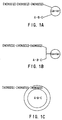
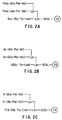


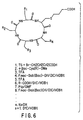
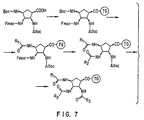
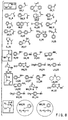
Classifications
-
- C—CHEMISTRY; METALLURGY
- C07—ORGANIC CHEMISTRY
- C07K—PEPTIDES
- C07K1/00—General methods for the preparation of peptides, i.e. processes for the organic chemical preparation of peptides or proteins of any length
- C07K1/04—General methods for the preparation of peptides, i.e. processes for the organic chemical preparation of peptides or proteins of any length on carriers
- C07K1/047—Simultaneous synthesis of different peptide species; Peptide libraries
-
- B—PERFORMING OPERATIONS; TRANSPORTING
- B01—PHYSICAL OR CHEMICAL PROCESSES OR APPARATUS IN GENERAL
- B01J—CHEMICAL OR PHYSICAL PROCESSES, e.g. CATALYSIS OR COLLOID CHEMISTRY; THEIR RELEVANT APPARATUS
- B01J2219/00—Chemical, physical or physico-chemical processes in general; Their relevant apparatus
- B01J2219/00274—Sequential or parallel reactions; Apparatus and devices for combinatorial chemistry or for making arrays; Chemical library technology
- B01J2219/00277—Apparatus
- B01J2219/0054—Means for coding or tagging the apparatus or the reagents
- B01J2219/00572—Chemical means
-
- B—PERFORMING OPERATIONS; TRANSPORTING
- B01—PHYSICAL OR CHEMICAL PROCESSES OR APPARATUS IN GENERAL
- B01J—CHEMICAL OR PHYSICAL PROCESSES, e.g. CATALYSIS OR COLLOID CHEMISTRY; THEIR RELEVANT APPARATUS
- B01J2219/00—Chemical, physical or physico-chemical processes in general; Their relevant apparatus
- B01J2219/00274—Sequential or parallel reactions; Apparatus and devices for combinatorial chemistry or for making arrays; Chemical library technology
- B01J2219/00583—Features relative to the processes being carried out
- B01J2219/00596—Solid-phase processes
-
- C—CHEMISTRY; METALLURGY
- C40—COMBINATORIAL TECHNOLOGY
- C40B—COMBINATORIAL CHEMISTRY; LIBRARIES, e.g. CHEMICAL LIBRARIES
- C40B70/00—Tags or labels specially adapted for combinatorial chemistry or libraries, e.g. fluorescent tags or bar codes
Definitions
- the invention relates to libraries of synthetic test compound attached to separate phase synthesis supports.
- the invention relates to libraries of synthetic test compound attached to separate phase synthesis supports that also contain coding polymeric sequences that encode the structure of the synthetic test compound.
- Each of the solid phase synthesis support beads contains a single type of synthetic test compound and a single, unique and readily determinable coding polymeric sequence encoding the structure of the synthetic test compound.
- the synthetic test compound can have backbone structures with linkages such as amide, urea, carbamate (i.e., urethane), ester, amino, sulfide, disulfide, or carbon-carbon, such as alkane and alkene, or any combination thereof.
- the synthetic test compound can also be molecular scaffolds, such as derivatives of monocyclic or bicyclic carbohydrates, steroids, sugars, heterocyclic structures, polyaromatic structures, or other structures capable of acting as a scaffolding.
- ligands such as hormones, growth factors, or neurotransmitters
- B-cell antibody-mediated
- T-cell cell-mediated
- catalysis of chemical reactions and to regulate gene expression at the level of transcription or translation.
- a main reason for this interest is the desire to directly use these biologically active molecules as drugs or, if necessary, to convert these molecules into derivatives which can function as drugs.
- Nonpeptidic organic compounds such as peptide mimetics
- the binding of biotin and avidin the tightest ever recorded, involves association of a non-peptidic organic structure (biotin) with a protein (avidin).
- biotin non-peptidic organic structure
- avidin protein
- An effective strategy for rapidly identifying high affinity biological ligands, and ultimately new and important drugs, requires rapid construction and screening of diverse libraries of non-peptidic structures containing a variety of structural units capable of establishing one or more types of interactions with a biological acceptor (e.g., a receptor or enzyme), such as hydrogen bonds, salt bridges, ⁇ -complexation, hydrophobic effects, etc.
- a biological acceptor e.g., a receptor or enzyme
- a key unsolved problem in the area of generation and use of nonpeptide libraries is the elucidation of the structure of molecules selected from a library that show promising biological activity.
- WO 93/06121 provides a general stochastic method for synthesizing libraries of random oligomers.
- This document discloses solid phase supports having the identifier tags attached directly to the test compound or to the surface of the solid phase support. The library is screened to isolate individual oligomers that bind to a receptor or possess some desired property.
- nucleotide synthesis techniques are not compatible with all of the synthetic techniques required for synthesis of many types of molecular libraries.
- the close proximity of nucleotide and synthetic test compound in the library which can result in interactions between these molecules interfering with the binding of the ligand with a target receptor or enzyme during the biological assay, also limits this approach.
- the nucleotide component of the library can also interfere during biological assays in a variety of other ways.
- the present invention is directed to libraries of synthetic test compound attached to separate phase supports, in which a single species of compound is attached to each support.
- the compounds can have linkages such as, but not limited to, amide, urea, ester, ether, carbamate, amine, sulfide, disulfide, carbon-carbon, such as alkane, alkene and alkyne, and the like.
- the compounds can be polyamides, polyureas, polyurethanes, polyesters, polyethers, polycarbonates, polyamines, polyalkanes, polysulfides, polydisulfides, or polymers containing any combination of such bonds.
- the compound may also be a molecular scaffold having various substituents at defined positions, in which the scaffold can be a cyclic or bicyclic hydrocarbon, a steroid, a sugar, a heterocyclic structure, or a polycyclic aromatic molecule.
- the present invention further relates to encoded libraries of synthetic test compound, in which a sequence of a coding molecule on a separate phase support corresponds exactly to, i.e. , encodes, the synthetic test compound attached to the support.
- the coding molecule is a peptide.
- An alternative embodiment encompasses the coding of a library of sequencable test compounds, wherein certain subunits are indistinguishable by conventional sequencing techniques. The coding is accomplished by adding a small fraction of a third distinguishable coding subunit to the coupling mixture. In this coding technique, called fractional coding, there is no discrete coding molecule at all.
- the invention also provides encoded libraries in which the synthetic test compound is topologically segregated from the coding molecule on each separate phase support.
- the synthetic test compound in which the separate phase support is a resin bead, the synthetic test compound is located on the surface of the resin bead while the coding molecule is located in great abundance in the interior of the bead.
- the synthetic test compound is attached to the separate phase support by a cleavable linker, and the coding molecule is attached to the support with a non-cleavable linker or a separately cleavable linker.
- the synthetic test compound can be released from the separate phase support, e.g ., into solution, while the coding molecule remains attached to the support.
- Synthesis of the synthetic test compound involves separation of portions of the separate phase supports, and reaction with a single subunit of the synthetic test compound with each portion under conditions such that the added subunit can react with functional groups on the synthetic test compound. If an encoded library is to be prepared, the subunit of the coding molecule that corresponds to the subunit of the compound is added to each of the separated portions before they are recombined, using a separate set of reaction conditions such that the coding subunit will only react with the coding components of the separate phase support.
- the order of reaction, described as linking the synthetic test compound subunit followed by the coding subunit is not material. The order could just as well be coding subunit reaction followed by the synthetic test compound subunit. What is important is that both reactions are carried out on the same portion of the solid phase support.
- the portions are thoroughly mixed in order to randomize them.
- the process of separate coupling and thorough mixing is repeated until as many subunits of the compound have been added as is desired. Then any functional group protecting groups that remain on the compounds (and the coding sequence, if any) are removed, without cleaving either the compounds or the coding molecules from the separate phase support.
- the libraries can be screened for binding activity of an acceptor molecule on the separate phase support, or for binding activity of the released compound.
- Solid supports that contain compounds that demonstrate the activity of interest in the screening assay are selected.
- the structure of the compound is determined, e.g ., by mass spectrometry, nuclear magnetic resonance spectrometry, or other spectrometric methods.
- the library is an encoded library, in which case the structure of the compound is encoded by the sequence of the coding molecule, which can be readily determined.
- the compounds of the present invention can provide leads for therapeutic or diagnostic agents. More preferably, the compounds themselves may be useful therapeutic or diagnostic agents.
- the compounds on separate phase supports can also be useful for electron transport, e.g., as transistors or semiconductors.
- FIG. 1 Strategies for attaching encoded libraries of synthetic test compound.
- Subunits of the synthetic test compound are indicated as [NONSEQ]; the coding molecule is indicated by A-B-C.
- A The test compound and coding molecule can be attached separately to the support directly or via a linker, in a statistical distribution that can be altered based on mass action and inherent reactivity.
- B The synthetic test compound and the coding molecule can be attached to the same linker on the separate phase support, in a defined molar ratio.
- C The synthetic test compound is attached on the surface and the coding molecule is attached in the interior of a separate phase support, such as a resin bead. Alternatively, in (C), the coding molecule can be on the surface and the test compound in the interior.
- Figure 2 Three forms of a model encoded library in which the "test” compound (Ala-Phe-Val) and the coding molecule (Gly-Tyr-Leu) are both peptides.
- the "test” compound was synthesized using the Fmoc protecting group, and the coding molecule was sythesized with the Boc protecting group. Fmoc and Boc are orthogonal protecting groups.
- the Fmoc deprotected "test” compound was acetylated so that only the coding peptide would be sequenced by Edman degradation.
- Model branched scaffold libraries showing various possible linking chemistries, including reaction of an amine with a carboxylic acid to form an amide; reaction of a carboxylic acid with an amine to form an amide; reaction of a thiol with a alkylhalogenid to form a sulfide.
- Figure 4 A model of interaction of a scaffold synthetic test compound with an acceptor molecule.
- the functional groups attached to the scaffold are free to assume an appropriate binding conformation.
- the functional groups on the scaffold are constrained in the appropriate binding conformation.
- Figure 5 Structures of some of the subunits that can be chemically linked in random structures to form the libraries of synthetic test compound.
- Figure 6 A model cyclic library formed from repeated condensation reactions with Boc and Fmoc blocked subunits.
- Figure 7 A scheme for preparation of a scaffold library on TentaGel resin in which the scaffold is cyclopentane.
- Figure 8 Structures of subunits used to prepare a scaffold library of the invention.
- the two-letter amino acid dipeptide code for each of the subunits is shown below each one. Preparation and use of this library is described in Section 9, infra .
- the invention relates to libraries of synthetic test compound attached to separate phase supports, in which each separate phase support contains a single species of synthetic test compound.
- the present invention encompasses a library for identifying and analyzing a ligand of an acceptor of interest comprising: a multiplicity of separate solid phase supports having a plurality of reactive functional groups; to each of which said supports are attached via said functional groups:
- separate phase support refers to a matrix to which the synthetic test compound can be attached, which matrix is not soluble in a liquid or forms a two phase system with a liquid.
- the separate phase is a solid phase, although separate phases such as hydrogels and aerogels are also contemplated.
- library of synthetic test compound refers to collections of synthetic test compound on separate phase support particles in which each separate phase support particle contains a single structural species of the synthetic test compound. Each support contains many copies of the single structural species. For example, a typical resin support for solid phase peptide synthesis contains about 50-250 pmol of peptide.
- the structures of the synthetic test compound are derived from a
- the term "synthetic test compound” refers to small molecules consisting of 2 to 100, and more preferably, 2-20, subunits, with or without a scaffold.
- the synthetic test compound is a polymer formed of subunits linked via such linkages as amide, urea, ester, ether, carbamate, amine, sulfide, disulfide, carbon-carbon, such as alkane, alkene and alkyne, and the like; in particular, the compound can include, but is not limited to, polycarbamate, polyurea, polyamide, polyester, polyether, etc., or any combination thereof, as described in detail infra .
- a synthetic test compound may be a randomly functionalized molecular scaffold, such as, but not limited to, a steroid, heterocyclic structure, a polyaromatic ring, or carbohydrate structure, and the like, as described in detail infra .
- a "library of peptides” is a collection of peptides (the synthetic test compound), i.e. , chains consisting of 2-100 ⁇ -amino acid residues (the subunits), whose sequences contain any amino acid residue preceding or following any other amino acid residue.
- An example of a "library of steroid derivatives” is a collection of steroid derivatives containing any one of a set of functional groups, the subunits, at specific positions of the steroid nucleus.
- the present invention relates to encoded libraries of synthetic test compound.
- the term "encoded library” refers to a library in which each distinct species of compound is paired on each separate phase support with a coding molecule whose structure is readily determinable and encodes a unique structure for its pair partner in the library.
- the coding polymeric molecule is a peptide.
- the coding polymeric molecule is an oligonucleotide.
- Examples of embodiments of libraries include, but are not limited to, the following:
- subunits for the different classes of synthetic test compound are commercially available from suppliers such as Sigma, Aldrich, ICI Chemicals, etc.
- subunits can be prepared synthetically using standard chemical synthesis techniques.
- the libraries listed above are encoded libraries in which each separate phase support contains a synthetic test compound and a polymeric sequence encoding the structure of the synthetic test compound.
- the coding polymeric sequence is a peptide.
- the libraries of the invention are encoded libraries in which the sequence of a coding molecule on each support corresponds to the structure of the synthetic test compound on each support.
- each unique synthetic test compound structure is encoded by a unique coding molecule sequence.
- the coding molecule is a peptide, although the present invention encompasses the use of nucleic acids or any sequenceable polymer as a coding sequence.
- the paradigm of a coding sequence is the genetic code, in which triplet nucleotide sequences in a gene corresponds to a specific amino acid in a protein encoded by the gene.
- the arrangement of codons in a gene corresponds to the sequence of amino acids in a protein.
- the gene encodes the protein.
- coding of the sequence of a library of synthetic test compound such as a polyamide whose sequence cannot be established by traditional methods (e.g., Edman degradation)
- a coding molecule can be accomplished readily using an analogous code.
- the choice of the code is purely arbitrary, including whether single, double or triple (or greater) combinations of subunits of the coding molecule correspond to each subunit of the synthetic test compound.
- the coding molecule may be a peptide.
- codes consisting of one or more amino acid residues which can be readily detected by Edman degradation, and are also known to couple efficiently in solid phase peptide synthesis without requiring side-chain protection, are considered to be especially useful.
- each of the 20 natural amino acids can code for a specific subunit.
- a single coding sequence subunit or codon can code for more than one subunit of the synthetic test compound, resulting in a degenerate code, although this is not necessary.
- the present invention provides various strategies to increase the probability that screening assays recognize active synthetic test compound instead of the coding molecules on a given support, which are discussed in Section 5.3., infra.
- the library is one in which each synthetic test compound is paired with a unique coding molecule, e.g., a peptide, whose sequence encodes the structure of the synthetic test compound attached to the same support and can be readily determined using traditional analytical techniques, e.g., Edman degradation.
- a unique coding molecule e.g., a peptide
- the scaffold or a precursor to the scaffold will be attached to the solid phase support prior to initiation of synthesis.
- the synthesis of libraries of synthetic test compound comprises repeating the following steps:
- a coding molecule is synthesized in parallel with the synthetic test compound.
- one or more subunits of the coding molecule, that correspond(s) to the added subunit of the synthetic test compound, is linked to the growing coding molecule such that a unique structural code (see Section 5.1, supra ), corresponding to the structure of the growing synthetic test compound, is created on each support.
- a unique structural code see Section 5.1, supra
- test arm and coding arm are used herein to refer to the synthetic test compound synthesized on the support, and, if present, the coding molecule synthesized on the support, respectively.
- step (ii) is changed to involve linking of the same polymer subunit to all of the portions of the solid support.
- elongation of the coding polymer needs to be modified analogously.
- the coding arm need not be elongated past the point required to encode a non-sequencable subunit of the synthetic test compound, as long as the history of the synthesis is known, e.g., the number of subunits is known.
- the solid support may be used to carry out the synthesis of a synthetic test compound which is a short polymer is derivatized with one or more of the subunits of the polymer prior to its use in the synthesis of a library.
- a library is referred to as a "complete" library.
- To ensure a high probability of representation of every structure requires use of a number of supports in excess, e.g. , by five-fold, twenty-fold, etc., according to statistics, such as Poisson statistics, of the number of possible species of compounds. Especially where the number of possible structures exceeds the number of supports, not every possible structure is represented in the library.
- Such "incomplete" libraries are also very useful.
- a library can have synthetic test compound whose structures include a desirable polymeric sequence, found as a result of screening another library added prior to generation of the library or at the end of generation of the library.
- Such a library is prepared by synthesizing a solid support containing the desirable polymeric sequence and using this derivatized support as the solid support for the synthesis of the new library.
- a portion of the library synthetic test compound can be synthesized followed by synthesis of the desirable polymer sequence as an extension of the test compounds on all of the separate phase supports.
- the desirable sequence may be discontinuous and included within the random library.
- a separate phase support suitable for use in the present invention is characterized by the following properties: (1) insolubility in liquid phases used for synthesis or screening; (2) capable of mobility in three dimensions independent of all other supports; (3) containing many copies of each of the synthetic test compound and, if present, the coding sequence attached to the support; (4) compatibility with screening assay conditions; and (5) being inert to the reaction conditions for synthesis of a test compound and for coding molecule synthesis.
- a preferred support also has reactive functional groups, such as hydroxyl, carboxyl, amino, thiol, etc., for attaching a subunit which is a precursor to each of the synthetic test compound and coding molecules, or for attaching a linker which contains one or more reactive groups for the attachment of the monomer or other subunit precursor.
- reactive functional groups such as hydroxyl, carboxyl, amino, thiol, etc.
- separate phase support is not limited to a specific type of support. Rather a large number of supports are available and are known to one of ordinary skill in the art.
- the separate phase support is a solid phase support, although the present invention encompasses the use of semi-solids, such as aerogels and hydrogels.
- Solid phase supports include silica gels, resins, derivatized plastic films, glass beads, cotton, plastic beads, alumina gels, polysaccharides such as Sepharose and the like, etc.
- a suitable solid phase support may be selected on the basis of desired end use and suitability for various synthetic protocols.
- useful solid phase support may be resins such as polystyrene (e.g., PAM-resin obtained from Bachem Inc., Peninsula Laboratories, etc.), POLYHIPE® resin (obtained from Aminotech, Canada), polyamide resin (obtained from Peninsula Laboratories), polystyrene resin grafted with polyethylene glycol (TentaGel®, Rapp Polymere, Tubingen, Germany) or polydimethyl-acrylamide resin (obtained from Milligen/Biosearch, California).
- the preferred solid phase support is polydimethyl-acrylamide resin. Preferred solid phase synthesis supports for specific syntheses are described below.
- a support such as is used in Merrifield peptide synthesis can be sequentially derivatized by an Fmoc-protected amino acid, which through subsequent synthetic cycles is extended to give the polyamide "synthetic test compound", and a Ddz- or Boc-protected amino acid, which is extended to give the coding peptide.
- Fmoc-protected amino acid which through subsequent synthetic cycles is extended to give the polyamide "synthetic test compound”
- Ddz- or Boc-protected amino acid which is extended to give the coding peptide.
- each resin bead is functionalized to contain both synthetic test compound and the corresponding coding structures, the relative amounts of which depend on the reaction conditions for attaching the first Fmoc- and Ddz- (or Boc-) protected amino acids.
- the synthetic test compound and coding molecules are attached to the solid support through linkers such as those described below.
- the supports of the invention may also comprise linkers or an arrangement of linkers.
- a linker refers to any molecule containing a chain of atoms, e.g., carbon, nitrogen, oxygen, etc., that serves to link the molecules to be synthesized on the support with the support.
- the linker is usually attached to the support via a covalent bond, before synthesis on the support starts, and provides one or more sites for attachment of precursors of the molecules to be synthesized on the support.
- Various linkers can be used to attach the precursors of molecules to be synthesized to the solid phase support.
- linkers examples include aminobutyric acid, aminocaproic acid, 7-aminoheptanoic acid, 8-aminocaprylic acid, lysine, iminodiacetic acid, polyoxyethylene, glutamic acid, etc.
- linkers can additionally comprise one or more ⁇ -alanines or other amino acids as spacers.
- the "safety-catch amide linker” (SCAL) (see Patek, M. and Lebl, M. 1991, Tetrahedron Letters 32:3891-3894; International Patent Publication WO 92/18144, published October 29, 1992) is introduced to the support.
- selectively cleavable linkers may be employed,. preferably for attachment of the synthetic test compound molecule.
- One example is the ultraviolet light sensitive linker, ONb, described by Barany and Albericio (1985, J. Am. Chem. Soc. 107:4936-4942).
- Other examples of photocleavable linkers are found in Wang (1976, J.Org. Chem. 41:32-58), Hammer et al. (1990, Int. J. Pept. Protein Res. 36:31-45), and Kreib-Cordonier et al. (1990, in "Peptides - Chemistry, Structure and Biology", Rivier and Marshall, eds., pp. 895-897).
- Enzyme-cleavable linkers may also be useful.
- An enzyme may specifically cleave a linker that comprises a sequence that is recognized by the enzyme.
- linkers containing suitable peptide sequences may be cleaved by a protease and linkers containing suitable nucleotide sequences may be cleaved by an endonuclease.
- one may derivatize a portion (e.g., 10-90%) of the available resin functional groups with a cleavable linker using certain reaction conditions, and the remaining of the resin functional groups with a linker which is stable to the cleavage conditions to ensure that enough material will remain on the resin after cleavage for further study. This arrangement is particularly preferred when there is no coding molecule.
- Combinations of linkers cleavable under different reaction conditions can also be used to allow selective cleavage of molecules from a single solid support bead.
- a cleavable linker can be used to release the synthetic test compound, or a portion thereof, for testing in a screening assay.
- the coding sequence if present, is attached to the solid phase support via a non-cleavable linker.
- An approach for the synthesis of encoded libraries involves linking the precursors of the synthetic test compound and coding molecules of the library together via a branched linker which also serves to link both precursors to the solid support. Depending on the structure of the linker, either molecule or both may be detached from the solid support for further study.
- a branched linker which also serves to link both precursors to the solid support.
- either molecule or both may be detached from the solid support for further study.
- Lys(SCAL) derivatized TentaGel is to use Lys(SCAL) derivatized TentaGel.
- a solid phase support linker for use in the present invention may further comprise a molecule of interest, which can be further derivatized to give a molecular library.
- the pre-attached molecule may be selected according to the methods described herein, or may comprise a structure known to embody desired properties.
- the present invention encompasses the use of an array of linkers attached to the solid support in one of many arrangements.
- a lysine carboxyl group can be linked to a SCAL linker that is linked to the solid phase support, thus producing a support functionalized with a lysine-SCAL linker.
- a lysine can be linked to the solid phase support via a polyethylene glycol linker.
- a SCAL linker on a solid support can also be linked to an amino group of a diamine linker, while the other amino group can be used directly for further coupling.
- a cleavable linker can be attached to one of the amino groups of a lysine linked to a support while the other amino group is used without further modification. Specific couplings to each amino group of a lysine linker can be accomplished by using orthogonal protecting groups.
- SCAL linked to TentaGel can be acylated with lysine whose amino groups are protected with Fmoc and Boc; the resulting support is TentaGel with the linker Boc-Lys(Fmoc)-SCAL which can be deprotected sequentially to provide two unique amino groups which, e.g. , upon acylations by two different sets of amino acids, can become anchors for two polyamides.
- Topologically separating the synthetic test compound and the coding molecule refers to the separation in space for a support.
- the support is a resin bead
- separation can be between the surface and the interior of the resin bead of a significant number of the ligand-candidate molecules from a significant number of the coding molecules.
- the surface of the support contains primarily synthetic test compound molecules and very few coding molecules.
- the surface of the support contains greater than 90% synthetic test compound.
- the surface of the support contains greater than 99% synthetic test compound molecules; more preferably, it contains more than 99.9% synthetic test compound.
- the advantage of such an arrangement is that it limits interference of the coding molecule in a binding screening assay (see Section 5.6, infra ). It is not necessary that the topological area that contains the coding sequence, i.e., the interior of a resin bead, be free of the synthetic test compound.
- the coding molecule is segregated in the interior of the support particle. It is also contemplated that the coding molecule may be segregated to the surface of a support particle, or to one side of a support particle.
- One general approach for the topological separation of synthetic test compound from coding molecules involves the selective derivatization of reactive sites on the support based on the differential accessibility of the coupling sites to reagents and solvents. For example, regions of low accessibility in a resin bead are the interior of the bead, e.g., various channels and other cavities. The surface of a resin bead, which is in contact with the molecules of the solution in which the bead is suspended, is a region of relatively high accessibility.
- Methods for effecting the selective linkage of coding and synthetic test compound precursors to a suitable solid phase support include, but are not limited to, the following.
- An important synthetic operation during the synthesis of an encoded library involves the use of orthogonal protecting groups.
- the protecting groups used for each synthesis must be orthogonal, i.e., during all synthetic operations on one molecule the protecting groups on the other molecule must remain intact.
- the base-sensitive N ⁇ -[(9-fluorenylmethyl)oxy]carbonyl (Fmoc-) protecting group may be used to assemble the synthetic test compound molecules
- the acid-labile N ⁇ -[[2-(3,5-dimethoxyphenyl)prop-2-yl]oxy]carbonyl (Ddz) protecting group may be used to assemble the coding peptide molecules.
- Fmoc protecting groups and their use in peptide synthesis have been described by Carpino and Han (1972, J. Org. Chem. 37:3403-3409) and Ddz protecting groups have been described by Voss and Birr ( Hoppe-Seyler's Z.
- Both types of protecting groups have traditionally been used to block the ⁇ -amino groups of ⁇ -amino acids during peptide synthesis; however, other suitable amino groups may be protected by these groups during the synthesis of a polyamide. If the polyamides of interest contain side-chains with reactive functional groups, protection of the reactive groups as t-butoxycarbonyl (Boc) and t-butyl (t-Bu) derivatives, or preferably, as the more acid-stable derivatives benzyl and benzyloxycarbonyl, may be useful.
- the coding peptide may be synthesized using a protecting group which is more acid-labile than Ddz, such as Nps (Zervas et al., 1963, J. Am. Chem. Soc. 85:3660) or Trt (Zervas et al., 1956, J. Am. Chem. Soc. 78:1359)
- a protecting group which is more acid-labile than Ddz such as Nps (Zervas et al., 1963, J. Am. Chem. Soc. 85:3660) or Trt (Zervas et al., 1956, J. Am. Chem. Soc. 78:1359)
- An alternative combination of orthogonal protecting groups in the synthesis of an encoded library of polyamides involves use of Fmoc or other base-labile groups to assemble the coding peptides and Ddz or other acid-labile groups to assemble the ligand binding candidates.
- An alternative orthogonal combination of protecting groups for the alternating and parallel synthesis of coding molecules and synthetic test compound involves trichloroethoxycarbonyl as an amine protecting group and trichloroethyl as a hydroxyl protecting group, which can be removed using a reducing agent such as zinc in acetic acid, for the synthesis of, e.g., polyesters in an encoded library of polyesters, and Boc and t-Bu or other acid-cleavable group for the synthesis of the coding peptides.
- the two sets of orthogonal protecting groups may be interchangeable, i.e., N ⁇ -trichloroethoxycarbonyl-protected amino acids are used to prepare the coding peptides and N ⁇ -Boc-protected monomers are used to prepare the synthetic test compound polyamides.
- orthogonal protecting groups involves the trimethylsilylethoxycarbonyl group, which can be removed by fluoride ions, and a highly acid-sensitive protecting group such as Ddz or Bpoc (2-Biphenyl-2-propoxycarbonyl). Either type of protecting group can be used for N-protection during the assembly of either the polyamide, in an encoded polyamide library synthesis, or the coding peptide.
- Z is any alkyl, aryl, heteroalkyl or heteroaryl group, containing one or more groups including but not limited to H, -NH 2 , -OH, CO 2 H, -CO 2 R, -CONHR, and the like.
- Alkyl means a C 1 to C 20 saturated or unsaturated hydrocarbon.
- Aryl means a C 5 to C 20 aromatic hydrocarbon.
- P with a circle refers to a separate phase support, e.g. , a resin bead.
- P (without a circle) refers to a protecting group. The remaining symbols have their standard meaning.
- a suitable solid support such as one of the supports described in section 5.2, is coupled with a carboxylic acid anhydride in a suitable solvent to give a carboxylic acid amide support.
- the supported acid-amide is further elongated by activation of the carboxyl group, using a compound such as dicyclohexyl carbodiimide (DCC) in the presence of hydroxybenzotriazole (HOBt), followed by condensation with a diamine containing a protected amino group; deprotection of the condensation product gives a diamide-amine on the solid support.
- DCC dicyclohexyl carbodiimide
- HOBt hydroxybenzotriazole
- Repetition of this synthetic cycle i.e, sequential reaction with an anhydride, condensation with a single protected diamine, and deprotection, produces a growing polyamide on the solid support. If the completed polyamide sequence contains protecting groups, it is deprotected without detachment from the solid support.
- An alternative synthetic approach to polyamides involves modification of the above synthesis by replacement of the anhydride with a partially protected dicarboxylic acid, e.g., a suitable dicarboxylic acid half ester.
- the resulting ester amide resin is deprotected and activated with, e.g., DCC/HOBt prior to condensation with the diamine.
- Pyroglutamate may be included as the N-terminal residue of the synthetic test polyamides of the library.
- Subunits that confer useful chemical and structural properties may be chosen for incorporation into a synthetic test polyamide sequence.
- libraries of polyamides may have more well defined structural properties than native peptides.
- a polyamide library may be generated that incorporates a reduced peptide bond, i.e., R 1 -CH 2 -NH-R 2 , where R 1 and R 2 are amino acid residues or sequences.
- a reduced peptide bond may be introduced as a dipeptide subunit.
- Such a molecule would be resistant to peptide bond hydrolysis, e.g., protease activity.
- Such libraries could provide ligands with unique function and activity compared with those of the corresponding native peptides, such as extended half-lives in vivo due to resistance to metabolic breakdown, or protease activity.
- a constrained, cyclic or rigid polyamide may be prepared according to the method described previously, provided that , in at least two positions in the sequence of all synthetic test compound, subunits, e.g. , amino acids, are inserted that provide chemical functional groups capable of crosslinking to constrain, cyclize or make rigid the polyamide after treatment to form a crosslink.
- amino acids capable of crosslinking a peptide are cysteine to form disulfides, aspartic acid to form a lactone or a lactam, and a chelator such as ⁇ -carboxyl-glutamic acid (Gla) (commercially available, e.g., from Bachem) to chelate a transition metal and form a cross-link.
- Protected ⁇ -carboxyl glutamic acid may be prepared by modifying the synthesis described by Zee-Cheng and Olson (1980, Biophys. Biochem. Res. Commun. 94:1128-1132).
- a library in which the polyamide sequence comprises at least two subunits capable of crosslinking may be treated, e.g., by oxidation of cysteine residues to form a disulfide or addition of a metal ion to form a chelate, so as to crosslink the peptide and form a constrained, cyclic or rigid peptide.
- Cyclic motifs are disclosed in detail in U.S. 5,650,489.
- Some simple amino acids that can be used as subunits for incorporation into a library include the following:
- Non-classical amino acids may be used during the synthesis of polyamides.
- the following non-classical amino acids may be incorporated in a polyamide library in order to introduce particular conformational motifs: 1,2,3,4-tetrahydroisoquinoline-3-carboxylate (Kazmierski et al., 1991, J. Am. Chem. Soc.
- LL-Acp LL-3-amino-2-propenidone-6-carboxylic acid
- ⁇ -turn inducing dipeptide analog Kemp et al., 1985, J. Org. Chem. 50:5834-5838
- ⁇ -sheet inducing analogs Kemp et al., 1988, Tetrahedron Lett. 29:5081-5082
- ⁇ -turn inducing analogs Kemp et al., 1988, Tetrahedron Lett.
- glycosylated or fatty acylated peptide derivatives may be prepared. Preparation of glycosylated or fatty acylated peptides is well known in the art ( see, e.g. , U.S. 5,650,489).
- Fatty-acid polyamide derivatives may also be prepared.
- a free amino group may be acylated, e.g., myristoylated.
- This and other peptide-fatty acid conjugates suitable for use in the present invention are disclosed in U.K. Patent GB-8809162.4, International Patent Application PCT/AU89/00166.
- the present invention encompasses synthetic test compounds that include one or more carbamate (i.e., polyurethane) bonds, including polycarbamates. Two strategies for forming carbamates are shown in Scheme II.
- a suitable resin such as the functionalized resin used for the synthesis of polyamides above, is converted to the isocyanate by reaction with phosgene, and the isocyanate is then coupled with an amino-protected aminoalcohol to give the protected carbamate.
- Deprotection of the resin urethane furnishes an aminourethane resin which is used to repeat the same synthetic cycle producing a polyurethane, i.e., reaction with phosgene followed by coupling with an N-protected aminoalcohol and deprotection produces an amino diurethane resin, etc.
- a second type of supported carbamate is produced by modifying the above synthetic procedure as follows.
- the starting amino resin is converted to the isocyanate, the isocyanate is converted to a protected carbamate by reaction with partially protected diol, the protected carbamate resin is deprotected to give a hydroxycarbamate, the hydroxycarbamate is converted to an aminodicarbamate by reaction with an amino-protected aminoalkylisocyanate, which is followed by deprotection.
- a suitable resin functionalized with isocyanate groups such as the resin used in the synthesis of the carbamates described above, is converted to an amino urea by reaction with a partially protected diamine followed by deprotection, and the amino urea resin to an isocyanate using phosgene.
- the isocyanatourea resin is subjected to the above three-step synthetic cycle the desired number of times producing polyureas.
- a suitable resin such as the hydroxyalkyl resin used in Merrifield solid phase peptide synthesis, in a swelling solvent such as methylene chloride, is condensed with a suitably protected hydroxycarboxylic acid, preferably in the presence of a condensing agent such as DCC, to give, after deprotection, a supported hydroxyester which is further elongated using the same acylation-deprotection cycles.
- a suitable resin such as the resin used in the amide synthesis above, is converted to a nitroalkyl amine resin via reductive amination using a nitroaldehyde, and further reduced to the primary amine, using one of many reactions known to reduce nitroalkamines to primary amines (e.g., reduction by lithium aluminum hydride).
- the primary amine on the resin is elongated by repeating the reductive-alkylation-reduction sequence, producing the desirable polyamine.
- a suitable resin e.g., a resin used in Merrifield solid phase peptide synthesis, is functionalized to have free thiol groups.
- the thiol resin is alkylated with a protected thioalkyl halide and the product deprotected to give a thioalkyl resin sulfide.
- the supported thioalkylsulfido chain is further elongated by repeating the alkylation-deprotection cycle to furnish a supported polysulfide.
- the above synthesis can yield supported disulfides if the protected thioalkyl halide is replaced by a protected thioalkylchlorosulfenate or thioalkylmethoxycarbonylsulfenate.
- a suitable resin is functionalized with carbonyl groups, (e.g., by controlled oxidation of support hydroxyalkyl groups), condensed with a Wittig reagent, prepared from triphenyl phosphine and a haloalkyl dialkyl acetal, and deprotected to give a resin containing an unsaturated aldehyde chain.
- This chain can be elongated to a polyene aldehyde using the same Wittig-condensation-deprotection sequence.
- Treatment of the supported polyene with a molecular halogen, such as chlorine or bromine produces a haloalkane on a resin.
- haloalkanes Conversion of these haloalkanes to their fully dehalogenated reduced derivatives by reaction with tributyl tin hydride or an electropositive metal such as zinc in the presence of a weak acid is also contemplated.
- Other polyols may be produced by subjecting the polyene to a hydroboration-oxidation sequence, an epoxidation (by a peracid such as m-chloroperbenzoic acid)-hydrolysis sequence, or a mercuric-acetate-alkaline-borohydride sequence.
- Scheme VIII shows preparation of a saturated hydrocarbon.
- unsaturated structures can also be prepared.
- a suitable resin such as the carbonyl resin described above, is converted to an alkene resin, e.g., by a Wittig condensation, and this resin is used in a Diels-Alder-type pericyclic reaction with a suitably activated, e.g., electrophilic, diene dimethylacetal to produce, after hydrolysis of the acetal group, a supported functionalized cyclohexenyl aldehyde.
- This supported structure can be further elongated by repetition of the Wittig-condensation-Cycloaddition-deprotection sequence producing a supported poly-cyclohexene aldehyde which can be further functionalized as follows (i) by halogenation, e.g., bromination or chlorination, to give a poly-halocyclohexanyl aldehyde, (ii) by reduction of the poly-halocyclohexanyl aldehyde, e.g., using tributyltin hydride or an electropositive metal (e.g., Zn) and a weak acid, producing a polycyclohexane aldehyde or alcohol, and (iii) by controlled oxidation of the polycyclohexane aldehyde using permanganate, a hydroboration-oxidation sequence, an epoxidation-hydrolysis sequence, or an epoxidation-reduction sequence (e.g., epoxid
- FIG. 6 Another example of a cyclic library is shown in Figure 6.
- This library is prepared by attaching bromo-propionic acid to a support, and attaching Boc-protected cysteine methyl ester to the support via substitution of bromine with the sulfur side chain to form a sulfide linkage.
- Boc/Fmoc protected diamino acids such as diaminobutyric acid or lysine, can be added. Deprotection of one protecting group allows substitution with any carboxylic acid. Deprotection of the other amino group allows addition of another diamino acid. This sequence of steps is repeated the desired number of times. Finally, the methyl ester group is hydrolyzed from cysteine, allowing reaction with a deprotected amino group to cyclize the structure.
- Suitable scaffolds include but are not limited to cyclopentane, Kemp's triacid (Kemp and Petrakis, 1981, J. Org. Chem. 46:5140-5143), a branched construct prepared by consecutive coupling of diamino carboxylic acids, cyclic templates such as are described by Mutter, et al. (1992, J. Am. Chem. Soc. 114-1463-1470), steroids, benzodiazepines, and the like.
- a suitable resin such as a Merrifield-type resin functionalized with a 4-hydroxymethylphenoxyacetic acid linker, is further functionalized with a 2-amino-4'-hydroxybenzophenone, whose amino group is protected with the fluorenylmethoxycarbonyl (Fmoc) group.
- Encoded versions of the polysubstituted ring structures libraries described above are preferred embodiments. Encoded libraries in which the coding molecules are peptides are most preferred. For the synthesis of the peptide-encoded libraries the general procedure of section 5.1 and the synthetic strategies outlined in sections 5.2 and 5.3 are used.
- a scaffolding, mapping larger conformational space, that is a simple branched attachment, is constructed by consecutive coupling of diamino carboxylic acids (see Figure 3).
- Various types of the scaffolding mapping extensive space are flexible cyclic or branched scaffoldings. The principles of these libraries are illustrated in Figure 3.
- As an example of scaffold library construction we show here synthesis of branched library (Scheme XV, Section 9, infra ).
- test compounds of a library may be screened to identify ligands within the library that demonstrate a biological activity of interest, such as binding, stimulation, inhibition, toxicity, taste, etc.
- Other libraries may be screened according to the methods described infra for enzyme activity, enzyme inhibitory activity, and chemical and physical properties of interest. Many screening assays are well known in the art; numerous screening assays are also described in U.S. Patent 5,650,489.
- the ligands discovered during an initial screening may not be the optimal ligands. In fact, it is often preferable to synthesize a second library based on the structures of the ligands selected during the first screening. In this way, one may be able to identify ligands of higher activity.
- acceptor molecule refers to any molecule which binds to a ligand. Acceptor molecules may be biological macromolecules such as antibodies, receptors, enzymes, nucleic acids, or smaller molecules such as certain carbohydrates, lipids, organic compounds serving as drugs, metals, etc.
- the synthetic test compound in libraries of the invention can potentially interact with many different acceptor molecules. By identifying the particular ligand species to which a specific acceptor molecule binds, it becomes possible to physically isolate the ligand species of interest.
- the library can be reused multiple times. If different color or identification schemes are used for different acceptor molecules (e.g., with fluorescent reporting groups such as fluorescein (green), Texas Red (Red), DAPI (blue) and BODIPI tagged on the acceptors), and with suitable excitation filters in the fluorescence microscope or the fluorescence detector, different acceptors (receptors) can be added to a library and evaluated simultaneously to facilitate rapid screening for specific targets. These strategies not only reduce cost, but also increase the number of acceptor molecules that can be screened.
- fluorescent reporting groups such as fluorescein (green), Texas Red (Red), DAPI (blue) and BODIPI tagged on the acceptors
- suitable excitation filters in the fluorescence microscope or the fluorescence detector
- acceptor molecule of interest is introduced to the library where it will recognize and bind to one or more ligand species within the library.
- Each ligand species to which the acceptor molecule binds will be found on a single solid phase support so that the support, and thus the ligand, can be readily identified and isolated.
- the desired ligand can be isolated by any conventional means known to those of ordinary skill in the art. For example, it is possible to physically isolate a solid-support-bead ligand combination that exhibits the strongest physico-chemical interaction with the specific acceptor molecule. Alternatively, a solution of specific acceptor molecules is added to a library which contains 10 5 to 10 7 solid phase support beads. The acceptor molecule is incubated with the beads for a time sufficient to allow binding to occur. Thereafter, the complex of the acceptor molecule and the ligand bound to the support bead is isolated. More specific alternatives are set forth in the following methods, which describe the use of a monoclonal antibody, as a soluble acceptor molecule to bind a ligand which is a peptide. It will be clear that these methods are readily adaptable to detect binding of any acceptor molecule.
- soluble acceptor molecules in addition to using soluble acceptor molecules, in another alternative, it is possible to detect ligands that bind to cell surface receptors using intact cells.
- the use of intact cells is preferred for use with receptors that are multi-subunit or labile or with receptors that require the lipid domain of the cell membrane to be functional.
- the cells used in this technique may be either live or fixed cells. The cells will be incubated with the library and will bind to certain peptides in the library to form a "rosette" between the target cells and the relevant bead-peptide. The rosette can thereafter be isolated by differential centrifugation or removed physically under a dissecting microscope.
- a panning procedure with cell lines such as (i) a "parental" cell line where the receptor of interest is absent on its cell surface, and (ii) a receptor-positive cell line, e.g., a cell line which is derived by transfecting the parental line with the gene coding for the receptor of interest. It is then possible to screen the library by the following strategy:
- the receptor molecules can be reconstituted into liposomes where reporting group or enzyme can be attached.
- an acceptor molecule may bind to one of a variety of polyamides, polyurethanes, polyesters, polyfunctionalized structure capable of acting as a scaffolding, etc.
- the acceptor molecule may be directly labeled.
- a labeled secondary reagent may be used to detect binding of an acceptor molecule to a solid phase support particle containing a ligand of interest. Binding may be detected by in situ formation of a chromophore by an enzyme label. Suitable enzymes include, but are not limited to, alkaline phosphatase and horseradish peroxidase.
- a two color assay using two chromogenic substrates with two enzyme labels on different acceptor molecules of interest, may be used. Cross-reactive and singly-reactive ligands may be identified with a two-color assay.
- labels for use in the invention include colored latex beads, magnetic beads, fluorescent labels (e.g., fluoresceine isothiocyanate (FITC), phycoerythrin (PE), Texas red (TR), rhodamine, free or chelated lanthanide series salts, especially Eu 3+ , to name a few fluorophores), chemiluminescent molecules, radio-isotopes, or magnetic resonance imaging labels.
- fluorescent labels e.g., fluoresceine isothiocyanate (FITC), phycoerythrin (PE), Texas red (TR), rhodamine, free or chelated lanthanide series salts, especially Eu 3+ , to name a few fluorophores
- Two color assays may be performed with two or more colored latex beads, or fluorophores that emit at different wavelengths.
- Labeled beads may be isolated manually or by mechanical means. Mechanical means include fluorescence activated sorting, i.e., analogous to FACS, and
- infra enzyme-chromogen labels and fluorescent (FITC) labels are used.
- Reactive beads may be isolated on the basis of intensity of label, e.g., color intensity, fluorescence intensity, magnetic strength, or radioactivity, to mention a few criteria.
- the most intensely labeled beads may be selected and the ligand attached to the bead may be structurally characterized directly e.g., by Edman sequencing or by mass spectral analysis if applicable, or indirectly by sequencing the coding peptide corresponding to the ligand of interest.
- a random selection of beads with a label intensity above an arbitrary cut-off may be selected and subjected to structural analysis.
- quantitative immunofluorescence microscopy can be applied if the acceptor is tagged with a fluorescent label.
- beads demonstrating a certain label intensity are selected for compositional analysis, e.g., amino acid composition analysis in the case of peptide ligands.
- a refinement library comprising a restricted set of amino acid subunits identified as important from the amino acid analysis may then be prepared and screened.
- the ligand(s) with the greatest binding affinity may be identified by progressively diluting the acceptor molecule of interest until binding to only a few solid phase support beads of the library is detected.
- stringency of the binding with the acceptor molecule may be increased.
- stringency of binding may be increased by (i) increasing solution ionic strength; (ii) increasing the concentration of denaturing compounds such as urea; (iii) increasing or decreasing assay solution pH; (iii) use of a monovalent acceptor molecule; (iv) inclusion of a defined concentration of known competitor into the reaction mixture; and (v) lowering the acceptor concentration.
- Other means of changing solution components to change binding interactions are well known in the art.
- ligands that demonstrate low affinity binding may be of interest. These may be selected by first removing all high affinity ligands and then detecting binding under low stringency or less dilute conditions.
- a dual label assay may be used.
- the first label may be used to detect non-specific binding of an acceptor molecule of interest to beads in the presence of soluble ligand. Labelled beads are then removed from the library, and the soluble ligand is removed. Then specific binding acceptor molecule to the remaining beads is detected. Ligands on such beads may be expected to bind the acceptor molecule at the same binding site as the ligand of interest, and thus to mimic the ligand of interest.
- the dual label assay provides the advantage that the acceptor molecule of interest need not be purified since the first step of the assay allows removal of non-specific positive reacting beads.
- fluorescent-labeled acceptor molecules may be used as a probe to screen a synthetic test library, e.g ., using FACS.
- the libraries of the instant invention may be used for assays for biological activity of a ligand-candidate from a library treated so as to remove any toxic molecules remaining from synthesis, e.g., by neutralization and extensive washing with solvent, sterile water and culture medium.
- the biological activities that may be assayed include toxicity and killing, stimulation and growth promotion, signal transduction, biochemical and biophysical changes and physiological change.
- the synthetic test compound of the library are selectively cleavable from the solid-phase support, also referred to herein as "bead".
- the synthetic test compound are attached to the separate phase support via multiple cleavable linkers to allow for more than one release and screening assay.
- beads are prepared such that only a fraction of synthetic test compound are selectively cleavable. Selectively cleavable ligand-candidates, linkers and beads are discussed in Section 5.3.2, supra .
- a library is treated with a cleaving agent such that cleavage of a fraction of synthetic test compound occurs. Examples of cleaving agents include, but are not limited to, UV light, acid, base, enzyme, or catalyst.
- the library is treated so that 10-90% of the synthetic test compound are released. In a more preferred alternative, 25-50% of the synthetic test compound are released.
- non-quantitative cleavage can be effected by limiting the cleaving agent. In one aspect, exposure time and intensity of UV light is limited. In another alternative, the concentration of reagent is limited.
- the library may be further treated, e.g., by neutralization, to make it biologically compatible with the desired assay. In practice, one of ordinary skill would be able to readily determine appropriate cleavage conditions for partial cleavage when all synthetic test compound molecules of the library are attached to solid phase by cleavable linkers or bonds. One of ordinary skill would further understand that the relative concentration of released synthetic test compound can be affected by varying the cleavage conditions.
- the beads of the library are immobilized, a concentration gradient of a particular ligand-candidate will form. High concentrations of synthetic test compound will be found in proximity of the bead from which it was released. Thus, evidence of biological activity of interest, in proximity to a bead, will allow identification and isolation of the bead, and structural characterization by sequencing the coding molecule corresponding to the synthetic test compound or other technique. Identification of the synthetic test compound is possible because enough will be left on the bead after partial cleavage for sequencing or other characterization.
- the beads may be partitioned in microtiter wells (e.g., 10 beads/well) and a fraction of ligand-candidate released and tested for biological activity, thus eliminating the potential problem of diffusion. Different portions of synthetic test compound may be attached to solid phase support or bead via different cleavable linkers for sequential assays. Within these examples, the term "bead" refers to a separate phase support particle.
- Bio assays with uncleaved synthetic test compound are also envisioned.
- the biological activity of whole synthetic test compound-coated beads may then be screened.
- a library may be introduced into an animal.
- Beads of interest may be isolated from a specific tissue. Beads may be isolated that were specifically absorbed after oral, nasal, or cutaneous administration. Preferably, such beads are magnetic, or have some other identifying feature, and thus are readily isolated from the tissue.
- immobilized ligand itself may elicit biochemical changes with appropriate surface receptors.
- any cell that may be maintained in tissue culture may be used in a biological assay.
- the term "cell” as used here is intended to include prokaryotic (e.g., bacterial) and eukaryotic cells, yeast, mold, and fungi. Primary cells or lines maintained in culture may be used.
- biological assays on viruses may be performed by infecting or transforming cells with virus. For example, the ability of a ligand to inhibit lysogenic activity of lambda bacteriophage may be assayed by identifying transfected E. coli colonies that do not form clear plaques when infected.
- the present invention further comprises libraries that are capable of catalyzing reactions, i.e., enzyme libraries; libraries of molecules that serve as co-enzymes; and libraries of molecules that can inhibit enzyme reactions.
- Enzyme activity may be observed by formation of a detectable reaction product.
- an enzyme from an enzyme library catalyzes the reaction catalyzed by alkaline phosphatase, e.g., hydrolysis of 5-bromo-4-chloro-3-indoyl phosphate (BCIP) and forms a blue, insoluble reaction product on the solid phase support (see Example 13, infra ).
- alkaline phosphatase e.g., hydrolysis of 5-bromo-4-chloro-3-indoyl phosphate (BCIP) and forms a blue, insoluble reaction product on the solid phase support (see Example 13, infra ).
- a zone of observable product may be formed in a semi-solid matrix.
- a library is layered in a semi-solid matrix, e.g., agarose gel, and a chromogenic or other indicator substrate is added.
- a zone of product will form.
- a molecule from a library which is an analog of horseradish peroxidase may be identified by adding a solution of aminoantipyrene (0.25 mg/ml; Kodak), phenol (8 mg/ml) and H 2 O 2 (0.005%) in 0.1 M phosphate buffer, pH 7.0. Beads with enzyme activity will form a purple zone of color.
- beads with protease activity may be identified by addition of the well known colorimetric protease substrates.
- Co-enzyme activity may be observed by assaying for the enzyme activity mediated by a co-enzyme, where the natural or common co-enzyme is absent.
- Enzyme inhibitory activity can be detected with a partially-released synthetic test compound.
- a library is layered in a semi-solid matrix that contains an enzyme. The library is treated to partially release ligand-candidate molecules. Where the molecule inhibits the enzyme activity, a zone lacking product may be identified.
- the enzyme substrate is chromogenic, and a colored product is formed. Thus, presence of an enzyme inhibitor would yield a zone of no color.
- inhibition of proteolysis of hemoglobin or an indicator enzyme such as alkaline phosphatase may be detected by the presence of an opaque zone in the semi-solid matrix. This is because presence of proteolysis inhibitor will prevent degradation of the hemoglobin or indicator enzyme.
- a synthetic test compound molecule that demonstrates enzyme activity, co-enzyme activity, or that inhibits enzyme activity, may be a peptide, a peptide mimetic, one of a variety of polymers or any of the compounds described in Section 5.
- the constrained polymers including but not limited to cyclic, bicyclic or tricyclic structures, or constrained structures with certain scaffolding, which can create an unique catalytic binding pocket or surface.
- a method of segregating the coding molecule in the interior of the solid support and the test compound on the exterior, accessible to a macromolecular acceptor molecule of interest is described.
- the method encompasses the steps of synthesizing a linker, which in the preferred embodiment is a peptide.
- the linker contains a sequence which can be hydrolyzed by a conveniently available enzyme such as chymotrypsin or other endopeptidase. In one alternative the enzyme is chymotrypsin and the linker contains a phenylalanine. After the linker is synthesized, the N ⁇ amino function is left protected and the support is exposed to the endopeptidase. The endopeptidase acts only on linkers that would be accessible to other macromolecules, such as acceptors.
- test compound and the coding compounds can be synthesized using any orthogonal protecting groups.
- the present invention provides a means of determining the structure of the ligand.
- the structure of the polymer may be directly analyzed by conventional techniques, e.g., Edman degradation or mass spectrometry; alternatively, a second molecule or group of molecules can be synthesized during the construction of the library such that the structure(s) of the second molecular species unambiguously indicates (encodes) the structure of the test compound attached to the same support.
- a second molecule or group of molecules can be synthesized during the construction of the library such that the structure(s) of the second molecular species unambiguously indicates (encodes) the structure of the test compound attached to the same support.
- fractional coding a third coding technique, termed "fractional coding," which differs from the previous embodiments in that there is not a distinct coding molecule different from the test compound.
- Functional coding is used when specific subunits of the test compound are not resolvable in conventional analysis, e.g., the D and L stereo isomers of an amino acid.
- Fractional coding provides a method whereby the subunits can be distinguished by mixing a small amount of a different subunit one, not otherwise utilized in the construction of the library, at the time the library is synthesized.
- fractional coding creates a minor, detectable degree of heterogeneity of the test compound of the support when one of the two indistinguishable subunits is used.
- Such a degree of heterogeneity typically about 5%, is compatible with the teaching of the application that there be only one species of test compound on each support.
- the separate phase support containing the synthetic test compound of interest also contains a molecule, preferably a peptide, whose sequence encodes the structure of the ligand, e.g., determination of the sequence of the coding peptide reveals the identity of the ligand.
- a preferred method of determining the peptide sequencing is Edman degradation.
- a particularly preferred method employs the Applied Biosystems 477A Protein Sequencer.
- the amino acid sequence of peptides can also be determined either by fast atom bombardment mass spectroscopy (FAB-MS) or using other analytical techniques.
- the coding peptides can be sequenced either attached to or cleaved from the solid support.
- the isolated beads are treated with traditional cleaving agents known to those of skill in this art to separate peptides from solid phase supports.
- the choice of cleaving agent selected will depend on the solid phase support employed.
- a single solid phase support particle such as a bead
- a sequencer for peptide sequencing without previously cleaving the coding peptide from the bead. It is estimated that a single 100 ⁇ m diameter resin bead with 0.5 mEq/gram of functionalizable sites contains approximately 100 pmole of peptide if one half of the sites are used to link coding peptides. For a similar degree of substitution with coding peptides, a single 250 ⁇ m diameter PAM resin bead with 0.5 mEq/gram resin of functionalizable sites contains approximately 1500 pmole of coding peptide.
- mass spectrometry In addition to Edman sequencing, fast ion bombardment mass spectrometry is a very powerful analytical tool and can often be used effectively to analyze the structures of peptides and of a variety of other molecules. Electrospray-high performance mass spectrometry can also be very useful in structural analysis. Preferably, mass spectrometry to determine the structure of a coding molecule is performed as described in U.S. Patent No. 5470 753, filed September 3, 1992.
- a coding peptide can be constructed with a limited set of amino acids that are readily distinguished after Edman degradation. Under these circumstances the coding molecule can be constructed by introducing a mixture of amino acids at a given position. For example a singlet/doublet code, i.e., having one or two coding moieties per position of the test compound, in which the coding polypeptide contains only 8 amino acids can encode up to 36 subunits; a triplet/doublet/singlet code with the same number of moieties encodes 84 subunits per position.
- a termed non-seqential coding allows for the "reading" of the coding molecule without a determination of the sequence of its subunits. Sequential codes are inherently laborious to decode. Sequencing of a molecule requires reiterated degradative steps. By contrast analysis of the composition of a polymeric molecule can be performed by a single degradation and a single analysis of the resultant subunits or their derivatives.
- non-sequential code requires only determining whether a given signal is present or not.
- the baseline resolution of two peaks which differ by about 0.3 minutes in retention time can be achieved using standard reversed phase HPLC analysis with gradient elution. Therefore, a 45 minute gradient can discrimate among 150 compounds.
- a coding molecule consisting of subunits selected from a group of 150 different coding moieties is equivalent to a 150 digit binary number. Hence, 2 150 or about 10 45 different species of test compound could be so encoded.
- non-sequential codes are easily adequate to encode both the sequence and the identity of the subunits of the test compounds of even the largest practical libraries.
- a non-sequential code can be constructed as follows. Let C000 to C099 be the elements of the set of 100 coding moieties to be used to encode the structure of a test compound having up to 20 residues selected from up to 32 different subunits, called here S00-S31. In this scheme the identity of the residue at the first position is determined by the presense or absence of coding elements C000-C004; if none are present S00 is present at the first position of the test compound, if all are present S31 is present at position 1. Successive positions are encoded by moieties C005-C009, C010-C014 ... C095-C099.
- the fidelity of the code may be increased by either reducing the size of the set of coding moleules, i.e., increasing the interval between moieties in the chromatographic analysis, or by the use of redundant coding, e.g., a "parity" moiety may be introduced into the code for each encoded position.
- the coding moieties need to be arranged in the coding structure to allow their simultaneous cleavage and analysis.
- One obvious possibility is total hydrolysis, followed by selective modification and analysis of the mixture.
- the structure of the coding compound is not important. Coding moieties can be connected to one another, or attached to separate branches of a branched structure, or any combination so long as the bond to each moiety is hydrolyzable. This approach, however, might be compromised by the presence of hydrolytic products from the test compound. Therefore, the use of the very selective degradation method designed by Edman, 1950, ACTA CHEM SCAND, 4:283-293; Edman, et al., 1967, EURO J BIOCHEM, 1:80-91 seemed the optimal choice.
- Edman degradation selectively cleaves the N-terminal amino acid from the peptide chain. If reasonable number of amino acids and amino acid derivatives fulfilling the chromatographic requirements defined above could be identified, and they were synthesized as a coding structure in an arrangement allowing their simultaneous cleavage, it would be possible to analyze the composition of a nonpeptidic structure in just one cycle of Edman degradation and HPLC analysis.
- the retention time of amino acid phenylthiohydantoins on reversed phase follows the lipophilicity of the side chain of the amino acid.
- To design a set of amino acid derivatives with the appropriate retention times it is only necessary to design the side chain of each with appropriate differences in lipophilicity.
- One simple way to achieve the appropriate differences is to substitute the functional group of the side chains of trifunctional amino acids by appropriate substituents. Consequently, we explored the effect of acylating the side chain amino group of diamino carboxylic acids - diaminopropionic acid, diaminobutyric acid, ornithine and lysine.
- Every coding moiety is an ⁇ -amino acid, attached as an N-terminal amino acid with its amino group free.
- the backbone of such a coding structure can be constructed from diamino carboxylic acids (Daa) dicarboxy amino acids or other trifunctional subunits. The amino groups of these amino acids are acylated by the N-protected amino acids used for the coding. Acylation is performed using a mixture of the moieties defined as the code for the given subunit and its position in the test compound. As illustrated in Scheme XIC, infra , the positional chemistry of the reactions of the diamino carboxylic acids need not be specified.
- the polymer and the coding moieties may be coupled to either of the amino groups of the diamino acids that form the coding molecule polymer.
- a subequimolar amount of the mixture can be used repetitively so that even though one moiety might react faster, sufficient coupling sites remain for the slower reacting amino acid to couple, until after sufficient repetitions of coupling all the reactive sites are consumed.
- a second strategy is based on the use of a combination of Fmoc and Boc groups for temporary orthogonal protection of functional groups in the test compound and coding molecules, and the use of benzoxycarbonyl (Z) or Z-like groups for permanent protection.
- the coding subunit can be built during the synthesis using Fmoc/Dde (or Fmoc/Alloc, or Fmoc/Ddz) protected diamino carboxylic acids since the Dde group is cleaved by a solution of hydrazine in dimethylformamide and is stable under conditions used for removal of the Boc or Fmoc group (Hone, N. D. et al., Poster P63 at 22nd Eur. Pept. Symp., Interlaken, Switzerland, September 1992).
- Scheme XIC A third alternative embodiment is provided by Scheme XIC.
- the coding elements need not be preformed with a backbone diaminocarboxylic acid, as in Scheme XIA, nor need there be repetitive blocking and deblockings as in Scheme XIB.
- the scheme provides an Fmoc-protected test compound and an Alloc-protected coding molecule, with both cooding and test compound reactive groups permanently protected during synthesis with Boc.
- the coding molecule is synthesized by the sucessive steps of removing Alloc protection of both the N ⁇ and N ⁇ functionalities of the lysine; addition and coupling of a mixture of coding elements Boc-Caa 11 and Boc-Caa 12 , each in the amount of 0.5 equivalent, addition and coupling of 1.0 equivalent of Alloc-Lys(Alloc).
- the coding elements i.e., the Boc-Caa's, may couple to either the N ⁇ and/or the N ⁇ of any particular lysine in the coding molecule backbone. Nonetheless neither the stereochemistry nor stoichiometry of the coupling effects the operability of the embodiment because for all purposes of the invention the N ⁇ and N ⁇ functionalities of lysine are equivalent.
- coding molecules are released from the solid phase support by specific cleavage of a linker.
- the molecules can be further fragmented by electro/spray or ionic bombardment and the individual coding moieties identified by their molecular weights.
- the technique used to analyze the structure of coding peptides may be used when applicable.
- mass spectrometry particularly using techniques described in U.S. Application Serial No. 07/939,811 filed September 3, 1992, or other analytical techniques (thin layer chromatography, HPLC, NMR, IR, elemental analysis, and the like) can be used to determine the structure of a synthetic test compound selected according to the present invention.
- the present invention provides molecules that comprise the molecular structure for use in treatment or diagnosis of disease.
- the molecule identified through screening alone may provide a diagnostic or therapeutic agent, or may be incorporated into a larger molecule.
- a molecule comprising a structure with biological or binding activity may be termed an "effector molecule.”
- the invention further provides libraries for use in various applications.
- the "effector" function of said effector molecule may be any of the functions described herein or known in the art.
- the method described herein not only provides a new tool to search for specific ligands of potential diagnostic or therapeutic value, but also provides important information on a series of ligands of potentially vastly different structure which nonetheless are able to interact with the same acceptor molecule. Integrating such information with molecular modeling and modern computational techniques is likely to provide new fundamental understanding of ligand-receptor interactions.
- the therapeutic agents of the invention comprise effector molecules that will bind to the biologically active site of cytokines, growth factors, or hormonal agents and thereby enhance or neutralize their action, and that will block or enhance transcription and/or translation.
- the therapeutic agents of the invention include, for example, effector molecules that bind to a receptor of pharmacologic interest such as growth factor receptors, neurotransmitter receptors, or hormone receptors. These effector molecules can be used as either agonists or antagonists of the action of the natural receptor ligand.
- effector molecules that bind to receptors would be to use the binding to block the attachment of viruses or microbes that gain access to a cell by attaching to a normal cellular receptor and being internalized. Examples of this phenomenon include the binding of the human immunodeficiency virus to the CD4 receptor, and of the herpes simplex virus to the fibroblast growth factor receptor. Effector molecules that occupy the receptor could be used as pharmacologic agents to block viral infection of target cells. Parasite invasion of cells could be similarly inhibited, after suitable effector molecules were identified according to this invention.
- an effector molecule comprising a structure that binds to an acceptor molecule of interest may be used to target a drug or toxin.
- the acceptor molecule of interest is a receptor or antigen found on the surface of a tumor cell, animal parasite, or microbe, e.g., bacterium, virus, unicellular parasite, unicellular pathogen, fungus or mold.
- the targeted entity is an intracellular receptor.
- a few of the millions of synthetic test compound molecules in the pool may provide structures that have biological activity.
- One may isolate molecules that possess antitumor, anti-animal parasite, or antimicrobial, e.g., anti-weed, anti-plant parasite, antifungal, antibacterial, anti-unicellular parasite, anti-unicellular pathogen, or antiviral activities.
- these ligands may act as agonists or antagonists of growth factors, e.g., erythropoietin, epidermal growth factor, fibroblast growth factor, tumor growth factors, to name but a few, as well as hormones, neurotransmitters, agonists for the receptors, immunomodulators, or other regulatory molecules.
- the therapeutic agents of the invention also include effector molecules comprising a structure that has a high affinity for drugs, e.g., digoxin, benzodiazepam, heroine, cocaine, or theophylline. Such molecules can be used as an antidote for overdoses of such drugs.
- therapeutic agents include effector molecules that bind to small molecules or metal ions, including heavy metals. Molecules with high affinity for bilirubin will be useful in treatment of neonates with hyperbilirubinemea.
- an effector molecule with anti-cancer, antiparasite, anticoagulant, anticoagulant antagonist, antidiabetic agent, anticonvulsant, antidepressant, antidiarrheal, antidote, antigonadotropin, antihistamine, antihypertensive, antiinflammatory, antinauseant, antimigraine, antiparkinsonism, antiplatelet, antipruritic, antipsychotic, antipyretic, antitoxin (e.g., antivenin), bronchial dilator, vasodilator, chelating agent, contraceptive, muscle relaxant, antiglaucomatous agent, or sedative activity may be identified.
- the therapeutic agents of the invention may also contain appropriate pharmaceutically acceptable carriers, diluents and adjuvants.
- Such pharmaceutical carriers can be sterile liquids, such as water and oils, including those of petroleum, animal, vegetable or synthetic origin, such as peanut oil, soybean oil, mineral oil, sesame oil and the like. Water is a preferred carrier when the pharmaceutical composition is administered intravenously. Saline solutions and aqueous dextrose and glycerol solutions can also be employed as liquid carriers, particularly for injectable solutions.
- Suitable pharmaceutical excipients include starch, glucose, lactose, sucrose, gelatin, malt, rice, flour, chalk, silica gel, magnesium carbonate, magnesium stearate, sodium stearate, glycerol monostearate, talc, sodium chloride, dried skim milk, glycerol, propylene, glycol, water, ethanol and the like. These compositions can take the form of solutions, suspensions, tablets, pills, capsules, powders, sustained-release formulations and the like. Suitable pharmaceutical carriers are described in "Remington's Pharmaceutical Sciences" by E.W. Martin. Such compositions will contain an effective therapeutic amount of the active compound together with a suitable amount of carrier so as to provide the form for proper administration to the patient. While intravenous injection is a very effective form of administration, other modes can be employed, such as by injection, or by oral, nasal or parenteral administration.
- a molecule comprising a structure determined according to the described method may also be used to form diagnostic agents.
- the diagnostic agent may also be a molecule comprising one or more structures identified as a result of library screening, e.g., more than one polyamide sequence or polyalkane sequence.
- the diagnostic agent may contain any of the carriers described above for therapeutic agents.
- diagnostic agent refers to an agent that can be used for the detection of conditions such as, but not limited to, cancer such as T or B cell lymphoma, and infectious diseases as set forth above. Detection is used in its broadest sense to encompass indication of existence of condition, location of body part involved in condition, or indication of severity of condition. For example, a peptide-horseradish immunoperoxidase complex or related immunohistochemical agent could be used to detect and quantitate specific receptor or antibody molecules in tissues, serum or body fluids. Diagnostic agents may be suitable for use in vitro or in vivo . Particularly, the present invention will provide useful diagnostic reagents for use in immunoassays, Southern or Northern hybridization, and in situ assays.
- the diagnostic agent may contain one or more markers such as, but not limited to, radioisotope, fluorescent tags, paramagnetic substances, or other image enhancing agents. Those of ordinary skill in the art would be familiar with the range of markers and methods to incorporate them into the agent to form diagnostic agents.
- the therapeutic agents and diagnostic agents of the instant invention may be used for the treatment and/or diagnosis of animals, and more preferably, mammals including humans, dogs, cats, horses, cows, pigs, guinea pigs, mice and rats. Therapeutic or diagnostic agents may also be used to treat and/or diagnose plant diseases.
- the diseases and conditions amenable to therapy or diagnosis with molecules discovered according to the present invention are as varied and wide-ranging as the permutations of structures in a library.
- low affinity-binding beads may be selected, and a limited library prepared based on the structure of the ligands on the beads.
- a custom low affinity or high affinity support comprising one or a few ligands identified from the millions of synthetic test compound provided by the invention may be used in chromatographic separations.
- the present Example demonstrates that two molecules, a "synthetic test compound” and a "coding molecule”, can be prepared simultaneously on a single resin bead. Furthermore, a library of such compounds can be prepared, in which each resin bead in the library contains a single species of the "synthetic test compound” and a single species of "coding molecule". In this example, they are present in a 2:1 molar ratio, respectively.
- the sequence of the "coding molecule” corresponds to the sequence of the "synthetic test compound”.
- both the "synthetic test compound” and the "coding molecule” were peptides.
- Parallel synthesis of the test peptide and the coding peptide proceeded with use of orthogonal blocking groups Boc and Fmoc.
- Solid phase synthesis was performed manually in polypropylene syringes as described by Krchnak and Vagner (1990, Peptide Res. 3:102-193). Syntheses were performed on TentaGel (TG) (Rapp Polymere, Tubingen, Germany, 130 or 80 ⁇ m, 0.23mmol/g) modified with SCAL handle (Patek and Lebl, 1991, Tetrahedron Lett. 32 :3891-3894) (safety-catch amide linker), or with an appropriate linker. Cleavages of Fmoc protecting groups were carried out with 50% piperidine/DMF for 1x10min. The Boc protecting group was cleaved with 30% TFA/DCM containing 3% of anisole for 20 min.
- Boc-Lys(Fmoc)-OH was coupled as a first amino acid to SCAL-TG, the N ⁇ -Fmoc group was deprotected and Fmoc-Lys(Fmoc)-OH was coupled to the side chain of the first lysine.
- N ⁇ - and N ⁇ -Fmoc groups of lysine were cleaved and the resin was divided into three parts. Fmoc-Ala-OH, Fmoc-Phe-OH and Fmoc-Val-OH, respectively, were coupled to each portion of the resin.
- Part of the resin (about 100 mg) was treated with 20% diethyldithiophosphate in DMPU (2 x 1h shaking) to reduce the SCAL handle.
- the mixture of peptides was cleaved from the reduced SCAL with TFA/H 2 O (95:5) for 1h.
- the cleavage mixture was concentrated in vacuo and precipitated with Et 2 O.
- the precipitate was collected by centrifugation and dried.
- the mixture of peptides was dissolved in 0.1% TFA/H 2 O and analyzed by HPLC. A slow gradient of 0-50% acetonitrile and 0.1% TFA over 200 min eluted the expected 27 peaks.
- the trifluoroacetyl group replaced the Boc group at the N-terminus in order to permit a stepwise sequencing experiment.
- the N-terminal Boc group was cleaved from a resin sample (50 mg) while the "Fmoc branch" was left protected.
- the free amino groups were protected with trifluoroacetyl by treatment with 10 equivalents (0.14 mmol, 21 ⁇ l) of trifluroacetic acid anhydride in dichloromethane (0.5 ml) in the presence of DIEA (0.16 mmol, 28 ⁇ l).
- the reaction was complete after 1h (ninhydrin test negative).
- Fmoc group on the other branch was removed and three beads were submitted for sequencing.
- the sequence of the Fmoc branch was determined. After sequencing the Fmoc branch, the bead that was sequenced was removed from the sequencer, and the bead was treated with a 0.2 M solution of NaOH (3h, 20°C), dried, and submitted for an additional three cycles of sequencing. The appropriate sequences of the Boc branch predicted from the sequencing of the Fmoc branch were obtained. 1st bead (values in pmoles): 1. F (735), 2. V (643), 3. A (837); after TFA removal: 1. Y (207), 2. L (187), 3. G (76), sequence FVA/YLG; 2nd bead: 1. A (215), 2. A (230), 3. F (193); after TFA removal: 1. G (88), 2. G (86), 3. Y (80), sequence AAF/GGY; 3rd bead: 1. F (63), 2. F (67), 3. V (41); after TFA removal: 1. Y (15), 2. Y (12), 3. L (4), sequence FFV/YYL.
- the model encoded library is illustrated in Figure 2.
- a branching linker attaches the synthetic test compound peptide and the coding peptide to the solid phase support.
- the synthetic test compound can be a compound that does not undergo Edman degradation, thus the sequence information from the coding sequence provides for structure determination of the test compound.
- Each of the subunits of the synthetic test compound is unambiguously associated with an amino acid in the coding arm, in a position-specific fashion, thus allowing structure analysis.
- a "synthetic test compound” was built from A, F and V. These amino acids were encoded with G, Y and L respectively in the "coding” sequence.
- the synthetic test compound were built on "test" branches, i.e., both amino groups of lysine attached on another lysine side chain using Fmoc chemistry (see Figure 2). Resin was split into three parts and N ⁇ -Fmoc protected amino acids were coupled on the test branches and left in the protected state. The corresponding N ⁇ -Boc (coding) amino acids were coupled on the encoding branch. All resin support was mixed together and divided again into three parts.
- the "minilibrary" represented in an aliquot was cleaved from the support.
- Reversed phase HPLC confirmed the presence of 27 different peptides.
- the peaks identified in the trace were collected and submitted for sequence analysis, which confirmed the purity of each peptide and its composition. Cleavage of peptides was also performed from the single beads and the feasibility of analysis of peptides released from only one bead was confirmed.
- This Example demonstrates that a peptide coding molecule can unambiguously encode a non-peptidyl test compound when each is synthesized in parallel on a single bead.
- the subunits of the test compound have been chosen so that each compound has a unique molecular weight. Comparing the observed molecular weight of the test compound to the sequence of the coding peptide shows that a coding peptide codes for one test compound.
- Fmoc-SCAL linker and Boc-Lys(Fmoc) were coupled first to the resin (TentaGel S NH 2 , 1g) using DIC and HOBT. After cleavage of the Fmoc group, Fmoc-Trp was coupled and the new Fmoc group was deprotected.
- the peptide-resin was divided into three equal portions, and three different bromoacids (one in each reaction vessel, 3 eqs each) were coupled by the use of DIC in DMF (3 eqs). The three acids were ⁇ -bromoacetic, ⁇ -bromovaleric and bromotoluic acid.
- the three resin parts were pooled together, washed thoroughly with DCM and deprotected by TFA/DCM in preparation for the coupling of the next coding amino acids. After deprotection, the resin was divided again into three portions. Couplings of Boc-protected amino acids (again Gly, Ala and Leu) were performed as usual by means of DIC. After coupling the coding.peptide amino acids, the non-peptidyl subunits were added. Two parts of the resin were treated with 2M solutions of amines (benzylamine and 1-amino-4-methylpiperazine) in DMF overnight.
- the third part was treated with 2M solution of fluorenylmethyloxycarbonylaminoethylthiol, and after the completion of the reaction the Fmoc group was removed. Coding of amines was based again on their molecular weights.
- the resin was pooled together once more, mixed and divided into three portions for the final couplings.
- Carboxylic acids cyclohexylacetic acid, phenyloxyacetic acid and 4-pyridylthioacetic acid
- DIC cyclohexylacetic acid, phenyloxyacetic acid and 4-pyridylthioacetic acid
- the three batches of resin were treated separately by TFA, neutralized, and the last coding Boc-protected amino acids were coupled using DIC and HOBT. Coding of the last carboxylic acids was based on the same scheme as before. Finally all the resin was pooled together.
- UV/VIS absorption spectra were recorded on a Hewlett Packard HP 8452A Diode-Array spectrophotometer using a 1-cm quartz cuvette. Amino acid analyses were carried out on a D-500 system (Durrum Corp., Palo Alto, CA) system.
- the first library (A) contained the SCAL linker on the N- ⁇ of Lys, which was attached directly to resin, and therefore Trp-amide was the last amino acid in all the compounds of this library. In this library, coding peptides remained on beads of resin after cleavage.
- the SCAL linker was attached to the resin, and the last amino acid in all compounds was Lys.
- Each of the compounds released from this library included the synthetic compound and coding sequence peptide.
- Beads from the first library (Scheme XIII, Upper Panel) were treated with reducing agent and individual beads were picked up for separate cleavage and sequence analyses. Five beads were studied. After cleavage of the non-peptide part, the beads were successfully sequenced (see Table 2) and the structure of the non peptide compound could be deduced. Solutions containing the cleaved compounds were analyzed on micro HPLC system. Structures Contained on Randomly Selected Beads From a Library of Non-peptide Structures Amino Acid Detected (pmol) Bead No. Sub-unit Combination M.W.
- a second component of the first library (Scheme XII, A), compound II: was synthesized according to the same scheme as compound I, using as subunits ⁇ -bromovaleric acid (40 ⁇ l), 4-methyl-aminopiperazin (100 ⁇ l) and cyclohexylacetic acid (80 mg).
- This example demonstrates the ability to construct nonpeptide structures in parallel with the coding sequence.
- the difference in the libraries was in the placement of the SCAL linker, allowing for the selective cleavage of the product.
- the cleavage of the linker leads to the release of the non-peptide compound X 3 -X 2 -X 1 -Trp (Trp is attached for spectroscopic monitoring purposes) connected to its coding peptidic structure via a lysine moiety.
- Cleavage of the linker in the second case leads to the release of the non peptide compound X 3 -X 2 -X 1 -Trp without any attached coding peptide.
- non peptide compound involved (i) attachment of ⁇ -bromo substituted carboxylic acid or bromomethylbenzoic acid to the available amino group on the solid carrier, (ii) alkylation of an amino (Zuckerman et al., 1992, J. Am. Chem. Soc. 114:10646-10647) or thiol group of an amine or N-protected aminomercaptan, and (iii) acylation of a generated amino group by a derivative of carboxylic acid.
- the generated mixtures were cleaved from the carrier after the reduction of the SCAL linker, and analyzed by reversed phase HPLC. The number of peaks obtained corresponds approximately to the predicted number of 36. Individual peaks from the first type of library were collected. Part of each fraction collected was subjected to Edman degradation and part was analyzed by mass spectroscopy. Results obtained confirm the correlation of sequence determination with molecular weight determination by mass spectroscopy, confirming the viability of the principle of coding by peptide sequence (Table 2).
- the present Example demonstrates the use of a coding peptide to encode a non-sequenable portion of a peptide simultaneously with the sequenable portion of the test compound peptide.
- the library was synthesized according to the following protocol. 1. Coupling of Fmoc-Lys(Boc) to H- ⁇ Ala-Gly- ⁇ Ala-Gly-TG; 2. Fmoc cleavage; 3. Coupling of Fmoc-Lys(Fmoc); 4. Boc cleavage; 5. After division of resin into 9 portions and the following Ddz protected amino acids were coupled in separate reactions: A,D,I,K,M,N,S,T,V; 6. Fmoc cleavage; 7. Coupling of nine Fmoc-protected amino acids: Y,G,F,L,H,P,Q,R,E (Y was coupled to that part of resin that had already attached A, etc.); 8.
- the peptide library was screened according to published procedures (Lam and Lebl, 1992, Immunomethods 1:11-15).
- the peptide beads were first mixed with double-distilled water to remove the DMF. After extensive washing with PBS (137 mM NaCl, 2.7 mM KCl, 4.3 mM Na 2 HPO 4 , 1.4 mM KH 2 PO 4 , pH 7.2), the beads were coated with 0.05% gelatin (w/v) to block any nonspecific binding.
- the beads were then incubated with a 1:100,000 dilution of streptavidin-alkaline phosphatase at 2 mg/ml (Pierce; Rockford, IL) in 2x PBS/Tween/gelatin (2x PBS, 0.1% Tween-20 (v/v), and 0.05% gelatin (w/v)).
- the beads were then thoroughly washed with TBS (137 mM NaCl, 2.7 mM KCI, 25 mM Tris base, pH 7.4) and the standard substrate 5-bromo-4-chloro-3-indolyl phosphate was added.
- the beads, together with the substrate were then transferred to petri dishes for color development. After 30 minutes to 1 hour, the colored beads were collected, with the aid of a micropipette, washed with 6M guanidine hydrochloride, pH 1.0, and subjected to sequencing as described.
- Sections 6 and 7, supra show that a "test compound” can be coded by a "coding" peptide sequence.
- This principle can also be used for determination of the structure of peptides containing a nonsequenceable component within the peptide chain. In this case it is necessary to code only for the amino acid residues located on the carboxyl terminus of the molecule, after the nonsequenceable part.
- the structure of the library is given in Scheme XIV. Amino acid residues X 4 and X 3 , in the "test compound” arm are not coded by any counterpart in the "coding" arm.
- Amino acids Z 1 , and Z 2 code for residue X 1 , and X 2 and are present in one half the concentration of the amino acids in the "test" sequence. Two cycles of Edman degradation can reveal the structure of the peptide of interest. The amino acid detected in the greater amount is the residue from position 1 or 2 of the "test" sequence. The amino acid detected in lower quantity is the residue coding position 4 or 3 of this sequence.
- the coding amino acid may be the same as the one for which it is coding, or it can be a different one.
- the coding and screening set of amino acids used in this example are given in Scheme XIV.
- the synthesis of the library was performed with the use of a combination of three amino protecting groups.
- Temporary protection of the ⁇ -amino group in the "screening" sequence was provided by the Fmoc group, which is cleavable by piperidine in dimethylformamide.
- Temporary protection of the "coding" sequence was achieved by the use of the Ddz group (Birr et al., 1972, Liebig's Ann. Chem. 763 :162-173), cleavable with diluted trifluoroacetic acid (2%).
- Side chain functional groups were protected by tert-butyl type protecting groups cleavable by trifluoroacetic acid of higher concentration (50%).
- One cycle of randomization with sequence tagging consisted of (i) division of resin into the number of reaction vessels corresponding to the number of amino acids randomized in this step, (ii) coupling Fmoc protected amino acids (Y, G, F, L, H, P, Q, R, E), (iii) washing, cleavage of Ddz group, and neutralization, (iv) coupling of corresponding Ddz protected amino acids (A, D, I, K, M, N, S, T, V), (v) mixing the solid support and deprotection of the Fmoc group.
- This library was used in the screening against two model targets, anti- ⁇ -endorphin monoclonal antibody, and streptavidin. Positive beads were identified by the standard staining technique (Lam and Lebl, 1992, Immunomethods. 1 :11-15; Lam et al., 1991, Nature 354 :82-85), and the beads (5 for each target) identified in this screen were subjected to two cycles of Edman degradation. Results of two cycles of Edman degradation are given in Table 3. As can be seen, streptavidin positive beads gave in all cases H (X 1 ) and S (Z 1 ) (coding for Q, X 3 ) in the first cycle, and P (X 2 ) and I (Z 2 ) (coding for F, X 4 ) in the second cycle.
- sequence of the screening arm HPQF could be decoded easily. Beads identified in the anti- ⁇ -endorphin screening gave more varied results. Besides Y (X 1 ) and D (Z 1 ) (coding for G, X 3 ), N (Z 1 ) (coding for P, X 3 ) was also found in the first cycle, and G (X 2 ) and I (Z 2 ) (coding for F, X 4 ) and K (Z 2 ) (coding for L, X 4 ) were found in the second cycle. Therefore sequences YGGL (3x), YGGF, and YGPF could be constructed from these data. These sequences are in agreement with the data obtained earlier (Lam and Lebl, supra ; Lam et al., 1991, supra ; Lam et al., 1993, Bioorg. Med. Chem. Lett. 3 :419-429).
- the present Example combines the simplicity of synthesis of peptide structures with the diversity available using alternative subunits besides standard amino acids.
- the simplest subunits for the library construction are discussed in Section 5.5.9, supra.
- Synthesis of the present library involved use of trifunctional amino acids and modification of a side chain to achieve the structural multiplicity.
- Amino acids like diaminobutyric acid, aspartic acid, cystine and/or iminodiacetic acid are the smallest subunits onto side chains of which carboxylic acids, amines, isocyanates or halides (aliphatic, aromatic, heterocyclic) can be attached. These amino acids can themselves act as a scaffold for further derivatization.
- the appropriate spatial arrangement of the interacting structures must be realized.
- Linear presentation of amino acid side chains in peptide libraries may not be an optimal format for the selection of the best binding structures.
- the optimal strategy for displaying the interacting structures may be their placement on a molecular scaffold, which would map the appropriate conformational space. Interrelationships of the same individual building blocks in the scaffolding arrangement can be varied using different scaffolding as well as different side chains.
- UV/VIS absorption spectra were recorded on a Hewlett Packard HP 8452A Diode-Array spectrophotometer using a 1-cm quartz cuvette. Amino acid analyses were carried out on a D-500 system (Durrum Corp., Palo Alto, CA) system.
- Solid phase synthesis was performed manually in polypropylene syringes as described by Krchnak and Vagner (1990, Peptide Res. 3:182-193). Syntheses were performed on TentaGel S NH 2 (TG) resin (Rapp Polymere, Tubingen, Germany, 130 or 80 ⁇ m, 0.23mmol/g) modified with SCAL handle (Patek and Lebl, 1991, Tetrahedron Lett. 32 :3891-3894) (safety-catch amide linker) or with an appropriate linker. Fmoc protecting groups were cleaved with 50% piperidine/DMF for 1x10min, Tfa groups by repeated treatment (3x 1 min + 90 min) with 10% piperidine/water.
- TG TentaGel S NH 2
- SCAL handle Patek and Lebl, 1991, Tetrahedron Lett. 32 :3891-3894
- Fmoc protecting groups were cleaved with 50% piperidine/DMF
- Npys goups were removed by 0.3M solution of HCl in dioxane for 5 + 30 min, Aloc group by (Ph 3 P) 4 Pd in DMF/AcOH/N-Me-Morpholine (10:2:1), Boc groups were cleaved with 30% TFA/DCM containing 3% of anisole for 20min. A solution of DIEA/DCM (10%) was used for neutralization after Boc cleavage. A mixture of BOP/HOBt/DIEA (1:1:2eq) in DMF was used for the activation of both N ⁇ -Fmoc and Boc amino acids.
- each condensation reaction (1.5 - 40 hrs) was checked by ninhydrin test, or by chloranil test in the cases of coupling to secondary amino groups.
- the coupling protocol included washing with DMF (6-8 times) [followed by washing with DCM in case of Boc protected amino acids] between coupling and deprotection and between deprotection and coupling.
- the SCAL linker was reduced by 20% (EtO) 2 P(S)SH in DMPU for 2 hours. Final cleavage was done by 95% TFA - 5% water mixture.
- N-tert.butyloxycarbonyl-N'-fluorenylmethyloxycarbonylethylenediamine A solution of fluorenylmethyl succinimidyl carbonate (31.0 g, 0.092 mol) in acetonitrile (300.0 ml) was slowly added to mono tert-butyloxycarbonylethylenediamine (10.0 g, 0.063 mol) dissolved in 10% aq. Na 2 CO 3 (250 ml). Acetonitrile was evaporated and the product was extracted with ethyl acetate, organic phase was dried over Na 2 CO 3 , concentrated and the product was allowed to crystallize by adding petroleum ether. The product was collected on filter, washed with petroleum ether.
- N-fluorenylmethyloxycarbonylethylenediamine trifluoroacetate N-tert-butyloxycarbonyl-N'-fluorenylmethyloxycarbonylethylene-diamine (20.0 g, 0.052 mol) was treated with trifluoroacetic acid and anisole in dichloromethane (10:10:1) for 1 hour at room temperatute. After evaporation to dryness the crude product was crystallized from solvent mixture of ethyl acetate-n-hexane. Yield 15.0 g (73%).
- cis,cis-1,3,5-Trimethylcyclohexane-5-carbocylic acid-1,3-dicarboxylic anhydride (1) Compound (1) was prepared as described (Askew et al., 1989, J. Am. Chem. Soc. 111:1082-1090). Briefly; cis,cis-1,3,5-trimethylcyclohexane-1,3,5-tricarboxylic acid (1.0 g, 0.004 mol) was refluxed in xylene (50 ml) for 19 h under nitrogen using Firestone valve and Dean-Stark trap. The resulting solution was concentrated in vacuo and the product was allowed to crystallize.
- Non-peptidic library on non-peptidic scaffolding The compound (4) was used as scaffolding for a nonpeptidic library.
- TentaGel S NH 2 (0.4 g, substitution 0.21 mequiv NH 2 /g) was subjected to solid phase synthesis using the following protocol: Step Reagent Time 1 5% DIEA/DMF 2x5 min 2 DMF wash 10x2 min 3 Fmoc-Lys(Boc)/BOP until ninhydrin test is negative 4 repeat step 2 5 DCM 10x2 min 6 TFA/DCM/anisole 1x30 min 7 repeat step 5 8 5% DIEA/DCM 3x2 min 9 repeat step 2 10 resin was divided into 20 portions and acids defined below coupled.
- TentaGel S NH 2 (5g, 0.23 mmol/g, 130 ⁇ m bead size) was preswollen in DMF and the branched library was built according to the following protocol: (1) Coupling of SCAL linker; (2) Deprotection of Fmoc; (3) Coupling of Fmoc-Lys(Tfa); (4) Deprotection of Fmoc; (5) Coupling of Fmoc- ⁇ -Ala; (6) Deprotection of Fmoc; (7) Coupling of Fmoc-Lys(Boc); (8) Deprotection of Fmoc; (9) Coupling of Fmoc- ⁇ -Ala; (10) Deprotection of Boc; (11) First randomization; (12) Deprotection of Fmoc; (13) Second randomization; (14) Deprotection of Tfa; (15) Coupling of Fmoc-Lys(Tfa); (16) Deprotection of Fmoc; (17
- Amino acids were coupled as anhydrides when commercially available (10 eq of anhydride, 1.2 eq of DIEA), or they were preactivated for 20 min (acid 12 eq, DIC 10 eq, HOBt 10 eq). Due to their very poor solubility in DMF, guanidino acids (12 eq) were dissolved in DMF containing HOBt and LiCl and activated by DIC. However, in a control experiment only ca 70 to 80% coupling was observed under those conditions. After finishing the synthesis the library was washed with TFA (3x), DCM (5x), DMF (5x), DMF/0.1%HCl (1:1) (3x), and 0.02% HCl.
- TentaGel S NH 2 (5g, 0.23 mmol/g, 130 ⁇ m bead size) was preswollen in DMF and the branched library with coding sequence was built according to the following protocol: (1) Coupling of Fmoc-Lys(Ddz-Gly); (2) Deprotection of Fmoc; (3) Coupling of Fmoc-Lys(Tfa); (4) Deprotection of Fmoc; (5) Coupling of Fmoc- ⁇ -Ala; (6) Deprotection of Fmoc; (7) Coupling of Fmoc-Lys(Npys); (8) Deprotection of Fmoc; (9) Coupling of Fmoc- ⁇ -Ala; (10) Deprotection of Fmoc; (11) First randomization; (12) Deprotection of Ddz in each reaction vessel separately; (13) Coupling of Fmoc-protected coding amino acid; (14) Deprotection of
- FFS was sieved to obtain more narrow particle size distribution (bead size 85-125 um), placed in a reaction vessel for peptide synthesis and washed 10 times with DMF.
- Fmoc-Gly (2.97 g) in DMF was activated by DIC (1.57 ml) and HOBt (1.35 g) and added to 10 ml of FFS.
- the reaction was catalyzed by 0.25 g of dimethylaminopyridine and the suspension was shaken overnight.
- Fmoc-Gly-FFS was washed 10 times with DMF, Fmoc was cleaved, resin was washed with DMF and the substitution calculated according to absorbance of deprotecting solution at 302 nm.
- Typical substitution was 0.1 mmol/ml.
- mixture of Fmoc- ⁇ -Ala and Boc- ⁇ -Ala (molar ratio 3:1) was activated by DIC and HOBt and coupled to Gly-FFS in 3 molar excess.
- FFS was washed 10 times with DMF, Fmoc groups removed and free amino groups acetylated with Ac 2 O/Py (1:1) for 10 min.
- Boc was removed by TFA/DCM/anisole (45:45:10) for 5+30 min, FFS was washed with DCM (10 times), neutralized with 2% DIEA/DCM (3 times 1 min) and washed 10 times with DMF.
- the branched library with coding sequence was built according to the following protocol: (1) Coupling of Fmoc-Lys(Ddz-Gly); (2) Deprotection of Fmoc; (3) Coupling of Fmoc-Lys(Alloc); (4) Deprotection of Fmoc; (5) Coupling of Fmoc- ⁇ -Ala; (6) Deprotection of Fmoc; (7) Coupling of Fmoc-Lys(Npys); (8) Deprotection of Fmoc; (9) Coupling of Fmoc- ⁇ -Ala; (10) Deprotection of Fmoc; (11) First randomization; (12) Deprotection of Ddz in each reaction vessel separately, (13) Coupling of Fmoc-protected coding amino acid, (14) Deprotection of Npys; (15) Second randomization; (16) Deprotection of Fmoc in each reaction vessel separately, (17) Coupling of Fmoc-
- the library was synthesized on TentaGel S NH 2 , 90 ⁇ m, (Rapp Polymere, Germany) (2g, substitution 0.25mmol/g, 0.5 mmol).
- the sequence Gly- ⁇ Ala-Gly- ⁇ Ala-Gly-Lys(Tfa)-TG identical for all sequences was synthesized using 5 eq excess of activated Fmoc-amino acids (DIC/HOBt activation).
- the resin was divided into 9 portions in the ratio 17:8:5:1:1:1:1:1:1:1:1 (36 parts, 0.014 mmol per part).
- the structures of the subunits used in this library are shown in Figure 8, along with the amino acid dipeptide code for each of the subunits. Subunits that were added to each portion are indicated in parentheses. These portions were further treated as follows:
- the general procedure for coupling of amines in the side chain, used for linking the structures 18-25 and 30-34 follows: The resin bound carboxy-groups (0.014 mmol per part) were activated by a mixture of DIC/HOBt (10 eq) in 0.4 ml DMF for 30 min. This mixture was removed without washing and 30 eq of the appropriate amine in 0.2 ml DMF were added. In the case of p-toluidine, equimolar amount of DIEA was added for the neutralization of the hydrochloride. The resin was shaken for 1 hour and washed with DMF.
- N-terminal Fmoc-group was cleaved by piperidine/DMF.
- Boc-Gly-OH was coupled by DIC/HOBt activation (5 eq, 0.07 mmol per part).
- Subunits 26-34 were reacted with symmetrical anhydride of Boc-Gly-OH (10 eq., 0.12 mmol per part) in DMF overnight.
- Boc-Gly was coupled after the Boc-group deprotection in the main chain. Both portions were mixed, the Boc-protecting group was removed and the resin divided into 13 portions.
- the peptide library was screened according to the published procedure (Lam and Lebl, 1992, Immunomethods 1:11-15).
- the peptide beads were first mixed with double-distilled water to remove the DMF. After extensive washing with PBS (137 mM NaCl, 2.7 mM KCl, 4.3 mM Na 2 HPO 4 , 1.4 mM KH 2 PO 4 , pH 7.2), the beads were coated with 0.05% gelatin (w/v) to block any nonspecific binding.
- the beads were then incubated with 60 pM biotinylated anti- ⁇ -endorphin antibody (clone 3-E 7, Boehringer Mannheim) in 2 x PBS/Tween/gelatin overnight. After thorough washing, streptavidin-alkaline phosphatase was added. One hour later, the beads were washed, the substrate was added, and color development proceeded as described above. The colored beads were then physically isolated and subjected to sequencing.
- Anhydride acid 1 was prepared by dehydration procedure (Askew et al., 1989, J. Am. Chem. Soc. 111:1082-1090) using a Dean-Stark trap under nitrogen. This acid anhydride was opened by nucleophilic attack by mono tert-butyloxycarbonylethylenediamine yielding amide diacid 2 . The same method for dehydration is not applicable for this amide diacid because of instability of Boc protecting group under these conditions.
- a mild alternative for preparation of the amide anhydride 3 peculiar to peptide chemistry was the use of the common dicyclohexylcarbodiimide procedure in methylene chloride.
- the amide anhydride 3 was then opened by fluorenylmethyloxycarbonyl-ethylenediamine to the corresponding diamide acid 4 .
- Mono protected ethylenediamines have been prepared starting from Boc-ethylenediamine which was prepared by bocylation of ethylenediamine using tert-butyl dicarbonate (Krapcho et al., 1990, Synthesis Commun. 20:2559-2564).
- Mono Boc-ethylenediamine was used as such and it served also as starting compound for preparation of mono fluorenylmethyloxycarbonyl-ethylenediamine trifluoroacetate via N-Boc-N'-Fmoc-ethylenediamine.
- Diamide acid 4 can be used either for the synthesis of scaffolding bearing the third chain containing orthogonal protecting group (Ddz, Alloc) and carboxyl function or as scaffold itself providing that the third randomization is done separately.
- the use of 1 as a scaffolding was chosen to synthesize the totaly nonpeptidic library. The first randomization was done on lysine side chain although any trifunctional amino acid can be used for this purpose, and the second and the third randomization was performed on the scaffolding. Using this conformationally constrained scaffolding a non-peptide library randomized with 20 different carboxylic acid was built.
- a scaffolding mapping a larger conformational space is a simple branched attachment constructed by consecutive coupling of diamino carboxylic acids.
- Various types of the scaffolding mapping extensive space are flexible cyclic or branched scaffoldings.
- the principles of these libraries are illustrated generally in Figure 4.
- Scheme XVI shows a specific example of such a library: The synthesis of this scaffolding required the use of four independent (orthogonal) protecting groups. We have tested the use of trifluoroacetyl group introduced into peptide chemistry in the fifties (Schallenbert and Calvin, 1955, J. Am. Chem. Soc.
- Non-amino acid subunits can be combined with standard amino acids. We have shown that this approach can yield reasonable binding structures by constructing the minilibrary of 936 members, having selected amino acids randomized in position 1, one or two glycines in position 2 and 3 and a set of aromatic amines coupled to the ⁇ -carboxyl group of aspartic acid or side chain modified iminodicarboxylic acid, or aromatic acids coupled to the side chain of diaminobutyric acid in position 4, or benzylhalides coupled to the side chain of sulfur containing amino acids (cysteine and penicillamine).
- the structure of the library is shown in Scheme XVII:
- Position 4 which contains the non-amino acid subunit, may create problems during the sequencing and therefore this position has been encoded. Since more than 20 building blocks were used in the randomization, a doublet amino acid coding strategy was used ( Figure 8). To avoid complications in structural determination, the amino acids used for coding do not overlap with the set used for the randomization of the position 1 and amino acid in position 2. Using a doublet codon of 6 amino acids, up to 36 different building blocks could be encoded.
- the present example describes preparation of a solid phase support particle having a "surface" of the particle physically separate from the “inside” of the carrier, and synthesizing the screening structure on the surface and the coding molecule inside of the bead.
- the surface in this sense should be understood as the portion of the bead accessible to the macromolecular acceptor molecule.
- the available surface of the bead corresponds approximately to the calculated surface area based on the bead dimensions for an acceptor molecule of extremely high molecular weight.
- the surface area can be determined by various methods utilizing penetration into a material (including inner surface of all pores in the polymeric bead) for acceptor molecules with low molecular weight. Understandably, acceptor molecules that freely penetrate the polymeric network will not recognize any difference between surface and inside of the polymeric particle.
- the available surface of the particle also include a dynamic component.
- Model peptides (YGGFL, LHPQF, LHPQFYG) were synthesized on TentaGel AM (Rapp Polymere, Tubingen, Germany, 0.21mmol/g) having the linker ⁇ -Ala-Gly- ⁇ -Ala-Gly attached to it. Synthesis was performed by standard solid phase technique utilizing Fmoc protected amino acids and diisopropylcarbodiimide in the presence of N-hydroxybenzotriazole as a coupling reagent. Peptides were deprotected in two steps using trifluoroacetic acid with scavengers (ethanedithiol, water, and thioanisole), and piperidine (20%) in dimethylformamide.
- scavengers ethanedithiol, water, and thioanisole
- TentaGel AM resin (0.21mmol/g, 1g) was modified by condensation of Boc-Phe. Resin was washed and transferred to the 0.1M ammonium carbonate buffer pH 7.7. Chymotrypsin treatment was performed in the same way as described above. After careful washing by the same buffer and water, resin was washed with dimethylformamide and the standard solid phase synthetic scheme using Fmoc protecting groups and diisopropylcarbodiimide and N-hydroxybenzotriazole as coupling reagent was used for the synthesis of YGGFL sequence.
- test sequences YGGFL and LHPQFYG were prepared and incubated with chymotrypsin and the reactivity of the beads was tested.
- Beads with YGGFL completely lost binding activity to anti- ⁇ -endorphin antibody (Table 5). Beads containing LHPQF-YG also completely lost activity with streptavidin. However, the decrease in the total amount of LHPQF-YG or YGGFL was minimal, indicating no effect on the interior of the bead. In this case, since LHFQF was a poor substrate for chymotrypsin, the YG linker was used. Edman degradation showed that the peptide content on the beads did not change significantly.
- chymotrypsin was used as a selective deprotecting reagent.
- a simple substrate for chymotrypsin, Boc-Phe was synthesized on all available amino groups of the solid carrier. Incubation of this modified resin under various conditions led to the release of approximately the same amount of Boc-Phe: 1.1%.
- the deprotected amino group was used for the synthesis of YGGFL using Fmoc strategy. Synthesis was followed by quantitative measurement of Fmoc release, and the readings confirmed that approximately 1% of available amino groups were used for the synthesis.
- the Boc protecting group from the remaining amino groups on each bead was cleaved by TFA and the sequence LHPQF was assembled using Boc synthesis. All protecting groups were removed and the testing revealed positive reaction with both anti- ⁇ -endorphin and streptavidin.
- LHPQF is also still available for interaction with streptavidin. This is probably due to the lower molecular weight of streptavidin, allowing it to penetrate inside of the polymeric bead.
- the present Example clearly demonstrates that an enzyme can selectively deprotect the surface, but not the interior, of a resin bead.
- chymotrypsin cleavage of the sequence LHPQFYG proceeded efficiently. Binding of streptavidin, which is specific for LHPQF, was completely abrogated.
- the present Example demonstrates the feasability of blocking the surface of a resin bead while leaving the functional groups in the interior of the bead free for reaction and synthesis of a compound, for example, a coding molecule.
- TentaGel amide AM resin (0.3 meq/gram substitution) was hydrated in H 2 O for several hours, and washed with 0.1 M 2-[N-morpholino]ethanesulfonic acid (MES) buffer, pH 5.7. A varying amount (0 to 10 mg) of polyglutamic acid (Mr 30,000, Sigma Chemical) was added to each of the 0.2 ml of settled bead. Sixty mg of 1-ethyl-3-(3-dimethylamino-propyl) carbodiimide-HCl (EDC) was then added to each tube. The reaction mixtures were rocked gently overnight.
- MES 2-[N-morpholino]ethanesulfonic acid
- the beads were then washed into double distilled (dd) H 2 O and 0.24 mmol ethanolamine plus 60 mg EOC in MES buffer were added to each sample. After 4 hours of gentle shaking, the resin was washed extensively with dd H 2 O. The resin was then lyophilized to dryness. The treated resin was swollen in dimethylformamide (DMF). Using Fmoc chemistry, the peptide, YGGFLGGG was synthesized on each of the treated resin samples using standard techniques. The N-terminal Fmoc group and the side chain protected groups were removed with piperidine and trifluoracetic acid as described (Lam et al., 1991, Nature 354:82-84). After neutralization with diisopropylethylamine (DIEA), the resin beads were washed extensively and the beads prepared for staining with anti- ⁇ -endorphin as described in Section 10, supra .
- DIEA diisopropylethylamine
- nonpeptidic libraries requires the selection of subunits suitable for inclusion into solid phase synthesis.
- the present example concerns the selection of subunits suited to three different chemical methodologies.
- the resin was then washed with DMF/1% AcOH, and a second 20 molar excess of NaBH 3 CN was added for an overnight reaction. After washing, all samples were acylated with Fmoc-Gly.
- the product was acylated with Fmoc-Trp.
- the resin was then treated to remove the Fmoc, washed with DMF, DCM, dried, the product was then cleaved with 1 ml of 95% TFA, 5% water for 1 hour. After Dilution with about 5 ml water, analytical HPLC and MS were performed.
- More than 100 coding subunits were synthesized on solid phase support. Lysine, ornithine, diaminobutyric and diaminopropionic acids were used as base building blocks. Fmoc-Lys(Boc), Fmoc-Orn(Boc), Fmoc-Dab(Boc) and Boc-Dap(Fmoc) were coupled first to amino TentaGel (0.21 mmol/g) by the usual DIC/HOBt procedure. After removing the side-chain protection, modifying carboxylic acids were coupled to the unprotected side-chains using the DIC/HOBt procedure, symmetrical anhydrides or acyl chlorides.
- test compound sequences prepared were Tyr-Gly-Ala-Phe and Phe-Gly-Ala-Phe, coded by doublets of amino acids (see Scheme XIC), and Tyr-Gly-Gly-Phe-Leu and Phe(Cl)-Gly-Gly-Phe-Leu (encoded by coding by Scheme XIB). These sequences were selected because Tyr-Gly-Ala-Phe can be detected using an anti- ⁇ -endorphin antibody as the acceptor molecule and Phe-Gly-Ala-Phe is a negative control. Moreover, the fidelity and coding could be confirmed by directly sequencing the test peptides.
- Polymer carrier (TentaGel, 100mg, 0.21 mmol/g, 90 um average particle size) onto which the sequence Boc-Ala-Gly-Val-Phe-bAla-Gly-bAla-Gly was previously synthesized and which had undergone chymotrypsin treatment to differentiate the surface from the interior by cleavage of Phe (7mg chymotrypsin in 30 ml of 0.1 M Tris buffer pH 7.6 in 0.1 M CaCl 2 , 14 hours at 37°C) was swollen in dimethylformamide (DMF) (swollen volume 0.5 ml), divided into two polypropylene syringes equipped with polypropylene fritted discs (Krchnak & Vagner, 1990, J.
- DMF dimethylformamide
- the Fmoc group was deprotected as above and after washing by DMF (5x) the mixture of butyric and propionic anhydrides (1:1 in the presence of one equivalent of triethylamine) were used for acylation of the free amino group in the first syringe and mixture of 4-phenylbutyric acid and 3-phenylpropionic acid was coupled to the resin in the second syringe by the action of DIC and HOBT.
- the resin was then deprotected by application of the mixture of TFA (82.5%), p-cresole (5%), thioanisole (5%), water (5%), and ethanedithiol (2.5%)(mixture K, (King, D. et al., 1990, Int. J. Pep. Prot. Res. 36:255-266) for 2 hours and washed by DMF (4x) and 0.1%HCl in water (5x).
- the two model peptides were synthesized on the surface of a "shaved" polyoxyethylene grafted polystyrene solid phase support (TentaGel). Coding molecules were synthesized in the interior of the TentaGel support and, thus, could not bind.to the anti- ⁇ -endorphin antibody. Differentially seletive binding of the positive control test compound was validated using each test compound/bead construct alone, or as a mixture of both sequences, or after addition of a small number of specific beads to a library of compounds.
- a non-sequential code was constructed on a polylysine backbone.
- the code was as follows: Step Subunit Coding moiety 4 Phe butyryl-lysine, proprionyl-lysine 4 Tyr ⁇ -butyryl-lysine, ⁇ -propionyl-lysine 3 Gly Glu,Lys 2 Ala Val, Ile 1 Phe Asp, Sar
- the positive supports were selected after exposure to the anti ⁇ -endorphin antibody.
- One cycle of Edman degradation identified the positive beads as YGAF because of the release of the ⁇ -butyryl-lysine, ⁇ -propionyl-lysine derivatives. Since the test compound sequence was present only on the surface of the bead, and this amounted to approximately 2% of the total amount of molecules attached to the bead, the signal of tyrosine detected in the first cycle (in which all the coding amino acid subunits were also cleaved) was extremely small. To confirm that we had actually detected the proper beads, the sequencing was repeated with 30 pooled beads to amplify the signal. In this case four cycles of sequencing directly revealed the YGAF test compound sequence.
- a library based on the diaminobenzoic acid was synthesized and encoded with a non-sequential code.
- the synthetic scheme of this library is given in the Scheme below.
- a list of the amino acids used in the first coupling step and the acids used in coupling steps, two and three, to the amino groups of the diaminobenzoic acid scaffold are given in Tables 12 and 13, respectively.
- Each table also gives the coding moieties corresponding to each species subunit of the test compound.
- the coding moieties in Table 13 are indicated by two digit numbers, e.g. 3/1, the chemical meanings of which are defined in Table 14.
- Npys deprotection Washed peptide resin was treated with 0.3 M-HCl in dioxane for 5 min. and then 30 min. Deprotected peptide-resin was washed with dioxane, DCM, neutralized with 5% DIEA in DCM, and washed by DCM and DMF.
- Coupling of amino acids activate 3 molar excess of protected amino acid by BOP (molar ratio 1:1) in DMF. Check completeness of each condensation reaction (1.5 - 40 hrs) by ninhydrin test, or by chloranil test in the cases of coupling to secondary amino groups.
- the library was screened according to a published procedure (Lam & Lebl, 1992, Immunomethods 1:11-15).
- the library beads were first mixed with incrementally increasing double-distilled water. After extensive washing with PBS (137 mM NcCl, 2.7 mM KCl, 4.3 Na 2 HPO 4 , 1.4mM KH 2 PO 4 , pH 7.2) with 0.1% Tween-20, the beads were incubated in 0.05% gelatin (w/v) to block any nonspecific binding. The beads were then incubated with 60pM biotinylated anti- ⁇ -endorphin (clone 3-E 7, Boehringer Mannheim) in 2 x PBS/Tween/gelatin overnight.
- streptavidin-alkaline phosphatase was added.
- the beads were washed, and the standard substrate for alkaline phosphatase, 5-bromo-4-chloro-3-indolyl phosphate, was added.
- the beads together with the substrate were then transferred to petri dishes for color development.
- the positively colored beads were collected using a micropipette, washed with 6M guanidine hydrochloride, pH 1.0, and subjected to sequencing of the bar code.
- SCHEME XIX provides the chemical structures of 19 compounds that can be used to construct test compounds.
- the scheme indicates the site of attachment of the subunits of the test compounds by R n .
- Table 15 below provides guidance concerning the types of subunits and the chemistry of their attachment to the molecular scaffold.
- Scaffold No. Subunits Chemistry of Coupling 1. Amino Acid Aldehyde/ amino acid CO-NH coupling Organo-metal homoserine aldehyde alkyl- or arylmetal C-C bond formation 2. Diketopiperazine amino acids N-alkyl amino acids CO-NH coupling reductive amination 3. Substituted amino acids CO-NH coupling Thioproline cysteine reductive amination amino acid aldehyde alkyl or aryl acids 4.
- Substituted Thioproline Dioxide amino acids N-alkyl amino acids cysteine aldehyde, ketone CO-NH coupling thioaminal formation oxidation C-alkylation 6.
- Acylated Polyethylene-Diamine amino acids glycinal alkyl or aryl acids CO-NH coupling reductive amination 7.
- phthalic anhydride alkyl or aryl amines alkyl or aryl mercaptanes isoindol synthesis 9.
- Cyclopentane N-alkyl amino acids prim. or sec. amines cyclopentantricarbox ylic acid CO-NH coupling 10.
- Diacyldialkyl Diamino Acid amino acids aldehydes alkyl or aryl acids CO-NH coupling reductive amination 11.
- Extended Kemps Triacid amino acids Kemp's triacid protected diamines CO-NH coupling 12.
- Kemps Triacid amino acids Kemp's triacid alkyl or aryl acids CO-NH coupling 13.
Landscapes
- Chemical & Material Sciences (AREA)
- Organic Chemistry (AREA)
- Analytical Chemistry (AREA)
- Health & Medical Sciences (AREA)
- Life Sciences & Earth Sciences (AREA)
- Biochemistry (AREA)
- Biophysics (AREA)
- General Health & Medical Sciences (AREA)
- Genetics & Genomics (AREA)
- Medicinal Chemistry (AREA)
- Molecular Biology (AREA)
- Proteomics, Peptides & Aminoacids (AREA)
- Investigating Or Analysing Biological Materials (AREA)
- Peptides Or Proteins (AREA)
- Signal Processing For Digital Recording And Reproducing (AREA)
- Vending Machines For Individual Products (AREA)
- Inorganic Insulating Materials (AREA)
- Error Detection And Correction (AREA)
- Organic Low-Molecular-Weight Compounds And Preparation Thereof (AREA)
- Dc Digital Transmission (AREA)
- Compositions Of Oxide Ceramics (AREA)
- Nitrogen Condensed Heterocyclic Rings (AREA)
- Inorganic Compounds Of Heavy Metals (AREA)
- Processes Of Treating Macromolecular Substances (AREA)
- Parts Printed On Printed Circuit Boards (AREA)
- Ceramic Products (AREA)
- Measurement Of Resistance Or Impedance (AREA)
Abstract
Description
- each species of coding molecule is different from the species of test compound; and
- the sequence of the subunits of the test compound is encoded by the species of coding molecules.


| Combination of Building Blocks Used in the Construction of a Model Nonpeptide Library | |||
| M.W. | |||
| Combination | No Coding | With Coding | Coding Sequence |
| 167 | 444.6 | 743.9 | GGG |
| 168 | 454.5 | 767.9 | AGG |
| 169 | 471.6 | 827.0 | LGG |
| 147 | 474.6 | 787.9 | GAG |
| 148 | 484.5 | 811.9 | AAG |
| 149 | 501.6 | 871.1 | LAG |
| 157 | 482.6 | 838.0 | GLG |
| 158 | 492.6 | 862.0 | ALG |
| 159 | 509.6 | 921.2 | LLG |
| 267 | 486.7 | 800.0 | GGA |
| 268 | 496.6 | 824.0 | AGA |
| 269 | 513.7 | 883.1 | LGA |
| 247 | 516.7 | 844.1 | GAA |
| 248 | 526.6 | 868.0 | AAA |
| 249 | 543.7 | 927.2 | LAA |
| 257 | 524.7 | 894.1 | GLA |
| 258 | 534.7 | 918.1 | ALA |
| 259 | 551.7 | 977.3 | LLA |
| 367 | 520.7 | 876.1 | GGL |
| 368 | 530.6 | 900.1 | AGL |
| 369 | 547.7 | 959.2 | LGL |
| 347 | 550.7 | 920.1 | GAL |
| 348 | 560.6 | 944.1 | AAL |
| 349 | 577.7 | 1003.3 | LAL |
| 357 | 558.7 | 970.2 | GLL |
| 358 | 568.7 | 994.2 | ALL |
| 359 | 585.7 | 1053.3 | LLL |
| Structures Contained on Randomly Selected Beads From a Library of Non-peptide Structures | |||||
| Amino Acid Detected (pmol) | |||||
| Bead No. | Sub-unit Combination | M.W. (m/z) | 1st Cycle | 2nd Cycle | 3rd |
| 1 | 149 | 501.6 | L (50) | A (55) | G (72) |
| 2 | 169 | 471.6 | L (34) | G (31) | G (29) |
| 3 | 258 | 534.7 | A(101) | L (83) | A (98) |
| 4 | 147 | 474.6 | G (45) | A (41) | G (25) |
| 5 | 157 | 444.6 | G (39) | G (30) | G (22) |


| Sequencing Results | |||
| 1st Cycle | 2nd Cycle | Deduced Sequence | Target |
| Y,D | G,I | YGGF | anti-β-endorphin |
| Y,N | G,I | YGPF | anti-β-endorphin |
| Y,D | G,K | YGGL (3x) | anti-β-endorphin |
| H,S | P,I | HPQF (5x) | streptavidin |
| Step | | Time | |
| 1 | 5% DIEA/ | 2x5 min | |
| 2 | DMF wash | | |
| 3 | Fmoc-Lys(Boc)/BOP | until ninhydrin test is negative | |
| 4 | | ||
| 5 | | 10x2 min | |
| 6 | TFA/DCM/ | 1x30 min | |
| 7 | | ||
| 8 | 5% DIEA/ | 3x2 min | |
| 9 | | ||
| 10 | resin was divided into 20 portions and acids defined below coupled. Anhydrides were used as such, other carboxylic acids were coupled using BOP reagent. | ||
| pivalic acid | |||
| phenylacetic acid | |||
| diphenylacetic acid | |||
| 1-adamantaneacetic acid | |||
| Z-Gly | |||
| ClZ-β-Ala | |||
| ClZ-aminocaproic acid | |||
| diBoc-quanidinoacetic acid | |||
| diBoc-ε-quanidinopentanoic | |||
| acid | |||
| succinamic acid | |||
| 2-furoic acid | |||
| p-hydroxybenzoic acid | |||
| isonicotinic acid | |||
| 4-phenylbutyric acid | |||
| acetic anhydride | |||
| n-butyric anhydride | |||
| n-caproic anhydride | |||
| benzoic anhydride | |||
| succinic anhydride | |||
| | |||
| 11 | | ||
| 12 | 50% piperidine/ | 10 | |
| 13 | | ||
| | compound | 4/DIC/ | 30 min (preactivation) |
| 14b | product of step 14a | until Kaiser test is negative | |
| 15 | repeat step 11-13 | ||
| 16 | resin divided into 20 portions and acids defined in | ||
| 17 | DMF wash | 10x2 min | |
| 18 | | 3x2 min | |
| 19 | TFA/DCM/ | 1x30 min | |
| 25 | | 5x2 min | |
| 26 | 5% DIEA/ | 3x2 min | |
| 27 | DMF wash | | |
| 28 | resin divided into 20 portions and acids defined in | ||
| 29 | DMF | 10x2 min | |
| 30 | DCM | 3x2 min | |
| 31 | TFA/TFMSA/ | 30 min | |
| 32 | DCM | 3x2 min | |
| 33 | DMF wash | 5x2 min |
| Protection, Activation, and Coding Scheme for Acids | |||
| Acid | Prot. | Activ. | Coded By |
| acetic acid | anhydr. | Ala | |
| n-butyric acid | anhydr. | Asn | |
| pivalic acid | anhydr. | Asp | |
| n-caproic acid | anhydr. | Glu | |
| benzoic acid | anhydr. | Gln | |
| phenylacetic acid | DIC,HOBt | Gly | |
| 4-phenylbutyric acid | DIC,HOBt | His | |
| diphenylacetic acid | DIC,HOBt | Ile | |
| 1-adamantaneacetic acid | DIC,HOBt | Leu | |
| succinic acid | anhydr. | Lys | |
| glutaric acid | anhydr. | Met | |
| glycine | Boc | DIC,HOBt | Orn |
| beta-alanine | Boc | DIC,HOBt | Phe |
| ε-amino-n-caproic acid | Boc | DIC,HOBt | Pro |
| guanidoacetic acid | diBoc | DIC,HOBt | Ser |
| γ-guanidinopentanoic acid | diBoc | DIC,HOBt | Thr |
| succinamic acid | DIC,HOBt | Trp | |
| p-hydroxybenzoic acid | DIC,HOBt | Tyr | |
| 2-furoic acid | DIC,HOBt | Val | |
| isonicotinic acid | DIC,HOBtl | Nva |


| Binding to the Beads After Treatment With Chymotrypsin | ||||
| Peptide on Bead | Binding to | |||
| Antibody | Streptavidin | |||
| No CT | + CT | No CT | + | |
| YGGFL | ||||
| 3+ | - | - | - | |
| LHPQF | - | - | 3+ | 2+ |
| LHPQFYG | - | - | 3+ | - |
| CT = chymotrypsin |
| Semi-Quantitative Staining of Peptide-Beads | ||
| Extent of Blocking: Polyglutamic Acid, mg. per 0.2 ml Resin | Labeling With Biotinyl-Anti-β Endorphin Followed by Streptavidin-AP | Labeling With Streptavidin-AP Alone |
| 0 | 3+ | - |
| 0.016 | 3+ | - |
| 0.08 | 2+ | - |
| 0.04 | 1+ | - |
| 2.0 | 1+ | - |
| 10 | trace | - |
| Micro Sequencing pmole amino acid (10 beads/experiment)* | |||||||||
| Y | G | G | F | L | G | G | G | ||
| Polyglutamic | I | 609, | 615, | 692, | 665, | 579, | 657, | 675, | 655 |
| Acid (10 mg) | II | 996, | 885, | 839, | 772, | 696, | 522, | 550, | 506 |
| Without | I | 876, | 752, | 752, | 774, | 680, | 733, | 707, | 717 |
| Blocking | II | 519, | 534, | 332, | 559, | 471, | 540, | 550, | 335 |


| Reductive Alkylation | |||||
| Aldehyde | Kaiser | HPLC | MW | MS | Selected |
| Experiment "A" | |||||
| Butyraldehyde | brown | not OK | No | ||
| 2-Methylbutyraldehyde | light blue | OK | 387 | OK | Yes |
| 2-Ethylbutyraldehye | brown | OK | 401 | OK | Yes |
| Trimethylacetaldehyde | brown | OK | 387 | OK | Yes |
| i-Valeraldehye | brown | not OK | No | ||
| 2-Methylvaleraldehyde | light blue | OK | 401 | OK | Yes |
| 3-Methylthiopropionaldehyde | light blue | not OK | No | ||
| Cyclohexanecarboxaldehyde | light blue | OK | 413 | OK | Yes |
| 5-Noorbornene-2-carboxaldehyde | brown | not OK | No | ||
| Benzaldehyde | brown | OK | 407 | OK | Yes |
| 4-Noitrobenzaldehyde | brown | OK | 452 | OK | Yes |
| 4-Hydroxybenzaldehyde | light blue | OK | 423 | OK | Yes |
| Hydrocinnamaldehyde | brown | not OK | No | ||
| Vanillin | brown | OK | 453 | OK | Yes |
| 2-Thiophenecarboxaldehyde | light blue | OK | 413 | OK | Yes |
| Imidazole-2-carboxaldehyde | brown | no OK | No | ||
| Pyridine-4-carboxaldehyde | brown | OK | 408 | OK | Yes |
| α,α,α-Trifluoro-o-tolualdehyde | brown | OK | 475 | OK | Yes |
| Experiment "B" | |||||
| 4-Dimethylaminobenzaldehyde | brown | not OK | No | ||
| 4-Methoxybenzaldehyde | brown | OK | 507 | OK | Yes |
| 2,4,6-Trimethoxybenzaldehyde | brown | not OK | No | ||
| Indole-3-carboxaldehyde | brown | not OK | No | ||
| 1-Acetylindole-2-caboxaldehyde | brown | OK | 559 | nd | Yes |
| 4-Carboxybenzaldehyde | light blue | OK | 522 | not OK | No |
| β-naphtaldehyde | brown | OK | 528 | OK | Yes |
| Phenylacetaldehyde | brown | not OK | No | ||
| 4-Phenylbenzaldehyde | brown | OK | 554 | OK | Yes |
| 3-Phenoxybenzaldehyde | brown | OK | 570 | OK | Yes |
| Pyrrole-2-carboxaldehyde | brown | not OK | No | ||
| 2-Hydroxybenzaldehyde | brown | OK | 494 | OK | Yes |
| Quinoline-4-carboxaldehyde | blue | not OK | No |
| |
dichloromethane-methanol-acetic acid 80:20:1 |
| |
dimethylformamide-acetic acid 100:1 |
| Reductive Amination | ||
| Aldehyde (M.W.) | Prtcol. | MS (MH+) |
| benzaldehyde (421.2) | 1 | OK (422.2) |
| 2-hydroxybenzaldehyde (437.2) | 1 | OK (438.2) |
| 4-hydroxybenzaldehyde (437.2) | 1 | OK (438.2) |
| 4-hydroxybenzaldehyde (451.2) | 3 | OK (438.2) |
| 3-methyoxy-4-hydroxybenzaldehyde (467.2) | 1 | OK (468.2) |
| 4-nitrobenzaldehyde (466.3) | 1 | OK 467.3) |
| 2-naphtaldehyde (471.3) | 1 | OK (472.3) |
| 3-phenoxybenzaldehyde (513.3) | 1 | OK (514.3) |
| 4-phenylbenzaldehyde (497.3) | 1 | OK (498.3) |
| 2-tolualdehyde (435.2) | 1 | OK (436.2) |
| 2-trifluoromethyl-benzaldehyde (489.3) | 2 | OK (490.3) |
| 1,3,5-trimethoxybenzaldehyde (511.3) | 1 | OK (512.3) |
| cyclohexanecarboxaldehyde (427.2) | 2 | OK (428.2) |
| 2-ethylbutyraldehyde (415.2) | 2 | OK (416.2) |
| 2-methylbutyraldehyde (401.2) | 2 | OK (402.2) |
| 2-methylpropionaldehyde (387.2) | 2 | OK (388.2) |
| 2-methyvaleraldehyde (415.2) | 2 | OK (416.2) |
| trimethylacetaldehyde (401.2) | 2 | OK (402.2) |
| quinoline-4-carboxaldehyde (472.3) | 3 | OK (402.2) |
| thiophene-2-carboxaldehyde (427.2) | 3 | OK (428.2) |
| Step | | Coding moiety | |
| 4 | Phe | butyryl-lysine, proprionyl- | |
| 4 | Tyr | -butyryl-lysine, -propionyl- | |
| 3 | Gly | Glu, | |
| 2 | Ala | Val, | |
| 1 | Phe | Asp, Sar |
| Step | Reagent | |
| 1 | 5% DIEA/DMF | 2x5 min |
| 2 | DMF wash | 10x2 min |
| 3 | Fmoc-Lys(Dde)/BOP | until Ninhydrin test is negative |
| 4 | 50% piperidine/DMF | 10 min |
| 5 | Fmoc-Lys(Alloc)/BOP | until Ninhydrin test is negative |
| 6 | repeat step 4 | |
| 7 | Boc-Gly/BOP | until Ninhydrin test is negative |
| 8 | Pd catalyst | |
| 9 | repeat step 7 | |
| 10 | Fmoc-Gly/BOP | until Ninhydrin test is negative |
| 11 | repeat step 4 | |
| 12 | Fmoc-β-Ala/BOP | until Ninhydrin test is negative |
| 13 | repeat step 4 | |
| 14 | repeat step 10 | |
| 15 | repeat step 4 | |
| 16 | repeat step 12 | |
| 17 | TFA/DCM | |
| 18 | randomization and code 1 amino acids/BOP | (table 3) |
| 19 | repeat step 4 | |
| 20 | Ddz-Gly/BOP | |
| 21 | 3% hydrazine/DMF | |
| 22 | Fmoc-Lys(Dde)/BOP | until Ninhydrin test is negative |
| 23 | Allyl chloroformate | until Ninhydrin test is negative |
| 24 | 3% TFA/DCM | |
| 25 | Fmoc-amino acids R1/BOP | (table 3) |
| 26 | repeat step 4 | |
| 27 | scaffold I /TBTU | until Ninhydrin test is negative |
| 28 | Pd catalyst | |
| 29 | randomization + code 2 | (table 4)/BOP |
| 30 | HCl/dioxane | |
| 31 | 47 acids R 2 (table 4)/sym. anhydrides | |
| 32 | | |
| 33 | randomization + | |
| 34 | 50 acids R 3 (table 4)/sym. | |
| 35 | | |
| 36 | code 3 (table 4)/BOP | |
| 37 | mixture K | |
| 38 | final wash |


| Amino Acid Doublets Used for Encoding Block R1 | |
| R1= 29 Amino Acids | |
| Amino Acid | Code Elements |
| Gly | Ala Phe |
| Ala | Ala Ile |
| Dap | Aib Val |
| Pro | Aib Phe |
| Val | Aib Ile |
| Pipecolic acid | Val Phe |
| Leu | Val Ile |
| Asn | Phe Ile |
| Asp | Asn Gln |
| Orn | Asn Gly |
| Gln | Asn Ala |
| Glu | Asn Aib |
| 2-Pyridyl-Ala | Asn Val |
| Chg | Asn Phe |
| Phe | Asn Ile |
| Cha | Gln Gly |
| Arg | Gln Ala |
| Citruline | Gln Aib |
| Tetrahydroisoquinoline carboxylic acid | Gln Val |
| homoPhe | Gln Phe |
| N-Me-Gly | Gln Ile |
| Phe(p-F) | Gly Ala |
| Phe(p-Cl) | Gly Aib |
| Trp | Gly Val |
| Phe(p-NO2) | Gly Phe |
| Ala(1-Naph) | Gly Ile |
| 3,4-dichloro-Phe | Ala Aib |
| Lys(TFA) | Ala Val |
| Phe(p-Bz) | Ala Phe |
| Aib = aminoisobutyric acid |
| Acids used for randomizations of positions R2 and R3 (see scheme 1) | |||
| R2 = 47 Acids (this set less A16, A28 & A47) | |||
| R3 = 50 Acids | |||
| Subunits of Test Compound | Coding Amino Acids | ||
| A01 | Acetic acid | 1/2 | 1/3 |
| A02 | Propionic acid | 1/2 | 3/1 |
| A03 | Hexanoic acid | 1/2 | 3/3 |
| A04 | Isobutyric acid | 1/2 | 3/4 |
| A05 | Trimethylacetic acid | 1/2 | NVal |
| A06 | Cyclopentanecarboxylic acid | 1/2 | Leu |
| A07 | Cyclohexanecarboxylic acid | 1/2 | Nle |
| A08 | Cyclohexylacetic acid | 1/2 | PheCl |
| A9 | 1-Adamantaneacetic acid | 1/2 | 15/4 |
| A10 | Glycine | 1/2 | 2'Nal |
| A11 | β-Alanine | 1/3 | 3/1 |
| A12 | ε aminocaproic acid | 1/3 | 3/3 |
| A13 | γ-Guanidinobutyric acid | 1/3 | 3/4 |
| A14 | Serine | 1/3 | NVal |
| A15 | Threonine | 1/3 | Leu |
| A16 | Cys(SMe) | 1/3 | Nle |
| A17 | Succinic acid | 1/3 | PheCl |
| A18 | Glutaric acid | 1/3 | 15/4 |
| A19 | cis-1,2-cyclohexanedicarboxylic acid | 1/3 | 2'Nal |
| A20 | Succinamic acid | 3/1 | 3/3 |
| A21 | Benzoic acid | 3/1 | 3/4 |
| A22 | 1-Naphthylacetic acid | 3/1 | NVal |
| A23 | Biphenylacetic acid | 3/1 | Leu |
| A24 | Dipenylacetic acid | 3/1 | Nle |
| A25 | 4-Aminobenzoic acid | 3/1 | PheCl |
| A26 | 4-Dimethylaminobenzoic acid | 3/1 | 15/4 |
| A27 | 4-Guanidinobenzoic acid | 3/1 | 2'Nal |
| A28 | 3,4-dichlorophenylalanine | 3/3 | 3/4 |
| A29 | 4-Nitrophenylacetic acid | 3/3 | Nval |
| A30 | 4,5-dimethoxy-2-nitrobenzoic acid | 3/3 | Leu |
| A31 | 4-Chlorobenzoic acid | 3/3 | Nle |
| A32 | α,α,α Trifluoro-p-toluic acid | 3/3 | PheCl |
| A33 | 4-Hydroxybenzoic acid | 3/3 | 15/4 |
| A34 | 4-Hydroxyghenyl acetic acid | 3/3 | 2'Nal |
| A35 | 3-(3,4,5-trimethoxyphenyl)proionic acid | 3/4 | Nval |
| A36 | 4-(3-methyl-5-oxo-2-pyrazolin-1-yl) benzoic acid | 3/4 | Leu |
| A37 | Proline | 3/4 | Nle |
| A38 | 3-carboxyl-1,4-dimethyl-2-pyrroleacetic acid | 3/4 | PheCl |
| A39 | 2-Methyl-4-nitro-1-imidazolepropionic acid | 3/4 | 15/4 |
| A40 | 2-Amino-1-imidazoleacetic acid | 3/4 | 2'Nal |
| A41 | 3-Amino-1,2,4-triazole-5-carboxylic acid | NVal | Leu |
| A42 | 4-Imidizoleacetic acid | NVal | Nle |
| A43 | Isonicotinic acid | NVal | PheCl |
| A44 | 2,3-Pyridinedicarboxylic acid | NVal | 15/4 |
| A45 | 2-Pyrazinecarboxylic acid | NVal | 2'Nal |
| A46 | 2,3-Pyrazinedicarboxylic acid | Leu | Nle |
| A47 | Pipecolic acid | Leu | PheCl |
| A48 | 1-Methylindole-2-carboxylic acid | Leu | 15/4 |
| A49 | 2-Methyl-3-indoleacetic acid | Leu | 2'Nal |
| A50 | Indole-4-carboxylic acid | Nle | PheCl |
| Amino Acid and Carboxylic Acid Matrix | |||||
| Species No. | α,β-Diamino propionic Acid(1) | α,γ-Diamino butyric Acid(2) | ornithine (3) | lysine (4) | Derivative |
| 1 | acetyl | ||||
| 2 | propionyl | ||||
| 3 | butyryl | ||||
| 4 | valeryl | ||||
| 5 | caproyl | ||||
| 6 | pivaloyl | ||||
| 7 | c-hexanoyl | ||||
| 8 | trichloroacetyl | ||||
| 10 | phenylacetyl | ||||
| 11 | 2,2-diphenylacetyl | ||||
| 12 | phenylbutyryl | ||||
| 13 | 1-naphtylacetyl | ||||
| 14 | 2-naphtylacetyl | ||||
| 15 | 1-adamantylcarbonyl | ||||
| 16 | 1-adamantylacetyl | ||||
| 17 | tosylglycyl | ||||
| 18 | dansylglycyl | ||||
| 19 | benzoyl | ||||
| 20 | succinamyl | ||||
| 21 | succinyl | ||||
| 22 | glutaryl | ||||
| 23 | isobutyryl | ||||
| 24 | 4-chlorobenzoyl | ||||
| 25 | 2,2-diphenylpropionyl | ||||
| 26 | N,N-dimethylglycyl | ||||
| 27 | heptanoyl | ||||
| 28 | octanoyl | ||||
| 29 | 3,3-di-ph-propionyl | ||||
| 30 | N,N-dimethylaminob utyryl | ||||
| 31 | 3-ph-propionyl | ||||
| 32 | 4-bi-ph-carbonyl | ||||
| 33 | 4-bi-ph-acetyl | ||||
| 34 | crotonoyl |


| Scaffold No. | Subunits | Chemistry of | ||
| 1. | Amino Acid Aldehyde/ | amino acid | CO-NH coupling | |
| Organo-metal | homoserine aldehyde alkyl- or arylmetal | | ||
| 2. | Diketopiperazine | amino acids N-alkyl amino acids | CO-NH coupling | |
| 3. | Substituted | amino acids | CO-NH coupling | |
| Thioproline | cysteine | reductive amination | ||
| amino acid aldehyde | ||||
| alkyl or | ||||
| 4. | Substituted Triazine | amino acid trichlorotriazine alkyl or aryl amines | CO-NH coupling | |
| 5. | Substituted Thioproline Dioxide | amino acids N-alkyl amino acids cysteine aldehyde, ketone | CO-NH coupling thioaminal formation oxidation C- | |
| 6. | Acylated Polyethylene-Diamine | amino acids glycinal alkyl or aryl acids | CO-NH coupling | |
| 7. | Benzenetricarboxylic Acid | amino acids N- | CO-NH coupling | |
| 8. | 2-S-alkyl (aryl) isoindol | subst. phthalic anhydride alkyl or aryl amines alkyl or aryl mercaptanes | isoindol | |
| 9. | Cyclopentane | N-alkyl amino acids prim. or sec. amines cyclopentantricarbox ylic | CO-NH coupling | |
| 10. | Diacyldialkyl Diamino Acid | amino acids aldehydes alkyl or aryl acids | CO-NH coupling | |
| 11. | Extended Kemps Triacid | amino acids Kemp's triacid protected | CO-NH coupling | |
| 12. | Kemps Triacid | amino acids Kemp's triacid alkyl or aryl acids | | |
| 13. | Akyl Acyl Amino Acid | amino acids aldehydes alkyl or aryl acids | CO-NH coupling | |
| 14. | Diaminobenzoic | amino acids | 3, 5-diaminobenzoic acid alkyl or aryl acids | |
| 15. | Steroid | steroid skeleton aldehydes | reductive | |
| 16. | Bis-Iminodiacetic Acid | glycine t-butylbromoacetate alkyl or | ||
| 17. | N-alkylated Iminodiacetic | diaminobutanoic acid | CO-NH coupling N-alkylation | |
| Acid | t-butylbromoacetate alkyl or aryl amines | |||
| 18. | α,β,γ Peptidomimetic | diaminoacids alkyl or aryl acids | | |
| 19. | N-Substituted Glycine Peptidomimetic | amino acids aldehydes | CO-NH coupling reductive amination |
Claims (28)
- A library for identifying and analyzing a ligand of an acceptor of interest comprising: a multiplicity of separate solid phase supports having a plurality of reactive functional groups; to each of which said supports are attached via said functional groups:a) a species of test compound, said test compound comprised of a sequence of subunits; andb) one or more species of coding molecule, wherein the coding molecules that are attached to each support:wherein, on each said support:i) are comprised of α-amino acids, andii) are topologically segregated from the test compound that is attached to each said support, such that the coding molecule is in the interior of each said support, and the test compound is attached to greater than 90% of the reactive functional groups on the exterior of each said support;each species of coding molecule is different from the species of test compound; andthe sequence of the subunits of the test compound is encoded by the species of coding molecules.
- The library of claim 1 in which the test compound is non-sequencable.
- The library of claim 2 in which the test compound is a polymer.
- The library of claim 3 in which the test compound is a polymer selected from the group consisting of polyamide, polyester, polyurea, polyurethane, polycarbonate, polyamine, polyalkane, polyalkene, polyalcohol, polysulfide and polydisulfide.
- The library of claim 2 in which the subunits of the test compound are linked by chemical bonds selected from the group consisting of amide, ester, urea, urethane, carbonate, amine, alkane, alkene, sulfide, and disulfide bonds.
- The library of claim 2 in which the test compound is a molecular scaffold.
- The library of claim 6 in which the molecular scaffold is selected from the group consisting of a steroid structure, a sugar, a heterocyclic structure, and a polyaromatic compound.
- The library of claim 6 in which the molecular scaffold is an Amino Acid Aldehyde/Organo-metal, a Diketopiperazine, a Substituted Thioproline, a Substituted Triazine, a Substituted Thioproline Dioxide, an Acylated Polyethylene-Diamine, a Benzenetricarboxylic Acid, a 2-S-alkyl (aryl) isoindol, a Cyclopentane, a Diacyldialkyl Diamino Acid, an Extended Kemps Triacid, a Kemps Triacid, an Alkyl Acyl amino Acid, a Diaminobenzoic Acid, a Steroid, a Bis-Iminodiacetic Acid, an N-alkylated Iminodiacetic Acid, an α,β,γ Peptidomimetic, or an N-substituted Glycine Peptidomimetic.
- The library of claim 1 in which the test compound is a polymer.
- The library of claim 1 in which the coding molecule is a linear polypeptide.
- The library of claim 1 in which the coding molecule is a branched polypeptide.
- The library of claim 1 in which, on each said support, the sequence of subunits of the test compound is encoded by a single species of coding molecule.
- The library of claim 1 in which, on each said support, the structure of the test compound is encoded by a plurality of species of coding molecules.
- The library of claim 1 in which, on each said support, the structure of the test compound is encoded by one or more species of coding molecules, and the subunits of said coding molecule are arranged in a sequential code.
- The library of claim 14 in which the sequence of subunits of the test compound is encoded by a single species of coding molecules.
- The library of claim 14 in which the sequence of subunits of the test compound is encoded by a plurality of species of coding molecules.
- The library of claim 1 in which the sequence of subunits of the test compound is encoded by one or more species of coding molecules, wherein the subunits of said coding molecule are arranged in a non-sequential code.
- The library of claim 17 in which the sequence of subunits of the test compound is encoded by a single species of coding molecule.
- The library of claim 17 in which the sequence of subunits of the test compound is encoded by a plurality of species of coding molecules.
- The library of claim 17 in which the coding molecule comprises a polymer of diamino acids, having a first and a second amino moiety, in which:a) the first amino moiety forms a peptide bond linking said diamino acids to each other; andb) the second amino moiety is coupled to one of a multiplicity of species of α-amino acids.
- The library of claim 17 in which the coding molecules are comprised of a derivative of α,β-diaminopropionic acid, α,γ-diaminobutyric acid, ornithine and lysine, glutamic acid, aspartic acid, cysteine or penicillamine, wherein the derivative is formed by rcaction of a carboxylic acid with an Nβ, Nγ or Nε amino moiety.
- The library of claim 21 in which the derivative is selected from the group consisting of acetyl, propionyl, butyryl, valeryl, caproyl, pivaloyl, c-hexyl, trichloroacetyl, phenylacetyl, 2,2-diphenylacetyl, phenylbutyryl, 1-naphtylacetyl, 2-naphtylacetyl, 1-adamantylcarbonyl, 1-adamantylacetyl, tosylglycyl, dansylglycyl, benzoyl, succinamyl, succinyl, glutaryl, isobutyryl, 4-chlorobenzoyl, 2,2-diphenylpropionyl, N,N-dimethylglycyl, heptanoyl, octanoyl, 3,3-di-ph-propionyl, N,N-dimethylaminobutyryl, 3-ph-propionyl, 4-bi-ph-carbonyl, 4-bi-ph-acetyl and crotonyl.
- The library of claim 1 in which a subunit of the species of test compound is attached by nucleophilic displacement and is selected from the group consisting of Ethylamine, i-Propylamine, Butylamine, i-Butylamine, Cyclopentylamine, Cyclohexylamine, Ethanolamine, 3-Aminopropanol, 1-Amino-2-propanol, 2-Methoxyethylamine, β-Ala-OtBu, Ethylendiamine(Boc), 2-(2-Aminoethyl)1-methylpyrrolidine, Benzylamine, Naphthalenemethylamine, 4-(Trifluoromethyl)-benzylamine, 2-Amino-Iphenyl-ethanol, Tyramine, 4-Methoxy-benzylamine, 3,5-Dimethoxy-benzylamine and 4-(Dimethylamino)-benzylamine.
- The library of claim 1 in which a subunit of the species of test compound is attached by acylation of a primary amine and is selected from the group consisting of γ-Guanidinobutyric, Succinamic, 1-Naphtylacetic, Diphenylacetic, Biphenylacetic, Pentafluorophenylacetic, 4-Trifluoromethylbenzoic, 4-Hydroxynbenzoic, 4-Hydroxyphenylacetic, 4-Aminophenylacetic, 3-Nitrophenylacetic, 2-Nitro-4,5-dimethoxybenzoic, 3-(3,4,5-trimethoxyphenyl)propionic, 4-Guanidinobenzoic, 4-Dimethylaminobenzoic, 4-(3-Methyl-5-oxo-2-pyrazolin-1-yl)benzoic, 1,4-Dimethyl-2,3-pyrroledicarboxylic, 2-methyl-4-nitro-1-imidazolepropionic, 2-Amino-1-imidazoleacetic, 3-amino-1,2,4-triazole-5-carboxylic, 4-Imidazoleacetic, 2,3-Pyridinedicarboxylic, 2-Pyrazinecarboxylic, 2,3-Pyrazinedicarboxylic, 1-Methylindole-2-carboxylic, 2-Methyl-3-indoleacetic and Indole-4-carboxylic.
- The library of claim 1 in which a subunit of the species of test compound is attached by reductive alkylation and is selected from the group consisting of 2-methylbutyraldehyde, 2-ethylbutyraldehyde, trimethylacetaldehyde, 2-methylvaleraldehyde, cyclohexanecarboxaldehyde, benzaldehyde, 4-nitrobenzaldehyde, 4-hydroxybenzaldehyde, vanillin, 2-thiophenecarboxaldehyde, pyridine-4-carboxaldehyde, α,α,α-trifluoro-o-tolualdehyde, 4-methoxybenzaldehyde, 1-acetylindole-3-carboxaldehyde, 4-carboxybenzaldehyde, beta-naphtaldehyde, 4-phenylbenzaldehyde, 3-phenoxybenzaldehyde and 2-hydroxybenzaldehyde.
- The library of claim 2 in which a subunit of the species of test compound is attached by nucleophilic displacement and is selected from the group consisting of Ethylamine, i-Propylamine, Butylamine, i-Butylamine, Cyclopentylamine, Cyclohexylamine, Ethanolamine, 3-Aminopropanol, 1-Amino-2-propanol, 2-Methoxyethylamine, β-Ala-OtBu, Ethylendiamine(Boc), 2-(2-Aminoethyl)1-methylpyrrolidine, Benzylamine, Naphthalenemethylamine, 4-(Trifluoromethyl)-benzylamine, 2-Amino-1-phenyl-ethanol, Tyramine, 4-Methoxy-benzylamine, 3,5-Dimethoxy-benzylamine and 4-(Dimethylamino)-benzylamine.
- The library of claim 2 in which a subunit of the species of test compound is attached by acylation of a primary amine and is selected from the group consisting of γ-Guanidinobutyric, Succinamic, 1-Naphtylacetic, Diphenylacetic, Biphenylacetic, Pentafluorophenylacetic, 4-Trifluoromethylbenzoic, 4-Hydroxynbenzoic, 4-Hydroxyphenylacetic, 4-Aminophenylacetic, 3-Nitrophenylacetic, 2-Nitro-4,5,-dimethoxybenzoic, 3-(3,4,5-trimethoxyphenyl)propionic, 4-Guanidinobenzoic, 4-Dimethylaminobenzoic, 4-(3-Methyl-5-oxo-2-pyrazolin-1-yl)benzoic, 1,4-Dimethyl-2,3-pyrroledicarboxylic, 2-Methyl-4-nitro-1-imidazolepropionic, 2-Amino-1-imidazoleacetic, 3-amino-1,2,4,-triazole-5-carboxylic, 4-Imidazoleacetic, 2,3-Pyridinedicarboxylic, 2-Pyrazinecarboxylic, 2,3-Pyrazinedicarboxylic, 1-Methylindole-2-carboxylic, 2-Methyl-3-indoleacetic and Indole-4-carboxylic.
- The library of claim 2 in which a subunit of the species of test compound is attached by reductive alkylation and is selected from the group consisting of 2-methylbutyraldehyde, 2-ethylbutyraldehyde, trimethylacetaldehyde, 2-methylvaleraldehyde, cyclohexanecarboxaldehyde, benzaldehyde, 4-nitrobenzaldehyde, 4-hydroxybenzaldehyde, vanillin, 2-thiophenecarboxaldehyde, pyridine-4-carboxaldehyde, α,α,α-trifluoro-o-tolualdehyde, 4-methoxybenzaldehyde, 1-acetylindole-3-caboxaldehyde, 4-carboxybenzaldehyde, beta-naphtaldehyde, 4-phenylbenzaldehyde, 3-phenoxybenzaldehyde and 2-hydroxybenzaldehyde.
Priority Applications (2)
| Application Number | Priority Date | Filing Date | Title |
|---|---|---|---|
| EP03003577A EP1310510B1 (en) | 1993-05-27 | 1994-05-27 | Topologically segregated, encoded solid phase libraries |
| SI9430441T SI0705279T1 (en) | 1993-05-27 | 1994-05-27 | Topologically segregated, encoded solid phase libraries |
Applications Claiming Priority (5)
| Application Number | Priority Date | Filing Date | Title |
|---|---|---|---|
| US6832793A | 1993-05-27 | 1993-05-27 | |
| US68327 | 1993-05-27 | ||
| US08/249,830 US5840485A (en) | 1993-05-27 | 1994-05-26 | Topologically segregated, encoded solid phase libraries |
| US249830 | 1994-05-26 | ||
| PCT/US1994/006078 WO1994028028A1 (en) | 1993-05-27 | 1994-05-27 | Topologically segregated, encoded solid phase libraries |
Related Child Applications (1)
| Application Number | Title | Priority Date | Filing Date |
|---|---|---|---|
| EP03003577A Division EP1310510B1 (en) | 1993-05-27 | 1994-05-27 | Topologically segregated, encoded solid phase libraries |
Publications (3)
| Publication Number | Publication Date |
|---|---|
| EP0705279A1 EP0705279A1 (en) | 1996-04-10 |
| EP0705279A4 EP0705279A4 (en) | 1999-03-24 |
| EP0705279B1 true EP0705279B1 (en) | 2003-02-19 |
Family
ID=26748852
Family Applications (1)
| Application Number | Title | Priority Date | Filing Date |
|---|---|---|---|
| EP94919294A Expired - Lifetime EP0705279B1 (en) | 1993-05-27 | 1994-05-27 | Topologically segregated, encoded solid phase libraries |
Country Status (12)
| Country | Link |
|---|---|
| US (1) | US6090912A (en) |
| EP (1) | EP0705279B1 (en) |
| JP (1) | JP3394777B2 (en) |
| AT (2) | ATE232882T1 (en) |
| AU (1) | AU686186B2 (en) |
| CA (1) | CA2163637C (en) |
| DE (2) | DE69434998T2 (en) |
| DK (2) | DK0705279T3 (en) |
| ES (2) | ES2289194T3 (en) |
| NZ (1) | NZ267843A (en) |
| PT (1) | PT705279E (en) |
| WO (1) | WO1994028028A1 (en) |
Families Citing this family (133)
| Publication number | Priority date | Publication date | Assignee | Title |
|---|---|---|---|---|
| US6828427B1 (en) | 1994-01-11 | 2004-12-07 | Isis Pharmaceuticals, Inc. | Oligomeric aminodiol-containing compounds, libraries thereof, and process of preparing the same |
| US6184389B1 (en) | 1994-01-11 | 2001-02-06 | Isis Pharmaceuticals, Inc. | Combinatorial libraries having aminodiol monomer subunits |
| WO1995019567A1 (en) | 1994-01-13 | 1995-07-20 | The Trustees Of Columbia University In The City Of New York | Synthetic receptors, libraries and uses thereof |
| US6797522B1 (en) | 1994-01-13 | 2004-09-28 | The Trustees Of Columbia University In The City Of New York | Synthetic receptors |
| US5856083A (en) * | 1994-05-06 | 1999-01-05 | Pharmacopeia, Inc. | Lawn assay for compounds that affect enzyme activity or bind to target molecules |
| US5824483A (en) * | 1994-05-18 | 1998-10-20 | Pence Inc. | Conformationally-restricted combinatiorial library composition and method |
| US6207826B1 (en) | 1995-03-27 | 2001-03-27 | Isis Pharmaceuticals, Inc. | Macrocyclic compounds having nitrogen-containing linkages |
| WO1996022304A1 (en) * | 1995-01-20 | 1996-07-25 | Molecumetics, Ltd. | Conformationally constrained reverse-turn library and methods relating thereto |
| US6107482A (en) | 1995-03-27 | 2000-08-22 | Isis Pharmaceuticals, Inc. | Nitrogenous macrocyclic compounds |
| ES2288760T3 (en) * | 1996-04-25 | 2008-01-16 | Bioarray Solutions Ltd. | ELECTROCINETIC ASSEMBLY CONTROLLED BY LIGHT OF PARTICLES NEXT TO SURFACES. |
| US6387707B1 (en) * | 1996-04-25 | 2002-05-14 | Bioarray Solutions | Array Cytometry |
| US7144119B2 (en) * | 1996-04-25 | 2006-12-05 | Bioarray Solutions Ltd. | System and method for programmable illumination pattern generation |
| EP1726958A3 (en) * | 1996-04-25 | 2007-07-11 | BioArray Solutions Ltd. | Light-controlled electrokinetic assembly of particles near surfaces |
| US6958245B2 (en) | 1996-04-25 | 2005-10-25 | Bioarray Solutions Ltd. | Array cytometry |
| US7041510B2 (en) | 1996-04-25 | 2006-05-09 | Bioarray Solutions Ltd. | System and method for programmable illumination pattern generation |
| GB9610813D0 (en) * | 1996-05-23 | 1996-07-31 | Pharmacia Spa | Combinatorial solid phase synthesis of a library of benzufuran derivatives |
| US5817489A (en) | 1996-08-01 | 1998-10-06 | Isis Pharmaceuticals, Inc. | Di-nitrogen heterocycle compositions |
| US6077954A (en) * | 1996-08-01 | 2000-06-20 | Isis Pharmaceuticals, Inc. | Substituted heterocyclic compounds |
| US5798360A (en) * | 1996-08-01 | 1998-08-25 | Isis Pharmaceuticals, Inc. | N-(aminoalkyl)- and/or N-(amidoalkyl)- dinitrogen heterocyclic compositions |
| US5731438A (en) * | 1996-08-01 | 1998-03-24 | Isis Pharmaceuticals, Inc. | N-(aminoalkyl)-and/or N-(amidoalkyl)-dinitrogen heterocycles |
| US5922872A (en) * | 1996-08-01 | 1999-07-13 | Isis Pharmaceuticals, Inc. | Meta-benzylic and alpha-amido compositions and methods for preparing same |
| US6057102A (en) * | 1996-08-08 | 2000-05-02 | The Aaron Diamond Aids Research Center | HIV coreceptor mutants |
| AU7624298A (en) * | 1996-12-03 | 1998-06-29 | Graybill, Todd L. | Aminobenzenedicarboxylic acid-based combinatorial libraries |
| US5969102A (en) | 1997-03-03 | 1999-10-19 | St. Jude Children's Research Hospital | Lymphocyte surface receptor that binds CAML, nucleic acids encoding the same and methods of use thereof |
| US7622294B2 (en) | 1997-03-14 | 2009-11-24 | Trustees Of Tufts College | Methods for detecting target analytes and enzymatic reactions |
| US20030027126A1 (en) | 1997-03-14 | 2003-02-06 | Walt David R. | Methods for detecting target analytes and enzymatic reactions |
| WO1998053093A1 (en) * | 1997-05-23 | 1998-11-26 | Bioarray Solutions Llc | Color-encoding and in-situ interrogation of matrix-coupled chemical compounds |
| US6750344B1 (en) | 1997-09-05 | 2004-06-15 | Isis Pharmaceuticals, Inc. | Amine compounds and combinatorial libraries comprising same |
| WO1999048897A2 (en) * | 1998-03-23 | 1999-09-30 | President And Fellows Of Harvard College | Synthesis of compounds and libraries of compounds |
| JP2002516983A (en) * | 1998-03-30 | 2002-06-11 | ザ・リージェンツ・オブ・ザ・ユニバーシティー・オブ・カリフォルニア | Methods and compounds for modulating nuclear receptor activity |
| WO2000014545A1 (en) * | 1998-09-03 | 2000-03-16 | Trellis Bioinformatics, Inc. | Multihued labels |
| WO2000017356A2 (en) | 1998-09-18 | 2000-03-30 | The Rockefeller University | Lynx, a novel family of receptor ligands in the central nervous system, corresponding nucleic acids and proteins and uses therof |
| DE19924606A1 (en) * | 1999-05-28 | 2000-11-30 | Graffinity Pharm Design Gmbh | Ligand-anchor conjugates |
| WO2001025188A1 (en) | 1999-10-04 | 2001-04-12 | University Of Medicine And Dentistry Of New Jersey | Novel carbamates and ureas |
| CA2391966A1 (en) | 1999-11-24 | 2001-05-31 | Massachusetts Institute Of Technology | Protecting groups useful in the synthesis of polysaccharides, natural products, and combinatorial libraries |
| US6458538B1 (en) * | 1999-12-14 | 2002-10-01 | Ptc Therapeutics, Inc. | Methods of assaying for compounds that inhibit premature translation termination and nonsense-mediated RNA decay |
| US20040033600A1 (en) | 2001-03-21 | 2004-02-19 | Palli Subba Reddy | Ecdysone receptor-based inducible gene expression system |
| US7892854B2 (en) | 2000-06-21 | 2011-02-22 | Bioarray Solutions, Ltd. | Multianalyte molecular analysis using application-specific random particle arrays |
| US9709559B2 (en) | 2000-06-21 | 2017-07-18 | Bioarray Solutions, Ltd. | Multianalyte molecular analysis using application-specific random particle arrays |
| AU2001281168A1 (en) | 2000-08-08 | 2002-02-18 | St. Jude Children's Research Hospital | Group b streptococcus polypeptides nucleic acids and therapeutic compositions and vaccines thereof |
| US7057704B2 (en) * | 2000-09-17 | 2006-06-06 | Bioarray Solutions Ltd. | System and method for programmable illumination pattern generation |
| US8105825B2 (en) | 2000-10-03 | 2012-01-31 | Intrexon Corporation | Multiple inducible gene regulation system |
| US20030045005A1 (en) * | 2000-10-17 | 2003-03-06 | Michael Seul | Light-controlled electrokinetic assembly of particles near surfaces |
| DE10106339A1 (en) * | 2001-02-09 | 2002-08-22 | Hans-Joachim Mueller | Process for high throughput screening of candidate compounds via high throughput direct synthesis of recombinant polypeptides |
| EP1534738B1 (en) | 2001-02-20 | 2012-06-20 | Intrexon Corporation | Novel substitution mutant receptors and their use in a nuclear receptor-based inducible gene expression system |
| AU2002247184B2 (en) | 2001-02-20 | 2008-06-19 | Intrexon Corporation | Novel ecdysone receptor/invertebrate retinoid X receptor-based inducible gene expression system |
| ES2424812T3 (en) | 2001-02-20 | 2013-10-08 | Intrexon Corporation | Chimeric X retinoid receptors and their use in an inducible gene expression system based on novel ecdysone receptors |
| EP1373470B1 (en) | 2001-02-20 | 2013-04-24 | Intrexon Corporation | Novel substitution mutant receptors and their use in a nuclear receptor-based inducible gene expression system |
| US20060228730A1 (en) * | 2001-04-11 | 2006-10-12 | Rando Robert F | Methods for identifying small molecules that bind specific RNA structural motifs |
| US20050142545A1 (en) * | 2001-04-11 | 2005-06-30 | Conn Michael M. | Methods for identifying small molecules that bind specific rna structural motifs |
| CA2381627C (en) * | 2001-04-13 | 2010-06-22 | Mpl Innovations, Inc. | Solid lubricant and composition |
| EP1401850A1 (en) | 2001-06-20 | 2004-03-31 | Nuevolution A/S | Nucleoside derivatives for library preparation |
| US7262063B2 (en) | 2001-06-21 | 2007-08-28 | Bio Array Solutions, Ltd. | Directed assembly of functional heterostructures |
| WO2003019183A1 (en) * | 2001-08-23 | 2003-03-06 | Deltagen Research Laboratories, L.L.C. | Process for the informative and iterative design of a gene-family screening library |
| WO2003020702A2 (en) | 2001-08-31 | 2003-03-13 | The Rockefeller University | Phosphodiesterase activity and regulation of phosphodiesterase 1-b-mediated signaling in brain |
| US7919269B2 (en) | 2001-09-26 | 2011-04-05 | Intrexon Corporation | Whitefly ecdysone receptor nucleic acids, polypeptides, and uses thereof |
| US7563879B2 (en) | 2001-09-26 | 2009-07-21 | Intrexon Corporation | Leafhopper ecdysone receptor nucleic acids, polypeptides, and uses thereof |
| CA2497740C (en) | 2001-10-15 | 2011-06-21 | Bioarray Solutions, Ltd. | Multiplexed analysis of polymorphic loci by probe elongation-mediated detection |
| AU2002353996A1 (en) * | 2001-11-01 | 2003-05-12 | Rensselaer Polytechnic Institute | Solid-phase array-based biocatalytic transformations |
| EP1469810A4 (en) | 2002-01-04 | 2009-01-14 | Univ Rockefeller | COMPOSITIONS AND METHODS FOR THE PREVENTION AND TREATMENT OF DISEASES RELATED TO AMYLOID-BETA PEPTIDE |
| US7291456B2 (en) | 2002-01-24 | 2007-11-06 | The Regents Of The University Of California | Method for determining differences in molecular interactions and for screening a combinatorial library |
| US20040171062A1 (en) * | 2002-02-28 | 2004-09-02 | Plexxikon, Inc. | Methods for the design of molecular scaffolds and ligands |
| DE60324778D1 (en) * | 2002-03-15 | 2009-01-02 | Nuevolution As | AN IMPROVED METHOD FOR SYNTHESIS OF MATTRESS-RELATED MOLECULES |
| US10731151B2 (en) | 2002-03-15 | 2020-08-04 | Nuevolution A/S | Method for synthesising templated molecules |
| CA2482856A1 (en) * | 2002-04-15 | 2003-10-30 | American National Red Cross | Plasma protein-binding ligands |
| US20070015230A1 (en) * | 2002-04-15 | 2007-01-18 | Hammond David J | Identification and characterization of analytes from whole blood |
| WO2004001010A2 (en) * | 2002-06-21 | 2003-12-31 | Ptc Therapeutics, Inc. | METHODS FOR IDENTIFYING SMALL MOLECULES THAT MODULATE PREMATURE TRANSLATION TERMINATION AND NONSENSE MEDIATED mRNA DECAY |
| AU2003252136A1 (en) * | 2002-07-24 | 2004-02-09 | Ptc Therapeutics, Inc. | METHODS FOR IDENTIFYING SMALL MOLEDULES THAT MODULATE PREMATURE TRANSLATION TERMINATION AND NONSENSE MEDIATED mRNA DECAY |
| WO2004013070A2 (en) * | 2002-08-01 | 2004-02-12 | Nuevolution A/S | Multi-step synthesis of templated molecules |
| CA2503905A1 (en) * | 2002-09-16 | 2004-03-25 | Plexxikon, Inc. | Crystal structure of pim-1 kinase |
| WO2004028682A2 (en) * | 2002-09-27 | 2004-04-08 | Carlsberg A/S | Spatially encoded polymer matrix |
| DK3299463T3 (en) | 2002-10-30 | 2020-12-07 | Nuevolution As | ENZYMATIC CODING |
| WO2004047007A1 (en) | 2002-11-15 | 2004-06-03 | Bioarray Solutions, Ltd. | Analysis, secure access to, and transmission of array images |
| ATE450609T1 (en) | 2002-12-19 | 2009-12-15 | Nuevolution As | SYNTHESIS METHOD GUIDED BY QUASI-RANDOM STRUCTURES AND FUNCTIONS |
| PT2857036T (en) | 2003-01-31 | 2017-03-13 | Mount Sinai School Of Medicine Of N Y Univ | Combination therapy for treating protein deficiency disorders |
| US7304161B2 (en) | 2003-02-10 | 2007-12-04 | Intrexon Corporation | Diaclhydrazine ligands for modulating the expression of exogenous genes in mammalian systems via an ecdysone receptor complex |
| EP1597394A2 (en) * | 2003-02-21 | 2005-11-23 | Nuevolution A/S | A method for obtaining structural information about an encoded molecule |
| US20070026397A1 (en) | 2003-02-21 | 2007-02-01 | Nuevolution A/S | Method for producing second-generation library |
| US7456315B2 (en) | 2003-02-28 | 2008-11-25 | Intrexon Corporation | Bioavailable diacylhydrazine ligands for modulating the expression of exogenous genes via an ecdysone receptor complex |
| JP2007524374A (en) * | 2003-02-28 | 2007-08-30 | プレキシコン,インコーポレーテッド | PYK2 crystal structure and use |
| US20050079548A1 (en) * | 2003-07-07 | 2005-04-14 | Plexxikon, Inc. | Ligand development using PDE4B crystal structures |
| KR101415503B1 (en) * | 2003-07-17 | 2014-07-04 | 플렉시콘, 인코퍼레이티드 | PPAR active compound |
| US7348338B2 (en) * | 2003-07-17 | 2008-03-25 | Plexxikon, Inc. | PPAR active compounds |
| WO2005028624A2 (en) * | 2003-09-15 | 2005-03-31 | Plexxikon, Inc. | Molecular scaffolds for kinase ligand development |
| WO2005026387A1 (en) | 2003-09-18 | 2005-03-24 | Nuevolution A/S | A method for obtaining structural information concerning an encoded molecule and method for selecting compounds |
| US7927796B2 (en) | 2003-09-18 | 2011-04-19 | Bioarray Solutions, Ltd. | Number coding for identification of subtypes of coded types of solid phase carriers |
| JP4564959B2 (en) | 2003-09-22 | 2010-10-20 | バイオアレイ ソリューションズ リミテッド | Surface-immobilized polyelectrolyte with multiple functional groups that can be covalently bonded to biomolecules |
| US7563569B2 (en) | 2003-10-28 | 2009-07-21 | Michael Seul | Optimization of gene expression analysis using immobilized capture probes |
| AU2004287069B2 (en) | 2003-10-29 | 2009-07-16 | Bioarray Solutions, Ltd. | Multiplexed nucleic acid analysis by fragmentation of double-stranded DNA |
| PL1696920T3 (en) | 2003-12-19 | 2015-03-31 | Plexxikon Inc | Compounds and methods for development of ret modulators |
| US20070066641A1 (en) * | 2003-12-19 | 2007-03-22 | Prabha Ibrahim | Compounds and methods for development of RET modulators |
| EP1723255B1 (en) * | 2004-02-17 | 2010-12-29 | Nuevolution A/S | Method for enrichment involving elimination by mismatch hybridisation |
| US7935510B2 (en) | 2004-04-30 | 2011-05-03 | Intrexon Corporation | Mutant receptors and their use in a nuclear receptor-based inducible gene expression system |
| JP2008503446A (en) | 2004-05-06 | 2008-02-07 | プレキシコン,インコーポレーテッド | PDE4B inhibitor and use thereof |
| US7498342B2 (en) | 2004-06-17 | 2009-03-03 | Plexxikon, Inc. | Compounds modulating c-kit activity |
| US7848889B2 (en) | 2004-08-02 | 2010-12-07 | Bioarray Solutions, Ltd. | Automated analysis of multiplexed probe-target interaction patterns: pattern matching and allele identification |
| EP1786813A2 (en) * | 2004-09-03 | 2007-05-23 | Plexxikon, Inc. | Bicyclic heteroaryl pde4b inhibitors |
| US7531568B2 (en) * | 2004-11-30 | 2009-05-12 | Plexxikon, Inc. | PPAR active compounds |
| US20060160135A1 (en) * | 2004-12-08 | 2006-07-20 | Weiru Wang | SF-1 and LRH-1 modulator development |
| CA2608733A1 (en) * | 2005-05-17 | 2007-02-01 | Plexxikon, Inc. | Pyrrol (2,3-b) pyridine derivatives protein kinase inhibitors |
| US8486629B2 (en) | 2005-06-01 | 2013-07-16 | Bioarray Solutions, Ltd. | Creation of functionalized microparticle libraries by oligonucleotide ligation or elongation |
| US20070021433A1 (en) | 2005-06-03 | 2007-01-25 | Jian-Qiang Fan | Pharmacological chaperones for treating obesity |
| DK2395004T3 (en) * | 2005-06-22 | 2016-03-21 | Plexxikon Inc | Pyrrolo [2,3-b] pyridine derivatives as protein kinase inhibitors |
| WO2007005898A2 (en) | 2005-07-05 | 2007-01-11 | Cornell Research Foundation, Inc. | Blocking leukocyte emigration and inflammation by interfering with cd99l2 |
| AU2006287513A1 (en) * | 2005-09-07 | 2007-03-15 | Plexxikon, Inc. | 1, 3-disubstituted indole derivatives for use as PPAR modulators |
| EP1929010B1 (en) * | 2005-09-27 | 2013-12-18 | PolyBatics Limited | Uses of polymer particles |
| LT2336315T (en) * | 2005-12-01 | 2017-11-10 | Nuevolution A/S | Enzymatic encoding methods for efficient synthesis of large libraries |
| EP2074230B1 (en) | 2006-10-11 | 2012-11-28 | Janssen Pharmaceutica NV | Compositions and methods for treating and diagnosing irritable bowel syndrome |
| WO2008063888A2 (en) | 2006-11-22 | 2008-05-29 | Plexxikon, Inc. | Compounds modulating c-fms and/or c-kit activity and uses therefor |
| WO2008079909A1 (en) * | 2006-12-21 | 2008-07-03 | Plexxikon, Inc. | Pyrrolo [2,3-b] pyridines as kinase modulators |
| WO2008080015A2 (en) | 2006-12-21 | 2008-07-03 | Plexxikon, Inc. | Compounds and methods for kinase modulation, and indications therefor |
| PE20081581A1 (en) * | 2006-12-21 | 2008-11-12 | Plexxikon Inc | PIRROLO [2,3-b] PYRIDINES COMPOUNDS AS KINASE MODULATORS |
| PE20090159A1 (en) * | 2007-03-08 | 2009-02-21 | Plexxikon Inc | INDOL-PROPIONIC ACID DERIVED COMPOUNDS AS PPARs MODULATORS |
| US20100190777A1 (en) | 2007-07-17 | 2010-07-29 | Plexxikon Inc. | Compounds and methods for kinase modulation, and indications therefor |
| KR102231531B1 (en) | 2009-02-13 | 2021-03-23 | 엑스-켐, 인크. | Methods of creating and screening dna-encoded libraries |
| HUE027598T2 (en) * | 2009-04-03 | 2016-10-28 | Hoffmann La Roche | Propane-i-sulfonic acid {3-[5-(4-chloro-phenyl)-1h-pyrrolo[2,3-b]pyridine-3-carbonyl]-2,4-difluoro-phenyl}-amide compositions and uses thereof |
| US8329724B2 (en) | 2009-08-03 | 2012-12-11 | Hoffmann-La Roche Inc. | Process for the manufacture of pharmaceutically active compounds |
| ES2633317T3 (en) | 2009-11-06 | 2017-09-20 | Plexxikon, Inc. | Compounds and methods for kinase modulation, and indications for it |
| CA2832672A1 (en) | 2010-04-16 | 2011-10-20 | Nuevolution A/S | Bi-functional complexes and methods for making and using such complexes |
| MA34948B1 (en) | 2011-02-07 | 2014-03-01 | Plexxikon Inc | COMPOUNDS AND METHODS FOR MODULATING KINASE, AND INDICATIONS THEREOF |
| TWI558702B (en) | 2011-02-21 | 2016-11-21 | 普雷辛肯公司 | Solid forms of a pharmaceutically active substance |
| ES2675111T3 (en) | 2011-09-07 | 2018-07-06 | X-Chem, Inc. | Methods for tagging libraries with DNA coding |
| WO2013070796A2 (en) | 2011-11-07 | 2013-05-16 | The Broad Institute, Inc. | Propeptide-luciferase fusion proteins and methods of use thereof |
| US9150570B2 (en) | 2012-05-31 | 2015-10-06 | Plexxikon Inc. | Synthesis of heterocyclic compounds |
| CN104685115A (en) | 2012-07-13 | 2015-06-03 | X-化学有限公司 | DNA-encoded library with polymerase-unreadable coding oligonucleotide ligation |
| CN105283439B (en) | 2013-03-15 | 2018-02-02 | 英特瑞克斯顿股份有限公司 | The dibenzoylhydrazine of boracic |
| WO2016044390A1 (en) | 2014-09-17 | 2016-03-24 | Intrexon Corporation | Boron-containing diacylhydrazine compounds |
| SI3262059T1 (en) | 2015-02-24 | 2022-04-29 | City Of Hope | Chemically encoded spatially addressed library browsing platforms |
| CA3001065A1 (en) | 2015-10-14 | 2017-04-20 | Xiaoxi WEI | Compositions and methods for reducing ice crystal formation |
| CA3007152A1 (en) | 2015-12-07 | 2017-06-15 | Erasmus University Medical Center Rotterdam | Enzymatic replacement therapy and antisense therapy for pompe disease |
| EP3243857A1 (en) * | 2016-05-13 | 2017-11-15 | Centre National de la Recherche Scientifique - CNRS - | Uniform sequence-defined polyurethanes and uses thereof as molecular labels |
| NL2017294B1 (en) | 2016-08-05 | 2018-02-14 | Univ Erasmus Med Ct Rotterdam | Natural cryptic exon removal by pairs of antisense oligonucleotides. |
| EP3612629A1 (en) | 2017-04-18 | 2020-02-26 | The Broad Institute, Inc. | Compositions for detecting secretion and methods of use |
Family Cites Families (16)
| Publication number | Priority date | Publication date | Assignee | Title |
|---|---|---|---|---|
| US5424186A (en) * | 1989-06-07 | 1995-06-13 | Affymax Technologies N.V. | Very large scale immobilized polymer synthesis |
| US5182366A (en) * | 1990-05-15 | 1993-01-26 | Huebner Verena D | Controlled synthesis of peptide mixtures using mixed resins |
| IE66205B1 (en) * | 1990-06-14 | 1995-12-13 | Paul A Bartlett | Polypeptide analogs |
| US5650489A (en) * | 1990-07-02 | 1997-07-22 | The Arizona Board Of Regents | Random bio-oligomer library, a method of synthesis thereof, and a method of use thereof |
| US5475085A (en) * | 1991-02-07 | 1995-12-12 | Molecumetics, Ltd. | Conformationally restricted mimetics of beta turns and beta bulges and peptides containing the same |
| US5449754A (en) * | 1991-08-07 | 1995-09-12 | H & N Instruments, Inc. | Generation of combinatorial libraries |
| WO1993002992A1 (en) * | 1991-08-07 | 1993-02-18 | H & N Instruments, Inc. | Synthesis of chain chemical compounds |
| DK0604552T3 (en) * | 1991-09-18 | 1997-08-04 | Affymax Tech Nv | Process for the synthesis of different assemblies of oligomers |
| US5395750A (en) * | 1992-02-28 | 1995-03-07 | Hoffmann-La Roche Inc. | Methods for producing proteins which bind to predetermined antigens |
| US5573905A (en) * | 1992-03-30 | 1996-11-12 | The Scripps Research Institute | Encoded combinatorial chemical libraries |
| EP0665897B1 (en) * | 1992-10-01 | 2003-07-09 | The Trustees Of Columbia University In The City Of New York | Complex combinatorial chemical libraries encoded with tags |
| US5228514A (en) * | 1992-11-19 | 1993-07-20 | Ruska Laboratories, Inc. | Gas trap apparatus |
| US5840485A (en) * | 1993-05-27 | 1998-11-24 | Selectide Corporation | Topologically segregated, encoded solid phase libraries |
| US5480971A (en) * | 1993-06-17 | 1996-01-02 | Houghten Pharmaceuticals, Inc. | Peralkylated oligopeptide mixtures |
| IL106106A0 (en) * | 1993-06-22 | 1993-10-20 | Interpharm Lab Ltd | Library of polymeric molecules and its preparation |
| US5463564A (en) * | 1994-09-16 | 1995-10-31 | 3-Dimensional Pharmaceuticals, Inc. | System and method of automatically generating chemical compounds with desired properties |
-
1994
- 1994-05-27 WO PCT/US1994/006078 patent/WO1994028028A1/en not_active Ceased
- 1994-05-27 NZ NZ267843A patent/NZ267843A/en not_active IP Right Cessation
- 1994-05-27 AT AT94919294T patent/ATE232882T1/en active
- 1994-05-27 CA CA002163637A patent/CA2163637C/en not_active Expired - Fee Related
- 1994-05-27 JP JP50102295A patent/JP3394777B2/en not_active Expired - Fee Related
- 1994-05-27 DE DE69434998T patent/DE69434998T2/en not_active Expired - Lifetime
- 1994-05-27 AU AU70486/94A patent/AU686186B2/en not_active Ceased
- 1994-05-27 AT AT03003577T patent/ATE366741T1/en active
- 1994-05-27 EP EP94919294A patent/EP0705279B1/en not_active Expired - Lifetime
- 1994-05-27 ES ES03003577T patent/ES2289194T3/en not_active Expired - Lifetime
- 1994-05-27 PT PT94919294T patent/PT705279E/en unknown
- 1994-05-27 DK DK94919294T patent/DK0705279T3/en active
- 1994-05-27 ES ES94919294T patent/ES2204921T3/en not_active Expired - Lifetime
- 1994-05-27 DK DK03003577T patent/DK1310510T3/en active
- 1994-05-27 DE DE69432147T patent/DE69432147T2/en not_active Expired - Lifetime
-
1998
- 1998-11-23 US US09/198,209 patent/US6090912A/en not_active Expired - Lifetime
Also Published As
| Publication number | Publication date |
|---|---|
| PT705279E (en) | 2003-07-31 |
| EP0705279A1 (en) | 1996-04-10 |
| ATE232882T1 (en) | 2003-03-15 |
| NZ267843A (en) | 1997-10-24 |
| DK1310510T3 (en) | 2007-09-24 |
| DE69434998T2 (en) | 2008-03-13 |
| JP3394777B2 (en) | 2003-04-07 |
| DE69432147T2 (en) | 2003-11-27 |
| EP0705279A4 (en) | 1999-03-24 |
| CA2163637C (en) | 2008-05-06 |
| US6090912A (en) | 2000-07-18 |
| AU686186B2 (en) | 1998-02-05 |
| DE69434998D1 (en) | 2007-08-23 |
| ATE366741T1 (en) | 2007-08-15 |
| WO1994028028A1 (en) | 1994-12-08 |
| AU7048694A (en) | 1994-12-20 |
| ES2289194T3 (en) | 2008-02-01 |
| CA2163637A1 (en) | 1994-12-08 |
| DK0705279T3 (en) | 2003-06-10 |
| JPH09501490A (en) | 1997-02-10 |
| ES2204921T3 (en) | 2004-05-01 |
| DE69432147D1 (en) | 2003-03-27 |
Similar Documents
| Publication | Publication Date | Title |
|---|---|---|
| EP1310510B1 (en) | Topologically segregated, encoded solid phase libraries | |
| AU686186B2 (en) | Topologically segregated, encoded solid phase libraries | |
| Lam et al. | The “one-bead-one-compound” combinatorial library method | |
| US5510240A (en) | Method of screening a peptide library | |
| US5635598A (en) | Selectively cleavabe linners based on iminodiacetic acid esters for solid phase peptide synthesis | |
| EP0558671B1 (en) | Synthesis of equimolar multiple oligomer mixtures, especially of oligopeptide mixtures | |
| US5541061A (en) | Methods for screening factorial chemical libraries | |
| US5591646A (en) | Method and apparatus for peptide synthesis and screening | |
| Østergaard et al. | Peptomers: a versatile approach for the preparation of diverse combinatorial peptidomimetic bead libraries | |
| WO1995034575A1 (en) | Combinatorial peptide library and method | |
| AU5827294A (en) | Synthesis of encoded polymers | |
| Rinnová et al. | Molecular diversity and libraries of structures: Synthesis and screening | |
| AU2016251857B2 (en) | Method and composition for peptide cyclization and protease treatment | |
| CZ287710B6 (en) | Process for preparing peptides of high activity | |
| US20040235053A1 (en) | Preparation and application of encoded bead aggregates in combinatorial chemistry | |
| US20040235054A1 (en) | Novel encoding method for "one-bead one-compound" combinatorial libraries | |
| Schmuck et al. | The development of artificial receptors for small peptides using combinatorial approaches | |
| US5846841A (en) | Motif Libraries | |
| Kappel et al. | Global transformation of OBOC combinatorial peptide libraries into OBOC polyamine and small molecule libraries | |
| Beck-Sickinger et al. | From multiple peptide synthesis to peptide libraries | |
| Cho | An unnatural biopolymer | |
| Wich | Springer-Verlag Berlin Heidelberg Published online: 10 March 2007 The Development of Artificial Receptors for Small Peptides Using Combinatorial Approaches Carsten Schmuck () Peter Wich | |
| Joo | Synthesis and screening of support-bound combinatorial cyclic peptide and free C-terminal peptide libraries | |
| Shin | Recent Development of Analytical Methods for the Biopolymers Built on a Solid Support |
Legal Events
| Date | Code | Title | Description |
|---|---|---|---|
| PUAI | Public reference made under article 153(3) epc to a published international application that has entered the european phase |
Free format text: ORIGINAL CODE: 0009012 |
|
| 17P | Request for examination filed |
Effective date: 19951227 |
|
| AK | Designated contracting states |
Kind code of ref document: A1 Designated state(s): AT BE CH DE DK ES FR GB GR IE IT LI LU MC NL PT SE |
|
| A4 | Supplementary search report drawn up and despatched |
Effective date: 19990209 |
|
| AK | Designated contracting states |
Kind code of ref document: A4 Designated state(s): AT BE CH DE DK ES FR GB GR IE IT LI LU MC NL PT SE |
|
| RAX | Requested extension states of the european patent have changed |
Free format text: SI PAYMENT 19951227 |
|
| 17Q | First examination report despatched |
Effective date: 20000209 |
|
| GRAG | Despatch of communication of intention to grant |
Free format text: ORIGINAL CODE: EPIDOS AGRA |
|
| GRAG | Despatch of communication of intention to grant |
Free format text: ORIGINAL CODE: EPIDOS AGRA |
|
| GRAH | Despatch of communication of intention to grant a patent |
Free format text: ORIGINAL CODE: EPIDOS IGRA |
|
| GRAH | Despatch of communication of intention to grant a patent |
Free format text: ORIGINAL CODE: EPIDOS IGRA |
|
| GRAA | (expected) grant |
Free format text: ORIGINAL CODE: 0009210 |
|
| AK | Designated contracting states |
Designated state(s): AT BE CH DE DK ES FR GB GR IE IT LI LU MC NL PT SE |
|
| AX | Request for extension of the european patent |
Extension state: SI |
|
| REG | Reference to a national code |
Ref country code: GB Ref legal event code: FG4D |
|
| REG | Reference to a national code |
Ref country code: CH Ref legal event code: EP |
|
| REG | Reference to a national code |
Ref country code: IE Ref legal event code: FG4D |
|
| REF | Corresponds to: |
Ref document number: 69432147 Country of ref document: DE Date of ref document: 20030327 Kind code of ref document: P |
|
| REG | Reference to a national code |
Ref country code: SE Ref legal event code: TRGR Ref country code: DK Ref legal event code: T3 |
|
| REG | Reference to a national code |
Ref country code: CH Ref legal event code: NV Representative=s name: PATMED AG |
|
| REG | Reference to a national code |
Ref country code: GR Ref legal event code: EP Ref document number: 20030401762 Country of ref document: GR |
|
| ET | Fr: translation filed | ||
| PLBE | No opposition filed within time limit |
Free format text: ORIGINAL CODE: 0009261 |
|
| STAA | Information on the status of an ep patent application or granted ep patent |
Free format text: STATUS: NO OPPOSITION FILED WITHIN TIME LIMIT |
|
| REG | Reference to a national code |
Ref country code: GB Ref legal event code: 732E |
|
| 26N | No opposition filed |
Effective date: 20031120 |
|
| REG | Reference to a national code |
Ref country code: PT Ref legal event code: PC4A Free format text: AVENTIS PHARMACEUTICALS INC. US Effective date: 20040308 |
|
| REG | Reference to a national code |
Ref country code: ES Ref legal event code: FG2A Ref document number: 2204921 Country of ref document: ES Kind code of ref document: T3 |
|
| NLS | Nl: assignments of ep-patents |
Owner name: AVENTIS PHARMACEUTICALS INC. |
|
| REG | Reference to a national code |
Ref country code: FR Ref legal event code: TP |
|
| REG | Reference to a national code |
Ref country code: SI Ref legal event code: IF |
|
| REG | Reference to a national code |
Ref country code: PT Ref legal event code: PC4A Owner name: AVENTIS HOLDINGS INC., US Effective date: 20090430 Ref country code: PT Ref legal event code: PC4A Owner name: HMR PHARMA, INC., US Effective date: 20090428 |
|
| REG | Reference to a national code |
Ref country code: GB Ref legal event code: 732E Free format text: REGISTERED BETWEEN 20100304 AND 20100310 |
|
| REG | Reference to a national code |
Ref country code: GB Ref legal event code: 732E Free format text: REGISTERED BETWEEN 20100325 AND 20100331 |
|
| REG | Reference to a national code |
Ref country code: SI Ref legal event code: SP73 Owner name: AVENTIS HOLDINGS, INC.; US Effective date: 20100505 |
|
| REG | Reference to a national code |
Ref country code: NL Ref legal event code: SD Effective date: 20100609 |
|
| REG | Reference to a national code |
Ref country code: FR Ref legal event code: TP |
|
| REG | Reference to a national code |
Ref country code: PT Ref legal event code: PC4A Owner name: AVENTISUB II INC, US Effective date: 20100830 |
|
| BECA | Be: change of holder's address |
Owner name: AVENTIS HOLDINGS INC.3711 KENNETT PIKE, SUITE 200, Effective date: 20101013 |
|
| BECH | Be: change of holder |
Owner name: AVENTIS HOLDINGS INC. Effective date: 20101013 |
|
| REG | Reference to a national code |
Ref country code: NL Ref legal event code: SD Effective date: 20110401 |
|
| REG | Reference to a national code |
Ref country code: DE Ref legal event code: R081 Ref document number: 69432147 Country of ref document: DE Owner name: AVENTISUB II INC., GREENVILLE, US Free format text: FORMER OWNER: AVENTIS HOLDINGS INC., GREENVILLE, DEL., US Effective date: 20110412 Ref country code: DE Ref legal event code: R081 Ref document number: 69432147 Country of ref document: DE Owner name: AVENTISUB II INC., US Free format text: FORMER OWNER: AVENTIS HOLDINGS INC., GREENVILLE, US Effective date: 20110412 |
|
| PGFP | Annual fee paid to national office [announced via postgrant information from national office to epo] |
Ref country code: LU Payment date: 20110531 Year of fee payment: 18 |
|
| PGFP | Annual fee paid to national office [announced via postgrant information from national office to epo] |
Ref country code: MC Payment date: 20120426 Year of fee payment: 19 Ref country code: DE Payment date: 20120523 Year of fee payment: 19 Ref country code: NL Payment date: 20120515 Year of fee payment: 19 Ref country code: CH Payment date: 20120514 Year of fee payment: 19 Ref country code: DK Payment date: 20120510 Year of fee payment: 19 Ref country code: IE Payment date: 20120510 Year of fee payment: 19 |
|
| PGFP | Annual fee paid to national office [announced via postgrant information from national office to epo] |
Ref country code: GR Payment date: 20120417 Year of fee payment: 19 Ref country code: SE Payment date: 20120511 Year of fee payment: 19 Ref country code: FR Payment date: 20120608 Year of fee payment: 19 Ref country code: BE Payment date: 20120514 Year of fee payment: 19 Ref country code: GB Payment date: 20120523 Year of fee payment: 19 |
|
| PGFP | Annual fee paid to national office [announced via postgrant information from national office to epo] |
Ref country code: IT Payment date: 20120518 Year of fee payment: 19 |
|
| PGFP | Annual fee paid to national office [announced via postgrant information from national office to epo] |
Ref country code: ES Payment date: 20120607 Year of fee payment: 19 |
|
| PGFP | Annual fee paid to national office [announced via postgrant information from national office to epo] |
Ref country code: PT Payment date: 20120528 Year of fee payment: 19 |
|
| PGFP | Annual fee paid to national office [announced via postgrant information from national office to epo] |
Ref country code: AT Payment date: 20120426 Year of fee payment: 19 |
|
| BERE | Be: lapsed |
Owner name: AVENTIS HOLDINGS INC. Effective date: 20130531 |
|
| REG | Reference to a national code |
Ref country code: PT Ref legal event code: MM4A Free format text: LAPSE DUE TO NON-PAYMENT OF FEES Effective date: 20131127 |
|
| REG | Reference to a national code |
Ref country code: NL Ref legal event code: V1 Effective date: 20131201 |
|
| PG25 | Lapsed in a contracting state [announced via postgrant information from national office to epo] |
Ref country code: MC Free format text: LAPSE BECAUSE OF NON-PAYMENT OF DUE FEES Effective date: 20130531 |
|
| REG | Reference to a national code |
Ref country code: CH Ref legal event code: PL |
|
| REG | Reference to a national code |
Ref country code: SE Ref legal event code: EUG |
|
| REG | Reference to a national code |
Ref country code: AT Ref legal event code: MM01 Ref document number: 232882 Country of ref document: AT Kind code of ref document: T Effective date: 20130531 |
|
| GBPC | Gb: european patent ceased through non-payment of renewal fee |
Effective date: 20130527 |
|
| PG25 | Lapsed in a contracting state [announced via postgrant information from national office to epo] |
Ref country code: LI Free format text: LAPSE BECAUSE OF NON-PAYMENT OF DUE FEES Effective date: 20130531 Ref country code: SE Free format text: LAPSE BECAUSE OF NON-PAYMENT OF DUE FEES Effective date: 20130528 Ref country code: AT Free format text: LAPSE BECAUSE OF NON-PAYMENT OF DUE FEES Effective date: 20130531 Ref country code: DE Free format text: LAPSE BECAUSE OF NON-PAYMENT OF DUE FEES Effective date: 20131203 Ref country code: PT Free format text: LAPSE BECAUSE OF NON-PAYMENT OF DUE FEES Effective date: 20131127 Ref country code: CH Free format text: LAPSE BECAUSE OF NON-PAYMENT OF DUE FEES Effective date: 20130531 |
|
| REG | Reference to a national code |
Ref country code: GR Ref legal event code: ML Ref document number: 20030401762 Country of ref document: GR Effective date: 20131204 |
|
| REG | Reference to a national code |
Ref country code: DK Ref legal event code: EBP Effective date: 20130531 |
|
| REG | Reference to a national code |
Ref country code: IE Ref legal event code: MM4A |
|
| PG25 | Lapsed in a contracting state [announced via postgrant information from national office to epo] |
Ref country code: BE Free format text: LAPSE BECAUSE OF NON-PAYMENT OF DUE FEES Effective date: 20130531 Ref country code: GR Free format text: LAPSE BECAUSE OF NON-PAYMENT OF DUE FEES Effective date: 20131204 Ref country code: IT Free format text: LAPSE BECAUSE OF NON-PAYMENT OF DUE FEES Effective date: 20130527 Ref country code: NL Free format text: LAPSE BECAUSE OF NON-PAYMENT OF DUE FEES Effective date: 20131201 |
|
| REG | Reference to a national code |
Ref country code: DE Ref legal event code: R119 Ref document number: 69432147 Country of ref document: DE Effective date: 20131203 |
|
| REG | Reference to a national code |
Ref country code: FR Ref legal event code: ST Effective date: 20140131 |
|
| PG25 | Lapsed in a contracting state [announced via postgrant information from national office to epo] |
Ref country code: IE Free format text: LAPSE BECAUSE OF NON-PAYMENT OF DUE FEES Effective date: 20130527 Ref country code: GB Free format text: LAPSE BECAUSE OF NON-PAYMENT OF DUE FEES Effective date: 20130527 Ref country code: DK Free format text: LAPSE BECAUSE OF NON-PAYMENT OF DUE FEES Effective date: 20130531 |
|
| PG25 | Lapsed in a contracting state [announced via postgrant information from national office to epo] |
Ref country code: FR Free format text: LAPSE BECAUSE OF NON-PAYMENT OF DUE FEES Effective date: 20130531 |
|
| REG | Reference to a national code |
Ref country code: PT Ref legal event code: MM4A Free format text: MAXIMUM VALIDITY LIMIT REACHED Effective date: 20140527 |
|
| REG | Reference to a national code |
Ref country code: ES Ref legal event code: FD2A Effective date: 20140606 |
|
| PG25 | Lapsed in a contracting state [announced via postgrant information from national office to epo] |
Ref country code: PT Free format text: LAPSE BECAUSE OF EXPIRATION OF PROTECTION Effective date: 20140604 Ref country code: ES Free format text: LAPSE BECAUSE OF NON-PAYMENT OF DUE FEES Effective date: 20130528 |
|
| PG25 | Lapsed in a contracting state [announced via postgrant information from national office to epo] |
Ref country code: PT Free format text: LAPSE BECAUSE OF EXPIRATION OF PROTECTION Effective date: 20131204 Ref country code: LU Free format text: LAPSE BECAUSE OF NON-PAYMENT OF DUE FEES Effective date: 20130527 |