EP0697875B1 - Use of modified tall-104 cells to treat cancer and viral diseases - Google Patents
Use of modified tall-104 cells to treat cancer and viral diseases Download PDFInfo
- Publication number
- EP0697875B1 EP0697875B1 EP94917384A EP94917384A EP0697875B1 EP 0697875 B1 EP0697875 B1 EP 0697875B1 EP 94917384 A EP94917384 A EP 94917384A EP 94917384 A EP94917384 A EP 94917384A EP 0697875 B1 EP0697875 B1 EP 0697875B1
- Authority
- EP
- European Patent Office
- Prior art keywords
- cells
- tall
- cell line
- modified
- cell
- Prior art date
- Legal status (The legal status is an assumption and is not a legal conclusion. Google has not performed a legal analysis and makes no representation as to the accuracy of the status listed.)
- Expired - Lifetime
Links
Images






Classifications
-
- C—CHEMISTRY; METALLURGY
- C12—BIOCHEMISTRY; BEER; SPIRITS; WINE; VINEGAR; MICROBIOLOGY; ENZYMOLOGY; MUTATION OR GENETIC ENGINEERING
- C12N—MICROORGANISMS OR ENZYMES; COMPOSITIONS THEREOF; PROPAGATING, PRESERVING, OR MAINTAINING MICROORGANISMS; MUTATION OR GENETIC ENGINEERING; CULTURE MEDIA
- C12N5/00—Undifferentiated human, animal or plant cells, e.g. cell lines; Tissues; Cultivation or maintenance thereof; Culture media therefor
- C12N5/0081—Purging biological preparations of unwanted cells
- C12N5/0093—Purging against cancer cells
-
- A—HUMAN NECESSITIES
- A61—MEDICAL OR VETERINARY SCIENCE; HYGIENE
- A61K—PREPARATIONS FOR MEDICAL, DENTAL OR TOILETRY PURPOSES
- A61K40/00—Cellular immunotherapy
- A61K40/10—Cellular immunotherapy characterised by the cell type used
- A61K40/11—T-cells, e.g. tumour infiltrating lymphocytes [TIL] or regulatory T [Treg] cells; Lymphokine-activated killer [LAK] cells
-
- A—HUMAN NECESSITIES
- A61—MEDICAL OR VETERINARY SCIENCE; HYGIENE
- A61K—PREPARATIONS FOR MEDICAL, DENTAL OR TOILETRY PURPOSES
- A61K40/00—Cellular immunotherapy
- A61K40/40—Cellular immunotherapy characterised by antigens that are targeted or presented by cells of the immune system
- A61K40/41—Vertebrate antigens
- A61K40/42—Cancer antigens
-
- A—HUMAN NECESSITIES
- A61—MEDICAL OR VETERINARY SCIENCE; HYGIENE
- A61K—PREPARATIONS FOR MEDICAL, DENTAL OR TOILETRY PURPOSES
- A61K41/00—Medicinal preparations obtained by treating materials with wave energy or particle radiation ; Therapies using these preparations
- A61K41/10—Inactivation or decontamination of a medicinal preparation prior to administration to an animal or a person
- A61K41/17—Inactivation or decontamination of a medicinal preparation prior to administration to an animal or a person by ultraviolet [UV] or infrared [IR] light, X-rays or gamma rays
-
- A—HUMAN NECESSITIES
- A61—MEDICAL OR VETERINARY SCIENCE; HYGIENE
- A61K—PREPARATIONS FOR MEDICAL, DENTAL OR TOILETRY PURPOSES
- A61K51/00—Preparations containing radioactive substances for use in therapy or testing in vivo
- A61K51/12—Preparations containing radioactive substances for use in therapy or testing in vivo characterised by a special physical form, e.g. emulsion, microcapsules, liposomes, characterized by a special physical form, e.g. emulsions, dispersions, microcapsules
- A61K51/1203—Preparations containing radioactive substances for use in therapy or testing in vivo characterised by a special physical form, e.g. emulsion, microcapsules, liposomes, characterized by a special physical form, e.g. emulsions, dispersions, microcapsules in a form not provided for by groups A61K51/1206 - A61K51/1296, e.g. cells, cell fragments, viruses, virus capsides, ghosts, red blood cells, viral vectors
-
- A—HUMAN NECESSITIES
- A61—MEDICAL OR VETERINARY SCIENCE; HYGIENE
- A61P—SPECIFIC THERAPEUTIC ACTIVITY OF CHEMICAL COMPOUNDS OR MEDICINAL PREPARATIONS
- A61P31/00—Antiinfectives, i.e. antibiotics, antiseptics, chemotherapeutics
- A61P31/12—Antivirals
-
- A—HUMAN NECESSITIES
- A61—MEDICAL OR VETERINARY SCIENCE; HYGIENE
- A61P—SPECIFIC THERAPEUTIC ACTIVITY OF CHEMICAL COMPOUNDS OR MEDICINAL PREPARATIONS
- A61P35/00—Antineoplastic agents
-
- A—HUMAN NECESSITIES
- A61—MEDICAL OR VETERINARY SCIENCE; HYGIENE
- A61P—SPECIFIC THERAPEUTIC ACTIVITY OF CHEMICAL COMPOUNDS OR MEDICINAL PREPARATIONS
- A61P35/00—Antineoplastic agents
- A61P35/02—Antineoplastic agents specific for leukemia
-
- A—HUMAN NECESSITIES
- A61—MEDICAL OR VETERINARY SCIENCE; HYGIENE
- A61P—SPECIFIC THERAPEUTIC ACTIVITY OF CHEMICAL COMPOUNDS OR MEDICINAL PREPARATIONS
- A61P37/00—Drugs for immunological or allergic disorders
-
- C—CHEMISTRY; METALLURGY
- C12—BIOCHEMISTRY; BEER; SPIRITS; WINE; VINEGAR; MICROBIOLOGY; ENZYMOLOGY; MUTATION OR GENETIC ENGINEERING
- C12N—MICROORGANISMS OR ENZYMES; COMPOSITIONS THEREOF; PROPAGATING, PRESERVING, OR MAINTAINING MICROORGANISMS; MUTATION OR GENETIC ENGINEERING; CULTURE MEDIA
- C12N5/00—Undifferentiated human, animal or plant cells, e.g. cell lines; Tissues; Cultivation or maintenance thereof; Culture media therefor
- C12N5/06—Animal cells or tissues; Human cells or tissues
- C12N5/0602—Vertebrate cells
- C12N5/0634—Cells from the blood or the immune system
- C12N5/0647—Haematopoietic stem cells; Uncommitted or multipotent progenitors
-
- C—CHEMISTRY; METALLURGY
- C12—BIOCHEMISTRY; BEER; SPIRITS; WINE; VINEGAR; MICROBIOLOGY; ENZYMOLOGY; MUTATION OR GENETIC ENGINEERING
- C12N—MICROORGANISMS OR ENZYMES; COMPOSITIONS THEREOF; PROPAGATING, PRESERVING, OR MAINTAINING MICROORGANISMS; MUTATION OR GENETIC ENGINEERING; CULTURE MEDIA
- C12N5/00—Undifferentiated human, animal or plant cells, e.g. cell lines; Tissues; Cultivation or maintenance thereof; Culture media therefor
- C12N5/06—Animal cells or tissues; Human cells or tissues
- C12N5/0602—Vertebrate cells
- C12N5/0693—Tumour cells; Cancer cells
- C12N5/0694—Cells of blood, e.g. leukemia cells, myeloma cells
-
- A—HUMAN NECESSITIES
- A61—MEDICAL OR VETERINARY SCIENCE; HYGIENE
- A61K—PREPARATIONS FOR MEDICAL, DENTAL OR TOILETRY PURPOSES
- A61K35/00—Medicinal preparations containing materials or reaction products thereof with undetermined constitution
- A61K35/12—Materials from mammals; Compositions comprising non-specified tissues or cells; Compositions comprising non-embryonic stem cells; Genetically modified cells
- A61K2035/124—Materials from mammals; Compositions comprising non-specified tissues or cells; Compositions comprising non-embryonic stem cells; Genetically modified cells the cells being hematopoietic, bone marrow derived or blood cells
-
- A—HUMAN NECESSITIES
- A61—MEDICAL OR VETERINARY SCIENCE; HYGIENE
- A61K—PREPARATIONS FOR MEDICAL, DENTAL OR TOILETRY PURPOSES
- A61K2239/00—Indexing codes associated with cellular immunotherapy of group A61K40/00
- A61K2239/31—Indexing codes associated with cellular immunotherapy of group A61K40/00 characterized by the route of administration
-
- A—HUMAN NECESSITIES
- A61—MEDICAL OR VETERINARY SCIENCE; HYGIENE
- A61K—PREPARATIONS FOR MEDICAL, DENTAL OR TOILETRY PURPOSES
- A61K2239/00—Indexing codes associated with cellular immunotherapy of group A61K40/00
- A61K2239/38—Indexing codes associated with cellular immunotherapy of group A61K40/00 characterised by the dose, timing or administration schedule
-
- A—HUMAN NECESSITIES
- A61—MEDICAL OR VETERINARY SCIENCE; HYGIENE
- A61K—PREPARATIONS FOR MEDICAL, DENTAL OR TOILETRY PURPOSES
- A61K2239/00—Indexing codes associated with cellular immunotherapy of group A61K40/00
- A61K2239/46—Indexing codes associated with cellular immunotherapy of group A61K40/00 characterised by the cancer treated
- A61K2239/47—Brain; Nervous system
-
- A—HUMAN NECESSITIES
- A61—MEDICAL OR VETERINARY SCIENCE; HYGIENE
- A61K—PREPARATIONS FOR MEDICAL, DENTAL OR TOILETRY PURPOSES
- A61K2239/00—Indexing codes associated with cellular immunotherapy of group A61K40/00
- A61K2239/46—Indexing codes associated with cellular immunotherapy of group A61K40/00 characterised by the cancer treated
- A61K2239/48—Blood cells, e.g. leukemia or lymphoma
-
- C—CHEMISTRY; METALLURGY
- C12—BIOCHEMISTRY; BEER; SPIRITS; WINE; VINEGAR; MICROBIOLOGY; ENZYMOLOGY; MUTATION OR GENETIC ENGINEERING
- C12N—MICROORGANISMS OR ENZYMES; COMPOSITIONS THEREOF; PROPAGATING, PRESERVING, OR MAINTAINING MICROORGANISMS; MUTATION OR GENETIC ENGINEERING; CULTURE MEDIA
- C12N2501/00—Active agents used in cell culture processes, e.g. differentation
- C12N2501/20—Cytokines; Chemokines
- C12N2501/23—Interleukins [IL]
-
- C—CHEMISTRY; METALLURGY
- C12—BIOCHEMISTRY; BEER; SPIRITS; WINE; VINEGAR; MICROBIOLOGY; ENZYMOLOGY; MUTATION OR GENETIC ENGINEERING
- C12N—MICROORGANISMS OR ENZYMES; COMPOSITIONS THEREOF; PROPAGATING, PRESERVING, OR MAINTAINING MICROORGANISMS; MUTATION OR GENETIC ENGINEERING; CULTURE MEDIA
- C12N2510/00—Genetically modified cells
- C12N2510/02—Cells for production
Definitions
- This invention relates generally to the preparation of a modified cytotoxic T lymphoblastic leukemia (T-ALL) cell line.
- T-ALL cytotoxic T lymphoblastic leukemia
- CTL Cytolytic T lymphocytes
- NK natural killer cells
- CTL are CD3 + /T-cell receptor (TCR) ⁇ + , CD8 + , CD16 - cells which recognize specific peptides in association with class I molecules of the major histocompatibility complex (MHC).
- MHC major histocompatibility complex
- NK cells are CD3 - /TCR - , CD16 + , CD56 + cells which are constitutively able to lyse virus-infected cells and some tumor cell lines (but not fresh tumor cells) without prior sensitization and without restriction by MHC antigens.
- the molecules specifically involved in target cell recognition by NK cells are as yet unknown.
- LAK lymphokine-activated killer activity
- IL-2 interleukin-2
- LAK cells are able to kill NK-resistant tumor cell lines, autologous and allogeneic fresh tumor targets, and virus-infected cells while remaining substantially non-toxic to normal cells [E. Grimm et al., J. Exp. Med., 144 :1823 (1982); S. Rosenberg, J. Natl. Can. Inst. , 75 :595 (1985)].
- LAK cells as anti-cancer effectors in combination with recombinant human (rh) IL-2 in adoptive immunotherapy of cancer
- rh recombinant human
- LAK cell therapy has had little success against established metastatic disease [Rosenberg et al, (1987), cited above].
- TIL tumor infiltrating cytotoxic lymphocytes
- cytokine genes such as IL-2, TNF, IFN- ⁇ , IL-4, IL-6, and IL-7
- cytokine genes such as IL-2, TNF, IFN- ⁇ , IL-4, IL-6, and IL-7
- TIL expanded from tumor infiltrates in the presence of high doses of rh IL-2 grow rapidly and become potent cytolytic anti-tumor effectors [Itoh, et al., Cancer Res. 46 :3011 (1986); Rosenberg, S.A., Ann. Surg. 208 :121 (1988)] which can be transferred back into the tumor-bearing individuals (together with high doses of IL-2), where they migrate into tumor lesions and promote tumor regression.
- IL-2 therapy in combination with these specific CTL has yielded objective tumor regression in only 20-30% of patients with melanoma and carcinoma of the kidney [Rosenberg, et at, Ann Surg.
- ABMT Autologous bone marrow transplantation
- LAK cells and IL-2 have induced some clinical responses in patients with advanced malignant lymphoma or AML. It is postulated that administration of LAK cells with IL-2 might prevent or delay relapses if used as consolidative immunotherapy against the minimal residual disease (MRD) which exists after ABMT.
- MRD minimal residual disease
- IL-2-responsive LAK precursor cells are in the circulation as early as 3 weeks after ABMT, full LAK activity is recovered only 70-80 days after the transplant.
- the feasibility of generating and administering autologous LAK cells and IL-2 after ABMT in patients with high risk of relapse is now under investigation. However, this therapeutic modality might have practical limitations in many patients with AML or ALL due to the scarcity of cytotoxic cells in their blood and to the often rapid disease progression.
- CTL CD3 + CD8 +
- CMV cytomegalovirus
- Their protocol includes obtaining T cells from the peripheral blood of the patients, expanding them to large quantities in vitro in the presence of virus-infected cells and IL-2, and genetically engineering the specific CTL so generated with a "suicide" gene (herpes virus thymidine kinase).
- cytotoxic cells must be derived from the same patient in which they will be transferred back for treatment.
- a retroviral mediated gene transfer must be used to introduce in the CTL clones a selectable marker gene and a "suicide" gene to increase the safety of therapy in this setting and eliminate the virus-specific CTL, in case the clones stimulate a life-threatening inflammatory immune response in the patient.
- the therapy by necessity requires obtaining peripheral blood lymphocytes from individual patients, growing them in vitro for an adequate length of time in order to expand a population of IL-2-activated killer cells (LAK or CTL), and reinjecting such cells into the same patient.
- LAK IL-2-activated killer cells
- the present invention provides a clonal, MHC non-restricted and immortal effector cell population able to recognize and attack selectively tumor and virus-infected cells; this effector cell is unique as it represents a universal and powerful reagent for cancer therapy and for treatment of viral diseases.
- a modified TALL-104 highly cytotoxic cell line characterized by enhanced cytotoxic activity in vitro and in vivo , irreversibly arrested cell proliferation, and the capacity to migrate in vivo to different tissues.
- the cell line displays potent MHC non-restricted cytotoxicity against a broad spectrum of tumor cells and virus-infected cells, without damaging or killing cells from normal tissues, and the cells of the cell line are suitable for use in marrow purging and in adoptive transfer immunotherapy in allogeneic (HLA-mismatched) recipients.
- a method for preparing an established (immortal) cell line, designated TALL-104 comprises the steps of
- the cytotoxicity of the TALL-104 cell line may be maximised by a short treatment (18 hours) in vitro with the selected cytokine, e.g. IL-2 alone or combined with IL-12, followed by ⁇ -irradiating the activated cells to arrest irreversibly their proliferation.
- the selected cytokine e.g. IL-2 alone or combined with IL-12
- the invention provides the modified TALL-104 cell line prepared by the above-described method.
- the modified TALL-104 cell line can be used to prepare compositions for the treatment of tumors or viral infections, e.g. in humans, and for the treatment of lymphoma and leukemia in domestic animals.
- compositions for use in a method for killing tumor cells (or virus-infected cells) in vivo which involves administering to a patient, e.g. an immunosuppressed recipient, the modified cytotoxic TALL-104 cell line described above by i.v. injection in a suitable carrier, such as saline.
- compositions for use in a method for killing lymphomas and leukemias in animals which involves administering to an immunosuppressed animal the modified cytotoxic TALL-104 cell line described above by i.v. injection in a suitable carrier, such as saline.
- compositions for use in a method for eliminating residual tumor cells from patients' bone marrow (marrow purging) by ex vivo treatment of such marrow with the modified cytotoxic TALL-104 cell line followed by autologous bone marrow transplant (ABMT) and by consolidative immunotherapy with the modified TALL-104 cells are provided.
- compositions comprising the modified TALL-104 cell line in a suitable therapeutic or veterinary carrier.
- the invention provides the use of the modified TALL-104 cell line in the preparation of a therapeutic composition useful in adoptive transfer therapy of viral infections, hematological malignancies (leukemias and lymphomas) in humans and non-hematological malignancies (solid tumors) in humans or in bone marrow purging.
- the modified TALL-104 cell line can for example be used in the preparation of a composition suitable for the ex vivo treatment of bone marrow for the elimination of residual tumor cells prior to ABMT and consolidative immunotherapy.
- the invention provides a method for the use of the modified TALL-104 cell line in the preparation of a composition for adoptive transfer therapy of feline leukemia and canine lymphoma.
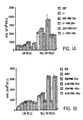
- Fig. 1A is a bar graph demonstrating the cytotoxic activity (expressed as 40% lytic units (LU)) of IL-2 activated TALL-104 cells against HIV chronically infected (U-1) and uninfected (U937) myelomonocytic leukemia. Phorbol myristate acetate (PMA) was given to the targets 24 and 48 hours before the cytotoxic assay to induce virus production.
- PMA Phorbol myristate acetate
- Fig. 1B is a bar graph demonstrating the cytotoxic activity of IL-2 activated TALL-104 cells against HIV chronically infected (AcH 2 ) and uninfected (CEM) T lymphocytic leukemia.
- Figs. 2A and 2B are graphs illustrating the dose-dependent effects of cyclosporin A (CsA) on the cytotoxicity ( 51 Cr release) of IL-2 activated TALL-104 cells and LAK cells, respectively.
- Fig. 2C is a bar graph illustrating the dose-dependent effects of cyclosporin A (CsA) on the proliferation ( 3 H-TdR uptake) of IL-2 activated TALL-104 cells and LAK cells. The effectors were treated for 18 hours with CsA before being tested for [ 3 H]TdR uptake and cytotoxic activity against Raji cells (an NK-resistant target). Results of one representative experiment are shown; similar data were obtained with LAK cells from three donors and with TALL-104 cells in three more experiments.
- Fig. 3 illustrates the comparative biodistribution of irradiated (i.e., modified) and non-irradiated TALL-104 cells in SCID mouse tissues. Detection of the intraperitoneally (i.p.) implanted TALL-104 cells was done by PCR using human ALU-DNA sequences.
- Figs. 4A through 4D are bar graphs illustrating the long-term effects of ⁇ -irradiation (4000 rads) on the cytotoxic efficiency (Fig. 4A) and proliferation (Fig. 4C) of TALL-104 cells and on the cytotoxic efficiency (Fig. 4B) and proliferation (Fig. 4D) of LAK cells.
- the effectors were tested for ability to lyse 51 Cr-labeled Raji cells on days 1, 4, and 7 after ⁇ -irradiation; IL-2 (100 U/ml) was added to the effectors the day before each cytotoxic assay in order to booster their lytic activity. Results are expressed as 40% lytic units (LU). The same cells were tested for [ 3 H]TdR uptake. Results are representative of one experiment out of three performed with different LAK donors with similar results.
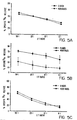
- Figs. 5A through 5F are graphs illustrating the short-term effects of ⁇ -irradiation (4000 rads) on the tumoricidal activity of TALL-104 (5A, 5C and 5E) and LAK (5B, 5D and 5F) cells.
- Mean ⁇ SD values for LAK cells were calculated from three experiments in which three different LAK donors were used. No SD were observed in the case of modified or unmodified TALL-104 cells in several cytotoxic assays.
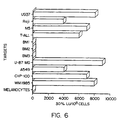
- Fig. 6 illustrates the ability of ⁇ -irradiated (modified) and unmodified TALL-104 cells to selectively kill tumor targets and not normal cells.
- 51 Cr-labeled tumor targets see Table III and IV
- normal bone marrow (BM) cells BM1-BM3
- normal melanocytes all listed in the ordinate were tested (10 4 /well) for susceptibility to lysis by modified TALL-104 cells at four different concentrations.
- the results of the 4-h cytotoxic assay were expressed as 30% lytic unite (LU)/10 8 effectors.
- Figs. 7A through 7D are bar graphs illustrating the lack of toxicity of ⁇ -irradiated (modified) TALL-104 cells against bone marrow precursors, as determined by their capacity to form colonies in methylcellulose.
- Modified TALL-104 cells were mixed with BM cells from Donor A for 4 and 18 hours (7A and 7C) or from Donor B for 4 and 18 hours (7B and 7D) at the indicated ratios. The cell mixtures were subjected to a clonogenic assay and the colonies (CFU or BFU) counted after 14 days.
- Fig. 8 illustrates the efficiency of modified TALL-104 cells in purging a bone marrow of leukemic cells (in this case the U937 cell line tagged with the Neomycin-resistance gene (Neo + U937 cells).
- BM cells from a normal donor were mixed with different number of Neo + U937 cells as indicated.
- IL-2/IL-12 activated, ⁇ -irradiated (modified) TALL-104 cells were added to the mixture for 18 hours in the presence of 10 U/ml of DNAse I.
- Cellular DNA was extracted and subjected to PCR amplification using neomycin-resistant gene specific primers.
- An oligonucleotide probe specific for the amplified sequences was used to demonstrate the specificity of the PCR products.
- Fig. 9 illustrates the survival of U937-engrafted SCID mice after treatment with IL-2 activated, non-irradiated TALL-104 cells.
- Mice were injected i.p. with 10 7 U937 cells.
- TALL-104 cells activated ex vivo with 100 U/ml rh IL-2, were injected i.p. (2 x 10 7 cells) at various intervals, as indicated.
- rh IL-12 was given to one group of mice i.p. for 7 days at the dose of 1 ⁇ g/day.
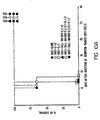
- Fig. 10A illustrates the survival of SCID mice engrafted i.p. with neomycin-tagged U937 cells and treated with modified ( ⁇ -irradiated) TALL-104 cells.
- Mice received 10 7 U937 cells on day 0, and modified TALL-104 cells (2 x 10 7 ) three times on alternate days, starting from the day of tumor challenge.
- Both control (U937 injected) and experimental (U937/TALL-104 injected) mice received IL-2 or IL-12 daily for 1 week.
- Fig. 10B illustrates the PCR detection (as obtained on gels) of residual AML in SCID mice upon adoptive transfer of modified ( ⁇ -irradiated) TALL-104 cells.
- Mice received U937 and modified TALL-104 cells and cytokines, as outlined above (Fig. 10 A legend).
- Cellular DNA was extracted on day 55 from the BM of asymptomatic animals and subjected to PCR amplification using primers specific for both human ALU sequences and the neomycin resistance gene. DNAs were visualized with ethidium bromide after electrophoresis in 2% agarose gels. Southern blots were hybridized with the indicated oligo probes.
- Lanes 1 and 5 represent the negative (water) and positive (neomycin + U937 cells) controls, respectively.
- Lanes 2-4 represent the experimental mice, which received both U937 and ⁇ -irradiated TALL-104 cells, in conjunction or not with cytokines.
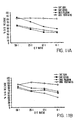
- Figs. 11A and 11B are graphs showing the ability of modified (IL-2 activated) TALL-104 cells to lyse cat leukemia (Cat 3281 and Cat 3201B) cell lines and dog lymphoma (Pilgrim and Tertiat's) cell lines in a 4 hour (11A) and 18 hour (11B) 51 Cr release assay using various E/T ratios.
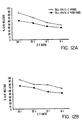
- Figs. 12A and 12B are graphs demonstrating the ability of modified (IL-2 activated, lethally irradiated) ( ⁇ ) TALL-104 cells to lyse a dog lymphoma (Pilgrim) cell line with similar efficiencies as unirradiated (°) TALL-104 cells.
- the 51 Cr release assays were done for 4 hours (12A) and 18 hours (12B) at various E/T ratios.
- the present invention meets the above-mentioned need in the art by providing a method for modifying a highly cytotoxic T cell line (TALL-104) established from a child with T lineage acute lymphoblastic leukemia, and using modified TALL-104 cell line as a therapeutic reagent.
- the cell line is immortal (i.e., can be maintained indefinitely in vitro ).
- the unmodified cell line is believed to be the first immortal human cell line having such a broad and extremely high antiviral and antitumor cytotoxic activity in vitro and in vivo, as described below.
- the growth of these modified cells can be arrested when used in vivo for adoptive transfer therapy, and the modified cells would not be rejected by immunosuppressed HLA-mismatched recipients.
- these non-proliferating cells maintain a high migratory ability in the tissues of the immunosuppressed recipient, thus being able to interact with and kill tumor and virus-infected targets.
- TALL-104 cells The isolation, characterization, and maintenance of unmodified TALL-104 cells are described in detail in Examples 1 and 2 [see, also, O'Connor et al., Blood, 77 :1534-1545 (1991)]. See, also, U. S. Patent No. 5,272,082, issued December 21, 1993.
- the unmodified TALL-104 cell line is permanently established in tissue culture and has been continuously maintained in vitro since 1990.
- the cell line is kept within the laboratory of Dr. Daniela Santoli at The Wistar Institute of Anatomy and Biology, Philadelphia, PA, and has been deposited with American Type Culture Collection (ATCC) as ATCC Accession No. CRL 11386.
- ATCC American Type Culture Collection
- the unmodified TALL-104 T cell line of this invention designated TALL-104, has a CD3 + /TCR ⁇ + , CD4 - , CD8 + , CD56 + , CD16 - phenotype, as defined by immunofluorescence analysis with a panel of monoclonal antibodies and compared to the phenotype of purified Natural Killer (NK) cells and lymphokine-activated killer (LAK) cells (see Table I below).
- NK Natural Killer
- LAK lymphokine-activated killer
- TALL-104 cells have a phenotype compatible with a clonal cytotoxic T cell subset.
- TCR T cell receptor
- the antigenic profile of IL-2-expanded LAK cells indicates the heterogeneity of the LAK cell population which includes activated NK and T cells.
- This TALL cell line recognizes the same tumor targets as conventional LAK cells but, being clonal, it is much more potent.
- the TALL-104 cells after modification as described herein in part B below, (e.g., after lethal irradiation (4000 rads) using a Cesium source) the TALL-104 cells, but not LAK cells, remain highly cytotoxic. This phenomenon is the opposite of the one that has been reported in the literature with primary cytotoxic leukemic T cell cultures, where irradiation abrogated completely their cytotoxic activity in response to IL-2 [Kaufmann et al. J. Immunol. 139 :977-982, (1987)].
- the TALL-104 cell line has a characteristic chromosomal translocation involving chromosomes 11 and 14, i.e., at t(11;14) (p13:qll). TALL-104 cell line is further characterized by TCR rearrangements alpha, beta, gamma and delta, and the ability to produce lymphokines such as GM-CSF, IFN-gamma, THF- ⁇ , and TGF- ⁇ 1.
- the TALL-104 cell line is extremely cytotoxic against a broad spectrum of tumor cells and of virus-infected cells. Specifically, the cell line displays potent MHC non-restricted cytotoxicity against a broad variety of tumor cells (including human leukemias and solid tumors) (Tables II and III) and virus-infected cells (Table IV and Fig. 1), without damaging or killing cells from normal tissues. Tables II and III also show that conventional NK and LAK cells display a lower cytotoxic efficiency and a more restricted spectrum of activity against tumor and virus-infected targets, as compared to the TALL-104 cell line.
- the TALL-104 cell line is completely resistant to lysis by allogeneic NK and LAK cells and CTL, and thus would not be destroyed by the immune system of HLA-mismatched recipients. Cytotoxic activity was measured as described in Cesano and Santoli, In Vitro Cell Dev. Biol. , 28A :648-656 (1992).
- TALL-104 Cytotoxic efficiency of TALL-104 cells as compared to normal NK and LAK cells against leukemic targets Effectors Leukemic target NK LAK TALL-104 Cell Lines K562 (CML) 2125 ⁇ 1125 7125 ⁇ 871 7831 ⁇ 112 U937 (myelomonocytic) 2373 ⁇ 915 6908 ⁇ 1002 7183 ⁇ 82 THP-1 (monocytic) ⁇ 1 2113 ⁇ 307 2983 ⁇ 112 HL60 (promyelocytic) 308 ⁇ 115 4168 ⁇ 605 5999 ⁇ 99 Raji (B-lymphoma) ⁇ 1 1160 ⁇ 302 3890 ⁇ 201 Daudi (B-lymphoma) 102 ⁇ 13 3987 ⁇ 731 7999 ⁇ 81 ALL-1 (Pre-B ALL) ⁇ 1 113 ⁇ 32 1983 ALL-2 (Pre-B ALL) ⁇ 1 83 ⁇ 31 2001 ALL-3 (Pre-B ALL) ⁇ 1 201 ⁇ 83 1876 TALL-101 (T-ALL) ⁇
- the cytotoxic activity of the TALL-104 cell line against virus-infected cells is also higher than that of NK and LAK cells from healthy donors measured as described in Santoli et al, J. Immunol. , 121 :526-531 (1978) and J. Immunol. , 121 :532-538 (1978), incorporated by reference herein.
- the results are expressed in 40% lytic units (LU)/10 8 cells.
- E/T effector-target
- TALL-104 cells killed more efficiently the HIV infected targets than the uninfected ones.
- TALL-104 cells when modified as described in part B (i.e., lethally irradiated and cytokine activated) TALL-104 cells can be employed to treat non-human primates (cynomologous monkeys) infected with simian immunodeficiency virus (SIV), which is the equivalent of HIV. This is done by administering the modified TALL-104 cells into immunosuppressed monkeys at various stages of SIV infection.
- SIV simian immunodeficiency virus
- TALL-104 cell line The cytotoxic properties of the TALL-104 cell line are described in more detail in Cesano and Santoli, In Vitro Cell Dev. Biol. 28A :648 (1992); and Cesano, et al, J. Immunol. , 151 :2943 (1993).
- the cell line of this invention is further characterized by being free of any contaminating virus, including Epstein-Barr virus (EBV) and retroviruses such as HTLV-1, HTLV-II, and HIV, as tested by electronmicroscopy, reverse transcriptase assays and Southern blot analysis using specific viral DNA probes.
- Epstein-Barr virus EBV
- retroviruses such as HTLV-1, HTLV-II, and HIV
- the TALL-104 cell line offers the advantage over conventional LAK and NK cells from healthy donors and primary leukemic T cell cultures of being immortal, i.e., permanently and rapidly growing in vitro in the presence of rhIL-2, and thus providing unlimited material for in vitro and in vivo studies.
- Another advantage of these cells is that they are clonal populations, thus phenotypically and functionally stable thereby eliminating the intervariability and reproducibility problems encountered with LAK cells from different donors which represent heterogenous cell populations.
- TALL-104 cell line retains cytotoxic activity even in the presence of immunosuppressive drugs, e.g., the drugs used in organ transplantation like Cyclosporin A (CsA) that block the immune response of the host.
- CsA Cyclosporin A
- Fig. 2 even when used at doses 3 logs higher than the therapeutic levels reached in the patients blood (e.g. 100 ⁇ g/ml), CsA does not impair the cytotoxic activity of the TALL-104 cells. In contrast, CsA impairs the cytotoxicity of LAK cells (Fig. 2).
- TALL-104 cells Based on the unique behavior of TALL-104 cells in the presence of a suitable immunosuppressive drug, such as CsA, these cells can be injected in MHC mismatched immunosuppressed recipients, and still exert their cytotoxic activity without being rejected. It is anticipated that these cells will display the same activity when administered with, or exposed to, other immunosuppressive drugs routinely used in clinical practice (e.g., glucocorticoids).
- a suitable immunosuppressive drug such as CsA
- Unmodified TALL-104 cells can grow in vivo in severe combined immunodeficient (SCID) mice infiltrating their tissues [Cesano et al. Blood , 77 :2463-2474 (1991)]. These cells do not compartmentalize in specific tissues but rather can reach every tissue in the organism depending on the route of administration. Because the cell line might be leukemogenic if injected into an immunosuppressed host, it must be modified to control or arrest cell growth without affecting the cell line killer function.
- SCID severe combined immunodeficient
- TALL-104 cells involves both cytokine potentiation of the lytic function and growth arrest by lethal irradiation.
- Such modification makes the cells suitable (effective and safe) for use in marrow purging to achieve complete eradication of residual malignant blasts in patients with leukemia and other types of cancer and in adoptive cellular immunotherapy of cancer and untreatable viral diseases in allogeneic (MHC- mismatched) patients.
- the TALL-104 cells are modified to permit them to display an increased cytotoxicity against tumor and virus-infected targets.
- one such modification step includes in vitro treatment of the TALL-104 cells with a selected cytokine or combination of cytokines.
- cytokine or combination of cytokines For example, the two interleukins, rhIL-2 and rhIL-12, when used independently to treat the cell line induce the cell line's cytotoxic activity.
- these cytokines are used together, to modify the cell line, the modified cell line displays additive or increased cytotoxic effects. This results in a significant increase in cytotoxic activity and recycling capability, ultimately leading to 100% elimination of tumor targets at an E:T ratio ⁇ 0.1:1 [Cesano et al, J. Immunol. , 151 :2943 (1993)].
- Another modification step of this invention involves the exposure of the TALL-104 cell line to lethal irradiation to confer irreversible loss of growth capability with full retention of cytotoxic activity, both in vitro and in vivo. This is achieved by subjecting the cell lines to ⁇ -irradiation just prior to their use.
- the cells are irradiated at 4000 rads using a 137 Cs source.
- the cells may be irradiated for about 30 minutes to achieve this effect.
- the modified, lethally irradiated TALL-104 cells are no longer leukemogenic in SCID mice, confirming the gradual loss of viability observed in vitro .
- the biodistribution and length of survival of the irradiated cells in SCID mouse tissue were investigated by injecting 10 7 TALL-104 cells i.p. into the animals, and by performing PCR analysis with primers specific to human ALU-DNA sequences on various organs and at different intervals.
- Fig. 3 compares the kinetics of biodistribution of modified (irradiated) and unmodified (non-irradiated) TALL-104 cells in the PB, BM, spleen, lung, and liver in mice sacrificed on days 1, 3, and 5 after transfer.
- Figs. 4 and 5 The in vitro experiments demonstrating the loss of proliferative activity after irradiation and the persistence of cytotoxic activity are shown in Figs. 4 and 5.
- Fig. 4 indicates that (a) both TALL-104 cells and normal LAK cells lose irreversible the ability to synthesize DNA and RNA within 1 day after ⁇ -irradiation; (b) TALL-104 cells retain their cytotoxic activity after irradiation for at least 7 days, while normal LAK cells show a steady decline in cytotoxic activity from day 1 to day 7.
- Fig. 5 shows that the cytotoxic activity of lethally irradiated TALL-104 cells against three different tumor targets is similar to that of the non-irradiated counterpart whereas LAK cell cytotoxicity is highly radiosensitive.
- the modified TALL-104 cell line maintains cytotoxic function upon lethal irradiation for at least seven days.
- irradiated TALL-104 cells which can still respond very efficiently to activation by IL-2 and/or IL-12
- irradiated LAK cells become unresponsive to IL-2 and IL-12.
- the loss of proliferative activity by cells upon irradiation is due to DNA damage and is known to be irreversible.
- TALL-104 cells provide a modified cytotoxic cell line that has lost its proliferative ability and, therefore, the possibility of growing in an unrestrained fashion in the recipient organism.
- modified ⁇ -irradiated TALL-104 cells of this invention transplanted into SCID mice do not cause leukemia.
- TALL-104 cells appropriately modified i.e., cytokine activated and ⁇ -irradiated
- cytokine activated and ⁇ -irradiated are highly effective and unable to proliferate and, therefore, suitable for use in adoptive immunotherapy of cancer and viral diseases in immunosuppressed HLA-mismatched recipients, as well as for eradication of residual malignant cells from patient's bone marrow (marrow purging).
- the modified TALL-104 cell line is not patient-specific, but rather may be universally used in treatment of any HLA mismatched patient.
- modified TALL-104 cells are prepared as follows.
- TALL-104 cells (ATCC CRL 11386) are exponentially grown in tissue culture in the presence of recombinant human (rh) IL-2. Before use, the cells are incubated overnight (i.e., for about 6 hours or more) in the presence of rh IL-2 (100 U/ml) and/or rh IL-12 (10 ng/ml).
- the cytokine-treated TALL-104 cells are then ⁇ -irradiated using a Cesium source with gamma rays (at about 4,000 rads). The irradiation may be continued for a selected time, such as about 30 minutes.
- the resulting cell line is referred to as the modified TALL-104 cell line.
- modified TALL-104 cells are the following two, as described herein.
- a suitable number of modified TALL-104 cells are injected i.v. in saline in a recipient host who receives immunosuppressive treatment with CsA following the criteria used for organ transplantation, or who may be already immunosuppressed due to his disease state.
- Multiple injections of the modified (activated, lethally irradiated) TALL-104 cells are administered as deemed to be necessary, based on results obtained from preclinical studies with experimental animal systems.
- the other modality of cancer treatment is marrow purging using the modified (i.e., IL-2/IL-12 activated, ⁇ -irradiated) TALL-104 cells, as described above.
- IL-2-dependent TALL-104 cell line from the peripheral blood of a T-ALL patient, case CH-23 from the Children's Hospital of Philadelphia, is described in O'Connor et al, Blood, 77 :1534-1545 (1991). Briefly, mononuclear cells from the leukemic sample were separated by Ficoll Hypaque gradient centrifugation and plated in 24-well Linbro plates [Flow Laboratory, McLean, VA] at a concentration of 1 x 10 6 /mL in Iscove's modified Dulbecco's medium (IMDE) [Gibco, Grand Island, NY] supplemented with 10% fetal bovine serum [Hycone, Logan, UT] and antibiotics (complete medium). Recombinant human (rh) preparations of growth factors (IL-2, GM-CSF and IL-3) were added at specific concentrations.
- IMDE Iscove's modified Dulbecco's medium
- IL-2 The cells initially proliferated in the presence of IL-2 [Amgen], IL-3 and GM-CSF [Genetics Institute] and in the absence of added growth factors. However, after two months in culture, it became apparent that the cells in IL-2 proliferated much faster than those in the other conditions. These cells became established as an IL-2-dependent cell line, designated TALL-104, whereas those maintained in IL-3, GM-CSF, or no factor had a finite life span of about 6 months.
- This TALL-104 cell line has a T cell phenotype (CD2, CD3, CD7, CD8, CD56), and has been in continuous culture since 1990 in the laboratory of the inventor, Dr. Santoli.
- the TALL-104 cells are maintained at 37°C in 8%-10% CO 2 in IMDM (Gibco) supplemented with 10% fetal bovine serum. Biweekly addition of fresh medium containing rhIL-2 is required for optimal viability and continuous growth of TALL-104 cells; when these cells are propagated in the absence of this factor, they remain viable for a few weeks but lose cytotoxic activity gradually within a month [Cesano and Santoli, In Vitro Cell. Dev. Biol., 28A :648-656 (1992)].
- the MHC non-restricted tumoricidal activity of the IL-2 dependent TALL-104 cell line has been studied in detail, using standard 51 Cr-release assays, as described [Cesano et al, Blood , 77 :2463-2474 (1991); O'Connor et al, Blood , 77 :1534-1545 (1991) and Cesano and Santoli, In Vitro Cell. Dev. Biol. , 28A :648-656 (1992)].
- the effector cells Prior to the assay, the effector cells are incubated in rhIL-2.
- IL-2-stimulated cells kill very efficiently a large variety of tumor cell lines and freshly separated leukemic samples but not cells from normal tissues (see Tables II and III).
- the TALL-104 cells can also be triggered by CD2- and CD3-specific monoclonal antibodies (mAb) to mediate cytotoxic activity against FcR + tumor cell lines [Cesano and Santoli, In Vitro Cell. Dev. Biol. , 28A :648-656 (1992)].
- mAb monoclonal antibodies
- this cell line produces high levels of IFN- ⁇ , TNF- ⁇ , TGF- ⁇ 1 and GM-CSF on stimulation with antibodies recognizing CD2, CD3 and other surface molecules, tumor cells, IL-2, and IL-12 [Cesano and Santoli, In Vitro Cell. Dev. Biol. , 28A :657-662 (1992); Cesano et al, J. Immunol. , 151 :2943 (1993)].
- EXAMPLE 3 LACK OF CYTOTOXICITY OF TALL-104 CELL LINE AGAINST CELLS FROM NORMAL TISSUES.
- the TALL-104 cell line obtained as described herein, is not cytotoxic for cells from normal tissues and, therefore, can be used safely both ex vivo (marrow purging) and in vivo (adoptive transfer) because normal cells would not be killed. Failure of TALL-104 cells to kill cells from normal tissues is due to their inability to recognize and form conjugates with such targets (data not shown).
- TALL-104 cells produce high levels of TNF- ⁇ and IFN- ⁇ upon stimulation with IL-2 and IL-12 and/or exposure to tumor targets [Cesano and Santoli, In Vitro Cell Dev. Biol. , 28A :657-662 (1992b)].
- 2-week clonogenic assays were performed to exclude the possibility that such toxic lymphokines released by TALL-104 cells would impair the growth of hematopoietic precursors in bone marrow samples.
- CFU committed progenitors
- the number of CD34 + cells was evaluated in T-cell depleted bone marrow samples before and after an 18 hour incubation with modified ( ⁇ -irradiated) TALL-104 cells. As determined by immunofluorescence analysis, the percentage of CD34 + cells remained the same in the bone marrow samples incubated with TALL-104 cells (6-8% and 5.5-7.5% CD34 + cells were found in untreated and TALL-104 treated bone marrow, respectively). Moreover, the colony-forming activity of CD34 cell-enriched cord blood samples was found to be totally unaffected upon an 18-hour incubation with lethally irradiated TALL-104 cells. All together, these results indicate that modified TALL-104 cells do not display any toxicity on normal stem cells nor on lineage-committed precursors and could, therefore, be used safely for bone marrow purging against leukemia.
- the leukemia cell line U937 tagged with the neomycin-resistance gene was admixed at various ratios (0-50%) with cells from normal bone marrow, and modified, i.e., IL-2/IL-12 activated, ⁇ -irradiated, TALL-104 cells were added at the ratio of 1:1 relative to bone marrow cells. The cell mixtures were then incubated for 18 hours and subjected to colony assays. No U937 cells could be detected microscopically after a 2-week culture in methylcellulose (Table V).
- TALL-104 cells represent a unique cell system to design clinically safe and highly effective marrow purging strategies for future ABMT programs.
- this purging strategy for the elimination of MRD in leukemia is applicable to any form of cancer displaying bone marrow involvement, including neuroblastoma in children and breast carcinoma in adult patients.
- the TALL cells of the invention were modified as follows.
- the cells were exponentially grown in tissue culture in the presence of IL-2. Before use, the cells were washed, incubated overnight in the presence of IL-2 (100 U/ml) and/or IL-12 and ⁇ -irradiated using a Cesium source with gamma rays (4000 rads).
- SCID mice were implanted i.p. with the human myeloid leukemia cell line U937 [ATCC CRL 1593]. These cells are very aggressive and kill mice in 21 days if injected i.v. [Cesano et al, Oncogene, 7 :827 (1992)] or only 8-10 days if injected i.p.
- Treatment with modified TALL-104 cells was done at different times after injection of the AML target, and the survival of the mice was determined for a span of several months, as indicated in Fig. 9. Survivors, showing no symptoms after a 6-month observation period, were sacrificed and the presence of human cells (both effectors and targets) in the BM was evaluated by PCR analysis using primers specific for human ALU-DNA sequences.
- Fig. 9 is that administration of low doses of rh IL-12 (1 ⁇ g/d for 7 d) in conjunction with TALL-104 cells at the time of U937 cell challenge induced a significantly longer survival in the animals, as compared to mice receiving U937 and modified (IL-2 activated) TALL-104 cells alone, without rh IL-12.
- the findings in Fig. 9 indicate that, depending on the tumor load at the time of treatment, adoptive transfer of modified TALL-104 cells either induced complete abrogation of AML or inhibited significantly tumor growth even during advanced stages of the disease.
- the extent of tumor reduction appears to reflect the E/T ratio at the time of treatment.
- 10A and 10B show the survival curve and PCR data, respectively, from an experiment in which SCID mice were challenged with Neo + U937 cells and treated, or not, with the modified irradiated TALL-104 cells.
- the effectors were transferred on alternate days (2 x 10 7 , i.p.), starting from the day of U937 cell challenge: as also indicated in the experiment shown in Fig. 9, TALL-104 cells were co-injected with U937 cells on day 0 in the opposite flank.
- Modified TALL-104 cells were transferred either alone or in conjunction with rh IL-2 (100 &/d) or rh IL-12 (1 ⁇ g/d), daily for 7 days.
- PCR amplification of human ALU-DNA sequences demonstrated the presence of human cells in the BM of mice treated with modified TALL-104 cells alone or treated with modified TALL-104 cells and rh IL-12 (Fig. 10B).
- PCR analysis using neomycin-specific primers confirmed the presence of residual U937 cells in the same samples (Fig. 10B).
- administration of rh IL-2 to modified TALL-104 cell-treated mice resulted in the total disappearance of molecularly detectable leukemic cells, using either type of primers (Fig. 10B).
- SCID mice were engrafted subcutaneously with the human U-87 MG glioblastoma cell line [ATCC HTB 14] using conventional techniques. This cell line induces a local tumor, ultimately resulting in skin ulceration within 4 weeks.
- the modified (IL-2 or IL-12 activated, ⁇ -irradiated) TALL-104 cells were adoptively transferred to the SCID mice by injection at the tumor site. Control animals received only PBS. For the smaller tumor (2 mm), therapy was applied by local injection 3x, every 10 days. For the larger tumor (5 mm), therapy was applied by local injection 5x, on alternate days. In another set of experiments, the irradiated killers were transferred three times on alternate days starting from the day of U87 MG cell challenge.
- Table VI The results are provided in Table VI.
- Column 1 provides the tumor size at the time of modified TALL-104 cell transfer.
- Column 2 indicates whether modified TALL-104 cells or just PBS were administered.
- Column 3 provides the tumor load at the time the mice were sacrificed.
- Column 4 provides the percentage of tumor reduction in modified TALL-104-injected animals as compared to control mice receiving only PBS. Reduction of subcutaneous growth of a human glioblastoma in SCID mice upon adoptive transfer of modified ( ⁇ -irradiated and IL-2 or IL-12 treated) TALL-104 cells.
- Tumor size (mm) Therapy Tumor load (mg) % Tumor Reduction 2 PBS 662 ⁇ 40 TALL-104 225 ⁇ 40 ⁇ 75% 5 PBS 1062 ⁇ 103 TALL-104 535 ⁇ 110 ⁇ 50% 0 PBS 784 ⁇ 228 100% TALL-104 0
- mice injected at the tumor site with modified (cytokine treated and ⁇ -irradiated) TALL-104 cells displayed a 50-100% reduction of tumor load (as compared to control mice receiving only PBS), depending on the size of the original tumor when therapy was started.
- Fig. 11 shows that all four cell lines are highly susceptible to TALL-104 lysis within 4 hours from the interaction with the effector cells (top panel) and are killed 80-100% within 18 hours (bottom panel) even at low effector/target ratios.
- Fig. 12 shows that modified, lethally irradiated TALL-104 cells kill these targets with an efficiency similar to the unirradiated cells as measured both in a 4-hour (top) and 18-hour (bottom) 51 Cr-release assay.
Landscapes
- Health & Medical Sciences (AREA)
- Life Sciences & Earth Sciences (AREA)
- Chemical & Material Sciences (AREA)
- General Health & Medical Sciences (AREA)
- Engineering & Computer Science (AREA)
- Veterinary Medicine (AREA)
- Public Health (AREA)
- Organic Chemistry (AREA)
- Animal Behavior & Ethology (AREA)
- Biomedical Technology (AREA)
- Bioinformatics & Cheminformatics (AREA)
- Zoology (AREA)
- Epidemiology (AREA)
- Pharmacology & Pharmacy (AREA)
- Medicinal Chemistry (AREA)
- Wood Science & Technology (AREA)
- Genetics & Genomics (AREA)
- Biotechnology (AREA)
- Oncology (AREA)
- General Chemical & Material Sciences (AREA)
- Hematology (AREA)
- Chemical Kinetics & Catalysis (AREA)
- Nuclear Medicine, Radiotherapy & Molecular Imaging (AREA)
- General Engineering & Computer Science (AREA)
- Biochemistry (AREA)
- Microbiology (AREA)
- Cell Biology (AREA)
- Virology (AREA)
- Immunology (AREA)
- Communicable Diseases (AREA)
- Molecular Biology (AREA)
- Developmental Biology & Embryology (AREA)
- Dispersion Chemistry (AREA)
- Physics & Mathematics (AREA)
- Optics & Photonics (AREA)
- Medicines Containing Material From Animals Or Micro-Organisms (AREA)
- Micro-Organisms Or Cultivation Processes Thereof (AREA)
Abstract
Description
- This invention relates generally to the preparation of a modified cytotoxic T lymphoblastic leukemia (T-ALL) cell line.
- Cytolytic T lymphocytes (CTL) and natural killer (NK) cells have complementary roles in providing defense against tumor cells, virus-infected cells and other invading agents [see, e.g., oycius and Young, Cancer cells 2:138 (1990)]. CTL are CD3+/T-cell receptor (TCR)αβ+, CD8+, CD16- cells which recognize specific peptides in association with class I molecules of the major histocompatibility complex (MHC). NK cells are CD3-/TCR-, CD16+, CD56+ cells which are constitutively able to lyse virus-infected cells and some tumor cell lines (but not fresh tumor cells) without prior sensitization and without restriction by MHC antigens. The molecules specifically involved in target cell recognition by NK cells (the putative NK receptor) are as yet unknown.
- Over the past decade, lymphokine-activated killer (LAK) activity has been defined as an additional type of MHC non-restricted killing. LAK cells are conventionally generated upon short-term culture of human peripheral blood cells in interleukin-2 (IL-2) and possess phenotypic characteristics of either NK (CD3- CD16+) or T (CD3+CD16-) cells, thus constituting an heterogeneous (mixed) cell population. LAK cells are able to kill NK-resistant tumor cell lines, autologous and allogeneic fresh tumor targets, and virus-infected cells while remaining substantially non-toxic to normal cells [E. Grimm et al., J. Exp. Med., 144:1823 (1982); S. Rosenberg, J. Natl. Can. Inst., 75:595 (1985)].
- The use of LAK cells as anti-cancer effectors in combination with recombinant human (rh) IL-2 in adoptive immunotherapy of cancer has resulted in the achievement of temporary remission in a variety of human cancers, especially renal carcinoma and melanoma [S.A. Rosenberg et al., New Engl. J. Med., 313:1485 (1985); S.A. Rosenberg et al., New Engl. J. Med., 316:889 (1987); W.H. West et al., New Engl. J. Med., 316:898 (1987)]. However, LAK cell therapy has had little success against established metastatic disease [Rosenberg et al, (1987), cited above]. Two major problems affect the efficiency of adoptively transferred LAK cells: one is the inadequate tumoricidal activity of these MHC non-restricted polyclonal killer cells; the second is the unavailability of sufficient numbers of activated effectors that retain both cytotoxic and tumor targeting capabilities. The high doses of rh IL-2 administered to the patients to circumvent these limitations have been associated with significant toxicity and adverse side effects [Rosenberg et al., (1985) and Rosenberg et al., (1987), both cited above].
- Several alternate approaches have been proposed to improve cancer therapy, including the use of antigen-specific tumor infiltrating cytotoxic lymphocytes (TIL) [Itoh et al, Cancer Res., 46:3011 (1986) and Muul et al, J. Immunol., 138:989 (1987)], the use of LAK cells linked with antibodies to tumor cell surface antigens [Takahashi et al, Science, 259:1460 (1993) and Nistico et al, J. Clin. Invest., 90:1093 (1992)], and genetic engineering of tumor cells with cytokine genes (such as IL-2, TNF, IFN-γ, IL-4, IL-6, and IL-7), to promote enhanced anti-tumor immunity [Gansbacher et al, J. Exp. Med., 172:1217 (1990); Gansbacher et al, cancer Res., 50:7820 (1990); Hock et al, J. Exp. Med., 174:1291 (1991); Golumbeck et al, Science, 254:713 (1991); and Asher et al, J. Immunol., 146:3227 (1991)]. In particular, TIL expanded from tumor infiltrates in the presence of high doses of rh IL-2 (6000 U/ml) grow rapidly and become potent cytolytic anti-tumor effectors [Itoh, et al., Cancer Res. 46:3011 (1986); Rosenberg, S.A., Ann. Surg. 208:121 (1988)] which can be transferred back into the tumor-bearing individuals (together with high doses of IL-2), where they migrate into tumor lesions and promote tumor regression. However, IL-2 therapy in combination with these specific CTL (TIL/IL-2 therapy) has yielded objective tumor regression in only 20-30% of patients with melanoma and carcinoma of the kidney [Rosenberg, et at, Ann Surg. 210:474 (1989)]. In addition, high-dose cytokine-related toxicities (including the capillary leak syndrome and renal dysfunction) have precluded extended therapies in many patients [Rosenberg et al, (1987), cited above; Rosenberg, et al, Ann. Surg. 210:474 (1989); Lee, et al, J. Clin. Oncol. 7:7 (1989); and Lotze, et al. Hum. Immunol. 28:198 (1990)].
- Autologous bone marrow transplantation (ABMT) has shown preliminary promising results both in children with acute myeloblastic leukemia (AML) and acute lymphoblastic leukemia (ALL) in second remission, and in adults with AML in first remission or ALL in second remission [Govin et al, Bone Marrow Transpl., 4:1206 (1989)]. Ex vivo treatment of marrows with pharmacological agents (e.g., 4-hydroperoxycyclophosphamide or 4-HC), or appropriate monoclonal antibodies to remove residual leukemic cells, seems to contribute to the efficacy of these autografts, and marrow purging has been incorporated into several of these studies [Kaizer et al, Blood, 77:1534 (1985)]. However, despite the use of these purging procedures, the relapse rate in leukemic patients after ABMT is still almost 50% [Govin et al, (1989), cited above]. Improved marrow purging protocols are, therefore, needed to achieve total eradication of non-detectable malignant blasts in order to prevent disease recurrence.
- Within hematologic malignancies, therapy with LAK cells and IL-2 has induced some clinical responses in patients with advanced malignant lymphoma or AML. It is postulated that administration of LAK cells with IL-2 might prevent or delay relapses if used as consolidative immunotherapy against the minimal residual disease (MRD) which exists after ABMT. Although IL-2-responsive LAK precursor cells are in the circulation as early as 3 weeks after ABMT, full LAK activity is recovered only 70-80 days after the transplant. The feasibility of generating and administering autologous LAK cells and IL-2 after ABMT in patients with high risk of relapse is now under investigation. However, this therapeutic modality might have practical limitations in many patients with AML or ALL due to the scarcity of cytotoxic cells in their blood and to the often rapid disease progression.
- Dr. P. Greenberg's group (Fred Hutchinson Cancer Research Center, Seattle, Washington), have been adoptively transferring CTL (CD3+CD8+) specific for cytomegalovirus (CMV) to reconstitute CMV-specific immunity in immunosuppressed patients [S. A. Riddell et al, In Vitro Cell Devel. Biol., 28:76A (1992)]. Their protocol includes obtaining T cells from the peripheral blood of the patients, expanding them to large quantities in vitro in the presence of virus-infected cells and IL-2, and genetically engineering the specific CTL so generated with a "suicide" gene (herpes virus thymidine kinase). Two problems are inherent to the adoptive immunotherapy protocol with virus-specific CTL clones. First, the cytotoxic cells must be derived from the same patient in which they will be transferred back for treatment. Second, a retroviral mediated gene transfer must be used to introduce in the CTL clones a selectable marker gene and a "suicide" gene to increase the safety of therapy in this setting and eliminate the virus-specific CTL, in case the clones stimulate a life-threatening inflammatory immune response in the patient.
- Thus, in the application of adoptive cellular immunotherapy against tumors or against viral-diseases, the therapy by necessity requires obtaining peripheral blood lymphocytes from individual patients, growing them in vitro for an adequate length of time in order to expand a population of IL-2-activated killer cells (LAK or CTL), and reinjecting such cells into the same patient.
- There remains a need in the art for convenient, safe, and more effective methods and compositions for the adoptive immunotherapy of cancer and untreatable viral infections, and for purging residual malignant cells remaining after cytoreductive treatments in the bone marrow of patients with leukemia.
- In response to the above-stated need in the art, the present invention provides a clonal, MHC non-restricted and immortal effector cell population able to recognize and attack selectively tumor and virus-infected cells; this effector cell is unique as it represents a universal and powerful reagent for cancer therapy and for treatment of viral diseases.
- Thus, in one aspect of the invention there is provided a modified TALL-104 highly cytotoxic cell line characterized by enhanced cytotoxic activity in vitro and in vivo, irreversibly arrested cell proliferation, and the capacity to migrate in vivo to different tissues.
- The cell line displays potent MHC non-restricted cytotoxicity against a broad spectrum of tumor cells and virus-infected cells, without damaging or killing cells from normal tissues, and the cells of the cell line are suitable for use in marrow purging and in adoptive transfer immunotherapy in allogeneic (HLA-mismatched) recipients.
- In another aspect of this invention, a method for preparing an established (immortal) cell line, designated TALL-104, comprises the steps of
- (a) stimulating a highly cytotoxic cell line in vitro by treating said cell line with interleukin-2 and/or interleukin-12, and
- (b) γ-irradiating said cell line at a dose suitable to irreversibly arrest cell proliferation, wherein said method results in a modified TALL-104 cell line that has cytotoxic activity in vitro and in vivo and the ability to migrate throughout tissues.
-
- The cytotoxicity of the TALL-104 cell line may be maximised by a short treatment (18 hours) in vitro with the selected cytokine, e.g. IL-2 alone or combined with IL-12, followed by γ-irradiating the activated cells to arrest irreversibly their proliferation.
- As another aspect, the invention provides the modified TALL-104 cell line prepared by the above-described method.
- The modified TALL-104 cell line can be used to prepare compositions for the treatment of tumors or viral infections, e.g. in humans, and for the treatment of lymphoma and leukemia in domestic animals.
- By means of the invention a composition for use in a method for killing tumor cells (or virus-infected cells) in vivo is provided which involves administering to a patient, e.g. an immunosuppressed recipient, the modified cytotoxic TALL-104 cell line described above by i.v. injection in a suitable carrier, such as saline.
- By means of the invention there is provided a composition for use in a method for killing lymphomas and leukemias in animals, particularly domestic animals such as dogs and cats, respectively, which involves administering to an immunosuppressed animal the modified cytotoxic TALL-104 cell line described above by i.v. injection in a suitable carrier, such as saline.
- By means of the invention there is provided a composition for use in a method for eliminating residual tumor cells from patients' bone marrow (marrow purging) by ex vivo treatment of such marrow with the modified cytotoxic TALL-104 cell line followed by autologous bone marrow transplant (ABMT) and by consolidative immunotherapy with the modified TALL-104 cells.
- In a further aspect the invention provides therapeutic and veterinary compositions comprising the modified TALL-104 cell line in a suitable therapeutic or veterinary carrier.
- In a further aspect the invention provides the use of the modified TALL-104 cell line in the preparation of a therapeutic composition useful in adoptive transfer therapy of viral infections, hematological malignancies (leukemias and lymphomas) in humans and non-hematological malignancies (solid tumors) in humans or in bone marrow purging.
- The modified TALL-104 cell line can for example be used in the preparation of a composition suitable for the ex vivo treatment of bone marrow for the elimination of residual tumor cells prior to ABMT and consolidative immunotherapy.
- In a further aspect the invention provides a method for the use of the modified TALL-104 cell line in the preparation of a composition for adoptive transfer therapy of feline leukemia and canine lymphoma.
- Other aspects and advantages of the present invention are discussed further in the following detailed description of the preferred embodiments thereof.
- Fig. 1A is a bar graph demonstrating the cytotoxic activity (expressed as 40% lytic units (LU)) of IL-2 activated TALL-104 cells against HIV chronically infected (U-1) and uninfected (U937) myelomonocytic leukemia. Phorbol myristate acetate (PMA) was given to the targets 24 and 48 hours before the cytotoxic assay to induce virus production.
- Fig. 1B is a bar graph demonstrating the cytotoxic activity of IL-2 activated TALL-104 cells against HIV chronically infected (AcH2) and uninfected (CEM) T lymphocytic leukemia. Treatment of targets with PMA for 24 and 48 hours increased viral production and sensitivity to lysis by TALL-104 cells.
- Figs. 2A and 2B are graphs illustrating the dose-dependent effects of cyclosporin A (CsA) on the cytotoxicity (51Cr release) of IL-2 activated TALL-104 cells and LAK cells, respectively. Fig. 2C is a bar graph illustrating the dose-dependent effects of cyclosporin A (CsA) on the proliferation (3H-TdR uptake) of IL-2 activated TALL-104 cells and LAK cells. The effectors were treated for 18 hours with CsA before being tested for [3H]TdR uptake and cytotoxic activity against Raji cells (an NK-resistant target). Results of one representative experiment are shown; similar data were obtained with LAK cells from three donors and with TALL-104 cells in three more experiments.
- Fig. 3 illustrates the comparative biodistribution of irradiated (i.e., modified) and non-irradiated TALL-104 cells in SCID mouse tissues. Detection of the intraperitoneally (i.p.) implanted TALL-104 cells was done by PCR using human ALU-DNA sequences.
- Figs. 4A through 4D are bar graphs illustrating the long-term effects of γ-irradiation (4000 rads) on the cytotoxic efficiency (Fig. 4A) and proliferation (Fig. 4C) of TALL-104 cells and on the cytotoxic efficiency (Fig. 4B) and proliferation (Fig. 4D) of LAK cells. The effectors were tested for ability to lyse 51Cr-labeled Raji cells on
days - Figs. 5A through 5F are graphs illustrating the short-term effects of γ-irradiation (4000 rads) on the tumoricidal activity of TALL-104 (5A, 5C and 5E) and LAK (5B, 5D and 5F) cells. The effectors were tested immediately after irradiation against the indicated tumor cell lines: U937 = myelomonocytic leukemia (5A and 5B); U-87MG = glioblastoma (5C and 5D); 2774 = ovarian carcinoma (5E and 5F) in a 4 hour 51Cr-release assay, as compared to non-irradiated effectors. Mean ± SD values for LAK cells were calculated from three experiments in which three different LAK donors were used. No SD were observed in the case of modified or unmodified TALL-104 cells in several cytotoxic assays.
- Fig. 6 illustrates the ability of γ-irradiated (modified) and unmodified TALL-104 cells to selectively kill tumor targets and not normal cells. 51Cr-labeled tumor targets (see Table III and IV), normal bone marrow (BM) cells (BM1-BM3) and normal melanocytes, all listed in the ordinate were tested (104/well) for susceptibility to lysis by modified TALL-104 cells at four different concentrations. The results of the 4-h cytotoxic assay were expressed as 30% lytic unite (LU)/108 effectors.
- Figs. 7A through 7D are bar graphs illustrating the lack of toxicity of γ-irradiated (modified) TALL-104 cells against bone marrow precursors, as determined by their capacity to form colonies in methylcellulose. Modified TALL-104 cells were mixed with BM cells from Donor A for 4 and 18 hours (7A and 7C) or from Donor B for 4 and 18 hours (7B and 7D) at the indicated ratios. The cell mixtures were subjected to a clonogenic assay and the colonies (CFU or BFU) counted after 14 days.
- Fig. 8 illustrates the efficiency of modified TALL-104 cells in purging a bone marrow of leukemic cells (in this case the U937 cell line tagged with the Neomycin-resistance gene (Neo+ U937 cells). BM cells from a normal donor were mixed with different number of Neo+U937 cells as indicated. IL-2/IL-12 activated, γ-irradiated (modified) TALL-104 cells were added to the mixture for 18 hours in the presence of 10 U/ml of DNAse I. Cellular DNA was extracted and subjected to PCR amplification using neomycin-resistant gene specific primers. An oligonucleotide probe specific for the amplified sequences was used to demonstrate the specificity of the PCR products.
- Fig. 9 illustrates the survival of U937-engrafted SCID mice after treatment with IL-2 activated, non-irradiated TALL-104 cells. Mice were injected i.p. with 107 U937 cells. TALL-104 cells, activated ex vivo with 100 U/ml rh IL-2, were injected i.p. (2 x 10⁷ cells) at various intervals, as indicated. rh IL-12 was given to one group of mice i.p. for 7 days at the dose of 1 µg/day.
- Fig. 10A illustrates the survival of SCID mice engrafted i.p. with neomycin-tagged U937 cells and treated with modified (γ-irradiated) TALL-104 cells. Mice received 107 U937 cells on
day 0, and modified TALL-104 cells (2 x 10⁷) three times on alternate days, starting from the day of tumor challenge. Both control (U937 injected) and experimental (U937/TALL-104 injected) mice received IL-2 or IL-12 daily for 1 week. - Fig. 10B illustrates the PCR detection (as obtained on gels) of residual AML in SCID mice upon adoptive transfer of modified (γ-irradiated) TALL-104 cells. Mice received U937 and modified TALL-104 cells and cytokines, as outlined above (Fig. 10 A legend). Cellular DNA was extracted on day 55 from the BM of asymptomatic animals and subjected to PCR amplification using primers specific for both human ALU sequences and the neomycin resistance gene. DNAs were visualized with ethidium bromide after electrophoresis in 2% agarose gels. Southern blots were hybridized with the indicated oligo probes.
Lanes - Figs. 11A and 11B are graphs showing the ability of modified (IL-2 activated) TALL-104 cells to lyse cat leukemia (
Cat 3281 andCat 3201B) cell lines and dog lymphoma (Pilgrim and Tertiat's) cell lines in a 4 hour (11A) and 18 hour (11B) 51Cr release assay using various E/T ratios. - Figs. 12A and 12B are graphs demonstrating the ability of modified (IL-2 activated, lethally irradiated) (▪) TALL-104 cells to lyse a dog lymphoma (Pilgrim) cell line with similar efficiencies as unirradiated (°) TALL-104 cells. The 51Cr release assays were done for 4 hours (12A) and 18 hours (12B) at various E/T ratios.
- The present invention meets the above-mentioned need in the art by providing a method for modifying a highly cytotoxic T cell line (TALL-104) established from a child with T lineage acute lymphoblastic leukemia, and using modified TALL-104 cell line as a therapeutic reagent. The cell line is immortal (i.e., can be maintained indefinitely in vitro). The unmodified cell line is believed to be the first immortal human cell line having such a broad and extremely high antiviral and antitumor cytotoxic activity in vitro and in vivo, as described below. The growth of these modified cells can be arrested when used in vivo for adoptive transfer therapy, and the modified cells would not be rejected by immunosuppressed HLA-mismatched recipients. In addition, these non-proliferating cells maintain a high migratory ability in the tissues of the immunosuppressed recipient, thus being able to interact with and kill tumor and virus-infected targets.
- The isolation, characterization, and maintenance of unmodified TALL-104 cells are described in detail in Examples 1 and 2 [see, also, O'Connor et al., Blood, 77:1534-1545 (1991)]. See, also, U. S. Patent No. 5,272,082, issued December 21, 1993.
- The unmodified TALL-104 cell line is permanently established in tissue culture and has been continuously maintained in vitro since 1990. The cell line is kept within the laboratory of Dr. Daniela Santoli at The Wistar Institute of Anatomy and Biology, Philadelphia, PA, and has been deposited with American Type Culture Collection (ATCC) as ATCC Accession No. CRL 11386.
- The unmodified TALL-104 T cell line of this invention, designated TALL-104, has a CD3+/TCRαβ+, CD4-, CD8+, CD56+, CD16- phenotype, as defined by immunofluorescence analysis with a panel of monoclonal antibodies and compared to the phenotype of purified Natural Killer (NK) cells and lymphokine-activated killer (LAK) cells (see Table I below).
Surface markers TALL-104 LAK NK CD2 39-45 79-94 80-90 CD3 98-100 78-95 <1 TCR-αβ 98 45-53 <1 CD4 <1 44-62 <1 CD8 91-96 37-55 60-80 CD16 <1 10-20 99 CD56 94 9-17 99 - These surface markers indicate that TALL-104 cells have a phenotype compatible with a clonal cytotoxic T cell subset. The lack of surface expression of CD16, a classical surface marker of NK cells, and the presence of a T cell receptor (TCR) with the α/β heterodimer, both indicate that these cells belong to the T cell lineage and not to the NK cell lineage. By contrast, the antigenic profile of IL-2-expanded LAK cells, as shown above, indicates the heterogeneity of the LAK cell population which includes activated NK and T cells.
- This TALL cell line recognizes the same tumor targets as conventional LAK cells but, being clonal, it is much more potent. In fact, after modification as described herein in part B below, (e.g., after lethal irradiation (4000 rads) using a Cesium source) the TALL-104 cells, but not LAK cells, remain highly cytotoxic. This phenomenon is the opposite of the one that has been reported in the literature with primary cytotoxic leukemic T cell cultures, where irradiation abrogated completely their cytotoxic activity in response to IL-2 [Kaufmann et al. J. Immunol. 139:977-982, (1987)].
- The TALL-104 cell line has a characteristic chromosomal
translocation involving chromosomes 11 and 14, i.e., at t(11;14) (p13:qll). TALL-104 cell line is further characterized by TCR rearrangements alpha, beta, gamma and delta, and the ability to produce lymphokines such as GM-CSF, IFN-gamma, THF-α, and TGF-β1. - The TALL-104 cell line is extremely cytotoxic against a broad spectrum of tumor cells and of virus-infected cells. Specifically, the cell line displays potent MHC non-restricted cytotoxicity against a broad variety of tumor cells (including human leukemias and solid tumors) (Tables II and III) and virus-infected cells (Table IV and Fig. 1), without damaging or killing cells from normal tissues. Tables II and III also show that conventional NK and LAK cells display a lower cytotoxic efficiency and a more restricted spectrum of activity against tumor and virus-infected targets, as compared to the TALL-104 cell line.
- Importantly, as shown in Table II below, the TALL-104 cell line is completely resistant to lysis by allogeneic NK and LAK cells and CTL, and thus would not be destroyed by the immune system of HLA-mismatched recipients. Cytotoxic activity was measured as described in Cesano and Santoli, In Vitro Cell Dev. Biol., 28A:648-656 (1992).
Cytotoxic efficiency of TALL-104 cells as compared to normal NK and LAK cells against leukemic targets Effectors Leukemic target NK LAK TALL-104 Cell Lines K562 (CML) 2125±1125 7125±871 7831±112 U937 (myelomonocytic) 2373±915 6908±1002 7183±82 THP-1 (monocytic) <1 2113±307 2983±112 HL60 (promyelocytic) 308±115 4168±605 5999±99 Raji (B-lymphoma) <1 1160±302 3890±201 Daudi (B-lymphoma) 102±13 3987±731 7999±81 ALL-1 (Pre-B ALL) <1 113±32 1983 ALL-2 (Pre-B ALL) <1 83±31 2001 ALL-3 (Pre-B ALL) <1 201±83 1876 TALL-101 (T-ALL) <1 1152±102 2931 TALL-103/2 (T-ALL) <1 820±98 3783 TALL-103/3 (T-ALL) 280±80 1476±123 5676 TALL-104 (T-ALL) <1 <1 <1 TALL-105 (T-ALL) <1 360±56 1176 TALL-106 (T-ALL) <1 1120±132 4987 Primary leukemic samples AML (FAB-M5) <1 <1 3183 T-ALL <1 <1 1183 Normal bone marrows Donor A <1 <1 <1 Donor B <1 <1 <1 Donor C <1 <1 <1 Cytotoxic efficiency of TALL-104 cells as compared to normal NK and LAK cells against cell lines derived from solid tumors Effectors Solid tumor target NK LAK TALL-104 Glioblastoma U373-MG <1 2777±1326 4186 U87-MG <1 4183±493 8706±210 WA2323-2 <1 1008±375 4121 Neuroblastoma CHP-100 n.d. 860 3383 CHP-134 n.d. 998 1943 Melanoma FO-1 429±171 2073±27 7108 FO-1 (HLA- variant) 775±550 2680±385 7992 SK-MEL-33 SK-MEL-33 388±15 1700±101 6899 (HLA- variant) 667±480 1916±290 8193 WM-451 <1 2633±789 3158 WM-1985 <1 2083±535 4165 WM-793 <1 1924±549 8291 WH-852 <1 2151±347 8970 Bladder carcinoma 5637 <1 5086±240 6177 ovarian carcinoma OVCA3 <1 n.d. 4848 2774 <1 n.d. 2177±83 NIH-OVCA3 3269 Breast carcinoma HS568-T n.d. n.d. 6522±121 MDA-MD468 n.d. n.d. 7198 Prostate carcinoma PC-3 n.d. n.d. 5382 DU-145 n.d. n.d. 8893 Ln CHP n.d. n.d. 2144 Lung carcinoma A459 <1 212±143 1598±113 CaLu-1 <1 316±215 2264 CaLu-6 <1 161±23 1239 - Further, as illustrated in Table IV below, the cytotoxic activity of the TALL-104 cell line against virus-infected cells is also higher than that of NK and LAK cells from healthy donors measured as described in Santoli et al, J. Immunol., 121:526-531 (1978) and J. Immunol., 121:532-538 (1978), incorporated by reference herein. The results are expressed in 40% lytic units (LU)/108 cells. Interestingly, at the effector-target (E/T) ratio of 50:1, HTV-infected CEM and U937 cells were killed as efficiently as the uninfected counterpart by purified NK cells (Table IV). In contrast, at the E/T ratio of 10:1, TALL-104 cells killed more efficiently the HIV infected targets than the uninfected ones. These in vitro results indicate the ability of the TALL effectors to lyse efficiently virus-infected targets and the utility of the TALL cells in the treatment of lethal viral diseases in vivo.
- It is also anticipated that when modified as described in part B (i.e., lethally irradiated and cytokine activated) TALL-104 cells can be employed to treat non-human primates (cynomologous monkeys) infected with simian immunodeficiency virus (SIV), which is the equivalent of HIV. This is done by administering the modified TALL-104 cells into immunosuppressed monkeys at various stages of SIV infection. Such studies permit evaluation of the possible toxicity of TALL-104 cells in primates. If toxicity develops due to release by TALL-104 cells of high levels of toxic mediators, such as TNF-α, TNF receptors may be eliminated from the TALL-104 cells by conventional methods, such as the construction of deletion mutants (see U. S. Patent No. 5,272,082, issued December 21, 1993). Such evaluation permits the development of safe, non-toxic protocols of adoptive transfer therapy in humans and animals.
Cytotoxic efficiency of γ-irradiated TALL-104 cells against virus-infected cells Target Virus NK LAK TALL-104 FS-5 (fibroblasts) none <1 110 299 CMV 810 2683 10,183 CHP-134 none ND ND 1043 (neuroblastoma) PR8 ND ND 7407 CEM (leukemic none 111 1483 1692 T cell line) HTV 155 1603 6327 U937 (leukemic none 746 1382 4462 myeloid cell line) HIV 697 2129 8737 CMV = cytomegalovirus PR8 = influenza virus HIV = human immunodeficiency virus ND = not determined - The cytotoxic properties of the TALL-104 cell line are described in more detail in Cesano and Santoli, In Vitro Cell Dev. Biol. 28A:648 (1992); and Cesano, et al, J. Immunol., 151:2943 (1993).
- The cell line of this invention is further characterized by being free of any contaminating virus, including Epstein-Barr virus (EBV) and retroviruses such as HTLV-1, HTLV-II, and HIV, as tested by electronmicroscopy, reverse transcriptase assays and Southern blot analysis using specific viral DNA probes.
- The TALL-104 cell line offers the advantage over conventional LAK and NK cells from healthy donors and primary leukemic T cell cultures of being immortal, i.e., permanently and rapidly growing in vitro in the presence of rhIL-2, and thus providing unlimited material for in vitro and in vivo studies. Another advantage of these cells is that they are clonal populations, thus phenotypically and functionally stable thereby eliminating the intervariability and reproducibility problems encountered with LAK cells from different donors which represent heterogenous cell populations.
- A further advantage of the TALL-104 cell line is that it retains cytotoxic activity even in the presence of immunosuppressive drugs, e.g., the drugs used in organ transplantation like Cyclosporin A (CsA) that block the immune response of the host. As shown in Fig. 2, even when used at
doses 3 logs higher than the therapeutic levels reached in the patients blood (e.g. 100 µg/ml), CsA does not impair the cytotoxic activity of the TALL-104 cells. In contrast, CsA impairs the cytotoxicity of LAK cells (Fig. 2). - Based on the unique behavior of TALL-104 cells in the presence of a suitable immunosuppressive drug, such as CsA, these cells can be injected in MHC mismatched immunosuppressed recipients, and still exert their cytotoxic activity without being rejected. It is anticipated that these cells will display the same activity when administered with, or exposed to, other immunosuppressive drugs routinely used in clinical practice (e.g., glucocorticoids).
- Unmodified TALL-104 cells can grow in vivo in severe combined immunodeficient (SCID) mice infiltrating their tissues [Cesano et al. Blood, 77:2463-2474 (1991)]. These cells do not compartmentalize in specific tissues but rather can reach every tissue in the organism depending on the route of administration. Because the cell line might be leukemogenic if injected into an immunosuppressed host, it must be modified to control or arrest cell growth without affecting the cell line killer function.
- The modification of TALL-104 cells according to the invention and as described in detail below involves both cytokine potentiation of the lytic function and growth arrest by lethal irradiation. Such modification makes the cells suitable (effective and safe) for use in marrow purging to achieve complete eradication of residual malignant blasts in patients with leukemia and other types of cancer and in adoptive cellular immunotherapy of cancer and untreatable viral diseases in allogeneic (MHC- mismatched) patients.
- According to this invention, the TALL-104 cells are modified to permit them to display an increased cytotoxicity against tumor and virus-infected targets. one such modification step includes in vitro treatment of the TALL-104 cells with a selected cytokine or combination of cytokines. For example, the two interleukins, rhIL-2 and rhIL-12, when used independently to treat the cell line induce the cell line's cytotoxic activity. When these cytokines are used together, to modify the cell line, the modified cell line displays additive or increased cytotoxic effects. This results in a significant increase in cytotoxic activity and recycling capability, ultimately leading to 100% elimination of tumor targets at an E:T ratio <0.1:1 [Cesano et al, J. Immunol., 151:2943 (1993)].
- Another modification step of this invention involves the exposure of the TALL-104 cell line to lethal irradiation to confer irreversible loss of growth capability with full retention of cytotoxic activity, both in vitro and in vivo. This is achieved by subjecting the cell lines to γ-irradiation just prior to their use. Preferably, the cells are irradiated at 4000 rads using a 137Cs source. The cells may be irradiated for about 30 minutes to achieve this effect.
- The modified, lethally irradiated TALL-104 cells are no longer leukemogenic in SCID mice, confirming the gradual loss of viability observed in vitro. The biodistribution and length of survival of the irradiated cells in SCID mouse tissue were investigated by injecting 107 TALL-104 cells i.p. into the animals, and by performing PCR analysis with primers specific to human ALU-DNA sequences on various organs and at different intervals. Fig. 3 compares the kinetics of biodistribution of modified (irradiated) and unmodified (non-irradiated) TALL-104 cells in the PB, BM, spleen, lung, and liver in mice sacrificed on
days day 1, both modified (irradiated) and unmodified (non-irradiated) TALL-104 cells were present in all of the organs and tissues examined. Onday 3, the irradiated cells were no longer detectable in the PB and liver; and byday 5, they were detectable only in the BM. By contrast, as expected from previous work, the non-irradiated cells persisted in every organ (Fig. 3). These data show the ability of the modified (irradiated) TALL-104 cells to circulate and persist in SCID mouse tissues, at least for a few days after transfer. - Although γ-irradiation is used as an example, it is anticipated that other methods could be used to stop the growth of the cells, such as treatment with chemical agents that affect DNA synthesis, such as mitomycin C. The in vitro experiments demonstrating the loss of proliferative activity after irradiation and the persistence of cytotoxic activity are shown in Figs. 4 and 5. Fig. 4 indicates that (a) both TALL-104 cells and normal LAK cells lose irreversible the ability to synthesize DNA and RNA within 1 day after γ-irradiation; (b) TALL-104 cells retain their cytotoxic activity after irradiation for at least 7 days, while normal LAK cells show a steady decline in cytotoxic activity from
day 1 today 7. Fig. 5 shows that the cytotoxic activity of lethally irradiated TALL-104 cells against three different tumor targets is similar to that of the non-irradiated counterpart whereas LAK cell cytotoxicity is highly radiosensitive. - Thus, at difference with PBL from normal donors and primary leukemic cells [Kaufmann, et al, J. Immunol. 139:977-982 (1987)], both of which do not display cytotoxic activity in response to IL-2 after irradiation, the modified TALL-104 cell line maintains cytotoxic function upon lethal irradiation for at least seven days. Unlike the modified, irradiated TALL-104 cells, which can still respond very efficiently to activation by IL-2 and/or IL-12, irradiated LAK cells become unresponsive to IL-2 and IL-12. The loss of proliferative activity by cells upon irradiation is due to DNA damage and is known to be irreversible.
- Therefore, irradiation of TALL-104 cells provides a modified cytotoxic cell line that has lost its proliferative ability and, therefore, the possibility of growing in an unrestrained fashion in the recipient organism. In fact, unlike the non-irradiated counterparts, modified γ-irradiated TALL-104 cells of this invention transplanted into SCID mice do not cause leukemia.
- On the basis of all the characteristics described above, TALL-104 cells appropriately modified (i.e., cytokine activated and γ-irradiated) are highly effective and unable to proliferate and, therefore, suitable for use in adoptive immunotherapy of cancer and viral diseases in immunosuppressed HLA-mismatched recipients, as well as for eradication of residual malignant cells from patient's bone marrow (marrow purging). Unlike the CTL and LAK cells which are being used for adoptive therapy of cancer and viral diseases, the modified TALL-104 cell line is not patient-specific, but rather may be universally used in treatment of any HLA mismatched patient.
- According to this invention, therefore, modified TALL-104 cells are prepared as follows. TALL-104 cells (ATCC CRL 11386) are exponentially grown in tissue culture in the presence of recombinant human (rh) IL-2. Before use, the cells are incubated overnight (i.e., for about 6 hours or more) in the presence of rh IL-2 (100 U/ml) and/or rh IL-12 (10 ng/ml). The cytokine-treated TALL-104 cells are then γ-irradiated using a Cesium source with gamma rays (at about 4,000 rads). The irradiation may be continued for a selected time, such as about 30 minutes. The resulting cell line is referred to as the modified TALL-104 cell line.
- The preferred modalities of cancer treatment using the modified TALL-104 cells are the following two, as described herein. In one modality, a suitable number of modified TALL-104 cells are injected i.v. in saline in a recipient host who receives immunosuppressive treatment with CsA following the criteria used for organ transplantation, or who may be already immunosuppressed due to his disease state. Multiple injections of the modified (activated, lethally irradiated) TALL-104 cells are administered as deemed to be necessary, based on results obtained from preclinical studies with experimental animal systems.
- The other modality of cancer treatment is marrow purging using the modified (i.e., IL-2/IL-12 activated, γ-irradiated) TALL-104 cells, as described above.
- The following experiments demonstrate that the claimed modified cell line can be used effectively and safely as therapeutic agent both in clinical and veterinary practice. These experiments support the utility of the claimed invention, showing that the modified TALL-104 cell line is unique, being not patient specific, and endowed with broad anti-tumor and antiviral cytotoxicity, without being cytotoxic for cells from normal tissues. These examples are illustrative only and do not limit the scope of the present invention.
- The origin and establishment of the IL-2-dependent TALL-104 cell line from the peripheral blood of a T-ALL patient, case CH-23 from the Children's Hospital of Philadelphia, is described in O'Connor et al, Blood, 77:1534-1545 (1991). Briefly, mononuclear cells from the leukemic sample were separated by Ficoll Hypaque gradient centrifugation and plated in 24-well Linbro plates [Flow Laboratory, McLean, VA] at a concentration of 1 x 10⁶/mL in Iscove's modified Dulbecco's medium (IMDE) [Gibco, Grand Island, NY] supplemented with 10% fetal bovine serum [Hycone, Logan, UT] and antibiotics (complete medium). Recombinant human (rh) preparations of growth factors (IL-2, GM-CSF and IL-3) were added at specific concentrations.
- The cells initially proliferated in the presence of IL-2 [Amgen], IL-3 and GM-CSF [Genetics Institute] and in the absence of added growth factors. However, after two months in culture, it became apparent that the cells in IL-2 proliferated much faster than those in the other conditions. These cells became established as an IL-2-dependent cell line, designated TALL-104, whereas those maintained in IL-3, GM-CSF, or no factor had a finite life span of about 6 months.
- This TALL-104 cell line has a T cell phenotype (CD2, CD3, CD7, CD8, CD56), and has been in continuous culture since 1990 in the laboratory of the inventor, Dr. Santoli. The TALL-104 cells are maintained at 37°C in 8%-10% CO2 in IMDM (Gibco) supplemented with 10% fetal bovine serum. Biweekly addition of fresh medium containing rhIL-2 is required for optimal viability and continuous growth of TALL-104 cells; when these cells are propagated in the absence of this factor, they remain viable for a few weeks but lose cytotoxic activity gradually within a month [Cesano and Santoli, In Vitro Cell. Dev. Biol., 28A:648-656 (1992)].
- The MHC non-restricted tumoricidal activity of the IL-2 dependent TALL-104 cell line has been studied in detail, using standard 51Cr-release assays, as described [Cesano et al, Blood, 77:2463-2474 (1991); O'Connor et al, Blood, 77:1534-1545 (1991) and Cesano and Santoli, In Vitro Cell. Dev. Biol., 28A:648-656 (1992)].
- Prior to the assay, the effector cells are incubated in rhIL-2. IL-2-stimulated cells kill very efficiently a large variety of tumor cell lines and freshly separated leukemic samples but not cells from normal tissues (see Tables II and III). The TALL-104 cells can also be triggered by CD2- and CD3-specific monoclonal antibodies (mAb) to mediate cytotoxic activity against FcR+ tumor cell lines [Cesano and Santoli, In Vitro Cell. Dev. Biol., 28A:648-656 (1992)]. In addition, this cell line produces high levels of IFN-γ, TNF-α, TGF-β1 and GM-CSF on stimulation with antibodies recognizing CD2, CD3 and other surface molecules, tumor cells, IL-2, and IL-12 [Cesano and Santoli, In Vitro Cell. Dev. Biol., 28A:657-662 (1992); Cesano et al, J. Immunol., 151:2943 (1993)].
- The TALL-104 cell line, obtained as described herein, is not cytotoxic for cells from normal tissues and, therefore, can be used safely both ex vivo (marrow purging) and in vivo (adoptive transfer) because normal cells would not be killed. Failure of TALL-104 cells to kill cells from normal tissues is due to their inability to recognize and form conjugates with such targets (data not shown).
- Because both unirradiated and modified (irradiated) TALL-104 cells produce high levels of TNF-α and IFN-γ upon stimulation with IL-2 and IL-12 and/or exposure to tumor targets [Cesano and Santoli, In Vitro Cell Dev. Biol., 28A:657-662 (1992b)], 2-week clonogenic assays were performed to exclude the possibility that such toxic lymphokines released by TALL-104 cells would impair the growth of hematopoietic precursors in bone marrow samples. Fig. 7 shows that in bone marrows admixed with TALL-104 cells at 0.1 and 1:1 ratios, the clonogenic growth of committed progenitors (CFU, BFU) was very similar to that of marrows incubated without TALL-104 cells.
- Because the pluripotent CD34+ stem cells are indispensable for a successful hematopoietic reconstitution, the number of CD34+ cells was evaluated in T-cell depleted bone marrow samples before and after an 18 hour incubation with modified (γ-irradiated) TALL-104 cells. As determined by immunofluorescence analysis, the percentage of CD34+ cells remained the same in the bone marrow samples incubated with TALL-104 cells (6-8% and 5.5-7.5% CD34+ cells were found in untreated and TALL-104 treated bone marrow, respectively). Moreover, the colony-forming activity of CD34 cell-enriched cord blood samples was found to be totally unaffected upon an 18-hour incubation with lethally irradiated TALL-104 cells. All together, these results indicate that modified TALL-104 cells do not display any toxicity on normal stem cells nor on lineage-committed precursors and could, therefore, be used safely for bone marrow purging against leukemia.
- To test the efficacy of modified, i.e., lethally irradiated, TALL-104 cells in marrow purging, the leukemia cell line U937 tagged with the neomycin-resistance gene was admixed at various ratios (0-50%) with cells from normal bone marrow, and modified, i.e., IL-2/IL-12 activated, γ-irradiated, TALL-104 cells were added at the ratio of 1:1 relative to bone marrow cells. The cell mixtures were then incubated for 18 hours and subjected to colony assays. No U937 cells could be detected microscopically after a 2-week culture in methylcellulose (Table V). PCR amplification of the Neomycin resistance gene 18 hours after the addition of TALL-104 cells to bone marrow/U937 samples confirmed the total absence of U937 cells from such samples at all E/T ratios used (Fig. 8).
TALL-104/BM Ratio %U937 Cells in the Bone Marrow Number of U937 Colonies 0/1 0 0 0/1 5 19 0/1 10 40 0/1 25 112 0/1 50 235 1/1 0 0 1/1 5 0 1/1 10 0 1/1 25 0 1/1 50 0 - In conclusion, these studies (Examples 3 and 4) indicate that modified, i.e., lethally irradiated, TALL-104 cells represent a unique cell system to design clinically safe and highly effective marrow purging strategies for future ABMT programs. Moreover, this purging strategy for the elimination of MRD in leukemia is applicable to any form of cancer displaying bone marrow involvement, including neuroblastoma in children and breast carcinoma in adult patients.
- The following experiments carried out in experimental animals show that the modified TALL-104 cells of this invention can be used effectively in adoptive immunotherapy treatment of cancer. These treatments are demonstrated both in severe combined immunodeficient (SCID) mice, which is an animal model for cancer treatment accepted by one of skill in the art, and in immunocompetent mice treated with CsA to prevent allograft rejection.
- For use in the following experiments, the TALL cells of the invention were modified as follows. The cells were exponentially grown in tissue culture in the presence of IL-2. Before use, the cells were washed, incubated overnight in the presence of IL-2 (100 U/ml) and/or IL-12 and γ-irradiated using a Cesium source with gamma rays (4000 rads).
- SCID mice were implanted i.p. with the human myeloid leukemia cell line U937 [ATCC CRL 1593]. These cells are very aggressive and kill mice in 21 days if injected i.v. [Cesano et al, Oncogene, 7:827 (1992)] or only 8-10 days if injected i.p. Treatment with modified TALL-104 cells was done at different times after injection of the AML target, and the survival of the mice was determined for a span of several months, as indicated in Fig. 9. Survivors, showing no symptoms after a 6-month observation period, were sacrificed and the presence of human cells (both effectors and targets) in the BM was evaluated by PCR analysis using primers specific for human ALU-DNA sequences. The most remarkable finding in the experiments presented in Fig. 9 is that multiple transfers, at short intervals, of modified, IL-2-activated TALL-104 cells cured 50% of the mice from an advanced stage of leukemia. In fact, of the mice injected with TALL-104 cells three times starting on
day 3, when U937 cells had already infiltrated the PB, two developed AML and died 3 months later, and two remained clinically and morphologically free of disease for at least 6 months (Fig. 9). PCR amplification of human ALU-DNA sequences provided molecular evidence for the persistence of residual cells in the BM of the survivors. Whether these cells represented TALL-104 effectors or U937 targets could not be determined in this set of experiments. Importantly, complete abrogation of AML, as monitored both clinically and by PCR analysis, was achieved by repeated injection of the effector cells ondays - When the modified TALL-104 cells were injected at the same time as U937 cells on day 0 (i.e., without any delay) but on the opposite flank, PCR amplification of human ALU-DNA sequences in the BM of these mice, electively sacrificed 6 months from treatment, demonstrated that both types of leukemic populations, the myeloid target and the lymphoid effector, were eliminated from the mouse tissues. Another interesting observation from the experiments shown in Fig. 9 is that administration of low doses of rh IL-12 (1 µg/d for 7 d) in conjunction with TALL-104 cells at the time of U937 cell challenge induced a significantly longer survival in the animals, as compared to mice receiving U937 and modified (IL-2 activated) TALL-104 cells alone, without rh IL-12. Overall, the findings in Fig. 9 indicate that, depending on the tumor load at the time of treatment, adoptive transfer of modified TALL-104 cells either induced complete abrogation of AML or inhibited significantly tumor growth even during advanced stages of the disease. Thus, the extent of tumor reduction appears to reflect the E/T ratio at the time of treatment.
- Based on the observations that lethally irradiated TALL-104 cells express tumoricidal activity in vitro (Figs. 4 and 5) and are able to circulate in SCID mouse tissues (Fig. 3), experiments were performed to determine the extent to which TALL-104 cells modified by γ-irradiation display anti-tumor effects in the SCID/U937 model. To have an objective way for detection of MRD in the treated mice, the U937 clone tagged with the neomycin-resistance gene was used in these experiments. Figs. 10A and 10B show the survival curve and PCR data, respectively, from an experiment in which SCID mice were challenged with Neo+ U937 cells and treated, or not, with the modified irradiated TALL-104 cells. The effectors were transferred on alternate days (2 x 10⁷, i.p.), starting from the day of U937 cell challenge: as also indicated in the experiment shown in Fig. 9, TALL-104 cells were co-injected with U937 cells on
day 0 in the opposite flank. Modified TALL-104 cells were transferred either alone or in conjunction with rh IL-2 (100 &/d) or rh IL-12 (1 µg/d), daily for 7 days. All mice receiving only U937 cells (107 i.p.), either alone or in combination with daily administration of IL-2 and IL-12 for 1 week, died betweendays 11 and 16 (Fig. 10A). In contrast, mice treated with modified irradiated TALL-104 cells, alone or in conjunction with the cytokines, remained disease-free (looked clinically well and showed no signs of disease) for at least 2 months (Fig. 10A). At this time, PCR amplification of human ALU-DNA sequences demonstrated the presence of human cells in the BM of mice treated with modified TALL-104 cells alone or treated with modified TALL-104 cells and rh IL-12 (Fig. 10B). PCR analysis using neomycin-specific primers confirmed the presence of residual U937 cells in the same samples (Fig. 10B). By contrast, administration of rh IL-2 to modified TALL-104 cell-treated mice resulted in the total disappearance of molecularly detectable leukemic cells, using either type of primers (Fig. 10B). These data indicate that, in vivo, the modified γ-irradiated TALL-104 cells are still responsive to low doses of rh IL-2, whereas higher doses of rh IL-12 might be required. - SCID mice were engrafted subcutaneously with the human U-87 MG glioblastoma cell line [ATCC HTB 14] using conventional techniques. This cell line induces a local tumor, ultimately resulting in skin ulceration within 4 weeks.
- The modified (IL-2 or IL-12 activated, γ-irradiated) TALL-104 cells were adoptively transferred to the SCID mice by injection at the tumor site. Control animals received only PBS. For the smaller tumor (2 mm), therapy was applied by local injection 3x, every 10 days. For the larger tumor (5 mm), therapy was applied by local injection 5x, on alternate days. In another set of experiments, the irradiated killers were transferred three times on alternate days starting from the day of U87 MG cell challenge.
- The results are provided in Table VI.
Column 1 provides the tumor size at the time of modified TALL-104 cell transfer.Column 2 indicates whether modified TALL-104 cells or just PBS were administered.Column 3 provides the tumor load at the time the mice were sacrificed.Column 4 provides the percentage of tumor reduction in modified TALL-104-injected animals as compared to control mice receiving only PBS.Reduction of subcutaneous growth of a human glioblastoma in SCID mice upon adoptive transfer of modified (γ-irradiated and IL-2 or IL-12 treated) TALL-104 cells. Tumor size (mm) Therapy Tumor load (mg) % Tumor Reduction 2 PBS 662 ± 40 TALL-104 225 ± 40 ~75% 5 PBS 1062 ± 103 TALL-104 535 ± 110 ~50% 0 PBS 784 ± 228 100% TALL-104 0 - As shown in the table above, mice injected at the tumor site with modified (cytokine treated and γ-irradiated) TALL-104 cells displayed a 50-100% reduction of tumor load (as compared to control mice receiving only PBS), depending on the size of the original tumor when therapy was started.
- To investigate the feasibility of using modified (lethally irradiated) TALL-104 cells in MHC incompatible recipients, the behavior of this killer clone was studied in immunocompetent mice (DBA/2) bearing syngeneic B lymphoid leukemias (70z). The data showed that 100% of mice engrafted with the 70z leukemia died within 12 days. All mice treated with multiple transfers of modified irradiated TALL-104 cells on alternate days for one week in conjunction with daily administration of CsA were clinically cured.
- By contrast, both groups of leukemia-bearing mice treated only with CsA (without modified TALL-104 cells) or only with modified TALL-104 cells (without CsA), died of leukemia within 12 days. PCR analysis performed 3 months later on the asymptomatic animals provided molecular evidence for the absence of leukemia cells in their tissues.
- These findings indicate that modified (lethally irradiated) TALL-104 cells would not be rejected and would function effectively in allogeneic recipients receiving immunosuppressive treatment.
- Four cell lines established from either dog lymphomas (Pilgrim and Tertiat's) or cat leukemias (
CAT 3281 andCAT 3201B) were analyzed for susceptibility to TALL-104 cell killing in a 51Cr-release assay. Fig. 11 shows that all four cell lines are highly susceptible to TALL-104 lysis within 4 hours from the interaction with the effector cells (top panel) and are killed 80-100% within 18 hours (bottom panel) even at low effector/target ratios. Fig. 12 shows that modified, lethally irradiated TALL-104 cells kill these targets with an efficiency similar to the unirradiated cells as measured both in a 4-hour (top) and 18-hour (bottom) 51Cr-release assay. - Because all four of the above cell lines can be engrafted in SCID mouse tissues, studies are being performed to analyze the ability of modified lethally irradiated TALL-104 cells to control the growth of cat leukemias and dog lymphomas in these chimeric SCID models. Results indicated that, indeed, modified TALL-104 cells can, in appropriate experimental conditions, cure SCID mice bearing such tumors. It is anticipated that studies in dogs and cats will reveal the safety of the use of modified irradiated TALL-104 cells in veterinary practice.
- Numerous modifications and variations of the present invention are included in the above-identified specification and are expected to be obvious to one of skill in the art. Such modifications and alterations to the methods of the present invention are believed to be encompassed in the scope of the claims appended hereto.
Claims (13)
- A highly cytotoxic T cell line established from human T lineage acute lymphoblastic leukemia cells, designated TALL-104 and deposited as ATCC Accession No. CRL 11386, which is modified by stimulation in vitro with an interleukin selected from interleukin-12, interleukin-2 and combinations thereof and by irradiation of said cells, said modified cell line characterized by enhanced cytotoxic activity in vitro and in vivo, irreversibly arrested cell proliferation, and the capacity to migrate in vivo to different tissues.
- A method of preparation of a modified TALL-104 cell line, said method comprising the steps ofwherein said method results in a modified TALL-104 cell line that has cytotoxic activity in vitro and in vivo and the ability to migrate throughout tissues.(a) stimulating a highly cytotoxic T cell line established from human T lineage acute lymphoblastic leukemia cells, designated TALL-104 and deposited as ATCC Accession No. CRL 11386, in vitro by treating said cell line with interleukin-2 and/or interleukin-12, and(b) γ-irradiating said cell line at a dose suitable to irreversibly arrest cell proliferation,
- A method according to claim 2 wherein the cell line is treated with interleukin-2.
- A method according to claim 2 wherein the cell line is treated with interleukin-12.
- A modified TALL-104 cell line produced by the method of claim 2, 3 or 4.
- A therapeutic composition comprising the modified cell line of claim 1 or 5 in a suitable pharmaceutical carrier.
- A veterinary composition comprising the modified TALL-104 cell line of claim 1 or 5 in a suitable veterinary carrier.
- The use of the modified TALL-104 cell line according to claim 1 or 5 in the manufacture of a therapeutic composition useful in adoptive transfer therapy of viral infections.
- The use according to claim 8, wherein said viral infection is HIV and any viral infection that cannot be treated by conventional therapies.
- The use of the modified TALL-104 cell line according to claim 1 or 5 in the manufacture of a composition or reagent useful in bone marrow purging and adoptive transfer therapy of hematological malignancies (leukemias and lymphomas) in humans.
- The use of the modified TALL-104 cell line according to claim 1 or 5 in the manufacture of a composition or reagent useful in adoptive transfer therapy of non-hematological malignancies (solid tumors) in humans.
- The use of the modified TALL-104 cell line according to claim 1 or 5 in the manufacture of a veterinary composition for adoptive transfer therapy of feline leukemia.
- The use of the modified TALL-104 cell line according to claim 1 in the manufacture of a veterinary composition for adoptive transfer therapy of canine lymphoma.
Applications Claiming Priority (3)
| Application Number | Priority Date | Filing Date | Title |
|---|---|---|---|
| US6318893A | 1993-05-14 | 1993-05-14 | |
| US63188 | 1993-05-14 | ||
| PCT/US1994/005374 WO1994026284A1 (en) | 1993-05-14 | 1994-05-12 | Use of modified tall-104 cells to treat cancer and viral diseases |
Publications (3)
| Publication Number | Publication Date |
|---|---|
| EP0697875A1 EP0697875A1 (en) | 1996-02-28 |
| EP0697875A4 EP0697875A4 (en) | 1997-06-04 |
| EP0697875B1 true EP0697875B1 (en) | 2002-01-16 |
Family
ID=22047549
Family Applications (1)
| Application Number | Title | Priority Date | Filing Date |
|---|---|---|---|
| EP94917384A Expired - Lifetime EP0697875B1 (en) | 1993-05-14 | 1994-05-12 | Use of modified tall-104 cells to treat cancer and viral diseases |
Country Status (10)
| Country | Link |
|---|---|
| EP (1) | EP0697875B1 (en) |
| JP (1) | JP3541950B2 (en) |
| AT (1) | ATE211915T1 (en) |
| AU (1) | AU694430B2 (en) |
| CA (1) | CA2162732C (en) |
| DE (1) | DE69429657T2 (en) |
| DK (1) | DK0697875T3 (en) |
| ES (1) | ES2171169T3 (en) |
| PT (1) | PT697875E (en) |
| WO (1) | WO1994026284A1 (en) |
Families Citing this family (8)
| Publication number | Priority date | Publication date | Assignee | Title |
|---|---|---|---|---|
| US6022538A (en) * | 1995-06-06 | 2000-02-08 | The Wistar Institute Of Anatomy And Biology | Method of treating malignancies |
| US5800539A (en) * | 1995-11-08 | 1998-09-01 | Emory University | Method of allogeneic hematopoietic stem cell transplantation without graft failure or graft vs. host disease |
| US6213127B1 (en) | 1996-07-29 | 2001-04-10 | Emory University | Methods for treating cancer using allogeneic lymphocytes without graft vs host disease activity |
| EP1690927A1 (en) | 1997-04-30 | 2006-08-16 | Hans Klingemann | Natural killer cell lines and methods of use |
| US6828147B1 (en) | 1999-02-24 | 2004-12-07 | The Wistar Institute Of Anatomy And Biology | Method of modifying cytotoxic cells and uses thereof |
| WO2000050569A1 (en) * | 1999-02-24 | 2000-08-31 | The Wistar Institute Of Anatomy And Biology | Method of modifying cytotoxic cells and uses thereof |
| WO2002066619A1 (en) * | 2001-02-16 | 2002-08-29 | The Wistar Institute Of Anatomy And Biology | Methods of treating inflammation, particularly diabetes |
| ITMI20022118A1 (en) * | 2002-10-04 | 2004-04-05 | Abiogen Pharma Spa | PROCEDURE FOR THE LARGE SCALE CULTURE OF T-LYMPHOCYTES IN A HOMOGENEOUS SYSTEM. |
-
1994
- 1994-05-12 EP EP94917384A patent/EP0697875B1/en not_active Expired - Lifetime
- 1994-05-12 ES ES94917384T patent/ES2171169T3/en not_active Expired - Lifetime
- 1994-05-12 AU AU69126/94A patent/AU694430B2/en not_active Ceased
- 1994-05-12 AT AT94917384T patent/ATE211915T1/en not_active IP Right Cessation
- 1994-05-12 PT PT94917384T patent/PT697875E/en unknown
- 1994-05-12 DK DK94917384T patent/DK0697875T3/en active
- 1994-05-12 DE DE69429657T patent/DE69429657T2/en not_active Expired - Fee Related
- 1994-05-12 WO PCT/US1994/005374 patent/WO1994026284A1/en not_active Ceased
- 1994-05-12 JP JP52573694A patent/JP3541950B2/en not_active Expired - Fee Related
- 1994-05-12 CA CA002162732A patent/CA2162732C/en not_active Expired - Fee Related
Also Published As
| Publication number | Publication date |
|---|---|
| EP0697875A1 (en) | 1996-02-28 |
| WO1994026284A1 (en) | 1994-11-24 |
| PT697875E (en) | 2002-07-31 |
| DE69429657T2 (en) | 2002-09-12 |
| DK0697875T3 (en) | 2002-04-29 |
| ES2171169T3 (en) | 2002-09-01 |
| AU6912694A (en) | 1994-12-12 |
| ATE211915T1 (en) | 2002-02-15 |
| AU694430B2 (en) | 1998-07-23 |
| JP3541950B2 (en) | 2004-07-14 |
| CA2162732A1 (en) | 1994-11-24 |
| CA2162732C (en) | 2007-01-09 |
| DE69429657D1 (en) | 2002-02-21 |
| JPH08510131A (en) | 1996-10-29 |
| EP0697875A4 (en) | 1997-06-04 |
Similar Documents
| Publication | Publication Date | Title |
|---|---|---|
| DE69633668T2 (en) | ALLOGENIC CELL THERAPY FOR CANCER DUE TO ALLOGENIC STEM CELLS TRANSPLANTATION | |
| Cheever et al. | Antigen-driven long term-cultured T cells proliferate in vivo, distribute widely, mediate specific tumor therapy, and persist long-term as functional memory T cells. | |
| Giralt et al. | CD8-depleted donor lymphocyte infusion as treatment for relapsed chronic myelogenous leukemia after allogeneic bone marrow transplantation | |
| AU707211B2 (en) | Method of allogeneic hematopoietic stem cell transplantation without graft failure or graft vs. host disease | |
| US5272082A (en) | Cytotoxic T-ALL cell lines and uses therefor | |
| Reisner et al. | Demonstration of clonable alloreactive host T cells in a primate model for bone marrow transplantation. | |
| US5674486A (en) | Cancer immunotherapy with carrier cells | |
| Heslop et al. | Administration of Neomycin Resistance Gene Marked EBV Specific Cytotoxic T Lymphocytes to Recipients of Mismatched-Related or Phenotypically Similar Unrelated Donor Marrow Grafts. St. Jude Children's Research Hospital, Memphis, Tennesse | |
| Georges et al. | Adoptive immunotherapy in canine mixed chimeras after nonmyeloablative hematopoietic cell transplantation | |
| Cesano et al. | Reversal of acute myelogenous leukemia in humanized SCID mice using a novel adoptive transfer approach. | |
| US9833477B2 (en) | Enhancement of allogeneic hematopoietic stem cell transplantation | |
| Fagan et al. | Immunotherapy for cancer: the use of lymphokine activated killer (LAK) cells | |
| US5702702A (en) | Modified cytotoxic tall cell line and compositions and methods for manufacture and use thereof as therapeutic reagents for cancer | |
| AU694430B2 (en) | Use of modified tall-104 cells to treat cancer and viral diseases | |
| Koh et al. | Alloantigen‐specific T‐cell depletion in a major histocompatibility complex fully mismatched murine model provides effective graft‐versus‐host disease prophylaxis in the presence of lymphoid engraftment | |
| Basse et al. | Therapeutic activity of NK cells against tumors | |
| US5820856A (en) | Modified TALL-104 cells to treat cancer | |
| US5683690A (en) | Modified cytotoxic tall cell line and compositions and methods for manufacture and use thereof as therapeutic reagents for cancer | |
| de La Selle et al. | Graft-versus-host disease and graft-versus-leukemia effect in mice grafted with peripheral newborn blood | |
| Hirshaut et al. | Harnessing T‐lymphocytes for human cancer immunotherapy | |
| Kang et al. | Lymphokine activated killer cells from umbilical cord blood show higher antitumor effect against anaplastic astrocytoma cell line (U87) and medulloblastoma cell line (TE671) than lymphokine activated killer cells from peripheral blood | |
| US6213127B1 (en) | Methods for treating cancer using allogeneic lymphocytes without graft vs host disease activity | |
| Rameshwar et al. | Endogenous hematopoietic reconstitution induced by human umbilical cord blood cells in immunocompromised mice: implications for adoptive therapy | |
| Huss et al. | Homing and immunogenicity of murine stromal cells transfected with xenogeneic MHC class II genes | |
| Petvises et al. | Ex vivo generation of cytokine‐induced killer cells (CD3+ CD56+) from post‐stem cell transplant pediatric patients against autologous–Epstein–Barr virus–transformed lymphoblastoid cell lines |
Legal Events
| Date | Code | Title | Description |
|---|---|---|---|
| PUAI | Public reference made under article 153(3) epc to a published international application that has entered the european phase |
Free format text: ORIGINAL CODE: 0009012 |
|
| 17P | Request for examination filed |
Effective date: 19951208 |
|
| AK | Designated contracting states |
Kind code of ref document: A1 Designated state(s): AT BE CH DE DK ES FR GB GR IE IT LI LU MC NL PT SE |
|
| RIN1 | Information on inventor provided before grant (corrected) |
Inventor name: CESANO, ALESSANDRA Inventor name: ROVERA, GIOVANNI Inventor name: SANTOLI, DANIELA |
|
| A4 | Supplementary search report drawn up and despatched |
Effective date: 19970423 |
|
| AK | Designated contracting states |
Kind code of ref document: A4 Designated state(s): AT BE CH DE DK ES FR GB GR IE IT LI LU MC NL PT SE |
|
| 17Q | First examination report despatched |
Effective date: 19990331 |
|
| GRAG | Despatch of communication of intention to grant |
Free format text: ORIGINAL CODE: EPIDOS AGRA |
|
| RIC1 | Information provided on ipc code assigned before grant |
Free format text: 7A 61K 35/14 A, 7A 61K 41/00 B, 7C 12N 5/08 B, 7C 12N 13/00 B, 7A 61P 35/00 B, 7A 61P 31/12 B |
|
| GRAG | Despatch of communication of intention to grant |
Free format text: ORIGINAL CODE: EPIDOS AGRA |
|
| GRAH | Despatch of communication of intention to grant a patent |
Free format text: ORIGINAL CODE: EPIDOS IGRA |
|
| GRAH | Despatch of communication of intention to grant a patent |
Free format text: ORIGINAL CODE: EPIDOS IGRA |
|
| GRAA | (expected) grant |
Free format text: ORIGINAL CODE: 0009210 |
|
| REG | Reference to a national code |
Ref country code: GB Ref legal event code: IF02 |
|
| AK | Designated contracting states |
Kind code of ref document: B1 Designated state(s): AT BE CH DE DK ES FR GB GR IE IT LI LU MC NL PT SE |
|
| REF | Corresponds to: |
Ref document number: 211915 Country of ref document: AT Date of ref document: 20020215 Kind code of ref document: T |
|
| REG | Reference to a national code |
Ref country code: CH Ref legal event code: EP |
|
| REG | Reference to a national code |
Ref country code: IE Ref legal event code: FG4D |
|
| REF | Corresponds to: |
Ref document number: 69429657 Country of ref document: DE Date of ref document: 20020221 |
|
| REG | Reference to a national code |
Ref country code: DK Ref legal event code: T3 |
|
| REG | Reference to a national code |
Ref country code: CH Ref legal event code: NV Representative=s name: A. BRAUN, BRAUN, HERITIER, ESCHMANN AG PATENTANWAE |
|
| ET | Fr: translation filed | ||
| REG | Reference to a national code |
Ref country code: PT Ref legal event code: SC4A Free format text: AVAILABILITY OF NATIONAL TRANSLATION Effective date: 20020415 |
|
| REG | Reference to a national code |
Ref country code: ES Ref legal event code: FG2A Ref document number: 2171169 Country of ref document: ES Kind code of ref document: T3 |
|
| REG | Reference to a national code |
Ref country code: GR Ref legal event code: EP Ref document number: 20020401421 Country of ref document: GR |
|
| PLBE | No opposition filed within time limit |
Free format text: ORIGINAL CODE: 0009261 |
|
| STAA | Information on the status of an ep patent application or granted ep patent |
Free format text: STATUS: NO OPPOSITION FILED WITHIN TIME LIMIT |
|
| 26N | No opposition filed | ||
| REG | Reference to a national code |
Ref country code: CH Ref legal event code: PFA Owner name: THE WISTAR INSTITUTE OF ANATOMY & BIOLOGY Free format text: THE WISTAR INSTITUTE OF ANATOMY & BIOLOGY#36TH & SPRUCE STREETS#PHILADELPIA, PA 19104-4268 (US) -TRANSFER TO- THE WISTAR INSTITUTE OF ANATOMY & BIOLOGY#36TH & SPRUCE STREETS#PHILADELPIA, PA 19104-4268 (US) |
|
| PGFP | Annual fee paid to national office [announced via postgrant information from national office to epo] |
Ref country code: NL Payment date: 20090524 Year of fee payment: 16 Ref country code: MC Payment date: 20090420 Year of fee payment: 16 Ref country code: IE Payment date: 20090527 Year of fee payment: 16 Ref country code: ES Payment date: 20090526 Year of fee payment: 16 Ref country code: DK Payment date: 20090528 Year of fee payment: 16 |
|
| PGFP | Annual fee paid to national office [announced via postgrant information from national office to epo] |
Ref country code: SE Payment date: 20090528 Year of fee payment: 16 Ref country code: PT Payment date: 20090423 Year of fee payment: 16 Ref country code: LU Payment date: 20090602 Year of fee payment: 16 Ref country code: IT Payment date: 20090528 Year of fee payment: 16 Ref country code: FR Payment date: 20090518 Year of fee payment: 16 Ref country code: DE Payment date: 20090528 Year of fee payment: 16 Ref country code: AT Payment date: 20090421 Year of fee payment: 16 |
|
| PGFP | Annual fee paid to national office [announced via postgrant information from national office to epo] |
Ref country code: BE Payment date: 20090624 Year of fee payment: 16 |
|
| PGFP | Annual fee paid to national office [announced via postgrant information from national office to epo] |
Ref country code: CH Payment date: 20090526 Year of fee payment: 16 |
|
| PGFP | Annual fee paid to national office [announced via postgrant information from national office to epo] |
Ref country code: GR Payment date: 20090529 Year of fee payment: 16 Ref country code: GB Payment date: 20090528 Year of fee payment: 16 |
|
| REG | Reference to a national code |
Ref country code: PT Ref legal event code: MM4A Free format text: LAPSE DUE TO NON-PAYMENT OF FEES Effective date: 20101112 |
|
| BERE | Be: lapsed |
Owner name: THE *WISTAR INSTITUTE OF ANATOMY & BIOLOGY Effective date: 20100531 |
|
| REG | Reference to a national code |
Ref country code: NL Ref legal event code: V1 Effective date: 20101201 |
|
| PG25 | Lapsed in a contracting state [announced via postgrant information from national office to epo] |
Ref country code: MC Free format text: LAPSE BECAUSE OF NON-PAYMENT OF DUE FEES Effective date: 20100531 |
|
| REG | Reference to a national code |
Ref country code: CH Ref legal event code: PL |
|
| REG | Reference to a national code |
Ref country code: DK Ref legal event code: EBP |
|
| GBPC | Gb: european patent ceased through non-payment of renewal fee |
Effective date: 20100512 |
|
| PG25 | Lapsed in a contracting state [announced via postgrant information from national office to epo] |
Ref country code: AT Free format text: LAPSE BECAUSE OF NON-PAYMENT OF DUE FEES Effective date: 20100512 |
|
| EUG | Se: european patent has lapsed | ||
| REG | Reference to a national code |
Ref country code: FR Ref legal event code: ST Effective date: 20110131 |
|
| PG25 | Lapsed in a contracting state [announced via postgrant information from national office to epo] |
Ref country code: PT Free format text: LAPSE BECAUSE OF NON-PAYMENT OF DUE FEES Effective date: 20101112 Ref country code: LI Free format text: LAPSE BECAUSE OF NON-PAYMENT OF DUE FEES Effective date: 20100531 Ref country code: CH Free format text: LAPSE BECAUSE OF NON-PAYMENT OF DUE FEES Effective date: 20100531 |
|
| REG | Reference to a national code |
Ref country code: IE Ref legal event code: MM4A |
|
| PG25 | Lapsed in a contracting state [announced via postgrant information from national office to epo] |
Ref country code: IT Free format text: LAPSE BECAUSE OF NON-PAYMENT OF DUE FEES Effective date: 20100512 Ref country code: BE Free format text: LAPSE BECAUSE OF NON-PAYMENT OF DUE FEES Effective date: 20100531 Ref country code: GR Free format text: LAPSE BECAUSE OF NON-PAYMENT OF DUE FEES Effective date: 20101202 Ref country code: SE Free format text: LAPSE BECAUSE OF NON-PAYMENT OF DUE FEES Effective date: 20100513 Ref country code: NL Free format text: LAPSE BECAUSE OF NON-PAYMENT OF DUE FEES Effective date: 20101201 |
|
| PG25 | Lapsed in a contracting state [announced via postgrant information from national office to epo] |
Ref country code: DE Free format text: LAPSE BECAUSE OF NON-PAYMENT OF DUE FEES Effective date: 20101201 Ref country code: IE Free format text: LAPSE BECAUSE OF NON-PAYMENT OF DUE FEES Effective date: 20100512 Ref country code: DK Free format text: LAPSE BECAUSE OF NON-PAYMENT OF DUE FEES Effective date: 20100531 |
|
| PG25 | Lapsed in a contracting state [announced via postgrant information from national office to epo] |
Ref country code: FR Free format text: LAPSE BECAUSE OF NON-PAYMENT OF DUE FEES Effective date: 20100531 |
|
| REG | Reference to a national code |
Ref country code: ES Ref legal event code: FD2A Effective date: 20110715 |
|
| PG25 | Lapsed in a contracting state [announced via postgrant information from national office to epo] |
Ref country code: GB Free format text: LAPSE BECAUSE OF NON-PAYMENT OF DUE FEES Effective date: 20100512 Ref country code: ES Free format text: LAPSE BECAUSE OF NON-PAYMENT OF DUE FEES Effective date: 20110705 |
|
| PG25 | Lapsed in a contracting state [announced via postgrant information from national office to epo] |
Ref country code: ES Free format text: LAPSE BECAUSE OF NON-PAYMENT OF DUE FEES Effective date: 20100513 |
|
| PG25 | Lapsed in a contracting state [announced via postgrant information from national office to epo] |
Ref country code: LU Free format text: LAPSE BECAUSE OF NON-PAYMENT OF DUE FEES Effective date: 20100512 |