EP0690924B1 - Anti-microbial agents and screening method therefor - Google Patents
Anti-microbial agents and screening method therefor Download PDFInfo
- Publication number
- EP0690924B1 EP0690924B1 EP94911230A EP94911230A EP0690924B1 EP 0690924 B1 EP0690924 B1 EP 0690924B1 EP 94911230 A EP94911230 A EP 94911230A EP 94911230 A EP94911230 A EP 94911230A EP 0690924 B1 EP0690924 B1 EP 0690924B1
- Authority
- EP
- European Patent Office
- Prior art keywords
- dbpa
- rna
- phosphate
- atp
- substance
- Prior art date
- Legal status (The legal status is an assumption and is not a legal conclusion. Google has not performed a legal analysis and makes no representation as to the accuracy of the status listed.)
- Expired - Lifetime
Links
- 238000000034 method Methods 0.000 title claims abstract description 46
- 239000004599 antimicrobial Substances 0.000 title abstract description 18
- 238000012216 screening Methods 0.000 title description 3
- 101100431670 Rattus norvegicus Ybx3 gene Proteins 0.000 claims abstract description 154
- 229910019142 PO4 Inorganic materials 0.000 claims abstract description 59
- 239000010452 phosphate Substances 0.000 claims abstract description 56
- 239000002777 nucleoside Substances 0.000 claims abstract description 49
- -1 nucleoside phosphate Chemical class 0.000 claims abstract description 43
- 239000000126 substance Substances 0.000 claims abstract description 26
- 108090000944 RNA Helicases Proteins 0.000 claims abstract description 18
- 102000004409 RNA Helicases Human genes 0.000 claims abstract description 18
- 230000000845 anti-microbial effect Effects 0.000 claims abstract description 9
- 230000015556 catabolic process Effects 0.000 claims abstract description 4
- 238000006731 degradation reaction Methods 0.000 claims abstract description 4
- 230000000694 effects Effects 0.000 claims description 51
- NBIIXXVUZAFLBC-UHFFFAOYSA-K phosphate Chemical compound [O-]P([O-])([O-])=O NBIIXXVUZAFLBC-UHFFFAOYSA-K 0.000 claims description 28
- 239000000758 substrate Substances 0.000 claims description 24
- 108091032973 (ribonucleotides)n+m Proteins 0.000 claims description 15
- 230000002285 radioactive effect Effects 0.000 claims description 11
- 125000002467 phosphate group Chemical group [H]OP(=O)(O[H])O[*] 0.000 claims description 9
- 238000012360 testing method Methods 0.000 claims description 6
- 239000012634 fragment Substances 0.000 claims description 5
- 238000002156 mixing Methods 0.000 claims description 5
- 239000003795 chemical substances by application Substances 0.000 claims description 4
- 230000004075 alteration Effects 0.000 claims description 3
- 239000000203 mixture Substances 0.000 claims description 3
- 108020005097 23S Ribosomal RNA Proteins 0.000 claims description 2
- 239000007850 fluorescent dye Substances 0.000 claims 1
- 108090000623 proteins and genes Proteins 0.000 abstract description 80
- 102000004169 proteins and genes Human genes 0.000 abstract description 72
- 108020004418 ribosomal RNA Proteins 0.000 abstract description 35
- 239000002773 nucleotide Substances 0.000 abstract description 25
- 125000003729 nucleotide group Chemical group 0.000 abstract description 23
- 102000004160 Phosphoric Monoester Hydrolases Human genes 0.000 abstract description 18
- 108090000608 Phosphoric Monoester Hydrolases Proteins 0.000 abstract description 18
- 102000045595 Phosphoprotein Phosphatases Human genes 0.000 abstract description 7
- 108700019535 Phosphoprotein Phosphatases Proteins 0.000 abstract description 7
- 230000005764 inhibitory process Effects 0.000 abstract description 4
- 239000003112 inhibitor Substances 0.000 abstract description 2
- 229920002477 rna polymer Polymers 0.000 description 96
- 235000021317 phosphate Nutrition 0.000 description 52
- 238000006460 hydrolysis reaction Methods 0.000 description 33
- 239000013612 plasmid Substances 0.000 description 31
- 241000588724 Escherichia coli Species 0.000 description 30
- 230000007062 hydrolysis Effects 0.000 description 27
- 230000014616 translation Effects 0.000 description 22
- 108091006112 ATPases Proteins 0.000 description 19
- 102000057290 Adenosine Triphosphatases Human genes 0.000 description 19
- 238000003556 assay Methods 0.000 description 18
- 210000004027 cell Anatomy 0.000 description 18
- 238000013519 translation Methods 0.000 description 17
- 230000014621 translational initiation Effects 0.000 description 16
- 108091081024 Start codon Proteins 0.000 description 15
- 108020004705 Codon Proteins 0.000 description 14
- 229920002873 Polyethylenimine Polymers 0.000 description 14
- 230000001580 bacterial effect Effects 0.000 description 14
- 230000006870 function Effects 0.000 description 14
- 238000000338 in vitro Methods 0.000 description 14
- 102000040650 (ribonucleotides)n+m Human genes 0.000 description 13
- 238000011144 upstream manufacturing Methods 0.000 description 13
- 238000006243 chemical reaction Methods 0.000 description 12
- 108020004414 DNA Proteins 0.000 description 11
- 102000053602 DNA Human genes 0.000 description 11
- 230000014509 gene expression Effects 0.000 description 11
- 239000001226 triphosphate Substances 0.000 description 11
- 235000011178 triphosphate Nutrition 0.000 description 11
- FAPWRFPIFSIZLT-UHFFFAOYSA-M Sodium chloride Chemical compound [Na+].[Cl-] FAPWRFPIFSIZLT-UHFFFAOYSA-M 0.000 description 10
- 230000000977 initiatory effect Effects 0.000 description 10
- 102000004190 Enzymes Human genes 0.000 description 9
- 108090000790 Enzymes Proteins 0.000 description 9
- 108020004682 Single-Stranded DNA Proteins 0.000 description 9
- 150000001413 amino acids Chemical class 0.000 description 9
- 229940088598 enzyme Drugs 0.000 description 9
- 239000000463 material Substances 0.000 description 9
- 238000002360 preparation method Methods 0.000 description 9
- 241000894006 Bacteria Species 0.000 description 8
- 101000823782 Homo sapiens Y-box-binding protein 3 Proteins 0.000 description 8
- 102100022221 Y-box-binding protein 3 Human genes 0.000 description 8
- 150000003833 nucleoside derivatives Chemical class 0.000 description 8
- 238000004809 thin layer chromatography Methods 0.000 description 8
- 108020004566 Transfer RNA Proteins 0.000 description 7
- 230000001419 dependent effect Effects 0.000 description 7
- 230000003993 interaction Effects 0.000 description 7
- 102000039446 nucleic acids Human genes 0.000 description 7
- 108020004707 nucleic acids Proteins 0.000 description 7
- 150000007523 nucleic acids Chemical class 0.000 description 7
- 238000000746 purification Methods 0.000 description 7
- 210000003705 ribosome Anatomy 0.000 description 7
- QKNYBSVHEMOAJP-UHFFFAOYSA-N 2-amino-2-(hydroxymethyl)propane-1,3-diol;hydron;chloride Chemical compound Cl.OCC(N)(CO)CO QKNYBSVHEMOAJP-UHFFFAOYSA-N 0.000 description 6
- ZKHQWZAMYRWXGA-KNYAHOBESA-N [[(2r,3s,4r,5r)-5-(6-aminopurin-9-yl)-3,4-dihydroxyoxolan-2-yl]methoxy-hydroxyphosphoryl] dihydroxyphosphoryl hydrogen phosphate Chemical compound C1=NC=2C(N)=NC=NC=2N1[C@@H]1O[C@H](COP(O)(=O)OP(O)(=O)O[32P](O)(O)=O)[C@@H](O)[C@H]1O ZKHQWZAMYRWXGA-KNYAHOBESA-N 0.000 description 6
- 238000005119 centrifugation Methods 0.000 description 6
- 101150078960 dbpA gene Proteins 0.000 description 6
- 239000003814 drug Substances 0.000 description 6
- 238000002474 experimental method Methods 0.000 description 6
- 230000001965 increasing effect Effects 0.000 description 6
- 108020004999 messenger RNA Proteins 0.000 description 6
- 230000015572 biosynthetic process Effects 0.000 description 5
- 239000001913 cellulose Substances 0.000 description 5
- 229920002678 cellulose Polymers 0.000 description 5
- 239000006166 lysate Substances 0.000 description 5
- 239000008188 pellet Substances 0.000 description 5
- 150000003839 salts Chemical class 0.000 description 5
- 239000011780 sodium chloride Substances 0.000 description 5
- 229940124597 therapeutic agent Drugs 0.000 description 5
- 238000013518 transcription Methods 0.000 description 5
- 230000035897 transcription Effects 0.000 description 5
- UNXRWKVEANCORM-UHFFFAOYSA-N triphosphoric acid Chemical compound OP(O)(=O)OP(O)(=O)OP(O)(O)=O UNXRWKVEANCORM-UHFFFAOYSA-N 0.000 description 5
- 239000013598 vector Substances 0.000 description 5
- 108010056472 Eukaryotic Initiation Factor-4A Proteins 0.000 description 4
- FFEARJCKVFRZRR-BYPYZUCNSA-N L-methionine Chemical compound CSCC[C@H](N)C(O)=O FFEARJCKVFRZRR-BYPYZUCNSA-N 0.000 description 4
- TWRXJAOTZQYOKJ-UHFFFAOYSA-L Magnesium chloride Chemical compound [Mg+2].[Cl-].[Cl-] TWRXJAOTZQYOKJ-UHFFFAOYSA-L 0.000 description 4
- 108010049219 RNA-dependent ATPase Proteins 0.000 description 4
- PXXJHWLDUBFPOL-UHFFFAOYSA-N benzamidine Chemical compound NC(=N)C1=CC=CC=C1 PXXJHWLDUBFPOL-UHFFFAOYSA-N 0.000 description 4
- MWEQTWJABOLLOS-UHFFFAOYSA-L disodium;[[[5-(6-aminopurin-9-yl)-3,4-dihydroxyoxolan-2-yl]methoxy-hydroxyphosphoryl]oxy-oxidophosphoryl] hydrogen phosphate;trihydrate Chemical compound O.O.O.[Na+].[Na+].C1=NC=2C(N)=NC=NC=2N1C1OC(COP(O)(=O)OP([O-])(=O)OP(O)([O-])=O)C(O)C1O MWEQTWJABOLLOS-UHFFFAOYSA-L 0.000 description 4
- 238000001727 in vivo Methods 0.000 description 4
- KWGKDLIKAYFUFQ-UHFFFAOYSA-M lithium chloride Chemical compound [Li+].[Cl-] KWGKDLIKAYFUFQ-UHFFFAOYSA-M 0.000 description 4
- BDAGIHXWWSANSR-UHFFFAOYSA-N methanoic acid Natural products OC=O BDAGIHXWWSANSR-UHFFFAOYSA-N 0.000 description 4
- 229930182817 methionine Natural products 0.000 description 4
- 230000000813 microbial effect Effects 0.000 description 4
- 238000000926 separation method Methods 0.000 description 4
- PEDCQBHIVMGVHV-UHFFFAOYSA-N Glycerine Chemical compound OCC(O)CO PEDCQBHIVMGVHV-UHFFFAOYSA-N 0.000 description 3
- 108010000605 Ribosomal Proteins Proteins 0.000 description 3
- 102000002278 Ribosomal Proteins Human genes 0.000 description 3
- DBMJMQXJHONAFJ-UHFFFAOYSA-M Sodium laurylsulphate Chemical compound [Na+].CCCCCCCCCCCCOS([O-])(=O)=O DBMJMQXJHONAFJ-UHFFFAOYSA-M 0.000 description 3
- 239000003242 anti bacterial agent Substances 0.000 description 3
- 229940088710 antibiotic agent Drugs 0.000 description 3
- 238000004587 chromatography analysis Methods 0.000 description 3
- 238000007796 conventional method Methods 0.000 description 3
- 239000001177 diphosphate Substances 0.000 description 3
- 235000011180 diphosphates Nutrition 0.000 description 3
- 230000002068 genetic effect Effects 0.000 description 3
- 238000011534 incubation Methods 0.000 description 3
- 230000006698 induction Effects 0.000 description 3
- 238000004519 manufacturing process Methods 0.000 description 3
- 230000005012 migration Effects 0.000 description 3
- 238000013508 migration Methods 0.000 description 3
- 230000035772 mutation Effects 0.000 description 3
- 239000000047 product Substances 0.000 description 3
- 239000011541 reaction mixture Substances 0.000 description 3
- 101150080850 rhlB gene Proteins 0.000 description 3
- 230000028710 ribosome assembly Effects 0.000 description 3
- 241000894007 species Species 0.000 description 3
- 101150114569 srmB gene Proteins 0.000 description 3
- 238000003786 synthesis reaction Methods 0.000 description 3
- 108020004465 16S ribosomal RNA Proteins 0.000 description 2
- OSWFIVFLDKOXQC-UHFFFAOYSA-N 4-(3-methoxyphenyl)aniline Chemical compound COC1=CC=CC(C=2C=CC(N)=CC=2)=C1 OSWFIVFLDKOXQC-UHFFFAOYSA-N 0.000 description 2
- 108020005075 5S Ribosomal RNA Proteins 0.000 description 2
- 108020005544 Antisense RNA Proteins 0.000 description 2
- 108010039627 Aprotinin Proteins 0.000 description 2
- IJGRMHOSHXDMSA-UHFFFAOYSA-N Atomic nitrogen Chemical compound N#N IJGRMHOSHXDMSA-UHFFFAOYSA-N 0.000 description 2
- GDBQQVLCIARPGH-UHFFFAOYSA-N Leupeptin Natural products CC(C)CC(NC(C)=O)C(=O)NC(CC(C)C)C(=O)NC(C=O)CCCN=C(N)N GDBQQVLCIARPGH-UHFFFAOYSA-N 0.000 description 2
- 108091028043 Nucleic acid sequence Proteins 0.000 description 2
- 241000723784 Plum pox virus Species 0.000 description 2
- 102000006382 Ribonucleases Human genes 0.000 description 2
- 108010083644 Ribonucleases Proteins 0.000 description 2
- 240000004808 Saccharomyces cerevisiae Species 0.000 description 2
- ZUHVYHQVJYIHPN-KHXPSBENSA-N [(2r,3s,4r,5r)-5-(6-aminopurin-9-yl)-3,4-dihydroxyoxolan-2-yl]methyl 4-fluorosulfonylbenzoate;hydrochloride Chemical compound Cl.C([C@H]1O[C@H]([C@@H]([C@@H]1O)O)N1C=2N=CN=C(C=2N=C1)N)OC(=O)C1=CC=C(S(F)(=O)=O)C=C1 ZUHVYHQVJYIHPN-KHXPSBENSA-N 0.000 description 2
- UFZTZBNSLXELAL-IOSLPCCCSA-N adenosine 5'-[beta,gamma-methylene]triphosphate Chemical compound C1=NC=2C(N)=NC=NC=2N1[C@@H]1O[C@H](COP(O)(=O)OP(O)(=O)CP(O)(O)=O)[C@@H](O)[C@H]1O UFZTZBNSLXELAL-IOSLPCCCSA-N 0.000 description 2
- BFNBIHQBYMNNAN-UHFFFAOYSA-N ammonium sulfate Chemical compound N.N.OS(O)(=O)=O BFNBIHQBYMNNAN-UHFFFAOYSA-N 0.000 description 2
- 229910052921 ammonium sulfate Inorganic materials 0.000 description 2
- 239000001166 ammonium sulphate Substances 0.000 description 2
- 235000011130 ammonium sulphate Nutrition 0.000 description 2
- 238000004458 analytical method Methods 0.000 description 2
- 230000000692 anti-sense effect Effects 0.000 description 2
- 229960004405 aprotinin Drugs 0.000 description 2
- 230000003115 biocidal effect Effects 0.000 description 2
- 239000013604 expression vector Substances 0.000 description 2
- 235000019253 formic acid Nutrition 0.000 description 2
- 230000001939 inductive effect Effects 0.000 description 2
- ZPNFWUPYTFPOJU-LPYSRVMUSA-N iniprol Chemical compound C([C@H]1C(=O)NCC(=O)NCC(=O)N[C@H]2CSSC[C@H]3C(=O)N[C@@H](CCCCN)C(=O)N[C@@H](C)C(=O)N[C@@H](CCCNC(N)=N)C(=O)N[C@H](C(N[C@H](C(=O)N[C@@H](CCCNC(N)=N)C(=O)N[C@@H](CC=4C=CC(O)=CC=4)C(=O)N[C@@H](CC=4C=CC=CC=4)C(=O)N[C@@H](CC=4C=CC(O)=CC=4)C(=O)N[C@@H](CC(N)=O)C(=O)N[C@@H](C)C(=O)N[C@@H](CCCCN)C(=O)N[C@@H](C)C(=O)NCC(=O)N[C@@H](CC(C)C)C(=O)N[C@@H](CSSC[C@H](NC(=O)[C@H](CC(O)=O)NC(=O)[C@H](CCC(O)=O)NC(=O)[C@H](C)NC(=O)[C@H](CO)NC(=O)[C@H](CCCCN)NC(=O)[C@H](CC=4C=CC=CC=4)NC(=O)[C@H](CC(N)=O)NC(=O)[C@H](CC(N)=O)NC(=O)[C@H](CCCNC(N)=N)NC(=O)[C@H](CCCCN)NC(=O)[C@H](C)NC(=O)[C@H](CCCNC(N)=N)NC2=O)C(=O)N[C@@H](CCSC)C(=O)N[C@@H](CCCNC(N)=N)C(=O)N[C@@H]([C@@H](C)O)C(=O)N[C@@H](CSSC[C@H](NC(=O)[C@H](CC=2C=CC=CC=2)NC(=O)[C@H](CC(O)=O)NC(=O)[C@H]2N(CCC2)C(=O)[C@@H](N)CCCNC(N)=N)C(=O)N[C@@H](CC(C)C)C(=O)N[C@@H](CCC(O)=O)C(=O)N2[C@@H](CCC2)C(=O)N2[C@@H](CCC2)C(=O)N[C@@H](CC=2C=CC(O)=CC=2)C(=O)N[C@@H]([C@@H](C)O)C(=O)NCC(=O)N2[C@@H](CCC2)C(=O)N3)C(=O)NCC(=O)NCC(=O)N[C@@H](C)C(O)=O)C(=O)N[C@@H](CCC(N)=O)C(=O)N[C@H](C(=O)N[C@@H](CC=2C=CC=CC=2)C(=O)N[C@H](C(=O)N1)C(C)C)[C@@H](C)O)[C@@H](C)CC)=O)[C@@H](C)CC)C1=CC=C(O)C=C1 ZPNFWUPYTFPOJU-LPYSRVMUSA-N 0.000 description 2
- GDBQQVLCIARPGH-ULQDDVLXSA-N leupeptin Chemical compound CC(C)C[C@H](NC(C)=O)C(=O)N[C@@H](CC(C)C)C(=O)N[C@H](C=O)CCCN=C(N)N GDBQQVLCIARPGH-ULQDDVLXSA-N 0.000 description 2
- 108010052968 leupeptin Proteins 0.000 description 2
- 239000007788 liquid Substances 0.000 description 2
- 229910001629 magnesium chloride Inorganic materials 0.000 description 2
- 230000007246 mechanism Effects 0.000 description 2
- 238000002703 mutagenesis Methods 0.000 description 2
- 231100000350 mutagenesis Toxicity 0.000 description 2
- 239000006225 natural substrate Substances 0.000 description 2
- 229920002401 polyacrylamide Polymers 0.000 description 2
- 102000040430 polynucleotide Human genes 0.000 description 2
- 108091033319 polynucleotide Proteins 0.000 description 2
- 239000002157 polynucleotide Substances 0.000 description 2
- 229920001184 polypeptide Polymers 0.000 description 2
- 230000008569 process Effects 0.000 description 2
- 102000004196 processed proteins & peptides Human genes 0.000 description 2
- 108090000765 processed proteins & peptides Proteins 0.000 description 2
- 239000000523 sample Substances 0.000 description 2
- 238000002415 sodium dodecyl sulfate polyacrylamide gel electrophoresis Methods 0.000 description 2
- 235000019333 sodium laurylsulphate Nutrition 0.000 description 2
- 238000006467 substitution reaction Methods 0.000 description 2
- 230000035899 viability Effects 0.000 description 2
- XLYOFNOQVPJJNP-UHFFFAOYSA-N water Substances O XLYOFNOQVPJJNP-UHFFFAOYSA-N 0.000 description 2
- 229920000936 Agarose Polymers 0.000 description 1
- 244000063299 Bacillus subtilis Species 0.000 description 1
- 235000014469 Bacillus subtilis Nutrition 0.000 description 1
- 241000588807 Bordetella Species 0.000 description 1
- 108091026890 Coding region Proteins 0.000 description 1
- 102000016911 Deoxyribonucleases Human genes 0.000 description 1
- 108010053770 Deoxyribonucleases Proteins 0.000 description 1
- KCXVZYZYPLLWCC-UHFFFAOYSA-N EDTA Chemical compound OC(=O)CN(CC(O)=O)CCN(CC(O)=O)CC(O)=O KCXVZYZYPLLWCC-UHFFFAOYSA-N 0.000 description 1
- 102100033238 Elongation factor Tu, mitochondrial Human genes 0.000 description 1
- 101100524673 Escherichia coli (strain K12) rhlE gene Proteins 0.000 description 1
- 108700039887 Essential Genes Proteins 0.000 description 1
- 101001037191 Homo sapiens Hyaluronan synthase 1 Proteins 0.000 description 1
- 101001122811 Homo sapiens Pre-mRNA-splicing factor ATP-dependent RNA helicase PRP16 Proteins 0.000 description 1
- 102100040203 Hyaluronan synthase 1 Human genes 0.000 description 1
- 108020005350 Initiator Codon Proteins 0.000 description 1
- 241000588747 Klebsiella pneumoniae Species 0.000 description 1
- KZSNJWFQEVHDMF-BYPYZUCNSA-N L-valine Chemical compound CC(C)[C@H](N)C(O)=O KZSNJWFQEVHDMF-BYPYZUCNSA-N 0.000 description 1
- 108060004795 Methyltransferase Proteins 0.000 description 1
- 102000016943 Muramidase Human genes 0.000 description 1
- 108010014251 Muramidase Proteins 0.000 description 1
- 108010062010 N-Acetylmuramoyl-L-alanine Amidase Proteins 0.000 description 1
- 239000000020 Nitrocellulose Substances 0.000 description 1
- 238000000636 Northern blotting Methods 0.000 description 1
- 108091034117 Oligonucleotide Proteins 0.000 description 1
- 241000283973 Oryctolagus cuniculus Species 0.000 description 1
- 108010049977 Peptide Elongation Factor Tu Proteins 0.000 description 1
- 108010044843 Peptide Initiation Factors Proteins 0.000 description 1
- 102000005877 Peptide Initiation Factors Human genes 0.000 description 1
- 102000006335 Phosphate-Binding Proteins Human genes 0.000 description 1
- 108010058514 Phosphate-Binding Proteins Proteins 0.000 description 1
- 108091034057 RNA (poly(A)) Proteins 0.000 description 1
- 241000235070 Saccharomyces Species 0.000 description 1
- 241000293869 Salmonella enterica subsp. enterica serovar Typhimurium Species 0.000 description 1
- 229920002684 Sepharose Polymers 0.000 description 1
- 241000607768 Shigella Species 0.000 description 1
- 229930006000 Sucrose Natural products 0.000 description 1
- CZMRCDWAGMRECN-UGDNZRGBSA-N Sucrose Chemical compound O[C@H]1[C@H](O)[C@@H](CO)O[C@@]1(CO)O[C@@H]1[C@H](O)[C@@H](O)[C@H](O)[C@@H](CO)O1 CZMRCDWAGMRECN-UGDNZRGBSA-N 0.000 description 1
- KZSNJWFQEVHDMF-UHFFFAOYSA-N Valine Natural products CC(C)C(N)C(O)=O KZSNJWFQEVHDMF-UHFFFAOYSA-N 0.000 description 1
- 230000009471 action Effects 0.000 description 1
- NLTUCYMLOPLUHL-KQYNXXCUSA-N adenosine 5'-[gamma-thio]triphosphate Chemical compound C1=NC=2C(N)=NC=NC=2N1[C@@H]1O[C@H](COP(O)(=O)OP(O)(=O)OP(O)(O)=S)[C@@H](O)[C@H]1O NLTUCYMLOPLUHL-KQYNXXCUSA-N 0.000 description 1
- 230000002788 anti-peptide Effects 0.000 description 1
- 238000000376 autoradiography Methods 0.000 description 1
- 230000008901 benefit Effects 0.000 description 1
- 238000009835 boiling Methods 0.000 description 1
- 210000004899 c-terminal region Anatomy 0.000 description 1
- 239000013592 cell lysate Substances 0.000 description 1
- 230000003833 cell viability Effects 0.000 description 1
- 230000008859 change Effects 0.000 description 1
- 238000012512 characterization method Methods 0.000 description 1
- 238000010367 cloning Methods 0.000 description 1
- 239000013599 cloning vector Substances 0.000 description 1
- 230000000295 complement effect Effects 0.000 description 1
- 239000013068 control sample Substances 0.000 description 1
- 238000001816 cooling Methods 0.000 description 1
- 210000000805 cytoplasm Anatomy 0.000 description 1
- 230000001627 detrimental effect Effects 0.000 description 1
- 238000000502 dialysis Methods 0.000 description 1
- XPPKVPWEQAFLFU-UHFFFAOYSA-N diphosphoric acid Chemical group OP(O)(=O)OP(O)(O)=O XPPKVPWEQAFLFU-UHFFFAOYSA-N 0.000 description 1
- 229940079593 drug Drugs 0.000 description 1
- 230000000463 effect on translation Effects 0.000 description 1
- 238000010828 elution Methods 0.000 description 1
- 239000003623 enhancer Substances 0.000 description 1
- 239000013613 expression plasmid Substances 0.000 description 1
- 238000002523 gelfiltration Methods 0.000 description 1
- PCHJSUWPFVWCPO-UHFFFAOYSA-N gold Chemical compound [Au] PCHJSUWPFVWCPO-UHFFFAOYSA-N 0.000 description 1
- 239000010931 gold Substances 0.000 description 1
- 229910052737 gold Inorganic materials 0.000 description 1
- 238000002744 homologous recombination Methods 0.000 description 1
- 230000006801 homologous recombination Effects 0.000 description 1
- 230000007438 host cellular process Effects 0.000 description 1
- 244000052637 human pathogen Species 0.000 description 1
- 238000009396 hybridization Methods 0.000 description 1
- 238000003119 immunoblot Methods 0.000 description 1
- 230000001976 improved effect Effects 0.000 description 1
- 238000010348 incorporation Methods 0.000 description 1
- 230000002401 inhibitory effect Effects 0.000 description 1
- 239000003999 initiator Substances 0.000 description 1
- 239000002198 insoluble material Substances 0.000 description 1
- 125000001449 isopropyl group Chemical group [H]C([H])([H])C([H])(*)C([H])([H])[H] 0.000 description 1
- 229960000274 lysozyme Drugs 0.000 description 1
- 235000010335 lysozyme Nutrition 0.000 description 1
- 239000004325 lysozyme Substances 0.000 description 1
- 239000003550 marker Substances 0.000 description 1
- 230000010534 mechanism of action Effects 0.000 description 1
- 239000012528 membrane Substances 0.000 description 1
- 229920001220 nitrocellulos Polymers 0.000 description 1
- 229910052757 nitrogen Inorganic materials 0.000 description 1
- 102000044158 nucleic acid binding protein Human genes 0.000 description 1
- 108700020942 nucleic acid binding protein Proteins 0.000 description 1
- 125000003835 nucleoside group Chemical group 0.000 description 1
- 230000002018 overexpression Effects 0.000 description 1
- 239000011236 particulate material Substances 0.000 description 1
- 239000002244 precipitate Substances 0.000 description 1
- 230000001376 precipitating effect Effects 0.000 description 1
- 125000002924 primary amino group Chemical group [H]N([H])* 0.000 description 1
- 238000001243 protein synthesis Methods 0.000 description 1
- 230000005180 public health Effects 0.000 description 1
- 238000010243 pulse-chase analysis Methods 0.000 description 1
- 108700022487 rRNA Genes Proteins 0.000 description 1
- 230000009467 reduction Effects 0.000 description 1
- 230000010076 replication Effects 0.000 description 1
- 230000028706 ribosome biogenesis Effects 0.000 description 1
- 210000004708 ribosome subunit Anatomy 0.000 description 1
- 238000012163 sequencing technique Methods 0.000 description 1
- 238000002741 site-directed mutagenesis Methods 0.000 description 1
- 230000004936 stimulating effect Effects 0.000 description 1
- 238000003756 stirring Methods 0.000 description 1
- 239000005720 sucrose Substances 0.000 description 1
- 239000000725 suspension Substances 0.000 description 1
- 239000004474 valine Substances 0.000 description 1
- 238000001262 western blot Methods 0.000 description 1
Images





Classifications
-
- A—HUMAN NECESSITIES
- A61—MEDICAL OR VETERINARY SCIENCE; HYGIENE
- A61K—PREPARATIONS FOR MEDICAL, DENTAL OR TOILETRY PURPOSES
- A61K31/00—Medicinal preparations containing organic active ingredients
- A61K31/70—Carbohydrates; Sugars; Derivatives thereof
-
- A—HUMAN NECESSITIES
- A61—MEDICAL OR VETERINARY SCIENCE; HYGIENE
- A61P—SPECIFIC THERAPEUTIC ACTIVITY OF CHEMICAL COMPOUNDS OR MEDICINAL PREPARATIONS
- A61P31/00—Antiinfectives, i.e. antibiotics, antiseptics, chemotherapeutics
- A61P31/04—Antibacterial agents
-
- C—CHEMISTRY; METALLURGY
- C12—BIOCHEMISTRY; BEER; SPIRITS; WINE; VINEGAR; MICROBIOLOGY; ENZYMOLOGY; MUTATION OR GENETIC ENGINEERING
- C12N—MICROORGANISMS OR ENZYMES; COMPOSITIONS THEREOF; PROPAGATING, PRESERVING, OR MAINTAINING MICROORGANISMS; MUTATION OR GENETIC ENGINEERING; CULTURE MEDIA
- C12N9/00—Enzymes; Proenzymes; Compositions thereof; Processes for preparing, activating, inhibiting, separating or purifying enzymes
- C12N9/14—Hydrolases (3)
- C12N9/16—Hydrolases (3) acting on ester bonds (3.1)
- C12N9/22—Ribonucleases [RNase]; Deoxyribonucleases [DNase]
-
- C—CHEMISTRY; METALLURGY
- C12—BIOCHEMISTRY; BEER; SPIRITS; WINE; VINEGAR; MICROBIOLOGY; ENZYMOLOGY; MUTATION OR GENETIC ENGINEERING
- C12Q—MEASURING OR TESTING PROCESSES INVOLVING ENZYMES, NUCLEIC ACIDS OR MICROORGANISMS; COMPOSITIONS OR TEST PAPERS THEREFOR; PROCESSES OF PREPARING SUCH COMPOSITIONS; CONDITION-RESPONSIVE CONTROL IN MICROBIOLOGICAL OR ENZYMOLOGICAL PROCESSES
- C12Q1/00—Measuring or testing processes involving enzymes, nucleic acids or microorganisms; Compositions therefor; Processes of preparing such compositions
- C12Q1/02—Measuring or testing processes involving enzymes, nucleic acids or microorganisms; Compositions therefor; Processes of preparing such compositions involving viable microorganisms
- C12Q1/18—Testing for antimicrobial activity of a material
-
- C—CHEMISTRY; METALLURGY
- C12—BIOCHEMISTRY; BEER; SPIRITS; WINE; VINEGAR; MICROBIOLOGY; ENZYMOLOGY; MUTATION OR GENETIC ENGINEERING
- C12Q—MEASURING OR TESTING PROCESSES INVOLVING ENZYMES, NUCLEIC ACIDS OR MICROORGANISMS; COMPOSITIONS OR TEST PAPERS THEREFOR; PROCESSES OF PREPARING SUCH COMPOSITIONS; CONDITION-RESPONSIVE CONTROL IN MICROBIOLOGICAL OR ENZYMOLOGICAL PROCESSES
- C12Q1/00—Measuring or testing processes involving enzymes, nucleic acids or microorganisms; Compositions therefor; Processes of preparing such compositions
- C12Q1/34—Measuring or testing processes involving enzymes, nucleic acids or microorganisms; Compositions therefor; Processes of preparing such compositions involving hydrolase
- C12Q1/42—Measuring or testing processes involving enzymes, nucleic acids or microorganisms; Compositions therefor; Processes of preparing such compositions involving hydrolase involving phosphatase
Definitions
- This invention relates to a method for screening anti-microbial agents, to anti-microbial agents identified by the method, and to a method for combatting microbial growth.
- the method of the invention relates to the use of a putative ribonucleic acid (RNA) helicase to screen for anti-microbial agents.
- RNA ribonucleic acid
- RNA Ribonucleic acid
- mRNA messenger RNA
- tRNA transfer RNA
- rRNA ribosomal RNA
- Ribosomes are complex molecules and are known to include several polypeptides as well as rRNA.
- the rRNA is essential for ribosomal function and is highly conserved between different organisms, although there is a distinct difference between the rRNAs of prokaryotic and eukaryotic ribosomes.
- RNA molecules function depends on not only the actual sequence of nucleic acid bases (the primary structure), but also upon the manner in which the molecule is folded to form a precise three-dimensional shape (the secondary structure).
- RNA secondary structure is an essential step in many key processes in the cell, including RNA splicing, ribosome assembly and translation of mRNA into protein.
- RNA helicase enzymes which affect RNA secondary structure are essential for the viability of the cell.
- RNA secondary structure has been generated by the discovery of a large family of proteins with known, or putative, ATP-dependent RNA helicase activity (Linder et al, 1989; Schmid and Linder, 1992; Fuller-Pace & Lane, 1992).
- Members of this family form part of a larger superfamily of proteins which interact with polynucleotides and nucleotide triphosphates and share seven highly conserved motifs. In several cases these include a characteristic Asp-Glu-Ala-Asp (DEAD) motif which led to their designation as "DEAD box” proteins (Linder, 1989).
- DEAD Asp-Glu-Ala-Asp
- srmB (Nishi, et al., 1988) and deaD (Toone, et al., 1991) are thought to be involved in ribosome biogenesis.
- a third, rhlB appears to be an essential gene only in some genetic backgrounds (Kalman, et al., 1991) but complementation tests showed no functional complementation between rhlB and srmB , suggesting that these genes have different functions.
- rhlB or rhlE (Kalman, et al., 1991) and dbpA (Iggo, et al., 1990) the other two genes so far identified in E. coli.
- DEAD box proteins so far examined biochemically, including the prototypic member of the family, the eukaryotic translation initiation factor eIF-4A (Grifo, et al., 1984) also show similar requirements for RNA which are not specific for any particular RNA species in in vitro ATPase assays.
- RNA helicases The highly conserved nature of RNA helicases confirms the importance of their function(s), and therefore they offer an attractive target for the action of anti-microbial therapeutic agents.
- DbpA exhibits the RNA-dependent ATPase activity characteristic of DEAD box proteins, unlike the other members of the DEAD box family studied to date, DbpA shows a striking dependence on a single specific RNA species for activity, namely the prokaryotic ribosomal RNA known as "23S".
- the 23S rRNA originally used in these observations was derived from E. coli. No activity of DbpA is observed in the presence of eukaryotic ribosomal RNA.
- Enzymes which affect RNA are essential to produce a functional ribosome by manipulating the secondary structure of the rRNA to the form needed for ribosome activity. It now seems very likely that DbpA acts selectively on the highly conserved 23S rRNA of prokaryotes. Inhibition of DbpA would impede prokaryotic ribosomal function, and since eukaryotic rRNA would not be affected, would provide selective anti-microbial activity.
- DbpA has an absolute requirement for prokaryotic 23S RNA for its ATPase activity means that de-activation of DbpA in a microbe infecting a host will not affect the host cell process, since the DbpA does not affect the host cell RNAs.
- the present invention relies upon the substrate specificity of DbpA in a method to test for anti-microbial substances.
- DbpA In its normal function, DbpA requires the presence of a nucleoside phosphate (generally ATP) before activity to affect RNA structure is observed. In the course of DbpA activity the nucleoside phosphate is degraded. For example where the nucleoside phosphate is ATP, this is converted into ADP and phosphate. The amount of this degradation provides a useful measure of DbpA activity. Thus DbpA and other similar RNA helicases may be regarded as nucleotide phosphatases, or specifically ATPases.
- ATP nucleoside phosphate
- a method for determining the anti-microbial activity of a substance comprising:
- nucleoside refers to a molecule consisting only of a base and a sugar.
- nucleoside phosphate refers to a nucleoside moiety chemically linked to one or more phosphate groups.
- nucleoside phosphate includes nucleoside monophosphate (having a single phosphate group), nucleoside diphosphate (having two phosphate groups) and nucleoside triphosphate (having three phosphate groups).
- nucleotide is recognised in the art as being equivalent terminology to “nucleoside phosphate” and is used herein to refer to nucleoside molecules having one, two or three phosphate groups as explained above.
- nucleotide phosphatase denotes an enzyme capable of dephosporylating a nucleotide (nucleoside phosphate) molecule either partially or completely.
- a nucleoside triphosphate may be converted into a nucleoside diphosphate by the nucleotide phosphatase with the concomitant generation of a phosphate moiety, or may be converted to nucleoside monophosphate with the concomitant generation of a pyrophosphate moiety.
- nucleoside diphosphate may be converted into a nucleoside monophosphate or a nucleoside.
- nucleoside phosphatase could catalyse the conversion of a nucleoside to a nucleoside phosphate, or add an extra phosphate moiety onto a nucleoside phosphate substrate.
- Alternative nomenclature for "nucleotide phosphatase” would be “nucleoside phosphate phosphatase”.
- the microbially-required phosphatase, DbpA is an RNA helicase.
- the nucleoside phosphate required in the method referred to above may be any such substance which is able to be broken down by the phosphatase.
- Examples of nucleoside phosphates suitable for the method mentioned above include ATP, deoxy ATP (dATP), ADP, GTP, GDP, AMP, CTP, TTP and the like, or analogues thereof. ATP will normally be used.
- an agent to stimulate the activity of the nucleotide phosphatase is also provided and is included in the assay at step (i) being added to the nucleotide phosphatase, substance and nucleoside phosphate.
- the activity of the nucleotide phosphatase is RNA dependent and a suitable stimulatory agent is RNA.
- the activity of the nucleotide phosphatase is dependent exclusively upon microbial ribosomal 23S RNA.
- the RNA is microbial and stimulates degradation of the nucleoside phosphate by the nucleotide phosphatase.
- the present invention provides a method for determining the anti-microbial activity of a substance, said method comprising:
- the enzyme referred to above is DbpA, the essential substrates of DbpA being prokaryotic 23S RNA or fragments or functional analogues thereof and a nucleoside phosphate, such as ATP, or functional analogues thereof.
- the present invention provides a method for determining the anti-microbial activity of a substance, said method comprising:
- the method will be carried out in vitro .
- the nucleotide phosphatase is provided in a purified form, for example in substantially pure form.
- the effect of the substance on the enzyme DbpA is quantified by measuring the amount of phosphate in the reaction mixture.
- a nucleoside phosphate is degraded to release phosphate and the amount of phosphate released can be measured.
- phosphate may be incorporated into a nucleoside or nucleoside phosphate so the amount of phosphate take-up (or nucleoside phosphate formed) may be measured.
- the alteration of the amount of phosphate liberated in the presence of the test substance is preferably compared to the amount liberated in the absence of the substance. The ratio of the two amounts may give an indication of the extent to which the test substance interferes with the activity of the nucleotide phosphates.
- the DbpA may include a label such as a radioactive, luminescent, fluorescent or chromophore label, most preferably located on the gamma phosphate moiety of the nucleoside phosphate.
- the anti-microbial agent may comprise an ATP analogue which is not hydrolysable by the nucleotide phosphatase.
- anti-microbial agents examples include analogues of the natural substrate of nucleotide phosphatases (eg RNA helicases) or antibodies specific to at least a portion of the enzyme. Any antibody is preferably monoclonally produced.
- anti-microbial agents comprise non-hydrolysable analogues of nucleoside phosphates or proteins which bind to, and/or reduce the activity of the nucleotide phosphatase.
- the mechanism of action of such anti-microbial agents is generally by binding to the nucleoside phosphate binding site on the nucleotide phosphatase, and by preventing or competing with the binding of nucleoside phosphate.
- anti-microbial agents contemplated are 5'-p-fluorosulfonylbenzoyl-adenosine, adenosine 5'-[B, ⁇ -imido]triphosphate, adenosine 5'-[ ⁇ -thio]triphosphate or adenosine 5'-[B, ⁇ -methylene]triphosphate.
- RNA helicase includes a polynucleotide (such as RNA) and a nucleoside phosphate (such as ATP). Analogues of these substrates are known and may readily be produced by those skilled in the art.
- Particularly useful anti-microbial agents include non-functional analogues of microbial 23S rRNA which are still able to bind to the RNA helicase.
- the present invention also provides the use of any of the anti-microbial agents defined above to combat
- the sequence naturally upstream (or functional equivalents or derivatives thereof) of the ATG start site up to and including the GTG start site or a functional equivalent therof is included.
- the GTG start which is present naturally in the DNA is altered to an ATG codon in the DNA.
- Incorporation of an ATG codon into the upstream sequence may be achieved by homologous recombination, for example with a chemically synthesised oligonucleotide or by any other known technique.
- an existing codon or nucleotide may be altered or replaced, for example, by site directed mutagenesis.
- upstream sequence has now been found to produce improved activity in the DbpA protein expressed therefrom. Previously, it was not appreciated that inclusion of the upstream sequence had this effect. It is believed that in vivo expression of the dbpA gene occurs from the GTG codon of the upstream sequence. Mutation of this GTG codon to an ATG gives enhanced translation of the higher activity (ie upstream sequence-containing) version of DbpA.
- Iggo's dbpA sequence includes a GTG codon 75 to 73 bases upstream of the putative ATG start site identified by Iggo. This GTG codon was altered to ATG by the inventors and the sequence thereby obtained is shown herein as SEQ.ID.NO:2 wherein the ATG produced by alteration is named ATG 1.
- SEQ.ID.NO:1 shows the DNA sequence coding for DbpA protein from the modified translation initiation codon ATG 1 to the TAA stop codon at bases 1372-1374.
- SEQ.ID.NO:2 (which includes SEQ.ID.NO:1 together with flanking sequences therefor) was deposited with the National Collection of Type Cultures (NCTC) at Central Public Health Laboratory, 61 Colindale Avenue London, NW9 5HT, under accession number NCTC 12867 on 22 March 1994 as part of a plasmid contained within E.coli DH5 ⁇ .
- NCTC National Collection of Type Cultures
- genetic material as used herein includes RNA or DNA each in double or single stranded form, and functional equivalents thereof.
- the genetic material may be produced by any suitable means, including chemical synthesis.
- “Functional equivalents” means any genetic material which encodes for a polypeptide having the activity required.
- the genetic material is included as part of a cloning or expression vector.
- Recombinant vectors including genetic material are also described.
- vectors may include marker elements, origins of replication, or elements to enhance or control expression therefrom, such as promoters and/or enhancers.
- Plasmids and bacterial strains The bluescript clone encoding DbpA is described by Iggo et al. (Iggo, et al., 1990).
- the pT7.7 expression vector and the BL21(DE3) cells were a gift from C. A. Midgley.
- the pKK3535 plasmid encoding the E. coli 16S and 23S rRNAs was a gift from H. F. Nobler and A. Huttenhofer.
- Preparation of DNA and RNA This was carried out as described in Sambrook et al . (Sambrook, 1989).
- Proteins in bacterial lysates were separated by SDS polyacrylamide gel electrophoresis and transferred to nitrocellulose membranes as described in Harlow, 1988.
- DbpA was detected using an antibody directed against the C-terminal 7 amino acids of DbpA and the Amersham ECL kit.
- the bacterial pellet was resuspended in cold 50mM Tris-HCl pH 7.5, 10% sucrose, 1mM Phenylmethylsulonylfluoride (PMSF), 1mM Benzamidine, 2 ⁇ g/ml Aprotinin, 2 ⁇ g/ml Leupeptin (5ml per litre of bacterial culture) and placed in an ice/salt water bath. NaCl and lysozyme were added to a final concentration of 100mM and 150 ⁇ g/ml respectively and the cells were left in ice/salt water for 30 minutes. They were warmed for 1 minute at 37°C and returned to ice. This procedure was repeated until the cells were lysed.
- PMSF Phenylmethylsulonylfluoride
- the suspension was sonicated using an ultrasonic probe to shear the DNA and insoluble material was pelletted by centrifugation (27000G for 15 minutes).
- the soluble fraction was placed on ice and Polyethylene imine (PEI, Sigma) was added slowly with stirring to a final concentration of 0.2 %.
- PEI Polyethylene imine
- a stock 10% PEI solution was prepared from the commercial 50% solution (Sigma) by dialysis as described by Gegenheimer (Gegenheimer, 1990).
- the precipitated nucleic acid was removed by centrifugation (12000G for 15 minutes) and proteins in the supernate were precipitated by 60% Ammonium sulphate and centrifugation at 27000G for 15 minutes.
- the protein pellet was resuspended in 50mM Tris-HCl pH 7.5, 1mM PMSF, 1mM Benzamidine, 2 ⁇ g/ml Aprotinin, 2 ⁇ g/ml Leupeptin (0.5ml per litre of bacterial culture) and any particulate material was removed by centrifugation at 12000G for 5 minutes.
- the soluble fraction containing DbpA was further purified on a Pharmacia FPLC Superose 12 column (Trade Mark) in 50mM Tris-HCl pH 7.5, 50 mM NaCl, 10% glycerol, 1mM Benzamidine.
- the DbpA fraction was then purified to homogeneity by binding to single stranded DNA cellulose (Sigma) in 50mM Tris-HCl pH 7.5, 50 mM NaCl, 1mM Benzamidine and elution using a 250 mM NaCl step.
- the pure protein was stored in liquid nitrogen and was found to remain active for several months.
- ATPase assays were carried out in 50mM Tris-HCl pH 7.5, 5mM MgCl 2 , 1mM DTT, 1 ⁇ Ci [ ⁇ -32P]ATP in a final concentration of 0.1mM ATP.
- Reactions contained pure DbpA and, unless otherwise stated, a preparation of total E. coli RNA in a final volume of 20 ⁇ l.
- the reaction mixtures were incubated at 37°C for 1 hour, unless otherwise stated. 3 ⁇ l of 0.5 M EDTA were added to stop the reaction.
- ATP hydrolysis was determined by measuring the release of radioactive phosphate; phosphate was separated from residual ATP by thin layer chromatography (TLC).
- RNA dependent ATPase and putative RNA helicase DbpA which is essential for the normal RNA manipulation functions of a number of bacteria.
- the method takes advantage of the RNA-dependent ATPase activity of the DbpA.
- a preferred RNA-dependent ATP hydrolysis assay for DbpA comprises incubation of DbpA protein in buffer (for example, 50mM Tris-HCI [pH7.5], 5mM MgCl 2 , 1mM DTT) with bacterial total or ribosomal RNA (rRNA), or a specific RNA substrate (23S rRNA), and 0.1mM ATP.
- ATP hydrolysis can be detected by determining the release of radioactive phosphate from [ ⁇ -32P] ATP.
- Free radioactive phosphate can be separated from for example, ATP by chromatography on PEI thin layer chromatography plates in 1M formic acid and 0.5M LiCl, or by any other conventional method.
- the amount of radioactivity (corresponding to the amount of free phosphate) can then be measured by conventional techniques as described by Sambrook et al .
- ATP hydrolysis can be measured using a conventional ATP bioluminescent assay. This would allow the semi automated screening of inhibitors using 96-well microtitre plates.
- RNAs of gram positive and gram negative bacteria from families which include human pathogens have been tested in this assay. These were Salmonella typhimurium, Shigella flexnerii, Klebsiella pneumoniae, Bordetella bronchoseptica and Bacillus subtilis. All were able to stimulate ATP hydrolysis by E coli DbpA.
- anti-microbial agents such as non-hydrolysable analogues are shown in the table below along with the ATPase activity of the nucleotide phosphatase (DbpA) measured in the above assay when the anti-microbial agent was introduced into the reaction mixture.
- the values of % ATP activity are an average from two assays, compared with a control sample.
- the anti-microbial agents were added at a 10-fold excess.
- Anti-microbial Agents %ATPase activity 5'-p-Fluorosulfonylbenzoyl-adenosine 2% Adenosine 5'-[B, ⁇ -imido]triphosphate 52% Adenodine 5'-[ ⁇ -thio]triphosphate 57% Adenosine 5'-[B, ⁇ -methylene)triphosphate 90%
- coli mRNAs and the initiator tRNAfmet can interact with GUG to give a methionine at the initiation site (Hershey, 1987).]
- the original dbpA isolate contained upstream sequences (including the putative GTG initiation codon) in a plasmid (bluescript; Stratagene) in which expression of DbpA protein occurred from the authentic E. coli promoter. This plasmid did not produce enough protein for direct amino acid sequencing. Therefore, to determine which codon was normally used for translation initiation, two bacterial overexpression plasmids were constructed using the Isopropyl B-D-thiogalactopyranoside (IPTG) inducible pT7.7 system (Tabor, 1985).
- IPTG Isopropyl B-D-thiogalactopyranoside
- the protein produced by the bluescript clone (lane 1) is of the same size as that produced by the pT7.7 plasmid initiating at the GTG position (lane 4), and no protein of a size corresponding to that initiating at the downstream ATG (lane 3) was observed in the bluescript clone.
- the GTG is the only initiation codon for DbpA when its own promoter and ribosome binding site are used and that the authentic full length DbpA protein includes the sequences upstream from the AUG.
- the expression of the full-length protein in the pT7.7 plasmid is much higher (20-50 fold; data not shown) than that initiating at the internal AUG.
- the plasmid expressing the complete DbpA gene from the T7 promoter (i.e. initiating at the GTG position) was used for protein production.
- Cells expressing DbpA were grown and induced with IPTG and the protein was purified to homogeneity as described in materials and methods (Fig. 4).
- Crude fractions of DbpA contained high concentrations of nucleic acid (both RNA and DNA) which appeared to be bound to the DbpA protein and were not removed by conventional means (eg. high salt concentrations, DNase and RNase).
- Polyethylene imine (PEI) was therefore used to remove the nucleic acid from the preparation.
- PEI precipitates nucleic acids and often nucleic acid binding proteins at low salt; the proteins can be subsequently eluted from the pellet by high salt (Gegenheimer, 1990).
- DbpA crude lysate at 50 mM NaCl
- this step provided a substantial purification of DbpA (see fig. 4).
- the PEI was removed by precipitating the protein in ammonium sulphate and a highly pure preparation of DbpA was obtained following gel filtration (FPLC Superose 12) and chromatography on single stranded DNA cellulose. This purification protocol routinely produced 2-3 mg of homogeneous DbpA (final yield) per litre of bacterial culture.
- the biochemical function of the pure DbpA was tested by measuring its ability to hydrolyse ATP and determining whether this activity is dependent on the presence of RNA, a function characteristic of members of the DEAD box family of proteins.
- the ATPase activity of the pure protein was tested by its ability to release radioactive phosphate from [ ⁇ -32P] labelled ATP as described in materials and methods.
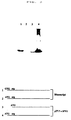
- DbpA hydrolysed ATP in the presence of total E. coli RNA. No activity was observed in the absence of RNA. Moreover the ATPase activity was abolished when RNase was added to the reaction, indicating that it was dependent on the added RNA.
- DbpA exhibits the RNA-dependent ATPase activity characteristic of members of the DEAD box family of proteins and like the prototypic members, its activity is not stimulated by single stranded or double stranded DNA.
- the K m for ATP of DbpA was determined to be 150 ⁇ M. This value is in the same range reported for eIF-4A, (50, ⁇ M) (Grifo, et al., 1984) and p68 (100-1000 ⁇ M (Iggo and Lane, 1989).
- dATP deoxy ATP
- DbpA protein The biochemical activities of the DbpA protein, in which translation initiated at the internal ATG previously thought to be the authentic initiation codon, were also examined.
- This protein contains the seven major conserved motifs characteristic of DEAD box proteins (Iggo, et al., 1990; Kalman, et al., 1991; Fuller-Pace, 1992). While this protein was able to bind poly(U) sepharose, ATP agarose and single stranded DNA cellulose in the same way as the full length protein, it was not possible to detect any ATPase activity in pure preparations (data not shown).
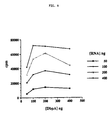
- ATP hydrolysis assays were carried out at increasing protein concentrations in the presence of various RNA concentrations. The incubations were carried out for 1 hour and the release of free phosphate was monitored as described in "Materials and Methods" (fig. 6). At 50ng of RNA there was an increase in phosphate release as DbpA concentration increased from 50 to 200ng. At higher concentrations of DbpA no further increase in product formation was observed, suggesting that the RNA concentration was likely to be limiting.
- RNA preparations were used. These included total RNA from E. coli, yeast and HeLa cells, transfer RNA from E. coli, and ribosomal RNA from E. coli and rabbit. Strikingly, only the total E. coli RNA and the E. coli ribosomal RNA stimulated ATPase hydrolysis. No hydrolysis was observed with any of the eukaryotic RNAs or with tRNA (fig. 8). Similarly, polyU RNA as well as E. coli DNA and M13 single stranded DNA did not stimulate ATP hydrolysis (data not shown).
- DbpA shows a remarkable degree of specificity in its RNA substrate.
- the ATPase activities of the eukaryotic translation initiation factor eIF-4A, the E. coli SrmB, the yeast splicing factor PRP16, and the plum pox potyvirus CI protein can be stimulated by several types of RNAs including polyA or polyU (Grifo, et al., 1984; Nishi, et al., 1988; Schwer and Guthne, 1991; Lain, et al., 1991).
- these RNAs were synthesised separately in vitro and used directly in the ATP hydrolysis reactions.
- the genes encoding the 16S and 23S rRNAs were subcloned from the plasmid pKK3535 which contains all the E. coli rRNA genes (as the rrn B operon) (Brosius, 1981) into in vitro transcription vectors and the 16S and 23S rRNAs were synthesised separately as described in materials and methods.
- both sense and anti-sense RNAs were synthesised.
- RNA fragment including this region stimulates full ATPase activity by DbpA.
- DbpA hydrolyses ATP in an RNA dependent manner, an activity characteristic of the prototypic members of the DEAD box protein family.
- ATP hydrolysis assays under conditions where either the RNA or the protein are limiting suggest that a complex is formed between DbpA and its RNA substrate during the ATP hydrolysis reaction.
- DbpA interacts specifically with prokaryotic 23S rRNA; only this RNA stimulates ATP hydrolysis by DbpA.
- DbpA will bind a variety of RNA species, it will only hydrolyse ATP in the presence of prokaryotic 23S rRNA.
- DbpA shows such specificity in its requirement for RNA in its ATP hydrolysis reaction is particularly interesting. This is the first record of such sequence specificity being shown by a DEAD box protein. None of the other DEAD box proteins, which have been studied biochemically to date, appear to show such specificity requirements in their RNA substrate.
- the eukaryotic translation initiation factor eIf-4A and the plum pox potyvirus CI protein not only will hydrolyse ATP in the presence of a variety of RNA substrates (including polyU and polyA respectively) (Grifo, et al., 1984; Lain, et al., 1991) but they will also unwind a range of synthetic RNA substrates (Rozen, et al., 1990; Lain, et al., 1990). Unwinding of similar small synthetic RNA molecules was not detected (data not shown). This was perhaps not surprising since DbpA appears to have such specificity in its interaction with RNA to hydrolyse ATP and the substrates used did not stimulate ATP hydrolysis.
- the specificity of the DbpA/23S rRNA interaction may result from a combination of sequence and secondary/tertiary structure, although the finding that boiled RNA is still a suitable substrate suggests that a specific sequence may be the specificity determinant.
- the identification of the region between bases 2418 and 2685 on the 23S rRNA which stimulates full ATPase activity of DbpA confirms this.
- sequence specificity in a substrate for a DEAD box protein would explain the observation that there are several members of the DEAD box family of proteins even in organisms with relatively small genomes (Linder, 1989). Moreover complementation tests between some of the five DEAD box proteins in E. coli showed that these proteins do not complement each other (Kalman, et al., 1991), suggesting that they carry out different functions, presumably acting on different RNA substrates.
- RNA helicases which may be absent in the in vitro reconstitution experiments.
- DEAD box proteins are involved in ribosome assembly in E. coli. These include the srmB and deaD genes which, when expressed at high levels, suppress temperature sensitive mutations in the genes encoding the ribosomal proteins L24 and S2 respectively (Nishi, et al., 1988; Toone, et al., 1991). Therefore DbpA may be required for correct ribosome assembly.
- DbpA will bind polyU (data not shown) and single stranded DNA.
- single stranded DNA cellulose was used as a final purification step (see above). This thus indicates a difference between mere binding of DbpA to RNA and specific interaction with its RNA substrate(s) which will result in ATP hydrolysis.
- RNA helicase eg DbpA
Landscapes
- Health & Medical Sciences (AREA)
- Life Sciences & Earth Sciences (AREA)
- Chemical & Material Sciences (AREA)
- Organic Chemistry (AREA)
- Zoology (AREA)
- Engineering & Computer Science (AREA)
- Wood Science & Technology (AREA)
- Molecular Biology (AREA)
- General Health & Medical Sciences (AREA)
- Bioinformatics & Cheminformatics (AREA)
- Proteomics, Peptides & Aminoacids (AREA)
- Genetics & Genomics (AREA)
- Biotechnology (AREA)
- Biochemistry (AREA)
- General Engineering & Computer Science (AREA)
- Microbiology (AREA)
- Medicinal Chemistry (AREA)
- Analytical Chemistry (AREA)
- Physics & Mathematics (AREA)
- Biophysics (AREA)
- Immunology (AREA)
- Pharmacology & Pharmacy (AREA)
- Animal Behavior & Ethology (AREA)
- Public Health (AREA)
- Veterinary Medicine (AREA)
- Biomedical Technology (AREA)
- Toxicology (AREA)
- Epidemiology (AREA)
- Communicable Diseases (AREA)
- Oncology (AREA)
- Chemical Kinetics & Catalysis (AREA)
- General Chemical & Material Sciences (AREA)
- Nuclear Medicine, Radiotherapy & Molecular Imaging (AREA)
- Measuring Or Testing Involving Enzymes Or Micro-Organisms (AREA)
- Enzymes And Modification Thereof (AREA)
- Micro-Organisms Or Cultivation Processes Thereof (AREA)
- Preparation Of Compounds By Using Micro-Organisms (AREA)
- Medicines Containing Antibodies Or Antigens For Use As Internal Diagnostic Agents (AREA)
- Pharmaceuticals Containing Other Organic And Inorganic Compounds (AREA)
Abstract
Description
- This invention relates to a method for screening anti-microbial agents, to anti-microbial agents identified by the method, and to a method for combatting microbial growth.
- More particularly, the method of the invention relates to the use of a putative ribonucleic acid (RNA) helicase to screen for anti-microbial agents.
- Ribonucleic acid (RNA) is an essential molecule for cellular viability in both eukaryotic and prokaryotic organisms. The best known form off RNA is messenger RNA (mRNA) which is essential for protein production as it is the means by which genetic information encoded by the genome in the nucleus of a cell is transported into the cytoplasm for translation into protein. However, other types of RNA are also essential for protein production, namely transfer RNA (tRNA) and ribosomal RNA (rRNA). Ribosomes are the site where protein production actually occurs, by the alignment of a specific tRNA molecule (carrying a specific amino acid) with the corresponding codon (base triplet) on the mRNA. Ribosomes are complex molecules and are known to include several polypeptides as well as rRNA. The rRNA is essential for ribosomal function and is highly conserved between different organisms, although there is a distinct difference between the rRNAs of prokaryotic and eukaryotic ribosomes.
- In many RNA molecules function depends on not only the actual sequence of nucleic acid bases (the primary structure), but also upon the manner in which the molecule is folded to form a precise three-dimensional shape (the secondary structure).
- Manipulation of RNA secondary structure is an essential step in many key processes in the cell, including RNA splicing, ribosome assembly and translation of mRNA into protein. Thus the RNA helicase enzymes which affect RNA secondary structure are essential for the viability of the cell.
- Considerable interest in the phenomenon of RNA secondary structure has been generated by the discovery of a large family of proteins with known, or putative, ATP-dependent RNA helicase activity (Linder et al, 1989; Schmid and Linder, 1992; Fuller-Pace & Lane, 1992). Members of this family form part of a larger superfamily of proteins which interact with polynucleotides and nucleotide triphosphates and share seven highly conserved motifs. In several cases these include a characteristic Asp-Glu-Ala-Asp (DEAD) motif which led to their designation as "DEAD box" proteins (Linder, 1989). However as more proteins were assigned to this family both by sequence homology and in some cases biochemical function, it has become clear that there are at least two subgroups: the DEAD and DExH subgroups (Fuller-Pace, 1992).
- Individual members of the DEAD box family have been highly conserved throughout evolution (Linder et al, 1989; Iggo, et al., 1991). The dbpA gene was isolated by hybridisation using a probe from the Saccharomyces pombe homologue of p68, one of the prototypic DEAD box proteins Iggo, et al, 1990). However analysis of the predicted amino acid sequence showed that, although DbpA contains the conserved motifs characteristic of the DEAD box family, it is in fact no more related to p68 than to any other members of the family. Five such genes have been identified in E.Coli (Kalman, et al., 1991). Two of these, srmB (Nishi, et al., 1988) and deaD (Toone, et al., 1991) are thought to be involved in ribosome biogenesis. A third, rhlB, appears to be an essential gene only in some genetic backgrounds (Kalman, et al., 1991) but complementation tests showed no functional complementation between rhlB and srmB, suggesting that these genes have different functions. However little is known about the biological role of rhlB, or rhlE (Kalman, et al., 1991) and dbpA (Iggo, et al., 1990) the other two genes so far identified in E. coli.
- The only biochemical study reported to date on any of these E. coli DEAD box proteins has been for the protein SrmB. This protein was shown to hydrolyse ATP in the presence of nucleic acid but it did not show any specificity requirements. The ATPase activity was induced by Poly(U), Poly(A), tRNA, rRNA and to a lesser extent by single stranded and double stranded DNA (Nishi, et al., 1988). Other DEAD box proteins so far examined biochemically, including the prototypic member of the family, the eukaryotic translation initiation factor eIF-4A (Grifo, et al., 1984) also show similar requirements for RNA which are not specific for any particular RNA species in in vitro ATPase assays.
- The highly conserved nature of RNA helicases confirms the importance of their function(s), and therefore they offer an attractive target for the action of anti-microbial therapeutic agents.
- However, the identification of such agents has been difficult; although therapeutic agents which inactivate a particular RNA helicase of a microbe infecting a patient are theoretically possible, there is always a risk that the RNA helicase of the patient would also be deactivated by the therapeutic agent, resulting in the disabling of vital processes dependent upon the RNA helicase.
- The surprising finding underlying the present invention is that although purified DbpA exhibits the RNA-dependent ATPase activity characteristic of DEAD box proteins, unlike the other members of the DEAD box family studied to date, DbpA shows a striking dependence on a single specific RNA species for activity, namely the prokaryotic ribosomal RNA known as "23S". The 23S rRNA originally used in these observations was derived from E. coli. No activity of DbpA is observed in the presence of eukaryotic ribosomal RNA.
- Enzymes which affect RNA, such as DbpA, are essential to produce a functional ribosome by manipulating the secondary structure of the rRNA to the form needed for ribosome activity. It now seems very likely that DbpA acts selectively on the highly conserved 23S rRNA of prokaryotes. Inhibition of DbpA would impede prokaryotic ribosomal function, and since eukaryotic rRNA would not be affected, would provide selective anti-microbial activity.
- The finding that DbpA has an absolute requirement for prokaryotic 23S RNA for its ATPase activity means that de-activation of DbpA in a microbe infecting a host will not affect the host cell process, since the DbpA does not affect the host cell RNAs. Thus, the present invention relies upon the substrate specificity of DbpA in a method to test for anti-microbial substances.
- In its normal function, DbpA requires the presence of a nucleoside phosphate (generally ATP) before activity to affect RNA structure is observed. In the course of DbpA activity the nucleoside phosphate is degraded. For example where the nucleoside phosphate is ATP, this is converted into ADP and phosphate. The amount of this degradation provides a useful measure of DbpA activity. Thus DbpA and other similar RNA helicases may be regarded as nucleotide phosphatases, or specifically ATPases.
- According to the present invention, there is provided a method for determining the anti-microbial activity of a substance, said method comprising:
- (i) mixing DbpA a microbially-required nucleotide phosphatase, said substance and a nucleoside phosphate; and
- (ii) evaluating the amount of nucleoside phosphate affected by said phosphatase, and thus the effect of said substance on said phosphatase.
-
- The term "nucleoside" as used herein refers to a molecule consisting only of a base and a sugar. The term "nucleoside phosphate" refers to a nucleoside moiety chemically linked to one or more phosphate groups. Thus, "nucleoside phosphate" includes nucleoside monophosphate (having a single phosphate group), nucleoside diphosphate (having two phosphate groups) and nucleoside triphosphate (having three phosphate groups). The term "nucleotide" is recognised in the art as being equivalent terminology to "nucleoside phosphate" and is used herein to refer to nucleoside molecules having one, two or three phosphate groups as explained above.
- The term "nucleotide phosphatase" denotes an enzyme capable of dephosporylating a nucleotide (nucleoside phosphate) molecule either partially or completely. For example, a nucleoside triphosphate may be converted into a nucleoside diphosphate by the nucleotide phosphatase with the concomitant generation of a phosphate moiety, or may be converted to nucleoside monophosphate with the concomitant generation of a pyrophosphate moiety. Likewise a nucleoside diphosphate may be converted into a nucleoside monophosphate or a nucleoside. Under certain conditions an enzyme will operate in the reverse direction so that the nucleoside phosphatase could catalyse the conversion of a nucleoside to a nucleoside phosphate, or add an extra phosphate moiety onto a nucleoside phosphate substrate. Alternative nomenclature for "nucleotide phosphatase" would be "nucleoside phosphate phosphatase".
- The microbially-required phosphatase, DbpA is an RNA helicase.
- The nucleoside phosphate required in the method referred to above may be any such substance which is able to be broken down by the phosphatase. Examples of nucleoside phosphates suitable for the method mentioned above include ATP, deoxy ATP (dATP), ADP, GTP, GDP, AMP, CTP, TTP and the like, or analogues thereof. ATP will normally be used.
- Optionally, an agent to stimulate the activity of the nucleotide phosphatase is also provided and is included in the assay at step (i) being added to the nucleotide phosphatase, substance and nucleoside phosphate.
- The activity of the nucleotide phosphatase is RNA dependent and a suitable stimulatory agent is RNA. The activity of the nucleotide phosphatase is dependent exclusively upon microbial ribosomal 23S RNA.
- The RNA is microbial and stimulates degradation of the nucleoside phosphate by the nucleotide phosphatase.
- In one aspect, the present invention provides a method for determining the anti-microbial activity of a substance, said method comprising:
- (i) mixing said substance together with an enzyme which affects the secondary structure of prokaryotic rRNA and the essential substrates of said enzyme; and
- (ii) evaluating the effect of said substance on the activity of said enzyme.
-
- The enzyme referred to above is DbpA, the essential substrates of DbpA being prokaryotic 23S RNA or fragments or functional analogues thereof and a nucleoside phosphate, such as ATP, or functional analogues thereof.
- Thus, the present invention provides a method for determining the anti-microbial activity of a substance, said method comprising:
- (i) mixing said substance together with DbpA, prokaryotic 23S rRNA or a fragment or functional analogue thereof and ATP or a functional analogue thereof; and
- (ii) evaluating the effect of said substance on the activity of DbpA.
-
- Conveniently, the method will be carried out in vitro.
- Preferably, the nucleotide phosphatase is provided in a purified form, for example in substantially pure form.
- Preferably, the effect of the substance on the enzyme DbpA is quantified by measuring the amount of phosphate in the reaction mixture. Generally a nucleoside phosphate is degraded to release phosphate and the amount of phosphate released can be measured. Alternatively, phosphate may be incorporated into a nucleoside or nucleoside phosphate so the amount of phosphate take-up (or nucleoside phosphate formed) may be measured. The alteration of the amount of phosphate liberated in the presence of the test substance is preferably compared to the amount liberated in the absence of the substance. The ratio of the two amounts may give an indication of the extent to which the test substance interferes with the activity of the nucleotide phosphates.
- The DbpA may include a label such as a radioactive, luminescent, fluorescent or chromophore label, most preferably located on the gamma phosphate moiety of the nucleoside phosphate.
- For example, the anti-microbial agent may comprise an ATP analogue which is not hydrolysable by the nucleotide phosphatase.
- Examples of other anti-microbial agents include analogues of the natural substrate of nucleotide phosphatases (eg RNA helicases) or antibodies specific to at least a portion of the enzyme. Any antibody is preferably monoclonally produced.
- Further anti-microbial agents comprise non-hydrolysable analogues of nucleoside phosphates or proteins which bind to, and/or reduce the activity of the nucleotide phosphatase. The mechanism of action of such anti-microbial agents is generally by binding to the nucleoside phosphate binding site on the nucleotide phosphatase, and by preventing or competing with the binding of nucleoside phosphate. Particular anti-microbial agents contemplated are 5'-p-fluorosulfonylbenzoyl-adenosine, adenosine 5'-[B,γ-imido]triphosphate, adenosine 5'-[γ-thio]triphosphate or adenosine 5'-[B,γ-methylene]triphosphate.
- The natural substrate of an RNA helicase includes a polynucleotide (such as RNA) and a nucleoside phosphate (such as ATP). Analogues of these substrates are known and may readily be produced by those skilled in the art.
- Particularly useful anti-microbial agents include non-functional analogues of microbial 23S rRNA which are still able to bind to the RNA helicase.
- The present invention also provides the use of any of the anti-microbial agents defined above to combat
- Preferably all of the sequence naturally upstream (or functional equivalents or derivatives thereof) of the ATG start site up to and including the GTG start site or a functional equivalent therof is included. Desirably the GTG start which is present naturally in the DNA is altered to an ATG codon in the DNA. Incorporation of an ATG codon into the upstream sequence may be achieved by homologous recombination, for example with a chemically synthesised oligonucleotide or by any other known technique. Alternatively an existing codon or nucleotide may be altered or replaced, for example, by site directed mutagenesis. It is also possible for a chemically synthesised version of the upstream sequence to be joined onto the dbpA gene or a part or functional equivalent thereof. Transcription of ATG in DNA will yield AUG in RNA which will then be translated into the relevant amino acid (eg methionine). Similarly GTG in the DNA will be transcribed to GUG in RNA which will be translated accordingly in the protein.
- The presence of the upstream sequence has now been found to produce improved activity in the DbpA protein expressed therefrom. Previously, it was not appreciated that inclusion of the upstream sequence had this effect. It is believed that in vivo expression of the dbpA gene occurs from the GTG codon of the upstream sequence. Mutation of this GTG codon to an ATG gives enhanced translation of the higher activity (ie upstream sequence-containing) version of DbpA.
- The coding sequence used by Iggo et al supra is shown therein and has been deposited in the EMBL database under accession No X52647. Iggo's dbpA sequence includes a GTG codon 75 to 73 bases upstream of the putative ATG start site identified by Iggo. This GTG codon was altered to ATG by the inventors and the sequence thereby obtained is shown herein as SEQ.ID.NO:2 wherein the ATG produced by alteration is named
ATG 1. - SEQ.ID.NO:1 shows the DNA sequence coding for DbpA protein from the modified translation
initiation codon ATG 1 to the TAA stop codon at bases 1372-1374. - The sequence of SEQ.ID.NO:2 (which includes SEQ.ID.NO:1 together with flanking sequences therefor) was deposited with the National Collection of Type Cultures (NCTC) at Central Public Health Laboratory, 61 Colindale Avenue London, NW9 5HT, under accession number NCTC 12867 on 22 March 1994 as part of a plasmid contained within E.coli DH5α.
- The term "genetic material" as used herein includes RNA or DNA each in double or single stranded form, and functional equivalents thereof. The genetic material may be produced by any suitable means, including chemical synthesis. "Functional equivalents" means any genetic material which encodes for a polypeptide having the activity required.
- Optionally, the genetic material is included as part of a cloning or expression vector. Recombinant vectors including genetic material are also described. The
- vectors may include marker elements, origins of replication, or elements to enhance or control expression therefrom, such as promoters and/or enhancers.
- Also described is a method of producing a recombinant vector, said method comprising ligating genetic material according to the present invention to a suitable carrier sequence.
- The following description illustrates an embodiment of the invention by way of example, with reference to the accompanying drawings.
-
- Figure 1 is a comparison of the amino acid sequences of the amino termini of the E. Coli DEAD box proteins for which this region is known (Kalman, et al., 1991). The corresponding region for eIF-4A is also shown. Conserved amino acids, as well as conservative substitutions (*) are marked. The first amino acid of DbpA (encoded by GTG) is listed as valine (lower case) but is likely to be methionine, since tRNAfmet will recognise GUG and translate it as methionine (see results).
- Figure 2 shows a Western blot showing DbpA expression in bluescript and pT7.7 plasmids. The plasmids used and the initiation site and codon in each case are indicated and are as follows. 1: bluescript plasmid encoding full length DbpA with a GTG translation initiation codon; 2: bluescript plasmid encoding full length DbpA but with ATG replacing the GTG initiation codon; 3: pT7.7 plasmid in which the 5' end of the gene has been deleted so that the internal ATG acts as the translation initiation codon; 4: pT7.7 plasmid encoding full length DbpA in which the GTG initiation codon has been mutated to ATG to optimise translation initiation in the T7 system. In the case of the pT7.7 plasmids IPTG was added to induce protein expression. DbpA was detected using a DbpA-specific anti-peptide antibody (see "Materials and Methods" below).
- Figure 3 shows a Coomassie stained SDS polyacrylamide gel showing the proteins in a cell lysate (soluble fraction) from bacteria before (-) and after (+) induction by IPTG. A: bacteria containing the pT7.7 plasmid expressing DbpA where translation initiates at the internal ATG (3 in fig. 2). B: bacteria containing the pT7.7 plasmid expressing DbpA where translation initiates with ATG at the original GTG position (4 in fig. 2). The sizes of molecular weight markers (M) are indicated in kilodaltons.
- Figure 4 shows a Coomassie stained SDS polyacrylamide gel showing the purification protocol for DbpA. Total. sol.: total soluble protein in the bacterial lysate. PEI: polyethylene imine. Sup. 12: FPLC superose 12 column. DNA cell.: Single stranded DNA cellulose column. The sizes of molecular weight markers (M) are indicated in kilodaltons.
- Figure 5 shows an autoradiograph of a PEI thin layer chromatography plate showing the separation (migration from left to right) of radioactive phosphate released from [γ-32P]ATP in a standard ATP hydrolysis assay. The presence or absence of DbpA and RNA in the reactions is indicated; 200ng of DbpA and 800ng of total E. coli RNA were used.
- Figure 6 shows ATP hydrolysis by various concentrations of DbpA in the presence of different concentrations of E. coli RNA as indicated. All reactions were allowed to proceed for 1 hour. Released phosphate (cpm-Cerenkov) was measured as described in materials and methods.
- Figure 7 shows an ATP hydrolysis time course under conditions of limiting RNA (A) and limiting DbpA (B). A: 400ng DbpA, 100ng RNA; a further 100ng of RNA was added after 20 min. B: 100ng DbpA, 800ng RNA: a further 100ng of DbpA was added after 20 min. Released phosphate (cpm-Cerenkov) was measured as described in "Materials and Methods" section. In each case the average counts from two experiments was taken.
- Figure 8 shows an autoradiograph of a PEI thin layer chromatography plate showing the separation (migration from left to right) of radioactive phosphate released from [γ-32P]ATP in ATP hydrolysis assays with DbpA in the presence of a variety of RNAs as indicated. In each case 200ng of DbpA and 800ng of RNA were used.
- Figure 9 shows an autoradiograph of a PEI thin layer
chromatography plate showing the separation (migration
from left to right) of radioactive phosphate released
from [γ-32p]ATP in ATP hydrolysis assays with DbpA in
the presence of
E. coli -
- Plasmids and bacterial strains: The bluescript clone encoding DbpA is described by Iggo et al. (Iggo, et al., 1990). The pT7.7 expression vector and the BL21(DE3) cells (Tabor, 1985, Studier, 1990) were a gift from C. A. Midgley. The pKK3535 plasmid encoding the
E. coli - Site directed metagenesis of DbpA was carried out using the Amersham oligodirected metagenesis kit.
- Subcloning of the 16S and 23S rRNA and in vitro synthesis of RNA: DNA fragments encoding the 16S and 23S rRNAs respectively were cloned into pGEM3 and pGEM4 in vitro transcription vectors (Promega) so that these RNAs could be synthesised separately. RNA was synthesised using T7 and SP6 polymerases according to Promega instructions.
- Growth and induction of bacteria expressing DbpA: A fresh overnight culture of B121(DE3) cells containing the pT7.7 plasmid encoding the dbpA gene under the IPTG inducible 17 promoter (Tabor, 1985) was diluted 30-fold grown to O.D. (650nm) of 0.3-0.4 at 37°C and induced by the addition 0.5 mM IPTG. The culture was transferred to 26°C and grown for a further 4 hours and the cells were harvested by centrifugation. The cell pellet was washed in 50mM Tris-HCl pH 7.5, harvested by centrifugation and stored at -70°C until required for DbpA purification.
- Proteins in bacterial lysates (prepared either as described below for soluble protein, or by adding sodium dodecyl sulphate [SDS] buffer directly to bacterial pellets for total protein) were separated by SDS polyacrylamide gel electrophoresis and transferred to nitrocellulose membranes as described in Harlow, 1988. DbpA was detected using an antibody directed against the C-terminal 7 amino acids of DbpA and the Amersham ECL kit.
- The bacterial pellet was resuspended in cold 50mM Tris-HCl pH 7.5, 10% sucrose, 1mM Phenylmethylsulonylfluoride (PMSF), 1mM Benzamidine, 2µg/ml Aprotinin, 2µg/ml Leupeptin (5ml per litre of bacterial culture) and placed in an ice/salt water bath. NaCl and lysozyme were added to a final concentration of 100mM and 150µg/ml respectively and the cells were left in ice/salt water for 30 minutes. They were warmed for 1 minute at 37°C and returned to ice. This procedure was repeated until the cells were lysed. The suspension was sonicated using an ultrasonic probe to shear the DNA and insoluble material was pelletted by centrifugation (27000G for 15 minutes). The soluble fraction was placed on ice and Polyethylene imine (PEI, Sigma) was added slowly with stirring to a final concentration of 0.2 %. A stock 10% PEI solution was prepared from the commercial 50% solution (Sigma) by dialysis as described by Gegenheimer (Gegenheimer, 1990). The precipitated nucleic acid was removed by centrifugation (12000G for 15 minutes) and proteins in the supernate were precipitated by 60% Ammonium sulphate and centrifugation at 27000G for 15 minutes. The protein pellet was resuspended in 50mM Tris-HCl pH 7.5, 1mM PMSF, 1mM Benzamidine, 2µg/ml Aprotinin, 2µg/ml Leupeptin (0.5ml per litre of bacterial culture) and any particulate material was removed by centrifugation at 12000G for 5 minutes. The soluble fraction containing DbpA was further purified on a Pharmacia FPLC Superose 12 column (Trade Mark) in 50mM Tris-HCl pH 7.5, 50 mM NaCl, 10% glycerol, 1mM Benzamidine. The DbpA fraction was then purified to homogeneity by binding to single stranded DNA cellulose (Sigma) in 50mM Tris-HCl pH 7.5, 50 mM NaCl, 1mM Benzamidine and elution using a 250 mM NaCl step. The pure protein was stored in liquid nitrogen and was found to remain active for several months.
- ATPase assays were carried out in 50mM Tris-HCl pH 7.5, 5mM MgCl2, 1mM DTT, 1µCi [γ-32P]ATP in a final concentration of 0.1mM ATP. Reactions contained pure DbpA and, unless otherwise stated, a preparation of total E. coli RNA in a final volume of 20 µl. The reaction mixtures were incubated at 37°C for 1 hour, unless otherwise stated. 3µl of 0.5 M EDTA were added to stop the reaction. ATP hydrolysis was determined by measuring the release of radioactive phosphate; phosphate was separated from residual ATP by thin layer chromatography (TLC). 2µl aliquots were loaded on a PEI TLC plate (Camlab) and chromatography was carried out in 1M formic acid, 0.5M lithium chloride for 3 hours at ambient temperature. The products were visualised by autoradiography, using Fuji RX film. The phosphate released were obtained by counting the relevant area of the TLC plate (as Cerenkov counts) in a liquid scintillation counter.
- One preferred method of assessing the ability of a substance to affect the viability of a microbe utilises the RNA dependent ATPase and putative RNA helicase DbpA which is essential for the normal RNA manipulation functions of a number of bacteria. The method takes advantage of the RNA-dependent ATPase activity of the DbpA. Thus, a preferred RNA-dependent ATP hydrolysis assay for DbpA comprises incubation of DbpA protein in buffer (for example, 50mM Tris-HCI [pH7.5], 5mM MgCl2, 1mM DTT) with bacterial total or ribosomal RNA (rRNA), or a specific RNA substrate (23S rRNA), and 0.1mM ATP. ATP hydrolysis can be detected by determining the release of radioactive phosphate from [γ-32P] ATP. Free radioactive phosphate can be separated from for example, ATP by chromatography on PEI thin layer chromatography plates in 1M formic acid and 0.5M LiCl, or by any other conventional method. The amount of radioactivity (corresponding to the amount of free phosphate) can then be measured by conventional techniques as described by Sambrook et al. Alternatively, ATP hydrolysis can be measured using a conventional ATP bioluminescent assay. This would allow the semi automated screening of inhibitors using 96-well microtitre plates.
- A variety of total RNAs of gram positive and gram negative bacteria from families which include human pathogens have been tested in this assay. These were Salmonella typhimurium, Shigella flexnerii, Klebsiella pneumoniae, Bordetella bronchoseptica and Bacillus subtilis. All were able to stimulate ATP hydrolysis by E coli DbpA.
- Examples of anti-microbial agents such as non-hydrolysable analogues are shown in the table below along with the ATPase activity of the nucleotide phosphatase (DbpA) measured in the above assay when the anti-microbial agent was introduced into the reaction mixture. The values of % ATP activity are an average from two assays, compared with a control sample. The anti-microbial agents were added at a 10-fold excess.
Anti-microbial Agents %ATPase activity 5'-p-Fluorosulfonylbenzoyl- adenosine 2% Adenosine 5'-[B,γ-imido]triphosphate 52% Adenodine 5'-[γ-thio]triphosphate 57% Adenosine 5'-[B,γ-methylene)triphosphate 90% - Comparison of the predicted amino acid sequence of dbpA with those of other E. coli DEAD box genes (Kalman, et al., 1991) showed that the dbpA gene was considerably shorter at the 5' end. However, an upstream in-frame GTG is present in the DNA sequence which, if used as a translation initiation codon, would encode a protein in which the "extra" N-terminal sequence shared several key conserved amino acids (or conservative substitutions) with the other E. coli DEAD box proteins (Fig. 1). Translation initiation at a GUG in RNA occurs in about 10% of E. coli mRNAs and the initiator tRNAfmet can interact with GUG to give a methionine at the initiation site (Hershey, 1987).] The original dbpA isolate contained upstream sequences (including the putative GTG initiation codon) in a plasmid (bluescript; Stratagene) in which expression of DbpA protein occurred from the authentic E. coli promoter. This plasmid did not produce enough protein for direct amino acid sequencing. Therefore, to determine which codon was normally used for translation initiation, two bacterial overexpression plasmids were constructed using the Isopropyl B-D-thiogalactopyranoside (IPTG) inducible pT7.7 system (Tabor, 1985). In one, translation of DbpA initiated at the ATG previously thought to be the authentic initiation codon (Iggo, et al., 1990), while in the other, translation initiated at the upstream GTG. The proteins produced by these plasmids were compared with that produced by the original clone using SDS-polyacrylamide gel electrophoresis. To make the pT7.7 plasmid initiating at the GTG position, this codon was mutated to ATG by oligo-directed mutagenesis to allow optimal translation in the pT7.7 system (see fig. 2). Thus the two plasmids contained identical ribosome binding sequences and initiation codons.
- As shown in figure 2, the protein produced by the bluescript clone (lane 1) is of the same size as that produced by the pT7.7 plasmid initiating at the GTG position (lane 4), and no protein of a size corresponding to that initiating at the downstream ATG (lane 3) was observed in the bluescript clone. This indicates that the GTG is the only initiation codon for DbpA when its own promoter and ribosome binding site are used and that the authentic full length DbpA protein includes the sequences upstream from the AUG. The expression of the full-length protein in the pT7.7 plasmid is much higher (20-50 fold; data not shown) than that initiating at the internal AUG. The GTG codon was therefore mutated in the original bluescript clone to ATG (by oligo-directed mutagenesis) to determine if this had any effect on translation efficiency. This mutation virtually abolished expression of DbpA from its natural promoter (fig 2, lane 2). This is somewhat surprising since GTG is generally a less efficient translation initiation codon than ATG (Gold, 1988). Interestingly, in in vitro transcription/translation reactions, no difference was observed in the translation efficiency of these two bluescript plasmids (data not shown).
- It is not clear why, in the pT7.7 plasmids, the expression of the full length protein initiating at the GTG position is so much higher than that initiating at the internal ATG. Pulse chase analysis of the two proteins showed no obvious difference in their stabilities although the steady state level of the full length protein was inconsistently much higher (data not shown). It was not possible to determine whether there were significant differences in the relative levels of dbpA RNA in the two plasmids by Northern blotting of total RNA preparations from bacterial cells (data not shown). However it is difficult to compare levels of dbpA transcription in the two constructs as the levels of other RNAs in the cells were also apparently different. When the bacterial lysates obtained from the two pT7.7 expression plasmids were compared it was clear that in the plasmid expressing the full-length protein the levels of other proteins in the cell are very low even before IPTG induction (fig. 3). Moreover a high basal level of DbpA was often obtained (fig. 3). In large scale preparations however, IPTG produced an increase in the amount of DbpA produced (data not shown).
- Unless otherwise stated, the plasmid expressing the complete DbpA gene from the T7 promoter (i.e. initiating at the GTG position) was used for protein production. Cells expressing DbpA were grown and induced with IPTG and the protein was purified to homogeneity as described in materials and methods (Fig. 4). Crude fractions of DbpA contained high concentrations of nucleic acid (both RNA and DNA) which appeared to be bound to the DbpA protein and were not removed by conventional means (eg. high salt concentrations, DNase and RNase). Polyethylene imine (PEI) was therefore used to remove the nucleic acid from the preparation. PEI precipitates nucleic acids and often nucleic acid binding proteins at low salt; the proteins can be subsequently eluted from the pellet by high salt (Gegenheimer, 1990). However with the DbpA crude lysate at 50 mM NaCl, while the nucleic acid was precipitated, most of the DbpA protein remained in solution. Moreover this step provided a substantial purification of DbpA (see fig. 4). The PEI was removed by precipitating the protein in ammonium sulphate and a highly pure preparation of DbpA was obtained following gel filtration (FPLC Superose 12) and chromatography on single stranded DNA cellulose. This purification protocol routinely produced 2-3 mg of homogeneous DbpA (final yield) per litre of bacterial culture.
- The biochemical function of the pure DbpA was tested by measuring its ability to hydrolyse ATP and determining whether this activity is dependent on the presence of RNA, a function characteristic of members of the DEAD box family of proteins. The ATPase activity of the pure protein was tested by its ability to release radioactive phosphate from [γ-32P] labelled ATP as described in materials and methods. As shown in figure 5, DbpA hydrolysed ATP in the presence of total E. coli RNA. No activity was observed in the absence of RNA. Moreover the ATPase activity was abolished when RNase was added to the reaction, indicating that it was dependent on the added RNA. Thus DbpA exhibits the RNA-dependent ATPase activity characteristic of members of the DEAD box family of proteins and like the prototypic members, its activity is not stimulated by single stranded or double stranded DNA.
- The Km for ATP of DbpA was determined to be 150µM. This value is in the same range reported for eIF-4A, (50,µM) (Grifo, et al., 1984) and p68 (100-1000µM (Iggo and Lane, 1989).
- Assays were to also carried out to determine whether DbpA will hydrolyse other nucleoside triphosphates. Under the conditions used to demonstrate ATP hydrolysis by DbpA, no release of radioactive phosphate was observed with [γ-32P]-labelled GTP (the only other commercially available gamma-labelled nucleotide triphosphate) indicating that this protein will not hydrolyse GTP (data not shown). It was then determined whether other nucleoside triphosphates are hydrolysed by DbpA by investigating whether these would compete with [γ-32p]-ATP in standard ATPase assays. In each case a 10-fold excess of the relevant unlabelled nucleoside triphosphate was used in the assay. Competition was only observed with ATP but it has since been shown that deoxy ATP (dATP) is a substrate for DbpA. It remains a possibility that other nucleotide phosphatases within the scope of the invention are able to hydrolyse other nucleoside tri-phosphates.
- The biochemical activities of the DbpA protein, in which translation initiated at the internal ATG previously thought to be the authentic initiation codon, were also examined. This protein contains the seven major conserved motifs characteristic of DEAD box proteins (Iggo, et al., 1990; Kalman, et al., 1991; Fuller-Pace, 1992). While this protein was able to bind poly(U) sepharose, ATP agarose and single stranded DNA cellulose in the same way as the full length protein, it was not possible to detect any ATPase activity in pure preparations (data not shown).
- The dependence of ATP hydrolysis by DbpA on total E. coli RNA and DbpA protein concentration was investigated. ATP hydrolysis assays were carried out at increasing protein concentrations in the presence of various RNA concentrations. The incubations were carried out for 1 hour and the release of free phosphate was monitored as described in "Materials and Methods" (fig. 6). At 50ng of RNA there was an increase in phosphate release as DbpA concentration increased from 50 to 200ng. At higher concentrations of DbpA no further increase in product formation was observed, suggesting that the RNA concentration was likely to be limiting. (In each case only a fraction of the ATP was used up in the reaction [data not shown].) As the RNA concentrations were increased up to 400 ng, the amount of phosphate released increased accordingly. However, in each case, a very similar kinetic pattern was observed, i.e. at DbpA concentrations greater than 200ng no further increase in phosphate release occurred. This again indicated that, although the RNA concentration was being increased, its level was still limiting (Fig. 6). This suggests either that the RNA does not adopt its original conformation after its interaction with DbpA, or that the association of DbpA with the RNA results in the formation of a complex. To distinguish between these two possibilities, two separate parallel experiments were carried out under conditions where either the DbpA or the RNA concentrations were limiting. (determined from Fig. 6). In each experiment the ATP hydrolysis reactions were carried out as a time course with reactions being stopped at
times - The experiment was repeated using a longer time course (120 minutes) and adding an extra 100ng DbpA or 500mg RNA at 80 minutes. The same results were obtained. This is a very striking result. If DbpA were behaving catalytically, the same total amount of phosphate would be released, but the end point would be reached much earlier. However, the observation that increasing the amount of DbpA results in a parallel increase in product formation suggests that DbpA is not released from the reaction to catalyse another round, but remains in a complex with the RNA.
- To determine whether there was any specificity in the requirement for RNA in the ATP hydrolysis reaction a variety of RNA preparations were used. These included total RNA from E. coli, yeast and HeLa cells, transfer RNA from E. coli, and ribosomal RNA from E. coli and rabbit. Strikingly, only the total E. coli RNA and the E. coli ribosomal RNA stimulated ATPase hydrolysis. No hydrolysis was observed with any of the eukaryotic RNAs or with tRNA (fig. 8). Similarly, polyU RNA as well as E. coli DNA and M13 single stranded DNA did not stimulate ATP hydrolysis (data not shown). This indicated that, unlike the other DEAD box proteins examined biochemically to date, DbpA shows a remarkable degree of specificity in its RNA substrate. For example, the ATPase activities of the eukaryotic translation initiation factor eIF-4A, the E. coli SrmB, the yeast splicing factor PRP16, and the plum pox potyvirus CI protein, can be stimulated by several types of RNAs including polyA or polyU (Grifo, et al., 1984; Nishi, et al., 1988; Schwer and Guthne, 1991; Lain, et al., 1991).
- To determine whether a particular E. coli ribosomal RNA stimulated ATP hydrolysis, 5S and a mixture of 16S and 23S rRNAs which were available commercially (Boehringer) were tested. No activity was observed with 5S rRNA but a mixture of 16S and 23S stimulated ATPase activity (fig. 8), suggesting that either one, or both, of these RNAs are required to stimulate ATP hydrolysis by DbpA. Interestingly, denaturing the RNA by boiling and rapid cooling on ice did not affect its ability to stimulate ATP hydrolysis by DbpA. This suggests that the sequence/secondary structure recognised by DbpA is stable.
- In order to determine whether 16S or 23S, or both, were substrate for DbpA, these RNAs were synthesised separately in vitro and used directly in the ATP hydrolysis reactions. To obtain suitable plasmids for the in vitro synthesis of these RNAs, the genes encoding the 16S and 23S rRNAs were subcloned from the plasmid pKK3535 which contains all the E. coli rRNA genes (as the rrn B operon) (Brosius, 1981) into in vitro transcription vectors and the 16S and 23S rRNAs were synthesised separately as described in materials and methods. For both 16S and 23S rRNAs both sense and anti-sense RNAs were synthesised. These RNAs were then used as substrate in the ATP hydrolysis reactions. In these experiments only the 23S sense RNA stimulated ATP hydrolysis; 23S anti-sense and 16S sense and anti-sense RNAs were not substrate for DbpA (fig. 9). Even with higher concentrations (1µg) of RNA, the 16S RNAs and the anti-sense 23S RNA did not stimulate ATP hydrolysis (data not shown). This finding suggests, that in its physiological environment, DbpA interacts specifically with 23S rRNA and that unlike the other DEAD box proteins studied to date DbpA exhibits a remarkable degree of specificity in its requirements for interaction with its RNA substrate.
- It has been determined that the specific target for DbpA on 23S rRNA molecule lies within the region between bases 2418-2605. An RNA fragment including this region stimulates full ATPase activity by DbpA.
- The previously uncharacterised E. coli DEAD box protein DbpA has been expressed at high levels and a rapid procedure for the preparation of mg quantities of homogeneous DbpA protein is described herein. Biochemical characterisation of the recombinant DbpA yielded the following significant findings. (1) DbpA hydrolyses ATP in an RNA dependent manner, an activity characteristic of the prototypic members of the DEAD box protein family. (2) ATP hydrolysis assays under conditions where either the RNA or the protein are limiting suggest that a complex is formed between DbpA and its RNA substrate during the ATP hydrolysis reaction. (3) DbpA interacts specifically with prokaryotic 23S rRNA; only this RNA stimulates ATP hydrolysis by DbpA. (4) Although DbpA will bind a variety of RNA species, it will only hydrolyse ATP in the presence of prokaryotic 23S rRNA.
- The finding that DbpA shows such specificity in its requirement for RNA in its ATP hydrolysis reaction is particularly interesting. This is the first record of such sequence specificity being shown by a DEAD box protein. None of the other DEAD box proteins, which have been studied biochemically to date, appear to show such specificity requirements in their RNA substrate. For example, the eukaryotic translation initiation factor eIf-4A and the plum pox potyvirus CI protein not only will hydrolyse ATP in the presence of a variety of RNA substrates (including polyU and polyA respectively) (Grifo, et al., 1984; Lain, et al., 1991) but they will also unwind a range of synthetic RNA substrates (Rozen, et al., 1990; Lain, et al., 1990). Unwinding of similar small synthetic RNA molecules was not detected (data not shown). This was perhaps not surprising since DbpA appears to have such specificity in its interaction with RNA to hydrolyse ATP and the substrates used did not stimulate ATP hydrolysis. The size (2904 bases) and the considerable secondary structure of the 23S rRNA molecule (Noller, 1984) makes it difficult to determine whether DbpA will unwind certain specific regions of this RNA using conventional gel shift techniques (Hirling, et al., 1989; Rozen, et al., 1990).
- The specificity of the DbpA/23S rRNA interaction may result from a combination of sequence and secondary/tertiary structure, although the finding that boiled RNA is still a suitable substrate suggests that a specific sequence may be the specificity determinant. The identification of the region between bases 2418 and 2685 on the 23S rRNA which stimulates full ATPase activity of DbpA confirms this. Such sequence specificity in a substrate for a DEAD box protein would explain the observation that there are several members of the DEAD box family of proteins even in organisms with relatively small genomes (Linder, 1989). Moreover complementation tests between some of the five DEAD box proteins in E. coli showed that these proteins do not complement each other (Kalman, et al., 1991), suggesting that they carry out different functions, presumably acting on different RNA substrates.
- 23S rRNA, together with the 5S rRNA and 34 ribosomal proteins form the large (50S) subunit of the E. coli ribosome. The assembly of the 50S subunit both in vitro and in vivo occurs in three definable stages (Dohme, 1976; Nierhaus, 1982) and the finding that, in vitro, heat is required after half the ribosomal proteins have associated with the RNA suggests that a conformational change is required at this stage. Moreover, while the assembly of ribosomes in vivo takes only a few minutes at 37°C, the two step procedure required for the reconstitution of the 50S subunit in vitro requires very long incubations at high temperatures (Dohme, 1976; Herold and Nierhaus, 1987). It is therefore possible that the conformation of the ribosomal RNAs needs to be subtly modified (perhaps by local unwinding) to allow correct assembly of the ribosomal subunit. In vivo this could be carried out by RNA helicases which may be absent in the in vitro reconstitution experiments. There is also some genetic evidence that other DEAD box proteins are involved in ribosome assembly in E. coli. These include the srmB and deaD genes which, when expressed at high levels, suppress temperature sensitive mutations in the genes encoding the ribosomal proteins L24 and S2 respectively (Nishi, et al., 1988; Toone, et al., 1991). Therefore DbpA may be required for correct ribosome assembly. It has now been shown that tRNAs interact with both the 16S and 23S rRNAs (Moazed, et al., 1988; Moazed and Noller, 1989) and that the elongation factors EF-G and EF-Tu interact with a conserved loop in 23S rRNA (Moazed, et al., 1988). These findings highlight the importance of correct conformation of these RNAs within the ribosome for correct translation to take place. Therefore the observation described herein that DbpA, a putative RNA helicase, interacts specifically with 23S rRNA suggests another possible role for this protein, namely in translation. This may have profound implications for the role of DbpA in ribosome structure, assembly, or function.
- The observation that 23S rRNA is specifically required to stimulate ATPase activity by DbpA raises an interesting question. DbpA will bind polyU (data not shown) and single stranded DNA. In fact single stranded DNA cellulose was used as a final purification step (see above). This thus indicates a difference between mere binding of DbpA to RNA and specific interaction with its RNA substrate(s) which will result in ATP hydrolysis.
- It has been shown herein that in the dbpA gene translation initiation does not occur at the previously predicted AUG (or ATG in DNA) codon (Iggo, et al., 1990), but at an upstream, in-frame GUG (or GTG in DNA). Even in a plasmid construct where the endogenous dbpA promoter and ribosome binding site are used, translation is initiating at the GTG rather than the ATG. Moreover, when the GTG is mutated to ATG in this plasmid, DbpA expression is virtually abolished, suggesting an unusual translation initiation mechanism which requires a GTG initiation codon. GTG is used as an initiation codon in about 10% of E. coli mRNAs (Hershey, 1987).
- However it is interesting that when the GTG is mutated to an ATG in a plasmid where the authentic DbpA promoter and ribosome binding site are used, DbpA expression is virtually abolished. (ATG is generally a more efficient translation initiation codon than GTG.) This therefore suggests that for DbpA there appears to be an unusual translation initiation mechanism in which GTG, and not ATG, is recognised as an initiation codon.
- In addition, the observation described herein that high level expression of DbpA results in a marked reduction in general translation of other proteins in the cell is provocative and suggests that DbpA may be exerting some general feedback inhibition of translation. The future production of high levels of soluble, homogeneous, stable and enzymatically active DbpA will in future allow detailed analysis of its biochemical function(s) in the cell.
- Many antibiotic drugs work by inhibiting protein synthesis in bacteria. However some bacterial strains have appeared which are resistant to these antibiotics. The extreme specificity of DbpA for its RNA substrate and its interaction with 23S rRNA allows the production of novel generations of therapeutic agents such as antibiotics, exploiting this very specific interaction.
- Conventional techniques have been described for the production of therapeutic agents such as antibodies and antibiotics. An effective antibiotic may be provided by an analogue of ATP which is not hydrolysable by the particular putative RNA helicase. Thus the RNA helicase would have no energy source and would cease to function. This would be detrimental to the microbe but not to eukaryotic host since the RNA helicase (eg DbpA) would have no effect on, and would not be required for eukaryotic translation.
- The disclosures in the following papers referred to in this specification are included herein by reference.
- Brosius, J, Ullrieh, A, Baker, M A, Gray, A, Dull, T J, Gutell, R R, and Noller, H F (1981).
- Plasmid 6, 112-118.
- Chang, T H, Arenas, J and Abelson, J (1990).
- Proc Natl Acad Sci U S A 87, 1571-5.
- Dobme, F and Nierhaus, K H (1976).
- J Mol Biol 107, 585-590.
- Fuller-Pace, F V and Lane D P.(1992).
- In Nucleic Acids and Molecular Biology F Eckstein and D M J Lilley, eds (Berlin: Springer-Verlag), 6, 159-173.
- Gegenheimer, P (1990).
- Methods Enzymol. 182, 174-193.
- Gold, L. (1988).
- Ann Rev. Biochem. 57, 199-223.
- Grifo, J A, Abramson, R D, Satler, C A and Merrick, W C (1984).
- J Biol. Chem. 259, 8648-8654.
- Harlow, E and Lane, D (1988). in Antibodies, A Laboratory Manual. (Cold Spring Harbor, New York: Cold Spring Harbor Laboratory).
- Herold, M and Nierhaus, K H (1987).
- J Biol Chem 262, 8826-33.
- Hershey, J W B (1987). In Escherichia coli and Salmonella typhimurium, Cellular and Molecular Biology.
- F C Neidhardt, ed. (Washington, DC,American Society of Microbiology).
- Hirling, H, Scheffner, M, Restle, T and
Stahl, H. (1989). - Nature 339, 562-4.
- Iggo, R, Picksley, S, Southgate, J,
McPheat J and Lane D P (1990). - Nucleic Acids Res 18, 5413-7.
- Iggo, R D, Jamieson, D J 7 MacNeill, S A, Southgate, J, McPheat, J and Lane, D P (1991).
- Mol Cell Biol 11, 1326-33.
- Iggo, R D and Lane, D P (1989). Embo J.8 1827-31.
- Kalman, M, Murphy, H and Cashel, M (1991).
-
New Biol 3, 886-95. - Lain, S, Martin, M T, Riechmann, J L and
Garcia, J A (1991). - J Virol 65, 1-6.
- Lain, S, Riechmann, J L and Garcia, J A (1990). Nucleic Acids Res 18, 7003-6.
- Linder, P, Lasko, P F, Leroy, P,
Melsen, P J, Nishi, K, Schnier, J,
Slaminski, P P (1989). - Nature 337, 121-122.
- Moazed, D and Noller, H F (1959). Cell 57, 585-97.
- Moazed, D, Robertson, J M and Noller, H F (1988).
- Nature 334, 362-4.
- Nierhaus, K H (1982). Curr. Tap. Microbial. Immunol. 97, 82-155.
- Nishi, K, Morel, D F, Hershey, J W, Leighton, T and
Schnier, J (1988). [published erratum appears in Nature
1989
Jul 20;340(6230):246]. Nature 336, 496-8. - Noller, H P (1984). Ann. Rev. Biochem. 53, l 19-162.
- Rozen, F, Edery, I, Meerovitch, K, Dever, T E, Merrick, W. C. and Sanenberg, N.
- (1990). Mol Cell Biol 10, 1134-44.
- Sambrook, J, Fritsch, E. F, Maniatis, T (1989).
- Molecular Cloning A laboratory Manual
Second Edition. Second Edition, (Cold Spring Harbor, New York: Cold Spring Harbor Laboratory)
Schmid, S R and Linder, P (1992). - Mol Microbial 6, 283-91.
- Schwer, B and Guthrie, C (1991). Nature 349, 494-9.
- Studier, F W., Rosenberg, A H., Dunn, J J, Dubendorff, J W (1990). Methods Enzymol. 185, 60-89.
- Tabor, S and Richardson, C C (1985).
- Proc. Natl. Acad. Sci. U. S. A. 82,
1074-1078. - Toone, W M, Rudd, K E and Friesen, J D (1991).
- J Bacteriol 173, 3291-3302.
-


Claims (6)
- A method for determining the anti-microbial activity of a substance, said method comprising(i) mixing an RNA helicase DbpA, said substance and a nucleoside phosphate; and(ii) evaluating the amount of nucleoside phosphate affected by DbpA, and thus the effect of said test substance on DbpA wherein RNA is also provided in the mixture as an agent to stimulate the activity of the DbpA and wherein the RNA is prokaryotic 23S ribosomal RNA.
- A method as claimed in Claim 1 wherein the DbpA is provided in a substantially pure form.
- A method as claimed in Claim 1 or Claim 2 wherein the degradation of the nucleoside phosphate is quantified by measuring the alteration in the amount of phosphate.
- A method as claimed in any one of the preceding Claims wherein the nucleoside phosphate includes a label located on the gamma phosphate moiety thereof.
- A method as claimed in Claim 4 wherein the label comprises a radioactive, luminescent, fluorescent label or a chromophore.
- A method for determining the anti-microbial activity of a substance, said method comprising:(i) mixing said substance together with DbpA which affects the secondary structure of prokaryotic rRNA and the essential substrates of DbpA, prokaryotic 23S rRNA or a fragment or functional analogue thereof and ATP or a functional analogue thereof; and(ii) evaluating the effect of said substance on the activity of DbpA.
Applications Claiming Priority (5)
| Application Number | Priority Date | Filing Date | Title |
|---|---|---|---|
| GB9306416 | 1993-03-27 | ||
| GB939306416A GB9306416D0 (en) | 1993-03-27 | 1993-03-27 | Anti-microbial agent |
| GB9401532A GB9401532D0 (en) | 1994-01-27 | 1994-01-27 | Anti-microbial agent |
| GB9401532 | 1994-01-27 | ||
| PCT/GB1994/000649 WO1994023059A2 (en) | 1993-03-27 | 1994-03-28 | Anti-microbial agents and screening method therefor |
Publications (2)
| Publication Number | Publication Date |
|---|---|
| EP0690924A1 EP0690924A1 (en) | 1996-01-10 |
| EP0690924B1 true EP0690924B1 (en) | 2000-05-31 |
Family
ID=26302662
Family Applications (1)
| Application Number | Title | Priority Date | Filing Date |
|---|---|---|---|
| EP94911230A Expired - Lifetime EP0690924B1 (en) | 1993-03-27 | 1994-03-28 | Anti-microbial agents and screening method therefor |
Country Status (10)
| Country | Link |
|---|---|
| US (1) | US6020149A (en) |
| EP (1) | EP0690924B1 (en) |
| JP (1) | JP3517243B2 (en) |
| CN (1) | CN1061098C (en) |
| AT (1) | ATE193557T1 (en) |
| AU (1) | AU6380094A (en) |
| CA (1) | CA2159112C (en) |
| DE (1) | DE69424780T2 (en) |
| DK (1) | DK0690924T3 (en) |
| WO (1) | WO1994023059A2 (en) |
Families Citing this family (6)
| Publication number | Priority date | Publication date | Assignee | Title |
|---|---|---|---|---|
| WO1996017066A1 (en) * | 1994-12-02 | 1996-06-06 | Byk Gulden Lomberg Chemische Fabrik Gmbh | Screening model |
| DE19545126A1 (en) | 1995-12-04 | 1997-06-05 | Hoechst Ag | ATP and nucleic acid binding protein with helicase properties |
| AU1994800A (en) * | 1999-01-15 | 2000-08-01 | Pantherix Ltd. | Phosphate release enzyme assay |
| US20040097718A1 (en) * | 2000-07-19 | 2004-05-20 | Pearson James D. | Complete nucleotide sequence of staphlococcus aureus ribosomal protein gene, s20 and methods for the identification of antibacterial substances |
| US7582428B2 (en) * | 2003-08-22 | 2009-09-01 | The Board Of Trustees Of The Leland Stanford Junior University | Methods and compositions for identifying anti-HCV agents |
| CN104611419B (en) * | 2014-12-29 | 2016-08-24 | 江苏大学 | A kind of detection method based on graphene oxide chip DNA unwindase |
Family Cites Families (3)
| Publication number | Priority date | Publication date | Assignee | Title |
|---|---|---|---|---|
| US4416995A (en) * | 1981-09-10 | 1983-11-22 | Bronx-Lebanon Hospital Center | Method and apparatus for determining bacterial sensitivity |
| AU3176489A (en) * | 1988-03-30 | 1989-10-05 | Monsanto Company | Regulated gene expression |
| US5466576A (en) * | 1993-07-02 | 1995-11-14 | Fred Hutchinson Cancer Research Center | Modulation of PIF-1-type helicases |
-
1994
- 1994-03-28 EP EP94911230A patent/EP0690924B1/en not_active Expired - Lifetime
- 1994-03-28 AU AU63800/94A patent/AU6380094A/en not_active Abandoned
- 1994-03-28 CA CA002159112A patent/CA2159112C/en not_active Expired - Fee Related
- 1994-03-28 DE DE69424780T patent/DE69424780T2/en not_active Expired - Fee Related
- 1994-03-28 WO PCT/GB1994/000649 patent/WO1994023059A2/en not_active Ceased
- 1994-03-28 CN CN94191619A patent/CN1061098C/en not_active Expired - Fee Related
- 1994-03-28 AT AT94911230T patent/ATE193557T1/en not_active IP Right Cessation
- 1994-03-28 JP JP52181294A patent/JP3517243B2/en not_active Expired - Fee Related
- 1994-03-28 DK DK94911230T patent/DK0690924T3/en active
-
1997
- 1997-09-15 US US08/929,738 patent/US6020149A/en not_active Expired - Fee Related
Also Published As
| Publication number | Publication date |
|---|---|
| DK0690924T3 (en) | 2000-10-09 |
| JP3517243B2 (en) | 2004-04-12 |
| JPH08511416A (en) | 1996-12-03 |
| WO1994023059A2 (en) | 1994-10-13 |
| CN1120353A (en) | 1996-04-10 |
| CN1061098C (en) | 2001-01-24 |
| DE69424780T2 (en) | 2001-02-15 |
| ATE193557T1 (en) | 2000-06-15 |
| US6020149A (en) | 2000-02-01 |
| DE69424780D1 (en) | 2000-07-06 |
| CA2159112C (en) | 2007-06-19 |
| AU6380094A (en) | 1994-10-24 |
| WO1994023059A3 (en) | 1995-01-05 |
| EP0690924A1 (en) | 1996-01-10 |
| CA2159112A1 (en) | 1994-10-13 |
Similar Documents
| Publication | Publication Date | Title |
|---|---|---|
| Fuller‐Pace et al. | DbpA: a DEAD box protein specifically activated by 23s rRNA. | |
| Kato et al. | Hda, a novel DnaA‐related protein, regulates the replication cycle in Escherichia coli | |
| Wall et al. | The NH2-terminal 108 amino acids of the Escherichia coli DnaJ protein stimulate the ATPase activity of DnaK and are sufficient for lambda replication. | |
| CA2529142C (en) | Rna interferases and methods of use thereof | |
| Oliver et al. | SecA protein: autoregulated initiator of secretory precursor protein translocation across the E. coli plasma membrane | |
| Kinzy et al. | New targets for antivirals: the ribosomal A-site and the factors that interact with it | |
| CA2159112C (en) | Anti-microbial agents and screening method therefor | |
| JPH05504672A (en) | Polynucleotide probes, methods and kits for the identification and detection of Gram-negative bacteria | |
| Dottin et al. | Regulation by N gene protein of phage lambda of anthranilate synthetase synthesis in vitro | |
| KR20230079181A (en) | Compositions and methods for inhibiting the expression of multiple genes | |
| US7329508B2 (en) | Use of ylqF, yqeG, yybQ, and ysxC, essential bacterial genes and polypeptides | |
| JP2002516076A (en) | MurD protein and gene of Pseudomonas aeruginosa | |
| Gao et al. | Evidence that Uncharged tRNA Can Inhibit a Programmed Translational Frameshift inEscherichia coli | |
| US20140294801A1 (en) | Sequence-specific mrna interferase and uses thereof | |
| Matlock | Catalytic and Biological Implications of The Eukaryotic and Prokaryotic Thg1 Enzyme Family | |
| MacNeill | Cell cycle control in yeasts | |
| JP2001510335A (en) | Bacillus strain and antibiotic screening method | |
| Neu | Protein Kinases in Streptomyces: Involvement in Growth, Glycopeptide Production and Resistance. | |
| Schweitzer | The genetic analysis of the mating-induced cell cycle arrest and the role of SCF-mediated degradation in yeast | |
| Hammermeister | The tRNA binding protein Kti12 and its role in the regulation of Elongator complex | |
| Milučká | Analysis of molecular determinants responsible for subcellular localisation of nuclear DNA helicase II | |
| Bond | Poly (A) polymerase, the cell cycle and cell death | |
| JP2004113186A (en) | Method for detecting interaction between proteins and method for screening proteins | |
| AU6277399A (en) | Use of s-ydcb and b-ydcb, essential bacterial genes | |
| Xiao | Functional characterization of the eukaryotic-specific conserved features of nuclear RNase P in the yeast Saccharomyces cerevisiae |
Legal Events
| Date | Code | Title | Description |
|---|---|---|---|
| PUAI | Public reference made under article 153(3) epc to a published international application that has entered the european phase |
Free format text: ORIGINAL CODE: 0009012 |
|
| 17P | Request for examination filed |
Effective date: 19951024 |
|
| AK | Designated contracting states |
Kind code of ref document: A1 Designated state(s): AT BE CH DE DK ES FR GB GR IE IT LI LU MC NL PT SE |
|
| 17Q | First examination report despatched |
Effective date: 19971110 |
|
| GRAG | Despatch of communication of intention to grant |
Free format text: ORIGINAL CODE: EPIDOS AGRA |
|
| GRAG | Despatch of communication of intention to grant |
Free format text: ORIGINAL CODE: EPIDOS AGRA |
|
| GRAH | Despatch of communication of intention to grant a patent |
Free format text: ORIGINAL CODE: EPIDOS IGRA |
|
| RIC1 | Information provided on ipc code assigned before grant |
Free format text: 6C 12Q 1/18 A, 6C 12Q 1/42 B, 6C 07K 14/195 B, 6A 61K 39/395 B, 6A 61K 31/70 B, 6C 12N 15/55 B, 6C 12N 5/10 B, 6C 12N 9/14 B, 6A 61K 39/40 B |
|
| GRAH | Despatch of communication of intention to grant a patent |
Free format text: ORIGINAL CODE: EPIDOS IGRA |
|
| GRAA | (expected) grant |
Free format text: ORIGINAL CODE: 0009210 |
|
| AK | Designated contracting states |
Kind code of ref document: B1 Designated state(s): AT BE CH DE DK ES FR GB GR IE IT LI LU MC NL PT SE |
|
| PG25 | Lapsed in a contracting state [announced via postgrant information from national office to epo] |
Ref country code: GR Free format text: LAPSE BECAUSE OF NON-PAYMENT OF DUE FEES Effective date: 20000531 Ref country code: ES Free format text: THE PATENT HAS BEEN ANNULLED BY A DECISION OF A NATIONAL AUTHORITY Effective date: 20000531 Ref country code: BE Free format text: LAPSE BECAUSE OF FAILURE TO SUBMIT A TRANSLATION OF THE DESCRIPTION OR TO PAY THE FEE WITHIN THE PRESCRIBED TIME-LIMIT Effective date: 20000531 Ref country code: AT Free format text: LAPSE BECAUSE OF FAILURE TO SUBMIT A TRANSLATION OF THE DESCRIPTION OR TO PAY THE FEE WITHIN THE PRESCRIBED TIME-LIMIT Effective date: 20000531 |
|
| REF | Corresponds to: |
Ref document number: 193557 Country of ref document: AT Date of ref document: 20000615 Kind code of ref document: T |
|
| REG | Reference to a national code |
Ref country code: CH Ref legal event code: EP |
|
| REF | Corresponds to: |
Ref document number: 69424780 Country of ref document: DE Date of ref document: 20000706 |
|
| REG | Reference to a national code |
Ref country code: IE Ref legal event code: FG4D |
|
| ITF | It: translation for a ep patent filed | ||
| PG25 | Lapsed in a contracting state [announced via postgrant information from national office to epo] |
Ref country code: PT Free format text: LAPSE BECAUSE OF FAILURE TO SUBMIT A TRANSLATION OF THE DESCRIPTION OR TO PAY THE FEE WITHIN THE PRESCRIBED TIME-LIMIT Effective date: 20000831 |
|
| REG | Reference to a national code |
Ref country code: CH Ref legal event code: NV Representative=s name: DIPL.-ING. ETH H. R. WERFFELI PATENTANWALT |
|
| ET | Fr: translation filed | ||
| REG | Reference to a national code |
Ref country code: DK Ref legal event code: T3 |
|
| PGFP | Annual fee paid to national office [announced via postgrant information from national office to epo] |
Ref country code: LU Payment date: 20010326 Year of fee payment: 8 |
|
| PGFP | Annual fee paid to national office [announced via postgrant information from national office to epo] |
Ref country code: IE Payment date: 20010328 Year of fee payment: 8 |
|
| PLBE | No opposition filed within time limit |
Free format text: ORIGINAL CODE: 0009261 |
|
| STAA | Information on the status of an ep patent application or granted ep patent |
Free format text: STATUS: NO OPPOSITION FILED WITHIN TIME LIMIT |
|
| PGFP | Annual fee paid to national office [announced via postgrant information from national office to epo] |
Ref country code: MC Payment date: 20010402 Year of fee payment: 8 |
|
| 26N | No opposition filed | ||
| REG | Reference to a national code |
Ref country code: GB Ref legal event code: IF02 |
|
| PG25 | Lapsed in a contracting state [announced via postgrant information from national office to epo] |
Ref country code: MC Free format text: LAPSE BECAUSE OF NON-PAYMENT OF DUE FEES Effective date: 20020328 Ref country code: LU Free format text: LAPSE BECAUSE OF NON-PAYMENT OF DUE FEES Effective date: 20020328 Ref country code: IE Free format text: LAPSE BECAUSE OF NON-PAYMENT OF DUE FEES Effective date: 20020328 |
|
| REG | Reference to a national code |
Ref country code: IE Ref legal event code: MM4A |
|
| PGFP | Annual fee paid to national office [announced via postgrant information from national office to epo] |
Ref country code: NL Payment date: 20060305 Year of fee payment: 13 |
|
| PGFP | Annual fee paid to national office [announced via postgrant information from national office to epo] |
Ref country code: DK Payment date: 20060321 Year of fee payment: 13 |
|
| PGFP | Annual fee paid to national office [announced via postgrant information from national office to epo] |
Ref country code: DE Payment date: 20060323 Year of fee payment: 13 |
|
| PGFP | Annual fee paid to national office [announced via postgrant information from national office to epo] |
Ref country code: CH Payment date: 20060329 Year of fee payment: 13 |
|
| PGFP | Annual fee paid to national office [announced via postgrant information from national office to epo] |
Ref country code: IT Payment date: 20060331 Year of fee payment: 13 |
|
| PG25 | Lapsed in a contracting state [announced via postgrant information from national office to epo] |
Ref country code: SE Free format text: LAPSE BECAUSE OF NON-PAYMENT OF DUE FEES Effective date: 20070329 |
|
| REG | Reference to a national code |
Ref country code: DK Ref legal event code: EBP |
|
| REG | Reference to a national code |
Ref country code: CH Ref legal event code: PL |
|
| EUG | Se: european patent has lapsed | ||
| NLV4 | Nl: lapsed or anulled due to non-payment of the annual fee |
Effective date: 20071001 |
|
| PG25 | Lapsed in a contracting state [announced via postgrant information from national office to epo] |
Ref country code: NL Free format text: LAPSE BECAUSE OF NON-PAYMENT OF DUE FEES Effective date: 20071001 Ref country code: DE Free format text: LAPSE BECAUSE OF NON-PAYMENT OF DUE FEES Effective date: 20071002 |
|
| PGFP | Annual fee paid to national office [announced via postgrant information from national office to epo] |
Ref country code: SE Payment date: 20060306 Year of fee payment: 13 |
|
| PG25 | Lapsed in a contracting state [announced via postgrant information from national office to epo] |
Ref country code: LI Free format text: LAPSE BECAUSE OF NON-PAYMENT OF DUE FEES Effective date: 20070331 Ref country code: CH Free format text: LAPSE BECAUSE OF NON-PAYMENT OF DUE FEES Effective date: 20070331 |
|
| PG25 | Lapsed in a contracting state [announced via postgrant information from national office to epo] |
Ref country code: DK Free format text: LAPSE BECAUSE OF NON-PAYMENT OF DUE FEES Effective date: 20070402 |
|
| PGFP | Annual fee paid to national office [announced via postgrant information from national office to epo] |
Ref country code: FR Payment date: 20070308 Year of fee payment: 14 |
|
| REG | Reference to a national code |
Ref country code: FR Ref legal event code: ST Effective date: 20081125 |
|
| PG25 | Lapsed in a contracting state [announced via postgrant information from national office to epo] |
Ref country code: FR Free format text: LAPSE BECAUSE OF NON-PAYMENT OF DUE FEES Effective date: 20080331 |
|
| PG25 | Lapsed in a contracting state [announced via postgrant information from national office to epo] |
Ref country code: IT Free format text: LAPSE BECAUSE OF NON-PAYMENT OF DUE FEES Effective date: 20070328 |
|
| PGFP | Annual fee paid to national office [announced via postgrant information from national office to epo] |
Ref country code: GB Payment date: 20100322 Year of fee payment: 17 |
|
| GBPC | Gb: european patent ceased through non-payment of renewal fee |
Effective date: 20110328 |
|
| PG25 | Lapsed in a contracting state [announced via postgrant information from national office to epo] |
Ref country code: GB Free format text: LAPSE BECAUSE OF NON-PAYMENT OF DUE FEES Effective date: 20110328 |