EP0671004B1 - Allergen/inflammatory testing and diagnosis - Google Patents
Allergen/inflammatory testing and diagnosis Download PDFInfo
- Publication number
- EP0671004B1 EP0671004B1 EP94900259A EP94900259A EP0671004B1 EP 0671004 B1 EP0671004 B1 EP 0671004B1 EP 94900259 A EP94900259 A EP 94900259A EP 94900259 A EP94900259 A EP 94900259A EP 0671004 B1 EP0671004 B1 EP 0671004B1
- Authority
- EP
- European Patent Office
- Prior art keywords
- cell
- line
- release
- ige
- mediators
- Prior art date
- Legal status (The legal status is an assumption and is not a legal conclusion. Google has not performed a legal analysis and makes no representation as to the accuracy of the status listed.)
- Expired - Lifetime
Links
- 239000013566 allergen Substances 0.000 title claims description 19
- 238000012360 testing method Methods 0.000 title claims description 11
- 230000002757 inflammatory effect Effects 0.000 title description 7
- 238000003745 diagnosis Methods 0.000 title 1
- 239000000126 substance Substances 0.000 claims abstract description 29
- 208000010668 atopic eczema Diseases 0.000 claims abstract description 8
- 230000000172 allergic effect Effects 0.000 claims abstract description 7
- 238000000034 method Methods 0.000 claims description 48
- 210000003651 basophil Anatomy 0.000 claims description 33
- NTYJJOPFIAHURM-UHFFFAOYSA-N Histamine Chemical compound NCCC1=CN=CN1 NTYJJOPFIAHURM-UHFFFAOYSA-N 0.000 claims description 30
- 210000003630 histaminocyte Anatomy 0.000 claims description 26
- QZAYGJVTTNCVMB-UHFFFAOYSA-N serotonin Chemical compound C1=C(O)C=C2C(CCN)=CNC2=C1 QZAYGJVTTNCVMB-UHFFFAOYSA-N 0.000 claims description 20
- 230000004044 response Effects 0.000 claims description 18
- 229960001340 histamine Drugs 0.000 claims description 15
- 239000003550 marker Substances 0.000 claims description 15
- YZXBAPSDXZZRGB-DOFZRALJSA-N arachidonic acid Chemical compound CCCCC\C=C/C\C=C/C\C=C/C\C=C/CCCC(O)=O YZXBAPSDXZZRGB-DOFZRALJSA-N 0.000 claims description 12
- 239000003795 chemical substances by application Substances 0.000 claims description 11
- 230000002285 radioactive effect Effects 0.000 claims description 10
- 230000001235 sensitizing effect Effects 0.000 claims description 10
- 238000003149 assay kit Methods 0.000 claims description 8
- 238000003018 immunoassay Methods 0.000 claims description 8
- 229940114079 arachidonic acid Drugs 0.000 claims description 6
- 235000021342 arachidonic acid Nutrition 0.000 claims description 6
- 230000028993 immune response Effects 0.000 claims description 2
- 230000009851 immunogenic response Effects 0.000 claims description 2
- 238000003556 assay Methods 0.000 abstract description 15
- 230000001225 therapeutic effect Effects 0.000 abstract description 9
- 239000000203 mixture Substances 0.000 abstract description 8
- 230000000694 effects Effects 0.000 abstract description 6
- 101000608757 Homo sapiens Galectin-3 Proteins 0.000 abstract 1
- 210000004027 cell Anatomy 0.000 description 49
- 239000000427 antigen Substances 0.000 description 29
- 102000036639 antigens Human genes 0.000 description 29
- 108091007433 antigens Proteins 0.000 description 29
- 210000002966 serum Anatomy 0.000 description 17
- 239000000872 buffer Substances 0.000 description 15
- 108091005804 Peptidases Proteins 0.000 description 12
- 239000004365 Protease Substances 0.000 description 11
- 239000002085 irritant Substances 0.000 description 11
- 231100000021 irritant Toxicity 0.000 description 11
- 102000035195 Peptidases Human genes 0.000 description 10
- JADDQZYHOWSFJD-FLNNQWSLSA-N N-ethyl-5'-carboxamidoadenosine Chemical compound O[C@@H]1[C@H](O)[C@@H](C(=O)NCC)O[C@H]1N1C2=NC=NC(N)=C2N=C1 JADDQZYHOWSFJD-FLNNQWSLSA-N 0.000 description 7
- 230000002009 allergenic effect Effects 0.000 description 7
- 239000003659 bee venom Substances 0.000 description 7
- 102000007478 beta-N-Acetylhexosaminidases Human genes 0.000 description 7
- 108010085377 beta-N-Acetylhexosaminidases Proteins 0.000 description 7
- 230000028327 secretion Effects 0.000 description 7
- 230000001413 cellular effect Effects 0.000 description 6
- 238000006243 chemical reaction Methods 0.000 description 6
- 238000011534 incubation Methods 0.000 description 6
- 239000006228 supernatant Substances 0.000 description 6
- 102000015439 Phospholipases Human genes 0.000 description 5
- 108010064785 Phospholipases Proteins 0.000 description 5
- 230000008878 coupling Effects 0.000 description 5
- 238000010168 coupling process Methods 0.000 description 5
- 238000005859 coupling reaction Methods 0.000 description 5
- ZIIUUSVHCHPIQD-UHFFFAOYSA-N 2,4,6-trimethyl-N-[3-(trifluoromethyl)phenyl]benzenesulfonamide Chemical compound CC1=CC(C)=CC(C)=C1S(=O)(=O)NC1=CC=CC(C(F)(F)F)=C1 ZIIUUSVHCHPIQD-UHFFFAOYSA-N 0.000 description 4
- JCRIDWXIBSEOEG-UHFFFAOYSA-N 2,6-dinitrophenol Chemical compound OC1=C([N+]([O-])=O)C=CC=C1[N+]([O-])=O JCRIDWXIBSEOEG-UHFFFAOYSA-N 0.000 description 4
- 208000016557 Acute basophilic leukemia Diseases 0.000 description 4
- 208000026935 allergic disease Diseases 0.000 description 4
- 239000003814 drug Substances 0.000 description 4
- 230000028709 inflammatory response Effects 0.000 description 4
- 230000003993 interaction Effects 0.000 description 4
- 238000005567 liquid scintillation counting Methods 0.000 description 4
- 230000001404 mediated effect Effects 0.000 description 4
- 230000002797 proteolythic effect Effects 0.000 description 4
- 230000000638 stimulation Effects 0.000 description 4
- 239000000758 substrate Substances 0.000 description 4
- IHPYMWDTONKSCO-UHFFFAOYSA-N 2,2'-piperazine-1,4-diylbisethanesulfonic acid Chemical compound OS(=O)(=O)CCN1CCN(CCS(O)(=O)=O)CC1 IHPYMWDTONKSCO-UHFFFAOYSA-N 0.000 description 3
- 239000002126 C01EB10 - Adenosine Substances 0.000 description 3
- UXVMQQNJUSDDNG-UHFFFAOYSA-L Calcium chloride Chemical compound [Cl-].[Cl-].[Ca+2] UXVMQQNJUSDDNG-UHFFFAOYSA-L 0.000 description 3
- WQZGKKKJIJFFOK-GASJEMHNSA-N Glucose Natural products OC[C@H]1OC(O)[C@H](O)[C@@H](O)[C@@H]1O WQZGKKKJIJFFOK-GASJEMHNSA-N 0.000 description 3
- 102000008100 Human Serum Albumin Human genes 0.000 description 3
- 108091006905 Human Serum Albumin Proteins 0.000 description 3
- 102000004856 Lectins Human genes 0.000 description 3
- 108090001090 Lectins Proteins 0.000 description 3
- 241001306288 Ophrys fuciflora Species 0.000 description 3
- 239000007990 PIPES buffer Substances 0.000 description 3
- 108091006629 SLC13A2 Proteins 0.000 description 3
- 206010070834 Sensitisation Diseases 0.000 description 3
- -1 a-methyl-mannoside Chemical compound 0.000 description 3
- 230000004913 activation Effects 0.000 description 3
- 229960005305 adenosine Drugs 0.000 description 3
- 239000005557 antagonist Substances 0.000 description 3
- 230000002238 attenuated effect Effects 0.000 description 3
- 239000001110 calcium chloride Substances 0.000 description 3
- 229910001628 calcium chloride Inorganic materials 0.000 description 3
- 238000004132 cross linking Methods 0.000 description 3
- UREBDLICKHMUKA-CXSFZGCWSA-N dexamethasone Chemical compound C1CC2=CC(=O)C=C[C@]2(C)[C@]2(F)[C@@H]1[C@@H]1C[C@@H](C)[C@@](C(=O)CO)(O)[C@@]1(C)C[C@@H]2O UREBDLICKHMUKA-CXSFZGCWSA-N 0.000 description 3
- 230000028023 exocytosis Effects 0.000 description 3
- 239000008103 glucose Substances 0.000 description 3
- 239000004816 latex Substances 0.000 description 3
- 229920000126 latex Polymers 0.000 description 3
- 239000002523 lectin Substances 0.000 description 3
- 238000005259 measurement Methods 0.000 description 3
- 235000018102 proteins Nutrition 0.000 description 3
- 102000004169 proteins and genes Human genes 0.000 description 3
- 108090000623 proteins and genes Proteins 0.000 description 3
- 230000035945 sensitivity Effects 0.000 description 3
- 210000003491 skin Anatomy 0.000 description 3
- 208000035285 Allergic Seasonal Rhinitis Diseases 0.000 description 2
- BSYNRYMUTXBXSQ-UHFFFAOYSA-N Aspirin Chemical compound CC(=O)OC1=CC=CC=C1C(O)=O BSYNRYMUTXBXSQ-UHFFFAOYSA-N 0.000 description 2
- 102000004190 Enzymes Human genes 0.000 description 2
- 108090000790 Enzymes Proteins 0.000 description 2
- 206010020751 Hypersensitivity Diseases 0.000 description 2
- TWRXJAOTZQYOKJ-UHFFFAOYSA-L Magnesium chloride Chemical compound [Mg+2].[Cl-].[Cl-] TWRXJAOTZQYOKJ-UHFFFAOYSA-L 0.000 description 2
- 108010036176 Melitten Proteins 0.000 description 2
- 102100037486 Reverse transcriptase/ribonuclease H Human genes 0.000 description 2
- 241000283984 Rodentia Species 0.000 description 2
- 108010022999 Serine Proteases Proteins 0.000 description 2
- 102000012479 Serine Proteases Human genes 0.000 description 2
- YXFVVABEGXRONW-UHFFFAOYSA-N Toluene Natural products CC1=CC=CC=C1 YXFVVABEGXRONW-UHFFFAOYSA-N 0.000 description 2
- 229960001138 acetylsalicylic acid Drugs 0.000 description 2
- 208000006673 asthma Diseases 0.000 description 2
- 230000001580 bacterial effect Effects 0.000 description 2
- 150000001720 carbohydrates Chemical group 0.000 description 2
- 238000001514 detection method Methods 0.000 description 2
- 238000010790 dilution Methods 0.000 description 2
- 239000012895 dilution Substances 0.000 description 2
- 231100000673 dose–response relationship Toxicity 0.000 description 2
- 229940079593 drug Drugs 0.000 description 2
- 229940088598 enzyme Drugs 0.000 description 2
- 230000001900 immune effect Effects 0.000 description 2
- 239000003112 inhibitor Substances 0.000 description 2
- 239000003446 ligand Substances 0.000 description 2
- 230000007246 mechanism Effects 0.000 description 2
- VDXZNPDIRNWWCW-UHFFFAOYSA-N melitten Chemical compound NCC(=O)NC(C(C)CC)C(=O)NCC(=O)NC(C)C(=O)NC(C(C)C)C(=O)NC(CC(C)C)C(=O)NC(CCCCN)C(=O)NC(C(C)C)C(=O)NC(CC(C)C)C(=O)NC(C(C)O)C(=O)NC(C(C)O)C(=O)NCC(=O)NC(CC(C)C)C(=O)N1CCCC1C(=O)NC(C)C(=O)NC(CC(C)C)C(=O)NC(C(C)CC)C(=O)NC(CO)C(=O)NC(C(=O)NC(C(C)CC)C(=O)NC(CCCCN)C(=O)NC(CCCNC(N)=N)C(=O)NC(CCCCN)C(=O)NC(CCCNC(N)=N)C(=O)NC(CCC(N)=O)C(=O)NC(CCC(N)=O)C(N)=O)CC1=CNC2=CC=CC=C12 VDXZNPDIRNWWCW-UHFFFAOYSA-N 0.000 description 2
- 239000012528 membrane Substances 0.000 description 2
- 239000000047 product Substances 0.000 description 2
- 230000008313 sensitization Effects 0.000 description 2
- 150000003431 steroids Chemical class 0.000 description 2
- 230000003612 virological effect Effects 0.000 description 2
- 238000005406 washing Methods 0.000 description 2
- VDNKJPLYWIDNIU-UHFFFAOYSA-N 2-[2-(4-hydroxy-3-nitrophenyl)acetyl]hexanoic acid Chemical compound CCCCC(C(O)=O)C(=O)CC1=CC=C(O)C([N+]([O-])=O)=C1 VDNKJPLYWIDNIU-UHFFFAOYSA-N 0.000 description 1
- GUBGYTABKSRVRQ-XLOQQCSPSA-N Alpha-Lactose Chemical compound O[C@@H]1[C@@H](O)[C@@H](O)[C@@H](CO)O[C@H]1O[C@@H]1[C@@H](CO)O[C@H](O)[C@H](O)[C@H]1O GUBGYTABKSRVRQ-XLOQQCSPSA-N 0.000 description 1
- OYPRJOBELJOOCE-UHFFFAOYSA-N Calcium Chemical compound [Ca] OYPRJOBELJOOCE-UHFFFAOYSA-N 0.000 description 1
- 241001660259 Cereus <cactus> Species 0.000 description 1
- 108090000317 Chymotrypsin Proteins 0.000 description 1
- 102000005927 Cysteine Proteases Human genes 0.000 description 1
- 108010005843 Cysteine Proteases Proteins 0.000 description 1
- 206010051841 Exposure to allergen Diseases 0.000 description 1
- 108091006027 G proteins Proteins 0.000 description 1
- 102000030782 GTP binding Human genes 0.000 description 1
- 108091000058 GTP-Binding Proteins 0.000 description 1
- 108060003951 Immunoglobulin Proteins 0.000 description 1
- 102000000646 Interleukin-3 Human genes 0.000 description 1
- 108010002386 Interleukin-3 Proteins 0.000 description 1
- 102000015696 Interleukins Human genes 0.000 description 1
- 108010063738 Interleukins Proteins 0.000 description 1
- XUJNEKJLAYXESH-REOHCLBHSA-N L-Cysteine Chemical compound SC[C@H](N)C(O)=O XUJNEKJLAYXESH-REOHCLBHSA-N 0.000 description 1
- GUBGYTABKSRVRQ-QKKXKWKRSA-N Lactose Natural products OC[C@H]1O[C@@H](O[C@H]2[C@H](O)[C@@H](O)C(O)O[C@@H]2CO)[C@H](O)[C@@H](O)[C@H]1O GUBGYTABKSRVRQ-QKKXKWKRSA-N 0.000 description 1
- OVRNDRQMDRJTHS-RTRLPJTCSA-N N-acetyl-D-glucosamine Chemical compound CC(=O)N[C@H]1C(O)O[C@H](CO)[C@@H](O)[C@@H]1O OVRNDRQMDRJTHS-RTRLPJTCSA-N 0.000 description 1
- SQVRNKJHWKZAKO-PFQGKNLYSA-N N-acetyl-beta-neuraminic acid Chemical compound CC(=O)N[C@@H]1[C@@H](O)C[C@@](O)(C(O)=O)O[C@H]1[C@H](O)[C@H](O)CO SQVRNKJHWKZAKO-PFQGKNLYSA-N 0.000 description 1
- 101710093543 Probable non-specific lipid-transfer protein Proteins 0.000 description 1
- 101710118538 Protease Proteins 0.000 description 1
- 102000002067 Protein Subunits Human genes 0.000 description 1
- 108010001267 Protein Subunits Proteins 0.000 description 1
- 241000238711 Pyroglyphidae Species 0.000 description 1
- 206010039085 Rhinitis allergic Diseases 0.000 description 1
- MTCFGRXMJLQNBG-UHFFFAOYSA-N Serine Natural products OCC(N)C(O)=O MTCFGRXMJLQNBG-UHFFFAOYSA-N 0.000 description 1
- 108090000190 Thrombin Proteins 0.000 description 1
- 108090000631 Trypsin Proteins 0.000 description 1
- 102000004142 Trypsin Human genes 0.000 description 1
- 102000014384 Type C Phospholipases Human genes 0.000 description 1
- 108010079194 Type C Phospholipases Proteins 0.000 description 1
- 239000002253 acid Substances 0.000 description 1
- 150000003838 adenosines Chemical class 0.000 description 1
- 239000000910 agglutinin Substances 0.000 description 1
- 230000002776 aggregation Effects 0.000 description 1
- 238000004220 aggregation Methods 0.000 description 1
- 229960004784 allergens Drugs 0.000 description 1
- 208000030961 allergic reaction Diseases 0.000 description 1
- 201000010105 allergic rhinitis Diseases 0.000 description 1
- 230000007815 allergy Effects 0.000 description 1
- 238000003287 bathing Methods 0.000 description 1
- WQZGKKKJIJFFOK-FPRJBGLDSA-N beta-D-galactose Chemical compound OC[C@H]1O[C@@H](O)[C@H](O)[C@@H](O)[C@H]1O WQZGKKKJIJFFOK-FPRJBGLDSA-N 0.000 description 1
- SQVRNKJHWKZAKO-UHFFFAOYSA-N beta-N-Acetyl-D-neuraminic acid Natural products CC(=O)NC1C(O)CC(O)(C(O)=O)OC1C(O)C(O)CO SQVRNKJHWKZAKO-UHFFFAOYSA-N 0.000 description 1
- 239000011230 binding agent Substances 0.000 description 1
- 229910052791 calcium Inorganic materials 0.000 description 1
- 239000011575 calcium Substances 0.000 description 1
- 239000002775 capsule Substances 0.000 description 1
- 230000020411 cell activation Effects 0.000 description 1
- 230000008859 change Effects 0.000 description 1
- 229960002376 chymotrypsin Drugs 0.000 description 1
- 230000006957 competitive inhibition Effects 0.000 description 1
- XUJNEKJLAYXESH-UHFFFAOYSA-N cysteine Natural products SCC(N)C(O)=O XUJNEKJLAYXESH-UHFFFAOYSA-N 0.000 description 1
- 235000018417 cysteine Nutrition 0.000 description 1
- 230000007423 decrease Effects 0.000 description 1
- 238000011161 development Methods 0.000 description 1
- 229960003957 dexamethasone Drugs 0.000 description 1
- 229940042399 direct acting antivirals protease inhibitors Drugs 0.000 description 1
- 231100000676 disease causative agent Toxicity 0.000 description 1
- 238000010494 dissociation reaction Methods 0.000 description 1
- 230000005593 dissociations Effects 0.000 description 1
- 239000000428 dust Substances 0.000 description 1
- 239000012636 effector Substances 0.000 description 1
- 230000005183 environmental health Effects 0.000 description 1
- 238000002474 experimental method Methods 0.000 description 1
- 230000004907 flux Effects 0.000 description 1
- 235000013373 food additive Nutrition 0.000 description 1
- 239000002778 food additive Substances 0.000 description 1
- 239000005452 food preservative Substances 0.000 description 1
- 235000019249 food preservative Nutrition 0.000 description 1
- 230000002538 fungal effect Effects 0.000 description 1
- 229940046533 house dust mites Drugs 0.000 description 1
- 230000007062 hydrolysis Effects 0.000 description 1
- 238000006460 hydrolysis reaction Methods 0.000 description 1
- 102000018358 immunoglobulin Human genes 0.000 description 1
- 238000010324 immunological assay Methods 0.000 description 1
- 230000006698 induction Effects 0.000 description 1
- 238000001802 infusion Methods 0.000 description 1
- 230000002401 inhibitory effect Effects 0.000 description 1
- 229940076264 interleukin-3 Drugs 0.000 description 1
- 229940047122 interleukins Drugs 0.000 description 1
- 230000003834 intracellular effect Effects 0.000 description 1
- 150000002500 ions Chemical class 0.000 description 1
- 239000008101 lactose Substances 0.000 description 1
- 239000007937 lozenge Substances 0.000 description 1
- 229910001629 magnesium chloride Inorganic materials 0.000 description 1
- 238000004519 manufacturing process Methods 0.000 description 1
- 238000012544 monitoring process Methods 0.000 description 1
- 229940100661 nasal inhalant Drugs 0.000 description 1
- 229940097496 nasal spray Drugs 0.000 description 1
- 239000007922 nasal spray Substances 0.000 description 1
- 239000002674 ointment Substances 0.000 description 1
- 239000000137 peptide hydrolase inhibitor Substances 0.000 description 1
- 230000035790 physiological processes and functions Effects 0.000 description 1
- 239000006187 pill Substances 0.000 description 1
- 238000011533 pre-incubation Methods 0.000 description 1
- 230000009290 primary effect Effects 0.000 description 1
- 230000037452 priming Effects 0.000 description 1
- 238000000159 protein binding assay Methods 0.000 description 1
- 229940024999 proteolytic enzymes for treatment of wounds and ulcers Drugs 0.000 description 1
- 230000009467 reduction Effects 0.000 description 1
- 230000004043 responsiveness Effects 0.000 description 1
- 150000003902 salicylic acid esters Chemical class 0.000 description 1
- 230000019491 signal transduction Effects 0.000 description 1
- 238000004088 simulation Methods 0.000 description 1
- 239000000243 solution Substances 0.000 description 1
- 238000002798 spectrophotometry method Methods 0.000 description 1
- 239000000934 spermatocidal agent Substances 0.000 description 1
- 238000010561 standard procedure Methods 0.000 description 1
- 235000000346 sugar Nutrition 0.000 description 1
- 150000008163 sugars Chemical class 0.000 description 1
- 239000000725 suspension Substances 0.000 description 1
- 239000003826 tablet Substances 0.000 description 1
- 238000010998 test method Methods 0.000 description 1
- 229960004072 thrombin Drugs 0.000 description 1
- 231100000027 toxicology Toxicity 0.000 description 1
- 238000001890 transfection Methods 0.000 description 1
- 230000001960 triggered effect Effects 0.000 description 1
- 239000012588 trypsin Substances 0.000 description 1
- 230000001810 trypsinlike Effects 0.000 description 1
- 239000002578 wasp venom Substances 0.000 description 1
Images


Classifications
-
- A—HUMAN NECESSITIES
- A61—MEDICAL OR VETERINARY SCIENCE; HYGIENE
- A61K—PREPARATIONS FOR MEDICAL, DENTAL OR TOILETRY PURPOSES
- A61K31/00—Medicinal preparations containing organic active ingredients
- A61K31/70—Carbohydrates; Sugars; Derivatives thereof
-
- A—HUMAN NECESSITIES
- A61—MEDICAL OR VETERINARY SCIENCE; HYGIENE
- A61K—PREPARATIONS FOR MEDICAL, DENTAL OR TOILETRY PURPOSES
- A61K38/00—Medicinal preparations containing peptides
- A61K38/04—Peptides having up to 20 amino acids in a fully defined sequence; Derivatives thereof
-
- G—PHYSICS
- G01—MEASURING; TESTING
- G01N—INVESTIGATING OR ANALYSING MATERIALS BY DETERMINING THEIR CHEMICAL OR PHYSICAL PROPERTIES
- G01N33/00—Investigating or analysing materials by specific methods not covered by groups G01N1/00 - G01N31/00
- G01N33/48—Biological material, e.g. blood, urine; Haemocytometers
- G01N33/50—Chemical analysis of biological material, e.g. blood, urine; Testing involving biospecific ligand binding methods; Immunological testing
- G01N33/5005—Chemical analysis of biological material, e.g. blood, urine; Testing involving biospecific ligand binding methods; Immunological testing involving human or animal cells
- G01N33/5091—Chemical analysis of biological material, e.g. blood, urine; Testing involving biospecific ligand binding methods; Immunological testing involving human or animal cells for testing the pathological state of an organism
-
- G—PHYSICS
- G01—MEASURING; TESTING
- G01N—INVESTIGATING OR ANALYSING MATERIALS BY DETERMINING THEIR CHEMICAL OR PHYSICAL PROPERTIES
- G01N33/00—Investigating or analysing materials by specific methods not covered by groups G01N1/00 - G01N31/00
- G01N33/48—Biological material, e.g. blood, urine; Haemocytometers
- G01N33/50—Chemical analysis of biological material, e.g. blood, urine; Testing involving biospecific ligand binding methods; Immunological testing
- G01N33/68—Chemical analysis of biological material, e.g. blood, urine; Testing involving biospecific ligand binding methods; Immunological testing involving proteins, peptides or amino acids
- G01N33/6854—Immunoglobulins
-
- Y—GENERAL TAGGING OF NEW TECHNOLOGICAL DEVELOPMENTS; GENERAL TAGGING OF CROSS-SECTIONAL TECHNOLOGIES SPANNING OVER SEVERAL SECTIONS OF THE IPC; TECHNICAL SUBJECTS COVERED BY FORMER USPC CROSS-REFERENCE ART COLLECTIONS [XRACs] AND DIGESTS
- Y10—TECHNICAL SUBJECTS COVERED BY FORMER USPC
- Y10S—TECHNICAL SUBJECTS COVERED BY FORMER USPC CROSS-REFERENCE ART COLLECTIONS [XRACs] AND DIGESTS
- Y10S436/00—Chemistry: analytical and immunological testing
- Y10S436/804—Radioisotope, e.g. radioimmunoassay
-
- Y—GENERAL TAGGING OF NEW TECHNOLOGICAL DEVELOPMENTS; GENERAL TAGGING OF CROSS-SECTIONAL TECHNOLOGIES SPANNING OVER SEVERAL SECTIONS OF THE IPC; TECHNICAL SUBJECTS COVERED BY FORMER USPC CROSS-REFERENCE ART COLLECTIONS [XRACs] AND DIGESTS
- Y10—TECHNICAL SUBJECTS COVERED BY FORMER USPC
- Y10S—TECHNICAL SUBJECTS COVERED BY FORMER USPC CROSS-REFERENCE ART COLLECTIONS [XRACs] AND DIGESTS
- Y10S436/00—Chemistry: analytical and immunological testing
- Y10S436/811—Test for named disease, body condition or organ function
Definitions
- the invention relates to a method and test system for determining an individual's sensitivity to at least one pre-selected allergen/irritant and for determining the allergenicity or inflammatory characteristics of chemicals; further, the invention also relates to a therapeutic treatment for attenuating antigen-induced or inflammatory-induced mediator response to allergenic or inflammatory stimulation, respectively.
- the response of an individual sensitive or responsive to a particular allergen or irritant is typically characterized by, amongst other things, an inflammatory response.
- This inflammatory response is produced as a result of the release of pharmacologically active mediators from mast cells and basophils.
- a number of workers have shown that the use of mast cells and/or basophils cells in allergy testing is well established, for example, the following documents demonstrate sensitisation of these cells followed by exposure to allergen and the subsequent detection of a response, US 4,559,310, EP 0 265 411, and US 3,900,558.
- the activation of these cells in allergic responses such as asthma and hay fever is known to be mediated by the antibody IgE.
- FceR1 high-affinity receptor for IgE
- the FceR1 receptor is known to be made of at least three different sub units, alpha, beta and gamma.
- the alpha sub unit is known to bind IgE.
- this cell-line is a useful tool for understanding the fundamental steps involved in the above described response.
- this cell-line for determining the potential allergenicity/irritancy of pre-selected chemicals.
- the cell-line has been used to develop a therapeutic treatment for attenuating antigen-induced or inflammatory mediator response to allergenic or irritant stimulation.
- a method for determining the allergic status of an individual comprising:
- the said sensitizing agent comprises human serum and more preferably human serum from the said individual, or alternatively, said sensitizing agent comprises human IgE or a functional equivalent thereof.
- the mast cell-line is an RBL-2H3 cell-line which is transfected with the ⁇ -chain at least of human high-offinity receptor for IgE.
- the cell-line is a secretor variant and is of mast cell or basophil lineage and is transfected with a moiety capable of binding human IgE.
- the cell-line is first pre-incubated in a solution containing radio active, or other, marker, preferably histamine or tritiated 5-hydroxytryptamine [ 3 H]-5HT (1uCl/ml) or 14C, arachidonic acid ideally until equilibrium has taken place, then the cells are wasned to remove traces of extra cellular radio activity.
- the cells are sensitized and challenged with allergen.
- the cellular environment in which the cell-line is located, that is supernatant is assayed for the presence of radio active marker such as histamine or tritiated 5-hydroxytryptamine [ 3 H]-5HT or 14 C arachidonic acid, thus indicating the release of same from said cells.
- a commercially preferred method of the invention comprises the use of a spectrophotometric or colourimetric means for determining the release of mast cell mediators.
- the release of cell mediators such as proteases is detected by including in the cellular environment, or supernatant, a chromogen that is acted upon by said proteases in such a way that a colour change is observed.
- it is within the scope of the invention to determine mast cell or basophil cell activation by measuring ionic fluctuations such as mobilization of intercellular calcium or membrane potential fluctuations.
- cell mediator release is determined by the use of standard antibody binding assays which specifically identify a pre-selected cell mediator.
- the determination of a reaction can be undertaken by determining the release of any pre-selected mast cell mediator, for example, one could assay for the presence of interleukins such as interleukin 3, 4, 5 6, and 8.
- an assay kit for determining the allergen sensitivity of an individual comprising:
- the cell-line is an RBL-2H3 cell-line but in any case the cell-line is transfected with the alpha-chain of the human high-affinity receptor for IgE.
- the cell-line is a secretor variant of a human mast cell-line or human basophil cell-line expressing moieties which bind human IgE with high-affinity.
- the preferred means comprise either an amount of radio active marker and ideally a radio active marker such as, but not limited to, tritiated 5-hydroxytryptamine or 14 C arachidonic acid.
- the means is a chromogen or alternatively a means of measuring proteolytic activity or alternatively an assay means.
- Such chemicals include bee and vespid venoms (the causative agents identified from these sources are basic proteins like mellitin and mastopran, phospholipase A, cysteine and serine protease, a number of lectins, including viral haemagluttinins that interact with carbohydrate residues on the receptor and/or IgE, and sulfiting agents (food preservatives).
- bee and vespid venoms the causative agents identified from these sources are basic proteins like mellitin and mastopran, phospholipase A, cysteine and serine protease, a number of lectins, including viral haemagluttinins that interact with carbohydrate residues on the receptor and/or IgE, and sulfiting agents (food preservatives).
- mast cell exocytosis in the absence of IgE has yet to be elucidated, however, the fact that this effect occurs means that a mast cell or basophil cell-line can be used to determine the potential allergenicity of chemicals by exposing the cell-line to chemicals and determining the absence or presence of a reaction by determining mast cell exocytosis or mediator release.
- a method for determining the potential irritancy of a pre-selected substance comprising:
- the mast cell-line is a secretor variant of a cell-line such as a RBL-2H3 cell-line which may or may not be transfected with a moiety capable of binding human IgE with high-affinity.
- a cell-line such as a RBL-2H3 cell-line which may or may not be transfected with a moiety capable of binding human IgE with high-affinity.
- the substance to be tested reacts with a cell bound immunoglobulin of IgE isotype the mast cell-line or basophil cell-line is also exposed to an amount of IgE or a functional equivalent thereof.
- the mast cell-line or basophil cell-line is incubated with IgE, it is preferable to use the transfected RBL-2H3 cell-line, or a human cell-line.
- the mast cell-line is pre-incubated with radio active marker and ideally tritiated histamine or 5-hydroxytryptamine or 14 C arachadonic acid, ideally until equilibrium has taken place, and then the cells are washed to move any extra cellular radio active or tritiated substances.
- the cells are then exposed to the said chemical and the cellular environment is then preferably assayed for the presence of radio active marker such as tritiated histamine thus indicating the release of same from said cells.
- the cell-line is exposed to a chromogen which changes colour as a result of the presence of a reaction.
- the release of cell mediators is determined using standard proteolytic assays or antibody assays as described above. Or, alternatively, by monitoring transmembrane or intracellular ion fluxes.
- RBL-2H3 H 2/2/C
- RBL-2H3 H 2/2/C
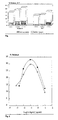
- Cells were incubated with the serum (1:10), Dex (10 -6 M) and [ 3 H]-5HT. After washing and preincubation the cells were challenged with a range of concentrations of purified bee venom phospholipase A 2 (PLA 2 ). The percentage release of [ 3 H]-5HT ( ⁇ ) and ⁇ -hexosaminidase ( ⁇ ) were determined; data were corrected for background and normalized with respect to values obtained for triggering with hIgE-DNP (1 ⁇ g/mL) and NIP-HSA (100 ng/mL).
- Transfected RBL-2H3 clones were incubated for 24 hours with or without serum (1:10 dilution) from a bee venom sensitive individual (EC) in the presence of 10 -6 M dexamethazone and [ 3 H]-5-hydroxytryptamine. After washing, cells were challenged with antigen in the presence of 100 ⁇ M 5' (N-ethylcarboxyamido)-adenosine (NECA).
- NECA N-ethylcarboxyamido-adenosine
- [ 3 H]-5-Hydroxytryptamine was measured after a 15 minutes incubation period, release was corrected for background and expressed relative to the total [ 3 H]-5-hydroxytryptamine incorporated.
- Clones were plated at 5 x 10 4 cells/well and incubated with Dex (10 -6 M) for 24 hours at 37 degrees C.
- Parental cell-lines RBL-2H3 intermediate secretors (I) and high secretors (H)
- I intermediate secretors
- H high secretors
- Cells were incubated with a range of concentrations of [ 125 I] labelled rat or hIgE in the presence and absence of a 50-100-fold excess of unlabelled ligand (for experimental details see Wilson , A. P. M., Pullar , C. E., Camp , A. M., and Helm , B.
- the ImmunoTech histamine enzyme immunoassay was used to quantify histamine release, and hydrolysis of toluene sulphonyl methyl ester was employed to monitor protease release (please see Wilson , A. P. M., Pullar , C. E., Camp, A. M., and Helm , B. A., Human IgE Mediates Stimulus Secretion Coupling in Rat Basophilic Leukemia Cells Transfected with the Alpha Chain of the Human High-Affinity Receptor, European Journal of Immunology, 23:240-244, 1993, or alternatively, please see other references cited on Page 2 of this application).
- a method and corresponding assay system for determining the allergenic status of a given individual is provided.
- the cells were washed (2 x 1ml) with buffer A (120mM NaC1, 5mM KC1, 25mM PIPES, 1mM CaCl 2 , 0.04mM MgCl 2 , 5.6mM glucose, 0.1% BSA, pH7.4) and pre-incubated for a period of 10 minutes at 37 degrees C with buffer A (0.5ml) which was removed before challenge with buffer A (0.4ml) supplemented with the antigen in an amount of nanogram, microgram or milligram concentrations depending on the efficacy of the antigen source.
- buffer A 120mM NaC1, 5mM KC1, 25mM PIPES, 1mM CaCl 2 , 0.04mM MgCl 2 , 5.6mM glucose, 0.1% BSA, pH7.
- the ability of high-secretor variant clones to support mediator release through receptor-bound human IgE was determined either by pre-loading the cells with [ 3 H]-5HT or by measuring the release of endogenous ⁇ -hexosaminidase. Briefly cells were plated out and incubated for 24 hours at 37 degrees C, with [ 3 H]-5HT (if appropriate), Dex, o-dinitrophenol-(DNP-) specific rat IgE or 4p-hydroxy-3-nitrophenacetyl caproic acid-(NIP-) specific hIgE.
- the cells were washed with buffer A, pre-incubated for 10 minutes at 37 degrees C with the same buffer and challenged, in fresh buffer, with either DNP-HSA (DNP conjugated to human serum albumin) 50 ng/ml or NIP-HSA 10 ng/ml in the presence of the adenosine analogue 5' (N-ethylcarboxyamido)-adenosine (NECA) 100 ⁇ M.
- DNP-HSA DNP conjugated to human serum albumin
- NIP-HSA 10 ng/ml in the presence of the adenosine analogue 5' (N-ethylcarboxyamido)-adenosine (NECA) 100 ⁇ M.
- transfection frequencies of 30 x 10 -6 and 1.5 x 10 -6 were obtained for RBL-2H3 intermediate secretors (I) and RBL-2H3 high secretors (H), respectively.
- I intermediate secretors
- H high secretors
- Table 1 shows the relative number of receptors, following induction with Dex, demonstrating rat IgE and human IgE binding; rat IgE binds to the humanized receptor but with a 10-fold lower affinity than the natural ligand.
- a feature of this application is the ability of the transfected cell-line to support mediator release in response to cross-linking receptor-associated hIgE.
- Significant release required the presence of NECA (100 ⁇ M), at the cross-linking stage, in order to counteract the effect of Dex.
- This steroid decreases antigen-induced cell secretion but increases the responsiveness to NECA.
- Dex down-regulates the expression of the G protein G ⁇ z that may play a role in coupling the FceR1 complex to effector systems involved in mast cell exocytosis.
- Figure 1 shows the release of 5HT from transfected cell-lines following priming with either rat or human IgE and clearly demonstrates the effect of NECA. Simulation through hFceR1 ⁇ gave consistently higher release than when degranulation was effected through the native rodent receptor complex.
- Figure 2 shows a comparison between the release of ⁇ -hexosaminidase and preloaded [ 3 H]-5HT from H 2/2/C following hIgE-mediated, antigen-induced degranulation.
- the two assay systems compare reasonably well, although the former consistently yields lower values (7-10%) than [ 3 H]-5HT measurements.
- FIG. 3 An example of the use of the transfected cell-line for the measurement of antigen-specific IgE is shown in Figure 3, clone H 2/2/C was incubated with serum from a bee-venom-sensitive individual (EC) and challenged with bee venom PLA 2 .
- a method and corresponding assay system for detecting the potential irritancy or allergenicity of chemicals is provided.
- the cells were washed (2 x 1ml) with buffer A and pre-incubated for a period of 10 minutes at 37 degrees C with buffer A (0.5ml) which was removed before challenge with buffer A (0.4ml) supplemented with the irritant or antigen.
- the amount of irritant or antigen was in the range of nanograms, micrograms or milligrams depending on the efficacy of the irritant source.
- mediator release could be demonstrated following challenge with purified bee venom phospholipase A 2 (mellitin free).
- a typical bell-shaped dose response pattern was observed when the sensitized cells were challenged with increasing doses of antigen.
- buffer A 120mM NaC1, 5mM KC1, 25mM PIPES, 1mM CaCl 2 , 0.04mM MgC1 2 , 5.6mM glucose, 0.1% BSA, pH7.4
- buffer A 120mM NaC1, 5mM KC1, 25mM PIPES, 1mM CaCl 2 , 0.04mM MgC1 2 , 5.6mM glucose, 0.1% BSA, pH7.4
- buffer A 0.5ml
- buffer A 0.4ml
- a pre-selected antigen in an amount as afore described
- Activated mast cells and basophils also secrete at least three proteases, the physiological function of which is unknown. These enzymes are serine endoproteases with a trypsin-like specificity.
- proteases released from the activated RBL cell-line can induce mediator secretion from cells of their kind.
- This secondary burst of the release of inflammatory mediators can be attenuated by the inclusion of protease inhibitors or substrates for serine proteases like the synthetic substrate p-toluenesulphonyl-L-arginine methyl ester (TAME) or the human IgE-derived pentapeptide (HEPP) in the medium bathing the cells.
- TAME synthetic substrate p-toluenesulphonyl-L-arginine methyl ester
- HEPP human IgE-derived pentapeptide
- the therapeutic composition identified using the above method may be manufactured in any saleable form such as a pill, capsule, lozenge, tablets, medicine, infusion, ointment, nasal spray, inhalant or any other known means of manufacturing a medicament.
Landscapes
- Health & Medical Sciences (AREA)
- Life Sciences & Earth Sciences (AREA)
- Engineering & Computer Science (AREA)
- Immunology (AREA)
- Chemical & Material Sciences (AREA)
- Molecular Biology (AREA)
- General Health & Medical Sciences (AREA)
- Urology & Nephrology (AREA)
- Medicinal Chemistry (AREA)
- Hematology (AREA)
- Biomedical Technology (AREA)
- Food Science & Technology (AREA)
- Pharmacology & Pharmacy (AREA)
- Public Health (AREA)
- Veterinary Medicine (AREA)
- Pathology (AREA)
- General Physics & Mathematics (AREA)
- Epidemiology (AREA)
- Biotechnology (AREA)
- Cell Biology (AREA)
- Proteomics, Peptides & Aminoacids (AREA)
- Microbiology (AREA)
- Animal Behavior & Ethology (AREA)
- Biochemistry (AREA)
- Analytical Chemistry (AREA)
- Physics & Mathematics (AREA)
- Gastroenterology & Hepatology (AREA)
- Bioinformatics & Cheminformatics (AREA)
- Tropical Medicine & Parasitology (AREA)
- Physiology (AREA)
- Measuring Or Testing Involving Enzymes Or Micro-Organisms (AREA)
- Medicines Containing Antibodies Or Antigens For Use As Internal Diagnostic Agents (AREA)
Abstract
Description
nb = non binder; N = number of determinations
- +
- 3-8% mediator release
- ++
- 8-15% mediator release
- +++
- 15-25% mediator release
- ++++
- 25-45% mediator release
- ND
- Not Determined
Claims (24)
- A method for determining the allergic status of an individual comprising:a. exposing a cell-line, which is a secretor variant of mast cell or basophil lineage and is transfected with a moiety capable of binding human IgE, to a sensitizing agent;b. challenging the cell-line with at least one allergen; andc. determining the release of mast cell or basophil mediators in response to said challenge.
- A method according to Claim 1 wherein said mast cell-line is an RBL-2H3 cell-line which is transfected with the α-chain at least of the human high-affinity receptor for IgE.
- A method according to Claim 1 wherein said sensitizing agent is human IgE.
- A method according to any preceding Claim wherein said cell-line is pre-incubated in a solution containing a radio active marker.
- A method according to Claim 4 wherein said marker is tritiated histamine.
- A method according to Claim 4 wherein said marker is 14C arachidonic acid.
- A method according to Claims 1-3 wherein spectrophotometric means is used to determine release of mediators.
- A method according to Claims 1-6 wherein said release of mediators is determined using an immunoassay technique.
- An assay kit for determining the allergic status of an individual comprising:a. a cell-line which is a secretor variant of a mast cell-line or a basophil cell-line and is transfected with a moiety capable of binding human IgE;b. a test allergen; andc. means necessary to determine the absence or presence of an immune response.
- An assay kit according to Claim 9 wherein the cell-line is an RBL-2H3 cell-line which is transfected with the alpha-chain at least of the human high-affinity receptor for IgE.
- An assay kit according to Claims 9 or 10 wherein there is further provided a pre-determined amount of radio active marker.
- An assay kit according to Claim 11 wherein said marker is tritiated histamine.
- An assay kit according to Claim 11 wherein said radio active marker is 14C arachidonic acid.
- An assay kit according to Claims 9 or 10 wherein there is provided a chromogen means for measuring release of mediators.
- An assay kit according to Claims 9-13 wherein there is provided immunoassay means for measuring release of mediators.
- A method for determining the potential irritancy or allergenicity of a pre-selected substance comprising:a. exposing a mast cell-line and/or basophil cell-line to said substance in the absence of a sensitizing agent; andb. then determining the release of mast cell and/or basophil cell mediators in response to said exposure.
- A method for determining the potential irritancy or allergenicity of a pre-select substance comprising:a. exposing a cell-line, which is a secretor variant of mast cell or basophil lineage and is transfected with a moiety capable of binding human IgE, to said substance in either the absence or presence of a sensitising agent; andb. then determining the release of mast cell and/or basophil cell mediators in response to said exposure.
- A method according to Claim 16 or 17 wherein said cell-line is a high-secretor variant.
- A method according to Claim 16, 17 or 18 wherein the cell-line is a secretor variant of RBL-2H3.
- A method according to Claims 16-19 wherein said cell-line is pre-incubated with a marker.
- A method according to Claim 20 wherein the marker is tritiated 5-hydroxytryptamine or histamine.
- A method according to Claim 20 wherein the marker is 14C arachidonic acid.
- A method according to Claims 16-19 wherein the method comprises exposing said cell-line to a chromogen which changes colour as a result of the presence of an immunogenic reaction.
- A method according to Claims 16-22 wherein the method comprises exposing said cell-line to an immunoassay means for measuring release of mediators.
Applications Claiming Priority (3)
| Application Number | Priority Date | Filing Date | Title |
|---|---|---|---|
| GB929224956A GB9224956D0 (en) | 1992-11-28 | 1992-11-28 | Improvements relating to allergen testing & apparatus |
| GB9224956 | 1992-11-28 | ||
| PCT/GB1993/002430 WO1994012876A1 (en) | 1992-11-28 | 1993-11-25 | Allergen/inflammatory testing and diagnosis |
Publications (2)
| Publication Number | Publication Date |
|---|---|
| EP0671004A1 EP0671004A1 (en) | 1995-09-13 |
| EP0671004B1 true EP0671004B1 (en) | 1998-07-08 |
Family
ID=10725827
Family Applications (1)
| Application Number | Title | Priority Date | Filing Date |
|---|---|---|---|
| EP94900259A Expired - Lifetime EP0671004B1 (en) | 1992-11-28 | 1993-11-25 | Allergen/inflammatory testing and diagnosis |
Country Status (7)
| Country | Link |
|---|---|
| US (1) | US6946260B2 (en) |
| EP (1) | EP0671004B1 (en) |
| AT (1) | ATE168197T1 (en) |
| AU (1) | AU5532694A (en) |
| DE (1) | DE69319613T2 (en) |
| GB (1) | GB9224956D0 (en) |
| WO (1) | WO1994012876A1 (en) |
Families Citing this family (6)
| Publication number | Priority date | Publication date | Assignee | Title |
|---|---|---|---|---|
| EP0733207B1 (en) * | 1993-12-10 | 1997-08-27 | Genentech, Inc. | Methods for diagnosis of allergy and screening of anti-allergy therapeutics |
| EP1861705B1 (en) * | 2005-03-16 | 2011-04-13 | N.V. Nutricia | Method for determining an allergic response |
| US20110097748A1 (en) * | 2009-10-28 | 2011-04-28 | Warsaw Orthopedic, Inc. | Use of cell lines to determine levels of efficacy of pharmaceutical formulations |
| KR20180009443A (en) * | 2016-07-18 | 2018-01-29 | (주)프로테옴텍 | Biochip for diagnosing medicinal herbs allergy |
| WO2024003825A1 (en) * | 2022-06-29 | 2024-01-04 | Kashiv Biosciences, Llc | An improved assay method of antibody |
| CN116298227A (en) * | 2023-03-23 | 2023-06-23 | 健帆生物科技集团股份有限公司 | A method for detecting allergenicity of adsorbent resin |
Family Cites Families (9)
| Publication number | Priority date | Publication date | Assignee | Title |
|---|---|---|---|---|
| US3900558A (en) * | 1971-06-23 | 1975-08-19 | Richardson Merrell Inc | Method of measuring histamine release from mast cells |
| US4559310A (en) * | 1983-05-20 | 1985-12-17 | Dana Farber Cancer Institute | Assay methods and systems utilizing mast cell clones |
| JPS59216821A (en) * | 1983-05-23 | 1984-12-06 | Eisai Co Ltd | Remedy and preventive for respiratory tract obstruction |
| FR2574429B1 (en) * | 1984-12-06 | 1987-12-11 | Roussel Uclaf | ACYLGLYCANNES EXTRACTED FROM KLEBSIELLA, PROCESS FOR OBTAINING THEM, THEIR APPLICATION AS MEDICAMENTS AND THE COMPOSITIONS CONTAINING THEM |
| GB8616166D0 (en) * | 1986-07-02 | 1986-08-06 | Research Corp Ltd | Polypeptide competitor |
| US4863874A (en) * | 1986-07-11 | 1989-09-05 | The United States Of America As Represented By The Secretary Of The Army | Method for detecting phosphatidylinositol through binding to Concanavalin A |
| ES2003318A4 (en) * | 1986-10-22 | 1988-11-01 | Monsanto Co | LIVE METHOD FOR DETECTING ALLERGIC REACTIONS TO LOW MOLECULAR WEIGHT CHEMICALS. |
| JP2517293B2 (en) * | 1987-06-25 | 1996-07-24 | メクト株式会社 | Cell and tissue repair agent |
| US5326752A (en) * | 1991-11-27 | 1994-07-05 | Glycomed Incorporated | Substituted lactose and lactosamine derivatives as cell adhesion inhibitors |
-
1992
- 1992-11-28 GB GB929224956A patent/GB9224956D0/en active Pending
-
1993
- 1993-11-25 EP EP94900259A patent/EP0671004B1/en not_active Expired - Lifetime
- 1993-11-25 AT AT94900259T patent/ATE168197T1/en not_active IP Right Cessation
- 1993-11-25 DE DE69319613T patent/DE69319613T2/en not_active Expired - Fee Related
- 1993-11-25 WO PCT/GB1993/002430 patent/WO1994012876A1/en not_active Ceased
- 1993-11-25 AU AU55326/94A patent/AU5532694A/en not_active Abandoned
-
1998
- 1998-08-12 US US09/133,766 patent/US6946260B2/en not_active Expired - Lifetime
Also Published As
| Publication number | Publication date |
|---|---|
| GB9224956D0 (en) | 1993-01-20 |
| ATE168197T1 (en) | 1998-07-15 |
| DE69319613D1 (en) | 1998-08-13 |
| AU5532694A (en) | 1994-06-22 |
| US6946260B2 (en) | 2005-09-20 |
| EP0671004A1 (en) | 1995-09-13 |
| US20020187520A1 (en) | 2002-12-12 |
| WO1994012876A1 (en) | 1994-06-09 |
| DE69319613T2 (en) | 1999-03-04 |
Similar Documents
| Publication | Publication Date | Title |
|---|---|---|
| Creticos et al. | Nasal challenge with ragweed pollen in hay fever patients. Effect of immunotherapy. | |
| Mehlich et al. | The basophil activation test differentiates between patients with alpha-gal syndrome and asymptomatic alpha-gal sensitization | |
| Bousquet et al. | Antiallergic activity of H1-receptor antagonists assessed by nasal challenge | |
| Sobotka et al. | Allergy to insect stings: II. Phospholipase A: The major allergen in honeybee venom | |
| Malo et al. | Natural history of occupational asthma: relevance of type of agent and other factors in the rate of development of symptoms in affected subjects | |
| Eiwegger et al. | Gastro‐duodenal digestion products of the major peanut allergen Ara h 1 retain an allergenic potential | |
| Adkinson Jr et al. | Cross-allergenicity and immunogenicity of aztreonam | |
| Capron et al. | Platelets as effectors in immune and hypersensitivity reactions | |
| Karol et al. | Immunotoxicologic evaluation of the respiratory system: animal models for immediate-and delayed-onset pulmonary hypersensitivity | |
| Peng et al. | Quantitative IgE-and IgG-subclass responses during and after long-term ragweed immunotherapy | |
| Ballow et al. | Complement proteins and C3 anaphylatoxin in the tears of patients with conjunctivitis | |
| Brunet et al. | Allergic rhinitis to ragweed pollen: I. Reassessment of the effects of immunotherapy on cellular and humoral responses | |
| Kowalski et al. | Diagnosis of pyrazolone drug sensitivity: clinical history versus skin testing and in vitro testing | |
| Reshef et al. | The pattern and kinetics in human skin of erythema and mediators during the acute and late-phase response (LPR) | |
| Purohit et al. | Poor association between allergen‐specific serum immunoglobulin E levels, skin sensitivity and basophil degranulation: a study with recombinant birch pollen allergen Bet v 1 and an immunoglobulin E detection system measuring immunoglobulin E capable of binding to FcɛRI | |
| US6946260B2 (en) | Allergen/inflammatory testing and diagnosis | |
| Stokes Peebles Jr et al. | Antigen‐specific IgE and IgA antibodies in bronchoalveolar lavage fluid are associated with stronger antigen‐induced late phase reactions | |
| De Graaf‐in't Veld et al. | Effect of intranasal fluticasone proprionate on the immediate and late allergic reaction and nasal hyperreactivity in patients with a house dust mite allergy | |
| Ballow et al. | IgG specific antibodies to rye grass and ragweed pollen antigens in the tear secretions of patients with vernal conjunctivitis | |
| Makkonen et al. | Serum IgG and IgE antibodies against mold-derived antigens in patients with symptoms of hypersensitivity | |
| Schwarzenbach et al. | Skin reactivity, basophil degranulation and IgE levels in ageing | |
| Khan et al. | Bee venom anti-idiotypic antibody is associated with protection in beekeepers and bee sting-sensitive patients receiving immunotherapy against allergic reactions | |
| Reynolds et al. | Airway neural responses to kinins: tachyphylaxis and role of receptor subtypes | |
| US20070231842A1 (en) | Detection of autoantibodies to cytokeratin 18 protein in patients with bronchial asthma and chronic rhinitis | |
| Potter et al. | IgE specific immune responses to an African grass (Kikuyu, Pennisetum clandestinum) |
Legal Events
| Date | Code | Title | Description |
|---|---|---|---|
| PUAI | Public reference made under article 153(3) epc to a published international application that has entered the european phase |
Free format text: ORIGINAL CODE: 0009012 |
|
| 17P | Request for examination filed |
Effective date: 19950627 |
|
| AK | Designated contracting states |
Kind code of ref document: A1 Designated state(s): AT BE CH DE DK ES FR GB GR IE IT LI LU MC NL PT SE |
|
| 17Q | First examination report despatched |
Effective date: 19960417 |
|
| GRAG | Despatch of communication of intention to grant |
Free format text: ORIGINAL CODE: EPIDOS AGRA |
|
| GRAG | Despatch of communication of intention to grant |
Free format text: ORIGINAL CODE: EPIDOS AGRA |
|
| GRAH | Despatch of communication of intention to grant a patent |
Free format text: ORIGINAL CODE: EPIDOS IGRA |
|
| GRAH | Despatch of communication of intention to grant a patent |
Free format text: ORIGINAL CODE: EPIDOS IGRA |
|
| GRAA | (expected) grant |
Free format text: ORIGINAL CODE: 0009210 |
|
| AK | Designated contracting states |
Kind code of ref document: B1 Designated state(s): AT BE CH DE DK ES FR GB GR IE IT LI LU MC NL PT SE |
|
| PG25 | Lapsed in a contracting state [announced via postgrant information from national office to epo] |
Ref country code: IT Free format text: LAPSE BECAUSE OF FAILURE TO SUBMIT A TRANSLATION OF THE DESCRIPTION OR TO PAY THE FEE WITHIN THE PRE;WARNING: LAPSES OF ITALIAN PATENTS WITH EFFECTIVE DATE BEFORE 2007 MAY HAVE OCCURRED AT ANY TIME BEFORE 2007. THE CORRECT EFFECTIVE DATE MAY BE DIFFERENT FROM THE ONE RECORDED.SCRIBED TIME-LIMIT Effective date: 19980708 Ref country code: GR Free format text: LAPSE BECAUSE OF NON-PAYMENT OF DUE FEES Effective date: 19980708 Ref country code: ES Free format text: THE PATENT HAS BEEN ANNULLED BY A DECISION OF A NATIONAL AUTHORITY Effective date: 19980708 |
|
| REF | Corresponds to: |
Ref document number: 168197 Country of ref document: AT Date of ref document: 19980715 Kind code of ref document: T |
|
| REG | Reference to a national code |
Ref country code: CH Ref legal event code: NV Representative=s name: BRAUN & PARTNER PATENT-, MARKEN-, RECHTSANWAELTE Ref country code: CH Ref legal event code: EP |
|
| REF | Corresponds to: |
Ref document number: 69319613 Country of ref document: DE Date of ref document: 19980813 |
|
| REG | Reference to a national code |
Ref country code: IE Ref legal event code: FG4D |
|
| PG25 | Lapsed in a contracting state [announced via postgrant information from national office to epo] |
Ref country code: PT Free format text: LAPSE BECAUSE OF FAILURE TO SUBMIT A TRANSLATION OF THE DESCRIPTION OR TO PAY THE FEE WITHIN THE PRESCRIBED TIME-LIMIT Effective date: 19981008 Ref country code: DK Free format text: LAPSE BECAUSE OF FAILURE TO SUBMIT A TRANSLATION OF THE DESCRIPTION OR TO PAY THE FEE WITHIN THE PRESCRIBED TIME-LIMIT Effective date: 19981008 |
|
| PG25 | Lapsed in a contracting state [announced via postgrant information from national office to epo] |
Ref country code: LU Free format text: LAPSE BECAUSE OF NON-PAYMENT OF DUE FEES Effective date: 19981125 |
|
| ET | Fr: translation filed | ||
| PG25 | Lapsed in a contracting state [announced via postgrant information from national office to epo] |
Ref country code: MC Free format text: THE PATENT HAS BEEN ANNULLED BY A DECISION OF A NATIONAL AUTHORITY Effective date: 19981216 |
|
| PLBE | No opposition filed within time limit |
Free format text: ORIGINAL CODE: 0009261 |
|
| STAA | Information on the status of an ep patent application or granted ep patent |
Free format text: STATUS: NO OPPOSITION FILED WITHIN TIME LIMIT |
|
| 26N | No opposition filed | ||
| REG | Reference to a national code |
Ref country code: GB Ref legal event code: IF02 |
|
| PGFP | Annual fee paid to national office [announced via postgrant information from national office to epo] |
Ref country code: AT Payment date: 20061102 Year of fee payment: 14 |
|
| PGFP | Annual fee paid to national office [announced via postgrant information from national office to epo] |
Ref country code: FR Payment date: 20061117 Year of fee payment: 14 |
|
| PGFP | Annual fee paid to national office [announced via postgrant information from national office to epo] |
Ref country code: NL Payment date: 20061121 Year of fee payment: 14 |
|
| PGFP | Annual fee paid to national office [announced via postgrant information from national office to epo] |
Ref country code: GB Payment date: 20061122 Year of fee payment: 14 |
|
| PGFP | Annual fee paid to national office [announced via postgrant information from national office to epo] |
Ref country code: SE Payment date: 20061124 Year of fee payment: 14 Ref country code: IE Payment date: 20061124 Year of fee payment: 14 Ref country code: CH Payment date: 20061124 Year of fee payment: 14 |
|
| PGFP | Annual fee paid to national office [announced via postgrant information from national office to epo] |
Ref country code: BE Payment date: 20061220 Year of fee payment: 14 |
|
| PGFP | Annual fee paid to national office [announced via postgrant information from national office to epo] |
Ref country code: DE Payment date: 20070102 Year of fee payment: 14 |
|
| BERE | Be: lapsed |
Owner name: EURO/DPC LTD Effective date: 20071130 |
|
| EUG | Se: european patent has lapsed | ||
| GBPC | Gb: european patent ceased through non-payment of renewal fee |
Effective date: 20071125 |
|
| PG25 | Lapsed in a contracting state [announced via postgrant information from national office to epo] |
Ref country code: LI Free format text: LAPSE BECAUSE OF NON-PAYMENT OF DUE FEES Effective date: 20071130 Ref country code: CH Free format text: LAPSE BECAUSE OF NON-PAYMENT OF DUE FEES Effective date: 20071130 |
|
| REG | Reference to a national code |
Ref country code: CH Ref legal event code: PL |
|
| NLV4 | Nl: lapsed or anulled due to non-payment of the annual fee |
Effective date: 20080601 |
|
| REG | Reference to a national code |
Ref country code: IE Ref legal event code: MM4A |
|
| PG25 | Lapsed in a contracting state [announced via postgrant information from national office to epo] |
Ref country code: AT Free format text: LAPSE BECAUSE OF NON-PAYMENT OF DUE FEES Effective date: 20071125 |
|
| PG25 | Lapsed in a contracting state [announced via postgrant information from national office to epo] |
Ref country code: BE Free format text: LAPSE BECAUSE OF NON-PAYMENT OF DUE FEES Effective date: 20071130 |
|
| PG25 | Lapsed in a contracting state [announced via postgrant information from national office to epo] |
Ref country code: SE Free format text: LAPSE BECAUSE OF NON-PAYMENT OF DUE FEES Effective date: 20071126 Ref country code: NL Free format text: LAPSE BECAUSE OF NON-PAYMENT OF DUE FEES Effective date: 20080601 Ref country code: IE Free format text: LAPSE BECAUSE OF NON-PAYMENT OF DUE FEES Effective date: 20071126 Ref country code: DE Free format text: LAPSE BECAUSE OF NON-PAYMENT OF DUE FEES Effective date: 20080603 |
|
| REG | Reference to a national code |
Ref country code: FR Ref legal event code: ST Effective date: 20080930 |
|
| PG25 | Lapsed in a contracting state [announced via postgrant information from national office to epo] |
Ref country code: GB Free format text: LAPSE BECAUSE OF NON-PAYMENT OF DUE FEES Effective date: 20071125 |
|
| PG25 | Lapsed in a contracting state [announced via postgrant information from national office to epo] |
Ref country code: FR Free format text: LAPSE BECAUSE OF NON-PAYMENT OF DUE FEES Effective date: 20071130 |