EP0659761B1 - New 17-iminomethylalkenyl-5beta-14beta-androstane and 17-iminoalkyl-5beta-14beta-androstane derivatives active on the cardiovascular system, processes for their preparation and pharmaceutical compositions containing same - Google Patents
New 17-iminomethylalkenyl-5beta-14beta-androstane and 17-iminoalkyl-5beta-14beta-androstane derivatives active on the cardiovascular system, processes for their preparation and pharmaceutical compositions containing same Download PDFInfo
- Publication number
- EP0659761B1 EP0659761B1 EP94120242A EP94120242A EP0659761B1 EP 0659761 B1 EP0659761 B1 EP 0659761B1 EP 94120242 A EP94120242 A EP 94120242A EP 94120242 A EP94120242 A EP 94120242A EP 0659761 B1 EP0659761 B1 EP 0659761B1
- Authority
- EP
- European Patent Office
- Prior art keywords
- androstane
- diol
- propenyl
- pentadienyl
- ethyl
- Prior art date
- Legal status (The legal status is an assumption and is not a legal conclusion. Google has not performed a legal analysis and makes no representation as to the accuracy of the status listed.)
- Expired - Lifetime
Links
- 0 CC[C@@](CCCC1)(C2CC[C@@]34C)[C@]1(*)CCC2C3(C)C=C[C@]4(*CCN)N* Chemical compound CC[C@@](CCCC1)(C2CC[C@@]34C)[C@]1(*)CCC2C3(C)C=C[C@]4(*CCN)N* 0.000 description 2
Classifications
-
- C—CHEMISTRY; METALLURGY
- C07—ORGANIC CHEMISTRY
- C07J—STEROIDS
- C07J41/00—Normal steroids containing one or more nitrogen atoms not belonging to a hetero ring
- C07J41/0033—Normal steroids containing one or more nitrogen atoms not belonging to a hetero ring not covered by C07J41/0005
- C07J41/005—Normal steroids containing one or more nitrogen atoms not belonging to a hetero ring not covered by C07J41/0005 the 17-beta position being substituted by an uninterrupted chain of only two carbon atoms, e.g. pregnane derivatives
-
- A—HUMAN NECESSITIES
- A61—MEDICAL OR VETERINARY SCIENCE; HYGIENE
- A61P—SPECIFIC THERAPEUTIC ACTIVITY OF CHEMICAL COMPOUNDS OR MEDICINAL PREPARATIONS
- A61P9/00—Drugs for disorders of the cardiovascular system
-
- A—HUMAN NECESSITIES
- A61—MEDICAL OR VETERINARY SCIENCE; HYGIENE
- A61P—SPECIFIC THERAPEUTIC ACTIVITY OF CHEMICAL COMPOUNDS OR MEDICINAL PREPARATIONS
- A61P9/00—Drugs for disorders of the cardiovascular system
- A61P9/12—Antihypertensives
-
- C—CHEMISTRY; METALLURGY
- C07—ORGANIC CHEMISTRY
- C07J—STEROIDS
- C07J43/00—Normal steroids having a nitrogen-containing hetero ring spiro-condensed or not condensed with the cyclopenta(a)hydrophenanthrene skeleton
- C07J43/003—Normal steroids having a nitrogen-containing hetero ring spiro-condensed or not condensed with the cyclopenta(a)hydrophenanthrene skeleton not condensed
-
- C—CHEMISTRY; METALLURGY
- C07—ORGANIC CHEMISTRY
- C07K—PEPTIDES
- C07K2319/00—Fusion polypeptide
Definitions
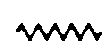
- the compounds of the present invention have general formula ( I ): wherein: the symbol means ⁇ or ⁇ configuration or a Z or E configuration;
- pharmaceutical acceptable salts are included in the scope of the invention.
- Pharmaceutical acceptable salts are salts which retain the biological activity of the base and are derived from such known pharmacologically acceptable acids such as, e. g., hydrochloric, hydrobromic, sulfuric, phosphoric, fumaric, succinic, oxalic, malic, tartaric, maleic, citric, methanesulfonic or benzoic acid and others commonly used in the art.
- the compounds of the invention also include solvates (e.g. hydrates).
- N-oxides where the nitrogen atom is not substituted with a hydrogen atom, are also encompassed by the invention.
- the alkyl groups are branched or straight chain groups or cyclic groups.
- the C2-C4 alkyl is preferably ethyl, n -propyl, iso-propyl, n -butyl or tert -butyl.
- the C1-C4 alkyl is preferably methyl, ethyl, n -propyl, iso-propyl, n -butyl, tert -butyl.
- the C2-C4 acyl is preferably acetyl, propionyl, n -butyryl or iso butyryl.
- the R 1 group is preferably hydrogen, 2-aminoethyl, 3-aminopropyl, 2-dimethylaminoethyl, 3-dimethylaminopropyl, 2-diethylaminoethyl, 3-diethylaminopropyl, 2-(1-pyrrolidinyl)ethyl, 3-(1-pyrrolidinyl)propyl.
- the NR 6 R 7 group is preferably amino, methylamino, dimethylamino, diethylamino, iso -propylamino, pyrrolidinyl, piperidyl, morfolino, piperazin-1-yl, 4-methylpiperazin-1-yl, 4-(2-hydroxyethyl)piperazin-1-yl, 4-(2-dimethylaminoethyl)piperazin-1-yl, 2-dimethylaminoethylamino 2-diethylaminoethylamino, (2-dimethylaminoethyl)methylamino, (2-diethylaminoethyl)methylamino 3-dimethylaminopropylamino, (3-dimethylaminopropyl)methylamino, 2-(1-pyrrolidinyl)ethylamino, 3-(1-pyrrolidinyl)propylamino, (2-(1-pyrrolidinyl
- the R 8 group is preferably hydrogen, methyl, 2-aminoethyl, 3-aminopropyl, 2-dimethylaminoethyl, 3-dimethylaminopropyl, 2-diethylaminoethyl, 3-diethylaminopropyl, 2-(1-pyrrolidinyl)ethyl, 3-(1-pyrrolidinyl)propyl, 2-guanidinoethyl, 3-guanidinopropyl.
- the R 9 group is preferably hydrogen, methyl, 2-aminoethyl, 3-aminopropyl, 2-dimethylaminoethyl 3-dimethylaminopropyl, 2-(1-pyrrolidinyl)ethyl, 3-(1-pyrrolidinyl)propyl, acetyl, phenyl.
- R 6 and R 9 groups taken together with the heteroatom they are linked to are preferably 2-imidazolin-2-yl, 1-methyl-2-imidazolin-2-yl, 5-oxo-2-imidazolin-2-yl, 1-methyl-5-oxo-2-imidazolin-2-yl, 2-imidazolyl, 2-(1-methyl)imidazolyl 1,4,5,6-tetrahydro-2-pyrimidinyl, 1-methyl-1,4,5,6-tetrahydro-2-pyrimidinyl, 1,4,5,6-tetrahydro-6-oxo-2-pyrimidinyl or 1-methyl-1,4,5,6-tetrahydro-6-oxo-2-pyrimidinyl.
- Compounds ( III ) and ( IV ) can be used as the free base or in the form of a salt with an acid such as, e.g., hydrochloric, carbonic, oxalic, hydriodic or sulfuric acid.
- the reaction can be carried out in a solvent, such as ethanol, methanol, acetonitrile, dioxane, tetrahydrofuran, water or a mixture of said solvents, at a temperature between 0 °C and the boiling point of the solvents mentioned above or of their mixtures.
- a solvent such as ethanol, methanol, acetonitrile, dioxane, tetrahydrofuran, water or a mixture of said solvents.
- additional salts such as, e.g., NaH 2 PO 4 , Na 2 HPO 4 , NaOAc
- acids such as, e.g., hydrochloric, hydrobromic, sulfuric, acetic, phosphoric acid
- bases such as, e.g., sodium or potassium hydroxide
- R 1 and/or R 2 are protected, if necessary, by known methods, to give after removal by known methods of protective groups, if any, compounds of general formula ( I ) which can be converted into other compounds of general formula ( I ) by known methods.
- the unknown 3 ⁇ -hydroxy compounds are prepared from the corresponding known 3-keto compounds by reduction with sodium borohydride, lithium aluminumhydride or lithium aluminum-tri- tert -butoxyhydride.
- the corresponding unknown 3-keto compounds are obtained from the 3 ⁇ -hydroxy derivative by oxidation with known methods such as Jones reagent, chromic anhydride in pyridine or tetrapropylammonium perruthenate and N-methylmorpholine N-oxide.
- reaction is best carried out in an inert aprotic solvent, such as tetrahydrofuran, dioxane, dimethylformamide, dimethyl-sulfoxyde or in neat R 10 W and in the presence of a base, e.g. sodium or potassium hydride, at a temperature ranging from 0 °C to 110 °C.
- aprotic solvent such as tetrahydrofuran, dioxane, dimethylformamide, dimethyl-sulfoxyde or in neat R 10 W
- a base e.g. sodium or potassium hydride
- Compounds of general formula ( I ) prepared according to the invention and their pharmaceutically acceptable salts are useful agents for the treatment of cardiovascular disorders such as heart failure and hypertension.
- Systolic blood pressure (SBP) and heart rate (HR) were measured, by the tail cuff method, in young prehypertensive male rats (MHS or SHR) strains before the development of hypertension (4 weeks of age) for recording the basal values of SBP.
- MHS or SHR young prehypertensive male rats
- Groups of 7 rats were formed and subdivided in control and treated groups.
- the control group received only Methocel.
- the toxicity of the compounds of the invention is low, therefore they can be safely used in therapy.
- Nine hours food deprived mice were treated orally with single administration of increasing doses, then housed and normally fed.
- the orientative acute toxicity (LD 50 ) was assessed on the seventh day after the treatment.
- Compound Mice LD 50 (mg/Kg)
- the compounds of the invention can be administered in a variety of dosage forms, e.g. orally in the form of tablets, capsules, sugar or film coated tablets, liquid solutions or suspensions; rectally, in the form of suppositories; parenterally, e.g. intramuscularly, or by intravenous injection or infusion; in the form of a depot preparation administered by implantation (for example subcutaneously or intramuscularly) or by intramuscular injection.
- dosage forms e.g. orally in the form of tablets, capsules, sugar or film coated tablets, liquid solutions or suspensions; rectally, in the form of suppositories; parenterally, e.g. intramuscularly, or by intravenous injection or infusion; in the form of a depot preparation administered by implantation (for example subcutaneously or intramuscularly) or by intramuscular injection.
- the dosage depends on the age, weight, conditions of the patient and administration route; for example, the dosage adopted for adult humans (of approximately 70 kg body weight) is 0.1 to 100 mg per dose, from 1 to 3 times daily for oral administration and 0.01 to 50 mg per dose, from 1 to 3 times daily for parenteral administration.
- the oral route is employed, in general, for all conditions requiring such compounds. Preference is given to the parental route, e.g. intravenous injection or infusion, for the treatment of acute hypertension.
- dosage regimens may be adjusted to provide the optimal therapeutic response.
- compositions of the invention are usually prepared following conventional methods and are administered in a pharmaceutically suitable form.
- the solid oral forms may contain together with the active compound, diluents, e.g., lactose, dextrose, saccharose, cellulose, corn starch and potato starch, lubricants e.g. silica, talc, stearic acid, magnesium or calcium stearate, and/or polyethylene glycols; binding agents, e.g. starches, arabic gums, gelatin, methylcellulose, carboxymethyl cellulose, polyvinyl pyrrolidone, disaggregating agents, e.g.
- a starch alginic acid, alginates, sodium starch glycolate; effervescing mixtures, dyestuffs; sweeteners; wetting agents, for instance, lecithin, polysorbates, laurylsuphates; and, in general, non-toxic and pharmacologically inactive substances used in pharmaceutical formulations.
- Said pharmaceutical preparations may be manufactured in known manners, for example, by means of mixing, granulating, tabletting, sugar-coating or film-coating processes.
- liquid dispersions for oral administration may be e.g., syrups, emulsions, suspensions and solutions.
- the syrups may contain as carrier, for example, saccharose or saccharose with glycerine and/or mannitol and/or sorbitol; in particular, a syrup to be administered to diabetic patients can contain as carriers only products not metabolizable to glucose, or metabolizable in very small amounts to glucose, such as, sorbitol.
- carrier for example, saccharose or saccharose with glycerine and/or mannitol and/or sorbitol
- a syrup to be administered to diabetic patients can contain as carriers only products not metabolizable to glucose, or metabolizable in very small amounts to glucose, such as, sorbitol.
- the suspensions and the emulsions may contain as carrier, for example, a natural gum, agar, sodkum alginate, pectin, methylcellulose, carboxymethylcellulose, or polyvinyl alcohol.
- the solutions for oral administration may contain as carrier, for example, water, ethanol, propylene glycol, glycerine, saccharose and possibly, pharmaceutically acceptable salts.
- the solutions for intramuscular injections may contain together with the active compound a pharmaceutically acceptable carrier, e.g. sterile water, olive oil, ethyl oleate, glycols, e.g. propylene glycol, and if desired, a suitable amount of lidocaine hydrochloride.
- a pharmaceutically acceptable carrier e.g. sterile water, olive oil, ethyl oleate, glycols, e.g. propylene glycol, and if desired, a suitable amount of lidocaine hydrochloride.
- the solutions for intravenous injections or infusions may contain as carrier, for example, sterile water, ethanol, propylene glycol and possibly, pharmaceutically acceptable salts to prepare sterile aqueous isotonic saline solutions.
- carrier for example, sterile water, ethanol, propylene glycol and possibly, pharmaceutically acceptable salts to prepare sterile aqueous isotonic saline solutions.
- the suppositories may contain together with the active compound a pharmaceutically acceptable carrier, e.g. cocoa-butter, polyethylene glycol, a polyoxyethylene sorbitan fatty acid ester surfactant or lecithin.
- a pharmaceutically acceptable carrier e.g. cocoa-butter, polyethylene glycol, a polyoxyethylene sorbitan fatty acid ester surfactant or lecithin.
- the title compound (I-ba) (0.32 g) was obtained as a white solid, base, starting from (E,E)-5-(3 ⁇ ,14 ⁇ -dihydroxy-5 ⁇ -androstane- 17 ⁇ -yl)-2,4-pentadienal (Prepn. 1) (0.36 g) and 2-aminoethoxyamine dihydrochloride using the procedure described in Ex. 21 , but purifying the crude product by flash-chromatography (SiO 2 ) using chloroform/methanol/28% ammonium hydroxide 90/10/1 as the eluant.
- the title compound (I-bh) (0.33 g) was obtained as white solid, oxalate, starting from 3 ⁇ ,14 ⁇ -dihydroxy-5 ⁇ -androstane-17 ⁇ -ylacetaldehyde (Prepn. 2) (0.45 g) and 2-dimethylaminoethoxyamine dihydrochloride using the procedure described in Ex. 32 , after salification of the free base with the stoichiometric amount of oxalic acid.
- the title compound (I-bk) (0.28 g) was obtained as a white solid, starting from 3-(3 ⁇ ,14 ⁇ -dihydroxy-5 ⁇ -androstane-17 ⁇ -yl)-propionaldehyde (Prepn. 3) (0.35 g) and 1-methyl-2-hydrazinoimidazoline hydroiodide (prepared from 2-methylthio-1-methylimidazoline hydroiodide and hydrazine following the procedure described in Houben-Weil, Metoden der Organischen Chemie, Band VIII, page 183) using the procedure described in Ex. 29 .
- the title compound (I-bl) (0.45 g) was obtained as a white solid, starting from 3-(3 ⁇ ,14 ⁇ -dihydroxy-5 ⁇ -androstane-17 ⁇ -yl)propionaldehyde (Prepn. 3) (0.35 g) and 2-hydrazino-1,4,5,6-tetrahydro-2-pyrimidine hydroiodide (prepared from 2-methylthio-1,4,5,6-tetrahydro-2-pyrimidine hydroiodide and hydrazine following the procedure described in Houben-Weil, Metoden der Organischen Chemie, Band VIII, page 183) using the procedure described in Ex. 29 .
- the title compound (I-bn) (0.30 g) was obtained as white solid, oxalate, starting from of 3-(3 ⁇ ,14 ⁇ -dihydroxy-5 ⁇ -androstane-17 ⁇ -yl)propionaldehyde (Prepn. 3) (0.45 g) and 2-dimethylaminoethoxyamine dihydrochloride using the procedure described in Ex. 32 , after salification of the free base with the stoichiometric amount of oxalic acid.
- the title compound (I-bt) (0.20 g) was obtained as white solid, starting from 3 ⁇ ,14 ⁇ ,17 ⁇ -trihydrory-5 ⁇ -androstane-17 ⁇ -ylacetaldehyde (Prepn. 6) (0.35 g) and 2-dimethylaminoethoxyamine dihydrochloride using the procedure described in Ex. 32 , but carrying out the reaction for 20 hrs and using chloroform/methanol/28% ammonium hydroxide 90/10/1 as the eluant.
- the title compound (I-cm) (0.24 g) was obtained as a white solid, oxalate, starting from 3 ⁇ ,14 ⁇ -dihydroxy-5 ⁇ -androstane-17 ⁇ -ylacetaldehyde (Prepn. 15) (0.45 g) and 2-dimethylaminoethoxyamine dihydrochloride using the procedure described in Ex. 32 , after salification of the free base with the stoichiometric amount of oxalic acid.
- Tablets each weighing 110 mg and containing 10 mg of the active substance can be manufactured as follows:
- composition for 10.000 tablets: (E,E)-17 ⁇ -(3-Guanidinoimino-1-propenyl)-5 ⁇ -androstane-3 ⁇ ,14 ⁇ -diol
- the active ingredient is sieved through a suitable sieve and blended with lactose and corn starch. Suitable volumes of purified water are added and the powders are granulated. After drying, the granules are screened and blended with talc and magnesium stearate. The granules are then compressed in the tablets using 7 mm diameter punches. Tablets of other strengths may be prepared by altering the ratio of active ingredient to lactose or the compression weight and using punches to suit.
- Ampoules for intramuscular injections containing 1 mg of the active substance can be manufactured as follows:
- the active ingredient was dissolved in ethanol and propylene glycol and water were added in the sequence.
- the solution was sterilized by filtration through a suitable filter and filled into the ampoules.
- the title compound (II-o) (1.70 g) was obtained as a white foam starting from 2.50 g of 17 ⁇ -[2-(1,3-dioxolanyl)]methyl-5 ⁇ -androstane-3 ⁇ ,14 ⁇ -diol (prepared as described in Prepn. 8 starting from 3 ⁇ ,14 ⁇ -dihydroxy-5 ⁇ -androstane-17 ⁇ -ylacetaldehyde (II-b) ) using the same procedure described in Prepn. 14 .
Landscapes
- Health & Medical Sciences (AREA)
- Chemical & Material Sciences (AREA)
- Organic Chemistry (AREA)
- General Health & Medical Sciences (AREA)
- Chemical Kinetics & Catalysis (AREA)
- Nuclear Medicine, Radiotherapy & Molecular Imaging (AREA)
- Cardiology (AREA)
- Heart & Thoracic Surgery (AREA)
- Engineering & Computer Science (AREA)
- General Chemical & Material Sciences (AREA)
- Medicinal Chemistry (AREA)
- Bioinformatics & Cheminformatics (AREA)
- Pharmacology & Pharmacy (AREA)
- Life Sciences & Earth Sciences (AREA)
- Animal Behavior & Ethology (AREA)
- Public Health (AREA)
- Veterinary Medicine (AREA)
- Pharmaceuticals Containing Other Organic And Inorganic Compounds (AREA)
- Steroid Compounds (AREA)
Abstract
Description

- A
- represents (CH2)m or -(CH=CH)n-;
- m
- represents an integer number from 1 to 6;
- n
- represents an integer number from 1 to 3.
- R1
- represents hydrogen, C2-C4 alkyl unsubstituted or substituted
by NR4R5 wherein
R4, R5 which may be the same or different, represent hydrogen, C1-C4 alkyl or R4 and R5 may form, taken together with the nitrogen atom, a five- or six-membered heterocyclic ring optionally containing one or more further heteroatoms selected from oxygen and nitrogen; - R2
- represents hydrogen or hydroxy;
- R3
- represents NHC(=X)NR6R7 or OR8 wherein
- R6, R7 which may be the same or different, represent hydrogen, methyl or C2-C4 alkyl unsubstituted or substituted by NR4R5 wherein R4 and R5 have the previously defined meanings;
- R8 represents hydrogen; methyl; C2-C6 alkyl, unsubstituted or substituted by one or more NR4R5 or NHC(=NH)NH2, wherein R4 and R5 have the previously defined meanings;
- X represents O, S or N
- R9 represents hydrogen, methyl, C2-C4 alkyl, C2-C4 acyl or phenyl, where the C2-C4 alkyl, C2-C4 acyl are unsubstituted or substituted by NR4R5, wherein R4 and R5 have the previously defined meanings; and
- R6, R7, R9 taken two by two may form, together with the heteroatoms they are linked to, and where possible, a five- or six- or seven-membered heterocyclic ring and the pharmacologically acceptable salts thereof.


The validity of this procedure for detecting an hypotensive activity, had been previously tested for β blockers, which did not produce any hypotensive effect when acutely given to hypertensive rats (SHR), but were effective in preventing the development of hypertension when administered starting from weaning for more than 5 weeks. (Takeda K. et al., Japan J. Pharmacol., 1979, 29, 171; Takeda K. et al. Japan J. Pharmacol., 1982, 32, 283; Richer C. et al. Eur. J. Pharmacol, 1978, 47,393).
| Binding 3H-Ouab. | Inhibitory Activity | |
| Displacement -log IC50 | -log IC50 | |
| Comp.I-aa | 7.6 | 6.8 |
| Comp. I-ab | 6.5 | 5.5 |
| Comp. I-ac | 7.3 | 5.6 |
| Comp. I-ad | 6.2 | 5.2 |
| Comp. I-ae | 6.8 | 5.6 |
| Comp. I-af | 5.7 | 4.4 |
| Comp. I-ag | 7.4 | 5.8 |
| Comp. I-ah | 6.1 | 5.1 |
| Comp. I-ai- | 6.6 | 5.5 |
| Comp. I-aj | 6.0 | 5.0 |
| Comp. I-ak | 5.7 | 4.6 |
| Comp. I-al | 5.4 | 4.4 |
| Comp. I-am | 5.6 | 4.6 |
| Comp. I-an | 5.7 | 4.7 |
| Comp. I-ao | 7.8 | 7.7 |
| Comp. I-ap | 7.3 | 7.0 |
| Comp. I-aq | 7.6 | 7.5 |
| Comp. I-ar | 7.2 | 6.9 |
| Comp. I-as | 7.0 | 6.8 |
| Comp. I-at | 6.8 | 6.5 |
| Comp. I-au | 6.3 | 5.1 |
| Comp. I-av | 6.0 | 5.0 |
| Comp. I-aw | 5.8 | 4.8 |
| Comp. I-bc | 7.1 | 6.4 |
| Comp. I-bd | 6.9 | 6.2 |
| Comp. I-bf | 7.6 | 6.5 |
| Comp. I-bg | 7.3 | 6.4 |
| Comp. I-bh | 7.4 | 6.2 |
| Comp. I-bi | 6.9 | 5.7 |
| Comp. I-bj | 6.6 | 5.5 |
| Comp. I-bm | 7.6 | 7.1 |
| Comp. I-bn | 7.6 | 7.0 |
| Comp. I-bo | 6.3 | 5.0 |
| Comp. I-bp | 6.2 | 5.1 |
| Comp. I-bt | 6.1 | 5.0 |
| Comp. I-bx | 7.7 | 6.9 |
| Comp. I-by | 7.7 | 7.5 |
| Comp. I-bz | 7.6 | 7.0 |
| Comp. I-ca | 7.5 | 7.4 |
| Comp. I-cb | 7.7 | 7.0 |
| Comp. I-cc | 7.7 | 7.5 |
| Comp. I-cd | 7.8 | 7.1 |
| Comp. I-ce | 7.8 | 7.7 |
| Comp. I-cg | 7.5 | 7.0 |
| Comp. I-ci | 7.3 | 6.8 |
| Comp. I-cj | 7.3 | 6.5 |
| Comp. I-ck | 7.3 | 7.2 |
| Comp. I-cm | 7.0 | 6.0 |
| EFFECT OF 5 WEEK-TREATMENT IN SPONTANEOUS HYPERTENSIVE RATS (MHS) ON THE DEVELOPMENT OF HYPERTENSION | ||||
| Compound | RATS | DOSE mg/Kg/os | SBP mm Hg | HR beats/min. |
| Controls | 7 | Methocel | 172 +/- 3.5 | 380 +/- 9.0 |
| Comp. I-aa | 7 | 10 | 149 +/- 3.9 | 373 +/- 10.0 |
| Comp. I-bz | 7 | 10 | 151 +/- 4.8 | 381 +/- 4.3 |
| Compound | Mice | LD50 (mg/Kg) |
| Compound I-aa | 4 | > 1000 |
| Compound I-ac | 4 | > 1000 |
| Compound I-ae | 4 | > 1000 |
| Compound I-ag | 4 | > 1000 |
1H-NMR (300 MHz, CD3OD, ppm from TMS): 0.86 (3H, s); 0.97 (3H, s); 2.22-2.32 (1H, m); 4.05 (1H, s); 5.98 (1H, dd); 6.18 (1H, dd); 7.63 (1H, d).
1H-NMR (300 MHz, CD3OD, ppm from TMS): 0.87 (3H, s); 0.97 (3H, s); 2.25-2.35 (1H, m); 4.05 (1H, s); 6.30 (1H, dd); 6.65 (1H, dd); 7.15 (1H, d).
1H-NMR (300 MHz, CD3OD, ppm from TMS): 0.83 (3H, s); 0.98 (3H, s); 2.20-2.35 (1H, m); 3.50 (4H, s); 4.05 (1H, s); 5.97 (1H, dd); 6.20 (1H, dd); 7.65 (1H, d).
1H-NMR (300 MHz, CD3OD, ppm from TMS): 0.85 (3H, s); 0.98 (3H, s); 2.27-2.37 (1H, m); 3.51 (4H, s); 4.05 (1H, s); 6.28 (1H, dd); 6.59 (1H, dd); 6.95 (1H, d).
1H-NMR (300 MHz, CD3OD, ppm from TMS): 0.84 (3H, s); 0.99 (3H, s); 2.20-2.35 (1H, m); 3.00 (3H, s); 3.53 (4H, s); 4.05 (1H, s); 5.98 (1H, dd); 6.21 (1H, dd); 7.66 (1H, d).
1H-NMR (300 MHz, CD3OD, ppm from TMS): 0.84 (3H, s); 0.98 (3H, s); 2.30-2.40 (1H, m); 3.60 (1H, d); 3.82 (1H, d); 4.05 (1H, s); 5.95 (1H, dd); 6.18 (1H, dd); 7.12 (1H, d).
1H-NMR (300 MHz, CD3OD, ppm from TMS): 0.82 (3H, s); 0.98 (3H, s); 2.25-2.35 (1H, m); 3.14 (4H, m); 4.05 (1H, s); 5.95 (1H, dd); 6.18 (1H, dd); 7.59 (1H, d).
1H-NMR (300 MHz, CD3OD. ppm from TMS): 0.82 (3H, s); 0.98 (3H, s); 2.27-2.37 (1H, m); 3.16 (4H, m); 4.05 (1H, s); 6.30 (1H, dd); 6.58 (1H, dd); 7.00 (1H, d).
1H-NMR (300 MHz, CD3OD, ppm from TMS): 0.88 (3H, s); 0.99 (3H, s); 2.25-2.35 (1H, m); 2.38 (6H, s); 2.70 (2H, t); 3.50 (2H, t); 4.05 (1H, s); 6.03 (1H, dd); 6.20 (1H, dd): 7.57 (1H, d).
1H-NMR (300 MHz, CD3OD, ppm from TMS): 0.93 (3H, s); 1.00 (3H, s); 2.20-2.25 (1H, m); 4.05 (1H, s); 5.98 (1H, dd); 6.22 (1H, dd); 6.70 (1H, m); 7.15 (2H, m); 7.35 (2H, m); 7.86 (1H, d).
1H-NMR (300 MHz, CDCl3, ppm from TMS): 0.88 (3H, s); 0.95 (3H, s); 2.30-2.42 (1H, m); 4.13 (1H, s); 5.35 (2H, bb); 5.97 (1H, dd); 6.20 (1H, dd); 7.20 (1H, d); 7.80 (1H, s).
1H-NMR (300 MHz, CD3OD, ppm from TMS): 0.89 (3H, s); 0.98 (3H, s): 2.20-2.25 (1H m); 4.05 (1H, s); 5.97 (1H, dd); 6.17 (1H, dd); 7.75 (1H, d).
1H-NMR (300 MHz, CDCl3, ppm from TMS): 0.83 (3H, s); 0.87 (3H, s); 2.38-2.47 (1H, m); 4.15 (1H, s); 5.90 (1H, dd); 6.33 (1H, dd); 7.50 (1H, d).
1H-NMR (300 MHz, CD3OD, ppm from TMS): 0.84 (3H, s); 0.89 (3H, s); 2.35-2.45 (1H, m); 3.80 (3H, s); 4.13 (1H, s); 5.87 (1H, dd); 6.31 (1H, dd); 7.43 (1H, d).
1H-NMR (300 MHz, CD3OD, ppm from TMS): 0.85 (3H, s); 0.98 (3H, s); 2.23-2.34 (1H, m); 2.85 (2H, t); 4.00-4.20 (3H, m); 5.88 (1H, dd); 6.29 (1H, dd); 7.23 (1H, d).
1H-NMR (300 MHz, CD3OD, ppm from TMS): 0.86 (3H, s); 0.94 (3H, s); 2.25-2.35 (1H, m); 2.75 (2H, m); 4.05 (1H, s); 4.13 (2H, t); 5.89 (1H, dd); 6.30 (1H, dd); 7.73 (1H, d).
1H-NMR (300 MHz, CD3OD, ppm from TMS): 0.85 (3H, s); 0.95 (3H, s); 2.22-2.39 (1H, m); 2.32 (6H, s); 2.72 (2H, t); 4.05 (1H, s); 4.15 (2H, t); 5.88 (1H, dd); 6.22-6.35 (1H, m); 7.09 (0.1H, d); 7.71 (0.9H, d).
1H-NMR (300 MHz, CD3OD, ppm from TMS): 0.84 (3H, s); 0.92 (3H, s); 2.20-2.28 (1H, m); 2.30 (6H, s); 2.62 (2H, t); 4.05 (1H, s); 4.13 (2H, t); 5.89 (1H, dd); 6.15-6.30 (1H, m); 7.11 (0.1H, d); 7.70 (0.9H, d).
1H-NMR (300 MHz, CD3OD, ppm from TMS): 0.85 (3H, s); 0.96 (3H, s); 2.23 (1H, m); 3.40 (2H, t); 4.05 (1H, s); 4.33 (2H, t); 5.90 (1H, dd); 6.23-6.37 (1H, m); 7.21 (0.1H, d); 7.82 (0.9H, d).
1H-NMR (300 MHz, CD3OD, ppm from TMS): 0.85 (3H, s); 0.96 (3H, s); 2.23 (1H, m); 3.42 (2H, t); 4.05 (1H, s); 4.25 (2H, t); 5.91 (1H, dd); 6.20-6.40 (1H, m); 7.09 (0.1H, d); 7.84 (0.9H, d).
1H-NMR (300 MHz, DMSO-d6, ppm from TMS): 0.78 (3H, s); 0.88 (3H, s); 2.10-2.22 (1H, m); 3.85-3.97 (3H, m); 6.02 (1H, dd); 6.10-6.28 (2H, m); 6.75 (1H, dd); 7.43-7.72 (4H, bb); 7.80 (1H, d); 11.60 (1H, s).
1H-NMR (300 MHz, DMSO-d6, ppm from TMS): 0.78 (3H, s); 0.88 (3H, s); 2.12-2.25 (1H, m); 3.61 (4H, s); 3.86-3.96 (3H, m); 5.98 (1H, dd); 6.10-6.25 (2H, m); 6.76 (1H, dd); 7.81 (1H, d); 7.95-8.80 (2H, bb); 11.80 (1H, bb).
1H-NMR (300 MHz, DMSO-d6, ppm from TMS): 0.77 (3H, s); 0.89 (3H, s); 2.18-2.30 (1H, m); 3.60 (4H, s); 3.87-3.96 (3H, m); 6.00 (1H, dd); 6.12-6.28 (2H, m); 6.76 (1H, dd); 7.48-7.85 (2H, bb); 7.87 (1H, d); 11.80 (1H, bb).
1H-NMR (300 MHz, DMSO-d6, ppm from TMS): 0.80 (3H, s); 0.89 (3H, s); 2.10-2.25 (1H, m); 2.80 (6H, s); 3.15 (2H, m); 3.65 (2H, m); 3.88 (1H, m); 6.05 (1H, dd); 6.12-6.29 (2H, m); 6.76 (1H, dd); 7.68 (1H, d); 7.80-8.10 (3H, bb); 11.50 (1H, bb).
1H-NMR (300 MHz, CDCl3, ppm from TMS): 0.87 (3H, s); 0.94 (3H, s); 2.32-2.43 (1H, m); 4.13 (1H, s); 5.33 (2H, bb); 5.99 (1H, dd); 6.15-6.30 (2H, m); 6.70 (1H, dd); 7.18 (1H, d); 7,79 (1H, s).
1H-NMR (300 MHz, CDCl3, ppm from TMS): 0.80 (3H, s); 0.85 (3H, s); 2.39-2.48 (1H, m); 4.15 (1H, s); 5.95 (1H, dd); 6.20-6.32 (2H, m); 6.68 (1H, dd): 7.42 (1H, d).
1H-NMR (300 MHz, MeOD, ppm from TMS): 0.83 (3H, s); 0.97 (3H, s); 2.24-2.36 (1H, m); 2.85 (2H, t); 4.05 (1H, s); 4.15 (2H, t); 5.90 (1H, dd); 6.25-6.33 (2H, m); 6.50 (1H, dd); 7.18 (1H, d).
1H-NMR (300 MHz, MeOD, ppm from TMS): 0.86 (3H, s); 0.97 (3H, s); 2.23-2.40 (1H, m); 2.32 (6H, s); 2.72 (2H, t); 4.05 (1H, s); 4.13 (2H, t); 5.92 (1H, dd); 6.25-6.33 (2H, m); 6.50 (1H, dd); 7.75 (1H, d).
1H-NMR (300 MHz, CD3OD, ppm from TMS): 0.93 (3H, s); 0.98 (3H, s); 2.20-2.30 (1H, m); 4.05 (1H, s); 6.54(0.1H, t); 7.24(0.9 H, t).
1H-NMR (300 MHz, CD3OD, ppm from TMS): 0.96 (3H, s); 0.98 (3H, s); 2.20-2.35 (1H, m); 3.48 (4H, s); 4.05 (1H, s); 6.67 (0.3H, t); 7.45 (0.7H, t).
1H-NMR (300 MHz, CD3OD, ppm from TMS): 0.94 (3H, s); 0.97 (3H, s); 2.25-2.35 (1H, m); 3.12 (4H, m); 4.05 (1H, s); 6.69 (0.1H, t); 7.39 (0.9H, t).
1H-NMR (300 MHz, CD3OD, ppm from TMS): 0.95 (3H, s); 1.00 (3H, s); 2.23-2.34 (1H, m); 2.83 (2H, t); 4.05 (1H, s); 4.15 (2H, t); 6.69 (0.3H, t); 7.52 (0.7H, t).
1H-NMR (300 MHz, CD3OD, ppm from TMS): 0.97 (3H, s); 0.99 (3H, s); 2.25-2.35 (1H, m); 2.70 (2H, t); 4.05 (1H, s); 4.11 (2H, t); 6.48 (0.3H, t); 7.38 (0.7H, t).
1H-NMR (300 MHz, CD3OD, ppm from TMS): 0.95 (3H, s); 0.97 (3H, s); 2.23-2.32 (1H, m); 2.92 (6H, s); 3.45-3.50 (2H, m); 4.05 (1H, s); 4.40-4.48 (2H, m); 6.96 (0.4H, t); 7.46 (0.6H, t).
1H-NMR (300 MHz, CD3OD, ppm from TMS): 0.94 (3H, s); 0.97 (3H, s); 2.21-2.32 (1H, m); 4.05 (1H, s); 6.60 (0.1H, t); 7.30 (0.9 H, t).
1H-NMR (300 MHz, CD3OD, ppm from TMS): 0.94 (3H, s); 0.99 (3H, s); 2.20-2.34 (1H, m); 3.49 (4H, s); 4.05 (1H, s); 6.78 (0.1H, t); 7.48 (0.9H, t).
1H-NMR (300 MHz, CD3OD, ppm from TMS): 0.97 (3H, s); 0.99 (3H, s); 2.20-2.35 (1H, m); 3.00 (3H, s); 3.48 (4H, s); 4.05 (1H, m); 6.76 (0.1H, t); 7.46 (0.9H, t).
1H-NMR (300 MHz, CD3OD, ppm from TMS): 0.93 (3H, s); 0.98 (3H, s); 2.21-2.33 (1H, m); 3.14 (4H, s); 4.05 (1H, m); 6.71 (0.1H, t); 7.41 (0.9H, t).
1H-NMR (300 MHz, CD3OD, ppm from TMS): 0.94 (3H, s); 0.98 (3H, s); 2.19-2.33 (1H, m); 2.82 (2H, t); 4.05 (1H, s); 4.13 (2H, t); 6.38 (0.3H, t); 7.25 (0.7H, t).
1H-NMR (300 MHz, CD3OD, ppm from TMS): 0.93 (3H, s); 0.98 (3H, s); 2.15-2.30 (1H, m); 2.92 (6H, s); 3.45-3.49 (2H, m); 4.05 (1H, s); 4.30-4.38 (2H, m); 6.81 (0.4H, t); 7.49 (0.6H, t).
1H-NMR (300 MHz, CD3OD, ppm from TMS): 0.82 (3H, s); 0.97 (3H, s); 4.05 (1H, s); 6.00 (1H, dd); 6.50 (1H, dd); 7.65 (1H, d).
1H-NMR (300 MHz, CD3OD, ppm from TMS): 0.79 (3H, s); 0.95 (3H, s); 3.51 (4H, s); 4.05 (1H, s); 6.10 (1H, dd); 6.30 (1H, dd); 7.64 (1H, d).
1H-NMR (300 MHz, CD3OD, ppm from TMS): 0.81 (3H, s); 0.92 (3H, s); 2.28 (6H, s); 2.62 (2H, m); 4.05 (1H, s); 4.12 (2H, m); 6.24 (1H, dd); 6.80 (1H, dd); 7.76 (1H, d).
1H-NMR (300 MHz, CD3OD, ppm from TMS): 0.84 (3H, s); 0.98 (3H, s); 4.05 (1H, s); 6.00 (1H, dd); 6.20-6.32 (2H, m); 6.73 (1H, dd); 7.77 (1H, d).
1H-NMR (300 MHz, CD3OD, ppm from TMS): 0.95 (3H, s); 0.99 (3H, s); 4.05 (1H, s); 6.94 (0.1H, t); 7.60 (0.9 H, t).
1H-NMR (300 MHz, CD3OD, ppm from TMS): 0.96 (3H, s); 1.00 (3H, s); 2.32 (6H, s); 3.45-3.50 (2H, m); 4.05 (1H, s); 4.40-4.48 (2H, m); 6.96 (0.4H, t); 7.46 (0.6H, t).
1H-NMR (300 MHz, CD3OD, ppm from TMS): 0.93 (3H, s); 0.97 (3H, s); 4.05 (1H, s); 6.98 (0.1H, t); 7.63 (0.9 H, t).
1H-NMR (300 MHz, CD3OD, ppm from TMS): 0.96 (3H, s); 1.00 (3H, s); 2.92-2.94 (6H, 2s); 3.40-3.50 (2H, m); 4.05 (1H, s); 4.28-4.38 (2H, m); 6.80 (0.4H, t); 7.50 (0.6H, t).
1H-NMR (300 MHz, CD3OD, ppm from TMS): 0.92 (3H, s); 1.05 (3H, s); 2.40-2.52 (1H, m); 3.20-3.50 (6H, m); 3.65-3.82 (3H, s); 5.98 (0.9H, dd); 6.18 (0.9H, dd); 6.32(0.1H, dd); 6.61 (0.1H, dd); 7.10 (0.1H, d); 7.62 (0.9H, d).
1H-NMR (300 MHz, CD3OD, ppm from TMS): 0.84 (3H, s); 0.95 (3H, s); 2.20-2.38 (7H, m); 2.50-2.65 (4H, m); 2.70 (2H, t); 2.80 (2H, t); 3.55 (2H, m); 3.65 (1H, m); 4.10 (2H, t); 5.89 (0.9H, dd); 6.20-6.40 (1.1H, m); 7.10 (0.1H, d); 7.72 (0.9H, d).
1H-NMR (300 MHz, CD3OD, ppm from TMS): 0.91 (3H, s); 1.03 (3H, s); 2.39-2.55 (1H, m); 3.20-3.56 (6H, m); 3.65-3.85 (3H, s); 5.96 (0.9H, dd); 6.19 (0.9H, dd); 6.30 (0.1H, dd); 6.63 (0.1H, dd); 7.10 (0.1H, d); 7.62 (0.9H, d).
1H-NMR (300 MHz, CD3OD, ppm from TMS): 0.84 (3H, s); 0.95 (3H, s); 2.20-2.38 (7H, m); 2.42-2.58 (4H, m); 2.73 (2H, t); 2.80 (2H, t); 3.55 (2H, m); 3.65 (1H, m); 4.10 (2H, t); 5.90 (0.9H, dd); 6.20-6.42 (1.1H, m); 7.12 (0.1H, d); 7.71 (0.9H, d).
1H-NMR (300 MHz, CD3OD, ppm from TMS): 0.92 (3H, s); 0.98 (3H, S); 2.40-2.52 (1H, m); 3.08 (2H, t); 3.55 (2H, t); 3.80 (1H, s); 6.00 (0.9H, dd); 6.17 (0.9H, dd); 6.30 (0.1H, dd); 6.63 (0.1H, dd); 7.10 (0.1H, d); 7.62 (0.9H, d).
1H-NMR (300 MHz, CD3OD, ppm from TMS): 0.85 (3H, s); 0.95 (3H, s); 2.12-2.39 (7H, m); 2.65 (2H, t); 2.80 (2H, t); 3.50 (2H, t); 3.62 (1H, s); 4.10 (2H, t); 5.88 (0.9H, dd); 6.20-6.41 (1.1H, m); 7.13 (0.1H, d); 7.72 (0.9H, d).
1H-NMR (300 MHz, CD3OD, ppm from TMS): 0.86 (3H, s); 0.95 (3H, s); 2.40-2.58 (1H, m); 3.09 (2H, t); 3.60 (1H, s); 3.78 (1H, t); 5.98 (1H, dd); 6.20 (1H, dd); 7.66 (1H, d).
1H-NMR (300 MHz, CD3OD, ppm from TMS): 0.84 (3H, s); 0.95 (3H, s); 2.12-2.40 (7H, m); 2.60 (2H, t); 2.78 (2H, t); 3.47 (2H, t); 3.61 (1H, s); 4.05-4.20 (2H, m); 5.89 (0.6H, dd); 6.18-6.38 (1.4H, m); 7.10 (0.4H, d); 7.73 (0.6H, d).
1H-NMR (300 MHz, CD3OD, ppm from TMS): 0.92 (3H, s); 0.97 (3H, s); 2.22-2.32 (1H, m); 2.40-2.58 (4H, m); 2.70 (2H, t); 3.55 (2H, m); 3.65 (1H, m); 6.80 (0.1H, t); 7.40 (0.9 H, t).
1H-NMR (300 MHz, CD3OD, ppm from TMS): 0.94 (3H, s); 0.98 (3H, s); 2.20-2.35 (7H, m); 2.40-2.58 (4H, m); 2.65-2.73 (2H, m); 2.82 (2H, t); 3.55 (2H, m); 3.60-3.72 (1H, m): 4.10 (2H, t): 6.80 (0.4H, d); 7.40 (0.6H, d).
1H-NMR (300 MHz, CD3OD, ppm from TMS): 0.93 (3H, s); 0.98 (3H, s); 2.22-2.35 (1H, m); 2.38-2.59 (4H, m); 2.70 (2H, t); 3.55 (2H, m); 3.68 (1H, m); 6.81 (0.1H, t); 7.42 (0.9 H, t).
1H-NMR (300 MHz, CD3OD, ppm from TMS): 0.94 (3H, s); 0.98 (3H, s); 2.20-2.35 (7H, m), 2.36-2.56 (4H, m); 2.65-2.85 (4H, m); 3.53-3.60 (2H, m); 3.65 (1H, m); 4.10 (2H, t); 6.78 (0.4H, d); 7.39 (0.6H, d).
1H-NMR (300 MHz, CD3OD, ppm from TMS): 0.83 (3H, s); 0.95 (3H, s); 2.20-2.34 (1H, m); 3.68 (1H, s); 5.97 (1H, dd); 6.18 (1H, dd); 7.62 (1H, d).
1H-NMR (300 MHz, CD3OD, ppm from TMS): 0.86 (3H, s); 0.97 (3H, s); 2.23-2.40 (1H, m); 2.32 (6H, s); 2.74 (2H, t); 3.68 (1H, s); 4.13 (2H, t); 5.88 (0.9H, dd); 6.22-6.35 (1.1H, m); 7.09 (0.1H, d); 7.71 (0.9H, d).
1H-NMR (300 MHz, CD3OD, ppm from TMS): 0.94 (3H, s); 0.99 (3H, s); 2.20-2.34 (1H, m); 3.68 (1H, s); 6.52 (0.1H, t); 7.23 (0.9 H, t).
1H-NMR (300 MHz, CD3OD, ppm from TMS): 0.93 (3H, s); 0.98 (3H, s); 2.20-2.35 (1H, m); 2.92 (6H, s); 3.43-3.52 (2H, m); 3.68 (1H, s); 4.41-4.47 (2H, m); 6.96 (0.4H, t); 7.47 (0.6H, t).
| (I-aa) | 100.0 g |
| Lactose | 710.0 g |
| Corn starch | 240.0 g |
| Talc powder | 35.0 g |
| Magnesium stearate | 15.0 g |
| (I-aa) | 10.0 g |
| Ethanol | 4.0 l |
| Propylene glycol | 4.0 l |
| Sterile water | 12.0 l |
1H-NMR (300 MHz, CDCl3, ppm from TMS): 0.70 (3H, s); 0.85 (3H, s); 2.05-2.15 (1H, m); 3.99 (2H, s); 4.05 (1H, m); 5.55-5.65 (1H, m); 5.69-5.85 (2H, m); 6.05-6.15 (1H, m).
1H-NMR (300 MHz, DMSO-d6, ppm from TMS): 0.73 (3H, s); 0.89 (3H, s); 2.19-2.30 (1H, m); 3.88 (1H, s); 3.92 (1H, s); 4.18 (1H, s); 6.02 (1H, dd); 6.14 (1H, dd); 6.55 (1H, dd); 7.31 (1H, dd); 9.49 (1H, d).
1H-NMR (300 MHz, CDCl3, ppm from TMS): 1.00 (6H, s); 2.07 (3H, s); 2.28-2.45 (1H, m); 4.29-4.49 (2H, m); 5.09 (1H, s).
1H-NMR (300 MHz, CDCl3, ppm from TMS): 0.92 (6H, s); 1.99 (3H, s); 2.06-2.15 (1H, m); 2.40-2.62 (2H, m); 5.09 (1H, s).
1H-NMR (300 MHz, CDCl3, ppm from TMS): 0.94 (6H, s); 2.10-2.29 (1H, m); 2.46-2.70 (2H, m); 4.12 (1H, s).
1H-NMR (300 MHz, CDCl3, ppm from TMS): 0.96-1.00 (6H, 6s); 2.52-2.72 (1H, m); 4.12 (1H, s); 4.60 (0.25H, m); 5.13 (0.25H, m); 9.72 (0.5H, m).
1H-NMR (300 MHz, CDCl3, ppm from TMS): 0.97 (3H, s); 0.98 (3H, s); 2.20-2.53 (2H, m); 4.12 (1H, s); 9.73 (1H, m).
1H-NMR (300 MHz, CDCl3, ppm from TMS): 0.80 (3H, s); 0.92 (3H, s); 3.69 (3H, s); 4.12 (1H, s); 5.99 (1H, d); 7.65 (1H, d).
1H-NMR (300 MHz, DMSO-d6, ppm from TMS): 0.69 (3H, s); 0.87 (3H, s); 3.89 (1H, m); 4.16 (1H, s); 4.19 (1H, d); 4.33 (1H, s); 6.11 (1H, dd); 7.68 (1H, d); 9.50 (1H, d).
1H-NMR (300 MHz, CDCl3, ppm from TMS): 0.82 (3H, s); 0.90 (3H, s); 3.70 (3H, s); 4.12 (1H, s); 6.09 (1H, d); 6.36 (1H, d); 6.98 (1H, dd); 7.85 (1H, dd).
1H-NMR (300 MHz, DMSO-d6, ppm from TMS): 0.70 (3H, s); 0.87 (3H, s); 3.88 (1H, m); 4.12 (1H, s); 4.14 (1H, d); 4.32 (1H, s); 6.05 (1H, dd); 6.20 (1H, d); 6.64 (1H, dd); 7.75 (1H, dd); 9.50 (1H, d).
1H-NMR (300 MHz, CDCl3, ppm from TMS): 0.86 (3H, s); 0.98 (3H, s); 2.05 (3H, s); 3.70 (3H, s); 5.08 (1H, s); 5.62 (1H, d); 7.15 (1H, dd).
1H-NMR (300 MHz, CDCl3, ppm from TMS): 0.80 (3H, s); 0.98 (3H, s); 2.05 (3H, s); 3.73 (3H, s); 5.08 (1H, s); 6.00 (1H, d); 7.65 (1H, dd).
1H-NMR (300 MHz, CDCl3, ppm from TMS): 0.79 (3H, s); 0.99 (3H, s); 2.06 (3H, s); 10.00 (1H, s).
1H-NMR (300 MHz, CDCl3, ppm from TMS): 0.96 (3H, s); 1.00 (3H, s); 2.07 (3H, s); 4.19-4.39 (2H, m); 5.09 (1H, s).
1H-NMR (300 MHz, CDCl3, ppm from TMS): 0.88 (3H, s); 0.92 (3H, s); 1.99 (3H, s); 2.40-2.62 (2H, m); 5.09 (1H, s).
1H-NMR (300 MHz, CDCl3, ppm from TMS): 0.89 (3H, s); 0.94 (3H, s); 2.46-2.70 (2H, m); 4.12 (1H, s).
1H-NMR (300 MHz, CDCl3, ppm from TMS): 0.94-1.00 (6H, 6s); 2.49-2.73 (1H, m); 4.12 (1H, s); 4.62 (0.25H, m); 5.10 (0.25H, m); 9.74 (0.5H, m).
1H-NMR (300 MHz, CDCl3, ppm from TMS): 0.94 (3H, s); 0.97 (3H, s); 2.20-2.52 (2H, m); 4.12 (1H, s); 9.74 (1H, m).
1H-NMR (300 MHz, CDCl3, ppm from TMS): 0.84 (3H, s); 0.93 (3H, s); 3.85-4.05 (4H, m); 4.12 (1H, m); 5.19 (1H, d); 5.28 (1H, dd); 6.12 (1H, dd).
1H-NMR (300 MHz, CDCl3, ppm from TMS): 0.85 (3H, s); 1.00 (3H, s); 2.85 (6H, m); 3.65 (3H, m); 3.85-4.05 (4H, m); 5.19 (1H, d); 5.27 (1H, dd); 6.11 (1H, dd).
1H-NMR (300 MHz, CDCl3, ppm from TMS): 0.85 (3H, s); 1.00 (3H, s); 2.55 (6H, m); 3.42 (2H, t); 3.62 (1H, m); 3.85-4.05 (4H, m); 5.18 (1H, d); 5.28 (1H, dd); 6.11 (1H, dd).
1H NMR (300 MHz, CDCl3, ppm from TMS): 0.85 (3H, s); 1.00 (3H, s); 1.23 (6H, t); 3.45-3.50 (2H, m); 3.50-3.80 (5H, m); 3.85-4.05 (4H, m); 4.63 (1H, t); 5.19 (1H, d); 5.29 (1H, dd); 6.13 (1H, dd).
1H NMR: (300 MHz, CDCl3, ppm from TMS): 0.85 (3H, s); 1.02 (3H, s); 3.70 (1H, bs); 3.85-4.05 (4H, m); 4.10 (2H, d); 5.19 (1H, d); 5.28 (1H, dd); 6.13 (1H, dd); 9.75 (1H, t).
1H NMR (300 MHz, CDCl3, ppm from TMS): 0.86 (3H, s); 1.00 (3H, s); 3.48 (2H, t); 3.62 (1H, bs); 3.70 (2H, t); 3.85-4.05 (4H, m); 5.19 (1H, d); 5.28 (1H, dd); 6.12 (1H, dd).
1H NMR (300 MHz, CDCl3, ppm from TMS): 0.85 (3H, s); 1.00 (3H, s); 3.60-3.68 (3H, m); 3.85-4.20 (6H, m); 5.19 (1H, d); 5.28 (1H, dd); 6.12 (1H, dd); 7.70-7.75 (2H, m); 7.80-7.90 (2H, m).
1H NMR: (300 MHz, CDCl3, ppm from TMS): 0.85 (3H, s); 1.02 (3H, s); 2.84 (2H, t); 3.40 (2H, m); 3.65 (1H, bs); 3.85-4.05 (4H, m); 5.19 (1H, d); 5.27 (1H, dd); 6.12 (1H, dd).
1H-NMR (300 MHz, CDCl3, ppm from TMS): 0.98 (3H,s); 1.05 (3H, s); 3.80-4.20 (5H, m); 4.98 (1H, d).
1H-NMR (300 MHz, CDCl3, ppm from TMS): 0.97 (3H, s); 1.04 (3H, s); 3.69 (1H, bs); 3.80-4.20 (6H, m); 4.99 (1H, d); 5.12-5.18 (1H, m); 5.22-5.32 (1H, m) ; 5.87-6.01 (1H, m).
1H-NMR (300 MHz, CDCl3, ppm from TMS): 0.96 (3H, s); 1.05 (3H, s); 3.57-3.67 (3H, m); 3.80-4.20 (6H, m); 4.98 (1H, d).
1H-NMR (300 MHz, CDCl3, ppm from TMS): 0.96 (3H, s); 1.05 (3H, s); 3.55-3.65 (3H, m); 3.80-4.20 (2H, m); 9.23 (1H, d).
1H-NMR (300 MHz, CDCl3, ppm from TMS): 0.90 (3H, s); 0.96 (3H, s); 3.55-3.65 (3H, m); 3.69 (3H, s); 4.00-4.20 (2H, m); 5.12 (1H, d); 7.18 (1H, dd).
1H-NMR (300 MHz, CDCl3, ppm from TMS): 0.90 (3H, s); 0.96 (3H, s); 3.55-3.65 (3H, m); 4.00-4.20 (2H, m); 5.91 (1H, d); 7.11 (1H, dd); 9.48 (1H, d).
1H-NMR (300 MHz, CDCl3, ppm from TMS): 0.90 (3H, s); 0.96 (3H, s); 3.55-3.65 (3H, m); 4.00-4.20 (2H, m); 5.18 (1H, d); 5.29 (1H, dd); 6.12 (1H,-dd).
1H-NMR (300 MHz, CDCl3, ppm from TMS): 0.84 (3H, s); 1.00 (3H, s); 3.38-3.55 (3H, m); 3.80-4.20 (6H, m); 5.19 (1H, d); 5.29 (1H, dd); 6.12 (1H, dd): 7.68-7.75 (2H, m); 7.80-7.90 (2H, m).
1H-NMR: (300 MHz, CDCl3, ppm from TMS): 0.85 (3H, s); 1.00 (3H, s); 2.60-2.80 (2H, m); 3.30-3.40 (2H, m); 3.58 (1H, bs); 3.85-4.05 (4H, m); 5.19 (1H, d); 5.28 (1H, dd): 6.12 (1H, dd).
1H-NMR (300 MHz, CDCl3, ppm from TMS): 0.93 (3H, s); 1.04 (3H, s); 2.85 (6H, m); 3.63 (3H, m); 3.80-4.15 (4H, m); 4.98 (1H, d).
1H-NMR (300 MHz, CDCl3, ppm from TMS): 0.93 (3H, s); 1.04 (3H, s); 2.55 (6H, m); 3.43 (2H, t); 3.62 (1H, m); 3.80-4.15 (4H, m); 5.00 (1H, d).
1H-NMR (300 MHz, CDCl3, ppm from TMS): 0.85 (3H, s); 1.02 (3H, s); 2.69 (1H, t); 2.79 (1H, dd); 3.85-4.05 (4H, m); 5.19 (1H, d); 5.29 (1H, dd); 6.12 (1H, dd).
1H-NMR (300 MHz, CDCl3, ppm from TMS): 0.86 (3H, s); 0.90 (3H, s); 3.69 (1H, m); 3.85-4.05 (4H, m); 5.20 (1H, d); 5.28 (1H, dd); 6.12 (1H, dd).
1H-NMR (300 MHz, CDCl3, ppm from TMS): 0.85 (3H, s); 0.92 (3H, s); 2.40-2.50 (1H, m); 3.68 (1H, m); 5.90 (1H, d); 7.10 (1H, dd); 9.47 (1H, d).
1H-NMR (300 MHz, CDCl3, ppm from TMS): 0.85-1.00 (6H, 6s); 2.52-2.72 (1H, m); 3.68 (1H, m); 4.60 (0.25H, m); 5.13 (0.25H, m); 9.72 (0.5H, m).
Claims (5)



Applications Claiming Priority (2)
| Application Number | Priority Date | Filing Date | Title |
|---|---|---|---|
| DE4344236 | 1993-12-23 | ||
| DE4344236A DE4344236A1 (en) | 1993-12-23 | 1993-12-23 | Novel 17-iminomethylalkenyl-5beta, 14beta-androstane and 17-iminoalkyl-5beta, 14beta-androstane derivatives which act on the cardiovascular system, processes for their preparation and pharmaceutical compositions containing them |
Publications (3)
| Publication Number | Publication Date |
|---|---|
| EP0659761A2 EP0659761A2 (en) | 1995-06-28 |
| EP0659761A3 EP0659761A3 (en) | 1995-12-13 |
| EP0659761B1 true EP0659761B1 (en) | 1998-04-22 |
Family
ID=6506053
Family Applications (1)
| Application Number | Title | Priority Date | Filing Date |
|---|---|---|---|
| EP94120242A Expired - Lifetime EP0659761B1 (en) | 1993-12-23 | 1994-12-20 | New 17-iminomethylalkenyl-5beta-14beta-androstane and 17-iminoalkyl-5beta-14beta-androstane derivatives active on the cardiovascular system, processes for their preparation and pharmaceutical compositions containing same |
Country Status (8)
| Country | Link |
|---|---|
| US (1) | US5583127A (en) |
| EP (1) | EP0659761B1 (en) |
| JP (1) | JP3545477B2 (en) |
| AT (1) | ATE165364T1 (en) |
| DE (2) | DE4344236A1 (en) |
| ES (1) | ES2115855T3 (en) |
| GR (1) | GR3026694T3 (en) |
| HK (1) | HK1009333A1 (en) |
Cited By (1)
| Publication number | Priority date | Publication date | Assignee | Title |
|---|---|---|---|---|
| WO2026010464A1 (en) * | 2024-07-05 | 2026-01-08 | 주식회사 큐라클 | Treating agent for endothelial dysfunction |
Families Citing this family (4)
| Publication number | Priority date | Publication date | Assignee | Title |
|---|---|---|---|---|
| DE4420501A1 (en) | 1994-06-13 | 1995-12-14 | Sigma Tau Ind Farmaceuti | New hydrazino and hydroxyamino-14beta-hydroxyandrostane derivatives with activity for the cardiovascular system, processes for their preparation and pharmaceutical compositions containing them |
| DE4442486A1 (en) * | 1994-11-29 | 1996-05-30 | Sigma Tau Ind Farmaceuti | Novel 17- (3-imino-2-alkylpropylene) -5ß, 14ß-androstane derivatives which act on the cardiovascular system, processes for their preparation and pharmaceutical compositions containing them |
| IT1282289B1 (en) * | 1995-06-23 | 1998-03-16 | Sigma Tau Ind Farmaceuti | 17-HYDROXYIMINOALKYL AND 17-HYDROXYIMINOMETHYLALKENYL CYCLOPENT FOR HYDROPHENANTRENES ACTIVE ON THE CARDIOVASCULAR SYSTEM, |
| DE19633349A1 (en) * | 1996-08-19 | 1998-02-26 | Sigma Tau Ind Farmaceuti | New 6-hydroxy and 6-oxo-androstane derivatives that act on the cardiovascular system and pharmaceutical compositions containing them |
Family Cites Families (1)
| Publication number | Priority date | Publication date | Assignee | Title |
|---|---|---|---|---|
| FR2571727B1 (en) * | 1984-10-16 | 1987-06-12 | Roussel Uclaf | NEW STEROID PRODUCTS COMPRISING, IN POSITION 23, A RADICAL DIHYDRO OXAZOLYL, THEIR PREPARATION PROCESS, THEIR APPLICATION TO THE PREPARATION OF PRODUCTS OF THE 20 CETOPREGNANES SERIES AND INTERMEDIATES OF THIS APPLICATION |
-
1993
- 1993-12-23 DE DE4344236A patent/DE4344236A1/en not_active Ceased
-
1994
- 1994-12-20 EP EP94120242A patent/EP0659761B1/en not_active Expired - Lifetime
- 1994-12-20 AT AT94120242T patent/ATE165364T1/en not_active IP Right Cessation
- 1994-12-20 ES ES94120242T patent/ES2115855T3/en not_active Expired - Lifetime
- 1994-12-20 DE DE69409774T patent/DE69409774T2/en not_active Expired - Fee Related
- 1994-12-23 US US08/363,060 patent/US5583127A/en not_active Expired - Lifetime
- 1994-12-26 JP JP33674194A patent/JP3545477B2/en not_active Expired - Fee Related
-
1998
- 1998-04-22 GR GR980400850T patent/GR3026694T3/en unknown
- 1998-08-15 HK HK98109957A patent/HK1009333A1/en not_active IP Right Cessation
Cited By (1)
| Publication number | Priority date | Publication date | Assignee | Title |
|---|---|---|---|---|
| WO2026010464A1 (en) * | 2024-07-05 | 2026-01-08 | 주식회사 큐라클 | Treating agent for endothelial dysfunction |
Also Published As
| Publication number | Publication date |
|---|---|
| ATE165364T1 (en) | 1998-05-15 |
| GR3026694T3 (en) | 1998-07-31 |
| EP0659761A3 (en) | 1995-12-13 |
| JP3545477B2 (en) | 2004-07-21 |
| DE69409774D1 (en) | 1998-05-28 |
| DE4344236A1 (en) | 1995-06-29 |
| DE69409774T2 (en) | 1998-09-24 |
| EP0659761A2 (en) | 1995-06-28 |
| HK1009333A1 (en) | 1999-05-28 |
| ES2115855T3 (en) | 1998-07-01 |
| JPH07267983A (en) | 1995-10-17 |
| US5583127A (en) | 1996-12-10 |
Similar Documents
| Publication | Publication Date | Title |
|---|---|---|
| EP1278763B1 (en) | 3-nitrogen-6,7-dioxygen steroids and uses related thereto | |
| KR101424046B1 (en) | Amino derivatives of androstane and androstene as drugs for cardiovascular disorders | |
| CA2768453A1 (en) | 17-hydroxy-17-pentafluorethyl-estra-4,9(10)-dien-11-acyloxyalkylene phenyl derivatives, methods for the production thereof and use thereof for treating diseases | |
| JPH06192287A (en) | 17-aryl or 17-heterocyclyl-14beta-5alpha-androstane, androstene and androstadiene derivatives effective for cardiovascular system, their preparation and medicinal compositions containing them | |
| HK1009333B (en) | New-17-iminomethylalkenyl-5beta-14beta-androstane and 17-iminoalkyl-5beta-14beta-androstane derivatives active on the cardiovascular system, processes for their preparation and pharmaceutical compositions containing same | |
| HK1009333A1 (en) | New-17-iminomethylalkenyl-5beta-14beta-androstane and 17-iminoalkyl-5beta-14beta-androstane derivatives active on the cardiovascular system, processes for their preparation and pharmaceutical compositions containing same | |
| US5444055A (en) | 17-hydroxyiminomethyl-5-β, 14 β-androstane derivatives active on the cardiovascular system, processes for their preparation and pharmaceutical compositions containing same | |
| EP0714908B1 (en) | New 17-(3-imino-2-alkyl-propenyl)-5beta,14beta-androstane derivatives active on the cardiovascular system, processes for their preparation and pharmaceutical compositions containing same | |
| EP1307202B1 (en) | Method for the treatment of overactive bladder | |
| US5599806A (en) | Hydrazino and hydroxyamino-14-β-hydroxyandrostane derivatives active on the cardiovascular system processes for their preparation and pharmaceutical compositions containing same | |
| EP0825177B1 (en) | New seco-D steroids active on the cardiovascular system, processes for their preparation and pharmaceutical compositions containing them | |
| US5538960A (en) | Hydrazono-5β, 14β-androstane derivatives active on the cardiovascular system, and pharmaceutical compositions containing same | |
| HK1009334B (en) | New 17-(3-imino -2-alkyl-propenyl)-5beta, 14beta-androstane derivatives active on the cardiovascular system, processes for their preparation and pharmaceutical compositions containing same | |
| JPH06211893A (en) | New cyclopentaneperhydrophenanthrene-17beta-(hydroxy or alkoxy)-17alpha-(aryl or heterocyclyl)-3beta-derivative active to cardiovascular system, its production, and pharmaceutical composition containing same | |
| EP0749977B1 (en) | 17-hydroxyiminoalkyl and 17-hydroxyiminomethylalkenyl cyclopentaneperhydrophenanthrene derivatives active on the cardiovascular system, a process for their preparation and pharmaceutical compositions containing same | |
| EP4646199A1 (en) | Methods and compositions for treating hsd-1-mediated disorders | |
| HK1004919B (en) | New 17-hydroxyiminomethyl-5beta, 14beta-androstane derivatives active on the cardiovascular system, processes for their preparation and pharmaceutical compositions containing same | |
| HK1050694B (en) | 3-nitrogen-6,7-dioxygen steroids and uses related thereto |
Legal Events
| Date | Code | Title | Description |
|---|---|---|---|
| PUAI | Public reference made under article 153(3) epc to a published international application that has entered the european phase |
Free format text: ORIGINAL CODE: 0009012 |
|
| AK | Designated contracting states |
Kind code of ref document: A2 Designated state(s): AT BE CH DE DK ES FR GB GR IE IT LI LU MC NL PT SE |
|
| PUAL | Search report despatched |
Free format text: ORIGINAL CODE: 0009013 |
|
| AK | Designated contracting states |
Kind code of ref document: A3 Designated state(s): AT BE CH DE DK ES FR GB GR IE IT LI LU MC NL PT SE |
|
| 17P | Request for examination filed |
Effective date: 19960125 |
|
| 17Q | First examination report despatched |
Effective date: 19960403 |
|
| GRAG | Despatch of communication of intention to grant |
Free format text: ORIGINAL CODE: EPIDOS AGRA |
|
| GRAG | Despatch of communication of intention to grant |
Free format text: ORIGINAL CODE: EPIDOS AGRA |
|
| GRAG | Despatch of communication of intention to grant |
Free format text: ORIGINAL CODE: EPIDOS AGRA |
|
| GRAH | Despatch of communication of intention to grant a patent |
Free format text: ORIGINAL CODE: EPIDOS IGRA |
|
| GRAH | Despatch of communication of intention to grant a patent |
Free format text: ORIGINAL CODE: EPIDOS IGRA |
|
| GRAA | (expected) grant |
Free format text: ORIGINAL CODE: 0009210 |
|
| AK | Designated contracting states |
Kind code of ref document: B1 Designated state(s): AT BE CH DE DK ES FR GB GR IE IT LI LU MC NL PT SE |
|
| REF | Corresponds to: |
Ref document number: 165364 Country of ref document: AT Date of ref document: 19980515 Kind code of ref document: T |
|
| REG | Reference to a national code |
Ref country code: CH Ref legal event code: EP |
|
| REF | Corresponds to: |
Ref document number: 69409774 Country of ref document: DE Date of ref document: 19980528 |
|
| ET | Fr: translation filed | ||
| REG | Reference to a national code |
Ref country code: ES Ref legal event code: FG2A Ref document number: 2115855 Country of ref document: ES Kind code of ref document: T3 |
|
| ITF | It: translation for a ep patent filed | ||
| REG | Reference to a national code |
Ref country code: IE Ref legal event code: FG4D Free format text: 79952 |
|
| REG | Reference to a national code |
Ref country code: CH Ref legal event code: NV Representative=s name: KEMIA S.A. |
|
| REG | Reference to a national code |
Ref country code: PT Ref legal event code: SC4A Free format text: AVAILABILITY OF NATIONAL TRANSLATION Effective date: 19980427 |
|
| PLBE | No opposition filed within time limit |
Free format text: ORIGINAL CODE: 0009261 |
|
| STAA | Information on the status of an ep patent application or granted ep patent |
Free format text: STATUS: NO OPPOSITION FILED WITHIN TIME LIMIT |
|
| 26N | No opposition filed | ||
| REG | Reference to a national code |
Ref country code: GB Ref legal event code: IF02 |
|
| REG | Reference to a national code |
Ref country code: CH Ref legal event code: PFA Owner name: SIGMA-TAU INDUSTRIE FARMACEUTICHE RIUNITE S.P.A. Free format text: SIGMA-TAU INDUSTRIE FARMACEUTICHE RIUNITE S.P.A.#VIALE SHAKESPEARE, 47#00144 ROMA (IT) -TRANSFER TO- SIGMA-TAU INDUSTRIE FARMACEUTICHE RIUNITE S.P.A.#VIALE SHAKESPEARE, 47#00144 ROMA (IT) |
|
| PGFP | Annual fee paid to national office [announced via postgrant information from national office to epo] |
Ref country code: NL Payment date: 20071223 Year of fee payment: 14 Ref country code: MC Payment date: 20071204 Year of fee payment: 14 Ref country code: ES Payment date: 20071226 Year of fee payment: 14 |
|
| PGFP | Annual fee paid to national office [announced via postgrant information from national office to epo] |
Ref country code: CH Payment date: 20071228 Year of fee payment: 14 Ref country code: AT Payment date: 20071204 Year of fee payment: 14 |
|
| PGFP | Annual fee paid to national office [announced via postgrant information from national office to epo] |
Ref country code: GB Payment date: 20071227 Year of fee payment: 14 Ref country code: DK Payment date: 20071231 Year of fee payment: 14 |
|
| PGFP | Annual fee paid to national office [announced via postgrant information from national office to epo] |
Ref country code: SE Payment date: 20071227 Year of fee payment: 14 Ref country code: PT Payment date: 20071203 Year of fee payment: 14 Ref country code: LU Payment date: 20080107 Year of fee payment: 14 Ref country code: IT Payment date: 20071228 Year of fee payment: 14 Ref country code: GR Payment date: 20071228 Year of fee payment: 14 Ref country code: DE Payment date: 20080131 Year of fee payment: 14 |
|
| PGFP | Annual fee paid to national office [announced via postgrant information from national office to epo] |
Ref country code: FR Payment date: 20071217 Year of fee payment: 14 |
|
| PGFP | Annual fee paid to national office [announced via postgrant information from national office to epo] |
Ref country code: BE Payment date: 20071231 Year of fee payment: 14 |
|
| REG | Reference to a national code |
Ref country code: PT Ref legal event code: MM4A Free format text: LAPSE DUE TO NON-PAYMENT OF FEES Effective date: 20090622 |
|
| BERE | Be: lapsed |
Owner name: *SIGMA-TAU INDUSTRIE FARMACEUTICHE RIUNITE S.P.A. Effective date: 20081231 |
|
| PG25 | Lapsed in a contracting state [announced via postgrant information from national office to epo] |
Ref country code: MC Free format text: LAPSE BECAUSE OF NON-PAYMENT OF DUE FEES Effective date: 20081231 |
|
| REG | Reference to a national code |
Ref country code: CH Ref legal event code: PL |
|
| REG | Reference to a national code |
Ref country code: DK Ref legal event code: EBP |
|
| EUG | Se: european patent has lapsed | ||
| GBPC | Gb: european patent ceased through non-payment of renewal fee |
Effective date: 20081220 |
|
| PG25 | Lapsed in a contracting state [announced via postgrant information from national office to epo] |
Ref country code: PT Free format text: LAPSE BECAUSE OF NON-PAYMENT OF DUE FEES Effective date: 20090622 Ref country code: AT Free format text: LAPSE BECAUSE OF NON-PAYMENT OF DUE FEES Effective date: 20081220 |
|
| PGFP | Annual fee paid to national office [announced via postgrant information from national office to epo] |
Ref country code: IE Payment date: 20071224 Year of fee payment: 14 |
|
| NLV4 | Nl: lapsed or anulled due to non-payment of the annual fee |
Effective date: 20090701 |
|
| REG | Reference to a national code |
Ref country code: IE Ref legal event code: MM4A |
|
| PG25 | Lapsed in a contracting state [announced via postgrant information from national office to epo] |
Ref country code: BE Free format text: LAPSE BECAUSE OF NON-PAYMENT OF DUE FEES Effective date: 20081231 |
|
| REG | Reference to a national code |
Ref country code: FR Ref legal event code: ST Effective date: 20090831 |
|
| PG25 | Lapsed in a contracting state [announced via postgrant information from national office to epo] |
Ref country code: LI Free format text: LAPSE BECAUSE OF NON-PAYMENT OF DUE FEES Effective date: 20081231 Ref country code: IE Free format text: LAPSE BECAUSE OF NON-PAYMENT OF DUE FEES Effective date: 20081222 Ref country code: DE Free format text: LAPSE BECAUSE OF NON-PAYMENT OF DUE FEES Effective date: 20090701 Ref country code: CH Free format text: LAPSE BECAUSE OF NON-PAYMENT OF DUE FEES Effective date: 20081231 |
|
| PG25 | Lapsed in a contracting state [announced via postgrant information from national office to epo] |
Ref country code: NL Free format text: LAPSE BECAUSE OF NON-PAYMENT OF DUE FEES Effective date: 20090701 Ref country code: GB Free format text: LAPSE BECAUSE OF NON-PAYMENT OF DUE FEES Effective date: 20081220 |
|
| PG25 | Lapsed in a contracting state [announced via postgrant information from national office to epo] |
Ref country code: DK Free format text: LAPSE BECAUSE OF NON-PAYMENT OF DUE FEES Effective date: 20090105 |
|
| PG25 | Lapsed in a contracting state [announced via postgrant information from national office to epo] |
Ref country code: GR Free format text: LAPSE BECAUSE OF NON-PAYMENT OF DUE FEES Effective date: 20090703 |
|
| REG | Reference to a national code |
Ref country code: ES Ref legal event code: FD2A Effective date: 20081222 |
|
| PG25 | Lapsed in a contracting state [announced via postgrant information from national office to epo] |
Ref country code: FR Free format text: LAPSE BECAUSE OF NON-PAYMENT OF DUE FEES Effective date: 20081231 Ref country code: ES Free format text: LAPSE BECAUSE OF NON-PAYMENT OF DUE FEES Effective date: 20081222 |
|
| PG25 | Lapsed in a contracting state [announced via postgrant information from national office to epo] |
Ref country code: LU Free format text: LAPSE BECAUSE OF NON-PAYMENT OF DUE FEES Effective date: 20081220 |
|
| PG25 | Lapsed in a contracting state [announced via postgrant information from national office to epo] |
Ref country code: SE Free format text: LAPSE BECAUSE OF NON-PAYMENT OF DUE FEES Effective date: 20081221 |
|
| PG25 | Lapsed in a contracting state [announced via postgrant information from national office to epo] |
Ref country code: IT Free format text: LAPSE BECAUSE OF NON-PAYMENT OF DUE FEES Effective date: 20081220 |