EP0656061B1 - Novel glycoforms of soluble complement receptor 1 - Google Patents
Novel glycoforms of soluble complement receptor 1 Download PDFInfo
- Publication number
- EP0656061B1 EP0656061B1 EP93918681A EP93918681A EP0656061B1 EP 0656061 B1 EP0656061 B1 EP 0656061B1 EP 93918681 A EP93918681 A EP 93918681A EP 93918681 A EP93918681 A EP 93918681A EP 0656061 B1 EP0656061 B1 EP 0656061B1
- Authority
- EP
- European Patent Office
- Prior art keywords
- tp10hd
- scr1
- preparation
- glycoforms
- sialic acid
- Prior art date
- Legal status (The legal status is an assumption and is not a legal conclusion. Google has not performed a legal analysis and makes no representation as to the accuracy of the status listed.)
- Expired - Lifetime
Links
- 102000006834 complement receptors Human genes 0.000 title claims abstract description 32
- 108010047295 complement receptors Proteins 0.000 title claims abstract description 32
- 238000002360 preparation method Methods 0.000 claims abstract description 91
- 238000000034 method Methods 0.000 claims abstract description 46
- SQVRNKJHWKZAKO-UHFFFAOYSA-N beta-N-Acetyl-D-neuraminic acid Natural products CC(=O)NC1C(O)CC(O)(C(O)=O)OC1C(O)C(O)CO SQVRNKJHWKZAKO-UHFFFAOYSA-N 0.000 claims abstract description 35
- SQVRNKJHWKZAKO-OQPLDHBCSA-N sialic acid Chemical compound CC(=O)N[C@@H]1[C@@H](O)C[C@@](O)(C(O)=O)OC1[C@H](O)[C@H](O)CO SQVRNKJHWKZAKO-OQPLDHBCSA-N 0.000 claims abstract description 31
- WQZGKKKJIJFFOK-QTVWNMPRSA-N D-mannopyranose Chemical compound OC[C@H]1OC(O)[C@@H](O)[C@@H](O)[C@@H]1O WQZGKKKJIJFFOK-QTVWNMPRSA-N 0.000 claims abstract description 21
- 230000024203 complement activation Effects 0.000 claims abstract description 13
- 208000037265 diseases, disorders, signs and symptoms Diseases 0.000 claims abstract description 12
- 230000001732 thrombotic effect Effects 0.000 claims abstract description 6
- 201000010099 disease Diseases 0.000 claims abstract description 5
- 206010061218 Inflammation Diseases 0.000 claims abstract description 4
- 230000004054 inflammatory process Effects 0.000 claims abstract description 4
- 150000002482 oligosaccharides Polymers 0.000 claims description 66
- 108090000623 proteins and genes Proteins 0.000 claims description 44
- 235000018102 proteins Nutrition 0.000 claims description 42
- 102000004169 proteins and genes Human genes 0.000 claims description 42
- 102000003886 Glycoproteins Human genes 0.000 claims description 40
- 108090000288 Glycoproteins Proteins 0.000 claims description 40
- 239000000203 mixture Substances 0.000 claims description 26
- 125000005629 sialic acid group Chemical group 0.000 claims description 19
- 239000003527 fibrinolytic agent Substances 0.000 claims description 17
- 229960000103 thrombolytic agent Drugs 0.000 claims description 17
- 238000003556 assay Methods 0.000 claims description 14
- 206010018910 Haemolysis Diseases 0.000 claims description 13
- 230000000694 effects Effects 0.000 claims description 13
- 230000008588 hemolysis Effects 0.000 claims description 13
- 102000005348 Neuraminidase Human genes 0.000 claims description 12
- 108010006232 Neuraminidase Proteins 0.000 claims description 12
- 238000001727 in vivo Methods 0.000 claims description 12
- 238000004519 manufacturing process Methods 0.000 claims description 12
- 230000005764 inhibitory process Effects 0.000 claims description 11
- 108010058207 Anistreplase Proteins 0.000 claims description 10
- 238000011098 chromatofocusing Methods 0.000 claims description 10
- 102000004190 Enzymes Human genes 0.000 claims description 9
- 108090000790 Enzymes Proteins 0.000 claims description 9
- 108091005804 Peptidases Proteins 0.000 claims description 9
- 239000004365 Protease Substances 0.000 claims description 9
- 229940088598 enzyme Drugs 0.000 claims description 9
- 230000003480 fibrinolytic effect Effects 0.000 claims description 9
- 102000003990 Urokinase-type plasminogen activator Human genes 0.000 claims description 8
- 108090000435 Urokinase-type plasminogen activator Proteins 0.000 claims description 8
- 239000003814 drug Substances 0.000 claims description 8
- 239000008194 pharmaceutical composition Substances 0.000 claims description 8
- 229960005356 urokinase Drugs 0.000 claims description 8
- 208000035475 disorder Diseases 0.000 claims description 7
- 230000007062 hydrolysis Effects 0.000 claims description 7
- 238000006460 hydrolysis reaction Methods 0.000 claims description 7
- 230000008569 process Effects 0.000 claims description 7
- 108020004414 DNA Proteins 0.000 claims description 6
- 102000001708 Protein Isoforms Human genes 0.000 claims description 6
- 108010029485 Protein Isoforms Proteins 0.000 claims description 6
- 230000003197 catalytic effect Effects 0.000 claims description 6
- 101710196208 Fibrinolytic enzyme Proteins 0.000 claims description 5
- 230000002035 prolonged effect Effects 0.000 claims description 5
- 229960005202 streptokinase Drugs 0.000 claims description 5
- 108010001014 Plasminogen Activators Proteins 0.000 claims description 4
- 102000001938 Plasminogen Activators Human genes 0.000 claims description 4
- 108010023197 Streptokinase Proteins 0.000 claims description 4
- 229940127126 plasminogen activator Drugs 0.000 claims description 4
- 206010001052 Acute respiratory distress syndrome Diseases 0.000 claims description 3
- 208000013616 Respiratory Distress Syndrome Diseases 0.000 claims description 3
- 208000011341 adult acute respiratory distress syndrome Diseases 0.000 claims description 3
- 201000000028 adult respiratory distress syndrome Diseases 0.000 claims description 3
- 125000003295 alanine group Chemical group N[C@@H](C)C(=O)* 0.000 claims description 3
- 239000007864 aqueous solution Substances 0.000 claims description 3
- 230000000903 blocking effect Effects 0.000 claims description 3
- 239000003937 drug carrier Substances 0.000 claims description 3
- 239000000546 pharmaceutical excipient Substances 0.000 claims description 3
- 102000053602 DNA Human genes 0.000 claims description 2
- 230000010261 cell growth Effects 0.000 claims description 2
- 235000015097 nutrients Nutrition 0.000 claims description 2
- 102100037486 Reverse transcriptase/ribonuclease H Human genes 0.000 claims 6
- 206010052779 Transplant rejections Diseases 0.000 claims 1
- 238000009826 distribution Methods 0.000 abstract description 10
- 238000002560 therapeutic procedure Methods 0.000 abstract description 5
- 230000035939 shock Effects 0.000 abstract 1
- FAPWRFPIFSIZLT-UHFFFAOYSA-M Sodium chloride Chemical compound [Na+].[Cl-] FAPWRFPIFSIZLT-UHFFFAOYSA-M 0.000 description 61
- 239000000463 material Substances 0.000 description 57
- 125000002091 cationic group Chemical group 0.000 description 38
- 239000000872 buffer Substances 0.000 description 33
- 239000011780 sodium chloride Substances 0.000 description 31
- 210000004027 cell Anatomy 0.000 description 30
- 229920001542 oligosaccharide Polymers 0.000 description 25
- 229920002684 Sepharose Polymers 0.000 description 22
- 238000004128 high performance liquid chromatography Methods 0.000 description 22
- 239000000523 sample Substances 0.000 description 22
- 238000000746 purification Methods 0.000 description 20
- 238000012360 testing method Methods 0.000 description 20
- 210000002966 serum Anatomy 0.000 description 18
- 241000283973 Oryctolagus cuniculus Species 0.000 description 17
- 230000000295 complement effect Effects 0.000 description 16
- 239000003636 conditioned culture medium Substances 0.000 description 16
- 239000001488 sodium phosphate Substances 0.000 description 15
- 229910000162 sodium phosphate Inorganic materials 0.000 description 15
- RYFMWSXOAZQYPI-UHFFFAOYSA-K trisodium phosphate Chemical compound [Na+].[Na+].[Na+].[O-]P([O-])([O-])=O RYFMWSXOAZQYPI-UHFFFAOYSA-K 0.000 description 15
- 238000002835 absorbance Methods 0.000 description 14
- 238000005277 cation exchange chromatography Methods 0.000 description 13
- 238000004191 hydrophobic interaction chromatography Methods 0.000 description 13
- 239000011347 resin Substances 0.000 description 13
- 229920005989 resin Polymers 0.000 description 13
- 241000700159 Rattus Species 0.000 description 12
- 238000001042 affinity chromatography Methods 0.000 description 12
- 230000027455 binding Effects 0.000 description 12
- 210000004369 blood Anatomy 0.000 description 12
- 239000008280 blood Substances 0.000 description 12
- 238000003018 immunoassay Methods 0.000 description 12
- 239000000243 solution Substances 0.000 description 12
- -1 sulfopropyl Chemical group 0.000 description 12
- 238000004458 analytical method Methods 0.000 description 11
- 229930182830 galactose Natural products 0.000 description 11
- 235000014633 carbohydrates Nutrition 0.000 description 10
- 238000004587 chromatography analysis Methods 0.000 description 10
- 239000012510 hollow fiber Substances 0.000 description 10
- 230000010412 perfusion Effects 0.000 description 10
- 230000009450 sialylation Effects 0.000 description 10
- 102100022133 Complement C3 Human genes 0.000 description 9
- 101000901154 Homo sapiens Complement C3 Proteins 0.000 description 9
- 150000001720 carbohydrates Chemical class 0.000 description 9
- 230000005714 functional activity Effects 0.000 description 9
- 238000000338 in vitro Methods 0.000 description 9
- 238000001542 size-exclusion chromatography Methods 0.000 description 9
- 238000002415 sodium dodecyl sulfate polyacrylamide gel electrophoresis Methods 0.000 description 9
- 230000000875 corresponding effect Effects 0.000 description 8
- 150000002772 monosaccharides Chemical class 0.000 description 8
- 239000000047 product Substances 0.000 description 8
- 241000282887 Suidae Species 0.000 description 7
- BFNBIHQBYMNNAN-UHFFFAOYSA-N ammonium sulfate Chemical compound N.N.OS(O)(=O)=O BFNBIHQBYMNNAN-UHFFFAOYSA-N 0.000 description 7
- 229910052921 ammonium sulfate Inorganic materials 0.000 description 7
- 230000001143 conditioned effect Effects 0.000 description 7
- 239000011159 matrix material Substances 0.000 description 7
- 230000007935 neutral effect Effects 0.000 description 7
- 108091003079 Bovine Serum Albumin Proteins 0.000 description 6
- 238000005341 cation exchange Methods 0.000 description 6
- 238000004113 cell culture Methods 0.000 description 6
- 239000012847 fine chemical Substances 0.000 description 6
- 239000002523 lectin Substances 0.000 description 6
- 239000012528 membrane Substances 0.000 description 6
- 230000001225 therapeutic effect Effects 0.000 description 6
- 101000727061 Homo sapiens Complement receptor type 1 Proteins 0.000 description 5
- 241001465754 Metazoa Species 0.000 description 5
- OVRNDRQMDRJTHS-FMDGEEDCSA-N N-acetyl-beta-D-glucosamine Chemical compound CC(=O)N[C@H]1[C@H](O)O[C@H](CO)[C@@H](O)[C@@H]1O OVRNDRQMDRJTHS-FMDGEEDCSA-N 0.000 description 5
- 229910019142 PO4 Inorganic materials 0.000 description 5
- 230000002378 acidificating effect Effects 0.000 description 5
- 235000011130 ammonium sulphate Nutrition 0.000 description 5
- 238000005119 centrifugation Methods 0.000 description 5
- 230000004154 complement system Effects 0.000 description 5
- 238000011161 development Methods 0.000 description 5
- 238000010790 dilution Methods 0.000 description 5
- 239000012895 dilution Substances 0.000 description 5
- 238000010828 elution Methods 0.000 description 5
- 239000012634 fragment Substances 0.000 description 5
- 239000000499 gel Substances 0.000 description 5
- 230000013595 glycosylation Effects 0.000 description 5
- 238000006206 glycosylation reaction Methods 0.000 description 5
- 239000003446 ligand Substances 0.000 description 5
- 125000000311 mannosyl group Chemical group C1([C@@H](O)[C@@H](O)[C@H](O)[C@H](O1)CO)* 0.000 description 5
- NBIIXXVUZAFLBC-UHFFFAOYSA-K phosphate Chemical compound [O-]P([O-])([O-])=O NBIIXXVUZAFLBC-UHFFFAOYSA-K 0.000 description 5
- 239000010452 phosphate Substances 0.000 description 5
- 108010076805 snowdrop lectin Proteins 0.000 description 5
- 239000011734 sodium Substances 0.000 description 5
- 239000003104 tissue culture media Substances 0.000 description 5
- XLYOFNOQVPJJNP-UHFFFAOYSA-N water Substances O XLYOFNOQVPJJNP-UHFFFAOYSA-N 0.000 description 5
- WQZGKKKJIJFFOK-SVZMEOIVSA-N (+)-Galactose Chemical compound OC[C@H]1OC(O)[C@H](O)[C@@H](O)[C@H]1O WQZGKKKJIJFFOK-SVZMEOIVSA-N 0.000 description 4
- JKMHFZQWWAIEOD-UHFFFAOYSA-N 2-[4-(2-hydroxyethyl)piperazin-1-yl]ethanesulfonic acid Chemical compound OCC[NH+]1CCN(CCS([O-])(=O)=O)CC1 JKMHFZQWWAIEOD-UHFFFAOYSA-N 0.000 description 4
- WQZGKKKJIJFFOK-GASJEMHNSA-N Glucose Natural products OC[C@H]1OC(O)[C@H](O)[C@@H](O)[C@@H]1O WQZGKKKJIJFFOK-GASJEMHNSA-N 0.000 description 4
- OAKJQQAXSVQMHS-UHFFFAOYSA-N Hydrazine Chemical compound NN OAKJQQAXSVQMHS-UHFFFAOYSA-N 0.000 description 4
- 108090001090 Lectins Proteins 0.000 description 4
- 102000004856 Lectins Human genes 0.000 description 4
- OVRNDRQMDRJTHS-UHFFFAOYSA-N N-acelyl-D-glucosamine Natural products CC(=O)NC1C(O)OC(CO)C(O)C1O OVRNDRQMDRJTHS-UHFFFAOYSA-N 0.000 description 4
- MBLBDJOUHNCFQT-LXGUWJNJSA-N N-acetylglucosamine Natural products CC(=O)N[C@@H](C=O)[C@@H](O)[C@H](O)[C@H](O)CO MBLBDJOUHNCFQT-LXGUWJNJSA-N 0.000 description 4
- VYPSYNLAJGMNEJ-UHFFFAOYSA-N Silicium dioxide Chemical compound O=[Si]=O VYPSYNLAJGMNEJ-UHFFFAOYSA-N 0.000 description 4
- WQZGKKKJIJFFOK-PHYPRBDBSA-N alpha-D-galactose Chemical compound OC[C@H]1O[C@H](O)[C@H](O)[C@@H](O)[C@H]1O WQZGKKKJIJFFOK-PHYPRBDBSA-N 0.000 description 4
- 150000001413 amino acids Chemical class 0.000 description 4
- 125000000129 anionic group Chemical group 0.000 description 4
- 230000002051 biphasic effect Effects 0.000 description 4
- 229940098773 bovine serum albumin Drugs 0.000 description 4
- 125000002057 carboxymethyl group Chemical group [H]OC(=O)C([H])([H])[*] 0.000 description 4
- 230000001413 cellular effect Effects 0.000 description 4
- 238000011210 chromatographic step Methods 0.000 description 4
- 238000001514 detection method Methods 0.000 description 4
- 210000003743 erythrocyte Anatomy 0.000 description 4
- 239000001963 growth medium Substances 0.000 description 4
- 238000005342 ion exchange Methods 0.000 description 4
- 238000004255 ion exchange chromatography Methods 0.000 description 4
- 230000001404 mediated effect Effects 0.000 description 4
- 239000002609 medium Substances 0.000 description 4
- 229950006780 n-acetylglucosamine Drugs 0.000 description 4
- 229920001184 polypeptide Polymers 0.000 description 4
- 102000004196 processed proteins & peptides Human genes 0.000 description 4
- 108090000765 processed proteins & peptides Proteins 0.000 description 4
- 238000003345 scintillation counting Methods 0.000 description 4
- 238000003860 storage Methods 0.000 description 4
- 235000000346 sugar Nutrition 0.000 description 4
- 150000008163 sugars Chemical class 0.000 description 4
- YNJBWRMUSHSURL-UHFFFAOYSA-N trichloroacetic acid Chemical compound OC(=O)C(Cl)(Cl)Cl YNJBWRMUSHSURL-UHFFFAOYSA-N 0.000 description 4
- 229920000936 Agarose Polymers 0.000 description 3
- 101710186708 Agglutinin Proteins 0.000 description 3
- HNNIWKQLJSNAEQ-UHFFFAOYSA-N Benzydamine hydrochloride Chemical compound Cl.C12=CC=CC=C2C(OCCCN(C)C)=NN1CC1=CC=CC=C1 HNNIWKQLJSNAEQ-UHFFFAOYSA-N 0.000 description 3
- 239000012619 Butyl Sepharose® Substances 0.000 description 3
- PEDCQBHIVMGVHV-UHFFFAOYSA-N Glycerine Chemical compound OCC(O)CO PEDCQBHIVMGVHV-UHFFFAOYSA-N 0.000 description 3
- HTTJABKRGRZYRN-UHFFFAOYSA-N Heparin Chemical compound OC1C(NC(=O)C)C(O)OC(COS(O)(=O)=O)C1OC1C(OS(O)(=O)=O)C(O)C(OC2C(C(OS(O)(=O)=O)C(OC3C(C(O)C(O)C(O3)C(O)=O)OS(O)(=O)=O)C(CO)O2)NS(O)(=O)=O)C(C(O)=O)O1 HTTJABKRGRZYRN-UHFFFAOYSA-N 0.000 description 3
- 101710146024 Horcolin Proteins 0.000 description 3
- 101710189395 Lectin Proteins 0.000 description 3
- 101710179758 Mannose-specific lectin Proteins 0.000 description 3
- 101710150763 Mannose-specific lectin 1 Proteins 0.000 description 3
- 101710150745 Mannose-specific lectin 2 Proteins 0.000 description 3
- SQVRNKJHWKZAKO-LUWBGTNYSA-N N-acetylneuraminic acid Chemical group CC(=O)N[C@@H]1[C@@H](O)CC(O)(C(O)=O)O[C@H]1[C@H](O)[C@H](O)CO SQVRNKJHWKZAKO-LUWBGTNYSA-N 0.000 description 3
- 108010046016 Peanut Agglutinin Proteins 0.000 description 3
- 241001494479 Pecora Species 0.000 description 3
- 102000035195 Peptidases Human genes 0.000 description 3
- DBMJMQXJHONAFJ-UHFFFAOYSA-M Sodium laurylsulphate Chemical compound [Na+].CCCCCCCCCCCCOS([O-])(=O)=O DBMJMQXJHONAFJ-UHFFFAOYSA-M 0.000 description 3
- 239000002253 acid Substances 0.000 description 3
- 230000004913 activation Effects 0.000 description 3
- 239000000910 agglutinin Substances 0.000 description 3
- 125000000217 alkyl group Chemical group 0.000 description 3
- 235000001014 amino acid Nutrition 0.000 description 3
- 125000004432 carbon atom Chemical group C* 0.000 description 3
- 239000003729 cation exchange resin Substances 0.000 description 3
- 239000006143 cell culture medium Substances 0.000 description 3
- 230000022811 deglycosylation Effects 0.000 description 3
- 238000003745 diagnosis Methods 0.000 description 3
- LOKCTEFSRHRXRJ-UHFFFAOYSA-I dipotassium trisodium dihydrogen phosphate hydrogen phosphate dichloride Chemical compound P(=O)(O)(O)[O-].[K+].P(=O)(O)([O-])[O-].[Na+].[Na+].[Cl-].[K+].[Cl-].[Na+] LOKCTEFSRHRXRJ-UHFFFAOYSA-I 0.000 description 3
- 238000001914 filtration Methods 0.000 description 3
- 238000009472 formulation Methods 0.000 description 3
- 238000001030 gas--liquid chromatography Methods 0.000 description 3
- 239000008103 glucose Substances 0.000 description 3
- ZDXPYRJPNDTMRX-UHFFFAOYSA-N glutamine Natural products OC(=O)C(N)CCC(N)=O ZDXPYRJPNDTMRX-UHFFFAOYSA-N 0.000 description 3
- 229960002897 heparin Drugs 0.000 description 3
- 229920000669 heparin Polymers 0.000 description 3
- 102000046508 human CR1 Human genes 0.000 description 3
- 230000002209 hydrophobic effect Effects 0.000 description 3
- 208000026278 immune system disease Diseases 0.000 description 3
- 238000011534 incubation Methods 0.000 description 3
- 208000027866 inflammatory disease Diseases 0.000 description 3
- 230000002757 inflammatory effect Effects 0.000 description 3
- 238000001802 infusion Methods 0.000 description 3
- 230000003993 interaction Effects 0.000 description 3
- 230000026045 iodination Effects 0.000 description 3
- 238000006192 iodination reaction Methods 0.000 description 3
- 239000002953 phosphate buffered saline Substances 0.000 description 3
- 239000013612 plasmid Substances 0.000 description 3
- 239000004033 plastic Substances 0.000 description 3
- 229920003023 plastic Polymers 0.000 description 3
- 238000002953 preparative HPLC Methods 0.000 description 3
- 238000001742 protein purification Methods 0.000 description 3
- 239000011541 reaction mixture Substances 0.000 description 3
- 230000002829 reductive effect Effects 0.000 description 3
- 150000003839 salts Chemical class 0.000 description 3
- FVAUCKIRQBBSSJ-UHFFFAOYSA-M sodium iodide Chemical compound [Na+].[I-] FVAUCKIRQBBSSJ-UHFFFAOYSA-M 0.000 description 3
- 241000894007 species Species 0.000 description 3
- 238000006467 substitution reaction Methods 0.000 description 3
- 201000000596 systemic lupus erythematosus Diseases 0.000 description 3
- 238000005406 washing Methods 0.000 description 3
- NWUYHJFMYQTDRP-UHFFFAOYSA-N 1,2-bis(ethenyl)benzene;1-ethenyl-2-ethylbenzene;styrene Chemical class C=CC1=CC=CC=C1.CCC1=CC=CC=C1C=C.C=CC1=CC=CC=C1C=C NWUYHJFMYQTDRP-UHFFFAOYSA-N 0.000 description 2
- 101001011741 Bos taurus Insulin Proteins 0.000 description 2
- 102100030886 Complement receptor type 1 Human genes 0.000 description 2
- SHZGCJCMOBCMKK-UHFFFAOYSA-N D-mannomethylose Natural products CC1OC(O)C(O)C(O)C1O SHZGCJCMOBCMKK-UHFFFAOYSA-N 0.000 description 2
- SRBFZHDQGSBBOR-IOVATXLUSA-N D-xylopyranose Chemical compound O[C@@H]1COC(O)[C@H](O)[C@H]1O SRBFZHDQGSBBOR-IOVATXLUSA-N 0.000 description 2
- 239000006144 Dulbecco’s modified Eagle's medium Substances 0.000 description 2
- 238000002965 ELISA Methods 0.000 description 2
- PNNNRSAQSRJVSB-SLPGGIOYSA-N Fucose Natural products C[C@H](O)[C@@H](O)[C@H](O)[C@H](O)C=O PNNNRSAQSRJVSB-SLPGGIOYSA-N 0.000 description 2
- 101000766306 Homo sapiens Serotransferrin Proteins 0.000 description 2
- 102000008100 Human Serum Albumin Human genes 0.000 description 2
- SHZGCJCMOBCMKK-DHVFOXMCSA-N L-fucopyranose Chemical compound C[C@@H]1OC(O)[C@@H](O)[C@H](O)[C@@H]1O SHZGCJCMOBCMKK-DHVFOXMCSA-N 0.000 description 2
- BAVYZALUXZFZLV-UHFFFAOYSA-N Methylamine Chemical compound NC BAVYZALUXZFZLV-UHFFFAOYSA-N 0.000 description 2
- 102000000447 Peptide-N4-(N-acetyl-beta-glucosaminyl) Asparagine Amidase Human genes 0.000 description 2
- 108010055817 Peptide-N4-(N-acetyl-beta-glucosaminyl) Asparagine Amidase Proteins 0.000 description 2
- 239000012506 Sephacryl® Substances 0.000 description 2
- 102000003838 Sialyltransferases Human genes 0.000 description 2
- 108090000141 Sialyltransferases Proteins 0.000 description 2
- QAOWNCQODCNURD-UHFFFAOYSA-N Sulfuric acid Chemical compound OS(O)(=O)=O QAOWNCQODCNURD-UHFFFAOYSA-N 0.000 description 2
- 210000001744 T-lymphocyte Anatomy 0.000 description 2
- DTQVDTLACAAQTR-UHFFFAOYSA-N Trifluoroacetic acid Chemical compound OC(=O)C(F)(F)F DTQVDTLACAAQTR-UHFFFAOYSA-N 0.000 description 2
- 239000012190 activator Substances 0.000 description 2
- 239000003957 anion exchange resin Substances 0.000 description 2
- 230000002391 anti-complement effect Effects 0.000 description 2
- 230000002587 anti-hemolytic effect Effects 0.000 description 2
- 108010008730 anticomplement Proteins 0.000 description 2
- 210000001367 artery Anatomy 0.000 description 2
- 125000004429 atom Chemical group 0.000 description 2
- 239000011324 bead Substances 0.000 description 2
- WQZGKKKJIJFFOK-FPRJBGLDSA-N beta-D-galactose Chemical compound OC[C@H]1O[C@@H](O)[C@H](O)[C@@H](O)[C@H]1O WQZGKKKJIJFFOK-FPRJBGLDSA-N 0.000 description 2
- IXIBAKNTJSCKJM-BUBXBXGNSA-N bovine insulin Chemical compound C([C@@H](C(=O)N[C@@H](CC(C)C)C(=O)N[C@H]1CSSC[C@H]2C(=O)N[C@@H](C)C(=O)N[C@@H](CO)C(=O)N[C@H](C(=O)N[C@H](C(N[C@@H](CO)C(=O)N[C@@H](CC(C)C)C(=O)N[C@@H](CC=3C=CC(O)=CC=3)C(=O)N[C@@H](CCC(N)=O)C(=O)N[C@@H](CC(C)C)C(=O)N[C@@H](CCC(O)=O)C(=O)N[C@@H](CC(N)=O)C(=O)N[C@@H](CC=3C=CC(O)=CC=3)C(=O)N[C@@H](CSSC[C@H](NC(=O)[C@H](C(C)C)NC(=O)[C@H](CC(C)C)NC(=O)[C@H](CC=3C=CC(O)=CC=3)NC(=O)[C@H](CC(C)C)NC(=O)[C@H](C)NC(=O)[C@H](CCC(O)=O)NC(=O)[C@H](C(C)C)NC(=O)[C@H](CC(C)C)NC(=O)[C@H](CC=3NC=NC=3)NC(=O)[C@H](CO)NC(=O)CNC1=O)C(=O)NCC(=O)N[C@@H](CCC(O)=O)C(=O)N[C@@H](CCCNC(N)=N)C(=O)NCC(=O)N[C@@H](CC=1C=CC=CC=1)C(=O)N[C@@H](CC=1C=CC=CC=1)C(=O)N[C@@H](CC=1C=CC(O)=CC=1)C(=O)N[C@@H]([C@@H](C)O)C(=O)N1[C@@H](CCC1)C(=O)N[C@@H](CCCCN)C(=O)N[C@@H](C)C(O)=O)C(=O)N[C@@H](CC(N)=O)C(O)=O)=O)CSSC[C@@H](C(N2)=O)NC(=O)[C@H](CCC(N)=O)NC(=O)[C@H](CCC(O)=O)NC(=O)[C@H](C(C)C)NC(=O)[C@@H](NC(=O)CN)[C@@H](C)CC)C(C)C)NC(=O)[C@H](CCC(N)=O)NC(=O)[C@H](CC(N)=O)NC(=O)[C@@H](NC(=O)[C@@H](N)CC=1C=CC=CC=1)C(C)C)C1=CN=CN1 IXIBAKNTJSCKJM-BUBXBXGNSA-N 0.000 description 2
- 125000000484 butyl group Chemical group [H]C([*])([H])C([H])([H])C([H])([H])C([H])([H])[H] 0.000 description 2
- 238000012511 carbohydrate analysis Methods 0.000 description 2
- VDQQXEISLMTGAB-UHFFFAOYSA-N chloramine T Chemical compound [Na+].CC1=CC=C(S(=O)(=O)[N-]Cl)C=C1 VDQQXEISLMTGAB-UHFFFAOYSA-N 0.000 description 2
- 238000012258 culturing Methods 0.000 description 2
- 230000009089 cytolysis Effects 0.000 description 2
- 230000029087 digestion Effects 0.000 description 2
- 238000001962 electrophoresis Methods 0.000 description 2
- 230000007717 exclusion Effects 0.000 description 2
- 239000012091 fetal bovine serum Substances 0.000 description 2
- 238000005194 fractionation Methods 0.000 description 2
- 238000004108 freeze drying Methods 0.000 description 2
- 238000002825 functional assay Methods 0.000 description 2
- 125000000524 functional group Chemical group 0.000 description 2
- BTCSSZJGUNDROE-UHFFFAOYSA-N gamma-aminobutyric acid Chemical compound NCCCC(O)=O BTCSSZJGUNDROE-UHFFFAOYSA-N 0.000 description 2
- 238000005227 gel permeation chromatography Methods 0.000 description 2
- 125000002791 glucosyl group Chemical group C1([C@H](O)[C@@H](O)[C@H](O)[C@H](O1)CO)* 0.000 description 2
- 229930182470 glycoside Natural products 0.000 description 2
- 239000003112 inhibitor Substances 0.000 description 2
- 238000002347 injection Methods 0.000 description 2
- 239000007924 injection Substances 0.000 description 2
- 239000003456 ion exchange resin Substances 0.000 description 2
- 229920003303 ion-exchange polymer Polymers 0.000 description 2
- 210000004731 jugular vein Anatomy 0.000 description 2
- 108020004999 messenger RNA Proteins 0.000 description 2
- 230000037230 mobility Effects 0.000 description 2
- 210000000440 neutrophil Anatomy 0.000 description 2
- 210000001672 ovary Anatomy 0.000 description 2
- 230000037361 pathway Effects 0.000 description 2
- 238000001556 precipitation Methods 0.000 description 2
- XNSAINXGIQZQOO-SRVKXCTJSA-N protirelin Chemical compound NC(=O)[C@@H]1CCCN1C(=O)[C@@H](NC(=O)[C@H]1NC(=O)CC1)CC1=CN=CN1 XNSAINXGIQZQOO-SRVKXCTJSA-N 0.000 description 2
- 230000019254 respiratory burst Effects 0.000 description 2
- 230000000717 retained effect Effects 0.000 description 2
- 238000000926 separation method Methods 0.000 description 2
- 239000000377 silicon dioxide Substances 0.000 description 2
- 239000000126 substance Substances 0.000 description 2
- 125000001424 substituent group Chemical group 0.000 description 2
- 239000000758 substrate Substances 0.000 description 2
- 239000006228 supernatant Substances 0.000 description 2
- 229960001479 tosylchloramide sodium Drugs 0.000 description 2
- 238000002054 transplantation Methods 0.000 description 2
- 238000000108 ultra-filtration Methods 0.000 description 2
- 235000008979 vitamin B4 Nutrition 0.000 description 2
- 239000011534 wash buffer Substances 0.000 description 2
- VYEWZWBILJHHCU-OMQUDAQFSA-N (e)-n-[(2s,3r,4r,5r,6r)-2-[(2r,3r,4s,5s,6s)-3-acetamido-5-amino-4-hydroxy-6-(hydroxymethyl)oxan-2-yl]oxy-6-[2-[(2r,3s,4r,5r)-5-(2,4-dioxopyrimidin-1-yl)-3,4-dihydroxyoxolan-2-yl]-2-hydroxyethyl]-4,5-dihydroxyoxan-3-yl]-5-methylhex-2-enamide Chemical compound N1([C@@H]2O[C@@H]([C@H]([C@H]2O)O)C(O)C[C@@H]2[C@H](O)[C@H](O)[C@H]([C@@H](O2)O[C@@H]2[C@@H]([C@@H](O)[C@H](N)[C@@H](CO)O2)NC(C)=O)NC(=O)/C=C/CC(C)C)C=CC(=O)NC1=O VYEWZWBILJHHCU-OMQUDAQFSA-N 0.000 description 1
- FJQZXCPWAGYPSD-UHFFFAOYSA-N 1,3,4,6-tetrachloro-3a,6a-diphenylimidazo[4,5-d]imidazole-2,5-dione Chemical compound ClN1C(=O)N(Cl)C2(C=3C=CC=CC=3)N(Cl)C(=O)N(Cl)C12C1=CC=CC=C1 FJQZXCPWAGYPSD-UHFFFAOYSA-N 0.000 description 1
- HNSDLXPSAYFUHK-UHFFFAOYSA-N 1,4-bis(2-ethylhexyl) sulfosuccinate Chemical compound CCCCC(CC)COC(=O)CC(S(O)(=O)=O)C(=O)OCC(CC)CCCC HNSDLXPSAYFUHK-UHFFFAOYSA-N 0.000 description 1
- BDKLKNJTMLIAFE-UHFFFAOYSA-N 2-(3-fluorophenyl)-1,3-oxazole-4-carbaldehyde Chemical compound FC1=CC=CC(C=2OC=C(C=O)N=2)=C1 BDKLKNJTMLIAFE-UHFFFAOYSA-N 0.000 description 1
- QKNYBSVHEMOAJP-UHFFFAOYSA-N 2-amino-2-(hydroxymethyl)propane-1,3-diol;hydron;chloride Chemical compound Cl.OCC(N)(CO)CO QKNYBSVHEMOAJP-UHFFFAOYSA-N 0.000 description 1
- MSWZFWKMSRAUBD-IVMDWMLBSA-N 2-amino-2-deoxy-D-glucopyranose Chemical compound N[C@H]1C(O)O[C@H](CO)[C@@H](O)[C@@H]1O MSWZFWKMSRAUBD-IVMDWMLBSA-N 0.000 description 1
- 125000000022 2-aminoethyl group Chemical group [H]C([*])([H])C([H])([H])N([H])[H] 0.000 description 1
- BFSVOASYOCHEOV-UHFFFAOYSA-N 2-diethylaminoethanol Chemical compound CCN(CC)CCO BFSVOASYOCHEOV-UHFFFAOYSA-N 0.000 description 1
- OKAHFCCFNVPTED-UHFFFAOYSA-N 3-(2-aminoethyl)-4-methyl-1h-indole-5,6-diol;2-amino-3-methyl-4h-imidazol-5-one;sulfuric acid Chemical compound OS(O)(=O)=O.CN1CC(=O)N=C1N.CC1=C(O)C(O)=CC2=C1C(CCN)=CN2 OKAHFCCFNVPTED-UHFFFAOYSA-N 0.000 description 1
- GUPXYSSGJWIURR-UHFFFAOYSA-N 3-octoxypropane-1,2-diol Chemical compound CCCCCCCCOCC(O)CO GUPXYSSGJWIURR-UHFFFAOYSA-N 0.000 description 1
- DOBIZWYVJFIYOV-UHFFFAOYSA-N 7-hydroxynaphthalene-1,3-disulfonic acid Chemical compound C1=C(S(O)(=O)=O)C=C(S(O)(=O)=O)C2=CC(O)=CC=C21 DOBIZWYVJFIYOV-UHFFFAOYSA-N 0.000 description 1
- 102000002260 Alkaline Phosphatase Human genes 0.000 description 1
- 108020004774 Alkaline Phosphatase Proteins 0.000 description 1
- 208000000104 Arthus reaction Diseases 0.000 description 1
- 102100030802 Beta-2-glycoprotein 1 Human genes 0.000 description 1
- 101100256223 Caenorhabditis elegans cho-1 gene Proteins 0.000 description 1
- 102000014914 Carrier Proteins Human genes 0.000 description 1
- 102000008186 Collagen Human genes 0.000 description 1
- 108010035532 Collagen Proteins 0.000 description 1
- 102000016550 Complement Factor H Human genes 0.000 description 1
- 108010053085 Complement Factor H Proteins 0.000 description 1
- 108010069112 Complement System Proteins Proteins 0.000 description 1
- 102000000989 Complement System Proteins Human genes 0.000 description 1
- 102000003712 Complement factor B Human genes 0.000 description 1
- 108090000056 Complement factor B Proteins 0.000 description 1
- 229940124073 Complement inhibitor Drugs 0.000 description 1
- 108091035707 Consensus sequence Proteins 0.000 description 1
- 241000699800 Cricetinae Species 0.000 description 1
- 241000699802 Cricetulus griseus Species 0.000 description 1
- FBPFZTCFMRRESA-KVTDHHQDSA-N D-Mannitol Chemical compound OC[C@@H](O)[C@@H](O)[C@H](O)[C@H](O)CO FBPFZTCFMRRESA-KVTDHHQDSA-N 0.000 description 1
- 240000008853 Datura stramonium Species 0.000 description 1
- 229920002307 Dextran Polymers 0.000 description 1
- SHIBSTMRCDJXLN-UHFFFAOYSA-N Digoxigenin Natural products C1CC(C2C(C3(C)CCC(O)CC3CC2)CC2O)(O)C2(C)C1C1=CC(=O)OC1 SHIBSTMRCDJXLN-UHFFFAOYSA-N 0.000 description 1
- BWGNESOTFCXPMA-UHFFFAOYSA-N Dihydrogen disulfide Chemical compound SS BWGNESOTFCXPMA-UHFFFAOYSA-N 0.000 description 1
- 239000012541 Fractogel® Substances 0.000 description 1
- 102000006395 Globulins Human genes 0.000 description 1
- 108010044091 Globulins Proteins 0.000 description 1
- 102100025255 Haptoglobin Human genes 0.000 description 1
- 108050005077 Haptoglobin Proteins 0.000 description 1
- 241000282412 Homo Species 0.000 description 1
- 101000801481 Homo sapiens Tissue-type plasminogen activator Proteins 0.000 description 1
- 108010001336 Horseradish Peroxidase Proteins 0.000 description 1
- 102000010789 Interleukin-2 Receptors Human genes 0.000 description 1
- 108010038453 Interleukin-2 Receptors Proteins 0.000 description 1
- NNJVILVZKWQKPM-UHFFFAOYSA-N Lidocaine Chemical compound CCN(CC)CC(=O)NC1=C(C)C=CC=C1C NNJVILVZKWQKPM-UHFFFAOYSA-N 0.000 description 1
- WHXSMMKQMYFTQS-UHFFFAOYSA-N Lithium Chemical compound [Li] WHXSMMKQMYFTQS-UHFFFAOYSA-N 0.000 description 1
- 241001521394 Maackia amurensis Species 0.000 description 1
- 229930195725 Mannitol Natural products 0.000 description 1
- 108010031099 Mannose Receptor Proteins 0.000 description 1
- 101100326461 Mus musculus C1ra gene Proteins 0.000 description 1
- 101100326462 Mus musculus C1rb gene Proteins 0.000 description 1
- 208000009525 Myocarditis Diseases 0.000 description 1
- OVRNDRQMDRJTHS-CBQIKETKSA-N N-Acetyl-D-Galactosamine Chemical compound CC(=O)N[C@H]1[C@@H](O)O[C@H](CO)[C@H](O)[C@@H]1O OVRNDRQMDRJTHS-CBQIKETKSA-N 0.000 description 1
- OVRNDRQMDRJTHS-KEWYIRBNSA-N N-acetyl-D-galactosamine Chemical compound CC(=O)N[C@H]1C(O)O[C@H](CO)[C@H](O)[C@@H]1O OVRNDRQMDRJTHS-KEWYIRBNSA-N 0.000 description 1
- MBLBDJOUHNCFQT-UHFFFAOYSA-N N-acetyl-D-galactosamine Natural products CC(=O)NC(C=O)C(O)C(O)C(O)CO MBLBDJOUHNCFQT-UHFFFAOYSA-N 0.000 description 1
- SQVRNKJHWKZAKO-PFQGKNLYSA-N N-acetyl-beta-neuraminic acid Chemical compound CC(=O)N[C@@H]1[C@@H](O)C[C@@](O)(C(O)=O)O[C@H]1[C@H](O)[C@H](O)CO SQVRNKJHWKZAKO-PFQGKNLYSA-N 0.000 description 1
- 230000004988 N-glycosylation Effects 0.000 description 1
- 239000000020 Nitrocellulose Substances 0.000 description 1
- 241001524178 Paenarthrobacter ureafaciens Species 0.000 description 1
- 239000004793 Polystyrene Substances 0.000 description 1
- 108020004511 Recombinant DNA Proteins 0.000 description 1
- 102000007056 Recombinant Fusion Proteins Human genes 0.000 description 1
- 108010008281 Recombinant Fusion Proteins Proteins 0.000 description 1
- 240000006028 Sambucus nigra Species 0.000 description 1
- 235000003142 Sambucus nigra Nutrition 0.000 description 1
- 229920005654 Sephadex Polymers 0.000 description 1
- 239000012507 Sephadex™ Substances 0.000 description 1
- 239000007983 Tris buffer Substances 0.000 description 1
- YZCKVEUIGOORGS-NJFSPNSNSA-N Tritium Chemical compound [3H] YZCKVEUIGOORGS-NJFSPNSNSA-N 0.000 description 1
- YJQCOFNZVFGCAF-UHFFFAOYSA-N Tunicamycin II Natural products O1C(CC(O)C2C(C(O)C(O2)N2C(NC(=O)C=C2)=O)O)C(O)C(O)C(NC(=O)C=CCCCCCCCCC(C)C)C1OC1OC(CO)C(O)C(O)C1NC(C)=O YJQCOFNZVFGCAF-UHFFFAOYSA-N 0.000 description 1
- 206010053614 Type III immune complex mediated reaction Diseases 0.000 description 1
- MZVQCMJNVPIDEA-UHFFFAOYSA-N [CH2]CN(CC)CC Chemical group [CH2]CN(CC)CC MZVQCMJNVPIDEA-UHFFFAOYSA-N 0.000 description 1
- 238000006640 acetylation reaction Methods 0.000 description 1
- 238000003916 acid precipitation Methods 0.000 description 1
- 206010000891 acute myocardial infarction Diseases 0.000 description 1
- 229940059260 amidate Drugs 0.000 description 1
- 150000001412 amines Chemical group 0.000 description 1
- 238000005571 anion exchange chromatography Methods 0.000 description 1
- 229960000983 anistreplase Drugs 0.000 description 1
- 239000003146 anticoagulant agent Substances 0.000 description 1
- 239000000427 antigen Substances 0.000 description 1
- 102000036639 antigens Human genes 0.000 description 1
- 108091007433 antigens Proteins 0.000 description 1
- 238000013459 approach Methods 0.000 description 1
- PYMYPHUHKUWMLA-UHFFFAOYSA-N arabinose Natural products OCC(O)C(O)C(O)C=O PYMYPHUHKUWMLA-UHFFFAOYSA-N 0.000 description 1
- 125000003118 aryl group Chemical group 0.000 description 1
- QVGXLLKOCUKJST-UHFFFAOYSA-N atomic oxygen Chemical compound [O] QVGXLLKOCUKJST-UHFFFAOYSA-N 0.000 description 1
- 210000003719 b-lymphocyte Anatomy 0.000 description 1
- 244000052616 bacterial pathogen Species 0.000 description 1
- 230000008901 benefit Effects 0.000 description 1
- 108010023562 beta 2-Glycoprotein I Proteins 0.000 description 1
- SRBFZHDQGSBBOR-UHFFFAOYSA-N beta-D-Pyranose-Lyxose Natural products OC1COC(O)C(O)C1O SRBFZHDQGSBBOR-UHFFFAOYSA-N 0.000 description 1
- MSWZFWKMSRAUBD-UHFFFAOYSA-N beta-D-galactosamine Natural products NC1C(O)OC(CO)C(O)C1O MSWZFWKMSRAUBD-UHFFFAOYSA-N 0.000 description 1
- WQZGKKKJIJFFOK-VFUOTHLCSA-N beta-D-glucose Chemical compound OC[C@H]1O[C@@H](O)[C@H](O)[C@@H](O)[C@@H]1O WQZGKKKJIJFFOK-VFUOTHLCSA-N 0.000 description 1
- 108091008324 binding proteins Proteins 0.000 description 1
- 230000008033 biological extinction Effects 0.000 description 1
- 239000012888 bovine serum Substances 0.000 description 1
- 239000000337 buffer salt Substances 0.000 description 1
- 239000007975 buffered saline Substances 0.000 description 1
- 210000004899 c-terminal region Anatomy 0.000 description 1
- 229910052799 carbon Inorganic materials 0.000 description 1
- 210000002421 cell wall Anatomy 0.000 description 1
- 108091092356 cellular DNA Proteins 0.000 description 1
- 230000008859 change Effects 0.000 description 1
- 238000006243 chemical reaction Methods 0.000 description 1
- 239000003153 chemical reaction reagent Substances 0.000 description 1
- 239000003795 chemical substances by application Substances 0.000 description 1
- 230000035605 chemotaxis Effects 0.000 description 1
- 210000004978 chinese hamster ovary cell Anatomy 0.000 description 1
- 238000004140 cleaning Methods 0.000 description 1
- 229920001436 collagen Polymers 0.000 description 1
- 238000004737 colorimetric analysis Methods 0.000 description 1
- 238000002648 combination therapy Methods 0.000 description 1
- 244000221110 common millet Species 0.000 description 1
- 239000004074 complement inhibitor Substances 0.000 description 1
- 239000002299 complementary DNA Substances 0.000 description 1
- 230000021615 conjugation Effects 0.000 description 1
- 239000000356 contaminant Substances 0.000 description 1
- 238000007796 conventional method Methods 0.000 description 1
- 229920001577 copolymer Polymers 0.000 description 1
- 230000002596 correlated effect Effects 0.000 description 1
- 238000012864 cross contamination Methods 0.000 description 1
- 210000005220 cytoplasmic tail Anatomy 0.000 description 1
- 239000008367 deionised water Substances 0.000 description 1
- 229910021641 deionized water Inorganic materials 0.000 description 1
- 238000012217 deletion Methods 0.000 description 1
- 230000037430 deletion Effects 0.000 description 1
- 238000001212 derivatisation Methods 0.000 description 1
- 238000003795 desorption Methods 0.000 description 1
- 239000003599 detergent Substances 0.000 description 1
- 239000008121 dextrose Substances 0.000 description 1
- 238000000502 dialysis Methods 0.000 description 1
- 230000004069 differentiation Effects 0.000 description 1
- QONQRTHLHBTMGP-UHFFFAOYSA-N digitoxigenin Natural products CC12CCC(C3(CCC(O)CC3CC3)C)C3C11OC1CC2C1=CC(=O)OC1 QONQRTHLHBTMGP-UHFFFAOYSA-N 0.000 description 1
- SHIBSTMRCDJXLN-KCZCNTNESA-N digoxigenin Chemical compound C1([C@@H]2[C@@]3([C@@](CC2)(O)[C@H]2[C@@H]([C@@]4(C)CC[C@H](O)C[C@H]4CC2)C[C@H]3O)C)=CC(=O)OC1 SHIBSTMRCDJXLN-KCZCNTNESA-N 0.000 description 1
- 239000003085 diluting agent Substances 0.000 description 1
- 208000037765 diseases and disorders Diseases 0.000 description 1
- 229940079593 drug Drugs 0.000 description 1
- 239000002158 endotoxin Substances 0.000 description 1
- 238000006911 enzymatic reaction Methods 0.000 description 1
- 238000011067 equilibration Methods 0.000 description 1
- 239000006167 equilibration buffer Substances 0.000 description 1
- 235000008995 european elder Nutrition 0.000 description 1
- 238000002474 experimental method Methods 0.000 description 1
- 108010033978 factor XIIIb Proteins 0.000 description 1
- 210000000285 follicular dendritic cell Anatomy 0.000 description 1
- 239000012737 fresh medium Substances 0.000 description 1
- 230000033581 fucosylation Effects 0.000 description 1
- 108010042430 galactose receptor Proteins 0.000 description 1
- 238000001641 gel filtration chromatography Methods 0.000 description 1
- 210000001282 glomerular podocyte Anatomy 0.000 description 1
- 229960002442 glucosamine Drugs 0.000 description 1
- 150000004676 glycans Chemical class 0.000 description 1
- 150000002337 glycosamines Chemical class 0.000 description 1
- 150000002338 glycosides Chemical class 0.000 description 1
- 210000003714 granulocyte Anatomy 0.000 description 1
- 238000003306 harvesting Methods 0.000 description 1
- 230000002949 hemolytic effect Effects 0.000 description 1
- 210000005260 human cell Anatomy 0.000 description 1
- 238000006698 hydrazinolysis reaction Methods 0.000 description 1
- 239000000413 hydrolysate Substances 0.000 description 1
- 229920001477 hydrophilic polymer Polymers 0.000 description 1
- NBZBKCUXIYYUSX-UHFFFAOYSA-N iminodiacetic acid Chemical class OC(=O)CNCC(O)=O NBZBKCUXIYYUSX-UHFFFAOYSA-N 0.000 description 1
- 230000000899 immune system response Effects 0.000 description 1
- 230000002163 immunogen Effects 0.000 description 1
- 210000004969 inflammatory cell Anatomy 0.000 description 1
- 230000002401 inhibitory effect Effects 0.000 description 1
- 239000007972 injectable composition Substances 0.000 description 1
- 230000010354 integration Effects 0.000 description 1
- 238000001990 intravenous administration Methods 0.000 description 1
- 238000001696 ion exchange chromatographie Methods 0.000 description 1
- 150000002500 ions Chemical class 0.000 description 1
- 238000002955 isolation Methods 0.000 description 1
- 230000002147 killing effect Effects 0.000 description 1
- 229960004194 lidocaine Drugs 0.000 description 1
- 230000000670 limiting effect Effects 0.000 description 1
- 229920006008 lipopolysaccharide Polymers 0.000 description 1
- 229910052744 lithium Inorganic materials 0.000 description 1
- 239000003589 local anesthetic agent Substances 0.000 description 1
- 229960005015 local anesthetics Drugs 0.000 description 1
- 210000002540 macrophage Anatomy 0.000 description 1
- 230000014759 maintenance of location Effects 0.000 description 1
- 239000000594 mannitol Substances 0.000 description 1
- 235000010355 mannitol Nutrition 0.000 description 1
- 238000004949 mass spectrometry Methods 0.000 description 1
- 230000007246 mechanism Effects 0.000 description 1
- 238000002156 mixing Methods 0.000 description 1
- 230000004048 modification Effects 0.000 description 1
- 238000012986 modification Methods 0.000 description 1
- 210000001616 monocyte Anatomy 0.000 description 1
- 208000010125 myocardial infarction Diseases 0.000 description 1
- 230000017074 necrotic cell death Effects 0.000 description 1
- 229920001220 nitrocellulos Polymers 0.000 description 1
- 125000002347 octyl group Chemical group [H]C([*])([H])C([H])([H])C([H])([H])C([H])([H])C([H])([H])C([H])([H])C([H])([H])C([H])([H])[H] 0.000 description 1
- 230000014207 opsonization Effects 0.000 description 1
- 230000003287 optical effect Effects 0.000 description 1
- 229920000620 organic polymer Polymers 0.000 description 1
- 230000008520 organization Effects 0.000 description 1
- 229910052760 oxygen Inorganic materials 0.000 description 1
- 239000001301 oxygen Substances 0.000 description 1
- 230000020477 pH reduction Effects 0.000 description 1
- 238000012856 packing Methods 0.000 description 1
- 230000036961 partial effect Effects 0.000 description 1
- 239000002245 particle Substances 0.000 description 1
- 239000008188 pellet Substances 0.000 description 1
- 210000001539 phagocyte Anatomy 0.000 description 1
- 125000001997 phenyl group Chemical group [H]C1=C([H])C([H])=C(*)C([H])=C1[H] 0.000 description 1
- 230000036470 plasma concentration Effects 0.000 description 1
- 229940012957 plasmin Drugs 0.000 description 1
- 230000008488 polyadenylation Effects 0.000 description 1
- 229920001223 polyethylene glycol Polymers 0.000 description 1
- 239000002952 polymeric resin Substances 0.000 description 1
- 229920002223 polystyrene Polymers 0.000 description 1
- 230000003389 potentiating effect Effects 0.000 description 1
- 239000002244 precipitate Substances 0.000 description 1
- 230000002265 prevention Effects 0.000 description 1
- 125000002924 primary amino group Chemical group [H]N([H])* 0.000 description 1
- 125000001436 propyl group Chemical group [H]C([*])([H])C([H])([H])C([H])([H])[H] 0.000 description 1
- 230000002797 proteolythic effect Effects 0.000 description 1
- 238000002601 radiography Methods 0.000 description 1
- 102000005962 receptors Human genes 0.000 description 1
- 108020003175 receptors Proteins 0.000 description 1
- 230000009467 reduction Effects 0.000 description 1
- 230000035945 sensitivity Effects 0.000 description 1
- 235000017281 sodium acetate Nutrition 0.000 description 1
- 229940087562 sodium acetate trihydrate Drugs 0.000 description 1
- HRZFUMHJMZEROT-UHFFFAOYSA-L sodium disulfite Chemical compound [Na+].[Na+].[O-]S(=O)S([O-])(=O)=O HRZFUMHJMZEROT-UHFFFAOYSA-L 0.000 description 1
- 235000009518 sodium iodide Nutrition 0.000 description 1
- 229940001584 sodium metabisulfite Drugs 0.000 description 1
- 235000010262 sodium metabisulphite Nutrition 0.000 description 1
- 239000012064 sodium phosphate buffer Substances 0.000 description 1
- 239000002904 solvent Substances 0.000 description 1
- 238000001179 sorption measurement Methods 0.000 description 1
- 230000003393 splenic effect Effects 0.000 description 1
- 238000012453 sprague-dawley rat model Methods 0.000 description 1
- 239000003381 stabilizer Substances 0.000 description 1
- 238000012289 standard assay Methods 0.000 description 1
- 238000007619 statistical method Methods 0.000 description 1
- BDHFUVZGWQCTTF-UHFFFAOYSA-M sulfonate Chemical compound [O-]S(=O)=O BDHFUVZGWQCTTF-UHFFFAOYSA-M 0.000 description 1
- 230000004083 survival effect Effects 0.000 description 1
- 230000002537 thrombolytic effect Effects 0.000 description 1
- 230000000451 tissue damage Effects 0.000 description 1
- 231100000827 tissue damage Toxicity 0.000 description 1
- 230000002103 transcriptional effect Effects 0.000 description 1
- 230000001960 triggered effect Effects 0.000 description 1
- LENZDBCJOHFCAS-UHFFFAOYSA-N tris Chemical compound OCC(N)(CO)CO LENZDBCJOHFCAS-UHFFFAOYSA-N 0.000 description 1
- 238000005533 tritiation Methods 0.000 description 1
- 229910052722 tritium Inorganic materials 0.000 description 1
- MEYZYGMYMLNUHJ-UHFFFAOYSA-N tunicamycin Natural products CC(C)CCCCCCCCCC=CC(=O)NC1C(O)C(O)C(CC(O)C2OC(C(O)C2O)N3C=CC(=O)NC3=O)OC1OC4OC(CO)C(O)C(O)C4NC(=O)C MEYZYGMYMLNUHJ-UHFFFAOYSA-N 0.000 description 1
- 238000002211 ultraviolet spectrum Methods 0.000 description 1
- 230000008728 vascular permeability Effects 0.000 description 1
- 229920003169 water-soluble polymer Polymers 0.000 description 1
Images



Classifications
-
- C—CHEMISTRY; METALLURGY
- C07—ORGANIC CHEMISTRY
- C07K—PEPTIDES
- C07K14/00—Peptides having more than 20 amino acids; Gastrins; Somatostatins; Melanotropins; Derivatives thereof
- C07K14/435—Peptides having more than 20 amino acids; Gastrins; Somatostatins; Melanotropins; Derivatives thereof from animals; from humans
- C07K14/705—Receptors; Cell surface antigens; Cell surface determinants
-
- A—HUMAN NECESSITIES
- A61—MEDICAL OR VETERINARY SCIENCE; HYGIENE
- A61K—PREPARATIONS FOR MEDICAL, DENTAL OR TOILETRY PURPOSES
- A61K38/00—Medicinal preparations containing peptides
- A61K38/16—Peptides having more than 20 amino acids; Gastrins; Somatostatins; Melanotropins; Derivatives thereof
- A61K38/164—Peptides having more than 20 amino acids; Gastrins; Somatostatins; Melanotropins; Derivatives thereof from bacteria
- A61K38/166—Streptokinase
-
- A—HUMAN NECESSITIES
- A61—MEDICAL OR VETERINARY SCIENCE; HYGIENE
- A61K—PREPARATIONS FOR MEDICAL, DENTAL OR TOILETRY PURPOSES
- A61K38/00—Medicinal preparations containing peptides
- A61K38/16—Peptides having more than 20 amino acids; Gastrins; Somatostatins; Melanotropins; Derivatives thereof
- A61K38/43—Enzymes; Proenzymes; Derivatives thereof
- A61K38/46—Hydrolases (3)
- A61K38/48—Hydrolases (3) acting on peptide bonds (3.4)
- A61K38/49—Urokinase; Tissue plasminogen activator
-
- A—HUMAN NECESSITIES
- A61—MEDICAL OR VETERINARY SCIENCE; HYGIENE
- A61P—SPECIFIC THERAPEUTIC ACTIVITY OF CHEMICAL COMPOUNDS OR MEDICINAL PREPARATIONS
- A61P11/00—Drugs for disorders of the respiratory system
-
- A—HUMAN NECESSITIES
- A61—MEDICAL OR VETERINARY SCIENCE; HYGIENE
- A61P—SPECIFIC THERAPEUTIC ACTIVITY OF CHEMICAL COMPOUNDS OR MEDICINAL PREPARATIONS
- A61P29/00—Non-central analgesic, antipyretic or antiinflammatory agents, e.g. antirheumatic agents; Non-steroidal antiinflammatory drugs [NSAID]
-
- A—HUMAN NECESSITIES
- A61—MEDICAL OR VETERINARY SCIENCE; HYGIENE
- A61P—SPECIFIC THERAPEUTIC ACTIVITY OF CHEMICAL COMPOUNDS OR MEDICINAL PREPARATIONS
- A61P37/00—Drugs for immunological or allergic disorders
- A61P37/02—Immunomodulators
-
- A—HUMAN NECESSITIES
- A61—MEDICAL OR VETERINARY SCIENCE; HYGIENE
- A61P—SPECIFIC THERAPEUTIC ACTIVITY OF CHEMICAL COMPOUNDS OR MEDICINAL PREPARATIONS
- A61P37/00—Drugs for immunological or allergic disorders
- A61P37/02—Immunomodulators
- A61P37/06—Immunosuppressants, e.g. drugs for graft rejection
-
- A—HUMAN NECESSITIES
- A61—MEDICAL OR VETERINARY SCIENCE; HYGIENE
- A61P—SPECIFIC THERAPEUTIC ACTIVITY OF CHEMICAL COMPOUNDS OR MEDICINAL PREPARATIONS
- A61P7/00—Drugs for disorders of the blood or the extracellular fluid
- A61P7/02—Antithrombotic agents; Anticoagulants; Platelet aggregation inhibitors
Definitions
- the present invention relates to novel glycoforms of the soluble complement receptor type 1 (sCR1), and their uses in the diagnosis and therapy of disorders involving complement activity and various inflammatory and immune disorders.
- the invention also provides methods of producing, detecting, and purifying such glycoforms.
- the complement system is composed of many different proteins that are important in the immune system's response to foreign antigens.
- the complement system becomes activated when its primary components are fragmented and the fragments, alone or with other proteins, activate additional complement proteins resulting in a proteolytic cascade.
- Activation of the complement system leads to increased vascular permeability, chemotaxis of phagocytic cells, activation of inflammatory cells, opsonization of foreign particles, direct killing of cells and tissue damage.
- Activation of the complement system may be triggered by antigen-antibody complexes (the classical pathway) or for example, by lipopolysaccharides present in cell walls of pathogenic bacteria (the alternative pathway).
- Complement receptor type 1 is present on the membranes of erythrocytes, monocytes/macrophages, granulocytes, B cells, some T cells, splenic follicular dendritic cells, and glomerular podocytes.
- CR1 binds to the complement components C3b and C4b and has also been referred to as the C3b/C4b receptor.
- the structural organization and primary sequence of CR1 is known (Klickstein et al. , 1987, J. Exp. Med. 165:1095-1112, Vogelstein et al. , 1988, J. Exp. Med. 168:1699-1717; Hourcade et al. , 1988, J. Exp. Med.
- SCR short consensus repeats
- LHRs long homologous repeats
- the CR1 molecule consists of the most N-terminal LHR-A comprising a C4b binding domain, the next two repeats, LHR-B and LHR-C comprising C3b binding domains, and the most C terminal LHR-D followed by 2 additional SCRs, a 25 residue putative transmembrane region and a 43 residue cytoplasmic tail.
- CR1 is a member of a protein superfamily characterized by this SCR homology. Some superfamily members that have C3/C4 binding function include CR2, C4 binding protein, factor H, factor B, and C2, while proteins lacking this function include interleukin-2 receptor, ⁇ 2-glycoprotein I, C1r, haptoglobin a chain, and factor XIIIb.
- CR1 is known to be a glycoprotein and its deduced amino acid sequence has 25 potential sites for N-linked glycosylation (amino acid consensus sequence NXS or NXT) in the extracellular region. Only 6-8 of the available sites were reported to be linked to oligosaccharides (Sim, 1985, Biochem. J. 232:883). A non-glycosylated form of CR1 has been produced in the presence of tunicamycin and showed reduced binding to iC3 (Lublin et al. , 1986, J. Biol. Chem. 261:5736). The N-terminus of the glycoprotein appears to be blocked.
- the F (or A) allotype is composed of 4 LHRs and has a molecular weight of about 250 kDa; the larger S (or B) allotype, with a molecular weight of about 290 kDa, contains a fifth LHR that is a chimera of the 5' half of LHR-B and the 3' half of LHR-A and is predicted to have a third C3b binding site (Wong et al.
- CR1 A naturally occurring soluble form of CR1 has been detected in the plasma of normal individuals and certain individuals with SLE (Yoon et al. , 1985, J. Immunol. 134:3332-3338). Its characteristics are similar to those of erythrocyte (cell-surface) CR1, both structurally and functionally. Hourcade et al. , 1988, J. Exp. Med. 168:1255-1270) also observed an alternative polyadenylation site in the human CR1 transcriptional unit that was predicted to produce a secreted form of CR1.
- the mRNA encoded by this truncated sequence comprises the first 8.5 SCRs of CR1, and encodes a protein of about 80 kDa which includes the C4b binding domain.
- soluble fragments of CR1 have also been generated via recombinant DNA procedures by eliminating the transmembrane region from the DNAs being expressed (Fearon et al. , Intl. Patent Publ. WO 89/09220, 10/5/89; Fearon et al. , Intl. Patent Publ. WO 91/05047, 4/18/91).
- the soluble CR1 fragments were functionally active, bound C3b and/or C4b and demonstrated factor I cofactor activity depending upon the regions they contained.
- Such constructs inhibited in vitro the consequences of complement activation such as neutrophil oxidative burst, complement mediated hemolysis, and C3a and C5a production.
- a soluble construct, sCR1/pBSCR1c also demonstrated in vivo activity in a reversed passive Arthus reaction (Fearon et al. , 1989, 1991, supra ; Yeh et al. , 1991, J. Immunol. 146:250), suppressed post-ischemic myocardial inflammation and necrosis (Fearon et al. , supra ; Weisman et al. , Science, 1990, 249:146-151) and extended survival rates following transplantation (Pruitt & Bollinger, 1991, J. Surg. Res 50:350; Pruitt et al.,1991 Transplantation 52; 868).
- the present invention relates to novel glycoforms of soluble complement receptor 1 protein (sCR1) and their uses in the therapy of disorders involving complement activity and various inflammatory and immune disorders.
- sCR1 soluble complement receptor 1 protein
- novel glycoforms of sCR1 may be obtained which exhibit the desirable properties of prolonged clearance from the blood while retaining significant functional activity.
- a long functional half-life permits simplified, bolus-dose administration and contributes to potency in vivo.
- the present inventors have applied various purification methods to resolve and enrich particular sCR1 glycoforms.
- the present invention provides a soluble complement receptor 1 (sCR1) glycoprotein molecule containing one or more complex oligosaccharide structures, which one or more structures are terminated with on average one or more sialic acid residues.
- sCR1 soluble complement receptor 1
- a preparation of a sCR1 glycoprotein wherein the molecules contain one or more complex oligosaccharide structures, at least 40% of which oligosaccharide structures contain on average at least one terminal sialic acid residue.
- the molecules contain one or more complex oligosaccharide structures, at least 70% of which contain on average at least one terminal sialic acid residue.
- a sCR1 preparation comprises sCR1 glycoprotein molecules, in which predominant glycoforms exhibit an isoelectric point, pI, less than or equal to 5.1 as determined by chromatofocusing, wherein the pI increases after neuraminidase treatment.
- the sCR1 preparation comprises a sCR1 glycoprotein wherein the molar ratio of sialic acid to mannose in the glycoprotein is greater than or equal to 0.25.
- a sCR1 preparation according to the present invention has at least 25% of the functional complement-inhibitory activity of deglycosylated sCR1.
- the protein backbone of the sCR1 glycoprotein contains LHR-A, LHR-B, LHR-C, LHR-D, SCR29, and SCR30 regions up to and including the first alanine residue of the transmembrane region.
- the present invention is also directed to a pharmaceutical composition
- a pharmaceutical composition comprising a therapeutically effective amount of a sCR1 glycoprotein molecule, as above, and a pharmaceutically acceptable carrier or excipient.
- the pharmaceutical composition further comprising a therapeutically effective amount of a thrombolytic agent.
- the thrombolytic agent is selected from the group consisting of:
- the present invention also provides a method of treating a disease or disorder associated with inflammation or inappropriate complement activation comprising administering to a subject in need of such treatment a therapeutically effective amount of a sCR1 pharmaceutical composition as above.
- Also provided is a method of treating a thrombotic condition comprising administering to a subject in need of such treatment an effective amount of a sCR1 pharmaceutical composition or preferably, a pharmaceutical composition as above including a thrombolytic agent.
- the subject is preferably a human.
- the present invention is further directed to a process for preparing a sCR1 glycoprotein or sCR1 preparation, as above, comprising:
- the process further comprises the step of:
- preferred culture conditions include a fluidized bed bioreactor, hollow fiber bioreactor, roller bottle culture or stirred tank bioreactor system, in the latter two systems, with or without cell microcarriers.
- the sCR1 glycoprotein product of the above cell culture may be purified by affinity, size exclusion, ion-exchange and/or hydrophobic interaction chromatography. Enrichment for sialic acid-containing molecules is preferably achieved by ion-exchange soft gel chromatography or HPLC using cation- or anion-exchange resins, with collection of the more acidic fraction. Sialic acid-containing molecules can also be isolated by chromatofocusing or lectin affinity chromatography.
- the mammalian host cell is capable of expressing sialyl transferases at a level sufficient to ensure substantial sialylation of oligosaccharides in the expressed sCR1 glycoprotein.
- Suitable host cells include CHO lines, preferably the DUX B11 cell line.
- Figure 1 is a series of absorbance tracings at 280 nm showing results of analytical HPLC of TP10HD preparations purified in different ways. A modification of the Hydropore-SCX HPLC purification method was used to demonstrate the existence of TP10HD glycoforms.
- Panel A TP10HD material purified by affinity chromatography, contained multiple glycoforms, the predominant glycoforms were strongly cationic (i.e. eluting at about 125 mM NaCl).
- Panel B TP10HD material purified by combination chromatography contained multiple glycoforms; the ratios of concentration of weakly cationic to strongly cationic glycoforms ranged from 70:30 to 80:20.
- Panel C TP10HD purified by HPLC cation exchange chromatography contained only the strongly cationic glycoform.
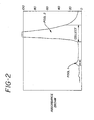
- Figure 2 shows an elution profile of TP10HD from an S-Sepharose column with a 50-250 mM NaCl gradient. Peaks corresponding to Pool 1 and Pool 2 are indicated.
- the flow rate was 2 ml/min.
- the chart speed was 0.25 cm/min.
- the sensitivity was 0.2 absorbance units at 280 nm full scale.
- Figure 3 shows a SDS-PAGE gel pattern of the material eluted from the S-Sepharose column of Figure 2.
- Lane 1 high molecular weight standards
- Lanes 5 and 8 S-Sepharose Pool 1 (2.4 ⁇ g each)
- Lanes 6 and 9 S-Sepharose Pool 2 (5.0 and 6.7 ⁇ g, respectively)
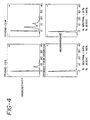
- Figure 4 shows four radioelectrophoretograms of oligosaccharide chains from TP10HD-CCW (right panels) and TP10HD-CCS (left panels). The lower two panels show the patterns after neuraminidase treatment.
- Figure 5 is two chromatograms showing sizes and relative proportions of oligosaccharide chains from TP10HD-CCS (A) and TP10HD-CCW (B).
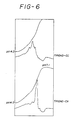
- Figure 6 shows a tracing from a chromatofocusing column for TP10HD-CC (top) and TP10HD-CX (bottom).
- the present invention relates to novel glycoforms of soluble complement receptor 1 protein (sCR1) and their uses in the diagnosis or therapy of disorders involving complement activity and various inflammatory and immune disorders.
- sCR1 soluble complement receptor 1 protein
- Soluble complement receptor 1 is defined herein as a soluble form of human CR1 containing all 30 extracellular SCR domains.
- the sCR1 material is prepared by culturing recombinant Chinese hamster ovary (CHO) DUX B11 cells in a fluidized bed perfusion bioreactor (See WO 91/05047, supra ).
- CHO cell line DUX B11 harboring plasmid pBSCR1c/pTCSgpt, ATCC accession number CRL 10052, can be used.
- the sCR1 glycoforms of the present invention are characterized by their carbohydrate content, chromatographic behavior and/or charge. Accordingly, the present invention provides:
- the preferred glycoproteins are those which contain oligosaccharides similar to, or identical with, the oligosaccharides which occur naturally in human glycoproteins.
- the advantages of a sCR1 preparation having such oligosaccharides include a lower risk of their being immunogenic upon administration to a human.
- the sCR1 glycoforms and preparations of the present invention are also characterized by their functional activity. Thus they preferably exhibit any one or more of the activities associated with sCR1 molecules, including but not limited to:
- the sCR1 glycoforms and preparations of the present invention may be produced by growing cells which express recombinant sCR1-encoding DNA under a variety of cell culture conditions, including but not limited to a fluidized bed bioreactor, hollow fiber bioreactor, roller bottle culture or stirred tank bioreactor system, in the latter two systems, with or without cell microcarriers.
- the sCR1 glycoforms of the present invention may be obtained by expressing DNA encoding sCR1, or encoding fragments of sCR1, in a mammalian host cell.
- the mammalian host cell is capable of expressing a functional sialyl transferase which results in production of an sCR1 glycoform containing oligosaccharide chains which preferably have one or more terminal sialic acid residues.
- Suitable host cells according to the present invention include CHO lines, preferably the DUX B11 cell line.
- the cell culture conditions are selected to achieve the desired level of sialylation.
- Process parameters which influence the degree of sialylation include oxygen level and glucose level.
- Cell density, time, and storage conditions such as temperature also influence sialylation.
- sCR1 glycoforms containing 2 or more sialic acid residues per complex oligosaccharide structure have longer clearance rates in vivo.
- the clearance rate of the preparation may thus be manipulated within broad limits by the overall degree of sialylation of the preparation.
- the effect of carbohydrate content on serum (or plasma) clearance correlates weakly with functional activity; deglycosylation leads to rapid plasma clearance, but minimal increases in in vitro functional activity.
- the expressed sCR1 glycoforms produced in these cultures may be purified conventionally, for example, by affinity, size exclusion, ion-exchange and/or hydrophobic interaction chromatography (HIC).
- HIC hydrophobic interaction chromatography
- Several CR1-specific antibodies are available for use affinity chromatography (Changelian et al. , 1985, J. Immunol. 134:1851).
- a number of matrices may be employed in the preparation of HIC columns, the most extensively used is agarose.
- Silica and organic polymer resins may be used.
- Useful hydrophobic ligands include, but are not limited, to alkyl groups having from about 2 to about 10 carbon atoms, such as a butyl, propyl, or octyl; or aryl groups such as phenyl.
- HIC products for gels and columns may be obtained commercially under the product names butyl-SEPHAROSE®, phenyl-SEPHAROSE® CL-4B, octyl-SEPHAROSE® FF and phenyl-SEPHAROSE® FF (Pharmacia LKB AB, Uppsala, Sweden); TOYOPEARL Butyl 650M (Fractogel TSK Butyl-650) or TSK-GEL phenyl-5PW (Tosoh Corporation, Tokyo, Japan); alkyl-agarose, wherein the alkyl group contains from 2-10 carbon atoms (Miles-Yeda, Rehovot, Israel); and Bakerbond WP-HI-propyl (J.T. Baker, Phillipsburg, NJ).
- Adsorption of the proteins to a HIC column is favored by high salt concentrations, but the actual concentrations can vary over a wide range depending on the nature of the protein and the particular HIC ligand chosen. In general, salt concentrations of between about 0.75 and about 2M ammonium sulfate or between about 1 and 4M NaCl are useful.
- Elution whether stepwise or in the form of a gradient, can be accomplished in a variety of ways: (a) by changing the salt concentration, (b) by changing the polarity of the solvent or (c) by adding detergents.
- HIC is particularly useful when used in combination with other protein purification techniques.
- anionic or cationic substituents may be attached to matrices in order to form anionic or cationic supports.
- Anionic exchange substituents include diethylaminoethyl(DEAE), quaternary aminoethyl (QAE) and quaternary amine(Q) groups.
- Cationic exchange substituents include carboxymethyl (CM), sulfoethyl(SE), sulfopropyl (SP), phosphate (P) and sulfonate (S).
- ion exchange materials include: cellulosic ion exchange resins such as DE23, DE32, DE52, CM-23, CM-32 and CM-52 (Whatman Ltd. Maidstone, Kent, UK); SEPHADEXr-based and cross-linked ion exchangers, for example, DEAE-, QAE-, CM-, and SP-SEPHADEX® and DEAE-, Q-, CM-and S-SEPHAROSE® (Pharmacia AB); DEAE- and CM- derivatized ethylene glycol-methacrylate copolymer such as TOYOPEARL DEAE-650S and TOYOPEARL CM-650S (Toso Haas Co., Philadelphia, PA).
- cellulosic ion exchange resins such as DE23, DE32, DE52, CM-23, CM-32 and CM-52 (Whatman Ltd. Maidstone, Kent, UK)
- Size exclusion or gel filtration chromatography separates on the basis of molecular size.
- Preferred matrix materials are chemically inert, rigid and highly porous. For large scale processes rigidity is most important in establishing overall flow rate. Gels developed more recently which have increased rigidity are preferred, for example, SEPHACRYL®, ULTROGEL®, FRACTOGEL®, SUPEROSE® and TOYOPEARL HW series matrices (Toso Haas).
- the desired sCR1 glycoforms of the present invention may be enriched for sialic acid-containing molecules by ion-exchange soft gel chromatography or HPLC using cation- or anion-exchange resins, wherein the more acidic fraction is collected.
- the preferred matrix for separating sCR1 glycoforms is S-Sepharose.
- the S-Sepharose chromatography step may be applied early in the overall protein purification process. At that time, a desired sCR1 glycoform may be separated from other glycoforms and the remaining purification steps carried out on that glycoform.
- an additional S-Sepharose purification step designed to resolve the glycoforms, may be performed at the end of a multistep protein purification process, as exemplified in Example V, below.
- Specific sCR1 glycoforms may also be selected via lectin affinity chromatography or chromatofocusing.
- the complex carbohydrate portion of the sCR1 glycoform may be readily analyzed if desired, by conventional techniques of carbohydrate analysis.
- techniques such as lectin blotting, well-known in the art, reveal a low proportion of terminal mannose or other sugars such as galactose.
- Termination of mono-, bi-, tri-, or tetra-antennary oligosaccharide by sialic acids can also be confirmed by release of sugars from the protein using anhydrous hydrazine or enzymatic methods and fractionation of oligosaccharides by ion-exchange or size exclusion chromatography or other methods well-known in the art.
- the pI is measured, before and after treatment with neuraminidase to remove sialic acids.
- An increase in pI following neuraminidase treatment indicates the presence of sialic acids on the glycoform.
- the sCR1 glycoforms and preparations of this invention are useful in the treatment or diagnosis of many complement-mediated or complement-related diseases and disorders, including but not limited to those listed in Table 1.
- a therapeutically active amount of a sCR1 glycoform or preparation is administered to a subject in need of such treatment.
- the preferred subject is a human.
- An effective amount of a sCR1 glycoform for the treatment of a disease or disorder is in the dose range of 0.01-100mg/kg; preferably 0.1mg-10mg/kg.
- the sCR1 glycoform or preparation should be formulated into an appropriate pharmaceutical or therapeutic composition.
- a composition typically contains a therapeutically active amount of the sCR1 glycoform or preparation and a pharmaceutically acceptable excipient or carrier such as saline, buffered saline, dextrose, or water.
- Compositions may also comprise specific stabilizing agents such as sugars, including mannose and mannitol, and local anesthetics for injectable compositions, including, for example, lidocaine.
- compositions which further comprise a therapeutically active amount of a thrombolytic agent.
- An effective amount of a thrombolytic agent is in the dose range of 0.01-10mg/kg; preferably 0.1-5mg/kg.
- Preferred thrombolytic agents include, but not limited to, streptokinase, human tissue type plasminogen activator and urokinase molecules and derivatives, fragments or conjugates thereof.
- the thrombolytic agents may comprise one or more chains that may be fused or reversibly linked to other agents to form hybrid molecules (EP-A-0297882 and EP 155387), such as, for example, urokinase linked to plasmin (EP-A-0152736), a fibrinolytic enzyme linked to a water-soluble polymer (EP-A-0183503).
- the thrombolytic agents may also comprise muteins of plasminogen activators (EP-A-0207589).
- the thrombolytic agent may comprise a reversibly blocked in vivo fibrinolytic enzyme as described in U.S. Patent No. 4,285,932.
- a most preferred enzyme is a p-anisoyl plasminogen-streptokinase activator complex as described in U.S. Patent No. 4,808,405, and marketed by SmithKline Beecham Pharmaceuticals under the Trademark EMINASE (e.g. generic name anistreplase, also referred to as APSAC; Monk et al. , 1987, Drugs 34:25-49).
- EMINASE e.g. generic name anistreplase, also referred to as APSAC; Monk et al. , 1987, Drugs 34:25-49.
- a preferred therapeutic composition for inhibiting complement activation or for combined therapy comprises a novel sCR1 glycoform or preparation of this invention which exhibits prolonged clearance from the blood while retaining significant functional activity. Such a prolonged functional half-life permits simplified, bolus-dose administration and contributes to potency in vivo.
- Preferred complement activation inhibitors in the therapeutic composition include the sCR1 glycoforms and preparations described above, for example:
- the therapeutically active sCR1 glycoforms and preparations should comprise at least 70% of sialic acid-terminated molecules and have at least 25% of the anti-complement activity of non-glycosylated sCR1.
- Further preferred therapeutically active complement activation inhibitors of the therapeutic compositions should comprise oligosaccharides similar to or identical with those naturally occurring in human glycoproteins.
- Routes of administration for the individual or combined therapeutic compositions of the present invention include standard routes, such as, for example, intravenous infusion or bolus injection.
- Active complement blockers and thrombolytic agents may be administered together or sequentially, in any order.
- the present invention also provides a method for treating a thrombotic condition, in particular acute myocardial infarction, in a human or non-human animal.
- This method comprises administering to a human or animal in need of this treatment an effective amount of a sCR1 glycoform or preparation according to this invention and an effective amount of a thrombolytic agent.
- a sCR1 glycoform or preparation of this invention and a thrombolytic agent in the manufacture of a medicament for the treatment of a thrombotic condition in a human or animal.
- Such methods and uses may be carried out as described earlier (International Patent Publication WO 91/05047).
- This invention further provides a method for treating adult respiratory distress syndrome (ARDS) in a human or non-human animal.
- This method comprises administering to the patient an effective amount of a sCR1 glycoprotein or preparation according to this invention.
- the invention also provides a method of delaying hyperacute allograft or hyperacute xenograft rejection in a human or non-human animal which receives a transplant by administering an effective amount of a sCR1 glycoform or preparation according to this invention.
- TP10HD prepared from conditioned tissue culture medium is purified by affinity chromatography, HPLC (or non-HPLC) cation exchange chromatography, and a combination of cation exchange, hydrophobic interaction and size exclusion chromatographies.
- Recombinant CHO DUX B11 cells expressing the sCR1 gene product TP10HD were inoculated into a hollow fiber bioreactor utilizing a model IV-L, 30,000 dalton molecular weight cut off cartridge (Cell-Pharm Cell Culture System I, CD Medical , Miami Lakes, FL) in a suitable growth medium, for example CHO-1 complete media system (Ventrex Laboratories, Inc. Portland, ME) supplemented with glutamine (GIBCO, Grand Island, NY) and 1-10% fetal bovine serum (HyClone Laboratories, Inc. Logan, UT), and operated according to the manufacturer's instructions.
- CHO-1 complete media system Ventrex Laboratories, Inc. Portland, ME
- glutamine GABA
- fetal bovine serum HyClone Laboratories, Inc. Logan, UT
- the synthesized TP10HD was secreted into the growth medium and because of its large molecular weight, approximately 200 kDa, was retained within the cell compartment of the reactor cartridge. At 1-3 day intervals, the conditioned medium from within the cell compartment was removed, the contaminating cells and cellular debris removed by centrifugation and the clarified conditioned medium was dispensed into disposable plastic laboratory vessels and maintained at 2-8°C until purification. Under these conditions, conditioned medium contained up to 500 ⁇ g/ml TP10HD.
- Recombinant CHO DUX B11 cells expressing TP10HD were inoculated into roller bottles in a suitable growth medium, for example a serum free formulation made from a mixture of Hams F12 and DMEM (JHR Biosciences, Inc., Denver, PA) supplemented with glutamine (GIBCO, Grand Island, NY), bovine serum albumin, human transferrin and bovine insulin (Pentex-Miles Inc., Kankakee, IL; Intergen, Purchase, NY). After the culture had become established, approximately three days, indicated by a change in medium color from pink to yellow, approximately 10 ml of collagen microcarriers (Verax Corporation, Riverside, NH) were added along with fresh medium.
- a suitable growth medium for example a serum free formulation made from a mixture of Hams F12 and DMEM (JHR Biosciences, Inc., Denver, PA) supplemented with glutamine (GIBCO, Grand Island, NY), bovine serum albumin, human transferrin and bovine insulin (Pentex-
- conditioned medium contained approximately 15 ⁇ g/ml TP10HD.
- Recombinant CHO DUX B11 cells expressing TP10HD were inoculated into a fluidized bed perfusion bioreactor (System S200 and System S2000, Verax Corporation, Riverside, NH) in a suitable growth medium, for example a serum free formulation made from a mixture of Hams F12 and DMEM supplemented with glutamine (GIBCO, Grand Island, NY), bovine serum albumin, human transferrin and bovine insulin (Pentex-Miles Inc., Kankakee, IL; Intergen, Purchase, NY) and the bioreactor was operated according the manufacturer's instructions.
- a fluidized bed perfusion bioreactor System S200 and System S2000, Verax Corporation, Lebanon, NH
- a suitable growth medium for example a serum free formulation made from a mixture of Hams F12 and DMEM supplemented with glutamine (GIBCO, Grand Island, NY), bovine serum albumin, human transferrin and bovine insulin (Pentex-Miles Inc., Kankakee,
- the collected conditioned medium was removed from the bioreactor harvest storage tank, the cells and cellular debris removed by filtration, and concentrated 10-to 100-fold by ultrafiltration through a 50 kDa or 100 kDa molecular weight cutoff ultrafiltration membrane (Millipore Corp., Bedford, MA).
- the concentrated conditioned medium was dispensed into plastic bottles and stored at or below -70°C until purification. Under these conditions, concentrated conditioned medium contained >900 ⁇ g/ml TP10HD.
- Conditioned medium derived from the hollow fiber bioreactor was subjected to purification using a monoclonal antibody (mAb) affinity resin.
- Monoclonal antibody YZ1 identifies an epitope on the extracellular portion of native human CR1 (Changelian PS et al. , 1985, J Immunol 134:1851,Wong,W.et al.,1985, J. Immunol. Methods, 82:303-313 ).
- Conjugation of this mAb to Affigel-10 according to the manufacturer's directions (BioRad Corporation, Richmond, CA) yielded an affinity matrix capable of specifically isolating TP10HD from conditioned medium containing contaminates from bovine serum, as previously described (Yoon et al.
- the conditioned tissue culture medium was incubated with the affinity matrix at 4°C, overnight with gentle mixing. This mixture was poured into a chromatography column and washed extensively with 10 mM Hepes, 0.1 M NaCl pH 7 buffer to remove all nonspecifically bound material from the matrix.
- the TP10HD was desorbed from the matrix with 20mM sodium phosphate, 0.7 M NaCl, pH 12 buffer and the column fractions examined for the presence of protein using a commercially available assay (BioRad Corporation, Richmond, CA). Fractions containing protein were pooled and dialyzed at 4°C, against phosphate buffered saline, pH 7.2-7.4. Presence of TP10HD in the preparation was confirmed with a TP10HD specific immunoassay. This procedure yielded a preparation of TP10HD estimated to be >90% pure by 4-20% linear gradient SDS-PAGE.
- Conditioned tissue culture medium from roller bottle cultures or the fluidized bed perfusion bioreactor cultures was processed through a series of chromatographic steps.
- the conditioned medium was acidified with 1N HCl and the pH lowered to 5.2-5.5. During acidification the medium became cloudy and was subsequently clarified by filtration through 0.45 and 0.2 ⁇ m membranes.
- the acidified, clarified conditioned medium was applied to a cation exchange column, S-Sepharose (Pharmacia Fine Chemicals, Piscataway, NJ) equilibrated in sodium phosphate, 0.02M, sodium chloride, 0.06M, pH 5.5, buffer. Following application of the sample, washing of the column was continued with the starting buffer until the absorbance had returned to baseline.
- TP10HD glycoforms bound to the resin while the majority of the contaminating proteins from the tissue culture medium remain unbound and passed through the column.
- TP10HD was eluted from the column with sodium phosphate, 0.02M, sodium chloride, 0.50M, pH 8.0, buffer. Elution of the TP10HD-containing pool was monitored by absorbance at 280 nm.
- the S-Sepharose eluate was mixed with ammonium sulfate to a final concentration of 0.8-0.9 M and applied to a hydrophobic interaction column, Butyl-Sepharose (Pharmacia Fine Chemicals, Piscataway, NJ) equilibrated with sodium phosphate, 0.1 M, ammonium sulfate, 0.9 M, pH 7.0 buffer. Following application of the sample, washing of the column was continued with the starting buffer until the absorbance had returned to baseline. Under these conditions all TP10HD glycoforms bound to the resin while contaminating proteins remained unbound and passed through the column.
- TP10HD was eluted from the column with sodium phosphate, 0.1 M, pH 7.0 buffer; the removal of ammonium sulfate from the eluting buffer causes desorption of the TP10HD from the resin. Elution of the TP10HD containing pool was monitored by absorbance at 280 nm.
- the butyl-Sepharose eluate was applied to a size exclusion column, Sephacryl S-300 (Pharmacia Fine Chemicals, Piscataway, NJ) equilibrated with phosphate buffered saline (0.01 M sodium phosphate, 0.15 M sodium chloride), pH 7.2-7.4. Following application of the sample elution of the TP10HD was monitored by absorbance. Material eluting just after the exclusion volume of the column was collected and the quantity of purified TP10HD determined with an enzyme immunoassay specific for TP10HD. Aliquots were stored frozen at or below -70°C. This protocol yielded a preparation of TP10HD estimated to be >90% pure by 4-20% linear gradient SDS-PAGE.
- Recombinant CHO DUX B11 cells expressing a modified sCR1 DNA and producing a sCR1 protein referred to as TP10HD may be cultured under laboratory conditions, for example, using hollow fiber bioreactor or roller bottles, or under large-scale culture conditions, for example, in a fluidized bed perfusion bioreactor, to yield a conditioned tissue culture medium containing secreted TP10HD.
- the secreted recombinant protein may be isolated by several protocols, specifically affinity chromatography, cation exchange HPLC, or a combination of ion-exchange, hydrophobic interaction, and size exclusion chromatographies, to yield a purified preparation.
- TP10HD preparations produced under different conditions and purified by multiple procedures comprise a polypeptide backbone that is glycosylated to varying extents.
- the TP10HD preparations isolated by cation exchange HPLC and by combination chromatography as described in Example I were found to exhibit different apparent molecular weights.
- the material prepared by cation exchange HPLC had a lower molecular weight, approximately 30 kDa, than the material prepared by the chromatographic methodology.
- the molecular weights were reduced to a value equivalent to the theoretical molecular weight contribution of the polypeptide chain to the TP10HD molecule, approximately 200 kDa.
- TP10HD molecules produced under differing cell culture conditions and isolated by multiple purification strategies were composed of similar polypeptide chains glycosylated to variable levels resulting in observable differences in molecular weight. This served as the first indication that different glycoforms of TP10HD, having different carbohydrate compositions, existed.
- TP10HD was composed of a mixture of glycoforms when produced from conditioned cell culture medium under one of several different sets of conditions, including (a) in a hollow fiber bioreactor; (b) in roller bottles containing microcarriers; or (c) in a fluidized bed perfusion bioreactor; and when purified either by a combination of cation exchange, hydrophobic interaction and size exclusion chromatographies, or by affinity chromatography.
- the TP10HD molecules defined as weakly cationic glycoforms were eluted from the resin. All of the material eluting as the weakly cationic glycoform was identifiable as TP10HD in a specific immunoassay. Finally, more tightly bound proteins were eluted from the resin by increasing the concentration of NaCl in a linear manner. At an NaCl concentration of ⁇ 125 mM, the TP10HD molecules defined as the strongly cationic glycoforms were eluted ( Figure 1). All of the material eluting as the strongly cationic glycoform was identifiable as TP10HD in a specific immunoassay.
- TP10HD material purified by affinity chromatography contained multiple glycoforms when analyzed by the HPLC cation exchange procedure.
- the absorbance trace shown in Figure 1A demonstrates that the predominant glycoforms were strongly cationic (i.e. eluting at about 125 mM NaCl).
- the material derived from the fluidized bed perfusion bioreactor was shown to contain multiple glycoforms of TP10HD.
- the ratios of concentration of weakly cationic glycoforms to strongly cationic glycoforms ranged from 70:30 to 80:20 ( Figure 1B).
- Material derived from the roller bottle cultures was also shown to contain multiple glycoforms of TP10HD, with the ratio of weakly cationic glycoforms to strongly cationic glycoforms being 76:24.
- Preparations of weakly and strongly cationic glycoforms can be prepared by HPLC.
- Preparative HPLC was carried out on a 21.4 mm X 100 mm sulfopropyl substituted ion exchange resin column (Hydropore-SCX, Rainin Instrument Company, Inc., Emeryville, CA). The column was equilibrated in 20 mM sodium phosphate, 30 mM NaCl, pH 7.0 buffer. A sample of TP10HD purified by combination chromatography as described above was dialyzed against the same buffer prior to use. Following application of the sample, development of the column was continued, typically for 20 minutes, with the same buffer to wash nonspecifically bound proteins from the resin.
- the buffer was changed to 20 mM sodium phosphate, 50 mM NaCl, pH 7.0, and development continued, typically for an additional 20 minutes, until all of the weakly cationic glycoform had eluted from the column. Finally the development of the column was completed with a linear, 50-250 mM NaCl gradient (20 mM sodium phosphate, pH 7.0 buffer). The strongly cationic glycoform typically eluted from the column with ⁇ 125 mM NaCl.
- TP10HD-CCW weakly (TP10HD-CCW) and strongly (TP10HD-CCS) cationic glycoforms were pooled as indicated and the quantity of TP10HD determined with a TP10HD specific immunoassay.
- the HPLC cation-exchange purification protocol described above resolved glycoforms of TP10HD into two fractions (see, for example, Figure 1B), a peak referred to as "peak 2" (more heavily glycosylated material) which is the second peak from the left, and “peak 3" (less heavily glycosylated material) which is the rightmost peak.
- the initial protocol was developed using a HPLC cation exchange column, Hydropore-SCX, purchased from Rainin Instruments. It was observed that over a prolonged period of time, the results of this chromatographic step became variable. This inconsistency was attributed to a limitation in the usable life of this HPLC column under the conditions of its use and storage.
- the present inventors therefore sought an alternative purification method for resolving sCR1 glycoforms that was more consistently reproducible over time.
- a conventional cation exchange resin S-Sepharose Fast Flow resin (Pharmacia) was selected for testing. This resin was chosen primarily because the functional group on S-Sepharose is the same as the functional group of the Hydropore-SCX column described above. The only difference between these resins is in the support matrix: agarose (S-Sepharose) versus a silica-based packing covered with a hydrophilic polymer layer (SCX).
- a 2.5 cm Kontes-Flex column was prepared with S-Sepharose having packed dimensions of 2.5 x 1.8 cm, and an in-line UA-6 UV monitor (Isco).
- the TP10HD material tested in this study was produced using the fluidized bed perfusion bioreactor (Verax System S200; see above), and had a protein concentration of 5.5 mg/ml.
- the TP10HD material obtained from the concentrated conditioned cell culture medium had been subjected first to a series of purification steps prior the present study (see U.S. Patent No. 5,252,216).
- the crude medium was subjected to cationic exchange chromatography on S-Sepharose and eluted with 20 mM sodium phosphate, 500 mM NaCl, pH 7.0.
- the eluted protein was precipitated with ammonium sulfate, resolubilized, and adsorbed onto a hydrophobic interaction chromatographic support, a butyl-TOYOPEARL column, equilibrated with 0.8M (NH 4 ) 2 SO 4 in 100mM sodium phosphate, pH 7.0.
- the desired material was eluted with 0.7 M (NH 4 ) 2 SO 4 in 100 mM sodium phosphate, pH 7.0.
- the eluate was adsorbed onto an anionic exchange support, DEAE-TOYOPEARL, eluted, and subjected to a second cationic exchange chromatography step employing as a support TOYOPEARL CM 650S.
- the protein was eluted with a 5 column volume linear gradient of 0-250 mM NaCl in 50 mM MES/MES.Na, pH 5.5 and neutralized with 1/10 volume of 0.5 M dibasic Na phosphate.
- the TOYOPEARL CM product was then subjected to size exclusion chromatography on a column of TOYOPEARL HW65S, previously equilibrated with 10 mM sodium phosphate, 0.9% w/v NaCl, pH7. The entire product peak was collected and concentrated for storage.
- the TP10HD material was now ready for testing in the present study.
- the following buffers were used for the S-Sepharose fractionation: Equilibration and Wash Buffer - 20 mM Na phosphate, 30 mM NaCl, pH 5.2; Wash 2 Buffer and Buffer A - 20 mM Na phosphate, 50 mM NaCl, pH 7.0; Buffer B - 20 mM Na phosphate, 250 mM NaCl, pH 7.0.
- TP10HD TP10HD
- S-Sepharose column S-Sepharose column previously equilibrated to pH 5.2.
- the column was then washed until the effluent gave baseline readings (A 280 ).
- the column was then washed with 2.5 bed volumes of Wash Buffer 2.
- a linear gradient (10 bed volumes) of buffer A and buffer B (50 to 250 mM NaCl) was applied.
- the eluted TP10HD fraction was collected as a single pool on the basis of UV absorbance.
- the protein concentration of each fraction was determined by A280 using an extinction coefficient for a 1% solution E (1%/280) equal to 10cm -1 .
- Plasma pharmacokinetic half-lives and/or clearance rates of different glycoform preparations were determined.
- the weakly cationic glycoform exhibited increased plasma half-life and/or lower total clearance rates compared to the strongly cationic glycoform and both glycoforms exhibited significantly greater plasma half-lives and/or lower total clearance rates than enzymatically deglycosylated glycoform preparations.
- TP10HD-CX TP10HD-CC
- TP10HD-CCW TP10HD-CCS
- TP10HD-CXD TP10HD-CXD
- Iodination was carried out by the chloramine-T procedure.
- Sodium phosphate buffer, 0.5 M, pH 7.6, 50 ⁇ l was added to 1 mCi of Na- 125 I (New England Nuclear, Boston, MA) as supplied.
- Sodium metabisulfite (50 ⁇ l, 15 mg/ml) and sodium iodide (100 ⁇ l, 10 mg/ml) were successively pipetted into the reaction vial.
- the reaction mixture was passed onto a PD10 column (Pharmacia Fine Chemicals, Piscataway, NJ), pre-equilibrated with phosphate buffered saline, pH 7.2-7.4, containing 0.1% bovine serum albumin (Sigma Chemical Company, St. Louis, MO).
- Ten 0.5 ml fractions were collected and 2 ⁇ l aliquots were counted directly and after combining with 100 ⁇ l of a 0.1% bovine serum albumin solution and 1 ml of 20% trichloroacetic acid.
- the acid-precipitable protein associated radioactivity was collected by centrifugation for 10 minutes at 1000 X g and quantitated by scintillation counting. Fractions containing >90% of the total radioactivity in the acid precipitate were pooled for further use.
- iodination was performed by the iodogen method (Fraker et al. , 1978, Biochem Biophys Res Commun 80:849); the average degree of 125 I substitution was 0.56 atoms/molecule of protein resulting in a specific activity of 22.7 kBq/mg for STUDY 6, and the average degrees of 125 I substitution was 0.76 atoms/molecule of protein resulting in a specific activity of 29.5 kBq/mg for STUDY 8.
- Radioiodinated TP10HD-CX was mixed with purified unlabeled TP10HD-CX to yield a dosing solution suitable for administering a 1 mg/kg total TP10HD dose containing 16-25 X 10 6 cpm of radiolabeled TP10HD-CX.
- TP10HD-CX Radioiodinated TP10HD-CX, ⁇ 5% w/w, was mixed with purified TP10HD-CX to yield a dosing solution containing 1 mg/ml TP10HD-CX in 0.1 M Hepes, 0.15 M NaCl, pH 7.4 buffer.
- TP10HD-CC was administered as supplied to a final dose of 1 mg/kg.
- Radioiodinated TP10HD-CC was mixed with purified unlabeled TP10HD-CC to yield a dosing solution suitable for administering a 1 mg/kg or a 3 mg/kg total TP10HD dose containing ⁇ 20 X 10 6 cpm.
- Radioiodinated TP10HD-CCW was mixed with purified unlabeled TP10HD-CCW to yield a dosing solution suitable for administering a 1 mg/kg total TP10HD dose containing ⁇ 20 X 10 6 cpm.
- Radiolabeled TP10HD-CCS was mixed with purified unlabeled TP10HD-CCS to yield a dosing solution suitable for administering a 1 mg/kg total TP10HD dose containing ⁇ 20 X 10 6 cpm.
- Radioiodinated TP10HD-CXD was mixed with purified unlabeled TP10HD-CXD to yield a dosing solution suitable for administering a 1 mg/kg total TP10HD dose containing ⁇ 20 X 10 6 cpm.
- test material was injected intravenously (iv) into four Sprague-Dawley rats (2 male, 2 female). Blood samples were obtained from the retroorbital plexus at 1, 3, 5, 10, 20, 30, 45, and 60 minutes post injection, and the radioactivity determined. Additional post infusion blood samples were taken at 2, 3, and 4 hours postinjection (STUDY 4) and at 120 minutes (STUDY 5). The plasma fraction of the remaining blood sample was retained for further analysis.
- Plasma samples were analyzed for residual test material by measuring:
- Radioisotope data was quantitated as total cpm/ml blood or plasma and as the percentage of a theoretical time zero value. Pharmacokinetic half-life was calculated from the radiometric data.
- test material was injected iv into two groups of five male Dutch rabbits (approximately 1 kg) at a dose of 1 mg/kg.
- Plasma samples were analyzed for residual test material by an in vitro functional assay, inhibition of hemolysis of antibody coated sheep red blood cells (SRBC) by human complement. Pharmacokinetic half-life was calculated from the titer of the residual functional activity.
- SRBC sheep red blood cells
- test material was injected iv through a jugular vein cannula into piglets ranging in weight from 4.5 to 6.1 kg.
- Blood samples were taken via a previously implanted jugular vein cannula into syringes containing lithium heparin at a final concentration of 15 units/ml.
- a preinfusion sample, 10 ml was taken at zero time and postinfusion samples, 1.0 ml, were taken at 5, 10, 15, 30, 45, 60, 120, 180, 240, 300, 360 minutes and 24 hours.
- Anticoagulated blood samples were centrifuged at ⁇ 3000 rpm, 4°C, 5 minutes and the platelet-poor plasma was aliquotted and stored at or below -70°C.
- Plasma samples were analyzed for residual test material by an in vitro functional assay, as above, using pig rather than human complement. Pharmacokinetic half-life was calculated from the titer of the residual functional activity.
- test material was injected iv into a group of 5 Dutch rabbits (approximately 1 kg) at a dose of 1 mg/kg.
- Plasma samples were analyzed for residual test material by an enzyme immunoassay (EIA) specific for TP10HD. Pharmacokinetic half-life was calculated from both the radiometric and immunoassay data.
- EIA enzyme immunoassay
- Plasma (20 ⁇ l) was precipitated by sequential addition of 450 ⁇ l of 0.13 M Tris HCl, 4% SDS, 10% glycerol, pH 6.8 buffer, followed by 30 ⁇ l of fetal bovine serum and 500 ⁇ l of 20% trichloroacetic acid. After each addition, the tubes were vigorously mixed and incubated for 72 hours at 4°C; the pellets of precipitable protein were collected by centrifugation at 1000 X g for 10 minutes, the supernatants removed and discarded, and the residual radioactivity measured by scintillation counting.
- Rabbit plasma samples were heated at 56°C for 1 hour in the presence of methylamine (12.5mM) in order to amidate thioester groups and to inactivate endogenous complement components C3 and C4. This procedure eliminated endogenous rabbit complement activity in the test samples without significantly affecting the activity of TP10HD. Test samples were then diluted 1:50 with 0.1 Hepes, 0.15 M NaCl, pH 7.4 buffer and assayed.
- SRBC presensitized with rabbit anti-SRBC antibody (Diamedix, Miami, FL) were mixed in a V-bottom microtiter wells (Costar, Cambridge, MA) with an appropriate dilution of the test plasma and an aliquot of diluted human serum as a complement source. After incubation, 37°C, 1 hour, the unlysed red cells were pelleted by centrifugation, the supernatant transferred to corresponding flat bottom microwells (Costar, Cambridge, MA), and absorbance at 415 nm measured. Inhibition of complement-mediated lysis of the antibody coated SRBC was measured as a reduction in the absorbance in the presence of test sample. Standard curves with known quantities of TP10HD can be used to calibrate the assay so that results can be expressed as mg/ml TP10HD remaining in the plasma versus time.
- test samples were diluted a minimum of 1:50 with 0.1 M Hepes, 0.15 M NaCl, pH 7.4 buffer. For greater dilution, test samples were diluted with preinfusion plasma already diluted 1:50 in the same buffer, thereby maintaining the final plasma concentration at 1:50. At this dilution, the degree of hemolysis was equivalent to hemolysis with human complement, as described above. Other manipulations were as described above. Standard curves with known quantities of TP10HD can be used to calibrate the assay so that results can be expressed as ⁇ g/ml TP10HD remaining in the plasma versus time.
- Plasma samples taken 24 hours after dosing gave levels of TP10HD-CC which were not distinguishable from control levels.
- the pharmacokinetic parameters for clearance rate, compartment volume, rate constants and half-life were obtained by fitting the data for each pig to two and three compartment models.
- Statistical analysis showed that, for some pigs, a three-compartment model was a better fit whereas, for other pigs, a two-compartment model was better; to avoid complexity data for all the pigs, the data was processed using a two-compartment model.
- the mean half-life was found to be 8.3 minutes for the ⁇ -phase and 6 hours for the ⁇ -phase. These phases represent 69% and 31% respectively of the given dose such that approximately one-third of the dose was cleared slowly.
- the pharmacokinetic half-life of TP10HD-CCW as determined by radiometric analysis was approximately 8 minutes for the ⁇ -phase and 216 minutes for the ⁇ -phase. Approximately 30% of the total dose was cleared during the rapid ⁇ -phase and 70% of the total dose was cleared during the longer ⁇ -phase. The total clearance rate for this glycoform was 0.26 ml/min/kg and the compartment volume for the ⁇ -phase was ⁇ 23 ml/kg.
- the pharmacokinetic half-life of TP10HD-CCS as determined by radiometric analysis was approximately 6 minutes for the ⁇ -phase and 216 minutes for the ⁇ -phase. Approximately 75% of the total dose was cleared during the rapid ⁇ -phase and 25% of the total dose was cleared during the longer ⁇ -phase. The total clearance rate for this glycoform was 0.85 ml/min/kg and the compartment volume for the ⁇ -phase was ⁇ 162 ml/kg.
- TP10HD preparations The terminal carbohydrate structure of TP10HD preparations was evaluated. Samples of each preparation, 1 ⁇ g, were immobilized onto nitrocellulose membranes using a commercially available Dot-Blot apparatus (Bio-Rad, Richmond, CA). A commercially available Glycan Differentiation Kit which identifies terminal oligosaccharide residues on glycoproteins (Boehringer Mannheim Biochemicals, Indianapolis, IN) was used according to the manufacturer's directions.
- This kit contains five digoxigenin-lectin probes: Galanthus nivalis agglutinin (GNA); Sambucus nigra agglutinin (SNA); Maackia amurensis agglutinin (MAA); Peanut agglutinin (PNA); and Datura stramonium agglutinin (DSA).
- GAA Galanthus nivalis agglutinin
- SNA Sambucus nigra agglutinin
- MAA Maackia amurensis agglutinin
- PNA Peanut agglutinin
- DSA Datura stramonium agglutinin
- TP10HD-CX was reactive only with the GNA lectin, indicating that this preparation exhibited terminal mannose residues.
- TP10HD-CXD was, as expected, unreactive with all of the probes, indicating that the N-glycanase treatment had removed the oligosaccharide chains.
- TP10HD-CCW was strongly reactive with MAA and weakly reactive with DSA, indicating terminal sialic acid ⁇ (2,3) galactose and galactose ⁇ (1,4) N-acetylglucosamine structures.
- TP10HD-CCS was strongly reactive with GNA, indicating a preponderance of terminal mannose residues, and weakly reactive with MAA and DSA, suggesting a cross contamination with TP10HD-CCW.
- TP10HD glycoforms present differing oligosaccharide structures with the weakly cationic glycoform, TP10HD-CCW, characterized by terminal sialic acid residues and the strongly cationic glycoform, TP10HD-CX and TP10HD-CCS, characterized by terminal mannose residues.
- oligosaccharide carbohydrate composition and structure of TP10HD prepared as described in Example II showed that the sialic acid content of the more strongly cationic TP10HD glycoform was lower than the weakly cationic glycoform. Rapid plasma clearance was associated with little or no sialic acid on the oligosaccharide chains and (by inference) accessibility of the protein to mannose or galactose receptors. Slow plasma clearance was associated with one or more terminal sialic acid residues.
- TP10HD was isolated as described in Examples I and V, above, and resolved into the weakly cationic glycoform, TP10HD-CCW, and the strongly cationic glycoform, TP10HD-CCS.
- Neutral and amino-sugars were determined by high performance anion-exchange chromatography combined with pulsed amperometric detection (HPAE-PAD Carbohydrate System, Dionex Corp.). Sugars were released by hydrolysis in 20% (v/v) trifluoroacetic acid at 100°C for 6 h. Hydrolysates were dried by lyophilization or with a Speed-Vac (Savant Instruments). Residue was dissolved in 1% sodium acetate trihydrate solution and analyzed on a HPLC-AS6 column as described by Anumula et al. (Anal. Biochem. 195:269-280 (1991). Samples were analyzed in quadruplicate.
- Sialic acid was determined separately by the direct colorimetric method of Yao et al. (Anal Biochem. 179:332-335 (1989)) in triplicate samples.
- the monosaccharide composition of the glycoforms TP10HD-CCW and TP10HD-CC are typical of sialic acid terminated mono-, bi-, and triantennary complex oligosaccharides fucosylated near the N-linked protein substitution site and containing a tri-mannose core. It can be concluded that glycoform TP10HD-CCW material contains a significantly higher proportion of sialic acid and/or a lower proportion of mannose than glycoform TP10HD-CCS. Differences in galactose and (N-acetyl)-galactosamine content are probably not significant.
- the sialic acid/ mannose ratio of TP10HD-CX indicates that this material (described by Fearon et al. , supra ), resembles glycoform TP10HD-CCS and is distinct from TP10HD-CCW and TP10HD-CC. The latter appears to consist mainly of the weakly cationic glycoforms in agreement with other data presented above.
- TP10HD-CCW slower plasma clearance correlates with a higher sialic acid content or sialic acid/mannose ratio (>0.25).
- a relatively low mannose content may also reflect a higher degree of branching (i.e., more bi- and triantennary structures) in this material.
- oligosaccharide was released from each glycoform sample (0.6 mg) by hydrazinolysis.
- the oligosaccharide chains were radiolabeled by reductive tritiation.
- Charged oligosaccharide was subjected to high voltage paper electrophoresis under alkaline conditions and peaks were detected and quantitated by tritium radiography.
- the oligosaccharide chains were treated with Arthrobacter ureafaciens neuraminidase to remove sialic acid and the electrophoresis was repeated.
- the radiolabeled desialylated (i.e., neutral) oligosaccharide chains were subjected to size exclusion chromatography on BioGel P4, 400 mesh, 2m x 15mm (BioRad Corporation, Richmond, CA), as follows. Chromatography was performed in water at 55°C at a flow rate of 0.2 ml/min. Samples were mixed with unlabeled partial acid hydrolysate of dextran as an internal standard. The radiolabeled glycoform oligosaccharide chains were detected by an in-line flow radioisotope monitor and the oligoglucose standards were detected by an in-line differential refractometer.
- hydrodynamic volume of the individual oligosaccharides is expressed as apparent glucose units (gu), the values being determined by cubic spline interpolation between glucose oligomers immediately adjacent to the oligosaccharide alditol.
- Figure 4 compares radioelectrophoretograms from TP10HD-CCW and TP10HD-CCS before and after neuraminidase treatment. In both cases, neuraminidase treatment rendered all the labeled oligosaccharide chains neutral, indicating that the negative charge was entirely attributable to sialic acid.
- glycoform TP10HD-CCS In glycoform TP10HD-CCS, about 64% of the oligosaccharide chains were initially neutral and the remainder had a mobility corresponding to a single sialic acid unit. For the oligosaccharide chains from glycoform TP10HD-CCW, there was a much higher proportion, 69%, of acidic oligosaccharides of which 40-50% had mobilities corresponding to two or more sialic acid residues. Only about 31% of the oligosaccharide chains from glycoform TP10HD-CCW were neutral prior to neuraminidase treatment.
- TP10HD-CCW contains a higher proportion of the larger sized oligosaccharide chains, especially the dominant 15 gu oligosaccharide, and a lower proportion of the 14 gu species, than TP10HD-CCS.
- the charge distribution data further confirm the correlation between a high sialic acid content and slow plasma clearance demonstrated by TP10HD-CCW.
- the relative proportions of acidic and neutral oligosaccharide chains are similar to the proportions of the material cleared rapidly and slowly from the plasma for the two glycoforms (see Example VI). This suggests that glycoprotein molecules in which the predominant N-linked oligosaccharide chain have one or more sialic acid residues would be slowly cleared from the plasma, whereas neutral oligosaccharide chains are associated with rapid plasma clearance by an as yet unknown mechanism.
- oligosaccharide chain size profile alone does not permit unambiguous identification of the precise structures of the complex oligosaccharide chains.
- composition and size data together are consistent with a major structure containing a trimannose core (i.e. biantennary) with variable sialylation of terminal galactose and variable fucosylation. Additional possibilities include further branching to give a triantennary structure with three Gal units. It is clear that the size profile itself does not suggest any major structural type associated with slow plasma clearance.
- the pI of the heavily sialylated glycoform is lower than the pI of the lightly sialylated glycoform.
- Chromatofocusing is a method of separating isoforms of proteins according to their isoelectric point, pI, using an ion exchange column and a pH gradient created with amphoteric buffers of different pH.
- analysis of the TP10HD preparations was performed using a pH gradient of 7.1 to 4.0.
- the chromatographic resin was Mono P, Hr5/5 (Pharmacia Fine Chemicals, Piscataway, NJ); the starting buffer was 0.025 M Bis/Tris titrated to pH 7.1 with saturated iminodiacetic acid; the eluant was polybuffer 7-4 (Pharmacia Fine Chemicals, Piscataway, NJ) diluted 1:10 (v/v) with water and adjusted to pH 4.0 with HCl; cleaning buffer was 2 M NaCl in water.
- the experimental conditions were chosen to yield a linear pH gradient of 7.1 to 4.0 units.
- FIG. 6 summarizes the results of this experiment.
- the dominant isoforms in TP10HD-CX have pI's of approximately 6.0 and 5.7, with smaller quantities of material at pI 5.0 and below.
- the pI 5.7 isoform was a minor component; the dominant forms had pI's of 5.1 and 4.8. Integration of the peaks suggests that approximately 40% of the TP10HD-CC preparation had a pI ⁇ 4.9. Since the quantity of material in the TP10HD-CX preparation with pI ⁇ 4.9 is so small, it was not possible to accurately assess the proportion of lower pI material in this preparation.
- TP10HD-CX was found to have a higher average pI than TP10HD-CC, consistent with a lower content of post-translationally derived acidic groups. However, there was some overlap in the isoform profile between the two TP10HD preparations. The percentage of TP10HD-CC with a low pI (pI ⁇ 4.9) correlated with the percentage of slowly clearing material from the plasma in pigs (see Example VI). These results are in agreement with the findings described in Example VIII, that glycoforms with the higher levels of terminal sialic acid residues demonstrate a lower pI.
- TP10HD glycoforms have comparable in vitro antihemolytic functional activity within the confidence interval of the assay, as shown by the results presented below.
- the hemolysis inhibition assay is based on the ability of solutions of TP10HD to inhibit the lysis of SRBC sensitized with a rabbit polyclonal antibody in the presence of human serum as a complement source and is described in Example VI, above.
- Activity is expressed as the concentration of TP10HD giving 50% inhibition of hemolysis, IH 50 , under the standard assay conditions. The lower the concentration of TP10HD, or TP10HD glycoform, yielding 50% inhibition, the more potent the preparation. A range of dilutions of TP10HD or TP10HD glycoform spanning 7.8 to 1000 ng/ml was examined for each sample.
- TP10HD-CX demonstrated a typical IH 50 of 20 ⁇ 7 ng/ml, whereas the value for TP10HD-CC was higher, about 50 ⁇ 3 ng/ml, suggesting that the potency of the preparation containing a significant quantity of weakly cationic, heavily sialylated glycoform was approximately 2-fold lower than the strongly cationic glycoform.
- TP10HD-CCW had a typical IH 50 of 44 ng/ml while TP10HD-CCS had IH 50 values in the range of 27 ng/ml.
- TP10HD-CC, TP10HD-CCW and TP10HD-CCS differ in their potency in this assay. Increased glycosylation or sialylation of these glycoforms, which markedly increases in vivo plasma half-life, clearly has no major impact on in vitro potency in hemolysis inhibition.
Landscapes
- Health & Medical Sciences (AREA)
- Life Sciences & Earth Sciences (AREA)
- Chemical & Material Sciences (AREA)
- General Health & Medical Sciences (AREA)
- Immunology (AREA)
- Medicinal Chemistry (AREA)
- Engineering & Computer Science (AREA)
- Bioinformatics & Cheminformatics (AREA)
- Veterinary Medicine (AREA)
- Public Health (AREA)
- Animal Behavior & Ethology (AREA)
- Organic Chemistry (AREA)
- Pharmacology & Pharmacy (AREA)
- Proteomics, Peptides & Aminoacids (AREA)
- Gastroenterology & Hepatology (AREA)
- General Chemical & Material Sciences (AREA)
- Chemical Kinetics & Catalysis (AREA)
- Nuclear Medicine, Radiotherapy & Molecular Imaging (AREA)
- Epidemiology (AREA)
- Biochemistry (AREA)
- Biophysics (AREA)
- Biomedical Technology (AREA)
- Cell Biology (AREA)
- Toxicology (AREA)
- Zoology (AREA)
- Molecular Biology (AREA)
- Genetics & Genomics (AREA)
- Transplantation (AREA)
- Hematology (AREA)
- Pain & Pain Management (AREA)
- Rheumatology (AREA)
- Pulmonology (AREA)
- Diabetes (AREA)
- Medicines That Contain Protein Lipid Enzymes And Other Medicines (AREA)
- Peptides Or Proteins (AREA)
- Pharmaceuticals Containing Other Organic And Inorganic Compounds (AREA)
- Preparation Of Compounds By Using Micro-Organisms (AREA)
- Steroid Compounds (AREA)
- Agricultural Chemicals And Associated Chemicals (AREA)
- Medicines Containing Material From Animals Or Micro-Organisms (AREA)
Abstract
Description
- The present invention relates to novel glycoforms of the soluble complement receptor type 1 (sCR1), and their uses in the diagnosis and therapy of disorders involving complement activity and various inflammatory and immune disorders. The invention also provides methods of producing, detecting, and purifying such glycoforms.
- Constituting about 10% of the globulins in normal serum, the complement system is composed of many different proteins that are important in the immune system's response to foreign antigens. The complement system becomes activated when its primary components are fragmented and the fragments, alone or with other proteins, activate additional complement proteins resulting in a proteolytic cascade. Activation of the complement system leads to increased vascular permeability, chemotaxis of phagocytic cells, activation of inflammatory cells, opsonization of foreign particles, direct killing of cells and tissue damage. Activation of the complement system may be triggered by antigen-antibody complexes (the classical pathway) or for example, by lipopolysaccharides present in cell walls of pathogenic bacteria (the alternative pathway).
- Complement receptor type 1 (CR1) is present on the membranes of erythrocytes, monocytes/macrophages, granulocytes, B cells, some T cells, splenic follicular dendritic cells, and glomerular podocytes. CR1 binds to the complement components C3b and C4b and has also been referred to as the C3b/C4b receptor. The structural organization and primary sequence of CR1 is known (Klickstein et al., 1987, J. Exp. Med. 165:1095-1112, Klickstein et al., 1988, J. Exp. Med. 168:1699-1717; Hourcade et al., 1988, J. Exp. Med. 168:1255-1270). It is composed of 30 short consensus repeats (SCRs) that contain 60-70 amino acids. In each SCR, 29 of the average 65 amino acids are conserved. Each SCR has been proposed to form a three dimensional triple loop structure through disulfide linkages with the third and first and the fourth and second half-cystines in disulfide bonds. CR1 is further arranged as 4 long homologous repeats (LHRs) of 7 SCRs each. Following a leader sequence, which is post-translationally removed, the CR1 molecule consists of the most N-terminal LHR-A comprising a C4b binding domain, the next two repeats, LHR-B and LHR-C comprising C3b binding domains, and the most C terminal LHR-D followed by 2 additional SCRs, a 25 residue putative transmembrane region and a 43 residue cytoplasmic tail.
- CR1 is a member of a protein superfamily characterized by this SCR homology. Some superfamily members that have C3/C4 binding function include CR2, C4 binding protein, factor H, factor B, and C2, while proteins lacking this function include interleukin-2 receptor, β2-glycoprotein I, C1r, haptoglobin a chain, and factor XIIIb.
- CR1 is known to be a glycoprotein and its deduced amino acid sequence has 25 potential sites for N-linked glycosylation (amino acid consensus sequence NXS or NXT) in the extracellular region. Only 6-8 of the available sites were reported to be linked to oligosaccharides (Sim, 1985, Biochem. J. 232:883). A non-glycosylated form of CR1 has been produced in the presence of tunicamycin and showed reduced binding to iC3 (Lublin et al., 1986, J. Biol. Chem. 261:5736). The N-terminus of the glycoprotein appears to be blocked.
- Thus far, four different CR1 allelic forms or allotypes have been identified, and differ in size by 30-50 kDa increments. The gene frequencies of these allotypes differ in the human population (Holer et al. 1987, Proc. Natl. Acad. Sci. USA 84:2459-2463). The F (or A) allotype is composed of 4 LHRs and has a molecular weight of about 250 kDa; the larger S (or B) allotype, with a molecular weight of about 290 kDa, contains a fifth LHR that is a chimera of the 5' half of LHR-B and the 3' half of LHR-A and is predicted to have a third C3b binding site (Wong et al., 1989, J. Exp. Med. 169:847). The smallest F' (or C) allotype, most likely arising from the deletion of LHR-B and one C3b binding site, has increased prevalence in patients with systemic lupus erythematosus (SLE) (Van Dyne et al., 1987, Clin. Exp. Immunol. 68:570; Dykman et al., 1983, Proc. Natl. Acad. Sci. USA 80:1698).
- A naturally occurring soluble form of CR1 has been detected in the plasma of normal individuals and certain individuals with SLE (Yoon et al., 1985, J. Immunol. 134:3332-3338). Its characteristics are similar to those of erythrocyte (cell-surface) CR1, both structurally and functionally. Hourcade et al., 1988, J. Exp. Med. 168:1255-1270) also observed an alternative polyadenylation site in the human CR1 transcriptional unit that was predicted to produce a secreted form of CR1. The mRNA encoded by this truncated sequence comprises the first 8.5 SCRs of CR1, and encodes a protein of about 80 kDa which includes the C4b binding domain. When a cDNA corresponding to this truncated sequence was transfected into COS cells and expressed, it demonstrated the expected C4b binding activity but did not bind to C3b (Krych et al., 1989, FASEB J. 3:A368). Krych et al. also observed a mRNA similar to the predicted one in several human cell lines and postulated that such a truncated soluble form of CR1 with C4b binding activity may be synthesized in humans.
- Several soluble fragments of CR1 have also been generated via recombinant DNA procedures by eliminating the transmembrane region from the DNAs being expressed (Fearon et al., Intl. Patent Publ. WO 89/09220, 10/5/89; Fearon et al., Intl. Patent Publ. WO 91/05047, 4/18/91). The soluble CR1 fragments were functionally active, bound C3b and/or C4b and demonstrated factor I cofactor activity depending upon the regions they contained. Such constructs inhibited in vitro the consequences of complement activation such as neutrophil oxidative burst, complement mediated hemolysis, and C3a and C5a production. A soluble construct, sCR1/pBSCR1c, also demonstrated in vivo activity in a reversed passive Arthus reaction (Fearon et al., 1989, 1991, supra; Yeh et al., 1991, J. Immunol. 146:250), suppressed post-ischemic myocardial inflammation and necrosis (Fearon et al., supra; Weisman et al., Science, 1990, 249:146-151) and extended survival rates following transplantation (Pruitt & Bollinger, 1991, J. Surg. Res 50:350; Pruitt et al.,1991 Transplantation 52; 868). Furthermore, co-formulation of the soluble product of vector sCR1/pBSCR1c with p-anisoylated human plasminogen-streptokinase-activator complex (APSAC) resulted in similar anti-hemolytic activity as the sCR1/pBSCR1c product alone, indicating that the combination of the complement inhibitor sCR1 with a thrombolytic agent was feasible (Fearon et al., supra).
- The present invention relates to novel glycoforms of
soluble complement receptor 1 protein (sCR1) and their uses in the therapy of disorders involving complement activity and various inflammatory and immune disorders. - The present inventors have discovered that, under certain conditions of production, novel glycoforms of sCR1 may be obtained which exhibit the desirable properties of prolonged clearance from the blood while retaining significant functional activity. A long functional half-life permits simplified, bolus-dose administration and contributes to potency in vivo.
- The present inventors have applied various purification methods to resolve and enrich particular sCR1 glycoforms. Thus, the present invention provides a soluble complement receptor 1 (sCR1) glycoprotein molecule containing one or more complex oligosaccharide structures, which one or more structures are terminated with on average one or more sialic acid residues.
- In one embodiment is provided a preparation of a sCR1 glycoprotein wherein the molecules contain one or more complex oligosaccharide structures, at least 40% of which oligosaccharide structures contain on average at least one terminal sialic acid residue. Preferably, the molecules contain one or more complex oligosaccharide structures, at least 70% of which contain on average at least one terminal sialic acid residue.
- In one embodiment, a sCR1 preparation comprises sCR1 glycoprotein molecules, in which predominant glycoforms exhibit an isoelectric point, pI, less than or equal to 5.1 as determined by chromatofocusing, wherein the pI increases after neuraminidase treatment.
- In another embodiment, the sCR1 preparation comprises a sCR1 glycoprotein wherein the molar ratio of sialic acid to mannose in the glycoprotein is greater than or equal to 0.25.
- Preferably a sCR1 preparation according to the present invention has at least 25% of the functional complement-inhibitory activity of deglycosylated sCR1.
- In a preferred embodiment of the molecule or preparation of the present invention, the protein backbone of the sCR1 glycoprotein contains LHR-A, LHR-B, LHR-C, LHR-D, SCR29, and SCR30 regions up to and including the first alanine residue of the transmembrane region.
- The present invention is also directed to a pharmaceutical composition comprising a therapeutically effective amount of a sCR1 glycoprotein molecule, as above, and a pharmaceutically acceptable carrier or excipient. In one embodiment, the pharmaceutical composition further comprising a therapeutically effective amount of a thrombolytic agent.
- Preferably, the thrombolytic agent is selected from the group consisting of:
- (a) a plasminogen activator or a mutein thereof;
- (b) anisoylated plasminogen-streptokinase-activator complex (APSAC);
- (c) single-chain urokinase;
- (d) two-chain urokinase;
- (e) streptokinase;
- (f) a fibrinolytically active hybrid protein which comprises one chain of a first two-chain protease linked to one chain of a second two-chain protease, at least one of said first or second protease having fibrinolytic activity, such that said hybrid protein has a catalytic site essential for fibrinolytic activity which is optionally blocked by a removable blocking group; and
- (g) a reversibly blocked in vivo fibrinolytic enzyme
wherein the catalytic site essential for
fibrinolytic activity in said enzyme is blocked
by a group which is removable by hydrolysis at a
rate such that the pseudo first order rate
constant for hydrolysis is in the
range 10-6 sec-1 to 10-3 sec-1 in an isotonic aqueous solution at pH 7.4 at 37°C. -
- The present invention also provides a method of treating a disease or disorder associated with inflammation or inappropriate complement activation comprising administering to a subject in need of such treatment a therapeutically effective amount of a sCR1 pharmaceutical composition as above.
- Also provided is a method of treating a thrombotic condition, comprising administering to a subject in need of such treatment an effective amount of a sCR1 pharmaceutical composition or preferably, a pharmaceutical composition as above including a thrombolytic agent.
- In the above methods, the subject is preferably a human.
- The present invention is further directed to a process for preparing a sCR1 glycoprotein or sCR1 preparation, as above, comprising:
- (a) expressing a DNA molecule encoding the protein backbone of the sCR1 in a mammalian host cell in culture under conditions wherein cell growth is not limited by nutrient supply, and wherein the host cell is capable of sialylation of the oligosaccharide chains; and
- (b) isolating the sCR1 glycoprotein from the culture.
-
- In a preferred embodiment, the process further comprises the step of:
- (c) isolating sialic acid-containing molecules from the material obtained in step (b).
-
- In the above methods, preferred culture conditions include a fluidized bed bioreactor, hollow fiber bioreactor, roller bottle culture or stirred tank bioreactor system, in the latter two systems, with or without cell microcarriers.
- The sCR1 glycoprotein product of the above cell culture may be purified by affinity, size exclusion, ion-exchange and/or hydrophobic interaction chromatography. Enrichment for sialic acid-containing molecules is preferably achieved by ion-exchange soft gel chromatography or HPLC using cation- or anion-exchange resins, with collection of the more acidic fraction. Sialic acid-containing molecules can also be isolated by chromatofocusing or lectin affinity chromatography.
- Preferably, the mammalian host cell is capable of expressing sialyl transferases at a level sufficient to ensure substantial sialylation of oligosaccharides in the expressed sCR1 glycoprotein. Suitable host cells include CHO lines, preferably the DUX B11 cell line.
-
- APSAC=
- anisoylated
plasminogen-streptokinase-activator complex - pI=
- isoelectric point
- HPLC=
- high performance liquid chromatography
- IH50%=
- concentration yielding 50% inhibition of hemolysis
- SRBC=
- sheep red blood cell
- EIA=
- enzyme immunoassay
- w/v=
- weight to volume ratio
- v/v=
- volume to volume ratio
- kDa=
- kilodalton
- ELISA=
- enzyme linked immunosorbent assay
- gu=
- glucose units
- SDS-PAGE=
- sodium dodecyl sulfate polyacrylamide gel electrophoresis
- glycoforms=
- species of a glycoprotein, such as the soluble CR1 glycoprotein of the present invention, that are characterized by their carbohydrate content, chromatographic behavior, and/or charge
- TP10HD=
- a particular soluble CR1 construct containing LHR-A, LHR-B, LHR-C, LHR-D, SCR29, SCR30 regions up to and including the first alanine residue of the transmembrane region; TP10HD corresponds to the CR1 coding sequences in plasmid pBSCR1c (Fearon et al., Int'l. Patent Publication No. WO 89/09220 (October 5, 1989)
- TP10HD-CC=
- TP10HD produced by cells cultured in a fluidized bed perfusion bioreactor and purified by combination chromatography, as described herein
- TP10HD-CCW=
- the weakly cationic form of TP10HD-CC isolated by preparative HPLC cation exchange chromatography
- TP10HD-CCS=
- the strongly cationic form of TP10HD-CC isolated by preparative HPLC cation exchange chromatography
- TP10HD-CX=
- TP10HD produced by cells cultured in a hollow fiber bioreactor and purified by HPLC cation exchange chromatography (Fearon et al., supra).
- TP10HD-CXD=
- TP10HD-CX enzymatically deglycosylated with n-glycanase
- Figure 1 is a series of absorbance tracings at 280 nm showing results of analytical HPLC of TP10HD preparations purified in different ways. A modification of the Hydropore-SCX HPLC purification method was used to demonstrate the existence of TP10HD glycoforms.
- Panel A: TP10HD material purified by affinity chromatography, contained multiple glycoforms, the predominant glycoforms were strongly cationic (i.e. eluting at about 125 mM NaCl).
- Panel B: TP10HD material purified by combination chromatography contained multiple glycoforms; the ratios of concentration of weakly cationic to strongly cationic glycoforms ranged from 70:30 to 80:20.
- Panel C: TP10HD purified by HPLC cation exchange chromatography contained only the strongly cationic glycoform.
- Figure 2 shows an elution profile of TP10HD from an S-Sepharose column with a 50-250 mM NaCl gradient. Peaks corresponding to Pool 1 and
Pool 2 are indicated. The flow rate was 2 ml/min. The chart speed was 0.25 cm/min. The sensitivity was 0.2 absorbance units at 280 nm full scale. - Figure 3 shows a SDS-PAGE gel pattern of the material eluted from the S-Sepharose column of Figure 2. Lane 1: high molecular weight standards;
Lanes 5 and 8: S-Sepharose Pool 1 (2.4 µg each);Lanes 6 and 9: S-Sepharose Pool 2 (5.0 and 6.7 µg, respectively) - Figure 4 shows four radioelectrophoretograms of oligosaccharide chains from TP10HD-CCW (right panels) and TP10HD-CCS (left panels). The lower two panels show the patterns after neuraminidase treatment.
- Figure 5 is two chromatograms showing sizes and relative proportions of oligosaccharide chains from TP10HD-CCS (A) and TP10HD-CCW (B).
- Figure 6 shows a tracing from a chromatofocusing column for TP10HD-CC (top) and TP10HD-CX (bottom).
- The present invention relates to novel glycoforms of
soluble complement receptor 1 protein (sCR1) and their uses in the diagnosis or therapy of disorders involving complement activity and various inflammatory and immune disorders. - Soluble complement receptor 1 (sCR1) is defined herein as a soluble form of human CR1 containing all 30 extracellular SCR domains.
- sCR1 and processes by which it can be prepared are disclosed in International Patent Publications WO 89/09220 (October 5, 1989) and WO 91/05047 (April 18, 1991). Preferably, the sCR1 material is prepared by culturing recombinant Chinese hamster ovary (CHO) DUX B11 cells in a fluidized bed perfusion bioreactor (See WO 91/05047, supra). In a preferred aspect, CHO cell line DUX B11 harboring plasmid pBSCR1c/pTCSgpt, ATCC accession number CRL 10052, can be used.
- The sCR1 glycoforms of the present invention are characterized by their carbohydrate content, chromatographic behavior and/or charge. Accordingly, the present invention provides:
- (1) sCR1 comprising a complex oligosaccharide terminated by one or more residues of sialic acid;
- (2) sCR1 having an isoelectric point, pI≤ 5.1 as measured by chromatofocusing, in which the pI increases after neuraminidase treatment;
- (3) sCR1 preparations in which at least 40% of the oligosaccharides comprise a complex oligosaccharide terminated by one or more residues of a sialic acid;
- (4) sCR1 preparations preferably comprising oligosaccharide structures wherein at least 70% of such structures are sialic acid-terminated molecules;
- (5) sCR1 preparations in which the molar ratio of sialic acid to mannose is ≥ 0.25; and
- (6) preferred sCR1 glycoforms and preparations having at least 25% of the functional anti-complement activity of non-glycosylated sCR1.
-
- The preferred glycoproteins are those which contain oligosaccharides similar to, or identical with, the oligosaccharides which occur naturally in human glycoproteins. The advantages of a sCR1 preparation having such oligosaccharides include a lower risk of their being immunogenic upon administration to a human.
- The sCR1 glycoforms and preparations of the present invention are also characterized by their functional activity. Thus they preferably exhibit any one or more of the activities associated with sCR1 molecules, including but not limited to:
- (1) binding to monomeric and/or polymeric C3b and/or C4b or C4ma;
- (2) prevention of C3a or C5a production in complement-activated serum;
- (3) factor I cofactor activity;
- (4) inhibition of complement-induced neutrophil oxidative burst; and
- (5) inhibition of complement-mediated hemolysis.
-
- The sCR1 glycoforms and preparations of the present invention may be produced by growing cells which express recombinant sCR1-encoding DNA under a variety of cell culture conditions, including but not limited to a fluidized bed bioreactor, hollow fiber bioreactor, roller bottle culture or stirred tank bioreactor system, in the latter two systems, with or without cell microcarriers.
- The sCR1 glycoforms of the present invention may be obtained by expressing DNA encoding sCR1, or encoding fragments of sCR1, in a mammalian host cell. Preferably, the mammalian host cell is capable of expressing a functional sialyl transferase which results in production of an sCR1 glycoform containing oligosaccharide chains which preferably have one or more terminal sialic acid residues. Suitable host cells according to the present invention include CHO lines, preferably the DUX B11 cell line.
- The cell culture conditions are selected to achieve the desired level of sialylation. Process parameters which influence the degree of sialylation include oxygen level and glucose level. Cell density, time, and storage conditions such as temperature also influence sialylation.
- sCR1 glycoforms containing 2 or more sialic acid residues per complex oligosaccharide structure have longer clearance rates in vivo. The clearance rate of the preparation may thus be manipulated within broad limits by the overall degree of sialylation of the preparation. The effect of carbohydrate content on serum (or plasma) clearance correlates weakly with functional activity; deglycosylation leads to rapid plasma clearance, but minimal increases in in vitro functional activity.
- The expressed sCR1 glycoforms produced in these cultures may be purified conventionally, for example, by affinity, size exclusion, ion-exchange and/or hydrophobic interaction chromatography (HIC). Several CR1-specific antibodies are available for use affinity chromatography (Changelian et al., 1985, J. Immunol. 134:1851).
- A number of matrices may be employed in the preparation of HIC columns, the most extensively used is agarose. Silica and organic polymer resins may be used. Useful hydrophobic ligands include, but are not limited, to alkyl groups having from about 2 to about 10 carbon atoms, such as a butyl, propyl, or octyl; or aryl groups such as phenyl. Conventional HIC products for gels and columns may be obtained commercially under the product names butyl-SEPHAROSE®, phenyl-SEPHAROSE® CL-4B, octyl-SEPHAROSE® FF and phenyl-SEPHAROSE® FF (Pharmacia LKB AB, Uppsala, Sweden); TOYOPEARL Butyl 650M (Fractogel TSK Butyl-650) or TSK-GEL phenyl-5PW (Tosoh Corporation, Tokyo, Japan); alkyl-agarose, wherein the alkyl group contains from 2-10 carbon atoms (Miles-Yeda, Rehovot, Israel); and Bakerbond WP-HI-propyl (J.T. Baker, Phillipsburg, NJ).
- It is also possible to prepare the desired HIC column using conventional chemistry. See, for example, Er-el, Z. et al. Biochem. Biophys. Res. Comm. 49:383 (1972); Ulbrich, V. et al. Coll. Czech, Chem. Commum. 9:1466 (1964)). The choice of a particular gel can be determined by one of ordinary skill in the art. In general the strength of the interaction of the protein and the HIC ligand increases with the chain length of the of the alkyl ligands but ligands having from about 4 to about 8 carbon atoms are suitable for most separations. Adsorption of the proteins to a HIC column is favored by high salt concentrations, but the actual concentrations can vary over a wide range depending on the nature of the protein and the particular HIC ligand chosen. In general, salt concentrations of between about 0.75 and about 2M ammonium sulfate or between about 1 and 4M NaCl are useful.
- Elution, whether stepwise or in the form of a gradient, can be accomplished in a variety of ways: (a) by changing the salt concentration, (b) by changing the polarity of the solvent or (c) by adding detergents.
- HIC is particularly useful when used in combination with other protein purification techniques.
- As is well-known in the art, for ion exchange chromatography various anionic or cationic substituents may be attached to matrices in order to form anionic or cationic supports. Anionic exchange substituents include diethylaminoethyl(DEAE), quaternary aminoethyl (QAE) and quaternary amine(Q) groups. Cationic exchange substituents include carboxymethyl (CM), sulfoethyl(SE), sulfopropyl (SP), phosphate (P) and sulfonate (S). Commercially available ion exchange materials include: cellulosic ion exchange resins such as DE23, DE32, DE52, CM-23, CM-32 and CM-52 (Whatman Ltd. Maidstone, Kent, UK); SEPHADEXr-based and cross-linked ion exchangers, for example, DEAE-, QAE-, CM-, and SP-SEPHADEX® and DEAE-, Q-, CM-and S-SEPHAROSE® (Pharmacia AB); DEAE- and CM- derivatized ethylene glycol-methacrylate copolymer such as TOYOPEARL DEAE-650S and TOYOPEARL CM-650S (Toso Haas Co., Philadelphia, PA).
- Size exclusion or gel filtration chromatography separates on the basis of molecular size. Preferred matrix materials are chemically inert, rigid and highly porous. For large scale processes rigidity is most important in establishing overall flow rate. Gels developed more recently which have increased rigidity are preferred, for example, SEPHACRYL®, ULTROGEL®, FRACTOGEL®, SUPEROSE® and TOYOPEARL HW series matrices (Toso Haas).
- The desired sCR1 glycoforms of the present invention may be enriched for sialic acid-containing molecules by ion-exchange soft gel chromatography or HPLC using cation- or anion-exchange resins, wherein the more acidic fraction is collected. The preferred matrix for separating sCR1 glycoforms is S-Sepharose. The S-Sepharose chromatography step may be applied early in the overall protein purification process. At that time, a desired sCR1 glycoform may be separated from other glycoforms and the remaining purification steps carried out on that glycoform. Alternatively, an additional S-Sepharose purification step, designed to resolve the glycoforms, may be performed at the end of a multistep protein purification process, as exemplified in Example V, below.
- Specific sCR1 glycoforms may also be selected via lectin affinity chromatography or chromatofocusing.
- The complex carbohydrate portion of the sCR1 glycoform may be readily analyzed if desired, by conventional techniques of carbohydrate analysis. Thus, for example, techniques such as lectin blotting, well-known in the art, reveal a low proportion of terminal mannose or other sugars such as galactose. Termination of mono-, bi-, tri-, or tetra-antennary oligosaccharide by sialic acids can also be confirmed by release of sugars from the protein using anhydrous hydrazine or enzymatic methods and fractionation of oligosaccharides by ion-exchange or size exclusion chromatography or other methods well-known in the art. In a further test for identity of the glycoform, the pI is measured, before and after treatment with neuraminidase to remove sialic acids. An increase in pI following neuraminidase treatment indicates the presence of sialic acids on the glycoform.
- The sCR1 glycoforms and preparations of this invention are useful in the treatment or diagnosis of many complement-mediated or complement-related diseases and disorders, including but not limited to those listed in Table 1.

- In a method of treating a disease or disorder associated with inappropriate complement activation or inflammation, a therapeutically active amount of a sCR1 glycoform or preparation is administered to a subject in need of such treatment. The preferred subject is a human.
- An effective amount of a sCR1 glycoform for the treatment of a disease or disorder is in the dose range of 0.01-100mg/kg; preferably 0.1mg-10mg/kg.
- For administration, the sCR1 glycoform or preparation should be formulated into an appropriate pharmaceutical or therapeutic composition. Such a composition typically contains a therapeutically active amount of the sCR1 glycoform or preparation and a pharmaceutically acceptable excipient or carrier such as saline, buffered saline, dextrose, or water. Compositions may also comprise specific stabilizing agents such as sugars, including mannose and mannitol, and local anesthetics for injectable compositions, including, for example, lidocaine.
- In order to inhibit complement activation and, at the same time, provide thrombolytic therapy, the present invention provides compositions which further comprise a therapeutically active amount of a thrombolytic agent. An effective amount of a thrombolytic agent is in the dose range of 0.01-10mg/kg; preferably 0.1-5mg/kg. Preferred thrombolytic agents include, but not limited to, streptokinase, human tissue type plasminogen activator and urokinase molecules and derivatives, fragments or conjugates thereof. The thrombolytic agents may comprise one or more chains that may be fused or reversibly linked to other agents to form hybrid molecules (EP-A-0297882 and EP 155387), such as, for example, urokinase linked to plasmin (EP-A-0152736), a fibrinolytic enzyme linked to a water-soluble polymer (EP-A-0183503). The thrombolytic agents may also comprise muteins of plasminogen activators (EP-A-0207589). In a preferred embodiment, the thrombolytic agent may comprise a reversibly blocked in vivo fibrinolytic enzyme as described in U.S. Patent No. 4,285,932. A most preferred enzyme is a p-anisoyl plasminogen-streptokinase activator complex as described in U.S. Patent No. 4,808,405, and marketed by SmithKline Beecham Pharmaceuticals under the Trademark EMINASE (e.g. generic name anistreplase, also referred to as APSAC; Monk et al., 1987, Drugs 34:25-49).
- A preferred therapeutic composition for inhibiting complement activation or for combined therapy, as above, comprises a novel sCR1 glycoform or preparation of this invention which exhibits prolonged clearance from the blood while retaining significant functional activity. Such a prolonged functional half-life permits simplified, bolus-dose administration and contributes to potency in vivo. Preferred complement activation inhibitors in the therapeutic composition include the sCR1 glycoforms and preparations described above, for example:
- (1) sCR1 glycoforms comprising a complex oligosaccharide terminated by one or more residues of a sialic acid;
- (2) preparations having an isoelectric point, pI< 5.1 as determined by chromatofocusing, in which the pI is sensitive to neuraminidase treatment;
- (3) preparations of sCR1 comprising complex oligosaccharides, in which at least 40% of the complex oligosaccharides are terminated by one or more residues of a sialic acid; or
- (4) sCR1 preparations having a molar ratio of sialic acid to mannose of ≥0.25.
-
- More preferably the therapeutically active sCR1 glycoforms and preparations should comprise at least 70% of sialic acid-terminated molecules and have at least 25% of the anti-complement activity of non-glycosylated sCR1. Further preferred therapeutically active complement activation inhibitors of the therapeutic compositions should comprise oligosaccharides similar to or identical with those naturally occurring in human glycoproteins.
- Routes of administration for the individual or combined therapeutic compositions of the present invention include standard routes, such as, for example, intravenous infusion or bolus injection. Active complement blockers and thrombolytic agents may be administered together or sequentially, in any order.
- The present invention also provides a method for treating a thrombotic condition, in particular acute myocardial infarction, in a human or non-human animal. This method comprises administering to a human or animal in need of this treatment an effective amount of a sCR1 glycoform or preparation according to this invention and an effective amount of a thrombolytic agent.
- Also provided is the use of a sCR1 glycoform or preparation of this invention and a thrombolytic agent in the manufacture of a medicament for the treatment of a thrombotic condition in a human or animal. Such methods and uses may be carried out as described earlier (International Patent Publication WO 91/05047).
- This invention further provides a method for treating adult respiratory distress syndrome (ARDS) in a human or non-human animal. This method comprises administering to the patient an effective amount of a sCR1 glycoprotein or preparation according to this invention.
- The invention also provides a method of delaying hyperacute allograft or hyperacute xenograft rejection in a human or non-human animal which receives a transplant by administering an effective amount of a sCR1 glycoform or preparation according to this invention.
- Having now generally described the invention, the same will be more readily understood through reference to the following examples which are provided by way of illustration, and are not intended to be limiting of the present invention, unless specified.
- TP10HD prepared from conditioned tissue culture medium is purified by affinity chromatography, HPLC (or non-HPLC) cation exchange chromatography, and a combination of cation exchange, hydrophobic interaction and size exclusion chromatographies.
- Recombinant CHO DUX B11 cells expressing the sCR1 gene product TP10HD (Fearon et al., 1989, 1991, supra) were inoculated into a hollow fiber bioreactor utilizing a model IV-L, 30,000 dalton molecular weight cut off cartridge (Cell-Pharm Cell Culture System I, CD Medical , Miami Lakes, FL) in a suitable growth medium, for example CHO-1 complete media system (Ventrex Laboratories, Inc. Portland, ME) supplemented with glutamine (GIBCO, Grand Island, NY) and 1-10% fetal bovine serum (HyClone Laboratories, Inc. Logan, UT), and operated according to the manufacturer's instructions. The synthesized TP10HD was secreted into the growth medium and because of its large molecular weight, approximately 200 kDa, was retained within the cell compartment of the reactor cartridge. At 1-3 day intervals, the conditioned medium from within the cell compartment was removed, the contaminating cells and cellular debris removed by centrifugation and the clarified conditioned medium was dispensed into disposable plastic laboratory vessels and maintained at 2-8°C until purification. Under these conditions, conditioned medium contained up to 500 µg/ml TP10HD.
- Recombinant CHO DUX B11 cells expressing TP10HD were inoculated into roller bottles in a suitable growth medium, for example a serum free formulation made from a mixture of Hams F12 and DMEM (JHR Biosciences, Inc., Denver, PA) supplemented with glutamine (GIBCO, Grand Island, NY), bovine serum albumin, human transferrin and bovine insulin (Pentex-Miles Inc., Kankakee, IL; Intergen, Purchase, NY). After the culture had become established, approximately three days, indicated by a change in medium color from pink to yellow, approximately 10 ml of collagen microcarriers (Verax Corporation, Lebanon, NH) were added along with fresh medium. At 3 day intervals one-half the medium (approximately 150 ml) was replaced. Cells and cellular debris were removed from the conditioned medium by filtration and the clarified conditioned medium was dispensed into disposable plastic laboratory vessels and stored at or below -70°C until purification. Under these conditions, conditioned medium contained approximately 15 µg/ml TP10HD.
- Recombinant CHO DUX B11 cells expressing TP10HD were inoculated into a fluidized bed perfusion bioreactor (System S200 and System S2000, Verax Corporation, Lebanon, NH) in a suitable growth medium, for example a serum free formulation made from a mixture of Hams F12 and DMEM supplemented with glutamine (GIBCO, Grand Island, NY), bovine serum albumin, human transferrin and bovine insulin (Pentex-Miles Inc., Kankakee, IL; Intergen, Purchase, NY) and the bioreactor was operated according the manufacturer's instructions. At approximately 2 day intervals, the collected conditioned medium was removed from the bioreactor harvest storage tank, the cells and cellular debris removed by filtration, and concentrated 10-to 100-fold by ultrafiltration through a 50 kDa or 100 kDa molecular weight cutoff ultrafiltration membrane (Millipore Corp., Bedford, MA). The concentrated conditioned medium was dispensed into plastic bottles and stored at or below -70°C until purification. Under these conditions, concentrated conditioned medium contained >900 µg/ml TP10HD.
- Conditioned medium derived from the hollow fiber bioreactor was subjected to purification using a monoclonal antibody (mAb) affinity resin. Monoclonal antibody YZ1 identifies an epitope on the extracellular portion of native human CR1 (Changelian PS et al., 1985, J Immunol 134:1851,Wong,W.et al.,1985, J. Immunol. Methods, 82:303-313 ). Conjugation of this mAb to Affigel-10 according to the manufacturer's directions (BioRad Corporation, Richmond, CA) yielded an affinity matrix capable of specifically isolating TP10HD from conditioned medium containing contaminates from bovine serum, as previously described (Yoon et al., supra). In brief, the conditioned tissue culture medium was incubated with the affinity matrix at 4°C, overnight with gentle mixing. This mixture was poured into a chromatography column and washed extensively with 10 mM Hepes, 0.1
M NaCl pH 7 buffer to remove all nonspecifically bound material from the matrix. The TP10HD was desorbed from the matrix with 20mM sodium phosphate, 0.7 M NaCl,pH 12 buffer and the column fractions examined for the presence of protein using a commercially available assay (BioRad Corporation, Richmond, CA). Fractions containing protein were pooled and dialyzed at 4°C, against phosphate buffered saline, pH 7.2-7.4. Presence of TP10HD in the preparation was confirmed with a TP10HD specific immunoassay. This procedure yielded a preparation of TP10HD estimated to be >90% pure by 4-20% linear gradient SDS-PAGE. - Conditioned tissue culture medium from roller bottle cultures or the fluidized bed perfusion bioreactor cultures was processed through a series of chromatographic steps. The conditioned medium was acidified with 1N HCl and the pH lowered to 5.2-5.5. During acidification the medium became cloudy and was subsequently clarified by filtration through 0.45 and 0.2 µm membranes. The acidified, clarified conditioned medium was applied to a cation exchange column, S-Sepharose (Pharmacia Fine Chemicals, Piscataway, NJ) equilibrated in sodium phosphate, 0.02M, sodium chloride, 0.06M, pH 5.5, buffer. Following application of the sample, washing of the column was continued with the starting buffer until the absorbance had returned to baseline. Under these conditions all TP10HD glycoforms bound to the resin while the majority of the contaminating proteins from the tissue culture medium remain unbound and passed through the column. TP10HD was eluted from the column with sodium phosphate, 0.02M, sodium chloride, 0.50M, pH 8.0, buffer. Elution of the TP10HD-containing pool was monitored by absorbance at 280 nm.
- The S-Sepharose eluate was mixed with ammonium sulfate to a final concentration of 0.8-0.9 M and applied to a hydrophobic interaction column, Butyl-Sepharose (Pharmacia Fine Chemicals, Piscataway, NJ) equilibrated with sodium phosphate, 0.1 M, ammonium sulfate, 0.9 M, pH 7.0 buffer. Following application of the sample, washing of the column was continued with the starting buffer until the absorbance had returned to baseline. Under these conditions all TP10HD glycoforms bound to the resin while contaminating proteins remained unbound and passed through the column. TP10HD was eluted from the column with sodium phosphate, 0.1 M, pH 7.0 buffer; the removal of ammonium sulfate from the eluting buffer causes desorption of the TP10HD from the resin. Elution of the TP10HD containing pool was monitored by absorbance at 280 nm.
- The butyl-Sepharose eluate was applied to a size exclusion column, Sephacryl S-300 (Pharmacia Fine Chemicals, Piscataway, NJ) equilibrated with phosphate buffered saline (0.01 M sodium phosphate, 0.15 M sodium chloride), pH 7.2-7.4. Following application of the sample elution of the TP10HD was monitored by absorbance. Material eluting just after the exclusion volume of the column was collected and the quantity of purified TP10HD determined with an enzyme immunoassay specific for TP10HD. Aliquots were stored frozen at or below -70°C. This protocol yielded a preparation of TP10HD estimated to be >90% pure by 4-20% linear gradient SDS-PAGE.
- Recombinant CHO DUX B11 cells expressing a modified sCR1 DNA and producing a sCR1 protein referred to as TP10HD may be cultured under laboratory conditions, for example, using hollow fiber bioreactor or roller bottles, or under large-scale culture conditions, for example, in a fluidized bed perfusion bioreactor, to yield a conditioned tissue culture medium containing secreted TP10HD. The secreted recombinant protein may be isolated by several protocols, specifically affinity chromatography, cation exchange HPLC, or a combination of ion-exchange, hydrophobic interaction, and size exclusion chromatographies, to yield a purified preparation.
- TP10HD preparations produced under different conditions and purified by multiple procedures comprise a polypeptide backbone that is glycosylated to varying extents.
- When examined by 4-20% SDS-PAGE the TP10HD preparations isolated by cation exchange HPLC and by combination chromatography as described in Example I were found to exhibit different apparent molecular weights. The material prepared by cation exchange HPLC had a lower molecular weight, approximately 30 kDa, than the material prepared by the chromatographic methodology. When each preparation was deglycosylated by n-glycanase digestion as described by the manufacturer (Genzyme Corporation, Boston, MA; see Example VI below), the molecular weights were reduced to a value equivalent to the theoretical molecular weight contribution of the polypeptide chain to the TP10HD molecule, approximately 200 kDa.
- These results demonstrated that the TP10HD molecules produced under differing cell culture conditions and isolated by multiple purification strategies were composed of similar polypeptide chains glycosylated to variable levels resulting in observable differences in molecular weight. This served as the first indication that different glycoforms of TP10HD, having different carbohydrate compositions, existed.
- HPLC analysis showed that TP10HD was composed of a mixture of glycoforms when produced from conditioned cell culture medium under one of several different sets of conditions, including (a) in a hollow fiber bioreactor; (b) in roller bottles containing microcarriers; or (c) in a fluidized bed perfusion bioreactor; and when purified either by a combination of cation exchange, hydrophobic interaction and size exclusion chromatographies, or by affinity chromatography.
- Samples of TP10HD purified by several different schemes were dialyzed against sodium phosphate, 20 mM, sodium chloride, 30 mM, pH 7.0 buffer and filtered through a 0.2µm membrane. A Hydropore-SCX HPLC column, 10 x 100 mm (Rainin Instrument Company, Emeryville, CA), was equilibrated with the same buffer, samples applied at 2 ml/min and washing of the column was continued with the starting buffer until the absorbance returned to baseline. The NaCl concentration in the buffer was increased to 50 mM, and the TP10HD glycoform defined as weakly cationic eluted from the resin. After the absorbance returned to baseline, the highly cationic glycoform was eluted with a linear NaCl gradient, 50 to 250 mM. The results are shown in Figure 1.
- Under these conditions of application, all glycoforms of TP10HD bound to the resin. The unabsorbed material passing directly through the column was shown to be a nonprotein, non-TP10HD contaminant, most probably cellular DNA, based on the following criteria: (a) it absorbed light in the ultraviolet spectrum; (b) it was not reactive in chemical assays for the detection of protein; (c) it was not reactive with protein- specific stains used to visualize materials on SDS-PAGE; and (d) it was not reactive in a TP10HD-specific immunoassay.
- After application, the NaCl concentration in the buffer was increased to 50 mM, the TP10HD molecules defined as weakly cationic glycoforms were eluted from the resin. All of the material eluting as the weakly cationic glycoform was identifiable as TP10HD in a specific immunoassay. Finally, more tightly bound proteins were eluted from the resin by increasing the concentration of NaCl in a linear manner. At an NaCl concentration of ~125 mM, the TP10HD molecules defined as the strongly cationic glycoforms were eluted (Figure 1). All of the material eluting as the strongly cationic glycoform was identifiable as TP10HD in a specific immunoassay.
- TP10HD material purified by affinity chromatography contained multiple glycoforms when analyzed by the HPLC cation exchange procedure. The absorbance trace shown in Figure 1A demonstrates that the predominant glycoforms were strongly cationic (i.e. eluting at about 125 mM NaCl).
- When analyzed by the HPLC cation exchange procedure, the material derived from the fluidized bed perfusion bioreactor was shown to contain multiple glycoforms of TP10HD. The ratios of concentration of weakly cationic glycoforms to strongly cationic glycoforms ranged from 70:30 to 80:20 (Figure 1B). Material derived from the roller bottle cultures was also shown to contain multiple glycoforms of TP10HD, with the ratio of weakly cationic glycoforms to strongly cationic glycoforms being 76:24.
- This material was shown to contain only the strongly cationic glycoform of TP10HD (Figure 1C). As previously disclosed (International Patent Pub. W089/09220 and W091/05047; Weisman HF et al., 1990. Science 249:146; Yeh CG et al., 1991, J Immunol 146:250), the material isolated in this way demonstrated the in vitro and in vivo functional characteristics of human sCR1 protein.
- These results demonstrated that multiple TP10HD glycoforms, distinguishable by cation exchange chromatography, exist in conditioned medium derived from fluidized bed perfusion bioreactors, roller bottle cultures, and hollow fiber bioreactor derived conditioned medium, although the proportions of the different glycoforms in the different source media may vary significantly.
- Preparations of weakly and strongly cationic glycoforms can be prepared by HPLC.
- Preparative HPLC was carried out on a 21.4
mm X 100 mm sulfopropyl substituted ion exchange resin column (Hydropore-SCX, Rainin Instrument Company, Inc., Emeryville, CA). The column was equilibrated in 20 mM sodium phosphate, 30 mM NaCl, pH 7.0 buffer. A sample of TP10HD purified by combination chromatography as described above was dialyzed against the same buffer prior to use. Following application of the sample, development of the column was continued, typically for 20 minutes, with the same buffer to wash nonspecifically bound proteins from the resin. The buffer was changed to 20 mM sodium phosphate, 50 mM NaCl, pH 7.0, and development continued, typically for an additional 20 minutes, until all of the weakly cationic glycoform had eluted from the column. Finally the development of the column was completed with a linear, 50-250 mM NaCl gradient (20 mM sodium phosphate, pH 7.0 buffer). The strongly cationic glycoform typically eluted from the column with ~125 mM NaCl. - In a typical preparation, a 125 ml sample, containing approximately 100 mg of TP10HD, was applied to the column. The fractions corresponding to the weakly (TP10HD-CCW) and strongly (TP10HD-CCS) cationic glycoforms were pooled as indicated and the quantity of TP10HD determined with a TP10HD specific immunoassay.
- Sufficient quantities of the multiple glycoforms of TP10HD were isolated to permit in vitro and in vivo functional studies and detailed biochemical analyses.
- The HPLC cation-exchange purification protocol described above resolved glycoforms of TP10HD into two fractions (see, for example, Figure 1B), a peak referred to as "
peak 2" (more heavily glycosylated material) which is the second peak from the left, and "peak 3" (less heavily glycosylated material) which is the rightmost peak. The initial protocol was developed using a HPLC cation exchange column, Hydropore-SCX, purchased from Rainin Instruments. It was observed that over a prolonged period of time, the results of this chromatographic step became variable. This inconsistency was attributed to a limitation in the usable life of this HPLC column under the conditions of its use and storage. - The present inventors therefore sought an alternative purification method for resolving sCR1 glycoforms that was more consistently reproducible over time. Rather than evaluate HPLC columns available from various other suppliers, a conventional cation exchange resin, S-Sepharose Fast Flow resin (Pharmacia) was selected for testing. This resin was chosen primarily because the functional group on S-Sepharose is the same as the functional group of the Hydropore-SCX column described above. The only difference between these resins is in the support matrix: agarose (S-Sepharose) versus a silica-based packing covered with a hydrophilic polymer layer (SCX).
- A 2.5 cm Kontes-Flex column was prepared with S-Sepharose having packed dimensions of 2.5 x 1.8 cm, and an in-line UA-6 UV monitor (Isco).
- The TP10HD material tested in this study was produced using the fluidized bed perfusion bioreactor (Verax System S200; see above), and had a protein concentration of 5.5 mg/ml. The TP10HD material obtained from the concentrated conditioned cell culture medium had been subjected first to a series of purification steps prior the present study (see U.S. Patent No. 5,252,216).
- First, the crude medium was subjected to cationic exchange chromatography on S-Sepharose and eluted with 20 mM sodium phosphate, 500 mM NaCl, pH 7.0. The eluted protein was precipitated with ammonium sulfate, resolubilized, and adsorbed onto a hydrophobic interaction chromatographic support, a butyl-TOYOPEARL column, equilibrated with 0.8M (NH4)2SO4 in 100mM sodium phosphate, pH 7.0. The desired material was eluted with 0.7 M (NH4)2SO4 in 100 mM sodium phosphate, pH 7.0. The eluate was adsorbed onto an anionic exchange support, DEAE-TOYOPEARL, eluted, and subjected to a second cationic exchange chromatography step employing as a support TOYOPEARL CM 650S. The protein was eluted with a 5 column volume linear gradient of 0-250 mM NaCl in 50 mM MES/MES.Na, pH 5.5 and neutralized with 1/10 volume of 0.5 M dibasic Na phosphate. The TOYOPEARL CM product was then subjected to size exclusion chromatography on a column of TOYOPEARL HW65S, previously equilibrated with 10 mM sodium phosphate, 0.9% w/v NaCl, pH7. The entire product peak was collected and concentrated for storage. The TP10HD material was now ready for testing in the present study.
- The following buffers were used for the S-Sepharose fractionation: Equilibration and Wash Buffer - 20 mM Na phosphate, 30 mM NaCl, pH 5.2;
Wash 2 Buffer and Buffer A - 20 mM Na phosphate, 50 mM NaCl, pH 7.0; Buffer B - 20 mM Na phosphate, 250 mM NaCl, pH 7.0. - A sample of 1.5 ml of purified TP10HD (8.25 mg protein) was applied to the S-Sepharose column previously equilibrated to pH 5.2. The column was then washed until the effluent gave baseline readings (A280). The column was then washed with 2.5 bed volumes of
Wash Buffer 2. A linear gradient (10 bed volumes) of buffer A and buffer B (50 to 250 mM NaCl) was applied. The eluted TP10HD fraction was collected as a single pool on the basis of UV absorbance. The protein concentration of each fraction was determined by A280 using an extinction coefficient for a 1% solution E (1%/280) equal to 10cm-1. - The results are shown in Figures 2 and 3. The minor peak shown in Figure 2, termed
Pool 1, corresponding to "peak 2" in Figure 1B, represented 2% of the applied sample. The major peak in Figure 2, termed Pool 2 (corresponding to "peak 3" in Figure 1B) represented about 89% of the applied sample. - SDS PAGE was performed on the above two pools. The results are shown in Figure 3. The material in
Pool 1 had a higher molecular weight upon SDS-PAGE than did the material inpool 2. - Based on the above results, it was concluded that a non-HPLC cation-exchange chromatographic method, using S-Sepharose, was a useful means for reproducibly separating two major glycoform fractions of TP10HD, and was preferred to the HPLC SCX column method described above. This purification step could be performed, as here, after a multistep purification of TP10HD from conditioned medium. Alternatively, the initial S-Sepharose step in the multistep purification process could be used to separate the different glycoforms, and the further purification of these glycoforms performed independently.
- Plasma pharmacokinetic half-lives and/or clearance rates of different glycoform preparations were determined. The weakly cationic glycoform exhibited increased plasma half-life and/or lower total clearance rates compared to the strongly cationic glycoform and both glycoforms exhibited significantly greater plasma half-lives and/or lower total clearance rates than enzymatically deglycosylated glycoform preparations.
- See the Definition Section, above, for a definition of the various TP10HD preparations (TP10HD-CX, TP10HD-CC, TP10HD-CCW, TP10HD-CCS, and TP10HD-CXD). Test material was purified as described in Example I.
- Nine different pharmacokinetic studies are listed in Table 2, below.
STUDY # MATERIAL ANIMAL SPECIES 1 TP10HD- CX rats 2 TP10HD- CX rabbits 3 TP10HD- CC pigs 4 TP10HD- CC rats 5 TP10HD- CCW rats 6 TP10HD- CCW rabbits 7 TP10HD- CCS rats 8 TP10HD- CCS rabbits 9 TP10HD-CXD rats - In
Studies Study 5 = 69 µg;Study 7 = 34 µg;Study 9 = 91 µg), was added, followed by 50 µl of a 15 mg/ml solution of freshly prepared chloramine-T. The reaction mixture was vigorously shaken for 60 seconds. Sodium metabisulfite (50 µl, 15 mg/ml) and sodium iodide (100 µl, 10 mg/ml) were successively pipetted into the reaction vial. The reaction mixture was passed onto a PD10 column (Pharmacia Fine Chemicals, Piscataway, NJ), pre-equilibrated with phosphate buffered saline, pH 7.2-7.4, containing 0.1% bovine serum albumin (Sigma Chemical Company, St. Louis, MO). Ten 0.5 ml fractions were collected and 2 µl aliquots were counted directly and after combining with 100 µl of a 0.1% bovine serum albumin solution and 1 ml of 20% trichloroacetic acid. After incubation at 0°C for 1 hour, the acid-precipitable protein associated radioactivity was collected by centrifugation for 10 minutes at 1000 X g and quantitated by scintillation counting. Fractions containing >90% of the total radioactivity in the acid precipitate were pooled for further use. - In
Studies STUDY 6, and the average degrees of 125I substitution was 0.76 atoms/molecule of protein resulting in a specific activity of 29.5 kBq/mg forSTUDY 8. - Study 1: Radioiodinated TP10HD-CX was mixed with purified unlabeled TP10HD-CX to yield a dosing solution suitable for administering a 1 mg/kg total TP10HD dose containing 16-25
X 106 cpm of radiolabeled TP10HD-CX. - Study 2: Radioiodinated TP10HD-CX, ~5% w/w, was mixed with purified TP10HD-CX to yield a dosing solution containing 1 mg/ml TP10HD-CX in 0.1 M Hepes, 0.15 M NaCl, pH 7.4 buffer.
- Study 3: TP10HD-CC was administered as supplied to a final dose of 1 mg/kg.
- Study 4: Radioiodinated TP10HD-CC was mixed with purified unlabeled TP10HD-CC to yield a dosing solution suitable for administering a 1 mg/kg or a 3 mg/kg total TP10HD dose containing ~20 X 106 cpm.
- Study 5: Radioiodinated TP10HD-CCW was mixed with purified unlabeled TP10HD-CCW to yield a dosing solution suitable for administering a 1 mg/kg total TP10HD dose containing ~20 X 106 cpm.
-
Studies 6 and 8: As described inSTUDY 2 except that the radioiodinated TP10HD-CCW was added to ~1% w/w. - Study 7: Radiolabeled TP10HD-CCS was mixed with purified unlabeled TP10HD-CCS to yield a dosing solution suitable for administering a 1 mg/kg total TP10HD dose containing ~20 X 106 cpm.
- Study 9: Radioiodinated TP10HD-CXD was mixed with purified unlabeled TP10HD-CXD to yield a dosing solution suitable for administering a 1 mg/kg total TP10HD dose containing ~20 X 106 cpm.
- In
Studies - Plasma samples were analyzed for residual test material by measuring:
- (1) total residual radioactivity;
- (2) percentage of radiolabeled material precipitated with TCA;
- (3) residual acid precipitable radioactivity in the presence of SDS; and
- (4) material immunologically identifiable in an enzyme immunoassay as TP10HD.
-
- Radioisotope data was quantitated as total cpm/ml blood or plasma and as the percentage of a theoretical time zero value. Pharmacokinetic half-life was calculated from the radiometric data.
- In
Study 2, test material was injected iv into two groups of five male Dutch rabbits (approximately 1 kg) at a dose of 1 mg/kg. Blood samples, 2 ml, were taken from an ear artery immediately pre-dosing and at 5, 10, 20, 45, 60, 120, and 180 minutes, and mixed with heparin (final concentration 25 µg/ml). Radioactivity was determined in an aliquot by scintillation counting, and the plasma, obtained by centrifugation at 2000 X g for 5 minutes, was stored at -40°C. - Plasma samples were analyzed for residual test material by an in vitro functional assay, inhibition of hemolysis of antibody coated sheep red blood cells (SRBC) by human complement. Pharmacokinetic half-life was calculated from the titer of the residual functional activity.
- In
Study 3, test material was injected iv through a jugular vein cannula into piglets ranging in weight from 4.5 to 6.1 kg. Blood samples were taken via a previously implanted jugular vein cannula into syringes containing lithium heparin at a final concentration of 15 units/ml. A preinfusion sample, 10 ml, was taken at zero time and postinfusion samples, 1.0 ml, were taken at 5, 10, 15, 30, 45, 60, 120, 180, 240, 300, 360 minutes and 24 hours. Anticoagulated blood samples were centrifuged at ~3000 rpm, 4°C, 5 minutes and the platelet-poor plasma was aliquotted and stored at or below -70°C. - Plasma samples were analyzed for residual test material by an in vitro functional assay, as above, using pig rather than human complement. Pharmacokinetic half-life was calculated from the titer of the residual functional activity.
- In
Studies - Plasma samples were analyzed for residual test material by an enzyme immunoassay (EIA) specific for TP10HD. Pharmacokinetic half-life was calculated from both the radiometric and immunoassay data.
- In
Study 9, removal of N-linked oligosaccharide chains was performed by n-glycanase digestion, performed according to manufacturer's instructions (Genzyme Corporation, Boston, MA). Typically, 58 µg TP10HD-CX was incubated with 10.5 units of n-glycanase for 18 hours, 37°C, in 0.2M sodium phosphate, pH 8.6 buffer. - Precipitation with trichloroacetic acid was performed as follows: Plasma (20µl) was precipitated by sequential addition of 450µl of 0.13 M Tris HCl, 4% SDS, 10% glycerol, pH 6.8 buffer, followed by 30µl of fetal bovine serum and 500µl of 20% trichloroacetic acid. After each addition, the tubes were vigorously mixed and incubated for 72 hours at 4°C; the pellets of precipitable protein were collected by centrifugation at 1000 X g for 10 minutes, the supernatants removed and discarded, and the residual radioactivity measured by scintillation counting.
- A commercially available assay was utilized (Cellfree® CD35, T Cell Diagnostics, Inc. Cambridge, MA). In brief, polystyrene beads coated with polyclonal rabbit anti-TP10HD antibodies were simultaneously incubated with the diluted test sample and a horse radish peroxidase-conjugated polyclonal rabbit anti-TP10HD antibody. Following incubation, the beads were removed from the reaction mixture, washed of nonspecifically bound material, and subsequently incubated in the presence of an appropriate dilution of substrate. Color development was terminated by the addition of sulfuric acid and the absorbance (optical density) determined as a measure of TP10HD concentration.
- Rabbit plasma samples were heated at 56°C for 1 hour in the presence of methylamine (12.5mM) in order to amidate thioester groups and to inactivate endogenous complement components C3 and C4. This procedure eliminated endogenous rabbit complement activity in the test samples without significantly affecting the activity of TP10HD. Test samples were then diluted 1:50 with 0.1 Hepes, 0.15 M NaCl, pH 7.4 buffer and assayed.
- SRBC presensitized with rabbit anti-SRBC antibody (Diamedix, Miami, FL) were mixed in a V-bottom microtiter wells (Costar, Cambridge, MA) with an appropriate dilution of the test plasma and an aliquot of diluted human serum as a complement source. After incubation, 37°C, 1 hour, the unlysed red cells were pelleted by centrifugation, the supernatant transferred to corresponding flat bottom microwells (Costar, Cambridge, MA), and absorbance at 415 nm measured. Inhibition of complement-mediated lysis of the antibody coated SRBC was measured as a reduction in the absorbance in the presence of test sample. Standard curves with known quantities of TP10HD can be used to calibrate the assay so that results can be expressed as mg/ml TP10HD remaining in the plasma versus time.
- Prior to infusion with TP10HD-CC, plasma was collected from each pig to be used as a sample diluent and complement source for the hemolysis assay. Test samples were diluted a minimum of 1:50 with 0.1 M Hepes, 0.15 M NaCl, pH 7.4 buffer. For greater dilution, test samples were diluted with preinfusion plasma already diluted 1:50 in the same buffer, thereby maintaining the final plasma concentration at 1:50. At this dilution, the degree of hemolysis was equivalent to hemolysis with human complement, as described above. Other manipulations were as described above. Standard curves with known quantities of TP10HD can be used to calibrate the assay so that results can be expressed as µg/ml TP10HD remaining in the plasma versus time.
- The results of the pharmacokinetic studies are presented in Tables 3-7. For
studies Biphasic Clearance Profiles STUDY # ANIMALS MATERIAL α PHASE (min) β PHASE (min) 1 Rats TP10HD-CX 4.3 167 2 Rabbits TP10HD-CX 9-11 3 Pigs TP10HD-CC 8.3 360 4 Rats TP10HD-CC (1 mg/kg) 9.2 181.1 (3 mg/kg) 9.8 267.1 5 Rats TP10HD-CCW 12.21 100 6 Rabbits TP10HD- CCW 8 216 7 Rats TP10HD-CCS 6.64 133 8 Rabbits TP10HD- CCS 6 216 9 Rats TP10HD-CXD <1 6.1 Serum Pharmacokinetics of TP10HD-CX in Rabbits (STUDY 2) Measure Units Group 1 Group 2Serum half-life min 9.1 ± 1.4 11.1 ± 1.2 Volume of Distribution ml/kg 67.0 ± 9.0 44.6 ± 3.7 Peak (t=O) conc µg/ml 16.5 ± 2.4 23.7 ± 1.7 Total Clearance ml/min/kg 5.8 ± 1.2 2.9 ± 0.1 Serum Pharmacokinetics of TP10HD-CC in Pigs (STUDY 3) Measure Units Mean (8 animals) Serum half-life, α-phase min 8.3 Serum half-life, β-phase min 363 Volume of Distribution, α-phase ml/ kg 36 Volume of Distribution, β-phase ml/kg 73 Peak (t=O) concentration µg/ml 29.3 Total Clearance ml/min/kg 0.24 - Plasma samples taken 24 hours after dosing gave levels of TP10HD-CC which were not distinguishable from control levels. The pharmacokinetic parameters for clearance rate, compartment volume, rate constants and half-life were obtained by fitting the data for each pig to two and three compartment models. Statistical analysis showed that, for some pigs, a three-compartment model was a better fit whereas, for other pigs, a two-compartment model was better; to avoid complexity data for all the pigs, the data was processed using a two-compartment model. The mean half-life was found to be 8.3 minutes for the α-phase and 6 hours for the β-phase. These phases represent 69% and 31% respectively of the given dose such that approximately one-third of the dose was cleared slowly.
- This study demonstrated that the TP10HD-CC preparation showed a marked biphasic clearance pattern in which the β-phase was very much slower than the α-phase. These results are consistent with differential clearance of glycoform populations, with some species being very slowly removed.
- The results of
Study 6 are summarized in Table 6, below.Serum Pharmacokinetics of TP10HD-CCW in Rabbits (Study 6) Measure Units Radiometric Data Immunoassay Data Serum half-life, α-phase min 7.8 ± 0.5 14 % dose cleared, α-phase 30.9 ± 1.5 30 Serum half-life, β-phase min 216.6 ±18.8 376 % dose cleared, β-phase 69.1 ± 1.9 70 Volume of Distribution, α-phase ml/kg 56.2 ± 1.0 Volume of Distribution, β-phase ml/kg 22.6 ± 1.9 Peak (t=O) concentration µg/ml 17.8 ± 0.3 Total Clearance ml/min/kg 0.26 ± 0.02 0.1 - The pharmacokinetic half-life of TP10HD-CCW as determined by radiometric analysis was approximately 8 minutes for the α-phase and 216 minutes for the β-phase. Approximately 30% of the total dose was cleared during the rapid α-phase and 70% of the total dose was cleared during the longer β-phase. The total clearance rate for this glycoform was 0.26 ml/min/kg and the compartment volume for the β-phase was ~23 ml/kg.
- The results of
Study 8 are summarized in Table 7, below.Serum Pharmacokinetics of TP10HD-CCS in Rabbits (Study 8) Measure Units Radiometric Data Immunassay Data Serum half-life, α-phase min 6.0 ± 0.4 10 % dose cleared, α-phase 74.5 ± 1.4 73 Serum half-life, β-phase min 216.5 ±36.8 76 % dose cleared, β-phase 25.5 ± 1.5 27 Volume of Distribution, α-phase ml/kg 69.8 ± 4.8 Volume of Distribution, β-phase ml/kg 162.0 ±13.9 Peak (t=O) concentration µg/ml 14.6 ± 1.0 Total Clearance ml/min/kg 0.85 ± 0.12 1.24 - The pharmacokinetic half-life of TP10HD-CCS as determined by radiometric analysis was approximately 6 minutes for the α-phase and 216 minutes for the β-phase. Approximately 75% of the total dose was cleared during the rapid α-phase and 25% of the total dose was cleared during the longer β-phase. The total clearance rate for this glycoform was 0.85 ml/min/kg and the compartment volume for the β-phase was ~162 ml/kg.
- In
Study 9, the pharmacokinetic half-life of TP10HD-CXD as determined by radiometric analysis was <1 minute for the α-phase and 6.1 minutes for the β-phase. - The results presented above demonstrate that purified preparations of TP10HD contain glycoforms which differ in clearance rates. The conclusion that such differences are due to variations in glycosylation is consistent with the results:
- (1) deglycosylation of purified TP10HD preparations yields molecules with a common molecular weight, proving that the polypeptide chains of all TP10HD preparations are identical;
- (2) deglycosylated TP10HD is cleared rapidly; and
- (3) TP10HD preparations characterized by larger molecular weights due to increased glycosylation (for example TP10HD Preparations CC and CCW), demonstrate longer plasma half-lives and/or lower total clearance rates than preparations with lower molecular weights due to lower degrees of glycosylation (for example Preparations CX and CCS).
-
- Comparison of the results of
Studies - As indicated below, detailed carbohydrate analysis illustrates that the differences between the TP10HD glycoforms is due to the extent of glycosylation, composition of the oligosaccharide chains, and identity of the terminal oligosaccharide carbohydrate residues.
- Determination of terminal oligosaccharide residues of TP10HD demonstrated that the weakly cationic glycoform exhibits a higher level of sialylation.
- The terminal carbohydrate structure of TP10HD preparations was evaluated. Samples of each preparation, 1 µg, were immobilized onto nitrocellulose membranes using a commercially available Dot-Blot apparatus (Bio-Rad, Richmond, CA). A commercially available Glycan Differentiation Kit which identifies terminal oligosaccharide residues on glycoproteins (Boehringer Mannheim Biochemicals, Indianapolis, IN) was used according to the manufacturer's directions. This kit contains five digoxigenin-lectin probes: Galanthus nivalis agglutinin (GNA); Sambucus nigra agglutinin (SNA); Maackia amurensis agglutinin (MAA); Peanut agglutinin (PNA); and Datura stramonium agglutinin (DSA).
- In brief, replicate samples of each TP10HD preparation were probed with a digoxigenin-lectin complex; by changing the lectin the specificity of the probe is altered to allow detection of a variety of carbohydrate residues. After binding, the probes were visualized by detection of digoxigenin epitopes with an alkaline phosphatase-conjugated sheep anti-digoxigenin Fab' reagent; color development occurred within 5 minutes after addition of substrate.
- The results are summarized in Table 8.
Terminal Oligosaccharide Residues of the Multiple Glycoforms of TP10HD LECTIN GNA SNA DSA MAA PNA Carbohydrate terminal NeuAc Gal NeuAc Gal specificity Man α(2-6) Gal β(1-4) GlcNAc α(2-3) Gal β(1-3) GlcNac TP10HD-CX + - - - - TP10HD-CC - - + + - TP10HD-CXD - - - - - TP10HD-CCW - - ± + - TP10HD-CCS + - ± ± - Abbreviations: Gal, galactose; Man, mannose; GlcNAc, N-acetylglucosamine; NeuAc, 5-N-acetylneuraminic acid = Sialic acid - TP10HD-CX was reactive only with the GNA lectin, indicating that this preparation exhibited terminal mannose residues. TP10HD-CXD was, as expected, unreactive with all of the probes, indicating that the N-glycanase treatment had removed the oligosaccharide chains. TP10HD-CCW was strongly reactive with MAA and weakly reactive with DSA, indicating terminal sialic acid α(2,3) galactose and galactose β(1,4) N-acetylglucosamine structures. TP10HD-CCS was strongly reactive with GNA, indicating a preponderance of terminal mannose residues, and weakly reactive with MAA and DSA, suggesting a cross contamination with TP10HD-CCW.
- These results demonstrate that the purified TP10HD glycoforms present differing oligosaccharide structures with the weakly cationic glycoform, TP10HD-CCW, characterized by terminal sialic acid residues and the strongly cationic glycoform, TP10HD-CX and TP10HD-CCS, characterized by terminal mannose residues. These findings suggest that the presence of terminal sialic acid residues results in slower plasma clearance or that terminal mannose residues results in a higher level of binding of the TP10HD to cellular carbohydrate receptors leading to a more rapid plasma clearance.
- Determination of oligosaccharide carbohydrate composition and structure of TP10HD, prepared as described in Example II showed that the sialic acid content of the more strongly cationic TP10HD glycoform was lower than the weakly cationic glycoform. Rapid plasma clearance was associated with little or no sialic acid on the oligosaccharide chains and (by inference) accessibility of the protein to mannose or galactose receptors. Slow plasma clearance was associated with one or more terminal sialic acid residues.
- TP10HD was isolated as described in Examples I and V, above, and resolved into the weakly cationic glycoform, TP10HD-CCW, and the strongly cationic glycoform, TP10HD-CCS.
- Analysis was performed using the following steps:
- 1. Dialysis of the sample (approximately 270-280 mg) against deionized water, to remove all buffer salts, followed by lyophilization.
- 2. Release of intact oligosaccharide chains with anhydrous hydrazine.
- 3. Treatment of the intact oligosaccharide chains with anhydrous methanolic HCl to liberate individual monosaccharides as O-methyl derivative.
- 4. N-acetylation of any primary amino groups.
- 5. Derivatization to give per-O-trimethylsilyl methyl glycosides.
- 6. Separation of these derivatives by capillary GLC (gas - liquid chromatography) on a CP-SIL8 column.
- 7. Identification of individual glycoside derivatives by retention time from the GLC and mass spectroscopy, compared to known standards.
- 8. Quantitation of individual derivatives by FID with an internal standard (13-O-methyl-D-glucose).
-
- The relative molar content of each monosaccharide in the two TP10HD glycoforms are shown in Table 9, below.
Relative Molar Content Of Monosaccharides In Two TP10HD Glycoforms Monosaccharide TP10HD-CCS TP10HD-CCW Fucose 1.0 1.0 Galactose 3.0 3.4 Mannose 5.4 4.1 N-acetylglucosamine 8.2 7.5 Sialic acid 0.9 1.3 Glucose ND ND N-acetylgalactosamine ND ND Xylose ND ND - In order to characterize any differences in monosaccharide composition that might exist between TP10HD produced in a hollow-fiber bioreactor as previously described (TP10HD-CX), the fractionated glycoforms TP10HD-CCW and TP10HD-CCS and the unfractionated material produced in a fluidized bed bioreactor (TP10HD-CC), batches of these materials were compared using another analytic approach.
- Neutral and amino-sugars were determined by high performance anion-exchange chromatography combined with pulsed amperometric detection (HPAE-PAD Carbohydrate System, Dionex Corp.). Sugars were released by hydrolysis in 20% (v/v) trifluoroacetic acid at 100°C for 6 h. Hydrolysates were dried by lyophilization or with a Speed-Vac (Savant Instruments). Residue was dissolved in 1% sodium acetate trihydrate solution and analyzed on a HPLC-AS6 column as described by Anumula et al. (Anal. Biochem. 195:269-280 (1991). Samples were analyzed in quadruplicate.
- Sialic acid was determined separately by the direct colorimetric method of Yao et al. (Anal Biochem. 179:332-335 (1989)) in triplicate samples.
- The results are shown in Table 10, below.
Relative Molar Content Of Each Monosaccharide In TP10HD Batches And Glycoforms TP10HD-CX TP10HD-CCS TP10HD-CC TP10HD-CCW Batch No: R V G020 KOO2 H115 H118 Saccharide Fucose 0.7 0.9 0.5 0.4 0.6 0.7 0.6 0.5 Galactose 0.9 1.3 1.6 1.9 2.1 2.3 2.2 2.1 Mannose 3.0 3.0 3.0 3.0 3.0 3.0 3.0 3.0 Glucosamine 3.5 4.1 3.5 3.9 4.3 4.1 4.0 4.0 Sialic Acid 0.2 0.4 0.7 1.7 1.6 1.3 1.1 1.6 Sialic/Mannose Ratio 0.08 0.15 0.24 0.56 0.54 0.42 0.38 0.53 - The monosaccharide composition of the glycoforms TP10HD-CCW and TP10HD-CC are typical of sialic acid terminated mono-, bi-, and triantennary complex oligosaccharides fucosylated near the N-linked protein substitution site and containing a tri-mannose core. It can be concluded that glycoform TP10HD-CCW material contains a significantly higher proportion of sialic acid and/or a lower proportion of mannose than glycoform TP10HD-CCS. Differences in galactose and (N-acetyl)-galactosamine content are probably not significant. The sialic acid/ mannose ratio of TP10HD-CX indicates that this material (described by Fearon et al., supra), resembles glycoform TP10HD-CCS and is distinct from TP10HD-CCW and TP10HD-CC. The latter appears to consist mainly of the weakly cationic glycoforms in agreement with other data presented above.
- The results indicate that slower plasma clearance (TP10HD-CCW) correlates with a higher sialic acid content or sialic acid/mannose ratio (>0.25). A relatively low mannose content may also reflect a higher degree of branching (i.e., more bi- and triantennary structures) in this material.
- Complex oligosaccharide was released from each glycoform sample (0.6 mg) by hydrazinolysis. The oligosaccharide chains were radiolabeled by reductive tritiation. Charged oligosaccharide was subjected to high voltage paper electrophoresis under alkaline conditions and peaks were detected and quantitated by tritium radiography. The oligosaccharide chains were treated with Arthrobacter ureafaciens neuraminidase to remove sialic acid and the electrophoresis was repeated.
- The radiolabeled desialylated (i.e., neutral) oligosaccharide chains were subjected to size exclusion chromatography on BioGel P4, 400 mesh, 2m x 15mm (BioRad Corporation, Richmond, CA), as follows. Chromatography was performed in water at 55°C at a flow rate of 0.2 ml/min. Samples were mixed with unlabeled partial acid hydrolysate of dextran as an internal standard. The radiolabeled glycoform oligosaccharide chains were detected by an in-line flow radioisotope monitor and the oligoglucose standards were detected by an in-line differential refractometer. In the results which follow, the hydrodynamic volume of the individual oligosaccharides is expressed as apparent glucose units (gu), the values being determined by cubic spline interpolation between glucose oligomers immediately adjacent to the oligosaccharide alditol.
- Figure 4 compares radioelectrophoretograms from TP10HD-CCW and TP10HD-CCS before and after neuraminidase treatment. In both cases, neuraminidase treatment rendered all the labeled oligosaccharide chains neutral, indicating that the negative charge was entirely attributable to sialic acid.
- In glycoform TP10HD-CCS, about 64% of the oligosaccharide chains were initially neutral and the remainder had a mobility corresponding to a single sialic acid unit. For the oligosaccharide chains from glycoform TP10HD-CCW, there was a much higher proportion, 69%, of acidic oligosaccharides of which 40-50% had mobilities corresponding to two or more sialic acid residues. Only about 31% of the oligosaccharide chains from glycoform TP10HD-CCW were neutral prior to neuraminidase treatment.
- The sizes of desialylated glycoform oligosaccharide chains detected by a size profile analysis are shown in Table 11, below.
Size Profile Analysis Of Desialylated Glycoform Oligosaccharide Chains TP10HD-CCW TP10HD-CCS 20.1 20.0 17.3 17.3 15.0 15.0 14.0 14.0 12.8 12.7 11.5 11.6 10.4 10.5 9.3 9.3 3.0 3.0 - Thus, the oligosaccharide chains derived from the glycoforms were very similar in size. However, as shown in Figure 5, the relative proportions of the various sizes differed. TP10HD-CCW contains a higher proportion of the larger sized oligosaccharide chains, especially the dominant 15 gu oligosaccharide, and a lower proportion of the 14 gu species, than TP10HD-CCS.
- The charge distribution data further confirm the correlation between a high sialic acid content and slow plasma clearance demonstrated by TP10HD-CCW. The relative proportions of acidic and neutral oligosaccharide chains are similar to the proportions of the material cleared rapidly and slowly from the plasma for the two glycoforms (see Example VI). This suggests that glycoprotein molecules in which the predominant N-linked oligosaccharide chain have one or more sialic acid residues would be slowly cleared from the plasma, whereas neutral oligosaccharide chains are associated with rapid plasma clearance by an as yet unknown mechanism.
- The oligosaccharide chain size profile alone does not permit unambiguous identification of the precise structures of the complex oligosaccharide chains. However, the composition and size data together are consistent with a major structure containing a trimannose core (i.e. biantennary) with variable sialylation of terminal galactose and variable fucosylation. Additional possibilities include further branching to give a triantennary structure with three Gal units. It is clear that the size profile itself does not suggest any major structural type associated with slow plasma clearance.
- Slow plasma clearance correlates only with the extent of sialylation of a small number of core structures of the above type.
- The pI of the heavily sialylated glycoform is lower than the pI of the lightly sialylated glycoform.
- Chromatofocusing is a method of separating isoforms of proteins according to their isoelectric point, pI, using an ion exchange column and a pH gradient created with amphoteric buffers of different pH. In this study, analysis of the TP10HD preparations was performed using a pH gradient of 7.1 to 4.0. The chromatographic resin was Mono P, Hr5/5 (Pharmacia Fine Chemicals, Piscataway, NJ); the starting buffer was 0.025 M Bis/Tris titrated to pH 7.1 with saturated iminodiacetic acid; the eluant was polybuffer 7-4 (Pharmacia Fine Chemicals, Piscataway, NJ) diluted 1:10 (v/v) with water and adjusted to pH 4.0 with HCl; cleaning buffer was 2 M NaCl in water. The experimental conditions were chosen to yield a linear pH gradient of 7.1 to 4.0 units.
- Figure 6 summarizes the results of this experiment. The dominant isoforms in TP10HD-CX have pI's of approximately 6.0 and 5.7, with smaller quantities of material at pI 5.0 and below. In the TP10HD-CC preparation, the pI 5.7 isoform was a minor component; the dominant forms had pI's of 5.1 and 4.8. Integration of the peaks suggests that approximately 40% of the TP10HD-CC preparation had a pI < 4.9. Since the quantity of material in the TP10HD-CX preparation with pI < 4.9 is so small, it was not possible to accurately assess the proportion of lower pI material in this preparation.
- TP10HD-CX was found to have a higher average pI than TP10HD-CC, consistent with a lower content of post-translationally derived acidic groups. However, there was some overlap in the isoform profile between the two TP10HD preparations. The percentage of TP10HD-CC with a low pI (pI < 4.9) correlated with the percentage of slowly clearing material from the plasma in pigs (see Example VI). These results are in agreement with the findings described in Example VIII, that glycoforms with the higher levels of terminal sialic acid residues demonstrate a lower pI.
- The various TP10HD glycoforms have comparable in vitro antihemolytic functional activity within the confidence interval of the assay, as shown by the results presented below.
- The hemolysis inhibition assay is based on the ability of solutions of TP10HD to inhibit the lysis of SRBC sensitized with a rabbit polyclonal antibody in the presence of human serum as a complement source and is described in Example VI, above.
- Activity is expressed as the concentration of TP10HD giving 50% inhibition of hemolysis, IH50, under the standard assay conditions. The lower the concentration of TP10HD, or TP10HD glycoform, yielding 50% inhibition, the more potent the preparation. A range of dilutions of TP10HD or TP10HD glycoform spanning 7.8 to 1000 ng/ml was examined for each sample.
- TP10HD-CX demonstrated a typical IH50 of 20 ± 7 ng/ml, whereas the value for TP10HD-CC was higher, about 50 ± 3 ng/ml, suggesting that the potency of the preparation containing a significant quantity of weakly cationic, heavily sialylated glycoform was approximately 2-fold lower than the strongly cationic glycoform. TP10HD-CCW had a typical IH50 of 44 ng/ml while TP10HD-CCS had IH50 values in the range of 27 ng/ml. These results are consistent with the values for the unfractionated preparations TP10HD-CX and TP10HD-CC. Deglycosylation lowered the IH50 from 80 ng/ml for TP10HD-CX to 40 ng/ml for TP10HD-CXD.
- The intra-assay variability of this assay is in the range of 15-20%, so that the significance of 2-fold differences in IH50 values is difficult to interpret, whereas four-fold or greater changes are considered significant. There is therefore no basis for concluding that TP10HD-CC, TP10HD-CCW and TP10HD-CCS differ in their potency in this assay. Increased glycosylation or sialylation of these glycoforms, which markedly increases in vivo plasma half-life, clearly has no major impact on in vitro potency in hemolysis inhibition.
- Chines hamster ovary (CHO) cell line DUX B11 carrying plasmid pBSCR1c/pTCSgpt was deposited with the American Type Culture Collection (ATCC), Rockville, Maryland, on March 23, 1989 and was assigned accession number CRL 10052.

Claims (24)
- A preparation of isolated and purified soluble complement receptor type 1 (sCR1) glycoprotein molecules, wherein(1) the dominant isoforms of the sCR1 glycoprotein molecules in said composition exhibit an isoelectric point, pI, less than or equal to 5.1 as determined by chromatofocusing, wherein the pI increases after neuraminidase treatment,(2) the sCR1 glycoprotein molecules in said preparation contain one or more complex oligosaccharide structures, wherein at least 40% of said oligosaccharide structures contain on average at least one terminal sialic acid residue, and(3) the sCR1 glycoprotein molecules in said composition form a population of sCR1 glycoprotein molecules having a molar ratio of sialic acid to mannose of greater than or equal to 0.25.
- A preparation according to claim 1, wherein the sCR1 glycoprotein molecules in said preparation contain one or more complex oligosaccharide structures, wherein at least 70% of said oligosaccharide structures contain on average at least one terminal sialic acid residue.
- The preparation according to claim 1, in which at least 40% of the sCR1 glycoprotein molecules in said preparation exhibit an isolectric point less than or equal to 4.9 as determined by chromatofocusing.
- The preparation according to claim 1, in which the population of sCR1 glycoprotein molecules exhibits a molar ratio of sialic acid to mannose of greater than or equal to 0.38.
- The preparation according to claim 1, in which the population of sCR1 glycoprotein molecules exhibits a molar ratio of sialic acid to mannose of greater than or equal to 0.42.
- The preparation according to claim 1, in which the population of sCR1 glycoprotein molecules exhibits a molar ratio of sialic acid to mannose of greater than or equal to 0.53.
- A preparation according to any one of claims 1 to 6, having at least 25% of the functional complement-inhibitory activity of deglycosylated sCR1, as determined by hemolysis inhibition assay.
- A preparation according to any one of claims 1 to 6, wherein the protein backbone of said sCR1 glycoprotein molecules contains LHR-A, LHR-B, LHR-C, LHR-D, SCR29, and SCR30 regions up to and including the first alanine residue of the transmembrane region.
- A pharmaceutical composition comprising a therapeutically effective amount of a preparation according to any one of claims 1 to 6 and a pharmaceutically acceptable carrier or excipient.
- A pharmaceutical composition according to claim 9, further comprising a therapeutically effective amount of a thrombolytic agent.
- A pharmaceutical composition according to claim 10, wherein said thrombolytic agent is selected from the group consisting of:(a) a plasminogen activator;(b) anisoylated plasminogen-streptokinase-activator complex;(c) single-chain urokinase;(d) two-chain urokinase;(e) streptokinase;(f) a fibrinolytically active hybrid protein which comprises one chain of a first two-chain protease linked to one chain of a second two-chain protease, at least one of said first or second protease having fibrinolytic activity, such that said hybrid protein has a catalytic site essential for fibrinolytic activity which is optionally blocked by a removable blocking group; and(g) a reversibly blocked in vivo fibrinolytic enzyme wherein the catalytic site essential for fibrinolytic activity in said enzyme is blocked by a group which is removable by hydrolysis at a rate such that the pseudo first order rate constant for hydrolysis is in the range 10-6 sec-1 to 10-3 sec-1 in an isotonic aqueous solution at pH 7.4 at 37°C.
- Use of a preparation according to any one of claims 1 to 6 for the manufacture of a medicament in the treatment of a subject suffering from a disease or disorder associated with inflammation or inappropriate complement activation.
- Use of a preparation according to any one of claims 1 to 6 for the manufacture of a medicament in the treatment of a subject suffering from a thrombotic condition.
- Use of a preparation according to any one of claims 1 to 6 and a thrombolytic agent for the manufacture of a medicament in the treatment of a subject suffering from a thrombotic condition, wherein said thrombolytic agent is selected from the group consisting of:(a) a plasminogen activator;(b) anisoylated plasminogen-streptokinase-activator complex;(c) single-chain urokinase;(d) two-chain urokinase;(e) streptokinase;(f) a fibrinolytically active hybrid protein which comprises one chain of a first two-chain protease linked to one chain of a second two-chain protease, at least one of said first or second protease having fibrinolytic activity, such that said hybrid protein has a catalytic site essential for fibrinolytic activity which is optionally blocked by a removable blocking group; and(g) a reversibly blocked in vivo fibrinolytic enzyme wherein the catalytic site essential for fibrinolytic activity in said enzyme is blocked by a group which is removable by hydrolysis at a rate such that the pseudo first order rate constant for hydrolysis is in the range 10-6 sec-1 to 10-3 sec-1 in an isotonic aqueous solution at pH 7.4 at 37°C.
- Use of a preparation according to any one of claims 1 to 6 for the manufacture of a medicament in the treatment of a subject suffering from adult respiratory distress syndrome.
- Use of a preparation according to any one of claims 1 to 6 for the manufacture of a medicament in the treatment or delay of transplant rejection in a subject receiving a transplant.
- The use according to claim 16 in which the transplant is a xenograft or an allograft.
- The use according to claim 12 wherein said subject is a human
- The use according to claim 13 wherein said subject is a human.
- The use according to claim 14 wherein said subject is a human.
- The use according to claim 15 wherein said subject is a human.
- The use according to claim 16 wherein said subject is a human.
- The use according to claim 17 wherein said subject is a human.
- A process for the preparation of sCR1 glycoprotein molecules having prolonged clearance in vivo, comprising:(a) expressing a DNA molecule encoding the protein backbone of said sCR1 glycoprotein in a mammalian host cell in culture under conditions wherein cell growth is not limited by nutrient supply, and wherein said host cell is capable of sialylating oligosaccharide chains of glycoproteins; and(b) isolating sCR1 glycoprotein molecules from said culture, wherein(1) the dominant isoforms of the sCR1 glycoprotein molecules in said composition exhibit an isoelectric point, pI, less than or equal to 5.1 as determined by chromatofocusing, wherein the pI increases after neuraminidase treatment,(2) the sCR1 glycoprotein molecules in said preparation contain one or more complex oligosaccharide structures, wherein at least 40% of said oligosaccharide structures contain on average at least one terminal sialic acid residue, and(3) the sCR1 glycoprotein molecules in said preparation form a population of sCR1 glycoprotein molecules having a molar ratio of sialic acid to mannose of greater than or equal to 0.25.
Applications Claiming Priority (3)
| Application Number | Priority Date | Filing Date | Title |
|---|---|---|---|
| US08/927,099 US5456909A (en) | 1992-08-07 | 1992-08-07 | Glycoform fractions of recombinant soluble complement receptor 1 (sCR1) having extended half-lives in vivo |
| US927099 | 1992-08-07 | ||
| PCT/US1993/007406 WO1994003603A1 (en) | 1992-08-07 | 1993-08-06 | Novel glycoforms of soluble complement receptor 1 |
Publications (2)
| Publication Number | Publication Date |
|---|---|
| EP0656061A1 EP0656061A1 (en) | 1995-06-07 |
| EP0656061B1 true EP0656061B1 (en) | 2003-11-05 |
Family
ID=25454172
Family Applications (1)
| Application Number | Title | Priority Date | Filing Date |
|---|---|---|---|
| EP93918681A Expired - Lifetime EP0656061B1 (en) | 1992-08-07 | 1993-08-06 | Novel glycoforms of soluble complement receptor 1 |
Country Status (15)
| Country | Link |
|---|---|
| US (3) | US5456909A (en) |
| EP (1) | EP0656061B1 (en) |
| JP (1) | JP3662250B2 (en) |
| CN (1) | CN1089951A (en) |
| AT (1) | ATE253591T1 (en) |
| CA (1) | CA2141842C (en) |
| DE (1) | DE69333287T2 (en) |
| DK (1) | DK0656061T3 (en) |
| ES (1) | ES2210241T3 (en) |
| IL (1) | IL106558A (en) |
| MX (1) | MX9304800A (en) |
| PT (1) | PT656061E (en) |
| TW (1) | TW386878B (en) |
| WO (1) | WO1994003603A1 (en) |
| ZA (1) | ZA935728B (en) |
Families Citing this family (50)
| Publication number | Priority date | Publication date | Assignee | Title |
|---|---|---|---|---|
| US6395888B1 (en) * | 1996-02-01 | 2002-05-28 | Gilead Sciences, Inc. | High affinity nucleic acid ligands of complement system proteins |
| US5456909A (en) * | 1992-08-07 | 1995-10-10 | T Cell Sciences, Inc. | Glycoform fractions of recombinant soluble complement receptor 1 (sCR1) having extended half-lives in vivo |
| SG52383A1 (en) * | 1993-05-17 | 1998-09-28 | T Cell Sciences Inc | Compositions comprising complement related proteins and carbohydrates and methods for producing and using said compositions |
| ES2252746T3 (en) | 1994-09-23 | 2006-05-16 | Alexion Pharmaceuticals, Inc. | PROCEDURES FOR THE TREATMENT OF ARTICULAR INFLAMMATORY DISEASE. |
| GB9614871D0 (en) | 1996-07-15 | 1996-09-04 | Smithkline Beecham Plc | Compounds |
| JP4437192B2 (en) * | 1998-02-20 | 2010-03-24 | タノックス インコーポレイテッド | Complement activation inhibitor |
| US6956107B2 (en) * | 1998-02-20 | 2005-10-18 | Tanox, Inc. | Inhibitors of complement activation |
| US7112327B2 (en) * | 1998-02-20 | 2006-09-26 | Tanox, Inc. | Inhibition of complement activation |
| SE0004808D0 (en) * | 2000-12-20 | 2000-12-20 | Apbiotech Ab | Method for the purification of an enzyme |
| US20040214228A9 (en) * | 2001-09-14 | 2004-10-28 | Ganesh Venkataraman | Methods of evaluating glycomolecules for enhanced activities |
| WO2003025133A2 (en) * | 2001-09-14 | 2003-03-27 | Mimeon, Inc. | Methods of making glycolmolecules with enhanced activities and uses thereof |
| AU2004232858B2 (en) | 2003-04-23 | 2009-07-09 | Mannkind Corporation | Hydraulically actuated pump for long duration medicament administration |
| US7803931B2 (en) | 2004-02-12 | 2010-09-28 | Archemix Corp. | Aptamer therapeutics useful in the treatment of complement-related disorders |
| JP4507682B2 (en) * | 2004-04-26 | 2010-07-21 | 三菱化学株式会社 | Sugar chain separation method, sample analysis method, liquid chromatography apparatus, sugar chain analysis method and sugar chain analysis apparatus |
| NZ551308A (en) * | 2004-05-14 | 2009-06-26 | Alexion Pharma Inc | Prolongation of survival of an allograft by inhibiting complement activity |
| WO2006014425A1 (en) | 2004-07-02 | 2006-02-09 | Biovalve Technologies, Inc. | Methods and devices for delivering glp-1 and uses thereof |
| EP1738763A1 (en) | 2005-06-30 | 2007-01-03 | AVANT Immunotherapeutics, Inc. | Use of complement inhibitory proteins to treat spinal cord injury |
| US20070004625A1 (en) * | 2005-06-30 | 2007-01-04 | Li Liang-Man | Use of complement inhibitory proteins to treat spinal cord injury |
| GB0518443D0 (en) * | 2005-09-09 | 2005-10-19 | Evolutec Ltd | Method of treating myasthenia gravis |
| PT2500030E (en) * | 2005-11-04 | 2015-09-24 | Genentech Inc | Use of complement pathway inhibitors to treat ocular diseases |
| AR058568A1 (en) | 2005-12-20 | 2008-02-13 | Bristol Myers Squibb Co | METHODS TO PRODUCE A COMPOSITION WITH CTLA4-IG MOLECULES FROM A CROP MEANS |
| PL2253644T3 (en) | 2005-12-20 | 2014-04-30 | Bristol Myers Squibb Co | Compositions and methods for producing a composition |
| AU2007224250B2 (en) * | 2006-03-02 | 2012-05-03 | Alexion Pharmaceuticals, Inc. | Prolongation of survival of an allograft by inhibiting complement activity |
| EP2596807B1 (en) | 2006-03-08 | 2015-12-16 | Archemix LLC | Complement binding aptamers and anti-C5 agents useful in the treatment of ocular disorders |
| ES2965283T3 (en) | 2006-03-15 | 2024-05-28 | Alexion Pharma Inc | Treatment of patients with paroxysmal nocturnal hemoglobinuria using a complement inhibitor |
| AU2007233231B2 (en) | 2006-03-30 | 2011-02-24 | Mannkind Corporation | Multi-cartridge fluid delivery device |
| KR101503540B1 (en) * | 2006-09-05 | 2015-03-17 | 알렉시온 파마슈티칼스, 인코포레이티드 | Methods and Compositions for the Treatment of Antibody Mediated Neuropathies |
| US8664176B2 (en) * | 2006-10-20 | 2014-03-04 | Celldex Therapeutics, Inc. | Treatment for age-related macular degeneration and other diseases of the eye |
| PL2907827T3 (en) * | 2006-11-02 | 2019-03-29 | Genentech, Inc. | Humanized anti-factor D antibodies and uses thereof |
| HUE037162T2 (en) | 2007-07-09 | 2018-08-28 | Genentech Inc | Prevention of reduction of disulfide bond during recombinant production of polypeptides |
| CR20170001A (en) | 2008-04-28 | 2017-08-10 | Genentech Inc | ANTI FACTOR D HUMANIZED ANTIBODIES |
| LT2975051T (en) * | 2009-06-26 | 2021-07-12 | Regeneron Pharmaceuticals, Inc. | EASY-RELEASED BIS-SPECIFIC ANTIBODIES TO NATIVE IMMUNOGLOBULIN |
| CA2794697A1 (en) | 2010-04-07 | 2011-10-13 | Momenta Pharmaceuticals, Inc. | High mannose glycans |
| CN103237557A (en) | 2010-09-15 | 2013-08-07 | 赛尔戴克斯治疗公司 | Treatment of chronic kidney disease with soluble complement receptor type I (sCR1) |
| EP2632476B1 (en) | 2010-10-27 | 2017-06-14 | Celldex Therapeutics, Inc. | Method of improving transplant function using soluble complement receptor type i (scr1) |
| US9170249B2 (en) | 2011-03-12 | 2015-10-27 | Momenta Pharmaceuticals, Inc. | N-acetylhexosamine-containing N-glycans in glycoprotein products |
| EP2734537B1 (en) * | 2011-07-20 | 2022-12-21 | Zepteon, Incorporated | Polypeptide separation methods |
| EP2856159A4 (en) | 2012-06-01 | 2016-04-13 | Momenta Pharmaceuticals Inc | Methods related to denosumab |
| EP2877589B1 (en) | 2012-07-26 | 2024-03-06 | Momenta Pharmaceuticals, Inc. | Glycoproteins with anti-inflammatory properties |
| EP2855533A4 (en) | 2013-03-15 | 2015-11-25 | Momenta Pharmaceuticals Inc | Methods related to ctla4-fc fusion proteins |
| US10464996B2 (en) | 2013-05-13 | 2019-11-05 | Momenta Pharmaceuticals, Inc. | Methods for the treatment of neurodegeneration |
| CR20160132A (en) | 2013-08-12 | 2016-08-25 | Genentech Inc | COMPOSITIONS AND METHOD TO TREAT CONDITIONS ASSOCIATED WITH THE COMPLEMENT |
| WO2015057622A1 (en) | 2013-10-16 | 2015-04-23 | Momenta Pharmaceuticals, Inc. | Sialylated glycoproteins |
| KR20160147855A (en) | 2014-05-01 | 2016-12-23 | 제넨테크, 인크. | Anti-factor d antibody variants and uses thereof |
| HK1257422A1 (en) | 2015-10-30 | 2019-10-18 | 豪夫迈‧罗氏有限公司 | Anti-factor d antibody variant conjugates and uses thereof |
| EP3368074A2 (en) | 2015-10-30 | 2018-09-05 | Hoffmann-La Roche AG | Anti-factor d antibodies and conjugates |
| AU2019268410B2 (en) * | 2018-05-16 | 2025-01-02 | Csl Limited | Soluble complement receptor type 1 variants and uses thereof |
| EP3581203A1 (en) * | 2018-06-11 | 2019-12-18 | Laboratoire Français du Fractionnement et des Biotechnologies | Antibodies with increased activity in the digestive tract |
| TW202128264A (en) * | 2019-09-25 | 2021-08-01 | 瑞士商赫孚孟拉羅股份公司 | Cation chromatography using predicted elution buffer salt concentration |
| KR20250026267A (en) * | 2022-06-17 | 2025-02-25 | 씨에스엘 이노베이션 피티와이 엘티디 | Purification of available complement receptors and their variants |
Family Cites Families (6)
| Publication number | Priority date | Publication date | Assignee | Title |
|---|---|---|---|---|
| US5212071A (en) * | 1988-04-01 | 1993-05-18 | The Johns Hopkins University | Nucleic acids encoding a human C3b/C4b receptor (CR1) |
| US5079353A (en) * | 1987-12-02 | 1992-01-07 | Chembiomed, Ltd. | Sialic acid glycosides, antigens, immunoadsorbents, and methods for their preparation |
| US5256642A (en) * | 1988-04-01 | 1993-10-26 | The Johns Hopkins University | Compositions of soluble complement receptor 1 (CR1) and a thrombolytic agent, and the methods of use thereof |
| IL89790A (en) * | 1988-04-01 | 2002-05-23 | Johns Hopking University | Nucleic acid sequences that encode and cells that produce cr1 protein and methods of production and purification |
| CA2097825A1 (en) * | 1990-12-06 | 1992-06-07 | Henry C. Marsh, Jr. | Synergistic compositions of soluble complement receptors and compounds that inhibit complement and/or suppress immune activity |
| US5456909A (en) * | 1992-08-07 | 1995-10-10 | T Cell Sciences, Inc. | Glycoform fractions of recombinant soluble complement receptor 1 (sCR1) having extended half-lives in vivo |
-
1992
- 1992-08-07 US US08/927,099 patent/US5456909A/en not_active Expired - Lifetime
-
1993
- 1993-08-02 IL IL10655893A patent/IL106558A/en not_active IP Right Cessation
- 1993-08-06 DK DK93918681T patent/DK0656061T3/en active
- 1993-08-06 DE DE69333287T patent/DE69333287T2/en not_active Expired - Lifetime
- 1993-08-06 EP EP93918681A patent/EP0656061B1/en not_active Expired - Lifetime
- 1993-08-06 PT PT93918681T patent/PT656061E/en unknown
- 1993-08-06 ZA ZA935728A patent/ZA935728B/en unknown
- 1993-08-06 MX MX9304800A patent/MX9304800A/en unknown
- 1993-08-06 JP JP50558194A patent/JP3662250B2/en not_active Expired - Lifetime
- 1993-08-06 CA CA002141842A patent/CA2141842C/en not_active Expired - Lifetime
- 1993-08-06 WO PCT/US1993/007406 patent/WO1994003603A1/en not_active Ceased
- 1993-08-06 AT AT93918681T patent/ATE253591T1/en not_active IP Right Cessation
- 1993-08-06 ES ES93918681T patent/ES2210241T3/en not_active Expired - Lifetime
- 1993-08-07 CN CN93117624A patent/CN1089951A/en active Pending
-
1994
- 1994-01-21 TW TW082108937A patent/TW386878B/en not_active IP Right Cessation
-
1995
- 1995-06-06 US US08/470,867 patent/US5858969A/en not_active Expired - Lifetime
-
1998
- 1998-11-05 US US09/186,827 patent/US6057131A/en not_active Expired - Fee Related
Also Published As
| Publication number | Publication date |
|---|---|
| DK0656061T3 (en) | 2004-03-15 |
| US6057131A (en) | 2000-05-02 |
| IL106558A0 (en) | 1993-12-08 |
| AU4804193A (en) | 1994-03-03 |
| JP3662250B2 (en) | 2005-06-22 |
| IL106558A (en) | 1998-10-30 |
| US5858969A (en) | 1999-01-12 |
| MX9304800A (en) | 1994-05-31 |
| DE69333287D1 (en) | 2003-12-11 |
| TW386878B (en) | 2000-04-11 |
| PT656061E (en) | 2004-03-31 |
| DE69333287T2 (en) | 2004-09-23 |
| JPH08501773A (en) | 1996-02-27 |
| ES2210241T3 (en) | 2004-07-01 |
| ATE253591T1 (en) | 2003-11-15 |
| EP0656061A1 (en) | 1995-06-07 |
| ZA935728B (en) | 1994-03-03 |
| CA2141842C (en) | 2008-07-29 |
| CN1089951A (en) | 1994-07-27 |
| AU670453B2 (en) | 1996-07-18 |
| WO1994003603A1 (en) | 1994-02-17 |
| US5456909A (en) | 1995-10-10 |
| CA2141842A1 (en) | 1994-02-17 |
Similar Documents
| Publication | Publication Date | Title |
|---|---|---|
| US5456909A (en) | Glycoform fractions of recombinant soluble complement receptor 1 (sCR1) having extended half-lives in vivo | |
| Pouyani et al. | PSGL-1 recognition of P-selectin is controlled by a tyrosine sulfation consensus at the PSGL-1 amino terminus | |
| Cherayil et al. | The Mac-2 antigen is a galactose-specific lectin that binds IgE. | |
| Puri et al. | Sialomucin CD34 is the major L-selectin ligand in human tonsil high endothelial venules. | |
| EP0362531B1 (en) | A human rhinovirus receptor protein that inhibits virus infectivity | |
| JPH04501502A (en) | Human C3b/C4b receptor (CR1) | |
| CA2497857C (en) | Novel p-selectin ligand protein | |
| IL83878A (en) | Soluble protein corresponding to tnf inhibitory protein its preparation and pharmaceutical compositions containing it | |
| US5852174A (en) | Antibodies to liver derived receptors for advanced glycosylation endproducts and uses therefor | |
| JP7458980B2 (en) | Protein purification and virus inactivation with alkyl glycosides | |
| Edlund et al. | A non-glycosylated extracellular superoxide dismutase variant | |
| JPH0284192A (en) | 14-beta-gal lectins of mammal | |
| Hoijer et al. | Purification and characterization of N-acetylmuramyl-L-alanine amidase from human plasma using monoclonal antibodies | |
| AU650066B2 (en) | Cell growth inhibitors | |
| AU670453C (en) | Novel glycoforms of soluble complement receptor 1 | |
| Jones et al. | Purification of C8 and C9 from rat serum | |
| Misumi et al. | Intracellular processing of complement pro-C3 and proalbumin is inhibited by rat α1-protease inhibitor variant (Met352→ Arg) in transfected cells | |
| Hamazaki | Purification and characterization of a human lectin specific for penultimate galactose residues. | |
| Hatton et al. | Catabolism of plasminogen glycoforms I and II in rabbits: relationship to plasminogen synthesis by the rabbit liver in vitro | |
| Silver et al. | Glycophorins of human erythroleukemic K562 cells | |
| AU746411B2 (en) | Preparation of glycosylated tumor necrosis factor | |
| Kulczycki Jr | [12] Purification of Fcε receptors and Fcγ receptors | |
| EP1094077A1 (en) | Novel sugar chain-bonded thrombomodulin-like peptide | |
| Allen et al. | In vitro synthesis of carbohydrate-binding proteins by human leucocytes | |
| Mella et al. | Human serotonectin: a blood glycoprotein that binds serotonin. Chemical and physiological characterization |
Legal Events
| Date | Code | Title | Description |
|---|---|---|---|
| PUAI | Public reference made under article 153(3) epc to a published international application that has entered the european phase |
Free format text: ORIGINAL CODE: 0009012 |
|
| 17P | Request for examination filed |
Effective date: 19950307 |
|
| AK | Designated contracting states |
Kind code of ref document: A1 Designated state(s): AT BE CH DE DK ES FR GB GR IE IT LI LU MC NL PT SE |
|
| RAP1 | Party data changed (applicant data changed or rights of an application transferred) |
Owner name: SMITHKLINE BEECHAM PLC Owner name: AVANT IMMUNOTHERAPEUTICS, INC. |
|
| 17Q | First examination report despatched |
Effective date: 19990920 |
|
| RAP1 | Party data changed (applicant data changed or rights of an application transferred) |
Owner name: AVANT IMMUNOTHERAPEUTICS, INC. |
|
| RIC1 | Information provided on ipc code assigned before grant |
Free format text: 7C 07K 14/705 A, 7C 12N 15/12 B, 7A 61K 38/17 B, 7A 61P 7/02 B, 7A 61P 11/00 B, 7A 61P 37/06 B |
|
| RIC1 | Information provided on ipc code assigned before grant |
Ipc: 7A 61P 37/06 B Ipc: 7A 61P 11/00 B Ipc: 7A 61P 7/02 B Ipc: 7A 61K 38/17 B Ipc: 7C 12N 15/12 B Ipc: 7C 07K 14/705 A |
|
| GRAH | Despatch of communication of intention to grant a patent |
Free format text: ORIGINAL CODE: EPIDOS IGRA |
|
| RIC1 | Information provided on ipc code assigned before grant |
Ipc: 7A 61P 37/06 B Ipc: 7A 61P 11/00 B Ipc: 7A 61P 7/02 B Ipc: 7A 61K 38/17 B Ipc: 7C 12N 15/12 B Ipc: 7C 07K 14/705 A |
|
| GRAS | Grant fee paid |
Free format text: ORIGINAL CODE: EPIDOSNIGR3 |
|
| GRAA | (expected) grant |
Free format text: ORIGINAL CODE: 0009210 |
|
| AK | Designated contracting states |
Kind code of ref document: B1 Designated state(s): AT BE CH DE DK ES FR GB GR IE IT LI LU MC NL PT SE |
|
| REG | Reference to a national code |
Ref country code: GB Ref legal event code: FG4D |
|
| REG | Reference to a national code |
Ref country code: CH Ref legal event code: EP |
|
| REF | Corresponds to: |
Ref document number: 69333287 Country of ref document: DE Date of ref document: 20031211 Kind code of ref document: P |
|
| REG | Reference to a national code |
Ref country code: IE Ref legal event code: FG4D |
|
| PG25 | Lapsed in a contracting state [announced via postgrant information from national office to epo] |
Ref country code: SE Free format text: LAPSE BECAUSE OF FAILURE TO SUBMIT A TRANSLATION OF THE DESCRIPTION OR TO PAY THE FEE WITHIN THE PRESCRIBED TIME-LIMIT Effective date: 20040205 Ref country code: GR Free format text: LAPSE BECAUSE OF FAILURE TO SUBMIT A TRANSLATION OF THE DESCRIPTION OR TO PAY THE FEE WITHIN THE PRESCRIBED TIME-LIMIT Effective date: 20040205 |
|
| REG | Reference to a national code |
Ref country code: CH Ref legal event code: NV Representative=s name: TROESCH SCHEIDEGGER WERNER AG |
|
| REG | Reference to a national code |
Ref country code: DK Ref legal event code: T3 |
|
| REG | Reference to a national code |
Ref country code: PT Ref legal event code: SC4A Free format text: AVAILABILITY OF NATIONAL TRANSLATION Effective date: 20040204 |
|
| REG | Reference to a national code |
Ref country code: ES Ref legal event code: FG2A Ref document number: 2210241 Country of ref document: ES Kind code of ref document: T3 |
|
| ET | Fr: translation filed | ||
| PLBE | No opposition filed within time limit |
Free format text: ORIGINAL CODE: 0009261 |
|
| STAA | Information on the status of an ep patent application or granted ep patent |
Free format text: STATUS: NO OPPOSITION FILED WITHIN TIME LIMIT |
|
| 26N | No opposition filed |
Effective date: 20040806 |
|
| PGFP | Annual fee paid to national office [announced via postgrant information from national office to epo] |
Ref country code: ES Payment date: 20050927 Year of fee payment: 13 |
|
| PGFP | Annual fee paid to national office [announced via postgrant information from national office to epo] |
Ref country code: PT Payment date: 20060808 Year of fee payment: 14 |
|
| PGFP | Annual fee paid to national office [announced via postgrant information from national office to epo] |
Ref country code: MC Payment date: 20060810 Year of fee payment: 14 Ref country code: LU Payment date: 20060810 Year of fee payment: 14 |
|
| PGFP | Annual fee paid to national office [announced via postgrant information from national office to epo] |
Ref country code: AT Payment date: 20060811 Year of fee payment: 14 |
|
| PGFP | Annual fee paid to national office [announced via postgrant information from national office to epo] |
Ref country code: IE Payment date: 20060814 Year of fee payment: 14 |
|
| PGFP | Annual fee paid to national office [announced via postgrant information from national office to epo] |
Ref country code: DK Payment date: 20060815 Year of fee payment: 14 |
|
| PGFP | Annual fee paid to national office [announced via postgrant information from national office to epo] |
Ref country code: IT Payment date: 20060831 Year of fee payment: 14 |
|
| PGFP | Annual fee paid to national office [announced via postgrant information from national office to epo] |
Ref country code: BE Payment date: 20061013 Year of fee payment: 14 |
|
| REG | Reference to a national code |
Ref country code: PT Ref legal event code: MM4A Free format text: LAPSE DUE TO NON-PAYMENT OF FEES Effective date: 20080206 |
|
| BERE | Be: lapsed |
Owner name: *AVANT IMMUNOTHERAPEUTICS INC. Effective date: 20070831 |
|
| REG | Reference to a national code |
Ref country code: DK Ref legal event code: EBP |
|
| PG25 | Lapsed in a contracting state [announced via postgrant information from national office to epo] |
Ref country code: MC Free format text: LAPSE BECAUSE OF NON-PAYMENT OF DUE FEES Effective date: 20070831 |
|
| PG25 | Lapsed in a contracting state [announced via postgrant information from national office to epo] |
Ref country code: PT Free format text: LAPSE BECAUSE OF NON-PAYMENT OF DUE FEES Effective date: 20080206 |
|
| REG | Reference to a national code |
Ref country code: IE Ref legal event code: MM4A |
|
| PG25 | Lapsed in a contracting state [announced via postgrant information from national office to epo] |
Ref country code: AT Free format text: LAPSE BECAUSE OF NON-PAYMENT OF DUE FEES Effective date: 20070806 |
|
| PG25 | Lapsed in a contracting state [announced via postgrant information from national office to epo] |
Ref country code: DK Free format text: LAPSE BECAUSE OF NON-PAYMENT OF DUE FEES Effective date: 20070831 |
|
| PG25 | Lapsed in a contracting state [announced via postgrant information from national office to epo] |
Ref country code: BE Free format text: LAPSE BECAUSE OF NON-PAYMENT OF DUE FEES Effective date: 20070831 |
|
| PG25 | Lapsed in a contracting state [announced via postgrant information from national office to epo] |
Ref country code: IE Free format text: LAPSE BECAUSE OF NON-PAYMENT OF DUE FEES Effective date: 20070806 |
|
| REG | Reference to a national code |
Ref country code: ES Ref legal event code: FD2A Effective date: 20070807 |
|
| PG25 | Lapsed in a contracting state [announced via postgrant information from national office to epo] |
Ref country code: ES Free format text: LAPSE BECAUSE OF NON-PAYMENT OF DUE FEES Effective date: 20070807 |
|
| REG | Reference to a national code |
Ref country code: CH Ref legal event code: PFA Owner name: CELLDEX THERAPEUTICS, INC. Free format text: AVANT IMMUNOTHERAPEUTICS, INC.#119 FOURTH AVENUE#NEEDHAM, MASSACHUSETTS 02494 (US) -TRANSFER TO- CELLDEX THERAPEUTICS, INC.#119 FOURTH AVENUE#NEEDHAM, MASSACHUSETTS 02494 (US) |
|
| PG25 | Lapsed in a contracting state [announced via postgrant information from national office to epo] |
Ref country code: LU Free format text: LAPSE BECAUSE OF NON-PAYMENT OF DUE FEES Effective date: 20070806 |
|
| NLT1 | Nl: modifications of names registered in virtue of documents presented to the patent office pursuant to art. 16 a, paragraph 1 |
Owner name: CELLDEX THERAPEUTICS, INC. |
|
| REG | Reference to a national code |
Ref country code: FR Ref legal event code: CD |
|
| PG25 | Lapsed in a contracting state [announced via postgrant information from national office to epo] |
Ref country code: IT Free format text: LAPSE BECAUSE OF NON-PAYMENT OF DUE FEES Effective date: 20070806 |
|
| PGFP | Annual fee paid to national office [announced via postgrant information from national office to epo] |
Ref country code: FR Payment date: 20110107 Year of fee payment: 19 |
|
| PGFP | Annual fee paid to national office [announced via postgrant information from national office to epo] |
Ref country code: CH Payment date: 20110812 Year of fee payment: 19 |
|
| PGFP | Annual fee paid to national office [announced via postgrant information from national office to epo] |
Ref country code: DE Payment date: 20110803 Year of fee payment: 19 Ref country code: GB Payment date: 20110803 Year of fee payment: 19 |
|
| PGFP | Annual fee paid to national office [announced via postgrant information from national office to epo] |
Ref country code: NL Payment date: 20110818 Year of fee payment: 19 |
|
| REG | Reference to a national code |
Ref country code: NL Ref legal event code: V1 Effective date: 20130301 |
|
| REG | Reference to a national code |
Ref country code: CH Ref legal event code: PL |
|
| GBPC | Gb: european patent ceased through non-payment of renewal fee |
Effective date: 20120806 |
|
| PG25 | Lapsed in a contracting state [announced via postgrant information from national office to epo] |
Ref country code: CH Free format text: LAPSE BECAUSE OF NON-PAYMENT OF DUE FEES Effective date: 20120831 Ref country code: LI Free format text: LAPSE BECAUSE OF NON-PAYMENT OF DUE FEES Effective date: 20120831 Ref country code: NL Free format text: LAPSE BECAUSE OF NON-PAYMENT OF DUE FEES Effective date: 20130301 |
|
| REG | Reference to a national code |
Ref country code: FR Ref legal event code: ST Effective date: 20130430 |
|
| PG25 | Lapsed in a contracting state [announced via postgrant information from national office to epo] |
Ref country code: DE Free format text: LAPSE BECAUSE OF NON-PAYMENT OF DUE FEES Effective date: 20130301 Ref country code: GB Free format text: LAPSE BECAUSE OF NON-PAYMENT OF DUE FEES Effective date: 20120806 |
|
| PG25 | Lapsed in a contracting state [announced via postgrant information from national office to epo] |
Ref country code: FR Free format text: LAPSE BECAUSE OF NON-PAYMENT OF DUE FEES Effective date: 20120831 |
|
| REG | Reference to a national code |
Ref country code: DE Ref legal event code: R119 Ref document number: 69333287 Country of ref document: DE Effective date: 20130301 |