EP0644197B1 - Peptidic phosphinyloxymethyl ketones as interleukin-1beta-converting enzyme inhibitors - Google Patents
Peptidic phosphinyloxymethyl ketones as interleukin-1beta-converting enzyme inhibitors Download PDFInfo
- Publication number
- EP0644197B1 EP0644197B1 EP94201570A EP94201570A EP0644197B1 EP 0644197 B1 EP0644197 B1 EP 0644197B1 EP 94201570 A EP94201570 A EP 94201570A EP 94201570 A EP94201570 A EP 94201570A EP 0644197 B1 EP0644197 B1 EP 0644197B1
- Authority
- EP
- European Patent Office
- Prior art keywords
- mono
- ketone
- aspartic acid
- benzyloxycarbonyl
- valyl
- Prior art date
- Legal status (The legal status is an assumption and is not a legal conclusion. Google has not performed a legal analysis and makes no representation as to the accuracy of the status listed.)
- Expired - Lifetime
Links
- 0 CCC(C)(*CNC=C)C(CC1)C1C(C)(C)C(*=C)O Chemical compound CCC(C)(*CNC=C)C(CC1)C1C(C)(C)C(*=C)O 0.000 description 8
- ITVSAHWUFMBQHK-UHFFFAOYSA-N CC(C(C1)N(C)Cc2c1cccc2)=O Chemical compound CC(C(C1)N(C)Cc2c1cccc2)=O ITVSAHWUFMBQHK-UHFFFAOYSA-N 0.000 description 1
- NMAOXSCOZOJTON-UHFFFAOYSA-N CC(C1CC2)C=CC=C1N(C)C2C(C)=O Chemical compound CC(C1CC2)C=CC=C1N(C)C2C(C)=O NMAOXSCOZOJTON-UHFFFAOYSA-N 0.000 description 1
- IHDUSEFGYNUNAY-UHFFFAOYSA-N CC(C1N(C)CC(CCCC2)C2C1)=O Chemical compound CC(C1N(C)CC(CCCC2)C2C1)=O IHDUSEFGYNUNAY-UHFFFAOYSA-N 0.000 description 1
Classifications
-
- C—CHEMISTRY; METALLURGY
- C07—ORGANIC CHEMISTRY
- C07F—ACYCLIC, CARBOCYCLIC OR HETEROCYCLIC COMPOUNDS CONTAINING ELEMENTS OTHER THAN CARBON, HYDROGEN, HALOGEN, OXYGEN, NITROGEN, SULFUR, SELENIUM OR TELLURIUM
- C07F9/00—Compounds containing elements of Groups 5 or 15 of the Periodic Table
- C07F9/02—Phosphorus compounds
- C07F9/547—Heterocyclic compounds, e.g. containing phosphorus as a ring hetero atom
- C07F9/6558—Heterocyclic compounds, e.g. containing phosphorus as a ring hetero atom containing at least two different or differently substituted hetero rings neither condensed among themselves nor condensed with a common carbocyclic ring or ring system
- C07F9/65586—Heterocyclic compounds, e.g. containing phosphorus as a ring hetero atom containing at least two different or differently substituted hetero rings neither condensed among themselves nor condensed with a common carbocyclic ring or ring system at least one of the hetero rings does not contain nitrogen as ring hetero atom
-
- C—CHEMISTRY; METALLURGY
- C07—ORGANIC CHEMISTRY
- C07K—PEPTIDES
- C07K5/00—Peptides containing up to four amino acids in a fully defined sequence; Derivatives thereof
- C07K5/02—Peptides containing up to four amino acids in a fully defined sequence; Derivatives thereof containing at least one abnormal peptide link
- C07K5/0202—Peptides containing up to four amino acids in a fully defined sequence; Derivatives thereof containing at least one abnormal peptide link containing the structure -NH-X-X-C(=0)-, X being an optionally substituted carbon atom or a heteroatom, e.g. beta-amino acids
-
- A—HUMAN NECESSITIES
- A61—MEDICAL OR VETERINARY SCIENCE; HYGIENE
- A61K—PREPARATIONS FOR MEDICAL, DENTAL OR TOILETRY PURPOSES
- A61K38/00—Medicinal preparations containing peptides
- A61K38/16—Peptides having more than 20 amino acids; Gastrins; Somatostatins; Melanotropins; Derivatives thereof
- A61K38/55—Protease inhibitors
-
- A—HUMAN NECESSITIES
- A61—MEDICAL OR VETERINARY SCIENCE; HYGIENE
- A61P—SPECIFIC THERAPEUTIC ACTIVITY OF CHEMICAL COMPOUNDS OR MEDICINAL PREPARATIONS
- A61P29/00—Non-central analgesic, antipyretic or antiinflammatory agents, e.g. antirheumatic agents; Non-steroidal antiinflammatory drugs [NSAID]
-
- A—HUMAN NECESSITIES
- A61—MEDICAL OR VETERINARY SCIENCE; HYGIENE
- A61P—SPECIFIC THERAPEUTIC ACTIVITY OF CHEMICAL COMPOUNDS OR MEDICINAL PREPARATIONS
- A61P35/00—Antineoplastic agents
-
- A—HUMAN NECESSITIES
- A61—MEDICAL OR VETERINARY SCIENCE; HYGIENE
- A61P—SPECIFIC THERAPEUTIC ACTIVITY OF CHEMICAL COMPOUNDS OR MEDICINAL PREPARATIONS
- A61P37/00—Drugs for immunological or allergic disorders
-
- C—CHEMISTRY; METALLURGY
- C07—ORGANIC CHEMISTRY
- C07F—ACYCLIC, CARBOCYCLIC OR HETEROCYCLIC COMPOUNDS CONTAINING ELEMENTS OTHER THAN CARBON, HYDROGEN, HALOGEN, OXYGEN, NITROGEN, SULFUR, SELENIUM OR TELLURIUM
- C07F9/00—Compounds containing elements of Groups 5 or 15 of the Periodic Table
- C07F9/02—Phosphorus compounds
- C07F9/28—Phosphorus compounds with one or more P—C bonds
- C07F9/30—Phosphinic acids [R2P(=O)(OH)]; Thiophosphinic acids ; [R2P(=X1)(X2H) (X1, X2 are each independently O, S or Se)]
- C07F9/32—Esters thereof
- C07F9/3258—Esters thereof the ester moiety containing a substituent or a structure which is considered as characteristic
- C07F9/3264—Esters with hydroxyalkyl compounds
-
- C—CHEMISTRY; METALLURGY
- C07—ORGANIC CHEMISTRY
- C07F—ACYCLIC, CARBOCYCLIC OR HETEROCYCLIC COMPOUNDS CONTAINING ELEMENTS OTHER THAN CARBON, HYDROGEN, HALOGEN, OXYGEN, NITROGEN, SULFUR, SELENIUM OR TELLURIUM
- C07F9/00—Compounds containing elements of Groups 5 or 15 of the Periodic Table
- C07F9/02—Phosphorus compounds
- C07F9/28—Phosphorus compounds with one or more P—C bonds
- C07F9/38—Phosphonic acids [RP(=O)(OH)2]; Thiophosphonic acids ; [RP(=X1)(X2H)2(X1, X2 are each independently O, S or Se)]
- C07F9/40—Esters thereof
- C07F9/4071—Esters thereof the ester moiety containing a substituent or a structure which is considered as characteristic
- C07F9/4075—Esters with hydroxyalkyl compounds
-
- C—CHEMISTRY; METALLURGY
- C07—ORGANIC CHEMISTRY
- C07F—ACYCLIC, CARBOCYCLIC OR HETEROCYCLIC COMPOUNDS CONTAINING ELEMENTS OTHER THAN CARBON, HYDROGEN, HALOGEN, OXYGEN, NITROGEN, SULFUR, SELENIUM OR TELLURIUM
- C07F9/00—Compounds containing elements of Groups 5 or 15 of the Periodic Table
- C07F9/02—Phosphorus compounds
- C07F9/28—Phosphorus compounds with one or more P—C bonds
- C07F9/48—Phosphonous acids [RP(OH)2] including [RHP(=O)(OH)]; Thiophosphonous acids including [RP(SH)2], [RHP(=S)(SH)]; Derivatives thereof
- C07F9/4866—Phosphonous acids [RP(OH)2] including [RHP(=O)(OH)]; Thiophosphonous acids including [RP(SH)2], [RHP(=S)(SH)]; Derivatives thereof the ester moiety containing a substituent or structure which is considered as characteristic
Definitions
- This invention relates to a series of novel amino acid, di- and polypeptide analogs which exhibit selective inhibition of interleukin-1 ⁇ -converting enzyme, to compositions containing the novel amino acid analogs and methods for therapeutic utility.
- the interleukin-1 ⁇ -converting enzyme inhibitors described in this invention comprise novel aspartic acid-derived phosphinyloxymethyl ketones which possess particular utility in the treatment of inflammatory and immune-based diseases and cancer.
- Interleukin-1 ⁇ protease also known as interleukin-1 ⁇ -converting enzyme or ICE
- ICE interleukin-1 ⁇ -converting enzyme
- IL-1 ⁇ has also been proposed to act as a mediator of a wide variety of diseases, including rheumatoid arthritis, osteoarthritis, inflammatory bowel disease, sepsis, and acute and chronic myelogenous leukemia (Dinarello, C.A.; Wolff, S.M., New Engl. J. Med. , 1993, 328, 106).
- the naturally occurring IL-1 ⁇ receptor antagonist has been used to demonstrate the intermediacy of IL-1 ⁇ in a number of human diseases and animal models (Hannum, C.H.; Wilcox, C.J.; Arend, W.P.; Joslin, G.G.; Dripps, D.J.; Heimdal, P.L.; Armes, L.G.; Sommer, A.; Eisenberg, S.P.; Thompson, R.C., Nature , 1990, 343, 336-340; Eisenberg, S.P.; Evans, R.J.; Arend, W.P.; Verderber, E.; Brewer, M.T.; Hannum, C.H.; Thompson, R.C., Nature 1990, 343, 341-346; Ohlsson, K.; Bjork, P.; Bergenfeldt, M.; Hageman, R.; Thompson, R.C., Nature , 1990, 348, 550-552; and Wakabayashi, G., GASEB ,
- IL-1 ⁇ in inflammation and immunomodulation is supported by the recent observation that the cowpox virus employs an inhibitor of ICE to suppress the inflammatory response of its host (Ray, C.A. et al , Cell , 1992, 69, 597-604).
- the present invention also relates to the modulation of processing of IL-1 ⁇ for the treatment of rheumatoid arthritis
- Levels of IL-1 ⁇ are known to be elevated in the synovial fluid of patients with the disease. Additionally, IL-1 ⁇ stimulates the synthesis of enzymes believed to be involved in inflammation, such as collagenase and PLA 2, and produces joint destruction which is very similar to rheumatoid arthritis following intra-articular injection in animals.
- a limited number of peptidyl methyl ketone analogs constitute a well-known class of compounds having cysteine protease (papain, cathepsin B) inhibitory activity. These peptidyl methyl ketone analogs have been reviewed by D. Rich in Chapter 4 of "Proteinase Inhibitors", Barrett, A.J. and Salvensen, G., eds., Elsevier, 1986. More recently, ⁇ -aryloxy and ⁇ -arylacyloxy methyl ketones have also been described as inhibitors of cysteine protease (Krantz, A. et al, Biochemistry, 30, p. 4678-4687, 1991).
- WO 93/05071 discloses oligopeptide inhibitors of interleukin-1 ⁇ -converting enzyme of the formula: Z-Q 2 -Asp-Q 1 in which
- WO 93/09 135 relates to peptides inhibiting interleukin-1 ⁇ -release of the formula R-[A 1 -A 2 ]n-A 3 -A 4 -X-A 5 in which X may represent
- a 5 does not include a phosphorus atom.
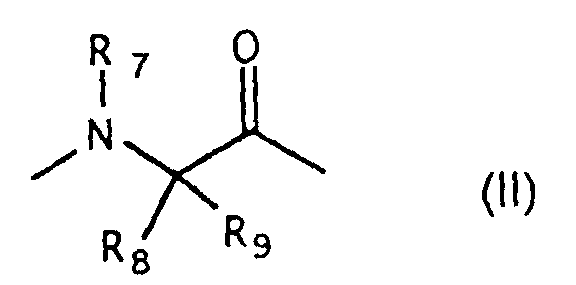
- AA is independently selected from the group consisting of (a) and (b) where (a) is defined as an amino acid of formula II
- R 5 and R 6 are aryl.
- Heteroaryl is defined as an unsubstituted or an optionally substituted mono- or bicyclic ring system of about 5 to about 12 carbon atoms and where each monocyclic ring may possess from 0 to about 4 heteroatoms, and each bicyclic ring may possess about 0 to about 5 heteroatoms selected from N, O, and S provided said heteroatoms are not vicinal oxygen and/or sulfur atoms and where the substituents, numbering from 0 to about 5 may be located at any appropriate position of the ring system and are described by R 11 .
- Examples of such mono- and bicyclic ring systems which are by no means meant to limit the scope of this invention, include benzofuran, benzothiophene, indole, benzopyrazole, coumarin, isoquinoline, pyrrole, thiophene, furan, thiazole, imidazole, pyrazole, triazole, quinoline, pyrollidenone, pyrimidine, pyridine, pyridone, pyrazine, pyridazine, isothiazole, isoxazole and tetrazole.
- the pharmaceutically acceptable salts include both acid and base addition salts.
- acid addition salts refers to those salts which retain the biological effectiveness and properties of the free bases and which are not biologically or otherwise undesirable, formed with inorganic acids such as hydrochloric acid, hydrobromic acid, sulfuric acid, nitric acid, phosphoric acid and the like, and organic acids such as acetic acid, propionic acid, glycolic acid, pyruvic acid, oxalic acid, maleic acid, malonic acid, succinic acid, fumaric acid, tartaric acid, citric acid, benzoic acid, cinnamic acid, mandelic acid, methanesulfonic acid, ethanesulfonic acid, p-toluenesulfonic acid, salicylic acid and the like.
- inorganic acids such as hydrochloric acid, hydrobromic acid, sulfuric acid, nitric acid, phosphoric acid and the like
- organic acids such as acetic acid, propionic acid, glycolic acid, pyruvic acid, oxalic acid
- base addition salts include those derived from inorganic bases such as sodium, potassium, lithium, ammonium, calcium, magnesium, iron, zinc, copper, manganese, aluminum salts and the like. Particularly preferred are the ammonium, potassium, sodium, calcium and magnesium salts derived from pharmaceutically acceptable organic non-toxic bases which include salts of primary, secondary, and tertiary amines, substituted amines including naturally occurring substituted amines, cyclic amines and basic ion exchange resins, such as isopropylamine, trimethylamine, diethylamine, triethylamine, tripropylamine, ethanolamine, 2-dimethylaminoethanol, 2-diethylaminoethanol, trimethamine, dicyclohexylamine, lysine, arginine, histidine, caffeine, procaines, hydrabamine, choline, betaine, ethylenediamine, glucosamine, methylglucamine, theobromine, purines, piperazine
- Alkyl is defined as a saturated aliphatic hydrocarbon which may be either straight- or branched-chain or cyclic. Preferred groups have no more than about 12 carbon atoms and may be methyl, ethyl and structural isomers of propyl, butyl, pentyl, hexyl, heptyl, octyl, nonyl, decyl, undecyl, dodecyl, cyclopropyl, cyclobutyl, cyclopentyl, cyclohexyl, cycloheptyl and cyclooctyl.
- Aryl is defined as a phenyl or naphthyl or a substituted phenyl and a substituted naphthyl ring wherein one or more of the hydrogens has been replaced by the same or different substituents as selected from R 11 .
- Alkoxy refers to an alkyl-O-group, e.g. methoxy or ethoxy.
- Aryloxy refers to an aryl-O-group, e.g. phenoxy.
- Heteroxy refers to a hetero-O-group, e.g. 4-pyridyloxy.
- Aralkyl refers to an alkyl group substituted by an aryl radical, e.g. benzyl.
- Heteroaralkyl refers to an alkyl group substituted by a heteroaryl radical, e.g. (4-pyridyl)methyl.
- Alkenyl is defined as an unsaturated aliphatic hydrocarbon which may be either straight- or branched-chain or cyclic. Preferred groups have no more than about 12 carbon atoms and no fewer than 2 carbon atoms and contain from one to up to about 6 double bonds. Examples of alkenyl groups include ethenyl, propenyl, 1-hexenyl, 1,3-hexdienyl, 2-methyl-2-butenyl, 2-methyl-3-pentenyl, cyclopentenyl, cyclohexenyl and cyclobutenyl.
- Alkylacyl refers to an alkyl-C(O)-group, e.g. acetyl or propionyl.
- Alkylacyloxy refers to an alkyl-C(O)O-group, e.g. an acetoxy group.
- Alkylacylamino means alkyl-C(O)-NR 7 where R 7 has been defined previously.
- Alkylacylguanidino means alkyl-C(O)NR 6 C(NR 7 )NH- where R 6 and R 7 have been defined previously.
- Ureido refers to an R 6 R 7 N-C(O)-N-R 6 -group where R 6 and R 7 are described previously.
- Haloalkyl is defined as a saturated aliphatic hydrocarbon of 1-12 carbon atoms which may be either straight- or branched-chain or cyclic and where one or more of the hydrogen atoms is replaced with halogen.
- Preferred haloalkyl groups include trifluoromethyl and pentafluoroethyl.
- Halo means bromo, chloro and fluoro.
- the present invention also concerns a method of inhibiting interleukin-1 ⁇ protease activity in a mammal in need of such treatment comprising administering to said mammal an effective inhibitory amount of a compound of formula (I) or a pharmaceutical composition containing a compound of the formula (I) in a pharmaceutically acceptable carrier.
- the method of inhibition is directed for the treatment of IL-1 ⁇ mediated disease states or disorders which include: infectious diseases, such as meningitis and salpingitis; septic shock, respiratory diseases; inflammatory conditions, such as arthritis, cholangitis, colitis, encephalitis, endocerolitis, hepatitis, pancreatitis and reperfusion injury, immune-based diseases, such as hypersensitivity; auto-immune diseases, such as multiple sclerosis; bone diseases; and certain tumors.
- infectious diseases such as meningitis and salpingitis
- septic shock respiratory diseases
- inflammatory conditions such as arthritis, cholangitis, colitis, encephalitis, endocerolitis, hepatitis, pancreatitis and reperfusion injury
- immune-based diseases such as hypersensitivity
- auto-immune diseases such as multiple sclerosis
- bone diseases and certain tumors.
- compositions of the present invention comprises an active ingredient of the compound of formula (I) in admixture with a pharmaceutically acceptable, non-toxic carrier.
- a pharmaceutically acceptable, non-toxic carrier such compositions may be prepared for use by any of a variety of routes depending upon the specific end use, including parenterally (including subcutaneous, intra-articular, intramuscular and intravenous administration), particularly in the form of liquid solutions or suspensions; for oral or buccal (including sublingual) administration, particularly in the form of tablets or capsules; intranasally, particularly in the form of powders, nasal drops or aerosols or transdermally.
- parenterally including subcutaneous, intra-articular, intramuscular and intravenous administration
- oral or buccal including sublingual
- administration particularly in the form of tablets or capsules
- intranasally particularly in the form of powders, nasal drops or aerosols or transdermally.
- the most suitable route in any given case will depend upon the use, the particular active ingredient, and the subject involved.
- the compound or composition may also
- the ccmpounds When administered orally (or rectally) the ccmpounds will usually be formulated into a unit dosage form such as a tablet, capsule, suppository or cachet.
- Such formulations typically include a solid, semisolid or liquid carrier or diluent.
- Exemplary diluents and vehicles are lactose, dextrose, sucrose, sorbitol, mannitol, starches, gum acacia, calcium phosphate, mineral oil, cocoa butter, oil of theobroma, alginates, tragacanth, gelatin, syrup, methylcellulose, polyoxyethylene sorbitan monolaurate, methyl hydroxybenzoate, propyl hydroxybenzoate, talc, and magnesium stearate.
- compositions may be prepared by any of the methods well-known in the pharmaceutical art, for example as described in Remington's Pharmaceutical Sciences , 17th edition, Mack Publishing Company, Easton, PA, 1985.
- Formulations for parenteral administration may contain as common excipients sterile water or saline, alkylene glycols such as propylene glycol, polyalkylene glycols such as polyethylene glycol, oils of vegetable origin, hydrogenated naphthalenes and the like.
- Examples of vehicles for parenteral administration include water, aqueous vehicles such as saline, Ringer's solution, dextrose solution, and Hank's solution and nonaqueous vehicles such as fixed oils (such as corn, cottonseed, peanut, and sesame), ethyl oleate, and isopropyl myristate.
- aqueous vehicles such as saline, Ringer's solution, dextrose solution, and Hank's solution
- nonaqueous vehicles such as fixed oils (such as corn, cottonseed, peanut, and sesame), ethyl oleate, and isopropyl myristate.
- Sterile saline is a preferred vehicle and the compounds are sufficiently water soluble to be made up as a solution for all foreseeable needs.
- the vehicle may contain minor amounts of additives such as substances that enhance solubility, isotonicity, and chemical stability, for example, antioxidants, buffers, and preservatives.
- Formulations for nasal administration may be solid and contain as excipients, for example, lactose or dextran, or may be aqueous or oily solutions for administration in the form of nasal drops or metered spray.
- excipients include sugars, calcium stearate, magnesium stearate, pregelatinated starch, and the like.
- surfactant acids such as for example, glycocholic acid, cholic acid, taurocholic acid, ethocholic acid, desoxycholic acid, chenodesoxycholic acid, dehydrocholic acid, glycodeoxycholic acid, and the like (See, B.H. Vickery, "LHRH and its Analogs-Contraception and Therapeutic Applications", Pt. 2. B.H. Vickery and J.S. Nester, Eds., MTP Press, Lancaster, UK, 1987).
- the active ingredient in amounts between about 0.1 and 100 mg/kg body weight, most preferably from about 0.1 to 30 mg/kg body weight for human therapy, the active ingredient being administered preferably in the range of from about 0.1 to about 20-50 mg/kg/day.
- This administration may be accomplished by a single administration, by distribution over several applications or by slow release in order to achieve the most effective results.
- administration will most preferably be in the range of from about 0.1 mg/kg to about 10 mg/kg.
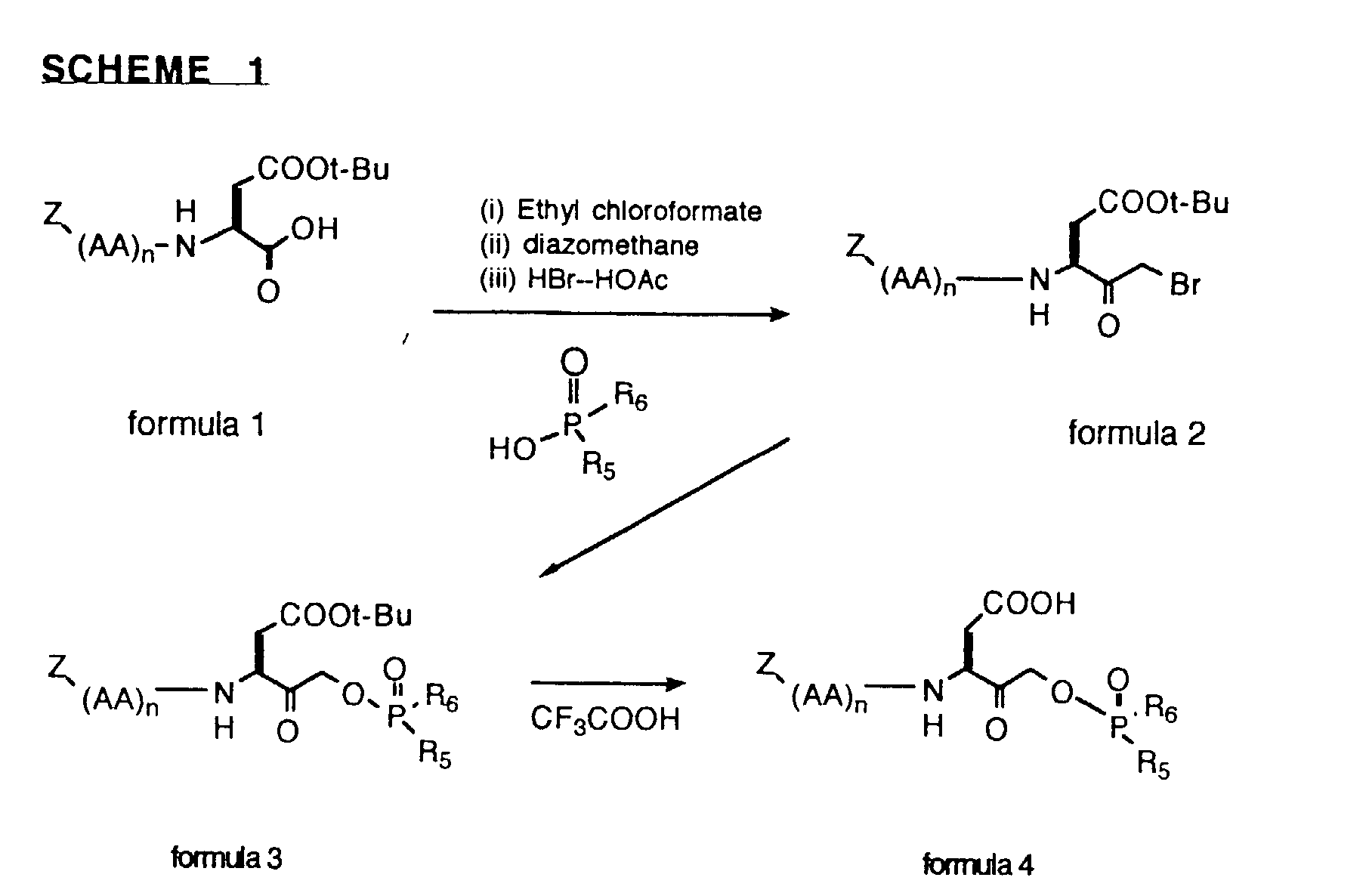
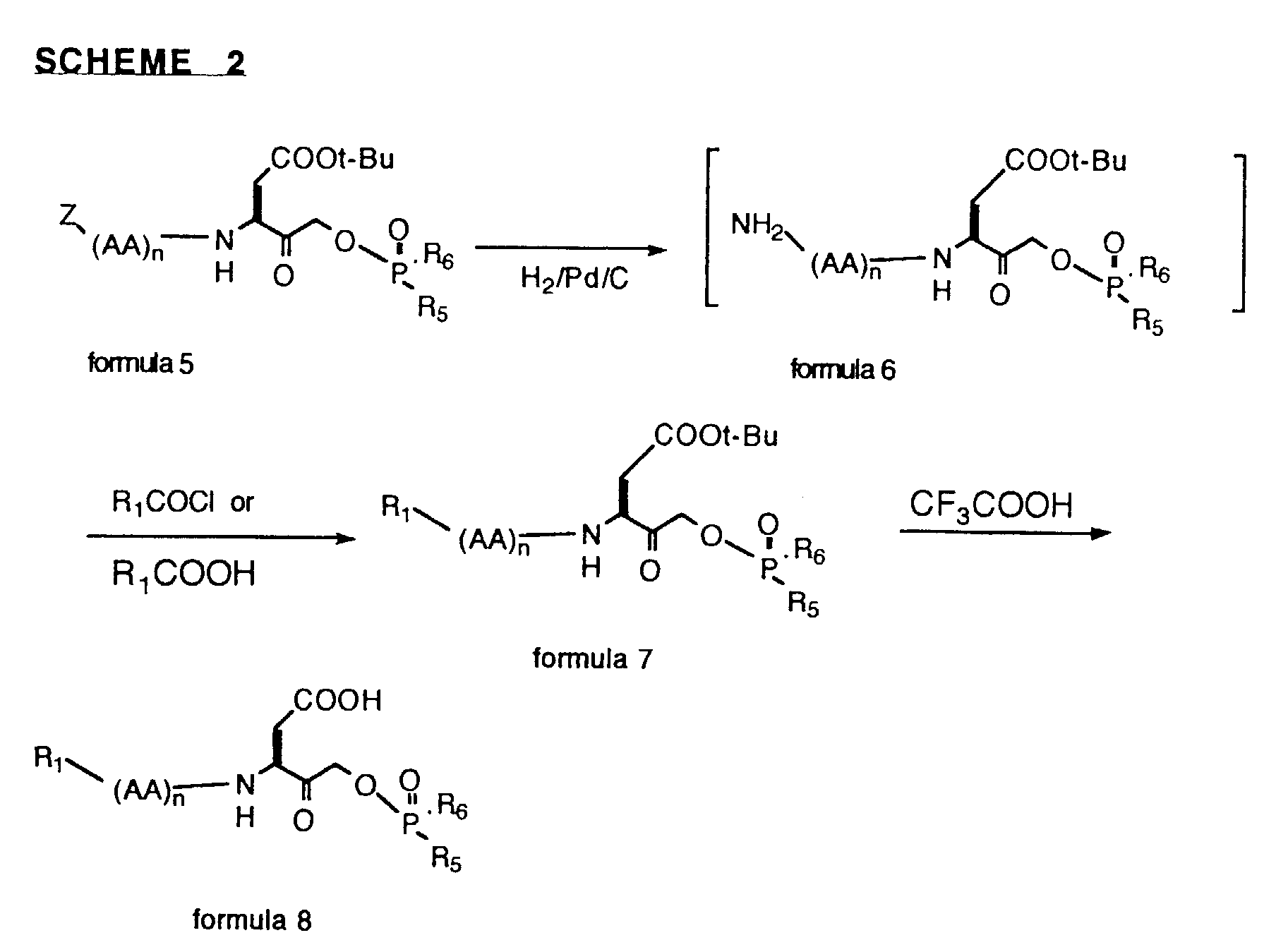
- the compounds of this invention are prepared by one of two related general synthetic methods as described in Schemes 1 and 2.
- the first step of the method involves the synthesis of Z-protected amino acid bromomethyl ketones (formula 2), where the "Z-group” refers to the "benzyloxycarbonyl group".
- Z-group refers to the "benzyloxycarbonyl group”.
- the t-butyl ester bromoketone (formula 2) is reacted with a variety of phosphinic acids. This is conducted by exposing the bromomethyl ketone to an excess of the phosphinic acids in a DMF containing sodium or potassium hydride or potassium fluoride. The reaction can be conveniently monitored by thin layer chromatography (TLC) and once the TLC indicates that the displacement of the bromide with the phosphinic acids is completed, the product is isolated using standard procedures.
- TLC thin layer chromatography
- the desired aspartic acid-based mono-t-butyl ester phosphinyloxymethyl ketones (formula 3) may be purified by conventional methods including recrystallization and silica gel column chromatography.
- the remaining synthetic transformation to generate the ICE inhibitors is hydrolysis of the t-butyl ester function. This is conducted by exposing the ester to a 25% solution of trifluoroacetic acid at 25°C The de-esterification is usually complete within 3 h and the removal of the volatile TFA and solvent affords the aspartic acid derivative in formula 4. The yield of the reaction is quantitative in most instances, providing the t-butyl ester starting material of high purity. Purification, if required, can be performed by recrystallization or chromatographic techniques which are well known to those skilled in the art. A solution of 3M anhydrous HCl in ethyl acetate may be used in place of TFA-methylene chloride solution with equal efficiency.
- N-terminal amine is then condensed with a carboxylic acid chloride or an active carboxylic acid ("The Practice of Peptide Synthesis", M Bodanszky, Springer-Verlag, NY,1984) to yield an amide (formula 7).
- carboxylic acid chloride or an active carboxylic acid (The Practice of Peptide Synthesis", M Bodanszky, Springer-Verlag, NY,1984) to yield an amide (formula 7).
- t-butyl ester is removed with trifluoroacetic acid to afford the aspartic acid derivative (formula 8).
- phosphinic acids used in the reaction with the bromomethyl ketones can be either purchased from commercial sources or synthesized by adopting known procedures. Their synthesis is readily deduced by those skilled in the art of organic synthesis.
- the 4-(N,N-dimethylaminomethyl) benzoyl chloride was prepared by reacting the acid with excess oxalyl chloride for 1 hr at 25°C.
- the 4-(N,N-dimethylaminomethyl) benzoic acid was in turn prepared from methyl 4-aminomethylbenzoate via reductive alkylation (CH 2 O, Na(OAc) 3 BH as in J. Org. Chem .,1972, 37, 1673) followed by hydrolysis using 10% aqueous NaOH.
- Partially purified IL-1 ⁇ protease is stored at -80°C, thawed on ice, and preincubated for 10 minutes at 37°C with 2.5 mM dithiothreitol in a buffer solution containing 10 mM Tris-HCI (pH 8.0) and 25% (v/w) glycerol.
- Inhibitors are prepared as stock solutions in dimethyl sulfoxide (DMSO).
- DMSO dimethyl sulfoxide
- the protease is preincubated with inhibitor in a volume of 20 ⁇ L in a 1.5 ml polypropylene microcentrifuge tube for 15 minutes at 37°C.
- the volume of compound added to the assay is adjusted to yield a DMSO concentration in the preincubation of ⁇ 15% (v/v).
- the enzyme assay is then initiated by the addition of substrate (TRITC-AYVHDAPVRS-NH 2 ) to yield a final concentration of 67 ⁇ M in a final volume of 30 ⁇ l.
- substrate TRITC-AYVHDAPVRS-NH 2
- the reactions are carried out for 60 minutes at 37°C in the dark and are terminated by the addition of 10 ⁇ l 10% trifluoroacetic acid (TFA).
- TFA trifluoroacetic acid
- the samples are analyzed by high pressure liquid chromatography using a reverse phase (C18) column and elution with an acetonitrile/water/TFA gradient. Substrate and product are monitored by their absorbance at 550 nm and elute at 4.2 and 5.2 minutes, respectively.
- the IC50 values recorded for inhibition against the enzyme were ⁇ 10 ⁇ M.
Landscapes
- Chemical & Material Sciences (AREA)
- Health & Medical Sciences (AREA)
- Organic Chemistry (AREA)
- Life Sciences & Earth Sciences (AREA)
- General Health & Medical Sciences (AREA)
- Biochemistry (AREA)
- Medicinal Chemistry (AREA)
- Molecular Biology (AREA)
- Veterinary Medicine (AREA)
- Animal Behavior & Ethology (AREA)
- Public Health (AREA)
- Pharmacology & Pharmacy (AREA)
- General Chemical & Material Sciences (AREA)
- Chemical Kinetics & Catalysis (AREA)
- Nuclear Medicine, Radiotherapy & Molecular Imaging (AREA)
- Proteomics, Peptides & Aminoacids (AREA)
- Engineering & Computer Science (AREA)
- Bioinformatics & Cheminformatics (AREA)
- Immunology (AREA)
- Crystallography & Structural Chemistry (AREA)
- Genetics & Genomics (AREA)
- Biophysics (AREA)
- Pain & Pain Management (AREA)
- Rheumatology (AREA)
- Gastroenterology & Hepatology (AREA)
- Epidemiology (AREA)
- Pharmaceuticals Containing Other Organic And Inorganic Compounds (AREA)
- Medicines That Contain Protein Lipid Enzymes And Other Medicines (AREA)
- Acyclic And Carbocyclic Compounds In Medicinal Compositions (AREA)
- Peptides Or Proteins (AREA)
- Enzymes And Modification Thereof (AREA)
- Medicinal Preparation (AREA)
Abstract
Description


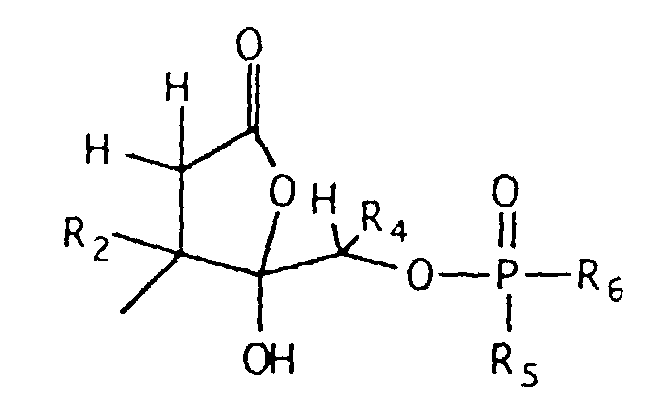
- R2 is H or deuterium;
- R3 is OH, OR7, NR7OR8 or NR7R8;
- where R7 and R8 are independently H, alkyl, cycloalkyl, aralkyl, heteroaralkyl, aryl or heteroaryl;
- R4 is H or lower alkyl;
- R5 and R6 are optionally and independently selected from H, OH, alkyl, aryl, aralkyl, heteroaryl, heteroaralkyl, alkoxy, aroxy, heteroaroxy, aralkoxy, heteroaralkoxy, alkenyl, aralkenyl or heteroaralkenyl;


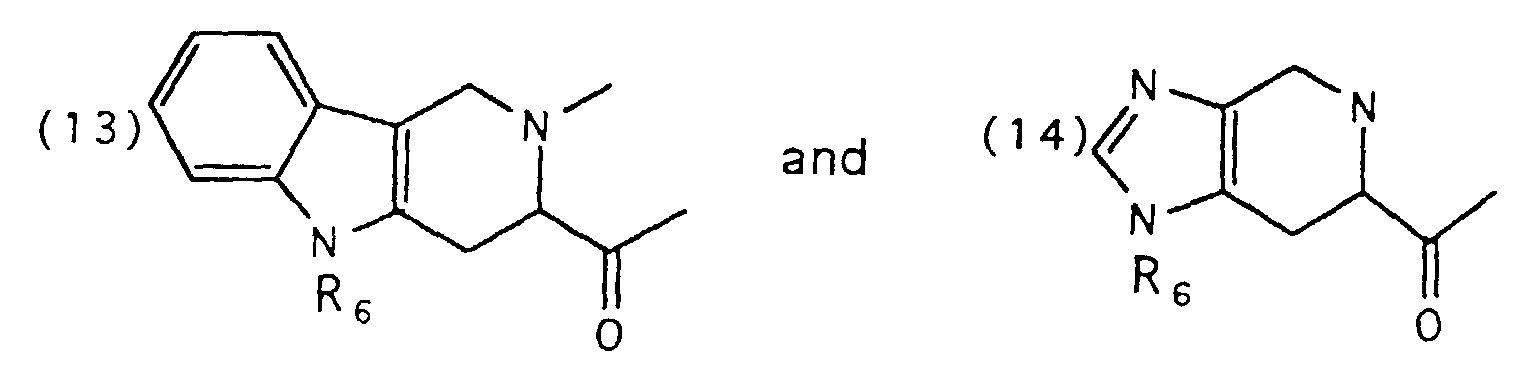
- R1 is R10-CO- or R10SO2-, where R10 is defined previously;
- R11 is H, alkyl, alkenyl, aryl, heteroaryl, aralkyl, heteroaralkyl, aralkenyl, heteroaralkenyl, hydroxy, alkoxy, 2-(alkoxy)ethoxy, 2-(alkoxy)aminoethyl, 2-(alkoxy)-N-alkylaminoethyl, aralkoxy, heteroaralkoxy, alkylacyloxy, aralkylacyloxy, heteroaralkylacyloxy, aracyloxy, heteroaracyloxy, aryloxyalkylacyloxy, heteroaryloxyalkylacyloxy, alkylacyl, aralkylacyl, heteroaralkylacyl, alkylacylamino, aralkylacylamino, heteroaralkylacylamino, aracylamino, heleroaracylamino, aryloxyalkylacylamino, heteroaryloxyalkylacylamino, alkyloxyalkylacylamino, alkoxyacylamino, aralkoxyacylamino, heteroaralkoxyacylamino, aracyl, heteroaracyl, aryloxyalkylacyl, heteroaryloxyalkylacyl, halo, haloalkyl, guanidino, mono- and di-alkylguanidino, mono- and di-aralkylguanidino, mono- and di-heteroaralkylguanidino, alkylacylguanidino, aralkylacylguanidino, heteroaralkylguanidino, aracylguanidino, heteroarylguanidino, amidino, mono- and di-alkylamidino, mono- and diaralkylamidino, mono- and di-heteroaralkylamidino, amino, mono- and dialkylamino, mono- and diaralkylamino, mono- and di-heteroaralkylamino, carboxy, alkylcarboxy, carbalkoxy, carbaralkoxy, carbheteroaralkoxy, carbalkoxyalkenyl, carboxamido, mono- and dialkylcarboxamido, mono- and diarcarboxamido, mono and di-heteroarcarboxamido, mono- and di-aralkylcarboxamido, mono- and di-heteroaralkylcarboxamido, thio, alkylthio, arylthio, heteroarylthio, aralkylthio, heteroaralkylthio, sulfonamido, mono- and di-alkylsulfonamido, mono- and di-aralkylsulfonamido, mono- and di-heteroaralkylsulfonamido, morpholinosulfonamido, alkylsulfonyl, aralkylsulfonyl, heteroaralkylsulfonyl, arylsulfonyl, heteroarylsulfonyl, nitro, cyano, N-morpholinoalkyl, N-morpholinoalkoxy, N-morpholinoaralkyl, N-morpholinoaralkoxy, N-morpholinoheteroaralkyl, N-morpholinoheteroaralkoxy, N-mono and N,N-dialkylaminoalkyl and N-mono- and N,N-dialkylaminoethoxy, quinuclidinylamino, quinuclidinyloxy, quinuclidinocarbonyl or ureido.
| Anal. for C31H35N2O9P . 0.5 CF3CO2H . 0.5H2O: | ||||||
| Calcd. | C, | 56.80; | H, | 5.44; | N, | 4.14. |
| Found: | C, | 56.85; | H, | 5.33, | N, | 4.15. |
| Anal. . for C27H28NO9P · 0.5 CF3CO2H: | ||||||
| Calcd | C, | 56.19; | H, | 4.80; | N, | 2.34. |
| Found: | C, | 55.98, | H, | 4.77; | N, | 2.38. |
| Anal. for C26H26NO8P · 0.5 CF3CO2H: | ||||||
| Calcd. | C, | 57.05; | H, | 4.70; | N, | 2.46. |
| Found: | C, | 57.29; | H, | 4.78; | N, | 2.50. |




Claims (8)
- A compound of the formula (I) or a pharmaceutically acceptable salt thereof:wherein:
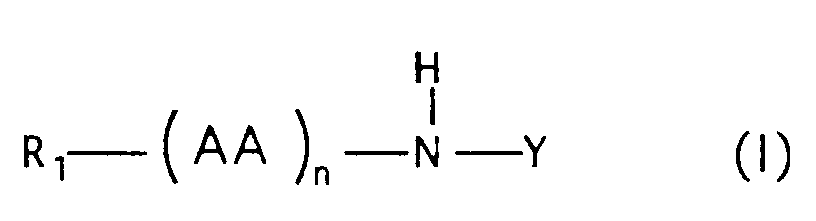 and when R3 is OH, then Y can also ben is 0-4;Y is
 It being understood that:R2 is H or deuterium;R3 is OH, OR7, NR7OR8 or NR7R8;where R7 and R8 are independently H, alkyl, cycloalkyl, aralkyl, heteroaralkyl, aryl or heteroaryl;R4 is H or lower alkyl;R5 and R6 are optionally and independently selected from H, OH, alkyl, aryl, aralkyl, heteroaryl, heteroaralkyl, alkoxy, aroxy, heteroaroxy, aralkoxy, heteroaralkoxy, alkenyl, aralkenyl or heteroaralkenyl;AA is independently selected from the group consisting of (a) and (b) where (a) is defined as an amino acid of formula II
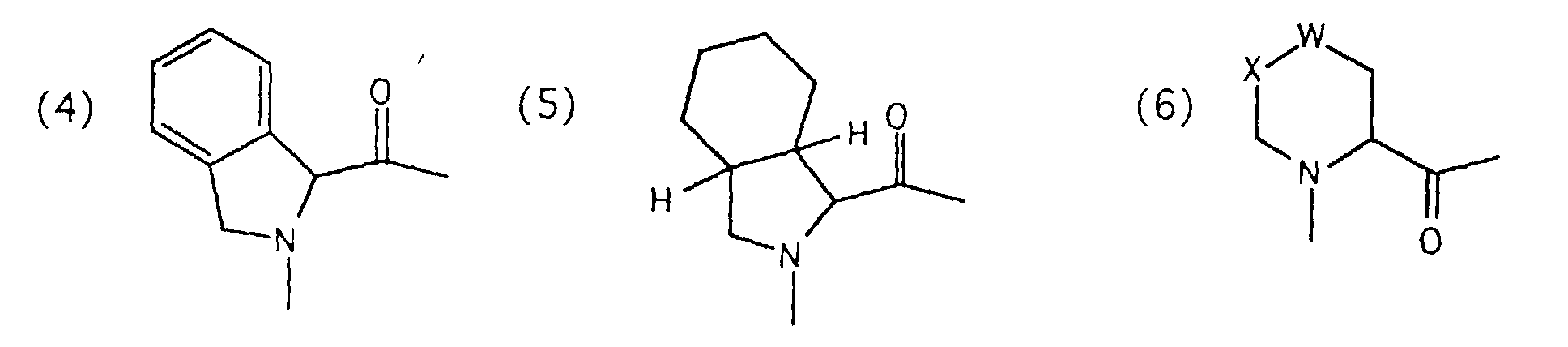
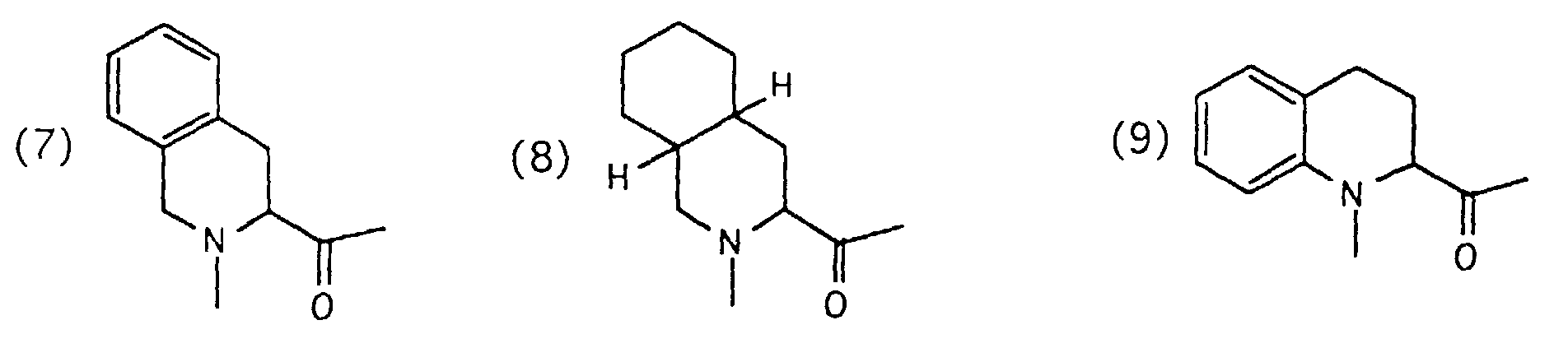
 wherein R7 and R8 are defined as above and R9 is (CR6R7)0-6-R10;where R10 is a radical optionally selected from R11,where R11 is described below; andwhere group (b) is selected from the group consisting of:
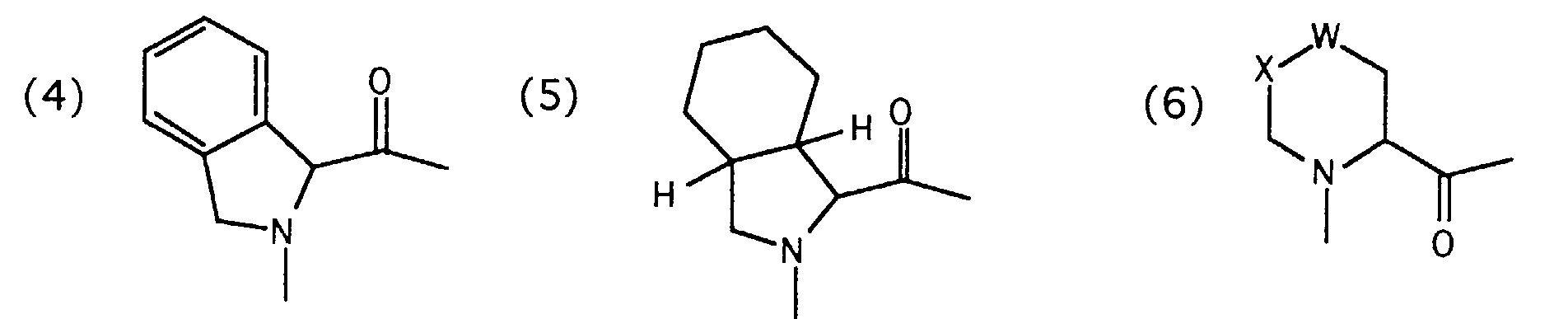
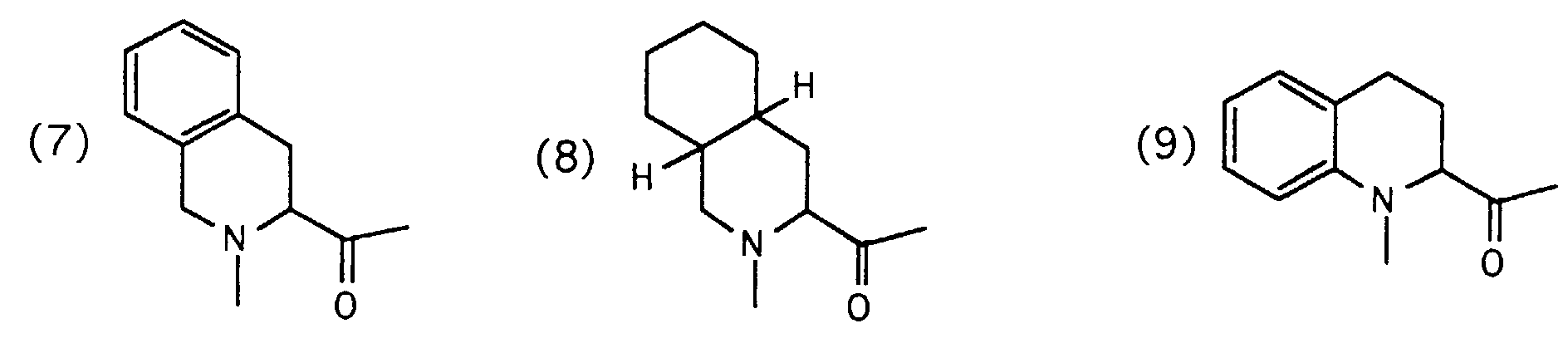
 where W and X are optionally CH2, O, S or NR7;
 R1 is R10-CO- or R10SO2-, where R10 is defined previously;R11 is H, alkyl, alkenyl, aryl, heteroaryl, aralkyl, heteroaralkyl, aralkenyl, heteroaralkenyl, hydroxy, alkoxy, 2-(alkoxy)ethoxy, 2-(alkoxy)aminoethyl, 2-(alkoxy)-N-alkylaminoethyl, aralkoxy, heteroaralkoxy, alkylacyloxy, aralkylacyloxy, heteroaralkylacyloxy, aracyloxy, heteroaracyloxy, aryloxyalkylacyloxy, heteroaryloxyalkylacyloxy, alkylacyl, aralkylacyl, heteroaralkylacyl, alkylacylamino, aralkylacylamino, heteroaralkylacylamino, aracylamino, heteroaracylamino, aryloxyalkylacylamino, heteroaryloxyalkylacylamino, alkyloxyalkylacylamino, alkoxyacylamino, aralkoxyacylamino, heteroaralkoxyacylamino, aracyl, heteroaracyl, aryloxyalkylacyl, heteroaryloxyalkylacyl, halo, haloalkyl, guanidino, -mono- and di-alkylguanidino, mono- and di-aralkyl-guanidino, mono- and di-heteroaralkylguanidino, alkylacylguanidino, aralkylacylguanidino, heteroaralkylguanidino, aracylguanidino, heteroarylguanidino, amidino, mono- and di-alkylamidino, mono- and diaralkylamidino, mono- and di-heteroaralkylamidino, amino, mono- and dialkylamino, mono- and diaralkylamino, mono- and di-heteroaralkylamino, carboxy, alkylcarboxy, carbalkoxy, carbaralkoxy, carbheteroaralkoxy, carbalkoxyalkenyl, carboxamido, mono- and dialkylcarboxamido, mono- and diarcarboxamido, mono and di-heteroarcarboxamido, mono- and di-aralkylcarboxamido, mono- and di-heteroaralkylcarboxamido, thio, alkylthio, arylthio, heteroarylthio, aralkylthio, heteroaralkylthio, sulfonamido, mono- and di-alkylsulfonamido, mono- and di-aralkylsulfonamido, mono- and di-heteroaralkylsulfonamido, morpholinosulfonamido, alkylsulfonyl, aralkylsulfonyl, heteroaralkylsulfonyl, arylsulfonyl, heteroarylsulfonyl, nitro, cyano, N-morpholinoalkyl, N-morpholinoalkoxy, N-morpholinoaralkyl, N-morpholinoaralkoxy, N-morpholinoheteroaralkyl, N-morpholinoheteroaralkoxy, N-mono and N,N-dialkylaminoalkyl and N-mono- and N,N-dialkylaminoethoxy, quinuclidinylamino, quinuclidinyloxy, quinuclidinocarbonyl or ureido;alkyl designates a saturated aliphatic hydrocarbon which may be either straight- or branched-chain or cyclic and contain no more than 12 carbon atoms;aryl designates phenyl or naphthyl optionally substituted by one or more substituents which are independently selected from the meanings of R11;heteroaryl designates an optionally substituted mono- or bicyclic ring system of from 5 to 12 carbon atoms, in which each monocyclic ring possesses from 0 to 4 heteroatoms and each bicyclic ring possesses from 0 to 5 heteroatoms selected from N, O and S provided that said heteroatoms are not vicinal oxygen and/or sulfur atoms, the substituents which are described by R11 being located at any position of the ring system;alkenyl designates an unsaturated aliphatic hydrocarbon which may be either straight- or branched chain or cyclic and contain from 2 to 12 carbon atoms and from one to 6 double bonds;alkylacyl designates an alkyl-C(O)- group; andureido designates an R6R7N-C(O)-NR6 group in which R6 and R7 are as defined above.
 - A compound according to claim 1 wherein R5 and R6 are aryl in which aryl is as defined in claim 1.
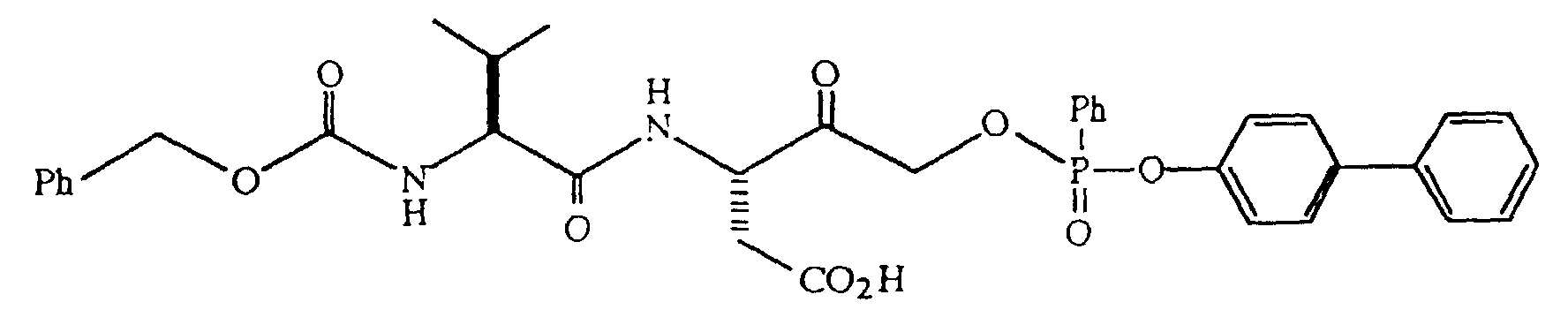
- A compound according to claim 1 selected from the group consisting of: N-[4-(N,N-Dimethylaminomethyl)]benzoyl-L-valyl-L-aspartic add diphenylphosphinyloxymethyl ketone,N-Benzyloxycarbonyl-L-valyl-L-aspartic add diphenylphosphinyloxymethyl ketone,N-Benzyloxycarbonyl-L-aspartic acid diphenylphosphinyloxymethyl ketone,N-Benzyloxycarbonyl-L-aspartic acid (p-chlorophenyl)phenylphosphinyloxymethyl ketone andN-Benzyloxycarbonyl-L-aspartic acid (p-methoxyphenyl)phenylphosphinyloxymethyl ketone.
- A compound according to claim 1 selected from the group consisting of: N-Benzyloxycarbonyl-L-valyl-L-alanyl-L-aspartic acid diphenylphosphinyloxymethylketone,N-[4-(N,N-Dimethylaminomethyl)]benzoyl-L-valyl-L-alanyl-L-aspartic acid diphenylphosphinyloxymethylketone,N-Benzyloxycarbonyl-L-valyl-L-aspartic acid (p-methoxyphenyl)phenylphosphinyloxymethyl ketone,N-Benzyloxycarbonyl-L-valyl-L-aspartic acid (p-chlorophenyl)phenylphosphinyloxymethyl ketone andN-Benzyloxycarbonyl-L-aspartic acid di-(p-methoxyphenyl)phosphinyloxymethyl ketone.
- A compound according to daim 1 selected from the group consisting of: N-Benzyloxycarbonyl-L-aspartic acid (m-methoxyphenyl)-phenylphosphinyloxymethyl ketone,N-4-(Pyridyl)carbomethoxy-L-valyl-L-alanyl-L-aspartic acid diphenylphosphinyloxymethyl ketone,N-Benzyloxycarbonyl-L-valyl-D-aspartic acid diphenylphosphinyloxymethyl ketone andN-3-(Quinuclidinyl)carbonyl-L-valyl-L-alanyl-L-aspartic acid diphenylphosphinyloxymethyl ketone.
- A compound according to claim 1 selected from the group consisting of: N-Benzyloxycarbonyl-L-valyl-L-aspartic acid dimethylphosphinyloxymethyl ketone,N-Benzyloxycarbonyl-L-valyl-L-aspartic acid (methyl)(4-(2-methylpropyl)phenyl)phosphinyloxymethyl ketone,N-Benzyloxycarbonyl-L-valyl-L-aspartic acid (phenyl)((4-phenyl)-phenyl)phosphinyloxymethyl ketone,N-Benzyloxycarbonyl-L-valyl-L-aspartic acid phenylphosphinyloxymethyl ketone andN-Benzyloxycarbonyl-L-valyl-L-aspartic acid (methyl)((4-phenyl)-phenyl)phosphinyloxymethyl ketone
- A pharmaceutical composition for inhibiting interleukin-1β protease comprising a compound of the formula (I) or a pharmaceutically acceptable salt thereof according to any one of the preceding claims in a pharmaceutically acceptable carrier.
- The use of a compound of formula (I) or a pharmaceutically acceptable salt thereof according to any one of claims 1 to 6 or a pharmaceutical composition according to claim 7 for the preparation of a medicament for inhibiting interleukin-1β protease activity in a mammal in need of such treatment .
Applications Claiming Priority (2)
| Application Number | Priority Date | Filing Date | Title |
|---|---|---|---|
| US7321993A | 1993-06-04 | 1993-06-04 | |
| US73219 | 1993-06-04 |
Publications (2)
| Publication Number | Publication Date |
|---|---|
| EP0644197A1 EP0644197A1 (en) | 1995-03-22 |
| EP0644197B1 true EP0644197B1 (en) | 1998-09-09 |
Family
ID=22112457
Family Applications (1)
| Application Number | Title | Priority Date | Filing Date |
|---|---|---|---|
| EP94201570A Expired - Lifetime EP0644197B1 (en) | 1993-06-04 | 1994-06-02 | Peptidic phosphinyloxymethyl ketones as interleukin-1beta-converting enzyme inhibitors |
Country Status (15)
| Country | Link |
|---|---|
| EP (1) | EP0644197B1 (en) |
| JP (1) | JPH0725887A (en) |
| KR (1) | KR950000717A (en) |
| AT (1) | ATE170868T1 (en) |
| AU (1) | AU685447B2 (en) |
| CA (1) | CA2125080A1 (en) |
| CZ (1) | CZ137994A3 (en) |
| DE (1) | DE69413167T2 (en) |
| DK (1) | DK0644197T3 (en) |
| ES (1) | ES2122145T3 (en) |
| FI (1) | FI942625A7 (en) |
| IL (1) | IL109901A (en) |
| NO (1) | NO304983B1 (en) |
| NZ (1) | NZ260675A (en) |
| SK (1) | SK68694A3 (en) |
Cited By (3)
| Publication number | Priority date | Publication date | Assignee | Title |
|---|---|---|---|---|
| US6969703B2 (en) | 2000-04-17 | 2005-11-29 | Idun Pharmaceuticals, Inc. | Inhibitors of the ICE/ced-3 family of cysteine proteases |
| US7157430B2 (en) | 1998-10-22 | 2007-01-02 | Idun Pharmaceuticals, Inc. | (Substituted)acyl dipeptidyl inhibitors of the ICE/CED-3 family of cysteine proteases |
| US7417029B2 (en) | 2000-05-19 | 2008-08-26 | Vertex Pharmaceuticals Incorporated | Prodrug of an ice inhibitor |
Families Citing this family (23)
| Publication number | Priority date | Publication date | Assignee | Title |
|---|---|---|---|---|
| US6008217A (en) * | 1995-12-20 | 1999-12-28 | Vertex Pharmaceuticals Incorporated | Inhibitors of interleukin-1β converting enzyme |
| US5874424A (en) * | 1995-12-20 | 1999-02-23 | Vertex Pharmaceuticals Incorporated | Inhibitors of interleukin-1β converting enzyme |
| US6204261B1 (en) | 1995-12-20 | 2001-03-20 | Vertex Pharmaceuticals Incorporated | Inhibitors of interleukin-1β Converting enzyme inhibitors |
| US5716929A (en) * | 1994-06-17 | 1998-02-10 | Vertex Pharmaceuticals, Inc. | Inhibitors of interleukin-1β converting enzyme |
| US5756466A (en) * | 1994-06-17 | 1998-05-26 | Vertex Pharmaceuticals, Inc. | Inhibitors of interleukin-1β converting enzyme |
| US6420522B1 (en) | 1995-06-05 | 2002-07-16 | Vertex Pharmaceuticals Incorporated | Inhibitors of interleukin-1β converting enzyme |
| US5847135A (en) * | 1994-06-17 | 1998-12-08 | Vertex Pharmaceuticals, Incorporated | Inhibitors of interleukin-1β converting enzyme |
| EP0820464A2 (en) * | 1995-03-31 | 1998-01-28 | Takeda Chemical Industries, Ltd. | Cysteine protease inhibitor |
| CA2226414A1 (en) * | 1995-07-17 | 1997-02-06 | Cephalon, Inc. | Phosphorous-containing cysteine and serine protease inhibitors |
| EP1389624A1 (en) * | 1995-07-17 | 2004-02-18 | Cephalon, Inc. | Phosphorous-containing cysteine and serine protease inhibitors |
| US5639732A (en) * | 1996-07-10 | 1997-06-17 | Cephalon, Inc. | Phosphorous-containing cysteine and serine protease inhibitors |
| US5843904A (en) * | 1995-12-20 | 1998-12-01 | Vertex Pharmaceuticals, Inc. | Inhibitors of interleukin-1βconverting enzyme |
| GB9702377D0 (en) * | 1996-02-23 | 1997-03-26 | Zeneca Ltd | Peptide derivatives |
| NZ332347A (en) | 1996-06-07 | 2000-05-26 | Zeneca Ltd | Peptide derivatives containing a hydrophobic group, L-amino acid residues and modified L-amino acid residues |
| GB9621836D0 (en) * | 1996-10-19 | 1996-12-11 | Zeneca Ltd | Peptide compounds |
| GB9624562D0 (en) | 1996-11-27 | 1997-01-15 | Zeneca Ltd | Peptide derivatives |
| WO1999046248A1 (en) | 1998-03-09 | 1999-09-16 | Vertex Pharmaceuticals Incorporated | 1,2-diazepane derivatives as interleukin-1beta converting enzyme inhibitors |
| CA2324226C (en) | 1998-03-19 | 2012-06-05 | Vertex Pharmaceuticals Incorporated | Inhibitors of caspases |
| AU4434299A (en) | 1998-06-11 | 1999-12-30 | Isis Pharmaceuticals, Inc. | Synthetic methods and intermediates for triester oligonucleotides |
| US6242422B1 (en) * | 1998-10-22 | 2001-06-05 | Idun Pharmacueticals, Inc. | (Substituted)Acyl dipeptidyl inhibitors of the ice/ced-3 family of cysteine proteases |
| KR100448008B1 (en) | 2002-07-20 | 2004-09-08 | 주식회사 효성 | A high-strength and low-shrinkage polyester yarn and process for its preparation |
| AU2005249503B2 (en) | 2003-11-10 | 2011-08-25 | Vertex Pharmaceuticals Incorporated | ICE inhibitors for the treatment of autoinflammatory diseases |
| GB0411056D0 (en) | 2004-05-18 | 2004-06-23 | Novartis Ag | Organic compounds |
Family Cites Families (2)
| Publication number | Priority date | Publication date | Assignee | Title |
|---|---|---|---|---|
| JP2759895B2 (en) * | 1991-08-30 | 1998-05-28 | サノフィ | DNA sequence isolate encoding interleukin 1β protease |
| GB9123326D0 (en) * | 1991-11-04 | 1991-12-18 | Sandoz Ltd | Improvements in or relating to organic compounds |
-
1994
- 1994-06-02 ES ES94201570T patent/ES2122145T3/en not_active Expired - Lifetime
- 1994-06-02 DE DE69413167T patent/DE69413167T2/en not_active Expired - Lifetime
- 1994-06-02 AT AT94201570T patent/ATE170868T1/en not_active IP Right Cessation
- 1994-06-02 JP JP6120910A patent/JPH0725887A/en active Pending
- 1994-06-02 EP EP94201570A patent/EP0644197B1/en not_active Expired - Lifetime
- 1994-06-02 DK DK94201570T patent/DK0644197T3/en active
- 1994-06-03 NO NO942065A patent/NO304983B1/en not_active IP Right Cessation
- 1994-06-03 AU AU64514/94A patent/AU685447B2/en not_active Ceased
- 1994-06-03 FI FI942625A patent/FI942625A7/en unknown
- 1994-06-03 KR KR1019940012530A patent/KR950000717A/en not_active Ceased
- 1994-06-03 NZ NZ260675A patent/NZ260675A/en unknown
- 1994-06-03 CA CA002125080A patent/CA2125080A1/en not_active Abandoned
- 1994-06-05 IL IL10990194A patent/IL109901A/en not_active IP Right Cessation
- 1994-06-06 SK SK686-94A patent/SK68694A3/en unknown
- 1994-06-06 CZ CZ941379A patent/CZ137994A3/en unknown
Cited By (7)
| Publication number | Priority date | Publication date | Assignee | Title |
|---|---|---|---|---|
| US7157430B2 (en) | 1998-10-22 | 2007-01-02 | Idun Pharmaceuticals, Inc. | (Substituted)acyl dipeptidyl inhibitors of the ICE/CED-3 family of cysteine proteases |
| US6969703B2 (en) | 2000-04-17 | 2005-11-29 | Idun Pharmaceuticals, Inc. | Inhibitors of the ICE/ced-3 family of cysteine proteases |
| US7417029B2 (en) | 2000-05-19 | 2008-08-26 | Vertex Pharmaceuticals Incorporated | Prodrug of an ice inhibitor |
| US8022041B2 (en) | 2000-05-19 | 2011-09-20 | Vertex Pharmaceuticals Incorporated | Prodrug of an ICE inhibitor |
| US8329662B2 (en) | 2000-05-19 | 2012-12-11 | Vertexd Pharmaceuticals Incorporated | Prodrug of an ICE inhibitor |
| US9156880B2 (en) | 2000-05-19 | 2015-10-13 | Vertex Pharmaceuticals Incorporated | Prodrug of an ice inhibitor |
| US9487555B2 (en) | 2000-05-19 | 2016-11-08 | Vertex Pharmaceuticals Incorporated | Prodrug of an ice inhibitor |
Also Published As
| Publication number | Publication date |
|---|---|
| KR950000717A (en) | 1995-01-03 |
| ES2122145T3 (en) | 1998-12-16 |
| IL109901A0 (en) | 1994-10-07 |
| NO304983B1 (en) | 1999-03-15 |
| CZ137994A3 (en) | 1995-06-14 |
| FI942625L (en) | 1994-12-05 |
| AU6451494A (en) | 1994-12-08 |
| JPH0725887A (en) | 1995-01-27 |
| NO942065D0 (en) | 1994-06-03 |
| DE69413167D1 (en) | 1998-10-15 |
| EP0644197A1 (en) | 1995-03-22 |
| ATE170868T1 (en) | 1998-09-15 |
| DK0644197T3 (en) | 1999-06-07 |
| FI942625A0 (en) | 1994-06-03 |
| AU685447B2 (en) | 1998-01-22 |
| SK68694A3 (en) | 1995-02-08 |
| DE69413167T2 (en) | 1999-05-06 |
| NO942065L (en) | 1994-12-05 |
| NZ260675A (en) | 1996-04-26 |
| CA2125080A1 (en) | 1994-12-05 |
| FI942625A7 (en) | 1994-12-05 |
| IL109901A (en) | 1999-06-20 |
Similar Documents
| Publication | Publication Date | Title |
|---|---|---|
| US5677283A (en) | α-heteroaryloxymethyl ketones as interleukin - 1 β converting enzyme inhibitors | |
| AU685447B2 (en) | Peptidic phosphinyloxymethyl ketones as interleukin-1beta- converting enzyme inhibitors | |
| AU705882B2 (en) | Bicyclic lactam inhibitors of interleukin-1-beta converting enzyme | |
| EP0623606B1 (en) | Peptidic ketones as interleukin-1beta-converting enzyme inhibitors | |
| CA2186511C (en) | Pyrimidinyl derivatives as interleukin inhibitors | |
| EP0611375A1 (en) | Peptides inhibiting il-1 beta release | |
| US5843905A (en) | Peptidic phosphinyloxymethyl ketones as interleukin-1β-converting enzyme inhibitors | |
| JPH02501735A (en) | new compound | |
| HK1008146B (en) | Peptidic ketones as interleukin-1beta-converting enzyme inhibitors | |
| HK1012630B (en) | Bicycling lactam inhibitor of interleukin-1-beta converting enzyme | |
| HK1064102B (en) | Bicyclic lactam inhibitors of interleukin-1-beta coverting enzyme | |
| HK1012639A (en) | Alpha-heteroaryloxymethyl ketones as interleukin-1beta converting enzyme inhibitors | |
| HK1012623B (en) | Pyrimidinyl derivatives as interleukin inhibitors | |
| MXPA96006192A (en) | Inhibitors of lactama biciclica de la enzima queconvierte la interleucina-1-b |
Legal Events
| Date | Code | Title | Description |
|---|---|---|---|
| PUAI | Public reference made under article 153(3) epc to a published international application that has entered the european phase |
Free format text: ORIGINAL CODE: 0009012 |
|
| 17P | Request for examination filed |
Effective date: 19950102 |
|
| AK | Designated contracting states |
Kind code of ref document: A1 Designated state(s): AT BE CH DE DK ES FR GB GR IE IT LI LU MC NL PT SE |
|
| 17Q | First examination report despatched |
Effective date: 19960517 |
|
| RAP1 | Party data changed (applicant data changed or rights of an application transferred) |
Owner name: SANOFI |
|
| GRAG | Despatch of communication of intention to grant |
Free format text: ORIGINAL CODE: EPIDOS AGRA |
|
| GRAG | Despatch of communication of intention to grant |
Free format text: ORIGINAL CODE: EPIDOS AGRA |
|
| GRAG | Despatch of communication of intention to grant |
Free format text: ORIGINAL CODE: EPIDOS AGRA |
|
| GRAH | Despatch of communication of intention to grant a patent |
Free format text: ORIGINAL CODE: EPIDOS IGRA |
|
| RAP1 | Party data changed (applicant data changed or rights of an application transferred) |
Owner name: VERTEX PHARMACEUTICALS INCORPORATED |
|
| GRAH | Despatch of communication of intention to grant a patent |
Free format text: ORIGINAL CODE: EPIDOS IGRA |
|
| GRAA | (expected) grant |
Free format text: ORIGINAL CODE: 0009210 |
|
| AK | Designated contracting states |
Kind code of ref document: B1 Designated state(s): AT BE CH DE DK ES FR GB GR IE IT LI LU MC NL PT SE |
|
| REF | Corresponds to: |
Ref document number: 170868 Country of ref document: AT Date of ref document: 19980915 Kind code of ref document: T |
|
| REG | Reference to a national code |
Ref country code: CH Ref legal event code: EP |
|
| REF | Corresponds to: |
Ref document number: 69413167 Country of ref document: DE Date of ref document: 19981015 |
|
| REG | Reference to a national code |
Ref country code: IE Ref legal event code: FG4D |
|
| REG | Reference to a national code |
Ref country code: ES Ref legal event code: FG2A Ref document number: 2122145 Country of ref document: ES Kind code of ref document: T3 |
|
| REG | Reference to a national code |
Ref country code: CH Ref legal event code: NV Representative=s name: BOVARD AG PATENTANWAELTE |
|
| ET | Fr: translation filed | ||
| REG | Reference to a national code |
Ref country code: PT Ref legal event code: SC4A Free format text: AVAILABILITY OF NATIONAL TRANSLATION Effective date: 19981207 |
|
| REG | Reference to a national code |
Ref country code: DK Ref legal event code: T3 |
|
| PLBE | No opposition filed within time limit |
Free format text: ORIGINAL CODE: 0009261 |
|
| STAA | Information on the status of an ep patent application or granted ep patent |
Free format text: STATUS: NO OPPOSITION FILED WITHIN TIME LIMIT |
|
| 26N | No opposition filed | ||
| REG | Reference to a national code |
Ref country code: GB Ref legal event code: IF02 |
|
| PGFP | Annual fee paid to national office [announced via postgrant information from national office to epo] |
Ref country code: LU Payment date: 20040625 Year of fee payment: 11 |
|
| PGFP | Annual fee paid to national office [announced via postgrant information from national office to epo] |
Ref country code: MC Payment date: 20040628 Year of fee payment: 11 |
|
| PGFP | Annual fee paid to national office [announced via postgrant information from national office to epo] |
Ref country code: GR Payment date: 20040630 Year of fee payment: 11 Ref country code: DK Payment date: 20040630 Year of fee payment: 11 |
|
| PGFP | Annual fee paid to national office [announced via postgrant information from national office to epo] |
Ref country code: PT Payment date: 20050601 Year of fee payment: 12 |
|
| PG25 | Lapsed in a contracting state [announced via postgrant information from national office to epo] |
Ref country code: LU Free format text: LAPSE BECAUSE OF NON-PAYMENT OF DUE FEES Effective date: 20050602 |
|
| PG25 | Lapsed in a contracting state [announced via postgrant information from national office to epo] |
Ref country code: MC Free format text: LAPSE BECAUSE OF NON-PAYMENT OF DUE FEES Effective date: 20050630 Ref country code: DK Free format text: LAPSE BECAUSE OF NON-PAYMENT OF DUE FEES Effective date: 20050630 |
|
| PG25 | Lapsed in a contracting state [announced via postgrant information from national office to epo] |
Ref country code: GR Free format text: LAPSE BECAUSE OF NON-PAYMENT OF DUE FEES Effective date: 20060103 |
|
| REG | Reference to a national code |
Ref country code: DK Ref legal event code: EBP |
|
| PGFP | Annual fee paid to national office [announced via postgrant information from national office to epo] |
Ref country code: IE Payment date: 20060627 Year of fee payment: 13 |
|
| PGFP | Annual fee paid to national office [announced via postgrant information from national office to epo] |
Ref country code: BE Payment date: 20060714 Year of fee payment: 13 |
|
| PG25 | Lapsed in a contracting state [announced via postgrant information from national office to epo] |
Ref country code: PT Free format text: LAPSE BECAUSE OF NON-PAYMENT OF DUE FEES Effective date: 20061204 |
|
| REG | Reference to a national code |
Ref country code: PT Ref legal event code: MM4A Free format text: LAPSE DUE TO NON-PAYMENT OF FEES Effective date: 20061204 |
|
| BERE | Be: lapsed |
Owner name: *VERTEX PHARMACEUTICALS INC. Effective date: 20070630 |
|
| REG | Reference to a national code |
Ref country code: IE Ref legal event code: MM4A |
|
| PG25 | Lapsed in a contracting state [announced via postgrant information from national office to epo] |
Ref country code: BE Free format text: LAPSE BECAUSE OF NON-PAYMENT OF DUE FEES Effective date: 20070630 |
|
| PG25 | Lapsed in a contracting state [announced via postgrant information from national office to epo] |
Ref country code: IE Free format text: LAPSE BECAUSE OF NON-PAYMENT OF DUE FEES Effective date: 20070604 |
|
| PGFP | Annual fee paid to national office [announced via postgrant information from national office to epo] |
Ref country code: ES Payment date: 20080626 Year of fee payment: 15 |
|
| PGFP | Annual fee paid to national office [announced via postgrant information from national office to epo] |
Ref country code: AT Payment date: 20080521 Year of fee payment: 15 |
|
| PGFP | Annual fee paid to national office [announced via postgrant information from national office to epo] |
Ref country code: NL Payment date: 20080624 Year of fee payment: 15 |
|
| PGFP | Annual fee paid to national office [announced via postgrant information from national office to epo] |
Ref country code: SE Payment date: 20080627 Year of fee payment: 15 |
|
| NLV4 | Nl: lapsed or anulled due to non-payment of the annual fee |
Effective date: 20100101 |
|
| PGFP | Annual fee paid to national office [announced via postgrant information from national office to epo] |
Ref country code: IT Payment date: 20090629 Year of fee payment: 16 |
|
| PG25 | Lapsed in a contracting state [announced via postgrant information from national office to epo] |
Ref country code: AT Free format text: LAPSE BECAUSE OF NON-PAYMENT OF DUE FEES Effective date: 20090602 |
|
| PG25 | Lapsed in a contracting state [announced via postgrant information from national office to epo] |
Ref country code: NL Free format text: LAPSE BECAUSE OF NON-PAYMENT OF DUE FEES Effective date: 20100101 |
|
| REG | Reference to a national code |
Ref country code: ES Ref legal event code: FD2A Effective date: 20090603 |
|
| PG25 | Lapsed in a contracting state [announced via postgrant information from national office to epo] |
Ref country code: ES Free format text: LAPSE BECAUSE OF NON-PAYMENT OF DUE FEES Effective date: 20090603 |
|
| REG | Reference to a national code |
Ref country code: CH Ref legal event code: PFA Owner name: VERTEX PHARMACEUTICALS INCORPORATED Free format text: VERTEX PHARMACEUTICALS INCORPORATED#130 WAVERLY STREET#CAMBRIDGE, MA 02139-4242 (US) -TRANSFER TO- VERTEX PHARMACEUTICALS INCORPORATED#130 WAVERLY STREET#CAMBRIDGE, MA 02139-4242 (US) |
|
| PG25 | Lapsed in a contracting state [announced via postgrant information from national office to epo] |
Ref country code: IT Free format text: LAPSE BECAUSE OF NON-PAYMENT OF DUE FEES Effective date: 20100602 |
|
| PG25 | Lapsed in a contracting state [announced via postgrant information from national office to epo] |
Ref country code: SE Free format text: LAPSE BECAUSE OF NON-PAYMENT OF DUE FEES Effective date: 20090603 |
|
| PGFP | Annual fee paid to national office [announced via postgrant information from national office to epo] |
Ref country code: DE Payment date: 20120627 Year of fee payment: 19 Ref country code: CH Payment date: 20120625 Year of fee payment: 19 |
|
| PGFP | Annual fee paid to national office [announced via postgrant information from national office to epo] |
Ref country code: GB Payment date: 20120625 Year of fee payment: 19 Ref country code: FR Payment date: 20120709 Year of fee payment: 19 |
|
| REG | Reference to a national code |
Ref country code: CH Ref legal event code: PL |
|
| GBPC | Gb: european patent ceased through non-payment of renewal fee |
Effective date: 20130602 |
|
| REG | Reference to a national code |
Ref country code: FR Ref legal event code: ST Effective date: 20140228 |
|
| REG | Reference to a national code |
Ref country code: DE Ref legal event code: R119 Ref document number: 69413167 Country of ref document: DE Effective date: 20140101 |
|
| PG25 | Lapsed in a contracting state [announced via postgrant information from national office to epo] |
Ref country code: DE Free format text: LAPSE BECAUSE OF NON-PAYMENT OF DUE FEES Effective date: 20140101 Ref country code: LI Free format text: LAPSE BECAUSE OF NON-PAYMENT OF DUE FEES Effective date: 20130630 Ref country code: CH Free format text: LAPSE BECAUSE OF NON-PAYMENT OF DUE FEES Effective date: 20130630 Ref country code: GB Free format text: LAPSE BECAUSE OF NON-PAYMENT OF DUE FEES Effective date: 20130602 |
|
| PG25 | Lapsed in a contracting state [announced via postgrant information from national office to epo] |
Ref country code: FR Free format text: LAPSE BECAUSE OF NON-PAYMENT OF DUE FEES Effective date: 20130701 |