EP0629407B1 - Use of human protein C for prevention and treatment of depositions of thrombocytes - Google Patents
Use of human protein C for prevention and treatment of depositions of thrombocytes Download PDFInfo
- Publication number
- EP0629407B1 EP0629407B1 EP94109293A EP94109293A EP0629407B1 EP 0629407 B1 EP0629407 B1 EP 0629407B1 EP 94109293 A EP94109293 A EP 94109293A EP 94109293 A EP94109293 A EP 94109293A EP 0629407 B1 EP0629407 B1 EP 0629407B1
- Authority
- EP
- European Patent Office
- Prior art keywords
- thrombocytes
- protein
- prevention
- human protein
- aggregation
- Prior art date
- Legal status (The legal status is an assumption and is not a legal conclusion. Google has not performed a legal analysis and makes no representation as to the accuracy of the status listed.)
- Expired - Lifetime
Links
Images



Classifications
-
- A—HUMAN NECESSITIES
- A61—MEDICAL OR VETERINARY SCIENCE; HYGIENE
- A61K—PREPARATIONS FOR MEDICAL, DENTAL OR TOILETRY PURPOSES
- A61K38/00—Medicinal preparations containing peptides
- A61K38/16—Peptides having more than 20 amino acids; Gastrins; Somatostatins; Melanotropins; Derivatives thereof
- A61K38/43—Enzymes; Proenzymes; Derivatives thereof
- A61K38/46—Hydrolases (3)
- A61K38/48—Hydrolases (3) acting on peptide bonds (3.4)
- A61K38/482—Serine endopeptidases (3.4.21)
- A61K38/4866—Protein C (3.4.21.69)
-
- A—HUMAN NECESSITIES
- A61—MEDICAL OR VETERINARY SCIENCE; HYGIENE
- A61P—SPECIFIC THERAPEUTIC ACTIVITY OF CHEMICAL COMPOUNDS OR MEDICINAL PREPARATIONS
- A61P7/00—Drugs for disorders of the blood or the extracellular fluid
- A61P7/02—Antithrombotic agents; Anticoagulants; Platelet aggregation inhibitors
-
- A—HUMAN NECESSITIES
- A61—MEDICAL OR VETERINARY SCIENCE; HYGIENE
- A61P—SPECIFIC THERAPEUTIC ACTIVITY OF CHEMICAL COMPOUNDS OR MEDICINAL PREPARATIONS
- A61P9/00—Drugs for disorders of the cardiovascular system
-
- C—CHEMISTRY; METALLURGY
- C12—BIOCHEMISTRY; BEER; SPIRITS; WINE; VINEGAR; MICROBIOLOGY; ENZYMOLOGY; MUTATION OR GENETIC ENGINEERING
- C12Y—ENZYMES
- C12Y304/00—Hydrolases acting on peptide bonds, i.e. peptidases (3.4)
- C12Y304/21—Serine endopeptidases (3.4.21)
- C12Y304/21069—Protein C activated (3.4.21.69)
-
- Y—GENERAL TAGGING OF NEW TECHNOLOGICAL DEVELOPMENTS; GENERAL TAGGING OF CROSS-SECTIONAL TECHNOLOGIES SPANNING OVER SEVERAL SECTIONS OF THE IPC; TECHNICAL SUBJECTS COVERED BY FORMER USPC CROSS-REFERENCE ART COLLECTIONS [XRACs] AND DIGESTS
- Y10—TECHNICAL SUBJECTS COVERED BY FORMER USPC
- Y10S—TECHNICAL SUBJECTS COVERED BY FORMER USPC CROSS-REFERENCE ART COLLECTIONS [XRACs] AND DIGESTS
- Y10S530/00—Chemistry: natural resins or derivatives; peptides or proteins; lignins or reaction products thereof
- Y10S530/827—Proteins from mammals or birds
- Y10S530/829—Blood
-
- Y—GENERAL TAGGING OF NEW TECHNOLOGICAL DEVELOPMENTS; GENERAL TAGGING OF CROSS-SECTIONAL TECHNOLOGIES SPANNING OVER SEVERAL SECTIONS OF THE IPC; TECHNICAL SUBJECTS COVERED BY FORMER USPC CROSS-REFERENCE ART COLLECTIONS [XRACs] AND DIGESTS
- Y10—TECHNICAL SUBJECTS COVERED BY FORMER USPC
- Y10S—TECHNICAL SUBJECTS COVERED BY FORMER USPC CROSS-REFERENCE ART COLLECTIONS [XRACs] AND DIGESTS
- Y10S530/00—Chemistry: natural resins or derivatives; peptides or proteins; lignins or reaction products thereof
- Y10S530/827—Proteins from mammals or birds
- Y10S530/829—Blood
- Y10S530/83—Plasma; serum
Definitions
- the invention relates to a new range of application of human Protein C.
- Protein C is a vitamin K-dependent protein that is synthesized in the liver and circulates as an inactive zymogen in a concentration of 4 mg/l. It is transformed by the thrombin-thrombomodulin complex into the active serine protease (activated Protein C) on the vessel wall surface (endothelium). It is known that activated Protein C has profibrinolytic properties. It also has anticoagulatory effects because it inactivates Factor Va, the co-factor for the Factor Xa-induced prothrombin activation (thrombin formation), and Factor VIIIa, the co-factor for Factor IXa-induced Factor X activation, by proteolysis.
- activated Protein C has profibrinolytic properties. It also has anticoagulatory effects because it inactivates Factor Va, the co-factor for the Factor Xa-induced prothrombin activation (thrombin formation), and Factor VIIIa, the co-factor for Factor IXa-induced Factor X activation, by proteolysis
- Protein C The activation of Protein C in vivo constitutes a negative feedback reaction of thrombin generation.
- a co-factor (Protein S) is necessary.
- EP 0 406 216 a pharmaceutical preparation is described which contains Protein S, optionally, in combination with activated Protein C, and can be employed for the treatment or prevention of thrombosis and thrombo-embolic complications.
- Activated Protein C enables the prevention of arterial thrombosis or stenosis, preferably in combination with a thrombolytically effective agent (tissue plasminogen activator, tPA); for this, see EP 0 318 201.
- tissue plasminogen activator tPA
- activated Protein C suppresses platelet aggregation which is induced by thrombin activation.
- a higher concentration of activated Protein C leads to an opposite effect, namely to the aggregation of the blood platelets (E.N. Santander et al., Acta Physiologica Latino-Americana 33 (2), 1983).
- Activated or stimulated blood platelets possess the glycoprotein IIb-IIIa complex which functions as a receptor for various adhesion molecules.
- adhesion proteins that bind to GP IIb-IIIa of stimulated blood platelets are fibrinogen, von Willebrand Factor, and fibronectin. It is supposed that a tri-peptide sequence, namely Arg-Gly-Asp (RGD), of the adhesion proteins binds to the receptor.
- Arg-Gly-Asp RGD
- the proteins with a RGD sequence are also human Protein C and activated Protein C.
- the interaction of Protein C or activated Protein C with blood platelets is uncertain.
- Flow Cytometry allows the fast and sensitive analysis of receptor proteins on a single cell. During the examinations, a flow rate from 400 - 1000 thrombocytes per second is employed. The size of the thrombocytes is expressed by the light scattering.
- antibodies coupled with fluorescein-isothiocyanate the binding of ligands (adhesion proteins) on a thrombocyte can be measured (description of the method in Blood, 86 (1), 173-179, 1986).
- fibrinogen to stimulated thrombocytes leads finally to the aggregation and/or deposition of these on injured endothelium and therewith to occlusion of the wound.
- Thrombo-embolic complications or stenosis are also attributable to the binding of fibrinogen to stimulated thrombocytes.
- balloon angioplasty leads to an injury of the endothelium and therewith to a predisposition for arterial restenosis.
- the object of the invention is to extend the range of application of human Protein C and to make a preparation available that can be administered for the prevention and treatment of the deposition and/or aggregation of thrombocytes.
- the object is solved according to the invention by a new use of human Protein C for the production of a pharmaceutical preparation which is suitable for the prevention and treatment of deposition and/or aggregation of thrombocytes, microparticles of thrombocytes (dust), and leucocytes with pro-coagulatory activity.
- Protein C prevents the deposition on vessel surfaces or vessel stenoses, in particular on injured, virus-infected or damaged endothelium and/or on exposed subendothelium or artificial vessel surfaces or vessel prostheses with or without endothelium. It was found that the binding of fibrinogen on stimulated blood platelets can be prevented by the addition of human Protein C in a dose-dependent manner.
- PRP was stimulated by addition of adenosine diphosphate (ADP) and the fibrinogen binding measured.
- ADP adenosine diphosphate
- the addition of a fluorescein-isothiocyanate-coupled antibody against fibrinogen allowed the detection of the fibrinogen found in PRP bound on thrombocytes by measurement on the flow cytometer.
- the prevention of the fibrinogen binding on stimulated thrombocytes was all the more surprising because activated Protein C had no influence on the fibrinogen binding. Therefore, it is probable that the RGD sequence in a protein can not alone be responsible for the prevention of the fibrinogen binding.
- Protein C in its inactive form as a zymogen is usable. This has the advantage that the protein does not have to be activated in order to prevent the fibrinogen binding or von Willebrand Factor binding on stimulated blood platelets. Therefore, Protein C can also be used according to the invention in certain conditions, like homocyteinurea, diabetes, or uremia, in which the endogenous activation of Protein C is inhibited.
- the zymogen Protein C also does not have the disadvantage of the activated Protein C, namely that it leads in a high concentration to an aggregation of the thrombocytes.
- Protein C can therefore be used with all interventions of angioplasty, but also with use of a catheter, in order to prevent negative interactions with stimulated thrombocytes among themselves, with leucocytes, and with the endothelium.
- a process according to the invention is possible for the extra-corporeal treatment of body fluids, such as blood or ascites, with which the deposition and/or aggregation of thrombocytes in a circulation apparatus should be prevented.
- body fluids such as blood or ascites
- This method finds application, for example, in a dialysis apparatus or an artificial kidney.
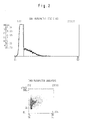
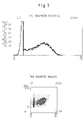
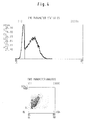
- the fibrinogen binding was determined by the Green Fluorescence Intensity (one parameter statistics, x-axis “Log Green Fluorescence” (bound anti-fibrinogen), y-axis "Number of Cells”) as well as by the light scattering (two parameter analysis, x-axis “Log-Green Fluorescence", y-axis “Log-Light Scatter” (size of the thrombocytes)).
- Figures 1-3 show the intensity of the fluorescence, i. e. the fibrinogen binding on stimulated thrombocytes as well as the size of the thrombocytes.
- Figure 1 shows the fibrinogen binding in the PRP after ADP stimulation. The application of the agonist leads to a fibrinogen binding on the cell surface, but also to a change of the size of the thrombocytes.
- Figure 2 shows the fibrinogen binding after ADP stimulation in the presence of Protein C in a concentration that corresponds to the 4-fold plasma concentration. A significant reduction of the fibrinogen binding is recognizable. As opposed to this, activated Protein C in this test mixture leads to no decrease of the fibrinogen binding on thrombocytes.
- the monoclonal antibody PAC-1 reacts with the glycoprotein IIb-IIIa complex on the surface of thrombocytes after activation of the thrombocytes with ADP.
- PRP platelet-enriched blood plasma
- PPP plasma in which the blood platelets were depleted
- PAC-1 was added with ADP and, optionally, Protein C or activated Protein C and incubated at room temperature for 10 minutes. After addition of an anti-mouse antibody (fluorescence conjugated, FITC from Sigma Chemical Co.) and a further incubation time of
- the PAC-1 Binding to Thrombocytes is Prevented in the Presence of Protein C.
- Venous blood was anticoagulated with citrate-phosphate-dextrose (19 mM).
- Protein C (Immuno AG) was reconstituted and added to 20 ml of the anticoagulated blood before the perfusion.
- Perfusions were performed at 37°C in a perfusion chamber (experimental description in Thromb. Haemost., 37, 1-16, 1977).
- Enzymatically-treated aorta samples from rabbit were mounted in a perfusion chamber. With the aid of a haemodialysis blood pump (Renal Systems, Minneapolis, Minn., USA) an appropriate flow rate was set.
- Protein C demonstrates no effect on the adhesion of blood platelets in comparison to controls. At concentrations of 16 and 32 ⁇ g/ml, the covered surface was significantly reduced.
- Adhesion Clots Control 18.1 ⁇ 5.3 9.3 ⁇ 4.5 8.8 ⁇ 1.9 Protein C 16 ⁇ g/ml 13.1 ⁇ 3.5 4.8 ⁇ 0.9 8.3 ⁇ 2.9 Protein C 32 ⁇ g/ml 9.6 ⁇ 5.7 4 ⁇ 2.5 5.6 ⁇ 3.4
Landscapes
- Health & Medical Sciences (AREA)
- Life Sciences & Earth Sciences (AREA)
- Chemical & Material Sciences (AREA)
- General Health & Medical Sciences (AREA)
- Engineering & Computer Science (AREA)
- Bioinformatics & Cheminformatics (AREA)
- Organic Chemistry (AREA)
- Pharmacology & Pharmacy (AREA)
- Public Health (AREA)
- Veterinary Medicine (AREA)
- Animal Behavior & Ethology (AREA)
- Medicinal Chemistry (AREA)
- Epidemiology (AREA)
- Proteomics, Peptides & Aminoacids (AREA)
- Chemical Kinetics & Catalysis (AREA)
- General Chemical & Material Sciences (AREA)
- Zoology (AREA)
- Nuclear Medicine, Radiotherapy & Molecular Imaging (AREA)
- Biochemistry (AREA)
- Wood Science & Technology (AREA)
- Gastroenterology & Hepatology (AREA)
- General Engineering & Computer Science (AREA)
- Genetics & Genomics (AREA)
- Immunology (AREA)
- Diabetes (AREA)
- Hematology (AREA)
- Heart & Thoracic Surgery (AREA)
- Cardiology (AREA)
- Medicines That Contain Protein Lipid Enzymes And Other Medicines (AREA)
- Peptides Or Proteins (AREA)
- Medicines Containing Material From Animals Or Micro-Organisms (AREA)
- Immobilizing And Processing Of Enzymes And Microorganisms (AREA)
- External Artificial Organs (AREA)
- Medicines Containing Antibodies Or Antigens For Use As Internal Diagnostic Agents (AREA)
- Investigating Or Analysing Biological Materials (AREA)
- Measuring Or Testing Involving Enzymes Or Micro-Organisms (AREA)
Abstract
Description
- The invention relates to a new range of application of human Protein C.
- Protein C is a vitamin K-dependent protein that is synthesized in the liver and circulates as an inactive zymogen in a concentration of 4 mg/l. It is transformed by the thrombin-thrombomodulin complex into the active serine protease (activated Protein C) on the vessel wall surface (endothelium). It is known that activated Protein C has profibrinolytic properties. It also has anticoagulatory effects because it inactivates Factor Va, the co-factor for the Factor Xa-induced prothrombin activation (thrombin formation), and Factor VIIIa, the co-factor for Factor IXa-induced Factor X activation, by proteolysis.
- The activation of Protein C in vivo constitutes a negative feedback reaction of thrombin generation. In order to develop optimal biological activity, a co-factor (Protein S) is necessary.
- In the European patent application EP 0 406 216 a pharmaceutical preparation is described which contains Protein S, optionally, in combination with activated Protein C, and can be employed for the treatment or prevention of thrombosis and thrombo-embolic complications.
- According to EP 0 519 900 the use of a Protein C-containing pharmaceutical preparation together with a thrombolytically effective substance for the treatment of thrombosis and for the prevention of re-occlusion is possible. It was found that during the thrombolysis therapy a deficiency of Protein C results wherefore the substitution with Protein C is recommended.
- The effect of the inactive zymogen of Protein C differs fundamentally from the active enzyme, activated Protein C.
- Activated Protein C enables the prevention of arterial thrombosis or stenosis, preferably in combination with a thrombolytically effective agent (tissue plasminogen activator, tPA); for this, see EP 0 318 201.
- It is also known that in blood platelet-enriched plasma (PRP) activated Protein C suppresses platelet aggregation which is induced by thrombin activation. However, a higher concentration of activated Protein C leads to an opposite effect, namely to the aggregation of the blood platelets (E.N. Santander et al., Acta Physiologica Latino-Americana 33 (2), 1983).
- Activated or stimulated blood platelets possess the glycoprotein IIb-IIIa complex which functions as a receptor for various adhesion molecules. Among the adhesion proteins that bind to GP IIb-IIIa of stimulated blood platelets are fibrinogen, von Willebrand Factor, and fibronectin. It is supposed that a tri-peptide sequence, namely Arg-Gly-Asp (RGD), of the adhesion proteins binds to the receptor. Among the proteins with a RGD sequence are also human Protein C and activated Protein C. However, the interaction of Protein C or activated Protein C with blood platelets is uncertain. It was found, for example, that activated Protein C binds to non-stimulated blood platelets in the presence of Protein S, and by this, the inactivation of Factor Va is potentiated. Protein C does not, however, bind to the blood platelets (J. Biol. Chem., 260 (4), 2007-10, 1985).
- With the help of flow cytometry for thrombocytes, surfaces of thrombocytes can be examined. Flow Cytometry allows the fast and sensitive analysis of receptor proteins on a single cell. During the examinations, a flow rate from 400 - 1000 thrombocytes per second is employed. The size of the thrombocytes is expressed by the light scattering. By the use of antibodies coupled with fluorescein-isothiocyanate, the binding of ligands (adhesion proteins) on a thrombocyte can be measured (description of the method in Blood, 86 (1), 173-179, 1986).
- The binding of fibrinogen to stimulated thrombocytes leads finally to the aggregation and/or deposition of these on injured endothelium and therewith to occlusion of the wound. Thrombo-embolic complications or stenosis are also attributable to the binding of fibrinogen to stimulated thrombocytes. For example, balloon angioplasty leads to an injury of the endothelium and therewith to a predisposition for arterial restenosis.
- The object of the invention is to extend the range of application of human Protein C and to make a preparation available that can be administered for the prevention and treatment of the deposition and/or aggregation of thrombocytes.
- The object is solved according to the invention by a new use of human Protein C for the production of a pharmaceutical preparation which is suitable for the prevention and treatment of deposition and/or aggregation of thrombocytes, microparticles of thrombocytes (dust), and leucocytes with pro-coagulatory activity. Protein C prevents the deposition on vessel surfaces or vessel stenoses, in particular on injured, virus-infected or damaged endothelium and/or on exposed subendothelium or artificial vessel surfaces or vessel prostheses with or without endothelium. It was found that the binding of fibrinogen on stimulated blood platelets can be prevented by the addition of human Protein C in a dose-dependent manner. PRP was stimulated by addition of adenosine diphosphate (ADP) and the fibrinogen binding measured. The addition of a fluorescein-isothiocyanate-coupled antibody against fibrinogen allowed the detection of the fibrinogen found in PRP bound on thrombocytes by measurement on the flow cytometer. The prevention of the fibrinogen binding on stimulated thrombocytes was all the more surprising because activated Protein C had no influence on the fibrinogen binding. Therefore, it is probable that the RGD sequence in a protein can not alone be responsible for the prevention of the fibrinogen binding.
- Experiments with monoclonal antibodies (for example, PAC-1, an IgM antibody that only recognizes the activated form of the IIb-IIIa complex; S.J. Shattil, J. Biol. Chem. 260, 11107, 1985) make it clear that the GP IIb-IIIa complex exposed by the activation of thrombocytes is not bound by the antibodies in the presence of Protein C. A competitive binding of protein C to GP IIb-IIIa is therefore supposed. Instead of PAC-1, however, the use of other monoclonal antibodies against thrombocyte activation-dependent epitopes is also possible, for example, PADGEM (J. Clin. Invest., 78, 130, 1986), GMP (J. Biol. Chem., 264, 1816, 1989), and 2.28 (Blood 70, 838, 1987). Hence, the binding site of fibrinogen is blocked. In contrast to the other adhesion proteins, the aggregation of the thrombocytes is not promoted, but instead prevented by this. Experiments with a perfusion chamber demonstrated that Protein C prevents the adhesion of thrombocytes in a rabbit aorta that is flushed with blood. The endothelium is stabilized then in the presence of Protein C, whereby the adhesion of stimulated thrombocytes is prevented.
- Protein C in its inactive form as a zymogen is usable. This has the advantage that the protein does not have to be activated in order to prevent the fibrinogen binding or von Willebrand Factor binding on stimulated blood platelets. Therefore, Protein C can also be used according to the invention in certain conditions, like homocyteinurea, diabetes, or uremia, in which the endogenous activation of Protein C is inhibited. The zymogen Protein C also does not have the disadvantage of the activated Protein C, namely that it leads in a high concentration to an aggregation of the thrombocytes.
- The experiments with the help of flow cytometry confirm that human Protein C is suitable above all for the prevention of arterial restenosis. According to the invention, Protein C can therefore be used with all interventions of angioplasty, but also with use of a catheter, in order to prevent negative interactions with stimulated thrombocytes among themselves, with leucocytes, and with the endothelium.
- On the basis of the found mechanism of action of Protein C, a process according to the invention is possible for the extra-corporeal treatment of body fluids, such as blood or ascites, with which the deposition and/or aggregation of thrombocytes in a circulation apparatus should be prevented. This method finds application, for example, in a dialysis apparatus or an artificial kidney.
- By the following examples, the invention is further described.
- 10 ml of blood was drawn in citrate. PRP was obtained by conventional centrifugation. The addition of ADP resulted in the stimulation of thrombocytes. Subsequently, a fluorescein-isothiocyanate-coupled antibody against fibrinogen was added, and the fibrinogen bound on thrombocytes was determined by measurement on the flow cytometer (FACScan® , Becton Dickinson). The fibrinogen binding was determined by the Green Fluorescence Intensity (one parameter statistics, x-axis "Log Green Fluorescence" (bound anti-fibrinogen), y-axis "Number of Cells") as well as by the light scattering (two parameter analysis, x-axis "Log-Green Fluorescence", y-axis "Log-Light Scatter" (size of the thrombocytes)).
- Figures 1-3 show the intensity of the fluorescence, i. e. the fibrinogen binding on stimulated thrombocytes as well as the size of the thrombocytes. Figure 1 shows the fibrinogen binding in the PRP after ADP stimulation. The application of the agonist leads to a fibrinogen binding on the cell surface, but also to a change of the size of the thrombocytes. In comparison to this, Figure 2 shows the fibrinogen binding after ADP stimulation in the presence of Protein C in a concentration that corresponds to the 4-fold plasma concentration. A significant reduction of the fibrinogen binding is recognizable. As opposed to this, activated Protein C in this test mixture leads to no decrease of the fibrinogen binding on thrombocytes.
- The monoclonal antibody PAC-1 reacts with the glycoprotein IIb-IIIa complex on the surface of thrombocytes after activation of the thrombocytes with ADP.
- The drawing of blood occurred in EDTA/ Trasylol. Thereafter, platelet-enriched blood plasma (PRP) and plasma in which the blood platelets were depleted (PPP) was produced by conventional centrifugation. PRP was diluted 1:40 in PPP. Thereafter, PAC-1 was added with ADP and, optionally, Protein C or activated Protein C and incubated at room temperature for 10 minutes. After addition of an anti-mouse antibody (fluorescence conjugated, FITC from Sigma Chemical Co.) and a further incubation time of 20 minutes, the binding of the PAC-1 on thrombocytes was detected by flow cytometric examination.
- The PAC-1 Binding to Thrombocytes is Prevented in the Presence of Protein C.
- Activated Protein C Leads to no Influencing of the PAC-1 Binding on ADP-stimulated Thrombocytes.
- Venous blood was anticoagulated with citrate-phosphate-dextrose (19 mM). Protein C (Immuno AG) was reconstituted and added to 20 ml of the anticoagulated blood before the perfusion. Perfusions were performed at 37°C in a perfusion chamber (experimental description in Thromb. Haemost., 37, 1-16, 1977). Enzymatically-treated aorta samples from rabbit were mounted in a perfusion chamber. With the aid of a haemodialysis blood pump (Renal Systems, Minneapolis, Minn., USA) an appropriate flow rate was set. After 5 minutes of perfusion, the aorta samples were washed with buffer and fixed (glutaraldehyde: formaldehyde = 2%:3% (v/v). Thereafter, these were embedded in JB4 (Polyscience, Warrington, USA), stained with Toluidine Blue, and morphometrically examined. With the help of a computer program (described in Haemostasis, 16, 8-14, 1986), the blood platelets were classified as follows: adhesion (blood platelet layer < 5µm), thrombi (aggregation ≥ 5µm), both expressed in percent of the total length of the blood vessel. The results are given in Table 1. At concentrations of less than 16 µg/ml, Protein C demonstrates no effect on the adhesion of blood platelets in comparison to controls. At concentrations of 16 and 32 µg/ml, the covered surface was significantly reduced.
Blood Platelet Deposition on Subendothelium in the Perfusion Experiment with Citrate-anticoagulated Blood in Dependence on the Protein C Concentration (n=3, x ±SD) (flow rate = 800 s-1)coated surface Adhesion Clots Control 18.1 ± 5.3 9.3 ± 4.5 8.8 ± 1.9 Protein C 16 µg/ml 13.1 ± 3.5 4.8 ± 0.9 8.3 ± 2.9 Protein C 32 µg/ml 9.6 ± 5.7 4 ± 2.5 5.6 ± 3.4
Claims (4)
- Use of native human Protein C for the preparation of a pharmaceutical preparation for the prevention and treatment of deposition and/or aggregation of thrombocytes, microparticles of thrombocytes (dust) and leukocytes with pro-coagulatory activity on vessel surfaces and/or vessel stenoses, particularly on injured, virus-infected or damaged endothelium or on exposed subendothelium or artificial vessel surfaces or vessel prostheses with or without endothelium.
- Use according to claim 1, characterized in that the preparation is suitable for the prevention or arterial restenosis.
- Method for the prevention of deposition or aggregation of thrombocytes in vitro by the addition of an effective amount of native human Protein C.
- Method for the prevention of deposition and/or aggregation of thrombocytes in a circulation apparatus for the extra-corporeal treatment of body fluids wherein a suitable concentration of native human Protein C is added to the extra-corporeally treated body fluid.
Applications Claiming Priority (2)
| Application Number | Priority Date | Filing Date | Title |
|---|---|---|---|
| DE4320294 | 1993-06-18 | ||
| DE4320294A DE4320294A1 (en) | 1993-06-18 | 1993-06-18 | Use of human protein C to prevent and treat platelet deposits |
Publications (3)
| Publication Number | Publication Date |
|---|---|
| EP0629407A2 EP0629407A2 (en) | 1994-12-21 |
| EP0629407A3 EP0629407A3 (en) | 1995-05-24 |
| EP0629407B1 true EP0629407B1 (en) | 2001-09-12 |
Family
ID=6490672
Family Applications (1)
| Application Number | Title | Priority Date | Filing Date |
|---|---|---|---|
| EP94109293A Expired - Lifetime EP0629407B1 (en) | 1993-06-18 | 1994-06-16 | Use of human protein C for prevention and treatment of depositions of thrombocytes |
Country Status (14)
| Country | Link |
|---|---|
| US (1) | US5614493A (en) |
| EP (1) | EP0629407B1 (en) |
| JP (1) | JP3106059B2 (en) |
| AT (2) | AT407704B (en) |
| AU (1) | AU680894B2 (en) |
| CA (1) | CA2126135C (en) |
| CZ (1) | CZ148294A3 (en) |
| DE (2) | DE4320294A1 (en) |
| DK (1) | DK0629407T3 (en) |
| ES (1) | ES2162829T3 (en) |
| FI (1) | FI942941L (en) |
| HU (1) | HU217609B (en) |
| NO (1) | NO942298L (en) |
| SK (1) | SK282358B6 (en) |
Families Citing this family (3)
| Publication number | Priority date | Publication date | Assignee | Title |
|---|---|---|---|---|
| GB9806966D0 (en) * | 1998-03-31 | 1998-06-03 | Ppl Therapeutics Scotland Ltd | Bioloically modified device |
| JP2004535461A (en) * | 2001-07-19 | 2004-11-25 | ディーエムアイ バイオサイエンシズ インコーポレイテッド | Use of a copper chelator to inhibit protein C inactivation |
| EP2539448B1 (en) * | 2010-02-26 | 2016-12-14 | The Children's Hospital of Philadelphia | Protein c zymogen and methods of use thereof to prevent cancer metastases |
Citations (1)
| Publication number | Priority date | Publication date | Assignee | Title |
|---|---|---|---|---|
| EP0159900A2 (en) * | 1984-04-19 | 1985-10-30 | WEATHERFORD U.S. Inc. | Apparatus and method for inserting flow control means into a well casing |
Family Cites Families (71)
| Publication number | Priority date | Publication date | Assignee | Title |
|---|---|---|---|---|
| AT218391B (en) | 1959-01-26 | 1961-11-27 | Anton Daxboeck | Device for securing a door lock latch, in particular for motor vehicles |
| AT350726B (en) * | 1976-08-30 | 1979-06-11 | Immuno Ag | PROCESS FOR THE PRODUCTION OF A BLOOD CLOTIFYING PREPARATION FROM HUMAN BLOOD PLASMA |
| US4250139A (en) * | 1979-02-01 | 1981-02-10 | Collagen Corporation | Microwave sterilization of dry protein |
| DE2916711A1 (en) * | 1979-04-25 | 1980-11-06 | Behringwerke Ag | Blood coagulation factors and process for their manufacture |
| EP0035204B2 (en) * | 1980-03-05 | 1991-05-22 | Miles Inc. | Pasteurized therapeutically active protein compositions |
| US4440679A (en) * | 1980-03-05 | 1984-04-03 | Cutter Laboratories, Inc. | Pasteurized therapeutically active protein compositions |
| EP0050061B2 (en) * | 1980-10-06 | 1990-06-20 | New York Blood Center, Inc. | Method of reducing undesirable activities of biological and pharmaceutical products |
| DE3043857A1 (en) * | 1980-11-21 | 1982-07-08 | Behringwerke Ag, 3550 Marburg | METHOD FOR THE PRODUCTION OF BLOOD coagulation FACTORS AND THE PREPARATION OF FACTORS II AND VII THEREFORE PRODUCED |
| DE3045153A1 (en) * | 1980-11-29 | 1982-07-08 | Behringwerke Ag, 3550 Marburg | METHOD FOR THE PRODUCTION OF BLOOD COagulation FACTORS AND THE PREPARATION OF FACTORS IX AND X THEREFORE PRODUCED |
| US4480029A (en) * | 1981-04-27 | 1984-10-30 | Baxter Travenol Laboratories, Inc. | Biological indicators and their use |
| US4495278A (en) * | 1981-04-27 | 1985-01-22 | Baxter Travenol Laboratories, Inc. | Process for making novel blood clotting enzyme compositions |
| JPS5874617A (en) * | 1981-10-28 | 1983-05-06 | Green Cross Corp:The | Heat-treating method of aqueous solution containing blood coagulation factor 8 derived from human |
| US4456590B2 (en) * | 1981-11-02 | 1989-05-30 | Heat treatment of lyphilized blood clotting factor viii concentrate | |
| US4481189A (en) * | 1982-04-14 | 1984-11-06 | New York Blood Center Inc. | Process for preparing sterilized plasma and plasma derivatives |
| US4379085A (en) * | 1982-05-14 | 1983-04-05 | American National Red Cross | Heat stabilization of plasma proteins |
| US4511556A (en) * | 1982-06-10 | 1985-04-16 | The United States Of America As Represented By The Department Of Health And Human Services | Inactivation of a lipid virus |
| JPS59134730A (en) * | 1983-01-20 | 1984-08-02 | Green Cross Corp:The | Heat treatment of viii factor of blood clotting |
| CA1213827A (en) * | 1983-04-29 | 1986-11-12 | Ricardo H. Landaburu | Process for pasteurizing fibronectin |
| US4585654A (en) * | 1983-04-29 | 1986-04-29 | Armour Pharmaceutical Co. | Process for pasteurizing fibronectin |
| DE3473407D1 (en) * | 1983-05-02 | 1988-09-22 | Immuno Ag | Method of inactivating pathogens |
| US4540573A (en) * | 1983-07-14 | 1985-09-10 | New York Blood Center, Inc. | Undenatured virus-free biologically active protein derivatives |
| JPS6054287B2 (en) * | 1983-10-19 | 1985-11-29 | 株式会社ミドリ十字 | Heat treatment method for plasma proteins |
| US4490361A (en) * | 1983-12-02 | 1984-12-25 | Alpha Therapeutic Corporation | Virus inactivating heat treatment of plasma fractions |
| AT389815B (en) * | 1984-03-09 | 1990-02-12 | Immuno Ag | METHOD FOR INACTIVATING VARIABLE FILTERABLE DISEASERS IN BLOOD PRODUCTS |
| DE3432083A1 (en) * | 1984-08-31 | 1986-03-06 | Behringwerke Ag, 3550 Marburg | PASTEURIZED, ISOAGGLUTININ-FREE FACTOR VIII PREPARATION AND METHOD FOR THE PRODUCTION THEREOF |
| JPH0669961B2 (en) * | 1984-09-25 | 1994-09-07 | 株式会社ミドリ十字 | Immunoglobulin heat treatment method |
| US4775624A (en) * | 1985-02-08 | 1988-10-04 | Eli Lilly And Company | Vectors and compounds for expression of human protein C |
| JPH0825902B2 (en) * | 1985-02-21 | 1996-03-13 | 株式会社ミドリ十字 | Method for heat treatment of γ-globulin |
| US4673733A (en) * | 1985-04-11 | 1987-06-16 | Sudhish Chandra | Treatment of biological and pharmaceutical products adsorbed on a solid phase with virus and pyrogen inactivating agents |
| CA1341228C (en) * | 1985-06-27 | 2001-05-15 | Mark J. Murray | Expression of protein c |
| DE3544663A1 (en) * | 1985-12-13 | 1987-06-19 | Schering Ag | THROMBOSE TREATMENT WITH FIBRINOLYTICS AND PROSTACYCLINES |
| JPH0662436B2 (en) * | 1986-05-19 | 1994-08-17 | 株式会社ミドリ十字 | Method for producing intravenous immunoglobulin preparation |
| AT391808B (en) * | 1986-11-03 | 1990-12-10 | Immuno Ag | METHOD FOR PRODUCING A FACTOR VIII (AHF) CONTAINING FRACTION |
| DE3704550A1 (en) * | 1987-02-13 | 1988-08-25 | Behringwerke Ag | METHOD FOR INACTIVATING SUSTAINABLE VIRUSES IN A PROTEIN PREPARATION PRODUCED BY A CELL IN VITRO |
| US4857320A (en) * | 1987-02-19 | 1989-08-15 | Monsanto Company | Method of enhancing the solubility of tissue plasminogen activator |
| JPS63243032A (en) * | 1987-03-27 | 1988-10-07 | Green Cross Corp:The | Method for heat-treating thrombin |
| DE3882411T2 (en) * | 1987-04-17 | 1993-12-16 | Teijin Ltd | Process for the separation of activated human protein C. |
| AU2251288A (en) * | 1987-05-15 | 1988-12-06 | Alan I. Rubinstein | Sequential improved method for treatment of human blood- clotting factor products |
| IL86417A (en) * | 1987-05-22 | 1992-09-06 | Armour Pharma | Process for the inactivation of pathogens in biological or pharmaceutical material by mixing with aqueous solution containing a sugar(alcohol)and neutral salts as stabilizers |
| GB8721951D0 (en) * | 1987-09-18 | 1987-10-28 | Thrombosis Research Trust | Organic compounds |
| US5084274A (en) * | 1987-11-17 | 1992-01-28 | Scripps Clinic And Research Foundation | Inhibition of arterial thrombotic occlusion or thromboembolism |
| AT391809B (en) * | 1988-01-12 | 1990-12-10 | Immuno Ag | METHOD FOR INACTIVATING VARIABLE FILTERABLE DISEASERS IN BLOOD PLASMA PRODUCTS |
| JP2739050B2 (en) * | 1988-01-28 | 1998-04-08 | ヘキスト薬品工業株式会社 | Anticoagulant |
| FR2630115B1 (en) * | 1988-04-14 | 1994-10-28 | Merieux Inst | PROCESS FOR STABILIZING HUMAN ALBUMIN SOLUTIONS AND SOLUTION OBTAINED |
| ES2053619T3 (en) * | 1988-05-27 | 1994-08-01 | Centre Regional De Transfusion | PROCEDURE FOR THE MANUFACTURE OF AN ANTIHEMOPHILIC FACTOR OF GREAT PURITY AND FREE OF VIRUSES THROUGH CHROMATOGRAPHY. |
| AT397203B (en) * | 1988-05-31 | 1994-02-25 | Immuno Ag | FABRIC ADHESIVE |
| AT390801B (en) * | 1988-07-28 | 1990-07-10 | Immuno Ag | METHOD FOR PRODUCING LYS PLASMINOGEN |
| GB8819607D0 (en) * | 1988-08-17 | 1988-09-21 | Wellcome Found | Novel combination |
| US5156973A (en) * | 1988-11-23 | 1992-10-20 | Edward Shanbrom | Antiviral blood sampling process and apparatus |
| DE3843126C3 (en) * | 1988-12-22 | 1994-10-06 | Octapharma Ag | Process for the production of a high-purity thrombin concentrate |
| CA2006684C (en) * | 1988-12-30 | 1996-12-17 | Charles T. Esmon | Monoclonal antibody against protein c |
| CA2007545A1 (en) * | 1989-01-13 | 1990-07-13 | Yahiro Uemura | Production method for protein-containing composition |
| FR2644476A1 (en) * | 1989-03-15 | 1990-09-21 | Sainte Agathe Nicolas De | METHOD FOR DETECTION AND / OR IDENTIFICATION OF LIVING MICROORGANISMS BY VIBROMETRY |
| FR2658517B2 (en) * | 1989-04-12 | 1992-06-19 | Fondation Nale Transfusion San | PREPARATION OF ACTIVATED PROTEIN C AND ACTIVATED PROTEIN C SOLUTION THUS OBTAINED. |
| ES2087156T3 (en) * | 1989-06-15 | 1996-07-16 | Rorer Int Overseas | METHODS FOR THE INACTIVATION OF VIRUSES IN PHARMACEUTICAL COMPOSITIONS CONTAMINATED BY VIRUSES. |
| AT402153B (en) * | 1989-06-26 | 1997-02-25 | Immuno Ag | PROTEIN-S CONTAINING PHARMACEUTICAL PREPARATION |
| HU905784D0 (en) * | 1989-09-05 | 1991-03-28 | Lilly Co Eli | Process for activating protein c |
| IE73210B1 (en) * | 1990-01-24 | 1997-05-07 | Warner Lambert Co | Process for the production of thrombin and high purity thrombin preparation thereby obtained |
| US5270178A (en) * | 1990-02-23 | 1993-12-14 | Eli Lilly And Company | Vectors and compounds for expression of zymogen forms of human protein C |
| AT402260B (en) * | 1990-08-16 | 1997-03-25 | Immuno Ag | PROTEIN C-CONTAINING PHARMACEUTICAL PREPARATION |
| AT402263B (en) * | 1991-06-20 | 1997-03-25 | Immuno Ag | PHARMACEUTICAL PREPARATION CONTAINING A THROMBOLYTICALLY ACTIVE SUBSTANCE |
| AT395596B (en) * | 1991-06-20 | 1993-01-25 | Immuno Ag | METHOD FOR PRODUCING ACTIVATED PROTEIN C |
| AT402891B (en) * | 1991-06-20 | 1997-09-25 | Immuno Ag | METHOD FOR PRODUCING AN INACTIVATED BLOOD PRODUCT |
| FR2679251B1 (en) * | 1991-07-18 | 1993-11-12 | Nord Assoc Essor Transfusion San | PROCESS FOR THE PREPARATION OF A HUMAN THROMBIN CONCENTRATE FOR THERAPEUTIC USE. |
| JPH0564588A (en) * | 1991-08-14 | 1993-03-19 | Teijin Ltd | Human protein c having short heavy chain and activated human protein c |
| FR2681867B1 (en) * | 1991-09-26 | 1993-12-31 | Pasteur Merieux Serums Vaccins | FACTOR VIII PURIFICATION PROCESS AND PREPARATIONS OBTAINED. |
| AT398079B (en) * | 1991-11-04 | 1994-09-26 | Immuno Ag | PREPARATION WITH THROMBINE ACTIVITY AND METHOD FOR THEIR PRODUCTION |
| AT399818B (en) * | 1992-04-24 | 1995-07-25 | Immuno Ag | METHOD FOR PRODUCING A HIGH PURIFIED VIRUS-SAFE FACTOR VIII PREPARATION |
| MY110664A (en) * | 1992-05-21 | 1999-01-30 | Lilly Co Eli | Protein c derivatives |
| JP3429433B2 (en) * | 1997-06-18 | 2003-07-22 | 松本建工株式会社 | Prevention structure of cold bridge in steel frame building |
| FR2841484B1 (en) * | 2002-06-26 | 2004-09-10 | Boucq De Beaudignies Ghisla Le | AIR AND GAS FILTERING DEVICE AND METHOD WITH REGENERATION OF CAPTURED PARTICLES |
-
1993
- 1993-06-18 DE DE4320294A patent/DE4320294A1/en not_active Ceased
-
1994
- 1994-06-15 CZ CZ941482A patent/CZ148294A3/en unknown
- 1994-06-15 AT AT0119394A patent/AT407704B/en not_active IP Right Cessation
- 1994-06-16 DE DE69428231T patent/DE69428231T2/en not_active Expired - Lifetime
- 1994-06-16 AT AT94109293T patent/ATE205396T1/en not_active IP Right Cessation
- 1994-06-16 AU AU64719/94A patent/AU680894B2/en not_active Ceased
- 1994-06-16 EP EP94109293A patent/EP0629407B1/en not_active Expired - Lifetime
- 1994-06-16 US US08/261,914 patent/US5614493A/en not_active Expired - Lifetime
- 1994-06-16 ES ES94109293T patent/ES2162829T3/en not_active Expired - Lifetime
- 1994-06-16 DK DK94109293T patent/DK0629407T3/en active
- 1994-06-17 CA CA002126135A patent/CA2126135C/en not_active Expired - Fee Related
- 1994-06-17 HU HU9401817A patent/HU217609B/en not_active IP Right Cessation
- 1994-06-17 JP JP06135468A patent/JP3106059B2/en not_active Expired - Fee Related
- 1994-06-17 SK SK748-94A patent/SK282358B6/en unknown
- 1994-06-17 NO NO942298A patent/NO942298L/en not_active Application Discontinuation
- 1994-06-17 FI FI942941A patent/FI942941L/en unknown
Patent Citations (1)
| Publication number | Priority date | Publication date | Assignee | Title |
|---|---|---|---|---|
| EP0159900A2 (en) * | 1984-04-19 | 1985-10-30 | WEATHERFORD U.S. Inc. | Apparatus and method for inserting flow control means into a well casing |
Also Published As
| Publication number | Publication date |
|---|---|
| SK74894A3 (en) | 1995-05-10 |
| US5614493A (en) | 1997-03-25 |
| AU6471994A (en) | 1994-12-22 |
| DE4320294A1 (en) | 1994-12-22 |
| NO942298D0 (en) | 1994-06-17 |
| FI942941A7 (en) | 1994-12-19 |
| EP0629407A2 (en) | 1994-12-21 |
| CA2126135A1 (en) | 1994-12-19 |
| HU217609B (en) | 2000-03-28 |
| AT407704B (en) | 2001-05-25 |
| DE69428231D1 (en) | 2001-10-18 |
| AU680894B2 (en) | 1997-08-14 |
| EP0629407A3 (en) | 1995-05-24 |
| FI942941A0 (en) | 1994-06-17 |
| JP3106059B2 (en) | 2000-11-06 |
| DK0629407T3 (en) | 2001-11-12 |
| SK282358B6 (en) | 2002-01-07 |
| CZ148294A3 (en) | 1995-01-18 |
| ES2162829T3 (en) | 2002-01-16 |
| NO942298L (en) | 1994-12-19 |
| JPH0748275A (en) | 1995-02-21 |
| FI942941L (en) | 1994-12-19 |
| HUT67074A (en) | 1995-01-30 |
| ATA119394A (en) | 2000-10-15 |
| CA2126135C (en) | 2002-02-19 |
| HU9401817D0 (en) | 1994-09-28 |
| ATE205396T1 (en) | 2001-09-15 |
| DE69428231T2 (en) | 2002-06-13 |
Similar Documents
| Publication | Publication Date | Title |
|---|---|---|
| Stringer et al. | Plasminogen activator inhibitor-1 released from activated platelets plays a key role in thrombolysis resistance. Studies with thrombi generated in the Chandler loop. | |
| Broze | Binding of human factor VII and VIIa to monocytes. | |
| White et al. | Prothrombin complex concentrates: potentially thrombogenic materials and clues to the mechanism of thrombosis in vivo | |
| Rajasekhar et al. | Neonatal platelets are less reactive than adult platelets to physiological agonists in whole blood | |
| EP0318201B1 (en) | Inhibition of arterial thrombotic occlusion or thromboembolism | |
| US4880788A (en) | Method for preventing and treating thrombosis | |
| Moriau et al. | Haemostasis disorders in open heart surgery with extracorporeal circulation: importance of the platelet function and the heparin neutralization | |
| Oliver et al. | Activated protein C cleaves factor Va more efficiently on endothelium than on platelet surfaces | |
| Idell et al. | Bronchoalveolar lavage procoagulant activity in bleomycin-induced lung injury in marmosets: characterization and relationship to fibrin deposition and fibrosis | |
| Uchiba et al. | Recombinant thrombomodulin prevents endotoxin-induced lung injury in rats by inhibiting leukocyte activation | |
| Spanier et al. | Selective anticoagulation with active site-blocked factor IXA suggests separate roles for intrinsic and extrinsic coagulation pathways in cardiopulmonary bypass | |
| Giles et al. | Studies of factors V and VIII: C in an animal model of disseminated intravascular coagulation. | |
| Diquélou et al. | Relationship between endothelial tissue factor and thrombogenesis under blood flow conditions | |
| Hattori et al. | Plasma tissue factor plus activated peripheral mononuclear cells activate factors VII and X in cardiac surgical wounds | |
| Hedner et al. | Studies on the thrombogenic activities in two prothrombin complex concentrates | |
| Spanier et al. | Heparinless cardiopulmonary bypass with active-site blocked factor IXa: a preliminary study on the dog | |
| CA2126135C (en) | Use of human protein c for prevention and treatment of depositions of thrombocytes | |
| Moore et al. | Peritoneal fibrinolysis: evidence for the efficiency of the tissue-type plasminogen activator | |
| Hultin | Studies of factor IX concentrate therapy in hemophilia | |
| Rebello et al. | CVS-1123, a direct thrombin inhibitor, prevents occlusive arterial and venous thrombosis in a canine model of vascular injury | |
| Handagama et al. | In vivo defibrination results in markedly decreased amounts of fibrinogen in rat megakaryocytes and platelets | |
| Senno et al. | Clinical Implications of Elevated PAI-1 Revisited: Multiple Arterial Thrombosis in a Patient with Essential Thrombocythemia and Elevated Plasminogen Activator Inhibitor-1 (PAI-1) Levels with a Review of the Literature | |
| Jeljaszewicz et al. | Intravascular Coagulation and Fibrinolysis by Stapliylocoagiilase. Comparison with Thrombin | |
| Cardigan et al. | Haemostatic changes in the pulmonary blood during cardiopulmonary bypass | |
| EP1067879B1 (en) | Method for inhibiting thrombosis in a patient whose blood is subjected to extracorporeal circulation |
Legal Events
| Date | Code | Title | Description |
|---|---|---|---|
| PUAI | Public reference made under article 153(3) epc to a published international application that has entered the european phase |
Free format text: ORIGINAL CODE: 0009012 |
|
| AK | Designated contracting states |
Kind code of ref document: A2 Designated state(s): AT BE CH DE DK ES FR GB GR IE IT LI NL SE |
|
| PUAL | Search report despatched |
Free format text: ORIGINAL CODE: 0009013 |
|
| AK | Designated contracting states |
Kind code of ref document: A3 Designated state(s): AT BE CH DE DK ES FR GB GR IE IT LI NL SE |
|
| 17P | Request for examination filed |
Effective date: 19950623 |
|
| 17Q | First examination report despatched |
Effective date: 19980522 |
|
| RAP1 | Party data changed (applicant data changed or rights of an application transferred) |
Owner name: BAXTER AKTIENGESELLSCHAFT |
|
| GRAG | Despatch of communication of intention to grant |
Free format text: ORIGINAL CODE: EPIDOS AGRA |
|
| GRAG | Despatch of communication of intention to grant |
Free format text: ORIGINAL CODE: EPIDOS AGRA |
|
| GRAH | Despatch of communication of intention to grant a patent |
Free format text: ORIGINAL CODE: EPIDOS IGRA |
|
| RIN1 | Information on inventor provided before grant (corrected) |
Inventor name: LOZANO-MOLERO, MIGUEL Inventor name: SCHWARZ, HANS-PETER Inventor name: EIBL, JOHANN, DR. |
|
| GRAH | Despatch of communication of intention to grant a patent |
Free format text: ORIGINAL CODE: EPIDOS IGRA |
|
| GRAA | (expected) grant |
Free format text: ORIGINAL CODE: 0009210 |
|
| AK | Designated contracting states |
Kind code of ref document: B1 Designated state(s): AT BE CH DE DK ES FR GB GR IE IT LI NL SE |
|
| REF | Corresponds to: |
Ref document number: 205396 Country of ref document: AT Date of ref document: 20010915 Kind code of ref document: T |
|
| RIC1 | Information provided on ipc code assigned before grant |
Free format text: 7A 61K 38/00 A |
|
| REG | Reference to a national code |
Ref country code: CH Ref legal event code: EP |
|
| REG | Reference to a national code |
Ref country code: IE Ref legal event code: FG4D |
|
| REF | Corresponds to: |
Ref document number: 69428231 Country of ref document: DE Date of ref document: 20011018 |
|
| REG | Reference to a national code |
Ref country code: DK Ref legal event code: T3 |
|
| REG | Reference to a national code |
Ref country code: CH Ref legal event code: NV Representative=s name: BUECHEL, KAMINSKI & PARTNER PATENTANWAELTE ESTABLI |
|
| REG | Reference to a national code |
Ref country code: GB Ref legal event code: IF02 |
|
| REG | Reference to a national code |
Ref country code: ES Ref legal event code: FG2A Ref document number: 2162829 Country of ref document: ES Kind code of ref document: T3 |
|
| ET | Fr: translation filed | ||
| REG | Reference to a national code |
Ref country code: GR Ref legal event code: EP Ref document number: 20010402304 Country of ref document: GR |
|
| PLBE | No opposition filed within time limit |
Free format text: ORIGINAL CODE: 0009261 |
|
| STAA | Information on the status of an ep patent application or granted ep patent |
Free format text: STATUS: NO OPPOSITION FILED WITHIN TIME LIMIT |
|
| 26N | No opposition filed | ||
| PGFP | Annual fee paid to national office [announced via postgrant information from national office to epo] |
Ref country code: AT Payment date: 20030603 Year of fee payment: 10 |
|
| PGFP | Annual fee paid to national office [announced via postgrant information from national office to epo] |
Ref country code: SE Payment date: 20030619 Year of fee payment: 10 Ref country code: NL Payment date: 20030619 Year of fee payment: 10 Ref country code: IE Payment date: 20030619 Year of fee payment: 10 |
|
| PGFP | Annual fee paid to national office [announced via postgrant information from national office to epo] |
Ref country code: CH Payment date: 20030623 Year of fee payment: 10 Ref country code: DK Payment date: 20030623 Year of fee payment: 10 |
|
| PGFP | Annual fee paid to national office [announced via postgrant information from national office to epo] |
Ref country code: GR Payment date: 20030626 Year of fee payment: 10 |
|
| PGFP | Annual fee paid to national office [announced via postgrant information from national office to epo] |
Ref country code: ES Payment date: 20030708 Year of fee payment: 10 |
|
| PGFP | Annual fee paid to national office [announced via postgrant information from national office to epo] |
Ref country code: BE Payment date: 20030724 Year of fee payment: 10 |
|
| PG25 | Lapsed in a contracting state [announced via postgrant information from national office to epo] |
Ref country code: IE Free format text: LAPSE BECAUSE OF NON-PAYMENT OF DUE FEES Effective date: 20040616 Ref country code: AT Free format text: LAPSE BECAUSE OF NON-PAYMENT OF DUE FEES Effective date: 20040616 |
|
| PG25 | Lapsed in a contracting state [announced via postgrant information from national office to epo] |
Ref country code: SE Free format text: LAPSE BECAUSE OF NON-PAYMENT OF DUE FEES Effective date: 20040617 Ref country code: ES Free format text: LAPSE BECAUSE OF NON-PAYMENT OF DUE FEES Effective date: 20040617 |
|
| PG25 | Lapsed in a contracting state [announced via postgrant information from national office to epo] |
Ref country code: LI Free format text: LAPSE BECAUSE OF NON-PAYMENT OF DUE FEES Effective date: 20040630 Ref country code: DK Free format text: LAPSE BECAUSE OF NON-PAYMENT OF DUE FEES Effective date: 20040630 Ref country code: CH Free format text: LAPSE BECAUSE OF NON-PAYMENT OF DUE FEES Effective date: 20040630 Ref country code: BE Free format text: LAPSE BECAUSE OF NON-PAYMENT OF DUE FEES Effective date: 20040630 |
|
| BERE | Be: lapsed |
Owner name: *BAXTER A.G. Effective date: 20040630 |
|
| PG25 | Lapsed in a contracting state [announced via postgrant information from national office to epo] |
Ref country code: NL Free format text: LAPSE BECAUSE OF NON-PAYMENT OF DUE FEES Effective date: 20050101 |
|
| PG25 | Lapsed in a contracting state [announced via postgrant information from national office to epo] |
Ref country code: GR Free format text: LAPSE BECAUSE OF NON-PAYMENT OF DUE FEES Effective date: 20050105 |
|
| REG | Reference to a national code |
Ref country code: DK Ref legal event code: EBP |
|
| EUG | Se: european patent has lapsed | ||
| EUG | Se: european patent has lapsed | ||
| REG | Reference to a national code |
Ref country code: CH Ref legal event code: PL |
|
| NLV4 | Nl: lapsed or anulled due to non-payment of the annual fee |
Effective date: 20050101 |
|
| REG | Reference to a national code |
Ref country code: IE Ref legal event code: MM4A |
|
| PG25 | Lapsed in a contracting state [announced via postgrant information from national office to epo] |
Ref country code: IT Free format text: LAPSE BECAUSE OF NON-PAYMENT OF DUE FEES;WARNING: LAPSES OF ITALIAN PATENTS WITH EFFECTIVE DATE BEFORE 2007 MAY HAVE OCCURRED AT ANY TIME BEFORE 2007. THE CORRECT EFFECTIVE DATE MAY BE DIFFERENT FROM THE ONE RECORDED. Effective date: 20050616 |
|
| REG | Reference to a national code |
Ref country code: ES Ref legal event code: FD2A Effective date: 20040617 |
|
| PGFP | Annual fee paid to national office [announced via postgrant information from national office to epo] |
Ref country code: FR Payment date: 20100630 Year of fee payment: 17 |
|
| PGFP | Annual fee paid to national office [announced via postgrant information from national office to epo] |
Ref country code: GB Payment date: 20100625 Year of fee payment: 17 Ref country code: DE Payment date: 20100629 Year of fee payment: 17 |
|
| GBPC | Gb: european patent ceased through non-payment of renewal fee |
Effective date: 20110616 |
|
| REG | Reference to a national code |
Ref country code: FR Ref legal event code: ST Effective date: 20120229 |
|
| REG | Reference to a national code |
Ref country code: DE Ref legal event code: R119 Ref document number: 69428231 Country of ref document: DE Effective date: 20120103 |
|
| PG25 | Lapsed in a contracting state [announced via postgrant information from national office to epo] |
Ref country code: DE Free format text: LAPSE BECAUSE OF NON-PAYMENT OF DUE FEES Effective date: 20120103 Ref country code: FR Free format text: LAPSE BECAUSE OF NON-PAYMENT OF DUE FEES Effective date: 20110630 |
|
| PG25 | Lapsed in a contracting state [announced via postgrant information from national office to epo] |
Ref country code: GB Free format text: LAPSE BECAUSE OF NON-PAYMENT OF DUE FEES Effective date: 20110616 |