EP0623592B1 - Peptide analogs as irreversible interleukin-1beta protease inhibitors - Google Patents
Peptide analogs as irreversible interleukin-1beta protease inhibitors Download PDFInfo
- Publication number
- EP0623592B1 EP0623592B1 EP94201161A EP94201161A EP0623592B1 EP 0623592 B1 EP0623592 B1 EP 0623592B1 EP 94201161 A EP94201161 A EP 94201161A EP 94201161 A EP94201161 A EP 94201161A EP 0623592 B1 EP0623592 B1 EP 0623592B1
- Authority
- EP
- European Patent Office
- Prior art keywords
- formula
- acid
- aspartic acid
- butyl ester
- tert
- Prior art date
- Legal status (The legal status is an assumption and is not a legal conclusion. Google has not performed a legal analysis and makes no representation as to the accuracy of the status listed.)
- Expired - Lifetime
Links
- 0 *OC1C(CC2)CCN2C1 Chemical compound *OC1C(CC2)CCN2C1 0.000 description 5
- IDBVOBCQYCVKAF-UHFFFAOYSA-N CC(C1NCC2C1CCCC2)=C Chemical compound CC(C1NCC2C1CCCC2)=C IDBVOBCQYCVKAF-UHFFFAOYSA-N 0.000 description 1
Classifications
-
- C—CHEMISTRY; METALLURGY
- C07—ORGANIC CHEMISTRY
- C07D—HETEROCYCLIC COMPOUNDS
- C07D233/00—Heterocyclic compounds containing 1,3-diazole or hydrogenated 1,3-diazole rings, not condensed with other rings
- C07D233/54—Heterocyclic compounds containing 1,3-diazole or hydrogenated 1,3-diazole rings, not condensed with other rings having two double bonds between ring members or between ring members and non-ring members
- C07D233/64—Heterocyclic compounds containing 1,3-diazole or hydrogenated 1,3-diazole rings, not condensed with other rings having two double bonds between ring members or between ring members and non-ring members with substituted hydrocarbon radicals attached to ring carbon atoms, e.g. histidine
-
- A—HUMAN NECESSITIES
- A61—MEDICAL OR VETERINARY SCIENCE; HYGIENE
- A61P—SPECIFIC THERAPEUTIC ACTIVITY OF CHEMICAL COMPOUNDS OR MEDICINAL PREPARATIONS
- A61P1/00—Drugs for disorders of the alimentary tract or the digestive system
-
- A—HUMAN NECESSITIES
- A61—MEDICAL OR VETERINARY SCIENCE; HYGIENE
- A61P—SPECIFIC THERAPEUTIC ACTIVITY OF CHEMICAL COMPOUNDS OR MEDICINAL PREPARATIONS
- A61P1/00—Drugs for disorders of the alimentary tract or the digestive system
- A61P1/16—Drugs for disorders of the alimentary tract or the digestive system for liver or gallbladder disorders, e.g. hepatoprotective agents, cholagogues, litholytics
-
- A—HUMAN NECESSITIES
- A61—MEDICAL OR VETERINARY SCIENCE; HYGIENE
- A61P—SPECIFIC THERAPEUTIC ACTIVITY OF CHEMICAL COMPOUNDS OR MEDICINAL PREPARATIONS
- A61P11/00—Drugs for disorders of the respiratory system
-
- A—HUMAN NECESSITIES
- A61—MEDICAL OR VETERINARY SCIENCE; HYGIENE
- A61P—SPECIFIC THERAPEUTIC ACTIVITY OF CHEMICAL COMPOUNDS OR MEDICINAL PREPARATIONS
- A61P15/00—Drugs for genital or sexual disorders; Contraceptives
-
- A—HUMAN NECESSITIES
- A61—MEDICAL OR VETERINARY SCIENCE; HYGIENE
- A61P—SPECIFIC THERAPEUTIC ACTIVITY OF CHEMICAL COMPOUNDS OR MEDICINAL PREPARATIONS
- A61P19/00—Drugs for skeletal disorders
-
- A—HUMAN NECESSITIES
- A61—MEDICAL OR VETERINARY SCIENCE; HYGIENE
- A61P—SPECIFIC THERAPEUTIC ACTIVITY OF CHEMICAL COMPOUNDS OR MEDICINAL PREPARATIONS
- A61P19/00—Drugs for skeletal disorders
- A61P19/02—Drugs for skeletal disorders for joint disorders, e.g. arthritis, arthrosis
-
- A—HUMAN NECESSITIES
- A61—MEDICAL OR VETERINARY SCIENCE; HYGIENE
- A61P—SPECIFIC THERAPEUTIC ACTIVITY OF CHEMICAL COMPOUNDS OR MEDICINAL PREPARATIONS
- A61P25/00—Drugs for disorders of the nervous system
-
- A—HUMAN NECESSITIES
- A61—MEDICAL OR VETERINARY SCIENCE; HYGIENE
- A61P—SPECIFIC THERAPEUTIC ACTIVITY OF CHEMICAL COMPOUNDS OR MEDICINAL PREPARATIONS
- A61P27/00—Drugs for disorders of the senses
- A61P27/16—Otologicals
-
- A—HUMAN NECESSITIES
- A61—MEDICAL OR VETERINARY SCIENCE; HYGIENE
- A61P—SPECIFIC THERAPEUTIC ACTIVITY OF CHEMICAL COMPOUNDS OR MEDICINAL PREPARATIONS
- A61P29/00—Non-central analgesic, antipyretic or antiinflammatory agents, e.g. antirheumatic agents; Non-steroidal antiinflammatory drugs [NSAID]
-
- A—HUMAN NECESSITIES
- A61—MEDICAL OR VETERINARY SCIENCE; HYGIENE
- A61P—SPECIFIC THERAPEUTIC ACTIVITY OF CHEMICAL COMPOUNDS OR MEDICINAL PREPARATIONS
- A61P31/00—Antiinfectives, i.e. antibiotics, antiseptics, chemotherapeutics
- A61P31/04—Antibacterial agents
-
- A—HUMAN NECESSITIES
- A61—MEDICAL OR VETERINARY SCIENCE; HYGIENE
- A61P—SPECIFIC THERAPEUTIC ACTIVITY OF CHEMICAL COMPOUNDS OR MEDICINAL PREPARATIONS
- A61P35/00—Antineoplastic agents
-
- A—HUMAN NECESSITIES
- A61—MEDICAL OR VETERINARY SCIENCE; HYGIENE
- A61P—SPECIFIC THERAPEUTIC ACTIVITY OF CHEMICAL COMPOUNDS OR MEDICINAL PREPARATIONS
- A61P37/00—Drugs for immunological or allergic disorders
-
- A—HUMAN NECESSITIES
- A61—MEDICAL OR VETERINARY SCIENCE; HYGIENE
- A61P—SPECIFIC THERAPEUTIC ACTIVITY OF CHEMICAL COMPOUNDS OR MEDICINAL PREPARATIONS
- A61P37/00—Drugs for immunological or allergic disorders
- A61P37/02—Immunomodulators
- A61P37/06—Immunosuppressants, e.g. drugs for graft rejection
-
- A—HUMAN NECESSITIES
- A61—MEDICAL OR VETERINARY SCIENCE; HYGIENE
- A61P—SPECIFIC THERAPEUTIC ACTIVITY OF CHEMICAL COMPOUNDS OR MEDICINAL PREPARATIONS
- A61P43/00—Drugs for specific purposes, not provided for in groups A61P1/00-A61P41/00
-
- C—CHEMISTRY; METALLURGY
- C07—ORGANIC CHEMISTRY
- C07C—ACYCLIC OR CARBOCYCLIC COMPOUNDS
- C07C233/00—Carboxylic acid amides
- C07C233/01—Carboxylic acid amides having carbon atoms of carboxamide groups bound to hydrogen atoms or to acyclic carbon atoms
- C07C233/45—Carboxylic acid amides having carbon atoms of carboxamide groups bound to hydrogen atoms or to acyclic carbon atoms having the nitrogen atom of at least one of the carboxamide groups bound to a carbon atom of a hydrocarbon radical substituted by carboxyl groups
- C07C233/46—Carboxylic acid amides having carbon atoms of carboxamide groups bound to hydrogen atoms or to acyclic carbon atoms having the nitrogen atom of at least one of the carboxamide groups bound to a carbon atom of a hydrocarbon radical substituted by carboxyl groups with the substituted hydrocarbon radical bound to the nitrogen atom of the carboxamide group by an acyclic carbon atom
- C07C233/51—Carboxylic acid amides having carbon atoms of carboxamide groups bound to hydrogen atoms or to acyclic carbon atoms having the nitrogen atom of at least one of the carboxamide groups bound to a carbon atom of a hydrocarbon radical substituted by carboxyl groups with the substituted hydrocarbon radical bound to the nitrogen atom of the carboxamide group by an acyclic carbon atom having the carbon atom of the carboxamide group bound to an acyclic carbon atom of a carbon skeleton containing six-membered aromatic rings
-
- C—CHEMISTRY; METALLURGY
- C07—ORGANIC CHEMISTRY
- C07C—ACYCLIC OR CARBOCYCLIC COMPOUNDS
- C07C235/00—Carboxylic acid amides, the carbon skeleton of the acid part being further substituted by oxygen atoms
- C07C235/02—Carboxylic acid amides, the carbon skeleton of the acid part being further substituted by oxygen atoms having carbon atoms of carboxamide groups bound to acyclic carbon atoms and singly-bound oxygen atoms bound to the same carbon skeleton
- C07C235/04—Carboxylic acid amides, the carbon skeleton of the acid part being further substituted by oxygen atoms having carbon atoms of carboxamide groups bound to acyclic carbon atoms and singly-bound oxygen atoms bound to the same carbon skeleton the carbon skeleton being acyclic and saturated
- C07C235/12—Carboxylic acid amides, the carbon skeleton of the acid part being further substituted by oxygen atoms having carbon atoms of carboxamide groups bound to acyclic carbon atoms and singly-bound oxygen atoms bound to the same carbon skeleton the carbon skeleton being acyclic and saturated having the nitrogen atom of at least one of the carboxamide groups bound to an acyclic carbon atom of a hydrocarbon radical substituted by carboxyl groups
-
- C—CHEMISTRY; METALLURGY
- C07—ORGANIC CHEMISTRY
- C07C—ACYCLIC OR CARBOCYCLIC COMPOUNDS
- C07C237/00—Carboxylic acid amides, the carbon skeleton of the acid part being further substituted by amino groups
- C07C237/28—Carboxylic acid amides, the carbon skeleton of the acid part being further substituted by amino groups having the carbon atom of at least one of the carboxamide groups bound to a carbon atom of a non-condensed six-membered aromatic ring of the carbon skeleton
- C07C237/36—Carboxylic acid amides, the carbon skeleton of the acid part being further substituted by amino groups having the carbon atom of at least one of the carboxamide groups bound to a carbon atom of a non-condensed six-membered aromatic ring of the carbon skeleton having the nitrogen atom of the carboxamide group bound to an acyclic carbon atom of a hydrocarbon radical substituted by carboxyl groups
-
- C—CHEMISTRY; METALLURGY
- C07—ORGANIC CHEMISTRY
- C07C—ACYCLIC OR CARBOCYCLIC COMPOUNDS
- C07C271/00—Derivatives of carbamic acids, i.e. compounds containing any of the groups, the nitrogen atom not being part of nitro or nitroso groups
- C07C271/06—Esters of carbamic acids
- C07C271/08—Esters of carbamic acids having oxygen atoms of carbamate groups bound to acyclic carbon atoms
- C07C271/10—Esters of carbamic acids having oxygen atoms of carbamate groups bound to acyclic carbon atoms with the nitrogen atoms of the carbamate groups bound to hydrogen atoms or to acyclic carbon atoms
- C07C271/22—Esters of carbamic acids having oxygen atoms of carbamate groups bound to acyclic carbon atoms with the nitrogen atoms of the carbamate groups bound to hydrogen atoms or to acyclic carbon atoms to carbon atoms of hydrocarbon radicals substituted by carboxyl groups
-
- C—CHEMISTRY; METALLURGY
- C07—ORGANIC CHEMISTRY
- C07C—ACYCLIC OR CARBOCYCLIC COMPOUNDS
- C07C311/00—Amides of sulfonic acids, i.e. compounds having singly-bound oxygen atoms of sulfo groups replaced by nitrogen atoms, not being part of nitro or nitroso groups
- C07C311/15—Sulfonamides having sulfur atoms of sulfonamide groups bound to carbon atoms of six-membered aromatic rings
- C07C311/16—Sulfonamides having sulfur atoms of sulfonamide groups bound to carbon atoms of six-membered aromatic rings having the nitrogen atom of at least one of the sulfonamide groups bound to hydrogen atoms or to an acyclic carbon atom
-
- C—CHEMISTRY; METALLURGY
- C07—ORGANIC CHEMISTRY
- C07C—ACYCLIC OR CARBOCYCLIC COMPOUNDS
- C07C311/00—Amides of sulfonic acids, i.e. compounds having singly-bound oxygen atoms of sulfo groups replaced by nitrogen atoms, not being part of nitro or nitroso groups
- C07C311/15—Sulfonamides having sulfur atoms of sulfonamide groups bound to carbon atoms of six-membered aromatic rings
- C07C311/16—Sulfonamides having sulfur atoms of sulfonamide groups bound to carbon atoms of six-membered aromatic rings having the nitrogen atom of at least one of the sulfonamide groups bound to hydrogen atoms or to an acyclic carbon atom
- C07C311/19—Sulfonamides having sulfur atoms of sulfonamide groups bound to carbon atoms of six-membered aromatic rings having the nitrogen atom of at least one of the sulfonamide groups bound to hydrogen atoms or to an acyclic carbon atom to an acyclic carbon atom of a hydrocarbon radical substituted by carboxyl groups
-
- C—CHEMISTRY; METALLURGY
- C07—ORGANIC CHEMISTRY
- C07D—HETEROCYCLIC COMPOUNDS
- C07D295/00—Heterocyclic compounds containing polymethylene-imine rings with at least five ring members, 3-azabicyclo [3.2.2] nonane, piperazine, morpholine or thiomorpholine rings, having only hydrogen atoms directly attached to the ring carbon atoms
- C07D295/04—Heterocyclic compounds containing polymethylene-imine rings with at least five ring members, 3-azabicyclo [3.2.2] nonane, piperazine, morpholine or thiomorpholine rings, having only hydrogen atoms directly attached to the ring carbon atoms with substituted hydrocarbon radicals attached to ring nitrogen atoms
- C07D295/08—Heterocyclic compounds containing polymethylene-imine rings with at least five ring members, 3-azabicyclo [3.2.2] nonane, piperazine, morpholine or thiomorpholine rings, having only hydrogen atoms directly attached to the ring carbon atoms with substituted hydrocarbon radicals attached to ring nitrogen atoms substituted by singly bound oxygen or sulfur atoms
- C07D295/084—Heterocyclic compounds containing polymethylene-imine rings with at least five ring members, 3-azabicyclo [3.2.2] nonane, piperazine, morpholine or thiomorpholine rings, having only hydrogen atoms directly attached to the ring carbon atoms with substituted hydrocarbon radicals attached to ring nitrogen atoms substituted by singly bound oxygen or sulfur atoms with the ring nitrogen atoms and the oxygen or sulfur atoms attached to the same carbon chain, which is not interrupted by carbocyclic rings
- C07D295/088—Heterocyclic compounds containing polymethylene-imine rings with at least five ring members, 3-azabicyclo [3.2.2] nonane, piperazine, morpholine or thiomorpholine rings, having only hydrogen atoms directly attached to the ring carbon atoms with substituted hydrocarbon radicals attached to ring nitrogen atoms substituted by singly bound oxygen or sulfur atoms with the ring nitrogen atoms and the oxygen or sulfur atoms attached to the same carbon chain, which is not interrupted by carbocyclic rings to an acyclic saturated chain
-
- C—CHEMISTRY; METALLURGY
- C07—ORGANIC CHEMISTRY
- C07D—HETEROCYCLIC COMPOUNDS
- C07D295/00—Heterocyclic compounds containing polymethylene-imine rings with at least five ring members, 3-azabicyclo [3.2.2] nonane, piperazine, morpholine or thiomorpholine rings, having only hydrogen atoms directly attached to the ring carbon atoms
- C07D295/22—Heterocyclic compounds containing polymethylene-imine rings with at least five ring members, 3-azabicyclo [3.2.2] nonane, piperazine, morpholine or thiomorpholine rings, having only hydrogen atoms directly attached to the ring carbon atoms with hetero atoms directly attached to ring nitrogen atoms
- C07D295/28—Nitrogen atoms
- C07D295/30—Nitrogen atoms non-acylated
-
- C—CHEMISTRY; METALLURGY
- C07—ORGANIC CHEMISTRY
- C07D—HETEROCYCLIC COMPOUNDS
- C07D307/00—Heterocyclic compounds containing five-membered rings having one oxygen atom as the only ring hetero atom
- C07D307/02—Heterocyclic compounds containing five-membered rings having one oxygen atom as the only ring hetero atom not condensed with other rings
- C07D307/34—Heterocyclic compounds containing five-membered rings having one oxygen atom as the only ring hetero atom not condensed with other rings having two or three double bonds between ring members or between ring members and non-ring members
- C07D307/56—Heterocyclic compounds containing five-membered rings having one oxygen atom as the only ring hetero atom not condensed with other rings having two or three double bonds between ring members or between ring members and non-ring members with hetero atoms or with carbon atoms having three bonds to hetero atoms with at the most one bond to halogen, e.g. ester or nitrile radicals, directly attached to ring carbon atoms
- C07D307/68—Carbon atoms having three bonds to hetero atoms with at the most one bond to halogen
-
- C—CHEMISTRY; METALLURGY
- C07—ORGANIC CHEMISTRY
- C07D—HETEROCYCLIC COMPOUNDS
- C07D333/00—Heterocyclic compounds containing five-membered rings having one sulfur atom as the only ring hetero atom
- C07D333/02—Heterocyclic compounds containing five-membered rings having one sulfur atom as the only ring hetero atom not condensed with other rings
- C07D333/04—Heterocyclic compounds containing five-membered rings having one sulfur atom as the only ring hetero atom not condensed with other rings not substituted on the ring sulphur atom
- C07D333/26—Heterocyclic compounds containing five-membered rings having one sulfur atom as the only ring hetero atom not condensed with other rings not substituted on the ring sulphur atom with hetero atoms or with carbon atoms having three bonds to hetero atoms with at the most one bond to halogen, e.g. ester or nitrile radicals, directly attached to ring carbon atoms
- C07D333/30—Hetero atoms other than halogen
- C07D333/36—Nitrogen atoms
-
- C—CHEMISTRY; METALLURGY
- C07—ORGANIC CHEMISTRY
- C07D—HETEROCYCLIC COMPOUNDS
- C07D333/00—Heterocyclic compounds containing five-membered rings having one sulfur atom as the only ring hetero atom
- C07D333/02—Heterocyclic compounds containing five-membered rings having one sulfur atom as the only ring hetero atom not condensed with other rings
- C07D333/04—Heterocyclic compounds containing five-membered rings having one sulfur atom as the only ring hetero atom not condensed with other rings not substituted on the ring sulphur atom
- C07D333/26—Heterocyclic compounds containing five-membered rings having one sulfur atom as the only ring hetero atom not condensed with other rings not substituted on the ring sulphur atom with hetero atoms or with carbon atoms having three bonds to hetero atoms with at the most one bond to halogen, e.g. ester or nitrile radicals, directly attached to ring carbon atoms
- C07D333/38—Carbon atoms having three bonds to hetero atoms with at the most one bond to halogen, e.g. ester or nitrile radicals
-
- C—CHEMISTRY; METALLURGY
- C07—ORGANIC CHEMISTRY
- C07K—PEPTIDES
- C07K5/00—Peptides containing up to four amino acids in a fully defined sequence; Derivatives thereof
- C07K5/04—Peptides containing up to four amino acids in a fully defined sequence; Derivatives thereof containing only normal peptide links
- C07K5/06—Dipeptides
- C07K5/06191—Dipeptides containing heteroatoms different from O, S, or N
Definitions
- This invention relates to peptide analogs that are interleukin-1 ⁇ protease inhibitors. More particularly, the invention provides ⁇ -substituted methyl ketones derived from aspartic acid and the closed hemi-ketal forms thereof as inhibitors of interleukin 1- ⁇ protease.
- Enzymes involved in the catalytic degradation of proteins by hydrolyzing peptide bonds are known as proteases or proteinases. Proteinases are believed to be involved in various disease states including inflammation, metastasis, tissue damage, bone resorption and muscle degeneration in dystrophic diseases. Proteinases are divided into classes according to their catalytic mechanisms, such as serine-, cystein-, aspartic- and metallo-proteinases. For each class of proteinases, the catalytic site of the enzyme lies in the cleft on the surface of the enzymes in which reside the specificity subsites that bind amino acid side chains and the polypeptide backbone. In designing proteinase inhibitors, it is important to optimize the subsite binding characteristics with appropriate amino acid substrate analogs.
- This invention relates to peptide substrates modified with affinity labels that inhibit interleukin-1 ⁇ protease (hereinafter IL-1 ⁇ protease). These inhibitors are thought to act by alkylating the cysteine sulfhydryl group (cys 285) within the catalytic site of IL-1 ⁇ protease. Affinity labelling has been used since the 1960's to prepare irreversible peptide-based inhibitors which act to alkylate the active sites of cysteine proteases. A variety of affinity labels and amino acid sequences have been synthesized to improve the binding of these modified peptide inhibitors to the enzyme's active site.
- IL-1 ⁇ protease interleukin-1 ⁇ protease
- affinity labels include peptidyl halomethyl ketones, peptidyl diazomethyl ketones, epoxysuccinyl peptides and peptidyl methylsulphonium salts as reviewed by D. Rich in Chapter 4 of "Proteinase Inhibitors", Barret, A.J. and Salvesen, G., eds., Elsevier, 1986. More recently, peptide acyloxymethyl and aryloxymethyl ketones have also been described as affinity lables (Krantz, A. et al ., Biochemisty, 30, p. 4678-4687, 1991). Current research (see for example European Patent Application, Pub. No. 01 5,748 A2; PCT International Publication No.
- WO 91/15577 discloses inhibitors of interleukin-1 ⁇ -protease of the formula Z-Q 2 -Asp-Q 1 in which Z is an amino protecting group, Q 2 is 0 to 4 aminoacids such that the sequence Q 2 -Asp substantially corresponds to at least a portion of the sequence Ala-Tyr-Val-His-Asp and Q 1 is an electronegative leaving group.
- IL-1 ⁇ protease inhibitors may be useful as therapeutic agents include: infectious diseases, such as meningitis and salpingitis; septic shock, respiratory diseases; inflammatory conditions, such as arthritis, cholangitis, colitis, encephalitis, endocerolitis, hepatitis, pancreatitis and reperfusion injury, immune-based diseases, such as hypersensitivity; auto-immune diseases, such as multiple sclerosis; bone diseases; and certain tumors.
- IL-1 ⁇ protease cleaves a biologically inactive 34kD precursor of IL-1 ⁇ to form the biologically active 17kD cytokine. This cleavage occurs at the peptidyl sequence of Val-His-Asp/-Ala-Pro-Val.
- acid addition salts refers to those salts which retain the biological effectiveness and properties of the free bases and which are not biologically or otherwise undesirable, formed with inorganic acids such as hydrochloric acid, hydrobromic acid, sulfuric acid, nitric acid, phosphoric acid and the like, and organic acids such as acetic acid, propionic acid, glycolic acid, pyruvic acid, oxalic acid, maleic acid, malonic acid, succinic acid, fumaric acid, tartaric acid, citric acid, benzoic acid, cinnamic acid, mandelic acid, methanesulfonic acid, ethanesulfonic acid, p-toluenesulfonic acid, salicylic acid and the like.
- inorganic acids such as hydrochloric acid, hydrobromic acid, sulfuric acid, nitric acid, phosphoric acid and the like
- organic acids such as acetic acid, propionic acid, glycolic acid, pyruvic acid, oxalic acid
- base addition salts include those derived from inorganic bases such as sodium, potassium, lithium, ammonium, calcium, magnesium, iron, zinc, copper, manganese, aluminum salts and the like. Particularly preferred are the ammonium, potassium, sodium, calcium and magnesium salts derived from pharmaceutically acceptable organic non-toxic bases including salts of primary, secondary, and tertiary amines, substituted amines including naturally occurring substituted amines, cyclic amines and basic ion exchange resins, such as isopropylamine, trimethylamine, diethylamine, triethylamine, tripropylamine, ethanolamine, 2-dimethylaminoethanol, 2-diethylaminoethanol, trimethamine, dicyclohexylamine, lysine, arginine, histidine, caffeine, procaines, hydrabamine, choline, betaine, ethylenediamine, glucosamine, methylglucamine, theobromine, purines, piperazine,
- Alkyl means a saturated or unsaturated aliphatic hydrocarbon which may be either straight- or branched-chain. Preferred groups have no more than about 12 carbon atoms and may be methyl, ethyl and structural isomers of propyl, butyl, pentyl, hexyl, heptyl, octyl, nonyl, decyl, undecyl and dodecyl.
- Lower alkyl means an alkyl group as above, having 1 to 7 carbon atoms. Suitable lower alkyl groups are methyl, ethyl, n-propyl, isopropyl, butyl, tert-butyl, n-pentyl, neopentyl, n-hexyl, and n-heptyl.
- Substituted phenyl means a phenyl group in which one or more of the hydrogens has been replaced by the the same or different substituents including halo, lower alkyl, nitro, amino, acylamino, hydroxyl, lower alkoxy, aryl, heteroaryl, lower alkoxy, alkylsulfonyl, trifluoromethyl, morpholinoethoxy, morpholinosulfonyl, and carbobenzoxymethyl sulfamoyl.
- Halogen means chloride, fluoride, bromide or iodide.
- Lower cycloalkyl means cycloalkyl having C 3 to C 6 carbon atoms.
- the invention concerns the use of a compound of formula (I), a pharmaceutically acceptable salt thereof or a pharmaceutical composition thereof for the preparation of a medicament for inhibiting interleukin-1 ⁇ protease activity in a mammal in need of such treatment.
- IL-1 ⁇ mediated disease states and disorders which can be thus treated include : infectious diseases, such as meningitis and salpingitis ; septic shock, respiratory diseases ; inflammatory conditions, such as arthritis, cholangitis, colitis, encephalitis, endocerolitis, hepatitis, pancreatitis and reperfusion injury, immune-based diseases, such as hypersensivity ; auto-immune diseases, such as multiple sclerosis ; bone diseases ; and certain tumors.
- the compounds of formula I, their salts or pharmaceutical compositions thereof are used for the preparation of medicaments for :
- the active ingredient in amounts between 0.1 and 100 mg/kg body weight, most preferably from 0.1 to 30 mg/kg body weight for human therapy, the active ingredient being administered preferably in the range of from 0.1 to 20-50 mg/kg/day.
- This administration may be accomplished by a single administration, by distribution over several applications or by slow release in order to achieve the most effective results.
- administration will most preferably be in the range of from 0.1 to 10 mg/kg of body weight.
- compositions comprising as an active ingredient a compound of the present invention of formula (1) in admixture with a pharmaceutically acceptable, non-toxic carrier.
- a pharmaceutically acceptable, non-toxic carrier such compositions may be prepared for use for parenteral (subcutaneous, intraarticular, intramuscular or intravenous) administration, particularly in the form of liquid solutions or suspensions; for oral, rectal or buccal administration, particularly in the form of tablets or capsules; transdermally; or intranasally, particularly in the form of powders, nasal drops or aerosols.
- the compounds When administered orally (or rectally) the compounds will usually be formulated into a unit dosage form such as a tablet , capsule, suppository or cachet.
- a unit dosage form such as a tablet , capsule, suppository or cachet.
- Such formulations typically include a solid, semi-solid or liquid carrier or diluent.
- Exemplary diluents and vehicles are lactose, dextrose, sucrose, sorbitol, mannitol, starches, gum acacia, calcium phosphate, mineral oil, cocoa butter, oil of theobroma, alginates, tragacanth, gelatin, syrup, methylcellulose, polyoxyethylene sorbitar monolaurate, methyl hydroxybenzoate, propyl hydroxybenzoate, talc, and magnesium stearate.
- compositions may be prepared by any of the methods well-known in the pharmaceutical art, for example as described in Remington's Pharmaceutical Sciences , 17th edition, Mack Publishing Company, Easton, PA, 1985.
- Formulations for parenteral administration may contain as common excipients sterile water or saline, alkylene glycols such as propylene glycol, polyalkylene glycols such as polyethylene glycol, oils of vegetable origin, hydrogenated naphthalenes and the like.
- Examples of vehicles for parenteral administration include water, aqueous vehicles such as saline, Ringer's solution, dextrose solution, and Hank's solution and nonaqueous vehicles such as fixed oils (such as corn, cottonseed, peanut, and sesame), ethyl oleate, and isopropyl myristate.
- aqueous vehicles such as saline, Ringer's solution, dextrose solution, and Hank's solution
- nonaqueous vehicles such as fixed oils (such as corn, cottonseed, peanut, and sesame), ethyl oleate, and isopropyl myristate.
- Sterile saline is a preferred vehicle and the compounds are sufficiently water soluble to be made up as a solution for all foreseeable needs.
- the vehicle may contain minor amounts of additives such as substances that enhance solubility, isotonicity, and chemical stability, for example, antioxidants, buffers, and preservatives.
- Formulations for nasal administration may be solid and contain as excipients, for example, lactose or dextran, or may be aqueous or oily solutions for administration in the form of nasal drops or metered spray.
- excipients include sugars, calcium stearate, magnesium stearate, pregelatinated starch, and the like.
- surfactant acids such as for example, glycocholic acid, cholic acid, taurocholic acid, desoxycholic acid, chenodesoxycholic acid, dehydrocholic acid, glycodeoxycholic acid, and the like.
- ICE inhibitors were prepared by one of two methods depicted in Schemes I and II.
- Z N-terminal benzyloxycarbonyl group
- N-benzyloxycarbonyl-L-aspartic acid mono t-butyl ester or other benzyloxycarbonyl protected aspartic acid-based peptides (Formula A) were used as starting materials.
- the synthesis of the requisite peptides are readily carried out by a variety of methods known to those practicing in the art of peptide chemistry.
- the aspartic acid-based peptide (Formula A) is reacted with ethyl chloroformate and N-methyl morpholine in tetrahydrofuran (THF) at low temperature (ca. -15°C) for approximately 30 min. This generates a mixed anhydride in solution thereby activating the free carboxylate toward nucleophilic attack.
- Other activating reagents for example isopropyl chloroformate), solvents (diethyl ether, dioxane), and tertiary amine bases (diisopropyl ethylamine, triethylamine) can be used in place of the above preferred reagents to form a reactive carboxylate species.
- the pre-formed mixed anhydride is treated (without isolation) with a solution of diazomethane in diethyl ether.
- the diazomethane reagent is prepared under standard conditions from DIAZALD® using a commercially available (Aldrich) diazomethane generator. A one to two molar excess of diazomethane is added and the reaction mixture is warmed from -15°C to 25°C over a 20 min period. During this time, diazomethane reacts with the mixed anhydride to form an ⁇ -diazoketone. The ⁇ -diazoketone is not isolated and the reaction mixture is treated directly with an excess of a 1:1 solution of 48% hydrobromic (HBr) and glacial acetic (HOAc) acids.
- HBr hydrobromic
- HOAc glacial acetic
- the mixture of acids are added dropwise to the ⁇ -diazoketone and the reaction mixture is subsequently stirred for at least 15 minutes.
- This treatment with 1:1 48% HBr and glacial HOAc decomposes the ⁇ -diazoketone to yield the desired N-benzyloxycarbonyl-L-aspartic acid mono t-butyl ester ⁇ -bromoketone (Formula B) and nitrogen gas as a by-product.
- the bromomethyl ketone is typically isolated as an oil using standard procedures which are apparent to those skilled in the art.
- the ⁇ -bromoketone so obtained is of sufficient purity to be used in all subsequent reactions. However, the ketone can be further purified by high pressure liquid chromatography (HPLC), if analytically pure material is desired.
- the t-butyl ester ⁇ -bromoketone (Formula B) is subsequently reacted with a variety of phenols, naphthols, and arylcarboxylic acids. This is conducted by exposing the bromomethyl ketone to an excess of the phenol, naphthol or arylcarboxylic acid in dimethylformamide containing sodium or potassium hydride or potassium fluoride. The reaction can be conveniently monitored by thin layer chromatography (TLC) and once the TLC indicates that displacement of the bromide with the phenol or carboxylate is completed, the product is isolated using standard procedures.
- TLC thin layer chromatography
- the desired aspartic acid mono t-butyl ester ⁇ -aryloxymethyl- or ⁇ -arylacyloxymethyl ketone may be purified by conventional methods including recrystallization and silica gel column chromatography.
- the remaining synthetic transformation to generate the ICE inhibitors is the hydrolysis of the t-butyl ester function. This is conducted by exposing the t-butyl ester (Formula C) to a 25% solution of trifluoroacetic acid (TFA) in methylene chloride at 25°C. The de-esterification is typically complete within 3 hrs. Removal of the volatile TFA and organic solvent affords the aspartic acid (Formula 1). The yield of the reaction is quantitative in most instances, providing the t-butyl ester starting material is of high purity. Purification, if required, can be performed by recrystallization or chromatographic techniques which are well known to those skilled in the art.
- TFA trifluoroacetic acid
- the concentration of TFA may range from 5%-100% and other organic solvents may be used such as chloroform.
- a solution of 3M anhydrous hydrochloric acid in ethyl acetate may be used in place of the TFA-methylene chloride solution with equal efficiency.
- the 1 H NMR spectra of these acids of Formula 1 indicate that they exist in equilibrium as the closed hemiketal form shown in Formula 1A and that the ratio of Fomula 1 versus Formula 1A is solvent-dependent.
- N-terminal amine is then condensed with a carboxylic acid to yield intermediates of Formula E. It is generally necessary to first activate the acid as an acid chloride or mixed anhydride and then react it with the free amine (or hydrochloride salt) in the presence of an organic base, for example, N-methylmorpholine.
- an organic base for example, N-methylmorpholine.
- coupling with acid with the intermediate amine is conducted using amide coupling reagents/conditions employed in peptide coupling chemistry ("The Practice of Peptide Synthesis", M. Bodanszky, Springer-Verlag, NY, 1984; "The Peptides", Vol 1-3, E. Gross and J. Meienhofer, Eds. Academic Press, NY, 1981).
- the phenols, naphthyls and arylcarboxylic acids used in the reaction with the bromomethyl ketones can be either purchased form commercial sources or synthesized by adopting known procedures. Their synthesis would be readily deduced by those skilled in the art of organic synthesis.
- 2,6-dichloro-3-sulfonamidobenzoic acids are presented in Scheme III.
- 2,6-dichlorobenzoic acid (Formula F; available from Aldrich Chemical Co.) is reacted with chlorosulfonic acid to yield the intermediate sulfonyl chloride (Formula G).
- the electrophilic sulfonyl chloride is reacted with a variety of amines to give the substituted benzoic acids (Formula 3).
- N-benzyloxycarbonyl L-aspartate ⁇ - tert -butyl ester (Formula A; 10 g, 31 mmol) in 70 ml of anhydrous THF at -15°C was added N-methyl morpholine (4.7 ml, 43.4 mmol) followed by the dropwise addition of ethyl chloroformate (3.9 ml, 40.5 mmol).
- the reaction mixture was stirred for 30 min at -15°C and the suspension treated with diazomethane in ether (160 ml of a 0.4 in solution in ether, prepared from "DIAZALD®” [Aldrich]) and warmed to room temperature.
- the bromomethyl ketone was formed in the same pot by cooling the intermediate diazoketone above followed by the dropwise addition of a 1:1 solution of 48% hydrobromic acid and glacial acetic acid (62 ml). After stirring for 15 min the reaction mixture was poured into a separatory funnel. The aqueous layer was drawn off and discarded. The remaining organic phase was washed with water, saturated aqueous NaHCO 3 , brine and dried (MgSO 4 ). The solvents were removed in vacuo and the title compound so obtained (m.p. 41-43°C) was used in the subsequent displacement reactions without further purification.
- Example 1 The product of Example 1 (0.30 g; 0.76 mM) was dissolved in 12 ml of anhydrous DMF. To this solution was added powdered potassium fluoride (0.11 g; 19 mmol) and 2,6-dichlorobenzoic acid (0.17 g; 0.91 mmol) and the reaction mixture was stirred overnight. The solution was diluted with Et 2 O and washed with water, aqueous saturated NaHCO 3 , brine and dried (MgSO 4 ).
- the ketone so obtained was purified by silica gel chromatography using ethyl acetate/hexane as the eluting solvent ( 1 H NMR (CDCl 3 ) ⁇ 7.35 (m, 8H)), 5.90 (d, 2H each), 5.20 (m, 4H), 4.70 (m, 1H), 3.00 and 2.75 (doublet of doublets, 1H each), 1.42 (m, 9H).
- N-Benzyloxycarbonyl-L-aspartic acid 3-(N-butylsulfonamido)-2,6-dichlorobenzoyloxymethyl ketone ⁇ - tert -butyl ester from the product of Example 1 and 3-(N-butylsulfonamido)-2,6-dichlorobenzoic acid.
- N-Benzyloxycarbonyl-L-aspartic acid 3-(N-[2-aminoacetamidoyl] sulfonamido)-2,6-dichlorobenzoyloxymethyl ketone ⁇ - tert -butyl ester from the product of Example 1 and 3-(N-[2-aminoacetamidoyl] sulfonamido)-2,6-dichlorobenzoic acid.
- N-Benzyloxycarbonyl-D-aspartic acid 2,6-dichlorobenzoyloxymethyl ketone (high resolution mass spectrum for C 20 H 17 C 12 NO 7 , found 453.1583) from N-benzyloxycarbonyl-D-aspartic acid bromomethyl ketone ⁇ - tert -butyl ester and 2,6-dichlorobenzoic acid using the procedures described in Examples 1, 2 and 38.
- N-Benzyloxycarbonyl-L-valine-L-aspartic acid 4-(N,N-diethylsulfonamido)-2,3,5,6-tetrafluorophenoxymethyl ketone (mass spectrum m/z 664 (M+H) from N-benzyloxycarbonyl-L-aspartic acid bromomethyl ketone ⁇ - tert -butyl ester (Formula B), N-benzyloxycarbonyl-L-valine and 4-(N,N-diethylsulfonamido)-2,3,5,6-tetrafluorophenol using the procedures described in Examples 2, 18 and 38.
- the 4-(N,N-diethylsulfonamido)-2,3,5,6-tetrafluorophenol was prepared by reacting 2,3,5,6-tetrafluorophenol with chlorosulfonic acid followed by reaction with diethylamine, analogous to the procedure described in Scheme III and Example 33.
- IL-1 ⁇ protease inhibition activity was tested for IL-1 ⁇ protease inhibition activity according to the following protocol: Partially purified IL-1 ⁇ protease is stored at -80°C, thawed on ice, and preincubated for 10 minutes at 37°C with 2.5 mM dithiothreitol in a buffer solution containing 10 mM Tris-HCI (pH 8.0) and 25% (v/w) glycerol. Inhibitors are prepared as stock solutions in dimethyl sulfoxide (DMSO). The protease is preincubated with inhibitor in a volume of 20 ⁇ l in a 1.5 ml polypropylene microcentrifuge tube for 15 minutes at 37°C.
- DMSO dimethyl sulfoxide
- the volume of compound added to the assay is adjusted to yield a DMSO concentration in the preincubation of ⁇ 15% (v/v).
- the enzyme assay is then initiated by the addition of substrate (TRITC-AYVHDAPVRS-NH2) to yield a final concentration of 67 ⁇ M in a final volume of 30 ⁇ l.
- the reactions are carried out for 60 minutes at 37°C in the dark and are terminated by the addition of 10 ⁇ l of 10% trifluoroacetic acid (TFA).
- TFA trifluoroacetic acid
- the samples are analyzed by high pressure liquid chromatography using a reverse phase (C18) column and elution with an acetonitrile/water/TFA gradient.
Landscapes
- Chemical & Material Sciences (AREA)
- Organic Chemistry (AREA)
- Health & Medical Sciences (AREA)
- General Health & Medical Sciences (AREA)
- Medicinal Chemistry (AREA)
- Life Sciences & Earth Sciences (AREA)
- Nuclear Medicine, Radiotherapy & Molecular Imaging (AREA)
- Chemical Kinetics & Catalysis (AREA)
- Pharmacology & Pharmacy (AREA)
- General Chemical & Material Sciences (AREA)
- Animal Behavior & Ethology (AREA)
- Public Health (AREA)
- Veterinary Medicine (AREA)
- Bioinformatics & Cheminformatics (AREA)
- Engineering & Computer Science (AREA)
- Immunology (AREA)
- Rheumatology (AREA)
- Physical Education & Sports Medicine (AREA)
- Orthopedic Medicine & Surgery (AREA)
- Molecular Biology (AREA)
- Oncology (AREA)
- Biomedical Technology (AREA)
- Neurology (AREA)
- Neurosurgery (AREA)
- Communicable Diseases (AREA)
- Transplantation (AREA)
- Endocrinology (AREA)
- Reproductive Health (AREA)
- Pulmonology (AREA)
- Gastroenterology & Hepatology (AREA)
- Biochemistry (AREA)
- Biophysics (AREA)
- Genetics & Genomics (AREA)
- Pain & Pain Management (AREA)
- Proteomics, Peptides & Aminoacids (AREA)
- Medicines That Contain Protein Lipid Enzymes And Other Medicines (AREA)
- Peptides Or Proteins (AREA)
- Pharmaceuticals Containing Other Organic And Inorganic Compounds (AREA)
- Enzymes And Modification Thereof (AREA)
- Acyclic And Carbocyclic Compounds In Medicinal Compositions (AREA)
Abstract
Description

- n =
- 1 or 2 ;
- Y =
-

- m =
- 0,1;
- R3 =
- a singularly or multiply substituted aryl
selected from phenyl and naphthyl ring wherein the
substituents are independently selected from the group
consisting of:
- (1) H;
- (2) halogen;
- (3) OH
- (4) CF3;
- (5) NO2;
- (6) OR5
- (7) COR9;
- (8) NR6COR10;
- (9) CONR5R6
- (10) SO2NR5R6;
- (11) SO2R6;
- (12) COOR11;
- (13)
and
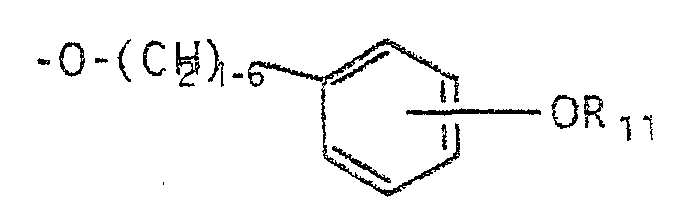
- (14) lower alkyl and lower cycloalkyl;
- R5 =
-
- (1) lower straight chain or branched alkyl, lower cycloalkyl
- (2) (CR6R7)0-6-aryl;
- (3) (CR6R7)0-6-heteroaryl or
- (4) (CR6R7)2-6-R8;
- R6 and R7
- are independently H, lower straight chain or branched alkyl, benzyl, cycloalkyl or aryl wherein aryl is defined as above and heteroaryl includes pyridyl, thienyl, furyl, thiazolyl, imidazolyl, pyrazolyl, isoxazolyl, benzimidazolyl, pyrazinyl, pyrimidyl, quinolyl, isoquinolyl, isothiazolyl, benzofuranyl, isoxazolyl, triazinyl and tetrazolyl;
- R8 =
-
- (1) OCH2CH2OR6;
- (2) OCH2CH2NR6R7
- (3) NR6CH2CO2R6;
- (4)
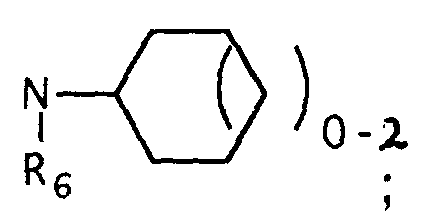
- (5)
X = O,S and

- (6) NR6R7 wherein R6 and R7 are as above defined;
- R9 =
-
- (1) lower straight chain or branched alkyl, lower cycloalkyl
- (2) (CR6R7)0-6-aryl;
- (3) (CR6R7)0-6-heteroaryl; or
- (4) (CR6R7)0-6-R8, wherein R6, R7 and R8 are as above defined;
- R10 =
-
- (1) R9;
- (2) OR11; or
- (3) NR6R11,
- R11 =
-
- (1) lower straight chain or branched alkyl, lower cycloalkyl
- (2) (CR6R7)1-6-aryl;
- (3) (CR6R7)1-6-heteroaryl; or
- (4) (CR6R7)2-6-R8, and R6, R7, R8 and R9 are as above defined;
- R4 =
- H or deuterium;
- R2 =
-
- (1) OR6;
- (2) NR6OR7 or
- (3) NR6R7, and R6 and R7 are as above-defined;
- A=
- an amino acid selected from the group
consisting of



 and
and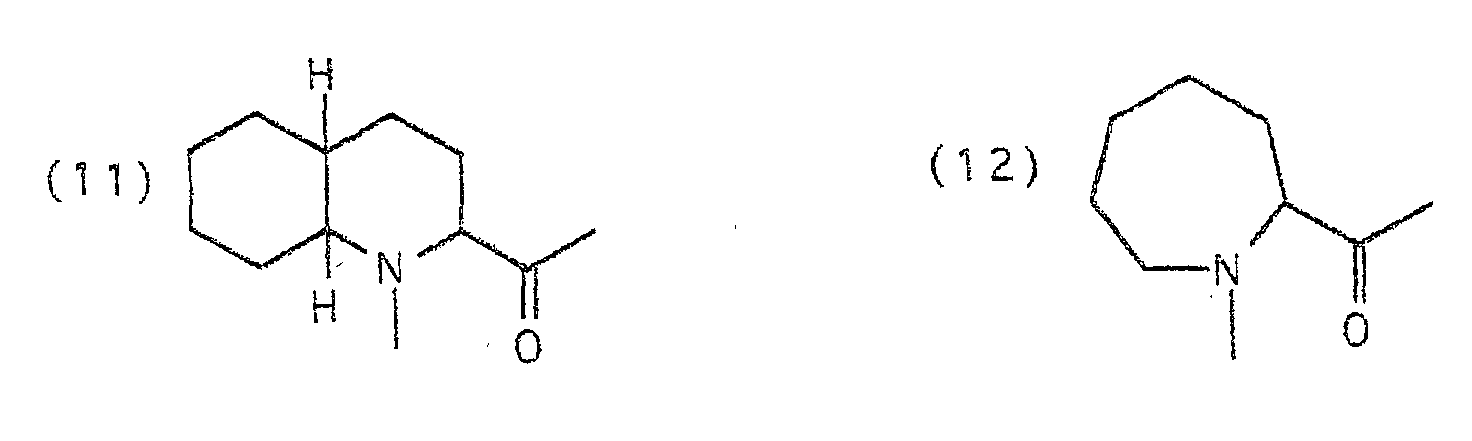 wherein R6 and R7 are as defined above; and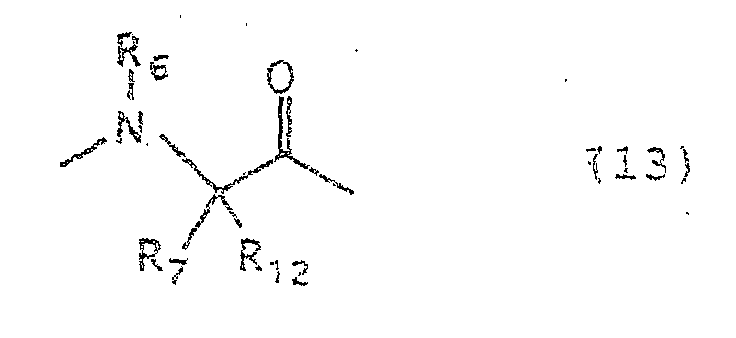
- R12
- is independently
- (1) H ; or
- (2) (CR6R7)1-6-R13,
- R13 =
-
- (1) H;
- (2) F;
- (3) CF3
- (4) OH;
- (5) OR11;
- (6) NR6R14
- (7) cycloalkyl;
- (8) aryl
- (9) heteroaryl;
- (10) SH
- (11) SR11;
- (12) CONR5R6
- (13) COOR5 or
- (14)
wherein R5, R6, and R11 are as defined above ;

- R14 =
-
- (1) R7;
- (2) COR10;
- (3) SO2NR5R6 or
- (4)
wherein R5, R6, R7 and R10 are as defined above;

- R1 is
- an acyl group of the formula (III)
wherein

- R12
- is
- (1) OR5;
- (2) NR5R6;
- (3) R5;
- (4) -CH=CHR5
- (5)

- (6)
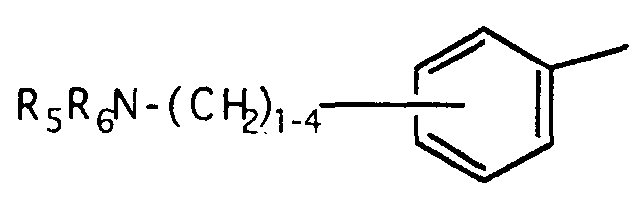
- (7)
or

- (8)
wherein

- R15 =
- single bond, (CH2)2-6-NR6-, (CH2)2-6-O- and
R5 and R6 are as above defined; or
a sulfonyl group of the formula (IV)
wherein

- R16
- is
- (1) R5
- (2)
or

- (3)
wherein R5 and R6 are as above-defined.

with the proviso that when n=1, R3 does not represent phenyl optionally substituted by one to three radicals selected from lower alkyl, lower alkoxy, trifluoromethyl, halogen, nitro, carbamoyl and (C1-C6)alkoxycarbonyl;
it beeing understood that lower alkyl designates an alkyl group having 1 to 7 carbon atoms and lower cycloalkyl designates a cycloalkyl group having 3 to 6 carbon atoms. As used herein the term pharmaceutically acceptable salts include the acid and base addition salts.
- treating IL-1β mediated disease : infectious disease, respiratory disease, inflammatory conditions ;
- treating or preventing a disease or disorder selected from meningitis, salpingitis, septic shock, arthritis, cholangitis, colitis, encephalitis, endocerolitis, hepatitis, pancreatitis, reperfusion injury, hypersensivity and multiple slcerosis in a mammal ;
- treating or preventing arthritis, septic shock, colitis or pancreatitis.


Partially purified IL-1β protease is stored at -80°C, thawed on ice, and preincubated for 10 minutes at 37°C with 2.5 mM dithiothreitol in a buffer solution containing 10 mM Tris-HCI (pH 8.0) and 25% (v/w) glycerol. Inhibitors are prepared as stock solutions in dimethyl sulfoxide (DMSO). The protease is preincubated with inhibitor in a volume of 20 µl in a 1.5 ml polypropylene microcentrifuge tube for 15 minutes at 37°C. The volume of compound added to the assay is adjusted to yield a DMSO concentration in the preincubation of <15% (v/v). The enzyme assay is then initiated by the addition of substrate (TRITC-AYVHDAPVRS-NH2) to yield a final concentration of 67 µM in a final volume of 30 µl. The reactions are carried out for 60 minutes at 37°C in the dark and are terminated by the addition of 10 µl of 10% trifluoroacetic acid (TFA). Following the addition of 115 µl of 0.1% TFA, the samples are analyzed by high pressure liquid chromatography using a reverse phase (C18) column and elution with an acetonitrile/water/TFA gradient. Substrate and product are monitored by their absorbance at 550 nm and elute at 4.2 and 5.2 minutes, respectively.
| Example No. | IC50µm | Name of Compound |
| 38 | N-Benzyloxycarbonyl-L-aspartic acid 2,6-dichlorobenzoyloxymethyl ketone | 0.05 |
| 40 | N-Benzyloxycarbonyl-L-aspartic acid 2,6-ditrifluoromethylbenzoyloxymethyl ketone | 0.10 |
| 41 | N-Benzyloxycarbonyl-L-aspartic acid 2,6-dichlorophenoxymethyl ketone | 0.10 |
| 42 | N-Benzyloxycarbonyl-L-aspartic acid 2-fluoro-4-(N-morpholinylsulfonamido)phenoxymethyl ketone | 0.32 |
| 49 | N-Benzyloxycarbonyl-L-aspartic acid 3-(N-butylsulfonamido)-2,6-dichlorobenzoyloxymethylketone | 0.09 |
| 52 | N-Benzyloxycarbonyl-L-aspartic acid 3-(N-[2-aminoacetamidoyl]sulfonamido)-2,6-dichlorobenzoyloxymethyl ketone | 0.06 |
| 53 | N-Benzyloxycarbonyl-L-aspartic acid 2,6-dichloro-3-(N-morpholinylsulfonamido)benzoyloxymethyl ketone | 0.09 |
| 54 | N-Methoxycarbonyl-L-alanine-L-aspartic acid 2,6-dichlorobenzoyloxymethyl ketone | 0.06 |
| 57 | N-Methoxycarbonyl-L-phenylalanine-L-aspartic acid 2,6-dichlorobenzoyloxymethyl ketone | 0.07 |
| 64 | N-(2-furonyl)carbonyl-L-aspartic acid 2, 6-dichlorobenzoyloxymethyl ketone | 0.14 |
| 67 | N-Methoxycarbonyl-L-aspartic acid 2,6-dichlorobenzoyloxymethyl ketone | 0.08 |
| 68 | N-(4-(N,N-dimethylaminomethyl)benzoyl-L-aspartic acid 2, 6-dichlorobenzoyloxymethyl ketone | 0.3 |
| 70 | N-(2-[2,6-dichlorobenzoyloxy])acetyl-L-aspartic acid 2,6-dichlorobenzoyloxymethyl ketone | 0.2 |
Claims (6)
- A compound of the formula (I)or a pharmaceutically acceptable salt thereof, wherein

- n =
- 1 or 2,
- Y=
-

- m =
- 0,1;
- R3 =
- a singularly or multiply substituted aryl selected from
phenyl and naphthyl wherein the substituents are
independently selected from the group consisting of:
- (1) H;
- (2) halogen;
- (3) OH
- (4) CF3;
- (5) NO2;
- (6) OR5
- (7) COR9;
- (8) NR6COR10;
- (9) CONR5R6
- (10) SO2NR5R6;
- (11) SO2R6;
- (12) COOR11;
- (13)
and
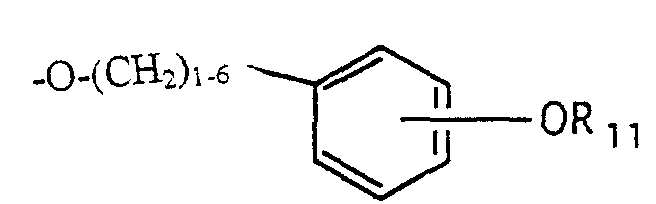
- (14) lower alkyl and lower cycloalkyl;
- R5 =
-
- (1) lower straight chain or branched alkyl, lower cycloalkyl;
- (2) (CR6R7)0-6-aryl;
- (3) (CR6R7)0-6-heteroaryl or
- (4) (CR6R7)2-6-R8;
- R6 and R7
- are independently H, lower straight chain or branched alkyl, benzyl, cycloalkyl or aryl wherein aryl is defined as above and heteroaryl includes pyridyl, thienyl, furyl, thiazolyl, imidazolyl, pyrazolyl, isoxazolyl, benzimidazolyl, pyrazinyl, pyrimidyl, quinolyl, isoquinolyl, isothiazolyl, benzofuranyl, isoxazolyl, triazinyl and tetrazolyl;
- R8 =
-
- (1) OCH2CH2OR6;
- (2) OCH2CH2NR6R7
- (3) NR6CH2CO2R6
- (4)

- (5)
X = O,S and

- (6) NR6R7 wherein R6 and R7 are as above defined;
- R9 =
-
- (1) lower straight chain or branched alkyl, lower cycloalkyl
- (2) (CR6R7)0-6-aryl;
- (3) (CR6R7)0-6-heteroaryl; or
- (4) (CR6R7)0-6-R8,
- R10 =
-
- (1) R9;
- (2) OR11; or
- (3) NR6R11, wherein
- R11 =
-
- (1) lower straight chain or branched alkyl, lower cycloalkyl
- (2) (CR6R7)1-6-aryl;
- (3) (CR6R7)1-6-heteroaryl; or
- (4) (CR6R7)2-6-R8,
- R4 =
- H or deuterium;
- R2 =
-
- (1) OR6;
- (2) NR6OR7 or
- (3) NR6R7 wherein
- R6 and R7
- are as above-defined;
- A
- is an aminoacid selected from the group consisting of


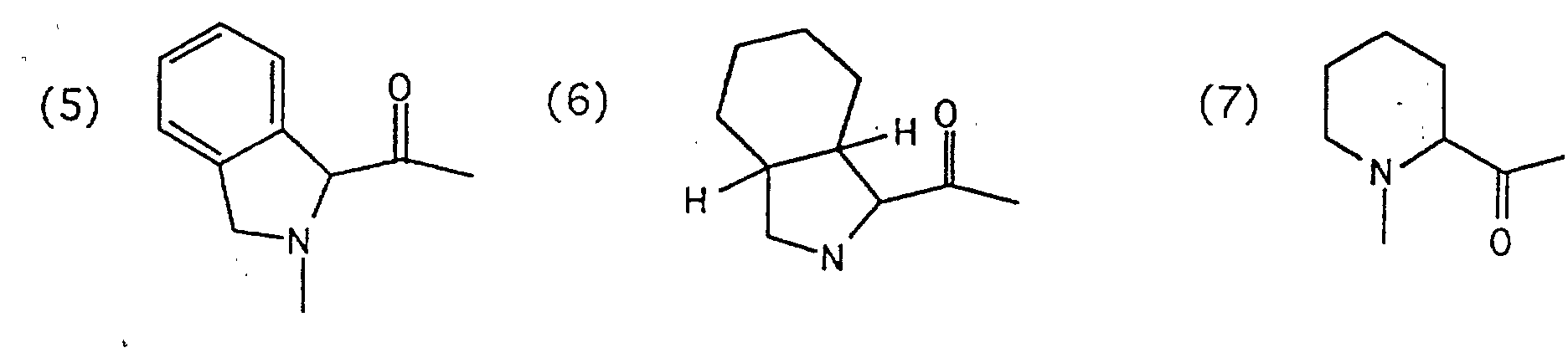
 and
and wherein R6 and R7 are as defined above; and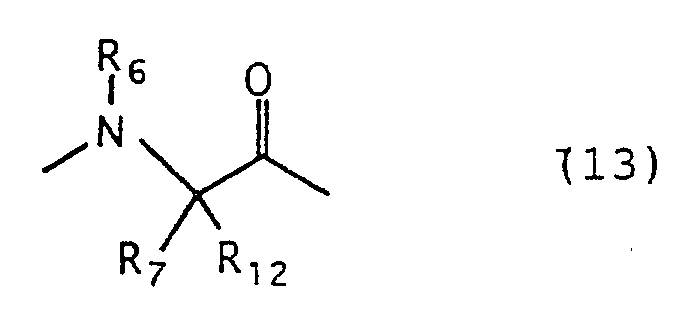
- R12
- is
independently
- (1) H or
- (2) (CR6R7)1-6-R13,
- R13 =
-
- (1) H;
- (2) F;
- (3) CF3
- (4) OH;
- (5) OR11;
- (6) NR6R14
- (7) cycloalkyl;
- (8) aryl
- (9) heteroaryl;
- (10) SH
- (11) SR11;
- (12) CONR5R6
- (13) COOR5 or
- (14)
wherein R5, R6, and R11 are as defined above ;

- R14 =
-
- (1) R7;
- (2) COR10;
- (3) SO2NR5R6 or
- (4)
wherein R5, R6, R7 and R10 are as defined above;
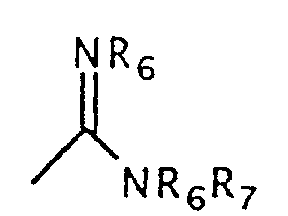
- R1 is
- an acyl group of the formula (III)
wherein

- R12
- is
- (1) OR5;
- (2) NR5R6;
- (3) R5;
- (4) -CH=CHR5
- (5)

- (6)

- (7)
or

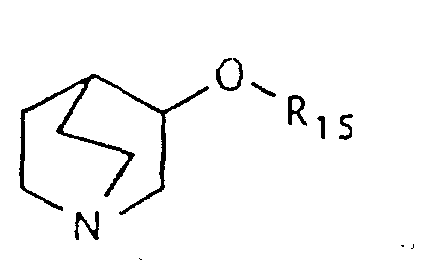
- (8)
wherein R15 = single bond, (CH2)2-6-NR6-, (CH2)2-6-O- and
- R5 and R6
- are as above defined; or
a sulfonyl group of the formula (IV)
wherein

- R16
- is
- (1) R5
- (2)
or
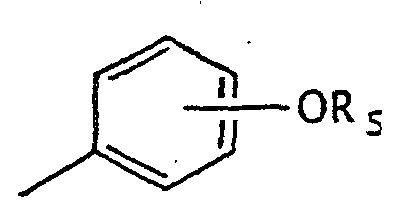
- (3)
wherein R5 and R6 are as above-defined.
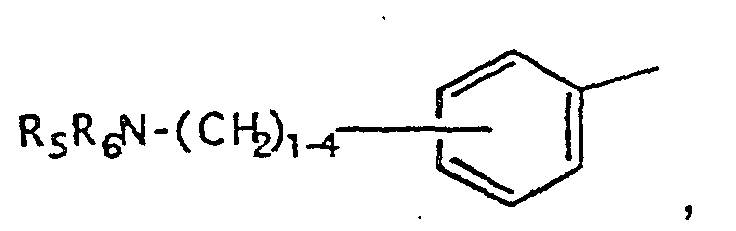
with the proviso that when n=1, R3 does not represent phenyl optionally substituted by one to three radicals selected from lower alkyl, lower alkoxy, trifluoromethyl, halogen, nitro, carbamoyl and (C1-C6)alkoxycarbonyl;
it beeing understood that lower alkyl designates an alkyl group having 1 to 7 carbon atoms and lower cycloalkyl designates a cycloalkyl group having 3 to 6 carbon atoms. - A pharmaceutical composition comprising a compound of the formula (I) or a pharmaceutically acceptable salt thereof as claimed in claim 1 in combination with a pharmaceutically acceptable carrier.
- The use of a compound of formula (1) or a pharmaceutically acceptable salt thereof as claimed in claim 1 or a pharmaceutical composition thereof as claimed in claim 2 for the preparation of a medicament for inhibiting interleukin-1β protease activity in a mammal
- The use of a compound of formula (I) or a pharmaceutically acceptable salt thereof as claimed in claim 1 or a pharmaceutical composition thereof as claimed in claim 2 for the preparation of a medicament for treating IL-1β mediated disease : infectious disease, respiratory disease, inflammatory conditions, immune-based disease, autoimmune disease, bone disease and tumors, in a mammal.
- A use of a compound of formula (I) or a pharmaceutically acceptable salt thereof as claimed in claim 1 or a pharmaceutical composition thereof as claimed in claim 2 for the preparation of a medicament for treating or preventing a disease or disorder selected from meningitis, salpingitis, septic shock, arthritis, cholangitis, colitis, encephalitis, endocerolitis, hepatitis, pancreatitis, reperfusion injury, hypersensitivity and multiple sclerosis in a mammal.
- The use according to claim 5, wherein the disease or disorder is arthritis, septic shock, colitis, or pancreatitis.
Applications Claiming Priority (2)
| Application Number | Priority Date | Filing Date | Title |
|---|---|---|---|
| US5505193A | 1993-04-29 | 1993-04-29 | |
| US55051 | 1993-04-29 |
Publications (2)
| Publication Number | Publication Date |
|---|---|
| EP0623592A1 EP0623592A1 (en) | 1994-11-09 |
| EP0623592B1 true EP0623592B1 (en) | 2001-06-27 |
Family
ID=21995255
Family Applications (1)
| Application Number | Title | Priority Date | Filing Date |
|---|---|---|---|
| EP94201161A Expired - Lifetime EP0623592B1 (en) | 1993-04-29 | 1994-04-27 | Peptide analogs as irreversible interleukin-1beta protease inhibitors |
Country Status (19)
| Country | Link |
|---|---|
| EP (1) | EP0623592B1 (en) |
| JP (2) | JPH0725865A (en) |
| AT (1) | ATE202554T1 (en) |
| AU (1) | AU676887B2 (en) |
| CA (1) | CA2122227A1 (en) |
| CZ (1) | CZ103594A3 (en) |
| DE (1) | DE69427557T2 (en) |
| DK (1) | DK0623592T3 (en) |
| ES (1) | ES2160609T3 (en) |
| FI (1) | FI942005L (en) |
| GR (1) | GR3036739T3 (en) |
| HU (1) | HUT68563A (en) |
| IL (1) | IL109471A (en) |
| MY (1) | MY137301A (en) |
| NO (1) | NO941580L (en) |
| NZ (1) | NZ260410A (en) |
| PT (1) | PT623592E (en) |
| SK (1) | SK50294A3 (en) |
| TW (1) | TW494094B (en) |
Cited By (2)
| Publication number | Priority date | Publication date | Assignee | Title |
|---|---|---|---|---|
| US7157430B2 (en) | 1998-10-22 | 2007-01-02 | Idun Pharmaceuticals, Inc. | (Substituted)acyl dipeptidyl inhibitors of the ICE/CED-3 family of cysteine proteases |
| US7417029B2 (en) | 2000-05-19 | 2008-08-26 | Vertex Pharmaceuticals Incorporated | Prodrug of an ice inhibitor |
Families Citing this family (41)
| Publication number | Priority date | Publication date | Assignee | Title |
|---|---|---|---|---|
| US6204261B1 (en) | 1995-12-20 | 2001-03-20 | Vertex Pharmaceuticals Incorporated | Inhibitors of interleukin-1β Converting enzyme inhibitors |
| JPH0632108U (en) * | 1992-09-29 | 1994-04-26 | 日進医療器株式会社 | caster |
| US5714484A (en) * | 1993-12-08 | 1998-02-03 | Prototek, Inc. | α-(1,3-dicarbonylenol ether) methyl ketones as cysteine protease inhibitors |
| US5486623A (en) * | 1993-12-08 | 1996-01-23 | Prototek, Inc. | Cysteine protease inhibitors containing heterocyclic leaving groups |
| US5847135A (en) * | 1994-06-17 | 1998-12-08 | Vertex Pharmaceuticals, Incorporated | Inhibitors of interleukin-1β converting enzyme |
| US5756466A (en) * | 1994-06-17 | 1998-05-26 | Vertex Pharmaceuticals, Inc. | Inhibitors of interleukin-1β converting enzyme |
| US5716929A (en) * | 1994-06-17 | 1998-02-10 | Vertex Pharmaceuticals, Inc. | Inhibitors of interleukin-1β converting enzyme |
| US6420522B1 (en) | 1995-06-05 | 2002-07-16 | Vertex Pharmaceuticals Incorporated | Inhibitors of interleukin-1β converting enzyme |
| US5804560A (en) * | 1995-01-06 | 1998-09-08 | Sibia Neurosciences, Inc. | Peptide and peptide analog protease inhibitors |
| US6017887A (en) * | 1995-01-06 | 2000-01-25 | Sibia Neurosciences, Inc. | Peptide, peptide analog and amino acid analog protease inhibitors |
| EP0820464A2 (en) * | 1995-03-31 | 1998-01-28 | Takeda Chemical Industries, Ltd. | Cysteine protease inhibitor |
| US6586466B2 (en) | 1995-10-30 | 2003-07-01 | Smithkline Beecham Corporation | Carbohydrazide-protease inhibitors |
| CZ132798A3 (en) * | 1995-10-30 | 1999-02-17 | Smithkline Beecham Corporation | Protease inhibitors |
| US5869519A (en) * | 1996-12-16 | 1999-02-09 | Idun Pharmaceuticals, Inc. | C-terminal modified (n-substituted)-2-indolyl dipeptides as inhibitors of the ICE/ced-3 family of cysteine proteases |
| US5968927A (en) | 1996-09-20 | 1999-10-19 | Idun Pharmaceuticals, Inc. | Tricyclic compounds for the inhibition of the ICE/ced-3 protease family of enzymes |
| CA2268098A1 (en) * | 1996-10-11 | 1998-04-23 | Warner-Lambert Company | Aspartate ester inhibitors of interleukin-1.beta. converting enzyme |
| US6180402B1 (en) * | 1996-11-20 | 2001-01-30 | Qlt Inc. | Method for inhibiting apoptosis induced by photodynamic therapy using a cysteine or serine protease inhibitor |
| US6184244B1 (en) | 1996-12-16 | 2001-02-06 | Idun Pharmaceuticals, Inc. | C-terminal modified (N-substituted)-2-indolyl dipeptides as inhibitors of the ICE/ced-3 family of cysteine proteases |
| US5877197A (en) * | 1996-12-16 | 1999-03-02 | Karanewsky; Donald S. | C-terminal modified (N-substituted)-2-indolyl dipeptides as inhibitors of the ICE/ced-3 family of cysteine proteases |
| US5994396A (en) * | 1997-08-18 | 1999-11-30 | Centaur Pharmaceuticals, Inc. | Furansulfonic acid derivatives and pharmaceutical compositions containing the same |
| WO1999046248A1 (en) | 1998-03-09 | 1999-09-16 | Vertex Pharmaceuticals Incorporated | 1,2-diazepane derivatives as interleukin-1beta converting enzyme inhibitors |
| CA2324226C (en) | 1998-03-19 | 2012-06-05 | Vertex Pharmaceuticals Incorporated | Inhibitors of caspases |
| US6544951B2 (en) | 1998-07-02 | 2003-04-08 | Idun Pharmaceuticals, Inc. | C-terminal modified oxamyl dipeptides as inhibitors of the ICE/ced-3 family of cysteine proteases |
| US6197750B1 (en) * | 1998-07-02 | 2001-03-06 | Idun Pharmaceuticals, Inc. | C-terminal modified oxamyl dipeptides as inhibitors of the ICE/ced-3 family of cysteine proteases |
| US7053056B2 (en) | 1998-07-02 | 2006-05-30 | Idun Pharmaceuticals, Inc. | C-terminal modified oxamyl dipeptides as inhibitors of the ICE/ced-3 family of cysteine proteases |
| US6242422B1 (en) * | 1998-10-22 | 2001-06-05 | Idun Pharmacueticals, Inc. | (Substituted)Acyl dipeptidyl inhibitors of the ice/ced-3 family of cysteine proteases |
| US20030144175A1 (en) | 1998-12-23 | 2003-07-31 | Smithkline Beecham Corporation | Protease inhibitors |
| IL148426A0 (en) * | 1999-08-27 | 2002-09-12 | Cytovia Inc | α-HYDROXY ACID DERIVATIVES AND PHARMACEUTICAL COMPOSITIONS CONTAINING THE SAME |
| US6596715B1 (en) | 1999-11-10 | 2003-07-22 | Smithkline Beecham Corporation | Protease inhibitors |
| EP1229914A4 (en) | 1999-11-10 | 2004-06-23 | Smithkline Beecham Corp | Protease inhibitors |
| US6583137B1 (en) | 1999-11-10 | 2003-06-24 | Smithkline Beecham Corporation | Protease inhibitors |
| US6515173B1 (en) | 2000-01-13 | 2003-02-04 | Idun Pharmaceuticals, Inc. | Inhibitors of the ICE/ced-3 family of cysteine proteases |
| US6790989B2 (en) | 2000-01-13 | 2004-09-14 | Idun Pharmaceuticals, Inc. | Inhibitors of the ICE/ced-3 family of cysteine proteases |
| AU4344101A (en) | 2000-03-21 | 2001-10-03 | Smithkline Beecham Corp | Protease inhibitors |
| US6525024B1 (en) | 2000-04-17 | 2003-02-25 | Idun Pharmaceuticals, Inc. | Inhibitors of the ICE/ced-3 family of cysteine proteases |
| CO5280088A1 (en) * | 2000-04-18 | 2003-05-30 | Smithkline Beecham Corp | PROTEASA INHIBITORS |
| CA2421172A1 (en) | 2000-09-08 | 2002-03-14 | Merck Frosst Canada & Co. | Gamma-ketoacid dipeptides as inhibitors of caspase-3 |
| AU2005249503B2 (en) | 2003-11-10 | 2011-08-25 | Vertex Pharmaceuticals Incorporated | ICE inhibitors for the treatment of autoinflammatory diseases |
| US9956260B1 (en) | 2011-07-22 | 2018-05-01 | The J. David Gladstone Institutes | Treatment of HIV-1 infection and AIDS |
| AU2024361024A1 (en) * | 2023-10-09 | 2026-04-02 | Sitryx Therapeutics Limited | Novel compounds |
| WO2026082873A1 (en) | 2024-10-17 | 2026-04-23 | Institut National de la Santé et de la Recherche Médicale | Use of caspase-1 inhibitors for treating ineffective erythropoiesis in patients suffering from sickle cell disease |
Family Cites Families (4)
| Publication number | Priority date | Publication date | Assignee | Title |
|---|---|---|---|---|
| US5055451A (en) * | 1986-12-22 | 1991-10-08 | Syntex Inc. | Aryloxy and arylacyloxy methyl ketones as thiol protease inhibitors |
| AU7775991A (en) * | 1990-04-04 | 1991-10-30 | Immunex Corporation | Interleukin 1beta protease |
| GB9123326D0 (en) * | 1991-11-04 | 1991-12-18 | Sandoz Ltd | Improvements in or relating to organic compounds |
| CA2129976C (en) * | 1992-02-21 | 2002-09-17 | Kevin T. Chapman | Peptidyl derivatives as inhibitors of interleukin-1.beta. converting enzyme |
-
1994
- 1994-04-26 CA CA002122227A patent/CA2122227A1/en not_active Abandoned
- 1994-04-26 TW TW083103750A patent/TW494094B/en active
- 1994-04-27 PT PT94201161T patent/PT623592E/en unknown
- 1994-04-27 DK DK94201161T patent/DK0623592T3/en active
- 1994-04-27 ES ES94201161T patent/ES2160609T3/en not_active Expired - Lifetime
- 1994-04-27 JP JP6089532A patent/JPH0725865A/en not_active Withdrawn
- 1994-04-27 AT AT94201161T patent/ATE202554T1/en not_active IP Right Cessation
- 1994-04-27 DE DE69427557T patent/DE69427557T2/en not_active Expired - Lifetime
- 1994-04-27 EP EP94201161A patent/EP0623592B1/en not_active Expired - Lifetime
- 1994-04-28 AU AU60752/94A patent/AU676887B2/en not_active Ceased
- 1994-04-28 NZ NZ260410A patent/NZ260410A/en not_active IP Right Cessation
- 1994-04-28 IL IL109471A patent/IL109471A/en not_active IP Right Cessation
- 1994-04-28 CZ CZ941035A patent/CZ103594A3/en unknown
- 1994-04-29 MY MYPI94001080A patent/MY137301A/en unknown
- 1994-04-29 NO NO941580A patent/NO941580L/en not_active Application Discontinuation
- 1994-04-29 HU HU9401251A patent/HUT68563A/en unknown
- 1994-04-29 FI FI942005A patent/FI942005L/en unknown
- 1994-04-29 SK SK502-94A patent/SK50294A3/en unknown
-
2001
- 2001-09-27 GR GR20010401596T patent/GR3036739T3/en not_active IP Right Cessation
-
2005
- 2005-04-19 JP JP2005121492A patent/JP4113201B2/en not_active Expired - Fee Related
Cited By (6)
| Publication number | Priority date | Publication date | Assignee | Title |
|---|---|---|---|---|
| US7157430B2 (en) | 1998-10-22 | 2007-01-02 | Idun Pharmaceuticals, Inc. | (Substituted)acyl dipeptidyl inhibitors of the ICE/CED-3 family of cysteine proteases |
| US7417029B2 (en) | 2000-05-19 | 2008-08-26 | Vertex Pharmaceuticals Incorporated | Prodrug of an ice inhibitor |
| US8022041B2 (en) | 2000-05-19 | 2011-09-20 | Vertex Pharmaceuticals Incorporated | Prodrug of an ICE inhibitor |
| US8329662B2 (en) | 2000-05-19 | 2012-12-11 | Vertexd Pharmaceuticals Incorporated | Prodrug of an ICE inhibitor |
| US9156880B2 (en) | 2000-05-19 | 2015-10-13 | Vertex Pharmaceuticals Incorporated | Prodrug of an ice inhibitor |
| US9487555B2 (en) | 2000-05-19 | 2016-11-08 | Vertex Pharmaceuticals Incorporated | Prodrug of an ice inhibitor |
Also Published As
| Publication number | Publication date |
|---|---|
| SK50294A3 (en) | 1995-02-08 |
| JPH0725865A (en) | 1995-01-27 |
| TW494094B (en) | 2002-07-11 |
| DE69427557T2 (en) | 2002-04-25 |
| HU9401251D0 (en) | 1994-08-29 |
| GR3036739T3 (en) | 2001-12-31 |
| NO941580D0 (en) | 1994-04-29 |
| ES2160609T3 (en) | 2001-11-16 |
| HUT68563A (en) | 1995-06-28 |
| IL109471A0 (en) | 1994-07-31 |
| CA2122227A1 (en) | 1994-10-30 |
| CZ103594A3 (en) | 1994-11-16 |
| AU6075294A (en) | 1994-11-03 |
| MY137301A (en) | 2009-01-30 |
| JP4113201B2 (en) | 2008-07-09 |
| DE69427557D1 (en) | 2001-08-02 |
| FI942005A7 (en) | 1994-10-30 |
| ATE202554T1 (en) | 2001-07-15 |
| FI942005L (en) | 1994-10-30 |
| DK0623592T3 (en) | 2001-10-22 |
| EP0623592A1 (en) | 1994-11-09 |
| NZ260410A (en) | 1996-06-25 |
| JP2005320327A (en) | 2005-11-17 |
| NO941580L (en) | 1994-10-31 |
| FI942005A0 (en) | 1994-04-29 |
| PT623592E (en) | 2001-12-28 |
| IL109471A (en) | 1998-02-22 |
| AU676887B2 (en) | 1997-03-27 |
Similar Documents
| Publication | Publication Date | Title |
|---|---|---|
| EP0623592A1 (en) | Peptide analogs as irreversible interleukin-1beta protease inhibitors | |
| US5585486A (en) | Peptidic ketones as interleukin-1β-converting enzyme inhibitors | |
| US5677283A (en) | α-heteroaryloxymethyl ketones as interleukin - 1 β converting enzyme inhibitors | |
| US5552400A (en) | Fused-bicyclic lactams as interleukin-1β converting enzyme inhibitors | |
| JP2001522862A5 (en) | ||
| EP0644197B1 (en) | Peptidic phosphinyloxymethyl ketones as interleukin-1beta-converting enzyme inhibitors | |
| EP0202577A2 (en) | N(Acyldipeptidyl)-aminoglycols | |
| EP0611375A1 (en) | Peptides inhibiting il-1 beta release | |
| US20040009923A1 (en) | Peptide analogs as irreversible interleukin-1beta protease inhibitors | |
| US5843905A (en) | Peptidic phosphinyloxymethyl ketones as interleukin-1β-converting enzyme inhibitors | |
| US5643879A (en) | Amino-substituted heterocycles as renin inhibitors | |
| HK1013982A (en) | Peptide analogs as irreversible interleukin-1 beta protease inhibitors | |
| AU1270402A (en) | Peptide derivatives and their pharmaceutically acceptable salts, processes for preparation of both, and use thereof | |
| KR0144864B1 (en) | Novel Peptidase Substrate Analogs | |
| HK1008146B (en) | Peptidic ketones as interleukin-1beta-converting enzyme inhibitors | |
| HK1064102B (en) | Bicyclic lactam inhibitors of interleukin-1-beta coverting enzyme | |
| HK1012630B (en) | Bicycling lactam inhibitor of interleukin-1-beta converting enzyme |
Legal Events
| Date | Code | Title | Description |
|---|---|---|---|
| PUAI | Public reference made under article 153(3) epc to a published international application that has entered the european phase |
Free format text: ORIGINAL CODE: 0009012 |
|
| AK | Designated contracting states |
Kind code of ref document: A1 Designated state(s): AT BE CH DE DK ES FR GB GR IE IT LI LU MC NL PT SE |
|
| 17P | Request for examination filed |
Effective date: 19950407 |
|
| 17Q | First examination report despatched |
Effective date: 19960701 |
|
| RAP1 | Party data changed (applicant data changed or rights of an application transferred) |
Owner name: SANOFI |
|
| RAP1 | Party data changed (applicant data changed or rights of an application transferred) |
Owner name: VERTEX PHARMACEUTICALS INCORPORATED |
|
| GRAG | Despatch of communication of intention to grant |
Free format text: ORIGINAL CODE: EPIDOS AGRA |
|
| GRAG | Despatch of communication of intention to grant |
Free format text: ORIGINAL CODE: EPIDOS AGRA |
|
| GRAH | Despatch of communication of intention to grant a patent |
Free format text: ORIGINAL CODE: EPIDOS IGRA |
|
| RIC1 | Information provided on ipc code assigned before grant |
Free format text: 7C 07C 271/22 A, 7A 61K 31/27 B, 7C 07D 295/30 B, 7C 07D 295/088 B, 7C 07C 311/16 B, 7C 07D 333/38 B, 7C 07D 307/38 B, 7C 07K 5/06 B, 7C 07K 5/08 B, 7A 61K 31/18 B |
|
| GRAH | Despatch of communication of intention to grant a patent |
Free format text: ORIGINAL CODE: EPIDOS IGRA |
|
| GRAA | (expected) grant |
Free format text: ORIGINAL CODE: 0009210 |
|
| AK | Designated contracting states |
Kind code of ref document: B1 Designated state(s): AT BE CH DE DK ES FR GB GR IE IT LI LU MC NL PT SE |
|
| REF | Corresponds to: |
Ref document number: 202554 Country of ref document: AT Date of ref document: 20010715 Kind code of ref document: T |
|
| REG | Reference to a national code |
Ref country code: CH Ref legal event code: EP |
|
| REG | Reference to a national code |
Ref country code: IE Ref legal event code: FG4D |
|
| REF | Corresponds to: |
Ref document number: 69427557 Country of ref document: DE Date of ref document: 20010802 |
|
| ITF | It: translation for a ep patent filed | ||
| REG | Reference to a national code |
Ref country code: DK Ref legal event code: T3 |
|
| REG | Reference to a national code |
Ref country code: CH Ref legal event code: NV Representative=s name: BOVARD AG PATENTANWAELTE |
|
| REG | Reference to a national code |
Ref country code: ES Ref legal event code: FG2A Ref document number: 2160609 Country of ref document: ES Kind code of ref document: T3 |
|
| ET | Fr: translation filed | ||
| REG | Reference to a national code |
Ref country code: PT Ref legal event code: SC4A Free format text: AVAILABILITY OF NATIONAL TRANSLATION Effective date: 20010920 |
|
| REG | Reference to a national code |
Ref country code: GB Ref legal event code: IF02 |
|
| PLBE | No opposition filed within time limit |
Free format text: ORIGINAL CODE: 0009261 |
|
| STAA | Information on the status of an ep patent application or granted ep patent |
Free format text: STATUS: NO OPPOSITION FILED WITHIN TIME LIMIT |
|
| 26N | No opposition filed | ||
| PGFP | Annual fee paid to national office [announced via postgrant information from national office to epo] |
Ref country code: MC Payment date: 20050520 Year of fee payment: 12 |
|
| PGFP | Annual fee paid to national office [announced via postgrant information from national office to epo] |
Ref country code: GR Payment date: 20050524 Year of fee payment: 12 |
|
| PGFP | Annual fee paid to national office [announced via postgrant information from national office to epo] |
Ref country code: LU Payment date: 20050525 Year of fee payment: 12 Ref country code: DK Payment date: 20050525 Year of fee payment: 12 |
|
| REG | Reference to a national code |
Ref country code: HK Ref legal event code: WD Ref document number: 1013982 Country of ref document: HK |
|
| PG25 | Lapsed in a contracting state [announced via postgrant information from national office to epo] |
Ref country code: MC Free format text: LAPSE BECAUSE OF NON-PAYMENT OF DUE FEES Effective date: 20060430 Ref country code: LU Free format text: LAPSE BECAUSE OF NON-PAYMENT OF DUE FEES Effective date: 20060430 |
|
| PG25 | Lapsed in a contracting state [announced via postgrant information from national office to epo] |
Ref country code: DK Free format text: LAPSE BECAUSE OF NON-PAYMENT OF DUE FEES Effective date: 20060501 |
|
| REG | Reference to a national code |
Ref country code: DK Ref legal event code: EBP |
|
| REG | Reference to a national code |
Ref country code: PT Ref legal event code: MM4A Free format text: LAPSE DUE TO NON-PAYMENT OF FEES Effective date: 20061027 |
|
| PGFP | Annual fee paid to national office [announced via postgrant information from national office to epo] |
Ref country code: SE Payment date: 20070427 Year of fee payment: 14 |
|
| REG | Reference to a national code |
Ref country code: PT Ref legal event code: NF4A Free format text: RESTITUTIO IN INTEGRUM Effective date: 20070423 |
|
| PG25 | Lapsed in a contracting state [announced via postgrant information from national office to epo] |
Ref country code: GR Free format text: LAPSE BECAUSE OF NON-PAYMENT OF DUE FEES Effective date: 20061102 |
|
| EUG | Se: european patent has lapsed | ||
| PGFP | Annual fee paid to national office [announced via postgrant information from national office to epo] |
Ref country code: PT Payment date: 20090407 Year of fee payment: 16 Ref country code: AT Payment date: 20090401 Year of fee payment: 16 |
|
| PGFP | Annual fee paid to national office [announced via postgrant information from national office to epo] |
Ref country code: BE Payment date: 20090528 Year of fee payment: 16 |
|
| PG25 | Lapsed in a contracting state [announced via postgrant information from national office to epo] |
Ref country code: SE Free format text: LAPSE BECAUSE OF NON-PAYMENT OF DUE FEES Effective date: 20080428 |
|
| BERE | Be: lapsed |
Owner name: *VERTEX PHARMACEUTICALS INC. Effective date: 20100430 |
|
| REG | Reference to a national code |
Ref country code: PT Ref legal event code: MM4A Free format text: LAPSE DUE TO NON-PAYMENT OF FEES Effective date: 20101027 |
|
| PG25 | Lapsed in a contracting state [announced via postgrant information from national office to epo] |
Ref country code: AT Free format text: LAPSE BECAUSE OF NON-PAYMENT OF DUE FEES Effective date: 20100427 |
|
| PG25 | Lapsed in a contracting state [announced via postgrant information from national office to epo] |
Ref country code: PT Free format text: LAPSE BECAUSE OF NON-PAYMENT OF DUE FEES Effective date: 20101027 |
|
| REG | Reference to a national code |
Ref country code: CH Ref legal event code: PFA Owner name: VERTEX PHARMACEUTICALS INCORPORATED Free format text: VERTEX PHARMACEUTICALS INCORPORATED#130 WAVERLY STREET#CAMBRIDGE, MA 02139-4242 (US) -TRANSFER TO- VERTEX PHARMACEUTICALS INCORPORATED#130 WAVERLY STREET#CAMBRIDGE, MA 02139-4242 (US) |
|
| PG25 | Lapsed in a contracting state [announced via postgrant information from national office to epo] |
Ref country code: BE Free format text: LAPSE BECAUSE OF NON-PAYMENT OF DUE FEES Effective date: 20100430 |
|
| PGFP | Annual fee paid to national office [announced via postgrant information from national office to epo] |
Ref country code: IE Payment date: 20120425 Year of fee payment: 19 Ref country code: NL Payment date: 20120426 Year of fee payment: 19 Ref country code: CH Payment date: 20120425 Year of fee payment: 19 Ref country code: DE Payment date: 20120427 Year of fee payment: 19 |
|
| PGFP | Annual fee paid to national office [announced via postgrant information from national office to epo] |
Ref country code: GB Payment date: 20120425 Year of fee payment: 19 Ref country code: FR Payment date: 20120503 Year of fee payment: 19 |
|
| PGFP | Annual fee paid to national office [announced via postgrant information from national office to epo] |
Ref country code: IT Payment date: 20120424 Year of fee payment: 19 |
|
| PGFP | Annual fee paid to national office [announced via postgrant information from national office to epo] |
Ref country code: ES Payment date: 20120426 Year of fee payment: 19 |
|
| REG | Reference to a national code |
Ref country code: NL Ref legal event code: V1 Effective date: 20131101 |
|
| REG | Reference to a national code |
Ref country code: CH Ref legal event code: PL |
|
| GBPC | Gb: european patent ceased through non-payment of renewal fee |
Effective date: 20130427 |
|
| REG | Reference to a national code |
Ref country code: IE Ref legal event code: MM4A |
|
| PG25 | Lapsed in a contracting state [announced via postgrant information from national office to epo] |
Ref country code: DE Free format text: LAPSE BECAUSE OF NON-PAYMENT OF DUE FEES Effective date: 20131101 Ref country code: LI Free format text: LAPSE BECAUSE OF NON-PAYMENT OF DUE FEES Effective date: 20130430 Ref country code: CH Free format text: LAPSE BECAUSE OF NON-PAYMENT OF DUE FEES Effective date: 20130430 Ref country code: GB Free format text: LAPSE BECAUSE OF NON-PAYMENT OF DUE FEES Effective date: 20130427 |
|
| REG | Reference to a national code |
Ref country code: FR Ref legal event code: ST Effective date: 20131231 |
|
| REG | Reference to a national code |
Ref country code: DE Ref legal event code: R119 Ref document number: 69427557 Country of ref document: DE Effective date: 20131101 |
|
| PG25 | Lapsed in a contracting state [announced via postgrant information from national office to epo] |
Ref country code: IT Free format text: LAPSE BECAUSE OF NON-PAYMENT OF DUE FEES Effective date: 20130427 Ref country code: NL Free format text: LAPSE BECAUSE OF NON-PAYMENT OF DUE FEES Effective date: 20131101 Ref country code: FR Free format text: LAPSE BECAUSE OF NON-PAYMENT OF DUE FEES Effective date: 20130430 |
|
| PG25 | Lapsed in a contracting state [announced via postgrant information from national office to epo] |
Ref country code: IE Free format text: LAPSE BECAUSE OF NON-PAYMENT OF DUE FEES Effective date: 20130427 |
|
| REG | Reference to a national code |
Ref country code: ES Ref legal event code: FD2A Effective date: 20140606 |
|
| PG25 | Lapsed in a contracting state [announced via postgrant information from national office to epo] |
Ref country code: ES Free format text: LAPSE BECAUSE OF NON-PAYMENT OF DUE FEES Effective date: 20130428 |