EP0592557B1 - Nitric oxide synthesis inhibitors for potentiating the action of pressor agents in certain hypotensive patients - Google Patents
Nitric oxide synthesis inhibitors for potentiating the action of pressor agents in certain hypotensive patients Download PDFInfo
- Publication number
- EP0592557B1 EP0592557B1 EP92914870A EP92914870A EP0592557B1 EP 0592557 B1 EP0592557 B1 EP 0592557B1 EP 92914870 A EP92914870 A EP 92914870A EP 92914870 A EP92914870 A EP 92914870A EP 0592557 B1 EP0592557 B1 EP 0592557B1
- Authority
- EP
- European Patent Office
- Prior art keywords
- arginine
- nitric oxide
- treatment
- inhibitor
- endotoxin
- Prior art date
- Legal status (The legal status is an assumption and is not a legal conclusion. Google has not performed a legal analysis and makes no representation as to the accuracy of the status listed.)
- Expired - Lifetime
Links
Images
Classifications
-
- A—HUMAN NECESSITIES
- A61—MEDICAL OR VETERINARY SCIENCE; HYGIENE
- A61K—PREPARATIONS FOR MEDICAL, DENTAL OR TOILETRY PURPOSES
- A61K38/00—Medicinal preparations containing peptides
- A61K38/04—Peptides having up to 20 amino acids in a fully defined sequence; Derivatives thereof
- A61K38/08—Peptides having 5 to 11 amino acids
- A61K38/085—Angiotensins
-
- A—HUMAN NECESSITIES
- A61—MEDICAL OR VETERINARY SCIENCE; HYGIENE
- A61K—PREPARATIONS FOR MEDICAL, DENTAL OR TOILETRY PURPOSES
- A61K31/00—Medicinal preparations containing organic active ingredients
- A61K31/185—Acids; Anhydrides, halides or salts thereof, e.g. sulfur acids, imidic, hydrazonic or hydroximic acids
- A61K31/19—Carboxylic acids, e.g. valproic acid
- A61K31/195—Carboxylic acids, e.g. valproic acid having an amino group
-
- A—HUMAN NECESSITIES
- A61—MEDICAL OR VETERINARY SCIENCE; HYGIENE
- A61K—PREPARATIONS FOR MEDICAL, DENTAL OR TOILETRY PURPOSES
- A61K31/00—Medicinal preparations containing organic active ingredients
- A61K31/185—Acids; Anhydrides, halides or salts thereof, e.g. sulfur acids, imidic, hydrazonic or hydroximic acids
- A61K31/19—Carboxylic acids, e.g. valproic acid
- A61K31/195—Carboxylic acids, e.g. valproic acid having an amino group
- A61K31/197—Carboxylic acids, e.g. valproic acid having an amino group the amino and the carboxyl groups being attached to the same acyclic carbon chain, e.g. gamma-aminobutyric acid [GABA], beta-alanine, epsilon-aminocaproic acid or pantothenic acid
- A61K31/198—Alpha-amino acids, e.g. alanine or edetic acid [EDTA]
-
- A—HUMAN NECESSITIES
- A61—MEDICAL OR VETERINARY SCIENCE; HYGIENE
- A61K—PREPARATIONS FOR MEDICAL, DENTAL OR TOILETRY PURPOSES
- A61K31/00—Medicinal preparations containing organic active ingredients
- A61K31/21—Esters, e.g. nitroglycerine, selenocyanates
- A61K31/215—Esters, e.g. nitroglycerine, selenocyanates of carboxylic acids
- A61K31/22—Esters, e.g. nitroglycerine, selenocyanates of carboxylic acids of acyclic acids, e.g. pravastatin
- A61K31/223—Esters, e.g. nitroglycerine, selenocyanates of carboxylic acids of acyclic acids, e.g. pravastatin of alpha-aminoacids
-
- A—HUMAN NECESSITIES
- A61—MEDICAL OR VETERINARY SCIENCE; HYGIENE
- A61K—PREPARATIONS FOR MEDICAL, DENTAL OR TOILETRY PURPOSES
- A61K45/00—Medicinal preparations containing active ingredients not provided for in groups A61K31/00 - A61K41/00
- A61K45/06—Mixtures of active ingredients without chemical characterisation, e.g. antiphlogistics and cardiaca
-
- A—HUMAN NECESSITIES
- A61—MEDICAL OR VETERINARY SCIENCE; HYGIENE
- A61P—SPECIFIC THERAPEUTIC ACTIVITY OF CHEMICAL COMPOUNDS OR MEDICINAL PREPARATIONS
- A61P9/00—Drugs for disorders of the cardiovascular system
- A61P9/02—Non-specific cardiovascular stimulants, e.g. drugs for syncope, antihypotensives
Definitions
- the present invention relates to the use of compounds in the manufacture of a medicament for alleviation of hypotension induced by activators of nitric oxide production, particularly as related to the restoration of sensitivity to known pressor agents such as ⁇ 1 adrenergic agonists.
- the present invention is a means to restore pressor sensitivity in this clinical class of patients, based on the discovery that nitric oxide overproduction is the basis for pressor insensitivity.
- EDRF nitric oxide
- the enzyme responsible for NO synthesis has been partially characterized (Stuehr et al . BBRC 161 : 420-426, 1989) and acts to oxidize the terminal amino group of arginine, resulting in production of NO and citrulline. It is now believed that macrophage-derived NO is an important tumoricidal and bactericidal agent.
- NO generation may also be stimulated by similar stimuli in other cell types in the vessel wall that do impact on vascular tone and 2) septic shock (i.e., systemic vasodilatation induced by bacterial endotoxin) may result from massive activation of NO biosynthesis.
- septic shock i.e., systemic vasodilatation induced by bacterial endotoxin
- urinary nitrate levels are grossly elevated by treatment of rats with bacterial endotoxin (Wagner et al ., PNAS 80 : 4518-4521, 1983).
- Cytokines are well known to cause morphological and functional alterations in endothelial cells described as "endothelial cell activation”. Distinct immune-mediators such as tumor necrosis factor (TNF), interleukin-1 (IL-1), and gamma-interferon (IFN or I) appear to induce different but partially overlapping patterns of endothelial cell activation including increased procoagulant activity (Bevilaqua, 1986), PGI2 production (Rossi, 1985 Science 229,174), HLA antigen expression (Pober 1987) and lymphocyte adhesion molecules (Harlan 1985; Cavender 1987).
- TNF tumor necrosis factor
- IL-1 interleukin-1
- IFN or I gamma-interferon
- cytokines Although these cytokines are reported to cause hypotension, vascular hemorrhage, and ischemia, the underlying mechanisms of altered vasoactivity are unclear (Goldblum et al . 1989; Tracey et al . Science 234:470, 1986). A potential mediator of altered vasoactivity is EDRF.
- arginine-based inhibitors of nitric oxide synthesis for the treatment of endotoxin(sepsis)- and cytokine-induced hypotension relates to the discovery that nitric oxide, a potent vasodilator, is overproduced in these conditions.
- pressor drug therapy i.e., adrenergic agonists
- adrenergic agonists adrenergic agonists
- pressor agents are typically ineffective in these patients (a significant fraction subsequently dying).
- insensitivity to vasoconstrictors is a characteristic of septic shock and considered to be a major impediment to effective pharmacotherapy.
- the mechanistic basis for this insensitivity of septic blood vessels of vasoconstrictors is incompletely understood.
- the present invention involves use of compounds in the manufacture of a medicament for treatment of a patient having systemic hypotension induced by sepsis or a biological response modifier such as the cytokine IFN, TNF, IL-1 and/or IL-2. Hypotension of this sort is characteristically unresponsive to pressor agents.
- the present invention relates to the presently described discovery that this unresponsiveness is due to NO overproduction.
- the use of the present invention relates to administering, preferably intravascularly, an amount of an inhibitor of nitric oxide formation from arginine to restore sensitivity to pressor agents such as ⁇ 1 adrenergic agonists. This is in conjunction with administration of an ⁇ 1 adrenergic agonist or other pressor.
- ⁇ 1 adrenergic agonist and NO production inhibitor are intravascular
- other parenteral administration routes such as intraperitoneal, intramuscular or subdermal injection, for example, may prove useful when appropriate.
- Enteral or topical administration of the NO synthesis inhibitor may also prove beneficial for certain clinical conditions concomitantly involving the use of known pressor agents for restoring blood pressure.
- the nitric oxide synthesis inhibitor will be administered prior to the ⁇ 1 adrenergic agonist, although efficacy is anticipated if the order were reversed.
- ⁇ 1 adrenergic agents include phenylephrine, epinephrine, norepinephrine, dopamine, metaraminol, methoxamine, ephedrine, and mephentermine.
- the inhibitor of NO synthesis from arginine is an arginine derivative such as N G -substituted arginine or an N G ,N G -disubstituted arginine (i.e., one or more guanidino group hydrogen replacements) which is administered to a patient with an ⁇ 1 adrenergic agonist experiencing NO-induced systemic hypotension.
- the arginine derivatives of the present invention are preferably of the L configuration and include any pharmaceutically acceptable addition salts as commensurate with planned treatments.
- One particular use of the present invention is in the manufacture of a medicament for treatment of systemic hypotension induced in a patient by chemotherapeutic treatment with tumor necrosis factor, interleukin-2 or both.
- the use relates to administering to the chemotherapy patient a known ⁇ 1 adrenergic pressor agent and an amount of an inhibitor of NO production from arginine such as N G -substituted arginine or N G ,N G -disubstituted arginine.
- the amount is effective to restore vascular sensitivity to stimulation by ⁇ 1 adrenergic agonists.
- An important aspect of the present invention is use in the manufacture of a medicament for treatment of a patient for systemic hypotension induced by a bacterial toxin such as endotoxin, i.e., septic shock.
- the treatment involves administering to such a hypotensive patient one or more selected known pressor agents such as ⁇ 1 adrenergic agonists including phenylephrine, epinephrine, norepinephrine, dopamine, metaraminol, methoxamine, ephedrine, and mephentermine as well as an amount of an inhibitor of NO production from arginine.
- Such inhibitors include N G -substituted arginine, N G ,N G -disubstituted arginine, N G -aminoarginine or N G -nitroarginine effective to promote responsiveness to pressor agents such as ⁇ 1 adrenergic agonists or angiotensin.
- Septic shock is a life-threatening condition that results from exposure to bacterial toxins such as endotoxin. It is manifested by cardiovascular collapse and mediated by the release of cytokines such as tumor necrosis factor and interleukin-1. Some of these cytokines cause the release of vasoactive substances. Nitric oxide overproduction is an important contributor to endotoxic shock. Moreover, the present findings demonstrate for the first time, the utility of nitric oxide synthesis inhibitors combined with ⁇ 1 adrenergic agonists in the treatment of endotoxic shock and suggest that such use may be of therapeutic value in the treatment of septic shock.
- N G -substituted arginine derivatives of the L configuration for uses as described herein include N G -aminoarginine, N G -nitroarginine, and N G alkyl arginines such as N G -methylarginine, N G -ethylarginine, N G -propylarginine and N G -butylarginine.
- Effective amounts of the substituted or disubstituted arginine derivatives inhibit production in a patient of nitric oxide from arginine, thus the hypotensive effects and loss of sensitivity to ⁇ 1 adrenergic or other pressor agents due to excess NO are prevented.
- guanidino substituents may likewise be used. These include hydroxyalkyl and other alkyl or alkenyl variants.
- the present invention may relate to use in the manufacture of a medicament for treatment of an animal for any systemic hypotension related to induced production of nitric oxide.
- Said use relates to intravascularly administering to an animal a pressor and a NO production inhibitor such as an arginine derivative in an amount inhibiting production of nitric oxide from arginine to aid in restoration of sensitivity to pressors such as ⁇ 1 adrenergic agents.
- Effective inhibitors of NO synthesis from arginine include a wide variety of compounds, particularly arginine derivatives and the like. Many substituents other than hydrogen on the guanidino group of arginine or arginine analogous guanidino functional groups should serve as well.
- hypotension-producing nitric oxide may be directly or indirectly induced by interferon (IFN), tumor necrosis factor (TNF), interleukin-1 (IL-1), interleukin-2 (IL-2) and endotoxin.
- IFN interferon
- TNF tumor necrosis factor
- IL-1 interleukin-1
- IL-2 interleukin-2
- endotoxin endotoxin.
- the arginine derivatives usable as described herein include N G -substituted or N G ,N G disubstituted arginine.
- these inhibitors preferably have guanidino linked alkyl substituents selected from the group consisting of methyl, ethyl, propyl and butyl.
- Analogous derivatives may include modified alkyl substituents such as hydroxyalkyl, carboxyalkyl and aminoalkyl.
- the arginine derivatives usable in the practice of the present invention most preferably comprise arginine with at least one N G guanidino substituent selected from the group consisting of alkyl, hydroxyalkyl, and alkenyl.
- the effective amount of NO synthesis inhibitors of the present invention is an amount sufficient to inhibit production of nitric oxide from arginine.
- the present invention involves a finding that endotoxin-induced insensitivity to pressor agents can be restored by inhibitors of nitric oxide synthesis.
- hypotension is responsive to biological response modifiers and mediated by nitric oxide production
- pressor agents for therapy of hypotension in these patients will be enhanced by nitric oxide synthesis inhibitors of which arginine analogs or derivatives are a major type.
- NO production in the vascular wall appears to play a role in the development of hypotension and contributes to the insensitivity to pressor agents associated with bacterial toxins and biological response modifiers such as certain cytokines.
- hypotension is frequently treated by the administration of ⁇ 1 adrenergic pressor agents such as, for example, phenylephrine, epinephrine, norepinephrine, dopamine, metaraminol, methoxamine, ephedrine, and mephentermine.
- ⁇ 1 adrenergic pressor agents such as, for example, phenylephrine, epinephrine, norepinephrine, dopamine, metaraminol, methoxamine, ephedrine, and mephentermine.
- ⁇ 1 adrenergic pressor agents such as, for example, phenylephrine, epinephrine, norepinephrine, dopamine, metaraminol, methoxamine, ephedrine, and mephentermine.
- arginine-derived or other nitric oxide synthesis inhibitors e.g., N G -substituted arginine or arginine analogs
- endotoxin sepsis
- cytokine-induced hypotension by a mechanism in addition to the direct increase in blood pressure described in U.S. patent 5,028,657.
- the above exemplary findings indicate that the efficacy of pressor drugs currently employed for the treatment of hypotension, but largely ineffective in conditions such as NO-induced hypotension, will have enhanced efficacy after administration of a nitric oxide synthesis inhibitor by intravenous bolus or infusion.
- this invention should increase the efficacy of currently employed pharmacotherapy with pressor drugs (e.g., alphaadrenergic and dopaminergic agonists).
- pressor drugs e.g., alphaadrenergic and dopaminergic agonists.
- the combined NO synthesis inhibitor/pressor therapy may reduce the dosage of an inhibitor such as an arginine analog required to achieve therapeutic benefit, thereby diminishing the frequency of possible toxic side-effects of nitric oxide synthesis inhibitors.
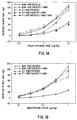
- Figs. 1A and 1B show the effect of endotoxin (ET or LPS abbreviation) pretreatment on peak pressor responses to phenylephrine ( Figure 1A) and angiotensin II ( Figure 1B) in pithed rat.
- Animals were either untreated (control) or treated with endotoxin (LPS-treated; 15 mg/kg, i.p.) 6 hours prior to their being pithed and instrumented for blood pressure recording.
- Figs. 1A and 1B depict the ability of phenylephrine (Fig. 1A) and angiotensin II (Fig. 1B) to increase mean systemic arterial pressure, as a function of dose administered to control rats (non-pretreated) and rats that had been pretreated with endotoxin (LPS-pretreated) 6 hours prior to cardiovascular assessment.
- Figures 1A and 1B demonstrate that endotoxin pretreatment elicits a marked reduction in the maximal increases in arterial pressure due to the ⁇ 1 adrenergic agonist phenylephrine (60%) and the pressor agent angiotensin II (85%). Thus, the animal model resembles the clinical condition of sepsis in this regard.
- Figures 1A and 1B further demonstrate that immediately after administration of a nitric oxide synthesis blocker, N G -methyl-L-arginine (NMA), responses to both pressor drugs are restored to control levels.
- NMA nitric oxide synthesis blocker
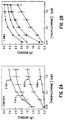
- Figs. 2A and 2B show the effect of LPS (lipopolysaccharide) treatment of the rat on constriction of isolated aortic rings by phenylephrine in the absence (Fig. 2A) and presence (Fig. 2B) of 300 ⁇ M N G -methyl-L-arginine.
- LPS lipopolysaccharide
- Rats were either untreated or pretreated with LPS (15 mg/kg, i.p.) for the indicated duration (2, 4 or 6 hrs) prior to sacrifice and preparation of aortic rings for tension recording.
- Phenylephrine dose-response curves were constructed by cumulative administration. When rings were NMA treated, NMA was added 5 min prior to the first dose of phenylephrine and was continuously present throughout dose-response analysis. Points represent mean tension values ⁇ S.E. for tension generated by 5-8 aortic rings. As shown in Fig. 2A, the maximum constrictor response to phenylephrine decreases progressively as a function of the duration of endotoxin exposure in vivo .
- Fig. 2B shows the effect of phenylephrine on these same vessels, however, in the presence of the nitric oxide synthesis inhibitor NMA.
- NMA significantly restores phenylephrine-induced vasoconstriction toward control levels. This find is consistent with the view that nitric oxide synthesis within the vascular wall is a major contributor to the endotoxin-induced reduction in vasoconstrictor response.
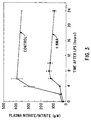
- NMA infusion was via osmotic minipumps which were implanted subcutaneously 3 hrs prior to LPS challenge and released NMA at a rate of 18 mg/kg/hr.
- the maximal increase in serum nitrate peaks after six hours, a time which coincides with the near-complete inhibition of phenylephrine-induced vasoconstriction.
- NMA infusion markedly dampens the increase in serum nitrate elicited by endotoxin in addition to restoring the constrictor response to phenylephrine.
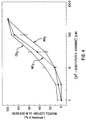
- Endotoxic rings isolated from rats subjected to a dose of endotoxin were studied in terms of their contractile response to phenylephrine alone and in the presence of various arginine antagonists.
- L-arginine substituted on the guanidino group with N G -methyl, nitro or amino was studied. All were found to restore the constrictor response to phenylephrine in aortic rings from endotoxic rats.
- N G -methyl arginine was more effective than N G -nitro arginine, which in turn was more effective than N G -amino arginine. All were nevertheless effective and in fact at the highest doses restored approximately the same sensitivity to phenylephrine. This observation further strengthens the role of nitric oxide induced by endotoxin or other cytokines as that substance which is responsible for the loss of sensitivity to pressor drugs such as the ⁇ 1 adrenergic drugs.
- Sprague-Dawley rats 250-300 g were anesthetized with ethyl ether and pithed as previously described by Shiply and Tilden. Shipley, R.E. and Tilden, J.H. (1947) A pithed rat preparation suitable for assay of pressor substances, Proc Soc Exp Med , 65 :453-455. A tracheotomy was performed, and rats were artificially respired with room air. The left common carotid artery was cannulated for blood pressure measurement via a Statham pressure transducer (Hato Rey, Puerto Rico) and displayed on a physiograph (Grass Instruments, Quincy, MA). Heart rate was measured from the lead III electrocardiogram. Animals that were treated with endotoxin received a 15 mg/kg intraperitoneal dose, 6 hours prior to study. The left jugular vein was cannulated for bolus administration of pressor agents.
- Statham pressure transducer Hato Rey, Puerto
- diluted serum samples (5-10 ⁇ l) were injected via an automatic sample injector into a stream of 5% ammonium chloride buffer (brought to pH 8.0 with sodium borate) and pumped at a rate of 1 ml/min.
- the sample passed through a copper-coated cadmium column which catalytically reduced nitrate to nitrite.
- nitrite was derivatized on-line with Griess reagent (0.05% napthalenediamine and 0.5% sulfanilamide in 5% orthophosphoric acid; flow rate of 1 ml/min) to form an azo dye product which was assayed at OD 543 using a flow-through spectrophotometer (Pharmacia; Upsalia, Sweden).
- Griess reagent 0.05% napthalenediamine and 0.5% sulfanilamide in 5% orthophosphoric acid; flow rate of 1 ml/min
Landscapes
- Health & Medical Sciences (AREA)
- Life Sciences & Earth Sciences (AREA)
- Animal Behavior & Ethology (AREA)
- Veterinary Medicine (AREA)
- Public Health (AREA)
- Chemical & Material Sciences (AREA)
- Medicinal Chemistry (AREA)
- Pharmacology & Pharmacy (AREA)
- General Health & Medical Sciences (AREA)
- Epidemiology (AREA)
- Engineering & Computer Science (AREA)
- Bioinformatics & Cheminformatics (AREA)
- Immunology (AREA)
- Proteomics, Peptides & Aminoacids (AREA)
- Gastroenterology & Hepatology (AREA)
- Vascular Medicine (AREA)
- Emergency Medicine (AREA)
- Cardiology (AREA)
- Heart & Thoracic Surgery (AREA)
- Chemical Kinetics & Catalysis (AREA)
- General Chemical & Material Sciences (AREA)
- Nuclear Medicine, Radiotherapy & Molecular Imaging (AREA)
- Organic Chemistry (AREA)
- Acyclic And Carbocyclic Compounds In Medicinal Compositions (AREA)
- Pharmaceuticals Containing Other Organic And Inorganic Compounds (AREA)
- Medicines That Contain Protein Lipid Enzymes And Other Medicines (AREA)
- Nitrogen Condensed Heterocyclic Rings (AREA)
- Medicines Containing Plant Substances (AREA)
Abstract
Description
- The present invention relates to the use of compounds in the manufacture of a medicament for alleviation of hypotension induced by activators of nitric oxide production, particularly as related to the restoration of sensitivity to known pressor agents such as α1 adrenergic agonists.
- It is a well known clinical observation that septic or cytokine-induced shock patients are insensitive to clinically used pressor agents. The basis for this insensitivity was not understood until now. The present invention is a means to restore pressor sensitivity in this clinical class of patients, based on the discovery that nitric oxide overproduction is the basis for pressor insensitivity.
- In 1980, Furchgott and Zawadski (Nature 288: 373-376) demonstrated that endothelial cells, which line blood vessels, can be stimulated to release a substance which relaxes vascular smooth muscle i.e., causes vasodilatation. Since the chemical nature of this substance was completely unknown, it was simply named endothelium-derived relaxing factor (EDRF). It is now widely accepted that many naturally-occurring substances which act as physiological vasodilators mediate all or part of their action by stimulating release of EDRF; these substances include, acetylcholine, histamine, bradykinin, leukotrienes, ADP, ATF, substance P, serotonin, thrombin and others. Although the extremely short lifetime of EDRF (several seconds) hampered efforts to chemically identify this molecule, in 1987 several laboratories suggested that EDRF may be nitric oxide (NO), which spontaneously decomposes to nitrate and nitrite. A fundamental problem in accepting this NO hypothesis was that mammalian systems were not known to contain an enzymatic pathway which could synthesize NO; additionally, a likely precursor for NO biosynthesis was unknown. After observing that the arginine analog L-NG-methylarginine (L-NMA) could inhibit vascular EDRF/NO synthesis induced by acetylcholine and histamine, and that EDRF/NO synthesis could be restored by adding excess L-arginine, it was proposed that arginine is the physiological precursor of EDRF/NO biosynthesis (Sakuma et al., PNAS 85: 8664-8667, 1988). Additional evidence supporting this proposal was reported almost simultaneously. It was later demonstrated that inhibition of EDRF/NO synthesis in the anesthetized guinea pig raises blood pressure, suggesting that EDRF/NO is an important physiological regulator of blood pressure (Aisaka et al., BBRC 160: 881-886, 1989). Notwithstanding the accumulated evidence supporting a role for NO in vascular homeostasis, it is understood by those skilled in the art that other nitrogen oxides may be present and may be active in reducing blood pressure. Within this specification, the acronym NO will be understood to represent nitric oxide and any additional vasoactive nitrogen oxides.
- Other laboratories had demonstrated that macrophage cells become "activated" by 12-36 hour treatment with gamma-interferon, bacterial endotoxin and various cytokines. This "activation" is associated with initiation of tumor cell killing and generation of nitrite and nitrate from L-arginine. It was observed that activated macrophages actually make NO from L-arginine (just like endothelial cells) and that this NO subsequently reacts with oxygen to form more oxidized nitrogen metabolites which appear to be physiologically inert (Stuehr et al., J. Exp. Med. 169: 1011-1020, 1989). The enzyme responsible for NO synthesis (nitric oxide synthetase) has been partially characterized (Stuehr et al. BBRC161: 420-426, 1989) and acts to oxidize the terminal amino group of arginine, resulting in production of NO and citrulline. It is now believed that macrophage-derived NO is an important tumoricidal and bactericidal agent. Since bacterial endotoxin, gamma-interferon and other cytokines can trigger NO generation by macrophage cells (which are not known to play a role in vasoregulation) it appeared possible that: 1) NO generation may also be stimulated by similar stimuli in other cell types in the vessel wall that do impact on vascular tone and 2) septic shock (i.e., systemic vasodilatation induced by bacterial endotoxin) may result from massive activation of NO biosynthesis. Speculation that the latter hypothesis was correct was fueled by a prior report that urinary nitrate levels are grossly elevated by treatment of rats with bacterial endotoxin (Wagner et al., PNAS 80: 4518-4521, 1983).
- Cytokines are well known to cause morphological and functional alterations in endothelial cells described as "endothelial cell activation". Distinct immune-mediators such as tumor necrosis factor (TNF), interleukin-1 (IL-1), and gamma-interferon (IFN or I) appear to induce different but partially overlapping patterns of endothelial cell activation including increased procoagulant activity (Bevilaqua, 1986), PGI2 production (Rossi, 1985 Science 229,174), HLA antigen expression (Pober 1987) and lymphocyte adhesion molecules (Harlan 1985; Cavender 1987). Although these cytokines are reported to cause hypotension, vascular hemorrhage, and ischemia, the underlying mechanisms of altered vasoactivity are unclear (Goldblum et al. 1989; Tracey et al. Science 234:470, 1986). A potential mediator of altered vasoactivity is EDRF.
- In both clinical and animal (Dvorak, 1959) studies on the effects of biological response modifiers, a major dose limiting toxicity has been hypotension and vascular leakage.
- The use of arginine-based inhibitors of nitric oxide synthesis for the treatment of endotoxin(sepsis)- and cytokine-induced hypotension relates to the discovery that nitric oxide, a potent vasodilator, is overproduced in these conditions.
- While pressor drug therapy (i.e., adrenergic agonists) is a commonly employed method for attempting to restore blood pressure in septic patients, pressor agents are typically ineffective in these patients (a significant fraction subsequently dying). Indeed, insensitivity to vasoconstrictors is a characteristic of septic shock and considered to be a major impediment to effective pharmacotherapy. The mechanistic basis for this insensitivity of septic blood vessels of vasoconstrictors is incompletely understood.
- On the other hand, it has been known for many years that nitric oxide dilates isolated blood vessels which had been previously constricted with various pressor agents. Thus NO is known to reverse the action of vasoconstrictors in vitro. More recently, the present inventors have found that endotoxin and cytokines induce the synthesis of large quantities of nitric oxide in the blood vessel wall. Taken together, these observations suggested the possibility that excess nitric oxide synthesis may be the cause of pressor drug inefficacy in septic patients. The findings presented herein support this view and indicate that inhibition of arginine-derived nitric oxide synthesis will, in addition to restoring blood pressure, restore pressor sensitivity in septic patients.
- The present invention involves use of compounds in the manufacture of a medicament for treatment of a patient having systemic hypotension induced by sepsis or a biological response modifier such as the cytokine IFN, TNF, IL-1 and/or IL-2. Hypotension of this sort is characteristically unresponsive to pressor agents. The present invention relates to the presently described discovery that this unresponsiveness is due to NO overproduction. The use of the present invention relates to administering, preferably intravascularly, an amount of an inhibitor of nitric oxide formation from arginine to restore sensitivity to pressor agents such as α1 adrenergic agonists. This is in conjunction with administration of an α1 adrenergic agonist or other pressor. Although preferable administration of one or both of the α1 adrenergic agonist and NO production inhibitor is intravascular, it is contemplated that other parenteral administration routes such as intraperitoneal, intramuscular or subdermal injection, for example, may prove useful when appropriate. Enteral or topical administration of the NO synthesis inhibitor may also prove beneficial for certain clinical conditions concomitantly involving the use of known pressor agents for restoring blood pressure. It is contemplated that the nitric oxide synthesis inhibitor will be administered prior to the α1 adrenergic agonist, although efficacy is anticipated if the order were reversed. Known α1 adrenergic agents include phenylephrine, epinephrine, norepinephrine, dopamine, metaraminol, methoxamine, ephedrine, and mephentermine.
- In one embodiment the inhibitor of NO synthesis from arginine is an arginine derivative such as NG-substituted arginine or an NG,NG-disubstituted arginine (i.e., one or more guanidino group hydrogen replacements) which is administered to a patient with an α1 adrenergic agonist experiencing NO-induced systemic hypotension. The arginine derivatives of the present invention are preferably of the L configuration and include any pharmaceutically acceptable addition salts as commensurate with planned treatments.
- One particular use of the present invention is in the manufacture of a medicament for treatment of systemic hypotension induced in a patient by chemotherapeutic treatment with tumor necrosis factor, interleukin-2 or both. In this aspect, the use relates to administering to the chemotherapy patient a known α1 adrenergic pressor agent and an amount of an inhibitor of NO production from arginine such as NG-substituted arginine or NG,NG-disubstituted arginine. The amount is effective to restore vascular sensitivity to stimulation by α1 adrenergic agonists.
- An important aspect of the present invention is use in the manufacture of a medicament for treatment of a patient for systemic hypotension induced by a bacterial toxin such as endotoxin, i.e., septic shock. The treatment involves administering to such a hypotensive patient one or more selected known pressor agents such as α1 adrenergic agonists including phenylephrine, epinephrine, norepinephrine, dopamine, metaraminol, methoxamine, ephedrine, and mephentermine as well as an amount of an inhibitor of NO production from arginine. Such inhibitors include NG-substituted arginine, NG,NG-disubstituted arginine, NG-aminoarginine or NG-nitroarginine effective to promote responsiveness to pressor agents such as α1 adrenergic agonists or angiotensin.
- Septic shock is a life-threatening condition that results from exposure to bacterial toxins such as endotoxin. It is manifested by cardiovascular collapse and mediated by the release of cytokines such as tumor necrosis factor and interleukin-1. Some of these cytokines cause the release of vasoactive substances. Nitric oxide overproduction is an important contributor to endotoxic shock. Moreover, the present findings demonstrate for the first time, the utility of nitric oxide synthesis inhibitors combined with α1 adrenergic agonists in the treatment of endotoxic shock and suggest that such use may be of therapeutic value in the treatment of septic shock.
- Preferred inhibitors of NO synthesis are NG-substituted arginine derivatives of the L configuration for uses as described herein include NG-aminoarginine, NG-nitroarginine, and NGalkyl arginines such as NG-methylarginine, NG-ethylarginine, NG-propylarginine and NG-butylarginine. Effective amounts of the substituted or disubstituted arginine derivatives inhibit production in a patient of nitric oxide from arginine, thus the hypotensive effects and loss of sensitivity to α1 adrenergic or other pressor agents due to excess NO are prevented. Those skilled in the art recognize that a variety of other guanidino substituents may likewise be used. These include hydroxyalkyl and other alkyl or alkenyl variants.
- In a more general sense, the present invention may relate to use in the manufacture of a medicament for treatment of an animal for any systemic hypotension related to induced production of nitric oxide. Said use relates to intravascularly administering to an animal a pressor and a NO production inhibitor such as an arginine derivative in an amount inhibiting production of nitric oxide from arginine to aid in restoration of sensitivity to pressors such as α1 adrenergic agents. Effective inhibitors of NO synthesis from arginine include a wide variety of compounds, particularly arginine derivatives and the like. Many substituents other than hydrogen on the guanidino group of arginine or arginine analogous guanidino functional groups should serve as well. Synthesis of hypotension-producing nitric oxide may be directly or indirectly induced by interferon (IFN), tumor necrosis factor (TNF), interleukin-1 (IL-1), interleukin-2 (IL-2) and endotoxin. In a preferred aspect, the arginine derivatives usable as described herein include NG-substituted or NG,NG disubstituted arginine. In one embodiment, these inhibitors preferably have guanidino linked alkyl substituents selected from the group consisting of methyl, ethyl, propyl and butyl. Analogous derivatives may include modified alkyl substituents such as hydroxyalkyl, carboxyalkyl and aminoalkyl. The arginine derivatives usable in the practice of the present invention most preferably comprise arginine with at least one NG guanidino substituent selected from the group consisting of alkyl, hydroxyalkyl, and alkenyl. The effective amount of NO synthesis inhibitors of the present invention is an amount sufficient to inhibit production of nitric oxide from arginine.
-
- Figs. 1A and 1B depict the effect of endotoxin pretreatment on peak pressor responses to phenylephrine (Figure 1A) and angiotensin II (Figure 1B) in pithed rat. Animals were either untreated (control) or treated with endotoxin (LPS-treated; 15 mg/kg, i.p.) 6 hours prior to their being pithed and instrumented for blood pressure recording.
- Figs. 2A and 2B depict the effect of endotoxin (LPS; lipopolysaccharide) treatment of the rat on constriction of isolated aortic rings by phenylephrine in the absence (Fig. 2A) and presence (Fig. 2B) of 300 µM NG-methyl-L-arginine.
- Fig. 3 depicts the time-course of LPS-induced elevation of serum levels of NO metabolites nitrate and nitrite, with or without NG-methyl-L-arginine (NMA).
- Fig. 4 shows a comparison of the potencies of NG-methyl- and NG-nitro- and NG-amino-L-arginine for restoring phenylephrine (PE)-induced constriction in endotoxic aortic rings.
-
- The present invention involves a finding that endotoxin-induced insensitivity to pressor agents can be restored by inhibitors of nitric oxide synthesis.
- Clinical studies of biologic response modifiers such as certain cytokines including tumor necrosis factor, interleukin-1, interleukin-2 and gamma-interferon, have shown that a major dose-limiting toxicity is hypotension.
- Since hypotension is responsive to biological response modifiers and mediated by nitric oxide production, the utility of pressor agents for therapy of hypotension in these patients will be enhanced by nitric oxide synthesis inhibitors of which arginine analogs or derivatives are a major type.
- The present inventors note herein that NO production in the vascular wall appears to play a role in the development of hypotension and contributes to the insensitivity to pressor agents associated with bacterial toxins and biological response modifiers such as certain cytokines.
- Hypotension is frequently treated by the administration of α1 adrenergic pressor agents such as, for example, phenylephrine, epinephrine, norepinephrine, dopamine, metaraminol, methoxamine, ephedrine, and mephentermine. For hypotension associated with endotoxic shock or treatment with various cytokines, these drugs no longer retain their effectiveness. A central part of the present invention involves the discovery that if NO production from arginine is inhibited, loss of vascular sensitivity to pressor agents may be restored.
- These results which follow demonstrate that arginine-derived or other nitric oxide synthesis inhibitors (e.g., NG-substituted arginine or arginine analogs) will be useful for the clinical treatment of endotoxin (sepsis)- and cytokine-induced hypotension by a mechanism in addition to the direct increase in blood pressure described in U.S. patent 5,028,657. The above exemplary findings indicate that the efficacy of pressor drugs currently employed for the treatment of hypotension, but largely ineffective in conditions such as NO-induced hypotension, will have enhanced efficacy after administration of a nitric oxide synthesis inhibitor by intravenous bolus or infusion. Thus, this invention should increase the efficacy of currently employed pharmacotherapy with pressor drugs (e.g., alphaadrenergic and dopaminergic agonists). An additional application of this invention is that the combined NO synthesis inhibitor/pressor therapy may reduce the dosage of an inhibitor such as an arginine analog required to achieve therapeutic benefit, thereby diminishing the frequency of possible toxic side-effects of nitric oxide synthesis inhibitors.
- The examples demonstrate:
- (1) That in response to endotoxin, animals become insensitive to pressor agents similar to that observed in patients with septic shock. Inhibitors of nitric oxide synthesis restore pressor sensitivity in vivo.
- (2) Ex vivo aortae isolated from endotoxin-treated rats show a progressive decline in pressor sensitivity.
- (3) The time course of increase in plasma nitrate in endotoxin treated rats follows an identical time course of ex vivo development of pressor sensitivity.
- (4) Restoration of pressor sensitivity in ex vivo endotoxic vessels occurs with each of several arginine antagonists.
-
- The following examples are presented to describe best modes, preferred embodiments and utilities of the present invention.
- To establish that nitric oxide overproduction can result in a diminished sensitivity to pressor agents, studies in a rat model of septic hypotension, i.e., the endotoxic-, pithed-rat, were performed. Figs. 1A and 1B show the effect of endotoxin (ET or LPS abbreviation) pretreatment on peak pressor responses to phenylephrine (Figure 1A) and angiotensin II (Figure 1B) in pithed rat. Animals were either untreated (control) or treated with endotoxin (LPS-treated; 15 mg/kg, i.p.) 6 hours prior to their being pithed and instrumented for blood pressure recording. Prior to pithing, mean systematic arterial pressure in control rats was 123 ± 3 mm Hg (n = 6). Pressure fell to 59.8 ± 3 mm Hg after pithing of control animals and was further significantly reduced to 28.7 ± 2.1 mm Hg after pithing LPS-treated animals (P < .01 by Student's t-test, n = 6). Initial blood pressure in NMA (NG methyl-L-arginine)-treated (30 mg/kg, i.v.) and NMA + ARG (arginine) (30 mg/kg and 60 mg/kg) was 46.2 ± 3.8 mm Hg and 33.6 ± 3.2 mm Hg, respectively (n = 4-6). Points represent averages of the peak increases in mean systemic arterial pressure ± S.E. observed after i.v. bolus of the indicated dose of phenylephrine or angiotensin II (n = 4-6). Figs. 1A and 1B depict the ability of phenylephrine (Fig. 1A) and angiotensin II (Fig. 1B) to increase mean systemic arterial pressure, as a function of dose administered to control rats (non-pretreated) and rats that had been pretreated with endotoxin (LPS-pretreated) 6 hours prior to cardiovascular assessment. Figures 1A and 1B demonstrate that endotoxin pretreatment elicits a marked reduction in the maximal increases in arterial pressure due to the α1 adrenergic agonist phenylephrine (60%) and the pressor agent angiotensin II (85%). Thus, the animal model resembles the clinical condition of sepsis in this regard. Figures 1A and 1B further demonstrate that immediately after administration of a nitric oxide synthesis blocker, NG-methyl-L-arginine (NMA), responses to both pressor drugs are restored to control levels. Subsequent administration of an excess of L-arginine, which overcomes NMA's inhibition of nitric oxide synthesis, restores the earlier observed diminished sensitivity to phenylephrine (see Fig. 1A). These results indicate that endotoxin-induced nitric oxide synthesis mediates the diminished pressor sensitivity in this animal model of sepsis.
- To confirm that the diminished responsiveness of endotoxic rats to pressor drugs has a vascular origin (rather than cardiac) we compared vasoconstrictor responses to ex vivo aortic rings isolated from control and endotoxic rats (Figs. 2A and 2B). Figs. 2A and 2B show the effect of LPS (lipopolysaccharide) treatment of the rat on constriction of isolated aortic rings by phenylephrine in the absence (Fig. 2A) and presence (Fig. 2B) of 300 µM NG-methyl-L-arginine. Rats were either untreated or pretreated with LPS (15 mg/kg, i.p.) for the indicated duration (2, 4 or 6 hrs) prior to sacrifice and preparation of aortic rings for tension recording. Phenylephrine dose-response curves were constructed by cumulative administration. When rings were NMA treated, NMA was added 5 min prior to the first dose of phenylephrine and was continuously present throughout dose-response analysis. Points represent mean tension values ± S.E. for tension generated by 5-8 aortic rings. As shown in Fig. 2A, the maximum constrictor response to phenylephrine decreases progressively as a function of the duration of endotoxin exposure in vivo. Note that by 6 hours after endotoxin treatment, the maximal phenylephrine response is less than 15% of control (0 hrs). Fig. 2B shows the effect of phenylephrine on these same vessels, however, in the presence of the nitric oxide synthesis inhibitor NMA. Notably, NMA significantly restores phenylephrine-induced vasoconstriction toward control levels. This find is consistent with the view that nitric oxide synthesis within the vascular wall is a major contributor to the endotoxin-induced reduction in vasoconstrictor response.
- It is noteworthy that endotoxin elicits a greater than 15-fold increase in serum nitrate, an accumulating stable oxidation product of nitric oxide (Fig. 3). Fig. 3 shows the time-course of LPS-induced elevation of serum nitrate/nitrite with or without NG-methyl-L-arginine (NMA). Points depict the mean levels ± S.E. of nitrate/nitrite in rat serum as a function of time after administration of saline or LPS (15 mg/kg, i.p.) to control rats and animals continuously infused with NMA (n=4-6). NMA infusion was via osmotic minipumps which were implanted subcutaneously 3 hrs prior to LPS challenge and released NMA at a rate of 18 mg/kg/hr. The maximal increase in serum nitrate peaks after six hours, a time which coincides with the near-complete inhibition of phenylephrine-induced vasoconstriction. Furthermore, NMA infusion markedly dampens the increase in serum nitrate elicited by endotoxin in addition to restoring the constrictor response to phenylephrine.
- Endotoxic rings isolated from rats subjected to a dose of endotoxin were studied in terms of their contractile response to phenylephrine alone and in the presence of various arginine antagonists. L-arginine substituted on the guanidino group with NG-methyl, nitro or amino was studied. All were found to restore the constrictor response to phenylephrine in aortic rings from endotoxic rats.
- As Fig. 4 indicates, NG-methyl arginine was more effective than NG-nitro arginine, which in turn was more effective than NG-amino arginine. All were nevertheless effective and in fact at the highest doses restored approximately the same sensitivity to phenylephrine. This observation further strengthens the role of nitric oxide induced by endotoxin or other cytokines as that substance which is responsible for the loss of sensitivity to pressor drugs such as the α1 adrenergic drugs.
- Sprague-Dawley rats (250-300 g) were anesthetized with ethyl ether and pithed as previously described by Shiply and Tilden. Shipley, R.E. and Tilden, J.H. (1947) A pithed rat preparation suitable for assay of pressor substances, Proc Soc Exp Med, 65:453-455. A tracheotomy was performed, and rats were artificially respired with room air. The left common carotid artery was cannulated for blood pressure measurement via a Statham pressure transducer (Hato Rey, Puerto Rico) and displayed on a physiograph (Grass Instruments, Quincy, MA). Heart rate was measured from the lead III electrocardiogram. Animals that were treated with endotoxin received a 15 mg/kg intraperitoneal dose, 6 hours prior to study. The left jugular vein was cannulated for bolus administration of pressor agents.
- The combined concentration of nitrate and nitrite in rat serum was measured using an automated method. Briefly, diluted serum samples (5-10 µl) were injected via an automatic sample injector into a stream of 5% ammonium chloride buffer (brought to pH 8.0 with sodium borate) and pumped at a rate of 1 ml/min. The sample passed through a copper-coated cadmium column which catalytically reduced nitrate to nitrite. Subsequently, nitrite was derivatized on-line with Griess reagent (0.05% napthalenediamine and 0.5% sulfanilamide in 5% orthophosphoric acid; flow rate of 1 ml/min) to form an azo dye product which was assayed at OD543 using a flow-through spectrophotometer (Pharmacia; Upsalia, Sweden).
Claims (10)
- The use of the combination of an α1 adrenergic agonist and an inhibitor of nitric oxide synthesis from arginine in the preparation of a medicament for the treatment of systemic hypotension which is induced by endotosein or sepsis.
- The use as claimed in claim 1 wherein the nitric oxide synthesis inhibitor is an arginine derivative.
- The use as claimed in claim 2 wherein the arginine derivative is an NG-substituted arginine or an NG,NG-disubstituted arginine and the NG-substituted arginine or NG,NG-disubstituted arginine has at least one nitro, amino, alkyl, hydroxylalkyl, carboxyalkyl or alkenyl substituent replacing a guanidino amino hydrogen.
- The use as claimed in claim 3 wherein the NG-substituted arginine is NG-aminoarginine, NG-nitroarginine, NG-methylarginine, NG-ethylarginine, NG-propylarginine or NG-butylarginine.
- The use as claimed in claim 3 wherein the NG-substituted arginine or NG,NG-disubstituted arginine is an NG-alkylarginine or NG,NG-dialkylarginine.
- The use as claimed in claim 3 wherein the NG-substituted arginine or NG,NG-disubstituted arginine are L-arginine derivatives.
- The use as claimed in any one of the preceding claims wherein the medicament is in a form suitable for intravascular administration.
- The use as claimed in any one of the preceding claims wherein the α1 adrenergic agonist is epinephrine, norepinephrine, dopamine, metaraminol, methoxamine, ephedrine, mephentermine, phenylephrine or angiotensin II.
- A combination of an α1 adrenergic agonist and an inhibitor of nitric oxide synthesis from arginine.
Applications Claiming Priority (3)
| Application Number | Priority Date | Filing Date | Title |
|---|---|---|---|
| US07/723,480 US5216025A (en) | 1989-09-13 | 1991-07-01 | Nitric oxide synthesis inhibitors for potentiating the action of pressor agents in certain hypotensive patients |
| PCT/US1992/005570 WO1993000893A1 (en) | 1991-07-01 | 1992-07-01 | Nitric oxide synthesis inhibitors for potentiating the action of pressor agents in certain hypotensive patients |
| US723480 | 2000-11-28 |
Publications (3)
| Publication Number | Publication Date |
|---|---|
| EP0592557A1 EP0592557A1 (en) | 1994-04-20 |
| EP0592557A4 EP0592557A4 (en) | 1994-08-03 |
| EP0592557B1 true EP0592557B1 (en) | 2000-02-02 |
Family
ID=24906450
Family Applications (1)
| Application Number | Title | Priority Date | Filing Date |
|---|---|---|---|
| EP92914870A Expired - Lifetime EP0592557B1 (en) | 1991-07-01 | 1992-07-01 | Nitric oxide synthesis inhibitors for potentiating the action of pressor agents in certain hypotensive patients |
Country Status (8)
| Country | Link |
|---|---|
| US (1) | US5216025A (en) |
| EP (1) | EP0592557B1 (en) |
| JP (1) | JPH06508849A (en) |
| AT (1) | ATE189386T1 (en) |
| AU (1) | AU659664B2 (en) |
| CA (1) | CA2111345A1 (en) |
| DE (1) | DE69230641T2 (en) |
| WO (1) | WO1993000893A1 (en) |
Families Citing this family (34)
| Publication number | Priority date | Publication date | Assignee | Title |
|---|---|---|---|---|
| US5395612A (en) * | 1990-03-27 | 1995-03-07 | Cornell Research Foundation, Inc. | Method for treating systemic hypotension caused by sepsis or cytokine using arginase in combination with an α1 adrenergic agonist |
| US5286739A (en) * | 1991-09-27 | 1994-02-15 | Board Of Regents, University Of Texas System | Parenteral formulations for the inhibition of systemic hypotension associated with nitric oxide production or endothelial derived relaxing factor |
| US5374651A (en) * | 1991-09-27 | 1994-12-20 | Board Of Regents, The University Of Texas System | Methods and compositions for the treatment of hypotension with arginine free essential and essential amino acids and arginine derivatives |
| US5877176A (en) * | 1991-12-26 | 1999-03-02 | Cornell Research Foundation, Inc. | Blocking induction of tetrahydrobiopterin to block induction of nitric oxide synthesis |
| US5296466A (en) * | 1992-02-19 | 1994-03-22 | Board Of Regents, The University Of Texas System | Inhibition of nitric oxide-mediated hypotension and septic shock with iron-containing hemoprotein |
| US5281627A (en) * | 1992-05-28 | 1994-01-25 | Cornell Research Foundation, Inc. | Substituted arginines and substituted homoarginines and use thereof |
| AU5040493A (en) * | 1992-11-30 | 1994-06-09 | Transcend Therapeutics, Inc | Method for treating systemic inflammatory response syndrome |
| US5585402A (en) * | 1992-12-23 | 1996-12-17 | Glaxo Wellcome Inc. | Nitric oxide synthase inhibitors |
| US5436270A (en) * | 1993-04-07 | 1995-07-25 | National Science Council | Method for protecting against endotoxin-induced shock |
| US5554638A (en) * | 1993-05-24 | 1996-09-10 | Duke University | Methods for improving therapeutic effectiveness of agents for the treatment of solid tumors and other disorders |
| GB9312204D0 (en) * | 1993-06-14 | 1993-07-28 | Zeneca Ltd | Therapeutic composition |
| US5424447A (en) * | 1993-07-07 | 1995-06-13 | The Medical College Of Wisconsin Research Foundation, Inc. | Heme binding compounds and use thereof |
| KR100342275B1 (en) * | 1993-10-21 | 2002-12-05 | 지.디. 썰 엘엘씨 | Amidino derivatives useful as nitric oxide synthase inhibitors |
| US5364881A (en) * | 1993-11-15 | 1994-11-15 | The Medical College Of Wisconsin Research Foundation, Inc. | S-alkyl-isothioureido-amino acids and use thereof |
| US5502050A (en) * | 1993-11-29 | 1996-03-26 | Cornell Research Foundation, Inc. | Blocking utilization of tetrahydrobiopterin to block induction of nitric oxide synthesis |
| US5665757A (en) * | 1994-07-13 | 1997-09-09 | Robert W. Dunn | Method for treating anxiety |
| US5519020A (en) * | 1994-10-28 | 1996-05-21 | The University Of Akron | Polymeric wound healing accelerators |
| US5545625A (en) * | 1994-12-12 | 1996-08-13 | The Medical College Of Wisconsin Research Foundation, Inc. | Preventing conversion of citrulline to argininosuccinate to limit pathological nitric oxide overproduction |
| ES2096524B1 (en) * | 1994-12-22 | 1997-11-16 | Sanchez Manuel Guerra | USE OF NG-MONOMETIL-L-ARGININA, TO INCREASE THE CAPACITY TO DO PHYSICAL EXERCISE. |
| JPH11504319A (en) * | 1995-04-20 | 1999-04-20 | ジー.ディー.サール アンド カンパニー | Cyclic amidino drugs useful as nitric oxide synthase inhibitors |
| US5945408A (en) * | 1996-03-06 | 1999-08-31 | G.D. Searle & Co. | Hydroxyanidino derivatives useful as nitric oxide synthase inhibitors |
| US5789395A (en) * | 1996-08-30 | 1998-08-04 | The Research Foundation Of State University Of New York | Method of using tetracycline compounds for inhibition of endogenous nitric oxide production |
| US5981556A (en) * | 1997-07-22 | 1999-11-09 | G.D. Searle & Co. | 1,3-diazolino and 1,3-diazolidino heterocycles as useful nitric oxide synthase inhibitors |
| US20020031513A1 (en) * | 1997-11-24 | 2002-03-14 | Shamir Leibovitz | Method and pharmaceutical composition for inhibiting premature rapture of fetal membranes, ripening of uterine cervix and preterm labor in mammals |
| AU4821799A (en) | 1998-06-10 | 1999-12-30 | G.D. Searle & Co. | Heterobicyclic and tricyclic nitric oxide synthase inhibitors |
| AU2001229501A1 (en) * | 2000-01-24 | 2001-07-31 | Isis Pharmaceuticals, Inc. | Antisense modulation of inducible nitric oxide synthase expression |
| EP1351674A4 (en) | 2000-04-12 | 2004-12-22 | Cornell Res Foundation Inc | PHARMACOTHERAPY FOR VASCULAR FUNCTIONAL DISORDERS ASSOCIATED WITH A DEFICIT NITROGEN MONOXIDE BIOACTIVITY |
| US6344473B1 (en) | 2000-08-07 | 2002-02-05 | G.D. Searle & Co. | Imidazoles useful as nitric oxide synthase inhibitors |
| US9572856B2 (en) * | 2009-12-16 | 2017-02-21 | The George Washington University a Congressionally Chartered Not-for-Profit Corporation | Method of treating low blood pressure |
| AU2014256944B2 (en) | 2013-04-26 | 2019-06-27 | La Jolla Pharma, Llc | Compositions and methods for treating renal failure |
| LT3607962T (en) | 2013-12-18 | 2026-01-12 | The George Washington University, A Congressionally Chartered Not-For-Profit Corporation | Angiotensin ii alone or in combination for the treatment of hypotension |
| BR112018013847A2 (en) | 2016-01-07 | 2018-12-18 | La Jolla Pharma Co | methods for administering angiotensin ii |
| US11583568B2 (en) | 2017-04-14 | 2023-02-21 | La Jolla Pharma, Llc | Methods for administering angiotensin II |
| WO2021035037A1 (en) * | 2019-08-20 | 2021-02-25 | Georgetown University | Method to increase systemic blood pressure in shock |
Citations (1)
| Publication number | Priority date | Publication date | Assignee | Title |
|---|---|---|---|---|
| WO1991004024A1 (en) * | 1989-09-13 | 1991-04-04 | Board Of Regents, The University Of Texas System | Arginine antagonists for inhibition of systemic hypotension associated with nitric oxide production or endothelial derived relaxing factor |
Family Cites Families (5)
| Publication number | Priority date | Publication date | Assignee | Title |
|---|---|---|---|---|
| IT1127322B (en) * | 1979-12-28 | 1986-05-21 | Italfarmaco Spa | PHARMACEUTICAL COMPOSITIONS WITH EXHALATION OF THE THERAPEUTIC ACTIVITY OF CORTISONICS |
| US4734438A (en) * | 1983-04-26 | 1988-03-29 | Macri Frank J | Norepinephrine potentiated compositions and method of use |
| FR2637119A1 (en) * | 1988-09-23 | 1990-03-30 | Thomson Csf | MANUAL CONTROL DEVICE BY DRIVING A ROTATING BUTTON |
| DE3838461A1 (en) * | 1988-11-12 | 1990-05-23 | Krebsoege Gmbh Sintermetall | POWDER METALLURGICAL MATERIAL BASED ON COPPER AND ITS USE |
| US5059712A (en) * | 1989-09-13 | 1991-10-22 | Cornell Research Foundation, Inc. | Isolating aminoarginine and use to block nitric oxide formation in body |
-
1991
- 1991-07-01 US US07/723,480 patent/US5216025A/en not_active Expired - Lifetime
-
1992
- 1992-07-01 EP EP92914870A patent/EP0592557B1/en not_active Expired - Lifetime
- 1992-07-01 DE DE69230641T patent/DE69230641T2/en not_active Expired - Fee Related
- 1992-07-01 AU AU23080/92A patent/AU659664B2/en not_active Ceased
- 1992-07-01 WO PCT/US1992/005570 patent/WO1993000893A1/en not_active Ceased
- 1992-07-01 JP JP5502318A patent/JPH06508849A/en not_active Ceased
- 1992-07-01 AT AT92914870T patent/ATE189386T1/en not_active IP Right Cessation
- 1992-07-01 CA CA002111345A patent/CA2111345A1/en not_active Abandoned
Patent Citations (1)
| Publication number | Priority date | Publication date | Assignee | Title |
|---|---|---|---|---|
| WO1991004024A1 (en) * | 1989-09-13 | 1991-04-04 | Board Of Regents, The University Of Texas System | Arginine antagonists for inhibition of systemic hypotension associated with nitric oxide production or endothelial derived relaxing factor |
Also Published As
| Publication number | Publication date |
|---|---|
| AU659664B2 (en) | 1995-05-25 |
| WO1993000893A1 (en) | 1993-01-21 |
| EP0592557A1 (en) | 1994-04-20 |
| ATE189386T1 (en) | 2000-02-15 |
| CA2111345A1 (en) | 1993-01-21 |
| DE69230641D1 (en) | 2000-03-09 |
| JPH06508849A (en) | 1994-10-06 |
| AU2308092A (en) | 1993-02-11 |
| EP0592557A4 (en) | 1994-08-03 |
| US5216025A (en) | 1993-06-01 |
| DE69230641T2 (en) | 2000-06-15 |
Similar Documents
| Publication | Publication Date | Title |
|---|---|---|
| US5216025A (en) | Nitric oxide synthesis inhibitors for potentiating the action of pressor agents in certain hypotensive patients | |
| EP0597831B1 (en) | Arginine antagonists for inhibition of systemic hypotension associated with nitric oxide production or endothelial derived relaxing factor | |
| Gray et al. | The effect of inhibitors of the l‐arginine/nitric oxide pathway on endotoxin‐induced loss of vascular responsiveness in anaesthetized rats | |
| Ialenti et al. | Modulation of acute inflammation by endogenous nitric oxide | |
| US5266594A (en) | Inhibitors of nitric oxide synthase and use thereof to prevent glutamate neurotoxicity | |
| US5543430A (en) | Method and formulation of stimulating nitric oxide synthesis | |
| Hu et al. | Long-term cardiovascular role of nitric oxide in conscious rats. | |
| US5534545A (en) | Parenteral amino acid formulations for the inhibition of systemic hypotension associated with nitric oxide production | |
| Shaffer et al. | Lack of tolerance to a 24-hour infusion of S-nitroso N-acetylpenicillamine (SNAP) in conscious rabbits. | |
| Kennedy et al. | Combined α‐and β‐adrenoceptor blocking drug AH 5158: further studies on α‐adrenoceptor blockade in anaesthetized animals | |
| MARSH et al. | The comparative pharmacology of the N-alkylarterenols | |
| US5395612A (en) | Method for treating systemic hypotension caused by sepsis or cytokine using arginase in combination with an α1 adrenergic agonist | |
| White et al. | The effect of NG‐nitro‐l‐arginine methyl ester upon basal blood flow and endothelium‐dependent vasodilatation in the dog hindlimb | |
| AU664295B2 (en) | Use of cardiotonic drugs and inhibitors of nitric oxide synthesis to alleviate pathologic hypotension | |
| Vargas et al. | Role of nitric oxide in the systemic circulation of conscious hyper-and hypothyroid rats | |
| US5770623A (en) | Argine antagonists for inhibition of systemic hypotension associated with nitric oxide production or endothelial derived relaxing factor | |
| US20020187137A1 (en) | S-methylcysteine, S-ethylcysteine, and related S-alkylthiols as antagonists to the effects of S-nitrosothiols and nitric oxide | |
| Eble | A study of the potentiation of tryptamine by monoamine oxidase inhibitors in the dog | |
| HK1011287B (en) | Arginine antagonists for inhibition of systemic hypotension associated with nitric oxide production or endothelial derived relaxing factor | |
| HK1021141A (en) | Arginine antagonists for inhibition of systemic hypotension associated with nitric oxide production or endothelial derived relaxing factor |
Legal Events
| Date | Code | Title | Description |
|---|---|---|---|
| PUAI | Public reference made under article 153(3) epc to a published international application that has entered the european phase |
Free format text: ORIGINAL CODE: 0009012 |
|
| AK | Designated contracting states |
Kind code of ref document: A1 Designated state(s): AT BE CH DE DK ES FR GB GR IT LI LU MC NL SE |
|
| 17P | Request for examination filed |
Effective date: 19940127 |
|
| RBV | Designated contracting states (corrected) |
Designated state(s): AT BE CH DE DK FR GB GR IT LI LU MC NL SE |
|
| A4 | Supplementary search report drawn up and despatched |
Effective date: 19940614 |
|
| AK | Designated contracting states |
Kind code of ref document: A4 Designated state(s): AT BE CH DE DK ES FR GB GR IT LI LU MC NL SE |
|
| 17Q | First examination report despatched |
Effective date: 19971204 |
|
| GRAG | Despatch of communication of intention to grant |
Free format text: ORIGINAL CODE: EPIDOS AGRA |
|
| GRAG | Despatch of communication of intention to grant |
Free format text: ORIGINAL CODE: EPIDOS AGRA |
|
| GRAG | Despatch of communication of intention to grant |
Free format text: ORIGINAL CODE: EPIDOS AGRA |
|
| GRAH | Despatch of communication of intention to grant a patent |
Free format text: ORIGINAL CODE: EPIDOS IGRA |
|
| RIC1 | Information provided on ipc code assigned before grant |
Free format text: 6A 61K 31/195 A, 6A 61K 38/00 B, 6A 61K 45/05 B, 6A 61K 38/21 B |
|
| GRAH | Despatch of communication of intention to grant a patent |
Free format text: ORIGINAL CODE: EPIDOS IGRA |
|
| GRAA | (expected) grant |
Free format text: ORIGINAL CODE: 0009210 |
|
| AK | Designated contracting states |
Kind code of ref document: B1 Designated state(s): AT BE CH DE DK FR GB GR IT LI LU MC NL SE |
|
| PG25 | Lapsed in a contracting state [announced via postgrant information from national office to epo] |
Ref country code: NL Free format text: LAPSE BECAUSE OF FAILURE TO SUBMIT A TRANSLATION OF THE DESCRIPTION OR TO PAY THE FEE WITHIN THE PRESCRIBED TIME-LIMIT Effective date: 20000202 Ref country code: LI Free format text: LAPSE BECAUSE OF FAILURE TO SUBMIT A TRANSLATION OF THE DESCRIPTION OR TO PAY THE FEE WITHIN THE PRESCRIBED TIME-LIMIT Effective date: 20000202 Ref country code: GR Free format text: LAPSE BECAUSE OF NON-PAYMENT OF DUE FEES Effective date: 20000202 Ref country code: CH Free format text: LAPSE BECAUSE OF FAILURE TO SUBMIT A TRANSLATION OF THE DESCRIPTION OR TO PAY THE FEE WITHIN THE PRESCRIBED TIME-LIMIT Effective date: 20000202 Ref country code: BE Free format text: LAPSE BECAUSE OF FAILURE TO SUBMIT A TRANSLATION OF THE DESCRIPTION OR TO PAY THE FEE WITHIN THE PRESCRIBED TIME-LIMIT Effective date: 20000202 Ref country code: AT Free format text: LAPSE BECAUSE OF FAILURE TO SUBMIT A TRANSLATION OF THE DESCRIPTION OR TO PAY THE FEE WITHIN THE PRESCRIBED TIME-LIMIT Effective date: 20000202 |
|
| REF | Corresponds to: |
Ref document number: 189386 Country of ref document: AT Date of ref document: 20000215 Kind code of ref document: T |
|
| RIC1 | Information provided on ipc code assigned before grant |
Free format text: 7A 61K 31/195 A, 7A 61K 38/00 B, 7A 61K 45/00 B, 7A 61K 38/21 B |
|
| REG | Reference to a national code |
Ref country code: CH Ref legal event code: EP |
|
| REF | Corresponds to: |
Ref document number: 69230641 Country of ref document: DE Date of ref document: 20000309 |
|
| ITF | It: translation for a ep patent filed | ||
| PG25 | Lapsed in a contracting state [announced via postgrant information from national office to epo] |
Ref country code: SE Free format text: LAPSE BECAUSE OF FAILURE TO SUBMIT A TRANSLATION OF THE DESCRIPTION OR TO PAY THE FEE WITHIN THE PRESCRIBED TIME-LIMIT Effective date: 20000502 Ref country code: DK Free format text: LAPSE BECAUSE OF FAILURE TO SUBMIT A TRANSLATION OF THE DESCRIPTION OR TO PAY THE FEE WITHIN THE PRESCRIBED TIME-LIMIT Effective date: 20000502 |
|
| ET | Fr: translation filed | ||
| PG25 | Lapsed in a contracting state [announced via postgrant information from national office to epo] |
Ref country code: LU Free format text: LAPSE BECAUSE OF NON-PAYMENT OF DUE FEES Effective date: 20000701 |
|
| NLV1 | Nl: lapsed or annulled due to failure to fulfill the requirements of art. 29p and 29m of the patents act | ||
| PG25 | Lapsed in a contracting state [announced via postgrant information from national office to epo] |
Ref country code: MC Free format text: THE PATENT HAS BEEN ANNULLED BY A DECISION OF A NATIONAL AUTHORITY Effective date: 20000731 |
|
| PLBE | No opposition filed within time limit |
Free format text: ORIGINAL CODE: 0009261 |
|
| STAA | Information on the status of an ep patent application or granted ep patent |
Free format text: STATUS: NO OPPOSITION FILED WITHIN TIME LIMIT |
|
| 26N | No opposition filed | ||
| REG | Reference to a national code |
Ref country code: GB Ref legal event code: IF02 |
|
| PGFP | Annual fee paid to national office [announced via postgrant information from national office to epo] |
Ref country code: GB Payment date: 20030702 Year of fee payment: 12 |
|
| PGFP | Annual fee paid to national office [announced via postgrant information from national office to epo] |
Ref country code: DE Payment date: 20030710 Year of fee payment: 12 |
|
| PGFP | Annual fee paid to national office [announced via postgrant information from national office to epo] |
Ref country code: FR Payment date: 20030711 Year of fee payment: 12 |
|
| PG25 | Lapsed in a contracting state [announced via postgrant information from national office to epo] |
Ref country code: GB Free format text: LAPSE BECAUSE OF NON-PAYMENT OF DUE FEES Effective date: 20040701 |
|
| PG25 | Lapsed in a contracting state [announced via postgrant information from national office to epo] |
Ref country code: DE Free format text: LAPSE BECAUSE OF NON-PAYMENT OF DUE FEES Effective date: 20050201 |
|
| GBPC | Gb: european patent ceased through non-payment of renewal fee |
Effective date: 20040701 |
|
| PG25 | Lapsed in a contracting state [announced via postgrant information from national office to epo] |
Ref country code: FR Free format text: LAPSE BECAUSE OF NON-PAYMENT OF DUE FEES Effective date: 20050331 |
|
| REG | Reference to a national code |
Ref country code: FR Ref legal event code: ST |
|
| PG25 | Lapsed in a contracting state [announced via postgrant information from national office to epo] |
Ref country code: IT Free format text: LAPSE BECAUSE OF NON-PAYMENT OF DUE FEES;WARNING: LAPSES OF ITALIAN PATENTS WITH EFFECTIVE DATE BEFORE 2007 MAY HAVE OCCURRED AT ANY TIME BEFORE 2007. THE CORRECT EFFECTIVE DATE MAY BE DIFFERENT FROM THE ONE RECORDED. Effective date: 20050701 |