EP0588477A2 - Medicinal composition comprising TCF-II - Google Patents
Medicinal composition comprising TCF-II Download PDFInfo
- Publication number
- EP0588477A2 EP0588477A2 EP93305602A EP93305602A EP0588477A2 EP 0588477 A2 EP0588477 A2 EP 0588477A2 EP 93305602 A EP93305602 A EP 93305602A EP 93305602 A EP93305602 A EP 93305602A EP 0588477 A2 EP0588477 A2 EP 0588477A2
- Authority
- EP
- European Patent Office
- Prior art keywords
- tcf
- liver
- hypoproteinemia
- rats
- treatment
- Prior art date
- Legal status (The legal status is an assumption and is not a legal conclusion. Google has not performed a legal analysis and makes no representation as to the accuracy of the status listed.)
- Granted
Links
Images













Classifications
-
- A—HUMAN NECESSITIES
- A61—MEDICAL OR VETERINARY SCIENCE; HYGIENE
- A61K—PREPARATIONS FOR MEDICAL, DENTAL OR TOILETRY PURPOSES
- A61K38/00—Medicinal preparations containing peptides
-
- A—HUMAN NECESSITIES
- A61—MEDICAL OR VETERINARY SCIENCE; HYGIENE
- A61K—PREPARATIONS FOR MEDICAL, DENTAL OR TOILETRY PURPOSES
- A61K38/00—Medicinal preparations containing peptides
- A61K38/16—Peptides having more than 20 amino acids; Gastrins; Somatostatins; Melanotropins; Derivatives thereof
- A61K38/17—Peptides having more than 20 amino acids; Gastrins; Somatostatins; Melanotropins; Derivatives thereof from animals; from humans
- A61K38/18—Growth factors; Growth regulators
- A61K38/1833—Hepatocyte growth factor; Scatter factor; Tumor cytotoxic factor II
-
- A—HUMAN NECESSITIES
- A61—MEDICAL OR VETERINARY SCIENCE; HYGIENE
- A61P—SPECIFIC THERAPEUTIC ACTIVITY OF CHEMICAL COMPOUNDS OR MEDICINAL PREPARATIONS
- A61P1/00—Drugs for disorders of the alimentary tract or the digestive system
- A61P1/16—Drugs for disorders of the alimentary tract or the digestive system for liver or gallbladder disorders, e.g. hepatoprotective agents, cholagogues, litholytics
-
- A—HUMAN NECESSITIES
- A61—MEDICAL OR VETERINARY SCIENCE; HYGIENE
- A61P—SPECIFIC THERAPEUTIC ACTIVITY OF CHEMICAL COMPOUNDS OR MEDICINAL PREPARATIONS
- A61P17/00—Drugs for dermatological disorders
- A61P17/02—Drugs for dermatological disorders for treating wounds, ulcers, burns, scars, keloids, or the like
-
- A—HUMAN NECESSITIES
- A61—MEDICAL OR VETERINARY SCIENCE; HYGIENE
- A61P—SPECIFIC THERAPEUTIC ACTIVITY OF CHEMICAL COMPOUNDS OR MEDICINAL PREPARATIONS
- A61P41/00—Drugs used in surgical methods, e.g. surgery adjuvants for preventing adhesion or for vitreum substitution
-
- A—HUMAN NECESSITIES
- A61—MEDICAL OR VETERINARY SCIENCE; HYGIENE
- A61P—SPECIFIC THERAPEUTIC ACTIVITY OF CHEMICAL COMPOUNDS OR MEDICINAL PREPARATIONS
- A61P43/00—Drugs for specific purposes, not provided for in groups A61P1/00-A61P41/00
Definitions
- This invention relates to medicinal compositions containing an effective amount ofTCF-II, more particularly for the treatment of liver diseases, stimulation of protein synthesis and healing of wounds.
- Biologically active substances produced by human derived fibroblast cells for example ⁇ -interferon as a tumor cytotoxic factor, have been well known.
- Biologically active substances produced by fibroblast cells other than ⁇ -interferon such as a tumor cytotoxic glycoprotein called CBF in Japanese Unexamined Patent Publication No. 146293 (1983), a tumor cell proliferation inhibitor (INF) having a molecular weight of 35,000-45,000 in Japanese Unexamined Patent Publication No. 33120 (1986), a tumor proliferation factor(FNF) in Japanese Unexamined Patent Publication No. 1872 (1986), a physiologically active substance having a molecular weight of 40,000-60,000 and an isoelectric point of pH 5.0 ⁇ 0.5 in Japanese Unexamined Patent Publication No.
- a tumor cytotoxic glycoprotein called CBF in Japanese Unexamined Patent Publication No. 146293 (1983
- INF tumor cell proliferation inhibitor
- FNF tumor proliferation factor
- TCF-II has both potent antitumor activity and proliferation stimulative activity for normal cells and is a member of the HGF (hepatocyte growth factor) group.
- HGF hepatocyte growth factor
- Molecular weight determination of TCF-II with SDS electrophoresis showed 78,000 ⁇ 2,000 or 74,000 ⁇ 2,000.
- the reduction products of TCF-H showed a common band (A chain) at 52,000 ⁇ 2,000, and two bands (B and C chains) at 30,000 ⁇ 2,000 and 26,000 ⁇ 2,000, respectively.
- TCF-II may be applied for the regeneration of liver after the hepatectomy due to its proliferative effect for hepatocytes. This is now under investigation but no animal experiments confirming the effect or indicating use for the treatment of liver diseases have been known.
- Plasma protein is composed of more than 80 kinds of protein and most of their molecular weights range within 40,000-1,000,000. They often combine with carbohydrates or lipids to form conjugated proteins. These plasma proteins have important physiological significances such as blood coagulation factors, immunoglobulins, complements and enzymes, and also participate in the maintenance of osmotic pressure of plasma colloids and metabolism in the peripheral tissue. Most plasma proteins other than immunoglobulins are synthesized in the liver, released in the blood stream and widely distributed not only in the blood vessels but also in tissues and body cavity fluids, and actively exchange each other through lymph.
- TCF-II provides not only proliferation of hepatocytes but also therapeutic effects on various liver diseases. Heretofore, the therapeutic effect of TCF-II on various liver diseases had not been confirmed.
- An object of the present invention is to provide a liver disease treatment agent comprising an effective ingredient of TCF-II.
- TCF-II exhibits therapeutic effect on various hypoproteinemia and the therapeutic effect of TCF-II on hypoproteinemia is surprising.
- Another object of the invention is to provides a highly effective protein synthesis stimulator comprising an effective ingredient of TCF-II for the treatment of hypoproteinemia.
- TCF-II not only provides proliferation of hepatocytes, but also stimulates the proliferation of epithelial and fibroblast cells to accelerate the healing of wounds and burns.
- one object of the present invention is to provide a wound healing agent comprising an effective component of TCF-II.
- the present invention relates to a novel liver disease treatment agent comprising an effective component of TCF-II ; the agent provided by the present invention may be used for the treatment of liver diseases including acute and chronic hepatitis, cirrhosis of the liver or cholestatic liver diseases.
- the present invention relates to a protein synthesis stimulator for the treatment of hypoproteinemia containing TCF-II as an effective component.
- hypoproteinemia may be caused by liverdiseases and leaky or undernutritional renal insufficiency.
- the present invention can be used for the stimulation of protein synthesis for the treatment of these hypoproteinemia.
- the present invention relates to a wound healing agent comprising an effective ingredient of TCF-II.
- These lesions include not only injuries caused by incision but also burns, and the present invention can be applied for the treatment of these lesions.
- the effective ingredient of the present invention is a known glycoprotein (TCF-II) derived from human fibroblast cells as described previously.
- TCF-II showed a molecular weight of 78,000 ⁇ 2,000 or 74,000 ⁇ 2,000 in the non-reduced state, and a common band A of 52,000 ⁇ 2,000 and two bands B of 30,000 ⁇ 2,000 and C of 26,000 ⁇ 2,000 in the reduced state by SDS electrophoresis. TCF-II also showed an isoelectric point at pH 7.4-8.6 and was determined as a glycoprotein having a 723 amino acid sequence.
- TCF-II can be obtained by evaporation of a human fibroblast cell culture solution, adsorption in an ion exchange resin and affinity chromatography of the eluate (W090/10651) or by a genetic engineering method (W092/01053).
- TCF-II can be obtained from human fibroblast cells cultured by the method disclosed in W090/10651. Furthermore, TCF-II produced by a genetic recombination technique using microorganisms or other cells by the gene sequence disclosed in the above mentioned patent publication may be used. The production of TCF-II by the genetic engineering method may be carried out by the method invented by the present inventors and disclosed in W092/01053. In addition, TCF-II analogues having different sugar chains or no sugar moieties produced by different host cells or microorganisms may also be used. However, presence of sugar moieties is preferable because of their participation in the in vivo metabolic rate.
- TCF-II can be concentrated and purified by conventional isolation and purification methods, for example, precipitation with an organic solvent, salting out, gel filtration chromatography, affinity chromatography using a monoclonal antibody and electrophoresis.
- the purification by affinity chromatography using a monoclonal antibody disclosed in Japanese Patent Application No. 177236 (1991) by the present inventors may be applied.
- the resultant purified TCF-II may be kept under lyophilization or deep freezing.
- the liver disease treatment agent of the present invention may be intravenously, intraarterially, intramuscularly or subcutaneously administered as injection preparations.
- Drugs used for the treatment of liver diseases such as amino acids, vitamins, phospholipids, malotilate, prednisolone and glycyrrhizin may be used concurrently.
- the protein synthesis stimulator of the present invention may be administered as injection preparations and any route such as intravenous, intraarterial, intramuscular and subcutaneous injections can be selected.
- Blood coagulants such as fibrinogen, coagulation controlling factors such as antithrombin III and drugs such as FOY, a protease inhibitor gabexate mesylate, used for the treatment of DIC are also used concurrently.
- TCF-II may be used singly or in combination with above mentioned medicines and adjuvants such as human serum albumin, surface active agents, amino acids and sugars.
- the wound treatment agent of the present invention can be administered around the wound as injection preparations.
- Direct spreading of TCF-II or homogenous ointments containing TCF-II prepared with fat, fatty oil, lanolin, paraffin, wax, resin, glycols, higher alcohols, glycerin, water, an emulsifier, a suspending agent and so forth may be used.
- plasters, aerosols, liniments and so forth may be prepared.
- TCF-II may be adsorbed in sterilized gauze, lyophilized porcine epidermis or chitin fiber used for the protection of wounded skin surface.
- TCF-II may be administered together with antibiotics, antibacterials and antiseptics, if necessary. Administration to the surgical site of suture or skin graft may be considered.
- the wound treatment agent of the present invention can be applied for the treatment of a variety of skin lesions including bedsores, incision in operation, burns, traumatic skin defects in addition to common incised or lacerated wounds.
- the doses of TCF-II included in the liver disease treatment agents, protein synthesis stimulants and abnormal blood coagulation treatment agents may be determined according to the symptoms, conditions and age of the patients but preparations containing 100-30,000 ⁇ g preferably 500-3,000 ⁇ g of TCF-II are generally administered 1-7 times a week. Chronic administration may be appropriate according to the symptoms and conditions of the patients.
- the doses of TCF-II included in the wound treatment agents of the present invention can be determined according to the symptoms and conditions of the patients and generally administered at doses of 100-30,000 ⁇ g, preferably, 500-3,000 ⁇ g of TCF-II to the wound 1-7 times a week. Long term administration may be used according to the symptoms and conditions of the patients.
- TCF-II was obtained by cell culture according to the method disclosed in W090/10651 or Higashio, K. et al. (B.B.R.C., 170, 397-404, 1990).
- Human fibroblast cells IMR-90 (ATCC CCL 186), 3 x 10 6 cells, were inoculated in 100 ml of DMEM medium containing 5% bovine serum in a roller bottle and cultured at rotations of 0.5-2/min. for seven days. The culture was continued up to 1 x 10 7 cells in total, the proliferated cells were separated by treatment with trypsin and collected at the bottom of the bottle.
- 100 g of sterilized 5-9 mesh ceramic Toshiba Ceramic Co., Ltd.
- 500 ml of the culture medium shown above was added to the bottle and cultured further. The total culture medium was recovered every 7-10 days and fresh culture medium was supplied for further culture. Thus, the culture was continued for two months and four 1/bot- tie of the culture solution was recovered.
- the combined culture solution showed specific activity of 32 ⁇ /ml.
- Ultrafiltration of 750 I of the cultured solution was performed using a membrane filter (Amicon Corp., MW 6,000 cut) and the filtrate was chromatographed in five steps using CM Sephadex C-50 (Farmacia Biosystems Corp.), ConASepharose (Farmacia Biosystems Corp.), MonoS column (Farmacia Biosystems Corp.) and heparin Sepharose (Farmacia Biosystems Corp.) to give purified TCF-II having specific activity of 5,248,000 U/mg.
- TCF-II gene recombinant cells were cultured according to the method disclosed in W092/01053 and purified TCF-II was obtained.
- Transformed Namalwa cells were cultured and 20 I of the culture solution was obtained.
- the culture solution was treated successively with HPLC using CM-Sephadex C-50 chromato column, Con-A Sepharose CL-6B chromato column and MonoS column to give approximately 11 mg of active TCF-II.
- recombinant TCF-II obtained by Example 2 was used for the production of intravenous, subcutaneous and intramuscular injection preparations.
- liver disease treatment agents can be used as liver disease treatment agents, protein synthesis stimulants, and wound healing agents according to the above mentioned dosage and regimen.
- Liver disease treatment agents containing TCF-II as an effective ingredient are provided by the present invention.
- test experiments with treatment agents prepared according to the present invention will be shown to confirm the therapeutic effects and explain the present invention.
- liver cirrhosis Therapeutic effects on 70% resected normal liver, acute liver diseases (hepatitis type and hepatocyte type), chronic liver diseases and liver cirrhosis were confirmed.
- mice Male Wistar rats, seven week old and average body weight of 200 g were used for the experiments.
- TCF-II was intravenously administered every 12 hrs. immediately after the resection of liver, at doses of 20, 100, and 500 ⁇ g/kg , respectively, in normal rats and 500 ⁇ g/kg in the other rat groups, and the responses were compared to those of 0.1% human serum albumin added PBS administration group.
- TCF-II administration groups improved the parameters of thrombotest value (Fig. 1), plasma fibrinogen concentration (Fig. 2), serum triglyceride concentration (Fig. 3) and total serum protein concentration (Fig. 4), liver weight (Fig. 5), livertotal protein concentration (Fig. 6) and liver DNAconcentration (Fig. 7) more than those of 0.1% human serum albumin added PBS administration group.
- TCF-II was intravenously administered to these rats at doses of 50 and 500 ⁇ g/kg every 12 hrs. and prothrombin time (pT), antithrombin III activity (AT III), blood urea nitrogen (BUN), total cholesterol (T-CHO), phospholipid (PL), HDL cholesterol (HDL) and mitotoxic index to 1,000 hepatocytes after 48 hrs., and total serum protein (TP), transaminase (GOT) and lactic acid dehydrogenase (LDH) after 72 hrs. were determined.
- pT prothrombin time
- AT III antithrombin III activity
- BUN blood urea nitrogen
- T-CHO total cholesterol
- PL phospholipid
- HDL HDL cholesterol
- TP total serum protein
- TP transaminase
- LDH lactic acid dehydrogenase
- TCF-II dose dependently improved symptoms of ethionine induced fatty liver rats at doses of 50 ⁇ g/kg or over.
- TCF-II was intravenously administered twice to these rats immediately after the administration of a-naphthyl isothiocyanate and after 12 hrs. Blood was drawn 12 hrs. after the administration of TCF-II and serum transaminase (GOT, GPT), alkaline phosphatase (ALP), y-glutamyl transpeptidase (y-GTP), total bilirubin (T-BIL), direct bilirubin (D-BIL) and the excretion of foreign materials by liver (BSP test) were measured.
- GPT serum transaminase
- ALP alkaline phosphatase
- y-GTP alkaline phosphatase
- y-GTP y-glutamyl transpeptidase
- T-BIL total bilirubin
- D-BIL direct bilirubin
- BSP test the excretion of foreign materials by liver
- TCF-II was intravenously administered four times to these rats starting immediately after the administration of galactosamine every four hrs. for two days.
- Blood was collected 48 hrs. after the administration of galactosamine and serum transaminase (GOT, GPT), y-glutamyl transpeptidase (y -GTP), total serum protein (TP), total cholesterol (T-CHO), triglyceride (TG), phospholipid (PL) , ⁇ -lipoprotein ( ⁇ -Lipo) and liver weight, liver protein concentration and liver DNA concentration were determined.
- GPT galactosamine and serum transaminase
- y -GTP y-glutamyl transpeptidase
- TP total serum protein
- T-CHO total cholesterol
- TG triglyceride
- PL phospholipid
- ⁇ -lipoprotein ⁇ -Lipo
- TCF-II improved all parameters at a dose of 250 ⁇ g/kg and improved the symptoms of acute hepatitis.
- liver rat group was prepared by resection of 70% of the liver.
- the present invention provides protein synthesis stimulating agents comprising an effective ingredient of TCF-II for the treatment of hypoproteinemia.
- experiments exhibiting the therapeutic effect of the agent prepared by the present examples will be shown to explain the effect of the present invention.
- TCF-II was repeatedly and intravenously administered to seven week old male Wistar rats, six in one group, at doses of zero, five, 50, 500 and 5,000 ⁇ g/kg at 12 hr. interval for 14 days (28 times in total) and blood was drawn 12 hrs. after the final administration to determine total serum protein and serum albumin.
- TCF-II dose dependently increased the total serum protein (Fig. 14) and serum albumin (Fig. 15). Particularly, doses of five ⁇ g/kg or over significantly increased both parameters confirming the increasing effect on serum protein.
- Plasma protein lowered model rats were prepared by liver resection and the effect of TCF-II was confirmed using the model animals.
- plasma fibrinogen concentration and exogenous coagulation factor were noted as indicators of plasma protein and the changes in prothrombin time were noted as indicators of plasma protein including exogenous coagulation factors (Factors II, V , VII and X).
- TCF-II was repeatedly and intravenously administered to the rats at doses of zero, 20, 100 and 500 ⁇ g/kg at 12 hr. intervals for two days, four times in total, and blood was drawn 48 hrs. after the start of the experiment to determine prothrombin time, plasma fibrinogen concentration and total serum protein.
- DIC causes sudden increase in consumption of plasma protein due to intravascular coagulation and reveals hypoproteinemia.
- the therapeutic agent of the present invention was given to model animals to confirm the therapeutic effect.
- TCF-II was repeatedly and intravenously administered to the rats at a dose of 500 ⁇ g/kg at 12 hr. intervals for two days, four times in total, and blood was drawn 48 hrs. after the start of the experiment to determine plasma fibrinogen concentration, antithrombin III activity and total serum protein as indicators for the hypoproteinemia.
- TCF-II was repeatedly and intravenously administered to the rats at doses of zero and 500 ⁇ g/kg at 12 hr. intervals for 10 times in total, and blood was drawn 12 hrs. after the administration to determine total serum protein concentration.
- Essential amino acid deficient rats were prepared by replacing an essential amino acid methionine with a synthetic DL-ethionine.
- Ethionine was repeatedly and intraperitoneally administered at a dose of 250 mg/kg/day for four days to prepare methionine deficient rat.
- the serum protein in the rats decreased due to amino acid deficiency.
- TCF-II was repeatedly and intravenously administered to the rats, 10 rats in one group, at doses of zero, 50, and 500 ⁇ g/kg every 12 hrs. for two days and four times in total; blood was drawn 48 hrs. after the start of the experiment and the prothrombin time and antithrombin III activity were determined as indicators of hypoproteinemia.
- the present invention provides a wound healing treatment agent containing an effective ingredient of TCF-II.
- the present invention will be explained by the following experiments confirming the therapeutic effect of TCF-II.
- TCF-II was dissolved in pyrogen free PBS containing 0.1% human serum albumin at a rate of one mg/ml and was directly spread on the site of incision immediately after the incision twice a day. The suture was removed on day four, rats were killed on day six and the skin was stripped off. A skin test sample was prepared by cutting the site of incision rectangularly. The obtained test sample was pulled at both ends to determine its tensile force until the sutured site was broken. The determined value with FD pickup (Nihon Kohden Corp., TB-611T) was recorded in a polygraph (Nihon Kohden Corp., RM-6200) via an amplifier for strain pressure (Nihon Kohden Corp., AP-601G). The control group was prepared by spreading solely the solvent, 0.1% human serum albumin containing PBS, instead of the test solution.
- the bond strength at the site of incision in TCF-II administered group was approximately 1.65 times that of the control group indicating a wound healing effect of TCF-II.
Landscapes
- Health & Medical Sciences (AREA)
- Life Sciences & Earth Sciences (AREA)
- General Health & Medical Sciences (AREA)
- Veterinary Medicine (AREA)
- Engineering & Computer Science (AREA)
- Chemical & Material Sciences (AREA)
- Medicinal Chemistry (AREA)
- Animal Behavior & Ethology (AREA)
- Public Health (AREA)
- Pharmacology & Pharmacy (AREA)
- Bioinformatics & Cheminformatics (AREA)
- Nuclear Medicine, Radiotherapy & Molecular Imaging (AREA)
- General Chemical & Material Sciences (AREA)
- Organic Chemistry (AREA)
- Chemical Kinetics & Catalysis (AREA)
- Gastroenterology & Hepatology (AREA)
- Proteomics, Peptides & Aminoacids (AREA)
- Immunology (AREA)
- Epidemiology (AREA)
- Surgery (AREA)
- Zoology (AREA)
- Dermatology (AREA)
- Medicines That Contain Protein Lipid Enzymes And Other Medicines (AREA)
- Acyclic And Carbocyclic Compounds In Medicinal Compositions (AREA)
- Medicines Containing Material From Animals Or Micro-Organisms (AREA)
- Pharmaceuticals Containing Other Organic And Inorganic Compounds (AREA)
Abstract
Description
- This invention relates to medicinal compositions containing an effective amount ofTCF-II, more particularly for the treatment of liver diseases, stimulation of protein synthesis and healing of wounds.
- Biologically active substances produced by human derived fibroblast cells, for example β-interferon as a tumor cytotoxic factor, have been well known.
- Biologically active substances produced by fibroblast cells other than β-interferon such as a tumor cytotoxic glycoprotein called CBF in Japanese Unexamined Patent Publication No. 146293 (1983), a tumor cell proliferation inhibitor (INF) having a molecular weight of 35,000-45,000 in Japanese Unexamined Patent Publication No. 33120 (1986), a tumor proliferation factor(FNF) in Japanese Unexamined Patent Publication No. 1872 (1986), a physiologically active substance having a molecular weight of 40,000-60,000 and an isoelectric point of pH 5.0±0.5 in Japanese Unexamined Patent Publication No. 103021 (1987), and a tumor cytotoxic factor having a molecular weight of 36,000±1,000 and a specific amino acid sequence at isoelectric point of pH 10.5 or higher in Japanese Unexamined Patent Publication No. 10998 (1989), have been known. The inventors have been investigating antitumor substances derived from human fibroblast cells and found a new antitumor pro- teinous substance. Furthermore, the inventors successfully cloned a cDNA coding for the protein and determined its amino acid sequence. Also the usefulness of the protein was confirmed. The new antitumor protein and its gene were disclosed in the inventors' International Patent Publication No. 10651 (1990). The new antitumor protein was named TCF-II.
- TCF-II has both potent antitumor activity and proliferation stimulative activity for normal cells and is a member of the HGF (hepatocyte growth factor) group. Molecular weight determination of TCF-II with SDS electrophoresis showed 78,000±2,000 or 74,000±2,000. The reduction products of TCF-H showed a common band (A chain) at 52,000±2,000, and two bands (B and C chains) at 30,000±2,000 and 26,000±2,000, respectively.
- TCF-II may be applied for the regeneration of liver after the hepatectomy due to its proliferative effect for hepatocytes. This is now under investigation but no animal experiments confirming the effect or indicating use for the treatment of liver diseases have been known.
- Moreover, improvement or therapeutic effect in hypoproteinemia due to liver diseases, renal insufficiency or undernutrition has ever been found. Plasma protein is composed of more than 80 kinds of protein and most of their molecular weights range within 40,000-1,000,000. They often combine with carbohydrates or lipids to form conjugated proteins. These plasma proteins have important physiological significances such as blood coagulation factors, immunoglobulins, complements and enzymes, and also participate in the maintenance of osmotic pressure of plasma colloids and metabolism in the peripheral tissue. Most plasma proteins other than immunoglobulins are synthesized in the liver, released in the blood stream and widely distributed not only in the blood vessels but also in tissues and body cavity fluids, and actively exchange each other through lymph. Their catabolism includes secretion or excretion in gastrointestinal tract, kidneys, respiratory organs, reproductive organs and tear fluid, and degradation in the liver and reticuloendothelial system. The biological half life of plasma proteins is generally 2-20 days. The clinically serious hypoproteinemia occurs by various combinations of widely spread hemorrhage including ulcer and hematuria, decreased protein synthesis due to liver diseases, exhaustion and decreased production of plasma proteins accompanied by undernutrition due to all of nephrosis and nephritis, multiorgan failure, malignant tumors, infectious diseases, diabetes mellitus, gestosis and so forth.
- Heretofore, intravenous administration of albumin preparations has been performed for the treatment of above mentioned hypoproteinemia providing a temporary improvement but neither complete remission nor effective treatment has been found.
- Furthermore, therapeutic effect of TCF-II for the treatment of wounds has not been found.
- Skin damage due to wounds and burns has been palliatively treated by external application or oral administration of antibiotics, spreading of acrinol . zinc oxide oil or covering with chitin fibers or lyophilized porcine dermis or by surgical treatments such as sutures and skin grafts. Administration of epidermal cell growth factor (EGF) for the regeneration of skin tissue by the proliferation of epithelial cells has been tried but no definite treatment has been established.
- The inventors noticed the biological activity of TCF-II and have been investigating the use of TCF-II as an antitumor agent and diagnostic marker of the diseases.
- The inventors found that TCF-II provides not only proliferation of hepatocytes but also therapeutic effects on various liver diseases. Heretofore, the therapeutic effect of TCF-II on various liver diseases had not been confirmed.
- An object of the present invention is to provide a liver disease treatment agent comprising an effective ingredient of TCF-II.
- The inventors found that TCF-II exhibits therapeutic effect on various hypoproteinemia and the therapeutic effect of TCF-II on hypoproteinemia is surprising.
- Another object of the invention is to provides a highly effective protein synthesis stimulator comprising an effective ingredient of TCF-II for the treatment of hypoproteinemia.
- Furthermore, the inventors discovered that TCF-II not only provides proliferation of hepatocytes, but also stimulates the proliferation of epithelial and fibroblast cells to accelerate the healing of wounds and burns.
- Therefore, one object of the present invention is to provide a wound healing agent comprising an effective component of TCF-II.
- Thus, the present invention relates to a novel liver disease treatment agent comprising an effective component of TCF-II ; the agent provided by the present invention may be used for the treatment of liver diseases including acute and chronic hepatitis, cirrhosis of the liver or cholestatic liver diseases.
- Furthermore, the present invention relates to a protein synthesis stimulator for the treatment of hypoproteinemia containing TCF-II as an effective component. These hypoproteinemia may be caused by liverdiseases and leaky or undernutritional renal insufficiency. The present invention can be used for the stimulation of protein synthesis for the treatment of these hypoproteinemia.
- Additionally, the present invention relates to a wound healing agent comprising an effective ingredient of TCF-II. These lesions include not only injuries caused by incision but also burns, and the present invention can be applied for the treatment of these lesions.
-
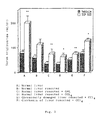
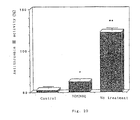
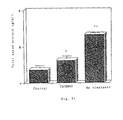
- Fig. 1 shows the results of thrombotest in liver resected pathologic rats.
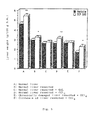
- Fig. 2 shows the serum fibrinogen level in liver resected pathologic rats.
- Fig. 3 shows the concentration of serum triglyceride in liver resected pathologic rats.
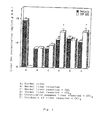
- Fig. 4 shows the content of total serum protein in liver resected pathologic rats.
- Fig. 5 shows the weight of liver in liver resected pathologic rats.
- Fig. 6 shows the content of liver protein in liver resected pathologic rats.
- Fig. 7 shows the content of liver DNA in liver resected pathologic rats.
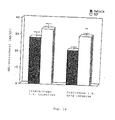
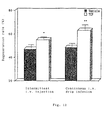
- Fig. 8 shows the concentration of total serum protein in liver resected and intermittently or continuously TCF-II administered rats.
- Fig. 9 shows the concentration of serum albumin in liver resected and intermittently or continuously TCF-II administered rats.
- Fig. 10 shows the concentration of serum HDL-cholesterol in liver resected and intermittently or continuously TCF-II administered rats.
- Fig. 11 shows the concentration of serum triglycerides in liver resected and intermittently or continuously TCF-II administered rats.
- Fig. 12 shows the regeneration rate of liver resected and intermittently or continuously TCF-II administered rats.
- Fig. 13 shows the thrombotest value in liver resected and intermittently or continuously TCF-II administered rats.
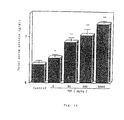
- Fig. 14 shows the increase of total serum protein in normal rats administered with the treatment agent of the present invention.
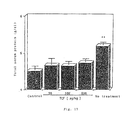
- Fig. 15 shows the increase of serum albumin in normal rats administered with the treatment agent of the present invention.
- Fig. 16 shows the increase of total plasma fibrinogen in hypoproteinemia rats after 70% liver resection followed by administration of the treatment agent of the present invention.
- Fig. 17 shows the increase of total serum protein in hypoproteinemia rats after 70% liver resection followed by administration of the treatment agent of the present invention.
- Fig. 18 shows the shortening of prothrombin time in hypoproteinemia rats after 70% liver resection followed by administration of the treatment agent of the present invention.
- Fig. 19 shows the increase of plasma fibrinogen in hypoproteinemia rats due to DIC followed by administration of the treatment agent of the present invention.
- Fig. 20 shows the increase of antithrombin III in hypoproteinemia rats caused by DIC followed by administration of the treatment agent of the present invention.
- Fig. 21 shows the increase of total serum protein in hypoproteinemia rats caused by DIC followed by administration of the treatment agent of the present invention.
- Fig. 22 shows the increase of total serum protein in hypoproteinemia rats caused by chronic renal failure followed by administration of the treatment agent of the present invention.
- Fig. 23 shows the shortening of prothrombin time in hypoproteinemia rats caused by undernutrition followed by administration of the treatment agent of the present invention.
- Fig. 24 shows the increase of antithrombin III activity in hypoproteinemia rats caused by undernutrition followed by administration of the treatment agent of the present invention.
- In the Figs., * indicates P<0.05 and ** indicates P<0.01.
- The effective ingredient of the present invention is a known glycoprotein (TCF-II) derived from human fibroblast cells as described previously.
- TCF-II showed a molecular weight of 78,000±2,000 or 74,000±2,000 in the non-reduced state, and a common band A of 52,000±2,000 and two bands B of 30,000±2,000 and C of 26,000±2,000 in the reduced state by SDS electrophoresis. TCF-II also showed an isoelectric point at pH 7.4-8.6 and was determined as a glycoprotein having a 723 amino acid sequence.
- The above mentioned TCF-II can be obtained by evaporation of a human fibroblast cell culture solution, adsorption in an ion exchange resin and affinity chromatography of the eluate (W090/10651) or by a genetic engineering method (W092/01053).
- TCF-II can be obtained from human fibroblast cells cultured by the method disclosed in W090/10651. Furthermore, TCF-II produced by a genetic recombination technique using microorganisms or other cells by the gene sequence disclosed in the above mentioned patent publication may be used. The production of TCF-II by the genetic engineering method may be carried out by the method invented by the present inventors and disclosed in W092/01053. In addition, TCF-II analogues having different sugar chains or no sugar moieties produced by different host cells or microorganisms may also be used. However, presence of sugar moieties is preferable because of their participation in the in vivo metabolic rate.
- TCF-II can be concentrated and purified by conventional isolation and purification methods, for example, precipitation with an organic solvent, salting out, gel filtration chromatography, affinity chromatography using a monoclonal antibody and electrophoresis. The purification by affinity chromatography using a monoclonal antibody disclosed in Japanese Patent Application No. 177236 (1991) by the present inventors may be applied.
- The resultant purified TCF-II may be kept under lyophilization or deep freezing.
- The liver disease treatment agent of the present invention may be intravenously, intraarterially, intramuscularly or subcutaneously administered as injection preparations. Drugs used for the treatment of liver diseases such as amino acids, vitamins, phospholipids, malotilate, prednisolone and glycyrrhizin may be used concurrently.
- Furthermore, the protein synthesis stimulator of the present invention may be administered as injection preparations and any route such as intravenous, intraarterial, intramuscular and subcutaneous injections can be selected. Blood coagulants such as fibrinogen, coagulation controlling factors such as antithrombin III and drugs such as FOY, a protease inhibitor gabexate mesylate, used for the treatment of DIC are also used concurrently.
- The injection preparations of TCF-II may be used singly or in combination with above mentioned medicines and adjuvants such as human serum albumin, surface active agents, amino acids and sugars.
- Additionally, the wound treatment agent of the present invention can be administered around the wound as injection preparations. Direct spreading of TCF-II or homogenous ointments containing TCF-II prepared with fat, fatty oil, lanolin, paraffin, wax, resin, glycols, higher alcohols, glycerin, water, an emulsifier, a suspending agent and so forth may be used. Furthermore, plasters, aerosols, liniments and so forth may be prepared. TCF-II may be adsorbed in sterilized gauze, lyophilized porcine epidermis or chitin fiber used for the protection of wounded skin surface. TCF-II may be administered together with antibiotics, antibacterials and antiseptics, if necessary. Administration to the surgical site of suture or skin graft may be considered.
- The wound treatment agent of the present invention can be applied for the treatment of a variety of skin lesions including bedsores, incision in operation, burns, traumatic skin defects in addition to common incised or lacerated wounds.
- The doses of TCF-II included in the liver disease treatment agents, protein synthesis stimulants and abnormal blood coagulation treatment agents may be determined according to the symptoms, conditions and age of the patients but preparations containing 100-30,000 µg preferably 500-3,000 µg of TCF-II are generally administered 1-7 times a week. Chronic administration may be appropriate according to the symptoms and conditions of the patients.
- The doses of TCF-II included in the wound treatment agents of the present invention can be determined according to the symptoms and conditions of the patients and generally administered at doses of 100-30,000 µg, preferably, 500-3,000 µg of TCF-II to the wound 1-7 times a week. Long term administration may be used according to the symptoms and conditions of the patients.
- The present invention will be explained in more detail by the following examples.
- Purified TCF-II was obtained by cell culture according to the method disclosed in W090/10651 or Higashio, K. et al. (B.B.R.C., 170, 397-404, 1990).
- Human fibroblast cells IMR-90 (ATCC CCL 186), 3 x 10⁶ cells, were inoculated in 100 ml of DMEM medium containing 5% bovine serum in a roller bottle and cultured at rotations of 0.5-2/min. for seven days. The culture was continued up to 1 x 10⁷ cells in total, the proliferated cells were separated by treatment with trypsin and collected at the bottom of the bottle. In the bottle, 100 g of sterilized 5-9 mesh ceramic (Toshiba Ceramic Co., Ltd.) was placed and cultured for 24 hrs. upon standing. Then, 500 ml of the culture medium shown above was added to the bottle and cultured further. The total culture medium was recovered every 7-10 days and fresh culture medium was supplied for further culture. Thus, the culture was continued for two months and four 1/bot- tie of the culture solution was recovered.
- The combined culture solution showed specific activity of 32 µ/ml.
- Ultrafiltration of 750 I of the cultured solution was performed using a membrane filter (Amicon Corp., MW 6,000 cut) and the filtrate was chromatographed in five steps using CM Sephadex C-50 (Farmacia Biosystems Corp.), ConASepharose (Farmacia Biosystems Corp.), MonoS column (Farmacia Biosystems Corp.) and heparin Sepharose (Farmacia Biosystems Corp.) to give purified TCF-II having specific activity of 5,248,000 U/mg.
- TCF-II gene recombinant cells were cultured according to the method disclosed in W092/01053 and purified TCF-II was obtained. Transformed Namalwa cells were cultured and 20 I of the culture solution was obtained. The culture solution was treated successively with HPLC using CM-Sephadex C-50 chromato column, Con-A Sepharose CL-6B chromato column and MonoS column to give approximately 11 mg of active TCF-II.
- In the present examples, recombinant TCF-II obtained by Example 2 was used for the production of intravenous, subcutaneous and intramuscular injection preparations.
- (1) TCF-
II 40 µgHuman serum albumin 1 mg The above composition was dissolved in 0.01 M PBS at pH 7.0 and adjusted to 20 ml in total. The solution was sterilized, divided into vials (2 ml each), lyophilized and sealed. - (2) TCF-
II 40µg Tween 80 1 mgHuman serum albumin 100 mg This composition was dissolved in a saline solution for injection and adjusted to 20 ml in total. The solution was sterilized, divided into vials (2 ml each), lyophilized and sealed. - (3) TCF-
II 20µg Tween 80 2 mg Sorbitol 4 g This composition was dissolved in 0.01 M PBS at pH 7.0 and adjusted to 20 ml in total. The solution was sterilized, divided into vials (2 ml each), lyophilized and sealed. - (4) TCF-
II 40µg Tween 80 2 mg Glycine 2 g This composition was dissolved in a saline solution for injection and adjusted to 20 ml in total. The solution was sterilized, divided into vials (2 ml each), lyophilized and sealed. - (5) TCF-
II 40µg Tween 80 1 mg Sorbitol 2 g Glycine 1 g This composition was dissolved in a saline solution for injection and adjusted to 20 ml in total. The solution was sterilized, divided into vials (2 ml each), lyophilized and sealed. - (6) TCF-
II 20 µg Sorbitol 4 gHuman serum albumin 50 mg This composition was dissolved in 0.01 M PBS at pH 7.0 and adjusted to 20 ml in total. The solution was sterilized, divided into vials (2 ml each), lyophilized and sealed. - (7) TCF-
II 40 µg Glycine 2 gHuman serum albumin 50 mg This composition was dissolved in a saline solution for injection and adjusted to 20 ml in total. The solution was sterilized, divided into vials (2 ml each), lyophilized and sealed. - (8) TCF-
II 10 mgHuman serum albumin 100 mg This composition was dissolved in 0.01 M PBS at pH 7.0 and adjusted to 20 ml in total. The solution was sterilized, divided into vials (2 ml each), lyophilized and sealed. -
- (9) TCF-II 1,000 mg Purified lanolin 20 g White soft paraffin 80 g TCF-II was mixed with a small amount of purified water, and mixed and kneaded portionwise with lanolin. White soft paraffin was added portionwise to the resultant mixture and kneaded to give a TCF-II ointment.
- (10) TCF-II 1,000 mg Macrogol 400 5 ml Macrogol ointment 100 g TCF-II was mixed with a small amount of purified water, and mixed and kneaded portionwise with Macrogol 400. Macrogol ointment was added portionwise to the resultant mixture and kneaded to give a TCF-II ointment.
- These pharmaceutical preparations can be used as liver disease treatment agents, protein synthesis stimulants, and wound healing agents according to the above mentioned dosage and regimen.
- Liver disease treatment agents containing TCF-II as an effective ingredient are provided by the present invention. Hereinafter, test experiments with treatment agents prepared according to the present invention will be shown to confirm the therapeutic effects and explain the present invention.
- Therapeutic effects on 70% resected normal liver, acute liver diseases (hepatitis type and hepatocyte type), chronic liver diseases and liver cirrhosis were confirmed.
- Male Wistar rats, seven week old and average body weight of 200 g were used for the experiments. Normal liver rats were prepared by resection of 70% of the liver (n = 6). Acute hepatitis rats were prepared by subcutaneous administration of 500 µg/kg of galactosamine immediately after the resection (n = 9-10). Acute hepatocyte damaged rats were prepared by oral administration of 0.3 ml/kg of carbon tetrachloride immediately after the resection (n = 10). Rats were repeatedly orally administered 0.7 ml/kg of carbon tetrachloride twice a week for 4 and 10 weeks, and their livers were similarly resected to prepare chronic liver damaged rats (n = 10) and liver cirrhosis rats (n = 9-10), respectively. In chronic liver damaged rats, 0.3 ml/kg of carbon tetrachloride was orally administered immediately after the resection of the liver to cause similar acute symptoms to those of acute hepatocyte damaged rats and the response to TCF-II was comparatively investigated.
- TCF-II was intravenously administered every 12 hrs. immediately after the resection of liver, at doses of 20, 100, and 500 µg/kg , respectively, in normal rats and 500 µg/kg in the other rat groups, and the responses were compared to those of 0.1% human serum albumin added PBS administration group.
- Responses to the action of TCF-II in normal liver resected rats were investigated by determination of thrombotest value and serum glyceride concentration 48 hrs. after the resection and total serum protein and serum HDL cholesterol concentrations 72 hrs. after the resection and liver weight, liver DNA and liver total protein concentrations 96 hrs. after the resection, respectively.
- Delayed thrombotest value, decrease of serum triglyceride, total serum protein and HDL cholesterol were observed in 70% liver resected rats, but TCF-II dose dependently improved all these parameters.
- In normal liver, acutely damaged liver, chronically damaged liver and liver cirrhosis rats, TCF-II administration groups improved the parameters of thrombotest value (Fig. 1), plasma fibrinogen concentration (Fig. 2), serum triglyceride concentration (Fig. 3) and total serum protein concentration (Fig. 4), liver weight (Fig. 5), livertotal protein concentration (Fig. 6) and liver DNAconcentration (Fig. 7) more than those of 0.1% human serum albumin added PBS administration group.
- To seven week old male Wistar rats, 250 mg/kg of DL-ethionine was intraperitoneally administered successively for four days (n = 10). TCF-II was intravenously administered to these rats at doses of 50 and 500 µg/kg every 12 hrs. and prothrombin time (pT), antithrombin III activity (AT III), blood urea nitrogen (BUN), total cholesterol (T-CHO), phospholipid (PL), HDL cholesterol (HDL) and mitotoxic index to 1,000 hepatocytes after 48 hrs., and total serum protein (TP), transaminase (GOT) and lactic acid dehydrogenase (LDH) after 72 hrs. were determined.
- The average values and their standard errors are shown in Table 1. TCF-II dose dependently improved symptoms of ethionine induced fatty liver rats at doses of 50 µg/kg or over.

- To seven week old male Wistar rats, 50 mg/kg of a-naphthyl isothiocyanate was orally administered. TCF-II was intravenously administered twice to these rats immediately after the administration of a-naphthyl isothiocyanate and after 12 hrs. Blood was drawn 12 hrs. after the administration of TCF-II and serum transaminase (GOT, GPT), alkaline phosphatase (ALP), y-glutamyl transpeptidase (y-GTP), total bilirubin (T-BIL), direct bilirubin (D-BIL) and the excretion of foreign materials by liver (BSP test) were measured.
- The average values and standard errors are shown in Table 2. TCF-II dose dependently improved all parameters at doses of 500 µg/kg.

- To seven week old male Wistar rats (n = 8), one g/kg of galactosamine was orally and subcutaneously administered. TCF-II was intravenously administered four times to these rats starting immediately after the administration of galactosamine every four hrs. for two days. Blood was collected 48 hrs. after the administration of galactosamine and serum transaminase (GOT, GPT), y-glutamyl transpeptidase (y -GTP), total serum protein (TP), total cholesterol (T-CHO), triglyceride (TG), phospholipid (PL) , β-lipoprotein (β-Lipo) and liver weight, liver protein concentration and liver DNA concentration were determined.
- The average values and their standard errors are shown in Table 3. TCF-II improved all parameters at a dose of 250 µg/kg and improved the symptoms of acute hepatitis.

- Seven week old male Wistar rats, body weight 200 g, were used for the experiment and normal liver rat group was prepared by resection of 70% of the liver. The administration of TCF-II was started immediately after the resection intravenously and -intermittently at 12 hr. intervals (n = 6) or by continuous infusion (n = 12) and the responses were compared. Both groups were administered at the same dose of one mg/kg/day. Total serum protein, albumin, triglyceride, HDL-cholesterol and thrombotest value 48 hrs. after the resection were determined and liver weight was determined to estimate the regeneration rate of the liver.
- Changes of parameters by the administration of TCF-II in 70% liver resected rats are shown in total serum protein (Fig. 8), albumin (Fig. 9), HDL-cholesterol (Fig. 10), triglyceride (Fig. 11), regeneration rate (Fig. 12) and thrombotest value (Fig. 13). All parameters showed improvement in the continuous drip infusion group.
- Above results of experiments exhibit excellent effect of the agent of the present invention against heretofore intractable liver diseases.
- The present invention provides protein synthesis stimulating agents comprising an effective ingredient of TCF-II for the treatment of hypoproteinemia. Hereinafter, experiments exhibiting the therapeutic effect of the agent prepared by the present examples will be shown to explain the effect of the present invention.
- TCF-II was repeatedly and intravenously administered to seven week old male Wistar rats, six in one group, at doses of zero, five, 50, 500 and 5,000 µg/kg at 12 hr. interval for 14 days (28 times in total) and blood was drawn 12 hrs. after the final administration to determine total serum protein and serum albumin.
- TCF-II dose dependently increased the total serum protein (Fig. 14) and serum albumin (Fig. 15). Particularly, doses of five µg/kg or over significantly increased both parameters confirming the increasing effect on serum protein.
-
Experiment 7. - Plasma protein lowered model rats were prepared by liver resection and the effect of TCF-II was confirmed using the model animals. In addition, plasma fibrinogen concentration and exogenous coagulation factor were noted as indicators of plasma protein and the changes in prothrombin time were noted as indicators of plasma protein including exogenous coagulation factors (Factors II, V , VII and X
- Seven week old male Wistar rats, six in one group, were used for the experiment and 70% of the liver was resected. TCF-II was repeatedly and intravenously administered to the rats at doses of zero, 20, 100 and 500 µg/kg at 12 hr. intervals for two days, four times in total, and blood was drawn 48 hrs. after the start of the experiment to determine prothrombin time, plasma fibrinogen concentration and total serum protein.
- Shortening of prothrombin time (Fig. 18), increases of plasma fibrinogen concentration (Fig. 16) and total serum protein (Fig. 17) were observed with the administration of TCF-II. These results indicate the efficacy of the present invention for the treatment of hypoproteinemia due to liver damage.
- DIC causes sudden increase in consumption of plasma protein due to intravascular coagulation and reveals hypoproteinemia. The therapeutic agent of the present invention was given to model animals to confirm the therapeutic effect.
- Seven week old male Wistar rats, 10 in one group, were used for the experiment and 70% of the liver was resected. Immediately after the resection, 500 mg/kg of galactosamine was subcutaneously administered to prepare pathologic model of both liver damage and DIC symptoms. TCF-II was repeatedly and intravenously administered to the rats at a dose of 500 µg/kg at 12 hr. intervals for two days, four times in total, and blood was drawn 48 hrs. after the start of the experiment to determine plasma fibrinogen concentration, antithrombin III activity and total serum protein as indicators for the hypoproteinemia.
- Increases of plasma fibrinogen (Fig. 19), antithrombin III activity (Fig. 20) and total serum protein (Fig. 21) were observed with the administration of TCF-II, confirming the efficacy of the present invention for the treatment of hypoproteinemia caused by DIC.
- Eight week old male Wistar rats, 11 in one group, were used for the experiment and the kidneys were partially resected. After three weeks, TCF-II was repeatedly and intravenously administered to the rats at doses of zero and 500 µg/kg at 12 hr. intervals for 10 times in total, and blood was drawn 12 hrs. after the administration to determine total serum protein concentration.
- Increase of total serum protein was observed with the administration of TCF-II , confirming the efficacy of the present invention for the treatment of leaky hypoproteinemia caused by renal failure (Fig. 22).
- Essential amino acid deficient rats were prepared by replacing an essential amino acid methionine with a synthetic DL-ethionine.
- Ethionine was repeatedly and intraperitoneally administered at a dose of 250 mg/kg/day for four days to prepare methionine deficient rat. The serum protein in the rats decreased due to amino acid deficiency. TCF-II was repeatedly and intravenously administered to the rats, 10 rats in one group, at doses of zero, 50, and 500 µg/kg every 12 hrs. for two days and four times in total; blood was drawn 48 hrs. after the start of the experiment and the prothrombin time and antithrombin III activity were determined as indicators of hypoproteinemia.
- Shortening of prothrombin time (Fig. 23) and increase of antithrombin III activity (Fig. 24) were observed with the administration of TCF-II, confirming the efficacy of the present invention forthe treatment of hypoproteinemia due to undernutrition.
- These results confirm the efficacy of the treatment agent of the present invention on hypoproteinemia.
- The present invention provides a wound healing treatment agent containing an effective ingredient of TCF-II. The present invention will be explained by the following experiments confirming the therapeutic effect of TCF-II.
- Eight week old male Wistar rats (Charles River Japan, Inc.), 8-9 animals in one group, were sheared on the back and incised approximately 1.5 cm length symmetrically to the median line. Then the incised site was treated with penicillin for the prevention of suppuration and sutured at one point in the center of the incision.
- TCF-II was dissolved in pyrogen free PBS containing 0.1% human serum albumin at a rate of one mg/ml and was directly spread on the site of incision immediately after the incision twice a day. The suture was removed on day four, rats were killed on day six and the skin was stripped off. A skin test sample was prepared by cutting the site of incision rectangularly. The obtained test sample was pulled at both ends to determine its tensile force until the sutured site was broken. The determined value with FD pickup (Nihon Kohden Corp., TB-611T) was recorded in a polygraph (Nihon Kohden Corp., RM-6200) via an amplifier for strain pressure (Nihon Kohden Corp., AP-601G). The control group was prepared by spreading solely the solvent, 0.1% human serum albumin containing PBS, instead of the test solution.
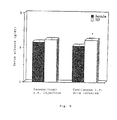
- The maximum tension for the break of the suture is shown in Table 4.

- As shown in the Table 4, the bond strength at the site of incision in TCF-II administered group was approximately 1.65 times that of the control group indicating a wound healing effect of TCF-II.
Claims (10)
Priority Applications (3)
| Application Number | Priority Date | Filing Date | Title |
|---|---|---|---|
| DK97100939T DK0821969T3 (en) | 1992-07-16 | 1993-07-16 | Medical composition comprising TCF-II |
| EP97100939A EP0821969B1 (en) | 1992-07-16 | 1993-07-16 | Medicinal Composition comprising TCF-II |
| EP06076444A EP1719522B1 (en) | 1992-07-16 | 1993-07-16 | Medicinal composition comprising TCF-II |
Applications Claiming Priority (6)
| Application Number | Priority Date | Filing Date | Title |
|---|---|---|---|
| JP212229/92 | 1992-07-16 | ||
| JP212227/92 | 1992-07-16 | ||
| JP21222792A JP3619526B2 (en) | 1992-07-16 | 1992-07-16 | Liver disease therapeutic agent containing TCF-II as an active ingredient |
| JP21222992A JP3380573B2 (en) | 1992-07-16 | 1992-07-16 | Protein synthesis promoter containing TCF-II as active ingredient |
| JP4234198A JPH0656692A (en) | 1992-08-10 | 1992-08-10 | Wound therapeutic agent comprising tcf-ii as active ingredient |
| JP234198/92 | 1992-08-10 |
Related Child Applications (2)
| Application Number | Title | Priority Date | Filing Date |
|---|---|---|---|
| EP97100939A Division EP0821969B1 (en) | 1992-07-16 | 1993-07-16 | Medicinal Composition comprising TCF-II |
| EP97100939.4 Division-Into | 1997-01-22 |
Publications (3)
| Publication Number | Publication Date |
|---|---|
| EP0588477A2 true EP0588477A2 (en) | 1994-03-23 |
| EP0588477A3 EP0588477A3 (en) | 1994-05-25 |
| EP0588477B1 EP0588477B1 (en) | 1997-10-15 |
Family
ID=27329338
Family Applications (3)
| Application Number | Title | Priority Date | Filing Date |
|---|---|---|---|
| EP06076444A Expired - Lifetime EP1719522B1 (en) | 1992-07-16 | 1993-07-16 | Medicinal composition comprising TCF-II |
| EP93305602A Expired - Lifetime EP0588477B1 (en) | 1992-07-16 | 1993-07-16 | Medicinal composition comprising TCF-II |
| EP97100939A Expired - Lifetime EP0821969B1 (en) | 1992-07-16 | 1993-07-16 | Medicinal Composition comprising TCF-II |
Family Applications Before (1)
| Application Number | Title | Priority Date | Filing Date |
|---|---|---|---|
| EP06076444A Expired - Lifetime EP1719522B1 (en) | 1992-07-16 | 1993-07-16 | Medicinal composition comprising TCF-II |
Family Applications After (1)
| Application Number | Title | Priority Date | Filing Date |
|---|---|---|---|
| EP97100939A Expired - Lifetime EP0821969B1 (en) | 1992-07-16 | 1993-07-16 | Medicinal Composition comprising TCF-II |
Country Status (7)
| Country | Link |
|---|---|
| EP (3) | EP1719522B1 (en) |
| KR (1) | KR100271087B1 (en) |
| AT (3) | ATE345809T1 (en) |
| CA (1) | CA2100720C (en) |
| DE (3) | DE69314586T2 (en) |
| DK (2) | DK0588477T3 (en) |
| ES (2) | ES2276409T3 (en) |
Cited By (9)
| Publication number | Priority date | Publication date | Assignee | Title |
|---|---|---|---|---|
| WO1996020004A1 (en) * | 1994-12-27 | 1996-07-04 | Snow Brand Milk Products Co., Ltd. | Therapeutic agent for disorder of lipid metabolism |
| US5714461A (en) * | 1992-07-16 | 1998-02-03 | Snow Brand Milk Products Co., Ltd. | Medicinal compositions for the improvement of blood coagulation comprising TCF-II |
| US5760177A (en) * | 1992-08-24 | 1998-06-02 | Seikagaku Kogyo Kabushiki Kaisha | Lipopolysaccharide binding protein and process for producing the same |
| EP0722737A4 (en) * | 1993-09-17 | 1999-04-28 | Sumitomo Pharma | Remedy for cranial nerve disorder |
| EP0891778A3 (en) * | 1997-07-14 | 2000-01-26 | Snow Brand Milk Products Co., Ltd. | Agents for the prevention and/or treatment of radiation-induced disorders |
| US6306827B1 (en) | 1997-03-28 | 2001-10-23 | Snow Brand Milk Products Co., Ltd. | Method for preventing and/or treating renal disease |
| EP0914829A4 (en) * | 1997-03-11 | 2004-06-16 | Daiichi Seiyaku Co | PREVENTIVE DRUGS AND / OR REMEDIES FOR MULTIPLE ORGANS FAILURE |
| EP0982037A4 (en) * | 1998-03-19 | 2004-10-13 | Daiichi Seiyaku Co | PREVENTIVE AND / OR CURATIVE DRUGS AGAINST SEPTICEMIA |
| US7115568B2 (en) | 1997-03-14 | 2006-10-03 | Daiichi Pharmaceutical Co., Ltd. | Methods using TCF II |
Family Cites Families (11)
| Publication number | Priority date | Publication date | Assignee | Title |
|---|---|---|---|---|
| US3904753A (en) * | 1970-02-20 | 1975-09-09 | Research Corp | Clinically active bovine growth hormone fraction |
| JPS58146293A (en) | 1982-02-26 | 1983-08-31 | Mochida Pharmaceut Co Ltd | Preparation of antitumor glycoprotein |
| US4708948A (en) | 1984-04-20 | 1987-11-24 | The United States Of America As Represented By The Department Of Health And Human Services | Substantially purified tumor growth inhibitory factor |
| DE3419184A1 (en) | 1984-05-23 | 1985-11-28 | Dr.Ing.H.C. F. Porsche Ag, 7000 Stuttgart | IGNITION DISTRIBUTION ARRANGEMENT ON INTERNAL COMBUSTION ENGINES |
| JPS62103021A (en) | 1985-10-28 | 1987-05-13 | Yoshitomi Pharmaceut Ind Ltd | Physiologically active substance with cytotoxic action and its production |
| JP2564486B2 (en) * | 1986-07-14 | 1996-12-18 | 修治 橋本 | Hepatocyte growth factor |
| JPS6410998A (en) | 1986-12-22 | 1989-01-13 | Green Cross Corp | Tumor cell inhibitory factor |
| NZ232813A (en) * | 1989-03-10 | 1992-08-26 | Snow Brand Milk Products Co Ltd | Human fibroblast glycoprotein, cell differentiation, blood vessel endothelial cell growth factor, cellular immunology inforcing factor of 78 or 74 thousand daltons plus or minus two thousand daltons |
| US5035887A (en) * | 1989-09-07 | 1991-07-30 | Institute Of Moelcular Biology, Inc. | Wound healing composition of IL-1 and PDGF or IGF-1 |
| DE69133492T2 (en) * | 1990-06-11 | 2006-08-10 | Nakamura, Toshikazu | Recombinant human hepatocyte growth factor and method for its production |
| ATE178354T1 (en) * | 1990-07-13 | 1999-04-15 | Snow Brand Milk Products Co Ltd | PLASMID CONTAINING DNA CODING THE AMINO ACID SEQUENCE OF TCF-II, TRANSFORMED CELL AND PRODUCTION OF A PHYSIOLOGICALLY ACTIVE SUBSTANCE WITH USE OF IT |
-
1993
- 1993-07-16 DK DK93305602.0T patent/DK0588477T3/en active
- 1993-07-16 EP EP06076444A patent/EP1719522B1/en not_active Expired - Lifetime
- 1993-07-16 DE DE69314586T patent/DE69314586T2/en not_active Expired - Fee Related
- 1993-07-16 ES ES97100939T patent/ES2276409T3/en not_active Expired - Lifetime
- 1993-07-16 AT AT97100939T patent/ATE345809T1/en not_active IP Right Cessation
- 1993-07-16 DE DE69334281T patent/DE69334281D1/en not_active Expired - Fee Related
- 1993-07-16 EP EP93305602A patent/EP0588477B1/en not_active Expired - Lifetime
- 1993-07-16 ES ES93305602T patent/ES2110057T3/en not_active Expired - Lifetime
- 1993-07-16 AT AT06076444T patent/ATE428438T1/en not_active IP Right Cessation
- 1993-07-16 CA CA002100720A patent/CA2100720C/en not_active Expired - Fee Related
- 1993-07-16 DK DK97100939T patent/DK0821969T3/en active
- 1993-07-16 DE DE69334087T patent/DE69334087T2/en not_active Expired - Fee Related
- 1993-07-16 AT AT93305602T patent/ATE159171T1/en not_active IP Right Cessation
- 1993-07-16 EP EP97100939A patent/EP0821969B1/en not_active Expired - Lifetime
- 1993-07-16 KR KR1019930013391A patent/KR100271087B1/en not_active Expired - Fee Related
Cited By (15)
| Publication number | Priority date | Publication date | Assignee | Title |
|---|---|---|---|---|
| US5714461A (en) * | 1992-07-16 | 1998-02-03 | Snow Brand Milk Products Co., Ltd. | Medicinal compositions for the improvement of blood coagulation comprising TCF-II |
| US5760177A (en) * | 1992-08-24 | 1998-06-02 | Seikagaku Kogyo Kabushiki Kaisha | Lipopolysaccharide binding protein and process for producing the same |
| EP0722737A4 (en) * | 1993-09-17 | 1999-04-28 | Sumitomo Pharma | Remedy for cranial nerve disorder |
| KR100395695B1 (en) * | 1994-12-27 | 2004-02-14 | 다이이찌 세이야꾸 가부시기가이샤 | Lipid Metabolism Therapeutics |
| AU710513B2 (en) * | 1994-12-27 | 1999-09-23 | Atlas Pharmaceuticals Inc. | Therapeutic agent for disorder of lipid metabolism |
| WO1996020004A1 (en) * | 1994-12-27 | 1996-07-04 | Snow Brand Milk Products Co., Ltd. | Therapeutic agent for disorder of lipid metabolism |
| EP0914829A4 (en) * | 1997-03-11 | 2004-06-16 | Daiichi Seiyaku Co | PREVENTIVE DRUGS AND / OR REMEDIES FOR MULTIPLE ORGANS FAILURE |
| US7306791B2 (en) | 1997-03-11 | 2007-12-11 | Daiichi Sankyo Co., Ltd. | Agent for preventing and/or treating multiple organ failure |
| US7115568B2 (en) | 1997-03-14 | 2006-10-03 | Daiichi Pharmaceutical Co., Ltd. | Methods using TCF II |
| US7138372B2 (en) | 1997-03-14 | 2006-11-21 | Daiichi Pharmaceutical Co., Ltd. | Agent for preventing and/or treating cachexia |
| US6306827B1 (en) | 1997-03-28 | 2001-10-23 | Snow Brand Milk Products Co., Ltd. | Method for preventing and/or treating renal disease |
| EP0925791A4 (en) * | 1997-03-28 | 2004-06-16 | Daiichi Seiyaku Co | Preventive and/or therapeutic agent for kidney diseases |
| AU732053B2 (en) * | 1997-07-14 | 2001-04-12 | Atlas Pharmaceuticals, Inc. | Agents for the prevention and/or treatment of radiation-induced disorders |
| EP0891778A3 (en) * | 1997-07-14 | 2000-01-26 | Snow Brand Milk Products Co., Ltd. | Agents for the prevention and/or treatment of radiation-induced disorders |
| EP0982037A4 (en) * | 1998-03-19 | 2004-10-13 | Daiichi Seiyaku Co | PREVENTIVE AND / OR CURATIVE DRUGS AGAINST SEPTICEMIA |
Also Published As
| Publication number | Publication date |
|---|---|
| EP0821969A2 (en) | 1998-02-04 |
| EP0588477B1 (en) | 1997-10-15 |
| ATE159171T1 (en) | 1997-11-15 |
| KR940005286A (en) | 1994-03-21 |
| ES2110057T3 (en) | 1998-02-01 |
| DE69314586D1 (en) | 1997-11-20 |
| CA2100720A1 (en) | 1994-01-17 |
| DK0821969T3 (en) | 2007-03-26 |
| AU4194593A (en) | 1994-01-20 |
| DE69334087D1 (en) | 2007-01-04 |
| EP0821969A3 (en) | 2000-12-13 |
| EP0588477A3 (en) | 1994-05-25 |
| ES2276409T3 (en) | 2007-06-16 |
| CA2100720C (en) | 2003-03-11 |
| EP1719522B1 (en) | 2009-04-15 |
| DE69334281D1 (en) | 2009-05-28 |
| ATE428438T1 (en) | 2009-05-15 |
| DK0588477T3 (en) | 1998-03-30 |
| KR100271087B1 (en) | 2000-11-01 |
| EP1719522A1 (en) | 2006-11-08 |
| DE69334087T2 (en) | 2007-07-05 |
| EP0821969B1 (en) | 2006-11-22 |
| DE69314586T2 (en) | 1998-02-19 |
| ATE345809T1 (en) | 2006-12-15 |
| AU673835B2 (en) | 1996-11-28 |
Similar Documents
| Publication | Publication Date | Title |
|---|---|---|
| JP4727988B2 (en) | Use of erythropoietin | |
| US4959353A (en) | Promotion of corneal stroma wound healing with human epidermal growth factor prepared from recombinant DNA | |
| FR2576791A1 (en) | PHARMACEUTICAL COMPOSITION BASED ON HUMAN ERYTHROPOIETIN FOR THE TREATMENT OF ANEMIA OF MALIGNANT TUMORS | |
| CA2100720C (en) | Medicinal composition comprising tcf-ii | |
| US5202118A (en) | Method for promoting wound healing using IL-1 | |
| CA2140010C (en) | Blood coagulation normalizer containing tcf-ii as active ingredient | |
| EP1057489B1 (en) | Use of midkine family proteins in the treatment of ischemic diseases | |
| EP0950416B1 (en) | Use of TCF-II for the treatment of cancer related body weight loss, anaemia and TNF elevation | |
| AU725441B2 (en) | An agent for preventing and/or treating multiple organ failure | |
| US8106009B2 (en) | Pharmaceutical composition for preventing or treating ischemic diseases | |
| JPH07316066A (en) | Wound healing agent | |
| JPH06312941A (en) | Hgf production promoter | |
| JPH0656692A (en) | Wound therapeutic agent comprising tcf-ii as active ingredient | |
| JP4790195B2 (en) | Tissue regeneration agent | |
| JPH11199508A (en) | Organ failure-treating agent | |
| CN119837998A (en) | Application of FGF10 in preparation of medicine for treating hyponatremia | |
| JP2688733B2 (en) | Agent for preventing and treating gastrointestinal mucosal disorders | |
| WO1994004175A1 (en) | Hgf production promoter | |
| JPH08231415A (en) | Drugs for diseases caused by abnormal platelet function | |
| JPH03106822A (en) | Injection for remedy of skin wound and dermatic disease | |
| JPH01163129A (en) | Treatment of liver reproduction promotion after operation of liver ablation and liver reproduction promoting agent |
Legal Events
| Date | Code | Title | Description |
|---|---|---|---|
| PUAI | Public reference made under article 153(3) epc to a published international application that has entered the european phase |
Free format text: ORIGINAL CODE: 0009012 |
|
| AK | Designated contracting states |
Kind code of ref document: A2 Designated state(s): AT BE CH DE DK ES FR GB IT LI NL SE |
|
| PUAL | Search report despatched |
Free format text: ORIGINAL CODE: 0009013 |
|
| AK | Designated contracting states |
Kind code of ref document: A3 Designated state(s): AT BE CH DE DK ES FR GB IT LI NL SE |
|
| 17P | Request for examination filed |
Effective date: 19940527 |
|
| 17Q | First examination report despatched |
Effective date: 19951019 |
|
| GRAG | Despatch of communication of intention to grant |
Free format text: ORIGINAL CODE: EPIDOS AGRA |
|
| GRAH | Despatch of communication of intention to grant a patent |
Free format text: ORIGINAL CODE: EPIDOS IGRA |
|
| GRAH | Despatch of communication of intention to grant a patent |
Free format text: ORIGINAL CODE: EPIDOS IGRA |
|
| GRAA | (expected) grant |
Free format text: ORIGINAL CODE: 0009210 |
|
| AK | Designated contracting states |
Kind code of ref document: B1 Designated state(s): AT BE CH DE DK ES FR GB IT LI NL SE |
|
| REF | Corresponds to: |
Ref document number: 159171 Country of ref document: AT Date of ref document: 19971115 Kind code of ref document: T |
|
| REG | Reference to a national code |
Ref country code: CH Ref legal event code: NV Representative=s name: KIRKER & CIE SA Ref country code: CH Ref legal event code: EP |
|
| XX | Miscellaneous (additional remarks) |
Free format text: TEILANMELDUNG 97100939.4 EINGEREICHT AM 22/01/97. |
|
| REF | Corresponds to: |
Ref document number: 69314586 Country of ref document: DE Date of ref document: 19971120 |
|
| ET | Fr: translation filed | ||
| ITF | It: translation for a ep patent filed | ||
| REG | Reference to a national code |
Ref country code: ES Ref legal event code: FG2A Ref document number: 2110057 Country of ref document: ES Kind code of ref document: T3 |
|
| REG | Reference to a national code |
Ref country code: DK Ref legal event code: T3 |
|
| PLBE | No opposition filed within time limit |
Free format text: ORIGINAL CODE: 0009261 |
|
| STAA | Information on the status of an ep patent application or granted ep patent |
Free format text: STATUS: NO OPPOSITION FILED WITHIN TIME LIMIT |
|
| 26N | No opposition filed | ||
| REG | Reference to a national code |
Ref country code: GB Ref legal event code: IF02 |
|
| REG | Reference to a national code |
Ref country code: GB Ref legal event code: 732E |
|
| REG | Reference to a national code |
Ref country code: CH Ref legal event code: PUE Owner name: SNOW BRAND MILK PRODUCTS CO., LTD. TRANSFER- DAIIC |
|
| NLS | Nl: assignments of ep-patents |
Owner name: DAIICHI PHARMACEUTICAL CO., LTD. |
|
| REG | Reference to a national code |
Ref country code: FR Ref legal event code: TP |
|
| PGFP | Annual fee paid to national office [announced via postgrant information from national office to epo] |
Ref country code: ES Payment date: 20080821 Year of fee payment: 16 Ref country code: DK Payment date: 20080721 Year of fee payment: 16 Ref country code: CH Payment date: 20080912 Year of fee payment: 16 |
|
| PGFP | Annual fee paid to national office [announced via postgrant information from national office to epo] |
Ref country code: NL Payment date: 20080703 Year of fee payment: 16 Ref country code: IT Payment date: 20080731 Year of fee payment: 16 Ref country code: FR Payment date: 20080718 Year of fee payment: 16 Ref country code: AT Payment date: 20080711 Year of fee payment: 16 |
|
| PGFP | Annual fee paid to national office [announced via postgrant information from national office to epo] |
Ref country code: SE Payment date: 20080709 Year of fee payment: 16 |
|
| REG | Reference to a national code |
Ref country code: CH Ref legal event code: PUE Owner name: DAIICHI SANKYO COMPANY, LIMITED Free format text: DAIICHI PHARMACEUTICAL CO., LTD.#14-10, NIHONBASHI 3-CHOME#CHUO-KU, TOKYO 103 (JP) -TRANSFER TO- DAIICHI SANKYO COMPANY, LIMITED#3-5-1, NIHONBASHI HONCHO CHUO-KU#TOKYO 103-8426 (JP) Ref country code: CH Ref legal event code: PUE Owner name: ATLAS PHARMACEUTICALS, INC. Free format text: DAIICHI SANKYO COMPANY, LIMITED#3-5-1, NIHONBASHI HONCHO CHUO-KU#TOKYO 103-8426 (JP) -TRANSFER TO- ATLAS PHARMACEUTICALS, INC.#1230 BORDEAUX DR.#SUNNYVALE, CA 94089 (US) |
|
| REG | Reference to a national code |
Ref country code: GB Ref legal event code: 732E Free format text: REGISTERED BETWEEN 20090604 AND 20090610 |
|
| PGFP | Annual fee paid to national office [announced via postgrant information from national office to epo] |
Ref country code: BE Payment date: 20090126 Year of fee payment: 16 |
|
| NLS | Nl: assignments of ep-patents |
Owner name: DAIICHI SANKYO COMPANY, LIMITED Effective date: 20090617 Owner name: ATLAS PHARMACEUTICALS, INC. Effective date: 20090617 |
|
| REG | Reference to a national code |
Ref country code: FR Ref legal event code: TP |
|
| PGFP | Annual fee paid to national office [announced via postgrant information from national office to epo] |
Ref country code: GB Payment date: 20090729 Year of fee payment: 17 Ref country code: DE Payment date: 20090806 Year of fee payment: 17 |
|
| BERE | Be: lapsed |
Owner name: DAIICHI SANKYO CY LTD Effective date: 20090731 |
|
| REG | Reference to a national code |
Ref country code: CH Ref legal event code: PL |
|
| REG | Reference to a national code |
Ref country code: DK Ref legal event code: EBP |
|
| EUG | Se: european patent has lapsed | ||
| NLV4 | Nl: lapsed or anulled due to non-payment of the annual fee |
Effective date: 20100201 |
|
| REG | Reference to a national code |
Ref country code: FR Ref legal event code: ST Effective date: 20100331 |
|
| PG25 | Lapsed in a contracting state [announced via postgrant information from national office to epo] |
Ref country code: LI Free format text: LAPSE BECAUSE OF NON-PAYMENT OF DUE FEES Effective date: 20090731 Ref country code: FR Free format text: LAPSE BECAUSE OF NON-PAYMENT OF DUE FEES Effective date: 20090731 Ref country code: CH Free format text: LAPSE BECAUSE OF NON-PAYMENT OF DUE FEES Effective date: 20090731 |
|
| PG25 | Lapsed in a contracting state [announced via postgrant information from national office to epo] |
Ref country code: BE Free format text: LAPSE BECAUSE OF NON-PAYMENT OF DUE FEES Effective date: 20090731 Ref country code: AT Free format text: LAPSE BECAUSE OF NON-PAYMENT OF DUE FEES Effective date: 20090716 |
|
| PG25 | Lapsed in a contracting state [announced via postgrant information from national office to epo] |
Ref country code: DK Free format text: LAPSE BECAUSE OF NON-PAYMENT OF DUE FEES Effective date: 20090731 |
|
| REG | Reference to a national code |
Ref country code: ES Ref legal event code: FD2A Effective date: 20090717 |
|
| PG25 | Lapsed in a contracting state [announced via postgrant information from national office to epo] |
Ref country code: ES Free format text: LAPSE BECAUSE OF NON-PAYMENT OF DUE FEES Effective date: 20090717 |
|
| GBPC | Gb: european patent ceased through non-payment of renewal fee |
Effective date: 20100716 |
|
| PG25 | Lapsed in a contracting state [announced via postgrant information from national office to epo] |
Ref country code: IT Free format text: LAPSE BECAUSE OF NON-PAYMENT OF DUE FEES Effective date: 20090716 |
|
| PG25 | Lapsed in a contracting state [announced via postgrant information from national office to epo] |
Ref country code: DE Free format text: LAPSE BECAUSE OF NON-PAYMENT OF DUE FEES Effective date: 20110201 |
|
| REG | Reference to a national code |
Ref country code: DE Ref legal event code: R119 Ref document number: 69314586 Country of ref document: DE Effective date: 20110201 |
|
| PG25 | Lapsed in a contracting state [announced via postgrant information from national office to epo] |
Ref country code: SE Free format text: LAPSE BECAUSE OF NON-PAYMENT OF DUE FEES Effective date: 20090717 |
|
| PG25 | Lapsed in a contracting state [announced via postgrant information from national office to epo] |
Ref country code: GB Free format text: LAPSE BECAUSE OF NON-PAYMENT OF DUE FEES Effective date: 20100716 |
|
| PG25 | Lapsed in a contracting state [announced via postgrant information from national office to epo] |
Ref country code: NL Free format text: LAPSE BECAUSE OF NON-PAYMENT OF DUE FEES Effective date: 20100201 |