EP0584788B1 - Serum free medium for mammalian cells - Google Patents
Serum free medium for mammalian cells Download PDFInfo
- Publication number
- EP0584788B1 EP0584788B1 EP19930113502 EP93113502A EP0584788B1 EP 0584788 B1 EP0584788 B1 EP 0584788B1 EP 19930113502 EP19930113502 EP 19930113502 EP 93113502 A EP93113502 A EP 93113502A EP 0584788 B1 EP0584788 B1 EP 0584788B1
- Authority
- EP
- European Patent Office
- Prior art keywords
- medium
- thrombin
- production
- insulin
- serum
- Prior art date
- Legal status (The legal status is an assumption and is not a legal conclusion. Google has not performed a legal analysis and makes no representation as to the accuracy of the status listed.)
- Expired - Lifetime
Links
Images



Classifications
-
- C—CHEMISTRY; METALLURGY
- C07—ORGANIC CHEMISTRY
- C07K—PEPTIDES
- C07K14/00—Peptides having more than 20 amino acids; Gastrins; Somatostatins; Melanotropins; Derivatives thereof
- C07K14/435—Peptides having more than 20 amino acids; Gastrins; Somatostatins; Melanotropins; Derivatives thereof from animals; from humans
- C07K14/705—Receptors; Cell surface antigens; Cell surface determinants
- C07K14/715—Receptors; Cell surface antigens; Cell surface determinants for cytokines; for lymphokines; for interferons
-
- C—CHEMISTRY; METALLURGY
- C07—ORGANIC CHEMISTRY
- C07K—PEPTIDES
- C07K14/00—Peptides having more than 20 amino acids; Gastrins; Somatostatins; Melanotropins; Derivatives thereof
- C07K14/435—Peptides having more than 20 amino acids; Gastrins; Somatostatins; Melanotropins; Derivatives thereof from animals; from humans
- C07K14/52—Cytokines; Lymphokines; Interferons
- C07K14/54—Interleukins [IL]
- C07K14/5412—IL-6
-
- C—CHEMISTRY; METALLURGY
- C07—ORGANIC CHEMISTRY
- C07K—PEPTIDES
- C07K14/00—Peptides having more than 20 amino acids; Gastrins; Somatostatins; Melanotropins; Derivatives thereof
- C07K14/435—Peptides having more than 20 amino acids; Gastrins; Somatostatins; Melanotropins; Derivatives thereof from animals; from humans
- C07K14/52—Cytokines; Lymphokines; Interferons
- C07K14/555—Interferons [IFN]
- C07K14/565—IFN-beta
-
- C—CHEMISTRY; METALLURGY
- C12—BIOCHEMISTRY; BEER; SPIRITS; WINE; VINEGAR; MICROBIOLOGY; ENZYMOLOGY; MUTATION OR GENETIC ENGINEERING
- C12N—MICROORGANISMS OR ENZYMES; COMPOSITIONS THEREOF; PROPAGATING, PRESERVING, OR MAINTAINING MICROORGANISMS; MUTATION OR GENETIC ENGINEERING; CULTURE MEDIA
- C12N5/00—Undifferentiated human, animal or plant cells, e.g. cell lines; Tissues; Cultivation or maintenance thereof; Culture media therefor
- C12N5/0018—Culture media for cell or tissue culture
- C12N5/0037—Serum-free medium, which may still contain naturally-sourced components
-
- C—CHEMISTRY; METALLURGY
- C12—BIOCHEMISTRY; BEER; SPIRITS; WINE; VINEGAR; MICROBIOLOGY; ENZYMOLOGY; MUTATION OR GENETIC ENGINEERING
- C12N—MICROORGANISMS OR ENZYMES; COMPOSITIONS THEREOF; PROPAGATING, PRESERVING, OR MAINTAINING MICROORGANISMS; MUTATION OR GENETIC ENGINEERING; CULTURE MEDIA
- C12N2500/00—Specific components of cell culture medium
- C12N2500/70—Undefined extracts
- C12N2500/76—Undefined extracts from plants
-
- C—CHEMISTRY; METALLURGY
- C12—BIOCHEMISTRY; BEER; SPIRITS; WINE; VINEGAR; MICROBIOLOGY; ENZYMOLOGY; MUTATION OR GENETIC ENGINEERING
- C12N—MICROORGANISMS OR ENZYMES; COMPOSITIONS THEREOF; PROPAGATING, PRESERVING, OR MAINTAINING MICROORGANISMS; MUTATION OR GENETIC ENGINEERING; CULTURE MEDIA
- C12N2501/00—Active agents used in cell culture processes, e.g. differentation
- C12N2501/20—Cytokines; Chemokines
- C12N2501/23—Interleukins [IL]
-
- C—CHEMISTRY; METALLURGY
- C12—BIOCHEMISTRY; BEER; SPIRITS; WINE; VINEGAR; MICROBIOLOGY; ENZYMOLOGY; MUTATION OR GENETIC ENGINEERING
- C12N—MICROORGANISMS OR ENZYMES; COMPOSITIONS THEREOF; PROPAGATING, PRESERVING, OR MAINTAINING MICROORGANISMS; MUTATION OR GENETIC ENGINEERING; CULTURE MEDIA
- C12N2501/00—Active agents used in cell culture processes, e.g. differentation
- C12N2501/20—Cytokines; Chemokines
- C12N2501/24—Interferons [IFN]
-
- C—CHEMISTRY; METALLURGY
- C12—BIOCHEMISTRY; BEER; SPIRITS; WINE; VINEGAR; MICROBIOLOGY; ENZYMOLOGY; MUTATION OR GENETIC ENGINEERING
- C12N—MICROORGANISMS OR ENZYMES; COMPOSITIONS THEREOF; PROPAGATING, PRESERVING, OR MAINTAINING MICROORGANISMS; MUTATION OR GENETIC ENGINEERING; CULTURE MEDIA
- C12N2501/00—Active agents used in cell culture processes, e.g. differentation
- C12N2501/20—Cytokines; Chemokines
- C12N2501/25—Tumour necrosing factors [TNF]
-
- C—CHEMISTRY; METALLURGY
- C12—BIOCHEMISTRY; BEER; SPIRITS; WINE; VINEGAR; MICROBIOLOGY; ENZYMOLOGY; MUTATION OR GENETIC ENGINEERING
- C12N—MICROORGANISMS OR ENZYMES; COMPOSITIONS THEREOF; PROPAGATING, PRESERVING, OR MAINTAINING MICROORGANISMS; MUTATION OR GENETIC ENGINEERING; CULTURE MEDIA
- C12N2501/00—Active agents used in cell culture processes, e.g. differentation
- C12N2501/30—Hormones
- C12N2501/33—Insulin
-
- C—CHEMISTRY; METALLURGY
- C12—BIOCHEMISTRY; BEER; SPIRITS; WINE; VINEGAR; MICROBIOLOGY; ENZYMOLOGY; MUTATION OR GENETIC ENGINEERING
- C12N—MICROORGANISMS OR ENZYMES; COMPOSITIONS THEREOF; PROPAGATING, PRESERVING, OR MAINTAINING MICROORGANISMS; MUTATION OR GENETIC ENGINEERING; CULTURE MEDIA
- C12N2501/00—Active agents used in cell culture processes, e.g. differentation
- C12N2501/70—Enzymes
Definitions
- Cell culture is widely used today for the production of various biologically active products, such as viral vaccines, monoclonal antibodies, non-antibody immunoregulators, polypeptide growth factors, hormones, enzymes, tumor specific antigens, etc. These products are produced by normal, transformed and genetically engineered cells.
- serum Although widely used, serum has many limitations. It contains high levels of numerous proteins which interfere dramatically with the small quantities of the desired proteins produced by the cells. These serum proteins must be separated from the product during downstream processing which complicates the process and increases the cost. Another limitation is the serum batch-to-batch inconsistencies, resulting in serious regulatory concern about various serum protein contamination in the product.
- BSE Bovine Spongiform Encephalopathy
- serum free formulations are generally highly-specific (Barnes, et al. 1984, Sato, et al. 1982, Taub, 1985, Weiss, et al., 1980).
- carrier protein such as albumin.
- carrier protein might be required for protection of the cell viability, but has the afore-mentioned disadvantages for the purification process.
- CHO cells have emerged as an appropriate recipient mammalian host to accommodate transfection and expression of a variety of foreign gene products for potential diagnostic and therapeutic applications (Familletti and Fredericks, 1988, Marino, 1989).
- a number of commercial serum-free media are available for CHO cell culturing. However, these suffer from multiple disadvantages. Most are suitable for small-scale laboratory applications but become too expensive for large-scale bioreactors. Some are appropriate for cell growth, but perform poorly as production medium. Each of these media might be suitable for the specific system for which it was developed, but cannot usually be used in other systems.
- One known serum free culture medium for non-adherent mammalian cells comprises, in addition to the base medium, transferrin, insulin, a peptone, a beta-D-xylopyrancse derivative, selenite and a biological polyamine.
- transferrin transferrin
- insulin insulin
- peptone a peptone
- beta-D-xylopyrancse derivative a beta-D-xylopyrancse derivative
- selenite a biological polyamine
- European patent specification No. 481,791 discloses a culture medium for CHO cells comprising water, an osmolality regulator, a buffer, an energy source, amino acids, an iron source, a growth factor and other optional components.
- the two media exemplified contain 19 and 17 components, respectively.
- a serum-free medium for large-scale production a serum-free, protein-free (or low protein), defined medium with minimal additives resulting in a lower cost, effective medium, which does not contain ingredients that are likely to complicate the culturing/production/purification process steps.
- proteins are nevertheless present in the medium, it is preferred that they are obtained by recombinant means and not isolated directly from an animal source.
- a serum-free medium for mammalian cells capable of supporting production needs to include only a minimal amount of additives to a basic medium.
- the present invention provides a serum-free medium for mammalian cells comprising a basic medium and (a) a cell viability protection agent ,(b) insulin, and (c) a thrombin receptor activator as defined in claim 1.
- the serum-free medium according to the invention supports mammalian cell production of biologically active products to an extent comparable to the one of serum.
- the basic medium may comprise any known such medium, for example DMEM, F12, RPMI 1640, or mixtures thereof, all of which are commercially available, e.g. from Gibco, U.S.A. or Boehringer Mannheim, Germany.
- the cell viability protection agent may comprise ADC-1TM (Biological Industries, Beit Haemek, Israel), a protein hydrolysate, methyl cellulose or the like.
- the insulin employed is preferably prepared by recombinant methods.
- Protein hydrolysates The use of peptides as growth factors in mammalian cell culture has been described in a review by Rutsky (1981). Other hydrolysates, e.g. lactalbumin hydrolysate are also used as medium supplements (Grace, 1962)
- Methyl Cellulose was added to culture medium as a non-nutrient supplement which is known to be beneficial to cultured cells (Hink, 1991).
- Insulin is employed as an additive in a number of serum-free media as it is known to act as a growth factor on all cell types.
- thrombin In addition to its role in blood clotting, thrombin was found to bind to various cells through specific receptors and generate signals. On platelets, there are at least two thrombin binding sites (Workman, 1977). Stimulation of the platelets serves as part of the clotting process. However, thrombin also binds with high and low affinity to endothelial cells (Awbrey, 1979, Machovich, 1982; Bauer, 1983), resulting in prostacyclin release (Weksler, 1978), protein kinase activation (Owen, 1981) and inhibition of plasminogen activator activity (Luskutoff, 1979).
- thrombin stimulates DNA synthesis and cell division (Zetter et al. 1977, Glenn et al. 1980; Chen, 1981; Cunningham et al. 1979).
- the binding of thrombin to human fibroblasts also stimulates the production and release of a surface-associated glycoprotein, fibronectin (Mosher & vaheri, 1978).
- Thrombin is known to activate cells like platelets via a specific receptor. Recently it was suggested by Vu et al. (1991) that the mechanism of activation involves the cleavage of the receptor, and it was proposed that the newly generated N-terminal region of the receptor then acts as a tethered ligand. A synthetic peptide, with a sequence corresponding to the new N-terminal region, can replace the thrombin in platelet activation.
- Figure 1 illustrates the effect of medium composition on IL-6 production in spinners.
- IL-6 producing CHO cells were seeded in 100 ml spinners with disc-carriers. After seven days' growth in 10% FBS, the medium was replaced with production medium supplemented with either 2% FBS (*-*) or ADC-1TM + Insulin 0.2 ⁇ g/ml Serum free medium (SFM)[ - ]), IL-6 production was determined every 24 hours. The results are an average of two spinners.
- Figure 2 illustrates the effect of thrombin on IL-6 production stimulation in SFM.
- the various components were added to SFM and added to IL-6 producing CHO cells in 24-well plates.
- Figure 3 illustrates the effect of insulin and thrombin on cell growth and IL-6 production.
- Figure 4 shows the effect of insulin on IL-6 production in 100 ml spinners.
- Figure 5 shows the effect of ADC-1 and insulin on IL-6 production in 100 ml spinners.
- Figure 6 shows the elution pattern of thrombin from a Blue Sepharose column which was loaded with commercial thrombin (Sigma) of low specific activity (50-100 IU/mg).
- Figure 7 shows the SDS-PAGE analysis of various thrombin preparations.
- Figure 8 shows TBP production in 1000 ml spinners.
- Figure 9 illustrates TBP production in 100 ml spinners, comparing the effect of various cell viability protection agents to serum free medium containing insulin and thrombin.
- FIG. 10 illustrates TBP production in a 1 liter bioreactor.
- Figure 11 illustrates the effect of medium composition on TBP production in 100 ml spinners.
- Figure 12 illustrates rIFN- ⁇ production by CHO cells in 100 ml spinners.
- the present invention provides a serum-free medium which is suitable for use in the production of mammalian cell products, contains a minimum amount of additives and lends itself to simple preparation, either by conventional methods, or by a combination of conventional and recombinant methods.
- Insulin may be produced by conventional recombinant methods, e.g. by cloning of the cDNA, isolation of DNA fragments coding for the mature processed proteins, construction of expression vectors suitable for expression in E. coli, and expression.
- ADC-1TM may be replaced with a different cell viability protection agent, such as a protein hydrolysate.
- Suitable hydrolysates are, e.g. lactalbumin hydrolysate, corn gluten hydrolysate or similar.
- the serum free medium comprises 10 ml of 10% of lactalbumin hydrolysate or 10 ml of 5% of corn gluten hydrolysate, which are added to 900 ml of the basic medium.
- between 0.1 ⁇ g/ml and 2 ⁇ g/ml of insulin are added.
- Corn gluten hydrolysate is preferred for regulatory reasons, since it is not of animal origin.
- the cells employed were CHO (Chinese Hamster Ovary) cells transformed with various genes fused to an SV40 early promoter. (Chernajovsky, 1984).
- the genes were those encoding IL-6, TBP-I and rIFN- ⁇ (recombinant interferon- ⁇ ), however any other gene suitable for expression in mammalian cell systems may be used. Since the particular CHO mutant employed for transfection is proline dependent, it was necessary to supplement the basic medium employed with proline.
- thrombin is believed to activate its receptor by cleaving it in the amino-terminal extracellular domain exposing a new N-terminus.
- Peptides of different lengths which correspond to the sequences of the new thrombin receptor N-terminus (after cleavage) were found to be suitable for use in the serum free medium according to the invention. This use simplifies preparation of the serum free medium, since short peptide sequences lend themselves easily to synthesis by either chemical or recombinnat methods. This also avoids using commercial thrombin itself, which due to its mammalian origin, may lead to regulatory problems.
- Example 2 Formulation of a basic Serum free medium (SFM)
- IL-6 producing recombinant CHO cells survive and multiply well in DMEM, supplemented with proline and 2% FBS. Removal of the serum from the medium results in cell death unless the serum is substituted with an appropriate supplement.
- a cell viability protection agent e.g. ADC-1TM (Biological Industries, Beit Haemek, Israel), maintained the cell viability (after initial adherence in the presence of FBS or Fibronectin) with very little cell growth.
- ADC-1TM Biological Industries, Beit Haemek, Israel
- Cell division can be stimulated by insulin, and in medium supplemented with both ADC-1TM and insulin, the cells grow as well as in medium supplemented with FBS.
- the ability of the cells to produce IL-6 declines with time, and after 5 days in the serum-free medium, the specific productivity of the cells ( ⁇ g IL-6/10 6 cells) is reduced to half.
- Example 4 The functional contribution of the growth factors (for comparative purpose)
- both thrombin and ADC-1 are necessary to achieve maximum production as demonstrated in Figure 5. Removal of either ADC-1TM or thrombin resulted in a decline in IL-6 level after 4 to 5 days of production.
- Example 5 Serum free medium for production (for comparative purpose)
- the medium composition which was found to support high levels of production of IL-6 by recombinant CHO cells includes three additives to the basic medium (DMEM + Proline):
- bovine insulin from Sigma. Additional preparations were obtained from various sources and added together with ADC-1 to the basic medium to determine their potential. Both bovine and human insulin were examined. Recombinant human insulin which is used for human injections (Novo Nordisk, Denmark and Eli Lilly, SA., Switzerland) was of particular interest for regulatory reasons.
- the commercial thrombin that was used for the initial experiments was a bovine thrombin with a very low specific activity (50-100 IU/mg protein) which was obtained from Sigma.
- the thrombin was purified from this preparation by binding to Blue Sepharose column.
- the Blue Sepharose active fraction (1.0 M thiocyanate) of the Sigma bovine thrombin was used as an additive to SFM in 1 liter spinners for production.
- the thrombin was used at final concentration of 0.02 ⁇ g/ml in medium that was supplemented also with ADC-1 and insulin (0.2 ⁇ g/ml). Consistently high levels of production were observed for more than four weeks production (Figure 8).
- the commercial protein free medium supplement (ADC-1TM) which was obtained from Biological Industries (Beit-Haemek, Israel) can be replaced by protein hydrolysates such as lactalbumin hydrolysate ( Figure 9) or corn gluten hydrolysate ( Figure 8) or by methyl cellulose ( Figure 9).
- the ADC-1TM and the various substitutes are all autoclavable which is advantageous from regulatory aspects.
- TBP Tumor Necrosis Factor Binding Protein
- Recombinant IFN- ⁇ was produced by CHO cells on biosilon microcarriers in 100 ml spinners. The level of production was the same in medium supplemented with 2% FBS or in serum free medium supplemented with ADC, insulin and thrombin (Figure 12).
- a 14-residues amino acid peptide that mimics the new amino acid terminus of the thrombin receptor was examined for its ability to replace thrombin in IL-6 production stimulation activity.
- the peptide H-Ser-Phe-Leu-Leu-Arg-Asn-Pro-Asn-Asp-Lys-Tyr-Glu-Pro-Phe-OH
- a highly purified peptide Thrombin Receptor Activator was purchased from Bachem (Switzerland) and a crude preparation was synthesized at the Weizmann Institute of Science (Israel).
- the two preparations were compared to thrombin as an ingredient of SFM in 24-well plates using IL-6 producing CHO cells.
- IL-6 production was stimulated by the peptides to the same extent as by thrombin. However, a 1000-fold higher concentration was required when the peptide is used. As expected, the purified peptide was active at lower concentrations when compared to the crude preparation.
- Effect of Thrombin Receptor Activator on IL-6 production Additive to Basic SFM IL-6 ( ⁇ g/ml) None 1.03 2% FBS 5.64 Thrombin 0.05 ⁇ g/ml 5.98 Thrombin Receptor Activator I 100 ⁇ g/ml 5.34 50 ⁇ g/ml 4.50 Thrombin Receptor Activator II 40 ⁇ g/ml 5.34 20 ⁇ g/ml 4.58
- Example 9 Cloning and expression of thrombin and insulin in CHO cells
- the DNA fragments containing the sequence coding for the mature proteins fused to a signal peptide are isolated.
- the signal peptide may either be their own or a signal peptide which is properly secreted in CHO cells.
- expression vectors containing these DNA fragments fused to a promoter for expression in CHO cells, such as SV 40 or CMV, are constructed.
- the expression vector is now transfected into one of the CHO clones used for recombinant production of the desired protein, using a second type of selection, e.g. gentamycin (G418). Insulin and thrombin are secreted in the serum-free medium and thus support heterologous protein production and secretion by the CHO clones.
- a second type of selection e.g. gentamycin (G418). Insulin and thrombin are secreted in the serum-free medium and thus support heterologous protein production and secretion by the CHO clones.
Landscapes
- Health & Medical Sciences (AREA)
- Life Sciences & Earth Sciences (AREA)
- Chemical & Material Sciences (AREA)
- Organic Chemistry (AREA)
- Zoology (AREA)
- Genetics & Genomics (AREA)
- General Health & Medical Sciences (AREA)
- Engineering & Computer Science (AREA)
- Biochemistry (AREA)
- Proteomics, Peptides & Aminoacids (AREA)
- Biophysics (AREA)
- Gastroenterology & Hepatology (AREA)
- Medicinal Chemistry (AREA)
- Molecular Biology (AREA)
- Toxicology (AREA)
- Biomedical Technology (AREA)
- Biotechnology (AREA)
- Wood Science & Technology (AREA)
- Cell Biology (AREA)
- Bioinformatics & Cheminformatics (AREA)
- Microbiology (AREA)
- Immunology (AREA)
- General Engineering & Computer Science (AREA)
- Micro-Organisms Or Cultivation Processes Thereof (AREA)
- Preparation Of Compounds By Using Micro-Organisms (AREA)
- Coloring Foods And Improving Nutritive Qualities (AREA)
- Medicines Containing Material From Animals Or Micro-Organisms (AREA)
- Pharmaceuticals Containing Other Organic And Inorganic Compounds (AREA)
- Immobilizing And Processing Of Enzymes And Microorganisms (AREA)
- Medicines That Contain Protein Lipid Enzymes And Other Medicines (AREA)
Abstract
Description
- The present invention relates to a serum-free medium which is capable of supporting production of mammalian cell products, such as proteins obtained by recombinant methods.
- Cell culture is widely used today for the production of various biologically active products, such as viral vaccines, monoclonal antibodies, non-antibody immunoregulators, polypeptide growth factors, hormones, enzymes, tumor specific antigens, etc. These products are produced by normal, transformed and genetically engineered cells.
- For culturing of cells, it is essential to supplement the culture medium with serum, which serves as a universal nutrient for the growth of all cell lines, as well as for the production of most biologically active products. Serum contains hormones, growth factors, carrier proteins, attachment and spreading factors, nutrients, trace elements, etc. Culture medium usually contains up to about 10% of animal serum, such as fetal bovine serum (FBS).
- Although widely used, serum has many limitations. It contains high levels of numerous proteins which interfere dramatically with the small quantities of the desired proteins produced by the cells. These serum proteins must be separated from the product during downstream processing which complicates the process and increases the cost. Another limitation is the serum batch-to-batch inconsistencies, resulting in serious regulatory concern about various serum protein contamination in the product.
- Recently the advent of BSE (Bovine Spongiform Encephalopathy), a transmissible neurodegenerative disease of cattle with a long latency or incubation period, has further raised regulatory concerns about using animal-derived sera in the production of biologically active products.
- A further shortcoming of employing animal sera, such as FBS, is its unsteady supply due to the increase in demand, which in turn causes upwards fluctuations in its price.
- There is therefore a great demand for the development of an alternative medium supplement to support cell growth and production of biologically active products.
- The advantages and disadvantages of serum-free culture for the manufacture of recombinant biopharmaceuticals from mammalian cells has been thoroughly reviewed (Barnes, 1987; Barnes & Sato 1980; Broad, et al., 1991; Jayme, 1991). The list of the main additives which are used as supplements for serum-free media is summarized by Barnes (1987) and Barnes & Sato (1980).
- Unlike serum-supplemented medium, which may be utilized for a broad range of cell types and culture conditions, serum free formulations are generally highly-specific (Barnes, et al. 1984, Sato, et al. 1982, Taub, 1985, Weiss, et al., 1980).
- Most commercially available serum-free media contain carrier protein, such as albumin. The presence of carrier protein might be required for protection of the cell viability, but has the afore-mentioned disadvantages for the purification process.
- CHO cells have emerged as an appropriate recipient mammalian host to accommodate transfection and expression of a variety of foreign gene products for potential diagnostic and therapeutic applications (Familletti and Fredericks, 1988, Marino, 1989).
- A number of commercial serum-free media are available for CHO cell culturing. However, these suffer from multiple disadvantages. Most are suitable for small-scale laboratory applications but become too expensive for large-scale bioreactors. Some are appropriate for cell growth, but perform poorly as production medium. Each of these media might be suitable for the specific system for which it was developed, but cannot usually be used in other systems.
- One known serum free culture medium (US Patent 5,063,157) for non-adherent mammalian cells comprises, in addition to the base medium, transferrin, insulin, a peptone, a beta-D-xylopyrancse derivative, selenite and a biological polyamine. The only disclosure in the above patent relating to production concerns culturing of specific mouse hybridoma cells in a medium, which, in addition to the base medium, contains six ingredients. Production in any other mammalian cell of a biologically active product, other than an FSH antibody, is not taught.
- Another serum free cell growth medium for mammalian cells is disclosed in U.S. patent No. 4,443,546. This growth medium , in addition to the basic medium, contains seven ingredients.
- European patent specification No. 481,791 discloses a culture medium for CHO cells comprising water, an osmolality regulator, a buffer, an energy source, amino acids, an iron source, a growth factor and other optional components. The two media exemplified contain 19 and 17 components, respectively.
- The major objectives in development of a serum-free medium for large-scale production are: a serum-free, protein-free (or low protein), defined medium with minimal additives resulting in a lower cost, effective medium, which does not contain ingredients that are likely to complicate the culturing/production/purification process steps.
- If proteins are nevertheless present in the medium, it is preferred that they are obtained by recombinant means and not isolated directly from an animal source.
- Although the list of known potential additives to serum free media is very long, the correct combination has not yet been found in many cases. Indeed, there are only about 40 commercial serum-free media on the market, despite the fact that the need therefor has been known for more than a decade.
- It has now been found in accordance with the present invention that a serum-free medium for mammalian cells capable of supporting production needs to include only a minimal amount of additives to a basic medium.
- The present invention provides a serum-free medium for mammalian cells comprising a basic medium and (a) a cell viability protection agent ,(b) insulin, and (c) a thrombin receptor activator as defined in
claim 1. - The serum-free medium according to the invention supports mammalian cell production of biologically active products to an extent comparable to the one of serum.
- The basic medium may comprise any known such medium, for example DMEM, F12, RPMI 1640, or mixtures thereof, all of which are commercially available, e.g. from Gibco, U.S.A. or Boehringer Mannheim, Germany.
- The cell viability protection agent may comprise ADC-1™ (Biological Industries, Beit Haemek, Israel), a protein hydrolysate, methyl cellulose or the like.
- The insulin employed is preferably prepared by recombinant methods.
- Protein hydrolysates: The use of peptides as growth factors in mammalian cell culture has been described in a review by Rutsky (1981). Other hydrolysates, e.g. lactalbumin hydrolysate are also used as medium supplements (Grace, 1962)
- Methyl Cellulose was added to culture medium as a non-nutrient supplement which is known to be beneficial to cultured cells (Hink, 1991).
- Insulin is employed as an additive in a number of serum-free media as it is known to act as a growth factor on all cell types.
- Thrombin and Thrombin Receptor Activator: In addition to its role in blood clotting, thrombin was found to bind to various cells through specific receptors and generate signals. On platelets, there are at least two thrombin binding sites (Workman, 1977). Stimulation of the platelets serves as part of the clotting process. However, thrombin also binds with high and low affinity to endothelial cells (Awbrey, 1979, Machovich, 1982; Bauer, 1983), resulting in prostacyclin release (Weksler, 1978), protein kinase activation (Owen, 1981) and inhibition of plasminogen activator activity (Luskutoff, 1979).
- In fibroblasts, thrombin stimulates DNA synthesis and cell division (Zetter et al. 1977, Glenn et al. 1980; Chen, 1981; Cunningham et al. 1979). The binding of thrombin to human fibroblasts also stimulates the production and release of a surface-associated glycoprotein, fibronectin (Mosher & vaheri, 1978).
- Thrombin is known to activate cells like platelets via a specific receptor. Recently it was suggested by Vu et al. (1991) that the mechanism of activation involves the cleavage of the receptor, and it was proposed that the newly generated N-terminal region of the receptor then acts as a tethered ligand. A synthetic peptide, with a sequence corresponding to the new N-terminal region, can replace the thrombin in platelet activation.
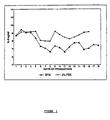
- Figure 1 illustrates the effect of medium composition on IL-6 production in spinners. IL-6 producing CHO cells were seeded in 100 ml spinners with disc-carriers. After seven days' growth in 10% FBS, the medium was replaced with production medium supplemented with either 2% FBS (*-*) or ADC-1™ + Insulin 0.2µg/ml Serum free medium (SFM)[ - ]), IL-6 production was determined every 24 hours. The results are an average of two spinners.
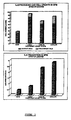
- Figure 2 illustrates the effect of thrombin on IL-6 production stimulation in SFM. The various components were added to SFM and added to IL-6 producing CHO cells in 24-well plates.
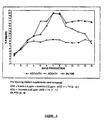
- Figure 3 illustrates the effect of insulin and thrombin on cell growth and IL-6 production.
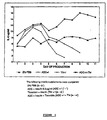
- Figure 4 shows the effect of insulin on IL-6 production in 100 ml spinners.
- Figure 5 shows the effect of ADC-1 and insulin on IL-6 production in 100 ml spinners.
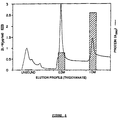
- Figure 6 shows the elution pattern of thrombin from a Blue Sepharose column which was loaded with commercial thrombin (Sigma) of low specific activity (50-100 IU/mg).
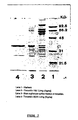
- Figure 7 shows the SDS-PAGE analysis of various thrombin preparations.
- Figure 8 shows TBP production in 1000 ml spinners.
- Figure 9 illustrates TBP production in 100 ml spinners, comparing the effect of various cell viability protection agents to serum free medium containing insulin and thrombin.
- Figure 10 illustrates TBP production in a 1 liter bioreactor.
- Figure 11 illustrates the effect of medium composition on TBP production in 100 ml spinners.
- Figure 12 illustrates rIFN-β production by CHO cells in 100 ml spinners.
- The present invention provides a serum-free medium which is suitable for use in the production of mammalian cell products, contains a minimum amount of additives and lends itself to simple preparation, either by conventional methods, or by a combination of conventional and recombinant methods.
- As stated hereinbefore, all of the components of the serum free medium according to the invention are known per se and commercially available, therefore they are easily accessible.
- In accordance with one embodiment of the invention, the serum free medium is prepared in a conventional manner by simply admixing the different components with the basic medium. Thus, for example 20 ml of ADC-1™ (concentrated 1x50) are added to 980 ml of basic medium. To this between 0.1 µg/ml and 2 µg/ml of insulin are added.
- Insulin may be produced by conventional recombinant methods, e.g. by cloning of the cDNA, isolation of DNA fragments coding for the mature processed proteins, construction of expression vectors suitable for expression in E. coli, and expression.
- As stated above, ADC-1™ may be replaced with a different cell viability protection agent, such as a protein hydrolysate. Suitable hydrolysates are, e.g. lactalbumin hydrolysate, corn gluten hydrolysate or similar. Thus, in accordance with another embodiment of the invention, the serum free medium comprises 10 ml of 10% of lactalbumin hydrolysate or 10 ml of 5% of corn gluten hydrolysate, which are added to 900 ml of the basic medium. In addition, between 0.1 µg/ml and 2 µg/ml of insulin are added. Corn gluten hydrolysate is preferred for regulatory reasons, since it is not of animal origin.
- In accordance with another embodiment of the invention, the genes for the expression of insulin and thrombin are inserted into the mammalian cells employed for the recombinant production of the biologically active cell products. Suitable promoters which direct the expression of thrombin and insulin are cotransfected with the genes encoding these proteins, with the appropriate construction to enable their secretion.
- The cells employed were CHO (Chinese Hamster Ovary) cells transformed with various genes fused to an SV40 early promoter. (Chernajovsky, 1984). The genes were those encoding IL-6, TBP-I and rIFN-β (recombinant interferon-β), however any other gene suitable for expression in mammalian cell systems may be used. Since the particular CHO mutant employed for transfection is proline dependent, it was necessary to supplement the basic medium employed with proline.
- As stated hereinbefore, thrombin is believed to activate its receptor by cleaving it in the amino-terminal extracellular domain exposing a new N-terminus. Peptides of different lengths which correspond to the sequences of the new thrombin receptor N-terminus (after cleavage) were found to be suitable for use in the serum free medium according to the invention. This use simplifies preparation of the serum free medium, since short peptide sequences lend themselves easily to synthesis by either chemical or recombinnat methods. This also avoids using commercial thrombin itself, which due to its mammalian origin, may lead to regulatory problems.
- The invention will be illustrated by the following non-limiting examples:
- Cell growth and production was carried out in the following systems:
- A) In 24-well plates, cells (0.25 x 10⁶/well) were seeded in 1 ml medium supplemented with 10% FBS. After overnight incubation at 37°C, the medium was removed and the cell monolayer rinsed twice with serum-free medium (SFM). Cell growth or production level was then monitored in the various media compositions over 3-5 days with medium changes every 24 hours.
- B) In 25 cm2 tissue culture flasks, cells (0.5 x 10⁶ cells/flask) were seeded in medium supplemented with 10% FBS and incubated for 3 days before the growth medium was replaced by production medium.
- C) In spinners, production was monitored in 100-ml and 1-liter spinners (Bellco). The cells were attached to microcarriers. Most experiments were performed with disc-carriers (6 mm discs, constructed of non-woven polyester fabric, laminated to a polypropylene screen (Sterilin, U.K.). In some experiments, the carriers were Biosilon (Nunc, Roskilde, Denmark). Cells were seeded in medium supplemented with 10% FBS and after a growth period of 2-3 days, the medium was changed to serum free production medium. At the initiation of the production period, medium was changed every 24 hours and after a few days, medium changes were performed every 12 hours.
-
- IL-6 producing recombinant CHO cells survive and multiply well in DMEM, supplemented with proline and 2% FBS. Removal of the serum from the medium results in cell death unless the serum is substituted with an appropriate supplement.
- As summarized in Table 1, addition of a cell viability protection agent, e.g. ADC-1™ (Biological Industries, Beit Haemek, Israel), maintained the cell viability (after initial adherence in the presence of FBS or Fibronectin) with very little cell growth. Cell division can be stimulated by insulin, and in medium supplemented with both ADC-1™ and insulin, the cells grow as well as in medium supplemented with FBS. However, in the absence of serum, the ability of the cells to produce IL-6 declines with time, and after 5 days in the serum-free medium, the specific productivity of the cells (µg IL-6/106 cells) is reduced to half.
- The decline in the production ability of the cells is demonstrated both in tissue culture (TC) flasks (Table 1) and in spinners with disc-carriers (Figure 1).
Effect of medium composition on cell growth and IL-6 production. Production Medium Supplements Cells/Flask (x 106) IL-6 (µg/ml) IL-6 (µg/106 Cells) 2% FBS 4.45 1.18 1.32 ADC-1™ 2.16 0.41 0.95 ADC-1™ + Insulin
(0.2 µg)5.43 0.73 0.67 - When bovine thrombin (Sigma) was added to the basic SFM (DMEM + ADC-1™ + Insulin), IL-6 production was strongly enhanced (Figure 2). Prothrombin did not affect the production. However, when the prothrombin was cleaved by active factor Xa to release thrombin, production was stimulated. The production stimulating activity was inhibited by the thrombin inhibitor, the serum protein antithrombin IV (Figure 2).
- Both insulin and thrombin stimulate CHO cell growth. Addition of each one to medium containing ADC-1™ resulted in a similar level of cell growth (Figure 3A). However IL-6 production in the presence of insulin alone was very low, while thrombin stimulated the production level significantly (Figure 3B). In the short-term experiment in wells (Figure 3), the productivity with thrombin alone was only slightly improved when both insulin and thrombin were added to the ADC™. However, when production was monitored in spinners (100 ml), the IL-6 level which was initially the same with or without insulin, clearly declined after 9 9 days in the absence of insulin (Figure 4). These results suggest that insulin is required for optimal long term production.
- In addition to insulin, both thrombin and ADC-1 are necessary to achieve maximum production as demonstrated in Figure 5. Removal of either ADC-1™ or thrombin resulted in a decline in IL-6 level after 4 to 5 days of production.
- The medium composition which was found to support high levels of production of IL-6 by recombinant CHO cells includes three additives to the basic medium (DMEM + Proline):
- 1. ADC-1™;
- 2. Insulin 0.2 µg/ml;
- 3. Thrombin 0.02 µg/ml.
-
- Each of the components was analyzed for an optimal source and possible replacement.
- Most of the experiments were performed with bovine insulin from Sigma. Additional preparations were obtained from various sources and added together with ADC-1 to the basic medium to determine their potential. Both bovine and human insulin were examined. Recombinant human insulin which is used for human injections (Novo Nordisk, Denmark and Eli Lilly, SA., Switzerland) was of particular interest for regulatory reasons.
- As summarized in Table 2, all the tested insulin batches had similar activity as growth factors for the CHO cells. Similar IL-6 production levels were also observed.
Effect of insulin from different sources on cell growth and IL-6 production Insulin (0.4 µg/ml) Cells/Well (x106) IL-6 (µg/ml) Source Company None 4.08 0.25 Bovine Sigma 7.45 0.59 Human (Recombinant) Eli Lilly 7.46 0.58 Human (Recombinant) Novo-Nordisk 7.55 0.58 - The commercial thrombin that was used for the initial experiments was a bovine thrombin with a very low specific activity (50-100 IU/mg protein) which was obtained from Sigma. The thrombin was purified from this preparation by binding to Blue Sepharose column.
- As summarized in Figure 6, most of the activity was eluted in 1 M thiocyanate while the majority of the proteins did not bind, or were washed with 0.3 M of the salt.
- SDS-PAGE of the active fraction (Figure 7, lane 3) revealed a major protein band with an apparent MW of 37 K. Similar to the protein band of a commercial (Sigma) purified bovine thrombin with a specific activity of 2,000 IU/mg protein (Figure 7, lane 4).
- The Blue Sepharose active fraction (1.0 M thiocyanate) of the Sigma bovine thrombin was used as an additive to SFM in 1 liter spinners for production. The thrombin was used at final concentration of 0.02 µg/ml in medium that was supplemented also with ADC-1 and insulin (0.2 µg/ml). Consistently high levels of production were observed for more than four weeks production (Figure 8).
- The commercial protein free medium supplement (ADC-1™) which was obtained from Biological Industries (Beit-Haemek, Israel) can be replaced by protein hydrolysates such as lactalbumin hydrolysate (Figure 9) or corn gluten hydrolysate (Figure 8) or by methyl cellulose (Figure 9).
- The above components were added to the basic medium (DMEM + proline) with insulin and with purified thrombin (Figure 8). The production level was similar with all the combinations as long as the three components were added to the medium.
- The ADC-1™ and the various substitutes are all autoclavable which is advantageous from regulatory aspects.
- Most of the experiments were performed with IL-6 producing CHO cells. However production of other recombinant products was demonstrated in the medium supplemented with the three components ADC (or equivalent), insulin, and thrombin.
- Production of recombinant Tumor Necrosis Factor Binding Protein (TBP) by CHO cells was demonstrated in 100 ml spinners (Figure 11). In the presence of the three components, ADC, insulin and thrombin, the production level was similar to that of cells producing in 2% FBS. In the absence of thrombin, production declined after 5 days.
- Recombinant IFN-β was produced by CHO cells on biosilon microcarriers in 100 ml spinners. The level of production was the same in medium supplemented with 2% FBS or in serum free medium supplemented with ADC, insulin and thrombin (Figure 12).
- A 14-residues amino acid peptide that mimics the new amino acid terminus of the thrombin receptor was examined for its ability to replace thrombin in IL-6 production stimulation activity. The peptide (H-Ser-Phe-Leu-Leu-Arg-Asn-Pro-Asn-Asp-Lys-Tyr-Glu-Pro-Phe-OH) was obtained from two sources. A highly purified peptide (Thrombin Receptor Activator) was purchased from Bachem (Switzerland) and a crude preparation was synthesized at the Weizmann Institute of Science (Israel).
- The two preparations were compared to thrombin as an ingredient of SFM in 24-well plates using IL-6 producing CHO cells.
- As summarized in Table 3, IL-6 production was stimulated by the peptides to the same extent as by thrombin. However, a 1000-fold higher concentration was required when the peptide is used. As expected, the purified peptide was active at lower concentrations when compared to the crude preparation.
Effect of Thrombin Receptor Activator on IL-6 production Additive to Basic SFM IL-6 (µg/ml) None 1.03 2% FBS 5.64 Thrombin 0.05 µg/ml 5.98 Thrombin Receptor Activator I 100 µg/ml 5.34 50 µg/ml 4.50 Thrombin Receptor Activator II 40 µg/ml 5.34 20 µg/ml 4.58 - As can be seen in Table 3B below, similar results were obtained with the following peptides:
- A - Thrombin receptor (42-55), human

- B - Thrombin receptor (42-47), human

- C - Thrombin receptor (42-55), hamster

- D - Thrombin receptor (42-47), hamster
all from Neosystem, France.

-
- To examine the activity of the peptide under production conditions, a 1-liter spinner with disc-carriers was connected to CelliGen bioreactor controls. Cells of TBP clone 108-1-22-12/4 were seeded and after a growth period, production was initiated with 2% FBS.
- Ten days later the serum supplement production medium was replaced by SFM containing corn gluten hydrolysate, insulin and TRA. Production continued for 40 days. During part of the production time, TRA was replaced with thrombin. Replacement of thrombin by TRA did not affect the production level (Figure 10).
- After initial cloning of the cDNAs coding for thrombin and insulin in a conventional manner, the DNA fragments containing the sequence coding for the mature proteins fused to a signal peptide are isolated. The signal peptide may either be their own or a signal peptide which is properly secreted in CHO cells. Thereafter expression vectors containing these DNA fragments fused to a promoter for expression in CHO cells, such as
SV 40 or CMV, are constructed. - The expression vector is now transfected into one of the CHO clones used for recombinant production of the desired protein, using a second type of selection, e.g. gentamycin (G418). Insulin and thrombin are secreted in the serum-free medium and thus support heterologous protein production and secretion by the CHO clones.
-
- Awbrey, B. J., Hoak, J. C., and Owen, W. G. Binding of human thrombin to cultured human endothelial cells, J. Biol. Chem. 254: 4092 (1979).
- Barnes, D., and Sato, G. Serum-free cell culture: A unifying approach. Cell 22: 649-655 (1980).
- Barnes, D. W., Sirbasku, D. A., and Sato, G. H. Cell culture methods for molecular and cellular biology. Vols. 1-4, Liss, New York (1984).
- Barnes, D. Serum-free animal cell culture. Bio Techniques 5: 534-542 (1987).
- Bauer, P. I., Machovich, R., Aranyi, P., Buki, K., Csonka, E., and Horvath, L, Mechanism of thrombin binding to endothelial cells. Blood 61: 368 (1983).
- Broad, D., Boraston, R., and Rhodes M. Production of recombinant proteins in serum-free media. Cytotechnology 5: 47-55 (1991).
- Chen, L. B. Thrombin as a growth factor for cultured cells. "The growth requirements of vertebrate cells in vitro." Eds. Waymouth C., Ham, R. G., Chapple, P. J., Cambridge University Press, pp. 380-387 (1981).
- Chernajovsky, Y., Mory. Y., Chen, L., Marks, Z., Novick, D., Rubinstein, M., and Revel, M. Efficient constitutive production of human fibroblast interferon by hamster cells transformed with the IFN-β gene fused to an SV40 early promoter. DNA 3: 297-307 (1984).
- Cunningham, D. D., Carney, D. H. and Glenn, K. C., A cell-surface component involved in thrombin-stimulated cell division. Hormones and Cell Culture. Eds. Sato, G. H., and Ross, R., Cold Spring Harbor, New York, 199 (1979).
- Familletti P. C., and Fredericks, J. E. Techniques for mammalian cell immobilization. Bio/Technology 6: 41-44 (1988).
- Glenn, K. C., Karney, D. H., Fenton II, J. W., and Cunningham, D. D., Thrombin active site regions required for fibrinoblast receptor binding and initiation of cell division. J. Biol. Chem. 255: 6609 (1980).
- Grace, T. D. L. Establishment of four strains of cells from insect tissues grown in vitro. Nature 195: 788-789 (1962).
- Hink, W. F. A serum-free medium for the culture of insect cells and production of recombinant proteins. In Vitro Cell Dev. Biol. 27A: 397-401. (1991).
- Jayme, D. W. Nutrient optimization for high density biological production applications. Cytotechnology 5: 15-30 (1991).
- Loskutoff, D. Effect of thrombin on the fibrinolytic activity of cultured bovine endothelial cells. J. Clin.Invest. 64, 329 (1979).
- Machovich, R. and Csonka, E. Mechanism of the binding of thrombin to endothelial cells. Acta Biochim. Biophys. Acad. Sci. Hung. 17: 66 (Abstr.) (1982).
- Marino, M. H., Expression systems for heterologous protein production. Bio Pharm. Jul/Aug: 18-33 (1989).
- Morita, M., and Iwanaga, S. Prothrombin activator from Echis carinatus venom. Methods in Enrymology 80: 303-311 (1981).
- Mosher. D. F. and Vaheri, A. Thrombin stimulates the production and release of a major surface-associated glycoprotein (fibronectin) in cultures of human fibroblast. Exp. Cell Res. 112: 323 (1978).
- Owen, W. G. and Esmon, C. T. Functional properties of an endothelial cell cofactor for thrombin catalyzed activation of protein C. J. Biol. Chem. 256: 5532 (1981).
- Sato, G. H., Pardee A. B., and Sirbasku, D. A. Growth of cells in hormonally-defined media. Books A and B. Cold Spring Harbor, New York (1982).
- Taub, M. Tissue Culture of Epithelial Cells. Plenum, New York (1985).
- Vu, T.-K. H., Hung, D. T., Wheaton, V. I., and Coughlin, S. R. Molecular cloning of a functional thrombin receptor reveals a novel proteclytic mechanism of receptor activation. Cell 64: 1057-1068 (1991).
- Weiss, S. A., Lester, T. L., Kalter, S, S., and Heberling, R. L. Chemically defined serum-free media for the cultivation of primary cells and their susceptibility to viruses. In Vitro 16: 616-628 (1980).
- Weksler, B. B., Ley, C. W., and Jaffe, E. A. Stimulation of endothelial cell prostacyclin (PGI2) production by thrombin, trypsin and ionophore A231817. J. Clin. Invest. 62: 923 (1978).
- Workman, E. F.. White, G. C., and Lundblad, R. L. High affinity binding of thrombin to platelets. Inhibition by tetranitromethane and heparin. Biochem. Biophys. Res. Commun. 75: 925 (1977).
- Zetter, B. R, Chen, L. B., and Buchanan, J. M. Binding and internalization of thrombin by normal and transformed chick cells. Proc. Natl. Acad. Sci., U.S.A. 74: 596 (1977).
-
| Additive to basic SFM | IL-6 (µg/ml) | |
| None | 2.17 | |
| TRA II (from Table 3A) | 5 µg/ml | 4.29 |
| 1.25 µg/ml | 3.63 | |
| A | 5 µg/ml | 2.27 |
| 1.25 µg/ml | 4.21 | |
| | 5 µg/ml | 4.32 |
| 1.25 µg/ml | 4.32 | |
| C | 5 µg/ml | 4.13 |
| 1.25 µg/ml | 4.06 | |
| | 5 µg/ml | 5.04 |
| 1.25 µg/ml | 4.89 |
Claims (8)
- A serum-free medium for mammalian cells comprising a basic medium and(a) a cell viability protection agent;(b) insulin; and(c) a thrombin receptor activator comprising a region of the thrombin receptor which becomes the N-terminus after thrombin activates the receptor by cleavage near its native N-terminus and having the amino acid sequence

- The medium of claim 1, wherein the basic medium comprises DMEM, F12, RPMI 1640 or mixtures thereof.
- The medium of claim 1 or 2, wherein the cell viability protection agent is a protein hydrolysate.
- The medium of claim 3, wherein the protein hydrolysate comprises lactalbumin hydrolysate, or corn gluten hydrolysate.
- The medium of any one of claims 1 to 4, wherein the insulin and/or the thrombin receptor activator are produced by recombinant methods.
- The medium according to claim 5, wherein the insulin and/or the thrombin receptor activator are expressed together with the mammalian cell product.
- The medium according to any one of claims 1 to 6, comprising between 0.1 µg/ml and 2 µg/ml of insulin.
- The medium according to any one of claims 1 to 7, comprising between 1 µg/ml and 20 µg/ml of thrombin receptor activator.
Priority Applications (1)
| Application Number | Priority Date | Filing Date | Title |
|---|---|---|---|
| EP20000117026 EP1045023B1 (en) | 1992-08-24 | 1993-08-24 | Serum free medium |
Applications Claiming Priority (2)
| Application Number | Priority Date | Filing Date | Title |
|---|---|---|---|
| IL10292992A IL102929A (en) | 1992-08-24 | 1992-08-24 | Serum-free medium for mammalian cells |
| IL102929 | 1992-08-24 |
Related Child Applications (1)
| Application Number | Title | Priority Date | Filing Date |
|---|---|---|---|
| EP20000117026 Division EP1045023B1 (en) | 1992-08-24 | 1993-08-24 | Serum free medium |
Publications (3)
| Publication Number | Publication Date |
|---|---|
| EP0584788A2 EP0584788A2 (en) | 1994-03-02 |
| EP0584788A3 EP0584788A3 (en) | 1995-01-18 |
| EP0584788B1 true EP0584788B1 (en) | 2002-10-23 |
Family
ID=11063947
Family Applications (2)
| Application Number | Title | Priority Date | Filing Date |
|---|---|---|---|
| EP20000117026 Expired - Lifetime EP1045023B1 (en) | 1992-08-24 | 1993-08-24 | Serum free medium |
| EP19930113502 Expired - Lifetime EP0584788B1 (en) | 1992-08-24 | 1993-08-24 | Serum free medium for mammalian cells |
Family Applications Before (1)
| Application Number | Title | Priority Date | Filing Date |
|---|---|---|---|
| EP20000117026 Expired - Lifetime EP1045023B1 (en) | 1992-08-24 | 1993-08-24 | Serum free medium |
Country Status (13)
| Country | Link |
|---|---|
| US (1) | US5641647A (en) |
| EP (2) | EP1045023B1 (en) |
| JP (1) | JP4124493B2 (en) |
| AT (2) | ATE226632T1 (en) |
| AU (1) | AU670957B2 (en) |
| CA (1) | CA2104643C (en) |
| CY (1) | CY2572B1 (en) |
| DE (2) | DE69334097T2 (en) |
| DK (2) | DK0584788T3 (en) |
| ES (2) | ES2274756T3 (en) |
| IL (1) | IL102929A (en) |
| PT (2) | PT1045023E (en) |
| ZA (1) | ZA936192B (en) |
Families Citing this family (20)
| Publication number | Priority date | Publication date | Assignee | Title |
|---|---|---|---|---|
| SE9303601D0 (en) * | 1993-11-01 | 1993-11-01 | Kabi Pharmacia Ab | Improved cell cultivation method and medium |
| EP2243827B2 (en) * | 1996-08-30 | 2017-11-22 | Life Technologies Corporation | Serum-free mammalian cell culture medium, and uses thereof |
| US6692961B1 (en) * | 1996-10-11 | 2004-02-17 | Invitrogen Corporation | Defined systems for epithelial cell culture and use thereof |
| WO1998026084A1 (en) * | 1996-12-09 | 1998-06-18 | Wolfgang Andreas Renner | Expression of active interferon beta 1 using recombinant rna replicons |
| SE9700983D0 (en) * | 1997-03-18 | 1997-03-18 | Ascendia Ab | Stimulation, culture and preservation of pancreatic and other cells |
| WO2000029553A1 (en) * | 1998-11-19 | 2000-05-25 | Organogenesis Inc. | Bioengineered tissue constructs and methods for producing and using them |
| UA74557C2 (en) * | 1999-09-03 | 2006-01-16 | Applied Research Systems | A method for producing a heterologous secreted protein from chinese hamster ovaries cells grown on microcarriers |
| SI1208192T1 (en) * | 1999-09-03 | 2007-02-28 | Applied Research Systems | Method for producing a heterologous secreted protein from chinese hamster ovary cells grown on microcarriers |
| US7445924B2 (en) | 2000-11-23 | 2008-11-04 | Bavarian Nordic A/S | Modified Vaccinia Ankara virus variant and cultivation method |
| US6506576B2 (en) | 2001-03-14 | 2003-01-14 | Board Of Trustees Of The University Of Arkansas | Serum-and steroid-free culture media for cerebellar granule neurons |
| AU2003264144C1 (en) | 2002-09-05 | 2009-12-17 | Bavarian Nordic A/S | Method for the cultivation of primary cells and for the amplification of viruses under serum free conditions |
| EP1996186A4 (en) * | 2006-03-06 | 2009-07-22 | Humagene Inc | A method for the preparation of recombinant human thrombin and fibrinogen |
| US8415094B2 (en) * | 2007-12-21 | 2013-04-09 | Jaffar Ali bin M. Abdullah | Protein-free gamete and embryo handling and culture media products |
| CN103898123B (en) * | 2012-12-28 | 2019-03-15 | 北京韩美药品有限公司 | Recombined human IFN-β -1a and its production and purification process |
| AU2014225273A1 (en) * | 2013-03-08 | 2015-09-24 | Neuclone Biologics Pty Ltd | Cell culture media composition and methods of producing thereof |
| MY186731A (en) | 2013-03-08 | 2021-08-14 | Neuclone Biologics Pty Ltd | A cell expression system |
| CN103484426B (en) * | 2013-10-15 | 2014-11-26 | 齐鲁制药有限公司 | Non-animal source low-protein culture medium |
| US9534026B2 (en) | 2013-10-31 | 2017-01-03 | China National Research Institute Of Food & Fermentation Industries | Corn active peptide additive for cell culture medium |
| CN104593318B (en) * | 2013-10-31 | 2018-05-04 | 中国食品发酵工业研究院 | A kind of corn functional peptides additive for cell culture medium |
| JP7521738B2 (en) * | 2020-05-18 | 2024-07-24 | キヤノン株式会社 | Method for producing target cells, method for producing product by target cells, and serum-free medium |
Family Cites Families (4)
| Publication number | Priority date | Publication date | Assignee | Title |
|---|---|---|---|---|
| EP0449950A4 (en) * | 1988-12-14 | 1991-10-16 | Us Health | Cell culture medium for human liver epithelial cell line |
| ZA901280B (en) * | 1989-02-27 | 1991-10-30 | Lilly Co Eli | Tissue culture method |
| GB9022545D0 (en) * | 1990-10-17 | 1990-11-28 | Wellcome Found | Culture medium |
| US5256766A (en) * | 1991-02-19 | 1993-10-26 | The Regents Of The University Of California | Recombinant thrombin receptor and related pharmaceuticals |
-
1992
- 1992-08-24 IL IL10292992A patent/IL102929A/en not_active IP Right Cessation
-
1993
- 1993-08-23 CA CA 2104643 patent/CA2104643C/en not_active Expired - Lifetime
- 1993-08-23 JP JP20805393A patent/JP4124493B2/en not_active Expired - Lifetime
- 1993-08-24 PT PT00117026T patent/PT1045023E/en unknown
- 1993-08-24 ZA ZA936192A patent/ZA936192B/en unknown
- 1993-08-24 DK DK93113502T patent/DK0584788T3/en active
- 1993-08-24 EP EP20000117026 patent/EP1045023B1/en not_active Expired - Lifetime
- 1993-08-24 DE DE1993634097 patent/DE69334097T2/en not_active Expired - Lifetime
- 1993-08-24 EP EP19930113502 patent/EP0584788B1/en not_active Expired - Lifetime
- 1993-08-24 US US08/111,428 patent/US5641647A/en not_active Expired - Lifetime
- 1993-08-24 DE DE69332430T patent/DE69332430T2/en not_active Expired - Lifetime
- 1993-08-24 ES ES00117026T patent/ES2274756T3/en not_active Expired - Lifetime
- 1993-08-24 PT PT93113502T patent/PT584788E/en unknown
- 1993-08-24 DK DK00117026T patent/DK1045023T3/en active
- 1993-08-24 AT AT93113502T patent/ATE226632T1/en active
- 1993-08-24 AT AT00117026T patent/ATE348147T1/en active
- 1993-08-24 ES ES93113502T patent/ES2185618T3/en not_active Expired - Lifetime
- 1993-08-24 AU AU44871/93A patent/AU670957B2/en not_active Expired
-
2007
- 2007-02-09 CY CY0700004A patent/CY2572B1/en unknown
Also Published As
| Publication number | Publication date |
|---|---|
| ATE226632T1 (en) | 2002-11-15 |
| EP0584788A2 (en) | 1994-03-02 |
| EP0584788A3 (en) | 1995-01-18 |
| EP1045023A1 (en) | 2000-10-18 |
| CA2104643A1 (en) | 1994-02-25 |
| DK1045023T3 (en) | 2007-03-12 |
| AU670957B2 (en) | 1996-08-08 |
| DK0584788T3 (en) | 2003-02-24 |
| DE69334097D1 (en) | 2007-01-25 |
| JPH06153931A (en) | 1994-06-03 |
| DE69334097T2 (en) | 2007-07-12 |
| JP4124493B2 (en) | 2008-07-23 |
| US5641647A (en) | 1997-06-24 |
| EP1045023B1 (en) | 2006-12-13 |
| AU4487193A (en) | 1994-03-03 |
| PT1045023E (en) | 2007-02-28 |
| ATE348147T1 (en) | 2007-01-15 |
| CY2572B1 (en) | 2008-07-02 |
| ES2274756T3 (en) | 2007-06-01 |
| IL102929A (en) | 1996-11-14 |
| IL102929A0 (en) | 1993-01-31 |
| DE69332430D1 (en) | 2002-11-28 |
| PT584788E (en) | 2003-02-28 |
| ZA936192B (en) | 1994-03-22 |
| ES2185618T3 (en) | 2003-05-01 |
| DE69332430T2 (en) | 2003-07-17 |
| CA2104643C (en) | 2009-07-21 |
Similar Documents
| Publication | Publication Date | Title |
|---|---|---|
| EP1045023B1 (en) | Serum free medium | |
| US9982286B2 (en) | Medium for the protein-free and serum-free cultivation of cells | |
| KR100616028B1 (en) | Expression system for factor VIII | |
| EP1720979B1 (en) | Use of a serum-free cell culture medium for the production of il-18bp in mammalian cells | |
| Jayme | Nutrient optimization for high density biological production applications | |
| CA2342859A1 (en) | Production of human erythropoietin | |
| Jäger | Serum-free media suitable for upstream and downstream processing | |
| Battista et al. | Chinese Hamster Ovary (CHO) cell growth and recombinant protein production in serum-free media | |
| WO1994018310A1 (en) | Growth enhancing media supplement for the culture of mammalian cells | |
| JPH05252956A (en) | Method for producing recombinant cell highly expressing polypeptide |
Legal Events
| Date | Code | Title | Description |
|---|---|---|---|
| PUAI | Public reference made under article 153(3) epc to a published international application that has entered the european phase |
Free format text: ORIGINAL CODE: 0009012 |
|
| AK | Designated contracting states |
Kind code of ref document: A2 Designated state(s): AT BE CH DE DK ES FR GB GR IE IT LI LU MC NL PT SE |
|
| PUAL | Search report despatched |
Free format text: ORIGINAL CODE: 0009013 |
|
| AK | Designated contracting states |
Kind code of ref document: A3 Designated state(s): AT BE CH DE DK ES FR GB GR IE IT LI LU MC NL PT SE |
|
| 17P | Request for examination filed |
Effective date: 19950321 |
|
| 17Q | First examination report despatched |
Effective date: 19980604 |
|
| GRAG | Despatch of communication of intention to grant |
Free format text: ORIGINAL CODE: EPIDOS AGRA |
|
| GRAG | Despatch of communication of intention to grant |
Free format text: ORIGINAL CODE: EPIDOS AGRA |
|
| GRAH | Despatch of communication of intention to grant a patent |
Free format text: ORIGINAL CODE: EPIDOS IGRA |
|
| GRAH | Despatch of communication of intention to grant a patent |
Free format text: ORIGINAL CODE: EPIDOS IGRA |
|
| GRAA | (expected) grant |
Free format text: ORIGINAL CODE: 0009210 |
|
| AK | Designated contracting states |
Kind code of ref document: B1 Designated state(s): AT BE CH DE DK ES FR GB GR IE IT LI LU MC NL PT SE |
|
| REF | Corresponds to: |
Ref document number: 226632 Country of ref document: AT Date of ref document: 20021115 Kind code of ref document: T |
|
| REG | Reference to a national code |
Ref country code: GB Ref legal event code: FG4D |
|
| REG | Reference to a national code |
Ref country code: CH Ref legal event code: EP |
|
| REG | Reference to a national code |
Ref country code: IE Ref legal event code: FG4D |
|
| REF | Corresponds to: |
Ref document number: 69332430 Country of ref document: DE Date of ref document: 20021128 |
|
| REG | Reference to a national code |
Ref country code: CH Ref legal event code: NV Representative=s name: E. BLUM & CO. PATENTANWAELTE |
|
| REG | Reference to a national code |
Ref country code: DK Ref legal event code: T3 |
|
| REG | Reference to a national code |
Ref country code: GR Ref legal event code: EP Ref document number: 20030400213 Country of ref document: GR |
|
| REG | Reference to a national code |
Ref country code: PT Ref legal event code: SC4A Free format text: AVAILABILITY OF NATIONAL TRANSLATION Effective date: 20021230 |
|
| REG | Reference to a national code |
Ref country code: ES Ref legal event code: FG2A Ref document number: 2185618 Country of ref document: ES Kind code of ref document: T3 |
|
| ET | Fr: translation filed | ||
| PLBE | No opposition filed within time limit |
Free format text: ORIGINAL CODE: 0009261 |
|
| 26N | No opposition filed |
Effective date: 20030724 |
|
| REG | Reference to a national code |
Ref country code: CH Ref legal event code: PFA Owner name: INTERPHARM LABORATORIES LTD. Free format text: INTERPHARM LABORATORIES LTD.#SCIENCE BASED INDUSTRIAL PARK KIRYAT WEIZMANN#NESS-ZIONA 76110 (IL) -TRANSFER TO- INTERPHARM LABORATORIES LTD.#SCIENCE BASED INDUSTRIAL PARK KIRYAT WEIZMANN#NESS-ZIONA 76110 (IL) |
|
| PGFP | Annual fee paid to national office [announced via postgrant information from national office to epo] |
Ref country code: DK Payment date: 20110810 Year of fee payment: 19 Ref country code: CH Payment date: 20110812 Year of fee payment: 19 |
|
| PGFP | Annual fee paid to national office [announced via postgrant information from national office to epo] |
Ref country code: LU Payment date: 20120827 Year of fee payment: 20 |
|
| PGFP | Annual fee paid to national office [announced via postgrant information from national office to epo] |
Ref country code: IE Payment date: 20120810 Year of fee payment: 20 Ref country code: SE Payment date: 20120813 Year of fee payment: 20 Ref country code: MC Payment date: 20120726 Year of fee payment: 20 Ref country code: GB Payment date: 20120822 Year of fee payment: 20 |
|
| PGFP | Annual fee paid to national office [announced via postgrant information from national office to epo] |
Ref country code: GR Payment date: 20120726 Year of fee payment: 20 |
|
| PGFP | Annual fee paid to national office [announced via postgrant information from national office to epo] |
Ref country code: BE Payment date: 20120820 Year of fee payment: 20 Ref country code: DE Payment date: 20120822 Year of fee payment: 20 Ref country code: ES Payment date: 20120907 Year of fee payment: 20 Ref country code: IT Payment date: 20120810 Year of fee payment: 20 Ref country code: FR Payment date: 20120823 Year of fee payment: 20 |
|
| PGFP | Annual fee paid to national office [announced via postgrant information from national office to epo] |
Ref country code: NL Payment date: 20120809 Year of fee payment: 20 Ref country code: PT Payment date: 20120224 Year of fee payment: 20 |
|
| PGFP | Annual fee paid to national office [announced via postgrant information from national office to epo] |
Ref country code: AT Payment date: 20120726 Year of fee payment: 20 |
|
| REG | Reference to a national code |
Ref country code: DE Ref legal event code: R071 Ref document number: 69332430 Country of ref document: DE |
|
| REG | Reference to a national code |
Ref country code: DK Ref legal event code: EUP |
|
| REG | Reference to a national code |
Ref country code: DE Ref legal event code: R071 Ref document number: 69332430 Country of ref document: DE |
|
| REG | Reference to a national code |
Ref country code: CH Ref legal event code: PL |
|
| BE20 | Be: patent expired |
Owner name: *INTERPHARM LABORATORIES LTD Effective date: 20130824 |
|
| REG | Reference to a national code |
Ref country code: PT Ref legal event code: MM4A Free format text: MAXIMUM VALIDITY LIMIT REACHED Effective date: 20130824 |
|
| REG | Reference to a national code |
Ref country code: NL Ref legal event code: V4 Effective date: 20130824 |
|
| REG | Reference to a national code |
Ref country code: GB Ref legal event code: PE20 Expiry date: 20130823 |
|
| REG | Reference to a national code |
Ref country code: SE Ref legal event code: EUG |
|
| REG | Reference to a national code |
Ref country code: AT Ref legal event code: MK07 Ref document number: 226632 Country of ref document: AT Kind code of ref document: T Effective date: 20130824 |
|
| REG | Reference to a national code |
Ref country code: GR Ref legal event code: MA Ref document number: 20030400213 Country of ref document: GR Effective date: 20130825 |
|
| PG25 | Lapsed in a contracting state [announced via postgrant information from national office to epo] |
Ref country code: DE Free format text: LAPSE BECAUSE OF EXPIRATION OF PROTECTION Effective date: 20130827 Ref country code: PT Free format text: LAPSE BECAUSE OF EXPIRATION OF PROTECTION Effective date: 20130903 |
|
| REG | Reference to a national code |
Ref country code: ES Ref legal event code: FD2A Effective date: 20131107 |
|
| PG25 | Lapsed in a contracting state [announced via postgrant information from national office to epo] |
Ref country code: GB Free format text: LAPSE BECAUSE OF EXPIRATION OF PROTECTION Effective date: 20130823 |
|
| REG | Reference to a national code |
Ref country code: IE Ref legal event code: MK9A |
|
| PG25 | Lapsed in a contracting state [announced via postgrant information from national office to epo] |
Ref country code: IE Free format text: LAPSE BECAUSE OF EXPIRATION OF PROTECTION Effective date: 20130824 |
|
| PG25 | Lapsed in a contracting state [announced via postgrant information from national office to epo] |
Ref country code: ES Free format text: LAPSE BECAUSE OF EXPIRATION OF PROTECTION Effective date: 20130825 |