EP0575432B1 - Modified proteins and their use for controlling viral infections - Google Patents
Modified proteins and their use for controlling viral infections Download PDFInfo
- Publication number
- EP0575432B1 EP0575432B1 EP92906661A EP92906661A EP0575432B1 EP 0575432 B1 EP0575432 B1 EP 0575432B1 EP 92906661 A EP92906661 A EP 92906661A EP 92906661 A EP92906661 A EP 92906661A EP 0575432 B1 EP0575432 B1 EP 0575432B1
- Authority
- EP
- European Patent Office
- Prior art keywords
- polypeptide
- functional groups
- polypeptides
- protein
- hiv
- Prior art date
- Legal status (The legal status is an assumption and is not a legal conclusion. Google has not performed a legal analysis and makes no representation as to the accuracy of the status listed.)
- Expired - Lifetime
Links
Classifications
-
- A—HUMAN NECESSITIES
- A61—MEDICAL OR VETERINARY SCIENCE; HYGIENE
- A61K—PREPARATIONS FOR MEDICAL, DENTAL OR TOILETRY PURPOSES
- A61K38/00—Medicinal preparations containing peptides
- A61K38/16—Peptides having more than 20 amino acids; Gastrins; Somatostatins; Melanotropins; Derivatives thereof
- A61K38/17—Peptides having more than 20 amino acids; Gastrins; Somatostatins; Melanotropins; Derivatives thereof from animals; from humans
- A61K38/38—Albumins
-
- A—HUMAN NECESSITIES
- A61—MEDICAL OR VETERINARY SCIENCE; HYGIENE
- A61P—SPECIFIC THERAPEUTIC ACTIVITY OF CHEMICAL COMPOUNDS OR MEDICINAL PREPARATIONS
- A61P31/00—Antiinfectives, i.e. antibiotics, antiseptics, chemotherapeutics
- A61P31/12—Antivirals
-
- A—HUMAN NECESSITIES
- A61—MEDICAL OR VETERINARY SCIENCE; HYGIENE
- A61P—SPECIFIC THERAPEUTIC ACTIVITY OF CHEMICAL COMPOUNDS OR MEDICINAL PREPARATIONS
- A61P31/00—Antiinfectives, i.e. antibiotics, antiseptics, chemotherapeutics
- A61P31/12—Antivirals
- A61P31/14—Antivirals for RNA viruses
-
- A—HUMAN NECESSITIES
- A61—MEDICAL OR VETERINARY SCIENCE; HYGIENE
- A61P—SPECIFIC THERAPEUTIC ACTIVITY OF CHEMICAL COMPOUNDS OR MEDICINAL PREPARATIONS
- A61P31/00—Antiinfectives, i.e. antibiotics, antiseptics, chemotherapeutics
- A61P31/12—Antivirals
- A61P31/14—Antivirals for RNA viruses
- A61P31/16—Antivirals for RNA viruses for influenza or rhinoviruses
-
- A—HUMAN NECESSITIES
- A61—MEDICAL OR VETERINARY SCIENCE; HYGIENE
- A61P—SPECIFIC THERAPEUTIC ACTIVITY OF CHEMICAL COMPOUNDS OR MEDICINAL PREPARATIONS
- A61P31/00—Antiinfectives, i.e. antibiotics, antiseptics, chemotherapeutics
- A61P31/12—Antivirals
- A61P31/14—Antivirals for RNA viruses
- A61P31/18—Antivirals for RNA viruses for HIV
-
- C—CHEMISTRY; METALLURGY
- C07—ORGANIC CHEMISTRY
- C07K—PEPTIDES
- C07K1/00—General methods for the preparation of peptides, i.e. processes for the organic chemical preparation of peptides or proteins of any length
- C07K1/107—General methods for the preparation of peptides, i.e. processes for the organic chemical preparation of peptides or proteins of any length by chemical modification of precursor peptides
- C07K1/1072—General methods for the preparation of peptides, i.e. processes for the organic chemical preparation of peptides or proteins of any length by chemical modification of precursor peptides by covalent attachment of residues or functional groups
- C07K1/1077—General methods for the preparation of peptides, i.e. processes for the organic chemical preparation of peptides or proteins of any length by chemical modification of precursor peptides by covalent attachment of residues or functional groups by covalent attachment of residues other than amino acids or peptide residues, e.g. sugars, polyols, fatty acids
Definitions
- Sulphated phenyl polymers in preparations for the treatment of retrovirus infections is disclosed in EPA 384.532.
- Sulphated phenyl polymers mentioned in this publication are sulphated polyphenyl alcohols, sulphated copolymers of (meth)acrylic acid and phenyl alcohol and pharmaceutically acceptable salts thereof. These active substances reduce the cytopathogenicity of HIV-1 in MT-4 cells and the antigen expression of HIV-1 in CEM cells. They are also active against the replication of HIV-2. In addition, the formation of giant cells (multinuclear syncytium cells), generated by HIV-1, and the adsorption of HIV fragments on CD-4 positive cells are inhibited.
- giant cells multinuclear syncytium cells
- the invention relates to pharmaceutical preparations which are suitable for treating or curing viral infections and immuno-deficiency diseases such as retrovirus infections, including AIDS and AIDS-related diseases, and which can also be used to inhibit fusion of virus-infected cells with non-infected cells, which preparations contain modified proteins or polypeptides as active substance or substance contributing to the action or as carrier for other substances, which are also active, which modified proteins or polypeptides have acquired an additional net negative charge by derivatisation of their amino groups and/or other basic functional groups with a reagent which prevents protonation of basic amino acids and/or other basic functional groups or replaces said basic amino acids and/or other basic functional groups by one or more functional groups having a negative charge, the prolongation of the retention time of the protein or polypeptide derivative compared with that of the protein or polypeptide not converted to a derivative being at least 9 minutes, the retention time being determined by means of FPLC on an anion exchange column.
- the "additional net negative charge” can also be quantified in another way, that is to say on the basis of the theoretical net negative charge. This theoretical value is calculated by multiplying the number of derivatised groups by the change in charge per derivatised group, plus the charge of the starting material.
- the net negative charge will be lower than -60 and, for example, of the order of magnitude of -60 to -300 and below.
- the theoretical charge on the proteins/polypeptides is calculated as the average of the charge on all amino acids present in the molecule (about 600 amino acids in the case of serum albumin).
- lysine and histidine are preferred as groups to be derivatised in the negatively charged polypeptides to be used according to the invention.
- the nitrogen-containing group in lysine is an amino group, whereas the nitrogen-containing group in histidine is regarded as an "other basic functional group".
- polylysine can also be used successfully according to the invention.
- additional anionic functional groups such as phosphates, sulphates and carboxyl groups, can, where possible, be incorporated in the chain in such a way that additional negative charges are introduced.
- Such preparations can be prepared by combining the negatively charged polypeptides (for example by mixing, dissolving or the like) with pharmaceutically acceptable excipients of a neutral type, such as aqueous or non-aqueous solvents, stabilisers, emulsifiers, detergents and additives, and also, if desired, with colorants and aroma substances.
- a neutral type such as aqueous or non-aqueous solvents, stabilisers, emulsifiers, detergents and additives, and also, if desired, with colorants and aroma substances.
- concentration of the negatively charged polypeptide in the preparation according to the invention can vary substantially and be between 0.001, preferably 0.1, and 100%, depending on the mode of administration.
- the dose of the negatively charged polypeptide to be administered can, for example, be between 0.1 mg and 100 mg/kg of body weight.
- the invention also relates to the use of substances which have acquired an additional net negative charge, as defined above, as active substance or as substance contributing to the action, or as carrier for active substance when preparing pharmaceutical preparations which are suitable for treating or curing viral infections and immunodeficiency diseases such as retrovirus infections, including AIDS and AIDS-related diseases, and which can be used to inhibit fusion of infected with non-infected cells.
- negatively charged polypeptides are, inter alia, powerful and selective anti-HIV agents which substantially reduce syncytium formation and virus-cell fusion, do not bind to the OKT4A epitope of the CD4 receptor and have only a slight inhibitory action on the interaction of anti-gp120 and mAb gp120 and the binding of virus cells at very low concentrations.
- the negatively charged polypeptides used or prepared according to the invention have no or only a low toxicity.
- HSA 500 mg were dissolved in 50 ml of 0.2 M Na 2 CO 3 (pH 10.0), formaldehyde was added to give a final concentration of 20% by weight, based on the starting material, and the solution formed was stirred in the dark for 72 hours at room temperature.
- the solution was filtered through a filter with 0.2 ⁇ m openings, purified on a Sephadex G25 column, washed with distilled water on a PM10 membrane in an Amicon "Stirred Cell Concentrator" and finally lyophilised, form-HSA being obtained.
- the negatively charged polypeptides according to the invention inhibit the virus adsorption to only a slight degree, for example in a concentration of 100 ⁇ g/ml.
- dextran sulphate inhibited virus adsorption virtually completely at a concentration of 25 ⁇ g/ml.
Landscapes
- Health & Medical Sciences (AREA)
- Life Sciences & Earth Sciences (AREA)
- Chemical & Material Sciences (AREA)
- Virology (AREA)
- Medicinal Chemistry (AREA)
- General Health & Medical Sciences (AREA)
- Organic Chemistry (AREA)
- Animal Behavior & Ethology (AREA)
- General Chemical & Material Sciences (AREA)
- Chemical Kinetics & Catalysis (AREA)
- Pharmacology & Pharmacy (AREA)
- Public Health (AREA)
- Veterinary Medicine (AREA)
- Nuclear Medicine, Radiotherapy & Molecular Imaging (AREA)
- Molecular Biology (AREA)
- Oncology (AREA)
- Communicable Diseases (AREA)
- Proteomics, Peptides & Aminoacids (AREA)
- Gastroenterology & Hepatology (AREA)
- Engineering & Computer Science (AREA)
- Analytical Chemistry (AREA)
- Biochemistry (AREA)
- Biophysics (AREA)
- Genetics & Genomics (AREA)
- AIDS & HIV (AREA)
- Zoology (AREA)
- Pulmonology (AREA)
- Bioinformatics & Cheminformatics (AREA)
- Tropical Medicine & Parasitology (AREA)
- Immunology (AREA)
- Epidemiology (AREA)
- Medicines That Contain Protein Lipid Enzymes And Other Medicines (AREA)
- Peptides Or Proteins (AREA)
- Medicines Containing Material From Animals Or Micro-Organisms (AREA)
- Pharmaceuticals Containing Other Organic And Inorganic Compounds (AREA)
Abstract
Description
- The invention relates to pharmaceutical preparations which are suitable for treating or curing viral infections, including influenza and immunodeficiency diseases such as retrovirus infections, including AIDS and AIDS-related diseases, and which can also be used to inhibit fusion of virus-infected cells with non-infected cells, which preparations contain modified proteins or polypeptides as active substance or substance contributing to the action or as carrier for other substances, which are also active.
- The use of glycoproteins as cell-specific carriers for 3'-azido-3'-desoxythymidine (AZT) is disclosed in the publication by Molema, G., Jansen, R.W., Pauwels, R., De Clerq, E., and Meijer, D.K.F. in Biochem. Pharmacol. part 40, No. 12, pp. 2603-2610 (1990). To date AZT is the only registered agent for the treatment of AIDS. AZT blocks the synthesis of viral DNA in the infected cells. Although AIDS is not cured, the agent prolongs life expectancy. Unfortunately, AZT also attacks healthy cells and therefore gives rise to a large number of undesirable side effects. These side effects arise in particular in tissues where a large amount of DNA is produced, for example in bone marrow. According to the abovementioned publication, it is proposed to direct AZT to target cells with the aid of a carrier molecule. According to the abovementioned publication, conjugates of albumin (HSA) and sugars, for example mannose, fucose, galactose and glucose, are prepared and tested for their anti-HIV activity in combination with AZTMP (AZT phosphorylated to the monophosphate form). It is presumed that the carrier molecule releases the active substance once the conjugate of glycoprotein and active substance has been absorbed by the target cell.
- The use of sulphated phenyl polymers in preparations for the treatment of retrovirus infections is disclosed in EPA 384.532. Sulphated phenyl polymers mentioned in this publication are sulphated polyphenyl alcohols, sulphated copolymers of (meth)acrylic acid and phenyl alcohol and pharmaceutically acceptable salts thereof. These active substances reduce the cytopathogenicity of HIV-1 in MT-4 cells and the antigen expression of HIV-1 in CEM cells. They are also active against the replication of HIV-2. In addition, the formation of giant cells (multinuclear syncytium cells), generated by HIV-1, and the adsorption of HIV fragments on CD-4 positive cells are inhibited.
- The invention relates to pharmaceutical preparations which are suitable for treating or curing viral infections and immuno-deficiency diseases such as retrovirus infections, including AIDS and AIDS-related diseases, and which can also be used to inhibit fusion of virus-infected cells with non-infected cells, which preparations contain modified proteins or polypeptides as active substance or substance contributing to the action or as carrier for other substances, which are also active, which modified proteins or polypeptides have acquired an additional net negative charge by derivatisation of their amino groups and/or other basic functional groups with a reagent which prevents protonation of basic amino acids and/or other basic functional groups or replaces said basic amino acids and/or other basic functional groups by one or more functional groups having a negative charge, the prolongation of the retention time of the protein or polypeptide derivative compared with that of the protein or polypeptide not converted to a derivative being at least 9 minutes, the retention time being determined by means of FPLC on an anion exchange column.
- The present invention is based on the finding that a correlation exists between the negative charge of the modified proteins or polypeptides and the antiviral activity. The more negative the active substance, the greater is the antiviral activity, in particular the anti-HIV activity.
- EP A1 406.416 discloses an anti-HIV agent which contains as active ingredient a plasma protein modified with a dicarboxylic acid, e.g. maleic anhydride or succinic anhydride, thereby converting amino groups so that their polarity are changed from positive to negative.
- As already stated above, the "additional net negative charge" can be quantified on the basis of the retention time. This retention time is determined, for example, in accordance with the following chromatographic method:
- Prepare a solution of substance to be tested in a concentration of 1 mg/ml of a Tris.HCl buffer (0.02 M) having a pH of 7.5 (buffer A).
- Inject 100 µl of the sample into a FPLC system (Fast Protein Liquid Chromatography) from Pharmacia, Woerden, the Netherlands, which is provided with a mono-QR-HR 5/5 anion exchange column from Pharmacia.
- Elute at a rate of 0.25 ml/min using a gradient of 100% buffer A to 100% buffer B, consisting of buffer A + 1 M NaCl, in 30 minutes.
- Measure the retention time.
- The "additional net negative charge" can also be quantified in another way, that is to say on the basis of the theoretical net negative charge. This theoretical value is calculated by multiplying the number of derivatised groups by the change in charge per derivatised group, plus the charge of the starting material. In the case of the negatively charged polypeptides or modified proteins according to the invention, the net negative charge will be lower than -60 and, for example, of the order of magnitude of -60 to -300 and below.
- The criterion of the theoretical net negative charge is illustrated with reference to the following examples.
- In the compound Suc-HSA (a reaction product of human serum albumin and succinic anhydride) which can be used according to the invention, all 61 positive NH2 + of lysine have been replaced by negative COO- groups. Thus, there is a change in charge of 2 per lysine. The theoretical charge of this compound is therefore: -15 (from the original albumin or HSA)+(2x -61)=-137. For bovine serum albumin (BSA) the value for the Suc-BSA material would be -140 because the value of the charge on the original BSA is -15.
- Suc-HSA, the reaction product of human serum albumin and succinic anhydride which can be used according to the invention, has a theoretical net negative charge of -137 (=-15 + 61 x -2).
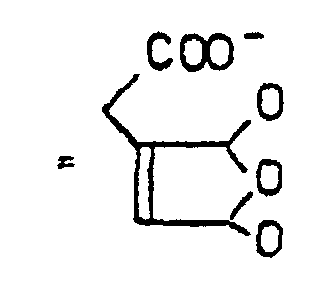
- Aco-HSA, the reaction product of human serum albumin and aconitic anhydride (anhydride of cis- or trans-prop-1-ene-1,2,3-tri-carboxylic acid) which can be used according to the invention, has a theoretical net negative charge of -198 (= -15 + (61 x -2)).
- The negative charge for the very stable reaction product of albumin and propane-1,2,3-tricarboxylic acid anhydride, which is to be preferred, is similar.
- Moreover, the prolongation of the retention time compared with that of HSA, determined under the chromatography conditions described, is 13 minutes for Aco-HSA and 11.5 minutes for Suc-HSA.
- Moreover, the theoretical charge on the proteins/polypeptides is calculated as the average of the charge on all amino acids present in the molecule (about 600 amino acids in the case of serum albumin).
- It is also possible to introduce three or more carboxyl groups per amino group/basic group into the starting materials which can be used according to the present invention. Of course, active materials are then obtained which have an even higher negative charge and a prolongation of the retention time which is even greater than the abovementioned value.
- The modified proteins or polypeptides which contain an additional net negative charge and can be used in the pharmaceutical preparations according to the invention are designated "negatively charged polypeptides" in the remainder of this description. Compounds of this type are generally water-soluble and they can exist in ionic form.
- The negatively charged polypeptides are preferably poly-amino acids and modified plasma proteins, such as albumin and α-acid glycoproteins ("orosomucoid"). Polypeptides having a molecular weight of the order of magnitude of about 70,000 are suitable. However, the molecular weight can also be appreciably higher or lower; the important factor is that a poly-anionic polypeptide structure is present in the molecule.
- It has been found that lysine and histidine are preferred as groups to be derivatised in the negatively charged polypeptides to be used according to the invention. The nitrogen-containing group in lysine is an amino group, whereas the nitrogen-containing group in histidine is regarded as an "other basic functional group". Moreover, for example, polylysine can also be used successfully according to the invention.
- Standard chemicals which are capable of introducing an additional net negative charge into the starting material are used to prepare the derivative. Preferably, however, aldehydes, anhydrides, acid chlorides and iso(thio)cyanates are used. It has been found that reagents of this type yield negatively charged polypeptides which provide a pharmaceutical preparation with an outstanding action against the abovementioned disorders and conditions.
- The following substances may be mentioned as examples of reagents for preparing derivatives of proteins or polypeptides.
- 1. Anhydrides
- 1.1. Straight-chain anhydrides, which are not part of the invention
Give, by reaction with amines in proteins, amide bonds which
are not protonated at a physiological pH.
NH3 + → neutral amide.
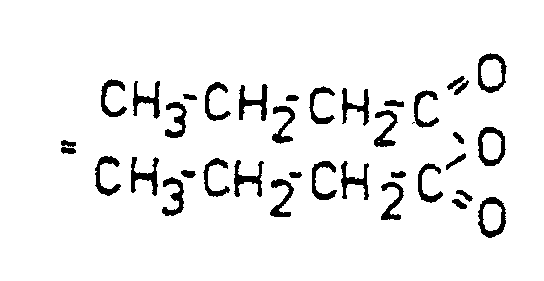
(change in charge of -1). - 1.1.1. Symmetrical anhydrides:
Acetic anhydridePropionic anhydride Butyric anhydride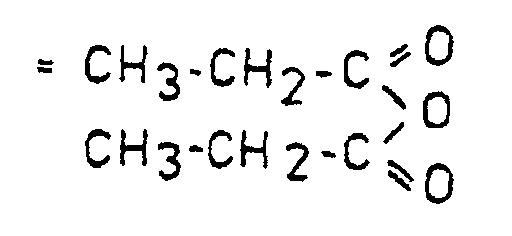
- 1.1.2. Asymmetric anhydrides:
Acetic propionic anhydrideAcetic butyric anhydride

- 1.2.1. Cyclic anhydrides, which are not part of the invention
Give, by reaction with amines in proteins, amide bonds which
are not protonated at a physiological pH and in addition they
introduce a carboxyl group which is deprotonated at a physiological
pH.
NH3 + → neutral amide + negative carboxyl group.
(change in charge of -2)
Succinic anhydrideMaleic anhydride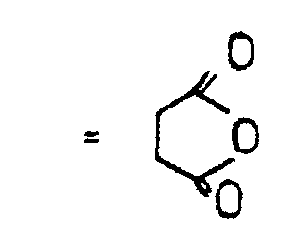 Glutaric anhydride
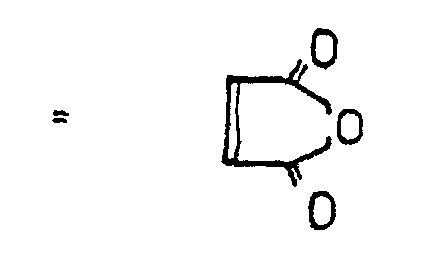 Phthalic anhydride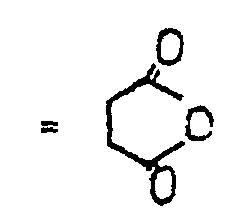

- 1.2.2. Cyclic anhydrides having an additional carboxyl group in the ring. Give, by reaction with amines in proteins, amide bonds which are not protonated at a physiological pH and in addition they introduce two carboxyl groups which are deprotonated at a physiological pH.
- 2. Acid halides (in general acid chlorides), which are not part of the invention
Give, by reaction with amines in proteins, amide bonds which
are not protonated at a physiological pH.
NH3 + → neutral amide.
(change in charge of -1).
Acetyl fluoridAcetyl chloride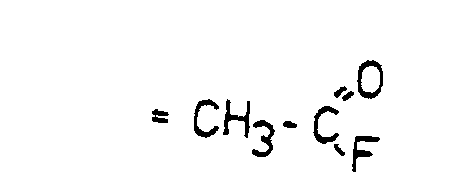 Acetyl bromide
 Propionyl chloride
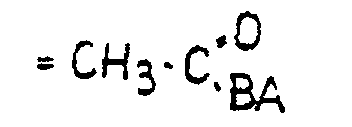 Butyryl chloride
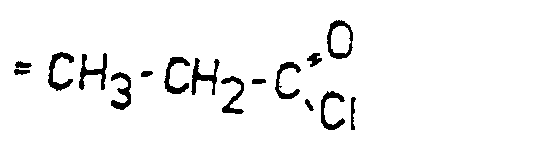 Stearyl chloride
 Phosgene (carbonyl chloride)
 Benzenesulphonyl chloride
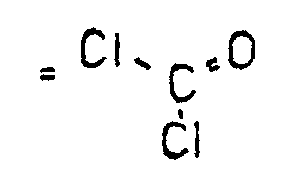 Chlorosulphonic acid
 The last two give a change in charge of -2 because, in addition to the removal of the positive charge from the amino group, a negative charge is introduced on the sulphonyl group.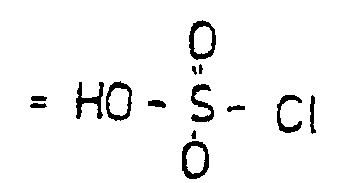
- 3. Aldehydes which are not part of the invention.
Give imines by reaction with amines in proteins.
NH3 + → neutral imine.
(change in charge of -1).
FormaldehydeAcetaldehyde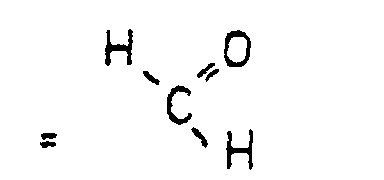 Propionaldehyde
 Butyraldehyde
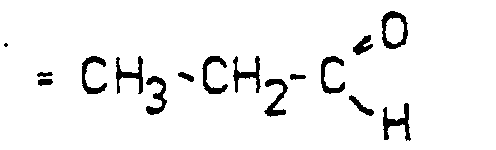 Valeraldehyde
 Caproaldehyde

- 4. Isothiocyanates, which are not part of the invention
Give, by reaction with amines in proteins, thiocarbamyl bonds
which are not protonated at a physiological pH.
NH3 + → neutral thiocarbamyl.
(change in charge of -1).
Benzene isothiocyanateFluorescein isothiocyanate Rhodamine isothiocyanate
 para-Isothiocyanatophenyl sugar derivatives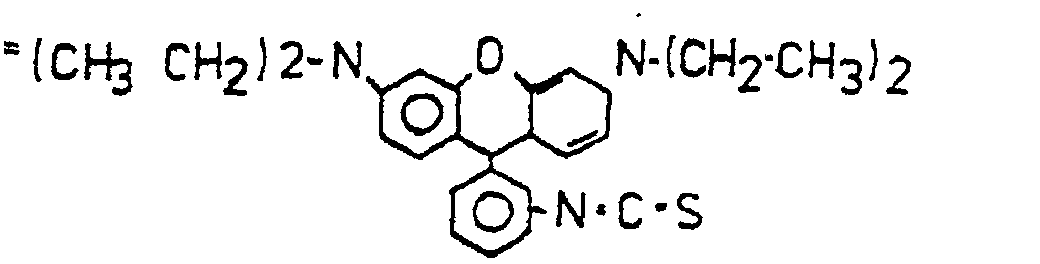

- 5. Isocyanates, which are not part of the invention
Give, by reaction with amines in proteins, urea bonds which
are not protonated at a physiological pH.
NH3 + → neutral urea.
(change in charge of -1).
Benzene isocyanate
-
- The abovementioned reagents for obtaining poly-anionic proteins or polypeptides are far from complete and give only a few examples from the various groups.
- In the case of all reagents, additional anionic functional groups, such as phosphates, sulphates and carboxyl groups, can, where possible, be incorporated in the chain in such a way that additional negative charges are introduced.
- Because the additional net negative charge on the polypeptides which are used according to the invention is very important for the action, the starting protein or starting polypeptide preferably contains as many groups as possible which can be derived and thus acquire an additional negative charge. Preferably, the natural or synthetic oligopeptides, which are used as starting materials, consist to the extent of more than 5%, in particular more than 15% and even more particularly more than 25% of amino acids which contain functional amino groups or other functional basic groups, for example the abovementioned lysine and histidine.
- The preparations according to the invention can be administered enterally or parenterally. Preparations which can be administered parenterally or enterally can also be prepared from preparations according to the invention.
- Medicinal preparations which contain the negatively charged polypeptides according to the invention can be in the form of powders, suspensions, solutions, sprays, emulsions, ointments or creams and can be used for topical application, for intranasal, rectal or vaginal administration, and also for oral or parenteral (intravenous, intradermal, intramuscular, intrathecal, and the like) administration. Such preparations can be prepared by combining the negatively charged polypeptides (for example by mixing, dissolving or the like) with pharmaceutically acceptable excipients of a neutral type, such as aqueous or non-aqueous solvents, stabilisers, emulsifiers, detergents and additives, and also, if desired, with colorants and aroma substances. The concentration of the negatively charged polypeptide in the preparation according to the invention can vary substantially and be between 0.001, preferably 0.1, and 100%, depending on the mode of administration. Furthermore, the dose of the negatively charged polypeptide to be administered can, for example, be between 0.1 mg and 100 mg/kg of body weight.
- The invention also relates to the use of substances which have acquired an additional net negative charge, as defined above, as active substance or as substance contributing to the action, or as carrier for active substance when preparing pharmaceutical preparations which are suitable for treating or curing viral infections and immunodeficiency diseases such as retrovirus infections, including AIDS and AIDS-related diseases, and which can be used to inhibit fusion of infected with non-infected cells.
- The invention also relates to a method for treating diseases or disorders caused by retrovirus infections such as AIDS and AIDS-related diseases, or conditions in which fusion of virus with cells or fusion of virus-infected cells with non-infected cells occurs, with which method an additionally negatively charged protein or polypeptide as defined above is used.
- The invention also relates to a method for the preparation of modified proteins and polypeptides, with which method the amino groups and/or other basic functional groups of the proteins or polypeptides are derivatised with a reagent which prevents protonation of basic amino acids, the proteins or polypeptides acquiring an additional net negative charge such that the prolongation of the retention time of the protein or polypeptide derivative compared with that of the protein or polypeptide not converted to a derivative is at least 9 minutes, the retention time being determined by means of FPLC (Fast Protein Liquid Chromatography) on an anion exchange column.
- The invention also relates to the new modified proteins or polypeptides, comprising a protein or polypeptide in which the amino groups and/or other basic functional groups have been reacted with a reagent which prevents protonation of the basic amino acids and/or other basic groups or replaces said basic amino acids and/or other basic groups by one or more functional groups having a negative charge, the modified protein or polypeptide having an additional net negative charge, compared with the non-modified protein or polypeptide, such that the prolongation of the retention time of the protein or polypeptide derivative, compared with that of the protein or polypeptide not converted to a derivative, is at least 9 minutes, the retention time being determined by means of FPLC on a column containing an anion exchanger.
- According to the invention, it has been found that negatively charged polypeptides are, inter alia, powerful and selective anti-HIV agents which substantially reduce syncytium formation and virus-cell fusion, do not bind to the OKT4A epitope of the CD4 receptor and have only a slight inhibitory action on the interaction of anti-gp120 and mAb gp120 and the binding of virus cells at very low concentrations. The negatively charged polypeptides used or prepared according to the invention have no or only a low toxicity.
- The invention is illustrated with reference to the investigation described below.
- 500 mg of HSA were dissolved in 50 ml of 0.2 M Na2CO3 (pH 10.0), formaldehyde was added to give a final concentration of 20% by weight, based on the starting material, and the solution formed was stirred in the dark for 72 hours at room temperature. In order to remove insoluble material, the solution was filtered through a filter with 0.2 µm openings, purified on a Sephadex G25 column, washed with distilled water on a PM10 membrane in an Amicon "Stirred Cell Concentrator" and finally lyophilised, form-HSA being obtained.
- 500 mg of HSA were dissolved in 50 ml of 0.2 M K2HPO4 (pH 8.0). 500 mg of solid succinic anhydride were added and the solution was stirred until the succinic anhydride had dissolved. The pH was kept between 8.0 and 8.5 using 6 M sodium hydroxide. Purification was carried out as described for form-HSA. Pure suc-HSA was obtained.
- The additional net negative charge of the modified albumin was determined with the aid of a FPLC system (Fast Protein Liquid Chromatography) from Pharmacia, Woerden, the Netherlands, using a mono-Q anion exchange column from Pharmacia. Buffer A was a 0.02 M Tris.HCl buffer (pH 7.4) and buffer B consisted of buffer A plus 1 M NaCl. Elution was carried out at a rate of 0.25 ml/ min, using a gradient of 100% A to 100% B in 30 minutes. The samples of the substance to be investigated were dissolved in an amount of 1 mg/ml in buffer A and in each case 100 µl were injected into the FPLC system.
- MT-4 cells from a T4 lymphocyte cell line carrying HTLV-I were used for the anti-HIV-1 test. The MT-4 cells were cultured in RPMI 1640 medium, supplemented with 10% by volume of heat-inactivated fetal calf serum (FCS) and 20 µg/ml of gentamicin. MOLT-4 cells (clone 8, cf. J.Virol. 57, 1159-1162) were used for the test relating to syncytium formation. The cells were kept in a moist atmosphere of 5% CO2 in air at a temperature of 37°C. Every 3-4 days cells were centrifuged down and transferred to new culture flasks (2 × 10⁵ cells/ml). The cells were analysed periodically for the presence of mycoplasma: they were always found to be free from mycoplasma.
- HIV-1 (strain HTLV-IIIB) was obtained from the culture fluid of HUT-78 cells infected with HIV-1. The virus titre of the culture fluid was determined in MT-4 cells. The virus was stored at -70°C.
- The antiviral activity of the negatively charged polypeptides was determined on the basis of the inhibitory effect on virus-induced cytopathogenicity in MT-4 cells and was recorded with the aid of the 3-(4,5-dimethylthiazol-2-yl)-2,5-diphenyltetrazolium bromide (MTT) method, which is described in J.Virol. Methods 20, 309-321.
- Syncytium formation was determined as follows. The modified polypeptides were diluted in RPMI and transferred to the wells of microtitre plates. 5 × 10⁴ HIV-1-infected HUT-78 cells, which had previously been washed twice in order to remove free virus particles, were then added to the wells, immediately followed by the addition of 5 × 10⁴ MOLT-4 cells, a final volume of 200 µl being obtained. The cell mixtures were cultured at 37°C in a CO2-containing cell incubator. The first syncytia were formed after 4-6 hours. After 24 hours the cells were analysed by microscopic examination and laser flow cytofluorography.
- The assay relating to virus adsorption was carried out as follows.
- MT-4 cells were exposed to HIV-1 virions in the absence or the presence of the negatively charged polypeptides according to the invention. After incubation for 30 minutes at 37°C, the cells were washed in order to remove non-bound virus particles. The cells were then stained for indirect fluorescence using polyclonal antibody for HIV-1, and the HIV-1 particles bound to the cells were analysed by laser flow cytofluorography.
- The CD4 immunofluorescence assay was carried out using the method described in No. 42 Proc.Natl.Acad.Sci. USA 86, 3322-3326. MT-4 cells were incubated for various periods at room temperature in the absence and the presence of a negatively charged polypeptide. The cells were then stained with optimum concentrations of the monoclonal antibodies OKT4A-FITC (orthodiagnostics) or anti-leu3a-PE and "Simultest immuno monitoring" with control material (FITC-labelled IgG1 and PE-labelled IgG2) (Becton Dickinson) for 20 minutes at 4°C, washed once in PBS and fixed in 0.5 ml of 0.5% by weight paraformaldehyde in PBS.
- The investigations described above showed that a clear correlation exists between the antiviral activity and the negative charge. For example, by simple succinylation of the lysine groups of albumin an anionic compound is obtained which has a very low IC50 (1 µg/ml). None of the negatively charged polypeptides tested was found to be cytotoxic at concentrations of up to 1000 µg/ml.
- The Aco-HSA material was prepared analogously to the method described above. The anti-HIV activity of this material is very high: IC50 = 0.0056 µg/ml. This compound is therefore 175 times more active than Suc-HSA and is one of the most active compounds known at present (approximately 25 times more active than AZT).
- The negatively charged polypeptides according to the invention inhibit the virus adsorption to only a slight degree, for example in a concentration of 100 µg/ml. For comparison: dextran sulphate inhibited virus adsorption virtually completely at a concentration of 25 µg/ml.
- The syncytium formation is appreciably reduced by the negatively charged polypeptides according to the invention, for example by 50% at a concentration of only about 2 µg/ml. In order to obtain a similar inhibition with, for example, dextran sulphate, a concentration of 28 µg/ml is needed, which amount is about 50 times higher than the IC50 thereof in the antiviral assay (0.6 µg/ml).
- It is known that OKT4A mAb binds to an epitope of the CD4 molecule, which is responsible for the HIV adsorption and can prevent binding of HIV particles to the cells. Aurintricarboxylic acid (ATA) gives specific interaction with this epitope of the CD4 molecule and was used as positive control. The OKT4A mAb-CD4 interaction was completely inhibited by ATA in a concentration of 25 µg/ml. The negatively charged polypeptides according to the invention (and also dextran sulphate) had no influence on this interaction in concentrations of up to 100 µg/ml, from which it can be concluded that the active substances according to the invention do not bind to this epitope of the CD4 receptor.
- Persistently HIV-1-infected HUT-78 cells and a specific anti-gp120 mAb, which recognises the V3 region of gp120 and which plays an important role in the formation of giant cells, were used in the investigation of the direct interaction of the negatively charged polypeptides with the viral gp120. Dextran sulphate inhibited the binding of anti-gp120 mAb to gp120 in a manner which is dependent on the concentration, the amounts involved being said to be equal to the amounts which have an antiviral action. The negatively charged polypeptides according to the invention also inhibit the anti-gp120-mAb-gp120 interaction in a manner which is dependent on the concentration. However, the concentration which is needed for a 50% inhibition is many times (for example 100 times) greater than the IC50, from which it can be concluded that shielding of gp120 is probably not the only mechanism of action of the compounds according to the invention.
- The mechanism of action of the compounds according to the invention is based on preventing the fusion of the virus with the cells and with a compound from the fusion of infected cells with non-infected cells. Very probably, the interaction of the compounds with viral fusion proteins (such as GP41 in the case of HIV) is essential here. This mechanism of action has never been described before.
- Reference is made to the appended Tables 1, 2, 3 and 4.
- The antiviral activity of two substances according to the invention (Aco-HSA and Suc-HSA) against viruses causing immunodeficiency is compared with the activity of dextran sulphate, another polyanionic antiviral compound. Conclusion: substances according to the invention are active against HIV-1, HIV-2, FIV and SIV.
- The anti-HIV-1 test has already been described above.
- HIV-2 (LAV-2ROD) (obtained from Dr. L. Montagnier, Paris, France) was isolated from the medium supernatant of persistently LAV-2ROD-infected MOLT-4 cells. The anti-HIV-2 test is identical to the anti-HIV-1 test.
- FIV-48 and FIV-113 were isolated from peripheral mononuclear blood cells of seropositive wildcats. The anti-FIV test was carried out using the method of Egberink et al. (Proc.Natl.Acad.Sci. USA (1990) 87: 3087-3091).
- Mitogen-stimulated cat thymocytes were plated out in 1.6 cm2 wells (106 cells per ml) in the presence of various concentrations of the substances to be tested. After incubating for 1 hour at 37°C, FIV was added in an amount which corresponds to 6 × 10⁶ cpm reverse transcriptase (RT) activity. After incubating for 1 hour at 37°C, the medium was replaced by fresh medium containing various concentrations of the substances to be tested. The RT activity in the supernatant was determined after incubating for 4 and 6 days at 37°C (see Table 2).
- The antiviral activity of two substances according to the invention (Aco-HSA and Suc-HSA) against DNA viruses is compared with the activity of dextran sulphate, another polyanionic antiviral compound. Conclusion: the substances according to the invention have no activity against the DNA viruses tested, in contrast to dextran sulphate.
- Anti-CMV test: human embryonic lung (HEL) fibroblasts were cultured in MEM medium to which 10% fetal calf serum, 1% L-glutamine and 0.3% sodium bicarbonate were added. The cells were infected with 100 PFU (plaque forming units) of human cytomegalovirus (CMV, strain AD169 and Davis strain). At the same time, the substances to be tested were added in various concentrations. The virus plaque formation and the cell death caused by the virus were determined as described by Snoeck et al. (1988) 32, 1839-1844 (see Table 2).
- The antiviral activity of two substances according to the invention (Aco-HSA and Suc-HSA) against RNA viruses is compared with the activity of dextran sulphate, another polyanionic antiviral compound. Conclusion: The substances according to the invention have no activity against the RNA viruses tested except for influenza. In contrast, dextran sulphate has an activity only against VSV and Sindbis virus.
- The activity of the substances against polio virus, Coxsackie virus, VSV, Sindbis, Semliki Forest virus, reovirus, para-influenza virus, HSV-1, HSV-2 and VMW was determined in the following way:
- Confluent cell cultures (Vero cells, HeLa cells and primary rabbit kidney cells) were inoculated with the various viruses to 100 times the CCID50 (50% cell culture infective dose) in the presence of various concentrations of the substances to be tested. After 1 hour the medium was replaced by medium in which only the substances to be tested are still present in various concentrations. The cell death caused by the viruses was determined after 1 to 2 days post-infection for VSV; after 2 days for Coxsackie virus, Semlili Forest virus and polio virus; after 2 to 3 days for HSV-1, HSV-2 and Sindbis virus; and after 6 days for para-influenza virus and reo-virus.
- The activity of the substances to be tested against Sendai virus and influenza virus was determined by measuring the fusion of the viral membrane with erythrocyte ghosts and liposomes and with BHK-21 cells or LLC-MK2D cells. The R15-dequenching method as described by Hoekstra et al. (1984), Biochemistry 23, 5675-5681 and Wildschut et al. in Molecular Mechanisms of Membrane Fusion, (S. Ohki, D. Doyle, T.D. Flanagan, S.W. Hui and E. Mayhew, editors) 1988, Plenum Press, New York, pp. 441-450 was used for this purpose.
- To summarise: influenza virus and Sendai virus were labelled with R15. This resulted in a 70% self-quenching of the fluorescence. 35 µl of a concentrated suspension of R15-labelled virus were introduced into a cuvette containing liposomes and erythrocyte ghosts of various cells (in HEPES buffer) and the increase in fluorescence (dequenching) caused by the fusion was measured on-line (excitation 560 nm, emission 590 nm). The same procedure was carried out in the presence of various concentrations of the substances to be tested.
- Other polyanionic antiviral compounds such as dextran sulphate and heparin have a serious anticoagulant activity as a significant negative side effect. The substances according to the invention do not have this side effect. Only Aco-HSA has a slight anticoagulant activity at high concentrations of, for example, 100 µg/ml (that is more than 10,000 × the antiviral concentration).
Inhibitory effect (IC50 µg/ml) of polyanionic compounds on retroviruses HIV-1 HIV-2 FIV SIV Suc-HSA 0.9 78 < 0.1 + Aco-HSA 0.025 5.9 < 0.01 + DS 0.6 0.08 ND ND + = activity determined ND = not determined Inhibitory effect (IC50 µg/ml) of polyanionic compounds on DNA viruses HSV-1 HSV-2 HSV field
TK-VMW CMV Suc-HSA >400 >400 ND ND >400 Aco-HSA >400 >400 >400 >400 >400 DS 0.7 1.0 2.0 2.0 0.2 Inhibitory effect (IC50 µg/ml) of polyanionic compoun on the replication of RNA viruses Virus ACO-HSA DS Coxsackie >400 >400 Polio >400 >400 VSV >400 7.0 Sindbis >400 2.0 Semliki Forest >400 >400 Reo-virus >400 >400 para-influenza >400 >400 influenza 0.8 >400 Sendai >400 >400 Anticoagulant action of the compounds, determined as APTT (sec) Conc.(µg/ml) Dextran sulphate Suc-HSA Aco-HSA Heparin 100 >400 37.7 51.1 >400 50 42.0 30 37.8 20 35.1 10 69.4 33.0 33.0 220 5 49.0 37.2 36.2 140 3 43.6 35.8 35.9 65 1 37.4 36.2 37.0 40.5 0.1 37.6 38.0 37.8 40.3 0.01 38.0 39.0 36.8 38.4 - The compounds were dissolved in PBS of pH 7.2 and 30 µl were added to 270 µl of plasma.
- As control, 30 µl of PBS were added to 270 µl of plasma, which resulted in an APTT value of 38.0 sec.
APTT = activated partial thromboplastin time (seconds)
APTT was determined electromechanically using standard methods.
NH3 + → neutral amide + 2 negative carboxyl groups.
(change in charge of -3).
cis- or trans-aconitic anhydride

Claims (10)
- Modified protein or polypeptide comprising a protein or polypeptide in which the amino groups and/or other basic functional groups have been reacted with a reagent which replaces the amino and/or other basic functional groups by one or more functional groups, wherein:(a) the functional groups are selected from cis-aconitate groups, the cis-aconitate groups being derived from cis-aconitic anhydride,(b) the modified protein or polypeptide has an additional net negative charge such that the prolongation of the retention time of the protein or polypeptide derivative, compared with that of the protein or polypeptide not converted to the derivative, is at least 9 minutes, and(c) the modified protein or polypeptide contains a polyanionic polypeptide structure.
- Modified protein or polypeptide according to claim 1, wherein the modified protein or polypeptide have been obtained from polyamino acids and modified plasma proteins.
- Method for the preparation of modified proteins or polypeptides, wherein the amino groups and/or other basic functional groups of the proteins or polypeptides are derivatised with a reagent which replaces the amino and/or other basic functional groups by one or more functional groups, wherein:(a) the functional groups are selected from cis-aconitate groups,(b) the reagent is cis-aconitic anhydride,(c) the modified protein or polypeptide has an additional net negative charge such that the prolongation of the retention time of the protein or polypeptide derivative, compared with that of the protein or polypeptide not converted to the derivative, is at least 9 minutes, and(d) the proteins or polypeptides acquire a polyanionic polypeptide structure.
- Method according to claim 3, wherein the modified protein or polypeptide have been obtained from polyamino acids and modified plasma proteins.
- Pharmaceutical preparations for treating or curing HIV-infections, which preparations contain modified proteins or polypeptides according to any of claims 1-2.
- Pharmaceutical preparations according to claim 5, wherein the HIV-infection is a HIV-1 infection.
- Pharmaceutical preparations for treating or curing influenza, which preparations contain modified proteins or polypeptides according to any of claims 1 - 2.
- Use of a modified protein or polypeptide according to any of claims 1 - 2 for the preparation of a medicament for the treatment of HIV-infections.
- Use according to claim 8, wherein the HIV-infection is a HIV-1 infection.
- Use of a modified protein or polypeptide according to any of claims 1 - 2 for the preparation of a medicament for the treatment of influenza.
Applications Claiming Priority (3)
| Application Number | Priority Date | Filing Date | Title |
|---|---|---|---|
| NL9100434A NL9100434A (en) | 1991-03-11 | 1991-03-11 | PHARMACEUTICAL PREPARATIONS FOR THE FIGHT AGAINST VIRAL INFECTIONS AND IMMUNE DEFICIENCY DISEASES, PREPARATION AND USE THEREOF. |
| NL9100434 | 1991-03-11 | ||
| PCT/NL1992/000036 WO1992015316A1 (en) | 1991-03-11 | 1992-02-24 | Modified proteins and their use for controlling viral infections |
Publications (2)
| Publication Number | Publication Date |
|---|---|
| EP0575432A1 EP0575432A1 (en) | 1993-12-29 |
| EP0575432B1 true EP0575432B1 (en) | 2004-12-08 |
Family
ID=19859005
Family Applications (1)
| Application Number | Title | Priority Date | Filing Date |
|---|---|---|---|
| EP92906661A Expired - Lifetime EP0575432B1 (en) | 1991-03-11 | 1992-02-24 | Modified proteins and their use for controlling viral infections |
Country Status (9)
| Country | Link |
|---|---|
| EP (1) | EP0575432B1 (en) |
| JP (1) | JP2690813B2 (en) |
| AT (1) | ATE284222T1 (en) |
| AU (1) | AU1566392A (en) |
| DE (1) | DE69233455T2 (en) |
| DK (1) | DK0575432T3 (en) |
| ES (1) | ES2233923T3 (en) |
| NL (1) | NL9100434A (en) |
| WO (1) | WO1992015316A1 (en) |
Families Citing this family (12)
| Publication number | Priority date | Publication date | Assignee | Title |
|---|---|---|---|---|
| US5405832A (en) * | 1991-11-27 | 1995-04-11 | Immtech International Inc. | Method of treating non-streptococcal bacterial infections |
| ATE189394T1 (en) * | 1991-11-27 | 2000-02-15 | Immtech Int Inc | METHOD OF TREATING VIRAL INFECTIONS |
| WO1995005455A1 (en) * | 1993-08-13 | 1995-02-23 | Rijksuniversiteit Te Groningen | Pharmaceutical composition comprising phosphatase or a derivative thereof |
| AUPM623994A0 (en) * | 1994-06-15 | 1994-07-07 | Biomolecular Research Institute Limited | Antiviral dendrimers |
| US5985275A (en) * | 1995-04-12 | 1999-11-16 | New York Blood Center | β-Lactoglobulin modified with aromatic anhydride compound for preventing HIV infection |
| AU1707197A (en) * | 1996-03-20 | 1997-10-10 | New York Blood Center, Inc., The | Methods of treating herpes or chlamydia |
| US5952009A (en) * | 1996-03-20 | 1999-09-14 | New York Blood Center | Methods for preventing the transmission of or treating patients infected with herpesvirus |
| EP1426382A1 (en) * | 2002-12-06 | 2004-06-09 | Aventis Behring GmbH | Antiviral human serum albumin |
| JP4851185B2 (en) * | 2003-05-16 | 2012-01-11 | ジェレックスインターナショナル株式会社 | Allergy symptom suppressant and air filtration filter |
| FR2862134B1 (en) | 2003-11-12 | 2007-07-27 | Sebia Sa | ANALYSIS AND TYPING OF MONOCLONAL PROTEINS BY CAPILLARY ELECTROPHORESIS AND IMMUNODEPLACEMENT |
| CN109675042B (en) * | 2019-02-01 | 2021-03-23 | 山西锦波生物医药股份有限公司 | Compositions, methods and uses for the treatment and/or prevention of influenza |
| RU2716003C1 (en) * | 2019-09-09 | 2020-03-05 | Федеральное государственное бюджетное научное учреждение "Научно-исследовательский институт вакцин и сывороток им. И.И. Мечникова" (ФГБНУ НИИВС им. И.И. Мечникова) | Use of serum albumin as an antimicrobial agent |
Family Cites Families (2)
| Publication number | Priority date | Publication date | Assignee | Title |
|---|---|---|---|---|
| JP2696379B2 (en) * | 1989-01-09 | 1998-01-14 | 明治乳業株式会社 | Anti-HIV agent |
| DE68912582T2 (en) * | 1989-01-09 | 1994-08-11 | Meiji Milk Prod Co Ltd | ANTI-HIV MEDIUM. |
-
1991
- 1991-03-11 NL NL9100434A patent/NL9100434A/en not_active Application Discontinuation
-
1992
- 1992-02-24 JP JP4506421A patent/JP2690813B2/en not_active Expired - Fee Related
- 1992-02-24 ES ES92906661T patent/ES2233923T3/en not_active Expired - Lifetime
- 1992-02-24 AT AT92906661T patent/ATE284222T1/en not_active IP Right Cessation
- 1992-02-24 WO PCT/NL1992/000036 patent/WO1992015316A1/en not_active Ceased
- 1992-02-24 EP EP92906661A patent/EP0575432B1/en not_active Expired - Lifetime
- 1992-02-24 DE DE69233455T patent/DE69233455T2/en not_active Expired - Fee Related
- 1992-02-24 DK DK92906661T patent/DK0575432T3/en active
- 1992-02-24 AU AU15663/92A patent/AU1566392A/en not_active Abandoned
Also Published As
| Publication number | Publication date |
|---|---|
| ES2233923T3 (en) | 2005-06-16 |
| JPH06505264A (en) | 1994-06-16 |
| EP0575432A1 (en) | 1993-12-29 |
| AU1566392A (en) | 1992-10-06 |
| WO1992015316A1 (en) | 1992-09-17 |
| DE69233455D1 (en) | 2005-01-13 |
| HK1010684A1 (en) | 1999-06-25 |
| DK0575432T3 (en) | 2005-04-04 |
| JP2690813B2 (en) | 1997-12-17 |
| NL9100434A (en) | 1992-10-01 |
| DE69233455T2 (en) | 2005-12-22 |
| ATE284222T1 (en) | 2004-12-15 |
Similar Documents
| Publication | Publication Date | Title |
|---|---|---|
| Balzarini et al. | Alpha-(1-3)-and alpha-(1-6)-D-mannose-specific plant lectins are markedly inhibitory to human immunodeficiency virus and cytomegalovirus infections in vitro | |
| Robinson Jr et al. | Human monoclonal antibodies to the human immunodeficiency virus type 1 (HIV-1) transmembrane glycoprotein gp41 enhance HIV-1 infection in vitro. | |
| De Clercq et al. | Potent and selective inhibition of human immunodeficiency virus (HIV)-1 and HIV-2 replication by a class of bicyclams interacting with a viral uncoating event. | |
| Montefiori et al. | Selective antiviral activity of synthetic soluble L-tyrosine and L-dopa melanins against human immunodeficiency virus in vitro | |
| Jansen et al. | Novel, negatively charged, human serum albumins display potent and selective in vitro anti-human immunodeficiency virus type 1 activity. | |
| Callahan et al. | Dextran sulfate blocks antibody binding to the principal neutralizing domain of human immunodeficiency virus type 1 without interfering with gp120-CD4 interactions | |
| US5591829A (en) | Antibodies modified with toxic substance | |
| US5230998A (en) | Method for the prescreening of drugs targeted to the V3 hypervariable loop of the HIV-1 envelope glycoprotein gp 120 | |
| Montefiori et al. | Antibody-dependent enhancement of simian immunodeficiency virus (SIV) infection in vitro by plasma from SIV-infected rhesus macaques | |
| JPH02504583A (en) | HIV-3 retrovirus and its uses | |
| JP2009159988A (en) | Vectors derived from antibodies for intracellular transport of substances | |
| US5869457A (en) | Modified proteins and their use for controlling viral infections | |
| KR20020025970A (en) | Peptides that block viral infectivity and methods of use thereof | |
| WO1992015316A1 (en) | Modified proteins and their use for controlling viral infections | |
| Baba et al. | Fuchsin acid selectively inhibits human immunodeficiency virus (HIV) replication invitro | |
| Ding et al. | Anti-human immunodeficiency virus effects of cationic metalloporphyrin-ellipticine complexes | |
| Owens et al. | Oligopeptide inhibitors of HIV-induced syncytium formation | |
| Nakashima et al. | Tetrazolium-based plaque assay for HIV-1 and HIV-2, and its use in the evaluation of antiviral compounds | |
| Laurent et al. | Cell surface expression of several species of human immunodeficiency virus type 1 major core protein | |
| JP3120989B2 (en) | Sulfated vinyl polymer compositions for treating retroviral infections | |
| Nakai et al. | Ultrastructure and morphogenesis of human immunodeficiency virus | |
| KR0128098B1 (en) | Anti-HIV | |
| Albright et al. | Interactions between HIV-1 gp120, chemokines, and cultured adult microglial cells | |
| Pincus et al. | Variants selected by treatment of human immunodeficiency virus-infected cells with an immunotoxin. | |
| Montefiori et al. | Infection of the HTLV-II-bearing T-cell line C3 with HTLV-III/LAV is highly permissive and lytic |
Legal Events
| Date | Code | Title | Description |
|---|---|---|---|
| PUAI | Public reference made under article 153(3) epc to a published international application that has entered the european phase |
Free format text: ORIGINAL CODE: 0009012 |
|
| 17P | Request for examination filed |
Effective date: 19930910 |
|
| AK | Designated contracting states |
Kind code of ref document: A1 Designated state(s): AT BE CH DE DK ES FR GB GR IT LI LU NL SE |
|
| 17Q | First examination report despatched |
Effective date: 19931222 |
|
| GRAP | Despatch of communication of intention to grant a patent |
Free format text: ORIGINAL CODE: EPIDOSNIGR1 |
|
| RIC1 | Information provided on ipc code assigned before grant |
Ipc: 7A 61P 31/14 B Ipc: 7A 61K 38/00 A |
|
| RIC1 | Information provided on ipc code assigned before grant |
Ipc: 7A 61P 31/14 B Ipc: 7A 61K 38/00 A |
|
| GRAS | Grant fee paid |
Free format text: ORIGINAL CODE: EPIDOSNIGR3 |
|
| GRAA | (expected) grant |
Free format text: ORIGINAL CODE: 0009210 |
|
| AK | Designated contracting states |
Kind code of ref document: B1 Designated state(s): AT BE CH DE DK ES FR GB GR IT LI LU NL SE |
|
| REG | Reference to a national code |
Ref country code: GB Ref legal event code: FG4D |
|
| REG | Reference to a national code |
Ref country code: CH Ref legal event code: EP |
|
| REF | Corresponds to: |
Ref document number: 69233455 Country of ref document: DE Date of ref document: 20050113 Kind code of ref document: P |
|
| PGFP | Annual fee paid to national office [announced via postgrant information from national office to epo] |
Ref country code: DE Payment date: 20050221 Year of fee payment: 14 Ref country code: CH Payment date: 20050221 Year of fee payment: 14 Ref country code: SE Payment date: 20050221 Year of fee payment: 14 Ref country code: LU Payment date: 20050221 Year of fee payment: 14 Ref country code: GB Payment date: 20050221 Year of fee payment: 14 Ref country code: FR Payment date: 20050221 Year of fee payment: 14 Ref country code: DK Payment date: 20050221 Year of fee payment: 14 Ref country code: BE Payment date: 20050221 Year of fee payment: 14 |
|
| PGFP | Annual fee paid to national office [announced via postgrant information from national office to epo] |
Ref country code: AT Payment date: 20050222 Year of fee payment: 14 |
|
| PGFP | Annual fee paid to national office [announced via postgrant information from national office to epo] |
Ref country code: GR Payment date: 20050225 Year of fee payment: 14 Ref country code: ES Payment date: 20050225 Year of fee payment: 14 |
|
| PGFP | Annual fee paid to national office [announced via postgrant information from national office to epo] |
Ref country code: NL Payment date: 20050228 Year of fee payment: 14 |
|
| REG | Reference to a national code |
Ref country code: SE Ref legal event code: TRGR |
|
| REG | Reference to a national code |
Ref country code: CH Ref legal event code: NV Representative=s name: A. BRAUN, BRAUN, HERITIER, ESCHMANN AG PATENTANWAE |
|
| REG | Reference to a national code |
Ref country code: DK Ref legal event code: T3 |
|
| REG | Reference to a national code |
Ref country code: GR Ref legal event code: EP Ref document number: 20050400812 Country of ref document: GR |
|
| REG | Reference to a national code |
Ref country code: HK Ref legal event code: GR Ref document number: 1010684 Country of ref document: HK |
|
| REG | Reference to a national code |
Ref country code: ES Ref legal event code: FG2A Ref document number: 2233923 Country of ref document: ES Kind code of ref document: T3 |
|
| PLBE | No opposition filed within time limit |
Free format text: ORIGINAL CODE: 0009261 |
|
| 26N | No opposition filed |
Effective date: 20050909 |
|
| ET | Fr: translation filed | ||
| PG25 | Lapsed in a contracting state [announced via postgrant information from national office to epo] |
Ref country code: GB Free format text: LAPSE BECAUSE OF NON-PAYMENT OF DUE FEES Effective date: 20060224 Ref country code: AT Free format text: LAPSE BECAUSE OF NON-PAYMENT OF DUE FEES Effective date: 20060224 |
|
| PG25 | Lapsed in a contracting state [announced via postgrant information from national office to epo] |
Ref country code: SE Free format text: LAPSE BECAUSE OF NON-PAYMENT OF DUE FEES Effective date: 20060225 Ref country code: ES Free format text: LAPSE BECAUSE OF NON-PAYMENT OF DUE FEES Effective date: 20060225 |
|
| PG25 | Lapsed in a contracting state [announced via postgrant information from national office to epo] |
Ref country code: LU Free format text: LAPSE BECAUSE OF NON-PAYMENT OF DUE FEES Effective date: 20060228 Ref country code: LI Free format text: LAPSE BECAUSE OF NON-PAYMENT OF DUE FEES Effective date: 20060228 Ref country code: DK Free format text: LAPSE BECAUSE OF NON-PAYMENT OF DUE FEES Effective date: 20060228 Ref country code: CH Free format text: LAPSE BECAUSE OF NON-PAYMENT OF DUE FEES Effective date: 20060228 Ref country code: BE Free format text: LAPSE BECAUSE OF NON-PAYMENT OF DUE FEES Effective date: 20060228 |
|
| PGFP | Annual fee paid to national office [announced via postgrant information from national office to epo] |
Ref country code: IT Payment date: 20060228 Year of fee payment: 15 |
|
| PG25 | Lapsed in a contracting state [announced via postgrant information from national office to epo] |
Ref country code: NL Free format text: LAPSE BECAUSE OF NON-PAYMENT OF DUE FEES Effective date: 20060901 Ref country code: DE Free format text: LAPSE BECAUSE OF NON-PAYMENT OF DUE FEES Effective date: 20060901 |
|
| REG | Reference to a national code |
Ref country code: DK Ref legal event code: EBP |
|
| REG | Reference to a national code |
Ref country code: CH Ref legal event code: PL |
|
| EUG | Se: european patent has lapsed | ||
| GBPC | Gb: european patent ceased through non-payment of renewal fee |
Effective date: 20060224 |
|
| NLV4 | Nl: lapsed or anulled due to non-payment of the annual fee |
Effective date: 20060901 |
|
| REG | Reference to a national code |
Ref country code: FR Ref legal event code: ST Effective date: 20061031 |
|
| REG | Reference to a national code |
Ref country code: ES Ref legal event code: FD2A Effective date: 20060225 |
|
| BERE | Be: lapsed |
Owner name: *RIJKSUNIVERSITEIT TE GRONINGEN Effective date: 20060228 |
|
| PG25 | Lapsed in a contracting state [announced via postgrant information from national office to epo] |
Ref country code: FR Free format text: LAPSE BECAUSE OF NON-PAYMENT OF DUE FEES Effective date: 20060228 |
|
| PG25 | Lapsed in a contracting state [announced via postgrant information from national office to epo] |
Ref country code: GR Free format text: LAPSE BECAUSE OF NON-PAYMENT OF DUE FEES Effective date: 20060904 |
|
| PG25 | Lapsed in a contracting state [announced via postgrant information from national office to epo] |
Ref country code: IT Free format text: LAPSE BECAUSE OF NON-PAYMENT OF DUE FEES Effective date: 20070224 |