EP0552202B1 - Methods mediated by the proto-oncogenic protein complex AP-1 - Google Patents
Methods mediated by the proto-oncogenic protein complex AP-1 Download PDFInfo
- Publication number
- EP0552202B1 EP0552202B1 EP91917435A EP91917435A EP0552202B1 EP 0552202 B1 EP0552202 B1 EP 0552202B1 EP 91917435 A EP91917435 A EP 91917435A EP 91917435 A EP91917435 A EP 91917435A EP 0552202 B1 EP0552202 B1 EP 0552202B1
- Authority
- EP
- European Patent Office
- Prior art keywords
- receptor
- steroid hormone
- responsive
- gene
- compound
- Prior art date
- Legal status (The legal status is an assumption and is not a legal conclusion. Google has not performed a legal analysis and makes no representation as to the accuracy of the status listed.)
- Expired - Lifetime
Links
Images






Classifications
-
- G—PHYSICS
- G01—MEASURING; TESTING
- G01N—INVESTIGATING OR ANALYSING MATERIALS BY DETERMINING THEIR CHEMICAL OR PHYSICAL PROPERTIES
- G01N33/00—Investigating or analysing materials by specific methods not covered by groups G01N1/00 - G01N31/00
- G01N33/48—Biological material, e.g. blood, urine; Haemocytometers
- G01N33/50—Chemical analysis of biological material, e.g. blood, urine; Testing involving biospecific ligand binding methods; Immunological testing
- G01N33/5005—Chemical analysis of biological material, e.g. blood, urine; Testing involving biospecific ligand binding methods; Immunological testing involving human or animal cells
- G01N33/5008—Chemical analysis of biological material, e.g. blood, urine; Testing involving biospecific ligand binding methods; Immunological testing involving human or animal cells for testing or evaluating the effect of chemical or biological compounds, e.g. drugs, cosmetics
-
- C—CHEMISTRY; METALLURGY
- C12—BIOCHEMISTRY; BEER; SPIRITS; WINE; VINEGAR; MICROBIOLOGY; ENZYMOLOGY; MUTATION OR GENETIC ENGINEERING
- C12Q—MEASURING OR TESTING PROCESSES INVOLVING ENZYMES, NUCLEIC ACIDS OR MICROORGANISMS; COMPOSITIONS OR TEST PAPERS THEREFOR; PROCESSES OF PREPARING SUCH COMPOSITIONS; CONDITION-RESPONSIVE CONTROL IN MICROBIOLOGICAL OR ENZYMOLOGICAL PROCESSES
- C12Q1/00—Measuring or testing processes involving enzymes, nucleic acids or microorganisms; Compositions therefor; Processes of preparing such compositions
- C12Q1/68—Measuring or testing processes involving enzymes, nucleic acids or microorganisms; Compositions therefor; Processes of preparing such compositions involving nucleic acids
- C12Q1/6897—Measuring or testing processes involving enzymes, nucleic acids or microorganisms; Compositions therefor; Processes of preparing such compositions involving nucleic acids involving reporter genes operably linked to promoters
-
- G—PHYSICS
- G01—MEASURING; TESTING
- G01N—INVESTIGATING OR ANALYSING MATERIALS BY DETERMINING THEIR CHEMICAL OR PHYSICAL PROPERTIES
- G01N33/00—Investigating or analysing materials by specific methods not covered by groups G01N1/00 - G01N31/00
- G01N33/48—Biological material, e.g. blood, urine; Haemocytometers
- G01N33/50—Chemical analysis of biological material, e.g. blood, urine; Testing involving biospecific ligand binding methods; Immunological testing
- G01N33/5005—Chemical analysis of biological material, e.g. blood, urine; Testing involving biospecific ligand binding methods; Immunological testing involving human or animal cells
- G01N33/5008—Chemical analysis of biological material, e.g. blood, urine; Testing involving biospecific ligand binding methods; Immunological testing involving human or animal cells for testing or evaluating the effect of chemical or biological compounds, e.g. drugs, cosmetics
- G01N33/502—Chemical analysis of biological material, e.g. blood, urine; Testing involving biospecific ligand binding methods; Immunological testing involving human or animal cells for testing or evaluating the effect of chemical or biological compounds, e.g. drugs, cosmetics for testing non-proliferative effects
-
- G—PHYSICS
- G01—MEASURING; TESTING
- G01N—INVESTIGATING OR ANALYSING MATERIALS BY DETERMINING THEIR CHEMICAL OR PHYSICAL PROPERTIES
- G01N33/00—Investigating or analysing materials by specific methods not covered by groups G01N1/00 - G01N31/00
- G01N33/48—Biological material, e.g. blood, urine; Haemocytometers
- G01N33/50—Chemical analysis of biological material, e.g. blood, urine; Testing involving biospecific ligand binding methods; Immunological testing
- G01N33/53—Immunoassay; Biospecific binding assay; Materials therefor
- G01N33/566—Immunoassay; Biospecific binding assay; Materials therefor using specific carrier or receptor proteins as ligand binding reagents where possible specific carrier or receptor proteins are classified with their target compounds
-
- G—PHYSICS
- G01—MEASURING; TESTING
- G01N—INVESTIGATING OR ANALYSING MATERIALS BY DETERMINING THEIR CHEMICAL OR PHYSICAL PROPERTIES
- G01N33/00—Investigating or analysing materials by specific methods not covered by groups G01N1/00 - G01N31/00
- G01N33/48—Biological material, e.g. blood, urine; Haemocytometers
- G01N33/50—Chemical analysis of biological material, e.g. blood, urine; Testing involving biospecific ligand binding methods; Immunological testing
- G01N33/53—Immunoassay; Biospecific binding assay; Materials therefor
- G01N33/575—Immunoassay; Biospecific binding assay; Materials therefor for cancer
- G01N33/57575—Immunoassay; Biospecific binding assay; Materials therefor for cancer involving oncogenic proteins
-
- G—PHYSICS
- G01—MEASURING; TESTING
- G01N—INVESTIGATING OR ANALYSING MATERIALS BY DETERMINING THEIR CHEMICAL OR PHYSICAL PROPERTIES
- G01N33/00—Investigating or analysing materials by specific methods not covered by groups G01N1/00 - G01N31/00
- G01N33/48—Biological material, e.g. blood, urine; Haemocytometers
- G01N33/50—Chemical analysis of biological material, e.g. blood, urine; Testing involving biospecific ligand binding methods; Immunological testing
- G01N33/68—Chemical analysis of biological material, e.g. blood, urine; Testing involving biospecific ligand binding methods; Immunological testing involving proteins, peptides or amino acids
-
- G—PHYSICS
- G01—MEASURING; TESTING
- G01N—INVESTIGATING OR ANALYSING MATERIALS BY DETERMINING THEIR CHEMICAL OR PHYSICAL PROPERTIES
- G01N33/00—Investigating or analysing materials by specific methods not covered by groups G01N1/00 - G01N31/00
- G01N33/48—Biological material, e.g. blood, urine; Haemocytometers
- G01N33/50—Chemical analysis of biological material, e.g. blood, urine; Testing involving biospecific ligand binding methods; Immunological testing
- G01N33/68—Chemical analysis of biological material, e.g. blood, urine; Testing involving biospecific ligand binding methods; Immunological testing involving proteins, peptides or amino acids
- G01N33/6872—Intracellular protein regulatory factors and their receptors, e.g. including ion channels
-
- G—PHYSICS
- G01—MEASURING; TESTING
- G01N—INVESTIGATING OR ANALYSING MATERIALS BY DETERMINING THEIR CHEMICAL OR PHYSICAL PROPERTIES
- G01N33/00—Investigating or analysing materials by specific methods not covered by groups G01N1/00 - G01N31/00
- G01N33/48—Biological material, e.g. blood, urine; Haemocytometers
- G01N33/50—Chemical analysis of biological material, e.g. blood, urine; Testing involving biospecific ligand binding methods; Immunological testing
- G01N33/68—Chemical analysis of biological material, e.g. blood, urine; Testing involving biospecific ligand binding methods; Immunological testing involving proteins, peptides or amino acids
- G01N33/6875—Nucleoproteins
-
- G—PHYSICS
- G01—MEASURING; TESTING
- G01N—INVESTIGATING OR ANALYSING MATERIALS BY DETERMINING THEIR CHEMICAL OR PHYSICAL PROPERTIES
- G01N33/00—Investigating or analysing materials by specific methods not covered by groups G01N1/00 - G01N31/00
- G01N33/48—Biological material, e.g. blood, urine; Haemocytometers
- G01N33/50—Chemical analysis of biological material, e.g. blood, urine; Testing involving biospecific ligand binding methods; Immunological testing
- G01N33/74—Chemical analysis of biological material, e.g. blood, urine; Testing involving biospecific ligand binding methods; Immunological testing involving hormones or other non-cytokine intercellular protein regulatory factors such as growth factors, including receptors to hormones and growth factors
- G01N33/743—Steroid hormones
-
- G—PHYSICS
- G01—MEASURING; TESTING
- G01N—INVESTIGATING OR ANALYSING MATERIALS BY DETERMINING THEIR CHEMICAL OR PHYSICAL PROPERTIES
- G01N2500/00—Screening for compounds of potential therapeutic value
Definitions
- This invention relates to steroid hormones, steroid hormone-like compounds, steroid hormone receptors, steroid hormone-like receptors, and related species. In a particular aspect, this invention relates to processes mediated by steroids and related hormones. In a further aspect, this invention relates to processes mediated by the proto-oncogenic protein complex, AP-1.
- hormones play an important role in regulating development, differentiation and homeostasis.
- the hormones exert their regulatory effects by binding to a superfamily of intracellular receptors, which are direct modulators of gene transcription. Mutational analyses of hormone receptors have identified functional domains responsible for transcriptional activation, nuclear localization, DNA binding, and hormone binding.
- Hormone receptors can act to both activate transcription, and to repress expression of a variety of genes. It has been postulated that such repression is mediated by binding of the hormone receptor to DNA regulatory sequences, termed negative hormone response elements, thereby displacing transcriptional activators.
- the AP-1 protein complex is a member of a class of nuclear proteins encoded by proto-oncogenes that have been implicated in diverse aspects of cell growth, differentiation, and development.
- the AP-1 binding site is recognized by c-Jun homodimers and c-Jun/c-Fos heterodimers. Binding of c-Fos to the AP-1 site is dependent on the formation of heterodimers with c-Jun. Homodimer and heterodimer formation is mediated through non-covalent interactions facilitated by a structure termed the leucine zipper. In addition to imparting positive regulatory effects on several pathways, the AP-1 complex has also been shown to confer negative regulation on several genes.
- hormone receptors and transcription factor can reciprocally repress each other's transcriptional activation activity.
- hormone receptors and transcription factor AP-1
- the present invention therefore, provides means to control the transcription activation of hormone-responsive gene products, and/or AP-1 responsive gene products.
- the present invention provides means to screen for compounds that inhibit cell growth, but which do not promote differentiation of said cells.
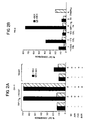
- Figure 1 shows the repression of glucocorticoid-mediated induction of transcription by the transcription factor c-Jun.
- Figure 2 shows the repression of the collagenase promoter by the glucocorticoid receptor.
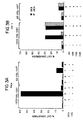
- Figure 3 shows the repression of an AP-1-induced collagenase promoter-CAT reporter by the glucocorticoid receptor.
- Figure 4 summarizes the results of a deletion study to determine domains of the glucocorticoid receptor which repress AP-1 induced expression and induce glucocorticoid-mediated transcription.
- Figure 5 presents a deletion analysis of the c-Jun gene, with an indication of the ability of the various deletion mutants to repress glucocorticoid-mediated transcription activation.
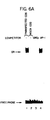
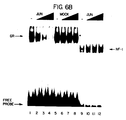
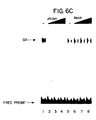
- Figure 6 presents gel retardation assays performed to investigate the ability of c-Jun to repress the binding of the glucocorticoid receptor to a glucocorticoid response element.
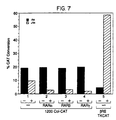
- Figure 7 shows the repression of RAR-mediated repression of collagenase promoter activity.
- Figure 8 shows the repression of the collagenase promoter by the retinoic acid receptor-alpha.
- Figure 9 summarizes the results of a deletion study to determine domains of the retinoic acid receptor which repress AP-1 induced expression by the collagenase promoter.
- Figure 10 presents gel retardation assays performed to determine the ability of RAR to repress the binding of c-Jun to an AP-1 binding site.
- Figure 11 presents gel retardation assays performed to investigate the ability of RAR to repress the binding of AP-1 to an AP-1 binding site.
- a method for identifying compound(s) useful for treating abnormal cells comprising selecting a compound which displays both:
- a method for identifying compound(s) which disrupt the AP-1 response pathway, but which exert substantially no effect on steroid hormone or steroid hormone-like responsive pathways comprising:
- the expression systems employed in this embodiment of the present invention be responsive to steroid hormone or steroid hormone-like compounds, while at the same time being substantially non-responsive to the presence of c-Jun, c-Fos, or AP-1.
- an in vitro method to repress, in an expression system, transcription activation of steroid hormone-responsive or steroid hormone-like-responsive gene(s) by steroid hormone or steroid hormone-like compound(s), or analogs thereof comprising: administering to said system a peptide comprising the leucine zipper region of c-Jun, or a functional analog thereof, in an amount effective to repress expression of said steroid hormone-responsive or steroid hormone-like-responsive gene(s).
- the expression systems employed in this embodiment of the present invention are desirable for the expression systems employed in this embodiment of the present invention to be responsive to steroid hormone or steroid hormone-like compounds, while being substantially non-responsive to the presence of c-Jun, c-Fos, or AP-1.
- an in vitro method to repress, in an expression system, transcription activation of AP-1-responsive gene(s) by AP-1, or analogs thereof comprising: administering to said system a composition comprising:
- the expression systems employed in this embodiment of the present invention be responsive to c-Jun, c-Fos, or AP-1, while being substantially non-responsive to the presence of steroid hormone or steroid hormone-like compounds.
- an in vitro method to overcome, in the presence of a steroid hormone or steroid hormone-like compound, or analog thereof, the repression of expression of gene product(s) from genes subject to negative regulation by steroid hormone receptors, steroid hormone-like receptors or analogs thereof comprising: exposing said system to compound(s) and/or condition(s) which induce AP-1 expression, in an amount effective to suppress the repression of expression of said gene product(s).
- an in vitro method to overcome the inhibition of proliferation and function of lymphoid cells by a steroid hormone, steroid hormone-like compound, or analog thereof, in the presence of a steroid hormone receptor or steroid hormone-like receptor, or analog thereof comprising: exposing said system to compound(s) and/or condition(s) which induce AP-1 expression, effective to suppress the inhibition of proliferation and function of said lymphoid cells.
- a compound which forms a first complex with a steroid hormone or steroid hormone-like receptor; wherein said first complex, in the presence of AP-1, disrupts the function of AP-1; and wherein said first complex is substantially unable to promote transcriptional activation of steroid hormone or steroid hormone-like responsive genes.
- Hormone-mediated transcription activation has been elucidated for many hormones; and for some hormones, this mode of activation can effect many different genes. It is sometimes desirable to modulate this transcription activation. In accordance with the present invention, this can be accomplished by either exposing the system to compound(s) and/or condition(s) which induce AP-1 expression, or by administering to the system a peptide comprising the leucine zipper region of c-Jun, or analogs thereof, in an amount effective to repress expression of the hormone responsive gene product.
- Compounds which are capable of inducing the expression of AP-1 include compounds which induce tumor formation (e.g., phorbol esters), growth factors (e.g., EGF, FGF, CSF), cytokines (e.g., IL-1, IL-2), neuropeptides (e.g., somatostatin), neurotransmitters (e.g., acetylcholine), protein kinase c (and compounds capable of inducing protein kinase c, e.g., EGF, insulin, platelet-derived growth factor, alpha-1 andronergic agents, IL-1, IL-2, and the like), and the like.
- tumor formation e.g., phorbol esters
- growth factors e.g., EGF, FGF, CSF
- cytokines e.g., IL-1, IL-2
- neuropeptides e.g., somatostatin
- neurotransmitters e.g., ace
- Conditions which are capable of inducing the expression of AP-1 include exposure of the system to ultraviolet irradiation, gamma irradiation, heat shock, stress, and the like.
- the invention process can be accomplished by administering effective amounts of the c-Jun leucine zipper region to the system.
- Administration of a peptide comprising this component can be accomplished in a variety or ways, e.g., by direct introduction of purified or semi-purified peptide composition containing the desired component; by inducing expression of a gene construct encoding the leucine zipper region; and the like.
- the leucine zipper region is a fragment of at least 29 amino acids, which orient themselves in an alpha-helix, wherein each seventh amino acid of the amino acid chain is a leucine, so that the leucine residues of one alpha-helix can interdigitate with the leucine residues of a second alpha-helix, e.g., another c-Jun moiety, (thereby producing homodimer), a c-Fos moiety (thereby producing heterodimer), and the like.
- the molar ratio of protein comprising the c-Jun leucine zipper region, relative to the molar amount of steroid hormone receptor present in the expression system can vary widely. Broadly, ratios in the range of about 0.5 up to 100:1 are useful. Preferably, ratios of AP-1 component (or derivatives thereof) to steroid hormone receptor will fall in the range of about 1 up to 20:1; with molar ratios in the range of about 5 up to 15:1 being the presently most preferred ratio.
- Steroid hormone or steroid hormone-like responsive genes contemplated for use in this embodiment of the present invention include glucocorticoid-responsive gene(s), retinoic acid-responsive gene(s), vitamin D3-responsive gene(s), thyroid hormone responsive gene(s), mineralocorticoid-responsive gene(s), estrogen-responsive gene(s), estrogen-related hormone-responsive gene(s), androgen-responsive gene(s), progesterone-responsive gene(s), retinoid-responsive gene(s), arylhydrocarbon-responsive gene(s), and the like.
- Compounds identified employing the invention method can be employed to treat a subject displaying a disease state.
- Disease states which are amenable to such treatment include anorexia nervosa, alcoholism, severe depression, chronic stress syndrome (which diseases are associated with suppression of the immune system caused by abnormally high levels of glucocorticoids), and the like.
- Hormones are also known to exert negative regulation on certain processes. It is sometimes desirable to modulate this negative regulation. In accordance with the present invention, this can be accomplished by either exposing the system to compound(s) and/or condition(s) which induce AP-1 expression, or by administering to said system a peptide comprising the leucine zipper region of c-Jun, or analogs thereof, in an amount effective to suppress the hormone-mediated repression of expression of gene products.
- Genes subject to negative regulation by steroid hormones or steroid hormone-like compounds include the pro-opiomelanocortin gene, the prolactin gene, the proliferin gene, the chorionic gonadotropin alpha-subunit gene, the phosphoenolpyruvate carboxykinase gene, and/or the collagenase gene.
- AP-1-mediated transcription activation has also been elucidated for numerous gene products. It is sometimes desirable to modulate this transcription activation. In accordance with the present invention, this can be accomplished by administering to the AP-1-responsive system a composition comprising:
- composition employed in this embodiment of the present invention can be administered as a single protein containing both the ligand-binding domain and the DNA binding domain, or as two separate proteins, each providing one of the desired functions. It is presently preferred, for ease of handling, that the two desired functions be provided as part of a single protein.
- composition employed in this embodiment of the invention can be introduced into the system to be modulated in a variety of ways.
- purified or semi-purified protein(s) can be administered directly to the system.
- expression vector(s) encoding the desired protein(s) can be induced to express such products.
- the molar ratio of composition comprising the ligand binding domain and DNA binding domain, relative to AP-1 present in the expression system can vary widely. Broadly, ratios in the range of about 0.5 up to 100:1 are useful. Preferably, ratios of composition to AP-1 will fall in the range of about 1 up to 20:1; with molar ratios in the range of about 5 up to 15:1 being the presently most preferred.
- composition of the invention can be employed in a variety of ways, e.g., for treating disease states which are stimulated by AP-1.
- disease states include tumor formation (e.g., formation of lymphomas), arthritis, asthma, allergies, rashes, and the like.
- Hormone receptors contemplated for use in the practice of the present invention include the intracellular steroid receptors, such as, for example, glucocorticoid receptor(s), retinoic acid receptor(s), vitamin D3 receptor(s), thyroid receptor(s), mineralocorticoid receptor(s), estrogen receptor(s), estrogen-related receptor(s), retinoid receptor(s), androgen receptor(s), progesterone receptor(s), arylhydrocarbon receptor(s) and the like.
- glucocorticoid receptor(s) such as, for example, glucocorticoid receptor(s), retinoic acid receptor(s), vitamin D3 receptor(s), thyroid receptor(s), mineralocorticoid receptor(s), estrogen receptor(s), estrogen-related receptor(s), retinoid receptor(s), androgen receptor(s), progesterone receptor(s), arylhydrocarbon receptor(s) and the like.
- Presently preferred receptors include glucocorticoid receptor(s), thyroid receptor(s), mineralocorticoid receptor(s), estrogen receptor(s), estrogen-related receptor(s), retinoid receptor(s), androgen receptor(s) and progesterone receptor(s).
- the presently most preferred receptor for use in the practice of the present invention is the glucocorticoid receptor, because this receptor has been particularly thoroughly characterized.
- a compound useful for treating abnormal cells can be identified by screening for compounds which meet the two criteria of disrupting the function of AP-1, but which fail to promote transcriptional activation of steroid hormone-responsive genes.
- a cell line capable of expressing steroid hormone receptor, AP-1, and AP-1-responsive reporter.
- Cells which express endogenous receptor, AP-1 and AP-1-responsive reporter, or cells having an exogenous source of one or more of the above can be employed.
- Preferred cells to employ for this purpose are cells which do not have a "hormone response element" associated with the AP-1 responsive reporter.
- the AP-1 responsive reporter (a gene product which can be readily measured by conventional methods) will not be expressed. Conversely, if the compound fails to disrupt the AP-1 responsive pathway, the AP-1 responsive reporter will be expressed and can readily be measured.
- test compound to promote (or fail to promote) transcriptional activation of steroid hormone responsive genes
- an assay system comprising a cell line capable of expressing a hormone receptor and a hormone-responsive reporter.
- Cells expressing endogenous steroid hormone receptor and/or steroid hormone-responsive reporter can be employed.
- cells transfected with an exogenous source of steroid hormone receptor and/or steroid hormone-responsive reporter can be employed. If the test compound promotes transcriptional activation, the steroid hormone-responsive reporter will be expressed, and can readily be measured. Conversely, if the test compound does not promote transcriptional activation, the steroid hormone-responsive reporter will not be expressed.
- the RAR mutant RAR ⁇ 1-80 was generated by replacing the NotI-BamHI fragment of GR13 with that of RAR NX [see Hollenberg and Evans in Cell 86 : 899-906 (1988)].
- Mutant RAR ⁇ NX was generated by replacing the NotI-XhoI fragment of RAR ⁇ NX with a synthetic oligonucleotide containing NotI-XhoI restriction sites.
- Construct SVTLZJun was created by amplification of DNA sequences coding for amino acids 282 to 334 of mouse c-Jun (Lamph et al., supra ) by polymerase chain reaction and subsequent ligation downstream of a SV40 nuclear translocation signal (Kalderon et al., Cell 39 : 499-509 (1984) in a pRS expression vector (Giguere et al., Cell 46:645-652 (1986). The sequence was confirmed according to Taboe and Richardson, Proc. Nat'l. Acad. Sci. U.S.A. 84 : 4767-4771 (1987).
- Transfection of plasmid DNA into HeLa, NIH3T3, or CV-1 cells was performed using the standard calcium phosphate co-precipitation technique described by Gorman et al., in Mol. Cell. Biol. 2 :1044-1051 (1982) with minor modifications described by Schüle et al., in Nature 332 :87-90 (1988).
- Cells were maintained in DMEM medium supplemented with 10% bovine calf serum (BCS). Twenty-four hours before transfection, 7 x 10⁵ cells/100mm dish were plated in phenol-red free DMEM supplemented with 10% charcoal-treated bovine calf serum (BCS).
- reporter plasmid typically 2 ⁇ g of reporter plasmid and 2 ⁇ g of an RAS- ⁇ -galactosidase (internal control for transfection efficiently) expression plasmids (Umesono and Evans, supra ) were used. Co-transfection of additional expression constructs is indicated in each example. The total amount of transfected DNA was always adjusted to 20 ⁇ g with pUC18. The cells were exposed to the precipitate for 16-20 hours. Unless otherwise indicated, the cells were refed with phenol-red free DMEM, 10% charcoal-treated BCS and 10 ⁇ 7M DEX (or 10 ⁇ 6M RA) was added. For TPA induction of Col-CAT reporter constructs, HeLa cells were refed with phenol-red free DMEM supplemented with 0.5% charcoal-treated BCS and incubated simultaneously with l00ng/ml TPA and 10 ⁇ 7M DEX.
- binding buffer 10mM HEPES, pH 7.8/4 mM MgCl2/0.1 mM EDTA/4 mM spermidine/2 mM dithiothreitol, bovine serum albumin at 100 ⁇ g/ml/poly(dI-dC) at 1 ⁇ g/ml/15% (vol/vol) glycerol[ on ice for ten minutes.
- 2 ng of 3P-labeled oligonucleotide probes (4 x 10⁴ dpm) was added to the reaction mixture.
- c-Jun and GR expression plasmids were co-transfected into NIH3T3 cells and assayed to see whether c-Jun was able to inhibit GR-mediated activation of a GRE2-TKCAT reporter plasmid [Schüle et al., Science 242 : 1418-1420 (1988)].
- NIH3T3 cells were used in this experiment because they contain endogenous GR and upon starvation express only residual amounts of the AP-1 complex.
- GR strongly induced reporter activity upon the addition of the synthetic glucocorticoid dexamethasone.
- Example 2 The Collagenase AP-1 Site is Required for DEX Repression
- Figure 2A summarizes the activity of reporter construct (AP-1)5-TKCAT and the control plasmid TKCAT in untreated (shown as black bars) or DEX treated (shown as striped bars) CV-1 cells co-transfected with either GR expression plasmid or parental vector ⁇ GR lacking the GR coding sequences, and Jun/Fos expression plasmids.
- the CV-1 cells were cultured in low (0.5%) serum.
- This promoter has a high basal activity which is further stimulated (Figure 2A, lane 2) by the cotransfection of Jun/Fos expression vectors.
- the presence of DEX and GR leads to potent inhibition of this induction (lane 2), whereas the control plasmid ⁇ GR, lacking the GR coding sequences, has no effect on Jun/Fos induction in the presence of DEX (lane 3).
- the TKCAT control (lanes 4 and 5) induction is dependent on the presence of the AP-1 sites and, in the absence of these sites, glucocorticoids alone have no effect.
- the collagenase promoter provided an opportunity to examine this potential regulation of a cellular gene by GR. This gene was chosen because glucocorticoids have been shown to negatively regulate its expression [See Brinckerhoff et al., Biochemistry 25 : 6378-6384 (1988)]. Whereas Jun/AP-1 and factors stimulating the Jun/AP-1 pathway are known to positively induce its activity, various collagenase promoter-CAT reporter plasmids were transfected into HeLa or CV-1 cells, respectively. HeLa and CV-1 cells were used because collagenase is expressed in both cell lines [Angel et al., Mol. Cell. Biol. 7 :2256-2266 (1987)]. In addition, HeLa cells express endogenous GR activity.
- FIG. 2B shows transcriptional activity of various collagenase promoter-CAT deletion mutants and heterologous reporters in HeLa cells cultured in 10% serum in the absence (black bar) or presence of DEX (striped bar).
- TK refers to the thymidine kinase-CAT construct
- AP-15TK refers to a construct comprising five copies of the collagenase AP-1 site in front of TK-CAT
- ⁇ MGRE P refers to a construct comprising a consensus GRE cloned into DMCAT.
- the DEX responsive reporter ⁇ MGRE P -CAT was activated in a hormone-dependent manner, indicating that the repression of the collagenase promoter or a heterologous reporter is dependent on the presence of the AP-1 site ( Figure 2B, lanes 6).
- FIG. 2C shows transcriptional activity of collagenase promoter deletion mutants and ⁇ MGRE P -CAT in CV-1 cells cultured in 10% serum and co-transfected with either GR expression plasmid or the control plasmid ( ⁇ GR) in the absence (black bar), or presence of DEX (striped bar). Lane 1 of Figure 2C shows that addition of DEX to CV-1 cells transfected with parental plasmids lacking the coding sequence for GR did not alter Col-CAT activity.
- Col-CAT reporter activity was increased by either treatment with TPA or, alternatively, by over-expressing the Jun and Fos proteins.
- Expression of Collagenase-CAT deletion mutants was measured in untreated HeLa cells incubated with either TPA, DEX, or a combination of both.
- Transcriptional activity of Collagenase-CAT deletion mutants was measured in untreated (black bars) or DEX-treated (striped bars) CV-1 cells co-transfected with either GR expression plasmid, parental vector ⁇ GR lacking the GR coding sequences, or Jun/Fos expression plasmids. Both HeLa and CV-1 cells were cultured in low (0.5%) serum.
- the GR DNA binding domain is replaced by the DNA binding domains of GAL4 (GgalG), TR (GTG), or RAR (GRG).
- the recombinant mutant RGR is composed of the GR DNA binding domain plus RAR amino- and carboxy-termini.
- the mutant GTG3A contains three point mutations (EG--G) in the P-box of the GR DNA binding domain. Repression of 1200 Col-CAT reporter activity obtained with wild-type GR was set at 100%. All mutants were expressed in similar amounts in the cell as assayed by Western blot analysis.
- the hybrid receptors shown in rows 13-17 activate their cognate response elements in a hormone-dependent manner.
- mutants in which the GR DNA binding domain had been swapped with those of either the RAR or TR were capable of repressing 1200 Col-CAT expression ( Figure 4A, lanes 15 and 16).
- mutant (RGR) in which the GR amino- and carboxy-termini had been exchanged with that of RAR also repressed efficiently (lane 17).
- the target gene specificity of the DNA binding domain does not appear to be important, as substitution of the DNA binding domains of several steroid hormone receptors for that of the GR did not abolish the repression activity.
- a mutant receptor which consists of RAR amino- and carboxy termini and the GR DNA binding domain still retained repression activity.
- Example 4 The c-Jun Leucine Zipper is Required for Repression of GR Activity
- a series of mutant c-Jun proteins were tested in NIH3T3 cells cultured in low (0.5%) serum for their ability to repress GRE2-TKCAT activity.
- GRE2-TKCAT or TKCAT reporter constructs were co-transfected into NIH3T3 cells with 0.5 ⁇ g GR expression plasmid with or without 5 ⁇ g of one of the indicated mutants. The cells were cultured in low (0.5%) serum.
- Figure 5 shows reporter activity as fold induction.
- the c-Jun protein is depicted as consisting of an amino terminus (NH2), a DNA binding region (BR), a leucine zipper (LZ), and a carboxy terminus (C).
- the numbers above the depicted mutants indicate positions of amino acids at the start or end of the corresponding region.
- the mutant SVTLZJun contains an SV40 nuclear translocation signal cloned in front of the leucine zipper.
- the c-Jun mutants were expressed in similar amounts. Deletion of either the c-Jun DNA binding domain (Figure 5, lane 3) or the entire amino terminus ( Figure 5, lane 5) did not alter the ability of the c-Jun protein to repress GRE2-TKCAT reporter activity. Deletion of the leucine zipper, however, abolished the protein's ability to repress ( Figure 5, lane 4).
- gel retardation assays were performed. These assays were performed with 3P-labeled oligonucleotide containing a palindromic GRE and extracts prepared from COS cells transfected with constructs expressing either GR ( Figure 6A, lanes 1, 3, and 4) or beta-galactosidase ( Figure 6A, lane 2). Competition reactions were performed using a 50-fold excess of unlabeled oligonucleotide containing the GRE P ( Figure 6A, lane 3) or the collagenase AP-1 binding site ( Figure 6A, lane 4).
- GR (obtained by over-expression in COS cells) formed a specific, retarded complex with an oligonucleotide containing a palindromic GRE ( Figure 6A, lane 1).
- the GR-GRE complex while efficiently competed by a 50-fold excess of unlabeled GRE (lane 3), was unaffected by competition with a 50-fold excess of an oligonucleotide containing the AP-1 site found in the collagenase promoter (lane 4). This result indicates that the GR does not bind to the collagenase AP-1 binding site.
- ⁇ NJun c-Jun truncation mutant
- Figure 5C a c-Jun truncation mutant truncation mutant, termed ⁇ NJun, (see Figure 5, lane 5) was assayed for its ability to disrupt GR-GRE interactions.
- ⁇ NJun which has amino acids 1-249 deleted, retains the leucine zipper and basic domains of the c-Jun protein.
- the truncation mutant was capable of disrupting formation of the GR-GRE complex ( Figure 6C; wherein gel retardation assays were performed with a 3P-labeled oligonucleotide containing a palindromic GRE and extracts prepared from COS cells which express the GR).
- Reactions were done in the absence (lanes 1 and 5) or presence of 200ng (lanes 2 and 6), 400ng (lanes 3 and 7), or 800ng (lanes 4 and 8) of purified, bacterially-expressed mutant ⁇ NJun (lanes 1-4) or BL21 bacterial lysates (Mock; lanes 5-8).
- a reporter plasmid containing a 1.2-kilobase portion of the collagenase promoter fused to the bacterial chloamphenicol acetyltransferase (CAT) gene (1200Col-CAT) was co-transfected into HeLa cells along with 0.1 ⁇ g of expression plasmids coding for RAR ⁇ , RAR ⁇ and RAR ⁇ ( Figure 7, bars 2-4), cultured in 10% serum and assayed to see whether the reporter gene is influenced by retinoic acid (RA).
- HeLa cells were used in this experiment because they contain endogenous RAR and express the collagenase gene as well as Jun protein.
- Example 7 The AP-1 Site in the Collagenase Promoter is Required for RA-Mediated Repression
- collagenase promoter i.e., an AP-1 responsive promoter
- various collagenase-CAT reporter plasmids together with RAR ⁇ expression vectors were co-transfected into HeLa cells cultured in 10% serum in the absence ( Figure 8, black bars) or presence of RA ( Figure 8, striped bars).
- Figure 8 shows that addition of RA to HeLa cells resulted in about 6-fold repression of both 1200Col-CAT and 73Col-CAT reporter activity, whereas the activity of reporter plasmid 63Col-CAT remained unchanged.
- RAR similar to GR, can inhibit induction of an AP-1 responsive promoter.
- the AP-1 inducible reporter construct (AP-1)5-TKCAT was transfected into HeLa cells.
- the high basal activity of this promoter is also repressed in the presence of RA and RAR ⁇ ( Figure 8, bar 4), whereas expression of the control TK promoter is not influenced by RA ( Figure 8, bars 5).
- the RA-responsive reporter ⁇ RE-TKCAT was activated in a hormone dependent manner ( Figure 8, bars 6).
- RAR ⁇ Bacterially expressed RAR ⁇ also inhibited AP-1 DNA binding when HeLa cell extract was used as AP-1 source (See Figure 11, comparing lanes 1 with 2-4). Addition of mock-transformed BL21 bacterial lysate did not affect complex formation ( Figure 11, lanes 5-8). As a control, gel retardation assays were performed using NF-1 activity present in HeLa cell extracts and an oligonucleotide containing an NF-1 binding site. Addition of increasing amounts of bacterially expressed RAR ⁇ had no effect on NF-1 binding activity, demonstrating the specificity of the inhibitory effect or RAR ⁇ on AP-1 DNA binding.
Landscapes
- Health & Medical Sciences (AREA)
- Life Sciences & Earth Sciences (AREA)
- Engineering & Computer Science (AREA)
- Immunology (AREA)
- Chemical & Material Sciences (AREA)
- Molecular Biology (AREA)
- Biomedical Technology (AREA)
- Hematology (AREA)
- Urology & Nephrology (AREA)
- Microbiology (AREA)
- Cell Biology (AREA)
- Biotechnology (AREA)
- Biochemistry (AREA)
- General Health & Medical Sciences (AREA)
- Physics & Mathematics (AREA)
- Analytical Chemistry (AREA)
- General Physics & Mathematics (AREA)
- Food Science & Technology (AREA)
- Pathology (AREA)
- Medicinal Chemistry (AREA)
- Proteomics, Peptides & Aminoacids (AREA)
- Organic Chemistry (AREA)
- Bioinformatics & Cheminformatics (AREA)
- Toxicology (AREA)
- Tropical Medicine & Parasitology (AREA)
- Genetics & Genomics (AREA)
- Wood Science & Technology (AREA)
- Zoology (AREA)
- Biophysics (AREA)
- General Engineering & Computer Science (AREA)
- Endocrinology (AREA)
- Measuring Or Testing Involving Enzymes Or Micro-Organisms (AREA)
- Micro-Organisms Or Cultivation Processes Thereof (AREA)
- Steroid Compounds (AREA)
- Pharmaceuticals Containing Other Organic And Inorganic Compounds (AREA)
- Peptides Or Proteins (AREA)
- Medicines That Contain Protein Lipid Enzymes And Other Medicines (AREA)
- Preparation Of Compounds By Using Micro-Organisms (AREA)
- Investigating Or Analysing Biological Materials (AREA)
Abstract
Description
- This invention relates to steroid hormones, steroid hormone-like compounds, steroid hormone receptors, steroid hormone-like receptors, and related species. In a particular aspect, this invention relates to processes mediated by steroids and related hormones. In a further aspect, this invention relates to processes mediated by the proto-oncogenic protein complex, AP-1.
- Steroids and related hormones play an important role in regulating development, differentiation and homeostasis. The hormones exert their regulatory effects by binding to a superfamily of intracellular receptors, which are direct modulators of gene transcription. Mutational analyses of hormone receptors have identified functional domains responsible for transcriptional activation, nuclear localization, DNA binding, and hormone binding.
- Hormone receptors can act to both activate transcription, and to repress expression of a variety of genes. It has been postulated that such repression is mediated by binding of the hormone receptor to DNA regulatory sequences, termed negative hormone response elements, thereby displacing transcriptional activators.
- It would be desirable to be able to control the degree to which hormones, either directly or indirectly, activate transactivation and/or the degree to which hormones, either directly or indirectly, repress the expression of certain genes, for such purposes as the treatment of disease states, the development of treating agents with reduced incidence of side effects, and so forth.
- The AP-1 protein complex is a member of a class of nuclear proteins encoded by proto-oncogenes that have been implicated in diverse aspects of cell growth, differentiation, and development. The AP-1 binding site is recognized by c-Jun homodimers and c-Jun/c-Fos heterodimers. Binding of c-Fos to the AP-1 site is dependent on the formation of heterodimers with c-Jun. Homodimer and heterodimer formation is mediated through non-covalent interactions facilitated by a structure termed the leucine zipper. In addition to imparting positive regulatory effects on several pathways, the AP-1 complex has also been shown to confer negative regulation on several genes.
- Up until now, the effect of a given protein on gene regulation has generally been thought to be the result of interaction between the protein and a regulatory element within the promcter region of the gene being regulated. Thus, compounds which exert an effect on more than one pathway are thought to recognize a responsive element which is common to more than one pathway. Consistent with this, Diamond et al., [in Science 249: 1266-1272 (1990)] describe studies employing a "composite" glucocorticoid response element (GRE), which binds selectively in vitro to both glucocorticoid receptor and c-Jun and c-Fos (components of the phorbol ester-activated AP-1 transcription factor). The authors then propose a general model for composite GRE action that requires DNA binding for interaction between receptor (i.e., glucocorticoid receptor) and non-receptor factors (i.e., c-Jun or c-Fos).
- Based on the above-described understanding of the mechanism by which regulatory proteins exert their effects, it would not be possible to alter one regulatory effect of a given protein without also altering some other regulatory effects of that protein. Thus, for any beneficial effect achieved by administration of a hormone or hormone analog, there is a strong likelihood that an undesirable side effect will occur, i.e., promotion of undesired processes and/or inhibition of desired processes. Accordingly, there has been no motivation in the art to search for compounds which are capable of disrupting a known pathway without also undesirably impacting other regulatory pathways.
- In accordance with the present invention, we have discovered that hormone receptors and transcription factor, AP-1, can reciprocally repress each other's transcriptional activation activity. Similarly, we have discovered that hormone receptors and transcription factor, AP-1, can reciprocally derepress each other's ability to inhibit expression of certain genes. This is believed to occur via a novel mechanism which is independent of DNA binding.
- The present invention, therefore, provides means to control the transcription activation of hormone-responsive gene products, and/or AP-1 responsive gene products. In addition, the present invention provides means to screen for compounds that inhibit cell growth, but which do not promote differentiation of said cells.
- Figure 1 shows the repression of glucocorticoid-mediated induction of transcription by the transcription factor c-Jun.
- Figure 2 shows the repression of the collagenase promoter by the glucocorticoid receptor.
- Figure 3 shows the repression of an AP-1-induced collagenase promoter-CAT reporter by the glucocorticoid receptor.
- Figure 4 summarizes the results of a deletion study to determine domains of the glucocorticoid receptor which repress AP-1 induced expression and induce glucocorticoid-mediated transcription.
- Figure 5 presents a deletion analysis of the c-Jun gene, with an indication of the ability of the various deletion mutants to repress glucocorticoid-mediated transcription activation.
- Figure 6 presents gel retardation assays performed to investigate the ability of c-Jun to repress the binding of the glucocorticoid receptor to a glucocorticoid response element.
- Figure 7 shows the repression of RAR-mediated repression of collagenase promoter activity.
- Figure 8 shows the repression of the collagenase promoter by the retinoic acid receptor-alpha.
- Figure 9 summarizes the results of a deletion study to determine domains of the retinoic acid receptor which repress AP-1 induced expression by the collagenase promoter.
- Figure 10 presents gel retardation assays performed to determine the ability of RAR to repress the binding of c-Jun to an AP-1 binding site.
- Figure 11 presents gel retardation assays performed to investigate the ability of RAR to repress the binding of AP-1 to an AP-1 binding site.
- In accordance with the present invention, there is provided a method for identifying compound(s) useful for treating abnormal cells, said method comprising selecting a compound which displays both:
- (a) the ability to disrupt the function of AP-1, when said compound is employed in a first assay system comprising a cell line capable of expressing:
- (i) steroid hormone or steroid hormone-like receptor,
- (ii) AP-1, and
- (iii) AP-1-responsive reporter; and
- (b) substantially no ability to promote the transcriptional activation of steroid hormone-responsive or steroid hormone-like responsive genes, when said compound is employed in a second assay system comprising a cell line capable of expressing:
- (i) steroid hormone or steroid hormone-like receptor, and
- (ii) steroid hormone- or steroid hormone-like responsive reporter.
- In accordance with another embodiment of the present invention, there is provided a method for identifying compound(s) which disrupt the AP-1 response pathway, but which exert substantially no effect on steroid hormone or steroid hormone-like responsive pathways, said method comprising:
- (a) testing said compound in a first assay system to determine the effect of said compound on the AP-1 responsive pathway; wherein said first assay system comprises a cell line capable of expressing:
- (i) steroid hormone or steroid hormone-like receptor,
- (ii) AP-1, and
- (iii) AP-1-responsive reporter, and
- (b) testing said compound in a second assay system to determine the effect of said compound on the transcriptional activation of steroid hormone or steroid hormone-like responsive genes; wherein said second assay system comprises a cell line capable of expressing:
- (i) steroid hormone or steroid hormone-like receptor, and
- (ii) steroid hormone-responsive or steroid hormone-like-responsive reporter; and thereafter
- In accordance with a further embodiment of the present invention, there is provided an in vitro method to repress, in an expression system, transcription activation of steroid hormone-responsive or steroid hormone-like-responsive gene(s) by steroid hormones or steroid hormone-like compound(s), said method comprising:
exposing said system to compound(s) and/or condition(s) which induce AP-1 expression, effective to repress expression of said steroid hormone-responsive or steroid hormone-like-responsive gene(s). - It is desirable that the expression systems employed in this embodiment of the present invention be responsive to steroid hormone or steroid hormone-like compounds, while at the same time being substantially non-responsive to the presence of c-Jun, c-Fos, or AP-1.
- In accordance with yet another embodiment of the present invention, there is provided an in vitro method to repress, in an expression system, transcription activation of steroid hormone-responsive or steroid hormone-like-responsive gene(s) by steroid hormone or steroid hormone-like compound(s), or analogs thereof, said method comprising:
administering to said system a peptide comprising the leucine zipper region of c-Jun, or a functional analog thereof, in an amount effective to repress expression of said steroid hormone-responsive or steroid hormone-like-responsive gene(s). - As with the preceding embodiment of the present invention, it is desirable for the expression systems employed in this embodiment of the present invention to be responsive to steroid hormone or steroid hormone-like compounds, while being substantially non-responsive to the presence of c-Jun, c-Fos, or AP-1.
- In accordance with still another embodiment of the present invention, there is provided an in vitro method to repress, in an expression system, transcription activation of AP-1-responsive gene(s) by AP-1, or analogs thereof, said method comprising:
administering to said system a composition comprising: - (i) functional ligand-binding domain of steroid hormone receptor or steroid hormone-like receptor, or analog thereof, and
- (ii) functional DNA-binding domain of steroid or steroid-like receptor, or analogs thereof,
- It is desirable that the expression systems employed in this embodiment of the present invention be responsive to c-Jun, c-Fos, or AP-1, while being substantially non-responsive to the presence of steroid hormone or steroid hormone-like compounds.
- In accordance with a still further embodiment of the present invention, there is provided an in vitro method to overcome, in the presence of a steroid hormone or steroid hormone-like compound, or analog thereof, the repression of expression of gene product(s) from genes subject to negative regulation by steroid hormone receptors, steroid hormone-like receptors or analogs thereof, said method comprising:
exposing said system to compound(s) and/or condition(s) which induce AP-1 expression, in an amount effective to suppress the repression of expression of said gene product(s). - In accordance with a further embodiment of the present invention, there is provided an in vitro method to overcome the inhibition of proliferation and function of lymphoid cells by a steroid hormone, steroid hormone-like compound, or analog thereof, in the presence of a steroid hormone receptor or steroid hormone-like receptor, or analog thereof, said method comprising:
exposing said system to compound(s) and/or condition(s) which induce AP-1 expression, effective to suppress the inhibition of proliferation and function of said lymphoid cells. - In accordance with a still further embodiment of the present invention, there is provided a compound which forms a first complex with a steroid hormone or steroid hormone-like receptor; wherein said first complex, in the presence of AP-1, disrupts the function of AP-1; and wherein said first complex is substantially unable to promote transcriptional activation of steroid hormone or steroid hormone-like responsive genes.
- Hormone-mediated transcription activation has been elucidated for many hormones; and for some hormones, this mode of activation can effect many different genes. It is sometimes desirable to modulate this transcription activation. In accordance with the present invention, this can be accomplished by either exposing the system to compound(s) and/or condition(s) which induce AP-1 expression, or by administering to the system a peptide comprising the leucine zipper region of c-Jun, or analogs thereof, in an amount effective to repress expression of the hormone responsive gene product.
- Compounds which are capable of inducing the expression of AP-1 include compounds which induce tumor formation (e.g., phorbol esters), growth factors (e.g., EGF, FGF, CSF), cytokines (e.g., IL-1, IL-2), neuropeptides (e.g., somatostatin), neurotransmitters (e.g., acetylcholine), protein kinase c (and compounds capable of inducing protein kinase c, e.g., EGF, insulin, platelet-derived growth factor, alpha-1 andronergic agents, IL-1, IL-2, and the like), and the like.
- Conditions which are capable of inducing the expression of AP-1 include exposure of the system to ultraviolet irradiation, gamma irradiation, heat shock, stress, and the like.
- Alternatively, instead of inducing the expression of endogenous (or exogenous) AP-1, the invention process can be accomplished by administering effective amounts of the c-Jun leucine zipper region to the system. Administration of a peptide comprising this component can be accomplished in a variety or ways, e.g., by direct introduction of purified or semi-purified peptide composition containing the desired component; by inducing expression of a gene construct encoding the leucine zipper region; and the like.
- The leucine zipper region is a fragment of at least 29 amino acids, which orient themselves in an alpha-helix, wherein each seventh amino acid of the amino acid chain is a leucine, so that the leucine residues of one alpha-helix can interdigitate with the leucine residues of a second alpha-helix, e.g., another c-Jun moiety, (thereby producing homodimer), a c-Fos moiety (thereby producing heterodimer), and the like.
- The molar ratio of protein comprising the c-Jun leucine zipper region, relative to the molar amount of steroid hormone receptor present in the expression system can vary widely. Broadly, ratios in the range of about 0.5 up to 100:1 are useful. Preferably, ratios of AP-1 component (or derivatives thereof) to steroid hormone receptor will fall in the range of about 1 up to 20:1; with molar ratios in the range of about 5 up to 15:1 being the presently most preferred ratio.
- Steroid hormone or steroid hormone-like responsive genes contemplated for use in this embodiment of the present invention include glucocorticoid-responsive gene(s), retinoic acid-responsive gene(s), vitamin D₃-responsive gene(s), thyroid hormone responsive gene(s), mineralocorticoid-responsive gene(s), estrogen-responsive gene(s), estrogen-related hormone-responsive gene(s), androgen-responsive gene(s), progesterone-responsive gene(s), retinoid-responsive gene(s), arylhydrocarbon-responsive gene(s), and the like.
- Compounds identified employing the invention method can be employed to treat a subject displaying a disease state. Disease states which are amenable to such treatment include anorexia nervosa, alcoholism, severe depression, chronic stress syndrome (which diseases are associated with suppression of the immune system caused by abnormally high levels of glucocorticoids), and the like.
- Hormones are also known to exert negative regulation on certain processes. It is sometimes desirable to modulate this negative regulation. In accordance with the present invention, this can be accomplished by either exposing the system to compound(s) and/or condition(s) which induce AP-1 expression, or by administering to said system a peptide comprising the leucine zipper region of c-Jun, or analogs thereof, in an amount effective to suppress the hormone-mediated repression of expression of gene products.
- Genes subject to negative regulation by steroid hormones or steroid hormone-like compounds include the pro-opiomelanocortin gene, the prolactin gene, the proliferin gene, the chorionic gonadotropin alpha-subunit gene, the phosphoenolpyruvate carboxykinase gene, and/or the collagenase gene.
- AP-1-mediated transcription activation has also been elucidated for numerous gene products. It is sometimes desirable to modulate this transcription activation. In accordance with the present invention, this can be accomplished by administering to the AP-1-responsive system a composition comprising:
- (i) functional steroid hormone receptor or steroid hormone-like receptor ligand-binding domain, or analog thereof, and
- (ii) functional steroid hormone receptor or steroid hormone-like receptor DNA-binding domain, or analog thereof, in an amount effective to repress expression of gene products.
- The composition employed in this embodiment of the present invention can be administered as a single protein containing both the ligand-binding domain and the DNA binding domain, or as two separate proteins, each providing one of the desired functions. It is presently preferred, for ease of handling, that the two desired functions be provided as part of a single protein.
- Regardless of whether the composition employed in this embodiment of the invention is administered as one or two protein species, the composition can be introduced into the system to be modulated in a variety of ways. For example, purified or semi-purified protein(s) can be administered directly to the system. Alternatively, expression vector(s) encoding the desired protein(s) can be induced to express such products.
- The molar ratio of composition comprising the ligand binding domain and DNA binding domain, relative to AP-1 present in the expression system, can vary widely. Broadly, ratios in the range of about 0.5 up to 100:1 are useful. Preferably, ratios of composition to AP-1 will fall in the range of about 1 up to 20:1; with molar ratios in the range of about 5 up to 15:1 being the presently most preferred.
- The composition of the invention can be employed in a variety of ways, e.g., for treating disease states which are stimulated by AP-1. Such disease states include tumor formation (e.g., formation of lymphomas), arthritis, asthma, allergies, rashes, and the like.
- Hormone receptors contemplated for use in the practice of the present invention include the intracellular steroid receptors, such as, for example, glucocorticoid receptor(s), retinoic acid receptor(s), vitamin D₃ receptor(s), thyroid receptor(s), mineralocorticoid receptor(s), estrogen receptor(s), estrogen-related receptor(s), retinoid receptor(s), androgen receptor(s), progesterone receptor(s), arylhydrocarbon receptor(s) and the like. Presently preferred receptors include glucocorticoid receptor(s), thyroid receptor(s), mineralocorticoid receptor(s), estrogen receptor(s), estrogen-related receptor(s), retinoid receptor(s), androgen receptor(s) and progesterone receptor(s). The presently most preferred receptor for use in the practice of the present invention is the glucocorticoid receptor, because this receptor has been particularly thoroughly characterized.
- In accordance with one embodiment of the present invention, a compound useful for treating abnormal cells can be identified by screening for compounds which meet the two criteria of disrupting the function of AP-1, but which fail to promote transcriptional activation of steroid hormone-responsive genes.
- A convenient means to assess the ability of test compound to disrupt the function of AP-1 is to employ the test compound in an assay system comprising a cell line capable of expressing steroid hormone receptor, AP-1, and AP-1-responsive reporter. Cells which express endogenous receptor, AP-1 and AP-1-responsive reporter, or cells having an exogenous source of one or more of the above can be employed. Preferred cells to employ for this purpose are cells which do not have a "hormone response element" associated with the AP-1 responsive reporter.
- If the compound is effective in disrupting the function of the AP-1 pathway, the AP-1 responsive reporter (a gene product which can be readily measured by conventional methods) will not be expressed. Conversely, if the compound fails to disrupt the AP-1 responsive pathway, the AP-1 responsive reporter will be expressed and can readily be measured.
- A convenient means to assess the ability of test compound to promote (or fail to promote) transcriptional activation of steroid hormone responsive genes, is to employ the test compound in an assay system comprising a cell line capable of expressing a hormone receptor and a hormone-responsive reporter. Cells expressing endogenous steroid hormone receptor and/or steroid hormone-responsive reporter can be employed. Alternatively, cells transfected with an exogenous source of steroid hormone receptor and/or steroid hormone-responsive reporter can be employed. If the test compound promotes transcriptional activation, the steroid hormone-responsive reporter will be expressed, and can readily be measured. Conversely, if the test compound does not promote transcriptional activation, the steroid hormone-responsive reporter will not be expressed.
- The invention will now be described in greater detail by reference to the following non-limiting examples.
- Experimental procedures employed in the examples described herein are set forth below:
- The collagenase-CAT constructs and plasmid (AP-1)₅-TKCAT have been described by Angel et al., (See Mol. Cell. Biol., 1:2256-2266 (1987).
- The recombinant GR mutants have been described by Hollenberg et al., (See Cell, 49:39-46 (1987) and Cell 55: 899-906 (1988)), Giguere et al., Nature 330:624-629 (1987), and Umosono and Evans Cell 57:1139-1146 (1989).
- The RAR mutant RARαΔ1-80 was generated by replacing the NotI-BamHI fragment of GR13 with that of RARNX [see Hollenberg and Evans in Cell 86: 899-906 (1988)]. Mutant RARαΔNX was generated by replacing the NotI-XhoI fragment of RARαNX with a synthetic oligonucleotide containing NotI-XhoI restriction sites.
- The recombinant mouse c-Jun constructs have described by Lamph et al., Nature 334: 629-631 (1988) and Ransone et al., (See Genes and Devel. 3:770-781 (1989) and Proc. Nat'l Acad. Sci. U.S.A. 87: 3806-3810 (1990)). Construct SVTLZJun was created by amplification of DNA sequences coding for
amino acids 282 to 334 of mouse c-Jun (Lamph et al., supra) by polymerase chain reaction and subsequent ligation downstream of a SV40 nuclear translocation signal (Kalderon et al., Cell 39: 499-509 (1984) in a pRS expression vector (Giguere et al., Cell 46:645-652 (1986). The sequence was confirmed according to Taboe and Richardson, Proc. Nat'l. Acad. Sci. U.S.A. 84: 4767-4771 (1987). - Transfection of plasmid DNA into HeLa, NIH3T3, or CV-1 cells was performed using the standard calcium phosphate co-precipitation technique described by Gorman et al., in Mol. Cell. Biol. 2:1044-1051 (1982) with minor modifications described by Schüle et al., in Nature 332:87-90 (1988). Cells were maintained in DMEM medium supplemented with 10% bovine calf serum (BCS). Twenty-four hours before transfection, 7 x 10⁵ cells/100mm dish were plated in phenol-red free DMEM supplemented with 10% charcoal-treated bovine calf serum (BCS). Typically 2 µg of reporter plasmid and 2 µg of an RAS-β-galactosidase (internal control for transfection efficiently) expression plasmids (Umesono and Evans, supra) were used. Co-transfection of additional expression constructs is indicated in each example. The total amount of transfected DNA was always adjusted to 20 µg with pUC18. The cells were exposed to the precipitate for 16-20 hours. Unless otherwise indicated, the cells were refed with phenol-red free DMEM, 10% charcoal-treated BCS and 10⁻⁷M DEX (or 10⁻⁶M RA) was added. For TPA induction of Col-CAT reporter constructs, HeLa cells were refed with phenol-red free DMEM supplemented with 0.5% charcoal-treated BCS and incubated simultaneously with l00ng/ml TPA and 10⁻⁷M DEX.
- Three µl of freshly in vitro-translated proteins were pre-incubated in binding buffer [10mM HEPES, pH 7.8/4 mM MgCl₂/0.1 mM EDTA/4 mM spermidine/2 mM dithiothreitol, bovine serum albumin at 100 µg/ml/poly(dI-dC) at 1 µg/ml/15% (vol/vol) glycerol[ on ice for ten minutes. Subsequently, 2 ng of ³P-labeled oligonucleotide probes (4 x 10⁴ dpm) was added to the reaction mixture. For the competition assay, various amounts of bacterially expressed GR, RARα or untransformed bacterial BL-21 lysate were added simultaneously with Jun proteins. Jun proteins were either translated in vitro or obtained from HeLa cell extracts. After additional incubation on ice for 15 minutes, the protein-DNA complexes were resolved by 4% PAGE in 45 mM Tris/32.3 mM boric acid/1.25 mM EDTA, pH 8.3. The dried gel was then exposed with intensifying screen at -70°C with Kodak XAR film.
- c-Jun and GR expression plasmids were co-transfected into NIH3T3 cells and assayed to see whether c-Jun was able to inhibit GR-mediated activation of a GRE₂-TKCAT reporter plasmid [Schüle et al., Science 242: 1418-1420 (1988)]. NIH3T3 cells were used in this experiment because they contain endogenous GR and upon starvation express only residual amounts of the AP-1 complex. As shown in Figure 1, GR strongly induced reporter activity upon the addition of the synthetic glucocorticoid dexamethasone.
- Co-transfection was carried out with constant amounts of GR plasmid expression and various amounts of c-Jun expression plasmid, ΔJun, a construct lacking the c-Jun coding sequences and ΔRKJun, a construct lacking the c-Jun DNA binding domain, were also included in the Experiment. In Figure 1, the cells are shown as either untreated (black bars) or treated with DEX (striped bars). Numbers presented in the Figure indicate g of co-transfected plasmid DNA. As shown in Figure 1A, GR strongly induced reporter activity upon the addition of the synthetic glucocorticoid dexamethasone (DEX) (Figure 1A, lane 1). Co-transfection of increasing amounts of c-Jun expression plasmids inhibited hormone-induced reporter activity in a concentration-dependent manner (Figure 1A, compare
lanes 1 with 2-5). In contrast, transfection of parental plasmid ΔJun, which lacks c-Jun coding sequences, did not alter the activity of GRE₂-TKCAT (Figure 1A, lane 7). Because the GRE₂-TKCAT reporter lacks an intrinsic AP-1 site, inhibition does not appear to require binding of c-Jun to DNA. This was corroborated by a mutant, ΔRKJun lacking a functional DNA binding domain, (Figure 1A, lane 6). This mutant produced levels of repression similar to that of the wild-type c-Jun protein (Figure 1A, comparelanes 5 and 6). The expression of control plasmid TKCAT, lacking the GRE, was not influenced by either hormone treatment or over-expression of c-Jun. c-Jun also repressed the hormone dependent activation of GRE₂-TKCAT by endogenous GR present in NIH3T3 cells (Figure 1B, comparelanes 1 AND 2). - To further demonstrate that c-Jun mediated repression is not specific for a particular GRE or promoter sequence, we transfected ΔMGREP-CAT reporter plasmid (Thompson and Evans, Proc. Nat'l. Acad. Sci. U.S.A. 86:3494-3498 (1989) containing a palindromic GRE in the mouse mammary tumor virus promoter was transfected into NIH3T3 cells. Transcriptional activity of GRE₂-TKCAT, ΔMGREP-CAT and the control plasmid ΔM-CAT in NIH3T3 cells in the absence (black bars) or presence (striped bars) of DEX is shown in Figure 1B. Transcriptional activity was analyzed with endogenous receptor activity present in NIH3T3 cells (lanes 1-2) or in cells transfected with 0.5 µg of GR expression plasmids (lanes 3-6). Where indicated (+)5 µg of C-Jun expression plasmids were co-transfected. The NIH3T3 cells were cultured in low (0.5%) serum. The activity of this construct was efficiently induced by GR in the presence of hormone (Figure 1B, lane 3) and repressed by over-expression of c-Jun (Figure 1B, lane 4). Neither hormone treatment nor over-expression of c-Jun significantly altered activity of the control plasmid ΔM-CAT (Figure 1B,
lanes 5 and 6). - In this example, the ability of the GR to inhibit induction of an AP-1 responsive promoter was examined. The AP-1 inducible reporter construct (AP-1)₅-TKCAT was transfected into GR negative CV-1 cells cultured in low (0.5%) serum (Figure 2A). Figure 2A summarizes the activity of reporter construct (AP-1)₅-TKCAT and the control plasmid TKCAT in untreated (shown as black bars) or DEX treated (shown as striped bars) CV-1 cells co-transfected with either GR expression plasmid or parental vector ΔGR lacking the GR coding sequences, and Jun/Fos expression plasmids. The CV-1 cells were cultured in low (0.5%) serum. This promoter has a high basal activity which is further stimulated (Figure 2A, lane 2) by the cotransfection of Jun/Fos expression vectors. The presence of DEX and GR leads to potent inhibition of this induction (lane 2), whereas the control plasmid ΔGR, lacking the GR coding sequences, has no effect on Jun/Fos induction in the presence of DEX (lane 3). As shown with the TKCAT control (
lanes 4 and 5), induction is dependent on the presence of the AP-1 sites and, in the absence of these sites, glucocorticoids alone have no effect. - The collagenase promoter provided an opportunity to examine this potential regulation of a cellular gene by GR. This gene was chosen because glucocorticoids have been shown to negatively regulate its expression [See Brinckerhoff et al., Biochemistry 25: 6378-6384 (1988)]. Whereas Jun/AP-1 and factors stimulating the Jun/AP-1 pathway are known to positively induce its activity, various collagenase promoter-CAT reporter plasmids were transfected into HeLa or CV-1 cells, respectively. HeLa and CV-1 cells were used because collagenase is expressed in both cell lines [Angel et al., Mol. Cell. Biol. 7:2256-2266 (1987)]. In addition, HeLa cells express endogenous GR activity. Figure 2B shows transcriptional activity of various collagenase promoter-CAT deletion mutants and heterologous reporters in HeLa cells cultured in 10% serum in the absence (black bar) or presence of DEX (striped bar). In the Figure, "TK" refers to the thymidine kinase-CAT construct; "(AP-1)₅TK" refers to a construct comprising five copies of the collagenase AP-1 site in front of TK-CAT; and "ΔMGREP" refers to a construct comprising a consensus GRE cloned into DMCAT. As shown in Figure 2B (lanes 1-3) addition of DEX to HeLa cells resulted in a 4-5 fold repression of 1200 Col-CAT and 73 Col-CAT reporter activity respectively, whereas the activity of the
reporter plasmid 63 Col-CAT remained unchanged. These results indicate that repression is mediated by DNA sequences located between position -73 and -63 in the collagenase promoter. This region has been shown to contain a TPA-inducible enhancer which is recognized by AP-1 complex. The DEX responsive reporter ΔMGREP-CAT was activated in a hormone-dependent manner, indicating that the repression of the collagenase promoter or a heterologous reporter is dependent on the presence of the AP-1 site (Figure 2B, lanes 6). - To demonstrate that repression is not cell-type specific, GR expression vector was co-transfected together with the Col-CAT reporter plasmids into GR-negative CV-1 cells. Figure 2C shows transcriptional activity of collagenase promoter deletion mutants and ΔMGREP-CAT in CV-1 cells cultured in 10% serum and co-transfected with either GR expression plasmid or the control plasmid (ΔGR) in the absence (black bar), or presence of DEX (striped bar).
Lane 1 of Figure 2C shows that addition of DEX to CV-1 cells transfected with parental plasmids lacking the coding sequence for GR did not alter Col-CAT activity. In contrast, in the presence of the receptor, 1200 Col-CAT and 73 Col-Cat were potently repressed in a hormone dependent manner (Figure 2C, lanes 2-3) while 63 Col-CAT was only slightly affected by the activated GR (Figure 2C, lane 4). - To further explore the interaction between GR and Jun/AP-1, Col-CAT reporter activity was increased by either treatment with TPA or, alternatively, by over-expressing the Jun and Fos proteins. Expression of Collagenase-CAT deletion mutants was measured in untreated HeLa cells incubated with either TPA, DEX, or a combination of both. Transcriptional activity of Collagenase-CAT deletion mutants was measured in untreated (black bars) or DEX-treated (striped bars) CV-1 cells co-transfected with either GR expression plasmid, parental vector ΔGR lacking the GR coding sequences, or Jun/Fos expression plasmids. Both HeLa and CV-1 cells were cultured in low (0.5%) serum. As shown in Figure 3A, addition of TPA to HeLa cells cultured in low (0.5%) serum strongly elevates 1200 Col-CAT activity (compare
lanes 1 and 3). This induction was severely reduced by the stimulation of endogenous GR receptors by DEX addition (Figure 3A, lane 4). Expression of 63 Col-CAT was only weakly affected by either treatment (Figure 3A, lanes 5-8). Expression of 1200 Col-CAT can be elevated by co-transfecting Jun/Fos expression plasmids into CV-1 cells cultured in low (0.5%) serum (Figure 3B, lane 2). These induced levels were efficiently repressed by DEX-activated GR (Figure 3B, comparelanes 1 and 2). No repression was seen when the parental plasmid AGR lacking the GR coding sequences, was used (Figure 3B, lane 3). Neither hormone treatment nor over-expression of Jun/Fos altered activity of thecontrol plasmid 63 Col-CAT significantly (Figure 3B,lanes 4 and 5). - The data shown in Figures 2 and 3 demonstrate that both activation and repression of the collagenase promoter and the TK reporter is dependent on the presence of transcriptional activity of the AP-1 site. The AP-1 site is the major enhancer in the promoter of the collagenase gene and the only enhancer of (AP-1)₅-TKCAT. Thus, glucocorticoids may function as general modulators of AP-1 responsive genes.
- The above experiments demonstrate that Jun/AP-l activation can be efficiently repressed by GR in a hormone dependent manner. To define regions of the receptor involved in repression, several GR mutants were analyzed in co-transfection studies in CV-1 cells for their ability to repress 1200 Col-CAT reporter activity. In Figure 4, GR mutants previously characterized for transcriptional activation, nuclear localization, DNA binding, and ligand binding were assayed for their ability to repress activity of the 1200 Col-CAT reporter or to activate the MTV-CAT reporter. The wild-type receptor consists of two activation domains (τ1 and τ2), the DNA binding domain (DNA) and a ligand binding domain (ligand). In Figure 4, the scale above the depicted mutants indicates amino acid position numbers. The deleted amino acids are indicated on the left. In some mutants, the GR DNA binding domain is replaced by the DNA binding domains of GAL4 (GgalG), TR (GTG), or RAR (GRG). The recombinant mutant RGR is composed of the GR DNA binding domain plus RAR amino- and carboxy-termini. The mutant GTG3A contains three point mutations (EG--G) in the P-box of the GR DNA binding domain. Repression of 1200 Col-CAT reporter activity obtained with wild-type GR was set at 100%. All mutants were expressed in similar amounts in the cell as assayed by Western blot analysis. The hybrid receptors shown in rows 13-17 activate their cognate response elements in a hormone-dependent manner. Most amino-terminal deletion mutants exhibited reduced glucocorticoid-mediated repression (Figure 4, compare
lane 1 with lanes 2-5). Interestingly mutant Δ240-290 (lane 3), which has a short deletion in a transcriptional activation domain, termed τ₁, repressed reporter activity better than wild-type GR. The carboxy-terminal truncation mutants 550* and 515* both exhibited markedly reduced hormone independent repression activity (lane 6 and 8). These data show that the ligand binding domain and, to a lesser extent, the amino terminus contribute to repressor activity. - Deletion of the entire DNA binding domain resulted in a complete loss of repression (
lane 10, mutant Δ428-490). Further analysis revealed that deletion of either the first zinc finger (lane 11, mutant Δ420-451) or the second zinc finger (lane 12, mutant A450-487) of the GR completely eliminated repression. Although the DNA binding domain is necessary for repression, it is not sufficient, since mutants expressing only this region (lane 7, mutant Δ9-385/550* andlane 9, mutant Δ9-385/515*) are also inactive. Substitution of the GR DNA binding domain for that of the yeast transcription factor GAL4 resulted in a mutant which failed to repress (lane 13, mutant GgalG), even though it is able to activate GAL4 responsive promoters in a hormone-dependent fashion. The importance of the GR DNA binding domain is unexpected because GR does not bind to the collagenase AP-1 site (as shown in Figure 6). - To provide further evidence that DNA binding is not necessary for GR-mediated repression (in contrast to the requirement for DNA binding in order for the interaction observed by Diamond et al., supra, to occur), a mutant receptor having a changed target gene specificity was examined to ascertain if it had lost the ability to repress. This GR mutant, which was generated through point mutations in the P-box of the DNA binding domain, recognizes TRE or ERE instead of the GRE. This mutant is still able to repress with only slightly reduced efficiency (Figure 4, lane 14). In similar experiments, mutants in which the GR DNA binding domain had been swapped with those of either the RAR or TR (mutants GRG and GTG), were capable of repressing 1200 Col-CAT expression (Figure 4A,
lanes 15 and 16). Finally, a mutant (RGR) in which the GR amino- and carboxy-termini had been exchanged with that of RAR also repressed efficiently (lane 17). - Together these results indicate that the GR DNA binding domain and an intact finger structure are required for efficient repression. However, the target gene specificity of the DNA binding domain does not appear to be important, as substitution of the DNA binding domains of several steroid hormone receptors for that of the GR did not abolish the repression activity. In addition, a mutant receptor which consists of RAR amino- and carboxy termini and the GR DNA binding domain still retained repression activity.
- To determine which region of the c-Jun protein is responsible for repression of GR-mediated activation, a series of mutant c-Jun proteins were tested in NIH3T3 cells cultured in low (0.5%) serum for their ability to repress GRE₂-TKCAT activity. GRE₂-TKCAT or TKCAT reporter constructs were co-transfected into NIH3T3 cells with 0.5 µg GR expression plasmid with or without 5 µg of one of the indicated mutants. The cells were cultured in low (0.5%) serum.
- Figure 5 shows reporter activity as fold induction. The c-Jun protein is depicted as consisting of an amino terminus (NH₂), a DNA binding region (BR), a leucine zipper (LZ), and a carboxy terminus (C). The numbers above the depicted mutants indicate positions of amino acids at the start or end of the corresponding region. The mutant SVTLZJun contains an SV40 nuclear translocation signal cloned in front of the leucine zipper. The c-Jun mutants were expressed in similar amounts. Deletion of either the c-Jun DNA binding domain (Figure 5, lane 3) or the entire amino terminus (Figure 5, lane 5) did not alter the ability of the c-Jun protein to repress GRE2-TKCAT reporter activity. Deletion of the leucine zipper, however, abolished the protein's ability to repress (Figure 5, lane 4).
- To further examine the ability of the c-Jun leucine zipper to repress GR-mediated activation, a mutant was constructed which fused the leucine zipper plus 23 carboxy-terminal amino acids to a SV40 nuclear localization signal. As shown in Figure 5,
lane 6, this mutant repressed reporter activity at levels similar to wild-type c-Jun. Activity of control plasmid TKCAT was not altered by either hormone treatment or over-expression of c-Jun (Figure 5,lanes 7 and 8). - The results shown in Figures 4 and 5 demonstrate that c-Jun is able to efficiently repress GR-mediated activation and that the carboxy-terminal region of c-Jun containing the leucine zipper is sufficient for this effect.
- To test for a potential physical interaction between c-Jun and GR, gel retardation assays were performed. These assays were performed with ³P-labeled oligonucleotide containing a palindromic GRE and extracts prepared from COS cells transfected with constructs expressing either GR (Figure 6A,
lanes - GR (obtained by over-expression in COS cells) formed a specific, retarded complex with an oligonucleotide containing a palindromic GRE (Figure 6A, lane 1). The GR-GRE complex, while efficiently competed by a 50-fold excess of unlabeled GRE (lane 3), was unaffected by competition with a 50-fold excess of an oligonucleotide containing the AP-1 site found in the collagenase promoter (lane 4). This result indicates that the GR does not bind to the collagenase AP-1 binding site.
- Gel retardation assays were performed with ³P-labeled oligonucleotides containing a palindromic GRE (Figure 6B, lanes 1-8) or an NF-1 binding site (Figure 6B, lanes 9-12) and extracts prepared from COS cells expressing the GR. Reactions were done in the absence (Figure 6B,
lanes lanes lanes lanes - Addition of increasing amounts of purified, bacterially expressed c-Jun is seen to result in a severe reduction in the amount of GR-GRE complex formed (Figure 6B, lanes 2-4). In contrast, addition of mock-transformed bacterial lysate did not affect GR-GRE complex formation (Figure 6B, lanes 5-8).
- To demonstrate the specificity of the effect of c-Jun on GR-GRE interactions, gel retardation assays were performed using COS cell extracts (containing GR) and an oligonucleotide containing an NF-1 binding site. Addition of increasing amounts of c-Jun had no effect on NF-1 binding activity (Figure 6B, lanes 9-12).
- To further correlate these in vitro data with the in vivo results, a c-Jun truncation mutant, termed ΔNJun, (see Figure 5, lane 5) was assayed for its ability to disrupt GR-GRE interactions. ΔNJun, which has amino acids 1-249 deleted, retains the leucine zipper and basic domains of the c-Jun protein. Consistent with in vivo results, the truncation mutant was capable of disrupting formation of the GR-GRE complex (Figure 6C; wherein gel retardation assays were performed with a ³P-labeled oligonucleotide containing a palindromic GRE and extracts prepared from COS cells which express the GR). Reactions were done in the absence (
lanes 1 and 5) or presence of 200ng (lanes 2 and 6), 400ng (lanes 3 and 7), or 800ng (lanes 4 and 8) of purified, bacterially-expressed mutant ΔNJun (lanes 1-4) or BL21 bacterial lysates (Mock; lanes 5-8). - A reporter plasmid containing a 1.2-kilobase portion of the collagenase promoter fused to the bacterial chloamphenicol acetyltransferase (CAT) gene (1200Col-CAT) was co-transfected into HeLa cells along with 0.1 µg of expression plasmids coding for RARα, RARβ and RARγ (Figure 7, bars 2-4), cultured in 10% serum and assayed to see whether the reporter gene is influenced by retinoic acid (RA). HeLa cells were used in this experiment because they contain endogenous RAR and express the collagenase gene as well as Jun protein. As shown in Figure 7, endogenous RAR repressed 1200Col-CAT activity by about 50% upon RA addition (Figure 7, bars 1). Co-transfection of any one of RARα, RARβ or RARγ expression plasmids further inhibited 1200Col-CAT reporter activity to about 15% of the non-RA treated controls (Figure 7, bars 2-4). In contrast, the control plasmid βRE-TKCAT (which contains a known RA-response element, βRARE [see Sucov et al., in Proc. Natl. Acad. Sci. USA 87: 5392-5396 (1990)]) was induced by RA, indicating that RA-mediated repression is specific for the collagenase promoter (Figure 7, bars 5).
- In this example, those DNA sequences in the collagenase promoter (i.e., an AP-1 responsive promoter) that mediate repression by RA were examined. Thus, various collagenase-CAT reporter plasmids together with RARα expression vectors were co-transfected into HeLa cells cultured in 10% serum in the absence (Figure 8, black bars) or presence of RA (Figure 8, striped bars).
- Figure 8 (bars 1-3) shows that addition of RA to HeLa cells resulted in about 6-fold repression of both 1200Col-CAT and 73Col-CAT reporter activity, whereas the activity of reporter plasmid 63Col-CAT remained unchanged.
- These results indicate that repression is mediated by DNA sequences located between position -73 and -63 in the collagenase promoter. Thus, RAR, similar to GR, can inhibit induction of an AP-1 responsive promoter.
- To further test the ability of RAR to inhibit induction of an AP-1 responsive promoter, the AP-1 inducible reporter construct (AP-1)₅-TKCAT was transfected into HeLa cells. The high basal activity of this promoteris also repressed in the presence of RA and RARα (Figure 8, bar 4), whereas expression of the control TK promoter is not influenced by RA (Figure 8, bars 5). As one might expect, the RA-responsive reporter βRE-TKCAT was activated in a hormone dependent manner (Figure 8, bars 6).
- The data shown in Figure 8 demonstrate that repression of the collagenase promoter or heterologous reporter by RA depends on the presence of the AP-1 site.
- The above experiments demonstrate that Jun/AP-1 activation can be efficiently repressed by RARα in a hormone dependent manner. To define regions of the receptor involved in repression, several RAR mutants were analyzed in co-transfection studies in CV-1 cells for their ability to repress (AP-1)₅-TKCAT reporter activity. In Figure 9, the scale above each receptor indicates amino acid numbers. The wild type RARα consists of the N terminus (amino acids 1-80), the DNA binding domain (amino acids 81-153), and the ligand binding domain (amino acids 154-462). The deleted amino acids are indicated at left. RA dependent repression of 1200Col-CAT reporter activity obtained by co-transfection with 0.1 µg of RARα expression plasmids was set at 100%.
- Deletion of the entire N terminus of RAR did not impair the ability of the receptor to repress CAT activity (Figure 9, compare
bar 1 with bar 2). Deletion of the DNA-binding domain, however, resulted in a complete loss of repression (Figure 9, bar 3). - Further analysis revealed that a mutant in which the RARα DNA-binding domain had been swapped with that of the GR (RGR) was still able to fully repress (Figure 9, bar 4). These results indicate that a steroid receptor DNA-binding domain is required for efficient repression. However, the target gene specificity of the DNA-binding domain is relatively unimportant.
- Still further analyses revealed that both C-
terminal truncation mutants 403* and 203* have completely lost the ability to repress (Figure 9, bars 5 and 6). As another means to demonstrate the importance of the receptor ligand-binding domain, the C-terminus of RAR was exchanged with that of the oncogene v-erbA. The resulting mutant RRerbA also failed to repress (Figure 9, bar 7). - To test for a potential physical interactions between RAR and AP-1, gel retardation assays were performed. Bacterially expressed RARα was unable to form a retarded complex with a ³P-labeled oligonucleotide containing the collagenase AP-1 site (Figure 10, lane 2), indicating that RAR does not inhibit collagenase expression by directly binding to this sequence. In contrast, in vitro translated c-Jun formed a specific, retarded complex (Figure 10, lane 3). Addition of increased amounts of bacterially expressed RARα severely reduced the amount of complex formed in a dose-dependent fashion (Figure 10, lanes 4-7), whereas mock-transformed BL21 bacterial lysate did not affect binding of c-Jun to DNA (Figure 10, lanes 8-11).
- Bacterially expressed RARα also inhibited AP-1 DNA binding when HeLa cell extract was used as AP-1 source (See Figure 11, comparing
lanes 1 with 2-4). Addition of mock-transformed BL21 bacterial lysate did not affect complex formation (Figure 11, lanes 5-8). As a control, gel retardation assays were performed using NF-1 activity present in HeLa cell extracts and an oligonucleotide containing an NF-1 binding site. Addition of increasing amounts of bacterially expressed RARα had no effect on NF-1 binding activity, demonstrating the specificity of the inhibitory effect or RARα on AP-1 DNA binding.
Claims (24)
- A method for identifying compound(s) useful for treating abnormal cells, said method comprising selecting a compound which displays both:(a) the ability to disrupt the function of AP-1, when said compound is employed in a first assay system comprising a cell line capable of expressing:(i) steroid hormone or steroid hormone-like receptor,(ii) AP-1, and(iii) AP-1-responsive reporter; and(b) substantially no ability to promote transcriptional activation of steroid hormone or steroid hormone-like responsive genes, when said compound is employed in a second assay system comprising a cell line capable of expressing:(i) steroid hormone or steroid hormone-like receptor, and(ii) steroid hormone- or steroid hormone-like-responsive reporter.
- A method according to claim 1 wherein said compound is capable of forming a first complex with a steroid hormone or steroid hormone-like receptor; wherein said first complex, in the presence of AP-1, is capable of disrupting the function of AP-1; and wherein said first complex is substantially unable to promote transcriptional activation of steroid hormone or steroid hormone-like responsive genes.
- A method according to claim 1 wherein said receptor is selected from glucocorticoid receptor(s), retinoic acid receptor(s), vitamin D₃ receptor(s), thyroid receptor(s), mineralocorticoid receptor(s), estrogen receptor(s), estrogen-related receptor(s), retinoid receptor(s), androgen receptor(s), or progesterone receptor(s).
- A method for identifying compound(s) which disrupt the AP-1 response pathway, but which exert substantially no effect on steroid hormone or steroid hormone-like responsive pathways, said method comprising:(a) testing said compound in a first assay system to determine the effect of said compound on the AP-1 responsive pathway; wherein said first assay system comprises a cell line capable of expressing:(i) steroid hormone or steroid hormone-like receptor,(ii) AP-1, and(iii) AP-1-responsive reporter; and(b) testing said compound in a second assay system to determine the effect of said compound on transcriptional activation of steroid hormone or steroid hormone-like responsive genes; wherein said second assay system comprises a cell line capable of expressing:(i) steroid hormone or steroid hormone-like receptor, and(ii) steroid hormone- or steroid hormone-like-responsive reporter; and thereafter selecting those compounds which have an inhibitory effect in the testing of part (a), and substantially no effect in the testing of part (b).
- A method according to claim 4 wherein said receptor is selected from glucocorticoid receptor(s), retinoic acid receptor(s), vitamin D₃ receptor(s), thyroid receptor(s), mineralocorticoid receptor(s), estrogen receptor(s), estrogen-related receptor(s), retinoid receptor(s), androgen receptor(s) or progesterone receptor(s).
- An in vitro method to repress, in an expression system, transcription activation of steroid hormone-responsive or steroid hormone-like-responsive gene(s) by steroid hormones or steroid hormone-like compound(s), said method comprising:
exposing said system to compound(s) and/or condition(s) which induce AP-1 expression, effective to repress expression of said steroid hormone-responsive or steroid hormone-like-responsive gene(s). - A method according to claim 6 wherein said steroid hormone-responsive or steroid hormone-like-responsive gene is glucocorticoid-responsive, retinoic acid-responsive, vitamin D₃-responsive, thyroid hormone responsive, mineralocorticoid responsive, estrogen responsive, estrogen-related hormone responsive, androgen-responsive, progesterone-responsive, or retinoid-responsive.
- A method according to claim 6 wherein said steroid hormone-responsive or steroid hormone-like-responsive gene is glucocorticoid-responsive, thyroid hormone responsive, mineralocorticoid responsive, estrogen responsive, estrogen-related hormone responsive, androgen-responsive, progesterone-responsive, or retinoid-responsive.
- A method according to claim 6 wherein said compound(s) and/or condition(s) which induce expression of AP-1 are selected from compounds which induce tumor formation, growth factors, cytokines, neuropeptides, neurotransmitters, protein kinase c, or compounds capable of inducing protein kinase c; or conditions of ultraviolet irradiation, gamma irradiation, stress or heat shock.
- The use of a compound as identified by the method of claims 1 to 5 for the preparation of a pharmaceutical against over-expression of steroid hormone-reponsive or steroid hormon-like compound-responsive gene(s).
- An in vitro method to repress, in an expression system, transcription activation of steroid hormone-responsive or steroid hormone-like-responsive gene(s) by steroid hormone or steroid hormone-like compound(s), or analogs thereof, said method comprising:
administering to said system a peptide comprising the leucine zipper region of c-Jun, or a functional analog thereof, in an amount effective to repress expression of said steroid hormone-responsive or steroid hormone-like-responsive gene(s). - A method according to claim 11 wherein the molar ratio of the leucine zipper region of c-Jun to steroid hormone receptor or steroid hormone-like receptors, or analogs thereof, falls in the range of about 0.5 up to 100:1.
- An in vitro method to repress, in an expression system, transcription activation of AP-1-responsive gene(s) by AP-1, or analogs thereof, said method comprising:
administering to said system a composition comprising:(i) functional ligand-binding domain of steroid hormone or steroid hormone-like receptor, or analog thereof, and(ii) functional DNA-binding domain of steroid hormone or steroid hormone-like receptor, or analog thereof,in an amount effective to repress expression of said AP-1-responsive gene(s). - A method according to. claim 13 wherein said AP-l-responsive gene(s) are selected from collagenase gene, c-Jun gene, c-Fos gene, immune-response genes (e.g., T-cell receptor gene, IL-1 gene, IL-2 gene, and IL-2 receptor gene), or retinoic acid receptor-alpha gene.
- A method according to claim 13 wherein said composition comprises:(i) functional ligand-binding domain of steroid hormone receptor or steroid hormone-like receptor, or analog thereof, and(ii) functional DNA-binding domain of steroid hormone receptor or steroid hormone-like receptor, or analog thereof,is selected from glucocorticoid receptor(s), retinoic acid receptor(s), vitamin D₃ receptor(s), thyroid receptor(s), mineralocorticoid receptor(s), estrogen receptor(s), estrogen-related receptor(s), retinoid receptor(s), androgen receptor(s) or progesterone receptor(s).
- A method according to claim 13 wherein said composition comprising:(i) functional ligand-binding domain of steroid hormone receptor or steroid hormone-like receptor, or analog thereof, and(ii) functional DNA-binding domain of steroid hormone receptor or steroid hormone-like receptor, or analog thereof,is selected from glucocorticoid receptor(s), thyroid receptor(s), mineralocorticoid receptor(s), estrogen receptor(s), estrogen-related receptor(s), retinoid receptor(s), androgen receptor(s) or progesterone receptor(s).
- A method according to claim 13 wherein the molar ratio of said composition to AP-1 falls in the range of about 0.5 up to 100:1.
- The use of a composition comprising:(i) a functional ligand binding domain of steroid hormone receptor or steroid hormone-like receptor, or analog therof, and(ii) functional DNA-binding domain of steroid hormone receptor or steroid hormone-like receptor, or analog thereof,for the preparation of a pharmaceutical effective to repress expression of AP-1-responsive genes.
- An in vitro method to overcome, in the presence of steroid hormone(s) or steroid hormone-like compound(s), or analog(s) thereof, the repression of expression of gene product(s) from genes subject to negative regulation by steroid hormone receptors, steroid hormone-like receptors, or analogs thereof, said method comprising:
exposing said system to compound(s) and/or condition(s) which induce AP-1 expression, effective to suppress the repression of expression of said gene product(s). - A method according to claim 19 wherein said gene subject to negative regulation in the presence of a steroid hormone, steroid hormone-like compound, or analog thereof, is selected from the pro-opiomelanocortin gene, the prolactin gene, the proliferin gene, the chorionic gonadotropin alpha-subunit gene, the phosphoenolpyruvate carboxykinase gene, or the collagenase gene.
- An in vitro method to overcome the inhibition of proliferation and function of lymphoid cells by a steroid hormone(s), steroid hormone-like compound(s), or analog(s) thereof, in the presence of steroid hormone receptor(s) or steroid hormone-like receptor(s), or analog(s) thereof, said method comprising:
exposing said system to compound(s) and/or condition(s) which induce AP-1 expression, effective to suppress the inhibition of proliferation of said lymphoid cells. - A compound which forms a first complex with a steroid hormone receptor or steroid hormone-like receptor; wherein said first complex, in the presence of AP-1, disrupts the function of AP-1; and wherein said first complex is substantially unable to promote transcriptional activation of steroid hormone-responsive or steroid hormone-like-responsive genes.
- A method for selecting a compound useful for treating abnormal cells, said method comprising selecting a compound which disrupts the function of AP-1, when said compound is employed in an assay system comprising a cell line capable of expressing:(i) steroid hormone or steroid hormone-like receptor,(ii) AP-1, and(iii) AP-1-responsive reporter.
- A method for selecting a compound useful for treating abnormal cells, said method comprising selecting a compound which disrupts the function of AP-1, but has substantially no effect on the transcriptional activation of steroid hormone-responsive or steroid hormone-like-responsive genes, when said compound is employed in an assay system comprising a cell line capable of expressing:(i) steroid hormone or steroid hormone-like receptor, and(ii) steroid hormone- or steroid hormone-like-responsive reporter.
Applications Claiming Priority (3)
| Application Number | Priority Date | Filing Date | Title |
|---|---|---|---|
| US58618790A | 1990-09-21 | 1990-09-21 | |
| US586187 | 1990-09-21 | ||
| PCT/US1991/006848 WO1992005447A1 (en) | 1990-09-21 | 1991-09-20 | FUNCTIONAL ANTAGONISM BETWEEN PROTO-ONCOPROTEIN c-JUN AND HORMONE RECEPTORS |
Publications (3)
| Publication Number | Publication Date |
|---|---|
| EP0552202A1 EP0552202A1 (en) | 1993-07-28 |
| EP0552202B1 true EP0552202B1 (en) | 1996-01-17 |
| EP0552202B2 EP0552202B2 (en) | 2005-09-28 |
Family
ID=24344674
Family Applications (1)
| Application Number | Title | Priority Date | Filing Date |
|---|---|---|---|
| EP91917435A Expired - Lifetime EP0552202B2 (en) | 1990-09-21 | 1991-09-20 | Methods mediated by the proto-oncogenic protein complex AP-1 |
Country Status (11)
| Country | Link |
|---|---|
| US (1) | US5639592A (en) |
| EP (1) | EP0552202B2 (en) |
| JP (1) | JPH06503642A (en) |
| AT (1) | ATE133267T1 (en) |
| AU (1) | AU655943B2 (en) |
| CA (1) | CA2090407A1 (en) |
| DE (1) | DE69116563T3 (en) |
| DK (1) | DK0552202T3 (en) |
| ES (1) | ES2082231T3 (en) |
| GR (1) | GR3018708T3 (en) |
| WO (1) | WO1992005447A1 (en) |
Cited By (2)
| Publication number | Priority date | Publication date | Assignee | Title |
|---|---|---|---|---|
| EP0527788A1 (en) | 1990-04-04 | 1993-02-24 | Chiron Corporation | Hepatitis c virus protease |
| US6004748A (en) * | 1990-10-10 | 1999-12-21 | La Jolla Cancer Research Foundation | Method of inhibiting transcription utilizing nuclear receptors |
Families Citing this family (46)
| Publication number | Priority date | Publication date | Assignee | Title |
|---|---|---|---|---|
| US6683047B1 (en) | 1990-10-10 | 2004-01-27 | The Burnham Institute | Method of inhibiting transcription utilizing nuclear receptors |
| EP0552302A4 (en) * | 1990-10-10 | 1993-11-10 | La Jolla Cancer Research Foundation | Method of inhibiting transcription utilizing nuclear receptors |
| GB9208135D0 (en) | 1992-04-13 | 1992-05-27 | Ludwig Inst Cancer Res | Polypeptides having kinase activity,their preparation and use |
| US20050084885A1 (en) * | 1994-01-18 | 2005-04-21 | The Scripps Research Institute | Zinc finger protein derivatives and methods therefor |
| US6140466A (en) | 1994-01-18 | 2000-10-31 | The Scripps Research Institute | Zinc finger protein derivatives and methods therefor |
| GB9414157D0 (en) * | 1994-07-13 | 1994-08-31 | Smithkline Beecham Plc | Medical use |
| GB9601042D0 (en) * | 1996-01-17 | 1996-03-20 | Smithkline Beecham Plc | Medical use |
| CA2196419C (en) | 1994-08-20 | 2007-08-21 | Yen Choo | Improvements in or relating to binding proteins for recognition of dna |
| GB9420735D0 (en) * | 1994-10-14 | 1994-11-30 | Karobio Ab | Reporter cell line |
| US6489441B1 (en) * | 1995-09-01 | 2002-12-03 | The Salk Institute For Biological Studies | Transcriptional co-repressor that interacts with nuclear hormone receptors |
| WO1997010813A1 (en) | 1995-09-18 | 1997-03-27 | Ligand Pharmaceuticals Incorporated | Ppar gamma antagonists for treating obesity |
| GB9710809D0 (en) | 1997-05-23 | 1997-07-23 | Medical Res Council | Nucleic acid binding proteins |
| US6562589B1 (en) | 1997-06-17 | 2003-05-13 | The United States Of America As Represented By The Department Of Health And Human Services | AIB1, a novel steroid receptor co-activator |
| CN1271365A (en) * | 1997-08-01 | 2000-10-25 | 阿尔塔切姆法尔马有限公司 | Compounds with anti-KS and anti-HIV activity |
| US6852496B1 (en) | 1997-08-12 | 2005-02-08 | Oregon Health And Science University | Methods of screening for agents that promote nerve cell growth |
| CA2301143A1 (en) * | 1997-09-04 | 1999-03-11 | The Regents Of The University Of California | Differential ligand activation of estrogen receptors er.alpha. and er.beta. at ap1 sites |
| US5968921A (en) | 1997-10-24 | 1999-10-19 | Orgegon Health Sciences University | Compositions and methods for promoting nerve regeneration |
| US6410248B1 (en) | 1998-01-30 | 2002-06-25 | Massachusetts Institute Of Technology | General strategy for selecting high-affinity zinc finger proteins for diverse DNA target sites |
| AU746454B2 (en) * | 1998-03-02 | 2002-05-02 | Massachusetts Institute Of Technology | Poly zinc finger proteins with improved linkers |
| DE69932813D1 (en) | 1998-03-17 | 2006-09-28 | Gendaq Ltd | NUCLEIC BINDING PROTEIN |
| AU4154799A (en) | 1998-06-02 | 1999-12-20 | Arthromics Plc | Compounds which interact with the thyroid hormone receptor for the treatment of fibrotic disease |
| US6140081A (en) * | 1998-10-16 | 2000-10-31 | The Scripps Research Institute | Zinc finger binding domains for GNN |
| US6534261B1 (en) * | 1999-01-12 | 2003-03-18 | Sangamo Biosciences, Inc. | Regulation of endogenous gene expression in cells using zinc finger proteins |
| US6599692B1 (en) | 1999-09-14 | 2003-07-29 | Sangamo Bioscience, Inc. | Functional genomics using zinc finger proteins |
| US7070934B2 (en) | 1999-01-12 | 2006-07-04 | Sangamo Biosciences, Inc. | Ligand-controlled regulation of endogenous gene expression |
| US6453242B1 (en) | 1999-01-12 | 2002-09-17 | Sangamo Biosciences, Inc. | Selection of sites for targeting by zinc finger proteins and methods of designing zinc finger proteins to bind to preselected sites |
| US7013219B2 (en) * | 1999-01-12 | 2006-03-14 | Sangamo Biosciences, Inc. | Regulation of endogenous gene expression in cells using zinc finger proteins |
| US20030104526A1 (en) * | 1999-03-24 | 2003-06-05 | Qiang Liu | Position dependent recognition of GNN nucleotide triplets by zinc fingers |
| US6794136B1 (en) | 2000-11-20 | 2004-09-21 | Sangamo Biosciences, Inc. | Iterative optimization in the design of binding proteins |
| US7030215B2 (en) * | 1999-03-24 | 2006-04-18 | Sangamo Biosciences, Inc. | Position dependent recognition of GNN nucleotide triplets by zinc fingers |
| US6734211B1 (en) * | 1999-07-09 | 2004-05-11 | Oregon Health & Sciences University | Compositions and methods for promoting nerve regeneration |
| HK1049515B (en) | 1999-12-06 | 2006-01-13 | Sangamo Biosciences Inc. | Methods of using randomized libraries of zinc finger proteins for the identification of gene function |
| DK1248604T4 (en) | 2000-01-21 | 2012-05-21 | Novartis Ag | Combinations containing dipeptidyl peptidase IV inhibitors and antidiabetic agents |
| WO2001053480A1 (en) * | 2000-01-24 | 2001-07-26 | Sangamo Biosciences, Inc. | Nucleic acid binding polypeptides characterized by flexible linkers connected nucleic acid binding modules |
| AU2884102A (en) * | 2000-12-07 | 2002-06-18 | Sangamo Biosciences Inc | Regulation of angiogenesis with zinc finger proteins |
| US7067317B2 (en) * | 2000-12-07 | 2006-06-27 | Sangamo Biosciences, Inc. | Regulation of angiogenesis with zinc finger proteins |
| CA2435394C (en) * | 2001-01-22 | 2018-01-09 | Sangamo Biosciences, Inc. | Modified zinc finger binding proteins |
| US7067617B2 (en) * | 2001-02-21 | 2006-06-27 | The Scripps Research Institute | Zinc finger binding domains for nucleotide sequence ANN |
| KR20030046896A (en) * | 2001-12-07 | 2003-06-18 | 학교법인 포항공과대학교 | Transformant having a recombinant reporter gene whose expression being regulated by glucocorticoid and method for screening analogue and inhibitor of glucocorticoid using same |
| US7262054B2 (en) * | 2002-01-22 | 2007-08-28 | Sangamo Biosciences, Inc. | Zinc finger proteins for DNA binding and gene regulation in plants |
| EP1388352A1 (en) | 2002-08-08 | 2004-02-11 | Laboratoires Fournier S.A. | Use of a ppar-alpha agonist to treat patients suffering from weight gain associated with a ppar-gamma agonist treatment |
| US7361635B2 (en) * | 2002-08-29 | 2008-04-22 | Sangamo Biosciences, Inc. | Simultaneous modulation of multiple genes |
| PL1931350T5 (en) | 2005-09-14 | 2021-11-15 | Takeda Pharmaceutical Company Limited | Administration of dipeptidyl peptidase inhibitors |
| WO2011041293A1 (en) | 2009-09-30 | 2011-04-07 | Takeda Pharmaceutical Company Limited | Pyrazolo [1, 5-a] pyrimidine derivatives as apoptosis signal-regulating kinase 1 inhibitors |
| WO2011097079A1 (en) | 2010-02-03 | 2011-08-11 | Takeda Pharmaceutical Company Limited | Apoptosis signal-regulating kinase 1 inhibitors |
| WO2022098989A1 (en) * | 2020-11-06 | 2022-05-12 | The Board Of Trustees Of The Leland Stanford Junior University | Modulation of gene expression via transcription factor-chemically induced proximity (tf-cip) |
-
1991
- 1991-09-20 CA CA002090407A patent/CA2090407A1/en not_active Abandoned
- 1991-09-20 EP EP91917435A patent/EP0552202B2/en not_active Expired - Lifetime
- 1991-09-20 AT AT91917435T patent/ATE133267T1/en not_active IP Right Cessation
- 1991-09-20 WO PCT/US1991/006848 patent/WO1992005447A1/en not_active Ceased
- 1991-09-20 ES ES91917435T patent/ES2082231T3/en not_active Expired - Lifetime
- 1991-09-20 DE DE69116563T patent/DE69116563T3/en not_active Expired - Fee Related
- 1991-09-20 JP JP3516072A patent/JPH06503642A/en active Pending
- 1991-09-20 US US08/030,330 patent/US5639592A/en not_active Expired - Fee Related
- 1991-09-20 AU AU86309/91A patent/AU655943B2/en not_active Ceased
- 1991-09-20 DK DK91917435.9T patent/DK0552202T3/en active
-
1996
- 1996-01-18 GR GR950402161T patent/GR3018708T3/en unknown
Cited By (2)
| Publication number | Priority date | Publication date | Assignee | Title |
|---|---|---|---|---|
| EP0527788A1 (en) | 1990-04-04 | 1993-02-24 | Chiron Corporation | Hepatitis c virus protease |
| US6004748A (en) * | 1990-10-10 | 1999-12-21 | La Jolla Cancer Research Foundation | Method of inhibiting transcription utilizing nuclear receptors |
Also Published As
| Publication number | Publication date |
|---|---|
| DK0552202T3 (en) | 1996-06-03 |
| AU655943B2 (en) | 1995-01-19 |
| EP0552202B2 (en) | 2005-09-28 |
| GR3018708T3 (en) | 1996-04-30 |
| US5639592A (en) | 1997-06-17 |
| ES2082231T3 (en) | 1996-03-16 |
| DE69116563T2 (en) | 1996-07-04 |
| WO1992005447A1 (en) | 1992-04-02 |
| CA2090407A1 (en) | 1992-03-22 |
| DE69116563D1 (en) | 1996-02-29 |
| EP0552202A1 (en) | 1993-07-28 |
| AU8630991A (en) | 1992-04-15 |
| ATE133267T1 (en) | 1996-02-15 |
| JPH06503642A (en) | 1994-04-21 |
| DE69116563T3 (en) | 2006-07-06 |
Similar Documents
| Publication | Publication Date | Title |
|---|---|---|
| EP0552202B2 (en) | Methods mediated by the proto-oncogenic protein complex AP-1 | |
| Seol et al. | Isolation of proteins that interact specifically with the retinoid X receptor: two novel orphan receptors. | |
| Lee et al. | Two classes of proteins dependent on either the presence or absence of thyroid hormone for interaction with the thyroid hormone receptor. | |
| Fujimoto et al. | Alteration in the agonist/antagonist balance of antiestrogens by activation of protein kinase A signaling pathways in breast cancer cells: antiestrogen selectivity and promoter dependence. | |
| Bunone et al. | Activation of the unliganded estrogen receptor by EGF involves the MAP kinase pathway and direct phosphorylation. | |
| Minucci et al. | Retinoid X receptor (RXR) within the RXR-retinoic acid receptor heterodimer binds its ligand and enhances retinoid-dependent gene expression | |
| Cho et al. | Synergistic activation of estrogen receptor-mediated transcription by estradiol and protein kinase activators. | |
| Truss et al. | Steroid hormone receptors: interaction with deoxyribonucleic acid and transcription factors | |
| Dutertre et al. | Ligand-independent interactions of p160/steroid receptor coactivators and CREB-binding protein (CBP) with estrogen receptor-α: regulation by phosphorylation sites in the A/B region depends on other receptor domains | |
| Harding et al. | The monomer-binding orphan receptor Rev-Erb represses transcription as a dimer on a novel direct repeat | |
| Meyer et al. | Steroid hormone receptors compete for factors that mediate their enhancer function | |
| Segars et al. | Inhibition of estrogen-responsive gene activation by the retinoid X receptor β: evidence for multiple inhibitory pathways | |
| Ince et al. | Activation of transcriptionally inactive human estrogen receptors by cyclic adenosine 3', 5'-monophosphate and ligands including antiestrogens. | |
| Nakajima et al. | The C-terminal region of the vitamin D receptor is essential to form a complex with a receptor auxiliary factor required for high affinity binding to the vitamin D-responsive element. | |
| Saatcioglu et al. | A conserved C-terminal sequence that is deleted in v-ErbA is essential for the biological activities of c-ErbA (the thyroid hormone receptor) | |
| Barettino et al. | Unliganded T3R, but not its oncogenic variant, v‐erbA, suppresses RAR‐dependent transactivation by titrating out RXR. | |
| Ohno et al. | The Drosophila nuclear receptors FTZ-Flα and FTZ-F1β compete as monomers for binding to a site in the fushi tarazu gene | |
| Maroder et al. | Cell-specific bifunctional role of Jun oncogene family members on glucocorticoid receptor-dependent transcription. | |
| Vasudevan et al. | Differential crosstalk between estrogen receptor (ER) α and ERβ and the thyroid hormone receptor isoforms results in flexible regulation of the consensus ERE | |
| Nardulli et al. | Estrogen receptor-induced DNA bending: orientation of the bend and replacement of an estrogen response element with an intrinsic DNA bending sequence. | |
| Lee et al. | The D domain of the thyroid hormone receptor alpha 1 specifies positive and negative transcriptional regulation functions. | |
| US5707800A (en) | Retinoic acid response elements and assays employing same | |
| JP2004506430A (en) | Inhibition of SXR-mediated transactivation by the anti-neoplastic agent ET-743 | |
| Suzuki et al. | Two thyroid hormone response elements are present in the promoter of human thyroid hormone receptor beta 1. | |
| Nelson et al. | The effects of P-box substitutions in thyroid hormone receptor on DNA binding specificity. |
Legal Events
| Date | Code | Title | Description |
|---|---|---|---|
| PUAI | Public reference made under article 153(3) epc to a published international application that has entered the european phase |
Free format text: ORIGINAL CODE: 0009012 |
|
| 17P | Request for examination filed |
Effective date: 19930420 |
|
| AK | Designated contracting states |
Kind code of ref document: A1 Designated state(s): AT BE CH DE DK ES FR GB GR IT LI LU NL SE |
|
| 17Q | First examination report despatched |
Effective date: 19931220 |
|
| GRAA | (expected) grant |
Free format text: ORIGINAL CODE: 0009210 |
|
| AK | Designated contracting states |
Kind code of ref document: B1 Designated state(s): AT BE CH DE DK ES FR GB GR IT LI LU NL SE |
|
| REF | Corresponds to: |
Ref document number: 133267 Country of ref document: AT Date of ref document: 19960215 Kind code of ref document: T |
|
| ET | Fr: translation filed | ||
| REF | Corresponds to: |
Ref document number: 69116563 Country of ref document: DE Date of ref document: 19960229 |
|
| REG | Reference to a national code |
Ref country code: ES Ref legal event code: FG2A Ref document number: 2082231 Country of ref document: ES Kind code of ref document: T3 |
|
| ITF | It: translation for a ep patent filed | ||
| REG | Reference to a national code |
Ref country code: CH Ref legal event code: NV Representative=s name: E. BLUM & CO. PATENTANWAELTE Ref country code: GR Ref legal event code: FG4A Free format text: 3018708 |
|
| REG | Reference to a national code |
Ref country code: DK Ref legal event code: T3 |
|
| PGFP | Annual fee paid to national office [announced via postgrant information from national office to epo] |
Ref country code: DK Payment date: 19960909 Year of fee payment: 6 |
|
| PGFP | Annual fee paid to national office [announced via postgrant information from national office to epo] |
Ref country code: AT Payment date: 19960912 Year of fee payment: 6 |
|
| PGFP | Annual fee paid to national office [announced via postgrant information from national office to epo] |
Ref country code: GR Payment date: 19960920 Year of fee payment: 6 |
|
| PGFP | Annual fee paid to national office [announced via postgrant information from national office to epo] |
Ref country code: ES Payment date: 19960927 Year of fee payment: 6 |
|
| PGFP | Annual fee paid to national office [announced via postgrant information from national office to epo] |
Ref country code: LU Payment date: 19961001 Year of fee payment: 6 |
|
| PLBQ | Unpublished change to opponent data |
Free format text: ORIGINAL CODE: EPIDOS OPPO |
|
| PLBI | Opposition filed |
Free format text: ORIGINAL CODE: 0009260 |
|
| PLBQ | Unpublished change to opponent data |
Free format text: ORIGINAL CODE: EPIDOS OPPO |
|
| PLBI | Opposition filed |
Free format text: ORIGINAL CODE: 0009260 |
|
| PGFP | Annual fee paid to national office [announced via postgrant information from national office to epo] |
Ref country code: BE Payment date: 19961118 Year of fee payment: 6 |
|
| 26 | Opposition filed |
Opponent name: KARO BIO AB Effective date: 19961017 |
|
| PLBF | Reply of patent proprietor to notice(s) of opposition |
Free format text: ORIGINAL CODE: EPIDOS OBSO |
|
| 26 | Opposition filed |
Opponent name: KARO BIO AB Effective date: 19961017 Opponent name: AB ASTRA Effective date: 19961017 |
|
| NLR1 | Nl: opposition has been filed with the epo |
Opponent name: AB ASTRA Opponent name: KARO BIO AB |
|
| PLBF | Reply of patent proprietor to notice(s) of opposition |
Free format text: ORIGINAL CODE: EPIDOS OBSO |
|
| PLBF | Reply of patent proprietor to notice(s) of opposition |
Free format text: ORIGINAL CODE: EPIDOS OBSO |
|
| PLBF | Reply of patent proprietor to notice(s) of opposition |
Free format text: ORIGINAL CODE: EPIDOS OBSO |
|
| PG25 | Lapsed in a contracting state [announced via postgrant information from national office to epo] |
Ref country code: DK Free format text: LAPSE BECAUSE OF NON-PAYMENT OF DUE FEES Effective date: 19970920 Ref country code: LU Free format text: LAPSE BECAUSE OF NON-PAYMENT OF DUE FEES Effective date: 19970920 Ref country code: AT Free format text: LAPSE BECAUSE OF NON-PAYMENT OF DUE FEES Effective date: 19970920 |
|
| REG | Reference to a national code |
Ref country code: DK Ref legal event code: EBP |
|
| PG25 | Lapsed in a contracting state [announced via postgrant information from national office to epo] |
Ref country code: ES Free format text: LAPSE BECAUSE OF THE APPLICANT RENOUNCES Effective date: 19970922 |
|
| PG25 | Lapsed in a contracting state [announced via postgrant information from national office to epo] |
Ref country code: BE Free format text: LAPSE BECAUSE OF NON-PAYMENT OF DUE FEES Effective date: 19970930 Ref country code: GR Free format text: LAPSE BECAUSE OF NON-PAYMENT OF DUE FEES Effective date: 19970930 |
|
| BERE | Be: lapsed |
Owner name: THE SALK INSTITUTE FOR BIOLOGICAL STUDIES Effective date: 19970930 |
|
| REG | Reference to a national code |
Ref country code: ES Ref legal event code: FD2A Effective date: 20001009 |
|
| REG | Reference to a national code |
Ref country code: GB Ref legal event code: IF02 |
|
| PLBQ | Unpublished change to opponent data |
Free format text: ORIGINAL CODE: EPIDOS OPPO |
|
| PLAB | Opposition data, opponent's data or that of the opponent's representative modified |
Free format text: ORIGINAL CODE: 0009299OPPO |
|
| R26 | Opposition filed (corrected) |
Opponent name: KARO BIO AB * 19961017 ASTRA AB Effective date: 19961017 |
|
| PLAW | Interlocutory decision in opposition |
Free format text: ORIGINAL CODE: EPIDOS IDOP |
|
| NLR1 | Nl: opposition has been filed with the epo |
Opponent name: ASTRA AB Opponent name: KARO BIO AB |
|
| APAC | Appeal dossier modified |
Free format text: ORIGINAL CODE: EPIDOS NOAPO |
|
| APAC | Appeal dossier modified |
Free format text: ORIGINAL CODE: EPIDOS NOAPO |
|
| APAA | Appeal reference recorded |
Free format text: ORIGINAL CODE: EPIDOS REFN |
|
| APBU | Appeal procedure closed |
Free format text: ORIGINAL CODE: EPIDOSNNOA9O |
|
| PUAH | Patent maintained in amended form |
Free format text: ORIGINAL CODE: 0009272 |
|
| STAA | Information on the status of an ep patent application or granted ep patent |
Free format text: STATUS: PATENT MAINTAINED AS AMENDED |
|
| 27A | Patent maintained in amended form |
Effective date: 20050928 |
|
| AK | Designated contracting states |
Kind code of ref document: B2 Designated state(s): AT BE CH DE DK ES FR GB GR IT LI LU NL SE |
|
| APAH | Appeal reference modified |
Free format text: ORIGINAL CODE: EPIDOSCREFNO |
|
| REG | Reference to a national code |
Ref country code: CH Ref legal event code: AEN Free format text: AUFRECHTERHALTUNG DES PATENTES IN GEAENDERTER FORM |
|
| REG | Reference to a national code |
Ref country code: ES Ref legal event code: FD2A Effective date: 19970922 |
|
| NLR2 | Nl: decision of opposition |
Effective date: 20050928 |
|
| REG | Reference to a national code |
Ref country code: SE Ref legal event code: RPEO |
|
| NLR3 | Nl: receipt of modified translations in the netherlands language after an opposition procedure | ||
| ET3 | Fr: translation filed ** decision concerning opposition | ||
| PGFP | Annual fee paid to national office [announced via postgrant information from national office to epo] |
Ref country code: DE Payment date: 20070913 Year of fee payment: 17 |
|
| REG | Reference to a national code |
Ref country code: CH Ref legal event code: PFA Owner name: THE SALK INSTITUTE FOR BIOLOGICAL STUDIES Free format text: THE SALK INSTITUTE FOR BIOLOGICAL STUDIES#10010 NORTH TORREY PINES ROAD#LA JOLLA CALIFORNIA 92037 (US) -TRANSFER TO- THE SALK INSTITUTE FOR BIOLOGICAL STUDIES#10010 NORTH TORREY PINES ROAD#LA JOLLA CALIFORNIA 92037 (US) |
|
| PGFP | Annual fee paid to national office [announced via postgrant information from national office to epo] |
Ref country code: CH Payment date: 20070913 Year of fee payment: 17 |
|
| PGFP | Annual fee paid to national office [announced via postgrant information from national office to epo] |
Ref country code: GB Payment date: 20070919 Year of fee payment: 17 |
|
| PGFP | Annual fee paid to national office [announced via postgrant information from national office to epo] |
Ref country code: NL Payment date: 20070903 Year of fee payment: 17 Ref country code: IT Payment date: 20070926 Year of fee payment: 17 Ref country code: SE Payment date: 20070905 Year of fee payment: 17 |
|
| PGFP | Annual fee paid to national office [announced via postgrant information from national office to epo] |
Ref country code: FR Payment date: 20070914 Year of fee payment: 17 |
|
| REG | Reference to a national code |
Ref country code: CH Ref legal event code: PL |
|
| GBPC | Gb: european patent ceased through non-payment of renewal fee |
Effective date: 20080920 |
|
| PG25 | Lapsed in a contracting state [announced via postgrant information from national office to epo] |
Ref country code: NL Free format text: LAPSE BECAUSE OF NON-PAYMENT OF DUE FEES Effective date: 20090401 |
|
| NLV4 | Nl: lapsed or anulled due to non-payment of the annual fee |
Effective date: 20090401 |
|
| REG | Reference to a national code |
Ref country code: FR Ref legal event code: ST Effective date: 20090529 |
|
| PG25 | Lapsed in a contracting state [announced via postgrant information from national office to epo] |
Ref country code: IT Free format text: LAPSE BECAUSE OF NON-PAYMENT OF DUE FEES Effective date: 20080920 Ref country code: DE Free format text: LAPSE BECAUSE OF NON-PAYMENT OF DUE FEES Effective date: 20090401 |
|
| PG25 | Lapsed in a contracting state [announced via postgrant information from national office to epo] |
Ref country code: CH Free format text: LAPSE BECAUSE OF NON-PAYMENT OF DUE FEES Effective date: 20080930 Ref country code: FR Free format text: LAPSE BECAUSE OF NON-PAYMENT OF DUE FEES Effective date: 20080930 Ref country code: LI Free format text: LAPSE BECAUSE OF NON-PAYMENT OF DUE FEES Effective date: 20080930 |
|
| PG25 | Lapsed in a contracting state [announced via postgrant information from national office to epo] |
Ref country code: GB Free format text: LAPSE BECAUSE OF NON-PAYMENT OF DUE FEES Effective date: 20080920 |
|
| PG25 | Lapsed in a contracting state [announced via postgrant information from national office to epo] |
Ref country code: SE Free format text: LAPSE BECAUSE OF NON-PAYMENT OF DUE FEES Effective date: 20080921 |