EP0539515B1 - Non-corrosive composition and methods useful for the extraction of nucleic acids - Google Patents
Non-corrosive composition and methods useful for the extraction of nucleic acids Download PDFInfo
- Publication number
- EP0539515B1 EP0539515B1 EP91914813A EP91914813A EP0539515B1 EP 0539515 B1 EP0539515 B1 EP 0539515B1 EP 91914813 A EP91914813 A EP 91914813A EP 91914813 A EP91914813 A EP 91914813A EP 0539515 B1 EP0539515 B1 EP 0539515B1
- Authority
- EP
- European Patent Office
- Prior art keywords
- extraction
- nucleic acid
- group
- sample
- nucleic acids
- Prior art date
- Legal status (The legal status is an assumption and is not a legal conclusion. Google has not performed a legal analysis and makes no representation as to the accuracy of the status listed.)
- Expired - Lifetime
Links
- 150000007523 nucleic acids Chemical class 0.000 title claims abstract description 118
- 102000039446 nucleic acids Human genes 0.000 title claims abstract description 116
- 108020004707 nucleic acids Proteins 0.000 title claims abstract description 116
- 238000000605 extraction Methods 0.000 title claims abstract description 107
- 238000000034 method Methods 0.000 title claims abstract description 58
- 239000000203 mixture Substances 0.000 title claims abstract description 34
- 230000009972 noncorrosive effect Effects 0.000 title description 2
- WVDDGKGOMKODPV-UHFFFAOYSA-N Benzyl alcohol Chemical compound OCC1=CC=CC=C1 WVDDGKGOMKODPV-UHFFFAOYSA-N 0.000 claims abstract description 75
- 239000008346 aqueous phase Substances 0.000 claims abstract description 38
- SVPXDRXYRYOSEX-UHFFFAOYSA-N bentoquatam Chemical compound O.O=[Si]=O.O=[Al]O[Al]=O SVPXDRXYRYOSEX-UHFFFAOYSA-N 0.000 claims abstract description 23
- 239000000440 bentonite Substances 0.000 claims abstract description 22
- 229910000278 bentonite Inorganic materials 0.000 claims abstract description 22
- 150000002894 organic compounds Chemical group 0.000 claims abstract description 20
- 239000003795 chemical substances by application Substances 0.000 claims abstract description 18
- 230000002934 lysing effect Effects 0.000 claims abstract description 15
- 150000001875 compounds Chemical class 0.000 claims abstract description 12
- 150000003839 salts Chemical class 0.000 claims abstract description 8
- 239000000243 solution Substances 0.000 claims description 65
- FAPWRFPIFSIZLT-UHFFFAOYSA-M Sodium chloride Chemical compound [Na+].[Cl-] FAPWRFPIFSIZLT-UHFFFAOYSA-M 0.000 claims description 16
- KCXVZYZYPLLWCC-UHFFFAOYSA-N EDTA Chemical compound OC(=O)CN(CC(O)=O)CCN(CC(O)=O)CC(O)=O KCXVZYZYPLLWCC-UHFFFAOYSA-N 0.000 claims description 15
- 239000000872 buffer Substances 0.000 claims description 14
- XLYOFNOQVPJJNP-UHFFFAOYSA-N water Substances O XLYOFNOQVPJJNP-UHFFFAOYSA-N 0.000 claims description 14
- QKNYBSVHEMOAJP-UHFFFAOYSA-N 2-amino-2-(hydroxymethyl)propane-1,3-diol;hydron;chloride Chemical compound Cl.OCC(N)(CO)CO QKNYBSVHEMOAJP-UHFFFAOYSA-N 0.000 claims description 12
- DBMJMQXJHONAFJ-UHFFFAOYSA-M Sodium laurylsulphate Chemical compound [Na+].CCCCCCCCCCCCOS([O-])(=O)=O DBMJMQXJHONAFJ-UHFFFAOYSA-M 0.000 claims description 12
- CBOIHMRHGLHBPB-UHFFFAOYSA-N hydroxymethyl Chemical compound O[CH2] CBOIHMRHGLHBPB-UHFFFAOYSA-N 0.000 claims description 12
- 229940083575 sodium dodecyl sulfate Drugs 0.000 claims description 12
- 235000019333 sodium laurylsulphate Nutrition 0.000 claims description 12
- NLYAJNPCOHFWQQ-UHFFFAOYSA-N kaolin Chemical compound O.O.O=[Al]O[Si](=O)O[Si](=O)O[Al]=O NLYAJNPCOHFWQQ-UHFFFAOYSA-N 0.000 claims description 11
- 239000003599 detergent Substances 0.000 claims description 9
- 238000002955 isolation Methods 0.000 claims description 9
- 125000002496 methyl group Chemical group [H]C([H])([H])* 0.000 claims description 9
- MSHFRERJPWKJFX-UHFFFAOYSA-N 4-Methoxybenzyl alcohol Chemical compound COC1=CC=C(CO)C=C1 MSHFRERJPWKJFX-UHFFFAOYSA-N 0.000 claims description 8
- 239000011780 sodium chloride Substances 0.000 claims description 8
- -1 -OH Chemical group 0.000 claims description 6
- 125000001797 benzyl group Chemical group [H]C1=C([H])C([H])=C(C([H])=C1[H])C([H])([H])* 0.000 claims description 5
- 238000005192 partition Methods 0.000 claims description 5
- PDYCXUZHSKLETQ-UHFFFAOYSA-N (3-ethoxyphenyl)methanol Chemical compound CCOC1=CC=CC(CO)=C1 PDYCXUZHSKLETQ-UHFFFAOYSA-N 0.000 claims description 4
- FEOMFFKZOZMBKD-UHFFFAOYSA-N (4-phenoxyphenyl)methanol Chemical compound C1=CC(CO)=CC=C1OC1=CC=CC=C1 FEOMFFKZOZMBKD-UHFFFAOYSA-N 0.000 claims description 4
- WVDDGKGOMKODPV-ZQBYOMGUSA-N phenyl(114C)methanol Chemical compound O[14CH2]C1=CC=CC=C1 WVDDGKGOMKODPV-ZQBYOMGUSA-N 0.000 claims description 4
- 125000000956 methoxy group Chemical group [H]C([H])([H])O* 0.000 claims description 3
- IHPYMWDTONKSCO-UHFFFAOYSA-N 2,2'-piperazine-1,4-diylbisethanesulfonic acid Chemical compound OS(=O)(=O)CCN1CCN(CCS(O)(=O)=O)CC1 IHPYMWDTONKSCO-UHFFFAOYSA-N 0.000 claims description 2
- JKMHFZQWWAIEOD-UHFFFAOYSA-N 2-[4-(2-hydroxyethyl)piperazin-1-yl]ethanesulfonic acid Chemical compound OCC[NH+]1CCN(CCS([O-])(=O)=O)CC1 JKMHFZQWWAIEOD-UHFFFAOYSA-N 0.000 claims description 2
- 239000007995 HEPES buffer Substances 0.000 claims description 2
- 239000007990 PIPES buffer Substances 0.000 claims description 2
- 239000001509 sodium citrate Substances 0.000 claims description 2
- NLJMYIDDQXHKNR-UHFFFAOYSA-K sodium citrate Chemical group O.O.[Na+].[Na+].[Na+].[O-]C(=O)CC(O)(CC([O-])=O)C([O-])=O NLJMYIDDQXHKNR-UHFFFAOYSA-K 0.000 claims description 2
- 235000019445 benzyl alcohol Nutrition 0.000 abstract description 23
- ZJYYHGLJYGJLLN-UHFFFAOYSA-N guanidinium thiocyanate Chemical compound SC#N.NC(N)=N ZJYYHGLJYGJLLN-UHFFFAOYSA-N 0.000 abstract description 17
- 230000003196 chaotropic effect Effects 0.000 abstract description 13
- PJJJBBJSCAKJQF-UHFFFAOYSA-N guanidinium chloride Chemical compound [Cl-].NC(N)=[NH2+] PJJJBBJSCAKJQF-UHFFFAOYSA-N 0.000 abstract description 5
- 239000000523 sample Substances 0.000 description 45
- ISWSIDIOOBJBQZ-UHFFFAOYSA-N Phenol Chemical compound OC1=CC=CC=C1 ISWSIDIOOBJBQZ-UHFFFAOYSA-N 0.000 description 29
- 238000009396 hybridization Methods 0.000 description 28
- 229960004217 benzyl alcohol Drugs 0.000 description 22
- HEDRZPFGACZZDS-UHFFFAOYSA-N Chloroform Chemical compound ClC(Cl)Cl HEDRZPFGACZZDS-UHFFFAOYSA-N 0.000 description 20
- 108020004414 DNA Proteins 0.000 description 20
- 102000053602 DNA Human genes 0.000 description 20
- LFQSCWFLJHTTHZ-UHFFFAOYSA-N Ethanol Chemical compound CCO LFQSCWFLJHTTHZ-UHFFFAOYSA-N 0.000 description 19
- 210000004369 blood Anatomy 0.000 description 18
- 239000008280 blood Substances 0.000 description 18
- 210000004027 cell Anatomy 0.000 description 18
- 238000003556 assay Methods 0.000 description 16
- 239000012074 organic phase Substances 0.000 description 15
- 239000012472 biological sample Substances 0.000 description 14
- 229920002477 rna polymer Polymers 0.000 description 12
- 230000003321 amplification Effects 0.000 description 11
- 238000005119 centrifugation Methods 0.000 description 11
- 238000003199 nucleic acid amplification method Methods 0.000 description 11
- 238000003752 polymerase chain reaction Methods 0.000 description 11
- 239000008188 pellet Substances 0.000 description 10
- 239000006166 lysate Substances 0.000 description 9
- 239000000725 suspension Substances 0.000 description 9
- KFZMGEQAYNKOFK-UHFFFAOYSA-N Isopropanol Chemical compound CC(C)O KFZMGEQAYNKOFK-UHFFFAOYSA-N 0.000 description 8
- 101710163270 Nuclease Proteins 0.000 description 8
- 239000000126 substance Substances 0.000 description 8
- 239000007983 Tris buffer Substances 0.000 description 7
- 238000001514 detection method Methods 0.000 description 7
- 239000000975 dye Substances 0.000 description 7
- 239000007787 solid Substances 0.000 description 7
- LENZDBCJOHFCAS-UHFFFAOYSA-N tris Chemical compound OCC(N)(CO)CO LENZDBCJOHFCAS-UHFFFAOYSA-N 0.000 description 7
- XPNGNIFUDRPBFJ-UHFFFAOYSA-N (2-methylphenyl)methanol Chemical compound CC1=CC=CC=C1CO XPNGNIFUDRPBFJ-UHFFFAOYSA-N 0.000 description 6
- 108010067770 Endopeptidase K Proteins 0.000 description 6
- 230000002550 fecal effect Effects 0.000 description 6
- 239000003960 organic solvent Substances 0.000 description 6
- 150000003951 lactams Chemical class 0.000 description 5
- 229940016590 sarkosyl Drugs 0.000 description 5
- 108700004121 sarkosyl Proteins 0.000 description 5
- KSAVQLQVUXSOCR-UHFFFAOYSA-M sodium lauroyl sarcosinate Chemical compound [Na+].CCCCCCCCCCCC(=O)N(C)CC([O-])=O KSAVQLQVUXSOCR-UHFFFAOYSA-M 0.000 description 5
- 206010020460 Human T-cell lymphotropic virus type I infection Diseases 0.000 description 4
- 241000714260 Human T-lymphotropic virus 1 Species 0.000 description 4
- TWRXJAOTZQYOKJ-UHFFFAOYSA-L Magnesium chloride Chemical compound [Mg+2].[Cl-].[Cl-] TWRXJAOTZQYOKJ-UHFFFAOYSA-L 0.000 description 4
- 108020005187 Oligonucleotide Probes Proteins 0.000 description 4
- 102000006382 Ribonucleases Human genes 0.000 description 4
- 108010083644 Ribonucleases Proteins 0.000 description 4
- 238000006243 chemical reaction Methods 0.000 description 4
- 230000000295 complement effect Effects 0.000 description 4
- 230000009089 cytolysis Effects 0.000 description 4
- 239000003112 inhibitor Substances 0.000 description 4
- 238000002156 mixing Methods 0.000 description 4
- 239000002751 oligonucleotide probe Substances 0.000 description 4
- 239000012071 phase Substances 0.000 description 4
- 238000001556 precipitation Methods 0.000 description 4
- 239000002904 solvent Substances 0.000 description 4
- 239000006228 supernatant Substances 0.000 description 4
- 210000001519 tissue Anatomy 0.000 description 4
- 239000004677 Nylon Substances 0.000 description 3
- 108091034117 Oligonucleotide Proteins 0.000 description 3
- 241000605862 Porphyromonas gingivalis Species 0.000 description 3
- 241000700605 Viruses Species 0.000 description 3
- 238000000246 agarose gel electrophoresis Methods 0.000 description 3
- 230000001580 bacterial effect Effects 0.000 description 3
- 239000012620 biological material Substances 0.000 description 3
- AIYUHDOJVYHVIT-UHFFFAOYSA-M caesium chloride Chemical compound [Cl-].[Cs+] AIYUHDOJVYHVIT-UHFFFAOYSA-M 0.000 description 3
- 239000012153 distilled water Substances 0.000 description 3
- 210000003608 fece Anatomy 0.000 description 3
- 239000007791 liquid phase Substances 0.000 description 3
- 239000012139 lysis buffer Substances 0.000 description 3
- 229920001778 nylon Polymers 0.000 description 3
- 238000005191 phase separation Methods 0.000 description 3
- UEUXEKPTXMALOB-UHFFFAOYSA-J tetrasodium;2-[2-[bis(carboxylatomethyl)amino]ethyl-(carboxylatomethyl)amino]acetate Chemical compound [Na+].[Na+].[Na+].[Na+].[O-]C(=O)CN(CC([O-])=O)CCN(CC([O-])=O)CC([O-])=O UEUXEKPTXMALOB-UHFFFAOYSA-J 0.000 description 3
- 231100000167 toxic agent Toxicity 0.000 description 3
- JMVIVASFFKKFQK-UHFFFAOYSA-N 1-phenylpyrrolidin-2-one Chemical compound O=C1CCCN1C1=CC=CC=C1 JMVIVASFFKKFQK-UHFFFAOYSA-N 0.000 description 2
- 102000002260 Alkaline Phosphatase Human genes 0.000 description 2
- 108020004774 Alkaline Phosphatase Proteins 0.000 description 2
- 241000894006 Bacteria Species 0.000 description 2
- 241000588724 Escherichia coli Species 0.000 description 2
- LRHPLDYGYMQRHN-UHFFFAOYSA-N N-Butanol Chemical compound CCCCO LRHPLDYGYMQRHN-UHFFFAOYSA-N 0.000 description 2
- 229940122426 Nuclease inhibitor Drugs 0.000 description 2
- 108091028043 Nucleic acid sequence Proteins 0.000 description 2
- 108091005804 Peptidases Proteins 0.000 description 2
- 102000035195 Peptidases Human genes 0.000 description 2
- 239000004365 Protease Substances 0.000 description 2
- VMHLLURERBWHNL-UHFFFAOYSA-M Sodium acetate Chemical compound [Na+].CC([O-])=O VMHLLURERBWHNL-UHFFFAOYSA-M 0.000 description 2
- CZMRCDWAGMRECN-UGDNZRGBSA-N Sucrose Chemical compound O[C@H]1[C@H](O)[C@@H](CO)O[C@@]1(CO)O[C@@H]1[C@H](O)[C@@H](O)[C@H](O)[C@@H](CO)O1 CZMRCDWAGMRECN-UGDNZRGBSA-N 0.000 description 2
- 229930006000 Sucrose Natural products 0.000 description 2
- 238000002820 assay format Methods 0.000 description 2
- 239000011324 bead Substances 0.000 description 2
- 230000002051 biphasic effect Effects 0.000 description 2
- 239000004927 clay Substances 0.000 description 2
- ZXJXZNDDNMQXFV-UHFFFAOYSA-M crystal violet Chemical group [Cl-].C1=CC(N(C)C)=CC=C1[C+](C=1C=CC(=CC=1)N(C)C)C1=CC=C(N(C)C)C=C1 ZXJXZNDDNMQXFV-UHFFFAOYSA-M 0.000 description 2
- 239000003085 diluting agent Substances 0.000 description 2
- 230000002255 enzymatic effect Effects 0.000 description 2
- 239000011536 extraction buffer Substances 0.000 description 2
- 239000003446 ligand Substances 0.000 description 2
- 229910001629 magnesium chloride Inorganic materials 0.000 description 2
- 239000000463 material Substances 0.000 description 2
- 238000010369 molecular cloning Methods 0.000 description 2
- PZYDAVFRVJXFHS-UHFFFAOYSA-N n-cyclohexyl-2-pyrrolidone Chemical compound O=C1CCCN1C1CCCCC1 PZYDAVFRVJXFHS-UHFFFAOYSA-N 0.000 description 2
- 239000002773 nucleotide Substances 0.000 description 2
- 125000003729 nucleotide group Chemical group 0.000 description 2
- 238000002360 preparation method Methods 0.000 description 2
- 102000004169 proteins and genes Human genes 0.000 description 2
- 108090000623 proteins and genes Proteins 0.000 description 2
- 238000000746 purification Methods 0.000 description 2
- 238000011084 recovery Methods 0.000 description 2
- GHMLBKRAJCXXBS-UHFFFAOYSA-N resorcinol Chemical compound OC1=CC=CC(O)=C1 GHMLBKRAJCXXBS-UHFFFAOYSA-N 0.000 description 2
- 108020004418 ribosomal RNA Proteins 0.000 description 2
- 239000012266 salt solution Substances 0.000 description 2
- 229920006395 saturated elastomer Polymers 0.000 description 2
- 230000035945 sensitivity Effects 0.000 description 2
- 238000000926 separation method Methods 0.000 description 2
- 239000001632 sodium acetate Substances 0.000 description 2
- 235000017281 sodium acetate Nutrition 0.000 description 2
- 238000000638 solvent extraction Methods 0.000 description 2
- 238000012421 spiking Methods 0.000 description 2
- 239000005720 sucrose Substances 0.000 description 2
- 231100000331 toxic Toxicity 0.000 description 2
- 230000002588 toxic effect Effects 0.000 description 2
- 239000006163 transport media Substances 0.000 description 2
- DGVVWUTYPXICAM-UHFFFAOYSA-N β‐Mercaptoethanol Chemical compound OCCS DGVVWUTYPXICAM-UHFFFAOYSA-N 0.000 description 2
- BCHIXGBGRHLSBE-UHFFFAOYSA-N (4-methyl-2-oxochromen-7-yl) dihydrogen phosphate Chemical compound C1=C(OP(O)(O)=O)C=CC2=C1OC(=O)C=C2C BCHIXGBGRHLSBE-UHFFFAOYSA-N 0.000 description 1
- WDQFELCEOPFLCZ-UHFFFAOYSA-N 1-(2-hydroxyethyl)pyrrolidin-2-one Chemical compound OCCN1CCCC1=O WDQFELCEOPFLCZ-UHFFFAOYSA-N 0.000 description 1
- NJPQAIBZIHNJDO-UHFFFAOYSA-N 1-dodecylpyrrolidin-2-one Chemical compound CCCCCCCCCCCCN1CCCC1=O NJPQAIBZIHNJDO-UHFFFAOYSA-N 0.000 description 1
- 108020004465 16S ribosomal RNA Proteins 0.000 description 1
- WZFUQSJFWNHZHM-UHFFFAOYSA-N 2-[4-[2-(2,3-dihydro-1H-inden-2-ylamino)pyrimidin-5-yl]piperazin-1-yl]-1-(2,4,6,7-tetrahydrotriazolo[4,5-c]pyridin-5-yl)ethanone Chemical compound C1C(CC2=CC=CC=C12)NC1=NC=C(C=N1)N1CCN(CC1)CC(=O)N1CC2=C(CC1)NN=N2 WZFUQSJFWNHZHM-UHFFFAOYSA-N 0.000 description 1
- XQTDZHJQDNIRBY-UHFFFAOYSA-N 4-(hydroxymethyl)chromen-2-one Chemical compound C1=CC=CC2=C1OC(=O)C=C2CO XQTDZHJQDNIRBY-UHFFFAOYSA-N 0.000 description 1
- 239000004101 4-Hexylresorcinol Substances 0.000 description 1
- WFJIVOKAWHGMBH-UHFFFAOYSA-N 4-hexylbenzene-1,3-diol Chemical compound CCCCCCC1=CC=C(O)C=C1O WFJIVOKAWHGMBH-UHFFFAOYSA-N 0.000 description 1
- 235000019360 4-hexylresorcinol Nutrition 0.000 description 1
- 241000606750 Actinobacillus Species 0.000 description 1
- 241000589996 Campylobacter rectus Species 0.000 description 1
- 238000007400 DNA extraction Methods 0.000 description 1
- 239000003298 DNA probe Substances 0.000 description 1
- 102000016911 Deoxyribonucleases Human genes 0.000 description 1
- 108010053770 Deoxyribonucleases Proteins 0.000 description 1
- 241000588878 Eikenella corrodens Species 0.000 description 1
- 241000196324 Embryophyta Species 0.000 description 1
- 102000004190 Enzymes Human genes 0.000 description 1
- 108090000790 Enzymes Proteins 0.000 description 1
- 241000233866 Fungi Species 0.000 description 1
- 241000605986 Fusobacterium nucleatum Species 0.000 description 1
- ZRALSGWEFCBTJO-UHFFFAOYSA-N Guanidine Chemical class NC(N)=N ZRALSGWEFCBTJO-UHFFFAOYSA-N 0.000 description 1
- 241000713772 Human immunodeficiency virus 1 Species 0.000 description 1
- 239000005909 Kieselgur Substances 0.000 description 1
- 241001465754 Metazoa Species 0.000 description 1
- 241001430197 Mollicutes Species 0.000 description 1
- 102000016943 Muramidase Human genes 0.000 description 1
- 108010014251 Muramidase Proteins 0.000 description 1
- 108010062010 N-Acetylmuramoyl-L-alanine Amidase Proteins 0.000 description 1
- 108020004711 Nucleic Acid Probes Proteins 0.000 description 1
- BPQQTUXANYXVAA-UHFFFAOYSA-N Orthosilicate Chemical compound [O-][Si]([O-])([O-])[O-] BPQQTUXANYXVAA-UHFFFAOYSA-N 0.000 description 1
- 238000012408 PCR amplification Methods 0.000 description 1
- 229920001213 Polysorbate 20 Polymers 0.000 description 1
- 241001135221 Prevotella intermedia Species 0.000 description 1
- 241000606701 Rickettsia Species 0.000 description 1
- 240000004808 Saccharomyces cerevisiae Species 0.000 description 1
- VYPSYNLAJGMNEJ-UHFFFAOYSA-N Silicium dioxide Chemical compound O=[Si]=O VYPSYNLAJGMNEJ-UHFFFAOYSA-N 0.000 description 1
- 108010090804 Streptavidin Proteins 0.000 description 1
- 241000723873 Tobacco mosaic virus Species 0.000 description 1
- XSQUKJJJFZCRTK-UHFFFAOYSA-N Urea Chemical compound NC(N)=O XSQUKJJJFZCRTK-UHFFFAOYSA-N 0.000 description 1
- JLCPHMBAVCMARE-UHFFFAOYSA-N [3-[[3-[[3-[[3-[[3-[[3-[[3-[[3-[[3-[[3-[[3-[[5-(2-amino-6-oxo-1H-purin-9-yl)-3-[[3-[[3-[[3-[[3-[[3-[[5-(2-amino-6-oxo-1H-purin-9-yl)-3-[[5-(2-amino-6-oxo-1H-purin-9-yl)-3-hydroxyoxolan-2-yl]methoxy-hydroxyphosphoryl]oxyoxolan-2-yl]methoxy-hydroxyphosphoryl]oxy-5-(5-methyl-2,4-dioxopyrimidin-1-yl)oxolan-2-yl]methoxy-hydroxyphosphoryl]oxy-5-(6-aminopurin-9-yl)oxolan-2-yl]methoxy-hydroxyphosphoryl]oxy-5-(6-aminopurin-9-yl)oxolan-2-yl]methoxy-hydroxyphosphoryl]oxy-5-(6-aminopurin-9-yl)oxolan-2-yl]methoxy-hydroxyphosphoryl]oxy-5-(6-aminopurin-9-yl)oxolan-2-yl]methoxy-hydroxyphosphoryl]oxyoxolan-2-yl]methoxy-hydroxyphosphoryl]oxy-5-(5-methyl-2,4-dioxopyrimidin-1-yl)oxolan-2-yl]methoxy-hydroxyphosphoryl]oxy-5-(4-amino-2-oxopyrimidin-1-yl)oxolan-2-yl]methoxy-hydroxyphosphoryl]oxy-5-(5-methyl-2,4-dioxopyrimidin-1-yl)oxolan-2-yl]methoxy-hydroxyphosphoryl]oxy-5-(5-methyl-2,4-dioxopyrimidin-1-yl)oxolan-2-yl]methoxy-hydroxyphosphoryl]oxy-5-(6-aminopurin-9-yl)oxolan-2-yl]methoxy-hydroxyphosphoryl]oxy-5-(6-aminopurin-9-yl)oxolan-2-yl]methoxy-hydroxyphosphoryl]oxy-5-(4-amino-2-oxopyrimidin-1-yl)oxolan-2-yl]methoxy-hydroxyphosphoryl]oxy-5-(4-amino-2-oxopyrimidin-1-yl)oxolan-2-yl]methoxy-hydroxyphosphoryl]oxy-5-(4-amino-2-oxopyrimidin-1-yl)oxolan-2-yl]methoxy-hydroxyphosphoryl]oxy-5-(6-aminopurin-9-yl)oxolan-2-yl]methoxy-hydroxyphosphoryl]oxy-5-(4-amino-2-oxopyrimidin-1-yl)oxolan-2-yl]methyl [5-(6-aminopurin-9-yl)-2-(hydroxymethyl)oxolan-3-yl] hydrogen phosphate Polymers Cc1cn(C2CC(OP(O)(=O)OCC3OC(CC3OP(O)(=O)OCC3OC(CC3O)n3cnc4c3nc(N)[nH]c4=O)n3cnc4c3nc(N)[nH]c4=O)C(COP(O)(=O)OC3CC(OC3COP(O)(=O)OC3CC(OC3COP(O)(=O)OC3CC(OC3COP(O)(=O)OC3CC(OC3COP(O)(=O)OC3CC(OC3COP(O)(=O)OC3CC(OC3COP(O)(=O)OC3CC(OC3COP(O)(=O)OC3CC(OC3COP(O)(=O)OC3CC(OC3COP(O)(=O)OC3CC(OC3COP(O)(=O)OC3CC(OC3COP(O)(=O)OC3CC(OC3COP(O)(=O)OC3CC(OC3COP(O)(=O)OC3CC(OC3COP(O)(=O)OC3CC(OC3COP(O)(=O)OC3CC(OC3COP(O)(=O)OC3CC(OC3CO)n3cnc4c(N)ncnc34)n3ccc(N)nc3=O)n3cnc4c(N)ncnc34)n3ccc(N)nc3=O)n3ccc(N)nc3=O)n3ccc(N)nc3=O)n3cnc4c(N)ncnc34)n3cnc4c(N)ncnc34)n3cc(C)c(=O)[nH]c3=O)n3cc(C)c(=O)[nH]c3=O)n3ccc(N)nc3=O)n3cc(C)c(=O)[nH]c3=O)n3cnc4c3nc(N)[nH]c4=O)n3cnc4c(N)ncnc34)n3cnc4c(N)ncnc34)n3cnc4c(N)ncnc34)n3cnc4c(N)ncnc34)O2)c(=O)[nH]c1=O JLCPHMBAVCMARE-UHFFFAOYSA-N 0.000 description 1
- YKTSYUJCYHOUJP-UHFFFAOYSA-N [O--].[Al+3].[Al+3].[O-][Si]([O-])([O-])[O-] Chemical compound [O--].[Al+3].[Al+3].[O-][Si]([O-])([O-])[O-] YKTSYUJCYHOUJP-UHFFFAOYSA-N 0.000 description 1
- 125000000217 alkyl group Chemical group 0.000 description 1
- 102000004139 alpha-Amylases Human genes 0.000 description 1
- 108090000637 alpha-Amylases Proteins 0.000 description 1
- 229940024171 alpha-amylase Drugs 0.000 description 1
- PNEYBMLMFCGWSK-UHFFFAOYSA-N aluminium oxide Inorganic materials [O-2].[O-2].[O-2].[Al+3].[Al+3] PNEYBMLMFCGWSK-UHFFFAOYSA-N 0.000 description 1
- 210000004102 animal cell Anatomy 0.000 description 1
- 238000000376 autoradiography Methods 0.000 description 1
- 230000027455 binding Effects 0.000 description 1
- 230000015572 biosynthetic process Effects 0.000 description 1
- 210000000601 blood cell Anatomy 0.000 description 1
- 210000004556 brain Anatomy 0.000 description 1
- 239000007853 buffer solution Substances 0.000 description 1
- 239000004202 carbamide Substances 0.000 description 1
- 230000006037 cell lysis Effects 0.000 description 1
- 210000000170 cell membrane Anatomy 0.000 description 1
- 239000005081 chemiluminescent agent Substances 0.000 description 1
- YTRQFSDWAXHJCC-UHFFFAOYSA-N chloroform;phenol Chemical compound ClC(Cl)Cl.OC1=CC=CC=C1 YTRQFSDWAXHJCC-UHFFFAOYSA-N 0.000 description 1
- 239000013611 chromosomal DNA Substances 0.000 description 1
- 238000004590 computer program Methods 0.000 description 1
- 239000012141 concentrate Substances 0.000 description 1
- 230000021615 conjugation Effects 0.000 description 1
- 239000000356 contaminant Substances 0.000 description 1
- 229910052593 corundum Inorganic materials 0.000 description 1
- GUJOJGAPFQRJSV-UHFFFAOYSA-N dialuminum;dioxosilane;oxygen(2-);hydrate Chemical compound O.[O-2].[O-2].[O-2].[Al+3].[Al+3].O=[Si]=O.O=[Si]=O.O=[Si]=O.O=[Si]=O GUJOJGAPFQRJSV-UHFFFAOYSA-N 0.000 description 1
- 238000010790 dilution Methods 0.000 description 1
- 239000012895 dilution Substances 0.000 description 1
- 238000006073 displacement reaction Methods 0.000 description 1
- 230000000694 effects Effects 0.000 description 1
- 229940088598 enzyme Drugs 0.000 description 1
- 238000012869 ethanol precipitation Methods 0.000 description 1
- 125000001495 ethyl group Chemical group [H]C([H])([H])C([H])([H])* 0.000 description 1
- 230000005284 excitation Effects 0.000 description 1
- 238000005194 fractionation Methods 0.000 description 1
- 239000002920 hazardous waste Substances 0.000 description 1
- 210000002216 heart Anatomy 0.000 description 1
- 238000010438 heat treatment Methods 0.000 description 1
- KWLMIXQRALPRBC-UHFFFAOYSA-L hectorite Chemical compound [Li+].[OH-].[OH-].[Na+].[Mg+2].O1[Si]2([O-])O[Si]1([O-])O[Si]([O-])(O1)O[Si]1([O-])O2 KWLMIXQRALPRBC-UHFFFAOYSA-L 0.000 description 1
- 229910000271 hectorite Inorganic materials 0.000 description 1
- 229960003258 hexylresorcinol Drugs 0.000 description 1
- 238000000265 homogenisation Methods 0.000 description 1
- 238000003018 immunoassay Methods 0.000 description 1
- 238000011534 incubation Methods 0.000 description 1
- 230000002401 inhibitory effect Effects 0.000 description 1
- 230000005764 inhibitory process Effects 0.000 description 1
- 150000002540 isothiocyanates Chemical class 0.000 description 1
- 239000007788 liquid Substances 0.000 description 1
- 210000004185 liver Anatomy 0.000 description 1
- 238000000464 low-speed centrifugation Methods 0.000 description 1
- 210000004698 lymphocyte Anatomy 0.000 description 1
- 239000004325 lysozyme Substances 0.000 description 1
- 229960000274 lysozyme Drugs 0.000 description 1
- 235000010335 lysozyme Nutrition 0.000 description 1
- 238000002844 melting Methods 0.000 description 1
- 230000008018 melting Effects 0.000 description 1
- 239000011325 microbead Substances 0.000 description 1
- 230000000813 microbial effect Effects 0.000 description 1
- 229910052901 montmorillonite Inorganic materials 0.000 description 1
- 125000004123 n-propyl group Chemical group [H]C([H])([H])C([H])([H])C([H])([H])* 0.000 description 1
- 230000007935 neutral effect Effects 0.000 description 1
- 238000007899 nucleic acid hybridization Methods 0.000 description 1
- 239000002853 nucleic acid probe Substances 0.000 description 1
- 230000003204 osmotic effect Effects 0.000 description 1
- 239000002245 particle Substances 0.000 description 1
- 239000013618 particulate matter Substances 0.000 description 1
- 125000001997 phenyl group Chemical group [H]C1=C([H])C([H])=C(*)C([H])=C1[H] 0.000 description 1
- 150000008300 phosphoramidites Chemical class 0.000 description 1
- 239000013612 plasmid Substances 0.000 description 1
- 102000040430 polynucleotide Human genes 0.000 description 1
- 108091033319 polynucleotide Proteins 0.000 description 1
- 239000002157 polynucleotide Substances 0.000 description 1
- 239000000256 polyoxyethylene sorbitan monolaurate Substances 0.000 description 1
- 235000010486 polyoxyethylene sorbitan monolaurate Nutrition 0.000 description 1
- 210000001938 protoplast Anatomy 0.000 description 1
- 230000002285 radioactive effect Effects 0.000 description 1
- 210000001995 reticulocyte Anatomy 0.000 description 1
- 210000003705 ribosome Anatomy 0.000 description 1
- 238000004062 sedimentation Methods 0.000 description 1
- 238000013207 serial dilution Methods 0.000 description 1
- 230000035939 shock Effects 0.000 description 1
- 239000007790 solid phase Substances 0.000 description 1
- 230000009870 specific binding Effects 0.000 description 1
- 239000007858 starting material Substances 0.000 description 1
- 238000003786 synthesis reaction Methods 0.000 description 1
- 230000002194 synthesizing effect Effects 0.000 description 1
- 210000003813 thumb Anatomy 0.000 description 1
- 231100000419 toxicity Toxicity 0.000 description 1
- 230000001988 toxicity Effects 0.000 description 1
- 230000000007 visual effect Effects 0.000 description 1
- 238000005406 washing Methods 0.000 description 1
- 229910001845 yogo sapphire Inorganic materials 0.000 description 1
- 239000011592 zinc chloride Substances 0.000 description 1
- JIAARYAFYJHUJI-UHFFFAOYSA-L zinc dichloride Chemical compound [Cl-].[Cl-].[Zn+2] JIAARYAFYJHUJI-UHFFFAOYSA-L 0.000 description 1
Images

Classifications
-
- C—CHEMISTRY; METALLURGY
- C12—BIOCHEMISTRY; BEER; SPIRITS; WINE; VINEGAR; MICROBIOLOGY; ENZYMOLOGY; MUTATION OR GENETIC ENGINEERING
- C12N—MICROORGANISMS OR ENZYMES; COMPOSITIONS THEREOF; PROPAGATING, PRESERVING, OR MAINTAINING MICROORGANISMS; MUTATION OR GENETIC ENGINEERING; CULTURE MEDIA
- C12N15/00—Mutation or genetic engineering; DNA or RNA concerning genetic engineering, vectors, e.g. plasmids, or their isolation, preparation or purification; Use of hosts therefor
- C12N15/09—Recombinant DNA-technology
- C12N15/10—Processes for the isolation, preparation or purification of DNA or RNA
- C12N15/1003—Extracting or separating nucleic acids from biological samples, e.g. pure separation or isolation methods; Conditions, buffers or apparatuses therefor
-
- C—CHEMISTRY; METALLURGY
- C12—BIOCHEMISTRY; BEER; SPIRITS; WINE; VINEGAR; MICROBIOLOGY; ENZYMOLOGY; MUTATION OR GENETIC ENGINEERING
- C12Q—MEASURING OR TESTING PROCESSES INVOLVING ENZYMES, NUCLEIC ACIDS OR MICROORGANISMS; COMPOSITIONS OR TEST PAPERS THEREFOR; PROCESSES OF PREPARING SUCH COMPOSITIONS; CONDITION-RESPONSIVE CONTROL IN MICROBIOLOGICAL OR ENZYMOLOGICAL PROCESSES
- C12Q1/00—Measuring or testing processes involving enzymes, nucleic acids or microorganisms; Compositions therefor; Processes of preparing such compositions
- C12Q1/68—Measuring or testing processes involving enzymes, nucleic acids or microorganisms; Compositions therefor; Processes of preparing such compositions involving nucleic acids
- C12Q1/6806—Preparing nucleic acids for analysis, e.g. for polymerase chain reaction [PCR] assay
Definitions
- This invention relates to compositions and assay methods for the extraction and hybridization of nucleic acids.
- this invention relates to compositions and methods to extract nucleic acids from cells in complex biological samples or specimens without the use of toxic compounds, such as phenol and/or chloroform, primarily through the use of benzyl alcohol or benzyl alcohol derivatives.
- the compositions and methods described here are very effective in the extraction and purification of nucleic acids.
- Organic solvents such as phenol and chloroform are traditionally used in techniques employed to isolate nucleic acid from procaryotic and eucaryotic cells or from complex biological samples. Nucleic acid isolations typically begin with an enzymatic digest performed with proteases followed by cell lysis using ionic detergents, and then extraction with phenol or a phenol/chloroform combination. The organic and aqueous phases are separated and nucleic acid which has partitioned into the aqueous phase is recovered by precipitation with alcohol.
- phenol or a phenol/chloroform mixture is corrosive to human skin and is considered as hazardous waste, which must be carefully handled and properly discarded. Further, the extraction method is time consuming and laborious. Marmur, J. Mol. Biol.
- chaotropic agents such as guanidinium thiocyanate (GnSCN) are widely used to lyse and release nucleic acid from cells into solution, largely due to the fact that chaotropic salts inhibit nucleases and proteases.
- GnSCN guanidinium thiocyanate
- This invention relates to safe and effective methods for the extraction of nucleic acids.
- methods are described for isolating nucleic acid from a sample containing a mixture of nucleic acids and other biological compounds, wherein the sample is combined with an extraction solution containing at least one organic compound, such as benzyl alcohol or a benzyl alcohol derivative, forming an aqueous and non-aqueous phase.
- the nucleic acid is isolated from the aqueous phase.
- the resulting combined solution also contains bentonite or Macaloid, as defined below.
- the sample will first be combined with a lysing agent before extraction.
- the lysing agents preferred are chaotropic salts, such as guanidinium hydrochloride (GuHCl) and guanidinium isothiocyanate (GuSCN).
- the extraction solution described above may also advantageously be combined with a lactam, such as cyclohexylpyrrolidone, dodecylpyrrolidone, hydroxyethylpyrrolidone, octylpyrrolidone, 1-phenyl-2-pyrrolidone, and 1,3-dimethyl-3,4,5,6-tetrahydro-2-(H)-pyrrolidone.
- a lactam such as cyclohexylpyrrolidone, dodecylpyrrolidone, hydroxyethylpyrrolidone, octylpyrrolidone, 1-phenyl-2-pyrrolidone, and 1,3-dimethyl-3,4,5,6-tetrahydro-2-(H)-pyrrolidone.
- the nucleic acid Once the nucleic acid is separated into the aqueous phase, it can be precipitated with an alcohol, preferably ethanol or isopropanol, or concentrated with butanol.
- the aqueous phase can also be used directly in hybridization assays or immobilized on solid supports for subsequent probing.
- the organic compounds used in the present invention are of a very low order toxicity and are not corrosive to human tissue. They retain most of the solvent properties of phenol or phenol/chloroform, and are uniquely suited to the application of nucleic acid isolation and/or fractionation of biological macromolecular complexes. In addition, they are substantially less expensive than the commonly employed organic solvents. Extraction by cesium chloride, centrifugation and alcohol precipitation may also be avoided through the use of the methods of the present invention, thus eliminating exposure to cesium chloride which is toxic.
- the extraction methods of the present invention are faster, simpler, safer and more sensitive than methods previously used in the extraction of nucleic acid. Thus, they represent a significant advance in the field, providing a safer means for scaling up the extraction of desired nucleic acids.
- Chaotropic agents are commonly used as lysing agents in the extraction process. Due to the incompatibility of chaotropic agents with ionic detergents, it has proved difficult to isolate nucleic acids from chaotropic salt solutions. Further, it has been difficult to partition the nucleic acid into an aqueous phase, given the use of such high molar concentrations of salt.
- bentonite in combination with the extraction solutions of the subject invention in extraction techniques involving chaotropic salts allows the rapid and simple recovery of intact RNA, DNA, or total nucleic acid from particularly complex biological samples.
- Figure 1 shows the electrophoretic profile of total nucleic acids (chromosomal DNA and RNA) extracted using as the organic phase: 2-methyl-benzyl alcohol in lane 1; 4-methoxybenzyl alcohol in lane 2; 3-ethoxy-benzyl alcohol in lane 3; 4-phenoxy-benzyl alcohol in lane 4; benzyl-alcohol in lane 5; and phenol in lane 6.
- Figure 2 shows the electrophoretic profile of total nucleic acids from extracted fecal samples using benzyl alcohol and bentonite.
- lane 1 is shown the electrophoretic profile of total nucleic acids isolated from fecal samples spiked with bacteria ( Bacteroides gingivalis ) when the extraction solution is composed of benzyl alcohol and 1% W/V bentonite.
- lane 2 shows the profile when the extraction solution is composed of phenol. In both extractions, the recovery of total nucleic acids is comparable, and 16S and 23S rRNAs are isolated in the intact form.
- This invention relates to compositions and methods for the isolation of nucleic acid from a sample containing a biological mixture of nucleic acids and other biological compounds.
- the methods of the present invention enable one to easily process a biological sample containing nucleic acids by extracting nucleic acids without the use of toxic or corrosive chemicals.
- the methods of the present invention further enable one to prepare a nucleic acid sample for hybridization assays.
- the extraction methods include combining the sample with an extraction solution containing at least one organic compound, as specified below, to form an aqueous and non-aqueous phase, and separating the aqueous phase from the non-aqueous phase.
- the extraction solution allows the sample to become biphasic.
- the nucleic acid is then isolated in the aqueous phase.
- the extraction methods of the present invention may be applied to a sample containing a biological mixture of nucleic acids (ribonucleic acid (RNA) and/or deoxyribonucleic acid (DNA)) and other biological compounds which are not nucleic acids.
- a sample may include any aqueous mixture of biological material which contains nucleic acids, including complex biological mixtures of any eucaryotic and/or procaryotic cells, including protoplasts, or other biological materials which may harbor nucleic acids.
- tissue culture animal cells animal tissue (e.g., heart, liver or brain, homogenized in lysis buffer), feces, blood cells, reticulocytes, lymphocytes, plant cells or other cells sensitive to osmotic shock, and cells of bacteria, yeasts, viruses, mycoplasmas, protozoa, rickettsia, fungi and other small microbial cells and the like.
- animal tissue e.g., heart, liver or brain, homogenized in lysis buffer
- feces blood cells
- reticulocytes lymphocytes
- plant cells or other cells sensitive to osmotic shock and cells of bacteria, yeasts, viruses, mycoplasmas, protozoa, rickettsia, fungi and other small microbial cells and the like.
- the nucleic acid sample to be assayed or to serve as a source for the extraction of nucleic acids is combined with an extraction solution which allows for the separation of the nucleic acids in the sample from the other biological components resident in the sample.
- the extraction solutions comprise benzyl alcohol, derivatives of benzyl alcohol or other solvents with similar properties.
- the solvent must effectively cause the nucleic acids to be isolated from other biological components by partitioning the nucleic acids into an aqueous phase upon mixing the extraction solution with an aqueous sample.
- the extraction solution will typically comprise an organic composition having an organic compound with the following properties:
- D dielectric constant
- dipole moment refers to a molecular constant ( ⁇ or ⁇ ) indicating the distribution of electrical charges in a neutral molecule or the magnitude of the + or - charge times the distance between the charge centers.
- ⁇ or ⁇ molecular constant
- partition coefficient represents the concentration of water in the organic phase upon phase separation of equal volumes of organic solvent and water.
- the extraction solution alternatively preferably comprises at least one organic compound of formula I, wherein formula I is selected from the group of compounds having the formula C 6 H 5 CH 2 OH or: where:
- Formula I is intended to include all isomer forms of the alkyls, both branched and unbranched. Unless otherwise stated, all number ranges are inclusive of the stated range, with the use of zero referring to the absence of the element. For example, -(CH 2 ) n CH 3 , in which n is 0 to 2, refers to the three components: -CH 3 , -CH 2 CH 3 and -CH 2 CH 2 CH 3 .
- HC 6 H 5 is a benzene ring.
- the organic compounds or mixtures thereof designated above are those which have a density of about 0.7-1.9 g/ml, preferably greater than about 1.01, most preferably greater than about 1.09. They will also have a melting point of 37°C or less.
- the most preferred organic compounds of the extraction solution are benzyl alcohol, 2-methyl-benzyl alcohol, 4-methoxy-benzyl alcohol, 3-ethoxy-benzyl alcohol and 4-phenoxy-benzyl alcohol.
- Some of the above organic compounds are not in liquid form, and may be dissolved in an appropriate solvent such as benzyl alcohol for use in the extraction solution.
- organic solvents such as phenol or a phenol-chloroform combination
- phenol or a phenol-chloroform combination are used to extract nucleic acid, using a phase separation.
- the extraction solution is combined with the sample containing a biological mixture so that the combined solution becomes biphasic, with the non-nucleic acid material present in the organic phase and the nucleic acid material present in the aqueous phase. It is useful to saturate the organic phase with an appropriate buffer, typically the buffer used to dilute or suspend the sample.
- the combined solution is typically mixed and subjected to low speed centrifugation one or more times. Centrifugation is not necessary for the phase separation, but provides for a faster separation.
- the nucleic acid in the aqueous phase is precipitated out with an alcohol such as ethanol or isopropanol, in the manner known to those skilled in the art. It may also be left in the aqueous phase, for example, for use in hybridization procedures.
- the aqueous phase may also be reextracted by -adding fresh extraction solution.
- the extraction solution will be combined with the sample such that the combined solution will typically contain about 10 to about 80%, preferably about 40 to about 60% and most preferably about 50% (volume:volume basis) of the organic composition as described above.
- the extraction solution will also contain standard buffers and detergents to promote lysing of cells.
- a buffer such as sodium citrate, Tris-HCl, PIPES or HEPES, preferably Tris-HCl at a concentration of about 0.01 to 0.1 M, can be used.
- the buffer will typically also contain about 0.05 to 5% of an ionic or nonionic detergent, such as sodium dodecylsulfate (SDS) or sarkosyl (Sigma Chemical Co., St. Louis, Missouri), between 1 to 20 mM EDTA, and between about 0-250 mM salt, such as NaCl.
- SDS sodium dodecylsulfate
- sarkosyl Sigma Chemical Co., St. Louis, Missouri
- a nuclease inhibitor preferably an organoclay or the like, and more preferably bentonite, Macaloid®, Bentone® (a bentonite or hectorite organoclay platelet having a long chain organic compound bonded to its two faces) or the like, as well as combinations, derivatives or analogs thereof, at a concentration of about 0.1 to about 10%, preferably about 1 to about 5% (on a weight:volume basis).
- Bentonite is intended to encompass here any clay or silicate, such as diatomaceous earth, or any substance consisting primarily of montmorillonite (Al 2 O 3 •4SiO 2 •H 2 O), and typically aluminum silicate or the like.
- the bentonite is first water-saturated and added to the extraction solution.
- Macaloid® a clay
- Bentone® are available from N.L. Chemicals, Hightstown, N.J. Bentone® is particularly suitable for use within the present invention because the particulate matter remains in relatively homogeneous suspension for extended periods of time, as compared to bentonite and Macaloid®. It may be necessary to first purify the nuclease inhibitor, for instance bentonite or Macaloid®, as described in Sambrook et al., Molecular Cloning - A Laboratory Manual, Cold Spring Harbor Laboratory, Cold Spring Harbor, New York (1989), which is incorporated by reference herein. For efficient extraction, it is preferred that small uniform particles be used.
- nuclease inhibitors are particularly desirable when extraction of RNA is desired.
- nucleic acid may be extracted without the use of such nuclease inhibitors.
- the extraction solution optionally includes an aminotriarylmethane dye, such as those described in R.D. Lillie, H.J. Conn's Biological Stains, Williams & Wilkins, Baltimore, MD (1977).
- suitable dyes include solubility in organic solvents, minimal or no partitioning into water, and minimal or no binding to nucleic acids.
- a preferred dye is methyl violet, with methyl violet 6B (Trade Name) particularly preferred.
- the inclusion of dye in the extraction solution results in a colored organic phase and a colorless aqueous phase, thereby provided enhanced delineation of the two phases during the extraction process.
- the dye concentration is sufficient to provide visual contrast between the aqueous and organic phases, and typically is in the range of about 0.0005-0.01% (w/v). Because the dye is resident in the organic phase, the preferred organic compound may vary with choice of dye.
- the biological samples are typically lysed through the use of lysing agents, prior to or during extraction, to disturb the protein structure and to release the nucleic acid.
- the sample will be subjected to lysis prior to the addition of the extraction solution.
- Any lysing agents typically used in nucleic acid extraction procedures are appropriate, such as SDS, lysozyme, Proteinase K in various combinations with chaotropic agents, or any other agent which would weaken or disrupt the integrity of the cell membrane.
- Chaotropic agents which disturb the secondary and tertiary structure of proteins
- guanidinium salts such as guanidinium hydrochloride (GuHCl), guanidinium isothiocyanate (GuSCN), urea or other isothiocyanates
- guanidinium salts such as guanidinium hydrochloride (GuHCl), guanidinium isothiocyanate (GuSCN), urea or other isothiocyanates
- chaotropic agents in the extraction and hybridization of nucleic acids is described in E.P Publication No. 0 127 327, which is incorporated by reference herein.
- the chaotropic agent is present at a concentration sufficient to release nucleic acid from target cells and to protect the released nucleic acid from nucleases.
- the chaotrope is present at a concentration from about 1 M to about 5 M, and more preferably is present at about 2 M to about 3 M.
- Lactams may also be used in combination with the extraction solution to facilitate lysing and extraction. Examples of lactams and their use in extraction procedures are thoroughly described in commonly assigned U.S. Patent No. 5,106,730 U.S.S.N. 07/384,235, filed on July 24, 1989, which is incorporated by reference herein.
- Preferred lactams are cyclohexylpyrrolidone, 1-phenyl-2-pyrrolidone and 1,3-dimethyl-3,4,5,6-tetrahydro-2-(H)-pyrrolidone.
- extraction typically takes place at about 37°C to about 65°C for about 1 to 10 minutes.
- the extraction procedure will preferably yield an aqueous sample having a concentration of nucleic acid such that after combining the sample with the extraction solution, the amount of nucleic acid present in the aqueous phase will not be in excess of 1 mg/ml.
- a useful rule of thumb is to not permit the total biological material to exceed 50 mg/ml in a given sample.
- the ratio of sample volume to extraction solution volume is typically 0.5:1 to 3:1, more typically 0.75:1 to 2:1, most typically about 1:1.
- Extraction solutions of the present invention also permit the selective extraction of ribosomal RNA (rRNA).
- rRNA ribosomal RNA
- the sample is heated prior to or after combining the sample with the extraction solution.
- the yield of rRNA is increased 5 to 50 fold by heating the sample at about 65°C for about 10 minutes before or after addition of the extraction solution. If no heat is used, DNA is primarily extracted.
- a sequential extraction of rRNA and DNA may be accomplished by first lysing the sample. Then, extraction is performed at room temperature using the extraction solutions as described herein, and DNA is isolated from the first aqueous phase, the rRNA remaining in the first organic phase. The rRNA is then extracted from the first organic phase after the addition of a standard buffer solution (e.g., 1% SDS, 50 mM Tris, 25 mM EDTA and 0.05 mM NaCl). This solution is heated, typically to about 65°C, to create a second organic phase and second aqueous phase.
- a standard buffer solution e.g., 1% SDS, 50 mM Tris, 25 mM EDTA and 0.05 mM NaCl.
- Extraction solutions which are most preferred and which may be alternatively offered in kit form are those extraction compositions which comprise bentonite or Bentone®, a lysing agent, and an organic compound selected from those described above in connection with the extraction solutions.
- the novel extraction compositions may include in combination any of the elements described above, which may be included in the variously described extraction solutions.
- extraction methods and compositions of this invention prior to conducting a hybridization assay on a complex biological sample, such as on feces or blood.
- the extraction procedure may be necessary in some cases to remove contaminants which contribute to background interference.
- Extraction followed by procedures to concentrate the nucleic acid may improve sensitivity and the signal-to-noise ratio in hybridization assays.
- a hybridization assay according to the present invention can be performed by any method known to those skilled in the art or that is analogous to immunoassay methodology given the guidelines presented herein. Preferred methods of assay are the sandwich assays and variations thereof, and the competition or displacement assay.
- Hybridization techniques are generally described in "Nucleic Acid Hybridization, A Practical Approach,” Ed. Hames, B.D. and Higgins, S.J., IRL Press, 1985; Gall and Pardue (1969), Proc. Natl. Acad. Sci. U.S.A. 63 :378-383; and John, Burnsteil and Jones (1969) Nature 223:582-587. As improvements are made in hybridization techniques, they can readily be applied.
- Sandwich assays are commercially useful hybridization assays for detecting or isolating nucleic acid sequences. Such assays utilize a "capture" nucleic acid covalently immobilized to a solid support and labelled “signal" nucleic acid in solution. The clinical sample will provide the target nucleic acid. The "capture” nucleic acid and “signal” nucleic acid probe hybridize with the target nucleic acid to form a "sandwich” hybridization complex. To be effective, the signal nucleic acid cannot hybridize with the capture nucleic acid.
- the target nucleic acid is the nucleotide sequence of deoxyribonucleic acid (DNA), ribonucleic acid (RNA) or ribosomal ribonucleic acid (rRNA), whose presence is of interest and whose presence or absence is to be detected.
- the target nucleic acid may be provided in a complex biological mixture of nucleic acid (RNA, DNA and/or rRNA) and non-nucleic acid.
- the hybridization media may be pre-prepared, either commercially or in the laboratory, to contain all the necessary components for hybridization.
- the media could comprise a lactam, desired buffers and detergents, a capture nucleic acid bound to a solid support such as a microbead, and a signal nucleic acid. This media then need only be combined with the solution containing the target nucleic acid at the time the assay is to be performed. Once hybridization occurs, the hybridization complex attached to the solid support may be washed and the extent of hybridization determined.
- DNA probes are preferably chemically synthesized using commercially available methods and equipment.
- the solid phase phosphoramidite method can be used to produce short probes of between 15 and 50 bases and having a molecular weight of less than 16,000 daltons. (Caruthers et al., Cold Spring Harbor Symp. Quant. Biol. 47 :411-418 (1982), and Adams et al., J. Am. Chem. Soc. 105 :661 (1983)).
- the choice of nucleotide sequence will determine the specificity of the test. For example, by comparing DNA sequences from several virus isolates, one can select a sequence for virus detection that is either type specific or genus specific. Comparisons of DNA regions and sequences can be achieved using commercially available computer programs.
- the determination of the extent of hybridization may be done by any of the methods well-known in the art. If there is no detectable hybridization, the extent of hybridization is thus 0.
- labelled signal nucleic acids are used to detect hybridization.
- Complementary nucleic acids or signal nucleic acids may be labelled by any one of several methods typically used to detect the presence of hybridized polynucleotides. The most common method of detection is the use of autoradiography with 3 H, 125 I, 35 S, 14 C, or 32 P labelled probes or the like. The choice of radioactive isotope depends on research preferences due to ease of synthesis, varying stability, and half lives of the selected isotopes.
- labels include ligands which bind to labelled antibodies, fluorophores, chemiluminescent agents, enzymes, and antibodies which can serve as specific binding pair members for a labelled ligand.
- the choice of label depends on sensitivity required, ease of conjugation with the probe, stability requirements, and available instrumentation.
- Kits for the extraction of and hybridization of nucleic acids are also contemplated, which comprise the above solutions and compositions in various desired combinations.
- the methods of the present invention remove most, if not all, inhibitors of target amplification from biological samples in general, and particularly from blood. Thus, the claimed methods may be advantageously used in combination with target amplification procedures.
- the present invention is particularly suited to target amplification of nucleic acid obtained from biological samples containing low copy number target nucleic acid.
- the organic phase is composed of benzyl alcohol or a derivative of benzyl alcohol.
- This extraction protocol allows the isolation of nucleic acids from particularly complex samples lysed with guanidinium isothiocyanate without the use of phenol or phenol/chloroform.
- the organic phase is composed of benzyl alcohol and bentonite.
- Fecal samples in transport medium (Trend FekalTM Enteric Plus Transport System, Trend Scientific Inc., St. Paul, Minnesota) were aliquoted into 100 ⁇ l portions. Each aliquot was lysed with 300 ⁇ l of GuSCN lysis solution, as in Example 1, and were spiked with 5 x 10 8 Bacteriodes gingivalis cells. Following spiking, the samples were divided into two equal sets.
- Benzyl alcohol/bentonite solution which comprised: benzyl alcohol, containing 1% W/V H 2 O-saturated bentonite (Sigma) and 250 ⁇ l of extraction buffer (0.05 M NaCl, 50 mM Tris-HCl (pH 7.2), 5 mM EDTA and 0.5% sodium dodecyl sulfate).
- extraction buffer 0.05 M NaCl, 50 mM Tris-HCl (pH 7.2), 5 mM EDTA and 0.5% sodium dodecyl sulfate.
- the solutions were vigorously mixed for 15 seconds and heated at 65°C for 10 minutes.
- the tubes were then again vigorously mixed for 15 seconds.
- the phases were then separated by centrifugation at 10,000 rpm for 2 minutes in a microcentrifuge.
- the upper aqueous phase was removed (generally a volume of 400 ⁇ l) and then twice the volume of 100% ethanol was added to the aqueous phase. Precipitation of the nucleic acid was allowed to occur for 5 minutes at 19°C. The nucleic acids were then pelleted from solution by centrifugation at 10,000 rpm for 10 minutes. The liquid phase was then decanted and discarded. The nucleic acid pellet was dissolved in 100 ⁇ l of distilled water and then subjected to agarose gel electrophoresis.
- the assay utilizes nylon solid supports in a sandwich assay format in which a target nucleic acid sequence is sequestered and then detected using a fluorescence-based assay format.
- Fecal samples in transport medium (Trend FekalTM Enteric Plus Transport System, Trend Scientific Inc.) were aliquoted into 100 ⁇ l portions. Each aliquot was lysed with 300 ⁇ l of GuSCN lysis solution as in Example 1, and was spiked with 5 x 10 8 Bacteroides gingivalis . Following spiking, the samples were divided into two equal aliquots. One aliquot was extracted using the benzyl alcohol/bentonite method, as described above in Example 2, and the other aliquot was not subjected to extraction.
- the nucleic acid pellet from the extracted sample was dissolved into 100 ⁇ l of 3M GuSCN lysis solution (in 2% sarkosyl, 50mM Tris (pH 7.6) and 25mM EDTA). Both the unextracted lysate and the isolated nucleic acid in 3M GuSCN were heated to 65°C for 5 minutes.
- a biotinylated 24-mer oligonucleotide probe complementary to conserved regions of bacterial 16S rRNA (signal probe) was added to a final concentration of 100 nanograms per ml to the lysate and to the isolated nucleic acid.
- Oligonucleotide sequences and 1 x 10 8 total cells of Actinobacillus actinomycetecomitans, Bacteroides intermedius, Eikenella corrodens, Wolinella recta, and Fusobacterium nucleatum in the case of the extracted sample and the fecal lysate in the case of the unextracted sample.
- the diluents contained 100 mg/ml biotinylated signal oligonucleotide, as described above.
- the solutions were then incubated for 30 minutes at ambient temperature with 2 nylon beads prepared by The Hoover Group (Sault St. Marie, MI) that had covalently immobilized 0.1 ⁇ g of Bg1-specific oligonucleotide probe (capture probe).
- the solid supports were washed with SDS/FW (0.09M NaCl, 50 mM Tris pH 7.6, 25mM EDTA and 0.1% SDS) at ambient temperature, following by washing with 0.5% Tween 20® (Pierce, Rockford, Illinois), 1 mM MgCl 2 , 0.01 M Tris-HCl pH 8.0 (APB), and then incubated with 0.4 ⁇ g/ml of streptavidin/alkaline phosphatase (SA/AP) conjugate in APB for 5 minutes at ambient temperature.
- SDS/FW 0.09M NaCl, 50 mM Tris pH 7.6, 25mM EDTA and 0.1% SDS
- the solid supports were then washed 5 times with APB, TMNZ (0.05 M Tris (pH 9.5), 1 mM MgCl 2 , 0.5 mM ZnCl 2 ), and then the presence of alkaline phosphatase was determined by incubating the nylon beads with 150 ⁇ l of 0.5 mM 4-methyl-umbelliferyl phosphate (4-hydroxymethyl coumarin) in black microtiter well strips (Dynatek Laboratories, Chantilly, VA). Incubation was for 30 minutes at 37°C. The solution was then decanted and placed in a 96 well microtiter plate.
- a suspension of E. coli was harvested by centrifugation, and the pellet was resuspended to between 10 8 and 10 10 cells/ml in 50 mM Tris buffer (pH 7.6) containing 10 mM EDTA and 10% (w/v) sucrose. The suspension was then incubated for 5-15 minutes at ambient temperature. Alternatively, a blood sample was collected in a collection tube containing sodium EDTA.
- the biological sample (either the bacterial suspension or the blood sample) was lysed with an equal volume of lysis buffer (5 M GuSCN, 83 mM Tris-HCl, pH 7.6, 17 mM EDTA and 3.3% (w/v) sarkosyl).
- the lysate (200 ⁇ l) was transferred to a 2 ml microcentrifuge tube. After vigorous shaking, 700 ⁇ l of an extraction solution (1.1% (w/v) Bentone® in 99% pure benzyl alcohol) was added to the lysate. To this mixture was added 400 ⁇ l buffer (50 mM Tris-HCl, pH 7.6, 10 mM EDTA, 100 mM NaCl, 0.5% (w/v) SDS). The mixture was vortexed 10 seconds, then centrifuged at 12,000 x g for 5 minutes. The upper aqueous phase was transferred to a new 2 ml microcentrifuge tube and 0.1 volume 3 M sodium acetate was added.
- an extraction solution (1.1% (w/v) Bentone® in 99% pure benzyl alcohol
- DNA extracted according to the protocol set forth in this Example is suitable for use in target amplification procedures, such as PCR (polymerase chain reaction).
- target amplification procedures such as PCR (polymerase chain reaction).
- Various target amplification procedures are well known in the art. Table 2 below shows that the DNA extraction procedure of this Example permits amplification and detection of low copy number target nucleic acid. Briefly, known concentrations of an HIV-1 plasmid were added to human whole blood to give 0-250 pHIV-1 copies per PCR reaction. Duplicate 100 ⁇ l blood samples were extracted, the extracted nucleic acid was resuspended in 100 ⁇ l of water, and 50 ⁇ l of this nucleic acid suspension were used per amplification reaction.
- Amplified target was detected by hybridization of a complementary 32 P-labeled oligonucleotide probe. Amplification and Detection of Low Copy Number Target DNA pHIV-1 Copies per PCR Reaction Signal Detected 250 + 100 + 50 + 20 + 10 + 5 + 2 - 0 - Negative PCR controls
- Table 3 compares extraction of DNA from whole blood using a Proteinase K/phenol extraction method versus the extraction method of this Example. Briefly, three PCR-positive HTLV-I blood samples and five control blood samples (HTLV-I negative by PCR) were collected in tubes containing sodium EDTA. Each of the positive samples was serially diluted in 5-fold steps with the control blood. Duplicate 100 ⁇ l blood samples were extracted using a Proteinase K/phenol procedure (see, for example, Sambrook et al. , in "Molecular Cloning. A Laboratory Manual", Cold Spring Harbor Laboratory Press, New York, 1989; R. Higuchi, in "Amplifications. A Forum for PCR Users", Perkin-Elmer Corp., Norwalk, CT, 1989) or the method of this Example.
- the extracted nucleic acid was resuspended in 100 ⁇ l of water, and 50 ⁇ l of this nucleic acid suspension were used per PCR reaction. Amplified target was detected by hybridization of a complementary 32 P-labeled oligonucleotide probe.
- Table 3 demonstrates that Proteinase K/phenol and the described procedure provide comparable limits of extraction and detection.
- Example 4 Comparison of Proteinase K/Phenol and the Extraction Procedure of Example 4 -PCR Amplification and Detection of Nucleic Acid From Whole Blood Dilution Factor of HTLV-I Positive Signal Detected Blood Sample Proteinase K/ Phenol
- Example 4 1 + + 5 + + 25 + + + 125 + + 625 - - 3125 - - HTLV-I Negative Blood - - Negative PCR Controls - -
- a suspension of E. coli was harvested by centrifugation, and the pellet was resuspended to between 10 6 and 10 10 cells/ml in 50 mM Tris buffer (pH 7.6) containing 10 mM EDTA and 10% (w/v) sucrose. The suspension was then incubated for 5-15 minutes at ambient temperature. Alternatively, a blood sample was collected in a collection tube containing sodium EDTA.
- the biological sample (either the bacterial suspension or the blood sample) was lysed with an equal volume of lysis buffer (5 M GuSCN, 83 mM Tris-HCl, pH 7.6, 17 mM EDTA and 3.3% (w/v) sarkosyl).
- the lysate (200 ⁇ l) was transferred to a 2 ml microcentrifuge tube. After vigorous shaking, 700 ⁇ l of an extraction solution (1.1% (w/v) Bentone® in 99% pure benzyl alcohol) was added to the lysate. To this mixture was added 400 ⁇ l buffer (50 mM Tris-HCl, pH 7.6, 10 mM EDTA, 100 mM NaCl, 0.5% (w/v) SDS). The mixture was vortexed 10 seconds, heated for 10 minutes at 65°C with occasional mixing, and then centrifuged at 12,000 x g for 5 minutes.
- an extraction solution (1.1% (w/v) Bentone® in 99% pure benzyl alcohol
- the upper aqueous phase was transferred to a new 2 ml microcentrifuge tube, and 500 ⁇ l extraction solution (benzyl alcohol and Bentone®, as described above) were added. The mixture was vortexed 10 seconds and centrifuged at 12,000 x g for 5 minutes. The upper aqueous phase was again transferred to a new 2 ml microcentrifuge tube, and 0.1 volume 3 M sodium acetate was added. An equal volume of isopropanol was added, and the solution mixed gently to precipitate total nucleic acid. After centrifugation at 12,000 x g for 10 minutes, the supernatant was discarded and 1 ml of 70% ethanol was added to the pelleted nucleic acid.
- 500 ⁇ l extraction solution benzyl alcohol and Bentone®, as described above
- the preparation was centrifuged at 12,000 x g for 5 minutes. The supernatant was discarded, the pellet was air dried, and the nucleic acid pellet was then resuspended in RNase-free water or appropriate buffer to a desired concentration.
Landscapes
- Chemical & Material Sciences (AREA)
- Health & Medical Sciences (AREA)
- Engineering & Computer Science (AREA)
- Life Sciences & Earth Sciences (AREA)
- Organic Chemistry (AREA)
- Wood Science & Technology (AREA)
- Genetics & Genomics (AREA)
- Zoology (AREA)
- Analytical Chemistry (AREA)
- Biomedical Technology (AREA)
- Biotechnology (AREA)
- General Engineering & Computer Science (AREA)
- Bioinformatics & Cheminformatics (AREA)
- Microbiology (AREA)
- Physics & Mathematics (AREA)
- Molecular Biology (AREA)
- Biochemistry (AREA)
- Proteomics, Peptides & Aminoacids (AREA)
- Biophysics (AREA)
- General Health & Medical Sciences (AREA)
- Chemical Kinetics & Catalysis (AREA)
- Immunology (AREA)
- Crystallography & Structural Chemistry (AREA)
- Plant Pathology (AREA)
- Saccharide Compounds (AREA)
- Measuring Or Testing Involving Enzymes Or Micro-Organisms (AREA)
- Organic Low-Molecular-Weight Compounds And Preparation Thereof (AREA)
- Preparation Of Compounds By Using Micro-Organisms (AREA)
Abstract
Description
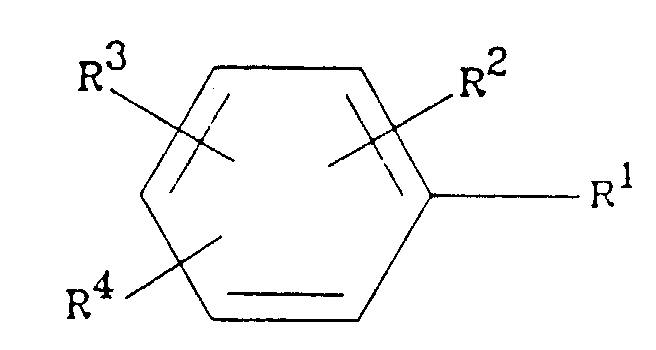
- (a) when
- R1 is -CH(OH)CH2OH, -CH2CH(OH)CH2OH or -CH(OH)COOR5, then
- R2, R3 and R4 must be -H;
those where:
- R1 is -(CH2)nOH, in which n is 1 to 4;
- R2 is -(CH2)tCH3, in which t is 0 to 4; and
- R3 and R4 are both -H; or
- R1 is -(CH2)nOH, in which n is 1 to 4;
- R2 is -O(CH2)qCH3, in which q is 0 to 4; and
- R3 and R4 are both -H.


| Fluorescent Signal | ||
| Cell number: | Extracted sample | Non-Extracted Sample |
| 1 x 10⁸ | 1876 | 2100 |
| 2 x 10⁷ | 1350 | 2100 |
| 4 x 10⁶ | 740 | 1550 ** |
| 8 x 10⁵ | 220 | 1180 |
| 1.6 x 10⁵ | 56 | 980 |
| 3.2 x 10⁴ | 29 | 1210 |
| 6.4 x 10³ | 23 ** | 1160 |
| control | 18 | 940 |
| where ** indicates the lowest level of detection. |
| Amplification and Detection of Low Copy Number Target DNA | |
| pHIV-1 Copies per PCR Reaction | Signal Detected |
| 250 | + |
| 100 | + |
| 50 | + |
| 20 | + |
| 10 | + |
| 5 | + |
| 2 | - |
| 0 | - |
| Negative PCR controls |
| Comparison of Proteinase K/Phenol and the Extraction Procedure of Example 4 -PCR Amplification and Detection of Nucleic Acid From Whole Blood | ||
| Dilution Factor of HTLV-I Positive | Signal Detected | |
| Blood Sample | Proteinase K/ Phenol | Example 4 |
| 1 | + | + |
| 5 | + | + |
| 25 | + | + |
| 125 | + | + |
| 625 | - | - |
| 3125 | - | - |
| HTLV-I Negative Blood | - | - |
| Negative PCR Controls | - | - |
Claims (13)
- A method for isolating nucleic acid from a sample containing a mixture of nucleic acids and other biological compounds comprising:combining the sample with an extraction solution containing at least one organic compound of formula I;forming an aqueous and non-aqueous phase; andseparating the aqueous phase from the non-aqueous phase, wherein formula I is selected from the group of compounds having the formula C6H5CH2OH or:where:
 R1 is a member selected from the group consisting of - (CH2)nOH in which n is 1 to 6, - CH(OH)CH2OH, -CH2CH(OH)CH2OH and -CH(OH)COOR5 in which R5 is - (CH2)pCH3 in which p is 0 to 3;R2 is a member selected from the group consisting of -H, -F, - Cl, - Br, -I, -OH, -S(CH2)rCH3 in which r is 0 to 3, -O(CH2)q CH3 in which q is 0 to 6, - COOR6 in which R6 is -(CH2)sCH3 in which s is 0 to 3, -C6H5, - CH2C6H5, -OC6H5, -OCH2C6H5, - CH2OH, - CF3, and - (CH2)tCH3 in which t is 0 to 6;R3 is a member selected from the group consisting of -H, -F, -Cl, -Br, -I, -OH, -CH3, -(CH2)xCH3 in which x is 0 to 3, -O(CH2)vCH3 in which v is 0 to 3; andR4 is a member selected from the group consisting of -H, -F, -Cl, -Br, -I, - (CH2)yCH3 in which y is 0 to 3, -O(CH2)wCH3 in which w is 0 to 3, and further, wherein R2, R3 and R4 may occur in any position in relation to R1; provided that:(a) when R1 is -CH(OH)CH2OH, -CH2CH(OH)CH2OH or -CH(OH) COOR5, then R2, R3 and R4 must be -H;(b) when R1 is - CH2OH and R2 is -C6H5, -OCH2C6H5, or -CH2C6H5, R3 must be -CH3, -OH, -Cl, -Br, -F,-I, -H, -OCH3, or - OCH2CH3 and R4 must be -H; and(c) when R1 is - (CH2)nOH and n is 2 to 6, then R3 and R4 must both be -H.
 - The method of claim 1 wherein the extraction solution further comprises an organoclay.
- The method of claim 2 wherein the organoclay is bentonite, Macaloid® Bentone® or a combination, derivative or analog thereof.
- The method of claim 2 wherein the organoclay is at a concentration of about 0.1% to about 10%.
- The method of claim 1 wherein the sample is combined with a lysing agent before extraction.
- An extraction composition for the isolation of released nucleic acids comprising 0.1 to 10% by weight of an organoclay, a buffer, a detergent and at least one organic compound selected from the group of compounds having the formula C6H5CH2OH or:where:
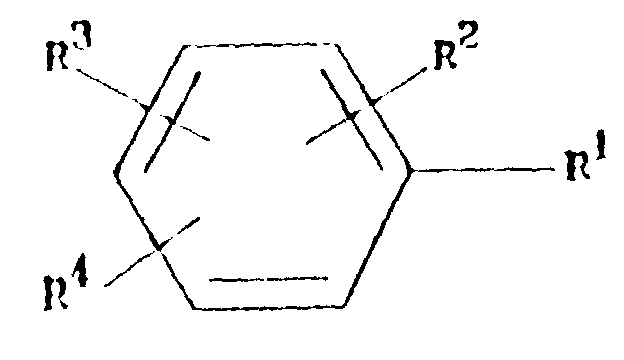 R1 is a member selected from the group consisting of -(CH2)nOH in which n is 1 to 6, -CH(OH)CH2OH, -CH2CH(OH)CH2OH and -CH(OH)COOR5 in which R5 is -(CH2)pCH3 in which p is 0 to 3;R2 is a member selected from the group consisting of -H, -F, -Cl, -Br, -I, -OH, -S(CH2)rCH3 in which r is 0 to 3, -O(CH2)qCH3 in which q is 0 to 6, -COOR6 in which R6 is -(CH2)sCH3 in which s is 0 to 3, -C6H5, -CH2C6H5, -OC6H5, -OCH2C6H5, -CH2OH, -CF3, and - (CH2)tCH3 in which t is 0 to 6;R3 is a member selected from the group consisting of -H, -F, -Cl, -Br, -I, -OH, -CH3, -(CH2)xCH3 in which x is 0 to 3, -O(CH2)vCH3 in which v is 0 to 3; andR4 is a member selected from the group consisting of -H, -F, -Cl, -Br, -I, -(CH2)yCH3 in which y is 0 to 3, -O(CH2)w CH3 in which w is 0 to 3, and further, wherein R2, R3 and R4 may occur in any position in relation to R1; provided that:(a) when R1 is -CH(OH)CH2OH, -CH2CH(OH)CH2OH or -CH(OH)COOR5, then R2, R3 and R4 must be -H;(b) when R1 is -CH2OH and R2 is -C6H5, -OCH2C6H5, or -CH2C6H5, R3 must be -CH3, -OH, -Cl, -Br, -F, -I, -H, -OCH3 or -OCH2CH3 and R4 must be -H; and(c) when R1 is -(CH2)nOH and n is 2 to 6, then R3 and R4 must both be -H.
 - The composition of claim 6, wherein the organoclay is bentonite, Macaloid® Bentone® or a combination, derivative or analog thereof.
- The composition of claim 6 or 7, wherein the organoclay is present at a concentration of 1 to 5%.
- The composition of claim 6, 7 or 8, wherein the organic compound of formula I is selected from the group consisting of benzyl alcohol, 4-methoxy-benzyl alcohol, 3-ethoxy-benzyl alcohol and 4-phenoxy-benzyl alcohol.
- The composiition of any one of claims 6 to 9, wherein the buffer is selected from sodium citrate, Tris-HCl, PIPES or HEPES.
- The composition of claim 10, wherein the buffer is Tris-HCl at a concentration of about 0.01 to 0.1M.
- The composition of any of claims 6 to 11, wherein the buffer also contains about 0.05 to 5% of an ionic or non-ionic detergent, such as sodium dodecylsulfate, between 1 to 20mM EDTA and up to about 250 mM of salt, such as NaCl.
- A method for isolating nucleic acid from a sample containing a complex mixture of nucleic acids and non-nucleic acids comprising:combining the sample with an extraction solution containing an organic compound having the following properties:(a) a dielectric constant of about 9.0 to about 15.5;(b) a dipole moment of about 1.35 to about 1.70 coulomb-meter; and(c) a partition coefficient of about 0.001 to about 0.3 parts water to 1 part of the organic compound;forming an aqueous and non-aqueous phase; andseparating the aqueous phase from the non-aqueous phase.
Applications Claiming Priority (5)
| Application Number | Priority Date | Filing Date | Title |
|---|---|---|---|
| US55274590A | 1990-07-13 | 1990-07-13 | |
| US552745 | 1990-07-13 | ||
| US649389 | 1991-02-01 | ||
| US07/649,389 US5130423A (en) | 1990-07-13 | 1991-02-01 | Non-corrosive compositions and methods useful for the extraction of nucleic acids |
| PCT/US1991/004932 WO1992000983A1 (en) | 1990-07-13 | 1991-07-12 | Non-corrosive composition and methods useful for the extraction of nucleic acids |
Publications (3)
| Publication Number | Publication Date |
|---|---|
| EP0539515A1 EP0539515A1 (en) | 1993-05-05 |
| EP0539515A4 EP0539515A4 (en) | 1995-04-26 |
| EP0539515B1 true EP0539515B1 (en) | 1998-10-21 |
Family
ID=27070123
Family Applications (1)
| Application Number | Title | Priority Date | Filing Date |
|---|---|---|---|
| EP91914813A Expired - Lifetime EP0539515B1 (en) | 1990-07-13 | 1991-07-12 | Non-corrosive composition and methods useful for the extraction of nucleic acids |
Country Status (7)
| Country | Link |
|---|---|
| EP (1) | EP0539515B1 (en) |
| JP (1) | JP3102569B2 (en) |
| AT (1) | ATE172466T1 (en) |
| CA (1) | CA2087105C (en) |
| DE (1) | DE69130394T2 (en) |
| ES (1) | ES2125869T3 (en) |
| WO (1) | WO1992000983A1 (en) |
Families Citing this family (14)
| Publication number | Priority date | Publication date | Assignee | Title |
|---|---|---|---|---|
| US5346994A (en) * | 1992-01-28 | 1994-09-13 | Piotr Chomczynski | Shelf-stable product and process for isolating RNA, DNA and proteins |
| CA2153504A1 (en) * | 1993-01-08 | 1994-07-21 | Jamal Temsamani | Detection of synthetic oligonucleotides extracted from body fluids or tissues |
| US5558992A (en) * | 1993-01-08 | 1996-09-24 | Hybridon, Inc. | Detection of synthetic oligonucleotides extracted from body fluids or tissues |
| WO1996000228A1 (en) * | 1994-06-23 | 1996-01-04 | Dade International Inc. | Method for the rapid isolation of nucleic acid |
| CA2153215A1 (en) * | 1994-07-06 | 1996-01-07 | Lu Wang | Treatment of paraffin embedded tissue for gene analysis |
| US5945515A (en) * | 1995-07-31 | 1999-08-31 | Chomczynski; Piotr | Product and process for isolating DNA, RNA and proteins |
| JP3108105B2 (en) * | 1995-08-21 | 2000-11-13 | 三光純薬株式会社 | Method for extracting coprecipitant and nucleic acid |
| DE69632057T2 (en) * | 1995-10-02 | 2005-03-10 | EMD Biosciences, Inc., San Diego | METHOD FOR FILLING NUCLEIC ACIDS WITH A VISIBLE CARRIER |
| US6242188B1 (en) | 1999-07-30 | 2001-06-05 | Applied Gene Technologies, Inc. | Sample processing to release nucleic acids for direct detection |
| WO2002014548A1 (en) * | 2000-08-10 | 2002-02-21 | Applied Gene Technologies, Inc. | Compositions and methods for nucleic acids sample processing and amplification |
| WO2003097831A1 (en) * | 2002-05-17 | 2003-11-27 | Gl Bio Tech Gmbh | Method for nucleic acid extraction and nucleic acid purification |
| DE10222133A1 (en) * | 2002-05-17 | 2003-12-04 | Gl Biotech Gmbh | Process for nucleic acid extraction and nucleic acid purification |
| WO2004108925A1 (en) * | 2003-06-04 | 2004-12-16 | Qiagen As | Method for sequentially isolating dna and rna from the same nucleic acid-containing sample |
| WO2005083122A2 (en) * | 2004-02-27 | 2005-09-09 | Stichting Laboratorium Voor Infectieziekten | Method for detecting a microorganism in a fecal specimen |
Family Cites Families (1)
| Publication number | Priority date | Publication date | Assignee | Title |
|---|---|---|---|---|
| JPS57140711A (en) * | 1981-02-26 | 1982-08-31 | Teika Seiyaku Kk | Poultice for anti-inflammatory and analgesic use and its preparation |
-
1991
- 1991-07-12 ES ES91914813T patent/ES2125869T3/en not_active Expired - Lifetime
- 1991-07-12 CA CA002087105A patent/CA2087105C/en not_active Expired - Lifetime
- 1991-07-12 EP EP91914813A patent/EP0539515B1/en not_active Expired - Lifetime
- 1991-07-12 WO PCT/US1991/004932 patent/WO1992000983A1/en not_active Ceased
- 1991-07-12 JP JP03513632A patent/JP3102569B2/en not_active Expired - Lifetime
- 1991-07-12 AT AT91914813T patent/ATE172466T1/en not_active IP Right Cessation
- 1991-07-12 DE DE69130394T patent/DE69130394T2/en not_active Expired - Lifetime
Also Published As
| Publication number | Publication date |
|---|---|
| DE69130394T2 (en) | 1999-04-08 |
| CA2087105A1 (en) | 1992-01-14 |
| EP0539515A4 (en) | 1995-04-26 |
| WO1992000983A1 (en) | 1992-01-23 |
| ATE172466T1 (en) | 1998-11-15 |
| DE69130394D1 (en) | 1998-11-26 |
| EP0539515A1 (en) | 1993-05-05 |
| JPH05508658A (en) | 1993-12-02 |
| ES2125869T3 (en) | 1999-03-16 |
| JP3102569B2 (en) | 2000-10-23 |
| CA2087105C (en) | 2000-09-12 |
Similar Documents
| Publication | Publication Date | Title |
|---|---|---|
| US5393672A (en) | Non toxic compositions and methods useful for the extraction of nucleic acids | |
| Boom et al. | Rapid and simple method for purification of nucleic acids | |
| RU2241004C2 (en) | Composition and method for isolation of nucleic acids from complex material using anti-chaotropic salt | |
| CA2087105C (en) | Non-corrosive composition and methods useful for the extraction of nucleic acids | |
| US5124444A (en) | Lactam-containing compositions and methods useful for the extraction of nucleic acids | |
| US5973137A (en) | Low pH RNA isolation reagents, method, and kit | |
| Holben | Isolation and purification of bacterial DNA from soil | |
| DE69533771T2 (en) | A method for capturing and selectively releasing nucleic acids using a weakly basic polymer and amplifying said nucleic acids | |
| CA2372521C (en) | Mixed-bed solid phase and its use in the isolation of nucleic acids | |
| JP4291247B2 (en) | Methods for isolating nucleic acids | |
| EP2478087B1 (en) | Compositions and methods for recovery of nucleic acids or proteins from tissue samples fixed in cytology media | |
| US20080096191A1 (en) | Methods and systems for detection and isolation of a nucleotide sequence | |
| CN102776173B (en) | Nucleic acid isolation using polidocanol and derivatives | |
| Sayler et al. | Applications of molecular techniques to soil biochemistry | |
| EP1173559A1 (en) | Process for nucleic acid purification using silicon carbide | |
| JP2004534515A (en) | Compositions and methods for extracting nucleic acids | |
| JPH11501504A (en) | Methods for isolating nucleic acids | |
| WO2010065420A2 (en) | Universal biological sample processing | |
| EP1137800B1 (en) | Method for purifying or isolating viral nucleic acids | |
| Del Prete et al. | Detection of Mycobacterium paratuberculosis in stool samples of patients with inflammatory bowel disease by IS900-based PCR and colorimetric detection of amplified DNA | |
| JP3491938B2 (en) | DNA recovery method | |
| WO1992018649A1 (en) | Compositions and methods for improved extraction and hybridization of nucleic acid | |
| CA2210012C (en) | Non-corrosive composition and methods useful for the extraction of nucleic acids | |
| AU621936B2 (en) | Method for the isolation of dna | |
| Loeffelholz et al. | Method for improved extraction of DNA from Nocardia asteroides |
Legal Events
| Date | Code | Title | Description |
|---|---|---|---|
| PUAI | Public reference made under article 153(3) epc to a published international application that has entered the european phase |
Free format text: ORIGINAL CODE: 0009012 |
|
| 17P | Request for examination filed |
Effective date: 19930210 |
|
| AK | Designated contracting states |
Kind code of ref document: A1 Designated state(s): AT BE CH DE DK ES FR GB GR IT LI LU NL SE |
|
| A4 | Supplementary search report drawn up and despatched | ||
| AK | Designated contracting states |
Kind code of ref document: A4 Designated state(s): AT BE CH DE DK ES FR GB GR IT LI LU NL SE |
|
| 17Q | First examination report despatched |
Effective date: 19950919 |
|
| GRAG | Despatch of communication of intention to grant |
Free format text: ORIGINAL CODE: EPIDOS AGRA |
|
| GRAG | Despatch of communication of intention to grant |
Free format text: ORIGINAL CODE: EPIDOS AGRA |
|
| GRAH | Despatch of communication of intention to grant a patent |
Free format text: ORIGINAL CODE: EPIDOS IGRA |
|
| GRAH | Despatch of communication of intention to grant a patent |
Free format text: ORIGINAL CODE: EPIDOS IGRA |
|
| GRAH | Despatch of communication of intention to grant a patent |
Free format text: ORIGINAL CODE: EPIDOS IGRA |
|
| GRAA | (expected) grant |
Free format text: ORIGINAL CODE: 0009210 |
|
| AK | Designated contracting states |
Kind code of ref document: B1 Designated state(s): AT BE CH DE DK ES FR GB GR IT LI LU NL SE |
|
| PG25 | Lapsed in a contracting state [announced via postgrant information from national office to epo] |
Ref country code: GR Free format text: LAPSE BECAUSE OF NON-PAYMENT OF DUE FEES Effective date: 19981021 |
|
| REF | Corresponds to: |
Ref document number: 172466 Country of ref document: AT Date of ref document: 19981115 Kind code of ref document: T |
|
| REG | Reference to a national code |
Ref country code: CH Ref legal event code: EP Ref country code: CH Ref legal event code: NV Representative=s name: AMMANN PATENTANWAELTE AG BERN |
|
| ET | Fr: translation filed | ||
| REF | Corresponds to: |
Ref document number: 69130394 Country of ref document: DE Date of ref document: 19981126 |
|
| PG25 | Lapsed in a contracting state [announced via postgrant information from national office to epo] |
Ref country code: DK Free format text: LAPSE BECAUSE OF FAILURE TO SUBMIT A TRANSLATION OF THE DESCRIPTION OR TO PAY THE FEE WITHIN THE PRESCRIBED TIME-LIMIT Effective date: 19990121 |
|
| REG | Reference to a national code |
Ref country code: ES Ref legal event code: FG2A Ref document number: 2125869 Country of ref document: ES Kind code of ref document: T3 |
|
| PG25 | Lapsed in a contracting state [announced via postgrant information from national office to epo] |
Ref country code: LU Free format text: LAPSE BECAUSE OF NON-PAYMENT OF DUE FEES Effective date: 19990712 |
|
| PLBE | No opposition filed within time limit |
Free format text: ORIGINAL CODE: 0009261 |
|
| STAA | Information on the status of an ep patent application or granted ep patent |
Free format text: STATUS: NO OPPOSITION FILED WITHIN TIME LIMIT |
|
| 26N | No opposition filed | ||
| REG | Reference to a national code |
Ref country code: GB Ref legal event code: IF02 |
|
| PGFP | Annual fee paid to national office [announced via postgrant information from national office to epo] |
Ref country code: AT Payment date: 20060621 Year of fee payment: 16 |
|
| PG25 | Lapsed in a contracting state [announced via postgrant information from national office to epo] |
Ref country code: AT Free format text: LAPSE BECAUSE OF NON-PAYMENT OF DUE FEES Effective date: 20070712 |
|
| PGFP | Annual fee paid to national office [announced via postgrant information from national office to epo] |
Ref country code: NL Payment date: 20100724 Year of fee payment: 20 Ref country code: ES Payment date: 20100726 Year of fee payment: 20 Ref country code: CH Payment date: 20100726 Year of fee payment: 20 |
|
| PGFP | Annual fee paid to national office [announced via postgrant information from national office to epo] |
Ref country code: DE Payment date: 20100728 Year of fee payment: 20 Ref country code: FR Payment date: 20100805 Year of fee payment: 20 Ref country code: IT Payment date: 20100728 Year of fee payment: 20 Ref country code: SE Payment date: 20100728 Year of fee payment: 20 |
|
| PGFP | Annual fee paid to national office [announced via postgrant information from national office to epo] |
Ref country code: GB Payment date: 20100726 Year of fee payment: 20 |
|
| PGFP | Annual fee paid to national office [announced via postgrant information from national office to epo] |
Ref country code: BE Payment date: 20100728 Year of fee payment: 20 |
|
| REG | Reference to a national code |
Ref country code: DE Ref legal event code: R071 Ref document number: 69130394 Country of ref document: DE |
|
| REG | Reference to a national code |
Ref country code: DE Ref legal event code: R071 Ref document number: 69130394 Country of ref document: DE |
|
| REG | Reference to a national code |
Ref country code: NL Ref legal event code: V4 Effective date: 20110712 |
|
| REG | Reference to a national code |
Ref country code: CH Ref legal event code: PL |
|
| BE20 | Be: patent expired |
Owner name: *MICROPROBE CORP. Effective date: 20110712 |
|
| REG | Reference to a national code |
Ref country code: GB Ref legal event code: PE20 Expiry date: 20110711 |
|
| REG | Reference to a national code |
Ref country code: SE Ref legal event code: EUG |
|
| PG25 | Lapsed in a contracting state [announced via postgrant information from national office to epo] |
Ref country code: GB Free format text: LAPSE BECAUSE OF EXPIRATION OF PROTECTION Effective date: 20110711 |
|
| PG25 | Lapsed in a contracting state [announced via postgrant information from national office to epo] |
Ref country code: NL Free format text: LAPSE BECAUSE OF EXPIRATION OF PROTECTION Effective date: 20110712 |
|
| REG | Reference to a national code |
Ref country code: ES Ref legal event code: FD2A Effective date: 20120510 |
|
| PG25 | Lapsed in a contracting state [announced via postgrant information from national office to epo] |
Ref country code: ES Free format text: LAPSE BECAUSE OF EXPIRATION OF PROTECTION Effective date: 20110713 |
|
| PG25 | Lapsed in a contracting state [announced via postgrant information from national office to epo] |
Ref country code: DE Free format text: LAPSE BECAUSE OF EXPIRATION OF PROTECTION Effective date: 20110713 |