EP0531341B1 - Use of leukoregulin for the treatment of animals infected with an envelope-virus - Google Patents
Use of leukoregulin for the treatment of animals infected with an envelope-virus Download PDFInfo
- Publication number
- EP0531341B1 EP0531341B1 EP91909492A EP91909492A EP0531341B1 EP 0531341 B1 EP0531341 B1 EP 0531341B1 EP 91909492 A EP91909492 A EP 91909492A EP 91909492 A EP91909492 A EP 91909492A EP 0531341 B1 EP0531341 B1 EP 0531341B1
- Authority
- EP
- European Patent Office
- Prior art keywords
- leukoregulin
- virus
- cells
- hsv
- treatment
- Prior art date
- Legal status (The legal status is an assumption and is not a legal conclusion. Google has not performed a legal analysis and makes no representation as to the accuracy of the status listed.)
- Expired - Lifetime
Links
Images


Classifications
-
- A—HUMAN NECESSITIES
- A61—MEDICAL OR VETERINARY SCIENCE; HYGIENE
- A61K—PREPARATIONS FOR MEDICAL, DENTAL OR TOILETRY PURPOSES
- A61K38/00—Medicinal preparations containing peptides
- A61K38/16—Peptides having more than 20 amino acids; Gastrins; Somatostatins; Melanotropins; Derivatives thereof
- A61K38/17—Peptides having more than 20 amino acids; Gastrins; Somatostatins; Melanotropins; Derivatives thereof from animals; from humans
- A61K38/19—Cytokines; Lymphokines; Interferons
-
- A—HUMAN NECESSITIES
- A61—MEDICAL OR VETERINARY SCIENCE; HYGIENE
- A61K—PREPARATIONS FOR MEDICAL, DENTAL OR TOILETRY PURPOSES
- A61K31/00—Medicinal preparations containing organic active ingredients
- A61K31/33—Heterocyclic compounds
- A61K31/395—Heterocyclic compounds having nitrogen as a ring hetero atom, e.g. guanethidine or rifamycins
- A61K31/495—Heterocyclic compounds having nitrogen as a ring hetero atom, e.g. guanethidine or rifamycins having six-membered rings with two or more nitrogen atoms as the only ring heteroatoms, e.g. piperazine or tetrazines
- A61K31/505—Pyrimidines; Hydrogenated pyrimidines, e.g. trimethoprim
- A61K31/519—Pyrimidines; Hydrogenated pyrimidines, e.g. trimethoprim ortho- or peri-condensed with heterocyclic rings
- A61K31/52—Purines, e.g. adenine
- A61K31/522—Purines, e.g. adenine having oxo groups directly attached to the heterocyclic ring, e.g. hypoxanthine, guanine, acyclovir
-
- A—HUMAN NECESSITIES
- A61—MEDICAL OR VETERINARY SCIENCE; HYGIENE
- A61K—PREPARATIONS FOR MEDICAL, DENTAL OR TOILETRY PURPOSES
- A61K45/00—Medicinal preparations containing active ingredients not provided for in groups A61K31/00 - A61K41/00
- A61K45/06—Mixtures of active ingredients without chemical characterisation, e.g. antiphlogistics and cardiaca
-
- A—HUMAN NECESSITIES
- A61—MEDICAL OR VETERINARY SCIENCE; HYGIENE
- A61P—SPECIFIC THERAPEUTIC ACTIVITY OF CHEMICAL COMPOUNDS OR MEDICINAL PREPARATIONS
- A61P31/00—Antiinfectives, i.e. antibiotics, antiseptics, chemotherapeutics
- A61P31/12—Antivirals
-
- A—HUMAN NECESSITIES
- A61—MEDICAL OR VETERINARY SCIENCE; HYGIENE
- A61P—SPECIFIC THERAPEUTIC ACTIVITY OF CHEMICAL COMPOUNDS OR MEDICINAL PREPARATIONS
- A61P31/00—Antiinfectives, i.e. antibiotics, antiseptics, chemotherapeutics
- A61P31/12—Antivirals
- A61P31/20—Antivirals for DNA viruses
- A61P31/22—Antivirals for DNA viruses for herpes viruses
Definitions
- the present invention relates, in general to anti-viral therapy, and, in particular, to a method of inhibiting viral production which involves the use of the cytokine, leukoregulin.
- Herpesvirus infections are responsible for a wide spectrum of acute and recurrent diseases affecting millions of individuals throughout the world (Johnson et al., N. Engl. J. Med. 1989, 321:7-12; Corey et al., N. Engl. J. Med. 1986, 314:686-91, 749-57).
- the need for effective drug treatment and prevention of herpesvirus and other viral diseases has assumed growing importance.
- the increasing prevalence of AIDS and HIV associated infections has stimulated a renewed interest in antiviral chemotherapy (Crumpacker, N.Engl. J. Med. 1989, 321:163-172).
- ACG acycloguanosine
- 9-(2-hydroxyethoxymethyl)guanine is active against human herpes-viruses both in vitro and in vivo
- ACG inhibition of acute herpesvirus production was selected as a model system to test the ability of leukoregulin to enhance anti-viral chemotherapeutic action (Elion, New Directions for Clinical Application and Research in Antiviral Chemotherapy. J. Mills & L. Corey, Eds. (Elsevier, New York, 1986) pp 118-137; Elion, Sci. 1989, 244:41-47; Crumpacker et al., Antimicrobiol. Agents & Chem. 1979, 15:642-645; and Erlich et al., N. Engl. J. Med. 1989, 320:293-6).
- Leukoregulin first described in 1984, is a lymphokine possessing unique regulatory activities for transformed cells (Ransom et al., Cancer Res. 1985, 45:851-862; Evans, Leukoregulin mechanisms of anticancer action. In Leukolysins and Cancer (Ransom, J.H., Ortaldo, J.R. eds.) The Humana Press, Inc., Clifton, N.J. 1988, pp 198-216). Today, it is apparent that this cytokine has a multi-functional nature which is reflected in the variety of its biologic activities.
- Leukoregulin can prevent chemical carcinogen transformation, inhibit neoplastic cell proliferation and augment target cell sensitivity to natural killer (NK) cell cytotoxicity (Evans, Leukoregulin mechanisms of anticancer action. In Leukolysins and Cancer (Ransom, J.H., Ortaldo, J.R. eds.) The Humana Press, Inc., Clifton, N.J. 1988, pp 198-216). More recently, this cytokine has been shown to increase membrane permeability of tumor cells and to increase drug uptake (Barnett et al., Cancer Res. 1986, 46:2686-92; Evans et al., J. Nat. Cancer Inst. 1988, 80:861-4). The ability of leukoregulin to enhance drug uptake occurs concomitantly with the increase in membrane permeability in tumor cells but not in normal cells.
- leukoregulin enhances membrane permeability of cells acutely infected with an enveloped virus. This represents a hitherto-unrecognized biological role for leukoregulin i.e., its ability to recognize and alter acutely virally infected cells. Treatment with leukoregulin can, therefore, be used to target entry of pharmacologically active agents into virus infected cells.
- the permeableness of virus infected-cells and associated enhanced drug effectiveness provides an alternative approach to the targeting of drugs for infections induced by viruses such as papillomavirus, cytomegalovirus and the human immunodeficiency virus (HIV).
- viruses such as papillomavirus, cytomegalovirus and the human immunodeficiency virus (HIV).
- leukoregulin is used for the manufacture of a medicament for use in the treatment of an animal infected with an enveloped virus.
- a product comprises leukoregulin and an anti-viral chemotherapeutic agent as a combined preparation for simultaneous, combined or sequential use in the treatment of an animal infected with an enveloped virus.
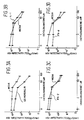
- Figure 1 shows the ability of leukoregulin to increase plasma membrane permeability of human amnion (WISH) cells acutely infected with HSV-1. Uptake of propidium iodide as a measure of membrane permeability was determined flow cytometrically for WISH cells 5 hours after HSV-1 virus inoculation. ( ⁇ ) WISH cells, (•) HSV-1 infected WISH cells.
- FIG. 2 shows leukoregulin (LR) enhancement of ACG inhibition of infectious HSV-1 virus production by WISH cells.
- WISH cells were treated for 2 hours with the indicated concentrations of ACG or with ACG and 5 units leukoregulin/ml 3 hours after infection with HSV-1.
- the WISH cell culture medium was assayed after 24 hours for the presence of HSV-1.
- Figures 3A-3D show comparative efficacy of leukoregulin, IL-1 alpha, IFN-gamma or IFN-alpha in increasing the ability of ACG to inhibit production of infectious HSV-1 by WISH cells.
- WISH cells were infected with HSV-1 and 3 hours later treated with ACG alone or with ACG together with 2u IL-1 alpha, 100u IFN-gamma, or 100u IFN-alpha for 2 hours.
- WISH cell culture media from triplicate samples were analyzed after 24 hours for infectious HSV-1. The values shown are the mean + 2 SE.
- the leukoregulin results (upper left panel) are the mean of 2 separate experiments, separate from those illustrated in Figs. 1 and 2.
- the present invention relates, in general, to a method of inhibiting viral production. Specifically, the invention relates to the use of the cytokine, leukoregulin, alone, or in combination with an anti-viral chemotherapeutic compound, to completely inhibit the production of virus by infected cells.
- the present invention is equally applicable to treatment of infection with any enveloped virus, including hepatitis B virus, human immunodeficiency virus, cytomegalovirus, papillomavirus, etc.
- the invention is not limited to the use of leukoregulin in combination with the chemotherapeutic agent acycloguanosine. Rather, leukoregulin can, when used in a immunotherapy/chemotherapy combination regime, enhance the ability of any anti-viral chemotherapeutic compound to inhibit the cellular release of infectious viral particles.
- Leukoregulin can be administered prior to, simultaneous with, or subsequent to administration of the chemotherapeutic agent.
- the cytokine is administered prior to administration of the chemotherapeutic agent, the period between the administration of the two agents being sufficient for leukoregulin to initiate increased target cell membrane permeability. The optimum period can be determined by one skilled in the art without undue experimentation.
- Leukoregulin like the anti-viral chemotherapeutic agent, can be administered, for example, intravenously, together with a pharmaceutically acceptable carrier, to an animal (e.g., a human or non-human mammal) in need of such treatment.
- a pharmaceutically acceptable carrier e.g., a human or non-human mammal
- the optimum concentration of the cytokine in the composition and total delivered dose can readily be determined by one skilled in the art. It will be appreciated that the amount of chemotherapeutic agent to be administered can be optimized by one skilled in the art for any particular treatment program.
- Leukoregulin like the anti-viral chemotherapeutic agent, can also be administered topically to an animal in need of such treatment.
- the composition can take the form of a lotion, gel, ointment, foam or cream.
- the total delivered dose is, advantageously, 1000 to 100,000 units (1 unit being equal to that quantity of leukoregulin that increases membrane permeability in 50% of K562 human leukemia cells (Barnett et al., Cancer Res. 1986, 46:2686-92)).
- the invention relates, in addition to the above-described method of treatment, to a pharmaceutical composition
- a pharmaceutical composition comprising: i) leukoregulin in an amount sufficient to increase permeability of the plasma membrane of animal cells infected with a virus; ii) an anti-viral chemotherapeutic agent in an amount sufficient to inhibit production of the virus; and iii) a pharmaceutically acceptable carrier.
- 50 kDa leukoregulin with a pl of 5.1 was purified from the cytokines secreted by phytohemagglutinin stimulated freshly isolated human peripheral mononuclear leukocytes using sequential DEAE-anion exchange, Rotofor horizontal column isoelectric focusing and spherical silica gel high performance liquid chromatography as described by Evans et al. (Evans et al., Anal. Biochem. 1989, 358:63).
- Recombinant human IFN-alpha (specific activity 1 x 10 9 units/mg protein) and recombinant INF-gamma (specific activity 1 x 10 7 units/mg protein) were obtained from Amgen Biologics, Thousand Oaks, Ca.
- Antiviral activities of the IFN preparations were determined by the reduction in vesicular stomatitis virus plaque formation on WISH cells grown in microtiter plates (Hooks et al., N. Engl. J. Med. 1979, 301:5-8). The antiviral activity, expressed in IFN units, was calculated as the reciprocal of the highest dilution of the sample that reduced the number of viral plaques by 50%.
- Herpes simplex virus type-1 was isolated from intraoral lesions from a 13 year old female patient with primary intraoral herpes infection at the National Institutes of Health. The virus was subcultured 3 times in primary rabbit kidney cells and 4 times in human amnion (WISH) cells (American Type Culture Collection, Rockville, Md. # CCL25). HSV infectivity titrations, tissue culture infectious doses 50 (TCID 50 /0.1 ml), were preformed in WISH cells maintained in 96 well microtiter plates. Each dilution was evaluated in quadruplicate.
- HSV infectivity titrations in terms of plaque forming units were preformed in WISH cells maintained in 75 mm tissue culture dishes (Crumpacker et al., Antimicrobiol. Agents & Chem. 1979, 15:642-645).
- Acycloguanosine (ACG; 9-(2-hydroxyethoxymethyl)guanine) was obtained from Sigma Chemical Co., St. Louis, MO.
- Membrane permeability was measured flow cytometrically by the ability of WISH cells to exclude propidium iodide as previously described for K562 human leukemia cells (Barnett et al., Cancer Res. 1986, 46:2686-92).
- WISH cells at a concentration of 2 x 10 6 cells were placed in 12 x 75 mm Falcon polystyrene tubes and were infected with HSV-1 at a concentration of 5 x 10 4 TCID 50 . Following a 90 minute adsorption period, cells were washed three times and then incubated for an additional 90 minutes in media. The cells were again washed twice in RPMI 1640 medium and treated at 37°C with leukoregulin at 0.5, 1, 2 and 5 units/ml.
- the cells were washed and then treated with leukoregulin (0.5 to 5 units) for two hours.
- leukoregulin 0.5 to 5 units
- the virus is capable of inducing the expression of viral antigens on the surface of the infected cell without causing cell lysis or release of new infectious progeny virus (Lodmel et al., J. Exp. Med. 1973, 137:706-20; Lodmel et al., J. Exp. Med . 1974, 140:764-78).
- the membrane permeability of these virus infected cells and control non-infected cells was assessed by measurement of the uptake of the permeability dependent dye propidium iodide (Barnett et al., Cancer Res. 1986, 46:2686-92). The uptake of this molecule was followed spectrofluorometrically using a mercury arc lamp flow cytometer.
- leukoregulin selectively increases membrane permeability in HSV-1 infected cells, it was important to determine if leukoregulin could directly alter HSV-1 infectivity or alternatively enhance the anti-HSV-1 replication actions of acyclovir.
- a concentration of 5 units of leukoregulin/ml was selected based on the results in Figure 1 to insure a maximal increase in membrane permeability.
- WISH cells were propagated in 96 well microtiter plates. HSV-1 at a concentration of 5 x 10 4 TCID 50 /0.1ml was added to each microtiter well. Following a 90 minute adsorption period, the supernatant medium was removed and the cells were washed three times. For each experiment, 0.1 ml of media, leukoregulin, ACG or leukoregulin-ACG mixtures was added to each of 5 wells of HSV-1 infected WISH cells unless otherwise specified. ACG and/or leukoregulin were added at various times. HSV infectivity titrations were performed on each of the culture medium from each well after a 24 hour period of incubation. Each dilution of WISH cell culture medium was evaluated in quadruplicate. The HSV-1 infectivity is recorded as the mean titer (TCID 50 /0.I ml) of each treatment.
- Fig. 3 The data generated from two separate additional experiments of WISH cells treated with leukoregulin and ACG 3 hours after HSV-1 infection are summarized in Fig. 3.
- the presence of leukoregulin alone (upper left panel) does not significantly alter HSV-1 infectivity.
- Virus infectivity diminishes from 10 3.2 TCID 50 /ml to 10 2.0 TCID 50 /ml in the presence of 100 ⁇ M ACG (p ⁇ 0.001).
- the addition of leukoregulin augments the decrease in virus infectivity to 10 0.9 TCID 50 /ml (p ⁇ 0.001).
- the concentration of ACG required to decrease the production of infectious virus is greatly reduced as much as 10 fold or more when leukoregulin is present. If leukoregulin (5 u/ml) is left on the cells for 24 hours (that is, the duration of the assay), complete inhibition of viral production is observed in the absence of the anti-viral chemotherapeutic agent.
- HSV-1 plaque assay was used to determine the concentration of ACG and leukoregulin which inhibit HSV-1 plaque formation by 50%, expressed as the mean 50% inhibitory dose (ID 50 ). HSV-1 was inhibited by ACG alone at a ID 50 of 16 ⁇ M. The presence of 5 units of leukoregulin reduced the ID 50 greater than 20 fold to 0.7 ⁇ M.
Landscapes
- Health & Medical Sciences (AREA)
- Life Sciences & Earth Sciences (AREA)
- Pharmacology & Pharmacy (AREA)
- Veterinary Medicine (AREA)
- Public Health (AREA)
- Chemical & Material Sciences (AREA)
- General Health & Medical Sciences (AREA)
- Animal Behavior & Ethology (AREA)
- Medicinal Chemistry (AREA)
- Epidemiology (AREA)
- Virology (AREA)
- Engineering & Computer Science (AREA)
- Oncology (AREA)
- Bioinformatics & Cheminformatics (AREA)
- Nuclear Medicine, Radiotherapy & Molecular Imaging (AREA)
- General Chemical & Material Sciences (AREA)
- Chemical Kinetics & Catalysis (AREA)
- Communicable Diseases (AREA)
- Proteomics, Peptides & Aminoacids (AREA)
- Zoology (AREA)
- Gastroenterology & Hepatology (AREA)
- Organic Chemistry (AREA)
- Immunology (AREA)
- Molecular Biology (AREA)
- Biotechnology (AREA)
- Medicines That Contain Protein Lipid Enzymes And Other Medicines (AREA)
- Pharmaceuticals Containing Other Organic And Inorganic Compounds (AREA)
- Medicines Containing Material From Animals Or Micro-Organisms (AREA)
- Acyclic And Carbocyclic Compounds In Medicinal Compositions (AREA)
Abstract
Description
- The present invention relates, in general to anti-viral therapy, and, in particular, to a method of inhibiting viral production which involves the use of the cytokine, leukoregulin.
- Herpesvirus infections are responsible for a wide spectrum of acute and recurrent diseases affecting millions of individuals throughout the world (Johnson et al., N. Engl. J. Med. 1989, 321:7-12; Corey et al., N. Engl. J. Med. 1986, 314:686-91, 749-57). The need for effective drug treatment and prevention of herpesvirus and other viral diseases has assumed growing importance. The increasing prevalence of AIDS and HIV associated infections, in addition, has stimulated a renewed interest in antiviral chemotherapy (Crumpacker, N.Engl. J. Med. 1989, 321:163-172).
- During the past five years it has become clear that a single mode of therapy for virus infections may not be as effective as combination therapy. Major support for this conclusion is the development of cytokines and other "biological response modifiers" in the combined use of chemotherapy to treat various malignancies (Foon, Can. Res. 1989, 49:1621-39). With this background, studies were initiated to determine if a new cytokine, leukoregulin, which increases drug uptake in cancer cells might be useful to enhance anti-viral chemotherapy. (See U.S.P. 4,849,506.) Since acycloguanosine (ACG; 9-(2-hydroxyethoxymethyl)guanine) is active against human herpes-viruses both in vitro and in vivo, ACG inhibition of acute herpesvirus production was selected as a model system to test the ability of leukoregulin to enhance anti-viral chemotherapeutic action (Elion, New Directions for Clinical Application and Research in Antiviral Chemotherapy. J. Mills & L. Corey, Eds. (Elsevier, New York, 1986) pp 118-137; Elion, Sci. 1989, 244:41-47; Crumpacker et al., Antimicrobiol. Agents & Chem. 1979, 15:642-645; and Erlich et al., N. Engl. J. Med. 1989, 320:293-6).
- Leukoregulin, first described in 1984, is a lymphokine possessing unique regulatory activities for transformed cells (Ransom et al., Cancer Res. 1985, 45:851-862; Evans, Leukoregulin mechanisms of anticancer action. In Leukolysins and Cancer (Ransom, J.H., Ortaldo, J.R. eds.) The Humana Press, Inc., Clifton, N.J. 1988, pp 198-216). Today, it is apparent that this cytokine has a multi-functional nature which is reflected in the variety of its biologic activities. Leukoregulin can prevent chemical carcinogen transformation, inhibit neoplastic cell proliferation and augment target cell sensitivity to natural killer (NK) cell cytotoxicity (Evans, Leukoregulin mechanisms of anticancer action. In Leukolysins and Cancer (Ransom, J.H., Ortaldo, J.R. eds.) The Humana Press, Inc., Clifton, N.J. 1988, pp 198-216). More recently, this cytokine has been shown to increase membrane permeability of tumor cells and to increase drug uptake (Barnett et al., Cancer Res. 1986, 46:2686-92; Evans et al., J. Nat. Cancer Inst. 1988, 80:861-4). The ability of leukoregulin to enhance drug uptake occurs concomitantly with the increase in membrane permeability in tumor cells but not in normal cells.
- It has now been found that leukoregulin enhances membrane permeability of cells acutely infected with an enveloped virus. This represents a hitherto-unrecognized biological role for leukoregulin i.e., its ability to recognize and alter acutely virally infected cells. Treatment with leukoregulin can, therefore, be used to target entry of pharmacologically active agents into virus infected cells. The permeableness of virus infected-cells and associated enhanced drug effectiveness provides an alternative approach to the targeting of drugs for infections induced by viruses such as papillomavirus, cytomegalovirus and the human immunodeficiency virus (HIV).
- According to a first aspect of this invention, leukoregulin is used for the manufacture of a medicament for use in the treatment of an animal infected with an enveloped virus.
- According to a second aspect of the invention, a product comprises leukoregulin and an anti-viral chemotherapeutic agent as a combined preparation for simultaneous, combined or sequential use in the treatment of an animal infected with an enveloped virus.
- Figure 1 shows the ability of leukoregulin to increase plasma membrane permeability of human amnion (WISH) cells acutely infected with HSV-1. Uptake of propidium iodide as a measure of membrane permeability was determined flow cytometrically for
WISH cells 5 hours after HSV-1 virus inoculation. (○) WISH cells, (•) HSV-1 infected WISH cells. - Figure 2 shows leukoregulin (LR) enhancement of ACG inhibition of infectious HSV-1 virus production by WISH cells. WISH cells were treated for 2 hours with the indicated concentrations of ACG or with ACG and 5 units leukoregulin/
ml 3 hours after infection with HSV-1. The WISH cell culture medium was assayed after 24 hours for the presence of HSV-1. (o) ACG treated, (•) ACG + leukoregulin treated. - Figures 3A-3D show comparative efficacy of leukoregulin, IL-1 alpha, IFN-gamma or IFN-alpha in increasing the ability of ACG to inhibit production of infectious HSV-1 by WISH cells. WISH cells were infected with HSV-1 and 3 hours later treated with ACG alone or with ACG together with 2u IL-1 alpha, 100u IFN-gamma, or 100u IFN-alpha for 2 hours. WISH cell culture media from triplicate samples were analyzed after 24 hours for infectious HSV-1. The values shown are the mean + 2 SE. The leukoregulin results (upper left panel) are the mean of 2 separate experiments, separate from those illustrated in Figs. 1 and 2.
- The present invention relates, in general, to a method of inhibiting viral production. Specifically, the invention relates to the use of the cytokine, leukoregulin, alone, or in combination with an anti-viral chemotherapeutic compound, to completely inhibit the production of virus by infected cells.
- The Examples that follow relate specifically to Herpes simplex viral infection. One skilled in the art will appreciate, however, that the present invention is equally applicable to treatment of infection with any enveloped virus, including hepatitis B virus, human immunodeficiency virus, cytomegalovirus, papillomavirus, etc. Further, the invention is not limited to the use of leukoregulin in combination with the chemotherapeutic agent acycloguanosine. Rather, leukoregulin can, when used in a immunotherapy/chemotherapy combination regime, enhance the ability of any anti-viral chemotherapeutic compound to inhibit the cellular release of infectious viral particles.
- Leukoregulin can be administered prior to, simultaneous with, or subsequent to administration of the chemotherapeutic agent. Advantageously, the cytokine is administered prior to administration of the chemotherapeutic agent, the period between the administration of the two agents being sufficient for leukoregulin to initiate increased target cell membrane permeability. The optimum period can be determined by one skilled in the art without undue experimentation.
- Leukoregulin, like the anti-viral chemotherapeutic agent, can be administered, for example, intravenously, together with a pharmaceutically acceptable carrier, to an animal (e.g., a human or non-human mammal) in need of such treatment. The optimum concentration of the cytokine in the composition and total delivered dose can readily be determined by one skilled in the art. It will be appreciated that the amount of chemotherapeutic agent to be administered can be optimized by one skilled in the art for any particular treatment program.
- Leukoregulin, like the anti-viral chemotherapeutic agent, can also be administered topically to an animal in need of such treatment. The composition can take the form of a lotion, gel, ointment, foam or cream. For topical administration, the total delivered dose is, advantageously, 1000 to 100,000 units (1 unit being equal to that quantity of leukoregulin that increases membrane permeability in 50% of K562 human leukemia cells (Barnett et al., Cancer Res. 1986, 46:2686-92)).
- The invention relates, in addition to the above-described method of treatment, to a pharmaceutical composition comprising: i) leukoregulin in an amount sufficient to increase permeability of the plasma membrane of animal cells infected with a virus; ii) an anti-viral chemotherapeutic agent in an amount sufficient to inhibit production of the virus; and iii) a pharmaceutically acceptable carrier.
- The following non-limiting Examples describe certain aspects of the invention in greater detail.
- The following technical details are relevant to the Examples that follow.
- 50 kDa leukoregulin with a pl of 5.1 was purified from the cytokines secreted by phytohemagglutinin stimulated freshly isolated human peripheral mononuclear leukocytes using sequential DEAE-anion exchange, Rotofor horizontal column isoelectric focusing and spherical silica gel high performance liquid chromatography as described by Evans et al. (Evans et al., Anal. Biochem. 1989, 358:63).
- Recombinant human IFN-alpha (specific activity 1 x 10⁹ units/mg protein) and recombinant INF-gamma (specific activity 1 x 10⁷ units/mg protein) were obtained from Amgen Biologics, Thousand Oaks, Ca. Recombinant human alpha IL-1 (108 units/mg) was obtained from Genzyme Corp., Boston, MA. Antiviral activities of the IFN preparations were determined by the reduction in vesicular stomatitis virus plaque formation on WISH cells grown in microtiter plates (Hooks et al., N. Engl. J. Med. 1979, 301:5-8). The antiviral activity, expressed in IFN units, was calculated as the reciprocal of the highest dilution of the sample that reduced the number of viral plaques by 50%.
- Herpes simplex virus type-1 (HSV-1) was isolated from intraoral lesions from a 13 year old female patient with primary intraoral herpes infection at the National Institutes of Health. The virus was subcultured 3 times in primary rabbit kidney cells and 4 times in human amnion (WISH) cells (American Type Culture Collection, Rockville, Md. # CCL25). HSV infectivity titrations, tissue culture infectious doses50 (TCID50/0.1 ml), were preformed in WISH cells maintained in 96 well microtiter plates. Each dilution was evaluated in quadruplicate. HSV infectivity titrations in terms of plaque forming units were preformed in WISH cells maintained in 75 mm tissue culture dishes (Crumpacker et al., Antimicrobiol. Agents & Chem. 1979, 15:642-645).
- Acycloguanosine (ACG; 9-(2-hydroxyethoxymethyl)guanine) was obtained from Sigma Chemical Co., St. Louis, MO.
- Previous studies show that leukoregulin enhances membrane permeability in tumor cells without altering membrane permeability in "normal", non-transformed cells. Human amnion WISH cells were infected with HSV-1 virus to determine if acute virus infection would render cells susceptible to the membrane permeability actions of leukoregulin.
- Membrane permeability was measured flow cytometrically by the ability of WISH cells to exclude propidium iodide as previously described for K562 human leukemia cells (Barnett et al., Cancer Res. 1986, 46:2686-92). WISH cells at a concentration of 2 x 10⁶ cells were placed in 12 x 75 mm Falcon polystyrene tubes and were infected with HSV-1 at a concentration of 5 x 10⁴ TCID50. Following a 90 minute adsorption period, cells were washed three times and then incubated for an additional 90 minutes in media. The cells were again washed twice in RPMI 1640 medium and treated at 37°C with leukoregulin at 0.5, 1, 2 and 5 units/ml. After 2 hours incubation an equal volume of medium containing 40 µg propidium iodide/ml was added and the fluorescence of the cells was measured 5 minutes later using a FACS Analyzer (Becton Dickinson Immunocytometry Systems, Mountain View, CA). This assay of membrane permeability as indicated by the uptake of propidium iodide has a standard error of <+5% (Barnett et al., Cancer Res. 1986, 46:2686-92; Evans et al., J. Nat. Cancer Inst. 1988, 80:861-4).
- As indicated above, following a 3 hour incubation period, the cells were washed and then treated with leukoregulin (0.5 to 5 units) for two hours. During this 5 hour post virus infection period of time, the virus is capable of inducing the expression of viral antigens on the surface of the infected cell without causing cell lysis or release of new infectious progeny virus (Lodmel et al., J. Exp. Med. 1973, 137:706-20; Lodmel et al., J. Exp. Med. 1974, 140:764-78). The membrane permeability of these virus infected cells and control non-infected cells was assessed by measurement of the uptake of the permeability dependent dye propidium iodide (Barnett et al., Cancer Res. 1986, 46:2686-92). The uptake of this molecule was followed spectrofluorometrically using a mercury arc lamp flow cytometer.
- As is seen in Figure 1, in the absence of leukoregulin, there is minimal uptake of propidum iodide in non-infected WISH cells or in HSV-1 infected WISH cells. The presence of leukoregulin for 2 hours dramatically increases membrane permeability in the virus infected cells. In contrast, leukoregulin does not increase the permeability of WISH cells not infected with HSV-1. These data indicate that HSV-1 virus infection rapidly alters the cell surface sufficiently for the lymphokine, leukoregulin, to enhance membrane permeability.
- Since leukoregulin selectively increases membrane permeability in HSV-1 infected cells, it was important to determine if leukoregulin could directly alter HSV-1 infectivity or alternatively enhance the anti-HSV-1 replication actions of acyclovir. A concentration of 5 units of leukoregulin/ml was selected based on the results in Figure 1 to insure a maximal increase in membrane permeability.
- WISH cells were propagated in 96 well microtiter plates. HSV-1 at a concentration of 5 x 10⁴ TCID50/0.1ml was added to each microtiter well. Following a 90 minute adsorption period, the supernatant medium was removed and the cells were washed three times. For each experiment, 0.1 ml of media, leukoregulin, ACG or leukoregulin-ACG mixtures was added to each of 5 wells of HSV-1 infected WISH cells unless otherwise specified. ACG and/or leukoregulin were added at various times. HSV infectivity titrations were performed on each of the culture medium from each well after a 24 hour period of incubation. Each dilution of WISH cell culture medium was evaluated in quadruplicate. The HSV-1 infectivity is recorded as the mean titer (TCID50/0.I ml) of each treatment.
- The initial study demonstrated that leukoregulin, when added simultaneously with 1 to 100 µM ACG, produces a further 1-2 log decrease in the production of infectious HSV-1 compared to the inhibition by ACG alone (Fig. 2). Pre-treatment of the HSV-1 infected WISH cells with leukoregulin 30 min. prior to ACG, a period sufficient for leukoregulin to initiate increased target cell membrane permeability (Barnett et al., Cancer Res. 1986, 46:2686-92), produces a significant but a much smaller, i.e., < 1 log, decrease in HSV-1 infectious virus production compared to ACG alone and only at 100 µM ACG.
- The data generated from two separate additional experiments of WISH cells treated with leukoregulin and
ACG 3 hours after HSV-1 infection are summarized in Fig. 3. The presence of leukoregulin alone (upper left panel) does not significantly alter HSV-1 infectivity. Virus infectivity diminishes from 103.2 TCID50/ml to 102.0 TCID50/ml in the presence of 100 µM ACG (p<0.001). The addition of leukoregulin augments the decrease in virus infectivity to 100.9 TCID50/ml (p<0.001). These data clearly show that leukoregulin can enhance the ability of ACG to inhibit HSV-1 virus replication. Moreover, the concentration of ACG required to decrease the production of infectious virus is greatly reduced as much as 10 fold or more when leukoregulin is present. If leukoregulin (5 u/ml) is left on the cells for 24 hours (that is, the duration of the assay), complete inhibition of viral production is observed in the absence of the anti-viral chemotherapeutic agent. - To further assess the efficacy of leukoregulin in inhibiting HSV replication, a HSV-1 plaque assay was used to determine the concentration of ACG and leukoregulin which inhibit HSV-1 plaque formation by 50%, expressed as the mean 50% inhibitory dose (ID50). HSV-1 was inhibited by ACG alone at a ID50 of 16 µM. The presence of 5 units of leukoregulin reduced the ID50 greater than 20 fold to 0.7 µM.
- In order to evaluate the specificity of leukoregulin enhancement of ACG anti-HSV-1 action, the effect of three additional cytokines on ACG inhibition of HSV-1 infectivity was next examined. As is shown in Figure 3, IL-1 alpha, IFN-alpha and IFN-gamma do not significantly alter the anti-viral effects of ACG. In contrast, leukoregulin significantly enhances the anti-viral effects of ACG (p<0.001). When IFN is added to the cells prior to virus infection, significant inhibition of virus replication is observed.
- One skilled in the art will appreciate from a reading of the foregoing disclosure that various changes in form and detail can be made without departing from the true scope of the invention. The artisan will also appreciate that the invention may also have application to agricultural settings.
Claims (13)
- Use of leukoregulin for the manufacture of a medicament for use in the treatment of an animal infected with an enveloped virus.
- Use according to claim 1, wherein the animal is a human.
- Use according to either claim, wherein the virus is Herpes simplex virus.
- A product comprising leukoregulin and an anti-viral chemotherapeutic agent as a combined preparation for simultaneous, combined or sequential use in the treatment of an animal infected with an enveloped virus.
- A product according to claim 4, wherein the leukoregulin and said agent are each in unit dosage form.
- A product according to claim 4 or 5, wherein the leukoregulin and said agent are each adapted for topical administration.
- A product according to any of claims 4 to 6, wherein said agent is acycloguanosine.
- A product according to any of claims 4 to 7, wherein the treatment is as defined in claim 2 or claim 3.
- A pharmaceutical composition comprising leukoregulin, an anti-viral chemotherapeutic agent and a pharmaceutically-acceptable carrier.
- A composition according to claim 9, in unit dosage form.
- A composition according to claim 9 or claim 10, adapted for topical administration.
- A composition according to any of claims 9 to 11, wherein said agent is acycloguanosine.
- A product according to any of claims 9 to 12, for use in treatment as defined in any of claims 1 to 3.
Applications Claiming Priority (3)
| Application Number | Priority Date | Filing Date | Title |
|---|---|---|---|
| US07/521,706 US5368853A (en) | 1990-05-11 | 1990-05-11 | Leukoregulin anti-viral therapy |
| US521706 | 1990-05-11 | ||
| PCT/US1991/003239 WO1991018014A1 (en) | 1990-05-11 | 1991-05-10 | Anti-viral therapy |
Publications (3)
| Publication Number | Publication Date |
|---|---|
| EP0531341A1 EP0531341A1 (en) | 1993-03-17 |
| EP0531341A4 EP0531341A4 (en) | 1993-07-28 |
| EP0531341B1 true EP0531341B1 (en) | 1997-07-23 |
Family
ID=24077805
Family Applications (1)
| Application Number | Title | Priority Date | Filing Date |
|---|---|---|---|
| EP91909492A Expired - Lifetime EP0531341B1 (en) | 1990-05-11 | 1991-05-10 | Use of leukoregulin for the treatment of animals infected with an envelope-virus |
Country Status (11)
| Country | Link |
|---|---|
| US (2) | US5368853A (en) |
| EP (1) | EP0531341B1 (en) |
| JP (1) | JPH0768136B2 (en) |
| AT (1) | ATE155795T1 (en) |
| AU (1) | AU644661B2 (en) |
| CA (1) | CA2082270C (en) |
| DE (1) | DE69126977T2 (en) |
| DK (1) | DK0531341T3 (en) |
| ES (1) | ES2103811T3 (en) |
| GR (1) | GR3024236T3 (en) |
| WO (1) | WO1991018014A1 (en) |
Families Citing this family (5)
| Publication number | Priority date | Publication date | Assignee | Title |
|---|---|---|---|---|
| US5368853A (en) * | 1990-05-11 | 1994-11-29 | The United States Of America As Represented By The Secretary Of The Department Of Health & Human Services | Leukoregulin anti-viral therapy |
| CA2420944A1 (en) | 2000-08-30 | 2002-03-07 | Chemocentryx, Inc. | Inhibition of cmv infection and dissemination |
| WO2002062296A2 (en) | 2001-02-02 | 2002-08-15 | Chemocentryx, Inc. | Methods and compositions useful for stimulating an immune response |
| US7172085B2 (en) * | 2001-12-04 | 2007-02-06 | Beaudette Susan A | Squeezable, fillable feeding device |
| WO2018035046A1 (en) | 2016-08-15 | 2018-02-22 | President And Fellows Of Harvard College | Treating infections using idsd from proteus mirabilis |
Family Cites Families (5)
| Publication number | Priority date | Publication date | Assignee | Title |
|---|---|---|---|---|
| IL64501A (en) * | 1980-12-22 | 1985-07-31 | Astra Laekemedel Ab | 9-substituted 4-hydroxybutyl guanine derivatives,their preparation and antiviral use |
| US4849506A (en) * | 1984-04-13 | 1989-07-18 | Akzo N.V. | Leukoregulin, an antitumor lymphokine, and its therapeutic uses |
| US5082657A (en) * | 1984-04-13 | 1992-01-21 | Akzo N.V. | Leukoregulin, an antitumor lymphokine, and its therapeutic uses |
| EP0230574A3 (en) * | 1986-01-31 | 1989-03-22 | Yale University | Pharmaceutical compositions against infections caused by lav/htlv iii virus and the use thereof |
| US5368853A (en) * | 1990-05-11 | 1994-11-29 | The United States Of America As Represented By The Secretary Of The Department Of Health & Human Services | Leukoregulin anti-viral therapy |
-
1990
- 1990-05-11 US US07/521,706 patent/US5368853A/en not_active Expired - Lifetime
-
1991
- 1991-05-10 WO PCT/US1991/003239 patent/WO1991018014A1/en not_active Ceased
- 1991-05-10 AT AT91909492T patent/ATE155795T1/en not_active IP Right Cessation
- 1991-05-10 DK DK91909492.0T patent/DK0531341T3/en active
- 1991-05-10 AU AU78733/91A patent/AU644661B2/en not_active Ceased
- 1991-05-10 JP JP3509424A patent/JPH0768136B2/en not_active Expired - Fee Related
- 1991-05-10 EP EP91909492A patent/EP0531341B1/en not_active Expired - Lifetime
- 1991-05-10 ES ES91909492T patent/ES2103811T3/en not_active Expired - Lifetime
- 1991-05-10 DE DE69126977T patent/DE69126977T2/en not_active Expired - Fee Related
- 1991-05-10 CA CA002082270A patent/CA2082270C/en not_active Expired - Fee Related
-
1994
- 1994-11-29 US US08/348,838 patent/US5529771A/en not_active Expired - Lifetime
-
1997
- 1997-07-24 GR GR960403504T patent/GR3024236T3/en unknown
Non-Patent Citations (1)
| Title |
|---|
| NOT LYMPHOKINE-ACTIVATED KILLER LYMPHOCYTOTOXICITY IN HUMAN PAPILLOMAVIRUS 16 DNA-IMMORTALIZED CERVICAL EPITHELIAL CELLS' page 511 ;column 1 ; * |
Also Published As
| Publication number | Publication date |
|---|---|
| GR3024236T3 (en) | 1997-10-31 |
| EP0531341A4 (en) | 1993-07-28 |
| CA2082270A1 (en) | 1991-11-12 |
| ATE155795T1 (en) | 1997-08-15 |
| AU644661B2 (en) | 1993-12-16 |
| US5529771A (en) | 1996-06-25 |
| EP0531341A1 (en) | 1993-03-17 |
| CA2082270C (en) | 1996-12-10 |
| JPH0768136B2 (en) | 1995-07-26 |
| US5368853A (en) | 1994-11-29 |
| AU7873391A (en) | 1991-12-10 |
| DE69126977T2 (en) | 1997-11-27 |
| ES2103811T3 (en) | 1997-10-01 |
| JPH05508834A (en) | 1993-12-09 |
| DK0531341T3 (en) | 1997-09-22 |
| WO1991018014A1 (en) | 1991-11-28 |
| DE69126977D1 (en) | 1997-08-28 |
Similar Documents
| Publication | Publication Date | Title |
|---|---|---|
| WADE et al. | Intravenous acyclovir to treat mucocutaneous herpes simplex virus infection after marrow transplantation: a double-blind trial | |
| Poli et al. | Interferon-α but not AZT suppresses HIV expression in chronically infected cell lines | |
| Selby et al. | Parenteral acyclovir therapy for herpesvirus infections in man | |
| CN114191553B (en) | Anti-novel coronavirus SARS-CoV-2 drugs and their applications | |
| HO et al. | Glutathione and N-acetylcysteine suppression of human immunodeficiency virus replication in human monocyte/macrophages in vitro | |
| Barnard et al. | Antiherpesvirus activity and mode of action of SP-303, a novel plant flavonoid | |
| US5622959A (en) | Method of treating retroviral infections in mammals | |
| Kaufman et al. | Effect of 9-(2-hydroxyethoxymethyl) guanine on herpesvirus-induced keratitis and iritis in rabbits | |
| JPH05503073A (en) | 6-Amino-1,2-benzopyrone useful in the treatment of viral diseases | |
| Klein et al. | Phosphonoacetic acid-resistant herpes simplex virus infection in hairless mice | |
| US5368853A (en) | Leukoregulin anti-viral therapy | |
| Cohen | Licking latency with licorice | |
| US5824664A (en) | Suppression of HIV expression by organic thiophosphate | |
| Weed et al. | Didemnins A and B. Effectiveness against cutaneous herpes simplex virus in mice | |
| EP3672584A1 (en) | Methods and compositions for the antiviral use of synthetic lysine analogs and mimetics | |
| Khyatti et al. | The effect of indometacin, prostaglandin E2 and interferon on the multiplication of herpes simplex virus type 1 in human lymphoid cells | |
| Volm et al. | Treatment strategies for epidemic Kaposi's sarcoma | |
| RU2180593C1 (en) | Pharmaceutical composition for treatment and prophylaxis of genital herpes, chronic papilloma of viral infection and prophylaxis of uterine cervix cancer (variants) | |
| Soike et al. | Inhibition of simian varicella virus infection of monkeys by 1-(2-deoxy-2-fluoro-1-β-D-arabinofuranosyl)-5-ethyluracil (FEAU) and synergistic effects of combination with human recombinant interferon-β | |
| Carroll et al. | Resistance of visna virus to interferon | |
| US20230398090A1 (en) | Method of treating coronavirus infection by administration of ethyl mercury or thiol derivative thereof | |
| US5264208A (en) | Potentiation of tumor necrosis factor (TNF) of interferon B1 (IFN-B1) antiviral activities by an anti-cachexia agent | |
| Hooks et al. | Leukoregulin, a novel cytokine enhances the anti-herpesvirus actions of acyclovir | |
| CN117860800B (en) | Cucurbita pepo tea extract and application thereof in preparation of anti-I type herpes simplex virus drugs | |
| JPH1179992A (en) | Apoptosis inhibitor |
Legal Events
| Date | Code | Title | Description |
|---|---|---|---|
| PUAI | Public reference made under article 153(3) epc to a published international application that has entered the european phase |
Free format text: ORIGINAL CODE: 0009012 |
|
| 17P | Request for examination filed |
Effective date: 19921103 |
|
| AK | Designated contracting states |
Kind code of ref document: A1 Designated state(s): AT BE CH DE DK ES FR GB GR IT LI LU NL SE |
|
| A4 | Supplementary search report drawn up and despatched |
Effective date: 19930607 |
|
| AK | Designated contracting states |
Kind code of ref document: A4 Designated state(s): AT BE CH DE DK ES FR GB GR IT LI LU NL SE |
|
| 17Q | First examination report despatched |
Effective date: 19950620 |
|
| GRAG | Despatch of communication of intention to grant |
Free format text: ORIGINAL CODE: EPIDOS AGRA |
|
| GRAH | Despatch of communication of intention to grant a patent |
Free format text: ORIGINAL CODE: EPIDOS IGRA |
|
| GRAH | Despatch of communication of intention to grant a patent |
Free format text: ORIGINAL CODE: EPIDOS IGRA |
|
| GRAA | (expected) grant |
Free format text: ORIGINAL CODE: 0009210 |
|
| AK | Designated contracting states |
Kind code of ref document: B1 Designated state(s): AT BE CH DE DK ES FR GB GR IT LI LU NL SE |
|
| REF | Corresponds to: |
Ref document number: 155795 Country of ref document: AT Date of ref document: 19970815 Kind code of ref document: T |
|
| REG | Reference to a national code |
Ref country code: CH Ref legal event code: EP |
|
| REF | Corresponds to: |
Ref document number: 69126977 Country of ref document: DE Date of ref document: 19970828 |
|
| REG | Reference to a national code |
Ref country code: CH Ref legal event code: NV Representative=s name: BOVARD AG PATENTANWAELTE |
|
| ET | Fr: translation filed | ||
| REG | Reference to a national code |
Ref country code: DK Ref legal event code: T3 |
|
| REG | Reference to a national code |
Ref country code: GR Ref legal event code: FG4A Free format text: 3024236 |
|
| REG | Reference to a national code |
Ref country code: ES Ref legal event code: FG2A Ref document number: 2103811 Country of ref document: ES Kind code of ref document: T3 |
|
| PLBE | No opposition filed within time limit |
Free format text: ORIGINAL CODE: 0009261 |
|
| STAA | Information on the status of an ep patent application or granted ep patent |
Free format text: STATUS: NO OPPOSITION FILED WITHIN TIME LIMIT |
|
| 26N | No opposition filed | ||
| REG | Reference to a national code |
Ref country code: GB Ref legal event code: IF02 |
|
| PGFP | Annual fee paid to national office [announced via postgrant information from national office to epo] |
Ref country code: NL Payment date: 20070524 Year of fee payment: 17 |
|
| PGFP | Annual fee paid to national office [announced via postgrant information from national office to epo] |
Ref country code: ES Payment date: 20070528 Year of fee payment: 17 |
|
| PGFP | Annual fee paid to national office [announced via postgrant information from national office to epo] |
Ref country code: SE Payment date: 20070529 Year of fee payment: 17 |
|
| PGFP | Annual fee paid to national office [announced via postgrant information from national office to epo] |
Ref country code: CH Payment date: 20070530 Year of fee payment: 17 |
|
| PGFP | Annual fee paid to national office [announced via postgrant information from national office to epo] |
Ref country code: DK Payment date: 20070531 Year of fee payment: 17 |
|
| PGFP | Annual fee paid to national office [announced via postgrant information from national office to epo] |
Ref country code: LU Payment date: 20070605 Year of fee payment: 17 |
|
| PGFP | Annual fee paid to national office [announced via postgrant information from national office to epo] |
Ref country code: BE Payment date: 20070615 Year of fee payment: 17 |
|
| PGFP | Annual fee paid to national office [announced via postgrant information from national office to epo] |
Ref country code: DE Payment date: 20070702 Year of fee payment: 17 |
|
| PGFP | Annual fee paid to national office [announced via postgrant information from national office to epo] |
Ref country code: GB Payment date: 20070525 Year of fee payment: 17 |
|
| PGFP | Annual fee paid to national office [announced via postgrant information from national office to epo] |
Ref country code: IT Payment date: 20070526 Year of fee payment: 17 |
|
| PGFP | Annual fee paid to national office [announced via postgrant information from national office to epo] |
Ref country code: FR Payment date: 20070517 Year of fee payment: 17 |
|
| PGFP | Annual fee paid to national office [announced via postgrant information from national office to epo] |
Ref country code: GR Payment date: 20070531 Year of fee payment: 17 |
|
| PGFP | Annual fee paid to national office [announced via postgrant information from national office to epo] |
Ref country code: AT Payment date: 20080421 Year of fee payment: 18 |
|
| BERE | Be: lapsed |
Owner name: THE *UNITED STATES OF AMERICA AS REPRESENTED BY TH Effective date: 20080531 |
|
| REG | Reference to a national code |
Ref country code: CH Ref legal event code: PL |
|
| REG | Reference to a national code |
Ref country code: DK Ref legal event code: EBP |
|
| GBPC | Gb: european patent ceased through non-payment of renewal fee |
Effective date: 20080510 |
|
| PG25 | Lapsed in a contracting state [announced via postgrant information from national office to epo] |
Ref country code: NL Free format text: LAPSE BECAUSE OF NON-PAYMENT OF DUE FEES Effective date: 20081201 Ref country code: LI Free format text: LAPSE BECAUSE OF NON-PAYMENT OF DUE FEES Effective date: 20080531 Ref country code: CH Free format text: LAPSE BECAUSE OF NON-PAYMENT OF DUE FEES Effective date: 20080531 |
|
| REG | Reference to a national code |
Ref country code: FR Ref legal event code: ST Effective date: 20090119 |
|
| PG25 | Lapsed in a contracting state [announced via postgrant information from national office to epo] |
Ref country code: BE Free format text: LAPSE BECAUSE OF NON-PAYMENT OF DUE FEES Effective date: 20080531 |
|
| PG25 | Lapsed in a contracting state [announced via postgrant information from national office to epo] |
Ref country code: DE Free format text: LAPSE BECAUSE OF NON-PAYMENT OF DUE FEES Effective date: 20081202 Ref country code: FR Free format text: LAPSE BECAUSE OF NON-PAYMENT OF DUE FEES Effective date: 20080602 Ref country code: DK Free format text: LAPSE BECAUSE OF NON-PAYMENT OF DUE FEES Effective date: 20080531 |
|
| PG25 | Lapsed in a contracting state [announced via postgrant information from national office to epo] |
Ref country code: GB Free format text: LAPSE BECAUSE OF NON-PAYMENT OF DUE FEES Effective date: 20080510 Ref country code: GR Free format text: LAPSE BECAUSE OF NON-PAYMENT OF DUE FEES Effective date: 20081204 |
|
| REG | Reference to a national code |
Ref country code: ES Ref legal event code: FD2A Effective date: 20080512 |
|
| PG25 | Lapsed in a contracting state [announced via postgrant information from national office to epo] |
Ref country code: IT Free format text: LAPSE BECAUSE OF NON-PAYMENT OF DUE FEES Effective date: 20080510 |
|
| PG25 | Lapsed in a contracting state [announced via postgrant information from national office to epo] |
Ref country code: ES Free format text: LAPSE BECAUSE OF NON-PAYMENT OF DUE FEES Effective date: 20080512 |
|
| PG25 | Lapsed in a contracting state [announced via postgrant information from national office to epo] |
Ref country code: AT Free format text: LAPSE BECAUSE OF NON-PAYMENT OF DUE FEES Effective date: 20090510 |
|
| PG25 | Lapsed in a contracting state [announced via postgrant information from national office to epo] |
Ref country code: LU Free format text: LAPSE BECAUSE OF NON-PAYMENT OF DUE FEES Effective date: 20080510 |
|
| PG25 | Lapsed in a contracting state [announced via postgrant information from national office to epo] |
Ref country code: SE Free format text: LAPSE BECAUSE OF NON-PAYMENT OF DUE FEES Effective date: 20080511 |