EP0530112B1 - Method for synthesizing singlestranded stem-loop DNAS - Google Patents
Method for synthesizing singlestranded stem-loop DNAS Download PDFInfo
- Publication number
- EP0530112B1 EP0530112B1 EP92402366A EP92402366A EP0530112B1 EP 0530112 B1 EP0530112 B1 EP 0530112B1 EP 92402366 A EP92402366 A EP 92402366A EP 92402366 A EP92402366 A EP 92402366A EP 0530112 B1 EP0530112 B1 EP 0530112B1
- Authority
- EP
- European Patent Office
- Prior art keywords
- dna
- strand
- sldna
- synthesis
- template
- Prior art date
- Legal status (The legal status is an assumption and is not a legal conclusion. Google has not performed a legal analysis and makes no representation as to the accuracy of the status listed.)
- Expired - Lifetime
Links
Images





Classifications
-
- C—CHEMISTRY; METALLURGY
- C12—BIOCHEMISTRY; BEER; SPIRITS; WINE; VINEGAR; MICROBIOLOGY; ENZYMOLOGY; MUTATION OR GENETIC ENGINEERING
- C12N—MICROORGANISMS OR ENZYMES; COMPOSITIONS THEREOF; PROPAGATING, PRESERVING, OR MAINTAINING MICROORGANISMS; MUTATION OR GENETIC ENGINEERING; CULTURE MEDIA
- C12N15/00—Mutation or genetic engineering; DNA or RNA concerning genetic engineering, vectors, e.g. plasmids, or their isolation, preparation or purification; Use of hosts therefor
- C12N15/09—Recombinant DNA-technology
- C12N15/63—Introduction of foreign genetic material using vectors; Vectors; Use of hosts therefor; Regulation of expression
- C12N15/70—Vectors or expression systems specially adapted for E. coli
-
- C—CHEMISTRY; METALLURGY
- C12—BIOCHEMISTRY; BEER; SPIRITS; WINE; VINEGAR; MICROBIOLOGY; ENZYMOLOGY; MUTATION OR GENETIC ENGINEERING
- C12N—MICROORGANISMS OR ENZYMES; COMPOSITIONS THEREOF; PROPAGATING, PRESERVING, OR MAINTAINING MICROORGANISMS; MUTATION OR GENETIC ENGINEERING; CULTURE MEDIA
- C12N15/00—Mutation or genetic engineering; DNA or RNA concerning genetic engineering, vectors, e.g. plasmids, or their isolation, preparation or purification; Use of hosts therefor
- C12N15/09—Recombinant DNA-technology
- C12N15/10—Processes for the isolation, preparation or purification of DNA or RNA
-
- C—CHEMISTRY; METALLURGY
- C12—BIOCHEMISTRY; BEER; SPIRITS; WINE; VINEGAR; MICROBIOLOGY; ENZYMOLOGY; MUTATION OR GENETIC ENGINEERING
- C12N—MICROORGANISMS OR ENZYMES; COMPOSITIONS THEREOF; PROPAGATING, PRESERVING, OR MAINTAINING MICROORGANISMS; MUTATION OR GENETIC ENGINEERING; CULTURE MEDIA
- C12N9/00—Enzymes; Proenzymes; Compositions thereof; Processes for preparing, activating, inhibiting, separating or purifying enzymes
- C12N9/14—Hydrolases (3)
- C12N9/24—Hydrolases (3) acting on glycosyl compounds (3.2)
- C12N9/2402—Hydrolases (3) acting on glycosyl compounds (3.2) hydrolysing O- and S- glycosyl compounds (3.2.1)
- C12N9/2468—Hydrolases (3) acting on glycosyl compounds (3.2) hydrolysing O- and S- glycosyl compounds (3.2.1) acting on beta-galactose-glycoside bonds, e.g. carrageenases (3.2.1.83; 3.2.1.157); beta-agarase (3.2.1.81)
- C12N9/2471—Beta-galactosidase (3.2.1.23), i.e. exo-(1-->4)-beta-D-galactanase
-
- C—CHEMISTRY; METALLURGY
- C12—BIOCHEMISTRY; BEER; SPIRITS; WINE; VINEGAR; MICROBIOLOGY; ENZYMOLOGY; MUTATION OR GENETIC ENGINEERING
- C12Y—ENZYMES
- C12Y302/00—Hydrolases acting on glycosyl compounds, i.e. glycosylases (3.2)
- C12Y302/01—Glycosidases, i.e. enzymes hydrolysing O- and S-glycosyl compounds (3.2.1)
- C12Y302/01023—Beta-galactosidase (3.2.1.23), i.e. exo-(1-->4)-beta-D-galactanase
-
- C—CHEMISTRY; METALLURGY
- C12—BIOCHEMISTRY; BEER; SPIRITS; WINE; VINEGAR; MICROBIOLOGY; ENZYMOLOGY; MUTATION OR GENETIC ENGINEERING
- C12N—MICROORGANISMS OR ENZYMES; COMPOSITIONS THEREOF; PROPAGATING, PRESERVING, OR MAINTAINING MICROORGANISMS; MUTATION OR GENETIC ENGINEERING; CULTURE MEDIA
- C12N2310/00—Structure or type of the nucleic acid
- C12N2310/10—Type of nucleic acid
- C12N2310/11—Antisense
- C12N2310/111—Antisense spanning the whole gene, or a large part of it
-
- C—CHEMISTRY; METALLURGY
- C12—BIOCHEMISTRY; BEER; SPIRITS; WINE; VINEGAR; MICROBIOLOGY; ENZYMOLOGY; MUTATION OR GENETIC ENGINEERING
- C12N—MICROORGANISMS OR ENZYMES; COMPOSITIONS THEREOF; PROPAGATING, PRESERVING, OR MAINTAINING MICROORGANISMS; MUTATION OR GENETIC ENGINEERING; CULTURE MEDIA
- C12N2310/00—Structure or type of the nucleic acid
- C12N2310/10—Type of nucleic acid
- C12N2310/15—Nucleic acids forming more than 2 strands, e.g. TFOs
-
- C—CHEMISTRY; METALLURGY
- C12—BIOCHEMISTRY; BEER; SPIRITS; WINE; VINEGAR; MICROBIOLOGY; ENZYMOLOGY; MUTATION OR GENETIC ENGINEERING
- C12N—MICROORGANISMS OR ENZYMES; COMPOSITIONS THEREOF; PROPAGATING, PRESERVING, OR MAINTAINING MICROORGANISMS; MUTATION OR GENETIC ENGINEERING; CULTURE MEDIA
- C12N2310/00—Structure or type of the nucleic acid
- C12N2310/50—Physical structure
- C12N2310/53—Physical structure partially self-complementary or closed
Definitions
- the invention concerns the field of recombinant DNA. More particularly, the invention relates to a method of synthesis of new and useful single-stranded DNA which have a stem-loop configuration (ss-slDNA). The invention relates to an in vitro and in vivo method of synthesis. Further, the invention relates to the replicating vehicle which is used to produce these ss-slDNAs. There is described a method for amplifying ss-slDNAs with or without genes encoding a target protein.
- RNA intermediate which is reverse-transcribed into complementary DNA (cDNA) by reverse transcriptase.
- cDNA complementary DNA
- a similar mechanism may very well have been responsible for genomic evolution in procaryotes in the light of the recent discoveries of bacterial transcriptases. See Inouye and Inouye, TIBS , 16 , 18 (1991a) and Inouye and Inouye, Ann. Rev. Microbiol. , 45 , 163 (1991b).
- Gene duplication through cDNA synthesis by reverse transcriptase is believed to have played an important role in diversification of genomes during evolution.
- the invention arose in connection with basic research related to genome evolution.
- the synthesis of a unique ss-slDNA during plasmid DNA replication was demonstrated. It may be speculated that slDNA production may be widely prevalent during both procaryotic as well as eucaryotic chromosomal DNA replication.
- the chromosomal genetic elements followed by IR structures may always be subject to duplication into slDNA at a frequency depending on the stability of the IR structure and the property of the polymerase(s).
- IR inverted repeat
- slDNA synthesis does not require RNA intermediates nor reverse transcriptase activity in contrast to that of cDNA synthesis, slDNA may be more frequently produced than cDNA. Thus, slDNAs might have played a major role similar to cDNA in the genomic evolution of both procaryotes and eucaryotes by duplicating genetic elements which then were dispersed or rearranged within the genome.
- the invention provides a method (or process) for synthesizing a novel and useful single-stranded DNA (ssDNA) molecule.
- the method involves using a DNA inverted repeat (IR) and necessary components to start and synthesize a single-stranded structure.
- IR DNA inverted repeat
- the invention also provides a system for synthesizing such ssDNA from and with the necessary components including a DNA inverted repeat.
- the invention further provides competent replicating vehicles which include all the necessary elements to synthesize the novel ssDNA molecules.
- the structure obtained by the method of the invention has a stem constituted of duplexed DNA of complementary bases; the stem terminates at one of its ends by two termini, respectively a 3' and 5' terminus, and at the other end by the ssDNA forming a loop.
- the invention contemplates carrying out the method and the systems in vitro .
- ssDNA molecules of the invention are described, including a method for providing random mutations in genes with the aim of generating proteins with improved or novel biological properties.
- Another interesting contemplated use is to integrate the ssDNA molecules of the invention into DNA to generate a triplex DNA of increased stability.
- Another use is the application of the polymerase chain reaction (PCR) using a single primer.
- PCR polymerase chain reaction
- a ssDNA molecule whose structure comprises a stem portion of duplexed DNA of annealed complementary bases within the ssDNA, which stem forms, at one of its ends, the 5' and 3' termini of the ssDNA molecule and, at the other end, a loop, which is constituted of a single-strand of non-annealed bases which joins the two single-strands of the stem.
- strand ending in the 3' terminus is longer than the other strand.
- the slDNAs may include DNA segments capable of encoding a protein, more particularly any gene(s). The gene will be located between the loop and the termini. The gene may be a gene carrying a mutation(s).
- FIG. 5A and B A mechanism postulated for the synthesis of slDNAs is illustrated in FIG. 5A and B.
- the synthesis is believed to involve, in summary, the following course: DNA is initiated at the origin of replication (OR), replication of a first strand (or “the” or “a” strand) then proceeds using one of the strands of the double-stranded DNA as template (by the same mechanism as chromosomal DNA replication (see Tomizawa et al. , Proc. Natl. Acad. Sci. USA , 74 , 1865 (1977)), proceeding through the IR structure resulting in the replication of the entire plasmid genome when a plasmid is used.
- part of the first strand forms a loop structure as the first strand synthesis is disrupted or terminated within the IR (FIG. 5, from steps 2 to 3).
- the loop forms a short duplexed region which functions as priming site for continuing DNA synthesis.
- DNA chain elongation resumes from the newly formed 3' end, now forming the second strand (or "the other" strand) utilizing the nascent first strand as a template.
- An alternative (or concurrent) postulated synthesis course is described hereinafter.
- the direction of DNA synthesis is reversed by template switching to duplicate the DNA fragment (FIG. 5, from steps 1 to 4 ).
- the newly synthesized slDNA molecule dissociates itself from the parent template strands which undergo another round of replication to form another slDNA.
- the slDNA is isolated, if necessary, purified.
- a DNA self-replicating vehicle e.g. , a plasmid into which there has been inserted a DNA fragment which contains an inverted repeat (IR) structure, the DNA fragment which will serve as template for synthesis of the ssDNA and a suitable priming site, e.g. , an origin of replication (OR), such as the E. coli origin of replication (ColE1).
- IR inverted repeat
- OR origin of replication
- the IR is situated downstream of the OR.
- the self-replicating vehicle is replicated in a suitable host, e.g. , an E. coli .
- the host will contain at least one DNA polymerase to synthesize the ssDNA from the template.
- a first DNA polymerase contributing to the elongation of a portion of the ssDNA from the OR to the IR, the first strand, and a second DNA polymerase which synthesizes the balance or second strand of the ssDNA strand.
- a second DNA polymerase which synthesizes the balance or second strand of the ssDNA strand.
- a new DNA structure is synthesized which is constituted of a duplexed DNA stem and a single-stranded loop structure at the opposite end.
- the term " s tem- l oop" or "slDNA" has been coined.
- Another specific embodiment provides a replicating vehicle in which a promoter, specifically the lac promoter-operator has been deleted.
- a promoter specifically the lac promoter-operator has been deleted.
- An slDNA was nonetheless produced, supporting the synthesis model proposed, as described further herein.
- the plasmid may be constructed to contain any selected DNA sequence capable of encoding a protein between the priming site and the IR in which event the slDNA synthesized will contain the DNA sequence or a mutation thereof.
- the slDNAs produced by the method of the invention of the invention need not be synthesized by a self-replication vehicle, but may be synthesized in an appropriate in vitro system constituted of a any segment of DNA, linear or not, which contains any IR and the necessary elements to synthesize the ssDNA. Such system is described hereinafter.
- Plasmid pUCK106 has been deposited with the American Type Culture Collection (ATCC) under Accession No. 68679.
- Plasmid pUCK106 ⁇ lac PO has been deposited with the ATCC under Accession No. 68680.
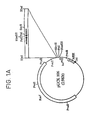
- FIG. 1A illustrates pUCK 106 (circular map), a specific plasmid made as shown below.
- the open bar in the circular map represents the kanamycin-resistant gene (from Tn 5).
- the straight open bar shown at the upper right hand side represents a 215-bp DNA fragment inserted at the Xba I site, which contains 35-bp inverted repeat (IR) sequences.
- Solid arrows show the IR structure.
- the solid circle design is the origin of replication (Ori).
- the longer open arrow indicates the direction of DNA replication from the OR.
- the smaller open arrow shows the position of the lac prompter-operator ( lac PO ).
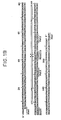
- FIG. 1B shows the DNA sequence of 215-bp inserted at the Xba I site of pUCK19. This plasmid is designated herein as pUCK106.
- the open arrows indicate the IR sequences.
- the HindIII(AAGCTT) site shows the center of the IR.
- Mismatched positions in the IR are shown by two open spaces in the arrows with mismatched bases C and T inserted in the spaces.
- the DNA fragment discussed above (which contains the IR) has the following sequence (SEQ ID NO:1):
- This example illustrates the production of an slDNA from pUCK106 and its characteristics.
- This example illustrates dimer formation of the slDNA from pUCK106.
- This example illustrates determination of the DNA sequence of the slDNA from pUCK106.
- This example illustrates two possible models of slDNA synthesis.
- the double-stranded DNA around the origin of the ColE1 DNA replication is shown on the top.
- the shaded circle represents the DNA replication complex which initiates DNA replication from the origin.
- the open arrows on the DNA strand indicate the position of the 35-bp inverted repeat (IR) structure (see FIG. 1B) in the DNA sequence.
- the mismatched base pair (C•T) in the IR structure is also indicated within the arrows.
- the DNA replication fork proceeds from the origin (+1 position) to the position indicated by the shaded circle.
- the newly synthesized first strand is shown extending from the origin (a solid circle) to the replication fork.
- the DNA replication complex reaches immediately before the mismatched T residue in the IR structure that is shown by solid arrows.
- the 3' end of the nascent strand detaches from the DNA replication complex and a secondary structure is formed by the IR structure.
- DNA synthesis reinitiates from the 3' end of the stem-loop structure utilizing either the nascent strand (model A) or the upper parental strand (model B) as template.
- DNA synthesis proceeds beyond the origin by 16 bases.
- the primer RNA which remains attached at the 5' end of the DNA may be used as the primer RNA. Subsequently, the RNA may be removed resulting in the formation of slDNA.
- DNA synthesis terminates at the ter H site by a similar mechanism known for the termination of the second strand DNA synthesis.
- both models A and B can explain the synthesis, and the synthesis may proceed by both routes concurrently, at least for part of the time.
- an appropriate template will be used for the second strand other than the strand which was the template for the first strand.
- the resulting pUCK106 ⁇ lac PO produced a new slDNA which migrated faster than the slDNA from pUCK106 as shown at position (b) in lane 4, FIG. 2A.
- the size of this new slDNA was 360-bp in length, which is shorter than the pUCK106 slDNA by a length nearly identical to the size of the deletion in pUCK106 ⁇ lac PO .
- lane 3 shows the slDNA from the DNA preparation from cells harboring pUCK106 ⁇ lac PO .
- slDNA was not dependent upon the primary sequence of the IR structure used for pUCK106.
- the pUC7 vector by itself which has an IR structure at the polylinker site is also able to produce an slDNA corresponding to the DNA fragment from the origin to the center of the polylinker site.
- the isolated and purified slDNA produced from pUC7 was 252-bp in length.
- a plasmid fraction was prepared and treated as in Example 2 and applied (and stained) to acrylamide gel for electrophoresis.
- lane 1 shows the Hae III digest of pBR322 as size markers.
- Lane 2 shows the slDNA from the preparation from pUC7.
- the slDNA of pUC7 was amplified by PCR (which is described in further detail herein).
- the DNA fragment that was synthetically constructed was provided intentionally with mismatched bases CT for CG. See FIG. 1B in the open spaces of the IR. After synthesis of the slDNA (with the second strand snapped-back over the first strand) the mismatch has been repaired. FIG. 4E, now CG appears. If the structure were not a snap-back structure, the polymerase would have read right through the IR, would have read the T and inserted an A; the new strand would still have contained the mismatch.
- RNA intermediate nor reverse transcriptase RT
- Kornberg in DNA Replication (W.H. Freeman and Company, San Francisco, CA, 1980), pp. 101-166 ).
- Useful DNA structures named stem-loop DNAs (slDNAs) have been discovered.
- One embodiment is a method (or process) for synthesizing a novel and useful ssDNA molecule (or structure).
- An aspect of this embodiment is an in vitro system used for synthesizing such molecule which includes a DNA fragment which contains a suitable priming site, an inverted repeat (IR) and other necessary components for synthesizing the slDNAs.
- IR inverted repeat
- the system for synthesizing such molecules uses a competent self-replicating vehicle and other components of the system.
- the self-replicating vehicle advantageously contains an inverted repeat, a DNA to serve as template for the replication of a first strand of the slDNA, a suitable priming site for the template to start DNA synthesis in the opposite orientation and when needed, the second strand of the parent DNA and other components further described.
- the invention provides a method for synthesizing a novel single-stranded DNA (ssDNA) molecule.
- the molecule comprises a stem-loop structure (slDNA) which stem is constituted of duplexed DNA of annealed complementary bases within the ssDNA, which stem forms, at one end, the 5' and 3' termini of the ssDNA molecule and at the other end, a single-stranded loop of DNA joining the opposite ends of the duplexed DNA.
- slDNA stem-loop structure
- the method is carried out in a system which contains the conventional components of DNA synthesis, and the following components:
- the method comprises the steps of:
- the method is carried out in a system which contains all the necessary conventional components for DNA synthesis. These components may be present inherently as when the method is carried out in vivo ; they will normally be introduced into the system when the method is carried out in vitro .
- the method calls for the presence of a DNA which has a suitable priming site and an inverted repeat downstream of the priming site.
- the DNA serves as a template for directing the DNA replication.
- the primer can be any oligonucleotide (whether occurring naturally or produced synthetically) which is capable of acting to initiate synthesis of a primer extension product which is complementary to a nucleic acid strand.
- the method of initiation of DNA strands is of course well known (see Watson, Molecular Biology of the Gene, 3rd Ed., W.A.
- the primer may be a DNA or RNA primer. Synthesis is induced in the presence of nucleotides and an agent of polymerization, such as DNA polymerase at a suitable temperature and pH.
- the method of the invention uses an agent for polymerization such as an enzyme, which catalyzes the synthesis of the strand along the template.
- Suitable enzymes for this purpose include, for example, any DNA polymerase like E. coli DNA polymerase I, or III, Klenow fragment of E. coli DNA polymerase I, T4 DNA polymerase, T7 DNA polymerase, reverse transcriptase (RT), viral polymerases, including heat-stable enzymes. Any polymerase that will recognize its site of initiation for DNA replication is appropriate. Generally, when the process is carried out in vivo , these genetic elements will be present; if not or if performed in vitro , they will be added to the system.
- any polymerase that will recognize the site of initiation may cause or contribute to the polymerization. While the inventors do not wish to be bound to any particular theory at this time, it is not to be excluded that the polymerase that contributed to the synthesis of the first DNA strand also contributes to synthesize the other or second DNA strand.
- the method thus provides continuing the synthesis of the second strand until it terminates at terminus 3' beyond the 5' terminus of the first formed strand. Thus, there is formed the duplexed stem of the slDNA.
- DNA polymerases are available. For instance, see Kornberg, in DNA Replication (W.H. Freeman and Company, San Francisco, CA, 1980), pp. 101-166, Chapter 4, DNA Polymerase I of E. coli , Chapter 5, Other Procaryotic Polymerases , Chapter 6, Eucaryotic DNA Polymerases and Chapter 7.
- polymerases such as those that are useful in second-strand synthesis in cDNA may be considered.
- polymerases are two: DNA polymerase III and polymerase I.
- the sequence When it is desired to replicate a desired or target nucleic acid sequence which is capable of encoding a protein, e.g. , a gene as part of the synthesized slDNAs, the sequence will be positioned upstream of the IR.
- a desired or target nucleic acid sequence which is capable of encoding a protein, e.g. , a gene as part of the synthesized slDNAs
- the sequence will be positioned upstream of the IR.
- a replication vehicle like a vector, e.g. , pUCK106, which has an origin of replication (OR)
- the target nucleic acid sequence will be positioned in between the IR and the OR.
- the method of the invention uses a double-stranded DNA fragment which has, as described, a priming site and also an inverted repeat (IR), i.e. , two copies of an identical sequence present in the reverse orientation.
- IR inverted repeat
- the IR may be present as a sequence or "palindrome".
- the synthesis of the first strand proceeds in a contiguous manner along the dsDNA template through the IR resulting in the replication of the entire plasmid genome.
- the synthesis of the DNA strand is ceased within the IR, forming a short region of sequence which is complementary to itself, forms a loop and at the IR sequence anneals to itself.
- This double-stranded region within the newly synthesized strand is recognized as the priming site for the second or other DNA strand.
- Synthesis of the second strand starts using the first formed strand and/or the other parent strand of the DNA as template. Thus, template switching is believed to occur.
- the stem is formed of the annealed complementary bases resulting in its duplexed structure with internal complementarity.
- the synthesis of the second strand proceeds all the way past the first nucleotide of the first synthesized strand through the RNA primer of this first strand which eventually degrades, thus providing a 3' overhang.
- the DNA synthesis is believed to terminate at the ter H site by a mechanism similar as described in Dasgupta et al. , Cell , 51 , 1113 (1987).
- the length of the 3' end overhang can be controlled, e.g. , lengthened, as by moving the ter H site downstream from the priming site.
- either strand can be longer by a predetermined length with respect to the other.
- the template and the formed slDNA separate.
- the method of the invention may be repeated in cycles as often as is desired. If any of the necessary components are becoming depleted, they are resupplied as it becomes necessary.
- a suitable competent replicating vehicle which carries the necessary template DNA fragment having a priming site and an IR downstream of the priming site.
- the DNA fragment carrying the IR will normally be inserted into a restriction site unique in a polylinker sequence.
- a plasmid has been used in which the polylinker has an IR (and symmetrical restriction sites).
- the DNA fragment will be provided with a primer to the DNA sequence; the polymerase may be indigenous to the vehicle or not.
- the vehicle will contain all other necessary elements for replication and forming the slDNAs.
- any self-replicating vector which contains a DNA fragment to serve as template, an IR sequence, the necessary elements to prime and continue the replication of the strand that will form the slDNA, is suitable to synthesize the slDNAs.
- the method of the invention provides the ss-slDNAs. These structures have already been described hereinabove. Additional description is provided hereinafter.
- s tem- l oop The structure which has been named " s tem- l oop" or "slDNA" is single-stranded.
- An illustration of an slDNA is shown in FIG. 4E (from pUCK106) and FIG. 6 (from pUC7).
- Typical slDNAs contain a duplexed double-stranded stem of annealed complementary bases and a loop of a single-strand of nucleotides connecting the two strands of the stem.
- the single-strandedness of the loop is another interesting feature of the slDNAs of the invention.
- slDNAs can include a loop of a very short sequence of nucleotides or considerably longer ones.
- the slDNAs may contain a nucleotide sequence just long enough to form the loop and base pairing forming a short duplexed double-strand. The minimum size should allow for base pairing enough to provide for priming site for the start of synthesis of the second strand.
- the minimum size of the loop may be limited by the strains on the bases that would prevent their pairing into a stable structure.
- the maximum size is influenced by the use intended for the slDNAs.
- the loop illustrated in FIG. 4B is constituted of four bases; loops of 10, 20 or more bases can be conceived.
- the single-strandedness of the loop of the slDNAs is a feature which may be quite useful in the utilities proposed for the slDNAs.
- slDNAs Yet another interesting structure contemplated for the slDNAs is the double slDNAs.
- this structure the free ends of the single-strands of two slDNAs are ligated.
- the structure is expected to be extremely stable. On exposure to conditions which normally denature DNAs, these ssDNAs are likely to "snap-back" to their original structure. Joining of the strands will be carried out by conventional procedures with DNA and/or RNA ligases.
- Such structures can also carry selected genes for encoding proteins and thus provide interesting new practical possibilities.
- slDNA from pUCK106 the 5' end of the first strand appears to be heterogeneous, some strands starting from the +1 position (which corresponds to the origin of ColE1 replication) (see Tomizawa et al. , Proc. Natl. Acad. Sci. USA , 74 , 1865 (1977)), while other strands start from -1, +2 and +3.
- the DNAs may be considered as family of analogous slDNAs.
- mismatch T for G in this case 25 nucleotides away from the center of the palindrome (see FIG. 1B). This mismatch was repaired in the synthesis of the slDNA.
- slDNAs in the illustrated plasmid are descriptive of a best mode of the invention. However, any vector which contains the IR and other components described herein is suitable for synthesizing the slDNAs.
- IR is a structure frequently occurring in procaryotes and in eucaryotes. Any such IR may be used in the invention. IR sequences may also be prepared synthetically. An illustration is the IR synthesized and shown in FIG. 1B.
- Palindromes have been defined to include inverted repetitious sequences in which almost the same (not necessarily the same) sequences run in opposite direction. Though some are short (3-10 bases in one direction), others are much longer, comprising hundreds of base pairs (see Watson, Molecular Biology of the Gene , 3rd Ed., pps. 224-225).
- the IR in the DNA fragment can vary considerably in size. Without intending to be limited slDNAs with inverted repeats of 10 to 30 or longer nucleotides may be considered. Inverted repeats have been reported to contain more than 300-bp (see Current Protocols , Section 1.4.10).
- the slDNAs can be the synthesis product of procaryotic or eucaryotic host expression (e.g. , bacterial, yeast and mammalian cells).
- procaryotic or eucaryotic host expression e.g. , bacterial, yeast and mammalian cells.
- Examples of appropriate vectors such as a plasmid and a host cell transformed thereby are well known to one skilled in the art.
- suitable hosts for plasmid carrying the necessary components are procaryotes and eucaryotes.
- Procaryotes include such microorganisms as those of the genus Escherichia , in particular E. coli ; of the genus Bacillus , in particular, B. subtilis .
- Plasmids capable of transforming E. coli include for example, the pUC and the ColE1 type plasmids (see U.S. Patent No. 4,910,141). Plasmids capable of transforming E. coli include for example, ColEl type plasmids in general. Other appropriate plasmids for transforming E. coli include: pSC101, pSF2124, pMB8, pMB9, pACYC184, pACYC177, pCK1, R6K, pBR312, pBR313, pML2, pML21, ColE1AP, RSF1010, pVH51, and pVH153.
- Plasmids capable of transforming B. subtilis include: pC194, pC221, pC223, pUB112, pT127, pE194, pUB110, pSA0501, pSA2100, pTP4, pTP5 and their derivatives. Plasmids capable of transforming both B. subtilis and E. coli are described in J. Bacteriol. , 145 , 422-428 (1982); Proc. Natl. Acad. Sci. USA , 75 , 1433-1436 (1978) and Principles of Gene Manipulation 2nd Ed., Carr et al. Eds., University of Ca. Press, Berkeley, 1981, p. 48.
- plasmids capable of transforming S. cerevisiae : pMP78, YEp13, pBTI1, pLC544, YEp2, YRp17, pRB8 (YIp30), pBTI7, pBTI9, pBTI10, pAC1, pSLel, pJDB219, pDB248 and YRp7.
- YIp5 pUC-URA3, pUC-LEU2 and pUC-HIS3. See page 285 and pages 373-378 in Methods in Enzymology , Vol.
- shuttle vectors which can be used to transform E. coli as well as yeast like S. cerevisiae .
- Such vectors include the following: pKB42 and pYC1.
- Other examples are listed in the section on "Cosmid Vectors for Low and Higher Eucaryotes” in A Practical Guide to Molecular Cloning , 2nd Edition by Bernard Perbal (1988), Wiley and Sons.
- Other suitable vectors are described in Vol. 2, Sections 13.4.1, 13.4.2 (1989), Current Protocols .
- Other suitable vehicles include such popular multicopy vectors like YEp24 (Botstein et al. , Gene , 8 , 17 (1979)) and pJDB207 (Beggs, Genetic Engineering (Ed. Williamson), Vol. 2, p. 175, Academic Press (1982)).
- Others that may be selected include plasmids of the classes YIp, like YEp51 and YEp52.
- Examples of commercially available eucaryotic vectors for carrying out the present invention are pSVL and pKSV-10 in for example, COS, CHO and HeLa cells. Other examples are listed in A Practical Guide to Molecular Cloning.
- Culturing and fermentation of the transformed hosts is carried out by standard and conventional methods known in the art. See for example, Methods in Enzymology , Vol. 185, Gene Expression Technology (Goeddel, editor) 1990 (in particular, Growth of Cell Lines); for yeasts, see Methods in Enzymology , Vol. 194, Guide to Yeast Genetics & Molecular Biology; growth conditions for E. coli are described in Current Protocols in Molecular Biology , Vol. 1, at pages 1.1.1, 1.1.2, 1.1.3, 1.1.4 and 1.3.1 and Molecular Cloning: A Laboratory Manual , 2nd Edition at page 1.21 and purification of plasmid DNA is described at page 1.23, culturing growth conditions suitable for mammalian cells are described in Current Protocols , Vols. 1 and 2 at pages 9.0.4-9.0.6, 9.1.1, 9.1.3, 9.2.5, 9.4.3, 11.5.2, 11.6.2 and 11.7.3.
- a slDNA is expected to be formed.
- the synthesis of the slDNAs produced by the method of the invention will be performed in a medium which includes conventional components for the synthesis of nucleotide strands using the DNA fragment as template.
- the synthesis will take place in a buffered aqueous solution, preferably at a pH of 7-9.
- a molar excess of the oligonucleotides over the DNA template strand.
- the deoxyribonucleoside triphosphates dATP, dCTP, dGTP and dTTP are also a component of the synthesis mixture. Heating and then cooling of the solution is performed.
- the polymerase is then added and the synthesis proceeds.
- Oligonucleotide synthesis may be carried out by a number of methods including those disclosed in U.S. Pat. No. 4,415,734, and in Matteuci et al. , J. Am. Chem. Soc. , 103 (11):3185-3191 (1981), Adams et al. , J. Am. Chem. Soc. , 105 (3):661-663 (1983), and Bemcage et al. , Tetrahedron Letters , 22 (20):1859-1867 (1981).
- the methods of the present invention make use of techniques or genetic engineering and molecular cloning.
- General techniques of genetic engineering and molecular cloning are included in Sambrook et al. , Molecular Cloning: A Laboratory Manual , 2nd Ed., Cold Spring Harbor Laboratory, 1990, A Practical Guide to Molecular Cloning , 2nd Ed., Bernard Perbal (1988), Methods in Enzymology , Volume 68, Recombinant DNA (Wu, editor), Academic Press, N.Y., 1979, Methods in Enzymology , Volume 185, Gene Expression Technology (Goeddel, editor) 1990, Current Protocols in Molecular Biology , Vols. 1, 2 and 3.
- the slDNAs produced by the method of the invention have several interesting utilities.
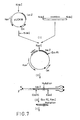
- the method of the invention may be used to provide random mutations in a selected gene. Such a system is illustrated in FIG. 7 which shows the gene for ⁇ -galactosidase in a transformed vector.
- the method comprises synthesizing an slDNA containing a gene of interest located in the stem, isolating the slDNA, cutting out the gene from the slDNA, cloning it into an appropriate replicating vehicle and expressing the protein encoded by the gene.
- the proteins can be tested for the desired activity. By standard procedures the colonies can be screened to identify those with mutated genes.
- step 1 Into PUCK 109 (see Example 1) which harbors the lac Z gene, there is ligated the 215-bp DNA fragment containing the 35-bp IR (described in Example 1) between the DNA fragment and the OR (as shown in Example 1) : step 1.
- the plasmid is transformed into E. coli CL83 which is grown under standard conditions. During cell growth, slDNA is produced in which mutations are incorporated. Thereafter, the lac Z gene is isolated and inserted into pUCK19 (without the IR-containing fragment) : step 2.
- pUCK19 is digested with KasI and EcoRI : step 3; the resulting mutated lac Z gene is then ligated into PUC 19, which carries the lacZ gene and the ampicillin resistance gene and which had been digested beforehand with Kas I and Eco RI : step 4. Finally, the isolated lacZ gene is transformed into E. coli CL83.
- the frequency of mutation is scored by the known in vivo test using ⁇ -gal, a colorless substrate, which is hydrolyzed to give a dark blue product. When the colonies are colorless, this indicates that no ⁇ -galactosidase has been produced.
- lac gene family e.g., lacY or lacA
- suitable genes can be used for this screening test.
- the gene encoding the protein (or polypeptide) of interest may also be used to determine the frequency of mutations and selection of appropriate gene encoding the derived protein (or polypeptide).
- This screening procedure permits selection of other polymerases that are more likely to introduce or increase the rate of mutation in the target gene.
- a selected gene such as the lac Z gene can be used as the screening gene.
- Reverse transcriptase known to have less replication fidelity appears to be an enzyme of choice for the purpose introducing mutations in a target gene encoding a desired protein.
- the desired target protein(s) is then expressed by a selected transformed host carrying the mutated gene and selected for its desired biological properties.
- the frequency of mutation is believed to be influenceable by selecting appropriate enzymes that are known to have less fidelity in replication.
- the system depends on the degree of replication fidelity or the infidelity, that is, the frequency of error made by the DNA polymerases in replicating the inserted DNA fragment or gene.
- the degree of replication fidelity or the infidelity that is, the frequency of error made by the DNA polymerases in replicating the inserted DNA fragment or gene.
- random mutations are introduced into the genes.
- the higher the degree of infidelity of the DNA polymerase the greater the number of mutated genes, and vice versa.
- the replicating fidelity of the system can be regulated by appropriate selection of the DNA polymerases. Generally, it is believed that random mutations are more likely to be introduced by the polymerase synthesizing the second strand. An interesting candidate would be RT.
- Genes carrying the desired mutation(s) are useful in chromosomal cross-over.
- the genes of interest or the slDNA carrying the mutated gene of interest can be made to integrate and exchange genetic information from one similar molecule to another.
- the mutated gene locates within the genome a sequence that is similar to the vector sequence and the homologous gene is replicated by the mutated gene.
- the slDNA carrying the mutated gene can be made in vitro or in vivo .
- PCR polymerase chain reaction
- the ss-slDNA produced by the method of the invention can be amplified with a single primer. This feature considerably simplifies the amplification, helps to overcome the problem of one primer finding its proper initiation site, renders it more economical and helps overcome problems associated with the traditional PCR method.
- the amplification of the slDNA comprises denaturing the slDNA to form a single-stranded DNA (from 3' to 5' ends).
- the reaction follows the usual sequence: priming from 3' end, polymerase reaction, denaturing and annealing. It is carried out for 25 cycles leading to million-fold amplification of slDNA.
- the slDNA can be carrying a gene for encoding a target protein.
- a method for amplification of the ss- slDNA structures of the invention by a method using one primer is of great interest.
- the slDNA could be carrying a gene of interest, such as a mutated gene having improved biological properties.
- the in vivo production of the slDNAs of the invention can be so manipulated to provide a desired sequence.
- the slDNAs so produced may then be used as antisense DNA.
- Triplex DNA can be formed by binding a third strand to specific recognized sites on chromosomal DNA. Synthetic strands of sizes preferably containing the full complement of bases (such as 11-15 and higher), are discussed.
- the slDNAs produced by the method of the invention with long 3 (or 5') ends (and the loop of non-duplexed bases) would appear to be excellent candidates.
- the resulting triplex DNA is expected to have increased stability and usefulness. New therapies based on the triple helix formation, including in AIDS therapy and selective gene inhibition and others are proposed in the Report.
Landscapes
- Health & Medical Sciences (AREA)
- Genetics & Genomics (AREA)
- Life Sciences & Earth Sciences (AREA)
- Chemical & Material Sciences (AREA)
- Engineering & Computer Science (AREA)
- Organic Chemistry (AREA)
- Bioinformatics & Cheminformatics (AREA)
- Zoology (AREA)
- Wood Science & Technology (AREA)
- General Engineering & Computer Science (AREA)
- Biomedical Technology (AREA)
- Biotechnology (AREA)
- Biochemistry (AREA)
- General Health & Medical Sciences (AREA)
- Microbiology (AREA)
- Molecular Biology (AREA)
- Plant Pathology (AREA)
- Biophysics (AREA)
- Physics & Mathematics (AREA)
- Medicinal Chemistry (AREA)
- Crystallography & Structural Chemistry (AREA)
- Measuring Or Testing Involving Enzymes Or Micro-Organisms (AREA)
- Preparation Of Compounds By Using Micro-Organisms (AREA)
Description
- The invention concerns the field of recombinant DNA. More particularly, the invention relates to a method of synthesis of new and useful single-stranded DNA which have a stem-loop configuration (ss-slDNA). The invention relates to an in vitro and in vivo method of synthesis. Further, the invention relates to the replicating vehicle which is used to produce these ss-slDNAs. There is described a method for amplifying ss-slDNAs with or without genes encoding a target protein.
- Duplication of part of the genome is known to occur via an RNA intermediate which is reverse-transcribed into complementary DNA (cDNA) by reverse transcriptase. For a review, see Weiner et al., Ann. Rev. Biochem., 55, 631 (1986). The consequential reverse flow of genetic information is considered to have played a major role in the evolutionary diversification of eukaryotic genomes. A similar mechanism may very well have been responsible for genomic evolution in procaryotes in the light of the recent discoveries of bacterial transcriptases. See Inouye and Inouye, TIBS, 16, 18 (1991a) and Inouye and Inouye, Ann. Rev. Microbiol., 45, 163 (1991b). Gene duplication through cDNA synthesis by reverse transcriptase is believed to have played an important role in diversification of genomes during evolution.
- The invention arose in connection with basic research related to genome evolution. The synthesis of a unique ss-slDNA during plasmid DNA replication was demonstrated. It may be speculated that slDNA production may be widely prevalent during both procaryotic as well as eucaryotic chromosomal DNA replication. The chromosomal genetic elements followed by IR structures may always be subject to duplication into slDNA at a frequency depending on the stability of the IR structure and the property of the polymerase(s).
- It has been shown that there are many inverted repeat (IR) structures (approximately 1,000 copies in E. coli), known as REPs for repetitive extragenic palindromic sequences or PUs for palindromic units ( Higgins et al., Nature, 298, 760 (1982), Gilson et al., EMBO. J., 3, 1417 (1984) and Gilson et al., Nucl. Acids Res., 19, 1375 (1991)). These structures appear to be associated with specific cellular components including DNA polymerase I, and may be playing a significant role in chromosomal organization (Gilson et al, Nucl. Acids Res., 18, 3941 (1990) and Gilson et al., EMBO. J., 3, 1417 (1984)). It should also be noted that approximately 6% of the human genome are occupied with elements called Alu whose transcriptional products have been shown to contain substantial secondary structures (Simmett et al., J. Biol. Chem., 266, 8675 (1991)).
- Since slDNA synthesis does not require RNA intermediates nor reverse transcriptase activity in contrast to that of cDNA synthesis, slDNA may be more frequently produced than cDNA. Thus, slDNAs might have played a major role similar to cDNA in the genomic evolution of both procaryotes and eucaryotes by duplicating genetic elements which then were dispersed or rearranged within the genome.
- In accordance with the present invention, a fundamental finding has been made. It has been found that portions of the genome can be directly duplicated from the genome. This gene duplication it has been found, requires neither an RNA intermediate nor reverse transcriptase and occurs during DNA replication.
- Briefly described, the invention provides a method (or process) for synthesizing a novel and useful single-stranded DNA (ssDNA) molecule. The method involves using a DNA inverted repeat (IR) and necessary components to start and synthesize a single-stranded structure. The invention also provides a system for synthesizing such ssDNA from and with the necessary components including a DNA inverted repeat. The invention further provides competent replicating vehicles which include all the necessary elements to synthesize the novel ssDNA molecules. The structure obtained by the method of the invention has a stem constituted of duplexed DNA of complementary bases; the stem terminates at one of its ends by two termini, respectively a 3' and 5' terminus, and at the other end by the ssDNA forming a loop.
- The invention contemplates carrying out the method and the systems in vitro .
- Various uses of the molecules are described, including a method for providing random mutations in genes with the aim of generating proteins with improved or novel biological properties. Another interesting contemplated use is to integrate the ssDNA molecules of the invention into DNA to generate a triplex DNA of increased stability. Another use is the application of the polymerase chain reaction (PCR) using a single primer.
- The invention and its several embodiments are described in greater detail hereinafter.
- By the method of the invention there is produced a ssDNA molecule whose structure comprises a stem portion of duplexed DNA of annealed complementary bases within the ssDNA, which stem forms, at one of its ends, the 5' and 3' termini of the ssDNA molecule and, at the other end, a loop, which is constituted of a single-strand of non-annealed bases which joins the two single-strands of the stem. In a specific embodiment, strand ending in the 3' terminus is longer than the other strand. The slDNAs may include DNA segments capable of encoding a protein, more particularly any gene(s). The gene will be located between the loop and the termini. The gene may be a gene carrying a mutation(s).
- A mechanism postulated for the synthesis of slDNAs is illustrated in FIG. 5A and B. The synthesis is believed to involve, in summary, the following course: DNA is initiated at the origin of replication (OR), replication of a first strand (or "the" or "a" strand) then proceeds using one of the strands of the double-stranded DNA as template (by the same mechanism as chromosomal DNA replication (see Tomizawa et al., Proc. Natl. Acad. Sci. USA, 74, 1865 (1977)), proceeding through the IR structure resulting in the replication of the entire plasmid genome when a plasmid is used. However (as is described in greater detail hereinafter), part of the first strand forms a loop structure as the first strand synthesis is disrupted or terminated within the IR (FIG. 5, from
steps 2 to 3). The loop forms a short duplexed region which functions as priming site for continuing DNA synthesis. DNA chain elongation resumes from the newly formed 3' end, now forming the second strand (or "the other" strand) utilizing the nascent first strand as a template. An alternative (or concurrent) postulated synthesis course is described hereinafter. Thus, the direction of DNA synthesis is reversed by template switching to duplicate the DNA fragment (FIG. 5, fromsteps 1 to 4 ). The newly synthesized slDNA molecule dissociates itself from the parent template strands which undergo another round of replication to form another slDNA. The slDNA is isolated, if necessary, purified. - In another embodiment of the method of the invention, there is provided a DNA self-replicating vehicle, e.g., a plasmid into which there has been inserted a DNA fragment which contains an inverted repeat (IR) structure, the DNA fragment which will serve as template for synthesis of the ssDNA and a suitable priming site, e.g., an origin of replication (OR), such as the E. coli origin of replication (ColE1). The IR is situated downstream of the OR. The self-replicating vehicle is replicated in a suitable host, e.g., an E. coli. The host will contain at least one DNA polymerase to synthesize the ssDNA from the template. In this specific embodiment, it is presumed that there are two polymerases, a first DNA polymerase contributing to the elongation of a portion of the ssDNA from the OR to the IR, the first strand, and a second DNA polymerase which synthesizes the balance or second strand of the ssDNA strand. As the synthesis of the first strand terminates, complementary bases anneal to form a single-stranded non-annealed loop. The synthesis of the second strand then takes place. A new DNA structure is synthesized which is constituted of a duplexed DNA stem and a single-stranded loop structure at the opposite end. For this new DNA structure the term "stem-loop" or "slDNA" has been coined.
- Another specific embodiment provides a replicating vehicle in which a promoter, specifically the lac promoter-operator has been deleted. An slDNA was nonetheless produced, supporting the synthesis model proposed, as described further herein.
- The plasmid may be constructed to contain any selected DNA sequence capable of encoding a protein between the priming site and the IR in which event the slDNA synthesized will contain the DNA sequence or a mutation thereof.
- The slDNAs produced by the method of the invention of the invention need not be synthesized by a self-replication vehicle, but may be synthesized in an appropriate in vitro system constituted of a any segment of DNA, linear or not, which contains any IR and the necessary elements to synthesize the ssDNA. Such system is described hereinafter.
-
- FIG. 1 (A) Illustrates a plasmid of the invention, pUCK106.
- FIG. 1 (B) (Seq. ID No:1) shows the DNA sequence of 215-bp inserted at the XbaI site of PUCK19.
- FIG. 2 shows an ethidium bromide staining of polyacrylamide gel of the production of an slDNA from pUCK106 and its characteristics.
- FIG. 3 shows an autoradiograph of a dried polyacrylamide gel of dimer formation of the slDNA from pUCK106.
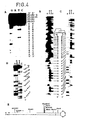
- FIG. 4 illustrates determination of the DNA sequence
of the slDNA from pUCK106.
- (A) shows an autoradiograph of a dried polyacrylamide gel of the determination of the DNA sequence of the 5' end region of the slDNA.
- (B) shows an autoradiograph of a dried polyacrylamide gel of the 5' end sequencing of the loop region of the slDNA.
- (C) shows an autoradiograph of a dried polyacrylamide gel of the 3' end sequencing of the loop region of the slDNA.
- (D) shows an autoradiograph of a dried polyacrylamide gel of the DNA sequence of the 3' end region of the slDNA.
- (E) shows the structure of the slDNA from pUCK106.
- FIG. 5 illustrates two possible models of slDNA synthesis.
- FIG. 6,
lane 1 shows the HaeIII digest of pBR322 as size markers.Lane 2 shows the slDNA from the preparation from pUC7. - FIG. 7 shows the gene for β-galactosidase in a transformed vector.
-
- Plasmid pUCK106 has been deposited with the American Type Culture Collection (ATCC) under Accession No. 68679.
- Plasmid pUCK106Δlac PO has been deposited with the ATCC under Accession No. 68680.
- The following examples are offered by way of illustration and are not intended to limit the invention in any manner. In these examples, all percentages are by weight if for solids and by volume for liquids, and all temperatures are in degrees Celsius unless otherwise noted.
- For convenience and clarity, the Examples refer to and provide also a detailed description of the Figures.
- FIG. 1A illustrates pUCK 106 (circular map), a specific plasmid made as shown below. The open bar in the circular map represents the kanamycin-resistant gene (from Tn 5). The straight open bar shown at the upper right hand side represents a 215-bp DNA fragment inserted at the XbaI site, which contains 35-bp inverted repeat (IR) sequences. Solid arrows show the IR structure. The solid circle design is the origin of replication (Ori). The longer open arrow indicates the direction of DNA replication from the OR. The smaller open arrow shows the position of the lac prompter-operator (lac PO).
- FIG. 1B shows the DNA sequence of 215-bp inserted at the XbaI site of pUCK19. This plasmid is designated herein as pUCK106. The open arrows indicate the IR sequences. The HindIII(AAGCTT) site shows the center of the IR.
- Mismatched positions in the IR are shown by two open spaces in the arrows with mismatched bases C and T inserted in the spaces.
- The DNA fragment discussed above (which contains the IR) has the following sequence (SEQ ID NO:1):

- This example illustrates the production of an slDNA from pUCK106 and its characteristics.
- (A) E. coli CL83 was transformed with either pUCK19,
pUCK106 and with pUCK106Δlac PO and a plasmid DNA fraction was
prepared. A DNA preparation (after ribonuclease A treatment)
was applied to a 5% acrylamide gel for
electrophoresis. The gel was stained with ethidium bromide.
Lane 1 shows the HaeIII digest of pBR322 as size markers;lane 2, the DNA preparation from cells harboring pUCK19;lane 3, pUCK106; andlane 4, pUCK106Δ-lac PO. pUCK19 is a kanamycin variant of pUC19. - (B) The slDNA from pUCK106 was purified by
polyacrylamide gel electrophoresis followed by various
restriction enzyme digestion. The digests were
analyzed by polyacrylamide (5%) gel electrophoresis, and the
gel was stained by ethidium bromide. With reference to FIG.
2,
lane 1, the HaeIII digest of pBR322 as size markers;lane 2, slDNA without digestion;lane 3, slDNA digested with XbaI;lane 4, with HindIII; andlane 5, with PvuII. - (C) Heat-denaturation of the slDNA from pUCK106.
The purified slDNA (as described above) was solubilized in 10
mM Tris-HCl (pH 8.0) and 1 mM EDTA. The slDNA solution was
incubated in a boiling water bath for 3 minutes and quickly
chilled in an ice bath. Samples were analyzed as described in
A. With reference to FIG. 2,
lane 1, the HaeIII digest of pBR322 as size markers;lane 2, slDNA without heat treatment; andlane 3, slDNA heat-denatured followed by quick cooling. -
- This example illustrates dimer formation of the slDNA from pUCK106.
- (A) The purified slDNA from pUCK106 as described in
FIG. 2 was solubilized in 10 mM Tris-HCl (pH 8.0), 150 mM NaCl
and 10 mM MgCl2. The slDNA solution was incubated in a
boiling water bath for 3 minutes and then gradually cooled.
The renatured slDNA was digested with XbaI and the DNA
fragments thus generated were labeled at their 5' ends with
[γ-32P]ATP and T4 polynucleotide kinase. These products were
applied to a 5% polyacrylamide gel. After electrophoresis,
the gel was dried and subjected to autoradiography.
With reference to FIG. 3,
lane 1, the HaeIII digest of pBR322 as size markers;lane 2, the EcoRI and HindIII digest of λ DNA as size markers ;lane 3, the slDNA from pUCK106 without treatment;lane 4, the XbaI digest of the untreated slDNA;lane 5, the slDNA after heat-denaturation followed by gradual cooling; andlane 6, the XbaI digest of the slDNA fromlane 5. Bands are marked from "a" to "e" at the right hand side. - (B) Characterization of fragment "d" in FIG. 3A.
Fragment "d" purified from the gel;
lane 3, the HindIII digest of the purified fragment "d"; andlane 4, the purified fragment "d" was heat-denatured and quickly chilled as described with respect to FIG. 2. - (C) Schematic representation of bands "a" to "e" shown in A and B. X and H represent XbaI and HindIII sites, respectively. These are two other HindIII sites in fragment "a" very close to the XbaI sites (within fragment "c"). These HindIII sites are not shown.
-
- This example illustrates determination of the DNA sequence of the slDNA from pUCK106.
- (A) Determination of the DNA sequence of the 5' end region of the slDNA. 0.2 µg of the isolated and purified slDNA was used for sequencing by the chain termination method. Primer "a" (5'GGTTATCCACAGAATCAG3') (SEQ ID No : 2) which corresponds to the sequence 96-bp downstream from the origin (see FIG. 4B) was used as primer.
- (B) 5' end sequencing of the loop region of the
slDNA. 0.5 µg of the slDNA was digested with SacII and the
DNA fragments thus generated were labeled
at the 5' end with [γ-32P]ATP and T4 polynucleotide kinase. The DNA fragment migrated at approximately 40-bp was isolated and sequenced by the Maxam-Gilbert method. - (C) 3' end sequencing of the loop region of the slDNA. The SacII digest slDNA was labeled at the 3' end with [γ-32P]dideoxyATP using terminal deoxynucleotidyl transferase. The DNA fragment containing the loop region was isolated and sequenced by the Maxam-Gilbert method.
- (D) DNA sequence of the 3' end region of the slDNA. The slDNA was digested with AflIII (see FIG. 4E). The 5' ends were labeled with [γ-32P]ATP and T4 polynucleotide kinase. The labeled products were separated by a sequencing gel. The single-stranded DNA which migrated at 76 bases was isolated and sequenced by Maxam-Gilbert method. By reference to FIG. 4D the numbers represent the residue numbers from the origin of pUCK19.
- (E) Structure of the slDNA from pUCK106. The slDNA consists of a single-stranded DNA of 1137 to 1139 bases. The 5' end of the slDNA appears to be heterogeneous; some start from +1 while other start from -1, +2 and +3. The +1 position corresponds to the origin of ColE1 DNA replication. Thus, various slDNAs have different length 5' ending strands. At the 3' end a sequence of 16 bases is extended beyond the +1 position of the 5' end. The loop is considered to be formed with the 4 base sequence (AGCT) corresponding to the sequence at the center of the IR structure, where a HindIII site (AAGCTT) is designed to be placed. The base pair corresponding to the mismatch in the IR structure in pUCK106 was converted from C•T (in pUCK106) to C·G (in the slDNA) is shown between the SacII and PstI sites. The position of primer "a" used for DNA sequencing in FIG. 4A is shown by an arrow.
-
- Separation and purification of the slDNAs are performed according to standard techniques as by following the procedures described in Molecular Cloning, A Laboratory Manual, Sambrook et al., 2d Ed. (Sections 1.121-1.40) ("Sambrook").
- This example illustrates two possible models of slDNA synthesis. The double-stranded DNA around the origin of the ColE1 DNA replication is shown on the top. The shaded circle represents the DNA replication complex which initiates DNA replication from the origin. The open arrows on the DNA strand indicate the position of the 35-bp inverted repeat (IR) structure (see FIG. 1B) in the DNA sequence. The mismatched base pair (C•T) in the IR structure is also indicated within the arrows.
- At
step 1, the DNA replication fork proceeds from the origin (+1 position) to the position indicated by the shaded circle. The newly synthesized first strand is shown extending from the origin (a solid circle) to the replication fork. The DNA replication complex reaches immediately before the mismatched T residue in the IR structure that is shown by solid arrows. Atstep 2, the 3' end of the nascent strand detaches from the DNA replication complex and a secondary structure is formed by the IR structure. Atstep 3, DNA synthesis reinitiates from the 3' end of the stem-loop structure utilizing either the nascent strand (model A) or the upper parental strand (model B) as template. Atstep 4, DNA synthesis proceeds beyond the origin by 16 bases. - In model A, the primer RNA which remains attached at the 5' end of the DNA may be used as the primer RNA. Subsequently, the RNA may be removed resulting in the formation of slDNA. In model B, DNA synthesis terminates at the terH site by a similar mechanism known for the termination of the second strand DNA synthesis.
- It is conceivable that both models A and B can explain the synthesis, and the synthesis may proceed by both routes concurrently, at least for part of the time. Thus, an appropriate template will be used for the second strand other than the strand which was the template for the first strand.
- When the 199-bp PvuII-HincII fragment containing the lac promoter-operator was deleted from pUCK106 (see FIG. 1A), the resulting pUCK106Δlac PO produced a new slDNA which migrated faster than the slDNA from pUCK106 as shown at position (b) in
lane 4, FIG. 2A. The size of this new slDNA was 360-bp in length, which is shorter than the pUCK106 slDNA by a length nearly identical to the size of the deletion in pUCK106Δlac PO. - In FIG. 2A,
lane 3 shows the slDNA from the DNA preparation from cells harboring pUCK106Δlac PO. - This experiment supports the model for slDNA synthesis proposed above and also indicates that the lac promoter-operator is not essential for slDNA synthesis. This notion was further supported by the fact that the addition of isopropyl-β-D-thiogalactopyranoside, an inducer of lac, did not affect the production of the slDNA from pUCK106. However, the reason for the reduction of slDNA synthesis from pUCK106Δlac PO is not known at present.
- The synthesis of slDNA was not dependent upon the primary sequence of the IR structure used for pUCK106. Interestingly, the pUC7 vector by itself, which has an IR structure at the polylinker site is also able to produce an slDNA corresponding to the DNA fragment from the origin to the center of the polylinker site.
- The isolated and purified slDNA produced from pUC7 was 252-bp in length. A plasmid fraction was prepared and treated as in Example 2 and applied (and stained) to acrylamide gel for electrophoresis.
- In FIG. 6,
lane 1 shows the HaeIII digest of pBR322 as size markers.Lane 2 shows the slDNA from the preparation from pUC7. - The slDNA of pUC7 was amplified by PCR (which is described in further detail herein).
- The slDNA structure and mechanism described above (illustrated in FIG. 5) was confirmed as follows.
- The DNA fragment that was synthetically constructed was provided intentionally with mismatched bases CT for CG. See FIG. 1B in the open spaces of the IR. After synthesis of the slDNA (with the second strand snapped-back over the first strand) the mismatch has been repaired. FIG. 4E, now CG appears. If the structure were not a snap-back structure, the polymerase would have read right through the IR, would have read the T and inserted an A; the new strand would still have contained the mismatch. To replace the mismatched T, that IR portion necessarily had to snap-back onto the first strand, thus allowing the polymerase to use the first synthesized strand as template to synthesize the second strand and as it synthesizes it, insert the complementary base G in place of the mismatched T. This unequivocally establishes the synthesis mechanism and structure of the slDNAs of the invention.
- The inventors have made the fundamental discovery that part of the genome is directly duplicated from the genome. The mechanism discovered requires neither an RNA intermediate nor reverse transcriptase (RT) as is well known (see Weiner et al., Ann. Rev. Biochem., 55, 631 (1986); Kornberg, in DNA Replication (W.H. Freeman and Company, San Francisco, CA, 1980), pp. 101-166 ). Useful DNA structures named stem-loop DNAs (slDNAs) have been discovered.
- By way of introduction, the invention provides several embodiments. One embodiment is a method (or process) for synthesizing a novel and useful ssDNA molecule (or structure). An aspect of this embodiment is an in vitro system used for synthesizing such molecule which includes a DNA fragment which contains a suitable priming site, an inverted repeat (IR) and other necessary components for synthesizing the slDNAs.
- The system for synthesizing such molecules uses a competent self-replicating vehicle and other components of the system. The self-replicating vehicle advantageously contains an inverted repeat, a DNA to serve as template for the replication of a first strand of the slDNA, a suitable priming site for the template to start DNA synthesis in the opposite orientation and when needed, the second strand of the parent DNA and other components further described.
- The invention provides a method for synthesizing a novel single-stranded DNA (ssDNA) molecule. The molecule comprises a stem-loop structure (slDNA) which stem is constituted of duplexed DNA of annealed complementary bases within the ssDNA, which stem forms, at one end, the 5' and 3' termini of the ssDNA molecule and at the other end, a single-stranded loop of DNA joining the opposite ends of the duplexed DNA. The method is carried out in a system which contains the conventional components of DNA synthesis, and the following components:
- (a) a template DNA containing a suitable priming site and an inverted repeat (IR) downstream of said priming site,
- (b) a primer for the template to allow the start of DNA polymerization, and
- (c) a DNA polymerase to replicate the sldna from the template.
-
- The method comprises the steps of:
- (1) priming the DNA template to allow the start of DNA polymerization,
- (2) synthesizing the ssDNA from the primer using one of the double-strand of the DNA as template thereby forming one strand, continuing the DNA synthesis of the strand into the IR sequence and allowing the synthesis to cease within the IR sequence,
- (3) allowing complementary bases within the newly synthesized strand at the IR sequence to anneal forming, at one end, a loop of a non-duplexed region and a duplexed region, the duplexed region functioning as a priming site for continued DNA synthesis,
- (4) resuming DNA synthesis using as template the newly synthesized strand and/or the other strand of the DNA,
- (5) forming the slDNA, and
- (6) separating and isolation the slDNA.
-
- The method is carried out in a system which contains all the necessary conventional components for DNA synthesis. These components may be present inherently as when the method is carried out in vivo; they will normally be introduced into the system when the method is carried out in vitro.
- The method calls for the presence of a DNA which has a suitable priming site and an inverted repeat downstream of the priming site. The DNA serves as a template for directing the DNA replication. The primer can be any oligonucleotide (whether occurring naturally or produced synthetically) which is capable of acting to initiate synthesis of a primer extension product which is complementary to a nucleic acid strand. The method of initiation of DNA strands is of course well known (see Watson, Molecular Biology of the Gene, 3rd Ed., W.A. Benjamin, Inc.; DNA Synthesis: Present and Future, Molineux and Kohiyama, Eds., (1977) Part V, "G4 and ST-1 DNA Synthesis In Vitro" by Wickner; Part VII, "DNA Synthesis in Permeable Cell Systems from Saccharomyces cerevisiae" by Oertel and Goulian). Different polymerases may contribute to the synthesis of the second strand, as opposed to that contributing to the synthesis of the first strand. The primer may be a DNA or RNA primer. Synthesis is induced in the presence of nucleotides and an agent of polymerization, such as DNA polymerase at a suitable temperature and pH.
- The method of the invention uses an agent for polymerization such as an enzyme, which catalyzes the synthesis of the strand along the template. Suitable enzymes for this purpose include, for example, any DNA polymerase like E. coli DNA polymerase I, or III, Klenow fragment of E. coli DNA polymerase I, T4 DNA polymerase, T7 DNA polymerase, reverse transcriptase (RT), viral polymerases, including heat-stable enzymes. Any polymerase that will recognize its site of initiation for DNA replication is appropriate. Generally, when the process is carried out in vivo, these genetic elements will be present; if not or if performed in vitro, they will be added to the system.
- Any polymerase that will recognize the site of initiation may cause or contribute to the polymerization. While the inventors do not wish to be bound to any particular theory at this time, it is not to be excluded that the polymerase that contributed to the synthesis of the first DNA strand also contributes to synthesize the other or second DNA strand. The method thus provides continuing the synthesis of the second strand until it terminates at
terminus 3' beyond the 5' terminus of the first formed strand. Thus, there is formed the duplexed stem of the slDNA. - Information on DNA polymerases is available. For instance, see Kornberg, in DNA Replication (W.H. Freeman and Company, San Francisco, CA, 1980), pp. 101-166,
Chapter 4, DNA Polymerase I of E. coli,Chapter 5, Other Procaryotic Polymerases,Chapter 6, Eucaryotic DNA Polymerases and Chapter 7. - Other polymerases, such as those that are useful in second-strand synthesis in cDNA may be considered.
- In a specific illustration described above, it is postulated that the polymerases are two: DNA polymerase III and polymerase I.
- When it is desired to replicate a desired or target nucleic acid sequence which is capable of encoding a protein, e.g., a gene as part of the synthesized slDNAs, the sequence will be positioned upstream of the IR. For example, when the replication takes place in a replication vehicle like a vector, e.g., pUCK106, which has an origin of replication (OR), the target nucleic acid sequence will be positioned in between the IR and the OR.
- The method of the invention uses a double-stranded DNA fragment which has, as described, a priming site and also an inverted repeat (IR), i.e., two copies of an identical sequence present in the reverse orientation. The IR may be present as a sequence or "palindrome".
- As will be described hereinafter, certain enzymes will be preferred over others, such as RT when it is desired to favor introducing random point mutations in a nucleic acid sequence.
- The synthesis of the first strand proceeds in a contiguous manner along the dsDNA template through the IR resulting in the replication of the entire plasmid genome. At a certain frequency, the synthesis of the DNA strand is ceased within the IR, forming a short region of sequence which is complementary to itself, forms a loop and at the IR sequence anneals to itself. This double-stranded region within the newly synthesized strand is recognized as the priming site for the second or other DNA strand. Synthesis of the second strand starts using the first formed strand and/or the other parent strand of the DNA as template. Thus, template switching is believed to occur.
- As the second strand is synthesized by the polymerase incorporating the nucleotides, the stem is formed of the annealed complementary bases resulting in its duplexed structure with internal complementarity.
- The synthesis of the second strand proceeds all the way past the first nucleotide of the first synthesized strand through the RNA primer of this first strand which eventually degrades, thus providing a 3' overhang. In one specific illustration, the DNA synthesis is believed to terminate at the terH site by a mechanism similar as described in Dasgupta et al., Cell, 51, 1113 (1987).
- By appropriate manipulations the length of the 3' end overhang can be controlled, e.g., lengthened, as by moving the terH site downstream from the priming site.
- Further, instead of a stem with a 3' end overhang, it is considered feasible to block the synthesis of the second strand before the end of the first strand by placing an appropriate termination site, e.g., terH upstream of the priming site. Thus, it is contemplated that either strand can be longer by a predetermined length with respect to the other.
- As the synthesis of the second strand ceases, the template and the formed slDNA separate.
- The method of the invention may be repeated in cycles as often as is desired. If any of the necessary components are becoming depleted, they are resupplied as it becomes necessary.
- When the method is carried out in vivo there is provided a suitable competent replicating vehicle which carries the necessary template DNA fragment having a priming site and an IR downstream of the priming site. The DNA fragment carrying the IR will normally be inserted into a restriction site unique in a polylinker sequence. A plasmid has been used in which the polylinker has an IR (and symmetrical restriction sites). When not inherently present, the DNA fragment will be provided with a primer to the DNA sequence; the polymerase may be indigenous to the vehicle or not. The vehicle will contain all other necessary elements for replication and forming the slDNAs.
- From the foregoing it will be understood that any self-replicating vector which contains a DNA fragment to serve as template, an IR sequence, the necessary elements to prime and continue the replication of the strand that will form the slDNA, is suitable to synthesize the slDNAs.
- The method of the invention provides the ss-slDNAs. These structures have already been described hereinabove. Additional description is provided hereinafter.
- The structure which has been named "stem-loop" or "slDNA" is single-stranded. An illustration of an slDNA is shown in FIG. 4E (from pUCK106) and FIG. 6 (from pUC7).
- Typical slDNAs contain a duplexed double-stranded stem of annealed complementary bases and a loop of a single-strand of nucleotides connecting the two strands of the stem. The single-strandedness of the loop is another interesting feature of the slDNAs of the invention. slDNAs can include a loop of a very short sequence of nucleotides or considerably longer ones. The slDNAs may contain a nucleotide sequence just long enough to form the loop and base pairing forming a short duplexed double-strand. The minimum size should allow for base pairing enough to provide for priming site for the start of synthesis of the second strand. The minimum size of the loop may be limited by the strains on the bases that would prevent their pairing into a stable structure. The maximum size is influenced by the use intended for the slDNAs. The loop illustrated in FIG. 4B is constituted of four bases; loops of 10, 20 or more bases can be conceived. The single-strandedness of the loop of the slDNAs is a feature which may be quite useful in the utilities proposed for the slDNAs.
- Yet another interesting structure contemplated for the slDNAs is the double slDNAs. In this structure, the free ends of the single-strands of two slDNAs are ligated. The structure is expected to be extremely stable. On exposure to conditions which normally denature DNAs, these ssDNAs are likely to "snap-back" to their original structure. Joining of the strands will be carried out by conventional procedures with DNA and/or RNA ligases. Such structures can also carry selected genes for encoding proteins and thus provide interesting new practical possibilities.
- It is believed that the stability, an important property of the slDNAs, tends to increase with longer duplexed tails; thus, such structures are favored when this is a property which is to be emphasized. It should be noted that all slDNAs generated from a single replicating vehicle are not necessarily identical in size. In the illustration shown above, slDNA from pUCK106, the 5' end of the first strand appears to be heterogeneous, some strands starting from the +1 position (which corresponds to the origin of ColE1 replication) (see Tomizawa et al., Proc. Natl. Acad. Sci. USA, 74, 1865 (1977)), while other strands start from -1, +2 and +3. Thus, the DNAs may be considered as family of analogous slDNAs.
- It may be noted that the presence of one or more mismatch in the DNA fragment beyond the IRs does not adversely affect the synthesis nor the structure of the slDNAs. This is illustrated by the mismatch T for G, in this case 25 nucleotides away from the center of the palindrome (see FIG. 1B). This mismatch was repaired in the synthesis of the slDNA.
- Several utilities for the slDNAs produced by the method of the invention are proposed herein which take advantage of the ssDNA overhang of one end of the tail over the other. It will therefore be appreciated that this is an important feature of the new structures of the invention.
- The synthesis of the slDNAs in the illustrated plasmid is descriptive of a best mode of the invention. However, any vector which contains the IR and other components described herein is suitable for synthesizing the slDNAs.
- IR is a structure frequently occurring in procaryotes and in eucaryotes. Any such IR may be used in the invention. IR sequences may also be prepared synthetically. An illustration is the IR synthesized and shown in FIG. 1B.
- Sequences of IR or palindrome sequences have been obtained from E. coli (Gilson et al., Nucl. Acids. Res., 18, 3941 (1990)); Gilson et al., Nucl. Acids Res., 19, 1375 (1991) reported palindromic sequences from E. coli and Salmonella enteritica (a
palindromic unit sequence 40 nucleotides long). Chalker et al., Gene, 71, (1):201-5 (1988) reports the propagation of a 571-bp palindrome in E. coli; inverted repeats are reported by Lewis et al., J. Mol. Biol. (England), 215, (1):73-84 (1990) in Bacillus subtilis (a 26-base pair repeat), and Saurin, Comput. Appl. Biosci., 3, (2):121-7 (1987) discusses the use of a new computer program to search systematically for repetitive palindromic structures in E. coli. The following U.S. patents disclose palindromic sequences: 4,975,376; 4,863,858; 4,840,901; 4,746,609; 4,719,179; 4,693,980 and 4,693,979. - Palindromes have been defined to include inverted repetitious sequences in which almost the same (not necessarily the same) sequences run in opposite direction. Though some are short (3-10 bases in one direction), others are much longer, comprising hundreds of base pairs (see Watson, Molecular Biology of the Gene, 3rd Ed., pps. 224-225).
- The IR in the DNA fragment can vary considerably in size. Without intending to be limited slDNAs with inverted repeats of 10 to 30 or longer nucleotides may be considered. Inverted repeats have been reported to contain more than 300-bp (see Current Protocols, Section 1.4.10).
- The slDNAs can be the synthesis product of procaryotic or eucaryotic host expression (e.g., bacterial, yeast and mammalian cells).
- Examples of appropriate vectors such as a plasmid and a host cell transformed thereby are well known to one skilled in the art. Among appropriate hosts for plasmid carrying the necessary components are procaryotes and eucaryotes. Procaryotes include such microorganisms as those of the genus Escherichia, in particular E. coli; of the genus Bacillus, in particular, B. subtilis.
- Plasmids capable of transforming E. coli include for example, the pUC and the ColE1 type plasmids (see U.S. Patent No. 4,910,141). Plasmids capable of transforming E. coli include for example, ColEl type plasmids in general. Other appropriate plasmids for transforming E. coli include: pSC101, pSF2124, pMB8, pMB9, pACYC184, pACYC177, pCK1, R6K, pBR312, pBR313, pML2, pML21, ColE1AP, RSF1010, pVH51, and pVH153.
- Plasmids capable of transforming B. subtilis include: pC194, pC221, pC223, pUB112, pT127, pE194, pUB110, pSA0501, pSA2100, pTP4, pTP5 and their derivatives. Plasmids capable of transforming both B. subtilis and E. coli are described in J. Bacteriol., 145, 422-428 (1982); Proc. Natl. Acad. Sci. USA, 75, 1433-1436 (1978) and Principles of Gene Manipulation 2nd Ed., Carr et al. Eds., University of Ca. Press, Berkeley, 1981, p. 48.
- Of special interest for carrying out the synthesis of the slDNAs in eucaryotes are plasmids capable of transforming S. cerevisiae: pMP78, YEp13, pBTI1, pLC544, YEp2, YRp17, pRB8 (YIp30), pBTI7, pBTI9, pBTI10, pAC1, pSLel, pJDB219, pDB248 and YRp7. Also to be considered are YIp5, pUC-URA3, pUC-LEU2 and pUC-HIS3. See page 285 and pages 373-378 in Methods in Enzymology, Vol. 194, "Guide to Yeast Genetics and Molecular Biology", edited by Guthrie and Fink (1991), Academic Press, Inc. Other yeast vectors are described at pages 100-104 in Experimental Manipulation of Gene Expression, edited by Masayori Inouye, Academic Press, Inc. (1983).
- Further, of particular interest are shuttle vectors which can be used to transform E. coli as well as yeast like S. cerevisiae. Such vectors include the following: pKB42 and pYC1. Other examples are listed in the section on "Cosmid Vectors for Low and Higher Eucaryotes" in A Practical Guide to Molecular Cloning, 2nd Edition by Bernard Perbal (1988), Wiley and Sons. Other suitable vectors are described in Vol. 2, Sections 13.4.1, 13.4.2 (1989), Current Protocols. Other suitable vehicles include such popular multicopy vectors like YEp24 (Botstein et al., Gene, 8, 17 (1979)) and pJDB207 (Beggs, Genetic Engineering (Ed. Williamson), Vol. 2, p. 175, Academic Press (1982)). Others that may be selected include plasmids of the classes YIp, like YEp51 and YEp52.
- Examples of commercially available eucaryotic vectors for carrying out the present invention are pSVL and pKSV-10 in for example, COS, CHO and HeLa cells. Other examples are listed in A Practical Guide to Molecular Cloning.
- Culturing and fermentation of the transformed hosts is carried out by standard and conventional methods known in the art. See for example, Methods in Enzymology, Vol. 185, Gene Expression Technology (Goeddel, editor) 1990 (in particular, Growth of Cell Lines); for yeasts, see Methods in Enzymology, Vol. 194, Guide to Yeast Genetics & Molecular Biology; growth conditions for E. coli are described in Current Protocols in Molecular Biology, Vol. 1, at pages 1.1.1, 1.1.2, 1.1.3, 1.1.4 and 1.3.1 and Molecular Cloning: A Laboratory Manual, 2nd Edition at page 1.21 and purification of plasmid DNA is described at page 1.23, culturing growth conditions suitable for mammalian cells are described in Current Protocols, Vols. 1 and 2 at pages 9.0.4-9.0.6, 9.1.1, 9.1.3, 9.2.5, 9.4.3, 11.5.2, 11.6.2 and 11.7.3.
- In summary, when the necessary components for initiating and the synthesis of the single first strand are supplied in a replicating vehicle, namely, a DNA template fragment with an initiation site, and an IR (and the polymerase(s)), a slDNA is expected to be formed.
- When the synthesis of the slDNAs produced by the method of the invention is performed in vitro, the synthesis will be performed in a medium which includes conventional components for the synthesis of nucleotide strands using the DNA fragment as template. Generally, the synthesis will take place in a buffered aqueous solution, preferably at a pH of 7-9. Preferably, a molar excess of the oligonucleotides over the DNA template strand. The deoxyribonucleoside triphosphates dATP, dCTP, dGTP and dTTP are also a component of the synthesis mixture. Heating and then cooling of the solution is performed. The polymerase is then added and the synthesis proceeds. These components are called "conventional components" for the purpose of the invention described herein.
- Oligonucleotide synthesis may be carried out by a number of methods including those disclosed in U.S. Pat. No. 4,415,734, and in Matteuci et al., J. Am. Chem. Soc., 103 (11):3185-3191 (1981), Adams et al., J. Am. Chem. Soc., 105 (3):661-663 (1983), and Bemcage et al., Tetrahedron Letters, 22 (20):1859-1867 (1981).
- The methods of the present invention make use of techniques or genetic engineering and molecular cloning. General techniques of genetic engineering and molecular cloning are included in Sambrook et al., Molecular Cloning: A Laboratory Manual, 2nd Ed., Cold Spring Harbor Laboratory, 1990, A Practical Guide to Molecular Cloning, 2nd Ed., Bernard Perbal (1988), Methods in Enzymology, Volume 68, Recombinant DNA (Wu, editor), Academic Press, N.Y., 1979, Methods in Enzymology, Volume 185, Gene Expression Technology (Goeddel, editor) 1990, Current Protocols in Molecular Biology, Vols. 1, 2 and 3.
- The slDNAs produced by the method of the invention have several interesting utilities. The method of the invention may be used to provide random mutations in a selected gene. Such a system is illustrated in FIG. 7 which shows the gene for β-galactosidase in a transformed vector.
- The method comprises synthesizing an slDNA containing a gene of interest located in the stem, isolating the slDNA, cutting out the gene from the slDNA, cloning it into an appropriate replicating vehicle and expressing the protein encoded by the gene. The proteins can be tested for the desired activity. By standard procedures the colonies can be screened to identify those with mutated genes.
- An illustration for generating and identifying mutations proceeds as follows. Into PUCK 109 (see Example 1) which harbors the lacZ gene, there is ligated the 215-bp DNA fragment containing the 35-bp IR (described in Example 1) between the DNA fragment and the OR (as shown in Example 1) :
step 1. The plasmid is transformed into E. coli CL83 which is grown under standard conditions. During cell growth, slDNA is produced in which mutations are incorporated. Thereafter, the lacZ gene is isolated and inserted into pUCK19 (without the IR-containing fragment) :step 2. pUCK19 is digested with KasI and EcoRI :step 3; the resulting mutated lacZ gene is then ligated intoPUC 19, which carries the lacZ gene and the ampicillin resistance gene and which had been digested beforehand with Kas I and Eco RI :step 4. Finally, the isolated lacZ gene is transformed into E. coli CL83. - The frequency of mutation is scored by the known in vivo test using β-gal, a colorless substrate, which is hydrolyzed to give a dark blue product. When the colonies are colorless, this indicates that no β-galactosidase has been produced.
- Other genes of lac gene family, e.g., lacY or lacA, or other suitable genes can be used for this screening test. The gene encoding the protein (or polypeptide) of interest may also be used to determine the frequency of mutations and selection of appropriate gene encoding the derived protein (or polypeptide).
- This screening procedure permits selection of other polymerases that are more likely to introduce or increase the rate of mutation in the target gene. Thus, a selected gene such as the lacZ gene can be used as the screening gene. Reverse transcriptase known to have less replication fidelity, appears to be an enzyme of choice for the purpose introducing mutations in a target gene encoding a desired protein.
- The desired target protein(s) is then expressed by a selected transformed host carrying the mutated gene and selected for its desired biological properties.
- The frequency of mutation is believed to be influenceable by selecting appropriate enzymes that are known to have less fidelity in replication. Thus, when target DNA fragments or genes are amplified, the system depends on the degree of replication fidelity or the infidelity, that is, the frequency of error made by the DNA polymerases in replicating the inserted DNA fragment or gene. Thus for each replication error, random mutations are introduced into the genes. The higher the degree of infidelity of the DNA polymerase, the greater the number of mutated genes, and vice versa.
- In one above-illustrated embodiment of the invention in which it is believed the PolIII and PolI were active, it is expected that the former has less fidelity, since PolI is known to have a self-correcting function. Thus, the replicating fidelity of the system can be regulated by appropriate selection of the DNA polymerases. Generally, it is believed that random mutations are more likely to be introduced by the polymerase synthesizing the second strand. An interesting candidate would be RT.
- Genes carrying the desired mutation(s) are useful in chromosomal cross-over. By this method the genes of interest or the slDNA carrying the mutated gene of interest can be made to integrate and exchange genetic information from one similar molecule to another. The mutated gene locates within the genome a sequence that is similar to the vector sequence and the homologous gene is replicated by the mutated gene.
- In this manner there can be generated new strains of microorganisms (or hosts) that contain the mutated gene and will express a desired protein. The slDNA carrying the mutated gene can be made in vitro or in vivo.
- The polymerase chain reaction (PCR) is a rapid procedure for in vitro enzymatic amplification of a specific segment of DNA. The standard PCR method requires a segment of double-stranded DNA to be amplified, and always two-single stranded oligonucleotide primers flanking the segment, a DNA polymerase, appropriate deoxyribonucleoside triphosphate (dNTPs), a buffer, and salts (see Current Protocols, Section 15).
- The ss-slDNA produced by the method of the invention can be amplified with a single primer. This feature considerably simplifies the amplification, helps to overcome the problem of one primer finding its proper initiation site, renders it more economical and helps overcome problems associated with the traditional PCR method.
- The amplification of the slDNA comprises denaturing the slDNA to form a single-stranded DNA (from 3' to 5' ends). The reaction follows the usual sequence: priming from 3' end, polymerase reaction, denaturing and annealing. It is carried out for 25 cycles leading to million-fold amplification of slDNA. The slDNA can be carrying a gene for encoding a target protein.
- A recent report in Science, 252, 1643-1650 (June 21, 1991) entitled "Recent Advances in the Polymerase Chain Reaction" by Erlich et al. discusses problems associated with primers and improvements that are being proposed to the PCR method.
- Accordingly, a method for amplification of the ss- slDNA structures of the invention by a method using one primer is of great interest. The slDNA could be carrying a gene of interest, such as a mutated gene having improved biological properties.
- The in vivo production of the slDNAs of the invention can be so manipulated to provide a desired sequence. The slDNAs so produced may then be used as antisense DNA.
- A fascinating utility that is being considered is the role that slDNAs of the invention can play on the formation of triple helix DNA, or triplex DNA, and the resulting new triplex slDNA structures. A recent report in Science, 252, 1374-1375 (June 27, 1991), "Triplex DNA Finally Comes of Age", highlights the timeliness of the present invention. Triplex DNA can be formed by binding a third strand to specific recognized sites on chromosomal DNA. Synthetic strands of sizes preferably containing the full complement of bases (such as 11-15 and higher), are discussed. The slDNAs produced by the method of the invention with long 3 (or 5') ends (and the loop of non-duplexed bases) would appear to be excellent candidates. The resulting triplex DNA is expected to have increased stability and usefulness. New therapies based on the triple helix formation, including in AIDS therapy and selective gene inhibition and others are proposed in the Report.
-
- 1. Weiner et al., Ann. Rev. Biochem., 55, 631 (1986)
- 2. Inouye and Inouye, TIBS, 16, 18 (1991a)
- 3. Inouye and Inouye, Ann. Rev. Microbiol., 45, 163 (1991b).
- 4. Higgins et al., Nature, 298, 760 (1982)
- 5. Gilson et al., EMBO. J., 3, 1417 (1984)
- 6. Gilson et al., Nucl. Acids Res., 19, 1375 (1991)
- 7. Gilson et al., Nucl. Acids Res., 18, 3941 (1990)
- 8. Simmett et al., J. Biol. Chem., 266, 8675 (1991)
- 9. Tomizawa et al., Proc. Natl. Acad. Sci. USA, 74, 1865 (1977)
- 10. Molecular Cloning, A Laboratory Manual, Sambrook et al., 2d Ed. (Sections 1.121-1.40)
- 11. Kornberg, in DNA Replication (W.H. Freeman and Company,
San Francisco, CA, 1980), pp. 101-166, and
Chapter 4, DNA Polymerase I of E. coli,Chapter 5, Other Procaryotic Polymerases,Chapter 6, Eucaryotic DNA Polymerases and Chapter 7 - 12. Watson, Molecular Biology of the Gene, 3rd Ed., W.A. Benjamin, Inc.
- 13. DNA Synthesis: Present and Future, Molineux and Kohiyama, Eds., (1977) Part V, "G4 and ST-1 DNA Synthesis In Vitro" by Wickner; and Part VII, "DNA Synthesis in Permeable Cell Systems from Saccharomyces cerevisiae" by Oertel and Goulian
- 14. Dasgupta et al., Cell, 51, 1113 (1987)
- 15. Chalker et al., Gene, 71, (1):201-5 (1988)
- 16. Lewis et al., J. Mol. Biol. (England), 215, (1):73-84 (1990)
- 17. Saurin, W., Comput. Appl. Biosci., 3, (2):121-7 (1987)
- 18. 4,975,376; 4,863,858; 4,840,901; 4,746,609; 4,719,179; 4,693,980 and 4,693,979
- 19. Current Protocols, Section 1.4.10
- 20. U.S. Patent No. 4,910,141
- 21. J. Bacteriol., 145, 422-428 (1982)
- 22. Proc. Natl. Acad. Sci. USA, 75, 1433-1436 (1978)
- 23. Principles of Gene Manipulation 2nd ed., Carr et al. Eds., University of Ca. Press, Berkeley, 1981, p. 48
- 24. Methods in Enzymology, Vol. 194, "Guide to Yeast Genetics and Molecular Biology", edited by Guthrie and Fink (1991), Academic Press, Inc., pps. 285 and 373-378
- 25. Experimental Manipulation of Gene Expression, edited by Masayori Inouye, Academic Press, Inc. (1983), pps. 100-104
- 26. A Practical Guide to Molecular Cloning, "Cosmid Vectors for Low and Higher Eucaryotes", 2nd Edition by Bernard Perbal (1988), Wiley and Sons
- 27. Current Protocols, Vol. 2, Sections 13.4.1, 13.4.2 (1989)
- 28. Botstein et al., Gene, 8, 17 (1979)
- 29. Beggs, Genetic Engineering (ed. Williamson), Vol. 2, p. 175, Academic Press (1982)
- 30. Methods in Enzymology, Vol. 185, Gene Expression Technology (Goeddel, editor) 1990 (in particular, Growth of Cell Lines)
- 31. Current Protocols in Molecular Biology, Vol. 1, at pages 1.1.1, 1.1.2, 1.1.3, 1.1.4 and 1.3.1
- 32. Current Protocols, Vols. 1 and 2 at pages 9.0.4-9.0.6, 9.1.1, 9.1.3, 9.2.5, 9.4.3, 11.5.2, 11.6.2 and 11.7.3
- 33. U.S. Pat. No. 4,415,734
- 34. Matteuci et al., J. Am. Chem. Soc., 103 (11):3185-3191 (1981)
- 35. Adams et al., J. Am. Chem. Soc., 105 (3):661-663 (1983)
- 36. Bemcage et al., Tetrahedron Letters, 22 (20):1859-1867 (1981)
- 37. Methods in Enzymology, Volume 68, Recombinant DNA (Wu, R., editor), Academic Press, N.Y., 1979
- 38. Current Protocols in Molecular Biology, Vols. 1, 2 and 3
- 39. Current Protocols, Section 15
- 40. Science, 252, 1643-1650 (June 21, 1991) entitled "Recent Advances in the Polymerase Chain Reaction" by Erlich et al.
- 41. Science, 252, 1374-1375 (June 27, 1991), "Triplex DNA Finally Comes of Age"
-
-
- (1) GENERAL INFORMATION:
- (i) APPLICANT: University of Medicine and Dentistry of New Jersey
- (ii) TITLE OF INVENTION: Method for synthesizing single-stranded stem-loop DNAs, the products and uses therefor
- (iii) NUMBER OF SEQUENCES: 2
- (iv) CORRESPONDENCE ADDRESS:
- (A) ADDRESSEE: Cabinet Beau de Lomenie
- (B) STREET: 55, Rue d'Amsterdam
- (C) CITY: Paris
- (E) COUNTRY: FRANCE
- (F) ZIP: 75008
- (v) COMPUTER READABLE FORM:
- (A) MEDIUM TYPE: Floppy disk
- (B) COMPUTER: IBM PC compatible
- (C) OPERATING SYSTEM: PC-DOS/MS-DOS
- (D) SOFTWARE: PatentIn Release #1.0, Version #1.25
- (vii) PRIOR APPLICATION DATA:
- (A) APPLICATION NUMBER: US 07/753,111
- (B) FILING DATE: 30-AUG-1991
- (viii) ATTORNEY/AGENT INFORMATION:
- (A) NAME: GILLARD, Marie-Louise
- (C) REFERENCE/DOCKET NUMBER: MLG.MHC/J16983-3
- (ix) TELECOMMUNICATION INFORMATION:
- (A) TELEPHONE: 42 80 64 68
- (B) TELEFAX: 48 74 37 60
- (C) TELEX: 650476F
- (2) INFORMATION FOR SEQ ID NO:1:
- (i) SEQUENCE CHARACTERISTICS:
- (A) LENGTH: 215 base pairs
- (B) TYPE: nucleic acid
- (C) STRANDEDNESS: double
- (D) TOPOLOGY: unknown
- (ii) MOLECULE TYPE: DNA (genomic)
- (iii) HYPOTHETICAL: NO
- (iv) ANTI-SENSE: NO
- (xi) SEQUENCE DESCRIPTION: SEQ ID NO:1:

- (2) INFORMATION FOR SEQ ID NO:2:
- (i) SEQUENCE CHARACTERISTICS:
- (A) LENGTH: 18 base pairs
- (B) TYPE: nucleic acid
- (C) STRANDEDNESS: single
- (D) TOPOLOGY: linear
- (ii) MOLECULE TYPE: DNA (genomic)
- (iii) HYPOTHETICAL: NO
- (iv) ANTI-SENSE: NO
- (vii) IMMEDIATE SOURCE:
- (B) CLONE: primer
- (xi) SEQUENCE DESCRIPTION: SEQ ID NO:2:

-
Claims (14)
- An in vitro method of synthesizing a stem-loop DNA (slDNA), which comprises a single strand of DNA having 5' and 3' termini and an inverted repeat that is folded into a structure having a duplex stem formed by pairing the inverted repeat members joined at one end by a single-strand loop having unpaired bases and having at the other end the 5' and 3' termini of the single-strand DNA, which method comprises the step of:(a) providing the necessary components of DNA polymerase synthesis:a double-stranded DNA, one strand of which is a DNA template containing a priming site and an inverted repeat downstream of said priming site,a primer for the template to start DNA polymerization, anda DNA polymerase to replicate the slDNA from the template;(b) priming the template to start DNA polymerization; and(c) synthesizing the slDNA by starting from the primer; forming a single-stranded DNA using one of the double-strands of the DNA template as the parental strand, continuing the DNA synthesis into the inverted repeat sequence to form a first strand, then forming a sequence which is complementary to and anneals to itself, thereby forming another priming site, continuing DNA synthesis using as a template the newly synthesized strand or the other parental strand of the double-strand DNA or both to form a second strand, thereby forming the single-stranded slDNA which comprises a stem of the duplexed single-stranded slDNA of annealed complementary bases comprising said first strand and said second strand joined at one end by a loop of non-duplexed single-stranded DNA and having at the other end the single 5' and single 3' termini of the slDNA and isolating the slDNA.
- The method of claim 1 wherein the synthesis of either of the two strands of DNA that form the stem of the slDNA is performed by continuing the synthesis until one of the two strands is longer with respect to the other.
- The method of claim 1 wherein the DNA synthesis of the second strand of DNA that forms the stem of the slDNA is stopped before the second strand is longer than the first strand.
- The method of one of claims 1 to 3 wherein two different DNA polymerases are provided, one synthesizing the first strand, and the other synthesizing the second strand.
- The method of one of claims 1 to 4 wherein the template for the synthesis of the second strand is the first synthesized strand.
- The method of one of claims 1 to 4 wherein the template for the synthesis of the second strand is the strand of the double-stranded DNA which was not the template for synthesis of the first strand.
- The method of claim 1 wherein the synthesis is carried out in a prokaryotic or eukaryotic cell having a self replicating vector comprising the double-stranded DNA, one strand of which is a DNA template containing a priming site and an inverted repeat downstream of said priming site.
- The method of claim 7 wherein the vector is a plasmid.
- The method of claim 8 wherein the plasmid is an Escherichia coli plasmid.
- The method of claim 9 wherein the plasmid is pUCK106.
- The method of claim 9 wherein the plasmid comprises pUCK106 and an inserted gene for encoding a protein which gene is positioned between the priming site, which is an origin of replication, and the inverted repeat.
- The method of claim 11 wherein the gene is a lacZ gene.
- The method of claim 8 wherein the plasmid has a priming site for the DNA polymerase positioned upstream of the inverted repeat.
- The method of claim 1 wherein there is produced a family of isolated slDNAs wherein the respective 5' ends vary in size.
Priority Applications (1)
| Application Number | Priority Date | Filing Date | Title |
|---|---|---|---|
| EP02014425A EP1251169A1 (en) | 1991-08-30 | 1992-08-28 | Method for synthesizing single stranded stem-loop DNAs, the products and uses therefor |
Applications Claiming Priority (2)
| Application Number | Priority Date | Filing Date | Title |
|---|---|---|---|
| US75311191A | 1991-08-30 | 1991-08-30 | |
| US753111 | 1991-08-30 |
Related Child Applications (1)
| Application Number | Title | Priority Date | Filing Date |
|---|---|---|---|
| EP02014425A Division EP1251169A1 (en) | 1991-08-30 | 1992-08-28 | Method for synthesizing single stranded stem-loop DNAs, the products and uses therefor |
Publications (3)
| Publication Number | Publication Date |
|---|---|
| EP0530112A2 EP0530112A2 (en) | 1993-03-03 |
| EP0530112A3 EP0530112A3 (en) | 1994-05-04 |
| EP0530112B1 true EP0530112B1 (en) | 2003-06-25 |
Family
ID=25029204
Family Applications (2)
| Application Number | Title | Priority Date | Filing Date |
|---|---|---|---|
| EP92402366A Expired - Lifetime EP0530112B1 (en) | 1991-08-30 | 1992-08-28 | Method for synthesizing singlestranded stem-loop DNAS |
| EP02014425A Withdrawn EP1251169A1 (en) | 1991-08-30 | 1992-08-28 | Method for synthesizing single stranded stem-loop DNAs, the products and uses therefor |
Family Applications After (1)
| Application Number | Title | Priority Date | Filing Date |
|---|---|---|---|
| EP02014425A Withdrawn EP1251169A1 (en) | 1991-08-30 | 1992-08-28 | Method for synthesizing single stranded stem-loop DNAs, the products and uses therefor |
Country Status (6)
| Country | Link |
|---|---|
| US (1) | US5643762A (en) |
| EP (2) | EP0530112B1 (en) |
| JP (2) | JP3580561B2 (en) |
| CA (1) | CA2073630C (en) |
| DE (1) | DE69233106T2 (en) |
| ES (1) | ES2202301T3 (en) |
Cited By (1)
| Publication number | Priority date | Publication date | Assignee | Title |
|---|---|---|---|---|
| CN104789569A (en) * | 2015-03-20 | 2015-07-22 | 中国科学院南海海洋研究所 | DNA (Deoxyribose Nucleic Acid) aptamer for detecting grouper iridovirus infection, as well as screening method and application of DNA aptamer |
Families Citing this family (24)
| Publication number | Priority date | Publication date | Assignee | Title |
|---|---|---|---|---|
| WO1994020639A1 (en) * | 1991-08-30 | 1994-09-15 | The University Of Medicine And Dentistry Of New Jersey | Over expession of single-stranded molecules |
| GB9210177D0 (en) * | 1992-05-12 | 1992-06-24 | Cemu Bioteknik Ab | Loop structures |
| GB9210176D0 (en) * | 1992-05-12 | 1992-06-24 | Cemu Bioteknik Ab | Chemical method |
| WO2000022114A1 (en) * | 1998-10-09 | 2000-04-20 | Ingene, Inc. | PRODUCTION OF ssDNA $i(IN VIVO) |
| FR2721945B1 (en) * | 1994-07-04 | 1996-10-18 | David Fabrice | GENE ENHANCEMENT, A METHOD OF ISOTHERMAL GENE AMPLIFICATION AND ITS APPLICATIONS |
| FR2726277B1 (en) | 1994-10-28 | 1996-12-27 | Bio Merieux | OLIGONUCLEOTIDE FOR USE AS PRIMER IN AN AMPLIFICATION METHOD BASED ON REPLICATION WITH MOVEMENT OF STRAND |
| US6355421B1 (en) * | 1997-10-27 | 2002-03-12 | Boston Probes, Inc. | Methods, kits and compositions pertaining to PNA molecular beacons |
| US6485901B1 (en) | 1997-10-27 | 2002-11-26 | Boston Probes, Inc. | Methods, kits and compositions pertaining to linear beacons |
| US6506559B1 (en) * | 1997-12-23 | 2003-01-14 | Carnegie Institute Of Washington | Genetic inhibition by double-stranded RNA |
| AUPP249298A0 (en) * | 1998-03-20 | 1998-04-23 | Ag-Gene Australia Limited | Synthetic genes and genetic constructs comprising same I |
| BRPI9908967B1 (en) | 1998-03-20 | 2017-05-30 | Benitec Australia Ltd | processes for suppressing, retarding or otherwise reducing expression of a target gene in a plant cell |
| WO1999049293A2 (en) | 1998-03-24 | 1999-09-30 | Boston Probes, Inc. | Methods, kits and compositions pertaining to detection complexes |
| BR9914772A (en) * | 1998-10-09 | 2001-12-11 | Ingene Inc | Set of genetic elements, vector, host cell, set for the production of a nucleic acid sequence, method for in vivo or in vitro production of a nucleic acid sequence, cdna transcription, inhibitor nucleic acid molecule, mrna transcription, heteroduplex molecule and pharmaceutical composition |
| WO2000044914A1 (en) * | 1999-01-28 | 2000-08-03 | Medical College Of Georgia Research Institute, Inc. | Composition and method for in vivo and in vitro attenuation of gene expression using double stranded rna |
| US20040138168A1 (en) * | 1999-04-21 | 2004-07-15 | Wyeth | Methods and compositions for inhibiting the function of polynucleotide sequences |
| CA2370628A1 (en) * | 1999-04-21 | 2000-10-26 | American Home Products Corporation | Methods and compositions for inhibiting the function of polynucleotide sequences |
| US6423885B1 (en) | 1999-08-13 | 2002-07-23 | Commonwealth Scientific And Industrial Research Organization (Csiro) | Methods for obtaining modified phenotypes in plant cells |
| US7419964B2 (en) | 1999-09-16 | 2008-09-02 | Cytogenix, Inc. | Treatment of HSV-related pathologies using ssDNA |
| CA2369944A1 (en) * | 2001-01-31 | 2002-07-31 | Nucleonics Inc. | Use of post-transcriptional gene silencing for identifying nucleic acid sequences that modulate the function of a cell |
| TW200411052A (en) * | 2002-07-12 | 2004-07-01 | Takara Bio Inc | Method of transferring mutation into target nucleic acid |
| DE202005004135U1 (en) * | 2005-03-11 | 2005-05-19 | Klocke Verpackungs-Service Gmbh | Multi-component packaging with applicator |
| US7833716B2 (en) | 2006-06-06 | 2010-11-16 | Gen-Probe Incorporated | Tagged oligonucleotides and their use in nucleic acid amplification methods |
| FR2962126A1 (en) * | 2010-07-01 | 2012-01-06 | Fabrice David | Amplifying genetic material comprises providing oligonucleotide primer pair, each comprises specific part of genome of living species and non-specific palindromic part, where specific part is complementary to two specific part of genome |
| CN104789568B (en) * | 2015-03-20 | 2017-11-21 | 中国科学院南海海洋研究所 | A kind of DNA aptamers and its screening technique and application for being used to detect grouper irido virus infection |
Family Cites Families (4)
| Publication number | Priority date | Publication date | Assignee | Title |
|---|---|---|---|---|
| US4357421A (en) * | 1979-04-02 | 1982-11-02 | G. D. Searle & Co. | Synthetic gene coding for influenza hemagglutinin |
| US4965188A (en) * | 1986-08-22 | 1990-10-23 | Cetus Corporation | Process for amplifying, detecting, and/or cloning nucleic acid sequences using a thermostable enzyme |
| US5215899A (en) * | 1989-11-09 | 1993-06-01 | Miles Inc. | Nucleic acid amplification employing ligatable hairpin probe and transcription |
| US5162209A (en) * | 1991-01-18 | 1992-11-10 | Beth Israel Hospital Association | Synthesis of full-length, double-stranded dna from a single-stranded linear dna template |
-
1992
- 1992-07-10 CA CA002073630A patent/CA2073630C/en not_active Expired - Fee Related
- 1992-08-25 JP JP25060492A patent/JP3580561B2/en not_active Expired - Fee Related
- 1992-08-28 ES ES92402366T patent/ES2202301T3/en not_active Expired - Lifetime
- 1992-08-28 EP EP92402366A patent/EP0530112B1/en not_active Expired - Lifetime
- 1992-08-28 EP EP02014425A patent/EP1251169A1/en not_active Withdrawn
- 1992-08-28 DE DE69233106T patent/DE69233106T2/en not_active Expired - Fee Related
-
1994
- 1994-08-02 US US08/284,860 patent/US5643762A/en not_active Expired - Lifetime
-
2004
- 2004-06-22 JP JP2004183298A patent/JP4041098B2/en not_active Expired - Fee Related
Cited By (1)
| Publication number | Priority date | Publication date | Assignee | Title |
|---|---|---|---|---|
| CN104789569A (en) * | 2015-03-20 | 2015-07-22 | 中国科学院南海海洋研究所 | DNA (Deoxyribose Nucleic Acid) aptamer for detecting grouper iridovirus infection, as well as screening method and application of DNA aptamer |
Also Published As
| Publication number | Publication date |
|---|---|
| EP1251169A1 (en) | 2002-10-23 |
| JP4041098B2 (en) | 2008-01-30 |
| EP0530112A2 (en) | 1993-03-03 |
| CA2073630A1 (en) | 1993-03-01 |
| ES2202301T3 (en) | 2004-04-01 |
| JP3580561B2 (en) | 2004-10-27 |
| DE69233106D1 (en) | 2003-07-31 |
| DE69233106T2 (en) | 2004-06-03 |
| JPH05308972A (en) | 1993-11-22 |
| US5643762A (en) | 1997-07-01 |
| EP0530112A3 (en) | 1994-05-04 |
| CA2073630C (en) | 2007-12-11 |
| JP2004261191A (en) | 2004-09-24 |
Similar Documents
| Publication | Publication Date | Title |
|---|---|---|
| CA2073630C (en) | Method for synthesizing single-stranded stem-loop dnas, the products and uses therefor | |
| US5714323A (en) | Over expression of single-stranded molecules | |
| US20240392304A1 (en) | Circular rna and preparation method thereof | |
| Okayama et al. | A cDNA cloning vector that permits expression of cDNA inserts in mammalian cells | |
| Mead et al. | A universal method for the direct cloning of PCR amplified nucleic acid | |
| US5270179A (en) | Cloning and expression of T5 DNA polymerase reduced in 3'- to-5' exonuclease activity | |
| Ellwood et al. | Differential regulation of the 70K heat shock gene and related genes in Saccharomyces cerevisiae | |
| US5075227A (en) | Directional cloning | |
| EP3733851A1 (en) | Improved promoter and carrier composed of same and application thereof | |
| JPH09511643A (en) | Purified DNA polymerase from Bacillus stearothermophilus | |
| US12570989B2 (en) | Promoter and use thereof | |
| US5686120A (en) | Pre-mRNA processing enhancer and method for intron-independent gene expression | |
| US6043028A (en) | Method for synthesizing single-stranded stem-loop DNA's the products and uses therefore | |
| WO1994020639A9 (en) | Over expession of single-stranded molecules | |
| JP2004509628A (en) | Method for producing recombinant polynucleotide | |
| US4985359A (en) | Vectors and methods for the construction of cDNA libraries | |
| CA2392959A1 (en) | Preparation of sequence libraries from non-denatured rna and kits therefor | |
| US6623965B1 (en) | Simplified use of 5′ ends of RNAs for cloning and cDNA library construction | |
| Kuijper et al. | Functional cloning vectors for use in directional cDNA cloning using cohesive ends produced with T4 DNA polymerase | |
| Bellemare et al. | Use of a phage vector for rapid synthesis and cloning of single-stranded cDNA | |
| Manual | pBluescript II Phagemid Vectors | |
| Wu | Creation of a vector for regulated expression of antisense RNA in escherichia coli | |
| JP2002325573A (en) | vector | |
| KR20000022394A (en) | Method for effecting site-directed mutagenesis |
Legal Events
| Date | Code | Title | Description |
|---|---|---|---|
| PUAI | Public reference made under article 153(3) epc to a published international application that has entered the european phase |
Free format text: ORIGINAL CODE: 0009012 |
|
| AK | Designated contracting states |
Kind code of ref document: A2 Designated state(s): CH DE ES FR GB IT LI |
|
| RIN1 | Information on inventor provided before grant (corrected) |
Inventor name: INOUYE, MASAYORI Inventor name: INOUYE, SUMIKO Inventor name: OHSHIMA, ATSUSHI |
|
| PUAL | Search report despatched |
Free format text: ORIGINAL CODE: 0009013 |
|
| AK | Designated contracting states |
Kind code of ref document: A3 Designated state(s): CH DE ES FR GB IT LI |
|
| 17P | Request for examination filed |
Effective date: 19941031 |
|
| 17Q | First examination report despatched |
Effective date: 19951205 |
|
| RTI1 | Title (correction) |
Free format text: METHOD FOR SYNTHESIZING SINGLESTRANDED STEM-LOOP DNAS |
|
| GRAH | Despatch of communication of intention to grant a patent |
Free format text: ORIGINAL CODE: EPIDOS IGRA |
|
| RTI1 | Title (correction) |
Free format text: METHOD FOR SYNTHESIZING SINGLESTRANDED STEM-LOOP DNAS |
|
| GRAH | Despatch of communication of intention to grant a patent |
Free format text: ORIGINAL CODE: EPIDOS IGRA |
|
| GRAA | (expected) grant |
Free format text: ORIGINAL CODE: 0009210 |
|
| AK | Designated contracting states |
Designated state(s): CH DE ES FR GB IT LI |
|
| REG | Reference to a national code |
Ref country code: GB Ref legal event code: FG4D |
|
| REG | Reference to a national code |
Ref country code: CH Ref legal event code: EP |
|
| REF | Corresponds to: |
Ref document number: 69233106 Country of ref document: DE Date of ref document: 20030731 Kind code of ref document: P |
|
| REG | Reference to a national code |
Ref country code: CH Ref legal event code: NV Representative=s name: ARNOLD & SIEDSMA AG |
|
| REG | Reference to a national code |
Ref country code: ES Ref legal event code: FG2A Ref document number: 2202301 Country of ref document: ES Kind code of ref document: T3 |
|
| ET | Fr: translation filed | ||
| PLBE | No opposition filed within time limit |
Free format text: ORIGINAL CODE: 0009261 |
|
| STAA | Information on the status of an ep patent application or granted ep patent |
Free format text: STATUS: NO OPPOSITION FILED WITHIN TIME LIMIT |
|
| 26N | No opposition filed |
Effective date: 20040326 |
|
| PGFP | Annual fee paid to national office [announced via postgrant information from national office to epo] |
Ref country code: CH Payment date: 20080813 Year of fee payment: 17 Ref country code: ES Payment date: 20080822 Year of fee payment: 17 Ref country code: DE Payment date: 20080811 Year of fee payment: 17 |
|
| PGFP | Annual fee paid to national office [announced via postgrant information from national office to epo] |
Ref country code: IT Payment date: 20080818 Year of fee payment: 17 Ref country code: FR Payment date: 20080606 Year of fee payment: 17 |
|
| PGFP | Annual fee paid to national office [announced via postgrant information from national office to epo] |
Ref country code: GB Payment date: 20080808 Year of fee payment: 17 |
|
| REG | Reference to a national code |
Ref country code: CH Ref legal event code: PL |
|
| GBPC | Gb: european patent ceased through non-payment of renewal fee |
Effective date: 20090828 |
|
| PG25 | Lapsed in a contracting state [announced via postgrant information from national office to epo] |
Ref country code: LI Free format text: LAPSE BECAUSE OF NON-PAYMENT OF DUE FEES Effective date: 20090831 Ref country code: CH Free format text: LAPSE BECAUSE OF NON-PAYMENT OF DUE FEES Effective date: 20090831 |
|
| REG | Reference to a national code |
Ref country code: FR Ref legal event code: ST Effective date: 20100430 |
|
| PG25 | Lapsed in a contracting state [announced via postgrant information from national office to epo] |
Ref country code: FR Free format text: LAPSE BECAUSE OF NON-PAYMENT OF DUE FEES Effective date: 20090831 Ref country code: DE Free format text: LAPSE BECAUSE OF NON-PAYMENT OF DUE FEES Effective date: 20100302 |
|
| REG | Reference to a national code |
Ref country code: ES Ref legal event code: FD2A Effective date: 20090829 |
|
| PG25 | Lapsed in a contracting state [announced via postgrant information from national office to epo] |
Ref country code: GB Free format text: LAPSE BECAUSE OF NON-PAYMENT OF DUE FEES Effective date: 20090828 |
|
| PG25 | Lapsed in a contracting state [announced via postgrant information from national office to epo] |
Ref country code: IT Free format text: LAPSE BECAUSE OF NON-PAYMENT OF DUE FEES Effective date: 20090828 |
|
| PG25 | Lapsed in a contracting state [announced via postgrant information from national office to epo] |
Ref country code: ES Free format text: LAPSE BECAUSE OF NON-PAYMENT OF DUE FEES Effective date: 20090829 |