EP0528847B1 - Soluble, truncated gamma-interferon receptors - Google Patents
Soluble, truncated gamma-interferon receptors Download PDFInfo
- Publication number
- EP0528847B1 EP0528847B1 EP91908609A EP91908609A EP0528847B1 EP 0528847 B1 EP0528847 B1 EP 0528847B1 EP 91908609 A EP91908609 A EP 91908609A EP 91908609 A EP91908609 A EP 91908609A EP 0528847 B1 EP0528847 B1 EP 0528847B1
- Authority
- EP
- European Patent Office
- Prior art keywords
- receptor
- ifn
- soluble
- seq
- sequence
- Prior art date
- Legal status (The legal status is an assumption and is not a legal conclusion. Google has not performed a legal analysis and makes no representation as to the accuracy of the status listed.)
- Expired - Lifetime
Links
Images

Classifications
-
- C—CHEMISTRY; METALLURGY
- C07—ORGANIC CHEMISTRY
- C07K—PEPTIDES
- C07K14/00—Peptides having more than 20 amino acids; Gastrins; Somatostatins; Melanotropins; Derivatives thereof
- C07K14/435—Peptides having more than 20 amino acids; Gastrins; Somatostatins; Melanotropins; Derivatives thereof from animals; from humans
- C07K14/705—Receptors; Cell surface antigens; Cell surface determinants
- C07K14/715—Receptors; Cell surface antigens; Cell surface determinants for cytokines; for lymphokines; for interferons
-
- A—HUMAN NECESSITIES
- A61—MEDICAL OR VETERINARY SCIENCE; HYGIENE
- A61P—SPECIFIC THERAPEUTIC ACTIVITY OF CHEMICAL COMPOUNDS OR MEDICINAL PREPARATIONS
- A61P37/00—Drugs for immunological or allergic disorders
- A61P37/02—Immunomodulators
- A61P37/06—Immunosuppressants, e.g. drugs for graft rejection
-
- A—HUMAN NECESSITIES
- A61—MEDICAL OR VETERINARY SCIENCE; HYGIENE
- A61K—PREPARATIONS FOR MEDICAL, DENTAL OR TOILETRY PURPOSES
- A61K38/00—Medicinal preparations containing peptides
Definitions
- ⁇ -interferon is the primary stimulator of class II antigens, it may play an important part in expression of the disease state. Therefore, an inhibitor of ⁇ -interferon or its effects, for example one that acts at the receptor interface level, would have great potential value and utility in the treatment of auto-immune disease.
- Recombinant clones expressing ⁇ -interferon receptors are known (see, for example, "Molecular Cloning and Expression of the Human Interferon- ⁇ Receptor", Aguet, G., et al., Cell , 55:273-280 (1988)); but these provide the whole receptor, including the cytoplasmic (intracellular) domain and the trans-membrane domain.
- the cytoplasmic domain may be responsible for signal transduction in the cell, and is therefore superfluous when one is seeking an IFN- ⁇ antagonist to seek out and selectively bind to IFN- ⁇ in the blood stream or other body fluids (e.g. synovial fluid).
- the encoding DNA and predicted amino acid sequence of the IFN- ⁇ receptor have been disclosed by Aguet et al. ( supra ), who have postulated that the leader sequence extends from amino acid (residue) 1 through amino acid 14, and that the transmembrane sequence extends from amino acid 246 through amino acid 266 (this is their numbering).
- the predicted extracellular portion of the IFN- ⁇ receptor is therefore postulated to extend from amino acid 15 through amino acid 245; its postulated structure, including the leader sequence consisting of amino acid residues 1-14, and encoding DNA sequence are shown in SEQ ID NO 1, where the leader sequence bears the numbering -14 to -1, and the predicted extracellular portion bears the numbering 1 through 231.
- amino acid residues 1-198 do not provide an effective receptor whereas amino acid residues 12-231 (including sequences starting earlier than position 12) do provide an effective receptor as produced in E. coli according to that abstract, i.e., with six histidine residues at the N- or C-terminus.
- amino acid residues 6-221 do provide an effective receptor, but that other sequences could also be effective.
- the invention therefore provides a soluble receptor for ⁇ -interferon, which consists of the glycosylated or unglycosylated extra-cellular moiety of the natural human ⁇ -interferon receptor substantially free from other proteins, and has the formula given in SEQ ID NO 2; wherein: (Xaa) n is the subsequence of amino-acids given in SEQ ID NO 5; (Xaa) p is a subsequence of one or more amino-acids starting from the amino terminus of the sequence given in SEQ ID NO 4; m and n are both 1; and p is 0 or 1.
- This soluble receptor is thus part of the extracellular portion of the IFN- ⁇ receptor, and it competes in a receptor-binding assay for IFN- ⁇ and is an antagonist of the binding of IFN- ⁇ to its cellular receptors; i.e., it competes with the IFN- ⁇ receptors for IFN- ⁇ . Furthermore, it can be used in a binding assay to measure IFN- ⁇ : the procedure of Example 4D below can be adapted to a solid-phase format for a high through-put screen for IFN- ⁇ antagonists.
- the Ser and Arg residues at positions 1 and 2 are encoded by a potential ribosome binding site AGCAGG (usually AGGAGG; of. Shine and Dalgarno, Proc. Natl. Acad. Sci. USA 71 :1342) (1974) (see SEQ ID NO 1), and there is an initiation codon 7-9 base pairs downstream.
- AGCAGG potential ribosome binding site
- SEQ ID NO 1 amino acid residues 6-221, or in particular longer sequences, for example up to amino acid residue 231.
- a full-length cDNA clone encoding the ⁇ -interferon receptor (see, for example, Aguet et al., Cell , 55 :273-280 (1988) (cited above)) was directly isolated by means of the polymerase chain reaction (Friedman et al., Nucl. Acids Res. 16 :8718 (1988)) from a ⁇ gt11 placental cDNA library. The portion of the cDNA encoding the soluble portion of the IFN- ⁇ receptor was isolated therefrom and incorporated into a plasmid that expresses it.
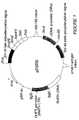
- Figure 1 shows the plasmid pDSRS into which the DNA sequence encoding the soluble IFN- ⁇ receptor was inserted.
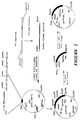
- Figure 2 shows schematically how an E. coli expression plasmid for the soluble IFN- ⁇ receptor was constructed.
- Figure 3 depicts the competition of the soluble IFN- ⁇ receptor protein produced in E. coli with IFN- ⁇ binding on U937 cells; the binding assays were carried out as described in Example 4D.
- U937 cells were used as a convenient source of ⁇ -interferon receptors; however, the soluble receptors described herein will of course inhibit the binding of IFN- ⁇ to any cells that bear those receptors.
- Such cells include, for example, B cells, T cells, eosinophiles, smooth muscle cells, promyelocytes, macrophages, erythroid cells, monocytes, granulocytes, etc.
- oligonucleotides AB758 and 759 given in SEQ ID NOS 7 and 8, which are identical to the 5'- and 3'-untranslated regions of the IFN- ⁇ receptor cDNA sequence, were used in a PCR with placental cDNA library phage lysate essentially as previously described (Friedman et al., Nucl. Acids Res. (1988), 16:8718).
- the cells were harvested by mild trypsinization and resuspended to 1 x 10⁷ cells/ml in RPMI medium containing 0.02% sodium azide, and kept at 4°C. They were then checked for expression of the IFN- ⁇ receptor by the specific binding of 125I-labeled IFN- ⁇ , using techniques described in Example 4 below.
- Plasmid DNA from all three clones was sequenced by the dideoxy chain-termination method (Sanger et al., "DNA Sequencing with Chain-terminating Inhibitors", Proc. Natl. Acad. Sci. U.S.A. , 74, 5463-6567 (1977)); the sequence of the extracellular domain was identical to the published sequence (Aguet et al., supra ).
- primers isolate and define the soluble domain of the IFN- ⁇ receptor minus its own leader sequence; i.e., the polypeptide sequence between the leader sequence and the transmembrane region.
- DNA fragment encoding the full-length receptor
- primers were combined in a reaction mixture as follows: 100 pmoles primers, 25 ng DNA, 10 mM dNTPs, 10 ⁇ l TAQ polymerase buffer, and 2 units TAQ polymerase. The system was set at 30 cycles for annealing, denaturation and synthesis, in a total reaction volume of 100 ⁇ l. After the PCR, the DNA was separated on a 1% agarose gel, and the 800 bp fragment encoding the ⁇ -interferon receptor was visualized by staining with ethidium bromide and isolated from the agarose.
- Kastelein at DNAX Research Institute of Molecular and Cellular Biology, Inc., 901 California Avenue, Palo Alto, CA 94304-1104) contains Hin dIII and Bam HI restriction sites, which were used to clone the IFN- ⁇ receptor fragment in frame downstream of the OmpA leader as follows: 20 ⁇ g of plasmid DNA was digested with 50 units of Hin dIII restriction nuclease and then with 40 units of Bam HI restriction nuclease. After digestion, the mixture of restriction fragments was run out on a 0.65% agarose gel; a 7.5 kb fragment representing the plasmid backbone was isolated. Any other appropriate plasmid encoding a suitable secretory signal could have been used instead.
- the extracellular domain of the human IFN- ⁇ receptor was purified from E. coli harboring plasmid pJFR105-6.
- Conditioned media from a 12-liter culture were collected and then clarified by centrifugation.
- the resin was filtered off and washed with 10 mM NH4OAc (pH 7), and purified ⁇ -interferon was eluted with 1 mM NaCl. The purity of this ⁇ -interferon fraction was greater than 95%, as shown by SDS polyacrylamide gel electrophoresis.
- 125I-labeled human ⁇ -interferon was prepared using Bolton Hunter reagent (New England Nuclear) according to procedures described by the supplier (the labeling reaction contained 70 ⁇ g/ml ⁇ -interferon in 20 mM sodium phosphate at pH 8). The final reaction mixture was desalted by dialysis and applied to a 1 x 24 cm Sephadex G75® column equilibrated in PBS and 0.2% gelatin to separate polymerized ⁇ -interferon from dimer protein. The ⁇ -interferon pool, labeled to 50 Ci/mM, was stored at 4°C until use.
- Receptor binding assays were performed as follows: 1.25 x 10⁶ U937 cells were used per assay. (Each assay provided a point in Fig. 3.) The 125I-IFN- ⁇ was added at 10,000 cpm equivalents. Supernatant from the culture of cells transfected with plasmid T892-5B (expressing the gene for the soluble receptor) was added at increasing volumes ranging from 0 to 100 ml. Three components were present in the assay: U-937 cells, 125I-labelled IFN- ⁇ , and sample containing soluble IFN- ⁇ receptor. Mixtures containing two of these three components were incubated at 4°C for 30 minutes. The third component was then added and incubation was continued at 4°C for 120 minutes.
- one way of carrying out the foregoing procedure is as follows: Dilutions of conditioned media suspected of containing soluble receptor were added (in 50 ⁇ l RPMI media) into wells of a 96-well microtiter plate. Labeled ⁇ -interferon (approximately 50,000 cpm in 50 ⁇ l) was added to each well, followed by 100 ⁇ l of the U-937 cell suspension (1.25 x 10⁷ cells/ml). After incubation at 4°C for 2 hours, each reaction mixture was pipetted into a 0.4 ml micro test-tube (Bio-Rad) containing 150 ⁇ l dioctyl phthalate:dibutyl phthalate (1:1).
- the assay tubes were centrifuged in a swinging bucket rotor and frozen in liquid nitrogen, and the tube tip (containing the frozen cell pellet separated from the reaction liquor by the oil layer) was excised and analysed for radioactivity in a gamma counter. Media fractions able to inhibit the binding of ⁇ -interferon to the U-937 cells were identified as containing soluble IFN- ⁇ receptor.
- Figure 3 shows the results of experiments in which the binding of the complete ⁇ -interferon receptor on U937 cells with ⁇ -interferon is compared with the binding of the soluble ⁇ -interferon receptor of this invention with ⁇ -interferon.
- the soluble ⁇ -interferon receptor produced in E. coli , competed in a dose-dependent manner in preventing the binding of 125I-labelled ⁇ -interferon to its receptors on U937 cells.
- the soluble IFN- ⁇ receptor of the invention can be administered as a pharmaceutical composition.
- Such compositions contain a therapeutically effective amount of the soluble receptor of the invention and a pharmaceutical carrier or excipient.
- a pharmaceutical carrier can be any compatible, non-toxic substance suitable for delivering the soluble IFN- ⁇ receptor of the invention to a patient.
- Sterile water, alcohol, fats, waxes, and inert solids may for example be included in a carrier, and pharmaceutically acceptable adjuvants (e.g. , buffering agents, dispersing agents) may also be incorporated.
- compositions useful for parenteral administration of such drugs are well known, e.g. see Remington's Pharmaceutical Sciences , 14th Ed. (Mack Publishing Company, Easton, PA 1980).
- compositions of the invention may be introduced into a patient's body by an implantable drug delivery system; e.g. see Urquhart et al., Ann. Rev. Pharmacol. Toxicol , vol. 24, pgs. 199-236 (1984).
- the soluble IFN- ⁇ receptor of the invention is normally administered parenterally, preferably intravenously. Although the soluble IFN- ⁇ receptor is not expected to be immunogenic, it is preferably administered slowly, either by a conventional IV administration set or from a subcutaneous depot.
- the soluble IFN- ⁇ receptor When administered parenterally, the soluble IFN- ⁇ receptor will normally be formulated with a pharmaceutically acceptable parenteral vehicle in a unit dosage form suitable for injection (e.g., a solution, suspension or emulsion).
- a pharmaceutically acceptable parenteral vehicle e.g., a solution, suspension or emulsion.
- Such vehicles are inherently non-toxic and non-therapeutic. Examples of such vehicles are normal saline, Ringer's solution, dextrose solution, and Hank's solution. Non-aqueous vehicles such as fixed oils and ethyl oleate may also be used. A preferred vehicle is 5% dextrose/saline.
- the vehicle may contain minor amounts of additives such as substances that enhance isotonicity and chemical stability, e.g., buffers and preservatives.
- the soluble IFN- ⁇ receptor is preferably formulated in purified form substantially free of aggregates, degradation products and contaminating proteins, at concentrations of about
- Determination of the proper dosage of a compound of the invention for a particular situation is within the skill of the art. Usually, treatment is initiated with dosages that are less than the optimum dose. Thereafter, the dosage is increased by small amounts until the optimum effect under the circumstances is reached. For convenience, the total daily dosage may be divided and administered in portions during the day if desired.
- the amount and frequency of administration of the soluble IFN- ⁇ receptor will be regulated according to the judgment of the attending clinician considering such factors as age, condition and size of the patient as well as severity of the symptoms being treated.
- the amount of soluble IFN- ⁇ receptor delivered to the patient is preferably maximized consistent with an acceptable level of side effects; and the amount delivered therefore depends in part on the severity of the disease being treated.
- the dose is in the range of abort 0.1 to 500 ⁇ g/kg per day, more preferably about 1 to 50 ⁇ g/kg per day.
Landscapes
- Health & Medical Sciences (AREA)
- Immunology (AREA)
- Chemical & Material Sciences (AREA)
- Life Sciences & Earth Sciences (AREA)
- Organic Chemistry (AREA)
- Engineering & Computer Science (AREA)
- Bioinformatics & Cheminformatics (AREA)
- General Health & Medical Sciences (AREA)
- Medicinal Chemistry (AREA)
- Veterinary Medicine (AREA)
- Gastroenterology & Hepatology (AREA)
- Pharmacology & Pharmacy (AREA)
- General Chemical & Material Sciences (AREA)
- Animal Behavior & Ethology (AREA)
- Chemical Kinetics & Catalysis (AREA)
- Public Health (AREA)
- Transplantation (AREA)
- Cell Biology (AREA)
- Toxicology (AREA)
- Zoology (AREA)
- Nuclear Medicine, Radiotherapy & Molecular Imaging (AREA)
- Biochemistry (AREA)
- Biophysics (AREA)
- Genetics & Genomics (AREA)
- Molecular Biology (AREA)
- Proteomics, Peptides & Aminoacids (AREA)
- Peptides Or Proteins (AREA)
- Preparation Of Compounds By Using Micro-Organisms (AREA)
- Medicines That Contain Protein Lipid Enzymes And Other Medicines (AREA)
- Saccharide Compounds (AREA)
- Micro-Organisms Or Cultivation Processes Thereof (AREA)
- Steroid Compounds (AREA)
Abstract
Description
- This invention relates to soluble, truncated γ-interferon receptors, and in particular to soluble, extra-cellular portions of the γ-interferon receptor.
- γ-Interferon, sometimes referred to herein as IFN-γ, is a cytokine produced by activated helper T cells; it has direct effects on several cell types such as B cells, macrophages and T cells. It has multiple effects (Trinchieri er al., Immunology Today, 6:131-136 (1985); one of its most distinguishing activities is that it induces expression of major histocompatibility complex (MHC) class I and class II genes (Kelley et al., J. Immunol., 132:240-245 (1984); Collins et al., Proc. Natl. Acad. Sci USA, 81:4917-4921 (1984); Cooper et al., J. Immunol., 141:1958-1962 (1988); and Amaldi et al., J Immunol., 142:999-1004 (1989)). The expression of MHC class II genes is a hallmark of antigen-presenting cells. Expression of class II antigens is seen in macrophages and mature B and T cells; and γ-interferon is known to upregulate this expression. In addition, γ-interferon is known to induce the expression of genes encoding class II antigens in cells that are not primary antigen-presenting cells, such as epithelial cells, fibroblasts, astrocytes, endothelial cells, and smooth muscle cells. Whether these types of cells do in fact present antigens is uncertain, but the induction of class II antigens in these cell types has been shown to correlate with the development of autoimmune disease (Massa et al., Proc. Natl. Acad. Sci. USA, 84:4219-4213 (1987)) . Since γ-interferon is the primary stimulator of class II antigens, it may play an important part in expression of the disease state. Therefore, an inhibitor of γ-interferon or its effects, for example one that acts at the receptor interface level, would have great potential value and utility in the treatment of auto-immune disease.
- Attempts have been made to inhibit the effects of γ-interferon in mice by administering monoclonal antibodies against it (Grau et al., Proc. Natl. Acad. Sci. USA, 86:5572-5574 (1989)). However, in applying this treatment to humans, one would have to bear in mind the possibility that the monoclonal antibodies themselves may induce a neutralizing immune response that could reduce the effectiveness of this treatment.
- Recombinant clones expressing γ-interferon receptors are known (see, for example, "Molecular Cloning and Expression of the Human Interferon-γ Receptor", Aguet, G., et al., Cell, 55:273-280 (1988)); but these provide the whole receptor, including the cytoplasmic (intracellular) domain and the trans-membrane domain. The cytoplasmic domain may be responsible for signal transduction in the cell, and is therefore superfluous when one is seeking an IFN-γ antagonist to seek out and selectively bind to IFN-γ in the blood stream or other body fluids (e.g. synovial fluid). Moreover, the cytoplasmic domain is normally concealed within the cell where it is inaccessible to the immune system; the full-length IFN-γ receptor could therefore conceivably act as an antigen by virtue of its cytoplasmic domain and be neutralized. If this happened, it could be removed and quickly lose its effect if introduced into such body fluids. There is thus a need for an antagonist to IFN-γ that competes for IFN-γ without the risk of inducing the side-effects associated with it.
- The encoding DNA and predicted amino acid sequence of the IFN-γ receptor have been disclosed by Aguet et al. (supra), who have postulated that the leader sequence extends from amino acid (residue) 1 through amino acid 14, and that the transmembrane sequence extends from amino acid 246 through amino acid 266 (this is their numbering). The predicted extracellular portion of the IFN-γ receptor is therefore postulated to extend from amino acid 15 through amino acid 245; its postulated structure, including the leader sequence consisting of amino acid residues 1-14, and encoding DNA sequence are shown in SEQ ID NO 1, where the leader sequence bears the numbering -14 to -1, and the predicted extracellular portion bears the numbering 1 through 231.
- In the following discussion, all the numbering will be given in accordance with that in SEQ ID NO 1, even though it may then vary from that in the publications referred to herein.
- It is not certain how much of this sequence is necessary for an effective IFN-γ receptor that can specifically bind IFN-γ. However, it is known (Stueber et al., Abstract A3-15, J. Interferon Res., Vol. 9 Suppl. 2 (Oct. 1989)) that amino acid residues 1-198 do not provide an effective receptor whereas amino acid residues 12-231 (including sequences starting earlier than position 12) do provide an effective receptor as produced in E. coli according to that abstract, i.e., with six histidine residues at the N- or C-terminus. These histidine residues could conceivably change fundamental properties of the receptor, such as its immunogenicity, and are therefore highly undesirable when the soluble receptor is intended for use as a pharmaceutical. Our own work indicates that amino acid residues 6-221 do provide an effective receptor, but that other sequences could also be effective.
- The invention therefore provides a soluble receptor for γ-interferon, which consists of the glycosylated or unglycosylated extra-cellular moiety of the natural human γ-interferon receptor substantially free from other proteins, and has the formula given in SEQ ID NO 2;
wherein:
(Xaa) n is the subsequence of amino-acids given in SEQ ID NO 5;
(Xaa) p is a subsequence of one or more amino-acids starting from the amino terminus of the sequence given in SEQ ID NO 4;
m and n are both 1;
and p is 0 or 1. - This soluble receptor is thus part of the extracellular portion of the IFN-γ receptor, and it competes in a receptor-binding assay for IFN-γ and is an antagonist of the binding of IFN-γ to its cellular receptors; i.e., it competes with the IFN-γ receptors for IFN-γ. Furthermore, it can be used in a binding assay to measure IFN-γ: the procedure of Example 4D below can be adapted to a solid-phase format for a high through-put screen for IFN-γ antagonists.
- The Ser and Arg residues at positions 1 and 2 are encoded by a potential ribosome binding site AGCAGG (usually AGGAGG; of. Shine and Dalgarno, Proc. Natl. Acad. Sci. USA 71:1342) (1974) (see SEQ ID NO 1), and there is an initiation codon 7-9 base pairs downstream. To eliminate the possibility of a false start in most prokaryotes, e.g. bacteria such as E. coli, we start at the Gly residue in position 6. In this way there may be provided an effective soluble IFN-γ receptor comprising amino acid residues 6-221, or in particular longer sequences, for example up to amino acid residue 231.
- A full-length cDNA clone encoding the γ-interferon receptor (see, for example, Aguet et al., Cell, 55:273-280 (1988) (cited above)) was directly isolated by means of the polymerase chain reaction (Friedman et al., Nucl. Acids Res. 16:8718 (1988)) from a λgt11 placental cDNA library. The portion of the cDNA encoding the soluble portion of the IFN-γ receptor was isolated therefrom and incorporated into a plasmid that expresses it.
- In one preferred embodiment of the invention, the soluble IFN-γ receptor is as defined above, wherein p is 0; i.e., the soluble IFN-γ receptor has the sequence of amino acids Ser+6-221; i.e., the sequence of SEQ ID NO: 2 wherein m is 1, (Xaa) n is as defined in SEQ ID NO: 5, and p is 0.
- In another particularly preferred embodiment of the invention, the soluble IFN-γ receptor is as defined above, wherein p is 1, and the sequence represented by (Xaa) p is completely present; i.e., the soluble IFN-γ receptor has the sequence of amino acids Ser+6-231; i.e., the sequence of SEQ ID NO: 2 wherein m is 1, (Xaa) n is as defined in SEQ ID NO: 5, p is 0, and (Xaa) p is as defined in SEQ ID NO: 4.
- The invention further provides a pharmaceutical composition comprising an effective amount of the soluble receptor of the invention and a pharmaceutically acceptable carrier or excipient.
- The invention further provides a method for inhibiting the binding of IFN-γ to cells having receptors for IFN-γ, which comprises the steps of:
administering an effective amount of the soluble IFN-γ receptor of the invention to a medium containing cells having receptors for IFN-γ; and
allowing said soluble receptor to compete for the cell receptors. - Figure 1 shows the plasmid pDSRS into which the DNA sequence encoding the soluble IFN-γ receptor was inserted.
- Figure 2 shows schematically how an E. coli expression plasmid for the soluble IFN-γ receptor was constructed.
- Figure 3 depicts the competition of the soluble IFN-γ receptor protein produced in E. coli with IFN-γ binding on U937 cells; the binding assays were carried out as described in Example 4D.
- All references cited herein are incorporated in their entirety by reference.
- Expression vectors encoding and capable of producing the extracellular domain of the IFN-γ receptor cDNA in prokaryotes were used for obtaining prokaryotic clones that produced the soluble (extracellular) portion of the IFN-γ receptor. Prokaryotic cells that can be used include bacteria, especially E. coli; many strains of E. coli can be used in practising the present invention. However, the preferred E. coli strain is a leaky mutant that allows the soluble IFN-γ receptor to escape from the periplasmic space into the culture medium, whence it can be readily isolated without the complications caused by the presence of most other E. coli proteins. The production of such bacteria and their use in the manufacture of recombinant heterologous proteins is disclosed in copending application no. 07/429,588, filed October 31, 1989, which is hereby incorporated by reference.
- Several different E. coli promoters, such as Trp, lac, lpp, λpL, etc., can be used in the practice of the invention. These promoters direct the expression of heterologous proteins in the cytoplasm. For effective secretion into the periplasmic space, a signal peptide sequence such as one derived from E. coli OmpA, E. coli alkaline phosphatase, E. coli lipoprotein, etc., may be used. The expression plasmid for prokaryotic expression in E. coli contains a strong promoter, especially a tandem double promoter such as lpp-lac, followed by a DNA sequence encoding a signal sequence that can transport the heterologous protein into the periplasmic space. This last DNA sequence is preferably the signal sequence derived from an E. coli outer-membrane protein, OmpA. The signal sequence is followed by the coding sequence of the IFN-γ receptor cDNA.
- The construction scheme (shown in Figure 2) used in making this plasmid introduced one additional residue, viz serine, at the start of the mature coding sequence. A translation STOP codon was introduced at the end of the sequence encoding the predicted soluble IFN-γ receptor. A plasmid containing these attributes, when used to transform a mutant E. coli strain (e.g., the strain available from the ATCC under Accession No. 53956), produces a fusion protein that is composed of the OmpA signal sequence followed by the sequence of the soluble IFN-γ receptor. The fusion protein is further processed in the periplasm to yield the mature soluble IFN-γ receptor, which leaks into the culture medium.
- Eukaryotic cell-lines that can be used include mammalian cell-lines, e.g. COS7, NS-1 and CHO cells, and yeast cells; additionally, insect expression systems, e.g. Bombyx mori or Spodoptera frugiperda, can be used.
- To demonstrate this invention, U937 cells were used as a convenient source of γ-interferon receptors; however, the soluble receptors described herein will of course inhibit the binding of IFN-γ to any cells that bear those receptors. Such cells include, for example, B cells, T cells, eosinophiles, smooth muscle cells, promyelocytes, macrophages, erythroid cells, monocytes, granulocytes, etc.
- Example 3 below describes the purification of the soluble IFN-γ receptor from E. coli, but its procedure can be adapted to the purification of the receptor from other sources such as eukaryotic cells, especially mammalian cells and yeast cells.
-
- 1. REAGENTS
Restriction enzymes were purchased from New England Biolabs., Beverly, MA. Thermus aquaticus DNA polymerase and 10X buffer were purchased from Stratagene, LaJolla, CA. Double-stranded plasmid DNA sequencing was done using Sequenase Version 2.0 from United States Biochemical, Cleveland, OH. A λgt11 human placental cDNA library was purchased from Clontech, Palo Alto, CA. - 2. SYNTHETIC OLIGONUCLEOTIDES
The following synthetic oligonucleotides were synthesized by standard methods with an Applied Biosystems DNA Synthesizer Model 380A:
AB697: See SEQ ID NO 6;
AB758: See SEQ ID NO 7;
AB759: See SEQ ID NO 8;
AB812: See SEQ ID NO 9;
AB813: See SEQ ID NO 10;
AB870JF: See SEQ ID NO 11;
AB871JF: See SEQ ID NO 12. - 3. The polymerase chain reaction (PCR) was carried out as previously described (Friedmann et al., Nucleic Acids Res. (1988), 16:8718).
- 4. Human IFN-γ can be purified according to the procedure of Example 4A or be obtained commercially, and antibodies thereto can also be obtained commercially. For example, Genzyme Corp. (Boston, MA) supplies recombinant human IFN-γ (99% pure) under the code HG-IFN, and also rabbit polyclonal anti-human IFN-γ under the code IP-500 for Western blotting.
- The oligonucleotides AB758 and 759, given in SEQ ID NOS 7 and 8, which are identical to the 5'- and 3'-untranslated regions of the IFN-γ receptor cDNA sequence, were used in a PCR with placental cDNA library phage lysate essentially as previously described (Friedman et al., Nucl. Acids Res. (1988), 16:8718). The PCR was run with a Techne programmable Dri-Block (GRI, Essex, UK), under the following conditions: denaturation at 95°C for 2 minutes, primer annealing at 50°C for 2 minutes, and chain extension at 72°C for 2 minutes, all for 30 cycles, with a final cycle elongation at 72°C for 9 minutes. The PCR products were electrophoresed in a 1% agarose gel, and a main band of approximately 1.5 kb corresponding to the full-length IFN-γ receptor coding region was visualized by staining with ethidium bromide and isolated by electroelution. The authenticity of the fragment was confirmed with a second PCR using the oligomer AB758, given in SEQ ID NO 7, as a 5'-primer and AB697, given in SEQ ID NO 6, as an internal primer corresponding to sequences in the intracellular region of the IFN-γ receptor, to produce a fragment of approximately 1.2 kb.
- Restriction sites for PstI (5') and SalI (3') were introduced onto the 1.5 kb full-length IFN-γ receptor fragment with oligomers AB812 and AB813, given in SEQ ID NOS 9 and 10, in a PCR as described above. The resulting fragment was isolated, digested with PstI and SalI and ligated into PstI/SalI-digested pDSRS plasmid (ATCC Accession No. 68232) (Fig. 1), for expression in COS7 cells. The resulting ligation mixture was used to transform competent E. coli 294 (readily available from E. coli Genetics Stock Center, Dept. of Biology, Yale University, P. O. Box 6666, New Haven, CT 06511-7444).
- Plasmid DNA isolated by the alkaline lysis method (Birnboim and Doly, "A rapid alkaline extraction procedure for screening recombinant plasmid DNA", Nucl. Acids Res., 7:1513 (1978)) from fourteen of the resulting clones was analysed and checked by restriction analysis and PCR. Seven clones contained the 1.5 kb IFN-γ receptor fragment. DNA from six of these seven clones was purified by cesium chloride/ethidium bromide gradient centrifugation (Maniatis et al.: "Molecular cloning: A Laboratory Manual", Cold Spring Harbor Laboratory, Cold Spring Harbor, NY) and was transfected transiently into COS7 cells (5 µg DNA/100mM dish) by the DEAE-dextran method essentially as described (McCutchan and Pagano, "Enhancement of the infectivity of
Simian Virus 40 Deoxyribonucleic Acid with Diethylamino-ethyl-Dextran", J. Natl. Cancer Inst., 41:351-356 (1968)). After growth at 37°C for 60-72 hours, the cells were harvested by mild trypsinization and resuspended to 1 x 10⁷ cells/ml in RPMI medium containing 0.02% sodium azide, and kept at 4°C. They were then checked for expression of the IFN-γ receptor by the specific binding of ¹²⁵I-labeled IFN-γ, using techniques described in Example 4 below. - Three clones showed a marked increase in specific binding of ¹²⁵I-labeled γ-interferon (see Table I below). Plasmid DNA from all three clones was sequenced by the dideoxy chain-termination method (Sanger et al., "DNA Sequencing with Chain-terminating Inhibitors", Proc. Natl. Acad. Sci. U.S.A., 74, 5463-6567 (1977)); the sequence of the extracellular domain was identical to the published sequence (Aguet et al., supra).
- Using a DNA fragment isolated from a cDNA library and coding for the γ-interferon receptor, primers were made to introduce two sites for cloning the soluble domain into a prokaryotic expression plasmid. Primer AB870JF, given in SEQ ID NO 12, was made to introduce a HindIII restriction site close to the amino terminus of the DNA (which would be the Gly in position 6); and primer AB871JF, given in SEQ ID NO 13, was made to introduce a BamHI restriction site and a STOP codon, which would serve to isolate and define only the soluble domain of the molecule. (These primers isolate and define the soluble domain of the IFN-γ receptor minus its own leader sequence; i.e., the polypeptide sequence between the leader sequence and the transmembrane region.) Using PCR technology, the DNA fragment (encoding the full-length receptor) and primers were combined in a reaction mixture as follows: 100 pmoles primers, 25 ng DNA, 10 mM dNTPs, 10 µl TAQ polymerase buffer, and 2 units TAQ polymerase. The system was set at 30 cycles for annealing, denaturation and synthesis, in a total reaction volume of 100 µl. After the PCR, the DNA was separated on a 1% agarose gel, and the 800 bp fragment encoding the γ-interferon receptor was visualized by staining with ethidium bromide and isolated from the agarose.
- Plasmid p830-1 (pINIII, OmpA leader) (D. Lundell et al., "Cytoplasmic and Periplasmic Expression of a Highly Basic Protein, Human Interleukin 4, in E. coli", J. Indust. Microbiol., vol. 4 (1989), and available on request from R. Kastelein at DNAX Research Institute of Molecular and Cellular Biology, Inc., 901 California Avenue, Palo Alto, CA 94304-1104) contains HindIII and BamHI restriction sites, which were used to clone the IFN-γ receptor fragment in frame downstream of the OmpA leader as follows: 20 µg of plasmid DNA was digested with 50 units of HindIII restriction nuclease and then with 40 units of BamHI restriction nuclease. After digestion, the mixture of restriction fragments was run out on a 0.65% agarose gel; a 7.5 kb fragment representing the plasmid backbone was isolated. Any other appropriate plasmid encoding a suitable secretory signal could have been used instead.
- The 7.5 kb fragment (0.1 µg) representing the plasmid backbone and 1 µg of the 800 kb fragment encoding the γ-interferon receptor were ligated in a mixture containing ATP, T4 DNA ligase (100 units), and dithiothreitol at 16°C and in a volume of 40 µl for 14 hours. Half of the product was then used to transform CaCl₂-prepared E. coli (K12) 294 (readily available from E. coli Genetics Stock Center, Dept. of Biology, Yale University, P. O. Box 6666, New Haven, CT 06511-7444). The mixture from the transformation was plated onto ampicillin plates and incubated at 30°C for 16-24 hours. Several colonies were then picked and fermented, and DNA was isolated and analysed by digestion with the enzymes mentioned above (HindIII, BamHI), and the clone pJFR105-6 was selected.
- The pJFR105-6 clone has the fragment inserted downstream of OmpA and under the control of the lpp/lac promoter. The plasmid is derived from pBR322 and carries the LAC-I gene so that expression is inducible with isopropyl-thio-β-galactoside (IPTG).
- The extracellular domain of the human IFN-γ receptor was purified from E. coli harboring plasmid pJFR105-6. Cells were grown at 30°C in M9 - casamino acids medium [1 x M9 minimal salts (Gibco BRL No. M29800B), 3% (w/v) casamino acids, 2 g/l glucose, 0.1 g/l thiamine, and 0.2 g/l magnesium sulfate] to A₆₆₀ = 1.0. IPTG was added to 0.5 mM, and fermentation was continued at 30°C overnight (final culture A₆₆₀ = 3.5) . Conditioned media from a 12-liter culture were collected and then clarified by centrifugation. The clarified supernatant was adjusted to 5% (w/v) trichloroacetic acid (TCA), and protein was allowed to precipitate at 4°C for 60 minutes. The insoluble fraction was collected by centrifugation at 10,000 x g, and resuspended to 120 ml in 200 mM Tris (pH 8) for resolubilization. After incubation at 4°C for 60 minutes, the residue from the resolubilized fraction was collected by centrifugation. The supernatant was adjusted to 4 M urea, 20 mM Tris (pH 8), incubated at 4°C for 30 minutes and then applied to a DEAE Sephadex® Fast Flow column (Pharmacia No. 17-0709-01), equilibrated with a buffer of 20 mM Tris (pH 8), 4 M urea. The column was then eluted with a linear 0 - 0.3 M sodium chloride gradient in the same Tris/urea buffer. The soluble extracellular domain of the human IFN-γ receptor eluted at approximately 0.18 M NaCl. The soluble receptor pool was dialysed against 20 mM Tris (pH 8), and applied to a 5 ml IFN-γ-Affigel 10 column, equilibrated with 20 mM Tris. [Human IFN-γ was covalently coupled to Affigel 10 (Biorad Catalog No. 153-6046), according to procedures recommended by the manufacturer. This affinity resin contained 4 mg IFN-γ/ml support resin.] The column was washed with 10 ml 0.2 M NaCl in 200 mM Tris (pH 8), and then with 10 ml 0.5 M NaCl in 200 mM Tris (pH 8). The soluble receptor was then eluted with 200 mM sodium carbonate buffer, pH 10.3, 0.6 M NaCl. The fractions were neutralized and pooled, and then dialysed against 20 mM sodium phosphate, pH 7.5.
- This procedure yielded from 0.7 to 1 mg of soluble IFN-γ receptor per 12-liter fermentation. However, about 50% of the soluble IFN-γ receptor was present in the TCA-insoluble fraction. This material could be denatured and refolded to yield further active protein.
- E. coli 294 harboring plasmid pGIF4-137 (a pBR322-based expression vector having the bacterial lipoprotein (lpp) promoter and encoding a human γ-interferon gene (amino acids 4-137 of the mature protein)) was grown in modified GC medium (20 g/l glycerol, 30 g/l casamino acids (Difco), 20 g/l yeast extract (Difco), 5 g/l KH₂PO₄, and 1 g/l MgSO₄.7H₂O) at 37°C. At A₆₆₀ = 7-10, cells were harvested and lysed by sonic disruption. A cell-free insoluble fraction was then isolated by centrifugation, resuspended in 20 mM Tris (pH 8), 6 M guanidine hydrochloride and 5 mM dithiothreitol, and resolubilized by heating at 56°C for 30 min.
- This resolubilized fraction was then loaded onto a 3 x 90 cm Sepracyl 200-SF® column (Pharmacia AB), equilibrated in 20 mM Tris (pH 8), 6 mM guanidine hydrochloride at room temperature. After fractionation the fractions containing the γ-interferon (e.g., as detected by Western blot analysis) were pooled, diluted 120-fold in 10 mM. NH₄OAc (pH 7), and mixed at 4°C overnight. SP-Sephadex® resin (Sigma Chemical Co.) (10 ml as a 1:1 slurry in 20 mM Tris, pH 8) was added to this sample and it was mixed at 4°C for 60 minutes. The resin was filtered off and washed with 10 mM NH₄OAc (pH 7), and purified γ-interferon was eluted with 1 mM NaCl. The purity of this γ-interferon fraction was greater than 95%, as shown by SDS polyacrylamide gel electrophoresis.
- ¹²⁵I-labeled human γ-interferon was prepared using Bolton Hunter reagent (New England Nuclear) according to procedures described by the supplier (the labeling reaction contained 70 µg/ml γ-interferon in 20 mM sodium phosphate at pH 8). The final reaction mixture was desalted by dialysis and applied to a 1 x 24 cm Sephadex G75® column equilibrated in PBS and 0.2% gelatin to separate polymerized γ-interferon from dimer protein. The γ-interferon pool, labeled to 50 Ci/mM, was stored at 4°C until use.
- E. coli 732I (ATCC Accession No. 53956), transformed with the plasmid pJFR105-6, was grown in nutrient medium at 37°C to A₆₆₀ = 1. The culture was then induced with 0.1 mM IPTG, and growth was continued at 37°C for 3 hours. Supernatants from induced cultures were checked for expression of the soluble IFN-γ receptor using the binding assay described below.
- U-937 cells (ATCC Catalog No. CRL 1593) were inoculated from 5% dimethyl sulfoxide, 95% fetal bovine serum frozen stocks into prewarmed RPMI 1640 medium (Hazelton Biologics, Inc.) and then grown and passaged at 37°C to cell densities not exceeding 1 x 10⁶ cells/ml. The cells were collected by centrifugation immediately before use, resuspended to 1.25 x 10⁷ cells/ml in RPMI 1640 medium containing 0.02% sodium azide, and stored or ice. All subsequent procedures were carried out at 4°C.
- Receptor binding assays were performed as follows:
1.25 x 10⁶ U937 cells were used per assay. (Each assay provided a point in Fig. 3.) The ¹²⁵I-IFN-γ was added at 10,000 cpm equivalents. Supernatant from the culture of cells transfected with plasmid T892-5B (expressing the gene for the soluble receptor) was added at increasing volumes ranging from 0 to 100 ml. Three components were present in the assay: U-937 cells, ¹²⁵I-labelled IFN-γ, and sample containing soluble IFN-γ receptor. Mixtures containing two of these three components were incubated at 4°C for 30 minutes. The third component was then added and incubation was continued at 4°C for 120 minutes. The cells were centrifuged through oil [150 µl of a 1:1 mixture of dioctyl phthalate (Aldrich Chemical Co.) and dibutyl phthalate (Eastman Kodak Co.)]. The tubes were then quick-frozen, cell pellets were excised from the bottom of each tube, and radioactivity associated with the pellets was determined in a γ-counter. - By way of example, one way of carrying out the foregoing procedure is as follows:
Dilutions of conditioned media suspected of containing soluble receptor were added (in 50 µl RPMI media) into wells of a 96-well microtiter plate. Labeled γ-interferon (approximately 50,000 cpm in 50 µl) was added to each well, followed by 100 µl of the U-937 cell suspension (1.25 x 10⁷ cells/ml). After incubation at 4°C for 2 hours, each reaction mixture was pipetted into a 0.4 ml micro test-tube (Bio-Rad) containing 150 µl dioctyl phthalate:dibutyl phthalate (1:1). The assay tubes were centrifuged in a swinging bucket rotor and frozen in liquid nitrogen, and the tube tip (containing the frozen cell pellet separated from the reaction liquor by the oil layer) was excised and analysed for radioactivity in a gamma counter. Media fractions able to inhibit the binding of γ-interferon to the U-937 cells were identified as containing soluble IFN-γ receptor. - The results are shown in Table I.
TABLE I SCREEN FOR EXPRESSION OF CLONED FULL-LENGTH γ-INTERFERON RECEPTOR IN COS7 CELLS Expt. No. Plasmid No. Background Binding (1) Background Binding (2) Specific Binding (3) 1 T884-5 1832.8 129.8 1703.0 1' T884-5 1560.5 77.8 1482.7 2 T886-5 1985.0 150.4 1834.6 2' T886-5 2404.6 197.6 2207.0 3 T886-6 2525.9 230.9 2295.0 3' T886-6 2092.8 69.8 2023.0 4 No Insert 110.7 136.8 0 4' No Insert 159.4 160.0 0 5 No DNA 125.4 184.4 0 5' No DNA and no chloroquine 158.1 178.3 0 (1) ¹²⁵I IFN-γ cpm bound at 0.1 µg/ml unlabeled IFN-γ. (2) ¹²⁵I IFN-γ cpm bound at 10 µg/ml unlabeled IFN-γ. (3) Specific binding = (1) - (2). - Figure 3 shows the results of experiments in which the binding of the complete γ-interferon receptor on U937 cells with γ-interferon is compared with the binding of the soluble γ-interferon receptor of this invention with γ-interferon. In this receptor binding assay, the soluble γ-interferon receptor, produced in E. coli, competed in a dose-dependent manner in preventing the binding of ¹²⁵I-labelled γ-interferon to its receptors on U937 cells.
- These data show that the soluble receptor is a competitive inhibitor for the binding of γ-interferon to its cellular receptors. In laboratory test procedures (e.g., screening assays) using this competitive inhibition, the IFN-γ or its soluble receptor can be tagged with a label that is able to generate a signal, e.g., a radiolabel or a chemical label, especially a fluorescent label. Moreover, by virtue of this competitive inhibition, the soluble γ-interferon receptor of the present invention is also likely to find therapeutic use in the treatment of auto-immune diseases such as rheumatoid arthritis, multiple sclerosis, Sjögren's Syndrome and lupus erythematosus.
- The soluble IFN-γ receptor of the invention can be administered as a pharmaceutical composition. Such compositions contain a therapeutically effective amount of the soluble receptor of the invention and a pharmaceutical carrier or excipient. A pharmaceutical carrier can be any compatible, non-toxic substance suitable for delivering the soluble IFN-γ receptor of the invention to a patient. Sterile water, alcohol, fats, waxes, and inert solids may for example be included in a carrier, and pharmaceutically acceptable adjuvants (e.g., buffering agents, dispersing agents) may also be incorporated. Generally, compositions useful for parenteral administration of such drugs are well known, e.g. see Remington's Pharmaceutical Sciences, 14th Ed. (Mack Publishing Company, Easton, PA 1980). Alternatively, compositions of the invention may be introduced into a patient's body by an implantable drug delivery system; e.g. see Urquhart et al., Ann. Rev. Pharmacol. Toxicol, vol. 24, pgs. 199-236 (1984).
- The soluble IFN-γ receptor of the invention is normally administered parenterally, preferably intravenously. Although the soluble IFN-γ receptor is not expected to be immunogenic, it is preferably administered slowly, either by a conventional IV administration set or from a subcutaneous depot.
- When administered parenterally, the soluble IFN-γ receptor will normally be formulated with a pharmaceutically acceptable parenteral vehicle in a unit dosage form suitable for injection (e.g., a solution, suspension or emulsion). Such vehicles are inherently non-toxic and non-therapeutic. Examples of such vehicles are normal saline, Ringer's solution, dextrose solution, and Hank's solution. Non-aqueous vehicles such as fixed oils and ethyl oleate may also be used. A preferred vehicle is 5% dextrose/saline. The vehicle may contain minor amounts of additives such as substances that enhance isotonicity and chemical stability, e.g., buffers and preservatives. The soluble IFN-γ receptor is preferably formulated in purified form substantially free of aggregates, degradation products and contaminating proteins, at concentrations of about 5 to 500 µg/ml, preferably 20 to 250 µg/ml.
- Selecting an administration regimen for the soluble IFN-γ receptor depends on several factors, including the serum turnover rate of the soluble IFN-γ receptor, the serum level of IFN-γ associated with the auto-immune disorder, any possible immunogenicity of the soluble IFN-γ receptor, the accessibility of the target IFN-γ, the affinity of IFN-γ to its cellular receptor(s) relative to that of IFN-γ to the soluble IFN-γ receptor, and the like.
- Determination of the proper dosage of a compound of the invention for a particular situation is within the skill of the art. Usually, treatment is initiated with dosages that are less than the optimum dose. Thereafter, the dosage is increased by small amounts until the optimum effect under the circumstances is reached. For convenience, the total daily dosage may be divided and administered in portions during the day if desired.
- The amount and frequency of administration of the soluble IFN-γ receptor will be regulated according to the judgment of the attending clinician considering such factors as age, condition and size of the patient as well as severity of the symptoms being treated.
- According to the administration regimen, the amount of soluble IFN-γ receptor delivered to the patient is preferably maximized consistent with an acceptable level of side effects; and the amount delivered therefore depends in part on the severity of the disease being treated. Preferably, the dose is in the range of abort 0.1 to 500 µg/kg per day, more preferably about 1 to 50 µg/kg per day.
- A typical recommended dosage regimen is parenteral administration of from 1 µg/day to 5 mg/day, preferably 20 µg/day to 1 mg/day, in two to four divided doses to achieve relief of the auto-immune symptoms.
- The descriptions of the foregoing embodiments of the invention have been presented for purpose of illustration and description. They are not intended to be exhaustive or to limit the invention to the precise forms disclosed, and obviously many modifications and variations are possible in the light of the above teachings. The embodiments were chosen and described to explain the principles of the invention and its practical application, so that others skilled in the art would thereby be enabled to use and practise appropriately such embodiments and modifications of the invention as are suited to the particular use contemplated. It is intended that the scope of the invention be defined by the claims appended hereto.


Claims (8)
- A method of manufacturing a soluble receptor for γ-interferon (IFN-γ), which consists of the glycosylated or unglycosylated extra-cellular moiety of the natural human IFN-γ transmembrane cellular receptor substantially free from other proteins, comprising transforming a suitable cell such as E.coli, COS7, NS-1 or CH0 with a plasmid capable of inducing expression of a polypeptide having the amino acid sequences given in SEQ ID NO 2;
wherein
(Xaa)n is the subsequence of amino-acids given in SEQ ID NO 5;
(Xaa)p is a subsequence of one or more amino-acids starting from the amino terminus of the sequence given in SEQ ID NO 4;
m and n are both 1;
and p is 0 or 1,
growing a culture of the cells and extracting the soluble receptor therefrom. - A method according to Claim 1 wherein p is 0; i.e., the soluble IFN-γ receptor has the sequence of amino acids SER+6-221; i.e., the sequence of SEQ ID NO: 2 wherein m is 1, (Xaa)n is as defined in SEQ ID NO:5, and p is 0.
- A method according to Claim 1 wherein the receptor is unglycosylated.
- A method according to Claim 1 wherein p is 1, and the sequence represented by (Xaa)p is completely present; i.e., the soluble IFN-γ receptor has the sequence of amino acids Ser+6-231; i.e., the sequence of SEQ ID NO: 2 wherein m is 1, (Xaa)n is as defined in SEQ ID NO: 5, p is 0, and (Xaa)p is as defined in SEQ ID NO:4.
- A method of manufacturing a pharmaceutical composition comprising mixing an effective amount of the soluble receptor of any of Claims 1-4 with a pharmaceutically acceptable carrier or excipient.
Applications Claiming Priority (3)
| Application Number | Priority Date | Filing Date | Title |
|---|---|---|---|
| US51372990A | 1990-04-24 | 1990-04-24 | |
| PCT/US1991/002618 WO1991016431A1 (en) | 1990-04-24 | 1991-04-19 | Soluble, truncated gamma-interferon receptors |
| US513729 | 2000-02-24 |
Publications (2)
| Publication Number | Publication Date |
|---|---|
| EP0528847A1 EP0528847A1 (en) | 1993-03-03 |
| EP0528847B1 true EP0528847B1 (en) | 1994-09-28 |
Family
ID=24044453
Family Applications (1)
| Application Number | Title | Priority Date | Filing Date |
|---|---|---|---|
| EP91908609A Expired - Lifetime EP0528847B1 (en) | 1990-04-24 | 1991-04-19 | Soluble, truncated gamma-interferon receptors |
Country Status (15)
| Country | Link |
|---|---|
| EP (1) | EP0528847B1 (en) |
| JP (1) | JPH05502037A (en) |
| CN (1) | CN1056125A (en) |
| AT (1) | ATE112312T1 (en) |
| AU (1) | AU657683B2 (en) |
| CA (1) | CA2081309A1 (en) |
| DE (1) | DE69104356T2 (en) |
| ES (1) | ES2061240T3 (en) |
| HU (1) | HUT62936A (en) |
| IE (1) | IE911355A1 (en) |
| IL (1) | IL97927A0 (en) |
| NZ (1) | NZ237916A (en) |
| PT (1) | PT97445B (en) |
| WO (1) | WO1991016431A1 (en) |
| ZA (1) | ZA913043B (en) |
Families Citing this family (12)
| Publication number | Priority date | Publication date | Assignee | Title |
|---|---|---|---|---|
| NL8400073A (en) * | 1984-01-10 | 1985-08-01 | Philips Nv | INTERPOLATING FILTERING DEVICE WITH NON-RATIONAL RATIO BETWEEN THE INPUT AND OUTPUT SAMPLING FREQUENCIES. |
| IL91562A0 (en) * | 1989-09-07 | 1990-04-29 | Yeda Res & Dev | Interferon-gamma receptor fragment and its production |
| AU5669694A (en) * | 1992-11-20 | 1994-06-22 | Schering Corporation | Antagonists of human gamma interferon |
| DE69322289T2 (en) | 1992-12-29 | 1999-05-20 | Genentech, Inc., South San Francisco, Calif. | TREATMENT OF INFLAMMABLE INTESTINAL DISEASES WITH INTERFERON GAMMA INHIBITORS |
| CA2114168A1 (en) * | 1993-03-05 | 1994-09-06 | Zlatko Dembic | Chimeric human interferon-gamma-receptor/immunoglobulin polypeptides |
| US5834419A (en) * | 1995-04-19 | 1998-11-10 | The John P. Robarts Institute | Chemokine binding protein and methods of use therefor |
| US6495515B1 (en) | 1995-04-19 | 2002-12-17 | Viron Therapeutics, Inc. | Chemokine binding protein and methods of use therefor |
| US6589933B1 (en) | 1999-04-02 | 2003-07-08 | Viron Therapeutics, Inc. | Myxoma chemokine binding protein |
| AU1174402A (en) | 2000-10-11 | 2002-04-22 | Viron Therapeutics Inc | Nucleic acid molecules and polypeptides for immune modulation |
| DK1339737T3 (en) | 2000-12-04 | 2007-10-15 | Viron Therapeutics Inc | Immunomodulatory protein formed from Yaba monkey tumor virus |
| US7718368B2 (en) | 2000-12-04 | 2010-05-18 | Viron Therapeutics Inc. | Immunomodulatory protein and useful embodiments thereof |
| DE102011075400A1 (en) | 2011-05-06 | 2012-11-08 | Siemens Ag | Torque sensor assembly and shaft with a torque sensor assembly |
Family Cites Families (5)
| Publication number | Priority date | Publication date | Assignee | Title |
|---|---|---|---|---|
| IL78444A (en) * | 1986-04-08 | 1992-05-25 | Yeda Res & Dev | Human gamma interferon-specific receptor protein,antibody against said protein,and compositions containing said protein and antibody |
| SE464643B (en) * | 1988-09-16 | 1991-05-27 | Rolf Mannbro | DEVICE AT ROTOR UNIT |
| IL88378A (en) * | 1988-11-14 | 2000-11-21 | Yeda Res & Dev | Human interferon-gamma binding proteins their manufacture and pharmaceutical compositions comprising them |
| DK0393502T3 (en) * | 1989-04-19 | 1996-03-04 | Hoffmann La Roche | Soluble interferon-gamma receptors and methods for their preparation |
| IL91562A0 (en) * | 1989-09-07 | 1990-04-29 | Yeda Res & Dev | Interferon-gamma receptor fragment and its production |
-
1991
- 1991-04-19 CA CA002081309A patent/CA2081309A1/en not_active Abandoned
- 1991-04-19 HU HU923316A patent/HUT62936A/en unknown
- 1991-04-19 AU AU77789/91A patent/AU657683B2/en not_active Ceased
- 1991-04-19 DE DE69104356T patent/DE69104356T2/en not_active Expired - Fee Related
- 1991-04-19 AT AT91908609T patent/ATE112312T1/en not_active IP Right Cessation
- 1991-04-19 WO PCT/US1991/002618 patent/WO1991016431A1/en not_active Ceased
- 1991-04-19 EP EP91908609A patent/EP0528847B1/en not_active Expired - Lifetime
- 1991-04-19 JP JP3508380A patent/JPH05502037A/en active Pending
- 1991-04-19 ES ES91908609T patent/ES2061240T3/en not_active Expired - Lifetime
- 1991-04-23 PT PT97445A patent/PT97445B/en not_active IP Right Cessation
- 1991-04-23 ZA ZA913043A patent/ZA913043B/en unknown
- 1991-04-23 IL IL97927A patent/IL97927A0/en unknown
- 1991-04-23 IE IE135591A patent/IE911355A1/en unknown
- 1991-04-23 NZ NZ237916A patent/NZ237916A/en unknown
- 1991-04-24 CN CN91102639A patent/CN1056125A/en active Pending
Also Published As
| Publication number | Publication date |
|---|---|
| NZ237916A (en) | 1993-09-27 |
| AU7778991A (en) | 1991-11-11 |
| EP0528847A1 (en) | 1993-03-03 |
| HUT62936A (en) | 1993-06-28 |
| PT97445B (en) | 1998-08-31 |
| ZA913043B (en) | 1992-01-29 |
| IE911355A1 (en) | 1991-11-06 |
| ATE112312T1 (en) | 1994-10-15 |
| DE69104356T2 (en) | 1995-03-02 |
| CN1056125A (en) | 1991-11-13 |
| ES2061240T3 (en) | 1994-12-01 |
| AU657683B2 (en) | 1995-03-23 |
| CA2081309A1 (en) | 1991-10-25 |
| IL97927A0 (en) | 1992-06-21 |
| WO1991016431A1 (en) | 1991-10-31 |
| PT97445A (en) | 1992-01-31 |
| DE69104356D1 (en) | 1994-11-03 |
| JPH05502037A (en) | 1993-04-15 |
Similar Documents
| Publication | Publication Date | Title |
|---|---|---|
| EP0617126B1 (en) | Polypeptide capable of inhibiting the binding between human IL-6 and its receptor | |
| EP0200986B2 (en) | Recombinant human interleukin-1 | |
| AU630496B2 (en) | Antagonists of gm-csf derived from the carboxyl terminus | |
| EP0567575B1 (en) | Cytokine-induced protein, tsg-6, dna coding therefor and uses thereof | |
| AU657683B2 (en) | Soluble, truncated gamma-interferon receptors | |
| US5643749A (en) | Soluble interferon α-receptor, its preparation and use | |
| US20020090708A1 (en) | DNA encoding tumor necrosis factor stimulated gene 6 (TSG-6) | |
| JP2006014742A (en) | Tnf ligand | |
| AU626791B2 (en) | Oncostatin m and novel compositions having anti-neoplastic activity | |
| US5618715A (en) | Oncostatin M and novel compositions having anti-neoplastic activity | |
| EP0553667B1 (en) | Soluble LDL receptor, its production and use | |
| AU620466B2 (en) | Interferon-gamma binding proteins | |
| US6703222B2 (en) | Soluble LDL receptor, its production and use | |
| JP3662264B2 (en) | INTERFERON-α / β BINDING PROTEIN, PROCESS FOR PRODUCING THE SAME AND PHARMACEUTICAL COMPOSITION CONTAINING THE SAME | |
| JPH0653673B2 (en) | Pharmaceutical use of M-CSF |
Legal Events
| Date | Code | Title | Description |
|---|---|---|---|
| PUAI | Public reference made under article 153(3) epc to a published international application that has entered the european phase |
Free format text: ORIGINAL CODE: 0009012 |
|
| 17P | Request for examination filed |
Effective date: 19921021 |
|
| AK | Designated contracting states |
Kind code of ref document: A1 Designated state(s): AT BE CH DE DK ES FR GB GR IT LI LU NL SE |
|
| 17Q | First examination report despatched |
Effective date: 19930429 |
|
| GRAA | (expected) grant |
Free format text: ORIGINAL CODE: 0009210 |
|
| AK | Designated contracting states |
Kind code of ref document: B1 Designated state(s): AT BE CH DE DK ES FR GB GR IT LI LU NL SE |
|
| PG25 | Lapsed in a contracting state [announced via postgrant information from national office to epo] |
Ref country code: NL Effective date: 19940928 Ref country code: GR Free format text: LAPSE BECAUSE OF FAILURE TO SUBMIT A TRANSLATION OF THE DESCRIPTION OR TO PAY THE FEE WITHIN THE PRESCRIBED TIME-LIMIT Effective date: 19940928 Ref country code: DK Effective date: 19940928 Ref country code: BE Effective date: 19940928 Ref country code: AT Effective date: 19940928 |
|
| REF | Corresponds to: |
Ref document number: 112312 Country of ref document: AT Date of ref document: 19941015 Kind code of ref document: T |
|
| REF | Corresponds to: |
Ref document number: 69104356 Country of ref document: DE Date of ref document: 19941103 |
|
| REG | Reference to a national code |
Ref country code: ES Ref legal event code: FG2A Ref document number: 2061240 Country of ref document: ES Kind code of ref document: T3 |
|
| ITF | It: translation for a ep patent filed | ||
| PG25 | Lapsed in a contracting state [announced via postgrant information from national office to epo] |
Ref country code: SE Effective date: 19941228 |
|
| ET | Fr: translation filed | ||
| PGFP | Annual fee paid to national office [announced via postgrant information from national office to epo] |
Ref country code: FR Payment date: 19950309 Year of fee payment: 5 |
|
| PGFP | Annual fee paid to national office [announced via postgrant information from national office to epo] |
Ref country code: GB Payment date: 19950315 Year of fee payment: 5 |
|
| NLV1 | Nl: lapsed or annulled due to failure to fulfill the requirements of art. 29p and 29m of the patents act | ||
| PGFP | Annual fee paid to national office [announced via postgrant information from national office to epo] |
Ref country code: DE Payment date: 19950322 Year of fee payment: 5 Ref country code: CH Payment date: 19950322 Year of fee payment: 5 |
|
| PGFP | Annual fee paid to national office [announced via postgrant information from national office to epo] |
Ref country code: ES Payment date: 19950410 Year of fee payment: 5 |
|
| PG25 | Lapsed in a contracting state [announced via postgrant information from national office to epo] |
Ref country code: LU Free format text: LAPSE BECAUSE OF NON-PAYMENT OF DUE FEES Effective date: 19950430 |
|
| PLBE | No opposition filed within time limit |
Free format text: ORIGINAL CODE: 0009261 |
|
| STAA | Information on the status of an ep patent application or granted ep patent |
Free format text: STATUS: NO OPPOSITION FILED WITHIN TIME LIMIT |
|
| 26N | No opposition filed | ||
| PG25 | Lapsed in a contracting state [announced via postgrant information from national office to epo] |
Ref country code: GB Effective date: 19960419 |
|
| PG25 | Lapsed in a contracting state [announced via postgrant information from national office to epo] |
Ref country code: ES Free format text: LAPSE BECAUSE OF NON-PAYMENT OF DUE FEES Effective date: 19960420 |
|
| PG25 | Lapsed in a contracting state [announced via postgrant information from national office to epo] |
Ref country code: LI Effective date: 19960430 Ref country code: CH Effective date: 19960430 |
|
| GBPC | Gb: european patent ceased through non-payment of renewal fee |
Effective date: 19960419 |
|
| REG | Reference to a national code |
Ref country code: CH Ref legal event code: PL |
|
| PG25 | Lapsed in a contracting state [announced via postgrant information from national office to epo] |
Ref country code: FR Effective date: 19961227 |
|
| PG25 | Lapsed in a contracting state [announced via postgrant information from national office to epo] |
Ref country code: DE Effective date: 19970101 |
|
| REG | Reference to a national code |
Ref country code: FR Ref legal event code: ST |
|
| REG | Reference to a national code |
Ref country code: ES Ref legal event code: FD2A Effective date: 19990301 |
|
| PG25 | Lapsed in a contracting state [announced via postgrant information from national office to epo] |
Ref country code: IT Free format text: LAPSE BECAUSE OF NON-PAYMENT OF DUE FEES;WARNING: LAPSES OF ITALIAN PATENTS WITH EFFECTIVE DATE BEFORE 2007 MAY HAVE OCCURRED AT ANY TIME BEFORE 2007. THE CORRECT EFFECTIVE DATE MAY BE DIFFERENT FROM THE ONE RECORDED. Effective date: 20050419 |