EP0499337A1 - Use of tetra:hydro-thieno-pyrido-indole derivatives for the treatment of skin disorders - Google Patents
Use of tetra:hydro-thieno-pyrido-indole derivatives for the treatment of skin disorders Download PDFInfo
- Publication number
- EP0499337A1 EP0499337A1 EP92200429A EP92200429A EP0499337A1 EP 0499337 A1 EP0499337 A1 EP 0499337A1 EP 92200429 A EP92200429 A EP 92200429A EP 92200429 A EP92200429 A EP 92200429A EP 0499337 A1 EP0499337 A1 EP 0499337A1
- Authority
- EP
- European Patent Office
- Prior art keywords
- tiflucarbine
- hydrogen
- treatment
- skin
- composition
- Prior art date
- Legal status (The legal status is an assumption and is not a legal conclusion. Google has not performed a legal analysis and makes no representation as to the accuracy of the status listed.)
- Withdrawn
Links
- 238000011282 treatment Methods 0.000 title claims abstract description 30
- 208000017520 skin disease Diseases 0.000 title claims abstract description 15
- 239000003814 drug Substances 0.000 claims abstract description 27
- 239000002253 acid Substances 0.000 claims abstract description 18
- 150000003839 salts Chemical class 0.000 claims abstract description 18
- 230000003463 hyperproliferative effect Effects 0.000 claims abstract description 11
- 230000002757 inflammatory effect Effects 0.000 claims abstract description 8
- 150000001875 compounds Chemical class 0.000 claims description 33
- 201000004681 Psoriasis Diseases 0.000 claims description 23
- 239000000203 mixture Substances 0.000 claims description 23
- 239000001257 hydrogen Substances 0.000 claims description 15
- 229910052739 hydrogen Inorganic materials 0.000 claims description 15
- 201000004624 Dermatitis Diseases 0.000 claims description 11
- 239000000460 chlorine Substances 0.000 claims description 10
- 239000004480 active ingredient Substances 0.000 claims description 9
- UFHFLCQGNIYNRP-UHFFFAOYSA-N Hydrogen Chemical compound [H][H] UFHFLCQGNIYNRP-UHFFFAOYSA-N 0.000 claims description 8
- 206010061218 Inflammation Diseases 0.000 claims description 8
- 229910052736 halogen Inorganic materials 0.000 claims description 8
- 150000002367 halogens Chemical class 0.000 claims description 8
- 230000004054 inflammatory process Effects 0.000 claims description 8
- 125000004178 (C1-C4) alkyl group Chemical group 0.000 claims description 7
- 125000004435 hydrogen atom Chemical group [H]* 0.000 claims description 7
- 230000000699 topical effect Effects 0.000 claims description 7
- ZAMOUSCENKQFHK-UHFFFAOYSA-N Chlorine atom Chemical compound [Cl] ZAMOUSCENKQFHK-UHFFFAOYSA-N 0.000 claims description 6
- PXGOKWXKJXAPGV-UHFFFAOYSA-N Fluorine Chemical compound FF PXGOKWXKJXAPGV-UHFFFAOYSA-N 0.000 claims description 6
- 229910052801 chlorine Inorganic materials 0.000 claims description 6
- 125000001495 ethyl group Chemical group [H]C([H])([H])C([H])([H])* 0.000 claims description 6
- 229910052731 fluorine Inorganic materials 0.000 claims description 6
- 239000011737 fluorine Substances 0.000 claims description 6
- 125000002496 methyl group Chemical group [H]C([H])([H])* 0.000 claims description 6
- 239000002537 cosmetic Substances 0.000 claims description 4
- 238000000034 method Methods 0.000 claims description 3
- BNKIWXODDDABSJ-UHFFFAOYSA-N tiflucarbine Chemical compound N1C2=CC(F)=C3SC=C(C)C3=C2C2=C1CCN(CC)C2 BNKIWXODDDABSJ-UHFFFAOYSA-N 0.000 description 64
- 229950008817 tiflucarbine Drugs 0.000 description 64
- 210000004027 cell Anatomy 0.000 description 62
- 230000000694 effects Effects 0.000 description 44
- 102000003923 Protein Kinase C Human genes 0.000 description 30
- 108090000315 Protein Kinase C Proteins 0.000 description 30
- 229940079593 drug Drugs 0.000 description 23
- 210000002510 keratinocyte Anatomy 0.000 description 22
- 238000012360 testing method Methods 0.000 description 22
- HKSZLNNOFSGOKW-UHFFFAOYSA-N ent-staurosporine Natural products C12=C3N4C5=CC=CC=C5C3=C3CNC(=O)C3=C2C2=CC=CC=C2N1C1CC(NC)C(OC)C4(C)O1 HKSZLNNOFSGOKW-UHFFFAOYSA-N 0.000 description 18
- 210000003491 skin Anatomy 0.000 description 18
- HKSZLNNOFSGOKW-FYTWVXJKSA-N staurosporine Chemical compound C12=C3N4C5=CC=CC=C5C3=C3CNC(=O)C3=C2C2=CC=CC=C2N1[C@H]1C[C@@H](NC)[C@@H](OC)[C@]4(C)O1 HKSZLNNOFSGOKW-FYTWVXJKSA-N 0.000 description 18
- CGPUWJWCVCFERF-UHFFFAOYSA-N staurosporine Natural products C12=C3N4C5=CC=CC=C5C3=C3CNC(=O)C3=C2C2=CC=CC=C2N1C1CC(NC)C(OC)C4(OC)O1 CGPUWJWCVCFERF-UHFFFAOYSA-N 0.000 description 18
- 239000002609 medium Substances 0.000 description 17
- WWUZIQQURGPMPG-UHFFFAOYSA-N (-)-D-erythro-Sphingosine Natural products CCCCCCCCCCCCCC=CC(O)C(N)CO WWUZIQQURGPMPG-UHFFFAOYSA-N 0.000 description 16
- PHEDXBVPIONUQT-UHFFFAOYSA-N Cocarcinogen A1 Natural products CCCCCCCCCCCCCC(=O)OC1C(C)C2(O)C3C=C(C)C(=O)C3(O)CC(CO)=CC2C2C1(OC(C)=O)C2(C)C PHEDXBVPIONUQT-UHFFFAOYSA-N 0.000 description 16
- WWUZIQQURGPMPG-KRWOKUGFSA-N sphingosine Chemical compound CCCCCCCCCCCCC\C=C\[C@@H](O)[C@@H](N)CO WWUZIQQURGPMPG-KRWOKUGFSA-N 0.000 description 16
- PHEDXBVPIONUQT-RGYGYFBISA-N phorbol 13-acetate 12-myristate Chemical compound C([C@]1(O)C(=O)C(C)=C[C@H]1[C@@]1(O)[C@H](C)[C@H]2OC(=O)CCCCCCCCCCCCC)C(CO)=C[C@H]1[C@H]1[C@]2(OC(C)=O)C1(C)C PHEDXBVPIONUQT-RGYGYFBISA-N 0.000 description 15
- 239000003642 reactive oxygen metabolite Substances 0.000 description 15
- 230000035755 proliferation Effects 0.000 description 13
- 239000000243 solution Substances 0.000 description 13
- IAZDPXIOMUYVGZ-UHFFFAOYSA-N Dimethylsulphoxide Chemical compound CS(C)=O IAZDPXIOMUYVGZ-UHFFFAOYSA-N 0.000 description 12
- 102000004169 proteins and genes Human genes 0.000 description 12
- 108090000623 proteins and genes Proteins 0.000 description 12
- 210000000224 granular leucocyte Anatomy 0.000 description 11
- 238000010348 incorporation Methods 0.000 description 10
- 239000003112 inhibitor Substances 0.000 description 10
- 230000005764 inhibitory process Effects 0.000 description 10
- 238000006366 phosphorylation reaction Methods 0.000 description 10
- 102000011782 Keratins Human genes 0.000 description 9
- 108010076876 Keratins Proteins 0.000 description 9
- 230000015572 biosynthetic process Effects 0.000 description 9
- 229930105110 Cyclosporin A Natural products 0.000 description 8
- PMATZTZNYRCHOR-CGLBZJNRSA-N Cyclosporin A Chemical compound CC[C@@H]1NC(=O)[C@H]([C@H](O)[C@H](C)C\C=C\C)N(C)C(=O)[C@H](C(C)C)N(C)C(=O)[C@H](CC(C)C)N(C)C(=O)[C@H](CC(C)C)N(C)C(=O)[C@@H](C)NC(=O)[C@H](C)NC(=O)[C@H](CC(C)C)N(C)C(=O)[C@H](C(C)C)NC(=O)[C@H](CC(C)C)N(C)C(=O)CN(C)C1=O PMATZTZNYRCHOR-CGLBZJNRSA-N 0.000 description 8
- 108010036949 Cyclosporine Proteins 0.000 description 8
- 108700042658 GAP-43 Proteins 0.000 description 8
- 241000699666 Mus <mouse, genus> Species 0.000 description 8
- 206010028980 Neoplasm Diseases 0.000 description 8
- 206010030113 Oedema Diseases 0.000 description 8
- 230000026731 phosphorylation Effects 0.000 description 8
- 210000003568 synaptosome Anatomy 0.000 description 8
- SFLSHLFXELFNJZ-QMMMGPOBSA-N (-)-norepinephrine Chemical compound NC[C@H](O)C1=CC=C(O)C(O)=C1 SFLSHLFXELFNJZ-QMMMGPOBSA-N 0.000 description 7
- 108091003079 Bovine Serum Albumin Proteins 0.000 description 7
- NUZWLKWWNNJHPT-UHFFFAOYSA-N anthralin Chemical compound C1C2=CC=CC(O)=C2C(=O)C2=C1C=CC=C2O NUZWLKWWNNJHPT-UHFFFAOYSA-N 0.000 description 7
- 229960002311 dithranol Drugs 0.000 description 7
- 238000002474 experimental method Methods 0.000 description 7
- 230000002269 spontaneous effect Effects 0.000 description 7
- XLYOFNOQVPJJNP-UHFFFAOYSA-N water Chemical compound O XLYOFNOQVPJJNP-UHFFFAOYSA-N 0.000 description 7
- 241000699670 Mus sp. Species 0.000 description 6
- 108010093965 Polymyxin B Proteins 0.000 description 6
- 208000037265 diseases, disorders, signs and symptoms Diseases 0.000 description 6
- 239000012894 fetal calf serum Substances 0.000 description 6
- 230000002401 inhibitory effect Effects 0.000 description 6
- 229920000024 polymyxin B Polymers 0.000 description 6
- 229960005266 polymyxin b Drugs 0.000 description 6
- 238000002360 preparation method Methods 0.000 description 6
- KCXVZYZYPLLWCC-UHFFFAOYSA-N EDTA Chemical compound OC(=O)CN(CC(O)=O)CCN(CC(O)=O)CC(O)=O KCXVZYZYPLLWCC-UHFFFAOYSA-N 0.000 description 5
- 238000005119 centrifugation Methods 0.000 description 5
- 229960001265 ciclosporin Drugs 0.000 description 5
- 239000000499 gel Substances 0.000 description 5
- 238000011534 incubation Methods 0.000 description 5
- 239000007788 liquid Substances 0.000 description 5
- IDEHCMNLNCJQST-UHFFFAOYSA-N n-(6-aminohexyl)-5-chloro-1-naphthalenesulfonamide Chemical compound C1=CC=C2C(S(=O)(=O)NCCCCCCN)=CC=CC2=C1Cl IDEHCMNLNCJQST-UHFFFAOYSA-N 0.000 description 5
- 238000003756 stirring Methods 0.000 description 5
- 238000002560 therapeutic procedure Methods 0.000 description 5
- CSCPPACGZOOCGX-UHFFFAOYSA-N Acetone Chemical compound CC(C)=O CSCPPACGZOOCGX-UHFFFAOYSA-N 0.000 description 4
- OYPRJOBELJOOCE-UHFFFAOYSA-N Calcium Chemical compound [Ca] OYPRJOBELJOOCE-UHFFFAOYSA-N 0.000 description 4
- 102000004190 Enzymes Human genes 0.000 description 4
- 108090000790 Enzymes Proteins 0.000 description 4
- KFZMGEQAYNKOFK-UHFFFAOYSA-N Isopropanol Chemical compound CC(C)O KFZMGEQAYNKOFK-UHFFFAOYSA-N 0.000 description 4
- 102000003855 L-lactate dehydrogenase Human genes 0.000 description 4
- 108700023483 L-lactate dehydrogenases Proteins 0.000 description 4
- FBOZXECLQNJBKD-ZDUSSCGKSA-N L-methotrexate Chemical compound C=1N=C2N=C(N)N=C(N)C2=NC=1CN(C)C1=CC=C(C(=O)N[C@@H](CCC(O)=O)C(O)=O)C=C1 FBOZXECLQNJBKD-ZDUSSCGKSA-N 0.000 description 4
- TWRXJAOTZQYOKJ-UHFFFAOYSA-L Magnesium chloride Chemical compound [Mg+2].[Cl-].[Cl-] TWRXJAOTZQYOKJ-UHFFFAOYSA-L 0.000 description 4
- FAPWRFPIFSIZLT-UHFFFAOYSA-M Sodium chloride Chemical compound [Na+].[Cl-] FAPWRFPIFSIZLT-UHFFFAOYSA-M 0.000 description 4
- IQFYYKKMVGJFEH-XLPZGREQSA-N Thymidine Chemical compound O=C1NC(=O)C(C)=CN1[C@@H]1O[C@H](CO)[C@@H](O)C1 IQFYYKKMVGJFEH-XLPZGREQSA-N 0.000 description 4
- 239000007983 Tris buffer Substances 0.000 description 4
- 229920000392 Zymosan Polymers 0.000 description 4
- IQFYYKKMVGJFEH-UHFFFAOYSA-N beta-L-thymidine Natural products O=C1NC(=O)C(C)=CN1C1OC(CO)C(O)C1 IQFYYKKMVGJFEH-UHFFFAOYSA-N 0.000 description 4
- 239000000872 buffer Substances 0.000 description 4
- 239000011575 calcium Substances 0.000 description 4
- 229910052791 calcium Inorganic materials 0.000 description 4
- 230000004663 cell proliferation Effects 0.000 description 4
- LOKCTEFSRHRXRJ-UHFFFAOYSA-I dipotassium trisodium dihydrogen phosphate hydrogen phosphate dichloride Chemical compound P(=O)(O)(O)[O-].[K+].P(=O)(O)([O-])[O-].[Na+].[Na+].[Cl-].[K+].[Cl-].[Na+] LOKCTEFSRHRXRJ-UHFFFAOYSA-I 0.000 description 4
- 201000010099 disease Diseases 0.000 description 4
- 239000002552 dosage form Substances 0.000 description 4
- 239000000839 emulsion Substances 0.000 description 4
- 229960000485 methotrexate Drugs 0.000 description 4
- 229960002748 norepinephrine Drugs 0.000 description 4
- 239000008188 pellet Substances 0.000 description 4
- 239000002644 phorbol ester Substances 0.000 description 4
- 239000002953 phosphate buffered saline Substances 0.000 description 4
- 238000007747 plating Methods 0.000 description 4
- 230000003389 potentiating effect Effects 0.000 description 4
- 238000002415 sodium dodecyl sulfate polyacrylamide gel electrophoresis Methods 0.000 description 4
- HEMHJVSKTPXQMS-UHFFFAOYSA-M sodium hydroxide Inorganic materials [OH-].[Na+] HEMHJVSKTPXQMS-UHFFFAOYSA-M 0.000 description 4
- 239000000126 substance Substances 0.000 description 4
- 231100000331 toxic Toxicity 0.000 description 4
- 230000002588 toxic effect Effects 0.000 description 4
- ZWEHNKRNPOVVGH-UHFFFAOYSA-N 2-Butanone Chemical compound CCC(C)=O ZWEHNKRNPOVVGH-UHFFFAOYSA-N 0.000 description 3
- UXVMQQNJUSDDNG-UHFFFAOYSA-L Calcium chloride Chemical compound [Cl-].[Cl-].[Ca+2] UXVMQQNJUSDDNG-UHFFFAOYSA-L 0.000 description 3
- 206010020649 Hyperkeratosis Diseases 0.000 description 3
- OKKJLVBELUTLKV-UHFFFAOYSA-N Methanol Chemical compound OC OKKJLVBELUTLKV-UHFFFAOYSA-N 0.000 description 3
- MUBZPKHOEPUJKR-UHFFFAOYSA-N Oxalic acid Chemical compound OC(=O)C(O)=O MUBZPKHOEPUJKR-UHFFFAOYSA-N 0.000 description 3
- 238000003556 assay Methods 0.000 description 3
- GEHJBWKLJVFKPS-UHFFFAOYSA-N bromochloroacetic acid Chemical compound OC(=O)C(Cl)Br GEHJBWKLJVFKPS-UHFFFAOYSA-N 0.000 description 3
- 239000001110 calcium chloride Substances 0.000 description 3
- 229910001628 calcium chloride Inorganic materials 0.000 description 3
- 235000011148 calcium chloride Nutrition 0.000 description 3
- 238000006243 chemical reaction Methods 0.000 description 3
- 239000006071 cream Substances 0.000 description 3
- 231100000135 cytotoxicity Toxicity 0.000 description 3
- 230000003013 cytotoxicity Effects 0.000 description 3
- 230000004069 differentiation Effects 0.000 description 3
- 210000001339 epidermal cell Anatomy 0.000 description 3
- 210000005175 epidermal keratinocyte Anatomy 0.000 description 3
- 230000028709 inflammatory response Effects 0.000 description 3
- 239000006210 lotion Substances 0.000 description 3
- 230000007246 mechanism Effects 0.000 description 3
- 210000000440 neutrophil Anatomy 0.000 description 3
- 239000002674 ointment Substances 0.000 description 3
- YBYRMVIVWMBXKQ-UHFFFAOYSA-N phenylmethanesulfonyl fluoride Chemical compound FS(=O)(=O)CC1=CC=CC=C1 YBYRMVIVWMBXKQ-UHFFFAOYSA-N 0.000 description 3
- 238000011533 pre-incubation Methods 0.000 description 3
- 230000001737 promoting effect Effects 0.000 description 3
- 230000002829 reductive effect Effects 0.000 description 3
- 238000003786 synthesis reaction Methods 0.000 description 3
- 230000001225 therapeutic effect Effects 0.000 description 3
- JWZZKOKVBUJMES-UHFFFAOYSA-N (+-)-Isoprenaline Chemical compound CC(C)NCC(O)C1=CC=C(O)C(O)=C1 JWZZKOKVBUJMES-UHFFFAOYSA-N 0.000 description 2
- IQXJCCZJOIKIAD-UHFFFAOYSA-N 1-(2-methoxyethoxy)hexadecane Chemical compound CCCCCCCCCCCCCCCCOCCOC IQXJCCZJOIKIAD-UHFFFAOYSA-N 0.000 description 2
- 208000002874 Acne Vulgaris Diseases 0.000 description 2
- 0 CC12c(c3c(c(I)c4*)[s]cc3*)c4NC1CCC(*)C2 Chemical compound CC12c(c3c(c(I)c4*)[s]cc3*)c4NC1CCC(*)C2 0.000 description 2
- 102000000584 Calmodulin Human genes 0.000 description 2
- 108010041952 Calmodulin Proteins 0.000 description 2
- RTZKZFJDLAIYFH-UHFFFAOYSA-N Diethyl ether Chemical compound CCOCC RTZKZFJDLAIYFH-UHFFFAOYSA-N 0.000 description 2
- 239000012591 Dulbecco’s Phosphate Buffered Saline Substances 0.000 description 2
- LFQSCWFLJHTTHZ-UHFFFAOYSA-N Ethanol Chemical compound CCO LFQSCWFLJHTTHZ-UHFFFAOYSA-N 0.000 description 2
- VEXZGXHMUGYJMC-UHFFFAOYSA-N Hydrochloric acid Chemical compound Cl VEXZGXHMUGYJMC-UHFFFAOYSA-N 0.000 description 2
- PWWVAXIEGOYWEE-UHFFFAOYSA-N Isophenergan Chemical compound C1=CC=C2N(CC(C)N(C)C)C3=CC=CC=C3SC2=C1 PWWVAXIEGOYWEE-UHFFFAOYSA-N 0.000 description 2
- 208000001126 Keratosis Diseases 0.000 description 2
- ZDXPYRJPNDTMRX-VKHMYHEASA-N L-glutamine Chemical compound OC(=O)[C@@H](N)CCC(N)=O ZDXPYRJPNDTMRX-VKHMYHEASA-N 0.000 description 2
- 229930182816 L-glutamine Natural products 0.000 description 2
- 102000052812 Ornithine decarboxylases Human genes 0.000 description 2
- 108700005126 Ornithine decarboxylases Proteins 0.000 description 2
- 229910019142 PO4 Inorganic materials 0.000 description 2
- KLBQZWRITKRQQV-UHFFFAOYSA-N Thioridazine Chemical compound C12=CC(SC)=CC=C2SC2=CC=CC=C2N1CCC1CCCCN1C KLBQZWRITKRQQV-UHFFFAOYSA-N 0.000 description 2
- 206010000496 acne Diseases 0.000 description 2
- 238000010171 animal model Methods 0.000 description 2
- 230000001028 anti-proliverative effect Effects 0.000 description 2
- 239000000935 antidepressant agent Substances 0.000 description 2
- 239000002543 antimycotic Substances 0.000 description 2
- 208000010668 atopic eczema Diseases 0.000 description 2
- 230000008033 biological extinction Effects 0.000 description 2
- 230000037396 body weight Effects 0.000 description 2
- 201000011510 cancer Diseases 0.000 description 2
- 230000000711 cancerogenic effect Effects 0.000 description 2
- 231100000315 carcinogenic Toxicity 0.000 description 2
- 238000004113 cell culture Methods 0.000 description 2
- 230000036755 cellular response Effects 0.000 description 2
- 210000003169 central nervous system Anatomy 0.000 description 2
- 229950009789 cetomacrogol 1000 Drugs 0.000 description 2
- ZPEIMTDSQAKGNT-UHFFFAOYSA-N chlorpromazine Chemical compound C1=C(Cl)C=C2N(CCCN(C)C)C3=CC=CC=C3SC2=C1 ZPEIMTDSQAKGNT-UHFFFAOYSA-N 0.000 description 2
- 229960001076 chlorpromazine Drugs 0.000 description 2
- 239000011280 coal tar Substances 0.000 description 2
- 239000003246 corticosteroid Substances 0.000 description 2
- 229960001334 corticosteroids Drugs 0.000 description 2
- 231100000433 cytotoxic Toxicity 0.000 description 2
- 230000001472 cytotoxic effect Effects 0.000 description 2
- 231100000673 dose–response relationship Toxicity 0.000 description 2
- 210000002615 epidermis Anatomy 0.000 description 2
- 210000003743 erythrocyte Anatomy 0.000 description 2
- DEFVIWRASFVYLL-UHFFFAOYSA-N ethylene glycol bis(2-aminoethyl)tetraacetic acid Chemical compound OC(=O)CN(CC(O)=O)CCOCCOCCN(CC(O)=O)CC(O)=O DEFVIWRASFVYLL-UHFFFAOYSA-N 0.000 description 2
- 238000009472 formulation Methods 0.000 description 2
- JYGXADMDTFJGBT-VWUMJDOOSA-N hydrocortisone Chemical compound O=C1CC[C@]2(C)[C@H]3[C@@H](O)C[C@](C)([C@@](CC4)(O)C(=O)CO)[C@@H]4[C@@H]3CCC2=C1 JYGXADMDTFJGBT-VWUMJDOOSA-N 0.000 description 2
- 230000001506 immunosuppresive effect Effects 0.000 description 2
- 238000000338 in vitro Methods 0.000 description 2
- 208000027866 inflammatory disease Diseases 0.000 description 2
- 239000002555 ionophore Substances 0.000 description 2
- 230000000236 ionophoric effect Effects 0.000 description 2
- 229940039009 isoproterenol Drugs 0.000 description 2
- JVTAAEKCZFNVCJ-UHFFFAOYSA-N lactic acid Chemical compound CC(O)C(O)=O JVTAAEKCZFNVCJ-UHFFFAOYSA-N 0.000 description 2
- 229910001629 magnesium chloride Inorganic materials 0.000 description 2
- 238000005259 measurement Methods 0.000 description 2
- 235000019799 monosodium phosphate Nutrition 0.000 description 2
- 230000004660 morphological change Effects 0.000 description 2
- SFLSHLFXELFNJZ-UHFFFAOYSA-N norepinephrine Natural products NCC(O)C1=CC=C(O)C(O)=C1 SFLSHLFXELFNJZ-UHFFFAOYSA-N 0.000 description 2
- 230000000144 pharmacologic effect Effects 0.000 description 2
- 150000004633 phorbol derivatives Chemical class 0.000 description 2
- NBIIXXVUZAFLBC-UHFFFAOYSA-K phosphate Chemical compound [O-]P([O-])([O-])=O NBIIXXVUZAFLBC-UHFFFAOYSA-K 0.000 description 2
- 239000010452 phosphate Substances 0.000 description 2
- 229960003910 promethazine Drugs 0.000 description 2
- ZCCUUQDIBDJBTK-UHFFFAOYSA-N psoralen Chemical compound C1=C2OC(=O)C=CC2=CC2=C1OC=C2 ZCCUUQDIBDJBTK-UHFFFAOYSA-N 0.000 description 2
- 239000011541 reaction mixture Substances 0.000 description 2
- 230000001603 reducing effect Effects 0.000 description 2
- 230000025053 regulation of cell proliferation Effects 0.000 description 2
- 230000023650 regulation of keratinocyte proliferation Effects 0.000 description 2
- 201000004700 rosacea Diseases 0.000 description 2
- 239000011780 sodium chloride Substances 0.000 description 2
- AJPJDKMHJJGVTQ-UHFFFAOYSA-M sodium dihydrogen phosphate Chemical compound [Na+].OP(O)([O-])=O AJPJDKMHJJGVTQ-UHFFFAOYSA-M 0.000 description 2
- 229910000162 sodium phosphate Inorganic materials 0.000 description 2
- 230000000638 stimulation Effects 0.000 description 2
- 239000006228 supernatant Substances 0.000 description 2
- 239000000725 suspension Substances 0.000 description 2
- 208000024891 symptom Diseases 0.000 description 2
- 230000009885 systemic effect Effects 0.000 description 2
- 229960002784 thioridazine Drugs 0.000 description 2
- ZEWQUBUPAILYHI-UHFFFAOYSA-N trifluoperazine Chemical compound C1CN(C)CCN1CCCN1C2=CC(C(F)(F)F)=CC=C2SC2=CC=CC=C21 ZEWQUBUPAILYHI-UHFFFAOYSA-N 0.000 description 2
- 229960002324 trifluoperazine Drugs 0.000 description 2
- 229960001814 trypan blue Drugs 0.000 description 2
- ZBNARPCCDMHDDV-HVMBLDELSA-N trypan blue sulfonic acid Chemical compound C1=C(S(O)(=O)=O)C=C2C=C(S(O)(=O)=O)C(/N=N/C3=CC=C(C=C3C)C=3C=C(C(=CC=3)\N=N\C=3C(=CC4=CC(=CC(N)=C4C=3O)S(O)(=O)=O)S(O)(=O)=O)C)=C(O)C2=C1N ZBNARPCCDMHDDV-HVMBLDELSA-N 0.000 description 2
- 238000000539 two dimensional gel electrophoresis Methods 0.000 description 2
- 150000003710 vitamin D derivatives Chemical class 0.000 description 2
- TZCPCKNHXULUIY-RGULYWFUSA-N 1,2-distearoyl-sn-glycero-3-phosphoserine Chemical compound CCCCCCCCCCCCCCCCCC(=O)OC[C@H](COP(O)(=O)OC[C@H](N)C(O)=O)OC(=O)CCCCCCCCCCCCCCCCC TZCPCKNHXULUIY-RGULYWFUSA-N 0.000 description 1
- 101710175516 14 kDa zinc-binding protein Proteins 0.000 description 1
- IHPYMWDTONKSCO-UHFFFAOYSA-N 2,2'-piperazine-1,4-diylbisethanesulfonic acid Chemical compound OS(=O)(=O)CCN1CCN(CCS(O)(=O)=O)CC1 IHPYMWDTONKSCO-UHFFFAOYSA-N 0.000 description 1
- GXVUZYLYWKWJIM-UHFFFAOYSA-N 2-(2-aminoethoxy)ethanamine Chemical compound NCCOCCN GXVUZYLYWKWJIM-UHFFFAOYSA-N 0.000 description 1
- VXGRJERITKFWPL-UHFFFAOYSA-N 4',5'-Dihydropsoralen Natural products C1=C2OC(=O)C=CC2=CC2=C1OCC2 VXGRJERITKFWPL-UHFFFAOYSA-N 0.000 description 1
- HIQIXEFWDLTDED-UHFFFAOYSA-N 4-hydroxy-1-piperidin-4-ylpyrrolidin-2-one Chemical compound O=C1CC(O)CN1C1CCNCC1 HIQIXEFWDLTDED-UHFFFAOYSA-N 0.000 description 1
- BDDLHHRCDSJVKV-UHFFFAOYSA-N 7028-40-2 Chemical compound CC(O)=O.CC(O)=O.CC(O)=O.CC(O)=O BDDLHHRCDSJVKV-UHFFFAOYSA-N 0.000 description 1
- 206010000349 Acanthosis Diseases 0.000 description 1
- 201000004384 Alopecia Diseases 0.000 description 1
- 229940121707 Calmodulin antagonist Drugs 0.000 description 1
- 229920002134 Carboxymethyl cellulose Polymers 0.000 description 1
- 208000005623 Carcinogenesis Diseases 0.000 description 1
- 208000017667 Chronic Disease Diseases 0.000 description 1
- 229920002307 Dextran Polymers 0.000 description 1
- FEWJPZIEWOKRBE-JCYAYHJZSA-N Dextrotartaric acid Chemical compound OC(=O)[C@H](O)[C@@H](O)C(O)=O FEWJPZIEWOKRBE-JCYAYHJZSA-N 0.000 description 1
- 206010013786 Dry skin Diseases 0.000 description 1
- 206010014476 Elevated cholesterol Diseases 0.000 description 1
- 206010014486 Elevated triglycerides Diseases 0.000 description 1
- WQZGKKKJIJFFOK-GASJEMHNSA-N Glucose Natural products OC[C@H]1OC(O)[C@H](O)[C@@H](O)[C@@H]1O WQZGKKKJIJFFOK-GASJEMHNSA-N 0.000 description 1
- ZWZWYGMENQVNFU-UHFFFAOYSA-N Glycerophosphorylserin Natural products OC(=O)C(N)COP(O)(=O)OCC(O)CO ZWZWYGMENQVNFU-UHFFFAOYSA-N 0.000 description 1
- 208000037147 Hypercalcaemia Diseases 0.000 description 1
- 208000035150 Hypercholesterolemia Diseases 0.000 description 1
- 206010020772 Hypertension Diseases 0.000 description 1
- 206010027476 Metastases Diseases 0.000 description 1
- 241001465754 Metazoa Species 0.000 description 1
- BKAYIFDRRZZKNF-VIFPVBQESA-N N-acetylcarnosine Chemical compound CC(=O)NCCC(=O)N[C@H](C(O)=O)CC1=CN=CN1 BKAYIFDRRZZKNF-VIFPVBQESA-N 0.000 description 1
- 206010048886 Onychoclasis Diseases 0.000 description 1
- 239000007990 PIPES buffer Substances 0.000 description 1
- 241000282320 Panthera leo Species 0.000 description 1
- 239000004698 Polyethylene Substances 0.000 description 1
- OFOBLEOULBTSOW-UHFFFAOYSA-N Propanedioic acid Natural products OC(=O)CC(O)=O OFOBLEOULBTSOW-UHFFFAOYSA-N 0.000 description 1
- 102000001253 Protein Kinase Human genes 0.000 description 1
- 229940123924 Protein kinase C inhibitor Drugs 0.000 description 1
- 208000000453 Skin Neoplasms Diseases 0.000 description 1
- DBMJMQXJHONAFJ-UHFFFAOYSA-M Sodium laurylsulphate Chemical compound [Na+].CCCCCCCCCCCCOS([O-])(=O)=O DBMJMQXJHONAFJ-UHFFFAOYSA-M 0.000 description 1
- KDYFGRWQOYBRFD-UHFFFAOYSA-N Succinic acid Natural products OC(=O)CCC(O)=O KDYFGRWQOYBRFD-UHFFFAOYSA-N 0.000 description 1
- FEWJPZIEWOKRBE-UHFFFAOYSA-N Tartaric acid Natural products [H+].[H+].[O-]C(=O)C(O)C(O)C([O-])=O FEWJPZIEWOKRBE-UHFFFAOYSA-N 0.000 description 1
- XSQUKJJJFZCRTK-UHFFFAOYSA-N Urea Chemical compound NC(N)=O XSQUKJJJFZCRTK-UHFFFAOYSA-N 0.000 description 1
- MMWCIQZXVOZEGG-HOZKJCLWSA-N [(1S,2R,3S,4S,5R,6S)-2,3,5-trihydroxy-4,6-diphosphonooxycyclohexyl] dihydrogen phosphate Chemical compound O[C@H]1[C@@H](O)[C@H](OP(O)(O)=O)[C@@H](OP(O)(O)=O)[C@H](O)[C@H]1OP(O)(O)=O MMWCIQZXVOZEGG-HOZKJCLWSA-N 0.000 description 1
- ZKHQWZAMYRWXGA-KNYAHOBESA-N [[(2r,3s,4r,5r)-5-(6-aminopurin-9-yl)-3,4-dihydroxyoxolan-2-yl]methoxy-hydroxyphosphoryl] dihydroxyphosphoryl hydrogen phosphate Chemical compound C1=NC=2C(N)=NC=NC=2N1[C@@H]1O[C@H](COP(O)(=O)OP(O)(=O)O[32P](O)(O)=O)[C@@H](O)[C@H]1O ZKHQWZAMYRWXGA-KNYAHOBESA-N 0.000 description 1
- 150000007513 acids Chemical class 0.000 description 1
- 230000009471 action Effects 0.000 description 1
- 230000004913 activation Effects 0.000 description 1
- 230000001154 acute effect Effects 0.000 description 1
- 239000000654 additive Substances 0.000 description 1
- 230000003322 aneuploid effect Effects 0.000 description 1
- 208000036878 aneuploidy Diseases 0.000 description 1
- 230000001430 anti-depressive effect Effects 0.000 description 1
- 230000002682 anti-psoriatic effect Effects 0.000 description 1
- 239000007900 aqueous suspension Substances 0.000 description 1
- 239000012131 assay buffer Substances 0.000 description 1
- 238000000211 autoradiogram Methods 0.000 description 1
- 238000000376 autoradiography Methods 0.000 description 1
- 230000008901 benefit Effects 0.000 description 1
- 210000004369 blood Anatomy 0.000 description 1
- 239000008280 blood Substances 0.000 description 1
- 210000000988 bone and bone Anatomy 0.000 description 1
- 229940098773 bovine serum albumin Drugs 0.000 description 1
- 210000004556 brain Anatomy 0.000 description 1
- KDYFGRWQOYBRFD-NUQCWPJISA-N butanedioic acid Chemical compound O[14C](=O)CC[14C](O)=O KDYFGRWQOYBRFD-NUQCWPJISA-N 0.000 description 1
- 230000003913 calcium metabolism Effects 0.000 description 1
- 244000309466 calf Species 0.000 description 1
- 230000036952 cancer formation Effects 0.000 description 1
- 239000002775 capsule Substances 0.000 description 1
- 239000004202 carbamide Substances 0.000 description 1
- 239000001768 carboxy methyl cellulose Substances 0.000 description 1
- 235000010948 carboxy methyl cellulose Nutrition 0.000 description 1
- 239000008112 carboxymethyl-cellulose Substances 0.000 description 1
- 231100000504 carcinogenesis Toxicity 0.000 description 1
- 230000024245 cell differentiation Effects 0.000 description 1
- 210000000170 cell membrane Anatomy 0.000 description 1
- 230000001413 cellular effect Effects 0.000 description 1
- 230000004715 cellular signal transduction Effects 0.000 description 1
- 229940082500 cetostearyl alcohol Drugs 0.000 description 1
- 239000003795 chemical substances by application Substances 0.000 description 1
- 238000002512 chemotherapy Methods 0.000 description 1
- 230000001684 chronic effect Effects 0.000 description 1
- NKLPQNGYXWVELD-UHFFFAOYSA-M coomassie brilliant blue Chemical compound [Na+].C1=CC(OCC)=CC=C1NC1=CC=C(C(=C2C=CC(C=C2)=[N+](CC)CC=2C=C(C=CC=2)S([O-])(=O)=O)C=2C=CC(=CC=2)N(CC)CC=2C=C(C=CC=2)S([O-])(=O)=O)C=C1 NKLPQNGYXWVELD-UHFFFAOYSA-M 0.000 description 1
- 230000009089 cytolysis Effects 0.000 description 1
- 231100000263 cytotoxicity test Toxicity 0.000 description 1
- 230000003247 decreasing effect Effects 0.000 description 1
- 230000001419 dependent effect Effects 0.000 description 1
- 230000006866 deterioration Effects 0.000 description 1
- 150000001982 diacylglycerols Chemical class 0.000 description 1
- OTKJDMGTUTTYMP-UHFFFAOYSA-N dihydrosphingosine Natural products CCCCCCCCCCCCCCCC(O)C(N)CO OTKJDMGTUTTYMP-UHFFFAOYSA-N 0.000 description 1
- RXKJFZQQPQGTFL-UHFFFAOYSA-N dihydroxyacetone Chemical compound OCC(=O)CO RXKJFZQQPQGTFL-UHFFFAOYSA-N 0.000 description 1
- 208000035475 disorder Diseases 0.000 description 1
- 239000012153 distilled water Substances 0.000 description 1
- 238000009826 distribution Methods 0.000 description 1
- CETRZFQIITUQQL-UHFFFAOYSA-N dmso dimethylsulfoxide Chemical compound CS(C)=O.CS(C)=O CETRZFQIITUQQL-UHFFFAOYSA-N 0.000 description 1
- 230000037336 dry skin Effects 0.000 description 1
- 230000009977 dual effect Effects 0.000 description 1
- 229960001484 edetic acid Drugs 0.000 description 1
- 238000001962 electrophoresis Methods 0.000 description 1
- 230000036566 epidermal hyperplasia Effects 0.000 description 1
- 230000007717 exclusion Effects 0.000 description 1
- 230000002349 favourable effect Effects 0.000 description 1
- 210000002950 fibroblast Anatomy 0.000 description 1
- 239000011888 foil Substances 0.000 description 1
- 238000005194 fractionation Methods 0.000 description 1
- 238000001502 gel electrophoresis Methods 0.000 description 1
- 239000003365 glass fiber Substances 0.000 description 1
- 239000008103 glucose Substances 0.000 description 1
- 239000001963 growth medium Substances 0.000 description 1
- 208000024963 hair loss Diseases 0.000 description 1
- 230000003676 hair loss Effects 0.000 description 1
- 230000035876 healing Effects 0.000 description 1
- 230000036074 healthy skin Effects 0.000 description 1
- 229960000890 hydrocortisone Drugs 0.000 description 1
- 230000000148 hypercalcaemia Effects 0.000 description 1
- 208000030915 hypercalcemia disease Diseases 0.000 description 1
- 206010020718 hyperplasia Diseases 0.000 description 1
- 238000001727 in vivo Methods 0.000 description 1
- 230000006698 induction Effects 0.000 description 1
- 230000002452 interceptive effect Effects 0.000 description 1
- 230000003834 intracellular effect Effects 0.000 description 1
- 238000011835 investigation Methods 0.000 description 1
- 229940074928 isopropyl myristate Drugs 0.000 description 1
- 238000002372 labelling Methods 0.000 description 1
- 239000004310 lactic acid Substances 0.000 description 1
- 235000014655 lactic acid Nutrition 0.000 description 1
- 230000003902 lesion Effects 0.000 description 1
- 210000000265 leukocyte Anatomy 0.000 description 1
- 230000000670 limiting effect Effects 0.000 description 1
- 239000000865 liniment Substances 0.000 description 1
- 230000037356 lipid metabolism Effects 0.000 description 1
- 229940057995 liquid paraffin Drugs 0.000 description 1
- 238000005567 liquid scintillation counting Methods 0.000 description 1
- 238000011866 long-term treatment Methods 0.000 description 1
- KNJDBYZZKAZQNG-UHFFFAOYSA-N lucigenin Chemical compound [O-][N+]([O-])=O.[O-][N+]([O-])=O.C12=CC=CC=C2[N+](C)=C(C=CC=C2)C2=C1C1=C(C=CC=C2)C2=[N+](C)C2=CC=CC=C12 KNJDBYZZKAZQNG-UHFFFAOYSA-N 0.000 description 1
- VZCYOOQTPOCHFL-UPHRSURJSA-N maleic acid Chemical compound OC(=O)\C=C/C(O)=O VZCYOOQTPOCHFL-UPHRSURJSA-N 0.000 description 1
- 239000011976 maleic acid Substances 0.000 description 1
- 230000036210 malignancy Effects 0.000 description 1
- 238000004519 manufacturing process Methods 0.000 description 1
- 239000003550 marker Substances 0.000 description 1
- 230000001404 mediated effect Effects 0.000 description 1
- 239000012528 membrane Substances 0.000 description 1
- MYWUZJCMWCOHBA-VIFPVBQESA-N methamphetamine Chemical compound CN[C@@H](C)CC1=CC=CC=C1 MYWUZJCMWCOHBA-VIFPVBQESA-N 0.000 description 1
- LXCFILQKKLGQFO-UHFFFAOYSA-N methylparaben Chemical compound COC(=O)C1=CC=C(O)C=C1 LXCFILQKKLGQFO-UHFFFAOYSA-N 0.000 description 1
- 150000007522 mineralic acids Chemical class 0.000 description 1
- 238000002156 mixing Methods 0.000 description 1
- 230000004048 modification Effects 0.000 description 1
- 238000012986 modification Methods 0.000 description 1
- 231100000219 mutagenic Toxicity 0.000 description 1
- 230000003505 mutagenic effect Effects 0.000 description 1
- 230000003589 nefrotoxic effect Effects 0.000 description 1
- 231100000381 nephrotoxic Toxicity 0.000 description 1
- PGSADBUBUOPOJS-UHFFFAOYSA-N neutral red Chemical compound Cl.C1=C(C)C(N)=CC2=NC3=CC(N(C)C)=CC=C3N=C21 PGSADBUBUOPOJS-UHFFFAOYSA-N 0.000 description 1
- GLDOVTGHNKAZLK-UHFFFAOYSA-N octadecan-1-ol Chemical compound CCCCCCCCCCCCCCCCCCO GLDOVTGHNKAZLK-UHFFFAOYSA-N 0.000 description 1
- 229920002113 octoxynol Polymers 0.000 description 1
- 230000003287 optical effect Effects 0.000 description 1
- 230000001151 other effect Effects 0.000 description 1
- 235000006408 oxalic acid Nutrition 0.000 description 1
- 239000012188 paraffin wax Substances 0.000 description 1
- 238000007911 parenteral administration Methods 0.000 description 1
- 230000007310 pathophysiology Effects 0.000 description 1
- 230000000737 periodic effect Effects 0.000 description 1
- 239000000546 pharmaceutical excipient Substances 0.000 description 1
- 150000003906 phosphoinositides Chemical class 0.000 description 1
- 238000003566 phosphorylation assay Methods 0.000 description 1
- -1 polyethylene Polymers 0.000 description 1
- 229920000573 polyethylene Polymers 0.000 description 1
- 230000030393 positive regulation of fibroblast proliferation Effects 0.000 description 1
- 239000000047 product Substances 0.000 description 1
- 108060006633 protein kinase Proteins 0.000 description 1
- 239000003881 protein kinase C inhibitor Substances 0.000 description 1
- 230000009822 protein phosphorylation Effects 0.000 description 1
- 230000001185 psoriatic effect Effects 0.000 description 1
- 238000007388 punch biopsy Methods 0.000 description 1
- 238000000611 regression analysis Methods 0.000 description 1
- 210000004761 scalp Anatomy 0.000 description 1
- 238000004062 sedimentation Methods 0.000 description 1
- 238000000926 separation method Methods 0.000 description 1
- 210000002966 serum Anatomy 0.000 description 1
- 230000019491 signal transduction Effects 0.000 description 1
- 201000000849 skin cancer Diseases 0.000 description 1
- 239000001509 sodium citrate Substances 0.000 description 1
- NLJMYIDDQXHKNR-UHFFFAOYSA-K sodium citrate Chemical compound O.O.[Na+].[Na+].[Na+].[O-]C(=O)CC(O)(CC([O-])=O)C([O-])=O NLJMYIDDQXHKNR-UHFFFAOYSA-K 0.000 description 1
- 239000002904 solvent Substances 0.000 description 1
- OTKJDMGTUTTYMP-ZWKOTPCHSA-N sphinganine Chemical compound CCCCCCCCCCCCCCC[C@@H](O)[C@@H](N)CO OTKJDMGTUTTYMP-ZWKOTPCHSA-N 0.000 description 1
- 238000010186 staining Methods 0.000 description 1
- 238000001356 surgical procedure Methods 0.000 description 1
- 239000003826 tablet Substances 0.000 description 1
- 239000011975 tartaric acid Substances 0.000 description 1
- 235000002906 tartaric acid Nutrition 0.000 description 1
- 231100000378 teratogenic Toxicity 0.000 description 1
- 230000003390 teratogenic effect Effects 0.000 description 1
- OULAJFUGPPVRBK-UHFFFAOYSA-N tetratriacontyl alcohol Natural products CCCCCCCCCCCCCCCCCCCCCCCCCCCCCCCCCCO OULAJFUGPPVRBK-UHFFFAOYSA-N 0.000 description 1
- 210000001519 tissue Anatomy 0.000 description 1
- 239000012049 topical pharmaceutical composition Substances 0.000 description 1
- VZCYOOQTPOCHFL-UHFFFAOYSA-N trans-butenedioic acid Natural products OC(=O)C=CC(O)=O VZCYOOQTPOCHFL-UHFFFAOYSA-N 0.000 description 1
- 230000026683 transduction Effects 0.000 description 1
- 238000010361 transduction Methods 0.000 description 1
- 238000002054 transplantation Methods 0.000 description 1
- YNJBWRMUSHSURL-UHFFFAOYSA-N trichloroacetic acid Chemical compound OC(=O)C(Cl)(Cl)Cl YNJBWRMUSHSURL-UHFFFAOYSA-N 0.000 description 1
- UFTFJSFQGQCHQW-UHFFFAOYSA-N triformin Chemical compound O=COCC(OC=O)COC=O UFTFJSFQGQCHQW-UHFFFAOYSA-N 0.000 description 1
- 239000007762 w/o emulsion Substances 0.000 description 1
- 238000005406 washing Methods 0.000 description 1
Images




Classifications
-
- A—HUMAN NECESSITIES
- A61—MEDICAL OR VETERINARY SCIENCE; HYGIENE
- A61K—PREPARATIONS FOR MEDICAL, DENTAL OR TOILETRY PURPOSES
- A61K31/00—Medicinal preparations containing organic active ingredients
- A61K31/33—Heterocyclic compounds
- A61K31/395—Heterocyclic compounds having nitrogen as a ring hetero atom, e.g. guanethidine or rifamycins
- A61K31/435—Heterocyclic compounds having nitrogen as a ring hetero atom, e.g. guanethidine or rifamycins having six-membered rings with one nitrogen as the only ring hetero atom
- A61K31/47—Quinolines; Isoquinolines
- A61K31/475—Quinolines; Isoquinolines having an indole ring, e.g. yohimbine, reserpine, strychnine, vinblastine
-
- A—HUMAN NECESSITIES
- A61—MEDICAL OR VETERINARY SCIENCE; HYGIENE
- A61P—SPECIFIC THERAPEUTIC ACTIVITY OF CHEMICAL COMPOUNDS OR MEDICINAL PREPARATIONS
- A61P17/00—Drugs for dermatological disorders
-
- A—HUMAN NECESSITIES
- A61—MEDICAL OR VETERINARY SCIENCE; HYGIENE
- A61P—SPECIFIC THERAPEUTIC ACTIVITY OF CHEMICAL COMPOUNDS OR MEDICINAL PREPARATIONS
- A61P29/00—Non-central analgesic, antipyretic or antiinflammatory agents, e.g. antirheumatic agents; Non-steroidal antiinflammatory drugs [NSAID]
Definitions
- the present invention relates to preparations containing 7,8,9,10-tetra:hydro-thieno-[3,2-e]-pyrido-[4,3-b]-indole derivatives and pharmaceutically acceptable acid addition salts thereof for the treatment of hyperproliferative and/or inflammatory skin disorders.
- Skin disorders are frequently occurring afflictions and especially those which are characterized by epidermal hyperproliferation and/or inflammation. Examples thereof include psoriasis, cutaneous tumours primary to the skin, keratosis, ichtyosis, acne, rosacea and dermatitis (all types of eczema).
- psoriasis cutaneous tumours primary to the skin
- keratosis ichtyosis
- acne rosacea
- rosacea all types of eczema
- dermatitis all types of eczema
- Psoriasis is one of the most common skin disorders, which is reflected by a prevalence rate of about 5% of the population world wide. Clinically, the disease is characterized by hyperkeratosis (skin acanthosis) and epidermal inflammation, which occur in a periodic fashion.
- skin acanthosis skin acanthosis
- epidermal inflammation which occur in a periodic fashion.
- drugs which are administered either topically or systemically or in a combination regimen, is available. These compounds are structurally unrelated and have different mechanisms of action. However, in many cases their healing success is rather disappointing. Furthermore, several drugs evoke severe side effects, especially when applied during long term treatments which are often necessary for the therapy of this chronic disease.
- anthralin For more than a century the topical application of anthralin is known to be effective in the treatment of psoriasis and, today, the drug is still probably the most widely used. However, it is well documented that anthralin while attenuating lesional inflammation often generates perilesional dermatitis. Furthermore, the drug causes intensive staining of clothing and of the skin and has cosmetic disadvantages [Shroot et al . (1976) in: Psoriasis (Farber et al , ed), Yorke Medical Books, NY, pp. 327-336; McDonald (1983) in: The Chemotherapy of Psoriasis (Baden, ed), Pergamon Press Oxford, pp. 208-210].
- coal tar Another topically used product is coal tar, which has similar disadvantages as described for anthralin. Also coal tar has been shown to induce skin cancer in animals.
- drugs used for the treatment of psoriasis include corticosteroids, vitamin D derivatives, retinoids, cyclosporin A and methotrexate. Also photochemotherapy is used.
- Vitamin D derivatives can be administered either topically or systemically but have effects on the calcium metabolism resulting in hypercalcemia and decalcification of the bones [de Luca (1976) Am. J. Clin. Nutr., 29: 1258].
- Cyclosporin A retinoids and methotrexate are very potent drugs in the therapy of psoriasis but have severe side effects. Cyclosporin A, initially developed as an immunosuppressive for use in transplantation surgery, is very nephrotoxic, induces hypertension and elevated cholesterol and triglyceride levels [Brit. J. Dermatol. (1990) 122: 365; Fifth International Psoriasis Symposium, July 10-14, 1991, San Fransisco].
- methotrexate which also is an immunosuppressive and unspecifically inhibits cell proliferation [Roenich and Maibach (1991): Methotrexate, in: Psoriasis, Marcel Dekker New York].
- Retinoids have been shown to be teratogenic and, therefore, a possible conception of the patient during therapy must be excluded. Furthermore, the drug is accused of causing hair loss, brittle nails, vision problems and changes of the lipid metabolism [Psoriasis Symposium 1991, as mentioned above]. In order to avoid the severe side effects of the latter drugs, many attempts have been made to develop topical formulations. However, thus far no such formulation showing therapeutic activity has been composed.
- PUVA systemic photochemotherapy
- PKC has been identified as the cellular receptor for tumour promoting phorbol esters, such as phorbol-12-myristate-13-acetate (PMA). Therefore, PKC is strongly suggested to play a key role in the regulation of cell proliferation [Nishizuka (1984), Nature 308: 693-698].
- Phorbol esters when applied to mouse skin in vivo , have been shown to induce epidermal hyperplasia and inflammation [Marks (1983), Carcinogenesis 4: 1465-1470].
- PMA was found to induce cell proliferation and keratinocyte differentiation [Hawley Nelson et al . (1982), Exp. Cell. Res. 137: 155-167].
- PKC activity and phorbol ester binding have been detected in human keratinocytes [Snoek et al . (1987), Exp. Cell. Res. 172: 146-157]. Therefore, it seems to be likely that PKC is involved in the regulation of keratinocyte proliferation.
- Gupta et al suggested the potential of PKC inhibitors in inflammatory diseases, such as psoriasis.
- inflammatory diseases such as psoriasis.
- the investigations with sphingosine clearly demonstrate that this hypothesis cannot lead to the conclusion that all compounds which inhibit PKC might be suitable as drugs for the treatment of psoriasis.
- some of the side effects, such as the stimulation of fibroblast proliferation have been proven to be mediated by a PKC-independent mechanism, and thus not conflicting the hypothesis of Gupta et al ., no PKC inhibitor which might be of use in the treatment of psoriasis has been identified yet.
- staurosporine was found to have tumour promoting activity [Yoshizawa et al . (1990), Cancer Res. 50: 4974-4978]. This effect, of course, prevents the clinical use of staurosporine in any indication.
- the reason for these and many other unwanted effects of staurosporine is thought to be its unselective inhibition of protein kinases by interfering with their ATP binding site, a binding site which is common in many enzymes [Rüegg and Burgess (1989), Trends Pharmacol. Sci. 10: 218-220].
- keratinocyte proliferation Hegemann et al . (1991), Arch. Dermatol. Res.
- the drug causes morphological changes in epidermal cells [Hegemann et al . (1991), J. Invest. Dermatol. 94: 578], a side effect which might correlate to the drug's tumour promoting activity.
- compositions which comprise a compound of formula I as mentioned above, for the treatment of hyperproliferative and/or inflammatory skin disorders.
- Figure 1 is a graphical representation of the inhibition of keratinocyte proliferation (HaCaT cells), as measured by the incorporation of [3H]-thymidine and [14C]-amino acids into attached cells, by different concentrations of tiflucarbine.
- Figure 2 is a graphical representation of the inhibition of keratinocyte proliferation (HaCaT cells), as measured by the total protein content of attached cells, by different concentrations of tiflucarbine.
- Figure 3 is a graphical representation of the inhibition of generation of reactive oxygen species (ROS) from human polymorphonuclear leukocytes (PMNL), as measured by lucigenin-amplified chemiluminescence (spontaneous and stimulated after treatment with opsonized zymosan), by different concentrations of tiflucarbine.
- ROS reactive oxygen species
- Figure 4 is a graphical representation of the inhibition of generation of reactive oxygen species (ROS) from human polymorphonuclear leukocytes (PMNL), as measured by lucigenin-amplified chemiluminescence (spontaneous and stimulated after treatment with the phorbol ester PMA), by different concentrations of tiflucarbine.
- ROS reactive oxygen species
- FIG. 5 is a graphical representation of the effect of different concentrations of tiflucarbine (TFC) and staurosporine on the spontaneous cornified envelope formation by human keratinocytes.
- TFC tiflucarbine
- FIG. 6 is a graphical representation of the effect of different concentrations of tiflucarbine (TFC) and staurosporine on ionophore-induced cornified envelope formation by human keratinocytes.
- TFC tiflucarbine
- Figure 7 is a representation of keratin expression in HaCaT cells, as analyzed by two-dimensional gel electrophoresis for control cells (a), cells grown in the presence of 30 nM staurosporine (c) and 10 ⁇ M tiflucarbine (d).
- Figure 8 is a graphical representation of keratin synthesis in HaCaT cells during exposure to staurosporine and tiflucarbine, as determined by density scanning of autoradiographs.
- Figure 9 is a representation of the effect of staurosporine (30 nM) on HaCaT cell morphology 42 h (c) and 72 h (d) after plating, compared with control cells 42 h (c) and 72 h (d) after plating.
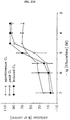
- Figure 10 is a graphical representation of the phosphate incorporation into B-50 and 50 kDa protein, as a function of different concentrations of tiflucarbine.
- Figure 11 is a graphical representation of the phosphate incorporation into B-50 and 50 kDa protein, as a function of different concentations of polymyxin B.
- Figure 12 is a graphical representation of the effects of several concentrations of tiflucarbine on the release of [3H]-noradreline from rat brain synaptosomes.
- Figure 13 is a graphical representation of the effects of several concentrations of cyclosporine A, sphingosine and tiflucarbine on the skin fold thickness after TPA-induced ear edema in mice.
- Figure 14 is a graphical representation of the effects of several concentrations of cyclosporine A, sphingosine and tiflucarbine on the skin thickness after TPA-induced hyperproliferation in mouse skin.
- Figure 15 is a graphical representation of the effects of several concentrations of tiflucarbine and sphingosine upon systemical administration on ear thickness after TPA-induced ear edema in mice.
- tiflucarbine inhibits in a dose-dependent manner the in - vitro proliferation of human keratinocytes, transformed as well as normal (see Examples 1 and 2). Further tiflucarbine does not induce the release of the inflammatory mediator, reactive oxygen species, from human polymorphonuclear leukocytes (PMNL) (see Example 3), this in contrast to anthralin.
- PMNL human polymorphonuclear leukocytes
- tiflucarbine has been found to be toxic only in concentrations above 300 ⁇ M (see Example 4). Other PKC inhibitors have been found to be much more toxic in the same tests.
- a further advantage of tiflucarbine is the rather favourable ratio between the effective and the cytotoxic concentration.
- tiflucarbine does not induce morphological changes in transformed keratinocytes, nor does influence keratin expression (see Example 5).
- tiflucarbine has no effect on PKC from the central nervous system (see Example 8).
- the PKC inhibiting activity shown by tiflucarbine is rather specific for PKC, present in the skin.
- R1 is selected from hydrogen or C1-C4-alkyl (straight or branched), methyl or ethyl being the preferred group; and R2 and R3 may be the same or different, and are selected from the group consisting of hydrogen and or a halogen.
- the halogen is chosen from fluorine and/or chlorine.
- compositions comprising a compound of formula I
- a pharmaceutically acceptable acid addition salt thereof prepared from organic as well as from inorganic acids, can also be used.
- said acids include hydrochloric acid, maleic acid, tartaric acid, succinic acid, oxalic acid and preferably lactic acid.
- the most preferred compound according to the present invention is tiflucarbine or 1-methyl-9-ethyl-4-fluoro-7,8,9,10-tetra:hydro-thieno-[3,2-e]-pyrido-[4,3-b]-indole lactate.
- the dosage-forms into which the 7,8,9,10-tetra:hydro-thieno-[3,2-e]-pyrido-[4,3-b]-indoles and their pharmaceutically acceptable acid addition salts can be advantageously incorporated for the treatment of the epidermal hyperproliferative and/or inflammatory skin diseases, may be chosen from those as generally known in the pharmaceutical and cosmetic art.
- the type of dosage-form that will be chosen, depends of the type of skin disorder and the preferred route of administration. Tablets, capsules and liquid forms can be used for oral administration; solutions, suspensions and emulsions for parenteral administration; and lotions, emulsions (o/w as well as w/o), and ointments for topical application.
- any suitable dosage-form can be used.
- a compound of formula I or a pharmaceutically acceptable salt thereof is mixed with one or more pharmaceutically acceptable excipients or with a suitable vehicle, such as an emulsion or a liquid.
- Topical preparations comprising the 7,8,9,10-tetra:hydro-thieno-[3,2-e]-pyrido-[4,3-b]-indoles and their pharmaceutically acceptable acid addition salts, are preferred for the treatment of the hyperproliferative and/or inflammatory skin disorders.
- the precise type of skin disease, that has to be treated, will be an important factor in choosing an appropriate vehicle and the components therein.
- Chronic, dry skin diseases will require the use of a fatty o/w cream, e.g. as described in EP-B-0069423, an ointment or a w/o emulsion as the base into which the active ingredient can be advantageously incorporated.
- a fatty o/w cream e.g. as described in EP-B-0069423, an ointment or a w/o emulsion as the base into which the active ingredient can be advantageously incorporated.
- For the treatment of acute, weeping skin disorders thin emulsion
- the amount of 7,8,9,10-tetra:-hydro-thieno-[3,2-e]-pyrido-[4,3-b]-indoles and their pharmaceutically acceptable acid addition salts that has to be incorporated into the compositions for the effective treatment of the above-mentioned skin disorders will vary according to the route of administration and to the kind and severity of the dermatological disorder, that has to be treated.
- concentrations of 7,8,9,10-tetra:hydro-thieno-[3,2-e]-pyrido-[4,3-b]-indoles and their pharmaceutically acceptable acid addition salts can range from 0.001 to 20 wt%, the percentages being calculated from the amount of active ingredient, as the base, and from the total weight of the composition. A preferred range, however, is 0.01-5 wt%.
- compositions according to the present invention can be advantageously treated with the compositions according to the present invention, such as cutaneous malignancies, primary to the skin, keratosis, ichtyosis, acne, rosacea, dermatitis (all types of eczema).
- cutaneous malignancies primary to the skin
- keratosis ichtyosis
- acne rosacea
- dermatitis all types of eczema
- dermatitis all types of eczema.
- Antibiotic-antimycotic solution P/S
- FCS fetal calf serum
- L-glutamine L-glutamine
- Gibco Gibco (Grand Island, USA) and all other solutions used for cell culture as well as staurosporine were delivered by Boehringer Mannheim (Mannheim, FRG). Radiotracers were obtained from NEN DuPont (Bad Homburg, FRG).
- HaCaT cells are spontaneously immortalized aneuploid human keratinocytes prepared according to J. Cell. Biol. (1988), 106: 761-771. They can be substituted, however, by SVK14 cells [Taylor-Papadimitriou et al . (1982), J. Cell Differentiat. 11: 169-180] or freshly isolated human keratinocytes [Rheinwald and Green (1975), Cell 6: 331-344].
- the HaCaT cells were routinely grown in Dulbecco's modified essential medium (DMEM) supplemented with 1% antibiotic-antimycotic solution, 4 mM L-glutamine and 10% fetal calf serum in culture flasks (T 175; Falcon Labware, Oxuard, CA, USA). Proliferation tests were carried out with passages 90-95 (for HaCaT-cells) and passages 3-6 (for NHEK's) in 24 well plates (Greiner, Solingen, FRG) as described below. All incubations were performed at 37°C in a humidified atmosphere with 10% CO2. Test compounds were dissolved in 10% DMSO and diluted to a final medium concentration of 0.5% DMSO. This solvent concentration did not affect cell proliferation.
- DMEM Dulbecco's modified essential medium
- HaCaT cells Proliferation of HaCaT cells was assayed by three different parameters: incorporation of [3H]-thymidine, incorporation of [14C]-amino acids and the increase of protein content of attached cells.
- HaCaT cells were seeded in supplemented DMEM (40,000 cells per culture well) and incubated for 24 h. The medium was then replaced by a medium also containing the test compounds at the concentrations indicated. Following a further 48 h incubation period, culture plates were washed twice with DMEM.
- pulse labelling was carried out by addition of 500 ⁇ l pure DMEM containing [3H]-thymidine (0.5 ⁇ Ci) and [14C]-amino acids (0.25 ⁇ Ci) per well and incubation was continued for 2 h. Thereafter, the medium was removed and cells were washed once with Dulbecco's phosphate buffered saline (PBS) and again with PBS containing 0.2% EDTA. Trypsin-EDTA (0.05%, 0.02%; 0.5 ml per well) was added and cells were incubated for 45 min to detach them completely from the plate. Trypsinization was stopped by addition of 0.5 ml of ice cold trichloroacetic acid (10%).
- the cells were harvested on a glass fiber filter (G-7; Whatman, Maidstone, Kent, UK). Thereafter, the filters were treated with 0.5 ml PROTOSOL®-solution (NEN, Bad Homburg, FRG) at 60°C for 1 h and radioactivity was assessed by liquid scintillation counting. The total incorporation of radiotracers in the absence of test compounds was taken as 0% inhibition.
- NHEK Normal human adult epidermal keratinocytes
- 3T3-feeder cells in a mixture of DMEM and Ham's F12 (3:1) supplemented with 5% Foetal Calf Serum (FCS), 1 ⁇ M hydrocortisone, 1 ⁇ M isoproterenol and 10 ng EGF per ml [Rheinwald and Green (1975) Cell, 6: 331).
- FCS Foetal Calf Serum
- SV40-transformed keratinocytes SVK14 [Taylor-Papadimitriou et al . (1982) Cell Differ., 11: 169] were cultured in the same medium, without EGF. Both cell types were grown at 37°C in a humidified atmosphere containing 7.5% CO2.
- 5,000 cells in 100 ⁇ l were plated per well in a 96-well cluster plate (Greiner), either in the medium as stated above, or in MCDB153 medium (Clonetics) under low calcium conditions.
- 100 ⁇ l medium containing increasing concentrations of test agents were added to each well.
- 50 ⁇ l of 0.05% neutral red (Gurr) solution in 0.9% NaCl was added per well and the cells were reincubated for 3 h at 37°C. After washing with PBS, the cells were lyzed by addition of 100 ⁇ l of 50% ethanol in 0.05 M NaH2PO4 per well. After vigorous shaking, the optical extinction was measured at 550 nm.
- Peak CL determined the maximal cell activity 16 min after addition of 25 ⁇ l complement-opsonized zymosan (ZyC3b; 0.8 mg/ml) or PMA (2 x 10 ⁇ 7 M). Then the test compounds (100 ⁇ l) were added with subsequent recording for another 16 min period. Spontaneous CL was determined for a 16 min period after 30 min preincubation with the test compounds started by the addition of lucigenin. Induced CL was subsequently recorded for another 24 min after addition of the appropriate stimulus to the same test tubes. Results were expressed as percent of inhibition or stimulation of the controls (mean of two integrals) in a single experiment. IC50-values and limit of confidence (95%) were calculated by regression analysis.
- Tiflucarbine also inhibited the ROS generation from isolated human PMNL. There was no difference in the potency of tiflucarbine to inhibit ROS production in unstimulated cells and cells stimulated with opsonized zymosan ( Figure 3) or PMA ( Figure 4). Both Figures show the mean values ⁇ SD from three independent experiments each performed in triplicate (missing error bars are smaller than the symbols). The effects were brought about with IC50 values of 7 ⁇ M. However, with both stimuli inhibition of peak chemiluminescence to 50% was observed at 2-3 fold higher concentrations.
- Table 2 shows data obtained with several reference compounds after stimulation with opsonized zymosan.
- Table 2 Compound Spontaneous CL Peak CL Induced CL Staurosporine 0.015 0.016 0.023 W-7 6.3 10.0 6.3 Trifluoroperazine 4.5 43.8 22.7 Thioridazine 2.4 10.6 6.4
- HaCaT cells were grown as described.
- Cytotoxicity was assessed by measurements of the content of intracellular lactate dehydrogenase (LDH) activity released into the culture medium during 48 h after onset of drug exposure.
- LDH lactate dehydrogenase
- Possible drug induced detachment of the HaCaT cells from the plate was assessed by collection of the medium from the wells and centrifugation (80 x g, 10 min.) The resulting pellet was suspended in 10 ⁇ l medium and cells were counted in a haemocytometer.
- Nonspecific cytotoxicity of the test compounds on PMHL was assessed by trypane blue exclusion test.
- Table 3 Compound LDH release ( ⁇ M) Trypane blue ( ⁇ M) Staurosporine 10 3 W-7 100 15 Trifluoroperazine 30 100 Thioridazine 30 30 Chlorpromazine 30 30 Promethazine 100 100 Tiflucarbine 300 300
- tiflucarbine is toxic above 300 ⁇ M only.
- Other PKC-inhibitors are much more toxic.
- HaCaT cells were cultured under standard conditions. 24 h after plating (2.5 x 10⁶ cells) the medium was replaced by medium containing [14C]-amino-acids (0.5 ⁇ Ci/ml) and the test compounds. After 72 h, cultivation was completed, keratinocytes were harvested using a rubber policeman and homogenized in 10 mM TRIS/Cl (pH 7.2) containing 1.5 M KCl, 0.5% Triton X 100, 5 mM EDTA and 0.4 mM PMSF (phenyl methyl sulfonyl fluoride) using a Polytron cell disrupter.
- TRIS/Cl pH 7.2
- the pellet was resuspended in 10 mM TRIS/Cl (pH 7.2) containing 5 mM EDTA and 0.4 mM PMSF and subjected to another centrifugation step (3500 x g, 10 min).
- the resulting pellet was dissolved in either 63 mM TRIS/Cl (pH 7.4) containing sodium dodecyl sulphate (SDS) for one-dimensional gel electrophoresis or in 9 M urea for two-dimensional gel elctrophoresis.
- SDS sodium dodecyl sulphate
- One-dimensional sodium dodecyl sulphate-polyacrylamide gel electrophoresis was conducted [Leammli (1970) Nature, 227: 680] using a 12% separating and a 3.5% stacking gel.
- Two-dimensional electrophoresis was performed [O'Farrel et al . (1987) Cell, 12: 1133]. Separation of keratins was achieved by non-equilibrium pH gradient electrophoresis (NEpHGE) using Servalyt 2-11 (Serva, Heidelberg, FRG) in the first dimension and by 12% SDS-PAGE in the second dimension.
- NEPEG non-equilibrium pH gradient electrophoresis
- HaCaT cells were cultured under standard conditions. 24 h after plating (2.5 x 10⁶ cells) the medium was replaced by medium containing the test compounds. During 72 hours cell morphology was frequently monitored using a phase contrast photomicroscope (Olympus IMT-2, Tokyo, Japan).
- the phosphorylation reaction mixture (final volume 25 ⁇ l) contained 10 ⁇ g SPM protein, 7.5 ⁇ M ATP and 1 ⁇ Ci [gamma 32P]ATP in 10 mM TRIS/Cl, 10 mM MgCl2, 10 mM CaCl2, pH 7.4. After a preincubation at 30°C for 5 min, the phosphorylation reaction was started by adding the ATP. The reaction was stopped after 15 sec. All compounds to be tested were present at the start of the preincubation. Proteins were separated by 11% SDS-PAGE, protein phosphorylation was determined by autoradiography of the gel and quantified by densitometric scanning of the autoradiogram.
- tiflucarbine did not inhibit B-50 phosphorylation, whereas the CaM-dependent phosphorylation of the 50 kDa protein was dose-dependently inhibited with a high potency of the drug (IC50-value smaller than 1 ⁇ M; see Figure 10).
- IC50-value smaller than 1 ⁇ M; see Figure 10
- the effect of the drug was assessed without addition of CaM to the assay. Under this condition, tiflucarbine did not display any inhibitory effect on B-50 phosphorylation as well.
- the phosphorylation of B-50 was 95 ⁇ 11, 92 ⁇ 9, 110 ⁇ 15 and 82 ⁇ 14 for tiflucarbine concentrations of l mM, 100 ⁇ M, 10 ⁇ M and 1 ⁇ M, respectively.
- polymyxin B the dual PKC/CaM inhibitor, polymyxin B
- Polymyxin B dose-dependently inhibited the phosphorylation of B-50 and the 50 kDa protein (see Figure 11) in the presence of added CaM.
- CaM inhibition of B-50 phosphorylation of 18 ⁇ 8, 82 ⁇ 11, 103 ⁇ 9 and 95 ⁇ 8% of control was achieved under polymyxin B concentrations of 100, 10, 1 and 0.1 ⁇ M, respectively.
- synaptosomes were prepared according to Dunkley and Robinson (1987). The synaptosomes were diluted with 3 ml buffer A (123 mM NaCl, 5 mM KCl, 2 mM CaCl2, mM MgCl2, 1.15 mM NaH2PO4, 5.6 mM glucose, 20 mM PIPES pH 6.8, gassed with O2:CO2, 95:5) and incubated for 15 min at 37°C. Then 2.5 ⁇ Ci noradrenalin (NA) was added, incubation was continued for 15 min and the synaptosomes were centrifuged for 20 min at 600 x g. The resulting pellet was washed twice in buffer A without CaCl2 and resuspended (1 mg protein/ml).
- buffer A 123 mM NaCl, 5 mM KCl, 2 mM CaCl2, mM MgCl2, 1.15 mM NaH2PO4, 5.6 mM glucose, 20 mM P
- NA release For measurement of NA release, prelabeled synaptosomes were incubated at 37°C in buffer A containing Na2ATP and EGTA-buffered Ca2+ in concentrations as indicated (final volume 120 ⁇ l). The release reaction was started by adding synaptosomes (20 ⁇ g protein) to the reaction mixture and terminated after 5 min by 30 sec centrifugation at 10,000 x g. The supernatant (90 ⁇ l) was collected and counted in a Packard Model 2,000 CA liquid scintillation counter with Picofluor as a scintillation cocktail. NA release was expressed as % of total [3H]-NA incorporated. Total NA incorporation was determined by measuring [3H]-incorporation in 20 ⁇ g prelabeled washed synaptosomes.
- mice Hairless mice (hr/hr; male) were treated on their backs with 10 ⁇ l of a 0.01 wt% solution of 12-O-tetradecanoylphorbol-13-acetate (TPA) in a 80/20 mixture of acetone/water, further containing the test substances cyclosporin A, sphingosine or tiflucarbine.
- TPA 12-O-tetradecanoylphorbol-13-acetate
- 4 application sites were used: one application site was treated with only TPA (control) and one with only vehicle (blanco), two with experimental formulations, according to a roulation scheme. 6 mice were treated per experiment.
- tiflucarbine reduces edema at 0.5, 1 and 2.5%. It reduces hyperproliferation only at 1 and 2.5% (see Figure 14).
- mice were injected intraperitoneally with 30, 10 or 3.3 mg/kg body weight of the test substances, sphingosine in carboxymethylcellulose (0.5%) and tiflucarbine in physiologic Saline, 10 ml/kg body weight. After 60 minutes the mire were challenged on the left ear with a 0.01 wt% solution of 12-O-tetradecanoylphorbol-13-acetate (TPA) in a 80/20 mixture of acetone/water. At 0, 3, 6 and 24 h after challenge, ear thickness was determined.
- TPA 12-O-tetradecanoylphorbol-13-acetate
- KLUCEL HF® 0.35 g of KLUCEL HF® is dispersed into 49 g of water, while stirring until a clear liquid is obtained.
- 0.5 g of isopropyl-myristate is dissolved in 50 g of isopropanol.
- the second solution is mixed with the first one.
- 0.5 g of tiflucarbine is added to the resulting mixture, while stirring.
- CETOMACROGOL 1000® polyethylene glycol-1000-monocetyl ether
- 1 g of methylhydroxy-benzoate is added to 150 g of water (de-ionized). While stirring, this solution is heated in a suitable ointment mixer to 70-80°C. To this solution the prepared liquid fatty composition is added at a temperature of 70-80°C. After vigorous mixing, under reduced pressure, the mass is gently stirred until cool. 0.25 g of CETOMACROGOL 1000 is dissolved in 25 g of water. 0.05 g of tiflucarbine is added thereto while stirring. After adding the resulting suspension to the ready cream, the mass is gently stirred for 5 min, under reduced pressure.
Landscapes
- Health & Medical Sciences (AREA)
- Pharmacology & Pharmacy (AREA)
- Veterinary Medicine (AREA)
- Public Health (AREA)
- Chemical & Material Sciences (AREA)
- General Health & Medical Sciences (AREA)
- Medicinal Chemistry (AREA)
- Animal Behavior & Ethology (AREA)
- Life Sciences & Earth Sciences (AREA)
- General Chemical & Material Sciences (AREA)
- Organic Chemistry (AREA)
- Nuclear Medicine, Radiotherapy & Molecular Imaging (AREA)
- Chemical Kinetics & Catalysis (AREA)
- Rheumatology (AREA)
- Pain & Pain Management (AREA)
- Engineering & Computer Science (AREA)
- Bioinformatics & Cheminformatics (AREA)
- Dermatology (AREA)
- Epidemiology (AREA)
- Pharmaceuticals Containing Other Organic And Inorganic Compounds (AREA)
- Heterocyclic Carbon Compounds Containing A Hetero Ring Having Oxygen Or Sulfur (AREA)
Abstract
The use of tetra:hydro-thieno-pyrido-indole derivatives and the pharmaceutically acceptable acid addition salts thereof for preparing a medicament for the treatment of hyperproliferative and/or inflammatory skin disorders is provided.
Description
- The present invention relates to preparations containing 7,8,9,10-tetra:hydro-thieno-[3,2-e]-pyrido-[4,3-b]-indole derivatives and pharmaceutically acceptable acid addition salts thereof for the treatment of hyperproliferative and/or inflammatory skin disorders.
- Skin disorders are frequently occurring afflictions and especially those which are characterized by epidermal hyperproliferation and/or inflammation. Examples thereof include psoriasis, cutaneous tumours primary to the skin, keratosis, ichtyosis, acne, rosacea and dermatitis (all types of eczema). For the treatment of these diseases a large variety of medicines is available. Although many drugs are rather successful in suppressing the symptoms, giving temporary relief of complaints, they cause more or less serious side effects, which may be of systemic or of topical nature and, consequently, restrict the applications of those drugs.
- Psoriasis is one of the most common skin disorders, which is reflected by a prevalence rate of about 5% of the population world wide. Clinically, the disease is characterized by hyperkeratosis (skin acanthosis) and epidermal inflammation, which occur in a periodic fashion. For the treatment of psoriasis a variety of drugs, which are administered either topically or systemically or in a combination regimen, is available. These compounds are structurally unrelated and have different mechanisms of action. However, in many cases their healing success is rather disappointing. Furthermore, several drugs evoke severe side effects, especially when applied during long term treatments which are often necessary for the therapy of this chronic disease.
- For more than a century the topical application of anthralin is known to be effective in the treatment of psoriasis and, today, the drug is still probably the most widely used. However, it is well documented that anthralin while attenuating lesional inflammation often generates perilesional dermatitis. Furthermore, the drug causes intensive staining of clothing and of the skin and has cosmetic disadvantages [Shroot et al. (1976) in: Psoriasis (Farber et al, ed), Yorke Medical Books, NY, pp. 327-336; McDonald (1983) in: The Chemotherapy of Psoriasis (Baden, ed), Pergamon Press Oxford, pp. 208-210]. Moreover, in numerous studies, anthralin has been proven to be cancerogenic in animal models [Bock and Burns (1963), J. Natl. Canc. Inst. 30: 393-397; Segal et al. (1971), J. Med. Chem. 14: 1152-1154].
- Another topically used product is coal tar, which has similar disadvantages as described for anthralin. Also coal tar has been shown to induce skin cancer in animals.
- Other drugs used for the treatment of psoriasis include corticosteroids, vitamin D derivatives, retinoids, cyclosporin A and methotrexate. Also photochemotherapy is used.
- Corticosteroids, when applied topically over extended periods cause deterioration of the skin [Meyrick Thomas and Black (1985) in: Models in Dermatology (Maibach and Lowe, ed.) Basel, vol 2. pp 30-34].
- Vitamin D derivatives can be administered either topically or systemically but have effects on the calcium metabolism resulting in hypercalcemia and decalcification of the bones [de Luca (1976) Am. J. Clin. Nutr., 29: 1258].
- Cyclosporin A, retinoids and methotrexate are very potent drugs in the therapy of psoriasis but have severe side effects. Cyclosporin A, initially developed as an immunosuppressive for use in transplantation surgery, is very nephrotoxic, induces hypertension and elevated cholesterol and triglyceride levels [Brit. J. Dermatol. (1990) 122: 365; Fifth International Psoriasis Symposium, July 10-14, 1991, San Fransisco].
- Similar side effects were observed with methotrexate, which also is an immunosuppressive and unspecifically inhibits cell proliferation [Roenich and Maibach (1991): Methotrexate, in: Psoriasis, Marcel Dekker New York].
- Retinoids have been shown to be teratogenic and, therefore, a possible conception of the patient during therapy must be excluded. Furthermore, the drug is accused of causing hair loss, brittle nails, vision problems and changes of the lipid metabolism [Psoriasis Symposium 1991, as mentioned above]. In order to avoid the severe side effects of the latter drugs, many attempts have been made to develop topical formulations. However, thus far no such formulation showing therapeutic activity has been composed.
- At present, severe causes of psoriasis are often treated with systemic photochemotherapy (PUVA, i.e. oral psoralen and UVA light). This therapy bears the risk of causing direct changes in the genomic structure of the patient's cells and is, therefore, potentially mutagenic and cancerogenic.
- Since most patients with psoriasis have moderate symptoms the risks and side effects associated with the regimens as described above are not warranted. Therefore, there is a need for an effective and safe form of (local) therapy for the majority of patients afflicted with hyperproliferative and/or inflammatory skin diseases.
- In recent years, progress has been made in the field of cellular signal transduction, i.e. the transduction of extra-cellular information through the membrane, which, subsequently, induces a cellular response. In the regulation of cell proliferation, a crucial role for phosphoinositides is well accepted [Berridge et al. (1985), J. Cell. Sci. Suppl. 3: 187-198]. During signal transduction via the inositide cascade, two second messengers, diacylglycerol and inositol triphosphate, are formed, which, subsequently, activate protein kinase C (PKC). Furthermore, PKC has been identified as the cellular receptor for tumour promoting phorbol esters, such as phorbol-12-myristate-13-acetate (PMA). Therefore, PKC is strongly suggested to play a key role in the regulation of cell proliferation [Nishizuka (1984), Nature 308: 693-698].
- As yet, only very limited information about the regulation of keratinocyte proliferation is available. Phorbol esters, when applied to mouse skin in vivo, have been shown to induce epidermal hyperplasia and inflammation [Marks (1983), Carcinogenesis 4: 1465-1470]. In epidermal cell culture, PMA was found to induce cell proliferation and keratinocyte differentiation [Hawley Nelson et al. (1982), Exp. Cell. Res. 137: 155-167]. Furthermore, PKC activity and phorbol ester binding have been detected in human keratinocytes [Snoek et al. (1987), Exp. Cell. Res. 172: 146-157]. Therefore, it seems to be likely that PKC is involved in the regulation of keratinocyte proliferation.
- There is also evidence that PKC might be involved in the release of reactive oxygen species from human leucocytes, a key reaction in inflammatory responses [wymann et al. (1987), J. Biol. Chem. 262: 12048-12053]. Since, clinically, psoriasis is characterized by epidermal hyperproliferation and inflammation, PKC is thought to be an important enzyme in the pathophysiology of this disease. PKC is present in human epidermis [Fisher et al. (1987), J. Invest. Dermatol. 89: 484-488] and, indeed, recent studies comparing skin of psoriatic lesions with healthy skin showed differences in activity and distribution of PKC [Horn et al (1987), J. Invest. Dermatol. 88: 220-222; Inohara et al. (1988), Arch. Dermatol. Res. 280: 454-455].
- Gupta et al. [J. Invest. Dermatol. (1988), 91: 486-491] reported that sphingosine inhibited the PMA-induced inflammation, hyperplasia, induction of ornithine decarboxylase and activation of PKC in mouse skin. This is consistent with an earlier report that sphingosine inhibits the generation of reactive oxygen species from human leukocytes in high (cytotoxic) concentration [Wilson et al. (1986), J. Biol. Chem. 261: 12616-12623]. International Patent Application wo 88/01869 has also suggested the use of amphipathic long chain bases, such as sphingosine and sphinganine, for the treatment of inflammation, psoriasis and tumour metastases. However, sphingosine has been shown to inhibit cell differentiation [Merrill et al. (1986), J. Biol. Chem 261: 12610-12615], which would be a major drawback in psoriasis, since in this disease the keratinocytes show increased proliferation and decreased differentiation. Furthermore, sphingosine was found to stimulate fibroblast proliferation [Zhang et al. (1990), J. Biol. Chem. 265: 76-81], reducing its possible therapeutic use in dermatology. Beside other effects on various enzymes, sphingosine is known to inhibit PKC (Hannun et al. (1986), J. Biol. Chem. 261: 12604-12609].
- Gupta et al. (see above) suggested the potential of PKC inhibitors in inflammatory diseases, such as psoriasis. However, the investigations with sphingosine clearly demonstrate that this hypothesis cannot lead to the conclusion that all compounds which inhibit PKC might be suitable as drugs for the treatment of psoriasis. Although some of the side effects, such as the stimulation of fibroblast proliferation, have been proven to be mediated by a PKC-independent mechanism, and thus not conflicting the hypothesis of Gupta et al., no PKC inhibitor which might be of use in the treatment of psoriasis has been identified yet.
- Another example for this situation is staurosporire, one of the most potent PKC inhibitors [Tamaoki et al. (1986), Biochem. Biophys. Res. Commun. 135: 397-402]. The drug has been described to inhibit inflammatory responses in human neutrophils [Sako et al. (1988), Cancer Res. 48: 4646-4650], but failed to inhibit PMA-induced ornithine decarboxylase activity, a marker enzyme for cell proliferation, in isolated mouse epidermal cells (Kiyoto et al. (1987), Biochem. Biophys. Res. Commun. 148: 740-746]. Moreover, in a study on mouse skin, staurosporine was found to have tumour promoting activity [Yoshizawa et al. (1990), Cancer Res. 50: 4974-4978]. This effect, of course, prevents the clinical use of staurosporine in any indication. The reason for these and many other unwanted effects of staurosporine is thought to be its unselective inhibition of protein kinases by interfering with their ATP binding site, a binding site which is common in many enzymes [Rüegg and Burgess (1989), Trends Pharmacol. Sci. 10: 218-220]. Furthermore, although effectively inhibiting keratinocyte proliferation [Hegemann et al. (1991), Arch. Dermatol. Res. 283: 456-460], the drug causes morphological changes in epidermal cells [Hegemann et al. (1991), J. Invest. Dermatol. 94: 578], a side effect which might correlate to the drug's tumour promoting activity.
- Known PKC inhibitors, despite of their effects of keratinocyte proliferation and inflammatory responses in neutrophils, which point towards a usefulness in psoriasis, all seem to have major drawbacks limiting or preventing their clinical use. Interestingly, it has recently been found that the antipsoriatic drug, anthralin, inhibits PKC and might exert its clinical efficacy via this mechanism [Hegemann et al. (1990), Skin Pharmacol. 3: 196]. However, the well documented side effects of anthralin, i.e. the generation of perilesional dermatitis, were also monitored in relevant test systems since the drug induced the release of the inflammatory mediator, reactive oxygen species, from human neutrophils, when the cells were unstimulated.
- 7,8,9,10-tetra:hydro-thieno-[3,2-e]-pyrido-[4,3-b]-indole derivatives are the subject of European patents EP-B-0012347 and EP-B-0120439. Initially, these compounds were developed as antidepressant drugs for systemical administration [Glaser and Seidel (1987), Drugs of the Future 12: 562-564]. Later, tiflucarbine and some structural analogues, belonging to the group of tetra:hydro-thieno-pyrido-indole derivatives, were surprisingly found to bind to calmodulin [Schmidt et al. (1990), Eur. J. Pharmacol. 189: 411-418]. Furthermore, tiflucarbine was found to significantly inhibit PKC activity in in-vitro tests [Hegemann et al. (1989), Biol. Chem. Hoppe-Seyler 370: 908].
- The use of 7,8,9,10-tetra:hydro-thieno-[3,2-e]-pyrido-[4,3-b]-indoles of formula I

(wherein R₁ is hydrogen or C₁-C₄-alkyl;
R₂ and R₃ may be the same or different, and are selected from hydrogen and halogen) and the pharmaceutically acceptable acid addition salts thereof is provided for preparing a medicament for the treatment of epidermal hyperproliferative and/or inflammatory skin diseases. - Also provided are compositions, which comprise a compound of formula I as mentioned above, for the treatment of hyperproliferative and/or inflammatory skin disorders.
- Figure 1 is a graphical representation of the inhibition of keratinocyte proliferation (HaCaT cells), as measured by the incorporation of [³H]-thymidine and [¹⁴C]-amino acids into attached cells, by different concentrations of tiflucarbine.
- Figure 2 is a graphical representation of the inhibition of keratinocyte proliferation (HaCaT cells), as measured by the total protein content of attached cells, by different concentrations of tiflucarbine.
- Figure 3 is a graphical representation of the inhibition of generation of reactive oxygen species (ROS) from human polymorphonuclear leukocytes (PMNL), as measured by lucigenin-amplified chemiluminescence (spontaneous and stimulated after treatment with opsonized zymosan), by different concentrations of tiflucarbine.
- Figure 4 is a graphical representation of the inhibition of generation of reactive oxygen species (ROS) from human polymorphonuclear leukocytes (PMNL), as measured by lucigenin-amplified chemiluminescence (spontaneous and stimulated after treatment with the phorbol ester PMA), by different concentrations of tiflucarbine.
- Figure 5 is a graphical representation of the effect of different concentrations of tiflucarbine (TFC) and staurosporine on the spontaneous cornified envelope formation by human keratinocytes.
- Figure 6 is a graphical representation of the effect of different concentrations of tiflucarbine (TFC) and staurosporine on ionophore-induced cornified envelope formation by human keratinocytes.
- Figure 7 is a representation of keratin expression in HaCaT cells, as analyzed by two-dimensional gel electrophoresis for control cells (a), cells grown in the presence of 30 nM staurosporine (c) and 10 µM tiflucarbine (d).
- Figure 8 is a graphical representation of keratin synthesis in HaCaT cells during exposure to staurosporine and tiflucarbine, as determined by density scanning of autoradiographs.
- Figure 9 is a representation of the effect of staurosporine (30 nM) on HaCaT cell morphology 42 h (c) and 72 h (d) after plating, compared with control cells 42 h (c) and 72 h (d) after plating.
- Figure 10 is a graphical representation of the phosphate incorporation into B-50 and 50 kDa protein, as a function of different concentrations of tiflucarbine.
- Figure 11 is a graphical representation of the phosphate incorporation into B-50 and 50 kDa protein, as a function of different concentations of polymyxin B.
- Figure 12 is a graphical representation of the effects of several concentrations of tiflucarbine on the release of [³H]-noradreline from rat brain synaptosomes.
- Figure 13 is a graphical representation of the effects of several concentrations of cyclosporine A, sphingosine and tiflucarbine on the skin fold thickness after TPA-induced ear edema in mice.
- Figure 14 is a graphical representation of the effects of several concentrations of cyclosporine A, sphingosine and tiflucarbine on the skin thickness after TPA-induced hyperproliferation in mouse skin.
- Figure 15 is a graphical representation of the effects of several concentrations of tiflucarbine and sphingosine upon systemical administration on ear thickness after TPA-induced ear edema in mice.
- It has now been found that tiflucarbine inhibits in a dose-dependent manner the in-vitro proliferation of human keratinocytes, transformed as well as normal (see Examples 1 and 2). Further tiflucarbine does not induce the release of the inflammatory mediator, reactive oxygen species, from human polymorphonuclear leukocytes (PMNL) (see Example 3), this in contrast to anthralin.
- The inhibitory effects of tiflucarbine on keratinocyte proliferation and on generation of reactive oxygen species from human polymorphonuclear leukocytes could not have been predicted from:
- a. the chemical structure of tiflucarbine;
- b. its known therapeutical activity as an anti-depressant;
- c. its recently discovered pharmacological activity as a protein kinase C inhibitor and a calmodulin antagonist.
- In cytotoxicity tests tiflucarbine has been found to be toxic only in concentrations above 300 µM (see Example 4). Other PKC inhibitors have been found to be much more toxic in the same tests. A further advantage of tiflucarbine is the rather favourable ratio between the effective and the cytotoxic concentration.
- In contrast to other PKC inhibitors, tiflucarbine does not induce morphological changes in transformed keratinocytes, nor does influence keratin expression (see Example 5).
- It has further been found that tiflucarbine has no effect on PKC from the central nervous system (see Example 8). The PKC inhibiting activity shown by tiflucarbine is rather specific for PKC, present in the skin.
- In animal models tiflucarbine, being administered either topically or systemically, has been found to have a reducing effect on 12-O-tetradecanoylphorbol-13-acetate (TPA) induced ear edema and hyperproliferation in mouse skin (see Examples 8 and 9).
- Some of the surprising effects exerted by tiflucarbine, as demonstrated in the examples, have also been found for structurally related compounds.
- It has now been found that 7,8,9,10-tetra:hydro-thieno-[3,2-e]-pyrido-[4,3-b]-indoles and their pharmaceutically acceptable acid addition salts can be advantageously used in preparations for the treatment of epidermal hyperproliferative skin disorders, inflammatory skin diseases and diseases of the skin characterized by having an epidermal hyperproliferative and an inflammatory component. These preparations do not cause side-effects as generally observed in common methods for the treatment of the skin disorders as mentioned above.
- The 7,8,9,10-tetra:hydro-thieno-[3,2-e]-pyrido-[4,3-b]-indoles and their pharmaceutically acceptable acid addition salts of the present invention are represented by general formula I:

wherein R₁ is selected from hydrogen or C₁-C₄-alkyl (straight or branched), methyl or ethyl being the preferred group; and R₂ and R₃ may be the same or different, and are selected from the group consisting of hydrogen and or a halogen. Preferably the halogen is chosen from fluorine and/or chlorine. - For the preparation of compositions comprising a compound of formula I, a pharmaceutically acceptable acid addition salt thereof, prepared from organic as well as from inorganic acids, can also be used. Examples of said acids include hydrochloric acid, maleic acid, tartaric acid, succinic acid, oxalic acid and preferably lactic acid.
- The most preferred compound according to the present invention is tiflucarbine or 1-methyl-9-ethyl-4-fluoro-7,8,9,10-tetra:hydro-thieno-[3,2-e]-pyrido-[4,3-b]-indole lactate.
- The dosage-forms, into which the 7,8,9,10-tetra:hydro-thieno-[3,2-e]-pyrido-[4,3-b]-indoles and their pharmaceutically acceptable acid addition salts can be advantageously incorporated for the treatment of the epidermal hyperproliferative and/or inflammatory skin diseases, may be chosen from those as generally known in the pharmaceutical and cosmetic art. The type of dosage-form, that will be chosen, depends of the type of skin disorder and the preferred route of administration. Tablets, capsules and liquid forms can be used for oral administration; solutions, suspensions and emulsions for parenteral administration; and lotions, emulsions (o/w as well as w/o), and ointments for topical application. However, it will be appreciated, that any suitable dosage-form can be used.
- For the preparation of the above-mentioned dosage-forms a compound of formula I or a pharmaceutically acceptable salt thereof is mixed with one or more pharmaceutically acceptable excipients or with a suitable vehicle, such as an emulsion or a liquid.
- Topical preparations, comprising the 7,8,9,10-tetra:hydro-thieno-[3,2-e]-pyrido-[4,3-b]-indoles and their pharmaceutically acceptable acid addition salts, are preferred for the treatment of the hyperproliferative and/or inflammatory skin disorders. The precise type of skin disease, that has to be treated, will be an important factor in choosing an appropriate vehicle and the components therein. Chronic, dry skin diseases will require the use of a fatty o/w cream, e.g. as described in EP-B-0069423, an ointment or a w/o emulsion as the base into which the active ingredient can be advantageously incorporated. For the treatment of acute, weeping skin disorders, thin emulsions, liniments and aqueous suspensions are preferred bases for incorporation of the active ingredient.
- It will be appreciated that the amount of 7,8,9,10-tetra:-hydro-thieno-[3,2-e]-pyrido-[4,3-b]-indoles and their pharmaceutically acceptable acid addition salts that has to be incorporated into the compositions for the effective treatment of the above-mentioned skin disorders will vary according to the route of administration and to the kind and severity of the dermatological disorder, that has to be treated. Generally concentrations of 7,8,9,10-tetra:hydro-thieno-[3,2-e]-pyrido-[4,3-b]-indoles and their pharmaceutically acceptable acid addition salts can range from 0.001 to 20 wt%, the percentages being calculated from the amount of active ingredient, as the base, and from the total weight of the composition. A preferred range, however, is 0.01-5 wt%.
- Due to the pharmacological activity demonstrated by the compounds of formula I in several tests, various types of skin disorders can be advantageously treated with the compositions according to the present invention, such as cutaneous malignancies, primary to the skin, keratosis, ichtyosis, acne, rosacea, dermatitis (all types of eczema). Of particular concern for the present invention is the use of 7,8,9,10-tetra:hydro-thieno-[3,2-e]-pyrido-[4,3-b]-indoles and their pharmaceutically acceptable acid addition salts for the treatment of psoriasis.
- All publications and patent applications cited in this specification are herein incorporated by reference as if each publication or patent application were specifically and individually indicated to be incorporated by reference.
- Although the foregoing invention has been described in some detail by way of illustration and example for purposes of clarity and understanding, it will be readily apparent to those of ordinary skill in the art in light of the teachings of this invention that certain changes and modifications may be made thereto without departing from the spirit and scope of the appended claims.
- The following examples will illustrate the invention.
-
- CaM
- calmodulin
- CL
- chemiluminescence
- DMEM
- Dulbecco's modified essential medium
- DMSO
- dimethyl sulfoxide
- EDTA
- ethylene diamine tetraacetic acid
- EGTA
- ethyleneglycol-bis (β-aminoethylether) tetraacetic acid
- LDH
- lactate dehydrogenase
- NHEK
- normal human epidermal keratinocyte
- PBS
- Dulbecco's phosphate buffered saline
- PKC
- protein kinase C
- PMA
- phorbol 12-myristate 13-acetate
- PMNL
- polymorphonuclear leukocytes
- PS
- phosphatidylserine
- ROS
- reactive oxygen species
- W-7
- N-(6-aminohexyl)-5-chloro-1-naphthalene sulfonamide
- Antibiotic-antimycotic solution (P/S), fetal calf serum (FCS), and L-glutamine were from Gibco (Grand Island, USA) and all other solutions used for cell culture as well as staurosporine were delivered by Boehringer Mannheim (Mannheim, FRG). Radiotracers were obtained from NEN DuPont (Bad Homburg, FRG).
- All other chemicals used for buffers and solutions as well as the reference compound W-7 were obtained from Sigma (St. Louis, USA) and were of the highest purity commercially available.
- HaCaT cells are spontaneously immortalized aneuploid human keratinocytes prepared according to J. Cell. Biol. (1988), 106: 761-771. They can be substituted, however, by SVK₁₄ cells [Taylor-Papadimitriou et al. (1982), J. Cell Differentiat. 11: 169-180] or freshly isolated human keratinocytes [Rheinwald and Green (1975), Cell 6: 331-344].
- The HaCaT cells (or the other cells) were routinely grown in Dulbecco's modified essential medium (DMEM) supplemented with 1% antibiotic-antimycotic solution, 4 mM L-glutamine and 10% fetal calf serum in culture flasks (T 175; Falcon Labware, Oxuard, CA, USA). Proliferation tests were carried out with passages 90-95 (for HaCaT-cells) and passages 3-6 (for NHEK's) in 24 well plates (Greiner, Solingen, FRG) as described below. All incubations were performed at 37°C in a humidified atmosphere with 10% CO₂. Test compounds were dissolved in 10% DMSO and diluted to a final medium concentration of 0.5% DMSO. This solvent concentration did not affect cell proliferation.
- Proliferation of HaCaT cells was assayed by three different parameters: incorporation of [³H]-thymidine, incorporation of [¹⁴C]-amino acids and the increase of protein content of attached cells. HaCaT cells were seeded in supplemented DMEM (40,000 cells per culture well) and incubated for 24 h. The medium was then replaced by a medium also containing the test compounds at the concentrations indicated. Following a further 48 h incubation period, culture plates were washed twice with DMEM. Then pulse labelling was carried out by addition of 500 µl pure DMEM containing [³H]-thymidine (0.5 µCi) and [¹⁴C]-amino acids (0.25 µCi) per well and incubation was continued for 2 h. Thereafter, the medium was removed and cells were washed once with Dulbecco's phosphate buffered saline (PBS) and again with PBS containing 0.2% EDTA. Trypsin-EDTA (0.05%, 0.02%; 0.5 ml per well) was added and cells were incubated for 45 min to detach them completely from the plate. Trypsinization was stopped by addition of 0.5 ml of ice cold trichloroacetic acid (10%). After incubation for 12 h at 4°C, the cells were harvested on a glass fiber filter (G-7; Whatman, Maidstone, Kent, UK). Thereafter, the filters were treated with 0.5 ml PROTOSOL®-solution (NEN, Bad Homburg, FRG) at 60°C for 1 h and radioactivity was assessed by liquid scintillation counting. The total incorporation of radiotracers in the absence of test compounds was taken as 0% inhibition.
- For determination of total protein content, cells were washed twice with methanol. Culture plates were then dried at room temperature and 1.5 ml Na0H (0.25 N) were added to each well, which was then carefully covered with PARAFILM®-foil. Plates were shaken for 16 h at room temperature. Concentration of protein was determined spectrophotometrically using bovine serum albumin as a standard. The total concentration of protein in the absence of test compounds was taken as 0% inhibition.
- Proliferation of human keratinocytes, as assessed by incorporation of [³H]-thymidine and [¹⁴C]-amino acids and also by the increase of total protein content, was inhibited by tiflucarbine in a dose-dependent manner (see Figures 1 and 2). The Figures show the mean values ± SD from four independent experiments each performed in quadruplicate (missing error bars are smaller than the symbols). All parameters measured were inhibited with nearly the same potency (IC₅₀ values: 10-17 µM).
- Normal human adult epidermal keratinocytes (NHEK) were cultured using 3T3-feeder cells, in a mixture of DMEM and Ham's F12 (3:1) supplemented with 5% Foetal Calf Serum (FCS), 1 µM hydrocortisone, 1 µM isoproterenol and 10 ng EGF per ml [Rheinwald and Green (1975) Cell, 6: 331). SV40-transformed keratinocytes (SVK₁₄) [Taylor-Papadimitriou et al. (1982) Cell Differ., 11: 169] were cultured in the same medium, without EGF. Both cell types were grown at 37°C in a humidified atmosphere containing 7.5% CO₂.
- On
day 0, 5,000 cells in 100 µl were plated per well in a 96-well cluster plate (Greiner), either in the medium as stated above, or in MCDB153 medium (Clonetics) under low calcium conditions. Onday 1 100 µl medium containing increasing concentrations of test agents were added to each well. Onday Table 1 Effect of PKC inhibitors on keratinocyte proliferation IC₅₀ values (µM) Cell NHEK SVK₁₄ Ca²⁺ concentration low normal low normal Staurosporine 0.00025 0.0004 0.003 0.06 Tiflucarbine 10.0 10.0 7.5 12.5 - In Table 1 it can be seen, that tiflucarbine inhibited proliferation of normal human keratinocytes and SVK₁₄ cells, with about the same potency as HaCaT cells. There was no difference between cells grown under low (0.06 mM) or normal (1.6 mM) calcium conditions, as was the case with the (very potent) reference compound staurosporine.
- Human PMNL were isolated from fresh blood (anticoagulated with sodium citrate) by erythrocyte sedimentation with 1% dextran (Pharmacia, Uppsala, Sweden) centrifugation of the resulting supernatant, followed by hypoosmotic lysis to remove red blood cells. Washed cells were adjusted to 2 x 10⁶ cells/ml in PBS containing fetal calf serum (2%; v/v). Test compounds dissolved in DMSO were diluted with the assay buffer to a final DMSO concentration of 0.5% (v/v).
- ROS generation from human PMNL (2 x 10⁵ cells in 500 µl final volume) was recorded by lucigenin-amplified chemiluminescence (CL) as reported in detail in Biochem. Pharmacol. (1987), 36: 1125-1132.
- Peak CL determined the
maximal cell activity 16 min after addition of 25 µl complement-opsonized zymosan (ZyC3b; 0.8 mg/ml) or PMA (2 x 10⁻⁷ M). Then the test compounds (100 µl) were added with subsequent recording for another 16 min period. Spontaneous CL was determined for a 16 min period after 30 min preincubation with the test compounds started by the addition of lucigenin. Induced CL was subsequently recorded for another 24 min after addition of the appropriate stimulus to the same test tubes. Results were expressed as percent of inhibition or stimulation of the controls (mean of two integrals) in a single experiment. IC₅₀-values and limit of confidence (95%) were calculated by regression analysis. - Tiflucarbine also inhibited the ROS generation from isolated human PMNL. There was no difference in the potency of tiflucarbine to inhibit ROS production in unstimulated cells and cells stimulated with opsonized zymosan (Figure 3) or PMA (Figure 4). Both Figures show the mean values ± SD from three independent experiments each performed in triplicate (missing error bars are smaller than the symbols). The effects were brought about with IC₅₀ values of 7 µM. However, with both stimuli inhibition of peak chemiluminescence to 50% was observed at 2-3 fold higher concentrations.
- Table 2 shows data obtained with several reference compounds after stimulation with opsonized zymosan.
Table 2 Compound Spontaneous CL Peak CL Induced CL Staurosporine 0.015 0.016 0.023 W-7 6.3 10.0 6.3 Trifluoroperazine 4.5 43.8 22.7 Thioridazine 2.4 10.6 6.4 Chlorpromazine 4.9 21.8 7.6 Promethazine 23.6 62.3 31.4 Tiflucarbine 7.2 14.0 7.4 - HaCaT cells were grown as described.
- Cytotoxicity was assessed by measurements of the content of intracellular lactate dehydrogenase (LDH) activity released into the culture medium during 48 h after onset of drug exposure. Possible drug induced detachment of the HaCaT cells from the plate was assessed by collection of the medium from the wells and centrifugation (80 x g, 10 min.) The resulting pellet was suspended in 10 µl medium and cells were counted in a haemocytometer.
- Nonspecific cytotoxicity of the test compounds on PMHL was assessed by trypane blue exclusion test.
Table 3 Compound LDH release (µM) Trypane blue (µM) Staurosporine 10 3 W-7 100 15 Trifluoroperazine 30 100 Thioridazine 30 30 Chlorpromazine 30 30 Promethazine 100 100 Tiflucarbine 300 300 - As can be seen in Table 3, tiflucarbine is toxic above 300 µM only. Other PKC-inhibitors are much more toxic.
- Normal human keratinocytes were grown to confluence at low calcium concentration in the presence of 5% FCS, 1 µM isoproterenol and 10 ng EGF per ml. They were first exposed for 4 h to increasing concentrations of test compounds and subsequently reincubated for 48 h in medium containing normal calcium concentration and the same additives, test compounds and [³H]-leucine (1 µCi/ml). Thereafter, both spontaneous and ionophore-induced cornified envelope (CE) formation was determined [King et al. (1986) Exp. Cell. Res., 167: 252].
- It can be seen in Figure 5, that tiflucarbine has no effect on spontaneous CE formation, while staurosporine has a marked effect. No drug tested had effect on induced CE formation (Figure 6).
- HaCaT cells were cultured under standard conditions. 24 h after plating (2.5 x 10⁶ cells) the medium was replaced by medium containing [¹⁴C]-amino-acids (0.5 µCi/ml) and the test compounds. After 72 h, cultivation was completed, keratinocytes were harvested using a rubber policeman and homogenized in 10 mM TRIS/Cl (pH 7.2) containing 1.5 M KCl, 0.5
% Triton X - Gels were stained with Coomassie brilliant blue R (Bio Rad, München, FRG), dried and exposed to X-ray films for 7 to 10 days at -70°C. The autoradiographs were evaluated using a density scanner. The areas of the individual peaks were calculated and related to the molecular weight of the respective keratin. Synthesis of the various keratins was expressed in percent of total keratin synthesis. Figure 7 shows the two-dimensional gel patterns, Figure 8 shows the relative amounts of the different keratins.
- HaCaT cells were cultured under standard conditions. 24 h after plating (2.5 x 10⁶ cells) the medium was replaced by medium containing the test compounds. During 72 hours cell morphology was frequently monitored using a phase contrast photomicroscope (Olympus IMT-2, Tokyo, Japan).
- As can be seen in Figure 9, staurosporine (30 nM) has effects on morphology. Tiflucarbine (10 µM) had no effect (not shown).
- Subcellular fractionation and phosphorylation assay were performed according to Kristjansson et al., (1982). The phosphorylation reaction mixture (final volume 25 µl) contained 10 µg SPM protein, 7.5 µM ATP and 1 µCi [gamma ³²P]ATP in 10 mM TRIS/Cl, 10 mM MgCl₂, 10 mM CaCl₂, pH 7.4. After a preincubation at 30°C for 5 min, the phosphorylation reaction was started by adding the ATP. The reaction was stopped after 15 sec. All compounds to be tested were present at the start of the preincubation. Proteins were separated by 11% SDS-PAGE, protein phosphorylation was determined by autoradiography of the gel and quantified by densitometric scanning of the autoradiogram.
- Phosphorylation of B-50 and the 50 kDa protein, which was only phosphorylated after addition of CaM, was measured in the presence of exogenous CaM (3 units/assay) and quantified.
- Unexpectedly, tiflucarbine did not inhibit B-50 phosphorylation, whereas the CaM-dependent phosphorylation of the 50 kDa protein was dose-dependently inhibited with a high potency of the drug (IC₅₀-value smaller than 1 µM; see Figure 10). In order to exclude a possible interference of CaM with the inhibitory action of tiflucarbine on PKC, the effect of the drug was assessed without addition of CaM to the assay. Under this condition, tiflucarbine did not display any inhibitory effect on B-50 phosphorylation as well. The phosphorylation of B-50 (% of control) was 95 ± 11, 92 ± 9, 110 ± 15 and 82 ± 14 for tiflucarbine concentrations of l mM, 100 µM, 10 µM and 1 µM, respectively.
- For control, the dual PKC/CaM inhibitor, polymyxin B, was used in the same assay. Polymyxin B dose-dependently inhibited the phosphorylation of B-50 and the 50 kDa protein (see Figure 11) in the presence of added CaM. Without exogenous CaM inhibition of B-50 phosphorylation of 18 ± 8, 82 ± 11, 103 ± 9 and 95 ± 8% of control was achieved under polymyxin B concentrations of 100, 10, 1 and 0.1 µM, respectively.
- Highly purified synaptosomes were prepared according to Dunkley and Robinson (1987). The synaptosomes were diluted with 3 ml buffer A (123 mM NaCl, 5 mM KCl, 2 mM CaCl₂, mM MgCl₂, 1.15 mM NaH₂PO₄, 5.6 mM glucose, 20 mM PIPES pH 6.8, gassed with O₂:CO₂, 95:5) and incubated for 15 min at 37°C. Then 2.5 µCi noradrenalin (NA) was added, incubation was continued for 15 min and the synaptosomes were centrifuged for 20 min at 600 x g. The resulting pellet was washed twice in buffer A without CaCl₂ and resuspended (1 mg protein/ml).
- For measurement of NA release, prelabeled synaptosomes were incubated at 37°C in buffer A containing Na₂ATP and EGTA-buffered Ca²⁺ in concentrations as indicated (
final volume 120 µl). The release reaction was started by adding synaptosomes (20 µg protein) to the reaction mixture and terminated after 5 min by 30 sec centrifugation at 10,000 x g. The supernatant (90 µl) was collected and counted in a Packard Model 2,000 CA liquid scintillation counter with Picofluor as a scintillation cocktail. NA release was expressed as % of total [³H]-NA incorporated. Total NA incorporation was determined by measuring [³H]-incorporation in 20 µg prelabeled washed synaptosomes. - As can be seen in Figure 12, tiflucarbine, tested in two independent experiments in concentrations ranging from 100 µM to 1 µM, did not display any significant effects on the noradrenaline release. Both, the release under low (10 nM) and high (10 µM) Ca²⁺ remained in the range of the control values. In contrast, 100 µM of polymyxin B markedly inhibited this cellular response to 16.5 ± 1.03% of total [³H]-noradrenaline under low and 19.4 ± 2.38% of total [³H]-noradrenaline under high Ca²⁺ conditions.
- Hairless mice (hr/hr; male) were treated on their backs with 10 µl of a 0.01 wt% solution of 12-O-tetradecanoylphorbol-13-acetate (TPA) in a 80/20 mixture of acetone/water, further containing the test substances cyclosporin A, sphingosine or tiflucarbine. Per mouse, 4 application sites were used: one application site was treated with only TPA (control) and one with only vehicle (blanco), two with experimental formulations, according to a roulation scheme. 6 mice were treated per experiment.
- Skin fold thickness was determined before treatment (t=0) and 6 and 24 h after treatment, as a measure of edema. After 72 h the epidermis (15 mm punch biopsy) was separated with 2 M KBr and dissolved in 0.1 M NaOH for determination of the amount of protein, as a measure of hyperproliferation.
- In one experiment tiflucarbine was compared with cyclosporin A, in a second experiment with sphingosine.
- As can be seen in Figure 13, tiflucarbine reduces edema at 0.5, 1 and 2.5%. It reduces hyperproliferation only at 1 and 2.5% (see Figure 14).
- Mice were injected intraperitoneally with 30, 10 or 3.3 mg/kg body weight of the test substances, sphingosine in carboxymethylcellulose (0.5%) and tiflucarbine in physiologic Saline, 10 ml/kg body weight. After 60 minutes the mire were challenged on the left ear with a 0.01 wt% solution of 12-O-tetradecanoylphorbol-13-acetate (TPA) in a 80/20 mixture of acetone/water. At 0, 3, 6 and 24 h after challenge, ear thickness was determined.
- As can be seen in Figure 15, tiflucarbine reduced ear edema at 30 mg/kg, 3 h after challenge. Sphingosine was more potent in this respect.
- In a beaker 40 g of methyl ethyl ketone, 20 g of isopropanol and 39.5 g of distilled water are mixed. To this mixture tiflucarbine is added, while stirring until a clear solution is obtained.
- 0.35 g of KLUCEL HF® is dispersed into 49 g of water, while stirring until a clear liquid is obtained. 0.5 g of isopropyl-myristate is dissolved in 50 g of isopropanol. The second solution is mixed with the first one. 0.5 g of tiflucarbine is added to the resulting mixture, while stirring.
- 190 g of white soft paraffin, 90 g of liquid paraffin, 30 g of cetostearyl alcohol and 14.75 g of polyethylene glycol-1000-monocetyl ether (CETOMACROGOL 1000®) are melted and heated until a temperature of 70-80°C is reached. 1 g of methylhydroxy-benzoate is added to 150 g of water (de-ionized). While stirring, this solution is heated in a suitable ointment mixer to 70-80°C. To this solution the prepared liquid fatty composition is added at a temperature of 70-80°C. After vigorous mixing, under reduced pressure, the mass is gently stirred until cool. 0.25 g of CETOMACROGOL 1000 is dissolved in 25 g of water. 0.05 g of tiflucarbine is added thereto while stirring. After adding the resulting suspension to the ready cream, the mass is gently stirred for 5 min, under reduced pressure.
Claims (11)
- Use of 7,8,9,10-tetra:hydro-thieno-[3,2-e]-pyrido-[4,3-b]-indoles of formula I

R₂ and R₃ may be the same or different, and are selected from hydrogen and/or a halogen; and the pharmaceutically acceptable acid addition salts thereof for preparing a medicament for the treatment of epidermal hyperproliferative and/or inflammatory skin diseases. - Use according to claim 1 of a tetra:hydro-thieno-pyrido-indole compound of formula I, wherein R₁ is methyl or ethyl; and R₂ and R₃ may be the same or different, and are selected from hydrogen and/or fluorine and/or chlorine; and the pharmaceutically acceptable acid addition salts thereof.
- Use according to claim 1 of 1-methyl-9-ethyl-4-fluoro-7,8,9,10-tetra:hydro-thieno-[3,2-e]-pyrido-[4,3-b]-indole lactate.
- Use of a compound according to any one of claims 1-3 for preparing a medicament for the treatment of psoriasis.
- A composition for the treatment of epidermal hyperproliferative and/or inflammatory skin disorders, which comprises a compound of formula I

R₂ and R₃ may be the same or different, and are selected from hydrogen and/or a halogen, preferably chlorine and/or fluorine; and the pharmaceutically acceptable acid addition salts thereof as the active ingredient. - A composition for the treatment of psoriasis, which comprises a compound of formula I

R₂ and R₃ may be the same or different, and are selected from hydrogen and/or a halogen, preferably chlorine and/or fluorine; and the pharmaceutically acceptable acid addition salts thereof as the active ingredient. - A composition according to claim 5 or 6, which comprises 0.001-20 wt% of the active ingredient, the percentage being based on the weight of the composition.
- A composition according to claim 5 or 6, which comprises 0.01-5 wt% of the active ingredient, the percentage being based on the weight of the composition.
- A composition according to any one of claims 5-8, characterized in that the composition is used for topical treatment.
- Method of cosmetic or medical treatment of the skin, comprising the application to the body of a composition, which comprises a compound of formula I

R₂ and R₃ may be the same or different, and are selected from hydrogen and/or a halogen, preferably chlorine and/or fluorine; and the pharmaceutically acceptable acid addition salts thereof as the active ingredient. - Method of cosmetic or medical treatment of the skin, comprising the topical application to the by hyperproliferation and/or inflammation afflicted areas of the skin of a composition, which comprises a compound of formula I

R₂ and R₃ may be the same or different, and are selected from hydrogen and/or a halogen, preferably chlorine and/or fluorine; and the pharmaceutically acceptable acid addition salts thereof as the active ingredient.
Applications Claiming Priority (2)
| Application Number | Priority Date | Filing Date | Title |
|---|---|---|---|
| EP91200305 | 1991-02-14 | ||
| EP91200305 | 1991-02-14 |
Publications (1)
| Publication Number | Publication Date |
|---|---|
| EP0499337A1 true EP0499337A1 (en) | 1992-08-19 |
Family
ID=8207517
Family Applications (1)
| Application Number | Title | Priority Date | Filing Date |
|---|---|---|---|
| EP92200429A Withdrawn EP0499337A1 (en) | 1991-02-14 | 1992-02-14 | Use of tetra:hydro-thieno-pyrido-indole derivatives for the treatment of skin disorders |
Country Status (8)
| Country | Link |
|---|---|
| EP (1) | EP0499337A1 (en) |
| JP (1) | JPH06505255A (en) |
| AU (1) | AU1351192A (en) |
| CA (1) | CA2101750A1 (en) |
| IE (1) | IE920483A1 (en) |
| IL (1) | IL100959A0 (en) |
| WO (1) | WO1992014461A1 (en) |
| ZA (1) | ZA921101B (en) |
Cited By (1)
| Publication number | Priority date | Publication date | Assignee | Title |
|---|---|---|---|---|
| WO2007016353A3 (en) * | 2005-07-28 | 2007-03-22 | Bristol Myers Squibb Co | Substituted tetrahydro-1h-pyrido[4,3,b]indoles as serotonin receptor agonists and antagonists |
Citations (3)
| Publication number | Priority date | Publication date | Assignee | Title |
|---|---|---|---|---|
| DE2854014A1 (en) * | 1978-12-14 | 1980-07-03 | Troponwerke Gmbh & Co Kg | 7,8,9,10-TETRAHYDROTHIENO ANGLE CLAMP ON 3.2-E ANGLE CLAMP ON PYRIDO ANGLE CLAMP ON 4.3-B ANGLE CLAMP ON INDOLE, PROCESS FOR THEIR PRODUCTION AND THEIR USE AS MEDICINAL PRODUCT |
| DE3311342A1 (en) * | 1983-03-29 | 1984-10-04 | Troponwerke GmbH & Co KG, 5000 Köln | 7,8,9,10-TETRAHYDROTHIENO (3,2-E) PYRIDO (4,3-B) INDOLES, METHOD FOR THE PRODUCTION THEREOF AND MEDICINAL PRODUCTS CONTAINING THEM |
| DE3406997A1 (en) * | 1984-02-27 | 1985-08-29 | Troponwerke GmbH & Co KG, 5000 Köln | Process for the preparation of 3-methyl-7-fluoro-5-nitro- benzothiophene |
-
1992
- 1992-02-14 JP JP4505618A patent/JPH06505255A/en active Pending
- 1992-02-14 AU AU13511/92A patent/AU1351192A/en not_active Abandoned
- 1992-02-14 IL IL100959A patent/IL100959A0/en unknown
- 1992-02-14 IE IE048392A patent/IE920483A1/en unknown
- 1992-02-14 ZA ZA921101A patent/ZA921101B/en unknown
- 1992-02-14 EP EP92200429A patent/EP0499337A1/en not_active Withdrawn
- 1992-02-14 WO PCT/NL1992/000033 patent/WO1992014461A1/en not_active Ceased
- 1992-02-14 CA CA002101750A patent/CA2101750A1/en not_active Abandoned
Patent Citations (3)
| Publication number | Priority date | Publication date | Assignee | Title |
|---|---|---|---|---|
| DE2854014A1 (en) * | 1978-12-14 | 1980-07-03 | Troponwerke Gmbh & Co Kg | 7,8,9,10-TETRAHYDROTHIENO ANGLE CLAMP ON 3.2-E ANGLE CLAMP ON PYRIDO ANGLE CLAMP ON 4.3-B ANGLE CLAMP ON INDOLE, PROCESS FOR THEIR PRODUCTION AND THEIR USE AS MEDICINAL PRODUCT |
| DE3311342A1 (en) * | 1983-03-29 | 1984-10-04 | Troponwerke GmbH & Co KG, 5000 Köln | 7,8,9,10-TETRAHYDROTHIENO (3,2-E) PYRIDO (4,3-B) INDOLES, METHOD FOR THE PRODUCTION THEREOF AND MEDICINAL PRODUCTS CONTAINING THEM |
| DE3406997A1 (en) * | 1984-02-27 | 1985-08-29 | Troponwerke GmbH & Co KG, 5000 Köln | Process for the preparation of 3-methyl-7-fluoro-5-nitro- benzothiophene |
Non-Patent Citations (2)
| Title |
|---|
| ARCHIVES OF DERMATOLOGICAL RESEARCH, vol. 283, 1991, pages 456-460, Springer-Verlag; L. HEGEMANN et al.: "Effects of tiflucarbine as a dual protein kinase C/calmodulin antagonist on proliferation of human keratinocytes and release of reactive oxygen species from human leukocytes" * |
| ARZNEIMITTEL FORSCHUNG/DRUG RESEARCH, vol. 34, no. 10, 1984, pages 1254-1258; G. SCHÖLLNHAMMER et al.: "Biochemische Untersuchungen an Tienocarbin und verwandten Verbindungen * |
Cited By (1)
| Publication number | Priority date | Publication date | Assignee | Title |
|---|---|---|---|---|
| WO2007016353A3 (en) * | 2005-07-28 | 2007-03-22 | Bristol Myers Squibb Co | Substituted tetrahydro-1h-pyrido[4,3,b]indoles as serotonin receptor agonists and antagonists |
Also Published As
| Publication number | Publication date |
|---|---|
| CA2101750A1 (en) | 1992-08-15 |
| WO1992014461A1 (en) | 1992-09-03 |
| JPH06505255A (en) | 1994-06-16 |
| ZA921101B (en) | 1993-04-05 |
| IL100959A0 (en) | 1992-11-15 |
| IE920483A1 (en) | 1992-08-12 |
| AU1351192A (en) | 1992-09-15 |
Similar Documents
| Publication | Publication Date | Title |
|---|---|---|
| US5654312A (en) | Treatment of inflammatory and/or autoimmune dermatoses with thalidomide alone or in combination with other agents | |
| HU203201B (en) | Process for producing antitumoural pharmaceutical composition having synergetic effect | |
| KR102372194B1 (en) | Treatment of multiple sclerosis using LSD1 inhibitors | |
| KR20010044622A (en) | Therapeutic composition for broad spectrum dermal disease | |
| KR100694752B1 (en) | Use of pyridazino [4,5-VII] indole-1-acetamide derivatives for the manufacture of a medicament for the treatment of diseases associated with dysfunction of peripheral benzodiazepines | |
| Fleckenstein et al. | Experimental basis of the long-term therapy of arterial hypertension with calcium antagonists | |
| CN116546960A (en) | Senescent cell lysis compounds and compositions | |
| KR20250079059A (en) | Alpha-ketobutyrate, alpha-ketoglutarate, and 2-hydroxybutyrate for stimulating hair growth | |
| PL212010B1 (en) | Substances for use in treating psoriasis | |
| WO2014130638A1 (en) | Combinations of indigo naturalis and berberine and uses thereof | |
| WO2009068876A1 (en) | Compositions for the treatment of skin disorders | |
| EP0499337A1 (en) | Use of tetra:hydro-thieno-pyrido-indole derivatives for the treatment of skin disorders | |
| US20250025444A1 (en) | Treatment of neurodegenerative diseases via administration of buntanetap and a phosphodiesterase inhibitor | |
| AU709131B2 (en) | Antioxidant compounds | |
| EP0543855A1 (en) | Use of aryl hydroxyurea compounds for the treatment of atherosclerosis | |
| US20100166838A1 (en) | Methods And Compositions For Modulating Keratinocyte Function | |
| US5854287A (en) | D-Propranolol metabolites useful for antioxidant activities | |
| EP1980250A1 (en) | Use of mimosine or a derivative thereof for treating the cutaneous effects of psoriasis and related skin disorders, and cosmetic or pharmaceutical composition containing same | |
| US6589520B1 (en) | Treatment of psoriasis, allergies and auto-immune disorders of the skin with cis-6-hexadecenoic acid | |
| US6288112B1 (en) | Use of pyrethroid compounds to promote hair growth | |
| WO2004096222A1 (en) | Use of 1-(5-isoquinolinesulfonyl)homopiperazine, its active metabolites, isomers and salts for treating and preventing hypopigmentary disorders | |
| JPH06239757A (en) | Antiallergic agent | |
| KR102751617B1 (en) | Composition for preventing, ameliorating or treating rosacea comprising isochlorogenic acid or salts thereof as an active ingredient | |
| JP3645082B2 (en) | Ceramide synthesis accelerator | |
| KR20050108402A (en) | Therapeutic and/or preventive agent for chronic skin disease |
Legal Events
| Date | Code | Title | Description |
|---|---|---|---|
| PUAI | Public reference made under article 153(3) epc to a published international application that has entered the european phase |
Free format text: ORIGINAL CODE: 0009012 |
|
| AK | Designated contracting states |
Kind code of ref document: A1 Designated state(s): AT BE CH DE DK ES FR GB GR IT LI LU MC NL PT SE |
|
| 17P | Request for examination filed |
Effective date: 19930121 |
|
| RAP1 | Party data changed (applicant data changed or rights of an application transferred) |
Owner name: YAMANOUCHI EUROPE B.V. |
|
| 17Q | First examination report despatched |
Effective date: 19940902 |
|
| STAA | Information on the status of an ep patent application or granted ep patent |
Free format text: STATUS: THE APPLICATION IS DEEMED TO BE WITHDRAWN |
|
| 18D | Application deemed to be withdrawn |
Effective date: 19950113 |