EP0480730B1 - Method and composition for increasing sterol accumulation in higher plants - Google Patents
Method and composition for increasing sterol accumulation in higher plants Download PDFInfo
- Publication number
- EP0480730B1 EP0480730B1 EP91309338A EP91309338A EP0480730B1 EP 0480730 B1 EP0480730 B1 EP 0480730B1 EP 91309338 A EP91309338 A EP 91309338A EP 91309338 A EP91309338 A EP 91309338A EP 0480730 B1 EP0480730 B1 EP 0480730B1
- Authority
- EP
- European Patent Office
- Prior art keywords
- plant
- hmg
- coa reductase
- transformed
- plants
- Prior art date
- Legal status (The legal status is an assumption and is not a legal conclusion. Google has not performed a legal analysis and makes no representation as to the accuracy of the status listed.)
- Expired - Lifetime
Links
Images










Classifications
-
- C—CHEMISTRY; METALLURGY
- C12—BIOCHEMISTRY; BEER; SPIRITS; WINE; VINEGAR; MICROBIOLOGY; ENZYMOLOGY; MUTATION OR GENETIC ENGINEERING
- C12N—MICROORGANISMS OR ENZYMES; COMPOSITIONS THEREOF; PROPAGATING, PRESERVING, OR MAINTAINING MICROORGANISMS; MUTATION OR GENETIC ENGINEERING; CULTURE MEDIA
- C12N9/00—Enzymes; Proenzymes; Compositions thereof; Processes for preparing, activating, inhibiting, separating or purifying enzymes
- C12N9/0004—Oxidoreductases (1.)
- C12N9/0006—Oxidoreductases (1.) acting on CH-OH groups as donors (1.1)
-
- C—CHEMISTRY; METALLURGY
- C12—BIOCHEMISTRY; BEER; SPIRITS; WINE; VINEGAR; MICROBIOLOGY; ENZYMOLOGY; MUTATION OR GENETIC ENGINEERING
- C12N—MICROORGANISMS OR ENZYMES; COMPOSITIONS THEREOF; PROPAGATING, PRESERVING, OR MAINTAINING MICROORGANISMS; MUTATION OR GENETIC ENGINEERING; CULTURE MEDIA
- C12N15/00—Mutation or genetic engineering; DNA or RNA concerning genetic engineering, vectors, e.g. plasmids, or their isolation, preparation or purification; Use of hosts therefor
- C12N15/09—Recombinant DNA-technology
- C12N15/63—Introduction of foreign genetic material using vectors; Vectors; Use of hosts therefor; Regulation of expression
- C12N15/79—Vectors or expression systems specially adapted for eukaryotic hosts
- C12N15/82—Vectors or expression systems specially adapted for eukaryotic hosts for plant cells, e.g. plant artificial chromosomes (PACs)
- C12N15/8241—Phenotypically and genetically modified plants via recombinant DNA technology
- C12N15/8242—Phenotypically and genetically modified plants via recombinant DNA technology with non-agronomic quality (output) traits, e.g. for industrial processing; Value added, non-agronomic traits
- C12N15/8243—Phenotypically and genetically modified plants via recombinant DNA technology with non-agronomic quality (output) traits, e.g. for industrial processing; Value added, non-agronomic traits involving biosynthetic or metabolic pathways, i.e. metabolic engineering, e.g. nicotine, caffeine
-
- C—CHEMISTRY; METALLURGY
- C12—BIOCHEMISTRY; BEER; SPIRITS; WINE; VINEGAR; MICROBIOLOGY; ENZYMOLOGY; MUTATION OR GENETIC ENGINEERING
- C12N—MICROORGANISMS OR ENZYMES; COMPOSITIONS THEREOF; PROPAGATING, PRESERVING, OR MAINTAINING MICROORGANISMS; MUTATION OR GENETIC ENGINEERING; CULTURE MEDIA
- C12N15/00—Mutation or genetic engineering; DNA or RNA concerning genetic engineering, vectors, e.g. plasmids, or their isolation, preparation or purification; Use of hosts therefor
- C12N15/09—Recombinant DNA-technology
- C12N15/63—Introduction of foreign genetic material using vectors; Vectors; Use of hosts therefor; Regulation of expression
- C12N15/79—Vectors or expression systems specially adapted for eukaryotic hosts
- C12N15/82—Vectors or expression systems specially adapted for eukaryotic hosts for plant cells, e.g. plant artificial chromosomes (PACs)
- C12N15/8241—Phenotypically and genetically modified plants via recombinant DNA technology
- C12N15/8261—Phenotypically and genetically modified plants via recombinant DNA technology with agronomic (input) traits, e.g. crop yield
- C12N15/8271—Phenotypically and genetically modified plants via recombinant DNA technology with agronomic (input) traits, e.g. crop yield for stress resistance, e.g. heavy metal resistance
- C12N15/8279—Phenotypically and genetically modified plants via recombinant DNA technology with agronomic (input) traits, e.g. crop yield for stress resistance, e.g. heavy metal resistance for biotic stress resistance, pathogen resistance, disease resistance
- C12N15/8286—Phenotypically and genetically modified plants via recombinant DNA technology with agronomic (input) traits, e.g. crop yield for stress resistance, e.g. heavy metal resistance for biotic stress resistance, pathogen resistance, disease resistance for insect resistance
-
- Y—GENERAL TAGGING OF NEW TECHNOLOGICAL DEVELOPMENTS; GENERAL TAGGING OF CROSS-SECTIONAL TECHNOLOGIES SPANNING OVER SEVERAL SECTIONS OF THE IPC; TECHNICAL SUBJECTS COVERED BY FORMER USPC CROSS-REFERENCE ART COLLECTIONS [XRACs] AND DIGESTS
- Y02—TECHNOLOGIES OR APPLICATIONS FOR MITIGATION OR ADAPTATION AGAINST CLIMATE CHANGE
- Y02A—TECHNOLOGIES FOR ADAPTATION TO CLIMATE CHANGE
- Y02A40/00—Adaptation technologies in agriculture, forestry, livestock or agroalimentary production
- Y02A40/10—Adaptation technologies in agriculture, forestry, livestock or agroalimentary production in agriculture
- Y02A40/146—Genetically Modified [GMO] plants, e.g. transgenic plants
Definitions
- the present invention relates to methods and compositions for increasing the accumulation of sterols in higher plants, and more particularly to increasing sterol accumulation by increasing the number of copies of a gene encoding a polypeptide having HMG-CoA reductase activity.
- Mevalonate (C 6 H 11 O 4 ) is the metabolic precursor of a vast array of compounds vital for cell and organism viability.
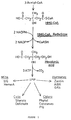
- the major endproducts derived from mevalonate are the sterols and other isoprenoids. (see Figure 1).
- Exemplary plant isoprenoids include the terpenes (volatile C 10 and C 15 compounds giving rise to fragrances of many plants) the carotenoids (C 40 compounds giving rise to the color of many plants) and polymers such as natural rubber.
- Free sterols are constituents of virtually all eukaryotic membranes. The most abundant sterols of vascular plants are campesterol, 24-methylcholesterol, sitosterol and stigmasterol.
- Mevalonate is formed from the reduction of 3-hydroxy-3-methylglutaryl coenzyme A (HMG-CoA).
- HMG-CoA 3-hydroxy-3-methylglutaryl coenzyme A
- the reduction of HMG-CoA to mevalonate is catalyzed by the enzyme HMG-CoA reductase.
- the HMG-CoA reductase enzymes of animals and yeasts are integral membrane glycoproteins of the endoplasmic reticulum.
- the intact enzyme comprises three regions: a catalytic region, containing the active site of the enzyme, a membrane binding region, anchoring the enzyme to the endoplasmic reticulum and a linker region, joining the catalytic and membrane binding regions of the enzymes.
- the membrane binding region occupies the NH 2 -terminal portion of the intact protein, whereas the catalytic region occupies the COOH-terminal portion of the protein, with the linker region constituting the remaining portion. Basson, M.E. et al., Mol. Cell Biol ., 8(9):3797-3808 (1988).
- HMG-CoA reductase in animals and yeasts is known to be subject to feedback inhibition by sterols. Such feedback inhibition requires the presence of the membrane binding region of the enzyme. See , e.g. , Gil, G. et al., Cell , 41: 249-258(1985); Bard, M. and Downing, J.F. Journal of General Microbiology , 125:415-420(1981).
- HMG-CoA reductase activity was increased by illumination in non-photosynthetic microorganisms, isoprenoid (carotenoid), but not sterol (ergosterol), synthesis was enhanced.
- isoprenoid carotenoid
- sterol ergosterol
- the present invention provides a method of increasing sterol accumulation in a plant that comprises increasing the copy number of a structural gene that encodes a polypeptide having HMG-CoA reductase activity, thereby increasing the activity of that enzyme relative to the activity in the native plant.
- a polypeptide having HMG-CoA reductase activity includes an intact HMG-CoA reductase enzyme as well as an active, truncated HMG-CoA reductase enzyme.
- an active, truncated HMG-CoA reductase enzyme comprises the catalytic and linker regions, but not the membrane binding region, of hamster HMG-CoA reductase.
- the copy number of a gene encoding a polypeptide having HMG-CoA reductase activity is increased by transforming a plant with a recombinant DNA molecule comprising a vector operatively linked to an exogenous DNA segment that encodes a polypeptide having HMG-CoA reductase activity, and a promoter suitable for driving the expression of said polypeptide in the plant.
- a preferred recombinant DNA molecule is plasmid HMGR ⁇ 227-pKYLX71.
- the promoter is preferably a promoter whose regulatory function is substantially unaffected by the level of sterol in the transformed plant.
- a preferred promoter is the CaMV 35S promoter.
- the level of an accumulated sterol, cycloartol, is particularly enhanced.
- the present invention still further provides a method of increasing pest resistance in plants.
- the copy number of a structural gene that encodes a polypetide having HMG-CoA reductase activity is increased over that of the native, untransformed plant, as discussed before.
- the present invention further provides a transformed plant having an increased copy number of a structural gene that encodes a polypeptide having HMG-CoA reductase activity.
- a plant exhibits a higher total sterol, particularly cycloartol, content than does a native, untransformed plant.
- Such a transformed plant also exhibits resistance to pests such as hornworm, relative to an untransformed native plant.
- the present invention further provides a plant seed capable of germinating into a plant which over accumulates sterol relative to a native, untransformed plant of the same strain plus mutants, recombinants and genetically engineered derivatives thereof and hybrids derived therefrom.
- the present invention further provides a hybrid of the transformed plant or of the plant seeds described hereinbefore in which the hybrid is formed by crossing the transformed plant or plant seed with a parental line having further desirable traits wherein said hybrid also over accumulates sterols relative to a hybrid of a native, untransformed plant of the same strain of the transformed plant.
- the invention further provides a genetically engineered derivative of a transformed plant or plant seed described hereinbefore, in which the transformed plant or plant seed is transformed by introducing further genes encoding further desirable traits wherein said derivative over accumulates sterols relative to a native, untransformed plant of the same strain of the transformed plant.
- the present invention further provides mutants of the transformed plant or of the plant seed described hereinbefore in which the transformed plant or plant seed is mutated with radiation whereby said mutants over accumulate sterols relative to a native, untransformed plant of the same strain of the transformed plant.
- Figure 1 is a schematic representation of the metabolism of acetyl coenzyme A to sterols and other isoprenoids in plants as published by Russell, D.W. et al., Current Topics in Plant Biochemistry , Vol. 4, ed. by D.D. Randall et al., Univ. of Missouri (1985).
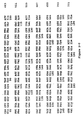
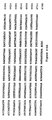
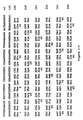
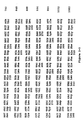
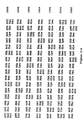
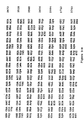
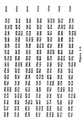
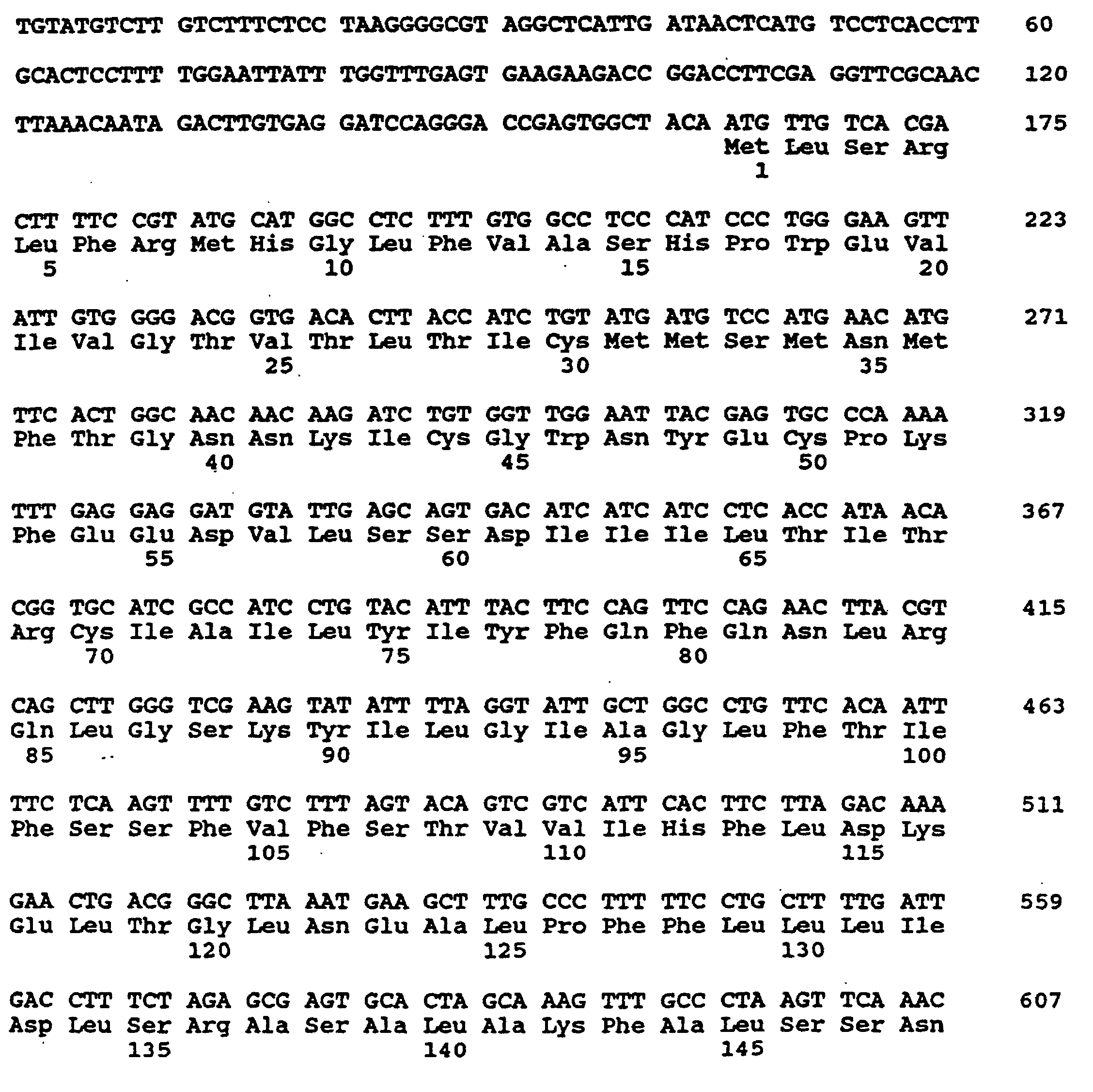
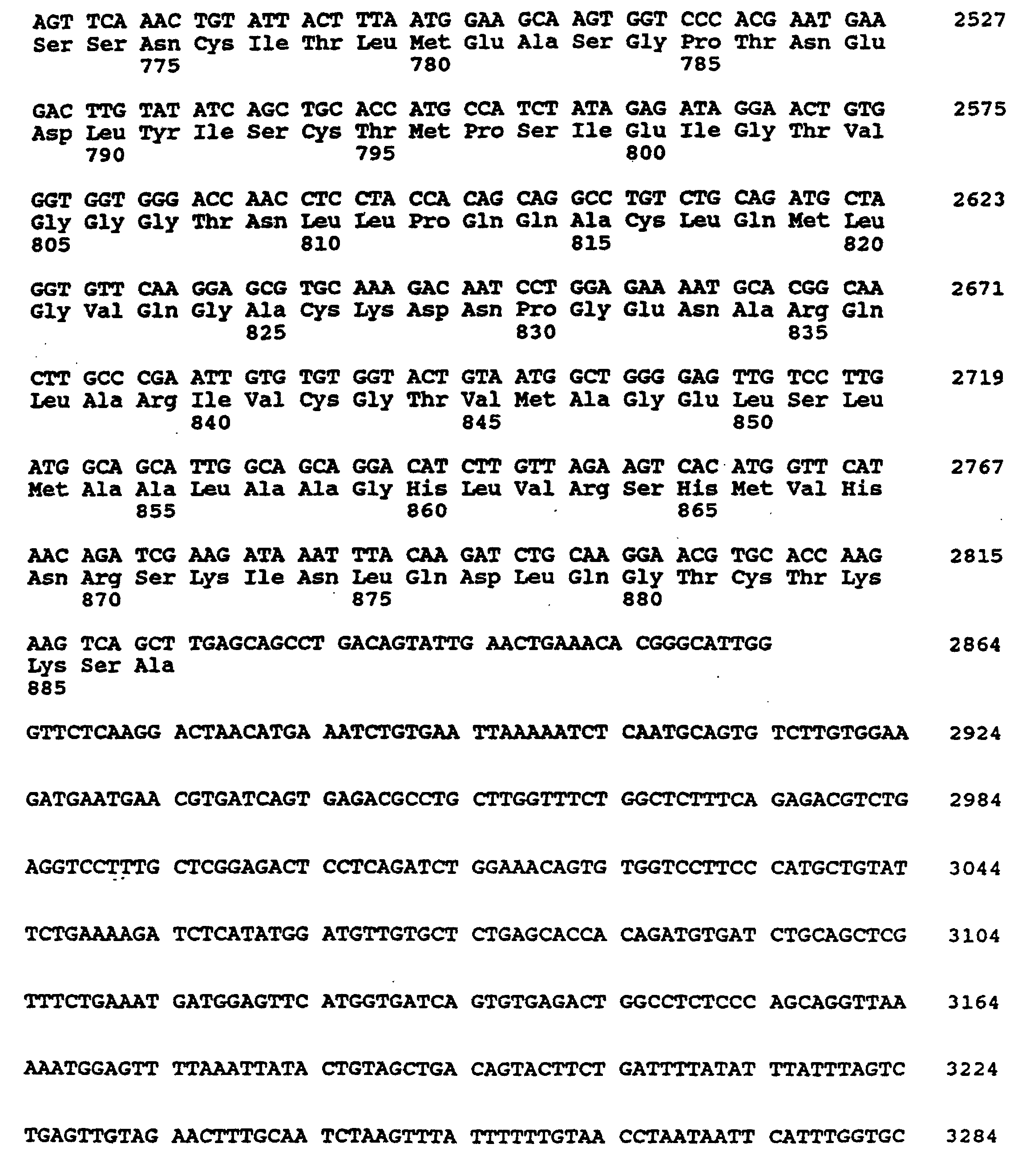
- Figure 2 shown as eleven panels designated Figure 2-1 through 2-11, is the composite nucleotide sequence of the cDNA corresponding to the mRNA for hamster HMG-CoA reductase (SEQ. ID No. 1), and the predicted amino acid sequence (SEQ. ID No. 2) of the protein as published by Chin, D.J. et al., Nature , 308:613-617 (1984). Nucleotides are numbered (right-hand side) in the 5' to 3' direction. The predicted amino acid sequence is shown below the nucleotide sequence. The amino acid residues are numbered below every fifth amino acid beginning with the initiator methionine.
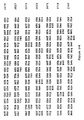
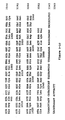
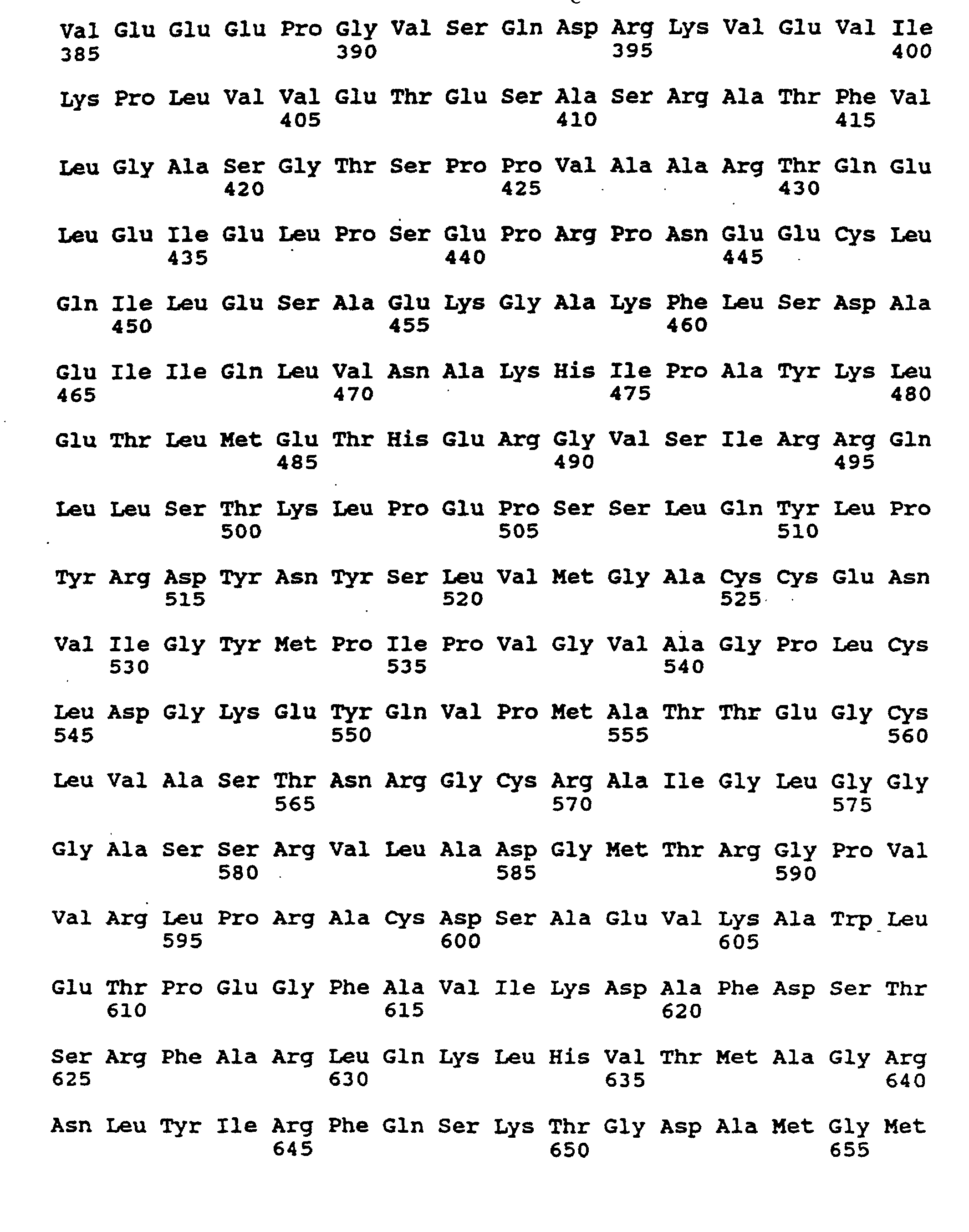
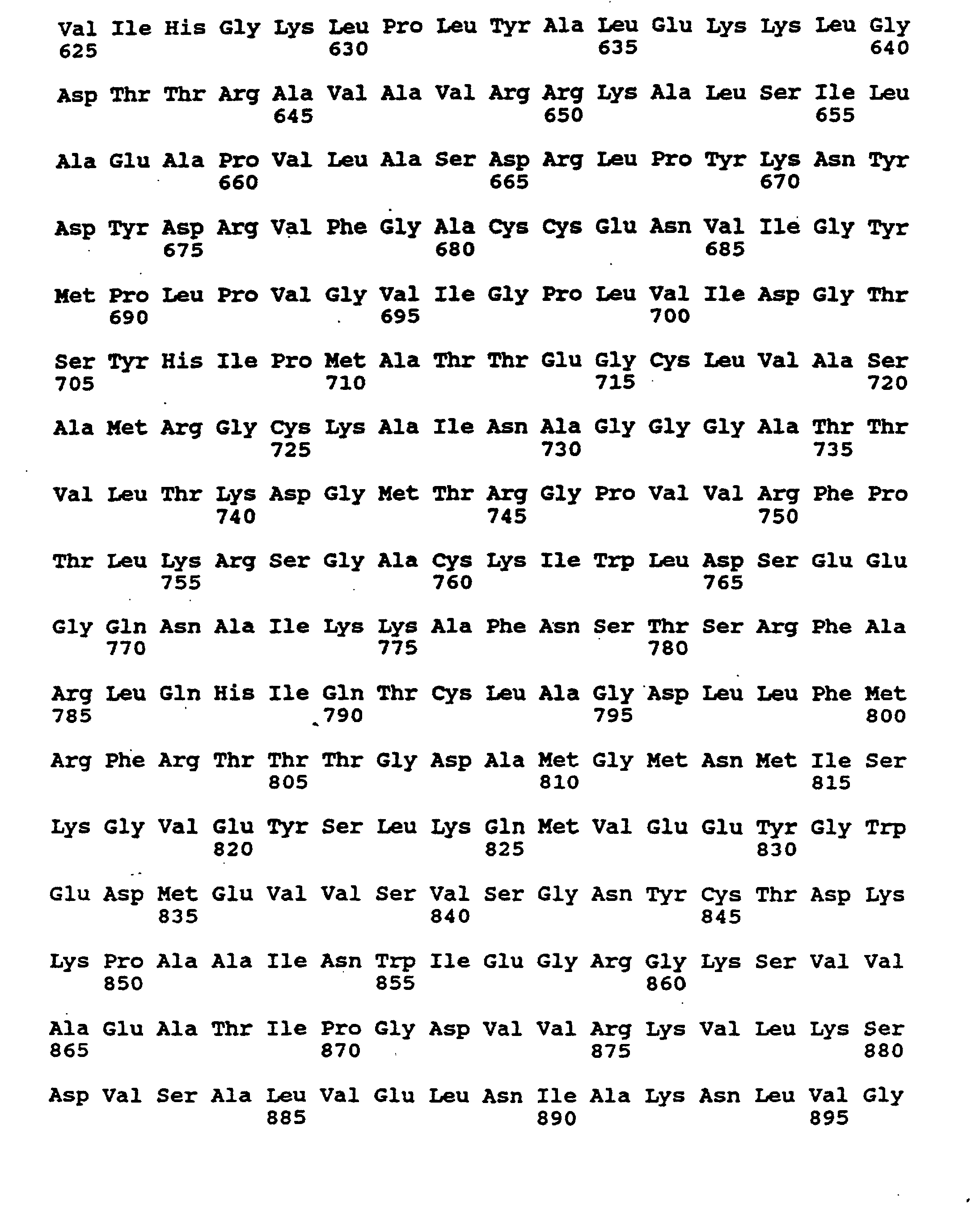
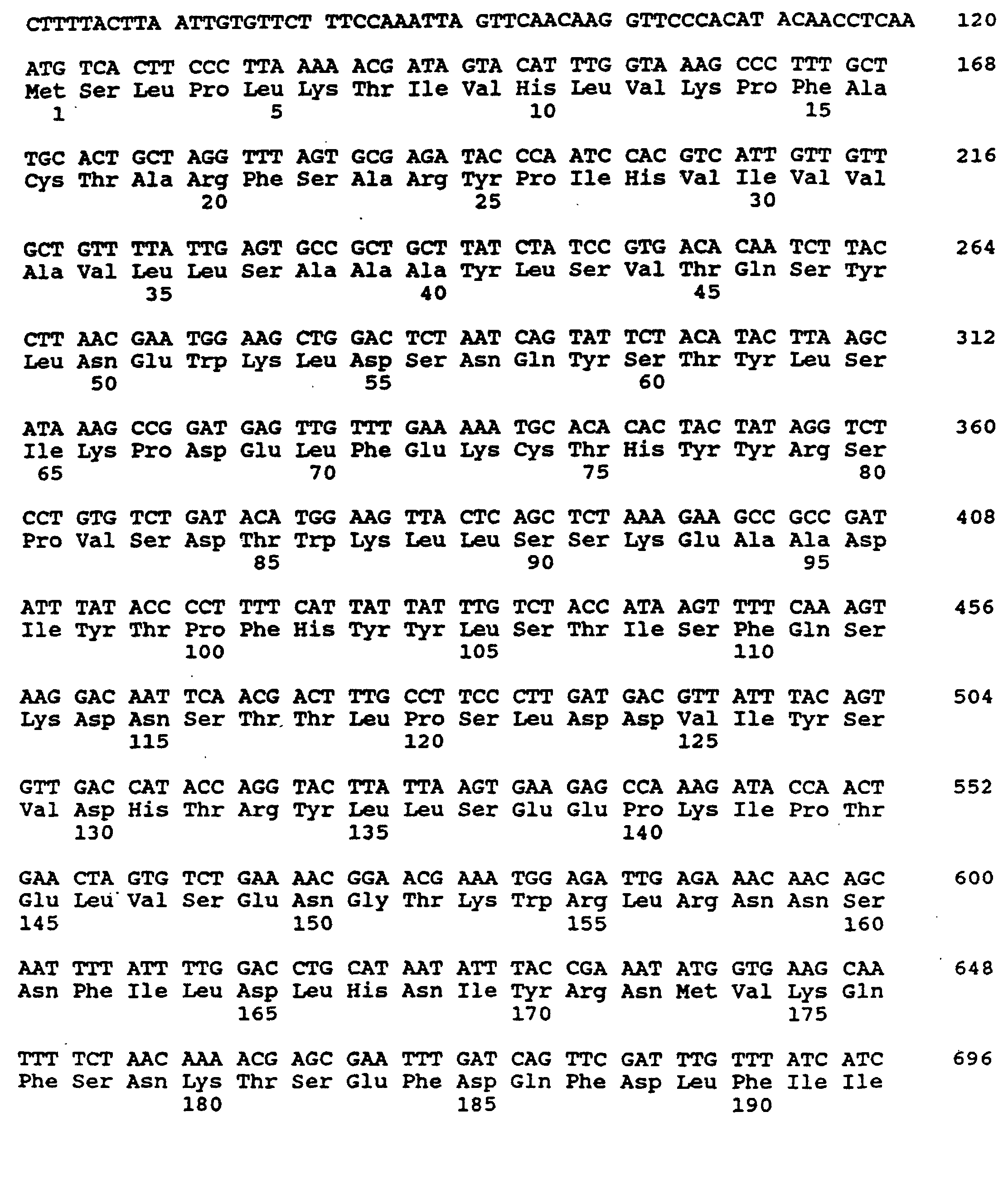
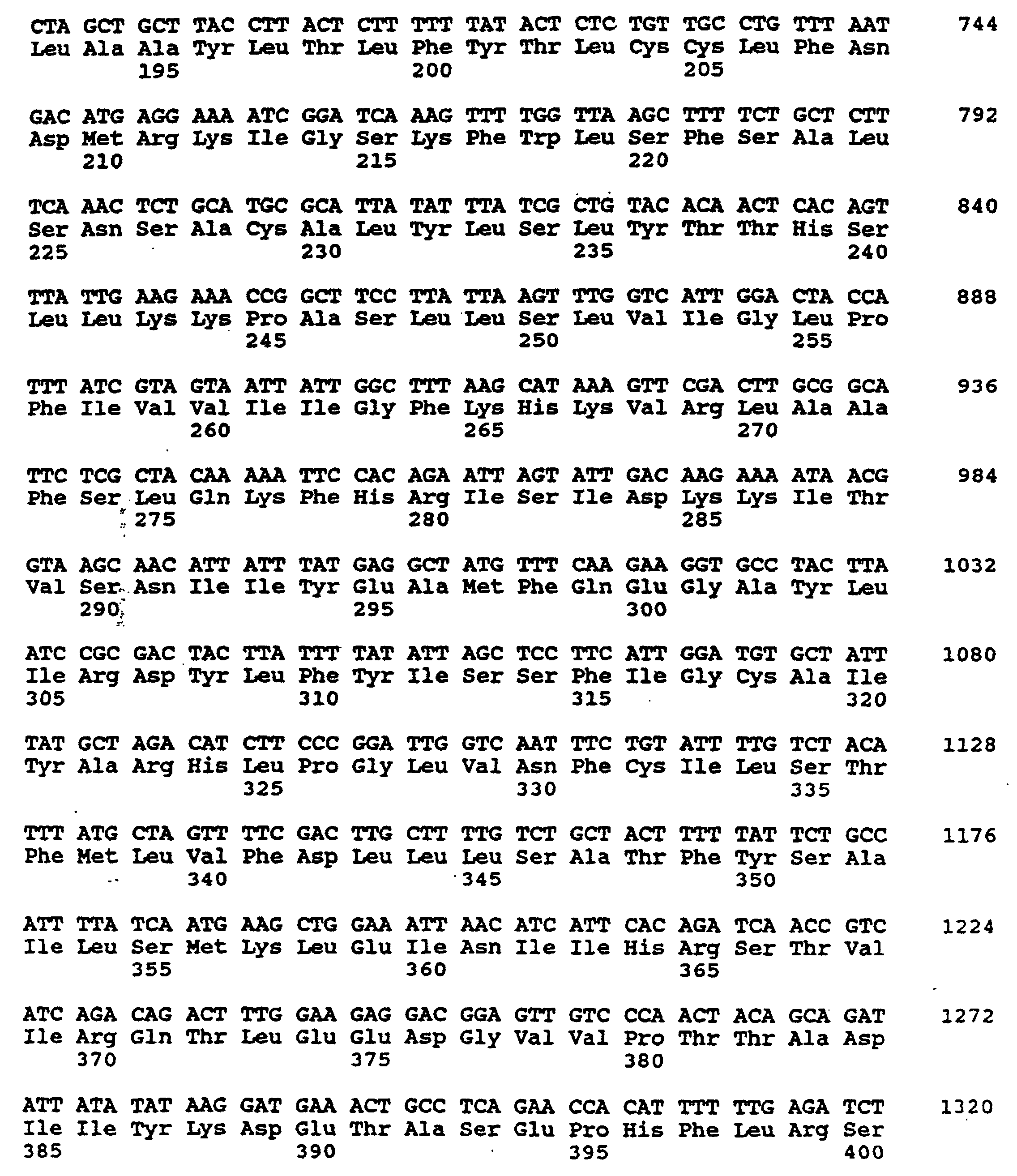
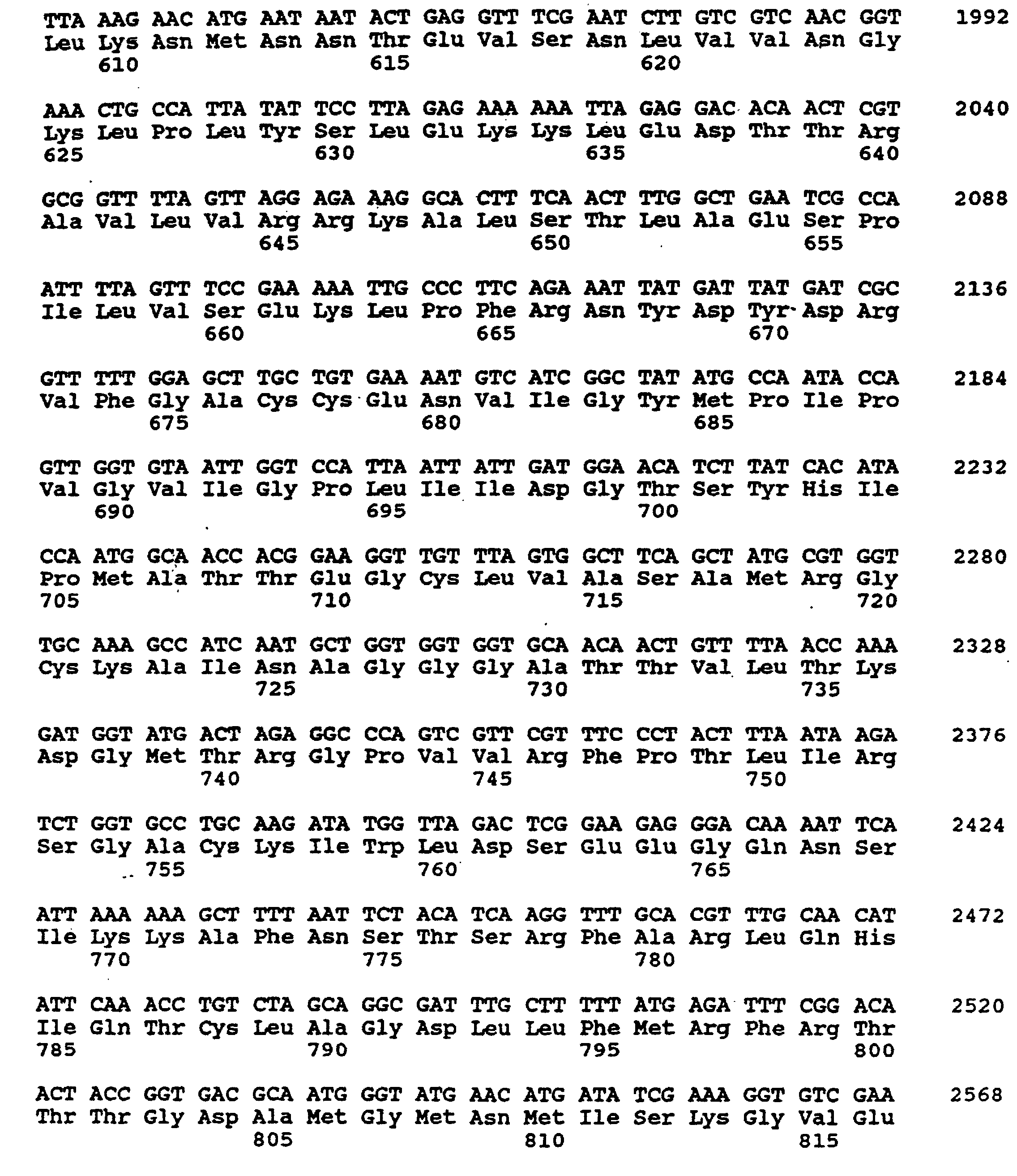
- Figure 3 shown as ten panels designated Figure 3-1 through 3-10 is the nucleotide base sequence (SEQ. ID No. 3) and derived amino acid residue sequence (SEQ. ID No. 4) for S . cerevisiae HMG-CoA reductase 1 published by Basson, M.E. et al., Mol. Cell Biol., 8(9):3797-3808 (1988). Nucleotides are shown and numbered as discussed for Figure 2 as are the derived amino acid residues.
- FIG. 4 is a schematic drawing showing the structure of a plasmid (pRed-227 ⁇ ) used to insert a truncated hamster gene encoding for hamster HMG-CoA reductase into cells lacking such hamster enzyme.
- Base pairs of the reductase coding sequence (nucleotides 28 to 1023) that encode amino acids 10 to 341 have been deleted and are shown externally of the plasmid.
- the hatched area denotes the reductase cDNA sequence portion of the plasmid.
- the reductase cDNA initiator methionine codon (nucleotide 1) and terminator codon (nucleotide 2662) are indicated, as are other features of the plasmid.
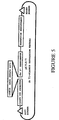
- Figure 5 is a schematic restriction map of plasmid HMGR ⁇ 227-pKYLX71 used to transform the plants of the present invention.
- Expression The combination of intracellular processes, including transcription and translation undergone by a structural gene to produce a polypeptide.
- Expression vector A DNA sequence that forms control elements that regulate expression of structural genes when operatively linked to those genes.
- a structural gene is covalently bonded in correct reading frame to another DNA (or RNA as appropriate) segment, such as to an expression vector so that the structural gene is under the control of the expression vector.
- Promoter A recognition site on a DNA sequence or group of DNA sequences that provide an expression control element for a structural gene and to which RNA polymerase specifically binds and initiates RNA synthesis (transcription) of that gene.
- Recombinant DNA molecule A hybrid DNA sequence comprising at least two nucleotide sequences not normally found together in nature.
- Structural gene A DNA sequence that is expressed as a polypeptide, i.e., an amino acid residue sequence.
- a plasmid is an exemplary vector.
- the present invention relates to compositions and methods for increasing sterol accumulation in plants, as well as to the plants that exhibit increased sterol accumulation relative to a native variety of the plant.
- This invention is applicable to plants which are vascular, multicellular higher plants. Such higher plants will hereinafter be usually referred to simply as "plants".
- Exemplary plants are tobacco, tomato, corn, carrot, soybean, cotton, barley, arabidopsis, guayule and petunia.
- a preferred plant is tobacco of the strain Nicotiana tabacum ( N. tabacum ).
- a plant contemplated by this invention is transformed with an added structural gene that encodes a polypeptide having HMG-CoA reductase activity, said encoded polypeptide being expressed in the transformed plant.
- An untransformed plant which is a precursor to the transformed plant is referred to hereinafter as a "native" plant.
- the native and transformed plants when compared are of the same type such as siblings from the same seed pod, clones from the same parent, or plants of the same strain.
- HMG-CoA reductase which enzyme catalyzes the conversion of 3-hydroxy-3-methylglutaryl Coenzyme A (HMG-CoA) to mevalonate.
- cellular activity means the total catalytic activity of HMG-CoA reductase in a plant cell.
- Cellular HMG-CoA reductase activity is increased by increasing the copy number of a gene encoding a polypeptide having HMG-CoA reductase catalytic activity. Expression of that encoded structural gene enhances the cellular activity of that enzyme.
- the copy number is increased by transforming a plant cell with a recombinant DNA molecule comprising a vector operatively linked to an exogenous DNA segment that encodes a polypeptide having HMG-CoA reductase activity, and a promoter suitable for driving the expression of said polypeptide in said plant.
- a polypeptide includes intact as well as catalytically active, truncated HMG-CoA reductase proteins.
- a transformed plant cell and plant have one or more added genes which encodes a polypeptide having HMG-CoA reductase activity relative to a native, untransformed plant of the same type.
- a transformed plant can be distinguished from a native plant by standard technology such as agarose separation of DNA fragments or mRNAs followed by transfer and appropriate blotting with DNA or RNA or by use of polymerase chain reaction technology, as are well known.
- Relative HMG-CoA reductase activity of the transformed and native plants or cell cultures therefrom can also be compared, with a relative activity of 1.5:1 for transformed:native which, therefore, demonstrates transformation.
- Sterol accumulation can also be used to distinguish native and transformed plants.
- a transformed plant has at least about twice the total sterol content as compared with the sterol content of a native plant, where a single added gene is present in the transformed plant.
- the present invention contemplates transforming a plant with a structural gene that encodes a polypeptide having HMG-CoA reductase activity.
- the HMG-CoA reductase enzymes of both animal and yeast cells comprise three distinct amino acid residue sequence regions, which regions are designated the catalytic region, the membrane binding region and the linker region.
- the catalytic region contains the active site of the HMG-CoA reductase enzyme and comprises about forty percent of the COOH-terminal portion of intact HMG-CoA reductase enzyme.
- the membrane binding region contains hydrophobic amino acid residues and comprises about fifty percent of the NH 2 -terminal portion of intact HMG-CoA reductase enzyme.
- the linker region connects the catalytic and membrane binding regions, and constitutes the remaining about ten percent of the intact enzyme.
- a structural gene that encodes a polypeptide corresponding to that catalytic region is the minimal gene required for transforming plants.
- larger enzymes and their structural genes are preferred.
- the present invention contemplates use of both intact and truncated structural genes that encode a polypeptide having HMG-CoA reductase activity.
- a structural gene encoding a polypeptide having HMG-CoA reductase activity can be obtained or constructed from a variety of sources and by a variety of methodologies. See , e.g. , Carlson, M. and Botstein, D., Cell, 28:145 (1982); Rine, J., et al., Proc. Nat. Acad. Sci. U.S.A. , 80:6750 (1983). Exemplary of such structural genes are the mammalian and yeast genes encoding HMG-CoA reductase.
- the mammalian genome contains a single gene encoding HMG-CoA reductase.
- the nucleotide base sequence of the hamster and human gene for HMG-CoA reductase have been described.
- a composite nucleotide sequence of cDNA corresponding to the mRNA (SEQ. ID No. 1), as well as the derived amino acid residue sequence (SEQ. ID No. 2), for hamster HMG-CoA reductase is provided in Figure 2, reprinted from Chin, D. J. et al., Nature , 308:613 (1984).
- the composite nucleotide sequence of Figure 2 (SEQ. ID No. 1), comprising about 4768 base pairs, includes the nucleotide sequence encoding the intact hamster HMG-CoA reductase enzyme.
- Intact hamster HMG-CoA reductase comprises about 887 amino acid residues (SEQ. ID No. 2).
- a structural gene encoding an intact hamster HMG-CoA reductase enzyme of 887 amino acid residues comprises base pairs from about nucleotide position 164 to about nucleotide position 2824 of Figure 2 (SEQ. ID No. 1).
- a preferred structural gene is one that encodes a polypeptide corresponding to only the catalytic region of the enzyme.
- Two catalytically active segments of hamster HMG-CoA reductase have been defined. Liscum, L. et al., N. Biol. Chem. , 260(1):522 (1985).
- One catalytic region has an apparent molecular weight of 62 kDa and comprises amino acid residues from about position 373 to about position 887.
- a second catalytic region has an apparent molecular weight of 53 kDa segment and comprises amino acid residues from about position 460 to about position 887.
- the 62 kDa catalytically active segment is encoded by base pairs from about nucleotide position 1280 to about nucleotide position 2824 of Figure 2 (SEQ. ID No. 1).
- the 53 kDa catalytically active segment is encoded by base pairs from about nucleotide position 1541 to about nucleotide position 2824 of Figure 2 (SEQ. ID No. 1).
- the utilized structural gene encodes the catalytic region and at least a portion of the linker region of HMG-CoA reductase.
- the linker region of hamster HMG-CoA reductase comprises amino acid residues from about position 340 to about position 373 or from about position 340 to about position 460, depending upon how the catalytic region is defined.
- These linker regions are encoded by base pairs from about nucleotide position 1180 to about nucleotide position 1283 or from about position 1180 to about position 1540 respectively of Figure 2 (SEQ. ID No. 1).
- the structural gene encoding the linker region is operatively linked to the structural gene encoding the catalytic region.
- a structural gene encoding a catalytically active, truncated HMG-CoA reductase enzyme can optionally contain base pairs encoding a small portion of the membrane region of the enzyme.
- a truncated hamster HMG-CoA reductase gene, designated HMGR- ⁇ 227, comprising nucleotides 164-190 and 1187-2824 from Figure 2 (SEQ. ID No. 1), which encodes amino acid residues 1-9 (from the membrane binding region) and 342-887 has been used to transform cells lacking HMG-CoA reductase.
- the schematic structure of the transforming plasmid (pRED-227 ⁇ ) containing the truncated gene is reprinted in Figure 4.
- a structural gene encoding a polypeptide comprising a catalytically active, truncated or intact HMG-CoA reductase enzyme from other organisms such as yeast can also be used in accordance with the present invention.
- Yeast cells contain two genes encoding HMG-CoA reductase.
- the two yeast genes designated HMG1 and HMG2, encode two distinct forms of HMG-CoA reductase, designated HMG-CoA reductase 1 and HMG-CoA reductase 2.
- the nucleotide base sequence of HMG1 (SEQ. ID No. 3) as well as the amino acid residue sequence of HMG-CoA reductase 1 (SEQ. ID No. 4) are presented in Figure 3, taken from Basson, M. E. et al., Mol. Cell Biol., 8(9):3797 (1988).
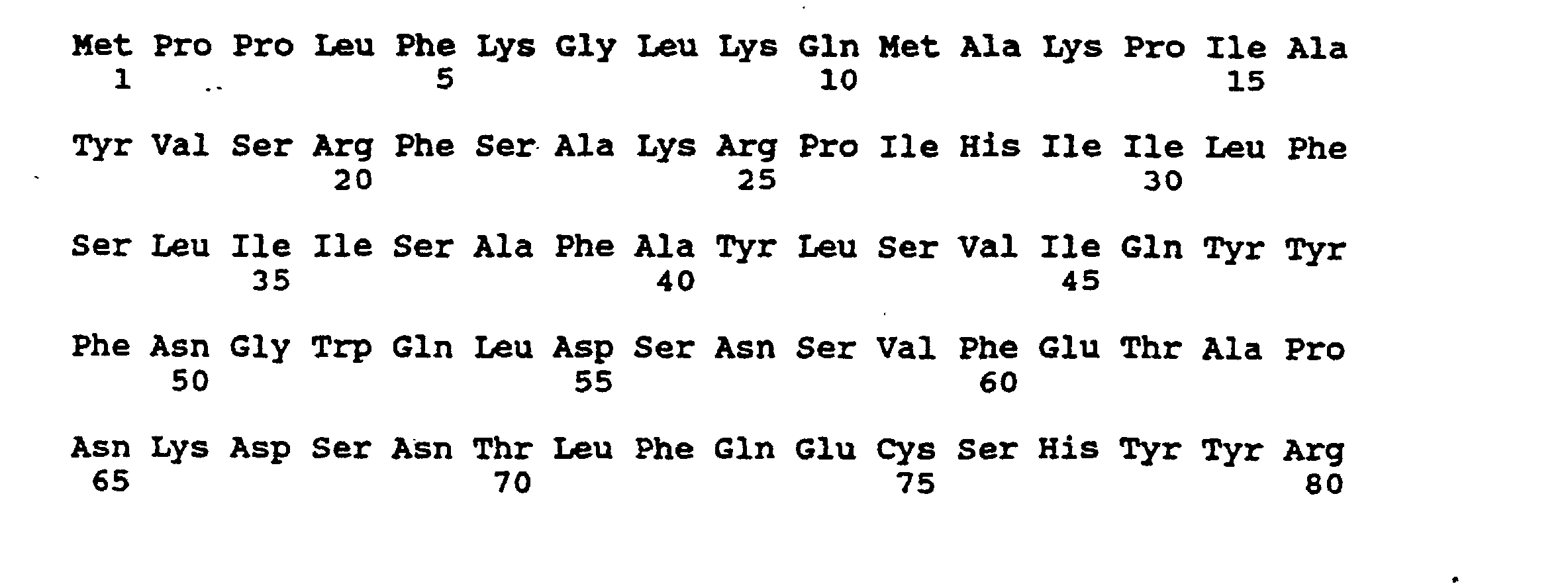
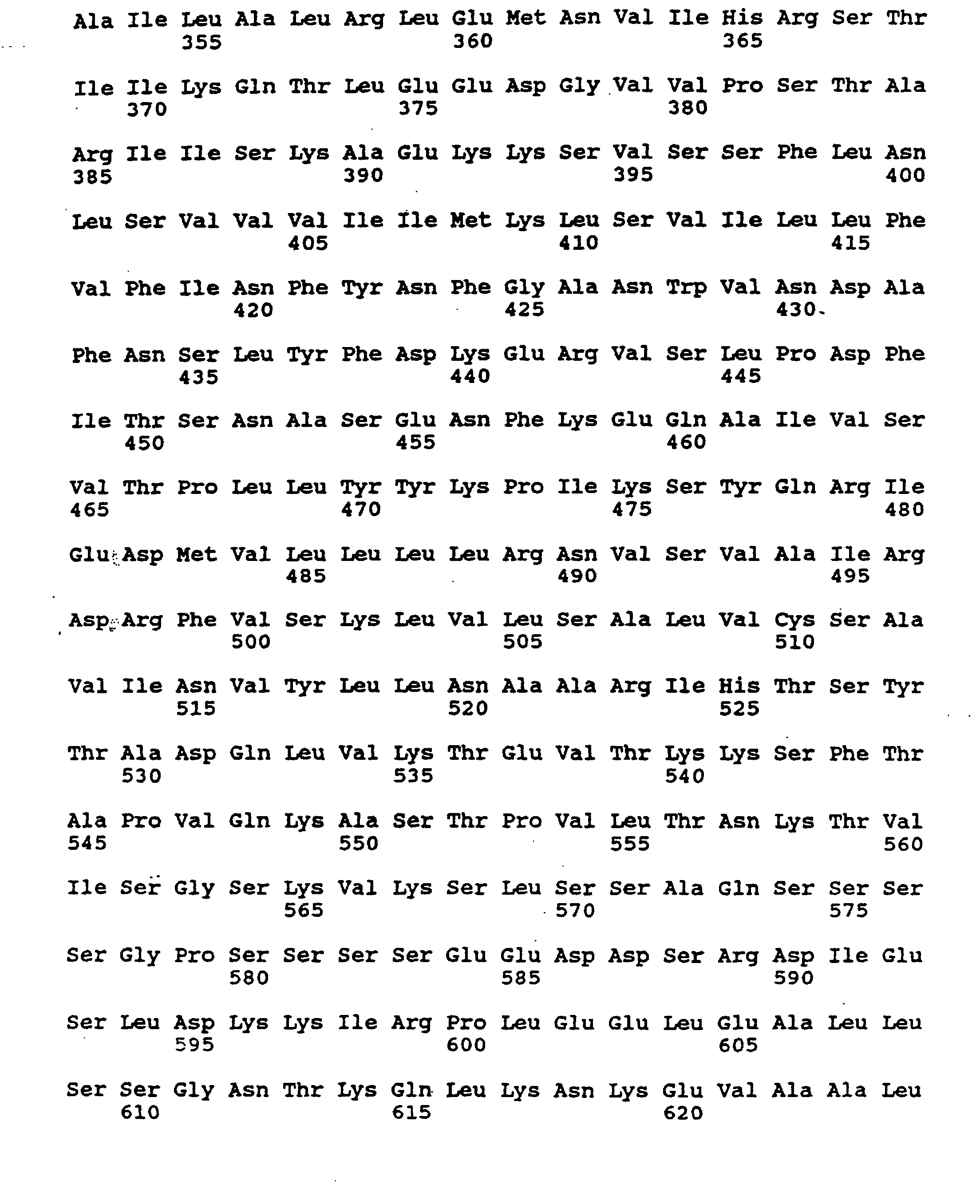
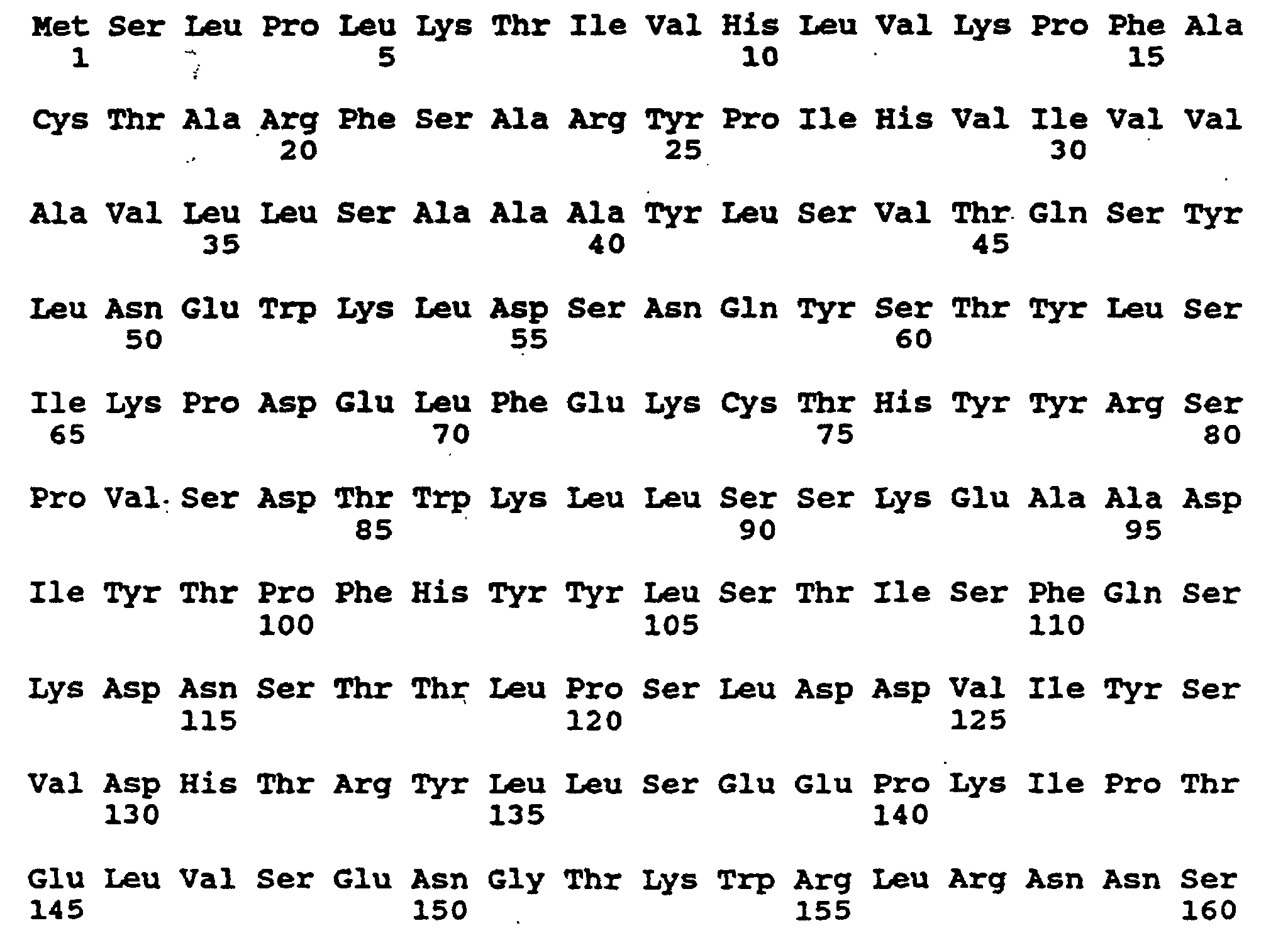
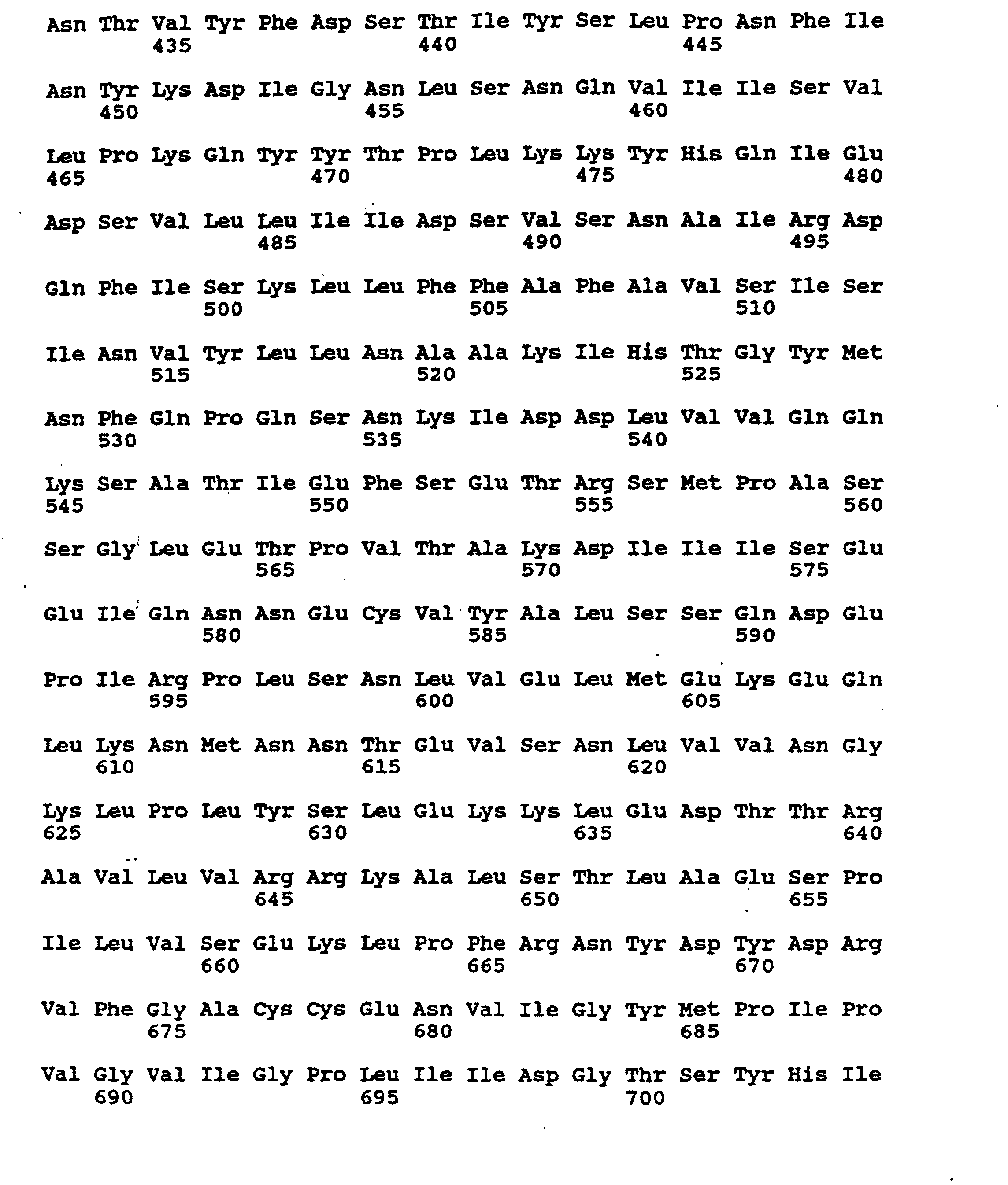
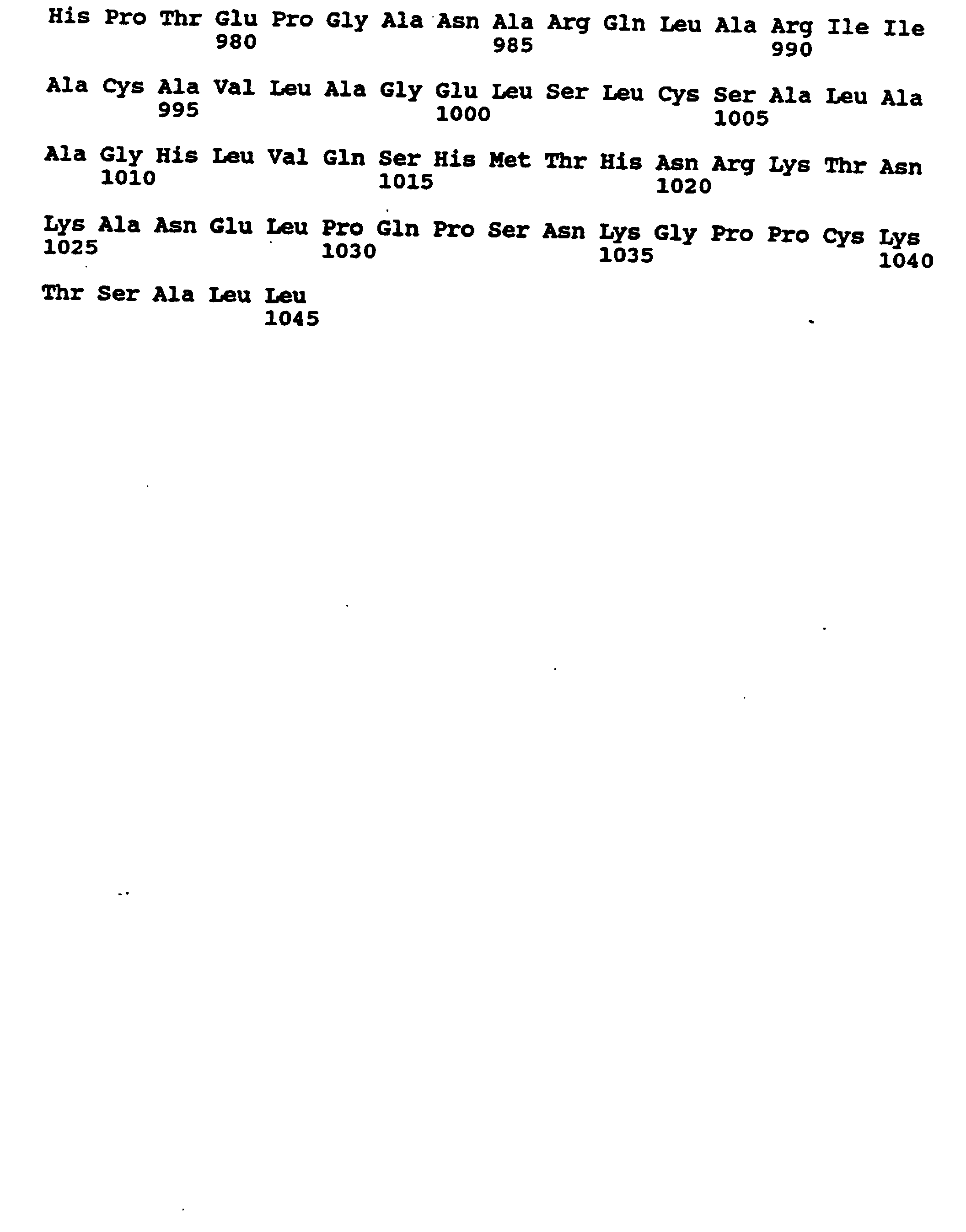
- the nucleotide base sequences of HMG2 (SEQ. ID No. 5) as well as the amino acid residue sequence of HMG-CoA reductase 2 (SEQ. ID No. 6) are set forth hereinafter in the Sequence Listing.
- the entire HMG1 gene comprises about 3360 base pairs (SEQ. ID No. 3).
- Intact HMG-CoA reductase 1 comprises an amino acid sequence of about 1054 amino acid residues (SEQ. ID No. 4).
- the minimal portion of the HMG1 gene that encodes an intact enzyme comprises base pairs from about nucleotide position 121 to about position 3282 of Figure 3 (SEQ. ID No. 3).
- the entire HMG2 gene comprises about 3348 base pairs (SEQ. ID No. 5).
- Intact HMG-CoA reductase 2 comprises about 1045 amino acid residues (SEQ. ID No. 6).
- the minimal portion of HMG2 gene that encodes intact HMG-CoA reductase 2 comprises base pairs from about nucleotide position 121 to about position 3255 of Figure 3 (SEQ. ID No. 5).
- structural genes encoding polypeptides comprising catalytically active, truncated HMG-CoA reductase enzymes from yeast can also be used in accordance with the present invention.
- the catalytic region of HMG-CoA reductase 1 comprises amino acid residues from about residue 618 to about residue 1054: i.e., the COOH-terminus.
- a structural gene that encodes the catalytic region comprises base pairs from about nucleotide position 1974 to about position 3282 of Figure 3.
- the linker region of HMG-CoA reductase 1 comprises an amino acid sequence from about residue 525 to about residue 617.
- a structural gene that encodes the linker region comprises nucleotides from about position 1695 to about position 1973 of Figure 3.
- a structural gene encoding a polypeptide comprising the catalytic region and at least a portion of the linker region of yeast HMG-CoA reductase 1 preferably comprises the structural gene encoding the linker region of the enzyme operatively linked to the structural gene encoding the catalytic region of the enzyme.
- a truncated HMG1 gene can optionally contain nucleotide base pair sequences encoding a small portion of the membrane binding region of the enzyme.
- Such a structural gene preferably comprises base pairs from about nucleotide position 121 to about position 147 and from about position 1695 to about position 3282 of Figure 3.
- a construct similar to those above from an analogous portion of yeast HMG-CoA reductase 2 can also be utilized.
- nucleic acid sequences set forth herein can be modified due to the built-in redundancy of the genetic code and non-critical areas of the polypeptide that are subject to modification and alteration.
- the present invention extends to allelic variants of structural genes encoding a polypeptide having HMG-CoA reductase activity.
- DNA segments are noted as having a minimal length, as well as total overall lengths. That minimal length defines the length of a DNA segment having a sequence that encodes a particular polypeptide having HMG-CoA reductase activity.
- That minimal length defines the length of a DNA segment having a sequence that encodes a particular polypeptide having HMG-CoA reductase activity.
- additional base pairs can be present at either end of the segment and that segment can still be utilized to express the protein.
- This presumes the absence in the segment of an operatively linked DNA sequence that represses expression, expresses a further product that consumes the enzyme desired to be expressed, expresses a product other than the desired enzyme or otherwise interferes with the structural gene of the DNA segment.
- a DNA segment of the invention can be up to 15,000 base pairs in length.
- the maximum size of a recombinant DNA molecule, particularly an expression vector is governed mostly by convenience and the vector size that can be accommodated by a host cell, once all of the minimal DNA sequences required for replication and expression, when desired, are present. Minimal vector sizes are well known.
- a recombinant DNA molecule of the present invention can be produced by operatively linking a vector to a useful DNA segment to form a plasmid such as those discussed and deposited herein.
- a particularly preferred recombinant DNA molecule is discussed in detail in Example 1, hereafter.
- a vector capable of directing the expression of a polypeptide having HMG-CoA reductase activity is referred to hereinafter as an "expression vector".
- Such expression vectors contain expression control elements including the promoter.
- the polypeptide coding genes are operatively linked to the expression vector to allow the promoter sequence to direct RNA polymerase binding and expression of the desired polypeptide coding gene.
- Useful in expressing the polypeptide coding gene are promoters that are inducible, viral, synthetic, constitutive as described by Poszkowski et al., EMBO J. , 3:2719 (1989) and Odell et al., Nature , 313:810 (1985), and temporally regulated, spatially regulated, and spatiotemporally regulated as given in Chau et al., Science, 244:174-181 (1989).
- the promoter preferably comprises a promoter sequence whose function in regulating expression of the structural gene is substantially unaffected by the amount of sterol in the cell.
- substantially unaffected means that the promoter is riot responsive to direct feedback control by the sterols which accumulate in the transformed cells.
- a promoter is also selected for its ability to direct the transformed plant cell's transcriptional activity to the structural gene encoding a polypeptide having HMG-CoA reductase activity.
- Structural genes can be driven by a variety of promoters in plant tissues. Promoters can be near-constitutive, such as the CaMV 35S promoter, or tissue specific or developmentally specific promoters affecting dicots or monocots. Exemplary promoters are corn sucrose synthestase 1 (Yang, N.S., et al. Proc. Natl. Acad. Sci. U.S.A.
- Preferred promoters are the cauliflower mosaic virus (CaMV) 35S promoter and the S-E9 small subunit RuBP carboxylase promoter.
- a vector useful in practicing the present invention is capable of directing the expression of the polypeptide coding gene included in the DNA segment to which it is operatively linked.
- Typical vectors useful for expression of genes in higher plants are well known in the art and include vectors derived from the tumor-inducing (Ti) plasmid of Agrobacterium tumefaciens described by Rogers et al., Meth. in Enzymol. , 153:253-277 (1987).
- Ti tumor-inducing
- pCaMVCN transfer control vector described by Fromm et al., Proc. Natl. Acad. Sci. USA, 82:5824 (1985).
- Plasmid pCaMVCN available from Pharmacia, Piscataway, NJ
- retroviral expression vector refers to a DNA molecule that includes a promoter sequence derived from the long terminal repeat (LTR) region of a retrovirus genome.
- the vector used to express the polypeptide coding gene includes a selection marker that is effective in a plant cell, preferably a drug resistance selection marker.
- a drug resistance selection marker is the gene whose expression results in kanamycin resistance, i.e., the chimeric gene containing the nopaline synthase promoter, Tn5 neomycin phosphotransferase II and nopaline synthase 3' nontranslated region described by Rogers et al., in Methods For Plant Molecular Biology , A. Weissbach and H. Weissbach, eds., Academic Press Inc., San Diego, CA (1988).
- Another preferred marker is the assayble chloramphenicol acetyltransferase ( cat ) gene from the transposon Tn9.
- a variety of methods has been developed to operatively link DNA to vectors via complementary cohesive termini or blunt ends. For instance, complementary homopolymer tracts can be added to the DNA segment to be inserted and to the vector DNA. The vector and DNA segment are then joined by hydrogen bonding between the complementary homopolymeric tails to form recombinant DNA molecules.
- synthetic linkers containing one or more restriction endonuclease sites can be used to join the DNA segment to the expression vector.
- the synthetic linkers are attached to blunt-ended DNA segments by incubating the blunt-ended DNA segments with a large excess of synthetic linker molecules in the presence of an enzyme that is able to catalyze the ligation of blunt-ended DNA molecules, such as bacteriophage T4 DNA ligase.
- an enzyme that is able to catalyze the ligation of blunt-ended DNA molecules, such as bacteriophage T4 DNA ligase.
- the products of the reaction are DNA segments carrying synthetic linker sequences at their ends. These DNA segments are then cleaved with the appropriate restriction endonuclease and ligated into an expression vector that has been cleaved with an enzyme that produces termini compatible with those of the synthetic linker.
- Synthetic linkers containing a variety of restriction endonuclease sites are commercially available from a number of sources including New England BioLabs
- RNA equivalents of the above described recombinant DNA molecules are also included within the scope of the present invention.
- a preferred recombinant DNA molecule utilized in accordance with the present invention is plasmid HMG ⁇ 227-pKYLX71.
- the copy number of a gene coding for a polypeptide having HMG-CoA reductase activity is increased by transforming a desired plant with a suitable vector that contains that structural gene. Expression of that gene in the transformed plant enhances the activity of HMG-CoA reductase.
- Methods for transforming polypeptide coding genes into plants include Agrobacterium -mediated plant transformation, protoplast transformation, gene transfer into pollen, injection into reproductive organs and injection into immature embryos. Each of these methods has distinct advantages and disadvantages. Thus, one particular method of introducing genes into a particular plant species may not necessarily be the most effective for another plant species, but it is well known which methods are useful for a particular plant species.
- Agrobacterium -mediated transfer is a widely applicable system for introducing genes into plant cells because the DNA can be introduced into whole plant tissues, thereby bypassing the need for regeneration of an intact plant from a protoplast.
- the use of Agrobacterium -mediated expression vectors to introduce DNA into plant cells is well known in the art. See, for example, the methods described by Fraley et al., Biotechnology , 3:629 (1985) and Rogers et al., Methods in Enzymology , 153:253-277 (1987). Further, the integration of the Ti-DNA is a relatively precise process resulting in few rearrangements.
- the region of DNA to be transferred is defined by the border sequences, and intervening DNA is usually inserted into the plant genome as described by Spielmann et al., Mol. Gen. Genet. , 205:34 (1986) and Jorgensen et al., Mol. Gen. Genet. , 207:471 (1987).
- Modern Agrobacterium transformation vectors are capable of replication in E. coli as well as Agrobacterium , allowing for convenient manipulations as described by Klee et al., in Plant DNA Infectious Agents , T. Hohn and J. Schell, eds., Springer-Verlag, New York (1985) pp. 179-203.
- Agrobacterium -mediated transformation of leaf disks and other tissues appears to be limited to plant species that Agrobacterium naturally infects. Agrobacterium -mediated transformation is most efficient in dicotyledonous plants. Few monocots appear to be natural hosts for Agrobacterium , although transgenic plants have been produced in asparagus using Aarobacterium vectors as described by Bytebier et al., Proc. Natl. Acad. Sci. U.S.A. , 84:5345 (1987). Therefore, commercially important cereal grains such as rice, corn, and wheat must be transformed using alternative methods. However, as mentioned above, the transformation of asparagus using Agrobacterium can also be achieved. See, for example, Bytebier, et al., Proc. Natl. Acad. Sci. , 84:5345 (1987).
- a plant transformed using Agrobacterium typically contains a single gene on one chromosome. Such plants are heterozygous for the added gene.
- a heterozygous transformant containing a single structural gene that encodes a polypeptide having HMG-CoA reductase activity is a preferred transformed plant.
- a homozygous transformed plant can be obtained by sexually mating (selfing) a heterozygous plant, germinating some of the seed produced and analyzing the resulting plants produced for enhanced HMG-CoA reductase activity or sterol accumulation, or both, relative to a control or a heterozygous plant.
- a homozygous plant exhibits enhanced HMG-CoA reductase activity and sterol accumulation.
- Transformation of plant protoplasts can be achieved using methods based on calcium phosphate precipitation, polyethylene glycol treatment, electroporation, and combinations of these treatments. See, for example, Potrykus et al., Mol. Gen. Genet. , 199:183 (1985); Lorz et al., Mol. Gen. Genet. , 199:178 (1985); Fromm et al., Nature , 319:791 (1986); Uchimiya et al., Mol. Gen. Genet. , 204:204 (1986); Callis et al., Genes and Development , 1:1183 (1987); and Marcotte et al., Nature , 335:454 (1988).
- DNA is carried through the cell wall and into the cytoplasm on the surface of small metal particles as described in Klein et al., Nature, 327:70 (1987); Klein et al., Proc. Natl. Acad. Sci. U.S.A. , 85:8502 (1988); and McCabe et al., Biotechnology , 6:923 (1988).
- the metal particles penetrate through several layers of cells and thus allow the transformation of cells within tissue explants.
- DNA can also be introduced into plants by direct DNA transfer into pollen as described by Zhou et al., Methods in Enzymology , 101:433 (1983); D. Hess, Intern Rev. Cytol. , 107:367 (1987); Luo et al., Plant Mol. Biol. Reporter , 6:165 (1988).
- Expression of polypeptide coding genes can be obtained by injection of the DNA into reproductive organs of a plant as described by Pena et al., Nature , 325:274 (1987).
- DNA can also be injected directly into the cells of immature embryos and the rehydration of desiccated embryos as described by Neuhaus et al., Theor. Appl. Genet. , 75:30 (1987); and Benbrook et al., in Proceedings Bio Expo 1986, Butterworth, Stoneham, MA, pp. 27-54 (1986).
- This regeneration and growth process includes the steps of selection of transformant cells and shoots, rooting the transformant shoots and growth of the plantlets in soil.
- the regeneration of plants containing the foreign gene introduced by Agrobacterium from leaf explants can be achieved as described by Horsch et al., Science, 227:1229-1231 (1985). In this procedure, transformants are grown in the presence of a selection agent and in a medium that induces the regeneration of shoots in the plant species being transformed as described by Fraley et al., Proc. Natl. Acad. Sci. U.S.A. , 80:4803 (1983).
- This procedure typically produces shoots within two to four months and these transformant shoots are then transferred to an appropriate root-inducing medium containing the selective agent and an antibiotic to prevent bacterial growth. Transformant shoots that are rooted in the presence of the selective agent to form plantlets are then transplanted to soil or other media to allow the production of roots.
- Mature regenerated plants are obtained which exhibit increased sterol accumulation due to expression of the HMG-CoA reductase polypeptide gene.
- the regenerated plants are self pollinated. Otherwise, pollen obtained from the regenerated plants is crossed to seed-grown plants of agronomically important, preferably inbred, lines. Conversely, pollen from plants of those important lines is used to pollinate regenerated plants. The presence of the added gene in the progeny is assessed as discussed hereinafter.
- a plant of the present invention containing a desired HMG-CoA reductase polypeptide is cultivated using methods well known to one skilled in the art. Any of the transgenic plants of the present invention can be cultivated to isolate the desired sterol products they contain.
- a transformed plant of this invention thus has an increased copy number of a structural gene that encodes a polypeptide having HMG-CoA reductase activity.
- a preferred transformed plant is heterozygous for the added HMG-CoA reductase structural gene, whereas a more preferred transformed plant is homozygous for that gene, and transmits that gene to all of its offspring on sexual mating.
- a transformed plant of the invention over accumulates sterols relative to a native plant, as is discussed immediately below.
- a transformed plant also exhibits resistance to pests such as the hornworms as is discussed hereinafter.
- Seed from a transformed plant is grown in the field or greenhouse and self-pollinated to generate true breeding plants.
- the progeny from these plants become true breeding lines that are evaluated for sterol accumulation, preferably in the field, under a range of environmental conditions.
- the commercial value of a plant with increased sterol accumulation is enhanced if many different hybrid combinations are available for sale.
- the user typically grows more than one kind of hybrid based on such differences as maturity, standability or other agronomic traits.
- hybrids adapted to one part of a country are not necessarily adapted to another part because of differences in such traits as maturity, disease and herbicide resistance. Because of this, sterol accumulation is preferably bred into a large number of parental lines so that many hybrid combinations can be produced.
- Adding an enhance sterol accumulation trait to an agronomically elite line is accomplished by a variety of techniques well known to those skilled in the art. For example, parent plants that are either homozygous or heterozygous for enhanced sterol accumulation are crossed with lines having other desireable traits, such as herbicide resistance (U.S. Patent No. 4,761,373) to produce hybrids. Preferably, plants homozygous for enhanced sterol accumulation are used to generate hybrids.
- a plant homozygous for enhanced sterol accumulation is crossed with a parent plant having other desired traits.
- the progeny, which are heterozygous for enhanced sterol accumulation, are backcrossed with the parent to obtain plants having enhanced sterol accumulation and the other desired traits.
- the backcrossing of progeny with the parent may have to be repeated more than once to obtain a plant that possesses all desireable traits.
- plants with the enhanced sterol accumulation trait are transformed by introducing into such plants other genes that encode and express other desireable traits or mutated as with radiation, e.g. X-rays or gamma rays, as in U.S. Patent No. 4,616,099.
- the present invention also includes within its scope mutants and genetically engineered derivatives of plants having enhanced sterol accumulation.
- the present invention provides methods for increasing the accumulation of sterols, particularly cycloartol, in plants. This is accomplished by increasing the copy number of a gene encoding for a polypeptide having HMG-CoA reductase activity and subsequent expression of that encoded polypeptide.
- sterol accumulation is equal to about 0.3 weight percent of the dry weight on the plant.
- the predominant sterols accumulated by such normal plants are campesterol, sitosterol, stigmasterol and derivatives of cholesterol.
- These sterols, ⁇ 5-derivatives of cycloartol that have undergone desaturation of the 5(6) carbon-carbon bond of cycloartol, comprise over 80 weight percent of total sterols in normal plants.
- Cycloartenol normally comprises from about 3 to about 30 percent of the total sterols present in a plant.
- Plants having an increased copy number of a gene encoding a polypeptide having HMG-CoA reductase activity demonstrate a marked increase in total sterol accumulation. Further, the predominant sterol found in such plants is cycloartol, which represents from about 60 to about 70 weight percent of total sterols of a transformed plant.
- the present invention provides plants that over accumulate sterols relative to a native plant.
- Transformed heterozygous plants accumulate total sterol to a level of about twice that which is found in native untransformed plants.
- transformed heterozygous plants accumulate cycloartol to a level of from about ten to about one hundred times greater than that which is found in native plants.
- HMG-CoA reductase activity In yeast, increases in HMG-CoA reductase activity are associated with increases in squalene (a sterol precursor), 4,14-dimethylzymosterol and 14-methylfecosterol (analogous to the ⁇ 5-sterols of plants). Downing, J.F. et al., Biochemical and Biophysical Research Communications , 94(3): 974-979(1980). Increases in HMG-CoA reductase activity of yeast were not associated with increases in lanosterol, (a sterol of yeast analogous to cycloartol). Benveniste, P., Ann. Rev. Plant Physiol. , 37: 275-308 (1986).
- the transgenic plant is harvested to recover the sterol product.
- This harvesting step can consist of harvesting the entire plant, or only the leaves, or roots of the plant. This step can either kill the plant or, if only a non-essential portion of the transgenic plant is harvested, can permit the remainder of the plant to continue to grow.
- this harvesting step further comprises the steps of:
- At least a portion of the transgenic plant is homogenized to produce a plant pulp using methods well known to one skilled in the art. This homogenization can be done manually, by a machine, or by a chemical means as long as the transgenic plant portions are broken up into small pieces to produce a plant pulp.
- This plant pulp consists of a mixture of the sterol of interest, residual amounts of precursors, cellular particles and cytosol contents. This pulp can be dried and compressed into pellets or tablets and eaten or otherwise used to derive the benefits, or the pulp can be subjected to extraction procedures.
- the sterol can be extracted from the plant pulp produced above to form a sterol-containing solution or suspension.
- the extracting step can consist of soaking or immersing the plant pulp in a suitable solvent.
- This suitable solvent is capable of dissolving or suspending the sterol present in the plant pulp to produce a sterol-containing solution or suspension.
- Solvents useful for such an extraction process are well known to those skilled in the art and include several organic solvents and combinations thereof such as methanol, ethanol, isopropanol, acetone, acetonitrile, tetrahydrofuran (THF), hexane, and chloroform as well as water-organic solvent mixtures.
- a vegetable oil such as peanut, corn, soybean and similar oils can also be used for this extraction.
- a plant transfected with a structural gene for a polypeptide having HMG-CoA reductase activity is grown under suitable conditions for a period of time sufficient for sterols to be synthesized.
- the sterol-containing plant cells preferably in dried form, are then lysed chemically or mechanically, and the sterol is extracted from the lysed cells using a liquid organic solvent, as described before, to form a sterol-containing liquid solution or suspension.
- the sterol is thereafter isolated from the liquid solution or suspension by usual means such as chromatography.
- the sterol is isolated from the solution or suspension produced above using methods that are well known to those skilled in the art of sterol isolation. These methods include, but are not limited to, purification procedures based on solubility in various liquid media, chromatographic techniques such as column chromatography and the like.
- This embodiment of the present invention relates to a method of increasing pest resistance of a plant comprising transforming a native plant with a recombinant DNA molecule comprising a vector operatively linked to an exogenous DNA segment that encodes the catalytic region of HMG-CoA reductase, and a promoter suitable for driving the expression of said reductase in said plant.
- the exogenous DNA segment also encodes at least a portion of the linker region but not the membrane binding region of HMG-CoA reductase.
- Use of the hamster gene is particularly preferred.
- Plant cells were transformed in accordance with standard methods for expressing foreign genes in plants. Schardl, C. L., et al. Gene 61:1-11 (1987). A pKYLX series of vectors was used as the expression system. Preferred vectors are plasmids pKYLX6 and pKYLX7. Berger, P.J., et al., Proc. Natl. Acad. Sci. USA, 86: 8402-8406 (1989).
- the HMGR- ⁇ 227 gene was incorporated into modified vectors pKYLX6 (an E . coli , vector designed for intermediate constructs) and pKYLX7 (an A . tunefaciens vector designed for integration of cloned genes). Berger, P.J., et al., Proc. Natl. Acad. Sci. USA , 86: 8402-8406 (1989).
- the modified vectors pKYLX61 and pKYLX71 contained Hind III, Xho I, Bam HI, Pst I, and Sst I sites in place of the original Hind III Sst I fragment multiple cloning site region.
- HMGR- ⁇ 227 gene was digested with Bam HI and Sst I, and the approximately, 2500bp HMGR- ⁇ 227-Bam HI-Sst I fragment was inserted into plasmid pKYLX61.
- the resulting HMGR ⁇ 227-pKYLX61 construct was cleaved with Eco RI and Cla I, and an approximately 4000bp fragment containing the promoter-gene-terminator was inserted into corresponding sites of pKYLX71 to generate plasmid HMGR ⁇ 227-pKYLX71 (see Figure 5).
- the truncated HMGR- ⁇ 227 gene is under control of the strong, constitutive CaMV35S promoter.
- HMGR ⁇ 227-pKYLX71 plasmid was mobilized into Agrobacterium tumefaciens by a standard triparental mating between E . coli , harboring the HMGR ⁇ 227-pKYLX71 construct, Argrobacterium tumefaciens , harboring a disarmed Ti-plasmid, GV3850, and E . coli , harboring the conjugation helper plasmid pRK2013. See , e.g. , Schardl, et al., Supra ; Ditta, G. et al., Proc. Natl. Acad. Sci. USA 77:7347-7351 (1980).
- Aarobacterium harboring the HMGR ⁇ 227-pKYLX71 construct was selected for by resistance to rifampicin (encoded on the chromosome of Agrobacterium ), and to tetracycline and kanamycin (encoded on the pKYLX71 vector).
- Nicotiana tabacum L . cv . xanthii ( N . tabacum) was transformed by the well known "leaf disk method". Horsch, R.B., et al., Science 27:1229-1231 (1985). Leaf disks were incubated with Agrobacteria containing ⁇ 227-pKYLX71 for about 3 days. Transformed tissue was selected for by resistance to kanamycin (encoded by the pKYLX71 vector), cured of Agrobacteria using the antibiotic mefoxin, and regenerated into whole plants. Horsch, R.B., et al., Science 27:1229-1231 (1985).
- RNA transcription levels were determined by northern blotting or S-1 protection assays.
- Transgenic plants were screened for expression of the truncated HMGR gene by examining HMG-CoA reductase activity in the 100,000xG supernatant of lysed cells using a standard assay, Chappell, J., and Nable, R., Plant Physiol . 85:469-473 (1987).
- Soluble HMG-CoA reductase enzyme activity was measured in callus cultures grown on selection (kanamycin) medium, seedlings germinated in the presence of kanamycin or on moistened filter paper, and leaves of various sizes from plants grown in the greenhouse. Results of studies of HMG-CoA reductase activity in leaves from greenhouse-grown plants are also summarized in Table 1 below: Plant Sample No. Total HMG-CoA Reductase Activity (pmol/hr./leaf) % of Control Control 30 258 100 Transformed 5 860 300 14 1,100 390 15 633 220 18 456 160 23 713 250 The control plant, 30, was transformed with a selection marker but not with the ⁇ 227 gene. Plants 5, 14, 15, 18 and 23 (independently transformed) were transformed with the HMGR- ⁇ 227 gene.
- Total HMG-CoA reductase activity was 1.6 to 3.9 times greater in plants harboring the ⁇ 227 gene as compared to the control plant.
- Transformed plants had elevated HMG-CoA reductase activity and increased sterol content.
- cycloartol represented from about 3(0.011/0.283 percent dry weight) (leaf) to about 30(0.039/0.126 percent dry weight) (root) percent of total sterol accumulation.
- the predominant sterols accumulated by control plants i.e. sitosterol, campesterol
- sitosterol, campesterol are ⁇ 5-sterol derivatives of cycloartol that have undergone additional metabolic transformation.
- cycloartol accumulation represents from about 60 (root) to about 70 (leaf) percent by weight of total sterol accumulation.
- transformed plants of the present invention over accumulate sterols relative to a native, untransformed plant.
- Transformed, heterozygous plants over accumulate total sterols to a level about twice that found in a native plant.
- the data further show that transformed heterozygous plants over accumulate cycloartol to a level about ten to about one hundred times greater than found in a native plant.
- Plant HMGR Activity Protein Specific Activity Sterols 30-1 3.78 30.22 184 0.20 30-2 2.20 30.00 146 0.25 30-3 1.44 18.70 154 0.29 30-4 2.13 23.67 180 0.31 30-5 1.70 19.27 176 0.36 30-6 1.77 19.32 183 0.22 14-1 1.36 23.60 115 0.21 14-2 2.07 26.55 156 0.17 14-3 10.28 17.60 1168 1.10 14-4 7.08 27.25 520 0.74 14-5 4.13 20.92 394 1.59 14-6 1.58 11.00 143 0.25 14-7 20.35 16.77 2,426 2.05 14-8 4.87 24.20 402 0.97 14-9 2.37 12.95 366 0.19 14-10 7.94 11.00 1,444 1.02 14-11 2.56 15.25 334 1.10 14-12 4.39 21.10 416 1.29
- plants were classified as to (a) having no added HMG-CoA reductase gene, (b) being heterozygous for the added gene, as was plant 14, or (c) homozygous for the added gene.
- plant 14-2 was thus determined to be heterozygous for the added gene
- plant 14-6 was determined to be heterozygous for the added gene
- plant 14-8 was determined to be homozygous for the added gene; i.e., it contained an added gene on each of two chromosomes.
- MOLECULE TYPE DNA (genonic)
- MOLECULE TYPE DNA (genomic)
Landscapes
- Health & Medical Sciences (AREA)
- Life Sciences & Earth Sciences (AREA)
- Genetics & Genomics (AREA)
- Engineering & Computer Science (AREA)
- Chemical & Material Sciences (AREA)
- Organic Chemistry (AREA)
- Wood Science & Technology (AREA)
- Zoology (AREA)
- Bioinformatics & Cheminformatics (AREA)
- Biotechnology (AREA)
- Biomedical Technology (AREA)
- General Engineering & Computer Science (AREA)
- Molecular Biology (AREA)
- General Health & Medical Sciences (AREA)
- Microbiology (AREA)
- Biochemistry (AREA)
- Plant Pathology (AREA)
- Cell Biology (AREA)
- Physics & Mathematics (AREA)
- Biophysics (AREA)
- Pest Control & Pesticides (AREA)
- Insects & Arthropods (AREA)
- Nutrition Science (AREA)
- Medicinal Chemistry (AREA)
- Breeding Of Plants And Reproduction By Means Of Culturing (AREA)
- Micro-Organisms Or Cultivation Processes Thereof (AREA)
- Preparation Of Compounds By Using Micro-Organisms (AREA)
- Agricultural Chemicals And Associated Chemicals (AREA)
- Enzymes And Modification Thereof (AREA)
Description
| Plant Sample No. | Total HMG-CoA Reductase Activity (pmol/hr./leaf) | % of |
| Control | ||
| 30 | 258 | 100 |
| Transformed | ||
| 5 | 860 | 300 |
| 14 | 1,100 | 390 |
| 15 | 633 | 220 |
| 18 | 456 | 160 |
| 23 | 713 | 250 |
| Plant Sample | HMG-CoA Reductase (pmol\mg dry wt.) | Total Sterols (% of dry wt) |
| Control Plants (n-6) | 2.00±0.19 | 0.27±0.02 |
| Transformed Plants (n=12) | 5.75±1.55 | 0.89±0.17 |
| Percent Dry weight of Sterols | ||||||
| Callus | Leaf | Root | ||||
| Sterols | Cntrl | Trf | Cntrl | Trf | Cntrl | Trf |
| Campesterol | 0.009 | 0.021 | 0.057 | 0.056 | 0.058 | 0.022 |
| Cholesterol | 0.004 | tr | tr | tr | tr | tr |
| Cycloartenol | 0.003 | 0.258 | 0.011 | 0.678 | 0.039 | 0.642 |
| Sitosterol | 0.027 | 0.077 | 0.083 | 0.187 | 0.029 | 0.194 |
| Stigmasterol | 0.003 | 0.012 | 0.132 | 0.078 | tr | 0.238 |
| tr=trace (<0.001 %dry wt.) |
| Control | Transformed | |
| Development | ||
| % of larvae in second instar | 28.6 | 100 |
| % of larvae in premolt or third instar | 71.4 | 0 |
| Growth | ||
| Fresh Wet Weight (mg) | 42.8 | 24.4 |
| Plant | HMGR Activity | Protein | Specific Activity | Sterols |
| 30-1 | 3.78 | 30.22 | 184 | 0.20 |
| 30-2 | 2.20 | 30.00 | 146 | 0.25 |
| 30-3 | 1.44 | 18.70 | 154 | 0.29 |
| 30-4 | 2.13 | 23.67 | 180 | 0.31 |
| 30-5 | 1.70 | 19.27 | 176 | 0.36 |
| 30-6 | 1.77 | 19.32 | 183 | 0.22 |
| 14-1 | 1.36 | 23.60 | 115 | 0.21 |
| 14-2 | 2.07 | 26.55 | 156 | 0.17 |
| 14-3 | 10.28 | 17.60 | 1168 | 1.10 |
| 14-4 | 7.08 | 27.25 | 520 | 0.74 |
| 14-5 | 4.13 | 20.92 | 394 | 1.59 |
| 14-6 | 1.58 | 11.00 | 143 | 0.25 |
| 14-7 | 20.35 | 16.77 | 2,426 | 2.05 |
| 14-8 | 4.87 | 24.20 | 402 | 0.97 |
| 14-9 | 2.37 | 12.95 | 366 | 0.19 |
| 14-10 | 7.94 | 11.00 | 1,444 | 1.02 |
| 14-11 | 2.56 | 15.25 | 334 | 1.10 |
| 14-12 | 4.39 | 21.10 | 416 | 1.29 |














Claims (23)
- A method of increasing sterol accumulation in a plant comprising increasing the copy number of a structural gene encoding a polypeptide having HMG-CoA reductase activity.
- The method according to claim 1 wherein the copy number is increased by transforming said plant with a recombinant DNA molecule comprising a vector operatively linked to an exogenous DNA segment that encodes a polypeptide having HMG-CoA reductase activity, and a promoter suitable for driving the expression of said polypeptide in said plant.
- A method of increasing pest resistance of a plant comprising increasing the copy number of a structural gene encoding a polypeptide having HMG-CoA reductase activity.
- The method according to claim 1, 2 or 3 wherein said encoded polypeptide is an intact HMG-CoA reductase enzyme.
- The method according to claim 1, 2 or 3 wherein said encoded polypeptide is an active, truncated HMG-CoA reductase enzyme.
- The method according to claim 1, 2 or 3 wherein said structural gene encodes an active, truncated HMG-CoA reductase enzyme comprising the catalytic and at least a portion of the linker region but is free from the membrane binding region of a HMG-CoA reductase enzyme.
- The method according to claim 1, 2 or 3 wherein said structural gene encodes an active, truncated HMG-CoA reductase enzyme comprising the catalytic and at least a portion of the linker region but is free from the membrane binding region of hamster HMG-CoA reductase enzyme.
- A transformed plant that over accumulates sterols relative to a native, untransformed plant of the same strain wherein said over accumulation is conferred by an increased copy number of a structure gene that encodes a polypeptide having HMG-CoA reductase activity.
- A transformed plant according to claim 8 wherein said encoded polypeptide is an intact HMG-CoA reductase enzyme.
- A transformed plant according to claim 8 wherein said encoded polypeptide is an active, truncated HMG-CoA reductase enzyme.
- A transformed plant according to claim 8 wherein said structural gene encodes an active, truncated HMG-CoA reductase enzyme comprising the catalytic and at least a portion of the linker region but is free from the membrane binding region of a HMG-CoA reductase enzyme.
- A transformed plant according to claim 8 wherein said structural gene encodes an active, truncated HMG-CoA reductase enzyme comprising the catalytic and at least a portion of the linker region but is free from the membrane binding region of hamster HMG-CoA reductase enzyme.
- A transformed plant according to claim 8, 9, 10, 11, 12 wherein said plant is tobacco.
- A method of increasing sterol accumulation in a plant comprising transforming said plant with a recombinant DNA molecule comprising a vector operatively linked to an exogenous DNA segment that encodes the catalytic region and at least a portion of the linker region but is free from the membrane binding region of hamster HMG-CoA reductase, and a promoter suitable for driving the expression of said reductase in said plant.
- A method according to claim 14 wherein the sterol which accumulates in the transformed plant is cycloartenol.
- A method of increasing pest resistance of a plant comprising transforming said plant with a recombinant DNA molecule comprising a vector operatively linked to an exogenous DNA segment that encodes the catalytic region and at least a portion of the linker region but is free from the membrane binding region of hamster HMG-CoA reductase, and a promoter suitable for driving the expression of said reductase in said plant.
- The method according to claim 1, 2, 3, 4, 5, 6, 7, 14, 15 or 16 wherein said plant is tobacco.
- The method according to claim 14, 15 or 16 wherein the promoter is a promoter whose regulatory function is substantially unaffected by the level of sterol in said plant.
- The method according to claim 14, 15 or 16 wherein the promoter is the cauliflower mosaic virus 35S promoter.
- A plant seed obtainable from transformed plants according to claim 8 being capable of germinating into a plant according to claim 8.
- A hybrid of a transformed plant according to claim 8 or of a plant seed according to claim 20, the hybrid, which over accumulates sterol relative to a native, untransformed plant of the same strain, being formed by crossing the transformed plant or plant seed with a further parental line having a desirable trait.
- A genetically engineered plant derivative of the transformed plant according to claim 8 or of a plant seed according to claim 20, wherein said derivative over accumulates sterols relative to a native, untransformed plant of the same strain, the derivative being formed by introducing into said transformed plant or plant seed other genes that encode other desirable traits.
- A plant mutant of the transformed plant according to claim 8 or of a plant seed according to claim 20, wherein said mutant over accumulates sterols relative to a native, untransformed plant of the same strain, the mutant being formed by mutation of said transformed plant or plant seed with radiation.
Applications Claiming Priority (2)
| Application Number | Priority Date | Filing Date | Title |
|---|---|---|---|
| US596467 | 1990-10-12 | ||
| US07/596,467 US5306862A (en) | 1990-10-12 | 1990-10-12 | Method and composition for increasing sterol accumulation in higher plants |
Publications (3)
| Publication Number | Publication Date |
|---|---|
| EP0480730A2 EP0480730A2 (en) | 1992-04-15 |
| EP0480730A3 EP0480730A3 (en) | 1992-11-19 |
| EP0480730B1 true EP0480730B1 (en) | 2003-03-05 |
Family
ID=24387385
Family Applications (1)
| Application Number | Title | Priority Date | Filing Date |
|---|---|---|---|
| EP91309338A Expired - Lifetime EP0480730B1 (en) | 1990-10-12 | 1991-10-10 | Method and composition for increasing sterol accumulation in higher plants |
Country Status (10)
| Country | Link |
|---|---|
| US (4) | US5306862A (en) |
| EP (1) | EP0480730B1 (en) |
| JP (1) | JP3594623B2 (en) |
| AU (1) | AU653748B2 (en) |
| CA (1) | CA2052792C (en) |
| DE (1) | DE69133202T2 (en) |
| ES (1) | ES2193130T3 (en) |
| MX (1) | MX9101504A (en) |
| TR (1) | TR25647A (en) |
| ZA (1) | ZA917925B (en) |
Families Citing this family (79)
| Publication number | Priority date | Publication date | Assignee | Title |
|---|---|---|---|---|
| US5530188A (en) * | 1990-03-02 | 1996-06-25 | Amoco Corporation | Beta-carotene biosynthesis in genetically engineered hosts |
| DE69132769T2 (en) * | 1990-03-02 | 2002-04-18 | Bp Corp. North America Inc., Chicago | BIOSYNTHESIS OF CAROTINOIDS IN GENETICALLY PRODUCED HOST CELLS |
| US5545816A (en) * | 1990-03-02 | 1996-08-13 | Amoco Corporation | Phytoene biosynthesis in genetically engineered hosts |
| US5306862A (en) * | 1990-10-12 | 1994-04-26 | Amoco Corporation | Method and composition for increasing sterol accumulation in higher plants |
| FR2687284B1 (en) * | 1992-02-14 | 1995-06-23 | Verneuil Rech | PLANT CARRYING GENES ENCODING ENZYMES IN THE BIOSYNTHESIS PATHWAY OF PHYTOSTEROLS, AND PROCESS FOR OBTAINING SAME. |
| CA2148451A1 (en) * | 1992-11-02 | 1994-05-11 | Peter Christiaan Sijmons | Plants with reduced susceptibility to plant-parasitic nematodes |
| DE4423022C1 (en) * | 1994-06-30 | 1995-05-24 | Lutz Prof Dr Heide | Transgenic plants with increased content of resistance factor |
| US5741898A (en) * | 1994-09-22 | 1998-04-21 | Hanley; Kathleen Marie | DNA sequence encoding nicotiana squalene synthetase |
| US6310194B1 (en) * | 1994-09-26 | 2001-10-30 | Carnegie Institution Of Washington | Plant fatty acid hydroxylases |
| US5576197A (en) * | 1995-04-07 | 1996-11-19 | Molecular Bio-Products | Polymerase chain reaction container and methods of using the same |
| US5965793A (en) | 1995-09-20 | 1999-10-12 | Monsanto Company, Inc. | Strong early seed-specific gene regulatory region |
| US5705624A (en) * | 1995-12-27 | 1998-01-06 | Fitzmaurice; Wayne Paul | DNA sequences encoding enzymes useful in phytoene biosynthesis |
| CA2248547A1 (en) * | 1996-03-13 | 1997-09-18 | National Research Council Of Canada | Process of raising squalene levels in plants and dna sequences used therefor |
| US5952545A (en) * | 1996-03-27 | 1999-09-14 | Max-Planck-Gesellschaft Zur Forderung Der Wissenschaften E.V. | Nucleic acid molecules encoding cytochrome P450-type proteins involved in the brassinosteroid synthesis in plants |
| US8106260B2 (en) * | 1996-04-12 | 2012-01-31 | The Board Of Trustees Of The University Of Kentucky | Chimeric isoprenoid synthases and uses thereof |
| US5850019A (en) * | 1996-08-06 | 1998-12-15 | University Of Kentucky Research Foundation | Promoter (FLt) for the full-length transcript of peanut chlorotic streak caulimovirus (PCLSV) and expression of chimeric genes in plants |
| US6093695A (en) | 1996-09-26 | 2000-07-25 | Monsanto Company | Bacillus thuringiensis CryET29 compositions toxic to coleopteran insects and ctenocephalides SPP |
| US6498239B1 (en) * | 1996-10-21 | 2002-12-24 | Gesellschaft fur Erwerb und Verwertung von Schutzrechten—GVS mbH | Sterol glycosyl transferases |
| CA2276087A1 (en) * | 1996-12-26 | 1998-10-15 | Monsanto Company | Transgenic plants with modified sterol biosynthetic pathways |
| US6391547B1 (en) * | 1997-09-09 | 2002-05-21 | Center For The Application Of Molecular Biology To International Agriculture | Microbial β-glucuronidase genes, gene products and uses thereof |
| US7087420B1 (en) | 1997-07-17 | 2006-08-08 | Cambia | Microbial β-glucuronidase genes, gene products and uses thereof |
| AUPP249298A0 (en) * | 1998-03-20 | 1998-04-23 | Ag-Gene Australia Limited | Synthetic genes and genetic constructs comprising same I |
| BRPI9908967B1 (en) * | 1998-03-20 | 2017-05-30 | Benitec Australia Ltd | processes for suppressing, retarding or otherwise reducing expression of a target gene in a plant cell |
| US20040214330A1 (en) * | 1999-04-07 | 2004-10-28 | Waterhouse Peter Michael | Methods and means for obtaining modified phenotypes |
| US8598332B1 (en) * | 1998-04-08 | 2013-12-03 | Bayer Cropscience N.V. | Methods and means for obtaining modified phenotypes |
| WO2000008190A2 (en) * | 1998-08-03 | 2000-02-17 | Arizona Board Of Regents On Behalf Of The University Of Arizona | Sterol methyltransferase gene |
| AR022383A1 (en) | 1998-09-18 | 2002-09-04 | Univ Kentucky Res Found | SYNTHESES |
| BR0010597A (en) * | 1999-04-12 | 2002-02-13 | Monsanto Technology Llc | Transgenic plants containing altered levels of sterol compounds and tocopherols |
| US6790669B1 (en) * | 1999-07-13 | 2004-09-14 | The Dow Chemical Company | Method for chemical analysis of biological material |
| US6423885B1 (en) | 1999-08-13 | 2002-07-23 | Commonwealth Scientific And Industrial Research Organization (Csiro) | Methods for obtaining modified phenotypes in plant cells |
| GB9925453D0 (en) * | 1999-10-27 | 1999-12-29 | Univ Bristol | Increasing isoprenoid biosynthesis |
| BR0014934A (en) * | 1999-10-27 | 2002-06-18 | Unilever Nv | Uses of a gene that expresses a hmg-reductase without retro-inhibition and a heterologous gene that expresses a hmg-reductase without truncated retro-inhibition, method of obtaining seeds, plant, plant tissue, seeds, method of obtaining oil , and, food product |
| BR0109953A (en) * | 2000-04-14 | 2003-05-27 | Unilever Nv | Tobacco, canola, sunflower, rapeseed or soybean seed, use of a gene expressing an smt1, method of obtaining seeds, seeds, method of obtaining oil comprising sterols, foodstuff, method of increasing the level of sterols in the seeds of plants and / or lower the cholesterol level in plant seeds |
| AU2001278098A1 (en) | 2000-07-31 | 2002-02-13 | Frederick M. Hahn | Manipulation of genes of the mevalonate and isoprenoid pathways to create novel traits in transgenic organisms |
| US7741533B2 (en) * | 2000-11-07 | 2010-06-22 | Pioneer Hi-Bred International, Inc. | Grain quality through altered expression of seed proteins |
| US20040019192A1 (en) * | 2000-11-24 | 2004-01-29 | Mark Harker | Process for modifying plants |
| WO2002053747A1 (en) | 2000-12-28 | 2002-07-11 | Toyota Jidosha Kabushiki Kaisha | Process for producing prenyl alcohol |
| EP1354955A4 (en) | 2000-12-28 | 2005-01-05 | Toyota Motor Co Ltd | PROCESS FOR THE PRODUCTION OF ALCOHOL PR NYLE |
| US6822142B2 (en) | 2001-01-05 | 2004-11-23 | Monsanto Company | Transgenic plants containing altered levels of steroid compounds |
| ATE513046T1 (en) | 2001-03-09 | 2011-07-15 | Univ Kentucky Res Found | CYTOCHROME P450S AND USES THEREOF |
| DE60335469D1 (en) * | 2002-07-02 | 2011-02-03 | Univ Texas | RADIOACTIVELY MARKED COMPOUNDS AND LIPOSOME AND THEIR MANUFACTURING AND APPLICATION METHOD |
| US7442785B2 (en) * | 2003-07-24 | 2008-10-28 | The University Of Kentucky Research Foundation | Sesquiterpene synthase gene and protein |
| WO2006092449A2 (en) * | 2005-03-02 | 2006-09-08 | Metanomics Gmbh | Process for the production of fine chemicals |
| EP2371967B1 (en) | 2005-03-18 | 2015-06-03 | DSM IP Assets B.V. | Production of carotenoids in oleaginous yeast and fungi |
| AU2006226863B2 (en) | 2005-03-21 | 2011-02-10 | Technion Research And Development Foundation | Drought-resistant plants |
| US20080201796A1 (en) | 2005-07-01 | 2008-08-21 | University Of Kentucky Research Foundation | Transformed plants accumulating mono-and/or sesquiterpenes |
| US7750210B2 (en) | 2005-11-07 | 2010-07-06 | E. I. Du Pont De Nemours And Company | Compositions with increased phytosterol levels obtained from plants with decreased triterpene saponin levels |
| US8691555B2 (en) | 2006-09-28 | 2014-04-08 | Dsm Ip Assests B.V. | Production of carotenoids in oleaginous yeast and fungi |
| DK2235190T3 (en) | 2007-12-13 | 2018-07-23 | Danisco Us Inc | COMPOSITIONS AND PROCEDURES FOR PRODUCING ISOPRENE |
| US8815965B2 (en) | 2008-04-14 | 2014-08-26 | Bridgestone Corporation | Processes for recovering rubber from natural rubber latex |
| JP2011518564A (en) | 2008-04-23 | 2011-06-30 | ダニスコ・ユーエス・インク | Isoprene synthase mutants for isoprene production by improved microorganisms |
| WO2010122405A2 (en) * | 2009-04-23 | 2010-10-28 | Avesthagen Limited | A method for over expression of chemical constituents in plants |
| US8518686B2 (en) | 2009-04-23 | 2013-08-27 | Danisco Us Inc. | Three-dimensional structure of isoprene synthase and its use thereof for generating variants |
| EP2292741A1 (en) * | 2009-08-26 | 2011-03-09 | OrganoBalance GmbH | Genetically modified organisms for the production of lipids |
| EP2575432B1 (en) * | 2010-06-02 | 2019-08-14 | Evolva, Inc. | Recombinant production of steviol glycosides |
| CN103443271A (en) | 2010-10-27 | 2013-12-11 | 丹尼斯科美国公司 | Isoprene synthase variants for improved production of isoprene |
| EP2742131B1 (en) | 2011-08-08 | 2018-11-28 | Evolva SA | Methods and materials for recombinant production of saffron compounds |
| AU2012294452C1 (en) | 2011-08-08 | 2017-11-30 | Danstar Ferment Ag | Recombinant production of steviol glycosides |
| US12359004B2 (en) | 2012-03-06 | 2025-07-15 | Bridgestone Corporation | Processes for the removal of rubber from non-Hevea plants |
| EP3480219B8 (en) | 2012-03-06 | 2020-10-14 | Bridgestone Corporation | Processes for recovering rubber from aged briquettes and aged briquettes containing plant matter from non-hevea plants |
| US9163263B2 (en) | 2012-05-02 | 2015-10-20 | The Goodyear Tire & Rubber Company | Identification of isoprene synthase variants with improved properties for the production of isoprene |
| US10023660B2 (en) | 2012-05-16 | 2018-07-17 | Bridgestone Corporation | Compositions containing purified non-hevea rubber and related purification methods |
| EP3546508B1 (en) | 2012-06-18 | 2022-12-28 | Bridgestone Corporation | Method of desolventization of bagasse |
| CN107973867B (en) | 2012-06-18 | 2020-06-19 | 株式会社普利司通 | Method for increasing extractable rubber content of non-hevea plant matter |
| AU2013277335B2 (en) | 2012-06-18 | 2016-08-11 | Bridgestone Corporation | Systems and methods for the management of waste associated with processing guayule shrubs to extract rubber |
| WO2014122227A2 (en) | 2013-02-06 | 2014-08-14 | Evolva Sa | Methods for improved production of rebaudioside d and rebaudioside m |
| BR112015019160A2 (en) | 2013-02-11 | 2017-08-22 | Dalgaard Mikkelsen Michael | PRODUCTION OF STEVIOL GLYCOSIDES IN RECOMBINANT HOSTERS |
| WO2015038707A1 (en) | 2013-09-11 | 2015-03-19 | Bridgestone Corporation | Processes for the removal of rubber from tks plant matter |
| EP3130672B1 (en) * | 2014-04-09 | 2025-09-24 | Adeka Corporation | Mutant enzyme and production method for terpenoid using said mutant enzyme |
| CN114410493A (en) | 2014-08-11 | 2022-04-29 | 埃沃尔瓦公司 | Production of steviol glycosides in recombinant hosts |
| KR20170052647A (en) | 2014-09-09 | 2017-05-12 | 에볼바 에스아 | Production of steviol glycosides in recombinant hosts |
| AU2016211124B2 (en) | 2015-01-30 | 2022-04-14 | Danstar Ferment Ag | Production of steviol glycosides in recombinant hosts |
| EP3271457B1 (en) | 2015-03-16 | 2021-01-20 | DSM IP Assets B.V. | Udp-glycosyltransferases |
| EP3332018B1 (en) | 2015-08-07 | 2022-07-27 | Evolva SA | Production of steviol glycosides in recombinant hosts |
| KR20180132696A (en) | 2016-04-13 | 2018-12-12 | 에볼바 에스아 | Production of steviol glycosides in recombinant hosts |
| US10815514B2 (en) | 2016-05-16 | 2020-10-27 | Evolva Sa | Production of steviol glycosides in recombinant hosts |
| US10372591B2 (en) | 2016-09-07 | 2019-08-06 | International Business Machines Corporation | Applying eye trackers monitoring for effective exploratory user interface testing |
| WO2018083338A1 (en) | 2016-11-07 | 2018-05-11 | Evolva Sa | Production of steviol glycosides in recombinant hosts |
| US10775105B2 (en) | 2018-11-19 | 2020-09-15 | Bridgestone Corporation | Methods for the desolventization of bagasse |
Family Cites Families (5)
| Publication number | Priority date | Publication date | Assignee | Title |
|---|---|---|---|---|
| US4956282A (en) * | 1985-07-29 | 1990-09-11 | Calgene, Inc. | Mammalian peptide expression in plant cells |
| US4867742A (en) * | 1986-06-06 | 1989-09-19 | Reynaldo Calderon | Retrograde perfusion |
| US5258300A (en) * | 1988-06-09 | 1993-11-02 | Molecular Genetics Research And Development Limited Partnership | Method of inducing lysine overproduction in plants |
| GB8826356D0 (en) * | 1988-11-10 | 1988-12-14 | Ici Plc | Adp glucose-pyrophosphorylase |
| US5306862A (en) * | 1990-10-12 | 1994-04-26 | Amoco Corporation | Method and composition for increasing sterol accumulation in higher plants |
-
1990
- 1990-10-12 US US07/596,467 patent/US5306862A/en not_active Expired - Lifetime
-
1991
- 1991-10-03 ZA ZA917925A patent/ZA917925B/en unknown
- 1991-10-04 CA CA002052792A patent/CA2052792C/en not_active Expired - Lifetime
- 1991-10-08 AU AU85619/91A patent/AU653748B2/en not_active Expired
- 1991-10-09 MX MX9101504A patent/MX9101504A/en unknown
- 1991-10-09 TR TR91/0985A patent/TR25647A/en unknown
- 1991-10-10 ES ES91309338T patent/ES2193130T3/en not_active Expired - Lifetime
- 1991-10-10 DE DE69133202T patent/DE69133202T2/en not_active Expired - Lifetime
- 1991-10-10 EP EP91309338A patent/EP0480730B1/en not_active Expired - Lifetime
- 1991-10-14 JP JP26501991A patent/JP3594623B2/en not_active Expired - Lifetime
-
1992
- 1992-08-14 US US07/934,374 patent/US5349126A/en not_active Expired - Lifetime
-
1993
- 1993-09-09 US US08/119,263 patent/US5365017A/en not_active Expired - Lifetime
-
1994
- 1994-12-08 US US08/308,551 patent/US5589619A/en not_active Expired - Lifetime
Also Published As
| Publication number | Publication date |
|---|---|
| US5365017A (en) | 1994-11-15 |
| ES2193130T3 (en) | 2003-11-01 |
| US5349126A (en) | 1994-09-20 |
| DE69133202D1 (en) | 2003-04-10 |
| EP0480730A2 (en) | 1992-04-15 |
| TR25647A (en) | 1993-07-01 |
| US5306862A (en) | 1994-04-26 |
| EP0480730A3 (en) | 1992-11-19 |
| ZA917925B (en) | 1992-08-26 |
| DE69133202T2 (en) | 2003-12-11 |
| CA2052792A1 (en) | 1992-04-13 |
| JPH05115298A (en) | 1993-05-14 |
| AU8561991A (en) | 1992-04-16 |
| AU653748B2 (en) | 1994-10-13 |
| JP3594623B2 (en) | 2004-12-02 |
| MX9101504A (en) | 1992-07-01 |
| CA2052792C (en) | 2006-11-28 |
| US5589619A (en) | 1996-12-31 |
Similar Documents
| Publication | Publication Date | Title |
|---|---|---|
| US5365017A (en) | Method and composition for increasing sterol accumulation in higher plants | |
| AU724041B2 (en) | Production of water stress or salt stress tolerant transgenic cereal plants | |
| KR100217517B1 (en) | Insecticidal protein-encoding genes, rice plants transformed with the genes and methods for producing the same | |
| DE69937459T2 (en) | IMPROVED EXPRESSION OF INSECTICIDE PROTEIN CRY3B IN PLANTS | |
| US6501009B1 (en) | Expression of Cry3B insecticidal protein in plants | |
| US6329575B1 (en) | Inbred maize line 2227BT | |
| USH2074H1 (en) | Fertile transgenic corn plants | |
| DE69634699T2 (en) | METHOD OF REGULATING LIGNIN COMPOSITION IN PLANTS | |
| JPH01500400A (en) | Expression of wild-type and mutant glutamine synthetase in foreign hosts | |
| WO1997013843A9 (en) | Production of water stress or salt stress tolerant transgenic cereal plants | |
| WO1999005902A1 (en) | Transgenic plants tolerant of salinity stress | |
| WO2004053055A2 (en) | Transgenic maize with enhanced phenotype | |
| WO1993008682A1 (en) | A method of obtaining high methionine-containing corn seeds, and uses thereof | |
| US6232534B1 (en) | Inbred maize line R660H | |
| JP2012501662A (en) | Methods for modifying fructan biosynthesis, increasing plant biomass, and enhancing biochemical pathway productivity in plants | |
| EP1036184B1 (en) | Genetic method | |
| US6855872B2 (en) | Tolerance of trichothecene mycotoxins in plants through the modification of the ribosomal protein L3 gene | |
| AU1019501A (en) | Process for modifying plants | |
| CN118389592A (en) | Protein for regulating and controlling seed oil accumulation, and coding gene and application thereof | |
| AU2017370528B2 (en) | Methods for improving transformation frequency | |
| WO2000000601A9 (en) | Production of low-temperature, salt-and drought-tolerant transgenic cereal plants | |
| CN115851822A (en) | Insect-resistant herbicide-resistant gene expression vector and application thereof | |
| EP0834558A2 (en) | Indoleacetaldehyde oxidase gene derived from plant and utilization thereof | |
| JPH0684A (en) | Insecticidal protein gene, gramineous plant transformed with the gene, and method for producing the same | |
| MXPA00007707A (en) | Alteration of amino acid compositions in seeds |
Legal Events
| Date | Code | Title | Description |
|---|---|---|---|
| PUAI | Public reference made under article 153(3) epc to a published international application that has entered the european phase |
Free format text: ORIGINAL CODE: 0009012 |
|
| AK | Designated contracting states |
Kind code of ref document: A2 Designated state(s): DE ES FR GB GR NL |
|
| PUAL | Search report despatched |
Free format text: ORIGINAL CODE: 0009013 |
|
| AK | Designated contracting states |
Kind code of ref document: A3 Designated state(s): DE ES FR GB GR NL |
|
| 17P | Request for examination filed |
Effective date: 19930212 |
|
| 17Q | First examination report despatched |
Effective date: 19941111 |
|
| GRAG | Despatch of communication of intention to grant |
Free format text: ORIGINAL CODE: EPIDOS AGRA |
|
| GRAG | Despatch of communication of intention to grant |
Free format text: ORIGINAL CODE: EPIDOS AGRA |
|
| GRAG | Despatch of communication of intention to grant |
Free format text: ORIGINAL CODE: EPIDOS AGRA |
|
| GRAH | Despatch of communication of intention to grant a patent |
Free format text: ORIGINAL CODE: EPIDOS IGRA |
|
| GRAH | Despatch of communication of intention to grant a patent |
Free format text: ORIGINAL CODE: EPIDOS IGRA |
|
| GRAA | (expected) grant |
Free format text: ORIGINAL CODE: 0009210 |
|
| RAP1 | Party data changed (applicant data changed or rights of an application transferred) |
Owner name: BP CORPORATION NORTH AMERICA INC. |
|
| AK | Designated contracting states |
Designated state(s): DE ES FR GB GR NL |
|
| PG25 | Lapsed in a contracting state [announced via postgrant information from national office to epo] |
Ref country code: GR Free format text: LAPSE BECAUSE OF FAILURE TO SUBMIT A TRANSLATION OF THE DESCRIPTION OR TO PAY THE FEE WITHIN THE PRESCRIBED TIME-LIMIT Effective date: 20030305 |
|
| REG | Reference to a national code |
Ref country code: GB Ref legal event code: FG4D |
|
| REF | Corresponds to: |
Ref document number: 69133202 Country of ref document: DE Date of ref document: 20030410 Kind code of ref document: P |
|
| REG | Reference to a national code |
Ref country code: ES Ref legal event code: FG2A Ref document number: 2193130 Country of ref document: ES Kind code of ref document: T3 |
|
| ET | Fr: translation filed | ||
| PLBE | No opposition filed within time limit |
Free format text: ORIGINAL CODE: 0009261 |
|
| STAA | Information on the status of an ep patent application or granted ep patent |
Free format text: STATUS: NO OPPOSITION FILED WITHIN TIME LIMIT |
|
| 26N | No opposition filed |
Effective date: 20031208 |
|
| PGFP | Annual fee paid to national office [announced via postgrant information from national office to epo] |
Ref country code: FR Payment date: 20101105 Year of fee payment: 20 Ref country code: NL Payment date: 20101024 Year of fee payment: 20 |
|
| PGFP | Annual fee paid to national office [announced via postgrant information from national office to epo] |
Ref country code: DE Payment date: 20101027 Year of fee payment: 20 |
|
| PGFP | Annual fee paid to national office [announced via postgrant information from national office to epo] |
Ref country code: GB Payment date: 20101025 Year of fee payment: 20 |
|
| PGFP | Annual fee paid to national office [announced via postgrant information from national office to epo] |
Ref country code: ES Payment date: 20101026 Year of fee payment: 20 |
|
| REG | Reference to a national code |
Ref country code: DE Ref legal event code: R071 Ref document number: 69133202 Country of ref document: DE |
|
| REG | Reference to a national code |
Ref country code: DE Ref legal event code: R071 Ref document number: 69133202 Country of ref document: DE |
|
| REG | Reference to a national code |
Ref country code: NL Ref legal event code: V4 Effective date: 20111010 |
|
| REG | Reference to a national code |
Ref country code: GB Ref legal event code: PE20 Expiry date: 20111009 |
|
| PG25 | Lapsed in a contracting state [announced via postgrant information from national office to epo] |
Ref country code: NL Free format text: LAPSE BECAUSE OF EXPIRATION OF PROTECTION Effective date: 20111010 |
|
| PG25 | Lapsed in a contracting state [announced via postgrant information from national office to epo] |
Ref country code: GB Free format text: LAPSE BECAUSE OF EXPIRATION OF PROTECTION Effective date: 20111009 |
|
| PG25 | Lapsed in a contracting state [announced via postgrant information from national office to epo] |
Ref country code: DE Free format text: LAPSE BECAUSE OF EXPIRATION OF PROTECTION Effective date: 20111011 |
|
| REG | Reference to a national code |
Ref country code: ES Ref legal event code: FD2A Effective date: 20130725 |
|
| PG25 | Lapsed in a contracting state [announced via postgrant information from national office to epo] |
Ref country code: ES Free format text: LAPSE BECAUSE OF EXPIRATION OF PROTECTION Effective date: 20111011 |
|
| REG | Reference to a national code |
Ref country code: DE Ref legal event code: R082 Ref document number: 69133202 Country of ref document: DE Representative=s name: FLEISCHER, ENGELS & PARTNER MBB, PATENTANWAELT, DE |