EP0473612B1 - Fertility enhancement - Google Patents
Fertility enhancement Download PDFInfo
- Publication number
- EP0473612B1 EP0473612B1 EP90906746A EP90906746A EP0473612B1 EP 0473612 B1 EP0473612 B1 EP 0473612B1 EP 90906746 A EP90906746 A EP 90906746A EP 90906746 A EP90906746 A EP 90906746A EP 0473612 B1 EP0473612 B1 EP 0473612B1
- Authority
- EP
- European Patent Office
- Prior art keywords
- paf
- antagonist
- sri
- implantation
- analogue
- Prior art date
- Legal status (The legal status is an assumption and is not a legal conclusion. Google has not performed a legal analysis and makes no representation as to the accuracy of the status listed.)
- Expired - Lifetime
Links
- 230000035558 fertility Effects 0.000 title description 15
- 238000002513 implantation Methods 0.000 claims abstract description 49
- 239000003848 thrombocyte activating factor antagonist Substances 0.000 claims abstract description 34
- 210000001161 mammalian embryo Anatomy 0.000 claims abstract description 30
- 238000000034 method Methods 0.000 claims abstract description 25
- 241000124008 Mammalia Species 0.000 claims abstract description 22
- 230000002708 enhancing effect Effects 0.000 claims abstract description 18
- 210000004291 uterus Anatomy 0.000 claims abstract description 18
- 238000004519 manufacturing process Methods 0.000 claims abstract description 12
- 239000000203 mixture Substances 0.000 claims abstract description 9
- 239000005557 antagonist Substances 0.000 claims description 44
- OLDMQSKCCHULOB-SZAHLOSFSA-N [(2r,5s)-5-(octadecylcarbamoyloxymethyl)oxolan-2-yl]methyl 2-quinolin-1-ium-1-ylethyl phosphate Chemical compound O1[C@H](COC(=O)NCCCCCCCCCCCCCCCCCC)CC[C@@H]1COP([O-])(=O)OCC[N+]1=CC=CC2=CC=CC=C12 OLDMQSKCCHULOB-SZAHLOSFSA-N 0.000 claims description 22
- HIFJCPQKFCZDDL-ACWOEMLNSA-N iloprost Chemical compound C1\C(=C/CCCC(O)=O)C[C@@H]2[C@@H](/C=C/[C@@H](O)C(C)CC#CC)[C@H](O)C[C@@H]21 HIFJCPQKFCZDDL-ACWOEMLNSA-N 0.000 claims description 20
- 229960002240 iloprost Drugs 0.000 claims description 20
- 230000035935 pregnancy Effects 0.000 claims description 15
- CGIGDMFJXJATDK-UHFFFAOYSA-N indomethacin Chemical compound CC1=C(CC(O)=O)C2=CC(OC)=CC=C2N1C(=O)C1=CC=C(Cl)C=C1 CGIGDMFJXJATDK-UHFFFAOYSA-N 0.000 claims description 14
- 239000003814 drug Substances 0.000 claims description 12
- SQOJOAFXDQDRGF-MMQTXUMRSA-N ginkgolide-b Chemical compound O[C@H]([C@]12[C@H](C(C)(C)C)C[C@H]3OC4=O)C(=O)O[C@H]2O[C@]24[C@@]13[C@@H](O)[C@@H]1OC(=O)[C@@H](C)[C@]21O SQOJOAFXDQDRGF-MMQTXUMRSA-N 0.000 claims description 11
- 238000000338 in vitro Methods 0.000 claims description 9
- 229960000905 indomethacin Drugs 0.000 claims description 7
- FWYVRZOREBYLCY-UHFFFAOYSA-N bepafant Chemical compound C1C=2SC=3N4C(C)=NN=C4CN=C(C=4C(=CC=CC=4)Cl)C=3C=2CC1C(=O)N1CCOCC1 FWYVRZOREBYLCY-UHFFFAOYSA-N 0.000 claims description 6
- 238000002360 preparation method Methods 0.000 claims description 5
- 150000003180 prostaglandins Chemical class 0.000 claims description 5
- 238000002156 mixing Methods 0.000 claims description 4
- 239000000546 pharmaceutical excipient Substances 0.000 claims description 4
- XEYBRNLFEZDVAW-ARSRFYASSA-N dinoprostone Chemical compound CCCCC[C@H](O)\C=C\[C@H]1[C@H](O)CC(=O)[C@@H]1C\C=C/CCCC(O)=O XEYBRNLFEZDVAW-ARSRFYASSA-N 0.000 claims description 3
- 239000003937 drug carrier Substances 0.000 claims description 3
- 239000000041 non-steroidal anti-inflammatory agent Substances 0.000 claims description 3
- 229940021182 non-steroidal anti-inflammatory drug Drugs 0.000 claims description 3
- SGTNSNPWRIOYBX-UHFFFAOYSA-N 2-(3,4-dimethoxyphenyl)-5-{[2-(3,4-dimethoxyphenyl)ethyl](methyl)amino}-2-(propan-2-yl)pentanenitrile Chemical compound C1=C(OC)C(OC)=CC=C1CCN(C)CCCC(C#N)(C(C)C)C1=CC=C(OC)C(OC)=C1 SGTNSNPWRIOYBX-UHFFFAOYSA-N 0.000 claims description 2
- JSOBEEYBBJHECE-UHFFFAOYSA-N 2-(4-hydroxy-1,3-thiazol-3-ium-3-yl)ethyl [2-(octadecylcarbamoyloxymethyl)oxolan-2-yl]methyl phosphate Chemical compound C=1SC=C(O)[N+]=1CCOP([O-])(=O)OCC1(COC(=O)NCCCCCCCCCCCCCCCCCC)CCCO1 JSOBEEYBBJHECE-UHFFFAOYSA-N 0.000 claims description 2
- QMWHFMOIMBFWSK-UHFFFAOYSA-M 3-[7-(2-ethoxy-3-hexadecoxypropoxy)heptyl]-1,3-thiazol-3-ium;methanesulfonate Chemical compound CS([O-])(=O)=O.CCCCCCCCCCCCCCCCOCC(OCC)COCCCCCCC[N+]=1C=CSC=1 QMWHFMOIMBFWSK-UHFFFAOYSA-M 0.000 claims description 2
- 241000283690 Bos taurus Species 0.000 claims description 2
- UMSGKTJDUHERQW-UHFFFAOYSA-N Brotizolam Chemical compound C1=2C=C(Br)SC=2N2C(C)=NN=C2CN=C1C1=CC=CC=C1Cl UMSGKTJDUHERQW-UHFFFAOYSA-N 0.000 claims description 2
- VJMJISPSGHVBBU-UHFFFAOYSA-N Burseran Natural products COC1=C(OC)C(OC)=CC(CC2C(COC2)CC=2C=C3OCOC3=CC=2)=C1 VJMJISPSGHVBBU-UHFFFAOYSA-N 0.000 claims description 2
- 241000282465 Canis Species 0.000 claims description 2
- 241000283073 Equus caballus Species 0.000 claims description 2
- VMZUTJCNQWMAGF-UHFFFAOYSA-N Etizolam Chemical compound S1C(CC)=CC2=C1N1C(C)=NN=C1CN=C2C1=CC=CC=C1Cl VMZUTJCNQWMAGF-UHFFFAOYSA-N 0.000 claims description 2
- 241000282324 Felis Species 0.000 claims description 2
- VDYACOATPFOZIO-UBWHGVKJSA-N Kadsurenone Chemical group C1=C(OC)C(OC)=CC=C1[C@@H]1[C@@H](C)[C@@]2(OC)C=C(CC=C)C(=O)C=C2O1 VDYACOATPFOZIO-UBWHGVKJSA-N 0.000 claims description 2
- JANHWNKOVXOFLY-QPPIDDCLSA-N [(2r,5s)-2,5-dimethyl-5-(octadecylcarbamoyloxymethyl)oxolan-2-yl]methyl 2-quinolin-1-ium-1-ylethyl phosphate Chemical compound O1[C@@](COC(=O)NCCCCCCCCCCCCCCCCCC)(C)CC[C@]1(C)COP([O-])(=O)OCC[N+]1=CC=CC2=CC=CC=C12 JANHWNKOVXOFLY-QPPIDDCLSA-N 0.000 claims description 2
- JSUKSCLUNPPPEB-UHFFFAOYSA-N [2-methoxy-3-[4-(1,3-thiazol-3-ium-3-yl)butoxy]propyl] n-octadecylcarbamate;bromide Chemical compound [Br-].CCCCCCCCCCCCCCCCCCNC(=O)OCC(OC)COCCCC[N+]=1C=CSC=1 JSUKSCLUNPPPEB-UHFFFAOYSA-N 0.000 claims description 2
- 229960004538 alprazolam Drugs 0.000 claims description 2
- VREFGVBLTWBCJP-UHFFFAOYSA-N alprazolam Chemical group C12=CC(Cl)=CC=C2N2C(C)=NN=C2CN=C1C1=CC=CC=C1 VREFGVBLTWBCJP-UHFFFAOYSA-N 0.000 claims description 2
- 229960003051 brotizolam Drugs 0.000 claims description 2
- VJMJISPSGHVBBU-IAGOWNOFSA-N burseran Chemical compound COC1=C(OC)C(OC)=CC(C[C@H]2[C@@H](COC2)CC=2C=C3OCOC3=CC=2)=C1 VJMJISPSGHVBBU-IAGOWNOFSA-N 0.000 claims description 2
- SIBFMRAHSCSBRP-UHFFFAOYSA-N denudatin B Natural products COC1=C2OC(C(C)C2(OC)C=C(CC=C)C1=O)c3ccc(OC)c(OC)c3 SIBFMRAHSCSBRP-UHFFFAOYSA-N 0.000 claims description 2
- HSUGRBWQSSZJOP-RTWAWAEBSA-N diltiazem Chemical compound C1=CC(OC)=CC=C1[C@H]1[C@@H](OC(C)=O)C(=O)N(CCN(C)C)C2=CC=CC=C2S1 HSUGRBWQSSZJOP-RTWAWAEBSA-N 0.000 claims description 2
- 229960004166 diltiazem Drugs 0.000 claims description 2
- 239000003085 diluting agent Substances 0.000 claims description 2
- 229960004404 etizolam Drugs 0.000 claims description 2
- 229960002895 phenylbutazone Drugs 0.000 claims description 2
- VYMDGNCVAMGZFE-UHFFFAOYSA-N phenylbutazonum Chemical group O=C1C(CCCC)C(=O)N(C=2C=CC=CC=2)N1C1=CC=CC=C1 VYMDGNCVAMGZFE-UHFFFAOYSA-N 0.000 claims description 2
- MBGGBVCUIVRRBF-UHFFFAOYSA-N sulfinpyrazone Chemical compound O=C1N(C=2C=CC=CC=2)N(C=2C=CC=CC=2)C(=O)C1CCS(=O)C1=CC=CC=C1 MBGGBVCUIVRRBF-UHFFFAOYSA-N 0.000 claims description 2
- 229960003329 sulfinpyrazone Drugs 0.000 claims description 2
- 229960003386 triazolam Drugs 0.000 claims description 2
- JOFWLTCLBGQGBO-UHFFFAOYSA-N triazolam Chemical compound C12=CC(Cl)=CC=C2N2C(C)=NN=C2CN=C1C1=CC=CC=C1Cl JOFWLTCLBGQGBO-UHFFFAOYSA-N 0.000 claims description 2
- 229960001722 verapamil Drugs 0.000 claims description 2
- 125000002575 PGE2 group Chemical group 0.000 claims 1
- 239000002671 adjuvant Substances 0.000 claims 1
- 230000015556 catabolic process Effects 0.000 abstract description 28
- 230000001965 increasing effect Effects 0.000 abstract description 5
- HVAUUPRFYPCOCA-AREMUKBSSA-N 2-O-acetyl-1-O-hexadecyl-sn-glycero-3-phosphocholine Chemical compound CCCCCCCCCCCCCCCCOC[C@@H](OC(C)=O)COP([O-])(=O)OCC[N+](C)(C)C HVAUUPRFYPCOCA-AREMUKBSSA-N 0.000 description 123
- 108010003541 Platelet Activating Factor Proteins 0.000 description 120
- 230000000694 effects Effects 0.000 description 27
- 210000002257 embryonic structure Anatomy 0.000 description 20
- OKKJLVBELUTLKV-UHFFFAOYSA-N Methanol Chemical compound OC OKKJLVBELUTLKV-UHFFFAOYSA-N 0.000 description 16
- 230000009471 action Effects 0.000 description 14
- 0 C1C(CCC2)*3C2C13 Chemical compound C1C(CCC2)*3C2C13 0.000 description 11
- 238000006243 chemical reaction Methods 0.000 description 11
- 241000699670 Mus sp. Species 0.000 description 10
- 238000003556 assay Methods 0.000 description 10
- 239000003112 inhibitor Substances 0.000 description 10
- 239000007924 injection Substances 0.000 description 10
- 238000002347 injection Methods 0.000 description 10
- 239000002464 receptor antagonist Substances 0.000 description 10
- 229940044551 receptor antagonist Drugs 0.000 description 10
- -1 acyl alkyl glycerophosphocholine Chemical compound 0.000 description 9
- 230000005764 inhibitory process Effects 0.000 description 9
- 208000010110 spontaneous platelet aggregation Diseases 0.000 description 9
- LOKCTEFSRHRXRJ-UHFFFAOYSA-I dipotassium trisodium dihydrogen phosphate hydrogen phosphate dichloride Chemical compound P(=O)(O)(O)[O-].[K+].P(=O)(O)([O-])[O-].[Na+].[Na+].[Cl-].[K+].[Cl-].[Na+] LOKCTEFSRHRXRJ-UHFFFAOYSA-I 0.000 description 8
- 239000002953 phosphate buffered saline Substances 0.000 description 8
- 230000004044 response Effects 0.000 description 8
- 108700023400 Platelet-activating factor receptors Proteins 0.000 description 7
- FAPWRFPIFSIZLT-UHFFFAOYSA-M Sodium chloride Chemical compound [Na+].[Cl-] FAPWRFPIFSIZLT-UHFFFAOYSA-M 0.000 description 7
- 102000030769 platelet activating factor receptor Human genes 0.000 description 7
- HEDRZPFGACZZDS-UHFFFAOYSA-N Chloroform Chemical compound ClC(Cl)Cl HEDRZPFGACZZDS-UHFFFAOYSA-N 0.000 description 6
- VLBPIWYTPAXCFJ-XMMPIXPASA-O Lyso-PAF C-16-d4 Chemical compound CCCCCCCCCCCCCCCCOC[C@@H](O)COP(O)(=O)OCC[N+](C)(C)C VLBPIWYTPAXCFJ-XMMPIXPASA-O 0.000 description 6
- 241000699666 Mus <mouse, genus> Species 0.000 description 6
- 108700020675 O-deacetyl platelet activating factor Proteins 0.000 description 6
- 239000003795 chemical substances by application Substances 0.000 description 6
- 239000011780 sodium chloride Substances 0.000 description 6
- 101710126783 Acetyl-hydrolase Proteins 0.000 description 5
- BSYNRYMUTXBXSQ-UHFFFAOYSA-N Aspirin Chemical compound CC(=O)OC1=CC=CC=C1C(O)=O BSYNRYMUTXBXSQ-UHFFFAOYSA-N 0.000 description 5
- 241001465754 Metazoa Species 0.000 description 5
- 210000004027 cell Anatomy 0.000 description 5
- 238000002474 experimental method Methods 0.000 description 5
- 210000003754 fetus Anatomy 0.000 description 5
- 230000002401 inhibitory effect Effects 0.000 description 5
- 230000009467 reduction Effects 0.000 description 5
- WQZGKKKJIJFFOK-GASJEMHNSA-N Glucose Natural products OC[C@H]1OC(O)[C@H](O)[C@@H](O)[C@@H]1O WQZGKKKJIJFFOK-GASJEMHNSA-N 0.000 description 4
- 229960001138 acetylsalicylic acid Drugs 0.000 description 4
- 238000010828 elution Methods 0.000 description 4
- 238000001727 in vivo Methods 0.000 description 4
- 230000003389 potentiating effect Effects 0.000 description 4
- 239000000243 solution Substances 0.000 description 4
- 238000007910 systemic administration Methods 0.000 description 4
- XLYOFNOQVPJJNP-UHFFFAOYSA-N water Substances O XLYOFNOQVPJJNP-UHFFFAOYSA-N 0.000 description 4
- JVTAAEKCZFNVCJ-UHFFFAOYSA-M Lactate Chemical compound CC(O)C([O-])=O JVTAAEKCZFNVCJ-UHFFFAOYSA-M 0.000 description 3
- 241000283973 Oryctolagus cuniculus Species 0.000 description 3
- DNIAPMSPPWPWGF-UHFFFAOYSA-N Propylene glycol Chemical compound CC(O)CO DNIAPMSPPWPWGF-UHFFFAOYSA-N 0.000 description 3
- 210000002459 blastocyst Anatomy 0.000 description 3
- 239000002775 capsule Substances 0.000 description 3
- 150000001875 compounds Chemical class 0.000 description 3
- 230000001605 fetal effect Effects 0.000 description 3
- 239000012530 fluid Substances 0.000 description 3
- 239000008103 glucose Substances 0.000 description 3
- 239000007943 implant Substances 0.000 description 3
- 150000002632 lipids Chemical class 0.000 description 3
- 239000007788 liquid Substances 0.000 description 3
- 230000001404 mediated effect Effects 0.000 description 3
- 239000012660 pharmacological inhibitor Substances 0.000 description 3
- 150000003904 phospholipids Chemical class 0.000 description 3
- 238000011160 research Methods 0.000 description 3
- 241000894007 species Species 0.000 description 3
- 239000000725 suspension Substances 0.000 description 3
- 239000003826 tablet Substances 0.000 description 3
- 108091003079 Bovine Serum Albumin Proteins 0.000 description 2
- JGPJQFOROWSRRS-UHFFFAOYSA-N Cc1nnc2[n]1-c([s]c(CCC(N1CCOCC1)=O)c1)c1C(c(cccc1)c1Cl)=NC2 Chemical compound Cc1nnc2[n]1-c([s]c(CCC(N1CCOCC1)=O)c1)c1C(c(cccc1)c1Cl)=NC2 JGPJQFOROWSRRS-UHFFFAOYSA-N 0.000 description 2
- RTZKZFJDLAIYFH-UHFFFAOYSA-N Diethyl ether Chemical compound CCOCC RTZKZFJDLAIYFH-UHFFFAOYSA-N 0.000 description 2
- 244000194101 Ginkgo biloba Species 0.000 description 2
- PEDCQBHIVMGVHV-UHFFFAOYSA-N Glycerine Chemical compound OCC(O)CO PEDCQBHIVMGVHV-UHFFFAOYSA-N 0.000 description 2
- 241001494479 Pecora Species 0.000 description 2
- VYPSYNLAJGMNEJ-UHFFFAOYSA-N Silicium dioxide Chemical compound O=[Si]=O VYPSYNLAJGMNEJ-UHFFFAOYSA-N 0.000 description 2
- 229930006000 Sucrose Natural products 0.000 description 2
- CZMRCDWAGMRECN-UGDNZRGBSA-N Sucrose Chemical compound O[C@H]1[C@H](O)[C@@H](CO)O[C@@]1(CO)O[C@@H]1[C@H](O)[C@@H](O)[C@H](O)[C@@H](CO)O1 CZMRCDWAGMRECN-UGDNZRGBSA-N 0.000 description 2
- 230000004913 activation Effects 0.000 description 2
- 125000002252 acyl group Chemical group 0.000 description 2
- 230000008484 agonism Effects 0.000 description 2
- 125000005257 alkyl acyl group Chemical group 0.000 description 2
- 238000000540 analysis of variance Methods 0.000 description 2
- 230000003042 antagnostic effect Effects 0.000 description 2
- 230000006502 antiplatelets effects Effects 0.000 description 2
- 230000008003 autocrine effect Effects 0.000 description 2
- 210000004369 blood Anatomy 0.000 description 2
- 239000008280 blood Substances 0.000 description 2
- 229940098773 bovine serum albumin Drugs 0.000 description 2
- 239000000872 buffer Substances 0.000 description 2
- 230000001925 catabolic effect Effects 0.000 description 2
- 210000000170 cell membrane Anatomy 0.000 description 2
- 230000006800 cellular catabolic process Effects 0.000 description 2
- 230000001413 cellular effect Effects 0.000 description 2
- 238000011161 development Methods 0.000 description 2
- 230000018109 developmental process Effects 0.000 description 2
- 239000002552 dosage form Substances 0.000 description 2
- 231100000673 dose–response relationship Toxicity 0.000 description 2
- 229940079593 drug Drugs 0.000 description 2
- 230000032692 embryo implantation Effects 0.000 description 2
- 238000000605 extraction Methods 0.000 description 2
- 239000000796 flavoring agent Substances 0.000 description 2
- 235000019634 flavors Nutrition 0.000 description 2
- 238000009472 formulation Methods 0.000 description 2
- 229960004956 glycerylphosphorylcholine Drugs 0.000 description 2
- 208000000509 infertility Diseases 0.000 description 2
- 238000004255 ion exchange chromatography Methods 0.000 description 2
- HQKMJHAJHXVSDF-UHFFFAOYSA-L magnesium stearate Chemical compound [Mg+2].CCCCCCCCCCCCCCCCCC([O-])=O.CCCCCCCCCCCCCCCCCC([O-])=O HQKMJHAJHXVSDF-UHFFFAOYSA-L 0.000 description 2
- 230000002503 metabolic effect Effects 0.000 description 2
- 230000004060 metabolic process Effects 0.000 description 2
- 239000002207 metabolite Substances 0.000 description 2
- 125000002496 methyl group Chemical group [H]C([H])([H])* 0.000 description 2
- 230000036961 partial effect Effects 0.000 description 2
- 230000001991 pathophysiological effect Effects 0.000 description 2
- 230000000144 pharmacologic effect Effects 0.000 description 2
- 229920001223 polyethylene glycol Polymers 0.000 description 2
- 239000000843 powder Substances 0.000 description 2
- 239000000018 receptor agonist Substances 0.000 description 2
- 229940044601 receptor agonist Drugs 0.000 description 2
- 230000002829 reductive effect Effects 0.000 description 2
- 239000012266 salt solution Substances 0.000 description 2
- 150000003839 salts Chemical class 0.000 description 2
- 238000013207 serial dilution Methods 0.000 description 2
- 210000002966 serum Anatomy 0.000 description 2
- 239000007787 solid Substances 0.000 description 2
- 239000002904 solvent Substances 0.000 description 2
- 239000011550 stock solution Substances 0.000 description 2
- 239000005720 sucrose Substances 0.000 description 2
- 230000009469 supplementation Effects 0.000 description 2
- 238000002560 therapeutic procedure Methods 0.000 description 2
- 238000012546 transfer Methods 0.000 description 2
- AWOGQCSIVCQXBT-LATRNWQMSA-N (+)-Fargesin Natural products C1=C(OC)C(OC)=CC=C1[C@H]1[C@@H](CO[C@@H]2C=3C=C4OCOC4=CC=3)[C@@H]2CO1 AWOGQCSIVCQXBT-LATRNWQMSA-N 0.000 description 1
- XCWBENSTFQIQNV-PKERQCHISA-N (2r,3s,4r,5r)-2,4-dimethyl-3,5-bis(2,4,5-trimethoxyphenyl)oxolane Chemical compound C1=C(OC)C(OC)=CC(OC)=C1[C@H]1[C@H](C)[C@@H](C=2C(=CC(OC)=C(OC)C=2)OC)[C@@H](C)O1 XCWBENSTFQIQNV-PKERQCHISA-N 0.000 description 1
- IXPNQXFRVYWDDI-UHFFFAOYSA-N 1-methyl-2,4-dioxo-1,3-diazinane-5-carboximidamide Chemical compound CN1CC(C(N)=N)C(=O)NC1=O IXPNQXFRVYWDDI-UHFFFAOYSA-N 0.000 description 1
- SLMFJWTXIZCNBN-UHFFFAOYSA-N 2-(3,4-dimethoxyphenyl)-3a-methoxy-3-methyl-5-propyl-2,3-dihydro-1-benzofuran-6-one Chemical compound O1C2=CC(=O)C(CCC)=CC2(OC)C(C)C1C1=CC=C(OC)C(OC)=C1 SLMFJWTXIZCNBN-UHFFFAOYSA-N 0.000 description 1
- JKMHFZQWWAIEOD-UHFFFAOYSA-N 2-[4-(2-hydroxyethyl)piperazin-1-yl]ethanesulfonic acid Chemical compound OCC[NH+]1CCN(CCS([O-])(=O)=O)CC1 JKMHFZQWWAIEOD-UHFFFAOYSA-N 0.000 description 1
- 125000002941 2-furyl group Chemical group O1C([*])=C([H])C([H])=C1[H] 0.000 description 1
- ARFOASMERCHFBY-UHFFFAOYSA-N 3-pyridin-3-yl-1,3-dihydropyrrolo[1,2-c][1,3]thiazole-7-carboxamide Chemical compound S1CC2=C(C(=O)N)C=CN2C1C1=CC=CN=C1 ARFOASMERCHFBY-UHFFFAOYSA-N 0.000 description 1
- WEVYAHXRMPXWCK-UHFFFAOYSA-N Acetonitrile Chemical compound CC#N WEVYAHXRMPXWCK-UHFFFAOYSA-N 0.000 description 1
- 102000057234 Acyl transferases Human genes 0.000 description 1
- 108700016155 Acyl transferases Proteins 0.000 description 1
- GUBGYTABKSRVRQ-XLOQQCSPSA-N Alpha-Lactose Chemical compound O[C@@H]1[C@@H](O)[C@@H](O)[C@@H](CO)O[C@H]1O[C@@H]1[C@@H](CO)O[C@H](O)[C@H](O)[C@H]1O GUBGYTABKSRVRQ-XLOQQCSPSA-N 0.000 description 1
- 206010002198 Anaphylactic reaction Diseases 0.000 description 1
- 241000208231 Bursera Species 0.000 description 1
- OJZYRQPMEIEQFC-JMQPCMLPSA-N CCCCC(C)C[C@@H](/C=C/[C@H](C(CCCC/C=C/C(O)=O)C(C1)=O)C1O)O Chemical compound CCCCC(C)C[C@@H](/C=C/[C@H](C(CCCC/C=C/C(O)=O)C(C1)=O)C1O)O OJZYRQPMEIEQFC-JMQPCMLPSA-N 0.000 description 1
- YIVIVTQGLGHZKE-HNFYEWAQSA-N CN1/C(/c2ccc(CCc(cc3OC)cc(OC)c3OC)cc2)=C\c(cccc2)c2/C=N/CC1 Chemical compound CN1/C(/c2ccc(CCc(cc3OC)cc(OC)c3OC)cc2)=C\c(cccc2)c2/C=N/CC1 YIVIVTQGLGHZKE-HNFYEWAQSA-N 0.000 description 1
- 229940127291 Calcium channel antagonist Drugs 0.000 description 1
- YEVRNCRUBMFBQX-UHFFFAOYSA-N Cc1nnc2[n]1-c([s]c1c3CC(CN4CCOCC4)C1)c3C(c1ccccc1Cl)=NC2 Chemical compound Cc1nnc2[n]1-c([s]c1c3CC(CN4CCOCC4)C1)c3C(c1ccccc1Cl)=NC2 YEVRNCRUBMFBQX-UHFFFAOYSA-N 0.000 description 1
- FBPFZTCFMRRESA-FSIIMWSLSA-N D-Glucitol Natural products OC[C@H](O)[C@H](O)[C@@H](O)[C@H](O)CO FBPFZTCFMRRESA-FSIIMWSLSA-N 0.000 description 1
- FBPFZTCFMRRESA-KVTDHHQDSA-N D-Mannitol Chemical compound OC[C@@H](O)[C@@H](O)[C@H](O)[C@H](O)CO FBPFZTCFMRRESA-KVTDHHQDSA-N 0.000 description 1
- FBPFZTCFMRRESA-JGWLITMVSA-N D-glucitol Chemical compound OC[C@H](O)[C@@H](O)[C@H](O)[C@H](O)CO FBPFZTCFMRRESA-JGWLITMVSA-N 0.000 description 1
- 102000002322 Egg Proteins Human genes 0.000 description 1
- 108010000912 Egg Proteins Proteins 0.000 description 1
- AWOGQCSIVCQXBT-LYDRAKHJSA-N Fargesin Chemical compound C1=C(OC)C(OC)=CC=C1[C@@H]1[C@H](CO[C@H]2C=3C=C4OCOC4=CC=3)[C@H]2CO1 AWOGQCSIVCQXBT-LYDRAKHJSA-N 0.000 description 1
- 235000016623 Fragaria vesca Nutrition 0.000 description 1
- 240000009088 Fragaria x ananassa Species 0.000 description 1
- 235000011363 Fragaria x ananassa Nutrition 0.000 description 1
- 239000005715 Fructose Substances 0.000 description 1
- 229930091371 Fructose Natural products 0.000 description 1
- RFSUNEUAIZKAJO-ARQDHWQXSA-N Fructose Chemical compound OC[C@H]1O[C@](O)(CO)[C@@H](O)[C@@H]1O RFSUNEUAIZKAJO-ARQDHWQXSA-N 0.000 description 1
- 241000233866 Fungi Species 0.000 description 1
- 108010010803 Gelatin Proteins 0.000 description 1
- 235000008100 Ginkgo biloba Nutrition 0.000 description 1
- 229920002153 Hydroxypropyl cellulose Polymers 0.000 description 1
- 238000003744 In vitro fertilisation Methods 0.000 description 1
- GUBGYTABKSRVRQ-QKKXKWKRSA-N Lactose Natural products OC[C@H]1O[C@@H](O[C@H]2[C@H](O)[C@@H](O)C(O)O[C@@H]2CO)[C@H](O)[C@@H](O)[C@H]1O GUBGYTABKSRVRQ-QKKXKWKRSA-N 0.000 description 1
- TWRXJAOTZQYOKJ-UHFFFAOYSA-L Magnesium chloride Chemical compound [Mg+2].[Cl-].[Cl-] TWRXJAOTZQYOKJ-UHFFFAOYSA-L 0.000 description 1
- 241000007358 Magnolia biondii Species 0.000 description 1
- 241000218296 Magnolia salicifolia Species 0.000 description 1
- 229930195725 Mannitol Natural products 0.000 description 1
- 244000246386 Mentha pulegium Species 0.000 description 1
- 235000016257 Mentha pulegium Nutrition 0.000 description 1
- 235000004357 Mentha x piperita Nutrition 0.000 description 1
- 229910021204 NaH2 PO4 Inorganic materials 0.000 description 1
- 241000228153 Penicillium citrinum Species 0.000 description 1
- 239000002202 Polyethylene glycol Substances 0.000 description 1
- 239000004372 Polyvinyl alcohol Substances 0.000 description 1
- 229920002472 Starch Polymers 0.000 description 1
- 206010042573 Superovulation Diseases 0.000 description 1
- 239000004809 Teflon Substances 0.000 description 1
- 229920006362 Teflon® Polymers 0.000 description 1
- 240000000377 Tussilago farfara Species 0.000 description 1
- 235000004869 Tussilago farfara Nutrition 0.000 description 1
- 230000005856 abnormality Effects 0.000 description 1
- 230000003213 activating effect Effects 0.000 description 1
- 239000012190 activator Substances 0.000 description 1
- 239000004480 active ingredient Substances 0.000 description 1
- 239000000556 agonist Substances 0.000 description 1
- 125000000217 alkyl group Chemical group 0.000 description 1
- 208000026935 allergic disease Diseases 0.000 description 1
- 230000036783 anaphylactic response Effects 0.000 description 1
- 208000003455 anaphylaxis Diseases 0.000 description 1
- 238000003975 animal breeding Methods 0.000 description 1
- 230000008485 antagonism Effects 0.000 description 1
- 230000002158 anti-implantation Effects 0.000 description 1
- 230000000702 anti-platelet effect Effects 0.000 description 1
- 239000003146 anticoagulant agent Substances 0.000 description 1
- 229940006138 antiglaucoma drug and miotics prostaglandin analogues Drugs 0.000 description 1
- 238000013459 approach Methods 0.000 description 1
- 230000003305 autocrine Effects 0.000 description 1
- 238000011888 autopsy Methods 0.000 description 1
- 230000008901 benefit Effects 0.000 description 1
- SRSXLGNVWSONIS-UHFFFAOYSA-M benzenesulfonate Chemical group [O-]S(=O)(=O)C1=CC=CC=C1 SRSXLGNVWSONIS-UHFFFAOYSA-M 0.000 description 1
- WQZGKKKJIJFFOK-VFUOTHLCSA-N beta-D-glucose Chemical compound OC[C@H]1O[C@@H](O)[C@H](O)[C@@H](O)[C@@H]1O WQZGKKKJIJFFOK-VFUOTHLCSA-N 0.000 description 1
- 239000011230 binding agent Substances 0.000 description 1
- 230000004071 biological effect Effects 0.000 description 1
- 239000013060 biological fluid Substances 0.000 description 1
- 210000001772 blood platelet Anatomy 0.000 description 1
- 230000037396 body weight Effects 0.000 description 1
- 238000004364 calculation method Methods 0.000 description 1
- 125000003917 carbamoyl group Chemical group [H]N([H])C(*)=O 0.000 description 1
- 239000000969 carrier Substances 0.000 description 1
- 230000020411 cell activation Effects 0.000 description 1
- 230000032823 cell division Effects 0.000 description 1
- 238000005119 centrifugation Methods 0.000 description 1
- 229960004407 chorionic gonadotrophin Drugs 0.000 description 1
- 238000004587 chromatography analysis Methods 0.000 description 1
- 238000011260 co-administration Methods 0.000 description 1
- 229940110456 cocoa butter Drugs 0.000 description 1
- 235000019868 cocoa butter Nutrition 0.000 description 1
- 230000002254 contraceptive effect Effects 0.000 description 1
- 230000000056 copulatory effect Effects 0.000 description 1
- 210000004246 corpus luteum Anatomy 0.000 description 1
- 125000004122 cyclic group Chemical group 0.000 description 1
- 230000001086 cytosolic effect Effects 0.000 description 1
- 230000006378 damage Effects 0.000 description 1
- 230000009849 deactivation Effects 0.000 description 1
- 239000003405 delayed action preparation Substances 0.000 description 1
- 230000002939 deleterious effect Effects 0.000 description 1
- 230000001419 dependent effect Effects 0.000 description 1
- 239000008121 dextrose Substances 0.000 description 1
- 125000002576 diazepinyl group Chemical class N1N=C(C=CC=C1)* 0.000 description 1
- 235000014113 dietary fatty acids Nutrition 0.000 description 1
- 239000006185 dispersion Substances 0.000 description 1
- 239000012153 distilled water Substances 0.000 description 1
- 230000003828 downregulation Effects 0.000 description 1
- 230000003028 elevating effect Effects 0.000 description 1
- 230000013020 embryo development Effects 0.000 description 1
- 210000003038 endothelium Anatomy 0.000 description 1
- 239000002158 endotoxin Substances 0.000 description 1
- 125000001495 ethyl group Chemical group [H]C([H])([H])C([H])([H])* 0.000 description 1
- 239000000194 fatty acid Substances 0.000 description 1
- 229930195729 fatty acid Natural products 0.000 description 1
- 238000000855 fermentation Methods 0.000 description 1
- 230000004151 fermentation Effects 0.000 description 1
- 229920000159 gelatin Polymers 0.000 description 1
- 239000008273 gelatin Substances 0.000 description 1
- 235000019322 gelatine Nutrition 0.000 description 1
- 235000011852 gelatine desserts Nutrition 0.000 description 1
- 229930184727 ginkgolide Natural products 0.000 description 1
- SQOJOAFXDQDRGF-WJHVHIKBSA-N ginkgolide B Natural products O=C1[C@@H](C)[C@@]2(O)[C@@H]([C@H](O)[C@]34[C@@H]5OC(=O)[C@]23O[C@H]2OC(=O)[C@H](O)[C@@]42[C@H](C(C)(C)C)C5)O1 SQOJOAFXDQDRGF-WJHVHIKBSA-N 0.000 description 1
- 239000011521 glass Substances 0.000 description 1
- 235000011187 glycerol Nutrition 0.000 description 1
- 150000002334 glycols Chemical class 0.000 description 1
- 125000000623 heterocyclic group Chemical group 0.000 description 1
- 238000004128 high performance liquid chromatography Methods 0.000 description 1
- 230000003054 hormonal effect Effects 0.000 description 1
- 235000001050 hortel pimenta Nutrition 0.000 description 1
- 230000007062 hydrolysis Effects 0.000 description 1
- 238000006460 hydrolysis reaction Methods 0.000 description 1
- XLYOFNOQVPJJNP-UHFFFAOYSA-M hydroxide Chemical compound [OH-] XLYOFNOQVPJJNP-UHFFFAOYSA-M 0.000 description 1
- 125000002887 hydroxy group Chemical group [H]O* 0.000 description 1
- 239000001863 hydroxypropyl cellulose Substances 0.000 description 1
- 235000010977 hydroxypropyl cellulose Nutrition 0.000 description 1
- 208000026278 immune system disease Diseases 0.000 description 1
- 125000003454 indenyl group Chemical class C1(C=CC2=CC=CC=C12)* 0.000 description 1
- 230000036512 infertility Effects 0.000 description 1
- 231100000535 infertility Toxicity 0.000 description 1
- 208000027866 inflammatory disease Diseases 0.000 description 1
- 238000007912 intraperitoneal administration Methods 0.000 description 1
- 239000007928 intraperitoneal injection Substances 0.000 description 1
- 238000001990 intravenous administration Methods 0.000 description 1
- 239000008101 lactose Substances 0.000 description 1
- 229930013686 lignan Natural products 0.000 description 1
- 150000005692 lignans Chemical class 0.000 description 1
- 235000009408 lignans Nutrition 0.000 description 1
- 230000000670 limiting effect Effects 0.000 description 1
- 239000000314 lubricant Substances 0.000 description 1
- 235000019359 magnesium stearate Nutrition 0.000 description 1
- XCWBENSTFQIQNV-IRJBIBJCSA-N magnosalicin Natural products COc1cc(OC)c(cc1OC)[C@@H]1O[C@@H](C)[C@@H]([C@@H]1C)c1cc(OC)c(OC)cc1OC XCWBENSTFQIQNV-IRJBIBJCSA-N 0.000 description 1
- 239000000594 mannitol Substances 0.000 description 1
- 235000010355 mannitol Nutrition 0.000 description 1
- 230000010534 mechanism of action Effects 0.000 description 1
- 102000006240 membrane receptors Human genes 0.000 description 1
- 108020004084 membrane receptors Proteins 0.000 description 1
- 230000037323 metabolic rate Effects 0.000 description 1
- AWOGQCSIVCQXBT-UHFFFAOYSA-N methyl piperitol Natural products C1=C(OC)C(OC)=CC=C1C1C(COC2C=3C=C4OCOC4=CC=3)C2CO1 AWOGQCSIVCQXBT-UHFFFAOYSA-N 0.000 description 1
- 244000005700 microbiome Species 0.000 description 1
- MJGVBIXLFIUPQU-UHFFFAOYSA-N n-(3-chlorophenyl)-3-pyridin-3-yl-1,3-dihydropyrrolo[1,2-c][1,3]thiazole-7-carboxamide Chemical compound ClC1=CC=CC(NC(=O)C2=C3CSC(N3C=C2)C=2C=NC=CC=2)=C1 MJGVBIXLFIUPQU-UHFFFAOYSA-N 0.000 description 1
- 210000000440 neutrophil Anatomy 0.000 description 1
- 238000011587 new zealand white rabbit Methods 0.000 description 1
- 231100000344 non-irritating Toxicity 0.000 description 1
- 239000003921 oil Substances 0.000 description 1
- 235000019198 oils Nutrition 0.000 description 1
- 239000004006 olive oil Substances 0.000 description 1
- 235000008390 olive oil Nutrition 0.000 description 1
- 239000006186 oral dosage form Substances 0.000 description 1
- 210000004681 ovum Anatomy 0.000 description 1
- 229940094443 oxytocics prostaglandins Drugs 0.000 description 1
- 230000037361 pathway Effects 0.000 description 1
- 238000005191 phase separation Methods 0.000 description 1
- 239000006187 pill Substances 0.000 description 1
- 230000003169 placental effect Effects 0.000 description 1
- 239000004014 plasticizer Substances 0.000 description 1
- 230000010118 platelet activation Effects 0.000 description 1
- 210000004623 platelet-rich plasma Anatomy 0.000 description 1
- 229920002451 polyvinyl alcohol Polymers 0.000 description 1
- 235000019422 polyvinyl alcohol Nutrition 0.000 description 1
- 239000002244 precipitate Substances 0.000 description 1
- 230000000135 prohibitive effect Effects 0.000 description 1
- GMVPRGQOIOIIMI-DWKJAMRDSA-N prostaglandin E1 Chemical class CCCCC[C@H](O)\C=C\[C@H]1[C@H](O)CC(=O)[C@@H]1CCCCCCC(O)=O GMVPRGQOIOIIMI-DWKJAMRDSA-N 0.000 description 1
- KAQKFAOMNZTLHT-OZUDYXHBSA-N prostaglandin I2 Chemical compound O1\C(=C/CCCC(O)=O)C[C@@H]2[C@@H](/C=C/[C@@H](O)CCCCC)[C@H](O)C[C@@H]21 KAQKFAOMNZTLHT-OZUDYXHBSA-N 0.000 description 1
- 150000003174 prostaglandin I2 derivatives Chemical class 0.000 description 1
- 102000004169 proteins and genes Human genes 0.000 description 1
- 108090000623 proteins and genes Proteins 0.000 description 1
- GPVVBCKMCIOPMN-UHFFFAOYSA-N quinolin-1-ium;hydroxide Chemical compound O.N1=CC=CC2=CC=CC=C21 GPVVBCKMCIOPMN-UHFFFAOYSA-N 0.000 description 1
- 102000005962 receptors Human genes 0.000 description 1
- 108020003175 receptors Proteins 0.000 description 1
- 210000005000 reproductive tract Anatomy 0.000 description 1
- 238000003345 scintillation counting Methods 0.000 description 1
- 229960004509 serum gonadotrophin Drugs 0.000 description 1
- 239000008159 sesame oil Substances 0.000 description 1
- 235000011803 sesame oil Nutrition 0.000 description 1
- 239000000377 silicon dioxide Substances 0.000 description 1
- 239000000661 sodium alginate Substances 0.000 description 1
- 235000010413 sodium alginate Nutrition 0.000 description 1
- 229940005550 sodium alginate Drugs 0.000 description 1
- 239000001509 sodium citrate Substances 0.000 description 1
- 239000000600 sorbitol Substances 0.000 description 1
- 239000003549 soybean oil Substances 0.000 description 1
- 235000012424 soybean oil Nutrition 0.000 description 1
- 239000008107 starch Substances 0.000 description 1
- 235000019698 starch Nutrition 0.000 description 1
- 238000005556 structure-activity relationship Methods 0.000 description 1
- 238000007920 subcutaneous administration Methods 0.000 description 1
- 239000000758 substrate Substances 0.000 description 1
- 235000000346 sugar Nutrition 0.000 description 1
- 150000008163 sugars Chemical class 0.000 description 1
- 239000000829 suppository Substances 0.000 description 1
- 239000004094 surface-active agent Substances 0.000 description 1
- 239000006188 syrup Substances 0.000 description 1
- 235000020357 syrup Nutrition 0.000 description 1
- 230000009885 systemic effect Effects 0.000 description 1
- 239000000454 talc Substances 0.000 description 1
- 229910052623 talc Inorganic materials 0.000 description 1
- 238000012360 testing method Methods 0.000 description 1
- 230000001225 therapeutic effect Effects 0.000 description 1
- 150000003572 thiolanes Chemical class 0.000 description 1
- KYTREVLPRJOBEM-UHFFFAOYSA-N triazolo[4,5-i][1,2]benzodiazepine Chemical class C1=CC2=CC=CN=NC2=C2C1=NN=N2 KYTREVLPRJOBEM-UHFFFAOYSA-N 0.000 description 1
- 230000004102 tricarboxylic acid cycle Effects 0.000 description 1
- HRXKRNGNAMMEHJ-UHFFFAOYSA-K trisodium citrate Chemical compound [Na+].[Na+].[Na+].[O-]C(=O)CC(O)(CC([O-])=O)C([O-])=O HRXKRNGNAMMEHJ-UHFFFAOYSA-K 0.000 description 1
- 235000019263 trisodium citrate Nutrition 0.000 description 1
- 229940038773 trisodium citrate Drugs 0.000 description 1
- 239000003981 vehicle Substances 0.000 description 1
- 230000035899 viability Effects 0.000 description 1
Images


Classifications
-
- A—HUMAN NECESSITIES
- A61—MEDICAL OR VETERINARY SCIENCE; HYGIENE
- A61K—PREPARATIONS FOR MEDICAL, DENTAL OR TOILETRY PURPOSES
- A61K31/00—Medicinal preparations containing organic active ingredients
-
- A—HUMAN NECESSITIES
- A61—MEDICAL OR VETERINARY SCIENCE; HYGIENE
- A61K—PREPARATIONS FOR MEDICAL, DENTAL OR TOILETRY PURPOSES
- A61K31/00—Medicinal preparations containing organic active ingredients
- A61K31/33—Heterocyclic compounds
- A61K31/395—Heterocyclic compounds having nitrogen as a ring hetero atom, e.g. guanethidine or rifamycins
- A61K31/435—Heterocyclic compounds having nitrogen as a ring hetero atom, e.g. guanethidine or rifamycins having six-membered rings with one nitrogen as the only ring hetero atom
- A61K31/47—Quinolines; Isoquinolines
-
- A—HUMAN NECESSITIES
- A61—MEDICAL OR VETERINARY SCIENCE; HYGIENE
- A61K—PREPARATIONS FOR MEDICAL, DENTAL OR TOILETRY PURPOSES
- A61K31/00—Medicinal preparations containing organic active ingredients
- A61K31/33—Heterocyclic compounds
- A61K31/395—Heterocyclic compounds having nitrogen as a ring hetero atom, e.g. guanethidine or rifamycins
- A61K31/55—Heterocyclic compounds having nitrogen as a ring hetero atom, e.g. guanethidine or rifamycins having seven-membered rings, e.g. azelastine, pentylenetetrazole
-
- A—HUMAN NECESSITIES
- A61—MEDICAL OR VETERINARY SCIENCE; HYGIENE
- A61K—PREPARATIONS FOR MEDICAL, DENTAL OR TOILETRY PURPOSES
- A61K31/00—Medicinal preparations containing organic active ingredients
- A61K31/557—Eicosanoids, e.g. leukotrienes or prostaglandins
-
- A—HUMAN NECESSITIES
- A61—MEDICAL OR VETERINARY SCIENCE; HYGIENE
- A61K—PREPARATIONS FOR MEDICAL, DENTAL OR TOILETRY PURPOSES
- A61K31/00—Medicinal preparations containing organic active ingredients
- A61K31/66—Phosphorus compounds
- A61K31/683—Diesters of a phosphorus acid with two hydroxy compounds, e.g. phosphatidylinositols
- A61K31/685—Diesters of a phosphorus acid with two hydroxy compounds, e.g. phosphatidylinositols one of the hydroxy compounds having nitrogen atoms, e.g. phosphatidylserine, lecithin
-
- A—HUMAN NECESSITIES
- A61—MEDICAL OR VETERINARY SCIENCE; HYGIENE
- A61K—PREPARATIONS FOR MEDICAL, DENTAL OR TOILETRY PURPOSES
- A61K31/00—Medicinal preparations containing organic active ingredients
- A61K31/70—Carbohydrates; Sugars; Derivatives thereof
Definitions
- the present invention relates to methods of enhancing fertility in mammals, in particular to increasing the implantation potential of embryos within the uterus following in vivo or in vitro pre-implantation development.
- Australian Patent Application No 77189/87 relates to the discovery that the fertility of mammals can be controlled by causing artificial changes to the level (or activity) of the ether phospholipid Platelet Activating Factor (PAF) which is produced and secreted by mammalian embryos.
- PAF ether phospholipid Platelet Activating Factor
- the specification states that "to increase the chance of implantation it was necessary to increase the in vivo concentration of PAF, usually by the artificial addition of exogenous PAF or PAF analogue or by reducing the rate of destruction of PAF by acetylhydrolase " during the pre and peri-implantation period.
- This route is thought to involve the binding of PAF to its plasma membrane receptor, and on cellular activation the PAF is internalised and cytosolic acetylhydrolase converts it to lyso-PAF followed soon after by the action of acyltransferase which leads to the production of a long chain acyl alkyl glycerophosphocholine which is not active biologically.
- the present invention comes from the entirely unexpected observation that a variety of pharmacological inhibitors of PAF activity have a bi-phasic effect on the establishment of pregnancy. At low dose (the dose where they are first effective at inhibiting the action of PAF) they inhibit implantation in both the mouse and rat. This effect reaches a maximum and further increases (by as little as 4-10 fold concentration) result in a loss of this contragestational action and enhancement of implantation. This is entirely unexpected because for all other PAF mediated patho-physiological events investigated to date, the actions of the pharmacological inhibitors of PAF are active at even massive doses. In no cases in the literature of which the inventor is aware is there evidence for such apparent partial agonism. Recent data has shown that PAF receptor antagonists act to inhibit the cellular catabolism of PAF. This has been demonstrated to occur for at least the platelet, neutrophil and endothelium.
- PAF Apart from the reduction in catabolism of PAF, and the consequent increase in its local concentration, there is an associated benefit.
- the high concentration of antagonists in the body means that the systemic actions of PAF are suppressed. Therefore, PAF can be administered exogenously without the normal deleterious side effects. This systemic administration helps in elevating the local concentration of PAF in the reproductive tract and hence fertility.
- the present invention relates specifically to fertility enhancement, and in one aspect provides a novel way of overcoming the practical problems of the prior art involved in the use of PAF or analogues thereof for the enhancement of fertility.
- a PAF antagonist causes an artificial reduction in PAF concentration around the fertilised embryo or artificial inhibition of PAF-mediated pathways involved in embryo cell division and/or implantation.
- the present invention is based on the surprising discovery that at high doses PAF antagonists appear to limit the catabolism of PAF and give rise to an enhancement of implantation.
- a PAF antagonist other than indomethacin in the manufacture of a medicament for use in enhancing implantation of an embryo within the uterus of a female mammal.
- This PAF antagonist may be used in a method of enhancing implantation of an embryo within the uterus of a female mammal which method comprises administering to said mammal an effective implantation enhancing amount of the PAF antagonist.
- the invention also provides use of a PAF antagonist together with PAF or a homologue or analogue thereof in the manufacture of a medicament for use in enhancing implantation of an embryo within the uterus of a female animal, wherein the antagonist is administered systemically and the PAF is administered systemically or locally.
- the PAF antagonist may then be used in a method of enhancing implantation of an embryo within the uterus of a female mammal, which method comprises administering to said mammal an effective implantation enhancing amount of a PAF antagonist together with PAF, or a homologue or analogue thereof, wherein the antagonist is administered systemically and the PAF is administered systemically or locally.
- the treatment should be administered during the pre- and peri-implantation period of pregnancy.
- a preferred method of enhancing implantation of an embryo within the uterus of a female mammal comprises administering to said mammal an effective implantation enhancing amount of a PAF antagonist, together with PAF or a homologue or analogue thereof, during the pre- and peri-implantation period of pregnancy wherein the antagonist is administered systemically and PAF is administered systemically or locally.
- the level of PAF around an embryo in the uterus of a female mammal may be increased by administering to the mammal an amount of a PAF antagonist sufficient to inhibit PAF catabolism.
- the invention provides a composition for enhancing implantation comprising a PAF antagonist together with PAF or a homologue or analogue thereof.
- fertility can be enhanced in all mammals.
- the invention is especially useful in enhancing fertility in humans, bovines, ovines, equines, porcines, caprines, canines, and felines.
- the invention applies to enhancement of embryo implantation within the uterus following in vivo or in vitro pre-implantation embryo development.
- PAF antagonists Whilst members of all the above groups of PAF antagonists may be effective in the method of the invention, preferred antagonists will be those that are the most specific in their action at the lowest dose. Thus the more preferred antagonists are WEB 2170 and WEB 2086.
- Embryo-derived PAF has been shown to share apparent homology with 1-0-alkyl-2-acetyl-sn-glyceryl-3-phosphocholine (PAF-acether).
- PAF receptor agonists are set out in J. Godfroid et al, PAF Receptor Agonists, Structure-Activity Relationships, Platelet-Activating Factor in Endotoxin and Immune Diseases, Sandoz Research Institute; the disclosure of which is incorporated herein by reference.
- the period of treatment will obviously vary according to the species involved, thus in humans treatment would preferably be administered on days 1-7 and in sheep on days 1-16 of pregnancy.
- the effective amounts of antagonists required will differ according to their mechanism of action, and pharmacokinetics, and according to the species to be treated, but in practice concentrations greater than those producing a contragestational action will be necessary. Generally increases in concentration of up to approximately 10 fold over those producing a contragestational effect will be effective in the method of the invention, with increases in concentration of 4-5 fold being preferred.
- the formulations of the invention may be administered by the normal routes at sufficient doses to maintain adequate concentrations of the active components at the site of action. To maintain consistent levels of the active components systemic administration is preferred, in once or twice daily doses.
- the new invention relates specifically to the enhancement of fertility by reducing cell associated catabolism of PAF. This can be achieved by any pharmacological means which prevent PAF induced cellular activation.
- the results predict that for any agent that has anti-PAF activity at a dose range close to its anti-PAF catabolic activity, then administration of such agent will allow (a) some fertility enhancing effects when administered on its own at an appropriately high dose, and (b) the harmless co-administration of exogenous PAF that will also have fertility enhancing effects.
- mice effective doses of the antagonists were found to be approximately in the range of 50-100 ⁇ g/day of WEB 2086, 40-80 ⁇ g/day of SRI 63 441, or 20-40 ⁇ g/day of Iloprost.
- compositions according to the invention can be prepared by uniformly mixing an effective amount of the active components with a pharmaceutically acceptable carrier or excipient.
- the carrier can take a wide range of forms in accordance with a desirable medicament form for the administration. These medicament compositions are desirably in a unit dosage form suitable for oral administration or injection.
- any useful, pharmaceutically acceptable carrier can be used.
- an oral liquid preparation such as a suspended medicament or syrup medicament can be prepared using water; sugars such as sucrose, sorbitol, fructose, etc.; glycols such as polyethylene glycol, propylene glycol, etc.; oils such as sesame oil, olive oil, soybean oil, etc.; and flavors such as strawberry flavor, peppermint, etc.
- Powder, pills, capsules and tablets can be prepared using an excipient such as lactose, glucose, sucrose, mannitol, etc.; a disintegrator such as starch, sodium alginate etc.; a lubricant such as magnesium stearate, talc, etc.; a binder such as polyvinyl alcohol, hydroxypropylcellulose, gelatin, etc.; a surfactant such as fatty acid esters; and a plasticizer such as glycerine, etc. Tablets and capsules are the most useful, oral unit dosage forms because of easy administration.
- solid carriers for medicament are used.
- Injection solution can be prepared using a carrier consisting of distilled water, a salt solution, a glucose solution or a mixture of the salt solution and the glucose solution.
- the formulations may also be in the form of sustained release preparations, which may be administered orally, or by injection as a dispersion in a pharmaceutically and pharmacologically acceptable liquid vehicle.
- Suppositories for rectal, vaginal or uterine administration of the active components can be prepared by mixing the drug with a suitable nonirritating excipient such as cocoa butter and polyethylene glycols which are solid at ordinary temperatures but liquid at the rectal or vaginal temperature and will therefore melt at the site and release the drug.
- a suitable nonirritating excipient such as cocoa butter and polyethylene glycols which are solid at ordinary temperatures but liquid at the rectal or vaginal temperature and will therefore melt at the site and release the drug.
- the following example demonstrates the capacity of the PAF receptor antagonists SRI 63-441, Iloprost and aspirin to inhibit catabolism of PAF.
- 3 H-PAF was obtained from New England Nuclear (NEN). 3 H-PAF in chloroform was placed into siliconized glass test tubes. Solvent was evaporated under N 2 and PAF was resuspended in Tyrodes-BSA.
- the inhibitors SRI 63-441, and Aspirin were prepared as stock solutions in Tyrodes-BSA and Iloprost stock was as supplied by Schering AG. 0.1mg Iloprost/ml saline. To produce the concentration of inhibitors required serial dilution was performed with Tyrodes-BSA.
- the washed platelet suspension (250 ⁇ l) were placed into a 37°C teflon chambers and stirred using magnetic flea. 5 ⁇ l of 3 H-PAF in Tyrodes-BSA was added to give a final concentration of 1.3nM and immediately after this 10 ⁇ l of Tyrodes-BSA containing appropriate concentrations of inhibitors was added. For 0 time assessment, 125 ⁇ l of the platelet suspension was added immediately to 19 vols of methanol to stop catabolism. Further samples were cultured at various times thereafter and the reaction stopped.
- the platelet suspension (1 vol) was deproteinised by addition to 19 vol of methanol.
- the precipitate was removed by centrifugation and to the methanol (1 vol) was added H 2 O: Chloroform 0.8: 0.95 (v/v) to effect phase separation.
- the chloroform phase was reduced to a residue in a rotary evaporator and then resuspended in 100 ⁇ l of methanol.
- the lipid fraction was then chromatographed by HPLC.
- Ion exchange chromatography was performed to separate PAF from its metabolites.
- An LKB system was used with a 250 x 4.6mm Partisil SCX (covalently bound benzene sulphonate residues) 10 ⁇ m silica (Whatman).
- the mobile phase was CH 3 CN : CH 3 OH : H 2 O (300 : 150 : 35 (v/v)) with a flow rate of 1.5ml/min. 1.5ml fractions were collected for 40 mins and the radioactivity in each fraction counted by scintillation counting.
- Figure 1 shows a typical chromatogram with the elution time of a number of common phospholipids and the profile of elution of 3 H-PAF and 3 H-Lyso PAF.
- Figure 2 shows the time response of catabolism of PAF by washed platelets. A significant degree of bioconversion of PAF had occurred by 15 mins by which time most of the converted PAF could be found in the lyso-PAF fraction. Catabolism continued in an almost linear fashion till 80 minutes. From 15 minutes on the majority of PAF was converted to the long chain acyl phosphocholine derivative of PAF and at 80 mins there was no significant levels of lyso-PAF present, confirming that lyso-PAF does not accumulate as a significant metabolite in platelets. For further experiments 80 mins was used as an end point and the percent conversion of 3 H-PAF to acyl alkyl glycerophosphocholine used as the measure of catabolic activity.
- Table 1 shows that the PAF receptor antagonist SRI 63-441 significantly reduced catabolism of 3 H-PAF. At a dose of 13nM there was a slight but not significant reduction in the catabolism, this was very great at the 130nM and reached a maximum at 1300nM. This was a consistent observation over a number of different replicates.
- Figure 3 shows the relative potency of inhibition of PAF induced platelet aggregation by the three antagonists used in this study. It can be seen that both Iloprost and WEB 2086 are markedly more potent than SRI 63-441 and Iloprost was significantly more potent than WEB 2086 (Iloprost IC 50 13.9nM and WEB 2086 IC 50 55nM0.
- FIG. 4 shows that the PAF receptor-antagonists SRI 63-441 and WEB 2086 caused an almost complete inhibition of conversion of 3 H-PAF to alkylacyl GPC. There was little difference between the potency of, or slope of the response to the two antagonists, except that WEB 2086 was marginally more potent at low doses. From no response to maximum response required a 1,000 fold increase In the dose of antagonist. Iloprost caused significant inhibition of catabolism at lower doses than SRI 63-441 and WEB 2086. In contrast to the two-receptor antagonists, Iloprost caused only a maximum of approximately 50% inhibition compared with antagonist-free controls. WEB 2086 and SRI 63-441 caused a 90% inhibition of catabolism compared with controls. As with the receptor-antagonists, Iloprost displayed its maximum inhibitory effect at a 1,000-fold higher dose than its non-effective concentration.
- the following example shows the results of a series of experiments where relatively high dose PAF receptor antagonists were administered to mice on days 1-4 of pregnancy. In all cases the control mice were given saline injections at the same time. The implantation rate of controls was very low due to stress. Stress was achieved by the crowding of animals.
- the antagonists were given at 16:00h on D1 and at 10:00h on days 2-4. Necroscopies were performed on day 8 to determine the success of implantation.
- the antagonists were administered as 200 ⁇ l/30g body weight.
- the diluent was phosphate buffered saline (PBS), pH 7.3.
- the antagonists were prepared in the following manner:
- WEB 2086 (3-[4-(2-chlorophenyl)-9-methyl-6H-thienol(3,2-f[1,2,4]-triazolo-[4,3-a][1,4]-diazepin-2-yl]-1-(4-morpholinyl)-1-propanone (from boerhringer Ingelheim KG, FRG) was weighed from dry powder and dissolved directly into PBS.
- the contragestational study antagonists were given as intraperitoneal injections on days 1 to 4 of pregnancy and autopsies performed on day 8.
- the implantation rate was Number of implantation sites Number of corpora lutea X 100
- the antiplatelet effects were performed with a platelet aggregation assay using rabbit citrated blood, in which the antagonists were inhibitory at all doses tested. No evidence of partial agonism even at extremely high doses was found.
- Figures 6a 6b and 6c show the effects of the PAF antagonists ZK 36-374, SRI 63-441 and SRI 64-412 in an in vitro platelet aggregation assay and on the implantation rate of mouse embryos.
- the PAF antagonists all have unrelated structures, SRI 63-441 is related to the PAF structure but the others are not.
- Their antiplatelet activity showed considerable dose-dependent differences with the activity ranking ZK 36-374 > WEB 2086 > SRI 64-412 > BN 52021 > SRI 63-441
- mice were treated with either saline or PAF-antagonists plus synthetic PAF as described above.
- the numeral in brackets refers to the number of animals tested.
- mice of the Quackenbush Strain 8-10 weeks of age were induced to undergo superovulation with 3 international units of pregnant mare serum gonadotrophin and 48h later 3 international units of human chorionic gonadotrophin. They were then left with males of proven fertility overnight and the presence of the copulatory plug was confirmed the following morning (day1 of pregnancy).
- mice were assigned to one of three groups, (1) injections of phosphate buffered saline supplemented with 3 mg bovine serum albumin/ml (PBS-BSA), (2) injections of 25 ⁇ g WEB 2086 in PBS-BSA, and (3) injections of 25 ⁇ g WEB 2086 plus 5 ⁇ g PAF in PBS-BSA. All injections were intraperitoneal in a volume of 200 ⁇ l. The injections were given at 16:00 on days 1-4 of pregnancy.
- PBS-BSA phosphate buffered saline supplemented with 3 mg bovine serum albumin/ml
- necroscopies were performed on day 17 of pregnancy.
- the fetoplacental unit was dissected away from the uterus and the morphology and the number of viable fetuses was recorded, as were the number of resorbtion sites and the fetal and placental weights.
Landscapes
- Health & Medical Sciences (AREA)
- Life Sciences & Earth Sciences (AREA)
- Public Health (AREA)
- Epidemiology (AREA)
- Medicinal Chemistry (AREA)
- Animal Behavior & Ethology (AREA)
- General Health & Medical Sciences (AREA)
- Chemical & Material Sciences (AREA)
- Veterinary Medicine (AREA)
- Pharmacology & Pharmacy (AREA)
- Molecular Biology (AREA)
- Pharmaceuticals Containing Other Organic And Inorganic Compounds (AREA)
- Medicines That Contain Protein Lipid Enzymes And Other Medicines (AREA)
- Retarders (AREA)
- Medicines Containing Material From Animals Or Micro-Organisms (AREA)
- Fats And Perfumes (AREA)
- Medicines Containing Antibodies Or Antigens For Use As Internal Diagnostic Agents (AREA)
- Sorption Type Refrigeration Machines (AREA)
- Acyclic And Carbocyclic Compounds In Medicinal Compositions (AREA)
Abstract
Description
- The present invention relates to methods of enhancing fertility in mammals, in particular to increasing the implantation potential of embryos within the uterus following in vivo or in vitro pre-implantation development.
- It is now thought that a major cause of infertility and subfertility in humans arises due to failure of implantation of the fertilised embryo within the uterus. Implantation failure also contributes to the difficulties encountered in in-vitro fertilisation programmes and in animal breeding.
- Although hormonal manipulation is effective in certain selected cases, at present there is no uniformly successful therapy available to address this problem.
- Australian Patent Application No 77189/87, relates to the discovery that the fertility of mammals can be controlled by causing artificial changes to the level (or activity) of the ether phospholipid Platelet Activating Factor (PAF) which is produced and secreted by mammalian embryos. Specifically the above application discloses that such changes can result in a contraceptive effect or fertility enhancement. The specification states that "to increase the chance of implantation it was necessary to increase the in vivo concentration of PAF, usually by the artificial addition of exogenous PAF or PAF analogue or by reducing the rate of destruction of PAF by acetylhydrolase" during the pre and peri-implantation period.
- An increase in PAF concentration can be easily achieved in vitro simply by adding synthetic PAF. In vivo this is more difficult. Adding PAF to biological fluids results in its very rapid deactivation by serum acetylhydrolase and other systems. This fluid phase catabolism seems not to be of great significance for embryo-derived PAF since the evidence to date shows that it is bound, probably to a protein carrier, in such a manner as to make it not readily susceptible to the action of serum acetylhydrolase. The predominant route of embryo-derived PAF catabolism therefore is via cellular catabolism.
- This route is thought to involve the binding of PAF to its plasma membrane receptor, and on cellular activation the PAF is internalised and cytosolic acetylhydrolase converts it to lyso-PAF followed soon after by the action of acyltransferase which leads to the production of a long chain acyl alkyl glycerophosphocholine which is not active biologically.
- It is possible to overcome the lability of exogenously added PAF by the use of PAF analogues that have biological activity, but which are not susceptible to hydrolysis. A number of these have been reported but the one most fully studied to date is a carbamyl derivative. This compound is quite resistant to the actions of acetylhydrolase. Another alternative is to use embryo-derived PAF that has been generated in vitro and which is in a bound form and thus non-hydrolysable. This is a real possibility but the cost of production is likely to be prohibitive. Both of these approaches have the disadvantage that administration of exogenous PAF can be dangerous. It is a potent mediator of anaphylaxis and allergic responses. Therefore the systemic administration of PAF must be performed extremely carefully. Local administration of PAF into the uterus does not appear to expose the mother to these dangers (at least in the mouse and the sheep). Local administration of PAF however is of only limited therapeutic practicality, systemic administration is by far the most desirable.
- Biology of Reproduction, 4, 451-457 (1976) discusses the effects of indomethacin administered during ovum transport on fertility in rabbits. At high dose (10 mg/kg/dose) the indomethacin was found to increase implantation while at low dose it is found to decrease the number of implants.
- The present invention comes from the entirely unexpected observation that a variety of pharmacological inhibitors of PAF activity have a bi-phasic effect on the establishment of pregnancy. At low dose (the dose where they are first effective at inhibiting the action of PAF) they inhibit implantation in both the mouse and rat. This effect reaches a maximum and further increases (by as little as 4-10 fold concentration) result in a loss of this contragestational action and enhancement of implantation. This is entirely unexpected because for all other PAF mediated patho-physiological events investigated to date, the actions of the pharmacological inhibitors of PAF are active at even massive doses. In no cases in the literature of which the inventor is aware is there evidence for such apparent partial agonism. Recent data has shown that PAF receptor antagonists act to inhibit the cellular catabolism of PAF. This has been demonstrated to occur for at least the platelet, neutrophil and endothelium.
- To date this effect has only been shown to occur for PAF receptor antagonists however and it has been proposed that the action is to prevent binding of PAF to its receptor and hence limit the amount of PAF that is internalised. The present invention shows that this phenomenon is not limited to receptor antagonists, in fact, a number of classes of pharmacological inhibitors of PAF also inhibit PAF catabolism. This inhibitory activity for all classes of compounds investigated occurred at concentrations somewhat higher than that which inhibited the cell activating effects of PAF. Thus, the pharmacological action would appear to be that at a low dose the agents inhibit PAF activation of cells but at a higher dose they also limit the catabolism of PAF. The result would therefore be a tendency for the build up of PAF. In most patho-physiological cases the PAF would be susceptible to fluid phase catabolism and therefore there is little net effect on the antagonistic action of these agents. In the case of embryo-derived PAF however the PAF is in a form that is not readily catabolised in the fluid phase and therefore a localised build up in the concentration of PAF would result. The inventor has now shown that the primary site of action of PAF on embryos is on the embryo itself in a positive autocrine manner, this localised build up results in PAF out-competing the inhibitors effects on the embryo and causing enhancement of fertility.
- Apart from the reduction in catabolism of PAF, and the consequent increase in its local concentration, there is an associated benefit. The high concentration of antagonists in the body means that the systemic actions of PAF are suppressed. Therefore, PAF can be administered exogenously without the normal deleterious side effects. This systemic administration helps in elevating the local concentration of PAF in the reproductive tract and hence fertility.
- Thus the present invention relates specifically to fertility enhancement, and in one aspect provides a novel way of overcoming the practical problems of the prior art involved in the use of PAF or analogues thereof for the enhancement of fertility.
- In AU 77189/87 it is disclosed that the administration of a PAF antagonist causes an artificial reduction in PAF concentration around the fertilised embryo or artificial inhibition of PAF-mediated pathways involved in embryo cell division and/or implantation. The present invention is based on the surprising discovery that at high doses PAF antagonists appear to limit the catabolism of PAF and give rise to an enhancement of implantation.
- According to the present invention, there is provided use of a PAF antagonist other than indomethacin in the manufacture of a medicament for use in enhancing implantation of an embryo within the uterus of a female mammal.
- This PAF antagonist may be used in a method of enhancing implantation of an embryo within the uterus of a female mammal which method comprises administering to said mammal an effective implantation enhancing amount of the PAF antagonist.
- The invention also provides use of a PAF antagonist together with PAF or a homologue or analogue thereof in the manufacture of a medicament for use in enhancing implantation of an embryo within the uterus of a female animal, wherein the antagonist is administered systemically and the PAF is administered systemically or locally.
- The PAF antagonist may then be used in a method of enhancing implantation of an embryo within the uterus of a female mammal, which method comprises administering to said mammal an effective implantation enhancing amount of a PAF antagonist together with PAF, or a homologue or analogue thereof, wherein the antagonist is administered systemically and the PAF is administered systemically or locally.
- Desirably the treatment should be administered during the pre- and peri-implantation period of pregnancy.
- Thus a preferred method of enhancing implantation of an embryo within the uterus of a female mammal comprises administering to said mammal an effective implantation enhancing amount of a PAF antagonist, together with PAF or a homologue or analogue thereof, during the pre- and peri-implantation period of pregnancy wherein the antagonist is administered systemically and PAF is administered systemically or locally.
- Employing the present invention the level of PAF around an embryo in the uterus of a female mammal may be increased by administering to the mammal an amount of a PAF antagonist sufficient to inhibit PAF catabolism.
- In a further embodiment the invention provides a composition for enhancing implantation comprising a PAF antagonist together with PAF or a homologue or analogue thereof.
- In accordance with the invention fertility can be enhanced in all mammals. The invention is especially useful in enhancing fertility in humans, bovines, ovines, equines, porcines, caprines, canines, and felines. Furthermore, the invention applies to enhancement of embryo implantation within the uterus following in vivo or in vitro pre-implantation embryo development.
- It is proposed that the invention will apply to the following groups of PAF antagonists
- (a) Naturally occurring PAF antagonists, e.g. kadsurenone, dihydrokadsurenone, the structural analogue L652 731


BN 52021


- (b) Prostaglandins and prostaglandin analogues, e.g. PGE2 (Prostaglandin E)


- (c) Non-steroidal anti-inflammatory agents, e.g. phenylbutazone, sulfinpyrazone, indomethacin or 1-(4'-R-phenylmethylene)indenes particularly the E-(trans) derivatives.
- (d) PAF related structures, such as inactive PAF analogues which effectively block PAF binding sites on the platelet cell membrane. Included are charged PAF antagonists which contain a positive charge in the form of a zwitterion or quaternary alkyl or heterocyclic group. These antagonists may be classified as open-chain PAF analogues or cyclic PAF analogues.
Examples of open-chain PAF analogues include
CV3988


Examples of cyclic analogues of PAF are:
SRI-63-072


- (e) Synthetic PAF antagonists, e.g. triazolobenzodiazepine derivatives such as Alprazolam, Triazolam or the structurally
related WEB 2086


- Further agents which exhibit PAF antagonist activity may be found in W.J. Houlihan, Platelet-Activating Factor Antagonists, Inflammatory Disease & Therapy, Marcel Dekker Inc and D. Hosford et al., PAF-receptor antagonists,
chapter 4, Frontiers in Pharmacology and Therapeutics, Blackwell Scientific. - Whilst members of all the above groups of PAF antagonists may be effective in the method of the invention, preferred antagonists will be those that are the most specific in their action at the lowest dose. Thus the more preferred antagonists are WEB 2170 and
WEB 2086. - Embryo-derived PAF has been shown to share apparent homology with 1-0-alkyl-2-acetyl-sn-glyceryl-3-phosphocholine (PAF-acether).
- Further PAF receptor agonists are set out in J. Godfroid et al, PAF Receptor Agonists, Structure-Activity Relationships, Platelet-Activating Factor in Endotoxin and Immune Diseases, Sandoz Research Institute; the disclosure of which is incorporated herein by reference.
- The period of treatment will obviously vary according to the species involved, thus in humans treatment would preferably be administered on days 1-7 and in sheep on days 1-16 of pregnancy.
- The effective amounts of antagonists required will differ according to their mechanism of action, and pharmacokinetics, and according to the species to be treated, but in practice concentrations greater than those producing a contragestational action will be necessary. Generally increases in concentration of up to approximately 10 fold over those producing a contragestational effect will be effective in the method of the invention, with increases in concentration of 4-5 fold being preferred.
- The formulations of the invention may be administered by the normal routes at sufficient doses to maintain adequate concentrations of the active components at the site of action. To maintain consistent levels of the active components systemic administration is preferred, in once or twice daily doses.
- Routes of administration, doses of active ingredients, and frequency of administrations are all factors which can be optimized using ordinary skill in the art.
-
- Fig.1, shows a chromatogram, with the elution time of a number of common phospholipids and the profile of elution of 3H-PAF and 3H-Lyso PAF.
- Fig.2, shows the time response of catabolism of PAF by washed platelets. o―o represents Lyso-PAF, •―• represents PAF and •- - - -• represents a long chain acyl.
- Fig.3, shows the effect of antagonist concentration (nM) on the platelet aggregation index. o―o represents Iloprost, •―• represents
WEB 2086 and •- - -• represents SRI 63-441. - Fig.4, shows the effect of antagonist concentration (nM) on the conversion of 3H-PAF to alkylacyl GPC. o―o represents Iloprost, •―• represents
WEB 2086 and •- - - -• represents SRI 63-441. - Fig.5a and 5b, show the effect of
PAF antagonists WEB 2086 andBN 52021, respectively, on the implantation rate of mouse embryos, and in an in vitro platelet aggregation assay - Fig. 6a, 6b and 6c show the effect of PAF antagonists ZK 36-374, SRI 63-441 and SRI 64-412, respectively, on the implantation rate of mouse embryos and in an in vitro platelet aggregation assay.
- The new invention relates specifically to the enhancement of fertility by reducing cell associated catabolism of PAF. This can be achieved by any pharmacological means which prevent PAF induced cellular activation. The results predict that for any agent that has anti-PAF activity at a dose range close to its anti-PAF catabolic activity, then administration of such agent will allow (a) some fertility enhancing effects when administered on its own at an appropriately high dose, and (b) the harmless co-administration of exogenous PAF that will also have fertility enhancing effects.
- In performing the method of the invention PAF antagonists have been administered as intraperitioneal injections, however, similar results have been found after intravenous and subcutaneous administration of antagonists. It is thus inferred from this that the route of administration is not important as long as the appropriate concentration of antagonists is maintained. Similarly, the time course of administration has been found to be of little apparent consequence. For instance, 1 dose of 80µg/day of
WEB 2086 seems to have the same effect as 2x40µg/day. Thus the appropriate regimen will be discovered empirically for each compound depending on its metabolic half-life and its clearance rate in each species of interest, the only requirement apparently is that the dose be maintained at a high level. If the dose is allowed to drop to a lower level over a significant period of time then it is expected that the concentration of the antagonist would slip into the antagonistic range. Results from giving antagonists on various single days only (i.e. D1 or D2 or D3 or D4 in mice) have shown that if given only on the first days of pregnancy the agents have little effect. If given only onday 3 or particularly on day 4 (the day implantation is initiated in mice) then treatment is partially effective but that the most effective treatment is administration throughout this period. In the case of mice effective doses of the antagonists were found to be approximately in the range of 50-100µg/day ofWEB 2086, 40-80µg/day of SRI 63 441, or 20-40µg/day of Iloprost. - The compositions according to the invention can be prepared by uniformly mixing an effective amount of the active components with a pharmaceutically acceptable carrier or excipient. The carrier can take a wide range of forms in accordance with a desirable medicament form for the administration. These medicament compositions are desirably in a unit dosage form suitable for oral administration or injection. In the preparation of a composition in the oral dosage form, any useful, pharmaceutically acceptable carrier can be used. For example, an oral liquid preparation such as a suspended medicament or syrup medicament can be prepared using water; sugars such as sucrose, sorbitol, fructose, etc.; glycols such as polyethylene glycol, propylene glycol, etc.; oils such as sesame oil, olive oil, soybean oil, etc.; and flavors such as strawberry flavor, peppermint, etc. Powder, pills, capsules and tablets can be prepared using an excipient such as lactose, glucose, sucrose, mannitol, etc.; a disintegrator such as starch, sodium alginate etc.; a lubricant such as magnesium stearate, talc, etc.; a binder such as polyvinyl alcohol, hydroxypropylcellulose, gelatin, etc.; a surfactant such as fatty acid esters; and a plasticizer such as glycerine, etc. Tablets and capsules are the most useful, oral unit dosage forms because of easy administration. To prepare tablets and capsules, solid carriers for medicament are used. Injection solution can be prepared using a carrier consisting of distilled water, a salt solution, a glucose solution or a mixture of the salt solution and the glucose solution.
- The formulations may also be in the form of sustained release preparations, which may be administered orally, or by injection as a dispersion in a pharmaceutically and pharmacologically acceptable liquid vehicle.
- Suppositories for rectal, vaginal or uterine administration of the active components can be prepared by mixing the drug with a suitable nonirritating excipient such as cocoa butter and polyethylene glycols which are solid at ordinary temperatures but liquid at the rectal or vaginal temperature and will therefore melt at the site and release the drug.
- The invention will now be further described by reference to the following non-limiting examples.
- The following example demonstrates the capacity of the PAF receptor antagonists SRI 63-441, Iloprost and aspirin to inhibit catabolism of PAF.
- Blood (0.8 vol) from a male New Zealand white rabbit was collected into 3.2% (w/v) tri-sodium citrate (4°C 0.2 vol. The platelets were centrifuged at 100g for 15 min to produce platelet rich plasma. They were then washed three times in Tyrodes buffer containing ACD (9:1) (pH 6.4). After the last wash the platelets were resuspended (250 x 103/mm) in Tyrodes buffer (13.7mM NaCl, 2.6mM KCI, 11.9mM CO3, 1.0mM Mg Cl2, 0.41mM NaH2 PO4, 0.5mM Dextrose, and 5.0mM Hepes) containing 0.25% bovine serum albumin (CSL. Melbourne, Australia) (pH 7.4) (Tyrodes-BSA).
- 3H-PAF was obtained from New England Nuclear (NEN). 3H-PAF in chloroform was placed into siliconized glass test tubes. Solvent was evaporated under N2 and PAF was resuspended in Tyrodes-BSA. The inhibitors SRI 63-441, and Aspirin were prepared as stock solutions in Tyrodes-BSA and Iloprost stock was as supplied by Schering AG. 0.1mg Iloprost/ml saline. To produce the concentration of inhibitors required serial dilution was performed with Tyrodes-BSA.
- The washed platelet suspension (250µl) were placed into a 37°C teflon chambers and stirred using magnetic flea. 5µl of 3H-PAF in Tyrodes-BSA was added to give a final concentration of 1.3nM and immediately after this 10µl of Tyrodes-BSA containing appropriate concentrations of inhibitors was added. For 0 time assessment, 125µl of the platelet suspension was added immediately to 19 vols of methanol to stop catabolism. Further samples were cultured at various times thereafter and the reaction stopped.
- The platelet suspension (1 vol) was deproteinised by addition to 19 vol of methanol. The precipitate was removed by centrifugation and to the methanol (1 vol) was added H2O: Chloroform 0.8: 0.95 (v/v) to effect phase separation. The chloroform phase was reduced to a residue in a rotary evaporator and then resuspended in 100µl of methanol. The lipid fraction was then chromatographed by HPLC.
- Ion exchange chromatography was performed to separate PAF from its metabolites. An LKB system was used with a 250 x 4.6mm Partisil SCX (covalently bound benzene sulphonate residues) 10µm silica (Whatman). The mobile phase was CH3CN : CH3OH : H2O (300 : 150 : 35 (v/v)) with a flow rate of 1.5ml/min. 1.5ml fractions were collected for 40 mins and the radioactivity in each fraction counted by scintillation counting. Figure 1 shows a typical chromatogram with the elution time of a number of common phospholipids and the profile of elution of 3H-PAF and 3H-Lyso PAF. The acyl derivative of PAF eluted approximately 11-12 minutes, PAF at 18-21 mins and Lyso-PAF 28-31 mins. In all experiments performed over 85% of all counts recovered occurred in these three regions. Counts eluting with the solvent front were generally less than 10%.
- The first experiment was performed in the absence of any PAF antagonist. Figure 2 shows the time response of catabolism of PAF by washed platelets. A significant degree of bioconversion of PAF had occurred by 15 mins by which time most of the converted PAF could be found in the lyso-PAF fraction. Catabolism continued in an almost linear fashion till 80 minutes. From 15 minutes on the majority of PAF was converted to the long chain acyl phosphocholine derivative of PAF and at 80 mins there was no significant levels of lyso-PAF present, confirming that lyso-PAF does not accumulate as a significant metabolite in platelets. For
further experiments 80 mins was used as an end point and the percent conversion of 3H-PAF to acyl alkyl glycerophosphocholine used as the measure of catabolic activity. - Table 1 shows that the PAF receptor antagonist SRI 63-441 significantly reduced catabolism of 3H-PAF. At a dose of 13nM there was a slight but not significant reduction in the catabolism, this was very great at the 130nM and reached a maximum at 1300nM. This was a consistent observation over a number of different replicates.
- Similar results occurred for Iloprost. At 2.5nM there was a modest but not significant inhibition of catabolism, at this dose there was considerable variability between replicates such that in some replicates there was marked inhibition. At 26nM maximum inhibition of catabolism occurred and further increases in the concentration of PAF had no further inhibitory effect.
- Aspirin had no effect on PAF catabolism in the nM range. At 2.77nM (close to the maximum dose of Aspirin achievable in solution) caused a modest reduction in catabolism.
TABLE 1 SUMMARY OF PAF CONVERSION IN PRESENCE OF SRI 63-441
% Conversion to P.C. at 80 minsDose (nM) 0 13 130 1,300 13,000 73.3 58.2 47.9 13.3 36.9 73.5 61.9 25.3 24.7 9.1 61.8 54.1 18.5 11.8 69.4 28.0 21.9 30.1 X 69.5 60.1 38.8 19.6 22.0 SD 5.5 - 14.3 4.9 13.6 SE 2.7 - 7.2 2.5 6.8 N 4 2 4 4 4 All 0 time % PC less than 5% TABLE 2 ILOPROST
Summary of PAF Conversion in Presence of Iloprost
% Conversion to P.C. at 80 minsDose (nM) 0 2.6 26 260 2600 X 64.7 52.8 38.5 41.4 48.8 SD 4.8 18.9 3.8 4.4 - SE 2.1 9.4 1.6 1.8 - N 5 4 6 5 2 P.C. at 0 time was always less than 4% TABLE 3 SUMMARY OF PAF CONVERSION IN PRESENCE OF ASA
% Conversion to P.C. at 80 minsDose (mM) 0 0.55 1.39 2.77 x 73.4 79.7 72.7 55.6 SD 10.2 3.4 6.9 12.8 SE 5.9 2.0 3.5 6.4 % Conversion to Lyso-PAF @ 80 min Dose (mM) 0 0.5 1.39 2.77 x 12.9 3.6 3.9 5.4 SD 17.5 1.0 1.5 2.0 SE 10.1 0.6 0.8 1.0 - The study was repeated using the PAF receptor antagonists SRI 63-441 and
WEB 2086 to inhibit catabolism of PAF by washed rabbit platelets. Since other platelet activators can also promote catabolism of PAF by platelets the ability of the PGI2 stable analogue, Iloprost (Zk 36374) (which inhibits platelet activation by all agonists studied) to also inhibit the catabolism of PAF was studied. - The method employed was essentially the same as described in Example 1.
- 3H-PAF was obtained and prepared as In Example 1. SRI 63-441 (Sandoz Research Institute, N.J.; [cis-(+/-)-1-[2-hydroxy[[tetrahydro-5-[(octadecylaminocarbonyl)oxy]methyl]-furan-2-yl]methoxy-phosphinyloxy]ethyl]quinolinium hydroxide, inner salt) and WEB 2086 (Boehringer Ingelheim; [3-[4-(2-chlorophenyl)-9-methyl-6H-thieno[3,2-f][1,2,4]-triazolo-[4,3-a][1,4]diazepin-2-yl]-1-(4-morpholinyl)-1-propanone) were prepared as a 1mg/ml stock solutions in phosphate buffered saline and Iloprost (Schering AG, Berlin, F.R.G.; [5-(E)-(1S,5S,6R,7R)-7-hydroxy-6-(E)-(3S,4RS)-3-hydroxy-4-methyl-oct-1-en-6-yn-yl-bicyclo 3.3.0-octano-3-yliden-pentanoic acid) as 0.1mg Iloprost/ml saline. To produce the concentration of inhibitors required, serial dilution was performed with saline. The potency of the three inhibitors was tested in a platelet aggregation assay as previously described.
- This was performed as for Example 1, except that 45 µl of Tyrodes-BSA containing appropriate concentrations of inhibitors was added.
- Lipid extraction and ion exchange chromatography were performed according to Example 1.
- Figure 3 shows the relative potency of inhibition of PAF induced platelet aggregation by the three antagonists used in this study. It can be seen that both Iloprost and
WEB 2086 are markedly more potent than SRI 63-441 and Iloprost was significantly more potent than WEB 2086 (Iloprost IC50 13.9nM andWEB 2086 IC50 55nM0. - Figure 4 shows that the PAF receptor-antagonists SRI 63-441 and
WEB 2086 caused an almost complete inhibition of conversion of 3H-PAF to alkylacyl GPC. There was little difference between the potency of, or slope of the response to the two antagonists, except thatWEB 2086 was marginally more potent at low doses. From no response to maximum response required a 1,000 fold increase In the dose of antagonist. Iloprost caused significant inhibition of catabolism at lower doses than SRI 63-441 andWEB 2086. In contrast to the two-receptor antagonists, Iloprost caused only a maximum of approximately 50% inhibition compared with antagonist-free controls.WEB 2086 and SRI 63-441 caused a 90% inhibition of catabolism compared with controls. As with the receptor-antagonists, Iloprost displayed its maximum inhibitory effect at a 1,000-fold higher dose than its non-effective concentration. - The following example shows the results of a series of experiments where relatively high dose PAF receptor antagonists were administered to mice on days 1-4 of pregnancy. In all cases the control mice were given saline injections at the same time. The implantation rate of controls was very low due to stress. Stress was achieved by the crowding of animals.
- In the example, the antagonists were given at 16:00h on D1 and at 10:00h on days 2-4. Necroscopies were performed on
day 8 to determine the success of implantation. The antagonists were administered as 200µl/30g body weight. The diluent was phosphate buffered saline (PBS), pH 7.3. The antagonists were prepared in the following manner: - WEB 2086 (3-[4-(2-chlorophenyl)-9-methyl-6H-thienol(3,2-f[1,2,4]-triazolo-[4,3-a][1,4]-diazepin-2-yl]-1-(4-morpholinyl)-1-propanone (from boerhringer Ingelheim KG, FRG) was weighed from dry powder and dissolved directly into PBS.
-
BN 52021 Ginkgolide B; extract of Ginkgo Biloba (from IHB-IPSEN, Le Plessis Robinson, France) was dissolved in methanol and then diluted to a working concentration on PBS. - SRI 63 675 [cis-(+/-)-1-[2-[hydroxy]tetrahydrofuran-2,5-dimethyl-5-[9-octadecylaminocarbonyl)-oxy]methyl]furan-2-yl]methoxyphosphinyloxylethylquinolinium hydroxide, inner salt (from Sandoz Research Institute, NJ, USA) was dissolved directly into PBS.
- SRI 64 557 (from Sandoz, NJ) was also dissolved directly into PBS.
- The results are shown in the following table.
TABLE 4 Implantation Rate (%) * Antagonist Control Treated Dose (µg) WEB 208630.9 65.3 50 38.0 25.3 100 26.6 150 49.7 56.3 100 26.5 55.8 100 0 20.9 20 30 41.8 10 35.3 65.0 100 5 63.2 10 50 66 25 63 50 65 100 38.6 59.8 10 78.9 25 60.9 50 BN 5202127.2 62.9 25 45.6 50 21.7 20.1 25 26.0 50 33.1 47.2 50 55.4 100 SRI 63 675 47.4 69.2 100 SRI 64 557 30.2 40.7 40 * All results for implantation rate are the mean of from 4 to 12 mice. - This study examines the contragestational and antiplatelet effects of the antagonists SRI 63-441, SRI 66-412, K 36-374,
WEB 2086 andBN 52021. - For the contragestational study antagonists were given as intraperitoneal injections on
days 1 to 4 of pregnancy and autopsies performed onday 8. The implantation rate was
- The antiplatelet effects were performed with a platelet aggregation assay using rabbit citrated blood, in which the antagonists were inhibitory at all doses tested. No evidence of partial agonism even at extremely high doses was found.
- The dose-dependent effects of
antagonists WEB 2086 andBN 52021 on mouse embryo implantation and in an in vitro platelet aggregation assay are illustrated in Figures 5a and 5b, respectively. - Figures 6a 6b and 6c show the effects of the PAF antagonists ZK 36-374, SRI 63-441 and SRI 64-412 in an in vitro platelet aggregation assay and on the implantation rate of mouse embryos. The PAF antagonists all have unrelated structures, SRI 63-441 is related to the PAF structure but the others are not. Their antiplatelet activity showed considerable dose-dependent differences with the activity ranking

- However this rank was different from their contragestational action

- It is apparent that for a number of the antagonists the anti-implantation effects were restricted to a relatively narrow dose range, after which the antagonism was lost. However, this pattern of response for implantation was entirely different from that observed for platelet aggregation. The unexpected result for implantation further suggests that the embryo's responses to PAF antagonists are different from the platelets.
- The following table shows the results of administering 100µg of the PAF
receptor antagonist WEB 2086 together with 2µg of synthetic PAF on days 1-4 of pregnancy in mice induced to have a poor implantation rate.TABLE 5 WEB ALONE Control Implantation Rate (%) WEB+PAF 25.1 42.0 65.3 33.9 51.7 60.4 36.8 63.1 71.1 - The following results refer to the implantation pregnancy rate of mice following embryos transfer on
day 3 of embryos grown in culture for 3 days. The recipients were treated with either saline or PAF-antagonists plus synthetic PAF as described above. The numeral in brackets refers to the number of animals tested.IMPLANTATION RATE (%) Control WEB+PAF 43.2 (12) 67.5 (15) - The following example, provides evidence of a direct autocrine effect of PAF on the embryo.
- Evidence that embryo-derived PAF may be exerting its actions at the embryonic level was obtained from metabolic studies. The production of CO2 from lactate label led at the C-1 position, reflecting the rate of substrate entry Into the TCA cycle, was used. Two-cell embryos cultured in media supplemented with 1.0µg PAF/ml produced 18% more CO2 from lactate than did controls. At higher doses it resulted in a more variable response with a reduction in the production of CO2. Culture of embryos in media supplemented with PAF did not significantly increase the proportion of embryos developing to the expanded blastocyst stage. However, expanded blastocysts cultured for 72h in media supplemented with 1.0µg PAF/ml produced 30% more CO2 from lactate than did controls.
- This effect was due to the presence of PAF during culture and not to the influence of residue PAF during the CO2 production assay, since a further increase in CO2 output was observed if PAF was present in the assay media. This increase in embryo metabolism was paralleled by an increase in cell number of the embryos. This increase in embryo metabolism was paralleled by an increase in cell number of the embryos. The result suggests that embryos, unlike most other cells studied to date, do not undergo down-regulation of PAF mediated effects.
- This increase in the metabolic rate of embryos was translated into a an increase in the pregnancy potential of the embryos. Two-cell embryos were cultured for 72h in the presence or absence of PAF. They were then transferred to uteri of pseudopregnant foster mothers. Supplementation of media with 0.1µg/ml PAF resulted in a 54% increase (p<0.001) in the implantation rate above controls. Calculation of between animal variation was made possible by the transfer of control embryos to one uterine horn and treated embryos to the other. After correcting for significant between animal variation, the significant effect of PAF supplementation in media remained evident, demonstrating that the enhanced implantation rate was solely due to the enhanced viability of embryos. Thus PAF appears to have a direct autocrine effect on the preimplantation stage embryo which enhances its ability to implant.
- Mice of the Quackenbush Strain, 8-10 weeks of age were induced to undergo superovulation with 3 international units of pregnant mare serum gonadotrophin and 48h later 3 international units of human chorionic gonadotrophin. They were then left with males of proven fertility overnight and the presence of the copulatory plug was confirmed the following morning (day1 of pregnancy).
- Mice were assigned to one of three groups, (1) injections of phosphate buffered saline supplemented with 3 mg bovine serum albumin/ml (PBS-BSA), (2) injections of
25µg WEB 2086 in PBS-BSA, and (3) injections of25µg WEB 2086 plus 5µg PAF in PBS-BSA. All injections were intraperitoneal in a volume of 200µl. The injections were given at 16:00 on days 1-4 of pregnancy. - On day 17 of pregnancy, necroscopies were performed. The fetoplacental unit was dissected away from the uterus and the morphology and the number of viable fetuses was recorded, as were the number of resorbtion sites and the fetal and placental weights.
- The results as shown in the accompanying tables indicate that such treatment with a high dose of antagonist either in the presence or absence of exogenous PAF resulted in:
- * Significantly increased implantation rate
- * Significantly increased proportion of implanted embryos continuing development to viable fetuses.
- * A significant increase in the weight of fetuses and thus presumably their growth rates.
- * No increase in the incidence of fetal abnormalities.
- * The addition of exogenous PAF seemed to have a modest potentiation of the effects of the inhibitor alone.
-
TABLE 7 MEAN FETAL WEIGHT (means ± S.D) (number of fetuses examined) Control WEB 2086 25µg 25µg + 10µg PAF 0.636 ± 0.091 (387) 0.669 ± 0.118* (529) 0.670 ± 0.109* (431) * p < 0.001 compared to control by analysis of variance
| | WEB | 2086 | | |
| Implant Rate | 17.91 ± 1.3 | 19.40 ± 0.8* | 21.1 ± 1.0* | |
| Proportion of implanted fetuses viable on day 17 | 70.1% | 81.2%** | 82.1%** | |
| Expected litter size | 12.6 | 15.75 | 17.3 | |
| Proportion increase compared with control | 25% | 37.3% |
| * p < 0.05 compared to control by analysis of variance | |||
| ** p < 0.05 compared to control by X2 |
Claims (23)
- A process for preparing a composition for enhancing implantation of an embryo within the uterus of a female mammal comprising mixing a PAF antagonist with PAF or a homologue or analogue thereof
- A process according to claim 1 comprising mixing a PAF antagonist and PAF or a homologue or analogue thereof, with a pharmaceutically acceptable carrier, diluent, excipient and/or adjuvant.
- A process according to claim 1 or 2 wherein the PAF antagonist is a:(a) naturally occurring PAF antagonist;(b) prostaglandin or prostaglandin analogue;(c) non-steroidal anti-inflammatory agent;(d) PAF related structure; or(e) synthetic PAF antagonist.
- A process according to claim 3 wherein the naturally occurring PAF antagonist is
Kadsurenone,
L652 731


- A process according to claim 4 wherein the PAF antagonist is BN 52021.
- A process according to claim 3 wherein the 5 prostaglandin or prostaglandin analogue is
PGE2
(Prostaglandin E)

- A process according to claim 3 wherein the non-steroidal anti-inflammatory agent is phenylbutazone, sulfinpyrazone, indomethacin or 1-(4'-R-phenylmethylene)-indenes.
- A process according to claim 3 wherein the PAF related structure is
CV3988


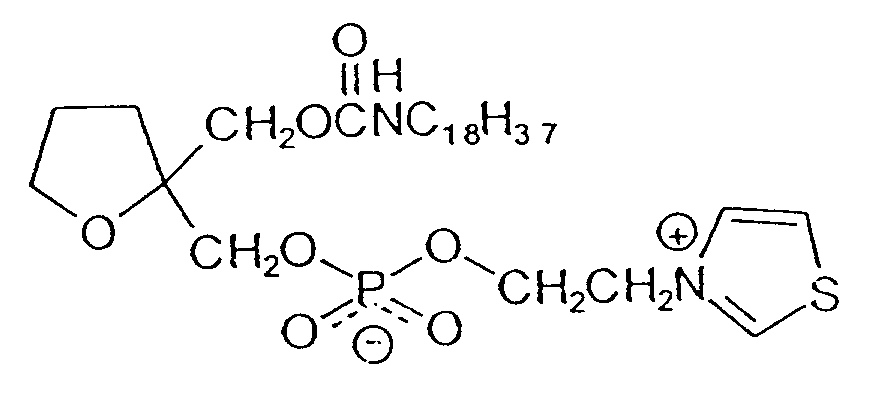
- A process according to claim 8 wherein the PAF related structure is SRI 63-441.
- A process according to claim 3 wherein the synthetic antagonist is alprazolam, triazolam, brotizolam, etizolam,
WEB 2086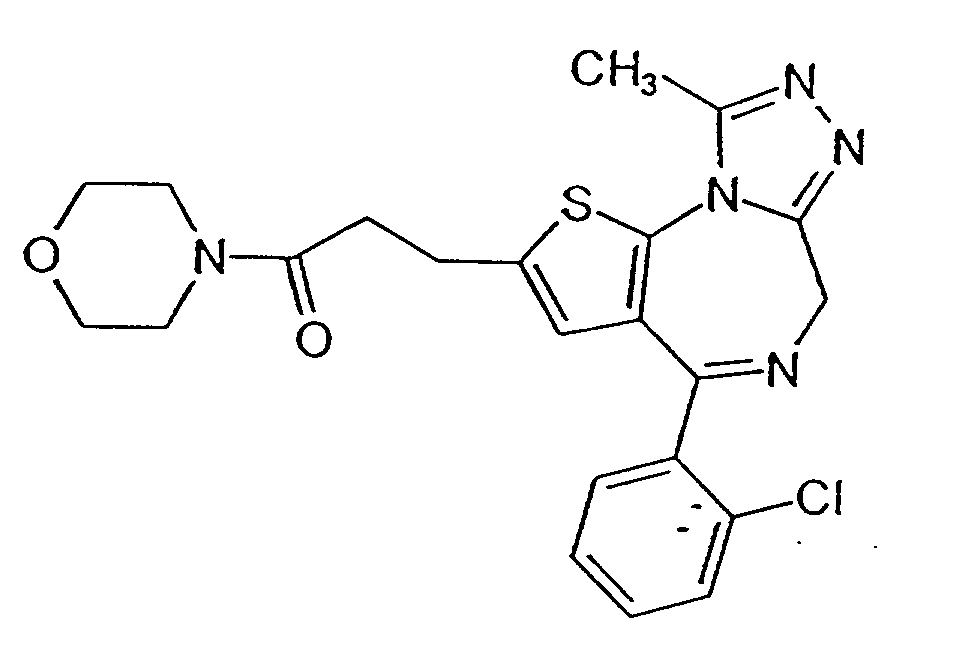


- A process according to claim 10 wherein the PAF antagonist is WEB 2170 or WEB 2086.
- A process for preparing a product containing (i) a PAF antagonist and (ii) PAF or homologue or analogue thereof as a combined preparation for simultaneous, separate or sequential use in a method of enhancing implantation of an embryo within the uterus of a female mammal, which process comprises combining the PAF antagonist and the PAF or homologue or analogue thereof in a form for simultaneous, separate or sequential use.
- Use of a PAF antagonist other than indomethacin in the manufacture of a medicament for use in enhancing implantation of an embryo within the uterus of a female mammal.
- Use according to claim 13 wherein the mammal is a human, bovine, ovine, equine, porcine, caprine, canine or feline mammal.
- Use according to claim 13 or 14 wherein the PAF antagonist is as defined in any one of claims 3 to 11 other than indomethacin.
- Use of a PAF antagonist together with PAF or a homologue or analogue thereof in the manufacture of a medicament for use in enhancing implantation of an embryo within the uterus of a female mammal, wherein the antagonist is administered systemically and the PAF is administered systemically or locally.
- Use according to claim 16 wherein the PAF antagonist is as defined in any one of claims 3 to 11.
- Use according to claim 16 or 17 wherein the mammal is as defined in claim 14.
- Use according to any one of claims 16 to 18 wherein the mammal is a human and the PAF antagonist, together with PAF or a homologue or analogue thereof is administered on days 1 to 7 of pregnancy.
- Use according to claim 19 wherein the embryo has been cultured in vitro prior to implantation.
- Use according to any one of claims 13 to 20 wherein the PAF antagonist is administered during the pre-and peri- implantation period of pregnancy.
Applications Claiming Priority (4)
| Application Number | Priority Date | Filing Date | Title |
|---|---|---|---|
| AUPJ405489 | 1989-05-05 | ||
| AU4054/89 | 1989-12-12 | ||
| PCT/AU1990/000183 WO1990013299A1 (en) | 1989-05-05 | 1990-05-07 | Fertility enhancement |
| AU55603/90A AU638455B2 (en) | 1989-05-05 | 1990-05-07 | Fertility enhancement |
Publications (3)
| Publication Number | Publication Date |
|---|---|
| EP0473612A1 EP0473612A1 (en) | 1992-03-11 |
| EP0473612A4 EP0473612A4 (en) | 1992-11-19 |
| EP0473612B1 true EP0473612B1 (en) | 1996-07-31 |
Family
ID=3773897
Family Applications (1)
| Application Number | Title | Priority Date | Filing Date |
|---|---|---|---|
| EP90906746A Expired - Lifetime EP0473612B1 (en) | 1989-05-05 | 1990-05-07 | Fertility enhancement |
Country Status (9)
| Country | Link |
|---|---|
| US (1) | US5240922A (en) |
| EP (1) | EP0473612B1 (en) |
| KR (1) | KR920700648A (en) |
| AT (1) | ATE140868T1 (en) |
| CA (1) | CA2054197A1 (en) |
| DE (1) | DE69027992D1 (en) |
| HU (1) | HUT60631A (en) |
| NO (1) | NO179125C (en) |
| WO (1) | WO1990013299A1 (en) |
Families Citing this family (31)
| Publication number | Priority date | Publication date | Assignee | Title |
|---|---|---|---|---|
| US5895785A (en) * | 1987-10-20 | 1999-04-20 | Ruth Korth | Treatment and prevention of disorders mediated by LA-paf or endothelial cells |
| DE540766T1 (en) * | 1991-11-04 | 2002-11-28 | Ruth-Maria Korth | Treatment of eosinophil-mediated diseases with PAF antagonists, and method for determining their effectiveness. |
| DE540767T1 (en) * | 1991-11-04 | 2001-10-25 | Ruth-Maria Korth | Treatment and prevention of mental illnesses mediated by increased Lyso-PAF levels with PAF antagonists |
| GB9227123D0 (en) * | 1992-12-30 | 1993-02-24 | Applied Research Systems | Method |
| US5599918A (en) * | 1994-10-04 | 1997-02-04 | La Jolla Cancer Research Foundation | Nucleic acids encoding trophinin and trophinin-assisting proteins |
| US5654145A (en) * | 1994-10-04 | 1997-08-05 | La Jolla Cancer Research Foundation | Trophinin and trophinin-assisting nucleic acids and methods of detection thereof |
| US6022563A (en) * | 1998-02-04 | 2000-02-08 | Superior Equine Pharmaceuticals, Inc. | Phenylbutazone carrier formulation |
| US20040138198A1 (en) * | 2001-04-18 | 2004-07-15 | Sokal David C. | Vasectomy procedure and related kit |
| US7458374B2 (en) | 2002-05-13 | 2008-12-02 | Alexza Pharmaceuticals, Inc. | Method and apparatus for vaporizing a compound |
| EP1392262A1 (en) | 2001-05-24 | 2004-03-03 | Alexza Molecular Delivery Corporation | Delivery of drug esters through an inhalation route |
| US7090830B2 (en) | 2001-05-24 | 2006-08-15 | Alexza Pharmaceuticals, Inc. | Drug condensation aerosols and kits |
| US7498019B2 (en) | 2001-05-24 | 2009-03-03 | Alexza Pharmaceuticals, Inc. | Delivery of compounds for the treatment of headache through an inhalation route |
| ES2316571T3 (en) | 2001-05-24 | 2009-04-16 | Alexza Pharmaceuticals, Inc. | ADMINISTRATION OF ALPRAZOLAM, ESTAZOLAM, MIDAZOLAM OR TRIAZOLAM THROUGH AN INHALATORY ROAD. |
| US7585493B2 (en) | 2001-05-24 | 2009-09-08 | Alexza Pharmaceuticals, Inc. | Thin-film drug delivery article and method of use |
| US20070122353A1 (en) | 2001-05-24 | 2007-05-31 | Hale Ron L | Drug condensation aerosols and kits |
| US7645442B2 (en) | 2001-05-24 | 2010-01-12 | Alexza Pharmaceuticals, Inc. | Rapid-heating drug delivery article and method of use |
| US7766013B2 (en) | 2001-06-05 | 2010-08-03 | Alexza Pharmaceuticals, Inc. | Aerosol generating method and device |
| US20040105818A1 (en) | 2002-11-26 | 2004-06-03 | Alexza Molecular Delivery Corporation | Diuretic aerosols and methods of making and using them |
| US7913688B2 (en) | 2002-11-27 | 2011-03-29 | Alexza Pharmaceuticals, Inc. | Inhalation device for producing a drug aerosol |
| US10105417B2 (en) * | 2003-03-04 | 2018-10-23 | Aspenbio Pharma, Inc. | Methods and kits for maintaining pregnancy, treating follicular cysts, and synchronizing ovulation using luteinizing hormone |
| JP2007516149A (en) | 2003-05-21 | 2007-06-21 | アレックザ ファーマシューティカルズ, インコーポレイテッド | Method for controlling uniformity of substrate temperature, built-in heating unit and chemical supply unit using the same |
| CN1871341A (en) | 2003-08-20 | 2006-11-29 | 悉尼北方和中部海岸区医疗服务系统 | Methods for enhancing embryo viability |
| US7540286B2 (en) | 2004-06-03 | 2009-06-02 | Alexza Pharmaceuticals, Inc. | Multiple dose condensation aerosol devices and methods of forming condensation aerosols |
| EP1781360A1 (en) | 2004-08-12 | 2007-05-09 | Alexza Pharmaceuticals, Inc. | Aerosol drug delivery device incorporating percussively activated heat packages |
| US20070087055A1 (en) * | 2005-10-14 | 2007-04-19 | David Jan | Directly compressible extended release alprazolam formulation |
| EP2121088B1 (en) | 2007-03-09 | 2016-07-13 | Alexza Pharmaceuticals, Inc. | Heating unit for use in a drug delivery device |
| WO2010010201A1 (en) | 2008-07-22 | 2010-01-28 | Equipo Ivi Investigacion Sl | Gene expression profile as a marker of endometrial receptivity |
| US20110021591A1 (en) * | 2009-07-21 | 2011-01-27 | Gordon Douglas J | Phenylbutazone carrier formulation showing increased bioactivity in animals |
| WO2012008467A1 (en) | 2010-07-12 | 2012-01-19 | 株式会社エリナ | Pharmaceutical composition for promoting osteogenesis containing axial-equatorial aryl-oriented furofuran-type lignan, and pharmaceutical preparation, functional food product, and health food product comprising composition |
| DK3158057T3 (en) | 2014-06-17 | 2019-07-29 | Igenomix S L | STEM CELL THERAPY OF ENDOMETRY PATHOLOGIES |
| US12214118B2 (en) | 2018-02-02 | 2025-02-04 | Alexza Pharmaceuticals, Inc. | Electrical condensation aerosol device |
Family Cites Families (1)
| Publication number | Priority date | Publication date | Assignee | Title |
|---|---|---|---|---|
| US4973603A (en) * | 1988-06-16 | 1990-11-27 | Sumner Burstein | Platelet activating factor antagonist and methods of use therefor |
-
1990
- 1990-05-07 CA CA002054197A patent/CA2054197A1/en not_active Abandoned
- 1990-05-07 DE DE69027992T patent/DE69027992D1/en not_active Expired - Lifetime
- 1990-05-07 EP EP90906746A patent/EP0473612B1/en not_active Expired - Lifetime
- 1990-05-07 WO PCT/AU1990/000183 patent/WO1990013299A1/en not_active Ceased
- 1990-05-07 HU HU904445A patent/HUT60631A/en unknown
- 1990-05-07 AT AT90906746T patent/ATE140868T1/en not_active IP Right Cessation
- 1990-05-07 KR KR1019910701529A patent/KR920700648A/en not_active Ceased
- 1990-05-07 US US07/778,879 patent/US5240922A/en not_active Expired - Fee Related
-
1991
- 1991-11-01 NO NO914306A patent/NO179125C/en unknown
Also Published As
| Publication number | Publication date |
|---|---|
| NO179125B (en) | 1996-05-06 |
| NO179125C (en) | 1996-08-14 |
| KR920700648A (en) | 1992-08-10 |
| ATE140868T1 (en) | 1996-08-15 |
| EP0473612A1 (en) | 1992-03-11 |
| NO914306L (en) | 1992-01-03 |
| DE69027992D1 (en) | 1996-09-05 |
| CA2054197A1 (en) | 1990-11-06 |
| WO1990013299A1 (en) | 1990-11-15 |
| US5240922A (en) | 1993-08-31 |
| HUT60631A (en) | 1992-10-28 |
| NO914306D0 (en) | 1991-11-01 |
| HU9004445D0 (en) | 1992-02-28 |
| EP0473612A4 (en) | 1992-11-19 |
Similar Documents
| Publication | Publication Date | Title |
|---|---|---|
| EP0473612B1 (en) | Fertility enhancement | |
| AU764452B2 (en) | Method of promoting cervical and vaginal secretions | |
| US7179481B2 (en) | Vaginal health products | |
| US20020004529A1 (en) | Methods, compositions, and kits for enhancing female sexual desire and responsiveness | |
| KR20020027463A (en) | Fibrosis inhibitors containing as the active ingredient sphingosine-1-phosphate receptor agonist or sphingosine-1-phosphate | |
| CN110772504B (en) | Use of licorice chalcones as inhibitors | |
| FR2622106A1 (en) | NOVEL THERAPEUTIC USE OF 4H-BENZO (4,5) CYCLO-HEPTA (1,2-B) THIOPHENE DERIVATIVES | |
| EP0578511B1 (en) | Spirooxathiolane-quinuclidine derivative, for treating Sjoegren syndrome | |
| HU184219B (en) | Process for producing pharmaceutical compositions of aggragati on-inhiaiting activity | |
| US4879285A (en) | Fertility control | |
| NO324357B1 (en) | Use of an ostroprogestagen hormone preparation in the manufacture of a medicament for the treatment of estrogen disorders and osteoporosis in postmenopausal women, and the use of a pharmaceutical preparation in the manufacture of a medicament for stopping ovulation | |
| JP2002516272A (en) | Fertility treatment with a compound that increases cAMP alone or in combination with at least one compound that stimulates meiosis | |
| AU638455B2 (en) | Fertility enhancement | |
| O'Neill | Platelet-activating factor-antagonists reduce implantation in mice at low doses only | |
| Uche‐Nwachi | Effect of intramuscular sulfadoxine‐pyrimethamine on pregnant Wistar rats | |
| NZ562409A (en) | Use of barusiban in assisted reproduction | |
| EP0443028A1 (en) | Non-injection carcinostatic agent for suppressing occurrence of inflammation due to 5-fluorouracil and method for curing cancer | |
| O'Neill | Embryo-derived platelet activating factor | |
| Csato et al. | Effect of BN 52021, a platelet activating factor antagonist, on experimental murine contact dermatitis | |
| MXPA05000726A (en) | Medicinal composition for treating arteriosclerosis. | |
| JPH05501541A (en) | Fertility enhancement | |
| WO1998009628A1 (en) | Methods for inhibiting cardiac fibroblast growth and cardiac fibrosis | |
| AU608530B2 (en) | Fertility control | |
| CN102058575B (en) | Application of serine protease inhibitor to anti-embryo implantation and anti-tumor aspects | |
| WO2020221277A1 (en) | Method for treating endometriosis-associated pain by using diaminopyrimidine compound |
Legal Events
| Date | Code | Title | Description |
|---|---|---|---|
| PUAI | Public reference made under article 153(3) epc to a published international application that has entered the european phase |
Free format text: ORIGINAL CODE: 0009012 |
|
| 17P | Request for examination filed |
Effective date: 19911122 |
|
| AK | Designated contracting states |
Kind code of ref document: A1 Designated state(s): AT BE CH DE DK ES FR GB IT LI LU NL SE |
|
| A4 | Supplementary search report drawn up and despatched |
Effective date: 19920926 |
|
| AK | Designated contracting states |
Kind code of ref document: A4 Designated state(s): AT BE CH DE DK ES FR GB IT LI LU NL SE |
|
| 17Q | First examination report despatched |
Effective date: 19940630 |
|
| GRAA | (expected) grant |
Free format text: ORIGINAL CODE: 0009210 |
|
| AK | Designated contracting states |
Kind code of ref document: B1 Designated state(s): AT BE CH DE DK ES FR GB IT LI LU NL SE |
|
| PG25 | Lapsed in a contracting state [announced via postgrant information from national office to epo] |
Ref country code: IT Free format text: LAPSE BECAUSE OF FAILURE TO SUBMIT A TRANSLATION OF THE DESCRIPTION OR TO PAY THE FEE WITHIN THE PRESCRIBED TIME-LIMIT;WARNING: LAPSES OF ITALIAN PATENTS WITH EFFECTIVE DATE BEFORE 2007 MAY HAVE OCCURRED AT ANY TIME BEFORE 2007. THE CORRECT EFFECTIVE DATE MAY BE DIFFERENT FROM THE ONE RECORDED. Effective date: 19960731 Ref country code: LI Effective date: 19960731 Ref country code: NL Free format text: LAPSE BECAUSE OF FAILURE TO SUBMIT A TRANSLATION OF THE DESCRIPTION OR TO PAY THE FEE WITHIN THE PRESCRIBED TIME-LIMIT Effective date: 19960731 Ref country code: AT Effective date: 19960731 Ref country code: FR Effective date: 19960731 Ref country code: DK Effective date: 19960731 Ref country code: ES Free format text: THE PATENT HAS BEEN ANNULLED BY A DECISION OF A NATIONAL AUTHORITY Effective date: 19960731 Ref country code: BE Effective date: 19960731 Ref country code: CH Effective date: 19960731 |
|
| REF | Corresponds to: |
Ref document number: 140868 Country of ref document: AT Date of ref document: 19960815 Kind code of ref document: T |
|
| GRAH | Despatch of communication of intention to grant a patent |
Free format text: ORIGINAL CODE: EPIDOS IGRA |
|
| REF | Corresponds to: |
Ref document number: 69027992 Country of ref document: DE Date of ref document: 19960905 |
|
| PG25 | Lapsed in a contracting state [announced via postgrant information from national office to epo] |
Ref country code: SE Effective date: 19961031 |
|
| PG25 | Lapsed in a contracting state [announced via postgrant information from national office to epo] |
Ref country code: DE Effective date: 19961101 |
|
| EN | Fr: translation not filed | ||
| NLV1 | Nl: lapsed or annulled due to failure to fulfill the requirements of art. 29p and 29m of the patents act | ||
| REG | Reference to a national code |
Ref country code: CH Ref legal event code: PL |
|
| PG25 | Lapsed in a contracting state [announced via postgrant information from national office to epo] |
Ref country code: GB Effective date: 19970507 |
|
| PG25 | Lapsed in a contracting state [announced via postgrant information from national office to epo] |
Ref country code: LU Free format text: LAPSE BECAUSE OF NON-PAYMENT OF DUE FEES Effective date: 19970531 |
|
| PLBE | No opposition filed within time limit |
Free format text: ORIGINAL CODE: 0009261 |
|
| STAA | Information on the status of an ep patent application or granted ep patent |
Free format text: STATUS: NO OPPOSITION FILED WITHIN TIME LIMIT |
|
| 26N | No opposition filed | ||
| GBPC | Gb: european patent ceased through non-payment of renewal fee |
Effective date: 19970507 |