EP0459367B1 - Method for preparing an antitumor dextran - Google Patents
Method for preparing an antitumor dextran Download PDFInfo
- Publication number
- EP0459367B1 EP0459367B1 EP91108628A EP91108628A EP0459367B1 EP 0459367 B1 EP0459367 B1 EP 0459367B1 EP 91108628 A EP91108628 A EP 91108628A EP 91108628 A EP91108628 A EP 91108628A EP 0459367 B1 EP0459367 B1 EP 0459367B1
- Authority
- EP
- European Patent Office
- Prior art keywords
- dextran
- strain
- ferm
- antitumor
- reaction
- Prior art date
- Legal status (The legal status is an assumption and is not a legal conclusion. Google has not performed a legal analysis and makes no representation as to the accuracy of the status listed.)
- Expired - Lifetime
Links
Images

Classifications
-
- C—CHEMISTRY; METALLURGY
- C12—BIOCHEMISTRY; BEER; SPIRITS; WINE; VINEGAR; MICROBIOLOGY; ENZYMOLOGY; MUTATION OR GENETIC ENGINEERING
- C12P—FERMENTATION OR ENZYME-USING PROCESSES TO SYNTHESISE A DESIRED CHEMICAL COMPOUND OR COMPOSITION OR TO SEPARATE OPTICAL ISOMERS FROM A RACEMIC MIXTURE
- C12P19/00—Preparation of compounds containing saccharide radicals
- C12P19/04—Polysaccharides, i.e. compounds containing more than five saccharide radicals attached to each other by glycosidic bonds
- C12P19/08—Dextran
-
- C—CHEMISTRY; METALLURGY
- C12—BIOCHEMISTRY; BEER; SPIRITS; WINE; VINEGAR; MICROBIOLOGY; ENZYMOLOGY; MUTATION OR GENETIC ENGINEERING
- C12N—MICROORGANISMS OR ENZYMES; COMPOSITIONS THEREOF; PROPAGATING, PRESERVING, OR MAINTAINING MICROORGANISMS; MUTATION OR GENETIC ENGINEERING; CULTURE MEDIA
- C12N1/00—Microorganisms; Compositions thereof; Processes of propagating, maintaining or preserving microorganisms or compositions thereof; Processes of preparing or isolating a composition containing a microorganism; Culture media therefor
- C12N1/20—Bacteria; Culture media therefor
- C12N1/205—Bacterial isolates
-
- C—CHEMISTRY; METALLURGY
- C12—BIOCHEMISTRY; BEER; SPIRITS; WINE; VINEGAR; MICROBIOLOGY; ENZYMOLOGY; MUTATION OR GENETIC ENGINEERING
- C12N—MICROORGANISMS OR ENZYMES; COMPOSITIONS THEREOF; PROPAGATING, PRESERVING, OR MAINTAINING MICROORGANISMS; MUTATION OR GENETIC ENGINEERING; CULTURE MEDIA
- C12N1/00—Microorganisms; Compositions thereof; Processes of propagating, maintaining or preserving microorganisms or compositions thereof; Processes of preparing or isolating a composition containing a microorganism; Culture media therefor
- C12N1/20—Bacteria; Culture media therefor
-
- A—HUMAN NECESSITIES
- A61—MEDICAL OR VETERINARY SCIENCE; HYGIENE
- A61P—SPECIFIC THERAPEUTIC ACTIVITY OF CHEMICAL COMPOUNDS OR MEDICINAL PREPARATIONS
- A61P35/00—Antineoplastic agents
-
- C—CHEMISTRY; METALLURGY
- C12—BIOCHEMISTRY; BEER; SPIRITS; WINE; VINEGAR; MICROBIOLOGY; ENZYMOLOGY; MUTATION OR GENETIC ENGINEERING
- C12R—INDEXING SCHEME ASSOCIATED WITH SUBCLASSES C12C - C12Q, RELATING TO MICROORGANISMS
- C12R2001/00—Microorganisms ; Processes using microorganisms
- C12R2001/01—Bacteria or Actinomycetales ; using bacteria or Actinomycetales
- C12R2001/225—Lactobacillus
-
- Y—GENERAL TAGGING OF NEW TECHNOLOGICAL DEVELOPMENTS; GENERAL TAGGING OF CROSS-SECTIONAL TECHNOLOGIES SPANNING OVER SEVERAL SECTIONS OF THE IPC; TECHNICAL SUBJECTS COVERED BY FORMER USPC CROSS-REFERENCE ART COLLECTIONS [XRACs] AND DIGESTS
- Y10—TECHNICAL SUBJECTS COVERED BY FORMER USPC
- Y10S—TECHNICAL SUBJECTS COVERED BY FORMER USPC CROSS-REFERENCE ART COLLECTIONS [XRACs] AND DIGESTS
- Y10S435/00—Chemistry: molecular biology and microbiology
- Y10S435/8215—Microorganisms
- Y10S435/822—Microorganisms using bacteria or actinomycetales
- Y10S435/823—Acetobacter
Definitions
- This invention relates to microorganism capable of producing a dextran which has biological activities such as an excellent antitumor activity ; a method for producing said dextran using said microorganism or dextran synthetase prepared by said microorganism.
- the prior art methods described above provide species of microorganisms which belong to the genus Lactobaccillus but are incapable of producing dextran.
- the present inventors have found that the dextrans produced by Lactobacillus confusus which is a species capable of producing a dextran have an antitumor activity. As a result of extensive investigations, a method for production thereof has been established and the present invention has thus come to be accomplished.
- GB-A-2090846 discloses a high molecular weight polysaccharide MPS-80 which is obtained by culturing high molecular weight polysaccharide MPS-80- producing bacteria belonging to the genera Lactobacillus or Streptococcus.
- the new MPS-80 has an antitumor effect.
- Patent abstracts of Japan, vol. 12, No. 283, page 50, C 518 corresponding to JP-A-63-61002 discloses a polysaccharide substance having antitumor activity which is obtained by culturing a microbial strain belonging to Lactobacillus genus.
- the present invention relates to microorganism belonging to Lactobacillus confusus and capable of producing a dextran having the properties described below; a method for preparing said dextran using said microorganism or dextran synthetase produced by said microorganism.
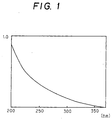
- Fig. 1 is UV absorption spectrum of the antitumor dextran obtained in the present invention.
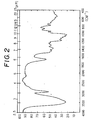
- Fig. 2 is IR absorption spectrum of the same substance.
- Fig. 3 is 13C-NMR spectrum of the same substance.
- the antitumor dextrans described above may be obtained by culturing a microorganism belonging to Lactobacillus confusus and capable of producing a dextran having the properties described above, accumulating a dextran in the culture broth and isolating the dextran. Furthermore, the antitumor dextran may also be obtained by acting dextran synthetase produced by the microorganism on sucrose and isolating the produced antitumor dextran.
- Lactobacillus confusus 40-1 strain 40-3 strain, 77-1 strain, 78-1 strain and 80-1 strain. Taxonomical properties of these strains are as follows.
- the strains have the following properties. That is, 1: The microorganisms are positive in gram staining and facultative anaerobic. 2: Shape is short rod. 3: Acid production from trehalose is negative. 4: Lactic acid fermentation is hetero type and lactic acid of both D- and L-forms are produced. 5: Decomposition of arginine is positive. 6: Dextran production is positive.
- these strains were identified to be Lactobacillus confusus.
- the present inventors named these strains as Lactobacillus confusus 40-1 strain (FERM BP-2865), 40-3 strain (FERM BP-2866), 77-1 strain (FERM BP-2867), 78-1 strain (FERM BP-2868) and 80-1 strain (FERM BP-2869), which were deposited at the Fermentation Research Institute, Agency of Industrial Science & Technology, Japan.
- Lactobacillus confusus 40-1 strain (FERM BP-2865); 40-3 strain (FERM BP-2866), 77-1 strain (FERM BP-2867), 78-1 strain (FERM BP-2868) and 80-1 strain (FERM BP-2869) are effective for producing the antitumor dextran in view of productivity.
- Culture of the microorganism capable of producing the antitumor dextran is, in principle, carried out according to an ordinary microorganism-culture method.
- Lactobacillus confusus is facultative anaerobic, and it demands no oxigen, it is advantageous to adopt stationary culture in liquid medium or gently agitating culture to unify the temperature.
- sucrose is essentially required as the carbon source for producing the antitumor dextran.
- a medium may be one containing nutrient sources the antitumor dextran-producing bacteria can utilize. Any of synthetic media, semi-synthetic media and natural media may be used.
- sucrose which is essentially required as a carbon source
- any of crude to purified products of sucrose may be optionally used.
- refined sugar black sugar, molasses, blackstrap molasses, saccharose of reagent grade.
- a concentration of sucrose is 0.5 to 70%, preferably 5 to 50%.
- nitrogen sources there may be used meat extract, peptone, gluten meal, soybean powder, corn steep liquor, dry yeast extract, ammonium sulfate, urea. These nitrogen sources may be used, singly or mixture, and added to medium in a proportion of 0.5 to 5%, preferably 1 to 3%.
- phosphoric acid salts, sodium chloride, magnesium salts, cobalt salts, iron salts may be appropriately added to the medium, if necessary.
- the incubation temperature is similar to the culture temperature used for ordinary mesophile bacteria, which is between 15 and 45°C, preferably between 20 and 30°C.
- the pH in culturing is 5 to 7.
- the incubation time is 5 to 96 hours, preferably 10 to 24 hours.
- sucrose is mandatorily required as the carbon source for accumulation of the antitumor dextran synthetase.
- a concentration of sucrose is preferably 0.1 to 5%.
- Other conditions for pH, temperature and incubation time are similar to those where the antitumor dextran is obtained directly in a culture broth.
- the antitumor dextran synthetase is accumulated intracellulary and extracellularly. Therefore, when the enzyme is recovered from the cells, the broth is ultrasonically treated to disrupt the cells. Alternatively, the enzyme may be extracted from the cells with a surfactant, and the extract is then centrifuged, to remove insoluble matters. Further where the synthetase is recovered from the culture broth, the cells and insoluble matters may be removed by centrifugation, etc.
- the enzyme can be sufficiently used as a crude enzyme solution for production of the antitumor dextran as it is. If necessary, however, the enzyme may further be purified by dialysis, ultrafiltration, differential fractionation such as gel filtration, salting out with ammonium sulfate, treatments with ion exchange resins, singly or in combination.
- the antitumor dextran By reacting the crude enzyme solution on sucrose, the antitumor dextran can be produced.
- the reaction is carried out at a temperature of 20 to 45°C, preferably 25 to 35°C for 5 to 50 hours at pH 5 to 7.
- the produced antitumor dextran is usually contained in the medium or in the reaction mixture. Therefore, when the antitumor dextran is produced by fermentation, the antitumor dextran is purified by removing the cells or insoluble matters by means of centrifugation, filtration, then repeating precipitation procedures with polar organic solvents such as methanol, ethanol, propanol, acetone. Further by purifying dialysis, gel filtration, ultrafiltration, treatments with ion exchange resin, activated carbon, singly or in combination, the antitumor dextran of high purity can be obtained. By drying the product through spray drying, freeze drying, precipitation with polar organic solvents, the antitumor dextran can be obtained as a white powder.
- the antitumor dextran obtained in the present invention can be degraded into low molecule through acid hydrolysis by gently heating in a diluted solution of sulfuric acid, hydrochloric acid, formic acid, enzymatic decomposition with a dextran decomposition enzyme, ultrasonication.
- the antitumor dextran degraded into low molecule can be fractionated by gel filtration, ultrafiltration, to render the molecular weight uniform. It is revealed that among the antitumor dextrans degraded into low molecular weight, dextrans having a molecular weight of 10,000 daltons or more has biological activities such as an antitumor activity.
- Example 4 a method for assaying the antitumor activity and its results in experiments are given below when there are used the antitumor dextran obtained in Example 1 later described and low molecular products L1 (molecular weight of 1,000,000 or more), L2 (molecular weight of 100,000 to 1,000,000) and L3 (molecular weight of 10,000 to 100,000) of the antitumor dextran obtained in Example 4.
- L1 molecular weight of 1,000,000 or more
- L2 molecular weight of 100,000 to 1,000,000
- L3 molecular weight of the antitumor dextran obtained in Example 4.
- Meth-A tumor cells which had been subcultured in the peritoneal cavities of the same syngeneic mouse was intraperitoneally transplanted at a rate of 1 x 10⁵ cells/mouse to BALB/c-CRJ female mice of 6-week-old having a body weight of 20 g in average.
- the mice were divided into 4 groups: control group of 20 mice (1 group) and test groups of 10 mice (3 groups).
- the test groups were intraperitoneally administered 0.1 ml each of the solution of the antitumor dextran dissolved in saline at doses of 10, 30 and 100 mg/kg and the control group was similarly given by only saline. Subsequently, the number of survival days was observed and an increased life span was calculated by the following equation.
- Increased life span (%) Average survival days in the test groups Average survival days in the control group ⁇ 100
- Meth-A tumor cells which had been subcultured in the peritoneal cavities of the same syngeneic mouse for a week was subcutaneously transplanted at a rate of 6 x 10⁴ to BALB/c-CRJ female mice of 6 weeks age having a body weight of 20 g in average.
- the mice were divided into 4 groups: control group of 20 mice (1 group) and test groups of 10 mice (3 groups).
- the test groups were administered orally using an oral sonde by 0.2 ml each of a saline solution of the antitumor dextran at doses of 10, 30 and 100 mg/kg and the control group was similarly given by only physiological saline.
- 35 Days after the tumor cells were transplanted each mouse was killed and the propagated tumor was cut out and the weight was measured. The inhibition ratio was calculated based on the following equation.
- Inhibition ratio (%) 1 - Average weight of tumor in test groups Average weight of tumor in control group ⁇ 100
- Table II The effects of the antitumor dextran assayed by the methods (a) and (b) described above are shown in Table II.
- Table II (a) Intraperitoneal administration (b) Oral administration Dose Average number of survival day (day) Increased life span (%) Average weight of tumor (g) Inhibition ratio (%) Control (physiological saline) 18.7 - 12.10 - Anti-tumor dextran: 10 mg/kg 31.0 166 7.01 42 30 mg/kg >42.0 >225 5.03 58 100 mg/kg 32.2 172 5.54 54
- the antitumor dextran possesses a potent antitumor activity with the optimum dose of about 30 mg/kg, both by intraperitoneal administration and by oral administration.
- the antitumor dextran and its hydrolysate exhibit an excellent antitumor activity against syngeneic tumor Lewis lung tumor, melanoma B-16, allogeneic tumor sarcoma 180, Ehrlich tumor, by intraperitoneal administration or oral administration in a dose range of 10 to 100 mg/kg.
- the antitumor dextran when the antitumor dextran was intravenously administered, LD50 280 mg/kg. And in case of L1, L2 and L3, their toxicity decreased with decrease of their molecular weight. In the case of L3, LD50 was larger than 5 g/kg, and no toxicity was noted. Accordingly, the low molecular antitumor dextran has very advantageous properties when (it is) used an injection drug.
- the antitumor dextran or L1, L2 and L3 are used to produce of medicines such as liquids, pills, tablets, powders, granules, suppositories, singly or in combination with a variety of excipients (water, physiological saline, polyethylene glycol, glycerol, gelatin, starch, dextrin, cellulose, lactose, mannitol).
- the antitumor dextran may also be used as beverages or foodstuffs in functional foods for purposes of prevention of diseases or health care, or as food additives, since the antitumor dextran has a variety of biological activities useful for maintaining health through oral administration and is readily processed because of tasteless and odorless nature.
- Cells obtained from stab culture of Lactobacillus confusus 40-1 strain were inoculated into 5 ml of medium (2.0% of sucrose, 0.5% of yeast extract, 2.0% of K2HPO4, pH 7.4) in a test tube of 15 mm in diameter, the stationary culture was carried out at 26°C for 24 hours. Then, 5 ml of the medium was inoculated on 400 ml of medium having the same composition in an 500 ml Erlenmeyer's flask, and the stationary culture was carried out at 26°C for 24 hours.
- SMl medium 10% of sucrose, 0.05% of yeast extract, 0.5% of K2HPO4, 0.1% of sodium chloride, pH 7.4
- Methanol was gradually added to the culture supernatant with agitating, in a final concentration of 45% (v/v) and the mixture was allowed to stand. After the supernatant was removed by decantation, the resulting precipitates were washed with 60% (v/v) methanol. The precipitates were dissolved in 20 liters of deionized water again. The precipitation with methanol and washing with 60% (v/v) methanol were performed 3 times in total. Then by spray drying 270 g of the antitumor dextran was obtained as a white powder.
- Example 2 Culture and purification were performed in a same manner as in Example 1 except that blackstrap molasses was added to SMl medium in a concentration of 10% instead of sucrose. The resulting precipitates were dissolved in 3 liters of deionized water. Then by freeze drying, 251 g of the antitumor dextran was obtained as a white powder.
- Example 2 Methanol was gradually added with agitating to 100 ml of the culture supernatant obtained in Example 1 in a final concentration of 45% (v/v). After the obtained glutinous precipitates were washed with 60% (v/v) methanol, the precipitates were dissolved in 100 ml of deionized water again. The solution was passed through DEAE TOYOPEARL 650 M® which had been equilibrated with deionized water. The non-absorbed fraction was collected and concentrated. After desalting and then freeze drying, 1.1 g of the antitumor dextran was obtained.
- Example 2 After 5.0 g of the antitumor dextran powder obtained in Example 1 was dissolved in 500 ml of 2% sulfuric acid, the solution was partially hydrolyzed at 60°C for 4 hours. After neutralizing with barium carbonate, the precipitates were removed by centrifugation. Ultrafiltration was performed using membranes of 1,000,000, 100,000 and 10,000 for fractionation of molecular weights in this order to give 3 fractions of L1, L2 and L3, namely, L1 (molecular weight of 1,000,000 or more), L2 (molecular weight of 100,000 to 1,000,000) and L3 molecular weight of 10,000 to 100,000), respectively. By freeze drying each fraction, the low molecular antitumor dextran of L1: 1.6 g, L2: 1.2 g and L3: 0.9 g were obtained, respectively as a white powder.
- Example 2 The procedures were performed in a same manner as in Example 1 except that Lactobacillus confusus 40-3 strain (FERM BP-2866) was used instead of Lactobacillus confusus 40-1 strain (FERM BP-2865). Thus, 263 g of the antitumor dextran was obtained as a white powder.
- Example 2 The procedures were performed in a same manner as in Example 1 except that Lactobacillus confusus 77-1 strain (FERM BP-2867) was used instead of Lactobacillus confusus 40-1 strain (FERM BP-2865). Thus, 212 g of the antitumor dextran was obtained as a white powder.
- Example 2 The procedures were performed in a same manner as in Example 1 except that Lactobacillus confusus 78-1 strain (FERM BP-2868) was used instead of Lactobacillus confusus 40-1 strain (FERM BP-2865). Thus, 250 g of the antitumor dextran was obtained as a white powder.
- Example 2 The procedures were performed in a same manner as in Example 1 except that Lactobacillus confusus 80-1 strain (FERM BP-2869) was used instead of Lactobacillus confusus 40-1 strain (FERN BP-2865). Thus, 209 g of the anti-tumor dextran was obtained as a white powder.
- Example 9 After 10 g of sucrose was dissolved in 100 ml of the cultrue supernatant obtained in Example 9, a small quantity of toluene was added to the solution. While mildly agitating, the solution was kept at 30°C for 18 hours. 150 ml of methanol was added with stirring to the resulting viscous solution (final concentration of 43%) to give glutinous precipitates. After washing with 60% (v/v) methanol, the precipitates were dissolved in 100 ml of deionized water again. The precipitation with methanol and washing with 60% (v/v) methanol were repeated. After dissolving in deionized water and freeze drying the solution, 3.9 g of the antitumor dextran was obtained as a white powder.
- Cells obtained from stab culture of Lactobacillus confusus 40-1 strain were inoculated on 5 ml of medium (2.0% of sucrose, 0.5% of yeast extract, 2.0% of K2HPO4, pH 7.4) in a test tube of 15 mm in diameter the stationary culture was carried out at 26°C for 24 hours. Then, 5 ml of the medium was inoculated on 400 ml of medium having the same composition charged in an 500 ml Erlenmeyer's flask, and stationary culture was carried out at 26°C for 17 hours.
- Example 9 After the cells in the culture broth (350 ml) was disrupted with a ultrasonic homogenizer, insoluble matters were removed by centrifugation to give 330 ml of the supernatant. The resulting supernatant was treated in a same manner to Example 9 to give 80 ml of the crude enzyme solution. After 20 ml of the obtained crude enzyme solution was mixed with 100 ml of 50 mM acetate buffer (pH 5.5) in which 12 g of sucrose had been dissolved, a small quantity of toluene was added to the solution. The mixture was mildly agitated at 30°C for 15 minutes. Methanol was added to the resulting viscous solution in a final concentration of 40% to precipitate the antitumor dextran.
- Example 9 The procedures were performed in a same manner as in Example 9 except that Lactobacillus confusus 40-3 strain (FERM BP-2866) was used instead of Lactobacillus confusus 40-1 strain (FERM BP-2865). Thus, 2.7 g of the anti-tumor dextran was obtained as a white powder.
- Example 9 The procedures were performed in a same manner as in Example 9 except that Lactobacillus confusus 77-1 strain (FERN BP-2867) was used instead of Lactobacillus confusus 40-1 strain (FERM BP-2865). Thus, 2.1 g of the antitumor dextran was obtained as a white powder.
- Example 9 The procedures were performed in a same manner as in Example 9 except that Lactobacillus confusus 78-1 strain (FERM BP-2868) was used instead of Lactobacillus confusus 40-1 strain (FERM BP-2865). Thus, 2.4 g of the antitumor dextran was obtained as a white powder.
- Example 9 The procedures were performed in a same manner as in Example 9 except that Lactobacillus confusus 80-1 strain (FERM BP-2869) was used instead of Lactobacillus confusus 40-1 strain (FERM BP-2865). Thus, 3.4 g of the antitumor dextran was obtained as a white powder.
- the antitumor dextran of the present invention which is a pure glucan, has biological activities such as an excellent antitumor activity and has no toxicity can be stably prepared by a simple and efficient method.
Landscapes
- Chemical & Material Sciences (AREA)
- Life Sciences & Earth Sciences (AREA)
- Health & Medical Sciences (AREA)
- Engineering & Computer Science (AREA)
- Organic Chemistry (AREA)
- Zoology (AREA)
- Wood Science & Technology (AREA)
- Biotechnology (AREA)
- Bioinformatics & Cheminformatics (AREA)
- Genetics & Genomics (AREA)
- General Health & Medical Sciences (AREA)
- General Engineering & Computer Science (AREA)
- Biochemistry (AREA)
- Microbiology (AREA)
- Medicinal Chemistry (AREA)
- Biomedical Technology (AREA)
- General Chemical & Material Sciences (AREA)
- Tropical Medicine & Parasitology (AREA)
- Chemical Kinetics & Catalysis (AREA)
- Virology (AREA)
- Nuclear Medicine, Radiotherapy & Molecular Imaging (AREA)
- Veterinary Medicine (AREA)
- Pharmacology & Pharmacy (AREA)
- Public Health (AREA)
- Animal Behavior & Ethology (AREA)
- Preparation Of Compounds By Using Micro-Organisms (AREA)
- Polysaccharides And Polysaccharide Derivatives (AREA)
- Medicines Containing Material From Animals Or Micro-Organisms (AREA)
- Enzymes And Modification Thereof (AREA)
- Micro-Organisms Or Cultivation Processes Thereof (AREA)
- Pharmaceuticals Containing Other Organic And Inorganic Compounds (AREA)
Description
- This invention relates to microorganism capable of producing a dextran which has biological activities such as an excellent antitumor activity ; a method for producing said dextran using said microorganism or dextran synthetase prepared by said microorganism.
- Methods for preparing antitumor polysaccharides using strains belonging to the genus Lactobacillus have already been disclosed in Japanese Patent Application Laid-Open Nos. 1-281073, 1-277484, 2-4714. However, these are crude products such as cells, capsular polysaccharide or culture broth.
- The prior art methods described above provide species of microorganisms which belong to the genus Lactobaccillus but are incapable of producing dextran. The present inventors have found that the dextrans produced by Lactobacillus confusus which is a species capable of producing a dextran have an antitumor activity. As a result of extensive investigations, a method for production thereof has been established and the present invention has thus come to be accomplished.
- GB-A-2090846 discloses a high molecular weight polysaccharide MPS-80 which is obtained by culturing high molecular weight polysaccharide MPS-80- producing bacteria belonging to the genera Lactobacillus or Streptococcus. The new MPS-80 has an antitumor effect.
- Patent abstracts of Japan, vol. 12, No. 283,
page 50, C 518 corresponding to JP-A-63-61002 discloses a polysaccharide substance having antitumor activity which is obtained by culturing a microbial strain belonging to Lactobacillus genus. - The present invention relates to microorganism belonging to Lactobacillus confusus and capable of producing a dextran having the properties described below; a method for preparing said dextran using said microorganism or dextran synthetase produced by said microorganism.
- (1) Form: said dextran is a white powder having no taste and no smell;
- (2) Solubility: said dextran is soluble in water, formamide and dimethylsulfoxide but insoluble in alcohols, acetone, hexane, chloroform and carbon tetrachloride:
- (3) pH of Aquarious Solution: the aquarious solution is neutral or weakly acidic;
- (4) Constituent Saccharide: said dextran is composed solely of glucose;
- (5) Elementary analysis values: said dextran comprises 43 to 45% of C and 6.0 to 6.3% of H;
- (6) Structure: said dextran is'an α-glucan composed mainly of linear α-1,6 glucoside linkages;
- (7) Proteins: said dextran contains no protein by the Lowry's method;
- (8) Molecular weight: said dextran does not permeate through a dialysis membrane and the molecular weight is presumed to be higher than 10,000 daltons;
- (9) Color Reaction: said dextran is positive to anthrone sulfuric acid reaction and phenol sulfuric acid reaction, but negative to biuret reaction, the Lowry-Folin reaction, the Elson-Morgan reaction and iodine reaction;
- (10) Melting Point: said dextran has no definite melting point;
- (11) Ultraviolet Absorption Spectrum: said dextran has no characteristic absorption as shown in Fig. 1;
- (12) Infrared Absorption Spectrum: said dextran shows a characteristic absorption of α-glucan as shown in Fig. 2;
- (13) ¹³C-NMR Spectrum: said dextran shows characteristic spectrum of α-1,6-glucan as shown in Fig. 3;
- (14) Said dextran possesses antitumor activities.
- Fig. 1 is UV absorption spectrum of the antitumor dextran obtained in the present invention. Fig. 2 is IR absorption spectrum of the same substance. Fig. 3 is ¹³C-NMR spectrum of the same substance.
- In the present invention, the antitumor dextrans described above may be obtained by culturing a microorganism belonging to Lactobacillus confusus and capable of producing a dextran having the properties described above, accumulating a dextran in the culture broth and isolating the dextran. Furthermore, the antitumor dextran may also be obtained by acting dextran synthetase produced by the microorganism on sucrose and isolating the produced antitumor dextran.
- As the microorganism capable of producing an antitumor dextran, there are Lactobacillus confusus 40-1 strain, 40-3 strain, 77-1 strain, 78-1 strain and 80-1 strain. Taxonomical properties of these strains are as follows.


- Summarizing the foregoing, the strains have the following properties. That is, 1: The microorganisms are positive in gram staining and facultative anaerobic. 2: Shape is short rod. 3: Acid production from trehalose is negative. 4: Lactic acid fermentation is hetero type and lactic acid of both D- and L-forms are produced. 5: Decomposition of arginine is positive. 6: Dextran production is positive.
- Therefore, according to Bergey's Manual of Systematic Bacteriology, Vo.l 2 (1986) and Method in Microbiology, Vol. 16, 147-178 (1984), these strains were identified to be Lactobacillus confusus. The present inventors named these strains as Lactobacillus confusus 40-1 strain (FERM BP-2865), 40-3 strain (FERM BP-2866), 77-1 strain (FERM BP-2867), 78-1 strain (FERM BP-2868) and 80-1 strain (FERM BP-2869), which were deposited at the Fermentation Research Institute, Agency of Industrial Science & Technology, Japan.
- These Lactobacillus confusus 40-1 strain (FERM BP-2865); 40-3 strain (FERM BP-2866), 77-1 strain (FERM BP-2867), 78-1 strain (FERM BP-2868) and 80-1 strain (FERM BP-2869) are effective for producing the antitumor dextran in view of productivity.
- Culture of the microorganism capable of producing the antitumor dextran is, in principle, carried out according to an ordinary microorganism-culture method. However, since Lactobacillus confusus is facultative anaerobic, and it demands no oxigen, it is advantageous to adopt stationary culture in liquid medium or gently agitating culture to unify the temperature. Where the antitumor dextran is produced directly in a culture broth, sucrose is essentially required as the carbon source for producing the antitumor dextran. Otherwise, a medium may be one containing nutrient sources the antitumor dextran-producing bacteria can utilize. Any of synthetic media, semi-synthetic media and natural media may be used.
- As sucrose which is essentially required as a carbon source, any of crude to purified products of sucrose may be optionally used. For example, refined sugar, black sugar, molasses, blackstrap molasses, saccharose of reagent grade. A concentration of sucrose is 0.5 to 70%, preferably 5 to 50%. As nitrogen sources, there may be used meat extract, peptone, gluten meal, soybean powder, corn steep liquor, dry yeast extract, ammonium sulfate, urea. These nitrogen sources may be used, singly or mixture, and added to medium in a proportion of 0.5 to 5%, preferably 1 to 3%. In addition, phosphoric acid salts, sodium chloride, magnesium salts, cobalt salts, iron salts may be appropriately added to the medium, if necessary.
- The incubation temperature is similar to the culture temperature used for ordinary mesophile bacteria, which is between 15 and 45°C, preferably between 20 and 30°C. The pH in culturing is 5 to 7. The incubation time is 5 to 96 hours, preferably 10 to 24 hours. By culturing under these conditions, the antitumor dextrans can be accumulated in the medium.
- Where the antitumor dextrans are produced using dextran synthetase, sucrose is mandatorily required as the carbon source for accumulation of the antitumor dextran synthetase. A concentration of sucrose is preferably 0.1 to 5%. Other conditions for pH, temperature and incubation time are similar to those where the antitumor dextran is obtained directly in a culture broth.
- In the thus obtained culture broth, the antitumor dextran synthetase is accumulated intracellulary and extracellularly. Therefore, when the enzyme is recovered from the cells, the broth is ultrasonically treated to disrupt the cells. Alternatively, the enzyme may be extracted from the cells with a surfactant, and the extract is then centrifuged, to remove insoluble matters. Further where the synthetase is recovered from the culture broth, the cells and insoluble matters may be removed by centrifugation, etc. The enzyme can be sufficiently used as a crude enzyme solution for production of the antitumor dextran as it is. If necessary, however, the enzyme may further be purified by dialysis, ultrafiltration, differential fractionation such as gel filtration, salting out with ammonium sulfate, treatments with ion exchange resins, singly or in combination.
- By reacting the crude enzyme solution on sucrose, the antitumor dextran can be produced. The reaction is carried out at a temperature of 20 to 45°C, preferably 25 to 35°C for 5 to 50 hours at
pH 5 to 7. - The produced antitumor dextran is usually contained in the medium or in the reaction mixture. Therefore, when the antitumor dextran is produced by fermentation, the antitumor dextran is purified by removing the cells or insoluble matters by means of centrifugation, filtration, then repeating precipitation procedures with polar organic solvents such as methanol, ethanol, propanol, acetone. Further by purifying dialysis, gel filtration, ultrafiltration, treatments with ion exchange resin, activated carbon, singly or in combination, the antitumor dextran of high purity can be obtained. By drying the product through spray drying, freeze drying, precipitation with polar organic solvents, the antitumor dextran can be obtained as a white powder.
- Various properties of the anti-tumor dextran obtained by the foregoing procedures are given below.
- (1) Form: said dextran is a white powder having no taste and no smell;
- (2) Solubility: said dextran is soluble in water, formamide and dimethylsulfoxide but insoluble in alcohols, acetone, hexane, chloroform and carbon tetrachloride;
- (3) pH of Aquarious Solution: the aquarious solution is neutral or weakly acidic;
- (4) Constituent Saccharide: said dextran is composed solely of glucose;
- (5) Elementary analysis values: said dextran comprises 43.0 to 45% of C and 6.0 to 6.3% of H;
- (6) Structure:said dextran is an α-glucan composed mainly of linear α-1,6 glucoside linkages;
- (7) Proteins: said dextran contains no protein by the Lowry's method;
- (8) Molecular weight: said dextran does not permeate through a dialysis membrane and the molecular weight is presumed to be higher than 10,000 daltons;
- (9) Color Reaction: said dextran is positive to anthrone sulfuric acid reaction and phenol sulfuric acid reaction, but negative to biuret reaction, the Lowry-Folin reaction, the Elson-Morgan reaction and iodine reaction;
- (10) Melting Point: said dextran has no definite melting point;
- (11) Ultraviolet Absorption Spectrum: said dextran has no characteristic absorption as shown in Fig. 1;
- (12) Infrared Absorption Spectrum: said dextran shows a characteristic absorption of α-glucan as shown in Fig. 2.
- (13) ¹³C-NMR Spectrum: said dextran shows characteristic spectrum of α-1,6-glucan as shown in Fig. 3;
- (14) Said dextran possesses antitumor activities.
- The antitumor dextran obtained in the present invention can be degraded into low molecule through acid hydrolysis by gently heating in a diluted solution of sulfuric acid, hydrochloric acid, formic acid, enzymatic decomposition with a dextran decomposition enzyme, ultrasonication. The antitumor dextran degraded into low molecule can be fractionated by gel filtration, ultrafiltration, to render the molecular weight uniform. It is revealed that among the antitumor dextrans degraded into low molecular weight, dextrans having a molecular weight of 10,000 daltons or more has biological activities such as an antitumor activity.
- Hereafter a method for assaying the antitumor activity and its results in experiments are given below when there are used the antitumor dextran obtained in Example 1 later described and low molecular products L1 (molecular weight of 1,000,000 or more), L2 (molecular weight of 100,000 to 1,000,000) and L3 (molecular weight of 10,000 to 100,000) of the antitumor dextran obtained in Example 4.
- Meth-A tumor cells which had been subcultured in the peritoneal cavities of the same syngeneic mouse was intraperitoneally transplanted at a rate of 1 x 10⁵ cells/mouse to BALB/c-CRJ female mice of 6-week-old having a body weight of 20 g in average. The mice were divided into 4 groups: control group of 20 mice (1 group) and test groups of 10 mice (3 groups). For consecutive 5 days from the next day when the tumor cells were transplanted, the test groups were intraperitoneally administered 0.1 ml each of the solution of the antitumor dextran dissolved in saline at doses of 10, 30 and 100 mg/kg and the control group was similarly given by only saline. Subsequently, the number of survival days was observed and an increased life span was calculated by the following equation.
- Increased life span (%) =

- Meth-A tumor cells which had been subcultured in the peritoneal cavities of the same syngeneic mouse for a week was subcutaneously transplanted at a rate of 6 x 10⁴ to BALB/c-CRJ female mice of 6 weeks age having a body weight of 20 g in average. The mice were divided into 4 groups: control group of 20 mice (1 group) and test groups of 10 mice (3 groups). For consecutive 10 days from the next day when the tumor cells were transplanted, the test groups were administered orally using an oral sonde by 0.2 ml each of a saline solution of the antitumor dextran at doses of 10, 30 and 100 mg/kg and the control group was similarly given by only physiological saline. 35 Days after the tumor cells were transplanted, each mouse was killed and the propagated tumor was cut out and the weight was measured. The inhibition ratio was calculated based on the following equation.
- Inhibition ratio (%) =

- The effects of the antitumor dextran assayed by the methods (a) and (b) described above are shown in Table II.
Table II (a) Intraperitoneal administration (b) Oral administration Dose Average number of survival day (day) Increased life span (%) Average weight of tumor (g) Inhibition ratio (%) Control (physiological saline) 18.7 - 12.10 - Anti-tumor dextran: 10 mg/kg 31.0 166 7.01 42 30 mg/kg >42.0 >225 5.03 58 100 mg/kg 32.2 172 5.54 54 - From the above table, it is revealed that the antitumor dextran possesses a potent antitumor activity with the optimum dose of about 30 mg/kg, both by intraperitoneal administration and by oral administration.
- Next, with respect to L1, L2 and L3 which are low molecular products of the antitumor dextran, the experiments similar to (a) and (b) described above were carried out in a dose of 30 mg/kg. The results are shown in Table III.
Table III (a) Intraperitoneal administration (b) Oral administration Dose Average number of survival day (day) Increased life span (%) Average weight of tumor (g) Inhibition ratio (%) Control (physiological saline) 18.7 - 12.10 - L1 (30 mg/kg) >42.0 >225 5.13 58 L2 (30 mg/kg) >42.0 >225 5.72 53 L3 (30 mg/kg) >42.0 >225 5.90 51 - From the above table, it is revealed that the antitumor dextran degraded into low molecule by partial hydrolysis also retained the antitumor activity almost comparable to that prior to hydrolysis.
- It is also confirmed that the antitumor dextran and its hydrolysate exhibit an excellent antitumor activity against syngeneic tumor Lewis lung tumor, melanoma B-16, allogeneic tumor sarcoma 180, Ehrlich tumor, by intraperitoneal administration or oral administration in a dose range of 10 to 100 mg/kg.
- Next, acute toxicity of the antitumor dextran and its low molecular products L1, L2 and L3 will be described. Using ten 5-week-old male SD-CRJ rats having a body weight of 120 to 150 g as one group, the antitumor dextran, L1, L2 and L3 were orally administered to rats at a dose of 15 g/kg, which was the physical administration limit. During observation, no death of rats was noted and body weight increase was the same as that in the control group. In addition, no abnormally was noted at all in appearance and necropsy. Accordingly, it is considered that LD₅₀ would be larger than 15 g/kg and there would be no acute toxicity.
- On the other hand, when the antitumor dextran was intravenously administered, LD₅₀ 280 mg/kg. And in case of L1, L2 and L3, their toxicity decreased with decrease of their molecular weight. In the case of L3, LD₅₀ was larger than 5 g/kg, and no toxicity was noted. Accordingly, the low molecular antitumor dextran has very advantageous properties when (it is) used an injection drug.
- For the practical production of medicines, the antitumor dextran or L1, L2 and L3 are used to produce of medicines such as liquids, pills, tablets, powders, granules, suppositories, singly or in combination with a variety of excipients (water, physiological saline, polyethylene glycol, glycerol, gelatin, starch, dextrin, cellulose, lactose, mannitol).
- In addition, the antitumor dextran may also be used as beverages or foodstuffs in functional foods for purposes of prevention of diseases or health care, or as food additives, since the antitumor dextran has a variety of biological activities useful for maintaining health through oral administration and is readily processed because of tasteless and odorless nature.
- Next, the present invention is described in more detail by referring to the examples.
- Cells obtained from stab culture of Lactobacillus confusus 40-1 strain (FERM BP-2865) were inoculated into 5 ml of medium (2.0% of sucrose, 0.5% of yeast extract, 2.0% of K₂HPO₄, pH 7.4) in a test tube of 15 mm in diameter, the stationary culture was carried out at 26°C for 24 hours. Then, 5 ml of the medium was inoculated on 400 ml of medium having the same composition in an 500 ml Erlenmeyer's flask, and the stationary culture was carried out at 26°C for 24 hours.
- The obtained culture broth, 400 ml, was inoculated on 20 liters of SMl medium (10% of sucrose, 0.05% of yeast extract, 0.5% of K₂HPO₄, 0.1% of sodium chloride, pH 7.4) in a 30 liters jar fermenter. While gently agitating (0.2 v/v/m, 10 rpm) at 26°C for 15 hours in a nitrogen flow, cultivation was carried out.
- After adjusting pH of culture broth to 7, the medium was heated at 100°C for the purpose of sterilization. Then, the cells and insoluble matters were removed with a continuous centrifuging machine to give 18.6 liters of the culture supernatant.
- Methanol was gradually added to the culture supernatant with agitating, in a final concentration of 45% (v/v) and the mixture was allowed to stand. After the supernatant was removed by decantation, the resulting precipitates were washed with 60% (v/v) methanol. The precipitates were dissolved in 20 liters of deionized water again. The precipitation with methanol and washing with 60% (v/v) methanol were performed 3 times in total. Then by spray drying 270 g of the antitumor dextran was obtained as a white powder.
- Culture and purification were performed in a same manner as in Example 1 except that blackstrap molasses was added to SMl medium in a concentration of 10% instead of sucrose. The resulting precipitates were dissolved in 3 liters of deionized water. Then by freeze drying, 251 g of the antitumor dextran was obtained as a white powder.
- Methanol was gradually added with agitating to 100 ml of the culture supernatant obtained in Example 1 in a final concentration of 45% (v/v). After the obtained glutinous precipitates were washed with 60% (v/v) methanol, the precipitates were dissolved in 100 ml of deionized water again. The solution was passed through DEAE TOYOPEARL 650 M® which had been equilibrated with deionized water. The non-absorbed fraction was collected and concentrated. After desalting and then freeze drying, 1.1 g of the antitumor dextran was obtained.
- After 5.0 g of the antitumor dextran powder obtained in Example 1 was dissolved in 500 ml of 2% sulfuric acid, the solution was partially hydrolyzed at 60°C for 4 hours. After neutralizing with barium carbonate, the precipitates were removed by centrifugation. Ultrafiltration was performed using membranes of 1,000,000, 100,000 and 10,000 for fractionation of molecular weights in this order to give 3 fractions of L1, L2 and L3, namely, L1 (molecular weight of 1,000,000 or more), L2 (molecular weight of 100,000 to 1,000,000) and L3 molecular weight of 10,000 to 100,000), respectively. By freeze drying each fraction, the low molecular antitumor dextran of L1: 1.6 g, L2: 1.2 g and L3: 0.9 g were obtained, respectively as a white powder.
- The procedures were performed in a same manner as in Example 1 except that Lactobacillus confusus 40-3 strain (FERM BP-2866) was used instead of Lactobacillus confusus 40-1 strain (FERM BP-2865). Thus, 263 g of the antitumor dextran was obtained as a white powder.
- The procedures were performed in a same manner as in Example 1 except that Lactobacillus confusus 77-1 strain (FERM BP-2867) was used instead of Lactobacillus confusus 40-1 strain (FERM BP-2865). Thus, 212 g of the antitumor dextran was obtained as a white powder.
- The procedures were performed in a same manner as in Example 1 except that Lactobacillus confusus 78-1 strain (FERM BP-2868) was used instead of Lactobacillus confusus 40-1 strain (FERM BP-2865). Thus, 250 g of the antitumor dextran was obtained as a white powder.
- The procedures were performed in a same manner as in Example 1 except that Lactobacillus confusus 80-1 strain (FERM BP-2869) was used instead of Lactobacillus confusus 40-1 strain (FERN BP-2865). Thus, 209 g of the anti-tumor dextran was obtained as a white powder.
- Cells obtained from stab culture of Lactobacillus confusus 40-1 strain (FERN BP-2865) were inoculated on 5 ml of medium (2.0% of sucrose, 0.5% of yeast extract, 2.0% of K₂HPO₄, pH 7.4) in a test tube of 15 mm in diameter, and stationary culture was carried out at 26°C for 24 hours.
- Then, 5 ml of the medium was inoculated on 400 ml of medium having the same composition in an 500 ml Erlenmeyer's flask, and stationary culture was carried out at 26°C for 17 hours. The obtained medium was centrifuged (10,000G, 15 minutes) to give 360 ml of the supernatant. The supernatant was concentrated by ultrafiltration membrane (Amicon®, hollow fiber, fractional molecular weight of 10,000) and then replaced by 5 mM acetate buffer (pH 5.5) to give 100 ml of the crude enzyme solution. After adding a small quantity of toluene, the crude enzyme solution was stored at 4°C.
- After 20 ml of the obtained crude enzyme solution was mixed with 60 ml of 50 mM acetate buffer (pH 5.5) in which 8 g of sucrose had been dissolved, a small quantity of toluene was added to the mixture. The mixture was gently agitated at 30°C for 15 hours. Methanol was added to the resulting viscous solution in a final concentration of 40% (v/v) to precipitate the antitumor dextran.
- After washing with 60% (v/v) methanol, the obtained precipitates were dissolved in 80 ml of deionized water again. The precipitation with methanol and washing with 60% (v/v) methanol were repeated. After dissolving in deionized water and freeze drying, 3.2 g of the antitumor dextran was obtained as a white powder.
- After 10 g of sucrose was dissolved in 100 ml of the cultrue supernatant obtained in Example 9, a small quantity of toluene was added to the solution. While mildly agitating, the solution was kept at 30°C for 18 hours. 150 ml of methanol was added with stirring to the resulting viscous solution (final concentration of 43%) to give glutinous precipitates. After washing with 60% (v/v) methanol, the precipitates were dissolved in 100 ml of deionized water again. The precipitation with methanol and washing with 60% (v/v) methanol were repeated. After dissolving in deionized water and freeze drying the solution, 3.9 g of the antitumor dextran was obtained as a white powder.
- Cells obtained from stab culture of Lactobacillus confusus 40-1 strain (FERM BP-2865) were inoculated on 5 ml of medium (2.0% of sucrose, 0.5% of yeast extract, 2.0% of K₂HPO₄, pH 7.4) in a test tube of 15 mm in diameter the stationary culture was carried out at 26°C for 24 hours. Then, 5 ml of the medium was inoculated on 400 ml of medium having the same composition charged in an 500 ml Erlenmeyer's flask, and stationary culture was carried out at 26°C for 17 hours.
- After the cells in the culture broth (350 ml) was disrupted with a ultrasonic homogenizer, insoluble matters were removed by centrifugation to give 330 ml of the supernatant. The resulting supernatant was treated in a same manner to Example 9 to give 80 ml of the crude enzyme solution. After 20 ml of the obtained crude enzyme solution was mixed with 100 ml of 50 mM acetate buffer (pH 5.5) in which 12 g of sucrose had been dissolved, a small quantity of toluene was added to the solution. The mixture was mildly agitated at 30°C for 15 minutes. Methanol was added to the resulting viscous solution in a final concentration of 40% to precipitate the antitumor dextran. After washing with 60% (v/v) methanol, the precipitates were dissovled in 120 ml of deionized water again. The precipitation with methanol and washing with 60% (v/v) methanol were repeated. After dissolving in deionized water and freeze drying, 5.0 g of the antitumor dextran was obtained as a white powder.
- The procedures were performed in a same manner as in Example 9 except that Lactobacillus confusus 40-3 strain (FERM BP-2866) was used instead of Lactobacillus confusus 40-1 strain (FERM BP-2865). Thus, 2.7 g of the anti-tumor dextran was obtained as a white powder.
- The procedures were performed in a same manner as in Example 9 except that Lactobacillus confusus 77-1 strain (FERN BP-2867) was used instead of Lactobacillus confusus 40-1 strain (FERM BP-2865). Thus, 2.1 g of the antitumor dextran was obtained as a white powder.
- The procedures were performed in a same manner as in Example 9 except that Lactobacillus confusus 78-1 strain (FERM BP-2868) was used instead of Lactobacillus confusus 40-1 strain (FERM BP-2865). Thus, 2.4 g of the antitumor dextran was obtained as a white powder.
- The procedures were performed in a same manner as in Example 9 except that Lactobacillus confusus 80-1 strain (FERM BP-2869) was used instead of Lactobacillus confusus 40-1 strain (FERM BP-2865). Thus, 3.4 g of the antitumor dextran was obtained as a white powder.
- The antitumor dextran of the present invention which is a pure glucan, has biological activities such as an excellent antitumor activity and has no toxicity can be stably prepared by a simple and efficient method.
Claims (5)
- A method for preparing an antitumor dextran which comprises(a) culturing in the presence of sucrose as a source of carbon a microorganism belonging to Lactobacillus confusus, which has an ability of producing a dextran having the following properties:(1) Form: said dextran is a white powder having no taste and no smell;(2) Solubility: said dextran is soluble in water, formamide and dimethylsulfoxide but insoluble in alcohols, acetone, hexane, chloroform and carbon tetrachloride;(3) pH of Aquarious Solution: the aquarious solution is neutral or weakly acidic;(4) Constituent Saccharide: said dextran is composed solely of glucose;(5) Elementary analysis values: said dextran comprises 43 to 45% of C and 6.0 to 6.3% of H;(6) Structure: said dextran is an α-glucan composed mainly of linear α-1,6 glucoside linkages;(7) Proteins: said dextran contains no protein by the Lowry's method;(8) Molecular weight: said dextran does not permeate through a dialysis membrane and the molecular weight is presumed to be higher than 10,000 daltons;(9) Color Reaction: said dextran is positive to anthrone sulfuric acid reaction and phenol sulfuric acid reaction, but negative to biuret reaction, the Lowry-Folin reaction, the Elson-Morgan reaction and iodine reaction;(10) Melting Point: said dextran has no definite melting point;(11) Ultraviolet Absorption Spectrum: said dextran has no characteristic absorption;(12) Infrared Absorption Spectrum: said dextran shows a characteristic absorption of α-glucan;(13) ¹³C-NMR Spectrum: said dextran shows characteristic spectrum of α-1,6-glucan;(14) Said dextran possesses antitumor activities.(b) collecting said dextran from culture broth.
- A method according to claim 1, wherein said microorganism capable of producing an antitumor dextran is one microorganism selected from the group consisting of Lactobacillus confusus 40-1 strain (FERM BP-2865), 40-3 strain (FERM BP-2866), 77-1 strain (FERN BP-2867), 78-1 strain (FERM BP-2868), 80-1 strain (FERN BP-2869) and mutants thereof.
- A method for preparing an antitumor dextran which comprises(a) contacting sucrose with an antitumor dextran synthetase derived from a culture broth of a microorganism belonging to Lactobacillus confusus, which has an ability of producing a dextran having the following properties:(1) Form: said dextran is a white powder having no taste and no smell;(2) Solubility: said dextran is soluble in water, formamide and dimethylsulfoxide but insoluble in alcohols, acetone, hexane, chloroform and carbon tetrachloride:(3) pH of Aquarious Solution: the aquarious solution is neutral or weakly acidic;(4) Constituent Saccharide: said dextran is composed solely of glucose;(5) Elementary analysis values: said dextran comprises 43 to 45% of C and 6.0 to 6.3% of H;(6) Structure: said dextran is an α-glucan composed mainly of linear α-1,6 glucoside linkages;(7) Proteins: said dextran contains no protein by the Lowry's method;(8) Molecular weight: said dextran does not permeate through a dialysis membrane and the molecular weight is presumed to be higher than 10,000 daltones;(9) Color Reaction: said dextran is positive to anthrone sulfuric acid reaction and phenol sufuric acid reaction, but negative to biuret reaction, the Lowry-Folin reaction, the Elson-Morgan reaction and iodine reaction;(10) Melting Point: said dextran has no definite melting point;(11) Ultraviolet Absorption Spectrum: said dextran has no characteristic absorption;(12) Infrared Absorption Spectrum: said dextran shows a characteristic absorption of α-glucan;(13) ¹³c-NMR Spectrum: said dextran shows characteristic spectrum of α-1,6-glucan;(14) Said dextran possesses antitumor activities.(b) collecting said dectran.
- A method according to claim 3, wherein said microorganism capable of producing an antitumor dextran is one microorganism selected from the group consisting of Lactobacillus confusus 40-1 strain (FERM BP-2865), 40-3 strain (FERM BP-2866), 77-1 strain (FERM BP-2867), 78-1 strain (FERM BP-2868), 80-1 strain (FERM BP-2869) and mutants thereof.
- Lactobacillus confusus 40-1 strain (FERM BP-2865), 40-3 strain (FERM BP-2866), 77-1 strain (FERM BP-2867), 78-1 strain (FERM BP-2868) and 80-1 strain (FERM BP-2869).
Applications Claiming Priority (2)
| Application Number | Priority Date | Filing Date | Title |
|---|---|---|---|
| JP139906/90 | 1990-05-31 | ||
| JP2139906A JPH0436187A (en) | 1990-05-31 | 1990-05-31 | Production of antitumor dextran |
Publications (2)
| Publication Number | Publication Date |
|---|---|
| EP0459367A1 EP0459367A1 (en) | 1991-12-04 |
| EP0459367B1 true EP0459367B1 (en) | 1996-01-24 |
Family
ID=15256385
Family Applications (1)
| Application Number | Title | Priority Date | Filing Date |
|---|---|---|---|
| EP91108628A Expired - Lifetime EP0459367B1 (en) | 1990-05-31 | 1991-05-28 | Method for preparing an antitumor dextran |
Country Status (7)
| Country | Link |
|---|---|
| US (2) | US5424201A (en) |
| EP (1) | EP0459367B1 (en) |
| JP (1) | JPH0436187A (en) |
| KR (1) | KR910020172A (en) |
| CA (1) | CA2042536A1 (en) |
| DE (1) | DE69116601T2 (en) |
| ES (1) | ES2085377T3 (en) |
Cited By (3)
| Publication number | Priority date | Publication date | Assignee | Title |
|---|---|---|---|---|
| US6958039B2 (en) | 2003-05-02 | 2005-10-25 | Oculir, Inc. | Method and instruments for non-invasive analyte measurement |
| US6968222B2 (en) | 2003-05-02 | 2005-11-22 | Oculir, Inc. | Methods and device for non-invasive analyte measurement |
| US6975892B2 (en) | 2003-10-21 | 2005-12-13 | Oculir, Inc. | Methods for non-invasive analyte measurement from the conjunctiva |
Families Citing this family (9)
| Publication number | Priority date | Publication date | Assignee | Title |
|---|---|---|---|---|
| US5744111A (en) * | 1992-07-03 | 1998-04-28 | Kabushiki Kaisha Riken | Method for cleaning exhaust gas |
| EP0710484A3 (en) * | 1994-10-07 | 1996-10-23 | Univ Illinois | Mixture of alpha-D-glucopyranosyl- (1-6) -alpha-D glucopyranose as an anti-tumor agent |
| JP4042813B2 (en) * | 1997-10-09 | 2008-02-06 | 名糖産業株式会社 | Method for producing dextran with reduced boron content |
| US5869645A (en) * | 1997-10-15 | 1999-02-09 | Board Of Trustees Of The University Of Illinois | Method for isolating high molecular weight antineoplastic glycans using urea |
| US20060224057A1 (en) * | 2003-10-21 | 2006-10-05 | Oculir, Inc. | Methods for non-invasive analyte measurement |
| US20080009688A1 (en) * | 2004-04-14 | 2008-01-10 | Oculir, Inc. | Methods for non-invasive analyte measurement |
| US20060258919A1 (en) * | 2004-04-14 | 2006-11-16 | Oculir, Inc. | Non-Invasive Analyte Measurement Device for Measuring Tears and Other Ocular Elements Using Electromagnetic Radiation and Method of Using the Same |
| WO2008023664A1 (en) * | 2006-08-21 | 2008-02-28 | Sapporo Breweries Limited | Bacterial strain having anti-allergic activity, and beverage, food and anti-allergic agent comprising the bacterial strain |
| CN110178897A (en) * | 2019-05-27 | 2019-08-30 | 安徽工程大学 | A kind of fermented grain cream of hypoglycemia patient and preparation method thereof |
Family Cites Families (8)
| Publication number | Priority date | Publication date | Assignee | Title |
|---|---|---|---|---|
| JPS601877B2 (en) * | 1981-01-14 | 1985-01-17 | 明治乳業株式会社 | Polymeric polysaccharide substance MPS-80 and its manufacturing method |
| US4396763A (en) * | 1981-01-14 | 1983-08-02 | Meiji Milk Products Company Limited | High molecular polysaccharide MPS-80 |
| EP0103210B1 (en) * | 1982-09-14 | 1987-11-25 | Degussa Aktiengesellschaft | L-2-hydroxy-4-methylpentanoic acid dehydrogenase, process for its production and its use |
| US4814273A (en) * | 1985-03-20 | 1989-03-21 | Michigan Biotechnology Institute | Production of organic acids by an improved fermentation process |
| JPH01277484A (en) * | 1988-04-30 | 1989-11-07 | Kanebo Ltd | Lactic acid stain having antitumor activity and culture mixture thereof |
| JPH01281073A (en) * | 1988-05-06 | 1989-11-13 | Kanebo Ltd | Lactobacillus strain with antineoplastic activity and cultured product therefrom |
| JP2555417B2 (en) * | 1988-06-24 | 1996-11-20 | 雪印乳業株式会社 | Antitumor agent containing lactic acid bacterium culture as an active ingredient |
| JPH03291232A (en) * | 1990-04-09 | 1991-12-20 | Sumitomo Heavy Ind Ltd | Antitumor agent and immunoactivator |
-
1990
- 1990-05-31 JP JP2139906A patent/JPH0436187A/en active Pending
-
1991
- 1991-05-14 CA CA002042536A patent/CA2042536A1/en not_active Abandoned
- 1991-05-27 KR KR1019910008633A patent/KR910020172A/en not_active Withdrawn
- 1991-05-28 DE DE69116601T patent/DE69116601T2/en not_active Expired - Fee Related
- 1991-05-28 ES ES91108628T patent/ES2085377T3/en not_active Expired - Lifetime
- 1991-05-28 EP EP91108628A patent/EP0459367B1/en not_active Expired - Lifetime
-
1994
- 1994-03-11 US US08/212,295 patent/US5424201A/en not_active Expired - Fee Related
-
1995
- 1995-01-06 US US08/369,884 patent/US5484715A/en not_active Expired - Fee Related
Non-Patent Citations (1)
| Title |
|---|
| PATENT ABSTRACTS OF JAPAN, un-examined applications, C field, vol. 12, no. 283, 03 August 1988, The Patent Office Japanese Govt.; p. 50 C 518/ * |
Cited By (3)
| Publication number | Priority date | Publication date | Assignee | Title |
|---|---|---|---|---|
| US6958039B2 (en) | 2003-05-02 | 2005-10-25 | Oculir, Inc. | Method and instruments for non-invasive analyte measurement |
| US6968222B2 (en) | 2003-05-02 | 2005-11-22 | Oculir, Inc. | Methods and device for non-invasive analyte measurement |
| US6975892B2 (en) | 2003-10-21 | 2005-12-13 | Oculir, Inc. | Methods for non-invasive analyte measurement from the conjunctiva |
Also Published As
| Publication number | Publication date |
|---|---|
| EP0459367A1 (en) | 1991-12-04 |
| US5484715A (en) | 1996-01-16 |
| DE69116601D1 (en) | 1996-03-07 |
| CA2042536A1 (en) | 1991-12-01 |
| US5424201A (en) | 1995-06-13 |
| JPH0436187A (en) | 1992-02-06 |
| ES2085377T3 (en) | 1996-06-01 |
| KR910020172A (en) | 1991-12-19 |
| DE69116601T2 (en) | 1996-07-18 |
Similar Documents
| Publication | Publication Date | Title |
|---|---|---|
| US5424201A (en) | Method for preparing an antitumor dextran using Lactobacillus confusus | |
| US4396763A (en) | High molecular polysaccharide MPS-80 | |
| US5332667A (en) | Method for producing biologically active polysaccharide RON substance | |
| US4398023A (en) | β-1,3-Glucanpolyol, process for preparation thereof, and utilization thereof | |
| EP0382121B1 (en) | Biologically active RON substance synthetase and its use for producing biologically active RON substance | |
| US4687764A (en) | Hypotriglyceridemically active polysaccharides | |
| Manzoni et al. | Production and purification of an extracellularly produced K4 polysaccharide from Escherichia coli | |
| US4209507A (en) | Novel anti-tumor substance and preparation thereof | |
| EP0382120B1 (en) | Method for producing biologically active polysaccharide ron substance | |
| EP0067000B1 (en) | Production of a nitrogen-containing polysaccharide having antitumour activity | |
| KR890002256B1 (en) | Process for preparing anticanser tf-2 | |
| EP0084334B1 (en) | Polysaccharide substance, process for the production of same, pharmaceutical compositions containing the same and their use as medicaments | |
| US4547462A (en) | Process for preparing substance having carcinostatic and immunostimulating activity | |
| EP0084333B1 (en) | Polysaccharide substance, process for the production of same, pharmaceutical compositions containing the same and their use as medicaments | |
| US4824945A (en) | Hypocholesterolemically active RNA fractions | |
| EP0207700B1 (en) | Hypocholesterolemically and/or hypotriclyceridemically active rna fractions | |
| GB2090846A (en) | Anti-tumor polysaccharide | |
| US6083927A (en) | Hepatic disturbance improver | |
| JP2750993B2 (en) | BS-5 substance and method for producing the same | |
| EP0024206A2 (en) | Antitumor substance, composition comprising it and process for preparing said substance | |
| CH646873A5 (en) | BIOLOGICALLY ACTIVE SUBSTANCE, ITS PREPARATION AND THE MEDICINAL PRODUCTS CONTAINING IT. | |
| JPS5836395A (en) | Preparation of polysaccharide | |
| JPS596890A (en) | Antitumor substance 5117 and preparation thereof | |
| JPH025763B2 (en) | ||
| JPS601878B2 (en) | antitumor agent |
Legal Events
| Date | Code | Title | Description |
|---|---|---|---|
| PUAI | Public reference made under article 153(3) epc to a published international application that has entered the european phase |
Free format text: ORIGINAL CODE: 0009012 |
|
| AK | Designated contracting states |
Kind code of ref document: A1 Designated state(s): BE CH DE DK ES FR GB IT LI SE |
|
| 17P | Request for examination filed |
Effective date: 19920526 |
|
| 17Q | First examination report despatched |
Effective date: 19940708 |
|
| GRAA | (expected) grant |
Free format text: ORIGINAL CODE: 0009210 |
|
| AK | Designated contracting states |
Kind code of ref document: B1 Designated state(s): BE CH DE DK ES FR GB IT LI SE |
|
| PG25 | Lapsed in a contracting state [announced via postgrant information from national office to epo] |
Ref country code: DK Effective date: 19960124 Ref country code: BE Effective date: 19960124 |
|
| REF | Corresponds to: |
Ref document number: 69116601 Country of ref document: DE Date of ref document: 19960307 |
|
| REG | Reference to a national code |
Ref country code: CH Ref legal event code: NV Representative=s name: E. BLUM & CO. PATENTANWAELTE |
|
| ITF | It: translation for a ep patent filed | ||
| PG25 | Lapsed in a contracting state [announced via postgrant information from national office to epo] |
Ref country code: SE Effective date: 19960424 |
|
| ET | Fr: translation filed | ||
| REG | Reference to a national code |
Ref country code: ES Ref legal event code: FG2A Ref document number: 2085377 Country of ref document: ES Kind code of ref document: T3 |
|
| PLBE | No opposition filed within time limit |
Free format text: ORIGINAL CODE: 0009261 |
|
| STAA | Information on the status of an ep patent application or granted ep patent |
Free format text: STATUS: NO OPPOSITION FILED WITHIN TIME LIMIT |
|
| 26N | No opposition filed | ||
| PGFP | Annual fee paid to national office [announced via postgrant information from national office to epo] |
Ref country code: FR Payment date: 19970513 Year of fee payment: 7 |
|
| PGFP | Annual fee paid to national office [announced via postgrant information from national office to epo] |
Ref country code: GB Payment date: 19970519 Year of fee payment: 7 |
|
| PGFP | Annual fee paid to national office [announced via postgrant information from national office to epo] |
Ref country code: ES Payment date: 19970530 Year of fee payment: 7 |
|
| PGFP | Annual fee paid to national office [announced via postgrant information from national office to epo] |
Ref country code: DE Payment date: 19970606 Year of fee payment: 7 |
|
| PGFP | Annual fee paid to national office [announced via postgrant information from national office to epo] |
Ref country code: CH Payment date: 19970611 Year of fee payment: 7 |
|
| PG25 | Lapsed in a contracting state [announced via postgrant information from national office to epo] |
Ref country code: GB Free format text: LAPSE BECAUSE OF NON-PAYMENT OF DUE FEES Effective date: 19980528 |
|
| PG25 | Lapsed in a contracting state [announced via postgrant information from national office to epo] |
Ref country code: ES Free format text: LAPSE BECAUSE OF NON-PAYMENT OF DUE FEES Effective date: 19980529 |
|
| PG25 | Lapsed in a contracting state [announced via postgrant information from national office to epo] |
Ref country code: LI Free format text: LAPSE BECAUSE OF NON-PAYMENT OF DUE FEES Effective date: 19980531 Ref country code: FR Free format text: LAPSE BECAUSE OF NON-PAYMENT OF DUE FEES Effective date: 19980531 Ref country code: CH Free format text: LAPSE BECAUSE OF NON-PAYMENT OF DUE FEES Effective date: 19980531 |
|
| REG | Reference to a national code |
Ref country code: CH Ref legal event code: PL |
|
| GBPC | Gb: european patent ceased through non-payment of renewal fee |
Effective date: 19980528 |
|
| PG25 | Lapsed in a contracting state [announced via postgrant information from national office to epo] |
Ref country code: DE Free format text: LAPSE BECAUSE OF NON-PAYMENT OF DUE FEES Effective date: 19990302 |
|
| REG | Reference to a national code |
Ref country code: FR Ref legal event code: ST |
|
| REG | Reference to a national code |
Ref country code: ES Ref legal event code: FD2A Effective date: 20000503 |
|
| PG25 | Lapsed in a contracting state [announced via postgrant information from national office to epo] |
Ref country code: IT Free format text: LAPSE BECAUSE OF NON-PAYMENT OF DUE FEES;WARNING: LAPSES OF ITALIAN PATENTS WITH EFFECTIVE DATE BEFORE 2007 MAY HAVE OCCURRED AT ANY TIME BEFORE 2007. THE CORRECT EFFECTIVE DATE MAY BE DIFFERENT FROM THE ONE RECORDED. Effective date: 20050528 |