EP0450412A1 - Heat-treated IgM antibody preparations - Google Patents
Heat-treated IgM antibody preparations Download PDFInfo
- Publication number
- EP0450412A1 EP0450412A1 EP91104391A EP91104391A EP0450412A1 EP 0450412 A1 EP0450412 A1 EP 0450412A1 EP 91104391 A EP91104391 A EP 91104391A EP 91104391 A EP91104391 A EP 91104391A EP 0450412 A1 EP0450412 A1 EP 0450412A1
- Authority
- EP
- European Patent Office
- Prior art keywords
- igm
- preparation
- antibodies
- igg
- complement activation
- Prior art date
- Legal status (The legal status is an assumption and is not a legal conclusion. Google has not performed a legal analysis and makes no representation as to the accuracy of the status listed.)
- Granted
Links
Images

Classifications
-
- C—CHEMISTRY; METALLURGY
- C07—ORGANIC CHEMISTRY
- C07K—PEPTIDES
- C07K16/00—Immunoglobulins [IG], e.g. monoclonal or polyclonal antibodies
-
- A—HUMAN NECESSITIES
- A61—MEDICAL OR VETERINARY SCIENCE; HYGIENE
- A61P—SPECIFIC THERAPEUTIC ACTIVITY OF CHEMICAL COMPOUNDS OR MEDICINAL PREPARATIONS
- A61P31/00—Antiinfectives, i.e. antibiotics, antiseptics, chemotherapeutics
-
- A—HUMAN NECESSITIES
- A61—MEDICAL OR VETERINARY SCIENCE; HYGIENE
- A61K—PREPARATIONS FOR MEDICAL, DENTAL OR TOILETRY PURPOSES
- A61K38/00—Medicinal preparations containing peptides
-
- Y—GENERAL TAGGING OF NEW TECHNOLOGICAL DEVELOPMENTS; GENERAL TAGGING OF CROSS-SECTIONAL TECHNOLOGIES SPANNING OVER SEVERAL SECTIONS OF THE IPC; TECHNICAL SUBJECTS COVERED BY FORMER USPC CROSS-REFERENCE ART COLLECTIONS [XRACs] AND DIGESTS
- Y10—TECHNICAL SUBJECTS COVERED BY FORMER USPC
- Y10S—TECHNICAL SUBJECTS COVERED BY FORMER USPC CROSS-REFERENCE ART COLLECTIONS [XRACs] AND DIGESTS
- Y10S424/00—Drug, bio-affecting and body treating compositions
- Y10S424/806—Drug, bio-affecting and body treating compositions involving IgM
-
- Y—GENERAL TAGGING OF NEW TECHNOLOGICAL DEVELOPMENTS; GENERAL TAGGING OF CROSS-SECTIONAL TECHNOLOGIES SPANNING OVER SEVERAL SECTIONS OF THE IPC; TECHNICAL SUBJECTS COVERED BY FORMER USPC CROSS-REFERENCE ART COLLECTIONS [XRACs] AND DIGESTS
- Y10—TECHNICAL SUBJECTS COVERED BY FORMER USPC
- Y10S—TECHNICAL SUBJECTS COVERED BY FORMER USPC CROSS-REFERENCE ART COLLECTIONS [XRACs] AND DIGESTS
- Y10S530/00—Chemistry: natural resins or derivatives; peptides or proteins; lignins or reaction products thereof
- Y10S530/863—Chemistry: natural resins or derivatives; peptides or proteins; lignins or reaction products thereof involving IgM
Definitions
- This disclosure is generally concerned with therapeutic antibody or immunoglobulin preparations and specifically with therapeutic immunoglobulin preparations that include at least some antibodies of the IgM type.
- Antibodies may be classified according to a well known typing system (i.e. IgM, IgG, IgA, IgD, IgE) and, in case of IgG, according to sub-types (i.e. IgG1, IgG2, IgG3, and IgG4).
- IgM well known typing system
- IgG IgA
- IgD IgD
- IgE sub-types
- immunoglobulin preparations (known as immune serum globulin or ISG) commonly consist mainly of antibodies of the IgG type with the distribution of IgG sub-types approximating that found in human plasma. Typically, the amount of IgM in such preparations, if present at all, is relatively small.
- IgM is a well known 19S immunoglobulin which comprises about 7% of the immunoglobulins found in man. IgM antibodies are said to have an antibody valence of at least five and they are the earliest antibodies generated in an immune response. Although IgM antibodies tend to be very effective, especially in combating bacterial infections, they have a relatively short in vivo half life of about five days. Further, IgM antibodies tend to aggregate and are relatively difficult to stabilize, especially in purified form.
- IV intravenous
- PentaglobinTM a product known as PentaglobinTM, available from Biotest, GmbH, of West Germany.
- That product appears to be described in articles by K.D. Tympner, et al, "Intravenous IgM-Ap references", Mschr. Kinderheilk. 123,400-401 (1975) and by K.N. Haque, et al "IgM-Enriched Intravenous Immunoglobulin Therapy in Neonatal Sepsis" Am. J. Dis. Child. 142, 1293-1296 (1988).
- That product comprises, on a percent by weight total protein basis, about 76% IgG, about 12% IgA and about 12% IgM.
- IgM is many times more potent than IgG in activating the complement cascade in an immune reaction. This is because only one molecule of IgM bound to an antigen will activate complement whereas two or more molecules of IgG must be bound to an antigen in close association to each other to activate complement.
- IgM-enriched products may limit the amount of IgM available due to degradation reactions. See, for example, U.S. Patent 4,318,902 to W. Stephen, describing the use of ⁇ -propriolactone to make an IgM enriched product IV administrable. Hence, for whatever reason, even though IgM is recognized as very effective, it has not appeared in any commercially available intravenously useful ISG product at an amount greater than about 12% by weight total protein. Although a 20% by weight IgM product has been available, in the past (Gamma-M-Konzentrat, Behringwerke AG, Marburg, Germany), it has been made for and limited to intramuscular (not IV) applications.
- Non-specific complement activation refers to the initiation of the complement cascade even in the absence of antibody-antigen complexing. This phenomenon is often associated with the infusion of aggregates of immunoglobulins. Non-specific complement activation is to be avoided since it may cause undesirable side effects such as hypotension. Specific complement activation, on the other hand, is desirable and it occurs only after the immunoglobulin(s) has bound to, for example, the antigenic surface of a microorganism in the bloodstream.
- our method of substantially eliminating non-specific complement activation in an IgM-containing immunoglobulin preparation while retaining specific complement activation effector functions comprises the step of subjecting the preparation to a gentle heating step under conditions sufficient to eliminate the non-specific complement activation while not adversely affecting the normal biological activity or antigen binding ability of the IgM antibody.
- the heating step should be at a temperature ranging from about 40°C to 62°C, preferably about 45° to 55°C for at least about 10 min. and the preparation should be in an aqueous solution having an acid pH ranging preferably from about 4.0 to 5.0.
- the preferred temperature appears to be at or very close to 50°C for at least about 30 minutes.
- Our improved product comprises an immunoglobulin preparation which includes at least some measurable antibodies of the IgM type.
- a preferred product comprises at least 20% antibodies of the IgM type, the remainder of the antibodies being mainly of the IgG type. Trace amounts (less than 20% by weight) of other types may be present. Details of our preferred product and processes are given below.
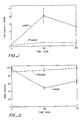
- Figure 1 represents plasma C4 a anaphylatoxin levels in monkeys infused with plasma derived IgM (pdIgM) or heat-treated plasma derived IgM (HT pdIgM).
- pdIgM plasma derived IgM
- HT pdIgM heat-treated plasma derived IgM
- Figure 2 represents mean arterial blood pressure (MAP) measurements in monkeys infused with plasma derived IgM (pdIgM).
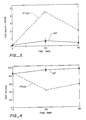
- Figure 3 represents plasma C4 a anaphylatoxin levels in monkeys infused with native intravenous gamma globulin (IgG) or heat-treated intravenous gamma globulin at neutral pH (HTIgG).
- IgG intravenous gamma globulin
- HAIgG heat-treated intravenous gamma globulin at neutral pH
- Figure 4 represents mean arterial blood pressure (MAP) measurements in monkeys infused with native intravenous gamma globulin (IgG) or heat-treated intravenous gamma globulin at neutral pH (HTIgG).
- IgG intravenous gamma globulin
- HAIgG heat-treated intravenous gamma globulin at neutral pH
- Figure 5 represents ability of unheated or heated IgM to promote phagocyte chemiluminescence against E. Coli 0.50:k1 bacteria.
- the complement system functions primarily as an effector mechanism in the immune defense against microbial infection.
- the activated products of the complement system attract phagocytic cells and greatly facilitate the uptake and destruction of foreign particles by opsonization.
- Activation of the classical pathway is initiated by antigen-antibody complexes or by antibody bound to cellular or particulate antigens.
- the alternate pathway is activated independent of antibody by substance such as bacterial wall constituents, bacterial lipopolysaccharides (LPS), cell wall constituents of yeast (zymosan) and Fungi. It is thought that the alternate pathway provides protection against infection prior to an immune response whereas the classical pathway is important after antibody production has occurred.
- C4a anaphylatoxin is a split product of C4 (MW 8740).
- C1q is activated by antigen-antibody complexes or aggregates, the C1 complex splits C4 into C4a and C4b allowing C4b to bind to the activating surface while C4a anaphylatoxin is released into plasma.
- Recent developments in analytical biochemistry have provided techniques which permit the measurement of plasma C4a by radioimmunoassay. See, for example, U.S. Patent 4,731,336 and European Patent 97,440 both to P.S. Satoh.
- C4a levels in plasma provides direct information regarding activation of the classical complement cascade in vivo . Furthermore, the induction of C4a generation in vitro , by various immunoglobulin preparations using human serum as the complement source, is correlated with in vivo complement activation in the monkey following infusion of the immunoglobulins.
- Adverse effects (hypotension) induced by the various immunoglobulin preparations were assessed in the cynomolgus monkey.
- the monkeys were anesthetized by an intramuscular injection of Ketamine hydrochloride (5 mg/kg). Following intubation, anesthesia was maintained by intravenous pentobarbital sodium (5-10 mg/kg as needed).
- Catheters were inserted in the femoral artery and vein for measurement of mean arterial blood pressure and parenteral administration of the immunoglobulin preparations, respectively.
- IgG immunoglobulin concentrates we used an infusion rate of 1 mg/kg/min (IgM) up to a total dose of 50 mg/kg. This rate and dose resulted in severe hypotension within 30 minutes (data to be presented).
- the expression antibody (or immunoglobulin) preparation means a collection of therapeutic antibodies comprising at least about 20% by weight of antibodies of the IgM type, the remaining antibodies, if present, being mainly antibodies of the IgG type with trace amounts other types such as IgA, etc.
- the individual antibodies can be obtained from a variety of sources such as plasma (as described above, for example) or from cell culture systems (e.g. monoclonal antibodies from hybridomas or transformed cell lines).
- our enriched IgM antibody preparation comprised on average about 30% to 50% by weight antibodies of the IgM type, the remaining antibodies being mainly of the IgG type.
- Non-specific complement activation means the activation of the complement cascade by immunoglobulin in the absence of antigen.
- Minimal non-specific complement activation means,the generation of less than about 1.0 ug/ml C4 a in an in vitro assay in the absence of antigen.
- minimal non-specific complement activation means an amount of C4 a generation within about 100% of the amount of C4 a generated using a liquid IVIG at pH 4.25 as a control.
- Specific complement activation means the activation of the complement cascade by immunoglobulin (of the IgM or IgG type) in the presence of antigen.
- Substantially no loss of specific complement activation as applied to an IgM enriched antibody preparation, means the antibody preparation is capable of binding to antigen and activating the classical pathway of complement in vitro or in vivo .
- Pd IgM immunoglobulin concentrates were isolated from Cohn fraction III paste (45 kg) suspended in 12.5 volumes of 0.05 M acetate buffer pH 3.5 - 4.0 and mixed at room temperature for 2 - 3 hours. To the mixture was added 2.0% of caprylic acid by vol/wt at pH 4.8 to remove lipoproteins and prekallikrein activator (PKA) by centrifugation. The extracted caprylate supernatant, after diafiltration and ultrafiltration through PM-30, resulted in low conductivity of 0.03 - 0.06 mm ho/cm at pH 4.8 Virus inactivation was achieved with 0.3% TNBP/1% Tween-80 at 24°C for more than 6 hours.
- PDA prekallikrein activator
- the caprylate supernatant was precipitated with buffer system such as tris (0.0101 vol. of I M Tris pH 7.8) or imidazole buffer (0.005 vol. of 1 M imidazole pH 7.8) sterile water, adjusting pH to 4.0 - 4.8 with acetic acid, and further diafiltered/ultrafiltered against water, then adding solid glycine to a final concentration of 0.25 M glycine, pH 4.0 - 4.8.
- buffer system such as tris (0.0101 vol. of I M Tris pH 7.8) or imidazole buffer (0.005 vol. of 1 M imidazole pH 7.8) sterile water, adjusting pH to 4.0 - 4.8 with acetic acid, and further diafiltered/ultrafiltered against water, then adding solid glycine to a final concentration of 0.25 M glycine, pH 4.0 - 4.8.
- the Pd IgM immunoglobulin concentrates resulted in low PKA (less than 10% of reference) and less than 5% aggregate determined by high pressure liquid chromatography (HPLC),
- the final IgM-enriched product consisted of 50 - 60% IgM, 30 - 40% IgG, 3 - 5% IgA, on a dry weight basis, in a total 5% protein aqueous solution.
- a 5% solution of IGIV (Lot #2855-11B) was used as an appropriate antibody control.
- a heat-aggregated IgG solution was prepared from the 5% IGIV solution by heating at 62°C for 1 hour (pH 7.0).
- Another heat-aggregated IgG solution was prepared from the 5% IGIV solution by heating at 62°C for 2 hour (pH 4.25).
- the heat-treatment of the IgM, IgG preparation in water or glycine ranged from 37°C to 62°C for periods of 10 minutes to 8 hours to determine the optimal mode for the treatment.
- Aggregate formation in the native IgM and IgG preparations or induced by heating was determined by high pressure liquid chromatography with TSKG 4000 SWXL gel (7.8 x 300 mm, 8 ⁇ m particle size, Toyo Soda Corporation, Japan) and eluted with 0.05 M sodium acetate, 0.20 M sodium sulfate, pH 5.0.
- Table 1 describes the immunoglobulin preparations used in the initial experiments designed to examine the hypothesis that non-specific complement activation may be associated with adverse cardiovascular events following intravenous infusion.
- various immunoglobulin preparations were assayed for their ability to activate the classical pathway of complement in vitro by measuring C4 a generation employing human serum as the complement source.
- Mean arterial blood pressure in the cynomolgus monkey was measured over a 90 minute period following infusion of the immunoglobulins in order to assess cardiovascular safety. Plasma C4 a levels were also measured in order to ascertain complement activation following infusion.
- a 5% IGIV immunoglobulin (control) solution at 0.2 M glycine pH 4.25 did not cause appreciable C4 a generation in vitro when incubated with human serum ( ⁇ 1%, 0.23 ug/ml).
- the enriched pd IgM prepared by euglobulin precipitation in a similar glycine buffer pH 4.25, caused substantial C4 a generation in vitro (4.5 ug/ml).
- This immunoglobulin solution also generated a substantial amount of C4 a (14.0 ⁇ g/ml) when incubated with human serum.
- the same IGIV solution when heated at pH 4.25, although generating 58% aggregates (size less than pentamer), did not generate significant amounts of C4 a in vitro (0.56 ug/ml).
- This IGG solution also lost over 80% of its antigenic determinants as measured by RID.
- Table 2 and Figures 1-4 presents the in vivo results with these respective immunoglobulin preparations.
- These results demonstrate that the immunoglobulin preparations which generated substantial C4 a levels in vitro i.e., pdIgM and heat-aggregated IGIV at pH 7.0, caused severe hypotension in the cynomolgus monkey and elevated plasma C4 a levels, while those immunoglobulin preparations which did not generate substantial C4 a in vitro i.e., native IGIV and heat aggregated IGIV at pH 4.25, did not cause hypotension in the cynomolgus monkey and did not greatly increase plasma C4 a levels.
- the in vitro assessment of C4 a generation by the various immunoglobulin preparations appeared to be associated with adverse cardiovascular effects in vivo following intravenous infusion.
- Table 4 summarizes data concerning the effect of temperature and incubation time on C4 a anaphylatoxin generation in vitro .
- IgM, IgG immunoglobulin concentrates (50% IgM, ph 4.24) heated at 62°C for 10 minutes caused non-significant C4 a generation in vitro (0.49 ug/ml) but approximately 50% of IgM antigenic determinants were lost. Heating the IgM, IgG immunoglobulin concentrate at 55°C for 30 minutes decreased C4 a generation to 0.35 ug/ml in vitro and the IgM immunoglobulin retained more than 75% of its antigenic determinants. Heating at 52°C for 120 minutes decreased C4 a generation to 0.60 ug/ml and immunoglobulin retained more than 98% of its antigenic determinants.
- Pd IgM immunoglobulin concentrates containing 50% IgM at pH 4.42 heated at 50°C for 3 hours resulted in a decrease in C4 a generation from 7.06 ⁇ g/ml to 0.88 ⁇ g/ml and fully retained IgM antigenic determinants.
- Pd IgM immunoglobulin concentrates containing 50% IgM at pH 4.24 heated at 50°C for 60 minutes caused C4 a generation in vitro to decrease to 0.54 ⁇ g/ml and still retained significant IgM antigenic determinant (88%).
- IgM concentrates containing 20% IgM at pH 4.25 heated at 50°C for 30 minutes caused C4 a generation to decrease to 0.88 ⁇ g/ml with little loss of IgM antigenic determinants and further incubation for 180 minutes did not cause any additional decrease in C4 a generation in vitro but resulted in a loss of IgM antigenic determinants (40%).
- IgM IgG concentrates heated at 62°C for 120 minutes adversely affected the IgM antigenic determinants, resulting in a loss of more than 90% of specific antigen binding activity, and also a 3 fold reduction in specific activity ( ⁇ LPS/IgM). Samples treated at the lower temperatures all retained significant specific antigen binding activity and non-significant decrease in specific activity.
- IgM significantly enhanced bacterial killing.
- IgG concentrates heated at 62°C for 10 minutes lost substantial opsonic activity. Concentrates heated at 55°C had diminished activity at 20 minutes and lost substantial opsonic activity at 40 minutes. Heating at 50°C slightly reduced opsonic activity over time but substantial opsonic activity still remained at 5 hours. Heating at temperature between 45°C - 37°C did not diminish opsonic activity over 8 hours.
- IgG immunoglobulin concentrate heated at 50°C for 3 hours was also assessed in a phagocyte chemiluminescence assay against E. coli 050:K1, Figure 5. Heating IgM at 50°C for 3 hours leaves intact the ability of IgM to promote chemiluminescence and phagocytic killing of the bacteria.
- IgM IgG immunoglobulin concentrates heated at 50°C for 3 hours retained effector functions i.e., opsonophagocytic activity, antigenic binding sites, etc., and demonstrated diminished non-specific complement activation in vitro (C4 a generation), we assessed the cardiovascular effects of this preparation following intravenous infusion in the cynomolgus monkey. This data is summarized in Table 8.
- IgM IgG heated at 50°-51°C for 3 hours. Rate 1 mg/kg/min Dose 50 mg/kg
- IgM enriched IgG IgM, IgG immunoglobulin concentrates
- IgM, IgG immunoglobulin concentrates The parenteral administration of IgM enriched IgG is associated with serious side effects including severe systemic hypotension in the cynomolgus monkey.
- the mechanism whereby IgM, IgG concentrate infusion elicits these adverse effects is not presently known.
- immunoglobulin preparations which activate the classical pathway of complement in vitro i.e., pdIgM and heat-treated IgG at neutral pH
- immunoglobulin preparations which do not activate the classical pathway of complement in vitro e.g., heat-treated pdIgM, native IgG and heat-treated IgG at acid pH
- do not activate the classical pathway of complement in vitro do not elicit any adverse hemodynamic effects when administered intravenously to the monkey.
- IgM-enriched, IgG immunoglobulin concentrates can be heat treated at elevated temperatures for extended periods of time without significant loss of antigenic determinants or specific antigen binding sites.
- the preparations still retain opsonophagocytic activity while exhibiting dramatically diminished non-specific complement activity. Consequently, through suitable heating temperatures for suitable periods of time at suitable pH, suitable protein concentration and suitable stabilizer, the non-specific complement activity can be diminished in the IgM-enriched, IgG immunoglobulin concentrate product while retaining the antigenic determinants, specific antigen binding sites, specific complement activity when bound to antigen (opsonophagocytic activity) and therapeutic integrity of pdIgM, IgG immunoglobulin concentrates product.
Landscapes
- Chemical & Material Sciences (AREA)
- Health & Medical Sciences (AREA)
- Organic Chemistry (AREA)
- General Health & Medical Sciences (AREA)
- Life Sciences & Earth Sciences (AREA)
- Medicinal Chemistry (AREA)
- Proteomics, Peptides & Aminoacids (AREA)
- Genetics & Genomics (AREA)
- Biophysics (AREA)
- Molecular Biology (AREA)
- Biochemistry (AREA)
- Immunology (AREA)
- General Chemical & Material Sciences (AREA)
- Oncology (AREA)
- Chemical Kinetics & Catalysis (AREA)
- Communicable Diseases (AREA)
- Nuclear Medicine, Radiotherapy & Molecular Imaging (AREA)
- Pharmacology & Pharmacy (AREA)
- Animal Behavior & Ethology (AREA)
- Public Health (AREA)
- Veterinary Medicine (AREA)
- Medicines Containing Antibodies Or Antigens For Use As Internal Diagnostic Agents (AREA)
- Peptides Or Proteins (AREA)
Abstract
Description
- Field: This disclosure is generally concerned with therapeutic antibody or immunoglobulin preparations and specifically with therapeutic immunoglobulin preparations that include at least some antibodies of the IgM type.
- Prior Art: Antibodies may be classified according to a well known typing system (i.e. IgM, IgG, IgA, IgD, IgE) and, in case of IgG, according to sub-types (i.e. IgG₁, IgG₂, IgG₃, and IgG₄).
- Commercially available immunoglobulin preparations (known as immune serum globulin or ISG) commonly consist mainly of antibodies of the IgG type with the distribution of IgG sub-types approximating that found in human plasma. Typically, the amount of IgM in such preparations, if present at all, is relatively small.
- IgM is a well known 19S immunoglobulin which comprises about 7% of the immunoglobulins found in man. IgM antibodies are said to have an antibody valence of at least five and they are the earliest antibodies generated in an immune response. Although IgM antibodies tend to be very effective, especially in combating bacterial infections, they have a relatively short in vivo half life of about five days. Further, IgM antibodies tend to aggregate and are relatively difficult to stabilize, especially in purified form.
- To date, the only known commercial intravenous (IV) product having significant amounts of IgM antibody is a product known as Pentaglobin™, available from Biotest, GmbH, of West Germany. The use of that product appears to be described in articles by K.D. Tympner, et al, "Intravenous IgM-Applikation", Mschr. Kinderheilk. 123,400-401 (1975) and by K.N. Haque, et al "IgM-Enriched Intravenous Immunoglobulin Therapy in Neonatal Sepsis" Am. J. Dis. Child. 142, 1293-1296 (1988). That product comprises, on a percent by weight total protein basis, about 76% IgG, about 12% IgA and about 12% IgM.
- It has been thought that the use of larger amounts of IgM in an ISG product could lead to adverse reactions. For example, it is known that IgM is many times more potent than IgG in activating the complement cascade in an immune reaction. This is because only one molecule of IgM bound to an antigen will activate complement whereas two or more molecules of IgG must be bound to an antigen in close association to each other to activate complement.
- It appears that the very production methods used in preparing IgM-enriched products may limit the amount of IgM available due to degradation reactions. See, for example, U.S. Patent 4,318,902 to W. Stephen, describing the use of β-propriolactone to make an IgM enriched product IV administrable. Hence, for whatever reason, even though IgM is recognized as very effective, it has not appeared in any commercially available intravenously useful ISG product at an amount greater than about 12% by weight total protein. Although a 20% by weight IgM product has been available, in the past (Gamma-M-Konzentrat, Behringwerke AG, Marburg, Germany), it has been made for and limited to intramuscular (not IV) applications.
- Various purification schemes have been suggested for plasma-derived IgM and, more recently, monoclonal-derived IgM. In the case of plasma-derived IgM, it has been known since the 1940's that alcohol fractionation techniques could be used to obtain a relatively concentrated IgM from what is known as Cohn Fraction III. See also, for example, the above-cited U.S. Patent 4,318,902 (and the cited references) to W. Stephen concerned with the use of beta-propriolactone to make a concentrated (12%) IgM suitable for intravenous (IV) administration. In addition, see
EPO application 0 038 667 of Miura et al (IgM acylation). Other IgM purification or preparation techniques are disclosed by U. Sugg et al, Vox Sang. 36:25 - 28 (1979); M. Steinbach et al, Preparative Biochemistry 3 (4), 363 - 373 (1973) and A. Wichman et al, Biochem. Biophys. Acta 490:363 - 69 (1977). For a variety of technical reasons, plasma derived IgM has been relatively difficult to purify and the highest known purity to date (used in analytical purposes) is about 90% IgM, by weight. - In addition to the above problem associated with IgM-rich preparations, it has been observed that the preparations in use tend to generate what is known as non-specific complement activation. Non-specific complement activation refers to the initiation of the complement cascade even in the absence of antibody-antigen complexing. This phenomenon is often associated with the infusion of aggregates of immunoglobulins. Non-specific complement activation is to be avoided since it may cause undesirable side effects such as hypotension. Specific complement activation, on the other hand, is desirable and it occurs only after the immunoglobulin(s) has bound to, for example, the antigenic surface of a microorganism in the bloodstream.
- It has been reported by S. Barandun et al "Intravenous Administration of Human Gamma-Globulin", Vox Sang 7, 157-174 (1962) that human gamma-globulin for intravenous administration heated at 37°C at pH 3.8 - 4.0 for 24 hours, followed by pH adjustment to 7.0, resulted in a reduction of anticomplementary activity (AC) measured by complement fixation test. However, this treatment for longer periods of incubation resulted in high anticomplementary activity due to the formation of aggregated gamma-globulin. These authors did not demonstrate retention of specific complement activity by the heated immunoglobulin when bound to antigen. Furthermore, no demonstration of in vivo safety was reported by these authors. In addition, M. Wickerhauser et al "Large Scale Preparation of Macroglobulin", Vox Sang 23, 119-125 (1972) demonstrated that IgM concentrates prepared by PEG precipitation had high anticomplementary activity (AC) by standard complement fixation test and this AC activity was reduced 10 fold by incubating the IgM concentrate at pH 4.0 at 37°C for 8 hours followed by readjustment to neutral pH. Similar to the previous paper (Vox sang 7, 157-174 (1962), these authors did not assess the specific complement activating potential of the heated IgM concentrate, nor did they assess safety in any animal model.
- We have now found that the problem of non-specific complement activation associated with IgM or IgM rich immunoglobulin preparations can be minimized (without losing specific complement activation) in a relatively simple and surprising way.
- Our method of substantially eliminating non-specific complement activation in an IgM-containing immunoglobulin preparation while retaining specific complement activation effector functions comprises the step of subjecting the preparation to a gentle heating step under conditions sufficient to eliminate the non-specific complement activation while not adversely affecting the normal biological activity or antigen binding ability of the IgM antibody. To do this, we have found that the heating step should be at a temperature ranging from about 40°C to 62°C, preferably about 45° to 55°C for at least about 10 min. and the preparation should be in an aqueous solution having an acid pH ranging preferably from about 4.0 to 5.0. To date, the preferred temperature appears to be at or very close to 50°C for at least about 30 minutes.
- Our improved product comprises an immunoglobulin preparation which includes at least some measurable antibodies of the IgM type. On a dry weight basis, a preferred product comprises at least 20% antibodies of the IgM type, the remainder of the antibodies being mainly of the IgG type. Trace amounts (less than 20% by weight) of other types may be present. Details of our preferred product and processes are given below.
- Figure 1 represents plasma C4a anaphylatoxin levels in monkeys infused with plasma derived IgM (pdIgM) or heat-treated plasma derived IgM (HT pdIgM).
- Figure 2 represents mean arterial blood pressure (MAP) measurements in monkeys infused with plasma derived IgM (pdIgM).
- Figure 3 represents plasma C4a anaphylatoxin levels in monkeys infused with native intravenous gamma globulin (IgG) or heat-treated intravenous gamma globulin at neutral pH (HTIgG).
- Figure 4 represents mean arterial blood pressure (MAP) measurements in monkeys infused with native intravenous gamma globulin (IgG) or heat-treated intravenous gamma globulin at neutral pH (HTIgG).
- Figure 5 represents ability of unheated or heated IgM to promote phagocyte chemiluminescence against E. Coli 0.50:k1 bacteria.
- Work in our laboratory has demonstrated a reproducible adverse response elicited by infusion of IgM-enriched, IgG immunoglobulin concentrates in the pentobarbital-anesthetized cynomolgus monkey. That product consisted of about 50% by weight IgM on a dry weight basis, the remaining being IgG. The mixture was given IV as a 5% aqueous solution. The rate of administration was 1 mg/kg/min (IgM) to a total dose of 50 mg/kg. A major component of the adverse response was a severe decline in arterial blood pressure. In attempting to understand the mechanism of the adverse effect, we demonstrated that heat-aggregated IgG prepared at neutral pH (not acid pH) when infused in the monkey elicited effects remarkably similar to those observed following the infusion of IgM-enriched, IgG immunoglobulin concentrates. Since both the IgM-enriched, IgG immunoglobulin concentrates and aggregates of IgG formed at neutral pH are capable of activating the classical pathway of complement, we hypothesized that complement activation is associated with elicitation of the adverse effect in the cynomolgus monkey. The classical complement pathway is described in Inflammation: Basic Principles and Clinical Correlates Complement: Chemistry and Pathways, pp 21-53. the teachings of which are incorporated herein by reference (Raven Press, NY, NY, 1988).
- The complement system functions primarily as an effector mechanism in the immune defense against microbial infection. The activated products of the complement system, attract phagocytic cells and greatly facilitate the uptake and destruction of foreign particles by opsonization. There are two pathways for activating complement, the classical pathway and the alternate pathway. Activation of the classical pathway is initiated by antigen-antibody complexes or by antibody bound to cellular or particulate antigens. The alternate pathway is activated independent of antibody by substance such as bacterial wall constituents, bacterial lipopolysaccharides (LPS), cell wall constituents of yeast (zymosan) and Fungi. It is thought that the alternate pathway provides protection against infection prior to an immune response whereas the classical pathway is important after antibody production has occurred.
- Activation of the blood complement system generates bioactive peptide fragments called anaphylatoxins. Complement 4a (C4a) anaphylatoxin is a split product of C4 (MW 8740). When C1q is activated by antigen-antibody complexes or aggregates, the C1 complex splits C4 into C4a and C4b allowing C4b to bind to the activating surface while C4a anaphylatoxin is released into plasma. Recent developments in analytical biochemistry have provided techniques which permit the measurement of plasma C4a by radioimmunoassay. See, for example, U.S. Patent 4,731,336 and European Patent 97,440 both to P.S. Satoh.
- Determination of C4a levels in plasma provides direct information regarding activation of the classical complement cascade in vivo. Furthermore, the induction of C4a generation in vitro, by various immunoglobulin preparations using human serum as the complement source, is correlated with in vivo complement activation in the monkey following infusion of the immunoglobulins.
- In the studies described herein, we determined whether adverse effects (hypotension) elicited by IgM-enriched, IgG immunoglobulin concentrates and/or heat-aggregated IgG formed at neutral pH are associated with elevated levels of plasma C4a. In addition, non-specific activation of complement (classical pathway) induced by the immunoglobulin preparations was assessed by C4a generation in vitro.
- Using these assay systems, we, furthermore, demonstrate that mild heat-treatment of IgM-enriched, IgG immunoglobulin concentrates diminishes C4a generation in vitro and correspondingly this mild heat-treatment diminishes adverse side effects (hypotension) associated with parenteral (IV) administration in the non-human primate. Finally, we demonstrate that the mild heat-treatment process step did not significantly effect the antigenic determinants of either IgM or IgG or the specific antigen binding sites; thus the effector functions of the immunoglobulin are unaltered. Retention of the desired specific complement activation properties of the immunoglobulin was confirmed in subsequent opsonic studies.
- Adverse effects (hypotension) induced by the various immunoglobulin preparations were assessed in the cynomolgus monkey. The monkeys were anesthetized by an intramuscular injection of Ketamine hydrochloride (5 mg/kg). Following intubation, anesthesia was maintained by intravenous pentobarbital sodium (5-10 mg/kg as needed). Catheters were inserted in the femoral artery and vein for measurement of mean arterial blood pressure and parenteral administration of the immunoglobulin preparations, respectively.
- For the IgM enriched, IgG immunoglobulin concentrates we used an infusion rate of 1 mg/kg/min (IgM) up to a total dose of 50 mg/kg. This rate and dose resulted in severe hypotension within 30 minutes (data to be presented).
- Blood pressure measurements were taken from the femoral artery over a 90 minute time period since we have demonstrated that adverse effects, if they result, will occur within this time frame. C4a anaphylatoxin measurements were performed on plasma from whole blood (anticoagulated with Citrate) obtained at 0, 30, 60 and 90 minutes. The samples were stored at -70°C. C4a measurements were made by radioimmunoassay with kits from Amersham International (Arlington Heights, IL).
- As used herein, the expression antibody (or immunoglobulin) preparation means a collection of therapeutic antibodies comprising at least about 20% by weight of antibodies of the IgM type, the remaining antibodies, if present, being mainly antibodies of the IgG type with trace amounts other types such as IgA, etc. The individual antibodies can be obtained from a variety of sources such as plasma (as described above, for example) or from cell culture systems (e.g. monoclonal antibodies from hybridomas or transformed cell lines). In the examples below, our enriched IgM antibody preparation comprised on average about 30% to 50% by weight antibodies of the IgM type, the remaining antibodies being mainly of the IgG type.
- Non-specific complement activation means the activation of the complement cascade by immunoglobulin in the absence of antigen.
- Minimal non-specific complement activation means,the generation of less than about 1.0 ug/ml C4a in an in vitro assay in the absence of antigen. Alternatively, minimal non-specific complement activation means an amount of C4a generation within about 100% of the amount of C4a generated using a liquid IVIG at pH 4.25 as a control.
- Specific complement activation means the activation of the complement cascade by immunoglobulin (of the IgM or IgG type) in the presence of antigen.
- Substantially no loss of specific complement activation, as applied to an IgM enriched antibody preparation, means the antibody preparation is capable of binding to antigen and activating the classical pathway of complement in vitro or in vivo.
- Pd IgM immunoglobulin concentrates were isolated from Cohn fraction III paste (45 kg) suspended in 12.5 volumes of 0.05 M acetate buffer pH 3.5 - 4.0 and mixed at room temperature for 2 - 3 hours. To the mixture was added 2.0% of caprylic acid by vol/wt at pH 4.8 to remove lipoproteins and prekallikrein activator (PKA) by centrifugation. The extracted caprylate supernatant, after diafiltration and ultrafiltration through PM-30, resulted in low conductivity of 0.03 - 0.06 mm ho/cm at pH 4.8 Virus inactivation was achieved with 0.3% TNBP/1% Tween-80 at 24°C for more than 6 hours. The caprylate supernatant was precipitated with buffer system such as tris (0.0101 vol. of I M Tris pH 7.8) or imidazole buffer (0.005 vol. of 1 M imidazole pH 7.8) sterile water, adjusting pH to 4.0 - 4.8 with acetic acid, and further diafiltered/ultrafiltered against water, then adding solid glycine to a final concentration of 0.25 M glycine, pH 4.0 - 4.8. The Pd IgM immunoglobulin concentrates resulted in low PKA (less than 10% of reference) and less than 5% aggregate determined by high pressure liquid chromatography (HPLC), The final IgM-enriched product consisted of 50 - 60% IgM, 30 - 40% IgG, 3 - 5% IgA, on a dry weight basis, in a total 5% protein aqueous solution.
- A 5% solution of IGIV (Lot #2855-11B) was used as an appropriate antibody control. A heat-aggregated IgG solution was prepared from the 5% IGIV solution by heating at 62°C for 1 hour (pH 7.0). Another heat-aggregated IgG solution was prepared from the 5% IGIV solution by heating at 62°C for 2 hour (pH 4.25).
- The heat-treatment of the IgM, IgG preparation in water or glycine (pH 4.0 - 4.8) ranged from 37°C to 62°C for periods of 10 minutes to 8 hours to determine the optimal mode for the treatment.
- Aggregate formation in the native IgM and IgG preparations or induced by heating was determined by high pressure liquid chromatography with TSKG 4000 SWXL gel (7.8 x 300 mm, 8 µm particle size, Toyo Soda Corporation, Japan) and eluted with 0.05 M sodium acetate, 0.20 M sodium sulfate, pH 5.0.
-
- 1. Antigenic Determinants of IgM-enriched, IgG by Radial Immunodiffusion (RID)
The concentration and antigenic determinants of IgM and IgG were determined by radial immunodiffusion (RID) with quiplate system from Helene Laboratories (Beaumont, TX). This method provides an indirect assessment of the integrity of the antibody. - 2. Specific Antigen Binding Sites Study by ELISA against Ps.IT₄LPS
The biological activity of IgM immunoglobulin concentrates and mild heat treated IgM concentrates was determined by enzyme-linked immunosorbent assay (ELISA) to quantitate IgM binding to Ps.IT₄LPS (lipopolysaccharide) and to assess the integrity of specific antigen binding sites. 10 µg of P. aeruginosa immunotype 4 LPS in 0.06 M sodium carbonate buffer pH 9.5 were coated toImmulon 1 plates (Dynatech Lab) at 37°C for 3 hours. Each well of the plates was washed twice with PBS - 0.05% Tween buffer. The standard Pseudomonas monoclonal antibody and unheat/heat treated IgM concentrates were diluted in 0.01 M Tris buffer pH 7.8 containing BSA and added to the plates incubated at room temperature overnight. Each well was washed three times with PBS - Tween buffer. Goat anti-human IgM alkaline phosphatase conjugate (HyClone, Logan, Utah) was added to the wells, incubated at room temperature for 4 hours and the wells were washed five times with PBS - Tween buffer. P-Nitrophenyl phosphate in diethanolamine pH 9.8 substrate solution was added to each well at room temperature for 30 minutes and the A405nm/450nm was read. - 3. Specific Complement Activity Determination by Phagocytic Assay
A phagocytic assay was employed to determine the opsonic activity (specific complement activity) of mild heat treated IgM immunoglobulin concentrates. The phagocytic assay employed bacteria (E. coli 050:k1) and human phagocytes (PMNs) suspended in tissue culture fluid. The bacteria to PMN ratio was 20 to 1 and 5% (vol/vol) guinea pig serum (GPS) served as complement source. 2.5 ul of IgM concentrates was added to the total assay mixture (500 ul) and incubated at 37°C for 100 minutes. An aliquot of the assay mixture was added to 9 vol. of distilled water to lyse PMNs and surviving bacteria were enumerated by duplicate agar plate counts. - 4. In vitro and in vivo Non-specific Complement Activation assessed by Anaphylatoxin (C4 a ) Generation
The ability of various immunoglobulin preparations to activate the classical pathway of complement in vitro was assessed by incubation of the respective preparations (1.47 mg IgM or IgG/ml serum) with human serum at 37°C for 20 minutes and determining the resultant generation of C4a levels by radioimmunoassay (RIA). The RIA kits were obtained from Amersham (Arlington Heights, Illinois).
Systemic complement activation in vivo was assessed by measuring plasma C4a levels following parenteral administration of the various immunoglobulin preparations in the monkey. Antibodies raised against human C4a (RIA kits) partially cross react with monkey C4a, approximately 60%. - Table 1 describes the immunoglobulin preparations used in the initial experiments designed to examine the hypothesis that non-specific complement activation may be associated with adverse cardiovascular events following intravenous infusion. To test this hypothesis various immunoglobulin preparations were assayed for their ability to activate the classical pathway of complement in vitro by measuring C4a generation employing human serum as the complement source. Mean arterial blood pressure in the cynomolgus monkey was measured over a 90 minute period following infusion of the immunoglobulins in order to assess cardiovascular safety. Plasma C4a levels were also measured in order to ascertain complement activation following infusion.
- A 5% IGIV immunoglobulin (control) solution at 0.2 M glycine pH 4.25 did not cause appreciable C4a generation in vitro when incubated with human serum (<1%, 0.23 ug/ml). The enriched pd IgM, prepared by euglobulin precipitation in a similar glycine buffer pH 4.25, caused substantial C4a generation in vitro (4.5 ug/ml). To prepare aggregated IgG, a well known activator of complement, we heated the 5% IGIV protein solution at pH 7.0 at 62°C for 1 hour. This heat treatment resulted in a solution which had 19% pentamer aggregates yet retained over 72% of its antigenic determinants as assessed by RID. This immunoglobulin solution also generated a substantial amount of C4a (14.0 µg/ml) when incubated with human serum. However, the same IGIV solution when heated at pH 4.25, although generating 58% aggregates (size less than pentamer), did not generate significant amounts of C4a in vitro (0.56 ug/ml). This IGG solution also lost over 80% of its antigenic determinants as measured by RID.

- These results demonstrate that both pdIgM, IgG immunoglobulin concentrates and heat-aggregated IGIV at pH 7.0 induced substantial C4a generation in vitro while native IGIV and heated IGIV at pH 4.25 generated non-significant quantities of C4a anaphylatoxin.
- It was important to determine whether these in vitro measurements of non specific complement activation were associated with adverse cardiovascular effects in the cynomolgus monkey when the immunoglobulin solutions were intravenously infused.

- Table 2 and Figures 1-4 presents the in vivo results with these respective immunoglobulin preparations. These results demonstrate that the immunoglobulin preparations which generated substantial C4a levels in vitro i.e., pdIgM and heat-aggregated IGIV at pH 7.0, caused severe hypotension in the cynomolgus monkey and elevated plasma C4a levels, while those immunoglobulin preparations which did not generate substantial C4a in vitro i.e., native IGIV and heat aggregated IGIV at pH 4.25, did not cause hypotension in the cynomolgus monkey and did not greatly increase plasma C4a levels. Thus, the in vitro assessment of C4a generation by the various immunoglobulin preparations appeared to be associated with adverse cardiovascular effects in vivo following intravenous infusion.
- Since an IGIV protein solution heated at pH 4.25 did not cause substantial C4a generation in vitro and did not cause hypotension when infused intravenously, we reasoned that perhaps heating the pdIgM, IgG immunoglobulin concentrate at pH 4.25 would diminish the non-specific complement activating potential of the IgM, without adversely affecting the IgG which is present in the solution. That is, heating IgG at acidic pH did not result in a solution which activated complement in vitro and did not have adverse effects when infused in the cynomolgus monkey. To test this hypothesis we initially heated the pdIgM, IgG immunoglobulin solution at 62°C for 2 hours and evaluated its C4a generating potential in vitro. This solution did not generate significant amounts of C4a in vitro (0.27 ug/ml) and did not cause hypotension or substantial increases in plasma C4a when infused in the cynomolgus monkey, Table 3a, 3b and Figures 1, 2.

- These results demonstrate that heating (62°C for 2 hours) an IgM, IgG immunoglobulin concentrate at acid pH (4.25) produces a protein solution which has dramatically diminished non-specific complement activating potential in vitro and does not cause hypotension when infused in the cynomolgus monkey. However, this particular heat treatment (62°C for 2 hrs) resulted in a loss of more than 80% of the IgM antigenic determinants and a greater than 47% pentameric aggregate formation, Table 3.
- Thus, although, this heat-treatment diminished the adverse cardiovascular effects associated with intravenous administration, it also appeared to diminish the effector functions of the immunoglobulin. We, therefore, sought to define more closely an optimal heating temperature and incubation time which would result in an IgM, IgG immunoglobulin concentrate which had minimal non-specific complement activating potential while retaining relevant biologic effector functions, i.e., antigen binding, opsonization, etc.
- During this evaluation, a number of conditions were examined. Table 4 summarizes data concerning the effect of temperature and incubation time on C4a anaphylatoxin generation in vitro.

- PdIgM, IgG immunoglobulin concentrates (50% IgM, ph 4.24) heated at 62°C for 10 minutes caused non-significant C4a generation in vitro (0.49 ug/ml) but approximately 50% of IgM antigenic determinants were lost. Heating the IgM, IgG immunoglobulin concentrate at 55°C for 30 minutes decreased C4a generation to 0.35 ug/ml in vitro and the IgM immunoglobulin retained more than 75% of its antigenic determinants. Heating at 52°C for 120 minutes decreased C4a generation to 0.60 ug/ml and immunoglobulin retained more than 98% of its antigenic determinants. Heating at 50°C for 180 minutes decreased C4a generation to 0.77 ug/ml and the immunoglobulin retained more than 92% of its antigenic determinants. Immunoglobulin heated at 45°C - 37°C retained substantial C4a generating potential (> 4 ug/ml) and did not demonstrate any decrease in IgM antigenic determinants.
- We next examined the effects of pH, IgM concentration and incubation times on C4a generation in vitro, Table 5. Temperature was held constant at 50°C.

- Pd IgM immunoglobulin concentrates containing 50% IgM at pH 4.42 heated at 50°C for 3 hours resulted in a decrease in C4a generation from 7.06 µg/ml to 0.88 µg/ml and fully retained IgM antigenic determinants. Pd IgM immunoglobulin concentrates containing 50% IgM at pH 4.24 heated at 50°C for 60 minutes caused C4a generation in vitro to decrease to 0.54 µg/ml and still retained significant IgM antigenic determinant (88%). IgM concentrates containing 20% IgM at pH 4.25 heated at 50°C for 30 minutes caused C4a generation to decrease to 0.88 µg/ml with little loss of IgM antigenic determinants and further incubation for 180 minutes did not cause any additional decrease in C4a generation in vitro but resulted in a loss of IgM antigenic determinants (40%).
- In order to further evaluate the effects of heating on immunoglobulin effector functions we assayed antigen binding activity of IgM to Ps. IT₄ lipopolysaccharide under various heating conditions. These results are summarized in Table 6.

- Pd IgM, IgG concentrates heated at 62°C for 120 minutes adversely affected the IgM antigenic determinants, resulting in a loss of more than 90% of specific antigen binding activity, and also a 3 fold reduction in specific activity (α LPS/IgM). Samples treated at the lower temperatures all retained significant specific antigen binding activity and non-significant decrease in specific activity.
- We next examined what effect heating had on opsonic activity, another important indicator of biologic effector function. These results are summarized in Table 7.

- Unheated IgM significantly enhanced bacterial killing. IgM, IgG concentrates heated at 62°C for 10 minutes lost substantial opsonic activity. Concentrates heated at 55°C had diminished activity at 20 minutes and lost substantial opsonic activity at 40 minutes. Heating at 50°C slightly reduced opsonic activity over time but substantial opsonic activity still remained at 5 hours. Heating at temperature between 45°C - 37°C did not diminish opsonic activity over 8 hours.
- Opsonic activity of the IgM, IgG immunoglobulin concentrate heated at 50°C for 3 hours was also assessed in a phagocyte chemiluminescence assay against E. coli 050:K1, Figure 5. Heating IgM at 50°C for 3 hours leaves intact the ability of IgM to promote chemiluminescence and phagocytic killing of the bacteria.
- Since IgM, IgG immunoglobulin concentrates heated at 50°C for 3 hours retained effector functions i.e., opsonophagocytic activity, antigenic binding sites, etc., and demonstrated diminished non-specific complement activation in vitro (C4a generation), we assessed the cardiovascular effects of this preparation following intravenous infusion in the cynomolgus monkey. This data is summarized in Table 8.

IgM, IgG heated at 50°-51°C for 3 hours.
Rate 1 mg/kg/min
Dose 50 mg/kg - Severe hypotension was not observed in these monkeys following infusion of the immunoglobulin concentrates and plasma C4a levels were much diminished compared with animals infused with the unheated IgM preparation (Table 2).
- The parenteral administration of IgM enriched IgG (IgM, IgG immunoglobulin concentrates) is associated with serious side effects including severe systemic hypotension in the cynomolgus monkey. The mechanism whereby IgM, IgG concentrate infusion elicits these adverse effects is not presently known.
- In these experiments, however, we have shown that the ability of various immunoglobulin preparations to induce systemic hypotension is related to their capacity to activate the classical complement pathway. That is, immunoglobulin preparations which activate the classical pathway of complement in vitro, (i.e., pdIgM and heat-treated IgG at neutral pH) elicit systemic hypotension when administered intravenously to the monkey. While immunoglobulin preparations which do not activate the classical pathway of complement in vitro, (e.g., heat-treated pdIgM, native IgG and heat-treated IgG at acid pH) do not elicit any adverse hemodynamic effects when administered intravenously to the monkey.
- It therefore appears that the in vitro assessment of complement activation (classical pathway) of various immunoglobulin preparations has predictive value for estimating the capability of these preparations to elicit adverse effects in the monkey. Whether this is a direct cause and effect relationship or these phenomenon are merely temporarily related has not been determined. Furthermore, and of greater importance, we have shown that mild heat-treatment of pdIgM, IgG immunoglobulin concentrates diminishes its potential to non-specifically activate complement in vitro and this terminal process treatment greatly decreases it's ability to induce adverse cardiovascular effects (hypotension) in our mammal model, the cynomolgus monkey.
- Since antigenic determinants and specific antigen binding sites are retained with less harsh heat-treatment (at the presently preferred temperature of about 50°C for 3 hours) it would appear that antibody integrity has not been compromised at these temperatures while non-specific complement activating potential has been dramatically diminished, thus this treatment would result in a much better product.
- It has now been demonstrated that IgM-enriched, IgG immunoglobulin concentrates can be heat treated at elevated temperatures for extended periods of time without significant loss of antigenic determinants or specific antigen binding sites. The preparations still retain opsonophagocytic activity while exhibiting dramatically diminished non-specific complement activity. Consequently, through suitable heating temperatures for suitable periods of time at suitable pH, suitable protein concentration and suitable stabilizer, the non-specific complement activity can be diminished in the IgM-enriched, IgG immunoglobulin concentrate product while retaining the antigenic determinants, specific antigen binding sites, specific complement activity when bound to antigen (opsonophagocytic activity) and therapeutic integrity of pdIgM, IgG immunoglobulin concentrates product.
- Given the above disclosure, it is thought that variations will occur to those skilled in the art. Accordingly, it is intended that the above disclosure should be construed as illustrative and the scope of the invention should be limited only by the following claims.
Claims (18)
- An antibody preparation comprising antibodies of the IgM type, the preparation having the characteristics of generating minimal non-specific complement activation while being capable of generating specific complement activating activity.
- The preparation of claim 1 wherein the preparation includes antibodies of the IgG type.
- The preparation of claim 1 wherein the antibodies of the IgM type comprise at least about 20% by weight of the total amount of antibodies.
- The preparation of claim 1 wherein the generation of minimal non-specific complement activation is shown by the generation of less than about 1.0 ug/ml C4a in an in vitro assay.
- In an antibody preparation comprising biologically active antibodies of the IgM and IgG types, the improvement comprising the characteristics of(A) generating minimal non-specific complement activation when tested in vitro or in vivo, and(B) retaining antigen binding and specific complement activating activity.
- The preparation of claim 5 wherein the preparation comprises at least about 20% by weight on a dry weight basis of antibodies of the IgM type.
- The preparation of claim 6 wherein the IgM comprises at least about 30% by weight of the mixture.
- The preparation of claim 5 wherein minimal non-specific complement activation is shown by the generation of less than about 1.0 µg/ml C4a in an in vitro assay.
- The preparation of claim 5 wherein the substantial absence of non-specific complement activation is shown by minimal hypotension (less than 10% reduction in arterial pressure from control) in a non-human primate test.
- The preparation of claim 5 wherein at least 50% by weight of the IgM is biologically active and, in an in vitro assay, the preparation generates less than about 1.0 µg/ml C4a.
- A method of treating an antibody preparation comprising antibodies of the IgM type, the method comprising the step of subjecting the preparation to a gentle heating step under conditions sufficient to minimize any non-specific complement activation without substantial reduction of the specific complement activation activity of the IgM.
- The method of claim 11 wherein the heating step is at a temperature ranging from 40°C to 62°C.
- The method of claim 12 wherein the heating step is at a temperature ranging from about 45°C to 55°C.
- The method of claim 13 wherein the preparation is in an aqueous solution having a pH ranging from about 4.0 to 5.0.
- The method of claim 14 wherein the preparation is heated for about 1 to 3 hours at a temperature of about 50°C.
- The method of claim 15 wherein the pH is about 4.24 to 4.42.
- A method of administering antibodies to a mammal comprising the step of infusing the preparation of claim 1 into the mammal.
- The method of claim 17 wherein the infusion is intravenous at a rate of about 1 mg/Kg/min.
Applications Claiming Priority (2)
| Application Number | Priority Date | Filing Date | Title |
|---|---|---|---|
| US07/504,161 US5256771A (en) | 1990-04-03 | 1990-04-03 | Heat treatment of IgM-containing immunoglobulins to eliminate non-specific complement activation |
| US504161 | 1990-04-03 |
Publications (2)
| Publication Number | Publication Date |
|---|---|
| EP0450412A1 true EP0450412A1 (en) | 1991-10-09 |
| EP0450412B1 EP0450412B1 (en) | 1997-07-09 |
Family
ID=24005109
Family Applications (1)
| Application Number | Title | Priority Date | Filing Date |
|---|---|---|---|
| EP91104391A Expired - Lifetime EP0450412B1 (en) | 1990-04-03 | 1991-03-21 | Heat-treated IgM antibody preparations |
Country Status (9)
| Country | Link |
|---|---|
| US (3) | US5256771A (en) |
| EP (1) | EP0450412B1 (en) |
| JP (1) | JP3591782B2 (en) |
| AT (1) | ATE155042T1 (en) |
| CA (1) | CA2039387C (en) |
| DE (1) | DE69126727T2 (en) |
| DK (1) | DK0450412T3 (en) |
| ES (1) | ES2104625T3 (en) |
| GR (1) | GR3024910T3 (en) |
Cited By (2)
| Publication number | Priority date | Publication date | Assignee | Title |
|---|---|---|---|---|
| WO2011131787A2 (en) | 2010-04-22 | 2011-10-27 | Biotest Ag | Antibody preparations |
| EP3275897A1 (en) | 2016-07-27 | 2018-01-31 | Biotest AG | Process for preparing immunoglobulin compositions |
Families Citing this family (7)
| Publication number | Priority date | Publication date | Assignee | Title |
|---|---|---|---|---|
| US6297024B1 (en) | 1998-10-15 | 2001-10-02 | Cell Activation, Inc. | Methods for assessing complement activation |
| US6235494B1 (en) | 1999-02-08 | 2001-05-22 | The Scripps Research Institute | Substrates for assessing mannan-binding protein-associated serine protease activity and methods using the substrates |
| CA2967294C (en) | 2003-05-16 | 2020-04-28 | Mayo Foundation For Medical Education & Research | Compositions and methods including a recombinant human mab that promotes cns remyelination |
| GB0425537D0 (en) * | 2004-11-19 | 2004-12-22 | Celltech R&D Ltd | Process for obtaining antibodies |
| FR2959821B1 (en) * | 2010-05-05 | 2012-07-06 | Lab Francais Du Fractionnement | METHOD FOR MEASURING THE ACTIVATION OF THE COMPLEMENT BY IGG |
| KR102696143B1 (en) | 2017-04-07 | 2024-08-21 | 아이쥐엠 바이오사이언스 인코포레이티드 | Modified human IgM constant region for modulation of complement-dependent cytolytic effector function |
| CN115768789A (en) * | 2020-07-10 | 2023-03-07 | 基立福环球运营有限公司 | Method for obtaining a composition comprising human plasma-derived immunoglobulins M |
Citations (5)
| Publication number | Priority date | Publication date | Assignee | Title |
|---|---|---|---|---|
| FR2314730A1 (en) * | 1975-06-18 | 1977-01-14 | Biotest Serum Institut Gmbh | HUMAN IMMUNOGLOBULIN, NATIVE, ADMINISTRABLE BY INTRAVENOUS USE AND PRESENTING HALF-TERM OF NATURAL ACTIVITY |
| FR2433342A1 (en) * | 1978-08-16 | 1980-03-14 | Blutspendedienst Landesverband | PROCESS FOR THE PRODUCTION OF A GAMMA-GLOBULIN SOLUTION SUITABLE FOR INTRAVENOUS INJECTION |
| EP0013901A1 (en) * | 1979-01-18 | 1980-08-06 | Biotest-Serum-Institut GmbH | Process of preparation of an intravenous immunoglobulin solution, containing concentrated IgM |
| EP0038667A1 (en) * | 1980-04-18 | 1981-10-28 | Teijin Limited | IgM derivatives and process for the preparation thereof |
| EP0085747A2 (en) * | 1982-02-08 | 1983-08-17 | Schweizerisches Serum- und Impfinstitut und Institut zur Erforschung der Infektionskrankheiten | Intravenously administrable human immunoglobuline and process for its preparation |
Family Cites Families (4)
| Publication number | Priority date | Publication date | Assignee | Title |
|---|---|---|---|---|
| JPS57140724A (en) * | 1981-02-25 | 1982-08-31 | Green Cross Corp:The | Heat-treatment of aqueous solution containing cold insoluble globulin |
| JPH0669961B2 (en) * | 1984-09-25 | 1994-09-07 | 株式会社ミドリ十字 | Immunoglobulin heat treatment method |
| DE3825429C2 (en) * | 1988-07-27 | 1994-02-10 | Biotest Pharma Gmbh | Method for producing an intravenously administrable polyclonal immunoglobulin preparation with a high IgM content |
| DE3927111C3 (en) * | 1989-08-17 | 1994-09-01 | Biotest Pharma Gmbh | Process for the preparation of unmodified intravenous IgM and / or IgA-containing immunoglobulin preparations |
-
1990
- 1990-04-03 US US07/504,161 patent/US5256771A/en not_active Expired - Lifetime
-
1991
- 1991-03-21 ES ES91104391T patent/ES2104625T3/en not_active Expired - Lifetime
- 1991-03-21 DK DK91104391.7T patent/DK0450412T3/en active
- 1991-03-21 EP EP91104391A patent/EP0450412B1/en not_active Expired - Lifetime
- 1991-03-21 AT AT91104391T patent/ATE155042T1/en not_active IP Right Cessation
- 1991-03-21 DE DE69126727T patent/DE69126727T2/en not_active Expired - Lifetime
- 1991-03-28 CA CA002039387A patent/CA2039387C/en not_active Expired - Lifetime
- 1991-04-01 JP JP09267891A patent/JP3591782B2/en not_active Expired - Lifetime
-
1993
- 1993-07-26 US US08/096,398 patent/US5510465A/en not_active Expired - Lifetime
-
1995
- 1995-06-06 US US08/468,221 patent/US5612033A/en not_active Expired - Lifetime
-
1997
- 1997-10-01 GR GR970402557T patent/GR3024910T3/en unknown
Patent Citations (5)
| Publication number | Priority date | Publication date | Assignee | Title |
|---|---|---|---|---|
| FR2314730A1 (en) * | 1975-06-18 | 1977-01-14 | Biotest Serum Institut Gmbh | HUMAN IMMUNOGLOBULIN, NATIVE, ADMINISTRABLE BY INTRAVENOUS USE AND PRESENTING HALF-TERM OF NATURAL ACTIVITY |
| FR2433342A1 (en) * | 1978-08-16 | 1980-03-14 | Blutspendedienst Landesverband | PROCESS FOR THE PRODUCTION OF A GAMMA-GLOBULIN SOLUTION SUITABLE FOR INTRAVENOUS INJECTION |
| EP0013901A1 (en) * | 1979-01-18 | 1980-08-06 | Biotest-Serum-Institut GmbH | Process of preparation of an intravenous immunoglobulin solution, containing concentrated IgM |
| EP0038667A1 (en) * | 1980-04-18 | 1981-10-28 | Teijin Limited | IgM derivatives and process for the preparation thereof |
| EP0085747A2 (en) * | 1982-02-08 | 1983-08-17 | Schweizerisches Serum- und Impfinstitut und Institut zur Erforschung der Infektionskrankheiten | Intravenously administrable human immunoglobuline and process for its preparation |
Non-Patent Citations (2)
| Title |
|---|
| Biological, absctract nb: 63015713; NIELSEN H. et al.: "Detection and differentiation of immune complexes and immunoglobulin G aggregates by a complement consumption assay", & ACTA. PATHOL. MICROBIOL. SCAND. SEC. C. IMMUNOL. 84 (4), 1976, 261-269. * |
| Biological, abstract nb: 67060665; SOLTIS R.D. et al.: " The effect of heat inactivation on serum on aggregation of immunoglobu lins. & IMMUNOLOGY 36 (1), 1979, 37-46. * |
Cited By (22)
| Publication number | Priority date | Publication date | Assignee | Title |
|---|---|---|---|---|
| US9243056B2 (en) | 2010-04-22 | 2016-01-26 | Biotest Ag | Process for preparing an immunoglobulin composition |
| US9518110B2 (en) | 2010-04-22 | 2016-12-13 | Biotest Ag | Antibody preparations |
| WO2011131786A3 (en) * | 2010-04-22 | 2011-12-22 | Biotest Ag | Process for preparing an immunoglobulin composition |
| WO2011131787A3 (en) * | 2010-04-22 | 2011-12-22 | Biotest Ag | Antibody preparations |
| CN102939107A (en) * | 2010-04-22 | 2013-02-20 | 生物测试股份公司 | Antibody preparation |
| US8900806B2 (en) | 2010-04-22 | 2014-12-02 | Biotest Ag | Antibody preparations |
| AU2011244241B2 (en) * | 2010-04-22 | 2014-12-04 | Biotest Ag | Antibody preparations |
| AU2011244240B2 (en) * | 2010-04-22 | 2014-12-04 | Biotest Ag | Process for preparing an immunoglobulin composition |
| EP2560682B1 (en) | 2010-04-22 | 2015-10-21 | Biotest AG | Antibody preparations |
| CN102939107B (en) * | 2010-04-22 | 2016-12-21 | 生物测试股份公司 | Antibody preparation |
| WO2011131786A2 (en) | 2010-04-22 | 2011-10-27 | Biotest Ag | Process for preparing an immunoglobulin composition |
| WO2011131787A2 (en) | 2010-04-22 | 2011-10-27 | Biotest Ag | Antibody preparations |
| EP2560691B1 (en) | 2010-04-22 | 2015-11-04 | Biotest AG | Process for preparing an immunoglobulin composition |
| CN107080842A (en) * | 2010-04-22 | 2017-08-22 | 生物测试股份公司 | Antibody preparation |
| EP2560691B2 (en) † | 2010-04-22 | 2026-04-29 | Biotest AG | Process for preparing an immunoglobulin composition |
| EP2560682B2 (en) † | 2010-04-22 | 2024-01-17 | Biotest AG | Antibody preparations |
| US10059759B2 (en) | 2010-04-22 | 2018-08-28 | Biotest Ag | Antibody preparations |
| US10954290B2 (en) | 2010-04-22 | 2021-03-23 | Biotest Ag | IgG, IgA and IgM antibody preparations, method of making and method of use in treatment |
| RU2765738C2 (en) * | 2010-04-22 | 2022-02-02 | Биотест Аг | Method for producing immunoglobulin composition |
| US11780909B2 (en) | 2010-04-22 | 2023-10-10 | Biotest Ag | Methods of treating viral infections by administering an antibody preparation comprising IGG, IGA and IGM |
| WO2018019898A1 (en) | 2016-07-27 | 2018-02-01 | Biotest Ag | Process for preparing immunoglobulin compositions |
| EP3275897A1 (en) | 2016-07-27 | 2018-01-31 | Biotest AG | Process for preparing immunoglobulin compositions |
Also Published As
| Publication number | Publication date |
|---|---|
| US5256771A (en) | 1993-10-26 |
| US5612033A (en) | 1997-03-18 |
| CA2039387A1 (en) | 1991-10-04 |
| JP3591782B2 (en) | 2004-11-24 |
| ES2104625T3 (en) | 1997-10-16 |
| ATE155042T1 (en) | 1997-07-15 |
| EP0450412B1 (en) | 1997-07-09 |
| US5510465A (en) | 1996-04-23 |
| GR3024910T3 (en) | 1998-01-30 |
| DE69126727D1 (en) | 1997-08-14 |
| DE69126727T2 (en) | 1997-10-23 |
| CA2039387C (en) | 2002-02-19 |
| DK0450412T3 (en) | 1998-02-16 |
| JPH04221321A (en) | 1992-08-11 |
Similar Documents
| Publication | Publication Date | Title |
|---|---|---|
| Römer et al. | Characterization of various immunoglobulin preparations for intravenous application | |
| Arend et al. | In vitro adherence of soluble immune complexes to macrophages | |
| JP2601551B2 (en) | How to inactivate a virus | |
| Sell | STUDIES ON RABBIT LYMPHOCYTES IN VITRO: V. The Induction of Blast Transformation with Sheep Antisera to Rabbit IgG Subunits | |
| Chiorazzi et al. | Stimulation of human B lymphocytes by antibodies to IgM and IgG: functional evidence for the expression of IgG on B-lymphocyte surface membranes | |
| Hozumi et al. | A simple procedure for the isolation of human secretory IgA of IgA1 and IgA2 subclass by a jackfruit lectin, jacalin, affinity chromatography | |
| EP0744957B1 (en) | Composition and method for preventing and treating inflammation with immunoglobulin a | |
| US5256771A (en) | Heat treatment of IgM-containing immunoglobulins to eliminate non-specific complement activation | |
| Day et al. | Adverse reactions in selected patients following intravenous infusions of gamma globulin | |
| US5808000A (en) | Virus-safe monomeric human immunoglobulin A and methods for its production | |
| Nikolova et al. | All forms of human IgA antibodies bound to antigen interfere with complement (C3) fixation induced by IgG or by antigen alone | |
| Margni et al. | Biological and physiocochemical properties of purified anti-DNP guinea-pig non-precipitating antibodies | |
| Williams Jr et al. | Studies of biologic and serologic activities of rabbit-IgG antibody depleted of carbohydrate residues | |
| Berman et al. | Lymphocyte Stimulation with Fc Fragments: I. Class, Subclass, and Domain of Active Fragments | |
| EP0345543B1 (en) | Therapeutic IgM concentrates | |
| Chapuis et al. | Structural and functional studies in C1q deficiency. | |
| Nangaku et al. | Beneficial effects of systemic immunoglobulin in experimental membranous nephropathy | |
| Sawada et al. | Characterization of a human monoclonal antibody to lipopolysaccharides of Pseudomonas aeruginosa serotype 5: a possible candidate as an immunotherapeutic agent for infections with P. aeruginosa | |
| Mandel et al. | The Effects of Heterologous Anti-Thymocyte Sera in Mice: II. Quantitative Evaluation of IgM, IgG, and Their Subunits in Suppressing Homograft Reactions | |
| CA2242778A1 (en) | Process for isolating igg and iga | |
| Miller et al. | Autoimmunity in chronic experimental pyelonephritis | |
| Stiehm et al. | Some immunologic properties of papain digest fragments of multiple myeloma proteins | |
| Mandal et al. | Lectin like properties and differential sugar binding characteristics of C-reactive proteins purified from sera of normal and pollutant induced Labeo rohita | |
| Stålenheim | PROTEIN A FROM ST APHYLOCOCCUS AUREUS XI: Fixation of Human Complement and of Complement from Guinea Pig and Rabbit | |
| Bjornson et al. | Lack of a requirement for the Fc region of IgG in restoring pneumococcal opsonization via the alternative complement pathway in sickle cell disease |
Legal Events
| Date | Code | Title | Description |
|---|---|---|---|
| PUAI | Public reference made under article 153(3) epc to a published international application that has entered the european phase |
Free format text: ORIGINAL CODE: 0009012 |
|
| AK | Designated contracting states |
Kind code of ref document: A1 Designated state(s): AT BE CH DE DK ES FR GB GR IT LI LU NL SE |
|
| 17P | Request for examination filed |
Effective date: 19911125 |
|
| 17Q | First examination report despatched |
Effective date: 19940519 |
|
| RAP1 | Party data changed (applicant data changed or rights of an application transferred) |
Owner name: BAYER CORPORATION |
|
| RAP1 | Party data changed (applicant data changed or rights of an application transferred) |
Owner name: BAYER CORPORATION |
|
| GRAG | Despatch of communication of intention to grant |
Free format text: ORIGINAL CODE: EPIDOS AGRA |
|
| GRAH | Despatch of communication of intention to grant a patent |
Free format text: ORIGINAL CODE: EPIDOS IGRA |
|
| GRAH | Despatch of communication of intention to grant a patent |
Free format text: ORIGINAL CODE: EPIDOS IGRA |
|
| GRAA | (expected) grant |
Free format text: ORIGINAL CODE: 0009210 |
|
| AK | Designated contracting states |
Kind code of ref document: B1 Designated state(s): AT BE CH DE DK ES FR GB GR IT LI LU NL SE |
|
| REF | Corresponds to: |
Ref document number: 155042 Country of ref document: AT Date of ref document: 19970715 Kind code of ref document: T |
|
| REG | Reference to a national code |
Ref country code: CH Ref legal event code: NV Representative=s name: E. BLUM & CO. PATENTANWAELTE Ref country code: CH Ref legal event code: EP |
|
| REF | Corresponds to: |
Ref document number: 69126727 Country of ref document: DE Date of ref document: 19970814 |
|
| ITF | It: translation for a ep patent filed | ||
| REG | Reference to a national code |
Ref country code: ES Ref legal event code: FG2A Ref document number: 2104625 Country of ref document: ES Kind code of ref document: T3 |
|
| ET | Fr: translation filed | ||
| REG | Reference to a national code |
Ref country code: GR Ref legal event code: FG4A Free format text: 3024910 |
|
| REG | Reference to a national code |
Ref country code: DK Ref legal event code: T3 |
|
| PLBE | No opposition filed within time limit |
Free format text: ORIGINAL CODE: 0009261 |
|
| STAA | Information on the status of an ep patent application or granted ep patent |
Free format text: STATUS: NO OPPOSITION FILED WITHIN TIME LIMIT |
|
| 26N | No opposition filed | ||
| REG | Reference to a national code |
Ref country code: GB Ref legal event code: IF02 |
|
| REG | Reference to a national code |
Ref country code: CH Ref legal event code: PFA Owner name: BAYER CORPORATION Free format text: BAYER CORPORATION#ONE MELLON CENTER 500 GRANT STREET#PITTSBURGH, PA 15219-2502 (US) -TRANSFER TO- BAYER CORPORATION#ONE MELLON CENTER 500 GRANT STREET#PITTSBURGH, PA 15219-2502 (US) |
|
| PGFP | Annual fee paid to national office [announced via postgrant information from national office to epo] |
Ref country code: ES Payment date: 20100326 Year of fee payment: 20 Ref country code: LU Payment date: 20100331 Year of fee payment: 20 Ref country code: CH Payment date: 20100325 Year of fee payment: 20 Ref country code: DK Payment date: 20100325 Year of fee payment: 20 |
|
| PGFP | Annual fee paid to national office [announced via postgrant information from national office to epo] |
Ref country code: FR Payment date: 20100406 Year of fee payment: 20 |
|
| PGFP | Annual fee paid to national office [announced via postgrant information from national office to epo] |
Ref country code: AT Payment date: 20100303 Year of fee payment: 20 Ref country code: GB Payment date: 20100326 Year of fee payment: 20 |
|
| PGFP | Annual fee paid to national office [announced via postgrant information from national office to epo] |
Ref country code: IT Payment date: 20100329 Year of fee payment: 20 Ref country code: BE Payment date: 20100324 Year of fee payment: 20 Ref country code: DE Payment date: 20100329 Year of fee payment: 20 Ref country code: NL Payment date: 20100324 Year of fee payment: 20 |
|
| PGFP | Annual fee paid to national office [announced via postgrant information from national office to epo] |
Ref country code: SE Payment date: 20100329 Year of fee payment: 20 |
|
| PGFP | Annual fee paid to national office [announced via postgrant information from national office to epo] |
Ref country code: GR Payment date: 20100330 Year of fee payment: 20 |
|
| REG | Reference to a national code |
Ref country code: DE Ref legal event code: R071 Ref document number: 69126727 Country of ref document: DE |
|
| REG | Reference to a national code |
Ref country code: NL Ref legal event code: V4 Effective date: 20110321 |
|
| BE20 | Be: patent expired |
Owner name: *BAYER CORP. Effective date: 20110321 |
|
| REG | Reference to a national code |
Ref country code: CH Ref legal event code: PL |
|
| REG | Reference to a national code |
Ref country code: DK Ref legal event code: EUP |
|
| REG | Reference to a national code |
Ref country code: GB Ref legal event code: PE20 Expiry date: 20110320 |
|
| REG | Reference to a national code |
Ref country code: SE Ref legal event code: EUG |
|
| PG25 | Lapsed in a contracting state [announced via postgrant information from national office to epo] |
Ref country code: NL Free format text: LAPSE BECAUSE OF EXPIRATION OF PROTECTION Effective date: 20110321 |
|
| REG | Reference to a national code |
Ref country code: ES Ref legal event code: FD2A Effective date: 20110610 |
|
| PG25 | Lapsed in a contracting state [announced via postgrant information from national office to epo] |
Ref country code: ES Free format text: LAPSE BECAUSE OF EXPIRATION OF PROTECTION Effective date: 20110322 Ref country code: GB Free format text: LAPSE BECAUSE OF EXPIRATION OF PROTECTION Effective date: 20110320 |
|
| PG25 | Lapsed in a contracting state [announced via postgrant information from national office to epo] |
Ref country code: DE Free format text: LAPSE BECAUSE OF EXPIRATION OF PROTECTION Effective date: 20110321 |