EP0427636B1 - 4-Acylaminopyridine derivatives - Google Patents
4-Acylaminopyridine derivatives Download PDFInfo
- Publication number
- EP0427636B1 EP0427636B1 EP90403182A EP90403182A EP0427636B1 EP 0427636 B1 EP0427636 B1 EP 0427636B1 EP 90403182 A EP90403182 A EP 90403182A EP 90403182 A EP90403182 A EP 90403182A EP 0427636 B1 EP0427636 B1 EP 0427636B1
- Authority
- EP
- European Patent Office
- Prior art keywords
- alkyl group
- hydrogen atom
- same
- defined above
- formula
- Prior art date
- Legal status (The legal status is an assumption and is not a legal conclusion. Google has not performed a legal analysis and makes no representation as to the accuracy of the status listed.)
- Expired - Lifetime
Links
- 150000001875 compounds Chemical class 0.000 claims description 104
- 125000004435 hydrogen atom Chemical group [H]* 0.000 claims description 81
- 125000004178 (C1-C4) alkyl group Chemical group 0.000 claims description 46
- 125000004169 (C1-C6) alkyl group Chemical group 0.000 claims description 42
- 238000000034 method Methods 0.000 claims description 29
- 239000002904 solvent Substances 0.000 claims description 28
- 230000008569 process Effects 0.000 claims description 21
- -1 diisocyanate compound Chemical class 0.000 claims description 15
- 150000003839 salts Chemical class 0.000 claims description 13
- 125000005843 halogen group Chemical group 0.000 claims description 12
- 125000002947 alkylene group Chemical group 0.000 claims description 11
- 229910052757 nitrogen Inorganic materials 0.000 claims description 11
- 125000004433 nitrogen atom Chemical group N* 0.000 claims description 11
- 150000001412 amines Chemical class 0.000 claims description 10
- 125000006528 (C2-C6) alkyl group Chemical group 0.000 claims description 9
- 125000005913 (C3-C6) cycloalkyl group Chemical group 0.000 claims description 9
- XSQUKJJJFZCRTK-UHFFFAOYSA-N Urea Chemical compound NC(N)=O XSQUKJJJFZCRTK-UHFFFAOYSA-N 0.000 claims description 9
- 239000012442 inert solvent Substances 0.000 claims description 7
- 239000004202 carbamide Substances 0.000 claims description 5
- 125000001495 ethyl group Chemical group [H]C([H])([H])C([H])([H])* 0.000 claims description 5
- 159000000000 sodium salts Chemical class 0.000 claims description 5
- WKBOTKDWSSQWDR-UHFFFAOYSA-N Bromine atom Chemical group [Br] WKBOTKDWSSQWDR-UHFFFAOYSA-N 0.000 claims description 4
- KEAYESYHFKHZAL-UHFFFAOYSA-N Sodium Chemical compound [Na] KEAYESYHFKHZAL-UHFFFAOYSA-N 0.000 claims description 4
- 229910052801 chlorine Inorganic materials 0.000 claims description 4
- 125000001309 chloro group Chemical group Cl* 0.000 claims description 4
- 125000002496 methyl group Chemical group [H]C([H])([H])* 0.000 claims description 4
- 239000012312 sodium hydride Substances 0.000 claims description 4
- 229910000104 sodium hydride Inorganic materials 0.000 claims description 4
- 150000003512 tertiary amines Chemical class 0.000 claims description 4
- PVFOMCVHYWHZJE-UHFFFAOYSA-N trichloroacetyl chloride Chemical compound ClC(=O)C(Cl)(Cl)Cl PVFOMCVHYWHZJE-UHFFFAOYSA-N 0.000 claims description 4
- QTBSBXVTEAMEQO-UHFFFAOYSA-M Acetate Chemical compound CC([O-])=O QTBSBXVTEAMEQO-UHFFFAOYSA-M 0.000 claims description 3
- 150000001266 acyl halides Chemical class 0.000 claims description 3
- 239000002671 adjuvant Substances 0.000 claims description 2
- 238000010438 heat treatment Methods 0.000 claims description 2
- 239000008194 pharmaceutical composition Substances 0.000 claims description 2
- 238000012545 processing Methods 0.000 claims description 2
- 229910052783 alkali metal Inorganic materials 0.000 claims 1
- 229910000102 alkali metal hydride Inorganic materials 0.000 claims 1
- 150000008046 alkali metal hydrides Chemical class 0.000 claims 1
- 208000024827 Alzheimer disease Diseases 0.000 abstract description 15
- 210000002932 cholinergic neuron Anatomy 0.000 abstract description 8
- 239000003814 drug Substances 0.000 abstract description 7
- 206010039966 Senile dementia Diseases 0.000 abstract description 5
- 230000009471 action Effects 0.000 abstract description 3
- 230000003213 activating effect Effects 0.000 abstract description 3
- HEDRZPFGACZZDS-UHFFFAOYSA-N Chloroform Chemical compound ClC(Cl)Cl HEDRZPFGACZZDS-UHFFFAOYSA-N 0.000 description 36
- 238000006243 chemical reaction Methods 0.000 description 26
- ZMXDDKWLCZADIW-UHFFFAOYSA-N N,N-Dimethylformamide Chemical compound CN(C)C=O ZMXDDKWLCZADIW-UHFFFAOYSA-N 0.000 description 21
- WEVYAHXRMPXWCK-UHFFFAOYSA-N Acetonitrile Chemical compound CC#N WEVYAHXRMPXWCK-UHFFFAOYSA-N 0.000 description 18
- 0 C*1CCCCC1 Chemical compound C*1CCCCC1 0.000 description 17
- OKKJLVBELUTLKV-UHFFFAOYSA-N Methanol Chemical compound OC OKKJLVBELUTLKV-UHFFFAOYSA-N 0.000 description 15
- 239000000203 mixture Substances 0.000 description 15
- WYURNTSHIVDZCO-UHFFFAOYSA-N Tetrahydrofuran Chemical compound C1CCOC1 WYURNTSHIVDZCO-UHFFFAOYSA-N 0.000 description 14
- XLYOFNOQVPJJNP-UHFFFAOYSA-N water Substances O XLYOFNOQVPJJNP-UHFFFAOYSA-N 0.000 description 14
- 239000000243 solution Substances 0.000 description 13
- IAZDPXIOMUYVGZ-UHFFFAOYSA-N Dimethylsulphoxide Chemical compound CS(C)=O IAZDPXIOMUYVGZ-UHFFFAOYSA-N 0.000 description 12
- 230000015572 biosynthetic process Effects 0.000 description 12
- 230000008018 melting Effects 0.000 description 12
- 238000002844 melting Methods 0.000 description 12
- 238000003786 synthesis reaction Methods 0.000 description 12
- QPFMBZIOSGYJDE-UHFFFAOYSA-N 1,1,2,2-tetrachloroethane Chemical compound ClC(Cl)C(Cl)Cl QPFMBZIOSGYJDE-UHFFFAOYSA-N 0.000 description 10
- 239000013078 crystal Substances 0.000 description 10
- 230000000694 effects Effects 0.000 description 10
- UHOVQNZJYSORNB-UHFFFAOYSA-N Benzene Chemical compound C1=CC=CC=C1 UHOVQNZJYSORNB-UHFFFAOYSA-N 0.000 description 9
- LFQSCWFLJHTTHZ-UHFFFAOYSA-N Ethanol Chemical compound CCO LFQSCWFLJHTTHZ-UHFFFAOYSA-N 0.000 description 9
- YXFVVABEGXRONW-UHFFFAOYSA-N Toluene Chemical compound CC1=CC=CC=C1 YXFVVABEGXRONW-UHFFFAOYSA-N 0.000 description 9
- 239000011541 reaction mixture Substances 0.000 description 9
- WSLDOOZREJYCGB-UHFFFAOYSA-N 1,2-Dichloroethane Chemical compound ClCCCl WSLDOOZREJYCGB-UHFFFAOYSA-N 0.000 description 8
- SECXISVLQFMRJM-UHFFFAOYSA-N N-Methylpyrrolidone Chemical compound CN1CCCC1=O SECXISVLQFMRJM-UHFFFAOYSA-N 0.000 description 8
- YLJREFDVOIBQDA-UHFFFAOYSA-N tacrine Chemical class C1=CC=C2C(N)=C(CCCC3)C3=NC2=C1 YLJREFDVOIBQDA-UHFFFAOYSA-N 0.000 description 8
- RYHBNJHYFVUHQT-UHFFFAOYSA-N 1,4-Dioxane Chemical compound C1COCCO1 RYHBNJHYFVUHQT-UHFFFAOYSA-N 0.000 description 7
- PMZURENOXWZQFD-UHFFFAOYSA-L Sodium Sulfate Chemical compound [Na+].[Na+].[O-]S([O-])(=O)=O PMZURENOXWZQFD-UHFFFAOYSA-L 0.000 description 7
- 238000001914 filtration Methods 0.000 description 7
- 238000002360 preparation method Methods 0.000 description 7
- YLQBMQCUIZJEEH-UHFFFAOYSA-N tetrahydrofuran Natural products C=1C=COC=1 YLQBMQCUIZJEEH-UHFFFAOYSA-N 0.000 description 7
- VHUUQVKOLVNVRT-UHFFFAOYSA-N Ammonium hydroxide Chemical compound [NH4+].[OH-] VHUUQVKOLVNVRT-UHFFFAOYSA-N 0.000 description 6
- YMWUJEATGCHHMB-UHFFFAOYSA-N Dichloromethane Chemical compound ClCCl YMWUJEATGCHHMB-UHFFFAOYSA-N 0.000 description 6
- XEKOWRVHYACXOJ-UHFFFAOYSA-N Ethyl acetate Chemical compound CCOC(C)=O XEKOWRVHYACXOJ-UHFFFAOYSA-N 0.000 description 6
- JUJWROOIHBZHMG-UHFFFAOYSA-N Pyridine Chemical compound C1=CC=NC=C1 JUJWROOIHBZHMG-UHFFFAOYSA-N 0.000 description 6
- ZMANZCXQSJIPKH-UHFFFAOYSA-N Triethylamine Chemical compound CCN(CC)CC ZMANZCXQSJIPKH-UHFFFAOYSA-N 0.000 description 6
- 235000011114 ammonium hydroxide Nutrition 0.000 description 6
- 239000007788 liquid Substances 0.000 description 5
- 238000001953 recrystallisation Methods 0.000 description 5
- 239000000725 suspension Substances 0.000 description 5
- WORJEOGGNQDSOE-UHFFFAOYSA-N chloroform;methanol Chemical compound OC.ClC(Cl)Cl WORJEOGGNQDSOE-UHFFFAOYSA-N 0.000 description 4
- 238000010898 silica gel chromatography Methods 0.000 description 4
- 239000007858 starting material Substances 0.000 description 4
- 238000003756 stirring Methods 0.000 description 4
- QDJFZBZRALQRPX-UHFFFAOYSA-N 3-methyl-5,6,7,8-tetrahydrothieno[2,3-b]quinolin-4-amine Chemical compound C1CCCC2=C1N=C1SC=C(C)C1=C2N QDJFZBZRALQRPX-UHFFFAOYSA-N 0.000 description 3
- VEXZGXHMUGYJMC-UHFFFAOYSA-N Hydrochloric acid Chemical compound Cl VEXZGXHMUGYJMC-UHFFFAOYSA-N 0.000 description 3
- IMNFDUFMRHMDMM-UHFFFAOYSA-N N-Heptane Chemical compound CCCCCCC IMNFDUFMRHMDMM-UHFFFAOYSA-N 0.000 description 3
- CTQNGGLPUBDAKN-UHFFFAOYSA-N O-Xylene Chemical compound CC1=CC=CC=C1C CTQNGGLPUBDAKN-UHFFFAOYSA-N 0.000 description 3
- DNIAPMSPPWPWGF-UHFFFAOYSA-N Propylene glycol Chemical compound CC(O)CO DNIAPMSPPWPWGF-UHFFFAOYSA-N 0.000 description 3
- HEMHJVSKTPXQMS-UHFFFAOYSA-M Sodium hydroxide Chemical compound [OH-].[Na+] HEMHJVSKTPXQMS-UHFFFAOYSA-M 0.000 description 3
- 150000008065 acid anhydrides Chemical class 0.000 description 3
- 210000004556 brain Anatomy 0.000 description 3
- 238000002347 injection Methods 0.000 description 3
- 239000007924 injection Substances 0.000 description 3
- 125000001449 isopropyl group Chemical group [H]C([H])([H])C([H])(*)C([H])([H])[H] 0.000 description 3
- 125000004108 n-butyl group Chemical group [H]C([H])([H])C([H])([H])C([H])([H])C([H])([H])* 0.000 description 3
- 125000004123 n-propyl group Chemical group [H]C([H])([H])C([H])([H])C([H])([H])* 0.000 description 3
- 239000000047 product Substances 0.000 description 3
- UMJSCPRVCHMLSP-UHFFFAOYSA-N pyridine Natural products COC1=CC=CN=C1 UMJSCPRVCHMLSP-UHFFFAOYSA-N 0.000 description 3
- 125000002914 sec-butyl group Chemical group [H]C([H])([H])C([H])([H])C([H])(*)C([H])([H])[H] 0.000 description 3
- 210000000225 synapse Anatomy 0.000 description 3
- 125000000999 tert-butyl group Chemical group [H]C([H])([H])C(*)(C([H])([H])[H])C([H])([H])[H] 0.000 description 3
- 230000001225 therapeutic effect Effects 0.000 description 3
- 239000008096 xylene Substances 0.000 description 3
- IIZPXYDJLKNOIY-JXPKJXOSSA-N 1-palmitoyl-2-arachidonoyl-sn-glycero-3-phosphocholine Chemical compound CCCCCCCCCCCCCCCC(=O)OC[C@H](COP([O-])(=O)OCC[N+](C)(C)C)OC(=O)CCC\C=C/C\C=C/C\C=C/C\C=C/CCCCC IIZPXYDJLKNOIY-JXPKJXOSSA-N 0.000 description 2
- LNDLMNJYEDYDAP-UHFFFAOYSA-N 2-(diethylamino)-n-(1,2,3,4-tetrahydroacridin-9-yl)acetamide Chemical compound C1=CC=C2C(NC(=O)CN(CC)CC)=C(CCCC3)C3=NC2=C1 LNDLMNJYEDYDAP-UHFFFAOYSA-N 0.000 description 2
- ZSFTYMODTKIOCK-UHFFFAOYSA-N 2-chloro-n-(1,2,3,4-tetrahydroacridin-9-yl)acetamide Chemical compound C1=CC=C2C(NC(=O)CCl)=C(CCCC3)C3=NC2=C1 ZSFTYMODTKIOCK-UHFFFAOYSA-N 0.000 description 2
- PMWMMNQYOBSEDT-UHFFFAOYSA-N 5,6,7,8-tetrahydrothieno[2,3-b]quinolin-4-amine Chemical compound NC1=C2CCCCC2=NC2=C1C=CS2 PMWMMNQYOBSEDT-UHFFFAOYSA-N 0.000 description 2
- NLXLAEXVIDQMFP-UHFFFAOYSA-N Ammonia chloride Chemical compound [NH4+].[Cl-] NLXLAEXVIDQMFP-UHFFFAOYSA-N 0.000 description 2
- WBBVCZUYDWDGGG-UHFFFAOYSA-N CC1CS(C)CC1 Chemical compound CC1CS(C)CC1 WBBVCZUYDWDGGG-UHFFFAOYSA-N 0.000 description 2
- VTYYLEPIZMXCLO-UHFFFAOYSA-L Calcium carbonate Chemical compound [Ca+2].[O-]C([O-])=O VTYYLEPIZMXCLO-UHFFFAOYSA-L 0.000 description 2
- KFZMGEQAYNKOFK-UHFFFAOYSA-N Isopropanol Chemical compound CC(C)O KFZMGEQAYNKOFK-UHFFFAOYSA-N 0.000 description 2
- BAVYZALUXZFZLV-UHFFFAOYSA-N Methylamine Chemical compound NC BAVYZALUXZFZLV-UHFFFAOYSA-N 0.000 description 2
- LRHPLDYGYMQRHN-UHFFFAOYSA-N N-Butanol Chemical compound CCCCO LRHPLDYGYMQRHN-UHFFFAOYSA-N 0.000 description 2
- SMWDFEZZVXVKRB-UHFFFAOYSA-N Quinoline Chemical compound N1=CC=CC2=CC=CC=C21 SMWDFEZZVXVKRB-UHFFFAOYSA-N 0.000 description 2
- CZMRCDWAGMRECN-UGDNZRGBSA-N Sucrose Chemical compound O[C@H]1[C@H](O)[C@@H](CO)O[C@@]1(CO)O[C@@H]1[C@H](O)[C@@H](O)[C@H](O)[C@@H](CO)O1 CZMRCDWAGMRECN-UGDNZRGBSA-N 0.000 description 2
- 229930006000 Sucrose Natural products 0.000 description 2
- DKGAVHZHDRPRBM-UHFFFAOYSA-N Tert-Butanol Chemical compound CC(C)(C)O DKGAVHZHDRPRBM-UHFFFAOYSA-N 0.000 description 2
- 239000002253 acid Substances 0.000 description 2
- 125000000217 alkyl group Chemical group 0.000 description 2
- 239000007864 aqueous solution Substances 0.000 description 2
- YHASWHZGWUONAO-UHFFFAOYSA-N butanoyl butanoate Chemical compound CCCC(=O)OC(=O)CCC YHASWHZGWUONAO-UHFFFAOYSA-N 0.000 description 2
- OEYIOHPDSNJKLS-UHFFFAOYSA-N choline Chemical compound C[N+](C)(C)CCO OEYIOHPDSNJKLS-UHFFFAOYSA-N 0.000 description 2
- 229960001231 choline Drugs 0.000 description 2
- 239000003085 diluting agent Substances 0.000 description 2
- 201000010099 disease Diseases 0.000 description 2
- 208000037265 diseases, disorders, signs and symptoms Diseases 0.000 description 2
- 239000000839 emulsion Substances 0.000 description 2
- 239000008187 granular material Substances 0.000 description 2
- 150000004820 halides Chemical class 0.000 description 2
- 210000001320 hippocampus Anatomy 0.000 description 2
- 239000000787 lecithin Substances 0.000 description 2
- 229940067606 lecithin Drugs 0.000 description 2
- 235000010445 lecithin Nutrition 0.000 description 2
- 230000007257 malfunction Effects 0.000 description 2
- 239000012046 mixed solvent Substances 0.000 description 2
- SRBYGPZWIFFPFS-UHFFFAOYSA-N n-(1,2,3,4-tetrahydroacridin-9-yl)acetamide Chemical compound C1=CC=C2C(NC(=O)C)=C(CCCC3)C3=NC2=C1 SRBYGPZWIFFPFS-UHFFFAOYSA-N 0.000 description 2
- 125000001280 n-hexyl group Chemical group C(CCCCC)* 0.000 description 2
- 125000000740 n-pentyl group Chemical group [H]C([H])([H])C([H])([H])C([H])([H])C([H])([H])C([H])([H])* 0.000 description 2
- 239000002798 polar solvent Substances 0.000 description 2
- 239000000843 powder Substances 0.000 description 2
- BDERNNFJNOPAEC-UHFFFAOYSA-N propan-1-ol Chemical compound CCCO BDERNNFJNOPAEC-UHFFFAOYSA-N 0.000 description 2
- 239000007787 solid Substances 0.000 description 2
- 239000012453 solvate Substances 0.000 description 2
- 239000000126 substance Substances 0.000 description 2
- 239000005720 sucrose Substances 0.000 description 2
- 239000000375 suspending agent Substances 0.000 description 2
- 239000006188 syrup Substances 0.000 description 2
- 235000020357 syrup Nutrition 0.000 description 2
- 238000012360 testing method Methods 0.000 description 2
- VZCYOOQTPOCHFL-UHFFFAOYSA-N trans-butenedioic acid Natural products OC(=O)C=CC(O)=O VZCYOOQTPOCHFL-UHFFFAOYSA-N 0.000 description 2
- UCPYLLCMEDAXFR-UHFFFAOYSA-N triphosgene Chemical compound ClC(Cl)(Cl)OC(=O)OC(Cl)(Cl)Cl UCPYLLCMEDAXFR-UHFFFAOYSA-N 0.000 description 2
- YPEHKWXVMGZHJX-UHFFFAOYSA-N 1-methyl-3-(5,6,7,8-tetrahydrothieno[2,3-b]quinolin-4-yl)urea Chemical compound CNC(=O)NC1=C2CCCCC2=NC2=C1C=CS2 YPEHKWXVMGZHJX-UHFFFAOYSA-N 0.000 description 1
- JUIHBTGJTRWRCU-UHFFFAOYSA-N 2,2,2-trichloro-n-(5,6,7,8-tetrahydrothieno[2,3-b]quinolin-4-yl)acetamide Chemical compound ClC(Cl)(Cl)C(=O)NC1=C2CCCCC2=NC2=C1C=CS2 JUIHBTGJTRWRCU-UHFFFAOYSA-N 0.000 description 1
- LZDYZEGISBDSDP-UHFFFAOYSA-N 2-(1-ethylaziridin-1-ium-1-yl)ethanol Chemical compound OCC[N+]1(CC)CC1 LZDYZEGISBDSDP-UHFFFAOYSA-N 0.000 description 1
- DPAAEJNWFLCJBT-UHFFFAOYSA-N 2-(cyclopropylamino)-n-(3-methyl-5,6,7,8-tetrahydrothieno[2,3-b]quinolin-4-yl)acetamide Chemical compound C=12C(C)=CSC2=NC=2CCCCC=2C=1NC(=O)CNC1CC1 DPAAEJNWFLCJBT-UHFFFAOYSA-N 0.000 description 1
- UMGBMIHVLPOARS-NSHDSACASA-N 2-[(5s)-5-methyl-2,4-dioxoimidazolidin-1-yl]-n-(1,2,3,4-tetrahydroacridin-9-yl)acetamide Chemical compound O=C1NC(=O)[C@H](C)N1CC(=O)NC1=C(CCCC2)C2=NC2=CC=CC=C12 UMGBMIHVLPOARS-NSHDSACASA-N 0.000 description 1
- NGNBDVOYPDDBFK-UHFFFAOYSA-N 2-[2,4-di(pentan-2-yl)phenoxy]acetyl chloride Chemical compound CCCC(C)C1=CC=C(OCC(Cl)=O)C(C(C)CCC)=C1 NGNBDVOYPDDBFK-UHFFFAOYSA-N 0.000 description 1
- GPCOVYYAQJFUGC-UHFFFAOYSA-N 2-chloro-n-(3-methyl-5,6,7,8-tetrahydrothieno[2,3-b]quinolin-4-yl)acetamide Chemical compound C1CCCC2=C1N=C1SC=C(C)C1=C2NC(=O)CCl GPCOVYYAQJFUGC-UHFFFAOYSA-N 0.000 description 1
- ZCYVEMRRCGMTRW-UHFFFAOYSA-N 7553-56-2 Chemical group [I] ZCYVEMRRCGMTRW-UHFFFAOYSA-N 0.000 description 1
- GUBGYTABKSRVRQ-XLOQQCSPSA-N Alpha-Lactose Chemical compound O[C@@H]1[C@@H](O)[C@@H](O)[C@@H](CO)O[C@H]1O[C@@H]1[C@@H](CO)O[C@H](O)[C@H](O)[C@H]1O GUBGYTABKSRVRQ-XLOQQCSPSA-N 0.000 description 1
- 239000005995 Aluminium silicate Substances 0.000 description 1
- USFZMSVCRYTOJT-UHFFFAOYSA-N Ammonium acetate Chemical compound N.CC(O)=O USFZMSVCRYTOJT-UHFFFAOYSA-N 0.000 description 1
- 239000005695 Ammonium acetate Substances 0.000 description 1
- VGCXGMAHQTYDJK-UHFFFAOYSA-N Chloroacetyl chloride Chemical compound ClCC(Cl)=O VGCXGMAHQTYDJK-UHFFFAOYSA-N 0.000 description 1
- KRKNYBCHXYNGOX-UHFFFAOYSA-K Citrate Chemical compound [O-]C(=O)CC(O)(CC([O-])=O)C([O-])=O KRKNYBCHXYNGOX-UHFFFAOYSA-K 0.000 description 1
- HTJDQJBWANPRPF-UHFFFAOYSA-N Cyclopropylamine Chemical compound NC1CC1 HTJDQJBWANPRPF-UHFFFAOYSA-N 0.000 description 1
- 239000004375 Dextrin Substances 0.000 description 1
- 229920001353 Dextrin Polymers 0.000 description 1
- FEWJPZIEWOKRBE-JCYAYHJZSA-N Dextrotartaric acid Chemical compound OC(=O)[C@H](O)[C@@H](O)C(O)=O FEWJPZIEWOKRBE-JCYAYHJZSA-N 0.000 description 1
- LVGKNOAMLMIIKO-UHFFFAOYSA-N Elaidinsaeure-aethylester Natural products CCCCCCCCC=CCCCCCCCC(=O)OCC LVGKNOAMLMIIKO-UHFFFAOYSA-N 0.000 description 1
- VZCYOOQTPOCHFL-OWOJBTEDSA-N Fumaric acid Chemical compound OC(=O)\C=C\C(O)=O VZCYOOQTPOCHFL-OWOJBTEDSA-N 0.000 description 1
- 108010010803 Gelatin Proteins 0.000 description 1
- CPELXLSAUQHCOX-UHFFFAOYSA-N Hydrogen bromide Chemical compound Br CPELXLSAUQHCOX-UHFFFAOYSA-N 0.000 description 1
- JVTAAEKCZFNVCJ-UHFFFAOYSA-M Lactate Chemical compound CC(O)C([O-])=O JVTAAEKCZFNVCJ-UHFFFAOYSA-M 0.000 description 1
- GUBGYTABKSRVRQ-QKKXKWKRSA-N Lactose Natural products OC[C@H]1O[C@@H](O[C@H]2[C@H](O)[C@@H](O)C(O)O[C@@H]2CO)[C@H](O)[C@@H](O)[C@H]1O GUBGYTABKSRVRQ-QKKXKWKRSA-N 0.000 description 1
- AFVFQIVMOAPDHO-UHFFFAOYSA-N Methanesulfonic acid Chemical compound CS(O)(=O)=O AFVFQIVMOAPDHO-UHFFFAOYSA-N 0.000 description 1
- FXHOOIRPVKKKFG-UHFFFAOYSA-N N,N-Dimethylacetamide Chemical compound CN(C)C(C)=O FXHOOIRPVKKKFG-UHFFFAOYSA-N 0.000 description 1
- MUBZPKHOEPUJKR-UHFFFAOYSA-N Oxalic acid Chemical compound OC(=O)C(O)=O MUBZPKHOEPUJKR-UHFFFAOYSA-N 0.000 description 1
- 229910019142 PO4 Inorganic materials 0.000 description 1
- YGYAWVDWMABLBF-UHFFFAOYSA-N Phosgene Chemical compound ClC(Cl)=O YGYAWVDWMABLBF-UHFFFAOYSA-N 0.000 description 1
- PIJVFDBKTWXHHD-UHFFFAOYSA-N Physostigmine Natural products C12=CC(OC(=O)NC)=CC=C2N(C)C2C1(C)CCN2C PIJVFDBKTWXHHD-UHFFFAOYSA-N 0.000 description 1
- 239000002202 Polyethylene glycol Substances 0.000 description 1
- 229920002472 Starch Polymers 0.000 description 1
- QAOWNCQODCNURD-UHFFFAOYSA-L Sulfate Chemical compound [O-]S([O-])(=O)=O QAOWNCQODCNURD-UHFFFAOYSA-L 0.000 description 1
- OIPILFWXSMYKGL-UHFFFAOYSA-N acetylcholine Chemical compound CC(=O)OCC[N+](C)(C)C OIPILFWXSMYKGL-UHFFFAOYSA-N 0.000 description 1
- 229960004373 acetylcholine Drugs 0.000 description 1
- 239000004480 active ingredient Substances 0.000 description 1
- 229960003767 alanine Drugs 0.000 description 1
- 230000001476 alcoholic effect Effects 0.000 description 1
- 150000001298 alcohols Chemical class 0.000 description 1
- 235000012211 aluminium silicate Nutrition 0.000 description 1
- 229940043376 ammonium acetate Drugs 0.000 description 1
- 235000019257 ammonium acetate Nutrition 0.000 description 1
- 235000019270 ammonium chloride Nutrition 0.000 description 1
- 230000003444 anaesthetic effect Effects 0.000 description 1
- 125000003118 aryl group Chemical group 0.000 description 1
- WPYMKLBDIGXBTP-UHFFFAOYSA-N benzoic acid Chemical compound OC(=O)C1=CC=CC=C1 WPYMKLBDIGXBTP-UHFFFAOYSA-N 0.000 description 1
- 229910000019 calcium carbonate Inorganic materials 0.000 description 1
- 235000010216 calcium carbonate Nutrition 0.000 description 1
- MIOPJNTWMNEORI-UHFFFAOYSA-N camphorsulfonic acid Chemical compound C1CC2(CS(O)(=O)=O)C(=O)CC1C2(C)C MIOPJNTWMNEORI-UHFFFAOYSA-N 0.000 description 1
- 125000004432 carbon atom Chemical group C* 0.000 description 1
- 239000001913 cellulose Substances 0.000 description 1
- 229920002678 cellulose Polymers 0.000 description 1
- 235000010980 cellulose Nutrition 0.000 description 1
- 239000007810 chemical reaction solvent Substances 0.000 description 1
- QSKWJTXWJJOJFP-UHFFFAOYSA-N chloroform;ethoxyethane Chemical compound ClC(Cl)Cl.CCOCC QSKWJTXWJJOJFP-UHFFFAOYSA-N 0.000 description 1
- SKCNIGRBPJIUBQ-UHFFFAOYSA-N chloroform;ethyl acetate Chemical compound ClC(Cl)Cl.CCOC(C)=O SKCNIGRBPJIUBQ-UHFFFAOYSA-N 0.000 description 1
- FITUNPSTVBUGAH-UHFFFAOYSA-N chloroform;heptane Chemical compound ClC(Cl)Cl.CCCCCCC FITUNPSTVBUGAH-UHFFFAOYSA-N 0.000 description 1
- OQNGCCWBHLEQFN-UHFFFAOYSA-N chloroform;hexane Chemical compound ClC(Cl)Cl.CCCCCC OQNGCCWBHLEQFN-UHFFFAOYSA-N 0.000 description 1
- 239000003086 colorant Substances 0.000 description 1
- 125000001995 cyclobutyl group Chemical group [H]C1([H])C([H])([H])C([H])(*)C1([H])[H] 0.000 description 1
- 125000000113 cyclohexyl group Chemical group [H]C1([H])C([H])([H])C([H])([H])C([H])(*)C([H])([H])C1([H])[H] 0.000 description 1
- 125000001511 cyclopentyl group Chemical group [H]C1([H])C([H])([H])C([H])([H])C([H])(*)C1([H])[H] 0.000 description 1
- 125000001559 cyclopropyl group Chemical group [H]C1([H])C([H])([H])C1([H])* 0.000 description 1
- 230000003247 decreasing effect Effects 0.000 description 1
- 230000006735 deficit Effects 0.000 description 1
- 230000001419 dependent effect Effects 0.000 description 1
- 235000019425 dextrin Nutrition 0.000 description 1
- HCUYBXPSSCRKRF-UHFFFAOYSA-N diphosgene Chemical compound ClC(=O)OC(Cl)(Cl)Cl HCUYBXPSSCRKRF-UHFFFAOYSA-N 0.000 description 1
- 229940079593 drug Drugs 0.000 description 1
- 239000003937 drug carrier Substances 0.000 description 1
- LJQKCYFTNDAAPC-UHFFFAOYSA-N ethanol;ethyl acetate Chemical compound CCO.CCOC(C)=O LJQKCYFTNDAAPC-UHFFFAOYSA-N 0.000 description 1
- LDUOGTKAINRJAA-UHFFFAOYSA-N ethanol;ethyl acetate;1,1,2,2-tetrachloroethane Chemical compound CCO.CCOC(C)=O.ClC(Cl)C(Cl)Cl LDUOGTKAINRJAA-UHFFFAOYSA-N 0.000 description 1
- ROBXZHNBBCHEIQ-BYPYZUCNSA-N ethyl (2s)-2-aminopropanoate Chemical compound CCOC(=O)[C@H](C)N ROBXZHNBBCHEIQ-BYPYZUCNSA-N 0.000 description 1
- LVGKNOAMLMIIKO-QXMHVHEDSA-N ethyl oleate Chemical compound CCCCCCCC\C=C/CCCCCCCC(=O)OCC LVGKNOAMLMIIKO-QXMHVHEDSA-N 0.000 description 1
- 229940093471 ethyl oleate Drugs 0.000 description 1
- 238000001704 evaporation Methods 0.000 description 1
- 230000008020 evaporation Effects 0.000 description 1
- 238000000605 extraction Methods 0.000 description 1
- 229910052731 fluorine Inorganic materials 0.000 description 1
- 125000001153 fluoro group Chemical group F* 0.000 description 1
- 235000003599 food sweetener Nutrition 0.000 description 1
- 230000006870 function Effects 0.000 description 1
- 239000008273 gelatin Substances 0.000 description 1
- 229920000159 gelatin Polymers 0.000 description 1
- 235000019322 gelatine Nutrition 0.000 description 1
- 235000011852 gelatine desserts Nutrition 0.000 description 1
- 229910052736 halogen Inorganic materials 0.000 description 1
- 150000002367 halogens Chemical class 0.000 description 1
- 239000007902 hard capsule Substances 0.000 description 1
- 239000003906 humectant Substances 0.000 description 1
- XMBWDFGMSWQBCA-UHFFFAOYSA-N hydrogen iodide Chemical compound I XMBWDFGMSWQBCA-UHFFFAOYSA-N 0.000 description 1
- 230000006872 improvement Effects 0.000 description 1
- 239000003701 inert diluent Substances 0.000 description 1
- 230000000968 intestinal effect Effects 0.000 description 1
- 238000011835 investigation Methods 0.000 description 1
- 229910052740 iodine Inorganic materials 0.000 description 1
- LSACYLWPPQLVSM-UHFFFAOYSA-N isobutyric acid anhydride Chemical compound CC(C)C(=O)OC(=O)C(C)C LSACYLWPPQLVSM-UHFFFAOYSA-N 0.000 description 1
- 239000012948 isocyanate Substances 0.000 description 1
- NLYAJNPCOHFWQQ-UHFFFAOYSA-N kaolin Chemical compound O.O.O=[Al]O[Si](=O)O[Si](=O)O[Al]=O NLYAJNPCOHFWQQ-UHFFFAOYSA-N 0.000 description 1
- 239000008101 lactose Substances 0.000 description 1
- 210000003140 lateral ventricle Anatomy 0.000 description 1
- 239000003589 local anesthetic agent Substances 0.000 description 1
- 230000007774 longterm Effects 0.000 description 1
- 229940049920 malate Drugs 0.000 description 1
- VZCYOOQTPOCHFL-UPHRSURJSA-N maleic acid Chemical compound OC(=O)\C=C/C(O)=O VZCYOOQTPOCHFL-UPHRSURJSA-N 0.000 description 1
- BJEPYKJPYRNKOW-UHFFFAOYSA-N malic acid Chemical compound OC(=O)C(O)CC(O)=O BJEPYKJPYRNKOW-UHFFFAOYSA-N 0.000 description 1
- 230000007246 mechanism Effects 0.000 description 1
- GBMDVOWEEQVZKZ-UHFFFAOYSA-N methanol;hydrate Chemical compound O.OC GBMDVOWEEQVZKZ-UHFFFAOYSA-N 0.000 description 1
- HPDZYDTXCOFUOY-UHFFFAOYSA-N methyl 2-(2-oxopyrrolidin-1-yl)acetate Chemical compound COC(=O)CN1CCCC1=O HPDZYDTXCOFUOY-UHFFFAOYSA-N 0.000 description 1
- 230000004048 modification Effects 0.000 description 1
- 238000012986 modification Methods 0.000 description 1
- YXYDRUPYTWHNHC-UHFFFAOYSA-N n-(1,2,3,4-tetrahydroacridin-9-yl)benzamide Chemical compound C=12CCCCC2=NC2=CC=CC=C2C=1NC(=O)C1=CC=CC=C1 YXYDRUPYTWHNHC-UHFFFAOYSA-N 0.000 description 1
- VUASBRGHHYJJLF-UHFFFAOYSA-N n-(2,3-dimethyl-5,6,7,8-tetrahydrofuro[2,3-b]quinolin-4-yl)-2-methylpropanamide Chemical compound CC(C)C(=O)NC1=C2CCCCC2=NC2=C1C(C)=C(C)O2 VUASBRGHHYJJLF-UHFFFAOYSA-N 0.000 description 1
- WYJGBHIZNKBQOL-UHFFFAOYSA-N n-(3-methyl-5,6,7,8-tetrahydrothieno[2,3-b]quinolin-4-yl)-2-(2-oxopyrrolidin-1-yl)acetamide Chemical compound C=12C(C)=CSC2=NC=2CCCCC=2C=1NC(=O)CN1CCCC1=O WYJGBHIZNKBQOL-UHFFFAOYSA-N 0.000 description 1
- HITUJCCQHHNVFE-UHFFFAOYSA-N n-(3-methyl-5,6,7,8-tetrahydrothieno[2,3-b]quinolin-4-yl)butanamide Chemical compound CCCC(=O)NC1=C2CCCCC2=NC2=C1C(C)=CS2 HITUJCCQHHNVFE-UHFFFAOYSA-N 0.000 description 1
- 239000003921 oil Substances 0.000 description 1
- 235000019198 oils Nutrition 0.000 description 1
- 230000000144 pharmacologic effect Effects 0.000 description 1
- WVDDGKGOMKODPV-ZQBYOMGUSA-N phenyl(114C)methanol Chemical compound O[14CH2]C1=CC=CC=C1 WVDDGKGOMKODPV-ZQBYOMGUSA-N 0.000 description 1
- NBIIXXVUZAFLBC-UHFFFAOYSA-K phosphate Chemical compound [O-]P([O-])([O-])=O NBIIXXVUZAFLBC-UHFFFAOYSA-K 0.000 description 1
- 239000010452 phosphate Substances 0.000 description 1
- PIJVFDBKTWXHHD-HIFRSBDPSA-N physostigmine Chemical compound C12=CC(OC(=O)NC)=CC=C2N(C)[C@@H]2[C@@]1(C)CCN2C PIJVFDBKTWXHHD-HIFRSBDPSA-N 0.000 description 1
- 229960001697 physostigmine Drugs 0.000 description 1
- 229920001223 polyethylene glycol Polymers 0.000 description 1
- 239000003755 preservative agent Substances 0.000 description 1
- 230000002335 preservative effect Effects 0.000 description 1
- 230000003518 presynaptic effect Effects 0.000 description 1
- 150000003142 primary aromatic amines Chemical class 0.000 description 1
- 108090000623 proteins and genes Proteins 0.000 description 1
- 102000004169 proteins and genes Human genes 0.000 description 1
- 125000004549 quinolin-4-yl group Chemical group N1=CC=C(C2=CC=CC=C12)* 0.000 description 1
- 239000007901 soft capsule Substances 0.000 description 1
- 239000008107 starch Substances 0.000 description 1
- 235000019698 starch Nutrition 0.000 description 1
- 239000006228 supernatant Substances 0.000 description 1
- 239000003765 sweetening agent Substances 0.000 description 1
- 230000005062 synaptic transmission Effects 0.000 description 1
- 210000003568 synaptosome Anatomy 0.000 description 1
- 239000003826 tablet Substances 0.000 description 1
- 229960001685 tacrine Drugs 0.000 description 1
- 239000000454 talc Substances 0.000 description 1
- 229910052623 talc Inorganic materials 0.000 description 1
- 235000012222 talc Nutrition 0.000 description 1
- 229940095064 tartrate Drugs 0.000 description 1
- 230000001988 toxicity Effects 0.000 description 1
- 231100000419 toxicity Toxicity 0.000 description 1
- 235000015112 vegetable and seed oil Nutrition 0.000 description 1
- 239000008158 vegetable oil Substances 0.000 description 1
- 239000003981 vehicle Substances 0.000 description 1
Classifications
-
- C—CHEMISTRY; METALLURGY
- C07—ORGANIC CHEMISTRY
- C07D—HETEROCYCLIC COMPOUNDS
- C07D221/00—Heterocyclic compounds containing six-membered rings having one nitrogen atom as the only ring hetero atom, not provided for by groups C07D211/00 - C07D219/00
- C07D221/02—Heterocyclic compounds containing six-membered rings having one nitrogen atom as the only ring hetero atom, not provided for by groups C07D211/00 - C07D219/00 condensed with carbocyclic rings or ring systems
- C07D221/20—Spiro-condensed ring systems
-
- C—CHEMISTRY; METALLURGY
- C07—ORGANIC CHEMISTRY
- C07D—HETEROCYCLIC COMPOUNDS
- C07D219/00—Heterocyclic compounds containing acridine or hydrogenated acridine ring systems
- C07D219/04—Heterocyclic compounds containing acridine or hydrogenated acridine ring systems with hetero atoms or with carbon atoms having three bonds to hetero atoms with at the most one bond to halogen, e.g. ester or nitrile radicals, directly attached to carbon atoms of the ring system
- C07D219/08—Nitrogen atoms
- C07D219/10—Nitrogen atoms attached in position 9
-
- C—CHEMISTRY; METALLURGY
- C07—ORGANIC CHEMISTRY
- C07D—HETEROCYCLIC COMPOUNDS
- C07D221/00—Heterocyclic compounds containing six-membered rings having one nitrogen atom as the only ring hetero atom, not provided for by groups C07D211/00 - C07D219/00
- C07D221/02—Heterocyclic compounds containing six-membered rings having one nitrogen atom as the only ring hetero atom, not provided for by groups C07D211/00 - C07D219/00 condensed with carbocyclic rings or ring systems
- C07D221/04—Ortho- or peri-condensed ring systems
- C07D221/06—Ring systems of three rings
- C07D221/16—Ring systems of three rings containing carbocyclic rings other than six-membered
-
- C—CHEMISTRY; METALLURGY
- C07—ORGANIC CHEMISTRY
- C07D—HETEROCYCLIC COMPOUNDS
- C07D221/00—Heterocyclic compounds containing six-membered rings having one nitrogen atom as the only ring hetero atom, not provided for by groups C07D211/00 - C07D219/00
- C07D221/02—Heterocyclic compounds containing six-membered rings having one nitrogen atom as the only ring hetero atom, not provided for by groups C07D211/00 - C07D219/00 condensed with carbocyclic rings or ring systems
- C07D221/22—Bridged ring systems
-
- C—CHEMISTRY; METALLURGY
- C07—ORGANIC CHEMISTRY
- C07D—HETEROCYCLIC COMPOUNDS
- C07D401/00—Heterocyclic compounds containing two or more hetero rings, having nitrogen atoms as the only ring hetero atoms, at least one ring being a six-membered ring with only one nitrogen atom
- C07D401/02—Heterocyclic compounds containing two or more hetero rings, having nitrogen atoms as the only ring hetero atoms, at least one ring being a six-membered ring with only one nitrogen atom containing two hetero rings
- C07D401/12—Heterocyclic compounds containing two or more hetero rings, having nitrogen atoms as the only ring hetero atoms, at least one ring being a six-membered ring with only one nitrogen atom containing two hetero rings linked by a chain containing hetero atoms as chain links
-
- C—CHEMISTRY; METALLURGY
- C07—ORGANIC CHEMISTRY
- C07D—HETEROCYCLIC COMPOUNDS
- C07D471/00—Heterocyclic compounds containing nitrogen atoms as the only ring hetero atoms in the condensed system, at least one ring being a six-membered ring with one nitrogen atom, not provided for by groups C07D451/00 - C07D463/00
- C07D471/02—Heterocyclic compounds containing nitrogen atoms as the only ring hetero atoms in the condensed system, at least one ring being a six-membered ring with one nitrogen atom, not provided for by groups C07D451/00 - C07D463/00 in which the condensed system contains two hetero rings
- C07D471/04—Ortho-condensed systems
-
- C—CHEMISTRY; METALLURGY
- C07—ORGANIC CHEMISTRY
- C07D—HETEROCYCLIC COMPOUNDS
- C07D491/00—Heterocyclic compounds containing in the condensed ring system both one or more rings having oxygen atoms as the only ring hetero atoms and one or more rings having nitrogen atoms as the only ring hetero atoms, not provided for by groups C07D451/00 - C07D459/00, C07D463/00, C07D477/00 or C07D489/00
- C07D491/02—Heterocyclic compounds containing in the condensed ring system both one or more rings having oxygen atoms as the only ring hetero atoms and one or more rings having nitrogen atoms as the only ring hetero atoms, not provided for by groups C07D451/00 - C07D459/00, C07D463/00, C07D477/00 or C07D489/00 in which the condensed system contains two hetero rings
- C07D491/04—Ortho-condensed systems
-
- C—CHEMISTRY; METALLURGY
- C07—ORGANIC CHEMISTRY
- C07D—HETEROCYCLIC COMPOUNDS
- C07D495/00—Heterocyclic compounds containing in the condensed system at least one hetero ring having sulfur atoms as the only ring hetero atoms
- C07D495/02—Heterocyclic compounds containing in the condensed system at least one hetero ring having sulfur atoms as the only ring hetero atoms in which the condensed system contains two hetero rings
- C07D495/04—Ortho-condensed systems
Definitions
- the present invention relates to a novel 4-acylaminopyridine derivative and a pharmaceutically acceptable acid-added salt thereof useful for activating a malfunctioned cholinergic neuron.
- 9-acylaminotetrahydroacridines 9-acetylaminotetrahydroacridine is described in Journal of Chemical Society, 634(1947) and 9-chloroacetylaminotetrahydroacridine and 9-diethylaminoacetylaminotetrahydroacridine are described in Chem. listy, 51 , 1907(1957). 9-Diethylaminoacetylaminotetrahydroacridine is described to have a local anesthetic action.
- the present inventors have made various and extensive studies so as to provide a medicine effective for treatment of senile dementia including Alzheimer's disease. As the result thereof, it has been found that a particular 4-acylaminopyridine derivative and a pharmaceutically acceptable acid-added salt thereof can improve disturbances of memory such as Alzheimer's disease by a mechanism different from that of a conventionally known compound having an antiacetylcholinesterase activity. The present invention has been accomplished based on this finding.
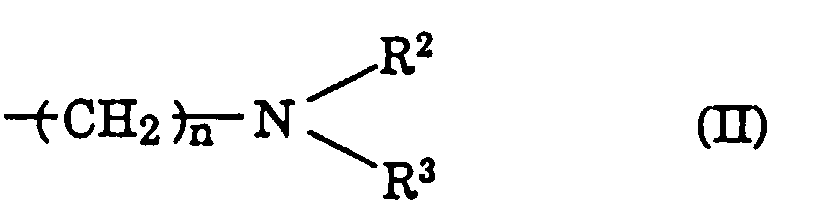
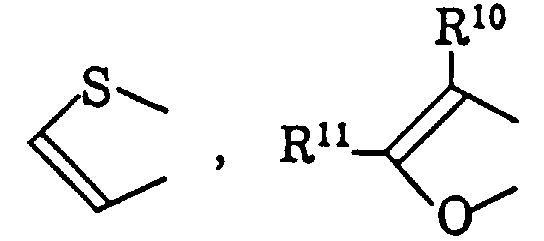
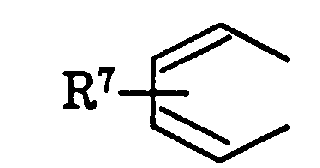
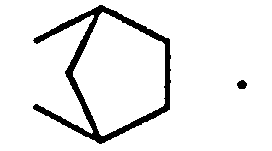
- the present invention provides a 4-acylaminopyridine derivative represented by the following formula (I): wherein R1 represents a C2-C6 alkyl group or a group represented by the following formula (II): wherein each of R and R3 independently represents a hydrogen atom, C1-C6 alkyl group, C3-C6 cycloalkyl group or wherein each of R4 and R5 independently represents a hydrogen atom or C1-C6 alkyl group, or R and R3 together with the nitrogen atom to which both R and R3 are attached represent or wherein R6 represents a hydrogen atom or C1-C6 alkyl group, and n represents 0 or an integer from 1 to 3; represents wherein R7 represents a hydrogen atom, C1-C6 alkyl group or halogen atom, wherein each of R8 and R9 independently represents a hydrogen atom or C1-C4 alkyl group, wherein each of R10 and R11 independently represents a hydrogen atom or a C1-C4
- the present invention further provides a pharmaceutical composition
- a pharmaceutical composition comprising a pharmaceutically effective amount of a 4-acylaminopyridine derivative represented by the formula (I) or a pharmaceutically acceptable acid-added salt thereof, and a pharmaceutically acceptable adjuvant.
- the present invention still further provides a process for producing a 4-acylaminopyridine derivative represented by the formula (I) and a pharmaceutically acceptable acid-added salt thereof.
- C2-C6 alkyl group (alkyl group having 2 to 6 carbon atoms) represented by R1
- ethyl group, n-propyl group, isopropyl group, n-butyl group, sec-butyl group, tert-butyl group, n-pentyl group and n-hexyl group may be mentioned.
- a C2-C4 alkyl group is particularly preferable.
- Examples of C1-C6 alkyl group represented by each of R to R7 are methyl group, ethyl group, n-propyl group, isopropyl group, n-butyl group, sec-butyl group, tert-butyl group, n-pentyl group and n-hexyl group. Among these, a C1-C4 alkyl group is preferable.
- C3-C6 cycloalkyl group represented by each of R and R3 cyclopropyl group, cyclobutyl group, cyclopentyl group and cyclohexyl group may be mentioned.
- a halogen atom represented by R7 is exemplified by fluorine atom, chlorine atom, bromine atom and iodine atom.
- C1-C4 alkyl group represented by each of R8 to R13 examples include methyl group, ethyl group, n-propyl group, isopropyl group, n-butyl group, sec-butyl group and tert-butyl group.
- R1 represents a C2-C6 alkyl group or a group represented by the following formula (II): wherein R represents a hydrogen atom or C1-C6 alkyl group, R3 represents a hydrogen atom, C1-C6 alkyl group, C3-C6 cycloalkyl group or wherein each of R4 and R5 independently represents a hydrogen atom or C1-C6 alkyl group, or R and R3 together with the nitrogen atom to which both R and R3 are attached represent wherein R6 represents a hydrogen atom or C1-C6 alkyl group, and n represents 0 or an integer from 1 to 3; wherein R7 represents a hydrogen atom, C1-C6 alkyl group or halogen atom, wherein each of R8 and R9 independently represents a hydrogen atom or C1-C4 alkyl group, or wherein each of R10 and R11 independently represents a hydrogen atom
- the acid-added salt of the compound represented by the formula (I) is preferred to be pharmaceutically and physiologically acceptable.
- inorganic acid-added salts such as hydrochloride, hydrobromide, hydroiodide, sulfate and phosphate
- organic acid-added salts such as oxalate, maleate, fumarate, lactate, malate, citrate, tartrate, benzoate, methanesulfonate and camphorsulfonate may be mentioned.
- the compound represented by the formula (I) and the acid-added salt thereof can be present in the form of hydrate or solvate. These hydrate and solvate are also included in the compound of the present invention.
- the compound represented by the formula (I) is produced by, for example, any of the following processes (1) to (5).
- the compound of the present invention represented by the formula (V) can be produced by reacting a primary aromatic amine of the formula (III) with an isocyanate compound of the formula (IV).
- a halogen solvent such as dichloromethane, 1,2-dichloroethane and 1,1,2,2-tetrachloroethane or an inert polar solvent such as tetrahydrofuran, dioxane, acetonitrile, dimethylformamide, dimethyl sulfoxide and N-methylpyrrolidone may be preferably used.
- the reaction may be carried out at a temperature from 0 to 120°C, preferably 20 to 80°C.
- the reaction (a) is carried out by using trichloroacetyl chloride also as the solvent at a temperature from 80 to 115°C, preferably from 100 to 115°C.
- the reaction (b) is carried out preferably in an inert solvent such as tetrahydrofuran, dioxane, acetonitrile, dimethylformamide, dimethyl sulfoxide, N-methylpyrrolidone, etc.
- the reaction temperature is from 0 to 100°C, preferably from 0 to 50°C when the amine is used, and from 50 to 160°C, preferably from 100 to 150°C when the acetate of the amine is used.
- the compound of the present invention represented by the formula (I1) can be produces. More in detail, the compound of the formula (III) is dissolved in an inert solvent such as methylene chloride, 1,2-dichloroethane, 1,1,2,2-tetrachloroethane, benzene, toluene, xylene, tetrahydrofuran and dioxane, then, a phosgene compound such as ditrichloromethyl carbonate, phosgene and trichloromethyl chloroformate is added to the solution, followed by the addition of a tertiary amine such as triethylamine.
- an inert solvent such as methylene chloride, 1,2-dichloroethane, 1,1,2,2-tetrachloroethane, benzene, toluene, xylene, tetrahydrofuran and dioxane
- a phosgene compound such as ditrichloromethyl
- the thus obtained solution is added dropwise to a solvent containing the amine represented by the formula (VII) to give the compound represented by the formula (I1).
- a solvent containing the amine represented by the formula (VII) As the solvent for dissolving the amine represented by the formula (VII), tetrahydrofuran, dioxane, acetonitrile and alcohols are preferable, and it is possible to use a mixed solvent of water with at least one of the above-described solvents, if necessary.
- tetrahydrofuran As the solvent, preferred are tetrahydrofuran, dioxane, acetonitrile, dimethylformamide, N-methylpyrrolidone, dimethylsulfoxide, etc.
- the reaction is carried out at a temperature in the range of 10 to 80°C, preferably 30 to 60°C.
- X represents a chlorine atom or a bromine atom; represents 1, 2 or 3; have the same meanings as defined in the formula (I);
- R18 in the formula (XII) represents a C1-C6 alkyl group or (wherein R4 and R5 have the same meanings as defined in the formula (I);
- R19 in the formula (XIII) represents
- an acyl halide compound of the formula (X) is reacted with the compound of the formula (III) to obtain the compound of the formula (XI) [step (a)]. Then, to the compound of the formula (XI) the compound of the formula (XII) is reacted, or else a compound which is a sodium salt obtained by treating the compound of the formula (XIII) with sodium hydride [step (b)], the corresponding compound (I) can be obtained.
- the step (a) is carried out by using an excessive amount of acyl halide also as the solvent, or by using an inert solvent such as benzene, toluene, xylene, 1,2-dichloroethane, 1,1,2,2-tetrachloroethane, etc., at a temperature in the range of 50 to 150°C, preferably 70 to 120°C.
- an inert solvent such as benzene, toluene, xylene, 1,2-dichloroethane, 1,1,2,2-tetrachloroethane, etc.
- the step (b) is carried out by using an excessive amount of amine also as the solvent, or by using an alcoholic solvent such as methanol, ethanol, n-propanol, isopropanol, n-butanol, etc., or a solvent such as tetrahydrofuran, dioxane, acetonitrile, dimethylformamide, dimethylsulfoxide, etc., at a temperature in the range of 0 to 150°C, preferably 20 to 100°C.
- an alcoholic solvent such as methanol, ethanol, n-propanol, isopropanol, n-butanol, etc.
- a solvent such as tetrahydrofuran, dioxane, acetonitrile, dimethylformamide, dimethylsulfoxide, etc.
- the reaction is carried out by using a solvent such as tetrahydrofuran, dioxane, acetonitrile, dimethylformamide, dimethylsulfoxide, etc., at a temperature in the range of 0 to 120°C, preferably 20 to 80°C.
- a solvent such as tetrahydrofuran, dioxane, acetonitrile, dimethylformamide, dimethylsulfoxide, etc.
- R1 is a group represented by the formula (II) and R and R3 together with the nitrogen atom to which both R and R3 are attached represent wherein R6 is the same as defined above, i.e. the compound represented by the formula (I6), can be produced according to the following reaction scheme. wherein and R6 are the same as defined above and R0 represents a C1-C4 alkyl group.
- the compound of the formula (I6) can be obtained by heating the compound of the formula (XIV) together with 1 to 10 equivalents of urea in the presence or absence of a solvent.
- the compound of the formula (XIV), the starting material can be obtained by the process described in process (4).
- an inert polar solvent such as dimethyl sulfoxide, dimethylformamide, dimethylacetamide and N-methylpyrrolidone is preferred.
- the reaction temperature is from 120 to 190°C, preferably from 140 to 170°C.
- the starting compound represented by the formula (III) can be easily synthesized by, for example, the methods described in (a) Tetrahedron Letters, 1277(1963), (b) Collect. Czech. Chem. Commun., 42 , 2802(1977), and (c) Acta Chemica Scandinavica, B, 33 , 313(1979) and similar methods thereto.
- the acid-added salt of the compound represented by the formula (I) can be easily obtained by a known method to prepare an acid-added salt of a quinoline or pyridine based compound.
- the compound of the present invention is used as a therapeutic medicine by administrating it singly or in the form of a mixture with a pharmaceutically acceptable carrier.
- the composition is determined based on the solubility and property of the compound to be used as the active ingredient, the administration route and dosage regimen.
- the compound of the present invention may be orally administered in the form of granule, subtilized granule, powder, tablet, hard capsule, soft capsule, syrup, emulsion, suspension and solution.
- the compound of the present invention may be also administered intravenously, intramuscularly or subcutaneously by injection.
- the compound of the present invention may be prepared to an injectable powder and injected alter dissolving or suspending in an appropriate solvent when used.
- an organic or inorganic, solid or liquid carrier or diluent which is suitable for oral, intestinal, parenteral or local administration, together with the compound of the present invention.
- a vehicle for a solid preparation lactose, sucrose, starch, talc, cellulose, dextrin, kaolin and calcium carbonate are usable.
- a liquid preparation for oral administration i.e. emulsion, syrup, suspension, solution, etc., contains a usual diluent such as water, vegetable oil, etc.
- the liquid preparation can contain an auxiliary such as a humectant, suspending agent, sweetening agent, aromatic, coloring agent, preservative etc. in addition to the inert diluent.
- the liquid preparation may be encapsulated in an absorbable wall substance such as gelatin.
- an absorbable wall substance such as gelatin.
- a solvent or a suspending agent used for preparing a parenteral preparation such as an injection preparation, water, propylene glycol, polyethylene glycol, benzyl alcohol, ethyl oleate and lecithin may be mentioned.
- the preparation may be carried out by an ordinary method.
- the daily clinical dosage of the compound of the present invention in oral administration is usually 1 to 1000mg, preferably 1 to 100mg for an adult. It is preferable to appropriately increase or decrease the dose depending upon the age of patient, condition of disease, condition of patient, and whether or not another medicine is administered.
- the daily dose of the compound of the present invention may be administered at once, or in two or three portions with appropriate interval. Intermittent administration thereof is also applicable.
- the daily dosage of the compound of the present invention in injection is 0.1 to 100mg, preferably 0.1 to 50mg for an adult.
- the compound of the present invention can reactivate the presynaptic site of the cholinergic neuron to enhance the neurotransmission. More precisely, the compound of the present invention improves the reduced high-affinity choline-uptake in the hippocampak synaptosome of a rat treated with AF64A (ethylcholine aziridinium ion; J.Pharmacol. Exp. Ther., 222 , 140(1982) and Neuropharmacol., 26 , 361(1982)) intra-cerebroventricularly (Test Example 1 below). This kind of action is not observed in 9-aminotetrahydroacridine.
- AF64A ethylcholine aziridinium ion
- the compound of the present invention is very low in toxicity and scarcely produces side effect in comparison with 9-aminotetrahydroacridine, and therefore, the compound of the present invention can be a useful medicine for treating disturbances of memory such as Alzheimer's disease.
- the compound of the present invention represented by the formula (I) is a pharmaceutically active and valuable compound. Especially, the compound of the present invention is useful as a medicine for treating disturbances of memory such as senile dementia and Alzheimer's disease, since it has an action on the activating malfunctioned cholinergic neuron.
- senile dementia in particular, Alzheimer's disease
- the function of the cholinergic neuron in the brain is decreased, and it is recognized that there is a good correlation between the deficit in the cholinergic neuron and the degree of disturbances in memory.
- AF64A causes long-term malfunction selectively on cholinergic neuron, and disturbance of memory and learning is observed in a rat to which AF64A is administered.
- a rat is used as a good model of Alzheimer's disease. Therefore, from the above pharmacological results, the compound of the present invention is considered to be useful for treating senile dementia including Alzhimer's disease.
- the solvent was evaporated under a reduced pressure and 100ml of chloroform, 100ml of water and 5ml of concentrated ammonia water were added, followed by stirring.
- the chloroform layer was dried over anhydrous sodium sulfate.
- the titled compound having the melting point of 245 to 246°C was obtained in the same way as in Example 10 except for using isobutyric anhydride in place of n-butyric anhydride.
- Example 38 Into 12ml of 1N aqueous solution of sodium hydroxide, was added 2g of the compound obtained in Example 38 at room temperature, and the reaction was continued for 2 hours. To the reaction mixture, was added 15ml of 1N hydrochloric acid at a temperature not higher than 15°C to precipitate white crystals. The crystals were collected by filtration, washed with water and dried to obtain 1.42g of the titled compound having the melting point of 238 to 242°C (decomposed).
- the chloroform layer was dried over anhydrous sodium sulfate and concentrated to a volume of about 100ml.
- the chloroform solution was added with 40ml of n-heptane and cooled, followed by filtration to obtain 8.2g of the titled compound having the melting point of 233 to 236°C.
- the reaction mixture was evaporated to dryness under a reduced pressure, then, 100ml of chloroform, 30ml of water and 5ml of concentrated ammonia water were added, followed by stirring.
- the chloroform layer was dried over anhydrous sodium sulfate and purified by silica gel column chromatography (chloroform-methanol), followed by recrystallization from ethyl acetate to obtain 1.52g of titled compound having the melting point of 141 to 144°C.
- HACU high-affinity choline uptake ability
- AF64A was prepared from AF64 in accordance with the method of Fischer et al. (J. Pharmacol. Exp. Ther., 222 , 140(1982)). AF64A (1.5 nmol/1.5 ⁇ l/side) was injected into both the lateral ventricles of a rat. One week after, the rat was decapitated and only the hippocampus was taken out. The hippocampus was homogenized with 0.32M of sucrose and centrifuged at 1000g for 10 minutes. The supernatant thereof was further centrifuged at 20000g for 20 minutes to obtain a crude synapse fraction. The crude synapse fraction was added with a compound of the present invention and incubated at 37°C for 30 minutes.
Landscapes
- Chemical & Material Sciences (AREA)
- Organic Chemistry (AREA)
- Pharmaceuticals Containing Other Organic And Inorganic Compounds (AREA)
- Pyridine Compounds (AREA)
Abstract
Description
- The present invention relates to a novel 4-acylaminopyridine derivative and a pharmaceutically acceptable acid-added salt thereof useful for activating a malfunctioned cholinergic neuron.
- As a therapeutic treatment for various disturbances of memory such as Alzheimer's disease characterized by malfunction of a cholinergic neuron, has been made an attempt to increase the acetylcholine content in the brain by using an antiacetylcholinesterase. For example, investigation on the use of physostigmine is reported in Neurology, 8, 397(1978). Japanese Patent Application Laid-Open (KOKAI) Nos.61-148154 (1986), 63-141980(1988), 63-225358(1988), 63-238063(1988), 63-239271(1988), 63-284175(1988), 63-297367(1988), 64-73(1989) and 1-132566(1989), EP-A-268871 and EP-A-319429 and International Publication of PCT 88/02256 report that a particular derivative of 9-aminotetrahydroacridine has an antiacetylcholinesterase activity and is therefore useful for treatment of Alzheimer's disease.
- Summers reports in the New England Journal of Medicine, 315, 1241(1986) that 9-amino-1,2,3,4-tetrahydroacridine (tacrine) is effective for treatment of Alzheimer's disease when used together with lecithin. However, improvement is still sufficient and it produces undesirable side effects, and therefore, a new therapeutic treatment has been demanded.
- As examples of the known 9-acylaminotetrahydroacridines, 9-acetylaminotetrahydroacridine is described in Journal of Chemical Society, 634(1947) and 9-chloroacetylaminotetrahydroacridine and 9-diethylaminoacetylaminotetrahydroacridine are described in Chem. listy, 51, 1907(1957). 9-Diethylaminoacetylaminotetrahydroacridine is described to have a local anesthetic action. In Journal of Medicinal Chemistry, 18, 1056(1975), structure-activity correlation on antiacetylcholinesterase activity of 9-aminotetrahydroacridine derivatives and it is reported that the activity of 9-acetylaminotetrahydroacridine and 9-benzoylaminotetrahydroacridine is 1/1000 of the activity of 9-aminotetrahydroacridine. Some of Japanese Patent Application Laid-Open (KOKAI) Nos. 63-166881(1988), 63-203664(1988), 63-238063(1988), 63-239271(1988), 63-284175(1988), 64-73(1989) and 1-132566(1989) claims a 9-acylaminotetrahydroacridine derivative, however, none of them disclose expressly the synthesis of nor a pharmaceutical activity of a compound having a 9-acylamino group.
- The present inventors have made various and extensive studies so as to provide a medicine effective for treatment of senile dementia including Alzheimer's disease. As the result thereof, it has been found that a particular 4-acylaminopyridine derivative and a pharmaceutically acceptable acid-added salt thereof can improve disturbances of memory such as Alzheimer's disease by a mechanism different from that of a conventionally known compound having an antiacetylcholinesterase activity. The present invention has been accomplished based on this finding.
- The present invention provides a 4-acylaminopyridine derivative represented by the following formula (I):





- The present invention further provides a pharmaceutical composition comprising a pharmaceutically effective amount of a 4-acylaminopyridine derivative represented by the formula (I) or a pharmaceutically acceptable acid-added salt thereof, and a pharmaceutically acceptable adjuvant.
- The present invention still further provides a process for producing a 4-acylaminopyridine derivative represented by the formula (I) and a pharmaceutically acceptable acid-added salt thereof.
- The 4-acylaminopyridine derivative according to the present invention is represented by the formula (I) shown above.
- In the formula (I), as examples of C₂-C₆ alkyl group (alkyl group having 2 to 6 carbon atoms) represented by R¹, ethyl group, n-propyl group, isopropyl group, n-butyl group, sec-butyl group, tert-butyl group, n-pentyl group and n-hexyl group may be mentioned. Among these, a C₂-C₄ alkyl group is particularly preferable.
- Examples of C₁-C₆ alkyl group represented by each of R to R⁷ are methyl group, ethyl group, n-propyl group, isopropyl group, n-butyl group, sec-butyl group, tert-butyl group, n-pentyl group and n-hexyl group. Among these, a C₁-C₄ alkyl group is preferable.
- As C₃-C₆ cycloalkyl group represented by each of R and R³, cyclopropyl group, cyclobutyl group, cyclopentyl group and cyclohexyl group may be mentioned.
- A halogen atom represented by R⁷ is exemplified by fluorine atom, chlorine atom, bromine atom and iodine atom.
- As examples of C₁-C₄ alkyl group represented by each of R⁸ to R¹³, methyl group, ethyl group, n-propyl group, isopropyl group, n-butyl group, sec-butyl group and tert-butyl group may be mentioned.
- In the present invention, among the compounds represented by the formula (I), is preferred a compound wherein R¹ represents a C₂-C₆ alkyl group or a group represented by the following formula (II):




- More preferred is a compound wherein


- The acid-added salt of the compound represented by the formula (I) is preferred to be pharmaceutically and physiologically acceptable. For example, inorganic acid-added salts such as hydrochloride, hydrobromide, hydroiodide, sulfate and phosphate, and organic acid-added salts such as oxalate, maleate, fumarate, lactate, malate, citrate, tartrate, benzoate, methanesulfonate and camphorsulfonate may be mentioned. The compound represented by the formula (I) and the acid-added salt thereof can be present in the form of hydrate or solvate. These hydrate and solvate are also included in the compound of the present invention.
- A process for producing the compound of the present invention will now be explained.
- The compound represented by the formula (I) is produced by, for example, any of the following processes (1) to (5).
-

- In the above reaction scheme,

- As the reaction solvent, a halogen solvent such as dichloromethane, 1,2-dichloroethane and 1,1,2,2-tetrachloroethane or an inert polar solvent such as tetrahydrofuran, dioxane, acetonitrile, dimethylformamide, dimethyl sulfoxide and N-methylpyrrolidone may be preferably used.
- The reaction may be carried out at a temperature from 0 to 120°C, preferably 20 to 80°C.
-


- In the above reaction scheme,

- The reaction (a) is carried out by using trichloroacetyl chloride also as the solvent at a temperature from 80 to 115°C, preferably from 100 to 115°C.
- The reaction (b) is carried out preferably in an inert solvent such as tetrahydrofuran, dioxane, acetonitrile, dimethylformamide, dimethyl sulfoxide, N-methylpyrrolidone, etc. The reaction temperature is from 0 to 100°C, preferably from 0 to 50°C when the amine is used, and from 50 to 160°C, preferably from 100 to 150°C when the acetate of the amine is used.
-

- In the above reaction scheme,

- In the above reaction (c), the addition of the phosgene compound and the addition of the tertiary amine are carried out at a temperature from -10 to 50°C, preferably from 0 to 30°C. The reaction with the amine represented by the formula (VII) is carried out at a temperature from -20 to 30°C, preferably from -10 to 20°C.
-
- (1) By reacting the compound represented by the formula (III):


with a reactive derivative of the compound represented by the formula (VIII):
the compound represented by the formula (I₂) of the present invention can be obtained.

Examples of the reactive derivatives of the compound of the formula (VIII) are preferably symmetric acid anhydrides or acid halides, particularly acid chloride. The reaction is carried out in the presence of of an inert solvent such as benzene, toluene, xylene, 1,2-dichloroethane, 1,1,2,2-tetrachloroethane, etc., or by using excessive amounts of symmetric acid anhydrides or acid halides as a solvent. When the symmetric acid anhydrides are used, a tertiary amine such as pyridine may be preferably used. The reaction is carried out at a temperature in the range of 30 to 150°C, preferably 50 to 120°C. - (2) After processing the compound represented by the above formula (III) with an equimolar amount or more of sodium hydride to prepare a sodium salt, reacting it with an ester compound represented by the formula (IX):

 represents an integer from 1 to 3), and R¹⁷ represents a methyl group or an ethyl group,
to obtain the compound represented by the formula (I₃):

- As the solvent, preferred are tetrahydrofuran, dioxane, acetonitrile, dimethylformamide, N-methylpyrrolidone, dimethylsulfoxide, etc. The reaction is carried out at a temperature in the range of 10 to 80°C, preferably 30 to 60°C.

 represents 1, 2 or 3;
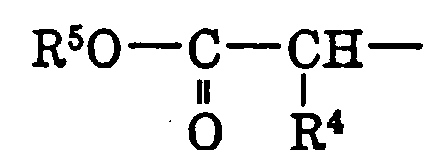

- By the above two steps of the reaction formulae, the compound of the formula (I₄) or (I₅) can be synthesized.


- In the above formulae (I₄) and (I₅),
 have the same meanings as defined above.
 - That is, an acyl halide compound of the formula (X) is reacted with the compound of the formula (III) to obtain the compound of the formula (XI) [step (a)]. Then, to the compound of the formula (XI) the compound of the formula (XII) is reacted, or else a compound which is a sodium salt obtained by treating the compound of the formula (XIII) with sodium hydride [step (b)], the corresponding compound (I) can be obtained.
- The step (a) is carried out by using an excessive amount of acyl halide also as the solvent, or by using an inert solvent such as benzene, toluene, xylene, 1,2-dichloroethane, 1,1,2,2-tetrachloroethane, etc., at a temperature in the range of 50 to 150°C, preferably 70 to 120°C.
- The step (b) is carried out by using an excessive amount of amine also as the solvent, or by using an alcoholic solvent such as methanol, ethanol, n-propanol, isopropanol, n-butanol, etc., or a solvent such as tetrahydrofuran, dioxane, acetonitrile, dimethylformamide, dimethylsulfoxide, etc., at a temperature in the range of 0 to 150°C, preferably 20 to 100°C. When the sodium salt of the compound of the formula (XIII) is reacted, the reaction is carried out by using a solvent such as tetrahydrofuran, dioxane, acetonitrile, dimethylformamide, dimethylsulfoxide, etc., at a temperature in the range of 0 to 120°C, preferably 20 to 80°C.
- The compound where R¹ is a group represented by the formula (II) and R and R³ together with the nitrogen atom to which both R and R³ are attached represent


- In more detail, the compound of the formula (I₆) can be obtained by heating the compound of the formula (XIV) together with 1 to 10 equivalents of urea in the presence or absence of a solvent.
- The compound of the formula (XIV), the starting material, can be obtained by the process described in process (4).
- As the solvent for producing the compound of the formula (I₆), an inert polar solvent such as dimethyl sulfoxide, dimethylformamide, dimethylacetamide and N-methylpyrrolidone is preferred.
- The reaction temperature is from 120 to 190°C, preferably from 140 to 170°C.
- The starting compound represented by the formula (III) can be easily synthesized by, for example, the methods described in (a) Tetrahedron Letters, 1277(1963), (b) Collect. Czech. Chem. Commun., 42, 2802(1977), and (c) Acta Chemica Scandinavica, B, 33, 313(1979) and similar methods thereto.
- It is also possible to synthesize the starting compound (III) in accordance with the methods described in Japanese Patent Application Laid-Open (KOKAI) Nos. 61-148154(1986), 63-141980(1988), 63-166881(1988), 63-203664(1988), 63-225358(1988), 63-238063(1988), 63-239271(1988), 63-297367(1988), 64-73(1989), 1-132566(1989) and EP-A-268871.
- The acid-added salt of the compound represented by the formula (I) can be easily obtained by a known method to prepare an acid-added salt of a quinoline or pyridine based compound.
- Some of the starting compound represented by the formula (III) for producing the compound of the present invention, which were produced according to the methods described in the above references are shown in Table 1 below.


- The compound of the present invention is used as a therapeutic medicine by administrating it singly or in the form of a mixture with a pharmaceutically acceptable carrier. The composition is determined based on the solubility and property of the compound to be used as the active ingredient, the administration route and dosage regimen. For example, the compound of the present invention may be orally administered in the form of granule, subtilized granule, powder, tablet, hard capsule, soft capsule, syrup, emulsion, suspension and solution. The compound of the present invention may be also administered intravenously, intramuscularly or subcutaneously by injection. The compound of the present invention may be prepared to an injectable powder and injected alter dissolving or suspending in an appropriate solvent when used.
- It is possible to use an organic or inorganic, solid or liquid carrier or diluent, which is suitable for oral, intestinal, parenteral or local administration, together with the compound of the present invention. As a vehicle for a solid preparation, lactose, sucrose, starch, talc, cellulose, dextrin, kaolin and calcium carbonate are usable. A liquid preparation for oral administration, i.e. emulsion, syrup, suspension, solution, etc., contains a usual diluent such as water, vegetable oil, etc. The liquid preparation can contain an auxiliary such as a humectant, suspending agent, sweetening agent, aromatic, coloring agent, preservative etc. in addition to the inert diluent. The liquid preparation may be encapsulated in an absorbable wall substance such as gelatin. As a solvent or a suspending agent used for preparing a parenteral preparation such as an injection preparation, water, propylene glycol, polyethylene glycol, benzyl alcohol, ethyl oleate and lecithin may be mentioned. The preparation may be carried out by an ordinary method.
- The daily clinical dosage of the compound of the present invention in oral administration is usually 1 to 1000mg, preferably 1 to 100mg for an adult. It is preferable to appropriately increase or decrease the dose depending upon the age of patient, condition of disease, condition of patient, and whether or not another medicine is administered. The daily dose of the compound of the present invention may be administered at once, or in two or three portions with appropriate interval. Intermittent administration thereof is also applicable.
- The daily dosage of the compound of the present invention in injection is 0.1 to 100mg, preferably 0.1 to 50mg for an adult.
- Although the antiacetylcholinesterase activity of the compound represented by the formula (I) is 1/100 of that of known 9-aminotetrahydroacridine, the compound of the present invention can reactivate the presynaptic site of the cholinergic neuron to enhance the neurotransmission. More precisely, the compound of the present invention improves the reduced high-affinity choline-uptake in the hippocampak synaptosome of a rat treated with AF64A (ethylcholine aziridinium ion; J.Pharmacol. Exp. Ther., 222, 140(1982) and Neuropharmacol., 26, 361(1982)) intra-cerebroventricularly (Test Example 1 below). This kind of action is not observed in 9-aminotetrahydroacridine.
- Further, the compound of the present invention is very low in toxicity and scarcely produces side effect in comparison with 9-aminotetrahydroacridine, and therefore, the compound of the present invention can be a useful medicine for treating disturbances of memory such as Alzheimer's disease.
- The compound of the present invention represented by the formula (I) is a pharmaceutically active and valuable compound. Especially, the compound of the present invention is useful as a medicine for treating disturbances of memory such as senile dementia and Alzheimer's disease, since it has an action on the activating malfunctioned cholinergic neuron.
- In senile dementia, in particular, Alzheimer's disease, the function of the cholinergic neuron in the brain is decreased, and it is recognized that there is a good correlation between the deficit in the cholinergic neuron and the degree of disturbances in memory.
- As reported by Fisher (J. Pharmacol. Exp. Ther., 222, 140(1982)) and Leventer (Neuropharmacol, 26, 361(1987)), AF64A causes long-term malfunction selectively on cholinergic neuron, and disturbance of memory and learning is observed in a rat to which AF64A is administered. Such a rat is used as a good model of Alzheimer's disease. Therefore, from the above pharmacological results, the compound of the present invention is considered to be useful for treating senile dementia including Alzhimer's disease.
- The present invention will be explained in more detail with reference to the following examples, but it is to be understood that the present invention is not restricted to the following examples and any modification is possible within the scope of the present invention.
- To 4.37g of 4-amino-3-methyl-5,6,7,8-tetrahydrothieno[2,3-b]quinoline, were added 8 ml of pyridine and 12.7g of n-butyric anhydride and the mixture was refluxed for 13 hours. The reaction mixture was evaporated to dryness under a reduced pressure, and dissolved in 170ml of methanol and 40ml of ethanol. To the solution, was added 70ml of concentrated ammonia water and the reaction was carried out at 65°C for 1.5 hours.
- The solvent was evaporated under a reduced pressure and 100ml of chloroform, 100ml of water and 5ml of concentrated ammonia water were added, followed by stirring. The chloroform layer was dried over anhydrous sodium sulfate.
- The chloroform solution was evaporated. The obtained product was purified by silica gel column chromatography (chloroform-methanol) and was recrystallized from chloroform-diethyl ether to obtain 5.11g of the titled compound having the melting point of 200 to 202°C.
- Each of the compounds listed in Table 2 was synthesized in the same manner as in Example 1.


- The titled compound having the melting point of 245 to 246°C was obtained in the same way as in Example 10 except for using isobutyric anhydride in place of n-butyric anhydride.
- Into a suspension of 1.26g of sodium hydride (60% content) in 15ml of N-methylpyrrolidone, was added 3.28g of 4-amino-3-methyl-5,6,7,8-tetrahydrothieno[2,3-b]quinoline at room temperature. The mixture was heated to 50°C and stirred for 40 minutes. Thereafter, 4.72g of methyl 2-oxo-1-pyrrolidine acetate was added dropwise to the mixture at 50°C over a period of 30 minutes. After the stirring at 50°C for 20 minutes, the mixture was cooled to 15°C and poured into 130ml aqueous solution containing 13.5g of ammonium chloride.
- After extraction of the solution with 100ml of chloroform, the extract was dried over anhydrous sodium sulfate, followed by evaporation to dryness. The resultant product was added with ethyl acetate, pulverized and filtered. The crude crystals were recrystallized from chloroform-ethyl acetate to obtain 4.31g of the titled compound having the melting point of 244 to 246°C.
- Each of the compounds listed in Table 3 was synthesized in the same way as in Example 15.


- A mixture of 8.17g of 4-amino-5,6,7,8-tetrahydrothieno[2,3-b]quinoline and 90ml of trichloroacetyl chloride was refluxed for 4 hours. The mixture was cooled to 25°C and 30ml of 1,2-dichloroethane was added thereto. The crystals were filtered out and washed with 1,2-dichloroethane.
- The suspension of the crystals in 200ml of chloroform and 120ml of water was added with 5ml of concentrated ammonia water. After the chloroform layer was dried over anhydrous sodium sulfate, it was purified by silica gel column chromatography (chloroform). By recrystallization from chloroform-n-heptane, 11.84g of N-(5,6,7,8-tetrahydrothieno[2,3-b]quinolin-4-yl)trichloroacetamide having the melting point of 176 to 178°C was obtained.
- In 20ml of N-methylpyrrolidone, was dissolved 3.5g of the obtained compound. After adding 6.2g of ammonium acetate to the solution, the reaction was carried out at 150°C for 30 minutes. After cooled to 30°C, the reaction mixture was added with 100ml of water and 50ml of chloroform, followed by stirring. The pH of the aqueous layer of the mixture was adjusted to 10 with concentrated ammonia water.
- The insoluble matters were collected by filtration and washed with chloroform and water, followed by recrystallization from ethanol-1,1,2,2-tetrachloroethane-ethyl acetate to obtain 0.73g of the titled compound having the melting point of 260 to 262°C.
- In 120ml of 1,1,2,2-tetrachloroethane, was dissolved 2.45g of 4-amino-5,6,7,8-tetrahydrothieno[2,3-b]quinoline, and 1.78g of ditrichloromethyl carbonate was added to the solution at a temperature from 20 to 30°C.
- After adding 6.7g of triethylamine at a temperature from 20 to 30°C, the mixture was stirred for one hour at room temperature.
- Separately, 70ml of 40% methanol solution of methylamine was cooled at -10°C. The reaction mixture was added dropwise to the methanol solution at 0°C and heated to 30°C in one hour.
- Then, 150ml of water and 120ml of chloroform were added to the mixture and the insoluble matters were filtered out, followed by recrystallization from methanol-chloroform to obtain 2.49g of the titled compound having the melting point of 253 to 255°C.
- Compounds shown in Table 4 were synthesized in the same way as in Example 31.


- To 5g of 9-chloroacetylamino-1,2,3,4-tetrahydroacridine, was added 22g of L-alanine ethyl ester and the reaction was continued for 30 minutes at 100°C. After cooled to room temperature, the reaction mixture was added with 100ml of chloroform and 100ml of water and stirred. The chloroform layer was dried over anhydrous sodium sulfate and purified by silica gel column chromatography (chloroform-methanol), followed by recrystallization from chloroform-n-hexane to obtain 5.9g of the titled compound having the melting point of 101 to 102°C.
- Into 12ml of 1N aqueous solution of sodium hydroxide, was added 2g of the compound obtained in Example 38 at room temperature, and the reaction was continued for 2 hours. To the reaction mixture, was added 15ml of 1N hydrochloric acid at a temperature not higher than 15°C to precipitate white crystals. The crystals were collected by filtration, washed with water and dried to obtain 1.42g of the titled compound having the melting point of 238 to 242°C (decomposed).
- Compounds shown in Table 5 were synthesized in the same way as in Example 38 or 39.

- To 12.7g of 4-amino-3-methyl-5,6,7,8-tetrahydrothieno[2,3-b]quinoline, was added 40ml of chloroacetyl chloride, and the mixture was refluxed for 40 minutes. The oil bath was removed and the reaction mixture was added with 50ml of 1,2-dichloroethane and cooled to 25°C. The precipitated crystals were collected by filtration and washed with 1,2-dichloroethane. The crystals were suspended in a mixed solvent of 250ml of chloroform, 55ml of water and 60ml of ethanol, and 4.3ml of concentrated ammonia water was added thereto. The suspension was heated to 40°C to dissolve substantially all the crystals.
- The chloroform layer was dried over anhydrous sodium sulfate and concentrated to a volume of about 100ml. The chloroform solution was added with 40ml of n-heptane and cooled, followed by filtration to obtain 8.2g of the titled compound having the melting point of 233 to 236°C.
- To 12ml of t-butanol and 25ml of dimethylformamide, was added 2.1g of the compound obtained in Reference Example 1. Then, 9ml of cyclopropylamine was added and the reaction was carried out at 100°C for 30 minutes.
- The reaction mixture was evaporated to dryness under a reduced pressure, then, 100ml of chloroform, 30ml of water and 5ml of concentrated ammonia water were added, followed by stirring. The chloroform layer was dried over anhydrous sodium sulfate and purified by silica gel column chromatography (chloroform-methanol), followed by recrystallization from ethyl acetate to obtain 1.52g of titled compound having the melting point of 141 to 144°C.
- Compounds shown in Table 6 were synthesized in the same way as in Example 43.


- In 9ml of N-methylpyrrolidone, was dissolved 3.9g of the compound obtained in Example 38, and 2.64g of urea was further added thereto. The reaction was carried out at 160°C for one hour. The reaction mixture was cooled at 80°C and 100ml of water was added. The precipitated crystals were collected by filtration and dissolved in a mixture of 5 ml of methanol and 150ml of chloroform. The solution was dried over anhydrous sodium sulfate and evaporated to dryness. The obtained product was recrystallized from ethanol-ethyl acetate to obtain 2.44g of the titled compound having the melting point of 260 to 263°C.
- Compounds shown in Table 7 were synthesized in the same way as in Example 53.


- In 8ml of N-methylpyrrolidone, was dissolved 2.5g of the compound obtained in Example 44, and 8g of urea was further added. The reaction was continued at 160°C for 40 minutes. The reaction mixture was cooled to 80°C and further cooled to 25°C after addition of 90ml of water. The precipitated crystals were collected by filtration and recrystallized from methanol-water to obtain 0.84g of the titled compound having the melting point of 273 to 277°C.
- Compound shown in Table 8 were synthesized in the same way as in Example 61.
- Compounds shown in Table 9 and Table 10 can be synthesized in the same way as described in Examples above.


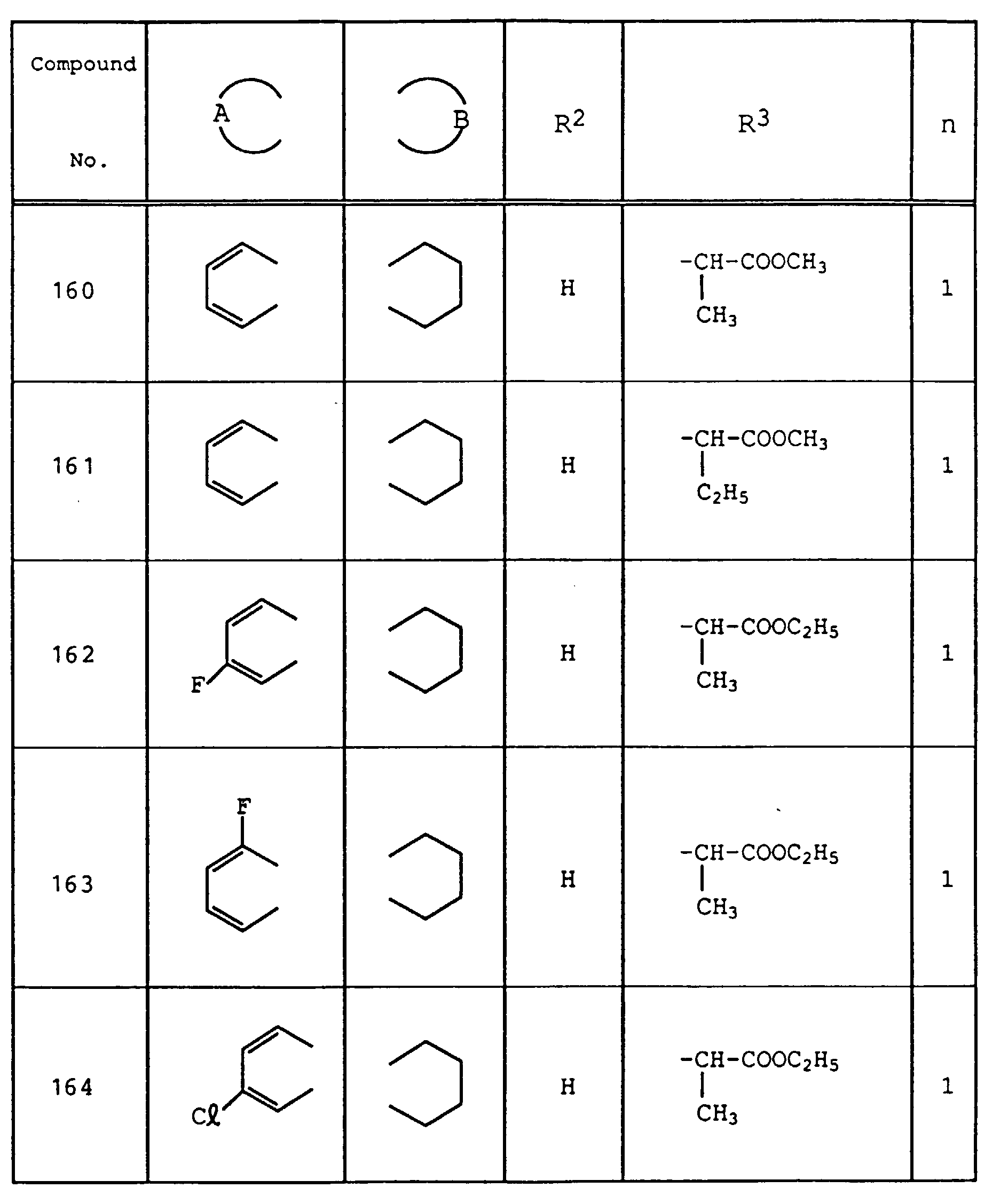


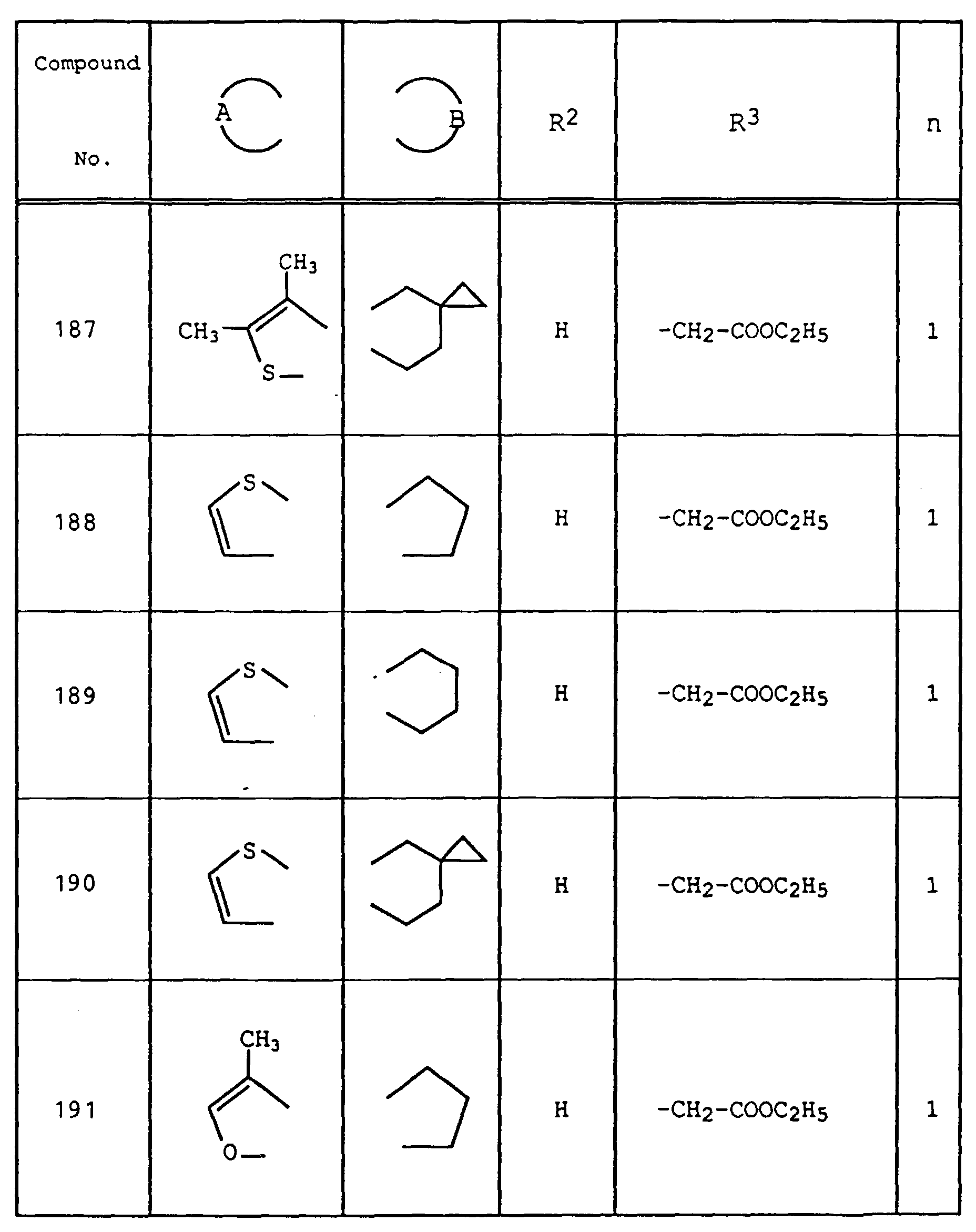


- AF64A was prepared from AF64 in accordance with the method of Fischer et al. (J. Pharmacol. Exp. Ther., 222, 140(1982)). AF64A (1.5 nmol/1.5µl/side) was injected into both the lateral ventricles of a rat. One week after, the rat was decapitated and only the hippocampus was taken out. The hippocampus was homogenized with 0.32M of sucrose and centrifuged at 1000g for 10 minutes. The supernatant thereof was further centrifuged at 20000g for 20 minutes to obtain a crude synapse fraction. The crude synapse fraction was added with a compound of the present invention and incubated at 37°C for 30 minutes. After adding [³H]choline (1 µM), the mixture was further incubated at 37°C for 10 minutes. Another crude synapse fraction was incubated at 37°C for 10 minutes and used as the control. The reaction was discontinued by filtering the mixture with suction on a Whatman GF/B filter. The radioactivity on the filter was measured by a liquid scintillation counter and the measured value was regarded as the amount of HACU. The amount of protein was determined in accordance with the method of Bradford (Anal. Biochem., 72, 248(1976)). The results are shown in Table 11.


Claims (15)
- A 4-acylaminopyridine derivative represented by the following formula (I):


and a pharmaceutically acceptable acid-added salt thereof. - The 4-acylaminopyridine derivative according to claim 1, wherein R¹ represents a C₂-C₆ alkyl group or a group represented by the following formula (II):


- The 4-acylaminopyridine derivative according to claim 2, wherein
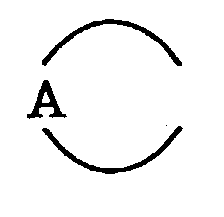

- The 4-acylaminopyridine derivative according to claim 3, wherein


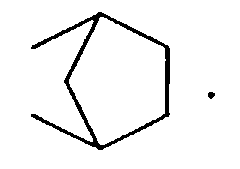
- The 4-acylaminopyridine derivative according to claim 3, wherein


- The 4-acylaminopyridine derivative according to claim 3, wherein


- A pharmaceutical composition comprising pharmaceutically effective amount of the 4-acylaminopyridine derivative according to claim 1 or the pharmaceutically acceptable acid-added salt according to claim 1, and a pharmaceutically acceptable adjuvant.
- A process for producing a 4-acylaminopyridine derivative represented by the following formula (V):


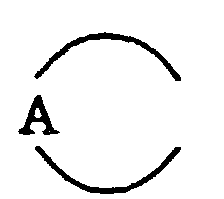


which comprises reacting a compound represented by the following formula (III):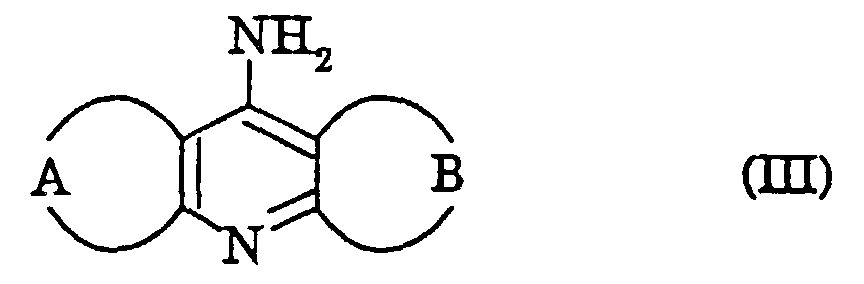

R¹⁴-N=C=O (IV)
wherein R¹⁴ is the same as defined above,
in a solvent at a temperature from 0 to 120°C. - A process for producing a 4-acylaminopyridine derivative represented by the following formula (I₁):


which comprises reacting a compound represented by the formula (III):

with excess of trichloroacetyl chloride at a temperature of 80 to 115°C to obtain a compound represented by the following formula (VI):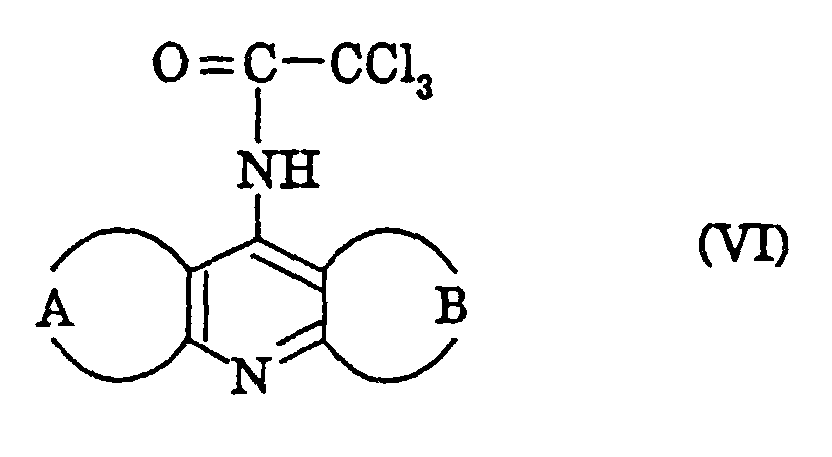

in a solvent at a temperature of 0 to 100°C, or with an acetate of the amine represented by the formula (VII) in a solvent at a temperature of 50 to 160°C. - A process for producing a 4-acylaminopyridine derivative represented by the following formula (I₁):


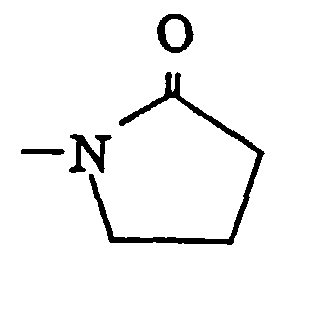


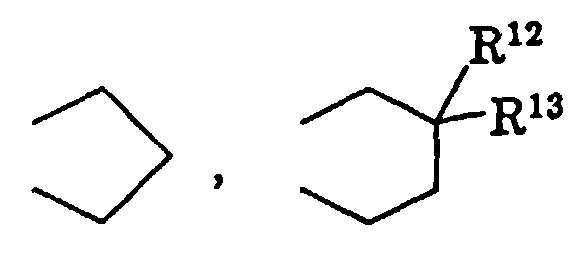


which comprises adding a phosgene compound and a tertiary amine into a solution of a compound represented by the formula (III):

adding the thus obtained solution dropwise into a solution of an amine represented by the following formula (VII):
at a temperature of -20 to 30°C. - A process for producing a 4-acylaminopyridine derivative represented by the following formula (I₆):
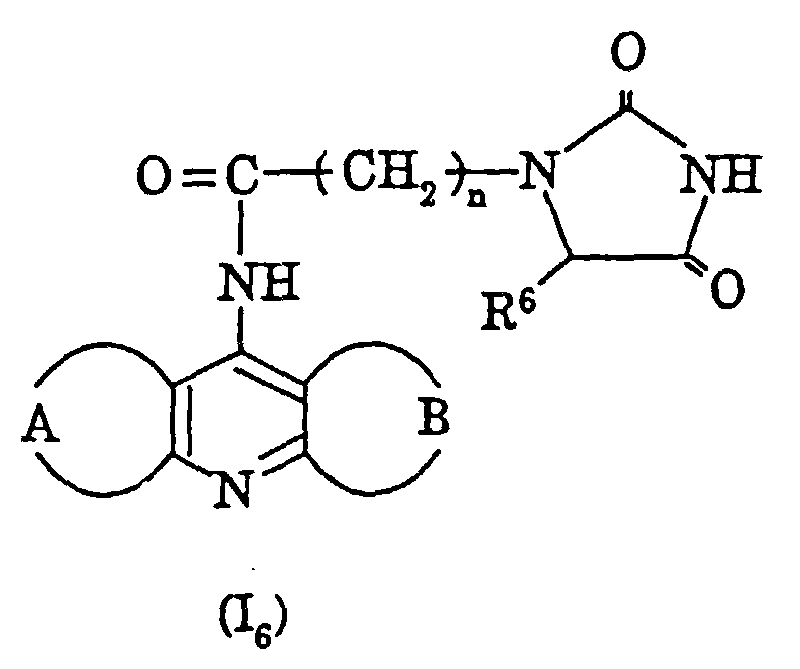


which comprises heating a compound represented by the following formula (VIII):

together with 1 to 10 equivalents of urea at a temperature of 120 to 190°C in the presence or absence of a solvent. - A process for producing a 4-acylaminopyridine derivative represented by the following formula (I₂):


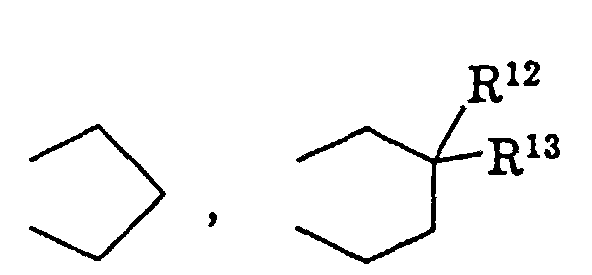


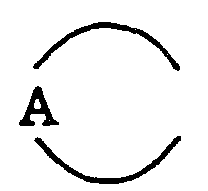


which comprises reacting a compound represented by the following formula (III):

with a reactive derivative of a compound represented by the following formula (VIII):
in the presence of an inert solvent or using the reactive derivative of the compound represented by the formula (VIII) as the solvent in a temperature in the range of 30 to 150°C. - A process for producing a 4-acylaminopyridine derivative represented by the following formula (I₃):

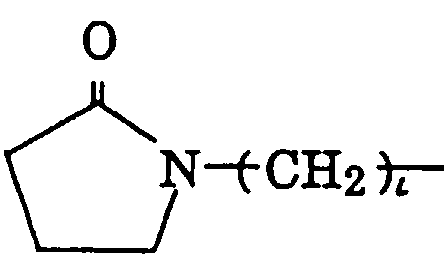 represents an integer from 1 to 3);


 is 1 or 2,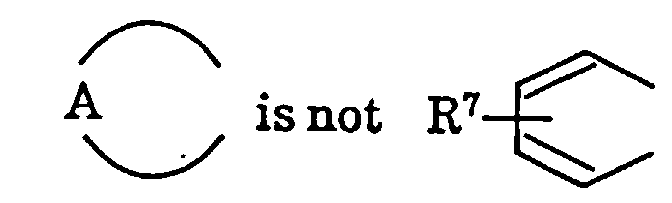


with an equimolar amount or more of sodium hydride to prepare a sodium salt of the compound represented by the formula (III), and reacting the sodium salt with an ester compound represented by the following formula (IX):
in a solvent at a temperature in the range of 10 to 80°C. - A process for producing a 4-acylaminopyridine derivative represented by the following formula (I₄):
 represents 1, 2 or 3; R¹⁸ represents a C₁-C₆ alkyl group or


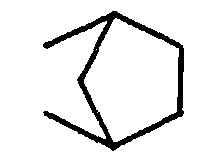


which comprises reacting a compound represented by the formula (III):

 has the same meanings as defined above, and X represents a chlorine atom or a bromine atom,
in an inert solvent or using an an excessive amount of the acyl halide as the solvent in a temperature in the range of 50 to 150°C to obtain a compound represented by the formula (XI):
 and X have the same meanings as defined above,
and reacting the compound of the formula (XI) with a compound of the formula (XII):
H₂N-R¹⁸ (XII)
wherein R¹⁸ has the same meanings as defined above,
in a solvent or using an excessive amount of the compound of the formula (XII) as the solvent at a temperature in the range of 0 to 150°C. - A process for producing a 4-acylaminopyridine derivative represented by the following formula (I₅):
 represents 1, 2 or 3; R¹⁹ represents


 is 1 or 2,


which comprises reacting a compound represented by the formula (III):

with an acyl halide compound represented by the formula (X): has the same meanings as defined above, and X represents a chlorine atom or a bromine atom,
in an inert solvent or using an an excessive amount of the acyl halide as the solvent in a temperature in the range of 50 to 150°C to obtain a compound represented by the formula (XI):
 and X have the same meanings as defined above,
and reacting the compound of the formula (XI) with a an alkali metal salt obtained by treating a compound of the formula (XIII):
H-R¹⁹ (XIII)
wherein R¹⁹ has the same meanings as defined above,
with an alkali metal hydride,
in a solvent at a temperature in the range of 0 to 120°C.
Applications Claiming Priority (6)
| Application Number | Priority Date | Filing Date | Title |
|---|---|---|---|
| JP290915/89 | 1989-11-08 | ||
| JP290916/89 | 1989-11-08 | ||
| JP290918/89 | 1989-11-08 | ||
| JP1290916A JP2720549B2 (en) | 1989-11-08 | 1989-11-08 | 9-aminoacetylaminotetrahydroacridine derivative |
| JP29091589 | 1989-11-08 | ||
| JP29091889 | 1989-11-08 |
Publications (3)
| Publication Number | Publication Date |
|---|---|
| EP0427636A2 EP0427636A2 (en) | 1991-05-15 |
| EP0427636A3 EP0427636A3 (en) | 1991-11-06 |
| EP0427636B1 true EP0427636B1 (en) | 1996-05-29 |
Family
ID=27337617
Family Applications (1)
| Application Number | Title | Priority Date | Filing Date |
|---|---|---|---|
| EP90403182A Expired - Lifetime EP0427636B1 (en) | 1989-11-08 | 1990-11-08 | 4-Acylaminopyridine derivatives |
Country Status (9)
| Country | Link |
|---|---|
| US (3) | US5397785A (en) |
| EP (1) | EP0427636B1 (en) |
| KR (1) | KR100192833B1 (en) |
| AT (1) | ATE138653T1 (en) |
| CA (1) | CA2029497C (en) |
| DE (1) | DE69027180T2 (en) |
| DK (1) | DK0427636T3 (en) |
| ES (1) | ES2088998T3 (en) |
| GR (1) | GR3020868T3 (en) |
Families Citing this family (16)
| Publication number | Priority date | Publication date | Assignee | Title |
|---|---|---|---|---|
| ES2102195T3 (en) * | 1992-12-28 | 1997-07-16 | Eisai Co Ltd | HETERO-CYCLIC DERIVATIVES OF CARBONIC ACID WHICH ARE FIXED IN RETINOID RECEPTORS. |
| US5852041A (en) * | 1993-04-07 | 1998-12-22 | Sibia Neurosciences, Inc. | Substituted pyridines useful as modulators of acethylcholine receptors |
| JPH0892100A (en) * | 1994-09-21 | 1996-04-09 | Mitsubishi Chem Corp | Drugs for treating and preventing nervous system disorders |
| US5585388A (en) * | 1995-04-07 | 1996-12-17 | Sibia Neurosciences, Inc. | Substituted pyridines useful as modulators of acetylcholine receptors |
| US5794887A (en) | 1995-11-17 | 1998-08-18 | Komerath; Narayanan M. | Stagnation point vortex controller |
| DE60238674D1 (en) | 2001-04-19 | 2011-02-03 | Mitsubishi Tanabe Pharma Corp | POLYMORPHIC FORMS OF N- (2,3-DIMETHYL-5,6,7,8-TETRAHYDROFURO (2,3-B) QUINOLINE-4-YL) -2- (2-OXOPYRROLIDIN-1-YL) ACETAMIDE |
| US20040235884A1 (en) * | 2001-08-06 | 2004-11-25 | Ken Takashina | Preventives/remedies for cholinergic neuropathy |
| US7332508B2 (en) * | 2002-12-18 | 2008-02-19 | Novo Nordisk A/S | Substituted homopiperidine, piperidine or pyrrolidine derivatives |
| CA2512765A1 (en) * | 2003-01-08 | 2004-07-29 | Mitsubishi Pharma Corporation | Therapeutic agent for schizophrenia |
| US20050222123A1 (en) | 2004-01-27 | 2005-10-06 | North Shore-Long Island Jewish Research Institute | Cholinesterase inhibitors for treating inflammation |
| CN101378752A (en) * | 2006-02-07 | 2009-03-04 | 田边三菱制药株式会社 | 4-acylaminopyridine derivative mediated neurogenesis |
| EP2068872A1 (en) * | 2006-09-08 | 2009-06-17 | Braincells, Inc. | Combinations containing a 4-acylaminopyridine derivative |
| EP2373663A1 (en) * | 2009-01-05 | 2011-10-12 | Council of Scientific & Industrial Research | Thienopyridines as pharmacologically active agents |
| CA2783934A1 (en) | 2009-12-11 | 2011-06-16 | Genecode As | Methods of facilitating neural cell survival using gdnf family ligand (gfl) mimetics or ret signaling pathway activators |
| CN102219740B (en) * | 2010-09-10 | 2013-02-13 | 长春华洋高科技有限公司 | 1,2,3,4,5,6,7,8-octahydro-9-phenylacetamide acridine as well as preparation method and medicinal application thereof |
| CZ309262B6 (en) * | 2021-01-26 | 2022-06-29 | Fakultní nemocnice Hradec Králové | Dual active tacrine derivatives and their use |
Family Cites Families (5)
| Publication number | Priority date | Publication date | Assignee | Title |
|---|---|---|---|---|
| US4753950A (en) * | 1986-11-24 | 1988-06-28 | Hoechst-Roussel Pharmaceuticals, Inc. | Fused heterocyclic tetrahydroaminoquinolinols and related compounds |
| JPH0696575B2 (en) * | 1987-09-17 | 1994-11-30 | 三菱化成株式会社 | 4-Aminopyridine derivative and acid addition salt thereof |
| WO1989002739A1 (en) * | 1987-10-05 | 1989-04-06 | Pfizer Inc. | 4-aminopyridine derivatives |
| DE3889302T2 (en) * | 1987-12-03 | 1994-10-20 | Mitsubishi Chem Ind | 9- (Acylamino) tetrahydroacridine derivatives and perceptual agents thereof as an active ingredient. |
| US4999430A (en) * | 1989-07-31 | 1991-03-12 | Warner-Lambert Company | Derivatives of 1,2,3,4-tetrahydro-9-acrisinamine |
-
1990
- 1990-11-07 CA CA002029497A patent/CA2029497C/en not_active Expired - Lifetime
- 1990-11-08 ES ES90403182T patent/ES2088998T3/en not_active Expired - Lifetime
- 1990-11-08 DK DK90403182.0T patent/DK0427636T3/en active
- 1990-11-08 EP EP90403182A patent/EP0427636B1/en not_active Expired - Lifetime
- 1990-11-08 KR KR1019900018017A patent/KR100192833B1/en not_active Expired - Lifetime
- 1990-11-08 AT AT90403182T patent/ATE138653T1/en not_active IP Right Cessation
- 1990-11-08 DE DE69027180T patent/DE69027180T2/en not_active Expired - Lifetime
-
1993
- 1993-09-02 US US08/115,257 patent/US5397785A/en not_active Expired - Lifetime
-
1994
- 1994-12-08 US US08/355,181 patent/US5536728A/en not_active Expired - Lifetime
-
1996
- 1996-04-10 US US08/629,901 patent/US5861411A/en not_active Expired - Lifetime
- 1996-08-22 GR GR960402226T patent/GR3020868T3/en unknown
Also Published As
| Publication number | Publication date |
|---|---|
| CA2029497A1 (en) | 1991-05-09 |
| EP0427636A3 (en) | 1991-11-06 |
| US5861411A (en) | 1999-01-19 |
| EP0427636A2 (en) | 1991-05-15 |
| CA2029497C (en) | 2002-06-04 |
| KR910009667A (en) | 1991-06-28 |
| DE69027180T2 (en) | 1997-01-09 |
| US5536728A (en) | 1996-07-16 |
| ATE138653T1 (en) | 1996-06-15 |
| US5397785A (en) | 1995-03-14 |
| DE69027180D1 (en) | 1996-07-04 |
| GR3020868T3 (en) | 1996-11-30 |
| ES2088998T3 (en) | 1996-10-01 |
| KR100192833B1 (en) | 1999-06-15 |
| DK0427636T3 (en) | 1996-10-14 |
Similar Documents
| Publication | Publication Date | Title |
|---|---|---|
| RU2114114C1 (en) | Pyrazolopyrimidinone compounds, pharmaceutical composition, method of treatment | |
| CA2494700C (en) | Calcium receptor modulating compound and use thereof | |
| EP0427636A2 (en) | 4-Acylaminopyridine derivatives | |
| EP0319429B1 (en) | 9-Acylamino-tetrahydroacridine derivatives and memory enhancing agent containing said derivative as active ingredient | |
| EP1481977A1 (en) | Nitrogen-containing heterocyclic compound | |
| DK155327B (en) | METHOD OF ANALOGUE FOR THE PREPARATION OF 5H-2,3-BENZODIAZEPINE DERIVATIVES OR A PHARMACEUTICAL ACCEPTABLE ACID ADDITION SALT | |
| US20200140455A1 (en) | Thienopyrimidine Compounds | |
| CZ282002B6 (en) | Substituted 4-amino-3-pyridinoles, process of their preparation, pharmaceutical preparation containing thereof and their use | |
| CN114539283A (en) | USP7 inhibitor | |
| CZ9302015A3 (en) | Piperidine derivatives, process of their preparation and pharmaceutical preparations in which said derivatives are comprised | |
| US4778812A (en) | 2,3-dihydro-9-methyl-1H-pyrrolo[1,2-a]indol-1-amines and derivatives thereof | |
| WO1999038864A1 (en) | Oxazole derivatives as serotonin-1a receptor agonists | |
| US5173497A (en) | Alpha-oxopyrrolo[2,3-B]indole acetic acids, esters, amides and related analogs | |
| US6602865B1 (en) | Pyridazino(4,5-b)(1,5)oxazepinone, -thiazepinone and -diazepinone compounds | |
| AU634380B2 (en) | Alpha-oxopyrrolo(2,3-b)indole acetic acids, esters, amides and related analogs, a process for their preparation and their use as medicaments | |
| AU623452B2 (en) | Fused heterocyclic derivatives of 1,2,3,4-tetrahydroacridine, a process for their preparation and their use as medicaments | |
| US6057340A (en) | Oxazole derivatives as serotonin-1A receptor agonists | |
| JP2720517B2 (en) | 9-acylamino-tetrahydroacridine derivative and memory disorder improving agent containing the derivative as an active ingredient | |
| KR0148365B1 (en) | 4,5,5a, 6-tetrahydro-3H-isoxazolo [5,4,3-kl] acridine derivatives, methods for their preparation and pharmaceutical compositions containing the same | |
| SE437030B (en) | 3-SUBSTITUTED TETRAHYDRO-PYRROLO / 1,2-A / PYRIMIDINES, PROCEDURES FOR PREPARING IT, AND PHARMACEUTICAL PREPARATIONS CONTAINING THESE COMPOUNDS | |
| JPH02200685A (en) | New indole derivative | |
| CN114195800A (en) | USP7 inhibitor | |
| AU762526B2 (en) | Novel type condensed pyridazinone compounds | |
| JP3000658B2 (en) | 9-aminocarbonylaminotetrahydroacridine derivative | |
| JPH01250353A (en) | 9-acylamino-tetrahydroacrydine derivative and dysmnesia improver containing the compound as an active ingredient |
Legal Events
| Date | Code | Title | Description |
|---|---|---|---|
| PUAI | Public reference made under article 153(3) epc to a published international application that has entered the european phase |
Free format text: ORIGINAL CODE: 0009012 |
|
| 17P | Request for examination filed |
Effective date: 19901217 |
|
| AK | Designated contracting states |
Kind code of ref document: A2 Designated state(s): AT BE CH DE DK ES FR GB GR IT LI LU NL SE |
|
| PUAL | Search report despatched |
Free format text: ORIGINAL CODE: 0009013 |
|
| AK | Designated contracting states |
Kind code of ref document: A3 Designated state(s): AT BE CH DE DK ES FR GB GR IT LI LU NL SE |
|
| 17Q | First examination report despatched |
Effective date: 19940318 |
|
| RAP1 | Party data changed (applicant data changed or rights of an application transferred) |
Owner name: MITSUBISHI CHEMICAL CORPORATION |
|
| GRAH | Despatch of communication of intention to grant a patent |
Free format text: ORIGINAL CODE: EPIDOS IGRA |
|
| GRAA | (expected) grant |
Free format text: ORIGINAL CODE: 0009210 |
|
| AK | Designated contracting states |
Kind code of ref document: B1 Designated state(s): AT BE CH DE DK ES FR GB GR IT LI LU NL SE |
|
| REF | Corresponds to: |
Ref document number: 138653 Country of ref document: AT Date of ref document: 19960615 Kind code of ref document: T |
|
| REF | Corresponds to: |
Ref document number: 69027180 Country of ref document: DE Date of ref document: 19960704 |
|
| ET | Fr: translation filed | ||
| ITF | It: translation for a ep patent filed | ||
| REG | Reference to a national code |
Ref country code: ES Ref legal event code: FG2A Ref document number: 2088998 Country of ref document: ES Kind code of ref document: T3 |
|
| REG | Reference to a national code |
Ref country code: DK Ref legal event code: T3 |
|
| REG | Reference to a national code |
Ref country code: GR Ref legal event code: FG4A Free format text: 3020868 |
|
| REG | Reference to a national code |
Ref country code: ES Ref legal event code: FG2A Ref document number: 2088998 Country of ref document: ES Kind code of ref document: T3 |
|
| PLBE | No opposition filed within time limit |
Free format text: ORIGINAL CODE: 0009261 |
|
| STAA | Information on the status of an ep patent application or granted ep patent |
Free format text: STATUS: NO OPPOSITION FILED WITHIN TIME LIMIT |
|
| 26N | No opposition filed | ||
| REG | Reference to a national code |
Ref country code: GB Ref legal event code: IF02 |
|
| PGFP | Annual fee paid to national office [announced via postgrant information from national office to epo] |
Ref country code: ES Payment date: 20091125 Year of fee payment: 20 Ref country code: LU Payment date: 20091118 Year of fee payment: 20 Ref country code: DK Payment date: 20091117 Year of fee payment: 20 Ref country code: DE Payment date: 20091105 Year of fee payment: 20 Ref country code: SE Payment date: 20091106 Year of fee payment: 20 Ref country code: CH Payment date: 20091113 Year of fee payment: 20 Ref country code: AT Payment date: 20091111 Year of fee payment: 20 |
|
| PGFP | Annual fee paid to national office [announced via postgrant information from national office to epo] |
Ref country code: NL Payment date: 20091114 Year of fee payment: 20 |
|
| PGFP | Annual fee paid to national office [announced via postgrant information from national office to epo] |
Ref country code: FR Payment date: 20091123 Year of fee payment: 20 Ref country code: GB Payment date: 20091104 Year of fee payment: 20 Ref country code: IT Payment date: 20091114 Year of fee payment: 20 |
|
| PGFP | Annual fee paid to national office [announced via postgrant information from national office to epo] |
Ref country code: BE Payment date: 20091019 Year of fee payment: 20 |
|
| PGFP | Annual fee paid to national office [announced via postgrant information from national office to epo] |
Ref country code: GR Payment date: 20091020 Year of fee payment: 20 |
|
| REG | Reference to a national code |
Ref country code: CH Ref legal event code: PL |
|
| REG | Reference to a national code |
Ref country code: NL Ref legal event code: V4 Effective date: 20101108 |
|
| REG | Reference to a national code |
Ref country code: DK Ref legal event code: EUP |
|
| BE20 | Be: patent expired |
Owner name: *MITSUBISHI CHEMICAL CORP. Effective date: 20101108 |
|
| REG | Reference to a national code |
Ref country code: GB Ref legal event code: PE20 Expiry date: 20101107 |
|
| PG25 | Lapsed in a contracting state [announced via postgrant information from national office to epo] |
Ref country code: NL Free format text: LAPSE BECAUSE OF EXPIRATION OF PROTECTION Effective date: 20101108 |
|
| EUG | Se: european patent has lapsed | ||
| REG | Reference to a national code |
Ref country code: ES Ref legal event code: FD2A Effective date: 20110301 |
|
| PG25 | Lapsed in a contracting state [announced via postgrant information from national office to epo] |
Ref country code: GB Free format text: LAPSE BECAUSE OF EXPIRATION OF PROTECTION Effective date: 20101107 |
|
| PG25 | Lapsed in a contracting state [announced via postgrant information from national office to epo] |
Ref country code: ES Free format text: LAPSE BECAUSE OF EXPIRATION OF PROTECTION Effective date: 20101109 |
|
| PG25 | Lapsed in a contracting state [announced via postgrant information from national office to epo] |
Ref country code: DE Free format text: LAPSE BECAUSE OF EXPIRATION OF PROTECTION Effective date: 20101108 |