EP0410228B1 - The thermo-inducible expression of heterologous genes in bacillus subtilis and means and methods for its achievement - Google Patents
The thermo-inducible expression of heterologous genes in bacillus subtilis and means and methods for its achievement Download PDFInfo
- Publication number
- EP0410228B1 EP0410228B1 EP90113416A EP90113416A EP0410228B1 EP 0410228 B1 EP0410228 B1 EP 0410228B1 EP 90113416 A EP90113416 A EP 90113416A EP 90113416 A EP90113416 A EP 90113416A EP 0410228 B1 EP0410228 B1 EP 0410228B1
- Authority
- EP
- European Patent Office
- Prior art keywords
- bacillus subtilis
- subtilis
- gene
- psm
- plasmid
- Prior art date
- Legal status (The legal status is an assumption and is not a legal conclusion. Google has not performed a legal analysis and makes no representation as to the accuracy of the status listed.)
- Expired - Lifetime
Links
- 108090000623 proteins and genes Proteins 0.000 title claims abstract description 63
- 235000014469 Bacillus subtilis Nutrition 0.000 title claims abstract description 44
- 238000000034 method Methods 0.000 title claims abstract description 11
- 244000063299 Bacillus subtilis Species 0.000 title claims description 7
- 241000588724 Escherichia coli Species 0.000 claims abstract description 26
- 102000004169 proteins and genes Human genes 0.000 claims abstract description 15
- 241000701959 Escherichia virus Lambda Species 0.000 claims abstract description 14
- 230000000694 effects Effects 0.000 claims abstract description 14
- 239000013600 plasmid vector Substances 0.000 claims abstract description 12
- 230000033228 biological regulation Effects 0.000 claims abstract description 5
- 244000005700 microbiome Species 0.000 claims abstract description 5
- 239000013612 plasmid Substances 0.000 claims description 27
- 239000013598 vector Substances 0.000 claims description 9
- 108010034634 Repressor Proteins Proteins 0.000 claims description 6
- 102000009661 Repressor Proteins Human genes 0.000 claims description 6
- 230000012010 growth Effects 0.000 claims description 6
- 230000001939 inductive effect Effects 0.000 claims description 4
- 239000001963 growth medium Substances 0.000 claims description 3
- 229910052799 carbon Inorganic materials 0.000 claims description 2
- 241000195576 Bacillus subtilis group Species 0.000 claims 1
- OKTJSMMVPCPJKN-UHFFFAOYSA-N Carbon Chemical compound [C] OKTJSMMVPCPJKN-UHFFFAOYSA-N 0.000 claims 1
- 229910052500 inorganic mineral Inorganic materials 0.000 claims 1
- 239000011707 mineral Substances 0.000 claims 1
- QJGQUHMNIGDVPM-UHFFFAOYSA-N nitrogen group Chemical group [N] QJGQUHMNIGDVPM-UHFFFAOYSA-N 0.000 claims 1
- 150000003839 salts Chemical class 0.000 claims 1
- 238000000844 transformation Methods 0.000 abstract 1
- 230000009466 transformation Effects 0.000 abstract 1
- 108020004414 DNA Proteins 0.000 description 25
- 210000004027 cell Anatomy 0.000 description 17
- TWRXJAOTZQYOKJ-UHFFFAOYSA-L Magnesium chloride Chemical compound [Mg+2].[Cl-].[Cl-] TWRXJAOTZQYOKJ-UHFFFAOYSA-L 0.000 description 14
- QKNYBSVHEMOAJP-UHFFFAOYSA-N 2-amino-2-(hydroxymethyl)propane-1,3-diol;hydron;chloride Chemical compound Cl.OCC(N)(CO)CO QKNYBSVHEMOAJP-UHFFFAOYSA-N 0.000 description 13
- 235000018102 proteins Nutrition 0.000 description 11
- FAPWRFPIFSIZLT-UHFFFAOYSA-M Sodium chloride Chemical compound [Na+].[Cl-] FAPWRFPIFSIZLT-UHFFFAOYSA-M 0.000 description 10
- 238000010276 construction Methods 0.000 description 10
- LFQSCWFLJHTTHZ-UHFFFAOYSA-N Ethanol Chemical compound CCO LFQSCWFLJHTTHZ-UHFFFAOYSA-N 0.000 description 9
- WIIZWVCIJKGZOK-RKDXNWHRSA-N chloramphenicol Chemical compound ClC(Cl)C(=O)N[C@H](CO)[C@H](O)C1=CC=C([N+]([O-])=O)C=C1 WIIZWVCIJKGZOK-RKDXNWHRSA-N 0.000 description 9
- 239000012634 fragment Substances 0.000 description 9
- 229960005091 chloramphenicol Drugs 0.000 description 8
- 108010035563 Chloramphenicol O-acetyltransferase Proteins 0.000 description 7
- 108091034117 Oligonucleotide Proteins 0.000 description 7
- 238000006243 chemical reaction Methods 0.000 description 7
- 229910001629 magnesium chloride Inorganic materials 0.000 description 7
- 239000000203 mixture Substances 0.000 description 7
- JLCPHMBAVCMARE-UHFFFAOYSA-N [3-[[3-[[3-[[3-[[3-[[3-[[3-[[3-[[3-[[3-[[3-[[5-(2-amino-6-oxo-1H-purin-9-yl)-3-[[3-[[3-[[3-[[3-[[3-[[5-(2-amino-6-oxo-1H-purin-9-yl)-3-[[5-(2-amino-6-oxo-1H-purin-9-yl)-3-hydroxyoxolan-2-yl]methoxy-hydroxyphosphoryl]oxyoxolan-2-yl]methoxy-hydroxyphosphoryl]oxy-5-(5-methyl-2,4-dioxopyrimidin-1-yl)oxolan-2-yl]methoxy-hydroxyphosphoryl]oxy-5-(6-aminopurin-9-yl)oxolan-2-yl]methoxy-hydroxyphosphoryl]oxy-5-(6-aminopurin-9-yl)oxolan-2-yl]methoxy-hydroxyphosphoryl]oxy-5-(6-aminopurin-9-yl)oxolan-2-yl]methoxy-hydroxyphosphoryl]oxy-5-(6-aminopurin-9-yl)oxolan-2-yl]methoxy-hydroxyphosphoryl]oxyoxolan-2-yl]methoxy-hydroxyphosphoryl]oxy-5-(5-methyl-2,4-dioxopyrimidin-1-yl)oxolan-2-yl]methoxy-hydroxyphosphoryl]oxy-5-(4-amino-2-oxopyrimidin-1-yl)oxolan-2-yl]methoxy-hydroxyphosphoryl]oxy-5-(5-methyl-2,4-dioxopyrimidin-1-yl)oxolan-2-yl]methoxy-hydroxyphosphoryl]oxy-5-(5-methyl-2,4-dioxopyrimidin-1-yl)oxolan-2-yl]methoxy-hydroxyphosphoryl]oxy-5-(6-aminopurin-9-yl)oxolan-2-yl]methoxy-hydroxyphosphoryl]oxy-5-(6-aminopurin-9-yl)oxolan-2-yl]methoxy-hydroxyphosphoryl]oxy-5-(4-amino-2-oxopyrimidin-1-yl)oxolan-2-yl]methoxy-hydroxyphosphoryl]oxy-5-(4-amino-2-oxopyrimidin-1-yl)oxolan-2-yl]methoxy-hydroxyphosphoryl]oxy-5-(4-amino-2-oxopyrimidin-1-yl)oxolan-2-yl]methoxy-hydroxyphosphoryl]oxy-5-(6-aminopurin-9-yl)oxolan-2-yl]methoxy-hydroxyphosphoryl]oxy-5-(4-amino-2-oxopyrimidin-1-yl)oxolan-2-yl]methyl [5-(6-aminopurin-9-yl)-2-(hydroxymethyl)oxolan-3-yl] hydrogen phosphate Polymers Cc1cn(C2CC(OP(O)(=O)OCC3OC(CC3OP(O)(=O)OCC3OC(CC3O)n3cnc4c3nc(N)[nH]c4=O)n3cnc4c3nc(N)[nH]c4=O)C(COP(O)(=O)OC3CC(OC3COP(O)(=O)OC3CC(OC3COP(O)(=O)OC3CC(OC3COP(O)(=O)OC3CC(OC3COP(O)(=O)OC3CC(OC3COP(O)(=O)OC3CC(OC3COP(O)(=O)OC3CC(OC3COP(O)(=O)OC3CC(OC3COP(O)(=O)OC3CC(OC3COP(O)(=O)OC3CC(OC3COP(O)(=O)OC3CC(OC3COP(O)(=O)OC3CC(OC3COP(O)(=O)OC3CC(OC3COP(O)(=O)OC3CC(OC3COP(O)(=O)OC3CC(OC3COP(O)(=O)OC3CC(OC3COP(O)(=O)OC3CC(OC3CO)n3cnc4c(N)ncnc34)n3ccc(N)nc3=O)n3cnc4c(N)ncnc34)n3ccc(N)nc3=O)n3ccc(N)nc3=O)n3ccc(N)nc3=O)n3cnc4c(N)ncnc34)n3cnc4c(N)ncnc34)n3cc(C)c(=O)[nH]c3=O)n3cc(C)c(=O)[nH]c3=O)n3ccc(N)nc3=O)n3cc(C)c(=O)[nH]c3=O)n3cnc4c3nc(N)[nH]c4=O)n3cnc4c(N)ncnc34)n3cnc4c(N)ncnc34)n3cnc4c(N)ncnc34)n3cnc4c(N)ncnc34)O2)c(=O)[nH]c1=O JLCPHMBAVCMARE-UHFFFAOYSA-N 0.000 description 6
- 238000004458 analytical method Methods 0.000 description 6
- 239000000499 gel Substances 0.000 description 6
- 239000000872 buffer Substances 0.000 description 5
- 229920002401 polyacrylamide Polymers 0.000 description 5
- 230000001105 regulatory effect Effects 0.000 description 5
- 108091008146 restriction endonucleases Proteins 0.000 description 5
- 239000011780 sodium chloride Substances 0.000 description 5
- 239000000243 solution Substances 0.000 description 5
- 239000011543 agarose gel Substances 0.000 description 4
- BKHZIBWEHPHYAI-UHFFFAOYSA-N chloroform;3-methylbutan-1-ol Chemical compound ClC(Cl)Cl.CC(C)CCO BKHZIBWEHPHYAI-UHFFFAOYSA-N 0.000 description 4
- YTRQFSDWAXHJCC-UHFFFAOYSA-N chloroform;phenol Chemical compound ClC(Cl)Cl.OC1=CC=CC=C1 YTRQFSDWAXHJCC-UHFFFAOYSA-N 0.000 description 4
- VHJLVAABSRFDPM-QWWZWVQMSA-N dithiothreitol Chemical compound SC[C@@H](O)[C@H](O)CS VHJLVAABSRFDPM-QWWZWVQMSA-N 0.000 description 4
- 239000000284 extract Substances 0.000 description 4
- 238000003780 insertion Methods 0.000 description 4
- 230000037431 insertion Effects 0.000 description 4
- 239000002609 medium Substances 0.000 description 4
- ATHGHQPFGPMSJY-UHFFFAOYSA-N spermidine Chemical compound NCCCCNCCCN ATHGHQPFGPMSJY-UHFFFAOYSA-N 0.000 description 4
- QTBSBXVTEAMEQO-UHFFFAOYSA-N Acetic acid Chemical compound CC(O)=O QTBSBXVTEAMEQO-UHFFFAOYSA-N 0.000 description 3
- KCXVZYZYPLLWCC-UHFFFAOYSA-N EDTA Chemical compound OC(=O)CN(CC(O)=O)CCN(CC(O)=O)CC(O)=O KCXVZYZYPLLWCC-UHFFFAOYSA-N 0.000 description 3
- DBMJMQXJHONAFJ-UHFFFAOYSA-M Sodium laurylsulphate Chemical compound [Na+].CCCCCCCCCCCCOS([O-])(=O)=O DBMJMQXJHONAFJ-UHFFFAOYSA-M 0.000 description 3
- 230000003321 amplification Effects 0.000 description 3
- 238000010367 cloning Methods 0.000 description 3
- 108020004999 messenger RNA Proteins 0.000 description 3
- 238000003199 nucleic acid amplification method Methods 0.000 description 3
- 238000012360 testing method Methods 0.000 description 3
- 102000012410 DNA Ligases Human genes 0.000 description 2
- 108010061982 DNA Ligases Proteins 0.000 description 2
- 108010014303 DNA-directed DNA polymerase Proteins 0.000 description 2
- 102000016928 DNA-directed DNA polymerase Human genes 0.000 description 2
- 102000004190 Enzymes Human genes 0.000 description 2
- 108090000790 Enzymes Proteins 0.000 description 2
- PEDCQBHIVMGVHV-UHFFFAOYSA-N Glycerine Chemical compound OCC(O)CO PEDCQBHIVMGVHV-UHFFFAOYSA-N 0.000 description 2
- 239000006142 Luria-Bertani Agar Substances 0.000 description 2
- CSNNHWWHGAXBCP-UHFFFAOYSA-L Magnesium sulfate Chemical compound [Mg+2].[O-][S+2]([O-])([O-])[O-] CSNNHWWHGAXBCP-UHFFFAOYSA-L 0.000 description 2
- VMHLLURERBWHNL-UHFFFAOYSA-M Sodium acetate Chemical compound [Na+].CC([O-])=O VMHLLURERBWHNL-UHFFFAOYSA-M 0.000 description 2
- 238000000137 annealing Methods 0.000 description 2
- 239000003242 anti bacterial agent Substances 0.000 description 2
- 229940088710 antibiotic agent Drugs 0.000 description 2
- 230000015572 biosynthetic process Effects 0.000 description 2
- 101150055766 cat gene Proteins 0.000 description 2
- 230000000295 complement effect Effects 0.000 description 2
- SUYVUBYJARFZHO-RRKCRQDMSA-N dATP Chemical compound C1=NC=2C(N)=NC=NC=2N1[C@H]1C[C@H](O)[C@@H](COP(O)(=O)OP(O)(=O)OP(O)(O)=O)O1 SUYVUBYJARFZHO-RRKCRQDMSA-N 0.000 description 2
- SUYVUBYJARFZHO-UHFFFAOYSA-N dATP Natural products C1=NC=2C(N)=NC=NC=2N1C1CC(O)C(COP(O)(=O)OP(O)(=O)OP(O)(O)=O)O1 SUYVUBYJARFZHO-UHFFFAOYSA-N 0.000 description 2
- RGWHQCVHVJXOKC-SHYZEUOFSA-J dCTP(4-) Chemical compound O=C1N=C(N)C=CN1[C@@H]1O[C@H](COP([O-])(=O)OP([O-])(=O)OP([O-])([O-])=O)[C@@H](O)C1 RGWHQCVHVJXOKC-SHYZEUOFSA-J 0.000 description 2
- HAAZLUGHYHWQIW-KVQBGUIXSA-N dGTP Chemical compound C1=NC=2C(=O)NC(N)=NC=2N1[C@H]1C[C@H](O)[C@@H](COP(O)(=O)OP(O)(=O)OP(O)(O)=O)O1 HAAZLUGHYHWQIW-KVQBGUIXSA-N 0.000 description 2
- NHVNXKFIZYSCEB-XLPZGREQSA-N dTTP Chemical compound O=C1NC(=O)C(C)=CN1[C@@H]1O[C@H](COP(O)(=O)OP(O)(=O)OP(O)(O)=O)[C@@H](O)C1 NHVNXKFIZYSCEB-XLPZGREQSA-N 0.000 description 2
- 238000004043 dyeing Methods 0.000 description 2
- 230000002255 enzymatic effect Effects 0.000 description 2
- 238000006911 enzymatic reaction Methods 0.000 description 2
- 229940088598 enzyme Drugs 0.000 description 2
- SEOVTRFCIGRIMH-UHFFFAOYSA-N indole-3-acetic acid Chemical compound C1=CC=C2C(CC(=O)O)=CNC2=C1 SEOVTRFCIGRIMH-UHFFFAOYSA-N 0.000 description 2
- 229960000318 kanamycin Drugs 0.000 description 2
- 229930027917 kanamycin Natural products 0.000 description 2
- SBUJHOSQTJFQJX-NOAMYHISSA-N kanamycin Chemical compound O[C@@H]1[C@@H](O)[C@H](O)[C@@H](CN)O[C@@H]1O[C@H]1[C@H](O)[C@@H](O[C@@H]2[C@@H]([C@@H](N)[C@H](O)[C@@H](CO)O2)O)[C@H](N)C[C@@H]1N SBUJHOSQTJFQJX-NOAMYHISSA-N 0.000 description 2
- 229930182823 kanamycin A Natural products 0.000 description 2
- 239000007788 liquid Substances 0.000 description 2
- 239000006166 lysate Substances 0.000 description 2
- 230000007246 mechanism Effects 0.000 description 2
- 239000002244 precipitate Substances 0.000 description 2
- 239000001632 sodium acetate Substances 0.000 description 2
- 235000017281 sodium acetate Nutrition 0.000 description 2
- 235000019333 sodium laurylsulphate Nutrition 0.000 description 2
- 229940063673 spermidine Drugs 0.000 description 2
- 238000003786 synthesis reaction Methods 0.000 description 2
- 231100000331 toxic Toxicity 0.000 description 2
- 230000002588 toxic effect Effects 0.000 description 2
- XLYOFNOQVPJJNP-UHFFFAOYSA-N water Substances O XLYOFNOQVPJJNP-UHFFFAOYSA-N 0.000 description 2
- BPHPUYQFMNQIOC-MBOVONDJSA-N (2r,3r,4s,5r)-2-(hydroxymethyl)-6-propan-2-ylsulfanyloxane-3,4,5-triol Chemical compound CC(C)SC1O[C@H](CO)[C@H](O)[C@H](O)[C@H]1O BPHPUYQFMNQIOC-MBOVONDJSA-N 0.000 description 1
- KIUMMUBSPKGMOY-UHFFFAOYSA-N 3,3'-Dithiobis(6-nitrobenzoic acid) Chemical compound C1=C([N+]([O-])=O)C(C(=O)O)=CC(SSC=2C=C(C(=CC=2)[N+]([O-])=O)C(O)=O)=C1 KIUMMUBSPKGMOY-UHFFFAOYSA-N 0.000 description 1
- QFVHZQCOUORWEI-UHFFFAOYSA-N 4-[(4-anilino-5-sulfonaphthalen-1-yl)diazenyl]-5-hydroxynaphthalene-2,7-disulfonic acid Chemical compound C=12C(O)=CC(S(O)(=O)=O)=CC2=CC(S(O)(=O)=O)=CC=1N=NC(C1=CC=CC(=C11)S(O)(=O)=O)=CC=C1NC1=CC=CC=C1 QFVHZQCOUORWEI-UHFFFAOYSA-N 0.000 description 1
- 229920001817 Agar Polymers 0.000 description 1
- 241000894006 Bacteria Species 0.000 description 1
- 108090000204 Dipeptidase 1 Proteins 0.000 description 1
- QIVBCDIJIAJPQS-VIFPVBQESA-N L-tryptophane Chemical compound C1=CC=C2C(C[C@H](N)C(O)=O)=CNC2=C1 QIVBCDIJIAJPQS-VIFPVBQESA-N 0.000 description 1
- 108010054278 Lac Repressors Proteins 0.000 description 1
- 102000016943 Muramidase Human genes 0.000 description 1
- 108010014251 Muramidase Proteins 0.000 description 1
- 108010062010 N-Acetylmuramoyl-L-alanine Amidase Proteins 0.000 description 1
- 108091000080 Phosphotransferase Proteins 0.000 description 1
- 108010021757 Polynucleotide 5'-Hydroxyl-Kinase Proteins 0.000 description 1
- 102000008422 Polynucleotide 5'-hydroxyl-kinase Human genes 0.000 description 1
- 108020004511 Recombinant DNA Proteins 0.000 description 1
- 229930006000 Sucrose Natural products 0.000 description 1
- CZMRCDWAGMRECN-UGDNZRGBSA-N Sucrose Chemical compound O[C@H]1[C@H](O)[C@@H](CO)O[C@@]1(CO)O[C@@H]1[C@H](O)[C@@H](O)[C@H](O)[C@@H](CO)O1 CZMRCDWAGMRECN-UGDNZRGBSA-N 0.000 description 1
- 108010006785 Taq Polymerase Proteins 0.000 description 1
- 101710136739 Teichoic acid poly(glycerol phosphate) polymerase Proteins 0.000 description 1
- QIVBCDIJIAJPQS-UHFFFAOYSA-N Tryptophan Natural products C1=CC=C2C(CC(N)C(O)=O)=CNC2=C1 QIVBCDIJIAJPQS-UHFFFAOYSA-N 0.000 description 1
- 238000002835 absorbance Methods 0.000 description 1
- 238000010521 absorption reaction Methods 0.000 description 1
- 230000021736 acetylation Effects 0.000 description 1
- 238000006640 acetylation reaction Methods 0.000 description 1
- 230000004913 activation Effects 0.000 description 1
- 239000008272 agar Substances 0.000 description 1
- 235000001014 amino acid Nutrition 0.000 description 1
- 150000001413 amino acids Chemical class 0.000 description 1
- 229960000723 ampicillin Drugs 0.000 description 1
- AVKUERGKIZMTKX-NJBDSQKTSA-N ampicillin Chemical compound C1([C@@H](N)C(=O)N[C@H]2[C@H]3SC([C@@H](N3C2=O)C(O)=O)(C)C)=CC=CC=C1 AVKUERGKIZMTKX-NJBDSQKTSA-N 0.000 description 1
- 238000013459 approach Methods 0.000 description 1
- 210000003578 bacterial chromosome Anatomy 0.000 description 1
- 102000006635 beta-lactamase Human genes 0.000 description 1
- 101150049515 bla gene Proteins 0.000 description 1
- 239000007853 buffer solution Substances 0.000 description 1
- 239000013592 cell lysate Substances 0.000 description 1
- 230000006037 cell lysis Effects 0.000 description 1
- 230000008878 coupling Effects 0.000 description 1
- 238000010168 coupling process Methods 0.000 description 1
- 238000005859 coupling reaction Methods 0.000 description 1
- 230000001419 dependent effect Effects 0.000 description 1
- 238000001514 detection method Methods 0.000 description 1
- 238000011161 development Methods 0.000 description 1
- 230000029087 digestion Effects 0.000 description 1
- 238000001962 electrophoresis Methods 0.000 description 1
- 238000001704 evaporation Methods 0.000 description 1
- 230000008020 evaporation Effects 0.000 description 1
- 239000013604 expression vector Substances 0.000 description 1
- 238000000605 extraction Methods 0.000 description 1
- 238000001502 gel electrophoresis Methods 0.000 description 1
- 235000011187 glycerol Nutrition 0.000 description 1
- 230000006698 induction Effects 0.000 description 1
- 238000002955 isolation Methods 0.000 description 1
- BPHPUYQFMNQIOC-NXRLNHOXSA-N isopropyl beta-D-thiogalactopyranoside Chemical compound CC(C)S[C@@H]1O[C@H](CO)[C@H](O)[C@H](O)[C@H]1O BPHPUYQFMNQIOC-NXRLNHOXSA-N 0.000 description 1
- 238000011068 loading method Methods 0.000 description 1
- 239000004325 lysozyme Substances 0.000 description 1
- 229960000274 lysozyme Drugs 0.000 description 1
- 235000010335 lysozyme Nutrition 0.000 description 1
- 229910052943 magnesium sulfate Inorganic materials 0.000 description 1
- 235000019341 magnesium sulphate Nutrition 0.000 description 1
- 238000005259 measurement Methods 0.000 description 1
- 239000002773 nucleotide Substances 0.000 description 1
- 125000003729 nucleotide group Chemical group 0.000 description 1
- 239000012188 paraffin wax Substances 0.000 description 1
- 239000008188 pellet Substances 0.000 description 1
- 102000020233 phosphotransferase Human genes 0.000 description 1
- 239000000047 product Substances 0.000 description 1
- 239000011541 reaction mixture Substances 0.000 description 1
- 230000010076 replication Effects 0.000 description 1
- 238000000527 sonication Methods 0.000 description 1
- 239000000126 substance Substances 0.000 description 1
- 239000005720 sucrose Substances 0.000 description 1
- JRMUNVKIHCOMHV-UHFFFAOYSA-M tetrabutylammonium bromide Chemical compound [Br-].CCCC[N+](CCCC)(CCCC)CCCC JRMUNVKIHCOMHV-UHFFFAOYSA-M 0.000 description 1
- 238000013518 transcription Methods 0.000 description 1
- 230000035897 transcription Effects 0.000 description 1
- 238000013519 translation Methods 0.000 description 1
- 239000001226 triphosphate Substances 0.000 description 1
- 235000011178 triphosphate Nutrition 0.000 description 1
- UNXRWKVEANCORM-UHFFFAOYSA-N triphosphoric acid Chemical compound OP(O)(=O)OP(O)(=O)OP(O)(O)=O UNXRWKVEANCORM-UHFFFAOYSA-N 0.000 description 1
- 238000011144 upstream manufacturing Methods 0.000 description 1
- DGVVWUTYPXICAM-UHFFFAOYSA-N β‐Mercaptoethanol Chemical compound OCCS DGVVWUTYPXICAM-UHFFFAOYSA-N 0.000 description 1
Images


Classifications
-
- C—CHEMISTRY; METALLURGY
- C12—BIOCHEMISTRY; BEER; SPIRITS; WINE; VINEGAR; MICROBIOLOGY; ENZYMOLOGY; MUTATION OR GENETIC ENGINEERING
- C12N—MICROORGANISMS OR ENZYMES; COMPOSITIONS THEREOF; PROPAGATING, PRESERVING, OR MAINTAINING MICROORGANISMS; MUTATION OR GENETIC ENGINEERING; CULTURE MEDIA
- C12N15/00—Mutation or genetic engineering; DNA or RNA concerning genetic engineering, vectors, e.g. plasmids, or their isolation, preparation or purification; Use of hosts therefor
- C12N15/09—Recombinant DNA-technology
- C12N15/63—Introduction of foreign genetic material using vectors; Vectors; Use of hosts therefor; Regulation of expression
- C12N15/74—Vectors or expression systems specially adapted for prokaryotic hosts other than E. coli, e.g. Lactobacillus, Micromonospora
- C12N15/75—Vectors or expression systems specially adapted for prokaryotic hosts other than E. coli, e.g. Lactobacillus, Micromonospora for Bacillus
-
- C—CHEMISTRY; METALLURGY
- C12—BIOCHEMISTRY; BEER; SPIRITS; WINE; VINEGAR; MICROBIOLOGY; ENZYMOLOGY; MUTATION OR GENETIC ENGINEERING
- C12N—MICROORGANISMS OR ENZYMES; COMPOSITIONS THEREOF; PROPAGATING, PRESERVING, OR MAINTAINING MICROORGANISMS; MUTATION OR GENETIC ENGINEERING; CULTURE MEDIA
- C12N15/00—Mutation or genetic engineering; DNA or RNA concerning genetic engineering, vectors, e.g. plasmids, or their isolation, preparation or purification; Use of hosts therefor
- C12N15/09—Recombinant DNA-technology
- C12N15/63—Introduction of foreign genetic material using vectors; Vectors; Use of hosts therefor; Regulation of expression
- C12N15/70—Vectors or expression systems specially adapted for E. coli
- C12N15/73—Expression systems using phage (lambda) regulatory sequences
Definitions
- the present invention generally relates to the regulation of the expression of heterologous genes in Bacillus subtilis ( B.subtilis ) by temperature variation and to means and methods for its achievement.
- the present invention relates to a plasmid vector which can be replicated in B.subtilis and which is useful for the thermo-inducible expression and cloning of a heterologous gene which codes for a protein of interest, in which the gene is put under the control of a strong promoter whose activity is modulated by the heat-sensitive repressor of the lambda phage of E.coli by means of a variation in temperature.
- promoters whose activity can be modulated by means of an induction/repression system connected thereto.
- the expression of a gene controlled by such a promoter can thus be achieved by means of an external chemical or physical modulator which enables the exact moment at which expression is started to be selected.
- the activity of some promoters can be modulated by a variation in temperature.
- the expression of the gene controlled by such promoters thus starts only at a certain temperature.
- Examples are the trp promoter, which is repressed by tryptophan and induced by 3-indolyl acetic acid (Morse et al., 1970, Cold Spring Harbor Symp. Quant. Biol., 34:725), the lac promoter, which is regulated by the lac repressor and induced by IPTG (isopropyl thiogalactopyranoside) and the P L and P R promotors of the lambda phage of E. coli .
- the P L promoter which is a well-regulated, strong promoter, has been used for the construction of vectors with expression in E.coli (Hedgpeth et al., Mol. Gen. Genet., 163 : 197, 1981; Bernard et al., Gene, 5 : 59, 1979; Shimatake and Rosemberg, Nature, 292 : 128, 1981).
- this promoter is achieved only if the gene cIts 857, which codes for a heat-sensitive protein (repressor) with 236 aminoacids (MW 27000) is present in the same vector or on the bacterial chromosome (Bernard et al., Gene, 5 , 59, 1979).
- this repressor binds by means of its aminoterminal portion to the sequences known as the "operators (O L )" situated within the P L promoter, keeping the promoter itself in a repressed, that is inactive, state. If the temperature is increased (up to 42°C), the activity of the repressor is eliminated and P L is activated.
- thermo-inducible systems which are effective in B.subtilis and, in particular, for thermo-inducible systems which enable simple and economically convenient methods to be established.
- a subject of the present invention is therefore constituted by a plasmid vector replicable in B.subtilis , which is useful for the cloning and thermo-inducible expression of a heterologous structural gene which codes for a protein of interest, in which the gene is put under the control of a strong promoter whose activity is modulated, by means of temperature variation, by the heat-sensitive repressor of the lambda phage of E.coli .
- Another subject of the present invention is a method for the thermo-inducible expression in B.subtilis of a heterologous gene which codes for a protein of interest, comprising the growth of a strain of B.subtilis transformed by the plasmid vector in a suitable culture medium and at a temperature which may vary from 28°C to 42°C.
- the inducible system used for the construction of the plasmid vector according to the present invention is constituted by the structural gene cIts857, which codes for a heat-sensitive repressor protein, and by its operator/promoter O L /P L .
- the system can be introduced into a vector replicable with expression in B.subtilis selected from those known in the art.
- the plasmid pSM 214 ATCC 67320 a vector which is functional both in E.coli and B.subtilis , whose construction is described in EP-A-0281530, is used.
- This plasmid is characterised in that it contains the gene which codes for resistance to kanamycin and a promoter responsible for the synthesis of a dicystronic mRNA which includes the sequences of the Bla and Cat structural genes.
- the removal of the Bla gene by means of the restriction enzymes EcoRI and HindIII and the subsequent insertion of a heterologous nucleotide sequence in the sites enables plasmids to be constructed in which the transcription of the sequence is ensured by the presence of the single promoter.
- a 710 bp DNA fragment corresponding to the structural gene which codes for the repressor protein was isolated from the lambda phage of E.coli (GIBCO-BRL) and inserted in the plasmid pSM 214 ATCC 67320 in the single restriction sites of EcoRI and HindIII to produce the plasmid pSM 312.
- the construction was carried out by techniques generally known in the field of recombinant DNA.
- B.subtilis which is a gram-positive microorganism
- cells transformed by the vector were grown on a suitable culture medium to which chloramphenicol had been added, both at 28°C and at 42°C.
- the total protein content extracted from the proteinaceous lysate was analysed on polyacrylamide gel and showed the presence of a protein with a molecular weight corresponding to that of the repressor. This confirmed the capacity of B.subtilis to express the heterologous protein.
- a synthetic oligonucleotide sequence containing the operator O L was then inserted in the plasmid pSM 312 upstream of the structural gene cIts 857, the plasmid pSM 312O L was isolated and, upon restriction analysis, was shown to have the correct construction.
- the plasmid thus appeared to be particularly suitable for the thermo-inducible expression of heterologous genes by the replacement of the Cat gene by a gene which codes for a different protein.
- the plasmid pSM 3120 L was deposited at the American Type Culture Centre as B.subtilis SMS 118 (pSM 3120 L ) ATCC 68058.
- Figure 1 the construction of the plasmid pSM 312 is shown schematically.
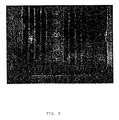
- Figure 2 12.5% SDS polyacrylamide gel of the total protein content extracted from the cell lysate of E.coli and B.subtilis cells grown at 42°C.
- FIG. 3 the construction of the plasmid pSM 3120 L is shown schematically.
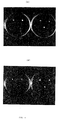
- Figure 4 (A and B) : the culture of E.coli and B.subtilis cells grown on plates at 28°C and 42°C is shown.
- plasmid DNA 0.5»g of the DNA of the lambda phage (GIBCO BRL) were digested with 2 units (U) of the restriction enzyme EcoRI (BRL) in 20»l of a buffer solution containing 50mM NaCl, 100mM pH7.5 Tris-HCl, and 5mM MgCl2, for 1 hour at 37°C.
- the plasmid DNA thus linearised, was extracted with equal volumes of phenol-chloroform/chloroform-isoamyl alcohol, precipitated with 0.3M final of sodium acetate and 2.5 volumes of ethanol for 10 minutes at -80°C and finally centrifuged in an Eppendorf centrifuge, model 5450, for 10 minutes at 12,000 rpm at 4°C.
- the DNA precipitated was isolated and dried under vacuum.
- the 710bp structural gene cIts 857 was then isolated from the plasmid DNA by the enzymatic amplification method with the aid of a primer with a heat-stable DNA polymerase (Tag polymerase) (Erlich et al., Science, 239 : 487-491, 1988).
- two complementary oligonucleotides were synthesised each at the 3′ end of one of the two helices of the gene and each containing an EcoRI restriction site immediately adjacent the ATG which starts the translation of the gene to facilitate cloning in the pSM 214 vector.
- the two oligonucleotides have the following sequences (SED. ID. No. 1 and 2): 30 ng of the phage DNA, linearised and separated as described above, were amplified by addition to 100 picomoles (1»l each) of the two oligonucleotides suspended in water, 200»M of each deoxynucleotide (dATP, dGTP, dCTP, dTTP), 200»g/ml of BSA (Boehringer), 50mM KCl, 10mM pH8.4 Tris-HCl, 2.5mM MgCl2 and 2U of the heat-stable enzyme Taq polymerase (Biolabs). The sample was covered with paraffin to prevent its evaporation and was then subjected to 30 reaction cycles, each constituted as follows:
- the gene which codes for the repressor was cloned in the vector pSM 214 ATCC 67320 with expression in B.subtilis and in E.coli , which vector contains the structural genes which code for resistance to ampicillin (Bla) and to chloramphenicol (Cat) and which are put under the control of a promoter responsible for the synthesis of a dicystronic mRNA.
- the DNA was precipitated as described above, resuspended in 20»l of a buffer containing 50mM NaCl, 500mM pH7.5 Tris-HCl, 5mM MgCl2 and 2U EcoRI and kept at 37°C for 1 hour. After the enzymatic reaction had been stopped, the DNA was precipitated as described above and the 6520 bp DNA fragment, without the beta-lactamase structural gene (Bla), was isolated.
- the DNA fragment and 300ng of the 710bp DNA fragment were resuspended in 100»l of ligation mixture (50mM pH7.6 Tris-HCl, 10mM MgCl2, 5mM DTT, 0.1mM spermidine, 0.1mM EDTA, 1mM ATP) and reacted at 14°C for 16 hours in the presence of 1U of T4 DNA ligase (Boehringer). After the reaction had been stopped at 65°C for 10 minutes, the entire ligation mixture was used to transform E.coli 71.18 cells (Iac pro SupE thi F′ proAB LacIq Z.. M15) made competent by the method described by Messing (Methods Enzymology Vol. 101, 20-78 (1983)).
- the transformants were selected on LB agar plates (DIFCO) containing 20»g/ml of chloramphenicol (Cm).
- the 7230 bp plasmid pSM 312 was isolated from one of the positive chloramphenicol-resistant (Cm R ) colonies and, upon restriction analysis, showed the correct insertion of the 710b fragment ( Figure 1).
- One of the positive clones was designated E.coli SMC 239.
- B.subtilis SMS 118 cells (Leu, pyRD1, npr ⁇ , spr ⁇ ) made competent as described by Contente and Dubnau (Mol, Gen. Genet., 167, 251-258, 1979).
- the transformants were selected on VY agar plates (DIFCO) containing 5»g/ml of Cm.
- the DNA of the positive (Cm R ) colonies was analysed by cutting with restriction enzymes and analysis on agarose gel, showing a pattern identical to that of pSM 312.
- One of the positive clones was designated B.subtilis SMS 248.
- the 60bp DNA fragment corresponding to the left-hand operator/promoter sequence (O L /P L ) of the lambda phage containing the two repressor attachment sites O L1 and O L2 was inserted suitably in the plasmid pSM 312.
- pSM 312 1»g of pSM 312 was digested with 2U of the restriction enzymes EcoRI and SstI at 37°C for 1 hour. After a check to ensure that digestion had taken place by the loading of a portion on to 0.8% agarose gel, the DNA was extracted with equal volumes of phenol-chloroform and chloroform-isoamyl alcohol, separated by centrifuging and dried under vacuum.
- a One Plus (Beckmann) DNA Synthesizer was used to synthesize the following 65-base and 56-base oligonucleotides: These oligonucleotides (linkers) correspond to the two helices of the O L /P L sequence of the lambda phage containing the O L1 and O L2 sites suitable for binding with the repressor.
- 0.5»g of the linkers were phosphorylated in 50»l of a solution containing 50mM pH7.6 Tris-HCl, 10mM MgCl2, 5mM DTT, 0.1mM EDTA, 1mM ATP, 0.1mM spermidine and 10U polynucleotide kinase (Boehringer) at 37°C for 1 hour. After the kinase had been deactivated at 65°C for 10 minutes, the two solutions were mixed and incubated at ambient temperature (20-25°C) for 30 minutes to encourage coupling (annealing) of the two complementary helices.
- the ligation mixture thus obtained was used to transform competent E.coli 71.18 cells.
- the transformants were then selected on LB agar plates with the addition of 20»g/ml of Cm. Only after restriction analysis with EcoRI and XbaI enzymes could it be confirmed that the 60bp fragment had been inserted as desired in some clones. In fact, by analysis on 7% polyacrylamide gel, a 135bp band corresponding to the promoter of pSM 214 (75bp) plus O L /P L was observed.
- the plasmid pSM 312O L containing the desired sequence was isolated from one of the positive clones (CM R ), designated E.coli SMC 242 ( Figure 3).
- Competent B.subtilis SMS 118 cells were transformed by the plasmid pSM 312O L .
- the clone SMS 258 (pSM 312O L ) was isolated from the transformants selected at 37°C on VY plates containing 5»g/ml of Cm and, after restriction analysis, its plasmid DNA was found to be identical to the expected pattern.
- Table I gives the growth data of the E.coli and B.subtilis strains transformed by the plasmids pSM 214, pSM 312 and pSM 312O L . These data were obtained by growth on plates of the best medium (LB per E.coli and TBAB for B.subtilis ) containing kanamycin (15»g/ml for E.coli and 5»g/ml for B.subtilis ), or chloramphenicol (20»g/ml and 5»g/ml respectively). The same strain was applied to two identical plates and these were incubated simultaneously, one at 28°C and the other at 42°C.
- the control strains that is, those containing pSM 214 and pSM 312, grew well at both temperatures with both of the antibiotics.
- the strains containing the plasmid pSM 312O L that is, those containing in which the operator/repressor system, showed differing growths at the two temperatures and on the two antibiotics. The same results were observed for the same strains grown in liquid media.
- Table I Temperature E.coli B.subtilis KM CM KM CM pSM 214 28°C + + + + + + 42°C + + + + + pSM 312 28°C + + + + 42°C + + + + + pSM 312O L 28°C + - + - 42°C + + + + + + + + + + + + + + + + + + + + + + + + + + + + + + + + + + + + + + + + + + + + + + + + + + + + + + + + + + + + + + + + + + + + + +
- raw proteinaceous extracts were prepared as described in Example 2 above.
- each culture was diluted by 1:100 and divided into a further two cultures, one of which was incubated at 28°C and the other at 42°C. 1ml samples were taken from the two cultures at comparable ODs. After centrifuging, the cell pellets were washed with STE (0.1M NaCl, 10mM pH8.0 Tris-HCl, 1mM EDTA) and then resuspended in 1ml 100mM of pH7.8 Tris-HCl. The solutions were then sonicated in order to lyse the cells and make the cell extract less viscous. After 4 sonication cycles for E.coli and 6 for B.subtilis , the CAT detection test was carried out. In practice, 100»l of cell extract and 1ml of the enzymatic reaction mixture were added to a dish kept thermostatically at 37°C as described by Shaw, Methods in Enzymology, 40, 737, 1974.
- Controls were carried out by the testing of samples in the absence of CM. It was thus possible to measure the base CAT-like activity to be subtracted from the value obtained in the presence of CM. In all cases, this activity was zero or little more than 0, that is, negligible. The net increase in absorbance per minute was divided by 13.6 to give the result in micromoles/minute of CM-dependent DTNB.
- CAT activity was measured for pSM 312O L at 28°C due to the fact that the messenger which transcribes the repressor and the CAT gene, which are present as the first and second genes of the dicystronic operon, are the same. This activity would be zero if the two genes were transcribed by two different messengers.
Landscapes
- Genetics & Genomics (AREA)
- Health & Medical Sciences (AREA)
- Life Sciences & Earth Sciences (AREA)
- Engineering & Computer Science (AREA)
- Chemical & Material Sciences (AREA)
- Wood Science & Technology (AREA)
- Organic Chemistry (AREA)
- Biotechnology (AREA)
- General Engineering & Computer Science (AREA)
- Biomedical Technology (AREA)
- Zoology (AREA)
- Bioinformatics & Cheminformatics (AREA)
- Molecular Biology (AREA)
- Microbiology (AREA)
- Plant Pathology (AREA)
- Physics & Mathematics (AREA)
- Biochemistry (AREA)
- General Health & Medical Sciences (AREA)
- Biophysics (AREA)
- Virology (AREA)
- Preparation Of Compounds By Using Micro-Organisms (AREA)
- Micro-Organisms Or Cultivation Processes Thereof (AREA)
- Indole Compounds (AREA)
Abstract
Description
- The present invention generally relates to the regulation of the expression of heterologous genes in Bacillus subtilis (B.subtilis) by temperature variation and to means and methods for its achievement.
- In particular, the present invention relates to a plasmid vector which can be replicated in B.subtilis and which is useful for the thermo-inducible expression and cloning of a heterologous gene which codes for a protein of interest, in which the gene is put under the control of a strong promoter whose activity is modulated by the heat-sensitive repressor of the lambda phage of E.coli by means of a variation in temperature.
- It is known that the level of expression of a heterologous structural gene in a microorganism depends strictly on the strength of its promoter, that is, on its capacity to give rise to messenger RNA at a high frequency. Often, however, a high level of transciption may, on the one hand, give rise to a gene product which, precisely because it is expressed in large quantities, may be toxic to the cell and, on the other hand, may interfere with the mechanisms for the replication of the DNA and lead to plasmid instability (Remaut et al., Gene, 15, 18, 1981).
- There is therefore a need for promoters whose activity can be modulated by means of an induction/repression system connected thereto. The expression of a gene controlled by such a promoter can thus be achieved by means of an external chemical or physical modulator which enables the exact moment at which expression is started to be selected.
- The activity of some promoters can be modulated by a variation in temperature. The expression of the gene controlled by such promoters thus starts only at a certain temperature.
- Many systems for the regulation of genes in gram-negative bacteria, such as strains of Escherichia coli, are known from technical and patent literature.
- Examples are the trp promoter, which is repressed by tryptophan and induced by 3-indolyl acetic acid (Morse et al., 1970, Cold Spring Harbor Symp. Quant. Biol., 34:725), the lac promoter, which is regulated by the lac repressor and induced by IPTG (isopropyl thiogalactopyranoside) and the PL and PR promotors of the lambda phage of E. coli. In particular, the PL promoter, which is a well-regulated, strong promoter, has been used for the construction of vectors with expression in E.coli (Hedgpeth et al., Mol. Gen. Genet., 163: 197, 1981; Bernard et al., Gene, 5: 59, 1979; Shimatake and Rosemberg, Nature, 292: 128, 1981).
- The regulation of this promoter is achieved only if the
gene cIts 857, which codes for a heat-sensitive protein (repressor) with 236 aminoacids (MW 27000) is present in the same vector or on the bacterial chromosome (Bernard et al., Gene, 5, 59, 1979). In the lambda phage, at low temperature (28°C), this repressor binds by means of its aminoterminal portion to the sequences known as the "operators (OL)" situated within the PL promoter, keeping the promoter itself in a repressed, that is inactive, state. If the temperature is increased (up to 42°C), the activity of the repressor is eliminated and PL is activated. - A similar activation mechanism is observed with the PR promoter (Lambda II, ed. Hendrix, Roberts, Stahland Weisberg (CSM Laboratory, New York 1983)).
- As regards B.subtilis, although it possessess regulatory systems which are complex and as yet unclear, up to now, none of these has shown the characteristics required in a regulatory system which can be used for the development of expression vectors, that is:
- a) very low levels of expression of the gene in the repressed state: this appears to be particularly important when the gene produced is toxic to the host cell;
- b) high levels of expression in the non-repressed state: once induced, the gene must be activated and levels of expression of the gene more than one thousand times higher than the levels found in the represssed stated should be reached.
- There is therefore a need for inducible systems which are effective in B.subtilis and, in particular, for thermo-inducible systems which enable simple and economically convenient methods to be established.
- Surprisingly, it has now been found that the expression of a heterologous gene in B.subtilis (gram-positive) can be regulated by the construction of a plasmid vector according to the present invention which uses the inducible system of the lambda phage of E.coli (gram-negative).
- A subject of the present invention is therefore constituted by a plasmid vector replicable in B.subtilis, which is useful for the cloning and thermo-inducible expression of a heterologous structural gene which codes for a protein of interest, in which the gene is put under the control of a strong promoter whose activity is modulated, by means of temperature variation, by the heat-sensitive repressor of the lambda phage of E.coli.
- Another subject of the present invention is a method for the thermo-inducible expression in B.subtilis of a heterologous gene which codes for a protein of interest, comprising the growth of a strain of B.subtilis transformed by the plasmid vector in a suitable culture medium and at a temperature which may vary from 28°C to 42°C.
- Further subjects of the present invention will become clear from a reading of the description and the examples which follow.
- In particular, the inducible system used for the construction of the plasmid vector according to the present invention is constituted by the structural gene cIts857, which codes for a heat-sensitive repressor protein, and by its operator/promoter OL/PL.
- The system can be introduced into a vector replicable with expression in B.subtilis selected from those known in the art.
- Preferably the
plasmid pSM 214 ATCC 67320, a vector which is functional both in E.coli and B.subtilis, whose construction is described in EP-A-0281530, is used. This plasmid is characterised in that it contains the gene which codes for resistance to kanamycin and a promoter responsible for the synthesis of a dicystronic mRNA which includes the sequences of the Bla and Cat structural genes. The removal of the Bla gene by means of the restriction enzymes EcoRI and HindIII and the subsequent insertion of a heterologous nucleotide sequence in the sites enables plasmids to be constructed in which the transcription of the sequence is ensured by the presence of the single promoter. - In practice, a 710 bp DNA fragment corresponding to the structural gene which codes for the repressor protein was isolated from the lambda phage of E.coli (GIBCO-BRL) and inserted in the
plasmid pSM 214 ATCC 67320 in the single restriction sites of EcoRI and HindIII to produce theplasmid pSM 312. The construction was carried out by techniques generally known in the field of recombinant DNA. In order to check whether the protein was expressed by B.subtilis which is a gram-positive microorganism, cells transformed by the vector were grown on a suitable culture medium to which chloramphenicol had been added, both at 28°C and at 42°C. - The total protein content extracted from the proteinaceous lysate was analysed on polyacrylamide gel and showed the presence of a protein with a molecular weight corresponding to that of the repressor. This confirmed the capacity of B.subtilis to express the heterologous protein.
- A synthetic oligonucleotide sequence containing the operator OL was then inserted in the
plasmid pSM 312 upstream of thestructural gene cIts 857, the plasmid pSM 312OL was isolated and, upon restriction analysis, was shown to have the correct construction. - E.coli and B. subtilis cells transformed by the plasmid, grown both in a liquid medium and on plates with the addition of chloramphenicol, were capable of expressing chloramphenicol acetyl transferase only at 42°C. This indicated that the thermo-inducible system used was also able to function in B.subtilis.
- The plasmid thus appeared to be particularly suitable for the thermo-inducible expression of heterologous genes by the replacement of the Cat gene by a gene which codes for a different protein.
- The plasmid pSM 3120L was deposited at the American Type Culture Centre as B.subtilis SMS 118 (pSM 3120L) ATCC 68058.
- Figure 1: the construction of the
plasmid pSM 312 is shown schematically. - Figure 2: 12.5% SDS polyacrylamide gel of the total protein content extracted from the cell lysate of E.coli and B.subtilis cells grown at 42°C.
- Figure 3: the construction of the plasmid pSM 3120L is shown schematically.
- Figure 4 (A and B): the culture of E.coli and B.subtilis cells grown on plates at 28°C and 42°C is shown.
- The following experimental examples are illustrative of the invention and are not limiting.
- 0.5»g of the DNA of the lambda phage (GIBCO BRL) were digested with 2 units (U) of the restriction enzyme EcoRI (BRL) in 20»l of a buffer solution containing 50mM NaCl, 100mM pH7.5 Tris-HCl, and 5mM MgCl₂, for 1 hour at 37°C. The plasmid DNA, thus linearised, was extracted with equal volumes of phenol-chloroform/chloroform-isoamyl alcohol, precipitated with 0.3M final of sodium acetate and 2.5 volumes of ethanol for 10 minutes at -80°C and finally centrifuged in an Eppendorf centrifuge, model 5450, for 10 minutes at 12,000 rpm at 4°C. The DNA precipitated was isolated and dried under vacuum.
- The 710bp
structural gene cIts 857 was then isolated from the plasmid DNA by the enzymatic amplification method with the aid of a primer with a heat-stable DNA polymerase (Tag polymerase) (Erlich et al., Science, 239: 487-491, 1988). - In practice, two complementary oligonucleotides were synthesised each at the 3′ end of one of the two helices of the gene and each containing an EcoRI restriction site immediately adjacent the ATG which starts the translation of the gene to facilitate cloning in the
pSM 214 vector. - The two oligonucleotides have the following sequences (SED. ID. No. 1 and 2):

30 ng of the phage DNA, linearised and separated as described above, were amplified by addition to 100 picomoles (1»l each) of the two oligonucleotides suspended in water, 200»M of each deoxynucleotide (dATP, dGTP, dCTP, dTTP), 200»g/ml of BSA (Boehringer), 50mM KCl, 10mM pH8.4 Tris-HCl, 2.5mM MgCl₂ and 2U of the heat-stable enzyme Taq polymerase (Biolabs). The sample was covered with paraffin to prevent its evaporation and was then subjected to 30 reaction cycles, each constituted as follows: - 1 minute at 95°C to denature the DNA;
- 1 minute at 40°C to promote the annealing of the oligonucleotides to the individual helices;
- 5 minutes at 70°C to activate the amplification operation achieved by the polymerase.
- 5 »l samples were taken after the 10th and 20th cycles, examined on agarose gel and showed an increase in the DNA due to its amplification. The reaction was stopped by extraction with an equal volume of phenol-chloroform/chloroform-isoamyl alcohol and the DNA precipitated with 0.3M sodium acetate and 2.5 volumes of ethanol. A portion of the precipitate, examined on agarose gel enabled the 710bp DNA fragment recovered to be evaluated at a total of 5»g.
- 2»g of this fragment were digested in 20»l of a buffer containing 50mM NaCl, 100mM pH7.5 Tris-HCl, 5mM MgCl₂ with 5U of EcoRI at 37°C for 1 hour in order to make its ends cohesive. The reaction was stopped and the DNA precipitated as described above. The DNA, separated by centrifuging, was then resuspended in 20 »l of water for use in the subsequent ligation reaction.
- In order to confirm the ability of B. subtilis to express the repressor, the gene which codes for the repressor was cloned in the
vector pSM 214 ATCC 67320 with expression in B.subtilis and in E.coli, which vector contains the structural genes which code for resistance to ampicillin (Bla) and to chloramphenicol (Cat) and which are put under the control of a promoter responsible for the synthesis of a dicystronic mRNA. - 1»g of the
plasmid pSM 214 ATCC 67320 was digested with 2U of the restriction enzyme HindIII (Boehringer) in 20»l of a buffer containing 50mM NaCl, 50mM of pH7.5 Tris-Hcl and 10mM of MgCl₂ for 1 hour at 37°C. After the reaction had been stopped and the DNA precipitated as described above, this was suspended in 25»l of a buffer containing 50mM pH7.2 Tris-Hcl, 10mM MgSO₄, 0.1mM dithiothreitol (DTT), 50gamma/ml BSA, 80»M (final concentration) of each of the triphosphate deoxynucleotides (dATP, dGTP, dCTP, dTTP) and 2U of Klenow DNA polymerase enzyme (Boehringer). The resulting mixture was kept at 23°C for 30 minutes and the reaction was then stopped by treatment with equal volumes of phenol-chloroform/chloroform-isoamyl alcohol. The DNA was precipitated as described above, resuspended in 20»l of a buffer containing 50mM NaCl, 500mM pH7.5 Tris-HCl, 5mM MgCl₂ and 2U EcoRI and kept at 37°C for 1 hour. After the enzymatic reaction had been stopped, the DNA was precipitated as described above and the 6520 bp DNA fragment, without the beta-lactamase structural gene (Bla), was isolated. - The DNA fragment and 300ng of the 710bp DNA fragment were resuspended in 100»l of ligation mixture (50mM pH7.6 Tris-HCl, 10mM MgCl₂, 5mM DTT, 0.1mM spermidine, 0.1mM EDTA, 1mM ATP) and reacted at 14°C for 16 hours in the presence of 1U of T4 DNA ligase (Boehringer). After the reaction had been stopped at 65°C for 10 minutes, the entire ligation mixture was used to transform E.coli 71.18 cells (Iac pro SupE thi F′ proAB LacIq Z.. M15) made competent by the method described by Messing (Methods Enzymology Vol. 101, 20-78 (1983)).
- The transformants were selected on LB agar plates (DIFCO) containing 20»g/ml of chloramphenicol (Cm). The 7230
bp plasmid pSM 312 was isolated from one of the positive chloramphenicol-resistant (CmR) colonies and, upon restriction analysis, showed the correct insertion of the 710b fragment (Figure 1). One of the positive clones was designated E.coli SMC 239. - 1»g of
pSM 312 was used to transform B.subtilis SMS 118 cells (Leu, pyRD1, npr⁻, spr⁻) made competent as described by Contente and Dubnau (Mol, Gen. Genet., 167, 251-258, 1979). The transformants were selected on VY agar plates (DIFCO) containing 5»g/ml of Cm. The DNA of the positive (CmR) colonies was analysed by cutting with restriction enzymes and analysis on agarose gel, showing a pattern identical to that ofpSM 312. One of the positive clones was designated B.subtilis SMS 248. -
- a) B.subtilis SMS 248 (pSM 312) were grown in 10ml of VY medium with the addition of 5»g/ml of chloramphenicol at 42°C for 20 hours. 1ml of the culture was then centrifuged (Eppendorf centrifuge mod. 5450) at 12,000 rpm for 5 minutes and the precipitate was suspended in 100»l of a buffer containing 30mM pH7.2 Tris-HCl and 15% of sucrose. 20»l of a lysozyme solution (5mg/ml in 250mM pH7.2 Tris-Hcl) was then added to the mixture. The mixture was incubated at 37°C for 10 minutes to encourage cell lysis and 180 »l of a solution containing 125mM pH6.8 Tris-HCl, 20% glycerine, 3% sodium dodecyl sulphate (SDS), and 3% beta mercaptoethanol were then added.
A 15»l portion, corresponding to 50»l of the initial culture, was loaded on to 12.5% SDS polyacrylamide gel (Laemmli, Nature, vol. 277, 680, 1970). After electrophoresis at 25mA for approximately 3 hours, the proteins were displayed by dyeing with Coomassie Blue (0.2% R-250 BioRad in 30% ethanol and 10% acetic acid) (Gel Electrophoresis of proteins : a practical approach, B.D. Manes, D. Rickwood, IRL Press Ltd). The dyeing of the gel revealed the presence of a proteinaceous band with a molecular weight corresponding to that of the repressor protein (Figure 2), thus confirming the ability of the microorganism to express the protein. - b) E.coli SMC 239 cells were grown in LB with the addition fo 20»g/ml of chloramphenicol at 42°C. The cells were then separated and lysed as described above and the proteinaceous lysate was analysed as described in step a). The results obtained showed that this strain was also able to express the repressor at considerable levels but less than those obtained from B.subtilis.
- In order to evaluate whether the ts operator/repressor system of the lambda phage was also able to function in B.subtilis, the 60bp DNA fragment corresponding to the left-hand operator/promoter sequence (OL/PL) of the lambda phage containing the two repressor attachment sites OL1 and OL2 was inserted suitably in the
plasmid pSM 312. - 1»g of
pSM 312 was digested with 2U of the restriction enzymes EcoRI and SstI at 37°C for 1 hour. After a check to ensure that digestion had taken place by the loading of a portion on to 0.8% agarose gel, the DNA was extracted with equal volumes of phenol-chloroform and chloroform-isoamyl alcohol, separated by centrifuging and dried under vacuum. - Simultaneously, a One Plus (Beckmann) DNA Synthesizer was used to synthesize the following 65-base and 56-base oligonucleotides:

These oligonucleotides (linkers) correspond to the two helices of the OL/PL sequence of the lambda phage containing the OL1 and OL2 sites suitable for binding with the repressor. - 0.5»g of the linkers were phosphorylated in 50»l of a solution containing 50mM pH7.6 Tris-HCl, 10mM MgCl₂, 5mM DTT, 0.1mM EDTA, 1mM ATP, 0.1mM spermidine and 10U polynucleotide kinase (Boehringer) at 37°C for 1 hour. After the kinase had been deactivated at 65°C for 10 minutes, the two solutions were mixed and incubated at ambient temperature (20-25°C) for 30 minutes to encourage coupling (annealing) of the two complementary helices.
- 0.1 gamma (2»l) of the
plasmid pSM 312, digested as described above, and 10ng (1»l) of the double-helix linker, molar ratio 1:10, were then ligated in a ligation mixture in the presence of 1U of T4 DNA ligase at 14°C for 16 hours and then deactivated at 65°C for 10 minutes. - The ligation mixture thus obtained was used to transform competent E.coli 71.18 cells. The transformants were then selected on LB agar plates with the addition of 20»g/ml of Cm. Only after restriction analysis with EcoRI and XbaI enzymes could it be confirmed that the 60bp fragment had been inserted as desired in some clones. In fact, by analysis on 7% polyacrylamide gel, a 135bp band corresponding to the promoter of pSM 214 (75bp) plus OL/PL was observed. The plasmid pSM 312OL containing the desired sequence was isolated from one of the positive clones (CMR), designated E.coli SMC 242 (Figure 3).
- Competent B.subtilis SMS 118 cells were transformed by the plasmid pSM 312OL. The clone SMS 258 (pSM 312OL) was isolated from the transformants selected at 37°C on VY plates containing 5»g/ml of Cm and, after restriction analysis, its plasmid DNA was found to be identical to the expected pattern.
- The following Table I gives the growth data of the E.coli and B.subtilis strains transformed by the
plasmids pSM 214,pSM 312 and pSM 312OL. These data were obtained by growth on plates of the best medium (LB per E.coli and TBAB for B.subtilis) containing kanamycin (15»g/ml for E.coli and 5»g/ml for B.subtilis), or chloramphenicol (20»g/ml and 5»g/ml respectively). The same strain was applied to two identical plates and these were incubated simultaneously, one at 28°C and the other at 42°C. The control strains, that is, those containingpSM 214 andpSM 312, grew well at both temperatures with both of the antibiotics. The strains containing the plasmid pSM 312OL, that is, those containing in which the operator/repressor system, showed differing growths at the two temperatures and on the two antibiotics. The same results were observed for the same strains grown in liquid media.Table I Temperature E.coli B.subtilis KM CM KM CM pSM 214 28°C + + + + 42°C + + + + pSM 31228°C + + + + 42°C + + + + pSM 312OL 28°C + - + - 42°C + + + + - In order to evaluate the effectiveness of the expression of the total protein content for the said strains, raw proteinaceous extracts were prepared as described in Example 2 above.
- The data obtained from SDS-polyacrylamide gel, given in Figure 2, show that the strains are able to express the repressor.
- In order to confirm the data given in Table I and to evaluate the extent to which the expression of the gene was modulated by the ts OLPL/repressor system, both in E. coli and in B.subtilis, the activity was measured of chloramphenicol acetyl transferase (CAT), whose structural gene is located immediately downstream of the promoter of
pSM 214 and of the OL/PL system and of the lambda-phage repressor. A culture of the two strains (SMC 242 and SMS 258) was incubated at 28°C for 16 hours in a suitable medium. After this period of time, each culture was diluted by 1:100 and divided into a further two cultures, one of which was incubated at 28°C and the other at 42°C. 1ml samples were taken from the two cultures at comparable ODs. After centrifuging, the cell pellets were washed with STE (0.1M NaCl, 10mM pH8.0 Tris-HCl, 1mM EDTA) and then resuspended in 1ml 100mM of pH7.8 Tris-HCl. The solutions were then sonicated in order to lyse the cells and make the cell extract less viscous. After 4 sonication cycles for E.coli and 6 for B.subtilis, the CAT detection test was carried out. In practice, 100»l of cell extract and 1ml of the enzymatic reaction mixture were added to a dish kept thermostatically at 37°C as described by Shaw, Methods in Enzymology, 40, 737, 1974. - Controls were carried out by the testing of samples in the absence of CM. It was thus possible to measure the base CAT-like activity to be subtracted from the value obtained in the presence of CM. In all cases, this activity was zero or little more than 0, that is, negligible. The net increase in absorbance per minute was divided by 13.6 to give the result in micromoles/minute of CM-dependent DTNB.
- Since this is equivalent to the acetylation value and since 1 CAT unit = 1 micromole of acetylated Cma, the value obtained immediately gives the value of the units of enzyme in the dish (


- The results of some enzymatic tests obtained from the cell extracts of B.subtilis are given in Table II.

- The values given are expressed both in units/ml and in units/OD. The greater activity at 42°C than at 28°C can be seen from these data.
- Moreover, it should be noted that a minimum of CAT activity was measured for pSM 312OL at 28°C due to the fact that the messenger which transcribes the repressor and the CAT gene, which are present as the first and second genes of the dicystronic operon, are the same. This activity would be zero if the two genes were transcribed by two different messengers.

Claims (7)
- A plasmid vector which can replicate in Bacillus subtilis for the inducible expression in Bacillus subtilis of a heterologous structural gene, which codes for a protein of interest, wherein said vector comprises:- a strong promoter;- an operator/promoter OL/PL;- an E. coli lambda phage structural gene cIts 857 encoding the heat-sensitive repressor protein of said phage;- said heterologous structural gene;wherein said cIts 857 gene and said heterologous structural gene are under the control of said strong promoter whose activity is modulated by said operator-repressor by means of a variation in temperature.
- A plasmid vector according to claim 1, wherein said operator/promoter OL/PL has the following sequence:

- A plasmid vector according to Claim 1, in which the strong promoter is isolated from the plasmid pSM 214 ATCC 67320.
- A plasmid vector according to Claim 3, obtainable from Bacillus subtilis ATCC 68058.
- A microorganism selected from the Bacillus subtilis group including a plasmid vector according to Claims 1 to 4.
- Bacillus subtilis SMS 118 ATCC 68058.
- A method for the thermo-inducible expression of a heterologous structural gene which codes for a protein of interest, comprising the growth in a culture medium containing sources of carbon, nitrogenous sources and mineral salts, of a strain of Bacillus subtilis transformed by a plasmid vector according to Claims 1 to 4, in which the regulation of the expression is modulated by temperature variation.
Applications Claiming Priority (2)
| Application Number | Priority Date | Filing Date | Title |
|---|---|---|---|
| IT8921343A IT1231016B (en) | 1989-07-27 | 1989-07-27 | THERMOINDUCIBLE EXPRESSION OF HETEROLOGICAL GENES IN BACILLUS SUBTILIS AND MEANS AND METHODS FOR ITS OBTAINING |
| IT2134389 | 1989-07-27 |
Publications (2)
| Publication Number | Publication Date |
|---|---|
| EP0410228A1 EP0410228A1 (en) | 1991-01-30 |
| EP0410228B1 true EP0410228B1 (en) | 1994-06-15 |
Family
ID=11180394
Family Applications (1)
| Application Number | Title | Priority Date | Filing Date |
|---|---|---|---|
| EP90113416A Expired - Lifetime EP0410228B1 (en) | 1989-07-27 | 1990-07-13 | The thermo-inducible expression of heterologous genes in bacillus subtilis and means and methods for its achievement |
Country Status (8)
| Country | Link |
|---|---|
| EP (1) | EP0410228B1 (en) |
| JP (1) | JPH03151882A (en) |
| AT (1) | ATE107359T1 (en) |
| CA (1) | CA2022135A1 (en) |
| DE (1) | DE69009883T2 (en) |
| DK (1) | DK0410228T3 (en) |
| ES (1) | ES2055236T3 (en) |
| IT (1) | IT1231016B (en) |
Families Citing this family (4)
| Publication number | Priority date | Publication date | Assignee | Title |
|---|---|---|---|---|
| US6617148B2 (en) * | 2000-06-29 | 2003-09-09 | E. I. Du Pont De Nemours And Company | Natural promoters for gene expression and metabolic monitoring in bacillus species |
| WO2006002574A1 (en) * | 2004-07-05 | 2006-01-12 | Nanjing Normal University | A plasmid vector controlled by the sygma 32 factor of escherichia coli and its use for the expression of heterologous protein |
| CN114672502B (en) * | 2022-01-06 | 2024-07-30 | 清华大学 | Construction method of temperature-controlled cell-free reaction system, plasmid used by method and application |
| CN116064522A (en) * | 2022-08-08 | 2023-05-05 | 南京工业大学 | Temperature-inducible promoter derived from Bacillus amyloliquefaciens and its application |
Family Cites Families (2)
| Publication number | Priority date | Publication date | Assignee | Title |
|---|---|---|---|---|
| GB2166743B (en) * | 1984-11-13 | 1989-01-05 | Solvay | Process for a thermo-inducible gene expression in gram positive bacteria and bacillus subtilis strains containing plasmids which induce such an expression |
| DE3619902A1 (en) * | 1986-06-13 | 1988-03-03 | Biotechnolog Forschung Gmbh | CMV DNA STRUCTURES, EXPRESSION VECTOR DAFUER, CMV PROTEIN STRUCTURES AND THEIR USE |
-
1989
- 1989-07-27 IT IT8921343A patent/IT1231016B/en active
-
1990
- 1990-07-13 DK DK90113416.3T patent/DK0410228T3/en active
- 1990-07-13 AT AT90113416T patent/ATE107359T1/en not_active IP Right Cessation
- 1990-07-13 ES ES90113416T patent/ES2055236T3/en not_active Expired - Lifetime
- 1990-07-13 DE DE69009883T patent/DE69009883T2/en not_active Expired - Fee Related
- 1990-07-13 EP EP90113416A patent/EP0410228B1/en not_active Expired - Lifetime
- 1990-07-26 JP JP2196442A patent/JPH03151882A/en active Pending
- 1990-07-27 CA CA002022135A patent/CA2022135A1/en not_active Abandoned
Also Published As
| Publication number | Publication date |
|---|---|
| JPH03151882A (en) | 1991-06-28 |
| CA2022135A1 (en) | 1991-01-28 |
| EP0410228A1 (en) | 1991-01-30 |
| ES2055236T3 (en) | 1994-08-16 |
| ATE107359T1 (en) | 1994-07-15 |
| DE69009883T2 (en) | 1994-09-22 |
| IT8921343A0 (en) | 1989-07-27 |
| DE69009883D1 (en) | 1994-07-21 |
| IT1231016B (en) | 1991-11-08 |
| DK0410228T3 (en) | 1994-10-24 |
Similar Documents
| Publication | Publication Date | Title |
|---|---|---|
| Menzel et al. | Fusions of the Escherichia coli gyrA and gyrB control regions to the galactokinase gene are inducible by coumermycin treatment | |
| Morales et al. | A series of wide-host-range low-copy-number vectors that allow direct screening for recombinants | |
| Jørgensen et al. | Release factor-dependent false stops are infrequent in Escherichia coli | |
| Peredelchuk et al. | A method for construction of E. coli strains with multiple DNA insertions in the chromosome | |
| Casjens et al. | Nucleotide sequence of the bacteriophage P22 gene 19 to 3 region: identification of a new gene required for lysis | |
| Theophilus et al. | Regulation of the trfA and trfB promoters of broad host range plasmid RK2: identification of sequences essential for regulation by trfB/korA/korD | |
| Shiroza et al. | Construction of a model secretion system for oral streptococci | |
| Garnier et al. | Identification and molecular genetic analysis of replication functions of the bacteriocinogenic plasmid pIP404 from Clostridium perfringens | |
| Guillen et al. | Cloning and characterization of the regulatory Bacillus subtilis competence genes comA and comB | |
| Lyras et al. | Transposition of Tn4451 and Tn4453 involves a circular intermediate that forms a promoter for the large resolvase, TnpX | |
| Peñaloza-Vázquez et al. | Characterization of CorR, a transcriptional activator which is required for biosynthesis of the phytotoxin coronatine | |
| EP0195303B1 (en) | Plasmid vectors for expression in escherichia coli and/or bacillus subtilis | |
| Bidnenko et al. | Lactococcus lactis phage operon coding for an endonuclease homologous to RuvC | |
| Park et al. | The use of bacterial luciferase for monitoring the environmental regulation of expression of genes encoding virulence factors in Listeria monocytogenes | |
| Tait et al. | Isolation of the origin of replication of the IncW-group plasmid pSa | |
| Cheo et al. | Molecular characterization of regulatory elements controlling expression of the Bacillus subtilis recA+ gene | |
| Rawlinson et al. | LasX, a transcriptional regulator of the lactocin S biosynthetic genes in Lactobacillus sakei L45, acts both as an activator and a repressor | |
| Jonczyk et al. | The Escherichia coli dam gene is expressed as a distal gene of a new operon | |
| EP0410228A1 (en) | The thermo-inducible expression of heterologous genes in bacillus subtilis and means and methods for its achievement | |
| Wang et al. | Translational fusion with a secretory enzyme as an indicator | |
| Kooistra et al. | Cloning and characterization of a Bacillus subtilis transcription unit involved in ATP-dependent DNase synthesis | |
| Lewis et al. | Interaction of LexA repressor with the asymmetric dinG operator and complete nucleotide sequence of the gene | |
| Oultram et al. | Conjugal transfer of a small plasmid from Bacillus subtilis to Clostridium acetobutylicum by cointegrate formation with plasmid pAMβ1 | |
| Harding et al. | Chromosomal replication origins (oriC) of Enterobacter aerogenes and Klebsiella pneumoniae are functional in Escherichia coli | |
| Solaiman et al. | Shuttle vectors developed from Streptococcus thermophilus native plasmid |
Legal Events
| Date | Code | Title | Description |
|---|---|---|---|
| PUAI | Public reference made under article 153(3) epc to a published international application that has entered the european phase |
Free format text: ORIGINAL CODE: 0009012 |
|
| AK | Designated contracting states |
Kind code of ref document: A1 Designated state(s): AT BE CH DE DK ES FR GB GR LI LU NL SE |
|
| 17P | Request for examination filed |
Effective date: 19910416 |
|
| 17Q | First examination report despatched |
Effective date: 19930618 |
|
| GRAA | (expected) grant |
Free format text: ORIGINAL CODE: 0009210 |
|
| AK | Designated contracting states |
Kind code of ref document: B1 Designated state(s): AT BE CH DE DK ES FR GB GR LI LU NL SE |
|
| REF | Corresponds to: |
Ref document number: 107359 Country of ref document: AT Date of ref document: 19940715 Kind code of ref document: T |
|
| REF | Corresponds to: |
Ref document number: 69009883 Country of ref document: DE Date of ref document: 19940721 |
|
| ET | Fr: translation filed | ||
| REG | Reference to a national code |
Ref country code: ES Ref legal event code: FG2A Ref document number: 2055236 Country of ref document: ES Kind code of ref document: T3 |
|
| REG | Reference to a national code |
Ref country code: GR Ref legal event code: FG4A Free format text: 3012575 |
|
| EPTA | Lu: last paid annual fee | ||
| REG | Reference to a national code |
Ref country code: DK Ref legal event code: T3 |
|
| EAL | Se: european patent in force in sweden |
Ref document number: 90113416.3 |
|
| PLBE | No opposition filed within time limit |
Free format text: ORIGINAL CODE: 0009261 |
|
| STAA | Information on the status of an ep patent application or granted ep patent |
Free format text: STATUS: NO OPPOSITION FILED WITHIN TIME LIMIT |
|
| 26N | No opposition filed | ||
| PGFP | Annual fee paid to national office [announced via postgrant information from national office to epo] |
Ref country code: GB Payment date: 19970704 Year of fee payment: 8 |
|
| PGFP | Annual fee paid to national office [announced via postgrant information from national office to epo] |
Ref country code: FR Payment date: 19970709 Year of fee payment: 8 |
|
| PGFP | Annual fee paid to national office [announced via postgrant information from national office to epo] |
Ref country code: DK Payment date: 19970715 Year of fee payment: 8 Ref country code: AT Payment date: 19970715 Year of fee payment: 8 |
|
| PGFP | Annual fee paid to national office [announced via postgrant information from national office to epo] |
Ref country code: SE Payment date: 19970716 Year of fee payment: 8 |
|
| PGFP | Annual fee paid to national office [announced via postgrant information from national office to epo] |
Ref country code: DE Payment date: 19970718 Year of fee payment: 8 |
|
| PGFP | Annual fee paid to national office [announced via postgrant information from national office to epo] |
Ref country code: GR Payment date: 19970729 Year of fee payment: 8 Ref country code: ES Payment date: 19970729 Year of fee payment: 8 |
|
| PGFP | Annual fee paid to national office [announced via postgrant information from national office to epo] |
Ref country code: CH Payment date: 19970730 Year of fee payment: 8 |
|
| PGFP | Annual fee paid to national office [announced via postgrant information from national office to epo] |
Ref country code: NL Payment date: 19970731 Year of fee payment: 8 |
|
| PGFP | Annual fee paid to national office [announced via postgrant information from national office to epo] |
Ref country code: LU Payment date: 19970814 Year of fee payment: 8 |
|
| PGFP | Annual fee paid to national office [announced via postgrant information from national office to epo] |
Ref country code: BE Payment date: 19970828 Year of fee payment: 8 |
|
| PG25 | Lapsed in a contracting state [announced via postgrant information from national office to epo] |
Ref country code: LU Free format text: LAPSE BECAUSE OF NON-PAYMENT OF DUE FEES Effective date: 19980713 Ref country code: GB Free format text: LAPSE BECAUSE OF NON-PAYMENT OF DUE FEES Effective date: 19980713 Ref country code: AT Free format text: LAPSE BECAUSE OF NON-PAYMENT OF DUE FEES Effective date: 19980713 |
|
| PG25 | Lapsed in a contracting state [announced via postgrant information from national office to epo] |
Ref country code: SE Free format text: LAPSE BECAUSE OF NON-PAYMENT OF DUE FEES Effective date: 19980714 Ref country code: ES Free format text: LAPSE BECAUSE OF THE APPLICANT RENOUNCES Effective date: 19980714 |
|
| PG25 | Lapsed in a contracting state [announced via postgrant information from national office to epo] |
Ref country code: LI Free format text: LAPSE BECAUSE OF NON-PAYMENT OF DUE FEES Effective date: 19980731 Ref country code: GR Free format text: LAPSE BECAUSE OF NON-PAYMENT OF DUE FEES Effective date: 19980731 Ref country code: DK Free format text: LAPSE BECAUSE OF NON-PAYMENT OF DUE FEES Effective date: 19980731 Ref country code: CH Free format text: LAPSE BECAUSE OF NON-PAYMENT OF DUE FEES Effective date: 19980731 Ref country code: BE Free format text: LAPSE BECAUSE OF NON-PAYMENT OF DUE FEES Effective date: 19980731 |
|
| BERE | Be: lapsed |
Owner name: ENIRICERCHE S.P.A. Effective date: 19980731 |
|
| PG25 | Lapsed in a contracting state [announced via postgrant information from national office to epo] |
Ref country code: NL Free format text: LAPSE BECAUSE OF NON-PAYMENT OF DUE FEES Effective date: 19990201 |
|
| GBPC | Gb: european patent ceased through non-payment of renewal fee |
Effective date: 19980713 |
|
| REG | Reference to a national code |
Ref country code: CH Ref legal event code: PL |
|
| EUG | Se: european patent has lapsed |
Ref document number: 90113416.3 |
|
| PG25 | Lapsed in a contracting state [announced via postgrant information from national office to epo] |
Ref country code: FR Free format text: LAPSE BECAUSE OF NON-PAYMENT OF DUE FEES Effective date: 19990331 |
|
| NLV4 | Nl: lapsed or anulled due to non-payment of the annual fee |
Effective date: 19990201 |
|
| PG25 | Lapsed in a contracting state [announced via postgrant information from national office to epo] |
Ref country code: DE Free format text: LAPSE BECAUSE OF NON-PAYMENT OF DUE FEES Effective date: 19990501 |
|
| REG | Reference to a national code |
Ref country code: FR Ref legal event code: ST |
|
| REG | Reference to a national code |
Ref country code: DK Ref legal event code: EBP |
|
| REG | Reference to a national code |
Ref country code: ES Ref legal event code: FD2A Effective date: 20001102 |