EP0323722A1 - Compositions and method for recombinant production of crotalidus venom fibrolase - Google Patents
Compositions and method for recombinant production of crotalidus venom fibrolase Download PDFInfo
- Publication number
- EP0323722A1 EP0323722A1 EP88311924A EP88311924A EP0323722A1 EP 0323722 A1 EP0323722 A1 EP 0323722A1 EP 88311924 A EP88311924 A EP 88311924A EP 88311924 A EP88311924 A EP 88311924A EP 0323722 A1 EP0323722 A1 EP 0323722A1
- Authority
- EP
- European Patent Office
- Prior art keywords
- fibrolase
- sequence
- fib
- dna
- recombinant
- Prior art date
- Legal status (The legal status is an assumption and is not a legal conclusion. Google has not performed a legal analysis and makes no representation as to the accuracy of the status listed.)
- Withdrawn
Links
- 108010090109 Fibrolase Proteins 0.000 title claims abstract description 125
- 238000000034 method Methods 0.000 title claims description 21
- 239000002435 venom Substances 0.000 title claims description 9
- 210000001048 venom Anatomy 0.000 title claims description 9
- 231100000611 venom Toxicity 0.000 title claims description 9
- 238000004519 manufacturing process Methods 0.000 title abstract description 4
- 239000000203 mixture Substances 0.000 title description 13
- 108020004414 DNA Proteins 0.000 claims abstract description 40
- 241000271045 Agkistrodon contortrix contortrix Species 0.000 claims abstract description 37
- 240000004808 Saccharomyces cerevisiae Species 0.000 claims abstract description 26
- 239000013604 expression vector Substances 0.000 claims abstract description 25
- 108020004511 Recombinant DNA Proteins 0.000 claims abstract description 8
- 150000001413 amino acids Chemical class 0.000 claims description 50
- 108090000623 proteins and genes Proteins 0.000 claims description 35
- 210000004027 cell Anatomy 0.000 claims description 23
- 102000004169 proteins and genes Human genes 0.000 claims description 20
- NPBGTPKLVJEOBE-IUCAKERBSA-N Lys-Arg Chemical compound NCCCC[C@H](N)C(=O)N[C@H](C(O)=O)CCCNC(N)=N NPBGTPKLVJEOBE-IUCAKERBSA-N 0.000 claims description 15
- 241000270295 Serpentes Species 0.000 claims description 9
- 238000012545 processing Methods 0.000 claims description 9
- IXKSXJFAGXLQOQ-XISFHERQSA-N WHWLQLKPGQPMY Chemical compound C([C@@H](C(=O)N[C@@H](CC=1C2=CC=CC=C2NC=1)C(=O)N[C@@H](CC(C)C)C(=O)N[C@@H](CCC(N)=O)C(=O)N[C@@H](CC(C)C)C(=O)N1CCC[C@H]1C(=O)NCC(=O)N[C@@H](CCC(N)=O)C(=O)N[C@@H](CC(O)=O)C(=O)N1CCC[C@H]1C(=O)N[C@@H](CCSC)C(=O)N[C@@H](CC=1C=CC(O)=CC=1)C(O)=O)NC(=O)[C@@H](N)CC=1C2=CC=CC=C2NC=1)C1=CNC=N1 IXKSXJFAGXLQOQ-XISFHERQSA-N 0.000 claims description 8
- 230000003248 secreting effect Effects 0.000 claims description 6
- 230000028327 secretion Effects 0.000 claims description 4
- 230000009424 thromboembolic effect Effects 0.000 claims description 4
- 210000005253 yeast cell Anatomy 0.000 claims description 2
- 238000006467 substitution reaction Methods 0.000 claims 6
- 244000005700 microbiome Species 0.000 claims 3
- 239000008194 pharmaceutical composition Substances 0.000 claims 1
- 239000002299 complementary DNA Substances 0.000 description 30
- 239000013598 vector Substances 0.000 description 20
- 235000018102 proteins Nutrition 0.000 description 18
- LFQSCWFLJHTTHZ-UHFFFAOYSA-N Ethanol Chemical compound CCO LFQSCWFLJHTTHZ-UHFFFAOYSA-N 0.000 description 17
- 239000013612 plasmid Substances 0.000 description 17
- 108091032973 (ribonucleotides)n+m Proteins 0.000 description 15
- 108091026890 Coding region Proteins 0.000 description 15
- TWRXJAOTZQYOKJ-UHFFFAOYSA-L Magnesium chloride Chemical compound [Mg+2].[Cl-].[Cl-] TWRXJAOTZQYOKJ-UHFFFAOYSA-L 0.000 description 14
- 239000012634 fragment Substances 0.000 description 14
- 102000004190 Enzymes Human genes 0.000 description 13
- 108090000790 Enzymes Proteins 0.000 description 13
- 239000007983 Tris buffer Substances 0.000 description 13
- 229940088598 enzyme Drugs 0.000 description 13
- LENZDBCJOHFCAS-UHFFFAOYSA-N tris Chemical compound OCC(N)(CO)CO LENZDBCJOHFCAS-UHFFFAOYSA-N 0.000 description 13
- HEDRZPFGACZZDS-UHFFFAOYSA-N Chloroform Chemical compound ClC(Cl)Cl HEDRZPFGACZZDS-UHFFFAOYSA-N 0.000 description 12
- 238000006243 chemical reaction Methods 0.000 description 12
- 108090000765 processed proteins & peptides Proteins 0.000 description 12
- 102000004196 processed proteins & peptides Human genes 0.000 description 12
- 229920001184 polypeptide Polymers 0.000 description 11
- XLYOFNOQVPJJNP-UHFFFAOYSA-N water Substances O XLYOFNOQVPJJNP-UHFFFAOYSA-N 0.000 description 11
- FAPWRFPIFSIZLT-UHFFFAOYSA-M Sodium chloride Chemical compound [Na+].[Cl-] FAPWRFPIFSIZLT-UHFFFAOYSA-M 0.000 description 10
- PHTQWCKDNZKARW-UHFFFAOYSA-N isoamylol Chemical compound CC(C)CCO PHTQWCKDNZKARW-UHFFFAOYSA-N 0.000 description 10
- 239000000243 solution Substances 0.000 description 10
- KCXVZYZYPLLWCC-UHFFFAOYSA-N EDTA Chemical compound OC(=O)CN(CC(O)=O)CCN(CC(O)=O)CC(O)=O KCXVZYZYPLLWCC-UHFFFAOYSA-N 0.000 description 9
- 101710187573 Alcohol dehydrogenase 2 Proteins 0.000 description 8
- 101710133776 Alcohol dehydrogenase class-3 Proteins 0.000 description 8
- ISWSIDIOOBJBQZ-UHFFFAOYSA-N Phenol Chemical compound OC1=CC=CC=C1 ISWSIDIOOBJBQZ-UHFFFAOYSA-N 0.000 description 8
- 239000000499 gel Substances 0.000 description 8
- 108020004445 glyceraldehyde-3-phosphate dehydrogenase Proteins 0.000 description 8
- 239000002773 nucleotide Substances 0.000 description 8
- 125000003729 nucleotide group Chemical group 0.000 description 8
- 239000003998 snake venom Substances 0.000 description 8
- 241000894006 Bacteria Species 0.000 description 7
- 241000588724 Escherichia coli Species 0.000 description 7
- 102100031181 Glyceraldehyde-3-phosphate dehydrogenase Human genes 0.000 description 7
- 238000003556 assay Methods 0.000 description 7
- 239000000872 buffer Substances 0.000 description 7
- 210000004907 gland Anatomy 0.000 description 7
- KWGKDLIKAYFUFQ-UHFFFAOYSA-M lithium chloride Chemical compound [Li+].[Cl-] KWGKDLIKAYFUFQ-UHFFFAOYSA-M 0.000 description 7
- 229910001629 magnesium chloride Inorganic materials 0.000 description 7
- 241000894007 species Species 0.000 description 7
- 238000013518 transcription Methods 0.000 description 7
- 230000035897 transcription Effects 0.000 description 7
- 241001138401 Kluyveromyces lactis Species 0.000 description 6
- 108091028043 Nucleic acid sequence Proteins 0.000 description 6
- DBMJMQXJHONAFJ-UHFFFAOYSA-M Sodium laurylsulphate Chemical compound [Na+].CCCCCCCCCCCCOS([O-])(=O)=O DBMJMQXJHONAFJ-UHFFFAOYSA-M 0.000 description 6
- 108010041102 azocasein Proteins 0.000 description 6
- 238000010367 cloning Methods 0.000 description 6
- VHJLVAABSRFDPM-QWWZWVQMSA-N dithiothreitol Chemical compound SC[C@@H](O)[C@H](O)CS VHJLVAABSRFDPM-QWWZWVQMSA-N 0.000 description 6
- 239000003527 fibrinolytic agent Substances 0.000 description 6
- 239000008188 pellet Substances 0.000 description 6
- 108091033319 polynucleotide Proteins 0.000 description 6
- 239000002157 polynucleotide Substances 0.000 description 6
- 102000040430 polynucleotide Human genes 0.000 description 6
- 230000001105 regulatory effect Effects 0.000 description 6
- 108091008146 restriction endonucleases Proteins 0.000 description 6
- USFZMSVCRYTOJT-UHFFFAOYSA-N Ammonium acetate Chemical compound N.CC(O)=O USFZMSVCRYTOJT-UHFFFAOYSA-N 0.000 description 5
- 239000005695 Ammonium acetate Substances 0.000 description 5
- WQZGKKKJIJFFOK-GASJEMHNSA-N Glucose Natural products OC[C@H]1OC(O)[C@H](O)[C@@H](O)[C@@H]1O WQZGKKKJIJFFOK-GASJEMHNSA-N 0.000 description 5
- 108091034057 RNA (poly(A)) Proteins 0.000 description 5
- 229940057326 agkistrodon contortrix venom Drugs 0.000 description 5
- 235000019257 ammonium acetate Nutrition 0.000 description 5
- 229940043376 ammonium acetate Drugs 0.000 description 5
- 238000003776 cleavage reaction Methods 0.000 description 5
- 230000000694 effects Effects 0.000 description 5
- 239000008103 glucose Substances 0.000 description 5
- 108020004999 messenger RNA Proteins 0.000 description 5
- 230000007017 scission Effects 0.000 description 5
- 239000011780 sodium chloride Substances 0.000 description 5
- 230000014616 translation Effects 0.000 description 5
- IJGRMHOSHXDMSA-UHFFFAOYSA-N Atomic nitrogen Chemical compound N#N IJGRMHOSHXDMSA-UHFFFAOYSA-N 0.000 description 4
- 101001018097 Homo sapiens L-selectin Proteins 0.000 description 4
- 102100033467 L-selectin Human genes 0.000 description 4
- 108091034117 Oligonucleotide Proteins 0.000 description 4
- UIIMBOGNXHQVGW-UHFFFAOYSA-M Sodium bicarbonate Chemical compound [Na+].OC([O-])=O UIIMBOGNXHQVGW-UHFFFAOYSA-M 0.000 description 4
- 239000008346 aqueous phase Substances 0.000 description 4
- 238000005119 centrifugation Methods 0.000 description 4
- 238000010276 construction Methods 0.000 description 4
- FFYPMLJYZAEMQB-UHFFFAOYSA-N diethyl pyrocarbonate Chemical compound CCOC(=O)OC(=O)OCC FFYPMLJYZAEMQB-UHFFFAOYSA-N 0.000 description 4
- 238000009396 hybridization Methods 0.000 description 4
- 210000004962 mammalian cell Anatomy 0.000 description 4
- 230000008569 process Effects 0.000 description 4
- 239000000047 product Substances 0.000 description 4
- 230000010076 replication Effects 0.000 description 4
- 239000000523 sample Substances 0.000 description 4
- 238000002560 therapeutic procedure Methods 0.000 description 4
- 230000002537 thrombolytic effect Effects 0.000 description 4
- 238000013519 translation Methods 0.000 description 4
- 102000012410 DNA Ligases Human genes 0.000 description 3
- 108010061982 DNA Ligases Proteins 0.000 description 3
- PEDCQBHIVMGVHV-UHFFFAOYSA-N Glycerine Chemical compound OCC(O)CO PEDCQBHIVMGVHV-UHFFFAOYSA-N 0.000 description 3
- 241000829100 Macaca mulatta polyomavirus 1 Species 0.000 description 3
- 241000235070 Saccharomyces Species 0.000 description 3
- HEMHJVSKTPXQMS-UHFFFAOYSA-M Sodium hydroxide Chemical compound [OH-].[Na+] HEMHJVSKTPXQMS-UHFFFAOYSA-M 0.000 description 3
- 241000187747 Streptomyces Species 0.000 description 3
- JLCPHMBAVCMARE-UHFFFAOYSA-N [3-[[3-[[3-[[3-[[3-[[3-[[3-[[3-[[3-[[3-[[3-[[5-(2-amino-6-oxo-1H-purin-9-yl)-3-[[3-[[3-[[3-[[3-[[3-[[5-(2-amino-6-oxo-1H-purin-9-yl)-3-[[5-(2-amino-6-oxo-1H-purin-9-yl)-3-hydroxyoxolan-2-yl]methoxy-hydroxyphosphoryl]oxyoxolan-2-yl]methoxy-hydroxyphosphoryl]oxy-5-(5-methyl-2,4-dioxopyrimidin-1-yl)oxolan-2-yl]methoxy-hydroxyphosphoryl]oxy-5-(6-aminopurin-9-yl)oxolan-2-yl]methoxy-hydroxyphosphoryl]oxy-5-(6-aminopurin-9-yl)oxolan-2-yl]methoxy-hydroxyphosphoryl]oxy-5-(6-aminopurin-9-yl)oxolan-2-yl]methoxy-hydroxyphosphoryl]oxy-5-(6-aminopurin-9-yl)oxolan-2-yl]methoxy-hydroxyphosphoryl]oxyoxolan-2-yl]methoxy-hydroxyphosphoryl]oxy-5-(5-methyl-2,4-dioxopyrimidin-1-yl)oxolan-2-yl]methoxy-hydroxyphosphoryl]oxy-5-(4-amino-2-oxopyrimidin-1-yl)oxolan-2-yl]methoxy-hydroxyphosphoryl]oxy-5-(5-methyl-2,4-dioxopyrimidin-1-yl)oxolan-2-yl]methoxy-hydroxyphosphoryl]oxy-5-(5-methyl-2,4-dioxopyrimidin-1-yl)oxolan-2-yl]methoxy-hydroxyphosphoryl]oxy-5-(6-aminopurin-9-yl)oxolan-2-yl]methoxy-hydroxyphosphoryl]oxy-5-(6-aminopurin-9-yl)oxolan-2-yl]methoxy-hydroxyphosphoryl]oxy-5-(4-amino-2-oxopyrimidin-1-yl)oxolan-2-yl]methoxy-hydroxyphosphoryl]oxy-5-(4-amino-2-oxopyrimidin-1-yl)oxolan-2-yl]methoxy-hydroxyphosphoryl]oxy-5-(4-amino-2-oxopyrimidin-1-yl)oxolan-2-yl]methoxy-hydroxyphosphoryl]oxy-5-(6-aminopurin-9-yl)oxolan-2-yl]methoxy-hydroxyphosphoryl]oxy-5-(4-amino-2-oxopyrimidin-1-yl)oxolan-2-yl]methyl [5-(6-aminopurin-9-yl)-2-(hydroxymethyl)oxolan-3-yl] hydrogen phosphate Polymers Cc1cn(C2CC(OP(O)(=O)OCC3OC(CC3OP(O)(=O)OCC3OC(CC3O)n3cnc4c3nc(N)[nH]c4=O)n3cnc4c3nc(N)[nH]c4=O)C(COP(O)(=O)OC3CC(OC3COP(O)(=O)OC3CC(OC3COP(O)(=O)OC3CC(OC3COP(O)(=O)OC3CC(OC3COP(O)(=O)OC3CC(OC3COP(O)(=O)OC3CC(OC3COP(O)(=O)OC3CC(OC3COP(O)(=O)OC3CC(OC3COP(O)(=O)OC3CC(OC3COP(O)(=O)OC3CC(OC3COP(O)(=O)OC3CC(OC3COP(O)(=O)OC3CC(OC3COP(O)(=O)OC3CC(OC3COP(O)(=O)OC3CC(OC3COP(O)(=O)OC3CC(OC3COP(O)(=O)OC3CC(OC3COP(O)(=O)OC3CC(OC3CO)n3cnc4c(N)ncnc34)n3ccc(N)nc3=O)n3cnc4c(N)ncnc34)n3ccc(N)nc3=O)n3ccc(N)nc3=O)n3ccc(N)nc3=O)n3cnc4c(N)ncnc34)n3cnc4c(N)ncnc34)n3cc(C)c(=O)[nH]c3=O)n3cc(C)c(=O)[nH]c3=O)n3ccc(N)nc3=O)n3cc(C)c(=O)[nH]c3=O)n3cnc4c3nc(N)[nH]c4=O)n3cnc4c(N)ncnc34)n3cnc4c(N)ncnc34)n3cnc4c(N)ncnc34)n3cnc4c(N)ncnc34)O2)c(=O)[nH]c1=O JLCPHMBAVCMARE-UHFFFAOYSA-N 0.000 description 3
- 238000004458 analytical method Methods 0.000 description 3
- 239000003146 anticoagulant agent Substances 0.000 description 3
- 230000027455 binding Effects 0.000 description 3
- 210000004899 c-terminal region Anatomy 0.000 description 3
- 239000003795 chemical substances by application Substances 0.000 description 3
- 230000003480 fibrinolytic effect Effects 0.000 description 3
- 238000007421 fluorometric assay Methods 0.000 description 3
- 230000004927 fusion Effects 0.000 description 3
- 125000000404 glutamine group Chemical group N[C@@H](CCC(N)=O)C(=O)* 0.000 description 3
- 230000012010 growth Effects 0.000 description 3
- 230000007062 hydrolysis Effects 0.000 description 3
- 238000006460 hydrolysis reaction Methods 0.000 description 3
- 238000003780 insertion Methods 0.000 description 3
- 230000037431 insertion Effects 0.000 description 3
- 230000003834 intracellular effect Effects 0.000 description 3
- 238000011835 investigation Methods 0.000 description 3
- 108020004707 nucleic acids Proteins 0.000 description 3
- 102000039446 nucleic acids Human genes 0.000 description 3
- 150000007523 nucleic acids Chemical class 0.000 description 3
- 239000002244 precipitate Substances 0.000 description 3
- 238000000746 purification Methods 0.000 description 3
- 238000011160 research Methods 0.000 description 3
- 238000012163 sequencing technique Methods 0.000 description 3
- 230000009466 transformation Effects 0.000 description 3
- 101710169336 5'-deoxyadenosine deaminase Proteins 0.000 description 2
- 102000055025 Adenosine deaminases Human genes 0.000 description 2
- 241000271039 Agkistrodon Species 0.000 description 2
- 241000271511 Bothrops atrox Species 0.000 description 2
- 241000701822 Bovine papillomavirus Species 0.000 description 2
- 125000001433 C-terminal amino-acid group Chemical group 0.000 description 2
- 108020004705 Codon Proteins 0.000 description 2
- 102000004594 DNA Polymerase I Human genes 0.000 description 2
- 108010017826 DNA Polymerase I Proteins 0.000 description 2
- 108010066072 DNA modification methylase EcoRI Proteins 0.000 description 2
- 108010014303 DNA-directed DNA polymerase Proteins 0.000 description 2
- 102000016928 DNA-directed DNA polymerase Human genes 0.000 description 2
- 102000004163 DNA-directed RNA polymerases Human genes 0.000 description 2
- 108090000626 DNA-directed RNA polymerases Proteins 0.000 description 2
- ZHNUHDYFZUAESO-UHFFFAOYSA-N Formamide Chemical compound NC=O ZHNUHDYFZUAESO-UHFFFAOYSA-N 0.000 description 2
- 108700039691 Genetic Promoter Regions Proteins 0.000 description 2
- 102100034343 Integrase Human genes 0.000 description 2
- 102000003960 Ligases Human genes 0.000 description 2
- 108090000364 Ligases Proteins 0.000 description 2
- 108091005804 Peptidases Proteins 0.000 description 2
- 108091000080 Phosphotransferase Proteins 0.000 description 2
- 239000004365 Protease Substances 0.000 description 2
- 102100037486 Reverse transcriptase/ribonuclease H Human genes 0.000 description 2
- MEFKEPWMEQBLKI-AIRLBKTGSA-N S-adenosyl-L-methioninate Chemical compound O[C@@H]1[C@H](O)[C@@H](C[S+](CC[C@H](N)C([O-])=O)C)O[C@H]1N1C2=NC=NC(N)=C2N=C1 MEFKEPWMEQBLKI-AIRLBKTGSA-N 0.000 description 2
- 241000271576 Trimeresurus albolabris Species 0.000 description 2
- 101150050575 URA3 gene Proteins 0.000 description 2
- XSQUKJJJFZCRTK-UHFFFAOYSA-N Urea Chemical compound NC(N)=O XSQUKJJJFZCRTK-UHFFFAOYSA-N 0.000 description 2
- 241000251539 Vertebrata <Metazoa> Species 0.000 description 2
- 230000015572 biosynthetic process Effects 0.000 description 2
- 239000013592 cell lysate Substances 0.000 description 2
- 210000002421 cell wall Anatomy 0.000 description 2
- 239000003153 chemical reaction reagent Substances 0.000 description 2
- 230000029087 digestion Effects 0.000 description 2
- 230000002255 enzymatic effect Effects 0.000 description 2
- 239000013613 expression plasmid Substances 0.000 description 2
- 230000002068 genetic effect Effects 0.000 description 2
- 238000010353 genetic engineering Methods 0.000 description 2
- ZJYYHGLJYGJLLN-UHFFFAOYSA-N guanidinium thiocyanate Chemical compound SC#N.NC(N)=N ZJYYHGLJYGJLLN-UHFFFAOYSA-N 0.000 description 2
- 238000000338 in vitro Methods 0.000 description 2
- 238000010348 incorporation Methods 0.000 description 2
- 238000011534 incubation Methods 0.000 description 2
- 230000000977 initiatory effect Effects 0.000 description 2
- 230000010354 integration Effects 0.000 description 2
- 238000002955 isolation Methods 0.000 description 2
- 238000012986 modification Methods 0.000 description 2
- 230000004048 modification Effects 0.000 description 2
- 238000010369 molecular cloning Methods 0.000 description 2
- 238000002703 mutagenesis Methods 0.000 description 2
- 231100000350 mutagenesis Toxicity 0.000 description 2
- 230000035772 mutation Effects 0.000 description 2
- 229910052757 nitrogen Inorganic materials 0.000 description 2
- VLTRZXGMWDSKGL-UHFFFAOYSA-N perchloric acid Chemical compound OCl(=O)(=O)=O VLTRZXGMWDSKGL-UHFFFAOYSA-N 0.000 description 2
- 102000020233 phosphotransferase Human genes 0.000 description 2
- SCVFZCLFOSHCOH-UHFFFAOYSA-M potassium acetate Chemical compound [K+].CC([O-])=O SCVFZCLFOSHCOH-UHFFFAOYSA-M 0.000 description 2
- 238000001556 precipitation Methods 0.000 description 2
- 125000002924 primary amino group Chemical group [H]N([H])* 0.000 description 2
- 238000011084 recovery Methods 0.000 description 2
- 210000003705 ribosome Anatomy 0.000 description 2
- 238000012216 screening Methods 0.000 description 2
- 238000002741 site-directed mutagenesis Methods 0.000 description 2
- 235000017557 sodium bicarbonate Nutrition 0.000 description 2
- 229910000030 sodium bicarbonate Inorganic materials 0.000 description 2
- 238000010561 standard procedure Methods 0.000 description 2
- 239000000126 substance Substances 0.000 description 2
- 239000006228 supernatant Substances 0.000 description 2
- 238000003786 synthesis reaction Methods 0.000 description 2
- 238000012360 testing method Methods 0.000 description 2
- 229960000103 thrombolytic agent Drugs 0.000 description 2
- 210000001519 tissue Anatomy 0.000 description 2
- 230000002103 transcriptional effect Effects 0.000 description 2
- 238000000844 transformation Methods 0.000 description 2
- 239000001226 triphosphate Substances 0.000 description 2
- 235000011178 triphosphate Nutrition 0.000 description 2
- YSGSDAIMSCVPHG-UHFFFAOYSA-N valyl-methionine Chemical compound CSCCC(C(O)=O)NC(=O)C(N)C(C)C YSGSDAIMSCVPHG-UHFFFAOYSA-N 0.000 description 2
- 238000001262 western blot Methods 0.000 description 2
- DGVVWUTYPXICAM-UHFFFAOYSA-N β‐Mercaptoethanol Chemical compound OCCS DGVVWUTYPXICAM-UHFFFAOYSA-N 0.000 description 2
- GZCWLCBFPRFLKL-UHFFFAOYSA-N 1-prop-2-ynoxypropan-2-ol Chemical compound CC(O)COCC#C GZCWLCBFPRFLKL-UHFFFAOYSA-N 0.000 description 1
- OWEGMIWEEQEYGQ-UHFFFAOYSA-N 100676-05-9 Natural products OC1C(O)C(O)C(CO)OC1OCC1C(O)C(O)C(O)C(OC2C(OC(O)C(O)C2O)CO)O1 OWEGMIWEEQEYGQ-UHFFFAOYSA-N 0.000 description 1
- JKMHFZQWWAIEOD-UHFFFAOYSA-N 2-[4-(2-hydroxyethyl)piperazin-1-yl]ethanesulfonic acid Chemical compound OCC[NH+]1CCN(CCS([O-])(=O)=O)CC1 JKMHFZQWWAIEOD-UHFFFAOYSA-N 0.000 description 1
- QKNYBSVHEMOAJP-UHFFFAOYSA-N 2-amino-2-(hydroxymethyl)propane-1,3-diol;hydron;chloride Chemical compound Cl.OCC(N)(CO)CO QKNYBSVHEMOAJP-UHFFFAOYSA-N 0.000 description 1
- KIUMMUBSPKGMOY-UHFFFAOYSA-N 3,3'-Dithiobis(6-nitrobenzoic acid) Chemical compound C1=C([N+]([O-])=O)C(C(=O)O)=CC(SSC=2C=C(C(=CC=2)[N+]([O-])=O)C(O)=O)=C1 KIUMMUBSPKGMOY-UHFFFAOYSA-N 0.000 description 1
- OSJPPGNTCRNQQC-UWTATZPHSA-N 3-phospho-D-glyceric acid Chemical compound OC(=O)[C@H](O)COP(O)(O)=O OSJPPGNTCRNQQC-UWTATZPHSA-N 0.000 description 1
- 102000013563 Acid Phosphatase Human genes 0.000 description 1
- 108010051457 Acid Phosphatase Proteins 0.000 description 1
- 241000130434 Aetideus acutus Species 0.000 description 1
- 229920001817 Agar Polymers 0.000 description 1
- 241000271061 Agkistrodon bilineatus Species 0.000 description 1
- 241000271510 Agkistrodon contortrix Species 0.000 description 1
- 108010088751 Albumins Proteins 0.000 description 1
- 102000009027 Albumins Human genes 0.000 description 1
- 102000002260 Alkaline Phosphatase Human genes 0.000 description 1
- 108020004774 Alkaline Phosphatase Proteins 0.000 description 1
- 244000270472 Anaphalis saxatilis Species 0.000 description 1
- 241000972773 Aulopiformes Species 0.000 description 1
- 241000713842 Avian sarcoma virus Species 0.000 description 1
- 241000193830 Bacillus <bacterium> Species 0.000 description 1
- 244000063299 Bacillus subtilis Species 0.000 description 1
- 235000014469 Bacillus subtilis Nutrition 0.000 description 1
- 241000643536 Banisteriopsis nummifera Species 0.000 description 1
- 241000033192 Belligobio nummifer Species 0.000 description 1
- 102000015081 Blood Coagulation Factors Human genes 0.000 description 1
- 108010039209 Blood Coagulation Factors Proteins 0.000 description 1
- 241000448321 Bostaera nasuta Species 0.000 description 1
- 241001414523 Bothriechis marchi Species 0.000 description 1
- 241000168549 Bothriechis schlegelii Species 0.000 description 1
- 241000271506 Bothrops Species 0.000 description 1
- 241000907159 Bothrops alternatus Species 0.000 description 1
- 241000168551 Bothrops bilineatus Species 0.000 description 1
- 241000028912 Bothrops caribbaeus Species 0.000 description 1
- 241000028948 Bothrops itapetiningae Species 0.000 description 1
- 241000271517 Bothrops jararaca Species 0.000 description 1
- 241000271513 Bothrops jararacussu Species 0.000 description 1
- 241000028957 Bothrops lanceolatus Species 0.000 description 1
- 241000372067 Bothrops neuwiedi Species 0.000 description 1
- 108091003079 Bovine Serum Albumin Proteins 0.000 description 1
- OYPRJOBELJOOCE-UHFFFAOYSA-N Calcium Chemical compound [Ca] OYPRJOBELJOOCE-UHFFFAOYSA-N 0.000 description 1
- UXVMQQNJUSDDNG-UHFFFAOYSA-L Calcium chloride Chemical compound [Cl-].[Cl-].[Ca+2] UXVMQQNJUSDDNG-UHFFFAOYSA-L 0.000 description 1
- 241000271064 Calloselasma rhodostoma Species 0.000 description 1
- 101001007681 Candida albicans (strain WO-1) Kexin Proteins 0.000 description 1
- 108010076119 Caseins Proteins 0.000 description 1
- 241000168554 Cerrophidion godmani Species 0.000 description 1
- 241000271532 Crotalus Species 0.000 description 1
- 241000271527 Crotalus adamanteus Species 0.000 description 1
- 241000271450 Crotalus basiliscus Species 0.000 description 1
- 241000271460 Crotalus cerastes Species 0.000 description 1
- 241000271538 Crotalus durissus Species 0.000 description 1
- 241000271533 Crotalus durissus terrificus Species 0.000 description 1
- 241001086121 Crotalus durissus unicolor Species 0.000 description 1
- 241001490936 Crotalus horridus Species 0.000 description 1
- 241000168582 Crotalus lepidus Species 0.000 description 1
- 241000515586 Crotalus mitchellii Species 0.000 description 1
- 241000271535 Crotalus molossus Species 0.000 description 1
- 241000327006 Crotalus oreganus lutosus Species 0.000 description 1
- 241000327011 Crotalus oreganus oreganus Species 0.000 description 1
- 241000781280 Crotalus ravus Species 0.000 description 1
- 241000271545 Crotalus ruber Species 0.000 description 1
- 241000271541 Crotalus scutulatus Species 0.000 description 1
- 241000015858 Crotalus tigris Species 0.000 description 1
- 101150074155 DHFR gene Proteins 0.000 description 1
- 230000004544 DNA amplification Effects 0.000 description 1
- 230000007023 DNA restriction-modification system Effects 0.000 description 1
- 108090000204 Dipeptidase 1 Proteins 0.000 description 1
- 206010014513 Embolism arterial Diseases 0.000 description 1
- 241000701959 Escherichia virus Lambda Species 0.000 description 1
- 108010010803 Gelatin Proteins 0.000 description 1
- 108700028146 Genetic Enhancer Elements Proteins 0.000 description 1
- 108700007698 Genetic Terminator Regions Proteins 0.000 description 1
- 241000987738 Gloydius blomhoffii Species 0.000 description 1
- 241000271042 Gloydius halys Species 0.000 description 1
- 241001494884 Gloydius ussuriensis Species 0.000 description 1
- 239000007995 HEPES buffer Substances 0.000 description 1
- 241000701109 Human adenovirus 2 Species 0.000 description 1
- 241000168546 Hypnale Species 0.000 description 1
- DGAQECJNVWCQMB-PUAWFVPOSA-M Ilexoside XXIX Chemical compound C[C@@H]1CC[C@@]2(CC[C@@]3(C(=CC[C@H]4[C@]3(CC[C@@H]5[C@@]4(CC[C@@H](C5(C)C)OS(=O)(=O)[O-])C)C)[C@@H]2[C@]1(C)O)C)C(=O)O[C@H]6[C@@H]([C@H]([C@@H]([C@H](O6)CO)O)O)O.[Na+] DGAQECJNVWCQMB-PUAWFVPOSA-M 0.000 description 1
- 101710203526 Integrase Proteins 0.000 description 1
- FBOZXECLQNJBKD-ZDUSSCGKSA-N L-methotrexate Chemical compound C=1N=C2N=C(N)N=C(N)C2=NC=1CN(C)C1=CC=C(C(=O)N[C@@H](CCC(O)=O)C(O)=O)C=C1 FBOZXECLQNJBKD-ZDUSSCGKSA-N 0.000 description 1
- 125000000769 L-threonyl group Chemical group [H]N([H])[C@]([H])(C(=O)[*])[C@](O[H])(C([H])([H])[H])[H] 0.000 description 1
- QIVBCDIJIAJPQS-VIFPVBQESA-N L-tryptophane Chemical compound C1=CC=C2C(C[C@H](N)C(O)=O)=CNC2=C1 QIVBCDIJIAJPQS-VIFPVBQESA-N 0.000 description 1
- 241000271480 Lachesis muta Species 0.000 description 1
- GUBGYTABKSRVRQ-QKKXKWKRSA-N Lactose Natural products OC[C@H]1O[C@@H](O[C@H]2[C@H](O)[C@@H](O)C(O)O[C@@H]2CO)[C@H](O)[C@@H](O)[C@H]1O GUBGYTABKSRVRQ-QKKXKWKRSA-N 0.000 description 1
- 241001625930 Luria Species 0.000 description 1
- GUBGYTABKSRVRQ-PICCSMPSSA-N Maltose Natural products O[C@@H]1[C@@H](O)[C@H](O)[C@@H](CO)O[C@@H]1O[C@@H]1[C@@H](CO)OC(O)[C@H](O)[C@H]1O GUBGYTABKSRVRQ-PICCSMPSSA-N 0.000 description 1
- 241000124008 Mammalia Species 0.000 description 1
- 241000713333 Mouse mammary tumor virus Species 0.000 description 1
- 239000000020 Nitrocellulose Substances 0.000 description 1
- 241000283973 Oryctolagus cuniculus Species 0.000 description 1
- 241001487815 Ovophis monticola Species 0.000 description 1
- 241000271578 Ovophis okinavensis Species 0.000 description 1
- 229910019142 PO4 Inorganic materials 0.000 description 1
- 206010034133 Pathogen resistance Diseases 0.000 description 1
- 108010087702 Penicillinase Proteins 0.000 description 1
- 102000013566 Plasminogen Human genes 0.000 description 1
- 108010051456 Plasminogen Proteins 0.000 description 1
- 239000002202 Polyethylene glycol Substances 0.000 description 1
- 108010021757 Polynucleotide 5'-Hydroxyl-Kinase Proteins 0.000 description 1
- 102000008422 Polynucleotide 5'-hydroxyl-kinase Human genes 0.000 description 1
- 239000004372 Polyvinyl alcohol Substances 0.000 description 1
- AFWBWPCXSWUCLB-WDSKDSINSA-N Pro-Ser Chemical compound OC[C@@H](C([O-])=O)NC(=O)[C@@H]1CCC[NH2+]1 AFWBWPCXSWUCLB-WDSKDSINSA-N 0.000 description 1
- 241000015864 Protobothrops flavoviridis Species 0.000 description 1
- 241001487808 Protobothrops mucrosquamatus Species 0.000 description 1
- 241000879323 Protobothrops tokarensis Species 0.000 description 1
- 208000010378 Pulmonary Embolism Diseases 0.000 description 1
- 238000002123 RNA extraction Methods 0.000 description 1
- 230000004570 RNA-binding Effects 0.000 description 1
- 108010092799 RNA-directed DNA polymerase Proteins 0.000 description 1
- 239000012722 SDS sample buffer Substances 0.000 description 1
- 229920002684 Sepharose Polymers 0.000 description 1
- 241000271486 Sistrurus catenatus Species 0.000 description 1
- 241000271482 Sistrurus miliarius Species 0.000 description 1
- 108091081024 Start codon Proteins 0.000 description 1
- 241000701955 Streptomyces virus phiC31 Species 0.000 description 1
- 108700005078 Synthetic Genes Proteins 0.000 description 1
- 108020005038 Terminator Codon Proteins 0.000 description 1
- 239000004098 Tetracycline Substances 0.000 description 1
- 244000246877 Thelepogon elegans Species 0.000 description 1
- 108091036066 Three prime untranslated region Proteins 0.000 description 1
- 108010022394 Threonine synthase Proteins 0.000 description 1
- 208000007536 Thrombosis Diseases 0.000 description 1
- 241000271577 Trimeresurus Species 0.000 description 1
- 241000271579 Trimeresurus gramineus Species 0.000 description 1
- 241001561418 Trimeresurus popeiorum Species 0.000 description 1
- 241001450789 Trimeresurus purpureomaculatus Species 0.000 description 1
- 241001532589 Trimeresurus stejnegeri Species 0.000 description 1
- 241000271584 Tropidolaemus wagleri Species 0.000 description 1
- QIVBCDIJIAJPQS-UHFFFAOYSA-N Tryptophan Natural products C1=CC=C2C(CC(N)C(O)=O)=CNC2=C1 QIVBCDIJIAJPQS-UHFFFAOYSA-N 0.000 description 1
- ONWMQORSVZYVNH-UWVGGRQHSA-N Tyr-Asn Chemical compound NC(=O)C[C@@H](C(O)=O)NC(=O)[C@@H](N)CC1=CC=C(O)C=C1 ONWMQORSVZYVNH-UWVGGRQHSA-N 0.000 description 1
- 241000271897 Viperidae Species 0.000 description 1
- 241000700605 Viruses Species 0.000 description 1
- 238000002835 absorbance Methods 0.000 description 1
- 230000003213 activating effect Effects 0.000 description 1
- 239000008272 agar Substances 0.000 description 1
- 239000011543 agarose gel Substances 0.000 description 1
- WQZGKKKJIJFFOK-PHYPRBDBSA-N alpha-D-galactose Chemical compound OC[C@H]1O[C@H](O)[C@H](O)[C@@H](O)[C@H]1O WQZGKKKJIJFFOK-PHYPRBDBSA-N 0.000 description 1
- BFNBIHQBYMNNAN-UHFFFAOYSA-N ammonium sulfate Chemical compound N.N.OS(O)(=O)=O BFNBIHQBYMNNAN-UHFFFAOYSA-N 0.000 description 1
- 229910052921 ammonium sulfate Inorganic materials 0.000 description 1
- 235000011130 ammonium sulphate Nutrition 0.000 description 1
- 238000000211 autoradiogram Methods 0.000 description 1
- 230000004888 barrier function Effects 0.000 description 1
- 230000008901 benefit Effects 0.000 description 1
- 102000006635 beta-lactamase Human genes 0.000 description 1
- GUBGYTABKSRVRQ-QUYVBRFLSA-N beta-maltose Chemical compound OC[C@H]1O[C@H](O[C@H]2[C@H](O)[C@@H](O)[C@H](O)O[C@@H]2CO)[C@H](O)[C@@H](O)[C@@H]1O GUBGYTABKSRVRQ-QUYVBRFLSA-N 0.000 description 1
- 230000004071 biological effect Effects 0.000 description 1
- 230000008033 biological extinction Effects 0.000 description 1
- 230000033228 biological regulation Effects 0.000 description 1
- 239000003114 blood coagulation factor Substances 0.000 description 1
- 229940098773 bovine serum albumin Drugs 0.000 description 1
- 238000010804 cDNA synthesis Methods 0.000 description 1
- 239000011575 calcium Substances 0.000 description 1
- 229910052791 calcium Inorganic materials 0.000 description 1
- 239000001110 calcium chloride Substances 0.000 description 1
- 229910001628 calcium chloride Inorganic materials 0.000 description 1
- 239000001506 calcium phosphate Substances 0.000 description 1
- 229910000389 calcium phosphate Inorganic materials 0.000 description 1
- 235000011010 calcium phosphates Nutrition 0.000 description 1
- 239000004202 carbamide Substances 0.000 description 1
- 239000005018 casein Substances 0.000 description 1
- BECPQYXYKAMYBN-UHFFFAOYSA-N casein, tech. Chemical compound NCCCCC(C(O)=O)N=C(O)C(CC(O)=O)N=C(O)C(CCC(O)=N)N=C(O)C(CC(C)C)N=C(O)C(CCC(O)=O)N=C(O)C(CC(O)=O)N=C(O)C(CCC(O)=O)N=C(O)C(C(C)O)N=C(O)C(CCC(O)=N)N=C(O)C(CCC(O)=N)N=C(O)C(CCC(O)=N)N=C(O)C(CCC(O)=O)N=C(O)C(CCC(O)=O)N=C(O)C(COP(O)(O)=O)N=C(O)C(CCC(O)=N)N=C(O)C(N)CC1=CC=CC=C1 BECPQYXYKAMYBN-UHFFFAOYSA-N 0.000 description 1
- 235000021240 caseins Nutrition 0.000 description 1
- 230000015556 catabolic process Effects 0.000 description 1
- 230000010261 cell growth Effects 0.000 description 1
- 230000003196 chaotropic effect Effects 0.000 description 1
- 238000012512 characterization method Methods 0.000 description 1
- 210000004978 chinese hamster ovary cell Anatomy 0.000 description 1
- 210000000349 chromosome Anatomy 0.000 description 1
- AGOYDEPGAOXOCK-KCBOHYOISA-N clarithromycin Chemical compound O([C@@H]1[C@@H](C)C(=O)O[C@@H]([C@@]([C@H](O)[C@@H](C)C(=O)[C@H](C)C[C@](C)([C@H](O[C@H]2[C@@H]([C@H](C[C@@H](C)O2)N(C)C)O)[C@H]1C)OC)(C)O)CC)[C@H]1C[C@@](C)(OC)[C@@H](O)[C@H](C)O1 AGOYDEPGAOXOCK-KCBOHYOISA-N 0.000 description 1
- 239000013599 cloning vector Substances 0.000 description 1
- 230000000295 complement effect Effects 0.000 description 1
- 150000001875 compounds Chemical class 0.000 description 1
- 230000001276 controlling effect Effects 0.000 description 1
- 238000007796 conventional method Methods 0.000 description 1
- RGWHQCVHVJXOKC-SHYZEUOFSA-J dCTP(4-) Chemical compound O=C1N=C(N)C=CN1[C@@H]1O[C@H](COP([O-])(=O)OP([O-])(=O)OP([O-])([O-])=O)[C@@H](O)C1 RGWHQCVHVJXOKC-SHYZEUOFSA-J 0.000 description 1
- 238000006731 degradation reaction Methods 0.000 description 1
- 230000003413 degradative effect Effects 0.000 description 1
- 239000005547 deoxyribonucleotide Substances 0.000 description 1
- -1 deoxyribonucleotide triphosphates Chemical class 0.000 description 1
- 229960000633 dextran sulfate Drugs 0.000 description 1
- 238000010586 diagram Methods 0.000 description 1
- 238000010790 dilution Methods 0.000 description 1
- 239000012895 dilution Substances 0.000 description 1
- 238000004090 dissolution Methods 0.000 description 1
- 239000003814 drug Substances 0.000 description 1
- 239000012149 elution buffer Substances 0.000 description 1
- 238000001976 enzyme digestion Methods 0.000 description 1
- 230000005284 excitation Effects 0.000 description 1
- 239000000284 extract Substances 0.000 description 1
- 238000000605 extraction Methods 0.000 description 1
- 238000011049 filling Methods 0.000 description 1
- MHMNJMPURVTYEJ-UHFFFAOYSA-N fluorescein-5-isothiocyanate Chemical compound O1C(=O)C2=CC(N=C=S)=CC=C2C21C1=CC=C(O)C=C1OC1=CC(O)=CC=C21 MHMNJMPURVTYEJ-UHFFFAOYSA-N 0.000 description 1
- 229930182830 galactose Natural products 0.000 description 1
- 238000001502 gel electrophoresis Methods 0.000 description 1
- 239000008273 gelatin Substances 0.000 description 1
- 229920000159 gelatin Polymers 0.000 description 1
- 235000019322 gelatine Nutrition 0.000 description 1
- 235000011852 gelatine desserts Nutrition 0.000 description 1
- 238000002523 gelfiltration Methods 0.000 description 1
- 102000006602 glyceraldehyde-3-phosphate dehydrogenase Human genes 0.000 description 1
- 230000002414 glycolytic effect Effects 0.000 description 1
- 230000013595 glycosylation Effects 0.000 description 1
- 238000006206 glycosylation reaction Methods 0.000 description 1
- 239000001963 growth medium Substances 0.000 description 1
- ZRALSGWEFCBTJO-UHFFFAOYSA-O guanidinium Chemical compound NC(N)=[NH2+] ZRALSGWEFCBTJO-UHFFFAOYSA-O 0.000 description 1
- 238000010438 heat treatment Methods 0.000 description 1
- 229910001385 heavy metal Inorganic materials 0.000 description 1
- 230000002008 hemorrhagic effect Effects 0.000 description 1
- 238000000265 homogenisation Methods 0.000 description 1
- 230000006698 induction Effects 0.000 description 1
- 230000001939 inductive effect Effects 0.000 description 1
- 239000003112 inhibitor Substances 0.000 description 1
- 239000007924 injection Substances 0.000 description 1
- 238000002347 injection Methods 0.000 description 1
- 239000008101 lactose Substances 0.000 description 1
- 231100000636 lethal dose Toxicity 0.000 description 1
- 239000007788 liquid Substances 0.000 description 1
- 239000012139 lysis buffer Substances 0.000 description 1
- 238000002844 melting Methods 0.000 description 1
- 230000008018 melting Effects 0.000 description 1
- 230000004060 metabolic process Effects 0.000 description 1
- 229960000485 methotrexate Drugs 0.000 description 1
- 230000011987 methylation Effects 0.000 description 1
- 238000007069 methylation reaction Methods 0.000 description 1
- 239000006151 minimal media Substances 0.000 description 1
- 238000002156 mixing Methods 0.000 description 1
- 210000003205 muscle Anatomy 0.000 description 1
- 230000003505 mutagenic effect Effects 0.000 description 1
- 229920001220 nitrocellulos Polymers 0.000 description 1
- 239000012074 organic phase Substances 0.000 description 1
- 239000002245 particle Substances 0.000 description 1
- 229950009506 penicillinase Drugs 0.000 description 1
- 235000021317 phosphate Nutrition 0.000 description 1
- 150000003013 phosphoric acid derivatives Chemical class 0.000 description 1
- 239000002504 physiological saline solution Substances 0.000 description 1
- 239000013600 plasmid vector Substances 0.000 description 1
- 229940012957 plasmin Drugs 0.000 description 1
- 238000007747 plating Methods 0.000 description 1
- 229920002401 polyacrylamide Polymers 0.000 description 1
- 229920001223 polyethylene glycol Polymers 0.000 description 1
- 229920002451 polyvinyl alcohol Polymers 0.000 description 1
- 235000019422 polyvinyl alcohol Nutrition 0.000 description 1
- 235000011056 potassium acetate Nutrition 0.000 description 1
- 238000002360 preparation method Methods 0.000 description 1
- 108010031719 prolyl-serine Proteins 0.000 description 1
- 239000000376 reactant Substances 0.000 description 1
- 230000008439 repair process Effects 0.000 description 1
- 230000004044 response Effects 0.000 description 1
- 235000019515 salmon Nutrition 0.000 description 1
- 239000013605 shuttle vector Substances 0.000 description 1
- 239000011734 sodium Substances 0.000 description 1
- 229910052708 sodium Inorganic materials 0.000 description 1
- FQENQNTWSFEDLI-UHFFFAOYSA-J sodium diphosphate Chemical compound [Na+].[Na+].[Na+].[Na+].[O-]P([O-])(=O)OP([O-])([O-])=O FQENQNTWSFEDLI-UHFFFAOYSA-J 0.000 description 1
- 239000001488 sodium phosphate Substances 0.000 description 1
- 229910000162 sodium phosphate Inorganic materials 0.000 description 1
- 229940048086 sodium pyrophosphate Drugs 0.000 description 1
- 238000002798 spectrophotometry method Methods 0.000 description 1
- 239000003381 stabilizer Substances 0.000 description 1
- 238000010186 staining Methods 0.000 description 1
- 150000003431 steroids Chemical class 0.000 description 1
- 238000003756 stirring Methods 0.000 description 1
- 239000000725 suspension Substances 0.000 description 1
- 230000002194 synthesizing effect Effects 0.000 description 1
- 210000001550 testis Anatomy 0.000 description 1
- 229960002180 tetracycline Drugs 0.000 description 1
- 229930101283 tetracycline Natural products 0.000 description 1
- 235000019364 tetracycline Nutrition 0.000 description 1
- 150000003522 tetracyclines Chemical class 0.000 description 1
- 235000019818 tetrasodium diphosphate Nutrition 0.000 description 1
- 239000001577 tetrasodium phosphonato phosphate Substances 0.000 description 1
- 230000001225 therapeutic effect Effects 0.000 description 1
- 125000003396 thiol group Chemical group [H]S* 0.000 description 1
- 201000005060 thrombophlebitis Diseases 0.000 description 1
- 231100000331 toxic Toxicity 0.000 description 1
- 230000002588 toxic effect Effects 0.000 description 1
- 238000012546 transfer Methods 0.000 description 1
- 230000014621 translational initiation Effects 0.000 description 1
- QORWJWZARLRLPR-UHFFFAOYSA-H tricalcium bis(phosphate) Chemical compound [Ca+2].[Ca+2].[Ca+2].[O-]P([O-])([O-])=O.[O-]P([O-])([O-])=O QORWJWZARLRLPR-UHFFFAOYSA-H 0.000 description 1
- 125000002264 triphosphate group Chemical class [H]OP(=O)(O[H])OP(=O)(O[H])OP(=O)(O[H])O* 0.000 description 1
- RYFMWSXOAZQYPI-UHFFFAOYSA-K trisodium phosphate Chemical compound [Na+].[Na+].[Na+].[O-]P([O-])([O-])=O RYFMWSXOAZQYPI-UHFFFAOYSA-K 0.000 description 1
- 238000000108 ultra-filtration Methods 0.000 description 1
- 241001515965 unidentified phage Species 0.000 description 1
- 238000011144 upstream manufacturing Methods 0.000 description 1
- 230000003612 virological effect Effects 0.000 description 1
- 238000010792 warming Methods 0.000 description 1
- 238000005406 washing Methods 0.000 description 1
- 239000011592 zinc chloride Substances 0.000 description 1
- 235000005074 zinc chloride Nutrition 0.000 description 1
- JIAARYAFYJHUJI-UHFFFAOYSA-L zinc dichloride Chemical compound [Cl-].[Cl-].[Zn+2] JIAARYAFYJHUJI-UHFFFAOYSA-L 0.000 description 1
Images







Classifications
-
- C—CHEMISTRY; METALLURGY
- C12—BIOCHEMISTRY; BEER; SPIRITS; WINE; VINEGAR; MICROBIOLOGY; ENZYMOLOGY; MUTATION OR GENETIC ENGINEERING
- C12N—MICROORGANISMS OR ENZYMES; COMPOSITIONS THEREOF; PROPAGATING, PRESERVING, OR MAINTAINING MICROORGANISMS; MUTATION OR GENETIC ENGINEERING; CULTURE MEDIA
- C12N9/00—Enzymes; Proenzymes; Compositions thereof; Processes for preparing, activating, inhibiting, separating or purifying enzymes
- C12N9/14—Hydrolases (3)
- C12N9/48—Hydrolases (3) acting on peptide bonds (3.4)
- C12N9/50—Proteinases, e.g. Endopeptidases (3.4.21-3.4.25)
- C12N9/64—Proteinases, e.g. Endopeptidases (3.4.21-3.4.25) derived from animal tissue
- C12N9/6402—Proteinases, e.g. Endopeptidases (3.4.21-3.4.25) derived from animal tissue from non-mammals
- C12N9/6418—Proteinases, e.g. Endopeptidases (3.4.21-3.4.25) derived from animal tissue from non-mammals from snakes
Definitions
- This invention is in the fields of enzyme chemistry, genetic engineering, and thrombolytic therapy. More particularly, it relates to the recombinant production of the fibrinolytic enzymes, present in the venom of snakes of the family Crotalidae, such as Agkistrodon contortrix contortrix (southern copperhead) fibrolase.
- Thrombolytic therapy is an established procedure for treatment of various thromboembolic conditions such as pulmonary embolism, thrombophlebitis, and arterial thromboembolism.
- Many of the thrombolytic agents being investigated act indirectly by activating plasminogen throughout the circulation and are, therefore, not directed specifically towards the thrombus.
- These plasminogen-activating fibrinolytic agents have perceived disadvantages in therapy, such as inducing sufficient plasmin to deplete clotting factors to levels that enhance the probability of hemorrhagic complications after thrombolytic therapy.
- These perceived problems have led to the investigation of direct-acting thrombolytic agents, such as the fibrinolytic enzymes present in many snake venoms.
- fibrolase purified from venom pooled from a number of snakes is likely to be heterogenous due to allelic/polymorphic variation between individual snakes.
- a principal purpose of the present invention is to provide a more practical means for obtaining homogenous Crotalidus fibrolases than purifying them from venom.
- one aspect of the invention is recombinant DNA encoding a Crotalidus fibrolase, such as southern copperhead fibrolase.
- Cloning and expression vectors containing such recombinant DNA are another aspect of the invention.
- Hosts such as transformed bacteria, yeast, and mammalian cells which contain such expression vectors and are capable of producing active recombinant Crotalidus fibrolase are another aspect of the invention.
- Recombinant homogeneous Crotalidus fibrolase which is free of other Crotalidus proteins is a further aspect of the invention.
- Crotalidus fibrolase intends DNA of genomic, cDNA, semisynthetic, or synthetic origin which, by virtue of its origin or manipulation is (1) not associated with all or a portion of the DNA with which it is associated in nature or in the form of a library and/or (2) linked to DNA other than that to which it is linked in nature.
- "Recombinant” as used to describe Crotalidus fibrolase intends protein produced from such DNA.
- a “replicon” is any genetic element (e.g., a plasmid, a chromosome, a virus) that behaves as an autonomous unit of polynucleotide replication within a cell; i.e., capable of replication under its own control.
- a “vector” is a replicon in which another polynucleotide segment is attached, so as to bring about the replication and/or expression of the attached segment.
- An “expression vector” refers to a vector capable of autonomous replication or integration and contains control sequences which direct the transcription and translation of the southern copperhead fibrolase DNA in an appropriate host.
- a "coding sequence” is a polynucleotide sequence which is transcribed and/or translated into a polypeptide.
- a “promoter sequence” is a DNA regulatory region capable of binding RNA polymerase and initiating transcription of a downstream (i.e., in the 3′ direction) coding sequence.
- a coding sequence is "under the control" of the promoter sequence in a cell when transcription of the coding sequence results from the binding of RNA polymerase to the promoter sequence; translation of the resulting mRNA then results in the polypeptide encoded within the coding sequence.
- operably linked refers to a juxtaposition wherein the components are configured so as to perform their usual function.
- control sequences operably linked to a coding sequence are capable of effecting the expression of the coding sequence.
- Control sequences refers to those sequences which control the transcription and/or translation of the coding sequence(s); these may include, but are not limited to, promoter sequences, transcriptional initiation and termination sequences, and translational initiation and termination sequences.
- control sequences refers to sequences which control the processing of the polypeptide encoded within the coding sequence; these may include, but are not limited to sequences controlling secretion, protease cleavage, and glycosylation of the polypeptide.
- Transformation is the introduction of an exogenous polynucleotide into a host cell.
- the exogenous polynucleotide may be maintained as a plasmid, or alternatively, may be integrated within the host genome.
- Crotalidae denotes the family of snakes commonly known as pit vipers.
- Members of the Crotalidae family include species of the subfamilies Agkistrodon (A), Crotalus (C), Bothrops (B) and Trimeresurus (T).
- Examples of snake species of this family are A. acutus , A. bilineatus , A. caliginosus , A. contortrix , A. halys , A. halys blomhoffii , A. hypnale , A. mokasen , A. piscivorous , A. rhodostoma , A. saxatilis , B. alternatus , B.
- B. bilineatus B. caribbaeus , B. godmani , B. itapetiningae , B. jararaca , B. jararacussu , B. lanceolatus , B. lansbergii , B. nasuta , B. neuwiedi , B. nigroviridis marchi , B. nummifer ( B. nummifera ), B. schlegelii , C. adamanteus , C. atrox , C. basiliscus , C. cerastes , C. confluentus , C. durissus , C. durissus terrificus , C.
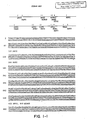
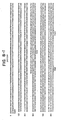
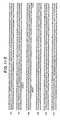
- Figures 1-4 show the nucleotide sequences and deduced amino acid sequences of two southern copperhead fibrolase clones, designated pSVG-48 (or Fib 48) and pSVG-51 (or Fib 51).
- Fib 48 includes the complete sequence for southern copperhead preprofibrolase whereas Fib 51 lacks a short 5′ sequence and initiator codon.
- fibrolases from other Crotalidus species may also vary intraspecies as well as varying from species to species but will exhibit significant homology (i.e., 30% or more identity, more usually 50% or more identity, in amino acid sequence to the southern copperhead fibrolase sequences described herein).
- Fibrolase DNA of Crotalidae of species other than southern copperhead fibrolase may be identified and isolated as described below. Amino acid sequences may be deduced from that DNA.
- the recombinant southern copperhead DNA of the invention encodes at least amino acids 192 to 393 of the Fib 48 sequence of Figure 4, or the corresponding amino acids of the Fib 51 sequence of Figure 4 (amino acids 186-387 of the Fib 51 sequence), or the corrected native amino acid sequence shown in Figure 7, and analogs of those amino acid sequences which are substantially homologous and functionally equivalent thereto.
- the structure of southern copperhead fibrolase is believed to be that of a prepropolypeptide with the first 190-191 amino acids of the Fib 48 sequence being a leader sequence and the mature protein beginning at the Gln at position 190 or the Gln at position 191 ( Figure 1) or at 185/186 in the Fib 51 sequence ( Figure 2). It is further believed that the carboxy terminus of the prepropolypeptide is processed to remove the final 18 amino acids.
- Mass spectrophotometric analysis of peptides derived from mature native southern copperhead fibrolase indicates the amino terminus is a cyclized glutamine residue with some molecules starting at the Gln at 185 (i.e., pGlu-Gln-Arg/Phe-%) and other molecules starting at the Gln at 186 (i.e., pGlu-Arg/Phe-%) of Figure 2.
- Reaction of mature native fibrolase with DTNB indicated there are no free sulfhydryl groups in southern copperhead fibrolase meaning there are three disulfide bonds in the molecule.
- substantially homologous intends to include such variations polymorphic and/or allelic variations as well as other variations that do not destroy the fibrolase activity of the molecule.
- the homology in amino acid sequence will be at least about 70%, more usually at least about 75%.
- the term “functionally equivalent” intends that the sequence of the analog defines a protein having the biological activity of fibrolase (as measured by the azocasein or fluorometric assays described in the examples).
- the sequence may include a portion or all of the leader sequence (amino acids 1-190/191 and all or a portion of the processed carboxy terminus of the prepropolypeptide (amino acids 393-411 of Fib 48 or the corresponding amino acids of Fib 51).
- the recombinant fibrolase DNA may be genomic, cDNA or synthetic DNA.
- the sequences shown in Figures 1 and 2 were obtained from a cDNA library prepared from mRNA obtained from southern copperhead venom glands. The library was screened with cDNA probes based on abundant mRNA sequences and clones showing strong hybridization were selected. Identified fibrolase clones may in turn be used to screen genomic or cDNA southern copperhead libraries to obtain allelic or polymorphic variants of the fibrolase genes shown in the drawings or to screen libraries of other Crotalidus species to identify the fibrolase genes contained therein.
- a DNA sequence encoding the "native" protein sequence may be made by site specific mutagenis of clone 51 cDNA or by other conventional methods. The general procedures used to prepare probes based on the identified clones, to prepare other libraries, and to screen those libraries for Crotalidus fibrolase sequences are known in the art and do not require elaboration. Based on the amino acid sequences deduced from the illustrated DNA sequences, synthetic genes encoding fibrolase may be prepared in vitro by synthesizing individual overlapping complementary oligonucleotides and filling in single stranded nonoverlapping portions using DNA polymerase in the presence of the deoxyribonucleotide triphosphates.
- a synthetic DNA sequence that employs codons preferred by the particular host in which the DNA is expressed. Mutations of the genes may be made by site specific mutagenesis. Such mutations may be used to make fibrolase analogs.
- the fibrolase DNA can be cloned into any suitable replicon to create a vector, and thereby be maintained in a composition which is substantially free of vectors that do not contain the fibrolase gene (e.g., other clones derived from the library).
- a suitable replicon to create a vector
- Numerous cloning vectors are known to those of skill in the art, and the selection of an appropriate cloning vector is a matter of choice. Examples of vectors for cloning and host cells which they can transform include the bacteriophage ⁇ ( E. coli ), pBR322 ( E. coli ), pACYC 177 ( E.
- the polynucleotide sequence encoding the fibrolase polypeptide is expressed by inserting the sequence into an appropriate replicon thereby creating an expression vector, and introducing the resulting expression vector into a compatible host.
- the sequence encoding the fibrolase polypeptide is located in the vector with the appropriate control sequences.
- the positioning and orientation of the coding sequence with respect to the control sequences is such that the coding sequence is transcribed under the control of the control sequences: i.e., the promoter will control the transcription of the mRNA derived from the coding sequence; and the ribosomes will bind at the ribosomal binding site to begin the translational process; and the stop codon used to terminate translation will be upstream from the transcriptional termination codon.
- prokaryotic control sequences include such commonly used promoters as the ⁇ -lactamase (penicillinase) and lactose ( lac ) promoter systems (Chang et al, Nature (1977) 198:1056) and the tryptophan (trp) promoter system (Goeddel et al, Nucleic Acids Res (1980) 8:4057) and the lambda-derived P L promoter and N-gene ribosome binding site (Shimatake et al, Nature (1981) 292:128).
- promoters as the ⁇ -lactamase (penicillinase) and lactose ( lac ) promoter systems (Chang et al, Nature (1977) 198:1056) and the tryptophan (trp) promoter system (Goeddel et al, Nucleic Acids Res (1980) 8:4057) and the lambda-derived P L promoter and N-gene ribosome binding site
- Control sequences for yeast vectors include promoters for the synthesis of glycolytic enzymes (Hess et al, J Adv Enzyme Reg (1968) 7:149; Holland et al, Biochemistry (1978) 17:4900). Additional promoters known in the art include the promoter for 3-phosphoglycerate kinase (Hitzeman et al, J Biol Chem (1980) 255:2073).
- promoters which have the additional advantage of transcription controlled by growth conditions and/or genetic background are the promoter regions for alcohol dehydrogenase 2 (ADH2), isocytochrome C, acid phosphatase, degradative enzymes associated with nitrogen metabolism, the alpha factor system and enzymes responsible for maltose and galactose utilization. It is also believed transcription terminator sequences are desirable at the 3′ end of the coding sequences. Such terminators are found in the 3′ untranslated region following the coding sequences in yeast-derived genes.
- Expression vectors for mammalian cells such as VERO, Hela or CHO cells, ordinarily include promoters and control sequences compatible with such cells as, for example, the commonly used early and late promoters from Simian Virus 40 (SV40) (Fiers et al, Nature (1978) 273:113), or other viral promoters such as those derived from polyoma, Adenovirus 2, bovine papilloma virus, or avian sarcoma viruses.
- the controllable promoter, hMTII Kerin, M., et al, Nature (1982) 299:797-802
- hMTII Kerin, M., et al, Nature (1982) 299:797-802
- regulatory sequences which allow for regulation of the expression of the fibrolase gene relative to the growth of the host cell.
- regulatory systems are those which cause the expression of a gene to be turned on or off in response to a chemical or physical stimulus, including the presence of a regulatory compound.
- prokaryotic systems these would include the lac and trp operator systems.
- eukaryotic systems induction can occur in methallothionein genes with heavy metals and the Mouse Mammary Tumor Virus (MMTV) system with steroids. In these cases, the sequence encoding the fibrolase polypeptide would be placed in tandem with the regulatory element.
- fibrolase polypeptide may either be present on the same plasmid or merely be cotransfected together with the selectable element to allow for integration within the host cell genome near each other.
- regulatory elements may also be present in the vector, i.e., those which are not necessarily in tandem with the sequence encoding fibrolase.
- An example is the SV40 enhancer sequence, which, by its mere presence, causes an enhancement of expression of genes distal to it.
- Modification of the sequence encoding fibrolase, prior to its insertion into the replicon, may be desirable or necessary, depending upon the expression system chosen. For example, in some cases, it may be necessary to modify the sequence so that it may be attached to the control sequences with the appropriate orientation, i.e., to maintain the reading frame. In some cases, it may be desirable to add sequences which cause the secretion of the polypeptide from the host organism, with subsequent cleavage of the secretory signal.
- the techniques for modifying nucleotide sequences utilizing cloning are well known to those skilled in the art.
- They include, e.g., the use of restriction enzymes, of enzymes such as Bal 31 to remove excess nucleotides, and of chemically synthesized oligonucleotides for use as adapters, to replace lost nucleotides, and in site directed mutagenesis.
- the appropriately modified sequence encoding the fibrolase polypeptide may be ligated to the control sequences prior to insertion into a vector.
- the coding sequence can be cloned directly into an expression vector which already contains the control sequences and an appropriate restriction site.
- the control sequences will necessarily be heterologous to the coding sequence.
- the control sequences may be either heterologous or homologous, depending upon the particular cell line.
- yeast expression vectors in which the S. cerivisiae ⁇ -factor leader sequence directs secretory expression of a profibrolase gene encoding the corrected native fibrolase sequence and having an Lys Arg (KR) processing site at the pro-mature junction of the profibrolase coding region have given the highest yields of active mature fibrolase.
- Constructs using both nonregulatable promoters (e.g., GAPDH) and regulatable promoters (e.g. ADH2/GAPDH) were made. Use of a regulatable promoter may be desirable to overcome possible toxic effects from large amounts of fibrolase during cell growth. A summary of these constructs is provided in the Examples, infra .
- transformation is done using standard techniques appropriate to such cells.
- the calcium treatment employing calcium chloride, as described by Cohen, S.N., Proc Natl Acad Sci (USA) (1972) 69:2110, or the RbCl2 method described in Maniatis et al, Molecular Cloning: A Laboratory Manual (1982) Cold Spring Harbor Press, p. 254 and Hanahan, D., J Mol Biol (1983) 166: 557-580 may be used for prokaryotes or other cells which contain substantial cell wall barriers.
- Transformed cells are then grown under conditions which permit expression of the fibrolase gene and, if appropriate, processing into the mature protein. Because the gene is expressed in heterologous organisms/cells (i.e., not snake), the protein is free of the other snake proteins with which it is associated in southern copperhead venom. This recombinant fibrolase is also homogeneous and lacks allelic/polymorphic variations typically found in protein isolated from pooled snake venom. The thus synthesized recombinant fibrolase is then isolated from the host cells and purified. If the expression system secretes the fibrolase into the growth media, the fibrolase is isolated directly from the media. If the recombinant fibrolase is not secreted, it is isolated from cell lysates. The selection of the appropriate growth conditions and recovery methods are within the skill of the art. With regard to purification, see for instance, U.S. Patent No. 4,610,879.
- Recombinant fibrolase prepared according to the invention may be formulated and administered to vertebrates, particularly mammals including humans, for treatment of thromboembolic conditions in the same manner as fibrolase isolated from venom (see U.S. Pat. No. 4,610,879 and EPA Publication No. 0020780 in this regard).
- the fibrolase will typically be formulated with a pharmaceutically acceptable injectable carrier such as physiological saline, Ringer's solution and the like for injection into circulation. Mildly hydrophilic polymeric substances such as albumins, polyvinylalcohol, polyethylene glycol, and the like may be added to stabilize the fibrolase.
- the concentration of fibrolase in the injectable will normally be in the range of 0.01 to 1 mg/ml.
- the patient will normally be infused with a dose of about 0.1 to 80 mg fibrolase for adult humans.
- restriction endonucleases refers to the enzymatic cleavage of DNA by restriction endonucleases. Restriction endonucleases commonly referred to as restriction enzymes are well characterized and commercially available and used in accordance with manufacturer's specifications. Digestion with restriction enzymes is frequently followed by treatment with alkaline phosphatase according to manufacturer's specifications to remove the terminal 5′ phosphates, thus preventing self ligation of a vector having two compatible ends.
- Frill in refers to the enzymatic process of creating blunt ends by repairing overhanging ends generated by certain restriction enzymes.
- the repair is a DNA polymerase I large fragment (Klenow) and deoxynucleotide triphosphates and is used according to manufacturer's specifications.
- Gel isolation of a DNA restriction fragment refers to the recovery of a specific fragment, electrophoretically separated on either an agarose gel or polyacrylamide gel (depending on size of fragment), by either electroelution or melting and extraction of gel slice.
- RNA from snake venom glands utilizes guanidinium thiocyanate as a chaotropic agent during tissue homogenization, direct precipitation of RNA from the guanidinium solution by LiCl followed by purification of the RNA from residual DNA and protein by successive urea-LiCl washes.
- Southern copperhead snakes ( Agkistrodon c. contortrix ) were obtained from Zooherp, Inc. Three snakes were killed with a lethal dose of Nembutol and the six venom glands were dissected free of the surrounding muscle. They were frozen in liquid nitrogen and the pulverized tissue was homogenized in 8 ml of lysis buffer containing 5 M guanidinium thiocyanate, 100 mM Tris ⁇ Hcl (pH 7.5), 10 mM EDTA (pH 8.0) and 14% (v/v) beta-mercaptoethanol using a Tekmar Tissumizer for one min at room temperature.
- the pellet was mechanically resuspended in 5 ml of a solution of 3 M LiCl containing 4 M urea by using a pasteur pipet sealed at the end, and then vortexed vigorously for about one min.
- RNA pellet was finally dissolved in 2.5 ml of 1% sodium dodecyl sulfate (SDS).
- SDS sodium dodecyl sulfate
- One volume of phenol (equilibrated with 50 mM Tris ⁇ Hcl, pH 8.0, 1 mM EDTA and 0.1% beta-mercaptoethanol) was added and the mixture vortexed vigorously for about one min.
- An equivalent volume of chloroform:isoamyl alcohol (24:1) was added and the solution vortexed one min.
- the mixture was centrifuged (4,000 X g, 4°C, 20 min); the aqueous phase was extracted with chloroform:isoamyl alcohol and centrifuged (4,000 X g, 4°C, 10 min).
- RNA was precipitated (16-24 hr, -20°C) from the aqueous phase by adding 1/10 volume of 2 M potassium acetate (pH 5.0) and 3 volumes of absolute ethanol.
- the precipitated RNA was collected by centrifugation (10,000 X g, 4°C, 30 min) and dissolved in 0.5 ml of diethylpyrocarbonate-(DEP)-treated water and poly(A)+ RNA was prepared as described by Maniatis et al.
- the concentration of the poly(A)+ RNA was calculated based on an extinction coefficient at 260 nm of 25 per mg of RNA.
- the RNA was precipitated as described above and stored at -20°C.
- Double-stranded cDNA was prepared from Southern copperhead venom gland poly(A)+ RNA essentially as described by Gubler, U. and Hoffman, B.J., Gene (1983) 25:263-269. After methylation of the internal Eco RI sites and the addition of Eco RI linkers, the cDNA was ligated into the Eco RI site of ⁇ gt10. These steps are described in detail below:
- the plaque lifts were done in duplicate, and the filters preannealed overnight at 42°C in 50% formamide, 5% SSC, 2x Denhardt's, 50 mM sodium phosphate, pH 6.5, 0.25% SDS and 100 ⁇ g/ml denatured salmon testes DNA.
- the filters were then hybridized with 250,000 cpm/ml of the 32P-labeled stranded cDNA probe (boiled for 10 min in 0.4 N NaOH) made from the poly(A)+ RNA using the procedure described previously. Hybridization was done at 42°C overnight in preanneal solution that also contained 10% (w/v) sodium dextran sulfate. Washing of the filters was done in 2x SSC, 0.1% SDS for 30 min at room temperature, followed by 30 min at 50°C. The autoradiogram was exposed with an intensifying screen at 80°C overnight.
- Lambda DNA was isolated from each clone and the Eco RI- Eco RI cDNA inserts were purified away from the vector.
- the following describes the intracellular expression of the fibrolase protein in yeast under the control of the regulatable promoter ADH2-glyceraldehyde-3-phosphate-dehydrogenase (GAPDH or GAP) and GAPDH terminator.
- ADH2-glyceraldehyde-3-phosphate-dehydrogenase GAPDH terminator
- SVG 48 (or SVG 51) was digested with Stu I and Pst I and the resulting 717 bp Stu I/ Pst I fragment was gel isolated. That fragment was ligated to the Hin dIII/ Stu I and Pst I/ Sal I synthetic adaptors shown in Figure 5. The resulting 742 bp Sal I/ Hin dIII fibrolase gene encoding 231 amino acids was ligated to a 1341 bp ADH2-GAPDH promoter fragment ( Figure 6). The resulting ligation product was ligated into the plasmid pPGAP-1 which had been cut with Bam HI and Sal I.
- pPGAPl is a yeast expression cassette vector which has a polyrestriction site linker between the GAPDH terminator and a truncated GAPDH promoter region.
- the polyrestriction site contains the recognition sites for Nco I, Eco RI, and Sal I, and the cassette is excisable as a Bam HI fragment.
- the preparation of pPGAPl is described in EPO 0 164 556 and Travis, J., et al, J Biol Chem (1985) 260(7):4384-4389. In both references pPGAPl is referred to pPGAP.
- the resulting plasmid was called pBRF248 (or pBRF251).
- pBRF248 (or pBRF251) was digested with Bam HI and the resulting Bam HI cassette containing the ADH2-GAPDH promoter, fibrolase structural gene, and GAPDH terminator was gel purified and ligated in plasmid pAB24 which had been cut with Bam HI.
- pAB24 is a yeast shuttle vector which contains the complete 2 ⁇ sequences (Broach, In: Molecular Biology of the Yeast Saccharomyces, 1:445, Cold Spring Harbor Press (1981)) and pBR322 sequences.
- Plasmid pAB24F248 (or pAB24F251) was transformed into yeast strain S. cerevisiae 2150-2-3 Mata , adel , leu2-04 , [cir°] (strain from the collection of L. Hartwell, University of Washington, Seattle) and plated on leu ⁇ 8% glucose. Transformants were streaked on leu ⁇ 8% glucose to obtain single colonies which were patched onto leu ⁇ 8% glucose plates. Cells from 8 patches were grown for ⁇ 24 hr in leu ⁇ 8% glucose minimal media and then inoculated (1:25 v/v) in YEP 1% glucose and grown for 96 hr at 30°C. Samples (2.5 OD units) were collected for gel analysis at 24, 48, 72, and 96 hr.
- pAB24F251 Using pAB24F251 as a starting plasmid an internal expression plasmid was constructed which encodes the corrected native sequence (i.e., the authentic amino terminal sequence of mature southern copperhead fibrolase preceded by a Met residue [i.e., (Met) Gln-Gln-Arg-Phe-Pro-Gln-Arg....] and the amino acid changes at positions 123 and 170 (described supra ) of the mature protein). Sequence changes were made by conventional in vitro mutagenesis techniques. This plasmid was designated pAB24F751.
- S. cerevisiae cells transformed with pAB24F751 were observed to express a high level of protein corresponding in size to native fibrolase. Testing of cell lysates by the azocasein hydrolysis assay, however, showed no activity.
- the fibrolase gene of pKS308 was derived from pAB24F751 and thus encodes the corrected native sequence.
- the profibrolase gene used in pKS311 was derived from Fib 51 and thus does not have the amino acid changes of the corrected native sequence but does include the 18 amino acid C-terminal extension of the Fib 51 sequence.
- a K. lactis counterpart of pKS311 (designated pKS359) was made using the K. lactis vector pAB38 instead of pAB24.
- pAB38 is a derivative of pUC18 (Yanisch-Perron et al., Gene (1985) 33:103) and was prepared as follows.
- pUC18 was cleaved with Hin dIII and a 1.2 kb Hin dIII fragment containing the URA3 gene (Botstein et al., Gene (1979) 8:17) was ligated into pUC18. Further, a PKDl (Falcone et al., Plasmid (1986) 15:248) Eco RI insert from Kluyveromyces drosophilarum was ligated into the Eco RI site of pUC18. Finally, thc vector was cleaved with Nar I/ Hin dIII (partial), filled in with Klenow, and religated to yield pAB38.
- the S. cerevisiae ⁇ -factor leader sequence and its incorporation into vectors is described in EPO Publication 116,201.
- the ADH2/GAP promoter and its incorporation into vectors is described in EPO Publication 164,556.
- This sequence includes the amino acid changes of the corrected native sequence but lacks the 18 C-terminal residues of the Fib 51 profibrolase sequence.
- the segment coding for those C-terminal residues may be introduced if desired.
- Such constructs were made using the GAP promoter (pKS314 in the table) and the ADH2/GAP promoter (pKS313 in the table).
- a corresponding construct was made based on the K. lactis vector pAB38 (pKS362 in the table).
- pKS314 and pKS362 were introduced into S. cerevisiae and K. lactis strains and the production and secretion of mature fibrolase from the transformants was analyzed by SDS gel electrophoresis and Western blot analysis. Both secreted mostly mature fibrolase.
- pKS314 and pKS362 each contain two Lys-Arg processing sites, one at the ⁇ -factor-pro junction and another at the pro-mature junction.
- a synthetic oligonucleotide adapter was used to remove the Lys-Arg site at the ⁇ -factor-pro junction.
- fibrolase products produced using the expression vectors listed in the above table were tested for fibrolase activity by either the azocasein hydrolysis assay or the fluorometric assay.
- the azocasein hydrolysis assay is carried out as follows. A solution of 2.5 g azocasein in 50ml 1% NaHCO3 is prepared with stirring and warming to 60°C. The resulting solution is then dialyzed overnight against 4 l of 1% NaHCO3. A 50 ⁇ l portion of culture supernatent concentrated and dialyzed against 50 mM HEPES/pH 7.5 by ultrafiltration is then added to 1 ml of azocasein solution and the mixture is incubated for approximately 30 minutes-24 hours. One ml of 1.16 M perchloric acid is then added, the mixture is centrifuged for 10 minutes, and the absorbance of the supernatant is read at 390-440 nm against an appropriate control.
- Assay reagent 80 ⁇ l, is brought to 37° and 20 ⁇ l of fibrolase sample or standard is added. After a 90 minutes incubation at 37°, the reaction is stopped by the addition of 300 ⁇ l of 7% TCA. After 30-60 minutes at 4°, the mixture is centrifuged for 6 minutes at 12,000 rpm. A 200 ⁇ l portion of the supernatant is removed and added to 1 ml of 0.5 M Tris-HCl, pH 8.0 and the fluorescence measured at an excitation wavelength of 490 nm and an emission wavelength of 525 nm, and the value compared to the fibrolase standards. For determination of non-fibrolase protolytic activity, assays were done in the presence of 10 mM EDTA, an inhibitor of fibrolase.
Landscapes
- Health & Medical Sciences (AREA)
- Chemical & Material Sciences (AREA)
- Engineering & Computer Science (AREA)
- Life Sciences & Earth Sciences (AREA)
- Zoology (AREA)
- Wood Science & Technology (AREA)
- Organic Chemistry (AREA)
- Bioinformatics & Cheminformatics (AREA)
- Biomedical Technology (AREA)
- Genetics & Genomics (AREA)
- Biotechnology (AREA)
- Microbiology (AREA)
- Medicinal Chemistry (AREA)
- Biochemistry (AREA)
- General Engineering & Computer Science (AREA)
- General Health & Medical Sciences (AREA)
- Molecular Biology (AREA)
- Enzymes And Modification Thereof (AREA)
- Micro-Organisms Or Cultivation Processes Thereof (AREA)
Abstract
Recombinant DNA encoding several forms of southern copperhead fibrolase, yeast expression vectors containing such DNA, and the production of southern copperhead fibrolase in yeast are disclosed.
Description
- This invention is in the fields of enzyme chemistry, genetic engineering, and thrombolytic therapy. More particularly, it relates to the recombinant production of the fibrinolytic enzymes, present in the venom of snakes of the family Crotalidae, such as Agkistrodon contortrix contortrix (southern copperhead) fibrolase.
- Thrombolytic therapy is an established procedure for treatment of various thromboembolic conditions such as pulmonary embolism, thrombophlebitis, and arterial thromboembolism. Many of the thrombolytic agents being investigated act indirectly by activating plasminogen throughout the circulation and are, therefore, not directed specifically towards the thrombus. These plasminogen-activating fibrinolytic agents have perceived disadvantages in therapy, such as inducing sufficient plasmin to deplete clotting factors to levels that enhance the probability of hemorrhagic complications after thrombolytic therapy. These perceived problems have led to the investigation of direct-acting thrombolytic agents, such as the fibrinolytic enzymes present in many snake venoms.
- Numerous direct acting fibrinolytic enzymes have been identified in snake venoms. Among those isolated from Crotalidus venom are southern copperhead fibrolase, the purification and characterization of which is described in U.S. patent No. 4,610,879 and green pit viper fibrolase described in EPA publication no. 0020780. Preliminary investigation of southern copperhead fibrolase indicates it offers promise as a safe, effective, direct-acting agent for thrombolysis. Despite the therapeutic promise of this agent, however, it will be impractical to carry out extended clinical investigation of native fibrolase because of the scarcity of the source venom. Also fibrolase purified from venom pooled from a number of snakes is likely to be heterogenous due to allelic/polymorphic variation between individual snakes. A principal purpose of the present invention is to provide a more practical means for obtaining homogenous Crotalidus fibrolases than purifying them from venom.
- Accordingly, one aspect of the invention is recombinant DNA encoding a Crotalidus fibrolase, such as southern copperhead fibrolase.
- Cloning and expression vectors containing such recombinant DNA are another aspect of the invention.
- Hosts such as transformed bacteria, yeast, and mammalian cells which contain such expression vectors and are capable of producing active recombinant Crotalidus fibrolase are another aspect of the invention.
- Methods for producing Crotalidus fibrolase which employ such hosts are still another aspect of the invention.
- Recombinant homogeneous Crotalidus fibrolase which is free of other Crotalidus proteins is a further aspect of the invention.
-
- Figure 1 shows the nucleotide sequence and the deduced amino acid sequence of a southern copperhead fibrolase clone designated SVG-48 (or FIB 48).
- Figure 2 shows the partial nucleotide sequence and the deduced partial amino acid sequence of another southern copperhead fibrolase clone designated SVG-51 (or FIB 51).
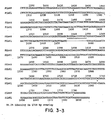
- Figure 3 shows a comparison of the nucleotide sequences of the coding strands of the fibrolases of Figures 1 and 2. Nucleotide variances between the sequences are asterisked.
- Figure 4 shows a comparison of the amino acid sequences (using single letter amino acid designations) of the fibrolases of Figures 1 and 2. Amino acid variances between the two sequences are asterisked.
- Figure 5 is a flow diagram depicting a scheme for preparing the yeast expression plasmids pAB24F248 or pAB24F251 which can be used to produce southern copperhead fibrolase in yeast.
- Figure 6 shows the nucleotide sequence of the 1341 bp ADH2-GAPDH promoter fragment referred to in the Examples.
- Figure 7 shows the nucleotide sequence and amino acid sequence of an α-factor profibrolase fusion construct with a Lys-Arg processing site at the pro-mature junction (Example 5, infra).
- Figures 8, 9, 10 and 11 are the nucleotide and corresponding amino acid sequences of the α-factor profibrolase fusion constructs of plasmids pKS308, pKS311, pKS314 and pKS317 of Example 5, infra.
- The term "recombinant" as used herein to characterize DNA encoding Crotalidus fibrolase intends DNA of genomic, cDNA, semisynthetic, or synthetic origin which, by virtue of its origin or manipulation is (1) not associated with all or a portion of the DNA with which it is associated in nature or in the form of a library and/or (2) linked to DNA other than that to which it is linked in nature. "Recombinant" as used to describe Crotalidus fibrolase intends protein produced from such DNA.
- A "replicon" is any genetic element (e.g., a plasmid, a chromosome, a virus) that behaves as an autonomous unit of polynucleotide replication within a cell; i.e., capable of replication under its own control.
- A "vector" is a replicon in which another polynucleotide segment is attached, so as to bring about the replication and/or expression of the attached segment. An "expression vector" refers to a vector capable of autonomous replication or integration and contains control sequences which direct the transcription and translation of the southern copperhead fibrolase DNA in an appropriate host.
- A "coding sequence" is a polynucleotide sequence which is transcribed and/or translated into a polypeptide.
- A "promoter sequence" is a DNA regulatory region capable of binding RNA polymerase and initiating transcription of a downstream (i.e., in the 3′ direction) coding sequence.
- A coding sequence is "under the control" of the promoter sequence in a cell when transcription of the coding sequence results from the binding of RNA polymerase to the promoter sequence; translation of the resulting mRNA then results in the polypeptide encoded within the coding sequence.
- "Operably linked" refers to a juxtaposition wherein the components are configured so as to perform their usual function. Thus, control sequences operably linked to a coding sequence are capable of effecting the expression of the coding sequence.
- "Control sequences" refers to those sequences which control the transcription and/or translation of the coding sequence(s); these may include, but are not limited to, promoter sequences, transcriptional initiation and termination sequences, and translational initiation and termination sequences. In addition, "control sequences" refers to sequences which control the processing of the polypeptide encoded within the coding sequence; these may include, but are not limited to sequences controlling secretion, protease cleavage, and glycosylation of the polypeptide.
- "Transformation" is the introduction of an exogenous polynucleotide into a host cell. The exogenous polynucleotide may be maintained as a plasmid, or alternatively, may be integrated within the host genome.
- "Crotalidae" denotes the family of snakes commonly known as pit vipers. Members of the Crotalidae family include species of the subfamilies Agkistrodon (A), Crotalus (C), Bothrops (B) and Trimeresurus (T). Examples of snake species of this family are A. acutus, A. bilineatus, A. caliginosus, A. contortrix, A. halys, A. halys blomhoffii, A. hypnale, A. mokasen, A. piscivorous, A. rhodostoma, A. saxatilis, B. alternatus, B. atrox, B. bilineatus, B. caribbaeus, B. godmani, B. itapetiningae, B. jararaca, B. jararacussu, B. lanceolatus, B. lansbergii, B. nasuta, B. neuwiedi, B. nigroviridis marchi, B. nummifer (B. nummifera), B. schlegelii, C. adamanteus, C. atrox, C. basiliscus, C. cerastes, C. confluentus, C. durissus, C. durissus terrificus, C. horridus, C. lepidus, C. mitchellii, C. molossus, C. ruber, C. scutulatus, C. tigris, C. unicolor, C. viridis lutosus, C. viridis oreganus, L. mutus, S. catenatus, S. miliarius, S. ravus, T. albolabris, T. elegans, T. flavoviridis, T. gramineus, T. monticola, T. mucrosquamatus, T. okinavensis, T. popeorum, T. purpureomaculatus, T. stejnegeri, T. tokarensis, T. wagleri.
- Figures 1-4 show the nucleotide sequences and deduced amino acid sequences of two southern copperhead fibrolase clones, designated pSVG-48 (or Fib 48) and pSVG-51 (or Fib 51).
Fib 48 includes the complete sequence for southern copperhead preprofibrolase whereasFib 51 lacks a short 5′ sequence and initiator codon. - Based on the
Fib 48 andFib 51 sequences and amino acid sequences it is apparent that there are polymorphic variations and/or allelic variations of southern copperhead fibrolase. Amino acid sequencing of native protein shows different residues at amino acids 210 (Tyr-----Asn) and 360 (Thr/Val-----Met) (Figure 4) from the sequences predicted from the two clones thus providing further evidence of such variation. - Further amino acid sequencing of native protein provided an amino acid sequence for the mature fibrolase protein differing by two amino acids from the sequence predicted from Fib 51 (Figures 2 and 4). The six differences are (numbering begins at amino acid 185 of Figure 2): 123 (Pro-----Ser) and 170 (Val-----Met).
- This sequence is sometimes referred to herein as the "corrected native sequence".
- It is further expected that fibrolases from other Crotalidus species may also vary intraspecies as well as varying from species to species but will exhibit significant homology (i.e., 30% or more identity, more usually 50% or more identity, in amino acid sequence to the southern copperhead fibrolase sequences described herein). Fibrolase DNA of Crotalidae of species other than southern copperhead fibrolase may be identified and isolated as described below. Amino acid sequences may be deduced from that DNA.
- The recombinant southern copperhead DNA of the invention encodes at least amino acids 192 to 393 of the
Fib 48 sequence of Figure 4, or the corresponding amino acids of theFib 51 sequence of Figure 4 (amino acids 186-387 of theFib 51 sequence), or the corrected native amino acid sequence shown in Figure 7, and analogs of those amino acid sequences which are substantially homologous and functionally equivalent thereto. Based on the sequences of clones pSVG-48 and pSVG-51 shown in Figures 1 and 2 and amino acid sequencing of native southern copperhead fibrolase the structure of southern copperhead fibrolase is believed to be that of a prepropolypeptide with the first 190-191 amino acids of theFib 48 sequence being a leader sequence and the mature protein beginning at the Gln atposition 190 or the Gln at position 191 (Figure 1) or at 185/186 in theFib 51 sequence (Figure 2). It is further believed that the carboxy terminus of the prepropolypeptide is processed to remove the final 18 amino acids. Mass spectrophotometric analysis of peptides derived from mature native southern copperhead fibrolase indicates the amino terminus is a cyclized glutamine residue with some molecules starting at the Gln at 185 (i.e., pGlu-Gln-Arg/Phe-...) and other molecules starting at the Gln at 186 (i.e., pGlu-Arg/Phe-...) of Figure 2. Reaction of mature native fibrolase with DTNB indicated there are no free sulfhydryl groups in southern copperhead fibrolase meaning there are three disulfide bonds in the molecule. The term "substantially homologous" as used herein intends to include such variations polymorphic and/or allelic variations as well as other variations that do not destroy the fibrolase activity of the molecule. In general, the homology in amino acid sequence will be at least about 70%, more usually at least about 75%. The term "functionally equivalent" intends that the sequence of the analog defines a protein having the biological activity of fibrolase (as measured by the azocasein or fluorometric assays described in the examples). The sequence may include a portion or all of the leader sequence (amino acids 1-190/191 and all or a portion of the processed carboxy terminus of the prepropolypeptide (amino acids 393-411 ofFib 48 or the corresponding amino acids of Fib 51). - The recombinant fibrolase DNA may be genomic, cDNA or synthetic DNA. By way of example, the sequences shown in Figures 1 and 2 were obtained from a cDNA library prepared from mRNA obtained from southern copperhead venom glands. The library was screened with cDNA probes based on abundant mRNA sequences and clones showing strong hybridization were selected. Identified fibrolase clones may in turn be used to screen genomic or cDNA southern copperhead libraries to obtain allelic or polymorphic variants of the fibrolase genes shown in the drawings or to screen libraries of other Crotalidus species to identify the fibrolase genes contained therein. A DNA sequence encoding the "native" protein sequence may be made by site specific mutagenis of
clone 51 cDNA or by other conventional methods. The general procedures used to prepare probes based on the identified clones, to prepare other libraries, and to screen those libraries for Crotalidus fibrolase sequences are known in the art and do not require elaboration. Based on the amino acid sequences deduced from the illustrated DNA sequences, synthetic genes encoding fibrolase may be prepared in vitro by synthesizing individual overlapping complementary oligonucleotides and filling in single stranded nonoverlapping portions using DNA polymerase in the presence of the deoxyribonucleotide triphosphates. For expression in a particular organism, it may be desirable to use a synthetic DNA sequence that employs codons preferred by the particular host in which the DNA is expressed. Mutations of the genes may be made by site specific mutagenesis. Such mutations may be used to make fibrolase analogs. - The fibrolase DNA can be cloned into any suitable replicon to create a vector, and thereby be maintained in a composition which is substantially free of vectors that do not contain the fibrolase gene (e.g., other clones derived from the library). Numerous cloning vectors are known to those of skill in the art, and the selection of an appropriate cloning vector is a matter of choice. Examples of vectors for cloning and host cells which they can transform include the bacteriophage λ (E. coli), pBR322 (E. coli), pACYC 177 (E. coli), pKT230 (gram-negative bacteria), pGV1106 (gram-negative bacteria), pLAFR1 (gram-negative bacteria), pME290 (non-E. coli gram-negative bacteria), pHV 14 (E. coli and Bacillus subtilis), pBD9 (Bacillus), pIJ61 (Streptomyces), pUC6 (Streptomyces), actinophage φC31 (Streptomyces), YIp5 (Saccharomyces), YCp19 (Saccharomyces), YEp24 and YEp13 (Saccharomyces), and bovine papilloma virus (mammalian cells).
- The polynucleotide sequence encoding the fibrolase polypeptide is expressed by inserting the sequence into an appropriate replicon thereby creating an expression vector, and introducing the resulting expression vector into a compatible host.
- In creating an expression vector the sequence encoding the fibrolase polypeptide is located in the vector with the appropriate control sequences. The positioning and orientation of the coding sequence with respect to the control sequences is such that the coding sequence is transcribed under the control of the control sequences: i.e., the promoter will control the transcription of the mRNA derived from the coding sequence; and the ribosomes will bind at the ribosomal binding site to begin the translational process; and the stop codon used to terminate translation will be upstream from the transcriptional termination codon. Commonly used prokaryotic control sequences include such commonly used promoters as the β-lactamase (penicillinase) and lactose (lac) promoter systems (Chang et al, Nature (1977) 198:1056) and the tryptophan (trp) promoter system (Goeddel et al, Nucleic Acids Res (1980) 8:4057) and the lambda-derived PL promoter and N-gene ribosome binding site (Shimatake et al, Nature (1981) 292:128). Control sequences for yeast vectors include promoters for the synthesis of glycolytic enzymes (Hess et al, J Adv Enzyme Reg (1968) 7:149; Holland et al, Biochemistry (1978) 17:4900). Additional promoters known in the art include the promoter for 3-phosphoglycerate kinase (Hitzeman et al, J Biol Chem (1980) 255:2073). Other promoters, which have the additional advantage of transcription controlled by growth conditions and/or genetic background are the promoter regions for alcohol dehydrogenase 2 (ADH2), isocytochrome C, acid phosphatase, degradative enzymes associated with nitrogen metabolism, the alpha factor system and enzymes responsible for maltose and galactose utilization. It is also believed transcription terminator sequences are desirable at the 3′ end of the coding sequences. Such terminators are found in the 3′ untranslated region following the coding sequences in yeast-derived genes. Expression vectors for mammalian cells such as VERO, Hela or CHO cells, ordinarily include promoters and control sequences compatible with such cells as, for example, the commonly used early and late promoters from Simian Virus 40 (SV40) (Fiers et al, Nature (1978) 273:113), or other viral promoters such as those derived from polyoma,
Adenovirus 2, bovine papilloma virus, or avian sarcoma viruses. The controllable promoter, hMTII (Karin, M., et al, Nature (1982) 299:797-802) may also be used. - In addition to control sequences, it may be desirable to add regulatory sequences which allow for regulation of the expression of the fibrolase gene relative to the growth of the host cell. Examples of regulatory systems are those which cause the expression of a gene to be turned on or off in response to a chemical or physical stimulus, including the presence of a regulatory compound. In prokaryotic systems these would include the lac and trp operator systems. In eukaryotic systems induction can occur in methallothionein genes with heavy metals and the Mouse Mammary Tumor Virus (MMTV) system with steroids. In these cases, the sequence encoding the fibrolase polypeptide would be placed in tandem with the regulatory element.
- There are also selective elements which give rise to DNA amplification which in turn can result in higher levels of specific protein production. In eukaryotic systems these include the dihydrofolate reductase gene (dhfr) which is amplified in the presence of methotrexate, and adenosine deaminase (ADA) in the presence of deoxycorfomycin. In these cases the sequence encoding the fibrolase polypeptide may either be present on the same plasmid or merely be cotransfected together with the selectable element to allow for integration within the host cell genome near each other.
- Other types of regulatory elements may also be present in the vector, i.e., those which are not necessarily in tandem with the sequence encoding fibrolase. An example is the SV40 enhancer sequence, which, by its mere presence, causes an enhancement of expression of genes distal to it.
- Modification of the sequence encoding fibrolase, prior to its insertion into the replicon, may be desirable or necessary, depending upon the expression system chosen. For example, in some cases, it may be necessary to modify the sequence so that it may be attached to the control sequences with the appropriate orientation, i.e., to maintain the reading frame. In some cases, it may be desirable to add sequences which cause the secretion of the polypeptide from the host organism, with subsequent cleavage of the secretory signal. The techniques for modifying nucleotide sequences utilizing cloning are well known to those skilled in the art. They include, e.g., the use of restriction enzymes, of enzymes such as Bal31 to remove excess nucleotides, and of chemically synthesized oligonucleotides for use as adapters, to replace lost nucleotides, and in site directed mutagenesis.
- The appropriately modified sequence encoding the fibrolase polypeptide may be ligated to the control sequences prior to insertion into a vector. Alternatively, the coding sequence can be cloned directly into an expression vector which already contains the control sequences and an appropriate restriction site. For expression of the fibrolase polypeptide in prokaryotes and in yeast, the control sequences will necessarily be heterologous to the coding sequence. In cases where the fibrolase gene is to be expressed in cell lines derived from vertebrates, the control sequences may be either heterologous or homologous, depending upon the particular cell line.
- In experimentation with various expression vectors--integrated, nonintegrated, intracellular (internal), extracellular (secretory)--carried out to date, yeast expression vectors in which the S. cerivisiae α-factor leader sequence directs secretory expression of a profibrolase gene encoding the corrected native fibrolase sequence and having an Lys Arg (KR) processing site at the pro-mature junction of the profibrolase coding region have given the highest yields of active mature fibrolase. Constructs using both nonregulatable promoters (e.g., GAPDH) and regulatable promoters (e.g. ADH2/GAPDH) were made. Use of a regulatable promoter may be desirable to overcome possible toxic effects from large amounts of fibrolase during cell growth. A summary of these constructs is provided in the Examples, infra.
- Depending on the host cell used, transformation is done using standard techniques appropriate to such cells. The calcium treatment employing calcium chloride, as described by Cohen, S.N., Proc Natl Acad Sci (USA) (1972) 69:2110, or the RbCl₂ method described in Maniatis et al, Molecular Cloning: A Laboratory Manual (1982) Cold Spring Harbor Press, p. 254 and Hanahan, D., J Mol Biol (1983) 166: 557-580 may be used for prokaryotes or other cells which contain substantial cell wall barriers. For mammalian cells without such cell walls, the calcium phosphate precipitation method of Graham and van der Eb, Virology (1978) 52:546, optionally as modified by Wigler, M., et al, Cell (1979) 16:777-785 may be used. Transformations into yeast may be carried out according to the method of Beggs, J.D., Nature (1978) 275:104-109 or of Hinnen, A., et al, Proc Natl Acad Sci (USA) (1978) 75:1929 or Ito et al, J Bacteriology 153:163.
- Transformed cells are then grown under conditions which permit expression of the fibrolase gene and, if appropriate, processing into the mature protein. Because the gene is expressed in heterologous organisms/cells (i.e., not snake), the protein is free of the other snake proteins with which it is associated in southern copperhead venom. This recombinant fibrolase is also homogeneous and lacks allelic/polymorphic variations typically found in protein isolated from pooled snake venom. The thus synthesized recombinant fibrolase is then isolated from the host cells and purified. If the expression system secretes the fibrolase into the growth media, the fibrolase is isolated directly from the media. If the recombinant fibrolase is not secreted, it is isolated from cell lysates. The selection of the appropriate growth conditions and recovery methods are within the skill of the art. With regard to purification, see for instance, U.S. Patent No. 4,610,879.
- Recombinant fibrolase prepared according to the invention may be formulated and administered to vertebrates, particularly mammals including humans, for treatment of thromboembolic conditions in the same manner as fibrolase isolated from venom (see U.S. Pat. No. 4,610,879 and EPA Publication No. 0020780 in this regard). The fibrolase will typically be formulated with a pharmaceutically acceptable injectable carrier such as physiological saline, Ringer's solution and the like for injection into circulation. Mildly hydrophilic polymeric substances such as albumins, polyvinylalcohol, polyethylene glycol, and the like may be added to stabilize the fibrolase. The concentration of fibrolase in the injectable will normally be in the range of 0.01 to 1 mg/ml. The patient will normally be infused with a dose of about 0.1 to 80 mg fibrolase for adult humans.
- The following examples further describe the isolation of DNA encoding fibrolase and the expression of that DNA in yeast to produce recombinant fibrolase.
- In the following, "digestion" refers to the enzymatic cleavage of DNA by restriction endonucleases. Restriction endonucleases commonly referred to as restriction enzymes are well characterized and commercially available and used in accordance with manufacturer's specifications. Digestion with restriction enzymes is frequently followed by treatment with alkaline phosphatase according to manufacturer's specifications to remove the terminal 5′ phosphates, thus preventing self ligation of a vector having two compatible ends.
- "Fill in" refers to the enzymatic process of creating blunt ends by repairing overhanging ends generated by certain restriction enzymes. The repair is a DNA polymerase I large fragment (Klenow) and deoxynucleotide triphosphates and is used according to manufacturer's specifications.
- Gel isolation of a DNA restriction fragment refers to the recovery of a specific fragment, electrophoretically separated on either an agarose gel or polyacrylamide gel (depending on size of fragment), by either electroelution or melting and extraction of gel slice.
- All DNA manipulations are done according to standard procedures. See Maniatis et al, Molecular Cloning, Cold Spring Harbor Lab., 1982. All enzymes used are obtained from commercial sources and used according to the manufacturer's specifications.
- The method used to isolate RNA from snake venom glands utilizes guanidinium thiocyanate as a chaotropic agent during tissue homogenization, direct precipitation of RNA from the guanidinium solution by LiCl followed by purification of the RNA from residual DNA and protein by successive urea-LiCl washes.
- Southern copperhead snakes (Agkistrodon c. contortrix) were obtained from Zooherp, Inc. Three snakes were killed with a lethal dose of Nembutol and the six venom glands were dissected free of the surrounding muscle. They were frozen in liquid nitrogen and the pulverized tissue was homogenized in 8 ml of lysis buffer containing 5 M guanidinium thiocyanate, 100 mM Tris·Hcl (pH 7.5), 10 mM EDTA (pH 8.0) and 14% (v/v) beta-mercaptoethanol using a Tekmar Tissumizer for one min at room temperature. After dissolution, the homogenate was clarified by centrifugation (10,000 X g, 4°C, 10 min). The RNA was precipitated (16-24 hr, 4°C) by adding 5.5 volumes of 4 M LiCl. The RNA and some protein and DNA was then pelleted by centrifugation (10,000 X g, 4°C, 30 min). The pellet was mechanically resuspended in 5 ml of a solution of 3 M LiCl containing 4 M urea by using a pasteur pipet sealed at the end, and then vortexed vigorously for about one min. The volume of the suspension was adjusted to 30 ml and the precipitate collected by centrifugation as described above. This procedure was repeated 2 times. The RNA pellet was finally dissolved in 2.5 ml of 1% sodium dodecyl sulfate (SDS). One volume of phenol (equilibrated with 50 mM Tris·Hcl, pH 8.0, 1 mM EDTA and 0.1% beta-mercaptoethanol) was added and the mixture vortexed vigorously for about one min. An equivalent volume of chloroform:isoamyl alcohol (24:1) was added and the solution vortexed one min. The mixture was centrifuged (4,000 X g, 4°C, 20 min); the aqueous phase was extracted with chloroform:isoamyl alcohol and centrifuged (4,000 X g, 4°C, 10 min). The RNA was precipitated (16-24 hr, -20°C) from the aqueous phase by adding 1/10 volume of 2 M potassium acetate (pH 5.0) and 3 volumes of absolute ethanol. The precipitated RNA was collected by centrifugation (10,000 X g, 4°C, 30 min) and dissolved in 0.5 ml of diethylpyrocarbonate-(DEP)-treated water and poly(A)+ RNA was prepared as described by Maniatis et al. The concentration of the poly(A)+ RNA was calculated based on an extinction coefficient at 260 nm of 25 per mg of RNA. The RNA was precipitated as described above and stored at -20°C.
- Double-stranded cDNA was prepared from Southern copperhead venom gland poly(A)+ RNA essentially as described by Gubler, U. and Hoffman, B.J., Gene (1983) 25:263-269. After methylation of the internal EcoRI sites and the addition of EcoRI linkers, the cDNA was ligated into the EcoRI site of λgt10. These steps are described in detail below:
- A. For first strand synthesis, 3 µg of poly(A)+ RNA in 6 µl of DEP-treated water was used in a total volume of 20 µl. The final mixture contained 2 µl of 0.1 M dithiothreitol (DTT), 1 µl of RNasin (Promega Biotec, diluted to 10 units/µl in 10 mM DDT), 2 µl of 0.1 M MgCl₂, 1 µl of 1M Tris·Hcl (pH 8.3), 2 µl of 1 mg/ml oligo(dT)12-18 (P-L Biochemicals), 2 µl of 10 mM each d(ACGT)Tps (P-L Biochemicals), 1 µl of [³²p] dCTP (Amersham, 3000 Ci/mmole), 1 µl of 80 mM sodium pyrophosphate and 2 µl of reverse transcriptase (Molecular Genetics Resources). The reactants were combined on ice, incubated for 2 min at room temperature and then for 60 min at 45°C. The reaction was stopped by adding 2 µl of 0.5 M EDTA (pH 7.0) and then phenol/chloroform/isoamyl alcohol (25/24/1) extracted. The organic phase was extracted with an equal volume of TE (10 mM Tris·Hcl, pH 8.0, 1 mM EDTA), the aqueous phases were combined and the first strand cDNA was precipitated by adding 16 µl of 7.5 M ammonium acetate and 120 µl of absolute ethanol. The pellet of precipitated nucleic acid was collected by microcentrifugation, dried in a Savant Speed-Vac Concentrator, dissolved in 50 µl of H₂O and precipitated by adding 20 µl of 7.5 M ammonium acetate and 150 µl of absolute ethanol. This procedure was repeated a third time, the pellet was rinsed in absolute ethanol and dissolved in 71 µl of DEP-treated water.
- B. For second strand cDNA synthesis, 71 µl of first-strand cDNA was used in a total volume of 100 µl that included 2 µl of 1 M Tris·Hcl (pH 7.5), 5 µl of 100 mM MgCl₂, 1 µl of 1 M ammonium sulfate, 10 µl of 1 M KCl, 1.25 µl of 4 mg/ml bovine serum albumin, 5 µl of 1 mM each of d(ACGT)TPs, 1 µl of [³²P]-dCTP (Amersham, 3000 Ci/mmole), 1.5 µl of RNase H (Bethesda Research Laboratories) and 2.3 µl (23 units) of DNA polymerase I (New England Biolabs). The reaction was incubated for 1 h at 14°C and then for 1 h at room temperature. It was terminated by the addition of 4 µl of 0.5 M EDTA (pH 7.0) and extracted with an equal volume of phenol/chloroform/isoamyl alcohol. The double-stranded cDNA was precipitated by the addition of 40 µl of 7.5 M ammonium acetate and 300 µl of absolute ethanol. The pellet was reprecipitated two times as described in step I. Finally, the pellet of cDNA was rinsed in absolute ethanol, dried and dissolved in 25 µl of DEP-treated water.
- C. To fill in the ends of the cDNA so that chemically synthesized linkers could be ligated to them, 7.7 µl of DEP-treated water was added to the 25 µl of double-stranded cDNA. The final reaction volume was 50 µl and included 5 µl of (0.5 M Tris·Hcl, pH 8.0, 60 mM MgCl₂ and 250 mM KCl), 5 µl of 10 mM DTT, 5 µl of 1 mM each d(ACGT)TPs, 1.3 µl of 4 mg/ml BSA and 1 µl (5 units) of T4 DNA polymerase (Bethesda Research Laboratory). The reaction was incubated at 37°C for 30 min and terminated by the addition of 2 µl of 0.5 M EDTA (pH 7.5). The solution was heated for 10 min at 70°C and the nucleic acid precipitated by the addition of 20 µl of 7.5 M ammonium acetate and 150 µl of ethanol. The precipitate was collected, reprecipitated once, rinsed and dried as described in step I. The DNA was dissolved in 27.5 µl of TE.
- D. To protect internal EcoRI sites within the DNA from subsequent cleavage, the DNA was modified by EcoRI methylase. To 27.5 µl of DNA was added 10 µl of 5X buffer (0.5 M Tris·Hcl, pH 8.0, 5 mM EDTA), 5 µl of 4 mg/ml BSA, 5 µl of 100 µM SAM (S-adenosyl-L-methionine, Sigma) and 2.5 µl (50 units) EcoRI methylase (New England Biolabs). The reaction was incubated at 37°C for 30 min and then heated at 70°C for 10 min. The methylated cDNA was precipitated by adding 20 µl of 7.5 M ammonium acetate and 150 µl of absolute ethanol. The precipitate was collected, reprecipitated twice, rinsed and dried as described in step A.
- E. EcoRI dodecamer linkers were kinased in a total volume of 50 µl as follows; 15 µl (1.5 mmoles) of linker solution (Collaborative Research), 5 µl of 10X kinase buffer (700 mM Tris·Hcl, pH 7.5, 100 mM MgCl₂, 50 mM DTT), 5 µl of 10 mM ATP, 22 µl of H₂O and 3 µl (15 units) of T4 polynucleotide kinase (New England Biolabs). The reaction was incubated at 37°C for 2 h.
- F. To ligate the kinased EcoRI linkers to the methylated cDNA, 10 µl of water was added to the dried cDNA from step D followed by 10 µl of linkers from step E, 1.5 µl of 10 mM ATP, 1.5 µl of 10X ligase buffer (0.5 M Tris·Hcl pH 8.0, 0.1 M MgCl2, 0.2 M DTT) and 2 µl of T4 DNA ligase (New England Biolabs). The total reaction of 25 µl was incubated at 14°C overnight.
- G. The cDNA, the T4 DNA ligase was inactivated by heating the reaction from step F for 15 min at 70°C. To the mixture was added 70 µl of water, 10 µl of 10X TMN (100 mM Tris·Hcl, pH 7.5, 100 mM MgCl₂ and 1.0 M NaCl) and 5 µl (100 units) of EcoRI. The 100 µl reaction was incubated at 37°C for 3 h to remove excess linkers from the cDNA and then phenol/chloroform/isoamyl alcohol extracted. One-tenth volume of 5 M NaCl was added to the aqueous phase and the "trimmed" cDNA was fractionated from excess linkers by gel filtration on a 0.7 X 18 cm Sepharose CL4B column. The elution buffer was 0.4 M NaCl, 10 mM Tris·Hcl, pH 8.0, 1 mM EDTA. The radioactivity of the fractions was determined and the peak of cDNA pooled and precipitated one time with 2 volumes ethanol as described in step A then precipitated.
- H. To prepare the λgt10 vector for cloning the cDNA, 25 µg of λgt10 was digested with EcoRI. The final reaction volume was 250 µl and contained 1X TMN and 100 units of EcoRI. The enzyme digestion was carried out at 37°C for 2 h and was then extracted with chloroform. The linearized λgt10 was precipitated one time with ethanol as described in step A. The dried DNA was dissolved in 100 µl of TE.
- I. To ligate the vector DNA to the cDNA, 12 µl (3 µg) was added to the ethanol-precipitated EcoRI-linked cDNA (step G). The mixture was dried and 7 µl of water was added followed by 1 µl of 10X ligase buffer and 1 µl of 10 mM ATP. The mixture was incubated at 37°C for 5 min, chilled to 4°C and 1 µl of T4 DNA ligase was then added. After incubation at 14°C overnight, the ligation mixture was stored at -20°C.
- J. To package the recombinant DNA from step I into phage particles and plate them using E. coli strain C600Δhfl as a host, one-third (3 µl) of the ligation mixture was treated using Gigapack-plus according to the manufacturer's (Stratagene) instructions. Two hundred thousand recombinant phage were obtained.
- One thousand recombinant phage from the southern copperhead snake venom gland cDNA library were plated onto Luria agar using E. coli host strain C600Δhfl according to the manufacturer's (Strategene) instructions. The transfer of phage DNA to nitrocellulose filters (phage lifts) and the subsequent hybridization of the filters with ³²P-labeled single stranded (first strand) cDNA probe were done essentially as described by Maniatis et al. This strategy was selected since fibrolase is an abundant protein in snake venom and, therefore, the mRNA encoding this enzyme is expected to also be abundant.
- The plaque lifts were done in duplicate, and the filters preannealed overnight at 42°C in 50% formamide, 5% SSC, 2x Denhardt's, 50 mM sodium phosphate, pH 6.5, 0.25% SDS and 100 µg/ml denatured salmon testes DNA. The filters were then hybridized with 250,000 cpm/ml of the ³²P-labeled stranded cDNA probe (boiled for 10 min in 0.4 N NaOH) made from the poly(A)+ RNA using the procedure described previously. Hybridization was done at 42°C overnight in preanneal solution that also contained 10% (w/v) sodium dextran sulfate. Washing of the filters was done in 2x SSC, 0.1% SDS for 30 min at room temperature, followed by 30 min at 50°C. The autoradiogram was exposed with an intensifying screen at 80°C overnight.
- Sixty of the strongly hybridizing plaques were removed by coring and the phage eluted into PSB (100 mM NaCl, 10 mM Tris, pH 7.5, 10 mM MgCl₂, 500 mg/l gelatin). By plating appropriate dilutions of the phage stock eluate and screening by hybridization as described, an isolated bacteriophage colony was obtained for six of the original plaque.
- Lambda DNA was isolated from each clone and the EcoRI-EcoRI cDNA inserts were purified away from the vector.
- Restriction digests were done according to manufacturer's (New England Biolabs) instructions on the EcoRI fragments using PstI and HindIII separately. The results of the restriction analyses are shown in Table 1. The restriction analyses show that of the 6 clones screened, there are 3 distinct classes. Two of these (SVG-48 and SVG-51) were completely sequenced. The sequences are shown in Figs 1 and 2, respectively.
Table 1 Clone EcoRI Fragments (kb) PstI Fragments (kb) HindIII Fragments (kb) SVG-6 1.1 0.5-, 0.6+ 1.1 SVG-8 1.8 0.2, 0.6, 1.1 0.4, 1.4 SVG-20 1.3 0.5, 0.8 1.3 SVG-23 1.8 0.2, 0.5-, 1.1 0.4, 1.4- SVG-48 1.8 0.2, 0.6, 1.1 0.4, 1.4 SVG-51 1.8 0.2, 0.5, 1.1 0.4, 1.4 - The following describes the intracellular expression of the fibrolase protein in yeast under the control of the regulatable promoter ADH2-glyceraldehyde-3-phosphate-dehydrogenase (GAPDH or GAP) and GAPDH terminator.
- The scheme used to prepare the yeast expression vector is shown in Figure 5.
- SVG 48 (or SVG 51) was digested with StuI and PstI and the resulting 717 bp StuI/PstI fragment was gel isolated. That fragment was ligated to the HindIII/StuI and PstI/SalI synthetic adaptors shown in Figure 5. The resulting 742 bp SalI/HindIII fibrolase gene encoding 231 amino acids was ligated to a 1341 bp ADH2-GAPDH promoter fragment (Figure 6). The resulting ligation product was ligated into the plasmid pPGAP-1 which had been cut with BamHI and SalI. pPGAPl is a yeast expression cassette vector which has a polyrestriction site linker between the GAPDH terminator and a truncated GAPDH promoter region. The polyrestriction site contains the recognition sites for NcoI, EcoRI, and SalI, and the cassette is excisable as a BamHI fragment. The preparation of pPGAPl is described in EPO 0 164 556 and Travis, J., et al, J Biol Chem (1985) 260(7):4384-4389. In both references pPGAPl is referred to pPGAP. The resulting plasmid was called pBRF248 (or pBRF251).
- pBRF248 (or pBRF251) was digested with BamHI and the resulting BamHI cassette containing the ADH2-GAPDH promoter, fibrolase structural gene, and GAPDH terminator was gel purified and ligated in plasmid pAB24 which had been cut with BamHI. pAB24 is a yeast shuttle vector which contains the complete 2 µ sequences (Broach, In: Molecular Biology of the Yeast Saccharomyces, 1:445, Cold Spring Harbor Press (1981)) and pBR322 sequences. It also contains the yeast URA3 gene derived from plasmid YEp24 (Botstein et al, Gene (1979) 8:17) and the yeast LEU2d gene derived from plasmid pCl/l (described in European Patent Application publication no. EPO116201). Insertion of the expression cassette was in the BamHI site of pBR322, thus interrupting the gene for bacterial resistance to tetracycline. The resulting plasmid was designated pAB24F248 (or pAB24F251).
- Plasmid pAB24F248 (or pAB24F251) was transformed into yeast strain S. cerevisiae 2150-2-3 Mata, adel, leu2-04, [cir°] (strain from the collection of L. Hartwell, University of Washington, Seattle) and plated on leu⁻ 8% glucose. Transformants were streaked on leu⁻ 8% glucose to obtain single colonies which were patched onto leu⁻ 8% glucose plates. Cells from 8 patches were grown for ∼24 hr in leu⁻ 8% glucose minimal media and then inoculated (1:25 v/v) in
YEP 1% glucose and grown for 96 hr at 30°C. Samples (2.5 OD units) were collected for gel analysis at 24, 48, 72, and 96 hr. - Cell samples were boiled in SDS sample buffer (0.0675M Tris·Cl pH 6.8, 3% SDS, 10% glycerol) containing 50 mM DTT and run on 12.5% SDS-acrylamide gels. Coomassie staining of the gels showed a prominent band in the predicted 25.9 kd size range. This band accounted for ∼20% of the total cell protein and was not found in pAB24 control extracts. It was seen in samples collected at each time point.
- Western blot analyses were carried out on eight 48 hr samples of pAB24F248 and pAB24F251 transformants using rabbit anti-fibrolase sera. The antisera reacted strongly with the 25.9 kd band in all eight samples.
- There were also lower molecular weight bands that reacted with the antisera, suggesting some degradation of the fibrolase in the yeast.
- Using pAB24F251 as a starting plasmid an internal expression plasmid was constructed which encodes the corrected native sequence (i.e., the authentic amino terminal sequence of mature southern copperhead fibrolase preceded by a Met residue [i.e., (Met) Gln-Gln-Arg-Phe-Pro-Gln-Arg....] and the amino acid changes at
positions 123 and 170 (described supra) of the mature protein). Sequence changes were made by conventional in vitro mutagenesis techniques. This plasmid was designated pAB24F751. - S. cerevisiae cells transformed with pAB24F751 were observed to express a high level of protein corresponding in size to native fibrolase. Testing of cell lysates by the azocasein hydrolysis assay, however, showed no activity.
- A series of plasmids were made to direct the secretory expression of mature fibrolase or profibrolase (Profib). These plasmids are summarized in the following table.
Plasmid Vector Promoter Leader Fibrolase pKS308 pAB24 GAP αF Mature Fibrolase pKS311 pAB24 GAP αF Profib pKS313 pAB24 ADH2/GAP αF Pro(KR)fib pKS314 pAB24 GAP αF Pro(KR)fib pKS316 pAB24 ADH2/GAP αF(ΔKR) Pro(KR)fib pKS317 pAB24 GAP αF(ΔKR) Pro(KR)fib pKS359 pAB38 GAP αF Profib pKS362 pAB38 GAP αF Pro(KR)fib pKS365 pAB38 GAP αF(ΔKR) Pro(KR)fib GAP = glyceraldehyde-3-phosphate-dehydrogenase ADH2 = alcohol degydrogenase 2 αF = S. cerevisiae alpha factor KR = Lys-Arg processing site ΔKR = minus Lys-Arg processing site - The fibrolase gene of pKS308 was derived from pAB24F751 and thus encodes the corrected native sequence. The profibrolase gene used in pKS311 was derived from
Fib 51 and thus does not have the amino acid changes of the corrected native sequence but does include the 18 amino acid C-terminal extension of theFib 51 sequence. A K. lactis counterpart of pKS311 (designated pKS359) was made using the K. lactis vector pAB38 instead of pAB24. pAB38 is a derivative of pUC18 (Yanisch-Perron et al., Gene (1985) 33:103) and was prepared as follows. pUC18 was cleaved with HindIII and a 1.2 kb HindIII fragment containing the URA3 gene (Botstein et al., Gene (1979) 8:17) was ligated into pUC18. Further, a PKDl (Falcone et al., Plasmid (1986) 15:248) EcoRI insert from Kluyveromyces drosophilarum was ligated into the EcoRI site of pUC18. Finally, thc vector was cleaved with NarI/HindIII (partial), filled in with Klenow, and religated to yield pAB38. The S. cerevisiae α-factor leader sequence and its incorporation into vectors is described in EPO Publication 116,201. The ADH2/GAP promoter and its incorporation into vectors is described in EPO Publication 164,556. - Expression of the pKS311 and pKS359 constructs in transformed S. cerevisiae and K. lactis yielded a substantial amount of immunoreactive species having the size of profibrolase. It thus appeared that a substantial portion of profibrolase was not being processed into the mature protein. Constructs were thus made in which a Lys-Arg processing site was introduced using synthetic oligonucleotides at the pro-mature junction which should be recognized by the yeast KEX2-encoded protease, the same enzyme that carries out the cleavage at the junction of the α-factor leader. Figure 7 shows the sequence generated by this mutagenesis process on a pAB24F751-derived α-factor profibrolase fusion construct. This sequence, being thus derived, includes the amino acid changes of the corrected native sequence but lacks the 18 C-terminal residues of the
Fib 51 profibrolase sequence. The segment coding for those C-terminal residues may be introduced if desired. Such constructs were made using the GAP promoter (pKS314 in the table) and the ADH2/GAP promoter (pKS313 in the table). A corresponding construct was made based on the K. lactis vector pAB38 (pKS362 in the table). - pKS314 and pKS362 were introduced into S. cerevisiae and K. lactis strains and the production and secretion of mature fibrolase from the transformants was analyzed by SDS gel electrophoresis and Western blot analysis. Both secreted mostly mature fibrolase.
- pKS314 and pKS362 each contain two Lys-Arg processing sites, one at the α-factor-pro junction and another at the pro-mature junction. In order to minimize the possibility of there being insufficient KEX2 protease to process all of the profibrolase being produced, a synthetic oligonucleotide adapter was used to remove the Lys-Arg site at the α-factor-pro junction. These constructs are designated pKS316, pKS317, and pKS365.
- The fibrolase products produced using the expression vectors listed in the above table were tested for fibrolase activity by either the azocasein hydrolysis assay or the fluorometric assay.
- The azocasein hydrolysis assay is carried out as follows. A solution of 2.5 g azocasein in
50ml 1% NaHCO₃ is prepared with stirring and warming to 60°C. The resulting solution is then dialyzed overnight against 4 l of 1% NaHCO₃. A 50 µl portion of culture supernatent concentrated and dialyzed against 50 mM HEPES/pH 7.5 by ultrafiltration is then added to 1 ml of azocasein solution and the mixture is incubated for approximately 30 minutes-24 hours. One ml of 1.16 M perchloric acid is then added, the mixture is centrifuged for 10 minutes, and the absorbance of the supernatant is read at 390-440 nm against an appropriate control. - For the fluorometric assay, a fluorescein isothiocyanate casein (FITC-casein) assay reagent is prepared by mixing 1 part FITC-casein (5 mg/ml), 1 part 2X buffer (1X buffer = 50 mM HEPES-Na⁺, 150 mM NaCl, 0.5 mM ZnCl₂, pH 7.5). Recombinant fibrolase product and snake venom fibrolase standards are diluted in 1X buffer containing 100 µg/ml BSA as a stabilizer.
- Assay reagent, 80 µl, is brought to 37° and 20 µl of fibrolase sample or standard is added. After a 90 minutes incubation at 37°, the reaction is stopped by the addition of 300 µl of 7% TCA. After 30-60 minutes at 4°, the mixture is centrifuged for 6 minutes at 12,000 rpm. A 200 µl portion of the supernatant is removed and added to 1 ml of 0.5 M Tris-HCl, pH 8.0 and the fluorescence measured at an excitation wavelength of 490 nm and an emission wavelength of 525 nm, and the value compared to the fibrolase standards. For determination of non-fibrolase protolytic activity, assays were done in the presence of 10 mM EDTA, an inhibitor of fibrolase.
- All of the recombinant fibrolase products produced using the expression vectors listed in the table exhibited fibrolase activity in these assays.
- Modifications of the above described modes for carrying out the invention that are obvious to those of skill in the fields of enzyme chemistry, genetic engineering and/or medicine are intended to be within the scope of the following claims.
Claims (19)
1. Recombinant DNA encoding a Crotalidus fibrolase.
2. The recombinant DNA of claim 1 wherein the fibrolase is southern copperhead fibrolase.
3. The recombinant DNA of claim 2 wherein the fibrolase comprises at least (a) amino acids 192-393 of the Fib 48 sequence shown in Figure 4, (b) amino acids 186-387 of the Fib 51 sequence of Figure 4 or (c) amino acids 185-387 of the Fib 51 sequence of Figure 4 with a Pro to Ser substitution at amino acid 307 of the Fib 51 sequence of Figure 4 and a Val to Met substitution at amino acid 354 of the Fib 51 sequence of Figure 4.
4. The recombinant DNA of claim 2 wherein the fibrolase is an analog of the fibrolase comprising at least (a) amino acids 192-393 of the Fib 48 sequence shown in Figure 4 (b) amino acids 186-387 of the Fib 51 sequence of Figure 4 or (c) amino acids 185-387 of the Fib 51 sequence of Figure 4 with a Pro to Ser substitution at amino acid 307 of the Fib 51 sequence of Figure 4 and a Val to Met substitution at amino acid 354 of the Fib 51 sequence of Figure 4.
5. An expression vector for expressing a Crotalidus fibrolase comprising the DNA of claim 1 and expression control sequences that are operably linked to said DNA and effective in directing expression of said DNA.
6. An expression vector for expressing southern copperhead fibrolase comprising the DNA of claim 2, 3 or 4 and expression control sequences that are operably linked to said DNA and effective in directing secretory expression of said DNA.
7. The expression vector of claim 6 wherein the expression vector is a yeast expression vector.
8. The expression vector of claim 7 wherein the expression control sequences include a yeast α-factor leader sequence for directing secretion of the fibrolase.
9. The expression vector of claim 8 wherein the DNA encodes the profibrolase sequence shown in Figure 7 and in which there is a Lys-Arg processing site at the pro-mature protein sequence.
10. A recombinant microorganism or cell containing the expression vector of claim 5 and being capable of producing a Crotalidus fibrolase.
11. A recombinant microorganism or cell containing the expression vector of claim 6 and being capable of producing southern copperhead fibrolase.
12. A recombinant yeast containing the expression vector of claims 7, 8 or 9.
13. A method of producing a Crotalidus fibrolase comprising growing the microorganism or cell of claim 10 under conditions which permit the expression of the fibrolase.
14. A method of producing southern copperhead fibrolase comprising growing the recombinant yeast cell of claim 12.
15. Recombinant homogeneous Crotalidus fibrolase free of snake proteins with which it is associated in venom.
16. The recombinant Crotalidus fibrolase of claim 15 wherein the fibrolase is southern copperhead fibrolase.
17. The recombinant southern copperhead fibrolase of claim 16 comprising at least (a) amino acids 192-393 of the Fib 48 sequence shown in Figure 4, (b) amino acids 186-387 of the Fib 51 sequence of Figure 4 or (c) amino acids 185-387 of the Fib 51 sequence of Figure 4 with a Pro to Ser substitution at amino acid 307 of the Fib 51 sequence of Figure 4 and a Val to Met substitution at amino acid 354 of the Fib 51 sequence of Figure 4, or an analog thereof.
18. A pharmaceutical composition for treating a thromboembolic condition comprising the recombinant Crotalidus fibrolase of claim 15, 16 or 17 admixed with a pharmaceutically acceptable injectable carrier.
19. A method of treating a patient for a thromboembolic condition comprising administering a therapeutically effective amount of the recombinant Crotalidus fibrolase of claim 15, 16 or 17 to the patient.
Applications Claiming Priority (2)
| Application Number | Priority Date | Filing Date | Title |
|---|---|---|---|
| US13498187A | 1987-12-18 | 1987-12-18 | |
| US134981 | 1987-12-18 |
Publications (1)
| Publication Number | Publication Date |
|---|---|
| EP0323722A1 true EP0323722A1 (en) | 1989-07-12 |
Family
ID=22465939
Family Applications (1)
| Application Number | Title | Priority Date | Filing Date |
|---|---|---|---|
| EP88311924A Withdrawn EP0323722A1 (en) | 1987-12-18 | 1988-12-16 | Compositions and method for recombinant production of crotalidus venom fibrolase |
Country Status (4)
| Country | Link |
|---|---|
| EP (1) | EP0323722A1 (en) |
| JP (1) | JPH01281091A (en) |
| AU (1) | AU2699788A (en) |
| ZA (1) | ZA889415B (en) |
Cited By (14)
| Publication number | Priority date | Publication date | Assignee | Title |
|---|---|---|---|---|
| WO1990006362A1 (en) * | 1988-12-10 | 1990-06-14 | Basf Aktiengesellschaft | Ancrod proteins, their production and use |
| EP0395375A1 (en) * | 1989-04-26 | 1990-10-31 | Knoll Ag | Novel DNA sequences which encode ancrod-like polypeptides and compositions comprising the expression products thereof |
| US5951981A (en) * | 1996-12-02 | 1999-09-14 | Diatide, Inc. | Thrombolytic agents with antithrombotic activity |
| WO2000018421A1 (en) * | 1998-09-29 | 2000-04-06 | The University Of Southern California | Contortrostatin (cn) and methods for its use in preventing metastasis and other conditions |
| WO2000050612A3 (en) * | 1999-02-22 | 2000-12-14 | Instrumentation Lab | Recombinant protein c activator and uses therefor |
| WO2001025445A1 (en) * | 1999-10-01 | 2001-04-12 | Amgen Inc. | Fibrinolytically active polypeptide |
| WO2001041791A1 (en) * | 1999-12-10 | 2001-06-14 | The University Of Southern California | Contortrostatin (cn) and methods for its use in preventing metastasis and other conditions |
| WO2001043765A3 (en) * | 1999-12-17 | 2002-01-17 | Amgen Inc | Method for localized administration of fibrinolytic metalloproteinases |
| US6440414B1 (en) | 1999-10-01 | 2002-08-27 | Amgen Inc. | Pharmaceutical compositions of fibrinolytic agent |
| US6710030B1 (en) * | 1993-10-22 | 2004-03-23 | University Of Southern California | Contortrostain (CN) and methods for its use in preventing metastasis and other conditions |
| US7033776B2 (en) | 1999-12-17 | 2006-04-25 | Amgen Inc. | Method for treatment of indwelling catheter occlusion using fibrinolytic metalloproteinases |
| WO2006063486A1 (en) | 2004-12-15 | 2006-06-22 | Sun Yat-Sen University | A fibrinolysin of agkistrodon acutus venom and its usage |
| WO2006066441A1 (en) * | 2004-12-20 | 2006-06-29 | Sun Yat-Sen University | A fibrinolysin of agkistrodon acutus venom and its usage |
| US7220724B2 (en) | 1993-10-22 | 2007-05-22 | University Of Southern California | Contortrostatin CN and methods for its use in preventing metastasis and other conditions |
Citations (2)
| Publication number | Priority date | Publication date | Assignee | Title |
|---|---|---|---|---|
| EP0123544A2 (en) * | 1983-04-25 | 1984-10-31 | Genentech, Inc. | Process for expressing heterologous protein in yeast, expression vehicles and yeast organisms therefor |
| US4610879A (en) * | 1984-01-06 | 1986-09-09 | University Of Southern California | Fibrinolytic enzyme from snake vernom |
-
1988
- 1988-12-15 ZA ZA889415A patent/ZA889415B/en unknown
- 1988-12-16 AU AU26997/88A patent/AU2699788A/en not_active Abandoned
- 1988-12-16 EP EP88311924A patent/EP0323722A1/en not_active Withdrawn
- 1988-12-19 JP JP63321862A patent/JPH01281091A/en active Pending
Patent Citations (2)
| Publication number | Priority date | Publication date | Assignee | Title |
|---|---|---|---|---|
| EP0123544A2 (en) * | 1983-04-25 | 1984-10-31 | Genentech, Inc. | Process for expressing heterologous protein in yeast, expression vehicles and yeast organisms therefor |
| US4610879A (en) * | 1984-01-06 | 1986-09-09 | University Of Southern California | Fibrinolytic enzyme from snake vernom |
Non-Patent Citations (2)
| Title |
|---|
| CHEMICAL ABSTRACTS, Vol. 108, No. 13, 28th March 1988, Abstract No. 108585g; NED. B. EGEN et al.: "Isolation by preparative isoelectric focusing of a direct acting fibrinolytic enzyme from the venom of Agkistrodon contortrix contortrix (southern copperhead)", & Toxicon 1987, Vol. 25, No. 11, pages 1189-1198. * |
| CHEMICAL ABSTRACTS, Vol. 94, No. 19, 11th May 1981; Abstract No. 152588b; HUBERT PIRKLE et al.: "The primary structure of crotalase, a thrombin-like venom enzyme, exhibits closer homology to kallikrein than to other serine proteases", & Biochem. Biophys. Res. Commun., 1981, Vol. 99, No. 2, pages 715-721. * |
Cited By (33)
| Publication number | Priority date | Publication date | Assignee | Title |
|---|---|---|---|---|
| US6015685A (en) * | 1988-12-10 | 2000-01-18 | Basf Aktiengesellschaft | Ancrod proteins, their preparation and use |
| WO1990006362A1 (en) * | 1988-12-10 | 1990-06-14 | Basf Aktiengesellschaft | Ancrod proteins, their production and use |
| EP0395375A1 (en) * | 1989-04-26 | 1990-10-31 | Knoll Ag | Novel DNA sequences which encode ancrod-like polypeptides and compositions comprising the expression products thereof |
| US6710030B1 (en) * | 1993-10-22 | 2004-03-23 | University Of Southern California | Contortrostain (CN) and methods for its use in preventing metastasis and other conditions |
| US7718615B2 (en) | 1993-10-22 | 2010-05-18 | University Of Southern California | Contortrostatin (CN) and methods for its use in preventing metastasis and other conditions |
| US7220724B2 (en) | 1993-10-22 | 2007-05-22 | University Of Southern California | Contortrostatin CN and methods for its use in preventing metastasis and other conditions |
| US5951981A (en) * | 1996-12-02 | 1999-09-14 | Diatide, Inc. | Thrombolytic agents with antithrombotic activity |
| WO2000018421A1 (en) * | 1998-09-29 | 2000-04-06 | The University Of Southern California | Contortrostatin (cn) and methods for its use in preventing metastasis and other conditions |
| WO2000050612A3 (en) * | 1999-02-22 | 2000-12-14 | Instrumentation Lab | Recombinant protein c activator and uses therefor |
| US7244426B2 (en) | 1999-10-01 | 2007-07-17 | Amgen, Inc. | Pharmaceutical compositions of fibrinolytic agent |
| CZ298502B6 (en) * | 1999-10-01 | 2007-10-24 | Amgen Inc. | Fibrinolytically active polypeptide and method for the production and use thereof, antibody, nucleic acid molecule, expression vector and host cell |
| WO2001025445A1 (en) * | 1999-10-01 | 2001-04-12 | Amgen Inc. | Fibrinolytically active polypeptide |
| US6617145B2 (en) | 1999-10-01 | 2003-09-09 | Amgen Inc | DNA molecules encoding fibrinolytically active polypeptide |
| SG148823A1 (en) * | 1999-10-01 | 2009-01-29 | Amgen Inc | Pharmaceutical compositions of fibrinolytic agent |
| CN100357430C (en) * | 1999-10-01 | 2007-12-26 | 安姆根有限公司 | Fibrinolytic Active Peptides |
| US7311908B2 (en) | 1999-10-01 | 2007-12-25 | Amgen, Inc. | Pharmaceutical compositions of fibrinolytic agent |
| US6440414B1 (en) | 1999-10-01 | 2002-08-27 | Amgen Inc. | Pharmaceutical compositions of fibrinolytic agent |
| US6261820B1 (en) | 1999-10-01 | 2001-07-17 | Amgen Inc. | Fibronolytically active polypeptide |
| US7138114B2 (en) | 1999-10-01 | 2006-11-21 | Amgen Inc. | Pharmaceutical compositions of fibrinolytic agent |
| EP1605049A3 (en) * | 1999-10-01 | 2006-12-13 | Amgen Inc., | Fibrinolytically active polypeptide |
| SG127720A1 (en) * | 1999-10-01 | 2006-12-29 | Amgen Inc | Fibrinolytically active polypeptide |
| US7195903B2 (en) | 1999-10-01 | 2007-03-27 | Amgen, Inc. | Methods for the treatment of thrombosis |
| KR100711312B1 (en) * | 1999-10-01 | 2007-04-27 | 암젠 인코포레이티드 | Polypeptides having fibrinolytic activity and preparation method thereof |
| WO2001041791A1 (en) * | 1999-12-10 | 2001-06-14 | The University Of Southern California | Contortrostatin (cn) and methods for its use in preventing metastasis and other conditions |
| US7033776B2 (en) | 1999-12-17 | 2006-04-25 | Amgen Inc. | Method for treatment of indwelling catheter occlusion using fibrinolytic metalloproteinases |
| EP1645282A1 (en) * | 1999-12-17 | 2006-04-12 | Amgen, Inc. | Use of fibrinolytic metalloproteinases for treating blood clots |
| US7314728B2 (en) | 1999-12-17 | 2008-01-01 | Amgen, Inc. | Methods of treating peripheral arterial occlusions |
| US7316911B2 (en) | 1999-12-17 | 2008-01-08 | Amgen, Inc. | Method for treatment of indwelling catheter occlusion using fibrinolytic metalloproteinases |
| WO2001043765A3 (en) * | 1999-12-17 | 2002-01-17 | Amgen Inc | Method for localized administration of fibrinolytic metalloproteinases |
| US6455269B1 (en) | 1999-12-17 | 2002-09-24 | Amgen, Inc. | Method for localized administration of fibrinolytic metalloproteinases |
| WO2006063486A1 (en) | 2004-12-15 | 2006-06-22 | Sun Yat-Sen University | A fibrinolysin of agkistrodon acutus venom and its usage |
| EP1837401A4 (en) * | 2004-12-15 | 2008-10-29 | Univ Sun Yat Sen | VENIN FIBRINOLYSIN FROM AGKISTRODON ACUTUS AND USE THEREOF |
| WO2006066441A1 (en) * | 2004-12-20 | 2006-06-29 | Sun Yat-Sen University | A fibrinolysin of agkistrodon acutus venom and its usage |
Also Published As
| Publication number | Publication date |
|---|---|
| AU2699788A (en) | 1989-06-29 |
| JPH01281091A (en) | 1989-11-13 |
| ZA889415B (en) | 1989-09-27 |
Similar Documents
| Publication | Publication Date | Title |
|---|---|---|
| JP2898494B2 (en) | Preparation method of human nerve growth factor by genetic recombination | |
| CA1339447C (en) | Recombinant purified protease nexin | |
| US5047336A (en) | DNA sequences, recombinant DNA molecules and processes for producing mullerian inhibiting substance-like polypeptides | |
| JP2515468B2 (en) | Human antithrombin III | |
| FI103892B (en) | Recombinant DNA molecule encoding protein with the biological properties of essentially vascular anticoagulant proteins and their preparation | |
| DE3316297A1 (en) | HUMAN TISSUE PLASMINOGEN ACTIVATOR | |
| JPH01501283A (en) | Novel type of colony stimulating factor-1 | |
| JPH07163391A (en) | Recombinant colony stimulating factor-1 | |
| JPH07106144B2 (en) | Human immune interferon | |
| JPH0813277B2 (en) | Method for producing polypeptide using yeast hybrid vector | |
| JPH06505631A (en) | Megakaryocyte stimulating factor | |
| HU211933A9 (en) | Purified and recombinant ciliary neurotrophic factor | |
| JP3217698B2 (en) | Mature human interleukin 1 protein | |
| CN104711243B (en) | Recombinant elastase protein and preparation method and use thereof | |
| HU201115B (en) | Process for producing fibrinolitic materials with yeast | |
| KR940005583B1 (en) | Method of producing human-lysozym | |
| DE3752008T2 (en) | Hybrid plasminogen activators | |
| JPH01281091A (en) | Fibrolase composition of crotalidus liquid poison of and production thereof by recombinant | |
| JPH0866194A (en) | Gene encoding human tumor necrosis factor mutein | |
| DE69009068T2 (en) | METHODS AND MATERIALS FOR EXPRESSING VARIANTS OF HUMAN PLASMINOGEN. | |
| EP0209568B1 (en) | Dna sequences, recombinant dna molecules and processes for producing human lipocortin-like polypeptides | |
| US5683894A (en) | Recombinant nerve growth factor | |
| US4950646A (en) | DNA sequences, recombinant DNA molecules and processes for producing human lipocortin-like polypeptides | |
| US5081019A (en) | DNA sequences, recombinant DNA molecules and processes for producing lipocortin-like polypeptides | |
| JPH02503144A (en) | bovine interleukin-1β |
Legal Events
| Date | Code | Title | Description |
|---|---|---|---|
| PUAI | Public reference made under article 153(3) epc to a published international application that has entered the european phase |
Free format text: ORIGINAL CODE: 0009012 |
|
| AK | Designated contracting states |
Kind code of ref document: A1 Designated state(s): AT BE CH DE ES FR GB GR IT LI LU NL SE |
|
| 17P | Request for examination filed |
Effective date: 19891014 |
|
| STAA | Information on the status of an ep patent application or granted ep patent |
Free format text: STATUS: THE APPLICATION IS DEEMED TO BE WITHDRAWN |
|
| 18D | Application deemed to be withdrawn |
Effective date: 19910703 |