EP0316818B1 - Monoclonal antibodies capable of recognizing n-acetylneuraminic acid in beta-arrangement - Google Patents
Monoclonal antibodies capable of recognizing n-acetylneuraminic acid in beta-arrangement Download PDFInfo
- Publication number
- EP0316818B1 EP0316818B1 EP88118876A EP88118876A EP0316818B1 EP 0316818 B1 EP0316818 B1 EP 0316818B1 EP 88118876 A EP88118876 A EP 88118876A EP 88118876 A EP88118876 A EP 88118876A EP 0316818 B1 EP0316818 B1 EP 0316818B1
- Authority
- EP
- European Patent Office
- Prior art keywords
- acetylneuraminic acid
- monoclonal antibody
- beta
- hybridoma
- antibody
- Prior art date
- Legal status (The legal status is an assumption and is not a legal conclusion. Google has not performed a legal analysis and makes no representation as to the accuracy of the status listed.)
- Expired - Lifetime
Links
Images



Classifications
-
- A—HUMAN NECESSITIES
- A61—MEDICAL OR VETERINARY SCIENCE; HYGIENE
- A61K—PREPARATIONS FOR MEDICAL, DENTAL OR TOILETRY PURPOSES
- A61K39/00—Medicinal preparations containing antigens or antibodies
- A61K39/395—Antibodies; Immunoglobulins; Immune serum, e.g. antilymphocytic serum
-
- C—CHEMISTRY; METALLURGY
- C07—ORGANIC CHEMISTRY
- C07K—PEPTIDES
- C07K16/00—Immunoglobulins [IG], e.g. monoclonal or polyclonal antibodies
- C07K16/18—Immunoglobulins [IG], e.g. monoclonal or polyclonal antibodies against material from animals or humans
-
- C—CHEMISTRY; METALLURGY
- C07—ORGANIC CHEMISTRY
- C07K—PEPTIDES
- C07K16/00—Immunoglobulins [IG], e.g. monoclonal or polyclonal antibodies
- C07K16/18—Immunoglobulins [IG], e.g. monoclonal or polyclonal antibodies against material from animals or humans
- C07K16/28—Immunoglobulins [IG], e.g. monoclonal or polyclonal antibodies against material from animals or humans against receptors, cell surface antigens or cell surface determinants
- C07K16/30—Immunoglobulins [IG], e.g. monoclonal or polyclonal antibodies against material from animals or humans against receptors, cell surface antigens or cell surface determinants from tumour cells
-
- C—CHEMISTRY; METALLURGY
- C12—BIOCHEMISTRY; BEER; SPIRITS; WINE; VINEGAR; MICROBIOLOGY; ENZYMOLOGY; MUTATION OR GENETIC ENGINEERING
- C12N—MICROORGANISMS OR ENZYMES; COMPOSITIONS THEREOF; PROPAGATING, PRESERVING, OR MAINTAINING MICROORGANISMS; MUTATION OR GENETIC ENGINEERING; CULTURE MEDIA
- C12N5/00—Undifferentiated human, animal or plant cells, e.g. cell lines; Tissues; Cultivation or maintenance thereof; Culture media therefor
- C12N5/10—Cells modified by introduction of foreign genetic material
- C12N5/12—Fused cells, e.g. hybridomas
- C12N5/16—Animal cells
-
- C—CHEMISTRY; METALLURGY
- C12—BIOCHEMISTRY; BEER; SPIRITS; WINE; VINEGAR; MICROBIOLOGY; ENZYMOLOGY; MUTATION OR GENETIC ENGINEERING
- C12P—FERMENTATION OR ENZYME-USING PROCESSES TO SYNTHESISE A DESIRED CHEMICAL COMPOUND OR COMPOSITION OR TO SEPARATE OPTICAL ISOMERS FROM A RACEMIC MIXTURE
- C12P21/00—Preparation of peptides or proteins
-
- A—HUMAN NECESSITIES
- A61—MEDICAL OR VETERINARY SCIENCE; HYGIENE
- A61K—PREPARATIONS FOR MEDICAL, DENTAL OR TOILETRY PURPOSES
- A61K38/00—Medicinal preparations containing peptides
Definitions
- the present invention relates to a novel hybridoma, a method for generating the same and monoclonal antibodies specific to N-acetylneuraminic acid in the beta-arrangement, which are produced by the hybridoma.
- Köhler and Millstein developed a method for producing monoclonal antibodies utilizing a hybridoma which makes it possible to almost perpetually produce such an antibody having uniform specificity and other characteristics.
- ordinary anti-sera produced by immunizing an animal with an antigen inclusive of tumour cells contain a variety of antibodies differing in their specificity and characteristic properties.
- hybridomas generated by the cell fusion for desired antibody production, i.e., the selection of a clone which can produce or secrete an antibody having a desired specificity from fused cells referred to as "hybridoma" thus generated.
- a clone can continuously produce an antibody inherent thereto.
- the cloned hybridoma can perpetually be cultured and on the contrary, it can be stored in the frozen state in liquid nitrogen. Thus, the stable supply of individual antibodies can be ensured.
- Antibodies are proteins capable of specifically recognizing other molecules or substances known as antigens and also capable of binding to the same.
- a monoclonal antibody is of course an antibody, but the characteristic properties thereof are quite uniform and it recognizes only one antigen or antigenic determinant.
- a variety of hybridomas are generated by cell fusion technique, but all of the cloned hybridomas formed by fusing, for instance, myeloma cells with antibody-producing cells derived from an immunized animal are not specific to a desired antigen.
- N-acetylneuraminic acid is present at the terminus of a sugar chain of a glycoconjugate (complex carbohydrate) and plays various biologically important roles. It has recently been reported that the substantial increase in the content of free N-acetylneuraminic acid in the blood or urine is observed in patients suffering from malignant tumour or acute inflammatory diseases and thus the quantitative and/or qualitative measurement thereof has attracted special interest recently.
- the monoclonal antibody since the monoclonal antibody has high specificity to a specific antigen and thus detects the same in a high sensitivity, to apply such a monoclonal antibody to the diagnosis of cancer for the purposes of early diagnosis or early treatment thereof would be expected.
- the diagnosis would be realized by detecting N-acetylneuraminic acid present in, for instance, the serum of individual using a monoclonal antibody as a cancer marker, if such a monoclonal antibody specific to aforesaid free N-acetylneuraminic acid can be obtained.
- N-Acetylneuraminic acid residues present at the termini of sugar chains of naturally occurring complex carbohydrate are in the alpha-arrangement and on the contrary, the free N-acetylneuraminic acid is in the beta-arrangement.
- monoclonal antibodies specific to these complex carbohydrates there are obtained many monoclonal antibodies specifically recognizing sites which contain N-acetylneuraminic acid residues as the epitope, but for the above reasons every antibody does not have an ability of recognizing such free N-acetylneuraminic acid and ability of binding thereto.
- N-acetylneuraminic acid is a hapten with a low molecular weight and thus it has only a low antigenicity. Therefore, it seems very difficult to obtain monoclonal antibodies even if an animal is immunized with such a low molecular weight hapten.
- an object of the present invention is to provide a hybridoma capable of producing a monoclonal antibody having high immunospecificity to free N-acetylneuraminic acid residues present in the blood and/or urine of patients suffering from malignant tumour or acute inflammatory diseases in an elevated concentration.
- a further object of the present invention is to provide a monoclonal antibody specific to the epitope carrying free N-acetylneuraminic acid residues.
- the inventors of the present invention have performed various studies to eliminate the above problems accompanied by the conventional techniques and found that a monoclonal antibody specific to a desired epitope or antigenic determinant can be obtained by utilizing a chemically synthesized sialic acid derivative in the beta-arrangement as an immunogen. Thus the present invention has been completed on the basis of such a finding.
- a novel hybridoma producing a monoclonal antibody which specifically binds free N-acetylneuraminic acid, beta-glycosides or beta-glycoconjugates thereof, and wherein said monoclonal antibody does not cross-react with an alpha-glycoside or an alpha-glycoconjugate of N-acetylneuraminic acid.
- a monoclonal antibody which specifically binds free N-acetylneuraminic acid, beta-glycosides or beta-glycoconjugates thereof, and wherein said monoclonal antibody does not cross-react with an alpha-glycoside or an alpha-glycoconjugate of N-acetylneuraminic acid.
- the hybridoma of the present invention can be generated according to the aforesaid method by Kohlor et al. The method is not subject matter of the present application, but explained for illustrative purposes.
- the hybridoma can be produced by fusing B cells derived from an animal which is immunized with an antigen and myeloma cells.
- the "antigen” used herein is a derivative of N-acetylneuraminic acid in the beta-arrangement. Specific examples thereof are as follows:
- N-acetylneuraminic acid derivatives in the alpha-arrangement which are not reactive to the monoclonal antibody of the present invention are as follows:
- Ac represents an acetyl group.
- the monoclonal antibody produced by the hybridoma of the present invention recognizes N-acetylneuraminic acid in the beta-arrangement as an epitope or an antigenic determinant and specifically reacts therewith. Therefore, the monoclonal antibody produced by the hybridoma of the present invention would exhibit high specificity to N-acetylneuraminic acid and any derivatives thereof so far as they are in the beta-arrangement.
- either of the N-acetylneuraminic acid derivatives such as those listed above is injected into an animal such as a mouse intramuscularly, intravenously, subctaneously or intraperitonealy to sensitize it and to thereby obtain B cells, in particular spleen B cells or lymphocytes.
- an adjuvant i.e., an agent for immunological enhancement and specific examples thereof are oils, emulsifying agents, killed tubercule bacillus, killed Salmonella and mixture thereof, preferably killed Salmonella minesota R 595.
- B cells thus obtained are fused with myeloma cells.
- the fusing agent used in this cell fusion there may be mentioned, for instance, polyethylene glycol and HVJ, preferably polyethylene glycol 4,000.
- HAT medium as the culture medium in order to separate hybridoma cells from the myeloma cells which remains unfused.
- the resultant hybridoma cells are subjected to cloning operation such as methylcellulose method, soft agarose method or limiting dilution method to separate a desired single clone.
- the antibody titer of the monoclonal antibody producing hybridoma thus obtained can be examined according to the standard method to select hybridoma exhibiting high antibody titer.
- the hybridoma thus generated is then stored.
- hybridoma of the present invention is deposited with Ammerican Type Culture Collection (ATCC) under the Accession number of HB 9619.
- the monoclonal antibody produced by the hybridoma of the present invention can be used in detecting free N-acetylneuraminic acid present in blood or urine of human or animals and/or in determining the amount thereof according to a method such as the competitive RIA method.
- the monoclonal antibody of the present invention in clinical purposes such as diagnosis and prognosis of a certain kinds of cancers and acute inflammatory diseases. Besides, it may further be used in the basic studies of the functions of N-acetylneuraminic acid in glycolipid-related diseases as well as those of substances which play important roles in living organisms, such as N-acetylneuraminic acid, sialidase and sialyltransferase. It is also possible to purify N-acetylneuraminic acid in the beta-arrangement utilizing the monoclonal antibody thus produced in affinity chromatography.
- mice 5 female Balb/c mice of 6 week-old were used for experiments after breeding them for 7 days in an air-conditioned room.
- Compound (A) (1 mg) and Salmonella minesota R 595(4 mg) treated with acetic acid were dispersed in and mixed with 1 ml of phosphate-buffered saline (PBS (-)) to form an antigen solution.
- PBS (-) phosphate-buffered saline
- Nissui RPMI 1640 was used as culture medium. To the medium, there were added 100 U/ml of penicillin G potassium, 1 mg titer/ml of streptomycin sulfate, 1 mM of sodium pyruvate and 10% of fetal bovine serum (FBS) prior to use the same.
- HAT Medium 0.0388 g of thymidine and 0.1361 g of hypoxanthine were dissolved in 100 ml of distilled water while heating and the resulting solution (a) was stored at - 20°C as a stock solution having a concentration 100 times higher than the desired one.
- 0.0176 g of aminopterin was dissolved in 100 ml of distilled water by adding a small amount of 1N sodium hydroxide aqueous solution, then this was diluted 10 times with RPMI 1640 culture medium and the resultant solution (b) was stored at -20°C as a stock solution having 100 times the desired concentration while shielding the light.
- HAT medium was prepared by adding 1/100 volume each of these two solutions to 10% FBSRPMI 1640 medium immediately before use.
- HT medium was prepared by simply adding 1/100 volume of the stock solution (a) containing hypoxanthine and thymidine to the same 10% FBSRPMI 1640 medium.
- myeloma cells (X63-Ag8-6.5.3 cells) which were derivedfrom Balb/c mice. These cells were subjected to subculture in RPMI 1640 medium to which 10% FBS was added while the generation of mutant was inhibited by adding 6-thioguanine to the medium so that the concentration thereof was equal to 3 microgram/ml.
- mice of 6 week-old were immunized by intraperitonealy injecting the following immunogen solution according to the following immunization schedule: initially 5 micrograms; 10 micrograms each at 12 days and 16 days after; and 15 micrograms each at 26 days and 35 days after. Three days after the final immunization, mice were sacrificed to get spleen cells (lymphocytes) and then a suspension of individual spleen cells was prepared from the same.
- immunization schedule initially 5 micrograms; 10 micrograms each at 12 days and 16 days after; and 15 micrograms each at 26 days and 35 days after.
- mice were sacrificed to get spleen cells (lymphocytes) and then a suspension of individual spleen cells was prepared from the same.
- Immunogen Solution 1 mg of Compound (A) as immunogen and 4 mg of Salmonella minesota as the adjuvant were mixed in 1ml of phosphate-buffered saline (PBS(-); free from Ca and Mg) and the resultant solution was then appropriately diluted to use as the immunogen solution.
- PBS(-) phosphate-buffered saline
- spleen cells spleen cells
- mouse myeloma cells as the parent cells was fused with 107 myeloma cells in the presence of 50% polyethylene glycol (PEG 4000) in a culture medium.
- PEG 4000 polyethylene glycol
- the resultant hybridoma cells were cultured for 15 days in RPMI-1640 medium to which HAT medium and 10% FBS were added.
- the supernatant of the culture medium was examined whether the hybridoma cells produced antibodies specific to Compound (A) or not by enzyme-labeled antibody technique.
- 96-well flat-bottomed plate (available from Falcon Co., Ltd.) was pretreated with ethanol before using in experiments. 50 Microliters each of 0.002% ethanol solution of N-acetylneuraminic acid derivative was pippeted into wells of the plate, then the solvent was evaporated off therefrom, 200 microliters each of 0.2% casein PBS(-) solution was introduced into the wells and it was allowed to stand for 2 hours at room temperature. The solution was removed by aspiration, then 50 microliters each of the supernatant of the hybridoma culture medium was added to the wells and the plate was allowed to stand for one hour at room temperature.
- the primary antibody was removed from the plate, then the wells were washed three times by adding 150 microliters of PBS(-) solution and were allowed to stand for 30 minutes at room temperature after the addition of 200 microliters each of 0.2% casein PBS(-) solution. After the removal of the solution, 50 microliters each of secondary antibody which had been diluted to an optimum concentration with 0.2% casein PBS(-) solution was added to the wells and they were allowed to stand for 1.5 hours at room temperature. As in the case of the primary antibody, the wells were washed three times with PBS(-) solution and 100 microliters each of a reaction solution was added to cause reaction in the dark.
- the reaction solution was prepared by dissolving, into citrate-phosphate buffer (pH5.0), o-phenylenediamine and hydrogen peroxide so that the final concentrations thereof are 0.4 mg/ml and 0.01% respectively.
- the reaction was stopped by the addition of 30 microliters each of 8N sulfuric acid solution and thereafter the product was examined by colorimetry at 490 nm.
- the secondary antibody there were used goat anti-mouse IgG, IgM and IgA antibodies labeled with horseradish peroxidase (HRP).
- Figs. 1 and 2 show the results of the cross reaction between the anti-compound (A) antibody of the present invention and the compounds comprising N-acetylneuraminic acid in the beta arrangement used as an antigen, respectively. As seen from the results plotted on Figs. 1 and 2, all the compounds comprising N-acetylneuraminic acid in the beta-arrangement are positive in the cross-reaction.
- Fig.3 likewise shows the result of the cross-reaction between the antibody of the present invention and compounds comprising N-acetylneuraminic acid in the alpha-arrangement used as an antigen. As a result, it is found that all the compounds comprising N-acetylneuraminic acid in the alpha-arrangement are negative in the creoss-reaction.
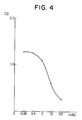
- the monoclonal antibody (anti-compound (A) antibody) of the present invention was made to react with Compound (A), as an antigen, coated on a plate in the presence of free N-acetylneuraminic acid to examine the competitive inhibitory effect of free N-acetylneuraminic acid against the binding of the anti-compound (A) antibody and Compound (A) and the results obtained were plotted on Fig. 4.
- the results shown in Fig. 4 indicate that the free N-acetylneuraminic acid binds to antigen-binding sites of the anti-compound (A) antibody to inhibit the binding of Compound (A) in proportion to the concentration of the acid.
- the anti-compound (A) antibody of the present invention is an antibody that specifically binds to free N-acetylneuraminic acid.
- the supernatant containing the anti-compound (A) antibodies was stepwise diluted to 1 to 64-fold and was introduced into each well to adhere the antibody thereto. Then, a solution of (14C)N-Acetylneuraminic Acid was added to the wells followed by incubating, washing the wells and examining the residual radioactivity of each well. The results obtained are plotted on Fig. 5. It is found, from the results plotted on Fig. 5, that the radioactivity attributable to (14C)N-acetylneuraminic acid increases in proportion to the coated amount of the antibody.
Landscapes
- Health & Medical Sciences (AREA)
- Chemical & Material Sciences (AREA)
- Life Sciences & Earth Sciences (AREA)
- Organic Chemistry (AREA)
- Genetics & Genomics (AREA)
- Immunology (AREA)
- General Health & Medical Sciences (AREA)
- Biochemistry (AREA)
- Medicinal Chemistry (AREA)
- Engineering & Computer Science (AREA)
- Molecular Biology (AREA)
- Bioinformatics & Cheminformatics (AREA)
- Proteomics, Peptides & Aminoacids (AREA)
- Biophysics (AREA)
- Wood Science & Technology (AREA)
- Zoology (AREA)
- Cell Biology (AREA)
- Biotechnology (AREA)
- Microbiology (AREA)
- Biomedical Technology (AREA)
- General Engineering & Computer Science (AREA)
- General Chemical & Material Sciences (AREA)
- Chemical Kinetics & Catalysis (AREA)
- Mycology (AREA)
- Pharmacology & Pharmacy (AREA)
- Epidemiology (AREA)
- Animal Behavior & Ethology (AREA)
- Public Health (AREA)
- Veterinary Medicine (AREA)
- Preparation Of Compounds By Using Micro-Organisms (AREA)
- Micro-Organisms Or Cultivation Processes Thereof (AREA)
- Medicines Containing Antibodies Or Antigens For Use As Internal Diagnostic Agents (AREA)
- Peptides Or Proteins (AREA)
Description
- The present invention relates to a novel hybridoma, a method for generating the same and monoclonal antibodies specific to N-acetylneuraminic acid in the beta-arrangement, which are produced by the hybridoma.
- In 1975, Köhler and Millstein developed a method for producing monoclonal antibodies utilizing a hybridoma which makes it possible to almost perpetually produce such an antibody having uniform specificity and other characteristics. Earlier than this, it has been recognized that ordinary anti-sera produced by immunizing an animal with an antigen inclusive of tumour cells contain a variety of antibodies differing in their specificity and characteristic properties. The method by Köhler et al. requires the fusion of spleen cells of an immunized animal with an immortal myeloma cell line and the screening of hybridomas generated by the cell fusion for desired antibody production, i.e., the selection of a clone which can produce or secrete an antibody having a desired specificity from fused cells referred to as "hybridoma" thus generated. Such a clone can continuously produce an antibody inherent thereto. The cloned hybridoma can perpetually be cultured and on the contrary, it can be stored in the frozen state in liquid nitrogen. Thus, the stable supply of individual antibodies can be ensured.
- Antibodies are proteins capable of specifically recognizing other molecules or substances known as antigens and also capable of binding to the same. A monoclonal antibody is of course an antibody, but the characteristic properties thereof are quite uniform and it recognizes only one antigen or antigenic determinant. A variety of hybridomas are generated by cell fusion technique, but all of the cloned hybridomas formed by fusing, for instance, myeloma cells with antibody-producing cells derived from an immunized animal are not specific to a desired antigen. Moreover, since antibodies produced by different cloned hybridomas can react with different antigenic determinants on the same molecule, an antibody produced by a specific cloned hybridoma is different from those produced by other clones even if they are specific to a desired antigen. Therefore, it is impossible to correctly forecast the specific site of an antigen molecule which can be recognized by each individual monoclonal antibody. Nowadays, various techniques for producing monoclonal antibodies and those for generating hybridomas capable of producing the same are well known in the art. In this respect, reference can be made to a recent publication "Monoclonal Hybridoma Antibodies: Techniques and Applications", edited by John G. Hurrell, 1983.
- It is known that N-acetylneuraminic acid is present at the terminus of a sugar chain of a glycoconjugate (complex carbohydrate) and plays various biologically important roles. It has recently been reported that the substantial increase in the content of free N-acetylneuraminic acid in the blood or urine is observed in patients suffering from malignant tumour or acute inflammatory diseases and thus the quantitative and/or qualitative measurement thereof has attracted special interest recently.
- In other words, since the monoclonal antibody has high specificity to a specific antigen and thus detects the same in a high sensitivity, to apply such a monoclonal antibody to the diagnosis of cancer for the purposes of early diagnosis or early treatment thereof would be expected. The diagnosis would be realized by detecting N-acetylneuraminic acid present in, for instance, the serum of individual using a monoclonal antibody as a cancer marker, if such a monoclonal antibody specific to aforesaid free N-acetylneuraminic acid can be obtained.
- Under such circumstances, there has been proposed a variety of methods for detecting or quantitatively determining the free N-acetylneuraminic acid in a high sensitivity. However, these methods conventionally established suffer from problems concerning simplicity and specificity to a desired antigen or antigenic determinant.
- All the N-Acetylneuraminic acid residues present at the termini of sugar chains of naturally occurring complex carbohydrate are in the alpha-arrangement and on the contrary, the free N-acetylneuraminic acid is in the beta-arrangement. Among the monoclonal antibodies specific to these complex carbohydrates, there are obtained many monoclonal antibodies specifically recognizing sites which contain N-acetylneuraminic acid residues as the epitope, but for the above reasons every antibody does not have an ability of recognizing such free N-acetylneuraminic acid and ability of binding thereto. Moreover, N-acetylneuraminic acid is a hapten with a low molecular weight and thus it has only a low antigenicity. Therefore, it seems very difficult to obtain monoclonal antibodies even if an animal is immunized with such a low molecular weight hapten.
- In US-A-4 694 076 sialic acid derivates in α- and β-arrangement and their possible use as a synthetic antigen are disclosed.
- Accordingly, an object of the present invention is to provide a hybridoma capable of producing a monoclonal antibody having high immunospecificity to free N-acetylneuraminic acid residues present in the blood and/or urine of patients suffering from malignant tumour or acute inflammatory diseases in an elevated concentration.
- A further object of the present invention is to provide a monoclonal antibody specific to the epitope carrying free N-acetylneuraminic acid residues.
- The inventors of the present invention have performed various studies to eliminate the above problems accompanied by the conventional techniques and found that a monoclonal antibody specific to a desired epitope or antigenic determinant can be obtained by utilizing a chemically synthesized sialic acid derivative in the beta-arrangement as an immunogen. Thus the present invention has been completed on the basis of such a finding.
- According to an aspect of the present invention, there is provided a novel hybridoma producing a monoclonal antibody which specifically binds free N-acetylneuraminic acid, beta-glycosides or beta-glycoconjugates thereof, and wherein said monoclonal antibody does not cross-react with an alpha-glycoside or an alpha-glycoconjugate of N-acetylneuraminic acid.
- According to a further aspect of the present invention, there is provided a monoclonal antibody which specifically binds free N-acetylneuraminic acid, beta-glycosides or beta-glycoconjugates thereof, and wherein said monoclonal antibody does not cross-react with an alpha-glycoside or an alpha-glycoconjugate of N-acetylneuraminic acid.
-
- Figs. 1 to 3 are diagrams illustrating the results of the cross reaction between the monoclonal antibody of this invention and various derivatives of N-acetylneuraminic acid in the beta-arrangement, obtained by enzyme-labeled antibody technique;
- Fig.4 is a diagram illustrating the competitive inhibitory effect of free N-acetylneuraminic acid on the binding of the monoclonal antibody of this invention and Compound (A) serving as an antigen, which is examined in accordance with enzyme-labeled antibody technique; and
- Fig. 5 shows the results of binding reaction between the monoclonal antibody and N-acetylneuraminic acid labeled with a radioisotope.
- The present invention will hereunder be described in more detail.
- The hybridoma of the present invention can be generated according to the aforesaid method by Kohlor et al. The method is not subject matter of the present application, but explained for illustrative purposes. In other words, the hybridoma can be produced by fusing B cells derived from an animal which is immunized with an antigen and myeloma cells. In this respect, the "antigen" used herein is a derivative of N-acetylneuraminic acid in the beta-arrangement. Specific examples thereof are as follows:


- Specific examples of N-acetylneuraminic acid derivatives in the alpha-arrangement, which are not reactive to the monoclonal antibody of the present invention are as follows:

- In the above formulas, Ac represents an acetyl group.
- The monoclonal antibody produced by the hybridoma of the present invention recognizes N-acetylneuraminic acid in the beta-arrangement as an epitope or an antigenic determinant and specifically reacts therewith. Therefore, the monoclonal antibody produced by the hybridoma of the present invention would exhibit high specificity to N-acetylneuraminic acid and any derivatives thereof so far as they are in the beta-arrangement.
- In the method for producing the hybridoma of the present invention, either of the N-acetylneuraminic acid derivatives such as those listed above is injected into an animal such as a mouse intramuscularly, intravenously, subctaneously or intraperitonealy to sensitize it and to thereby obtain B cells, in particular spleen B cells or lymphocytes. In this immunization, either incomplete adjuvants or complete adjuvants may be used as an adjuvant, i.e., an agent for immunological enhancement and specific examples thereof are oils, emulsifying agents, killed tubercule bacillus, killed Salmonella and mixture thereof, preferably killed Salmonella minesota R 595.
- Then, B cells thus obtained are fused with myeloma cells. As the fusing agent used in this cell fusion, there may be mentioned, for instance, polyethylene glycol and HVJ, preferably polyethylene glycol 4,000. In addition, it is preferrable to use HAT medium as the culture medium in order to separate hybridoma cells from the myeloma cells which remains unfused.
- Thereafter, the resultant hybridoma cells are subjected to cloning operation such as methylcellulose method, soft agarose method or limiting dilution method to separate a desired single clone.
- The antibody titer of the monoclonal antibody producing hybridoma thus obtained can be examined according to the standard method to select hybridoma exhibiting high antibody titer. The hybridoma thus generated is then stored.
- The hybridoma of the present invention is deposited with Ammerican Type Culture Collection (ATCC) under the Accession number of HB 9619.
- The monoclonal antibody produced by the hybridoma of the present invention can be used in detecting free N-acetylneuraminic acid present in blood or urine of human or animals and/or in determining the amount thereof according to a method such as the competitive RIA method.
- Therefore, it is expected to use the monoclonal antibody of the present invention in clinical purposes such as diagnosis and prognosis of a certain kinds of cancers and acute inflammatory diseases. Besides, it may further be used in the basic studies of the functions of N-acetylneuraminic acid in glycolipid-related diseases as well as those of substances which play important roles in living organisms, such as N-acetylneuraminic acid, sialidase and sialyltransferase. It is also possible to purify N-acetylneuraminic acid in the beta-arrangement utilizing the monoclonal antibody thus produced in affinity chromatography.
- The present invention will be explained in more detail with reference to the following non-limitative working Example.
- There was dissolved, in methanol, 3-O-(methyl-(5-acetamido-4,7,8,9-tetra-O-acetyl-3,5-dideoxy-beta-D-glycero-D-galacto-2-nonulopyranosyl)-onate)-1,2-di-O-tetradecyl-Sn-glycerol and the resultant solution was hydrolyzed with 1N sodium hydroxide solution at room temperature. The resulting reaction product was neutralized with Amberlite (trade name of Rhome & Haas Co.) and then was purified by reverse phase chromatography to thus obtain Compound (A) which was subsequently used as an immunogen (see Japanese Patent Unexamined Publication No. 59-164798).
- 5 female Balb/c mice of 6 week-old were used for experiments after breeding them for 7 days in an air-conditioned room.
- Compound (A) (1 mg) and Salmonella minesota R 595(4 mg) treated with acetic acid were dispersed in and mixed with 1 ml of phosphate-buffered saline (PBS (-)) to form an antigen solution.
- Culture Medium: Nissui RPMI 1640 was used as culture medium. To the medium, there were added 100 U/ml of penicillin G potassium, 1 mg titer/ml of streptomycin sulfate, 1 mM of sodium pyruvate and 10% of fetal bovine serum (FBS) prior to use the same.
- HAT Medium: 0.0388 g of thymidine and 0.1361 g of hypoxanthine were dissolved in 100 ml of distilled water while heating and the resulting solution (a) was stored at - 20°C as a stock solution having a concentration 100 times higher than the desired one. Likewise, 0.0176 g of aminopterin was dissolved in 100 ml of distilled water by adding a small amount of 1N sodium hydroxide aqueous solution, then this was diluted 10 times with RPMI 1640 culture medium and the resultant solution (b) was stored at -20°C as a stock solution having 100 times the desired concentration while shielding the light. HAT medium was prepared by adding 1/100 volume each of these two solutions to 10% FBSRPMI 1640 medium immediately before use.
- Moreover, HT medium was prepared by simply adding 1/100 volume of the stock solution (a) containing hypoxanthine and thymidine to the same 10% FBSRPMI 1640 medium.
- As the parent cells for cell fusion, there was used myeloma cells(X63-Ag8-6.5.3 cells) which were derivedfrom Balb/c mice. These cells were subjected to subculture in RPMI 1640 medium to which 10% FBS was added while the generation of mutant was inhibited by adding 6-thioguanine to the medium so that the concentration thereof was equal to 3 microgram/ml.
- Female Balb/c mice of 6 week-old were immunized by intraperitonealy injecting the following immunogen solution according to the following immunization schedule: initially 5 micrograms; 10 micrograms each at 12 days and 16 days after; and 15 micrograms each at 26 days and 35 days after. Three days after the final immunization, mice were sacrificed to get spleen cells (lymphocytes) and then a suspension of individual spleen cells was prepared from the same.
Immunogen Solution: 1 mg of Compound (A) as immunogen and 4 mg of Salmonella minesota as the adjuvant were mixed in 1ml of phosphate-buffered saline (PBS(-); free from Ca and Mg) and the resultant solution was then appropriately diluted to use as the immunogen solution. - Fusion of the spleen cells (lymphocytes) and the mouse myeloma cells as the parent cells was performed according to the method of Kohlor and Millstein. More specifically, 10⁸ spleen lymphocyte obtained 3 days after the final immunization were fused with 10⁷ myeloma cells in the presence of 50% polyethylene glycol (PEG 4000) in a culture medium.
- After the cell fusion, the resultant hybridoma cells were cultured for 15 days in RPMI-1640 medium to which HAT medium and 10% FBS were added.
- After the culture for 15 days, the supernatant of the culture medium was examined whether the hybridoma cells produced antibodies specific to Compound (A) or not by enzyme-labeled antibody technique.
- 96-well flat-bottomed plate (available from Falcon Co., Ltd.) was pretreated with ethanol before using in experiments. 50 Microliters each of 0.002% ethanol solution of N-acetylneuraminic acid derivative was pippeted into wells of the plate, then the solvent was evaporated off therefrom, 200 microliters each of 0.2% casein PBS(-) solution was introduced into the wells and it was allowed to stand for 2 hours at room temperature. The solution was removed by aspiration, then 50 microliters each of the supernatant of the hybridoma culture medium was added to the wells and the plate was allowed to stand for one hour at room temperature. Likewise, the primary antibody was removed from the plate, then the wells were washed three times by adding 150 microliters of PBS(-) solution and were allowed to stand for 30 minutes at room temperature after the addition of 200 microliters each of 0.2% casein PBS(-) solution. After the removal of the solution, 50 microliters each of secondary antibody which had been diluted to an optimum concentration with 0.2% casein PBS(-) solution was added to the wells and they were allowed to stand for 1.5 hours at room temperature. As in the case of the primary antibody, the wells were washed three times with PBS(-) solution and 100 microliters each of a reaction solution was added to cause reaction in the dark. The reaction solution was prepared by dissolving, into citrate-phosphate buffer (pH5.0), o-phenylenediamine and hydrogen peroxide so that the final concentrations thereof are 0.4 mg/ml and 0.01% respectively. The reaction was stopped by the addition of 30 microliters each of 8N sulfuric acid solution and thereafter the product was examined by colorimetry at 490 nm. As the secondary antibody, there were used goat anti-mouse IgG, IgM and IgA antibodies labeled with horseradish peroxidase (HRP).
- The specificity of the monoclonal antibody, of the present invention, to Compounds (A) to (F) in the betaarrangement and Compounds (H) to (L) in the alphaarrangement was examined according to the method explained above and the results obtained were shown in Figs. 1 to 3 attached hereto.
- Figs. 1 and 2 show the results of the cross reaction between the anti-compound (A) antibody of the present invention and the compounds comprising N-acetylneuraminic acid in the beta arrangement used as an antigen, respectively. As seen from the results plotted on Figs. 1 and 2, all the compounds comprising N-acetylneuraminic acid in the beta-arrangement are positive in the cross-reaction.
- Fig.3 likewise shows the result of the cross-reaction between the antibody of the present invention and compounds comprising N-acetylneuraminic acid in the alpha-arrangement used as an antigen. As a result, it is found that all the compounds comprising N-acetylneuraminic acid in the alpha-arrangement are negative in the creoss-reaction.
- The monoclonal antibody (anti-compound (A) antibody) of the present invention was made to react with Compound (A), as an antigen, coated on a plate in the presence of free N-acetylneuraminic acid to examine the competitive inhibitory effect of free N-acetylneuraminic acid against the binding of the anti-compound (A) antibody and Compound (A) and the results obtained were plotted on Fig. 4.
- The results shown in Fig. 4 indicate that the free N-acetylneuraminic acid binds to antigen-binding sites of the anti-compound (A) antibody to inhibit the binding of Compound (A) in proportion to the concentration of the acid. This suggests that the anti-compound (A) antibody of the present invention is an antibody that specifically binds to free N-acetylneuraminic acid.
- The supernatant containing the anti-compound (A) antibodies was stepwise diluted to 1 to 64-fold and was introduced into each well to adhere the antibody thereto. Then, a solution of (¹⁴C)N-Acetylneuraminic Acid was added to the wells followed by incubating, washing the wells and examining the residual radioactivity of each well. The results obtained are plotted on Fig. 5. It is found, from the results plotted on Fig. 5, that the radioactivity attributable to (¹⁴C)N-acetylneuraminic acid increases in proportion to the coated amount of the antibody.
- The same procedures as above were repeated using glucosamine as an antigen (control), but no binding between the anti-compound (A) antibody and glucosamine was observed. This also clearly indicates that the monoclonal antibody of the present invention specifically reacts with N-acetylneuraminic acid in the beta-arrangement.
Claims (6)
- A hybridoma producing a monoclonal antibody which specifically binds free N-acetylneuraminic acid, beta-glycosides thereof or beta-glycoconjugates thereof, and wherein said monoclonal antibody does not cross-react with an alpha-glycoside or an alpha-glycoconjugate of N-acetylneuraminic acid.
- A hybridoma as set forth in claim 1 wherein the hybridoma is ATCC HB 9619.
- A monoclonal antibody which specifically binds free N-acetylneuraminic acid, beta-glycosides thereof or beta-glycoconjugates thereof, and wherein said monoclonal antibody does not cross-react with an alpha-glycoside or an alpha-glycoconjugate of N-acetylneuraminic acid.
- A monoclonal antibody as set forth in claim 3 wherein it is an IgG type immunoglobulin molecule.
- A monoclonal antibody as set forth in claim 3 or 4 wherein it is produced by a hybridoma ATCC HB 9619.
- A monoclonal antibody as set forth in anyone of claims 3 to 5 wherein it is applied to the diagnosis of malignant tumour or acute inflammatory diseases by detecting and quantifying free N-acetylneuraminic acid present in blood or urine.
Priority Applications (1)
| Application Number | Priority Date | Filing Date | Title |
|---|---|---|---|
| AT88118876T ATE89863T1 (en) | 1987-11-13 | 1988-11-11 | BETA N-ACETYLNEURAMIC ACID IDENTIFYABLE MONOCLONAL ANTIBODIES. |
Applications Claiming Priority (4)
| Application Number | Priority Date | Filing Date | Title |
|---|---|---|---|
| JP287119/87 | 1987-11-13 | ||
| JP28711987 | 1987-11-13 | ||
| JP63026848A JPH02486A (en) | 1987-11-13 | 1988-02-08 | Monoclonal antibody capable of recognizing free n-acetylneuraminic acid |
| JP26848/88 | 1988-02-08 |
Publications (3)
| Publication Number | Publication Date |
|---|---|
| EP0316818A2 EP0316818A2 (en) | 1989-05-24 |
| EP0316818A3 EP0316818A3 (en) | 1990-08-22 |
| EP0316818B1 true EP0316818B1 (en) | 1993-05-26 |
Family
ID=26364692
Family Applications (1)
| Application Number | Title | Priority Date | Filing Date |
|---|---|---|---|
| EP88118876A Expired - Lifetime EP0316818B1 (en) | 1987-11-13 | 1988-11-11 | Monoclonal antibodies capable of recognizing n-acetylneuraminic acid in beta-arrangement |
Country Status (13)
| Country | Link |
|---|---|
| US (1) | US5158886A (en) |
| EP (1) | EP0316818B1 (en) |
| JP (1) | JPH02486A (en) |
| KR (1) | KR960004855B1 (en) |
| AU (1) | AU614553B2 (en) |
| CA (1) | CA1336763C (en) |
| DE (1) | DE3881344T2 (en) |
| ES (1) | ES2054772T3 (en) |
| FI (1) | FI90989C (en) |
| HU (1) | HU204897B (en) |
| IL (1) | IL88322A (en) |
| NO (1) | NO174110C (en) |
| NZ (1) | NZ226937A (en) |
Cited By (4)
| Publication number | Priority date | Publication date | Assignee | Title |
|---|---|---|---|---|
| US11028181B2 (en) | 2015-11-12 | 2021-06-08 | Seagen Inc. | Glycan-interacting compounds and methods of use |
| US11253609B2 (en) | 2017-03-03 | 2022-02-22 | Seagen Inc. | Glycan-interacting compounds and methods of use |
| US11401330B2 (en) | 2016-11-17 | 2022-08-02 | Seagen Inc. | Glycan-interacting compounds and methods of use |
| USRE49435E1 (en) | 2014-11-12 | 2023-02-28 | Seagen Inc. | Glycan-interacting compounds and methods of use |
Families Citing this family (5)
| Publication number | Priority date | Publication date | Assignee | Title |
|---|---|---|---|---|
| JPH03242553A (en) * | 1990-02-19 | 1991-10-29 | Mect Corp | Formulation containing episialo conjugated glucide |
| US7682794B2 (en) * | 2003-07-15 | 2010-03-23 | The Regents Of The University Of California | Methods for detecting and analyzing N-glycolylneuraminic acid (Neu5Gc) in biological materials |
| CN100401753C (en) * | 2004-07-20 | 2008-07-09 | 上海乐金广电电子有限公司 | Intelligent Antenna Control System for Digital TV Reception |
| WO2013151649A1 (en) | 2012-04-04 | 2013-10-10 | Sialix Inc | Glycan-interacting compounds |
| US9879087B2 (en) | 2014-11-12 | 2018-01-30 | Siamab Therapeutics, Inc. | Glycan-interacting compounds and methods of use |
Citations (1)
| Publication number | Priority date | Publication date | Assignee | Title |
|---|---|---|---|---|
| US4694076A (en) * | 1983-03-09 | 1987-09-15 | Kanto Ishi Pharmaceutical Co., Ltd. | Sialic acid derivatives |
-
1988
- 1988-02-08 JP JP63026848A patent/JPH02486A/en active Pending
- 1988-11-08 KR KR1019880014661A patent/KR960004855B1/en not_active Expired - Fee Related
- 1988-11-08 IL IL8832288A patent/IL88322A/en not_active IP Right Cessation
- 1988-11-08 US US07/268,895 patent/US5158886A/en not_active Expired - Fee Related
- 1988-11-10 FI FI885169A patent/FI90989C/en not_active IP Right Cessation
- 1988-11-10 CA CA000582783A patent/CA1336763C/en not_active Expired - Fee Related
- 1988-11-11 NO NO885053A patent/NO174110C/en unknown
- 1988-11-11 AU AU24982/88A patent/AU614553B2/en not_active Ceased
- 1988-11-11 NZ NZ226937A patent/NZ226937A/en unknown
- 1988-11-11 DE DE8888118876T patent/DE3881344T2/en not_active Expired - Fee Related
- 1988-11-11 ES ES88118876T patent/ES2054772T3/en not_active Expired - Lifetime
- 1988-11-11 HU HU885786A patent/HU204897B/en not_active IP Right Cessation
- 1988-11-11 EP EP88118876A patent/EP0316818B1/en not_active Expired - Lifetime
Patent Citations (1)
| Publication number | Priority date | Publication date | Assignee | Title |
|---|---|---|---|---|
| US4694076A (en) * | 1983-03-09 | 1987-09-15 | Kanto Ishi Pharmaceutical Co., Ltd. | Sialic acid derivatives |
Cited By (4)
| Publication number | Priority date | Publication date | Assignee | Title |
|---|---|---|---|---|
| USRE49435E1 (en) | 2014-11-12 | 2023-02-28 | Seagen Inc. | Glycan-interacting compounds and methods of use |
| US11028181B2 (en) | 2015-11-12 | 2021-06-08 | Seagen Inc. | Glycan-interacting compounds and methods of use |
| US11401330B2 (en) | 2016-11-17 | 2022-08-02 | Seagen Inc. | Glycan-interacting compounds and methods of use |
| US11253609B2 (en) | 2017-03-03 | 2022-02-22 | Seagen Inc. | Glycan-interacting compounds and methods of use |
Also Published As
| Publication number | Publication date |
|---|---|
| NO885053L (en) | 1989-05-16 |
| FI90989C (en) | 1994-04-25 |
| JPH02486A (en) | 1990-01-05 |
| US5158886A (en) | 1992-10-27 |
| EP0316818A3 (en) | 1990-08-22 |
| FI90989B (en) | 1994-01-14 |
| KR890007755A (en) | 1989-07-05 |
| DE3881344T2 (en) | 1993-09-09 |
| HUT48676A (en) | 1989-06-28 |
| NO174110B (en) | 1993-12-06 |
| AU614553B2 (en) | 1991-09-05 |
| IL88322A (en) | 1994-05-30 |
| HU204897B (en) | 1992-02-28 |
| NO174110C (en) | 1994-03-16 |
| FI885169A0 (en) | 1988-11-10 |
| KR960004855B1 (en) | 1996-04-16 |
| NO885053D0 (en) | 1988-11-11 |
| ES2054772T3 (en) | 1994-08-16 |
| CA1336763C (en) | 1995-08-22 |
| NZ226937A (en) | 1991-02-26 |
| EP0316818A2 (en) | 1989-05-24 |
| FI885169L (en) | 1989-05-14 |
| DE3881344D1 (en) | 1993-07-01 |
| AU2498288A (en) | 1989-05-18 |
Similar Documents
| Publication | Publication Date | Title |
|---|---|---|
| US5158886A (en) | Monoclonal antibodies specific for free N-acetylfuraminic acid and beta-glycosides and beta-glycoconjugates thereof | |
| JP3137976B2 (en) | Hybridoma CT43 producing monoclonal antibody against mucin epitope of colon cancer | |
| US5141864A (en) | Monoclonal antibody recognizing alpha 2→3 bonds | |
| EP0171083A2 (en) | Monoclonal antibody, process for preparing same, reagent for detecting cancer antigen containing the monoclonal antibody and process for preparing same | |
| JP4071330B2 (en) | Anti-human medalacin monoclonal antibody, production method thereof and immunological assay method using the same | |
| JP2706777B2 (en) | Monoclonal antibody recognizing non-natural GD | |
| METTLER et al. | Monoclonal sperm antibodies: their potential for investigation of sperms as target of immunological contraception | |
| JP2613067B2 (en) | Monoclonal antibodies and methods of use | |
| JP4037933B2 (en) | Anti-human calcitonin monoclonal antibody | |
| JP2789469B2 (en) | Monoclonal antibody recognizing ganglioside GQ (bottom 1) (bottom b) and GT (bottom 1) (bottom a) | |
| EP0369425A1 (en) | Monoclonal antibody specifically recognizing N-glycolyl type GM2, hybridoma producing the antibody and method for preparing the hybridoma | |
| JPS63209596A (en) | Monoclonal antibody and use thereof | |
| JP2743015B2 (en) | Monoclonal antibody specific to O-acetylated ganglioside GM <3>, hybridoma producing the antibody, and method for producing the same | |
| JPH0379994B2 (en) | ||
| JP4339564B2 (en) | Antibodies and their uses | |
| JPH07101997A (en) | Monoclonal antibody | |
| JPH0690784A (en) | Monoclonal antibody and its use | |
| JPH0549495A (en) | Method for quantifying monoclonal antibody and human plasma α (1 → 3) fucosyltransferase | |
| JPH0423997A (en) | Monoclonal antibody |
Legal Events
| Date | Code | Title | Description |
|---|---|---|---|
| PUAI | Public reference made under article 153(3) epc to a published international application that has entered the european phase |
Free format text: ORIGINAL CODE: 0009012 |
|
| AK | Designated contracting states |
Kind code of ref document: A2 Designated state(s): AT BE CH DE ES FR GB GR IT LI LU NL SE |
|
| PUAL | Search report despatched |
Free format text: ORIGINAL CODE: 0009013 |
|
| AK | Designated contracting states |
Kind code of ref document: A3 Designated state(s): AT BE CH DE ES FR GB GR IT LI LU NL SE |
|
| 17P | Request for examination filed |
Effective date: 19910215 |
|
| 17Q | First examination report despatched |
Effective date: 19920123 |
|
| GRAA | (expected) grant |
Free format text: ORIGINAL CODE: 0009210 |
|
| ITF | It: translation for a ep patent filed | ||
| AK | Designated contracting states |
Kind code of ref document: B1 Designated state(s): AT BE CH DE ES FR GB GR IT LI LU NL SE |
|
| PG25 | Lapsed in a contracting state [announced via postgrant information from national office to epo] |
Ref country code: GR Free format text: LAPSE BECAUSE OF FAILURE TO SUBMIT A TRANSLATION OF THE DESCRIPTION OR TO PAY THE FEE WITHIN THE PRESCRIBED TIME-LIMIT Effective date: 19930526 |
|
| REF | Corresponds to: |
Ref document number: 89863 Country of ref document: AT Date of ref document: 19930615 Kind code of ref document: T |
|
| REF | Corresponds to: |
Ref document number: 3881344 Country of ref document: DE Date of ref document: 19930701 |
|
| ET | Fr: translation filed | ||
| PG25 | Lapsed in a contracting state [announced via postgrant information from national office to epo] |
Ref country code: LU Free format text: LAPSE BECAUSE OF NON-PAYMENT OF DUE FEES Effective date: 19931130 |
|
| PLBE | No opposition filed within time limit |
Free format text: ORIGINAL CODE: 0009261 |
|
| STAA | Information on the status of an ep patent application or granted ep patent |
Free format text: STATUS: NO OPPOSITION FILED WITHIN TIME LIMIT |
|
| 26N | No opposition filed | ||
| REG | Reference to a national code |
Ref country code: ES Ref legal event code: FG2A Ref document number: 2054772 Country of ref document: ES Kind code of ref document: T3 |
|
| EAL | Se: european patent in force in sweden |
Ref document number: 88118876.7 |
|
| PGFP | Annual fee paid to national office [announced via postgrant information from national office to epo] |
Ref country code: GB Payment date: 19951027 Year of fee payment: 8 |
|
| PGFP | Annual fee paid to national office [announced via postgrant information from national office to epo] |
Ref country code: FR Payment date: 19951102 Year of fee payment: 8 Ref country code: ES Payment date: 19951102 Year of fee payment: 8 |
|
| PGFP | Annual fee paid to national office [announced via postgrant information from national office to epo] |
Ref country code: SE Payment date: 19951106 Year of fee payment: 8 |
|
| PGFP | Annual fee paid to national office [announced via postgrant information from national office to epo] |
Ref country code: CH Payment date: 19951107 Year of fee payment: 8 |
|
| PGFP | Annual fee paid to national office [announced via postgrant information from national office to epo] |
Ref country code: AT Payment date: 19951109 Year of fee payment: 8 |
|
| PGFP | Annual fee paid to national office [announced via postgrant information from national office to epo] |
Ref country code: BE Payment date: 19951110 Year of fee payment: 8 |
|
| PGFP | Annual fee paid to national office [announced via postgrant information from national office to epo] |
Ref country code: NL Payment date: 19951130 Year of fee payment: 8 |
|
| PGFP | Annual fee paid to national office [announced via postgrant information from national office to epo] |
Ref country code: DE Payment date: 19960126 Year of fee payment: 8 |
|
| PG25 | Lapsed in a contracting state [announced via postgrant information from national office to epo] |
Ref country code: GB Effective date: 19961111 Ref country code: AT Effective date: 19961111 |
|
| PG25 | Lapsed in a contracting state [announced via postgrant information from national office to epo] |
Ref country code: SE Effective date: 19961112 Ref country code: ES Free format text: LAPSE BECAUSE OF EXPIRATION OF PROTECTION Effective date: 19961112 |
|
| PG25 | Lapsed in a contracting state [announced via postgrant information from national office to epo] |
Ref country code: LI Effective date: 19961130 Ref country code: CH Effective date: 19961130 Ref country code: BE Effective date: 19961130 |
|
| BERE | Be: lapsed |
Owner name: MECT CORP. Effective date: 19961130 |
|
| PG25 | Lapsed in a contracting state [announced via postgrant information from national office to epo] |
Ref country code: NL Effective date: 19970601 |
|
| GBPC | Gb: european patent ceased through non-payment of renewal fee |
Effective date: 19961111 |
|
| REG | Reference to a national code |
Ref country code: CH Ref legal event code: PL |
|
| PG25 | Lapsed in a contracting state [announced via postgrant information from national office to epo] |
Ref country code: FR Effective date: 19970731 |
|
| NLV4 | Nl: lapsed or anulled due to non-payment of the annual fee |
Effective date: 19970601 |
|
| PG25 | Lapsed in a contracting state [announced via postgrant information from national office to epo] |
Ref country code: DE Effective date: 19970801 |
|
| EUG | Se: european patent has lapsed |
Ref document number: 88118876.7 |
|
| REG | Reference to a national code |
Ref country code: FR Ref legal event code: ST |
|
| REG | Reference to a national code |
Ref country code: ES Ref legal event code: FD2A Effective date: 20010301 |
|
| PG25 | Lapsed in a contracting state [announced via postgrant information from national office to epo] |
Ref country code: IT Free format text: LAPSE BECAUSE OF NON-PAYMENT OF DUE FEES;WARNING: LAPSES OF ITALIAN PATENTS WITH EFFECTIVE DATE BEFORE 2007 MAY HAVE OCCURRED AT ANY TIME BEFORE 2007. THE CORRECT EFFECTIVE DATE MAY BE DIFFERENT FROM THE ONE RECORDED. Effective date: 20051111 |