EP0284406B1 - Biologically active molecules - Google Patents
Biologically active molecules Download PDFInfo
- Publication number
- EP0284406B1 EP0284406B1 EP88302656A EP88302656A EP0284406B1 EP 0284406 B1 EP0284406 B1 EP 0284406B1 EP 88302656 A EP88302656 A EP 88302656A EP 88302656 A EP88302656 A EP 88302656A EP 0284406 B1 EP0284406 B1 EP 0284406B1
- Authority
- EP
- European Patent Office
- Prior art keywords
- peptide
- bgh
- formulation according
- growth hormone
- amino acid
- Prior art date
- Legal status (The legal status is an assumption and is not a legal conclusion. Google has not performed a legal analysis and makes no representation as to the accuracy of the status listed.)
- Expired - Lifetime
Links
Images



Classifications
-
- C—CHEMISTRY; METALLURGY
- C07—ORGANIC CHEMISTRY
- C07K—PEPTIDES
- C07K14/00—Peptides having more than 20 amino acids; Gastrins; Somatostatins; Melanotropins; Derivatives thereof
- C07K14/435—Peptides having more than 20 amino acids; Gastrins; Somatostatins; Melanotropins; Derivatives thereof from animals; from humans
- C07K14/575—Hormones
- C07K14/61—Growth hormone [GH], i.e. somatotropin
-
- A—HUMAN NECESSITIES
- A61—MEDICAL OR VETERINARY SCIENCE; HYGIENE
- A61P—SPECIFIC THERAPEUTIC ACTIVITY OF CHEMICAL COMPOUNDS OR MEDICINAL PREPARATIONS
- A61P15/00—Drugs for genital or sexual disorders; Contraceptives
- A61P15/14—Drugs for genital or sexual disorders; Contraceptives for lactation disorders, e.g. galactorrhoea
-
- A—HUMAN NECESSITIES
- A61—MEDICAL OR VETERINARY SCIENCE; HYGIENE
- A61P—SPECIFIC THERAPEUTIC ACTIVITY OF CHEMICAL COMPOUNDS OR MEDICINAL PREPARATIONS
- A61P3/00—Drugs for disorders of the metabolism
-
- A—HUMAN NECESSITIES
- A61—MEDICAL OR VETERINARY SCIENCE; HYGIENE
- A61P—SPECIFIC THERAPEUTIC ACTIVITY OF CHEMICAL COMPOUNDS OR MEDICINAL PREPARATIONS
- A61P5/00—Drugs for disorders of the endocrine system
-
- A—HUMAN NECESSITIES
- A61—MEDICAL OR VETERINARY SCIENCE; HYGIENE
- A61K—PREPARATIONS FOR MEDICAL, DENTAL OR TOILETRY PURPOSES
- A61K38/00—Medicinal preparations containing peptides
Definitions
- the present invention relates to biologically active molecules, more particularly peptides.
- polypeptide hormones are important medically or in animal husbandry, particularly growth hormones
- Growth hormones are found in all vertebrates, the growth hormone (GH) of each species usually having a slightly different amino acid sequence from that of the GH of another species.
- the molecule comprises a single linear sequence of about 191 amino acids.
- the amino acid sequence of human growth hormone (hGH) is described by Choh Hao Li in "Molecular and Cellular Biochemistry", 46, 31-41 (1982). Growth hormones are known to enhance growth (somatogenesis), to enhance milk production (lactogenesis) and to have an insulin-like hypoglycaemic effect.
- peptides corresponding to portions of the GH molecule can have useful biological activity, in particular to generate hypoglycemic effects when administered contemporaneously with exogenous insulin.
- WO84/04915 does not teach one to administer such peptides in an antigenic formation, since the purpose of administration in WO84/04915 is not to raise antibodies against the peptide.
- the present invention thus provides a pharmaceutical antigenic formulation comprising: a peptide of from 5 to 25 amino acid residues wherein a portion forming at least 45% of the said peptide has an amino acid sequence corresponding to at least 35% of the region spanning positions 35 to 53 of bovine growth hormone or the corresponding regions of avian, salmon or porcine growth hormone; or a variant of said peptide containing one or more deletions or conservative substitutions such that the tertiary structure of the peptide is unchanged; and means to provide adjuvant and carrier functions.
- the said 35-53 of bovine (and ovine) GH is: NH2-Thr-Tyr-Ile-Pro-Glu-Gly-Gln-Arg-Tyr-Ser-Ile-Gln-Asn-Thr-Gln-Val-Ala-Phe-Cys-COOH.
- the peptides used in the invention have less than 20 amino acid residues.
- the number of amino acid residues that have structural homology with the hormone which are contained in the small peptides used in the invention is typically dependent upon the length of the small peptide and may vary from a sequence of a few amino acid residues to a sequence substantially comprising the entire small peptide.
- the sequence of amino acid residues having the structural homology is at least 5 amino acid residues in length and preferably at least about 8 to 10 amino acid residues in length.
- potentiate means that the small peptide acts directly or indirectly to increase or enhance the activity of the hormone to which it has the structural homology.
- substitutions are defined functionally above. Examples of substitutions which may be conservative in this context include those having substantially the same hydrophobicity, size, charge and/or aromaticity as the original amino acid residue. All such substitutions and modifications are generally well known to those skilled in the art of peptide chemistry.
- candidate substitutions include: proline for glycine and vice versa; alanine or valine for glycine and vice versa; isoleucine for leucine and vice versa; tryptophan for tyrosine and vice versa; histidine for lycine and vice versa; serine for asparagine and vice versa; arginine for glutamate and vice versa; threonine for cysteine and vice versa; serine or alanine for threonine and vice versa; and glutamine for asparagine and vice versa.
- antigenically equivalent means that the peptide can be used, in a suitable formulation, to raise antibodies in a vertebrate, the antibodies acting to potentiate the action of growth hormone in that vertebrate.
- peptides which are slightly shorter or longer than the said regions or which overlap substantially with the said regions for example 30-48 or 26-43, have been found to be antigenically equivalent.
- the terms “slightly longer”, “slightly shorter” and “substantial overlap” denote peptides in which at least 45% (preferably 50%, 60%, 70%, 80%, 90% or 100%) of the equivalent peptide overlaps with at least 35% (preferably 40%, 50%, 60%, 70%, 80%, 90% or 100%) of the said 35-53 regions.
- antigenically equivalent peptides which are shorter than the said fragments may be used, for example 35-43, or 35-48.
- peptides in which one or more of the amino acid residues are chemically modified, before or after the peptide is synthesised may be used providing that the function of the peptide, namely the production of specific antibodies in vivo , remains substantially unchanged.
- modifications include forming salts with acids or bases, especially physiologically acceptable organic or inorganic acids and bases, forming an ester or amide of a terminal carboxyl group, and attaching amino acid protecting groups such as N-t-butoxycarbonyl. Such modifications may protect the peptide from in vivo metabolism.
- the peptides may be present as single copies or as multiples, for example tandem repeats such as 35-53+35-53.
- tandem or multiple repeats may be sufficiently antigenic themselves to obviate the use of a carrier. It may be advantageous for the peptide to be formed as a loop, with the N-terminal and C-terminal ends joined together, or to add one or more Cys residues to an end to increase antigenicity and/or to allow disulphide bonds to be formed. If the peptide is covalently linked to a carrier, preferably a polypeptide, then the arrangement is preferably such that the peptide of the invention forms a loop.
- a second aspect of the invention provides a pharmaceutical antigenic composition comprising one or more of any of the peptides of the first aspect of the invention, with means to provide carrier and adjuvant functions.
- a carrier function should be present in any immunogenic formulation is order to stimulate, or enhance stimulation of, the immune system. It is thought that carriers embody (or, together with the antigen, create) a helper T-cell epitope.
- the peptides may be associated, for example by cross-linking, with a separate carrier, such as serum albumins, myoglobins, bacterial toxoids and keyhole limpet haemocyanin.
- More recently developed carriers which induce T-cell help in the immune response include the hepatitis B core antigen (also called the nucleocapsid protein), presumed helper T-cell epitopes such as Thr-Ala-Ser-Gly-Val-Ala-Glu-Thr-Thr-Asn, beta-galactosidase and the 163-171 peptide of interleukin-1.
- the latter compound may variously be regarded as a carrier or as an adjuvant or as both.
- several copies of the same or different peptides of the invention may be cross-linked to one another; in this situation there is no separate carrier as such, but a carrier function may be provided by such cross-linking.
- Suitable cross-linking agents include those listed as such in the Sigma and Pierce catalogues, for example glutaraldehyde, carbodiimide and succinimidyl 4-(N-maleimidomethyl)cyclo-hexane-1-carboxylate, the latter agent exploiting the -SH group on the C-terminal cysteine residue of the 35-53 region.
- Suitable adjuvants are known to those in the vaccine art, for example Freund's complete or incomplete adjuvant, aluminium hydroxide, saponin, DEAE-dextran, muramyl dipeptide, mineral oils, neutral oils (such as miglyol) vegetable oils (such as arachis oil), "Iscoms", liposomes, Pluronic polyols or the Ribi adjuvant system (see, for example, GB-A-2 189 141). "Pluronic” is a Registered Trade Mark.
- the peptide of the invention may be linked to other antigens to provide a dual effect.
- the peptide may be linked to part or all of the somatostatin molecule to create, in addition to anti-GH antibodies, anti-somatostatin antibodies which would promote growth, or it may be linked to part or all of a sex hormone molecule to provide for simultaneous immunocastration, or to part or all of the luteinising hormone releasing hormone (LHRH).
- LHRH luteinising hormone releasing hormone
- the peptides and adjuvants and/or carriers may be formulated in any suitable way which may be devised by the man skilled in the art using known or yet-to-be-discovered delivery vehicles and criteria.
- the formulations may be based on biodegradable polymers such as lactide glycolide copolymers, such as those described in EP-A-58481 (ICI).
- a further aspect of the invention provides a non-therapeutic method of treating a non-human vertebrate with an antigenic composition as described above, in order, for example, to boost the growth of that vertebrate beyond normal levels or at an accelerated rate, to bring abnormally low levels of growth up to the norm, to boost milk yield or to boost or enhance other biological effects associated with GH.
- the proportion of lean meat to fat in an animal may also be enhanced by using such methods.
- the antigenic compositions of the invention will usually be administered intravenously, sub-cutaneously or intra-muscularly although intra-nasal, transdermal, oral and rectal routes may be suitable for the same formulations of the invention.
- the formulation will normally be sterile and (for parenteral use) non-pyrogenic and a unit dose will typically include 1 to 1000 ⁇ g of the small peptide of the invention, typically 10 to 500 ⁇ g, preferably about 50 ⁇ g or less.
- One or more repeat immunisations may be advantageous, as is known in the art of immunology.
- the formulations may generally be prepared and/or administered by a physician or veterinary surgeon according to his skill and expertise.
- peptides mentioned above may be synthesised by known methods of peptide synthesis or by appropriate cleavage of the native GH molecule.
- Peptide synthesis may be achieved according to the general method of Stewart et al ., described in “Solid Phase Peptide Synthesis” (W H Freeman, San Francisco, 1969) or by the methods described by Marglin and Merrifield in Annual Reviews of Biochemistry 39, 841-866 at 862 (1970), and subsequent articles.
- Established methods of peptide synthesis by solid phase and similar techniques are usually not suitable for large scale production (although they may become so in the future) and thus commercial production of the peptides would normally be by cultivation of a suitable organism transformed with a polynucleotide sequence encoding the desired peptide.
- Temporary N ⁇ -amino group protection is afforded by the 9-fluorenylmethyloxycarbonyl (Fmoc) group. Repetitive cleavage of this highly base-labile protecting group is effected using 20% piperidine in N,N-dimethylformamide.
- the solid-phase support is based on a polydimethylacrylamide polymere constituted from the three monomers dimethylacrylamide (backbone-monomer), bis-acryloylethylene diamine (cross linker) and acryloylsarcosine methyl ester (functionalising agent).
- the peptide-to-resin cleavable linked agent used is the acid-labile 4-hydroxymethyl-phenoxyacetic acid derivative.
- peptides are cleaved from the resin support with concomitant removal of side-chain protecting groups by treatment with 95% trifluoroacetic acid containing a 5% scavenger mix.
- Scavengers commonly used are ethanedithiol, phenol, anisole and water, the exact choice depending on the constituent amino acids of the peptide being synthesised.
- Trifluoroacetic acid is removed by evaporation in vacuo , with subsequent trituration with diethyl ether affording the crude peptide. Any scavengers present are removed by a simple extraction procedure which on lyophilisation of the aqueous phase affords the crude peptide free of scavengers.
- Purification may be effected by any one, or a combinbation of, techniques such as size exclusion chromatography, ion-exchange chromatography and (principally) reverse-phase high performance liquid chromatography.
- Analysis of peptides is carried out using thin layer chromatography, reverse-phase high performance liquid chromatography, amino-acid analysis after acid hydrolysis and by fast atom bombardment (FAB) mass spectrometric analysis, as is well known to those skilled in the art.
- FAB fast atom bombardment
- 10mg of peptide (ovine/bovine sequence 35-53) was dissolved in 500ul dimethyl formamide, and mixed with 10mg of keyhole limpet haemocyanin in 400ul of 0.05M phosphate buffer pH 7.8. 1ml of 0.02M glutaraldehyde solution in 0.05M phosphate buffer pH 7.8 was added dropwise over one hour whilst stirring at room temperature. The mixture was allowed to stir at room temperature for a further three hours and then dialysed versus phosphate buffered saline pH 7.2.
- the preparation was mixed with a double volume of Freund's complete adjuvant and injected into two sheep at multiple subcutaneous sites. 28 days later, the second half of the preparation was similarly emulsified and injected in Freund's incomplete adjuvant. The sheep were bled at weekly intervals during immunization, the optimum antibody response being obtained around 14 days after the second immunization.
- Antibody production by sheep following immunization with GH peptide fragment 35-53 was determined by liquid phase direct binding assay with 125 I-bGH essentially as described previously (Aston, et al , 1985).
- Sera from sheep immunized with peptides derived from bovine/ovine GH were assessed for their binding to 125I-bGH and their effects on the bioactivity of bGH in vivo .
- Dwarf mice receiving bGH in complex with anti-35-53 antiserum grew significantly better than those treated with bGH and control sheep globulin.
- peptide e.g., bovine 35-53
- dimethyl formamide a mixture of dimethyl formamide.
- 70ul of 10mg/ml ovalbumin or KLH in Dulbecco's phosphate buffered saline (PBS) was added and thoroughly mixed.
- 200ul of freshly prepared 0.04M glutaraldehyde was added slowly, with stirring, over a period of 10 minutes then left at room temperature for a further 60 minutes.
- 0.7ml of PBS was added and followed by a further 100ul 0.04M glutaraldehyde as above. This was left for 60 minutes at room temerature before being dialysed overnight at +4°C against PBS.
- Negative control parallels for the above were produced by using no peptide with ovalbumin (or KLH) or using poly-lysine (molecular weight 1000-2000 Da) and cross-linking.
- the volumes of the above preparations were made up to 4.5mls with PBS and 'water-in-oil' emulsions prepared using two volumes of Freund's Complete Adjuvant (FCA) (Difco or Sigma). This was achieved by sonication in the cold or using a Potter-Elvehjen homogeniser. Emulsions were tested by dispersion (or absence) on a water surface. The injections were subcutaneously administered at two sites (one on each flank) into Cheviot sheep (9-12 months old, castrate males, 30-35kg). 1ml was administered at each site. A second, similar immunisation was completed using freshly prepared peptide conjugated in the same way but emulsified into Freund's Incomplete Adjuvant (FIA) (Difco or Sigma). Any subsequent immunisations were similar, but at 28 day intervals
- FCA Freund's Complete Adjuvant
- DEAE-dextran (fully hydrated overnight in double-distilled water) (Pharmacia), Saponin (Sigma) and aluminium hydrogel were used alone and in combinations. After dialysis, additions were made of 3.1ml PBS plus 7ml 5% DEAE-dextran (Dd; plus 2.8ml of 5mg/ml saponin; or 5.9ml PBS plus 7ml 5% Dd; or 10.1ml PBS plus 2.8ml 5mg/ml saponin. Aluminium (“AlOH”) was used at 1.0mg/ml final concentration where appropriate.
- Table 1 summarises the results from the sheep experiments and indicates the superiority of FCA with most conjugates (or peptide alone) using peptide 35-53. Small changes as in porcine 35-53 introduced into sheep further improved the response rate (as well as the actual titre - not shown). Peptides around, but including, and within the 35-53 sequence produced at least moderate responses.
- somatostatin was selected for illustrative purposes and for the difficulty in raising effective immunoneutralising antibodies (see Spencer, 1986).
- Radioimmunoassays for growth hormone binding antibodies were as above (II-7) for somatostatin as described by Spencer et al , (1983) using 125I-labelled Tyr-somatostatin.
- Table 2 illustrate the customary difficulty in raising good antibody titres to somatostatin and how the cross-linking to bovine 35-53 (not merely internal cross-linking) strikingly overcomes this tolerance to self.
- Sequence 35-53 plus the T-cell epitope described earlier was introduced into pigs after dissolving in dimethyl formamide, dispersing in PBS (see II-2) and emulsifying in FIA. No conjugation or cross-linking was used in this sequence.
- the peptide so prepared was administered subcutaneously at 4 sites in the neck region of large White piglets (5 weeks of age; approximately 9kg body weight) so as to give 500ug peptide per pig.
- a second immunisation using a similar preparation was given 28 days later. On this occasion all were delivered in FIA.
- Blood samples were collected just prior to this immunisation and weekly thereafter, by vacuum-assisted venepuncture (Corvac, Sarstedt, U.K.) of the pulmonary vein.
- the sera were tested for antibody recognition of porcine growth hormone using an Enzyme Linked Immunosorbent Assay (ELISA) based on Voller, 1979, which was subsequently cross-linked by competition, in a similar assay, with aqueous hormone.
- ELISA Enzyme Linked Immunosorbent Assay
- 96-well plates treated for immunoassay consistency were coated using 50ug hormone/ml at 5ug.well (100ul) in sodium carbonate/bicarbonate buffer 0.05M pH9.5 and allowed to stand overnight at +4°C The hormone solution was carefully removed and the wells washed once with PBS. A solution of 3% haemoglobin was added to 'block' the wells and left overnight at +4°C. This was removed and the wells washed three times with PBS to 0.05% Tween. All plates were allowed to dry slowly at room temperature and stored at -20°C individually wrapped in cling-film.
- Sera under test were added to each of the wells at 1/50th and subsequent log10 dilutions (100ul) and left for 2 hours, at room temperature. This was removed and the wells washed three times in PBS, and replaced by 100ul rabbit anti-pig IgG alkaline phosphate conjugate (Sigma) at 10 ⁇ 3 dilution. This was removed and washed as before. 100ul of p-nitrophenyl phosphate at 1.0mg/ml was added and the absorbance of the wells read using Titertek Multiscan Plus 2 with 405nm filter.
- Table 3 shows that the presence of antibodies which recognised coated porcine growth hormone (and this would compete with aqueous hormone) could be detected in a number of pigs.
- the assay monitors the overall effect of the hormone on body weight of the rat as well as the circulating levels of Somatomedin-C.
- the surgery on male, Wistar rats was completed by Charles River U.K. Limited (Margate, kent, U.K.) and delivered 14 days later at a weight range of 125-145g. They were weighed and observed for a further 7-10 days, to ensure stable body weight and physical features (for example non-appearance of testicles) consistent with good health and complete surgery. Satisfactory animals were randomly allocated to provide six animals per treatment. These were injected daily with 0.5ml PBS containing approximately 1mg sheep IgG from the immunisation treatment under study (including negative controls), to which had been added 50ug (exceptionally 10ug see results) bovine or porcine growth hormone as appropriate.
- antisera to peptides related to the 35-53 region are active in enhancing the response to growth hormone (Figure 7).
- This phenomenon will cross species barriers as shown ( Figure 7) provided that the antisera will bind to the target hormone in question.
- the binding capacity or affinity is limited it may be necessary to adjust the globulin : hormone ratio to maximise the proportion of hormone-antibody complexes, as shown in Figure 8.
- Somatostatin-14 (Sigma) was added to wells in 10ul of immune (anti-somatostatin activity by RIA) or non-immune (anti-35-53 only) sheep sera across the range 5-250x10 ⁇ 11 mol/L and the inhibitory activity of this peptide upon the levels of growth hormone release into the media was assessed.
- Table 4 clearly shows how the inhibitory activity of somatostatin, added in an antiserum containing somatostatin antibodies is markedly reduced.
- the antiserum raised against the bovine 35-53 + somatostatin conjugate appears to contain two populations of antibodies - one which binds to intact bovine growth hormone and enhances its activity and another which binds to intact somatostatin-14 and neutralises it.
Landscapes
- Health & Medical Sciences (AREA)
- Chemical & Material Sciences (AREA)
- Life Sciences & Earth Sciences (AREA)
- Organic Chemistry (AREA)
- Endocrinology (AREA)
- Medicinal Chemistry (AREA)
- General Health & Medical Sciences (AREA)
- Chemical Kinetics & Catalysis (AREA)
- General Chemical & Material Sciences (AREA)
- Nuclear Medicine, Radiotherapy & Molecular Imaging (AREA)
- Bioinformatics & Cheminformatics (AREA)
- Pharmacology & Pharmacy (AREA)
- Engineering & Computer Science (AREA)
- Animal Behavior & Ethology (AREA)
- Public Health (AREA)
- Veterinary Medicine (AREA)
- Diabetes (AREA)
- Obesity (AREA)
- Biophysics (AREA)
- Gynecology & Obstetrics (AREA)
- Pregnancy & Childbirth (AREA)
- Reproductive Health (AREA)
- Toxicology (AREA)
- Zoology (AREA)
- Gastroenterology & Hepatology (AREA)
- Biochemistry (AREA)
- Hematology (AREA)
- Genetics & Genomics (AREA)
- Molecular Biology (AREA)
- Proteomics, Peptides & Aminoacids (AREA)
- Medicines That Contain Protein Lipid Enzymes And Other Medicines (AREA)
- Preparation Of Compounds By Using Micro-Organisms (AREA)
- Medicines Containing Antibodies Or Antigens For Use As Internal Diagnostic Agents (AREA)
- Peptides Or Proteins (AREA)
- Acyclic And Carbocyclic Compounds In Medicinal Compositions (AREA)
- Micro-Organisms Or Cultivation Processes Thereof (AREA)
- Medicines Containing Material From Animals Or Micro-Organisms (AREA)
Abstract
Description
- The present invention relates to biologically active molecules, more particularly peptides.
- Many polypeptide hormones are important medically or in animal husbandry, particularly growth hormones Growth hormones are found in all vertebrates, the growth hormone (GH) of each species usually having a slightly different amino acid sequence from that of the GH of another species. Generally speaking, the molecule comprises a single linear sequence of about 191 amino acids. The amino acid sequence of human growth hormone (hGH) is described by Choh Hao Li in "Molecular and Cellular Biochemistry", 46, 31-41 (1982). Growth hormones are known to enhance growth (somatogenesis), to enhance milk production (lactogenesis) and to have an insulin-like hypoglycaemic effect.
- It is known from EP-A-137 234 (Wellcome) that certain antibodies to growth hormone can potentiate the activity of the whole hormone, whereas previously it was generally thought that antibodies, at least in vivo, would antagonise the action of the hormone. Such potentiating antibodies may be produced in situ by vaccinating the host animal with a suitable fragment of growth hormone, so that a class of polyclonal antibodies of restricted specificity is created, which will potentiate the activity of the endogenous hormone. A large (7K) fragment is disclosed in this earlier document as being suitable for such a purpose.
- It is also known, for example from WO84/04915 (Amgen), that peptides corresponding to portions of the GH molecule can have useful biological activity, in particular to generate hypoglycemic effects when administered contemporaneously with exogenous insulin. WO84/04915 does not teach one to administer such peptides in an antigenic formation, since the purpose of administration in WO84/04915 is not to raise antibodies against the peptide.
- It has now been found that particular partial sequences of the GH molecule are especially suited to raising antibodies which will potentiate the activity of the hormone in a vertebrate. These peptides are substantially smaller than the 7K fragment referred to above, and hence can be synthesised more easily and cheaply.
- The present invention thus provides a pharmaceutical antigenic formulation comprising:
a peptide of from 5 to 25 amino acid residues wherein a portion forming at least 45% of the said peptide has an amino acid sequence corresponding to at least 35% of theregion spanning positions 35 to 53 of bovine growth hormone or the corresponding regions of avian, salmon or porcine growth hormone;
or a variant of said peptide containing one or more deletions or conservative substitutions such that the tertiary structure of the peptide is unchanged;
and means to provide adjuvant and carrier functions. - The said 35-53 of bovine (and ovine) GH is: NH₂-Thr-Tyr-Ile-Pro-Glu-Gly-Gln-Arg-Tyr-Ser-Ile-Gln-Asn-Thr-Gln-Val-Ala-Phe-Cys-COOH.
- Preferably the peptides used in the invention have less than 20 amino acid residues. The number of amino acid residues that have structural homology with the hormone which are contained in the small peptides used in the invention is typically dependent upon the length of the small peptide and may vary from a sequence of a few amino acid residues to a sequence substantially comprising the entire small peptide. Typically, the sequence of amino acid residues having the structural homology is at least 5 amino acid residues in length and preferably at least about 8 to 10 amino acid residues in length.
- As used herein the term "potentiate" means that the small peptide acts directly or indirectly to increase or enhance the activity of the hormone to which it has the structural homology.
- The term "conservative substitution" is defined functionally above. Examples of substitutions which may be conservative in this context include those having substantially the same hydrophobicity, size, charge and/or aromaticity as the original amino acid residue. All such substitutions and modifications are generally well known to those skilled in the art of peptide chemistry. For example, candidate substitutions include: proline for glycine and vice versa; alanine or valine for glycine and vice versa; isoleucine for leucine and vice versa; tryptophan for tyrosine and vice versa; histidine for lycine and vice versa; serine for asparagine and vice versa; arginine for glutamate and vice versa; threonine for cysteine and vice versa; serine or alanine for threonine and vice versa; and glutamine for asparagine and vice versa.
- The following are examples of regions of non-bovine GH's which correspond to the 35-53 region of the bovine growth hormone:

- The term "antigenically equivalent" means that the peptide can be used, in a suitable formulation, to raise antibodies in a vertebrate, the antibodies acting to potentiate the action of growth hormone in that vertebrate. In particular, peptides which are slightly shorter or longer than the said regions or which overlap substantially with the said regions, for example 30-48 or 26-43, have been found to be antigenically equivalent. The terms "slightly longer", "slightly shorter" and "substantial overlap" denote peptides in which at least 45% (preferably 50%, 60%, 70%, 80%, 90% or 100%) of the equivalent peptide overlaps with at least 35% (preferably 40%, 50%, 60%, 70%, 80%, 90% or 100%) of the said 35-53 regions. In particular, antigenically equivalent peptides which are shorter than the said fragments may be used, for example 35-43, or 35-48.
- With specific although not exclusive relation to bovine GH, the following sequences are useful in the practice of the invention: 26-43 (Ala-Tyr), 35-43 (Thr-Tyr), 37-48 (Ile-Thr), 39-46 (Glu-Gln), 43-54 (Tyr-Phe) and 43-61 (Tyr-Pro).
- It has been found that using a small peptide of the invention from a species other than the animal to which the peptide is being administered can be advantageous, for example, administering porcine 35-53 to sheep or cattle. Variations from the sequence of the animal's own GH may cause a greater immune response, whilst still yielding antibodies able to recognise the animal's own GH.
- In addition, peptides in which one or more of the amino acid residues are chemically modified, before or after the peptide is synthesised, may be used providing that the function of the peptide, namely the production of specific antibodies in vivo, remains substantially unchanged. Such modifications include forming salts with acids or bases, especially physiologically acceptable organic or inorganic acids and bases, forming an ester or amide of a terminal carboxyl group, and attaching amino acid protecting groups such as N-t-butoxycarbonyl. Such modifications may protect the peptide from in vivo metabolism. The peptides may be present as single copies or as multiples, for example tandem repeats such as 35-53+35-53. Such tandem or multiple repeats may be sufficiently antigenic themselves to obviate the use of a carrier. It may be advantageous for the peptide to be formed as a loop, with the N-terminal and C-terminal ends joined together, or to add one or more Cys residues to an end to increase antigenicity and/or to allow disulphide bonds to be formed. If the peptide is covalently linked to a carrier, preferably a polypeptide, then the arrangement is preferably such that the peptide of the invention forms a loop.
- A second aspect of the invention provides a pharmaceutical antigenic composition comprising one or more of any of the peptides of the first aspect of the invention, with means to provide carrier and adjuvant functions.
- According to current immunological theories, a carrier function should be present in any immunogenic formulation is order to stimulate, or enhance stimulation of, the immune system. It is thought that carriers embody (or, together with the antigen, create) a helper T-cell epitope. The peptides may be associated, for example by cross-linking, with a separate carrier, such as serum albumins, myoglobins, bacterial toxoids and keyhole limpet haemocyanin. More recently developed carriers which induce T-cell help in the immune response include the hepatitis B core antigen (also called the nucleocapsid protein), presumed helper T-cell epitopes such as Thr-Ala-Ser-Gly-Val-Ala-Glu-Thr-Thr-Asn, beta-galactosidase and the 163-171 peptide of interleukin-1. The latter compound may variously be regarded as a carrier or as an adjuvant or as both. Alternatively, several copies of the same or different peptides of the invention may be cross-linked to one another; in this situation there is no separate carrier as such, but a carrier function may be provided by such cross-linking. Suitable cross-linking agents include those listed as such in the Sigma and Pierce catalogues, for example glutaraldehyde, carbodiimide and succinimidyl 4-(N-maleimidomethyl)cyclo-hexane-1-carboxylate, the latter agent exploiting the -SH group on the C-terminal cysteine residue of the 35-53 region.
- Suitable adjuvants are known to those in the vaccine art, for example Freund's complete or incomplete adjuvant, aluminium hydroxide, saponin, DEAE-dextran, muramyl dipeptide, mineral oils, neutral oils (such as miglyol) vegetable oils (such as arachis oil), "Iscoms", liposomes, Pluronic polyols or the Ribi adjuvant system (see, for example, GB-A-2 189 141). "Pluronic" is a Registered Trade Mark.
- The peptide of the invention may be linked to other antigens to provide a dual effect. For example, the peptide may be linked to part or all of the somatostatin molecule to create, in addition to anti-GH antibodies, anti-somatostatin antibodies which would promote growth, or it may be linked to part or all of a sex hormone molecule to provide for simultaneous immunocastration, or to part or all of the luteinising hormone releasing hormone (LHRH).
- The peptides and adjuvants and/or carriers may be formulated in any suitable way which may be devised by the man skilled in the art using known or yet-to-be-discovered delivery vehicles and criteria. In particular, the formulations may be based on biodegradable polymers such as lactide glycolide copolymers, such as those described in EP-A-58481 (ICI).
- A further aspect of the invention provides a non-therapeutic method of treating a non-human vertebrate with an antigenic composition as described above, in order, for example, to boost the growth of that vertebrate beyond normal levels or at an accelerated rate, to bring abnormally low levels of growth up to the norm, to boost milk yield or to boost or enhance other biological effects associated with GH. The proportion of lean meat to fat in an animal may also be enhanced by using such methods.
- The antigenic compositions of the invention will usually be administered intravenously, sub-cutaneously or intra-muscularly although intra-nasal, transdermal, oral and rectal routes may be suitable for the same formulations of the invention. The formulation will normally be sterile and (for parenteral use) non-pyrogenic and a unit dose will typically include 1 to 1000 µg of the small peptide of the invention, typically 10 to 500 µg, preferably about 50 µg or less. One or more repeat immunisations may be advantageous, as is known in the art of immunology. The formulations may generally be prepared and/or administered by a physician or veterinary surgeon according to his skill and expertise.
- The peptides mentioned above may be synthesised by known methods of peptide synthesis or by appropriate cleavage of the native GH molecule. Peptide synthesis may be achieved according to the general method of Stewart et al., described in "Solid Phase Peptide Synthesis" (W H Freeman, San Francisco, 1969) or by the methods described by Marglin and Merrifield in Annual Reviews of Biochemistry 39, 841-866 at 862 (1970), and subsequent articles. Established methods of peptide synthesis by solid phase and similar techniques are usually not suitable for large scale production (although they may become so in the future) and thus commercial production of the peptides would normally be by cultivation of a suitable organism transformed with a polynucleotide sequence encoding the desired peptide.
- Examples in accordance with the invention will now be described, with reference to the accompanying drawings, in which:
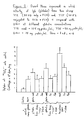
- Figure 1 shows the results of a preliminary dwarf mouse experiment. Bars represent 1 s.d. with 6 animals per treatment;
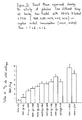
- Figure 2 shows the results of a second dwarf mouse experiment, in which activity of IgG (globulin) from two sheep 772 (35-53 only + FCA) and 775 (35-53 conjugated to KLH + FCA) was compared with OAll at different globulin concentrations.
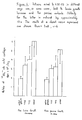
772 neat = 10.5mg protein/ml; 775 = 9.6mg protein/ml. OAll - 5mg protein/ml. Bars = 1 s.d.; n = 6; - Figure 3 shows the results of a third dwarf mouse experiment, showing the activity of globulins from different sheep all having been treated with 35-53 X-linked + FCA (4600, 4609, 4602, 4612, 4610) or negative control immunisation (4660, 4608). Bars = 1 s.d., n=6;
- Figure 4 shows how antisera raised to b35-53 in different ways can, in some cases, bind to bovine growth hormone and the porcine molecule. Affinity for the latter is reduced by approximately 10x. The results of a dwarf mouse experiment are shown. Bars = 1 s.d., n=6;
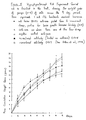
- Figure 5 shows the results of a hypophysectomised rat experiment, carried out as described below, showing the weight gain of groups (n=6) of rats across the 9 day period. Bars represent 1 s.d. All treatments received hormone.
- ●
- anti-bovine 35-53 anti-sera pooled from 4 immunised sheep, positive for bovine growth hormone binding (RIA).
- X
- anti-sera as above from one of the four sheep.
- ○
- negative control anti-sera.
- ■
- monoclonal antibody (treated as antisera) OA15.
- □
- monoclonal antibody OA17 (See Aston et al, 1986);
- Figure 6 shows the result of a further hypophysectomised rat experiment.
- A
- : control sheep immunoglobulin.
- B
- : anti-35-53 antisera, sheep 1064, 5mg/ml.
- C
- : anti-35-53 antisera, sheep 1064, 15 mg/ml. neat.
- Figure 7 shows the results of a further hypophysectomised rat experiment, namely a comparison of anti-peptide antibodies conjugated to either ovalbumin or somatostatin.
Bars represent 1 s.d., n=6.
Each of these globulin preparations was complexed with bovine growth hormone prior to administration to the rats; - Figure 8 shows the results of a further hypophysectomised rat experiment, illustrating how anti-bovine 35-53 could also enhance porcine growth hormone; rats were dosed at only 15ug per day but with the usual level of anti-globulin. Bars represent 1 s.d., n=6;
- Figure 9 shows the results of another hypophysectomised rat experiment, in which rats were treated with anti-peptide antibodies raised to a variety of peptides related to either bovine or porcine molecules. All were complexed with porcine growth hormone prior to administration to rats. Bars represent 1 s.d., n=6.
- All peptides were synthesised by the Fmoc-polyamide mode of solid-phase peptide synthesis.
- Temporary Nα-amino group protection is afforded by the 9-fluorenylmethyloxycarbonyl (Fmoc) group. Repetitive cleavage of this highly base-labile protecting group is effected using 20% piperidine in N,N-dimethylformamide.
- Side-chain functionalities are protected as their butyl ethers (in the case of serine, threonine and tyrosine), butyl esters (in the case of glutamic acid and aspartic acid), butyloxycarbonyl derivative (in the case of lysine and histidine), trityl derivative (in the case of cysteine) and 4-methoxy-2,3,6-trimethylbenzenesulphonyl derivative (in the case of arginine). Where glutamine or asparagine are C-terminal residues, use is made of the 4,4ʹ-dimethoxybenhydryl group for protection of the side chain amido functionalities.
- The solid-phase support is based on a polydimethylacrylamide polymere constituted from the three monomers dimethylacrylamide (backbone-monomer), bis-acryloylethylene diamine (cross linker) and acryloylsarcosine methyl ester (functionalising agent).
- The peptide-to-resin cleavable linked agent used is the acid-labile 4-hydroxymethyl-phenoxyacetic acid derivative.
- All amino acid derivatives are added as their preformed symmetrical anhydride derivatives with the exception of asparagine and glutamine that are added using a reversed N,N-=dicyclohexylcarboniimide/1-hydroxybenzotriazole mediated coupling procedure.
- All coupling and deprotection reactions are monitored using ninhydrin, trinitrobenzene sulphonic acid or isotin test procedures.
- Upon completion of synthesis, peptides are cleaved from the resin support with concomitant removal of side-chain protecting groups by treatment with 95% trifluoroacetic acid containing a 5% scavenger mix. Scavengers commonly used are ethanedithiol, phenol, anisole and water, the exact choice depending on the constituent amino acids of the peptide being synthesised. Trifluoroacetic acid is removed by evaporation in vacuo, with subsequent trituration with diethyl ether affording the crude peptide. Any scavengers present are removed by a simple extraction procedure which on lyophilisation of the aqueous phase affords the crude peptide free of scavengers.
- Purification may be effected by any one, or a combinbation of, techniques such as size exclusion chromatography, ion-exchange chromatography and (principally) reverse-phase high performance liquid chromatography.
- Analysis of peptides is carried out using thin layer chromatography, reverse-phase high performance liquid chromatography, amino-acid analysis after acid hydrolysis and by fast atom bombardment (FAB) mass spectrometric analysis, as is well known to those skilled in the art.
- 10mg of peptide (ovine/bovine sequence 35-53) was dissolved in 500ul dimethyl formamide, and mixed with 10mg of keyhole limpet haemocyanin in 400ul of 0.05M phosphate buffer pH 7.8. 1ml of 0.02M glutaraldehyde solution in 0.05M phosphate buffer pH 7.8 was added dropwise over one hour whilst stirring at room temperature. The mixture was allowed to stir at room temperature for a further three hours and then dialysed versus phosphate buffered saline pH 7.2.
- Half the preparation was mixed with a double volume of Freund's complete adjuvant and injected into two sheep at multiple subcutaneous sites. 28 days later, the second half of the preparation was similarly emulsified and injected in Freund's incomplete adjuvant. The sheep were bled at weekly intervals during immunization, the optimum antibody response being obtained around 14 days after the second immunization.
- Antibody production by sheep following immunization with GH peptide fragment 35-53 was determined by liquid phase direct binding assay with 125I-bGH essentially as described previously (Aston, et al, 1985).
- Growth enhancing peptide antisera (anti-35-53) were assessed for activity, after preparation of γ-globulins from the sera, in the dwarf mouse growth model as described previously. (Aston, et al, 1986;87).
- Sera from sheep immunized with peptides derived from bovine/ovine GH were assessed for their binding to ¹²⁵I-bGH and their effects on the bioactivity of bGH in vivo. Dwarf mice receiving bGH in complex with anti-35-53 antiserum grew significantly better than those treated with bGH and control sheep globulin.
- The results are shown in Figure 1.
- 1.4mg of peptide (e.g., bovine 35-53) was dissolved in 140ul of dimethyl formamide. 70ul of 10mg/ml ovalbumin or KLH in Dulbecco's phosphate buffered saline (PBS) was added and thoroughly mixed. 200ul of freshly prepared 0.04M glutaraldehyde was added slowly, with stirring, over a period of 10 minutes then left at room temperature for a further 60 minutes. 0.7ml of PBS was added and followed by a further 100ul 0.04M glutaraldehyde as above. This was left for 60 minutes at room temerature before being dialysed overnight at +4°C against PBS.
- 1.4mg of peptide was dissolved in 140ul dimethyl formamide and 170ul of 0.04M glutaraldehyde was added as above. Otherwise as above. If no cross-linking nor conjugation was required the peptide was dissolved in dimethyl formamide, dispersed in PBS but not dialysed.
- Negative control parallels for the above were produced by using no peptide with ovalbumin (or KLH) or using poly-lysine (molecular weight 1000-2000 Da) and cross-linking.
- After dialysis, the volumes of the above preparations were made up to 4.5mls with PBS and 'water-in-oil' emulsions prepared using two volumes of Freund's Complete Adjuvant (FCA) (Difco or Sigma). This was achieved by sonication in the cold or using a Potter-Elvehjen homogeniser. Emulsions were tested by dispersion (or absence) on a water surface. The injections were subcutaneously administered at two sites (one on each flank) into Cheviot sheep (9-12 months old, castrate males, 30-35kg). 1ml was administered at each site. A second, similar immunisation was completed using freshly prepared peptide conjugated in the same way but emulsified into Freund's Incomplete Adjuvant (FIA) (Difco or Sigma). Any subsequent immunisations were similar, but at 28 day intervals
- DEAE-dextran (fully hydrated overnight in double-distilled water) (Pharmacia), Saponin (Sigma) and aluminium hydrogel were used alone and in combinations. After dialysis, additions were made of 3.1ml PBS plus 7ml 5% DEAE-dextran (Dd; plus 2.8ml of 5mg/ml saponin; or 5.9ml PBS plus 7ml 5% Dd; or 10.1ml PBS plus 2.8ml 5mg/ml saponin. Aluminium ("AlOH") was used at 1.0mg/ml final concentration where appropriate.
- No emulsification was required but care was taken to maintain the constituent in homogenous suspension. 1ml was administered into sheep as described above. Immunisations were carried out at the same intervals.
- 10ml blood samples were taken by jugular venepuncture, from the sheep under test, just prior to any administration and at 3 x weekly intervals thereafter. After allowing the clot to form at room temperature (approximately 5 hours) the serum was removed after centrifugation for immediate antibody-detecting radio-immunoassay. Larger samples of sera were collected in the same way from approximately 150mls of blood, were frozen at -20°C for subsequent fractionation and use in growth assays.
- The detection of antibodies to peptides which would also bind to bovine growth hormone was determined by liquid phase direct binding as described previously (Aston et al, 1985; Chard, 1987).
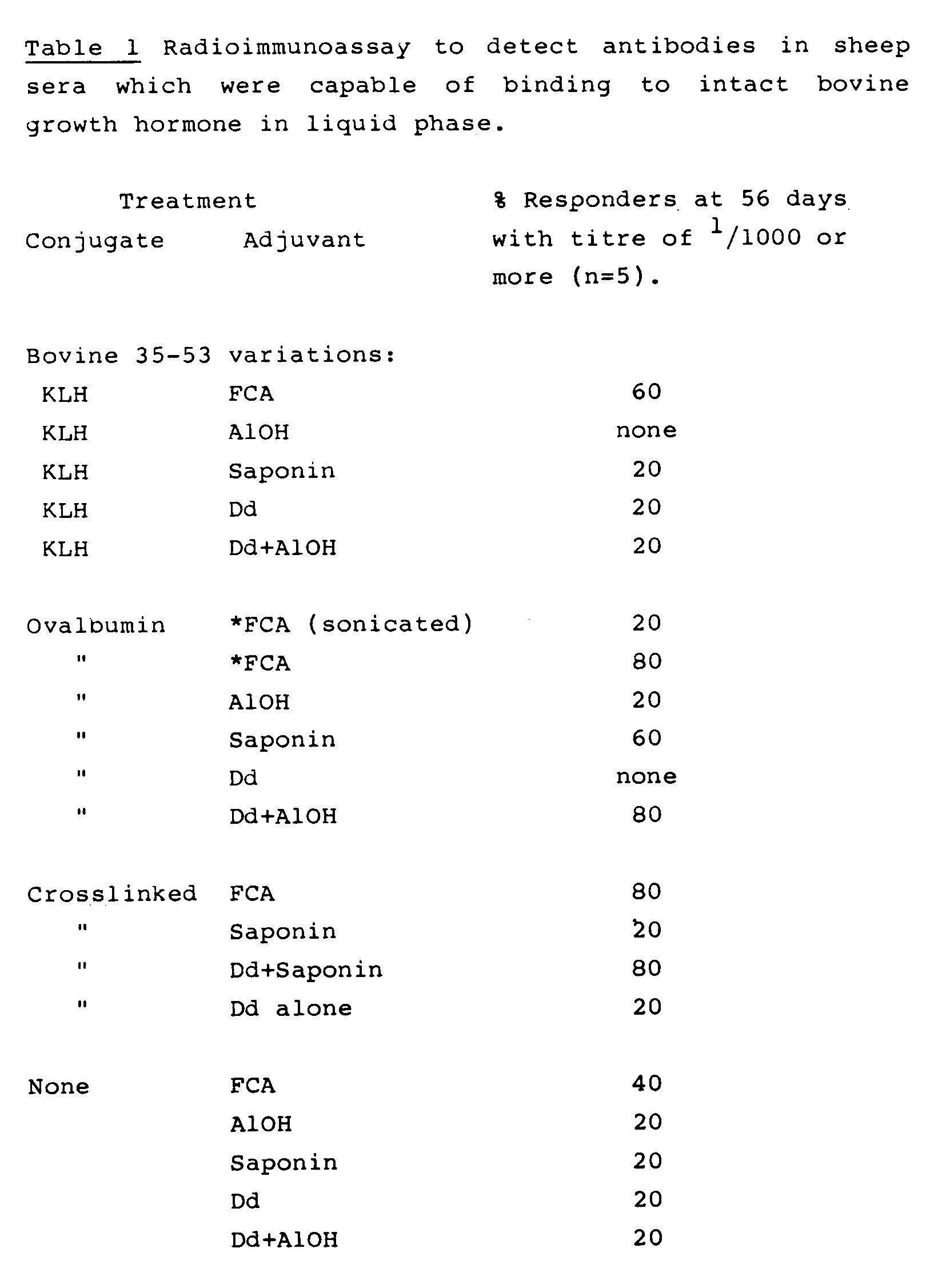
- Table 1 summarises the results from the sheep experiments and indicates the superiority of FCA with most conjugates (or peptide alone) using peptide 35-53. Small changes as in porcine 35-53 introduced into sheep further improved the response rate (as well as the actual titre - not shown). Peptides around, but including, and within the 35-53 sequence produced at least moderate responses.

- An experiment was conducted to demonstrate that the 35-53 (or its analogues and related sequences) could be linked to another peptide or molecule of immunological interest and the response to both peptides be improved.
- In this context, and especially relevant to the role of immunoneutralisation in animals, somatostatin was selected for illustrative purposes and for the difficulty in raising effective immunoneutralising antibodies (see Spencer, 1986).
- Using (1-14) somatostatin (Sigma) the conjugation was completed as described above (II-I) except that somatostatin was added at only 4mg/ml and that no dialysis was carried out in any of the treatments. All other conjugates were prepared as described above (II-I).
- Radioimmunoassays for growth hormone binding antibodies were as above (II-7) for somatostatin as described by Spencer et al, (1983) using ¹²⁵I-labelled Tyr-somatostatin.
- The data summarised by Table 2 illustrate the customary difficulty in raising good antibody titres to somatostatin and how the cross-linking to bovine 35-53 (not merely internal cross-linking) strikingly overcomes this tolerance to self.

- Sequence 35-53 plus the T-cell epitope described earlier was introduced into pigs after dissolving in dimethyl formamide, dispersing in PBS (see II-2) and emulsifying in FIA. No conjugation or cross-linking was used in this sequence.
- The peptide so prepared was administered subcutaneously at 4 sites in the neck region of large White piglets (5 weeks of age; approximately 9kg body weight) so as to give 500ug peptide per pig. A second immunisation using a similar preparation was given 28 days later. On this occasion all were delivered in FIA. Blood samples were collected just prior to this immunisation and weekly thereafter, by vacuum-assisted venepuncture (Corvac, Sarstedt, U.K.) of the pulmonary vein. The sera were tested for antibody recognition of porcine growth hormone using an Enzyme Linked Immunosorbent Assay (ELISA) based on Voller, 1979, which was subsequently cross-linked by competition, in a similar assay, with aqueous hormone.
- 96-well plates treated for immunoassay consistency (Nunc, Immuno-quality, High-binding capacity) were coated using 50ug hormone/ml at 5ug.well (100ul) in sodium carbonate/bicarbonate buffer 0.05M pH9.5 and allowed to stand overnight at +4°C The hormone solution was carefully removed and the wells washed once with PBS. A solution of 3% haemoglobin was added to 'block' the wells and left overnight at +4°C. This was removed and the wells washed three times with PBS to 0.05% Tween. All plates were allowed to dry slowly at room temperature and stored at -20°C individually wrapped in cling-film. Sera under test were added to each of the wells at ¹/50th and subsequent log₁₀ dilutions (100ul) and left for 2 hours, at room temperature. This was removed and the wells washed three times in PBS, and replaced by 100ul rabbit anti-pig IgG alkaline phosphate conjugate (Sigma) at 10⁻³ dilution. This was removed and washed as before. 100ul of p-nitrophenyl phosphate at 1.0mg/ml was added and the absorbance of the wells read using
Titertek Multiscan Plus 2 with 405nm filter. - Table 3 shows that the presence of antibodies which recognised coated porcine growth hormone (and this would compete with aqueous hormone) could be detected in a number of pigs.

- Sera from larger blood samples taken from particular animals (indicated by the immunoassays) were fractionated by sodium sulphate precipitation (Johnstone & Thorpe, 1982) to isolate principally the gamma-globulins (IgG) which were extensively dialysed against PBS before being re-frozen at -20°C. Prior to use in animal experiments the purified IgG fractions were re-titrated to monitor the effects of precipitation, if any.
- This uses the incorporation of

- These animals are rendered pituitary (hypophysis) deficient by surgical removal. The assay monitors the overall effect of the hormone on body weight of the rat as well as the circulating levels of Somatomedin-C.
- The surgery on male, Wistar rats was completed by Charles River U.K. Limited (Margate, kent, U.K.) and delivered 14 days later at a weight range of 125-145g. They were weighed and observed for a further 7-10 days, to ensure stable body weight and physical features (for example non-appearance of testicles) consistent with good health and complete surgery. Satisfactory animals were randomly allocated to provide six animals per treatment. These were injected daily with 0.5ml PBS containing approximately 1mg sheep IgG from the immunisation treatment under study (including negative controls), to which had been added 50ug (exceptionally 10ug see results) bovine or porcine growth hormone as appropriate. Before administration the hormone and IgG were mixed and allowed to stand at room temperature for 60 minutes Injections were subcutaneous and intrascapular. Animals were weighed and injected daily for 8 days, at the same time of day on each occasion. On the ninth day the animals were weighed, terminally anaesthetised and a blood sample taken from the aortic bifurcation. EDTA-plasma was frozen at -20°C for subsequent estimation of relative total Somatomedin-C levels using materials supplied by Nichols Institute (San Juan Capistrano, CA 92675, USA).
- From the data summarised in Figures 2, 3 and 4 it can be seen how dwarf mice receiving growth hormone in complex with sheep anti-bovine (b)35-53 antisera incorporated significantly greater amounts of ³⁵S (from Na₂³⁵SO₄) into their costal cartilage than those treated with bGH and control sheep globulin. This occurs from variety of immunisation procedures and is related to antisera dilution prior to complexing (Figure 2). This phenomenon can also be seen when an antiserum raised to bovine 35-53, which also recognises intact porcine growth hormone (albeit much more weakly than it recognises the homologous hormone), is complexed with it, when an enhanced ³⁵S incorporation into costal cartilage will be produced.
- Using a growth-related model it can be seen (Figures 5-9) that a variety of anti-peptide sera will enhance the activity of bovine and porcine growth hormones when administered to these surgically modified rats.
- In this system antisera to peptides related to the 35-53 region are active in enhancing the response to growth hormone (Figure 7). This phenomenon will cross species barriers as shown (Figure 7) provided that the antisera will bind to the target hormone in question. In certain cases if the binding capacity or affinity is limited it may be necessary to adjust the globulin : hormone ratio to maximise the proportion of hormone-antibody complexes, as shown in Figure 8.
- Using the in vitro method described previously (Hart et al, 1984) the activity of the anti-somatostatin antisera upon the release of the growth hormone from ovine pituitary cells (in primary culture) was measured. Because the growth-hormone binding properties of the antibodies would interfere with the assay these were removed by passing down an affinity column to which bovine growth hormone had been attached. An activated Sepharose-CNBr column was prepared in the manner described by the manufacturer (Pharmacia, Milton Keynes, Bucks, U.K.).
- Somatostatin-14 (Sigma) was added to wells in 10ul of immune (anti-somatostatin activity by RIA) or non-immune (anti-35-53 only) sheep sera across the range 5-250x10⁻¹¹ mol/L and the inhibitory activity of this peptide upon the levels of growth hormone release into the media was assessed.
- Table 4 clearly shows how the inhibitory activity of somatostatin, added in an antiserum containing somatostatin antibodies is markedly reduced. Thus, it is important to note that the antiserum raised against the bovine 35-53 + somatostatin conjugate appears to contain two populations of antibodies - one which binds to intact bovine growth hormone and enhances its activity and another which binds to intact somatostatin-14 and neutralises it.

-
- 1. Aston, R., Cooper, L., Holder, A.T., Ivanyi, J., and Preece, M.A. (1985). Molecular Immunol. 22 271-275.
- 2. Aston, R., Holder, A.T., Preece, M.A., and Ivanyi, J. (1986) J. Endocrinol. 110 381-388.
- 3. Aston, R., Holder, A.T., Ivani, J. and Bomford, R. (1987). Molec. Immunol. 24 143-150.
- 4. Chard, T. (1987). An Introduction to Radio-immunoassay and Related Techniques. 3rd Edition. Elsevier, Amsterdam.
- 5. Hart, I.C., James, S., Perry, B.N., and Simmonds, A.D., (1984). J. Endocrinol. 130 173-178.
- 6. Jonhnstone, A., and Thorpe, R. (1982). Immuno-chemistry in Practice, Blackwells, London.
- 7. Spencer, G.S.G (1986). Control and Manipulation of Animal Growth. Pp 179-293, Butterworths, London.
- 8. Spencer, G.S.G., Garssen, G.J., and Hart, I.C., (1983).
Livestock Production Science 10 25-37. - 9. Voller, A., Bidwell, D.E. and Bartlett, A. (1979). The Enzyme Linked Immunosorbent Assay, Dynatech Europe, Guernsey.
Claims (9)
- A pharmaceutical antigenic formulation comprising:
a peptide of from 5 to 25 amino acid residues wherein a portion forming at least 45% of the said peptide has an amino acid sequence corresponding to at least 35% of the region spanning positions 35 to 53 of bovine growth hormone or the corresponding regions of avian, salmon or porcine growth hormone;
or a variant of said peptide containing one or more deletions or conservative substitutions such that the tertiary structure of the peptide is unchanged;
and means to provide adjuvant and carrier functions. - A formulation according to claim 1 wherein the peptide has from 5 to 20 amino acid residues.
- A formulation according to claim 1 wherein the peptide is selected from the following peptides:

- A formulation according to claim 1 wherein the peptide is selected from the following peptides:(f) bGH 26-43(g) bGH 35-43(h) bGH 37-48(i) bGH 39-46(j) bGH 43-54(k) bGH 43-61
- A formulation according to any one of the preceding claims wherein the peptide is linked to a carrier.
- A formulation according to claim 5 wherein the peptide is conjugated to (a) itself, (b) another peptide as defined in any one of claims 1 to 4, (c) a T-cell epitope or (d) part or all of the somatostatin molecule.
- A formulation according to any one of the preceding claims wherein the peptide, whether or not linked to a carrier, is mixed with an adjuvant.
- A non-therapeutic method of altering the biological characteristics of a non-human vertebrate comprising administering to the vertebrate a formulation according to any one of the preceding claims.
- A method according to Claim 8 for enhancing somatogenesis or lactogenesis.
Priority Applications (10)
| Application Number | Priority Date | Filing Date | Title |
|---|---|---|---|
| PCT/GB1989/000311 WO1989009228A1 (en) | 1988-03-25 | 1989-03-23 | Peptides |
| AT89904596T ATE117319T1 (en) | 1988-03-25 | 1989-03-23 | PEPTIDES THAT COME FROM FOOTBALL AND MOUTH VIRUS. |
| DE68920735T DE68920735T2 (en) | 1988-03-25 | 1989-03-23 | Peptides from the foot and mouth disease virus. |
| HU892532A HU210966B (en) | 1988-03-25 | 1989-03-23 | Method for the preparation of peptides and veterinary compositions containing them |
| AU34175/89A AU631350B2 (en) | 1988-03-25 | 1989-03-23 | Peptides |
| EP89904596A EP0406316B1 (en) | 1988-03-25 | 1989-03-23 | Peptides derived from Foot and mouth disease virus |
| JP1504160A JPH03503416A (en) | 1988-03-25 | 1989-03-23 | peptide |
| DK230090A DK230090A (en) | 1988-03-25 | 1990-09-24 | PEPTIDES |
| US07/921,447 US5864008A (en) | 1988-03-25 | 1992-07-28 | Peptides derived from foot-and-mouth disease virus, pharmaceutical compositions, and methods for using the peptides |
| LVP-93-540A LV10626B (en) | 1988-03-25 | 1993-06-09 | Peptides |
Applications Claiming Priority (2)
| Application Number | Priority Date | Filing Date | Title |
|---|---|---|---|
| GB878707398A GB8707398D0 (en) | 1987-03-27 | 1987-03-27 | Biologically active molecules |
| GB8707398 | 1987-03-27 |
Publications (2)
| Publication Number | Publication Date |
|---|---|
| EP0284406A1 EP0284406A1 (en) | 1988-09-28 |
| EP0284406B1 true EP0284406B1 (en) | 1994-09-14 |
Family
ID=10614804
Family Applications (1)
| Application Number | Title | Priority Date | Filing Date |
|---|---|---|---|
| EP88302656A Expired - Lifetime EP0284406B1 (en) | 1987-03-27 | 1988-03-25 | Biologically active molecules |
Country Status (18)
| Country | Link |
|---|---|
| EP (1) | EP0284406B1 (en) |
| JP (1) | JP2926594B2 (en) |
| KR (1) | KR0134117B1 (en) |
| AT (1) | ATE111483T1 (en) |
| AU (1) | AU622858B2 (en) |
| BR (1) | BR8806474A (en) |
| CA (1) | CA1330420C (en) |
| DE (1) | DE3851455T2 (en) |
| ES (1) | ES2059507T3 (en) |
| GB (1) | GB8707398D0 (en) |
| HU (1) | HUT52787A (en) |
| IE (1) | IE66732B1 (en) |
| MY (1) | MY103251A (en) |
| NZ (1) | NZ224028A (en) |
| PH (1) | PH31238A (en) |
| PT (1) | PT87080B (en) |
| WO (1) | WO1988007547A1 (en) |
| ZA (1) | ZA882166B (en) |
Families Citing this family (13)
| Publication number | Priority date | Publication date | Assignee | Title |
|---|---|---|---|---|
| US5864008A (en) * | 1988-03-25 | 1999-01-26 | James; Stephen | Peptides derived from foot-and-mouth disease virus, pharmaceutical compositions, and methods for using the peptides |
| HU210966B (en) * | 1988-03-25 | 1995-09-28 | Mallinckrodt Veterinary Inc | Method for the preparation of peptides and veterinary compositions containing them |
| GB8921470D0 (en) * | 1989-09-22 | 1989-11-08 | Peptide Technology Ltd | Vaccines |
| US5210180A (en) * | 1989-10-27 | 1993-05-11 | American Cyanamid Company | Enhancement of porcine somatotropin activity |
| US6165465A (en) * | 1990-05-15 | 2000-12-26 | American Cyanamid Company | Immunologic enhancement of the somatogenic effect of somatotropin with an antibody |
| US5338836A (en) * | 1992-07-29 | 1994-08-16 | American Cyanamid Company | Biologically active porcine somatotropin polypeptides and methods of using the same |
| AUPP060097A0 (en) | 1997-11-28 | 1998-01-08 | Commonwealth Scientific And Industrial Research Organisation | Adjuvant system for enhanced response |
| AUPP807399A0 (en) * | 1999-01-08 | 1999-02-04 | Csl Limited | Improved immunogenic lhrh composition and methods relating thereto |
| FR2833012B1 (en) * | 2001-12-04 | 2004-01-30 | Centre Nat Rech Scient | AGONISTIC PEPTIDES OF GROWTH HORMONE AND THEIR APPLICATIONS |
| PT1463751E (en) * | 2001-12-21 | 2013-08-26 | Human Genome Sciences Inc | ALBUMINE FUSION PROTEINS |
| CN109641936B (en) * | 2016-06-21 | 2023-11-28 | Io生物技术公司 | PDL1 peptide for use in cancer vaccines |
| CN112399851A (en) * | 2018-07-11 | 2021-02-23 | 俄亥俄大学 | Peptide-based inhibitors of growth hormone action and methods of use thereof |
| WO2024107474A1 (en) * | 2022-11-15 | 2024-05-23 | Massachusetts Institute Of Technology | Controlled lipid self-assembly for scalable manufacturing of next-generation immune stimulating complexes |
Family Cites Families (3)
| Publication number | Priority date | Publication date | Assignee | Title |
|---|---|---|---|---|
| SU1011632A1 (en) * | 1981-11-26 | 1983-04-15 | Институт Экспериментальной Эндокринологии И Химии Гормонов Амн Ссср | Decapeptide having lipotronic effect |
| US4699897A (en) * | 1983-06-04 | 1987-10-13 | Amgen | Biologically active peptides structurally related to regions within growth hormones |
| US4558033A (en) * | 1983-06-06 | 1985-12-10 | Amgen | Potentiation of the effects of insulin by peptides |
-
1987
- 1987-03-27 GB GB878707398A patent/GB8707398D0/en active Pending
-
1988
- 1988-03-25 PT PT87080A patent/PT87080B/en not_active IP Right Cessation
- 1988-03-25 EP EP88302656A patent/EP0284406B1/en not_active Expired - Lifetime
- 1988-03-25 CA CA000562421A patent/CA1330420C/en not_active Expired - Lifetime
- 1988-03-25 AU AU14968/88A patent/AU622858B2/en not_active Ceased
- 1988-03-25 DE DE3851455T patent/DE3851455T2/en not_active Expired - Lifetime
- 1988-03-25 AT AT88302656T patent/ATE111483T1/en active
- 1988-03-25 WO PCT/GB1988/000231 patent/WO1988007547A1/en not_active Ceased
- 1988-03-25 HU HU882148A patent/HUT52787A/en unknown
- 1988-03-25 PH PH36692A patent/PH31238A/en unknown
- 1988-03-25 IE IE89888A patent/IE66732B1/en not_active IP Right Cessation
- 1988-03-25 ZA ZA882166A patent/ZA882166B/en unknown
- 1988-03-25 BR BR888806474A patent/BR8806474A/en not_active Application Discontinuation
- 1988-03-25 JP JP63502758A patent/JP2926594B2/en not_active Expired - Lifetime
- 1988-03-25 NZ NZ224028A patent/NZ224028A/en unknown
- 1988-03-25 KR KR1019880701551A patent/KR0134117B1/en not_active Expired - Lifetime
- 1988-03-25 ES ES88302656T patent/ES2059507T3/en not_active Expired - Lifetime
- 1988-04-25 MY MYPI88000311A patent/MY103251A/en unknown
Also Published As
| Publication number | Publication date |
|---|---|
| AU622858B2 (en) | 1992-04-30 |
| PT87080B (en) | 1992-07-31 |
| HUT52787A (en) | 1990-08-28 |
| PH31238A (en) | 1998-06-18 |
| PT87080A (en) | 1988-04-01 |
| DE3851455T2 (en) | 1995-02-02 |
| KR0134117B1 (en) | 1998-04-14 |
| JPH01502753A (en) | 1989-09-21 |
| ATE111483T1 (en) | 1994-09-15 |
| KR890700606A (en) | 1989-04-26 |
| MY103251A (en) | 1993-05-29 |
| BR8806474A (en) | 1989-10-31 |
| AU1496888A (en) | 1988-11-02 |
| JP2926594B2 (en) | 1999-07-28 |
| EP0284406A1 (en) | 1988-09-28 |
| ES2059507T3 (en) | 1994-11-16 |
| DE3851455D1 (en) | 1994-10-20 |
| GB8707398D0 (en) | 1987-04-29 |
| NZ224028A (en) | 1990-05-28 |
| ZA882166B (en) | 1989-11-29 |
| IE880898L (en) | 1988-09-27 |
| CA1330420C (en) | 1994-06-28 |
| IE66732B1 (en) | 1996-01-24 |
| WO1988007547A1 (en) | 1988-10-06 |
Similar Documents
| Publication | Publication Date | Title |
|---|---|---|
| CA1330420C (en) | Compositions containing growth hormone peptide fragments | |
| EP0293530A2 (en) | Improvements in or relating to hormones | |
| EP0303488B1 (en) | Biologically active molecules | |
| AU630591B2 (en) | Growth hormone related peptide | |
| US5401829A (en) | Biologically active molecules | |
| US6455049B1 (en) | Biologically active and particularly peptide molecules having a potentiating effect on growth hormone biological activity | |
| EP0429788A2 (en) | Fragments of porcine somatotropin and antibodies thereto enhancing porcine somatotropin activity | |
| DK173981B1 (en) | Small peptide(s) contg. bovine growth hormone partial sequence - used esp. for raising antibodies which will potentiate activity of hormone in vertebrate | |
| AU649399B2 (en) | GRF peptides | |
| AU766457B2 (en) | Antigenic modification of polypeptides | |
| Carelli et al. | Long-lasting rat growth enhancement by an immunoregulating synthetic peptide | |
| EP0819137A1 (en) | Peptides with growth promotion properties |
Legal Events
| Date | Code | Title | Description |
|---|---|---|---|
| PUAI | Public reference made under article 153(3) epc to a published international application that has entered the european phase |
Free format text: ORIGINAL CODE: 0009012 |
|
| 17P | Request for examination filed |
Effective date: 19880406 |
|
| AK | Designated contracting states |
Kind code of ref document: A1 Designated state(s): AT BE CH DE ES FR GB GR IT LI LU NL SE |
|
| 17Q | First examination report despatched |
Effective date: 19901205 |
|
| RAP1 | Party data changed (applicant data changed or rights of an application transferred) |
Owner name: PITMAN-MOORE LIMITED |
|
| RAP3 | Party data changed (applicant data changed or rights of an application transferred) |
Owner name: PITMAN-MOORE LIMITED |
|
| GRAA | (expected) grant |
Free format text: ORIGINAL CODE: 0009210 |
|
| AK | Designated contracting states |
Kind code of ref document: B1 Designated state(s): AT BE CH DE ES FR GB GR IT LI LU NL SE |
|
| REF | Corresponds to: |
Ref document number: 111483 Country of ref document: AT Date of ref document: 19940915 Kind code of ref document: T |
|
| REF | Corresponds to: |
Ref document number: 3851455 Country of ref document: DE Date of ref document: 19941020 |
|
| REG | Reference to a national code |
Ref country code: ES Ref legal event code: FG2A Ref document number: 2059507 Country of ref document: ES Kind code of ref document: T3 |
|
| ET | Fr: translation filed | ||
| ITF | It: translation for a ep patent filed | ||
| EAL | Se: european patent in force in sweden |
Ref document number: 88302656.9 |
|
| REG | Reference to a national code |
Ref country code: GR Ref legal event code: FG4A Free format text: 3014303 |
|
| PG25 | Lapsed in a contracting state [announced via postgrant information from national office to epo] |
Ref country code: ES Free format text: LAPSE BECAUSE OF NON-PAYMENT OF DUE FEES Effective date: 19950327 |
|
| PLBE | No opposition filed within time limit |
Free format text: ORIGINAL CODE: 0009261 |
|
| STAA | Information on the status of an ep patent application or granted ep patent |
Free format text: STATUS: NO OPPOSITION FILED WITHIN TIME LIMIT |
|
| 26N | No opposition filed | ||
| PGFP | Annual fee paid to national office [announced via postgrant information from national office to epo] |
Ref country code: SE Payment date: 19970213 Year of fee payment: 10 Ref country code: FR Payment date: 19970213 Year of fee payment: 10 |
|
| PGFP | Annual fee paid to national office [announced via postgrant information from national office to epo] |
Ref country code: AT Payment date: 19970217 Year of fee payment: 10 |
|
| PGFP | Annual fee paid to national office [announced via postgrant information from national office to epo] |
Ref country code: CH Payment date: 19970219 Year of fee payment: 10 |
|
| PGFP | Annual fee paid to national office [announced via postgrant information from national office to epo] |
Ref country code: GB Payment date: 19970226 Year of fee payment: 10 |
|
| PGFP | Annual fee paid to national office [announced via postgrant information from national office to epo] |
Ref country code: GR Payment date: 19970228 Year of fee payment: 10 |
|
| PGFP | Annual fee paid to national office [announced via postgrant information from national office to epo] |
Ref country code: BE Payment date: 19970317 Year of fee payment: 10 |
|
| PGFP | Annual fee paid to national office [announced via postgrant information from national office to epo] |
Ref country code: LU Payment date: 19970403 Year of fee payment: 10 |
|
| PG25 | Lapsed in a contracting state [announced via postgrant information from national office to epo] |
Ref country code: LU Free format text: LAPSE BECAUSE OF NON-PAYMENT OF DUE FEES Effective date: 19980325 Ref country code: GB Free format text: LAPSE BECAUSE OF NON-PAYMENT OF DUE FEES Effective date: 19980325 Ref country code: AT Free format text: LAPSE BECAUSE OF NON-PAYMENT OF DUE FEES Effective date: 19980325 |
|
| PG25 | Lapsed in a contracting state [announced via postgrant information from national office to epo] |
Ref country code: SE Free format text: LAPSE BECAUSE OF NON-PAYMENT OF DUE FEES Effective date: 19980326 |
|
| PG25 | Lapsed in a contracting state [announced via postgrant information from national office to epo] |
Ref country code: LI Free format text: LAPSE BECAUSE OF NON-PAYMENT OF DUE FEES Effective date: 19980331 Ref country code: GR Free format text: LAPSE BECAUSE OF NON-PAYMENT OF DUE FEES Effective date: 19980331 Ref country code: FR Free format text: THE PATENT HAS BEEN ANNULLED BY A DECISION OF A NATIONAL AUTHORITY Effective date: 19980331 Ref country code: CH Free format text: LAPSE BECAUSE OF NON-PAYMENT OF DUE FEES Effective date: 19980331 Ref country code: BE Free format text: LAPSE BECAUSE OF NON-PAYMENT OF DUE FEES Effective date: 19980331 |
|
| BERE | Be: lapsed |
Owner name: PITMAN-MOORE LTD Effective date: 19980331 |
|
| REG | Reference to a national code |
Ref country code: CH Ref legal event code: PL |
|
| GBPC | Gb: european patent ceased through non-payment of renewal fee |
Effective date: 19980325 |
|
| EUG | Se: european patent has lapsed |
Ref document number: 88302656.9 |
|
| REG | Reference to a national code |
Ref country code: FR Ref legal event code: ST |
|
| REG | Reference to a national code |
Ref country code: ES Ref legal event code: FD2A Effective date: 19990301 |
|
| PG25 | Lapsed in a contracting state [announced via postgrant information from national office to epo] |
Ref country code: IT Free format text: LAPSE BECAUSE OF NON-PAYMENT OF DUE FEES Effective date: 20050325 |
|
| PGFP | Annual fee paid to national office [announced via postgrant information from national office to epo] |
Ref country code: NL Payment date: 20070324 Year of fee payment: 20 |
|
| PGFP | Annual fee paid to national office [announced via postgrant information from national office to epo] |
Ref country code: DE Payment date: 20070430 Year of fee payment: 20 |
|
| PG25 | Lapsed in a contracting state [announced via postgrant information from national office to epo] |
Ref country code: NL Free format text: LAPSE BECAUSE OF EXPIRATION OF PROTECTION Effective date: 20080325 |
|
| NLV7 | Nl: ceased due to reaching the maximum lifetime of a patent |
Effective date: 20080325 |