EP0265970A2 - Lactobacillus bifidus proliferation promoting composition - Google Patents
Lactobacillus bifidus proliferation promoting composition Download PDFInfo
- Publication number
- EP0265970A2 EP0265970A2 EP87115999A EP87115999A EP0265970A2 EP 0265970 A2 EP0265970 A2 EP 0265970A2 EP 87115999 A EP87115999 A EP 87115999A EP 87115999 A EP87115999 A EP 87115999A EP 0265970 A2 EP0265970 A2 EP 0265970A2
- Authority
- EP
- European Patent Office
- Prior art keywords
- xylooligosaccharide
- lactobacillus bifidus
- lactobacillus
- proliferation
- xylobiose
- Prior art date
- Legal status (The legal status is an assumption and is not a legal conclusion. Google has not performed a legal analysis and makes no representation as to the accuracy of the status listed.)
- Granted
Links
Images





Classifications
-
- C—CHEMISTRY; METALLURGY
- C12—BIOCHEMISTRY; BEER; SPIRITS; WINE; VINEGAR; MICROBIOLOGY; ENZYMOLOGY; MUTATION OR GENETIC ENGINEERING
- C12N—MICROORGANISMS OR ENZYMES; COMPOSITIONS THEREOF; PROPAGATING, PRESERVING, OR MAINTAINING MICROORGANISMS; MUTATION OR GENETIC ENGINEERING; CULTURE MEDIA
- C12N1/00—Microorganisms; Compositions thereof; Processes of propagating, maintaining or preserving microorganisms or compositions thereof; Processes of preparing or isolating a composition containing a microorganism; Culture media therefor
- C12N1/38—Chemical stimulation of growth or activity by addition of chemical compounds which are not essential growth factors; Stimulation of growth by removal of a chemical compound
-
- C—CHEMISTRY; METALLURGY
- C12—BIOCHEMISTRY; BEER; SPIRITS; WINE; VINEGAR; MICROBIOLOGY; ENZYMOLOGY; MUTATION OR GENETIC ENGINEERING
- C12N—MICROORGANISMS OR ENZYMES; COMPOSITIONS THEREOF; PROPAGATING, PRESERVING, OR MAINTAINING MICROORGANISMS; MUTATION OR GENETIC ENGINEERING; CULTURE MEDIA
- C12N1/00—Microorganisms; Compositions thereof; Processes of propagating, maintaining or preserving microorganisms or compositions thereof; Processes of preparing or isolating a composition containing a microorganism; Culture media therefor
- C12N1/20—Bacteria; Culture media therefor
-
- C—CHEMISTRY; METALLURGY
- C12—BIOCHEMISTRY; BEER; SPIRITS; WINE; VINEGAR; MICROBIOLOGY; ENZYMOLOGY; MUTATION OR GENETIC ENGINEERING
- C12P—FERMENTATION OR ENZYME-USING PROCESSES TO SYNTHESISE A DESIRED CHEMICAL COMPOUND OR COMPOSITION OR TO SEPARATE OPTICAL ISOMERS FROM A RACEMIC MIXTURE
- C12P19/00—Preparation of compounds containing saccharide radicals
- C12P19/14—Preparation of compounds containing saccharide radicals produced by the action of a carbohydrase (EC 3.2.x), e.g. by alpha-amylase, e.g. by cellulase, hemicellulase
Definitions
- the present invention relates to a Lactobacillus bifidus proliferation promoting composition. More particularly, the present invention pertains to a Lactobacillus bifidus proliferation promoting composition comprising a xylooligosaccharide which contains xylobiose as its principal component.
- Lactobacillus bifidus is one of the bacteria which are regarded as useful to man. Numerous reports have been made on the physiological significance of Lactobacillus bifidus . It is widely known that Lactobacillus bifidus has the following favorable activities: e.g., the activity of suppressing putrefaction caused by entero putrefactive bacteria; the activity of preventing production of toxic amines; the activity of suppressing the proliferation of pathogenic bacteria by the production of organic acids such as lactic acid, acetic acid, etc.; and the activity of promoting digestion and absorption of nutrients.
- favorable activities e.g., the activity of suppressing putrefaction caused by entero putrefactive bacteria; the activity of preventing production of toxic amines; the activity of suppressing the proliferation of pathogenic bacteria by the production of organic acids such as lactic acid, acetic acid, etc.; and the activity of promoting digestion and absorption of nutrients.
- Lactobacillus bifidus is predominant in the enterobacterial flora of healthy infants, but in the case of an infant suffering from exudative diathesis, certain kinds of enterococcus which suppress proliferation of Lactobacillus bifidus are at all times predominant in the enterobacterial flora. It is known that the feces of a dysenteric infant have a markedly lowered Lactobacillus bifidus content and the relative proportions of the various bacteria in the enterobacterial flora is considerably out of balance.
- Lactobacillus bifidus if Lactobacillus bifidus is taken orally, it will not generally stay in the intestines, and in many cases, as soon as the intake of Lactobacillus bifidus is stopped, the enterobacterial fIora returns to the previous state.
- Lactulose is a sugar which is obtained by replacing the glucose portion of lactose with fructose and which can be slightly assimilated. Therefore, when lactulose is taken orally, most of it reaches the large intestine without being absorbed into the body and is assimilated by enterobacteria. However, lactulose is not necessarily assimilated preferentially by Lactobacillus bifidus as it is also assimilated by other enterobacteria such as Escherichia coli , Clostridium , etc. It is therefore difficult to selectively encourage Lactobacillus bifidus alone to proliferate.
- fructooligosaccharide, isomaltose, etc. are effective in promoting the proliferation of Lactobacillus bifidus .
- fructooligosaccharide, isomaltose, etc. are effective in promoting the proliferation of Lactobacillus bifidus .
- isomaltulose although its Lactobacillus bifidus proliferation activity is found in vitro, the activity disappears in vivo. Therefore, isomaltose is less effective as a Lactobacillus bifidus proliferating saccharide.
- Fructooligosaccharide is a sugar which consists of sucrose and 1 to 4 molecules of fructose which are connected thereto; it is selectively assimilated by Lactobacillus bifidus and neither digested nor absorbed by a living body. Accordingly, it has been confirmed that fructooligosaccharide can be used to promote selectively the proliferation of Lactobacillus bifidus in the intestines.
- fructooligosaccharide is prepared by transferring fructose to sucrose by means of fructose transferase and the stability of the thus prepared fructooligosaccharide is not necessarily satisfactory. In particular, when it is stored for a long time in a liquid state, the sugar changes into glucose, fructose and sucrose and its Lactobacillus bifidus proliferation activity lowers as it changes.
- the present inventors therefore undertook exhaustive studies in order to find a saccharide which is capable of selectively encouraging Lactobacillus bifidus to proliferate in the intestines and, as a result, have found in vitro that xylooligosaccharide is not readily assimilated by Escherichia coli but is readily utilized by Lactobacillus bifidus .
- the present inventors have found in vivo also that if xylooligosaccharide is taken orally, the proliferation of Lactobacillus bifidus in the intestines is promoted.
- the present invention has been accomplished on the basis of these findings.
- Xylooligosaccharide which is employed in the present invention is obtained by hydrolyzing or decomposing xylan.
- Xylan is one of the structurual polysaccharides which are widely distributed in nature, and it is made up of xylopyranose units connected by 1,4-ß-linkages. Xylan resembles cellulose, but its molecular weight is relatively low, i.e., less than 30,000 (per 200 units of sugar).
- Sources of xylan are available widely in nature. Particularly suitable examples are corncob and cottonseed cake which have a high xylan content and malt cake and rice straw which are obtained in large amounts as industrial by-products.
- Xylan is suitably hydrolyzed by enzymatic treatment or decomposed by physical treatment such as blasting treatment, or a combination of these treatments.
- enzymes xylanase which are derived from microorganisms such as Aspergillus (e.g., Aspergillus niger) Trichoderma, Fusarium, Fumicola, etc. may be employed.
- Aspergillus e.g., Aspergillus niger
- Trichoderma e.g., Aspergillus niger
- Fusarium Fusarium
- Fumicola fumicola
- the xylooligosaccharide thus obtained basically consists of molecules of xylose which is a pentose sugar, the xylose molecules being connected by 1,4-ß-linkages.
- xylobiose polymerization degree 2; X2
- ß-D-xylopyranosyl-(1 ⁇ 4)-D-xylopyranose is obtained; in the case of xylotriose (polymerization degree 3; X2), ß-D-xylopyranosyl-(1 ⁇ 4)-D-xylopyranosyl-(1 ⁇ 4)-D-xylopyranose is obtained.
- Samples which are obtained by decomposition of xylan have polymerization degrees within the range from 1 to 10.
- Xylooligosaccharide which is used as a Lactobacillus bifidus proliferation promoting composition preferably contains a large amount of oligosaccharide which is not readily assimilated by Escherichia colis but is readily assimilated by Lactobacillus bifidus . It is preferable in the present invention that xylooligosaccharide contains as its principal component xylobiose (X2) which consists of two molecules of xylose connected by 1,4-ß-linkages (the xylobiose content being preferably 60% or more).
- X2 xylobiose
- xylobiose alone may be used as a Lactobacillus bifidus proliferation promoting substance
- a xylooligosaccharide containing xylobiose as its principal component.
- Such a xylooligosaccharide can be obtained relatively easily by physically or enzymatically treating xylan or hemicellulose derived from a natural source, as has already been described and as will be described below through examples.
- the xylooligosaccharide obtained as described above may be dissolved in water so as to be used as drinking water.
- the xylooligosaccharide may also be dissolved in juices or other beverages, or mixed with solid foods or with feed in the case where it is used for animals.
- Xylooligosaccharide which is used as a Lactobacillus bifidus proliferation promoting composition may be employed in any form, i.e., in the form of either a liquid or powder in accordance with the use, but the xylooligosaccharide content is preferably from 1 to 10%.
- the xylooligosaccharide that is employed in the present invention exhibits the advantage that it is more stable when exposed to acids and heat than other oligosaccharides as shown in the Examples which will be described later.
- B. longum Bifidobacterium longum
- B. adolescentis Bifidobacterium adolescentis
- the Lactobacillus bifidus proliferation promoting activity of oligosaccharides in vivo is measured by letting rats take in the form of drinking water an aqueous solution of an oligosaccharide to be examined, culturing a physiological saline suspension of the feces of each of the rats in an agar medium for selecting Lactobacillus bifidus , and counting the number of colonies generated on the medium.
- B. longum which is employed in the present invention is available from ATCC (ATCC 15707).
- Example 1 Production of xylooligosaccharide - Preparation from hardwood xylan by enzymatic process
- the sugar composition of xylooligosaccharide per solid content of the thus obtained saccharified product was analyzed by high-performance liquid chromatography (HPLC). The results showed that the xylooligosaccharide consisted of 23% of xylose, 64% of xylobiose, and 13% of xylotriose.
- the xylooligosaccharide solution was then purified by membrane concentration using a reverse osmosis membrane (available from Nitto Electric Industrial Co., Ltd.) to obtain a xylooligosaccharide solution consisting of 15% of xylose, 72% of xylobiose, and 13% of xylotriose, as shown by the HPLC pattern in Fig. 1.
- the thus obtained xylooligosaccharide solution was used for the following experiments carried out in vitro and in vivo.
- Example 2 Preparation of xylooligosaccharide from other natural materials by enzymatic process
- xylooligosaccharide was prepared using corncob, cottonseed hull and malt cake as materials for xylane.
- One hundred grams (on a dry basis) of each of the above-mentioned xylan materials was dipped in 10 liters of a NaClO solution containing 2% of available chlorine for 15 hours at room temperature, and then washed with water and dried to obtain a deligninated material.
- the thus obtained material was dipped in a 24% KOH solution for 17 hours at 37°C, and then suction-filtered and washed with water to obtain a xylan extract.
- the xylan extract was dialyzed by a cellulose membrane for 30 hours in running water. The dialyzed extract was then neutralized with 1N acetic acid and dried with ethanol, thereby obtaining xylan from each of the above-mentioned materiaIs.
- xylanase available from Shin-Nihon Chemical Industry Co., Ltd.
- xylanase available from Shin-Nihon Chemical Industry Co., Ltd.
- reaction was carried out for 4 hours at 65 to 70°C with pH adjusted at 5.3.
- a xylooligosaccharide solution containing 3mg/ml of xylose and 16mg/ml of xylobiose was obtained from xylan prepared from corncob, and a xylooligosaccharide solution containing 3 mg/ml of xylose and 15 mg/ml of xylobiose was obtained from xylan prepared from cottonseed hull.
- the xylooligosaccharide solution obtained from xylan prepared from malt cake contained 0.5 mg/ml of xylose and 7 mg/ml of xylobiose.
- the supernatant solution contained 55% of hemicelluloses having a polymerization degree of 5 or more in the case where the heated material was maintained for 20 minutes at 180°C and under 180 kg/cm2G, while 50% of such hemicelluloses was contained in the supernatant solution in the case where the maintenance time was 0 minute, and xylooligosaccharides such as xylose, xylobiose, xylotriose and xylotetraose were thus obtained.
- a solution containing 5% of hemicelluloses having a polymerization degree of 5 or more which were obtained in Example 3-(1) was charged in an immobilized enzyme carrier column formed by adsorbing 0.5 g (in terms of protein) of hemicellulase (available from Shin-Nihon Chemical Industry Co., Ltd.) derived from Trichoderma sp. on 5 g of cristobalite and cross-linking it with glutaraldehyde. Then, the solution was allowed to flow out at a flow rate of 2.5 ml/hr and at a temperature of 55°C, and the xylooligosaccharide content in the effluent was examined. The results showed that the xylose content was 4.5 g/l and the xylobiose content was 8.7 g/l.
- Assimilability of various sugars with enterobacteria were examined using as xylooligosaccharide the xylooligosaccharide solution obtained in Example 1 and as control sugars commercially available sugars.
- enterobacteria Escherichia coli (ATCC 25922) and Bifidobacterium longum (ATCC 15707) were employed.
- E. coli 0.1 ml of a living bacterium suspension (1013 cells/ml) was inoculated into 10 ml of culture media each containing 0.1% of one of the test sugars as a carbon source, and stationary culture was carried out at 37°C.
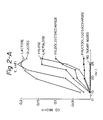
- Fig. 2-A shows proliferation profiles of E . coli
- Fig. 2-B shows proliferation profiles of B. longum .
- the results of the experiments have confirmed that the xylooligosaccharide according to the present invention is assimilated by B. longum in the same manner as in the other saccharides which are considered to be assimilable with B. longum .
- the xylooligosaccharide of the present invention is not readily assimilated by E. coli in comparison with lactose, lactulose and xylose although it is readily assimilated by E. coli in comparison with fructooligosaccharide.
- the xylooligosaccharide may be employed as an agent which is capable of selectively promoting proliferation of Lactobacillus bifidus .
- Example 1 The xylooligosaccharide obtained in Example 1 and a commercially available fructooligosaccharide were compared with each other in terms of stability in a solution state as follows.
- Xylooligosaccharide and fructooligosaccharide were each dissolved in each of the four solvents, i.e., MasIlvaine buffers with pH values 3, 5 and 8, respectively, and H2O, to prepare a solution having a saccharide concentration of 10%.
- solvents i.e., MasIlvaine buffers with pH values 3, 5 and 8, respectively, and H2O
- Each of the saccharide solutions was maintained in boiling water of 100°C for 30 minutes in one case and for 60 minutes in the other case. Thereafter, the sugar composition of each of the solutions was measured by HPLC, and the residual rates of xylooligosaccharide and fructooligosaccharide were obtained respectively by making a comparison between the contents of xylooligosaccharide (including X2 and X3) and fructooligosaccharide (including GF2, GF3 and GF4) before and after the maintaining period.
- the stability of fructooligosaccharide in the acidic region is considerably inferior, whereas xylooligosaccharide is stable over a wide range of pH region including the acidic region.
- the high-stability characteristics of xylooligosaccharide show that it is stably maintained even in the gastric juice having a relatively low pH value.
- the above-described experimental results, together with the results of experiments in vivo described below, show that the xylooligosaccharide composition according to the present invention is superior to the conventional oligosaccharide as being a Lactobacillus bifidus proliferation promoting agent.
- the above-described experimental results also show that the xylooligosaccharide of the present invention may be added to various kinds of fruit juice beverages of low pH and employed as Lactobacillus bifidus proliferation promoting beverages.
- the xylooligosaccharide obtained in Example 1 and a commercially available fructooligosaccharide were compared with each other to examine the entero Lactobacillus bifidus proliferation activity by using rats.
- One gram of feces of each rat was collected at three different times, i.e., during the first two days (before the intake of oligosaccharide), on the fifth day (on the third day after the start of intake of oligosaccharide), and on the seventh day (on the second day after the stop of intake of oligosaccharide), and the collected bulk of feces was suspended in 9 ml of anaerobic sterilized saline using a sterilized Teflon homogenizer in the CO2 gas atmosphere under ice cooling.
- the suspension was appropriately diluted with anaerobic sterilized saline under anaerobic conditions, and 0.1 ml of the dilute solution was plated on a Lactobacillus bifidus selecting (BS) agar medium.
- BS Lactobacillus bifidus selecting
- Table 2 shows changes in the number of entero Lactobacillus bifidus in 1 g of feces of each rat
- Table 3 shows averaged numbers (represented by logalithmic values) of individuals of entero Lactobacillus bifidus for the two groups of rats.
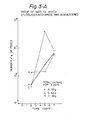
- Fig. 3 shows changes in the number of individuals of entero Lactobacillus bifidus in a group of rats to which xylooligosaccharide was administered and in a group of rats to which fructooligosaccharide was administered.
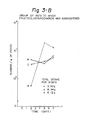
- Fig. 4 shows changes in the weight, diet intake and water intake of a group of rats to which xylooligosaccharide was administered and a group of rats to which fructooligosaccharide was administered.
Landscapes
- Chemical & Material Sciences (AREA)
- Life Sciences & Earth Sciences (AREA)
- Engineering & Computer Science (AREA)
- Organic Chemistry (AREA)
- Health & Medical Sciences (AREA)
- Wood Science & Technology (AREA)
- Zoology (AREA)
- Bioinformatics & Cheminformatics (AREA)
- Genetics & Genomics (AREA)
- Biotechnology (AREA)
- General Engineering & Computer Science (AREA)
- General Health & Medical Sciences (AREA)
- Biochemistry (AREA)
- Microbiology (AREA)
- Tropical Medicine & Parasitology (AREA)
- Biomedical Technology (AREA)
- Virology (AREA)
- Medicinal Chemistry (AREA)
- General Chemical & Material Sciences (AREA)
- Chemical Kinetics & Catalysis (AREA)
- Saccharide Compounds (AREA)
- Pharmaceuticals Containing Other Organic And Inorganic Compounds (AREA)
- Preparation Of Compounds By Using Micro-Organisms (AREA)
- Micro-Organisms Or Cultivation Processes Thereof (AREA)
- Coloring Foods And Improving Nutritive Qualities (AREA)
- Medicines Containing Material From Animals Or Micro-Organisms (AREA)
- Dairy Products (AREA)
- Fodder In General (AREA)
Abstract
Description
- The present invention relates to a Lactobacillus bifidus proliferation promoting composition. More particularly, the present invention pertains to a Lactobacillus bifidus proliferation promoting composition comprising a xylooligosaccharide which contains xylobiose as its principal component.
- Among a large number of known bacteria that constitute the enterobacterial flora, Lactobacillus bifidus is one of the bacteria which are regarded as useful to man. Numerous reports have been made on the physiological significance of Lactobacillus bifidus. It is widely known that Lactobacillus bifidus has the following favorable activities: e.g., the activity of suppressing putrefaction caused by entero putrefactive bacteria; the activity of preventing production of toxic amines; the activity of suppressing the proliferation of pathogenic bacteria by the production of organic acids such as lactic acid, acetic acid, etc.; and the activity of promoting digestion and absorption of nutrients.
- It is known that the maintenance of a balance between the various bacteria that constitute the enterobacterial flora is closely related to man's health and, when pathogenic bacteria which are usually in the minority in the intestines become predominant, the symptoms of a disease develop. A typical example is diarrhea which occurs as a result of the disappearance of Lactobacillus bifidus or the action of Escherichia coli or Staphylococcus. Lactobacillus bifidus is also closely related to infant health. More specifically, Lactobacillus bifidus is predominant in the enterobacterial flora of healthy infants, but in the case of an infant suffering from exudative diathesis, certain kinds of enterococcus which suppress proliferation of Lactobacillus bifidus are at all times predominant in the enterobacterial flora. It is known that the feces of a dysenteric infant have a markedly lowered Lactobacillus bifidus content and the relative proportions of the various bacteria in the enterobacterial flora is considerably out of balance.
- On the basis of these various known facts, a typical well-balanced enterobacterial flora is now considered to be such that Lactobacillus bifidus, which has excellent staying and proliferation potencies in the intestines, is most predominant at all times.
- In view of the useful activities of Lactobacillus bifidus, various kinds of Lactobacillus bifidus-containing preparations and dairy products have recently been developed for the purpose of increasing the amount of Lactobacillus bifidus in the intestines.
- However, if Lactobacillus bifidus is taken orally, it will not generally stay in the intestines, and in many cases, as soon as the intake of Lactobacillus bifidus is stopped, the enterobacterial fIora returns to the previous state.
- It is considered that the most essential factor for the proliferation of Lactobacillus bifidus in the intestines is saccharides, and the effectiveness of lactulose for this purpose was in the past pointed out.
- Lactulose is a sugar which is obtained by replacing the glucose portion of lactose with fructose and which can be slightly assimilated. Therefore, when lactulose is taken orally, most of it reaches the large intestine without being absorbed into the body and is assimilated by enterobacteria. However, lactulose is not necessarily assimilated preferentially by Lactobacillus bifidus as it is also assimilated by other enterobacteria such as Escherichia coli, Clostridium, etc. It is therefore difficult to selectively encourage Lactobacillus bifidus alone to proliferate.
- Recently, studies have been vigorously under taken to develop a method of promoting the proliferation of Lactobacillus bifidus by means of saccharides, and it has been found that fructooligosaccharide, isomaltose, etc. are effective in promoting the proliferation of Lactobacillus bifidus. However, in the case of isomaltulose, although its Lactobacillus bifidus proliferation activity is found in vitro, the activity disappears in vivo. Therefore, isomaltose is less effective as a Lactobacillus bifidus proliferating saccharide.
- Fructooligosaccharide is a sugar which consists of sucrose and 1 to 4 molecules of fructose which are connected thereto; it is selectively assimilated by Lactobacillus bifidus and neither digested nor absorbed by a living body. Accordingly, it has been confirmed that fructooligosaccharide can be used to promote selectively the proliferation of Lactobacillus bifidus in the intestines. However, fructooligosaccharide is prepared by transferring fructose to sucrose by means of fructose transferase and the stability of the thus prepared fructooligosaccharide is not necessarily satisfactory. In particular, when it is stored for a long time in a liquid state, the sugar changes into glucose, fructose and sucrose and its Lactobacillus bifidus proliferation activity lowers as it changes.
- The present inventors therefore undertook exhaustive studies in order to find a saccharide which is capable of selectively encouraging Lactobacillus bifidus to proliferate in the intestines and, as a result, have found in vitro that xylooligosaccharide is not readily assimilated by Escherichia coli but is readily utilized by Lactobacillus bifidus. The present inventors have found in vivo also that if xylooligosaccharide is taken orally, the proliferation of Lactobacillus bifidus in the intestines is promoted. The present invention has been accomplished on the basis of these findings.
- Fig. 1 shows the high-performance liquid chromatography (HPLC) of the xylooligosaccharide solution obtained in Example 1;
- Fig. 2-A shows proliferation profiles in vitro of Escherichia coli in various culture media;
- Fig. 2-B shows proliferation profiles in vitro of Lactobacillus bifidus (Bifidobacterium longum);
- Fig. 3 shows changes in the number of individuals of Bifidobacterium longum per gram of the feces of a group of rats to which xylooligosaccharide was administered and those of a group of rats to which fructooligosaccharide was administered;
- Fig. 4 shows changes in the weight, diet intake and water intake of a group of rats to which xylooligosaccharide was administered and a group of rats to which fructooligosaccharide was administered;
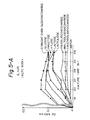
- Fig. 5-A shows proliferation profiles of a strain of Escherichia coli which is different from that employed in the case of Fig. 2-A; and
- Fig. 5-B shows proliferation profiles of Lactobacillus bifidus (Bifidobacterium adolescentis).
- Xylooligosaccharide which is employed in the present invention is obtained by hydrolyzing or decomposing xylan. Xylan is one of the structurual polysaccharides which are widely distributed in nature, and it is made up of xylopyranose units connected by 1,4-ß-linkages. Xylan resembles cellulose, but its molecular weight is relatively low, i.e., less than 30,000 (per 200 units of sugar). Sources of xylan are available widely in nature. Particularly suitable examples are corncob and cottonseed cake which have a high xylan content and malt cake and rice straw which are obtained in large amounts as industrial by-products.
- Xylan is suitably hydrolyzed by enzymatic treatment or decomposed by physical treatment such as blasting treatment, or a combination of these treatments. In the case of enzymatic treatment, enzymes (xylanase) which are derived from microorganisms such as Aspergillus (e.g., Aspergillus niger) Trichoderma, Fusarium, Fumicola, etc. may be employed. By appropriately adjusting the temperature and pressure in a blasting process, it is possible to prepare various kinds of oligosaccharide. It is possible with either an enzymatic or blasting treatment to obtain an oligosaccharide with a polymerization degree varied to a certain extent. In particular, in the case of enzymatic treatment it is possible to obtain an oligosaccharide having a desired polymerization degree.
- The xylooligosaccharide thus obtained basically consists of molecules of xylose which is a pentose sugar, the xylose molecules being connected by 1,4-ß-linkages. In the case of xylobiose (
polymerization degree 2; X2), ß-D-xylopyranosyl-(1→4)-D-xylopyranose is obtained; in the case of xylotriose (polymerization degree 3; X₂), ß-D-xylopyranosyl-(1→4)-D-xylopyranosyl-(1→4)-D-xylopyranose is obtained. Samples which are obtained by decomposition of xylan have polymerization degrees within the range from 1 to 10. In the case of enzymatic treatment, it is particularly possible to obtain a xylooligosaccharide having a specific polymerization degree. - Xylooligosaccharide which is used as a Lactobacillus bifidus proliferation promoting composition preferably contains a large amount of oligosaccharide which is not readily assimilated by Escherichia colis but is readily assimilated by Lactobacillus bifidus. It is preferable in the present invention that xylooligosaccharide contains as its principal component xylobiose (X₂) which consists of two molecules of xylose connected by 1,4-ß-linkages (the xylobiose content being preferably 60% or more). Although xylobiose alone may be used as a Lactobacillus bifidus proliferation promoting substance, it is preferable from the viewpoint of industrial use to employ a xylooligosaccharide containing xylobiose as its principal component. Such a xylooligosaccharide can be obtained relatively easily by physically or enzymatically treating xylan or hemicellulose derived from a natural source, as has already been described and as will be described below through examples.
- The xylooligosaccharide obtained as described above may be dissolved in water so as to be used as drinking water. The xylooligosaccharide may also be dissolved in juices or other beverages, or mixed with solid foods or with feed in the case where it is used for animals. Xylooligosaccharide which is used as a Lactobacillus bifidus proliferation promoting composition may be employed in any form, i.e., in the form of either a liquid or powder in accordance with the use, but the xylooligosaccharide content is preferably from 1 to 10%.
- The xylooligosaccharide that is employed in the present invention exhibits the advantage that it is more stable when exposed to acids and heat than other oligosaccharides as shown in the Examples which will be described later.
- Assimilability of various saccharides with Lactobacillus bifidus can be determined in such a manner that Bifidobacterium longum (hereinafter referred to as B. longum) or Bifidobacterium adolescentis (hereinafter referred to as B. adolescentis) is inoculated into each of the Lactobacillus bifidus selecting media respectively having various saccharides added thereto, and changes in absorbance with the passage of time are measured, as described in detail in the following Examples. On the other hand, the Lactobacillus bifidus proliferation promoting activity of oligosaccharides in vivo is measured by letting rats take in the form of drinking water an aqueous solution of an oligosaccharide to be examined, culturing a physiological saline suspension of the feces of each of the rats in an agar medium for selecting Lactobacillus bifidus, and counting the number of colonies generated on the medium.
- It has been found that xylooligosaccharide is assimilated by both B. longum and B. adolescentis and shows Lactobacillus bifidus proliferation promoting activity in vivo also. It should be noted that B. longum which is employed in the present invention is available from ATCC (ATCC 15707).
- The following Examples are provided for the purpose of further illustrating the present invention but are not to be construed as limiting.
-
- Eight kilograms of hardwood xylan (available from Sanyo-Kokusaku Pulp Co., Ltd) was suspended in 160 liters of water, and the pH of the resulting suspension was adjusted to 4.5 with HCl. Thereafter, 110 g (in terms of protein) of xylanase (available from Shin-Nihon Chemical Industry Co., Ltd.) derived from Trichoderma sp. was added to the suspension, and reaction was carried out for 2 hours at 55oC. After the completion of the reaction, 8 kg of powder active carbon was added to the reaction product, and the mixture was decolorized. Then, the active carbon having sugar adsorbed thereon was removed by a filter press and washed with 80 liters of 15% ethanol to collect sugar from the active carbon. Then, the collected sugar was treated with ion exchange resins (Amberlite IR-120B and Amberlite IRA410 available from Rohm & Haas Co., U.S.A.) to obtain a desalted saccharified product.
- The sugar composition of xylooligosaccharide per solid content of the thus obtained saccharified product was analyzed by high-performance liquid chromatography (HPLC). The results showed that the xylooligosaccharide consisted of 23% of xylose, 64% of xylobiose, and 13% of xylotriose. The xylooligosaccharide solution was then purified by membrane concentration using a reverse osmosis membrane (available from Nitto Electric Industrial Co., Ltd.) to obtain a xylooligosaccharide solution consisting of 15% of xylose, 72% of xylobiose, and 13% of xylotriose, as shown by the HPLC pattern in Fig. 1. The thus obtained xylooligosaccharide solution was used for the following experiments carried out in vitro and in vivo.
- Methods of producing xylooligosaccharide using materials or processes other than those described above will be explained through the following Examples.
- In this Example, xylooligosaccharide was prepared using corncob, cottonseed hull and malt cake as materials for xylane. One hundred grams (on a dry basis) of each of the above-mentioned xylan materials was dipped in 10 liters of a NaClO solution containing 2% of available chlorine for 15 hours at room temperature, and then washed with water and dried to obtain a deligninated material. The thus obtained material was dipped in a 24% KOH solution for 17 hours at 37°C, and then suction-filtered and washed with water to obtain a xylan extract. Further, the xylan extract was dialyzed by a cellulose membrane for 30 hours in running water. The dialyzed extract was then neutralized with 1N acetic acid and dried with ethanol, thereby obtaining xylan from each of the above-mentioned materiaIs.
- As an enzyme, 0.08 to 50 mg (in terms of protein) of xylanase (available from Shin-Nihon Chemical Industry Co., Ltd.) derived from Trichoderma sp. was added to 4 ml of an aqueous solution of the xylan obtained from each of the materials as described above, and reaction was carried out for 4 hours at 65 to 70°C with pH adjusted at 5.3. As a result, a xylooligosaccharide solution containing 3mg/ml of xylose and 16mg/ml of xylobiose was obtained from xylan prepared from corncob, and a xylooligosaccharide solution containing 3 mg/ml of xylose and 15 mg/ml of xylobiose was obtained from xylan prepared from cottonseed hull. The xylooligosaccharide solution obtained from xylan prepared from malt cake contained 0.5 mg/ml of xylose and 7 mg/ml of xylobiose.
- Thirty-five grams of dried malt cake was put in a blasting steaming apparatus (NAC-4 model, available from Nitto Autoclabe Co., Ltd.), and water was added thereto so that the water content was 7% (wt/v). Thereafter, the mixture was heated to 180°C under stirring. After being maintained for 20 minutes in one case and for 0 minute in the other case at 180°C and under 10 kg/cm²G, the heated mixture was blown into an atmospheric pressure area. The thus processed sample was centrifuged for 10 minutes at 5,000 rpm to obtain a supernatant solution. It was confirmed from the results of HPLC analysis that the supernatant solution contained 55% of hemicelluloses having a polymerization degree of 5 or more in the case where the heated material was maintained for 20 minutes at 180°C and under 180 kg/cm²G, while 50% of such hemicelluloses was contained in the supernatant solution in the case where the maintenance time was 0 minute, and xylooligosaccharides such as xylose, xylobiose, xylotriose and xylotetraose were thus obtained.
- A solution containing 5% of hemicelluloses having a polymerization degree of 5 or more which were obtained in Example 3-(1) was charged in an immobilized enzyme carrier column formed by adsorbing 0.5 g (in terms of protein) of hemicellulase (available from Shin-Nihon Chemical Industry Co., Ltd.) derived from Trichoderma sp. on 5 g of cristobalite and cross-linking it with glutaraldehyde. Then, the solution was allowed to flow out at a flow rate of 2.5 ml/hr and at a temperature of 55°C, and the xylooligosaccharide content in the effluent was examined. The results showed that the xylose content was 4.5 g/ℓ and the xylobiose content was 8.7 g/ℓ.
- Assimilability of various sugars with enterobacteria were examined using as xylooligosaccharide the xylooligosaccharide solution obtained in Example 1 and as control sugars commercially available sugars. As enterobacteria, Escherichia coli (ATCC 25922) and Bifidobacterium longum (ATCC 15707) were employed. In the case of E. coli, 0.1 ml of a living bacterium suspension (10¹³ cells/ml) was inoculated into 10 ml of culture media each containing 0.1% of one of the test sugars as a carbon source, and stationary culture was carried out at 37°C. Then, increases in the number of individuals of each of the bacteria were obtained by measuring changes in absorbance at 660 nm with the passage of time to thereby examine the assimilability of each of the test sugars. In the case of B. longum, 0.1 ml of a living bacterium suspension (10¹⁵ cells/ml) was inoculated into 10 ml of culture media each containing 1.1% of skimmilk powder and 0.2% of one of the test sugars as a carbon source, and each of the bacteria was thereby cultured under anaerobic conditions at 37°C. Then, increases in the number of individuals of each of the bacteria were obtained by measuring changes in absorbance at 660 nm with the passage of time to thereby examine the assimilability of each of the test sugars. As the culture media for examining assimilability, Gray & Tatum media were employed for E. coli, while ordinay media for Lactobacillus bifidus were employed for B. longum.
- Fig. 2-A shows proliferation profiles of E. coli and Fig. 2-B shows proliferation profiles of B. longum. The results of the experiments have confirmed that the xylooligosaccharide according to the present invention is assimilated by B. longum in the same manner as in the other saccharides which are considered to be assimilable with B. longum. On the other hand, the xylooligosaccharide of the present invention is not readily assimilated by E. coli in comparison with lactose, lactulose and xylose although it is readily assimilated by E. coli in comparison with fructooligosaccharide. Thus, it has been confirmed that the xylooligosaccharide may be employed as an agent which is capable of selectively promoting proliferation of Lactobacillus bifidus.
- Further, the assimilability of various saccharides was also examined in regard to E. coli (NCTC 9001) preserved at National Collection of Type Culture (NCTC: London) and B. adolescentis which is another kind of Lactobacillus bifidus. Experiments were carried out in the same manner as in Experimental Example 1 except that the concentration of each saccharide was doubled (i.e., 0.2% in the case of E. coli; 0.4% in the case of B. adolescentis). The results of the experiments are shown in Figs. 5-A (E. coli) and 5-B (B. adolescentis).
- In the case of E. coli (NCTC 9001), no significant difference is to be found between the oligosaccharides in terms of assimilability except for straight chain oligosaccharide. whereas. in the case of Lactobacillus bifidus (B. adolescentis), xylooligosaccharide shows clearly superior assimilability to those of the other oligosaccharides in the same way as in the case of Lactobacillus bifidus (B. longum) shown in Fig. 2-B, and this shows that the composition according to the present invention is suitable for proliferation of Lactobacillus bifidus.
- It should be noted that the xylooligosaccharide solutions obtained by the other preparation methods (Examples 2 and 3) also had Lactobacillus bifidus proliferation promoting activity similar to the above, although no data is shown herein.
- The xylooligosaccharide obtained in Example 1 and a commercially available fructooligosaccharide were compared with each other in terms of stability in a solution state as follows.
- Xylooligosaccharide and fructooligosaccharide were each dissolved in each of the four solvents, i.e., MasIlvaine buffers with
pH values - Each of the saccharide solutions was maintained in boiling water of 100°C for 30 minutes in one case and for 60 minutes in the other case. Thereafter, the sugar composition of each of the solutions was measured by HPLC, and the residual rates of xylooligosaccharide and fructooligosaccharide were obtained respectively by making a comparison between the contents of xylooligosaccharide (including X₂ and X₃) and fructooligosaccharide (including GF₂, GF₃ and GF₄) before and after the maintaining period.
- It should be noted that the residual rates are shown as follows:
- In the case of xylooligosaccharide,


- The results of examination of each of the oligosaccharides are shown in
TabIe 1. In Table 1 and the above-described formulae, X₁, X₂ and X₃ represent xylose, xylobiose and xylotriose, respectively, and GF2, GF3 and GF4 represent fructooligosaccharides consisting of one molecule of glucose (glu) and two, three or four molecules of fructose (fru), respectively. "Suc" denotes sucrose.
- As will be understood from Table 1, the stability of fructooligosaccharide in the acidic region is considerably inferior, whereas xylooligosaccharide is stable over a wide range of pH region including the acidic region. The high-stability characteristics of xylooligosaccharide show that it is stably maintained even in the gastric juice having a relatively low pH value. The above-described experimental results, together with the results of experiments in vivo described below, show that the xylooligosaccharide composition according to the present invention is superior to the conventional oligosaccharide as being a Lactobacillus bifidus proliferation promoting agent. The above-described experimental results also show that the xylooligosaccharide of the present invention may be added to various kinds of fruit juice beverages of low pH and employed as Lactobacillus bifidus proliferation promoting beverages.
- The xylooligosaccharide obtained in Example 1 and a commercially available fructooligosaccharide were compared with each other to examine the entero Lactobacillus bifidus proliferation activity by using rats.
- Experiments were carried out on a xylooligosaccharide intake group of rats and a fructooligosaccharide intake group of rats, each group consisting of three 108-day old rats. Each oligosaccharide was prepared in the form of a 3% aqueous solution. Each rat was given water for the first two days, the above-described aqueous oligosaccharide solution for the following three days, and water for the following two days, the water and solution being fed as drinking water. One gram of feces of each rat was collected at three different times, i.e., during the first two days (before the intake of oligosaccharide), on the fifth day (on the third day after the start of intake of oligosaccharide), and on the seventh day (on the second day after the stop of intake of oligosaccharide), and the collected bulk of feces was suspended in 9 ml of anaerobic sterilized saline using a sterilized Teflon homogenizer in the CO2 gas atmosphere under ice cooling. Then, the suspension was appropriately diluted with anaerobic sterilized saline under anaerobic conditions, and 0.1 ml of the dilute solution was plated on a Lactobacillus bifidus selecting (BS) agar medium. After anaerobic culture had been carried out for 3 days at 37°C, the number of colonies of Bifidobacterium generated on the medium was counted to obtain a change in the number of individuals of entero Lactobacillus bifidus. Further, the weight, water intake and diet intake of each rat were measured every day. Table 2 shows changes in the number of entero Lactobacillus bifidus in 1 g of feces of each rat, and Table 3 shows averaged numbers (represented by logalithmic values) of individuals of entero Lactobacillus bifidus for the two groups of rats.


- Fig. 3 shows changes in the number of individuals of entero Lactobacillus bifidus in a group of rats to which xylooligosaccharide was administered and in a group of rats to which fructooligosaccharide was administered.
- It will be understood from Table 2 and Fig. 3 that there is a significant difference in terms of the Lactobacillus bifidus proliferation promoting activity between a group of rats to which xylooligosaccharide was administered and a group of rats to which no xylooligosaccharide was administered, although there are variations among individuals. This effect is by no means inferior to that of fructooligosaccharide, and the above-described experimental results, in conjunction with the aforementioned data concerning stability, show that the xylooligosaccharide of the present invention is remarkably useful as a Lactobacillus bifidus proliferation promoting agent.
- Fig. 4 shows changes in the weight, diet intake and water intake of a group of rats to which xylooligosaccharide was administered and a group of rats to which fructooligosaccharide was administered. Although there are variations in the water intake (including samples taken in during the period from the third day to the fifth day), no substantial change is found in terms of either the weight or the diet intake. Since rats that had relatively high levels of water intake exhibieted a particularly high increase in the number of individuals of entero Lactobacillus bifidus (see Fig. 3), it may be considered that the increase in the number of individuals of entero Lactobacillus bifidus is attributed to the effects of these oligosaccharides (it should be noted that the marks o (A), Δ (B) and x (C) in the figures correspond to the respective rats).
Claims (5)
Priority Applications (1)
| Application Number | Priority Date | Filing Date | Title |
|---|---|---|---|
| AT87115999T ATE79401T1 (en) | 1986-10-30 | 1987-10-30 | COMPOSITION TO STIMULATE LACTOBACILLUSBIFIDUS REPRODUCTION. |
Applications Claiming Priority (2)
| Application Number | Priority Date | Filing Date | Title |
|---|---|---|---|
| JP258757/86 | 1986-10-30 | ||
| JP61258757A JP2549638B2 (en) | 1986-10-30 | 1986-10-30 | Bifidobacterium growth promoting composition |
Publications (3)
| Publication Number | Publication Date |
|---|---|
| EP0265970A2 true EP0265970A2 (en) | 1988-05-04 |
| EP0265970A3 EP0265970A3 (en) | 1989-05-10 |
| EP0265970B1 EP0265970B1 (en) | 1992-08-12 |
Family
ID=17324661
Family Applications (1)
| Application Number | Title | Priority Date | Filing Date |
|---|---|---|---|
| EP87115999A Expired - Lifetime EP0265970B1 (en) | 1986-10-30 | 1987-10-30 | Lactobacillus bifidus proliferation promoting composition |
Country Status (7)
| Country | Link |
|---|---|
| US (1) | US5939309A (en) |
| EP (1) | EP0265970B1 (en) |
| JP (1) | JP2549638B2 (en) |
| AT (1) | ATE79401T1 (en) |
| CA (1) | CA1300023C (en) |
| DE (1) | DE3781087T2 (en) |
| ES (1) | ES2043632T3 (en) |
Cited By (10)
| Publication number | Priority date | Publication date | Assignee | Title |
|---|---|---|---|---|
| WO2000033850A1 (en) | 1998-12-10 | 2000-06-15 | Suntory Limited | Remedies for hyperammonemia |
| EP1039020A1 (en) * | 1999-03-23 | 2000-09-27 | Oji Paper Co., Ltd. | Process for bleaching lignocellulosic pulp |
| EP1224872A3 (en) * | 2001-01-20 | 2003-05-21 | Nutrinova Nutrition Specialties & Food Ingredients GmbH | Taste improvement of beverages |
| US6824646B2 (en) | 1999-03-23 | 2004-11-30 | Oji Paper Co., Ltd. | Process for oxygen bleaching and enzyme treating lignocellulosic pulp with liquid treatment and recovery |
| US6942754B2 (en) | 1999-03-23 | 2005-09-13 | Oji Paper Co., Ltd. | Process for producing xylooligosaccharide from lignocellulose pulp |
| EP1600062A1 (en) * | 2004-05-25 | 2005-11-30 | Cognis IP Management GmbH | Oral and/or topical compositions comprising prebiotics and sterols |
| WO2007128025A1 (en) * | 2006-05-10 | 2007-11-15 | Lenzing Aktiengesellschaft | Method for preparing xylooligosaccharides |
| EP3395188A4 (en) * | 2015-12-25 | 2019-09-11 | Shandong Longlive Bio-technology Co., Ltd | SOLUBLE FOOD FIBER AND PROCESS FOR PREPARING THE SAME |
| CN110551231A (en) * | 2019-09-23 | 2019-12-10 | 桂林理工大学 | Preparation method, product and application of carboxymethylated xylan |
| EP3960772A1 (en) | 2020-08-27 | 2022-03-02 | Universidade do Minho | Process for the production of xylan and xylan products from algae products and their uses |
Families Citing this family (8)
| Publication number | Priority date | Publication date | Assignee | Title |
|---|---|---|---|---|
| JP2000300211A (en) * | 1999-04-21 | 2000-10-31 | Risoo Erudesu:Kk | Health food composition formulated with metabolic product of lactobacillus |
| JP3405981B1 (en) * | 2002-06-26 | 2003-05-12 | 日本財経株式会社 | Method for producing cellulose acetate |
| SG129268A1 (en) * | 2003-03-25 | 2007-02-26 | Celjan Co Ltd | Process for manufacturing cellulose molding, plantcomponent extracting apparatus, and process for producing cellulose acetate |
| US6936598B2 (en) * | 2003-11-21 | 2005-08-30 | Hill's Pet Nutrition, Inc. | Composition and method |
| US7754677B2 (en) * | 2003-12-05 | 2010-07-13 | Hill's Pet Nutrition, Inc. | Composition and method for reducing diarrhea in a mammal |
| JP2006265170A (en) * | 2005-03-24 | 2006-10-05 | Sanwa Denpun Kogyo Kk | Agent that amplifies bifidobacterial proliferative action of resistant oligosaccharides and composition containing such agents and neutral oligosaccharides |
| WO2021001368A1 (en) * | 2019-07-01 | 2021-01-07 | Société des Produits Nestlé S.A. | Serpin production |
| CN118044616A (en) * | 2023-09-05 | 2024-05-17 | 厦门大学 | A synbiotic and its use |
Family Cites Families (1)
| Publication number | Priority date | Publication date | Assignee | Title |
|---|---|---|---|---|
| JPS61242592A (en) * | 1985-04-20 | 1986-10-28 | Suntory Ltd | Production of decomposed xylan |
-
1986
- 1986-10-30 JP JP61258757A patent/JP2549638B2/en not_active Expired - Lifetime
-
1987
- 1987-10-30 DE DE8787115999T patent/DE3781087T2/en not_active Expired - Lifetime
- 1987-10-30 ES ES87115999T patent/ES2043632T3/en not_active Expired - Lifetime
- 1987-10-30 CA CA000550727A patent/CA1300023C/en not_active Expired - Lifetime
- 1987-10-30 AT AT87115999T patent/ATE79401T1/en not_active IP Right Cessation
- 1987-10-30 EP EP87115999A patent/EP0265970B1/en not_active Expired - Lifetime
-
1997
- 1997-04-02 US US08/826,531 patent/US5939309A/en not_active Expired - Fee Related
Cited By (16)
| Publication number | Priority date | Publication date | Assignee | Title |
|---|---|---|---|---|
| WO2000033850A1 (en) | 1998-12-10 | 2000-06-15 | Suntory Limited | Remedies for hyperammonemia |
| EP1157697A4 (en) * | 1998-12-10 | 2002-06-05 | Suntory Ltd | REMEDIES FOR HYPERAMMONIA |
| AU776376B2 (en) * | 1998-12-10 | 2004-09-09 | Suntory Holdings Limited | Remedies for hyperammonemia |
| US6852707B1 (en) | 1998-12-10 | 2005-02-08 | Suntory Limited | Remedies for hyperammonemia |
| EP1039020A1 (en) * | 1999-03-23 | 2000-09-27 | Oji Paper Co., Ltd. | Process for bleaching lignocellulosic pulp |
| US6824646B2 (en) | 1999-03-23 | 2004-11-30 | Oji Paper Co., Ltd. | Process for oxygen bleaching and enzyme treating lignocellulosic pulp with liquid treatment and recovery |
| US6942754B2 (en) | 1999-03-23 | 2005-09-13 | Oji Paper Co., Ltd. | Process for producing xylooligosaccharide from lignocellulose pulp |
| EP1224872A3 (en) * | 2001-01-20 | 2003-05-21 | Nutrinova Nutrition Specialties & Food Ingredients GmbH | Taste improvement of beverages |
| EP1600062A1 (en) * | 2004-05-25 | 2005-11-30 | Cognis IP Management GmbH | Oral and/or topical compositions comprising prebiotics and sterols |
| WO2005115171A1 (en) * | 2004-05-25 | 2005-12-08 | Cognis Ip Management Gmbh | Oral and/or topical compositions comprising prebiotics and sterols |
| WO2007128025A1 (en) * | 2006-05-10 | 2007-11-15 | Lenzing Aktiengesellschaft | Method for preparing xylooligosaccharides |
| EP3395188A4 (en) * | 2015-12-25 | 2019-09-11 | Shandong Longlive Bio-technology Co., Ltd | SOLUBLE FOOD FIBER AND PROCESS FOR PREPARING THE SAME |
| US10632136B2 (en) | 2015-12-25 | 2020-04-28 | Shandong Longlive Bio-Technology Co., Ltd | Soluble dietary fiber and preparation method thereof |
| CN110551231A (en) * | 2019-09-23 | 2019-12-10 | 桂林理工大学 | Preparation method, product and application of carboxymethylated xylan |
| CN110551231B (en) * | 2019-09-23 | 2021-06-15 | 桂林理工大学 | A kind of preparation method, product and application of carboxymethylated xylan |
| EP3960772A1 (en) | 2020-08-27 | 2022-03-02 | Universidade do Minho | Process for the production of xylan and xylan products from algae products and their uses |
Also Published As
| Publication number | Publication date |
|---|---|
| DE3781087T2 (en) | 1993-02-04 |
| ATE79401T1 (en) | 1992-08-15 |
| EP0265970A3 (en) | 1989-05-10 |
| CA1300023C (en) | 1992-05-05 |
| JPS63112979A (en) | 1988-05-18 |
| ES2043632T3 (en) | 1994-01-01 |
| EP0265970B1 (en) | 1992-08-12 |
| US5939309A (en) | 1999-08-17 |
| DE3781087D1 (en) | 1992-09-17 |
| JP2549638B2 (en) | 1996-10-30 |
Similar Documents
| Publication | Publication Date | Title |
|---|---|---|
| EP0265970B1 (en) | Lactobacillus bifidus proliferation promoting composition | |
| CA2520043C (en) | Novel galactooligosaccharide composition and the preparation thereof | |
| Aachary et al. | Xylooligosaccharides (XOS) as an emerging prebiotic: microbial synthesis, utilization, structural characterization, bioactive properties, and applications | |
| JPH07170938A (en) | Method for imparting food with proliferation-promotive activity against bifidus | |
| JP3347163B2 (en) | Useful intestinal bacteria growth promoter | |
| JPS5953834B2 (en) | Bifidobacterium growth promoter | |
| Thongsook et al. | Optimization of enzymatic hydrolysis of copra meal: compositions and properties of the hydrolysate | |
| JP2835894B2 (en) | Bifidobacterium growth promoter | |
| JPH10117800A (en) | Method for producing monosaccharide, oligosaccharide or solubilized polysaccharide | |
| US20090155860A1 (en) | Process for the Production of Oligosaccharides | |
| CN101883847B (en) | Production method of cellulase and cellooligosaccharide | |
| Cruz-Guerrero et al. | Xylooligosaccharides (XOS) | |
| CN101372679B (en) | Bifidobacterium strain and use method thereof | |
| CN113215047A (en) | Application of konjac polysaccharide degradation products KGM-1k and KGM-5k in preparation of probiotic protective agent | |
| TWI429748B (en) | Cellulase and fiber oligosaccharide production method | |
| CN110651043A (en) | Lactase raw material powder and lactase preparation | |
| JP5069576B2 (en) | Enzyme composition capable of accumulating high concentration of cellobiose and method for producing cellooligosaccharides using the same | |
| JPS61236790A (en) | Production of galactooligosaccharide | |
| JP2722110B2 (en) | Growth promoter and method for producing the same | |
| JP2000041693A (en) | Method for producing galactooligosaccharide | |
| Kumar | Evaluation of Probiotic Effectiveness of Certain Functional Fibers | |
| JPH02234667A (en) | Proliferation promoter for lactobacillus bifidus and production thereof | |
| JPS6398379A (en) | Agent for promoting proliferation of lactic bacteria | |
| JPH05123102A (en) | Beverage manufacturing method | |
| JPS62275A (en) | Production of polysaccharide hydrolase |
Legal Events
| Date | Code | Title | Description |
|---|---|---|---|
| PUAI | Public reference made under article 153(3) epc to a published international application that has entered the european phase |
Free format text: ORIGINAL CODE: 0009012 |
|
| AK | Designated contracting states |
Kind code of ref document: A2 Designated state(s): AT BE CH DE ES FR GB GR IT LI LU NL SE |
|
| PUAL | Search report despatched |
Free format text: ORIGINAL CODE: 0009013 |
|
| AK | Designated contracting states |
Kind code of ref document: A3 Designated state(s): AT BE CH DE ES FR GB GR IT LI LU NL SE |
|
| RAP1 | Party data changed (applicant data changed or rights of an application transferred) |
Owner name: SUNTORY LIMITED |
|
| 17P | Request for examination filed |
Effective date: 19890711 |
|
| 17Q | First examination report despatched |
Effective date: 19910820 |
|
| ITF | It: translation for a ep patent filed | ||
| GRAA | (expected) grant |
Free format text: ORIGINAL CODE: 0009210 |
|
| AK | Designated contracting states |
Kind code of ref document: B1 Designated state(s): AT BE CH DE ES FR GB GR IT LI LU NL SE |
|
| PG25 | Lapsed in a contracting state [announced via postgrant information from national office to epo] |
Ref country code: LI Effective date: 19920812 Ref country code: BE Effective date: 19920812 Ref country code: CH Effective date: 19920812 Ref country code: GR Free format text: LAPSE BECAUSE OF FAILURE TO SUBMIT A TRANSLATION OF THE DESCRIPTION OR TO PAY THE FEE WITHIN THE PRESCRIBED TIME-LIMIT Effective date: 19920812 |
|
| REF | Corresponds to: |
Ref document number: 79401 Country of ref document: AT Date of ref document: 19920815 Kind code of ref document: T |
|
| REF | Corresponds to: |
Ref document number: 3781087 Country of ref document: DE Date of ref document: 19920917 |
|
| ET | Fr: translation filed | ||
| PG25 | Lapsed in a contracting state [announced via postgrant information from national office to epo] |
Ref country code: LU Free format text: LAPSE BECAUSE OF NON-PAYMENT OF DUE FEES Effective date: 19921031 |
|
| REG | Reference to a national code |
Ref country code: CH Ref legal event code: PL |
|
| PLBE | No opposition filed within time limit |
Free format text: ORIGINAL CODE: 0009261 |
|
| STAA | Information on the status of an ep patent application or granted ep patent |
Free format text: STATUS: NO OPPOSITION FILED WITHIN TIME LIMIT |
|
| 26N | No opposition filed | ||
| REG | Reference to a national code |
Ref country code: ES Ref legal event code: FG2A Ref document number: 2043632 Country of ref document: ES Kind code of ref document: T3 |
|
| EAL | Se: european patent in force in sweden |
Ref document number: 87115999.2 |
|
| REG | Reference to a national code |
Ref country code: GB Ref legal event code: IF02 |
|
| PGFP | Annual fee paid to national office [announced via postgrant information from national office to epo] |
Ref country code: SE Payment date: 20061004 Year of fee payment: 20 |
|
| PGFP | Annual fee paid to national office [announced via postgrant information from national office to epo] |
Ref country code: AT Payment date: 20061011 Year of fee payment: 20 |
|
| PGFP | Annual fee paid to national office [announced via postgrant information from national office to epo] |
Ref country code: NL Payment date: 20061015 Year of fee payment: 20 |
|
| PGFP | Annual fee paid to national office [announced via postgrant information from national office to epo] |
Ref country code: GB Payment date: 20061025 Year of fee payment: 20 |
|
| PGFP | Annual fee paid to national office [announced via postgrant information from national office to epo] |
Ref country code: DE Payment date: 20061026 Year of fee payment: 20 |
|
| PGFP | Annual fee paid to national office [announced via postgrant information from national office to epo] |
Ref country code: ES Payment date: 20061027 Year of fee payment: 20 |
|
| PGFP | Annual fee paid to national office [announced via postgrant information from national office to epo] |
Ref country code: IT Payment date: 20061031 Year of fee payment: 20 |
|
| REG | Reference to a national code |
Ref country code: GB Ref legal event code: PE20 |
|
| NLV7 | Nl: ceased due to reaching the maximum lifetime of a patent |
Effective date: 20071030 |
|
| REG | Reference to a national code |
Ref country code: ES Ref legal event code: FD2A Effective date: 20071031 |
|
| PG25 | Lapsed in a contracting state [announced via postgrant information from national office to epo] |
Ref country code: NL Free format text: LAPSE BECAUSE OF EXPIRATION OF PROTECTION Effective date: 20071030 |
|
| PG25 | Lapsed in a contracting state [announced via postgrant information from national office to epo] |
Ref country code: ES Free format text: LAPSE BECAUSE OF EXPIRATION OF PROTECTION Effective date: 20071031 Ref country code: GB Free format text: LAPSE BECAUSE OF EXPIRATION OF PROTECTION Effective date: 20071029 |
|
| PGFP | Annual fee paid to national office [announced via postgrant information from national office to epo] |
Ref country code: FR Payment date: 20061010 Year of fee payment: 20 |