EP0265672B1 - Method for detection of gram-negative bacteria - Google Patents
Method for detection of gram-negative bacteria Download PDFInfo
- Publication number
- EP0265672B1 EP0265672B1 EP87113996A EP87113996A EP0265672B1 EP 0265672 B1 EP0265672 B1 EP 0265672B1 EP 87113996 A EP87113996 A EP 87113996A EP 87113996 A EP87113996 A EP 87113996A EP 0265672 B1 EP0265672 B1 EP 0265672B1
- Authority
- EP
- European Patent Office
- Prior art keywords
- lps
- patients
- pac
- serum
- pseudomonas aeruginosa
- Prior art date
- Legal status (The legal status is an assumption and is not a legal conclusion. Google has not performed a legal analysis and makes no representation as to the accuracy of the status listed.)
- Expired - Lifetime
Links
- 238000000034 method Methods 0.000 title claims abstract description 23
- 241000894006 Bacteria Species 0.000 title description 3
- 238000001514 detection method Methods 0.000 title 1
- 239000002158 endotoxin Substances 0.000 claims abstract description 77
- 229920006008 lipopolysaccharide Polymers 0.000 claims abstract description 77
- 241000589517 Pseudomonas aeruginosa Species 0.000 claims abstract description 43
- 201000003883 Cystic fibrosis Diseases 0.000 claims abstract description 31
- 230000001684 chronic effect Effects 0.000 claims abstract description 12
- 208000032536 Pseudomonas Infections Diseases 0.000 claims abstract description 8
- 210000002966 serum Anatomy 0.000 claims description 18
- 108060003951 Immunoglobulin Proteins 0.000 claims description 6
- 102000018358 immunoglobulin Human genes 0.000 claims description 6
- 230000000890 antigenic effect Effects 0.000 claims description 5
- 238000012216 screening Methods 0.000 claims 1
- 208000015181 infectious disease Diseases 0.000 abstract description 18
- 238000001262 western blot Methods 0.000 abstract description 13
- 239000000427 antigen Substances 0.000 abstract description 8
- 102000036639 antigens Human genes 0.000 abstract description 8
- 108091007433 antigens Proteins 0.000 abstract description 8
- 239000000203 mixture Substances 0.000 abstract description 8
- 238000003556 assay Methods 0.000 abstract description 6
- 102000004190 Enzymes Human genes 0.000 abstract description 5
- 108090000790 Enzymes Proteins 0.000 abstract description 5
- 238000003745 diagnosis Methods 0.000 abstract description 5
- 238000003018 immunoassay Methods 0.000 abstract description 4
- 230000004044 response Effects 0.000 abstract description 4
- 238000012544 monitoring process Methods 0.000 abstract description 3
- 239000007790 solid phase Substances 0.000 abstract description 2
- 239000000499 gel Substances 0.000 description 14
- 239000000020 Nitrocellulose Substances 0.000 description 11
- LOKCTEFSRHRXRJ-UHFFFAOYSA-I dipotassium trisodium dihydrogen phosphate hydrogen phosphate dichloride Chemical compound P(=O)(O)(O)[O-].[K+].P(=O)(O)([O-])[O-].[Na+].[Na+].[Cl-].[K+].[Cl-].[Na+] LOKCTEFSRHRXRJ-UHFFFAOYSA-I 0.000 description 11
- 229920001220 nitrocellulos Polymers 0.000 description 11
- 239000002953 phosphate buffered saline Substances 0.000 description 11
- 108010067770 Endopeptidase K Proteins 0.000 description 10
- 241000588724 Escherichia coli Species 0.000 description 10
- TWRXJAOTZQYOKJ-UHFFFAOYSA-L Magnesium chloride Chemical compound [Mg+2].[Cl-].[Cl-] TWRXJAOTZQYOKJ-UHFFFAOYSA-L 0.000 description 10
- 238000012360 testing method Methods 0.000 description 10
- ZMANZCXQSJIPKH-UHFFFAOYSA-N Triethylamine Chemical compound CCN(CC)CC ZMANZCXQSJIPKH-UHFFFAOYSA-N 0.000 description 9
- 238000003119 immunoblot Methods 0.000 description 9
- 102000004169 proteins and genes Human genes 0.000 description 9
- 108090000623 proteins and genes Proteins 0.000 description 9
- 238000002415 sodium dodecyl sulfate polyacrylamide gel electrophoresis Methods 0.000 description 8
- 208000031729 Bacteremia Diseases 0.000 description 7
- BQCADISMDOOEFD-UHFFFAOYSA-N Silver Chemical compound [Ag] BQCADISMDOOEFD-UHFFFAOYSA-N 0.000 description 7
- KHIWWQKSHDUIBK-UHFFFAOYSA-N periodic acid Chemical compound OI(=O)(=O)=O KHIWWQKSHDUIBK-UHFFFAOYSA-N 0.000 description 7
- 229910052709 silver Inorganic materials 0.000 description 7
- 239000004332 silver Substances 0.000 description 7
- QTBSBXVTEAMEQO-UHFFFAOYSA-N Acetic acid Chemical compound CC(O)=O QTBSBXVTEAMEQO-UHFFFAOYSA-N 0.000 description 6
- 108010010803 Gelatin Proteins 0.000 description 6
- OKKJLVBELUTLKV-UHFFFAOYSA-N Methanol Chemical compound OC OKKJLVBELUTLKV-UHFFFAOYSA-N 0.000 description 6
- 210000004027 cell Anatomy 0.000 description 6
- 239000008273 gelatin Substances 0.000 description 6
- 229920000159 gelatin Polymers 0.000 description 6
- 235000019322 gelatine Nutrition 0.000 description 6
- 235000011852 gelatine desserts Nutrition 0.000 description 6
- 230000001154 acute effect Effects 0.000 description 5
- 229910001629 magnesium chloride Inorganic materials 0.000 description 5
- 229920002401 polyacrylamide Polymers 0.000 description 5
- 238000010790 dilution Methods 0.000 description 4
- 239000012895 dilution Substances 0.000 description 4
- 239000000975 dye Substances 0.000 description 4
- 230000003647 oxidation Effects 0.000 description 4
- 238000007254 oxidation reaction Methods 0.000 description 4
- 241001222774 Salmonella enterica subsp. enterica serovar Minnesota Species 0.000 description 3
- 238000004458 analytical method Methods 0.000 description 3
- 239000003242 anti bacterial agent Substances 0.000 description 3
- 229940088710 antibiotic agent Drugs 0.000 description 3
- 239000000872 buffer Substances 0.000 description 3
- 150000001720 carbohydrates Chemical class 0.000 description 3
- 230000029087 digestion Effects 0.000 description 3
- 230000002685 pulmonary effect Effects 0.000 description 3
- 239000000758 substrate Substances 0.000 description 3
- 230000004083 survival effect Effects 0.000 description 3
- LVSPDZAGCBEQAV-UHFFFAOYSA-N 4-chloronaphthalen-1-ol Chemical compound C1=CC=C2C(O)=CC=C(Cl)C2=C1 LVSPDZAGCBEQAV-UHFFFAOYSA-N 0.000 description 2
- HRPVXLWXLXDGHG-UHFFFAOYSA-N Acrylamide Chemical compound NC(=O)C=C HRPVXLWXLXDGHG-UHFFFAOYSA-N 0.000 description 2
- 101001133600 Homo sapiens Pituitary adenylate cyclase-activating polypeptide type I receptor Proteins 0.000 description 2
- 241001529936 Murinae Species 0.000 description 2
- 208000011623 Obstructive Lung disease Diseases 0.000 description 2
- 241000283973 Oryctolagus cuniculus Species 0.000 description 2
- 108091005804 Peptidases Proteins 0.000 description 2
- 102000035195 Peptidases Human genes 0.000 description 2
- 102100034309 Pituitary adenylate cyclase-activating polypeptide type I receptor Human genes 0.000 description 2
- 239000004793 Polystyrene Substances 0.000 description 2
- 239000007983 Tris buffer Substances 0.000 description 2
- 244000052616 bacterial pathogen Species 0.000 description 2
- 238000009640 blood culture Methods 0.000 description 2
- 230000008859 change Effects 0.000 description 2
- 238000011109 contamination Methods 0.000 description 2
- 238000001962 electrophoresis Methods 0.000 description 2
- 239000000463 material Substances 0.000 description 2
- ZIUHHBKFKCYYJD-UHFFFAOYSA-N n,n'-methylenebisacrylamide Chemical compound C=CC(=O)NCNC(=O)C=C ZIUHHBKFKCYYJD-UHFFFAOYSA-N 0.000 description 2
- 229920002223 polystyrene Polymers 0.000 description 2
- 239000013641 positive control Substances 0.000 description 2
- 230000000750 progressive effect Effects 0.000 description 2
- 235000019833 protease Nutrition 0.000 description 2
- 239000012723 sample buffer Substances 0.000 description 2
- 239000007787 solid Substances 0.000 description 2
- 125000006850 spacer group Chemical group 0.000 description 2
- 238000002560 therapeutic procedure Methods 0.000 description 2
- LENZDBCJOHFCAS-UHFFFAOYSA-N tris Chemical compound OCC(N)(CO)CO LENZDBCJOHFCAS-UHFFFAOYSA-N 0.000 description 2
- XLYOFNOQVPJJNP-UHFFFAOYSA-N water Chemical compound O XLYOFNOQVPJJNP-UHFFFAOYSA-N 0.000 description 2
- 241000607528 Aeromonas hydrophila Species 0.000 description 1
- 208000008190 Agammaglobulinemia Diseases 0.000 description 1
- 229920000936 Agarose Polymers 0.000 description 1
- 208000004020 Brain Abscess Diseases 0.000 description 1
- 208000035473 Communicable disease Diseases 0.000 description 1
- 229920002307 Dextran Polymers 0.000 description 1
- 241000588697 Enterobacter cloacae Species 0.000 description 1
- 244000187656 Eucalyptus cornuta Species 0.000 description 1
- 206010020751 Hypersensitivity Diseases 0.000 description 1
- 206010020983 Hypogammaglobulinaemia Diseases 0.000 description 1
- 201000008225 Klebsiella pneumonia Diseases 0.000 description 1
- 241000588747 Klebsiella pneumoniae Species 0.000 description 1
- 208000035752 Live birth Diseases 0.000 description 1
- 206010024774 Localised infection Diseases 0.000 description 1
- 206010025476 Malabsorption Diseases 0.000 description 1
- 208000004155 Malabsorption Syndromes Diseases 0.000 description 1
- 239000004677 Nylon Substances 0.000 description 1
- 101710116435 Outer membrane protein Proteins 0.000 description 1
- 206010035226 Plasma cell myeloma Diseases 0.000 description 1
- 206010035664 Pneumonia Diseases 0.000 description 1
- 206010035717 Pneumonia klebsiella Diseases 0.000 description 1
- 206010036790 Productive cough Diseases 0.000 description 1
- 241000588770 Proteus mirabilis Species 0.000 description 1
- 241000607142 Salmonella Species 0.000 description 1
- 102000005686 Serum Globulins Human genes 0.000 description 1
- 108010045362 Serum Globulins Proteins 0.000 description 1
- VYPSYNLAJGMNEJ-UHFFFAOYSA-N Silicium dioxide Chemical compound O=[Si]=O VYPSYNLAJGMNEJ-UHFFFAOYSA-N 0.000 description 1
- 208000026935 allergic disease Diseases 0.000 description 1
- 230000007815 allergy Effects 0.000 description 1
- 150000001408 amides Chemical class 0.000 description 1
- 229940126575 aminoglycoside Drugs 0.000 description 1
- 238000013459 approach Methods 0.000 description 1
- OHDRQQURAXLVGJ-HLVWOLMTSA-N azane;(2e)-3-ethyl-2-[(e)-(3-ethyl-6-sulfo-1,3-benzothiazol-2-ylidene)hydrazinylidene]-1,3-benzothiazole-6-sulfonic acid Chemical compound [NH4+].[NH4+].S/1C2=CC(S([O-])(=O)=O)=CC=C2N(CC)C\1=N/N=C1/SC2=CC(S([O-])(=O)=O)=CC=C2N1CC OHDRQQURAXLVGJ-HLVWOLMTSA-N 0.000 description 1
- 230000001580 bacterial effect Effects 0.000 description 1
- 239000011324 bead Substances 0.000 description 1
- 230000009286 beneficial effect Effects 0.000 description 1
- 230000003115 biocidal effect Effects 0.000 description 1
- 239000001045 blue dye Substances 0.000 description 1
- 239000007853 buffer solution Substances 0.000 description 1
- 229920002678 cellulose Polymers 0.000 description 1
- 239000001913 cellulose Substances 0.000 description 1
- 238000012512 characterization method Methods 0.000 description 1
- 239000003153 chemical reaction reagent Substances 0.000 description 1
- 239000007979 citrate buffer Substances 0.000 description 1
- 201000003146 cystitis Diseases 0.000 description 1
- 230000006866 deterioration Effects 0.000 description 1
- 235000019262 disodium citrate Nutrition 0.000 description 1
- 239000002526 disodium citrate Substances 0.000 description 1
- CEYULKASIQJZGP-UHFFFAOYSA-L disodium;2-(carboxymethyl)-2-hydroxybutanedioate Chemical compound [Na+].[Na+].[O-]C(=O)CC(O)(C(=O)O)CC([O-])=O CEYULKASIQJZGP-UHFFFAOYSA-L 0.000 description 1
- 239000012153 distilled water Substances 0.000 description 1
- -1 e.g. Substances 0.000 description 1
- 231100000284 endotoxic Toxicity 0.000 description 1
- 230000002346 endotoxic effect Effects 0.000 description 1
- 239000000835 fiber Substances 0.000 description 1
- 239000012634 fragment Substances 0.000 description 1
- 230000005714 functional activity Effects 0.000 description 1
- 238000001502 gel electrophoresis Methods 0.000 description 1
- 230000002068 genetic effect Effects 0.000 description 1
- 239000011521 glass Substances 0.000 description 1
- 150000004676 glycans Polymers 0.000 description 1
- 208000027096 gram-negative bacterial infections Diseases 0.000 description 1
- 230000036541 health Effects 0.000 description 1
- 230000000521 hyperimmunizing effect Effects 0.000 description 1
- 238000002649 immunization Methods 0.000 description 1
- 230000003053 immunization Effects 0.000 description 1
- 230000000951 immunodiffusion Effects 0.000 description 1
- 238000002955 isolation Methods 0.000 description 1
- 231100000518 lethal Toxicity 0.000 description 1
- 230000001665 lethal effect Effects 0.000 description 1
- GZQKNULLWNGMCW-PWQABINMSA-N lipid A (E. coli) Chemical compound O1[C@H](CO)[C@@H](OP(O)(O)=O)[C@H](OC(=O)C[C@@H](CCCCCCCCCCC)OC(=O)CCCCCCCCCCCCC)[C@@H](NC(=O)C[C@@H](CCCCCCCCCCC)OC(=O)CCCCCCCCCCC)[C@@H]1OC[C@@H]1[C@@H](O)[C@H](OC(=O)C[C@H](O)CCCCCCCCCCC)[C@@H](NC(=O)C[C@H](O)CCCCCCCCCCC)[C@@H](OP(O)(O)=O)O1 GZQKNULLWNGMCW-PWQABINMSA-N 0.000 description 1
- 238000005259 measurement Methods 0.000 description 1
- 208000030159 metabolic disease Diseases 0.000 description 1
- 229910052751 metal Inorganic materials 0.000 description 1
- 239000002184 metal Substances 0.000 description 1
- 150000002739 metals Chemical class 0.000 description 1
- MYWUZJCMWCOHBA-VIFPVBQESA-N methamphetamine Chemical compound CN[C@@H](C)CC1=CC=CC=C1 MYWUZJCMWCOHBA-VIFPVBQESA-N 0.000 description 1
- 238000012986 modification Methods 0.000 description 1
- 230000004048 modification Effects 0.000 description 1
- 201000000050 myeloid neoplasm Diseases 0.000 description 1
- 239000013642 negative control Substances 0.000 description 1
- 229920001778 nylon Polymers 0.000 description 1
- 230000003287 optical effect Effects 0.000 description 1
- 239000002245 particle Substances 0.000 description 1
- 230000002688 persistence Effects 0.000 description 1
- 229920003229 poly(methyl methacrylate) Polymers 0.000 description 1
- 229920000642 polymer Polymers 0.000 description 1
- 239000004926 polymethyl methacrylate Substances 0.000 description 1
- 150000004804 polysaccharides Polymers 0.000 description 1
- 238000002731 protein assay Methods 0.000 description 1
- 230000009325 pulmonary function Effects 0.000 description 1
- 239000000523 sample Substances 0.000 description 1
- 239000012898 sample dilution Substances 0.000 description 1
- 230000028327 secretion Effects 0.000 description 1
- 239000000741 silica gel Substances 0.000 description 1
- 229910002027 silica gel Inorganic materials 0.000 description 1
- 201000009890 sinusitis Diseases 0.000 description 1
- 210000004989 spleen cell Anatomy 0.000 description 1
- 208000024794 sputum Diseases 0.000 description 1
- 210000003802 sputum Anatomy 0.000 description 1
- 208000024891 symptom Diseases 0.000 description 1
- 208000011580 syndromic disease Diseases 0.000 description 1
- 238000012546 transfer Methods 0.000 description 1
- 238000005406 washing Methods 0.000 description 1
Images

Classifications
-
- G—PHYSICS
- G01—MEASURING; TESTING
- G01N—INVESTIGATING OR ANALYSING MATERIALS BY DETERMINING THEIR CHEMICAL OR PHYSICAL PROPERTIES
- G01N33/00—Investigating or analysing materials by specific methods not covered by groups G01N1/00 - G01N31/00
- G01N33/48—Biological material, e.g. blood, urine; Haemocytometers
- G01N33/50—Chemical analysis of biological material, e.g. blood, urine; Testing involving biospecific ligand binding methods; Immunological testing
- G01N33/53—Immunoassay; Biospecific binding assay; Materials therefor
-
- G—PHYSICS
- G01—MEASURING; TESTING
- G01N—INVESTIGATING OR ANALYSING MATERIALS BY DETERMINING THEIR CHEMICAL OR PHYSICAL PROPERTIES
- G01N33/00—Investigating or analysing materials by specific methods not covered by groups G01N1/00 - G01N31/00
- G01N33/48—Biological material, e.g. blood, urine; Haemocytometers
- G01N33/50—Chemical analysis of biological material, e.g. blood, urine; Testing involving biospecific ligand binding methods; Immunological testing
- G01N33/53—Immunoassay; Biospecific binding assay; Materials therefor
- G01N33/569—Immunoassay; Biospecific binding assay; Materials therefor for microorganisms, e.g. protozoa, bacteria, viruses
- G01N33/56911—Bacteria
-
- A—HUMAN NECESSITIES
- A61—MEDICAL OR VETERINARY SCIENCE; HYGIENE
- A61K—PREPARATIONS FOR MEDICAL, DENTAL OR TOILETRY PURPOSES
- A61K31/00—Medicinal preparations containing organic active ingredients
- A61K31/70—Carbohydrates; Sugars; Derivatives thereof
- A61K31/715—Polysaccharides, i.e. having more than five saccharide radicals attached to each other by glycosidic linkages; Derivatives thereof, e.g. ethers, esters
-
- A—HUMAN NECESSITIES
- A61—MEDICAL OR VETERINARY SCIENCE; HYGIENE
- A61K—PREPARATIONS FOR MEDICAL, DENTAL OR TOILETRY PURPOSES
- A61K39/00—Medicinal preparations containing antigens or antibodies
- A61K39/02—Bacterial antigens
- A61K39/104—Pseudomonadales, e.g. Pseudomonas
-
- G—PHYSICS
- G01—MEASURING; TESTING
- G01N—INVESTIGATING OR ANALYSING MATERIALS BY DETERMINING THEIR CHEMICAL OR PHYSICAL PROPERTIES
- G01N2333/00—Assays involving biological materials from specific organisms or of a specific nature
- G01N2333/195—Assays involving biological materials from specific organisms or of a specific nature from bacteria
- G01N2333/21—Assays involving biological materials from specific organisms or of a specific nature from bacteria from Pseudomonadaceae (F)
-
- G—PHYSICS
- G01—MEASURING; TESTING
- G01N—INVESTIGATING OR ANALYSING MATERIALS BY DETERMINING THEIR CHEMICAL OR PHYSICAL PROPERTIES
- G01N2400/00—Assays, e.g. immunoassays or enzyme assays, involving carbohydrates
- G01N2400/10—Polysaccharides, i.e. having more than five saccharide radicals attached to each other by glycosidic linkages; Derivatives thereof, e.g. ethers, esters
- G01N2400/50—Lipopolysaccharides; LPS
Definitions
- the present invention relates generally to infectious diseases and, more particularly, to the diagnosis of chronic Pseudomonas aeruginosa infection especially as associated with cystic fibrosis.
- Cystic fibrosis is the most common lethal genetic syndrome among Caucasians. In the United States, the incidence is 1 in 2,000 live births. CF is a generalized metabolic disorder involving change in the serous and mucous secretions resulting in, among other symptoms, progressive obstructive pulmonary disease and malabsorption due to pancreatic enzyme insufficiency. As late as the 1950's, life expectancy for cystic fibrosis patients was extremely short. Even today, only half of CF patients reach their 20th birthday.
- Pulmonary complications associated with progressive obstructive pulmonary disease are responsible for the majority of morbidity and virtually all mortality in afflicted patients.
- Pulmonary infections are generally a fact of life for the CF patient. The majority of these infections are caused by the gram-negative bacterium Pseudomonas aeruginosa (PA). Once established in CF patients, PA is an extremely difficult organism to eradicate. The majority of CF patients are chronically infected with PA.
- PA gram-negative bacterium Pseudomonas aeruginosa
- U.S. Patent No. 4,587,121 discloses the use of hyperimmune serum globulin having high titers of antibody against all seven Fisher Immunotypes of Pseudomonas aeruginosa for use in treating patients with Pseudomonas infection.
- ELISA enzyme linked immunosorbant assay
- the present invention provides a method useful in the diagnosis and monitoring of Gram-negative infection, especially chronic Pseudomonas aeruginosa infection associated with cystic fibrosis.
- Pseudomonas aeruginosa strain PAC 605 core lipopolysaccharide determinants are employed as a solid phase antigen in enzyme linked immunosorbant assays and Western blot immunoassay to measure human IgG response to P. aeruginosa infection.
- the present invention provides those skilled in the art with a method for the diagnosis and monitoring of chronic gram-negative infections, particularly Pseudomonas aeruginosa infection associated with cystic fibrosis.
- the composition used in the present method comprises core lipopolysaccharide derived from Pseudomonas aeruginosa strain PAC 605, especially antigenic determinants found on such core lipopolysaccharide, and is employed in diagnostic methodology such as enzyme linked immunosorbant assay (ELISA) and Western blot assay.
- ELISA enzyme linked immunosorbant assay
- composition is employed because of its ability to bind immunoglobulin molecules (antibodies or active fragments thereof) which bind antigenic determinants on gram-negative bacteria.
- Donors of particular interest include human patients afflicted with cystic fibrosis.
- Immunoglobulin molecules of particular interest include human IgG molecules.
- the antigenic determinant composition is bound to a solid support and employed in a variety of assay techniques well-known to the art, particularly ELISA, Western blot analysis, or the like.
- Solid supports of particular interest include a particle, e.g., bead, fiber, or the like, or container wall and include materials such as nitrocellulose, cellulose, agarose, polystyrene, dextran, glass, polymer coated magnetic metals, nylon, silica gel, polyacrylamide, polymethyl methacrylate, and the like, and of particular interest is nitrocellulose (NC).
- the composition may be coupled directly to the support or via a spacer arm to aid in preventing any possible charge or steric interferences with antigen binding.
- spacer arms are available and well known in the art.
- the ratio of antibody to support may be about 100:1 usually about 1,000:1 or higher.
- Random serum was also available from 18 patients with cystic fibrosis (CF) and chronic PA pulmonary infection.
- the geometric mean titer of these patients was significantly higher (mean 1/1808, range 1/320 - 1/10,000) than the mean titer of normal volunteers (p ⁇ 0.001) and the mean convalescent titer of patients with PA (p ⁇ 0.001) bacteremia.
- IgG Levels Hypogammaglobulinemia was excluded as the reason for the surprisingly low IgG anti-PAC 605 titer observed in convalescent sera of PA bacteremic patients compared to uninfected normal volunteers. Serum IgG levels were measured and compared.
- the mean IgG level of the 10 PA bacteremic patients (1,118 mg/dl, range 640-1680 mg/dl) did not differ significantly from the mean of 5 normal volunteers (1,236 mg/dl, range 1000-1380 mg/dl, p> 0.5).
- the CF patients' markedly higher IgG titer to PAC 605 LPS could have been a nonspecific artifact related to higher IgG levels.
- 9 of the 18 CF patients' sera were randomly chosen and IgG levels were measured.
- the mean IgG level of these 9 patients was 1734 mg/dl, compared to 1118 mg/dl in the 10 PA bacteremic patients - not a significant difference (p> 0.1).
Landscapes
- Health & Medical Sciences (AREA)
- Life Sciences & Earth Sciences (AREA)
- Immunology (AREA)
- Chemical & Material Sciences (AREA)
- Engineering & Computer Science (AREA)
- Molecular Biology (AREA)
- Medicinal Chemistry (AREA)
- Urology & Nephrology (AREA)
- Hematology (AREA)
- Biomedical Technology (AREA)
- General Health & Medical Sciences (AREA)
- Microbiology (AREA)
- Epidemiology (AREA)
- Physics & Mathematics (AREA)
- Pathology (AREA)
- General Physics & Mathematics (AREA)
- Public Health (AREA)
- Animal Behavior & Ethology (AREA)
- Biotechnology (AREA)
- Cell Biology (AREA)
- Pharmacology & Pharmacy (AREA)
- Biochemistry (AREA)
- Food Science & Technology (AREA)
- Veterinary Medicine (AREA)
- Analytical Chemistry (AREA)
- Mycology (AREA)
- Virology (AREA)
- Tropical Medicine & Parasitology (AREA)
- Measuring Or Testing Involving Enzymes Or Micro-Organisms (AREA)
- Peptides Or Proteins (AREA)
- Preparation Of Compounds By Using Micro-Organisms (AREA)
- Saccharide Compounds (AREA)
- Medicines Containing Antibodies Or Antigens For Use As Internal Diagnostic Agents (AREA)
- Investigating Or Analysing Biological Materials (AREA)
Abstract
Description
- The present invention relates generally to infectious diseases and, more particularly, to the diagnosis of chronic Pseudomonas aeruginosa infection especially as associated with cystic fibrosis.
- Cystic fibrosis (CF) is the most common lethal genetic syndrome among Caucasians. In the United States, the incidence is 1 in 2,000 live births. CF is a generalized metabolic disorder involving change in the serous and mucous secretions resulting in, among other symptoms, progressive obstructive pulmonary disease and malabsorption due to pancreatic enzyme insufficiency. As late as the 1950's, life expectancy for cystic fibrosis patients was extremely short. Even today, only half of CF patients reach their 20th birthday.
- Pulmonary complications associated with progressive obstructive pulmonary disease are responsible for the majority of morbidity and virtually all mortality in afflicted patients. Pulmonary infections are generally a fact of life for the CF patient. The majority of these infections are caused by the gram-negative bacterium Pseudomonas aeruginosa (PA). Once established in CF patients, PA is an extremely difficult organism to eradicate. The majority of CF patients are chronically infected with PA.
- Treatment of chronic PA infection with antibiotics, including the aminoglycosides, generally fails to eradicate PA. Indeed, some researchers believe that the continuous use of antibiotics actually contributes to the bacteria's persistence. It is not uncommon to find patients infected with PA strains resistant to all known antibiotics. These patients often have an unrelenting deterioration of pulmonary function ultimately leading to death. A recent study reported survival rates to age 16 years in CF afflicted children with and without chronic PA infection. The researchers reported a 53% survival rate in infected children versus an 84% survival rate in non-infected children.
- Recent advances in the treatment of gram-negative bacterial infections, particularly PA infections, provide hope for CF patients with chronic PA infections. Methods employing monoclonal antibody composition, such as those disclosed in U.S. Patent Application Serial No. 855,878, appear particularly promising. Before any therapy can be effective, however, it is important to accurately diagnose the nature of the infection. Once diagnosed, it is extremely beneficial to follow the effectiveness of therapy throughout its course. There is therefore a need for compositions and methods useful in the diagnosis of chronic PA infection and in following the course of such infection.
- U.S. Patent No. 4,587,121 discloses the use of hyperimmune serum globulin having high titers of antibody against all seven Fisher Immunotypes of Pseudomonas aeruginosa for use in treating patients with Pseudomonas infection.
- Rowe and Meadow, Eur. J. Biochem. (1983) 132:329-37, report the isolation of lipopolysaccharides from Pseudomonas aeruginosa strain PAC1R and its lipopolysaccharide-defective mutants, including PAC 605.
- Appelmelk et al., J. Immuno. Meth. (1985) 82:199-207, describe an enzyme linked immunosorbant assay (ELISA) for the measurement of antibodies to different parts of gram-negative lipopolysaccharide core region employing core antigens of E. coli J5 LPS, Salmonella minnesota R595 LPS or E. coli lipid A.
- Rowe and Meadow, supra, as well as Appelmelk et al., supra, do not disclose or suggest a method for detecting chronic P. aeruginosa infections in patients using LPS of the PAC 605 strain as an antigen in an immunoassay in order to determine the anti-PAC 605 LPS antibody titer using donor sera of non-infected or convalescent patients as controls.
- Meadow et al., J. Gen. Microbio. (1984) 130:631-44, describe the characterization of surface antigens in Pseudomonas aeruginosa.
- Gascon et al., 25th ICAAC, Minneapolis, Minn., (1985) Abstract No. 77, describe the functional activity of monoclonal antibodies against common core lipopolysaccharide antigen of P. aeruginosa.
- Poxton et al., FES Microbiology Letter (1985) 27:247-51, describe the association on SDS-polyacrylamide gels of lipopolysaccharide and outer membrane proteins of P. aeruginosa as revealed by monoclonal antibodies and Western blotting employing P. aeruginosa Habs
serotypes 1 and 4. - Wilmott et al., AJDC (1985) 139:669-71 report cystic fibrosis survical rates and the influences of allergy and Pseudomonas aeruginosa.
- The present invention provides a method useful in the diagnosis and monitoring of Gram-negative infection, especially chronic Pseudomonas aeruginosa infection associated with cystic fibrosis. Pseudomonas aeruginosa strain PAC 605 core lipopolysaccharide determinants are employed as a solid phase antigen in enzyme linked immunosorbant assays and Western blot immunoassay to measure human IgG response to P. aeruginosa infection.
-
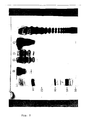
- Fig. 1 is an immunoblot analysis of patient sera;
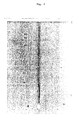
- Fig. 2 is a silver stain of SDS-PAGE;
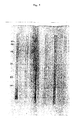
- Fig. 3 is an immunoblot analysis of patient sera vs. proteinase K digestion and periodate oxidation of PAC 605 LPS; and
- Fig. 4 is an immunoblot analysis of patient sera vs. J5 E. coli LPS.
- The present invention provides those skilled in the art with a method for the diagnosis and monitoring of chronic gram-negative infections, particularly Pseudomonas aeruginosa infection associated with cystic fibrosis. The composition used in the present method comprises core lipopolysaccharide derived from Pseudomonas aeruginosa strain PAC 605, especially antigenic determinants found on such core lipopolysaccharide, and is employed in diagnostic methodology such as enzyme linked immunosorbant assay (ELISA) and Western blot assay.
- The composition is employed because of its ability to bind immunoglobulin molecules (antibodies or active fragments thereof) which bind antigenic determinants on gram-negative bacteria. Donors of particular interest include human patients afflicted with cystic fibrosis. Immunoglobulin molecules of particular interest include human IgG molecules.
- According to the method of the present invention, the antigenic determinant composition is bound to a solid support and employed in a variety of assay techniques well-known to the art, particularly ELISA, Western blot analysis, or the like. Solid supports of particular interest include a particle, e.g., bead, fiber, or the like, or container wall and include materials such as nitrocellulose, cellulose, agarose, polystyrene, dextran, glass, polymer coated magnetic metals, nylon, silica gel, polyacrylamide, polymethyl methacrylate, and the like, and of particular interest is nitrocellulose (NC).
- The composition may be coupled directly to the support or via a spacer arm to aid in preventing any possible charge or steric interferences with antigen binding. Various spacer arms are available and well known in the art. The ratio of antibody to support may be about 100:1 usually about 1,000:1 or higher.
- The following examples are offered by way of illustration.
-
- 1. LPS: PAC 605 bacterial strain (parent strain PAC1R, Habs 0:3) is deposited with the American Type Culture Collection (A.T.C.C.), Rockville, MD, Accession No. 53273. Cells were grown in a aerated fermenter and LPS was extracted using the method described by Darveau and Hancock, J. Bacteriology (1983) 155:831-38, which is incorporated by reference. Coomasie blue dye protein assay (BIORAD) measured a protein contamination of 1%. Purified J5 E. coli, Fisher type 1 PA, and Salmonella minnesota Ra LPS were purchased from LIST Biological Laboratories.
- 2. Anti-PA core LPS monoclonal antibody: XMMPS-605 (A.T.C.C. Accession No. HB8909 is an IgG2b murine monoclonal antibody (MoAb). It was produced by fusing spleen cells with SP2/0 myeloma cells following immunization with killed PAC 605 cells. Hybrids were screened by using purified PAC 605 as antigen. XXMPS-605 is cross-reactive, binding to the core region of LPS from all 7 Fisher types of PA.
- 3. Patient sera: Normal human sera was donated by laboratory workers with no history of PA infection or of working with PA organisms. Patient sera was made available by the clinical laboratories of UCLA Center for the Health Sciences, Los Angeles, CA, and Pacific Medical Center, San Francisco, CA. Samples used were from excess serum obtained for routine chemistry and antibiotic levels.
- 4. IgG ELISA: An ELISA was developed and standardized to measure human IgG titer against purified PAC 605 LPS.
- a) 25 µl of PAC 605 LPS (500µ/ml in distilled water with 0.05% triethylamine (TEA), boiled for 2 hours before use) and 25 µl of O.02M MgCl₂ with 0.05% TEA were added to triplicate wells of polystyrene COSTAR 96-well EIA plates which where then covered and incubated overnight at 37°C.
- b) Wells were washed three times with phosphate-buffered saline (PBS) with 0.02 M MgCl₂, pH 7.1. 100 µl of 1% gelatin in PBS/MgCl₂ was then added to LPS coated wells and triplicate control wells and incubated overnight at room temperature.
- c) The next day 50 µl of human serum diluted serially in 0.1% gelatin in PBS/MgCl₂ was added to triplicate LPS coated and control wells and incubated for one hour. All plates had positive test controls (XMMPS-605 20 µg/ml) and negative test controls (pooled human serum from 4 volunteers, mixed just before use and diluted 1/640) added to triplicate LPS coated and control wells.
- d) All wells were washed three times, then 50 µl of Protein A-peroxidase (BIORAD) diluted 1/10,000 in 0.1% gelatin in PBS/MgCl₂ was added to all wells and incubated for one hour.
- e) Wells were washed 5 times, then 100 µl aliquots of ABTS® substrate was added to each well (per 5 ml: 4.9 ml 0.1 M disodium citrate buffer, pH 4.5; 0.1 ml of 2.2'-azino-d-[3-ethyl-benzthiazolinesulfonate {6}] (BOEHRINGER MANNHEIM), 20 mg/ml in citrate buffer; 5 µl 30% H₂O₂.
- f) Optical density (O.D.) was read on an automated microreader (BIOTEK or FLOW LABORATORIES) when the O.D. of the positive plate control (XMMPS-605) was close to 1.0. Results of triplicate test and control O.D.'s were averaged. For a given test sample dilution, the mean control O.D. was subtracted from the mean test O.D. A positive serum titer was defined as that dilution yielding an O.D. greater than that of pooled human sera diluted 1/640 (negative control) recorded on the same plate.
- 5. Serum IgG levels: Patient and volunteer serum IgG levels were determined by radial immunodiffusion, using KALLESTAD IgG Endoplates. KALLESTAD low, medium, and high reference sera were used as controls.
- 6. SDS-polyacrylamide gel electrophoresis: PAC 605 and J5 E. coli purified LPS were fractionated on SDS-polyacrylamide slab gels with a discontinuous buffer system as described by Hames, B.D., Gel electrophoresis of Proteins: A Practical Approach, (1981) IRL Press, Oxford, England, P. 1-93. The separating gel contained 12.5% acrylamide/methylene bisacrylamide (30.0/0.8) in Tris/SDS buffer, pH 8.8. The stacking gel contained 4.5% acrylamide/methylene bisacrylamide in Tris/SDS buffer, pH 6.8. 350 µg of LPS was boiled for 10 minutes in final sample buffer and applied to a sample well. A lower molecular weight standard was applied to a control well. Gels were electrophoresed at 8 mAmps overnight, then at 18 mAmps until the tracking dye reached the bottom.
- 7. Electrophoretic transfer and immunoblot: Gels were immediately transferred to nitrocellulose for three hours at constant amperage (190 mAmp) using the Western blot method of Towbin et al., Proc. Nat. Acad. Sci. USA (1979) 76:4350-54. Molecular weight lanes were cut and stained with amide black in acetic acid and methanol. The remainder of the sheet was allowed to dry then stored at -20 degrees Centigrade until use. For immunoassay of these blots, 0.5 cm strips were cut and blocked for 30 minutes in 1% gelatin in PBS. Individual strips were then incubated on a rocker overnight with 4 ml of a 1/40 dilution of human serum in 0.1% gelatin in PBS. Positive control strips for each blot were incubated with either XMMPS-605, 20µ/ml, or rabbit anti-J5 E. coli serum, 1/40 dilution. The following day strips were washed for one hour with 4 changes of PBS, then incubated in a 1/2000 dilution of Protein A-peroxidase, then washed for one hour with 6 changes of PBS. Strips were developed with 4 chloro-1-naphthol substrate (per 5 ml: 4 ml PBS, 1 ml of 0.3% w/
v 4 chloro-1-naphthol [SIGMA] in reagent grade methanol, 5 µl 30% H₂O₂). When optimal color change had occurred, NC strips were washed in water. - 8. Proteinase K digestion and periodate oxidation of LPS: To confirm that bands seen on immunoblots of LPS represent non-protein, carbohydrate determinants, 175 µg of PAC 605 LPS was pre-digested with Proteinase K (BRL) 1 mg/ml frozen stock added in a 1:10 v/v ratio to LPS in final sample buffer and incubated overnight at 55 degrees Centigrade. An additional aliquot of Proteinase K was added the next day and incubated for three more hours. This digested LPS was fractionated in one half of an SDS-polyacrylamide gel while an equal amount of undigested PAC 605 LPS was fractionated on the other half. SDS-PAGE and Western blot were performed as previously described. Strips containing digested and non-digested LPS were immunoblotted with positive patient sera.
Additional strips of blotted proteinase-treated PAC 605 LPS were oxidized with periodic acid to destroy carbohydrate epitopes, then immunoassayed using the same positive patient sera. Western blot strips of PAC 605 LPS and control immunodots of Salmonella minnesota Ra LPS were blocked in 1% gelatin in PBS, then bathed overnight at 4 degrees Centigrade in 50 mM periodic acid, 50 mM acetic acid, pH5. After brief washing, strips and control immunodots were immunoassayed as previously described. An IgG2a MoAb specifically reactive with Salmonella Ra LPS was strongly reactive against the control Ra immunodot but completely unreactive against the periodate-oxidized Ra LPS dot. - 9. Silver stain: To confirm location of LPS bands, SDS-PAGE was done with individual lanes containing PAC 605 LPS, J5 E. coli LPS and several other PA LPS controls. This gel was then silver stained using the method described by Hitchcock and Brown, J. Bacteriology (1983) 154:269-77, which is incorporated by reference.
-
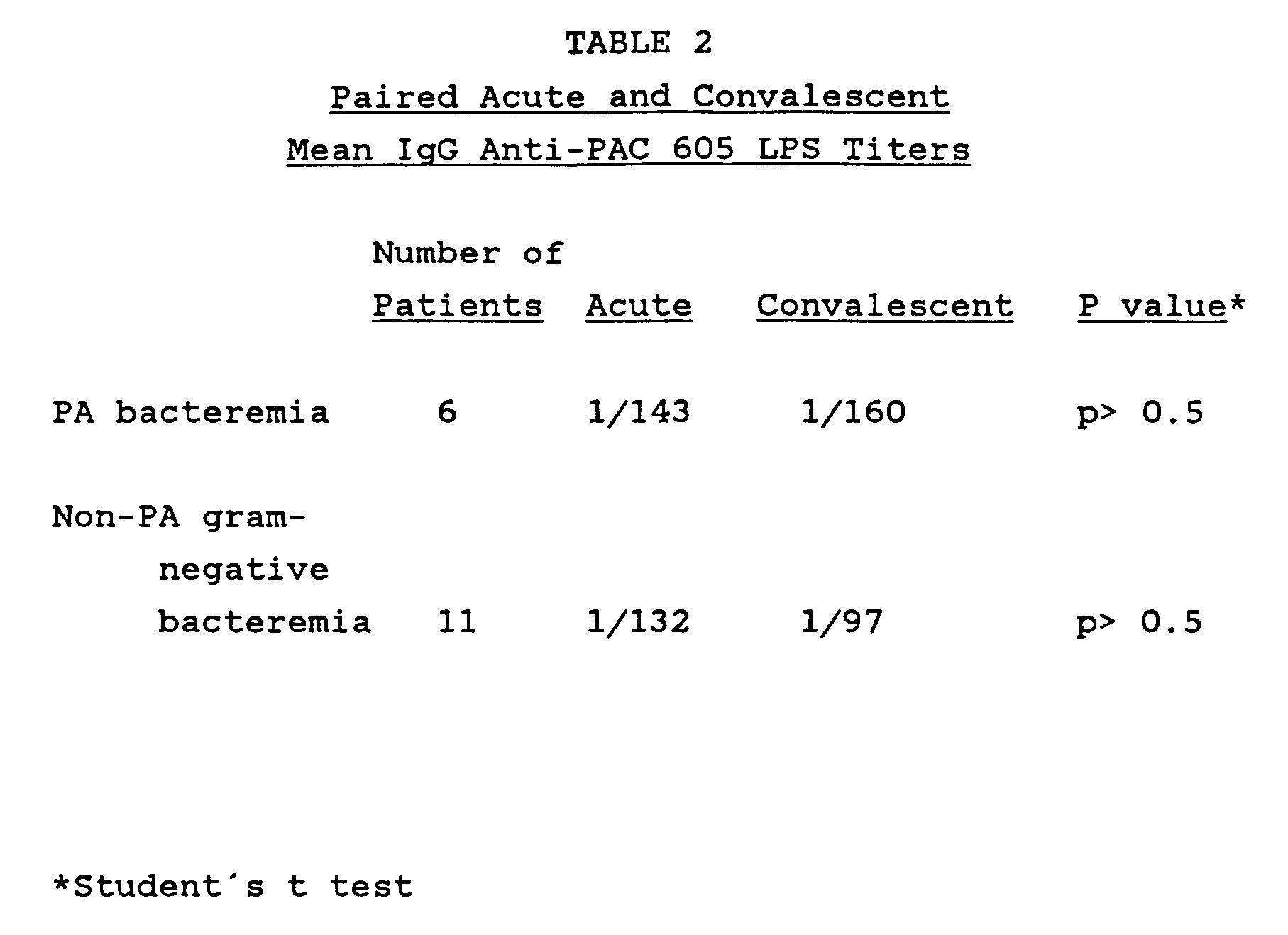
- 1. IgG ELISA: Results of the ELISA used to detect human IgG antibodies to PAC 605 LPS are summarized in Tables 1, 2, and 3.
Convalescent sera were available for 10 patients with documented PA bacteremia. Five of these patients had documented localized infection prior to the onset of bacteremia (pneumonia [2], brain abscess [1], cystitis [1], sinusitis [1]). The geometric mean titer of thesse 10 patients (obtained a minimum of seven days after blood cultures were drawn) was 1/171 (range 1/40 - 1/1280). This did not differ significantly from the geometric mean titer of sera from 5 normal volunteers (mean 1/211, range 1/160 - 1/320, p> 0.5, Student's test) or of convalescent sera of 11 patients with documented non-PA enteric gram-negative bacteremia (mean 1/97, range 1/40 - 1/320, p> 0.5). Blood culture isolates from this latter group included E. coli (3), Klebsiella pneumonia (3), Enterobacter cloacae (3), Proteus mirabilis (2), and Aeromonas hydrophila (1). - Paired acute and convalescent sera were available from 6 patients with PA bacteremia and all 11 patients with non-PA gram-negative bacteremia. Geometric mean acute and convalescent IgG titers did not significantly differ in either group. PA bacteremic patients had a mean acute titer of 1/143 (range 1/20 - 1/1280) and convalescent titer of 1/160 range 1/40 - 1/1280, p> 0.5). As mentioned above, 5 of the PA bacteremic patients had documented recent localized PA infection. Acute and convalescent titers were available for 4 of these 5 patients (Table 3). Three of these patients showed no increase in IgG anti-PAC 605 LPS titer, while one demonstrated a four-fold rise between acute and convalescent sera.

- Random serum was also available from 18 patients with cystic fibrosis (CF) and chronic PA pulmonary infection. The geometric mean titer of these patients was significantly higher (mean 1/1808, range 1/320 - 1/10,000) than the mean titer of normal volunteers (p< 0.001) and the mean convalescent titer of patients with PA (p< 0.001) bacteremia.
IgG Levels: Hypogammaglobulinemia was excluded as the reason for the surprisingly low IgG anti-PAC 605 titer observed in convalescent sera of PA bacteremic patients compared to uninfected normal volunteers. Serum IgG levels were measured and compared. The mean IgG level of the 10 PA bacteremic patients (1,118 mg/dl, range 640-1680 mg/dl) did not differ significantly from the mean of 5 normal volunteers (1,236 mg/dl, range 1000-1380 mg/dl, p> 0.5). The CF patients' markedly higher IgG titer to PAC 605 LPS could have been a nonspecific artifact related to higher IgG levels. To test this hypothesis, 9 of the 18 CF patients' sera were randomly chosen and IgG levels were measured. The mean IgG level of these 9 patients was 1734 mg/dl, compared to 1118 mg/dl in the 10 PA bacteremic patients - not a significant difference (p> 0.1). - 3. Western blots of PAC 605 LPS: In order to reveal the exact nature of the PAC 605 LPS determinants bound by human IgG, whole SDS-polyacrylamide gels were loaded with LPS, then fractionated by electrophoresis, then transferred by the Western blot method to nitrocellulose (NC) sheets. These sheets were cut into strips, incubated first with 1/40 patient sera, then with Protein A-peroxidase and finally developed with substrate. All data was confirmed by incubating the same test sera with a second strip blotted from a different prep gel of PAC 605 LPS. Results are summarized in Table 4. Several distinct band patterns were seen, and examples of each pattern are shown in Figure 1. As a positive control for each prep gel that was blotted, the murine monoclonal IgG2a designated XMMPS-605 (which is sensitive and specific for the core determinants of PAC 605 LPS) was reacted with one NC strip. This reproducibly showed an intense broad band between 10 kD and the dye front (see Fig. 1, lane A). No bands were visible when pooled normal human sera or convalescent sera of patients with PA bacteremia were incubated with strips of fractionated, blotted PAC 605 LPS. However 13 of 18 CF patients showed one of the following three patterns. Five patients demonstrated a single broad core band between 10 kD and the dye front (same pattern as that shown by the anti-PA core LPS monoclonal antibody XMMPS-605). Three patients showed a faint typical smooth LPS ladder pattern between 30 and 50 kD. Five patients showed both core and 30 - 50 kD ladder bands. One additional patient (RR) had a broad core band in combination with two narrow intense bands at 14 kD and 24 kD. When this immunoblot was repeated using PAC 605 LPS pre-treated with Proteinase K before electrophoresis, the 14 kD band disappeared suggesting it represented a protein determinant. Only 4 of the 18 had a low molecular weight core band and 8 of 18 had faint higher molecular weight ladder bands.
- 4. Silver stain of PAC 605 LPS: The appearance of 30 - 50 kD ladder bands was unexpected since PAC 605 LPS does not have smooth LPS. Several studies were done to elucidate the nature of these bands. PAC 605 LPS and several control purified LPS samples were fractionated by SDS-PAGE, then silver-stained to exclude the possibility of contamination. Twenty-five µg of PAC 605 LPS run in a single lane (Figure 2, lane E) showed an intense core band from 10 kD to the dye front - the exact location of the broad core band seen on Western blots reacted with both the anti-core MoAb XXMPS-605 and with 11 of the 18 CF patient sera. There were narrow sharp bands at 14 kD and 24 kD corresponding to the bands that occurred with CF patient RR's sera. The band at 14 kD may represent a protein-LPS complex since this band disappeared from RR's immunoblot when PAC 605 was pre-treated with Proteinase K. No bands were seen between 30 and 50 kD - the location of faint ladder bands on Western blot strips. As a control, Proteinase K digested boiled whole cells of a rough, non-typable sputum PA isolate from one of the CF patients were fractionated in the same gel (Fig. 2, lanes C and D). This apparently rough isolate has small amounts of high molecular weight smooth LPS faintly detectable when 7.5 x 10⁸ cells were run in lane C, and clearly visible when 1.5 x 10⁹ cells were run in lane D. Another gel run by SDS-PAGE was loaded with 25 - 125 µg of PAC 605 LPS per well. Silver stain of the overloaded wells showed a diffuse smear throughout the lane. Individual ladder bands, however, were not visible.
- 5. Proteinase K digestion and periodate oxidation of PAC 605 LPS: Immunoblots were repeated to determine the exact nature of these high molecular weight ladder bands. First PAC 605 LPS was pre-digested with Proteinase K to destroy any protein determinants before fractionating by SDS-PAGE and immunoblotting. NC strips of blotted, Proteinase K-digested LPS and untreated LPS were reacted with two CF patient's sera that had previously shown ladder bands (Figure 3, lane A). Ladder bands remained visible after Proteinase K treatment, suggesting the bands are not due to protein epitopes. Several of these LPS strips were then oxidized overnight with periodic acid, pH 5, to destroy carbohydrate determinants, as described by Caldwell and Hitchcock, Infect. Immun. (1984) 44:306-14, which is incorporated by reference, and then reacted with the same CF patient's serum. Ladder bands disappeared after periodate oxidation, suggesting that the responsible determinants are located on repeating polysaccharide units of smooth LPS.
- 6. Western blots of J5 E. coli LPS: If the core determinants of PAC 605 LPS are very similar to those of the cross-reactive core of enteric gram-negative bacilli (i.e. purified J5 E. coli LPS), then the difference in IgG anti-PA core LPS response between CF and convalescent PA bacteremic patients may just be a reflection of a difference in cross-reactive IgG anti-gram-negative core titer. To test this hypothesis, J5 E. coli LPS was fractionated by SDS-PAGE and Western blotted onto NC sheets. Individual NC strips were immunoassayed with sera from 17 CF patients and 9 convalescent PA bacteremic patients. All results were confirmed by incubating the same test serum with a second strip blotted from a different prep gel of J5 LPS. Eleven of 17 CF sera versus 3 of 9 convalescent PA bacteremic sera showed core bands below 14 kD (p> 0.1, Chi square with the Yates modification). These core bands were in the same location that immunoblotted rabbit anti-J5 LPS appeared on silver stain (Fig. 2, lane B). Hence it was highly unlikely that the difference between CF patients and convalescent PA bacteremic patients in IgG anti-PA core LPS response was simply due to cross-reactive antibodies to the common endotoxic core of enteric gram-negative bacilli.


Claims (6)
- A method for detecting a chronic Pseudomonas aeruginosa infection in a donor by screening for an immunoglobulin molecule specific for an antigenic determinant on lipopolysaccharide derived from a Pseudomonas aeruginosa strain PAC 605 cell having A.T.C.C. Accession No. 53273, said method comprising the steps of:(a) contacting serum from said donor with said lipopolysaccharide; and(b) detecting a chronic Pseudomonas aeruginosa infection by determining whether the level of said immunoglobulin in said serum is significantly higher than the level of said immunoglobulin in serum from a donor known to be non-infected with Pseudomonas aeruginosa or in convalescent serum from a donor recovering from Pseudomonas aeruginosa infection.
- The method according to claim 1, wherein said donor is a human.
- The method according to claim 1 or 2, wherein said immunoglobulin is a class IgG.
- The method according to anyone of claims 1 to 3, wherein said lipopolysaccharide comprises a core antigenic determinant.
- The method according to anyone of claims 1 to 4, wherein said lipopolysaccharide is bound to a support prior to contacting with said serum.
- The method according to anyone of claims 1 to 5, wherein the donor of the serum is a patient having cystic fibrosis.
Priority Applications (1)
| Application Number | Priority Date | Filing Date | Title |
|---|---|---|---|
| AT87113996T ATE86748T1 (en) | 1986-09-26 | 1987-09-24 | PROCEDURE FOR DETECTING GRAM NEGATIVE BACTERIA. |
Applications Claiming Priority (2)
| Application Number | Priority Date | Filing Date | Title |
|---|---|---|---|
| US91243986A | 1986-09-26 | 1986-09-26 | |
| US912439 | 1986-09-26 |
Publications (3)
| Publication Number | Publication Date |
|---|---|
| EP0265672A2 EP0265672A2 (en) | 1988-05-04 |
| EP0265672A3 EP0265672A3 (en) | 1989-05-24 |
| EP0265672B1 true EP0265672B1 (en) | 1993-03-10 |
Family
ID=25431921
Family Applications (1)
| Application Number | Title | Priority Date | Filing Date |
|---|---|---|---|
| EP87113996A Expired - Lifetime EP0265672B1 (en) | 1986-09-26 | 1987-09-24 | Method for detection of gram-negative bacteria |
Country Status (8)
| Country | Link |
|---|---|
| EP (1) | EP0265672B1 (en) |
| JP (1) | JPS63165760A (en) |
| KR (1) | KR880004315A (en) |
| AT (1) | ATE86748T1 (en) |
| AU (1) | AU605178B2 (en) |
| DE (1) | DE3784620T2 (en) |
| ES (1) | ES2054639T3 (en) |
| NZ (1) | NZ221895A (en) |
Cited By (1)
| Publication number | Priority date | Publication date | Assignee | Title |
|---|---|---|---|---|
| US6790661B1 (en) | 1999-07-16 | 2004-09-14 | Verax Biomedical, Inc. | System for detecting bacteria in blood, blood products, and fluids of tissues |
Families Citing this family (3)
| Publication number | Priority date | Publication date | Assignee | Title |
|---|---|---|---|---|
| JP3506703B2 (en) * | 1992-07-31 | 2004-03-15 | サーモ バイオスター インコーポレイテッド | Apparatus and method for detecting an object to be analyzed by optical interference |
| AU660268B3 (en) * | 1993-07-16 | 1995-06-15 | Deakin University | Bacteria-specific lipopolysaccharide-like molecules |
| EP0641568A1 (en) * | 1993-09-06 | 1995-03-08 | Brade, Helmut, Dr. med. | Chlamydia antigen, process for its manufacture and its use |
Citations (1)
| Publication number | Priority date | Publication date | Assignee | Title |
|---|---|---|---|---|
| US4587121A (en) * | 1983-06-14 | 1986-05-06 | Miles Laboratories, Inc. | High titer Pseudomonas immune serum globulin |
Family Cites Families (2)
| Publication number | Priority date | Publication date | Assignee | Title |
|---|---|---|---|---|
| JPS57501692A (en) * | 1980-09-24 | 1982-09-16 | ||
| FR2552768B1 (en) * | 1983-09-30 | 1987-02-27 | Pasteur Institut | CONJUGATED LIPOPOLYSACCHARIDES, THEIR PREPARATION PROCESS, THEIR APPLICATION AS IMMUNOGENIC AGENTS |
-
1987
- 1987-09-22 NZ NZ221895A patent/NZ221895A/en unknown
- 1987-09-24 EP EP87113996A patent/EP0265672B1/en not_active Expired - Lifetime
- 1987-09-24 DE DE8787113996T patent/DE3784620T2/en not_active Expired - Fee Related
- 1987-09-24 AT AT87113996T patent/ATE86748T1/en not_active IP Right Cessation
- 1987-09-24 ES ES87113996T patent/ES2054639T3/en not_active Expired - Lifetime
- 1987-09-25 AU AU78999/87A patent/AU605178B2/en not_active Ceased
- 1987-09-26 KR KR870010689A patent/KR880004315A/en not_active Withdrawn
- 1987-09-26 JP JP62242389A patent/JPS63165760A/en active Pending
Patent Citations (1)
| Publication number | Priority date | Publication date | Assignee | Title |
|---|---|---|---|---|
| US4587121A (en) * | 1983-06-14 | 1986-05-06 | Miles Laboratories, Inc. | High titer Pseudomonas immune serum globulin |
Cited By (1)
| Publication number | Priority date | Publication date | Assignee | Title |
|---|---|---|---|---|
| US6790661B1 (en) | 1999-07-16 | 2004-09-14 | Verax Biomedical, Inc. | System for detecting bacteria in blood, blood products, and fluids of tissues |
Also Published As
| Publication number | Publication date |
|---|---|
| NZ221895A (en) | 1990-09-26 |
| AU605178B2 (en) | 1991-01-10 |
| ATE86748T1 (en) | 1993-03-15 |
| ES2054639T3 (en) | 1994-08-16 |
| DE3784620D1 (en) | 1993-04-15 |
| EP0265672A3 (en) | 1989-05-24 |
| AU7899987A (en) | 1988-04-14 |
| JPS63165760A (en) | 1988-07-09 |
| DE3784620T2 (en) | 1993-07-22 |
| KR880004315A (en) | 1988-06-03 |
| EP0265672A2 (en) | 1988-05-04 |
Similar Documents
| Publication | Publication Date | Title |
|---|---|---|
| Niederman et al. | Influence of sputum IgA and elastase on tracheal cell bacterial adherence | |
| US4882271A (en) | Process for preparation of high molecular weight cell-associated protein of campylobacter pylori and use for serological detection of campylobacter pylori infection | |
| US4029756A (en) | Serological procedure for determining presence of neisseria gonorrhoeae antibodies | |
| JPH0235096A (en) | Antigen composition and production and use thereof | |
| JPH05264553A (en) | Antigen preparation for detection of Helicobacter pylori | |
| US6068985A (en) | In vitro test for Helicobacter pylori | |
| US5198339A (en) | Method for detection of gram-negative bacterial lipopolysaccharides in biological fluids | |
| EP0279517B1 (en) | Non-immunochemical binding of lipopolysaccharides and sandwich essays therefore | |
| US5420014A (en) | Rapid in vitro test for helicobacter pylori using saliva | |
| CN101600965A (en) | Diagnostic kit for leptospirosis | |
| JP4934729B2 (en) | Methods for determination of prosthetic infection | |
| Schlievert | [47] Immunochemical assays for toxic shock syndrome toxin-1 | |
| US5179001A (en) | Detection and monitoring of chronic and gram-negative infection | |
| CA2134667C (en) | In vitro test for helicobacter pylori | |
| AU605178B2 (en) | Detection and monitoring of chronic gram-negative infection | |
| EP0168422A1 (en) | Method and materials for the identification of lipopolysaccharide producing microorganisms | |
| Shand et al. | Use of immunoblot detection of serum antibodies in the diagnosis of chronic Pseudomonas aeruginosa lung infection in cystic fibrosis | |
| US4777136A (en) | Monoclonal antibody reactive with Pseudomonas Aeruginosa | |
| US5612186A (en) | Enzyme-capture assay (ECA) for the identification of Escherichia coli in clinical samples | |
| Caballero et al. | Anti-Pseudomonas aeruginosa antibody detection in patients with bronchiectasis without cystic fibrosis | |
| EP0233048B1 (en) | Method of detecting urinary tract infection or inflammation | |
| US5405754A (en) | Process for obtaining an antigenic reagent useful for the indirect determination of Salmonella typhi | |
| Yotis et al. | Immunochemical features of a macromolecule of Treponema denticola | |
| Jacobson et al. | Human IgG antibodies to Pseudomonas aeruginosa core lipopolysaccharide determinants are detected in chronic but not acute pseudomonas infection | |
| WO1989009407A1 (en) | Detection of campylobacter pylori urease antibodies and reagent therefor |
Legal Events
| Date | Code | Title | Description |
|---|---|---|---|
| PUAI | Public reference made under article 153(3) epc to a published international application that has entered the european phase |
Free format text: ORIGINAL CODE: 0009012 |
|
| AK | Designated contracting states |
Kind code of ref document: A2 Designated state(s): AT BE CH DE ES FR GB GR IT LI LU NL SE |
|
| PUAL | Search report despatched |
Free format text: ORIGINAL CODE: 0009013 |
|
| AK | Designated contracting states |
Kind code of ref document: A3 Designated state(s): AT BE CH DE ES FR GB GR IT LI LU NL SE |
|
| 17P | Request for examination filed |
Effective date: 19891121 |
|
| 17Q | First examination report despatched |
Effective date: 19910214 |
|
| RTI1 | Title (correction) | ||
| GRAA | (expected) grant |
Free format text: ORIGINAL CODE: 0009210 |
|
| AK | Designated contracting states |
Kind code of ref document: B1 Designated state(s): AT BE CH DE ES FR GB GR IT LI LU NL SE |
|
| PG25 | Lapsed in a contracting state [announced via postgrant information from national office to epo] |
Ref country code: GR Free format text: LAPSE BECAUSE OF FAILURE TO SUBMIT A TRANSLATION OF THE DESCRIPTION OR TO PAY THE FEE WITHIN THE PRESCRIBED TIME-LIMIT Effective date: 19930310 Ref country code: SE Effective date: 19930310 |
|
| REF | Corresponds to: |
Ref document number: 86748 Country of ref document: AT Date of ref document: 19930315 Kind code of ref document: T |
|
| REF | Corresponds to: |
Ref document number: 3784620 Country of ref document: DE Date of ref document: 19930415 |
|
| ITF | It: translation for a ep patent filed | ||
| ET | Fr: translation filed | ||
| EPTA | Lu: last paid annual fee | ||
| PLBE | No opposition filed within time limit |
Free format text: ORIGINAL CODE: 0009261 |
|
| STAA | Information on the status of an ep patent application or granted ep patent |
Free format text: STATUS: NO OPPOSITION FILED WITHIN TIME LIMIT |
|
| 26N | No opposition filed | ||
| REG | Reference to a national code |
Ref country code: ES Ref legal event code: FG2A Ref document number: 2054639 Country of ref document: ES Kind code of ref document: T3 |
|
| PGFP | Annual fee paid to national office [announced via postgrant information from national office to epo] |
Ref country code: GB Payment date: 19990902 Year of fee payment: 13 Ref country code: FR Payment date: 19990902 Year of fee payment: 13 Ref country code: DE Payment date: 19990902 Year of fee payment: 13 Ref country code: AT Payment date: 19990902 Year of fee payment: 13 |
|
| PGFP | Annual fee paid to national office [announced via postgrant information from national office to epo] |
Ref country code: CH Payment date: 19990903 Year of fee payment: 13 |
|
| PGFP | Annual fee paid to national office [announced via postgrant information from national office to epo] |
Ref country code: NL Payment date: 19990908 Year of fee payment: 13 |
|
| PGFP | Annual fee paid to national office [announced via postgrant information from national office to epo] |
Ref country code: LU Payment date: 19990910 Year of fee payment: 13 |
|
| PGFP | Annual fee paid to national office [announced via postgrant information from national office to epo] |
Ref country code: ES Payment date: 19990920 Year of fee payment: 13 |
|
| PGFP | Annual fee paid to national office [announced via postgrant information from national office to epo] |
Ref country code: BE Payment date: 19990927 Year of fee payment: 13 |
|
| PG25 | Lapsed in a contracting state [announced via postgrant information from national office to epo] |
Ref country code: LU Free format text: LAPSE BECAUSE OF NON-PAYMENT OF DUE FEES Effective date: 20000924 Ref country code: GB Free format text: LAPSE BECAUSE OF NON-PAYMENT OF DUE FEES Effective date: 20000924 Ref country code: AT Free format text: LAPSE BECAUSE OF NON-PAYMENT OF DUE FEES Effective date: 20000924 |
|
| PG25 | Lapsed in a contracting state [announced via postgrant information from national office to epo] |
Ref country code: ES Free format text: LAPSE BECAUSE OF NON-PAYMENT OF DUE FEES Effective date: 20000925 |
|
| PG25 | Lapsed in a contracting state [announced via postgrant information from national office to epo] |
Ref country code: LI Free format text: LAPSE BECAUSE OF NON-PAYMENT OF DUE FEES Effective date: 20000930 Ref country code: CH Free format text: LAPSE BECAUSE OF NON-PAYMENT OF DUE FEES Effective date: 20000930 Ref country code: BE Free format text: LAPSE BECAUSE OF NON-PAYMENT OF DUE FEES Effective date: 20000930 |
|
| BERE | Be: lapsed |
Owner name: THE REGENTS OF THE UNIVERSITY OF CALIFORNIA Effective date: 20000930 |
|
| PG25 | Lapsed in a contracting state [announced via postgrant information from national office to epo] |
Ref country code: NL Free format text: LAPSE BECAUSE OF NON-PAYMENT OF DUE FEES Effective date: 20010401 |
|
| REG | Reference to a national code |
Ref country code: CH Ref legal event code: PL |
|
| GBPC | Gb: european patent ceased through non-payment of renewal fee |
Effective date: 20000924 |
|
| PG25 | Lapsed in a contracting state [announced via postgrant information from national office to epo] |
Ref country code: FR Free format text: LAPSE BECAUSE OF NON-PAYMENT OF DUE FEES Effective date: 20010531 |
|
| NLV4 | Nl: lapsed or anulled due to non-payment of the annual fee |
Effective date: 20010401 |
|
| PG25 | Lapsed in a contracting state [announced via postgrant information from national office to epo] |
Ref country code: DE Free format text: LAPSE BECAUSE OF NON-PAYMENT OF DUE FEES Effective date: 20010601 |
|
| REG | Reference to a national code |
Ref country code: FR Ref legal event code: ST |
|
| REG | Reference to a national code |
Ref country code: ES Ref legal event code: FD2A Effective date: 20011011 |
|
| PG25 | Lapsed in a contracting state [announced via postgrant information from national office to epo] |
Ref country code: IT Free format text: LAPSE BECAUSE OF NON-PAYMENT OF DUE FEES;WARNING: LAPSES OF ITALIAN PATENTS WITH EFFECTIVE DATE BEFORE 2007 MAY HAVE OCCURRED AT ANY TIME BEFORE 2007. THE CORRECT EFFECTIVE DATE MAY BE DIFFERENT FROM THE ONE RECORDED. Effective date: 20050924 |