EP0235923B1 - Sor gene product from human t-cell lymphotropic virus iii - Google Patents
Sor gene product from human t-cell lymphotropic virus iii Download PDFInfo
- Publication number
- EP0235923B1 EP0235923B1 EP87300702A EP87300702A EP0235923B1 EP 0235923 B1 EP0235923 B1 EP 0235923B1 EP 87300702 A EP87300702 A EP 87300702A EP 87300702 A EP87300702 A EP 87300702A EP 0235923 B1 EP0235923 B1 EP 0235923B1
- Authority
- EP
- European Patent Office
- Prior art keywords
- sor
- protein
- iii
- human
- htlv
- Prior art date
- Legal status (The legal status is an assumption and is not a legal conclusion. Google has not performed a legal analysis and makes no representation as to the accuracy of the status listed.)
- Expired
Links
- 241000598436 Human T-cell lymphotropic virus Species 0.000 title claims abstract description 8
- 101710201961 Virion infectivity factor Proteins 0.000 title description 4
- 108090000623 proteins and genes Proteins 0.000 claims abstract description 75
- 102000004169 proteins and genes Human genes 0.000 claims abstract description 59
- 239000013612 plasmid Substances 0.000 claims abstract description 21
- 238000000034 method Methods 0.000 claims abstract description 11
- 238000004519 manufacturing process Methods 0.000 claims abstract description 5
- 108700026220 vif Genes Proteins 0.000 claims abstract description 4
- 101150055349 sor gene Proteins 0.000 claims abstract description 3
- 210000004027 cell Anatomy 0.000 claims description 24
- 239000012634 fragment Substances 0.000 claims description 15
- 239000013598 vector Substances 0.000 claims description 8
- 239000002773 nucleotide Substances 0.000 claims description 4
- 125000003729 nucleotide group Chemical group 0.000 claims description 4
- 230000003053 immunization Effects 0.000 claims description 2
- 239000007787 solid Substances 0.000 claims description 2
- 230000001580 bacterial effect Effects 0.000 claims 1
- 239000013600 plasmid vector Substances 0.000 claims 1
- 230000001131 transforming effect Effects 0.000 claims 1
- 208000030507 AIDS Diseases 0.000 abstract description 11
- 108700026244 Open Reading Frames Proteins 0.000 abstract description 9
- 108091028043 Nucleic acid sequence Proteins 0.000 abstract description 5
- 108700004025 env Genes Proteins 0.000 abstract description 5
- 108700004029 pol Genes Proteins 0.000 abstract description 3
- 239000012678 infectious agent Substances 0.000 abstract 1
- 208000011580 syndromic disease Diseases 0.000 abstract 1
- 230000002194 synthesizing effect Effects 0.000 abstract 1
- 235000018102 proteins Nutrition 0.000 description 52
- 150000001413 amino acids Chemical class 0.000 description 17
- 235000001014 amino acid Nutrition 0.000 description 13
- FFEARJCKVFRZRR-BYPYZUCNSA-N L-methionine Chemical compound CSCC[C@H](N)C(O)=O FFEARJCKVFRZRR-BYPYZUCNSA-N 0.000 description 11
- 241000588724 Escherichia coli Species 0.000 description 9
- 241000283973 Oryctolagus cuniculus Species 0.000 description 8
- 239000003999 initiator Substances 0.000 description 8
- 229930182817 methionine Natural products 0.000 description 8
- 210000002966 serum Anatomy 0.000 description 8
- 239000000427 antigen Substances 0.000 description 5
- 102000036639 antigens Human genes 0.000 description 5
- 108091007433 antigens Proteins 0.000 description 5
- 229920002401 polyacrylamide Polymers 0.000 description 5
- 241001430294 unidentified retrovirus Species 0.000 description 5
- 238000001262 western blot Methods 0.000 description 5
- 108020004414 DNA Proteins 0.000 description 4
- 239000013604 expression vector Substances 0.000 description 4
- 241000894007 species Species 0.000 description 4
- QFVHZQCOUORWEI-UHFFFAOYSA-N 4-[(4-anilino-5-sulfonaphthalen-1-yl)diazenyl]-5-hydroxynaphthalene-2,7-disulfonic acid Chemical compound C=12C(O)=CC(S(O)(=O)=O)=CC2=CC(S(O)(=O)=O)=CC=1N=NC(C1=CC=CC(=C11)S(O)(=O)=O)=CC=C1NC1=CC=CC=C1 QFVHZQCOUORWEI-UHFFFAOYSA-N 0.000 description 3
- 206010001513 AIDS related complex Diseases 0.000 description 3
- 241000283707 Capra Species 0.000 description 3
- XUJNEKJLAYXESH-UHFFFAOYSA-N Cysteine Chemical compound SCC(N)C(O)=O XUJNEKJLAYXESH-UHFFFAOYSA-N 0.000 description 3
- 238000002965 ELISA Methods 0.000 description 3
- 239000000020 Nitrocellulose Substances 0.000 description 3
- 210000001744 T-lymphocyte Anatomy 0.000 description 3
- 241000700605 Viruses Species 0.000 description 3
- 230000002163 immunogen Effects 0.000 description 3
- 238000001727 in vivo Methods 0.000 description 3
- 229920001220 nitrocellulos Polymers 0.000 description 3
- 238000004007 reversed phase HPLC Methods 0.000 description 3
- 241000701959 Escherichia virus Lambda Species 0.000 description 2
- MHAJPDPJQMAIIY-UHFFFAOYSA-N Hydrogen peroxide Chemical compound OO MHAJPDPJQMAIIY-UHFFFAOYSA-N 0.000 description 2
- 108060003951 Immunoglobulin Proteins 0.000 description 2
- 101710192141 Protein Nef Proteins 0.000 description 2
- 108020005038 Terminator Codon Proteins 0.000 description 2
- XSQUKJJJFZCRTK-UHFFFAOYSA-N Urea Chemical compound NC(N)=O XSQUKJJJFZCRTK-UHFFFAOYSA-N 0.000 description 2
- 238000004458 analytical method Methods 0.000 description 2
- 238000003556 assay Methods 0.000 description 2
- 238000003149 assay kit Methods 0.000 description 2
- 239000004202 carbamide Substances 0.000 description 2
- 238000001514 detection method Methods 0.000 description 2
- 239000003599 detergent Substances 0.000 description 2
- 238000002405 diagnostic procedure Methods 0.000 description 2
- 238000003119 immunoblot Methods 0.000 description 2
- 102000018358 immunoglobulin Human genes 0.000 description 2
- 125000002924 primary amino group Chemical group [H]N([H])* 0.000 description 2
- 150000003839 salts Chemical class 0.000 description 2
- 239000000523 sample Substances 0.000 description 2
- 238000012163 sequencing technique Methods 0.000 description 2
- 239000002594 sorbent Substances 0.000 description 2
- 108091032973 (ribonucleotides)n+m Proteins 0.000 description 1
- GEYOCULIXLDCMW-UHFFFAOYSA-N 1,2-phenylenediamine Chemical compound NC1=CC=CC=C1N GEYOCULIXLDCMW-UHFFFAOYSA-N 0.000 description 1
- 238000011537 Coomassie blue staining Methods 0.000 description 1
- 102000012410 DNA Ligases Human genes 0.000 description 1
- 108010061982 DNA Ligases Proteins 0.000 description 1
- 239000003298 DNA probe Substances 0.000 description 1
- 238000012286 ELISA Assay Methods 0.000 description 1
- 101710177291 Gag polyprotein Proteins 0.000 description 1
- 206010020460 Human T-cell lymphotropic virus type I infection Diseases 0.000 description 1
- 241000714260 Human T-lymphotropic virus 1 Species 0.000 description 1
- 241000714259 Human T-lymphotropic virus 2 Species 0.000 description 1
- 102100034353 Integrase Human genes 0.000 description 1
- 102000003960 Ligases Human genes 0.000 description 1
- 108090000364 Ligases Proteins 0.000 description 1
- 101710125418 Major capsid protein Proteins 0.000 description 1
- 241001465754 Metazoa Species 0.000 description 1
- 108091034117 Oligonucleotide Proteins 0.000 description 1
- 102000003992 Peroxidases Human genes 0.000 description 1
- 238000012300 Sequence Analysis Methods 0.000 description 1
- 101800001690 Transmembrane protein gp41 Proteins 0.000 description 1
- 239000007983 Tris buffer Substances 0.000 description 1
- 108010067390 Viral Proteins Proteins 0.000 description 1
- 238000000211 autoradiogram Methods 0.000 description 1
- 238000000376 autoradiography Methods 0.000 description 1
- 210000004369 blood Anatomy 0.000 description 1
- 239000008280 blood Substances 0.000 description 1
- 239000012888 bovine serum Substances 0.000 description 1
- 101150057411 cII gene Proteins 0.000 description 1
- 238000005341 cation exchange Methods 0.000 description 1
- 238000005277 cation exchange chromatography Methods 0.000 description 1
- 230000030833 cell death Effects 0.000 description 1
- 230000019522 cellular metabolic process Effects 0.000 description 1
- 238000012512 characterization method Methods 0.000 description 1
- 239000003153 chemical reaction reagent Substances 0.000 description 1
- 239000011248 coating agent Substances 0.000 description 1
- 238000000576 coating method Methods 0.000 description 1
- 238000010276 construction Methods 0.000 description 1
- 230000000120 cytopathologic effect Effects 0.000 description 1
- 230000002950 deficient Effects 0.000 description 1
- 238000010790 dilution Methods 0.000 description 1
- 239000012895 dilution Substances 0.000 description 1
- 231100000676 disease causative agent Toxicity 0.000 description 1
- 239000003814 drug Substances 0.000 description 1
- 229940079593 drug Drugs 0.000 description 1
- 230000000694 effects Effects 0.000 description 1
- 238000001962 electrophoresis Methods 0.000 description 1
- 108010078428 env Gene Products Proteins 0.000 description 1
- 101150030339 env gene Proteins 0.000 description 1
- 239000006167 equilibration buffer Substances 0.000 description 1
- 238000000605 extraction Methods 0.000 description 1
- 108700004026 gag Genes Proteins 0.000 description 1
- 238000004128 high performance liquid chromatography Methods 0.000 description 1
- 230000000652 homosexual effect Effects 0.000 description 1
- 238000002649 immunization Methods 0.000 description 1
- 238000001114 immunoprecipitation Methods 0.000 description 1
- 238000000338 in vitro Methods 0.000 description 1
- 208000015181 infectious disease Diseases 0.000 description 1
- 230000000977 initiatory effect Effects 0.000 description 1
- 238000011081 inoculation Methods 0.000 description 1
- 230000003287 optical effect Effects 0.000 description 1
- 239000003002 pH adjusting agent Substances 0.000 description 1
- 239000008188 pellet Substances 0.000 description 1
- 108040007629 peroxidase activity proteins Proteins 0.000 description 1
- 108010083127 phage repressor proteins Proteins 0.000 description 1
- 239000007981 phosphate-citrate buffer Substances 0.000 description 1
- ZNNZYHKDIALBAK-UHFFFAOYSA-M potassium thiocyanate Chemical compound [K+].[S-]C#N ZNNZYHKDIALBAK-UHFFFAOYSA-M 0.000 description 1
- 229940116357 potassium thiocyanate Drugs 0.000 description 1
- 238000003127 radioimmunoassay Methods 0.000 description 1
- 230000022532 regulation of transcription, DNA-dependent Effects 0.000 description 1
- 230000001177 retroviral effect Effects 0.000 description 1
- 229910000162 sodium phosphate Inorganic materials 0.000 description 1
- 239000001488 sodium phosphate Substances 0.000 description 1
- 239000004094 surface-active agent Substances 0.000 description 1
- LENZDBCJOHFCAS-UHFFFAOYSA-N tris Chemical compound OCC(N)(CO)CO LENZDBCJOHFCAS-UHFFFAOYSA-N 0.000 description 1
- RYFMWSXOAZQYPI-UHFFFAOYSA-K trisodium phosphate Chemical compound [Na+].[Na+].[Na+].[O-]P([O-])([O-])=O RYFMWSXOAZQYPI-UHFFFAOYSA-K 0.000 description 1
- 238000011144 upstream manufacturing Methods 0.000 description 1
- 239000003643 water by type Substances 0.000 description 1
Images
Classifications
-
- C—CHEMISTRY; METALLURGY
- C07—ORGANIC CHEMISTRY
- C07K—PEPTIDES
- C07K14/00—Peptides having more than 20 amino acids; Gastrins; Somatostatins; Melanotropins; Derivatives thereof
- C07K14/005—Peptides having more than 20 amino acids; Gastrins; Somatostatins; Melanotropins; Derivatives thereof from viruses
-
- C—CHEMISTRY; METALLURGY
- C12—BIOCHEMISTRY; BEER; SPIRITS; WINE; VINEGAR; MICROBIOLOGY; ENZYMOLOGY; MUTATION OR GENETIC ENGINEERING
- C12N—MICROORGANISMS OR ENZYMES; COMPOSITIONS THEREOF; PROPAGATING, PRESERVING, OR MAINTAINING MICROORGANISMS; MUTATION OR GENETIC ENGINEERING; CULTURE MEDIA
- C12N2740/00—Reverse transcribing RNA viruses
- C12N2740/00011—Details
- C12N2740/10011—Retroviridae
- C12N2740/16011—Human Immunodeficiency Virus, HIV
- C12N2740/16311—Human Immunodeficiency Virus, HIV concerning HIV regulatory proteins
- C12N2740/16322—New viral proteins or individual genes, new structural or functional aspects of known viral proteins or genes
Definitions
- HTLV-III/LAV Human T-lymphotropic virus type III
- AIDS acquired immunodeficiency syndrome in man
- the published nucleotide sequences of three isolates of HTLV-III and related viruses predict the characteristic retroviral gag, pol, and env genes as well as two small open reading frames, the sor and 3' orf.
- the two small open reading frames are unique to the HTLV-III genome in that they have no equivalents similar in size and location in the genomes of other exogenous retroviruses, including the two other human retroviruses HTLV-I and HTLV-II.
- the sor region is located between the pol and env genes and can encode a protein of 193 amino acids with an approximate molecular weight of 20 kilodaltons (Kd). Its initiator methionine overlaps with the end of pol and its terminator precedes the beginning of env.
- the 440 nucleotides between the sor and env genes contain additional open reading frames which have the potential to encode small novel proteins.
- the native gene product of 3' orf in HTLV-III infected cells has been identified as a 27 Kd protein and shown to be immunogenic in vivo.
- the present invention is the HTLV-III sor gene product corresponding to a 23 Kd protein which is also immunogenic in vivo. Antibodies to this sor protein and diagnostic test kits are also disclosed.
- HTLV-III is an exogenous retrovirus which infects mainly the OKT4+ hunan T-cells. Unlike most other non-defective retroviruses, infection with HTLV-III generally leads to cell death in vitro and to depletion of T-cells with OKT4 phenotype in patients with AIDS.
- the smnall open reading frames unique to the HTLV-III genome may contribute to this cytopathic effect by encoding viral proteins which either directly or indirectly alter the cell metabolism. DNA probes derived from the sor region have recently been shown to hybridize to RNA species in HTLV-III-infected cells.
- the amino acid sequences which encode the production of the sor protein are found in the Alul-Alul fragment of a clone of hunan T-cell lymphotropic virus type III.
- the nucleotide segment 4724 ⁇ 5201 from an HTLV-III clone such as BH-10 is isolated and placed in a suitable expression vector.
- the 5' Alul site is located 33 amino acids downstream from the initiator methionine, while the 3' Alul site coincides with the termination codon of the sor open reading frame.
- the Alul fragment is joined to an expression vector, preferably pJL6, at the unique Hindlll site as illustrated in The Figure. Plasmid pJL6 provides the initiator methionine of the phage lambda cll gene.
- the cll-sor hybrid gene thus formed, as well as the bacterially synthesized sor protein, contains 15 amino acids derived from the cll gene at its amino terminus and the remaining 160 amino acids derived from the HTLV-III sor region.
- the plasmid containing the cll-sor hybrid gene may be inserted into E. coli bacteria in order to produce the sor protein. This protein may be purified and used in HTLV-III diagnostic assays, or may be used to produce monoclonal antibodies which specifically bind to the sor protein amino acid sequences.
- Plasmid pSOR2 was deposited in the American Type Culture Collection in Rockville, Maryland, on January 31, 1986 under ATCC No. 53457, and will be maintained for a term of thirty (30) years or five (5) years after the last request for such deposit or for the effective life of the patent, whichever is longest. The deposit will be replaced if the culture mutates or becomes nonviable during the term of the deposit.
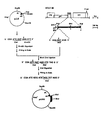
- the Figure illustrates the construction of a plasmid containing the Alul-Alul fragment from Human T-cell Lymphotropic Virus Type III and the initiator methionine of the lambda cll gene.
- the Alul-Alul fragment of Human T-cell Lymphotropic Virus Type III (HTLV-III) is derived from the BH-10 clone corresponding to positions 4724 ⁇ 5201.
- the BH-10 clone is a well known HTLV-III clone described in Hahn et al, Nature, Vol. 312, p. 166 (1984). Although the use of clone BH-10 is preferred, the present invention should not be restricted thereby.
- Other HTLV-III clones which include the Alul-Alul fragment, such as HXB-2, HXB-3, or BH-5/BH-8, are incorporated within the scope of the invention.
- amino acid sequences noted above correspond to the BH-10 clone
- Alul-Alul fragment from other clones may be defined by slightly different amino acid sequence numbers, (for a description of the numbering method used in this invention, see Ratner et al, Nature, Vol. 313, p. 277 (1985)).
- the Alul-Alul fragment defined above encodes 160 amino acids out of a maximun 193 determined by the sor open reading frame, thus covering at least 83% of the HTLV-III sor gene.
- the Alul fragment is joined to an expression vector pJL6, containing a unique Hindlll site located 13 amino acids downstream from the initiator methionine of the lambda cll gene.
- vector pJL6 is the preferred vector of the present invention, other vectors may be used if they contain a cll gene initiator methionine.
- the process of inserting the Alul fragment into expression vector pJL6 involves well known procedures. As is shown in the Figure, pJL6 DNA is cleaved with Hindlll and the cohesive ends are converted to blunt ends by E. coli polymerase. The Alul fragment from an HTLV-III clone-the 5' Alul site located 33 amino acids downstream from the putative initiator methionine, while the 3' Alul site coincides with the termination codon of the soropen reading frame - is then blunt end-ligated to the linearized pJL6 DNA by T4 DNA ligase.
- the phage lambda cll gene contained in pJL6 provides thirteen amino acids at the N-terminus including the initiator methionine for the sor-containing protein.
- a plasmid termed pSOR1
- pSOR1 DNA is cleaved with Clal, treated with E. coli polymerase to fill the cohesive ends, and religated by T4 ligase.
- the resulting plasmid, termed pSOR2 is shown to have the expected reading frame by observing a new Nrul site replacing the Clal site, and by direct sequencing of the vector-insert junction.
- double-stranded pSOR2 DNA is denatured, renatured in the presence of a synthetic oligonucleotide derived from the end-terminus of the cll gene, and sequenced according to known methods of sequence analysis.
- the DNA sequence of about 100 nucleotides demonstrates that pSOR2 contains an open reading frame starting atthe cll gene in the vector that extends in frame into the sor open reading frame.
- the bacterially synthesized sor protein with an estimated molecular weight of 18 Kd, thus contains 15 amino acids derived from the cll gene at its amino terminus and the remaining 160 amino acids derived from the HTLV-III sor region.
- the cll-sor hybrid gene in pSOR2 is under the transcriptional control of the lamba pL promoter located immediately upstream from the cll gene.
- pSOR2 is placed in E. coli MZ1 (containing a temperature sensitive lambda repressor).
- E. coli MZ1 containing a temperature sensitive lambda repressor.
- a new protein of 20 Kd is produced in the temperature- induced MZ1 cells containing pSOR2. This protein is not observed in uninduced cells, nor in induced cells containing the vector alone, or with pSOR1 (with an out-of-frame sor region).
- Coomassie blue staining shows that the sor protein constitutes approximately 10% of total E. coli proteins.
- the sor protein is purified by successive extractions with salts and detergents as described by Krippel et al (PNAS, Vol. 81, p. 6988 [1984)).
- sor-specific antibodies In order to produce sor-specific antibodies, the bacterially synthesized sor protein is purified using reverse-phase HPLC by the Procedure of Samuel et al, Gene Anal. Tech., Vol. 2, p. 60 (1985). Two prominent protein bands coelute from the C 18 column. These two bands constituted over 95% of the protein present.
- a rabbit is immunized by three 100 ug inoculations of this reverse-phase HPLC purified sor protein.
- Western blot assay demonstrates that the rabbit antiserum reacts strongly with both species of the sor protein purified by the cation-exchange HPLC column. The rabbit antiserum is then used to identify the native sor protein in HTLV-III-infected H9 cells.
- Cells are metabolically labeled and the cell extract is immunoprecipitated with the rabbit antiserum. Only the immune serum, but not the pre-immune serum, recognized a 23 Kd protein in the HTLV-III-infected cells.
- the serum of a hemophiliac individual asymptomatic of AIDS, but seropositive for HTLV-III envelope antigens also reacts with a protein from the same cell extract which comigrated with the 23 Kd protein.
- a protein of the same size in HTLV-III infected cells is also detected with the sera from HTLV-III seropositive people and identified to be the native snappee product by partial amino acid sequencing.
- Partially purified sor protein was used in a Western blot assay to test its immunoreactivity against human sera. Seventy nine sera were obtained from patients seropositive from other HTLV-III antigens (either p24 and/or gp41) and 16 sera from normal individuals with no detectable antibodies against the HTLV-III gag and env proteins. The group of 79 seropositive patients included: 29 individuals "at risk", such as homosexuals, IV drug users and relatives of AIDS patients; 22 patients with AIDS-related complex (ARC); and 28 patients with AIDS. Antibodies were detected that reacted with the sor protein in some people of all the groups that were analyzed. Approximately half of the sera from AIDS and healthy "at risk" patients reacted with the bacterially synthesized sor protein while only one third of the sera from patients with ARC were positive. The results are summarized in Table 1.
- sor protein is immunogenic in vivo and that there is a significantly higher prevalence of antibodies against the HTLV-III sor protein in the infected patients than that in normal people.
- Rabbit antiserum to HPLC-purified sor protein was used in Western immunoblot (A) and immunoprecipitation (B) analyses.
- the primary immunization was with 100 ug of the protein described above followed by two 100 ug boosts 10 and 20 days later.
- the antiserum was used to react with the purified sor protein electrophoresed on a 10% SDS-polyacrylamide gel, and immobilized on a nitrocellulose filter by the Western blot assay.
- HTLV-III infected H9 cells were labeled with equal activities of [ 35 S]methionine and [ 35 S]cysteine, and lysed.
- the cell extract was immumoprecipitated with: the rabbit pre-immune serum; the rabbit antiserum as described in (A); the serum from a hemophiliac patient; and the serum from another hemophiliac patient, followed by electrophoresis om a 10% SDS-polyacrylamide gel.
- the HTLV-III envelope gp160 and the envelope gp160 and gp120 and gag p55 and p24 of the autoradiogram indicates that the patients have been exposed to the virus.
- Plasmid pSOR2 may be transfected into an immortalizing cell line such as H9 and the cells, antigens, or proteins produced from those cells may be incorporated as an antigen in test kits.
- a kit includes, but is not limited to, the plasmid(s) or cells transfected with a plasmid of the present invention bound to a solid support.
- the present inventiom includes antibody reagent kits suitable for use in the detection of sor gene product in human samples.
- the present invention is useful in Western blot kits, immunoblot kits, or ELISA plates in order to determine levels of antibodies against sor in human sera, including sera from AC/AIDS patients.
- Immortalized cell lines containing the plasmid(s) of the present invention, or segments thereof, may be used in an enzyme linked immunosorbent assay (ELISA).
- ELISA enzyme linked immunosorbent assay
- a diagnostic test kit for the detection of AIDS- specific antibodies comprises a compartmented enclosure containing a plurality of wells or plates (employing a sorbent or porous surface) which are coated prior to use with an antigen or protein derived from the cells transfected with the plasmid or DNA sequences obtained from the plasmid. The plasmid or DNA sequences boumd to the porous surface is then incubated with a test sample of human blood.
- ELISA assay After removal of the sample, known methods of conducting an ELISA assay are employed: coating the wells with normal goat serum and peroxidase-labeled goat anti-human immunoglobulin and a color change indicator (such as orthophenylene diamine and hydrogen peroxide in a phosphate citrate buffer).
- a color change indicator such as orthophenylene diamine and hydrogen peroxide in a phosphate citrate buffer.
- test kit may also be constructed.
- competition radioimmunoassay or Dot Blot assays include a compartmented container with a cover, a sorbent or porous surface such as a nitrocellulose sheet, surfactants, pH modifiers, bovine serum albunin, human Fab, dilute normal goat serum, and 125 l-labeled animal antihuman immunoglobulin.
Landscapes
- Chemical & Material Sciences (AREA)
- Organic Chemistry (AREA)
- Health & Medical Sciences (AREA)
- Life Sciences & Earth Sciences (AREA)
- Molecular Biology (AREA)
- Biochemistry (AREA)
- Biophysics (AREA)
- Virology (AREA)
- General Health & Medical Sciences (AREA)
- Medicinal Chemistry (AREA)
- Genetics & Genomics (AREA)
- Proteomics, Peptides & Aminoacids (AREA)
- Gastroenterology & Hepatology (AREA)
- Preparation Of Compounds By Using Micro-Organisms (AREA)
- Peptides Or Proteins (AREA)
- Micro-Organisms Or Cultivation Processes Thereof (AREA)
- Medicines Containing Antibodies Or Antigens For Use As Internal Diagnostic Agents (AREA)
Abstract
Description
- Human T-lymphotropic virus type III (HTLV-III/LAV) is a retrovirus which has been implicated as the causative agent of acquired immunodeficiency syndrome in man (AIDS). The published nucleotide sequences of three isolates of HTLV-III and related viruses predict the characteristic retroviral gag, pol, and env genes as well as two small open reading frames, the sor and 3' orf. The two small open reading frames are unique to the HTLV-III genome in that they have no equivalents similar in size and location in the genomes of other exogenous retroviruses, including the two other human retroviruses HTLV-I and HTLV-II. The sor region is located between the pol and env genes and can encode a protein of 193 amino acids with an approximate molecular weight of 20 kilodaltons (Kd). Its initiator methionine overlaps with the end of pol and its terminator precedes the beginning of env. The 440 nucleotides between the sor and env genes contain additional open reading frames which have the potential to encode small novel proteins. After the env gene there is an additional gene called 3' orfwhich extends into the 3' long terminal repeat (LTD). The native gene product of 3' orf in HTLV-III infected cells has been identified as a 27 Kd protein and shown to be immunogenic in vivo. The present invention is the HTLV-III sor gene product corresponding to a 23 Kd protein which is also immunogenic in vivo. Antibodies to this sor protein and diagnostic test kits are also disclosed.
- HTLV-III is an exogenous retrovirus which infects mainly the OKT4+ hunan T-cells. Unlike most other non-defective retroviruses, infection with HTLV-III generally leads to cell death in vitro and to depletion of T-cells with OKT4 phenotype in patients with AIDS. The smnall open reading frames unique to the HTLV-III genome may contribute to this cytopathic effect by encoding viral proteins which either directly or indirectly alter the cell metabolism. DNA probes derived from the sor region have recently been shown to hybridize to RNA species in HTLV-III-infected cells.
- The amino acid sequences which encode the production of the sor protein are found in the Alul-Alul fragment of a clone of hunan T-cell lymphotropic virus type III. The nucleotide segment 4724―5201 from an HTLV-III clone such as BH-10 is isolated and placed in a suitable expression vector. The 5' Alul site is located 33 amino acids downstream from the initiator methionine, while the 3' Alul site coincides with the termination codon of the sor open reading frame. The Alul fragment is joined to an expression vector, preferably pJL6, at the unique Hindlll site as illustrated in The Figure. Plasmid pJL6 provides the initiator methionine of the phage lambda cll gene. The cll-sor hybrid gene thus formed, as well as the bacterially synthesized sor protein, contains 15 amino acids derived from the cll gene at its amino terminus and the remaining 160 amino acids derived from the HTLV-III sor region. The plasmid containing the cll-sor hybrid gene may be inserted into E. coli bacteria in order to produce the sor protein. This protein may be purified and used in HTLV-III diagnostic assays, or may be used to produce monoclonal antibodies which specifically bind to the sor protein amino acid sequences.
- Plasmid pSOR2 was deposited in the American Type Culture Collection in Rockville, Maryland, on January 31, 1986 under ATCC No. 53457, and will be maintained for a term of thirty (30) years or five (5) years after the last request for such deposit or for the effective life of the patent, whichever is longest. The deposit will be replaced if the culture mutates or becomes nonviable during the term of the deposit.
- The Figure illustrates the construction of a plasmid containing the Alul-Alul fragment from Human T-cell Lymphotropic Virus Type III and the initiator methionine of the lambda cll gene.
- The Alul-Alul fragment of Human T-cell Lymphotropic Virus Type III (HTLV-III) is derived from the BH-10 clone corresponding to positions 4724―5201. The BH-10 clone is a well known HTLV-III clone described in Hahn et al, Nature, Vol. 312, p. 166 (1984). Although the use of clone BH-10 is preferred, the present invention should not be restricted thereby. Other HTLV-III clones which include the Alul-Alul fragment, such as HXB-2, HXB-3, or BH-5/BH-8, are incorporated within the scope of the invention. Furthermore, the amino acid sequences noted above correspond to the BH-10 clone, the Alul-Alul fragment from other clones may be defined by slightly different amino acid sequence numbers, (for a description of the numbering method used in this invention, see Ratner et al, Nature, Vol. 313, p. 277 (1985)).
- The Alul-Alul fragment defined above encodes 160 amino acids out of a maximun 193 determined by the sor open reading frame, thus covering at least 83% of the HTLV-III sor gene. The Alul fragment is joined to an expression vector pJL6, containing a unique Hindlll site located 13 amino acids downstream from the initiator methionine of the lambda cll gene. Although vector pJL6 is the preferred vector of the present invention, other vectors may be used if they contain a cll gene initiator methionine.
- The process of inserting the Alul fragment into expression vector pJL6 involves well known procedures. As is shown in the Figure, pJL6 DNA is cleaved with Hindlll and the cohesive ends are converted to blunt ends by E. coli polymerase. The Alul fragment from an HTLV-III clone-the 5' Alul site located 33 amino acids downstream from the putative initiator methionine, while the 3' Alul site coincides with the termination codon of the soropen reading frame - is then blunt end-ligated to the linearized pJL6 DNA by T4 DNA ligase. The phage lambda cll gene contained in pJL6 provides thirteen amino acids at the N-terminus including the initiator methionine for the sor-containing protein. A plasmid, termed pSOR1, was shown to contain the HTLV-III sor sequence cloned in the correct orientation by observing the unique Stul site near the middle of the Alul fragment. To adjust the frame of the translation of the inserted sequence, pSOR1 DNA is cleaved with Clal, treated with E. coli polymerase to fill the cohesive ends, and religated by T4 ligase. The resulting plasmid, termed pSOR2, is shown to have the expected reading frame by observing a new Nrul site replacing the Clal site, and by direct sequencing of the vector-insert junction.
- To verify that the proper sequences are present in pSOR2, double-stranded pSOR2 DNA is denatured, renatured in the presence of a synthetic oligonucleotide derived from the end-terminus of the cll gene, and sequenced according to known methods of sequence analysis. The DNA sequence of about 100 nucleotides demonstrates that pSOR2 contains an open reading frame starting atthe cll gene in the vector that extends in frame into the sor open reading frame. The bacterially synthesized sor protein, with an estimated molecular weight of 18 Kd, thus contains 15 amino acids derived from the cll gene at its amino terminus and the remaining 160 amino acids derived from the HTLV-III sor region.
- The cll-sor hybrid gene in pSOR2 is under the transcriptional control of the lamba pL promoter located immediately upstream from the cll gene. In order to produce sor protein, pSOR2 is placed in E. coli MZ1 (containing a temperature sensitive lambda repressor). When total E. coli proteins are metabolically labelled with [35S]methionine or [35S]cysteine, a new protein of 20 Kd is produced in the temperature- induced MZ1 cells containing pSOR2. This protein is not observed in uninduced cells, nor in induced cells containing the vector alone, or with pSOR1 (with an out-of-frame sor region). Coomassie blue staining shows that the sor protein constitutes approximately 10% of total E. coli proteins. The sor protein is purified by successive extractions with salts and detergents as described by Krippel et al (PNAS, Vol. 81, p. 6988 [1984)).
- In order to produce sor-specific antibodies, the bacterially synthesized sor protein is purified using reverse-phase HPLC by the Procedure of Samuel et al, Gene Anal. Tech., Vol. 2, p. 60 (1985). Two prominent protein bands coelute from the C18 column. These two bands constituted over 95% of the protein present. A rabbit is immunized by three 100 ug inoculations of this reverse-phase HPLC purified sor protein. Western blot assay demonstrates that the rabbit antiserum reacts strongly with both species of the sor protein purified by the cation-exchange HPLC column. The rabbit antiserum is then used to identify the native sor protein in HTLV-III-infected H9 cells. Cells are metabolically labeled and the cell extract is immunoprecipitated with the rabbit antiserum. Only the immune serum, but not the pre-immune serum, recognized a 23 Kd protein in the HTLV-III-infected cells. The serum of a hemophiliac individual asymptomatic of AIDS, but seropositive for HTLV-III envelope antigens also reacts with a protein from the same cell extract which comigrated with the 23 Kd protein. A protein of the same size in HTLV-III infected cells is also detected with the sera from HTLV-III seropositive people and identified to be the native sorgene product by partial amino acid sequencing.
- Partially purified sor protein was used in a Western blot assay to test its immunoreactivity against human sera. Seventy nine sera were obtained from patients seropositive from other HTLV-III antigens (either p24 and/or gp41) and 16 sera from normal individuals with no detectable antibodies against the HTLV-III gag and env proteins. The group of 79 seropositive patients included: 29 individuals "at risk", such as homosexuals, IV drug users and relatives of AIDS patients; 22 patients with AIDS-related complex (ARC); and 28 patients with AIDS. Antibodies were detected that reacted with the sor protein in some people of all the groups that were analyzed. Approximately half of the sera from AIDS and healthy "at risk" patients reacted with the bacterially synthesized sor protein while only one third of the sera from patients with ARC were positive. The results are summarized in Table 1.

- Our results indicate that the sor protein is immunogenic in vivo and that there is a significantly higher prevalence of antibodies against the HTLV-III sor protein in the infected patients than that in normal people.
- Analysis of the bacterially synthesized sor protein and its immunoreactivity with human sera.
-
- (A) plasmid pSOR2 was grown in DC646 cells and used later to transform MZ1 that contains a temperature sensitive repressor (cl857). MZ1 cells containing the vector pJL6, or the plasmid pSOR2, or the plasmid pSOR1, were grown in supplemented M56 media at 32°C to an optical density at 590 of about 0.4. An aliquot of 50 ul was metabolically labelled with [35S]methionine at 42°C for 30 seconds, and total E. coli proteins were visualized on a 10% SDS-polyacrylaminde gel by autoradiography. The size of the new protein is consistent with the predicted molecular weight of the HTLV-III Alul fragment (160 amino acids) plus the N-terminus of the CII gene (15 amino acids). The results obtained with [35S]cysteine were identical to the ones shown above.
- (B) E. coli MZ1 cells containing either the vector pJL6, or the plasmid pSOR2, were induced at 42°C for 1 hour, and total E. coli proteins were analyzed on a 10% SDS-polyacrylaminde gel stained with Coomassie blue.
- (C) The cll-sor hybrid protein was extracted from two-liters culture of MZ1 containing pSOR2 as described in the specific disclosure. The protein in the potassium thiocyanate pellet fraction (1 mg) was solubilized in 50mM Tris, pH 7.5, 2mM DTT, 7M urea and an aliquot was analyzed on a 12.5% SDS-polyacrylamide gel stained with Coomassie blue. The two sor protein species are probably the result of internal initiation in the sor region. Approximately 400 ug of the protein was applied to a cation-exchange Waters Protein-Pak SP-5PW HPLC column equilibrated with 20mM sodium phosphate, pH 7.0 and 7 M urea. The two species of the sor protein were eluted in different fractions with a linear 25-min gradient of 0-80% of 0.75M NaCI in the equilibration buffer. Aliquots of the peak fractions were analyzed on a 12.5% SDA-polyacrylamide gel stained with Coomassie blue.
- (D) The partially purified sor protein fraction shown in section (C), was electrophoresed on a 15% SDS-polyacrylamide gel, transferred to a nitrocellulose filter, and reacted with human sera (1:100 dilution) by the Western blot assay. The antigen-antibody complexes were detected using [125l] protein A.
- Characterization of rabbit antiserum to HTLV-IIIsor protein.
- Rabbit antiserum to HPLC-purified sor protein was used in Western immunoblot (A) and immunoprecipitation (B) analyses. Bacterially synthesized sor protein, extracted by salts and detergents as described by Krippl etal. and purified by reverse phase HPLC using a C18 column as described by Samuel et al., was used to elicit antibodies. The primary immunization was with 100 ug of the protein described above followed by two 100 ug boosts 10 and 20 days later. The antiserum was used to react with the purified sor protein electrophoresed on a 10% SDS-polyacrylamide gel, and immobilized on a nitrocellulose filter by the Western blot assay. Immune complexes were detected using [1251] protein A. HTLV-III infected H9 cells were labeled with equal activities of [35S]methionine and [35S]cysteine, and lysed. The cell extract was immumoprecipitated with: the rabbit pre-immune serum; the rabbit antiserum as described in (A); the serum from a hemophiliac patient; and the serum from another hemophiliac patient, followed by electrophoresis om a 10% SDS-polyacrylamide gel. The HTLV-III envelope gp160 and the envelope gp160 and gp120 and gag p55 and p24 of the autoradiogram indicates that the patients have been exposed to the virus.
- Plasmid pSOR2 may be transfected into an immortalizing cell line such as H9 and the cells, antigens, or proteins produced from those cells may be incorporated as an antigen in test kits. Such a kit includes, but is not limited to, the plasmid(s) or cells transfected with a plasmid of the present invention bound to a solid support. In general, the present inventiom includes antibody reagent kits suitable for use in the detection of sor gene product in human samples. Furthermore, the present invention is useful in Western blot kits, immunoblot kits, or ELISA plates in order to determine levels of antibodies against sor in human sera, including sera from AC/AIDS patients.
- Immortalized cell lines containing the plasmid(s) of the present invention, or segments thereof, may be used in an enzyme linked immunosorbent assay (ELISA). A diagnostic test kit for the detection of AIDS- specific antibodies comprises a compartmented enclosure containing a plurality of wells or plates (employing a sorbent or porous surface) which are coated prior to use with an antigen or protein derived from the cells transfected with the plasmid or DNA sequences obtained from the plasmid. The plasmid or DNA sequences boumd to the porous surface is then incubated with a test sample of human blood. After removal of the sample, known methods of conducting an ELISA assay are employed: coating the wells with normal goat serum and peroxidase-labeled goat anti-human immunoglobulin and a color change indicator (such as orthophenylene diamine and hydrogen peroxide in a phosphate citrate buffer).
- Other forms of a test kit may also be constructed. For example, competition radioimmunoassay or Dot Blot assays include a compartmented container with a cover, a sorbent or porous surface such as a nitrocellulose sheet, surfactants, pH modifiers, bovine serum albunin, human Fab, dilute normal goat serum, and 125l-labeled animal antihuman immunoglobulin.
Claims (5)
Priority Applications (1)
| Application Number | Priority Date | Filing Date | Title |
|---|---|---|---|
| AT87300702T ATE59856T1 (en) | 1986-01-31 | 1987-01-28 | HUMAN T-CELL LYMPHOTROPIC VIRUS-III CONCERN GENE PRODUCT. |
Applications Claiming Priority (2)
| Application Number | Priority Date | Filing Date | Title |
|---|---|---|---|
| US82478386A | 1986-01-31 | 1986-01-31 | |
| US824783 | 1986-01-31 |
Publications (2)
| Publication Number | Publication Date |
|---|---|
| EP0235923A1 EP0235923A1 (en) | 1987-09-09 |
| EP0235923B1 true EP0235923B1 (en) | 1991-01-09 |
Family
ID=25242303
Family Applications (1)
| Application Number | Title | Priority Date | Filing Date |
|---|---|---|---|
| EP87300702A Expired EP0235923B1 (en) | 1986-01-31 | 1987-01-28 | Sor gene product from human t-cell lymphotropic virus iii |
Country Status (8)
| Country | Link |
|---|---|
| EP (1) | EP0235923B1 (en) |
| JP (1) | JPS63500353A (en) |
| AT (1) | ATE59856T1 (en) |
| AU (1) | AU605478B2 (en) |
| DE (1) | DE3767180D1 (en) |
| IE (1) | IE59511B1 (en) |
| IL (1) | IL81434A0 (en) |
| WO (1) | WO1987004721A1 (en) |
Family Cites Families (2)
| Publication number | Priority date | Publication date | Assignee | Title |
|---|---|---|---|---|
| GB8324800D0 (en) * | 1983-09-15 | 1983-10-19 | Pasteur Institut | Antigens |
| IL76082A (en) * | 1984-08-22 | 1991-07-18 | Us Health | Molecular clones of the genome of htlv-iii and a process for the preparation thereof |
-
1987
- 1987-01-27 JP JP62501140A patent/JPS63500353A/en active Pending
- 1987-01-27 AU AU70268/87A patent/AU605478B2/en not_active Ceased
- 1987-01-27 WO PCT/US1987/000100 patent/WO1987004721A1/en not_active Ceased
- 1987-01-28 AT AT87300702T patent/ATE59856T1/en not_active IP Right Cessation
- 1987-01-28 DE DE8787300702T patent/DE3767180D1/en not_active Expired - Lifetime
- 1987-01-28 EP EP87300702A patent/EP0235923B1/en not_active Expired
- 1987-01-30 IL IL81434A patent/IL81434A0/en unknown
- 1987-01-30 IE IE24187A patent/IE59511B1/en not_active IP Right Cessation
Also Published As
| Publication number | Publication date |
|---|---|
| IE59511B1 (en) | 1994-03-09 |
| JPS63500353A (en) | 1988-02-12 |
| EP0235923A1 (en) | 1987-09-09 |
| AU7026887A (en) | 1987-08-25 |
| ATE59856T1 (en) | 1991-01-15 |
| IL81434A0 (en) | 1987-08-31 |
| AU605478B2 (en) | 1991-01-17 |
| IE870241L (en) | 1988-07-31 |
| WO1987004721A1 (en) | 1987-08-13 |
| DE3767180D1 (en) | 1991-02-14 |
Similar Documents
| Publication | Publication Date | Title |
|---|---|---|
| EP0552850B1 (en) | Cloning and expression of HTLV-III DNA | |
| US6858712B1 (en) | Cloning and expression of HTLV-III DNA | |
| EP0199301B1 (en) | Recombinant acquired immune deficiency syndrome (AIDS) viral envelope protein fragments and method of testing for AIDS | |
| di Marzo Veronese et al. | Immunological and chemical analysis of P6, the carboxyl-terminal fragment of HIV P15 | |
| US4784941A (en) | Expression and diagnostic use of pENV-3 encoded peptides which are immunologically reactive with antibodies to LAV | |
| EP0258404B1 (en) | Method of detecting antibody against htlv-iii | |
| EP0199438B1 (en) | Htlv iii polypeptides | |
| JP3088005B2 (en) | HIV-2 virus mutant | |
| EP0201716B1 (en) | Expression of immunologically reactive viral proteins | |
| CA1341384C (en) | Expression and diagnostic use of gag encoded peptides which are immunologically reactive with antibodies to lav | |
| JP2840820B2 (en) | Envelope protein fragments of HTLV-I and their use in the serological detection of human lymphoid malignancies | |
| Samuel et al. | Bacterial expression and characterization of nine polypeptides encoded by segments of the envelope gene of human immunodeficiency virus | |
| WO1991007510A1 (en) | A method of detecting htlv-i antibodies in human body fluids | |
| EP0235923A1 (en) | Sor gene product from human t-cell lymphotropic virus III | |
| US5134227A (en) | DNA encoding immunoreactive, chimeric HTLV-III GAG proteins | |
| EP0345792A2 (en) | HTLV-I / HIV-1 fusion proteins | |
| KR910000748B1 (en) | Gag-encoded protein of human immunodeficiency virus | |
| Marcus-Sekura et al. | Expression of HIV-1 integrase in E. coli: immunological analysis of the recombinant protein | |
| US5063053A (en) | Isolation and purification of the R18 antigen of HTLV-III | |
| Saito et al. | Overproduction, Purification, and Diagnostic Use of the Recombinant HIV‐1 Gag Proteins, the Precursor Protein p55 and the Processed Products p17, p24, and p15 | |
| WO1991004038A1 (en) | Antigen and immunoassay for human immunodeficiency virus type 2 | |
| Kovac | Recombinant proteins derived from immunodominant regions of the gag and env genes of HIV-1 and their potential for use in serologic diagnosis | |
| HK1014731A (en) | Cloning and expression of htlv-iii dna |
Legal Events
| Date | Code | Title | Description |
|---|---|---|---|
| PUAI | Public reference made under article 153(3) epc to a published international application that has entered the european phase |
Free format text: ORIGINAL CODE: 0009012 |
|
| 17P | Request for examination filed |
Effective date: 19870205 |
|
| AK | Designated contracting states |
Kind code of ref document: A1 Designated state(s): AT BE CH DE FR GB IT LI LU NL SE |
|
| 17Q | First examination report despatched |
Effective date: 19890419 |
|
| GRAA | (expected) grant |
Free format text: ORIGINAL CODE: 0009210 |
|
| AK | Designated contracting states |
Kind code of ref document: B1 Designated state(s): AT BE CH DE FR GB IT LI LU NL SE |
|
| REF | Corresponds to: |
Ref document number: 59856 Country of ref document: AT Date of ref document: 19910115 Kind code of ref document: T |
|
| ITF | It: translation for a ep patent filed | ||
| REF | Corresponds to: |
Ref document number: 3767180 Country of ref document: DE Date of ref document: 19910214 |
|
| ET | Fr: translation filed | ||
| PLBE | No opposition filed within time limit |
Free format text: ORIGINAL CODE: 0009261 |
|
| STAA | Information on the status of an ep patent application or granted ep patent |
Free format text: STATUS: NO OPPOSITION FILED WITHIN TIME LIMIT |
|
| 26N | No opposition filed | ||
| EPTA | Lu: last paid annual fee | ||
| PGFP | Annual fee paid to national office [announced via postgrant information from national office to epo] |
Ref country code: LU Payment date: 19941201 Year of fee payment: 9 |
|
| PGFP | Annual fee paid to national office [announced via postgrant information from national office to epo] |
Ref country code: FR Payment date: 19941214 Year of fee payment: 9 |
|
| PGFP | Annual fee paid to national office [announced via postgrant information from national office to epo] |
Ref country code: CH Payment date: 19941215 Year of fee payment: 9 |
|
| PGFP | Annual fee paid to national office [announced via postgrant information from national office to epo] |
Ref country code: AT Payment date: 19941216 Year of fee payment: 9 |
|
| PGFP | Annual fee paid to national office [announced via postgrant information from national office to epo] |
Ref country code: SE Payment date: 19941221 Year of fee payment: 9 |
|
| PGFP | Annual fee paid to national office [announced via postgrant information from national office to epo] |
Ref country code: BE Payment date: 19941222 Year of fee payment: 9 |
|
| PGFP | Annual fee paid to national office [announced via postgrant information from national office to epo] |
Ref country code: DE Payment date: 19941227 Year of fee payment: 9 |
|
| PGFP | Annual fee paid to national office [announced via postgrant information from national office to epo] |
Ref country code: GB Payment date: 19941228 Year of fee payment: 9 |
|
| EAL | Se: european patent in force in sweden |
Ref document number: 87300702.5 |
|
| PGFP | Annual fee paid to national office [announced via postgrant information from national office to epo] |
Ref country code: NL Payment date: 19950131 Year of fee payment: 9 |
|
| PG25 | Lapsed in a contracting state [announced via postgrant information from national office to epo] |
Ref country code: LU Free format text: LAPSE BECAUSE OF NON-PAYMENT OF DUE FEES Effective date: 19960128 Ref country code: GB Effective date: 19960128 Ref country code: AT Effective date: 19960128 |
|
| PG25 | Lapsed in a contracting state [announced via postgrant information from national office to epo] |
Ref country code: SE Effective date: 19960129 |
|
| PG25 | Lapsed in a contracting state [announced via postgrant information from national office to epo] |
Ref country code: LI Effective date: 19960131 Ref country code: CH Effective date: 19960131 Ref country code: BE Effective date: 19960131 |
|
| BERE | Be: lapsed |
Owner name: THE UNITED STATES OF AMERICA AS REPRESENTED BY TH Effective date: 19960131 |
|
| PG25 | Lapsed in a contracting state [announced via postgrant information from national office to epo] |
Ref country code: NL Effective date: 19960801 |
|
| REG | Reference to a national code |
Ref country code: CH Ref legal event code: PL |
|
| GBPC | Gb: european patent ceased through non-payment of renewal fee |
Effective date: 19960128 |
|
| PG25 | Lapsed in a contracting state [announced via postgrant information from national office to epo] |
Ref country code: FR Effective date: 19960930 |
|
| NLV4 | Nl: lapsed or anulled due to non-payment of the annual fee |
Effective date: 19960801 |
|
| PG25 | Lapsed in a contracting state [announced via postgrant information from national office to epo] |
Ref country code: DE Effective date: 19961001 |
|
| EUG | Se: european patent has lapsed |
Ref document number: 87300702.5 |
|
| REG | Reference to a national code |
Ref country code: FR Ref legal event code: ST |
|
| PG25 | Lapsed in a contracting state [announced via postgrant information from national office to epo] |
Ref country code: IT Free format text: LAPSE BECAUSE OF NON-PAYMENT OF DUE FEES Effective date: 20050128 |