EP0226264B1 - Light-induced killing of carcinoma cells - Google Patents
Light-induced killing of carcinoma cells Download PDFInfo
- Publication number
- EP0226264B1 EP0226264B1 EP86302602A EP86302602A EP0226264B1 EP 0226264 B1 EP0226264 B1 EP 0226264B1 EP 86302602 A EP86302602 A EP 86302602A EP 86302602 A EP86302602 A EP 86302602A EP 0226264 B1 EP0226264 B1 EP 0226264B1
- Authority
- EP
- European Patent Office
- Prior art keywords
- light
- chromophore
- carcinoma cells
- cells
- predetermined wavelength
- Prior art date
- Legal status (The legal status is an assumption and is not a legal conclusion. Google has not performed a legal analysis and makes no representation as to the accuracy of the status listed.)
- Expired - Lifetime
Links
Images

Classifications
-
- A—HUMAN NECESSITIES
- A61—MEDICAL OR VETERINARY SCIENCE; HYGIENE
- A61N—ELECTROTHERAPY; MAGNETOTHERAPY; RADIATION THERAPY; ULTRASOUND THERAPY
- A61N5/00—Radiation therapy
- A61N5/06—Radiation therapy using light
- A61N5/0613—Apparatus adapted for a specific treatment
- A61N5/062—Photodynamic therapy, i.e. excitation of an agent
-
- A—HUMAN NECESSITIES
- A61—MEDICAL OR VETERINARY SCIENCE; HYGIENE
- A61K—PREPARATIONS FOR MEDICAL, DENTAL OR TOILETRY PURPOSES
- A61K41/00—Medicinal preparations obtained by treating materials with wave energy or particle radiation ; Therapies using these preparations
- A61K41/0057—Photodynamic therapy with a photosensitizer, i.e. agent able to produce reactive oxygen species upon exposure to light or radiation, e.g. UV or visible light; photocleavage of nucleic acids with an agent
-
- A—HUMAN NECESSITIES
- A61—MEDICAL OR VETERINARY SCIENCE; HYGIENE
- A61N—ELECTROTHERAPY; MAGNETOTHERAPY; RADIATION THERAPY; ULTRASOUND THERAPY
- A61N5/00—Radiation therapy
- A61N5/06—Radiation therapy using light
- A61N5/0601—Apparatus for use inside the body
-
- A—HUMAN NECESSITIES
- A61—MEDICAL OR VETERINARY SCIENCE; HYGIENE
- A61P—SPECIFIC THERAPEUTIC ACTIVITY OF CHEMICAL COMPOUNDS OR MEDICINAL PREPARATIONS
- A61P35/00—Antineoplastic agents
-
- A—HUMAN NECESSITIES
- A61—MEDICAL OR VETERINARY SCIENCE; HYGIENE
- A61P—SPECIFIC THERAPEUTIC ACTIVITY OF CHEMICAL COMPOUNDS OR MEDICINAL PREPARATIONS
- A61P43/00—Drugs for specific purposes, not provided for in groups A61P1/00-A61P41/00
Definitions
- This invention relates to light-induced killing of carcinoma cells. More specifically, the invention provides combinations of apparatus adapted to provide light of a predetermined wavelength and chromophores having particular properties in relation to that light for use in light-induced killing of carcinoma cells. The invention also extends to certain chromophores believed novel per se, and also to certain chromophores for first medical use.
- the literature contains a number of reports of cancer therapy employing lasers in conjunction with compounds, e.g., hematoporphyrins, which sensitize the cancer cells to laser light; examples are McKenzie (1985) Phys. in Med. Biol. 30, 99; Cubedda et al. (1984) J. Op. Soc. Am. 1, 556; Svaasand (1084) J. Op. Soc. Am. 1, 555; and Tatsuta et al. (1984) JNCL 731, 59; the latter says that a hematoporphyrin derivative (HPD) "tends to accumulate in neoplastic tissue," citing three references.
- HPD hematoporphyrin derivative
- the invention is concerned with the killing of carcinoma cells associated with normal cells using light (most preferably laser light) of predetermined wavelength; the method involves (a) contacting the cells, at a predetermined concentration, with a chromophore which is positively charged and sufficiently lipophilic to be taken up by the carcinoma cells and their mitochondria, which is taken up in greater amounts and/or retained substantially longer in the mitochondria of the carcinoma cells than in the mitochondria of the normal cells, which has a therapeutic index (as defined below) for light-induced cell killing of at least 500 for the light, and has a therapeutic ratio (as defined below) for light-induced cell killing of at least 50 for the light; and (b) exposing the carcinoma cells to the light.
- a chromophore which is positively charged and sufficiently lipophilic to be taken up by the carcinoma cells and their mitochondria, which is taken up in greater amounts and/or retained substantially longer in the mitochondria of the carcinoma cells than in the mitochondria of the normal cells, which has a therapeutic index (as defined below) for light-induced cell killing of at least 500 for the
- steps (a) and (b) which is chosen to be sufficiently long to permit dissipation from the normal cells of a sufficient amount of the chromophore to prevent killing of at least 80% of the normal cells contacted with the chromophore when the cells are exposed to the light, and sufficiently short to ensure that enough of the chromophore is retained by the mitochondria of the carcinoma cells to cause at least 80% of the carcinoma cells contacted with the chromophore to be killed when exposed to the light.
- This method provides rapid killing of carcinoma cells while doing minimal damage to surrounding healthy tissue, owing primarily to preferential uptake and/or retention of the chromophores by carcinoma mitochondria, compared to normal cells, and to the high therapeutic index of the chromophore.
- a chromophore characterised in that said chromophore is positively charged and sufficiently lipophilic to be taken up by said carcinoma cells and their mitochondria, said chromophore is retained substantially longer in the mitochondria of said carcinoma cells than in the mitochondria of normal cells, or more of said chromophore is taken up by said carcinoma cells than by normal cells contacted with said chromophore, said chromophore has a therapeutic index for light-induced cell killing of at least 500 for light of said predetermined wavelength, and said chromophore has a therapeutic ratio for light-induced killing of at least 50 for light of said predetermined wavelength.
- the invention also extends in further aspects thereof to a number of chromophores believed novel per se, namely 1,1'-(3-Propylaminehydrobromide)-3,3,3',3'-tetramethylindole-tricarbocyanine; 1,1'-(3-Propylamine, 3'-butylsulfonic acid) carbocyanine; 1,1'-ethylvalerate thiacarbocyanine bromide; 1,1'-(2-ethyl)-1,3-dioxolane-kryptocyanine bromide (EDKC); and Tetrabrominated Rhodamine 123.
- 1,1'-(3-Propylaminehydrobromide)-3,3,3',3'-tetramethylindole-tricarbocyanine 1,1'-(3-Propylamine, 3'-butylsulfonic acid) carbocyanine
- the invention relates to certain specific chromophores, namely: 1,1',3,3,3',3',-Hexamethylindodicarbocyanine Iodide; 3,3-Diethyloxatricarbocyanine Iodide; and Rhodamine 6G; all for use in medicine together with light of a predetermined wavelength in the light-induced killing of carcinoma cells.
- the chromophores To be concentrated across the carcinoma cell surface and carcinoma mitochondrial membrane, the chromophores must have one or more delocalized positive charges in aqueous solution, and must be fairly lipophilic. High retention and uptake (as well as low antigenicity) are also facilitated by a low molecular weight, i.e., below 1,000.
- the chemical structures and names of eight suitable chromophores possessing these characteristics are given in Table I, below; compound 8, the currently most preferred chromophore, has the chemical name 1,1'-(2-ethyl)-1,3 dioxolane kryptocyanine ("EDKC").
- the chromophores listed in Table I were selected from a number of chromophores which were synthesized and screened for suitable therapeutic index and ratio; the compounds which failed to demonstrate suitably high such index and ratio, and which are thus not be useful in the practice of the invention, have been omitted from Table I; hence the gaps in the numbering of the chromophores.
- the most chromophores which satisfy the above criteria can, unlike HPD, be expected to be preferentially taken up and retained in the mitochondria of carcinoma cells for substantially longer (three times as long or longer) periods of time than in normal cells.
- most such chromophores will have dissipated from normal cells after four to eight hours to a degree rendering those cells comparatively invulnerable to destruction by light, while carcinoma cells retain sufficient dye for light-induced killing for 24 hours or longer.
- the chromophores used in our methods have a therapeutic index for killing carcinoma cells (toxicity of dye + light:toxicity of dye - light) of at least 500. They also have a therapeutic ratio of killing carcinoma cells to normal cells (toxicity of dye + light in carcinoma cells:toxicity of dye + light in normal cells) of at least 50, using equal dye and light exposures for both cell types.
- the high therapeutic ratio and index due, respectively, to selective mitochondrial retention and light-induced killing, prevent normal.cells in the vicinity of the carcinoma cells from being substantially damaged, and permits the use of low, safe chromophore concentrations.
- the method employs a chromophore concentration which is at least 10 times lower than the "++" toxic (defined below) dose for normal cells in the absence of light.
- Photochemical killing of carcinoma cells with EDKC for example, can be carried out using an EDKC concentration 10 2 ⁇ 10 3 times lower than the concentration which is "++" toxic to normal cells in the absence of light.
- Toxicity (manifested as cell count, morphology, and viability) was evaluated microscopically; degree of toxicity was evaluated as "0" (identical to untreated control); " ⁇ " (less than 20% cell death and minimal morphological changes such as rounding up and vacuolization); "+” (20-60% cell death and moderate morphological changes); and "++" (greater than 60% cell death and marked morphological changes).
- the chromophores exhibit high toxicity indexes at low concentrations.
- EDKC was subjected to further testing, the results of which are shown in Fig. 2.
- Subconfluent monolayers of EJ (MGH-U1) cells and control CV-1 monkey kidney cells were incubated with EDKC (10- 6 - 10- 9 M) for 20 minutes and washed three times. After 4 hours they were irradiated with 0-640 MJ/ cm 2 /nm laser light. Replicate cultures were pulsed with tritiated thymidine after 12-24 hours, harvested and counted.
- Fig. 2a shows the effect of EDKC dose in the dark, and of two different doses of light.
- EJ MGH ⁇ U1 dark toxicity at less than 10- 6 M dye
- CV-1 CV-1 toxicity with or without light at any of the dye concentrations studied.
- Fig. 2b shows the effect of different light doses, using 10- 6 M and 10- 7 M EDKC. Again, the toxicity was selective for carcinoma cells.
- There is a typical phototoxic killing curve for the EJ (MGH-U1) cells and an almost 1000-fold enhancement of the low ( ⁇ 20%) dark toxicity was achieved.
- Trypan blue exclusion and Rh 123 uptake studies showed that the low thymidine incorporation was due to mitochondrial damage and cell death.
- Using a dye laser rather than the xenon arc source will readily allow at least a 100-fold increase in light dose, which may permit the use of even lower dye concentration with short irradiation times.
- the selective retention feature permits the use of chromophores which kill carcinoma cells by either of the two known photolytic mechanisms; i.e., photochemical and thermal killing.
- Thermal killing is best achieved using chromophores which have high laser light absorption and rapid internal conversion of electronic excited state energy into heat (preferably faster than 10-11 sec.). Some cyanine dyes possess these properties, as do some rhodamine derivatives.
- Thermal killing also requires good photostability.
- the quantum yield of some of the listed chromophores is less than 0.001 in a non-polar environment, meaning they can absorb more than 1,000 photons before they are destroyed; this is an acceptable level of photostability, although even higher stability would be desirable, as that would permit the use of lower dosages of chromophore and higher fluences of light.
- 3,6-bis-indoline-fluoran which can be synthesized according to the method of Cournoyer et al. U.S. Pat. No. 4,290,950, the disclosure of which is to be regarded as hereby incorporated by reference.
- 3,6 dichloroflouran will be reacted with indoline in dimethylsulfoxide with paratoluene sulfonic acid as a catalyst.
- the resultant dye will be esterified with acidic ethanol to give the 3,6 bis indoline rhodamine. If necessary, it will be derivatized to maximize mitochondrial uptake and minimize toxicity.
- thermal chromophores Another desirable property of thermal chromophores is an absorption spectrum in the range of 600-1300 nm; this prevents surrounding blood from absorbing light intended for the chromophore (hemoglobin absorbs primarily at the violet end of the spectrum).
- the chromophores also preferably have short singlet excited state lifetimes, so they can absorb multiple photons during the laser pulse.
- Photochemical cell killing also preferably uses chromophores with peak absorbance in the 600-1300 nm range. Whether photostability is important depends on the mechanism of photochemical cell killing. For chromophores which kill by the interaction with oxygen to produce singlet state oxygen, high photostability is desirable, so that such production continues for as long as possible before the dye breaks down. These chromophores preferably have high intersystem crossing rates to the triplet state, and long triplet lifetimes.
- 1,1'-(3-propylamine hydrobromide)-3,3,3',3'-tetramethylindo-tricarbocyanine bromide (compound 5) was prepared by the following method. Two equivalents of the reactive quaternary salt 1-(3-propylamine hydrobromide)-2,3,3-trimethylindoline bromide and one equivalent of 1-(4-pyridyl) pyridinium chloride hydrochloride were added to pyridine and heated to 110°C for three hours. The cyan-colored mixture was cooled to room temperature, filtered, washed with acetone, and recrystallized from ethanol to yield metallic green crystals. The dye was further purified by chromatographic separation on a reverse phase C 18 column using a medium pressure pump and elution with water and water-methanol mixtures.
- EDKC (compound 8) was prepared by the method of Hamer in The Cyanine Dyes and Related Compound (John Wiley & Sons, N.Y., 1964), as follows. Two equivalents of the active quaternary salt 1-ethyl-1,3-dioxolane lepidinium bromide were pre-dissolved in pyridine at 110°C. One equivalent of ethyl orthoformate was added to this solution and stirred for two hours. The resulting cyan solution was poured into ethyl ether and the precipitate isolated by filtration. The crude dye was dissolved in methylene chloride and placed on a chromatography column packed with silica (Woelm 32-63). The product was eluted with a methanol-methylene chloride mixture under medium pressure and the appropriate fractions collected. Solid dye was obtained by evaporation of the solvent.
- Compound 6 an asymmetrical 4,4'-carbocyanine, was prepared using modified methods of Hamer, id, and Ogata (in the same volume).
- One equivalent of 1-(3-propylphthalimide)- 4-( ⁇ -acetanilidovinyl) quinolinium bromide was reacted with one equivalent of the betaine 1-(3-sulfopropyl) lepidine in DMSO at 115°C with one equivalent of triethylamine.
- the solution was heated for ten minutes, cooled, and the DMSO extracted with ethyl ether to leave a blue residue.
- the 1,1'-diethylvalerate thiacarbocyanine bromide (compound 7) was prepared according to the method of van Dormael (1949) Sci. Ind. Phot. 20, 451. Two equivalents of the active quaternary 1-ethyl valerate-2-methylbenzothiazolium bromide and one equivalent of ethyl orthoformate were heated to 110°C in pyridine for one hour. The magenta solution was cooled to room temperature and extracted with ethyl ether to leave a solid residue. This crude dye was dissolved in methylene chloride and placed on a chromatography column packed with silica (Woelm 32-36) and eluted with methanol-methylene: chloride mixtures under medium pressure.
- the chromophore is dissolved in physiological saline and injected intravenously or intraperitoneally.
- the chromophore in solution can also in some instances be administered subcutaneously, intralesionally, or topically, in a suitable carrier vehicle which facilitates tissue uptake.
- Chromophore concentration is generally such that between 0.1 and 100 mg/kg body weight of chromophore is delivered to the patient, to yield a concentration in carcinoma cells sufficient for light-induced killing (generally 10- 1 - 10 ⁇ °M).
- a time interval passes before laser light is used, to give the chromophore time to reach the target tissues and to preferentially dissipate from normal cells, enhancing the differential chromophore concentration in carcinoma cell mitochondria compared to normal cells.
- This time interval is generally two to twenty-four hours, most preferably about four to eight hours.
- Light-induced killing of carcinoma cells according to the invention can be carried out on any carcinoma cells which are accessible to light from conventional sources (e.g., a xenon arc lamp) or from a laser, via the body surface or via optical fibres; delivery of laser light is carried out according to the well-known methods currently used for HPD-mediated laser therapy.
- conventional sources e.g., a xenon arc lamp
- laser light is carried out according to the well-known methods currently used for HPD-mediated laser therapy.
- the treatment will be most effective for carcinomas concentrated on organ or skin surfaces, e.g. transitional cell carcinoma of the bladder, cutaneous T cell lymphoma, squamous cell carcinoma and adenocarcinoma of the skin, respiratory and gastrointestinal carcinomas, and ovarian carcinoma.
- the peritoneal surfaces can be readily exposed to laser radiation, intra-operatively and for long periods of time, using a laproscopically-directed optical fibre.
- classes of chromophores other than cyanines and rhodamines can be used, synthetically modified to give the properties specified herein.
- rose bengal can be made to absorb above 600 nm by changing it to a fluorene structure.
Landscapes
- Health & Medical Sciences (AREA)
- Life Sciences & Earth Sciences (AREA)
- Engineering & Computer Science (AREA)
- Public Health (AREA)
- General Health & Medical Sciences (AREA)
- Biomedical Technology (AREA)
- Veterinary Medicine (AREA)
- Animal Behavior & Ethology (AREA)
- Chemical & Material Sciences (AREA)
- Nuclear Medicine, Radiotherapy & Molecular Imaging (AREA)
- Medicinal Chemistry (AREA)
- Pharmacology & Pharmacy (AREA)
- Pathology (AREA)
- Radiology & Medical Imaging (AREA)
- Organic Chemistry (AREA)
- General Chemical & Material Sciences (AREA)
- Chemical Kinetics & Catalysis (AREA)
- Biophysics (AREA)
- Biochemistry (AREA)
- Molecular Biology (AREA)
- Epidemiology (AREA)
- Bioinformatics & Cheminformatics (AREA)
- Pharmaceuticals Containing Other Organic And Inorganic Compounds (AREA)
- Medicines That Contain Protein Lipid Enzymes And Other Medicines (AREA)
- Radiation-Therapy Devices (AREA)
- Indole Compounds (AREA)
- Quinoline Compounds (AREA)
- Heterocyclic Carbon Compounds Containing A Hetero Ring Having Nitrogen And Oxygen As The Only Ring Hetero Atoms (AREA)
- Pyrane Compounds (AREA)
- Plural Heterocyclic Compounds (AREA)
- Medicines Containing Material From Animals Or Micro-Organisms (AREA)
- Medicines Containing Antibodies Or Antigens For Use As Internal Diagnostic Agents (AREA)
Abstract
Description
- This invention relates to light-induced killing of carcinoma cells. More specifically, the invention provides combinations of apparatus adapted to provide light of a predetermined wavelength and chromophores having particular properties in relation to that light for use in light-induced killing of carcinoma cells. The invention also extends to certain chromophores believed novel per se, and also to certain chromophores for first medical use.
- The literature contains a number of reports of cancer therapy employing lasers in conjunction with compounds, e.g., hematoporphyrins, which sensitize the cancer cells to laser light; examples are McKenzie (1985) Phys. in Med. Biol. 30, 99; Cubedda et al. (1984) J. Op. Soc. Am. 1, 556; Svaasand (1084) J. Op. Soc. Am. 1, 555; and Tatsuta et al. (1984) JNCL 731, 59; the latter says that a hematoporphyrin derivative (HPD) "tends to accumulate in neoplastic tissue," citing three references. There have also been reports of non-specific phototoxicity caused by the accumulation of HPD in skin and other tissues (Dougherty et al. (1983) Adv. Exp. Med. Bio. 160, 3: Anderson et al. (1984) Porphyrins in Tumor Phototherapy (Plenun Press, N.YH.)), and HPD has generally exhibited little selectivity for cancer cells compared to normal cells in vitro.
- The invention is concerned with the killing of carcinoma cells associated with normal cells using light (most preferably laser light) of predetermined wavelength; the method involves (a) contacting the cells, at a predetermined concentration, with a chromophore which is positively charged and sufficiently lipophilic to be taken up by the carcinoma cells and their mitochondria, which is taken up in greater amounts and/or retained substantially longer in the mitochondria of the carcinoma cells than in the mitochondria of the normal cells, which has a therapeutic index (as defined below) for light-induced cell killing of at least 500 for the light, and has a therapeutic ratio (as defined below) for light-induced cell killing of at least 50 for the light; and (b) exposing the carcinoma cells to the light.
- Where the chromophore is taken up by normal cells as well as by carcinoma cells, there is a time interval between steps (a) and (b) which is chosen to be sufficiently long to permit dissipation from the normal cells of a sufficient amount of the chromophore to prevent killing of at least 80% of the normal cells contacted with the chromophore when the cells are exposed to the light, and sufficiently short to ensure that enough of the chromophore is retained by the mitochondria of the carcinoma cells to cause at least 80% of the carcinoma cells contacted with the chromophore to be killed when exposed to the light.
- This method provides rapid killing of carcinoma cells while doing minimal damage to surrounding healthy tissue, owing primarily to preferential uptake and/or retention of the chromophores by carcinoma mitochondria, compared to normal cells, and to the high therapeutic index of the chromophore.
- In accordance with a first aspect of the present invention, there is provided in combination and for use in light-induced killing of carcinoma cells associated with normal cells, apparatus adapted to produce light of a predetermined wavelength and a chromophore, characterised in that said chromophore is positively charged and sufficiently lipophilic to be taken up by said carcinoma cells and their mitochondria, said chromophore is retained substantially longer in the mitochondria of said carcinoma cells than in the mitochondria of normal cells, or more of said chromophore is taken up by said carcinoma cells than by normal cells contacted with said chromophore, said chromophore has a therapeutic index for light-induced cell killing of at least 500 for light of said predetermined wavelength, and said chromophore has a therapeutic ratio for light-induced killing of at least 50 for light of said predetermined wavelength.
- The invention also extends in further aspects thereof to a number of chromophores believed novel per se, namely 1,1'-(3-Propylaminehydrobromide)-3,3,3',3'-tetramethylindole-tricarbocyanine; 1,1'-(3-Propylamine, 3'-butylsulfonic acid) carbocyanine; 1,1'-ethylvalerate thiacarbocyanine bromide; 1,1'-(2-ethyl)-1,3-dioxolane-kryptocyanine bromide (EDKC); and Tetrabrominated Rhodamine 123.
- In further aspects thereof, the invention relates to certain specific chromophores, namely: 1,1',3,3,3',3',-Hexamethylindodicarbocyanine Iodide; 3,3-Diethyloxatricarbocyanine Iodide; and Rhodamine 6G; all for use in medicine together with light of a predetermined wavelength in the light-induced killing of carcinoma cells.
- The invention is hereinafter more particularly described by way of example only with reference to the accompanying drawings in which :
- Fig. 1 is a graph showing dark and light toxicity of chromophores at three concentrations, and
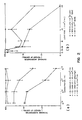
- Fig. 2 is a pair of graphs illustrating preferential light-induced toxicity to carcinoma cells of one chromophore of the invention.
- The chromophores and their therapeutic applications will now be described in more detail. Uptake and Retention by Carcinoma Cells
- To be concentrated across the carcinoma cell surface and carcinoma mitochondrial membrane, the chromophores must have one or more delocalized positive charges in aqueous solution, and must be fairly lipophilic. High retention and uptake (as well as low antigenicity) are also facilitated by a low molecular weight, i.e., below 1,000. The chemical structures and names of eight suitable chromophores possessing these characteristics are given in Table I, below;
compound 8, the currently most preferred chromophore, has thechemical name 1,1'-(2-ethyl)-1,3 dioxolane kryptocyanine ("EDKC"). The chromophores listed in Table I were selected from a number of chromophores which were synthesized and screened for suitable therapeutic index and ratio; the compounds which failed to demonstrate suitably high such index and ratio, and which are thus not be useful in the practice of the invention, have been omitted from Table I; hence the gaps in the numbering of the chromophores. - For reasons which are not fully understood, the most chromophores which satisfy the above criteria can, unlike HPD, be expected to be preferentially taken up and retained in the mitochondria of carcinoma cells for substantially longer (three times as long or longer) periods of time than in normal cells. Generally, most such chromophores will have dissipated from normal cells after four to eight hours to a degree rendering those cells comparatively invulnerable to destruction by light, while carcinoma cells retain sufficient dye for light-induced killing for 24 hours or longer. ("Dye" and "chromophore" are used interchangeably herein.)
-


- a Chemical structure shown in Fig. 1.
- C Phosphate Buffered Saline.
- e Quantum yield for photodecomposition, φa 0.0 implies < 10 ).
- f Quantum yield for singlet oxygen generation.
- g Aggregate peak absorbance of monomer and aggregate bands were comparable.
- b Molecular weights of dyes range between 500-100.
- d Methyl Alcohol.
- The chromophores used in our methods have a therapeutic index for killing carcinoma cells (toxicity of dye + light:toxicity of dye - light) of at least 500. They also have a therapeutic ratio of killing carcinoma cells to normal cells (toxicity of dye + light in carcinoma cells:toxicity of dye + light in normal cells) of at least 50, using equal dye and light exposures for both cell types. The high therapeutic ratio and index, due, respectively, to selective mitochondrial retention and light-induced killing, prevent normal.cells in the vicinity of the carcinoma cells from being substantially damaged, and permits the use of low, safe chromophore concentrations. Generally, the method employs a chromophore concentration which is at least 10 times lower than the "++" toxic (defined below) dose for normal cells in the absence of light. Photochemical killing of carcinoma cells with EDKC, for example, can be carried out using an
EDKC concentration 102―103 times lower than the concentration which is "++" toxic to normal cells in the absence of light. - The high therapeutic index of EDKC and of the other chromophore of Table I in part responsible for the ability to employ low therapeutic dosages, was demonstrated in an experiment, the results of which are shown in Fig. 1 (chromophore numbers correspond to the numbers of Table I). Sub-confluent cultures of EJ (MGH―U1) bladder carcinoma cells were incubated with each of the chromophores for 20 minutes at 37°C, washed and, after four hours, irradiated at room temperature with a broad band 1,000 watt xenon arc amp source which was filtered to produce an output of about 0.5 x 10⁻³ watts/cm2/nm (500-800 nm). After irradiation, the cells were washed again and returned to the incubator for 48 hours. Toxicity (manifested as cell count, morphology, and viability) was evaluated microscopically; degree of toxicity was evaluated as "0" (identical to untreated control); "±" (less than 20% cell death and minimal morphological changes such as rounding up and vacuolization); "+" (20-60% cell death and moderate morphological changes); and "++" (greater than 60% cell death and marked morphological changes). As shown in Fig. 1, the chromophores exhibit high toxicity indexes at low concentrations.
- EDKC was subjected to further testing, the results of which are shown in Fig. 2. Subconfluent monolayers of EJ (MGH-U1) cells and control CV-1 monkey kidney cells were incubated with EDKC (10-6 - 10-9M) for 20 minutes and washed three times. After 4 hours they were irradiated with 0-640 MJ/ cm2/nm laser light. Replicate cultures were pulsed with tritiated thymidine after 12-24 hours, harvested and counted.
- Fig. 2a shows the effect of EDKC dose in the dark, and of two different doses of light. There is no significant EJ (MGH―U1) dark toxicity at less than 10-6M dye, and no CV-1 toxicity with or without light at any of the dye concentrations studied. Fig. 2b shows the effect of different light doses, using 10-6M and 10-7M EDKC. Again, the toxicity was selective for carcinoma cells. There is a typical phototoxic killing curve for the EJ (MGH-U1) cells, and an almost 1000-fold enhancement of the low (< 20%) dark toxicity was achieved. Trypan blue exclusion and Rh 123 uptake studies showed that the low thymidine incorporation was due to mitochondrial damage and cell death. Using a dye laser rather than the xenon arc source will readily allow at least a 100-fold increase in light dose, which may permit the use of even lower dye concentration with short irradiation times.
- The selective retention feature permits the use of chromophores which kill carcinoma cells by either of the two known photolytic mechanisms; i.e., photochemical and thermal killing.
- Thermal killing is best achieved using chromophores which have high laser light absorption and rapid internal conversion of electronic excited state energy into heat (preferably faster than 10-11 sec.). Some cyanine dyes possess these properties, as do some rhodamine derivatives.
- Thermal killing also requires good photostability. As shown in Table I, the quantum yield of some of the listed chromophores is less than 0.001 in a non-polar environment, meaning they can absorb more than 1,000 photons before they are destroyed; this is an acceptable level of photostability, although even higher stability would be desirable, as that would permit the use of lower dosages of chromophore and higher fluences of light.
- Thermal killing was demonstrated for one of the chromophores of Table I, Rhodamine 6G, as follows. Using 20 nsec pulses from a doubled neodinium:YAG laser (530 nm) and 10-6M rhodamine 6G, mitochondrial-selective thermal damage was achieved in MCF-7 carcinoma cells. (As is desirable in photochemical and thermal killing, the peak absorption band of rhodamine 6G matches the wavelength of the laser.) Mitochondrial damage was assessed by loss of fluorescence of rhodamine 6G and the lack of uptake of Rh 123 applied after irradiation.
- Similarly, 50 nsec pulses from a Q-switched ruby laser (694 nm) were used to thermally damage mitochondria in NIH:OVCAR-3 ovarian carcinoma cells stained with Janus green B. For both Janus green and for Rh 6G, it was undesirably necessary to use concentrations that were close to the toxic level without light, and laser powers which were close to the threshold for non-linear, non-specific absorption. The limiting factor for both dyes appears to be the relatively long internal conversion time for the electronic energy to be converted into heat. Inadequate photostability of the dyes may also have been a factor. By using more appropriate dyes with short internal conversion times, or longer pulses, the efficiency of thermal damage processes could be increased.
- One such rhodamine derivate which will be expected to perform more efficiently in thermal cell killing is 3,6-bis-indoline-fluoran, which can be synthesized according to the method of Cournoyer et al. U.S. Pat. No. 4,290,950, the disclosure of which is to be regarded as hereby incorporated by reference. 3,6 dichloroflouran will be reacted with indoline in dimethylsulfoxide with paratoluene sulfonic acid as a catalyst. The resultant dye will be esterified with acidic ethanol to give the 3,6 bis indoline rhodamine. If necessary, it will be derivatized to maximize mitochondrial uptake and minimize toxicity.
- Another desirable property of thermal chromophores is an absorption spectrum in the range of 600-1300 nm; this prevents surrounding blood from absorbing light intended for the chromophore (hemoglobin absorbs primarily at the violet end of the spectrum). The chromophores also preferably have short singlet excited state lifetimes, so they can absorb multiple photons during the laser pulse.
- Photochemical cell killing also preferably uses chromophores with peak absorbance in the 600-1300 nm range. Whether photostability is important depends on the mechanism of photochemical cell killing. For chromophores which kill by the interaction with oxygen to produce singlet state oxygen, high photostability is desirable, so that such production continues for as long as possible before the dye breaks down. These chromophores preferably have high intersystem crossing rates to the triplet state, and long triplet lifetimes.
- For chromophores which kill by virtue of the degradation of the chromophore to a toxic reaction produce, photostability is generally not desired, since the breakdown of the dye is the process which achieves the desired effect.
- Some of the chromophores of Table I were synthesized as follows; others can be made by making appropriate modifications in these methods.
- 1,1'-(3-propylamine hydrobromide)-3,3,3',3'-tetramethylindo-tricarbocyanine bromide (compound 5) was prepared by the following method. Two equivalents of the reactive quaternary salt 1-(3-propylamine hydrobromide)-2,3,3-trimethylindoline bromide and one equivalent of 1-(4-pyridyl) pyridinium chloride hydrochloride were added to pyridine and heated to 110°C for three hours. The cyan-colored mixture was cooled to room temperature, filtered, washed with acetone, and recrystallized from ethanol to yield metallic green crystals. The dye was further purified by chromatographic separation on a reverse phase C18 column using a medium pressure pump and elution with water and water-methanol mixtures.
- EDKC (compound 8) was prepared by the method of Hamer in The Cyanine Dyes and Related Compound (John Wiley & Sons, N.Y., 1964), as follows. Two equivalents of the active quaternary salt 1-ethyl-1,3-dioxolane lepidinium bromide were pre-dissolved in pyridine at 110°C. One equivalent of ethyl orthoformate was added to this solution and stirred for two hours. The resulting cyan solution was poured into ethyl ether and the precipitate isolated by filtration. The crude dye was dissolved in methylene chloride and placed on a chromatography column packed with silica (Woelm 32-63). The product was eluted with a methanol-methylene chloride mixture under medium pressure and the appropriate fractions collected. Solid dye was obtained by evaporation of the solvent.
-
Compound 6, an asymmetrical 4,4'-carbocyanine, was prepared using modified methods of Hamer, id, and Ogata (in the same volume). One equivalent of 1-(3-propylphthalimide)- 4-(β-acetanilidovinyl) quinolinium bromide was reacted with one equivalent of the betaine 1-(3-sulfopropyl) lepidine in DMSO at 115°C with one equivalent of triethylamine. The solution was heated for ten minutes, cooled, and the DMSO extracted with ethyl ether to leave a blue residue. This residue was washed with acetone and then crystallized from methanol to give green crystals, which were placed in anhydrous ethanol with two equivalents of hydrazine hydrate and refluxed for four hours. The ethanol was removed under reduced pressure and acetone added to the residues and refluxed for four hours. The mixture was filtered and vacuum-dried to give the 4,4'-carbocyanine. - The 1,1'-diethylvalerate thiacarbocyanine bromide (compound 7) was prepared according to the method of van Dormael (1949) Sci. Ind. Phot. 20, 451. Two equivalents of the active quaternary 1-ethyl valerate-2-methylbenzothiazolium bromide and one equivalent of ethyl orthoformate were heated to 110°C in pyridine for one hour. The magenta solution was cooled to room temperature and extracted with ethyl ether to leave a solid residue. This crude dye was dissolved in methylene chloride and placed on a chromatography column packed with silica (Woelm 32-36) and eluted with methanol-methylene: chloride mixtures under medium pressure.
- Administration of the chromophore is carried out according to methods now used for HPD. Generally, the chromophore is dissolved in physiological saline and injected intravenously or intraperitoneally. The chromophore in solution can also in some instances be administered subcutaneously, intralesionally, or topically, in a suitable carrier vehicle which facilitates tissue uptake. Chromophore concentration is generally such that between 0.1 and 100 mg/kg body weight of chromophore is delivered to the patient, to yield a concentration in carcinoma cells sufficient for light-induced killing (generally 10-1 - 10` °M). Preferably a time interval passes before laser light is used, to give the chromophore time to reach the target tissues and to preferentially dissipate from normal cells, enhancing the differential chromophore concentration in carcinoma cell mitochondria compared to normal cells. This time interval is generally two to twenty-four hours, most preferably about four to eight hours.
- Light-induced killing of carcinoma cells according to the invention can be carried out on any carcinoma cells which are accessible to light from conventional sources (e.g., a xenon arc lamp) or from a laser, via the body surface or via optical fibres; delivery of laser light is carried out according to the well-known methods currently used for HPD-mediated laser therapy.
- The treatment will be most effective for carcinomas concentrated on organ or skin surfaces, e.g. transitional cell carcinoma of the bladder, cutaneous T cell lymphoma, squamous cell carcinoma and adenocarcinoma of the skin, respiratory and gastrointestinal carcinomas, and ovarian carcinoma. In the latter disease, the peritoneal surfaces can be readily exposed to laser radiation, intra-operatively and for long periods of time, using a laproscopically-directed optical fibre.
- Other arrangements are within the scope of the claims. For example, classes of chromophores other than cyanines and rhodamines can be used, synthetically modified to give the properties specified herein. For example, rose bengal can be made to absorb above 600 nm by changing it to a fluorene structure.
Claims (12)
Priority Applications (1)
| Application Number | Priority Date | Filing Date | Title |
|---|---|---|---|
| AT86302602T ATE57948T1 (en) | 1985-04-08 | 1986-04-08 | LIGHT-INDUCED KILLING OF CARCINOMA CELLS. |
Applications Claiming Priority (2)
| Application Number | Priority Date | Filing Date | Title |
|---|---|---|---|
| US06/720,711 US4651739A (en) | 1985-04-08 | 1985-04-08 | Light-induced killing of carcinoma cells |
| US720711 | 1985-04-08 |
Publications (2)
| Publication Number | Publication Date |
|---|---|
| EP0226264A1 EP0226264A1 (en) | 1987-06-24 |
| EP0226264B1 true EP0226264B1 (en) | 1990-10-31 |
Family
ID=24895006
Family Applications (1)
| Application Number | Title | Priority Date | Filing Date |
|---|---|---|---|
| EP86302602A Expired - Lifetime EP0226264B1 (en) | 1985-04-08 | 1986-04-08 | Light-induced killing of carcinoma cells |
Country Status (6)
| Country | Link |
|---|---|
| US (1) | US4651739A (en) |
| EP (1) | EP0226264B1 (en) |
| JP (1) | JP2505413B2 (en) |
| AT (1) | ATE57948T1 (en) |
| CA (1) | CA1338671C (en) |
| DE (1) | DE3675348D1 (en) |
Families Citing this family (37)
| Publication number | Priority date | Publication date | Assignee | Title |
|---|---|---|---|---|
| JPS63111886A (en) * | 1986-10-29 | 1988-05-17 | 呉羽化学工業株式会社 | Cancer remedy apparatus using optical diode |
| US5304113A (en) * | 1986-11-21 | 1994-04-19 | The Mcw Research Foundation, Inc. | Method of eradicating infectious biological contaminants |
| US4962197A (en) * | 1988-02-12 | 1990-10-09 | Rowland Institute For Science | Photo-inactivation of cancer cells |
| US4885366A (en) * | 1988-06-08 | 1989-12-05 | Eastman Kodak Company | Novel selenium-containing merocyanine dyes |
| US4937344A (en) * | 1988-06-08 | 1990-06-26 | Eastman Kodak Company | Novel sulfur-containing merocyanine dyes |
| US4906750A (en) * | 1988-06-08 | 1990-03-06 | Eastman Kodak Company | Sulfoalkyl benzoxazoleinylidene butenylidene thiobarbituric acid derivatives |
| US5152760A (en) * | 1989-03-17 | 1992-10-06 | The General Hospital Corporation | Non-invasive sclerostomy |
| US5658892A (en) * | 1993-01-15 | 1997-08-19 | The General Hospital Corporation | Compound delivery using high-pressure impulse transients |
| US5405369A (en) * | 1994-01-25 | 1995-04-11 | Medical College Of Ohio | Photochemical ablation of gastro-intestinal tissue for augmentation of an organ |
| US5556612A (en) * | 1994-03-15 | 1996-09-17 | The General Hospital Corporation | Methods for phototherapeutic treatment of proliferative skin diseases |
| US5885557A (en) * | 1996-02-08 | 1999-03-23 | Estee Lauder Inc. | Compositions useful in the phototherapeutic treatment of proliferative skin disorders |
| US6416531B2 (en) * | 1998-06-24 | 2002-07-09 | Light Sciences Corporation | Application of light at plural treatment sites within a tumor to increase the efficacy of light therapy |
| US7498156B2 (en) * | 1998-07-21 | 2009-03-03 | Caridianbct Biotechnologies, Llc | Use of visible light at wavelengths of 500 to 550 nm to reduce the number of pathogens in blood and blood components |
| US7049110B2 (en) * | 1998-07-21 | 2006-05-23 | Gambro, Inc. | Inactivation of West Nile virus and malaria using photosensitizers |
| US6258577B1 (en) | 1998-07-21 | 2001-07-10 | Gambro, Inc. | Method and apparatus for inactivation of biological contaminants using endogenous alloxazine or isoalloxazine photosensitizers |
| CN1323224A (en) * | 1998-09-17 | 2001-11-21 | 日本化药株式会社 | Remedies photochemotherapy |
| US6183773B1 (en) * | 1999-01-04 | 2001-02-06 | The General Hospital Corporation | Targeting of sebaceous follicles as a treatment of sebaceous gland disorders |
| WO2000064537A1 (en) | 1999-04-27 | 2000-11-02 | The General Hospital Corporation Doing Business As Massachusetts General Hospital | Phototherapy method for treatment of acne |
| US7094378B1 (en) | 2000-06-15 | 2006-08-22 | Gambro, Inc. | Method and apparatus for inactivation of biological contaminants using photosensitizers |
| US7220747B2 (en) | 1999-07-20 | 2007-05-22 | Gambro, Inc. | Method for preventing damage to or rejuvenating a cellular blood component using mitochondrial enhancer |
| US6268120B1 (en) | 1999-10-19 | 2001-07-31 | Gambro, Inc. | Isoalloxazine derivatives to neutralize biological contaminants |
| GB0002719D0 (en) * | 2000-02-08 | 2000-03-29 | Tissuemed Ltd | Thermal ablation of tissue |
| US7648699B2 (en) * | 2000-06-02 | 2010-01-19 | Caridianbct Biotechnologies, Llc | Preventing transfusion related complications in a recipient of a blood transfusion |
| US7985588B2 (en) * | 2000-06-02 | 2011-07-26 | Caridianbct Biotechnologies, Llc | Induction of and maintenance of nucleic acid damage in pathogens using riboflavin and light |
| TW590780B (en) * | 2000-06-02 | 2004-06-11 | Gambro Inc | Additive solutions containing riboflavin |
| US6843961B2 (en) * | 2000-06-15 | 2005-01-18 | Gambro, Inc. | Reduction of contaminants in blood and blood products using photosensitizers and peak wavelengths of light |
| US9044523B2 (en) | 2000-06-15 | 2015-06-02 | Terumo Bct, Inc. | Reduction of contaminants in blood and blood products using photosensitizers and peak wavelengths of light |
| CA2422865C (en) * | 2000-08-16 | 2012-10-16 | The General Hospital Corporation D/B/A Massachusetts General Hospital | Aminolevulinic acid photodynamic therapy for treating sebaceous gland disorders |
| US20020107281A1 (en) * | 2000-09-22 | 2002-08-08 | Photogen, Inc. | Phototherapeutic and chemotherapeutic immunotherapy against tumors |
| JP4647187B2 (en) * | 2001-04-02 | 2011-03-09 | セルメド バイオサイエンシズ インコーポレイテッド | Halogenated rhodamine derivatives and their applications |
| MXPA05010692A (en) | 2003-04-04 | 2006-04-18 | Tissuemed Ltd | Tissue-adhesive formulations. |
| US7220778B2 (en) * | 2003-04-15 | 2007-05-22 | The General Hospital Corporation | Methods and devices for epithelial protection during photodynamic therapy |
| BRPI0514106A (en) | 2004-08-03 | 2008-05-27 | Tissuemed Ltd | fabric adhesive materials |
| CA2640629A1 (en) | 2006-02-03 | 2007-08-09 | Tissuemed Limited | Tissue-adhesive materials |
| WO2009003173A1 (en) * | 2007-06-27 | 2008-12-31 | The General Hospital Corporation | Method and apparatus for optical inhibition of photodymanic therapy |
| GB201201641D0 (en) * | 2012-01-31 | 2012-03-14 | Univ Central Lancashire | Process for dye production |
| JP6384821B2 (en) * | 2012-10-26 | 2018-09-05 | 国立大学法人三重大学 | Cancer cell inhibitor, probe for cancer stem cell detection |
Family Cites Families (7)
| Publication number | Priority date | Publication date | Assignee | Title |
|---|---|---|---|---|
| DE73573C (en) * | Badische Anilin- und Sodafabrik in Ludwigshafen a. Rh | Process for converting dialkylated rhodamines into more highly alkylated dyes | ||
| US2251286A (en) * | 1937-12-30 | 1941-08-05 | Eastman Kodak Co | Process of preparing oxatricarbocyanine dyes |
| US4181128A (en) * | 1975-11-28 | 1980-01-01 | Massachusetts Institute Of Technology | Virus inactivation applicator and the like |
| US4336809A (en) * | 1980-03-17 | 1982-06-29 | Burleigh Instruments, Inc. | Human and animal tissue photoradiation system and method |
| EP0087441A1 (en) * | 1981-09-08 | 1983-09-07 | Quentron Optics Pty. Ltd. | Photoradiation method and arrangement |
| JPS5940869A (en) * | 1982-08-31 | 1984-03-06 | 工業技術院長 | Apparatus for treating cancer by using laser beam pulse |
| US4512762A (en) * | 1982-11-23 | 1985-04-23 | The Beth Israel Hospital Association | Method of treatment of atherosclerosis and a balloon catheter for same |
-
1985
- 1985-04-08 US US06/720,711 patent/US4651739A/en not_active Expired - Fee Related
-
1986
- 1986-04-07 CA CA000505955A patent/CA1338671C/en not_active Expired - Fee Related
- 1986-04-08 DE DE8686302602T patent/DE3675348D1/en not_active Expired - Lifetime
- 1986-04-08 EP EP86302602A patent/EP0226264B1/en not_active Expired - Lifetime
- 1986-04-08 JP JP61080966A patent/JP2505413B2/en not_active Expired - Lifetime
- 1986-04-08 AT AT86302602T patent/ATE57948T1/en not_active IP Right Cessation
Non-Patent Citations (1)
| Title |
|---|
| VENKATARAMAN, The Chemistry of Synthetic Dyes, Academic Press 1952, Vol. II, p. 752 * |
Also Published As
| Publication number | Publication date |
|---|---|
| ATE57948T1 (en) | 1990-11-15 |
| JP2505413B2 (en) | 1996-06-12 |
| EP0226264A1 (en) | 1987-06-24 |
| US4651739A (en) | 1987-03-24 |
| JPS61288872A (en) | 1986-12-19 |
| CA1338671C (en) | 1996-10-22 |
| DE3675348D1 (en) | 1990-12-06 |
Similar Documents
| Publication | Publication Date | Title |
|---|---|---|
| US4651739A (en) | Light-induced killing of carcinoma cells | |
| Henderson et al. | Bacteriochlorophyll-a as photosensitizer for photodynamic treatment of transplantable murine tumors | |
| US5368841A (en) | Photodynamic therapy for the destruction of the synovium in the treatment of rheumatoid arthritis and the inflammatory arthritides | |
| CA2284879C (en) | Ethylene glycol esters of monohydrobenzoporphyrin derivatives as photoactive agents | |
| Dougherty | Photochemistry in the treatment of cancer | |
| CA1257202A (en) | Porphyrins and cancer treatment | |
| Morgan et al. | New photosensitizers for photodynamic therapy: combined effect of metallopurpurin derivatives and light on transplantable bladder tumors | |
| US4916711A (en) | Lasing compositions and methods for using the same | |
| US5576013A (en) | Treating vascular and neoplastic tissues | |
| US5189029A (en) | Indacene compounds and methods for using the same | |
| JPH01275528A (en) | Treatment of porphyria and cancer | |
| EP0644759A4 (en) | PRODUCTION AND USE OF PORPHYRINIMINES. | |
| Evensen et al. | Photodynamic therapy of C3H mouse mammary carcinoma with haematoporphyrin di-ethers as sensitizers | |
| EP1279676A1 (en) | Porphyrin derivatives for photodynamic therapy | |
| JP5226317B2 (en) | Novel porphyrin derivatives, especially chlorin and / or bacteriochlorin, and their application in photodynamic therapy | |
| Roeder | Tetrapyrroles: a chemical class of potent photosensitizers for the photodynamic treatment of tumours | |
| EP0659407A1 (en) | Pharmaceutical compositions containing pyrylium compounds, pyrylium salts and process for manufacturing a medicament containing the aforesaid compounds | |
| Selman et al. | Copper benzochlorin, a novel photosensitizer for photodynamic therapy: effects on a transplantable urothelial tumor | |
| Peeva et al. | Comparative Photodynamic Therapy of B 16 Pigmented Melanoma with Different Generations of Sensitizers | |
| Stylli et al. | Aluminium phthalocyanine mediated photodynamic therapy in experimental malignant glioma | |
| RU2071320C1 (en) | Sensitizing agent for photodynamic disruption of malignant neoplasma cells | |
| CA1256859A (en) | Metal tri and tetrasulfonated phthalocyanines | |
| Eckhauser et al. | Biodistribution of55Fe (II) phthalocyanine tetrasulphonate (55Fe (II)-TsPc) | |
| Diddens et al. | Comparison of high-intensity pulsed and continuous-wave irradiation on benzoporphyrin derivative-induced photosensitization of bladder cancer cells | |
| Rice | Investigation into the potential of methylene blue and its derivatives to be used in the photodynamic therapy of non-pigmented and pigmented cells |
Legal Events
| Date | Code | Title | Description |
|---|---|---|---|
| PUAI | Public reference made under article 153(3) epc to a published international application that has entered the european phase |
Free format text: ORIGINAL CODE: 0009012 |
|
| AK | Designated contracting states |
Kind code of ref document: A1 Designated state(s): AT BE CH DE FR GB IT LI LU NL SE |
|
| 17P | Request for examination filed |
Effective date: 19871222 |
|
| 17Q | First examination report despatched |
Effective date: 19880914 |
|
| DIN1 | Information on inventor provided before grant (deleted) | ||
| RAP1 | Party data changed (applicant data changed or rights of an application transferred) |
Owner name: ROWLAND INSTITUTE FOR SCIENCE INC Owner name: THE GENERAL HOSPITAL CORPORATION |
|
| RIN1 | Information on inventor provided before grant (corrected) |
Inventor name: CINCOTTA, LOUIS Inventor name: FOLEY, JAMES Inventor name: PARRISH, JOHN A. Inventor name: OSEROFF, ALLAN |
|
| GRAA | (expected) grant |
Free format text: ORIGINAL CODE: 0009210 |
|
| AK | Designated contracting states |
Kind code of ref document: B1 Designated state(s): AT BE CH DE FR GB IT LI LU NL SE |
|
| REF | Corresponds to: |
Ref document number: 57948 Country of ref document: AT Date of ref document: 19901115 Kind code of ref document: T |
|
| REF | Corresponds to: |
Ref document number: 3675348 Country of ref document: DE Date of ref document: 19901206 |
|
| ITF | It: translation for a ep patent filed | ||
| ET | Fr: translation filed | ||
| PLBE | No opposition filed within time limit |
Free format text: ORIGINAL CODE: 0009261 |
|
| STAA | Information on the status of an ep patent application or granted ep patent |
Free format text: STATUS: NO OPPOSITION FILED WITHIN TIME LIMIT |
|
| 26N | No opposition filed | ||
| ITTA | It: last paid annual fee | ||
| EPTA | Lu: last paid annual fee | ||
| EAL | Se: european patent in force in sweden |
Ref document number: 86302602.7 |
|
| PGFP | Annual fee paid to national office [announced via postgrant information from national office to epo] |
Ref country code: FR Payment date: 19990317 Year of fee payment: 14 |
|
| PGFP | Annual fee paid to national office [announced via postgrant information from national office to epo] |
Ref country code: SE Payment date: 19990318 Year of fee payment: 14 Ref country code: GB Payment date: 19990318 Year of fee payment: 14 Ref country code: DE Payment date: 19990318 Year of fee payment: 14 Ref country code: AT Payment date: 19990318 Year of fee payment: 14 |
|
| PGFP | Annual fee paid to national office [announced via postgrant information from national office to epo] |
Ref country code: CH Payment date: 19990323 Year of fee payment: 14 |
|
| PGFP | Annual fee paid to national office [announced via postgrant information from national office to epo] |
Ref country code: BE Payment date: 19990329 Year of fee payment: 14 |
|
| PGFP | Annual fee paid to national office [announced via postgrant information from national office to epo] |
Ref country code: NL Payment date: 19990331 Year of fee payment: 14 |
|
| PGFP | Annual fee paid to national office [announced via postgrant information from national office to epo] |
Ref country code: LU Payment date: 19990416 Year of fee payment: 14 |
|
| PG25 | Lapsed in a contracting state [announced via postgrant information from national office to epo] |
Ref country code: LU Free format text: LAPSE BECAUSE OF NON-PAYMENT OF DUE FEES Effective date: 20000408 Ref country code: GB Free format text: LAPSE BECAUSE OF NON-PAYMENT OF DUE FEES Effective date: 20000408 Ref country code: AT Free format text: LAPSE BECAUSE OF NON-PAYMENT OF DUE FEES Effective date: 20000408 |
|
| PG25 | Lapsed in a contracting state [announced via postgrant information from national office to epo] |
Ref country code: SE Free format text: LAPSE BECAUSE OF NON-PAYMENT OF DUE FEES Effective date: 20000409 |
|
| PG25 | Lapsed in a contracting state [announced via postgrant information from national office to epo] |
Ref country code: LI Free format text: LAPSE BECAUSE OF NON-PAYMENT OF DUE FEES Effective date: 20000430 Ref country code: CH Free format text: LAPSE BECAUSE OF NON-PAYMENT OF DUE FEES Effective date: 20000430 Ref country code: BE Free format text: LAPSE BECAUSE OF NON-PAYMENT OF DUE FEES Effective date: 20000430 |
|
| BERE | Be: lapsed |
Owner name: ROWLAND INSTITUTE FOR SCIENCE INC. Effective date: 20000430 Owner name: THE GENERAL HOSPITAL CORP. Effective date: 20000430 |
|
| PG25 | Lapsed in a contracting state [announced via postgrant information from national office to epo] |
Ref country code: NL Free format text: LAPSE BECAUSE OF NON-PAYMENT OF DUE FEES Effective date: 20001101 |
|
| GBPC | Gb: european patent ceased through non-payment of renewal fee |
Effective date: 20000408 |
|
| EUG | Se: european patent has lapsed |
Ref document number: 86302602.7 |
|
| REG | Reference to a national code |
Ref country code: CH Ref legal event code: PL |
|
| PG25 | Lapsed in a contracting state [announced via postgrant information from national office to epo] |
Ref country code: FR Free format text: LAPSE BECAUSE OF NON-PAYMENT OF DUE FEES Effective date: 20001229 |
|
| NLV4 | Nl: lapsed or anulled due to non-payment of the annual fee |
Effective date: 20001101 |
|
| REG | Reference to a national code |
Ref country code: FR Ref legal event code: ST |
|
| PG25 | Lapsed in a contracting state [announced via postgrant information from national office to epo] |
Ref country code: DE Free format text: LAPSE BECAUSE OF NON-PAYMENT OF DUE FEES Effective date: 20010403 |
|
| PG25 | Lapsed in a contracting state [announced via postgrant information from national office to epo] |
Ref country code: IT Free format text: LAPSE BECAUSE OF NON-PAYMENT OF DUE FEES;WARNING: LAPSES OF ITALIAN PATENTS WITH EFFECTIVE DATE BEFORE 2007 MAY HAVE OCCURRED AT ANY TIME BEFORE 2007. THE CORRECT EFFECTIVE DATE MAY BE DIFFERENT FROM THE ONE RECORDED. Effective date: 20050408 |