EP0219009B1 - Bacteria for expressing a polysaccharide depolymerase containing a novel recombinant plasmid - Google Patents
Bacteria for expressing a polysaccharide depolymerase containing a novel recombinant plasmid Download PDFInfo
- Publication number
- EP0219009B1 EP0219009B1 EP86113676A EP86113676A EP0219009B1 EP 0219009 B1 EP0219009 B1 EP 0219009B1 EP 86113676 A EP86113676 A EP 86113676A EP 86113676 A EP86113676 A EP 86113676A EP 0219009 B1 EP0219009 B1 EP 0219009B1
- Authority
- EP
- European Patent Office
- Prior art keywords
- depolymerase
- recombinant plasmid
- plasmid
- bacterium
- linear segment
- Prior art date
- Legal status (The legal status is an assumption and is not a legal conclusion. Google has not performed a legal analysis and makes no representation as to the accuracy of the status listed.)
- Expired - Lifetime
Links
- 241000894006 Bacteria Species 0.000 title claims abstract description 29
- 108010059049 capsular-polysaccharide galactohydrolase Proteins 0.000 title claims abstract description 14
- 239000013612 plasmid Substances 0.000 title claims description 72
- 241001515965 unidentified phage Species 0.000 claims abstract description 36
- 241000588694 Erwinia amylovora Species 0.000 claims abstract description 26
- 241000588724 Escherichia coli Species 0.000 claims abstract description 26
- 239000013598 vector Substances 0.000 claims abstract description 26
- 150000004676 glycans Chemical class 0.000 claims abstract description 10
- 229920001282 polysaccharide Polymers 0.000 claims abstract description 10
- 239000005017 polysaccharide Substances 0.000 claims abstract description 10
- 238000000034 method Methods 0.000 claims description 18
- 239000002775 capsule Substances 0.000 claims description 6
- 239000001963 growth medium Substances 0.000 claims description 4
- 238000004519 manufacturing process Methods 0.000 claims description 3
- 108010042407 Endonucleases Proteins 0.000 claims 2
- 102000004533 Endonucleases Human genes 0.000 claims 2
- 108010054576 Deoxyribonuclease EcoRI Proteins 0.000 claims 1
- 239000012634 fragment Substances 0.000 abstract description 24
- 239000013604 expression vector Substances 0.000 abstract description 6
- 230000000694 effects Effects 0.000 description 13
- 108090000623 proteins and genes Proteins 0.000 description 13
- 230000001580 bacterial effect Effects 0.000 description 8
- 210000004027 cell Anatomy 0.000 description 8
- 102000004190 Enzymes Human genes 0.000 description 6
- 108090000790 Enzymes Proteins 0.000 description 6
- 108091008146 restriction endonucleases Proteins 0.000 description 6
- 239000004098 Tetracycline Substances 0.000 description 5
- 230000006698 induction Effects 0.000 description 5
- BPHPUYQFMNQIOC-NXRLNHOXSA-N isopropyl beta-D-thiogalactopyranoside Chemical compound CC(C)S[C@@H]1O[C@H](CO)[C@H](O)[C@H](O)[C@H]1O BPHPUYQFMNQIOC-NXRLNHOXSA-N 0.000 description 5
- 238000002360 preparation method Methods 0.000 description 5
- 229960002180 tetracycline Drugs 0.000 description 5
- 229930101283 tetracycline Natural products 0.000 description 5
- 235000019364 tetracycline Nutrition 0.000 description 5
- 150000003522 tetracyclines Chemical class 0.000 description 5
- 238000002835 absorbance Methods 0.000 description 4
- BFNBIHQBYMNNAN-UHFFFAOYSA-N ammonium sulfate Chemical compound N.N.OS(O)(=O)=O BFNBIHQBYMNNAN-UHFFFAOYSA-N 0.000 description 4
- 229910052921 ammonium sulfate Inorganic materials 0.000 description 4
- 235000011130 ammonium sulphate Nutrition 0.000 description 4
- 239000006228 supernatant Substances 0.000 description 4
- 239000000872 buffer Substances 0.000 description 3
- FPPNZSSZRUTDAP-UWFZAAFLSA-N carbenicillin Chemical compound N([C@H]1[C@H]2SC([C@@H](N2C1=O)C(O)=O)(C)C)C(=O)C(C(O)=O)C1=CC=CC=C1 FPPNZSSZRUTDAP-UWFZAAFLSA-N 0.000 description 3
- 229960003669 carbenicillin Drugs 0.000 description 3
- 239000008188 pellet Substances 0.000 description 3
- 102000004169 proteins and genes Human genes 0.000 description 3
- LFQSCWFLJHTTHZ-UHFFFAOYSA-N Ethanol Chemical compound CCO LFQSCWFLJHTTHZ-UHFFFAOYSA-N 0.000 description 2
- 239000002202 Polyethylene glycol Substances 0.000 description 2
- 238000004458 analytical method Methods 0.000 description 2
- 230000003115 biocidal effect Effects 0.000 description 2
- 229910052792 caesium Inorganic materials 0.000 description 2
- TVFDJXOCXUVLDH-UHFFFAOYSA-N caesium atom Chemical compound [Cs] TVFDJXOCXUVLDH-UHFFFAOYSA-N 0.000 description 2
- 238000010367 cloning Methods 0.000 description 2
- 230000029087 digestion Effects 0.000 description 2
- 201000010099 disease Diseases 0.000 description 2
- 208000037265 diseases, disorders, signs and symptoms Diseases 0.000 description 2
- 238000001952 enzyme assay Methods 0.000 description 2
- 229960005542 ethidium bromide Drugs 0.000 description 2
- 239000000284 extract Substances 0.000 description 2
- 229930182830 galactose Natural products 0.000 description 2
- 238000010353 genetic engineering Methods 0.000 description 2
- 238000013507 mapping Methods 0.000 description 2
- 239000000203 mixture Substances 0.000 description 2
- 229920001223 polyethylene glycol Polymers 0.000 description 2
- 239000002244 precipitate Substances 0.000 description 2
- DGVVWUTYPXICAM-UHFFFAOYSA-N β‐Mercaptoethanol Chemical compound OCCS DGVVWUTYPXICAM-UHFFFAOYSA-N 0.000 description 2
- QKNYBSVHEMOAJP-UHFFFAOYSA-N 2-amino-2-(hydroxymethyl)propane-1,3-diol;hydron;chloride Chemical compound Cl.OCC(N)(CO)CO QKNYBSVHEMOAJP-UHFFFAOYSA-N 0.000 description 1
- 229920000936 Agarose Polymers 0.000 description 1
- 229920000298 Cellophane Polymers 0.000 description 1
- 102000012410 DNA Ligases Human genes 0.000 description 1
- 108010061982 DNA Ligases Proteins 0.000 description 1
- 238000007399 DNA isolation Methods 0.000 description 1
- KCXVZYZYPLLWCC-UHFFFAOYSA-N EDTA Chemical compound OC(=O)CN(CC(O)=O)CCN(CC(O)=O)CC(O)=O KCXVZYZYPLLWCC-UHFFFAOYSA-N 0.000 description 1
- 102000003960 Ligases Human genes 0.000 description 1
- 108090000364 Ligases Proteins 0.000 description 1
- 239000000853 adhesive Substances 0.000 description 1
- 230000001070 adhesive effect Effects 0.000 description 1
- 238000000246 agarose gel electrophoresis Methods 0.000 description 1
- 230000010310 bacterial transformation Effects 0.000 description 1
- AIYUHDOJVYHVIT-UHFFFAOYSA-M caesium chloride Chemical compound [Cl-].[Cs+] AIYUHDOJVYHVIT-UHFFFAOYSA-M 0.000 description 1
- 239000006285 cell suspension Substances 0.000 description 1
- 239000003795 chemical substances by application Substances 0.000 description 1
- 239000007979 citrate buffer Substances 0.000 description 1
- 238000003776 cleavage reaction Methods 0.000 description 1
- 238000010276 construction Methods 0.000 description 1
- 230000003247 decreasing effect Effects 0.000 description 1
- 230000002939 deleterious effect Effects 0.000 description 1
- 231100000676 disease causative agent Toxicity 0.000 description 1
- 239000012153 distilled water Substances 0.000 description 1
- 229960001484 edetic acid Drugs 0.000 description 1
- 238000007824 enzymatic assay Methods 0.000 description 1
- 230000002255 enzymatic effect Effects 0.000 description 1
- 238000002474 experimental method Methods 0.000 description 1
- 238000005194 fractionation Methods 0.000 description 1
- 230000002779 inactivation Effects 0.000 description 1
- 231100000518 lethal Toxicity 0.000 description 1
- 230000001665 lethal effect Effects 0.000 description 1
- 239000000463 material Substances 0.000 description 1
- 230000035800 maturation Effects 0.000 description 1
- 238000013508 migration Methods 0.000 description 1
- 230000005012 migration Effects 0.000 description 1
- 210000004738 parenchymal cell Anatomy 0.000 description 1
- 230000001717 pathogenic effect Effects 0.000 description 1
- 230000007170 pathology Effects 0.000 description 1
- 150000002989 phenols Chemical class 0.000 description 1
- 230000008659 phytopathology Effects 0.000 description 1
- 239000000047 product Substances 0.000 description 1
- 230000001105 regulatory effect Effects 0.000 description 1
- 238000011160 research Methods 0.000 description 1
- 230000007017 scission Effects 0.000 description 1
- 238000012216 screening Methods 0.000 description 1
- 230000035939 shock Effects 0.000 description 1
- 238000012289 standard assay Methods 0.000 description 1
- 239000000758 substrate Substances 0.000 description 1
- 238000002560 therapeutic procedure Methods 0.000 description 1
- 239000006150 trypticase soy agar Substances 0.000 description 1
- XLYOFNOQVPJJNP-UHFFFAOYSA-N water Chemical compound O XLYOFNOQVPJJNP-UHFFFAOYSA-N 0.000 description 1
- 239000000080 wetting agent Substances 0.000 description 1
Images
Classifications
-
- C—CHEMISTRY; METALLURGY
- C12—BIOCHEMISTRY; BEER; SPIRITS; WINE; VINEGAR; MICROBIOLOGY; ENZYMOLOGY; MUTATION OR GENETIC ENGINEERING
- C12N—MICROORGANISMS OR ENZYMES; COMPOSITIONS THEREOF; PROPAGATING, PRESERVING, OR MAINTAINING MICROORGANISMS; MUTATION OR GENETIC ENGINEERING; CULTURE MEDIA
- C12N9/00—Enzymes; Proenzymes; Compositions thereof; Processes for preparing, activating, inhibiting, separating or purifying enzymes
- C12N9/14—Hydrolases (3)
- C12N9/16—Hydrolases (3) acting on ester bonds (3.1)
- C12N9/18—Carboxylic ester hydrolases (3.1.1)
-
- C—CHEMISTRY; METALLURGY
- C12—BIOCHEMISTRY; BEER; SPIRITS; WINE; VINEGAR; MICROBIOLOGY; ENZYMOLOGY; MUTATION OR GENETIC ENGINEERING
- C12Y—ENZYMES
- C12Y301/00—Hydrolases acting on ester bonds (3.1)
- C12Y301/01—Carboxylic ester hydrolases (3.1.1)
- C12Y301/01075—Poly(3-hydroxybutyrate) depolymerase (3.1.1.75)
-
- Y—GENERAL TAGGING OF NEW TECHNOLOGICAL DEVELOPMENTS; GENERAL TAGGING OF CROSS-SECTIONAL TECHNOLOGIES SPANNING OVER SEVERAL SECTIONS OF THE IPC; TECHNICAL SUBJECTS COVERED BY FORMER USPC CROSS-REFERENCE ART COLLECTIONS [XRACs] AND DIGESTS
- Y10—TECHNICAL SUBJECTS COVERED BY FORMER USPC
- Y10S—TECHNICAL SUBJECTS COVERED BY FORMER USPC CROSS-REFERENCE ART COLLECTIONS [XRACs] AND DIGESTS
- Y10S435/00—Chemistry: molecular biology and microbiology
- Y10S435/8215—Microorganisms
- Y10S435/822—Microorganisms using bacteria or actinomycetales
- Y10S435/847—Erwinia
Definitions
- the present invention relates to recombinant plasmids and to bacteria containing the recombinant plasmids which produce polysaccharide depolymerase, wherein the recombinant plasmid contains a DNA segment of a bacteriophage for Erwinia amylovora.
- the present invention relates to Escherichia coli containing a recombinant plasmid with a DNA segment of phage ERA103 which expresses a depolymerase.
- Erwinia amylovora is recognized as the causitive agent of fireblight in rosaceous plants (Ayers, A. R., et al., Appl. Environ. Microbiol. 38:659-666 (1979)).
- the pathogenic strains of this bacteria have been demonstrated to produce a polysaccharide capsule which has been implicated in xylem vessel occlusion and plasmolysis of xylem parenchymal cells, which are symptomatic of the disease.
- U.S. Patent Application Serial No. 622,065, filed October 18, 1984 describes the use of a bacteriophage induced depolymerase from Erwinia amylovora for the treatment of this disease.
- Bacteriophage encoded polysaccharide depolymerases have been described for many bacterial genera (Adams, M. H., et al. Virology, 2:719-736 (1956) and Higashi, S., et al., J. Gen. Appl. Microbiol. 24:143-153 (1978)).
- Bacteriophage PEal (h) has been shown to degrade to the polysaccharide capsule of Erwinia amylovora (Hartung, J. S., et al., Phytopathology 72:945 (1982)).
- Bacteriophage ERA103 has been found to infect the plant pathogen E.
- amylovora NCPPPB595 and produce a depolymerase that degrades the polysaccharide capsule of this bacteria.
- the problem is that it is difficult and expensive to isolate significant amounts of the depolymerase by induction with the bacteriophage.
- the present invention relates to a recombinant plasmid including a segment of a bacteriophage which infects Erwinia amylovora and which encodes for the depolymerase.
- a method for producing the depolymerase using the recombinant plasmid which is simple and economical.
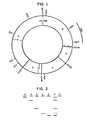
- Figure 1 is a restriction map of bacteriophage ERA103 DNA wherein fragments have been lettered in order of decreasing size. Dep represents the fragment expressing the depolymerase activity.
- Figure 2 is an agarose gel electrophoresis of DNA preparations purified with cesium chloride-ethidium bromide and digested with EcoRl as the restriction endonuclease enzyme.
- the agarose concentration was 0.7%, and migration was from top to bottom.
- the contents of lanes are as follows: (A) EcoRl digested pSRQ51; (B) EcoRl digested pSRQ52; (C) EcoRl digested pSRQ53; (D) EcoRl digested pSRQ54; (E) EcoRl digested pSRQ55; (F) EcoRl digested bacteriophage ERA103; (G) EcoRl digested pOP203(A 2 + ).
- the present invention relates to a recombinant plasmid which can express a polysaccharide depolymerase in bacteria containing the plasmid which comprises: a linear segment from a bacteriophage which infects Erwinia amylovora to produce the depolymerase and which codes for the depolymerase; and a transformable vector plasmid segment ligated to the linear segment to provide the recombinant plasmid.
- the present invention relates to a bacteria which expresses a polysaccharide depolymerase because of a resident recombinant plasmid wherein the recombinant plasmid comprises: a linear segment from a bacteriophage which infects Erwinia amylovora to produce the depolymerase and which codes for the depolymerase; and a transformable vector plasmid segment ligated to the linear segment to provide the recombinant plasmid.
- the present invention relates to a method for producing a polysaccharide depolymerase which comprises: providing a bacteria for expressing the polysaccharide depolymerase containing a resident recombinant plasmid with a linear segment from a bacteriophage which infects Erwinia amylovora to produce the depolymerase and which codes for the depolymerase and with a transformable vector plasmid segment which has been ligated to the linear segment to provide the recombinant plasmid, growing the bacteria in a growth medium to produce the depolymerase; and removing the depolymerase from the bacteria and growth medium.
- the preferred bacteriophage is ERA103; however other bacteriophages which induce the depolymerase in Erwinia amylovora which could be used are ERA225 and ERA101 which are freely available from the University of Kansas, Dr. Anne K. Vidaver, Department of Plant Pathology.
- the following specific description includes the mapping of the bacteriophage genome and the cloning of a fragment (B) from ERA103 into (1) pBR322 (Bolivar, et al., Methods of Enzymol. 68:245-267 (1979)), (2) the positive-selection vector pOP203(A 2 + ) (Winter, R. B., et al., Cell 33:877-885 (1983)), or (3) the expression vector pKK223-3 (Vievia, J., et al., Gene 19:259-268 (1982)), as the plasmids and expression of the depolymerase in Escherichia coli.
- the positive selection vector pOP203(A 2 + ) contains genes that are lethal to the bacterial host. Therefore, when DNA fragments are inserted into the unique restriction sites, expression of genes deleterious to the host are suppressed.
- the expression vector pKK223-3 was developed for high level regulated expression of protein products in E. coli. This plasmid contains the strong trp-lac (tac) promoter which facilitates the expression of cloned genes during induction. The procedure is generally described by DeBoer, H. A., et al., P.N.A.S. 80: 21-25 (1983).
- E. coli strains were grown in L broth (Davis, R. W., et al., A manual for genetic engineering: advanced bacterial genetics, Cold Spring Harbor Laboratory, Cold Spring Harbor, N.Y. (1980)). Tetracycline (Sigma Chemical Co., St. Louis, MO.) was added to media at a concentration of 10 micrograms/ml. Carbenicillin (United States Biochemical Corporation, Cleveland, OH.) was added to media at a concentration of 50 micrograms/ml. Isopropyl B-D-thiogalactoside (IPTG; Sigma) was added to the media for a final concentration of 1.0 mM where indicated.
- Plasmid DNA was isolated from E. coli by a method previously described in the literature (Vandenbergh, P. A., et al., J. Dent. Res. 61:497-501 (1982)). Polyethylene glycol (PEG) precipitated high titer phage preparations were centrifuged in cesium chloride-ethidium bromide gradients. The cesium chloride purified bacteriophage DNA was dialyzed overnight in 4.0 of 0.01 M tris (hydroxymethyl) aminomethane-hydrochloride (pH 8.0) containing 0.001 M ethylenediaminetetracetic acid. Subsequently, the bacteriophage DNA preparation was extracted twice with saturated phenol and ethanol precipitated.
- PEG polyethylene glycol
- E coli was transformed by the CaCl 2 -heat shock method (Davis, R. W., et al. A manual for genetic engineering: advanced bacterial genetics, Cold Spring Harbor Laboratory, Cold Spring Harbor, N.Y. (1980)), with cells harvested at an absorbance of 0.6 (600 nm).
- Bacteriophage ERA103 DNA was digested with EcoRl and ligated with pOP203(A 2 + ) or pBR322 vectors cut to completion with EcoRl. The ligation mixture contained approximately a 1:2 ratio of vector DNA to bacteriophage DNA. Bacteriophage ERA103 DNA was digested with EcoRl and ligated with pKK223-3 vector cut to completion with EcoRl. The ligation mixture contained approximately a 1:10 ratio of vector DNA to bacteriophage DNA. Ligation was performed at 17°C for 18 hours. The ligation procedure uses DNA T4 ligase as described by Bolivar et al. (1979).
- Bacterial cultures were grown overnight in L broth at 37°C supplemented with either tetracycline at a concentration of 10 micrograms/ml, or carbenicillin at a concetration of 50 micrograms/ml depending on the vector utilized. This culture was then diluted 1:100 into 250 ml of similar media with cells harvested at an absorbance of 0.9 (600 nm). All subsequent fractionation steps were performed at 4°C. The cells were then centrifuged at 8,000 xg for 30 min. The pellet was then suspended in sterile distilled water and centrifuged at 8,000 xg for 30 minutes.
- CFE Cell-free extracts
- Depolymerase activity was assayed by following the release of galactose from the polysaccharide substrate by the method of Fairbridge et al. (Fairbridge, R. A., et al., Biochem. J. 49:423 ⁇ 427 (1951)).
- Polysaccharide was prepared from uninfected cultures of E. amylovora NCPPB595 cultivated on sheets of cellophane overlaying tryptic soy agar, as described by Liu et al. (Liu, P. V., et al., J. Infect. Dis. 108:218-228 (1961)).
- One unit of enzyme is the amount of enzyme to produce 1 micromole of galactose equivalent per minute under standard assay conditions. Protein concentrations were determined by the method of Koch and Putnam (Koch, A., et al., Anal. Biochem. 44:239-245 (1971)).
- Bacterial culture were grown overnight in L broth at 37°C supplemented with the appropriate antibiotic. This culture was then diluted 1:100 into 250 ml of similar media until the cells reached an absorbance of 0.7 (600 nm). IPTG was added to a final concentration of 1 mM, and incubated until an absorbance of 0.9 (600 nm) was obtained. The cultures were then processed as described in the previous section.
- Figure 1 which is a restriction map depicts the relative positions of various restriction endonuclease recognition sites on phage ERA103 DNA obtained using a combination of the following-procedures: (i) analysis of DNA fragments obtained after digestion with two enzymes; (ii) analysis of E. coli plasmids containing phage ERA103 EcoRl fragments. DNA from phage ERA103 was cleaved by EcoRl into five distinct fragments labelled: A, 7.5-kb; B, 5.0-kb; C, 2.7-kb; D, 2.1-kb and E, 1.8-kb.
- restriction enzymes BamHl, BstEll, Clal, HindIII, Kpnl, Pstl, Sail and Sstl, did not cleave the phage DNA.
- the plasmid pOP203(A 2 + ) contains the lac promoter-operator fused to the Q beta phage maturation gene. Positive selection results when only survivors with inserts in the A 2 gene grow in the presence of IPTG. Since the vector has several unique restriction sites, including EcoRl, this vector was used. Colonies were then screened for the presence of plasmid DNA containing the five EcoRl phage fragments. All five EcoRl fragments were cloned into pOP203(A2 +) (Fig. 2). The plasmid containing strains were grown in 250 ml of L broth containing tetracycline at 10 micrograms/ml.
- Enzyme assays in triplicate of CFE of each cloned fragment demonstrated that enzyme activity was associated with the B fragment which is 5.0-kb, and contained in pSRQ52. Depolymerase activity was always associated with the supernatants of the CFE and not demonstrated in the pellets.
- Mapping data revealed the presence of Sphl sites in the phage ERA103 DNA.
- the vector pBR322 was utilized because of the insertional inactivation of tetracycline in the Sphl site of this vector.
- Transformants that were resistant to carbenicillin and sensitive to tetracycline were screened for plasmids and depolymerase activity.
- An E. coli strain containing the plasmid pSRQ58, a 1.5-kb portion of the B fragment demonstrated depolymerase activity.
- the E. coli strains containing pSRQ57 or pSRQ52 were grown and induced with IPTG or uninduced.
- the E coli strains containing pSRQ56 or pSRQ58 were also grown and compared to the above E. coli strains.
- the CFE supernatants were precipitated with ammonium sulfate and dialyzed against buffer. All of the ammonium sulfate precipitates were standardized to equivalent protein concentrations and assayed for depolymerase in triplicate.
- the E. coli strains containing plasmids with the tac promoter demonstrated twenty additional depolymerase units upon induction. Strains containing plasmids with only the lac promoter demonstrated seven additional units when induced.
- Table 2 demonstrates that the gene coding for the depolymerase from the bacteriophage ERA103 and related bacteriophages can be cloned into pBR322, pOP203(A Z + ), pKK223-3 and expressed in E. coli. It can also be expressed with other vectors and bacteria as will be obvious to those skilled in the art.
- the physical map of ERA103 in Figure 1 includes the positions for cleavage sites of three restriction enzymes. Enzyme assays conducted on the cell free extract (CFE) supernatants of the five cloned EcoRI fragments of bacteriophage DNA demonstrated that the depolymerase activity was associated with the 5.0-kb B fragment. Subsequent subcloning utilizing pBR322, associated the activity within a 1.5-kb Sphl, fragment. When the depolymerase activity of entire cloned B fragment in either pBR322 or uninduced pOP203(A 2 + ) was compared to the activity of the subcloned Sphl fragment, the activity was 69% greater in the subcloned Sphl fragment.
- CFE cell free extract
- the plasmid pOP203(A Z + ) was derived from pOP203-3, a pMB9 plasmid carrying the lac UV5 promoter (Fuller, F., Gene 19:43-54 (1982)).
- the expression vector pKK223-3 contains the lacUV5 promoter and the trp promoter, i.e. tac (Amann, E., et al., Gene 25:167-178 (1983)).
- the plasmid pBR322 does not have a /ac promoter. Enzymatic assays indicated that the expression level varied with the promoter utilized.
- the polysaccharide depolymerase is a replacement for antibiotic therapy in the control of E. amylovora, the causative agent of Fireblight. Plants were treated with the depolymerase alone or as shown in U.S. patent application Serial No. 622,056, filed October 18, 1984.
- the depolymerase can be combined with various leaf wetting agents or polymeric adhesives to cause the enzyme to adhere to the plant.
Landscapes
- Chemical & Material Sciences (AREA)
- Organic Chemistry (AREA)
- Life Sciences & Earth Sciences (AREA)
- Health & Medical Sciences (AREA)
- Engineering & Computer Science (AREA)
- Bioinformatics & Cheminformatics (AREA)
- Zoology (AREA)
- Wood Science & Technology (AREA)
- Genetics & Genomics (AREA)
- Biochemistry (AREA)
- General Health & Medical Sciences (AREA)
- General Engineering & Computer Science (AREA)
- Medicinal Chemistry (AREA)
- Molecular Biology (AREA)
- Biomedical Technology (AREA)
- Biotechnology (AREA)
- Microbiology (AREA)
- Micro-Organisms Or Cultivation Processes Thereof (AREA)
- Saccharide Compounds (AREA)
Abstract
Description
- The present invention relates to recombinant plasmids and to bacteria containing the recombinant plasmids which produce polysaccharide depolymerase, wherein the recombinant plasmid contains a DNA segment of a bacteriophage for Erwinia amylovora. In particular the present invention relates to Escherichia coli containing a recombinant plasmid with a DNA segment of phage ERA103 which expresses a depolymerase.
- Erwinia amylovora is recognized as the causitive agent of fireblight in rosaceous plants (Ayers, A. R., et al., Appl. Environ. Microbiol. 38:659-666 (1979)). The pathogenic strains of this bacteria have been demonstrated to produce a polysaccharide capsule which has been implicated in xylem vessel occlusion and plasmolysis of xylem parenchymal cells, which are symptomatic of the disease. U.S. Patent Application Serial No. 622,065, filed October 18, 1984 describes the use of a bacteriophage induced depolymerase from Erwinia amylovora for the treatment of this disease.
- Bacteriophage encoded polysaccharide depolymerases have been described for many bacterial genera (Adams, M. H., et al. Virology, 2:719-736 (1956) and Higashi, S., et al., J. Gen. Appl. Microbiol. 24:143-153 (1978)). Bacteriophage PEal (h) has been shown to degrade to the polysaccharide capsule of Erwinia amylovora (Hartung, J. S., et al., Phytopathology 72:945 (1982)). Bacteriophage ERA103 has been found to infect the plant pathogen E. amylovora NCPPPB595 and produce a depolymerase that degrades the polysaccharide capsule of this bacteria. The problem is that it is difficult and expensive to isolate significant amounts of the depolymerase by induction with the bacteriophage.
- Much more of the depolymerase might be obtained if it was possible to clone a segment of the phage DNA encoding for the depolymerase into a vector plasmid. It was uncertain whether the depolymerase could be produced without the presence of the host Erwinia amylovora or whether the genes responsible for encoding the depolymerase could be cloned into a recombinant plasmid.
- It is therefore an object of the present invention to provide a recombinant plasmid in a bacteria which encodes for the expression of a depolymerase. Further the present invention relates to a recombinant plasmid including a segment of a bacteriophage which infects Erwinia amylovora and which encodes for the depolymerase. In particular it is an object of the present invention to provide a recombinant plasmid including a segment of bacteriophage ERA103 which encodes for the expression of the depolymerase in E. coli. Finally, it is an object of the present invention to provide a method for producing the depolymerase using the recombinant plasmid which is simple and economical. These and other objects will become increasingly apparent by reference to the following description and the drawings.
- Figure 1 is a restriction map of bacteriophage ERA103 DNA wherein fragments have been lettered in order of decreasing size. Dep represents the fragment expressing the depolymerase activity.
- Figure 2 is an agarose gel electrophoresis of DNA preparations purified with cesium chloride-ethidium bromide and digested with EcoRl as the restriction endonuclease enzyme. The agarose concentration was 0.7%, and migration was from top to bottom. The contents of lanes are as follows: (A) EcoRl digested pSRQ51; (B) EcoRl digested pSRQ52; (C) EcoRl digested pSRQ53; (D) EcoRl digested pSRQ54; (E) EcoRl digested pSRQ55; (F) EcoRl digested bacteriophage ERA103; (G) EcoRl digested pOP203(A2 +).
- The present invention relates to a recombinant plasmid which can express a polysaccharide depolymerase in bacteria containing the plasmid which comprises: a linear segment from a bacteriophage which infects Erwinia amylovora to produce the depolymerase and which codes for the depolymerase; and a transformable vector plasmid segment ligated to the linear segment to provide the recombinant plasmid.
- Further the present invention relates to a bacteria which expresses a polysaccharide depolymerase because of a resident recombinant plasmid wherein the recombinant plasmid comprises: a linear segment from a bacteriophage which infects Erwinia amylovora to produce the depolymerase and which codes for the depolymerase; and a transformable vector plasmid segment ligated to the linear segment to provide the recombinant plasmid.
- Finally the present invention relates to a method for producing a polysaccharide depolymerase which comprises: providing a bacteria for expressing the polysaccharide depolymerase containing a resident recombinant plasmid with a linear segment from a bacteriophage which infects Erwinia amylovora to produce the depolymerase and which codes for the depolymerase and with a transformable vector plasmid segment which has been ligated to the linear segment to provide the recombinant plasmid, growing the bacteria in a growth medium to produce the depolymerase; and removing the depolymerase from the bacteria and growth medium.
- The preferred bacteriophage is ERA103; however other bacteriophages which induce the depolymerase in Erwinia amylovora which could be used are ERA225 and ERA101 which are freely available from the University of Nebraska, Dr. Anne K. Vidaver, Department of Plant Pathology.
- The following specific description includes the mapping of the bacteriophage genome and the cloning of a fragment (B) from ERA103 into (1) pBR322 (Bolivar, et al., Methods of Enzymol. 68:245-267 (1979)), (2) the positive-selection vector pOP203(A2 +) (Winter, R. B., et al., Cell 33:877-885 (1983)), or (3) the expression vector pKK223-3 (Vievia, J., et al., Gene 19:259-268 (1982)), as the plasmids and expression of the depolymerase in Escherichia coli. The positive selection vector pOP203(A2 +) contains genes that are lethal to the bacterial host. Therefore, when DNA fragments are inserted into the unique restriction sites, expression of genes deleterious to the host are suppressed. The expression vector pKK223-3 was developed for high level regulated expression of protein products in E. coli. This plasmid contains the strong trp-lac (tac) promoter which facilitates the expression of cloned genes during induction. The procedure is generally described by DeBoer, H. A., et al., P.N.A.S. 80: 21-25 (1983).
- Bacterial strains used or constructed in this invention are presented in Table 1.

- E. coli strains were grown in L broth (Davis, R. W., et al., A manual for genetic engineering: advanced bacterial genetics, Cold Spring Harbor Laboratory, Cold Spring Harbor, N.Y. (1980)). Tetracycline (Sigma Chemical Co., St. Louis, MO.) was added to media at a concentration of 10 micrograms/ml. Carbenicillin (United States Biochemical Corporation, Cleveland, OH.) was added to media at a concentration of 50 micrograms/ml. Isopropyl B-D-thiogalactoside (IPTG; Sigma) was added to the media for a final concentration of 1.0 mM where indicated.
- High titer stocks of bacteriophage ERA103 (10" to 1012 PFU/ml) were developed as previously described (Yamamoto, K. R., et al., Virology 40:734-744 (1970)).
- Plasmid DNA was isolated from E. coli by a method previously described in the literature (Vandenbergh, P. A., et al., J. Dent. Res. 61:497-501 (1982)). Polyethylene glycol (PEG) precipitated high titer phage preparations were centrifuged in cesium chloride-ethidium bromide gradients. The cesium chloride purified bacteriophage DNA was dialyzed overnight in 4.0 of 0.01 M tris (hydroxymethyl) aminomethane-hydrochloride (pH 8.0) containing 0.001 M ethylenediaminetetracetic acid. Subsequently, the bacteriophage DNA preparation was extracted twice with saturated phenol and ethanol precipitated.
- E coli was transformed by the CaCl2-heat shock method (Davis, R. W., et al. A manual for genetic engineering: advanced bacterial genetics, Cold Spring Harbor Laboratory, Cold Spring Harbor, N.Y. (1980)), with cells harvested at an absorbance of 0.6 (600 nm).
- Restriction endonucleases and T4 DNA ligase (Bethesda Research Laboratories, Bethesda, MD.) were used in the buffers and under the conditions recommended by the supplier.
- Bacteriophage ERA103 DNA was digested with EcoRl and ligated with pOP203(A2 +) or pBR322 vectors cut to completion with EcoRl. The ligation mixture contained approximately a 1:2 ratio of vector DNA to bacteriophage DNA. Bacteriophage ERA103 DNA was digested with EcoRl and ligated with pKK223-3 vector cut to completion with EcoRl. The ligation mixture contained approximately a 1:10 ratio of vector DNA to bacteriophage DNA. Ligation was performed at 17°C for 18 hours. The ligation procedure uses DNA T4 ligase as described by Bolivar et al. (1979).
- Bacterial cultures were grown overnight in L broth at 37°C supplemented with either tetracycline at a concentration of 10 micrograms/ml, or carbenicillin at a concetration of 50 micrograms/ml depending on the vector utilized. This culture was then diluted 1:100 into 250 ml of similar media with cells harvested at an absorbance of 0.9 (600 nm). All subsequent fractionation steps were performed at 4°C. The cells were then centrifuged at 8,000 xg for 30 min. The pellet was then suspended in sterile distilled water and centrifuged at 8,000 xg for 30 minutes. The washed pellet was then resuspended in 10 ml of 0.01 M citrate buffer (pH 6.0) containing 0.01 M 2-mercaptoethanol. Cell-free extracts (CFE) were prepared by passage of washed cell suspensions through a French Press at 16,000 p.s.i., three times. The resultant CFE was then centrifuged at 27,000 xg for 30 minutes to remove whole cells and cell debris. Ammonium sulfate was added slowly to the supernatant to give a final concentration of 45% saturation and precipitated for 18 hours. The ammonium sulfate precipitate was centrifuged at 27,000 xg for 30 minutes and dialyzed overnight against buffer. Depolymerase activity was assayed by following the release of galactose from the polysaccharide substrate by the method of Fairbridge et al. (Fairbridge, R. A., et al., Biochem. J. 49:423―427 (1951)). Polysaccharide was prepared from uninfected cultures of E. amylovora NCPPB595 cultivated on sheets of cellophane overlaying tryptic soy agar, as described by Liu et al. (Liu, P. V., et al., J. Infect. Dis. 108:218-228 (1961)).
- One unit of enzyme is the amount of enzyme to produce 1 micromole of galactose equivalent per minute under standard assay conditions. Protein concentrations were determined by the method of Koch and Putnam (Koch, A., et al., Anal. Biochem. 44:239-245 (1971)).
- Bacterial culture were grown overnight in L broth at 37°C supplemented with the appropriate antibiotic. This culture was then diluted 1:100 into 250 ml of similar media until the cells reached an absorbance of 0.7 (600 nm). IPTG was added to a final concentration of 1 mM, and incubated until an absorbance of 0.9 (600 nm) was obtained. The cultures were then processed as described in the previous section.
- Figure 1 which is a restriction map depicts the relative positions of various restriction endonuclease recognition sites on phage ERA103 DNA obtained using a combination of the following-procedures: (i) analysis of DNA fragments obtained after digestion with two enzymes; (ii) analysis of E. coli plasmids containing phage ERA103 EcoRl fragments. DNA from phage ERA103 was cleaved by EcoRl into five distinct fragments labelled: A, 7.5-kb; B, 5.0-kb; C, 2.7-kb; D, 2.1-kb and E, 1.8-kb. Several restriction enzymes: BamHl, BstEll, Clal, HindIII, Kpnl, Pstl, Sail and Sstl, did not cleave the phage DNA.
- The plasmid pOP203(A2 +) contains the lac promoter-operator fused to the Q beta phage maturation gene. Positive selection results when only survivors with inserts in the A2 gene grow in the presence of IPTG. Since the vector has several unique restriction sites, including EcoRl, this vector was used. Colonies were then screened for the presence of plasmid DNA containing the five EcoRl phage fragments. All five EcoRl fragments were cloned into pOP203(A2 +) (Fig. 2). The plasmid containing strains were grown in 250 ml of L broth containing tetracycline at 10 micrograms/ml. Enzyme assays in triplicate of CFE of each cloned fragment demonstrated that enzyme activity was associated with the B fragment which is 5.0-kb, and contained in pSRQ52. Depolymerase activity was always associated with the supernatants of the CFE and not demonstrated in the pellets.
- Mapping data revealed the presence of Sphl sites in the phage ERA103 DNA. The vector pBR322 was utilized because of the insertional inactivation of tetracycline in the Sphl site of this vector. Transformants that were resistant to carbenicillin and sensitive to tetracycline were screened for plasmids and depolymerase activity. An E. coli strain containing the plasmid pSRQ58, a 1.5-kb portion of the B fragment demonstrated depolymerase activity.
- Additional cloning experiments utilized the expression vector pKK223-3. The B fragment was cloned in the EcoRl site of this plasmid.
- Expression of the enzyme was examined utilizing various E. coli strains containing the cloned depolymerase fragment as shown in Table 2.

- The E. coli strains containing pSRQ57 or pSRQ52 were grown and induced with IPTG or uninduced. The E coli strains containing pSRQ56 or pSRQ58 were also grown and compared to the above E. coli strains. The CFE supernatants were precipitated with ammonium sulfate and dialyzed against buffer. All of the ammonium sulfate precipitates were standardized to equivalent protein concentrations and assayed for depolymerase in triplicate. The E. coli strains containing plasmids with the tac promoter demonstrated twenty additional depolymerase units upon induction. Strains containing plasmids with only the lac promoter demonstrated seven additional units when induced. Table 2 demonstrates that the gene coding for the depolymerase from the bacteriophage ERA103 and related bacteriophages can be cloned into pBR322, pOP203(AZ +), pKK223-3 and expressed in E. coli. It can also be expressed with other vectors and bacteria as will be obvious to those skilled in the art.
- The physical map of ERA103 in Figure 1 includes the positions for cleavage sites of three restriction enzymes. Enzyme assays conducted on the cell free extract (CFE) supernatants of the five cloned EcoRI fragments of bacteriophage DNA demonstrated that the depolymerase activity was associated with the 5.0-kb B fragment. Subsequent subcloning utilizing pBR322, associated the activity within a 1.5-kb Sphl, fragment. When the depolymerase activity of entire cloned B fragment in either pBR322 or uninduced pOP203(A2 +) was compared to the activity of the subcloned Sphl fragment, the activity was 69% greater in the subcloned Sphl fragment. Induction utilizing the entire B fragment cloned in the expression vector pKK223-3 demonstrated a 77% increase in enzymatic activity compared to the same fragment cloned into pBR322. Use of the positive selection vector pOP203(A2 +) resulted in a 27% increase in activity compared to pBR322.
- The plasmid pOP203(AZ +) was derived from pOP203-3, a pMB9 plasmid carrying the lac UV5 promoter (Fuller, F., Gene 19:43-54 (1982)). The expression vector pKK223-3 contains the lacUV5 promoter and the trp promoter, i.e. tac (Amann, E., et al., Gene 25:167-178 (1983)). The plasmid pBR322 does not have a /ac promoter. Enzymatic assays indicated that the expression level varied with the promoter utilized.
- The polysaccharide depolymerase is a replacement for antibiotic therapy in the control of E. amylovora, the causative agent of Fireblight. Plants were treated with the depolymerase alone or as shown in U.S. patent application Serial No. 622,056, filed October 18, 1984. The depolymerase can be combined with various leaf wetting agents or polymeric adhesives to cause the enzyme to adhere to the plant.
- The foregoing specific description is only illustrative of the present invention and it is intended that the present invention be limited only by the hereinafter appended claims.
Claims (30)
Priority Applications (1)
| Application Number | Priority Date | Filing Date | Title |
|---|---|---|---|
| AT86113676T ATE58917T1 (en) | 1985-10-07 | 1986-10-03 | BACTERIUM FOR THE EXPRESSION OF A POLYSACCHARIDE DEPOLYMERASE CONTAINING A RECOMBINANT PLASMID. |
Applications Claiming Priority (2)
| Application Number | Priority Date | Filing Date | Title |
|---|---|---|---|
| US784769 | 1985-10-07 | ||
| US06/784,769 US4822740A (en) | 1985-10-07 | 1985-10-07 | Bacteria for expressing a polysaccharide depolymerase containing a novel recombinant plasmid |
Publications (2)
| Publication Number | Publication Date |
|---|---|
| EP0219009A1 EP0219009A1 (en) | 1987-04-22 |
| EP0219009B1 true EP0219009B1 (en) | 1990-12-05 |
Family
ID=25133483
Family Applications (1)
| Application Number | Title | Priority Date | Filing Date |
|---|---|---|---|
| EP86113676A Expired - Lifetime EP0219009B1 (en) | 1985-10-07 | 1986-10-03 | Bacteria for expressing a polysaccharide depolymerase containing a novel recombinant plasmid |
Country Status (7)
| Country | Link |
|---|---|
| US (1) | US4822740A (en) |
| EP (1) | EP0219009B1 (en) |
| AT (1) | ATE58917T1 (en) |
| AU (1) | AU590788B2 (en) |
| DE (2) | DE219009T1 (en) |
| ES (1) | ES2002395A6 (en) |
| NZ (1) | NZ217723A (en) |
Cited By (1)
| Publication number | Priority date | Publication date | Assignee | Title |
|---|---|---|---|---|
| WO2015065209A1 (en) | 2013-11-04 | 2015-05-07 | Wrocławskie Centrum Badań Eit + Sp. Z O.O. | Protein having hydrolytic activity against bacterial polysaccharide capsules, polynucleotide encoding this protein, biologically active vector, composition containing the protein and its use |
Families Citing this family (4)
| Publication number | Priority date | Publication date | Assignee | Title |
|---|---|---|---|---|
| NZ256788A (en) * | 1992-09-30 | 1996-11-26 | Cornell Res Foundation Inc | Conferring resistance to fire blight in pomaceous fruit scion or cultivars through transformation with genes encoding lytic proteins |
| CA2334170A1 (en) | 1998-07-27 | 2000-02-10 | Genentech, Inc. | Improved transformation efficiency in phage display through modification of a coat protein |
| US20030002043A1 (en) * | 2001-04-10 | 2003-01-02 | Kla-Tencor Corporation | Periodic patterns and technique to control misalignment |
| CN117965459B (en) * | 2024-01-18 | 2024-08-16 | 厦门昶科生物工程有限公司 | Coliphage strain 04922C and expression product depolymerase Depo thereof and application |
Family Cites Families (1)
| Publication number | Priority date | Publication date | Assignee | Title |
|---|---|---|---|---|
| US4678750A (en) * | 1984-10-18 | 1987-07-07 | Microlife Technics, Inc. | Method and compositions for use in the treatment of fireblight |
-
1985
- 1985-10-07 US US06/784,769 patent/US4822740A/en not_active Expired - Fee Related
-
1986
- 1986-08-20 AU AU61631/86A patent/AU590788B2/en not_active Ceased
- 1986-09-29 NZ NZ217723A patent/NZ217723A/en unknown
- 1986-10-01 ES ES8602330A patent/ES2002395A6/en not_active Expired
- 1986-10-03 DE DE198686113676T patent/DE219009T1/en active Pending
- 1986-10-03 DE DE8686113676T patent/DE3676038D1/en not_active Expired - Lifetime
- 1986-10-03 AT AT86113676T patent/ATE58917T1/en not_active IP Right Cessation
- 1986-10-03 EP EP86113676A patent/EP0219009B1/en not_active Expired - Lifetime
Cited By (1)
| Publication number | Priority date | Publication date | Assignee | Title |
|---|---|---|---|---|
| WO2015065209A1 (en) | 2013-11-04 | 2015-05-07 | Wrocławskie Centrum Badań Eit + Sp. Z O.O. | Protein having hydrolytic activity against bacterial polysaccharide capsules, polynucleotide encoding this protein, biologically active vector, composition containing the protein and its use |
Also Published As
| Publication number | Publication date |
|---|---|
| DE219009T1 (en) | 1987-10-15 |
| DE3676038D1 (en) | 1991-01-17 |
| US4822740A (en) | 1989-04-18 |
| ATE58917T1 (en) | 1990-12-15 |
| ES2002395A6 (en) | 1988-08-01 |
| AU6163186A (en) | 1987-04-09 |
| AU590788B2 (en) | 1989-11-16 |
| NZ217723A (en) | 1990-02-26 |
| EP0219009A1 (en) | 1987-04-22 |
Similar Documents
| Publication | Publication Date | Title |
|---|---|---|
| Matsuda et al. | Cloning and characterization of the genes for two distinct cephalosporin acylases from a Pseudomonas strain | |
| García et al. | Cloning, purification, and biochemical characterization of the pneumococcal bacteriophage Cp-1 lysin | |
| CA1340819C (en) | Active bacteriophage-free lysin for cheese making | |
| CA1183090A (en) | Genetically engineered microorganisms for massive production of amylolytic enzymes and process for preparing same | |
| US5916795A (en) | Thermostable xylanase | |
| Collmer et al. | Molecular cloning in Escherichia coli of Erwinia chrysanthemi genes encoding multiple forms of pectate lyase | |
| KR940004545B1 (en) | Method of producing a product gene | |
| US4348477A (en) | Method for preparing a recombinant DNA phage | |
| DE69117843T2 (en) | Cephalosporin C acylase | |
| Kivisaar et al. | Sequence of the plasmid-encoded catechol 1, 2-dioxygenase-expressing gene, pheB, of phenol-degrading Pseudomonas sp. strain EST1001 | |
| US4348478A (en) | Method for preparation of a recombinant DNA phage | |
| Payne et al. | Multiplication and virulence in plant tissues of Escherichia coli clones producing pectate lyase isozymes PLb and PLe at high levels and of an Erwinia chrysanthemi mutant deficient in PLe | |
| Liao | Cloning of pectate lyase gene pel from Pseudomonas fluorescens and detection of sequences homologous to pel in Pseudomonas viridiflava and Pseudomonas putida | |
| EP0182106B1 (en) | Method and compositions for use in the treatment of fireblight | |
| US4822740A (en) | Bacteria for expressing a polysaccharide depolymerase containing a novel recombinant plasmid | |
| Hartung et al. | Cloning of a bacteriophage polysaccharide depolymerase gene and its expression in Erwinia amylovora | |
| CA1339912C (en) | Transformed yeasts producing lysozyme, plasmids used for this transformation, and uses thereof | |
| EP0219034B1 (en) | Process for the preparation of mesophilic microorganisms containing d-hydantoinase active at a higher temperature | |
| US5306639A (en) | DNA encoding glucanase enzymes | |
| CA2075289A1 (en) | Method for the purification of erwinia l-asparaginase | |
| US4865979A (en) | Novel bacteriophage and method for breeding thereof | |
| CA1293210C (en) | Bacteria for expressing a polysaccharide depolymerase containing a novel recombinant plasmid | |
| US6897041B1 (en) | Expression of recombinant mature lysostaphin | |
| US4931396A (en) | pTR2030, a conjugal plasmid and derivatives thereof that confer phage reisistance to group N streptococci | |
| Vandenbergh et al. | Cloning and expression in Escherichia coli of the polysaccharide depolymerase associated with bacteriophage-infected Erwinia amylovora |
Legal Events
| Date | Code | Title | Description |
|---|---|---|---|
| PUAI | Public reference made under article 153(3) epc to a published international application that has entered the european phase |
Free format text: ORIGINAL CODE: 0009012 |
|
| AK | Designated contracting states |
Kind code of ref document: A1 Designated state(s): AT BE CH DE FR GB IT LI LU NL SE |
|
| 17P | Request for examination filed |
Effective date: 19870409 |
|
| ITCL | It: translation for ep claims filed |
Representative=s name: JACOBACCI CASETTA & PERANI S.P.A. |
|
| TCAT | At: translation of patent claims filed | ||
| EL | Fr: translation of claims filed | ||
| DET | De: translation of patent claims | ||
| 17Q | First examination report despatched |
Effective date: 19890428 |
|
| GRAA | (expected) grant |
Free format text: ORIGINAL CODE: 0009210 |
|
| AK | Designated contracting states |
Kind code of ref document: B1 Designated state(s): AT BE CH DE FR GB IT LI LU NL SE |
|
| REF | Corresponds to: |
Ref document number: 58917 Country of ref document: AT Date of ref document: 19901215 Kind code of ref document: T |
|
| ITF | It: translation for a ep patent filed | ||
| REF | Corresponds to: |
Ref document number: 3676038 Country of ref document: DE Date of ref document: 19910117 |
|
| ET | Fr: translation filed | ||
| PGFP | Annual fee paid to national office [announced via postgrant information from national office to epo] |
Ref country code: FR Payment date: 19910913 Year of fee payment: 6 |
|
| PGFP | Annual fee paid to national office [announced via postgrant information from national office to epo] |
Ref country code: DE Payment date: 19910917 Year of fee payment: 6 |
|
| PGFP | Annual fee paid to national office [announced via postgrant information from national office to epo] |
Ref country code: SE Payment date: 19910918 Year of fee payment: 6 |
|
| PGFP | Annual fee paid to national office [announced via postgrant information from national office to epo] |
Ref country code: AT Payment date: 19910919 Year of fee payment: 6 |
|
| PGFP | Annual fee paid to national office [announced via postgrant information from national office to epo] |
Ref country code: CH Payment date: 19910920 Year of fee payment: 6 |
|
| PGFP | Annual fee paid to national office [announced via postgrant information from national office to epo] |
Ref country code: LU Payment date: 19910924 Year of fee payment: 6 |
|
| PGFP | Annual fee paid to national office [announced via postgrant information from national office to epo] |
Ref country code: BE Payment date: 19910927 Year of fee payment: 6 |
|
| PGFP | Annual fee paid to national office [announced via postgrant information from national office to epo] |
Ref country code: GB Payment date: 19910930 Year of fee payment: 6 |
|
| PLBE | No opposition filed within time limit |
Free format text: ORIGINAL CODE: 0009261 |
|
| STAA | Information on the status of an ep patent application or granted ep patent |
Free format text: STATUS: NO OPPOSITION FILED WITHIN TIME LIMIT |
|
| ITTA | It: last paid annual fee | ||
| PGFP | Annual fee paid to national office [announced via postgrant information from national office to epo] |
Ref country code: NL Payment date: 19911031 Year of fee payment: 6 |
|
| 26N | No opposition filed | ||
| EPTA | Lu: last paid annual fee | ||
| PG25 | Lapsed in a contracting state [announced via postgrant information from national office to epo] |
Ref country code: LU Free format text: LAPSE BECAUSE OF NON-PAYMENT OF DUE FEES Effective date: 19921003 Ref country code: GB Effective date: 19921003 Ref country code: AT Effective date: 19921003 |
|
| PG25 | Lapsed in a contracting state [announced via postgrant information from national office to epo] |
Ref country code: SE Effective date: 19921004 |
|
| PG25 | Lapsed in a contracting state [announced via postgrant information from national office to epo] |
Ref country code: LI Effective date: 19921031 Ref country code: CH Effective date: 19921031 Ref country code: BE Effective date: 19921031 |
|
| BERE | Be: lapsed |
Owner name: MICROLIFE TECHNICS INC. Effective date: 19921031 |
|
| PG25 | Lapsed in a contracting state [announced via postgrant information from national office to epo] |
Ref country code: NL Effective date: 19930501 |
|
| GBPC | Gb: european patent ceased through non-payment of renewal fee |
Effective date: 19921003 |
|
| NLV4 | Nl: lapsed or anulled due to non-payment of the annual fee | ||
| PG25 | Lapsed in a contracting state [announced via postgrant information from national office to epo] |
Ref country code: FR Effective date: 19930630 |
|
| REG | Reference to a national code |
Ref country code: CH Ref legal event code: PL |
|
| PG25 | Lapsed in a contracting state [announced via postgrant information from national office to epo] |
Ref country code: DE Effective date: 19930701 |
|
| REG | Reference to a national code |
Ref country code: FR Ref legal event code: ST |
|
| EUG | Se: european patent has lapsed |
Ref document number: 86113676.0 Effective date: 19930510 |
|
| PG25 | Lapsed in a contracting state [announced via postgrant information from national office to epo] |
Ref country code: IT Free format text: LAPSE BECAUSE OF NON-PAYMENT OF DUE FEES Effective date: 20051003 |