EP0199524B1 - Platinum tramine antitumor agents - Google Patents
Platinum tramine antitumor agents Download PDFInfo
- Publication number
- EP0199524B1 EP0199524B1 EP86302787A EP86302787A EP0199524B1 EP 0199524 B1 EP0199524 B1 EP 0199524B1 EP 86302787 A EP86302787 A EP 86302787A EP 86302787 A EP86302787 A EP 86302787A EP 0199524 B1 EP0199524 B1 EP 0199524B1
- Authority
- EP
- European Patent Office
- Prior art keywords
- composition
- hydroxypyridine
- cis
- complex according
- platinum
- Prior art date
- Legal status (The legal status is an assumption and is not a legal conclusion. Google has not performed a legal analysis and makes no representation as to the accuracy of the status listed.)
- Expired - Lifetime
Links
- BASFCYQUMIYNBI-UHFFFAOYSA-N platinum Chemical compound [Pt] BASFCYQUMIYNBI-UHFFFAOYSA-N 0.000 title claims description 84
- 229910052697 platinum Inorganic materials 0.000 title claims description 9
- 239000002246 antineoplastic agent Substances 0.000 title description 5
- JUJWROOIHBZHMG-UHFFFAOYSA-N Pyridine Chemical compound C1=CC=NC=C1 JUJWROOIHBZHMG-UHFFFAOYSA-N 0.000 claims abstract description 24
- UMJSCPRVCHMLSP-UHFFFAOYSA-N pyridine Natural products COC1=CC=CN=C1 UMJSCPRVCHMLSP-UHFFFAOYSA-N 0.000 claims abstract description 13
- 239000003446 ligand Substances 0.000 claims abstract description 8
- HRGDZIGMBDGFTC-UHFFFAOYSA-N platinum(2+) Chemical class [Pt+2] HRGDZIGMBDGFTC-UHFFFAOYSA-N 0.000 claims abstract description 6
- QGZKDVFQNNGYKY-UHFFFAOYSA-N Ammonia Chemical compound N QGZKDVFQNNGYKY-UHFFFAOYSA-N 0.000 claims description 92
- 239000000460 chlorine Substances 0.000 claims description 85
- 239000000203 mixture Substances 0.000 claims description 36
- 150000001875 compounds Chemical class 0.000 claims description 17
- 239000004480 active ingredient Substances 0.000 claims description 16
- GRFNBEZIAWKNCO-UHFFFAOYSA-N 3-pyridinol Chemical compound OC1=CC=CN=C1 GRFNBEZIAWKNCO-UHFFFAOYSA-N 0.000 claims description 10
- OPTASPLRGRRNAP-UHFFFAOYSA-N cytosine Chemical group NC=1C=CNC(=O)N=1 OPTASPLRGRRNAP-UHFFFAOYSA-N 0.000 claims description 10
- FKNQCJSGGFJEIZ-UHFFFAOYSA-N 4-methylpyridine Chemical compound CC1=CC=NC=C1 FKNQCJSGGFJEIZ-UHFFFAOYSA-N 0.000 claims description 8
- DHLUJPLHLZJUBW-UHFFFAOYSA-N 6-methylpyridin-3-ol Chemical compound CC1=CC=C(O)C=N1 DHLUJPLHLZJUBW-UHFFFAOYSA-N 0.000 claims description 8
- 125000001475 halogen functional group Chemical group 0.000 claims description 8
- 150000003973 alkyl amines Chemical class 0.000 claims description 7
- 238000000034 method Methods 0.000 claims description 7
- UBQKCCHYAOITMY-UHFFFAOYSA-N pyridin-2-ol Chemical group OC1=CC=CC=N1 UBQKCCHYAOITMY-UHFFFAOYSA-N 0.000 claims description 7
- CIWBSHSKHKDKBQ-JLAZNSOCSA-N Ascorbic acid Chemical compound OC[C@H](O)[C@H]1OC(=O)C(O)=C1O CIWBSHSKHKDKBQ-JLAZNSOCSA-N 0.000 claims description 6
- 229910021529 ammonia Inorganic materials 0.000 claims description 6
- 125000004122 cyclic group Chemical group 0.000 claims description 6
- -1 hydroxo Chemical group 0.000 claims description 6
- RAXXELZNTBOGNW-UHFFFAOYSA-N imidazole Natural products C1=CNC=N1 RAXXELZNTBOGNW-UHFFFAOYSA-N 0.000 claims description 6
- JEAVIRYCMBDJIU-UHFFFAOYSA-N 6-methyl-1h-pyridin-2-one Chemical compound CC1=CC=CC(O)=N1 JEAVIRYCMBDJIU-UHFFFAOYSA-N 0.000 claims description 5
- 241001465754 Metazoa Species 0.000 claims description 5
- 229910002651 NO3 Inorganic materials 0.000 claims description 5
- NHNBFGGVMKEFGY-UHFFFAOYSA-N Nitrate Chemical compound [O-][N+]([O-])=O NHNBFGGVMKEFGY-UHFFFAOYSA-N 0.000 claims description 5
- 125000005157 alkyl carboxy group Chemical group 0.000 claims description 5
- 125000000129 anionic group Chemical group 0.000 claims description 5
- 229940104302 cytosine Drugs 0.000 claims description 5
- 231100000252 nontoxic Toxicity 0.000 claims description 5
- 230000003000 nontoxic effect Effects 0.000 claims description 5
- PVMNPAUTCMBOMO-UHFFFAOYSA-N 4-chloropyridine Chemical compound ClC1=CC=NC=C1 PVMNPAUTCMBOMO-UHFFFAOYSA-N 0.000 claims description 4
- KDCGOANMDULRCW-UHFFFAOYSA-N 7H-purine Chemical compound N1=CNC2=NC=NC2=C1 KDCGOANMDULRCW-UHFFFAOYSA-N 0.000 claims description 4
- KYQCOXFCLRTKLS-UHFFFAOYSA-N Pyrazine Chemical compound C1=CN=CC=N1 KYQCOXFCLRTKLS-UHFFFAOYSA-N 0.000 claims description 4
- SMWDFEZZVXVKRB-UHFFFAOYSA-N Quinoline Chemical compound N1=CC=CC2=CC=CC=C21 SMWDFEZZVXVKRB-UHFFFAOYSA-N 0.000 claims description 4
- AWJUIBRHMBBTKR-UHFFFAOYSA-N isoquinoline Chemical compound C1=NC=CC2=CC=CC=C21 AWJUIBRHMBBTKR-UHFFFAOYSA-N 0.000 claims description 4
- 238000007911 parenteral administration Methods 0.000 claims description 4
- 125000003545 alkoxy group Chemical group 0.000 claims description 3
- 125000004453 alkoxycarbonyl group Chemical group 0.000 claims description 3
- 150000001412 amines Chemical class 0.000 claims description 3
- 150000001450 anions Chemical class 0.000 claims description 3
- 229940072107 ascorbate Drugs 0.000 claims description 3
- 235000010323 ascorbic acid Nutrition 0.000 claims description 3
- 239000011668 ascorbic acid Substances 0.000 claims description 3
- 125000003178 carboxy group Chemical group [H]OC(*)=O 0.000 claims description 3
- 150000007942 carboxylates Chemical class 0.000 claims description 3
- 238000002156 mixing Methods 0.000 claims description 3
- VLTRZXGMWDSKGL-UHFFFAOYSA-M perchlorate Inorganic materials [O-]Cl(=O)(=O)=O VLTRZXGMWDSKGL-UHFFFAOYSA-M 0.000 claims description 3
- VLTRZXGMWDSKGL-UHFFFAOYSA-N perchloric acid Chemical compound OCl(=O)(=O)=O VLTRZXGMWDSKGL-UHFFFAOYSA-N 0.000 claims description 3
- 125000002577 pseudohalo group Chemical group 0.000 claims description 3
- GGCZERPQGJTIQP-UHFFFAOYSA-N sodium;9,10-dioxoanthracene-2-sulfonic acid Chemical compound [Na+].C1=CC=C2C(=O)C3=CC(S(=O)(=O)O)=CC=C3C(=O)C2=C1 GGCZERPQGJTIQP-UHFFFAOYSA-N 0.000 claims description 3
- 210000004881 tumor cell Anatomy 0.000 claims description 3
- 125000004191 (C1-C6) alkoxy group Chemical group 0.000 claims description 2
- 125000004454 (C1-C6) alkoxycarbonyl group Chemical group 0.000 claims description 2
- 125000004169 (C1-C6) alkyl group Chemical group 0.000 claims description 2
- IOVCWXUNBOPUCH-UHFFFAOYSA-M Nitrite anion Chemical compound [O-]N=O IOVCWXUNBOPUCH-UHFFFAOYSA-M 0.000 claims description 2
- PCNDJXKNXGMECE-UHFFFAOYSA-N Phenazine Natural products C1=CC=CC2=NC3=CC=CC=C3N=C21 PCNDJXKNXGMECE-UHFFFAOYSA-N 0.000 claims description 2
- WTKZEGDFNFYCGP-UHFFFAOYSA-N Pyrazole Chemical compound C=1C=NNC=1 WTKZEGDFNFYCGP-UHFFFAOYSA-N 0.000 claims description 2
- CZPWVGJYEJSRLH-UHFFFAOYSA-N Pyrimidine Chemical compound C1=CN=CN=C1 CZPWVGJYEJSRLH-UHFFFAOYSA-N 0.000 claims description 2
- 125000003368 amide group Chemical group 0.000 claims description 2
- 201000011510 cancer Diseases 0.000 claims description 2
- 239000003814 drug Substances 0.000 claims description 2
- 150000002391 heterocyclic compounds Chemical class 0.000 claims description 2
- 125000000449 nitro group Chemical group [O-][N+](*)=O 0.000 claims description 2
- 125000004043 oxo group Chemical group O=* 0.000 claims description 2
- PBMFSQRYOILNGV-UHFFFAOYSA-N pyridazine Chemical compound C1=CC=NN=C1 PBMFSQRYOILNGV-UHFFFAOYSA-N 0.000 claims description 2
- 238000004519 manufacturing process Methods 0.000 claims 3
- ZAMOUSCENKQFHK-UHFFFAOYSA-N Chlorine atom Chemical compound [Cl] ZAMOUSCENKQFHK-UHFFFAOYSA-N 0.000 claims 2
- 229910052801 chlorine Inorganic materials 0.000 claims 2
- 150000004820 halides Chemical class 0.000 claims 2
- 125000004356 hydroxy functional group Chemical group O* 0.000 claims 2
- 150000003222 pyridines Chemical class 0.000 claims 2
- 125000000217 alkyl group Chemical group 0.000 claims 1
- 239000008194 pharmaceutical composition Substances 0.000 claims 1
- 150000001420 substituted heterocyclic compounds Chemical class 0.000 claims 1
- 238000002560 therapeutic procedure Methods 0.000 claims 1
- 230000000259 anti-tumor effect Effects 0.000 abstract description 12
- 125000000623 heterocyclic group Chemical group 0.000 abstract 1
- OKKJLVBELUTLKV-UHFFFAOYSA-N Methanol Chemical compound OC OKKJLVBELUTLKV-UHFFFAOYSA-N 0.000 description 42
- 229910000069 nitrogen hydride Inorganic materials 0.000 description 40
- VEXZGXHMUGYJMC-UHFFFAOYSA-M Chloride anion Chemical compound [Cl-] VEXZGXHMUGYJMC-UHFFFAOYSA-M 0.000 description 22
- XLYOFNOQVPJJNP-UHFFFAOYSA-N water Substances O XLYOFNOQVPJJNP-UHFFFAOYSA-N 0.000 description 21
- 239000007787 solid Substances 0.000 description 20
- 239000000243 solution Substances 0.000 description 19
- 238000002329 infrared spectrum Methods 0.000 description 18
- 238000001914 filtration Methods 0.000 description 17
- 239000000706 filtrate Substances 0.000 description 12
- LFQSCWFLJHTTHZ-UHFFFAOYSA-N Ethanol Chemical compound CCO LFQSCWFLJHTTHZ-UHFFFAOYSA-N 0.000 description 10
- DQLATGHUWYMOKM-UHFFFAOYSA-L cisplatin Chemical compound N[Pt](N)(Cl)Cl DQLATGHUWYMOKM-UHFFFAOYSA-L 0.000 description 10
- 229960004316 cisplatin Drugs 0.000 description 9
- 239000003085 diluting agent Substances 0.000 description 9
- 241000699670 Mus sp. Species 0.000 description 8
- HQKMJHAJHXVSDF-UHFFFAOYSA-L magnesium stearate Chemical compound [Mg+2].CCCCCCCCCCCCCCCCCC([O-])=O.CCCCCCCCCCCCCCCCCC([O-])=O HQKMJHAJHXVSDF-UHFFFAOYSA-L 0.000 description 8
- 239000013078 crystal Substances 0.000 description 7
- 230000000694 effects Effects 0.000 description 7
- 239000000843 powder Substances 0.000 description 7
- 239000003826 tablet Substances 0.000 description 7
- HEDRZPFGACZZDS-UHFFFAOYSA-N Chloroform Chemical compound ClC(Cl)Cl HEDRZPFGACZZDS-UHFFFAOYSA-N 0.000 description 6
- VEXZGXHMUGYJMC-UHFFFAOYSA-N Hydrochloric acid Chemical compound Cl VEXZGXHMUGYJMC-UHFFFAOYSA-N 0.000 description 6
- ZMXDDKWLCZADIW-UHFFFAOYSA-N N,N-Dimethylformamide Chemical compound CN(C)C=O ZMXDDKWLCZADIW-UHFFFAOYSA-N 0.000 description 6
- FAPWRFPIFSIZLT-UHFFFAOYSA-M Sodium chloride Chemical compound [Na+].[Cl-] FAPWRFPIFSIZLT-UHFFFAOYSA-M 0.000 description 6
- SQGYOTSLMSWVJD-UHFFFAOYSA-N silver(1+) nitrate Chemical compound [Ag+].[O-]N(=O)=O SQGYOTSLMSWVJD-UHFFFAOYSA-N 0.000 description 6
- 238000012360 testing method Methods 0.000 description 6
- 206010028980 Neoplasm Diseases 0.000 description 5
- 229940045985 antineoplastic platinum compound Drugs 0.000 description 5
- 239000002775 capsule Substances 0.000 description 5
- 210000004027 cell Anatomy 0.000 description 5
- 238000006243 chemical reaction Methods 0.000 description 5
- 239000000796 flavoring agent Substances 0.000 description 5
- 239000004615 ingredient Substances 0.000 description 5
- 239000003921 oil Substances 0.000 description 5
- 235000019198 oils Nutrition 0.000 description 5
- 150000003058 platinum compounds Chemical class 0.000 description 5
- 239000000047 product Substances 0.000 description 5
- 239000011780 sodium chloride Substances 0.000 description 5
- 239000002904 solvent Substances 0.000 description 5
- RTZKZFJDLAIYFH-UHFFFAOYSA-N Diethyl ether Chemical compound CCOCC RTZKZFJDLAIYFH-UHFFFAOYSA-N 0.000 description 4
- KFZMGEQAYNKOFK-UHFFFAOYSA-N Isopropanol Chemical compound CC(C)O KFZMGEQAYNKOFK-UHFFFAOYSA-N 0.000 description 4
- CSNNHWWHGAXBCP-UHFFFAOYSA-L Magnesium sulfate Chemical compound [Mg+2].[O-][S+2]([O-])([O-])[O-] CSNNHWWHGAXBCP-UHFFFAOYSA-L 0.000 description 4
- DFPAKSUCGFBDDF-UHFFFAOYSA-N Nicotinamide Chemical compound NC(=O)C1=CC=CN=C1 DFPAKSUCGFBDDF-UHFFFAOYSA-N 0.000 description 4
- 239000003708 ampul Substances 0.000 description 4
- 239000002552 dosage form Substances 0.000 description 4
- 235000013355 food flavoring agent Nutrition 0.000 description 4
- 239000007903 gelatin capsule Substances 0.000 description 4
- 235000019359 magnesium stearate Nutrition 0.000 description 4
- QIQXTHQIDYTFRH-UHFFFAOYSA-N octadecanoic acid Chemical compound CCCCCCCCCCCCCCCCCC(O)=O QIQXTHQIDYTFRH-UHFFFAOYSA-N 0.000 description 4
- 238000002360 preparation method Methods 0.000 description 4
- 238000012216 screening Methods 0.000 description 4
- 239000000725 suspension Substances 0.000 description 4
- 206010003445 Ascites Diseases 0.000 description 3
- RPNUMPOLZDHAAY-UHFFFAOYSA-N Diethylenetriamine Chemical compound NCCNCCN RPNUMPOLZDHAAY-UHFFFAOYSA-N 0.000 description 3
- 241000237858 Gastropoda Species 0.000 description 3
- 235000019483 Peanut oil Nutrition 0.000 description 3
- DNIAPMSPPWPWGF-UHFFFAOYSA-N Propylene glycol Chemical compound CC(O)CO DNIAPMSPPWPWGF-UHFFFAOYSA-N 0.000 description 3
- 235000021355 Stearic acid Nutrition 0.000 description 3
- 238000007605 air drying Methods 0.000 description 3
- FAPWYRCQGJNNSJ-UBKPKTQASA-L calcium D-pantothenic acid Chemical compound [Ca+2].OCC(C)(C)[C@@H](O)C(=O)NCCC([O-])=O.OCC(C)(C)[C@@H](O)C(=O)NCCC([O-])=O FAPWYRCQGJNNSJ-UBKPKTQASA-L 0.000 description 3
- 229960002079 calcium pantothenate Drugs 0.000 description 3
- 239000000969 carrier Substances 0.000 description 3
- 238000001816 cooling Methods 0.000 description 3
- 238000010790 dilution Methods 0.000 description 3
- 239000012895 dilution Substances 0.000 description 3
- 238000001704 evaporation Methods 0.000 description 3
- 230000008020 evaporation Effects 0.000 description 3
- 239000008187 granular material Substances 0.000 description 3
- 239000000463 material Substances 0.000 description 3
- 229960003966 nicotinamide Drugs 0.000 description 3
- 235000005152 nicotinamide Nutrition 0.000 description 3
- 239000011570 nicotinamide Substances 0.000 description 3
- OQCDKBAXFALNLD-UHFFFAOYSA-N octadecanoic acid Natural products CCCCCCCC(C)CCCCCCCCC(O)=O OQCDKBAXFALNLD-UHFFFAOYSA-N 0.000 description 3
- 239000000312 peanut oil Substances 0.000 description 3
- 239000003755 preservative agent Substances 0.000 description 3
- 239000011541 reaction mixture Substances 0.000 description 3
- 239000008117 stearic acid Substances 0.000 description 3
- 229960004274 stearic acid Drugs 0.000 description 3
- 238000003756 stirring Methods 0.000 description 3
- 238000005556 structure-activity relationship Methods 0.000 description 3
- 235000020238 sunflower seed Nutrition 0.000 description 3
- 231100000816 toxic dose Toxicity 0.000 description 3
- 239000010497 wheat germ oil Substances 0.000 description 3
- GUBGYTABKSRVRQ-XLOQQCSPSA-N Alpha-Lactose Chemical compound O[C@@H]1[C@@H](O)[C@@H](O)[C@@H](CO)O[C@H]1O[C@@H]1[C@@H](CO)O[C@H](O)[C@H](O)[C@H]1O GUBGYTABKSRVRQ-XLOQQCSPSA-N 0.000 description 2
- VTYYLEPIZMXCLO-UHFFFAOYSA-L Calcium carbonate Chemical class [Ca+2].[O-]C([O-])=O VTYYLEPIZMXCLO-UHFFFAOYSA-L 0.000 description 2
- YMWUJEATGCHHMB-UHFFFAOYSA-N Dichloromethane Chemical compound ClCCl YMWUJEATGCHHMB-UHFFFAOYSA-N 0.000 description 2
- 108010010803 Gelatin Proteins 0.000 description 2
- PEDCQBHIVMGVHV-UHFFFAOYSA-N Glycerine Chemical compound OCC(O)CO PEDCQBHIVMGVHV-UHFFFAOYSA-N 0.000 description 2
- GUBGYTABKSRVRQ-QKKXKWKRSA-N Lactose Natural products OC[C@H]1O[C@@H](O[C@H]2[C@H](O)[C@@H](O)C(O)O[C@@H]2CO)[C@H](O)[C@@H](O)[C@H]1O GUBGYTABKSRVRQ-QKKXKWKRSA-N 0.000 description 2
- 241000699666 Mus <mouse, genus> Species 0.000 description 2
- 101100498160 Mus musculus Dach1 gene Proteins 0.000 description 2
- 208000006268 Sarcoma 180 Diseases 0.000 description 2
- 229910021607 Silver chloride Inorganic materials 0.000 description 2
- 229920002472 Starch Polymers 0.000 description 2
- CZMRCDWAGMRECN-UGDNZRGBSA-N Sucrose Chemical compound O[C@H]1[C@H](O)[C@@H](CO)O[C@@]1(CO)O[C@@H]1[C@H](O)[C@@H](O)[C@H](O)[C@@H](CO)O1 CZMRCDWAGMRECN-UGDNZRGBSA-N 0.000 description 2
- 229930006000 Sucrose Natural products 0.000 description 2
- 208000009956 adenocarcinoma Diseases 0.000 description 2
- 239000011230 binding agent Substances 0.000 description 2
- 230000000052 comparative effect Effects 0.000 description 2
- NEFBYIFKOOEVPA-UHFFFAOYSA-K dicalcium phosphate Chemical compound [Ca+2].[Ca+2].[O-]P([O-])([O-])=O NEFBYIFKOOEVPA-UHFFFAOYSA-K 0.000 description 2
- 238000011156 evaluation Methods 0.000 description 2
- 239000008273 gelatin Substances 0.000 description 2
- 229920000159 gelatin Polymers 0.000 description 2
- 229940014259 gelatin Drugs 0.000 description 2
- 235000019322 gelatine Nutrition 0.000 description 2
- 235000011852 gelatine desserts Nutrition 0.000 description 2
- 238000002347 injection Methods 0.000 description 2
- 239000007924 injection Substances 0.000 description 2
- 239000002054 inoculum Substances 0.000 description 2
- 239000008101 lactose Substances 0.000 description 2
- 239000007788 liquid Substances 0.000 description 2
- 229910052943 magnesium sulfate Inorganic materials 0.000 description 2
- 235000019341 magnesium sulphate Nutrition 0.000 description 2
- 230000007935 neutral effect Effects 0.000 description 2
- 229940079458 niacinamide 50 mg Drugs 0.000 description 2
- 239000000546 pharmaceutical excipient Substances 0.000 description 2
- 239000002244 precipitate Substances 0.000 description 2
- 230000002335 preservative effect Effects 0.000 description 2
- 238000001953 recrystallisation Methods 0.000 description 2
- HKZLPVFGJNLROG-UHFFFAOYSA-M silver monochloride Chemical compound [Cl-].[Ag+] HKZLPVFGJNLROG-UHFFFAOYSA-M 0.000 description 2
- 235000010378 sodium ascorbate Nutrition 0.000 description 2
- PPASLZSBLFJQEF-RKJRWTFHSA-M sodium ascorbate Substances [Na+].OC[C@@H](O)[C@H]1OC(=O)C(O)=C1[O-] PPASLZSBLFJQEF-RKJRWTFHSA-M 0.000 description 2
- 229960005055 sodium ascorbate Drugs 0.000 description 2
- PPASLZSBLFJQEF-RXSVEWSESA-M sodium-L-ascorbate Chemical compound [Na+].OC[C@H](O)[C@H]1OC(=O)C(O)=C1[O-] PPASLZSBLFJQEF-RXSVEWSESA-M 0.000 description 2
- 239000008107 starch Substances 0.000 description 2
- 235000019698 starch Nutrition 0.000 description 2
- 125000001424 substituent group Chemical group 0.000 description 2
- 239000005720 sucrose Substances 0.000 description 2
- 230000001225 therapeutic effect Effects 0.000 description 2
- 238000012546 transfer Methods 0.000 description 2
- 238000005406 washing Methods 0.000 description 2
- NWONKYPBYAMBJT-UHFFFAOYSA-L zinc sulfate Chemical compound [Zn+2].[O-]S([O-])(=O)=O NWONKYPBYAMBJT-UHFFFAOYSA-L 0.000 description 2
- 229960001763 zinc sulfate Drugs 0.000 description 2
- 229910000368 zinc sulfate Inorganic materials 0.000 description 2
- 229920001817 Agar Polymers 0.000 description 1
- 239000005995 Aluminium silicate Substances 0.000 description 1
- 238000012935 Averaging Methods 0.000 description 1
- OYPRJOBELJOOCE-UHFFFAOYSA-N Calcium Chemical compound [Ca] OYPRJOBELJOOCE-UHFFFAOYSA-N 0.000 description 1
- 208000006332 Choriocarcinoma Diseases 0.000 description 1
- 229920002261 Corn starch Polymers 0.000 description 1
- 201000009051 Embryonal Carcinoma Diseases 0.000 description 1
- 239000001856 Ethyl cellulose Substances 0.000 description 1
- ZZSNKZQZMQGXPY-UHFFFAOYSA-N Ethyl cellulose Chemical compound CCOCC1OC(OC)C(OCC)C(OCC)C1OC1C(O)C(O)C(OC)C(CO)O1 ZZSNKZQZMQGXPY-UHFFFAOYSA-N 0.000 description 1
- PIICEJLVQHRZGT-UHFFFAOYSA-N Ethylenediamine Chemical compound NCCN PIICEJLVQHRZGT-UHFFFAOYSA-N 0.000 description 1
- 244000239659 Eucalyptus pulverulenta Species 0.000 description 1
- WQZGKKKJIJFFOK-GASJEMHNSA-N Glucose Natural products OC[C@H]1OC(O)[C@H](O)[C@@H](O)[C@@H]1O WQZGKKKJIJFFOK-GASJEMHNSA-N 0.000 description 1
- AVXURJPOCDRRFD-UHFFFAOYSA-N Hydroxylamine Chemical compound ON AVXURJPOCDRRFD-UHFFFAOYSA-N 0.000 description 1
- DGAQECJNVWCQMB-PUAWFVPOSA-M Ilexoside XXIX Chemical compound C[C@@H]1CC[C@@]2(CC[C@@]3(C(=CC[C@H]4[C@]3(CC[C@@H]5[C@@]4(CC[C@@H](C5(C)C)OS(=O)(=O)[O-])C)C)[C@@H]2[C@]1(C)O)C)C(=O)O[C@H]6[C@@H]([C@H]([C@@H]([C@H](O6)CO)O)O)O.[Na+] DGAQECJNVWCQMB-PUAWFVPOSA-M 0.000 description 1
- 229910020427 K2PtCl4 Inorganic materials 0.000 description 1
- 240000007472 Leucaena leucocephala Species 0.000 description 1
- 235000010643 Leucaena leucocephala Nutrition 0.000 description 1
- 206010025323 Lymphomas Diseases 0.000 description 1
- 241000124008 Mammalia Species 0.000 description 1
- 229920000715 Mucilage Polymers 0.000 description 1
- FXHOOIRPVKKKFG-UHFFFAOYSA-N N,N-Dimethylacetamide Chemical compound CN(C)C(C)=O FXHOOIRPVKKKFG-UHFFFAOYSA-N 0.000 description 1
- 229910017912 NH2OH Inorganic materials 0.000 description 1
- 206010029260 Neuroblastoma Diseases 0.000 description 1
- 208000015914 Non-Hodgkin lymphomas Diseases 0.000 description 1
- 206010039491 Sarcoma Diseases 0.000 description 1
- 201000010208 Seminoma Diseases 0.000 description 1
- 229920001800 Shellac Polymers 0.000 description 1
- DBMJMQXJHONAFJ-UHFFFAOYSA-M Sodium laurylsulphate Chemical class [Na+].CCCCCCCCCCCCOS([O-])(=O)=O DBMJMQXJHONAFJ-UHFFFAOYSA-M 0.000 description 1
- 206010043276 Teratoma Diseases 0.000 description 1
- 229920001615 Tragacanth Polymers 0.000 description 1
- DPXJVFZANSGRMM-UHFFFAOYSA-N acetic acid;2,3,4,5,6-pentahydroxyhexanal;sodium Chemical compound [Na].CC(O)=O.OCC(O)C(O)C(O)C(O)C=O DPXJVFZANSGRMM-UHFFFAOYSA-N 0.000 description 1
- 239000002253 acid Substances 0.000 description 1
- 239000000853 adhesive Substances 0.000 description 1
- 239000002671 adjuvant Substances 0.000 description 1
- 239000008272 agar Substances 0.000 description 1
- 235000010419 agar Nutrition 0.000 description 1
- 229940023476 agar Drugs 0.000 description 1
- 235000010443 alginic acid Nutrition 0.000 description 1
- 239000000783 alginic acid Substances 0.000 description 1
- 229920000615 alginic acid Polymers 0.000 description 1
- 229960001126 alginic acid Drugs 0.000 description 1
- 150000004781 alginic acids Chemical class 0.000 description 1
- 235000012211 aluminium silicate Nutrition 0.000 description 1
- 239000003242 anti bacterial agent Substances 0.000 description 1
- 230000000844 anti-bacterial effect Effects 0.000 description 1
- 239000002260 anti-inflammatory agent Substances 0.000 description 1
- 230000003110 anti-inflammatory effect Effects 0.000 description 1
- 230000000118 anti-neoplastic effect Effects 0.000 description 1
- 230000000840 anti-viral effect Effects 0.000 description 1
- 229940034982 antineoplastic agent Drugs 0.000 description 1
- 239000003096 antiparasitic agent Substances 0.000 description 1
- 229940125687 antiparasitic agent Drugs 0.000 description 1
- 239000003443 antiviral agent Substances 0.000 description 1
- WQZGKKKJIJFFOK-VFUOTHLCSA-N beta-D-glucose Chemical compound OC[C@H]1O[C@@H](O)[C@H](O)[C@@H](O)[C@@H]1O WQZGKKKJIJFFOK-VFUOTHLCSA-N 0.000 description 1
- 239000003139 biocide Substances 0.000 description 1
- 239000008280 blood Substances 0.000 description 1
- 210000004369 blood Anatomy 0.000 description 1
- 230000037396 body weight Effects 0.000 description 1
- 238000009835 boiling Methods 0.000 description 1
- 239000006172 buffering agent Substances 0.000 description 1
- 239000006227 byproduct Substances 0.000 description 1
- 239000011575 calcium Substances 0.000 description 1
- 229910052791 calcium Inorganic materials 0.000 description 1
- 229910000019 calcium carbonate Inorganic materials 0.000 description 1
- 235000010216 calcium carbonate Nutrition 0.000 description 1
- 229940088129 calcium pantothenate 10 mg Drugs 0.000 description 1
- 238000004364 calculation method Methods 0.000 description 1
- 239000001768 carboxy methyl cellulose Substances 0.000 description 1
- 229920002301 cellulose acetate Polymers 0.000 description 1
- 238000005119 centrifugation Methods 0.000 description 1
- 239000007795 chemical reaction product Substances 0.000 description 1
- 239000003153 chemical reaction reagent Substances 0.000 description 1
- 239000003795 chemical substances by application Substances 0.000 description 1
- 238000002512 chemotherapy Methods 0.000 description 1
- 239000011248 coating agent Substances 0.000 description 1
- 238000000576 coating method Methods 0.000 description 1
- 239000007891 compressed tablet Substances 0.000 description 1
- 238000007906 compression Methods 0.000 description 1
- 230000006835 compression Effects 0.000 description 1
- 239000008120 corn starch Substances 0.000 description 1
- 239000006071 cream Substances 0.000 description 1
- 239000012043 crude product Substances 0.000 description 1
- 238000002425 crystallisation Methods 0.000 description 1
- 230000008025 crystallization Effects 0.000 description 1
- 208000035250 cutaneous malignant susceptibility to 1 melanoma Diseases 0.000 description 1
- 208000002445 cystadenocarcinoma Diseases 0.000 description 1
- 238000011161 development Methods 0.000 description 1
- ZBCBWPMODOFKDW-UHFFFAOYSA-N diethanolamine Chemical compound OCCNCCO ZBCBWPMODOFKDW-UHFFFAOYSA-N 0.000 description 1
- 235000020188 drinking water Nutrition 0.000 description 1
- 239000003651 drinking water Substances 0.000 description 1
- 239000000975 dye Substances 0.000 description 1
- 239000003995 emulsifying agent Substances 0.000 description 1
- 235000019441 ethanol Nutrition 0.000 description 1
- 235000019325 ethyl cellulose Nutrition 0.000 description 1
- 229920001249 ethyl cellulose Polymers 0.000 description 1
- 239000004744 fabric Substances 0.000 description 1
- 235000019634 flavors Nutrition 0.000 description 1
- 235000013305 food Nutrition 0.000 description 1
- 235000013373 food additive Nutrition 0.000 description 1
- 239000002778 food additive Substances 0.000 description 1
- 238000009472 formulation Methods 0.000 description 1
- 235000015203 fruit juice Nutrition 0.000 description 1
- 238000007429 general method Methods 0.000 description 1
- 239000008103 glucose Substances 0.000 description 1
- 235000011187 glycerol Nutrition 0.000 description 1
- 238000010438 heat treatment Methods 0.000 description 1
- 125000002887 hydroxy group Chemical group [H]O* 0.000 description 1
- 229940102223 injectable solution Drugs 0.000 description 1
- 238000011081 inoculation Methods 0.000 description 1
- 229910052500 inorganic mineral Inorganic materials 0.000 description 1
- 239000002198 insoluble material Substances 0.000 description 1
- 238000001361 intraarterial administration Methods 0.000 description 1
- 238000007918 intramuscular administration Methods 0.000 description 1
- 238000001990 intravenous administration Methods 0.000 description 1
- 238000010253 intravenous injection Methods 0.000 description 1
- NLYAJNPCOHFWQQ-UHFFFAOYSA-N kaolin Chemical compound O.O.O=[Al]O[Si](=O)O[Si](=O)O[Al]=O NLYAJNPCOHFWQQ-UHFFFAOYSA-N 0.000 description 1
- 231100000636 lethal dose Toxicity 0.000 description 1
- 239000006193 liquid solution Substances 0.000 description 1
- 239000006194 liquid suspension Substances 0.000 description 1
- 239000000314 lubricant Substances 0.000 description 1
- 208000003747 lymphoid leukemia Diseases 0.000 description 1
- 208000025036 lymphosarcoma Diseases 0.000 description 1
- 239000011777 magnesium Substances 0.000 description 1
- 159000000003 magnesium salts Chemical class 0.000 description 1
- 229940057948 magnesium stearate Drugs 0.000 description 1
- 229960003390 magnesium sulfate Drugs 0.000 description 1
- 201000001441 melanoma Diseases 0.000 description 1
- 229910052751 metal Inorganic materials 0.000 description 1
- 239000002184 metal Substances 0.000 description 1
- 235000010755 mineral Nutrition 0.000 description 1
- 239000011707 mineral Substances 0.000 description 1
- 239000002480 mineral oil Substances 0.000 description 1
- 235000010446 mineral oil Nutrition 0.000 description 1
- 238000012986 modification Methods 0.000 description 1
- 230000004048 modification Effects 0.000 description 1
- 239000003607 modifier Substances 0.000 description 1
- 208000025113 myeloid leukemia Diseases 0.000 description 1
- 239000003960 organic solvent Substances 0.000 description 1
- 239000003182 parenteral nutrition solution Substances 0.000 description 1
- 210000003200 peritoneal cavity Anatomy 0.000 description 1
- 150000003057 platinum Chemical class 0.000 description 1
- RJISOXBAUVEBHP-UHFFFAOYSA-N platinum;pyridine Chemical class [Pt].C1=CC=NC=C1 RJISOXBAUVEBHP-UHFFFAOYSA-N 0.000 description 1
- 239000003495 polar organic solvent Substances 0.000 description 1
- 239000001267 polyvinylpyrrolidone Chemical class 0.000 description 1
- 235000013855 polyvinylpyrrolidone Nutrition 0.000 description 1
- 229920000036 polyvinylpyrrolidone Chemical class 0.000 description 1
- 239000013641 positive control Substances 0.000 description 1
- 229920001592 potato starch Polymers 0.000 description 1
- 238000001556 precipitation Methods 0.000 description 1
- 239000011253 protective coating Substances 0.000 description 1
- 238000000746 purification Methods 0.000 description 1
- 230000035484 reaction time Effects 0.000 description 1
- 238000011160 research Methods 0.000 description 1
- YXJHJCDOUFKMBG-BMZHGHOISA-M riboflavin sodium Chemical compound [Na+].OC[C@@H](O)[C@@H](O)[C@@H](O)CN1C=2C=C(C)C(C)=CC=2N=C2C1=NC(=O)[N-]C2=O YXJHJCDOUFKMBG-BMZHGHOISA-M 0.000 description 1
- 208000004259 scirrhous adenocarcinoma Diseases 0.000 description 1
- 238000007789 sealing Methods 0.000 description 1
- 239000008159 sesame oil Substances 0.000 description 1
- 235000011803 sesame oil Nutrition 0.000 description 1
- 239000004208 shellac Substances 0.000 description 1
- 229940113147 shellac Drugs 0.000 description 1
- ZLGIYFNHBLSMPS-ATJNOEHPSA-N shellac Chemical compound OCCCCCC(O)C(O)CCCCCCCC(O)=O.C1C23[C@H](C(O)=O)CCC2[C@](C)(CO)[C@@H]1C(C(O)=O)=C[C@@H]3O ZLGIYFNHBLSMPS-ATJNOEHPSA-N 0.000 description 1
- 235000013874 shellac Nutrition 0.000 description 1
- 238000009491 slugging Methods 0.000 description 1
- 239000011734 sodium Substances 0.000 description 1
- 229910052708 sodium Inorganic materials 0.000 description 1
- 235000019812 sodium carboxymethyl cellulose Nutrition 0.000 description 1
- 229920001027 sodium carboxymethylcellulose Polymers 0.000 description 1
- 239000001509 sodium citrate Chemical class 0.000 description 1
- NLJMYIDDQXHKNR-UHFFFAOYSA-K sodium citrate Chemical class O.O.[Na+].[Na+].[Na+].[O-]C(=O)CC(O)(CC([O-])=O)C([O-])=O NLJMYIDDQXHKNR-UHFFFAOYSA-K 0.000 description 1
- 235000011083 sodium citrates Nutrition 0.000 description 1
- 235000019333 sodium laurylsulphate Nutrition 0.000 description 1
- 239000007905 soft elastic gelatin capsule Substances 0.000 description 1
- 206010041823 squamous cell carcinoma Diseases 0.000 description 1
- 239000007858 starting material Substances 0.000 description 1
- 239000008223 sterile water Substances 0.000 description 1
- 238000007920 subcutaneous administration Methods 0.000 description 1
- 239000000126 substance Substances 0.000 description 1
- 239000004094 surface-active agent Substances 0.000 description 1
- 239000006188 syrup Substances 0.000 description 1
- 235000020357 syrup Nutrition 0.000 description 1
- 239000000454 talc Substances 0.000 description 1
- 229910052623 talc Inorganic materials 0.000 description 1
- 229940124597 therapeutic agent Drugs 0.000 description 1
- 230000002588 toxic effect Effects 0.000 description 1
- 239000003440 toxic substance Substances 0.000 description 1
- 231100000419 toxicity Toxicity 0.000 description 1
- 230000001988 toxicity Effects 0.000 description 1
- 235000015112 vegetable and seed oil Nutrition 0.000 description 1
- 239000008158 vegetable oil Substances 0.000 description 1
- 239000003981 vehicle Substances 0.000 description 1
- 238000009736 wetting Methods 0.000 description 1
Images


Classifications
-
- C—CHEMISTRY; METALLURGY
- C07—ORGANIC CHEMISTRY
- C07F—ACYCLIC, CARBOCYCLIC OR HETEROCYCLIC COMPOUNDS CONTAINING ELEMENTS OTHER THAN CARBON, HYDROGEN, HALOGEN, OXYGEN, NITROGEN, SULFUR, SELENIUM OR TELLURIUM
- C07F15/00—Compounds containing elements of Groups 8, 9, 10 or 18 of the Periodic Table
- C07F15/0006—Compounds containing elements of Groups 8, 9, 10 or 18 of the Periodic Table compounds of the platinum group
- C07F15/0086—Platinum compounds
- C07F15/0093—Platinum compounds without a metal-carbon linkage
-
- A—HUMAN NECESSITIES
- A61—MEDICAL OR VETERINARY SCIENCE; HYGIENE
- A61P—SPECIFIC THERAPEUTIC ACTIVITY OF CHEMICAL COMPOUNDS OR MEDICINAL PREPARATIONS
- A61P35/00—Antineoplastic agents
Definitions
- This invention relates to platinum(II) triamine complexes which have high aqueous solubility and aqueous stability and display antitumor activity.
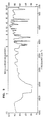
- Figure 1 is a reproduction of the infrared spectrum of cis-chlorodiamminepyridineplatinum(II) chloride, cis-[Pt(NH3)2(py)Cl]Cl, Example 1.
- Figure 2 is a reproduction of the infrared spectrum of cis-chlorodiammine-2-hydroxypyridineplatinum(II) chloride, cis-[Pt(NH3)2(2-pyOH)Cl]Cl, Example 2.
- Figure 3 is a reproduction of the infrared spectrum of cis-chlorodiammine-6-methyl-2-hydroxypyridine-platinum(II) chloride, cis-[Pt(NH3)2(6-Me-2-pyOH)Cl]Cl, Example 3.
- Figure 4 is a reproduction of the infrared spectrum of cis-chlorodiammine-3-hydroxypyridineplatinum(II) chloride, cis-[Pt(NH3)2(3-pyOH)Cl]Cl, Example 4.
- Figure 5 is a reproduction of the infrared spectrum of cis-chlorodiammine-4-methylpyridineplatinum(II) chloride, cis-[Pt(NH3)2(4-CH3-Py)Cl]Cl, Example 5.
- Figure 6 is a reproduction of the infrared spectrum of cis-chlorodiamminecytosineplatinum(II) chloride, cis-[Pt(NH3)2(cytosine)Cl]Cl, Example 6.
- Figure 7 is a reproduction of the infrared spectrum of cis-chlorodiammine-6-methyl-3-hydroxypyridine-platinum(II) chloride, cis-[Pt(NH3)2(6-Me-3-pyOH)Cl]Cl, Example 7.
- Figure 8 is a reproduction of the infrared spectrum of cis-chlorodiammine-4-chloropyridine-platinum(II) chloride, cis-[Pt(NH3)2(4-Cl-py)Cl]Cl, Example 8.
- Figure 9 is a reproduction of the infrared spectrum of trans-chlorodiamminepyridineplatinum(II) chloride, trans-[Pt(NH3)2(py)Cl]Cl, Example 18.
- the platinum compounds of this invention are charged Pt(II) complexes containing three neutral amine ligands and one anionic ligand. As such, they violate established structure-activity relationships which state that the requirements for antitumor activity are "a neutral complex with adjacent (cis) reactive X groups" (M.J. Cleare, "Structure-Activity Relationships for Antitumor Platinum Complexes” in D.N. Reinhoudt, T.A. Connors, H.M. Pinedo, K.W. VandePoll, Eds., "Structure-Activity Relationships of Antitumor Agents", Martinus Nijhoff, Boston, 1983).
- A1 and A2 are ammonia or aliphatic amine ligands, which may or may not be the same and are chosen from ammonia, a linear, cyclic or branched C1-C6 alkylamine, or a linear, cyclic or branched C1-C6 alkylamine, bearing one or more of the following substituents: halo, hydroxy, alkoxy, carboxy, alkoxycarbonyl, or alkylcarboxy.
- B is chosen from the following heterocyclic compounds: pyridine, pyrimidine, pyridazine, pyrazine, imidazole, pyrazole, quinoline, isoquinoline or purine. These may be unsubstituted or bear one or more of the following substituents: C1-C6 alkyl, C1-C6 alkoxy, hydroxy, carboxy, C1-C6 alkoxycarbonyl, C1-C6 alkylcarboxy, halo, amine, oxo, nitrite, nitro, or amido.
- X is a monodentate anionic ligand such as halo, hydroxo, pseudohalo, HSO4, H2PO4, ascorbate, or C1-C6 carboxylate.
- Y is an anion chosen from X above or nitrate or perchlorate.
- X may or may not equal Y.
- platinum(II) triamine complexes of the present invention are prepared by one of two general methods:
- the heterocyclic amine B is reacted directly with a cis-diamineplatinum complex containing two anionic ligands.
- the reaction is carried out in water or alcohol at a temperature between ambient and the boiling point of the solvent, but preferably, at about 60°C.
- Each mole of platinum complex is reacted with one or more moles of B, preferably, 1 to 3 moles.
- the platinum concentration may vary widely but it is usually between 0.01 and 0.1 M .
- the reaction time may vary from several minutes to several days but is usually 1-3 days. Following this reaction period, the mixture may be cooled, if necessary, and the product separated from unreacted starting material and side products by filtration, evaporation to low volume and crystallization. Purification is accomplished by recrystallization from water, water/alcohol, or dilute mineral acid solution or precipitation from solution with a non-solvent. Removal of free B from the product may sometimes be accomplished by washing the product with an organic solvent such as chloroform.
- the cis-diamineplatinum complex is first reacted with one equivalent of a silver salt (for example, AgNO3).
- a silver salt for example, AgNO3
- This reaction may be run in water, alcohol or in a polar organic solvent such as dimethylformamide or dimethylacetamide.
- the resulting AgX is removed by filtration.
- the solvated complex is then reacted with one or more moles of B (preferably 1 to 2).
- the reaction between the cis-diamine platinum complex and silver salt is run at ambient to 80°C, preferably at 50-60°, for a time period of several minutes to 24 hours depending on the solvent system.
- the mixture is usually cooled to ambient temperature or below prior to filtration of AgX.
- Reaction of the solvated complex with B may take place at any temperature from 0-80°C, but preferably 25-50°C for a period of several minutes to several days.
- the complexes of this invention are useful in tumor chemotherapy having been found active against malignant tumors in animals as, for example, Sarcoma 180 ascites tumors in mammals such as mice.
- the anti-tumor effect exhibited by the subject complexes may also extend to other sarcomas and lymphoid leukemias and to such other tumors as the following: lymphosarcoma, myelocytic leukemia, malignant lymphoma, squamous cell carcinoma, adenocarcinoma, scirrhous carcinoma, malignant melanoma, seminoma, teratoma, choriocarcinoma, embryonalcarcinoma, cystadenocarcinoma, endometriocarcinoma or neuroblastoma and the like.
- said complexes may be useful as anti-viral, anti-inflammatory, anti-bacterial and anti-parasitic agents.
- the complexes of this invention may be administered parenterally or orally in admixture with a non-toxic pharmacologically acceptable inert carrier or diluent in any of the usual pharmaceutical forms.
- a non-toxic pharmacologically acceptable inert carrier or diluent in any of the usual pharmaceutical forms.
- These include solid and liquid oral unit dosage forms such as tablets, capsules, powders, and suspensions or solutions and suspensions for subcutaneous, intramuscular, intravenous or intra-arterial injection.
- unit dosage refers to physically discrete units which may be administered in single or multiple dosages each containing a predetermined quantity of the active ingredient in association with the required diluent, carrier or vehicle.
- the quantity of active ingredient is the amount of complex needed to produce the desired therapeutic effect.
- a typical unit dosage consists essentially of from about 10-450 mg. of active ingredient; however, the form in which said ingredient is administered and the frequency of administration is usually determinative of its concentration.
- oral unit dosage forms containing 20-450 mg. of active ingredient may be administered one or more times per day depending upon the severity of the tumor which is sought to be treated and the condition of the host animal.
- parenteral administration generally requires from about 10-100 mg. of the active ingredient per unit dosage administered as a daily dose or as a fraction thereof depending upon whether the regimen calls for administration once, twice, three or four times daily.
- the effective dose is that total dosage which is needed to achieve the desired anti-tumor effect.
- this dosage lies within the range of from about 10-950 mg. of the active ingredient per kg. of body weight of the host animal (i.e., mg./kg.).
- a preferred concentration lies within the range of from about 30-450 mg./kg.
- For oral administration an effective dose of 50-950 mg./kg. has been found to be most suitable, whereas, in the case of parenteral administration it is usually advisable to employ from about 30-350 mg./kg.
- These dosages are well below the toxic or lethal dose and they may be varied over a wide range for the symptomatic adjustment of the dosage to the patient which is being treated.
- platinum(II)-triamine complexes screened show an effective dose about one-half and in some instances less than one fourth of the toxic dose. This represents a clear improvement over the known complex cis-[Pt(NH3)2Cl2] which, under identical screening, exhibits optimum activity at 9-10 mg./kg. and toxicity at 16 mg./kg. Obviously, the broadest possible range between the effective dose and toxic dose is preferred by clinicians because it affords a wider safety margin.
- compositions for oral administration are tablets in which the triamine complex is present in quantities of 5-375 mg. in a pharmaceutically acceptable orally ingestible solid carrier.
- the composition may also contain flavors, binders, lubricants and other excipients known in the art.
- An alternative oral mode is the soft gelatin capsule.
- Such a composition may also contain from 10-375 mg. by weight of active ingredient dissolved or suspended in vegetable oil, peanut oil, alcohol or glycerine and the like.
- a hard or dry-filled capsule may be prepared by admixing 25-200 mg. of active ingredient with suitable excipients such as lactose and magnesium stearate and putting the mixture into a preformed and suitably sized gelatin sheath.
- the complexes of this invention may also be formulated as liquid solutions or suspensions or as a dry powder for addition to foods, drinking water, fruit juice or other potable liquids.
- Tablets are prepared by mixing a complex of this invention, in suitably comminuted or powdered form, with a diluent or base such as starch, sucrose, kaolin or di-calcium phosphate and the like.
- a diluent or base such as starch, sucrose, kaolin or di-calcium phosphate and the like.
- the resulting mixture can be granulated by wetting with a binder such as a syrup, starch (paste), acacia mucilage or solutions of cellulosic or polymeric materials, whereafter, the wetted mixture is forced through a screen.
- a binder such as a syrup, starch (paste), acacia mucilage or solutions of cellulosic or polymeric materials, whereafter, the wetted mixture is forced through a screen.
- the powdered mixture can be run through a tablet machine and any slugs which are imperfect may be broken into granules.
- the granules are lubricated to prevent sticking to the tablet-forming dies via the addition of stearic acid, a stearate salt, talc or mineral oil and the lubricated mixture is then compressed into tablets.
- the complexes of this invention can also be combined with free flowing inert carriers and then be subjected to compression so as to form tablets without going through the granulating or slugging steps.
- a protective coating or sealing coat of shellac, sugar or polymeric material and a polished coating of wax can also be provided.
- Dyestuffs may be added to distinguish different unit dosages.
- compositions intended for oral administration may include such carriers or diluents as glucose, lactose, sucrose, corn starch, potato starch, sodium carboxymethyl cellulose, ethyl cellulose, cellulose acetate, powdered gum tragacanth, gelatin, alginic acid, agar, stearic acid or the sodium, calcium and magnesium salts of stearic acid, sodium lauryl sulfate, polyvinylpyrrolidone, sodium citrate, calcium carbonate and di-calcium phosphate.
- Said compositions may also contain non-toxic adjuvants and modifiers such as dyes, buffering agents, preservatives, surfactants, emulsifiers, flavoring agents or biocides and the like.
- the cis-diamineplatinum(II) pyridine complex, niacinamide, calcium pantothenate, magnesium sulfate, zinc sulfate and magnesium stearate (5.0 Mg.) are mixed and compressed into slugs. The slugs are then broken into granules and sifted through an 8 mesh screen. Additional magnesium stearate (5.0 mg.) is added and the mixture is then compressed into tablets suitable for oral administration.
- a soft elastic gelatin capsule is filled with the following ingredients: Cis-Chlorodiamine-2-hydroxypyridineplatinum(II) Chloride 100 mg. Wheat germ oil 50 mg. Sunflower seed oil 100 mg. 250 mg.
- the cis-diamineplatinum(II) 2-hydroxy-pyridine complex and wheat germ oil are mixed with sunflower seed oil and the resulting mixture is poured into gelatin capsules suitable for oral administration.
- An alternative embodiment provides for substituting sunflower seed oil and wheat germ oil with equal amounts of peanut oil to obtain an otherwise similar capsule which is also suitable for oral administration.
- a hard dry-filled capsule may be prepared from the following ingredients: Cis-Chlorodiamine-6-methyl-2-hydroxypyridineplatinum(II) Chloride 200 mg. Niacinamide 50 mg. Calcium Pantothenate 10 mg. Sodium Ascorbate 150 mg. 410 mg.
- the cis-diamineplatinum(II) 6-methyl-2-hydroxypyridine complex is reduced to a No. 60 powder.
- Niacinamide, calcium pantothenate and sodium ascorbate are passed through a No. 60 bolting cloth and these ingredients are added to the cis-diamineplatinum(II) pyridine complex. This combination of ingredients is mixed for 10 minutes and then poured into a No. !3 size gelatin capsule.
- composition illustrates a representative dosage in dry powder form.
- the active ingredient is water soluble and it is combined with up to 60% by weight of a suitable flavoring agent. All quantities are in a weight-percent relationship.
- Flavoring Agent 10-60 Preservative 0.1%
- the cis-diamineplatinum(II) 3-hydroxy-pyridine complex, flavoring agent and preservative are thoroughly blended to afford a homogeneous dry powder which is readily soluble in water.
- the resulting formulation may be used as a food additive or it may be blended with other therapeutic agents to afford combination-type medicinals.
- said powder may be dissolved in a pharmacologically acceptable diluent to afford a solution which is suitable for oral administration.
- compositions intended for parenteral administration may include such diluents and carriers as water-miscible solvents as, for example, sesame oil, groundnut oil, aqueous propylene glycol and a solution of sodium riboflavin.
- Typical of said compositions are solutions which contain the active ingredient in sterile form.
- An embodiment illustrating a dosage form suitable for intravenous injection is set forth below.
- Injectable solutions can be formulated by mixing an ampoule of active ingredient with an ampoule of sterile diluent: Ampoule: Cis-Chlorodiammine pyridineplatinum(II)chloride 300 mg. Ampoule: Sterile water (Diluent for Injection) 4 cc. The cis-diamminepyridine(II)chloride complex and water are mixed thorougly immediately prior to administration. If desired, one or more other active ingredients may be added to provide an injectable solution having enhanced therapeutic activity.
- Examples 1-18, infra illustrate the methods by which the compounds of this invention may be obtained and Example 21 describes the protocol used to evaluate their efficacy in mice.
- said examples are illustrative only and thus inventions should not be construed as being limited thereto because it will be apparent to one of ordinary skill that modifications may be effected and reagents may be substituted for those recited therein without departing from the scope of this invention as defined in the appendant claims.
- Cis-Chlorodiamminepyridineplatinum(II) Chloride cis-[Pt(NH3)2(py)Cl]Cl
- Cis-[Pt(NH3)2Cl2] (6.0g, 20 mmole) and pyridine (1.6ml, 20 mmoles) were added to 1 L H2O and heated to 60°C with stirring for 2 hours. Following this, the reaction mixture was cooled to room temperature and allowed to stir for 72 hours. The volume was then reduced to ca. 100ml, at which time unreacted cis-(Pt(NH3)2Cl2] was removed by filtration. The filtrate was taken to dryness and the resulting yellowish white solid was recrystallized once from 0.1N HCl, once from 0.5N HCl, and once from methanol. The yield was 1.92g (25.3%) of white solid. Anal.
- Cis-Chlorodiammine-2-hydroxypyridineplatinum(II) Chloride cis-[Pt(NH3)2(2-pyOH)Cl]Cl
- Cis-[Pt(NH3)2Cl2] (15.0 g, 50 mmole) and 2-hydroxypyridine (10.7g, 112.5 mmole) was stirred in 1.35 L H2O at 60°C for 48 hours. The resulting solution was cooled and evaporated to ca. 150 ml and filtered to remove a greenish solid. The solution was then evaporated to dryness and the residue stirred in ca. 500 ml CH2Cl2 to remove unreacted 2-pyOH. Following filtration and air drying, 2.5 g of the crude product was dissolved in 100 ml of methanol, and a small amount of yellow solid removed by filtration.
- Cis-[Pt(NH3)2Cl2] (10.0g, 33.3 mmoles) and 6-methyl-2-hydroxypyridine (5.0g, 45.8 mmoles) were stirred in 900 ml H2O at ca. 60°C for 48 hrs.
- a dark brown solid was filtered form the reaction mixture and the filtrate evaporated to ca. 450 ml.
- the yellow precipitate which had formed was removed by filtration and evaporation continued to dryness.
- the residue was treated with methanol (ca. 500ml) and the insoluble portion removed by filtration.
- the filtrate was taken to dryness and the resulting solid treated with CHCl3 (100ml).
- the chloroform insoluble portion was collected and air dried yielding 6.4g khaki green solid.
- Cis-[Pt(NH3)2Cl2] (10.0 g, 33.3 mmoles) and 3-hydroxypyridine (7.2g, 75.7 mmoles) were stirred in 900ml H2O at 60°C for 48 hours, resulting in a clear solution. This was evaporated to ca. 450 ml, and the yellow solid which had formed was removed by filtration. The filtrate was taken to dryness and dissolved in methanol (25ml). The insoluble portion was removed by filtration and the methanol solution evaporated to dryness. A 2.0g portion of the remaining solid was recrystallized from hot 0.1N HCl (4.0ml) yielding 1.30g of white crystals. Anal.
- Cis-[Pt(NH3)2Cl2] (6.0g, 20 mmoles) and 4-methylpyridine (1.95 ml, 20 mmoles) were stirred at 50-60°C for 36 hours.
- the volume of the solution was reduced under vacuum to ca. 50 ml, with insoluble material removed several times in the course of the evaporation.
- the filtrate was taken to dryness and the residue dissolved in methanol (120 ml). The insoluble portion was removed by filtration and the filtrate evaporated to dryness. This residue was treated with ethanol (20 ml), the insolubles removed by filtration, and the filtrate evaporated to dryness, leaving 2.1 g of light yellow crystals.
- the infrared spectrum of cis-[Pt(NH3)2(4-CH3-py)Cl]Cl is shown in Figure 5.
- Cis-chlorodiamminecytosineplatinum(II) chloride [Pt(NH3)2(cytosine)Cl]Cl
- Cisplatin (6.00g, 20 mmoles) and cytosine (2.3g, 20 mmoles) were stirred in 1 liter H2O for 2 days at 60°C. After cooling to room temperature and removing insolubles by filtration, the solution was evaporated on a rotary evaporator to ca. 30 ml and refrigerated. After 2 hours, a light purple solid precipitated from the solution and was collected by filtration. This was recrystallized from 0.5 M HCl (15 ml) yielding two crops (total weight 2.05g) of purple tinged crystals. Recrystallization of a portion of this from water yielded colorless crystals. Anal.
- Cis-chlorodiammine-6-methyl-3-hydroxypyridineplatinum(II) chloride cis-[Pt(NH3)2(6-Me-3-pyOH)Cl]Cl
- Cis-chlorodiammine-4-chloropyridineplatinum(II) chloride cis-[Pt(NH3)2(4-Cl-py)Cl]Cl
- Cisplatin (6.0g, 20 mmoles) and 4-chloropyridine (3.1g, 20 mmoles) were added to 1 liter of water and the mixture stirred at 60° for 48 hrs. On cooling, the resulting mixture was alternately filtered and evaporated on a rotary evaporator until all of the unreacted cisplatin was removed. The filtrate was then taken to dryness leaving a cream colored residue which was recrystallized from hot methanol, yielding 2.05g product.
- mice were evaluated for anti-tumor activity against S180 ascites in female CFW Swiss mice by the following procedure: CFW mice, averaging 20g, are immediately inspected and placed in newly prepared cages. On day zero the mice are inoculated with 0.2 ml. of a freshly prepared saline suspension (0.15 M NaCl) containing 1 x 10⁷ tumor cells/ml, or a total of 2 x 10⁶ cells. This inoculum is freshly prepared using "transfer" mice which have been injected with tumor cells the previous week.
- This inoculum is the end-product of a series of steps which involves (1) the removal of the cells from the peritoneal cavity of the sacrificed transfer mouse, (2) alternate centrifugation-washing (2-3 times with cold saline) to remove occasional blood and other undesirable components, and finally (3) dilution (1:3) of the packed cell volume with saline (the final centrifugation being carried out at 1,000 rpm for 2 min.). A cell count is made on a 2,000-fold dilution of this 1:3 suspension by means of a Coulter Counter. A final dilution to 1 x 10⁷ cells/ml. is made based on the averaged count. On day 1, solutions of the test compounds are prepared and the mice injected, with each mouse of a set of six being injected with the same test compound at the same dose level.
- mice/set two types of controls (6 mice/set are employed: (1) Normal (1 set): 0.5 ml. of the solvent medium used for the test compound, and (2) Positive control (1 set): a known anti-tumor agent (cis-[Pt(NH3)2Cl2] in saline at 8 mg./kg.), used to test the response of the biological system.
- Normal (1 set) 0.5 ml. of the solvent medium used for the test compound
- Positive control (1 set) a known anti-tumor agent (cis-[Pt(NH3)2Cl2] in saline at 8 mg./kg.), used to test the response of the biological system.
- the effectiveness of a compound is measured in terms of the increase in life span (ILS) of the test animals relative to the controls (calculated from the day of tumor inoculation (day zero).
- ILS increase in life span
- the day of evaluation is arbitrarily taken as that day corresponding to twice the mean life-span (or average day of death) of the normal controls. This sets a practical upper limit of 100% on the ILS attainable. For calculation purposes, survivors on the day of evaluation are considered to have died on that day.
- the % ILS is formulated as:
- ILS values above 50% represent significant activity; those above 75% represent excellent activity.
- Sarcoma 180 ascites antitumor screening data for the platinum-pyridine complexes described in Examples 1-9 and 19-20 are given in Table 1.
- the compounds of Examples 1-9 met the criterion for activity (at least 50% ILS at one or more doses).
- Cis-[Pt(NH3)2(py)Cl]Cl gave the highest level of activity, 100% ILS at 40 mg/kg (the maximum possible under the screening protocol).
- the compounds were tested in water in all cases, and were completely soluble at all of the dose levels employed.
Landscapes
- Chemical & Material Sciences (AREA)
- Organic Chemistry (AREA)
- Health & Medical Sciences (AREA)
- Life Sciences & Earth Sciences (AREA)
- General Chemical & Material Sciences (AREA)
- Medicinal Chemistry (AREA)
- Nuclear Medicine, Radiotherapy & Molecular Imaging (AREA)
- Pharmacology & Pharmacy (AREA)
- Chemical Kinetics & Catalysis (AREA)
- Animal Behavior & Ethology (AREA)
- General Health & Medical Sciences (AREA)
- Public Health (AREA)
- Veterinary Medicine (AREA)
- Pharmaceuticals Containing Other Organic And Inorganic Compounds (AREA)
- Acyclic And Carbocyclic Compounds In Medicinal Compositions (AREA)
- Pyridine Compounds (AREA)
Abstract
Description
- This invention relates to platinum(II) triamine complexes which have high aqueous solubility and aqueous stability and display antitumor activity.
- Figure 1 is a reproduction of the infrared spectrum of cis-chlorodiamminepyridineplatinum(II) chloride, cis-[Pt(NH₃)₂(py)Cl]Cl, Example 1.
- Figure 2 is a reproduction of the infrared spectrum of cis-chlorodiammine-2-hydroxypyridineplatinum(II) chloride, cis-[Pt(NH₃)₂(2-pyOH)Cl]Cl, Example 2.
- Figure 3 is a reproduction of the infrared spectrum of cis-chlorodiammine-6-methyl-2-hydroxypyridine-platinum(II) chloride, cis-[Pt(NH₃)₂(6-Me-2-pyOH)Cl]Cl, Example 3.
- Figure 4 is a reproduction of the infrared spectrum of cis-chlorodiammine-3-hydroxypyridineplatinum(II) chloride, cis-[Pt(NH₃)₂(3-pyOH)Cl]Cl, Example 4.
- Figure 5 is a reproduction of the infrared spectrum of cis-chlorodiammine-4-methylpyridineplatinum(II) chloride, cis-[Pt(NH₃)₂(4-CH₃-Py)Cl]Cl, Example 5.
- Figure 6 is a reproduction of the infrared spectrum of cis-chlorodiamminecytosineplatinum(II) chloride, cis-[Pt(NH₃)₂(cytosine)Cl]Cl, Example 6.
- Figure 7 is a reproduction of the infrared spectrum of cis-chlorodiammine-6-methyl-3-hydroxypyridine-platinum(II) chloride, cis-[Pt(NH₃)₂(6-Me-3-pyOH)Cl]Cl, Example 7.
- Figure 8 is a reproduction of the infrared spectrum of cis-chlorodiammine-4-chloropyridine-platinum(II) chloride, cis-[Pt(NH₃)₂(4-Cl-py)Cl]Cl, Example 8.
- Figure 9 is a reproduction of the infrared spectrum of trans-chlorodiamminepyridineplatinum(II) chloride, trans-[Pt(NH₃)₂(py)Cl]Cl, Example 18.
- The discovery, development, and subsequent commercialization of the antitumor agent cisplatin (cis-diamminedichloroplatinum(II)) has resulted in expanded interest in metal coordination compounds as medicinal agents over the past decade and one half. Platinum compounds, in particular, have received considerable scrutiny as antineoplastics as part of an ongoing search for second and third generation anologs of cisplatin. Among the goals of this research has been platinum compounds showing greater or different activity or potency than cisplatin and platinum compounds having superior physical and chemical properties than cisplatin. Of particular interest in the latter respect are aqueous solubility and stability. We describe here a series of platinum compounds, in particular, platinum(II) triamine complexes, some novel, which show antitumor activity and both high water solubility and excellent solution stability.
- Some platinum triamine compounds have been reported in the literature. These include cis-[Pt(NH₃)₂-(2-hydroxypyridine)Cl] Y (Y=Cl, NO₃) (L.S. Hollis, S.J. Lippard, Inorg. Chem, 22, 2708(1983)), [Pt(NH₃)₂(l-methylcytosine) Cl] X (X=Cl, NO₃) (B. Lippert, C.J.L. Lock, R.A. Speranzini, Inorg. Chem, 20, 335(1981), J.F. Britten, B. Lippert, C.J.L. Lock, P. Pilon, Inorg. Chem, 21, 1936(1982)), [Pt(en) (py)Cl]Cl (en=ethylenediamine, py=pyridine (Y.N. Kukuskin, V.P. Kotelnikov, V.N. Spevak, Zh. Obshch.Khim, 43, 2352(1973)), and cis-[Pt(NH₂OH)₂(3-pyridinecarboxamide)Cl]Cl (L.S. Tikhonova, A.I. Stetsenko, Koord.Khim, 9, 2660(1983)). In all of the above cases, no antitumor activity was disclosed.
- The platinum compounds of this invention are charged Pt(II) complexes containing three neutral amine ligands and one anionic ligand. As such, they violate established structure-activity relationships which state that the requirements for antitumor activity are "a neutral complex with adjacent (cis) reactive X groups" (M.J. Cleare, "Structure-Activity Relationships for Antitumor Platinum Complexes" in D.N. Reinhoudt, T.A. Connors, H.M. Pinedo, K.W. VandePoll, Eds., "Structure-Activity Relationships of Antitumor Agents", Martinus Nijhoff, Boston, 1983). Charged species such as [Pt(NH₃)₄]Cl₂ and K₂PtCl₄ have been described as completely inactive, and "Triamine" compounds of the type [Pt(dien)X]X (dien=diethylene-triamine, X=Cl,Br) have also shown no antitumor activity (M.J. Cleare and J.D. Hoeschele, Bioinorganic Chem, 2, 187-210 (1973)).
- The preferred complexes of the present invention have the following structure:

wherein A₁ and A₂ are ammonia or aliphatic amine ligands, which may or may not be the same and are chosen from ammonia, a linear, cyclic or branched C₁-C₆ alkylamine, or a linear, cyclic or branched C₁-C₆ alkylamine, bearing one or more of the following substituents: halo, hydroxy, alkoxy, carboxy, alkoxycarbonyl, or alkylcarboxy. - B is chosen from the following heterocyclic compounds: pyridine, pyrimidine, pyridazine, pyrazine, imidazole, pyrazole, quinoline, isoquinoline or purine. These may be unsubstituted or bear one or more of the following substituents: C₁-C₆ alkyl, C₁-C₆ alkoxy, hydroxy, carboxy, C₁-C₆ alkoxycarbonyl, C₁-C₆ alkylcarboxy, halo, amine, oxo, nitrite, nitro, or amido.
- X is a monodentate anionic ligand such as halo, hydroxo, pseudohalo, HSO₄, H₂PO₄, ascorbate, or C₁-C₆ carboxylate.
- Y is an anion chosen from X above or nitrate or perchlorate.
- X may or may not equal Y.
- The platinum(II) triamine complexes of the present invention are prepared by one of two general methods:

- In the method of equation (II), the heterocyclic amine B is reacted directly with a cis-diamineplatinum complex containing two anionic ligands. The reaction is carried out in water or alcohol at a temperature between ambient and the boiling point of the solvent, but preferably, at about 60°C. Each mole of platinum complex is reacted with one or more moles of B, preferably, 1 to 3 moles. The platinum concentration may vary widely but it is usually between 0.01 and 0.1M. The reaction time may vary from several minutes to several days but is usually 1-3 days. Following this reaction period, the mixture may be cooled, if necessary, and the product separated from unreacted starting material and side products by filtration, evaporation to low volume and crystallization. Purification is accomplished by recrystallization from water, water/alcohol, or dilute mineral acid solution or precipitation from solution with a non-solvent. Removal of free B from the product may sometimes be accomplished by washing the product with an organic solvent such as chloroform.
- In the method of equation(III) the cis-diamineplatinum complex is first reacted with one equivalent of a silver salt (for example, AgNO₃). This reaction may be run in water, alcohol or in a polar organic solvent such as dimethylformamide or dimethylacetamide. The resulting AgX is removed by filtration. The solvated complex is then reacted with one or more moles of B (preferably 1 to 2). The reaction between the cis-diamine platinum complex and silver salt is run at ambient to 80°C, preferably at 50-60°, for a time period of several minutes to 24 hours depending on the solvent system. The mixture is usually cooled to ambient temperature or below prior to filtration of AgX. Reaction of the solvated complex with B may take place at any temperature from 0-80°C, but preferably 25-50°C for a period of several minutes to several days.
- The product is separated and purified as in the method of equation(II).
- The complexes of this invention are useful in tumor chemotherapy having been found active against malignant tumors in animals as, for example, Sarcoma 180 ascites tumors in mammals such as mice. The anti-tumor effect exhibited by the subject complexes may also extend to other sarcomas and lymphoid leukemias and to such other tumors as the following: lymphosarcoma, myelocytic leukemia, malignant lymphoma, squamous cell carcinoma, adenocarcinoma, scirrhous carcinoma, malignant melanoma, seminoma, teratoma, choriocarcinoma, embryonalcarcinoma, cystadenocarcinoma, endometriocarcinoma or neuroblastoma and the like. In addition, said complexes may be useful as anti-viral, anti-inflammatory, anti-bacterial and anti-parasitic agents.
- The complexes of this invention may be administered parenterally or orally in admixture with a non-toxic pharmacologically acceptable inert carrier or diluent in any of the usual pharmaceutical forms. These include solid and liquid oral unit dosage forms such as tablets, capsules, powders, and suspensions or solutions and suspensions for subcutaneous, intramuscular, intravenous or intra-arterial injection. The term "unit dosage" refers to physically discrete units which may be administered in single or multiple dosages each containing a predetermined quantity of the active ingredient in association with the required diluent, carrier or vehicle. The quantity of active ingredient is the amount of complex needed to produce the desired therapeutic effect.
- A typical unit dosage consists essentially of from about 10-450 mg. of active ingredient; however, the form in which said ingredient is administered and the frequency of administration is usually determinative of its concentration. Thus, for example, oral unit dosage forms containing 20-450 mg. of active ingredient may be administered one or more times per day depending upon the severity of the tumor which is sought to be treated and the condition of the host animal. By contrast, parenteral administration generally requires from about 10-100 mg. of the active ingredient per unit dosage administered as a daily dose or as a fraction thereof depending upon whether the regimen calls for administration once, twice, three or four times daily.
- By contrast to the "unit dosage", the effective dose is that total dosage which is needed to achieve the desired anti-tumor effect. In general, this dosage lies within the range of from about 10-950 mg. of the active ingredient per kg. of body weight of the host animal (i.e., mg./kg.). A preferred concentration lies within the range of from about 30-450 mg./kg. For oral administration an effective dose of 50-950 mg./kg. has been found to be most suitable, whereas, in the case of parenteral administration it is usually advisable to employ from about 30-350 mg./kg. These dosages are well below the toxic or lethal dose and they may be varied over a wide range for the symptomatic adjustment of the dosage to the patient which is being treated.
- The platinum(II)-triamine complexes screened show an effective dose about one-half and in some instances less than one fourth of the toxic dose. This represents a clear improvement over the known complex cis-[Pt(NH₃)₂Cl₂] which, under identical screening, exhibits optimum activity at 9-10 mg./kg. and toxicity at 16 mg./kg. Obviously, the broadest possible range between the effective dose and toxic dose is preferred by clinicians because it affords a wider safety margin.
- The preferred compositions for oral administration are tablets in which the triamine complex is present in quantities of 5-375 mg. in a pharmaceutically acceptable orally ingestible solid carrier. If desired, the composition may also contain flavors, binders, lubricants and other excipients known in the art.
- An alternative oral mode is the soft gelatin capsule. Such a composition may also contain from 10-375 mg. by weight of active ingredient dissolved or suspended in vegetable oil, peanut oil, alcohol or glycerine and the like.
- A hard or dry-filled capsule may be prepared by admixing 25-200 mg. of active ingredient with suitable excipients such as lactose and magnesium stearate and putting the mixture into a preformed and suitably sized gelatin sheath.
- The complexes of this invention may also be formulated as liquid solutions or suspensions or as a dry powder for addition to foods, drinking water, fruit juice or other potable liquids.
- Tablets are prepared by mixing a complex of this invention, in suitably comminuted or powdered form, with a diluent or base such as starch, sucrose, kaolin or di-calcium phosphate and the like. The resulting mixture can be granulated by wetting with a binder such as a syrup, starch (paste), acacia mucilage or solutions of cellulosic or polymeric materials, whereafter, the wetted mixture is forced through a screen. As an alternative to granulating, the powdered mixture can be run through a tablet machine and any slugs which are imperfect may be broken into granules. The granules are lubricated to prevent sticking to the tablet-forming dies via the addition of stearic acid, a stearate salt, talc or mineral oil and the lubricated mixture is then compressed into tablets. The complexes of this invention can also be combined with free flowing inert carriers and then be subjected to compression so as to form tablets without going through the granulating or slugging steps. A protective coating or sealing coat of shellac, sugar or polymeric material and a polished coating of wax can also be provided. Dyestuffs may be added to distinguish different unit dosages.
- In this invention the term "pharmacologically acceptable inert carrier or diluent" denotes a non-toxic substance which, when mixed with the active ingredient, renders it more suitable for administration. Compositions intended for oral administration may include such carriers or diluents as glucose, lactose, sucrose, corn starch, potato starch, sodium carboxymethyl cellulose, ethyl cellulose, cellulose acetate, powdered gum tragacanth, gelatin, alginic acid, agar, stearic acid or the sodium, calcium and magnesium salts of stearic acid, sodium lauryl sulfate, polyvinylpyrrolidone, sodium citrate, calcium carbonate and di-calcium phosphate. Said compositions may also contain non-toxic adjuvants and modifiers such as dyes, buffering agents, preservatives, surfactants, emulsifiers, flavoring agents or biocides and the like.
- The following emodiments illustrate the preparation of representative unit dosage forms.
-
Cis-Chlorodiaminepyridineplatinum(II) Chloride 200 mg. Niacinamide 50 mg. Calcium Pantothenate 20 mg. Magnesium Sulfate 50 mg. Zinc Sulfate 50 mg. Magnesium Stearate 10 mg. 380 mg.
The cis-diamineplatinum(II) pyridine complex, niacinamide, calcium pantothenate, magnesium sulfate, zinc sulfate and magnesium stearate (5.0 Mg.) are mixed and compressed into slugs. The slugs are then broken into granules and sifted through an 8 mesh screen. Additional magnesium stearate (5.0 mg.) is added and the mixture is then compressed into tablets suitable for oral administration. - A soft elastic gelatin capsule is filled with the following ingredients:
Cis-Chlorodiamine-2-hydroxypyridineplatinum(II) Chloride 100 mg. Wheat germ oil 50 mg. Sunflower seed oil 100 mg. 250 mg. - The cis-diamineplatinum(II) 2-hydroxy-pyridine complex and wheat germ oil are mixed with sunflower seed oil and the resulting mixture is poured into gelatin capsules suitable for oral administration. An alternative embodiment provides for substituting sunflower seed oil and wheat germ oil with equal amounts of peanut oil to obtain an otherwise similar capsule which is also suitable for oral administration.
- A hard dry-filled capsule may be prepared from the following ingredients:
Cis-Chlorodiamine-6-methyl-2-hydroxypyridineplatinum(II) Chloride 200 mg. Niacinamide 50 mg. Calcium Pantothenate 10 mg. Sodium Ascorbate 150 mg. 410 mg. - The cis-diamineplatinum(II) 6-methyl-2-hydroxypyridine complex is reduced to a No. 60 powder. Niacinamide, calcium pantothenate and sodium ascorbate are passed through a No. 60 bolting cloth and these ingredients are added to the cis-diamineplatinum(II) pyridine complex. This combination of ingredients is mixed for 10 minutes and then poured into a No. !3 size gelatin capsule.
- The following composition illustrates a representative dosage in dry powder form. In this embodiment the active ingredient is water soluble and it is combined with up to 60% by weight of a suitable flavoring agent. All quantities are in a weight-percent relationship.
Cis-Chlorodiamine-3-hydroxypyridineplatinum(II) Chloride 25-90 Flavoring Agent 10-60 Preservative 0.1% - The cis-diamineplatinum(II) 3-hydroxy-pyridine complex, flavoring agent and preservative are thoroughly blended to afford a homogeneous dry powder which is readily soluble in water. The resulting formulation may be used as a food additive or it may be blended with other therapeutic agents to afford combination-type medicinals. Alternatively, said powder may be dissolved in a pharmacologically acceptable diluent to afford a solution which is suitable for oral administration.
- Compositions intended for parenteral administration may include such diluents and carriers as water-miscible solvents as, for example, sesame oil, groundnut oil, aqueous propylene glycol and a solution of sodium riboflavin. Typical of said compositions are solutions which contain the active ingredient in sterile form. An embodiment illustrating a dosage form suitable for intravenous injection is set forth below.
- Injectable solutions can be formulated by mixing an ampoule of active ingredient with an ampoule of sterile diluent:
Ampoule: Cis-Chlorodiammine pyridineplatinum(II) chloride 300 mg. Ampoule: Sterile water (Diluent for Injection) 4 cc.
The cis-diamminepyridine(II)chloride complex and water are mixed thorougly immediately prior to administration. If desired, one or more other active ingredients may be added to provide an injectable solution having enhanced therapeutic activity. - Examples 1-18, infra, illustrate the methods by which the compounds of this invention may be obtained and Example 21 describes the protocol used to evaluate their efficacy in mice. However, said examples are illustrative only and thus inventions should not be construed as being limited thereto because it will be apparent to one of ordinary skill that modifications may be effected and reagents may be substituted for those recited therein without departing from the scope of this invention as defined in the appendant claims.
- Cis-[Pt(NH₃)₂Cl₂] (6.0g, 20 mmole) and pyridine (1.6ml, 20 mmoles) were added to 1 L H₂O and heated to 60°C with stirring for 2 hours. Following this, the reaction mixture was cooled to room temperature and allowed to stir for 72 hours. The volume was then reduced to ca. 100ml, at which time unreacted cis-(Pt(NH₃)₂Cl₂] was removed by filtration. The filtrate was taken to dryness and the resulting yellowish white solid was recrystallized once from 0.1N HCl, once from 0.5N HCl, and once from methanol. The yield was 1.92g (25.3%) of white solid. Anal. calc for PtC₅H₁₁N₃Cl₂:Pt, 51.45; C, 15.84; H, 2.92; N, 11.08; Cl, 18.70. Found: Pt, 51.60; C, 15.67; H, 2.85; N, 10.98:; Cl, 18.98. The infrared spectrum of Cis-[Pt(NH₃)₂(py)Cl]Cl is given in Figure 1.
- Cis-[Pt(NH₃)₂Cl₂] (15.0 g, 50 mmole) and 2-hydroxypyridine (10.7g, 112.5 mmole) was stirred in 1.35 L H₂O at 60°C for 48 hours. The resulting solution was cooled and evaporated to ca. 150 ml and filtered to remove a greenish solid. The solution was then evaporated to dryness and the residue stirred in ca. 500 ml CH₂Cl₂ to remove unreacted 2-pyOH. Following filtration and air drying, 2.5 g of the crude product was dissolved in 100 ml of methanol, and a small amount of yellow solid removed by filtration. The filtrate was evaporated to dryness and solid recrystallized from 0.1N HCl (4.5ml) yielding 1.02g white crystals after air drying. Based on this, a projected yield of 6.45g (32.6%) would be obtained from the entire preparation. The infrared spectrum of cis-[Pt(NH₃)₂-(2-pyOH)Cl]Cl is given in Figure 2.
- Cis-[Pt(NH₃)₂Cl₂] (10.0g, 33.3 mmoles) and 6-methyl-2-hydroxypyridine (5.0g, 45.8 mmoles) were stirred in 900 ml H₂O at ca. 60°C for 48 hrs. A dark brown solid was filtered form the reaction mixture and the filtrate evaporated to ca. 450 ml. The yellow precipitate which had formed was removed by filtration and evaporation continued to dryness. The residue was treated with methanol (ca. 500ml) and the insoluble portion removed by filtration. The filtrate was taken to dryness and the resulting solid treated with CHCl₃ (100ml). The chloroform insoluble portion was collected and air dried yielding 6.4g khaki green solid. One gram of this material was recrystallized from methanol/dilute HCl yielding 0.42g amber crystals. For the entire preparation the projected yield is 2.69g (19.7%). Anal. Calc for PtC₆H₁₃N₃OCl₂:Pt, 47.68; C, 17.61; H, 3.20; N, 10.27;Cl, 17.33. Found: Pt, 47.43; C, 17.64; H, 3.22; N, 10.13; Cl, 17.33. The infrared spectrum of cis-[Pt(NH₃)₂(6-Me-2-py-OH)Cl]Cl is shown in Figure 3.
- Cis-[Pt(NH₃)₂Cl₂] (10.0 g, 33.3 mmoles) and 3-hydroxypyridine (7.2g, 75.7 mmoles) were stirred in 900ml H₂O at 60°C for 48 hours, resulting in a clear solution. This was evaporated to ca. 450 ml, and the yellow solid which had formed was removed by filtration. The filtrate was taken to dryness and dissolved in methanol (25ml). The insoluble portion was removed by filtration and the methanol solution evaporated to dryness. A 2.0g portion of the remaining solid was recrystallized from hot 0.1N HCl (4.0ml) yielding 1.30g of white crystals. Anal. Calc for PtC₅H₁₁N₃OCl₂; Pt, 49.37; C, 15.20; H, 2.81; N, 10.63; Cl, 17.94. Found: Pt, 49.50; C, 15.38; H, 2.83; N, 10.50; Cl, 17.71. The infrared spectrum of cis-[Pt(NH₃)₂(3-pyOH)Cl]Cl is given in Figure 4.
- Cis-[Pt(NH₃)₂Cl₂] (6.0g, 20 mmoles) and 4-methylpyridine (1.95 ml, 20 mmoles) were stirred at 50-60°C for 36 hours. The volume of the solution was reduced under vacuum to ca. 50 ml, with insoluble material removed several times in the course of the evaporation. The filtrate was taken to dryness and the residue dissolved in methanol (120 ml). The insoluble portion was removed by filtration and the filtrate evaporated to dryness. This residue was treated with ethanol (20 ml), the insolubles removed by filtration, and the filtrate evaporated to dryness, leaving 2.1 g of light yellow crystals. The infrared spectrum of cis-[Pt(NH₃)₂(4-CH₃-py)Cl]Cl is shown in Figure 5.
- Cisplatin (6.00g, 20 mmoles) and cytosine (2.3g, 20 mmoles) were stirred in 1 liter H₂O for 2 days at 60°C. After cooling to room temperature and removing insolubles by filtration, the solution was evaporated on a rotary evaporator to ca. 30 ml and refrigerated. After 2 hours, a light purple solid precipitated from the solution and was collected by filtration. This was recrystallized from 0.5 M HCl (15 ml) yielding two crops (total weight 2.05g) of purple tinged crystals. Recrystallization of a portion of this from water yielded colorless crystals. Anal. calc for PtC₄H₁₁N₅Cl₂O: Pt, 47.45; C, 11.68; H, 2.70; N, 17.03; Cl, 17.25. Found: Pt, 47.35; C, 11.64; H, 2.77; N, 17.00; Cl, 17.42. The infrared spectrum of cis-[Pt(NH₃)₂(cytosine)Cl]Cl is given in Figure 6.
- To 1 liter of water was added cisplatin (6.0g, 20 mmoles and 6-methyl-3-hydroxypyridine (2.4g, 26 mmoles), and the mixture heated at 55°C for 3 days. The resulting solution was cooled to room temperature and evaporated on a rotary evaporator to ca. 35 ml. This was mixed with ca. 100 ml methanol and filtered to remove unreacted cisplatin. The filtrate was taken to 30 ml and then allowed to further evaporate in the hood. The resulting solid was filtered and recrystallized from a small volume of methanol yielding colorless crystals (1.37g). Anal. calc. for PtC₆H₁₃N₃Cl₂O: Pt, 45.67; C, 16.87; H, 3.54; N, 9.84; Cl, 16.60. Found: Pt, 44.31; C, 17.00; H, 3.38; N, 9.86; Cl, 16.88. The infrared spectrum of cis-[Pt(NH₃)₂ H, 3.54; (6-Me-3-pyOH )Cl]Cl is given in Figure 7.
- Cisplatin (6.0g, 20 mmoles) and 4-chloropyridine (3.1g, 20 mmoles) were added to 1 liter of water and the mixture stirred at 60° for 48 hrs. On cooling, the resulting mixture was alternately filtered and evaporated on a rotary evaporator until all of the unreacted cisplatin was removed. The filtrate was then taken to dryness leaving a cream colored residue which was recrystallized from hot methanol, yielding 2.05g product. Anal. calc. for PtC₅H₁₀N₃Cl₃: Pt, 47.17; C, 14.52; H, 2.44; N, 10.16; Cl, 25.72. Found: Pt, 46.57, C, 14.54; H, 2.54, N, 10.16; Cl 25.28. The infrared spectrum of cis-[Pt(NH₃)₂(4-Cl-py)Cl]Cl is given in Figure 8.
- The following complexes can also be prepared using the methods of Examples 1-8.

- The following compounds do not show antitmor activity:
- Trans-Pt(NH₃)₂Cl₂ (2.05g, 6.83 mmoles) and pyridine (0.66ml, 8.15 mmoles) were stirred in 500ml of water at ca. 60°C for 24 hours. The resulting solution was evaporated to dryness under vacuum. The residue was transferred to another container using methanol, and the methanol allowed to evaporate. The remaining solid was dissolved in 30mL water by heating on a steam bath. On cooling to ca. 5° for 1 hour a white solid was deposited, which was collected by filtration and washed with a small quantity of cold water, then with methanol. After air drying, 1.3 g (50% yield) of white solid remained. Anal. calc for PtC₅H₁₁N₃Cl₂: Pt, 51.45; C, 15.84; H, 2.92; N, 11.08; Cl, 18.70. Found: Pt, 51.20; C, 15.67; H, 3.11; N, 10.96; Cl, 18.83. The infrared spectrum of trans-[Pt(NH₃)₂(py)Cl]Cl is given in Figure 10.
- Pt(dach)Cl₂ (3.802g, 10 mmoles) and AgNO₃ (1.698g, 10 mmoles) were mixed in dimethylformamide (100ml) and stirred for 2 hours at room temperature. The AgCl was removed by filtration, and pyridine (0.8g, 10.1 mmoles) was added to the reaction mixture, which was then stirred for 18 hours. Additional AgCl, which had formed after the pyridine was added, was removed by filtration. The filtrate was poured into ca. 300 ml ether, resulting in a precipitate which turned into an oil after stirring for 15 minutes. The ether was decanted and the oil was triturated with isopropanol. The isopropanol filtrate was evaporated to dryness, yielding a solid which was washed with ethanol. The solid was recrystallized from methanol to yield 0.6g white solid. Anal. Calc for PtC₁₁H₁₉N₃Cl₂: Pt, 42.47; C, 28.76; H, 4.17; N, 9.15; Cl, 15.44. Found: Pt, 42.18; C, 28.71; H, 4.27; N, 9.16; Cl, 15.40.
- The compounds were evaluated for anti-tumor activity against S180 ascites in female CFW Swiss mice by the following procedure:
CFW mice, averaging 20g, are immediately inspected and placed in newly prepared cages. On day zero the mice are inoculated with 0.2 ml. of a freshly prepared saline suspension (0.15 M NaCl) containing 1 x 10⁷ tumor cells/ml, or a total of 2 x 10⁶ cells. This inoculum is freshly prepared using "transfer" mice which have been injected with tumor cells the previous week. This inoculum is the end-product of a series of steps which involves (1) the removal of the cells from the peritoneal cavity of the sacrificed transfer mouse, (2) alternate centrifugation-washing (2-3 times with cold saline) to remove occasional blood and other undesirable components, and finally (3) dilution (1:3) of the packed cell volume with saline (the final centrifugation being carried out at 1,000 rpm for 2 min.). A cell count is made on a 2,000-fold dilution of this 1:3 suspension by means of a Coulter Counter. A final dilution to 1 x 10⁷ cells/ml. is made based on the averaged count. Onday 1, solutions of the test compounds are prepared and the mice injected, with each mouse of a set of six being injected with the same test compound at the same dose level. - Also, on this day, two types of controls (6 mice/set are employed: (1) Normal (1 set): 0.5 ml. of the solvent medium used for the test compound, and (2) Positive control (1 set): a known anti-tumor agent (cis-[Pt(NH₃)₂Cl₂] in saline at 8 mg./kg.), used to test the response of the biological system.
- The effectiveness of a compound is measured in terms of the increase in life span (ILS) of the test animals relative to the controls (calculated from the day of tumor inoculation (day zero). In order to standardize the test data and permit intercomparisons to be made, the day of evaluation is arbitrarily taken as that day corresponding to twice the mean life-span (or average day of death) of the normal controls. This sets a practical upper limit of 100% on the ILS attainable. For calculation purposes, survivors on the day of evaluation are considered to have died on that day. The % ILS is formulated as:

- ILS values above 50% represent significant activity; those above 75% represent excellent activity.
- Sarcoma 180 ascites antitumor screening data for the platinum-pyridine complexes described in Examples 1-9 and 19-20 are given in Table 1. The compounds of Examples 1-9 met the criterion for activity (at least 50% ILS at one or more doses). Cis-[Pt(NH₃)₂(py)Cl]Cl gave the highest level of activity, 100% ILS at 40 mg/kg (the maximum possible under the screening protocol). The compounds were tested in water in all cases, and were completely soluble at all of the dose levels employed.


Claims (30)
- A cis-triamine platinum (II) complex having the general formula

- The complex according to claim 1 wherein A₁ and A₂ are ammonia or alkylamine having up to 6 carbons in the alkyl group.
- The complex according to claim 2 wherein A₁ and A₂ are ammonia.
- The complex according to any of claims 1 to 3 wherein both X and Y are halides.
- The complex according to claim 4 wherein said halide in chlorine.
- The complex according to any of claims 1 to 5 wherein B is 3-hydroxypyridine.
- The complex according to any of claims 1 to 5 wherein B is 6-methyl-2-hydroxypyridine.
- The complex according to any of claims 1 to 5 wherein B is 6-methyl-3-hydroxypyridine.
- The complex according to any of claims 1 to 5 wherein B is 4-methylpyridine.
- The complex according to any of claims 1 to 5 wherein B is 4-chloropyridine.
- A pharmaceutical composition comprising an active ingredient mixed with a nontoxic pharmaceutically inert carrier, said active ingredient comprising a triamine platinum (II) complex having the formula:

- The composition of claim 11 wherein B is pyridine.
- The composition of claim 11 wherein B is a substituted pyridine.
- The composition of claim 13 wherein B is 3-hydroxypyridine.
- The composition of claim 13 wherein B is 6-methyl-2-hydroxypyridine.
- The composition of claim 13 wherein B is 6-methyl-3-hydroxypyridine.
- The composition of claim 13 wherein B is 4-methylpyridine.
- The composition of claim 13 wherein B is 4-chloropyridine.
- The composition of claim 13 wherein B is cytosine.
- The composition of claim 13 wherein B is 2-hydroxypyridine.
- The composition of any of claims 11 to 20 wherein X and Y are chlorine.
- The composition of any of claims 11 to 21, adapted for parenteral administration.
- The composition of any of claims 11 to 21, adapted for oral administration.
- The composition of any of claims 11 to 23, adapted for administration in a single dose.
- The composition of any of claims 11 to 23, adapted for administration in multiple doses.
- A triamine platinum complex of the general formula:

- The use of a triamine platinum complex of the general formula set forth in claim 26 in the manufacture of a medicament for treating animal malignant tumor cells.
- A method of making a platinum complex according to claim 1, comprising reacting a compound of the general formula
PtA₁A₂XY
with a compound of the general formula B, wherein Pt is in a valence state II and is coordinated to A₁ and A₂ in a cis configuration, and wherein A₁, A₂, X, Y and B are as defined in any of claims 1 to 10. - A method according to claim 28, wherein said compound of general formula
PtA₁A₂XY
is prepared by reacting a compound of the general formula
PtA₁A₂X₂
with a silver salt of general formula AgY. - A method of making a composition according to any of claims 11 to 25, comprising mixing said nontoxic pharmaceutically inert carrier with said active ingredient.
Priority Applications (1)
| Application Number | Priority Date | Filing Date | Title |
|---|---|---|---|
| AT86302787T ATE72442T1 (en) | 1985-04-16 | 1986-04-15 | PLATINUM TRIAMINE ANTITUMORS AGENTS. |
Applications Claiming Priority (2)
| Application Number | Priority Date | Filing Date | Title |
|---|---|---|---|
| US72378385A | 1985-04-16 | 1985-04-16 | |
| US723783 | 1985-04-16 |
Publications (3)
| Publication Number | Publication Date |
|---|---|
| EP0199524A2 EP0199524A2 (en) | 1986-10-29 |
| EP0199524A3 EP0199524A3 (en) | 1987-12-23 |
| EP0199524B1 true EP0199524B1 (en) | 1992-02-05 |
Family
ID=24907662
Family Applications (1)
| Application Number | Title | Priority Date | Filing Date |
|---|---|---|---|
| EP86302787A Expired - Lifetime EP0199524B1 (en) | 1985-04-16 | 1986-04-15 | Platinum tramine antitumor agents |
Country Status (5)
| Country | Link |
|---|---|
| EP (1) | EP0199524B1 (en) |
| JP (1) | JPS61238795A (en) |
| AT (1) | ATE72442T1 (en) |
| CA (1) | CA1302416C (en) |
| DE (1) | DE3683793D1 (en) |
Cited By (10)
| Publication number | Priority date | Publication date | Assignee | Title |
|---|---|---|---|---|
| US8168662B1 (en) | 2006-11-06 | 2012-05-01 | Poniard Pharmaceuticals, Inc. | Use of picoplatin to treat colorectal cancer |
| US8168661B2 (en) | 2006-11-06 | 2012-05-01 | Poniard Pharmaceuticals, Inc. | Use of picoplatin to treat colorectal cancer |
| US8173686B2 (en) | 2006-11-06 | 2012-05-08 | Poniard Pharmaceuticals, Inc. | Use of picoplatin to treat colorectal cancer |
| US8178564B2 (en) | 2006-11-06 | 2012-05-15 | Poniard Pharmaceuticals, Inc. | Use of picoplatin to treat colorectal cancer |
| US8729286B2 (en) | 2012-05-10 | 2014-05-20 | Massachusetts Institute Of Technology | Platinum compounds as treatment for cancers, and related methods, kits, and compositions |
| US9034862B2 (en) | 2011-06-21 | 2015-05-19 | Massachusetts Institute Of Technology | Compositions and methods for the treatment of cancer |
| US9133225B2 (en) | 2013-03-13 | 2015-09-15 | Massachusetts Institute Of Technology | Dual targeting anticancer agents |
| US9265747B2 (en) | 2008-08-26 | 2016-02-23 | Massachusetts Institute Of Technology | Platinum (IV) complexes for use in dual mode pharmaceutical therapy |
| US9593139B2 (en) | 2013-04-05 | 2017-03-14 | Massachusetts Institute Of Technology | Compositions, methods, and kits comprising platinum compounds associated with a ligand comprising a targeting moiety |
| CN113117077A (en) * | 2021-03-04 | 2021-07-16 | 西南民族大学 | Platinum-based monatomic nanoenzyme for tumor combined treatment and preparation method thereof |
Families Citing this family (3)
| Publication number | Priority date | Publication date | Assignee | Title |
|---|---|---|---|---|
| AU1975088A (en) * | 1987-07-24 | 1989-01-27 | Engelhard Corporation | Platinum triamine antitumor agents containing saturated amines |
| JPH0193530A (en) * | 1987-08-10 | 1989-04-12 | Engelhard Corp | Composition |
| GB9502799D0 (en) * | 1995-02-14 | 1995-04-05 | Johnson Matthey Plc | Improvements in platinum complexes |
Family Cites Families (1)
| Publication number | Priority date | Publication date | Assignee | Title |
|---|---|---|---|---|
| KR840007599A (en) * | 1983-01-21 | 1984-12-08 | 마쓰바라 이찌로오 | Method for producing platinum complex organics |
-
1986
- 1986-04-14 JP JP61084432A patent/JPS61238795A/en active Pending
- 1986-04-15 AT AT86302787T patent/ATE72442T1/en not_active IP Right Cessation
- 1986-04-15 DE DE8686302787T patent/DE3683793D1/en not_active Expired - Lifetime
- 1986-04-15 CA CA000506689A patent/CA1302416C/en not_active Expired - Lifetime
- 1986-04-15 EP EP86302787A patent/EP0199524B1/en not_active Expired - Lifetime
Cited By (11)
| Publication number | Priority date | Publication date | Assignee | Title |
|---|---|---|---|---|
| US8168662B1 (en) | 2006-11-06 | 2012-05-01 | Poniard Pharmaceuticals, Inc. | Use of picoplatin to treat colorectal cancer |
| US8168661B2 (en) | 2006-11-06 | 2012-05-01 | Poniard Pharmaceuticals, Inc. | Use of picoplatin to treat colorectal cancer |
| US8173686B2 (en) | 2006-11-06 | 2012-05-08 | Poniard Pharmaceuticals, Inc. | Use of picoplatin to treat colorectal cancer |
| US8178564B2 (en) | 2006-11-06 | 2012-05-15 | Poniard Pharmaceuticals, Inc. | Use of picoplatin to treat colorectal cancer |
| US9265747B2 (en) | 2008-08-26 | 2016-02-23 | Massachusetts Institute Of Technology | Platinum (IV) complexes for use in dual mode pharmaceutical therapy |
| US9034862B2 (en) | 2011-06-21 | 2015-05-19 | Massachusetts Institute Of Technology | Compositions and methods for the treatment of cancer |
| US8729286B2 (en) | 2012-05-10 | 2014-05-20 | Massachusetts Institute Of Technology | Platinum compounds as treatment for cancers, and related methods, kits, and compositions |
| US9133225B2 (en) | 2013-03-13 | 2015-09-15 | Massachusetts Institute Of Technology | Dual targeting anticancer agents |
| US9593139B2 (en) | 2013-04-05 | 2017-03-14 | Massachusetts Institute Of Technology | Compositions, methods, and kits comprising platinum compounds associated with a ligand comprising a targeting moiety |
| CN113117077A (en) * | 2021-03-04 | 2021-07-16 | 西南民族大学 | Platinum-based monatomic nanoenzyme for tumor combined treatment and preparation method thereof |
| CN113117077B (en) * | 2021-03-04 | 2022-08-09 | 西南民族大学 | Platinum-based monatomic nanoenzyme for tumor combined treatment and preparation method thereof |
Also Published As
| Publication number | Publication date |
|---|---|
| ATE72442T1 (en) | 1992-02-15 |
| JPS61238795A (en) | 1986-10-24 |
| EP0199524A3 (en) | 1987-12-23 |
| CA1302416C (en) | 1992-06-02 |
| EP0199524A2 (en) | 1986-10-29 |
| DE3683793D1 (en) | 1992-03-19 |
Similar Documents
| Publication | Publication Date | Title |
|---|---|---|
| EP0306605B1 (en) | Antitumor platinum complexes | |
| US4200583A (en) | New platinum complex | |
| US4137248A (en) | Compound, 4-carboxyphthalato(1,2-diaminocyclohexane)-platinum(II) and alkali metal salts thereof | |
| CA1164882A (en) | Compositions containing platinum | |
| EP0199524A2 (en) | Platinum tramine antitumor agents | |
| CA1263867A (en) | Solubilized platinum(ii) complexes | |
| US5434256A (en) | Diamine platinum complexes as antitumor agents | |
| US4234500A (en) | Ethylenediamine platinum(II) and 1,2-diamino-cyclohexane platinum(II) pyrophosphate complexes | |
| CA1134378A (en) | Cis-platinum(ii) amine lactate complexes | |
| US4457926A (en) | Cis-Platinum(II) amine ascorbate complexes | |
| US4739087A (en) | Antineoplastic platinum complexes | |
| US4462998A (en) | Method of using a cis-platinum(II) amine ascorbate | |
| EP0195147B1 (en) | Trihalo(amine)gold(iii) complexes | |
| US4505928A (en) | Pharmaceutical composition containing cis-platinum (II) amine lactate and a method of using same | |
| CA2005851A1 (en) | Platinum complex | |
| US4921847A (en) | Trihalo(amine)gold(III) anti-tumor complexes | |
| US4783482A (en) | Bis(thiocyanato)palladium(II)complexes | |
| US4578491A (en) | Bis(thiocyanato)palladium(II) complexes | |
| CA1255673A (en) | Trihalo(amine)gold(iii) complexes | |
| EP0191624A2 (en) | Gold-purine antitumor agents | |
| GB2134103A (en) | Novel organic platinum complex and process for the preparation thereof | |
| EP0518645B1 (en) | Platinum (II) complex and antitumor agent | |
| EP0109677B1 (en) | Diplatinum complex, method for preparing and an anti-cancer agent containing same | |
| EP0174114A1 (en) | Platinum complexes of ascorbic acid and ascorbic acid analogs | |
| US5116831A (en) | Aminoalkyl-substituted cycloalkylamine platinum (II) complexes |
Legal Events
| Date | Code | Title | Description |
|---|---|---|---|
| PUAI | Public reference made under article 153(3) epc to a published international application that has entered the european phase |
Free format text: ORIGINAL CODE: 0009012 |
|
| AK | Designated contracting states |
Kind code of ref document: A2 Designated state(s): AT BE CH DE FR GB IT LI LU NL SE |
|
| PUAL | Search report despatched |
Free format text: ORIGINAL CODE: 0009013 |
|
| AK | Designated contracting states |
Kind code of ref document: A3 Designated state(s): AT BE CH DE FR GB IT LI LU NL SE |
|
| 17P | Request for examination filed |
Effective date: 19880603 |
|
| 17Q | First examination report despatched |
Effective date: 19890227 |
|
| GRAA | (expected) grant |
Free format text: ORIGINAL CODE: 0009210 |
|
| AK | Designated contracting states |
Kind code of ref document: B1 Designated state(s): AT BE CH DE FR GB IT LI LU NL SE |
|
| PG25 | Lapsed in a contracting state [announced via postgrant information from national office to epo] |
Ref country code: SE Effective date: 19920205 Ref country code: NL Effective date: 19920205 Ref country code: BE Effective date: 19920205 Ref country code: AT Effective date: 19920205 |
|
| REF | Corresponds to: |
Ref document number: 72442 Country of ref document: AT Date of ref document: 19920215 Kind code of ref document: T |
|
| ITF | It: translation for a ep patent filed | ||
| REF | Corresponds to: |
Ref document number: 3683793 Country of ref document: DE Date of ref document: 19920319 |
|
| ET | Fr: translation filed | ||
| PG25 | Lapsed in a contracting state [announced via postgrant information from national office to epo] |
Ref country code: LU Free format text: LAPSE BECAUSE OF NON-PAYMENT OF DUE FEES Effective date: 19920430 Ref country code: LI Effective date: 19920430 Ref country code: CH Effective date: 19920430 |
|
| PG25 | Lapsed in a contracting state [announced via postgrant information from national office to epo] |
Ref country code: GB Effective date: 19920505 |
|
| NLV1 | Nl: lapsed or annulled due to failure to fulfill the requirements of art. 29p and 29m of the patents act | ||
| PLBE | No opposition filed within time limit |
Free format text: ORIGINAL CODE: 0009261 |
|
| STAA | Information on the status of an ep patent application or granted ep patent |
Free format text: STATUS: NO OPPOSITION FILED WITHIN TIME LIMIT |
|
| PG25 | Lapsed in a contracting state [announced via postgrant information from national office to epo] |
Ref country code: FR Effective date: 19921230 |
|
| REG | Reference to a national code |
Ref country code: CH Ref legal event code: PL |
|
| PG25 | Lapsed in a contracting state [announced via postgrant information from national office to epo] |
Ref country code: DE Effective date: 19930101 |
|
| GBPC | Gb: european patent ceased through non-payment of renewal fee |
Effective date: 19920505 |
|
| 26N | No opposition filed | ||
| REG | Reference to a national code |
Ref country code: FR Ref legal event code: ST |
|
| PG25 | Lapsed in a contracting state [announced via postgrant information from national office to epo] |
Ref country code: IT Free format text: LAPSE BECAUSE OF NON-PAYMENT OF DUE FEES;WARNING: LAPSES OF ITALIAN PATENTS WITH EFFECTIVE DATE BEFORE 2007 MAY HAVE OCCURRED AT ANY TIME BEFORE 2007. THE CORRECT EFFECTIVE DATE MAY BE DIFFERENT FROM THE ONE RECORDED. Effective date: 20050415 |