EP0196752B1 - Detecion of human t-cell leukemia virus type iii - Google Patents
Detecion of human t-cell leukemia virus type iii Download PDFInfo
- Publication number
- EP0196752B1 EP0196752B1 EP86300953A EP86300953A EP0196752B1 EP 0196752 B1 EP0196752 B1 EP 0196752B1 EP 86300953 A EP86300953 A EP 86300953A EP 86300953 A EP86300953 A EP 86300953A EP 0196752 B1 EP0196752 B1 EP 0196752B1
- Authority
- EP
- European Patent Office
- Prior art keywords
- antibodies
- peroxidase
- human immunoglobulin
- iii
- htlv
- Prior art date
- Legal status (The legal status is an assumption and is not a legal conclusion. Google has not performed a legal analysis and makes no representation as to the accuracy of the status listed.)
- Expired - Lifetime
Links
- 241000700605 Viruses Species 0.000 title claims abstract description 12
- 208000000389 T-cell leukemia Diseases 0.000 title claims abstract description 6
- 208000028530 T-cell lymphoblastic leukemia/lymphoma Diseases 0.000 title claims abstract description 6
- 108060003951 Immunoglobulin Proteins 0.000 claims abstract description 54
- 102000018358 immunoglobulin Human genes 0.000 claims abstract description 54
- 108040007629 peroxidase activity proteins Proteins 0.000 claims abstract description 33
- 238000000034 method Methods 0.000 claims abstract description 32
- 238000012360 testing method Methods 0.000 claims abstract description 15
- 102000003992 Peroxidases Human genes 0.000 claims abstract 8
- 239000003547 immunosorbent Substances 0.000 claims description 16
- 239000000427 antigen Substances 0.000 claims description 12
- 102000036639 antigens Human genes 0.000 claims description 12
- 108091007433 antigens Proteins 0.000 claims description 12
- 238000003556 assay Methods 0.000 claims description 6
- 238000006243 chemical reaction Methods 0.000 claims description 6
- 239000012916 chromogenic reagent Substances 0.000 claims description 6
- 230000000694 effects Effects 0.000 claims description 6
- 241001465754 Metazoa Species 0.000 claims description 5
- 239000012488 sample solution Substances 0.000 claims description 5
- 239000000020 Nitrocellulose Substances 0.000 claims description 4
- 239000011324 bead Substances 0.000 claims description 4
- 229940072221 immunoglobulins Drugs 0.000 claims description 4
- 229920001220 nitrocellulos Polymers 0.000 claims description 4
- -1 polypropylene Polymers 0.000 claims description 4
- 239000000523 sample Substances 0.000 claims description 4
- 239000007787 solid Substances 0.000 claims description 4
- 241000725303 Human immunodeficiency virus Species 0.000 claims description 3
- 229920000936 Agarose Polymers 0.000 claims description 2
- 229920002307 Dextran Polymers 0.000 claims description 2
- 239000004952 Polyamide Substances 0.000 claims description 2
- 239000004743 Polypropylene Substances 0.000 claims description 2
- 239000004793 Polystyrene Substances 0.000 claims description 2
- VYPSYNLAJGMNEJ-UHFFFAOYSA-N Silicium dioxide Chemical compound O=[Si]=O VYPSYNLAJGMNEJ-UHFFFAOYSA-N 0.000 claims description 2
- 150000001720 carbohydrates Chemical class 0.000 claims description 2
- 235000014633 carbohydrates Nutrition 0.000 claims description 2
- 229920002678 cellulose Polymers 0.000 claims description 2
- 239000001913 cellulose Substances 0.000 claims description 2
- 239000011521 glass Substances 0.000 claims description 2
- 229910010272 inorganic material Inorganic materials 0.000 claims description 2
- 239000011147 inorganic material Substances 0.000 claims description 2
- 239000004033 plastic Substances 0.000 claims description 2
- 229920003023 plastic Polymers 0.000 claims description 2
- 229920002647 polyamide Polymers 0.000 claims description 2
- 229920000515 polycarbonate Polymers 0.000 claims description 2
- 239000004417 polycarbonate Substances 0.000 claims description 2
- 229920001155 polypropylene Polymers 0.000 claims description 2
- 229920002223 polystyrene Polymers 0.000 claims description 2
- 239000000741 silica gel Substances 0.000 claims description 2
- 229910002027 silica gel Inorganic materials 0.000 claims description 2
- 230000001747 exhibiting effect Effects 0.000 claims 1
- 208000030507 AIDS Diseases 0.000 abstract description 19
- 208000011580 syndromic disease Diseases 0.000 abstract description 3
- 102000013415 peroxidase activity proteins Human genes 0.000 description 25
- 210000001744 T-lymphocyte Anatomy 0.000 description 8
- 241000598436 Human T-cell lymphotropic virus Species 0.000 description 7
- 241001430294 unidentified retrovirus Species 0.000 description 7
- 238000001514 detection method Methods 0.000 description 6
- 210000002966 serum Anatomy 0.000 description 6
- 241000283707 Capra Species 0.000 description 5
- 238000002965 ELISA Methods 0.000 description 5
- 239000003153 chemical reaction reagent Substances 0.000 description 5
- 238000010168 coupling process Methods 0.000 description 5
- 102000004190 Enzymes Human genes 0.000 description 4
- 108090000790 Enzymes Proteins 0.000 description 4
- MHAJPDPJQMAIIY-UHFFFAOYSA-N Hydrogen peroxide Chemical compound OO MHAJPDPJQMAIIY-UHFFFAOYSA-N 0.000 description 4
- 230000008878 coupling Effects 0.000 description 4
- 238000005859 coupling reaction Methods 0.000 description 4
- 230000008569 process Effects 0.000 description 4
- 108010001336 Horseradish Peroxidase Proteins 0.000 description 3
- 102000000588 Interleukin-2 Human genes 0.000 description 3
- 108010002350 Interleukin-2 Proteins 0.000 description 3
- 238000002955 isolation Methods 0.000 description 3
- 102000004169 proteins and genes Human genes 0.000 description 3
- 108090000623 proteins and genes Proteins 0.000 description 3
- LOTKRQAVGJMPNV-UHFFFAOYSA-N 1-fluoro-2,4-dinitrobenzene Chemical compound [O-][N+](=O)C1=CC=C(F)C([N+]([O-])=O)=C1 LOTKRQAVGJMPNV-UHFFFAOYSA-N 0.000 description 2
- JRBJSXQPQWSCCF-UHFFFAOYSA-N 3,3'-Dimethoxybenzidine Chemical compound C1=C(N)C(OC)=CC(C=2C=C(OC)C(N)=CC=2)=C1 JRBJSXQPQWSCCF-UHFFFAOYSA-N 0.000 description 2
- 101001035654 Homo sapiens 28 kDa heat- and acid-stable phosphoprotein Proteins 0.000 description 2
- 101000785915 Homo sapiens Arf-GAP with SH3 domain, ANK repeat and PH domain-containing protein 2 Proteins 0.000 description 2
- 101000735427 Homo sapiens Poly(A) RNA polymerase, mitochondrial Proteins 0.000 description 2
- FAPWRFPIFSIZLT-UHFFFAOYSA-M Sodium chloride Chemical compound [Na+].[Cl-] FAPWRFPIFSIZLT-UHFFFAOYSA-M 0.000 description 2
- 229920004890 Triton X-100 Polymers 0.000 description 2
- 210000004027 cell Anatomy 0.000 description 2
- 230000002860 competitive effect Effects 0.000 description 2
- 230000000120 cytopathologic effect Effects 0.000 description 2
- 238000011161 development Methods 0.000 description 2
- 230000018109 developmental process Effects 0.000 description 2
- 238000002474 experimental method Methods 0.000 description 2
- 229910052739 hydrogen Inorganic materials 0.000 description 2
- 238000003018 immunoassay Methods 0.000 description 2
- 239000000463 material Substances 0.000 description 2
- 238000005259 measurement Methods 0.000 description 2
- KHIWWQKSHDUIBK-UHFFFAOYSA-N periodic acid Chemical compound OI(=O)(=O)=O KHIWWQKSHDUIBK-UHFFFAOYSA-N 0.000 description 2
- WQGWDDDVZFFDIG-UHFFFAOYSA-N pyrogallol Chemical compound OC1=CC=CC(O)=C1O WQGWDDDVZFFDIG-UHFFFAOYSA-N 0.000 description 2
- 239000000243 solution Substances 0.000 description 2
- 230000003612 virological effect Effects 0.000 description 2
- GEYOCULIXLDCMW-UHFFFAOYSA-N 1,2-phenylenediamine Chemical compound NC1=CC=CC=C1N GEYOCULIXLDCMW-UHFFFAOYSA-N 0.000 description 1
- CBCKQZAAMUWICA-UHFFFAOYSA-N 1,4-phenylenediamine Chemical compound NC1=CC=C(N)C=C1 CBCKQZAAMUWICA-UHFFFAOYSA-N 0.000 description 1
- QKNYBSVHEMOAJP-UHFFFAOYSA-N 2-amino-2-(hydroxymethyl)propane-1,3-diol;hydron;chloride Chemical compound Cl.OCC(N)(CO)CO QKNYBSVHEMOAJP-UHFFFAOYSA-N 0.000 description 1
- HRPVXLWXLXDGHG-UHFFFAOYSA-N Acrylamide Chemical compound NC(=O)C=C HRPVXLWXLXDGHG-UHFFFAOYSA-N 0.000 description 1
- 108010006591 Apoenzymes Proteins 0.000 description 1
- 108091003079 Bovine Serum Albumin Proteins 0.000 description 1
- 241000700199 Cavia porcellus Species 0.000 description 1
- 241000699800 Cricetinae Species 0.000 description 1
- KCXVZYZYPLLWCC-UHFFFAOYSA-N EDTA Chemical compound OC(=O)CN(CC(O)=O)CCN(CC(O)=O)CC(O)=O KCXVZYZYPLLWCC-UHFFFAOYSA-N 0.000 description 1
- 241000283073 Equus caballus Species 0.000 description 1
- 241000714165 Feline leukemia virus Species 0.000 description 1
- 241000282326 Felis catus Species 0.000 description 1
- 241000287828 Gallus gallus Species 0.000 description 1
- 102000018071 Immunoglobulin Fc Fragments Human genes 0.000 description 1
- 108010091135 Immunoglobulin Fc Fragments Proteins 0.000 description 1
- 241000699666 Mus <mouse, genus> Species 0.000 description 1
- 241000283973 Oryctolagus cuniculus Species 0.000 description 1
- 241000609499 Palicourea Species 0.000 description 1
- 241001494479 Pecora Species 0.000 description 1
- 241000700159 Rattus Species 0.000 description 1
- 239000007983 Tris buffer Substances 0.000 description 1
- SXEHKFHPFVVDIR-UHFFFAOYSA-N [4-(4-hydrazinylphenyl)phenyl]hydrazine Chemical compound C1=CC(NN)=CC=C1C1=CC=C(NN)C=C1 SXEHKFHPFVVDIR-UHFFFAOYSA-N 0.000 description 1
- JQRLYSGCPHSLJI-UHFFFAOYSA-N [Fe].N1C(C=C2N=C(C=C3NC(=C4)C=C3)C=C2)=CC=C1C=C1C=CC4=N1 Chemical compound [Fe].N1C(C=C2N=C(C=C3NC(=C4)C=C3)C=C2)=CC=C1C=C1C=CC4=N1 JQRLYSGCPHSLJI-UHFFFAOYSA-N 0.000 description 1
- 238000002835 absorbance Methods 0.000 description 1
- 230000029936 alkylation Effects 0.000 description 1
- 238000005804 alkylation reaction Methods 0.000 description 1
- 125000003277 amino group Chemical group 0.000 description 1
- 238000004458 analytical method Methods 0.000 description 1
- 230000001174 ascending effect Effects 0.000 description 1
- 230000005540 biological transmission Effects 0.000 description 1
- 230000015572 biosynthetic process Effects 0.000 description 1
- 239000010836 blood and blood product Substances 0.000 description 1
- 229940125691 blood product Drugs 0.000 description 1
- 229940098773 bovine serum albumin Drugs 0.000 description 1
- 239000000872 buffer Substances 0.000 description 1
- 210000000170 cell membrane Anatomy 0.000 description 1
- 239000003795 chemical substances by application Substances 0.000 description 1
- 238000003776 cleavage reaction Methods 0.000 description 1
- 238000010924 continuous production Methods 0.000 description 1
- 230000007812 deficiency Effects 0.000 description 1
- 229940009976 deoxycholate Drugs 0.000 description 1
- KXGVEGMKQFWNSR-LLQZFEROSA-N deoxycholic acid Chemical compound C([C@H]1CC2)[C@H](O)CC[C@]1(C)[C@@H]1[C@@H]2[C@@H]2CC[C@H]([C@@H](CCC(O)=O)C)[C@@]2(C)[C@@H](O)C1 KXGVEGMKQFWNSR-LLQZFEROSA-N 0.000 description 1
- 238000010586 diagram Methods 0.000 description 1
- 230000002255 enzymatic effect Effects 0.000 description 1
- 235000013861 fat-free Nutrition 0.000 description 1
- 108010074605 gamma-Globulins Proteins 0.000 description 1
- 230000001744 histochemical effect Effects 0.000 description 1
- 210000005260 human cell Anatomy 0.000 description 1
- 150000002431 hydrogen Chemical class 0.000 description 1
- 239000001257 hydrogen Substances 0.000 description 1
- 230000003053 immunization Effects 0.000 description 1
- 238000003365 immunocytochemistry Methods 0.000 description 1
- 230000006698 induction Effects 0.000 description 1
- 208000015181 infectious disease Diseases 0.000 description 1
- 238000011835 investigation Methods 0.000 description 1
- 238000002372 labelling Methods 0.000 description 1
- 230000004807 localization Effects 0.000 description 1
- 210000004962 mammalian cell Anatomy 0.000 description 1
- KBOPZPXVLCULAV-UHFFFAOYSA-N mesalamine Chemical compound NC1=CC=C(O)C(C(O)=O)=C1 KBOPZPXVLCULAV-UHFFFAOYSA-N 0.000 description 1
- 229960004963 mesalazine Drugs 0.000 description 1
- 238000012986 modification Methods 0.000 description 1
- 230000004048 modification Effects 0.000 description 1
- 230000001613 neoplastic effect Effects 0.000 description 1
- 229920000136 polysorbate Polymers 0.000 description 1
- 239000013641 positive control Substances 0.000 description 1
- 235000008476 powdered milk Nutrition 0.000 description 1
- 238000002360 preparation method Methods 0.000 description 1
- 229940079877 pyrogallol Drugs 0.000 description 1
- 230000009257 reactivity Effects 0.000 description 1
- 238000002976 reverse transcriptase assay Methods 0.000 description 1
- 230000007017 scission Effects 0.000 description 1
- 238000012216 screening Methods 0.000 description 1
- 230000035945 sensitivity Effects 0.000 description 1
- 230000000405 serological effect Effects 0.000 description 1
- 239000012279 sodium borohydride Substances 0.000 description 1
- 229910000033 sodium borohydride Inorganic materials 0.000 description 1
- 239000011780 sodium chloride Substances 0.000 description 1
- 238000002415 sodium dodecyl sulfate polyacrylamide gel electrophoresis Methods 0.000 description 1
- JQWHASGSAFIOCM-UHFFFAOYSA-M sodium periodate Chemical compound [Na+].[O-]I(=O)(=O)=O JQWHASGSAFIOCM-UHFFFAOYSA-M 0.000 description 1
- 241000894007 species Species 0.000 description 1
- 239000000758 substrate Substances 0.000 description 1
- OBTWBSRJZRCYQV-UHFFFAOYSA-N sulfuryl difluoride Chemical compound FS(F)(=O)=O OBTWBSRJZRCYQV-UHFFFAOYSA-N 0.000 description 1
- 230000001225 therapeutic effect Effects 0.000 description 1
- RTKIYNMVFMVABJ-UHFFFAOYSA-L thimerosal Chemical compound [Na+].CC[Hg]SC1=CC=CC=C1C([O-])=O RTKIYNMVFMVABJ-UHFFFAOYSA-L 0.000 description 1
- 230000001131 transforming effect Effects 0.000 description 1
- 238000012800 visualization Methods 0.000 description 1
- 239000011534 wash buffer Substances 0.000 description 1
- 238000005406 washing Methods 0.000 description 1
Images
Classifications
-
- G—PHYSICS
- G01—MEASURING; TESTING
- G01N—INVESTIGATING OR ANALYSING MATERIALS BY DETERMINING THEIR CHEMICAL OR PHYSICAL PROPERTIES
- G01N33/00—Investigating or analysing materials by specific methods not covered by groups G01N1/00 - G01N31/00
- G01N33/48—Biological material, e.g. blood, urine; Haemocytometers
- G01N33/50—Chemical analysis of biological material, e.g. blood, urine; Testing involving biospecific ligand binding methods; Immunological testing
- G01N33/53—Immunoassay; Biospecific binding assay; Materials therefor
- G01N33/543—Immunoassay; Biospecific binding assay; Materials therefor with an insoluble carrier for immobilising immunochemicals
- G01N33/544—Immunoassay; Biospecific binding assay; Materials therefor with an insoluble carrier for immobilising immunochemicals the carrier being organic
-
- G—PHYSICS
- G01—MEASURING; TESTING
- G01N—INVESTIGATING OR ANALYSING MATERIALS BY DETERMINING THEIR CHEMICAL OR PHYSICAL PROPERTIES
- G01N33/00—Investigating or analysing materials by specific methods not covered by groups G01N1/00 - G01N31/00
- G01N33/48—Biological material, e.g. blood, urine; Haemocytometers
- G01N33/50—Chemical analysis of biological material, e.g. blood, urine; Testing involving biospecific ligand binding methods; Immunological testing
- G01N33/53—Immunoassay; Biospecific binding assay; Materials therefor
- G01N33/543—Immunoassay; Biospecific binding assay; Materials therefor with an insoluble carrier for immobilising immunochemicals
- G01N33/544—Immunoassay; Biospecific binding assay; Materials therefor with an insoluble carrier for immobilising immunochemicals the carrier being organic
- G01N33/548—Carbohydrates, e.g. dextran
-
- G—PHYSICS
- G01—MEASURING; TESTING
- G01N—INVESTIGATING OR ANALYSING MATERIALS BY DETERMINING THEIR CHEMICAL OR PHYSICAL PROPERTIES
- G01N33/00—Investigating or analysing materials by specific methods not covered by groups G01N1/00 - G01N31/00
- G01N33/48—Biological material, e.g. blood, urine; Haemocytometers
- G01N33/50—Chemical analysis of biological material, e.g. blood, urine; Testing involving biospecific ligand binding methods; Immunological testing
- G01N33/53—Immunoassay; Biospecific binding assay; Materials therefor
- G01N33/569—Immunoassay; Biospecific binding assay; Materials therefor for microorganisms, e.g. protozoa, bacteria, viruses
- G01N33/56983—Viruses
- G01N33/56988—HIV or HTLV
Definitions
- retrovirus(es) of the HTLV family is an etiological agent of acquired immune deficiency syndrome (AIDS) based on the following: (1) there is precedence for an animal retrovirus cause of immune deficiency (feline leukemia virus in cats); (2) retroviruses of the HTLV family are T-cell tropic; (3) they preferentially infect "helper" T-cells (OKT4+); (4) they have cytopathic effects on various human and mammalian cells as demonstrated by their induction of cell syncytia formation; (5) they can alter some T-cell functions; (6) in some cases infection may result in selective T-cell killing; and (7) they are transmitted by intimate contact or through blood products.
- AIDS acquired immune deficiency syndrome
- Sternberger Immunocytochemistry , "The unlabelled Antibody Enzyme Method," Ludwig Prentice Hall, 1974, pp. 129-171, discloses an unlabelled antibody of PAP (peroxidase-antiperoxidase) procedure.
- the present invention is a modification of the Sternberger procedure, which is suitable for use with animals and uses peroxidase bound to antiperoxidase. This procedure only applies to animal reagents because a human PAP reagent is unavailable since it requires immunizing a human with peroxidase.
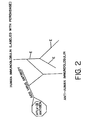
- the human PAP step of Sternberger is substituted in the present invention for human IgG labelled with peroxidase. See particularly Figure 2.
- the present invention employs the immunoglobulin specific combining property for two different purposes.
- the first purpose is the same as in labeled antibody methods; that is, immunoglobulin is used directly or indirectly as a reagent for selective localization of the tissue antigen under investigation. However, instead of visualizing this reaction by labeling the immunoglobulin, visualization is done by using specific immunoglobulin binding a second time, this time to bind onto the immunoglobulin an enzyme that is detectable by a suitable histochemical substrate.
- the double use of immunoglobulin specifically in sequence depends on the bivalence of the immunoglobulin.
Landscapes
- Health & Medical Sciences (AREA)
- Life Sciences & Earth Sciences (AREA)
- Immunology (AREA)
- Engineering & Computer Science (AREA)
- Molecular Biology (AREA)
- Urology & Nephrology (AREA)
- Biomedical Technology (AREA)
- Chemical & Material Sciences (AREA)
- Hematology (AREA)
- Physics & Mathematics (AREA)
- General Physics & Mathematics (AREA)
- Cell Biology (AREA)
- Food Science & Technology (AREA)
- Medicinal Chemistry (AREA)
- Biotechnology (AREA)
- Analytical Chemistry (AREA)
- Biochemistry (AREA)
- General Health & Medical Sciences (AREA)
- Microbiology (AREA)
- Pathology (AREA)
- Virology (AREA)
- AIDS & HIV (AREA)
- Tropical Medicine & Parasitology (AREA)
- Measuring Or Testing Involving Enzymes Or Micro-Organisms (AREA)
- Micro-Organisms Or Cultivation Processes Thereof (AREA)
- Peptides Or Proteins (AREA)
- Medicines Containing Antibodies Or Antigens For Use As Internal Diagnostic Agents (AREA)
- Medicines Containing Material From Animals Or Micro-Organisms (AREA)
Abstract
Description
- The present invention is an enzyme linked immunoassay for the detection and measurement of small quantities of HTLV-III (AIDS). The assay process involves incubating human test sera suspected of containing AIDS human virus antibodies (HTLV-III antibodies) with HTLV-III virus protein bound to an insoluble immunosorbent. The amount of human immunoglobulin bound to the HTLV-III proteins is determined by first reacting said human antibodies with antibody against human immunoglobulins followed by reaction with a complex consisting of purified human immunoglobulin (1g) conjugated to peroxidase. The human 1g specifically binds to the HTLV-III antigens. The presence and measurement of test sera is determined by the addition of a hydrogen peroxidase solution which reacts with the peroxidase enzyme to form a peroxidase color reaction.
- In this invention it is noted that the imnunoglobulin bonded to peroxidase is human immunoglobulin.
- Evidence suggests that the retrovirus(es) of the HTLV family is an etiological agent of acquired immune deficiency syndrome (AIDS) based on the following: (1) there is precedence for an animal retrovirus cause of immune deficiency (feline leukemia virus in cats); (2) retroviruses of the HTLV family are T-cell tropic; (3) they preferentially infect "helper" T-cells (OKT4⁺); (4) they have cytopathic effects on various human and mammalian cells as demonstrated by their induction of cell syncytia formation; (5) they can alter some T-cell functions; (6) in some cases infection may result in selective T-cell killing; and (7) they are transmitted by intimate contact or through blood products. The presence of antibodies directed to cell membrane antigens of HTLV infected cells has been shown in sera of more than 40% of patients with AIDS [Essex et al., Science, 220:859 (1983)]. This antigen has since been defined as part of the envelope of HTLV.
- The original detection and isolation of the various HTLV isolates were made possible by two earlier developments: the discovery of T-cell growth factor (TCGF), also called Interleukin 2 (I1-2), which enabled the routine selective growth of different subsets of normal and neoplastic mature T-cells [Ruscetti, et al., J. Immunol., 119:131 (1977); and Poiesz, et al., Proc. Nat. Acad. Sci. USA, 77:6134 (1980)] and the development of sensitive assays for detection of retroviruses based on reverse transcriptase assays. The methods of HTLV isolation and transmission involved a cocultivation procedure using permissive T-cells for the virus. The use of normal human T-cells in cocultivation experiments preferentially yielded HTLV of both subgroups with immortalizing (transforming) capability for some of the target T-cells.
- Disclosure of these discoveries is found in Gallo, et al., US-A-4,520,113 (publ. 28.05.85) and Gallo, et al., WO 85/04897 (publ. 07.11.85). Parallel references are Popovic, et al., "Detection, Isolation, and Continuous Production of Cytopathic Retroviruses (HTLV-III) from Patients with AIDS and Pre-AIDS," Science, 224:497, May 4, 1984; Schupbach, et al., "Serological Analysis of a Subgroup of Human T-Lymphotropic Retroviruses (HTLV-III) Associated with AIDS," Science, 224:503, May 4, 1984; and Sarngadharan, et al., "Antibodies Reactive with Human T-Lymphotropic Retroviruses (HTLV-III) in the Serum of Patients with AIDS," Science, 224:506, May 4, 1984. Other methods of detecting, isolating, and purifying HTLV-III virus or HTLV-III antibodies are disclosed in Gallo, et al., WO 85/04903 (publ. 07.11.85).
- "The Lancet" 30th June 1984, page 1438-1440 discloses a method for the determination of AIDS antigens by an indirect ELISA method in which bound AIDS antibodies are reacted with peroxidase-labelled goat anti-human immunoglobulin. The use of unlabelled anti-human immunoglobulin is not discussed.
- US-A-4,235,960 relates to a competitive enzyme-linked immunoassay by an ELISA method using two antibodies, wherein a first antibody is linked to a labelled antibody of the same species via a second bridging antibody against the first antibody and the labelled antibody.
- GB-A-2,114,289 relates to indirect methods for measuring bound antibodies. However this immunoassay is for class specific immunoglobulin antibodies, and is not directed to improved AIDS assays of high sensitivity.
- The present invention is another step in the discoveries leading to a therapeutic reagent for acquired immune deficiency syndrome (AIDS). Furthermore, the present invention represents an additional refinement in AIDS detection techniques.
- In a first aspect of the invention there is provided a method for assaying to determine the amount of antibodies to human T-cell leukemia virus type III present, characterised in that:
- (a) AIDS virus antibodies present in the sample are bonded to HTLV-III antigens linked to an insoluble immunosorbent and are incubated with anti-human immunoglobulin;
- (b) peroxidase-labelled human Ig is added;
- (c) a colour former is added which reacts with the peroxidase; and
- (d) the amount of HTLV-III antibodies is indirectly measured by measuring activity of said peroxidase.
- In a second aspect of the invention there is provided a method for assaying to determine the amount of antibodies to human T-cell leukemia virus type III present in a sample solution characterised in that
- (a) HTLV-III- antibodies present in the sample are linked to an insoluble solid immunosorbent
- (b) anti-human immunoglobulin is reacted with said antibodies;
- (c) said anti-human immunoglobulin which is bound to said antibodies is further reacted with peroxidase-labelled human immunoglobulin, said human immunoglobulin specifically binding to said anti-human immunoglobulin;
- (d) colour former is added which specifically reacts with said peroxidase; and
- (e) activity of the peroxidase is measured in order to indirectly measure the amount of HTLV-III antibodies present in said sample solution.
- In the process of the present invention it is of interest that the peroxidase enzyme is utilized in amounts which are termed greater enzymatic amounts and a preferred amount is to use a moderate excess of peroxidase which can be added to the immune material.
- The Ig component of the process is selected from any available Ig antibody such as IgA, IgD, IgE, IgG, and IgM. A preferred temperature for the process is in the cold and specifically at or about 1°C. A range of 1-50°C may be tolerated. A preferred peroxidase is horseradish peroxidase. A preferred ratio of peroxidase to Ig or gamma globulin is 5:1.
- Sternberger, Immunocytochemistry, "The unlabelled Antibody Enzyme Method," Ludwig Prentice Hall, 1974, pp. 129-171, discloses an unlabelled antibody of PAP (peroxidase-antiperoxidase) procedure. The present invention is a modification of the Sternberger procedure, which is suitable for use with animals and uses peroxidase bound to antiperoxidase. This procedure only applies to animal reagents because a human PAP reagent is unavailable since it requires immunizing a human with peroxidase. Furthermore, the human PAP step of Sternberger is substituted in the present invention for human IgG labelled with peroxidase. See particularly Figure 2.
- Maggio (ed.) Enzyme-Immunoassay , CRC Press, Inc., P. 44 et seq. (1980) and Nakane, et al., J. Histochem., Cytochem., Vol. 22, p. 1084 (1974) disclose methods of periodate coupling (peroxidase-labelled immunoglobulins) but do not disclose a method for detection of antibodies to HTLV-III.
- Kurstak (ed.), Viral Immunodiagnosis, Academic Press, Inc., pp. 3-30 (1974) discloses a variety of immunoperoxidase techniques and represents the state of the art.
- Sasse, et al., U.S. Patent No. 4,235,960, discloses a competitive, double-antibody enzyme-linked immunoassay.
- In the HTLV-III assay method of the present invention, anti-human immunoglobulin, which specifically binds to HTLV-III antibodies, is added to human test sera suspected of containing the AIDS virus antibodies previously coupled to solid immunosorbent test strips. The amount of inmunoglobulin bound to the test sera is measured by an enzyme-inmunoassay wherein human immunoglobulin labeled with peroxidase is incubated with the test strips. The amount of HTLV-III is measured by measuring the amount of inmunoglobulin/peroxidase complex bound to the anti-human inmunoglobulin previously bound to HTLV-III antigens. A preferred methodology illustrating the above procedure is disclosed in Example 1 and illustrated in Figure 2.
- The first immunoglobulin, anti-human IgG, IgA, IgD, IgE, or IgM is preferably prepared from goat. Other animal anti-human immunoglobulin may be used, such as rabbit, hamster, chicken, rat, guinea pig, sheep, horse, or mouse. These immunoglobulins are commercially available.
- The human immunoglobulin/peroxidase complex is the label by which HTLV-III antigens can be detected and measured. This complex may be formed, in the preferred embodiment, by chemically coupling purified human immunoglobulin and peroxidase. One method of preparation of this complex is described by Nakane, et al., J. Histochem. Cytochem., Vol. 22, p. 1084 (1974). Horseradish peroxidase, a colorless protein (apoenzyme) combined with a dark brown iron-porphyrin (and composed of 47.0% C, 13.2% N, 7.35% H, 0.43% S and 0.12% Fe) is available commercially in a highly purified crystalline form. In the first step, reactive amino groups on HRP are blocked by alkylation with dinitrofluorobenzene (DNFB). Blocked HRP is then activated for coupling by periodate cleavage by the sequential addition of NaIO₄ and H₂O (pH 8) followed by addition of immunoglobulin-NH₂ (pH 8) followed by addition of immunoglobulin-NH₂ and NaBH₄ (borohydride). The result is the IgG-peroxidase complex. Even though this coupling procedure is well known and commonly used, this invention may use other coupling methods. Although IgG is preferred, IgA, IgD, IgE, or IgM may be used.
- The immunosorbent test strips used in the present invention are insoluble and capable of attaching HTLV-III antigens. This immunoadsorbent is present as an insoluble surface and may be agarose in bead form, carbohydrates such as dextran, cellulose, or nitrocellulose, plastics such as polystyrene, polycarbonate, polypropylene, or polyamide, or inorganic materials such as glass or silica gel. HTLV-III antigens may be chemically coupled to the immunosorbent or coated onto the surface of the immunosorbent.
- The present invention employs the immunoglobulin specific combining property for two different purposes. The first purpose is the same as in labeled antibody methods; that is, immunoglobulin is used directly or indirectly as a reagent for selective localization of the tissue antigen under investigation. However, instead of visualizing this reaction by labeling the immunoglobulin, visualization is done by using specific immunoglobulin binding a second time, this time to bind onto the immunoglobulin an enzyme that is detectable by a suitable histochemical substrate. The double use of immunoglobulin specifically in sequence depends on the bivalence of the immunoglobulin.
- The color former may be any chromogenic reagent which reacts with the peroxidase labeled human immunoglobulin in order to produce color. The preferred reagent contains hydrogen peroxide and dianisidine. Other chromogenic reagents conventionally used are o-phenylene diamine, p-phenylenediamine, 5-amino-salicylic acid, pyrogallol and similar solutions, such as diaminobenzidine.
- The method for assaying HTLV-III antibodies may be incorporated into a test kit characterized by:
- a) an insoluble immunosorbent which may be in bead, strip, plate, or test cavity form;
- b) anti-human immunoglobulin capable of binding to HTLV-III antibodies;
- c) human immunoglobulin labeled with peroxidase, said human immunoglobulin being capable of bonding to the anti-human immunoglobulin noted above;
- d) a color former or chromogenic reagent suitable for reaction with peroxidase; and
- e) a means for measuring the activity of the peroxidase after contact with the chromogenic reagent.
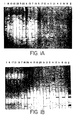
- Figure 1 shows identification of HTLV-III in different test sera taken from suspected AIDS patients.
- Figure 2 is a schematic diagram illustrating the invention.
- Identification of HTLV-III antigens recognized by Ugandan sera collected in 1972-1973.
- Absorbance values of samples tested for HTLV-III antibody were expressed in ratio to a standard normal control serum and samples with ratio values greater than the [(mean + 2sd) = 2.0] for normal donors were subjected to a confirmatory test requiring positive reactivity with the major HTLV-III viral bands separated by SDS-PAGE (200 µg of virus per slab, 12% acrylamide) and transferred to nitrocellulose sheets by electroblotting overnight at 15°C and 30V. The sheets were cut into strips and incubated with human test sera diluted 1:400 in 5% non-fat dried milk containing 0.02% merthiolate for 16 hours at 4°C. The strips were washed with wash Buffer, PBS containing 0.5% deoxycholate, 0.5% Triton® X-100 and 1 mM phenyl-, methyl-, sulfonylfluoride (PMSF). Next the strips were incubated at room temperature for 1 hour with goat antihuman IgG Fc fragment (Cappel labs) diluted 1:400 in
Buffer % Tween®
Claims (7)
- An assay method for the determination of the amount of antibodies to human T-cell leukemia virus type III present, characterised in that:(a) AIDS virus antibodies present in the sample are bonded to HTLV-III antigens linked to an insoluble immunosorbent and are incubated with anti-human immunoglobulin;(b) peroxidase-labelled human Ig is added;(c) a colour former is added which reacts with the peroxidase; and(d) the amount of HTLV-III antibodies are indirectly measured by measuring activity of said peroxidase.
- An assay method for the determination of the amount of antibodies to human T-cell leukemia virus type III present in a sample solution characterised in that(a) HTLV-III- antibodies present in the sample are linked to an insoluble solid immunosorbent(b) anti-human immunoglobulin; are reacted with said antibodies;(c) said anti-human immunoglobulin which are bound to said antibodies are further reacted with peroxidase-labelled human immunoglobulin, said human immunoglobulin specifically binding to said anti-human immunoglobulin;(d) colour former is added which specifically reacts with said peroxidase; and(e) activity of the peroxidase is measured in order to indirectly measure the amount of HTLV-III antibodies present in said sample solution.
- The method of claim 2, characterised in that antihuman immunoglobulin is one member selected from the group of immunoglobulins consisting of IgA, IgD, IgE, IgG and IgM.
- The method of claim 3, characterised in that said immunoglobulin is animal immunoglobulin.
- The method of claim 2, characterised in that said insoluble solid immunosorbent is selected from one member of the group consisting of agarose in bead form, carbohydrates such as dextran, cellulose, or nitrocellulose, plastics such as polystyrene, polycarbonate, polypropylene, or polyamide, and inorganic material such as glass or silica gel.
- A method according to any of claims 2 to 5 characterised in thata) a sample solution suspected of containing HTLV-III antibodies or antibodies exhibiting known HTLV-III specificity is contacted with an insoluble immunosorbent under conditions in which said antibodies will link to said immunosorbent;b) anti-human immunoglobulin are added to said antibodies linked to said immunosorbent under conditions in which said immunoglobulin will bond to said antibodies; andc) peroxidase-labelled human immunoglobulin is added to said immunosorbent under conditions in which said human immunoglobulin will bond to said anti-human immunoglobulin;
- A test kit for assaying HTLV-III antibodies characterised bya) an insoluble immunosorbent in bead, strip, plate, or test cavity form;b) anti-human immunoglobulin capable of bonding to HTLV-III antibodies;c) human immunoglobulin labelled with peroxidase, said human immunoglobulin being capable of bonding to the anti-human immunoglobulin noted above;d) a colour former or chromogenic reagent suitable for reaction with peroxidase; ande) a means for measuring the activity of the peroxidase after contact with the chromogenic reagent.
Priority Applications (1)
| Application Number | Priority Date | Filing Date | Title |
|---|---|---|---|
| AT86300953T ATE64783T1 (en) | 1985-02-26 | 1986-02-12 | DETECTION OF HUMAN T-CELL LEUKEMIA VIRUS TYPE III. |
Applications Claiming Priority (2)
| Application Number | Priority Date | Filing Date | Title |
|---|---|---|---|
| US70570885A | 1985-02-26 | 1985-02-26 | |
| US705708 | 2003-11-11 |
Publications (3)
| Publication Number | Publication Date |
|---|---|
| EP0196752A2 EP0196752A2 (en) | 1986-10-08 |
| EP0196752A3 EP0196752A3 (en) | 1986-10-22 |
| EP0196752B1 true EP0196752B1 (en) | 1991-06-26 |
Family
ID=24834604
Family Applications (1)
| Application Number | Title | Priority Date | Filing Date |
|---|---|---|---|
| EP86300953A Expired - Lifetime EP0196752B1 (en) | 1985-02-26 | 1986-02-12 | Detecion of human t-cell leukemia virus type iii |
Country Status (9)
| Country | Link |
|---|---|
| EP (1) | EP0196752B1 (en) |
| JP (1) | JPS62500049A (en) |
| AT (1) | ATE64783T1 (en) |
| AU (1) | AU579715B2 (en) |
| CA (1) | CA1256369A (en) |
| DE (1) | DE3679926D1 (en) |
| IL (1) | IL77862A (en) |
| NZ (1) | NZ215143A (en) |
| WO (1) | WO1986004993A1 (en) |
Families Citing this family (7)
| Publication number | Priority date | Publication date | Assignee | Title |
|---|---|---|---|---|
| CA1278259C (en) * | 1986-02-26 | 1990-12-27 | William C. Saxinger | Competitive elisa for the detection of antibodies |
| DE3636540A1 (en) * | 1986-10-27 | 1988-04-28 | Behringwerke Ag | METHOD FOR DETERMINING, AND MEANS OF, ANTI-HIV, AND THEIR USE IN THIS METHOD |
| FR2615623B1 (en) * | 1987-05-22 | 1992-06-19 | Transgene Sa | AIDS DIAGNOSIS TEST BASED ON THE EVIDENCE OF A DIVERSITY OF ISOTYPIC RESPONSE, VACCINES AND SEROTHERAPIES |
| ATE80740T1 (en) * | 1987-06-09 | 1992-10-15 | Cambridge Life Sciences | IMMUNASSAY PROCEDURE. |
| US5077198A (en) * | 1988-04-14 | 1991-12-31 | Eastman Kodak Company | Diagnostic kit and method for rapid detection of antibodies |
| FR2640143B1 (en) * | 1988-12-13 | 1991-03-15 | Maes Ludo | POLYMERIZED ANTIBODIES, DIRECTED AGAINST IMMUNOGLOBULINS - THEIR USE IN DIAGNOSTIC TESTS |
| GB2332944A (en) * | 1998-01-06 | 1999-07-07 | David Charles Mangham | Antibody detection systems |
Family Cites Families (7)
| Publication number | Priority date | Publication date | Assignee | Title |
|---|---|---|---|---|
| US4235960A (en) * | 1977-07-29 | 1980-11-25 | The Medical College Of Wisconsin, Inc. | Competitive enzyme-linked immunoassay |
| FR2418463A1 (en) * | 1978-02-28 | 1979-09-21 | Nal Transfusion Sanguine Centr | PROCESS FOR THE SCREENING OR IDENTIFICATION, IN A BIOLOGICAL ENVIRONMENT, OF VIRAL ANTIGENS, ERYTHROCYTAL OR CELLULAR ANTIGENS OR ANTIBODIES |
| US4434227A (en) * | 1982-02-08 | 1984-02-28 | Abbott Laboratories | Immunoassay for class specific immunoglobulin antibodies |
| EP0125893A3 (en) * | 1983-05-12 | 1986-10-15 | Sumitomo Chemical Company, Limited | The quantitative analysis of antigen by the enzyme-antibody bridge method |
| NZ211860A (en) * | 1984-04-23 | 1990-10-26 | Us Health | Method for detection of hiv; test kit |
| US4520113A (en) * | 1984-04-23 | 1985-05-28 | The United States Of America As Represented By The Secretary Of The Department Of Health And Human Services | Serological detection of antibodies to HTLV-III in sera of patients with AIDS and pre-AIDS conditions |
| BE904030A (en) * | 1985-01-15 | 1986-07-14 | Cancer Res Inst | METHOD OF SEARCHING FOR ANTIBODIES AND EQUIPMENT OR KIT FOR THE IMPLEMENTATION OF THIS PROCESS. |
-
1986
- 1986-02-07 AU AU54561/86A patent/AU579715B2/en not_active Ceased
- 1986-02-07 WO PCT/US1986/000257 patent/WO1986004993A1/en not_active Ceased
- 1986-02-07 JP JP61501373A patent/JPS62500049A/en active Pending
- 1986-02-07 CA CA000501345A patent/CA1256369A/en not_active Expired
- 1986-02-11 IL IL77862A patent/IL77862A/en unknown
- 1986-02-12 DE DE8686300953T patent/DE3679926D1/en not_active Expired - Lifetime
- 1986-02-12 EP EP86300953A patent/EP0196752B1/en not_active Expired - Lifetime
- 1986-02-12 AT AT86300953T patent/ATE64783T1/en not_active IP Right Cessation
- 1986-02-13 NZ NZ215143A patent/NZ215143A/en unknown
Also Published As
| Publication number | Publication date |
|---|---|
| ATE64783T1 (en) | 1991-07-15 |
| EP0196752A3 (en) | 1986-10-22 |
| DE3679926D1 (en) | 1991-08-01 |
| IL77862A (en) | 1991-07-18 |
| CA1256369A (en) | 1989-06-27 |
| NZ215143A (en) | 1988-08-30 |
| JPS62500049A (en) | 1987-01-08 |
| WO1986004993A1 (en) | 1986-08-28 |
| AU5456186A (en) | 1986-09-10 |
| AU579715B2 (en) | 1988-12-08 |
| EP0196752A2 (en) | 1986-10-08 |
Similar Documents
| Publication | Publication Date | Title |
|---|---|---|
| US4943525A (en) | Simultaneous immunoassay for the determination of antigens and antibodies | |
| JP2717006B2 (en) | Immunoassay | |
| US4753873A (en) | Peptides for the diagnosis of HTLV-III antibodies, their preparation and use | |
| US5356772A (en) | Process for preparing an improved western blot immunoassay | |
| EP0564460B1 (en) | An augmented western blot format and immunoassay for detection of viral antibodies | |
| JP3542808B2 (en) | Cell counting immunoassay | |
| KR20010013751A (en) | Methods for assaying antibody and device for assaying antibody | |
| US6030770A (en) | Increasing the sensitivity in the immunochemical determination of an analyte | |
| Kemeny et al. | An introduction to ELISA | |
| EP0008473B1 (en) | Method for the detection and/or determination of an antigen specific immunoglobulin, immuno-reagents to be used in said method and test kit for said determination | |
| AU579715B2 (en) | Detection of human t-cell leukemia virus type iii | |
| EP0346119A2 (en) | Anti-FC assay for detection of antibodies | |
| EP0962774B1 (en) | Detection of antibodies to FIV using ENV/GAG polypeptides | |
| EP0386713A2 (en) | Immunoassay for antibodies to HIV | |
| EP0443880B1 (en) | Assay for equine infectious anemia virus | |
| CA2193344C (en) | Immunological determination method | |
| US6596846B2 (en) | Method and composition for the diagnosis of equine infectious anemia virus disease by using the recombinant capsid protein virus (p26) | |
| EP0627625A1 (en) | Immunoassay for differential diagnosis | |
| EP0456753B1 (en) | HIV p17 ASSAYS FOR MONITORING DEVELOPMENT OF AIDS | |
| Walker | The enzyme linked immunosorbent assay (ELISA) | |
| Portetelle et al. | Bovine Leukosis—Recent Developments with use of Monoclonal Antibodies and Elisa Tests | |
| CA1306191C (en) | Hiv gp160 aids virus envelope protein-containing strips and use thereof for detection of aids antibody | |
| AU656221B2 (en) | Method for immunological testing and composition and kit for use therein | |
| CA2037466A1 (en) | Detection of anti-hiv antibodies | |
| Portetelle et al. | 3. National Institute for Veterinary Research, 1180 Uccle, Belgium. |
Legal Events
| Date | Code | Title | Description |
|---|---|---|---|
| PUAI | Public reference made under article 153(3) epc to a published international application that has entered the european phase |
Free format text: ORIGINAL CODE: 0009012 |
|
| PUAL | Search report despatched |
Free format text: ORIGINAL CODE: 0009013 |
|
| 17P | Request for examination filed |
Effective date: 19860217 |
|
| AK | Designated contracting states |
Kind code of ref document: A2 Designated state(s): AT BE CH DE FR GB IT LI LU NL SE |
|
| AK | Designated contracting states |
Kind code of ref document: A3 Designated state(s): AT BE CH DE FR GB IT LI LU NL SE |
|
| 17Q | First examination report despatched |
Effective date: 19881201 |
|
| GRAA | (expected) grant |
Free format text: ORIGINAL CODE: 0009210 |
|
| AK | Designated contracting states |
Kind code of ref document: B1 Designated state(s): AT BE CH DE FR GB IT LI LU NL SE |
|
| REF | Corresponds to: |
Ref document number: 64783 Country of ref document: AT Date of ref document: 19910715 Kind code of ref document: T |
|
| ITF | It: translation for a ep patent filed | ||
| REF | Corresponds to: |
Ref document number: 3679926 Country of ref document: DE Date of ref document: 19910801 |
|
| ET | Fr: translation filed | ||
| PG25 | Lapsed in a contracting state [announced via postgrant information from national office to epo] |
Ref country code: GB Effective date: 19920212 Ref country code: AT Effective date: 19920212 |
|
| PG25 | Lapsed in a contracting state [announced via postgrant information from national office to epo] |
Ref country code: SE Effective date: 19920213 |
|
| PG25 | Lapsed in a contracting state [announced via postgrant information from national office to epo] |
Ref country code: BE Effective date: 19920228 |
|
| PG25 | Lapsed in a contracting state [announced via postgrant information from national office to epo] |
Ref country code: LU Free format text: LAPSE BECAUSE OF NON-PAYMENT OF DUE FEES Effective date: 19920229 Ref country code: LI Effective date: 19920229 Ref country code: CH Effective date: 19920229 |
|
| PLBE | No opposition filed within time limit |
Free format text: ORIGINAL CODE: 0009261 |
|
| STAA | Information on the status of an ep patent application or granted ep patent |
Free format text: STATUS: NO OPPOSITION FILED WITHIN TIME LIMIT |
|
| 26N | No opposition filed | ||
| BERE | Be: lapsed |
Owner name: THE UNITED STATES OF AMERICA AS REPRESENTED BY TH Effective date: 19920228 |
|
| PG25 | Lapsed in a contracting state [announced via postgrant information from national office to epo] |
Ref country code: NL Effective date: 19920901 |
|
| GBPC | Gb: european patent ceased through non-payment of renewal fee | ||
| NLV4 | Nl: lapsed or anulled due to non-payment of the annual fee | ||
| PG25 | Lapsed in a contracting state [announced via postgrant information from national office to epo] |
Ref country code: FR Effective date: 19921030 |
|
| REG | Reference to a national code |
Ref country code: CH Ref legal event code: PL |
|
| PG25 | Lapsed in a contracting state [announced via postgrant information from national office to epo] |
Ref country code: DE Effective date: 19921103 |
|
| REG | Reference to a national code |
Ref country code: FR Ref legal event code: ST |
|
| EUG | Se: european patent has lapsed |
Ref document number: 86300953.6 Effective date: 19920904 |
|
| PG25 | Lapsed in a contracting state [announced via postgrant information from national office to epo] |
Ref country code: IT Free format text: LAPSE BECAUSE OF NON-PAYMENT OF DUE FEES;WARNING: LAPSES OF ITALIAN PATENTS WITH EFFECTIVE DATE BEFORE 2007 MAY HAVE OCCURRED AT ANY TIME BEFORE 2007. THE CORRECT EFFECTIVE DATE MAY BE DIFFERENT FROM THE ONE RECORDED. Effective date: 20050212 |