EP0187858B1 - Protective peptide antigen corresponding to plasmodium falciparum circumsporozoite protein - Google Patents
Protective peptide antigen corresponding to plasmodium falciparum circumsporozoite protein Download PDFInfo
- Publication number
- EP0187858B1 EP0187858B1 EP85903931A EP85903931A EP0187858B1 EP 0187858 B1 EP0187858 B1 EP 0187858B1 EP 85903931 A EP85903931 A EP 85903931A EP 85903931 A EP85903931 A EP 85903931A EP 0187858 B1 EP0187858 B1 EP 0187858B1
- Authority
- EP
- European Patent Office
- Prior art keywords
- peptide
- asn
- protein
- sequence
- falciparum
- Prior art date
- Legal status (The legal status is an assumption and is not a legal conclusion. Google has not performed a legal analysis and makes no representation as to the accuracy of the status listed.)
- Expired - Lifetime
Links
- 108090000765 processed proteins & peptides Proteins 0.000 title claims abstract description 66
- 239000000427 antigen Substances 0.000 title abstract description 19
- 102000036639 antigens Human genes 0.000 title abstract description 19
- 108091007433 antigens Proteins 0.000 title abstract description 19
- 230000001681 protective effect Effects 0.000 title abstract description 9
- 101900205473 Plasmodium falciparum Circumsporozoite protein Proteins 0.000 title 1
- 241000223960 Plasmodium falciparum Species 0.000 claims abstract description 48
- 108090000623 proteins and genes Proteins 0.000 claims description 46
- 102000004169 proteins and genes Human genes 0.000 claims description 44
- 238000000034 method Methods 0.000 claims description 41
- 108020004414 DNA Proteins 0.000 claims description 33
- 210000003046 sporozoite Anatomy 0.000 claims description 28
- 239000012634 fragment Substances 0.000 claims description 20
- 229960005486 vaccine Drugs 0.000 claims description 18
- 150000001413 amino acids Chemical group 0.000 claims description 17
- 241000588724 Escherichia coli Species 0.000 claims description 10
- 210000004027 cell Anatomy 0.000 claims description 10
- 201000004792 malaria Diseases 0.000 claims description 10
- 102000004196 processed proteins & peptides Human genes 0.000 claims description 10
- SWLOHUMCUDRTCL-ZLUOBGJFSA-N Asn-Ala-Asn Chemical compound C[C@@H](C(=O)N[C@@H](CC(=O)N)C(=O)O)NC(=O)[C@H](CC(=O)N)N SWLOHUMCUDRTCL-ZLUOBGJFSA-N 0.000 claims description 9
- 108020004511 Recombinant DNA Proteins 0.000 claims description 9
- 239000013598 vector Substances 0.000 claims description 8
- 230000000890 antigenic effect Effects 0.000 claims description 7
- 238000004519 manufacturing process Methods 0.000 claims description 6
- 102000014914 Carrier Proteins Human genes 0.000 claims description 5
- 108010078791 Carrier Proteins Proteins 0.000 claims description 5
- 230000003053 immunization Effects 0.000 claims description 5
- 230000008878 coupling Effects 0.000 claims description 3
- 238000010168 coupling process Methods 0.000 claims description 3
- 238000005859 coupling reaction Methods 0.000 claims description 3
- 239000003814 drug Substances 0.000 claims description 3
- 102000037865 fusion proteins Human genes 0.000 claims description 3
- 108020001507 fusion proteins Proteins 0.000 claims description 3
- 238000002649 immunization Methods 0.000 claims description 3
- 101710165610 Heat-stable 19 kDa antigen Proteins 0.000 claims description 2
- 102000053602 DNA Human genes 0.000 claims 6
- 239000004480 active ingredient Substances 0.000 claims 4
- 244000005700 microbiome Species 0.000 claims 4
- 238000005516 engineering process Methods 0.000 claims 3
- 108091026890 Coding region Proteins 0.000 claims 2
- 241000124008 Mammalia Species 0.000 claims 2
- 230000003472 neutralizing effect Effects 0.000 claims 1
- 239000008194 pharmaceutical composition Substances 0.000 claims 1
- 230000001131 transforming effect Effects 0.000 claims 1
- 101000726057 Plasmodium falciparum Circumsporozoite protein Proteins 0.000 abstract 1
- 235000018102 proteins Nutrition 0.000 description 40
- LFQSCWFLJHTTHZ-UHFFFAOYSA-N Ethanol Chemical compound CCO LFQSCWFLJHTTHZ-UHFFFAOYSA-N 0.000 description 36
- HEDRZPFGACZZDS-UHFFFAOYSA-N Chloroform Chemical compound ClC(Cl)Cl HEDRZPFGACZZDS-UHFFFAOYSA-N 0.000 description 30
- 229940024606 amino acid Drugs 0.000 description 21
- 238000006243 chemical reaction Methods 0.000 description 21
- 108091032973 (ribonucleotides)n+m Proteins 0.000 description 16
- ISWSIDIOOBJBQZ-UHFFFAOYSA-N Phenol Chemical compound OC1=CC=CC=C1 ISWSIDIOOBJBQZ-UHFFFAOYSA-N 0.000 description 16
- 239000002299 complementary DNA Substances 0.000 description 15
- 235000001014 amino acid Nutrition 0.000 description 14
- 239000013612 plasmid Substances 0.000 description 14
- XLYOFNOQVPJJNP-UHFFFAOYSA-N water Substances O XLYOFNOQVPJJNP-UHFFFAOYSA-N 0.000 description 14
- 125000003275 alpha amino acid group Chemical group 0.000 description 13
- 239000002773 nucleotide Substances 0.000 description 13
- 125000003729 nucleotide group Chemical group 0.000 description 13
- 239000000284 extract Substances 0.000 description 11
- 239000000203 mixture Substances 0.000 description 11
- 108091003079 Bovine Serum Albumin Proteins 0.000 description 10
- KCXVZYZYPLLWCC-UHFFFAOYSA-N EDTA Chemical compound OC(=O)CN(CC(O)=O)CCN(CC(O)=O)CC(O)=O KCXVZYZYPLLWCC-UHFFFAOYSA-N 0.000 description 10
- FAPWRFPIFSIZLT-UHFFFAOYSA-M Sodium chloride Chemical compound [Na+].[Cl-] FAPWRFPIFSIZLT-UHFFFAOYSA-M 0.000 description 10
- 229940098773 bovine serum albumin Drugs 0.000 description 10
- 229960001230 asparagine Drugs 0.000 description 9
- DCXYFEDJOCDNAF-UHFFFAOYSA-N Asparagine Natural products OC(=O)C(N)CC(N)=O DCXYFEDJOCDNAF-UHFFFAOYSA-N 0.000 description 8
- DCXYFEDJOCDNAF-REOHCLBHSA-N L-asparagine Chemical compound OC(=O)[C@@H](N)CC(N)=O DCXYFEDJOCDNAF-REOHCLBHSA-N 0.000 description 8
- TWRXJAOTZQYOKJ-UHFFFAOYSA-L Magnesium chloride Chemical compound [Mg+2].[Cl-].[Cl-] TWRXJAOTZQYOKJ-UHFFFAOYSA-L 0.000 description 8
- 241000223801 Plasmodium knowlesi Species 0.000 description 8
- 235000009582 asparagine Nutrition 0.000 description 8
- 238000003556 assay Methods 0.000 description 8
- 244000045947 parasite Species 0.000 description 8
- 241000282414 Homo sapiens Species 0.000 description 7
- 241000282579 Pan Species 0.000 description 7
- 230000001580 bacterial effect Effects 0.000 description 7
- 238000011534 incubation Methods 0.000 description 7
- 238000013207 serial dilution Methods 0.000 description 7
- 108020004705 Codon Proteins 0.000 description 6
- ONIBWKKTOPOVIA-BYPYZUCNSA-N L-Proline Chemical compound OC(=O)[C@@H]1CCCN1 ONIBWKKTOPOVIA-BYPYZUCNSA-N 0.000 description 6
- QNAYBMKLOCPYGJ-REOHCLBHSA-N L-alanine Chemical compound C[C@H](N)C(O)=O QNAYBMKLOCPYGJ-REOHCLBHSA-N 0.000 description 6
- ONIBWKKTOPOVIA-UHFFFAOYSA-N Proline Natural products OC(=O)C1CCCN1 ONIBWKKTOPOVIA-UHFFFAOYSA-N 0.000 description 6
- 108091034057 RNA (poly(A)) Proteins 0.000 description 6
- HEMHJVSKTPXQMS-UHFFFAOYSA-M Sodium hydroxide Chemical compound [OH-].[Na+] HEMHJVSKTPXQMS-UHFFFAOYSA-M 0.000 description 6
- 235000004279 alanine Nutrition 0.000 description 6
- 229960003767 alanine Drugs 0.000 description 6
- 239000000872 buffer Substances 0.000 description 6
- VHJLVAABSRFDPM-QWWZWVQMSA-N dithiothreitol Chemical compound SC[C@@H](O)[C@H](O)CS VHJLVAABSRFDPM-QWWZWVQMSA-N 0.000 description 6
- 239000008188 pellet Substances 0.000 description 6
- 238000002360 preparation method Methods 0.000 description 6
- 235000013930 proline Nutrition 0.000 description 6
- 229960002429 proline Drugs 0.000 description 6
- 230000003252 repetitive effect Effects 0.000 description 6
- 238000011160 research Methods 0.000 description 6
- USFZMSVCRYTOJT-UHFFFAOYSA-N Ammonium acetate Chemical compound N.CC(O)=O USFZMSVCRYTOJT-UHFFFAOYSA-N 0.000 description 5
- 239000005695 Ammonium acetate Substances 0.000 description 5
- 102000007056 Recombinant Fusion Proteins Human genes 0.000 description 5
- 108010008281 Recombinant Fusion Proteins Proteins 0.000 description 5
- 235000019257 ammonium acetate Nutrition 0.000 description 5
- 229940043376 ammonium acetate Drugs 0.000 description 5
- 229940041514 candida albicans extract Drugs 0.000 description 5
- SUYVUBYJARFZHO-RRKCRQDMSA-N dATP Chemical compound C1=NC=2C(N)=NC=NC=2N1[C@H]1C[C@H](O)[C@@H](COP(O)(=O)OP(O)(=O)OP(O)(O)=O)O1 SUYVUBYJARFZHO-RRKCRQDMSA-N 0.000 description 5
- SUYVUBYJARFZHO-UHFFFAOYSA-N dATP Natural products C1=NC=2C(N)=NC=NC=2N1C1CC(O)C(COP(O)(=O)OP(O)(=O)OP(O)(O)=O)O1 SUYVUBYJARFZHO-UHFFFAOYSA-N 0.000 description 5
- RGWHQCVHVJXOKC-SHYZEUOFSA-J dCTP(4-) Chemical compound O=C1N=C(N)C=CN1[C@@H]1O[C@H](COP([O-])(=O)OP([O-])(=O)OP([O-])([O-])=O)[C@@H](O)C1 RGWHQCVHVJXOKC-SHYZEUOFSA-J 0.000 description 5
- LOKCTEFSRHRXRJ-UHFFFAOYSA-I dipotassium trisodium dihydrogen phosphate hydrogen phosphate dichloride Chemical compound P(=O)(O)(O)[O-].[K+].P(=O)(O)([O-])[O-].[Na+].[Na+].[Cl-].[K+].[Cl-].[Na+] LOKCTEFSRHRXRJ-UHFFFAOYSA-I 0.000 description 5
- 239000000499 gel Substances 0.000 description 5
- 239000006166 lysate Substances 0.000 description 5
- 238000013507 mapping Methods 0.000 description 5
- 238000012986 modification Methods 0.000 description 5
- 230000004048 modification Effects 0.000 description 5
- 239000002953 phosphate buffered saline Substances 0.000 description 5
- 238000003127 radioimmunoassay Methods 0.000 description 5
- 239000011780 sodium chloride Substances 0.000 description 5
- 238000003786 synthesis reaction Methods 0.000 description 5
- 239000012138 yeast extract Substances 0.000 description 5
- 241000255925 Diptera Species 0.000 description 4
- SXRSQZLOMIGNAQ-UHFFFAOYSA-N Glutaraldehyde Chemical compound O=CCCCC=O SXRSQZLOMIGNAQ-UHFFFAOYSA-N 0.000 description 4
- DHMQDGOQFOQNFH-UHFFFAOYSA-N Glycine Chemical compound NCC(O)=O DHMQDGOQFOQNFH-UHFFFAOYSA-N 0.000 description 4
- 241000283973 Oryctolagus cuniculus Species 0.000 description 4
- 241000224028 Plasmodium cynomolgi Species 0.000 description 4
- 206010035500 Plasmodium falciparum infection Diseases 0.000 description 4
- 239000004098 Tetracycline Substances 0.000 description 4
- 230000015572 biosynthetic process Effects 0.000 description 4
- NHVNXKFIZYSCEB-XLPZGREQSA-N dTTP Chemical compound O=C1NC(=O)C(C)=CN1[C@@H]1O[C@H](COP(O)(=O)OP(O)(=O)OP(O)(O)=O)[C@@H](O)C1 NHVNXKFIZYSCEB-XLPZGREQSA-N 0.000 description 4
- 238000002474 experimental method Methods 0.000 description 4
- 238000000605 extraction Methods 0.000 description 4
- 238000011065 in-situ storage Methods 0.000 description 4
- 208000015181 infectious disease Diseases 0.000 description 4
- 229910001629 magnesium chloride Inorganic materials 0.000 description 4
- 108020004999 messenger RNA Proteins 0.000 description 4
- YBYRMVIVWMBXKQ-UHFFFAOYSA-N phenylmethanesulfonyl fluoride Chemical compound FS(=O)(=O)CC1=CC=CC=C1 YBYRMVIVWMBXKQ-UHFFFAOYSA-N 0.000 description 4
- 238000001556 precipitation Methods 0.000 description 4
- 239000000523 sample Substances 0.000 description 4
- 210000002966 serum Anatomy 0.000 description 4
- 239000000126 substance Substances 0.000 description 4
- 229960002180 tetracycline Drugs 0.000 description 4
- 229930101283 tetracycline Natural products 0.000 description 4
- 235000019364 tetracycline Nutrition 0.000 description 4
- 150000003522 tetracyclines Chemical class 0.000 description 4
- QTBSBXVTEAMEQO-UHFFFAOYSA-N Acetic acid Chemical compound CC(O)=O QTBSBXVTEAMEQO-UHFFFAOYSA-N 0.000 description 3
- 229920000936 Agarose Polymers 0.000 description 3
- 102000004594 DNA Polymerase I Human genes 0.000 description 3
- 108010017826 DNA Polymerase I Proteins 0.000 description 3
- 241000282412 Homo Species 0.000 description 3
- ZMXDDKWLCZADIW-UHFFFAOYSA-N N,N-Dimethylformamide Chemical compound CN(C)C=O ZMXDDKWLCZADIW-UHFFFAOYSA-N 0.000 description 3
- 241000282577 Pan troglodytes Species 0.000 description 3
- VMHLLURERBWHNL-UHFFFAOYSA-M Sodium acetate Chemical compound [Na+].CC([O-])=O VMHLLURERBWHNL-UHFFFAOYSA-M 0.000 description 3
- 238000010367 cloning Methods 0.000 description 3
- HAAZLUGHYHWQIW-KVQBGUIXSA-N dGTP Chemical compound C1=NC=2C(=O)NC(N)=NC=2N1[C@H]1C[C@H](O)[C@@H](COP(O)(=O)OP(O)(=O)OP(O)(O)=O)O1 HAAZLUGHYHWQIW-KVQBGUIXSA-N 0.000 description 3
- 238000012217 deletion Methods 0.000 description 3
- 230000037430 deletion Effects 0.000 description 3
- 238000011161 development Methods 0.000 description 3
- MGHPNCMVUAKAIE-UHFFFAOYSA-N diphenylmethanamine Chemical compound C=1C=CC=CC=1C(N)C1=CC=CC=C1 MGHPNCMVUAKAIE-UHFFFAOYSA-N 0.000 description 3
- 230000036039 immunity Effects 0.000 description 3
- 230000002163 immunogen Effects 0.000 description 3
- 238000002844 melting Methods 0.000 description 3
- 230000008018 melting Effects 0.000 description 3
- 229920001223 polyethylene glycol Polymers 0.000 description 3
- 239000011347 resin Substances 0.000 description 3
- 229920005989 resin Polymers 0.000 description 3
- 108091008146 restriction endonucleases Proteins 0.000 description 3
- 241000894007 species Species 0.000 description 3
- 239000006228 supernatant Substances 0.000 description 3
- 230000009466 transformation Effects 0.000 description 3
- DGVVWUTYPXICAM-UHFFFAOYSA-N β‐Mercaptoethanol Chemical compound OCCS DGVVWUTYPXICAM-UHFFFAOYSA-N 0.000 description 3
- HZAXFHJVJLSVMW-UHFFFAOYSA-N 2-Aminoethan-1-ol Chemical compound NCCO HZAXFHJVJLSVMW-UHFFFAOYSA-N 0.000 description 2
- 229920001817 Agar Polymers 0.000 description 2
- 241000894006 Bacteria Species 0.000 description 2
- 108010014303 DNA-directed DNA polymerase Proteins 0.000 description 2
- 102000016928 DNA-directed DNA polymerase Human genes 0.000 description 2
- RTZKZFJDLAIYFH-UHFFFAOYSA-N Diethyl ether Chemical compound CCOCC RTZKZFJDLAIYFH-UHFFFAOYSA-N 0.000 description 2
- 108090000204 Dipeptidase 1 Proteins 0.000 description 2
- 241001646716 Escherichia coli K-12 Species 0.000 description 2
- 241000701959 Escherichia virus Lambda Species 0.000 description 2
- WQZGKKKJIJFFOK-GASJEMHNSA-N Glucose Natural products OC[C@H]1OC(O)[C@H](O)[C@@H](O)[C@@H]1O WQZGKKKJIJFFOK-GASJEMHNSA-N 0.000 description 2
- WHUUTDBJXJRKMK-UHFFFAOYSA-N Glutamic acid Natural products OC(=O)C(N)CCC(O)=O WHUUTDBJXJRKMK-UHFFFAOYSA-N 0.000 description 2
- 239000004471 Glycine Substances 0.000 description 2
- KFZMGEQAYNKOFK-UHFFFAOYSA-N Isopropanol Chemical compound CC(C)O KFZMGEQAYNKOFK-UHFFFAOYSA-N 0.000 description 2
- WHUUTDBJXJRKMK-VKHMYHEASA-N L-glutamic acid Chemical compound OC(=O)[C@@H](N)CCC(O)=O WHUUTDBJXJRKMK-VKHMYHEASA-N 0.000 description 2
- 241001465754 Metazoa Species 0.000 description 2
- 239000000020 Nitrocellulose Substances 0.000 description 2
- 101710194807 Protective antigen Proteins 0.000 description 2
- 239000007983 Tris buffer Substances 0.000 description 2
- 239000002253 acid Substances 0.000 description 2
- 150000007513 acids Chemical class 0.000 description 2
- RJURFGZVJUQBHK-UHFFFAOYSA-N actinomycin D Natural products CC1OC(=O)C(C(C)C)N(C)C(=O)CN(C)C(=O)C2CCCN2C(=O)C(C(C)C)NC(=O)C1NC(=O)C1=C(N)C(=O)C(C)=C2OC(C(C)=CC=C3C(=O)NC4C(=O)NC(C(N5CCCC5C(=O)N(C)CC(=O)N(C)C(C(C)C)C(=O)OC4C)=O)C(C)C)=C3N=C21 RJURFGZVJUQBHK-UHFFFAOYSA-N 0.000 description 2
- 239000008272 agar Substances 0.000 description 2
- 238000000137 annealing Methods 0.000 description 2
- 102000006635 beta-lactamase Human genes 0.000 description 2
- 210000004369 blood Anatomy 0.000 description 2
- 239000008280 blood Substances 0.000 description 2
- 239000001913 cellulose Substances 0.000 description 2
- 229920002678 cellulose Polymers 0.000 description 2
- 238000005119 centrifugation Methods 0.000 description 2
- 239000003153 chemical reaction reagent Substances 0.000 description 2
- 125000000151 cysteine group Chemical group N[C@@H](CS)C(=O)* 0.000 description 2
- 238000010790 dilution Methods 0.000 description 2
- 239000012895 dilution Substances 0.000 description 2
- 230000000694 effects Effects 0.000 description 2
- 102000018146 globin Human genes 0.000 description 2
- 108060003196 globin Proteins 0.000 description 2
- 239000008103 glucose Substances 0.000 description 2
- 235000013922 glutamic acid Nutrition 0.000 description 2
- 239000004220 glutamic acid Substances 0.000 description 2
- 238000010438 heat treatment Methods 0.000 description 2
- 230000028993 immune response Effects 0.000 description 2
- 238000003018 immunoassay Methods 0.000 description 2
- 230000000984 immunochemical effect Effects 0.000 description 2
- 230000005847 immunogenicity Effects 0.000 description 2
- 238000000338 in vitro Methods 0.000 description 2
- 230000002401 inhibitory effect Effects 0.000 description 2
- 230000005764 inhibitory process Effects 0.000 description 2
- 238000002347 injection Methods 0.000 description 2
- 239000007924 injection Substances 0.000 description 2
- 238000002372 labelling Methods 0.000 description 2
- 229920001220 nitrocellulos Polymers 0.000 description 2
- SCVFZCLFOSHCOH-UHFFFAOYSA-M potassium acetate Chemical compound [K+].CC([O-])=O SCVFZCLFOSHCOH-UHFFFAOYSA-M 0.000 description 2
- 239000000047 product Substances 0.000 description 2
- 230000002285 radioactive effect Effects 0.000 description 2
- 238000012216 screening Methods 0.000 description 2
- 238000012163 sequencing technique Methods 0.000 description 2
- 239000001632 sodium acetate Substances 0.000 description 2
- 235000017281 sodium acetate Nutrition 0.000 description 2
- 239000007790 solid phase Substances 0.000 description 2
- LENZDBCJOHFCAS-UHFFFAOYSA-N tris Chemical compound OCC(N)(CO)CO LENZDBCJOHFCAS-UHFFFAOYSA-N 0.000 description 2
- 238000005406 washing Methods 0.000 description 2
- CKTSBUTUHBMZGZ-SHYZEUOFSA-N 2'‐deoxycytidine Chemical group O=C1N=C(N)C=CN1[C@@H]1O[C@H](CO)[C@@H](O)C1 CKTSBUTUHBMZGZ-SHYZEUOFSA-N 0.000 description 1
- 241000606315 Anopheles balabacensis Species 0.000 description 1
- 108010032595 Antibody Binding Sites Proteins 0.000 description 1
- 206010003445 Ascites Diseases 0.000 description 1
- 241000972773 Aulopiformes Species 0.000 description 1
- 241000283690 Bos taurus Species 0.000 description 1
- 101150052200 CS gene Proteins 0.000 description 1
- 241000283707 Capra Species 0.000 description 1
- 241000282693 Cercopithecidae Species 0.000 description 1
- 101710117490 Circumsporozoite protein Proteins 0.000 description 1
- 229910021580 Cobalt(II) chloride Inorganic materials 0.000 description 1
- 108010008286 DNA nucleotidylexotransferase Proteins 0.000 description 1
- 102100033215 DNA nucleotidylexotransferase Human genes 0.000 description 1
- 108010092160 Dactinomycin Proteins 0.000 description 1
- 102000007260 Deoxyribonuclease I Human genes 0.000 description 1
- 108010008532 Deoxyribonuclease I Proteins 0.000 description 1
- 102100031780 Endonuclease Human genes 0.000 description 1
- 102000004190 Enzymes Human genes 0.000 description 1
- 108090000790 Enzymes Proteins 0.000 description 1
- 206010061217 Infestation Diseases 0.000 description 1
- 102000003960 Ligases Human genes 0.000 description 1
- 108090000364 Ligases Proteins 0.000 description 1
- FYYHWMGAXLPEAU-UHFFFAOYSA-N Magnesium Chemical compound [Mg] FYYHWMGAXLPEAU-UHFFFAOYSA-N 0.000 description 1
- 241000699666 Mus <mouse, genus> Species 0.000 description 1
- 241000699670 Mus sp. Species 0.000 description 1
- BAWFJGJZGIEFAR-NNYOXOHSSA-N NAD zwitterion Chemical compound NC(=O)C1=CC=C[N+]([C@H]2[C@@H]([C@H](O)[C@@H](COP([O-])(=O)OP(O)(=O)OC[C@@H]3[C@H]([C@@H](O)[C@@H](O3)N3C4=NC=NC(N)=C4N=C3)O)O2)O)=C1 BAWFJGJZGIEFAR-NNYOXOHSSA-N 0.000 description 1
- 108091028043 Nucleic acid sequence Proteins 0.000 description 1
- 108020002230 Pancreatic Ribonuclease Proteins 0.000 description 1
- 102000005891 Pancreatic ribonuclease Human genes 0.000 description 1
- 206010035226 Plasma cell myeloma Diseases 0.000 description 1
- 241000224016 Plasmodium Species 0.000 description 1
- 239000002202 Polyethylene glycol Substances 0.000 description 1
- 239000013614 RNA sample Substances 0.000 description 1
- 108010092799 RNA-directed DNA polymerase Proteins 0.000 description 1
- 108091081062 Repeated sequence (DNA) Proteins 0.000 description 1
- 101800000684 Ribonuclease H Proteins 0.000 description 1
- 108010046983 Ribonuclease T1 Proteins 0.000 description 1
- 241000283984 Rodentia Species 0.000 description 1
- 240000004808 Saccharomyces cerevisiae Species 0.000 description 1
- 229920005654 Sephadex Polymers 0.000 description 1
- 239000012507 Sephadex™ Substances 0.000 description 1
- 238000012300 Sequence Analysis Methods 0.000 description 1
- 229930006000 Sucrose Natural products 0.000 description 1
- CZMRCDWAGMRECN-UGDNZRGBSA-N Sucrose Chemical compound O[C@H]1[C@H](O)[C@@H](CO)O[C@@]1(CO)O[C@@H]1[C@H](O)[C@@H](O)[C@H](O)[C@@H](CO)O1 CZMRCDWAGMRECN-UGDNZRGBSA-N 0.000 description 1
- 238000005903 acid hydrolysis reaction Methods 0.000 description 1
- RJURFGZVJUQBHK-IIXSONLDSA-N actinomycin D Chemical compound C[C@H]1OC(=O)[C@H](C(C)C)N(C)C(=O)CN(C)C(=O)[C@@H]2CCCN2C(=O)[C@@H](C(C)C)NC(=O)[C@H]1NC(=O)C1=C(N)C(=O)C(C)=C2OC(C(C)=CC=C3C(=O)N[C@@H]4C(=O)N[C@@H](C(N5CCC[C@H]5C(=O)N(C)CC(=O)N(C)[C@@H](C(C)C)C(=O)O[C@@H]4C)=O)C(C)C)=C3N=C21 RJURFGZVJUQBHK-IIXSONLDSA-N 0.000 description 1
- 239000002671 adjuvant Substances 0.000 description 1
- 239000011543 agarose gel Substances 0.000 description 1
- WNROFYMDJYEPJX-UHFFFAOYSA-K aluminium hydroxide Chemical compound [OH-].[OH-].[OH-].[Al+3] WNROFYMDJYEPJX-UHFFFAOYSA-K 0.000 description 1
- 229940024545 aluminum hydroxide Drugs 0.000 description 1
- 229940024546 aluminum hydroxide gel Drugs 0.000 description 1
- SMYKVLBUSSNXMV-UHFFFAOYSA-K aluminum;trihydroxide;hydrate Chemical compound O.[OH-].[OH-].[OH-].[Al+3] SMYKVLBUSSNXMV-UHFFFAOYSA-K 0.000 description 1
- 125000003277 amino group Chemical group 0.000 description 1
- 229910052921 ammonium sulfate Inorganic materials 0.000 description 1
- 238000004458 analytical method Methods 0.000 description 1
- 238000000376 autoradiography Methods 0.000 description 1
- 230000001588 bifunctional effect Effects 0.000 description 1
- 239000012148 binding buffer Substances 0.000 description 1
- 238000010804 cDNA synthesis Methods 0.000 description 1
- AIYUHDOJVYHVIT-UHFFFAOYSA-M caesium chloride Chemical compound [Cl-].[Cs+] AIYUHDOJVYHVIT-UHFFFAOYSA-M 0.000 description 1
- 125000003178 carboxy group Chemical group [H]OC(*)=O 0.000 description 1
- 230000015556 catabolic process Effects 0.000 description 1
- 230000001413 cellular effect Effects 0.000 description 1
- 238000012512 characterization method Methods 0.000 description 1
- 210000000038 chest Anatomy 0.000 description 1
- 229960005091 chloramphenicol Drugs 0.000 description 1
- WIIZWVCIJKGZOK-RKDXNWHRSA-N chloramphenicol Chemical compound ClC(Cl)C(=O)N[C@H](CO)[C@H](O)C1=CC=C([N+]([O-])=O)C=C1 WIIZWVCIJKGZOK-RKDXNWHRSA-N 0.000 description 1
- 150000001875 compounds Chemical class 0.000 description 1
- 238000010276 construction Methods 0.000 description 1
- 238000005520 cutting process Methods 0.000 description 1
- 229960000640 dactinomycin Drugs 0.000 description 1
- 238000006731 degradation reaction Methods 0.000 description 1
- 201000010099 disease Diseases 0.000 description 1
- 208000037265 diseases, disorders, signs and symptoms Diseases 0.000 description 1
- 229940079593 drug Drugs 0.000 description 1
- 238000001962 electrophoresis Methods 0.000 description 1
- 238000006911 enzymatic reaction Methods 0.000 description 1
- 238000011049 filling Methods 0.000 description 1
- 239000012530 fluid Substances 0.000 description 1
- 238000005194 fractionation Methods 0.000 description 1
- 108010074605 gamma-Globulins Proteins 0.000 description 1
- 230000002068 genetic effect Effects 0.000 description 1
- 229960000789 guanidine hydrochloride Drugs 0.000 description 1
- YQOKLYTXVFAUCW-UHFFFAOYSA-N guanidine;isothiocyanic acid Chemical compound N=C=S.NC(N)=N YQOKLYTXVFAUCW-UHFFFAOYSA-N 0.000 description 1
- PJJJBBJSCAKJQF-UHFFFAOYSA-N guanidinium chloride Chemical compound [Cl-].NC(N)=[NH2+] PJJJBBJSCAKJQF-UHFFFAOYSA-N 0.000 description 1
- 230000036541 health Effects 0.000 description 1
- 230000005802 health problem Effects 0.000 description 1
- 238000004128 high performance liquid chromatography Methods 0.000 description 1
- 210000004408 hybridoma Anatomy 0.000 description 1
- 230000014726 immortalization of host cell Effects 0.000 description 1
- 210000000987 immune system Anatomy 0.000 description 1
- 230000016784 immunoglobulin production Effects 0.000 description 1
- 230000002779 inactivation Effects 0.000 description 1
- 238000010348 incorporation Methods 0.000 description 1
- 238000011081 inoculation Methods 0.000 description 1
- 230000003993 interaction Effects 0.000 description 1
- 230000002452 interceptive effect Effects 0.000 description 1
- 108010045069 keyhole-limpet hemocyanin Proteins 0.000 description 1
- 210000003712 lysosome Anatomy 0.000 description 1
- 230000001868 lysosomic effect Effects 0.000 description 1
- 239000011777 magnesium Substances 0.000 description 1
- 229910052749 magnesium Inorganic materials 0.000 description 1
- 229910052943 magnesium sulfate Inorganic materials 0.000 description 1
- 229940124735 malaria vaccine Drugs 0.000 description 1
- 239000000463 material Substances 0.000 description 1
- 239000011159 matrix material Substances 0.000 description 1
- 238000005259 measurement Methods 0.000 description 1
- 238000002156 mixing Methods 0.000 description 1
- 201000000050 myeloid neoplasm Diseases 0.000 description 1
- FEBNTWHYQKGEIQ-BIMULSAOSA-N nardin Natural products C[C@H]1CC[C@H](C=C(/C)C(=O)O)C2=C(C)CC[C@@H]12 FEBNTWHYQKGEIQ-BIMULSAOSA-N 0.000 description 1
- 229940101270 nicotinamide adenine dinucleotide (nad) Drugs 0.000 description 1
- 108020004707 nucleic acids Proteins 0.000 description 1
- 102000039446 nucleic acids Human genes 0.000 description 1
- 150000007523 nucleic acids Chemical class 0.000 description 1
- 230000003287 optical effect Effects 0.000 description 1
- 238000004806 packaging method and process Methods 0.000 description 1
- 244000052769 pathogen Species 0.000 description 1
- 230000001717 pathogenic effect Effects 0.000 description 1
- 238000010647 peptide synthesis reaction Methods 0.000 description 1
- 239000012071 phase Substances 0.000 description 1
- 239000013600 plasmid vector Substances 0.000 description 1
- 229920003023 plastic Polymers 0.000 description 1
- 239000004033 plastic Substances 0.000 description 1
- 229920000136 polysorbate Polymers 0.000 description 1
- 235000011056 potassium acetate Nutrition 0.000 description 1
- HJRIWDYVYNNCFY-UHFFFAOYSA-M potassium;dimethylarsinate Chemical compound [K+].C[As](C)([O-])=O HJRIWDYVYNNCFY-UHFFFAOYSA-M 0.000 description 1
- 239000002244 precipitate Substances 0.000 description 1
- 238000000746 purification Methods 0.000 description 1
- 239000000376 reactant Substances 0.000 description 1
- 239000011541 reaction mixture Substances 0.000 description 1
- 230000002829 reductive effect Effects 0.000 description 1
- 239000012146 running buffer Substances 0.000 description 1
- 235000019515 salmon Nutrition 0.000 description 1
- 229920006395 saturated elastomer Polymers 0.000 description 1
- 238000004513 sizing Methods 0.000 description 1
- 239000001509 sodium citrate Substances 0.000 description 1
- NLJMYIDDQXHKNR-UHFFFAOYSA-K sodium citrate Chemical compound O.O.[Na+].[Na+].[Na+].[O-]C(=O)CC(O)(CC([O-])=O)C([O-])=O NLJMYIDDQXHKNR-UHFFFAOYSA-K 0.000 description 1
- 210000004989 spleen cell Anatomy 0.000 description 1
- 239000008223 sterile water Substances 0.000 description 1
- 238000003756 stirring Methods 0.000 description 1
- 239000005720 sucrose Substances 0.000 description 1
- 239000000725 suspension Substances 0.000 description 1
- 238000012360 testing method Methods 0.000 description 1
- 229960000814 tetanus toxoid Drugs 0.000 description 1
- 210000000115 thoracic cavity Anatomy 0.000 description 1
- 210000001519 tissue Anatomy 0.000 description 1
- 238000013519 translation Methods 0.000 description 1
- 239000001226 triphosphate Substances 0.000 description 1
- 235000011178 triphosphate Nutrition 0.000 description 1
- 125000002264 triphosphate group Chemical class [H]OP(=O)(O[H])OP(=O)(O[H])OP(=O)(O[H])O* 0.000 description 1
- PIEPQKCYPFFYMG-UHFFFAOYSA-N tris acetate Chemical compound CC(O)=O.OCC(N)(CO)CO PIEPQKCYPFFYMG-UHFFFAOYSA-N 0.000 description 1
- 210000003812 trophozoite Anatomy 0.000 description 1
- 238000010792 warming Methods 0.000 description 1
Images

Classifications
-
- C—CHEMISTRY; METALLURGY
- C07—ORGANIC CHEMISTRY
- C07K—PEPTIDES
- C07K14/00—Peptides having more than 20 amino acids; Gastrins; Somatostatins; Melanotropins; Derivatives thereof
- C07K14/435—Peptides having more than 20 amino acids; Gastrins; Somatostatins; Melanotropins; Derivatives thereof from animals; from humans
- C07K14/44—Peptides having more than 20 amino acids; Gastrins; Somatostatins; Melanotropins; Derivatives thereof from animals; from humans from protozoa
- C07K14/445—Plasmodium
-
- Y—GENERAL TAGGING OF NEW TECHNOLOGICAL DEVELOPMENTS; GENERAL TAGGING OF CROSS-SECTIONAL TECHNOLOGIES SPANNING OVER SEVERAL SECTIONS OF THE IPC; TECHNICAL SUBJECTS COVERED BY FORMER USPC CROSS-REFERENCE ART COLLECTIONS [XRACs] AND DIGESTS
- Y02—TECHNOLOGIES OR APPLICATIONS FOR MITIGATION OR ADAPTATION AGAINST CLIMATE CHANGE
- Y02A—TECHNOLOGIES FOR ADAPTATION TO CLIMATE CHANGE
- Y02A50/00—TECHNOLOGIES FOR ADAPTATION TO CLIMATE CHANGE in human health protection, e.g. against extreme weather
- Y02A50/30—Against vector-borne diseases, e.g. mosquito-borne, fly-borne, tick-borne or waterborne diseases whose impact is exacerbated by climate change
Definitions
- the present invention relates to an antigen suitable for providing protective immunity against malaria e.g. by incorporation into a vaccine.
- malaria A daunting health problem in large areas of the world, malaria affects more than 150 million people in any given year.
- Plasmodium falciparum is responsible for most of the severe infections and the highest rate of mortality.
- Combating malarial infestations caused by P.falciparum has become more difficult due to the spread of drug-resistant organisms in many areas. The occurrence of severe epidemic outbreaks of this disease lends particular urgency to recent efforts to develop a malaria vaccine.
- the immunogenicity of sporozoites resides largely, if not exclusively, in a single antigen, the circumsporozoite (CS) protein (described in detail by F. Zavala, A.H. Cochrane, E.H. Nardin, R.S. Nussenzweig, V. Nussenzweig, J. Exp. Med. 157: 1947 (1983), which covers the entire parasite surface, as reported by M. Aikawa, N. Yoshida, R.S. Nussenzweig and V. Nussenzweig in Journal of Immunology, 126: 2494 (1981).
- the immunogenicity of the CS protein is restricted almost entirely to a single epitope which is identically or quasi-identically repeated several times in tandem: G.N. Godson, et al. Nature 305: 29 (1983); V. Enea et al., accepted for publication Proc. Nat'l. Acad. Sci. (1984).
- These monoclonal antibodies against CS protein bind to a repeated epitope, which is common to different isolates of parasites obtained from different geographical areas.
- Such antibodies can be used to screen clones expressing peptides having or incorporating the amino acid sequence of the CS repetitive epitopes.
- CS protein or circumsporozoite protein, or sporozoite CS protein, these terms being deemed equivalent and used interchangeably.
- Assignee's copending U.S. Patent Application of Nussenzweig, Serial No. 234,096 filed February 12, 1981 discloses a vaccine based upon purified CS protein.
- Assignee's copending application Serial No. 574,553 discloses a peptide comprising an epitope of a sporozoite CS protein.
- immunochemical reaction is used to denote the specific interaction which occurs between an antigen and its corresponding antibody, regardless of the method of measurement. Such a reaction is characterized by a non-covalent binding of one or more antibody molecules to one or more antigen molecules.
- the immunochemical reaction may be detected by a large variety of immunoassays known in the art.
- immunoassays known in the art.
- immunoogenic or antigenic are used here to describe the capacity of a given substance to stimulate the production of antibodies specifically immunoreactive to a substance when that substance is administered to a suitable test animal under conditions known to elicit antibody production.
- protective antigen refers to the ability of a given immunogen to confer resistance in a suitable host, against a given pathogen.
- epitope refers to a specific antibody binding site on an antigen. Macromolecular antigens such as proteins typically have several epitopes with distinctive antibody binding specificities. Different epitopes of the Same antigen are distinguishable with the aid of monoclonal antibodies which, due to their high degree of specificity, are directed against a single epitope. Two different monoclonal antibodies directed against different epitopes on the same antigen may bind the antigen without interfering with the other, unless the epitopes are so close together that the binding of one sterically inhibits the binding of the other.
- immunodominant region denotes an area of the antigen molecule which is mainly responsible for its antigenicity.
- the present invention involves the discovery that the protective CS sporozoite antigens of P. falciparum possess an immunodominant region composed of four amino acids (proline-asparagine-alanine-asparagine) that are tandemly repeated at least 23 times.
- the repeat comprises 8 variants at the nucleotide level. Both asparagine codons, three of the four proline codons and two of the four alanine codons are employed.
- This repeated sequence has been shown to contain the epitope of the CS protein of Plasmodium falciparum. Analogs of the repeated peptide have been chemically synthesized and have been found to be immunochemically reactive with polyclonal antibody preparations against Plasmodium falciparum.
- Monoclonal antibodies to P.falciparum sporozoites were isolated from mouse ascites injected with hybridomas produced by fusing the spleen cells of P.falciparum sporozoite-hyperimmunized mice with NS1 myeloma cells as described in Nardin, E.H., et al J. Exp. Med. 156:20-30 (1982).
- the monoclonal antibody used to identify the clone expressing the protective peptide antigen of the present invention was prepared according to the procedures of Nardin, et al., supra, and designated "2A10.”
- the synthetic protein of the present invention was defined and initially secured by cloning a cDNA made from mRNA obtained from infected mosquitoes.
- a cDNA library was constructed from poly (A) RNA derived from Plasmodium falciparum infected mosquitoes. Double-stranded cDNA was inserted at the Pstl site of plasmid pBR322 using the dC -dG tailing method to generate recombinant plasmids that could express the inserts as a fusion protein with the beta-lactamase encoded by the vector.
- Bacterial host cells (LE 392 derived from E. coli K-12) were transformed and the resulting tetracycline resistant DNA molecules were screened for the expression of CS antigen using an in situ filter immunoassay.
- Extracts of the host bacterium LE392, harboring the plasmid p277-19 were then tested in a two-site immuno-radiometric assay by using monoclonal antibody 2A10 immobilized in plastic wells, and the same ['251]-labelled antibody in the fluid phase: F. Zavala et al, Nature 229: 737 (1982).
- the recombinant protein expressed by clone p277-19 is able to bind simultaneously both the immobilized and the radiolabelled antibody. This indicates that the recombinant protein, as the authentic CS protein, contains at least two epitopes which are recognized by the anti-CS monoclonal antibody 2A10.
- the nucleotide sequence of the p277-19 insert is illustrated in Fig. 1.
- the amino acid sequence proline, asparagine, alanine and asparagine is repeated 23 times in tandem with no variations.
- This repetitive pattern of four amino acids is the shortest of the known CS protein repeats.
- the repeats of P. knowlesi and P. cynomolgi (Gombak strain), two simian malaria parasites, are twelve and eleven amino acids long, respectively, Godson, et al. Nature 305: 29 (1983); V. Enea et al. supra (1984).
- the present findings indicate that the immuno-dominant epitope of the CS protein of P. falciparum consists of a sequence of amino acids which does not appear to require further modification to be antigenic.
- RNA was prepared from the thoraces of Anopheles balabacensis mosquitoes infected with Plasmodium falciparum of the Thai K-I stain.
- the collected thoracic tissue (from 1837 mosquitoes) was homogenized in 10 volumes of 4 M guanidine isothiocyanate (pH 5.0) and 0.1 M 2-mercaptoethanol (Liu et al, Proc. Nat'l Acad. Sci. (USA) 76:4503 1979; Ellis et al, Nature 302:536 (1983).
- the homogenate was centrifuged at 9,000 rpm for three minutes in a Sorval (RC2-6) centrifuge.
- RNA pellet was resuspended in 7.5M guanidine hydrochloride in 25 mM sodium citrate (pH 7.0) with 5 mM beta-mercaptoethanol.
- the RNA was precipitated by adding one fortieth volume, I M acetic acid and one half volume of 95% ethanol at -20 ° C for two to three hours (Chirgwin, et al. Biochem. 18:5294 1979).
- RNA pellet was resuspended in water and stored at -70 ° C.
- RNA was prepared according to the method of Aviv and Leder Proc. Nat'l Acad. Sci. (USA) 69:1408 (1972). The RNA was heated at 68°C for 10 minutes, then chilled on ice for 5 minutes. After warming the RNA sample to room temperature, binding buffer was added to a final concentation of 0.5M sodium chloride, 0.01M Tris-HCI (pH 7.4) and 0.01M EDTA (pH 7.0). The RNA was cycled 3-5 times through an oligo(dT) cellulose (Collaborative Research, Inc., Waltham, Mass.) column with a bed volume of 0.2 - 0.4 ml. The poly(A + ) RNA was eluted from the column with sterile water at room temperature. The RNA was recovered by precipitation with ethanol, and stored in water at -70 C.
- the first and second strands of the cDNA were synthesized by a modification of the procedure of Okayama and Berg, Molecular and Cellular Biology 2:161 (1982). Approximately 1.5 micrograms of P. falciparum poly(A) RNA mixed with 75 nanograms of rabbit globin mRNA (Bethesda Research Laboratories), were incubated in a 30 microliter reaction volume containing 50 mm Tris-HCI (pH 8.3), 50 mm KCI, 8 mm MgC1 2 , 2 mm dithiothreitol, 30 micrograms/ml oligo-dT( 12 - 18 ) cellulose (Collaborative Research), 100 micrograms/ml Actinomycin-D (Sigma Chemical Co., St.
- BSA bovine serum albumin
- Ci alpha-[ 32p ] dATP specific activity 3,000 curies per millimole
- BTL reverse transcriptase
- the reaction was stopped by extraction with phenol and chloroform (1:1 v/v), then with an equal volume of chloroform and precipitated two times with 2 M ammonium acetate and ethanol.
- the pellet was washed with 80% ethanol, dried by dessication under vacuum, and resuspended in 46.9 microliters of water.
- the second strand was synthesized in a 65 microliter reaction volume containing 20 mM of Tris-HCI (pH 7.4), 4 mM of magnesium chloride, 10 mM (NH 4 ) 2 S0 4 , 0.1 mM of KCI, 50 micrograms/ml BSA, 0.3 mM nicotinamide adenine dinucleotide (NAD) oxidized (Sigma), 0.1 mM each of the deoxynucleotide triphosphates (dATP, dCTP, dTTP, dGTP 1/ ), one unit DNA Polymerase I (Boerhinger Mannheim Biochemical, Indianapolis, Indiana), 1.5 units RNAase H (BRL), 1 unit E.Coli ligase (P.L.
- the second strand synthesis reaction was completed with T 4 DNA polymerase (BRL).
- the double stranded cDNA was incubated in 50 mM Tris-HCI (pH 8.0), 6 mM magnesium chloride, 25 mM KCI, 0.1 mM each of dATP, dCTP, dGTP and dTTP and 3.5 units of T 4 DNA Polymerase at 37 ° C for 30 minutes.
- the reaction was stopped by the addition of 25 mM EDTA.
- the reaction mixture was extracted with phenol and chloroform (1:1 v/v), and then with an equal volume of chloroform, followed by three washes with ether.
- Double-stranded cDNA (30 to 60 nanograms) were incubated in a 25 microliter reaction volume with 0.1 M potassium cacodylate (pH 7.0), 0.5 mM dCTP, 0.1 mM DTT and 2 mM CoCl 2 at 37°C for five minutes.
- the deoxy(C)-tailed double-stranded cDNA was resuspended in 60 microliters annealing buffer (10 mM Tris-HCI, pH 7.4, 100 mM NaCI, and 1 mM EDTA). The concentration was estimated to be 0.6 to 3 micrograms/microliter.
- the tailed cDNA was annealed (using the method of Land, et al. supra 1981) to Pstl- cut and deoxy(G)-tailed pBR 322 (New England Nuclear) at varying ratios to determine the optimal ratio of insert to vector.
- pilot annealings were performed at a concentration of 250 nanograms pBR322/ml in a 200 microliter reaction volume by mixing 50 ng of pBR322 with 20, 8.0, 4.2 and 3.3 microliters of the tailed double-stranded cDNA.
- the 20 and 4.2 microliter pilot reactions yielded the maximum number of colonies and therefore were scaled up to make larger preparations for transformation.
- E. coli LE 392 cells were used as the bacterial host (P. Leder, et al. Science 196:175 (1977)). This is a variant of the E. coli K-12 strain. However, transformation may also be carried out in other host cells such as, DH1 available from the E. Coli Genetic Stock Center, Yale Univ. (CGSC No. 6040).
- the host cells were transformed by the recombinant plasmids using a modification of the procedure of Hanahan et al. J. Mol. Biol., 166: 557-580 (1983). 2.5 nanograms of the hybrid plasmid were added to 210 microliters of competent LE 392 cells. The mixture was incubated on ice for 30 minutes, heat shocked at 42 ° C for 90 seconds and placed on ice for 1 to 2 minutes.
- the cells were centrifuged at 2,000 rpm for 10 minutes and resuspended in 0.4 milliliters SOB without magnesium (2% Bactotryptone, 0.5% yeast extract, 10 mM NaCI, 2.5 mM KCI) and spread on two Hanahan plates (1% Bactotryptone, 0.95% yeast extract, 10 mM NaCI, 1.5% Bacto agar) with 12.5 micrograms/ml of tetracycline (Sigma). The transformation efficiency was approximately 10 5 transformants per microgram of annealed DNA.
- the cDNA library was screened by a modification of the in situ radioimmunoassay as described by Helfman, et al. Proc. Nat'l Acad. Sci., (U.S.A.) 80: 31-35 (1983), as described by Enea et al, supra.
- the bacteria were transferred onto 82 mM nitrocellulose filters (Millipore HATF Millipore, Bedford, Mass.). Replica filters were made and regrown on the tetracycline plates described above, at 37 C.
- the bacterial colonies were lysed by placing the open petri dishes over 1 ml of chloroform for 15 minutes. The filters were then placed in individual petri dishes or pooled in trays containing 50 mm Tris-HCI (pH 7.5), 150 mM NaCI, 2 mM magnesium chloride, 0.1 mM PMSF (phenylmethylsulfonylfluoride, BRL) 3% BSA, 40 micrograms/ml lysosome, 1 microgram/ml, DNAase I and gently agitated at room temperature for 1 to 2 hours.
- Tris-HCI pH 7.5
- 150 mM NaCI sodium chloride
- 2 mM magnesium chloride 0.1 mM PMSF (phenylmethylsulfonylfluoride, BRL) 3% BSA
- BRL phenylmethylsulfonylfluoride
- the filters were rinsed in 50 mM Tris-HCI (ph 7.5), 150 mM NaCl for 1 to 2 hours and then incubated for 15 to 30 minutes in 50 mM Tris-HCI(pH 7.5), 150 mM NaCI, and 3% BSA.
- the filters were then incubated in a 50 ml volume with 50 X 10 6 cpm [ 125 I)-labelled monoclonal antibody 2A10 in 150 mM NaCI, 3% BSA with gentle rocking at room temperature overnight.
- the filters were washed extensively with 150 mM NaCI, 0.1% NP40 (Sigma), and 50 mM Tris-HCI (pH 7.5) air dried and mounted for autoradiography.
- the clone was purified by streaking on LB plates (10% Bactotryptone, 50% yeast extract, 170 mM NaCI, 1.5% Bacto agar) containing 12.5 micrograms/ml of tetracycline.
- Plasmid DNA was prepared from LE392 (p277-19) using a modification of the method of Birnbaum et al. Nucleic Acid Research 7: 1515 -1523 (1979). Briefly, bacterial cells were grown in LB medium (containing 10g Bactotryptone, 5g Bacto yeast extract, 10g NaCl [adjusted to pH 7.5 with NaOH] per liter) either to saturation or to an optical density of OD-600 nm of approximately 0.4 in which case chloramphenicol was added to 0.17 mg/ml. The cultures were incubated by centrifugation and resuspended in approximately 20 volumes of 50mM glucose.
- the precipitate was then resuspended in 10 mM Tris, 10 mM EDTA (pH 8.0) treated with RNase A (BRL; 20 micrograms/ml) and RNase T1 (BRL; 1 unit/ml) at 37 °C for 45 minutes.
- RNase A RNase A
- RNase T1 RNase T1
- Carbowax 8,000 (Dow Chemical Co., Midland, Mich.) and NaCl were added to 10% w/v and 0.4M respectively and the sample was incubated at 4°C overnight. The preparation was then centrifuged at 8,000 rpm for 10 minutes and the pellet resuspended in 10 mM Tris (pH 8), and 1 mM EDTA, extracted with phenol/chloroform (1:1 v/v) and precipitated with ethanol.
- plasmid DNA Six micrograms of the plasmid DNA were digested for 2 hours at 37 C with 24 units of Mspl (New England Biolabs, Beverly, Mass.) in a 35 microliter reaction volume containing 10 mM Tris-HCI (pH 7.5), 10 mM magnesium chloride and 1 mM DTT.
- the digested plasmid DNA was fractionated on a 1.2% low melting agarose (International Biotechnologies, Inc., New Haven, Conn.) gel.
- the largest fragment approximately 700 base pairs in length, which was determined to contain DNA insert (via the physical mapping described above), gel by melting the agarose slice at 70 °C, followed by three sequential phenol extractions, one chloroform extraction and 2 cycles of precipitation in ethanol containing 2M ammonium acetate.
- the DNA was resuspended in 10 microliters of water and stored at -20 C.
- Hinfl-digested DNA was then end-labelled in a 20 microliter reaction volume by adding each of dGTP, dTTP, dCTP to 50 mM and 30 ⁇ 10 -6 Ci alpha-[ 32 P]-dATP (3,000 Ci/millimole) in Hin buffer (described above) with one mM DTT and two units of the Klenow fragment of E. coli DNA Polymerase I (Boerhinger-Mannheim) at room temperature for 15 minutes. Two microliters of 0.5 mM dATP were added and the incubation continued at room temperature for 10 minutes. The reaction was stopped by heating at 65 ° C for 10 minutes.
- the end-labelled DNA fragments were fractionated in a 2% low melting temperature agarose mini gel.
- the fragments were electroeluted from the gel by cutting out a small well in front of the leading edge of the two DNA bands, filling the wells with approximately 35 microliters running buffer(0.04M Tris-acetate, 0.002 M EDTA) and continuing electrophoresis with four 45-60 second pulses (60 volts).
- the buffer in the wells was collected and the wells were refilled between each pulse of current.
- the precipitated DNA was resuspended in 53 microliters of water and sequenced according to the method of Maxam and Gilbert, Methods in Enzymology, Vol. 65, 499-560 (1980). The details of this method are set forth in Table I, which is based on a table of Maniatis, et al., "Recombinant DNA: A Cloning Manual” Cold Spring Harbor (1980).
- the p277-19 DNA fragment encoded a peptide which contained a series of tandem amino acid repeats.
- the repetitive unit of the peptide was four amino acids in length and consisted of proline, asparagine, alanine and asparagine repeated 23 times in tandem.
- the nucleotide sequence of the DNA fragment is illustrated in Fig. 1.
- the sequence is aligned as a matrix with the reading frame in register with that of the beta-lactamase.
- the sequence was derived according to the method of Maxam and Gilbert supra using the Hpa II site 5' to the Pstl insert in pBR322 and a Hinfl site 3' to the insert as labelling sites. Due to the 300 base pair deletion in the pBR322 on the 3' side of the insert, the Hinf I site has been brought to within 10 base pairs of the 3' end of the d(C)tailed cDNA insert.
- the recombinant protein expressed by clone p277-19 simultaneously binds both the immobilized and the radiolabeled antibody. This indicates that the recombinant protein, like the authentic CS protein, contains at least two epitopes which are recognized by the anti-CS monoclonal antibody 2A10.
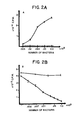
- Fig 2B The results show that bacterial extracts made from LE 392 containing the plasmid p277-19 inhibit the binding of labeled monoclonal antibody to the epitopes of native P. falciparum CS proteins.
- the specificity of this reaction was confirmed by a further experiment in which it was shown that cell extracts of p277-19 did not inhibit the binding of an anti-Plasmodium berghei monoclonal antibody to the corresponding CS protein.
- the nucleotide sequence of the p277 19 insert was derived according to the method of Maxam and Gilbert, Proc. Nat'l. Acad.(USA) 74:560 (1977) using the Hpa II site 5' to the Pstl site insert in pBR322 and a Hinfl site 3' to the insert as labelling sites.
- the nucleotide sequence of the p277-19 insert is illustrated in Fig. 1. The method followed is described in detail in Table I.
- the deduced amino acid sequence of the four amino acid repeat set forth below is based upon translation of the nucleotide sequence in the correct reading frame: Pro-Asn-Ala-Asn. (All sequences are expressed from the end nearest the NH 2 terminus on the left to the end nearest the -COOH terminus on the right.)
- the four amino acid sequence is repeated twenty-three times in tandem. However, at the nucleotide level, the repeats in p277-19 consist of eight variants. Both of the asparagine codons, three of the four proline codons, and two of the four alanine codons are used (Fig. 1). This repetitive pattern of four amino acids is shorter than any of the three known CS protein repeats.
- the repeats of P. knowlesi and P. cynomolgi (Gombak strain), two simian malaria parasites, are twelve and eleven amino acids long, respectively (Godson, et al. Nature 305:29 (1983); V. Enea et al. PNAS submitted (1984).
- the CS protein of P. falciparum appears to be encoded by a single copy gene based on the results of genomic DNA mapping experiments.
- the genomic clone was mapped as follows:
- Sall-digested DNA was fractionated on a sucrose gradient (10-40% w/v in 1 M NaCI, 2mM Tris-HCI (pH 8) and 5mM EDTA; SW-41) at 38,000 rpm at 20 ° C for 16.5 hours. The fractions were collected and aliquots were hybridized to [ 32 P]-labelled p277-19.
- EMBL4 is a derivative of phage lambda; other Sall-digested phage lambda DNA vectors could have been employed, such as Charon 28 obtainable from BRL.
- the ligate was packaged in vitro (packaging extracts and protocols are commercially available from BRL and other sources) and plated on LE 392. The resulting plaques were screened with [ 32 P]-labelled p277-19. Two independent positive plaques were thus identified.
- Characterization of the isolates is conducted by well-known techniques and includes physical mapping of the phages, subcloning of specific DNA fragments into plasmid vectors, determination of the DNA sequence of these fragments and, if necessary, mapping experiments with the messenger RNA of the P. falciparum CS protein. Using this procedure, the gene coding for the entire CS-protein of P. falciparum is isolated and sequenced.
- tandem repeat was assembled by the sequential addition of protected amino acids in the same order as the four amino acid repeat, using the method described above. Amino acid composition and sequence analysis performed by automated Edman degradation confirm that the peptide had been correctly synthesized. A 12-MER peptide was thus synthesized which consisted of three sequential repeats of the minimum repeating unit (Pro-Asn-Ala-Asn).
- rabbits are immunized with a peptide consisting of three and six tandem repeats of the four amino acids coupled to a carrier (bovine gamma globulin in complete Freund's adjuvant).
- a carrier bovine gamma globulin in complete Freund's adjuvant.
- the rabbits are bled and their serum assayed for the presence of antibodies against the tandemly repeated peptides and against extracts of P. falciparum sporozoites.
- the results show that the animals produce high titers (greater than 1:1000) of antibodies to the native CS protein present in the parasite extracts.
- P. falciparum sporozoite extract was used to coat the bottom of microtiter well plates (as previously described). Unbound native antigen was removed by washing and the wells were filled with serial dilutions of PBS-BSA containing serial dilutions of the synthetic 12-amino acid peptide having the sequence (Pro-Asn-Ala-Asn-Pro-Asn-Ala-Asn-Pro-Asn-Ala-Asn.) Control wells were filled with serial dilutions of PBS-BSA containing the synthetic 12-amino acid peptide representing the epitope of P. knowlesi, i.e.
- Another immunoradiometric assay was used to show that the synthetic 12-amino acid peptide is recognized by several antibodies to P. falciparum CS protein.
- the antibodies used are designated 2A10, 1 E9, 3D6, and 2C11.
- a synthetic 12-MER peptide (three repeats of the pro-asn-ala-asn peptide) (20 micrograms/ml) was bound to the bottom of microtiter wells as previously described. The wells were saturated with BSA.
- serial dilutions of each type of unlabelled monoclonal antibody preparation (10 micrograms/ml) in serial dilution were introduced into separate 12-MER coated wells, and sufficient time was allowed for the antibody to bind to the coat.
- a tandemly repeated peptide (3X and 6X) is synthesized as described above, except a cysteine residue is added at the N-terminus.
- a cysteine residue is added at the N-terminus.
- an aliquot is subjected to acid hydrolysis at reduced pressure (5.6M HCI 110°C, 72 hours) and its, amino acid composition is determined.
- the peptide is coupled to a carrier protein (e.g. keyhole limpet hemocyanin, or tetanus toxoid, through its N terminal cysteine residue, using a m-malemidolbehzoyl-N-hydroxysuccinimide ester (MBS) as the coupling reagent (Ling et al, Biochemistry 18, 690 (1979)).
- MBS m-malemidolbehzoyl-N-hydroxysuccinimide ester
- 4 mg of the carrier protein in 0.25 ml of 0.05 P0 4 buffer, pH 7.2 is reacted dropwise with 0.7 mg MBS dissolved in dimethyl formamide and stirred for 30 minutes at room temperature.
- the product MB carrier is separated from the unreacted chemicals by passage in a Sephadex C-25 column equilibrated in 0.05 M P0 4 buffer, pH 6.0.
- the MB carrier is then reacted with 5 mg of the 12- or 24-MER containing compound, dissolved in PBS (pH 7.4.) The mixture is stirred for 3 hours at room temperature and coupling is monitored with radioactive peptide.
- the conjugate is dialyzed and used as a vaccine for administration to non-human primates in a physiologically acceptable medium.
- tandemly repeated peptide (3X) can be further polymerized with glutaraldehyde as follows: Dissolve 20 mg of peptide in 10 ml of phosphate buffered saline (PBS). Make fresh glutaraldehyde from a stock with 13 milliliters of PBS. Stir the peptide and glutaraldehyde overnight at room temperature. Neutralize the excess glutaraldehyde with 1 M ethanolamine. Separate the polymerized peptide by high performance liquid chromatography (HPLC) using sizing columns, and dialyze repeatedly against water. This is then used in a vaccine preparation.
- HPLC high performance liquid chromatography
- chimpanzees Five chimpanzees are immunized with 200 micrograms of the conjugated protein or the polymerized product absorbed to aluminum hydroxide gel. Their serum is monitored for the presence of antibodies to CS proteins of P. falciparum using an immunoradiometric assay. Serum dilutions are incubated in antigen- coated wells of microtiter plates. The presence of chimpanzee antibody bound to the solid-phase antigen is monitored by incubation with [1251]-labeled affinity-purified rabbit-anti-human IgG (which strongly cross- reacts with chimpanzee IgG).
- the serum titer of the chimpanzees rises to titers of greater than 1/1000.
- these chimpanzees (as well as five other control chimpanzees injected with non-conjugated carrier protein adsorbed to aluminum hydroxide) are challenged with 2,000 viable P. falciparum sporozoites.
- the infection is monitored daily for a total of 30 days by microscopic examination of blood smears, starting one week after the inoculation of the parasites. The results show that the five chimpanzees immunized with the vaccine (conjugated protein) are totally protected, that is, no parasites are found in their blood.
- control chimpanzees have trophozoites of P. falciparum in their circulation 10-12 days after challenge.
- the results obtained upon immunization of chimpanzees with the described synthetic peptide will also be obtained following similar treatment of human patients.
Landscapes
- Health & Medical Sciences (AREA)
- Chemical & Material Sciences (AREA)
- Organic Chemistry (AREA)
- Life Sciences & Earth Sciences (AREA)
- Biophysics (AREA)
- Medicinal Chemistry (AREA)
- Zoology (AREA)
- Biochemistry (AREA)
- Toxicology (AREA)
- General Health & Medical Sciences (AREA)
- Genetics & Genomics (AREA)
- Gastroenterology & Hepatology (AREA)
- Molecular Biology (AREA)
- Proteomics, Peptides & Aminoacids (AREA)
- Tropical Medicine & Parasitology (AREA)
- Peptides Or Proteins (AREA)
- Medicines Containing Antibodies Or Antigens For Use As Internal Diagnostic Agents (AREA)
- Preparation Of Compounds By Using Micro-Organisms (AREA)
Abstract
Description
- The Government has rights in this invention based upon research support in the form of Grant No. 5R01-AI-17429-03 from the Department of Health and Human Services and Grant No. AID-DPE-0453-C-00-2002-00 from the Department of State, Agency for International Development.
- The present invention relates to an antigen suitable for providing protective immunity against malaria e.g. by incorporation into a vaccine. A formidable health problem in large areas of the world, malaria affects more than 150 million people in any given year. Of the four plasmodial species which cause malaria in humans, Plasmodium falciparum is responsible for most of the severe infections and the highest rate of mortality. Combating malarial infestations caused by P.falciparum has become more difficult due to the spread of drug-resistant organisms in many areas. The occurrence of severe epidemic outbreaks of this disease lends particular urgency to recent efforts to develop a malaria vaccine.
- Under normal conditions, a malarial infection is initiated by the introduction of sporozoites into the bloodstream of the host through the bite of infected mosquitoes. Hence, inactivation of these sporozoites by the immune system of the host could completely block development of the infection. Several recent findings point to the feasibility of developing an antisporozoite vaccine. Sporozoites are highly immunogenic and are capable of eliciting a protective immune response in several host species, including man: see e.g. Cochrane, A.H. et al. Malaria, Vol. 3, J.D. Kreier, Ed. (Academic Press, New York 1980), pp. 163-202. The immunogenicity of sporozoites resides largely, if not exclusively, in a single antigen, the circumsporozoite (CS) protein (described in detail by F. Zavala, A.H. Cochrane, E.H. Nardin, R.S. Nussenzweig, V. Nussenzweig, J. Exp. Med. 157: 1947 (1983), which covers the entire parasite surface, as reported by M. Aikawa, N. Yoshida, R.S. Nussenzweig and V. Nussenzweig in Journal of Immunology, 126: 2494 (1981). Finally, the immunogenicity of the CS protein is restricted almost entirely to a single epitope which is identically or quasi-identically repeated several times in tandem: G.N. Godson, et al. Nature 305: 29 (1983); V. Enea et al., accepted for publication Proc. Nat'l. Acad. Sci. (1984).
- Identification of the amino acid sequence of CS epitopes for all plasmodial species that infect humans is a prerequisite for the development of a human synthetic sporozoite vaccine.
- Several monoclonal antibodies have been raised against the CS protein of Plasmodium falciparum sporozoites. These antibodies inactivate the parasites. Methods for obtaining such antibodies are well known in the art and have been disclosed by Nardin E. et al. in J. Exp. Med. 156: 20 (1982), and in U.S. Patent Application Serial No. 234,096 of Nussenzweig et al, filed February 12, 1981 the disclosure of which is incorporated herein by reference. (The disclosure of this application also incorporates by reference the entire disclosure of assignee's copending U.S. Patent Application Serial No. 574,553 filed January 27, 1984 of Nussenzweig, et al. entitled Protective Peptide Antigen).
- These monoclonal antibodies against CS protein bind to a repeated epitope, which is common to different isolates of parasites obtained from different geographical areas. Such antibodies can be used to screen clones expressing peptides having or incorporating the amino acid sequence of the CS repetitive epitopes.
- Antibodies against the sporozoite antigens have been shown to provide protective immmunity against the plasmodium species from which they were derived, in rodents, monkeys and in human volunteers. The sporozoite protective antigen is herein termed CS protein, or circumsporozoite protein, or sporozoite CS protein, these terms being deemed equivalent and used interchangeably. Assignee's copending U.S. Patent Application of Nussenzweig, Serial No. 234,096 filed February 12, 1981 discloses a vaccine based upon purified CS protein. Assignee's copending application Serial No. 574,553 discloses a peptide comprising an epitope of a sporozoite CS protein.
- The results disclosed herein are based in part on techniques and concepts in the field of immunology. For convenience, certain terms commonly used in the art are defined herein. The term "immunochemical reaction" is used to denote the specific interaction which occurs between an antigen and its corresponding antibody, regardless of the method of measurement. Such a reaction is characterized by a non-covalent binding of one or more antibody molecules to one or more antigen molecules. The immunochemical reaction may be detected by a large variety of immunoassays known in the art. The terms "immunogenic" or "antigenic" are used here to describe the capacity of a given substance to stimulate the production of antibodies specifically immunoreactive to a substance when that substance is administered to a suitable test animal under conditions known to elicit antibody production. The term "protective antigen" refers to the ability of a given immunogen to confer resistance in a suitable host, against a given pathogen. The term "epitope", refers to a specific antibody binding site on an antigen. Macromolecular antigens such as proteins typically have several epitopes with distinctive antibody binding specificities. Different epitopes of the Same antigen are distinguishable with the aid of monoclonal antibodies which, due to their high degree of specificity, are directed against a single epitope. Two different monoclonal antibodies directed against different epitopes on the same antigen may bind the antigen without interfering with the other, unless the epitopes are so close together that the binding of one sterically inhibits the binding of the other. The term "immunodominant region" denotes an area of the antigen molecule which is mainly responsible for its antigenicity.
- The present invention involves the discovery that the protective CS sporozoite antigens of P. falciparum possess an immunodominant region composed of four amino acids (proline-asparagine-alanine-asparagine) that are tandemly repeated at least 23 times. The repeat comprises 8 variants at the nucleotide level. Both asparagine codons, three of the four proline codons and two of the four alanine codons are employed. This repeated sequence has been shown to contain the epitope of the CS protein of Plasmodium falciparum. Analogs of the repeated peptide have been chemically synthesized and have been found to be immunochemically reactive with polyclonal antibody preparations against Plasmodium falciparum. In addition, monoclonal antibodies against CS proteins, which neutralize the infectivity of sporozoites in vitro, also react with the synthetic peptide. Vaccines made with three and six tandem repeats of the four amino acid sequence (12-MER and 24-MER peptides) confer immunity to P. falciparum sporozoites. Thus, these synthetic peptides exhibit the protective antigenic features of the P.falciparum CS protein.
- In the following description, the materials employed were commercially available, unless otherwise specified. Enzymes used in the cloning procedures were obtained from commercial sources. Restriction endonuclease reactions were carried out according to the manufacturer's instructions. Unless otherwise specified, the reaction conditions for other enzyme reactions were standard conditions used in the art, as described, for example, in Methods in Enzymology, (Vol. 68, R.Wu, Ed.) Academic Press, (1980). Unless otherwise specified, the abbreviations herein are standard abbreviations acceptable for publication in scientific journals normally used by those skilled in the art to publish their results, such as those cited herein.
- Monoclonal antibodies to P.falciparum sporozoites were isolated from mouse ascites injected with hybridomas produced by fusing the spleen cells of P.falciparum sporozoite-hyperimmunized mice with NS1 myeloma cells as described in Nardin, E.H., et al J. Exp. Med. 156:20-30 (1982). The monoclonal antibody used to identify the clone expressing the protective peptide antigen of the present invention was prepared according to the procedures of Nardin, et al., supra, and designated "2A10."
- In general outline, the experiments and conclusions following from the results thereof are set forth. The synthetic protein of the present invention was defined and initially secured by cloning a cDNA made from mRNA obtained from infected mosquitoes. A cDNA library was constructed from poly (A) RNA derived from Plasmodium falciparum infected mosquitoes. Double-stranded cDNA was inserted at the Pstl site of plasmid pBR322 using the dC -dG tailing method to generate recombinant plasmids that could express the inserts as a fusion protein with the beta-lactamase encoded by the vector. Bacterial host cells (LE 392 derived from E. coli K-12) were transformed and the resulting tetracycline resistant DNA molecules were screened for the expression of CS antigen using an in situ filter immunoassay.
- Approximately 10,000 colonies were screened by an in situ radioimmunoassay with the monoclonal anti-sporozoite antibody (2A10) and a strongly positive clone, designated p277-19 was identified.
- Extracts of the host bacterium LE392, harboring the plasmid p277-19 were then tested in a two-site immuno-radiometric assay by using monoclonal antibody 2A10 immobilized in plastic wells, and the same ['251]-labelled antibody in the fluid phase: F. Zavala et al, Nature 229: 737 (1982).
- The recombinant protein expressed by clone p277-19 is able to bind simultaneously both the immobilized and the radiolabelled antibody. This indicates that the recombinant protein, as the authentic CS protein, contains at least two epitopes which are recognized by the anti-CS monoclonal antibody 2A10.
- The nucleotide sequence of the p277-19 insert is illustrated in Fig. 1. In the protein encoded by this sequence, the amino acid sequence proline, asparagine, alanine and asparagine is repeated 23 times in tandem with no variations. This repetitive pattern of four amino acids is the shortest of the known CS protein repeats. The repeats of P. knowlesi and P. cynomolgi (Gombak strain), two simian malaria parasites, are twelve and eleven amino acids long, respectively, Godson, et al. Nature 305: 29 (1983); V. Enea et al. supra (1984).
- Although neither the DNA nor the protein sequences of these repeated peptides are related to one another, certain similarities are apparent from an analysis of their amino acid composition. Thus, alanine and asparagine are present in the repeats of all known CS proteins; proline is present in P. knowlesi and P. falciparum; and glutamic acid and glycine are present in P. knowlesi and P. cynomolgi (gombak).
- The present findings indicate that the immuno-dominant epitope of the CS protein of P. falciparum consists of a sequence of amino acids which does not appear to require further modification to be antigenic.
- RNA was prepared from the thoraces of Anopheles balabacensis mosquitoes infected with Plasmodium falciparum of the Thai K-I stain. The collected thoracic tissue (from 1837 mosquitoes) was homogenized in 10 volumes of 4 M guanidine isothiocyanate (pH 5.0) and 0.1 M 2-mercaptoethanol (Liu et al, Proc. Nat'l Acad. Sci. (USA) 76:4503 1979; Ellis et al, Nature 302:536 (1983). The homogenate was centrifuged at 9,000 rpm for three minutes in a Sorval (RC2-6) centrifuge. The supernatant was then layered over 0.2 volumes of 5.7M cesium chloride and 0.1 EDTA (pH 6.5) and centrifuged in an SW-41 rotor at 28K for 16 to 20 hours at 20 °C. The RNA pellet was resuspended in 7.5M guanidine hydrochloride in 25 mM sodium citrate (pH 7.0) with 5 mM beta-mercaptoethanol. The RNA was precipitated by adding one fortieth volume, I M acetic acid and one half volume of 95% ethanol at -20 ° C for two to three hours (Chirgwin, et al. Biochem. 18:5294 1979). This was followed by a second precipitation in 0.3M sodium acetate (pH5) and 2.5 volumes of 95% ethanol, overnight at -20 °C. Following centrifugation the RNA pellet was resuspended in water and stored at -70 ° C.
- Poly (A) RNA was prepared according to the method of Aviv and Leder Proc. Nat'l Acad. Sci. (USA) 69:1408 (1972). The RNA was heated at 68°C for 10 minutes, then chilled on ice for 5 minutes. After warming the RNA sample to room temperature, binding buffer was added to a final concentation of 0.5M sodium chloride, 0.01M Tris-HCI (pH 7.4) and 0.01M EDTA (pH 7.0). The RNA was cycled 3-5 times through an oligo(dT) cellulose (Collaborative Research, Inc., Waltham, Mass.) column with a bed volume of 0.2 - 0.4 ml. The poly(A+) RNA was eluted from the column with sterile water at room temperature. The RNA was recovered by precipitation with ethanol, and stored in water at -70 C.
- Prior to the cDNA synthesis, 1.5 micrograms of the poly(A) RNA was mixed with 75 nanograms of rabbit globin mRNA (Bethesda Research Laboratories, (BRL), Bethesda, Md.) extracted first with phenol and chloroform (1:1 v/v) and then with chloroform. The RNA was precipitated in 0.3 M sodium acetate and 2 and 1/2 volumes of 95% ethanol. The pellet was resuspended in six microliters of water and then stored at -70 ° C.
- The first and second strands of the cDNA were synthesized by a modification of the procedure of Okayama and Berg, Molecular and Cellular Biology 2:161 (1982). Approximately 1.5 micrograms of P. falciparum poly(A) RNA mixed with 75 nanograms of rabbit globin mRNA (Bethesda Research Laboratories), were incubated in a 30 microliter reaction volume containing 50 mm Tris-HCI (pH 8.3), 50 mm KCI, 8 mm MgC12, 2 mm dithiothreitol, 30 micrograms/ml oligo-dT(12-18) cellulose (Collaborative Research), 100 micrograms/ml Actinomycin-D (Sigma Chemical Co., St. Louis, Mo.), 100 micrograms/ml BSA (bovine serum albumin), 0.25 mM dATP, 0.5 mM dCTP, 0.5 mM dGTP, 0.5 mM dTTP, 50 x 10-6 Ci alpha-[32p] dATP (specific activity 3,000 curies per millimole) and 120 units of reverse transcriptase (BRL) at 42°C for 2 hours.
- The reaction was stopped by extraction with phenol and chloroform (1:1 v/v), then with an equal volume of chloroform and precipitated two times with 2 M ammonium acetate and ethanol. The pellet was washed with 80% ethanol, dried by dessication under vacuum, and resuspended in 46.9 microliters of water.
- The second strand was synthesized in a 65 microliter reaction volume containing 20 mM of Tris-HCI (pH 7.4), 4 mM of magnesium chloride, 10 mM (NH4)2S04, 0.1 mM of KCI, 50 micrograms/ml BSA, 0.3 mM nicotinamide adenine dinucleotide (NAD) oxidized (Sigma), 0.1 mM each of the deoxynucleotide triphosphates (dATP, dCTP, dTTP, dGTP1/), one unit DNA Polymerase I (Boerhinger Mannheim Biochemical, Indianapolis, Indiana), 1.5 units RNAase H (BRL), 1 unit E.Coli ligase (P.L. Biochemical). The reactants were first incubated at 15°C for one hour, then at room temperature for one hour. Again, the reaction was stopped by extraction, first with phenol/ chloroform (1:1) and then with an equal volume of chloroform. The mixture was precipitated once with 2M ammonium acetate and ethanol and the pellet washed with 80% ethanol, dried and resuspended in 4.5 microliters of water.
- The second strand synthesis reaction was completed with T4 DNA polymerase (BRL). The double stranded cDNA was incubated in 50 mM Tris-HCI (pH 8.0), 6 mM magnesium chloride, 25 mM KCI, 0.1 mM each of dATP, dCTP, dGTP and dTTP and 3.5 units of T4 DNA Polymerase at 37 ° C for 30 minutes. The reaction was stopped by the addition of 25 mM EDTA. The reaction mixture was extracted with phenol and chloroform (1:1 v/v), and then with an equal volume of chloroform, followed by three washes with ether. The double-stranded cDNA was then precipitated with 0.5 M NaCl and 10% PEG (polyethylene glycol, average molecular weight 8,000) at 4°C overnight. The double-stranded cDNA was tailed with deoxycytidine residues according to Roychoudhury, et al. Nucl. Acids Res., 3, 101 (1976); Land et al. Nucl. Acids Res. 9:2251 (1981). Double-stranded cDNA (30 to 60 nanograms) were incubated in a 25 microliter reaction volume with 0.1 M potassium cacodylate (pH 7.0), 0.5 mM dCTP, 0.1 mM DTT and 2 mM CoCl2 at 37°C for five minutes. Ten units of terminal deoxynucleotidyl transferase (Enzo Biochemical, Inc.) were added and the mixture was incubated at room temperature for 1 minute. The reaction was stopped by the addition of EDTA to 10 mM. Two micrograms of yeast tRNA were added and the mixture was extracted twice with phenol/chloroform (1:1) and once with chloroform, and then precipitated with 2M ammonium acetate and ethanol.
- The deoxy(C)-tailed double-stranded cDNA was resuspended in 60 microliters annealing buffer (10 mM Tris-HCI, pH 7.4, 100 mM NaCI, and 1 mM EDTA). The concentration was estimated to be 0.6 to 3 micrograms/microliter. The tailed cDNA was annealed (using the method of Land, et al. supra 1981) to Pstl- cut and deoxy(G)-tailed pBR 322 (New England Nuclear) at varying ratios to determine the optimal ratio of insert to vector.
- All of the pilot annealings were performed at a concentration of 250 nanograms pBR322/ml in a 200 microliter reaction volume by mixing 50 ng of pBR322 with 20, 8.0, 4.2 and 3.3 microliters of the tailed double-stranded cDNA. The 20 and 4.2 microliter pilot reactions yielded the maximum number of colonies and therefore were scaled up to make larger preparations for transformation.
- E. coli LE 392 cells were used as the bacterial host (P. Leder, et al. Science 196:175 (1977)). This is a variant of the E. coli K-12 strain. However, transformation may also be carried out in other host cells such as, DH1 available from the E. Coli Genetic Stock Center, Yale Univ. (CGSC No. 6040).
- The host cells were transformed by the recombinant plasmids using a modification of the procedure of Hanahan et al. J. Mol. Biol., 166: 557-580 (1983). 2.5 nanograms of the hybrid plasmid were added to 210 microliters of competent LE 392 cells. The mixture was incubated on ice for 30 minutes, heat shocked at 42 ° C for 90 seconds and placed on ice for 1 to 2 minutes. 800 microliters of SOC (2% Bactotryptone (Difco Detroit, Mich.), 0.5 % yeast extract, 10 mM NaCI, 2.5 mM KCI, 10 mM MgC12, 10 mM MgS04, 20 mM glucose) were added and the reaction was incubated at 37°C shaking at 225 rpm for one hour. The cells were centrifuged at 2,000 rpm for 10 minutes and resuspended in 0.4 milliliters SOB without magnesium (2% Bactotryptone, 0.5% yeast extract, 10 mM NaCI, 2.5 mM KCI) and spread on two Hanahan plates (1% Bactotryptone, 0.95% yeast extract, 10 mM NaCI, 1.5% Bacto agar) with 12.5 micrograms/ml of tetracycline (Sigma). The transformation efficiency was approximately 105 transformants per microgram of annealed DNA.
- The cDNA library was screened by a modification of the in situ radioimmunoassay as described by Helfman, et al. Proc. Nat'l Acad. Sci., (U.S.A.) 80: 31-35 (1983), as described by Enea et al, supra.
- The bacteria were transferred onto 82 mM nitrocellulose filters (Millipore HATF Millipore, Bedford, Mass.). Replica filters were made and regrown on the tetracycline plates described above, at 37 C.
- The bacterial colonies were lysed by placing the open petri dishes over 1 ml of chloroform for 15 minutes. The filters were then placed in individual petri dishes or pooled in trays containing 50 mm Tris-HCI (pH 7.5), 150 mM NaCI, 2 mM magnesium chloride, 0.1 mM PMSF (phenylmethylsulfonylfluoride, BRL) 3% BSA, 40 micrograms/ml lysosome, 1 microgram/ml, DNAase I and gently agitated at room temperature for 1 to 2 hours. The filters were rinsed in 50 mM Tris-HCI (ph 7.5), 150 mM NaCl for 1 to 2 hours and then incubated for 15 to 30 minutes in 50 mM Tris-HCI(pH 7.5), 150 mM NaCI, and 3% BSA. The filters were then incubated in a 50 ml volume with 50 X 106 cpm [125I)-labelled monoclonal antibody 2A10 in 150 mM NaCI, 3% BSA with gentle rocking at room temperature overnight. The filters were washed extensively with 150 mM NaCI, 0.1% NP40 (Sigma), and 50 mM Tris-HCI (pH 7.5) air dried and mounted for autoradiography.
- After screening approximately 10,000 colonies, one was found to react with the monoclonal antibody 2A10.
- The clone was purified by streaking on LB plates (10% Bactotryptone, 50% yeast extract, 170 mM NaCI, 1.5% Bacto agar) containing 12.5 micrograms/ml of tetracycline.
- A single colony was picked and tested by both the in situ radioimmunoassay procedure described above and the two-site radioimmunoassay (Ellis et al. Nature, Vol. 302: 536-538) (1983). In this procedure antibody 2A10 was adsorbed to the wells of a microtiter plate. Crude lysates of the bacterial clones to be tested were added to the wells and incubated for sufficient time to allow the immunoreactive protein present in the lysate to bind to the adsorbed monoclonal antibody. The wells were then washed to remove any contaminating proteins and radiolabelled monoclonal antibody 2A10 was added. The labelled antibody attached to the antigenic protein that is already bound to the surface of the microtiter well by the first monoclonal antibody. Extracts of LE 392 harboring the plasmid scored positive in this assay.
- Plasmid DNA was prepared from LE392 (p277-19) using a modification of the method of Birnbaum et al. Nucleic Acid Research 7: 1515 -1523 (1979). Briefly, bacterial cells were grown in LB medium (containing 10g Bactotryptone, 5g Bacto yeast extract, 10g NaCl [adjusted to pH 7.5 with NaOH] per liter) either to saturation or to an optical density of OD-600 nm of approximately 0.4 in which case chloramphenicol was added to 0.17 mg/ml. The cultures were incubated by centrifugation and resuspended in approximately 20 volumes of 50mM glucose. 25mM Tris-HCI (pH 8), 10mM EDTA and 2 volumes of 0.2N NaOH and 1 % SDS were added. After incubating the suspension on ice for 10 minutes, 1.5 volume of 5M potassium acetate (pH 4.8) was added. Following a 10 minute incubation on ice, the sample was centrifuged at 8,000 rpm for 60 minutes in a fixed angle Sorval rotor and the supernatant was collected and combined with 0.6 volumes of isopropanol. The precipitate was then resuspended in 10 mM Tris, 10 mM EDTA (pH 8.0) treated with RNase A (BRL; 20 micrograms/ml) and RNase T1 (BRL; 1 unit/ml) at 37 °C for 45 minutes.
- Carbowax 8,000 (Dow Chemical Co., Midland, Mich.) and NaCl were added to 10% w/v and 0.4M respectively and the sample was incubated at 4°C overnight. The preparation was then centrifuged at 8,000 rpm for 10 minutes and the pellet resuspended in 10 mM Tris (pH 8), and 1 mM EDTA, extracted with phenol/chloroform (1:1 v/v) and precipitated with ethanol.
- Physical mapping of p277-19 with restriction enzymes Mspl, Hinfl, Scal, Bgll, Pstl, Alul and Rsal (from BRL and New England Biolabs) revealed that the plasmid had suffered a deletion from approximately nucleotide 3350 to nucleotide 3608 on the standard pBR322 map (Sutcliffe, J.G., Cold Spring Harbor Sympos. Quant. Biol., 43:77-90 (1979)). As a result of this deletion, the Pstl site 3' to the insert was missing and the Hinfl site at nucleotide 3362 was very close to the 3' end of the insert. The physical sequence map of the vector 5' to the insert was unaltered. These findings influenced the selection of the technique for sequencing the insert as described below.
- Six micrograms of the plasmid DNA were digested for 2 hours at 37 C with 24 units of Mspl (New England Biolabs, Beverly, Mass.) in a 35 microliter reaction volume containing 10 mM Tris-HCI (pH 7.5), 10 mM magnesium chloride and 1 mM DTT. The digested plasmid DNA was fractionated on a 1.2% low melting agarose (International Biotechnologies, Inc., New Haven, Conn.) gel. The largest fragment, approximately 700 base pairs in length, which was determined to contain DNA insert (via the physical mapping described above), gel by melting the agarose slice at 70 °C, followed by three sequential phenol extractions, one chloroform extraction and 2 cycles of precipitation in ethanol containing 2M ammonium acetate. The DNA was resuspended in 10 microliters of water and stored at -20 C.
- Approximately 1 microgram of the gel purified p277-19 DNA was digested in a 10 microliter reaction volume with six units of Hinfl (BRL) at 37 °C for one hour in Hin buffer (10 mM Tris-HCI, pH 7.5, 10 mM MgCI2, 50 mM NaCI) and 1 mM DTT (dithiothreitol). The reaction was stopped by heating at 65°C for 10 minutes.
- The Hinfl-digested DNA was then end-labelled in a 20 microliter reaction volume by adding each of dGTP, dTTP, dCTP to 50 mM and 30 ×10-6 Ci alpha-[32P]-dATP (3,000 Ci/millimole) in Hin buffer (described above) with one mM DTT and two units of the Klenow fragment of E. coli DNA Polymerase I (Boerhinger-Mannheim) at room temperature for 15 minutes. Two microliters of 0.5 mM dATP were added and the incubation continued at room temperature for 10 minutes. The reaction was stopped by heating at 65 ° C for 10 minutes.
- The end-labelled DNA fragments were fractionated in a 2% low melting temperature agarose mini gel. The fragments were electroeluted from the gel by cutting out a small well in front of the leading edge of the two DNA bands, filling the wells with approximately 35 microliters running buffer(0.04M Tris-acetate, 0.002 M EDTA) and continuing electrophoresis with four 45-60 second pulses (60 volts). The buffer in the wells was collected and the wells were refilled between each pulse of current.
- Six micrograms of salmon sperm DNA (Sigma) were added to the DNA fragments and the mixture was extracted once with phenol and chloroform (1:1 v/v) and once with chloroform, followed by precipitation with 2M ammonium acetate and ethanol.
- The precipitated DNA was resuspended in 53 microliters of water and sequenced according to the method of Maxam and Gilbert, Methods in Enzymology, Vol. 65, 499-560 (1980). The details of this method are set forth in Table I, which is based on a table of Maniatis, et al., "Recombinant DNA: A Cloning Manual" Cold Spring Harbor (1980).
- The p277-19 DNA fragment encoded a peptide which contained a series of tandem amino acid repeats. The repetitive unit of the peptide was four amino acids in length and consisted of proline, asparagine, alanine and asparagine repeated 23 times in tandem. The nucleotide sequence of the DNA fragment is illustrated in Fig. 1. The sequence is aligned as a matrix with the reading frame in register with that of the beta-lactamase. The sequence was derived according to the method of Maxam and Gilbert supra using the Hpa II site 5' to the Pstl insert in pBR322 and a Hinfl site 3' to the insert as labelling sites. Due to the 300 base pair deletion in the pBR322 on the 3' side of the insert, the Hinf I site has been brought to within 10 base pairs of the 3' end of the d(C)tailed cDNA insert.


- The presence of repetitive epitopes in P. falciparum CS proteins was confirmed by performing a two-site immunoradiometric assay with a single monoclonal antibody. This is illustrated in Figure 2A and 2B.
- In this assay wells of flexible microtiter plates (Dynatech Inc.) were coated with 20 micrograms/ml anti-Plasmodium falciparum monoclonal antibody (2A10). After repeated washes with phosphate buffered saline containing 1 % bovine serum albumin, the wells were incubated with two fold serial dilutions of lysates of E. coli LE 392, containing plasmid p277-19 or E. coli LE 392 containing the pBR322 vector. Following a two hour incubation at room temperature, the wells were washed and 30 microliters of [1251]-labeled monoclonal antibody 2A10 (1 X 10⁵ cpm; specific activity 2 x 10⁷ cpm/microgram) were added. After an incubation for one hour at room temperature, the wells were washed with PBS-Tween 20-BSA, dried and counted in a gamma counter. Lysates of E. coli LE 392 containing plasmid p277-19 were also tested using monoclonal antibody 2A10 coated plates and an unrelated ['251]-labeled monoclonal antibody (X-X). As illustrated in Fig. 2A, the recombinant protein expressed by clone p277-19 simultaneously binds both the immobilized and the radiolabeled antibody. This indicates that the recombinant protein, like the authentic CS protein, contains at least two epitopes which are recognized by the anti-CS monoclonal antibody 2A10.
- The following inhibition assay was performed. 10 microliters (5 X 10⁴ cpm) of [1251]-labeled monoclonal antibody 2A10 were incubated with 30 microliters of two fold serial dilutions of lysates of E. coli LE 392 containing plasmid p277-19 (0-0) or E. coli LE 392 containing the pBR322 vector (X-X). Following a thirty- minute incubation at room temperature, 30 microliters of these mixtures were transfered into microtiter plates previously coated with an extract of P. falciparum sporozoites (Zavala et al., J. Exp. Med. 157:1947 (1983)). After a one hour incubation period the wells were washed, dried and counted in a gamma counter. The results of this inhibitory assay are illustrated in Fig 2B. The results show that bacterial extracts made from LE 392 containing the plasmid p277-19 inhibit the binding of labeled monoclonal antibody to the epitopes of native P. falciparum CS proteins. The specificity of this reaction was confirmed by a further experiment in which it was shown that cell extracts of p277-19 did not inhibit the binding of an anti-Plasmodium berghei monoclonal antibody to the corresponding CS protein. These data show that the recombinant protein encoded by p277-19 exhibits the antigenic feature of the P. falciparum CS protein.
- The nucleotide sequence of the p277 19 insert was derived according to the method of Maxam and Gilbert, Proc. Nat'l. Acad.(USA) 74:560 (1977) using the Hpa II site 5' to the Pstl site insert in pBR322 and a Hinfl site 3' to the insert as labelling sites. The nucleotide sequence of the p277-19 insert is illustrated in Fig. 1. The method followed is described in detail in Table I.
- The deduced amino acid sequence of the four amino acid repeat set forth below is based upon translation of the nucleotide sequence in the correct reading frame: Pro-Asn-Ala-Asn. (All sequences are expressed from the end nearest the NH2 terminus on the left to the end nearest the -COOH terminus on the right.)
- The four amino acid sequence is repeated twenty-three times in tandem. However, at the nucleotide level, the repeats in p277-19 consist of eight variants. Both of the asparagine codons, three of the four proline codons, and two of the four alanine codons are used (Fig. 1). This repetitive pattern of four amino acids is shorter than any of the three known CS protein repeats. The repeats of P. knowlesi and P. cynomolgi (Gombak strain), two simian malaria parasites, are twelve and eleven amino acids long, respectively (Godson, et al. Nature 305:29 (1983); V. Enea et al. PNAS submitted (1984).
- Although neither the DNA nor the protein sequences of these three sets of repeats exhibit extensive homology, they have similarities in their amino acid composition. Alanine and asparagine are present in the repeats of all three CS proteins; proline is present in P. knowlesi and P. falciparum; and glutamic acid and glycine are present in P. knowlesi and P. cynomolgi (Gombak).
- The CS protein of P. falciparum appears to be encoded by a single copy gene based on the results of genomic DNA mapping experiments. In outline, the genomic clone was mapped as follows:
- P. falciparum DNA obtained from blot stages was digested with restriction enzymes (including Ecorl, Bamhl, Hindlll, Bglll, Sall, Xhol) fractionated on agarose gel, transferred to a nitrocellulose filter, hybridized with [32P]-labeled p277-19 and autoradiographed. This procedure permits the determination of the sizes of the P. falciparum DNA (generated by all the above restriction fragments] that bears homology to the radioactive probe. Specifically, the Sall digest generated a fragment of approximately 7,000 nucleotides that hybridized with the probe. Since a fragment of this size was significantly smaller than the bulk of the fragments generated by Sall, a size-fractionation of Sall-digested DNA was undertaken to obtain the 7,000 nucleotide fragment generated by Sall which was expected to constitute a significant enrichment for the CS- gene.
- Sall-digested DNA was fractionated on a sucrose gradient (10-40% w/v in 1 M NaCI, 2mM Tris-HCI (pH 8) and 5mM EDTA; SW-41) at 38,000 rpm at 20 ° C for 16.5 hours. The fractions were collected and aliquots were hybridized to [32P]-labelled p277-19.
- The fraction that contained the CS sequence was ligated to Sall-digested EMBL4-DNA. (EMBL4 is a derivative of phage lambda; other Sall-digested phage lambda DNA vectors could have been employed, such as Charon 28 obtainable from BRL.)
- The ligate was packaged in vitro (packaging extracts and protocols are commercially available from BRL and other sources) and plated on LE 392. The resulting plaques were screened with [32P]-labelled p277-19. Two independent positive plaques were thus identified.
- Characterization of the isolates is conducted by well-known techniques and includes physical mapping of the phages, subcloning of specific DNA fragments into plasmid vectors, determination of the DNA sequence of these fragments and, if necessary, mapping experiments with the messenger RNA of the P. falciparum CS protein. Using this procedure, the gene coding for the entire CS-protein of P. falciparum is isolated and sequenced.
- To confirm that the preceding amino acid sequence contains the immunoreactive site, a corresponding synthetic peptide has been synthesized using solid phase resin synthesis (Marglin, H. and Merrifield, R. B., Ann. Rev. Bio. Chem. 39:841-866 (1970). The general steps of the peptide synthesis techniques used herein are well known. The synthesis was carried out using a benzhydrylamine (BHA) resin on an automated synthesizer controlled by a computer using a program based on that of Merrifield, R. B., Fed. Proc. 21:412 (1962); J. Chem. Soc. 85:2149, (1963). The four amino acid repeat was assembled on the benzhydrylamine resin. The tandem repeat was assembled by the sequential addition of protected amino acids in the same order as the four amino acid repeat, using the method described above. Amino acid composition and sequence analysis performed by automated Edman degradation confirm that the peptide had been correctly synthesized. A 12-MER peptide was thus synthesized which consisted of three sequential repeats of the minimum repeating unit (Pro-Asn-Ala-Asn).
- To confirm that the correct epitope has been obtained, rabbits are immunized with a peptide consisting of three and six tandem repeats of the four amino acids coupled to a carrier (bovine gamma globulin in complete Freund's adjuvant). Four weeks after the injection, the rabbits are bled and their serum assayed for the presence of antibodies against the tandemly repeated peptides and against extracts of P. falciparum sporozoites. The results show that the animals produce high titers (greater than 1:1000) of antibodies to the native CS protein present in the parasite extracts.
- Inhibition of the Binding of Monoclonal Antibody
- To Authentic P. falciparum Antigen by the
- Synthetic Peptide
- The antigenicity of a synthetic 12-amino acid peptide consisting of a 3X tandem repeat of the minimum repeating unit (Pro-Asn-Ala-Asn) of the P. falciparum CS protein was confirmed by a direct radioimmunoassay, as follows:
- P. falciparum sporozoite extract was used to coat the bottom of microtiter well plates (as previously described). Unbound native antigen was removed by washing and the wells were filled with serial dilutions of PBS-BSA containing serial dilutions of the synthetic 12-amino acid peptide having the sequence (Pro-Asn-Ala-Asn-Pro-Asn-Ala-Asn-Pro-Asn-Ala-Asn.) Control wells were filled with serial dilutions of PBS-BSA containing the synthetic 12-amino acid peptide representing the epitope of P. knowlesi, i.e. (Gln-Ala-Gln-Gly-Asp-Gly-Ala-Asn-Ala-Gly-Gln-Pro). Saturation amounts of [125I]-labelled monoclonal antibody 2A10 were then added to the wells (8 x 10⁴ cpm) and allowed to bind. After removal of the supernatant residual radioactivity was measured with a gamma counter. The results are shown in Table II.

- Control on wells coated with BSA alone without sporozoite extract showed a residual radioactivity of 27-58 cpm.
- The above results show that the monoclonal antibody recognizes and quantitatively binds to the synthetic 12-amino acid peptide.
- Another immunoradiometric assay was used to show that the synthetic 12-amino acid peptide is recognized by several antibodies to P. falciparum CS protein. The antibodies used are designated 2A10, 1 E9, 3D6, and 2C11.
- A synthetic 12-MER peptide (three repeats of the pro-asn-ala-asn peptide) (20 micrograms/ml) was bound to the bottom of microtiter wells as previously described. The wells were saturated with BSA.
- Serial dilutions of each type of unlabelled monoclonal antibody preparation (10 micrograms/ml) in serial dilution were introduced into separate 12-MER coated wells, and sufficient time was allowed for the antibody to bind to the coat.
- Finally, after washing the wells, saturation amounts of affinity-purified, radiolabeled goat antimouse IgG were also introduced into the wells and allowed to bind to the monoclonal antibodies bound to the peptide coat. The wells were then washed and residual radioactivity was measured in a gamma counter. The results are summarized in Table III below.
- Unlabelled monoclonal antibodies to P. knowlesi, BSA coated wells (in the absence of anti-P. falciparum monoclonal antibody) and 12-amino acid peptide coated wells (in the absence of anti-P. falciparum monoclonal antibody) were used as controls. Controls showed 40-100 cpm.
-

- The controls in which the wells were incubated using dilutions of three other non-specific monoclonal antibodies of the same isotype resulted in residual radioactivity ranging between 44 and 100.
- The above results show that several monoclonal anti-P. falciparum antibodies recognize and bind quantitatively to the synthetic 12-amino acid peptide.
- A tandemly repeated peptide (3X and 6X) is synthesized as described above, except a cysteine residue is added at the N-terminus. To determine whether the synthesis had been performed correctly, an aliquot is subjected to acid hydrolysis at reduced pressure (5.6M HCI 110°C, 72 hours) and its, amino acid composition is determined. The peptide is coupled to a carrier protein (e.g. keyhole limpet hemocyanin, or tetanus toxoid, through its N terminal cysteine residue, using a m-malemidolbehzoyl-N-hydroxysuccinimide ester (MBS) as the coupling reagent (Ling et al, Biochemistry 18, 690 (1979)). This is a bifunctional reagent which under appropriate conditions reacts with the amino group of the carrier and with the third group of the peptides. 4 mg of the carrier protein in 0.25 ml of 0.05 P04 buffer, pH 7.2, is reacted dropwise with 0.7 mg MBS dissolved in dimethyl formamide and stirred for 30 minutes at room temperature. The product MB carrier is separated from the unreacted chemicals by passage in a Sephadex C-25 column equilibrated in 0.05 M P04 buffer, pH 6.0. The MB carrier is then reacted with 5 mg of the 12- or 24-MER containing compound, dissolved in PBS (pH 7.4.) The mixture is stirred for 3 hours at room temperature and coupling is monitored with radioactive peptide. The conjugate is dialyzed and used as a vaccine for administration to non-human primates in a physiologically acceptable medium.
- Alternatively, the tandemly repeated peptide (3X) can be further polymerized with glutaraldehyde as follows: Dissolve 20 mg of peptide in 10 ml of phosphate buffered saline (PBS). Make fresh glutaraldehyde from a stock with 13 milliliters of PBS. Stir the peptide and glutaraldehyde overnight at room temperature. Neutralize the excess glutaraldehyde with 1 M ethanolamine. Separate the polymerized peptide by high performance liquid chromatography (HPLC) using sizing columns, and dialyze repeatedly against water. This is then used in a vaccine preparation.
- Five chimpanzees are immunized with 200 micrograms of the conjugated protein or the polymerized product absorbed to aluminum hydroxide gel. Their serum is monitored for the presence of antibodies to CS proteins of P. falciparum using an immunoradiometric assay. Serum dilutions are incubated in antigen- coated wells of microtiter plates. The presence of chimpanzee antibody bound to the solid-phase antigen is monitored by incubation with [1251]-labeled affinity-purified rabbit-anti-human IgG (which strongly cross- reacts with chimpanzee IgG).
- After 30 days, the serum titer of the chimpanzees rises to titers of greater than 1/1000. At this time, these chimpanzees (as well as five other control chimpanzees injected with non-conjugated carrier protein adsorbed to aluminum hydroxide) are challenged with 2,000 viable P. falciparum sporozoites. The infection is monitored daily for a total of 30 days by microscopic examination of blood smears, starting one week after the inoculation of the parasites. The results show that the five chimpanzees immunized with the vaccine (conjugated protein) are totally protected, that is, no parasites are found in their blood. In contrast, the control chimpanzees have trophozoites of P. falciparum in their circulation 10-12 days after challenge. Based on the close similarities of human and chimpanzee immune responses and on the fact that protection immunity has been obtained in humans by injection of inactivated sporozoites of P. falciparum, the results obtained upon immunization of chimpanzees with the described synthetic peptide will also be obtained following similar treatment of human patients.
Claims (38)
Priority Applications (1)
| Application Number | Priority Date | Filing Date | Title |
|---|---|---|---|
| AT85903931T ATE78041T1 (en) | 1984-07-23 | 1985-07-23 | SHIELDING PEPTIDANTIGEN ACCORDING TO PLASMODIUM FALCIPARUM CIRCUMSPOROZOITE PROTEIN. |
Applications Claiming Priority (2)
| Application Number | Priority Date | Filing Date | Title |
|---|---|---|---|
| US63314784A | 1984-07-23 | 1984-07-23 | |
| US633147 | 1984-07-23 |
Publications (3)
| Publication Number | Publication Date |
|---|---|
| EP0187858A1 EP0187858A1 (en) | 1986-07-23 |
| EP0187858A4 EP0187858A4 (en) | 1988-11-07 |
| EP0187858B1 true EP0187858B1 (en) | 1992-07-08 |
Family
ID=24538462
Family Applications (1)
| Application Number | Title | Priority Date | Filing Date |
|---|---|---|---|
| EP85903931A Expired - Lifetime EP0187858B1 (en) | 1984-07-23 | 1985-07-23 | Protective peptide antigen corresponding to plasmodium falciparum circumsporozoite protein |
Country Status (11)
| Country | Link |
|---|---|
| EP (1) | EP0187858B1 (en) |
| AT (1) | ATE78041T1 (en) |
| AU (1) | AU606031B2 (en) |
| DE (2) | DE187858T1 (en) |
| DK (1) | DK134186A (en) |
| HK (1) | HK85693A (en) |
| IL (1) | IL75788A (en) |
| NZ (2) | NZ212816A (en) |
| PH (1) | PH27177A (en) |
| WO (1) | WO1986000911A1 (en) |
| ZA (1) | ZA855232B (en) |
Families Citing this family (15)
| Publication number | Priority date | Publication date | Assignee | Title |
|---|---|---|---|---|
| DE3584300D1 (en) * | 1984-02-21 | 1991-11-14 | Nat Res Dev | MANUFACTURE OF MALARIA VACCINES. |
| US4707357A (en) * | 1984-06-26 | 1987-11-17 | The United States Of America As Represented By The Secretary Of The Army | Immunologically active peptides capable of inducing immunization against malaria and genes encoding therefor |
| FR2566780B1 (en) * | 1984-07-02 | 1987-02-06 | Pasteur Institut | MOLECULES COMPRISING AT LEAST ONE PEPTIDE SEQUENCE CARRYING A CHARACTERISTIC EPITOPE OF A PROTEIN PRODUCED BY CELLS INFECTED BY MALARIA PARASITES AND COMPOSITIONS CONTAINING THEM |
| EP0192626B1 (en) * | 1985-02-07 | 1992-07-29 | Smithkline Beecham Corporation | Malaria vaccine |
| ES8800273A1 (en) * | 1985-03-28 | 1987-11-01 | Univ New York | IMPROVEMENTS IN THE MANUFACTURE OF CONJUGATES OF PROTEIN CARRIERS OF IMMUNOGENIC ANTIGENS FOR MALARIA VACCINES |
| DE3650242T2 (en) * | 1985-07-12 | 1995-06-14 | Univ New York | IMMUNOGENOUS PEPTIDANTANTIGEN COMPATIBLE WITH PLASMODIUM VIVAX CIRCUMSPOROZOIT PROTEIN. |
| EP0252588A3 (en) * | 1986-05-12 | 1989-07-12 | Smithkline Beecham Corporation | Process for the isolation and purification of p. falciparum cs protein expressed in recombinant e. coli, and its use as a vaccine |
| IT1198233B (en) * | 1986-12-23 | 1988-12-21 | Eniricerche Spa | METHOD FOR THE DETERMINATION OF ANTI-SPORTS ANTIBODIES OF P. FALCIPARUM IN HUMAN BLOOD |
| US5089406A (en) * | 1987-01-07 | 1992-02-18 | Allied-Signal Inc. | Method of producing a gene cassette coding for polypeptides with repeating amino acid sequences |
| EP0289110A3 (en) * | 1987-02-02 | 1990-01-24 | Swiss Serum and Vaccine Institute Berne | Conjugate malaria vaccine |
| AT388934B (en) * | 1987-11-13 | 1989-09-25 | Wellcome Found | Conjugate recombinant protein and novel vaccines |
| US6130082A (en) * | 1988-05-05 | 2000-10-10 | American Cyanamid Company | Recombinant flagellin vaccines |
| IT1226728B (en) * | 1988-08-05 | 1991-02-05 | Eniricerche Spa | IMMUNOLOGICALLY ACTIVE PEPTID CONJUGATE USEFUL AS ANIMALARY VACCINE AND IMMUNIZATION METHOD USING THE SAME |
| IT1237764B (en) * | 1989-11-10 | 1993-06-17 | Eniricerche Spa | SYNTHETIC PEPTIDES USEFUL AS UNIVERSAL CARRIERS FOR THE PREPARATION OF IMMUNOGENIC CONJUGATES AND THEIR USE FOR THE DEVELOPMENT OF SYNTHETIC VACCINES. |
| US9169304B2 (en) | 2012-05-01 | 2015-10-27 | Pfenex Inc. | Process for purifying recombinant Plasmodium falciparum circumsporozoite protein |
Family Cites Families (5)
| Publication number | Priority date | Publication date | Assignee | Title |
|---|---|---|---|---|
| US4466917A (en) * | 1981-02-12 | 1984-08-21 | New York University | Malaria vaccine |
| US4707357A (en) * | 1984-06-26 | 1987-11-17 | The United States Of America As Represented By The Secretary Of The Army | Immunologically active peptides capable of inducing immunization against malaria and genes encoding therefor |
| DE3584866D1 (en) * | 1984-09-12 | 1992-01-23 | Chiron Corp | HYBRID PARTICLE IMMUNOGENES. |
| EP0192626B1 (en) * | 1985-02-07 | 1992-07-29 | Smithkline Beecham Corporation | Malaria vaccine |
| ES8800273A1 (en) * | 1985-03-28 | 1987-11-01 | Univ New York | IMPROVEMENTS IN THE MANUFACTURE OF CONJUGATES OF PROTEIN CARRIERS OF IMMUNOGENIC ANTIGENS FOR MALARIA VACCINES |
-
1985
- 1985-07-11 ZA ZA855232A patent/ZA855232B/en unknown
- 1985-07-12 IL IL75788A patent/IL75788A/en not_active IP Right Cessation
- 1985-07-17 PH PH32543A patent/PH27177A/en unknown
- 1985-07-22 NZ NZ212816A patent/NZ212816A/en unknown
- 1985-07-22 NZ NZ230817A patent/NZ230817A/en unknown
- 1985-07-23 WO PCT/US1985/001416 patent/WO1986000911A1/en not_active Ceased
- 1985-07-23 DE DE198585903931T patent/DE187858T1/en active Pending
- 1985-07-23 AU AU46399/85A patent/AU606031B2/en not_active Ceased
- 1985-07-23 DE DE8585903931T patent/DE3586316T2/en not_active Expired - Lifetime
- 1985-07-23 EP EP85903931A patent/EP0187858B1/en not_active Expired - Lifetime
- 1985-07-23 AT AT85903931T patent/ATE78041T1/en not_active IP Right Cessation
-
1986
- 1986-03-24 DK DK134186A patent/DK134186A/en not_active Application Discontinuation
-
1993
- 1993-08-19 HK HK856/93A patent/HK85693A/en unknown
Also Published As
| Publication number | Publication date |
|---|---|
| DE3586316D1 (en) | 1992-08-13 |
| DK134186D0 (en) | 1986-03-24 |
| HK85693A (en) | 1993-08-27 |
| IL75788A (en) | 1992-06-21 |
| AU4639985A (en) | 1986-02-25 |
| DE3586316T2 (en) | 1992-12-10 |
| PH27177A (en) | 1993-04-02 |
| DE187858T1 (en) | 1987-02-26 |
| ATE78041T1 (en) | 1992-07-15 |
| ZA855232B (en) | 1986-02-26 |
| NZ212816A (en) | 1990-01-29 |
| IL75788A0 (en) | 1985-11-29 |
| AU606031B2 (en) | 1991-01-31 |
| NZ230817A (en) | 1990-10-26 |
| EP0187858A4 (en) | 1988-11-07 |
| EP0187858A1 (en) | 1986-07-23 |
| WO1986000911A1 (en) | 1986-02-13 |
| DK134186A (en) | 1986-03-24 |
Similar Documents
| Publication | Publication Date | Title |
|---|---|---|
| Eichinger et al. | Circumsporozoite protein of Plasmodium berghei: gene cloning and identification of the immunodominant epitopes | |
| Siddiqui et al. | Merozoite surface coat precursor protein completely protects Aotus monkeys against Plasmodium falciparum malaria. | |
| Deans et al. | Vaccination trials in rhesus monkeys with a minor, invariant, Plasmodium knowlesi 66 kD merozoite antigen | |
| CA1310921C (en) | Vector for the expression of fusion proteins and protein immunogens | |
| US4466917A (en) | Malaria vaccine | |
| AU606031B2 (en) | Protective peptide antigen corresponding to plasmodium falciparum circumsporozoite protein | |
| JP2584733B2 (en) | Cloning of DNA for protozoan antigens | |
| EP0429816A1 (en) | Vaccine composition with non-immunosuppresive T-cell epitope component | |
| Hui et al. | Influence of adjuvants on the antibody specificity to the Plasmodium falciparum major merozoite surface protein, gp195 | |
| CA1340858C (en) | Recombinant and native group b eimeria tenella immunogens useful as coccidiosis vaccines | |
| AU2003275949B2 (en) | Malaria vaccine | |
| Wahlgren et al. | A Plasmodium falciparum antigen containing clusters of asparagine residues. | |
| EP0439056A2 (en) | Coccidiosis vaccines | |
| EP0324648B1 (en) | Recombinant eimeria tenella vaccines | |
| US7101556B2 (en) | Preparation and usage of plasmodium fusion antigen | |
| EP0215059A1 (en) | cDNA CODING FOR PLASMODIUM FALCIPARUM GLYCOPHORIN BINDING PROTEINS WEIGHING 130,000 DALTONS AND 155,000 DALTONS | |
| NZ226025A (en) | Plasmodium falciparum merozoite epitope peptides, peptide conjugates, dna and antibodies | |
| WO1989007650A1 (en) | Cloned genes coding for avian coccidiosis antigens which induce a cell-mediated response and method of producing the same | |
| Wåhlin et al. | Anti-idiotypic antibodies counteract the invasion inhibition capacity of antibodies to major epitopes of the Plasmodium falciparum antigen Pf155/RESA | |
| CAvELIER et al. | Plasmodium falciparum: The Immune Response in Rabbits to the Clustered Asparagine-Rich Protein (CARP) after lmmunization in Freund's Adjuvant or Immunostimulating Complexes (ISCOMs) | |
| US5646247A (en) | Merozoite antigens localized at the apical end of the parasite | |
| JPS63503512A (en) | new vaccine | |
| IE910966A1 (en) | Plasmodium Sporozoite Antigen | |
| Trager et al. | Malaria vaccine | |
| JPH04500668A (en) | Allelic variants of merozoite surface antigens of Plasmodium falciparum |
Legal Events
| Date | Code | Title | Description |
|---|---|---|---|
| PUAI | Public reference made under article 153(3) epc to a published international application that has entered the european phase |
Free format text: ORIGINAL CODE: 0009012 |
|
| 17P | Request for examination filed |
Effective date: 19860514 |
|
| AK | Designated contracting states |
Kind code of ref document: A1 Designated state(s): AT BE CH DE FR GB IT LI LU NL SE |
|
| ITCL | It: translation for ep claims filed |
Representative=s name: SOCIETA' ITALIANA BREVETTI S.P.A. |
|
| EL | Fr: translation of claims filed | ||
| TCAT | At: translation of patent claims filed | ||
| DET | De: translation of patent claims | ||
| A4 | Supplementary search report drawn up and despatched |
Effective date: 19881107 |
|
| 17Q | First examination report despatched |
Effective date: 19900928 |
|
| GRAA | (expected) grant |
Free format text: ORIGINAL CODE: 0009210 |
|
| AK | Designated contracting states |
Kind code of ref document: B1 Designated state(s): AT BE CH DE FR GB IT LI LU NL SE |
|
| REF | Corresponds to: |
Ref document number: 78041 Country of ref document: AT Date of ref document: 19920715 Kind code of ref document: T |
|
| REF | Corresponds to: |
Ref document number: 3586316 Country of ref document: DE Date of ref document: 19920813 |
|
| ITF | It: translation for a ep patent filed | ||
| ET | Fr: translation filed | ||
| PLBE | No opposition filed within time limit |
Free format text: ORIGINAL CODE: 0009261 |
|
| STAA | Information on the status of an ep patent application or granted ep patent |
Free format text: STATUS: NO OPPOSITION FILED WITHIN TIME LIMIT |
|
| 26N | No opposition filed | ||
| PGFP | Annual fee paid to national office [announced via postgrant information from national office to epo] |
Ref country code: NL Payment date: 19930731 Year of fee payment: 9 |
|
| PGFP | Annual fee paid to national office [announced via postgrant information from national office to epo] |
Ref country code: AT Payment date: 19930812 Year of fee payment: 9 |
|
| PGFP | Annual fee paid to national office [announced via postgrant information from national office to epo] |
Ref country code: BE Payment date: 19930819 Year of fee payment: 9 |
|
| PGFP | Annual fee paid to national office [announced via postgrant information from national office to epo] |
Ref country code: LU Payment date: 19930914 Year of fee payment: 9 |
|
| EPTA | Lu: last paid annual fee | ||
| PGFP | Annual fee paid to national office [announced via postgrant information from national office to epo] |
Ref country code: FR Payment date: 19940712 Year of fee payment: 10 |
|
| PGFP | Annual fee paid to national office [announced via postgrant information from national office to epo] |
Ref country code: CH Payment date: 19940715 Year of fee payment: 10 |
|
| PG25 | Lapsed in a contracting state [announced via postgrant information from national office to epo] |
Ref country code: LU Free format text: LAPSE BECAUSE OF NON-PAYMENT OF DUE FEES Effective date: 19940723 Ref country code: AT Effective date: 19940723 |
|
| PGFP | Annual fee paid to national office [announced via postgrant information from national office to epo] |
Ref country code: DE Payment date: 19940725 Year of fee payment: 10 |
|
| PGFP | Annual fee paid to national office [announced via postgrant information from national office to epo] |
Ref country code: GB Payment date: 19940728 Year of fee payment: 10 |
|
| PG25 | Lapsed in a contracting state [announced via postgrant information from national office to epo] |
Ref country code: BE Effective date: 19940731 |
|
| PGFP | Annual fee paid to national office [announced via postgrant information from national office to epo] |
Ref country code: SE Payment date: 19940731 Year of fee payment: 10 |
|
| BERE | Be: lapsed |
Owner name: NEW YORK UNIVERSITY Effective date: 19940731 |
|
| EAL | Se: european patent in force in sweden |
Ref document number: 85903931.5 |
|
| PG25 | Lapsed in a contracting state [announced via postgrant information from national office to epo] |
Ref country code: NL Effective date: 19950201 |
|
| NLV4 | Nl: lapsed or anulled due to non-payment of the annual fee | ||
| PG25 | Lapsed in a contracting state [announced via postgrant information from national office to epo] |
Ref country code: GB Effective date: 19950723 |
|
| PG25 | Lapsed in a contracting state [announced via postgrant information from national office to epo] |
Ref country code: SE Effective date: 19950724 |
|
| PG25 | Lapsed in a contracting state [announced via postgrant information from national office to epo] |
Ref country code: LI Effective date: 19950731 Ref country code: CH Effective date: 19950731 |
|
| REG | Reference to a national code |
Ref country code: CH Ref legal event code: PL |
|
| GBPC | Gb: european patent ceased through non-payment of renewal fee |
Effective date: 19950723 |
|
| PG25 | Lapsed in a contracting state [announced via postgrant information from national office to epo] |
Ref country code: DE Effective date: 19960402 |
|
| EUG | Se: european patent has lapsed |
Ref document number: 85903931.5 |
|
| PG25 | Lapsed in a contracting state [announced via postgrant information from national office to epo] |
Ref country code: FR Effective date: 19960430 |
|
| REG | Reference to a national code |
Ref country code: FR Ref legal event code: ST |
|
| REG | Reference to a national code |
Ref country code: FR Ref legal event code: ST |
|
| REG | Reference to a national code |
Ref country code: FR Ref legal event code: ST |