EP0178743B1 - Novel tritium labelled n-mustard type compounds and a process for their production - Google Patents
Novel tritium labelled n-mustard type compounds and a process for their production Download PDFInfo
- Publication number
- EP0178743B1 EP0178743B1 EP85301010A EP85301010A EP0178743B1 EP 0178743 B1 EP0178743 B1 EP 0178743B1 EP 85301010 A EP85301010 A EP 85301010A EP 85301010 A EP85301010 A EP 85301010A EP 0178743 B1 EP0178743 B1 EP 0178743B1
- Authority
- EP
- European Patent Office
- Prior art keywords
- compound
- substituted
- ethyl
- af64a
- cholinergic
- Prior art date
- Legal status (The legal status is an assumption and is not a legal conclusion. Google has not performed a legal analysis and makes no representation as to the accuracy of the status listed.)
- Expired - Lifetime
Links
- HPSJFXKHFLNPQM-UHFFFAOYSA-N CCCc1c[nH]cn1 Chemical compound CCCc1c[nH]cn1 HPSJFXKHFLNPQM-UHFFFAOYSA-N 0.000 description 1
Classifications
-
- A—HUMAN NECESSITIES
- A61—MEDICAL OR VETERINARY SCIENCE; HYGIENE
- A61K—PREPARATIONS FOR MEDICAL, DENTAL OR TOILETRY PURPOSES
- A61K51/00—Preparations containing radioactive substances for use in therapy or testing in vivo
- A61K51/02—Preparations containing radioactive substances for use in therapy or testing in vivo characterised by the carrier, i.e. characterised by the agent or material covalently linked or complexing the radioactive nucleus
- A61K51/04—Organic compounds
- A61K51/041—Heterocyclic compounds
- A61K51/044—Heterocyclic compounds having nitrogen as a ring hetero atom, e.g. guanethidine, rifamycins
- A61K51/0442—Heterocyclic compounds having nitrogen as a ring hetero atom, e.g. guanethidine, rifamycins having three-membered rings, e.g. aziridine
-
- A—HUMAN NECESSITIES
- A61—MEDICAL OR VETERINARY SCIENCE; HYGIENE
- A61K—PREPARATIONS FOR MEDICAL, DENTAL OR TOILETRY PURPOSES
- A61K51/00—Preparations containing radioactive substances for use in therapy or testing in vivo
- A61K51/02—Preparations containing radioactive substances for use in therapy or testing in vivo characterised by the carrier, i.e. characterised by the agent or material covalently linked or complexing the radioactive nucleus
- A61K51/04—Organic compounds
- A61K51/041—Heterocyclic compounds
- A61K51/044—Heterocyclic compounds having nitrogen as a ring hetero atom, e.g. guanethidine, rifamycins
- A61K51/0446—Heterocyclic compounds having nitrogen as a ring hetero atom, e.g. guanethidine, rifamycins having five-membered rings with one nitrogen as the only ring hetero atom, e.g. sulpiride, succinimide, tolmetin, buflomedil
-
- A—HUMAN NECESSITIES
- A61—MEDICAL OR VETERINARY SCIENCE; HYGIENE
- A61K—PREPARATIONS FOR MEDICAL, DENTAL OR TOILETRY PURPOSES
- A61K51/00—Preparations containing radioactive substances for use in therapy or testing in vivo
- A61K51/02—Preparations containing radioactive substances for use in therapy or testing in vivo characterised by the carrier, i.e. characterised by the agent or material covalently linked or complexing the radioactive nucleus
- A61K51/04—Organic compounds
- A61K51/041—Heterocyclic compounds
- A61K51/044—Heterocyclic compounds having nitrogen as a ring hetero atom, e.g. guanethidine, rifamycins
- A61K51/0453—Heterocyclic compounds having nitrogen as a ring hetero atom, e.g. guanethidine, rifamycins having five-membered rings with two or more ring hetero atoms, at least one of which being nitrogen, e.g. tetrazole
Definitions
- the present invention relates to aziridinum analogs of tritium labelled N-mustard type compounds, and to a process for their manufacture.
- a chronic deficiency in vivo in central cholinergic function i.e., acetylcholine (ACh) as a neurotransmitter
- ACh acetylcholine
- senile dementia of Alzheimer's type
- tardive dyskinesia Huntington's chorea
- Gilles de la Tourette disease Friedreich's ataxia
- Pick's disease and Down's syndrome Clinical data indicate that cholinergic transmission may have been compromised in persons affected with these diseases.
- Fisher, A. and Hanin, I. "Minireview: Choline Analogs As Potential Tools In Developing Selective Animal Models Of Central Cholinergic Hypofunction," Life Sciences, 27: 1615 (1980).
- the cholinergic system in normal animals is unique in that it possesses certain features not attributable to other animal neurotransmitter systems. More specifically, the cholinergic system exhibits rapid hydrolysis coupled with tremendous regenerative powers. Browning, E. T., Biology of Cholinergic Function, eds. A. M. Goldberg and I. Hanin, pp. 187-201, Raven Press, New York (1976). In general, concentrations of choline (Ch) and acetylcholine are maintained in animals at a set level under conditions of normal function. However, in the event of a breakdown in this integrated system, a more persistent change in activity, whether a hyper- or hypoactivity, is exhibited by the cholinergic system, a hypoactivity being associated with the disorders noted above.
- Acetylcholine is synthesized in nerve tissues by a reversible reaction between choline and acetyl coenzyme A:
- ChAT choline acetyltransferase
- AF64A ethylcholine aziridinium
- AF64A neurotransmitter systems, including norepinephrine, dopamine, serotonin and gamma aminobutyric acid were unaffected by AF64A treatment further illustrates the selective cholinergic toxicity of AF64A.
- AF64A thus, has a great potential as a tool for the development of an animal model of cholinergic hypofunction.
- Mantione, C. R., Fisher, A., and Hanin, I. "Possible Mechanisms Involved In The Presynaptic Cholinotoxicity Due To Ethylcholine Aziridinium (AF64A) /n Vivo", Life Sciences, 35:33,1984.
- choline mustard aziridinium ion which is the methyl analog of AF64A
- mustard analog of hexamethonium i.e., N N N', N'-tetrakis-(2-chloroethyl)-1,6-hexanediamine
- Fisher and Hanin Life Sciences, 27:1615,1980
- hemicholinium 3-bromo mustard Smart, L., "Hemicholinium 3-Bromo Mustard: A New High Affinity Inhibitor Of Sodium-Dependent High Affinity Choline Uptake," Neuroscience, 6:1765 (1981).
- the choline mustard aziridinium compound has also been tested by others both in vivo as well as in vitro, and its effects appear to be comparable to those of AF64A.
- the availability of a radioactive labelled compound that inhibits high affinity choline transport and having high specific activity would provide an extremely useful tool in neurobiology in the understanding, diagnosis and possible countering and reversal of those disease processes involving cholinergic hypofunction or hyperfunction.
- the present invention relates to aziridinium analogs of tritium labelled N-mustard type compounds and to a method for the synthesis thereof.
- J. Labelled Compounds 1983, 20(1), 7-16 discloses a tritium-labelled hydrochloride compound, HCl ⁇ H 2 NCT 2 CH 2 Cl which is used as an intermediate in the tritium-labelling of bis[2-(2-chloroethyl)-N-nitroso-N-carbamoyl]-N,N-cystamine (CNCC).
- the present invention relates to aziridinum analogs of tritium labelled nitrogen mustard type compounds having the general formula (It: wherein Q is wherein R 1 and R 2 individually are selected from hydrogen, methyl, ethyl, propyl, isopropyl, 2-acetoxyethyl, 2-halogenoethyl, 2-acetoxypropyl, hydroxyethyl, 2-hydroxypropyl, 1-methyl-2-acetoxyethyl, a-carboxypropyl, cyclopropyl, cyclobutyl, cyclopentyl, cyclohexyl, 2-hydroxycyclopropyl, 2-acetoxycyclopropyl, 3-hydroxycyclopentyl, 4-hydroxycyclohexyl, phenyl, naphthyl, pyrenyl, 1-pyrenebutyryl, mono-, di and tri- hydroxy- ⁇ -phenyl- a-hydroxyethyl, o-methylbenzyl, o-bro
- the present invention further relates to a process for the production of tritium labelled nitrogen mustard aziridinium compounds having the formula wherein R 1 , R 2 and X' are as defined above which process comprises cyclizing a compound having the formula under basic conditions.
- novel tritium labelled nitrogen mustard aziridinium compounds can be used in the evaluation and development of biological models utilizing experimental animals so as to develop analogs of human disease states.
- the compounds can also be used to evaluate mechanisms of neurotransmitter regulation and function in vivo and in vitro and as an active ingredient in pharmaceutical compositions.
- novel tritium labelled nitrogen mustard aziridinium compounds of the invention have the general structural formula (I) as defined above
- R 1 and R 2 individually are selected from the group consisting of hydrogen, methyl, ethyl, propyl, isopropyl, 2-acetoxyethyl, 2-halogenoethyl, 2-acetoxypropyl, 2-hydroxypropyl, 1-methyl-2-acetoxyethyl, y-carboxypropyl, cyclopropyl, cyclobutyl, cyclopentyl, cyclohexyl, 2-hydroxycyclopropyl, 2-acetoxy-cyclopropyl, 3-hydroxycyclopentyl, 4-hydroxycyclohexyl, phenyl, naphthyl, pyrenyl, 1-pyrenebutyryl, mono-, di and tri- hydroxy- ⁇ -phenylethyl, mono-, di and trihydroxy- ⁇ -phenyl- ⁇ -hydroxyethyl, o-methylbenz
- the first step of the synthesis comprises the N-substituted haloacetyl derivative by reacting the respective secondary amine with haloacetyl halide or haloacetic anhydride in a suitable reaction medium such as acetonitrile or chloroform at room temperature.
- the next step comprises reducing the N-haloacetyl group to tritiated N-2-haloethyl using tritiated diborane in dry tetrahydrofuran, followed by addition of water and extraction into a suitable solvent, such as chloroform or ether, to give a labelled N-mustard type compound.
- the aziridinium analog is then formed in water under basic conditions. This labelling synthesis produces compounds having a high specific radioactivity of about 3.7-18.5 x 10"Bq mmol (10-50 Ci/ mmol) as determined by conventional radiochemical analyses.
- the chemical process for tritium labelling the compounds of this invention is a modification of the reaction, a reaction which proceeds to completion.
- the reaction is modified to involve the tritiated analog of diborane, B 2 T 6 (or [ 3 H]-B Z H 6 ), which is obtained using the following single step reaction: a reaction similar to that used for preparation of B 2 H 6 (see Fieser and Fieser, Reagents for Org. React. 1:199, 1967).
- the tritiated mustard compounds can be synthesized according to the following reaction: itself is obtained by reacting R 1 R 2 NH with cloroacetic anhydride or chloroacetylchloride in a suitable solvent such as acetonitrile or chloroform.
- a suitable solvent such as acetonitrile or chloroform.
- R 1 R 2 NH can be obtained by reacting R 1 R 2 NH with bromoacetylbromide in a suitable solvent, such as acetonitrile or chloroform.
- R 1 R 2 N ⁇ CT 2 CH 2 Br is obtained following reduction with B 2 T 6 .
- the radioactive mustards and their respective aziridinium analogs are valuable as active ingredients in pharmaceutical compositions of matter.
- the ethylcholine aziridinium ion (AF64A) is a highly selective presynaptic cholinotoxin.
- AF64A ethylcholine aziridinium ion
- An agent which is selectively toxic to the cholinergic system would be of enormous value for the investigation of the function of this system.
- tritium labelled AF64A can be used to visualize and identify peripheral and central cholinergic pathways (e.g., utilizing histochemical and autoradiographic techniques). Moreover, since [ 3 H]-AF64A binds irreversibly to the high-affinity choline transport system, it can be used as a means to isolate and characterize biochemically those transport sites that are still an enigma since the membrane site to which choline is bound is unknown. [ 3 H]-AF64A can also be further used to investigate cholinergic processes in vitro and in vivo. One can utilize it to look at the progress of degeneration of the cholinergic system and its interaction with other neurotransmitter systems in a longitudinal dynamic manner.
- Tritium labelled AF64A can also be utilized to develop more reliable animal models of disease states of central cholinergic hypofunction, e.g. senile dementia of Alzheimer's type, Pick's disease, Gestmann-Straussler syndrome, Huntington's chorea, tardive dyskinesia, childhood's schizophrenia, Gilles de la Tourette disease, Friedrich's ataxia, Down's syndrome or disease states of peripheral cholinergic hypofunction, e.g. Eaton-Lambert syndrome, Adi's disease.
- senile dementia of Alzheimer's type Pick's disease, Gestmann-Straussler syndrome, Huntington's chorea, tardive dyskinesia, childhood's schizophrenia, Gilles de la Tourette disease, Friedrich's ataxia, Down's syndrome or disease states of peripheral cholinergic hypofunction, e.g. Eaton-Lambert syndrome, Adi's disease.
- Admixtures of AF64A and [3H]-AF64A can be used to provide an internal marker as a radioactive cholinotoxin for central or peripheral cholinergic hypofunction and thus an adjunct to behavioral and neurochemical studies of the animal model.
- [ 3 H]-AF64A can also be used to determine rates of turnover, plasticity and recovery of high affinity choline uptake sites and activity of various choline dependent enzymes in the nerve terminal (e.g., choline acetyltransferase, choline kinase and choline dehydrogenase) as well as to provide a radiolabelled marker for tissue membrane metabolism and turnover in vitro and in vivo. It will also provide a tool for studying penetration of choline-like compounds through the blood-brain barrier.
- various choline dependent enzymes in the nerve terminal e.g., choline acetyltransferase, choline kinase and choline dehydrogenase
- novel compounds of the may also be used as the active ingredient in pharmaceutical compositions.
- Step 1 Preparation of N-Chloroacetyl-N-ethylethanolamine: -
- Chloroacetylchloride (97 g, 1 mol) in dry acetonitrile (100 ml) was added dropwise to a cold (0°C) solution of N-ethylethanolamine (89 g, 1 mol) in acetonitrile (150 ml) and anhydrous sodium carbonate (119 g, 1.1 mol). The mixture was mechanically stirred for two hours at 0°C and then for 14 hours at room temperature, filtered, evaporated to dryness at 40°C and the residue was dissolved in chloroform. The resulting solution was mixed with 1N hydrochloric acid, followed by mixing with 10% aqueous sodium carbonate and aqueous saturated sodium chloride.
- This pure compound (pure by TLC (thin layer chromatography), NMR (nuclear magnetic resonance), IR (infrared), MS (mass spectrometry)) was used for the next step.
- the NMR (250 MHz) of the pure amide showed peaks of the two structures which are at equilibrium in such amides: Therefore, ⁇ ppm CDCl3 :
- Acetic anhydride (112 g, 0.11 mol) in ethylacetate (50 ml) was added dropwise to a cold (0°C) solution of N-chloroacetyl-N-ethylethanolamine produced in Step 1 (16.5 g, 0.1 mol) in 50 ml ethylacetate. The mixture was stirred for 2 hours at 0°C, and then for 14 hours at room temperature. The organic solution was shaken with water (100 ml) and the aqueous phase extracted with chloroform.
- N-chloroacetyl-N-ethyl-acetoxyethanolamine can also be prepared using the following synthesis:
- N-ethylethanolamine (52.7 g, 0.59 mol) was cooled to 0°C and cold trifluoroacetic acid (100 ml) was added dropwise.
- the solution was magnetically stirred and acetylchloride (46.3 g, 0.59 mol) was added dropwise to the cold solution (0°C).
- the mixture was stirred at 0°C for 2 hours, then for 14 hours at room temperature.
- the mixture was evaporated to dryness at 40°C and the residue was dissolved in chloroform.
- the corresponding hydrochloride salt can be precipitated by dissolving the oil in ether and acetone and adding etheral gaseous hydrochloric acid.
- reaction flask was cooled to 0°C and diborane (1 M), B 2 H 6 (obtained from Aldrich), in THF (10 ml, 10 mmol) was slowly added with a syringe (equipped with a hypodermic needle) through a rubber septum to the magnetically stirred solution of N-chloroacetyl-N-ethyl-2-acetoxyethanolamine in THF kept under a positive N 2 pressure.
- the reagents used for visualization on the TLC plates were iodine vapors, 4(p-nitrobenzyl)pyridine (NBP) in acetone, and ethyl bis(2,4-dinitrophenyl acetate) (EDA).
- NBP 4(p-nitrobenzyl)pyridine
- EDA ethyl bis(2,4-dinitrophenyl acetate)
- the iodine vapors give an indication of all the peaks.
- NBP detects alkylating agents.
- the NBP is first dissolved in acetone (1% weight/volume).
- the TLC plate is quickly immersed into this solution and then withdrawn from it. Alternatively, this solution may be sprayed onto the TLC plate. Then the plate is heated on a hot plate or with a very hot stream of air, such as from a hair-dryer, until faint blue spots appear on the TLC plate.
- the hot TLC plate is immersed into a 2% solution of NaOH in ethanol or a saturated solution in EtOH. Alternatively, this solution may be sprayed on the plate. Alkylating compounds will appear as blue spots against a white-yellowish background when the plate is dry. EDA (0.1 % in acetone, methanol free) is a sensitive reagent specifically developed for visualizing amines, especially tertiary amines. The TLC plate is immersed into this solution and then quickly withdrawn. Amines appear as blue spots against a white background when the plate is dry.
- the expected product (Acetoxy AF64), can be purified by preparative TLC (alumina or silica gel), or by a very short dry column of alumina or silica.
- the product can also be used purified by the following technique: add dry THF (3 ml) to the residue (oil) left after evaporating the CHCI 3 , and cool the solution formed to 0°C. Then add etheral (gaseous HCI) dropwise (ca 0.5 ml) until the pH becomes acidic (universal pH paper). The solution is then cooled (0-5°C) for 2 hours and an oil is observed on the walls of the flask.
- a further purification can be achieved by preparative TLC, for instance using Merck #5717 PLC plates of silica gel 60F, and by using ethyl acetate:hexane, 1:1 as an eluent.
- the band corresponding to Acetoxy AF64 was scraped-off, crushed to a uniform powder, and transferred to a glass column with CHCI 3 :methanol (8:2). Evaporation of the solvent yielded pure Acetoxy AF64.
- the method used to synthesize Acetoxy AF64 described in Example 1 was. applied using tritium diborane, B 2 T 6 , to synthesize [ 3 H]-Acetoxy AF64, tritium labelled Acetoxy AF64.
- the resulting radioactive compound as synthesized having a specific radioactivity of 107.3 x 10 10 Bq/mmol (29 Ci/mmol) was obtained ultimately as a free base in absolute ethanoi at a concentration of 3.7 x 10 10 Bq/ml (1 ci/ml).
- the compound kept under N 2 is stable at -20°C for at least five months.
- [ 3 H]-AF64A can be prepared as shown in the reaction sequence presented below by diluting the solution of [ 3 H]-Acetoxy AF64 prepared in Example 2 in ethanol with water to the desired concentration and adding 10 N NaOH to bring the pH of the solution to 11.3-11.7. The pH is maintained while stirring for 30 minutes at room temperature. Then the pH is lowered to 7.0 with concentrated HCI and adjusted to 7.4 with solid NaHCO 3 or phosphate buffer (pH 7.4). This solution is stable at 0 ⁇ 4°C for at least 8 hours.
- [ 3 H]-Acetoxy AF64A is prepared by diluting a solution of [ 3 H]-Acetoxy AF64 prepared in Example 2 in ethanol with phosphate buffer (pH 7.4) to the desired concentration as shown in the reaction sequence presented below.
- the conversion to the aziridinium structure is maximum (80-95%) after one hour at room temperature. This compound is stable for at least 8 hours at 0 ⁇ 4°C.
- N-chloroacetyl-N-ethyl-2-chloracetoxyethanolamine was prepared in one step from N-ethylethanolamine (8.9 g, 0.1 mol) and chloroacetylchloride (97 g, 1 mol) in dry acetonitrile (100 ml) and anhydrous sodium carbonate (1.19 g, 0.11 mol) by mixing at room temperature for 48 hours.
- the resulting product was produced in an 80% yield following the same work-up procedure as described for N-chloroacetyl-N-ethylethanolamine in Example 1.
- the product shows the same behaviour in the NMR spectrum in COC l3 as in N-chloroacetyl-N-ethyl-2-acetoxyethanolamine due to the following equilibrium:
- ⁇ ppm CDCl3 4.35 (t, CH 2 ⁇ O); 4.17, two overlapping doublets); 3.8-3.25 (m, CH2-N-CH2); 1.23 (q, -CH 3 , e.g., two overlapping triplets).
- tritium labelled nitrogen mustard type compounds and their aziridinium type analogs in accordance with the invention compounds, can be prepared by analogous synthesis routes.
- the compounds of the present invention can be formulated into pharmaceutical compositions of matter or vehicles by conventional means known to those in the art using conventional diluent adjuvants and the like.
- the compounds can be administered into laboratory animals, such as rodents, rabbits, cats, dogs, and monkeys, by peripheral or intr acere br a l injections, by infusion or per os.
- the dosage and the route of administration need to be adjusted according to the specific biological use of the tritium labelled compounds of the invention. Table 2 presented below indicates some of the potential uses of [ 3 H]-AF64A:
Landscapes
- Health & Medical Sciences (AREA)
- Life Sciences & Earth Sciences (AREA)
- Epidemiology (AREA)
- Animal Behavior & Ethology (AREA)
- Chemical & Material Sciences (AREA)
- Medicinal Chemistry (AREA)
- Optics & Photonics (AREA)
- Pharmacology & Pharmacy (AREA)
- Proteomics, Peptides & Aminoacids (AREA)
- Physics & Mathematics (AREA)
- General Health & Medical Sciences (AREA)
- Public Health (AREA)
- Veterinary Medicine (AREA)
- Pharmaceuticals Containing Other Organic And Inorganic Compounds (AREA)
- Organic Low-Molecular-Weight Compounds And Preparation Thereof (AREA)
- Medicines Containing Antibodies Or Antigens For Use As Internal Diagnostic Agents (AREA)
Description
- The present invention relates to aziridinum analogs of tritium labelled N-mustard type compounds, and to a process for their manufacture.
- A chronic deficiency in vivo in central cholinergic function, i.e., acetylcholine (ACh) as a neurotransmitter, has been implicated in a variety of neurologic and psychiatric disorders, including senile dementia of Alzheimer's type, tardive dyskinesia, Huntington's chorea, Gilles de la Tourette disease, Friedreich's ataxia, Pick's disease and Down's syndrome. Clinical data indicate that cholinergic transmission may have been compromised in persons affected with these diseases. Fisher, A. and Hanin, I., "Minireview: Choline Analogs As Potential Tools In Developing Selective Animal Models Of Central Cholinergic Hypofunction," Life Sciences, 27: 1615 (1980).
- The cholinergic system in normal animals is unique in that it possesses certain features not attributable to other animal neurotransmitter systems. More specifically, the cholinergic system exhibits rapid hydrolysis coupled with tremendous regenerative powers. Browning, E. T., Biology of Cholinergic Function, eds. A. M. Goldberg and I. Hanin, pp. 187-201, Raven Press, New York (1976). In general, concentrations of choline (Ch) and acetylcholine are maintained in animals at a set level under conditions of normal function. However, in the event of a breakdown in this integrated system, a more persistent change in activity, whether a hyper- or hypoactivity, is exhibited by the cholinergic system, a hypoactivity being associated with the disorders noted above.
- Acetylcholine is synthesized in nerve tissues by a reversible reaction between choline and acetyl coenzyme A:

- This reaction is catalyzed by choline acetyltransferase (ChAT), an enzyme found both in the cytoplasmic and membrane bound form in cholinergic nerve terminals.
- In order to understood the underlying mechanisms involved in the cholinergic system in the disease process, and to devise prophylactic measures to counter and possibly reverse the disease process, it is important to simulate, in animal models, whether in vivo or in vitro, the neurochemical, physiological, pharmacological and behavioral conditions inherent in the disease state. Once the deficiency in cholinergic function inherent in the disease state is reproduced in the animal model, it is feasible to explore mechanisms which will reverse, and possibly even end, the specific disease state.
- In the normal animal, the cholinergic system regenerates itself efficiently and rapidly. It is, therefore, important initially to develop an agent which would selectively and persistently attenuate cholinergic activity at the nerve end terminal in vivo. A chemical agent of this type, ethylcholine aziridinium (AF64A),

- The effect appears to be presynaptically mediated, since postsynaptic muscarinic receptor binding was not altered by AF64A in the same preparations. Moreover, utilizing electrophysiological techniques a selective, inhibitory presynaptic localization of action of AF64A at peripheral cholinergic sites was demonstrated with cats. Mantione, C. R., DeGroat, W. C., Fisher, A., and Hanin, I., "Selective Inhibition of Peripheral Cholinergic Transmission in the Cat Produced by AF64A", J. Pharmacol. Exptl. Ther. 225:616, 1983. That other neurotransmitter systems, including norepinephrine, dopamine, serotonin and gamma aminobutyric acid were unaffected by AF64A treatment further illustrates the selective cholinergic toxicity of AF64A. AF64A, thus, has a great potential as a tool for the development of an animal model of cholinergic hypofunction. Mantione, C. R., Fisher, A., and Hanin, I., "Possible Mechanisms Involved In The Presynaptic Cholinotoxicity Due To Ethylcholine Aziridinium (AF64A) /n Vivo", Life Sciences, 35:33,1984.
- Potent inhibition of the high affinity transport system for choline can be achieved, in vivo, by treating animals with hemicholinium-3 (HC-3). However, the effect of hemicholinium is short-lived, and is reversible. Hebb, C. 0., Ling, G. M., McGeer, E. G., McGeer, P. L. and Perkins, D., "Effect Of Locally Applied Hemicholinium On The Acetylcholinic Content Of The Caudate Nucleus," Nature, 204:1309, 1964. In order to achieve a long-lasting or permanent cholinergic hypofunction one could resort to using an irreversible inhibitor of high affinity choline transport, the rate limiting step in the synthesis of acetylcholine. Only three other irreversible inhibitors of the high affinity choline transport system have been reported in the literature. These inhibitors are potential alkylating agents that can bind covalently with nucleophilic sites on the carrier. These other three reported inhibitors are the choline mustard aziridinium ion (which is the methyl analog of AF64A); the mustard analog of hexamethonium, i.e., N N N', N'-tetrakis-(2-chloroethyl)-1,6-hexanediamine), Fisher and Hanin, Life Sciences, 27:1615,1980, and hemicholinium 3-bromo mustard. Smart, L., "Hemicholinium 3-Bromo Mustard: A New High Affinity Inhibitor Of Sodium-Dependent High Affinity Choline Uptake," Neuroscience, 6:1765 (1981). Of these three compounds, only the choline mustard aziridinium compound has also been tested by others both in vivo as well as in vitro, and its effects appear to be comparable to those of AF64A.
- The utility of using AF64A both as a potential model of cholinergic disease states in vivo on the one hand and as a probe with which to inhibit the cholinergic system and to study the subsequent effects of such inhibition in vivo, on the other, is thus now known.
- The availability of a radioactive labelled compound that inhibits high affinity choline transport and having high specific activity would provide an extremely useful tool in neurobiology in the understanding, diagnosis and possible countering and reversal of those disease processes involving cholinergic hypofunction or hyperfunction. The present invention relates to aziridinium analogs of tritium labelled N-mustard type compounds and to a method for the synthesis thereof.
- J. Labelled Compounds 1983, 20(1), 7-16 discloses a tritium-labelled hydrochloride compound, HCl·H2NCT2CH2Cl which is used as an intermediate in the tritium-labelling of bis[2-(2-chloroethyl)-N-nitroso-N-carbamoyl]-N,N-cystamine (CNCC).
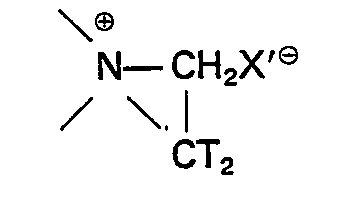
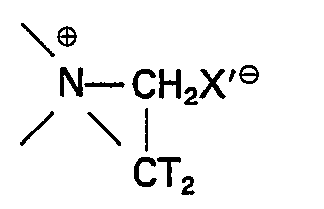
- The present invention relates to aziridinum analogs of tritium labelled nitrogen mustard type compounds having the general formula (It:


- T is tritium
- X is halogen, and
- X'e is an anion.
- The present invention further relates to a process for the production of tritium labelled nitrogen mustard aziridinium compounds having the formula


- These novel tritium labelled nitrogen mustard aziridinium compounds can be used in the evaluation and development of biological models utilizing experimental animals so as to develop analogs of human disease states. The compounds can also be used to evaluate mechanisms of neurotransmitter regulation and function in vivo and in vitro and as an active ingredient in pharmaceutical compositions.
- The novel tritium labelled nitrogen mustard aziridinium compounds of the invention have the general structural formula (I) as defined above

- X'e is the counter anion formed in the environment in which the tritium labelled N-mustard type compound is dissolved. Preferably, it is selected from the group of counter anions consisting of hydroxide, acetate, phosphate, chloride, bromide, iodide, sulfate, carbonate and citrate.
- The compounds of the invention are synthesized according to the following general reaction scheme:

- The first step of the synthesis comprises the N-substituted haloacetyl derivative by reacting the respective secondary amine with haloacetyl halide or haloacetic anhydride in a suitable reaction medium such as acetonitrile or chloroform at room temperature. The next step comprises reducing the N-haloacetyl group to tritiated N-2-haloethyl using tritiated diborane in dry tetrahydrofuran, followed by addition of water and extraction into a suitable solvent, such as chloroform or ether, to give a labelled N-mustard type compound. The aziridinium analog is then formed in water under basic conditions. This labelling synthesis produces compounds having a high specific radioactivity of about 3.7-18.5 x 10"Bq mmol (10-50 Ci/ mmol) as determined by conventional radiochemical analyses.
- The chemical process for tritium labelling the compounds of this invention is a modification of the reaction,


- Ultimately, the tritiated mustard compounds can be synthesized according to the following reaction:


- The above synthesis for tritium labelled mustard compounds and their respective analogs utilizing B2T6 is novel since labelling procedures of nitrogen mustards and their aziridinium analogs have been done in the past using T2 involving reduction of a carbon-carbon double bond, by general labelling if an aromatic ring was part of a molecule (e.g., Wilsheimer's Hack reaction), or by specific labelling by replacing a halogen in the molecule.
- The radioactive mustards and their respective aziridinium analogs are valuable as active ingredients in pharmaceutical compositions of matter. The ethylcholine aziridinium ion (AF64A) is a highly selective presynaptic cholinotoxin. There is far less understanding of the function of central cholinergic neurons than understanding of the function of catecholaminergic or serotonergic neurons, largely due to a lack of tools with which to affect or perturb this important group of cells. An agent which is selectively toxic to the cholinergic system would be of enormous value for the investigation of the function of this system. In this regard, tritium labelled AF64A ([3H]-AF64A) can be used to visualize and identify peripheral and central cholinergic pathways (e.g., utilizing histochemical and autoradiographic techniques). Moreover, since [3H]-AF64A binds irreversibly to the high-affinity choline transport system, it can be used as a means to isolate and characterize biochemically those transport sites that are still an enigma since the membrane site to which choline is bound is unknown. [3H]-AF64A can also be further used to investigate cholinergic processes in vitro and in vivo. One can utilize it to look at the progress of degeneration of the cholinergic system and its interaction with other neurotransmitter systems in a longitudinal dynamic manner.
- Tritium labelled AF64A can also be utilized to develop more reliable animal models of disease states of central cholinergic hypofunction, e.g. senile dementia of Alzheimer's type, Pick's disease, Gestmann-Straussler syndrome, Huntington's chorea, tardive dyskinesia, childhood's schizophrenia, Gilles de la Tourette disease, Friedrich's ataxia, Down's syndrome or disease states of peripheral cholinergic hypofunction, e.g. Eaton-Lambert syndrome, Adi's disease.
- Admixtures of AF64A and [3H]-AF64A can be used to provide an internal marker as a radioactive cholinotoxin for central or peripheral cholinergic hypofunction and thus an adjunct to behavioral and neurochemical studies of the animal model.
- [3H]-AF64A can also be used to determine rates of turnover, plasticity and recovery of high affinity choline uptake sites and activity of various choline dependent enzymes in the nerve terminal (e.g., choline acetyltransferase, choline kinase and choline dehydrogenase) as well as to provide a radiolabelled marker for tissue membrane metabolism and turnover in vitro and in vivo. It will also provide a tool for studying penetration of choline-like compounds through the blood-brain barrier.
- All of the above use of tritium labelled AF64A should assist in the treatment strategies of central cholinergic deficiency by providing more accurate information regarding the possible dynamics of the disease state.
- The novel compounds of the may also be used as the active ingredient in pharmaceutical compositions.
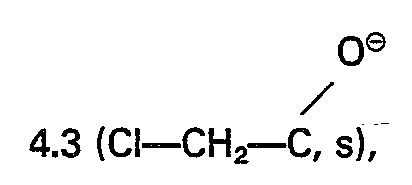
- Chloroacetylchloride (97 g, 1 mol) in dry acetonitrile (100 ml) was added dropwise to a cold (0°C) solution of N-ethylethanolamine (89 g, 1 mol) in acetonitrile (150 ml) and anhydrous sodium carbonate (119 g, 1.1 mol). The mixture was mechanically stirred for two hours at 0°C and then for 14 hours at room temperature, filtered, evaporated to dryness at 40°C and the residue was dissolved in chloroform. The resulting solution was mixed with 1N hydrochloric acid, followed by mixing with 10% aqueous sodium carbonate and aqueous saturated sodium chloride. It was then dried over anhydrous magnesium sulphate, filtered through activated charcoal and evaporated to dryness to yield N-chloroacetyl-N-ethyl-ethanolamine as a colorless oil (yield 85%) with the following indicia: MS m/e 165 (Mt); 88 (M-COCH2CI); since the IR spectrum of the liquid showed two C=O peaks, one minor at λ max 1750 cm-1 (C=O, ester) and one major at 1635 cm-1 (C=O, amide), the compound was purified on an alumina dry column using chloroform and chloroform:methanol (9:1) as eluents. The purified amide showed only one C=O group at 1635 cm-1. This pure compound (pure by TLC (thin layer chromatography), NMR (nuclear magnetic resonance), IR (infrared), MS (mass spectrometry)) was used for the next step. The NMR (250 MHz) of the pure amide showed peaks of the two structures which are at equilibrium in such amides:


- Acetic anhydride (112 g, 0.11 mol) in ethylacetate (50 ml) was added dropwise to a cold (0°C) solution of N-chloroacetyl-N-ethylethanolamine produced in Step 1 (16.5 g, 0.1 mol) in 50 ml ethylacetate. The mixture was stirred for 2 hours at 0°C, and then for 14 hours at room temperature. The organic solution was shaken with water (100 ml) and the aqueous phase extracted with chloroform. The organic phases were combined, dried over magnesium sulphate, filtered through activated charcoal and evaporated to dryness at 40°C to produce N-chloroacetyl-N-ethyl-2-acetoxyethanolamine as a colorless oil (yield 80%). The crude compound was further purified on a dry silica column using ethylacetate as eluent. A very pure compound was obtained under these conditions (pure by TLC, NMR, IR and MS) and identified by the following indicia: MS(CI) m/e 208 (Mt + 1; IR NaCI max cm-1: 1740 (C=O, ester) 1655 (C=O, amide). The NMR (250 MHz) of the pure product showed peaks of the two structures which are at equilibrium in such amides:


- m = multiplet, t = triplet, q = quartet, d = doublet.
- N-chloroacetyl-N-ethyl-acetoxyethanolamine can also be prepared using the following synthesis:


- N-ethylethanolamine (52.7 g, 0.59 mol) was cooled to 0°C and cold trifluoroacetic acid (100 ml) was added dropwise. The solution was magnetically stirred and acetylchloride (46.3 g, 0.59 mol) was added dropwise to the cold solution (0°C). The mixture was stirred at 0°C for 2 hours, then for 14 hours at room temperature. The mixture was evaporated to dryness at 40°C and the residue was dissolved in chloroform. The organic solution was shaken with 10% aqueous sodium carbonate and aqueous saturated sodium chloride, dried over anhydrous magnesium sulphate, filtered through activated charcoal, and then evaporated to dryness to produce N-ethyl-2-acetoxyethanolamine as a colorless oil (yield 80%) with the following indicia:
- MS: m/e 130 (M+); IR λNacl max 1735 cm-1.
- The corresponding hydrochloride salt can be precipitated by dissolving the oil in ether and acetone and adding etheral gaseous hydrochloric acid.
- Chloroacetic anhydride (4.52 g, 0.026 mol) in dry acetonitrile (25 ml) was next added dropwise to a solution of N-ethyl-2-acetoxyethanolamine (2.6 g, 0.02 mol). The mixture was stirred at room temperature for 20 hours, filtered and evaporated to dryness at 40°C. The same work-up procedure as described for the Route 1 synthesis produced N-chloroacetyl-N-ethyl-2-acetoxyethanolamine (yield 90%) having the same structure and purity as the compound prepared by Route 1 (as checked by-TLC, IR, NMR and MS).
- A solution of N-chloroacetyl-N-ethyl-2-acetoxyethanolamine (0.2 g, 1 mmol) was dissolved in 5 ml dry tetrahydrofuran (THF) which had been distilled on lithium aluminum hydride and kept on Na under a gentle stream of dry N2 in a 50 ml reaction flask. The reaction flask was cooled to 0°C and diborane (1 M), B2H6 (obtained from Aldrich), in THF (10 ml, 10 mmol) was slowly added with a syringe (equipped with a hypodermic needle) through a rubber septum to the magnetically stirred solution of N-chloroacetyl-N-ethyl-2-acetoxyethanolamine in THF kept under a positive N2 pressure.
- The solution was stirred at 0-5°C for 4 hours and then kept for five days under a positive pressure of N2 at room temperature (20―25°C). After five days excess diborane was destroyed by a dropwise addition of H20 (10 ml) with a syringe through the rubber septum. Then NaHC03 (solid; =0.5-1 g) was added until the solution pH was 7.8-8 (as checked with universal pH paper). The reaction solution was next immediately extracted with chloroform (3 x 5 mI). The chloroformic layer was separated in a separatory funnel and washed once with 5 ml of saturated NaCI solution in water, dried with anhydrous MgS04, and evaporated at 40-50°C to dryness. The TLC analysis of the reactants and reaction products is given below in Table 1.

- The reagents used for visualization on the TLC plates were iodine vapors, 4(p-nitrobenzyl)pyridine (NBP) in acetone, and ethyl bis(2,4-dinitrophenyl acetate) (EDA). The iodine vapors give an indication of all the peaks. NBP detects alkylating agents. The NBP is first dissolved in acetone (1% weight/volume). The TLC plate is quickly immersed into this solution and then withdrawn from it. Alternatively, this solution may be sprayed onto the TLC plate. Then the plate is heated on a hot plate or with a very hot stream of air, such as from a hair-dryer, until faint blue spots appear on the TLC plate. At this point the hot TLC plate is immersed into a 2% solution of NaOH in ethanol or a saturated solution in EtOH. Alternatively, this solution may be sprayed on the plate. Alkylating compounds will appear as blue spots against a white-yellowish background when the plate is dry. EDA (0.1 % in acetone, methanol free) is a sensitive reagent specifically developed for visualizing amines, especially tertiary amines. The TLC plate is immersed into this solution and then quickly withdrawn. Amines appear as blue spots against a white background when the plate is dry.
- The use of these three visualizing reagents and the Rf of the respective peaks give an accurate picture of the reaction mixture. Thus, the iodine will color all the peaks in the reaction mixture; the NBP reagent will color all the alkylating agents, including the N-chloroacetyl-N-ethyl-2-acetoxyethanolamine; and the EDA reagent will color only the amines, thus excluding the starting compound, which is an amide.
- At this point, the expected product, (Acetoxy AF64), can be purified by preparative TLC (alumina or silica gel), or by a very short dry column of alumina or silica. Alternatively, the product can also be used purified by the following technique: add dry THF (3 ml) to the residue (oil) left after evaporating the CHCI3, and cool the solution formed to 0°C. Then add etheral (gaseous HCI) dropwise (ca 0.5 ml) until the pH becomes acidic (universal pH paper). The solution is then cooled (0-5°C) for 2 hours and an oil is observed on the walls of the flask. The presence of oil on the flask walls is accentuated by a further addition of dry ether (ca..3 ml). The clear solution was decanted and saved, and the oil on the walls of the flask was carefully washed twice with dry ether (3 ml each time). The oil on the walls of the flask was determined to be the compound Acetoxy AF64. HCI, and other impurities (less than found in the crude original product). The oily Acetoxy AF64·HCl and impurities are stable (-20°C) for at least a few days.
- To the oily Acetoxy AF64 HCI with impurities is added 2 ml of H20 with NaHC03 (pH should be 8) and which is then extracted with CHCI3 (3 x 5 ml), dried over MgS04, and filtered and evaporated to dryness. The TLC gave almost the same pattern as shown earlier, although it would appear that the product, Acetoxy AF64 (free base) was purer than before.
- A further purification can be achieved by preparative TLC, for instance using Merck #5717 PLC plates of silica gel 60F, and by using ethyl acetate:hexane, 1:1 as an eluent. The band corresponding to Acetoxy AF64 was scraped-off, crushed to a uniform powder, and transferred to a glass column with CHCI3:methanol (8:2). Evaporation of the solvent yielded pure Acetoxy AF64.
- The method used to synthesize Acetoxy AF64 described in Example 1 was. applied using tritium diborane, B2T6, to synthesize [3H]-Acetoxy AF64, tritium labelled Acetoxy AF64. The resulting radioactive compound as synthesized having a specific radioactivity of 107.3 x 10¹⁰ Bq/mmol (29 Ci/mmol) was obtained ultimately as a free base in absolute ethanoi at a concentration of 3.7 x 10¹⁰ Bq/ml (1 ci/ml). The compound kept under N2 is stable at -20°C for at least five months.
- [3H]-AF64A can be prepared as shown in the reaction sequence presented below by diluting the solution of [3H]-Acetoxy AF64 prepared in Example 2 in ethanol with water to the desired concentration and adding 10 N NaOH to bring the pH of the solution to 11.3-11.7. The pH is maintained while stirring for 30 minutes at room temperature. Then the pH is lowered to 7.0 with concentrated HCI and adjusted to 7.4 with solid NaHCO3 or phosphate buffer (pH 7.4). This solution is stable at 0―4°C for at least 8 hours.
-

- [3H]-Acetoxy AF64A is prepared by diluting a solution of [3H]-Acetoxy AF64 prepared in Example 2 in ethanol with phosphate buffer (pH 7.4) to the desired concentration as shown in the reaction sequence presented below. The conversion to the aziridinium structure is maximum (80-95%) after one hour at room temperature. This compound is stable for at least 8 hours at 0―4°C.
-

- N-chloroacetyl-N-ethyl-2-chloracetoxyethanolamine was prepared in one step from N-ethylethanolamine (8.9 g, 0.1 mol) and chloroacetylchloride (97 g, 1 mol) in dry acetonitrile (100 ml) and anhydrous sodium carbonate (1.19 g, 0.11 mol) by mixing at room temperature for 48 hours. The resulting product was produced in an 80% yield following the same work-up procedure as described for N-chloroacetyl-N-ethylethanolamine in Example 1. The product shows the same behaviour in the NMR spectrum in COCl3 as in N-chloroacetyl-N-ethyl-2-acetoxyethanolamine due to the following equilibrium:

- Therefore, δppm CDCl3: 4.35 (t, CH2―O); 4.17,


- m = multiplet, q = quartet, t = triplet
- The reduction method using B2H6 to synthesize chloroacetyl·AF64 and using [3H]―B2H6 to synthesize [3H] chloroacetyl·AF64 is similar to that described for the synthesis of Acetoxy·AF64 (or [3H]-Acetoxy·AF) in Examples 1 and 2, respectively.
- Other tritium labelled nitrogen mustard type compounds and their aziridinium type analogs, in accordance with the invention compounds, can be prepared by analogous synthesis routes.
- The compounds of the present invention can be formulated into pharmaceutical compositions of matter or vehicles by conventional means known to those in the art using conventional diluent adjuvants and the like.
- The compounds can be administered into laboratory animals, such as rodents, rabbits, cats, dogs, and monkeys, by peripheral or intracerebral injections, by infusion or per os. However, the dosage and the route of administration need to be adjusted according to the specific biological use of the tritium labelled compounds of the invention. Table 2 presented below indicates some of the potential uses of [3H]-AF64A:

- As shown in Table 2 at striatal synaptosomes or membranes (lysed synaptosomes) were incubated for 10 minutes at 30°C in the presence of [3H]-AF64A (0.1-3 µM) in Tris buffer at pH 7.5. Tissue samples were collected onto 6F/F filters by gentle vacuum filtration. "Accumulation" represents the accumulated radioactivity into the various samples tested. The conditions A and C represent Na+-dependent high affinity [3H]-AF64A transport into the rat striatal synaptosomes. Condition B represents Na-independent transport of [3H]-AF64A into the rat striatal synaptosomes. In the case of the rat striatal membranes there is no more transport into the synaptosomes and the accumulation represents only binding to the membrane, with the largest accumulation with membranes being under condition C.
- From Table 2 it is evident [3H]-AF64A is taken up into the synaptosomes via a high affinity [Na] dependent transport system that is most probably the same system that is the choline carrier. In case of the lysed synaptosomes ("membranes") [3H]-AF64A binds strongly to this carrier without involving the uptake process itself. [3H]-AF64A can, thus, be used to study binding to this carrier as well as to study uptake processes in synaptosomes obtained from different areas of the brain of experimental animals.
Claims (14)





Applications Claiming Priority (2)
| Application Number | Priority Date | Filing Date | Title |
|---|---|---|---|
| US662276 | 1984-10-18 | ||
| US06/662,276 US4795627A (en) | 1984-10-18 | 1984-10-18 | Tritium labelled N-mustard type compounds and a process for their production |
Publications (3)
| Publication Number | Publication Date |
|---|---|
| EP0178743A2 EP0178743A2 (en) | 1986-04-23 |
| EP0178743A3 EP0178743A3 (en) | 1986-12-17 |
| EP0178743B1 true EP0178743B1 (en) | 1990-05-23 |
Family
ID=24657100
Family Applications (1)
| Application Number | Title | Priority Date | Filing Date |
|---|---|---|---|
| EP85301010A Expired - Lifetime EP0178743B1 (en) | 1984-10-18 | 1985-02-15 | Novel tritium labelled n-mustard type compounds and a process for their production |
Country Status (5)
| Country | Link |
|---|---|
| US (1) | US4795627A (en) |
| EP (1) | EP0178743B1 (en) |
| CA (1) | CA1271755A (en) |
| DE (1) | DE3577839D1 (en) |
| IL (1) | IL74352A (en) |
Families Citing this family (25)
| Publication number | Priority date | Publication date | Assignee | Title |
|---|---|---|---|---|
| WO1992004054A1 (en) * | 1990-08-30 | 1992-03-19 | STATE OF OREGON, acting by and through THE OREGON STATE BOARD OF HIGHER EDUCATION, acting for and on behalf of THE OREGON HEALTH SCIENCES UNIVERSITY, PORTLAND, OREGON, and THE UNIVERSITY OF OREGON, EUGENE, OREGON, Johnson Hall, University of Oregon | Substituted amidines having high binding to the sigma receptor and the use thereof |
| US8039266B2 (en) * | 2006-09-15 | 2011-10-18 | Colorado School Of Mines | Methods to radiolabel natural organic matter by reduction with hydrogen labeled reducing agents |
| CA2711558C (en) | 2008-01-04 | 2016-12-13 | Intellikine, Inc. | Phosphatidyl inositol-3 kinase inhibiting compounds |
| US8193182B2 (en) | 2008-01-04 | 2012-06-05 | Intellikine, Inc. | Substituted isoquinolin-1(2H)-ones, and methods of use thereof |
| JP5731978B2 (en) | 2008-09-26 | 2015-06-10 | インテリカイン, エルエルシー | Heterocyclic kinase inhibitor |
| EP2427195B1 (en) | 2009-05-07 | 2019-05-01 | Intellikine, LLC | Heterocyclic compounds and uses thereof |
| AU2011255218B2 (en) | 2010-05-21 | 2015-03-12 | Infinity Pharmaceuticals, Inc. | Chemical compounds, compositions and methods for kinase modulation |
| JP2013545749A (en) | 2010-11-10 | 2013-12-26 | インフィニティー ファーマシューティカルズ, インコーポレイテッド | Heterocyclic compounds and uses thereof |
| AU2012205669B2 (en) | 2011-01-10 | 2015-08-20 | Infinity Pharmaceuticals Inc. | Processes for preparing isoquinolinones and solid forms of isoquinolinones |
| US9056877B2 (en) | 2011-07-19 | 2015-06-16 | Infinity Pharmaceuticals, Inc. | Heterocyclic compounds and uses thereof |
| JP6027610B2 (en) | 2011-07-19 | 2016-11-16 | インフィニティー ファーマシューティカルズ, インコーポレイテッド | Heterocyclic compounds and uses thereof |
| EP2751093A1 (en) | 2011-08-29 | 2014-07-09 | Infinity Pharmaceuticals, Inc. | Heterocyclic compounds and uses thereof |
| US8940742B2 (en) | 2012-04-10 | 2015-01-27 | Infinity Pharmaceuticals, Inc. | Heterocyclic compounds and uses thereof |
| US8828998B2 (en) | 2012-06-25 | 2014-09-09 | Infinity Pharmaceuticals, Inc. | Treatment of lupus, fibrotic conditions, and inflammatory myopathies and other disorders using PI3 kinase inhibitors |
| KR102229478B1 (en) | 2012-11-01 | 2021-03-18 | 인피니티 파마슈티칼스, 인코포레이티드 | Treatment of cancers using pi3 kinase isoform modulators |
| US9481667B2 (en) | 2013-03-15 | 2016-11-01 | Infinity Pharmaceuticals, Inc. | Salts and solid forms of isoquinolinones and composition comprising and methods of using the same |
| US9751888B2 (en) | 2013-10-04 | 2017-09-05 | Infinity Pharmaceuticals, Inc. | Heterocyclic compounds and uses thereof |
| PE20160685A1 (en) | 2013-10-04 | 2016-07-23 | Infinity Pharmaceuticals Inc | HETEROCYCLIC COMPOUNDS AND USES OF THEM |
| SG10201808053XA (en) | 2014-03-19 | 2018-10-30 | Infinity Pharmaceuticals Inc | Heterocyclic compounds for use in the treatment of pi3k-gamma mediated disorders |
| US20150320755A1 (en) | 2014-04-16 | 2015-11-12 | Infinity Pharmaceuticals, Inc. | Combination therapies |
| US9708348B2 (en) | 2014-10-03 | 2017-07-18 | Infinity Pharmaceuticals, Inc. | Trisubstituted bicyclic heterocyclic compounds with kinase activities and uses thereof |
| US10160761B2 (en) | 2015-09-14 | 2018-12-25 | Infinity Pharmaceuticals, Inc. | Solid forms of isoquinolinones, and process of making, composition comprising, and methods of using the same |
| WO2017161116A1 (en) | 2016-03-17 | 2017-09-21 | Infinity Pharmaceuticals, Inc. | Isotopologues of isoquinolinone and quinazolinone compounds and uses thereof as pi3k kinase inhibitors |
| US10919914B2 (en) | 2016-06-08 | 2021-02-16 | Infinity Pharmaceuticals, Inc. | Heterocyclic compounds and uses thereof |
| MX391135B (en) | 2016-06-24 | 2025-03-21 | Infinity Pharmaceuticals Inc | COMBINATION THERAPIES. |
-
1984
- 1984-10-18 US US06/662,276 patent/US4795627A/en not_active Expired - Fee Related
-
1985
- 1985-02-12 CA CA000474091A patent/CA1271755A/en not_active Expired
- 1985-02-15 IL IL74352A patent/IL74352A/en not_active IP Right Cessation
- 1985-02-15 EP EP85301010A patent/EP0178743B1/en not_active Expired - Lifetime
- 1985-02-15 DE DE8585301010T patent/DE3577839D1/en not_active Expired - Lifetime
Non-Patent Citations (2)
| Title |
|---|
| J. Lab. cpds., vol. VIII no. 3(1972), 461-423 * |
| Tritium and its compounds-Anthony Evans, John Wiley & Sons, p. 106-139 & 402-405 * |
Also Published As
| Publication number | Publication date |
|---|---|
| EP0178743A3 (en) | 1986-12-17 |
| IL74352A (en) | 1989-07-31 |
| EP0178743A2 (en) | 1986-04-23 |
| US4795627A (en) | 1989-01-03 |
| DE3577839D1 (en) | 1990-06-28 |
| CA1271755A (en) | 1990-07-17 |
Similar Documents
| Publication | Publication Date | Title |
|---|---|---|
| US4795627A (en) | Tritium labelled N-mustard type compounds and a process for their production | |
| DE69633461T2 (en) | DOPAMINE AND SEROTONINE TRANSPORT LIGANDS AND IMAGING PRODUCTS | |
| US4698431A (en) | Hydroxypyridonate chelating agents | |
| Mathis et al. | A lipophilic thioflavin-T derivative for positron emission tomography (PET) imaging of amyloid in brain | |
| US4279887A (en) | Amides useful as brain imaging agents | |
| JPH04503059A (en) | Reagents for producing 5'-biotinylated oligonucleotides | |
| DE4311023C2 (en) | Bifunctional chalcogen atom-interrupted chelating agents of type XN¶1¶S¶1¶O¶1¶ for radioactive isotopes, their metal complexes, processes for their preparation and pharmaceutical compositions containing them | |
| WO1992005154A1 (en) | Novel nitrogen-sulfur ligands useful in radiographic imaging agents | |
| DE19536781A1 (en) | Bifunctional sulfide-containing sulfonamide chelating agents of the type XSNS for radioactive isotopes | |
| EP0851771A2 (en) | N2s2-type bi-functional nicotinamide chelating agents for radioactive isotopes | |
| EP0831941B1 (en) | Iodinated neuroprobes for mapping monoamine reuptake sites | |
| DE3927049A1 (en) | HALOGENALKYL-PHENYL-KETONE AND THEIR HYDRATES, THEIR PRODUCTION AND USE | |
| DE60206599T2 (en) | BIOTIN DERIVATIVES AND THEIR CONJUGATES WITH CHELATING AGENTS | |
| DE60013818T2 (en) | QUATERNARY AMMONIUM COMPOUNDS, PROCESS FOR THEIR PREPARATION AND THEIR PHARMACEUTICAL USE | |
| DE69333611T2 (en) | RADIOMARKED MULTIPLE PHENOL CONNECTIONS | |
| US4431627A (en) | Gamma-emitting receptor-binding 3-quinuclidinyl glycolates; methods of preparation thereof and imaging and assay methods utilizing same | |
| EP0386873B1 (en) | Cationic complexes of technetium 99m, and ligands therefor | |
| DE19536785A1 (en) | Bifunctional sulfide-containing sulfonamide chelating agents of type S¶2¶NY for radioactive isotopes | |
| CA2134338A1 (en) | Azavesamicols | |
| Moreau et al. | Synthesis, in vitro binding and biodistribution in B16 melanoma-bearing mice of new iodine-125 spermidine benzamide derivatives | |
| DE19860289A1 (en) | New chelators and their tricarbonyl complexes with technetium and rhenium | |
| DE60027873T2 (en) | MOLECULES FOR THE TREATMENT AND DIAGNOSIS OF TUMORS | |
| EP0692981B1 (en) | Chelators of type xn 1?s 1?x' for radioactive isotopes, their metal complexes and their diagnostic and therapeutical uses | |
| EP0692980B1 (en) | Type s3n2 chelators for radioactive isotopes, their metal complexes and their diagnostic and therapeutical use | |
| WO1995012610A1 (en) | N-alkyl peptide chelate formers, their metal complexes with radionuclides, processes for producing them and radio-pharmaceutical compositions containing these compounds |
Legal Events
| Date | Code | Title | Description |
|---|---|---|---|
| PUAI | Public reference made under article 153(3) epc to a published international application that has entered the european phase |
Free format text: ORIGINAL CODE: 0009012 |
|
| AK | Designated contracting states |
Kind code of ref document: A2 Designated state(s): AT BE CH DE FR GB IT LI LU NL SE |
|
| RBV | Designated contracting states (corrected) |
Designated state(s): DE FR GB IT SE |
|
| PUAL | Search report despatched |
Free format text: ORIGINAL CODE: 0009013 |
|
| AK | Designated contracting states |
Kind code of ref document: A3 Designated state(s): DE FR GB IT SE |
|
| 17P | Request for examination filed |
Effective date: 19870603 |
|
| 17Q | First examination report despatched |
Effective date: 19880427 |
|
| GRAA | (expected) grant |
Free format text: ORIGINAL CODE: 0009210 |
|
| AK | Designated contracting states |
Kind code of ref document: B1 Designated state(s): DE FR GB IT SE |
|
| PG25 | Lapsed in a contracting state [announced via postgrant information from national office to epo] |
Ref country code: SE Effective date: 19900523 Ref country code: IT Free format text: LAPSE BECAUSE OF FAILURE TO SUBMIT A TRANSLATION OF THE DESCRIPTION OR TO PAY THE FEE WITHIN THE PRESCRIBED TIME-LIMIT;WARNING: LAPSES OF ITALIAN PATENTS WITH EFFECTIVE DATE BEFORE 2007 MAY HAVE OCCURRED AT ANY TIME BEFORE 2007. THE CORRECT EFFECTIVE DATE MAY BE DIFFERENT FROM THE ONE RECORDED. Effective date: 19900523 Ref country code: FR Effective date: 19900523 |
|
| REF | Corresponds to: |
Ref document number: 3577839 Country of ref document: DE Date of ref document: 19900628 |
|
| EN | Fr: translation not filed | ||
| PLBE | No opposition filed within time limit |
Free format text: ORIGINAL CODE: 0009261 |
|
| STAA | Information on the status of an ep patent application or granted ep patent |
Free format text: STATUS: NO OPPOSITION FILED WITHIN TIME LIMIT |
|
| 26N | No opposition filed | ||
| PGFP | Annual fee paid to national office [announced via postgrant information from national office to epo] |
Ref country code: GB Payment date: 19920207 Year of fee payment: 8 |
|
| PGFP | Annual fee paid to national office [announced via postgrant information from national office to epo] |
Ref country code: DE Payment date: 19920310 Year of fee payment: 8 |
|
| PG25 | Lapsed in a contracting state [announced via postgrant information from national office to epo] |
Ref country code: GB Effective date: 19930215 |
|
| GBPC | Gb: european patent ceased through non-payment of renewal fee |
Effective date: 19930215 |
|
| PG25 | Lapsed in a contracting state [announced via postgrant information from national office to epo] |
Ref country code: DE Effective date: 19931103 |