EP0171159B1 - Substituted azetidinone compounds, their preparation, and medicaments containing them - Google Patents
Substituted azetidinone compounds, their preparation, and medicaments containing them Download PDFInfo
- Publication number
- EP0171159B1 EP0171159B1 EP85304532A EP85304532A EP0171159B1 EP 0171159 B1 EP0171159 B1 EP 0171159B1 EP 85304532 A EP85304532 A EP 85304532A EP 85304532 A EP85304532 A EP 85304532A EP 0171159 B1 EP0171159 B1 EP 0171159B1
- Authority
- EP
- European Patent Office
- Prior art keywords
- group
- formula
- hydrogen atom
- compound
- oxo
- Prior art date
- Legal status (The legal status is an assumption and is not a legal conclusion. Google has not performed a legal analysis and makes no representation as to the accuracy of the status listed.)
- Expired
Links
- 0 C*C(C1)[N+](C)C1=O Chemical compound C*C(C1)[N+](C)C1=O 0.000 description 17
- WXVBAUOIPSBUQU-UHFFFAOYSA-N CC(C)C(C)(C)C(N)=O Chemical compound CC(C)C(C)(C)C(N)=O WXVBAUOIPSBUQU-UHFFFAOYSA-N 0.000 description 1
Classifications
-
- C—CHEMISTRY; METALLURGY
- C07—ORGANIC CHEMISTRY
- C07K—PEPTIDES
- C07K5/00—Peptides containing up to four amino acids in a fully defined sequence; Derivatives thereof
- C07K5/04—Peptides containing up to four amino acids in a fully defined sequence; Derivatives thereof containing only normal peptide links
- C07K5/08—Tripeptides
- C07K5/0821—Tripeptides with the first amino acid being heterocyclic, e.g. His, Pro, Trp
-
- C—CHEMISTRY; METALLURGY
- C07—ORGANIC CHEMISTRY
- C07D—HETEROCYCLIC COMPOUNDS
- C07D205/00—Heterocyclic compounds containing four-membered rings with one nitrogen atom as the only ring hetero atom
- C07D205/02—Heterocyclic compounds containing four-membered rings with one nitrogen atom as the only ring hetero atom not condensed with other rings
- C07D205/06—Heterocyclic compounds containing four-membered rings with one nitrogen atom as the only ring hetero atom not condensed with other rings having one double bond between ring members or between a ring member and a non-ring member
- C07D205/08—Heterocyclic compounds containing four-membered rings with one nitrogen atom as the only ring hetero atom not condensed with other rings having one double bond between ring members or between a ring member and a non-ring member with one oxygen atom directly attached in position 2, e.g. beta-lactams
-
- C—CHEMISTRY; METALLURGY
- C07—ORGANIC CHEMISTRY
- C07D—HETEROCYCLIC COMPOUNDS
- C07D205/00—Heterocyclic compounds containing four-membered rings with one nitrogen atom as the only ring hetero atom
- C07D205/02—Heterocyclic compounds containing four-membered rings with one nitrogen atom as the only ring hetero atom not condensed with other rings
- C07D205/06—Heterocyclic compounds containing four-membered rings with one nitrogen atom as the only ring hetero atom not condensed with other rings having one double bond between ring members or between a ring member and a non-ring member
- C07D205/08—Heterocyclic compounds containing four-membered rings with one nitrogen atom as the only ring hetero atom not condensed with other rings having one double bond between ring members or between a ring member and a non-ring member with one oxygen atom directly attached in position 2, e.g. beta-lactams
- C07D205/085—Heterocyclic compounds containing four-membered rings with one nitrogen atom as the only ring hetero atom not condensed with other rings having one double bond between ring members or between a ring member and a non-ring member with one oxygen atom directly attached in position 2, e.g. beta-lactams with a nitrogen atom directly attached in position 3
-
- C—CHEMISTRY; METALLURGY
- C07—ORGANIC CHEMISTRY
- C07F—ACYCLIC, CARBOCYCLIC OR HETEROCYCLIC COMPOUNDS CONTAINING ELEMENTS OTHER THAN CARBON, HYDROGEN, HALOGEN, OXYGEN, NITROGEN, SULFUR, SELENIUM OR TELLURIUM
- C07F7/00—Compounds containing elements of Groups 4 or 14 of the Periodic Table
- C07F7/02—Silicon compounds
- C07F7/08—Compounds having one or more C—Si linkages
- C07F7/10—Compounds having one or more C—Si linkages containing nitrogen having a Si-N linkage
Definitions
- lower as used in "substituted lower alkyl group", “lower alkylthio group”, “lower alkyl group”, “lower alkoxy group”, “lower alkylamino group” or “lower acylamino group” for the substituents in the foregoing general formulae refers to a straight or branched carbon chain having 1 to 5 carbon atoms. Accordingly, the lower acylamino group includes an acetylamino group, a propionylamino group, a butyrylamino group, a pentanoylamino group, a sec-butyrylamino group, etc.
- the lower alkylthio group includes a methylthio group, an ethylthio group, a propylthio group, an isopropylthio group, a butylthio group, a pentylthio group, etc.
- the lower alkyl group includes a methyl group, an ethyl group, a propyl group, a butyl group, an isopropyl group, a sec-butyl group, etc.
- the lower alkylamino group includes methylamino group, an ethylamino group, a propylamino group, a butylamino group, a pentylamino group, an isopropylamino group, a sec-butylamino group, a neopentylamino group, etc.
- the lower alkoxy group includes a methoxy group, an ethoxy group, a propoxy group, an isopropoxy group, a butoxy group, a tert-butoxy group, a pentyloxy group, etc.
- Some compounds (I) of the present invention have asymmetric carbon atoms and thus have stereoisomers.
- the present invention includes any separated isomer and any isomer mixture.
- the compounds (I) of the present invention may form salts with non-toxic acid (e.g. an inorganic acid salt such as a hydrochloride, a sulfate, etc., and an organic acid salt such as a citrate, an acetate, a tartrate, etc.), and salts with non-toxic base (for example, a salt with an inorganic base such as a sodium salt, a potassium salt, etc., and a salt with an organic base such as a diethylamine or trimethylamine salt, etc.).
- non-toxic acid e.g. an inorganic acid salt such as a hydrochloride, a sulfate, etc., and an organic acid salt such as a citrate, an acetate, a tartrate, etc.
- non-toxic base for example, a salt with an inorganic base such as a sodium salt, a potassium salt, etc., and a salt with an organic base such as a diethylamine or trimethylamine salt, etc
- a known compound related to the compounds of the present invention shown by formula (I) is L-pyroglutamyl-L-histidyl-L-prolinamide (pGlu-His-Pro-NH 2 ), called "Thyrotropin Releasing Hormone” (TRH).
- TRH thyrotropin
- TRH and the derivatives thereof act on the CNS, such as to decrease the duration of sleep caused by barbiturates or alcohol, control hypothermia induced by various medicaments, accelerate motor activity, prevent haloperidol-induced catalepsy, enhance memory, and to show anti-psychotic and anti-depressive effects, etc., in addition to the TSH releasing activity (U.S. Patent Nos. 3,865,934 and 3,932,623).
- TRH is useful for improving or treating functional or organic disturbances in the brain, for example, disturbance of consciousness caused by head injury, brain surgery, cerebro-vascular disorders, brain tumors, etc., in particular, acute or semiacute disturbance of consciousness (Belgian Patent No. 839,833).
- TRH derivatives showing a weaker TSH releasing activity than TRH or almost no TSH releasing activity and having CNS activity the same as or higher than that of TRH has been demanded.
- various TRH derivatives were synthesized for the foregoing purpose and actions on the CNS have been further enlarged.
- a TRH derivative which has a weaker TSH releasing activity than TRH has a narcotic antagonizing action, an action of increasing spontaneous activity, or a dopamine-like action, and is said to be useful for the improvement or treatment of somnifacients poisoning, disturbance of consciousness, child hyperactivity schizophrenia, nervous depression, and Parkinson's disease (Japanese Patent Publication (unexamined) No.
- TRH derivative which acts to improve and treat the disturbance of consciousness after an external head injury and to decrease the continuation time of sleep by hexobarbital, and is said to be useful for the treatment of a patient having disturbance of consciousness caused by organic or functional disturbances in the brain, the treatment of a patient showing senility or mental fatigue, and the treatment of depression (Japanese Patent Publication (unexamined) No. 59,714/'81).
- the compounds of the present invention have the characteristic that the pyroglutamyl (pGlu) structural moiety of TRH is replaced by an azetidinone structure (P-lactam structure).
- the compounds of the present invention can have stronger CNS actions than TRH and conventionally known TRH derivatives and hence are useful as medicaments.
- the compounds of the present invention can be useful for improving disturbance of consciousness in schizophrenia, nervous depression, the sequels to cerebro-vascular disorders, head injury, senile dementia, epilepsy, etc., or improving hypobulia, depressive syndrome, memory loss, etc.
- the compounds of the present invention can be orally or parenterally administered alone or in pharmacologically allowable carrier, excipient, diluent, etc., in the form of powders, granules, tablets, capsules, injections (intravenous, subcutaneous, or intramuscular injections), or suppositories.
- the dose of the compound of the present invention differs according to the particular compound, the age, weight and symptom of the patient, the manner of administration, etc., but is usually 0.001 to 10 mg, preferably 0.01 to 0.1 mg (one dose) in the case of injection and 0.05 to 500 mg, preferably 0.1 to 10 mg (one dose) in the case of oral administration.
- mice Nine male mice weighing 18 to 22 g were used for each dosage of the test compounds. Mice were given intravenously various doses of test compounds 10 minutes after pentobarbital (55 mg/kg i.p.). Rectal temperature was measured before pentobarbital dosing and immediately before and 30 minutes after the test compounds. Effects of test compounds were evaluated as ED,. 5 - C , the dose required to reduce by 1.5°C pentobarbital-hypothermia of control group of mice which received only pentobarbital and saline. The results are shown in Table 1. (A) Reversal effect against pentobarbital-hypothermia ED 1.5°c (mg/kg i.v.)
- the desired compounds can be produced by the reaction courses shown by the following schemes. wherein R 1 , R 2 , R 3 and Y are as defined above; R 4' represents a hydrogen atom or a substituted or unsubstituted lower alkyl group; and Y' represents a hydroxy group, an amino group or a mono- or di-lower alkylamino group.
- the production reaction for compounds of formula (1 1 ), (1 2 ) or (1 3 ) employed in the foregoing process (a) or (b) is a peptide synthesis reaction and can be performed in a conventional manner, e.g., using dicyclohexylcarbodiimide as a condensing agent, by an azide method, an acid chloride method, an acid anhydride method, or an active ester method, etc.
- the functional groups of the raw material compound such as an amino group, an imino group, a carboxy group, etc., which do not take part in the reaction, are usually protected prior to the performance of the peptide forming reaction in each step.
- an amino group, an imino group, or a carboxy group of the compound, which takes part in the reaction is, if necessary and desired, activated.
- reaction conditions may be suitably selected depending upon the properties of the compounds taking part in the reaction.
- protective group for an amino group examples include a benzyloxycarbonyl group, a tert-butoxycarbonyl group, a p-methoxybenzyloxycarbonyl group, a phthaloyl group, a trifluoroacetyl group, etc.
- protective group for an imino group examples include a tosyl group, a benzyloxycarbonyl group, a p-methoxybenzyloxycarbonyl group, a benzyl group, a 2,4-dinitrophenyl group, etc.
- protective group for a carboxy group examples include esters such as a methyl ester, an ethyl ester, a benzyl ester, a p-nitrobenzylester, tert-butyl ester, etc.
- the activation of a group which takes part in the reaction is, for example, by a phosphazo process using phosphorus trichloride; an isocyanate process using phosgene; or a phosphorous acid ester process when the group is an amino group or an imino group; or by formation of an active ester (2,4-dinitrophenol ester, N-hydroxysuccinimide ester, etc.), an azide group or a carboxylic anhydride, when the group is a carboxy group.
- the peptide forming reaction can be performed in an inert solvent at room temperature or with heating in a conventional manner.
- suitable solvents are dimethylformamide (DMF), ethyl acetate, dichloromethane (methylene chloride), tetrahydrofuran, etc.
- the protective group can easily be removed by catalytic reduction when the protective group is a benzyl group; by catalytic reduction or treatment with hydrobromic acid-acetic acid when it is benzyloxycarbonyl or p-methoxybenzyloxycarbonyl group; or, by acid decomposition when the protective group is a tert-butoxycarbonyl group.
- reaction for producing the compound of formula (1 4 ) employed in the foregoing (c) is an amide synthesis reaction and can be performed in a conventional manner.
- Techniques which can be usually employed include a dehydration process using an excess of ammonia in the presence of active alumina as a catalyst, an acid halide process, an acid anhydride process or an ester ammonolysis process.
- the ester ammonolysis process is advantageous, taking easy access to raw materials, yield, etc., into account,
- the reaction is performed treating the compound of formula (II') with an excess of liquid ammonia, preferably a mixture of water or glycol, which is known to promote the reaction, and ammonia, under cooling or at room temperature, in an organic solvent such as methanol, ethanol, etc.
- liquid ammonia preferably a mixture of water or glycol, which is known to promote the reaction, and ammonia, under cooling or at room temperature, in an organic solvent such as methanol, ethanol, etc.
- ammonium chloride, sodium methoxide, sodium amide, butyl lithium, etc. may be employed as a catalyst.
- reaction mixture B In 18 ml of dry DMF was dissolved 1.11 g of L-histidyl-L-prolinamide dihydrobromide (4) and 0.749 ml of triethylamine was added to the solution at -10°C. After stirring at the same temperature for 30 minutes, the precipitated crystals were filtered off under cooling to obtain a clear filtrate (Reaction mixture B).
- Mixture B was added to mixture A. After stirring the mixture at 0-5°C overnight, the stirring was continued for a further 3 hours at room temperature. After the precipitated crystals were filtered, the filtrate was concentrated under reduced pressure and the residue was subjected to column chromatography using 150 ml of silica gel and eluted with chloroform-methanol-conc. ammonia water (40:10:1) to obtain a crude product.
- reaction mixture B In 20 ml of dry DMF was dissolved 1.239 g of L-histidyl-L-prolinamide dihydrobromide (4). After the solution was cooled to 10°C, 0.835 ml of triethylamine was added thereto. The mixture was stirred at the same temperature for 30 minutes and then cooled. The precipitated crystals were filtered off to obtain the filtrate (Reaction mixture B).
- reaction solution A In a mixture of 15 ml of DMF and 15 ml of methylene chloride was dissolved compound (24) obtained in Reference Example 5(b) and 1.06 g of HOBT was added to the solution followed by ice cooling. After 1.62 g of DCC was added to the mixture, the mixture was stirred at 0°C for 40 minutes (reaction solution A).
- N ⁇ -[(2S,3R)-3-azido-4-oxo-2-azetidinylcarbonyl]-L-histidyl-L-prolinamide (25) was obtained.
- the product was lyophilized to obtain 58 mg as a colorless solid.
- reaction mixture was poured into a mixture of 5 ml of a 10% citric acid aqueous solution, 30 ml of ice water and 50 ml of ether.
- the pH was adjusted to 3 to 4 with a 10% aqueous citric acid solution to separate the aqueous layer from the organic layer.
- the aqueous layer was extracted with 30 ml of ether and the extract was combined with the organic layer followed by washing with water. After drying over anhydrous magnesium sulfate, the solvent was removed under reduced pressure to obtain a pale yellow oil.
- the white powders containing compound (27) obtained in Reference Example 6(b) were dissolved in a mixture of 5 ml of DMF and 5 ml of methylene chloride, and 324 mg of HOBT was added to the solution. Then, 618 mg of DCC was added thereto under ice-cooling and the mixture was stirred for 40 minutes at the same temperature.
- the oil was dissolved in 80 ml of methylene chloride.
- the solution was cooled to -10°C and 2.89 ml of triethylamine and 0.736 ml of acetyl chloride were added to the solution in sequence.
- the mixture was stirred at the same temperature for 1 hour and 20 minutes.
- the reaction mixture was concentrated under reduced pressure and the residue was subjected to column chromatography using 100 g of silica gel. By eluting with ethyl acetate-methanol (10:1), 683 mg of methyl ( ⁇ )cis-3-acetylamido-4-oxo-2- azetidinecarboxylate (31) was obtained as a white solid.
- reaction mixture was purified by column chromatography using silica gel (150 g).
- the desired compound was eluted with ethyl acetate-methanol-ammonia water (20:10:1). After the solvent was removed, the product was lyophilized.
- a solution of 1.98 g of diisopropylamine in 10 ml of THF was dropwise added to 12.3 ml of a hexane solution of 1.59 mols of n-butyl lithium in an argon atmosphere under ice cooling.
- the reaction was performed at the same temperature for 15 minutes.
- the solution was cooled to -78°C and, 2.19 g of (2S,3S)-1-t-butyldimethylsilyl-3-methyl-2-azetidinecarboxylic acid (35) was added to the solution.
- the mixture was reacted at -78°C for 30 minutes and then at 0°C for 30 minutes.
- To the reaction mixture was dropwise added a solution of 1.53 g of methyl iodide in 10 ml of THF. The mixture was reacted at 0°C for 30 minutes and then at 10 to 15°C for 30 minutes.
- reaction solution A In 15 ml of DMF was dissolved the white powder containing compound (37) obtained in Reference Example 8(b). Under ice cooling, 426 mg of HOBT and 743 mg of DCC were added to the solution and the reaction was performed for 30 minutes under ice cooling (reaction solution A).
- N T- methyl-L-histidyl-L-prolinamide dihydrobromide (39) was dissolved in 8.6 ml of DMF. After the solution was cooled to -20 to -30°C, 366 mg of triethylamine was added thereto. The reaction was performed at the same temperature for 30 minutes.
- reaction solution B T -methyl-L-histidyl-L-prolinamide
- Reaction solution B was added to reaction solution A.
- the reaction was performed at 0-5°C for 3 days.
- the insoluble matters were filtered off and the solvent was removed from the filtrate by distillation under reduced pressure.
- the residue was subjected to column chromatography using silica gel.
- chloroform-methanol-ammonia water 90:10:1
- 547 mg of N ⁇ -[(S)-3,3-dimethyl-4-oxo-2- azetidinylcarbonyl]- T -methyl-L-histidyl-L-prolinamide (40) was obtained as a white foam.
- a lyophilized formulation containing 0.025 mg of 0.05 mg of N°-[(2S,3R)-3-azido-4-oxo-2- azetidinylcarbonyl]-L-histidyl-L-prolinamide together with 10 ml of mannitol in one ampoule was prepared and each of the formulations was dissolved in 1 ml of a sterilized physiological saline solution to provide an injection.
- a mixture of 0.25 part by weight of N ⁇ -[(2S,3R)-3-azido-4-oxo-2-azetidinylcarbonyl]-L-histidyl-L-prolinamide and 7.5 parts by weight of lactose was pulverised, and mixed uniformly with 44.4 parts by weight of lactose, 22.5 parts by weight of crystalline cellulose, and 0.4 part by weight of magnesium stearate. The resultant mixture was compacted to form tablets of 75 mg/tablet.
- a mixture of 0.5 part by weight of N ⁇ -[(2S,3R)-3-azido-4-oxo-2-azetidinylcarbonyl]-L-histidyl-L-prolinamide and 10 parts by weight of lactose was pulverized, and mixed uniformly with 137.5 parts by weight of lactose, 60 parts by weight of corn starch and 2.0 parts by weight of magnesium stearate. The mixture was filled into gelatin hard capsules to provide capsulated preparations of 210 mg/capsule.
Landscapes
- Chemical & Material Sciences (AREA)
- Organic Chemistry (AREA)
- Genetics & Genomics (AREA)
- Biochemistry (AREA)
- Biophysics (AREA)
- General Health & Medical Sciences (AREA)
- Health & Medical Sciences (AREA)
- Medicinal Chemistry (AREA)
- Molecular Biology (AREA)
- Proteomics, Peptides & Aminoacids (AREA)
- Life Sciences & Earth Sciences (AREA)
- Pharmaceuticals Containing Other Organic And Inorganic Compounds (AREA)
- Plural Heterocyclic Compounds (AREA)
Description
- The present invention relates to substituted azetidinone compounds, their preparation, and medicaments containing them. The present invention provides compounds shown by general formula (I), and salts thereof:


- The term "lower" as used in "substituted lower alkyl group", "lower alkylthio group", "lower alkyl group", "lower alkoxy group", "lower alkylamino group" or "lower acylamino group" for the substituents in the foregoing general formulae refers to a straight or branched carbon chain having 1 to 5 carbon atoms. Accordingly, the lower acylamino group includes an acetylamino group, a propionylamino group, a butyrylamino group, a pentanoylamino group, a sec-butyrylamino group, etc. The lower alkylthio group includes a methylthio group, an ethylthio group, a propylthio group, an isopropylthio group, a butylthio group, a pentylthio group, etc. The lower alkyl group includes a methyl group, an ethyl group, a propyl group, a butyl group, an isopropyl group, a sec-butyl group, etc. The lower alkylamino group includes methylamino group, an ethylamino group, a propylamino group, a butylamino group, a pentylamino group, an isopropylamino group, a sec-butylamino group, a neopentylamino group, etc. The lower alkoxy group includes a methoxy group, an ethoxy group, a propoxy group, an isopropoxy group, a butoxy group, a tert-butoxy group, a pentyloxy group, etc.
- Some compounds (I) of the present invention have asymmetric carbon atoms and thus have stereoisomers. The present invention includes any separated isomer and any isomer mixture.
- The compounds (I) of the present invention may form salts with non-toxic acid (e.g. an inorganic acid salt such as a hydrochloride, a sulfate, etc., and an organic acid salt such as a citrate, an acetate, a tartrate, etc.), and salts with non-toxic base (for example, a salt with an inorganic base such as a sodium salt, a potassium salt, etc., and a salt with an organic base such as a diethylamine or trimethylamine salt, etc.).
- A known compound related to the compounds of the present invention shown by formula (I) is L-pyroglutamyl-L-histidyl-L-prolinamide (pGlu-His-Pro-NH2), called "Thyrotropin Releasing Hormone" (TRH).
- The existence of TRH has been known since the 1960s but the structure thereof was confirmed in 1970 (Endocrinology, 86, 1143 (1970)). TRH is said to be a hormone controlling the release of thyrotropin (TSH) in the hypophysis of a mammal. However, by investigations made since, it has been clarified that the biological function of the tripeptide TRH is not limited to control of the release of TSH, but includes action on the central nervous system (CNS), and a field of new investigations has been developed based on the discovery (Science, 178, 417 (1972) and Lancet, 2, 999 (1972)). Thus, it is known that TRH and the derivatives thereof act on the CNS, such as to decrease the duration of sleep caused by barbiturates or alcohol, control hypothermia induced by various medicaments, accelerate motor activity, prevent haloperidol-induced catalepsy, enhance memory, and to show anti-psychotic and anti-depressive effects, etc., in addition to the TSH releasing activity (U.S. Patent Nos. 3,865,934 and 3,932,623). Furthermore, it has been discovered that TRH is useful for improving or treating functional or organic disturbances in the brain, for example, disturbance of consciousness caused by head injury, brain surgery, cerebro-vascular disorders, brain tumors, etc., in particular, acute or semiacute disturbance of consciousness (Belgian Patent No. 839,833).
- The development of TRH derivatives showing a weaker TSH releasing activity than TRH or almost no TSH releasing activity and having CNS activity the same as or higher than that of TRH has been demanded. Thus, various TRH derivatives were synthesized for the foregoing purpose and actions on the CNS have been further enlarged. As compounds synthesized for this purpose, there are known a TRH derivative which has a weaker TSH releasing activity than TRH, has a narcotic antagonizing action, an action of increasing spontaneous activity, or a dopamine-like action, and is said to be useful for the improvement or treatment of somnifacients poisoning, disturbance of consciousness, child hyperactivity schizophrenia, nervous depression, and Parkinson's disease (Japanese Patent Publication (unexamined) No. 116,465/'77); and a TRH derivative which acts to improve and treat the disturbance of consciousness after an external head injury and to decrease the continuation time of sleep by hexobarbital, and is said to be useful for the treatment of a patient having disturbance of consciousness caused by organic or functional disturbances in the brain, the treatment of a patient showing senility or mental fatigue, and the treatment of depression (Japanese Patent Publication (unexamined) No. 59,714/'81).
- The compounds of the present invention have the characteristic that the pyroglutamyl (pGlu) structural moiety of TRH is replaced by an azetidinone structure (P-lactam structure).
- As to medicinal action, the compounds of the present invention can have stronger CNS actions than TRH and conventionally known TRH derivatives and hence are useful as medicaments. For example, the compounds of the present invention can be useful for improving disturbance of consciousness in schizophrenia, nervous depression, the sequels to cerebro-vascular disorders, head injury, senile dementia, epilepsy, etc., or improving hypobulia, depressive syndrome, memory loss, etc.
- The compounds of the present invention can be orally or parenterally administered alone or in pharmacologically allowable carrier, excipient, diluent, etc., in the form of powders, granules, tablets, capsules, injections (intravenous, subcutaneous, or intramuscular injections), or suppositories. The dose of the compound of the present invention differs according to the particular compound, the age, weight and symptom of the patient, the manner of administration, etc., but is usually 0.001 to 10 mg, preferably 0.01 to 0.1 mg (one dose) in the case of injection and 0.05 to 500 mg, preferably 0.1 to 10 mg (one dose) in the case of oral administration.
- The following experiments show the action on low body temperature induced by pentobarbital (Experiment 1), and on acute toxicity for typical compounds of the present invention.
- Nine male mice weighing 18 to 22 g were used for each dosage of the test compounds. Mice were given intravenously various doses of test compounds 10 minutes after pentobarbital (55 mg/kg i.p.). Rectal temperature was measured before pentobarbital dosing and immediately before and 30 minutes after the test compounds. Effects of test compounds were evaluated as ED,.5-C, the dose required to reduce by 1.5°C pentobarbital-hypothermia of control group of mice which received only pentobarbital and saline. The results are shown in Table 1.

- An aqueous physiological saline solution of 800 mg/kg of a test compound, N°-[(S)-3,3-dimethyl-4-oxo-2-azetidinylcarbonyl]-L-histidyl-L-prolinamide, was intravenously administered to one group of nine male mice and they were observed for 24 hours but no example of death was observed. That is, LD50 (i.v.) of the compound of the present invention was higher than 800 mg/kg. On the other hand, LD50 (i.v.) was 751 mg/ kg (i.v.) in the case of administering TRH to mice.
- According to the present invention, the desired compounds can be produced by the reaction courses shown by the following schemes.

- Namely, according to this process, the desired compound of formula (I) can be produced:
- (a) by reacting compounds offormula (II) and formula (III) to form intermediate of formula (IV) and then reacting this with compound of formula (V); or,
- (b) by reacting compounds of formula (III) and formula (V) to form intermediate of formula (VI) and then reacting this with compound of formula (II).
- Also, the thus obtained compound of formula (l1) can be converted into a compound of formula (12) by converting the substituent Y.

- Thus according to this process, a compound of formula (13) can be produced:
- (a) by reacting compounds of formula (ll) and formula (III) to form intermediate of formula (IV') and then reacting this with compound of formula (V); or,
- (b) by reacting compounds of formula (lll) and formula (V) to form intermediate of formula (VI) and then reacting this with compound of formula (ll'); or,
- (c) by treating compound of formula (ll') with ammonia.
- The production reaction for compounds of formula (11), (12) or (13) employed in the foregoing process (a) or (b) is a peptide synthesis reaction and can be performed in a conventional manner, e.g., using dicyclohexylcarbodiimide as a condensing agent, by an azide method, an acid chloride method, an acid anhydride method, or an active ester method, etc. To conduct these methods, the functional groups of the raw material compound, such as an amino group, an imino group, a carboxy group, etc., which do not take part in the reaction, are usually protected prior to the performance of the peptide forming reaction in each step. Further, an amino group, an imino group, or a carboxy group of the compound, which takes part in the reaction, is, if necessary and desired, activated.
- Furthermore, for converting the desired compound of formula (11) into other desired compound of the present invention by converting the substituent Y of the compound of formula (11), the reaction conditions may be suitably selected depending upon the properties of the compounds taking part in the reaction.
- Examples of protective group for an amino group are a benzyloxycarbonyl group, a tert-butoxycarbonyl group, a p-methoxybenzyloxycarbonyl group, a phthaloyl group, a trifluoroacetyl group, etc., and examples of protective group for an imino group are a tosyl group, a benzyloxycarbonyl group, a p-methoxybenzyloxycarbonyl group, a benzyl group, a 2,4-dinitrophenyl group, etc.
- Examples of protective group for a carboxy group include esters such as a methyl ester, an ethyl ester, a benzyl ester, a p-nitrobenzylester, tert-butyl ester, etc.
- The activation of a group which takes part in the reaction is, for example, by a phosphazo process using phosphorus trichloride; an isocyanate process using phosgene; or a phosphorous acid ester process when the group is an amino group or an imino group; or by formation of an active ester (2,4-dinitrophenol ester, N-hydroxysuccinimide ester, etc.), an azide group or a carboxylic anhydride, when the group is a carboxy group.
- Among the foregoing methods of performing the peptide synthesis reaction, it is preferred to perform the reactions of the compound of formula (IV) and the compound of formula (V) by the process using dicyclohexyl carbodiimide as the condensing agent, the active ester process or the azide process. Also, a process of directly forming a peptide using the N-carboxy anhydride without using any protective group may be employed.
- The peptide forming reaction can be performed in an inert solvent at room temperature or with heating in a conventional manner. Examples of suitable solvents are dimethylformamide (DMF), ethyl acetate, dichloromethane (methylene chloride), tetrahydrofuran, etc.
- If it is necessary to remove a protective group from the reaction product, the protective group can easily be removed by catalytic reduction when the protective group is a benzyl group; by catalytic reduction or treatment with hydrobromic acid-acetic acid when it is benzyloxycarbonyl or p-methoxybenzyloxycarbonyl group; or, by acid decomposition when the protective group is a tert-butoxycarbonyl group.
- Further the reaction for producing the compound of formula (14) employed in the foregoing (c) is an amide synthesis reaction and can be performed in a conventional manner. Techniques which can be usually employed include a dehydration process using an excess of ammonia in the presence of active alumina as a catalyst, an acid halide process, an acid anhydride process or an ester ammonolysis process. In particular, the ester ammonolysis process is advantageous, taking easy access to raw materials, yield, etc., into account,
- The reaction is performed treating the compound of formula (II') with an excess of liquid ammonia, preferably a mixture of water or glycol, which is known to promote the reaction, and ammonia, under cooling or at room temperature, in an organic solvent such as methanol, ethanol, etc. For promoting the reaction, ammonium chloride, sodium methoxide, sodium amide, butyl lithium, etc. may be employed as a catalyst.
- The present invention will be further explained by referring to the Examples.
- The processes for producing the raw materials used in the examples are illustrated as Reference Examples.
- The abbreviations employed in the Examples and Reference Examples have the following meanings:
- NMR Nuclear magnetic resonance spectrum
- IR Infrared absorption spectrum
- Mass Mass analysis spectrum
- His Histidine
- Pro Proline
- TsOH p-Toluenesulfonic acid
- DCC Dicyclohexylcarbodiimide
- DMF Dimethylformamide
- HOBT 1-Hydroxy-1,2,3-benzotriazole
- THF Tetrahydrofuran
- Ph Phenyl group
- t-Bu t-Butyl group.
-

- In 6 ml of THF was dissolved 836.3 mg of diisopropylamine and the solution was cooled to 0°C in a nitrogen atmosphere. To the solution was gradually added 5.2 ml of a n-hexane solution containing 530 mg of n-butyl lithium at 0°C. The mixture was stirred for 10 minutes at the same temperature. Then, a solution of 920 mg of (S)-1-t-butyldimethylsilyl-4-oxo-2-azetidinecarboxylic acid (1) in 8 ml of dry THF was added to the mixture at 0°C followed by stirring at room temperature for 30 minutes. The solution was cooled to 0°C and 820.8 mg of benzyl bromide was added to the solution. The mixture was then stirred at room temperature for 30 minutes. The solution was again cooled to 0°C and a 10% citric acid solution was added thereto to render acidic. Ether was added to the mixture to separate from the aqueous phase. After the ethereal phase was dried, the solvent was removed by distillation to obtain 858 mg of (2S,3R)-1-t-butyldimethylsilyl-3-benzyl-4-oxo-2-azetidinecarboxylic acid (2) showing a melting point of 99-102°C as colorless crystals.
- NMR (CDCI3) 6 ppm: 0.00 (3H, s, Si-CH3), 0.20 (3H, s, Si-CH3), 0.76 (9H, s, t-Bu), 2.80-3.30 (2H, m, PhCH2), 3.40-3.72 (1H, m,

- IR (KBr) cm-1: 3000, 2910, 2840, 2610, 2480, 1730, 1680.
-

- To a solution of 858.2 mg of compound (2) in 16 ml of methanol was added 4.0 ml of 1 N-hydrochloric acid at 0°C followed by stirring at room temperature for 1.75 hours. The reaction mixture was cooled to 0°C and 4.0 ml of 1N-sodium hydroxide was added thereto. The solvent was removed by distillation under reduced pressure and the residue was dried by azeotropic distillation with acetonitrile-benzene.
- The thus obtained (2S,3R)-3-benzyl-4-oxo-2-azetidinecarboxylic acid (3) was dissolved in 14 ml of dry DMF without purifying it. To the solution were added 472 mg of HOBT and 610 mg of DCC at 0°C and the resulting mixture was stirred at the same temperature for 15 minutes (Reaction mixture A).
- In 18 ml of dry DMF was dissolved 1.11 g of L-histidyl-L-prolinamide dihydrobromide (4) and 0.749 ml of triethylamine was added to the solution at -10°C. After stirring at the same temperature for 30 minutes, the precipitated crystals were filtered off under cooling to obtain a clear filtrate (Reaction mixture B).
- Mixture B was added to mixture A. After stirring the mixture at 0-5°C overnight, the stirring was continued for a further 3 hours at room temperature. After the precipitated crystals were filtered, the filtrate was concentrated under reduced pressure and the residue was subjected to column chromatography using 150 ml of silica gel and eluted with chloroform-methanol-conc. ammonia water (40:10:1) to obtain a crude product. The crude product was subjected to column chromatography using 100 ml of silica gel and eluted with ethyl acetate-methanol (2:1) to obtain 351 mg of N°-[(2S,3R)-3-benzyl-4-oxo-2-azetidinylcarbonyl]-L-histidyl-L-prolinamide (5).
- NMR (D2O) δ ppm: 1.70 - 2.40 (4H, m,

- 2.80-3.20 (4H, m, -CH2
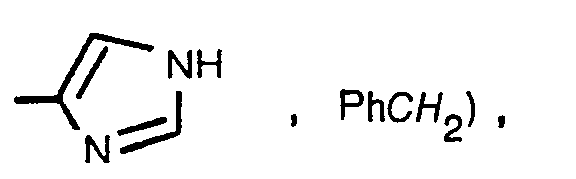
- 3.20-3.80 (3H, m,

- 4.00 (1H, d,

- 3.24-3.48 (1H, m, CH), 5.10 (1H, t, CH), 6.97 (1H,

- 7.36 (5H, s, Ph), 7.68 (1 H,

- IR (KBr) cm-1: 3250 (broad), 1750, 1665, 1635, 1520, 1440.
- Mass (m/z) FAB: 439 (M+ + 1)' 396, 325, 297,280.
-

- A solution of 822 mg of (2S,3S)-1-t-butyldimethylsilyl-3-(1-hydroxyethyl)-4-oxo-2-azetidinecarboxylic acid (6) in 18 ml of methanol was cooled to 0°C and 4.5 ml of 1N-hydrochloric acid was dropwise added to the solution. The mixture was stirred at room temperature for 2.5 hours. The reaction mixture was cooled to 0°C and 4.5 ml of 1 N-sodium hydroxide was added thereto. After the solvent was removed by distillation at room temperature under reduced pressure, the residue was dried by azeotropic distillation with acetonitrile-benzene. The resulting (2S,3S)-3-(1-hydroxyethyl)-4-oxo-2-azetidinecarboxylic acid (7) was dissolved in 15 ml of dry DMF without purifying it. To the solution were added 527 mg of HOBT and 680 mg of DCC at 0°C followed by stirring for 15 minutes at the same temperature (Reaction mixture A).
- In 20 ml of dry DMF was dissolved 1.239 g of L-histidyl-L-prolinamide dihydrobromide (4). After the solution was cooled to 10°C, 0.835 ml of triethylamine was added thereto. The mixture was stirred at the same temperature for 30 minutes and then cooled. The precipitated crystals were filtered off to obtain the filtrate (Reaction mixture B).
- Mixture B was added to mixture A. After stirring the mixture at 0-5°C overnight, the stirring was continued for a further 3 hours at room temperature. After the precipitated crystals were filtered, the filtrate was concentrated under reduced pressure. The residue was purified by column chromatography using 200 ml of silica gel. (Wakogel C-200) and ethyl acetate-methanol-conc.ammonia water (60:30:3) as eluent to obtain 310 mg of Nα-[(2S,3S)-3-(1-hydroxyethyl)-4-oxo-2-azetidinylcarbonyl]-L-histidyl-L-prolinamide (8).
- NMR (D20) 5 ppm: 1.23 (d, methyl), 1.30 (d, methyl), 3H in combination of both; 1.60-2.40 (4H, m,


- IR (KBr) cm-1: 3250 (broad), 2960, 2850, 1740, 1660, 1630, 1530, 1440.
- Mass (m/z) FD: 392 (M+).
- (Raw Material of Example 3)

- L-N-Methylaspartic acid (9), 2.0 g, 13.6 ml of benzyl alcohol and 3.1 g of p-toluenesulfonic acid monohydrate were mixed with 90 ml of benzene and the resulting mixture was heated under reflux for 4 hours in a flask equipped with a Dean-Stark apparatus. After cooling, 50 ml of ether was added to the mixture, a saturated sodium bicarbonate aqueous solution was added thereto to render basic and the organic layer was separated. After the organic layer was washed with a saturated sodium chloride aqueous solution and dried, the solvent was removed by distillation under reduced pressure. The residue was purified by column chromatography using 300 ml of silica gel (Wakogel C-200) and a solvent mixture of ethyl acetate-benzene (1:1) as an eluant to obtain 2.53 g of dibenzyl L-N-methylaspartate (10).
- NMR (CDCI3) 6 ppm: 1.77 (1H, s, NH), 2.40 (3H, s, N-CH3), 2.60-2.90 (2H,

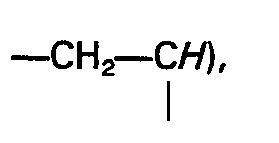

- In 20 ml of dry ether was dissolved 1.73 g of compound (10) and 6.4 ml of a 0.828 mol solution of t-butyl magnesium chloride was gradually added to the solution at -10 to 0°C under an N2 atmosphere. After stirring for 1 hour at the same temperature, the reaction mixture was allowed to stand at room temperature overnight. Dry THF, 10 ml, was added to the reaction mixture. After stirring at room temperature for 1 hour, the reaction mixture was cooled to 0°C and 10.6 ml of 1 N-hydrochloric acid was added thereto to separate the organic layer. The aqueous layer was extracted twice with 10 ml of ether. The organic layers were combined and washed with a saturated sodium chloride aqueous solution. After drying, the solvent was removed by distillation under reduced pressure. The residue was subjected to column chromatography using 50 ml of silica gel (Wakogel C-200). Elution with ethyl acetate-n-hexane (1:1) gave 155.3 mg of (S)-benzyl 1-methyl-4-oxo-2-azetidinecarboxylate (11) as a yellow oil.
- NMR (CDCI3) 6 ppm: 2.87 (3H, s, N-CH3), 2.94 (1H, d, d,

- IR (CHCI3) cm-1: 1745.

- In 10 ml of methanol was dissolved 450 mg of compound (11) and 45 mg of 10% Pd-C was added to the solution followed by catalytic hydrogenation at ambient temperature under an atmospheric pressure of hydrogen. The catalyst was filtered off and the solvent was removed by distillation under reduced pressure to obtain 258 mg of (S)-1-methyl-4-oxo-2-azetidinecarboxylic acid (12).
- NMR (CDC30D) 6 ppm: 2.94 (3H, s, N-CH3), 4.17 (1H, d, d,

-

- In 25 ml of dry DMF was suspended 828 mg of L-histidyl-L-prolinamide dihydrobromide (4) and 0.557 ml of triethylamine was dropwise added slowly to the suspension at -15 to -10°C. After stirring the mixture at the same temperature for 30 minutes, insoluble matters were filtered off under cooling to obtain a clear filtrate. To the filtrate were added 258 mg of compound (12), 351 mg of HOBT and 453 mg of DCC at -10°C. After stirring the mixture at -10 to 0°C for 2 hours, the mixturre was allowed to stand in a refrigerator for 2 days. After the precipitated insoluble matters were filtered off, the solvent was removed by distillation under reduced pressure. The resulting residue was subjected to column chromatography using 150 ml of silica gel (Wakogel C-200). By eluting with chloroform-methanol-conc. ammonia water (40:10:1), 352.6 mg of Nα-[(S)-1-methyl-4-oxo-2-azetidinylcarbonyl)-L-histidyl-L-prolinamide (13) was obtained.
- NMR (D2O) δ ppm: 1.70-2.50 (4H, m,


- IR (KBr) cm-1: 3250 (broad), 2960, 2870, 1735, 1665, 1680.
- Mass (m/z) FAB: 363 (M+ + 1).
-

- To a mixture of 10 ml of formic acid and 20 ml of formalin was added 3 g of (S)-benzyl 4-oxo-2- azetidinecarboxylate (14). The resulting mixture was kept at 50°C for 15 minutes. After cooling, the mixture was made alkaline with a saturated sodium bicarbonate aqueous solution and extracted twice with 50 ml of ether. The ethereal extracts were washed with a saturated sodium chloride aqueous solution and then dried. The solvent was removed by distillation under reduced pressure and the residue thus obtained was purified by column chromatography using silica gel. Thus, 970 mg of (S)-benzyl 1-hydroxymethyl-4-oxo-2- azetidinecarboxylate (15) and 1.78 g of (S)-benzyl 1-formyloxymethyl-4-oxo-2-azetidinecarboxylate (16) were obtained.
- Physical Properties of Compound (15)
- NMR (CDCI3) δ ppm: 3.00 (1H, d, d,


- IR (CHCI3) cm-1: 1760, 1740 (shoulder)
- Physical Properties of Compound (16):
- NMR (CDCI3) 6 ppm: 3.00 (1H, d, d,


- IR (CHCI3) cm-1: 1775, 1722.

- In 20 ml of methanol was dissolved 1.05 g of compound (16) and 100 mg of 10% Pd-C was added to the solution followed by catalytic hydrogenation at ambient temperature under atmospheric pressure of hydrogen. The catalyst was filtered off and the solvent was removed by distillation under reduced pressure to obtain 650 mg of (S)-1-formyloxymethyl-4-oxo-2-azetidinecarboxylic acid (17).
- NMR (DMSO-d6) δ ppm: 2.92 (1H, d, d,


- In 26 ml of dry DMF was suspended 1.569 g of compound (4) and 1.187 ml of triethylamine was dropwise added slowly to the suspension at -15 to -10°C. After stirring the mixture at the same temperature for 30 minutes, insoluble matters were filtered off under cooling to obtain a clear filtrate. The filtrate was cooled to -10°C and, a solution of 657.8 mg of compound (17) and 667 mg of HOBT in 20 ml of dry DMF was dropwise added gradually to the filtrate. Then, 861 mg of DCC was added thereto. After stirring the mixture for 2 hours at -10 to 0°C, the mixture was allowed to stand overnight in a refrigerator. The temperature was elevated to room temperature again and the precipitated crystals were filtered off. Filtrate solvent was distilled off under reduced pressure and the thus obtained residue was purified by column chromatography using 200 ml of silica gel (Wakogel C-200). By eluting with ethyl acetate-methanol-conc. ammonia water (60:30:3), 840 mg of Nα-[{S)-1-hydroxymethyl-4-oxo-2-azetidinylcarbonyl]-L-histidyl-L-prolinamide (18) was obtained.
- NMR (D20) δ ppm: 1.60-2.50 (4H, m,


- IR (KBr) cm-1: 3250 (broad), 2950, 2860, 1745 1665, 1630.
- Mass (m/z) FAB: 363 (M+ + 1).
-

- In 28 ml of methanol was dissolved 1.44 g of ethyl a-(2-oxo-1-azetidinyl)acetate (19) and 10 ml of a 1 N sodium hydroxide aqueous solution was dropwise added to the solution under ice cooling. The mixture was reacted at 10 to 15°C for 1 hour. The reaction solution was ice-cooled and 10 ml of 1N-hydrochloric acid was added thereto. Methanol was removed by distillation under reduced pressure. After the remaining aqueous solution was saturated with sodium chloride, the mixture was extracted 3 times with 140 ml of ethyl acetate. The ethyl acetate extracts were combined and dried over anhydrous sodium sulfate and then concentrated to obtain 950 mg of a-(2-oxo-1-azetidinyl)acetic acid (20).
- NMR (CDCI3 + CD30D) 6 ppm: 3.97 (2H, s), 3.45 (2H, t, J=4Hz), 3.02 (2H, t, J=4Hz).
- IR (CHCI3 solution) cm-1: 1740.
- Mass (m/z): 129 (M+).
-

- In 27 ml of DMF was dissolved 2.18 g of L-histidyl-L-prolinamide dihydrobromide (4). The solution was cooled to -15 to -10°C and 1.63 ml of triethylamine was added thereto. After reacting at this temperature for 20 minutes, the formed precipitates were filtered off to obtain a solution of L-histidyl-L-prolinamide. The solution was immediately used for the following synthesis. In a mixture of 14 ml of DMF and 14 ml of methylene chloride were dissolved 868 mg of compound (20) and 859 mg of HOBT and, 1.31 g of DCC was added to the solution under ice cooling. The mixture was reacted for 40 minutes. To the reaction mixture was added the foregoing DMF solution of L-histidyl-L-prolinamide. The reaction was performed at 0 to 4°C overnight. The precipitates were filtered off and the filtrate was concentrated to dryness. The residue was subjected to column chromatography using silica gel. By eluting with chloroform-methanol-conc. ammonia water (80:20:2), 610 mg of Nα-(2-oxo-1-azetidinylacetyl)-L-histidyl-L-prolinamide (21) was obtained.
- NMR (CD3OD) 6 ppm: 7.60 (1H), 6.98 (1H), 4.44 (1H, m), 3.91 (2H, s), 3.74 (1H, m), 2.9-3.1 (4H, m), 1.8-2.2 (4H, m).
- IR (KBr) cm-1: 3360, 1730, 1665,1630.
- Mass (m/z): 362 (M+).
-

- In 0.8 ml of methanol was dissolved 843 mg of compound (19) and 0.4 ml of conc. ammonia water was added to the solution under ice cooling followed by stirring at room temperature for 18 hours. The reaction mixture was concentrated under reduced pressure. The residue was purified by column chromatography (30 g of silica gel, chloroform-methanol = 10: 1) to obtain 550 mg of a roughly purified product. The product was treated with a solvent mixture of 3 ml of chloroform and 3 ml of ether to crystallize. Thus 360 mg of a-(2-oxo-1-azetidinyl)acetamide (22) was obtained as colorless crystals.
- m.p. 112-1130C.
- NMR (CDCI3) δ ppm: 3.04 (2H, t, J=4Hz), 3.42 (2H, t, J=4Hz), 3.90 (2H, s), 5.88 (1H, broad), 6.35 (1H, broad).
-

- In 30 ml of dry THF was dissolved 3.4 g of (S)-1-t-butyldimethylsilyl-4-oxo-2-azetidinecarboxylic acid (1) and the solution was added to a solution of 30.6 mmols of lithium diisopropylamide in 22 ml of dry THF at 0°C. The cooling bath was removed and the mixture was stirred for 35 minutes. Thereafter, the mixture was cooled to -70°C and a solution of 3.5 g of p-toluenesulfonylazide in 18 ml of THF was dropwise added thereto. The mixture was stirred for 1 hour at -50°C and again cooled to -70°C.
- After 4.81 g of trimethylsilyl chloride was added to the mixture, the mixture was warmed to 40°C followed by stirring for 6 hours. The reaction mixture was concentrated under reduced pressure and a solution of 3.7 g of hydrogen sodium carbonate in 100 ml of water was added to the residue. A 10% aqueous citric acid solution was added to the solution to adjust pH to 3. The aqueous solution was extracted with ether 3 times. The ethereal layers were combined and dried over anhydrous sodium sulfate. After filtering, the filtrate was concentrated to obtain 3.2 g of an oil. It was subjected to column chromatography using 100 g of silica gel. Elution with n-hexane-ethyl acetate (4:1) and (2:1) gave 1.6 g of (2S,3R)-1-t-butyldimethylsilyl-3-azido-4-oxo-2-azetidinecarboxylic acid (23) as a colorless solid.
-
- (i) NMR (CDCI3) δ ppm: 0.18 (3H, s, CH3), 0.32 (3H, s, CH3), 0.98 (9H, s, t-Bu), 4.00 (1H, d, J=3Hz), 4.71 (1H, d, J=3Hz).
- (ii) IR (KBr) cm-1: 2095, 1740, 1700

- In 39 ml of methanol was dissolved 1.78 g of compound (23) and 9.85 ml of 1N hydrochloric acid was added to the solution. The mixture was stirred for 1.75 hours at room temperature. The reaction mixture was cooled to 0°C and 9.85 ml of 1N sodium hydroxide was added thereto. The mixture was concentrated to dryness under reduced pressure to obtain an oil. The oil was dissolved in 10 ml of DMF and 3A molecular sieve was added thereto. After the mixture was allowed to stand overnight, the solvent was removed by distillation under reduced pressure to obtain (2S,3R)-3-azido-4-oxo-2-azetidinecarboxylic acid (24). This compound was used in the following Example 7 as it was.
-

- In a mixture of 15 ml of DMF and 15 ml of methylene chloride was dissolved compound (24) obtained in Reference Example 5(b) and 1.06 g of HOBT was added to the solution followed by ice cooling. After 1.62 g of DCC was added to the mixture, the mixture was stirred at 0°C for 40 minutes (reaction solution A).
- On the other hand, 2.71 g of L-histidyl-L-prolinamide dihydrobromide (4) was dissolved in 32 ml of DMF and 2 ml of triethylamine was added to the solution at -15°C. The mixture was stirred at -5°C for 20 minutes and the precipitated salt was filtered off to obtain a DMF solution of the free base (reaction solution B). Reaction solution B was added to reaction solution A. The mixture was stirred at 0 to 5°C for 20 hours. After removing the insoluble matters by filtration, the filtrate was concentrated under reduced pressure. The thus obtained oil was subjected to column chromatography using 180 g of silica gel.
- By eluting with chloroform-methanol-ammonia water (80:20:2), Nα-[(2S,3R)-3-azido-4-oxo-2-azetidinylcarbonyl]-L-histidyl-L-prolinamide (25) was obtained. The product was lyophilized to obtain 58 mg as a colorless solid.
-
- (i) NMR (ds-DMSO) 6 ppm: 1.86 (4H, m), 2.85-3.00 (2H, m), 4.08 (1 H, d, J=2Hz), 4.6-4.8 (2H, m), 6.96 (1H, s), 7.00 (1H), 7.58 (1H, s), 8.06 (1H), 8.65 (1H, d, J=8Hz), 8.78 (1H).
- (ii) IR (KBr) cm-1: 3400, 2110, 1765, 1620-1680 (broad).
- (iii) Mass (m/z) FAB: 390 (M + 1), 362, 307.
-

- To the reaction mixture was added 0.47 ml of dimethyl disulfide and the mixture was stirred at -70 to -60°C for 30 minutes and then at -50°C for 1 hour. The cooling bath was removed and stirring was continued. When the temperature reached 0°C, the reaction mixture was poured into a mixture of 5 ml of a 10% citric acid aqueous solution, 30 ml of ice water and 50 ml of ether. The pH was adjusted to 3 to 4 with a 10% aqueous citric acid solution to separate the aqueous layer from the organic layer. The aqueous layer was extracted with 30 ml of ether and the extract was combined with the organic layer followed by washing with water. After drying over anhydrous magnesium sulfate, the solvent was removed under reduced pressure to obtain a pale yellow oil.
- The oil was purified by column chromatography using 80 g of silica gel. By eluting with n-hexane-ethyl acetate (4:1), 272 mg of (2R,3R)-1-t-butyl-dimethylsilyl-3-methylthio-4-oxo-2-azetidinecarboxylic acid (26) was obtained as a white solid.
- (i) NMR (CDCI3) 6 ppm: 0.16 (3H, s, CH3), 0.32 (3H, s, CH3), 0.97 (9H, s), 2.19 (3H, s, SCH3), 4.00 (1H, d, J=3Hz), 4.27 (1H, d, J=3Hz).

- In 12 ml of methanol was dissolved 569 mg of compound (26) and 3 ml of 1N hydrochloric acid was added to the solution. The mixture was stirred for 1.75 hours at room temperature. The reaction solution was cooled to 0°C and 3 ml of 1N sodium hydroxide was added thereto. The mixture was concentrated to dryness under reduced pressure. The residue was dissolved in water and the aqueous solution was lyophilized to obtain white powders containing (2R,3R)-3-methylthio-4-oxo-2-azetidinecarboxylic acid (27). The powders were used in the following example without purifying them.

- The white powders containing compound (27) obtained in Reference Example 6(b) were dissolved in a mixture of 5 ml of DMF and 5 ml of methylene chloride, and 324 mg of HOBT was added to the solution. Then, 618 mg of DCC was added thereto under ice-cooling and the mixture was stirred for 40 minutes at the same temperature.
- To the reaction mixture was added a DMF solution of 2 mmols of L-histidyl-L-prolinamide (free base) prepared in a manner similar to Example 7.
- After stirring at 0 to 5°C overnight, insoluble matters were filtered off. The filtrate was concentrated under reduced pressure. The thus obtained oily substance was subjected to column chromatography using 100 g of silica gel. By eluting with a mixture of chloroform-methanol-ammonia water (80:20:2), N°-[(2R,3R)-3-methylthio-4-oxo-2-azetidinylcarbonyl]-L-histidyl-L-prolinamide (28) was obtained. After lyophilization, 236 mg of the product was obtained as a colorless solid.
- (i) m.p. 142-144°C
- (ii) NMR (d6-DMSO) 6 ppm: 1.85 (4H, m), 2.06 (3H, s, S-CH3), 2.84-2.96 (2H, m), 6.93 (1 H, s), 6.98 (1 H), 7.56 (1H, s), 8.04 (1H), 8.5 (2H, m)
- (iii) IR (KBr) cm-1: 3400 (broad), 1755, 1620-1680 (broad)
- (iv) Mass (m/z) FAB: 395 (M + 1), 381, 349.
-

- In 50 ml of DMF were dissolved 1.67 g of methyl (±)cis-3-azido-4-oxo-2-azetidinecarboxylate (29) and 1.86 g of p-toluenesulphonic acid mononhydrate, and 400 mg of 10% Pd-C was added to the solution followed by hydrogenation at ambient temperature under atmospheric pressure of hydrogen. The catalyst was filtered off and the solvent was removed by distillation under reduced pressure to obtain a viscous oil.
- The oil was dissolved in 80 ml of methylene chloride. The solution was cooled to -10°C and 2.89 ml of triethylamine and 0.736 ml of acetyl chloride were added to the solution in sequence. The mixture was stirred at the same temperature for 1 hour and 20 minutes. The reaction mixture was concentrated under reduced pressure and the residue was subjected to column chromatography using 100 g of silica gel. By eluting with ethyl acetate-methanol (10:1), 683 mg of methyl (±)cis-3-acetylamido-4-oxo-2- azetidinecarboxylate (31) was obtained as a white solid.
- (i) NMR (CDCI3 + CD30D) 6 ppm: 1.98 (3H, s, CH3CO), 3.77 (3H, s, OCH3), 4.46 (1 H, d, J=6Hz), 5.45 (1 H, d, J=6Hz)
- (ii) IR (KBr) cm-1: 3250, 3175, 3080, 1745, 1650

- In 40 ml of methanol was dissolved 497 mg of compound (31) and 2.7 ml of 1 N sodium hydroxide was added to the solution under ice cooling. Stirring was performed for 25 minutes under ice cooling and then for 30 minutes after removing the cooling bath. The solution was again ice-cooled and 2.7 ml of 1N hydrochloric acid was added to the solution. The mixture was concentrated to dryness under reduced pressure. The residue was azeotropically dehydrated with an acetonitrile-benzene mixture under reduced pressure to obtain the residue containing (±)cis-3-acetylamino-4-oxo-2-azetidinecarboxylic acid (32). This substance was used in the following example as it was.
-

- The residue containing compound (32) obtained in Reference Example 7 was reacted with L-histidyl-L-prolinamide (free base) in a similar manner as above.
- The thus obtained reaction mixture was purified by column chromatography using silica gel (150 g). The desired compound was eluted with ethyl acetate-methanol-ammonia water (20:10:1). After the solvent was removed, the product was lyophilized. Thus, 274 mg was obtained as a mixture of N°-[(2S,3S)-3- acetylamino-4-oxo-2-azetidinylcarbonyl]-L-histidyl-L-prolinamide (34a) and N°-[(2R,3R)-3-acetylamino-4-oxo-2-azetidinylcarbonyl]-L-histidyl-L-prolinamide (34b).
- (i) NMR (D20) 6 ppm: 1.88-2.10 (7H), 2.95-3.16 (2H), 3.5 (1H, m), 3.8 (1H, m), 4.4 (1H, m), 4.57 (1H, m), 4.7-5.04 (1H, m), 5.35 (1H, m), 7.08 (1H)
- (ii) IR (KBr) cm-1: 3350 (broad), 1755, 1620-1680 (broad)
- Mass (m/z) FAB: 406 (M + 1), 363, 235.
-

- A solution of 1.98 g of diisopropylamine in 10 ml of THF was dropwise added to 12.3 ml of a hexane solution of 1.59 mols of n-butyl lithium in an argon atmosphere under ice cooling. The reaction was performed at the same temperature for 15 minutes. The solution was cooled to -78°C and, 2.19 g of (2S,3S)-1-t-butyldimethylsilyl-3-methyl-2-azetidinecarboxylic acid (35) was added to the solution. The mixture was reacted at -78°C for 30 minutes and then at 0°C for 30 minutes. To the reaction mixture was dropwise added a solution of 1.53 g of methyl iodide in 10 ml of THF. The mixture was reacted at 0°C for 30 minutes and then at 10 to 15°C for 30 minutes.
- After completion of the reaction, 22.5 ml of a 10% citric acid aqueous solution was added to the reaction mixture under ice cooling. Thereafter the mixture was extracted with 60 ml of ether.
- The organic layer was extracted with 48 ml of a saturated hydrogen sodium carbonate aqueous solution. To the aqueous layer was added 6 g of citric acid under ice cooling followed by extracting with 60 ml of chloroform. After the organic layer was dried over anhydrous sodium sulfate, the solvent was removed by distillation. The solid residue was washed with hexane to obtain 1.19 g of powdery (S)-1-t-butyl-dimethylsilyl-3,3-dimethyl-4-oxo-2-azetidinecarboxylic acid (36).
- (i) NMR (CDCI3) 6 ppm: 6.40-6.90 (1H, OH), 3.84 (1H, s),

- (ii)


- To a mixture of 4.5 ml of 1 N hydrochloric acid and 18 ml of methanol was added 730 mg of compound (36). The reaction was performed for 2 hours at room temperature. After completion of the reaction, 4.5 ml of a 1N sodium hydroxide aqueous solution was added to the reaction mixture under ice cooling. The solvent was removed by distillation under reduced pressure and further azeotropically dehydrated with toluene to obtain white powder containing (S)-3,3-dimethyl-4-oxo-2-azetidinecarboxylic acid (37). This was used as a raw material in Example 10 as it was.
-

- In 15 ml of DMF was dissolved the white powder containing compound (37) obtained in Reference Example 8(b). Under ice cooling, 426 mg of HOBT and 743 mg of DCC were added to the solution and the reaction was performed for 30 minutes under ice cooling (reaction solution A).
- On the other hand, 1.79 g of L-histidyl-L-prolinamide di-p-toluenesulfonate was dissolved in 15 ml of DMF. The solution was cooled to -20 to -30°C and 668 mg of triethylamine was added to the solution. The reaction was performed at the same temperature for 30 minutes to obtain a DMF solution containing L-histidyl-L-prolinamide (reaction solution B). Reaction solution B was added to reaction solution A under ice cooling. The mixture was reacted at 0 to 5°C overnight. Insoluble matters were filtered off and the solvent was removed by distillation under reduced pressure. The thus obtained residue was subjected to column chromatography using silica gel.
- By eluting the chloroform-methanol-ammonia water (90:10:1),650 mg of N°-[(S)-3,3-dimethyl-4-oxo-2- azetidinylcarbonyl]-L-histidyl-L-prolinamide (38) was obtained as a white foam.
- (i) NMR (D20) 6 ppm: 7.72 (1 H,


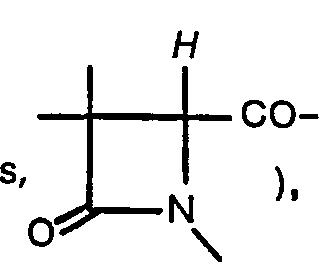
- (ii) IR (KBr) cm-1: 3250, 2950, 2850, 1740, 1665, 1630, 1540, 1520
- (iii) Mass (m/z): 376 (M+), 263, 235, 190, 165, 110, 70
-

- Compound (37) was obtained by treating 442 mg of compound (36) in a manner similar to Reference Example 8(b). To a solution of compound (37) in 8.6 ml of DMF were added 244 mg of HOBT and 425 mg of DOC under ice-cooling. The reaction was performed at the same temperature for 1 hour (reaction solution A).
- On the other hand, 734 mg of NT-methyl-L-histidyl-L-prolinamide dihydrobromide (39) was dissolved in 8.6 ml of DMF. After the solution was cooled to -20 to -30°C, 366 mg of triethylamine was added thereto. The reaction was performed at the same temperature for 30 minutes.
- The formed insoluble matters were filtered off to obtain a DMF solution containing T-methyl-L-histidyl-L-prolinamide (reaction solution B).
- Reaction solution B was added to reaction solution A. The reaction was performed at 0-5°C for 3 days. The insoluble matters were filtered off and the solvent was removed from the filtrate by distillation under reduced pressure. The residue was subjected to column chromatography using silica gel. By eluting with chloroform-methanol-ammonia water (90:10:1), 547 mg of Nα-[(S)-3,3-dimethyl-4-oxo-2- azetidinylcarbonyl]-T-methyl-L-histidyl-L-prolinamide (40) was obtained as a white foam.
- (i) NMR (D20) 6 ppm:

- (ii) Mass (m/z): 390 (M+), 277, 249, 179, 124, 70
- (iii)

- A lyophilized formulation containing 0.025 mg of 0.05 mg of N°-[(2S,3R)-3-azido-4-oxo-2- azetidinylcarbonyl]-L-histidyl-L-prolinamide together with 10 ml of mannitol in one ampoule was prepared and each of the formulations was dissolved in 1 ml of a sterilized physiological saline solution to provide an injection.
- A mixture of 0.25 part by weight of Nα-[(2S,3R)-3-azido-4-oxo-2-azetidinylcarbonyl]-L-histidyl-L-prolinamide and 7.5 parts by weight of lactose was pulverised, and mixed uniformly with 44.4 parts by weight of lactose, 22.5 parts by weight of crystalline cellulose, and 0.4 part by weight of magnesium stearate. The resultant mixture was compacted to form tablets of 75 mg/tablet.
- A mixture of 0.5 part by weight of Nα-[(2S,3R)-3-azido-4-oxo-2-azetidinylcarbonyl]-L-histidyl-L-prolinamide and 10 parts by weight of lactose was pulverized, and mixed uniformly with 137.5 parts by weight of lactose, 60 parts by weight of corn starch and 2.0 parts by weight of magnesium stearate. The mixture was filled into gelatin hard capsules to provide capsulated preparations of 210 mg/capsule.
Claims (9)


and salts thereof.


Priority Applications (1)
| Application Number | Priority Date | Filing Date | Title |
|---|---|---|---|
| AT85304532T ATE53218T1 (en) | 1984-06-25 | 1985-06-25 | SUBSTITUTED AZETIDINONE COMPOUNDS, THEIR PRODUCTION AND THEIR CONTAINING MEDICATIONS. |
Applications Claiming Priority (8)
| Application Number | Priority Date | Filing Date | Title |
|---|---|---|---|
| JP59129220A JPS6110578A (en) | 1984-06-25 | 1984-06-25 | 1-and/or 3-substituted-4-oxo-2-azetidinylcarbonyl derivative and preparation thereof |
| JP129220/84 | 1984-06-25 | ||
| JP14817384A JPS6127960A (en) | 1984-07-17 | 1984-07-17 | Alpha-(2-oxo-1-azetidinyl)acetic acid derivative and its preparation |
| JP148173/84 | 1984-07-17 | ||
| JP59199827A JPS6178785A (en) | 1984-09-25 | 1984-09-25 | Novel 4-oxo-2-azetidinecarboxylic acid derivative |
| JP199827/84 | 1984-09-25 | ||
| JP199828/84 | 1984-09-25 | ||
| JP59199828A JPS6178786A (en) | 1984-09-25 | 1984-09-25 | Novel4-oxo-2-azetidinecarboxylic acid derivative |
Publications (2)
| Publication Number | Publication Date |
|---|---|
| EP0171159A1 EP0171159A1 (en) | 1986-02-12 |
| EP0171159B1 true EP0171159B1 (en) | 1990-05-30 |
Family
ID=27471434
Family Applications (1)
| Application Number | Title | Priority Date | Filing Date |
|---|---|---|---|
| EP85304532A Expired EP0171159B1 (en) | 1984-06-25 | 1985-06-25 | Substituted azetidinone compounds, their preparation, and medicaments containing them |
Country Status (4)
| Country | Link |
|---|---|
| US (1) | US4719207A (en) |
| EP (1) | EP0171159B1 (en) |
| CA (2) | CA1270097C (en) |
| DE (1) | DE3577986D1 (en) |
Families Citing this family (11)
| Publication number | Priority date | Publication date | Assignee | Title |
|---|---|---|---|---|
| ZA868957B (en) * | 1985-12-06 | 1987-07-29 | Yamanouchi Pharma Co Ltd | Crystals of nalpha-(((s)-4-oxo-2-azetidinyl)carbonyl)-l-histidyl-l-prolinamide and process for producing the crystals |
| US5312914A (en) * | 1987-02-17 | 1994-05-17 | Ciba-Geigy Corp | Process for the manufacture of 4-acetoxy-3-hydroxyethyl-azetidinone |
| EP0279781A3 (en) * | 1987-02-17 | 1989-07-26 | Ciba-Geigy Ag | Process for the preparation of 4-acetoxy-3-hydroxyethyl-acetidinone |
| US5686420A (en) * | 1987-06-05 | 1997-11-11 | Georgetown University | Thyrotropin-releasing hormone analogs and method of use |
| JPH0699471B2 (en) * | 1989-02-21 | 1994-12-07 | 日本たばこ産業株式会社 | Novel peptide derivative |
| US5151497A (en) * | 1989-02-21 | 1992-09-29 | Japan Tobacco Inc. | Histidyl peptide derivatives |
| DE69118784T2 (en) * | 1990-08-17 | 1996-09-19 | Japan Tobacco Inc | New peptide derivatives and their pharmaceutical use |
| GB9515411D0 (en) * | 1995-07-27 | 1995-09-27 | Pharmacia Spa | N-(4-substituted-benzyl)-2-aminolactam derivatives |
| ATE485818T1 (en) * | 2002-07-30 | 2010-11-15 | Karykion Inc | EZETIMIBE COMPOSITIONS AND METHODS FOR TREATING CHOLESTEROL-RELATED BENEFITS AND MALIGNANT TUMORS |
| US7462595B2 (en) * | 2004-09-17 | 2008-12-09 | Prange Jr Arthur Jergen | Methods for treating cancer-related fatigue |
| BRPI0611959A2 (en) * | 2005-06-10 | 2011-12-20 | Univ Florida State Res Found | resolution of enantiomeric mixtures of beta-lactams |
Family Cites Families (3)
| Publication number | Priority date | Publication date | Assignee | Title |
|---|---|---|---|---|
| CA1105926A (en) * | 1977-09-06 | 1981-07-28 | Karl-Ludwig Reichelt | L-pyroglutamyl-l-histidyl-glycine |
| HU180926B (en) * | 1979-06-28 | 1983-05-30 | Richter Gedeon Vegyeszet | Process for preparing trh analogues,tripeptide amides infectives on the central nerve sysrhem |
| CA1256650A (en) * | 1983-03-25 | 1989-06-27 | Toshinari Tamura | Process of producing 2-azetidinone-4-substituted compounds, and medicaments containing the compounds |
-
1985
- 1985-06-20 US US06/747,018 patent/US4719207A/en not_active Expired - Fee Related
- 1985-06-25 DE DE8585304532T patent/DE3577986D1/en not_active Expired - Fee Related
- 1985-06-25 EP EP85304532A patent/EP0171159B1/en not_active Expired
- 1985-06-25 CA CA1270097A patent/CA1270097C/en not_active Expired
- 1985-06-25 CA CA000485150A patent/CA1270097A/en not_active Expired - Fee Related
Also Published As
| Publication number | Publication date |
|---|---|
| CA1270097A (en) | 1990-06-05 |
| CA1270097C (en) | 1990-06-05 |
| US4719207A (en) | 1988-01-12 |
| EP0171159A1 (en) | 1986-02-12 |
| DE3577986D1 (en) | 1990-07-05 |
Similar Documents
| Publication | Publication Date | Title |
|---|---|---|
| EP0123444B1 (en) | 4-substituted-2-azetidinone compound, process of producing the compounds, and medicaments containing the compounds | |
| KR100296543B1 (en) | Urethane and urea for inducing cytokine production, and a method for producing the same | |
| JP3360186B2 (en) | Paclitaxel modified at the 6 and 7 positions | |
| JP2525732B2 (en) | Peptidyl aminodiol | |
| JPS63258449A (en) | Novel compound having collagenase inhibiting activity, its production and pharmacological composition containing said compound | |
| BRPI0611633A2 (en) | compound, methods for treating or preventing hyperlipidemic conditions, for treating or preventing atherosclerosis, for treating or preventing alzheimer's disease, and for treating or preventing cholesterol-associated tumors, pharmaceutical formulation, combination, and process for preparing a compound | |
| KR19980701869A (en) | Proline derivatives useful as human leukocyte elastase inhibitors | |
| BRPI0611617A2 (en) | compound, method of treating or preventing a disease, pharmaceutical formulation, combining a compound, and process for preparing a compound | |
| CA1270097A (en) | Substituted azetidinone compounds | |
| US4904680A (en) | Amino acid derivatives having anti-tumor activity and compositions containing them | |
| US4045556A (en) | Dipeptide derivatives, process for manufacture and pharmaceutical preparations | |
| AU758418B2 (en) | Taxane derivatives | |
| JP3361836B2 (en) | Amino acid derivatives | |
| HUT74095A (en) | Pyrrolidine derivatives, process for producing them and pharmaceutical compositions containing them | |
| EP0384380B1 (en) | Novel peptide derivatives and their pharmaceutical use | |
| JPS6238353B2 (en) | ||
| JPH03176478A (en) | New diketopiperazine derivative and immunosuppressive agent containing the same as active ingredient | |
| JPS63277652A (en) | Delta-hydroxy-beta-lysine derivative and production thereof | |
| JPH0745453B2 (en) | Acylaminohydroxyalkanoylamino and imino acids and esters | |
| JPS6110578A (en) | 1-and/or 3-substituted-4-oxo-2-azetidinylcarbonyl derivative and preparation thereof | |
| JPS6178786A (en) | Novel4-oxo-2-azetidinecarboxylic acid derivative | |
| JPS6178785A (en) | Novel 4-oxo-2-azetidinecarboxylic acid derivative | |
| JPH0545583B2 (en) | ||
| JPS6127982A (en) | 4-oxo-2-azetidinylcarboxylic acid derivative and preparation thereof | |
| JPH08507552A (en) | Novel 3- (substituted methyl) -4-oxa-1-azabicyclo [3.2.0] heptan-7-one derivatives useful as antitumor agents |
Legal Events
| Date | Code | Title | Description |
|---|---|---|---|
| PUAI | Public reference made under article 153(3) epc to a published international application that has entered the european phase |
Free format text: ORIGINAL CODE: 0009012 |
|
| AK | Designated contracting states |
Designated state(s): AT BE CH DE FR GB IT LI LU NL SE |
|
| 17P | Request for examination filed |
Effective date: 19860515 |
|
| RAP1 | Party data changed (applicant data changed or rights of an application transferred) |
Owner name: YAMANOUCHI PHARMACEUTICAL CO. LTD. |
|
| 17Q | First examination report despatched |
Effective date: 19880711 |
|
| GRAA | (expected) grant |
Free format text: ORIGINAL CODE: 0009210 |
|
| AK | Designated contracting states |
Kind code of ref document: B1 Designated state(s): AT BE CH DE FR GB IT LI LU NL SE |
|
| REF | Corresponds to: |
Ref document number: 53218 Country of ref document: AT Date of ref document: 19900615 Kind code of ref document: T |
|
| ITF | It: translation for a ep patent filed | ||
| REF | Corresponds to: |
Ref document number: 3577986 Country of ref document: DE Date of ref document: 19900705 |
|
| ET | Fr: translation filed | ||
| PLBE | No opposition filed within time limit |
Free format text: ORIGINAL CODE: 0009261 |
|
| STAA | Information on the status of an ep patent application or granted ep patent |
Free format text: STATUS: NO OPPOSITION FILED WITHIN TIME LIMIT |
|
| 26N | No opposition filed | ||
| PGFP | Annual fee paid to national office [announced via postgrant information from national office to epo] |
Ref country code: CH Payment date: 19920618 Year of fee payment: 8 |
|
| PGFP | Annual fee paid to national office [announced via postgrant information from national office to epo] |
Ref country code: FR Payment date: 19920619 Year of fee payment: 8 |
|
| PGFP | Annual fee paid to national office [announced via postgrant information from national office to epo] |
Ref country code: SE Payment date: 19920622 Year of fee payment: 8 |
|
| PGFP | Annual fee paid to national office [announced via postgrant information from national office to epo] |
Ref country code: GB Payment date: 19920624 Year of fee payment: 8 |
|
| PGFP | Annual fee paid to national office [announced via postgrant information from national office to epo] |
Ref country code: DE Payment date: 19920625 Year of fee payment: 8 Ref country code: AT Payment date: 19920625 Year of fee payment: 8 |
|
| ITTA | It: last paid annual fee | ||
| PGFP | Annual fee paid to national office [announced via postgrant information from national office to epo] |
Ref country code: NL Payment date: 19920630 Year of fee payment: 8 Ref country code: LU Payment date: 19920630 Year of fee payment: 8 |
|
| PGFP | Annual fee paid to national office [announced via postgrant information from national office to epo] |
Ref country code: BE Payment date: 19920701 Year of fee payment: 8 |
|
| EPTA | Lu: last paid annual fee | ||
| PG25 | Lapsed in a contracting state [announced via postgrant information from national office to epo] |
Ref country code: LU Free format text: LAPSE BECAUSE OF NON-PAYMENT OF DUE FEES Effective date: 19930625 Ref country code: GB Effective date: 19930625 Ref country code: AT Effective date: 19930625 |
|
| PG25 | Lapsed in a contracting state [announced via postgrant information from national office to epo] |
Ref country code: SE Effective date: 19930626 |
|
| PG25 | Lapsed in a contracting state [announced via postgrant information from national office to epo] |
Ref country code: LI Effective date: 19930630 Ref country code: CH Effective date: 19930630 Ref country code: BE Effective date: 19930630 |
|
| BERE | Be: lapsed |
Owner name: YAMANOUCHI PHARMACEUTICAL CO. LTD Effective date: 19930630 |
|
| PG25 | Lapsed in a contracting state [announced via postgrant information from national office to epo] |
Ref country code: NL Effective date: 19940101 |
|
| NLV4 | Nl: lapsed or anulled due to non-payment of the annual fee | ||
| GBPC | Gb: european patent ceased through non-payment of renewal fee |
Effective date: 19930625 |
|
| PG25 | Lapsed in a contracting state [announced via postgrant information from national office to epo] |
Ref country code: FR Effective date: 19940228 |
|
| REG | Reference to a national code |
Ref country code: CH Ref legal event code: PL |
|
| PG25 | Lapsed in a contracting state [announced via postgrant information from national office to epo] |
Ref country code: DE Effective date: 19940301 |
|
| REG | Reference to a national code |
Ref country code: FR Ref legal event code: ST |
|
| EUG | Se: european patent has lapsed |
Ref document number: 85304532.6 Effective date: 19940110 |