EP0126813B1 - Process for preparing imidazole compounds - Google Patents
Process for preparing imidazole compounds Download PDFInfo
- Publication number
- EP0126813B1 EP0126813B1 EP83302986A EP83302986A EP0126813B1 EP 0126813 B1 EP0126813 B1 EP 0126813B1 EP 83302986 A EP83302986 A EP 83302986A EP 83302986 A EP83302986 A EP 83302986A EP 0126813 B1 EP0126813 B1 EP 0126813B1
- Authority
- EP
- European Patent Office
- Prior art keywords
- erythro
- lower alkyl
- amino
- process according
- npt
- Prior art date
- Legal status (The legal status is an assumption and is not a legal conclusion. Google has not performed a legal analysis and makes no representation as to the accuracy of the status listed.)
- Expired - Lifetime
Links
- 238000004519 manufacturing process Methods 0.000 title claims description 5
- 150000002460 imidazoles Chemical class 0.000 title 1
- WFDIJRYMOXRFFG-UHFFFAOYSA-N Acetic anhydride Chemical compound CC(=O)OC(C)=O WFDIJRYMOXRFFG-UHFFFAOYSA-N 0.000 claims abstract description 24
- 238000000034 method Methods 0.000 claims abstract description 20
- 230000008569 process Effects 0.000 claims abstract description 15
- 125000000217 alkyl group Chemical group 0.000 claims abstract description 14
- BDAGIHXWWSANSR-UHFFFAOYSA-N methanoic acid Natural products OC=O BDAGIHXWWSANSR-UHFFFAOYSA-N 0.000 claims abstract description 14
- OSWFIVFLDKOXQC-UHFFFAOYSA-N 4-(3-methoxyphenyl)aniline Chemical compound COC1=CC=CC(C=2C=CC(N)=CC=2)=C1 OSWFIVFLDKOXQC-UHFFFAOYSA-N 0.000 claims abstract description 7
- 235000019253 formic acid Nutrition 0.000 claims abstract description 7
- -1 alkyl orthoester Chemical class 0.000 claims abstract description 3
- 235000014113 dietary fatty acids Nutrition 0.000 claims abstract description 3
- 229930195729 fatty acid Natural products 0.000 claims abstract description 3
- 239000000194 fatty acid Substances 0.000 claims abstract description 3
- 150000004665 fatty acids Chemical class 0.000 claims abstract description 3
- 229910052739 hydrogen Inorganic materials 0.000 claims abstract description 3
- 239000001257 hydrogen Substances 0.000 claims abstract description 3
- 125000004435 hydrogen atom Chemical group [H]* 0.000 claims abstract description 3
- RSMDQPNZAPMDJC-MNOVXSKESA-N 9-[(2r,3s)-2-hydroxynonan-3-yl]-3h-purin-6-one Chemical compound N1=CNC(=O)C2=C1N([C@H]([C@@H](C)O)CCCCCC)C=N2 RSMDQPNZAPMDJC-MNOVXSKESA-N 0.000 claims description 19
- 150000001875 compounds Chemical class 0.000 claims description 15
- LFQSCWFLJHTTHZ-UHFFFAOYSA-N Ethanol Chemical compound CCO LFQSCWFLJHTTHZ-UHFFFAOYSA-N 0.000 claims description 14
- GKASDNZWUGIAMG-UHFFFAOYSA-N triethyl orthoformate Chemical compound CCOC(OCC)OCC GKASDNZWUGIAMG-UHFFFAOYSA-N 0.000 claims description 8
- 125000002496 methyl group Chemical group [H]C([H])([H])* 0.000 claims description 7
- 238000006243 chemical reaction Methods 0.000 claims description 6
- WBJINCZRORDGAQ-UHFFFAOYSA-N formic acid ethyl ester Natural products CCOC=O WBJINCZRORDGAQ-UHFFFAOYSA-N 0.000 claims description 6
- 125000001495 ethyl group Chemical group [H]C([H])([H])C([H])([H])* 0.000 claims description 3
- NDQXKKFRNOPRDW-UHFFFAOYSA-N 1,1,1-triethoxyethane Chemical compound CCOC(C)(OCC)OCC NDQXKKFRNOPRDW-UHFFFAOYSA-N 0.000 claims description 2
- FGWYWKIOMUZSQF-UHFFFAOYSA-N 1,1,1-triethoxypropane Chemical compound CCOC(CC)(OCC)OCC FGWYWKIOMUZSQF-UHFFFAOYSA-N 0.000 claims description 2
- JRWAUKYINYWSTA-UHFFFAOYSA-N 2-amino-2-cyanoacetamide Chemical compound N#CC(N)C(N)=O JRWAUKYINYWSTA-UHFFFAOYSA-N 0.000 claims description 2
- 239000003513 alkali Substances 0.000 claims description 2
- 125000004432 carbon atom Chemical group C* 0.000 claims description 2
- FKRCODPIKNYEAC-UHFFFAOYSA-N propionic acid ethyl ester Natural products CCOC(=O)CC FKRCODPIKNYEAC-UHFFFAOYSA-N 0.000 claims description 2
- TZIHFWKZFHZASV-UHFFFAOYSA-N anhydrous methyl formate Natural products COC=O TZIHFWKZFHZASV-UHFFFAOYSA-N 0.000 claims 3
- WKADJVPNMBFFRY-UHFFFAOYSA-N 2-amino-2-cyano-2-ethoxy-N-methylacetamide Chemical compound C(C)OC(C(=O)NC)(C#N)N WKADJVPNMBFFRY-UHFFFAOYSA-N 0.000 claims 1
- FDYUVNVOHCRYRR-UHFFFAOYSA-N 2-cyano-2-ethoxy-2-(methylamino)acetamide Chemical compound C(C)OC(C(=O)N)(C#N)NC FDYUVNVOHCRYRR-UHFFFAOYSA-N 0.000 claims 1
- 230000000091 immunopotentiator Effects 0.000 description 11
- WEVYAHXRMPXWCK-UHFFFAOYSA-N Acetonitrile Chemical compound CC#N WEVYAHXRMPXWCK-UHFFFAOYSA-N 0.000 description 9
- 206010028980 Neoplasm Diseases 0.000 description 7
- HEMHJVSKTPXQMS-UHFFFAOYSA-M Sodium hydroxide Chemical compound [OH-].[Na+] HEMHJVSKTPXQMS-UHFFFAOYSA-M 0.000 description 6
- 239000003795 chemical substances by application Substances 0.000 description 6
- 230000015572 biosynthetic process Effects 0.000 description 5
- 230000028993 immune response Effects 0.000 description 5
- 210000000987 immune system Anatomy 0.000 description 5
- 230000009993 protective function Effects 0.000 description 5
- 230000036737 immune function Effects 0.000 description 4
- 230000036039 immunity Effects 0.000 description 4
- 230000007246 mechanism Effects 0.000 description 4
- 238000003756 stirring Methods 0.000 description 4
- 239000000725 suspension Substances 0.000 description 4
- 238000003786 synthesis reaction Methods 0.000 description 4
- QTBSBXVTEAMEQO-UHFFFAOYSA-N Acetic acid Chemical compound CC(O)=O QTBSBXVTEAMEQO-UHFFFAOYSA-N 0.000 description 3
- 0 C*(*(*)*)*(C1*)C=*C1[N+]([O-])=* Chemical compound C*(*(*)*)*(C1*)C=*C1[N+]([O-])=* 0.000 description 3
- 230000009471 action Effects 0.000 description 3
- 239000000427 antigen Substances 0.000 description 3
- 102000036639 antigens Human genes 0.000 description 3
- 108091007433 antigens Proteins 0.000 description 3
- 201000011510 cancer Diseases 0.000 description 3
- 210000004027 cell Anatomy 0.000 description 3
- 230000000994 depressogenic effect Effects 0.000 description 3
- 230000002519 immonomodulatory effect Effects 0.000 description 3
- 230000001404 mediated effect Effects 0.000 description 3
- 244000052769 pathogen Species 0.000 description 3
- 239000000126 substance Substances 0.000 description 3
- 238000002560 therapeutic procedure Methods 0.000 description 3
- XLYOFNOQVPJJNP-UHFFFAOYSA-N water Substances O XLYOFNOQVPJJNP-UHFFFAOYSA-N 0.000 description 3
- 206010020751 Hypersensitivity Diseases 0.000 description 2
- JUJWROOIHBZHMG-UHFFFAOYSA-N Pyridine Chemical compound C1=CC=NC=C1 JUJWROOIHBZHMG-UHFFFAOYSA-N 0.000 description 2
- 241000700605 Viruses Species 0.000 description 2
- 208000026935 allergic disease Diseases 0.000 description 2
- 230000007815 allergy Effects 0.000 description 2
- 230000003190 augmentative effect Effects 0.000 description 2
- 230000005784 autoimmunity Effects 0.000 description 2
- 238000009835 boiling Methods 0.000 description 2
- SDUJCTKTKOLVFG-UHFFFAOYSA-N butoxymethanediol Chemical compound CCCCOC(O)O SDUJCTKTKOLVFG-UHFFFAOYSA-N 0.000 description 2
- 239000003153 chemical reaction reagent Substances 0.000 description 2
- 238000004821 distillation Methods 0.000 description 2
- 230000000694 effects Effects 0.000 description 2
- 239000002955 immunomodulating agent Substances 0.000 description 2
- 208000015181 infectious disease Diseases 0.000 description 2
- 238000002844 melting Methods 0.000 description 2
- 230000008018 melting Effects 0.000 description 2
- 230000035755 proliferation Effects 0.000 description 2
- 125000001436 propyl group Chemical group [H]C([*])([H])C([H])([H])C([H])([H])[H] 0.000 description 2
- 239000011541 reaction mixture Substances 0.000 description 2
- 238000001953 recrystallisation Methods 0.000 description 2
- 230000004044 response Effects 0.000 description 2
- PYOKUURKVVELLB-UHFFFAOYSA-N trimethyl orthoformate Chemical compound COC(OC)OC PYOKUURKVVELLB-UHFFFAOYSA-N 0.000 description 2
- 238000002211 ultraviolet spectrum Methods 0.000 description 2
- RWNXXQFJBALKAX-UHFFFAOYSA-N 1-(dipropoxymethoxy)propane Chemical compound CCCOC(OCCC)OCCC RWNXXQFJBALKAX-UHFFFAOYSA-N 0.000 description 1
- KDCGOANMDULRCW-UHFFFAOYSA-N 7H-purine Chemical group N1=CNC2=NC=NC2=C1 KDCGOANMDULRCW-UHFFFAOYSA-N 0.000 description 1
- QTBSBXVTEAMEQO-UHFFFAOYSA-M Acetate Chemical compound CC([O-])=O QTBSBXVTEAMEQO-UHFFFAOYSA-M 0.000 description 1
- 208000023275 Autoimmune disease Diseases 0.000 description 1
- 241000894006 Bacteria Species 0.000 description 1
- 208000035473 Communicable disease Diseases 0.000 description 1
- 108010062580 Concanavalin A Proteins 0.000 description 1
- 241000233866 Fungi Species 0.000 description 1
- AVXURJPOCDRRFD-UHFFFAOYSA-N Hydroxylamine Chemical compound ON AVXURJPOCDRRFD-UHFFFAOYSA-N 0.000 description 1
- 206010061217 Infestation Diseases 0.000 description 1
- 241001465754 Metazoa Species 0.000 description 1
- RLAHWVDQYNDAGG-UHFFFAOYSA-N Methanetriol Chemical compound OC(O)O RLAHWVDQYNDAGG-UHFFFAOYSA-N 0.000 description 1
- 241000204031 Mycoplasma Species 0.000 description 1
- HCBIBCJNVBAKAB-UHFFFAOYSA-N Procaine hydrochloride Chemical compound Cl.CCN(CC)CCOC(=O)C1=CC=C(N)C=C1 HCBIBCJNVBAKAB-UHFFFAOYSA-N 0.000 description 1
- 241000606701 Rickettsia Species 0.000 description 1
- 230000032683 aging Effects 0.000 description 1
- 230000002924 anti-infective effect Effects 0.000 description 1
- 230000003416 augmentation Effects 0.000 description 1
- 230000001363 autoimmune Effects 0.000 description 1
- 125000000484 butyl group Chemical group [H]C([*])([H])C([H])([H])C([H])([H])C([H])([H])[H] 0.000 description 1
- 230000011712 cell development Effects 0.000 description 1
- 230000001413 cellular effect Effects 0.000 description 1
- 230000001066 destructive effect Effects 0.000 description 1
- 230000018109 developmental process Effects 0.000 description 1
- 208000037265 diseases, disorders, signs and symptoms Diseases 0.000 description 1
- 208000035475 disorder Diseases 0.000 description 1
- 150000002148 esters Chemical class 0.000 description 1
- 230000001605 fetal effect Effects 0.000 description 1
- 210000003754 fetus Anatomy 0.000 description 1
- 230000006870 function Effects 0.000 description 1
- 210000003714 granulocyte Anatomy 0.000 description 1
- 230000002584 immunomodulator Effects 0.000 description 1
- 229940121354 immunomodulator Drugs 0.000 description 1
- 230000002434 immunopotentiative effect Effects 0.000 description 1
- 239000003018 immunosuppressive agent Substances 0.000 description 1
- 229940125721 immunosuppressive agent Drugs 0.000 description 1
- 230000006872 improvement Effects 0.000 description 1
- 238000011065 in-situ storage Methods 0.000 description 1
- 238000002329 infrared spectrum Methods 0.000 description 1
- 239000013067 intermediate product Substances 0.000 description 1
- 230000009545 invasion Effects 0.000 description 1
- 238000002955 isolation Methods 0.000 description 1
- 210000002540 macrophage Anatomy 0.000 description 1
- 230000003211 malignant effect Effects 0.000 description 1
- 230000010534 mechanism of action Effects 0.000 description 1
- 239000000203 mixture Substances 0.000 description 1
- 230000009456 molecular mechanism Effects 0.000 description 1
- 230000009965 odorless effect Effects 0.000 description 1
- 244000045947 parasite Species 0.000 description 1
- 230000001717 pathogenic effect Effects 0.000 description 1
- 229940083251 peripheral vasodilators purine derivative Drugs 0.000 description 1
- 210000005059 placental tissue Anatomy 0.000 description 1
- 230000003389 potentiating effect Effects 0.000 description 1
- 239000000843 powder Substances 0.000 description 1
- 230000000069 prophylactic effect Effects 0.000 description 1
- 150000003212 purines Chemical class 0.000 description 1
- UMJSCPRVCHMLSP-UHFFFAOYSA-N pyridine Natural products COC1=CC=CN=C1 UMJSCPRVCHMLSP-UHFFFAOYSA-N 0.000 description 1
- 230000009257 reactivity Effects 0.000 description 1
- 238000010992 reflux Methods 0.000 description 1
- 238000006798 ring closing metathesis reaction Methods 0.000 description 1
- 239000006188 syrup Substances 0.000 description 1
- 235000020357 syrup Nutrition 0.000 description 1
- 230000001225 therapeutic effect Effects 0.000 description 1
- 238000004448 titration Methods 0.000 description 1
- 238000002054 transplantation Methods 0.000 description 1
- 210000004881 tumor cell Anatomy 0.000 description 1
- 229960005486 vaccine Drugs 0.000 description 1
Images
Classifications
-
- C—CHEMISTRY; METALLURGY
- C07—ORGANIC CHEMISTRY
- C07D—HETEROCYCLIC COMPOUNDS
- C07D241/00—Heterocyclic compounds containing 1,4-diazine or hydrogenated 1,4-diazine rings
- C07D241/02—Heterocyclic compounds containing 1,4-diazine or hydrogenated 1,4-diazine rings not condensed with other rings
- C07D241/06—Heterocyclic compounds containing 1,4-diazine or hydrogenated 1,4-diazine rings not condensed with other rings having one or two double bonds between ring members or between ring members and non-ring members
-
- A—HUMAN NECESSITIES
- A01—AGRICULTURE; FORESTRY; ANIMAL HUSBANDRY; HUNTING; TRAPPING; FISHING
- A01N—PRESERVATION OF BODIES OF HUMANS OR ANIMALS OR PLANTS OR PARTS THEREOF; BIOCIDES, e.g. AS DISINFECTANTS, AS PESTICIDES OR AS HERBICIDES; PEST REPELLANTS OR ATTRACTANTS; PLANT GROWTH REGULATORS
- A01N25/00—Biocides, pest repellants or attractants, or plant growth regulators, characterised by their forms, or by their non-active ingredients or by their methods of application, e.g. seed treatment or sequential application; Substances for reducing the noxious effect of the active ingredients to organisms other than pests
- A01N25/08—Biocides, pest repellants or attractants, or plant growth regulators, characterised by their forms, or by their non-active ingredients or by their methods of application, e.g. seed treatment or sequential application; Substances for reducing the noxious effect of the active ingredients to organisms other than pests containing solids as carriers or diluents
- A01N25/10—Macromolecular compounds
-
- C—CHEMISTRY; METALLURGY
- C05—FERTILISERS; MANUFACTURE THEREOF
- C05D—INORGANIC FERTILISERS NOT COVERED BY SUBCLASSES C05B, C05C; FERTILISERS PRODUCING CARBON DIOXIDE
- C05D9/00—Other inorganic fertilisers
- C05D9/02—Other inorganic fertilisers containing trace elements
-
- C—CHEMISTRY; METALLURGY
- C07—ORGANIC CHEMISTRY
- C07D—HETEROCYCLIC COMPOUNDS
- C07D233/00—Heterocyclic compounds containing 1,3-diazole or hydrogenated 1,3-diazole rings, not condensed with other rings
- C07D233/54—Heterocyclic compounds containing 1,3-diazole or hydrogenated 1,3-diazole rings, not condensed with other rings having two double bonds between ring members or between ring members and non-ring members
- C07D233/66—Heterocyclic compounds containing 1,3-diazole or hydrogenated 1,3-diazole rings, not condensed with other rings having two double bonds between ring members or between ring members and non-ring members with hetero atoms or with carbon atoms having three bonds to hetero atoms with at the most one bond to halogen, e.g. ester or nitrile radicals, directly attached to ring carbon atoms
- C07D233/90—Carbon atoms having three bonds to hetero atoms with at the most one bond to halogen, e.g. ester or nitrile radicals
-
- C—CHEMISTRY; METALLURGY
- C07—ORGANIC CHEMISTRY
- C07D—HETEROCYCLIC COMPOUNDS
- C07D473/00—Heterocyclic compounds containing purine ring systems
-
- C—CHEMISTRY; METALLURGY
- C07—ORGANIC CHEMISTRY
- C07D—HETEROCYCLIC COMPOUNDS
- C07D475/00—Heterocyclic compounds containing pteridine ring systems
- C07D475/02—Heterocyclic compounds containing pteridine ring systems with an oxygen atom directly attached in position 4
Definitions
- the present invention provides a process of preparing a compound of the general formula 1 wherein
- the present invention also provides a process of preparing a compound of the general formula 3 in which
- NPT 15459 The compound erythro-3-(2-hydroxy-3-nonyl)-4-amino-imidazole-5-carboxamide (NPT 15459) is useful in producing NPT 15392 and its homologues of general formula 2 above are useful in making the corresponding homologues of NPT 15392.
- NPT 15459 and its homologues are useful in preparing analogues of NPT 15392 (and its homologues) which contain lower alkyl groups in the 2-position of the purine ring. Such derivatives would be difficult to prepare without the aid of NPT 15459 and its homologues.
- the compounds of general formulae 1, 2 and 3 also have immunomodulating or immunopotentiating activity.
- An immunopotentiator or immunomodulator is any agent which either restores depressed immune function, or enhances normal immune function, or both.
- Immune function is defined as the development and expression of humoral (antibody-mediated) immunity, cellular (thymocyte-mediated) immunity, or macrophage and granulocyte mediated resistance. It logically includes agents acting directly on the cells involved in the expression of immune response, or on celular or molecular mechanisms which, in turn, act to modify the function of cells involved in immune response. Augmentation of immune function may result from the action of an agent to abrogate suppressive mechanisms derived by negative-feedback influences endogenous or exogenous to the immune system.
- immune potentiators have diverse mechanisms of action. Despite the diversity of cell site of action and biochemical mechanism of action of immunopotentiators, their applications are essentially the same; that is, to enhance host resistance.
- Each of the protective functions of the immune system can be modified by non-specific therapy with immunopotentiators alone or in combination with other agents employed to improve resistance or to kill the invading pathogen.
- specific resistance can be augmented by use of immunopotentiators in conjuction with some form of antigen as in a vaccine employing, for example, virus or tumor cells. This use can be to induce either specific immunity or tolerance. The latter might be exemplified by use with antigen in allergy or auto-immune diseases.
- Use of immunopotentiators may be either therapeutic or prophylactic; the latter particularly in aging, where infection, auto-immunity, and cancer are more common.
- the timing of administration and routes are variable and may be critical in determining whether a positive or negative response results. Any agent capable of augmenting immune response may inhibit it depending on timing and dose, thus, under cetain circumstances an immunopotentiator could be used as an immunosuppressive agent for use in allergy, auto-immunity and transplantation.
- the other compounds within general formula 1 can be prepared in the same manner by replacing erythro-3-amino-2-nonanol by the corresponding aminoalcohol, e.g. erythro-3-amino-2-pentanol and erythro-3-amino-2-octanol.
- erythro-3-amino-2-pentanol e.g. erythro-3-amino-2-pentanol
- erythro-3-amino-2-octanol erythro-3-amino-2-octanol.
- ethyl orthoformate there can be used other lower alkyl orthoformates, e.g. methyl orthoformate, propyl orthoformate and butyl orthoformate.
- the homologues of NPT 15392 can be prepared in the same manner from the corresponding homologues of NPT 15459.
- ethyl orthoformate there can be employed the other lower alkyl orthoformates, e.g. the methyl, propyl, and butyl orthoformates.
- the acetic anhydride forms the acetate of NPT 15392 and this is then hydrolized with alkali, e.g. sodium hydroxide.
- NPT 15459 Utilization of NPT 15459 to produce NPT 15392 (Erythro-9-(2-hydroxy-3-nonyl)-hypoxanthine)
- the reaction mixture is concentrated to a viscous syrup, which is stirred into a mixture of 415 ml of 30% aqueous NaOH and 1.68 liter of water.
- the brown solution is slightly acidified by addition of a solution of 123 ml of acetic acid in 1.5 liter of water.
- Erythro-9-(2-hydroxy-3-nonyl)-hypoxanthine (VI) crystallizes, is filtered by suction, washed with water and dried in vacuo at 60°C.
- NPT 15459 and its homologues possess the ability to react with a variety of reagents which could lead to ring closure and the production of certain purine derivatives.
- reagents which could lead to ring closure and the production of certain purine derivatives.
- Compounds of general formula 1 where R 3 is methyl can be made by reacting NPT 15459 or its homologues with ethyl orthoacetate rather than ethyl orthoformate.
- Compounds of general formula 1 where R 3 is ethyl can be made in similar manner by reacting NPT 15459 or its homologues with ethyl orthopropionate.
Landscapes
- Chemical & Material Sciences (AREA)
- Organic Chemistry (AREA)
- Life Sciences & Earth Sciences (AREA)
- General Health & Medical Sciences (AREA)
- Health & Medical Sciences (AREA)
- Pest Control & Pesticides (AREA)
- Plant Pathology (AREA)
- Engineering & Computer Science (AREA)
- Dentistry (AREA)
- Wood Science & Technology (AREA)
- Zoology (AREA)
- Environmental Sciences (AREA)
- Toxicology (AREA)
- Agronomy & Crop Science (AREA)
- Chemical Kinetics & Catalysis (AREA)
- Inorganic Chemistry (AREA)
- Pharmaceuticals Containing Other Organic And Inorganic Compounds (AREA)
- Low-Molecular Organic Synthesis Reactions Using Catalysts (AREA)
- Organic Low-Molecular-Weight Compounds And Preparation Thereof (AREA)
Abstract
Description
- Simon, U.S. patents 4,221,909 and 4,211,794, and Giner-Sorolla, U.S. patent 4,221,910, and Faanes, International Journal of Imunopharmacology, Vol. 2, No. 3, page 197 (1980), Florentine, International Journal of lmmunpharmacology, Vol. 2, No. 3, page 240 (1980), Hadden, International Journal of Immunopharmacology, Vol. 2, No. 3, page 198 (1980), Pahwa, International Journal of lmmunopharmacology, Vol. 2, No. 3, page 199 (1980), Wybran, Internatiaonal Journal of Immunopharmacology, Vol. 2, No. 3, page 201 (1980) and Simon, 4th International Congress of Immunology, Paris (1980), show that erythro-9-(2-hydroxy-3-nonyl)-hydroxanthine (NPT 15392), as well as other members of the series described in the patents cited above are potent immunomodulating agents which have been demonstrated to enhance depressed immunity in both animals possessing tumors, Sato, International Journal of lmmunopharmacology, Vol. 2, No. 3, page 200 (1980), as well as in humans with various tumors, Simon, American Chemical Society Book of Abstracts, 182nd American Chemical Society Meeting (1981). While the synthesis of these therapeutically useful agents can be carried out by the methods described in the patents cited above, their production, e.g. the production of NPT 15392, on a large scale using those methods was cumbersome, costly, and time consuming.
- The present invention provides a process of preparing a compound of the general formula 1

- R3 is hydrogen or lower alkyl and
- n is an integer from 1 to 5, comprising reacting a compound of the general formula 2

- The present invention also provides a process of preparing a compound of the general formula 3

- n is an integer from 1 to 5, comprising reacting a compound of the general formula 2 above with an equimolar amount of a lower alkyl orthoformate or with formic acid in the presence of acetic anhydride. Examples of lower alkyl groups are those with 1 to 4 carbon atoms, such as methyl, ethyl, propyl, or butyl.
- The compound erythro-3-(2-hydroxy-3-nonyl)-4-amino-imidazole-5-carboxamide (NPT 15459) is useful in producing NPT 15392 and its homologues of general formula 2 above are useful in making the corresponding homologues of NPT 15392. In addition to being useful in making NPT 15392 and its homologues, NPT 15459 and its homologues are useful in preparing analogues of NPT 15392 (and its homologues) which contain lower alkyl groups in the 2-position of the purine ring. Such derivatives would be difficult to prepare without the aid of NPT 15459 and its homologues.
- The compounds of general formulae 1, 2 and 3 also have immunomodulating or immunopotentiating activity.
- An immunopotentiator or immunomodulator is any agent which either restores depressed immune function, or enhances normal immune function, or both. Immune function is defined as the development and expression of humoral (antibody-mediated) immunity, cellular (thymocyte-mediated) immunity, or macrophage and granulocyte mediated resistance. It logically includes agents acting directly on the cells involved in the expression of immune response, or on celular or molecular mechanisms which, in turn, act to modify the function of cells involved in immune response. Augmentation of immune function may result from the action of an agent to abrogate suppressive mechanisms derived by negative-feedback influences endogenous or exogenous to the immune system. Thus, immune potentiators have diverse mechanisms of action. Despite the diversity of cell site of action and biochemical mechanism of action of immunopotentiators, their applications are essentially the same; that is, to enhance host resistance.
-
- 1) The principal protective function of the immune system relates to resistance to invasion by pathogens, including viruses, rickettsia, mycoplasma, bacteria, fungi and parasites of all types. Thus, improvement of immune response, particularly when depressed, would calculatedly improve resistance in infection or infestation by any of the above pathogens. An immunopotentiator alone or in combination with anti-infective therapy can be applied to any and all infectious diseases.
- 2) A second protective function of the immune system is thought to be resistance to engraftment of foreign tissue, either natural as in the fetal-maternal relationship; or unnatural as performed by the transplant physician. Immunopotentiators can also be used to facilitate rejection of fetal or placental tissues or to modify or induce tolerance to grafts.
- 3) A third protective function of the immune system is thought to be resistance to malignant cell development as in cancer. The use of immunopotentiators can be used in cancer treatment to enhance tumor rejection and to inhibit tumor recurrences following other forms of therapy.
- 4) A fourth protective function involves the capacity to recognize foreignness and to maintain nonreactivity to self by positive suppressor mechanisms. In auto-immune and related disorders, immune reactivity directed at self antigens or exaggerated, elevated responses are apparent which are self- destructive. Immunopotentiators can be used to restore normal suppressor mechanisms, induce tolerance, or otherwise promote a normal immune response.
- Each of the protective functions of the immune system can be modified by non-specific therapy with immunopotentiators alone or in combination with other agents employed to improve resistance or to kill the invading pathogen. In addition, specific resistance can be augmented by use of immunopotentiators in conjuction with some form of antigen as in a vaccine employing, for example, virus or tumor cells. This use can be to induce either specific immunity or tolerance. The latter might be exemplified by use with antigen in allergy or auto-immune diseases. Use of immunopotentiators may be either therapeutic or prophylactic; the latter particularly in aging, where infection, auto-immunity, and cancer are more common. The timing of administration and routes are variable and may be critical in determining whether a positive or negative response results. Any agent capable of augmenting immune response may inhibit it depending on timing and dose, thus, under cetain circumstances an immunopotentiator could be used as an immunosuppressive agent for use in allergy, auto-immunity and transplantation.
- Various procedures for determining immunomodulating activity are shown in EP-A-0036077 (Simon).
-
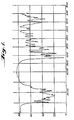
- Figure 1 is the IR-spectrum of NPT 15459, and
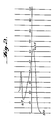
- Figure 2 is the UV-spectrum of NPT 15459.
-
- Illustative of compounds within the general formula 2, in addition of NPT 15459, are: erythro-3-(2-hydroxy-3-amyl)-4-amino-imidazole-5-carboxamide,
- erythro-3-(2-hydroxy-3-hexyl)-4-amino-imidazole-5-carboxamide,
- erythro-3-(2-hydroxy-3-heptyl)-4-amino-imidazole-5-carboxamide, and
- erythro-3-(2-hydroxy-3-octyl)-4-amino-imidazole-5-carboxamide.
- Illustrative of compounds within the general formula 1, in addition to NPT 15392, are:
- erythro-9-(2-hydroxy-3-nonyl)-2-methyl-hypoxanthine,
- erythro-9-(2-hydroxy-3-amyl)-2-methyl-hypoxanthine,
- erythro-9-(2-hydroxy-3-hexyl)-2-methyl-hypoxanthine,
- erythro-9-(2-hydroxy-3-heptyl)-2-methyl-hypoxanthine,
- erythro-9-(2-hydroxy-3-octyl)-2-methyl-hypoxanthine,
- erythro-9-(2-hydroxy-3-nonyl)-2-ethyl-hypoxanthine,
- erythro-9-(2-hydroxy-3-hexyl)-2-ethyl-hypoxanthine, and
- erythro-9-(2-hydroxy-3-amyl)-2-ethyl-hypoxanthine.
- The synthesis of NPT 15459 is carried out according to the scheme presented below:


- The other compounds within general formula 1 can be prepared in the same manner by replacing erythro-3-amino-2-nonanol by the corresponding aminoalcohol, e.g. erythro-3-amino-2-pentanol and erythro-3-amino-2-octanol. In place of ethyl orthoformate there can be used other lower alkyl orthoformates, e.g. methyl orthoformate, propyl orthoformate and butyl orthoformate.
- For improved yield, reactions (1) and (2) above are carried out sequentially without isolation of the intermediate product III. 2-Amino-2-cyano-acetamide (I) (171 g, 1.71 moles) is suspended in 2200 ml of acetonitrile. Orthoformic acid triethylester (11) (334 ml - 2.0 moles) and 2 ml of pyridine are added to the suspension with stirring. The suspension is heated to reflux temperature, using an oil bath preheated to 100°C. The suspension is held at boiling temperature for 40 to 60 minutes. III is produced in situ. 272.5 g of erythro-3-amino-2-nonanol (IV) (1.71 moles) are then added over a 3 to 5 minute period and boiling is continued for an additional 10 to 15 minutes. The reaction is quickly chilled to room temperature. The erythro-3-(2-hydroxy-3-nonyl)-4-amino-imidazole-5-carboxamide (NPT 15459) (V) crystallizes. It is filtered by suction, washed with a small amount of acetonitrile and dried in vacuo at 70°C.
- Yield: 330.4 g, 72% of theory.
- Melting point (after recrystallization from acetonitrile): 154―158°C.
-

-

- 2. UV-spectrum: (Fig. 2) - maximum at 267 nm maximum at 217 nm
-

- The reaction scheme described below illustrated the use of NPT 15459 in the synthesis of NPT 15392:


- The homologues of NPT 15392 can be prepared in the same manner from the corresponding homologues of NPT 15459. In place of ethyl orthoformate there can be employed the other lower alkyl orthoformates, e.g. the methyl, propyl, and butyl orthoformates. In forming NPT 15392 the acetic anhydride forms the acetate of NPT 15392 and this is then hydrolized with alkali, e.g. sodium hydroxide.
- In place of an orthoformic acid ester formic acid can also be used.
- 415 g of erythro-3-(2-hydroxy-3-nonyl)-4-amino-imidazole-5-carboxamide (V) (1.55 moles) are suspended in 383 ml of orthoformic acid triethylester. 220 ml of acetic acid anhydride are added with stirring. The suspension that is obtained is heated with stirring up to 100-105°C. An exothermic reaction ensues with liberation of ethanol. The liberated ethanol is separated by distillation. The temperature of the reaction mixture is increased slowly up to 130-140°C. Stirring is continued for about 3 hours, while the liberated ethanol is continuously separated by distillation. The reaction mixture is concentrated to a viscous syrup, which is stirred into a mixture of 415 ml of 30% aqueous NaOH and 1.68 liter of water. The brown solution is slightly acidified by addition of a solution of 123 ml of acetic acid in 1.5 liter of water. Erythro-9-(2-hydroxy-3-nonyl)-hypoxanthine (VI) crystallizes, is filtered by suction, washed with water and dried in vacuo at 60°C.
- Yield: 350 g corresponding to 81.4% of theory
- Melting point (after repated recrystallization from aqueous ethanol): 200-2010C
- Content by titration: 99.4%
- Content of threo isomer: 0.9%
- NPT 15459 and its homologues possess the ability to react with a variety of reagents which could lead to ring closure and the production of certain purine derivatives. By the judicious choice of reagents, it is possible to produce 2-lower alkyl substituted derivates of NPT 15392 and its homologues that could not be produced without difficulty by other means.
- Compounds of general formula 1 where R3 is methyl can be made by reacting NPT 15459 or its homologues with ethyl orthoacetate rather than ethyl orthoformate. Compounds of general formula 1 where R3 is ethyl can be made in similar manner by reacting NPT 15459 or its homologues with ethyl orthopropionate.
- The immunomodulating activity of NPT 15459 was determined. The results are set forth below in Tables 1 and 2.
- In Table 1 the effect of NPT 15459 on con A Induced Proliferation is described. The procedure is described in Simon U.S. patent 4,221,909, column 24, line 12 to column 25,
line 10. - In Table 1 the effect of NPT 15459 on LPS Induced Proliferation is described.
- In Table 2 the SRBC Induced Antibody Formation procedure employed was that shown in Simon EP-A-0036077 page 46.


Claims (12)


Priority Applications (4)
| Application Number | Priority Date | Filing Date | Title |
|---|---|---|---|
| HU85312A HUT36464A (en) | 1983-05-24 | 1983-01-31 | Process for producing erythro-4-amino-3-/2-hydroxy-3-alkyl/-imidazol-5-carboxamide |
| EP83302986A EP0126813B1 (en) | 1983-05-24 | 1983-05-24 | Process for preparing imidazole compounds |
| DE8383302986T DE3382080D1 (en) | 1983-05-24 | 1983-05-24 | METHOD FOR PRODUCING IMIDAZOLE COMPOUNDS. |
| AT83302986T ATE59639T1 (en) | 1983-05-24 | 1983-05-24 | PROCESS FOR THE PREPARATION OF IMIDAZOLE COMPOUNDS. |
Applications Claiming Priority (1)
| Application Number | Priority Date | Filing Date | Title |
|---|---|---|---|
| EP83302986A EP0126813B1 (en) | 1983-05-24 | 1983-05-24 | Process for preparing imidazole compounds |
Publications (2)
| Publication Number | Publication Date |
|---|---|
| EP0126813A1 EP0126813A1 (en) | 1984-12-05 |
| EP0126813B1 true EP0126813B1 (en) | 1991-01-02 |
Family
ID=8191164
Family Applications (1)
| Application Number | Title | Priority Date | Filing Date |
|---|---|---|---|
| EP83302986A Expired - Lifetime EP0126813B1 (en) | 1983-05-24 | 1983-05-24 | Process for preparing imidazole compounds |
Country Status (4)
| Country | Link |
|---|---|
| EP (1) | EP0126813B1 (en) |
| AT (1) | ATE59639T1 (en) |
| DE (1) | DE3382080D1 (en) |
| HU (1) | HUT36464A (en) |
Families Citing this family (2)
| Publication number | Priority date | Publication date | Assignee | Title |
|---|---|---|---|---|
| DK135489D0 (en) * | 1989-03-20 | 1989-03-20 | Gea Farmaceutisk Fabrik As | PROCEDURE FOR THE PREPARATION OF 9-SUBSTITUTED GUANINE DERIVATIVES AND INTERMEDIATES FOR USING THE PROCEDURE |
| ATE278399T1 (en) * | 1995-07-21 | 2004-10-15 | Savvipharm Inc | OROTATE SALTS OF 5-AMINO- OR SUBSTITUTED AMINO-1,2,3-TRIAZOLES FOR THE TREATMENT OF NEOPLASMS |
Citations (1)
| Publication number | Priority date | Publication date | Assignee | Title |
|---|---|---|---|---|
| EP0055239A1 (en) * | 1980-12-22 | 1982-06-30 | Astra Läkemedel Aktiebolag | Novel derivatives of guanine |
Family Cites Families (4)
| Publication number | Priority date | Publication date | Assignee | Title |
|---|---|---|---|---|
| US4221909A (en) * | 1978-09-15 | 1980-09-09 | Sloan-Kettering Institute For Cancer Research | P-Acetamidobenzoic acid salts of 9-(hydroxyalkyl) purines |
| US4340726A (en) * | 1980-03-14 | 1982-07-20 | Newport Pharmaceuticals International, Inc. | Esters |
| EP0066909A3 (en) * | 1981-05-15 | 1984-03-07 | FISONS plc | Imidazole derivatives, pharmaceutical compositions containing them and processes for their production |
| FI76086C (en) * | 1981-08-11 | 1988-09-09 | Wellcome Found | FOERFARANDE FOER FRAMSTAELLNING AV ANTIVIRALA PURINDERIVAT. |
-
1983
- 1983-01-31 HU HU85312A patent/HUT36464A/en not_active IP Right Cessation
- 1983-05-24 DE DE8383302986T patent/DE3382080D1/en not_active Expired - Fee Related
- 1983-05-24 AT AT83302986T patent/ATE59639T1/en not_active IP Right Cessation
- 1983-05-24 EP EP83302986A patent/EP0126813B1/en not_active Expired - Lifetime
Patent Citations (1)
| Publication number | Priority date | Publication date | Assignee | Title |
|---|---|---|---|---|
| EP0055239A1 (en) * | 1980-12-22 | 1982-06-30 | Astra Läkemedel Aktiebolag | Novel derivatives of guanine |
Non-Patent Citations (2)
| Title |
|---|
| An Introduction to the Chemistry and Biochemistry of Pyrimidines, Purines and Pteridines, John Wiley & Sons, pages 71,72 * |
| COMPREHENSIVE HETEROCYCLIC CHEMISTRY, Vol. 5, Part 4A, Pergamon Press, pages 583-585 * |
Also Published As
| Publication number | Publication date |
|---|---|
| ATE59639T1 (en) | 1991-01-15 |
| DE3382080D1 (en) | 1991-02-07 |
| HUT36464A (en) | 1985-09-30 |
| EP0126813A1 (en) | 1984-12-05 |
Similar Documents
| Publication | Publication Date | Title |
|---|---|---|
| EP1210341B1 (en) | Compositions and therapeutic methods involving isoflavones and analogues thereof | |
| CA1109470A (en) | Xanthine derivatives | |
| EP0308897A1 (en) | Quinoline derivatives | |
| US4451478A (en) | Imidazole compounds | |
| EP0126813A1 (en) | Process for preparing imidazole compounds | |
| SU419032A3 (en) | METHOD OF OBTAINING 2-A DERIVATIVES! \\ INO-AL BY NOTIENO- [3,2sg] -PYRIL1IDI WITH KILAMS | |
| US4278678A (en) | Substituted oxy-cyclohexylacetic acid derivatives | |
| CA1270248A (en) | Imidazole compounds as immunomodulating agents | |
| US2466177A (en) | Hydantoins and method fob obtaining | |
| NZ212631A (en) | Process for the preparation of erythro-9-(2-hydroxy-3-(c5-9 alkyl)hypoxanthine derivatives | |
| US3457273A (en) | Derivative of phenylbutazone | |
| US4602089A (en) | Process for preparing purine compounds | |
| SU1579459A3 (en) | Method of obtaining derivatives of 1-methylaminoquinolinecarboxylic acid or their salts connecting pharmaceutically acceptable acids | |
| DE2253914A1 (en) | NEW CHROMON DERIVATIVES AND THE PROCESS FOR THEIR PRODUCTION | |
| US3271402A (en) | Carbon-z-thiobarbituric acids | |
| EP0025965A2 (en) | Organogermanium compounds, a method for producing them and pharmaceutical compositions comprising them | |
| SU659089A3 (en) | Method of obtaining 2-oxy-3-aminopropane derivatives or their n-oxides or salts | |
| KR890000615B1 (en) | Preparation method for imidazole compounds | |
| JPWO1997019910A1 (en) | Benzene derivatives | |
| JPS59227865A (en) | Imidazole compound | |
| US4254126A (en) | 4-Carbethoxy-carbonilamino-pyrimidines and a process for their preparation | |
| CN87104694A (en) | Process for preparing 6-amino-1, 2-dihydro-1-hydroxy-2-imino-4-piperidinopyrimidine | |
| CA1135689A (en) | Substituted phenol ester containing compounds | |
| HU187592B (en) | Process for preparing purine derivatives | |
| US2447465A (en) | 6-(alpha-ethylpropyl)-2-thiouracil and preparation of the same |
Legal Events
| Date | Code | Title | Description |
|---|---|---|---|
| PUAI | Public reference made under article 153(3) epc to a published international application that has entered the european phase |
Free format text: ORIGINAL CODE: 0009012 |
|
| AK | Designated contracting states |
Designated state(s): AT BE CH DE FR GB IT LI LU NL SE |
|
| 17P | Request for examination filed |
Effective date: 19850522 |
|
| 17Q | First examination report despatched |
Effective date: 19860916 |
|
| GRAA | (expected) grant |
Free format text: ORIGINAL CODE: 0009210 |
|
| AK | Designated contracting states |
Kind code of ref document: B1 Designated state(s): AT BE CH DE FR GB IT LI LU NL SE |
|
| PG25 | Lapsed in a contracting state [announced via postgrant information from national office to epo] |
Ref country code: SE Effective date: 19910102 Ref country code: AT Effective date: 19910102 |
|
| REF | Corresponds to: |
Ref document number: 59639 Country of ref document: AT Date of ref document: 19910115 Kind code of ref document: T |
|
| REF | Corresponds to: |
Ref document number: 3382080 Country of ref document: DE Date of ref document: 19910207 |
|
| ITF | It: translation for a ep patent filed | ||
| ET | Fr: translation filed | ||
| PG25 | Lapsed in a contracting state [announced via postgrant information from national office to epo] |
Ref country code: LI Effective date: 19910531 Ref country code: CH Effective date: 19910531 |
|
| PLBE | No opposition filed within time limit |
Free format text: ORIGINAL CODE: 0009261 |
|
| STAA | Information on the status of an ep patent application or granted ep patent |
Free format text: STATUS: NO OPPOSITION FILED WITHIN TIME LIMIT |
|
| 26N | No opposition filed | ||
| REG | Reference to a national code |
Ref country code: CH Ref legal event code: PL |
|
| PGFP | Annual fee paid to national office [announced via postgrant information from national office to epo] |
Ref country code: FR Payment date: 19920420 Year of fee payment: 10 |
|
| PGFP | Annual fee paid to national office [announced via postgrant information from national office to epo] |
Ref country code: GB Payment date: 19920421 Year of fee payment: 10 Ref country code: DE Payment date: 19920421 Year of fee payment: 10 |
|
| PGFP | Annual fee paid to national office [announced via postgrant information from national office to epo] |
Ref country code: BE Payment date: 19920514 Year of fee payment: 10 |
|
| PGFP | Annual fee paid to national office [announced via postgrant information from national office to epo] |
Ref country code: LU Payment date: 19920521 Year of fee payment: 10 |
|
| PGFP | Annual fee paid to national office [announced via postgrant information from national office to epo] |
Ref country code: NL Payment date: 19920531 Year of fee payment: 10 |
|
| EPTA | Lu: last paid annual fee | ||
| PG25 | Lapsed in a contracting state [announced via postgrant information from national office to epo] |
Ref country code: LU Free format text: LAPSE BECAUSE OF NON-PAYMENT OF DUE FEES Effective date: 19930524 Ref country code: GB Effective date: 19930524 |
|
| PG25 | Lapsed in a contracting state [announced via postgrant information from national office to epo] |
Ref country code: BE Effective date: 19930531 |
|
| BERE | Be: lapsed |
Owner name: NEWPORT PHARMACEUTICALS INTERNATIONAL INC. Effective date: 19930531 |
|
| PG25 | Lapsed in a contracting state [announced via postgrant information from national office to epo] |
Ref country code: NL Effective date: 19931201 |
|
| NLV4 | Nl: lapsed or anulled due to non-payment of the annual fee | ||
| GBPC | Gb: european patent ceased through non-payment of renewal fee |
Effective date: 19930524 |
|
| PG25 | Lapsed in a contracting state [announced via postgrant information from national office to epo] |
Ref country code: FR Effective date: 19940131 |
|
| PG25 | Lapsed in a contracting state [announced via postgrant information from national office to epo] |
Ref country code: DE Effective date: 19940201 |
|
| REG | Reference to a national code |
Ref country code: FR Ref legal event code: ST |