EP0113629B1 - Process for the crystallization of high polymers in the presence of nucleant systems based on zeolites - Google Patents
Process for the crystallization of high polymers in the presence of nucleant systems based on zeolites Download PDFInfo
- Publication number
- EP0113629B1 EP0113629B1 EP83402512A EP83402512A EP0113629B1 EP 0113629 B1 EP0113629 B1 EP 0113629B1 EP 83402512 A EP83402512 A EP 83402512A EP 83402512 A EP83402512 A EP 83402512A EP 0113629 B1 EP0113629 B1 EP 0113629B1
- Authority
- EP
- European Patent Office
- Prior art keywords
- acid
- nucleating
- polymer
- zeolite
- crystallization
- Prior art date
- Legal status (The legal status is an assumption and is not a legal conclusion. Google has not performed a legal analysis and makes no representation as to the accuracy of the status listed.)
- Expired
Links
Images

Classifications
-
- C—CHEMISTRY; METALLURGY
- C08—ORGANIC MACROMOLECULAR COMPOUNDS; THEIR PREPARATION OR CHEMICAL WORKING-UP; COMPOSITIONS BASED THEREON
- C08K—Use of inorganic or non-macromolecular organic substances as compounding ingredients
- C08K5/00—Use of organic ingredients
- C08K5/36—Sulfur-, selenium-, or tellurium-containing compounds
- C08K5/41—Compounds containing sulfur bound to oxygen
- C08K5/42—Sulfonic acids; Derivatives thereof
-
- C—CHEMISTRY; METALLURGY
- C08—ORGANIC MACROMOLECULAR COMPOUNDS; THEIR PREPARATION OR CHEMICAL WORKING-UP; COMPOSITIONS BASED THEREON
- C08K—Use of inorganic or non-macromolecular organic substances as compounding ingredients
- C08K3/00—Use of inorganic substances as compounding ingredients
- C08K3/34—Silicon-containing compounds
-
- C—CHEMISTRY; METALLURGY
- C08—ORGANIC MACROMOLECULAR COMPOUNDS; THEIR PREPARATION OR CHEMICAL WORKING-UP; COMPOSITIONS BASED THEREON
- C08K—Use of inorganic or non-macromolecular organic substances as compounding ingredients
- C08K5/00—Use of organic ingredients
- C08K5/0008—Organic ingredients according to more than one of the "one dot" groups of C08K5/01 - C08K5/59
-
- C—CHEMISTRY; METALLURGY
- C08—ORGANIC MACROMOLECULAR COMPOUNDS; THEIR PREPARATION OR CHEMICAL WORKING-UP; COMPOSITIONS BASED THEREON
- C08K—Use of inorganic or non-macromolecular organic substances as compounding ingredients
- C08K5/00—Use of organic ingredients
- C08K5/0008—Organic ingredients according to more than one of the "one dot" groups of C08K5/01 - C08K5/59
- C08K5/0083—Nucleating agents promoting the crystallisation of the polymer matrix
-
- C—CHEMISTRY; METALLURGY
- C08—ORGANIC MACROMOLECULAR COMPOUNDS; THEIR PREPARATION OR CHEMICAL WORKING-UP; COMPOSITIONS BASED THEREON
- C08K—Use of inorganic or non-macromolecular organic substances as compounding ingredients
- C08K5/00—Use of organic ingredients
- C08K5/04—Oxygen-containing compounds
- C08K5/09—Carboxylic acids; Metal salts thereof; Anhydrides thereof
- C08K5/098—Metal salts of carboxylic acids
-
- C—CHEMISTRY; METALLURGY
- C08—ORGANIC MACROMOLECULAR COMPOUNDS; THEIR PREPARATION OR CHEMICAL WORKING-UP; COMPOSITIONS BASED THEREON
- C08K—Use of inorganic or non-macromolecular organic substances as compounding ingredients
- C08K9/00—Use of pretreated ingredients
- C08K9/04—Ingredients treated with organic substances
Definitions
- certain polymers e.g. isotactic polypropylene, polyamide, polyethylenterphtalate
- crystallized in this way will show either a low crystallinity index or large sizes of the crystallites or a dishomogeneity in the degree of crystallization; these parameters have an influence both on the optical properties, in particular on the transparency (haze and clarity), as well as on the mechanical properties (such as elastic modulus and breaking load).
- nucleating agents influence the first stage of the crystallization process, i.e. the nucleation and permit direction of the process towards conditions that are more favourable for obtaining particular properties in the molded polymeric material.
- organic nucleating agents are claimed in numerous technical publications and patents, and covers a wide range of polymeric substances.
- isotactic polypropylene the most known ones are U.S. pat. nos. 3 207 737, 3 367 926 and 4 016 118.
- the object of the present invention is therefore to provide a new type of nucleating agent and concerns its use in the nucleation of crystalline polymers which will result in substantial improvements in the transformation processes for thermoplastical materials.
- An even more specific object of this invention is to prepare a nucleant formulation of the "general purpose" type suited for modifying the crystallization process of certain classes of thermoplastic polymers when subjected to transformation processes which involve the passage from the molten state to the solid crystalline state.
- a further object of the present invention is to provide a method for the preparation of a nucleant system in which a porous inorganic support or carrier with a high specific surface area and an organic polar compound with a high melting or decomposition point interact sterically and chemically with each other.
- This system may be realized when either an arylcarboxylic or sulphonic acid, of the type defined herein-under, is suitably distributed and combined on a porous solid support having a high specific surface area, and acting as a carrier, for which the zeolites are a typical specimen.
- Any crystalline polyolefin, thermoplastic polyester or polyamides - may be used according to the present invention, provided that there is chemical inertia between the nature of the polymer and the type of zeolite used.
- the nucleant system according to the present invention is particularly indicated for:
- the dispersion techniques for a nucleant system in the polymeric mass may be carried out according to the practice known per se, starting from compounds in the form of powders or of a masterbatch, formulated in suitable proportions, and by subjecting them to mixing-sintering-granulating- thermomolding processes, as described in literature on the processing of plastic materials and in corresponding patents.
- the nucleant system according to the present invention is not substantially influenced by the formulation process, whereby it is suitable to be used under severe operational conditions as far as the temperature and pressure on the material in the molten state are concerned.
- the nucleant system according to the present invention is obtained starting from two essential components:
- the aluminum silicate of point a) may be chosen from among the commercial zeolites known as molecular sieve or sifter of the type 3A, 4A, 5A, 10X, 13X and Y, in their salified form with Na and/or K and/or Ca.
- Zeolites suitable for user in the process have a mean particles size comprised from 0.1 to 10 pm, and preferably from 0.1 and 1 pm.
- arylcarboxylic acids such as p-ter-butylbenzoic and benzoic acid, toluic, p-ethoxy- and p-methoxybenzoic acid, salicyclic acid, naphthoic and diphenylpropionic acids.
- the nucleating system according to the present invention is obtained by making two components, i.e. zeolite and arylcarboxylic acid, interact with each other under such conditions as to form an adduct in which the acid will bind itself to the zeolite "carrier" by means of physical and chemical bonds, the chemical bonds being of the polar type by interaction with the Na, K and Ca cations.
- two components i.e. zeolite and arylcarboxylic acid
- the adduct generally contains from 1 to 10% by weight of acid and may be considered as a zeolite superficially modified by the chemically adsorbed acid, i.e. bound to it in a stable form.
- the adduct may be obtained by various technologies based on the impregnation and adsorption by the zeolite of the acid in solution or as such in the molten state. Among these techniques may be cited certain of the more typical:
- a typical process for the preparation of the modified zeolite, according to above indicated point 1) consists in close and prolonged contact between the superficial ionic sites of the zeolite and of the carboxylic acid (polar compound) present in the aqueous solution (alcohols, ethers, ketones, nitriles).
- the treatment may be conducted with or without stirring, at temperatures comprised between room temperature and the boiling temperature of the solvent, at atmospheric or higher pressure.
- the system thus obtained contains a quantity of organic acid comprised between 1 and 25 grams per 100 g of initial zeolite, the acid being partly bound to the zeolite by chemical bonds of a polar type and being partly present in a chemically non-adsorbed form.
- the system may be subjected to a thermal treatment at high temperature in order to complete the exchange-reaction and facilitate the homogenizing of the system.
- the capabilities of the zeolites herein-above described to chemically adsorb the carboxylic acid may be better established by the adsorption isothermal line in aqueous or organic systems obtained by measuring the concentrations at the equilibrium point in the two phases, the solid one and that in solution, according to a technique known per se, described in details in "Adsorption of Organic Compounds on Zeolite Surface” A. Savitsky & B. Wiers - Env. Sc. Techn. 15 pg. 1191 (1981).
- the nucleating system described in the present invention is incorporated into the polymer by means of usual mixing techniques which ensure an intimate and homogeneous distribution of the agents modifying the crystallization of the matrix.
- the processes most currently used consist essentially in a first mixing together of the powderous components, using conventional mixers for powders of the Henschel mills, V-mixers or ribbon mixers type as well as simple tumbler mills.
- the operation is carried out at either room temperature or in any case at such a temperature that will not prejudice the nucleating capabilities of the system.
- the polymers may be used either in the form of a dry powder in a granulometric distribution lower than or equal to 20-80 mesh/cm, or in the form of "flakes", possibly in the presence of stabilizers or additives, according to a practice well known to the skilled in the art.
- Either total mixtures or concentrated masterbatches may be prepared if one intends to intervene further in the formulation.
- the mixture is then transformed as such, or suitably additioned with a further admixture of polymer and/or additives, in granules or extruded strings, molded plate, callendered sheets, according to prior art techniques.
- nucleating system in the molten and crystallized polymeric matrix; this may be realized, for instance, by means of an intimate mixing together of the nucleating composition with the polymeric material, at temperatures higher than the melt temperature of the polymer (see USP 4 184 026).
- the suitable mixing temperature varies with the melt index of the plastic material and with its degree of thermomechanical stability, but is in any case greater by at least 209-50°C than the melt temperature of the polymer.
- Characteristic of the present invention is the protective action that the zeolite exerts on the carboxylic acid and that renders the processing temperature for the acid itself less critical (for the lower tendency to sublimation and to decomposition by decarboxylation).
- an acid with a melt point lower than the processing temperature of the polymeric matrix is chosen.
- a nucleating system wherein the organic compound belongs to the class of the arylcarboxylic acids may be used products comprised, as far as melt temperatures are concerned, in the range of between 130 and 300°C; e.g., p-ter-butylbenzoic acid (168°C), p-toluic acid (181°C), alpha-naphtoic acid (161°C), and beta-naphtoic acid (184°C), phthalic acids (200-300°C).
- the nucleating system according to the present invention is used in such a quantity that the total arylcarboxylic or sulphonic acid present is equal to at least 0.01 parts by weight per 100 parts of polymer.
- the quantity most suitable, in general, is comprised between 0.02 and 0.1 parts by weight.
- the ponderal (by weight) ratio between the chemically adsorbed organic acid and the zeolite is preferably comprised between 2 and 10 parts by weight for 100 parts of zeolite.
- the effectiveness of the nucleating system on the type and crystallization rate may be evaluated with different techniques. Among these, the most significant are based on the following physical methods:
- a typical procedure uses micro-specimen (2-20 mg) obtained from injection molded plates that have been quenched or annealed.
- the specimen After premelting in the calorimetric cell or DTA, at a temperature at least 20°C above the melt point of the polymer, the specimen is subjected to a gradual cooling according to gradient AT/t ranging from 8°C to 32°C/ minute. During this cooling cycle the crystallization process occurs that reveals itself on the DTA or DSC diagram as an exothermic peak with respect to the baseline (due AC a /T).
- the nucleating effect influences the initial or start temperature and the maximum crystallization rate and, even if to a lesser degree, the variation of the conversion heat expressed by the peak area (various authors in M. Mucha in "Melt isotacticity Polypropylene" - Polymer Symp. 69, page 79 (1980)).
- the extent of the nucleating effect is obtained from the difference (AT) between the crystallization temperature of the specimen of the polymer per se and the crystallization temperature of the specimen of the polymer that had been additioned with the nucleating system.
- the polymeric compositions which show greater facility to crystallize display a higher initial crystallization temperature or a temperature higher than the maximum of the exothermic peak and thus greater ⁇ T.
- the nucleating system according to this invention may be conveniently used in polypropylene which is subjected to a treatement with organic peroxides, under heat, in order to obtain an improvement in certain physical-mechanical properties, in particular the mechanical resistance at high temperatures.
- a sample of zeolite 4A (Na) - Baylith T powdery type by BAYER - of 50 grams were pre-dried in an oven at 160°C for a period of 12-16 hours, until reaching a constant weight.
- the zeolitic powder was additioned to a methanolic solution of p-terbutylbenzoic acid (TBBA) in a 20% by weight concentration, in a weight ratio of 1:2.
- TBBA p-terbutylbenzoic acid
- the acid solution must have a concentration inferior to saturation at room temperature and was obtained by the digestion of 100 g of ground TBBA with 500 ml of anhydrous methanol. Mixing must be carried out under gentle stirring because of the exothermicity of the reaction.
- the suspension after having been rebrought to room temperature, was centrifuged at a low number of revolutions in order to remove any excess liquid; the solid cake - rapidly washed with anhydrous methanol - was dried at 110°C until a constant weight was reached.
- the nucleating composition thus obtained was characterized as follows:
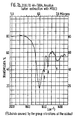
- figure 1a a reproduces the diagram (graph) obtained from the sample of the adduct per se while figure 1b reproduces the graph obtained with the residual product after extraction.
- Figure 1 b substantially presents only the bands due to the group vibrations of the adduct (indicated by the arrows).
- Figure 1 a also presents the bands due to the group vibrations of the acid form (indicated by a point).
- sample of adduct powder was examined by electronic scanning microscopy (SEM-Mark 2 produced by the Cambridge Co.) in order to verify the state of aggregation of the zeolite particles and the possible presence of heterogeneous particles, such as TBBA crystals.
- a part share of the mixture of powders - about 50 g - was loaded into a laboratory mixer (having a holding capacity of 60 ml) of the Brabender type with a plasticizing chamber working at 200°C ⁇ 10°C measured at the walls. After several minutes the mass had melted completely and was thereupon very rapidly transferred in a suitable portion to an electrically heated 10 ton flat press of the Moore type - with the molding plate temperature equal to 200°C, the molten material being fed into a 10 x 10 template. The press was thereupon rapidly closed, with a gradual increase of the pressure until the complete flowing of the polymeric matrix is achieved and then rapidly cooled down to room temperature.
- the PPI sample obtained contained a quantity of TBBA comprised from 450 to 500 ppm (mg/kg).
- Table 1 shows in a comparative way the substantial differences in the temperatures induced by the presence of even very small quantities of the nucleating system according to the present invention.
- zeolite 4A (Na) produced by Ausimont, with a content in water of 21 ⁇ 1 % by weight, were admixed to an acetonic solution of p-terbutylbenzoic acid at a 20% concentration by weight, in the proportion of 1 part of zeolite per 3-4 parts of solution in order to obtain a sufficiently fluid suspension. This latter, after a mild stirring during 2 hours, was filtered and the solid separated therefrom was then dried until constant weight was attained. The powder thus obtained was analyzed for its content in C and H and was then extracted with ether in order to assess the TBBA fraction that had not been adsorbed.
- the content in TBBA amounted to 3.9% by weight, of which about 30% was not extractable with a solvent.
- the powder thus obtained was subjected to a heat treatment in a vial, sealed after having produced a vacuum therein and brought to a temperature of 165°C, during 2 hrs.
- the adduct was mixed with PPI in flakes at 1.0 phr together with 0.1 phr of an antioxidizer and lubricant (glycerylmonostearate).
- This mixture was directly molded in a flat press to the shape of a 1-2 mm thick lamina.
- the powder was preliminarily transformed into tablets whereafter the mold, in the shape of a template, was filled with a weight of tablets 10-20% greater than the volume corresponding to the volume of the mold at a temperature of about 150°C.
- the plates of the press and the mold were rapidly brought to 200°C and after several minutes the press was then pneumatically closed until a constant pressure was attained.
- the polymer was allowed to remain in the press for a few minutes whereafter the diecasted lamina with the mold were cooled between two metal plates to room temperature. The resulting laminae were examined as such and then annealed at 120°C.
- the concentration of this solution must be such as to make available at least one TBBA equivalent for one Na equivalent of the zeolite. This solution was left in contact, under mild stirring, until reaching a constant in the concentration of the TBBA in the solution phase (U.V. control).
- the powders thus obtained by the two solvent systems were analyzed with regard to the content in C, H and in H 2 0 and then examined by IR-spectrography in order to verify the possible presence of TBBA in the form of free acid.
- the powder thus obtained was admixed to PPI in flakes in a quantity of 4 parts per 100 parts of polymer together with 0.1 phr of Irganox 1010 antioxidizer and 0.05 phr of glycerin monostearate as a lubricant.
- the product resulting from this mixture was directly molded on a flat plate press in the form of a lamina of 1.0-1.5 mm thickness, according to the procedures given in Example 3.
- the laminae were subjected to thermal conditioning at 80°-100°C before the examination by thermal analysis.
- the examined silicate samples were characterized by the following parameters: Data on granulometric distribution:
- the amorphous Ausidet silicon aluminate has a composition roughly equal to zeolite 4A.
- the samples were pre-dried for 16 hours in an oven at 160°C.
- the contents in water were measured by calcining at 800°C.
- the dried products were then admixed to a 20% by weight.
- the mixing is carried out under mild stirring, at room temperature. Thereupon, the solid phase was separated by centrifuging and then dried at 110°C until a constant weight was attained.
- the product thus obtained, after grinding, was subjected to C-, H-analysis in order to determine the content in TBBA.
- the various mixes obtained from the single silicon aluminates were homogenized and melted together in a Brabender-type mixer (see Example 2).
- the polymeric mass drawn from the mixer or mill was molded in limited portions in a flat press, according to the date given in the preceding examples, so as to yield laminae of a constant thickness of about 1.5 mm and showing a good surface.
- the nucleating system was prepared by impregnation of: ZEOLITE 4A (Na) - Baylith T Bayer powder - predried at 160°C, with a methanolic solution of p-ter-butylbenzoic acid according to what is described in part "A" of Example 1.
- the sample showed a TBBA content adduct on the zeolite of 4% by weight.
- the zeolite suspension in the solution was maintained under stirring for a few hours and was then centrifuged at a medium number of revolution per minute, in order to separate the solution in excess of the impregnation solution.
- the solid cake rapidly washed with anhydrous methanol, was then dried at 120°C until a constant weight is attained.
- the "zeolite-ARC" adduct sample was moreover examined by optical microscopy or electronic scanning microscopy in order to evidence the state of aggregation of the zeolite particles and the possible presence of particles heterogeneous to the zeolite.
- Microsamples of the polymeric laminae thus molded were obtained by "die cutting” and were then examined for their behaviour during melting and crystallization. This examination was conducted on a differential calorimeter, according to the procedures described in Example 1, part C.
- Table 6 reports on a comparative basis, with respect to do the formulations used, the crystallization temperature deduced from the maximum of the exothermic peak of crystallization.
- Table 6 also reports the data of a test carried out measuring 50 g of polypropylene of the type used in this example with 2.5 g of zeolite 13X, predried at 160°C to a constant weight, with 0.25 g of TBBA and 0.125 g of antioxidizer + lubricant, in a mixer for powders, at room temperature.
- Table 6 reports the compositions and the result of this test in which the components, acid and zeolite, were mechanically admixed with the polymer under such conditions as to avoid the formation of the adduct.
Landscapes
- Chemical & Material Sciences (AREA)
- Health & Medical Sciences (AREA)
- Chemical Kinetics & Catalysis (AREA)
- Medicinal Chemistry (AREA)
- Polymers & Plastics (AREA)
- Organic Chemistry (AREA)
- Crystallography & Structural Chemistry (AREA)
- Compositions Of Macromolecular Compounds (AREA)
- Silicates, Zeolites, And Molecular Sieves (AREA)
Description
- It is known that many high polymers capable of crystallizing, such as, for instance, polypropylene, aliphatic polyamides and saturated polyesters, when cooled from the high temperatures required by molding, to temperatures far below melt point, such as those of the molds or impressions, give rise to under-cooling of the molten mass, undercooling that influences the crystallization rate and the type of crystallites or spherulites that are formed.
- In general, certain polymers (e.g. isotactic polypropylene, polyamide, polyethylenterphtalate) crystallized in this way will show either a low crystallinity index or large sizes of the crystallites or a dishomogeneity in the degree of crystallization; these parameters have an influence both on the optical properties, in particular on the transparency (haze and clarity), as well as on the mechanical properties (such as elastic modulus and breaking load).
- The best combination of properties will be obtained only through certain thermal cycles or suitable molding techniques that are not always economically advantageous.
- Now, it is known that the addition of certain solid compounds with a high melting point or a high decomposition point may favourably modify the crystallization process.
- These substances, designated nucleating agents, influence the first stage of the crystallization process, i.e. the nucleation and permit direction of the process towards conditions that are more favourable for obtaining particular properties in the molded polymeric material.
- The use of organic nucleating agents is claimed in numerous technical publications and patents, and covers a wide range of polymeric substances. For instance, in the case of isotactic polypropylene the most known ones are U.S. pat. nos. 3 207 737, 3 367 926 and 4 016 118.
- However, the use of these nucleating agents, claimed in the cited patents, show certain disadvantages and drawbacks, namely:
- - the necessity for high concentrations of nucleating agents in order to improve certain optical and mechanical properties;
- - difficulties in obtaining homogenous and uniform dispersion of the nucleating agent in the mass of material, given the compatibility limits with the polymeric system;
- - the tendency of these nucleating agents to segregate during the dry-mixing operations and the tendency to volatilize when the transformation temperature is high;
- - the migration of the nucleating agent inside the manufactured articles, altering the surface properties and facilitating their transfer to the external environment;
- - this involves the risk of attaining concentrations that are not admitted by the rules governing the use of these polymers in the field of foodstuffs and hygenic-sanitary products (FDA-USA rules).
- The object of the present invention is therefore to provide a new type of nucleating agent and concerns its use in the nucleation of crystalline polymers which will result in substantial improvements in the transformation processes for thermoplastical materials.
- An even more specific object of this invention is to prepare a nucleant formulation of the "general purpose" type suited for modifying the crystallization process of certain classes of thermoplastic polymers when subjected to transformation processes which involve the passage from the molten state to the solid crystalline state.
- A further object of the present invention is to provide a method for the preparation of a nucleant system in which a porous inorganic support or carrier with a high specific surface area and an organic polar compound with a high melting or decomposition point interact sterically and chemically with each other.
- This system may be realized when either an arylcarboxylic or sulphonic acid, of the type defined herein-under, is suitably distributed and combined on a porous solid support having a high specific surface area, and acting as a carrier, for which the zeolites are a typical specimen.
- Any crystalline polyolefin, thermoplastic polyester or polyamides - may be used according to the present invention, provided that there is chemical inertia between the nature of the polymer and the type of zeolite used. The nucleant system according to the present invention is particularly indicated for:
- - crystalline polymers and copolymers of the alpha-olefins containing from 2 to 6 carbon atoms,
- - stereo-arranged polyolefins such as polypropylene,
- - crystalline polymers of ethylene and crystalline ethylene copolymers with other alpha-olefins (C3, C4, C6).
- The dispersion techniques for a nucleant system in the polymeric mass may be carried out according to the practice known per se, starting from compounds in the form of powders or of a masterbatch, formulated in suitable proportions, and by subjecting them to mixing-sintering-granulating- thermomolding processes, as described in literature on the processing of plastic materials and in corresponding patents.
- The nucleant system according to the present invention is not substantially influenced by the formulation process, whereby it is suitable to be used under severe operational conditions as far as the temperature and pressure on the material in the molten state are concerned.
- The nucleant system according to the present invention is obtained starting from two essential components:
- a) a crystalline aluminum silicate of one or more alkali or alkaline earth metals of zeolitic tectosilicate having a pore diameter comprised between 0,3 and 1,3nm. The molar ratio of the oxides Si02/AI203, forming the skeleton of the crystal, is comprised between 2 and 5.
- b) an arylcarboxylic or sulphonic acid, chosen from among those which are known, when in the form of metal salts, to exert a nucleating effect on the crystalline polyolefinic polymers with a melt point exceeding the crystallization temperature of the polymer to be treated and that is thermally stable at the maximum processing temperature to which the polymeric material is subjected.
- The aluminum silicate of point a) may be chosen from among the commercial zeolites known as molecular sieve or sifter of the type 3A, 4A, 5A, 10X, 13X and Y, in their salified form with Na and/or K and/or Ca.
- The zeolites that are typically used in the preparation of the nucleant system have the characteristics reported by following table:

- As far as the arylcarboxylic or sulphonic acid to be used is concerned, reference may be made to US. Pat. nos. 3 367 926 and 3 207 737 and to the technical literature on the subject [see H.N. Beck "Heterogeneous nucleating agents," Journal of Appl. Polymer Science, vol. II, pages 673-685 (1967)], which mentions numerous compounds suitable for achieving the nucleating system according to this invention.
- More particularly effective are the arylcarboxylic acids such as p-ter-butylbenzoic and benzoic acid, toluic, p-ethoxy- and p-methoxybenzoic acid, salicyclic acid, naphthoic and diphenylpropionic acids.
- The nucleating system according to the present invention is obtained by making two components, i.e. zeolite and arylcarboxylic acid, interact with each other under such conditions as to form an adduct in which the acid will bind itself to the zeolite "carrier" by means of physical and chemical bonds, the chemical bonds being of the polar type by interaction with the Na, K and Ca cations.
- The adduct generally contains from 1 to 10% by weight of acid and may be considered as a zeolite superficially modified by the chemically adsorbed acid, i.e. bound to it in a stable form.
- The adduct may be obtained by various technologies based on the impregnation and adsorption by the zeolite of the acid in solution or as such in the molten state. Among these techniques may be cited certain of the more typical:
- 1.- Absorption of the zeolite in the form of Na (or K or Ca), partially or totally dehydrated, with a solution of the arylcarboxylic acid in an organic solvent, followed by the separation of the solid adduct.
- 2.- Mixing the zeolite in the form of Na (or K or Ca) with arylcarboxylic acid in a substantially non-aqueous medium, followed by the separation of the solid phase from the excess of solution and by drying at a temperature lower than the melt point temperature of the acid itself.
- 3.- Pre-impregnation of the zeolite in the form of Na (or K, or Ca) with the acid and mixing at the melt temperature of the same, possibly under pressure, and successive removal of the acid in excess by sublimation or washing with a suitable solvent (e.g. ether, acetonitrile).
- 4.- Impregnation-exchange of the zeolite in the form of Na (or K, or Ca), in a partially or totally dehydrated form, with a solution of the acid in a solvent-water mixture (e.g. an azeotrope with acrylonitrile or isopropanol) and in complete evaporation of the solvent, under conditions wherein the crystalline structure of the zeolite will not collapse because of a too low pH of the liquid solvent phase.
- A typical process for the preparation of the modified zeolite, according to above indicated point 1), consists in close and prolonged contact between the superficial ionic sites of the zeolite and of the carboxylic acid (polar compound) present in the aqueous solution (alcohols, ethers, ketones, nitriles). The treatment may be conducted with or without stirring, at temperatures comprised between room temperature and the boiling temperature of the solvent, at atmospheric or higher pressure.
- From this mixture, after separation of the liquid phase, is obtained, by centrifuging or filtering and successive fast washing, according to techniques known per se, a solid residue which is dried at such a temperature so as to gradually remove the residual solvent still present in the interstices between the zeolite particles. The system thus obtained contains a quantity of organic acid comprised between 1 and 25 grams per 100 g of initial zeolite, the acid being partly bound to the zeolite by chemical bonds of a polar type and being partly present in a chemically non-adsorbed form. The system may be subjected to a thermal treatment at high temperature in order to complete the exchange-reaction and facilitate the homogenizing of the system.
- The solid system thus obtained is submitted to a chemical elementary analysis for establishing the compositional and structural characteristics:
- - C and H microanalyses in order to determine the content in carboxylic acid on the zeolite;
- - IR spectroscopic examination in the 5000-1000 cm-1 band in order to establish the structure of the acid in the zeolite;
- - optical microscopic examination and electronic scanning microscopy (ESM) in order to verify the form and distribution of the particles before and after the process of superficial modification of the zeolite with the acid;
- - thermal differential analysis between 100°C and temperatures definitely exceeding the melt point of the decomposition temperature of the acid, in order to establish the behaviour of the nucleating system during the conversion processes.
- The capabilities of the zeolites herein-above described to chemically adsorb the carboxylic acid, may be better established by the adsorption isothermal line in aqueous or organic systems obtained by measuring the concentrations at the equilibrium point in the two phases, the solid one and that in solution, according to a technique known per se, described in details in "Adsorption of Organic Compounds on Zeolite Surface" A. Savitsky & B. Wiers - Env. Sc. Techn. 15 pg. 1191 (1981).
- The nucleating system described in the present invention is incorporated into the polymer by means of usual mixing techniques which ensure an intimate and homogeneous distribution of the agents modifying the crystallization of the matrix.
- The processes most currently used consist essentially in a first mixing together of the powderous components, using conventional mixers for powders of the Henschel mills, V-mixers or ribbon mixers type as well as simple tumbler mills.
- The operation is carried out at either room temperature or in any case at such a temperature that will not prejudice the nucleating capabilities of the system.
- The polymers may be used either in the form of a dry powder in a granulometric distribution lower than or equal to 20-80 mesh/cm, or in the form of "flakes", possibly in the presence of stabilizers or additives, according to a practice well known to the skilled in the art.
- Either total mixtures or concentrated masterbatches may be prepared if one intends to intervene further in the formulation.
- The mixture is then transformed as such, or suitably additioned with a further admixture of polymer and/or additives, in granules or extruded strings, molded plate, callendered sheets, according to prior art techniques.
- It is essential to achieve and maintain a homogeneous distribution of the nucleating system in the molten and crystallized polymeric matrix; this may be realized, for instance, by means of an intimate mixing together of the nucleating composition with the polymeric material, at temperatures higher than the melt temperature of the polymer (see USP 4 184 026).
- The equipment on which these mixings are carried out are known per se and are:
- - Brabender type mixer with a chamber for plastics or rubbers;
- - Banbury type mixer with rotor, suitable for plastics at temperatures up to 250°C;
- - Farrel type continuous mixer, with a plurality of heating zones;
- - Single or double-screw extruders for plastic materials, to be chosen with regard to the polymeric matric and provided with a ventilation zone;
- - Werner type mixer with co-rotating sectional screws composable according to the material and fillers to be used.
- In the case of thermoplastic matrixes, such as polyolefins, thermoplastic polyester, etc., the suitable mixing temperature varies with the melt index of the plastic material and with its degree of thermomechanical stability, but is in any case greater by at least 209-50°C than the melt temperature of the polymer. Characteristic of the present invention is the protective action that the zeolite exerts on the carboxylic acid and that renders the processing temperature for the acid itself less critical (for the lower tendency to sublimation and to decomposition by decarboxylation).
- In general an acid with a melt point lower than the processing temperature of the polymeric matrix is chosen. For instance, in the case of a nucleating system wherein the organic compound belongs to the class of the arylcarboxylic acids, may be used products comprised, as far as melt temperatures are concerned, in the range of between 130 and 300°C; e.g., p-ter-butylbenzoic acid (168°C), p-toluic acid (181°C), alpha-naphtoic acid (161°C), and beta-naphtoic acid (184°C), phthalic acids (200-300°C).
- The nucleating system according to the present invention is used in such a quantity that the total arylcarboxylic or sulphonic acid present is equal to at least 0.01 parts by weight per 100 parts of polymer. The quantity most suitable, in general, is comprised between 0.02 and 0.1 parts by weight.
- The surprising effect achieved with the nucleating system according to the present invention is evidenced by the fact that by incorporating by simple mechanical mixing in the polymeric material the arylcarboxylic acid and the zeolite, under such conditions whereby no adduct is formed, the nucleating effect attained is negligible when the quantities of acid fall within the above indicated range. In this connection the test reported in example 7, Table 6, should be noted.
- The ponderal (by weight) ratio between the chemically adsorbed organic acid and the zeolite is preferably comprised between 2 and 10 parts by weight for 100 parts of zeolite.
- The effectiveness of the nucleating system on the type and crystallization rate may be evaluated with different techniques. Among these, the most significant are based on the following physical methods:
- - differential thermal analysis of the melt and crystallization process;
- - physical properties (melt temperature, crystallinity, Vicat viscosity degree) of test pieces molded under ASTM conditions);
- - optical or mechanical properties of a manufactured article, obtained by molding of the nucleated polymer in comparison with the polymer per se (e.g.: film, plate), among which may be considered the transparency, haze, elastical modulus or yield point. In most of the examined cases, i.e. on test-pieces obtained according to the techniques described in example from 1 to 7, has been used the differential thermal analysis (DTA) or the differential calorimetry (DSC) whose principles have been widely described in the following specific texts to which reference is also made for the experimental part:
- - E. Bacon Ke- Newer Method of Polymer Characterization - Interscience 1969 (cited: H.N. Beck et aI., J. Appl. polymer Science 9, 2131, 1965),
- - C. Duval - Thermal Methods in Analytical Chemistry in: "Wilson - Comprehensive Analytical Chemistry VII" - Elsevier 1976;
- - M. Richardson - Quantitative Scanning Calorimetry - in Applicational Science Pr. 1978.
- A typical procedure uses micro-specimen (2-20 mg) obtained from injection molded plates that have been quenched or annealed.
- After premelting in the calorimetric cell or DTA, at a temperature at least 20°C above the melt point of the polymer, the specimen is subjected to a gradual cooling according to gradient AT/t ranging from 8°C to 32°C/ minute. During this cooling cycle the crystallization process occurs that reveals itself on the DTA or DSC diagram as an exothermic peak with respect to the baseline (due ACa/T).
- The nucleating effect influences the initial or start temperature and the maximum crystallization rate and, even if to a lesser degree, the variation of the conversion heat expressed by the peak area (various authors in M. Mucha in "Melt isotacticity Polypropylene" - Polymer Symp. 69, page 79 (1980)).
- The extent of the nucleating effect is obtained from the difference (AT) between the crystallization temperature of the specimen of the polymer per se and the crystallization temperature of the specimen of the polymer that had been additioned with the nucleating system.
- The polymeric compositions which show greater facility to crystallize display a higher initial crystallization temperature or a temperature higher than the maximum of the exothermic peak and thus greater ΔT.
- Since this increase of temperature may attain 20°C and more, it becomes evident that an advantage is obtained in injection molding, in terms of a reduction in molding time.
- The nucleating system according to this invention may be conveniently used in polypropylene which is subjected to a treatement with organic peroxides, under heat, in order to obtain an improvement in certain physical-mechanical properties, in particular the mechanical resistance at high temperatures.
- The following non-limitative examples of the present invention are given by way of illustration.
- A sample of zeolite 4A (Na) - Baylith T powdery type by BAYER - of 50 grams were pre-dried in an oven at 160°C for a period of 12-16 hours, until reaching a constant weight.
- On this sample, maintained on P205, the content in water, determined by calcining at 800°C, amounted to 8-9% by weight.
- The zeolitic powder was additioned to a methanolic solution of p-terbutylbenzoic acid (TBBA) in a 20% by weight concentration, in a weight ratio of 1:2. The acid solution must have a concentration inferior to saturation at room temperature and was obtained by the digestion of 100 g of ground TBBA with 500 ml of anhydrous methanol. Mixing must be carried out under gentle stirring because of the exothermicity of the reaction.
- The suspension, after having been rebrought to room temperature, was centrifuged at a low number of revolutions in order to remove any excess liquid; the solid cake - rapidly washed with anhydrous methanol - was dried at 110°C until a constant weight was reached. The nucleating composition thus obtained was characterized as follows:
- On the sample - maintained on P2O5-was carried out an analysis of C and H, by semi-micro method, in order to determine the TBBA content. The adduct thus obtained showed a TBBA content of 14% by weight.
- On a limited fraction of the sample was carried out a prolonged digestion (4 hours) in methyl-ter.butyl-ether (a solvent of TBBA) in order to remove the acid present in a form not combined with the zeolitic carrier, and the residual powder at the extraction was then examined by IR-spectroscopy in order to single out the presence and determine the condition of the organic compound in the "adduct". For comparison purposes, figure 1a a reproduces the diagram (graph) obtained from the sample of the adduct per se while figure 1b reproduces the graph obtained with the residual product after extraction. In said graphs, on the ordinate the % transmission has been recorded, on the abscissa the wave length was indicated, while the bands due to the group vibrations in the acid form were indicated with (.), and ( ↑ ) indicates the bands due to the group vibrations of the adduct.
- Figure 1 b substantially presents only the bands due to the group vibrations of the adduct (indicated by the arrows). Figure 1 a also presents the bands due to the group vibrations of the acid form (indicated by a point).
- Similarly, the sample of adduct powder was examined by electronic scanning microscopy (SEM-Mark 2 produced by the Cambridge Co.) in order to verify the state of aggregation of the zeolite particles and the possible presence of heterogeneous particles, such as TBBA crystals.
- 500 grams of isotactic polypropylene (PPI) in flakes of the MOPLEN F20 type produced by Montedison, with a granulometry equal to 40 mesh/cm - having a flowability index at 230°C and 2.13 kg of 12 g/10 minutes - were admixed in the dry state to the nucleating composition indicated at the preceding point A to the extent of 0.33 parts per 100 parts of polypropylene and to a phenolic antioxidizer (lrganox 1010 by Ciba-Geigy) to the extent of 0.05 parts. This operation was conducted in a powder mixer of the Battagion sigma-shaped blade mill type. A part share of the mixture of powders - about 50 g - was loaded into a laboratory mixer (having a holding capacity of 60 ml) of the Brabender type with a plasticizing chamber working at 200°C ± 10°C measured at the walls. After several minutes the mass had melted completely and was thereupon very rapidly transferred in a suitable portion to an electrically heated 10 ton flat press of the Moore type - with the molding plate temperature equal to 200°C, the molten material being fed into a 10 x 10 template. The press was thereupon rapidly closed, with a gradual increase of the pressure until the complete flowing of the polymeric matrix is achieved and then rapidly cooled down to room temperature. __
- In this way
thin plates 1 to 2 mm thick, were obtained which serve for the physical and thermal tests (specimen 1 of Table 1). - The PPI sample obtained contained a quantity of TBBA comprised from 450 to 500 ppm (mg/kg).
- In a similar way specimens were prepared from:
- - a mixture of PPI with zeolite only, in a concentration of 1.25 /100p (phr) (specimen 2 of the table);
- - a mixture of PPI with 0.05 phr of pure TBBA (
specimen 3 in the table); - in both cases using the mixing and forming (molding) procedures described herein-above.
- Samples of polymeric thin plates, prepared as indicated above, were examined for their behaviour in the crystallization and melting stages. The test was conducted on a micro-specimen obtained from molded thin plates, in the cell of a Perkin-Elmer DSC 1B differential calorimeter, in a N2 current, with a cooling gradient of 16°C/minute, starting from the temperature of the molten material comprise between 190° and 230°C.
- From the calorimetric diagram were obtained the starting crystallization temperatures and the temperatures of the maximum exothermic peak, according to the methods known per se of analytical calorimetry. On the attached table have been recorded the temperatures corresponding to the maximum of the exothermic peak for a micro-specimen introduced into the cell at a temperature of 190° and 230°C with a gradient of 32°C/minute.
- Table 1 shows in a comparative way the substantial differences in the temperatures induced by the presence of even very small quantities of the nucleating system according to the present invention.

- 20 grams of zeolite 4A (Na) produced by Ausimont, with a content in water of 21 ± 1 % by weight, were admixed to an acetonic solution of p-terbutylbenzoic acid at a 20% concentration by weight, in the proportion of 1 part of zeolite per 3-4 parts of solution in order to obtain a sufficiently fluid suspension. This latter, after a mild stirring during 2 hours, was filtered and the solid separated therefrom was then dried until constant weight was attained. The powder thus obtained was analyzed for its content in C and H and was then extracted with ether in order to assess the TBBA fraction that had not been adsorbed.
- The content in TBBA amounted to 3.9% by weight, of which about 30% was not extractable with a solvent.
- 50 grams of isotactic polypropylene of the type indicated in example 1, were mixed in the dry with 1.25 phr of the nucleating system of point A. and with 0.1 phr of Irganox 1010, following the procedures described in example 1. The mixture thus obtained was melted and homogenized in internal Brabender-type mixer following the procedure already herein-above indicated and while maintaining the processing times somewhat lower in order to avoid any degradation of the polymer. Small portions of the material processed in this way were molded into laminae (thin plates) 1.5 mm thick in a flat press at 190°-200°C. An analogous operation was carried out on powders obtained by impregnation of the same 4A zeolite with acetonic solutions of benzoic acid, and the results are recorded on Table 2. Table 2 also reports for comparative purposes the results obtained with a zeolite/adipic acid adduct.
- On samples of molded laminae was tested the behaviour during crystallization of the PPI, nucleated with the adducts obtained from the three carboxylic acids, as well as the behaviour of the PPI per se or additioned with 1.25 phr of 4A zeolite and prepared in an analogous way. The results have been recorded in Table 2.

- A sample of 20 g of zeolite 4A (Na) -Type Ausimont and type Linde, produced by U.C.C., in a powdery form, was dried in an oven for 16 hours, at 160°C. It was then mixed together with a concentrated solution in methyl-ter-butyl-ether (MTBE), of p-terbutylbenzoic acid in excess of the quantity necessary for the foreseen impregnation of the superficial area of the zeolite and of the volume of the pores. The solution in excess was then separated from the solid by centrifuging and the solid was then dried at 110°C until a constant weight was attained.
- The powder thus obtained was subjected to a heat treatment in a vial, sealed after having produced a vacuum therein and brought to a temperature of 165°C, during 2 hrs.
- After cooling in the vial of the compact powder, this latter was separated, avoiding its mixing with the sublimated TBBA, and then ground, washed with pure anhydrous MTBE and dried again at 110°C. Thereupon were carried out the analytical tests already indicated in the previous cases (C, H - H20 - IR examination - electronic scanning microscopy examination ESM) from which it turns out that the adduct shows a content of 5.2% by weight of TBBA of which a substantial part is insoluble in the organic solvent.
- By means of an analogous procedure was prepared an adduct of TBBA on zeolite 4A (Na) of Ausimont, an adduct which contained 4% by weight of TBBA.
- According to the procedures described in the preceding cases, the adduct was mixed with PPI in flakes at 1.0 phr together with 0.1 phr of an antioxidizer and lubricant (glycerylmonostearate).
- This mixture was directly molded in a flat press to the shape of a 1-2 mm thick lamina. In order to avoid degrading of the PPI, the powder was preliminarily transformed into tablets whereafter the mold, in the shape of a template, was filled with a weight of tablets 10-20% greater than the volume corresponding to the volume of the mold at a temperature of about 150°C. The plates of the press and the mold were rapidly brought to 200°C and after several minutes the press was then pneumatically closed until a constant pressure was attained. The polymer was allowed to remain in the press for a few minutes whereafter the diecasted lamina with the mold were cooled between two metal plates to room temperature. The resulting laminae were examined as such and then annealed at 120°C.
- On the cooled and annealed lamina its behaviour during crystallization was then evaluated, following the procedure indicated in the preceding examples, i.e., measuring the temperature of the maximum crystallization in tests on the Perkin + Elmer DSC 1B with AT/t = 16°C/min.
- The results of the thermal analysis examination have been recorded on Table 3 together with the comparative data when using the nucleating agent of the Prior Art and with the zeolite alone.
- A sample of zeolite 4A - of the Linde type in U.C.C. powder - in a quantity of 20 grams, was admixed to 100 ml of a diluted solution of TBBA in:
- - acetonitrile/water 84:16 (azeotropic mixture at 760 mm),
- - methylterbutylether saturated with water at 40°C (abt. 1.5%).
- The concentration of this solution must be such as to make available at least one TBBA equivalent for one Na equivalent of the zeolite. This solution was left in contact, under mild stirring, until reaching a constant in the concentration of the TBBA in the solution phase (U.V. control).
- Thereupon the solid phase was dried at 160°C until a constant weight was attained.
- The powders thus obtained by the two solvent systems were analyzed with regard to the content in C, H and in H20 and then examined by IR-spectrography in order to verify the possible presence of TBBA in the form of free acid.
- According to the procedures described in the preceding example, the powder thus obtained was admixed to PPI in flakes in a quantity of 4 parts per 100 parts of polymer together with 0.1 phr of Irganox 1010 antioxidizer and 0.05 phr of glycerin monostearate as a lubricant. The product resulting from this mixture was directly molded on a flat plate press in the form of a lamina of 1.0-1.5 mm thickness, according to the procedures given in Example 3. The laminae were subjected to thermal conditioning at 80°-100°C before the examination by thermal analysis.


- Samples of amorphous and crystalline alumino- silicates, commerically available, were treated with a concentrated solution of p-terbutyl-benzoic acid in methanol in order to be impregnated with significant quantities of TBBA, according to processes such as those described in Example 1.
- The examined silicate samples were characterized by the following parameters:

- - amorphous Na silicon aluminate (Ausidet) = primary particles of about 1 p in the form of agglomerates:
- - zeolite 13X - Linde (Union Carbide) = mean size between 0.5 and 2 pm;
- - zeolite Y-LZY57 (Bayer) = mean size between 0.25 and 2.5 um;
- - zeolite 5A 520 (Grace) = mean size between 1 and 4 pm.
- The amorphous Ausidet silicon aluminate has a composition roughly equal to zeolite 4A.
- The samples were pre-dried for 16 hours in an oven at 160°C. For a control, the contents in water were measured by calcining at 800°C. The dried products were then admixed to a 20% by weight. TBBA solution in methanol in a ratio of 1:1 by weight.
- The mixing is carried out under mild stirring, at room temperature. Thereupon, the solid phase was separated by centrifuging and then dried at 110°C until a constant weight was attained. The product thus obtained, after grinding, was subjected to C-, H-analysis in order to determine the content in TBBA.
- On a fraction of the product was carried out, for analytical purposes, a digestion in ether in order to evaluate the acid present in non-combined form.
- 20 grams of polypropylene flakes (Moplen FL 20) were mixed together in a mill, in a dry state, with 5 grams of zeolite-TBBA adduct according to the indications of Example 4, in the presence of 0.1 g of antioxidizer. The masterbatch samples thus obtained were preserved in a dry environment before being diluted with PPI ftakes in the established ratios based on the content of nucleating TBBA agent in the adduct.
- Said ratios were chosen in such a way that in the molded polymer were present concentrations of the adduct comprised between 0.5 and 1.0 phr, corresponding to a concentration in TBBA comprised between about 200 and about 500 ppm (see Table 5).
- The various mixes obtained from the single silicon aluminates were homogenized and melted together in a Brabender-type mixer (see Example 2). The polymeric mass drawn from the mixer or mill was molded in limited portions in a flat press, according to the date given in the preceding examples, so as to yield laminae of a constant thickness of about 1.5 mm and showing a good surface.
- An analogous operation was carried out with mixes of PPI, silicatic powder free of organic co-nucleant, stabilizing additives in ratios similar to those of the nucleated samples (see Table 5).

- The behaviour during crystallization is evaluated according to the already previously indicated criteria based on measures made by differential calorimetry.
- The nucleating system was prepared by impregnation of: ZEOLITE 4A (Na) - Baylith T Bayer powder - predried at 160°C, with a methanolic solution of p-ter-butylbenzoic acid according to what is described in part "A" of Example 1. The sample showed a TBBA content adduct on the zeolite of 4% by weight.
- 100 g of block copolymers of the propylene - MOPLEN EP C 30 produced by Montedison having a content in propylene mols of 90% and with a fluidity index (ASTM method) at 230°C and 2.1 kg, of 6 g/10 min., were mixed together with 1 phr of a nucleating system in the dry state. This operation was conducted in a Battagion-type powder mixer.
- This mixture was then homogenized and melted according to the process described in part B of Example 1.
- 100 x 100 x 1.5 sized laminae, not suitable for physical-mechanical tests, were obtained by pressure molding at press temperatures of 190°C ± 10°C according to what is described in Example 1.
- These laminae were then annealed at a temperature of 140°C during 2 hours between glass plates.
- From the molded and annealed laminae were obtained by punching (die-cutting) ASTM-micro test pieces used for measurement of the following mechanical properties:
- MECHANICAL PROPERTIES OF ASTM-micro test pieces of MOPLEN EPC 30:

- A zeolite 4A (Na) sample of the powdery type and a sample of 13X (Na), of the powdery type, both produced by Linde-U.C.C., in a quantity of 50 grams were pre-dried during 12-16 hours in an oven at 160°C (until a constant weight was attained).
- 10 g samples of the powder thus dried, were slowly added, under mild stirring, to about 20 ml of a methanolic solution of typical arylcarboxylic acids ARC (p-toluic acid - p-hydroxybenzoic acid - 2-naphthoic acid). The ARC-solutions in methanol must have a concentration below saturation at room temperature and must be obtained by digestion of 5 grams of pure product for analysis (C. erba or Merck) in 45 ml of methanol.
- The zeolite suspension in the solution was maintained under stirring for a few hours and was then centrifuged at a medium number of revolution per minute, in order to separate the solution in excess of the impregnation solution. The solid cake, rapidly washed with anhydrous methanol, was then dried at 120°C until a constant weight is attained.
- On the samples thus obtained - preserved on P205 - one analysis was carried out for C and H, and one analysis for H20, by means of semi-micro methods in order to establish the content in arylcarboxylic (ARC) acid, both free and combined (see Table 6).
- On this same powder was then carried out an IR-spectroscopic analysis in the 1300-1800 cm-1 range in order find the presence and the combination state of the organic compound in the adduct (see Example
- The "zeolite-ARC" adduct sample was moreover examined by optical microscopy or electronic scanning microscopy in order to evidence the state of aggregation of the zeolite particles and the possible presence of particles heterogeneous to the zeolite.
- 50 g of isotactic polypropylene in flakes of the Moplen F20 type having a fluidity index, at 230°C and 2.16 kg, of 12 g/10 min. - was mixed together in the dry state with 5 grams (10 phr) of the nucleating compound (zeolite + ARC) and 0.25 phr of phenolic antioxidizer plus a lubricant.
- The operation was carried out in a mixer for powders of the conventional sigma blade type, at room temperature.

- From the mass discharged by the mixer was drawn a portion for pressure molding in flat press of 2 mm thick laminae, according to what is indicated in Example 1. The quantity of zeolite and nucleating agent present in the molded polymer is recorded on Table 6.
- Microsamples of the polymeric laminae thus molded were obtained by "die cutting" and were then examined for their behaviour during melting and crystallization. This examination was conducted on a differential calorimeter, according to the procedures described in Example 1, part C.
- Table 6 reports on a comparative basis, with respect to do the formulations used, the crystallization temperature deduced from the maximum of the exothermic peak of crystallization.
- Table 6 also reports the data of a test carried out measuring 50 g of polypropylene of the type used in this example with 2.5 g of zeolite 13X, predried at 160°C to a constant weight, with 0.25 g of TBBA and 0.125 g of antioxidizer + lubricant, in a mixer for powders, at room temperature.
- Thereafter, 5 grams of this mixture were mixed together in a Brabender-type mixer with 45 g of polypropylene, under the conditions indicated in preceding point B., and from the resulting mixture the test pieces were prepared.
- Table 6 reports the compositions and the result of this test in which the components, acid and zeolite, were mechanically admixed with the polymer under such conditions as to avoid the formation of the adduct.
Claims (10)
under such conditions that will allow chemisorption of acid a) in component b), the said system being furthermore characterized in that acid a) is present in quantities comprised between 1 and 25 grams per 100 g of component b), and that acid a) is partly bound to component b) by chemical bonds of a polar type.
Applications Claiming Priority (2)
| Application Number | Priority Date | Filing Date | Title |
|---|---|---|---|
| IT2497882 | 1982-12-24 | ||
| IT24978/82A IT1155448B (en) | 1982-12-24 | 1982-12-24 | HIGH POLYMER CRYSTALLIZATION PROCESS IN THE PRESENCE OF ZEOLITE-BASED NUCLEANTS |
Publications (2)
| Publication Number | Publication Date |
|---|---|
| EP0113629A1 EP0113629A1 (en) | 1984-07-18 |
| EP0113629B1 true EP0113629B1 (en) | 1987-08-05 |
Family
ID=11215309
Family Applications (1)
| Application Number | Title | Priority Date | Filing Date |
|---|---|---|---|
| EP83402512A Expired EP0113629B1 (en) | 1982-12-24 | 1983-12-22 | Process for the crystallization of high polymers in the presence of nucleant systems based on zeolites |
Country Status (7)
| Country | Link |
|---|---|
| US (1) | US4518731A (en) |
| EP (1) | EP0113629B1 (en) |
| JP (1) | JPS59135241A (en) |
| AU (1) | AU566809B2 (en) |
| CA (1) | CA1243996A (en) |
| DE (1) | DE3372862D1 (en) |
| IT (1) | IT1155448B (en) |
Families Citing this family (11)
| Publication number | Priority date | Publication date | Assignee | Title |
|---|---|---|---|---|
| IT1238000B (en) * | 1990-01-24 | 1993-06-21 | Ausidet Srl | NUCLEANTS FOR CRYSTALLINE POLYOLEFINS MODIFIED BY MACRORADICAL DEGRADATION |
| US5194457A (en) * | 1990-01-24 | 1993-03-16 | Enimont Augusta Industriale S.R.L | Zeolitic nucleants for crystalline polyolefines modified by means of macroradicalic degradation |
| IT1243776B (en) * | 1990-08-03 | 1994-06-28 | Ausidet Srl | RETICULABLE POLYMERIC COMPOSITIONS PROCEDURE FOR THEIR PREPARATION AND ITEMS OBTAINED |
| US5187216A (en) * | 1991-04-18 | 1993-02-16 | Eastman Kodak Company | Process for the preparation of crystalline copolyesters |
| US5496918A (en) * | 1991-09-23 | 1996-03-05 | Alliedsignal Inc. | Process for improving the properties of polymers |
| JP3575812B2 (en) * | 1992-07-31 | 2004-10-13 | 住友化学工業株式会社 | Multilayer molded product and method for producing the same |
| US6169133B1 (en) * | 1997-06-25 | 2001-01-02 | Lonza Inc. | Glycerol monostearate blends as antistats in polyolefins |
| US6913829B2 (en) * | 2002-12-20 | 2005-07-05 | Nyacol Nano Technologies, Inc. | Polymer nucleating agents |
| WO2006104731A2 (en) | 2005-03-31 | 2006-10-05 | Wms Gaming Inc. | Wagering games with unlockable bonus rounds |
| US9076283B2 (en) | 2011-09-30 | 2015-07-07 | Wms Gaming Inc. | Systems, methods, and devices for playing wagering games with symbol-driven expected value enhancements and eliminations |
| CN114456552B (en) * | 2022-02-25 | 2023-08-04 | 复旦大学 | A method for improving the crystallization temperature and toughness of polymers using two-dimensional zeolites |
Family Cites Families (12)
| Publication number | Priority date | Publication date | Assignee | Title |
|---|---|---|---|---|
| FR42316E (en) * | 1932-09-26 | 1933-07-11 | Clusant Et Cie Soc | Hourdis |
| US3207737A (en) * | 1961-12-18 | 1965-09-21 | Shell Oil Co | Polymer crystallization method |
| NL293398A (en) * | 1963-05-30 | |||
| US3367926A (en) * | 1964-03-25 | 1968-02-06 | Dow Chemical Co | Modification of crystalline structure of crystallizable high polymers |
| US3517086A (en) * | 1966-01-31 | 1970-06-23 | Sumitomo Chemical Co | Nucleated blend of polypropylene,polyethylene,and ethylene propylene copolymer |
| US4124562A (en) * | 1972-06-20 | 1978-11-07 | Mitsubishi Petrochemical Co., Ltd. | Polyolefin composition containing a novel modified filler |
| US4006037A (en) * | 1974-11-04 | 1977-02-01 | The Richardson Company | Mineral filled, high impact, polyolefin molding compositions |
| JPS5841760B2 (en) * | 1976-05-29 | 1983-09-14 | 神崎製紙株式会社 | Manufacturing method of coloring agent |
| DE2833675C2 (en) * | 1978-08-01 | 1982-06-24 | Degussa Ag, 6000 Frankfurt | Thermoplastic mixtures for the production of plastic films with antiblocking properties |
| JPS5651330A (en) * | 1979-10-05 | 1981-05-08 | Toray Ind Inc | Polypropylene film |
| IT1151509B (en) * | 1982-02-08 | 1986-12-24 | Montefina Sa | NUCLEATION AGENT FOR CRYSTALLINE OLEFINIC POLYMERS |
| US4440889A (en) * | 1982-06-23 | 1984-04-03 | The Firestone Tire & Rubber Company | Polyethylene terephthalate molding compositions |
-
1982
- 1982-12-24 IT IT24978/82A patent/IT1155448B/en active
-
1983
- 1983-12-20 AU AU22600/83A patent/AU566809B2/en not_active Ceased
- 1983-12-21 CA CA000443907A patent/CA1243996A/en not_active Expired
- 1983-12-22 US US06/564,187 patent/US4518731A/en not_active Expired - Lifetime
- 1983-12-22 EP EP83402512A patent/EP0113629B1/en not_active Expired
- 1983-12-22 DE DE8383402512T patent/DE3372862D1/en not_active Expired
- 1983-12-24 JP JP58252294A patent/JPS59135241A/en active Granted
Also Published As
| Publication number | Publication date |
|---|---|
| IT8224978A0 (en) | 1982-12-24 |
| JPH049177B2 (en) | 1992-02-19 |
| DE3372862D1 (en) | 1987-09-10 |
| US4518731A (en) | 1985-05-21 |
| AU2260083A (en) | 1984-06-28 |
| IT1155448B (en) | 1987-01-28 |
| JPS59135241A (en) | 1984-08-03 |
| CA1243996A (en) | 1988-11-01 |
| AU566809B2 (en) | 1987-10-29 |
| EP0113629A1 (en) | 1984-07-18 |
Similar Documents
| Publication | Publication Date | Title |
|---|---|---|
| EP0113629A1 (en) | Process for the crystallization of high polymers in the presence of nucleant systems based on zeolites | |
| DE69818641T2 (en) | DIACETAL DERIVATIVE, METHOD FOR THE PRODUCTION THEREOF, SUCH A DERIVATIVE-CONTAINING GENERATING AGENT FOR POLYOLEFINS, POLYOLEFIN RESINS AND MOLDED PARTS | |
| Liu et al. | Investigation on unusual crystallization behavior in polyamide 6/montmorillonite nanocomposites | |
| US4314039A (en) | Polypropylene composition containing a 1.3,2.4-di(alkylbenzylidene) sorbitol | |
| JPWO1999018108A1 (en) | Diacetal composition, its production method, polyolefin nucleating agent containing said composition, polyolefin resin composition, and molded article | |
| JPH05179056A (en) | Method for obtaining granular form of additive for organic high polymer | |
| KR20220050940A (en) | BHET compositions and uses thereof | |
| US20040220311A1 (en) | Metal salts of hexahydrophthalic acid as nucleating additives for crystalline thermoplastics | |
| EP1505109B1 (en) | Agent for inhibiting migration of odor and taste generated from diacetal, diacetal composition containing the agent for inhibiting odor and taste migration, nucleating agent for polyolefin comprising the composition, and polyolefin resin composition and molded object each containing the nucleating agent | |
| KR900002857B1 (en) | Resin additive and its production | |
| DE3850548T2 (en) | Stabilized crystalline polymer composition. | |
| EP0964029B1 (en) | Particulate diacetal composition, process for producing the same, and polyolefin resin composition and molding | |
| US4448913A (en) | Fast crystallizing polyethylene terephthalate compositions | |
| Khare et al. | Effect of CaCO3 on the crystallization behaviour of polypropylene | |
| KR0162253B1 (en) | Alkyl ester granules having hydroxyphenyl group and preparation method thereof | |
| JPS6116735B2 (en) | ||
| Bartczak et al. | Spherulites primary nucleation in binary miscible blends of poly (ethylene oxide) with poly (methyl methacrylate) | |
| JPH05345316A (en) | Method for blending additive in thermoplastic polymer | |
| US4450302A (en) | Peroxide blends | |
| RU1795964C (en) | Method of tetrakis-[3-(3 | |
| US8765864B2 (en) | Melamine cyanurate in crystalline form | |
| Quijada-Garrido et al. | Solubility of erucamide (13-cis docosenamide) in isotactic poly (propylene) and thermal behaviour of their blends | |
| US5194457A (en) | Zeolitic nucleants for crystalline polyolefines modified by means of macroradicalic degradation | |
| US4104335A (en) | Dustless, free-flowing ultraviolet absorbing compositions for polyolefins | |
| AU630781B2 (en) | Nucleants for crystalline polyolefines modified by means of macroradicalic degradation |
Legal Events
| Date | Code | Title | Description |
|---|---|---|---|
| PUAI | Public reference made under article 153(3) epc to a published international application that has entered the european phase |
Free format text: ORIGINAL CODE: 0009012 |
|
| AK | Designated contracting states |
Designated state(s): BE DE FR GB NL |
|
| 17P | Request for examination filed |
Effective date: 19841231 |
|
| 17Q | First examination report despatched |
Effective date: 19860516 |
|
| GRAA | (expected) grant |
Free format text: ORIGINAL CODE: 0009210 |
|
| AK | Designated contracting states |
Kind code of ref document: B1 Designated state(s): BE DE FR GB NL |
|
| REF | Corresponds to: |
Ref document number: 3372862 Country of ref document: DE Date of ref document: 19870910 |
|
| ET | Fr: translation filed | ||
| PLBE | No opposition filed within time limit |
Free format text: ORIGINAL CODE: 0009261 |
|
| STAA | Information on the status of an ep patent application or granted ep patent |
Free format text: STATUS: NO OPPOSITION FILED WITHIN TIME LIMIT |
|
| 26N | No opposition filed | ||
| PGFP | Annual fee paid to national office [announced via postgrant information from national office to epo] |
Ref country code: FR Payment date: 19981209 Year of fee payment: 16 |
|
| PGFP | Annual fee paid to national office [announced via postgrant information from national office to epo] |
Ref country code: GB Payment date: 19981224 Year of fee payment: 16 |
|
| PGFP | Annual fee paid to national office [announced via postgrant information from national office to epo] |
Ref country code: NL Payment date: 19981229 Year of fee payment: 16 Ref country code: DE Payment date: 19981229 Year of fee payment: 16 |
|
| PGFP | Annual fee paid to national office [announced via postgrant information from national office to epo] |
Ref country code: BE Payment date: 19990215 Year of fee payment: 16 |
|
| PG25 | Lapsed in a contracting state [announced via postgrant information from national office to epo] |
Ref country code: GB Free format text: LAPSE BECAUSE OF NON-PAYMENT OF DUE FEES Effective date: 19991222 |
|
| PG25 | Lapsed in a contracting state [announced via postgrant information from national office to epo] |
Ref country code: BE Free format text: LAPSE BECAUSE OF NON-PAYMENT OF DUE FEES Effective date: 19991231 |
|
| BERE | Be: lapsed |
Owner name: MONTEDISON S.P.A. Effective date: 19991231 |
|
| PG25 | Lapsed in a contracting state [announced via postgrant information from national office to epo] |
Ref country code: NL Free format text: LAPSE BECAUSE OF NON-PAYMENT OF DUE FEES Effective date: 20000701 |
|
| GBPC | Gb: european patent ceased through non-payment of renewal fee |
Effective date: 19991222 |
|
| PG25 | Lapsed in a contracting state [announced via postgrant information from national office to epo] |
Ref country code: FR Free format text: LAPSE BECAUSE OF NON-PAYMENT OF DUE FEES Effective date: 20000831 |
|
| NLV4 | Nl: lapsed or anulled due to non-payment of the annual fee |
Effective date: 20000701 |
|
| PG25 | Lapsed in a contracting state [announced via postgrant information from national office to epo] |
Ref country code: DE Free format text: LAPSE BECAUSE OF NON-PAYMENT OF DUE FEES Effective date: 20001003 |
|
| REG | Reference to a national code |
Ref country code: FR Ref legal event code: ST |