EP0082191B1 - Process for preparing a zero standard serum - Google Patents
Process for preparing a zero standard serum Download PDFInfo
- Publication number
- EP0082191B1 EP0082191B1 EP19820902315 EP82902315A EP0082191B1 EP 0082191 B1 EP0082191 B1 EP 0082191B1 EP 19820902315 EP19820902315 EP 19820902315 EP 82902315 A EP82902315 A EP 82902315A EP 0082191 B1 EP0082191 B1 EP 0082191B1
- Authority
- EP
- European Patent Office
- Prior art keywords
- serum
- carbon
- sheet
- hormones
- hormone
- Prior art date
- Legal status (The legal status is an assumption and is not a legal conclusion. Google has not performed a legal analysis and makes no representation as to the accuracy of the status listed.)
- Expired
Links
- 210000002966 serum Anatomy 0.000 title claims abstract description 92
- 238000004519 manufacturing process Methods 0.000 title description 4
- OKTJSMMVPCPJKN-UHFFFAOYSA-N Carbon Chemical compound [C] OKTJSMMVPCPJKN-UHFFFAOYSA-N 0.000 claims abstract description 98
- 229910052799 carbon Inorganic materials 0.000 claims abstract description 77
- 238000000034 method Methods 0.000 claims abstract description 57
- 229940088597 hormone Drugs 0.000 claims abstract description 39
- 239000005556 hormone Substances 0.000 claims abstract description 39
- 239000002245 particle Substances 0.000 claims abstract description 31
- 239000002131 composite material Substances 0.000 claims abstract description 27
- 239000005495 thyroid hormone Substances 0.000 claims abstract description 24
- 239000000835 fiber Substances 0.000 claims abstract description 23
- 229940036555 thyroid hormone Drugs 0.000 claims abstract description 20
- 239000011159 matrix material Substances 0.000 claims abstract description 12
- 239000003270 steroid hormone Substances 0.000 claims abstract description 9
- JYGXADMDTFJGBT-VWUMJDOOSA-N hydrocortisone Chemical compound O=C1CC[C@]2(C)[C@H]3[C@@H](O)C[C@](C)([C@@](CC4)(O)C(=O)CO)[C@@H]4[C@@H]3CCC2=C1 JYGXADMDTFJGBT-VWUMJDOOSA-N 0.000 claims description 24
- 229960000890 hydrocortisone Drugs 0.000 claims description 12
- 229920003043 Cellulose fiber Polymers 0.000 claims description 11
- 239000000463 material Substances 0.000 claims description 9
- AUYYCJSJGJYCDS-LBPRGKRZSA-N Thyrolar Chemical compound IC1=CC(C[C@H](N)C(O)=O)=CC(I)=C1OC1=CC=C(O)C(I)=C1 AUYYCJSJGJYCDS-LBPRGKRZSA-N 0.000 claims description 8
- XUIIKFGFIJCVMT-GFCCVEGCSA-N D-thyroxine Chemical compound IC1=CC(C[C@@H](N)C(O)=O)=CC(I)=C1OC1=CC(I)=C(O)C(I)=C1 XUIIKFGFIJCVMT-GFCCVEGCSA-N 0.000 claims description 4
- 229940034208 thyroxine Drugs 0.000 claims description 4
- XUIIKFGFIJCVMT-UHFFFAOYSA-N thyroxine-binding globulin Natural products IC1=CC(CC([NH3+])C([O-])=O)=CC(I)=C1OC1=CC(I)=C(O)C(I)=C1 XUIIKFGFIJCVMT-UHFFFAOYSA-N 0.000 claims description 4
- 210000001685 thyroid gland Anatomy 0.000 abstract description 4
- 230000008569 process Effects 0.000 description 22
- 238000001179 sorption measurement Methods 0.000 description 13
- 230000000694 effects Effects 0.000 description 8
- 238000011282 treatment Methods 0.000 description 7
- 230000008901 benefit Effects 0.000 description 6
- 238000003018 immunoassay Methods 0.000 description 6
- 239000000203 mixture Substances 0.000 description 6
- 238000003556 assay Methods 0.000 description 5
- 210000004369 blood Anatomy 0.000 description 5
- 239000008280 blood Substances 0.000 description 5
- 238000005119 centrifugation Methods 0.000 description 5
- 230000007423 decrease Effects 0.000 description 5
- 239000012467 final product Substances 0.000 description 5
- 238000002360 preparation method Methods 0.000 description 5
- 238000003127 radioimmunoassay Methods 0.000 description 5
- 238000007670 refining Methods 0.000 description 5
- 229920001131 Pulp (paper) Polymers 0.000 description 4
- 239000011230 binding agent Substances 0.000 description 4
- HVYWMOMLDIMFJA-DPAQBDIFSA-N cholesterol Chemical compound C1C=C2C[C@@H](O)CC[C@]2(C)[C@@H]2[C@@H]1[C@@H]1CC[C@H]([C@H](C)CCCC(C)C)[C@@]1(C)CC2 HVYWMOMLDIMFJA-DPAQBDIFSA-N 0.000 description 4
- 238000001914 filtration Methods 0.000 description 4
- 239000000843 powder Substances 0.000 description 4
- 239000000047 product Substances 0.000 description 4
- 238000012360 testing method Methods 0.000 description 4
- XLYOFNOQVPJJNP-UHFFFAOYSA-N water Substances O XLYOFNOQVPJJNP-UHFFFAOYSA-N 0.000 description 4
- 108090000790 Enzymes Proteins 0.000 description 3
- 102000004190 Enzymes Human genes 0.000 description 3
- 230000004913 activation Effects 0.000 description 3
- 239000003463 adsorbent Substances 0.000 description 3
- 230000005465 channeling Effects 0.000 description 3
- 230000000052 comparative effect Effects 0.000 description 3
- 238000009792 diffusion process Methods 0.000 description 3
- 229940088598 enzyme Drugs 0.000 description 3
- 238000009950 felting Methods 0.000 description 3
- 239000011229 interlayer Substances 0.000 description 3
- 238000005259 measurement Methods 0.000 description 3
- 230000007246 mechanism Effects 0.000 description 3
- -1 oxides Chemical class 0.000 description 3
- 239000000123 paper Substances 0.000 description 3
- 230000002572 peristaltic effect Effects 0.000 description 3
- 239000002244 precipitate Substances 0.000 description 3
- 238000012545 processing Methods 0.000 description 3
- 102000004169 proteins and genes Human genes 0.000 description 3
- 108090000623 proteins and genes Proteins 0.000 description 3
- 239000011347 resin Substances 0.000 description 3
- 229920005989 resin Polymers 0.000 description 3
- 239000002002 slurry Substances 0.000 description 3
- 239000006228 supernatant Substances 0.000 description 3
- 102000009027 Albumins Human genes 0.000 description 2
- 108010088751 Albumins Proteins 0.000 description 2
- 102000014914 Carrier Proteins Human genes 0.000 description 2
- 206010020850 Hyperthyroidism Diseases 0.000 description 2
- 238000010521 absorption reaction Methods 0.000 description 2
- 238000010009 beating Methods 0.000 description 2
- 108091008324 binding proteins Proteins 0.000 description 2
- 239000012620 biological material Substances 0.000 description 2
- 239000007853 buffer solution Substances 0.000 description 2
- 239000003610 charcoal Substances 0.000 description 2
- 239000003795 chemical substances by application Substances 0.000 description 2
- 238000009472 formulation Methods 0.000 description 2
- 239000007789 gas Substances 0.000 description 2
- 239000011086 glassine Substances 0.000 description 2
- 238000000703 high-speed centrifugation Methods 0.000 description 2
- 239000003456 ion exchange resin Substances 0.000 description 2
- 229920003303 ion-exchange polymer Polymers 0.000 description 2
- 239000010410 layer Substances 0.000 description 2
- 239000007788 liquid Substances 0.000 description 2
- 239000012528 membrane Substances 0.000 description 2
- VNWKTOKETHGBQD-UHFFFAOYSA-N methane Chemical compound C VNWKTOKETHGBQD-UHFFFAOYSA-N 0.000 description 2
- 238000005457 optimization Methods 0.000 description 2
- 238000012856 packing Methods 0.000 description 2
- 239000011148 porous material Substances 0.000 description 2
- 238000004064 recycling Methods 0.000 description 2
- 230000000717 retained effect Effects 0.000 description 2
- 230000035945 sensitivity Effects 0.000 description 2
- 239000011269 tar Substances 0.000 description 2
- 239000011782 vitamin Substances 0.000 description 2
- 229940088594 vitamin Drugs 0.000 description 2
- 229930003231 vitamin Natural products 0.000 description 2
- 235000013343 vitamin Nutrition 0.000 description 2
- 239000005995 Aluminium silicate Substances 0.000 description 1
- OYPRJOBELJOOCE-UHFFFAOYSA-N Calcium Chemical compound [Ca] OYPRJOBELJOOCE-UHFFFAOYSA-N 0.000 description 1
- 241000283707 Capra Species 0.000 description 1
- 240000000491 Corchorus aestuans Species 0.000 description 1
- 235000011777 Corchorus aestuans Nutrition 0.000 description 1
- 235000010862 Corchorus capsularis Nutrition 0.000 description 1
- 229920002307 Dextran Polymers 0.000 description 1
- 108010044091 Globulins Proteins 0.000 description 1
- 102000006395 Globulins Human genes 0.000 description 1
- 206010021067 Hypopituitarism Diseases 0.000 description 1
- 229920000877 Melamine resin Polymers 0.000 description 1
- 240000000907 Musa textilis Species 0.000 description 1
- 229910019142 PO4 Inorganic materials 0.000 description 1
- 239000004952 Polyamide Substances 0.000 description 1
- 239000004698 Polyethylene Substances 0.000 description 1
- 108090000190 Thrombin Proteins 0.000 description 1
- 206010052428 Wound Diseases 0.000 description 1
- 208000027418 Wounds and injury Diseases 0.000 description 1
- 238000009825 accumulation Methods 0.000 description 1
- 230000002378 acidificating effect Effects 0.000 description 1
- 230000003213 activating effect Effects 0.000 description 1
- 239000000654 additive Substances 0.000 description 1
- 239000002156 adsorbate Substances 0.000 description 1
- 230000000274 adsorptive effect Effects 0.000 description 1
- 230000004520 agglutination Effects 0.000 description 1
- 150000004645 aluminates Chemical class 0.000 description 1
- 235000012211 aluminium silicate Nutrition 0.000 description 1
- 239000003098 androgen Substances 0.000 description 1
- 229940030486 androgens Drugs 0.000 description 1
- 238000003149 assay kit Methods 0.000 description 1
- 230000015572 biosynthetic process Effects 0.000 description 1
- 229910052791 calcium Inorganic materials 0.000 description 1
- 239000011575 calcium Substances 0.000 description 1
- 150000001720 carbohydrates Chemical class 0.000 description 1
- 235000014633 carbohydrates Nutrition 0.000 description 1
- 125000004432 carbon atom Chemical group C* 0.000 description 1
- 150000004649 carbonic acid derivatives Chemical class 0.000 description 1
- 229920002678 cellulose Polymers 0.000 description 1
- 239000001913 cellulose Substances 0.000 description 1
- 235000019504 cigarettes Nutrition 0.000 description 1
- 239000002178 crystalline material Substances 0.000 description 1
- 230000003247 decreasing effect Effects 0.000 description 1
- 230000001066 destructive effect Effects 0.000 description 1
- 238000010586 diagram Methods 0.000 description 1
- 239000003085 diluting agent Substances 0.000 description 1
- 238000010790 dilution Methods 0.000 description 1
- 239000012895 dilution Substances 0.000 description 1
- 238000002845 discoloration Methods 0.000 description 1
- 239000006185 dispersion Substances 0.000 description 1
- 235000013399 edible fruits Nutrition 0.000 description 1
- 238000005516 engineering process Methods 0.000 description 1
- 210000003743 erythrocyte Anatomy 0.000 description 1
- 229940011871 estrogen Drugs 0.000 description 1
- 239000000262 estrogen Substances 0.000 description 1
- 230000001747 exhibiting effect Effects 0.000 description 1
- 238000002474 experimental method Methods 0.000 description 1
- 238000005189 flocculation Methods 0.000 description 1
- 230000016615 flocculation Effects 0.000 description 1
- 239000012634 fragment Substances 0.000 description 1
- 108010074605 gamma-Globulins Proteins 0.000 description 1
- 239000000499 gel Substances 0.000 description 1
- 150000004679 hydroxides Chemical class 0.000 description 1
- 230000006872 improvement Effects 0.000 description 1
- 239000004615 ingredient Substances 0.000 description 1
- 229910052500 inorganic mineral Inorganic materials 0.000 description 1
- 238000003780 insertion Methods 0.000 description 1
- 230000037431 insertion Effects 0.000 description 1
- NLYAJNPCOHFWQQ-UHFFFAOYSA-N kaolin Chemical compound O.O.O=[Al]O[Si](=O)O[Si](=O)O[Al]=O NLYAJNPCOHFWQQ-UHFFFAOYSA-N 0.000 description 1
- 239000002655 kraft paper Substances 0.000 description 1
- 230000009021 linear effect Effects 0.000 description 1
- 150000002632 lipids Chemical class 0.000 description 1
- JDSHMPZPIAZGSV-UHFFFAOYSA-N melamine Chemical compound NC1=NC(N)=NC(N)=N1 JDSHMPZPIAZGSV-UHFFFAOYSA-N 0.000 description 1
- 229910052751 metal Inorganic materials 0.000 description 1
- 238000013508 migration Methods 0.000 description 1
- 230000005012 migration Effects 0.000 description 1
- 239000011707 mineral Substances 0.000 description 1
- 239000003607 modifier Substances 0.000 description 1
- 238000009206 nuclear medicine Methods 0.000 description 1
- 238000010979 pH adjustment Methods 0.000 description 1
- 230000000737 periodic effect Effects 0.000 description 1
- 235000021317 phosphate Nutrition 0.000 description 1
- 150000003013 phosphoric acid derivatives Chemical class 0.000 description 1
- 229920002647 polyamide Polymers 0.000 description 1
- 229920000768 polyamine Polymers 0.000 description 1
- 229920000573 polyethylene Polymers 0.000 description 1
- 239000000583 progesterone congener Substances 0.000 description 1
- 238000010926 purge Methods 0.000 description 1
- 230000002285 radioactive effect Effects 0.000 description 1
- 239000002287 radioligand Substances 0.000 description 1
- 150000003839 salts Chemical class 0.000 description 1
- 238000000926 separation method Methods 0.000 description 1
- 150000004760 silicates Chemical class 0.000 description 1
- 239000007787 solid Substances 0.000 description 1
- 239000002594 sorbent Substances 0.000 description 1
- 241000894007 species Species 0.000 description 1
- 239000000126 substance Substances 0.000 description 1
- 150000003467 sulfuric acid derivatives Chemical class 0.000 description 1
- 230000002195 synergetic effect Effects 0.000 description 1
- 238000002560 therapeutic procedure Methods 0.000 description 1
- 229960004072 thrombin Drugs 0.000 description 1
- 229940035722 triiodothyronine Drugs 0.000 description 1
- 238000009827 uniform distribution Methods 0.000 description 1
- 229920003169 water-soluble polymer Polymers 0.000 description 1
Images


Classifications
-
- G—PHYSICS
- G01—MEASURING; TESTING
- G01N—INVESTIGATING OR ANALYSING MATERIALS BY DETERMINING THEIR CHEMICAL OR PHYSICAL PROPERTIES
- G01N33/00—Investigating or analysing materials by specific methods not covered by groups G01N1/00 - G01N31/00
- G01N33/48—Biological material, e.g. blood, urine; Haemocytometers
- G01N33/50—Chemical analysis of biological material, e.g. blood, urine; Testing involving biospecific ligand binding methods; Immunological testing
- G01N33/96—Chemical analysis of biological material, e.g. blood, urine; Testing involving biospecific ligand binding methods; Immunological testing involving blood or serum control standard
-
- B—PERFORMING OPERATIONS; TRANSPORTING
- B01—PHYSICAL OR CHEMICAL PROCESSES OR APPARATUS IN GENERAL
- B01D—SEPARATION
- B01D15/00—Separating processes involving the treatment of liquids with solid sorbents; Apparatus therefor
- B01D15/08—Selective adsorption, e.g. chromatography
-
- G—PHYSICS
- G01—MEASURING; TESTING
- G01N—INVESTIGATING OR ANALYSING MATERIALS BY DETERMINING THEIR CHEMICAL OR PHYSICAL PROPERTIES
- G01N2496/00—Reference solutions for assays of biological material
- G01N2496/05—Reference solutions for assays of biological material containing blood cells or plasma
-
- G—PHYSICS
- G01—MEASURING; TESTING
- G01N—INVESTIGATING OR ANALYSING MATERIALS BY DETERMINING THEIR CHEMICAL OR PHYSICAL PROPERTIES
- G01N33/00—Investigating or analysing materials by specific methods not covered by groups G01N1/00 - G01N31/00
- G01N33/48—Biological material, e.g. blood, urine; Haemocytometers
- G01N33/50—Chemical analysis of biological material, e.g. blood, urine; Testing involving biospecific ligand binding methods; Immunological testing
- G01N33/74—Chemical analysis of biological material, e.g. blood, urine; Testing involving biospecific ligand binding methods; Immunological testing involving hormones or other non-cytokine intercellular protein regulatory factors such as growth factors, including receptors to hormones and growth factors
- G01N33/78—Thyroid gland hormones, e.g. T3, T4, TBH, TBG or their receptors
Definitions
- the present invention relates to a process for the preparation of zero standard sera useful in immunoassay techniques.
- Radioligand hormone assays have now become routine in hospital laboratories throughout the world.
- the key to the sensitivity of the test is the availability of hormone-free sera to be used as controls calibrators and standards and also, in some cases, as diluents.
- standard controlled serum which contains no thyroxine is necessary in order to obtain the zero point for the standard curve used in radioimmunoassays or immunoradiometric assays or enzyme immunoassays.
- the use of zero standard control serum is also necessary to obtain accurate readings of hyperthyroid serum.
- hyperthyroid serum may be diluted by a known factor with the zero standard control serum. T4 tests may then be run by the above-identified procedures and compared with values obtained from standard curves. After the readings are obtained from these curves, dilution factors are applied to the readings. Accurate factors are only obtained when the zero standards have very low levels of hormones.
- Eisentraut U.S. Patent 3,776,698, for example, prepares zero standard serum by contacting a quantity of acidified serum with a particulate inorganic crystalline sorbent material which is selected from the group consisting of phosphates, oxides, hydroxides, silicates, carbonates, aluminates, and sulfates, of the metallic elements in groups IA, IIA, IIIA, IIB and VIII of the periodic table.
- a particulate inorganic crystalline sorbent material which is selected from the group consisting of phosphates, oxides, hydroxides, silicates, carbonates, aluminates, and sulfates, of the metallic elements in groups IA, IIA, IIIA, IIB and VIII of the periodic table.
- TSH free serum can be made by accumulation of a pool of serum from patients with hypopituitarism who are on replacement thyroxine therapy, or 2) serum can be made by extended high speed centrifugation of free carbon-adsorbed serum from a healthy population.
- thyroid hormones such as T3 or T4
- Commercially available carbon is usually made by activating the same with steam at temperatures around 1000°C. The activation probably removes tars and insertion materials trapped between the naturally layered structure of the carbon, thus allowing access to the interlayer regions. The gain in surface area which is obtained, however, results in sacrifice of the structural rigidity of the final product.
- the mechanical forces imposed on mixing the carbon with serum at high speed centrifugation are sufficient to fragment the fragile activated carbon structure.
- the supernatant serum normally contains carbon fragments visible as the appearance of dark color. Removal of the tiny carbon fragments from the serum requires the addition of technical grade kaolin, which acts as a gathering agent, followed by further mixing and centrifugation. Sometimes, even colloidal flocculation is not satisfactory for complete removal, and filtration through a micron size membrane is required.
- the Bodendorf materials are not even described as being useful for increased pressure applications and, most importantly, for increased pressure applications in the treatment of a biological material such as serum, wherein the integrity and composition of the final product is critical.
- the final product should contain all the necessary natural serum components except the hormones.
- proteins, carbohydrates, lipids, vitamins, and salts should remain at substantially the same levels as prior to the treatment.
- Bodendorf et al that their carbon filled sheets can be used for the treatment of such delicate biological materials as human serum, that the treatments could be carried out at high pressures, and that they would result in selective removal of hormones.
- Still another object of the invention is to provide a human serum having substantially undetectable levels of hormones.
- the objects of the invention have also been attained by providing a human serum having less than about 0.5 microgramldl of human thyroid or steroid hormones.
- the present invention is based on the discovery that hormones, such as thyroid hormones, can be rapidly and selectively prepared by contacting whole human serum with one or more composite sheets, each of said sheets comprising a matrix of self-bonding fibers having interdispersed therein highly refined carbon particles.
- the use of the composite sheet to remove the hormones is far more efficient to the use of carbon particles alone, either in slurry or packed in a bed.
- the mechanical rigidity of the carbon particles is not harmed by the pressure differentials of the invention, since the particles are retained in the composite matrix structure.
- the serum samples obtained after contact contain no carbon fragments.
- liquids to be treated with carbons packed in a bed have a general tendency to seek the passage with the least resistance, thus avoiding the most effective adsorptive surfaces.
- the invention avoids the problem of commonly occurring channeling effects in packed particle columns due to the fixed position of carbon in the matrix.
- the rate of adsorption in the column process with the carbon filled matrix is several orders of magnitude higher than that in free powder in bed form, since it eliminates diffusion limiting factors, and replaces the same with kinetic mechanisms.
- matrix-bound carbon particles also has the advantage of providing the ability to recycle the serum therethrough as many times as necessary in order to utilize the available active sites in the carbon to their maximum capacity, although this may increase the time processing.
- the carbon-containing composite sheets can be manufactured with different carbon loads and with different degrees of refinement of the fibers which form the self-bonding matrix. Variation of the load and fiber refinement allows for an accurate control of porosity of the composite sheet, a control which is not available when using free carbon particles. Controlling the porosity allows for the use of pressures within a wide range, the optimum to be chosen according to the particular commercial requirements and availability of instrumentation.
- thyroid hormones as used in this invention is meant to include any steroid hormones and thyroid hormones present in human serum which can be adsorbed therefrom by the use of carbon.
- thyroid hormones are T 3 (tri-iodothyronine), T 4 (thyroxine), or any other thyroid hormone which are assayed by an immunoassay system, or related assay system, and the levels of which need to be substantially undetectable in zero standard sera used in such assay systems.
- steroid hormones are cortisol, the estrogens, androgens, corticoids and progestins.
- the preparation of human serum from human blood is generally well known in the art and will not be described in great detail. Any process of preparing serum from human blood is useful to prepare the serum of the invention. For example, red blood cells are separated from the blood by centrifugation. The supernatant plasma is clotted as, for example, by addition of thrombin and calcium. Alternatively, blood is simply allowed to clot. The serum is separated by filtration or centrifugation from the clotted blood, and, after appropriate pH adjustment, is ready for hormone removal.
- the "whole" human serum used in this invention contains all the necessary physiological and biological ingredients such as proteins, hormones, enzymes, antibodies, vitamins, minerals, and the like, in the normal ranges of physiological concentration.
- Such serum is used as the starting serum in the process of the invention and, after said process, a serum is obtained which is essentially whole, except for the absence of hormones and, possibly, decreased levels of cholesterol.
- the carbon-containing composite sheet comprises any type of fibers capable of being fibrated, e.g., polyethylene or cellulose fiber, and powdered carbon.
- the composite sheet may also contain other additives, as further described below.
- the sheets can be prepared according to the process described by Hou and Ostreicher in U.S. Patent No. 4309247 and which is herein incorporated by reference.
- Cellulose fibers comprise preferably two discrete portions having species of markedly different dimensions.
- the major portion is composed of normal cellulose fiber; the minor portion is highly refined pulp.
- the state of refinement of a wood pulp fiber is determined by means of a "freeness test” in which measurement of the flow rate through a forming pad of the fibers on a standard screen is determined.
- a freeness test Two of the most common instruments for the measurement of freeness are the “Canadian Standard Freeness (CSF) Tester” and the “Schopper-Riegler Freeness Tester”. In both of these methods, the quantity which is measured is the volume of water (expressed in ml) which overflows from a receiver containing an orifice outlet at the bottom.
- CSF Canadian Standard Freeness
- Coarse unbeaten wood pulp fibers produce high drainage rates into the receiver from the screen resulting in a large overflow volume, and hence record a high freeness.
- Typical wood pulps show Canadian standard freeness values ranging from +400 ml to +800 ml.
- such pulps may be subject to mechanical refining processes such as beating, which tends to cut and/or fibrillate the cellulose fibers.
- Such beaten fibers exhibit slower drainage rates and, therefore, lower freeness.
- the most highly refined pulps used in the paper industry are the so-called glassine pulps, which have been subjected to extended beating and exhibit Canadian standard freeness values of +80 to +100 ml.
- pulp refiners There are several types of pulp refiners commercially available and these fall into two basic categories, namely conical or Jordan types and disc types.
- the standard grade of wood pulp used in the invention (hereinafter "unrefined") has a Canadian standard freeness value of +400 to +800 ml.
- the unrefined pulp may comprise as little as 10% by wt. with up to 20-30% by wt. of the total weight of the sheet to provide filter media sheets with structural characteristics suitable for industrial serum treatment applications.
- Highly refined pulp having Canadian freeness values in the range +100 to -600 ml, is also added to the sheet of the invention, in a range of from 1-15% by total weight.
- the weight ratio of unrefined to highly refined pulp will range from about 2:1 to 10:1, preferably 3:1 to 5:1.
- composition for example, would comprise 18-20% cellulose unrefined fiber, and 8-10% refined pulp, by weight of the total amount of the composite sheet.
- compositions which contain 5% fiber having -250 CSF, 5% fiber having 0 CSF, 5% fiber having 40 CSF, and 15% fiber being unrefined.
- the average diameter of the unrefined cellulose fiber is 30 to 50 microns while the average diameter of the highly refined pulp is normally less than about 1 micron.
- Natural cellulose fibers such as manila hemp, jute, caroa, sissal, bleached or unbleached kraft, or kozu can be used in the present invention. Such natural cellulose fibers are preferred since no binder is necessary to provide strength to the sheet. A small amount of added binder material can nevertheless also be incorporated to enhance the bond formed by the cellulosic materials.
- Binders such as melamine, polyamines, and polyamides in the order of 1% or less can be used.
- suitable resins and charge modifiers US Patent No. 4007113 and 4007114, US Patent No. 4305782 and Canadian Patent No. 1044537. These applications are herein incorporated by reference.
- the self-binding sheets may contain any type of carbon capable of adsorbing hormones from human serum, with the proviso that 90% or more of said carbon particles have an average diameter less than about 50 um. This corresponds to highly refined carbon particles having openings smaller than 53 ⁇ m (greater than 270 mesh), most preferred smaller than 44 pm (greater than 325 mesh) size. The use of larger carbon particle sizes decreases the efficiency of the process.
- carbon structure is comprised of parallel layers of hexagonally ordered carbon atoms.
- the interlayer space is occupied by insert materials such as tars and other impurifying agents.
- Activation at high temperatures is necessary in order to purge the interlayer space.
- Activation is normally carried out at temperatures of 500-2000°C.
- Examples of activated carbon materials useful in the present invention are Norit, LC-300 (sold by National Carbon Company), Darco and the like (sold by Atlas Powder Company). Most preferred among these is Norit.
- the composite sheets of the invention may contain activated carbon in amounts of from about 10 to about 90% by wt. of carbon. Amounts lower than 10% are inefficient to provide sufficient removal capacity, while amounts greater than 90% cause problems such as undesirable removal of carbon from the sheets and into the final products. Preferably, the amount of carbon is 50-90%, most preferably 70-80%.
- an additional advantage of using the matrix-bound carbon particles in preparing zero standard sera according to the invention is that the composite sheets can be prepared by incorporating thereinto hormone adsorbing amounts of other adsorbents such as ion exchange resins, or water soluble polymers which can further enhance the efficiency of the process by synergistic effects.
- Adsorbents used for thyroid hormone uptake in the prior art, and which may also be beneficially incorporated into the sheets of the invention include ion exchange resins disclosed in U.S.P. 3,414,383; non-ionic resin gels of cross-linked dextrans described by Murphy and Pattee, Journal of Clinical Endocrinology, 24:187 (1964); particulate inorganic crystalline materials described in U.S.P. 3,666,854; microspherical albumin, described in Rolled et al, Journal of Nuclear Medicine, 13:893 (1972), and the like.
- the aforementioned disclosures are herein incorporated by reference.
- any standard sheet-forming methodology of the art can be used.
- the refined and unrefined fibers are first dispersed in water to a consistency of about 1%. Carbon is then added to the fiber slurry, followed by addition of a water soluble resin if necessary. Sufficient dispersion time is allowed before vacuum felting the slurry into a sheet form. Since water always has the tendency of choosing the least-resistant passageway, the vacuum felting process provides a self-adjusting mechanism for uniform distribution of particles and fibers in the sheet structure.
- the sheets are conveniently formed on a foraminous surface, normally a woven wire mesh which, in practice, may vary from 297 ⁇ m openings (50 mesh) to 74 J.lm openings (200 mesh). Finer meshes are unsuitable because of clogging problems and/or structural inadequacy.
- the size of the openings in the foraminous vacuum felting surface, and the pore size of the cellulose fiber matrix of the form sheet, are quite large in comparison to some or all of the dimensions of the fine fiber or particulate components required to produce the desired submicronic filter media sheet.
- the wet sheet is dried in an oven at about 148.9-176.7°C (300-350°F) for 20 mins.-2 hrs.
- the carbon-containing composite sheets obtained by this process have high strength when in the dry or in the wet state, and can be handled as sheets of paper.
- contacting ... serum with ... the composite sheet is meant to include any available means of causing such contact.
- the sheet can be cut into disks or pads of variable diameters, and a plurality of such disks or pads can be stacked into properly fit cylindrical columns. Preswelling with buffer solution forces the disks snugly onto the column edges without leakage.
- the choice of the number of disks installed in the column depends on the concentration of the hormones to be removed, and the balance between the tolerable pressure differential across the column and the rate of flow for the serum to be processed. A typical experimental setup is shown in Fig. 1.
- a chromatographic column having a packing of stacked swollen disks or pads of composite sheets is provided with pressure resistant caps on both ends, and whole human serum is flowed through the column.
- pressure differentials range between 6.9 and 2757.9 kPa (1 and 400 psi), more preferably 6.9-344.7 kPa (1-50 psi), most preferably 6.9-137.9 kPa (1-20 psi). If the pressure falls below 6.9 kPa (1 psi), full utilization of the activated carbon is not effected and the process is too slow.
- Pressures higher than 2757.9 kPa 400 psi can, of course, be used, especially in high performance liquid chromatographic systems, as long as instrumentation problems and pressure control problems do not render such processes expensive and cumbersome.
- a normal laboratory peristaltic pump working in the range of 6.9-137.9 kPa (1-20 psi) can, however, be used with excellent results.
- pH variation has a great influence on removal rate and selectivity. If serum is adjusted to pH 9-12, preferably about 11, T 3 and T 4 are most effectively and selectively removed. If serum is adjusted to pH 4.0-6.0, preferably about 5, cortisol is most effectively and selectively removed. Thus, varying the pH of the serum from about 5 in the first step to about 11 in the second of a two-step operation is the most preferred method of carrying out the process.
- the number of sheet disks or pads in the column, the flow rate, the pressure differential across the filters, the use and number of serum recycles across the column, the carbon load, the fiber refinement, the temperature and the possibility of using regenerated sheets, are all variables which can be adjusted in the process.
- the serum obtained by the process of the invention is whole human serum, which contains substantially undetectable amounts of thyroid hormones.
- substantially undetectable as used in the present invention is meant to indicate that the presence of thyroid hormones in the serum is below the level of sensitivity of the most accurate immuno assay systems available at the present time.
- the levels of cortisol, T 3 and T 4 in the final product are less than 0.5 ⁇ g/dl, preferably less than 0.1 pg/dl.
- normal values or normal ranges of other components in whole human serum are subject to a wide variation, which depends on age, sex, and time, as well as the influence of hormones. Given this qualifying average, "normal" levels of various markers in human serum are provided herein as a means of further characterizing the final product of the invention: albumin levels: 3.5-5 g/dl; globulin levels: 2-3.5 g/di; and total cholesterol levels: 130-230 mg/di.
- the serum of the invention can be used as a standard in radioimmunoassay, enzyme immunoassay, agglutination immunoassay, and other such processes and systems. It can be supplied in assay kits or individually.
- T 3 and T 4 were performed using radio immunoassay kits commercially available.
- the kits are designed on the principle that radioactively labeled and unlabeled T 3 or T 4 or cortisol molecules compete for the binding sites on specific antibodies against T 3 orT4.
- the amount of antibody used is such that its concentration in the final volume of incubate would bind approximately 50% of the labeled hormone in the absence of unlabeled hormone.
- T 3 or T 4 or cortisol molecules are present in the controls or filtered samples, this amount of unlabeled T 3 , T 4 or cortisol will compete with the labeled hormone molecules, and dilute the amount of radioactive molecules found in the bound state.
- a second antibody goat anti-rabbit gammaglobulin, is added to help precipitate the complex of the first antibody bound to the hormone molecule. After centrifugation, the large antibody complex precipitates to the bottom of the test tube. The precipitates containing the bonded faction can then be counted.
- the rate of adsorption of hormone from serum by mixing with a bed of carbon particles is diffusion controlled.
- the rate of adsorption depends on the concentration difference between the unadsorbed hormone in serum, and the hormone absorbed on carbon. As more and more hormone is adsorbed on carbon, the concentration difference decreases, and this in turn reduces the rate of adsorption.
- the rate of adsorption can be controlled by the contacting time in the following manner:
- the results obtained for a number of carbon filter columns are summarized in Table 2.
- the serum was cycled through the columns at a peristaltic pressure range of 13.8 to 344.7 kPa (2 to 50 psi), and at physiological pH.
- the weight amount of free carbon was mixed with 100 ml of serum by vortex shaking from time to time.
- the serum was in contact with a bed of charcoal particles most of the time.
- the carbon powder was then removed from the serum by centrifugation. Minute particles left in the supernatant were removed by filtering through a 0.45 or 0.2 millimicron membrane before assay.
- Table 4 and Fig. 3 exhibit the continuous removal of T 3 by recycling the serum through the pads, at physiological pH.
- the T 3 levels in serum are changed very little when free carbon particles are used.
- the adsorption time can be controlled by. either the flow rate or the number of pads installed in the column.
- Table 5 further demonstrates the advantage of controlling the column flow rate and pad number in the column in an adsorption study, at physiological pH. Flow rate is not a readily accessible factor in mixing with powdered carbon.
- thyroid hormones are most effectively removed at pH 10.9 (Tables 9,10) and steroid hormones are most effectively removed at pH 5.0 (Table 11).
- Table 12 shows further representative removals of T 3 , T 4 and cortisol from human serum, using the pads of the present invention.
Landscapes
- Health & Medical Sciences (AREA)
- Chemical & Material Sciences (AREA)
- Life Sciences & Earth Sciences (AREA)
- Hematology (AREA)
- Engineering & Computer Science (AREA)
- Analytical Chemistry (AREA)
- Urology & Nephrology (AREA)
- Immunology (AREA)
- Biomedical Technology (AREA)
- Molecular Biology (AREA)
- Physics & Mathematics (AREA)
- Biotechnology (AREA)
- Food Science & Technology (AREA)
- Medicinal Chemistry (AREA)
- Cell Biology (AREA)
- Microbiology (AREA)
- Biochemistry (AREA)
- General Health & Medical Sciences (AREA)
- General Physics & Mathematics (AREA)
- Pathology (AREA)
- Chemical Kinetics & Catalysis (AREA)
- Treatment Of Liquids With Adsorbents In General (AREA)
- Investigating Or Analysing Biological Materials (AREA)
Abstract
Description
- The present invention relates to a process for the preparation of zero standard sera useful in immunoassay techniques.
- Radioligand hormone assays have now become routine in hospital laboratories throughout the world. The key to the sensitivity of the test is the availability of hormone-free sera to be used as controls calibrators and standards and also, in some cases, as diluents.
- For example, standard controlled serum which contains no thyroxine is necessary in order to obtain the zero point for the standard curve used in radioimmunoassays or immunoradiometric assays or enzyme immunoassays. In addition, the use of zero standard control serum is also necessary to obtain accurate readings of hyperthyroid serum. Thus, when zero standard control serum is available, hyperthyroid serum may be diluted by a known factor with the zero standard control serum. T4 tests may then be run by the above-identified procedures and compared with values obtained from standard curves. After the readings are obtained from these curves, dilution factors are applied to the readings. Accurate factors are only obtained when the zero standards have very low levels of hormones.
- Eisentraut, U.S. Patent 3,776,698, for example, prepares zero standard serum by contacting a quantity of acidified serum with a particulate inorganic crystalline sorbent material which is selected from the group consisting of phosphates, oxides, hydroxides, silicates, carbonates, aluminates, and sulfates, of the metallic elements in groups IA, IIA, IIIA, IIB and VIII of the periodic table.
- Two alternative methods of preparing hormone-free serum are also presently used: 1) TSH free serum can be made by accumulation of a pool of serum from patients with hypopituitarism who are on replacement thyroxine therapy, or 2) serum can be made by extended high speed centrifugation of free carbon-adsorbed serum from a healthy population.
- The use of free carbon, however, carries with it difficulties in time and equipment, when large volumes of serum are to be processed.
- In order to be able to effectively remove thyroid hormones (such as T3 or T4) from the serum, it may be necessary to provide increased surface area in the treating carbon. Commercially available carbon is usually made by activating the same with steam at temperatures around 1000°C. The activation probably removes tars and insertion materials trapped between the naturally layered structure of the carbon, thus allowing access to the interlayer regions. The gain in surface area which is obtained, however, results in sacrifice of the structural rigidity of the final product.
- The mechanical forces imposed on mixing the carbon with serum at high speed centrifugation are sufficient to fragment the fragile activated carbon structure. The supernatant serum normally contains carbon fragments visible as the appearance of dark color. Removal of the tiny carbon fragments from the serum requires the addition of technical grade kaolin, which acts as a gathering agent, followed by further mixing and centrifugation. Sometimes, even colloidal flocculation is not satisfactory for complete removal, and filtration through a micron size membrane is required.
- Large carbon granules (having a range of about 400 microns in diameter) show poor efficiency of thyroid hormone removal, whereas smaller powdered carbon granules used in batch, while more efficient, are inconvenient given the slowness and extra steps involved in separation procedures.
- An attempt to increase the efficiency of hormone removal, by artificially providing a pressure differential across a bed of carbon particles, runs into various problems. The structural rigidity of the carbon particles may be insufficient to withstand the applied pressure, and the layered arrangement may break, with concommitant collapse of the particles. Also, channeling quickly occurs across the bed, followed by rapid loss in removal efficiency.
- Carbon has been loaded on a sheet having particles homogeneously distributed and firmly retained therein, and having substantial freedom from ruboff, flaking and smudging, as described in Bodendorf et al, U.S.P. 3,149,023. The Bodendorf et al sheets, however, are used as cigarette filters, air filters, gas filters, wrappers for fruit and substances prone to discoloration or spoilage by gases in the atmosphere, deodorizer layers in laminated sheet products for sanitary napkins, and for surgical dressings for wounds, and the like. They are not used in the removal of thyroid hormones from serum.
- The Bodendorf materials are not even described as being useful for increased pressure applications and, most importantly, for increased pressure applications in the treatment of a biological material such as serum, wherein the integrity and composition of the final product is critical.
- In preparing zero standard serum, the final product should contain all the necessary natural serum components except the hormones. Inasmuch as possible, proteins, carbohydrates, lipids, vitamins, and salts should remain at substantially the same levels as prior to the treatment. There is no indication in Bodendorf et al that their carbon filled sheets can be used for the treatment of such delicate biological materials as human serum, that the treatments could be carried out at high pressures, and that they would result in selective removal of hormones.
- In sum, a method for the removal of hormones from human serum to prepare zero standard serum which method is quick, inexpensive, and simple to operate, which uses materials which are simple to prepare, and which is non-destructive and non-modifying of the final standard product has not yet been described by the prior art.
- A need therefore continues to exist for such a method, and the present invention fulfills that need.
- It is therefore an object of the invention to provide a method for the preparation of human zero standard serum.
- It is another object of the invention to provide a method for the removal of hormones, such as thyroid hormones, from human serum.
- It is yet another object of the invention to provide a method for the removal of hormones from human serum by carbon treatment.
- Still another object of the invention is to provide a human serum having substantially undetectable levels of hormones.
- These and other objects of the invention as will hereinafter become more readily apparent, have been attained by providing:
- A method for the removal of thyroid or steroid hormones from human serum, which comprises:
- contacting, at a pressure differential of greater than 1 psi, said serum with a composite sheet, said composite sheet comprising a matrix of self-bonding fibers having interdispersed therein carbon particles, such that better than 90% of said carbon particles have an average diameter of less than about 50 microns.
- The objects of the invention have also been attained by providing a human serum having less than about 0.5 microgramldl of human thyroid or steroid hormones.
- A more complete appreciation of the invention and many of the attendant advantages thereof will be readily obtained as the same becomes better understood by reference to the following detailed description when considered in connection with the accompanying drawings, wherein:
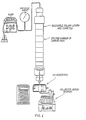
- Figure 1 is a schematic diagram of human serum treatment by sequentially stacked composite sheets in a cylindrical column;
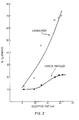
- Figure 2 shows the effect of adsorption time on the removal of T3 from whole human serum using the composite carbon filled sheets of the invention, and using a bed of free carbon particles as comparison, at physiological (7.0-7.5) pH;
- Figure 3 shows the effect of recycling human serum on the removal of T3 therefrom when using the carbon filled composite sheets of the invention, and when using a bed of free carbon particles as a comparison, at physiological (7.0-7.5) pH;
- Figure 4 shows the effect of pressure build-up when using a cylindrical column of 9 mm diameter packed with the carbon filled composite sheets of the invention, or packed with a bed of free carbon powder as a comparison, at physiological (7.0-7.5) pH;
- The present invention is based on the discovery that hormones, such as thyroid hormones, can be rapidly and selectively prepared by contacting whole human serum with one or more composite sheets, each of said sheets comprising a matrix of self-bonding fibers having interdispersed therein highly refined carbon particles. The use of the composite sheet to remove the hormones is far more efficient to the use of carbon particles alone, either in slurry or packed in a bed.
- By dispersing the carbon particles homogeneously in a matrix, it is possible to utilize pressure differentials during the contact of the serum with the particles, increasing the speed of the process without damaging the carbon structure.
- The mechanical rigidity of the carbon particles is not harmed by the pressure differentials of the invention, since the particles are retained in the composite matrix structure. The serum samples obtained after contact contain no carbon fragments.
- The use of pressure differentials also permits a substantial decrease in the time of processing.
- Further, liquids to be treated with carbons packed in a bed have a general tendency to seek the passage with the least resistance, thus avoiding the most effective adsorptive surfaces. The invention avoids the problem of commonly occurring channeling effects in packed particle columns due to the fixed position of carbon in the matrix.
- The rate of adsorption in the column process with the carbon filled matrix is several orders of magnitude higher than that in free powder in bed form, since it eliminates diffusion limiting factors, and replaces the same with kinetic mechanisms.
- The use of matrix-bound carbon particles also has the advantage of providing the ability to recycle the serum therethrough as many times as necessary in order to utilize the available active sites in the carbon to their maximum capacity, although this may increase the time processing.
- The present improvement arose out of the discovery that the process efficiency can be maximized by limiting the pH ranges within certain values for certain classes of hormones, respectively. See infra.
- The carbon-containing composite sheets can be manufactured with different carbon loads and with different degrees of refinement of the fibers which form the self-bonding matrix. Variation of the load and fiber refinement allows for an accurate control of porosity of the composite sheet, a control which is not available when using free carbon particles. Controlling the porosity allows for the use of pressures within a wide range, the optimum to be chosen according to the particular commercial requirements and availability of instrumentation.
- The term "hormones" as used in this invention is meant to include any steroid hormones and thyroid hormones present in human serum which can be adsorbed therefrom by the use of carbon. Examples of thyroid hormones are T3 (tri-iodothyronine), T4 (thyroxine), or any other thyroid hormone which are assayed by an immunoassay system, or related assay system, and the levels of which need to be substantially undetectable in zero standard sera used in such assay systems. Examples of steroid hormones are cortisol, the estrogens, androgens, corticoids and progestins.
- The preparation of human serum from human blood is generally well known in the art and will not be described in great detail. Any process of preparing serum from human blood is useful to prepare the serum of the invention. For example, red blood cells are separated from the blood by centrifugation. The supernatant plasma is clotted as, for example, by addition of thrombin and calcium. Alternatively, blood is simply allowed to clot. The serum is separated by filtration or centrifugation from the clotted blood, and, after appropriate pH adjustment, is ready for hormone removal.
- The "whole" human serum used in this invention contains all the necessary physiological and biological ingredients such as proteins, hormones, enzymes, antibodies, vitamins, minerals, and the like, in the normal ranges of physiological concentration. Such serum is used as the starting serum in the process of the invention and, after said process, a serum is obtained which is essentially whole, except for the absence of hormones and, possibly, decreased levels of cholesterol.
- The carbon-containing composite sheet comprises any type of fibers capable of being fibrated, e.g., polyethylene or cellulose fiber, and powdered carbon. The composite sheet may also contain other additives, as further described below.
- The sheets can be prepared according to the process described by Hou and Ostreicher in U.S. Patent No. 4309247 and which is herein incorporated by reference.
- In the discussion that follows, the preparation is described as related to cellulose fibers, but it is generally applicable to any kind of fibrilatable fiber.
- Cellulose fibers, comprise preferably two discrete portions having species of markedly different dimensions. The major portion is composed of normal cellulose fiber; the minor portion is highly refined pulp.
- The state of refinement of a wood pulp fiber is determined by means of a "freeness test" in which measurement of the flow rate through a forming pad of the fibers on a standard screen is determined. Two of the most common instruments for the measurement of freeness are the "Canadian Standard Freeness (CSF) Tester" and the "Schopper-Riegler Freeness Tester". In both of these methods, the quantity which is measured is the volume of water (expressed in ml) which overflows from a receiver containing an orifice outlet at the bottom. The (CSF) measurements are employed in the present specification.
- Coarse unbeaten wood pulp fibers produce high drainage rates into the receiver from the screen resulting in a large overflow volume, and hence record a high freeness. Typical wood pulps show Canadian standard freeness values ranging from +400 ml to +800 ml. In paper or filter medium manufacture, such pulps may be subject to mechanical refining processes such as beating, which tends to cut and/or fibrillate the cellulose fibers. Such beaten fibers exhibit slower drainage rates and, therefore, lower freeness. The most highly refined pulps used in the paper industry are the so-called glassine pulps, which have been subjected to extended beating and exhibit Canadian standard freeness values of +80 to +100 ml.
- If refining is continued beyond the glassine pulp condition, a point is reached where the measured freeness begins to increase with time. In this range of freeness, fiber fines are noted in the overflow stream, and it is evident that some of the solid matter is coming through the screen rather than forming a mat on it. As refining is continued, the quantity of fines in the overflow increases, as more and more of the material passes through the screen. The freeness in this range is described as "inverted" and, for convenience, is given a negative value (e.g. -200 ml). By use of special refining equipment and long refining time, it is possible to achieve inverted CFS values up to -1000 ml.
- There are several types of pulp refiners commercially available and these fall into two basic categories, namely conical or Jordan types and disc types. The disc types, especially double disc refiners, appear to be particularly suitable for the preparation of the highly refined pulps of the invention.
- The standard grade of wood pulp used in the invention (hereinafter "unrefined") has a Canadian standard freeness value of +400 to +800 ml. The unrefined pulp may comprise as little as 10% by wt. with up to 20-30% by wt. of the total weight of the sheet to provide filter media sheets with structural characteristics suitable for industrial serum treatment applications.
- Highly refined pulp, having Canadian freeness values in the range +100 to -600 ml, is also added to the sheet of the invention, in a range of from 1-15% by total weight. In practice, there appears to be little advantage in using more than 10% by wt. of the highly refined pulp, or of using refined pulps exhibiting inverted Canadian freeness values greater than -600 ml. Generally, the weight ratio of unrefined to highly refined pulp will range from about 2:1 to 10:1, preferably 3:1 to 5:1.
- If more than 30% wt of unrefined pulp is used, it is found that carbon particles leach out of the sheet during the process. If more than 15% of highly refined pulp is used, the sheet becomes too tightly packed and flow-through efficiency decreases.
- One composition, for example, would comprise 18-20% cellulose unrefined fiber, and 8-10% refined pulp, by weight of the total amount of the composite sheet.
- Among the best compositions are those which contain 5% fiber having -250 CSF, 5% fiber having 0 CSF, 5% fiber having 40 CSF, and 15% fiber being unrefined.
- The average diameter of the unrefined cellulose fiber is 30 to 50 microns while the average diameter of the highly refined pulp is normally less than about 1 micron.
- Natural cellulose fibers such as manila hemp, jute, caroa, sissal, bleached or unbleached kraft, or kozu can be used in the present invention. Such natural cellulose fibers are preferred since no binder is necessary to provide strength to the sheet. A small amount of added binder material can nevertheless also be incorporated to enhance the bond formed by the cellulosic materials.
- Binders such as melamine, polyamines, and polyamides in the order of 1% or less can be used. Reference is made to the following three patent applications which describe suitable resins and charge modifiers: US Patent No. 4007113 and 4007114, US Patent No. 4305782 and Canadian Patent No. 1044537. These applications are herein incorporated by reference.
- The self-binding sheets may contain any type of carbon capable of adsorbing hormones from human serum, with the proviso that 90% or more of said carbon particles have an average diameter less than about 50 um. This corresponds to highly refined carbon particles having openings smaller than 53 µm (greater than 270 mesh), most preferred smaller than 44 pm (greater than 325 mesh) size. The use of larger carbon particle sizes decreases the efficiency of the process.
- It is generally understood in the art that carbon structure is comprised of parallel layers of hexagonally ordered carbon atoms. When the carbon is not activated, the interlayer space is occupied by insert materials such as tars and other impurifying agents. Activation at high temperatures is necessary in order to purge the interlayer space. Activation is normally carried out at temperatures of 500-2000°C. Examples of activated carbon materials useful in the present invention are Norit, LC-300 (sold by National Carbon Company), Darco and the like (sold by Atlas Powder Company). Most preferred among these is Norit.
- The composite sheets of the invention may contain activated carbon in amounts of from about 10 to about 90% by wt. of carbon. Amounts lower than 10% are inefficient to provide sufficient removal capacity, while amounts greater than 90% cause problems such as undesirable removal of carbon from the sheets and into the final products. Preferably, the amount of carbon is 50-90%, most preferably 70-80%.
- An additional advantage of using the matrix-bound carbon particles in preparing zero standard sera according to the invention, is that the composite sheets can be prepared by incorporating thereinto hormone adsorbing amounts of other adsorbents such as ion exchange resins, or water soluble polymers which can further enhance the efficiency of the process by synergistic effects. Adsorbents used for thyroid hormone uptake in the prior art, and which may also be beneficially incorporated into the sheets of the invention include ion exchange resins disclosed in U.S.P. 3,414,383; non-ionic resin gels of cross-linked dextrans described by Murphy and Pattee, Journal of Clinical Endocrinology, 24:187 (1964); particulate inorganic crystalline materials described in U.S.P. 3,666,854; microspherical albumin, described in Rolled et al, Journal of Nuclear Medicine, 13:893 (1972), and the like. The aforementioned disclosures are herein incorporated by reference.
- In fabricating the carbon-containing sheets, any standard sheet-forming methodology of the art can be used. For example, the refined and unrefined fibers are first dispersed in water to a consistency of about 1%. Carbon is then added to the fiber slurry, followed by addition of a water soluble resin if necessary. Sufficient dispersion time is allowed before vacuum felting the slurry into a sheet form. Since water always has the tendency of choosing the least-resistant passageway, the vacuum felting process provides a self-adjusting mechanism for uniform distribution of particles and fibers in the sheet structure. The sheets are conveniently formed on a foraminous surface, normally a woven wire mesh which, in practice, may vary from 297 µm openings (50 mesh) to 74 J.lm openings (200 mesh). Finer meshes are unsuitable because of clogging problems and/or structural inadequacy.
- The size of the openings in the foraminous vacuum felting surface, and the pore size of the cellulose fiber matrix of the form sheet, are quite large in comparison to some or all of the dimensions of the fine fiber or particulate components required to produce the desired submicronic filter media sheet.
- The wet sheet is dried in an oven at about 148.9-176.7°C (300-350°F) for 20 mins.-2 hrs.
- The carbon-containing composite sheets obtained by this process have high strength when in the dry or in the wet state, and can be handled as sheets of paper.
- The phrase "contacting ... serum with ... the composite sheet" as used in the invention is meant to include any available means of causing such contact. For example, the sheet can be cut into disks or pads of variable diameters, and a plurality of such disks or pads can be stacked into properly fit cylindrical columns. Preswelling with buffer solution forces the disks snugly onto the column edges without leakage. The choice of the number of disks installed in the column depends on the concentration of the hormones to be removed, and the balance between the tolerable pressure differential across the column and the rate of flow for the serum to be processed. A typical experimental setup is shown in Fig. 1.
- Under standard operating conditions, a chromatographic column having a packing of stacked swollen disks or pads of composite sheets is provided with pressure resistant caps on both ends, and whole human serum is flowed through the column. One advantage of the present process is that the flow-through can be carried out at with pressure differentials using a standard peristaltic pump. Preferably, pressure differentials range between 6.9 and 2757.9 kPa (1 and 400 psi), more preferably 6.9-344.7 kPa (1-50 psi), most preferably 6.9-137.9 kPa (1-20 psi). If the pressure falls below 6.9 kPa (1 psi), full utilization of the activated carbon is not effected and the process is too slow. Pressures higher than 2757.9 kPa (400 psi) can, of course, be used, especially in high performance liquid chromatographic systems, as long as instrumentation problems and pressure control problems do not render such processes expensive and cumbersome. A normal laboratory peristaltic pump working in the range of 6.9-137.9 kPa (1-20 psi) can, however, be used with excellent results.
- It has been observed that pH variation has a great influence on removal rate and selectivity. If serum is adjusted to pH 9-12, preferably about 11, T3 and T4 are most effectively and selectively removed. If serum is adjusted to pH 4.0-6.0, preferably about 5, cortisol is most effectively and selectively removed. Thus, varying the pH of the serum from about 5 in the first step to about 11 in the second of a two-step operation is the most preferred method of carrying out the process.
- The number of sheet disks or pads in the column, the flow rate, the pressure differential across the filters, the use and number of serum recycles across the column, the carbon load, the fiber refinement, the temperature and the possibility of using regenerated sheets, are all variables which can be adjusted in the process.
- When the pressure, carbon load, degree of refinement and pH are all maintained within the previously discussed ranges, the remaining parameters are not critical and can be readily adjusted by those of ordinary skill in the art without further undue experimentation.
- Optimization of all parameters can be carried out on a case-by-case basis, depending on the contingencies and need of the particular samples being cycled, as well as the available instruments. Optimization under a particular set of circumstances is further exemplified in the Examples and Comparative Examples shown below.
- The serum obtained by the process of the invention is whole human serum, which contains substantially undetectable amounts of thyroid hormones. The term "substantially undetectable" as used in the present invention is meant to indicate that the presence of thyroid hormones in the serum is below the level of sensitivity of the most accurate immuno assay systems available at the present time.
- Thus, it is another embodiment of the invention to provide a whole human serum containing substantially undetectable levels of human thyroid hormones.
- The levels of cortisol, T3 and T4 in the final product are less than 0.5 µg/dl, preferably less than 0.1 pg/dl.
- The normal values or normal ranges of other components in whole human serum are subject to a wide variation, which depends on age, sex, and time, as well as the influence of hormones. Given this qualifying average, "normal" levels of various markers in human serum are provided herein as a means of further characterizing the final product of the invention: albumin levels: 3.5-5 g/dl; globulin levels: 2-3.5 g/di; and total cholesterol levels: 130-230 mg/di.
- The serum of the invention can be used as a standard in radioimmunoassay, enzyme immunoassay, agglutination immunoassay, and other such processes and systems. It can be supplied in assay kits or individually.
- Having now generally described this invention, the same will become better understood by reference to certain specific examples, which are included herein for purposes of illustration only and are not intended to be limiting of the invention unless so specified.
- The determination of T3 and T4, as well as cortisol, were performed using radio immunoassay kits commercially available. The kits are designed on the principle that radioactively labeled and unlabeled T3 or T4 or cortisol molecules compete for the binding sites on specific antibodies against T3 orT4. The amount of antibody used is such that its concentration in the final volume of incubate would bind approximately 50% of the labeled hormone in the absence of unlabeled hormone. As additional T3 or T4 or cortisol molecules are present in the controls or filtered samples, this amount of unlabeled T3, T4 or cortisol will compete with the labeled hormone molecules, and dilute the amount of radioactive molecules found in the bound state. A second antibody, goat anti-rabbit gammaglobulin, is added to help precipitate the complex of the first antibody bound to the hormone molecule. After centrifugation, the large antibody complex precipitates to the bottom of the test tube. The precipitates containing the bonded faction can then be counted.
- The formulation of carbon pads according to the invention and used in the following Examples, are shown in Table 1.

- The column described in Fig. 1 was utilized. Carbon sheets were cut into disks of 25 mm, 47 mm, or 254 mm (10 inch) sizes and stacked into properly fit columns Preswelling with buffer solutions forced the pads snugly into the column without leakage.
- The rate of adsorption of hormone from serum by mixing with a bed of carbon particles is diffusion controlled. The rate of adsorption depends on the concentration difference between the unadsorbed hormone in serum, and the hormone absorbed on carbon. As more and more hormone is adsorbed on carbon, the concentration difference decreases, and this in turn reduces the rate of adsorption. In the adsorption by chromatographic column of the present invention, the rate of adsorption can be controlled by the contacting time in the following manner:
- contacting time=(volume per filterxtotal filters)/flow rate of serum
- The results obtained for a number of carbon filter columns are summarized in Table 2. The serum was cycled through the columns at a peristaltic pressure range of 13.8 to 344.7 kPa (2 to 50 psi), and at physiological pH.

- The data demonstrates that regardless of the size of the filters, or the number of filters, the levels of thyroid hormone quickly decrease to levels close to zero, while the levels of proteins remain within the prior range.
- In performing the Comparative Examples, the data is indicated in terms of counts per minute (cpm). Because of the nature of the radioimmunoassay method, the higher the cpm levels, the lower the levels of hormones in the resulting serum. Removal is calculated as follows by equation 1:

- (a) TC (total counts)=the total counts of the labeled T3 or T4 in the absence of any unlabeled T3 or T4 (i.e. the zero standard). Cpm levels are the highest in value;
- (b) Control Sera=the unfiltered untreated human serum. Cpm levels are the lowest in this case, due to the highest concentration of unlabeled hormones;
- (c) Sample Sera=sera filtered or adsorbed by carbon with cpm levels between total counts and control counts. The higher the cpm level readings, the more effective the removal of hormones from serum;
- (d) Kit Zero=thyroid hormone free-human serum commercially available, and serving as standard. When cpm level readings in treated samples are higher than this value, it would mean that the unlabeled hormones in serum samples are even lower than the commercially available values, whereas when cpm level readings are lower, it means that only a small percentage of thyroid hormones has been removed.
- From
equation 1, 100% removal indicates that the amounts of thyroid hormones are removed down to the 100% acceptable level, as compared to the thyroid hormone free-human serum applied with the commercial radioimmunoassay kits. - Direct comparison of efficiency of hormone removal through adsorption by carbon in powder form versus carbon in composite sheet structures was conducted under the following side-by-side fixed conditions:
- 1. equal weight of carbon estimated based on a formulation of 70% carbon in the composite sheet;
- 2. equal ratio of adsorbate (serum) to adsorbent (carbon powder);
- 3. equal length of absorption time.
- In all experiments, the weight amount of free carbon was mixed with 100 ml of serum by vortex shaking from time to time. Thus, the serum was in contact with a bed of charcoal particles most of the time. The carbon powder was then removed from the serum by centrifugation. Minute particles left in the supernatant were removed by filtering through a 0.45 or 0.2 millimicron membrane before assay.
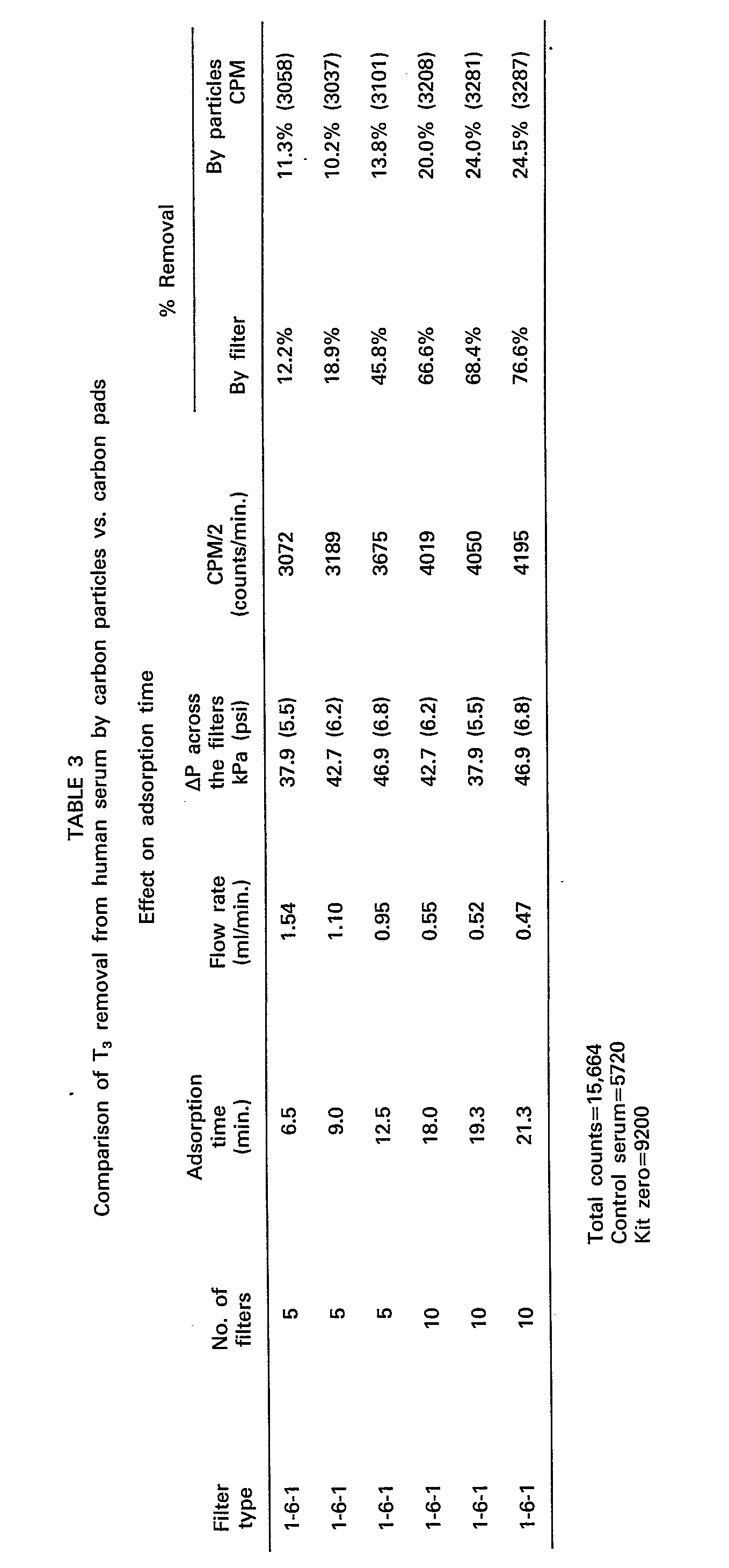
- The linear effect on adsorption time for T3 removal by carbon pads can be seen in Table 3 and Fig. 2, at physiological pH.
- Since diffusion is a rather slow process, adsorption by carbon powder is expected to occur only on the external surface thereof, as shown in Fig. 2. The percentage of T3 removal is doubled when doubling the amount of carbon used in the study.
- Table 4 and Fig. 3 exhibit the continuous removal of T3 by recycling the serum through the pads, at physiological pH.

- The T3 levels in serum are changed very little when free carbon particles are used.
- The adsorption time can be controlled by. either the flow rate or the number of pads installed in the column. Table 5 further demonstrates the advantage of controlling the column flow rate and pad number in the column in an adsorption study, at physiological pH. Flow rate is not a readily accessible factor in mixing with powdered carbon.

- It is a common phenomena that columns packed with carbon always form channels during filtration. The higher the pressure, the worse the occurrence of channel formation. The pressure build-up by packing carbon powders in a column is shown in Fig. 4. It is impractical and impossible to pack a column with powdered carbon for absorption at higher pressures. The technology of fabricating the carbon pads described in this invention provides a unique mechanism of fixing powdered carbon in specific positions to avoid channeling and adjusting the pad porosity for optimum pressure to accommodate the migration of molecules into the carbon inner pores. The effect of pressure differential for T3 removal is shown in Table 6.
- Studies on T4 and cortisol removal are shown in Tables 7 and 8, at physiological pH.


- The most efficient and selective removal of thyroid and steroid hormones is accomplished using alkaline or acidic pH conditions to inactivate the serum endogenous binding proteins. In the presence of active endogenous binding proteins, the charcoal must compete with very efficient binders (>1x10⁸U mole). It is shown that thyroid hormones are most effectively removed at pH 10.9 (Tables 9,10) and steroid hormones are most effectively removed at pH 5.0 (Table 11).

- Table 12 shows further representative removals of T3, T4 and cortisol from human serum, using the pads of the present invention.

- Having now fully described this invention, it will be understood by those of ordinary skill in the art that the compositions, and parameters of manufacture and processing, as well as of the final products obtained therefrom, can be varied within a wide range of equivalents without affecting the spirit or scope of the invention or of any embodiments thereof.
Claims (18)
contacting, at a pressure differential higher than 6.9 kPa (1 psi) said serum with a composite sheet, said composite sheet comprising a matrix of self-bonding fibers having interdispersed therein carbon particles, such that more than 90% of said carbon particles have an average diameter less than about 50 pm.
Applications Claiming Priority (4)
| Application Number | Priority Date | Filing Date | Title |
|---|---|---|---|
| US06/276,982 US4404285A (en) | 1981-06-24 | 1981-06-24 | Process for preparing a zero standard serum |
| US06/388,989 US4559145A (en) | 1982-06-16 | 1982-06-16 | Process for preparing a zero standard serum |
| US388989 | 2003-03-14 | ||
| US276982 | 2006-03-20 |
Publications (3)
| Publication Number | Publication Date |
|---|---|
| EP0082191A1 EP0082191A1 (en) | 1983-06-29 |
| EP0082191A4 EP0082191A4 (en) | 1984-11-05 |
| EP0082191B1 true EP0082191B1 (en) | 1987-05-20 |
Family
ID=26958243
Family Applications (1)
| Application Number | Title | Priority Date | Filing Date |
|---|---|---|---|
| EP19820902315 Expired EP0082191B1 (en) | 1981-06-24 | 1982-06-18 | Process for preparing a zero standard serum |
Country Status (4)
| Country | Link |
|---|---|
| EP (1) | EP0082191B1 (en) |
| JP (1) | JPS58501009A (en) |
| DE (1) | DE3276352D1 (en) |
| WO (1) | WO1983000023A1 (en) |
Families Citing this family (7)
| Publication number | Priority date | Publication date | Assignee | Title |
|---|---|---|---|---|
| US5242802A (en) * | 1985-03-29 | 1993-09-07 | Hybritech Incorporated | Processes for the stabilization of prostate specific antigen in natural matrices |
| CA1325980C (en) * | 1987-04-22 | 1994-01-11 | Sho Kikyotani | Apparatus for the treatment of biological samples and treatment methods using the same |
| US20010018179A1 (en) | 1998-01-06 | 2001-08-30 | Derek J. Hei | Batch devices for the reduction of compounds from biological compositions containing cells and methods of use |
| US20010009756A1 (en) | 1998-01-06 | 2001-07-26 | Derek Hei | Flow devices for the reduction of compounds from biological compositions and methods of use |
| US7611831B2 (en) | 1998-01-06 | 2009-11-03 | Cerus Corporation | Adsorbing pathogen-inactivating compounds with porous particles immobilized in a matrix |
| JP2003523777A (en) * | 1998-01-06 | 2003-08-12 | シーラス コーポレイション | Batch device for the reduction of compounds from biological compositions containing cells and methods of use thereof |
| US10485644B2 (en) | 2017-08-22 | 2019-11-26 | Life360 Innovations Inc. | Inserter for urethral plug |
Family Cites Families (24)
| Publication number | Priority date | Publication date | Assignee | Title |
|---|---|---|---|---|
| BE560905A (en) * | 1956-09-24 | |||
| US3149023A (en) * | 1961-07-19 | 1964-09-15 | C H Dexter & Sons Inc | Carbon-filled sheet and method for its manufacture |
| US3414383A (en) * | 1965-08-09 | 1968-12-03 | Canadian Patents Dev | Determination of thyroxine |
| US3615222A (en) * | 1968-09-04 | 1971-10-26 | New England Nuclear Corp | Method and apparatus for measuring the amount of a component in a biological fluid |
| US3666854A (en) * | 1969-07-30 | 1972-05-30 | Nuclear Med Lab | Test for thyroid hormone |
| US3743482A (en) * | 1970-12-30 | 1973-07-03 | Nuclear Med Lab | Method and apparatus for determining thyroid function |
| US3775615A (en) * | 1971-07-06 | 1973-11-27 | Nuclear Med Lab | Method of determining thyroid function |
| US3776698A (en) * | 1972-01-24 | 1973-12-04 | Nuclear Med Lab | Test for thyroid hormone |
| JPS53752B2 (en) * | 1973-03-19 | 1978-01-11 | ||
| US4321288A (en) * | 1973-05-09 | 1982-03-23 | Amf Incorporated | Process of making an improved filter media |
| CA1060728A (en) * | 1973-07-26 | 1979-08-21 | Jack Fennimore | Treatment of particulate carbon with biocompatible polymer |
| US3922145A (en) * | 1974-05-28 | 1975-11-25 | Warner Lambert Co | Hypothyroid serum control |
| US3972818A (en) * | 1974-08-22 | 1976-08-03 | General Atomic Company | Blood filter using glassy carbon fibers |
| US4147764A (en) * | 1975-02-19 | 1979-04-03 | National Patent Development Corporation | Hydrophilic absorbents |
| GB1517272A (en) * | 1975-06-18 | 1978-07-12 | Whatman Reeve Angel Ltd | Liquid treatment apparatus |
| US4309247A (en) * | 1976-03-15 | 1982-01-05 | Amf Incorporated | Filter and method of making same |
| US4169051A (en) * | 1976-06-22 | 1979-09-25 | Eisai Co., Ltd. | Blood purification with coated activated carbon spheres |
| US4115534A (en) * | 1976-08-19 | 1978-09-19 | Minnesota Mining And Manufacturing Company | In vitro diagnostic test |
| US4115537A (en) * | 1976-09-07 | 1978-09-19 | American Hospital Supply Corporation | Resin tablet and use thereof in diagnostic tests |
| US4197287A (en) * | 1977-06-10 | 1980-04-08 | Ventrex Laboratories Inc. | Method and apparatus for performing in nitro clinical diagnostic tests using a solid phase assay system having special utility for use with automatic pipetting equipment |
| US4139604A (en) * | 1977-09-16 | 1979-02-13 | Becton, Dickinson And Company | Separation technique for assays |
| US4348374A (en) * | 1977-09-16 | 1982-09-07 | Abbott Laboratories | Charcoal coated adsorbent device |
| GB2045828B (en) * | 1979-04-06 | 1983-08-24 | Amf Inc | Filter and method of making same |
| US4384957A (en) * | 1980-09-08 | 1983-05-24 | Amf Incorporated | Molecular separation column and use thereof |
-
1982
- 1982-06-18 WO PCT/US1982/000830 patent/WO1983000023A1/en not_active Ceased
- 1982-06-18 EP EP19820902315 patent/EP0082191B1/en not_active Expired
- 1982-06-18 JP JP57502276A patent/JPS58501009A/en active Pending
- 1982-06-18 DE DE8282902315T patent/DE3276352D1/en not_active Expired
Also Published As
| Publication number | Publication date |
|---|---|
| JPS58501009A (en) | 1983-06-23 |
| EP0082191A1 (en) | 1983-06-29 |
| WO1983000023A1 (en) | 1983-01-06 |
| EP0082191A4 (en) | 1984-11-05 |
| DE3276352D1 (en) | 1987-06-25 |
Similar Documents
| Publication | Publication Date | Title |
|---|---|---|
| US4384957A (en) | Molecular separation column and use thereof | |
| US4512897A (en) | Molecular separation column and use thereof | |
| US6093664A (en) | Adsorbent for metal ions and method of making and using | |
| US4855108A (en) | Member of analytical element for the analysis of liquid sample containing solid | |
| US5423989A (en) | Plasma forming device | |
| EP0099586B1 (en) | Fibrous media containing millimicron-sized particulates | |
| US8403153B2 (en) | Adsorbent filter media for removal of biological contaminants in process liquids | |
| US4933092A (en) | Methods and devices for the separation of plasma or serum from whole blood | |
| US4488969A (en) | Fibrous media containing millimicron-sized particulates | |
| US4404285A (en) | Process for preparing a zero standard serum | |
| EP0392377B1 (en) | Method and device for the separation of plasma or serum from whole blood | |
| US5688370A (en) | Sheet materials for solid phase extractions and solid phase reactions | |
| CA1201072A (en) | Fibrous media containing millimicron sized particulates | |
| JP2000501183A (en) | Method and apparatus for separating blood in a diagnostic device | |
| US4596660A (en) | Fibrous media containing millimicron-sized particulates | |
| GB2257992A (en) | Medium for blood separation | |
| EP1012115B1 (en) | Adsorbent for metal ions and method of making and using | |
| EP0082191A4 (en) | Process for preparing a zero standard serum. | |
| US4559145A (en) | Process for preparing a zero standard serum | |
| WO2024160040A1 (en) | Depth filter medium and preparation method therefor | |
| CN116078048A (en) | Prefilter depth filtration paperboard, preparation method, filtration system and use method | |
| CN116180494A (en) | A kind of depth filter cardboard and preparation method thereof | |
| JPS60230064A (en) | Analyzing element for solid-containing liquid sample |
Legal Events
| Date | Code | Title | Description |
|---|---|---|---|
| PUAI | Public reference made under article 153(3) epc to a published international application that has entered the european phase |
Free format text: ORIGINAL CODE: 0009012 |
|
| AK | Designated contracting states |
Designated state(s): CH DE FR GB LI SE |
|
| 17P | Request for examination filed |
Effective date: 19830525 |
|
| RAP1 | Party data changed (applicant data changed or rights of an application transferred) |
Owner name: CUNO INCORPORATED |
|
| GRAA | (expected) grant |
Free format text: ORIGINAL CODE: 0009210 |
|
| AK | Designated contracting states |
Kind code of ref document: B1 Designated state(s): CH DE FR GB LI SE |
|
| PG25 | Lapsed in a contracting state [announced via postgrant information from national office to epo] |
Ref country code: LI Effective date: 19870520 Ref country code: FR Free format text: THE PATENT HAS BEEN ANNULLED BY A DECISION OF A NATIONAL AUTHORITY Effective date: 19870520 Ref country code: CH Effective date: 19870520 |
|
| PG25 | Lapsed in a contracting state [announced via postgrant information from national office to epo] |
Ref country code: SE Effective date: 19870531 |
|
| REF | Corresponds to: |
Ref document number: 3276352 Country of ref document: DE Date of ref document: 19870625 |
|
| REG | Reference to a national code |
Ref country code: CH Ref legal event code: PL |
|
| EN | Fr: translation not filed | ||
| PLBE | No opposition filed within time limit |
Free format text: ORIGINAL CODE: 0009261 |
|
| STAA | Information on the status of an ep patent application or granted ep patent |
Free format text: STATUS: NO OPPOSITION FILED WITHIN TIME LIMIT |
|
| 26N | No opposition filed | ||
| PG25 | Lapsed in a contracting state [announced via postgrant information from national office to epo] |
Ref country code: DE Effective date: 19890301 |
|
| PGFP | Annual fee paid to national office [announced via postgrant information from national office to epo] |
Ref country code: GB Payment date: 19910606 Year of fee payment: 10 |
|
| PG25 | Lapsed in a contracting state [announced via postgrant information from national office to epo] |
Ref country code: GB Effective date: 19920618 |
|
| GBPC | Gb: european patent ceased through non-payment of renewal fee |
Effective date: 19920618 |