EP0079793B1 - Amylase inhibitor and preparation thereof - Google Patents
Amylase inhibitor and preparation thereof Download PDFInfo
- Publication number
- EP0079793B1 EP0079793B1 EP82306077A EP82306077A EP0079793B1 EP 0079793 B1 EP0079793 B1 EP 0079793B1 EP 82306077 A EP82306077 A EP 82306077A EP 82306077 A EP82306077 A EP 82306077A EP 0079793 B1 EP0079793 B1 EP 0079793B1
- Authority
- EP
- European Patent Office
- Prior art keywords
- amylase
- inhibitor
- dye
- amylase inhibitor
- affinity chromatography
- Prior art date
- Legal status (The legal status is an assumption and is not a legal conclusion. Google has not performed a legal analysis and makes no representation as to the accuracy of the status listed.)
- Expired
Links
Images


Classifications
-
- C—CHEMISTRY; METALLURGY
- C12—BIOCHEMISTRY; BEER; SPIRITS; WINE; VINEGAR; MICROBIOLOGY; ENZYMOLOGY; MUTATION OR GENETIC ENGINEERING
- C12Q—MEASURING OR TESTING PROCESSES INVOLVING ENZYMES, NUCLEIC ACIDS OR MICROORGANISMS; COMPOSITIONS OR TEST PAPERS THEREFOR; PROCESSES OF PREPARING SUCH COMPOSITIONS; CONDITION-RESPONSIVE CONTROL IN MICROBIOLOGICAL OR ENZYMOLOGICAL PROCESSES
- C12Q1/00—Measuring or testing processes involving enzymes, nucleic acids or microorganisms; Compositions therefor; Processes of preparing such compositions
- C12Q1/34—Measuring or testing processes involving enzymes, nucleic acids or microorganisms; Compositions therefor; Processes of preparing such compositions involving hydrolase
- C12Q1/40—Measuring or testing processes involving enzymes, nucleic acids or microorganisms; Compositions therefor; Processes of preparing such compositions involving hydrolase involving amylase
Definitions
- This invention relates to an amylase inhibitor, to use in the detection of amylase isoenzymes and to a process for the preparation thereof.
- Various amylase inhibitors are known. In general, however, amylase inhibitors which specifically inhibit salivary amylase, inhibit pancreatic amylase too. For instance, it is known that an amylase inhibitor is present in wheat (M.D. O'Donnel et al., Biochim. Biophys. Acta, Vol. 422, pp 159-169 (1976)). This amylase inhibitor inhibits not only salivary amylase, but also pancreatic amylase.
- an amylase inhibitor having an inhibitory activity on human pancreatic amylase which is less than 0.1 of its inhibitory activity on human salivary amylase, which inhibitor has:
- This invention also provides in a second aspect a process for the production of an amylase inhibitor according to the first aspect of the invention, which comprises soaking hard wheat or durum wheat in water or an aqueous/organic solvent, subjecting the extract thereby obtained to dye ligand affinity chromatography, eluting the amylase inhibitor from the immobilised dye employed and isolating the inhibitor from the eluate.
- this invention provides a method of quantitatively determining the presence of amylase isoenzyme in a fluid, which comprises inhibiting salivary amylase activity in the fluid by addition thereto of an amylase inhibitor according to the first aspect of the invention and then carrying out the required amylase isoenzyme determination.
- grains of the above wheat are first milled and the wheat flour is mixed with water or an aqueous solution such as a buffer solution in an amount of 5 to 20 times the volume of the wheat flour.
- the mixture obtained is stirred for from 30 minutes to 2 hours, and then filtered or centrifuged to obtain an extract of the amylase inhibitor.
- the mixture may be heated to a temperature not exceeding the temperature at which the starch content of the wheat becomes gelatinised.
- the dye ligand affinity chromatography may be carried out using the reaction product of a reactive dye and a carrier having hydroxyl groups or amino groups.
- a carrier having hydroxyl groups or amino groups include Sepharose@ 4B and Sepharose@ CL-6B (manufactured by Pharmacia AB), Sephadex@ G-200 (manufactured by Pharmacia AB), Biogel-P (manufactured by Bio Rad Co.), and cellulose.
- the reactive dye will generally be a derivative of cyanuric chloride, for example reactive red or reactive blue.
- the reaction of the reactive dye with the carrier may be carried out in the following manner.
- the carrier is suspended in water, and the suspension is made alkaline.
- the reactive dye is added to the alkaline suspension, and the suspension is warmed and subjected to gentle stirring. This results in chloride of the cyanuric chloride moeity reacting with the hydroxyl groups or the amino groups of the carrier, to form a covalent bond between the reactive dye and the carrier.
- the amount of the reactive dye used is usually from 0.1 to 1 gram per 100 ml of the carrier in its swelled form.
- the alkali added to the suspension may be sodium hydroxide, potassium hydroxide or sodium carbonate, and the pH of the suspension is preferably adjusted to from 9 to 11.
- the temperature rise when carrying out the reaction may be accelerated by external heating.
- the carrier on which the reactive dye is immobilized is filtered off, and washed several times with a suitable solvent, for example water or acetone.
- the thus produced immobilized reactive dye is packed in a column, and a solution containing the amylase inhibitor Sain is passed through the column.
- the adsorbed material on the immobilized reactive dye is then eluted by means of a developing agent.
- the amount of solution fed to the column is preferably such that from 5 to 10 g of the amylase inhibitor are adsorbed per litre of. the immobilized reactive dye.
- a phosphate buffer solution-acetone gradient or one of various gradients which can be produced with a pyrophosphate buffer solution and a polar solvent such as ethanol, methanol or acetone may be employed as the developing agent.
- the eluate obtained is fractionated and the fractions analysed by using for example ultraviolet absorption or the protein concentration method according to Folin-Lowry.
- the fractions containing the amylase inhibitor Sain are then collected. After the elution, the immobilized reactive dye may be regenerated using any convenient method.
- amylase inhibitor Sain When the amylase inhibitor Sain is isolated from a wheat flour extract, other purification methods may also be employed in conjunction with the dye ligand affinity chromatography procedure. Such purification methods include ion-exchange chromatography, gel filtration, fractional precipitation using alcohol, fractional precipitation using ammonium sulphate, and dialysis which are general purification methods for proteins.
- the amylase inhibitor Sain may be separated from other amylase inhibitors by using dye ligand affinity chromatography. At that time, most impurities are also removed from the amylase inhibitor Sain.
- the amylase inhibitor Sain may be obtained in pure form from the aqueous extract of wheat by successively carrying out two dye ligand affinity chromatography operations or by subjecting the aqueous extract once to the dye affinity chromatography procedure and then subjecting the eluate obtained to ion-exchange chromatography.
- amylase inhibitor Sain obtained according to the method of this invention has the following properties.
- the molecular weight of the amylase inhibitor obtained by the method of this invention has been determined by gel filtration using for example Sephadex G-100 to lie in the range of from 23,000 to 24,000. Since the molecular weight determined by means of electrophoresis using sodium dodecyl sulphate and polyacrylamide gel is in the range of from 11,000 to 13,000, the amylase inhibitor Sain is believed to be a dimer.
- the isoelectric point of the amylase inhibitor measured by using Bio Lyte is 5.0.
- the carbohydrate content of the amylase inhibitor measured by means of the phenol- sulphuric acid method is zero.
- the amylase inhibitor was hydrolysed with 6N hydrochloric acid at 110°C for 22 hours, and the number of units of each amino acid in the inhibitor was determined by analysis of the hydrolsate.
- the amino acid composition (in amino acid units) estimated from the amino acid content and the molecular weight of the inhibitor is as follows:
- amylase inhibitor specifically inhibits salivary amylase and does not inhibit pancreatic amylase.
- the inhibition type of the amylase inhibitor of the invention was measured using Blue starch (Pharmacia AB) as substrate and human salivary amylase, and the results obtained are shown in Figure 7 of the accompanying drawings.
- a solid circle indicates that the amylase inhibitor is present, and a square indicates that the amylase inhibitor is absent.
- the amylase inhibitor of the present invention belongs to the non-competitive type.
- the inhibition constant (K i ) was 8.4x10- 9 M.
- Aqueous solution each containing 38 pg/ml of the amylase inhibitor which had been previously adjusted to different pH values were heated at 37°C for 30 minutes, and thereafter the inhibitory activities of the solutions on human salivary amylase were measured.
- the results obtained are shown in Figure 8 of the accompanying drawings and show that the amylase inhibitor is effective at pH values up to at least 12.
- amylase inhibitor of this invention A comparison of the above-mentioned properties of the amylase inhibitor of this invention with the properties of known amylase inhibitors shows that the present amylase inhibitor is fundamentally different from known amylase inhibitors.
- every amylase inhibitor hitherto obtained from wheat inhibits both salivary amylase and pancreatic amylase.
- amylase inhibitors hitherto obtained from wheat have molecular weights in the range of 13,000 to 20,000.
- the amylase inhibitor of this invention does not inhibit pancreatic amylase and has a molecular weight in the range of from 23,000 to 24,000.
- amylase activity one tablet of Blue starch (manufactured by Pharmacia AB) is added to 100 pl of any amylase solution, and incubated at 37°C for 15 minutes. The absorbancy of the solution at 620 nm is measured, and the amylase activity is expressed in international units.
- amylase inhibitor activity human blood serum or urine is used as an amylase solution. 100 pl of the amylase solution are added to 100 ⁇ l of an anylase inhibitor solution, and the mixture is incubated at 37°C for 5 minutes. One tablet of Blue starch (manufactured by Pharmacia AB) is added to the mixture, and the solution is incubated at 37°C for 15 minutes. The absorbancy of the solution at 620 nm is measured, and one unit of amylase inhibitory activity is defined as the amount of inhibitory activity to inactivate 50% of the salivary amylase in the amylase solution.
- the combined fractions were dialysed for one day against water, and the residue obtained was concentrated to one tenth of its original volume.
- the concentrate was diluted with tris-HCI buffer solution having a pH of 7.4, and the diluted concentrate was passed through the column containing 20 ml of the ion-exchange resin DE-52 (made by Whatman Co.) at a rate of 3 ml/hr.
- the eluate was fractionated into 2.1 ml portions by using a fraction collector.
- Ultraviolet absorption of each fraction at 280 nm was carried out, and those fractions which indicated absorption, were also measured for amylase inhibitory activity.
- the fractions having amylase inhibitory activity were collected, and dialysed for one day against distilled water.
- the residue obtained was lyophilised to obtain 0.1 g of the amylase inhibitor Sain in the form of white powder.
- Example 1 100 g of durum wheat flour were treated by the procedure employed in Example 1, with the only difference being that the ion-exchange chromatography step was replaced by dye ligand affinity chromatography and 0.11 g of a white powder were obtained. Amylase inhibitory activity, molecular weight, ultraviolet absorption and isoelectric point of this white powder were measured, and it was confirmed that the white powder was substantially identical with the white powder obtained in Example 1.
Landscapes
- Chemical & Material Sciences (AREA)
- Organic Chemistry (AREA)
- Life Sciences & Earth Sciences (AREA)
- Health & Medical Sciences (AREA)
- Wood Science & Technology (AREA)
- Proteomics, Peptides & Aminoacids (AREA)
- Zoology (AREA)
- Engineering & Computer Science (AREA)
- Immunology (AREA)
- Biochemistry (AREA)
- Microbiology (AREA)
- Molecular Biology (AREA)
- Analytical Chemistry (AREA)
- Biotechnology (AREA)
- Physics & Mathematics (AREA)
- Biophysics (AREA)
- Bioinformatics & Cheminformatics (AREA)
- General Engineering & Computer Science (AREA)
- General Health & Medical Sciences (AREA)
- Genetics & Genomics (AREA)
- Peptides Or Proteins (AREA)
- Medicines That Contain Protein Lipid Enzymes And Other Medicines (AREA)
- Enzymes And Modification Thereof (AREA)
- Medicines Containing Plant Substances (AREA)
Description
- This invention relates to an amylase inhibitor, to use in the detection of amylase isoenzymes and to a process for the preparation thereof. Various amylase inhibitors are known. In general, however, amylase inhibitors which specifically inhibit salivary amylase, inhibit pancreatic amylase too. For instance, it is known that an amylase inhibitor is present in wheat (M.D. O'Donnel et al., Biochim. Biophys. Acta, Vol. 422, pp 159-169 (1976)). This amylase inhibitor inhibits not only salivary amylase, but also pancreatic amylase.
- It has now been found that a previously unreported amylase inhibitor, which we have named Sain, and which exhibits a ratio of the inhibition rate against pancreatic amylase to the inhibition rate against salivary amylase of less than 0.1, can be obtained from hard wheat and durum wheat by dye ligand affinity chromatography.
- Thus according to one aspect of the invention, there is provided an amylase inhibitor having an inhibitory activity on human pancreatic amylase which is less than 0.1 of its inhibitory activity on human salivary amylase, which inhibitor has:
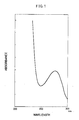
- (a) a molecular weight in the range of from 23,000 to 24,000 determined by get filtration; (b) an ultraviolet absorption spectrum as shown in Figure 1 of the accompanying drawings for a 0.22% by weight aqueous solution of the amylase inhibitor; (c) an infrared absorption spectrum, when pelleted with potassium bromide, as shown in Figure 2 of the accompanying drawings; (d) an isoelectric point of 5.0; (e) zero carbohydrate content and (f) the following amino acid composition:

- This invention also provides in a second aspect a process for the production of an amylase inhibitor according to the first aspect of the invention, which comprises soaking hard wheat or durum wheat in water or an aqueous/organic solvent, subjecting the extract thereby obtained to dye ligand affinity chromatography, eluting the amylase inhibitor from the immobilised dye employed and isolating the inhibitor from the eluate.
- Since the amylase inhibitor Sain specifically inhibits salivary amylase, it may be used to detect and measure amylase isoenzymes as an alternative to conventional electrophoresis procedures. Hence, in a third aspect, this invention provides a method of quantitatively determining the presence of amylase isoenzyme in a fluid, which comprises inhibiting salivary amylase activity in the fluid by addition thereto of an amylase inhibitor according to the first aspect of the invention and then carrying out the required amylase isoenzyme determination.
- To produce Sain, grains of the above wheat are first milled and the wheat flour is mixed with water or an aqueous solution such as a buffer solution in an amount of 5 to 20 times the volume of the wheat flour. The mixture obtained is stirred for from 30 minutes to 2 hours, and then filtered or centrifuged to obtain an extract of the amylase inhibitor. During extraction, the mixture may be heated to a temperature not exceeding the temperature at which the starch content of the wheat becomes gelatinised.
- The dye ligand affinity chromatography may be carried out using the reaction product of a reactive dye and a carrier having hydroxyl groups or amino groups. Such carriers include Sepharose@ 4B and Sepharose@ CL-6B (manufactured by Pharmacia AB), Sephadex@ G-200 (manufactured by Pharmacia AB), Biogel-P (manufactured by Bio Rad Co.), and cellulose.
- The reactive dye will generally be a derivative of cyanuric chloride, for example reactive red or reactive blue.
- The reaction of the reactive dye with the carrier may be carried out in the following manner. The carrier is suspended in water, and the suspension is made alkaline. Then the reactive dye is added to the alkaline suspension, and the suspension is warmed and subjected to gentle stirring. This results in chloride of the cyanuric chloride moeity reacting with the hydroxyl groups or the amino groups of the carrier, to form a covalent bond between the reactive dye and the carrier.
- The amount of the reactive dye used is usually from 0.1 to 1 gram per 100 ml of the carrier in its swelled form. The alkali added to the suspension may be sodium hydroxide, potassium hydroxide or sodium carbonate, and the pH of the suspension is preferably adjusted to from 9 to 11. The temperature rise when carrying out the reaction may be accelerated by external heating. After the reaction, the carrier on which the reactive dye is immobilized is filtered off, and washed several times with a suitable solvent, for example water or acetone.
- The thus produced immobilized reactive dye is packed in a column, and a solution containing the amylase inhibitor Sain is passed through the column. The adsorbed material on the immobilized reactive dye is then eluted by means of a developing agent. The amount of solution fed to the column is preferably such that from 5 to 10 g of the amylase inhibitor are adsorbed per litre of. the immobilized reactive dye. A phosphate buffer solution-acetone gradient or one of various gradients which can be produced with a pyrophosphate buffer solution and a polar solvent such as ethanol, methanol or acetone may be employed as the developing agent. The eluate obtained is fractionated and the fractions analysed by using for example ultraviolet absorption or the protein concentration method according to Folin-Lowry. The fractions containing the amylase inhibitor Sain are then collected. After the elution, the immobilized reactive dye may be regenerated using any convenient method.
- While it is known that enzymes in general can be purified by dye ligand affinity chromatography, it has never been proposed before to isolate an enzyme inhibitor, such as the amylase inhibitor Sain, by using dye ligand affinity chromatography. It has now been found that at least the amylase inhibitor can be purified by this procedure.
- When the amylase inhibitor Sain is isolated from a wheat flour extract, other purification methods may also be employed in conjunction with the dye ligand affinity chromatography procedure. Such purification methods include ion-exchange chromatography, gel filtration, fractional precipitation using alcohol, fractional precipitation using ammonium sulphate, and dialysis which are general purification methods for proteins.
- The amylase inhibitor Sain may be separated from other amylase inhibitors by using dye ligand affinity chromatography. At that time, most impurities are also removed from the amylase inhibitor Sain. The amylase inhibitor Sain may be obtained in pure form from the aqueous extract of wheat by successively carrying out two dye ligand affinity chromatography operations or by subjecting the aqueous extract once to the dye affinity chromatography procedure and then subjecting the eluate obtained to ion-exchange chromatography.
- The amylase inhibitor Sain obtained according to the method of this invention has the following properties.
- The molecular weight of the amylase inhibitor obtained by the method of this invention has been determined by gel filtration using for example Sephadex G-100 to lie in the range of from 23,000 to 24,000. Since the molecular weight determined by means of electrophoresis using sodium dodecyl sulphate and polyacrylamide gel is in the range of from 11,000 to 13,000, the amylase inhibitor Sain is believed to be a dimer.
- The ultraviolet absorption spectrum of a 0.22% by weight aqueous solution of the amylase inhibitor was measured, and is shown in Figure 1 of the accompanying drawings.
- The infrared absorption spectrum of the amylase inhibitor when pelleted with potassium bromide was measured, and is shown in Figure 2 of the accompanying drawings.
- The isoelectric point of the amylase inhibitor measured by using Bio Lyte (manufactured by Bio Rad Co.) is 5.0.
- The carbohydrate content of the amylase inhibitor measured by means of the phenol- sulphuric acid method is zero.
- The amylase inhibitor was hydrolysed with 6N hydrochloric acid at 110°C for 22 hours, and the number of units of each amino acid in the inhibitor was determined by analysis of the hydrolsate. The amino acid composition (in amino acid units) estimated from the amino acid content and the molecular weight of the inhibitor is as follows:

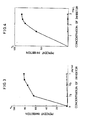
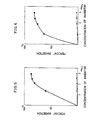
- Using Phadebas Blue starch (Pharmacia Ab) as substrate, the amylase DS test (Beckman Instrument Co.) was carried out to determine the effects of the amylase inhibitor on human salivary amylase and human pancreatic amylase which are respectively represented by squares and triangles in the plots shown in Figure 3 of the accompanying drawings. Inhibition tests were also carried out using Blue starch (Pharmacia AB), maltotetraose and p-nitrophenylmaltoheptaoside as substrate, and the results obtained are shown in Figures 4 to 6 respectively of the accompanying drawings.
- As can be seen from these drawings, the amylase inhibitor specifically inhibits salivary amylase and does not inhibit pancreatic amylase.
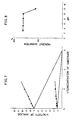
- The inhibition type of the amylase inhibitor of the invention was measured using Blue starch (Pharmacia AB) as substrate and human salivary amylase, and the results obtained are shown in Figure 7 of the accompanying drawings. In Figure 7, a solid circle indicates that the amylase inhibitor is present, and a square indicates that the amylase inhibitor is absent.
- As can be seen from the figure, the amylase inhibitor of the present invention belongs to the non-competitive type. The inhibition constant (Ki) was 8.4x10⁻⁹M.
- Aqueous solution each containing 38 pg/ml of the amylase inhibitor which had been previously adjusted to different pH values were heated at 37°C for 30 minutes, and thereafter the inhibitory activities of the solutions on human salivary amylase were measured. The results obtained are shown in Figure 8 of the accompanying drawings and show that the amylase inhibitor is effective at pH values up to at least 12.
- Aqueous solutions containing 38 pg/ml of the amylase inhibitor at a pH of 7.0 were heated at different temperatures for 30 minutes, and the residual inhibitory activity of each solution on human salivary amylase was measured. The results obtained are shown in Figure 9 of the accompanying drawings. It can be seen that activity is retained in full up to about 60°C and then gradually decreases.
- A comparison of the above-mentioned properties of the amylase inhibitor of this invention with the properties of known amylase inhibitors shows that the present amylase inhibitor is fundamentally different from known amylase inhibitors. For example, every amylase inhibitor hitherto obtained from wheat inhibits both salivary amylase and pancreatic amylase. Furthermore, amylase inhibitors hitherto obtained from wheat have molecular weights in the range of 13,000 to 20,000. In contradistinction, the amylase inhibitor of this invention does not inhibit pancreatic amylase and has a molecular weight in the range of from 23,000 to 24,000.
- Samples of human urine containing various concentrations of amylase isoenzymes were measured both using the amylase inhibitor Sain obtained in Example 1 which follows and by the conventional electrophoretic method and the activities (U/L) obtained are compared in Figure 10 of the accompanying drawings, whsrein r denotes the correlation coefficient, Y denotes primary regression and N denotes the number of samples. As can be seen from Figure 10, the data obtained in the method using the amylase inhibitor Sain correlated with those obtained in the conventional method.
- In carrying out the various experiments whose results are shown in the accompanying drawings, the following amylase activity and amylase inhibitory activity assay methods were used.
- To determine amylase activity, one tablet of Blue starch (manufactured by Pharmacia AB) is added to 100 pl of any amylase solution, and incubated at 37°C for 15 minutes. The absorbancy of the solution at 620 nm is measured, and the amylase activity is expressed in international units.
- To determine amylase inhibitor activity, human blood serum or urine is used as an amylase solution. 100 pl of the amylase solution are added to 100 µl of an anylase inhibitor solution, and the mixture is incubated at 37°C for 5 minutes. One tablet of Blue starch (manufactured by Pharmacia AB) is added to the mixture, and the solution is incubated at 37°C for 15 minutes. The absorbancy of the solution at 620 nm is measured, and one unit of amylase inhibitory activity is defined as the amount of inhibitory activity to inactivate 50% of the salivary amylase in the amylase solution.
- The following Examples illustrate this invention:
- In a preliminary step, packing for a column for use in dye ligand affinity chromatography was produced. For this purpose, 100 ml of Sepharose@ 413 (manufactured by Pharmacia AB) were suspended in 200 ml of water. 4 g of sodium carbonate were added to the suspension, to make the suspension alkaline. One gram of reactive red (made by Sigma Chemicals Co.) was added to the alkaline suspension, and allowed to react at 40°C for 40 hours. After the reaction, the suspension was filtered, and the residue was washed 10 times with 500 ml of water, and then 2 times with 500 ml of acetone. The immobilized reactive red thus obtained was stored at 4°C, and it was found that the immobilized reactive red was stable for more than several months.
- 1000 g of wheat flour produced from hard wheat (manufactured by Nisshin Flour Milling Co., Ltd.) were suspended in 8 volumes of water, and the suspension was stirred at ambient temperature for 1 hour. The wheat flour was filtered off, and washed with a small amount of water which was combined with the filtrate to obtain 6 litres of a crude extract.
- 3 kg of ammonium sulphate were dissolved in the crude extract, which was allowed to stand for 1 hour at ambient temperature. The precipitate which formed was collected by centrifuging, and dialysed for one day against distilled water. The dialysate was then lyophilised.
- 120 ml of the immobilized reactive red obtained as aforesaid were packed in a column. One gram of the lyophilised dialysate was dissolved in 100 ml of 10 mM phosphate buffer solution having a pH of 6.0, and the solution was passed downwardly through the above column. The adsorbates on the immobilized reactive red were developed by means of gradient elution by first using 10 mM phosphate buffer solution having a pH of 6.0 and then using acetone whose concentration in the column was steadily varied from 0 to 40 v/v%. The effluent from the column was fractionated into 9 ml portions by using a fraction collector. Inhibitory activity on salivary amylase and on pancreatic amylase were measured for each fraction and the fractions which specifically inhibited salivary amylase were collected and combined.
- The combined fractions were dialysed for one day against water, and the residue obtained was concentrated to one tenth of its original volume. The concentrate was diluted with tris-HCI buffer solution having a pH of 7.4, and the diluted concentrate was passed through the column containing 20 ml of the ion-exchange resin DE-52 (made by Whatman Co.) at a rate of 3 ml/hr. The eluate was fractionated into 2.1 ml portions by using a fraction collector. Ultraviolet absorption of each fraction at 280 nm was carried out, and those fractions which indicated absorption, were also measured for amylase inhibitory activity. The fractions having amylase inhibitory activity were collected, and dialysed for one day against distilled water. The residue obtained was lyophilised to obtain 0.1 g of the amylase inhibitor Sain in the form of white powder.
- 100 g of durum wheat flour were treated by the procedure employed in Example 1, with the only difference being that the ion-exchange chromatography step was replaced by dye ligand affinity chromatography and 0.11 g of a white powder were obtained. Amylase inhibitory activity, molecular weight, ultraviolet absorption and isoelectric point of this white powder were measured, and it was confirmed that the white powder was substantially identical with the white powder obtained in Example 1.
Claims (6)

Applications Claiming Priority (2)
| Application Number | Priority Date | Filing Date | Title |
|---|---|---|---|
| JP56182316A JPS5885899A (en) | 1981-11-16 | 1981-11-16 | Amylase inhibitor and its preparation |
| JP182316/81 | 1981-11-16 |
Publications (3)
| Publication Number | Publication Date |
|---|---|
| EP0079793A2 EP0079793A2 (en) | 1983-05-25 |
| EP0079793A3 EP0079793A3 (en) | 1984-02-01 |
| EP0079793B1 true EP0079793B1 (en) | 1986-09-10 |
Family
ID=16116170
Family Applications (1)
| Application Number | Title | Priority Date | Filing Date |
|---|---|---|---|
| EP82306077A Expired EP0079793B1 (en) | 1981-11-16 | 1982-11-15 | Amylase inhibitor and preparation thereof |
Country Status (4)
| Country | Link |
|---|---|
| US (1) | US4634763A (en) |
| EP (1) | EP0079793B1 (en) |
| JP (1) | JPS5885899A (en) |
| DE (1) | DE3273231D1 (en) |
Families Citing this family (7)
| Publication number | Priority date | Publication date | Assignee | Title |
|---|---|---|---|---|
| JPS58174332A (en) * | 1982-04-08 | 1983-10-13 | Nisshin Flour Milling Co Ltd | Novel alpha-amylase inhibiting substance |
| JPS604132A (en) * | 1983-06-21 | 1985-01-10 | Nisshin Flour Milling Co Ltd | Novel alpha-amylase inhibitory substance |
| DE3404876A1 (en) * | 1984-02-11 | 1985-09-05 | Gödecke AG, 1000 Berlin | METHOD FOR IMPROVING THE SELECTIVE ACTIVITY INHIBITION OF HUMAN PANCREAS AND SPOKEL AMYLASE, AND AN INHIBITOR PREPARATION SUITABLE FOR THIS |
| DE3525926A1 (en) * | 1985-07-19 | 1987-01-29 | Boehringer Mannheim Gmbh | METHOD AND REAGENT FOR THE SPECIFIC DETERMINATION OF PANCREAS ALPHA AMYLASE |
| US4910297A (en) * | 1987-06-29 | 1990-03-20 | Abi Biotechnology Inc. | Alpha-amylase inhibitor |
| IT1258938B (en) * | 1992-06-15 | 1996-03-08 | Sclavo Spa | METHOD FOR THE DETERMINATION OF ISOENZYME PROFILES IN AUTOMATION AND EQUIPMENT FOR THE APPLICATION OF SAID METHOD |
| US11109137B2 (en) | 2017-04-04 | 2021-08-31 | Sony Corporation | Headphone |
Family Cites Families (6)
| Publication number | Priority date | Publication date | Assignee | Title |
|---|---|---|---|---|
| US3950319A (en) * | 1970-01-29 | 1976-04-13 | Farbenfabriken Bayer Aktiengesellschaft | Amylase inhibitor from wheat gluten using alcohol |
| US3944537A (en) * | 1974-11-26 | 1976-03-16 | The United States Of America As Represented By The Secretary Of Agriculture | Preparation of alpha-amylase inhibitor |
| DE2701890C2 (en) * | 1977-01-19 | 1983-08-04 | Hoechst Ag, 6230 Frankfurt | Streptomycete peptic glycoside hydrolase inhibitor and its use |
| JPS5910193B2 (en) * | 1980-06-04 | 1984-03-07 | 富士レビオ株式会社 | Method for producing amylase inhibitor AI-B |
| ES505959A0 (en) * | 1980-10-09 | 1982-09-01 | Hoechst Ag | PROCEDURE FOR THE PREPARATION OF AN ALPHA-AMYLASE INACTIVATOR |
| US4444760A (en) * | 1983-06-17 | 1984-04-24 | Merck & Co., Inc. | Purification and characterization of a protein fibroblast growth factor |
-
1981
- 1981-11-16 JP JP56182316A patent/JPS5885899A/en active Granted
-
1982
- 1982-09-30 US US06/428,918 patent/US4634763A/en not_active Expired - Fee Related
- 1982-11-15 DE DE8282306077T patent/DE3273231D1/en not_active Expired
- 1982-11-15 EP EP82306077A patent/EP0079793B1/en not_active Expired
Non-Patent Citations (1)
| Title |
|---|
| BIOLOGICAL ABSTRACTS, vol. 72, 1981, abstract no. 23636, Philadelphia, Pa., USA C.M. O'CONNOR et al.: "Isolation and characterization of 4 inhibitors from wheat flour which display differential inhibition specificities for human salivary and human pancreatic alpha-amylases" * |
Also Published As
| Publication number | Publication date |
|---|---|
| EP0079793A2 (en) | 1983-05-25 |
| JPS6111593B2 (en) | 1986-04-03 |
| EP0079793A3 (en) | 1984-02-01 |
| US4634763A (en) | 1987-01-06 |
| DE3273231D1 (en) | 1986-10-16 |
| JPS5885899A (en) | 1983-05-23 |
Similar Documents
| Publication | Publication Date | Title |
|---|---|---|
| Andrews | Estimation of the molecular weights of proteins by Sephadex gel-filtration | |
| Brady et al. | A purification of adenosine deaminase from the superficial mucosa of calf intestine | |
| Shapiro et al. | Regulation of glutamine synthetase. VII. Adenylyl glutamine synthetase: a new form of the enzyme with altered regulatory and kinetic properties. | |
| Nishihara et al. | Multiple forms of human adenosine deaminase. II. Isolation and properties of a conversion factor from human lung | |
| Scherzinger et al. | Stimulation of T7 DNA polymerase by a new phage-coded protein | |
| UEHARA et al. | Studies on violet-colored acid phosphatase of sweet potato: I. Purification and some physical properties | |
| Kelly et al. | Blood group antigenicity of purified human intestinal disaccharidases | |
| Diezel et al. | A New Purification Procedure for Yeast Phosphofructokinase Minimizing Proteolytic Degradation: Aspects of Subunit Composition and Other Properties of the Enzyme | |
| Husain et al. | [44] Reversible resolution of flavoproteins into apoproteins and free flavins | |
| US4604356A (en) | Purification of flavin adenine dinucleotide synthetase | |
| Jacobs et al. | Isolation and chemical properties of a repressible acid phosphatase in Neurospora crassa | |
| Rippa et al. | Purification and properties of two forms of 6‐phosphogluconate dehydrogenase from Candida utilis | |
| Swislocki et al. | Purification and characterization of diphosphopyridine nucleosidase from pig brain | |
| West Jr et al. | Amino acid specific ADP-ribosylation: specific NAD-arginine mono-ADP-ribosyltransferases associated with turkey erythrocyte nuclei and plasma membranes | |
| EP0079793A2 (en) | Amylase inhibitor and preparation thereof | |
| Schwalb et al. | Purification and characterization of pentobarbital-induced cytochrome P-450BM-1 from Bacillus megaterium ATCC 14581 | |
| Andersson et al. | The effects of organic solvents and temperature on the desorption of yeast 3-phosphoglycerate kinase from immunoadsorbent | |
| Reeck et al. | Isolation and characterization of carboxypeptidases A and B from activated pancreatic juice | |
| Pinto et al. | Characterization of the peptide-bound flavin of a bacterial sarcosine dehydrogenase | |
| Moyer et al. | Purification and characterization of a purine-nucleoside phosphorylase from bovine thyroid | |
| Tulloch et al. | Turkey gizzard smooth muscle myosin phosphatase-III is a novel protein phosphatase. | |
| Guha et al. | Lobster muscle aldolase: Isolation, properties and primary structure at the substrate-binding site | |
| Rossi et al. | A general method of purification of adenosine deaminase by affinity chromatography | |
| Vanderheiden | Purification and properties of human erythrocyte inosine triphosphate pyrophosphohydrolase | |
| McEvoy et al. | The peptides of chloroplast membranes: I. The soluble coupling factor (Ca2+-ATPase) |
Legal Events
| Date | Code | Title | Description |
|---|---|---|---|
| PUAI | Public reference made under article 153(3) epc to a published international application that has entered the european phase |
Free format text: ORIGINAL CODE: 0009012 |
|
| AK | Designated contracting states |
Designated state(s): DE FR GB IT NL |
|
| RAP1 | Party data changed (applicant data changed or rights of an application transferred) |
Owner name: FUJIREBIO KABUSHIKI KAISHA ALSO TRADING AS FUJIREB |
|
| PUAL | Search report despatched |
Free format text: ORIGINAL CODE: 0009013 |
|
| AK | Designated contracting states |
Designated state(s): DE FR GB IT NL |
|
| 17P | Request for examination filed |
Effective date: 19840504 |
|
| GRAA | (expected) grant |
Free format text: ORIGINAL CODE: 0009210 |
|
| AK | Designated contracting states |
Kind code of ref document: B1 Designated state(s): DE FR GB IT NL |
|
| ITF | It: translation for a ep patent filed | ||
| REF | Corresponds to: |
Ref document number: 3273231 Country of ref document: DE Date of ref document: 19861016 |
|
| ET | Fr: translation filed | ||
| PLBE | No opposition filed within time limit |
Free format text: ORIGINAL CODE: 0009261 |
|
| STAA | Information on the status of an ep patent application or granted ep patent |
Free format text: STATUS: NO OPPOSITION FILED WITHIN TIME LIMIT |
|
| 26N | No opposition filed | ||
| ITTA | It: last paid annual fee | ||
| PGFP | Annual fee paid to national office [announced via postgrant information from national office to epo] |
Ref country code: GB Payment date: 19921103 Year of fee payment: 11 |
|
| PGFP | Annual fee paid to national office [announced via postgrant information from national office to epo] |
Ref country code: FR Payment date: 19921109 Year of fee payment: 11 |
|
| PGFP | Annual fee paid to national office [announced via postgrant information from national office to epo] |
Ref country code: DE Payment date: 19921123 Year of fee payment: 11 |
|
| PGFP | Annual fee paid to national office [announced via postgrant information from national office to epo] |
Ref country code: NL Payment date: 19921130 Year of fee payment: 11 |
|
| PG25 | Lapsed in a contracting state [announced via postgrant information from national office to epo] |
Ref country code: GB Effective date: 19931115 |
|
| PG25 | Lapsed in a contracting state [announced via postgrant information from national office to epo] |
Ref country code: NL Effective date: 19940601 |
|
| GBPC | Gb: european patent ceased through non-payment of renewal fee |
Effective date: 19931115 |
|
| NLV4 | Nl: lapsed or anulled due to non-payment of the annual fee | ||
| PG25 | Lapsed in a contracting state [announced via postgrant information from national office to epo] |
Ref country code: FR Effective date: 19940729 |
|
| PG25 | Lapsed in a contracting state [announced via postgrant information from national office to epo] |
Ref country code: DE Effective date: 19940802 |
|
| REG | Reference to a national code |
Ref country code: FR Ref legal event code: ST |