EP0057444A2 - Dichloroamino acid derivatives useful as potent germicidal and fungicidal agents - Google Patents
Dichloroamino acid derivatives useful as potent germicidal and fungicidal agents Download PDFInfo
- Publication number
- EP0057444A2 EP0057444A2 EP82100635A EP82100635A EP0057444A2 EP 0057444 A2 EP0057444 A2 EP 0057444A2 EP 82100635 A EP82100635 A EP 82100635A EP 82100635 A EP82100635 A EP 82100635A EP 0057444 A2 EP0057444 A2 EP 0057444A2
- Authority
- EP
- European Patent Office
- Prior art keywords
- dichloroamino
- phenyl
- methyl
- alkyl
- independently
- Prior art date
- Legal status (The legal status is an assumption and is not a legal conclusion. Google has not performed a legal analysis and makes no representation as to the accuracy of the status listed.)
- Granted
Links
- 0 C**(CO*N=O)=O Chemical compound C**(CO*N=O)=O 0.000 description 6
Classifications
-
- A—HUMAN NECESSITIES
- A01—AGRICULTURE; FORESTRY; ANIMAL HUSBANDRY; HUNTING; TRAPPING; FISHING
- A01N—PRESERVATION OF BODIES OF HUMANS OR ANIMALS OR PLANTS OR PARTS THEREOF; BIOCIDES, e.g. AS DISINFECTANTS, AS PESTICIDES OR AS HERBICIDES; PEST REPELLANTS OR ATTRACTANTS; PLANT GROWTH REGULATORS
- A01N37/00—Biocides, pest repellants or attractants, or plant growth regulators containing organic compounds containing a carbon atom having three bonds to hetero atoms with at the most two bonds to halogen, e.g. carboxylic acids
- A01N37/36—Biocides, pest repellants or attractants, or plant growth regulators containing organic compounds containing a carbon atom having three bonds to hetero atoms with at the most two bonds to halogen, e.g. carboxylic acids containing at least one carboxylic group or a thio analogue, or a derivative thereof, and a singly bound oxygen or sulfur atom attached to the same carbon skeleton, this oxygen or sulfur atom not being a member of a carboxylic group or of a thio analogue, or of a derivative thereof, e.g. hydroxy-carboxylic acids
-
- A—HUMAN NECESSITIES
- A01—AGRICULTURE; FORESTRY; ANIMAL HUSBANDRY; HUNTING; TRAPPING; FISHING
- A01N—PRESERVATION OF BODIES OF HUMANS OR ANIMALS OR PLANTS OR PARTS THEREOF; BIOCIDES, e.g. AS DISINFECTANTS, AS PESTICIDES OR AS HERBICIDES; PEST REPELLANTS OR ATTRACTANTS; PLANT GROWTH REGULATORS
- A01N37/00—Biocides, pest repellants or attractants, or plant growth regulators containing organic compounds containing a carbon atom having three bonds to hetero atoms with at the most two bonds to halogen, e.g. carboxylic acids
- A01N37/12—Biocides, pest repellants or attractants, or plant growth regulators containing organic compounds containing a carbon atom having three bonds to hetero atoms with at the most two bonds to halogen, e.g. carboxylic acids containing the group, wherein Cn means a carbon skeleton not containing a ring; Thio analogues thereof
-
- A—HUMAN NECESSITIES
- A01—AGRICULTURE; FORESTRY; ANIMAL HUSBANDRY; HUNTING; TRAPPING; FISHING
- A01N—PRESERVATION OF BODIES OF HUMANS OR ANIMALS OR PLANTS OR PARTS THEREOF; BIOCIDES, e.g. AS DISINFECTANTS, AS PESTICIDES OR AS HERBICIDES; PEST REPELLANTS OR ATTRACTANTS; PLANT GROWTH REGULATORS
- A01N37/00—Biocides, pest repellants or attractants, or plant growth regulators containing organic compounds containing a carbon atom having three bonds to hetero atoms with at the most two bonds to halogen, e.g. carboxylic acids
- A01N37/44—Biocides, pest repellants or attractants, or plant growth regulators containing organic compounds containing a carbon atom having three bonds to hetero atoms with at the most two bonds to halogen, e.g. carboxylic acids containing at least one carboxylic group or a thio analogue, or a derivative thereof, and a nitrogen atom attached to the same carbon skeleton by a single or double bond, this nitrogen atom not being a member of a derivative or of a thio analogue of a carboxylic group, e.g. amino-carboxylic acids
-
- A—HUMAN NECESSITIES
- A01—AGRICULTURE; FORESTRY; ANIMAL HUSBANDRY; HUNTING; TRAPPING; FISHING
- A01N—PRESERVATION OF BODIES OF HUMANS OR ANIMALS OR PLANTS OR PARTS THEREOF; BIOCIDES, e.g. AS DISINFECTANTS, AS PESTICIDES OR AS HERBICIDES; PEST REPELLANTS OR ATTRACTANTS; PLANT GROWTH REGULATORS
- A01N59/00—Biocides, pest repellants or attractants, or plant growth regulators containing elements or inorganic compounds
-
- A—HUMAN NECESSITIES
- A61—MEDICAL OR VETERINARY SCIENCE; HYGIENE
- A61P—SPECIFIC THERAPEUTIC ACTIVITY OF CHEMICAL COMPOUNDS OR MEDICINAL PREPARATIONS
- A61P31/00—Antiinfectives, i.e. antibiotics, antiseptics, chemotherapeutics
- A61P31/04—Antibacterial agents
Definitions
- Antiseptics are agents designed to kill microbes on exposed surfaces. They are used to prepare the skin for minor and major surgical procedures, to sterilize inanimate articles, operating rooms, hospital environments and for the disinfection of water.
- Antiseptics applied to animate bodies are called antiseptics, bactericides, or bacteriostats; those applied to inanimate bodies are called disinfectants or germicides.
- Halogen compounds have been used for a long time as antiseptics and disinfectants. Their action and mechanism is exerted by interfering with enzymes and coagulating protein. They are more potent than most local antiseptics.
- chloramine T chloroazodin
- Iodoform tincture of iodine
- sodium hypochlorite sodium hypochlorite
- hexachlorophene hexachlorophene
- betadine halazone
- Well-known antibacterial agents that contain chlorine bound to nitrogen are: chloramine T, dichloramine T and halazone. The last compound has been widely used for water disinfection.
- N-chloro compounds is a real chloramine in the strict chemical sense; rather, it is a chlorosulfonamide.
- N-chloro compounds that have-been used (or proposed) as antiseptics are the cyclic imides and amidines (see Burger's Medicinal Chemistry, 6th Ed., Part III, Chapter 14).
- the present invention relates to novel chloroamino acids which are stable, non-toxic, economic and potent antibacterial agents. Unlike the widely used topical antiseptics such as hexachlorophene and chlorohexidine, these novel chloroamines are non-persistent, i.e., after accomplishing their germicidal or fungicidal action, they are converted into safe, non-toxic materials. Furthermore, they are shown by skin irritation tests to be totally non-irritating in concentration of 1% (10 4 ppm). This result is significant as the novel compounds of this invention are active as fungicidal or germicidal agents at concentrations as low as 100 ppm.
- topical antiseptics conform with the following criteria:
- N-chloroamino alcohols such as 2-chloroamino-2-methyl-I-propyl acetate, i.e., and related compounds are known (U.S. Patent No. 4,171,452) as antibacterial and antifungal agents in mouth washes.
- N,N-dichloroamino acid derivatives of the present invention by lacking the carboxylic acid function which give the novel compounds of the present invention the following important characteristics:
- novel chloroamino acids of the present invention are of the structural formula wherein Z, as a connective structure, can be a variety of structures, as shown below in the DETAILED DESCRIPTION OF THE INVENTION, except heteroatoms such as oxygen, nitrogen, and sulfur or moieties containing active hydrogen which will react with the chloroamine within the molecule such as, for example, amino-ethylene or hydroxypropylene.
- R 1 and R 2 cannot be hydrogen or any functional groups having a reactive hydrogen.
- chloroamines are unique in that they are stable. This is significant since most known chloroamines, especially of a-amino acids, are extremely unstable, in fact, they decompose often explosively via oxidative decarboxylation.
- the present invention concerns novel N,N-dichloro derivatives of an amino acid of the structural formula: wherein
- the preferred embodiment of the present invention comprises compounds of formula (I) wherein R 1 and R 2 independently are lower alkyl; or alternatively R 1 and R 2 are joined together to form a lower alkylene; and Z is
- the even more preferred embodiment of the present invention comprises compounds of formula (I) wherein R1 and R 2 are independently C 1-5 alkyl such as methyl, ethyl, propyl, butyl or amyl; and Z is
- the most preferred embodiment of the present invention comprises compounds of formula (I) wherein R 1 and R 2 are methyl; and z is
- novel compounds of the present invention are prepared from an amino acid of the structural formula: wherein R 1 and R 2 are as previously defined.
- the amino acid is treated with a chlorinating agent such as sodium hypochlorite, calcium dihypochlorite, N-chlorosuccinimide together with chlorine, and t-butylhypochlorite in an inert solvent under mild conditions.
- a chlorinating agent such as sodium hypochlorite, calcium dihypochlorite, N-chlorosuccinimide together with chlorine, and t-butylhypochlorite in an inert solvent under mild conditions.
- the preferred solvents are water, alkanols especially C1-5alkanols such as methanol, ethanol, isopropanol, propanol, butanol or pentanol, or the combination thereof.
- chlorination is usually carried out at temperatures about 0°C to about 50°C, preferably at from about 0°C to about 25°C. Generally, most chlorinations are
- the starting materials i.e., the amino acids or their esters are prepared by methods known in the art as illustrated by the following schemes.
- a ⁇ , ⁇ -disubstituted unsaturated carboxylic acid such as 3,3-dimethylacrylic acid and a sufficient amount of ammonium hydroxide are heated at about 150° in a sealed reactor until the reaction is substantially complete.
- the crude mixture is filtered (if necessary) and then boiled with a sufficient amount of barium hydroxide until evolution of ammonia ceases.
- the pH of the solution is adjusted to 7 with sulfuric acid and the precipitated barium sulfate is removed by suction filtration.
- the resultant clear, solution is evaporated to dryness to yield a thick syrup. Treatment of the syrup with dry ethanol and ether yields ⁇ , ⁇ -dimethyl- ⁇ -amino- propanoic acid in pure form.
- 4-amino-2,4-dimethylvaleric acid is prepared similarly from 3,5,5-trimethyl-2-pyrrolidone.
- Aromatic analogs of compound (II) such as 2-(2-amino-2,2-dimethylethoxycarbonyl)benzoic acid and other variously substituted aromatic analogs can be prepared in substantially the same manner.
- the appropriate amino acid is protected as the N-carbobenzyloxy derivative.
- the acid is converted to the acyl chloride which is then reacted with the alkali metal salt of the appropriate phenol or alcohol. Catalytic hydrogenation is then used to remove in a single step the benzyl ester and the N-carbobenzyloxy protective group.
- the pharmaceutically acceptable salts of the novel compounds of this invention are prepared from neutralizing the subject acids with an inorganic base.
- the mostly employed bases are sodium hydroxide, potassium hydroxide, calcium hydroxide, and lithium hydroxide.
- the neutralization is conducted in an inert solvent such as water, a C 1-3 alkanol such as methanol, ethanol or isopropanol, acetone, tetrahydrofuran, dioxane and acetonitrile or a combination thereof.
- the salt-formation process is carried out in water or aqueous ethanol at 0-75° C, preferably at O°C-25°C, followed by crystallization and filtration.
- the unique characteristic of the chloramines of this invention is their superior stability in aqueous media as compared to other known chloramines. It is discovered that an increase of the separation distance (Z) between the carboxylic acid (-COOH) and the chloroamine moiety (-NC12) leads to chemical entities that are progressively more stable. The effect of this distance on stability in aqueous medium is illustrated in the following table.
- chloramine be stable enough to allow the exploitation of its high germicidal and fungicidal activity in the treatment of acne and topical fungal diseases.
- novel chloramines of the present invention have shown germicidal activity at concentrations as low as about 1-100 ppm (part per million) and fungicidal activity at a concentration as low as about 10 to 1,000 ppm. Skin irritation tests performed with some of the representative compounds indicate that they are totally non-irritating at concentrations up to 1% (10,000 ppm) in buffered aqueous media.
- the compounds of this invention are preferably applied as a solution (normally, 1-95%, but preferably 5-25%) in water.
- solution is meant to include a water-miscible alcohol solution, such as isopropyl alcohol or ethyl alcohol, or the alcohol may be used undiluated.
- the solution is applied in any suitable manner, e.g., by spraying or swabbing the affected area.
- the compounds of this invention may be applied in the form of any other topical pharmaceutical form, such as a powder, paste, salve, ointment, aerosol spray, etc.
- 2-Amino-2-methyl-l-propanol hydrochloride (5 g, 40 mmol) and succinic amhydride (4.2 g, 42 mmol), are suspended in 50 ml of toluene.
- the reaction mixture is heated under reflux for 24 hr.
- the toluene is decanted, the residue is taken up in water and added slowly to 150 ml of chlorox ( 0.7M) at 0°C.
- the mixture is extracted 3 times with dichloromethane.
- the aqueous layer is then acidified with 5N HC1 and extracted 3 times with dichloromethane.
- the combined organic layers are dried over sodium sulfate.
- a suspension of 2-amino-2-methyl-l-propanol hydrochloride (0.5 gm; 4 mmole) and 0.48 gm of glutaric anhydride in toluene (20 ml) is refluxed for 16 hrs. After cooling to room temperature, the toluene is decanted. The glassy residue is reconstituted with 10 ml of water and added to 30 ml of chlorox (0.7M) which is chilled in an.ice-water bath.
- 6-Amino-6-methyl heptanoic acid (1.19 g, 7.48 mmol) is dissolved in ⁇ 80 ml of MeOH.
- t-butyl-hypochlorite (1.62 g, 14.96 mmol) via a Pasteur pipette.
- the slightly cloudy solution is filtered through syntered glass and the solvent is removed under vacuum (do not heat above 35°C).
- the residue is dissolved in dichloromethane and the solid is removed by filtration. Upon evaporation of the dichloromethane, the dichloroamine is obtained (95% yield) as a green oil.
- 6-amino-6-methyl- heptanoic acid has four methylene units between the tertiary carbon and the carboxylic acid function. It has been synthesized by the following path:
- 1-1-Dimethylcyclohexanone is treated with hydroxylamine hydrochloride to give the oxime.
- the latter is transformed (via Beckmann rearrangement) into the gem-dimethyl caprolactam.
- Basic hydrolysis of the lactam gives the amino acid.
- 2-Dichloroamino-2-methylpropyl hemisuccinic acid (2 g) is dissolved in 10 ml of methanol. To the solution is added 21 ml of a 0.37M solution of sodium methoxide in methanol. After stirring for a few minutes, the solvent is removed under reduced pressure. Further removal of the methanol is accomplished by formation of the azeotrope with benzene until the residue starts to solidify. The white solid residue is further purified by recrystallization from acetonitrile to afford 2.0 g of white, fluffy crystals of sodium 2-dichloroamino-2-methylpropyl hemisuccinate. Anal. Calcd for C7H12NC1204Na: C, 34.31; H, 4.32; N, 5.00. Found: C, 34.57; H, 4.30; N, 4.90.
- the organisms used in the contact germicidal screen are all maintained as stock cultures on nutrient agar slants at 4°C. They are transferred and biochemically diagnosed monthly. The five organisms used are:
- the media used are: Nutrient Agar BBL No. 11472, Tryptose Phosphate Broth Difco No. 0060-01, Nutrient Broth Difco No. 0003-01, TC Horse Serum Dessicated Difco No. 5537-72 restored with 100 ml of sterile distilled water.
- the compounds are weighed into sterile 100 ml volumetric flasks, and immediately before screening dissolved in one of the following buffers: 0.1M NaOAc pH 4.6 or 0.lM NaH 2 P0 4 pH 7.0. If solubility poses a problem, 10-30% methanol is used to effect solution.
- Two denaturing agents are also tested: TC Dessicated Horse Serum restored with 100 ml distilled water and 10% Trition X 100. When used, 2.5 ml of the denaturing agent is mixed with 2.5 ml of double strength test solution thirty minutes before the bacterial suspension is added.
- the screen is initiated when 0.2 ml of the bacterial suspension is added to 5.0 ml of the test solution contained in a sterile 25 ml glass stoppered flask. At intervals of 0.5, 2.5, 5.0, 10.0 and 15.0 minutes, a loopful of the inoculated test solution is subcultured into 5 ml of sterile nutrient broth and mixed with a vortex, the high dilution serving to stop the action of the compound. All of the subculture tubes are incubated at 37°C and checked for signs of growth by turbidity at 1, 3, 5 and 7 days. The earliest subculture time at which no growth is present is considered the endpoint and is recorded as the sterilization time.
- the organisms used in the Contact Fungicidal Screen are a dermatophyte, trychophyton mentagrophytes, frequently associated with athlete's foot; a yeast, Candida albican, causative agent of thrush and vaginitis; a phycomycete, Rhizopus oryzae, commonly known as black bread mold; an ascomycete, Aspergillus fumagatis, found in chicken droppings and causing lung infections; and another dermatophyte, Microsporum canis, which causes ringworm.
- These organisms are maintained as stock cultures at 4°C on agar slants of the following composition: dextrose 2%, Neopeptone (Difco) 1%, agar 2%. Fluid medium of the same nutrient compositon (without agar) was used to test the viability of the organisms after exposure to the fungicide. This medium is also known as Sabouraud's medium.
- the Trychophyton mentagrophytes is grown in Sabouraud's liquid medium in 100 ml dilution bottles with sufficient glass beads to rise just above the surface of the medium. Incubation is at 30°C for five to seven days or until such time when aerial growth assures the presence of adequate sporulation. At the end of the incubation period a rubber stopper is substituted for the cotton plug and the bottle is shaken in the horizontal position on a Kahn shaker 15 minutes. Ten ml of the suspension is transferred to a sterile 15 ml tube and centrifuged at 1000 rpm for five minutes. This assures that all mycelial fragments and clumped spores are removed from the suspension. Five ml of the supernate are removed to a sterile tube for use in testing fungicidal activity.
- the Candida albican is grown in Sabouraud's liquid medium at 25-30°C for three days. At the end of the incubation period the cell suspension is centrifuged at 200 G and washed with sterile physiological saline (0.85% NaCl). The density of the cell suspension is determined by counting in a hemacytometer. The suspension is stored a 4°C until it is used, at which time it is diluted with sterile physiological saline to a density of 5 x 10 6 cells per ml.
- a Sabouraud's agar plate culture of Rhizopus oryzae is prepared by planting an inoculum at the center of the agar plate and incubating the culture at 25-30°C for three to five days.
- the mycelial mat is removed from the surface of the agar using a sterile spatula. It is transferred to a heat sterilized glass tissue grinder and macerated with 25 ml of sterile physiological saline.
- the suspension is then filtered through sterile glass wool.
- the density of the sporangia spore suspension is determined by counting in a hemacytometer. The suspension is stored at 4°C until it was used, at which time it was diluted with sterile physiological saline to a density of 5 x 10 6 spores per ml.
- Sabouraud's agar plate cultures of Aspergillus fumigatus, Microsporum canis, and a different culture of T rychophyton mentagrophytes are prepared by planting an inoculum at the center of an agar plate and incubating at 25-30°C for seven to ten days. The mycelial mats are removed from the surface of the agar and prepared in the same manner as the Rhizopus culture.
- the compounds are weighed into heat sterilized 100 ml volumetric flasks and immediately before screening dissolved in 0.lM NaOAc pH 4.6 buffer (test solutions).
- the broth culture of Trychophyton mentagrophytes and the test solutions are held for a minimum of 15 minutes in a 20°C water bath prior to the exposure, so that the temperature is constant.
- Five tenths (0.5) ml of the broth spore suspension is added to 5 ml of the test solution and thoroughly mixed.
- 0.1 ml aliquots of the suspension of the spores in the test solution are removed and immediately transferred to flasks containing 200 ml of sterile Sabouraud's liquid medium.
- a control flask is first inoculated with 0.1 ml of the test solution, shaken well and then inoculated with 0.1 ml of the spore suspension to insure that the dilution factor of the broth is beyond any fungistatic activity of the test solution. The flasks are then incubated at 30°C for ten days with daily observation for mycelial growth.
- the Aspergillus, Candida, Microsporum and Rhizopus species are screened in a slightly different manner. Basically, the procedure for the Contact Germicidal Efficiency Screen is utilized. After the test solutions are made up, 5 ml aliquots are pipetted into heat sterilized 25 ml glass stoppered erlenmeyer flasks. The screen is initiated when 0.5 ml of the 5 x 10 6 cell (spore) per ml suspension is added to the flask containing 5 ml of the test solution.
- a 4mm loopful of the inoculated test solution is subcultured into 7 mL of sterile fluid Sabouraud's medium and mixed on a vortex, the high dilution serving to stop the action of the compound.
- the subculture tubes are incubated at 25-30°C for ten days with daily observation for mycelial growth. The earliest subculture time at which no growth is present is considered the endpoint and is recorded as the sterilization time.
- a 0.5 ml aliquot of the 5 x 10 6 cells (spores) per ml suspension is transferred to 5 ml of the pH 4.6 buffer.
- a loopful of the inoculated buffer is then subcultured to 7 ml of fluid Sabouraud's medium and incubated at 25-30°C for ten days.
- a loopful of the test solution and a loopful of the inoculated buffer are transferred into the same subculture tube. This tube is also incubated at 25-30°C for ten days.
- a propellant system such as, for example, conventional halogenated hydrocarbon propellant qs 100% e.g. Freon 11(trichloro-fuluromethane), Freon 12(dichlorodifluromethane), Freon 14. (carbon tetrafluoride), Freon C 318 (Octaflurocyclobutane), Freon 114(Cryofluorane), isbutane-propane, etc.
Landscapes
- Life Sciences & Earth Sciences (AREA)
- Health & Medical Sciences (AREA)
- General Health & Medical Sciences (AREA)
- Engineering & Computer Science (AREA)
- Agronomy & Crop Science (AREA)
- Environmental Sciences (AREA)
- Zoology (AREA)
- Wood Science & Technology (AREA)
- Dentistry (AREA)
- Plant Pathology (AREA)
- Pest Control & Pesticides (AREA)
- Chemical & Material Sciences (AREA)
- Inorganic Chemistry (AREA)
- Pharmacology & Pharmacy (AREA)
- Organic Chemistry (AREA)
- Public Health (AREA)
- Oncology (AREA)
- Animal Behavior & Ethology (AREA)
- Communicable Diseases (AREA)
- Chemical Kinetics & Catalysis (AREA)
- Veterinary Medicine (AREA)
- Nuclear Medicine, Radiotherapy & Molecular Imaging (AREA)
- Medicinal Chemistry (AREA)
- General Chemical & Material Sciences (AREA)
- Organic Low-Molecular-Weight Compounds And Preparation Thereof (AREA)
- Acyclic And Carbocyclic Compounds In Medicinal Compositions (AREA)
- Agricultural Chemicals And Associated Chemicals (AREA)
Abstract

- H1 and R2 are independently
- (a) lower alkyl;
- (b) lower cycloalkyl;
- (c) lower (cycloalkyl-alkyl);
- (d) phenyl or lower alkyl-substituted phenyl;
- (e) halosubstituted phenyl;
- (f) lower alkoxy-substituted phenyl;
- (g) phenyl (lower alkyl); or
- R1 and R2 joined together form lower alkylene; and Z is
- (a) lower alkylene;
- (b) -(CH2)n-phenylene-(CH2)m- wherein n and m independently are integers from 0 to 5; (c)
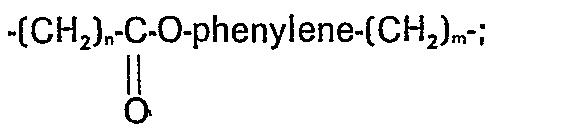
- (d)

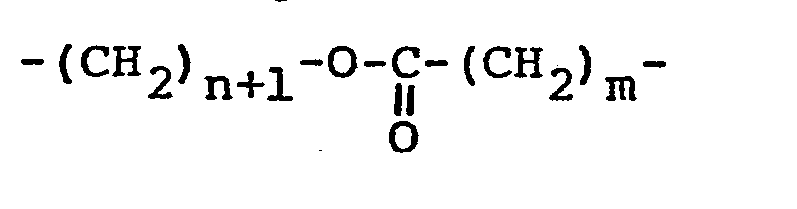
- (e) -(CH2)n+1-O-(CH2)m-; wherein n is an integer from 0 to 3 and m an 0-20; (f)

- (g)-
Description
- Antiseptics are agents designed to kill microbes on exposed surfaces. They are used to prepare the skin for minor and major surgical procedures, to sterilize inanimate articles, operating rooms, hospital environments and for the disinfection of water.
- Antiseptics applied to animate bodies are called antiseptics, bactericides, or bacteriostats; those applied to inanimate bodies are called disinfectants or germicides.
- Halogen compounds have been used for a long time as antiseptics and disinfectants. Their action and mechanism is exerted by interfering with enzymes and coagulating protein. They are more potent than most local antiseptics.
- Among long established preparations are: chloramine T, chloroazodin, Iodoform, tincture of iodine, sodium hypochlorite, hexachlorophene, betadine and halazone. Well-known antibacterial agents that contain chlorine bound to nitrogen are: chloramine T, dichloramine T and halazone. The last compound has been widely used for water disinfection.
- None of these N-chloro compounds is a real chloramine in the strict chemical sense; rather, it is a chlorosulfonamide.
- Other N-chloro compounds that have-been used (or proposed) as antiseptics are the cyclic imides and amidines (see Burger's Medicinal Chemistry, 6th Ed., Part III, Chapter 14).
- The present invention relates to novel chloroamino acids which are stable, non-toxic, economic and potent antibacterial agents. Unlike the widely used topical antiseptics such as hexachlorophene and chlorohexidine, these novel chloroamines are non-persistent, i.e., after accomplishing their germicidal or fungicidal action, they are converted into safe, non-toxic materials. Furthermore, they are shown by skin irritation tests to be totally non-irritating in concentration of 1% (104 ppm). This result is significant as the novel compounds of this invention are active as fungicidal or germicidal agents at concentrations as low as 100 ppm.
- Preliminary formulation studies show that the new chloramines are remarkably stable in certain solvents. For example, 2-dichloroamino-2-methyl-l-propyl hemisuccinate showed no decomposition in esters of polyalcohols such as Triacetin at 60°C for two months. Triacetin is the triacetate of glycerin; it is a viscous liquid with high water solubility and very low toxicity. A concentrated solution of the chloramine in Triacetin suggests itself as a simple, stable antimicrobial product. Of course other aprotic polar solvents can be used as well.
- It is desirable that topical antiseptics conform with the following criteria:
- 1) the antiseptic should have a broad range of activity against Gram-negative and Gram-positive organisms at low concentrations;
- 2) the antiseptic should retain its activity in the presence of soap and protein;
- 3) the antiseptic should be non-irritating;
- 4) the antiseptic should be stable neat and in solution;
- 5) the antiseptic should be non-toxic. The new chloramines of this invention meet all of the above criteria. On the contrary, from a comparative study, all of the products in commercial use fail to meet one or more of the above requirements. Quaternary ammonium compounds are quite active against Gram-positive and Gram-negative organisms but they are easily deactivated by soap and serum. Alcohol, iodine (Betadine), mercurials and silver nitrate tend to irritate and injure the skin. Hexachlorophene is the most widely used phenolic compound employed to disinfect skin and it is compatible with soap. However, it is ineffective against Gram-negative organisms and in animal tests has caused neurotoxicity. Chlorhexidine is a bis- guanidine which is generally effective against Gram-positive and Gram-negative organisms but is deactivated by soap and salts (chlorides, borates, phosphates and sulphate), can cause skin irritation and is not effective against pseudomonas organisms. Chlorine, bromine and iodine are effective antimicrobials but they are irritating and difficult to handle because of their lack of stability.
- Alkylcarboxyl derivatives of N-chloroamino alcohols such as 2-chloroamino-2-methyl-I-propyl acetate, i.e.,

- 1) Increased water solubility;
- 2) Partition coefficients having values close to unity which is a value that is very favorable for skin penetration. This ability to penetrate into the skin coupled to high germicidal and fungicidal activity can be exploited in the treatment of acne and topical fungal diseases; and
- 3) Enhanced germicidal activity. For example, B-dichloroamino-isovaleric acid retains germicidal activity at a concentration of merely 5 ppm or lower.
- The novel chloroamino acids of the present invention are of the structural formula

- Similarly, R 1 and R 2 cannot be hydrogen or any functional groups having a reactive hydrogen.
- These chloroamines are unique in that they are stable. This is significant since most known chloroamines, especially of a-amino acids, are extremely unstable, in fact, they decompose often explosively via oxidative decarboxylation.
- Needless to say, it is this unique stability which makes it possible for utilizing the novel chloroamines of the present invention as potent antibacterial agents.
- Therefore it is an object of the present invention (1) to provide novel antibacterial N,N-dichloro derivatives of amino acids (other than a-amino acids) and the salts thereof; (2) to develop process for the preparation of the novel compounds; (3) to provide methods of application of the novel compounds as topical antiseptics, e.g., germicidal or fungicidal agents; and (4) to provide compositions useful in
- (a) environmental sanitation of public facilities such as hospitals, schools, and military camps; household; farms, such as dairy or poultry farms;
- (b) treatment of food items;
- (c) personal hygiene such as skin cleanser, douche product, mouthwash/gargle;
- (d) veterinary hygiene such as antiseptic gauze pad; and
- (e) general surface disinfectant.
- The present invention concerns novel N,N-dichloro derivatives of an amino acid of the structural formula:

- R i and R 2 are independentiy
- (a) loweralkyl especially C1-10 linear or branched alkyl such as methyl, ethyl, propyl, isopropyl, isobutyl, amyl, hexyl, heptyl, 3,3-dimethyl, heptyl, or 8,8-dimethyloctyl; or
- (b) lower cycloalkyl especially C3-10 cycloalkyl such as cyclopropyl, cyclopentyl, cyclohexyl, 1-(4-methylcyclohexyl)-, or cyclooctyl;
- (c) lower(cycloalkyl-alkyl) especially C4-10 (cycloalkyl-alkyl) such as cyclopropylmethyl, cyclopentylethyl or . cyclohexylbutyl;
- (d) phenyl or lower alkyl-substituted phenyl such as 4-methylphenyl, 3-ethylphenyl, 4-cyclohexylphenyl, or 2,4-dimethylphenyl;
- (e) halosubstituted phenyl such as 4-chlorophenyl, 2,4-difluorophenyl, 2,4-dichlorophenyl, 3-bromophenyl, or 4-iodophenyl;
- (f) lower alkoxy substituted phenyl especially C1-5alkoxy such as 4-methoxyphenyl, 2-ethoxyphenyl, or 4-butoxyphenyl; or
- (g) phenyl(lower alkyl) especially phenyl C l-5 alkyl such as benzyl, 2-phenylethyl, 3-phenylpropyl, 4-phenylbutyl; or
- (a) lower alkylene especially C1-21alkylene such as methylene, ethylene, trimethylene, tetramethylene, heptamethylene, decamethylene, or octadecamethylene
- (b) -(CH2)n-phenylene-(CH2)m-, wherein n and m are independently integers from 0 to 5;
- (c)

- (d)

- (e)

- (f)

- (g) -(CH2)n+1-O-(CH2)m- wherein n is an integer from 0-3 and m an integer from 0-20;
- The preferred embodiment of the present invention comprises compounds of formula (I) wherein R1 and R2 independently are lower alkyl; or alternatively R 1 and R 2 are joined together to form a lower alkylene; and Z is
- (a) C1-21alkylene;
- (b) -(CH2)n+1-O-(CH2)m-;
- (c)


- or a pharmaceutically acceptable salt thereof.
- The even more preferred embodiment of the present invention comprises compounds of formula (I) wherein R1 and R 2 are independently C1-5alkyl such as methyl, ethyl, propyl, butyl or amyl; and Z is
- (a) C1-3alkylene such as methylene, dimethylene, or trimethylene;
- (b) -(CH2)n+1-O-(CH2)m-, wherein n is an integer from 0 to 3, and m is an integer from 0-10;
- (c)

- (d)

- The most preferred embodiment of the present invention comprises compounds of formula (I) wherein R 1 and R 2 are methyl; and z is
- a) methylene or dimethylene
- b)

- c)

- The novel compounds of the present invention are prepared from an amino acid of the structural formula:

- substantially complete in about 1 hour to about 24 hours. Under optimal conditions, the reaction takes about 1 to 5 hours.
- The starting materials, i.e., the amino acids or their esters are prepared by methods known in the art as illustrated by the following schemes.
- (1) Addition of ammonia across a double bond - general procedure for synthesis of β-aminopropanoic acids

- For example, a β,β-disubstituted unsaturated carboxylic acid such as 3,3-dimethylacrylic acid and a sufficient amount of ammonium hydroxide are heated at about 150° in a sealed reactor until the reaction is substantially complete. After cooling, the crude mixture is filtered (if necessary) and then boiled with a sufficient amount of barium hydroxide until evolution of ammonia ceases. The pH of the solution is adjusted to 7 with sulfuric acid and the precipitated barium sulfate is removed by suction filtration. The resultant clear, solution is evaporated to dryness to yield a thick syrup. Treatment of the syrup with dry ethanol and ether yields β,β-dimethyl-β-amino- propanoic acid in pure form.
- In the manner substantially the same as described above the following compounds can be made:
- a) β-methyl-β-ethyl-β-aminopropanoic acid from 3-methyl-3-ethylacrylic acid;
- b) β-methyl-β-phenyl-β-aminopropanoic acid from β-methylcinnamic acid
- c) β-ethyl-β-phenyl-β-aminopropanoic acid from β-ethylcinnamic acid;
- d) β,β-diphenyl-β-aminopropanoic acid from .8-phenylcinnamic acid; and
- e) β-cyclohexyl-β-aminopropanoic acid from Δ1(7)-cyclohexene acetic acid.
- All the above-mentioned starting materials, i.e., B-disubstituted, unsaturated carboxylic acids (except 3,3-dimethyl acrylic acid, which is commercially available) were synthesized via Reformatsky reactions of ethyl bromoacetate with appropriate ketones. The resultant β-hydroxy esters were then dehydrated and hydrolyzed (or hydrolyzed first, then dehydrated) as shown by the following scheme:

- (2) Hydrolysis of 5,5-disubstituted-2-pyrrolidones - preparation of 4,4-disubstituted-4-aminobutanoic acids:

- For example, a mixture of 5,5-dimethyl-2-pyrrolidone, an excess amount of barium hydroxide and a sufficient amount of water is heated under reflux until the reaction is substantially complete. The cooled solution is made slightly acidic with sulfuric acid and neutralized with solid barium carbonate or other bases. After removal of solids by filtration, the filtrate is evaporated under reduced pressure to yield a crude product which after three recrystallizations from an inert solvent such as aqueous ethanol gives an analytically pure product of 4-amino-4,4-dimethyl butanoic acid (4-amino-4-methylvaleric acid).
- 4-amino-2,4-dimethylvaleric acid is prepared similarly from 3,5,5-trimethyl-2-pyrrolidone.
- (3) Condensation of an a,a-disubstituted- amino alcohol with a cyclic anhydride - general procedure for the synthesis of compounds of formula (II)
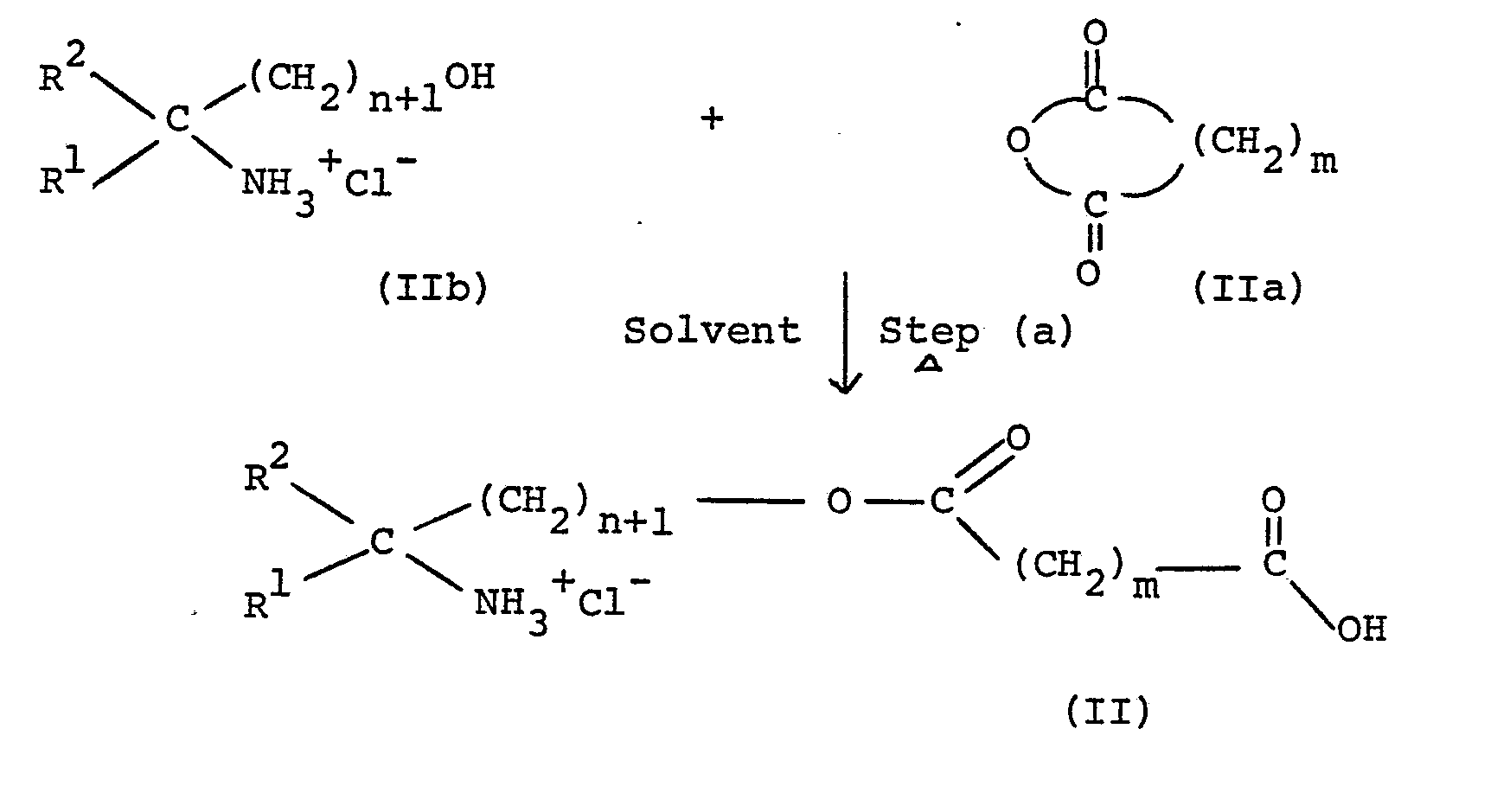
- Aromatic analogs of compound (II) such as 2-(2-amino-2,2-dimethylethoxycarbonyl)benzoic acid and other variously substituted aromatic analogs can be prepared in substantially the same manner.
-
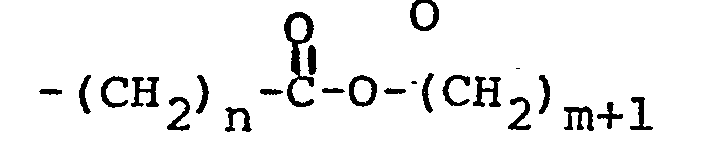
- (4) Condensation of an a,a-disubstituted- amino alcohol with an anhydride according to the following scheme - general procedure for the synthesis of compounds of formula (IV).

- (5) General Procedure for the synthesis of compounds of formula V or VI according to the following scheme:

- The appropriate amino acid is protected as the N-carbobenzyloxy derivative. The acid is converted to the acyl chloride which is then reacted with the alkali metal salt of the appropriate phenol or alcohol. Catalytic hydrogenation is then used to remove in a single step the benzyl ester and the N-carbobenzyloxy protective group.
- The pharmaceutically acceptable salts of the novel compounds of this invention are prepared from neutralizing the subject acids with an inorganic base. The mostly employed bases are sodium hydroxide, potassium hydroxide, calcium hydroxide, and lithium hydroxide. Usually, the neutralization is conducted in an inert solvent such as water, a C1-3 alkanol such as methanol, ethanol or isopropanol, acetone, tetrahydrofuran, dioxane and acetonitrile or a combination thereof. Under normal circumstances, the salt-formation process is carried out in water or aqueous ethanol at 0-75° C, preferably at O°C-25°C, followed by crystallization and filtration.
- The unique characteristic of the chloramines of this invention is their superior stability in aqueous media as compared to other known chloramines. It is discovered that an increase of the separation distance (Z) between the carboxylic acid (-COOH) and the chloroamine moiety (-NC12) leads to chemical entities that are progressively more stable. The effect of this distance on stability in aqueous medium is illustrated in the following table.
-

- It is significant that a chloramine be stable enough to allow the exploitation of its high germicidal and fungicidal activity in the treatment of acne and topical fungal diseases.
- The novel chloramines of the present invention have shown germicidal activity at concentrations as low as about 1-100 ppm (part per million) and fungicidal activity at a concentration as low as about 10 to 1,000 ppm. Skin irritation tests performed with some of the representative compounds indicate that they are totally non-irritating at concentrations up to 1% (10,000 ppm) in buffered aqueous media.
- The compounds of this invention are preferably applied as a solution (normally, 1-95%, but preferably 5-25%) in water. The term "solution" is meant to include a water-miscible alcohol solution, such as isopropyl alcohol or ethyl alcohol, or the alcohol may be used undiluated. The solution is applied in any suitable manner, e.g., by spraying or swabbing the affected area. Alternatively, the compounds of this invention may be applied in the form of any other topical pharmaceutical form, such as a powder, paste, salve, ointment, aerosol spray, etc. These compounds can also be dissolved in a cosmetic base, a cream or oil, and added to other solutions or sprays normally applied to the skin, such as insect repellants, sun screen lotions and ointments and creams normally used in the treatment of skin rashes and allergies, and in topical anesthetics used for the relief of pain and itching of sunburn. The skilled artisan concerned with the subject matter of this invention can easily prepare any of the above-mentioned conventional pharmaceutical dosage forms for topical application by simply referring to "REMINGTON'S PHARMACEUTICAL SCIENCES" (Fourteenth Edition), 1970, pp. 1461-1762.
- Normally, a single application brings immediate relief to the area treated; however, for stubborn cases, repeated application may be necessary.
- Without further elaboration, it is believed that one of ordinary skill in the art can, using the preceeding description, utilize the present invention to its fullest extent. The following preferred specific embodiments are, therefore, to be construed as merely illustrative and not limitative of the remainder of the specification and claims in any way whatsoever.
- S-Amino-isovaleric acid (4.97 g, 42.43 mmol) is dissolved in 100 ml of methanol to give a slightly yellow solution; t-butyl hypochlorite (9.2 g, 84.86 mmol) is then added slowly via pipette away from direct light. Addition is complete in 10 min. The solution is stirred for 2 hr, then the slight colloidal precipitate that had formed is removed by filtration. The solvents are evaporated without heating to more than 35°C. After drying under vacuum, there is obtained 7.50 g (95% yield) of white crystalline material with a tinge of green; mp 44-46°C; NMR (CD30D) 2.83 (s, 2H, CH2), 1.58 (s, 6H, CH 3). Anal. Calcd for C5H9NCl2O2 (185.95): C, 32.29; H, 4.84; N, 7.53. Found: C, 32.58; H, 4.70; N, 7.50.
- 4-Amino-4-methylvaleric acid (2 g, 15.26 mmol) is suspended in good grade methanol. After cooling to 0°C. t-butyl hypochlorite (3.31 g, 30.52 mmol) is added via pipette over 5 minutes. Almost everything dissolves. The mixture is stirred for 2 hr at 0°C. and then allowed to warm to room temperature. Filtration through Celite is followed by evaporation of the methanol on the rotary evaporator at 30°C. The residue is taken up in dichloromethane and the insoluble solid material is removed by filtration. Evaporation of the dichloromethane yields a yellow oil that crystallizes on cooling: mp 35-38°C. Anal. Calcd for C6H11NO2Cl2 (199.96): C, 36.03; H, 5.50; N, 7.00. Found: C, 36.61; H, 5.60; N, 6.85.
- 2-Amino-2-methyl-l-propanol hydrochloride (5 g, 40 mmol) and succinic amhydride (4.2 g, 42 mmol), are suspended in 50 ml of toluene. The reaction mixture is heated under reflux for 24 hr. The toluene is decanted, the residue is taken up in water and added slowly to 150 ml of chlorox ( 0.7M) at 0°C. The mixture is extracted 3 times with dichloromethane. The aqueous layer is then acidified with 5N HC1 and extracted 3 times with dichloromethane. The combined organic layers are dried over sodium sulfate. Evaporation of the solvent yields a yellow oil (6.1 g, 59% yield) that is chromatographed on silica gel (15% EtOAc-CH2Cl2 as eluent). NMR (CDCl3): 1.39 (s, 6H), 2.68 (s, 4H), 4.22 (s, 2H) ; 9.39 (s, 1H). IR (neat): 3000, 1740 and 1710 cm-1. Anal. Calcd for C7H13NCl2O4: C, 37.23; H, 5.08; N, 5.43 Found: C, 37.18; H, 5.20; N, 5.10
- A suspension of 2-amino-2-methyl-l-propanol hydrochloride (0.5 gm; 4 mmole) and 0.48 gm of glutaric anhydride in toluene (20 ml) is refluxed for 16 hrs. After cooling to room temperature, the toluene is decanted. The glassy residue is reconstituted with 10 ml of water and added to 30 ml of chlorox (0.7M) which is chilled in an.ice-water bath.
- The reaction mixture is allowed to stir at 0°C for 5 min. Organic impurities are removed by extracting the reaction mixture with CH2Cl2 three times. The chlorox solution is then acidified with 5M HC1 and extracted with CH2Cl2 twice. The organic layer is collected and dried over anhydrous sodium sulfate. The solvent is evaporated under reduced pressure and the residue (0.52 g) is further purified by chromatography (silica gel) eluting with 15% EtOAc-CH2Cl2. NMR (CDCl3): 1.39 (s, 6H); 1.97 (m, 2H); 2.3-2.6 (m, 4H); 4.21 (s, 2H); 10.40 (s, 1H). IR (neat): 1740 cm-1, 1720 cm-1. Anal. Calcd. for C8H5NCl2O4: N, 5.15; C, 39.72; H, 5.56.. Found: N, 4.98; C, 39.90; H, 5.60.
- 6-Amino-6-methyl heptanoic acid (1.19 g, 7.48 mmol) is dissolved in~80 ml of MeOH. To the solution at 0°C (ice bath) is added t-butyl-hypochlorite (1.62 g, 14.96 mmol) via a Pasteur pipette. After stirring for 1 hour at 0°C, the mixture is allowed to reach room temperature. The slightly cloudy solution is filtered through syntered glass and the solvent is removed under vacuum (do not heat above 35°C). The residue is dissolved in dichloromethane and the solid is removed by filtration. Upon evaporation of the dichloromethane, the dichloroamine is obtained (95% yield) as a green oil. Anal. Calcd for C8H15NCl2O2 C, 42.14; H, 6.57; N, 6.14. Found: C, 42.19; H, 6.51; N, 6.08.
- The starting material, 6-amino-6-methyl- heptanoic acid has four methylene units between the tertiary carbon and the carboxylic acid function. It has been synthesized by the following path:

- 1-1-Dimethylcyclohexanone is treated with hydroxylamine hydrochloride to give the oxime. The latter is transformed (via Beckmann rearrangement) into the gem-dimethyl caprolactam. Basic hydrolysis of the lactam gives the amino acid.
- 2-Dichloroamino-2-methylpropyl hemisuccinic acid (2 g) is dissolved in 10 ml of methanol. To the solution is added 21 ml of a 0.37M solution of sodium methoxide in methanol. After stirring for a few minutes, the solvent is removed under reduced pressure. Further removal of the methanol is accomplished by formation of the azeotrope with benzene until the residue starts to solidify. The white solid residue is further purified by recrystallization from acetonitrile to afford 2.0 g of white, fluffy crystals of sodium 2-dichloroamino-2-methylpropyl hemisuccinate. Anal. Calcd for C7H12NC1204Na: C, 34.31; H, 4.32; N, 5.00. Found: C, 34.57; H, 4.30; N, 4.90.
- 2-Dichloroamino-2-methylpropyl hemiglutaric acid (1 g) is dissolved in 10 ml of methanol and a solution of sodium methoxide in methanol (15 ml, 0.35M) is added. After stirring for 10 minutes, the methanol is thoroughly removed by azeotropic evaporation with benzene until the residue solidifies. The solid is recrystallized from a mixture of acetonitrile and methanol, to afford 0.7 g of white crystals. Anal. Calcd for C8H14NCl2O4Na: C, 36.75; H, 4.80; N, 4.76. Found: C, 37.10; H, 4.88; N, 4.34.
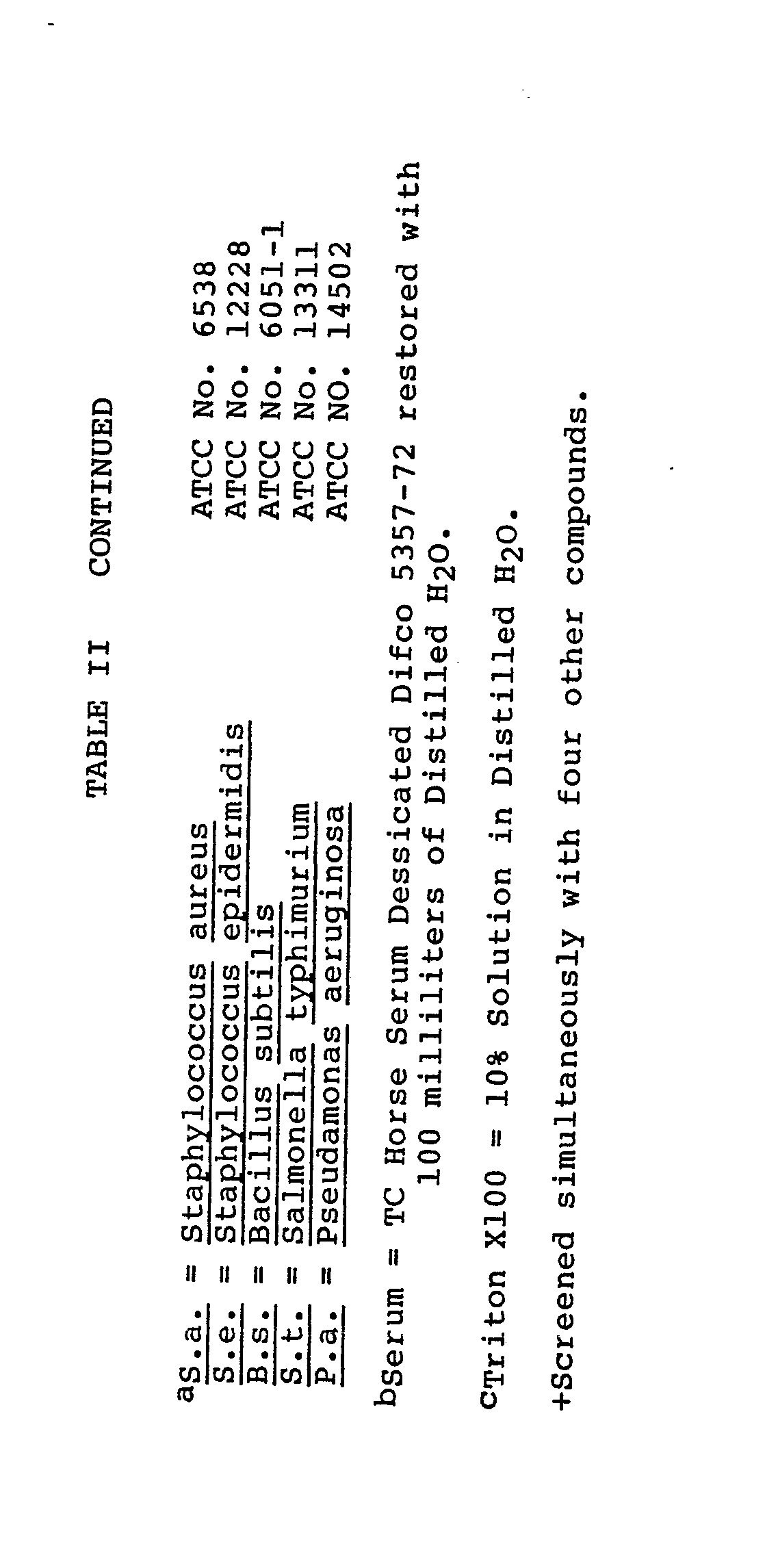
- The organisms used in the contact germicidal screen are all maintained as stock cultures on nutrient agar slants at 4°C. They are transferred and biochemically diagnosed monthly. The five organisms used are:

- The media used are: Nutrient Agar BBL No. 11472, Tryptose Phosphate Broth Difco No. 0060-01, Nutrient Broth Difco No. 0003-01, TC Horse Serum Dessicated Difco No. 5537-72 restored with 100 ml of sterile distilled water.
- Overnight cultures of the test organisms are grown in tryptose phosphate broth. After 15-16 hours, the cultures are centrifuged at 45,000 RPM for 15 minutes, and the supernatant replaced with fresh warm (37°C) media. After two hours of incubation, the absorbance of the culture at 650 nm is determined and diluted with nutrient broth to 1x10⁷ colony forming units per ml (using a previous determined standard curve: colony forming units/ml vs. absorbance at 650). The diluted cultures are maintained at 4-8°C throughout the screen.
- The compounds are weighed into sterile 100 ml volumetric flasks, and immediately before screening dissolved in one of the following buffers: 0.1M NaOAc pH 4.6 or 0.lM NaH2P04 pH 7.0. If solubility poses a problem, 10-30% methanol is used to effect solution. Two denaturing agents are also tested: TC Dessicated Horse Serum restored with 100 ml distilled water and 10% Trition X 100. When used, 2.5 ml of the denaturing agent is mixed with 2.5 ml of double strength test solution thirty minutes before the bacterial suspension is added.
- The screen is initiated when 0.2 ml of the bacterial suspension is added to 5.0 ml of the test solution contained in a sterile 25 ml glass stoppered flask. At intervals of 0.5, 2.5, 5.0, 10.0 and 15.0 minutes, a loopful of the inoculated test solution is subcultured into 5 ml of sterile nutrient broth and mixed with a vortex, the high dilution serving to stop the action of the compound. All of the subculture tubes are incubated at 37°C and checked for signs of growth by turbidity at 1, 3, 5 and 7 days. The earliest subculture time at which no growth is present is considered the endpoint and is recorded as the sterilization time.
- An aliquot of 0.2 ml of the diluted culture is transferred to 5 ml of buffer to simulate 0.2 ml in 5 ml of test solution.
- a) Purity: A loopful of the inoculated buffer is streaked onto nutrient agar to check colony morphology and lack of contaminants.
- b) Viability: A loopful of the inoculated buffer is subcultured to 5 ml of nutrient broth as in the screen and incubated at 37°C for 24 hours.
- c) Dilution of the Test Solution: A loopful of the test solution is transferred to a 5 ml tube of nutrient broth, and a loopful of the inoculated buffer is transferred to the same tube of broth. Turbidity after 24 hours at 37°C indicates that the dilution of the test solution in the nutrient broth subculture tubes during the screen is great enough to stop the action of the compound.
- d) Purity of Organisms in the Test Solution: After the 15 minute subculture, a loopful of the inoculated test solution is streaked onto nutrient agar to insure that contamination has not occurred during the screen.
- e) lack of Bactericidal Activity of Buffers and Other Solvents: Before a buffer or other solvent is used as a diluent, it is screened against the five organisms to insure that the buffer or solvent has no antibacterial activity itself.
- The organisms used in the Contact Fungicidal Screen are a dermatophyte, trychophyton mentagrophytes, frequently associated with athlete's foot; a yeast, Candida albican, causative agent of thrush and vaginitis; a phycomycete, Rhizopus oryzae, commonly known as black bread mold; an ascomycete, Aspergillus fumagatis, found in chicken droppings and causing lung infections; and another dermatophyte, Microsporum canis, which causes ringworm. These organisms are maintained as stock cultures at 4°C on agar slants of the following composition: dextrose 2%, Neopeptone (Difco) 1%, agar 2%. Fluid medium of the same nutrient compositon (without agar) was used to test the viability of the organisms after exposure to the fungicide. This medium is also known as Sabouraud's medium.
- The Trychophyton mentagrophytes is grown in Sabouraud's liquid medium in 100 ml dilution bottles with sufficient glass beads to rise just above the surface of the medium. Incubation is at 30°C for five to seven days or until such time when aerial growth assures the presence of adequate sporulation. At the end of the incubation period a rubber stopper is substituted for the cotton plug and the bottle is shaken in the horizontal position on a Kahn shaker 15 minutes. Ten ml of the suspension is transferred to a sterile 15 ml tube and centrifuged at 1000 rpm for five minutes. This assures that all mycelial fragments and clumped spores are removed from the suspension. Five ml of the supernate are removed to a sterile tube for use in testing fungicidal activity.
- The Candida albican is grown in Sabouraud's liquid medium at 25-30°C for three days. At the end of the incubation period the cell suspension is centrifuged at 200 G and washed with sterile physiological saline (0.85% NaCl). The density of the cell suspension is determined by counting in a hemacytometer. The suspension is stored a 4°C until it is used, at which time it is diluted with sterile physiological saline to a density of 5 x 10⁶ cells per ml.
- A Sabouraud's agar plate culture of Rhizopus oryzae is prepared by planting an inoculum at the center of the agar plate and incubating the culture at 25-30°C for three to five days. The mycelial mat is removed from the surface of the agar using a sterile spatula. It is transferred to a heat sterilized glass tissue grinder and macerated with 25 ml of sterile physiological saline. The suspension is then filtered through sterile glass wool. The density of the sporangia spore suspension is determined by counting in a hemacytometer. The suspension is stored at 4°C until it was used, at which time it was diluted with sterile physiological saline to a density of 5 x 10⁶ spores per ml.
- Sabouraud's agar plate cultures of Aspergillus fumigatus, Microsporum canis, and a different culture of Trychophyton mentagrophytes are prepared by planting an inoculum at the center of an agar plate and incubating at 25-30°C for seven to ten days. The mycelial mats are removed from the surface of the agar and prepared in the same manner as the Rhizopus culture.
- The compounds are weighed into heat sterilized 100 ml volumetric flasks and immediately before screening dissolved in 0.lM NaOAc pH 4.6 buffer (test solutions).
- The broth culture of Trychophyton mentagrophytes and the test solutions are held for a minimum of 15 minutes in a 20°C water bath prior to the exposure, so that the temperature is constant. Five tenths (0.5) ml of the broth spore suspension is added to 5 ml of the test solution and thoroughly mixed. At intervals of 0.5 minute, 1 minute, 2 minutes, and 5 minutes, 0.1 ml aliquots of the suspension of the spores in the test solution are removed and immediately transferred to flasks containing 200 ml of sterile Sabouraud's liquid medium. A control flask is first inoculated with 0.1 ml of the test solution, shaken well and then inoculated with 0.1 ml of the spore suspension to insure that the dilution factor of the broth is beyond any fungistatic activity of the test solution. The flasks are then incubated at 30°C for ten days with daily observation for mycelial growth.
- / The Aspergillus, Candida, Microsporum and Rhizopus species are screened in a slightly different manner. Basically, the procedure for the Contact Germicidal Efficiency Screen is utilized. After the test solutions are made up, 5 ml aliquots are pipetted into heat sterilized 25 ml glass stoppered erlenmeyer flasks. The screen is initiated when 0.5 ml of the 5 x 10⁶ cell (spore) per ml suspension is added to the flask containing 5 ml of the test solution. At intervals of 0.5, 2.5, 5.0, 10.0 and 15.0 minutes, a 4mm loopful of the inoculated test solution is subcultured into 7 mL of sterile fluid Sabouraud's medium and mixed on a vortex, the high dilution serving to stop the action of the compound. The subculture tubes are incubated at 25-30°C for ten days with daily observation for mycelial growth. The earliest subculture time at which no growth is present is considered the endpoint and is recorded as the sterilization time.
- To insure the viability of the culture, a 0.5 ml aliquot of the 5 x 10⁶ cells (spores) per ml suspension is transferred to 5 ml of the pH 4.6 buffer. A loopful of the inoculated buffer is then subcultured to 7 ml of fluid Sabouraud's medium and incubated at 25-30°C for ten days. To insure that the dilution of the test solution into the subculture medium does stop the action, a loopful of the test solution and a loopful of the inoculated buffer are transferred into the same subculture tube. This tube is also incubated at 25-30°C for ten days. The results are summarized below in Table VI.


- Set forth below are some illustrative topical formulations containing a selected tetraalkyldiamide compound (weight %) of the instant invention.
- Formulation Number 1 - Solution .8-dichloroamino-isovaleric acid (II) - 0.01-15% Distilled water qs to 100%
- Procedure: Dissolve compound (II) in enough water to make 100%. Filter the solution. Apply to the effected area.
- Formulation Number 2 - Tincture
-

- Procedure: Dissolve compound (III) in the alcohol. Add sufficient water to make 100%. Filter and apply to affected area.
- Formulation Number 3 - Topical Aerosol

- The above solution is incorporated into a propellant system, such as, for example, conventional halogenated hydrocarbon propellant qs 100% e.g. Freon 11(trichloro-fuluromethane), Freon 12(dichlorodifluromethane), Freon 14. (carbon tetrafluoride), Freon C 318 (Octaflurocyclobutane), Freon 114(Cryofluorane), isbutane-propane, etc.
- Procedure: Dissolve Compound IV in the alcohol and isopropylmyristate. Add sufficient propellant and introduce into conventional aerosol containers either by pressure or by cold filing. Apply to affected area.
- Formulation Number 4 - Ointment 2-dichloroamino-2-methyl-I-propyl hemisuccinate (V) 0.01- 5% Petrolatum U.S.P. qs to 100%
- Procedure: Heat the petrolatum to 60°C. Add compound (V) and stir until thoroughly dispersed. Cool to room temperature. Apply to affected area.




Claims (9)






Priority Applications (1)
| Application Number | Priority Date | Filing Date | Title |
|---|---|---|---|
| AT82100635T ATE19620T1 (en) | 1981-01-30 | 1982-01-29 | DICHLORAMINOACID DERIVATIVES WITH GERMICIDAL AND FUNGICIDAL ACTIVITIES. |
Applications Claiming Priority (2)
| Application Number | Priority Date | Filing Date | Title |
|---|---|---|---|
| US06/229,805 US4386103A (en) | 1981-01-30 | 1981-01-30 | Dichloroamino acid derivatives useful as potent germicidal and fungicidal agents |
| US229805 | 1981-01-30 |
Publications (3)
| Publication Number | Publication Date |
|---|---|
| EP0057444A2 true EP0057444A2 (en) | 1982-08-11 |
| EP0057444A3 EP0057444A3 (en) | 1983-01-19 |
| EP0057444B1 EP0057444B1 (en) | 1986-05-07 |
Family
ID=22862738
Family Applications (1)
| Application Number | Title | Priority Date | Filing Date |
|---|---|---|---|
| EP82100635A Expired EP0057444B1 (en) | 1981-01-30 | 1982-01-29 | Dichloroamino acid derivatives useful as potent germicidal and fungicidal agents |
Country Status (10)
| Country | Link |
|---|---|
| US (1) | US4386103A (en) |
| EP (1) | EP0057444B1 (en) |
| JP (1) | JPS57140758A (en) |
| AT (1) | ATE19620T1 (en) |
| DE (1) | DE3270925D1 (en) |
| DK (1) | DK40282A (en) |
| ES (1) | ES509147A0 (en) |
| GR (1) | GR74728B (en) |
| IE (1) | IE52646B1 (en) |
| PT (1) | PT74358B (en) |
Cited By (1)
| Publication number | Priority date | Publication date | Assignee | Title |
|---|---|---|---|---|
| EP2120965A4 (en) * | 2006-12-29 | 2011-05-18 | Novabay Pharmaceuticals Inc | N-halogenated amino compounds and derivatives |
Families Citing this family (12)
| Publication number | Priority date | Publication date | Assignee | Title |
|---|---|---|---|---|
| US4622403A (en) * | 1983-10-11 | 1986-11-11 | Merck Frosst Canada, Inc. | 6-H dibenz[b,f]thiepin compounds |
| US5096700A (en) * | 1990-09-28 | 1992-03-17 | The Procter & Gamble Company | Halogenated aminohexanoates and aminobutyrates antimicrobial agents |
| CH687559A5 (en) * | 1992-09-09 | 1996-12-31 | Fischer Georg Automobilguss | Arrangement of a rolling bearing. |
| US5753701A (en) * | 1996-10-25 | 1998-05-19 | University Of Kentucky | N-chloro-N-methyl glucamine and N-chloro-N-methyl glucamine esters as novel safe agents for water disinfection |
| PT1656095E (en) * | 2003-08-18 | 2014-03-11 | Novabay Pharmaceuticals Inc | N,n-dihalogenated amino acids and derivatives |
| US7423064B2 (en) * | 2004-09-24 | 2008-09-09 | Olatec Industries, Llc | Composition for treating bacterial, viral, fungal diseases, inflammation and pain |
| TWI386201B (en) * | 2005-01-25 | 2013-02-21 | Novabay Pharmaceuticals Inc | N-halogenated amino acids, n, n-dihalogenated amino acids and deriavtives; compositions and methods of using them |
| JP2009511493A (en) * | 2005-10-06 | 2009-03-19 | ノバベイ・ファーマシューティカルズ・インコーポレイテッド | Systems and methods for the prevention of bacterial and fungal infections, including urinary tract infections (UTI), using N-halogenated amino acids |
| CA2723262A1 (en) * | 2008-04-15 | 2009-10-22 | Waldemar Gottardi | Compositions and devices for antisepsis and anticoagulation |
| WO2010054009A1 (en) | 2008-11-07 | 2010-05-14 | Novabay Pharmaceuticals, Inc. | Antimicrobial oxazolidinone, hydantoin and imidazolidinone compositions |
| CN103405812A (en) * | 2013-05-24 | 2013-11-27 | 海安县美佳卫生用品有限公司 | Manufacturing method of iodoform gauze |
| CN111116406B (en) * | 2019-12-31 | 2020-12-25 | 吉林大学 | Haloamine capable of forming bactericidal coating on surface of article and method for forming bactericidal coating on surface of article |
Family Cites Families (6)
| Publication number | Priority date | Publication date | Assignee | Title |
|---|---|---|---|---|
| US3640855A (en) * | 1968-09-06 | 1972-02-08 | Chevron Res | C-alkyloxy substituted tert.-butyl amine as lubricating oil detergent |
| GB1452263A (en) | 1972-07-20 | 1976-10-13 | Nat Patent Develpment Corp | Amino acid process for its preparation and compositions thereof |
| US4045578A (en) * | 1974-06-14 | 1977-08-30 | Interx Research Corporation | N-chloro-amino acid derivatives exhibiting antibacterial activity |
| US3966796A (en) * | 1974-06-14 | 1976-06-29 | Interx Research Corporation | N-chloro-amino acid derivatives activity |
| US4036843A (en) * | 1975-11-14 | 1977-07-19 | Interx Research Corporation | Certain chloroamino esters of pyridine carboxylates and derivatives thereof |
| US4171452A (en) * | 1975-11-14 | 1979-10-16 | Interx Research Corporation | Antibacterially active N-chloroamino ester derivatives of alkyl carboxylates |
-
1981
- 1981-01-30 US US06/229,805 patent/US4386103A/en not_active Expired - Fee Related
-
1982
- 1982-01-20 JP JP57008234A patent/JPS57140758A/en active Pending
- 1982-01-28 ES ES509147A patent/ES509147A0/en active Granted
- 1982-01-28 GR GR67141A patent/GR74728B/el unknown
- 1982-01-29 DK DK40282A patent/DK40282A/en not_active Application Discontinuation
- 1982-01-29 IE IE200/82A patent/IE52646B1/en not_active IP Right Cessation
- 1982-01-29 DE DE8282100635T patent/DE3270925D1/en not_active Expired
- 1982-01-29 AT AT82100635T patent/ATE19620T1/en not_active IP Right Cessation
- 1982-01-29 PT PT74358A patent/PT74358B/en unknown
- 1982-01-29 EP EP82100635A patent/EP0057444B1/en not_active Expired
Cited By (1)
| Publication number | Priority date | Publication date | Assignee | Title |
|---|---|---|---|---|
| EP2120965A4 (en) * | 2006-12-29 | 2011-05-18 | Novabay Pharmaceuticals Inc | N-halogenated amino compounds and derivatives |
Also Published As
| Publication number | Publication date |
|---|---|
| DE3270925D1 (en) | 1986-06-12 |
| JPS57140758A (en) | 1982-08-31 |
| IE52646B1 (en) | 1988-01-06 |
| EP0057444A3 (en) | 1983-01-19 |
| EP0057444B1 (en) | 1986-05-07 |
| PT74358B (en) | 1984-05-30 |
| DK40282A (en) | 1982-07-31 |
| ES8304919A1 (en) | 1983-03-16 |
| ATE19620T1 (en) | 1986-05-15 |
| IE820200L (en) | 1982-07-30 |
| ES509147A0 (en) | 1983-03-16 |
| GR74728B (en) | 1984-07-10 |
| US4386103A (en) | 1983-05-31 |
| PT74358A (en) | 1982-02-01 |
Similar Documents
| Publication | Publication Date | Title |
|---|---|---|
| EP0057444B1 (en) | Dichloroamino acid derivatives useful as potent germicidal and fungicidal agents | |
| US8748617B2 (en) | Amide compound or salt thereof, and biofilm inhibitor, biofilm remover and disinfectant containing the same | |
| US5068064A (en) | N-substituted lauramides, their preparation and compositions in which they are present | |
| US5036077A (en) | 1-(benzylpiperidino)propan-2-ol derivatives, their preparation, their use as antimicrobial agents and the products in which they are present | |
| US5073570A (en) | Mono-iodopropargyl esters of dicarboxylic anhydrides and their use as antimicrobial agents | |
| US4287191A (en) | Novel salicylanilides and microbiocidal compositions and uses thereof | |
| US5089251A (en) | Aromatic derivatives and their use as antimicrobial agents | |
| US8507674B2 (en) | Quorum sensing inhibitor | |
| US4196217A (en) | Hydroxylated amines with bacteriostatic activity | |
| US4192894A (en) | Compound with disinfectant activity and pharmaceutical compositions containing the same | |
| EP2077260B1 (en) | Amide compound or salt thereof, and biofilm formation inhibitor, biofilm remover and bactericide each using the amide compound or salt thereof | |
| EP0255807B1 (en) | N-alkylamides of d-(+) -carnitine having antibacterial activity, process for their preparation and pharmaceutical and cosmetic compositions containing same | |
| US5045306A (en) | N-alkylamides of D,L and L(-)-carnitine having antibacterial activity, process for their preparation and pharmaceutical and cosmetic compositions containing same | |
| US20080241081A1 (en) | Amide compound or salt thereof, and biofilm remover containing the same | |
| JPS6119620B2 (en) | ||
| US4107313A (en) | α,α-Bis-[4-(R-amino)-1-pyridinium]xylenes and antibacterial and antifungal uses | |
| US4322441A (en) | Use of fluorinated beta-diketones as bacteriocides and fungicides | |
| US4092420A (en) | Novel soft N-chloroamino alcohol derivatives exhibiting antibacterial activity | |
| US4046873A (en) | Alicyclic amido-quaternary ammonium anti-bacterial agents | |
| US5258552A (en) | N-alkylamides of d(+)-carnitine having antibacterial activity, process for their preparation and pharmaceutical and cosmetic compositions containing same | |
| JPH0558971A (en) | Aminoester compound salt and disinfectant | |
| US3031373A (en) | 8-quinolyl carbonate derivatives | |
| JP3650199B2 (en) | Antifungal agent and composition containing the same | |
| US3637828A (en) | 2-hydroxy - 3 5 6 - trichloromandelic acid and a process for the making thereof | |
| JP3568578B2 (en) | Thiocyanate compound derivative having yonone skeleton and fungicide using the same |
Legal Events
| Date | Code | Title | Description |
|---|---|---|---|
| PUAI | Public reference made under article 153(3) epc to a published international application that has entered the european phase |
Free format text: ORIGINAL CODE: 0009012 |
|
| AK | Designated contracting states |
Designated state(s): AT BE CH DE FR GB IT LU NL SE |
|
| ITCL | It: translation for ep claims filed |
Representative=s name: SOCIETA' ITALIANA BREVETTI S.P.A. |
|
| PUAL | Search report despatched |
Free format text: ORIGINAL CODE: 0009013 |
|
| AK | Designated contracting states |
Designated state(s): AT BE CH DE FR GB IT LI LU NL SE |
|
| 17P | Request for examination filed |
Effective date: 19830719 |
|
| GRAA | (expected) grant |
Free format text: ORIGINAL CODE: 0009210 |
|
| AK | Designated contracting states |
Kind code of ref document: B1 Designated state(s): AT BE CH DE FR GB IT LI LU NL SE |
|
| REF | Corresponds to: |
Ref document number: 19620 Country of ref document: AT Date of ref document: 19860515 Kind code of ref document: T |
|
| ITF | It: translation for a ep patent filed | ||
| REF | Corresponds to: |
Ref document number: 3270925 Country of ref document: DE Date of ref document: 19860612 |
|
| ET | Fr: translation filed | ||
| PLBE | No opposition filed within time limit |
Free format text: ORIGINAL CODE: 0009261 |
|
| STAA | Information on the status of an ep patent application or granted ep patent |
Free format text: STATUS: NO OPPOSITION FILED WITHIN TIME LIMIT |
|
| 26N | No opposition filed | ||
| ITTA | It: last paid annual fee | ||
| PGFP | Annual fee paid to national office [announced via postgrant information from national office to epo] |
Ref country code: CH Payment date: 19921216 Year of fee payment: 12 |
|
| PGFP | Annual fee paid to national office [announced via postgrant information from national office to epo] |
Ref country code: FR Payment date: 19921228 Year of fee payment: 12 |
|
| PGFP | Annual fee paid to national office [announced via postgrant information from national office to epo] |
Ref country code: GB Payment date: 19921231 Year of fee payment: 12 |
|
| PGFP | Annual fee paid to national office [announced via postgrant information from national office to epo] |
Ref country code: SE Payment date: 19930104 Year of fee payment: 12 Ref country code: AT Payment date: 19930104 Year of fee payment: 12 |
|
| PGFP | Annual fee paid to national office [announced via postgrant information from national office to epo] |
Ref country code: BE Payment date: 19930107 Year of fee payment: 12 |
|
| PGFP | Annual fee paid to national office [announced via postgrant information from national office to epo] |
Ref country code: LU Payment date: 19930129 Year of fee payment: 12 |
|
| PGFP | Annual fee paid to national office [announced via postgrant information from national office to epo] |
Ref country code: NL Payment date: 19930131 Year of fee payment: 12 |
|
| PGFP | Annual fee paid to national office [announced via postgrant information from national office to epo] |
Ref country code: DE Payment date: 19930226 Year of fee payment: 12 |
|
| EPTA | Lu: last paid annual fee | ||
| PG25 | Lapsed in a contracting state [announced via postgrant information from national office to epo] |
Ref country code: GB Effective date: 19940129 Ref country code: AT Effective date: 19940129 Ref country code: LU Free format text: LAPSE BECAUSE OF NON-PAYMENT OF DUE FEES Effective date: 19940129 |
|
| PG25 | Lapsed in a contracting state [announced via postgrant information from national office to epo] |
Ref country code: SE Effective date: 19940130 |
|
| PG25 | Lapsed in a contracting state [announced via postgrant information from national office to epo] |
Ref country code: LI Effective date: 19940131 Ref country code: BE Effective date: 19940131 Ref country code: CH Effective date: 19940131 |
|
| BERE | Be: lapsed |
Owner name: MERCK & CO. INC. Effective date: 19940131 |
|
| PG25 | Lapsed in a contracting state [announced via postgrant information from national office to epo] |
Ref country code: NL Effective date: 19940801 |
|
| NLV4 | Nl: lapsed or anulled due to non-payment of the annual fee | ||
| GBPC | Gb: european patent ceased through non-payment of renewal fee |
Effective date: 19940129 |
|
| PG25 | Lapsed in a contracting state [announced via postgrant information from national office to epo] |
Ref country code: FR Effective date: 19940930 |
|
| REG | Reference to a national code |
Ref country code: CH Ref legal event code: PL |
|
| PG25 | Lapsed in a contracting state [announced via postgrant information from national office to epo] |
Ref country code: DE Effective date: 19941001 |
|
| REG | Reference to a national code |
Ref country code: FR Ref legal event code: ST |
|
| EUG | Se: european patent has lapsed |
Ref document number: 82100635.0 Effective date: 19940810 |